
Last updated on April 28, 2026

Emeritus of Conflict | Illustration by Alix Branwyn
Greetings planeswalkers! It’s time for a return to Strixhaven, which we haven’t had the pleasure of visiting in about five years. Secrets of Strixhaven seems to repeat much of what worked from the first set, with all five enemy-colored schools returning. The set also includes a new Mystical Archive, which helps to support the same critical density of instants and sorceries that its predecessor was known for.
Introduction

Forum of Amity | Illustration by Richard Wright
This Day Zero guide aims to give you the brightest possible picture of a set I haven’t yet played! By studying the card file, we can learn a lot about Secrets of Strixhaven before we’ve even had the opportunity to crack our first booster or fire up a practice SOS Draft. Keep reading to learn all about the set’s mechanics, archetypes, synergies, mana fixing, and bomb rares. I’ll also throw in some guesses for the set’s best commons and uncommons.
Mechanics
Secrets of Strixhaven features a mix of new and returning mechanics. Each school gets their own mechanic to build around.
Prepare


But before we get to that, we need to address the elephant in the room (not you Quintorius). I’m talking about prepare, one of the sweetest new mechanics I’ve seen in years! Just check out Emeritus of Ideation if you don’t believe me.
There are creatures in this set that have an instant or sorcery attached to them, which you can cast by paying the mana cost listed on the card. You may only do this when the creature is “prepared”, which is a designation a permanent can have. Some creatures will say that they “enter prepared”, while others have hoops you have to jump through first. Others may even offer you the ability to cast the same spell multiple times (i.e. Joined Researchers, Spiritcall Enthusiast).
Gameplay wise, prepare is pretty similar to most activated abilities. While the spell you cast is indeed a spell (and thus your opponent can counter it, plus it triggers instant and sorcery payoffs), you can still evaluate it like you would an activated ability. Most prepared creatures are also one-offs, so the exhaust mechanic may be an even better comparison.
Prepare appears in every color in the set and at all different rarities. It helps decks to maintain a high instant and sorcery count while also hitting their creature curve, and it should be the glue that holds Secrets of Strixhaven Limited together.
Prepare Evaluation

To help you assess prepared cards, let’s go through a couple of examples, starting with Landscape Painter.
Landscape Painter’s baseline is a 2/1 for , which is below average curve filler. That stat line can attack a few times early or trade with your opponent’s 2-drop. If you can keep it around though, you’ll have the opportunity to use Vibrant Idea later. While over-costed (Divination is too weak these days, and this costs 2 more), it’s pure upside for your filler 2-drop. As a result, it’s a card that’s neither unplayable nor amazing, though it’s certainly better than the sum of its parts.

Next up, Infirmary Healer. Here the base stats are stronger; a 2/3 for is a reasonable playable on its own. Stream of Life is wildly unplayable as an actual card, but as a bonus on a creature it has its merits. This also offers a way to trigger the infusion mechanic. As such, Healer ranges from a decent filler 2-drop to something you’d actively want if you have lifegain synergies.

Finally, let’s take a look at Vastlands Scavenger. The baseline body here is a 4/4 deathtoucher for , which is well above average. But wait there’s more! This one also comes with a powerful spell in “Bind to Life”. Getting the best creature from the top seven cards of your library on an already above-average creature is a pretty amazing deal, which makes Vastlands Scavenger a clear P1P1 level card.
Repartee (Silverquill)


The next five mechanics are all tied to a specific school, which actually wasn’t a thing in the original Strixhaven. Silverquill’s (’s) mechanic is repartee, a triggered ability that occurs whenever you cast an instant or sorcery that targets a creature. Think of it kind of like a broader heroic, and you’ll see the picture.
Repartee has numerous effects in this set, ranging from temporary evasion (Inkling Mascot) to distributing +1/+1 counters (Scolding Administrator) to creating 1/1 fliers (Informed Inkwright). It works great with pump spells, removal spells, and targeted cantrips like Rapier Wit. Prepared creatures like Quill-Blade Laureate also prove invaluable because they provide creatures you can target and spells to target them with!
Repartee appears only on white, black, and white-black cards in this set. The same goes for all of the school mechanics.
Repartee Evaluation

Evaluating repartee cards is pretty simple. Rehearsed Debater for instance has the baseline of being a 3/3 vigilance creature for , which is passable. If you can target stuff consistently, it may attack/block as a 4/4 or 5/5 that turn. This makes for a card that’s either low-end filler, or actively desirable, depending on how good you are at targeting creatures with spells.

The same goes for a more powerful card like Stirring Hopesinger, which has an okay baseline and an absolutely monstrous payoff for repartee. Making Silverquill work in Secrets of Strixhaven will require a careful mix of payoffs and enablers.
Opus (Prismari)

Opus is a simple mechanic that acts similar to prowess. Creatures with opus (it only appears on creatures) trigger when you cast an instant or sorcery to provide some kind of helpful bonus. However, if you spend 5 or more mana to cast that instant or sorcery, a stronger effect occurs. Take Muse Seeker for example, which merely loots with smaller spells and flat out draws a card when you cast an expensive instant or sorcery.
Five is the magic number for Prismari () in this set, so always be on the lookout for instants and sorceries that cost 5 or more. Mediocre commons like Heated Argument and Muse's Encouragement are at their best with opus. There are also prepared creatures like Landscape Painter that have obvious synergy with the mechanic.
Opus Evaluation

Deluge Virtuoso is our first example, and it has a Frost Lynx body with pseudo-prowess baseline. The difference between the normal effect and opus bonus isn’t especially pronounced here, but a Frost Lynx that can actually brawl well sometimes looks strong.

Colorstorm Stallion on the other hand really rewards you when you can trigger opus optimally. Its base trigger is identical to Virtuoso’s, but its bonus creates an entire copy of itself! This is the kind of card that goes nuts with hard opus payoffs like Rapturous Moment, which should be a lot of fun to build around.
Infusion (Witherbloom)


Infusion is an ability keyword that simply cares if you’ve gained life this turn. There are many different kinds of bonuses on infusion cards, ranging from extra combat stats (Tenured Concocter) to permanent +1/+1 counters (Old-Growth Educator) to a 3-mana Damnation(Withering Curse)!
Building around infusion is pretty simple because you can power out these effects by gaining life as often as possible. Pest tokens have returned to assist you in this, though they’ve been changed to gain you 1 life when the Pest attacks, rather than when it dies.
Infusion Evaluation

Let’s begin with a simple filler common. Ulna Alley Shopkeep has okay stats and menace as a baseline, but it hits much harder if you can gain life for it. As with Rehearsed Debater, Shopkeep ranges from an underwhelming playable to actively solid depending on how much infusion support you have.

Moseo, Vein's New Dean shows us a much more exciting infusion payoff. Moseo’s baseline is a 2/1 flier with a 1/1 Pest friend, which is above average for . The Pest offers an inbuilt way to trigger Moseo’s infusion ability, which actually scales with the amount of life you’ve gained this turn. As such, the more other lifegain cards you have, the harder Moseo rewards you for triggering infusion.
Flashback (Lorehold)

Flashback is the only school mechanic that isn’t new. You’ve likely played with this one numerous times, as it dates all the way back to Odyssey. If you’d like a recap, spells with flashback allow you to cast them from your graveyard by paying their flashback cost. They’re then exiled after the spell leaves the stack (regardless of whether it resolves or not).
Most flashback costs are significantly higher than their originals, although there’s one card that uses an entirely different resource (Group Project). Flashback is especially useful for Lorehold () due to the school’s payoffs for cards leaving the graveyard (i.e., Owlin Historian, Ark of Hunger).
Flashback Evaluation

Flashback is a handy mana sink that provides some extra oomph on your original card. Tome Blast for instance is a bit underpowered to start, as the going rate for 2 damage is usually at instant speed, not at sorcery (i.e., Shock). However, getting to reuse it later in the game (while triggering opus, repartee, etc.) makes it significantly more playable.

Antiquities on the Loose is about as strong as a flashback card can get. It starts out as a pair of 2/2 spirits for , which is already above par for Limited. But when you flash it back, you’ll trigger its bonus “cast from anywhere other than your hand” clause, which nets you two 3/3 spirits and potentially several other free +1/+1 counters later on!
Increment (Quandrix)

Increment is the last school keyword, and it appears exclusively on creatures. Whenever you cast a spell, if the amount of mana you spent to cast that spell is greater than the power or toughness of a creature with increment, you put a +1/+1 counter on that creature.
For example, let’s say you cast Cuboid Colony on turn 2. You cast Quick Study next turn, which costs 3 mana. Since 3 is greater than 1, you’ll put a +1/+1 counter on Cuboid Colony. You’d do the same again next turn if you cast another Quick Study.
Increment Evaluation
You can think of increment as a welcome bonus on creatures, as it helps them to scale as the game goes on. Increment plays well in rampy/value pile decks; ideally you’ll be able to cast bigger and bigger spells each turn of the game.

Textbook Tabulator is a pretty standard increment common. The starting body here is awful for its cost, but its low power makes it very easy to scale. The toughness slanting and free card selection with surveil also suggest a more controlling approach. This frog won’t beat down for several turns (if ever).

Pensive Professor shows off what a stronger increment card looks like. As with Textbook Tabulator, it starts with pretty terrible stats, but turning several future spells into cantrips is incredibly powerful.
Paradigm

Paradigm is a niche mechanic that appears only on a cycle of mythic rares. When you first resolve a paradigm spell with a specific name, you’ll exile it. You’ll then have the option to cast a free copy of it from exile at the beginning of each of your first main phases, for the rest of the game!
If you’ve ever played with the old (and terrible) epic mechanic, think of paradigm as a fixed version of it. All five of the paradigm spells are over-costed on the first cast, but they generate obscene value if the game doesn’t end shortly afterwards. Some of these look quite powerful for Limited play, so I’m glad that this cycle is limited to mythic rares only.
Converge

Converge is a returning mechanic first introduced in Battle for Zendikar. Spells with converge scale with the number of colors spent to cast them, which encourages a rainbow approach to deckbuilding. The difference between Arcane Omens for X=2 and X=5 could be your opponent’s entire hand!
Converge is a welcome subtheme in this set, which encourages an entirely different kind of deck than a straightforward 2-color build.
Books

Book is a new artifact subtype that appears on one card in the set (Diary of Dreams). There are no cards in Secrets of Strixhaven that actually care about books, so I’m listing this only for the sake of completeness.
Set Overview
With the mechanics out of the way, we can now get to the meat of the set! What’s Secrets of Strixhaven all about anyways?
Instants and Sorceries
As with the first Strixhaven set, Secrets of Strixhaven features more instants and sorceries than most sets. If you count prepared creatures, the set has 43 common instants and sorceries. We can compare this to some recent normal sized sets:
- Tarkir: Dragonstorm (29)
- Final Fantasy (28)
- Foundations (25)
- Edge of Eternities (21)
Many cards in SOS also care directly about instants and sorceries, like Potioner's Trove, Tablet of Discovery, and Brush Off. Expect your decks to feel full of instants and sorceries relative to most sets, and look for ways to capitalize on this.
The Mystical Archive
A returning feature from Strixhaven is the Mystical Archive, a 65-card bonus sheet for Secrets of Strixhaven that consists exclusively of instants and sorceries. Every Play Booster contains at least one card from the Mystical Archive. Here are the odds for each rarity to appear in a Play Booster:
Rarity Breakdown of SOA Slots
- Uncommon (87.5%)
- Rare (9.6%)
- Mythic rare (2.9%)
On extremely rare occasions, you may also pull a second Mystical Archive card in your Play Booster’s foil slot. Here’s the foil odds, with the Mystical Archive odds listed last:
Odds of 1 Traditional foil card of any rarity
- A common (54.4%), uncommon (33.6%), rare (6.7%), or mythic rare (1.1%) card from the Secrets of Strixhaven main set
- A rare or mythic rare borderless Elder Dragon, planeswalker, or dual land (less than 1%)
- A rare or mythic rare field notes card (less than 1%)
- An uncommon (2.8%), rare (less than 1%), or mythic rare (less than 1%) Mystical Archive card
The most relevant Mystical Archive cards in Limited will definitely be the uncommons. I’ve included a full review for every card in the Archive.
Archetype Overlap
One important thing to evaluate with new sets is how each archetype meshes with each other one. Secrets of Strixhaven has a fair bit of cross-play between its archetypes and mechanics, which should make Limited more interesting. Let’s do some theorycrafting.
- Repartee works great with flashback cards like Dig Site Inventory and Tome Blast, which offer multiple triggers for one card.
- Opus and increment both reward you for casting big spells, so it’s easy to imagine UR and GU decks wanting many of the same cards.
- Converge meshes well with opus and increment, as big spell decks are often well set up to splash other colors (which opens up converge to be good).
- Flashback can occasionally work with opus and increment, since they care about the amount of mana spent to cast a spell, rather than the spell’s mana value. Flashing back a Tome Blast for instance triggers the bonus on opus and increment on all but the largest creatures. (One caveat: Most spells with flashback are actually too cheap to trigger opus successfully.)
- Infusion is mostly on its own, although there are a handful of repartee-friendly cards like Adventurous Eater, Melancholic Poet, and Oracle's Restoration which play well with both mechanics.
Colors
What’s each color up to in Secrets of Strixhaven? We can start to assemble the puzzle by taking a look at all of their commons.
White


White is a shared color between Silverquill and Lorehold. Rehearsed Debater, Rapier Wit, Honorbound Page, Elite Interceptor, and Interjection all make sense in the context of repartee. Meanwhile, Stone Docent, Owlin Historian, and Ascendant Dustspeaker set up Lorehold’s “leaves the graveyard” gameplay. Dig Site Inventory is the only card here that has clear synergy with both mechanics.
This cast is rounded out by a couple of solid other cards that aren’t tied to any particular mechanic, like Shattered Acolyte and Eager Glyphmage.
Blue


Blue is a shared color between Prismari () and Quandrix (). Its main identity at common in this set is card draw and soft removal like Run Behind and Procrastinate. Textbook Tabulator should play well for both blue schools because neither of them seem especially aggressive. Spellbook Seeker is a really interesting effect to see at common, and it might occasionally pick up some value by discarding flashback cards.
Black


Black is a shared color between Silverquill () and Witherbloom (). Most of black’s commons are designed to support either repartee or infusion, although there are a handful that are useful for both. You’ll likely prioritize Last Gasp and Wander Off over other commons though, as black has some of the best common removal spells in the set.
Red


Red is a shared color between Prismari () and Lorehold (). Red appears significantly more midrangy to me here than it does in most sets. Ancestral Anger and Expressive Firedancer are the only cards here that seem good at attacking.
Strife Scholar, Tome Blast, and Heated Argument give red a slight advantage in triggering opus compared to other colors. Rubble Rouser is an interesting card as a solid blocker that has synergy with opus (as it’s a mana dork) and Lorehold (since it can repeatedly trigger “leaves the graveyard” stuff). Red also has two sources of mana fixing at common in Seize the Spoils and Goblin Glasswright.
Green


Green is a shared color between Witherbloom () and Quandrix (). Green’s commons consist mostly of lifegain support and ramp cards. The color also has a pair of commons that are bigger than most creatures in the set (Tenured Concocter and Wild Hypothesis). There isn’t much direct overlap between infusion and increment, so expect to ignore cards like Shopkeeper's Bane and Oracle's Restoration if you aren’t fielding lifegain synergies.
Mana Fixing
Splashing should be fairly common in Secrets of Strixhaven. There’s a healthy amount of mana fixing in this set, and plenty of powerful multicolor cards worth splashing. Here’s a list of all the common/uncommon mana fixing that’s available.
Common
Hydro-Channeler
This technically qualifies as fixing, although it’s narrow and doesn’t work as a mana dork if it isn’t adding . Hydro-Channeler could still let you splash cards like Mind into Matter and Traumatic Critique.
Goblin Glasswright
Goblin Glasswright is one of my favorite common fixers, as you get a bear on turn 2 and then a Treasure at your convenience later.
Seize the Spoils
Definitely a clunker, though you can occasionally pick up extra value from Seize the Spoils by discarding flashback spells. The first copy should be fine in most decks, but I’d only run multiples if I were desperate for fixing and ramp.
Studious First-Year
Studious First-Year is a huge improvement on cards like Neverwinter Dryad and Oashra Cultivator, since you’ll get to keep the 1/1 body after ramping with it. This is green’s only common source of color fixing too, since Noxious Newt only adds .
Potioner’s Trove

Manaliths are rarely exciting, though I’ve certainly played worse ones than Potioner's Trove. The extra lifegain mode sets up infusion quite well, and it also helps to keep the kind of greedy decks that would play a Manalith alive.
Terramorphic Expanse

Evolving Wilds by a different name is still Evolving Wilds! Terramorphic Expanse is pretty standard power level fixing, and a welcome inclusion in decks playing three or more colors.
Common Surveil Lands
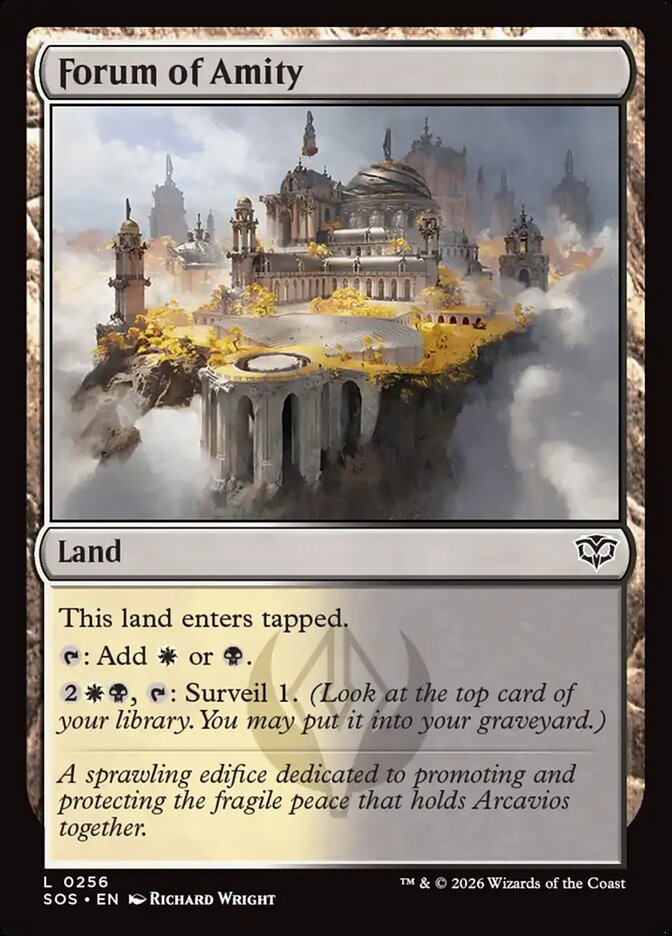
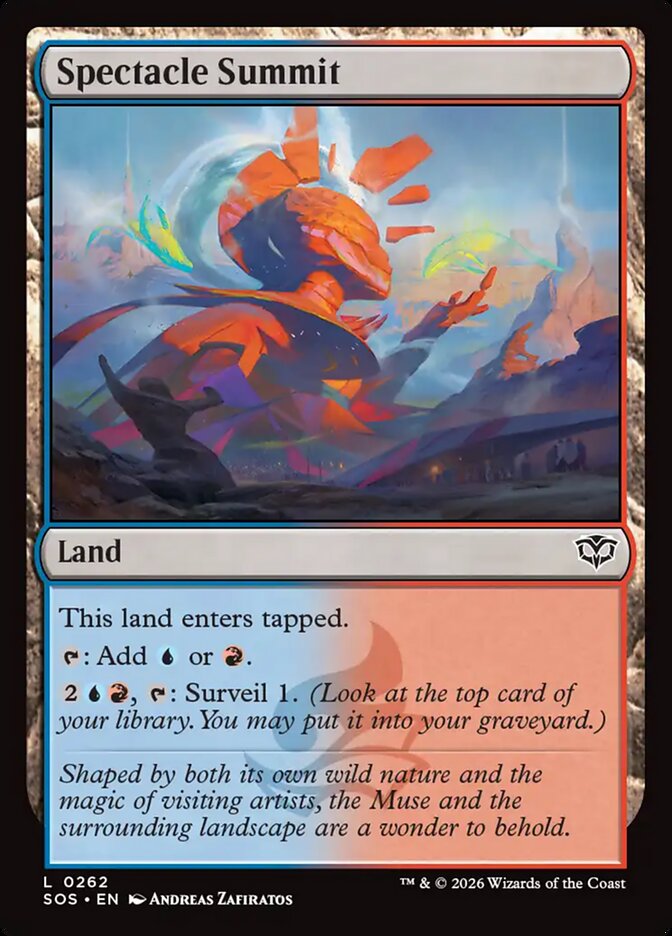
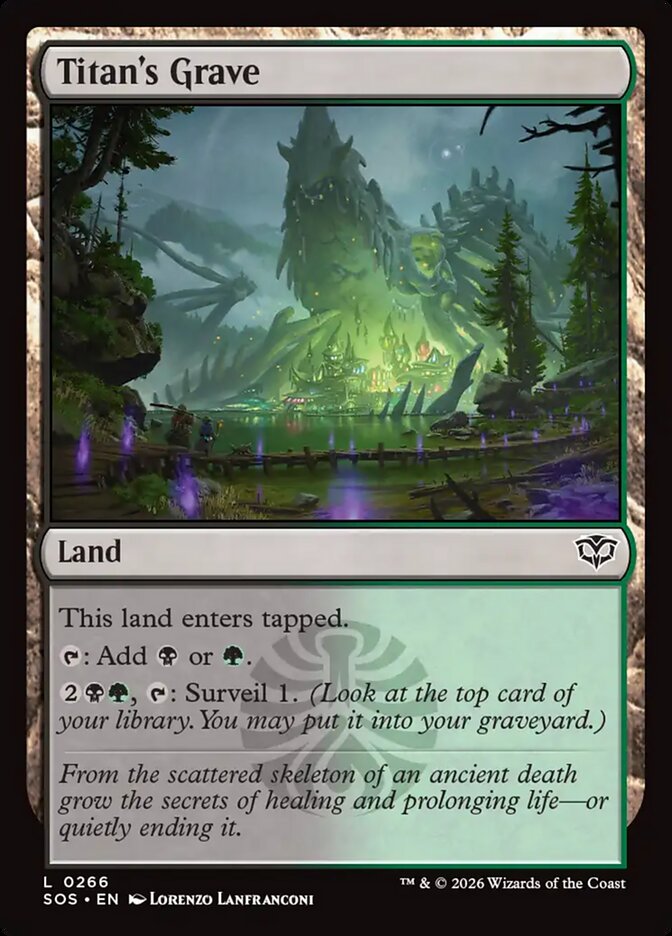
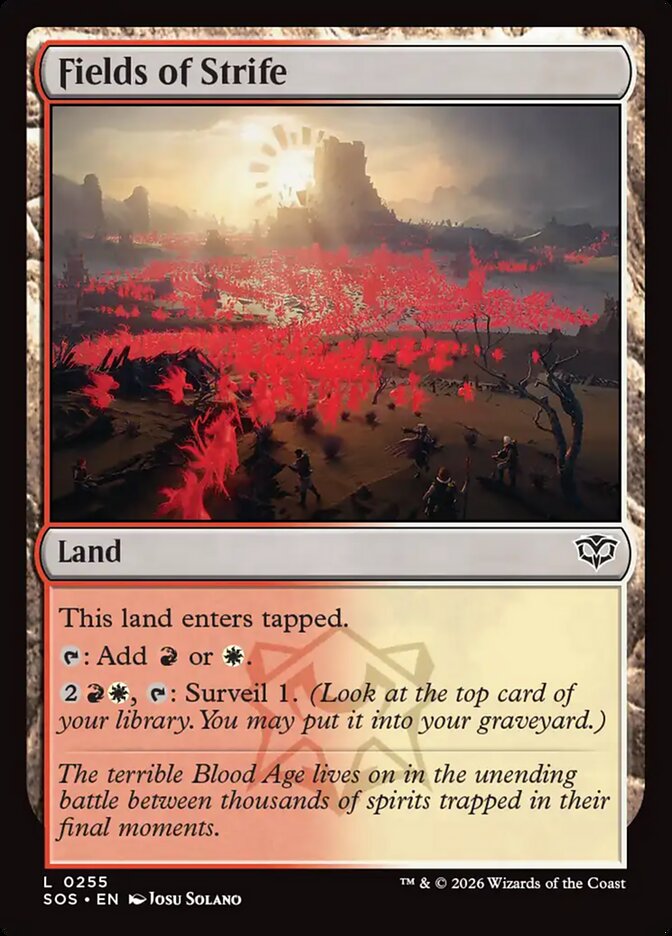
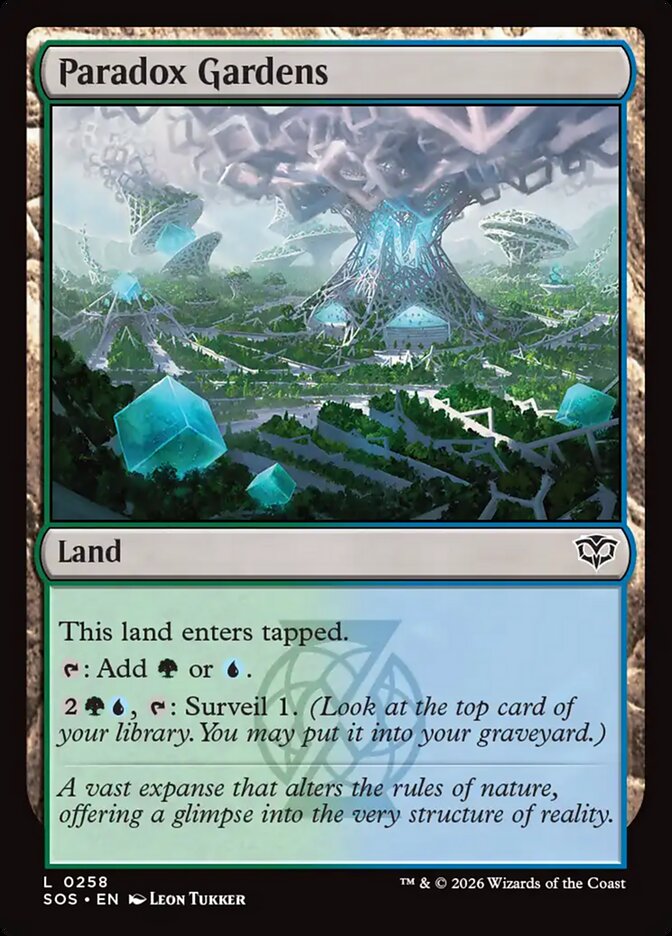
These are excellent common duals that you should pick highly in Draft. They’re generally stronger than Terramorphic Expanse due to their surveil ability, which can help to mitigate mana flood later on.
Uncommon
Environmental Scientist

Civic Wayfinder has officially been power crept; we now have a 2-mana version! Environmental Scientist is a mythic uncommon for me because it has incredible consistency and value for such a cheap cost.
Zimone’s Experiment

Zimone's Experiment is an interesting take on Explosive Vegetation that can draw creatures instead if you’d like. This falls short of being reliable fixing, but five cards is deep enough that I’m comfortable listing it.
Sanar, Unfinished Genius

You’ll have to be UR in the first place to play Sanar, Unfinished Genius, but it’s an excellent blocker for its cost that can create several free Treasures.
Mind Roots

If your opponent cooperates, Mind Roots could be very strange mana fixing. It’s a strong card in general, but it only makes this list by technicality.
Proctor’s Gaze

We’ve never seen a Repulse like this, but replacing the cantrip with a Rampant Growth is really neat. Proctor's Gaze seems incredible for converge decks in particular because it helps you to buy time to set up your awesome 5-color plays later.
Strixhaven Skycoach

A solid all-around playable for any deck, since it replaces itself and then pecks or trades later. Vehicles can occasionally be inconvenient to use, but Strixhaven Skycoach is a good one.
Cycles
Another way to get to know a new set is to study its cycles. As a multicolor set, Secrets of Strixhaven has a ton.
Prepared Commons
Every color but green has two prepared creatures at common. Studious First-Year is so good that green hardly minds.
Multicolored Commons


Each school has three multicolor commons, including a Mascot creature that plays with that school’s mechanic.
Common Duals
Prepared Uncommons


The 2/2/2/2/1 pattern for prepared creatures repeats at uncommon.
Uncommon Mono-Color Legends


Each member of this cycle of mono-color legends asks you to build your deck in an unusual way for some kind of reward. Here’s a synopsis:
- Ennis, Debate Moderator wants “enters” creatures to flicker, plus other flicker cards like Daydream. It also grows when you flashback cards.
- Orysa, Tide Choreographer wants you to stack tough creatures to discount its own arrival.
- Arnyn, Deathbloom Botanist wants Pests (or other small creatures) to die, and it provides a massive incentive for you to do so.
- Mica, Reader of Ruins wants disposable artifacts like Treasures, which Mica can sacrifice to double your spells.
- Emil, Vastlands Roamer wants as many different lands as possible, which would juice its ability. Emil overlaps well with converge.
Multicolor Uncommons


There are actually too many of these to fit in a card gallery, as each school gets seven! Among the seven cards for each school, there’s also a legendary creature with a prepared spell like Abigale, Poet Laureate and Lluwen, Exchange Student.
Multicolored Rares


Prismari may be some dev’s favorite school, because it gets one extra multicolored rare relative to the other schools. Each other school has four total, while Prismari has five. There’s also another cycle of powerful legendary creatures that encourage you to build around their respective school.
Mythic Dragons


Every school has its own founder dragon, and all five get new cards in Secrets of Strixhaven. Each of these dragons grants your instants and sorceries some kind of new ability.
Mythic Emeritus Cycle


Each color gets an awesome “Emeritus” card, a prepared creature that can cast an iconic older spell. These are some of the best cards you can open at prerelease, as they’re all pretty nasty in Limited.
Mythic Paradigm Lessons


Last but not least, we have another cracked cycle of Limited bomb mythics. These are the only cards in Secrets of Strixhaven with the paradigm mechanic, and they’ll repeat over and over after you successfully resolve one.
Sub-Archetypes
Converge
The main sub-archetype of note is 5-color Converge, which may be a thing for some pools/drafts. By using mana fixers alongside converge payoffs and generically good cards/bombs, you can build a formidable 5-color pile in SOS. These decks are usually base red or base green because those are the only colors with reliable mana fixing at common.
From a Sealed point of view, you’re mostly going to care about converge when you open the handful of powerful converge payoffs. Together as One is as good as it gets, but just about everything short of Rancorous Archaic gets substantially more exciting as you add more colors. Try to paint the rainbow if you can, and play as much fixing as possible to support your converge theme.
Unofficial Color Pairs
One thing that may be possible in Secrets of Strixhaven is playing unconventional color pairs. Imagine for instance a UB deck that uses Spellbook Seeker to discard Eternal Student for value! Or how about a RB deck built around several copies of Lecturing Scornmage and Ancestral Anger?
While you should generally stick to the schools for your 2-color baseline (especially as you’re learning the set), you aren’t necessarily forced to do so. My willingness to diverge from this set’s “Big Five” often comes down to how good my multicolored cards are, plus whatever competing synergies I have. You may also sometimes be able to simply splash school cards with a different 2-color base (i.e., imagine a RG deck splashing U for two Prismari rares).
Archetypes
Secrets of Strixhaven has just five official archetypes, each of which corresponds to one of the five 2-colored schools.
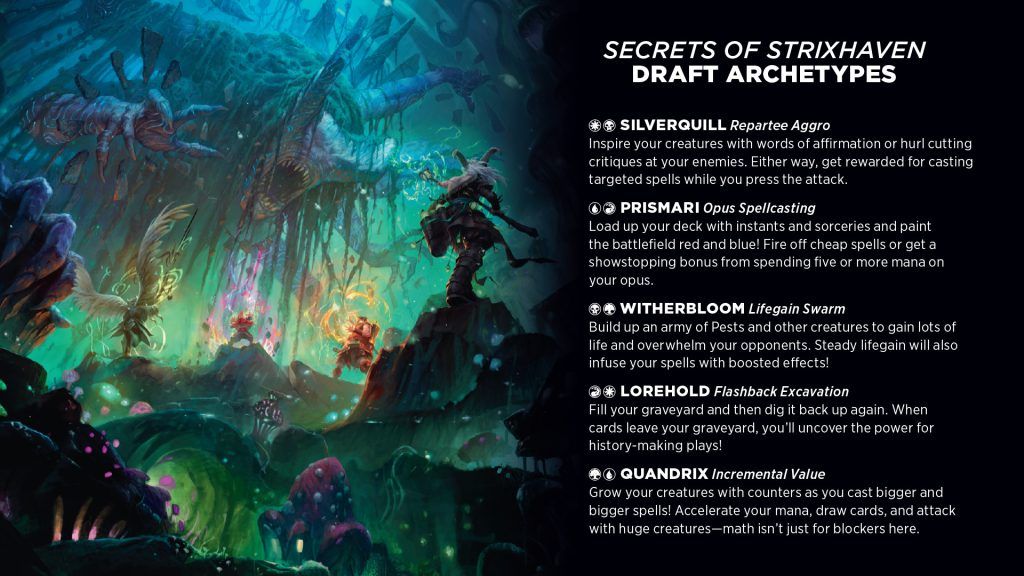
Source: Wizards of the Coast
I won’t cover these in much detail here, as the information in Wizards’ archetype infographic already laid the foundation for each. You can look forward to a full rundown for each archetype (plus other decks like 5-color converge) in the next Draft Guide coming in a few weeks!
Top Commons
Now it’s time to guess the best commons in the set. I’ll list four cards for each color in this section, plus a handful of multicolored commons. I’ll revisit these later on in the Draft guide.
White
#1. Elite Interceptor
Elite Interceptor is similar to Novice Inspector and Thraben Inspector, which were excellent Limited cards. It’s a straightforward value creature that can play in any deck, and it’s also a convenient source of a repartee trigger.
#2. Eager Glyphmage
4/4 worth of stats with two bodies (one of which is evasive) is a good rate for a simple common. Eager Glyphmage should outclass Honorbound Page even in repartee decks.
#3. Interjection
I usually don’t rate combat tricks highly, but this is cleanly winning most combats for just 1 mana. Repartee decks need cards like Interjection to attack early and often.
#4. Owlin Historian
Free surveil on a 2/3 flier is a solid playable for any deck. The leaves the graveyard upside should make Owlin Historian one of Lorehold’s best commons, too.
Blue
#1. Essence Scatter
Don’t let the set’s focus on instants and sorceries fool you; there are still plenty of creatures to counter with Essence Scatter. This feels incredible when it tags anything that costs 4 or more.
#2. Quick Study
Holding this up with Essence Scatter is the dream of any blue mage! Quick Study isn’t a fancy card, but more cards are always welcome.
#3. Deluge Virtuoso
Adding opus to Frost Lynx makes it a much better card. Multiples of Deluge Virtuoso could lead you towards a blue beatdown kind of deck, but I’m happy to play this on rate even in bigger decks.
#4. Textbook Tabulator
Textbook Tabulator starts small, but it shouldn’t take long to become quite under-costed for its size. The surveil 2 makes smooth turns after playing it much more likely, too.
Black
#1. Last Gasp
Most creatures in Secrets of Strixhaven outright die to Last Gasp, and the few that don’t can potentially be shrunk in combat. That’s exactly what you want out of your removal, and this is only 2 mana to boot.
#2. Wander Off
Wander Off is less efficient, but it’s still priced to move in Limited. The exile and unconditional nature of this makes it ideal to tag bombs like Silverquill, the Disputant.
#3. Burrog Banemaker
A Typhoid Rats that scales like this is unusual, especially at common. Burrog Banemaker is a solid defensive creature that makes for a much better top-deck than this class of card usually is.
#4. Sneering Shadewriter
Glidedive Duo is back, and it should be an great curve-topper for any black deck. You may occasionally enjoy some infusion bonuses as well off of Sneering Shadewriter’s trigger.
Red
#1. Unsubtle Mockery
Tacking surveil 1 onto Bombard makes Unsubtle Mockery red’s best common removal spell by a decent amount. Fractal Mascot, Rearing Embermare, and Tenured Concocter are the only commons that can live through this one.
#2. Goblin Glasswright
Goblin Glasswright should be one of the set’s best common 2-drops, as there are plenty of great uses for Treasure in Secrets of Strixhaven. It gets even better if you have converge and/or powerful late game cards.
#3. Zealous Lorecaster
While pricey, Zealous Lorecaster is a guaranteed 2-for-1 with a relevant stat line that you can ramp into with Treasure creators. Note that you can’t get back prepared creatures with this.
#4. Rubble Rouser
The first copy of Rubble Rouser should be solid in any deck, and Lorehold decks may actively want multiples. This is the best common in Secrets of Strixhaven at enabling gravebreak synergies, and 4 toughness lets it block just about every other early game creature.
Green
#1. Studious First-Year
This was probably an easy one to see coming, as Studious First-Year is just unreal for a common. Opening a couple of these dramatically increases my likelihood of building a base green deck!
#2. Noxious Newt
Deathtouch is a very welcome bonus on a mana dork because you’ll have the option to trade Noxious Newt off if you don’t need the extra mana source. The only caveat here is that it can only add green mana, so you’ll need to get color fixing from other cards.
#3. Burrog Barrage
Burrog Barrage plays well with deathtouch from cards like Noxious Newt and Burrog Banemaker, but it should be fine in just about every green deck. This is green’s only common removal spell, so take it higher if you aren’t BG.
#4. Tenured Concocter
Five-drops like this can be risky to field versus removal, but Tenured Concocter will thankfully refund you the card you spent if your opponent targets it. This is an ideal fattie to ramp into with Studious First-Year and Noxious Newt, especially if you have some lifegain for it.
Multicolor
All the multicolor cards look pretty solid to me, as these are generally stronger on rate than the mono-color commons. Still, I’ll list five of them that seem exceptional.
#1. Embrace the Paradox
Embrace the Paradox is definitely the common I’m most likely to splash because it creates a ton of value for just one card. Resolving this can snowball into a massive advantage later in the game.
#2. Grapple with Death
Grapple with Death has a solid base rate, and it also provides a very convenient trigger for all your infusion cards.
#3. Pursue the Past
Pursue the Past is one heck of a Tormenting Voice, with extra lifegain and a convenient flashback mode that makes it an actual 2-for-1 later. It should be quite rewarding to set up graveyard synergies with this.
#4. Elemental Mascot
This is my favorite of the Mascot cycle, though Pest Mascot is a close second. Elemental Mascot provides a substantial bonus for opus, so try to maximize your 5+ cost instants and sorceries for it.
#5. Render Speechless
Render Speechless is a higher variance card than the others, but it could potentially be backbreaking. The dream is to hit your opponent’s bomb while buffing a creature and triggering repartee!
Strong Uncommons
For the uncommons section, I’ll list some excellent uncommons that stand above the rest. These cards should draw you towards their colors/archetypes when you open them at Prerelease.
Mono-Color
#1. Inkshape Demonstrator

Ward 2 is the exact kind of ability I’d want on a high output 4-drop like Inkshape Demonstrator. With a bit of repartee support, this attacks (or blocks) as a 4-5 power lifelinker consistently!
#2. Quill-Blade Laureate
Fencing Ace isn’t a horrible baseline to begin with, so the extra upside on Quill-Blade Laureate should play great. It works great with pump spells and +1/+1 counters in particular.
#3. Campus Composer
Card advantage doesn’t get easier than Campus Composer, and ward 2 often keeps your opponent from removing it before you can activate it. You don’t always need to cash in Aria immediately (it’s pretty slow), but the option to do so is great.
#4. Flow State

With a bit of work, Flow State can draw two cards for 2 mana! It’s also not a total brick if you can’t fulfill the condition, though I’d aim for a good mix of instants and other sorceries if possible.
#5. Matterbending Mage

Man-o'-Wars have been consistently great in Limited for awhile now, and Matterbending Mage is unblockable sometimes as a bonus.
#6. Muse Seeker
The looter mode here is certainly better than nothing, but it’s the spicy +1 on opus cards that will have me happily play Muse Seeker.
#7. End of the Hunt

Very efficient removal that should usually tag what you want it to. End of the Hunt is especially good at bypassing ward abilities.
#8. Foolish Fate

An easier to cast Murder that occasionally domes for 3 like Foolish Fate is an obvious W for Limited.
#9. Lecturing Scornmage

This is a 1-drop that can snowball if left unchecked, so Lecturing Scornmage should be pretty remarkable in repartee decks.
#10. Archaic’s Agony

One of the best non-rare converge cards available. Tagging an X/2 or X/3 with Archaic's Agony puts you up a ton of cards. Don’t bother to play it in 2-color decks, though.
#11. Artistic Process

The flexibility here is valuable, and Artistic Process sits at the perfect cost for opus, too. You’ll primarily use mode 1 or 2, but mode 3 can be handy for board presence in a pinch.
#12. Impractical Joke

Strangle is back, and it has been promoted to uncommon (with irrelevant upside for Limited). Impractical Joke is a cheap removal spell that’s likely a smidge better than Unsubtle Mockery.
#13. Environmental Scientist
I bragged about this one earlier, but trust me when I say that Environmental Scientist will feel so good to resolve in Limited. Guaranteed 2-for-1s are still good in 2026, especially when they cost just 2 mana!
#14. Pestbrood Sloth

It’s not fancy, but a great stat line with reach and guaranteed value on death puts this sloth well above par. Pestbrood Sloth gets better with lifegain synergies, but it hardly needs them.
#15. Snarl Song

Another very strong converge uncommon, as the dream here of 5 life and two 5/5s looks excellent if you can pull it off. Snarl Song is pretty much unplayable if you’re merely two colors, though.
Multicolor
Secrets of Strixhaven has many excellent multicolor uncommons, but I’ll try to pick the very best ones.
#1. Abigale, Poet Laureate
Abigale, Poet Laureate makes triggering repartee multiple times in one turn realistic, and is a 2/3 flier for at worst.
#2. Scolding Administrator
Here’s a hyper efficient repartee payoff that can even give away its counters when it eats a removal spell. The menace in particular makes Scolding Administrator a hassle to block profitably, and doing so may open you up to losses to combat tricks like Interjection.
#3. Stirring Honormancer

Stirring Honormancer scales with your board nicely, but it always cantrips at minimum even if it’s the only creature in play. Throw in the substantial body, and I’m sold!
#4. Sanar, Unfinished Genius
Sanar, Unfinished Genius does an excellent job of holding down the fort while you set up for splashy opus plays later. Wild Idea is also there for games when you’re super flooded and desperately need to go grab action.
#5. Spectacular Skywhale

Three permanent +1/+1 counters makes Spectacular Skywhale one heck of an opus payoff. This is a clear “do you have a removal spell” kind of card, and an answer of “no” may result in a fast loss for your opponent.
#6. Stress Dream

An easy 2-for-1 that heavily resembles Prophetic Bolt, although it can’t go face. Of all the cards I’ve mentioned, Stress Dream is the most likely splash.
#7. Lluwen, Exchange Student
Lluwen, Exchange Student can make a ton of tokens in long games, effectively acting as a one-elf graveyard funnel. You’re also very likely to get value out of its lifegain triggers in Witherbloom colors.
#8. Old-Growth Educator
The stat line here is absolutely massive, provided you can attack with a Pest or something first. The fail case of Old-Growth Educator being a 4/4 with vigilance and reach for is also more than fine for Limited.
#9. Teacher’s Pest

If you’re deep on lifegain synergies, you’ll be hard-pressed to find a better enabler for them than Teacher's Pest. Chump attacking with it is encouraged, since it demands inconvenient double blocks and can return later anyways.
#10. Kirol, History Buff
Kirol, History Buff is quite an efficient little 2-drop, and it can create a ton of value if you’re jumping through the proper hoops.
#11. Practiced Scrollsmith

Practiced Scrollsmith is a 3/2 first striker for 3 that effectively draws a card when it enters. That’s a pretty amazing rate, and years ago this likely would’ve occupied a rare slot!
#12. Startled Relic Sloth

Great base stats and a convenient setup for Lorehold synergies (that also doubles as graveyard hate) makes Startled Relic Sloth another strong uncommon.
#13. Cuboid Colony
This starts small, but it shouldn’t take long to grow your Cuboid Colony into a proper evasive threat. Flash is also useful with cards like Essence Scatter and Quick Study.
#14. Paradox Surveyor

Another cracked value creature, similar to Practiced Scrollsmith. You’ll usually hit lands with Paradox Surveyor, as there aren’t that many X-spells in Secrets of Strixhaven. Do try to include a few good ones for this if you can, though.
#15. Proctor’s Gaze
I mentioned it earlier in the fixing section, but Repulse + Rampant Growth is an excellent combination for bigger decks.
Rare Review
This section encompasses a proper review of every rare in Secrets of Strixhaven. Each rare will have a little description, plus a rating.
Terms
Bomb
Best possible rating. Denotes an absurd Limited card that you’ll want to play/splash every time you can.
Great
These cards fall a little short of bomb status but are still strong and won’t require much from your deck to be great.
Good
“Good” rares are, well, good! They’ll usually have problems that prevent them from claiming a higher rating, such as being clunky or dependent on other cards.
Usually Not Good
These cards generally aren’t worth the effort required for them to be good. I like to dream though, so I try not to shoot down anything with at least some potential.
Bad
These rares are just terrible. You shouldn’t ever play them in Limited.
Mythic Rares
Emeritus of Truce (Bomb)
The worst this cat warlock can be is a 3-mana Eager Glyphmage, since you can always target yourself to create an Inkling. Emeritus of Truce is definitely going to be a tricky card to play with, but it should always be great.
Restoration Seminar (Usually Not Good)
This is my least favorite of the paradigm cycle, since it costs 7 and may not be a guaranteed win if your graveyard isn’t stocked. Restoration Seminar does get substantially better with cards like Pursue the Past though, which can set it up or loot it away if you draw it too early.
Echocasting Symposium (Usually Not Good)
Echocasting Symposium is similar to Extravagant Replication, although it’s limited to creatures and your opponent can’t remove it once you resolve it. It’s powerful in theory, but likely too clunky and setup-dependent in practice.
Emeritus of Ideation (Bomb)
You had me at Ancestral Recall! That’s actually only the beginning of Emeritus of Ideation’s strengths though, as it’s also a massive flying beater with built-in protection.
Mathemagics (Usually Not Good)

Mathemagics functions as an over-costed draw spell and late game win condition. I’d want a ton of ramp and extra mana sources to support this, with plans to cast it as Divination (4), Tidings (6), or an outright “win the game button” (10+ mana).
Decorum Dissertation (Great)
Infinite card advantage is appealing, even if the first cast of this is over-costed. You can also stop drawing cards whenever you’d like since paradigm says “you may cast a copy.” Note that Decorum Dissertation can also target your opponent for cheeky burn/mill value.
Emeritus of Woe (Bomb)
Emeritus of Woe packs a ton of power into one card, with good base stats and the potential for multiple Demonic Tutors! Try to save this until you have 6 mana if possible for guaranteed value.
Ral Zarek, Guest Lecturer (Great)

All of Ral Zarek, Guest Lecturer’s loyalty abilities are pretty useful, so it should put in quite a bit of work if you can protect it. Extra graveyard synergy to set up its -2 is also appreciated.
Withering Curse (Great)
Both of this card’s modes are potentially excellent, as you’ll sometimes want to avoid gaining life to keep your X/3 creatures in play. Throwing away Pest tokens to enable Damnation will be a common line to look for with Withering Curse.
Emeritus of Conflict (Great)
Three spells in one turn isn’t easy in Limited, although the base body with Emeritus of Conflict is already above par. Lightning Bolt is a great reward if you can pull it off, so try to include some cheap cards if possible (or just use Skycoach Waypoint to force it to prepare).
Improvisation Capstone (Good)
Seven is still a lot of mana, but Improvisation Capstone requires basically no setup other than ramp. That makes it much friendlier to work with than Restoration Seminar and Echocasting Symposium, so definitely try to ramp into this one if your pool allows it.
Emeritus of Abundance (Bomb)
This is similar in function to Emeritus of Woe; Emeritus of Abundance enters with guaranteed value and can get even more value later. It also helps that Secrets of Strixhaven is full of useful instants and sorceries, so you’ll have plenty of solid Regrowth targets.
Germination Practicum (Bomb)
Germination Practicum almost guarantees inevitability, provided you can field creatures consistently. This is excellent with token generators, and likely the strongest of its cycle in general. It’s also not even that over-costed on the first cast, as putting two +2/+2 counters on your creatures is already a powerful effect.
Silverquill, the Disputant (Bomb)
Casualty 1 is much easier to pull off than a higher number would be, and it’s pure upside on the 4/4 flying and vigilance baseline of Silverquill, the Disputant. Look for opportunities to sacrifice Inkling tokens to enable splashy plays!
Prismari, the Inspiration (Good)
Untap with Prismari, the Inspiration, and you should win the game in a flurry of spells! Seven mana is a lot though, and ward for 5 life is pretty unreliable as far as protection goes. Prismari does at least have 7 toughness, which keeps it safe from many removal spells.
Professor Dellian Fel(Bomb)

Professor Dellian Fel ticks up to a whopping 7 loyalty the turn you play it, and you can then alternate 0 and -3 to your heart’s content. You may also be able to win with its emblem if you have other lifegain support, as it’s very easy to acquire compared to most planeswalker emblems.
Witherbloom, the Balancer (Great)
Witherbloom, the Balancer is less likely to go off in Limited than Commander, but it should still be castable for 5-6 mana most games. If you’re lucky, you might be able to pair it with an X-spell like Mind into Matter or Wild Hypothesis.
Lorehold, the Historian (Great)
I’m not entirely sure what to make of Lorehold, the Historian’s miracle ability for Limited, but one thing I know is that big hasty dragons are good. 5/5 with flying and haste plus free rummaging is already excellent for !
Quandrix, the Proof (Bomb)
Guaranteed value plus the promise of more value later (on a 6/6 flamper to boot) makes Quandrix, the Proof the strongest of a fairly juiced cycle.
The Dawning Archaic (Usually Not Good)

Prepared creatures simply will not do for The Dawning Archaic, as this one demands plenty of actual instants and sorceries. It’s a powerful creature, but I’d only play it if I could reliably discount it to about 6 mana or so (which means 10+ instants or sorceries).
Rares
Antiquities on the Loose (Bomb)
I described how good Antiquities on the Loose was when I discussed flashback. Needless to say, this is a clear bomb rare, and one of the best reasons to be white.
Erode (Good)

Hyper efficient removal, though Erode’s drawback makes it better in more proactive decks. Try to save this one as late as you can to mitigate the drawback of feeding your opponent a land.
Informed Inkwright (Bomb)
Informed Inkwright can create an entire army of Inklings if left unchecked, and it provides a powerful incentive to do repartee things.
Joined Researchers (Good)
Secret Rendezvous is usually pretty useless in 1v1, so think of Joined Researchers as a 2/2 first striker for . That’s playable, but hardly spectacular.
Practiced Offense (Great)

Getting to use Practiced Offense twice makes it more likely to be good. It plays best with token generators like Eager Glyphmage, but it should be solid in most white decks if you have decent creature density.
Stirring Hopesinger (Bomb)
Untap with Stirring Hopesinger, and combat is suddenly a total nightmare for your opponent. The 1/3 flying and lifelink baseline also requires just one trigger to be good.
Exhibition Tidecaller (Usually Not Good)

Secrets of Strixhaven has very little mill support, so Exhibition Tidecaller is largely on its own if you’re trying to win with it. I’d only try it if I could get multiples, which is exceedingly unlikely due to its rarity.
Harmonized Trio (Good)

Brainstorm is a cool card, though Harmonized Trio puts you through some hoops to access it. The 1/1 body is pretty useless on its own, so try to play this only if you can consistently field other cheap creatures.
Jadzi, Steward of Fate (Great)

Jadzi, Steward of Fate is a solid blocker that immediately creates virtual card advantage, and you can then deploy its powerful Oracle’s Gift later on. Jadzi gets even better with other Fractal cards, but it hardly needs them to be awesome.
Mana Sculpt (Good)

For a wizarding school, Strixhaven is surprisingly light on wizards. Most of the ones I searched up seem to be in Bant colors (), so keep that in mind when drafting Mana Sculpt. Cancel baseline that’s occasionally Mana Drain is certainly playable, though.
Pensive Professor (Bomb)
The initial body is useless, but untapping with Pensive Professor (or slow-rolling it to play with a 1- or 2-drop) nets immediate value. Professor only continues to snowball from there, which makes it a very impressive card for just 3 mana.
Skycoach Conductor (Great)

Speaking of impressive 3-drops, Skycoach Conductor has great initial stats, flash, and a useful flicker ability. Look for good enters creatures to reset with it (including other prepared creatures like Elite Interceptor).
Wisdom of Ages (Usually Not Good)

Wisdom of Ages requires a ton of setup plus 7 mana, which limits it to only the greediest and most glacial control decks. It’s not 100% unplayable, but you’ll usually have cheaper options.
Grave Researcher (Good)

A 3/3 that surveils 1 for is already fine, which helps since the Reanimate aspect of Grave Researcher is pretty clunky. I wouldn’t build around it too much, but I’m still down to run it in any black deck.
Moseo, Vein’s New Dean (Bomb)
I mentioned Moseo, Vein's New Dean as an example of a powerful lifegain payoff. With a decent baseline and a very exciting end step trigger, this bird skeleton warlock is one of the best reasons to care about infusion.
Postmortem Professor (Good)

Postmortem Professor is rather aggressive, but it’s efficient enough for most decks to be interested. Keep in mind that you can send it in over and over later since it drains on attack and comes back many times.
Pox Plague (Bad)

is a serious casting cost, and it doesn’t play well with this set’s multicolored focus. Throw in the fact that Pox Plague is completely symmetrical, and we have our first truly unplayable Limited rare.
Scheming Silvertongue (Great)

Scheming Silvertongue is solid as just a 2-mana flying lifelinker, and it can also draw cards repeatedly with a bit of help. Other lifegain cards will work, but don’t forget that you also trigger this by pumping it and then attacking.
Tragedy Feaster (Bomb)

An absolutely massive demon for its cost, complete with evasion and an obnoxious ward ability. Tragedy Feaster’s drawback ranges from trivial (if you have consistent lifegain) to bearable (if you don’t). Sacrificing lands, Pests, and Inklings are all realistic ways to work this trigger, and it’s not like your opponent will be able to survive it for long!
Choreographed Sparks (Bad)

Copy spells like this are usually pretty bad in Limited, and I doubt Choreographed Sparks is any exception. The dream here is to cast it while copying both a creature spell and instant, but save that one for Commander.
Flashback (Usually Not Good)

Flexibility is nice, but I have a distinct feeling that Flashback won’t be a very good Limited card. It doesn’t put you up a body like a Snapcaster Mage would, so you’re always overpaying for whatever you cast.
Maelstrom Artisan (Great)

Maelstrom Artisan is at worst a 3/2 with haste for . Rocket Volley might actually be more annoying than you’d expect in Limited, as common dual lands should be frequent cards.
Magmablood Archaic (Great)

This Archaic (and its green friend) make cool use out of their partial hybrid mana costs. Magmablood Archaic should be playable in most decks even without being 5-color, but it’ll obviously be much more deadly if you can converge it fully.
Molten-Core Maestro (Great)

Molten-Core Maestro’s 5+ opus payoff isn’t especially exciting in Limited, but this creature has evasion and grows with every spell you cast. Pairing this with cantrips like Sleight of Hand is ideal.
Steal the Show (Great)

Steal the Show is a nice removal spell that also enables graveyard synergies. Note that the first mode resolves before the second one does, which lets you loot instants or sorceries to use for extra damage.
Ambitious Augmenter (Great)

Ambitious Augmenter is a kind of “increment Experiment One”. If you can play this early in the game, it should grow quite large for its cost. The death trigger creates extra value later if it trades or eats a removal spell.
Comforting Counsel (Good)

You’ll need a ton of lifegain to support Comforting Counsel, but the payoff here is absolutely massive for just . I’d want 10+ cards that gain life before including this, especially ones that can gain life over and over (like Teacher's Pest).
Planar Engineering (Good)

Mostly just a fancy Explosive Vegetation, though Secrets of Strixhaven has an above average number of cards worth ramping to with Planar Engineering.
Slumbering Trudge (Great)

Slumbering Trudge will often be best as a 6/6 vanilla creature for , but you can also play it earlier with stun counters if you like. It also counts as an X-spell for cards like Geometer's Arthropod and Paradox Surveyor.
Vastlands Scavenger (Bomb)
Vastlands Scavenger is a simple but busted prepared card with an incredible rate and free late game upside.
Wildgrowth Archaic (Bomb)

This is actually strong even in 2-color decks, where it’s a Gray Ogre (with trample/reach) that makes all future creatures bigger. It gets downright crazy in a proper 5-color converge deck though, since it starts larger and puts up to five counters on every creature you play!
Conciliator’s Duelist (Bomb)

The tough mana cost here is well worth it because Conciliator's Duelist is an incredible card. It immediately replaces itself, and it can flicker for value every time you repartee. Flickering itself nets you a card each time, and flickering blockers could win the game on the spot.
Fix What’s Broken (Usually Not Good)

I’d definitely want some discard/mill support for Fix What's Broken, as well as lots of cards worth bringing back that share the same casting cost. It’s probably more of a Constructed card than a Limited one, though it’s very powerful.
Moment of Reckoning (Bomb)

I don’t care if this costs 7, because getting these modes up to four times is very close to “you win the game”. The only other caveat I can come up with is that Moment of Reckoning costs , which could prove a challenge for base red/green converge piles.
Nita, Forum Conciliator (Good)
Stealing your opponent’s spells is cool (and rewards you with mass +1/+1 counters), although you’ll need Inklings or Pests to get the ball rolling consistently. Nita, Forum Conciliator is worth the effort, but it may not fit your average repartee deck that well.
Colorstorm Stallion (Great)
Colorstorm Stallion, on the other hand, perfectly fits your average Prismari deck. It’s good on rate, great if you’re casting spells in general, and excellent if you can consistently opus for extra horses.
Resonating Lute (Usually Not Good)

Resonating Lute really needs some big spells to justify itself, because drawing cards when you have seven in hand is pretty much flavor text in Limited. I’d only play it if I had sexy combo pieces like Mathemagics, Together as One, and Traumatic Critique.
Splatter Technique (Bomb)

Tidings and Storm's Wrath in one card? Please let me open Splatter Technique at Prerelease!
Traumatic Critique (Bomb)

The baseline here is actually a 2-mana Catalog, since you can always target something for X=0. That makes Traumatic Critique solid early and incredible later on, so it’s another clear A+ rare.
Zaffai and the Tempests (Usually Not Good)
You’ve already got 7 mana, so what exactly are you planning to cheat out with this? I’d be interested in double spelling with Zaffai and the Tempests if it were cheaper, but I’m not sold on this at 7 mana.
Blech, Loafing Pest (Great)
Blech, Loafing Pest’s supported creature types are pretty barren in Secrets of Strixhaven, so think of this mostly as a big Ajani's Pridemate that pumps other Pests. Even as just that, Blech is still pretty nice for this cost.
Cauldron of Essence (Bomb)

Cauldron of Essence does a ton of work in longer games thanks to its powerful Recurring Nightmare mode and free drain ability. Try to pair this with Pests and other cheap creatures to maximize it.
Dina’s Guidance (Usually Not Good)

Not the worst tutor I’ve seen for Limited, though you won’t use the Entomb function much. I’d only play Dina's Guidance if I had some bomb rare creature worth spending 3 mana to find.
Vicious Rivalry (Great)

The lifegain cost isn’t trivial, but Vicious Rivalry is still a pretty awesome sweeper that should clean up most board states. It helps that BG has plenty of ways to gain life as well.
Ark of Hunger (Bomb)

Ark of Hunger is a strong card advantage engine that can also drain your opponent out if you have other graveyard synergies. Playing a permanent you mill off of Ark triggers its first ability, since you’re playing the card from your graveyard (which it will then leave).
Aziza, Mage Tower Captain (Great)
Aziza, Mage Tower Captain is an awesome tokens payoff, and another great reason to play cards like Eager Glyphmage.
Hardened Academic (Great)

The extra graveyard text on Hardened Academic and lifelink are nice, though a 2/1 with flying and haste for hardly needs anything else to be good in Limited.
Suspend Aggression (Great)

An odd removal spell that should usually play out like a kind of Boros Repulse. Neither you nor your opponent will be down a card from Suspend Aggression long term (though you can occasionally pick up a real 2-for-1 by exiling a token).
Applied Geometry (Bomb)

Interesting Clone variant that’s effectively a 6/6 for at worst. Note that Applied Geometry can target any permanent you control, so feel free to deploy it safely on one of your lands!
Berta, Wise Extrapolator (Bomb)
Berta, Wise Extrapolator takes a little time to get going, but it has potentially massive output on the game if you untap with it. Berta immediately refunds you a mana on each spell you cast that increments it, and it can also pump out large Fractal tokens every turn.
Geometer’s Arthropod (Good)

X-spells aren’t plentiful in Secrets of Strixhaven, which is the only thing keeping me from rating Geometer's Arthropod higher. It blocks well for its cost though, so I’d happily play it if I had a couple of potential targets.
Mind into Matter (Great)

This is a great combo with Geometer's Arthropod, and also a pretty solid value play on its own. X=3 or more is usually the sweet spot, though you can always play Mind into Matter as an over-costed Explore in a pinch.
Together as One (Bomb)

The single best converge payoff in the entire set. Together as One is a potential six-for-one when you converge it fully, and it even pads your life total to give you time to use those freshly drawn cards!
Slow Lands
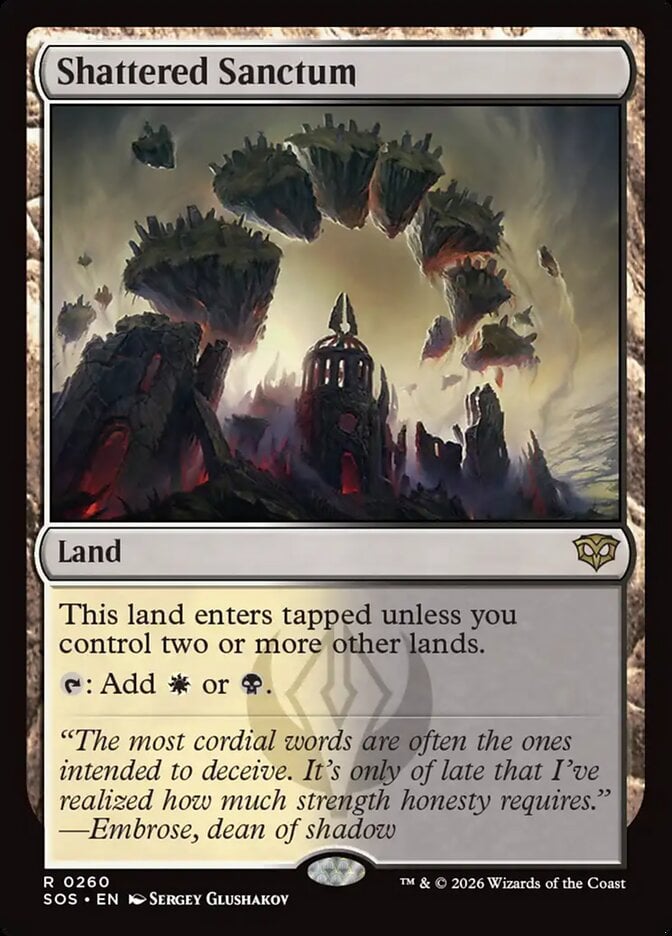
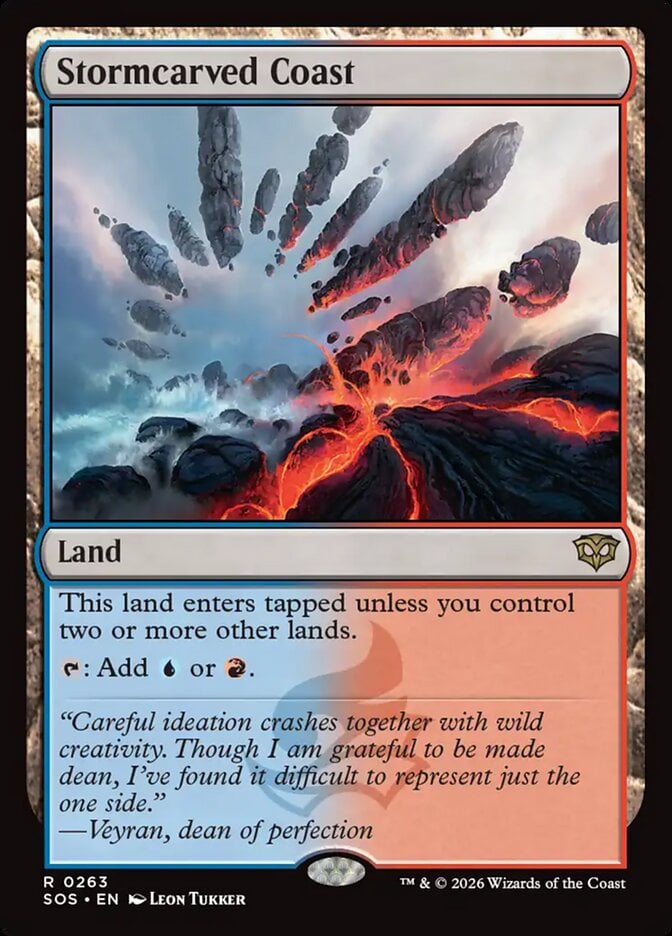
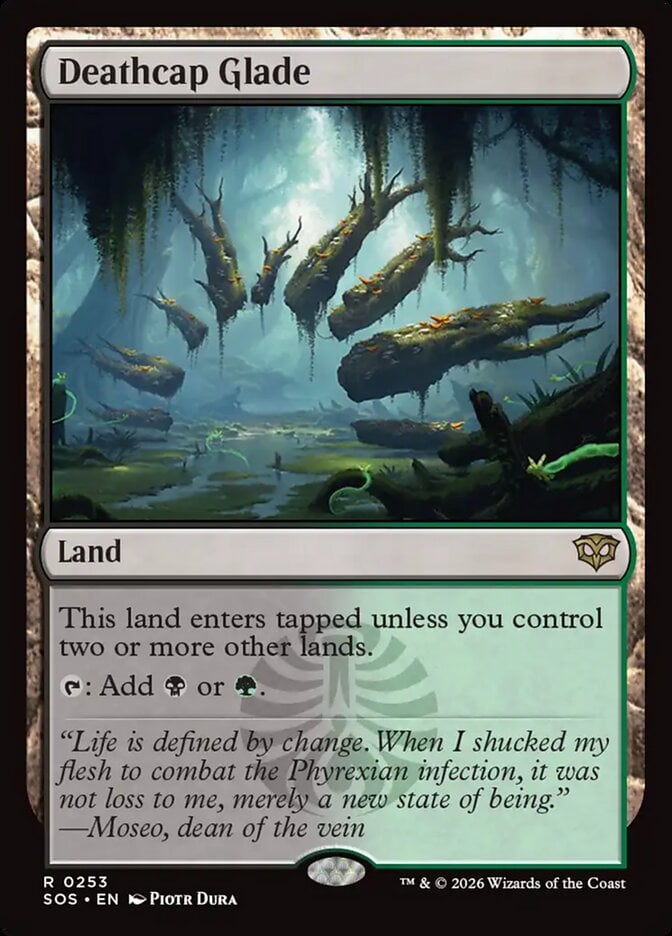
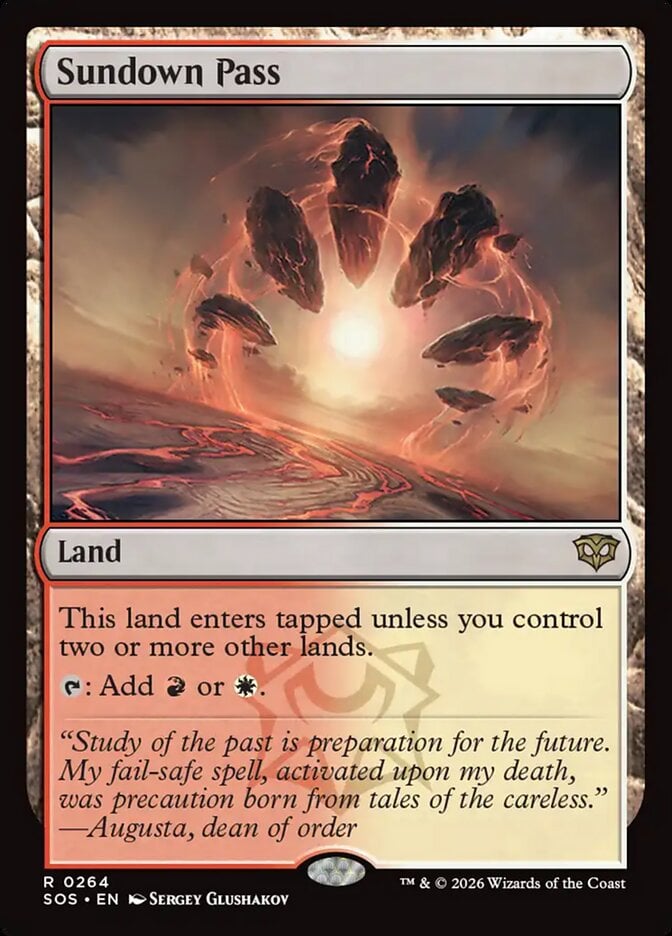
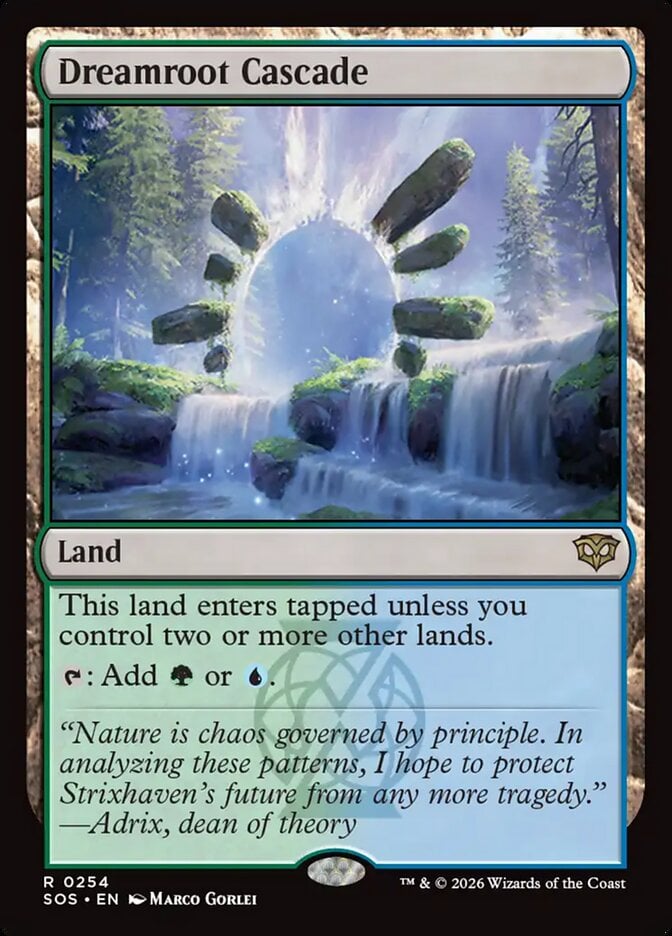
These aren’t that much better than the common duals, though you’ll happily play them in any deck that features their colors.
Great Hall of the Biblioplex (Great)

This only damages you if you need it to, and it also transforms into a relevant creature later in the game. Great Hall of the Biblioplex is well worth the slot as a colorless utility land of sorts, and it can even fit fine in converge decks (since it isn’t technically a colorless land).
Petrified Hamlet (Bad)

Save Petrified Hamlet for Standard (and possibly other formats). It’s not worth the trouble in the land of 40 cards.
Mystical Archive Review
I’ve included a full review of all Mystical Archive cards, which I’ve rated with the same rubric as the main set rares.
Uncommons
Duty Beyond Death (Bad)

Duty Beyond Death wasn’t good in Tarkir: Dragonstorm, and that set even had an entire mechanic (mobilize) to support it. Not interested!
Helping Hand (Usually Not Good)

There’s no Abhorrent Oculus in Secrets of Strixhaven, so I’d usually just play another creature instead of bothering with Helping Hand.
Hop to It (Good)

Secrets of Strixhaven has some cool token synergies, which makes Hop to It potentially great. It’s also just okay to play if you want another decent instant or sorcery.
Repel Calamity (Good)

Repel Calamity misses some relevant cards, but it picks up all the dragons and most fatties. It’s also dirt cheap for a removal spell and tough to see coming.
Requisition Raid (Usually Not Good)

Secrets of Strixhaven isn’t flush with targets for Requisition Raid because it has no common enchantments and only four common artifacts. The counter mode isn’t quite enough on its own either.
Deduce (Good)

Deduce is a clean and simple 2-for-1 in a set that rewards card advantage and cheap instants and sorceries. It’s not astounding, but I’d happily play it in any blue deck.
Disdainful Stroke (Good)

Disdainful Stroke plays well versus opus, increment, and converge, as those mechanics lend themselves to it having plenty of targets. Silverquill and Lorehold decks should still have targets, too.
Sleight of Hand (Good)

Cheap cantrips like Sleight of Hand are great for enabling opus and other instant and sorcery synergies.
Spell Pierce (Usually Not Good)

Spell Pierce is better in SOS than normal, but it’s still a shaky Limited card in general. You won’t know what you’re looking for initially with this, and it goes dead often later on.
Stock Up (Bomb)

I’m not playing around with Stock Up because it ended up as one of the very best cards in Aetherdrift. Take this one very highly and consider splashing it if you must!
Bitter Triumph (Great)

Bitter Triumph is a highly efficient removal spell that asks you either to pay some life or discard a card. Discard is occasionally an upside with flashback or other graveyard synergies, but expect to pay 3 most of the time.
Feed the Swarm (Good)

Feed the Swarm’s life cost tends to be a little steeper than Bitter Triumph’s, and it happens to be a sorcery as well. Either way, removal is removal, so I can’t hate on this one too much.
Locust Spray (Good)

Locust Spray won’t usually do much in games, but it cycles cheaply enough that you should run it in every black deck.
Stargaze (Usually Not Good)

Comparing Stargaze to Stock Up is pretty painful, as this requires a ton of life and mana to do the same thing. I’d rather just play Pull from the Grave, Cost of Brilliance, and/or Cheerful Osteomancer if I wanted black card advantage.
Zombify (Usually Not Good)

Zombify seems a little better in Secrets of Strixhaven than it was in Foundations, as there are a few decent commons that can reliably discard cards. Finding good fat to return may prove a challenge, though.
Abrade (Good)

Three damage for is a good rate, and you’ll occasionally see some artifacts worth blowing up with Abrade.
Bulk Up (Bad)

Bulk Up is the kind of pump spell that really wants other pump spells, and it doesn’t gel well with what Lorehold and Prismari are up to.
Burst Lightning (Great)

Shock baseline with scaling and the potential to go face is always nice. Burst Lightning was one of the best commons in Foundations, so don’t sleep on it if you see it.
Monstrous Rage (Good)

Even outside the repartee colors, this is still efficient enough to consider. Monstrous Rage probably fits best in Ancestral Anger aggro decks, which might be a fringe archetype in Draft.
Return the Favor (Bad)

Cool card, though Return the Favor is definitely too much work for not enough reward in Limited. I never had great experiences with it in Outlaws of Thunder Junction.
Giant Growth (Usually Not Good)

Pump spells once again feel off plan for Quandrix and Witherbloom, so I’m not really sure why you’d bother with Giant Growth.
Knockout Maneuver (Great)

Knockout Maneuver, on the other hand, is a legitimately great removal spell. Getting to grow your creature permanently while you remove one of your opponent’s generates excellent tempo.
Pick Your Poison (Bad)

It’s a fine sideboard card I suppose, but I’d have to be extremely desperate ever to maindeck Pick Your Poison. Naturalize effects in general are weaker than ever in Secrets of Strixhaven because it lacks many targets for them.
Royal Treatment (Great)

Royal Treatment is a very efficient protection spell, and it even lets you keep a small aura as a bonus for resolving it. This is one of the few Mystical Archive cards worth playing around; as an uncommon, you should see it in games.

A Rampant Growth by any other name is still a Rampant Growth. I’m happy to play Shared Roots in any deck with good expensive cards and/or extra colors its splashing.
Rares
Angel’s Grace (Bad)

Angel's Grace is essentially just a fancy Fog, which is notoriously useless in Limited. Play real cards instead!
Prismatic Ending (Good)

The more colors you have, the more flexible Prismatic Ending gets. I wouldn’t be embarrassed to play it with just two to three colors though because it’s serviceable enough as early game removal.
Reprieve (Great)

Reprieve almost always puts you ahead on tempo, and it won’t cost you a card either. The fact that no one will see a white counterspell coming makes it even better.
Return to the Ranks (Bad)

Having enough 2s to make Return to the Ranks work seems next to impossible in Limited.
Brain Freeze (Usually Not Good)

You’d need to storm off consistently for at least 3-4 for Brain Freeze to mill enough, and there isn’t much other mill support in SOS either.
Daze (Good)

Daze is effectively a 0-mana Mana Tithe of sorts, which gives it extremely high mise potential. I’m boarding this out as soon as it gets my opponent once, and riding the fear equity for the rest of the match!
Pongify (Bad)

Giving your opponent a 3/3 is far too high of a cost for removal in Limited to make Pongify worthwhile.
Preordain (Great)

Even without cantrip synergies, Preordain is such good card selection that I’d never even consider cutting it.
Culling the Weak (Bad)

Fast mana always gets broken in Constructed, but most Limited decks aren’t going to be consistent enough at setting up a Culling the Weak and then doing something busted with it.
Dismember (Great)

Dismember is nearly unconditional removal that can go in every deck, with the bonus of your opponent being surprised by it.
Sheoldred’s Edict (Good)

Dodging tokens makes Sheoldred's Edict better than most edicts have been, although you shouldn’t always expect to kill your opponent’s best creature with it. I’d take Last Gasp over Sheoldred’s Edict, but not by that much.
Smallpox (Bad)

I don’t see any obvious way to break the symmetry with Smallpox, so I’d recommend not to bother.
Big Score (Good)

This is an interesting one to see at rare, since it was a common in Streets of New Capenna. Regardless, Big Score is a decent ramp/filtering spell that looks great for converge decks.
Brotherhood’s End (Good)

Three damage to all creatures for 3 mana is a solid rate, and no one is playing around this either. The main caveat is that Brotherhood's End costs , so try to have at least 9+ red sources for it.
Empty the Warrens (Bad)

Even Brain Freeze looks easier to pull off than Empty the Warrens, as you could at least theoretically play it after some other cheap spells.
Pyretic Ritual (Bad)

At some point in this format, someone is going to get extremely lucky and attempt Pyretic Ritual with Empty the Warrens and Brain Freeze! Until then though, it’s wildly unplayable.
Crop Rotation (Bad)

Just abhorrent in Limited, as there’s no number of rare lands that would make me even consider Crop Rotation.
Glimpse of Nature (Bad)

It takes a ton of work to get a simple Divination with Glimpse of Nature, so leave it for Constructed players instead.
Shamanic Revelation (Good)

Shamanic Revelation requires some token support to be good, but throw in some Pests (or a card like Eager Glyphmage) and I’m interested. You’ll also occasionally pick up a welcome bonus 4 life.
Veil of Summer (Bad)

This is an overpowered sideboard card, although the rating reflects how I feel about maindecking it. Definitely board in a Veil of Summer versus blue/black opponents if you have it though!
Bring to Light (Usually Not Good)

You’ll need a ton of colors and some spicy 4s and 5s to justify Bring to Light, although it does overlap nicely with converge in terms of incentives. It’s not likely to be good, but you never know.
Culling Ritual (Bad)

I love Culling Ritual for Constructed (die, Cori-Steel Cutter, die), but destroying only 2 or less is far too restricted to excel in Limited play.
Deflecting Palm (Bad)

They’ll never see this coming, so I’m not going to stop you from mise’ing people if you must. Deflecting Palm has always underwhelmed me in actual games though; it’s essentially just a janky burn spell.
Expressive Iteration (Great)

Expressive Iteration falls a little short of Stock Up in Limited, but it’s still an exceptional 2-for-1 that every UR deck wants.
Fracture (Bad)

You won’t have targets in most games, and some targets aren’t even worth the card that Fracture costs. Next!
Mythic Rares
Akroma’s Will (Bomb)

You’ll never “control a commander as you cast this spell”, but Akroma's Will is still absolutely busted in Limited. Mode 1 often deletes your opponent outright, while Mode 2 shines in closer games (especially if you can goad your opponent into a massive combat).
Armageddon (Great)

I’m glad this card is as rare as it is, since mass land destruction is just miserable to play against. Curving out into Armageddon as an aggro player is going to be one of the most brutal things you can do in the format. It’s a pretty high variance card because it tends either to crush games or to be too late to do anything.
Winds of Abandon (Bomb)

This is pretty weak as a spot removal spell, but the one-sided sweeper mode can be utterly back-breaking later on. Treat Winds of Abandon as a 6-drop first and foremost, with the cost reserved for emergencies only.
Cyclonic Rift (Good)

Cyclonic Rift is a solid Limited card, although not nearly as busted as it is in Commander. Either way, the combination here of a decent bounce spell and a powerful late-game mode is useful.
Flusterstorm (Usually Not Good)

Too narrow for my tastes, although I could see sideboarding potentially. Secrets of Strixhaven at least has plenty of targets for Flusterstorm.
Force of Will (Good)

The surprise factor here is immense, although you’ll want to be very choosey with how you actually deploy Force of Will. It’s also not entirely unrealistic to play it for in drawn out games.
Ad Nauseam (Bad)

Way too much potential life loss for a simple card draw spell, though I suppose you could try to “go off” with Ad Nauseam and Angel's Grace if both tabled….
Living End (Bad)

You could attempt to build around Living End with self-mill/discard effects, though it’s unreliable enough that I wouldn’t bother.
Vampiric Tutor (Usually Not Good)

I’d only play Vampiric Tutor if I had several cracked bombs to go grab with it. Being down a card is a serious bummer in Limited, and the life loss is also annoying.
Crackle with Power (Great)

Crackle with Power is merely okay at 5 mana, where it usually functions as a clunky removal spell. Getting to 8 mana results in 10 damage (a.k.a. half your opponent’s life total!), which should be realistic for rampy decks.
Jeska’s Will (Bad)

Unlike Akroma's Will, this one actually needs both its modes to do much. That of course never happens in Limited, so I’d only draft Jeska's Will for my collection.
Subterranean Tremors (Great)

Subterranean Tremors is a fairly efficient sweeper that you can build around by including fliers and tough creatures. Try to avoid including superfluous artifacts if you can, and don’t forget about the lizard bonus for super long games.
Awaken the Woods (Good)

Not a terrible spell on rate, as you’re effectively getting X number of mana dorks. and above are where I’d want to cast Awaken the Woods.
Berserk (Bad)

Berserk is a really tough pump spell to use in Limited, and you should really only play it if you’re trying to combo kill with it (which requires several other pump spells).
Triumph of the Hordes (Bad)

Secrets of Strixhaven has no other way to apply poison, so if you can’t count to 10 with Triumph of the Hordes immediately, it was basically a dead card! That’s far too much trouble for my tastes, even if the dream here is unique.
Special Guests
This set also includes a handful of Special Guest cards, which show up in packs once in a Blood Moon. You aren’t likely to see any of these, but I’ll still review them.
Archaeomancer (Good)

The body on Archaeomancer is tiny compared to Zealous Lorecaster, although it’s much cheaper. Both are solid cards, even if you’ll probably cast 100 Lorecasters for every Archaeomancer you play.
Archmage Emeritus (Great)

Archmage Emeritus has nothing on the Emeriti from SOS, but it’s still a pretty good value creature. If this doesn’t immediately eat a removal spell, expect to draw several cards off of it.
Murmuring Mystic (Great)

Murmuring Mystic has a similar play pattern to Archmage Emeritus, but it’s harder to kill and blocks significantly better.
Grim Haruspex (Good)

If you ever see anyone play a morph in Secrets of Strixhaven, you know it’s Grim Haruspex! Morph doesn’t really matter much for this guy, although it’s a passable creature regardless.
Dualcaster Mage (Usually Not Good)

Piggybacking your opponent’s spells is your best bet, though you could also copy your own cheap spells with Dualcaster Mage. It’s a lot of work without a huge reward, so don’t expect too much from it.
Magus of the Library (Good)

I’m not sure how often you’ll actually use Magus of the Library here, but it’s at least a (hard-to-cast) dork baseline.
Sylvan Library (Great)

Speaking of libraries, how about a Sylvan Library? I’m usually down to pay 8-12 life for this, which makes it quite efficient at drawing cards for its cost. I hope someone gets to play this with Lorehold, the Historian at some point!
Adrix and Nev, Twincasters (Bad)

Doubling tokens isn’t likely to be all that useful in Limited, and the body on Adrix and Nev, Twincasters is terrible for its cost.
Codie, Vociferous Codex (Usually Not Good)

Codie, Vociferous Codex is another card that doesn’t play well with prepared creatures, so it won’t fit most decks in the format. I wouldn’t mind trying it in a creature-light deck with lots of 5-color converge payoffs though.
Library of Leng (Bad)

Cool Commander card, although Library of Leng has no real text in Limited. This will be replaced by Library of Alexandria on MTG Arena specifically, which is a much more appealing land.
Seven Steps for Sealed Success!
Here’s a refresher course for Sealed itself, and a good reference sheet if you’re stuck.
- Open your boosters and sort your cards by rarity and color. Consider separating the contents of your pre-seeded booster from others, if you’d like. Note any bombs or exceptional cards.
- Set unplayable cards aside (basically just “Bad” rares), then assess which of your colors are deepest. I’m mostly looking for the best commons/uncommons here, with particular importance given to my Top Commons.
- Start laying out builds and try to include your best cards. Secrets of Strixhaven has rather defined archetypes, so try to use the official enemy-colored pairs as your baseline (especially if you’re lost).
- Splashing is often a consideration in this set. The best cards to splash are single pipped bombs, removal spells, and late-game value spells like Embrace the Paradox.
- Keep working on your deck, aiming for a good balance of bombs, removal, card advantage, and mana curve. If you’re worried about the clock, you can mitigate time anxieties by having a baseline done early (i.e. “I know I’m WB because of Silverquill, the Disputant and my uncommons, but should I splash red?”).
- Settle on a final product, then battle it out! Feel free to change your deck between rounds to fix errors and/or try new things. Prerelease prize payouts are rarely top heavy or anything, so this is a great time to relax and focus on learning the set and having a good time.
- Don’t forget that you can use Draftsim’s Sealed pool generator to practice the set before attending your Prerelease! Our simulator even has the same pre-seeded school boosters that you’ll receive in Prerelease kits.
Wrap Up
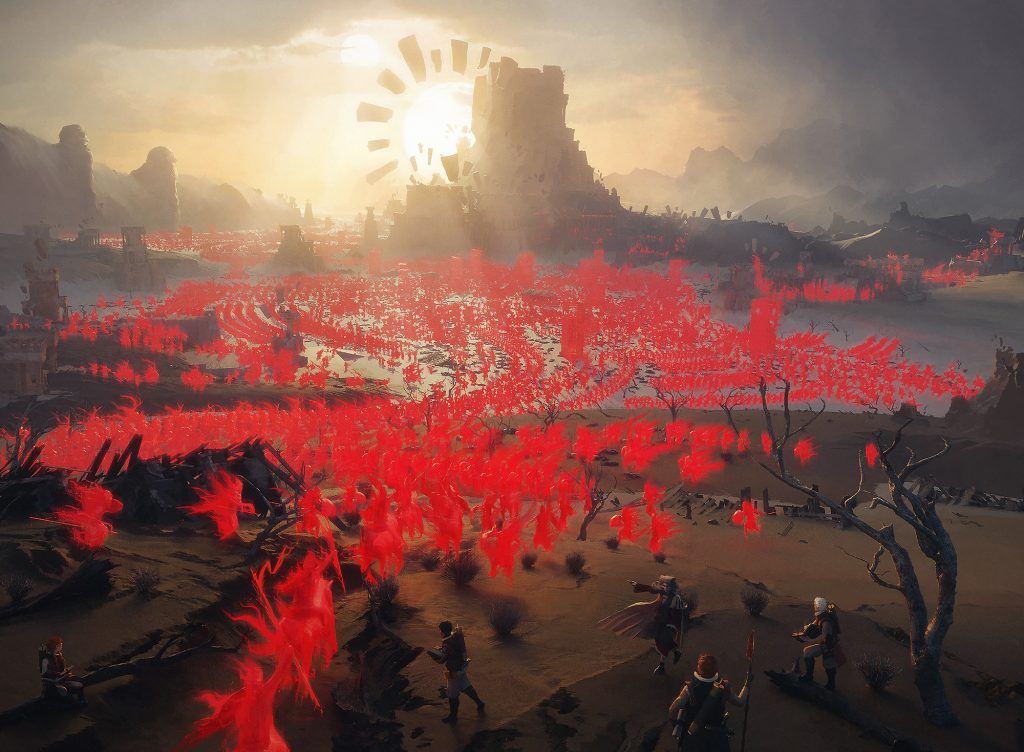
Fields of Strife | Illustration by Josu Solano
And with that, class is over! This honestly took longer to write than most of my college essays. I hope all the detail put into this one serves you well at Prerelease. You can look forward to a sequel Draft Guide in a couple of weeks after I’ve drafted the set some.
Which college are you choosing for your Secrets of Strixhaven prerelease? Which cards do you hope to find in your Sealed pool, either to play in Limited or to add to your collection? Let me know in the comments below or over on the Draftsim Discord. For more from us, subscribe to our free newsletter and come find us on YouTube at The Daily Upkeep.
Until next time!
Follow Draftsim for awesome articles and set updates:










Add Comment