
Last updated on May 19, 2026

Black Lotus | Illustration by Steven Belledin
If you’ve played Magic long enough, you’ve encounter the fast mana problem. Certain high-mana producing cards can create an environment where some players accelerate their game plan to an overwhelming degree, disrupting the balance and enjoyment for others. Bans are often handed down by the Rules Committee to slow these cards down, especially in Commander, with a card like Jeweled Lotus.
But what exactly is fast mana, and which cards are at risk of being banned in Commander or other MTG formats that WotC might consider intervening in?
Let’s find out!
What Is Fast Mana in MTG?

Mox Amber | Illustration by Steven Belledin
In Magic: The Gathering,“fast mana” usually refers to very cheap spells or permanents that allow you to generate extra mana beyond your usual land drops to be used immediately, especially in the early turns of the game.
This mana is commonly used to play spells that put you way ahead in the game, and in most cases, lock up an early win. For these and other reasons, fast mana is prized in formats like Commander or Cube Draft, where it speeds up gameplay, though it’s sometimes restricted or banned in competitive formats due to its game-breaking potential.
Honorable Mentions
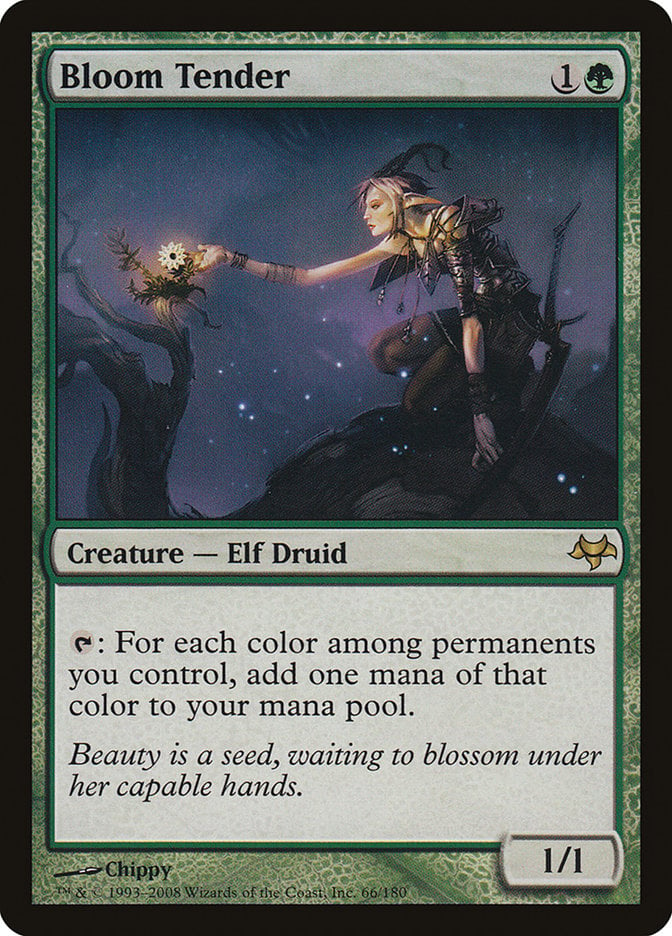
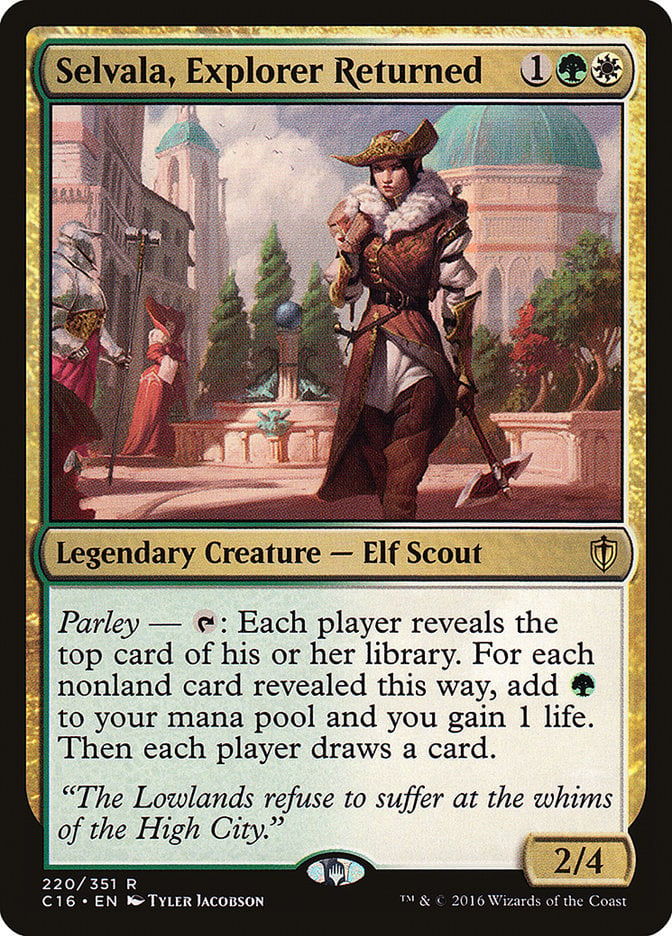
Some cards have the potential to add a lot of mana, but they aren’t included as part of this list as they’re too slow to accomplish the feat. Bloom Tender and Selvala, Explorer Returned, for example, excel at ramping ahead in green decks. Still, since they aren’t immediate, they don’t fully qualify as fast mana. Perhaps the greatest distinction between “fast mana” and general “ramp” is the ability to use that mana right away.
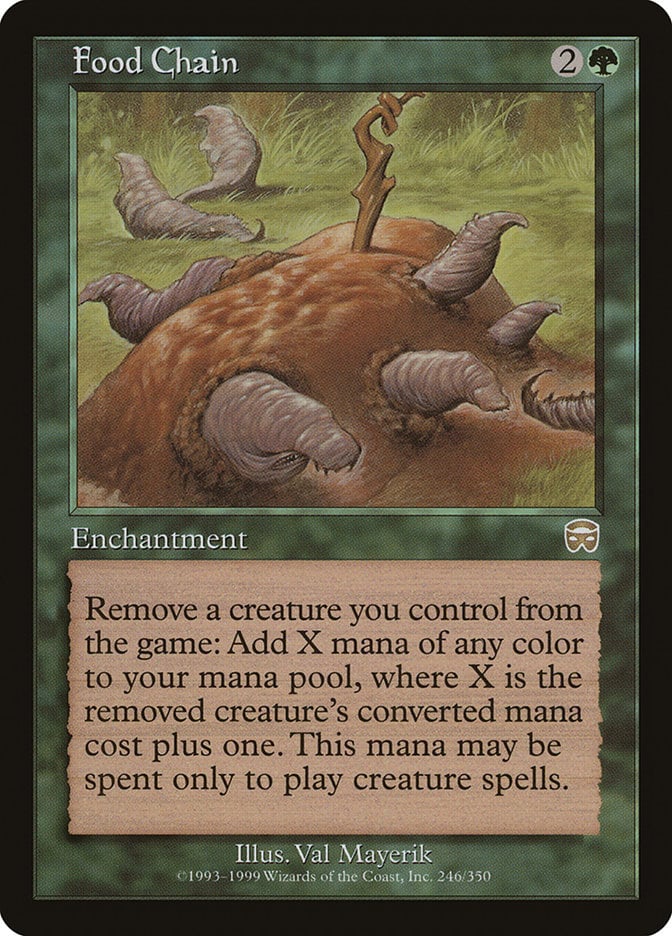
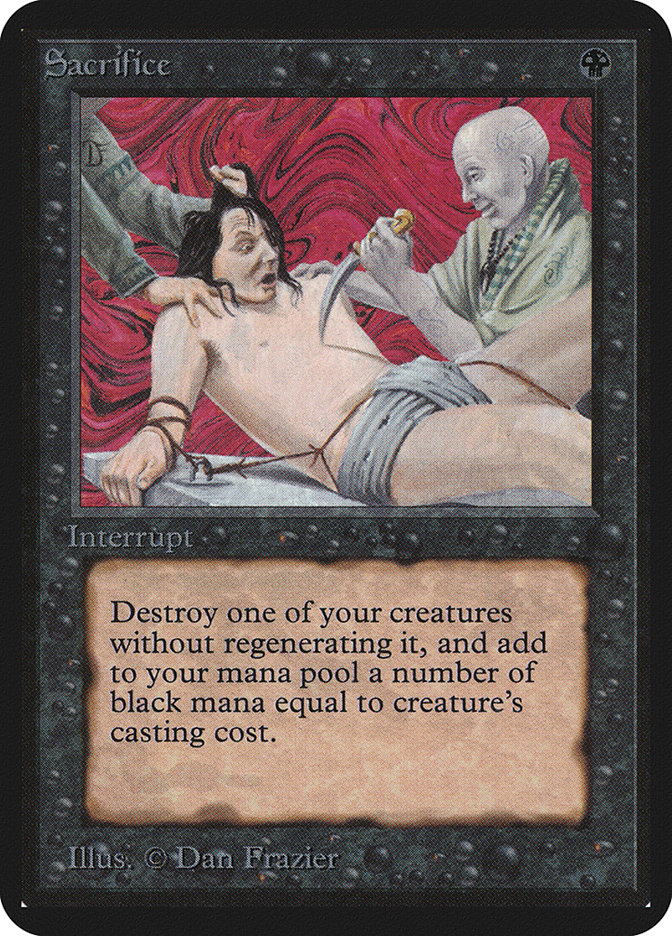
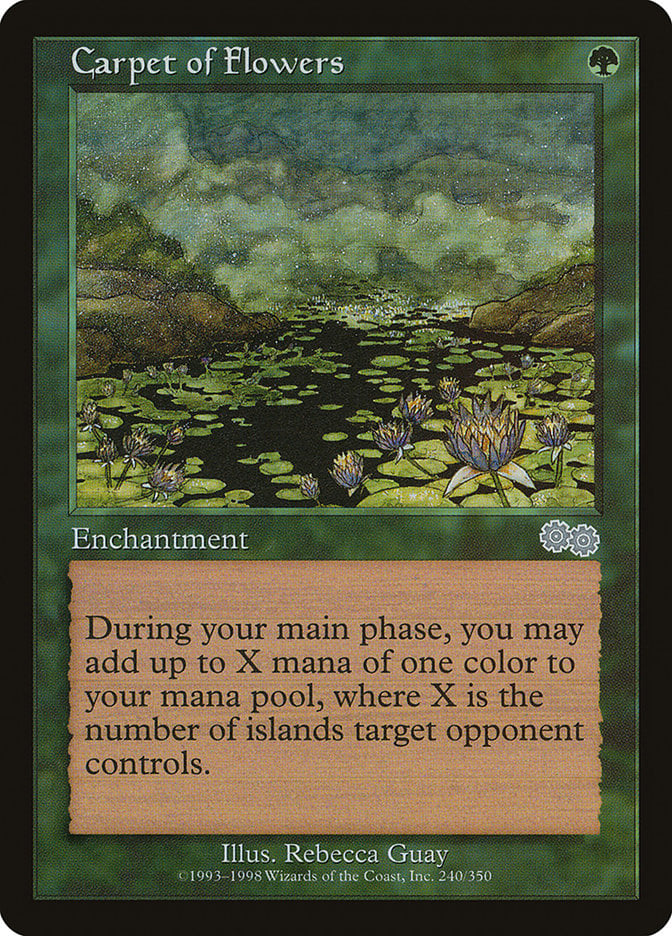
Big-mana producers like Food Chain, Sacrifice, and Carpet of Flowers can do quite a bit, but they require extra investment.
#29. Crystal Vein

At the cost of sacrificing it, you can add 2 mana on your first turn with Crystal Vein. While that scenario may not happen very often, it certainly pushes you to cast broken spells ahead of schedule.
#28. Tinder Wall + Wild Cantor
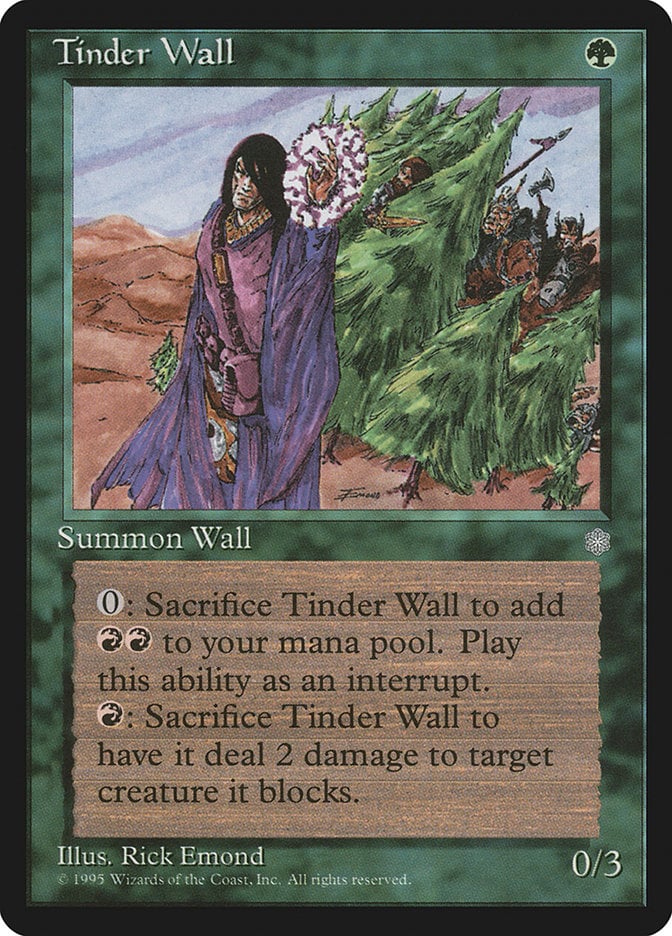
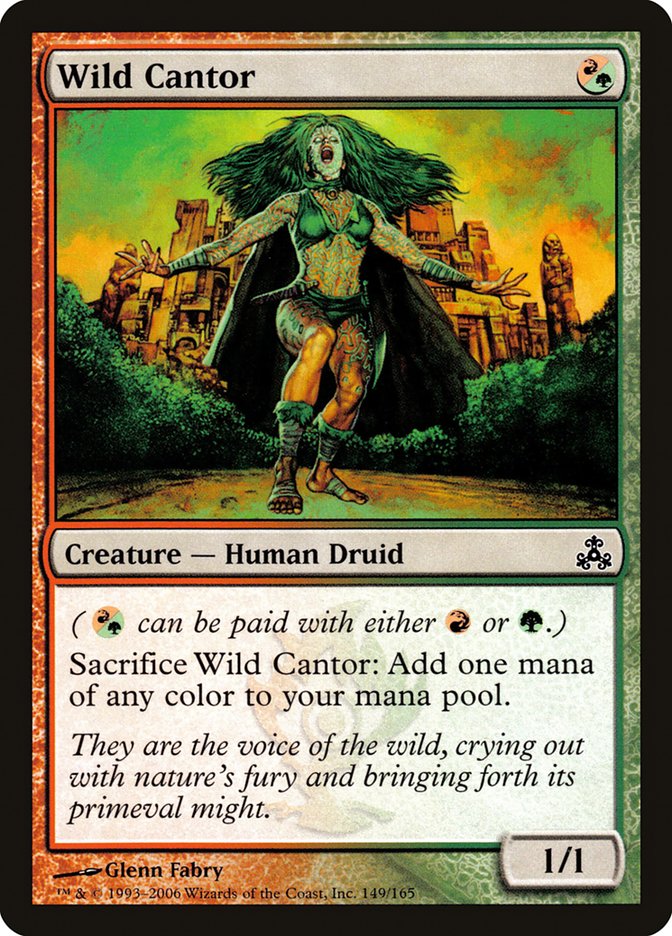
I like to think of Tinder Wall as a green Rite of Flame since it’s basically what this green creature does. You can “store up” the mana by casting it one turn and sacrificing it the next, which is also the goal with Wild Cantor, a 1-drop that provides less mana but is also more flexible in its casting cost and mana production.
#27. Chancellor of the Tangle
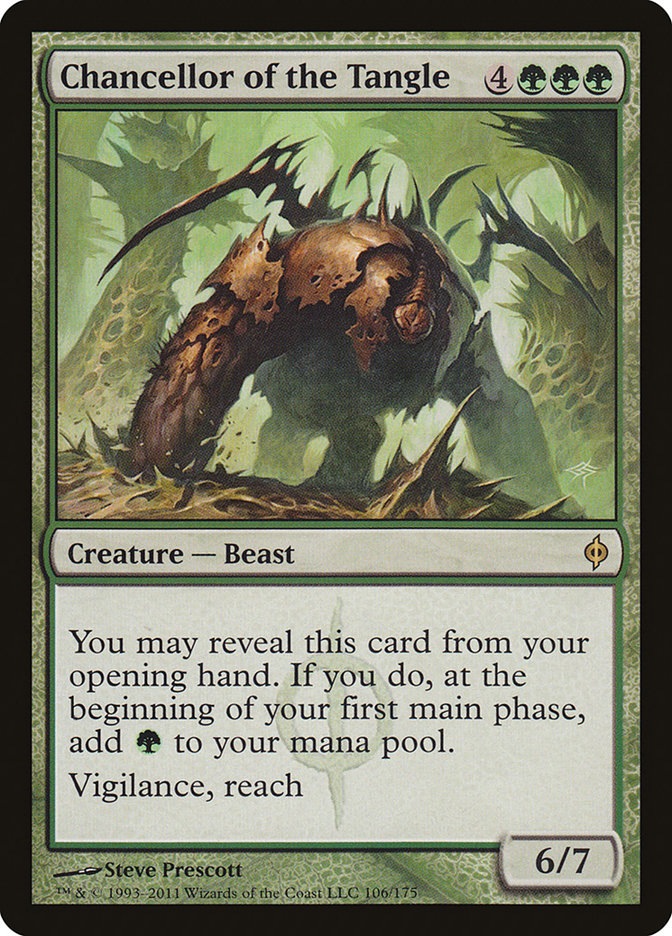
Chancellor of the Tangle occasionally pops up when an all-in combo deck is vogue in Constructed. It only fits in decks that are trying to combo immediately, like Neoform decks or ones trying to float Allosaurus Rider into Eldritch Evolution. It’s a pretty abysmal creature card, and the fast mana doesn’t even work if it’s not in your opening hand.
#26. Irencrag Feat
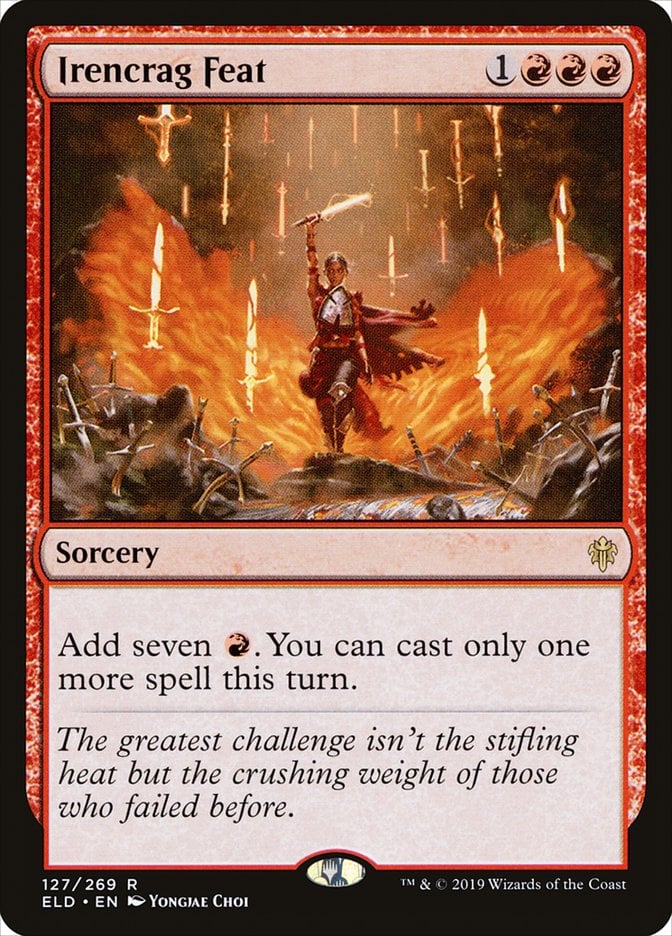
It may seem a bit “expensive” for a ritual, but Irencrag Feat is a critical piece in some decks that want to cast a finisher spell a few turns early. Common follow-ups include Etali, Primal Conqueror or Muxus, Goblin Grandee. A similar card to this red sorcery is Geosurge, but aside from being more restrictive in terms of what you can cast with it, it’s considerably harder to cast outside of a mono-red deck.
#25. Mox Jasper

Mox Jasper is 0-drop that adds mana if you control a dragon. This can easily be achieved with cheap cards like Reckless Barbarian or Universal Automaton. This artifact is susceptible to dragon creatures being removed, but it can help you to jump the curve and get bomb cards out.
#24. Mox Amber
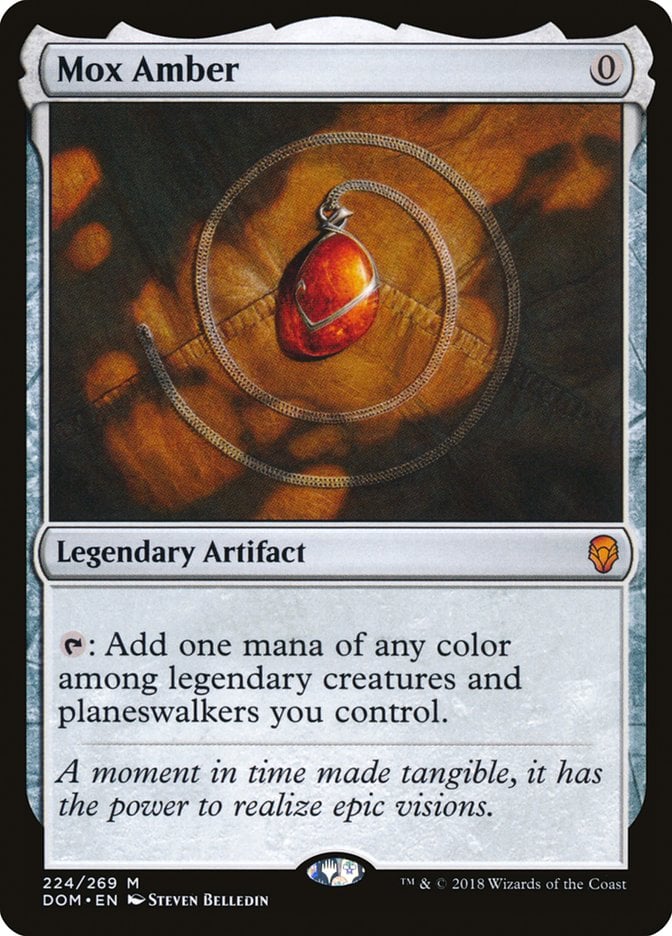
Since you’re limited to adding mana based on the legendary creatures or planeswalkers you control, there’ll be very few chances you get early mana with Mox Amber. That said, if your commander costs just 1 mana, as Tamiyo, Inquisitive Student does, you’ll have no issues ramping ahead of the game or potentially playing multiple spells on turn 1.
#23. Mox Opal
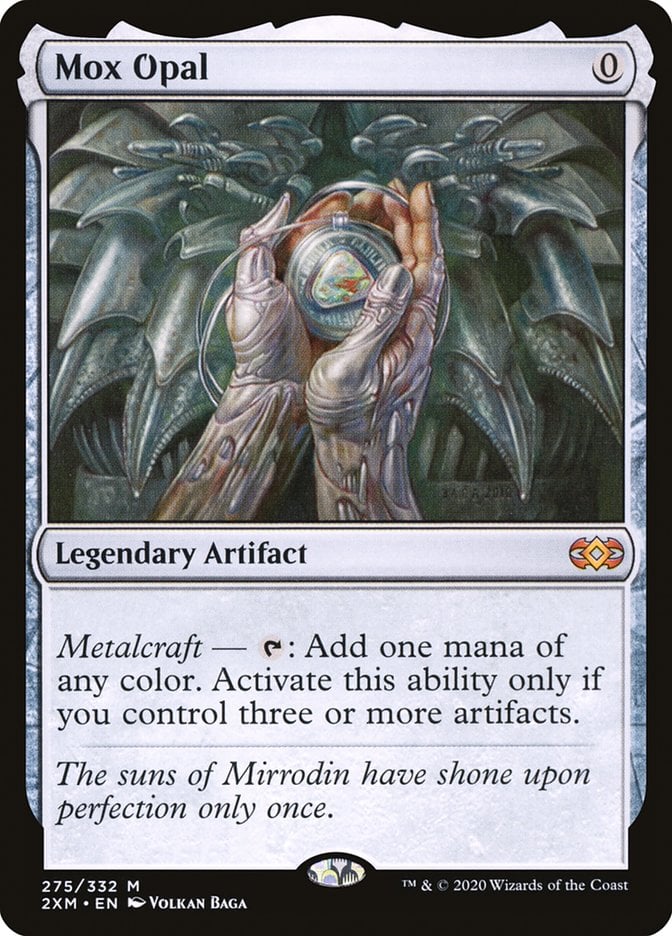
Mox Opal lets you speed ahead in the game by providing free, flexible mana very early in decks that can quickly pile up artifacts on the battlefield, like affinity or artifact commander builds. Due to this, it was banned in the early days of Modern and relegated to Legacy and Vintage.
#22. Lotus Bloom + Mox Tantalite
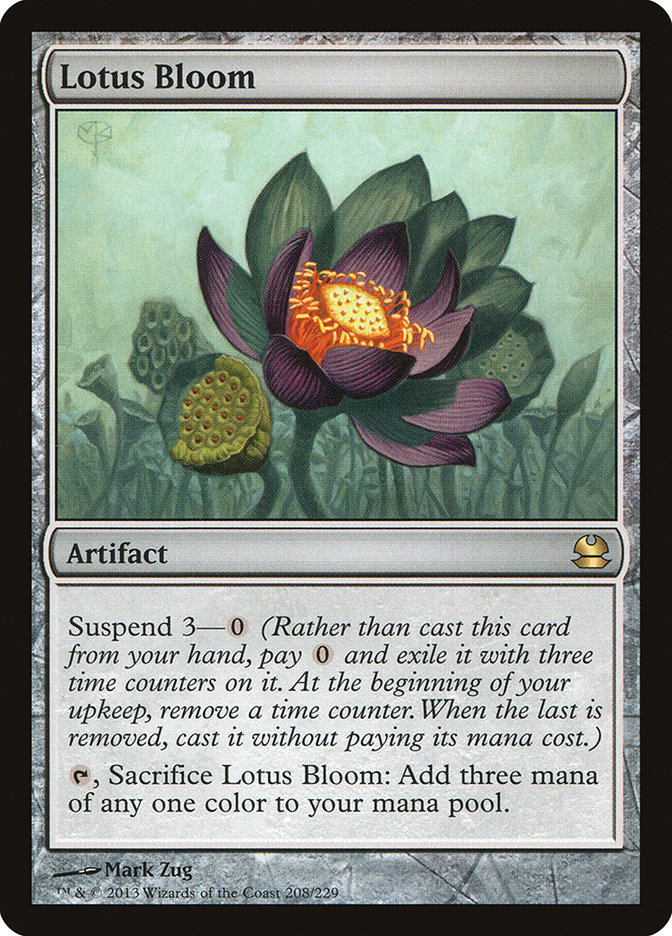
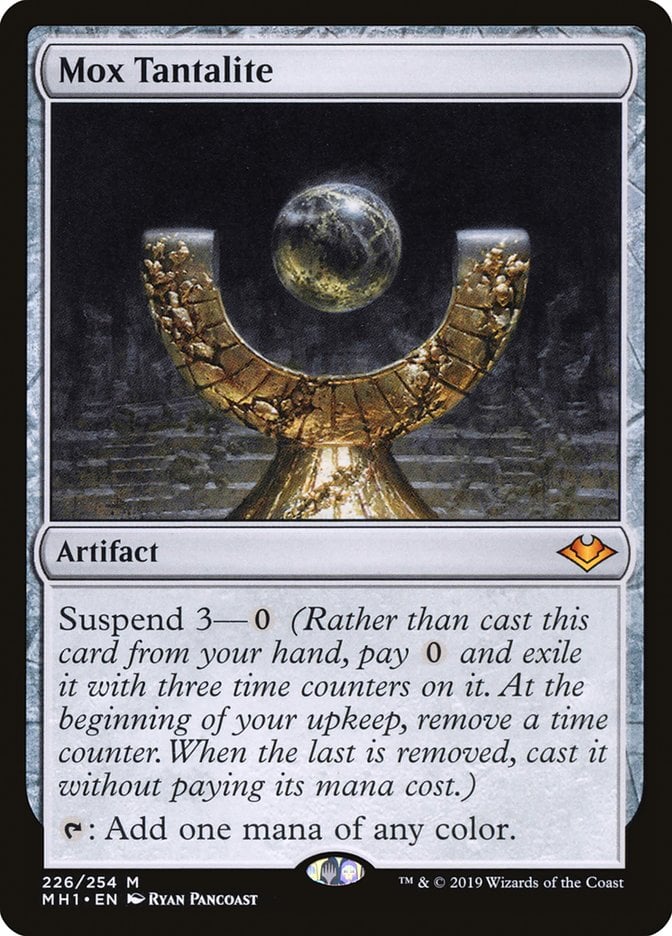
Lotus Bloom and Mox Tantalite can’t be cast straight-up, and lock their mana production behind suspend. That makes them some of the… slowest fast mana? Excuse the oxymoron. The burst of mana comes later, which leads to explosive turns in the midgame instead of right away.
#21. Lotus Petal
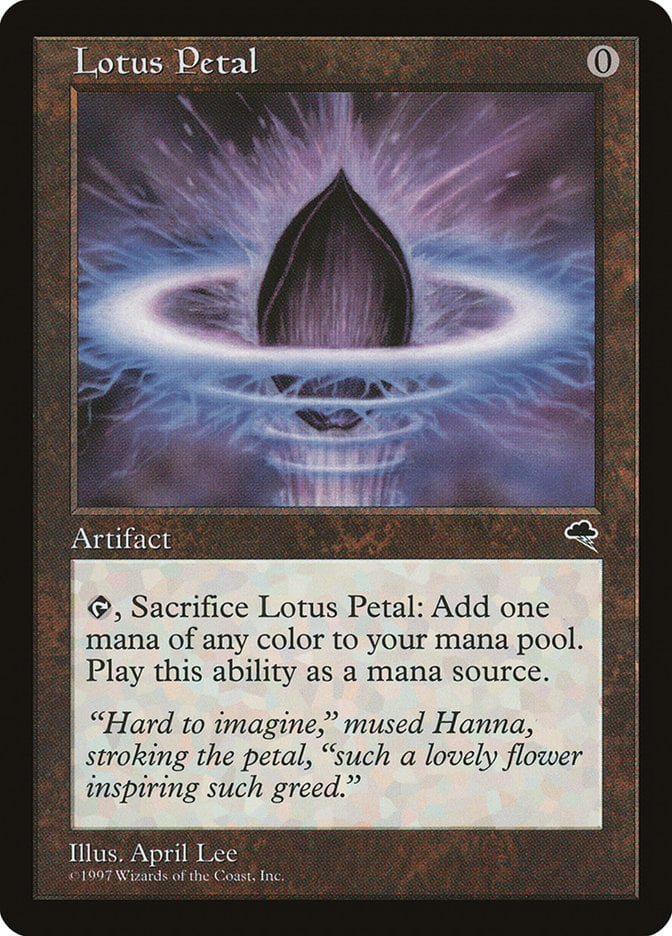
In most decks, Lotus Petal works as a one-time mana accelerator for combo and storm decks to pull off their kills ahead of schedule. I’ve most often seen this in Legacy, where archetypes like Reanimator capitalize on the temporary burst of mana, but it’s also had its time in Pauper.
#20. Rite of Flame
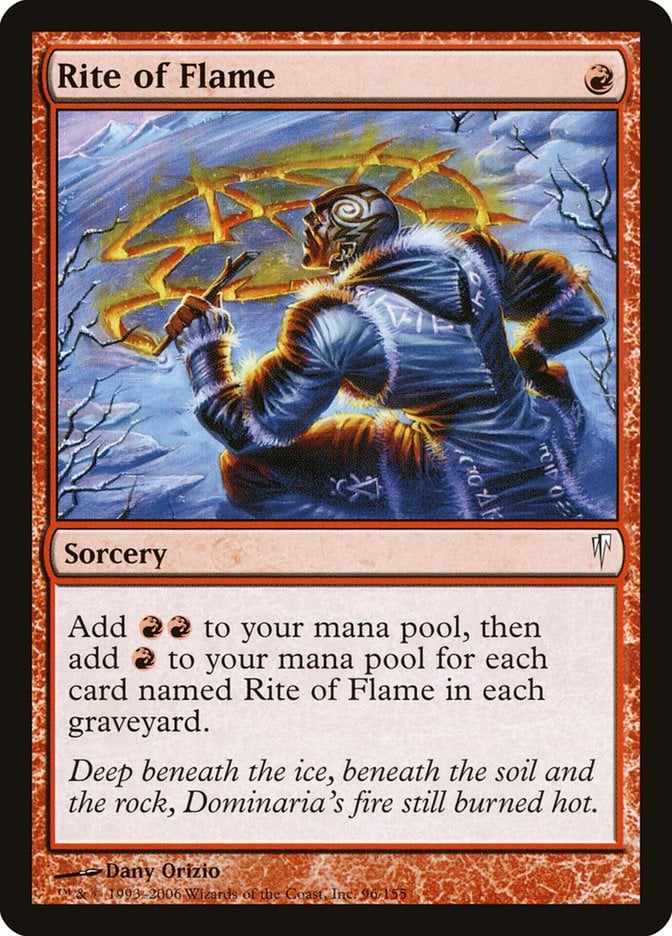
Similar to Dark Ritual, Rite of Flame adds extra mana for just a mere investment of 1. That said, this sorcery has the potential to add more mana if other copies of it are in someone’s graveyard, making it hard to justify which one deserves to be higher than the other.
#19. Pyretic Ritual + Desperate Ritual + Cabal Ritual
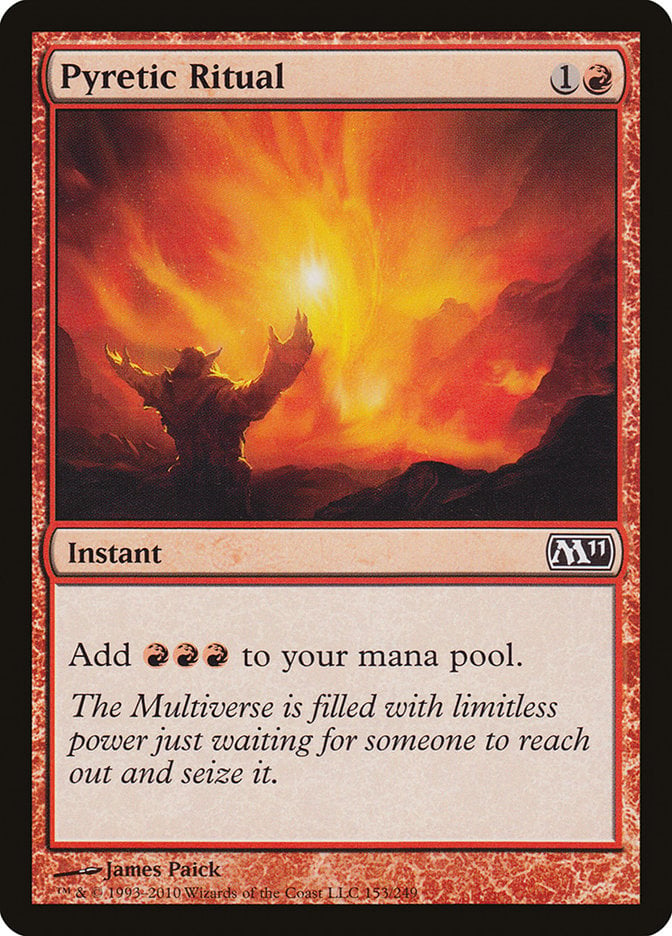
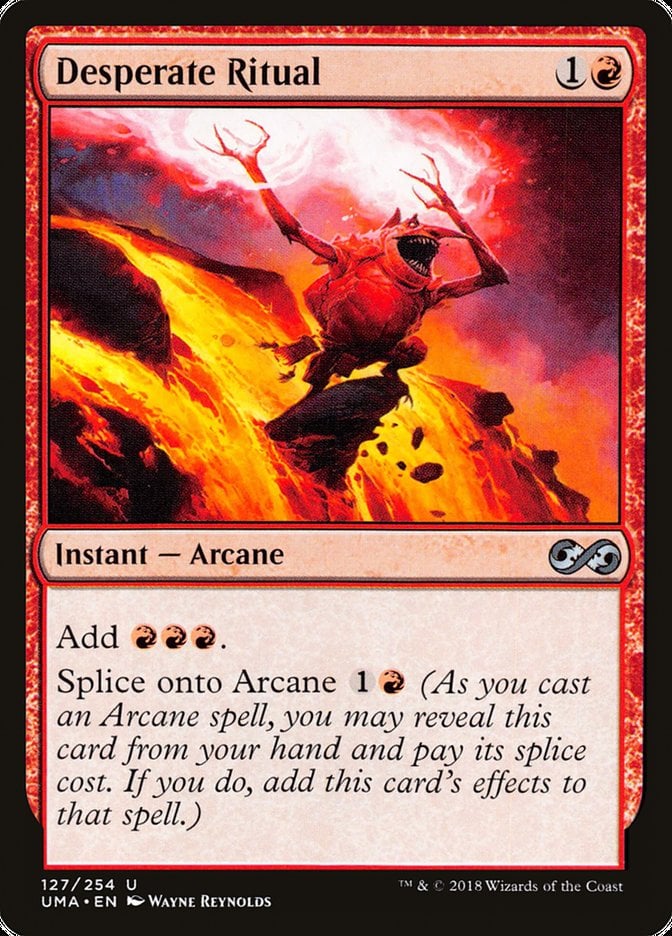
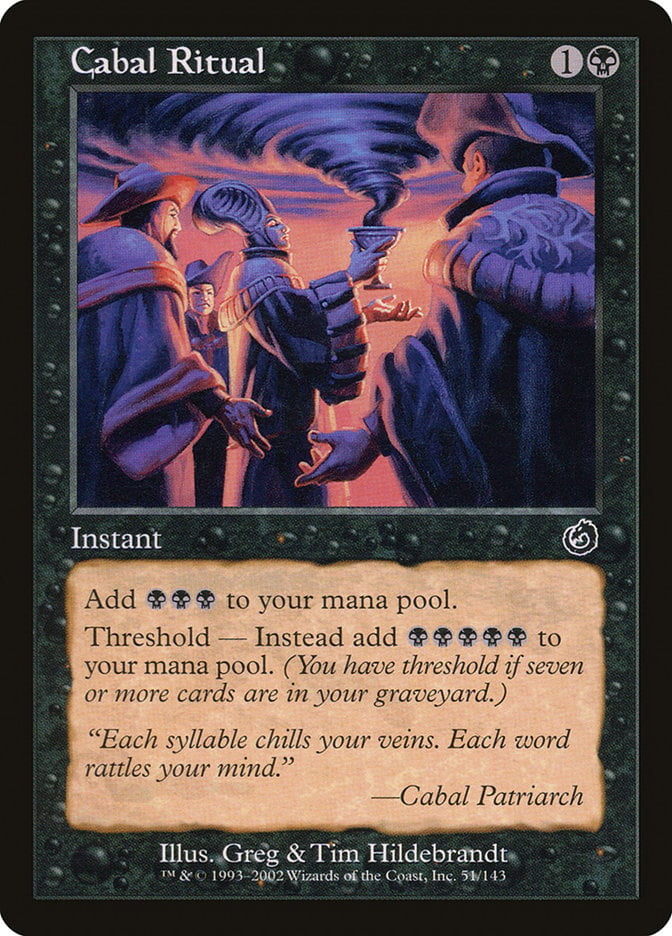
Pyretic Ritual and Desperate Ritual are both fantastic red cards for ramping up and enabling one-turn wins in combo decks. Cabal Ritual is their black counterpart, except this black instant is slightly better once you have threshold as it adds more mana.
#18. Seething Song

Now, if you’re looking to add even more mana, Seething Song is the real card you should be looking for. Combo decks go turn 1 Rite of Flame into Desperate Ritual into Seething Song to add an immense amount of mana for an explosive finisher, but also to add up a storm count for cards like Empty the Warrens or Grapeshot.
Seething Song reappeared as a prepared spell on Blazing Firesinger, which is actually net negative on mana, but lets you build uop to a big turn.
#17. _____ Goblin
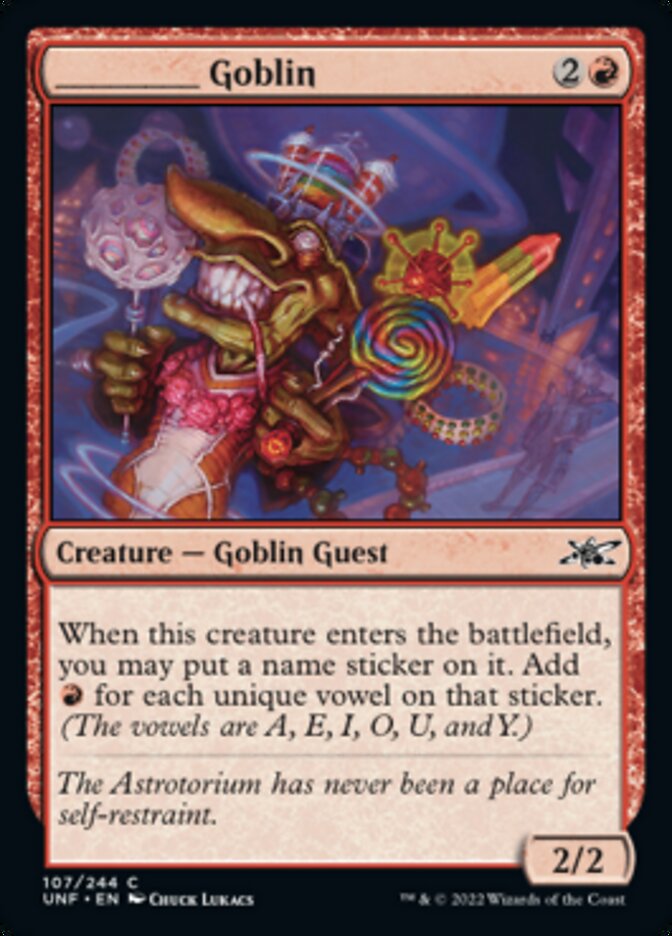
You know a card is weird when it’s banned in every sanctioned format, including Vintage. Of course it’s still available in Commander, but due to how complex the sticker mechanic is, they decided to get rid of _____ Goblin everywhere else. It also has the potential to add more mana than what you used to cast it, mainly acting as a Seething Song with legs.
#16. Elvish Spirit Guide + Simian Spirit Guide
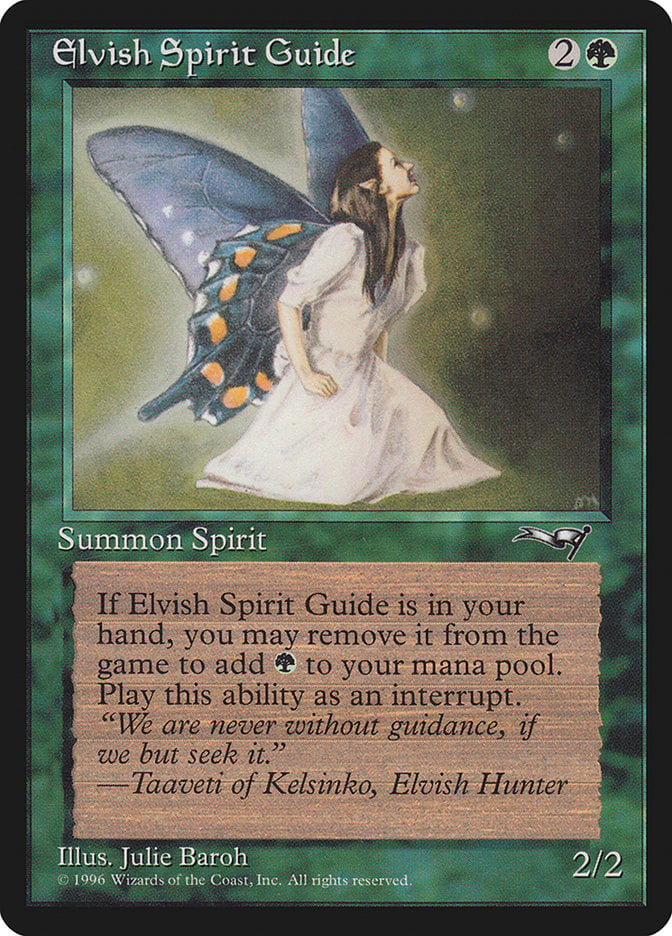
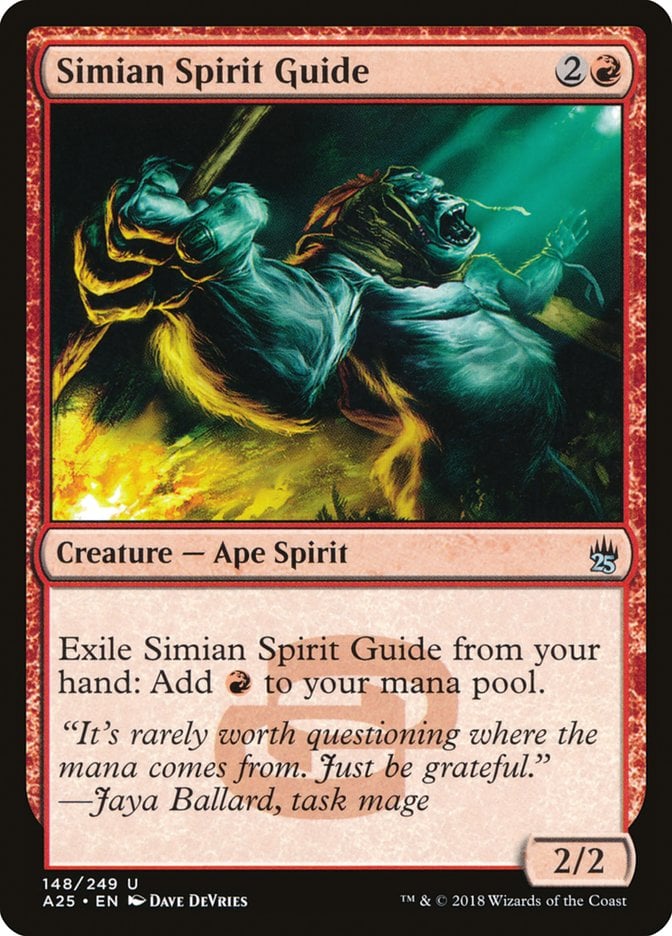
Both Elvish Spirit Guide and Simian Spirit Guide are critical pieces in decks that want to add as much mana as possible with little investment. I first saw these in Goblin Charbelcher decks, but they’re also used along with other fast mana cards in many other decks, like Mono-Red Stompy in Legacy.
#15. Lion’s Eye Diamond
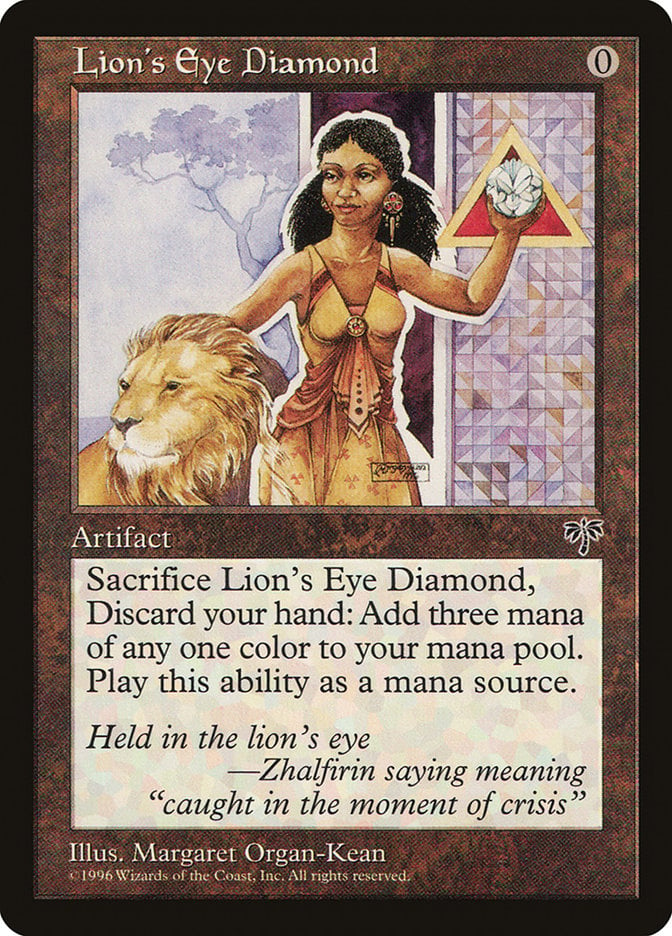
Lion's Eye Diamond looks like a failed riff on Black Lotus, but people broke the card many years ago and established that Lotus is still a hell of a mana-maker even with an egregious drawback like discarding your hand. This 0-mana artifact’s a powerhouse for pulling off crazy combos, usually along with Echo of Eons or Underworld Breach.
#14. Grim Monolith
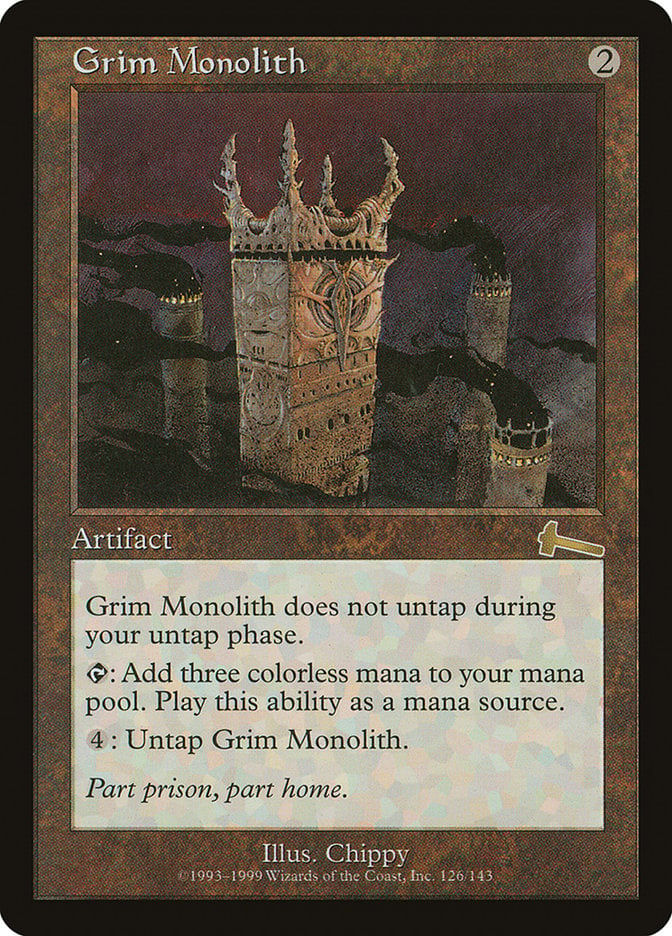
Grim Monolith was one of the first cards I realized is a bit too much for certain Commander decks due to its potential of adding infinite mana when paired with the likes of Power Artifact. Even without infinites it’s still net positive on mana the turn you cast it.
#13. Mishra’s Workshop
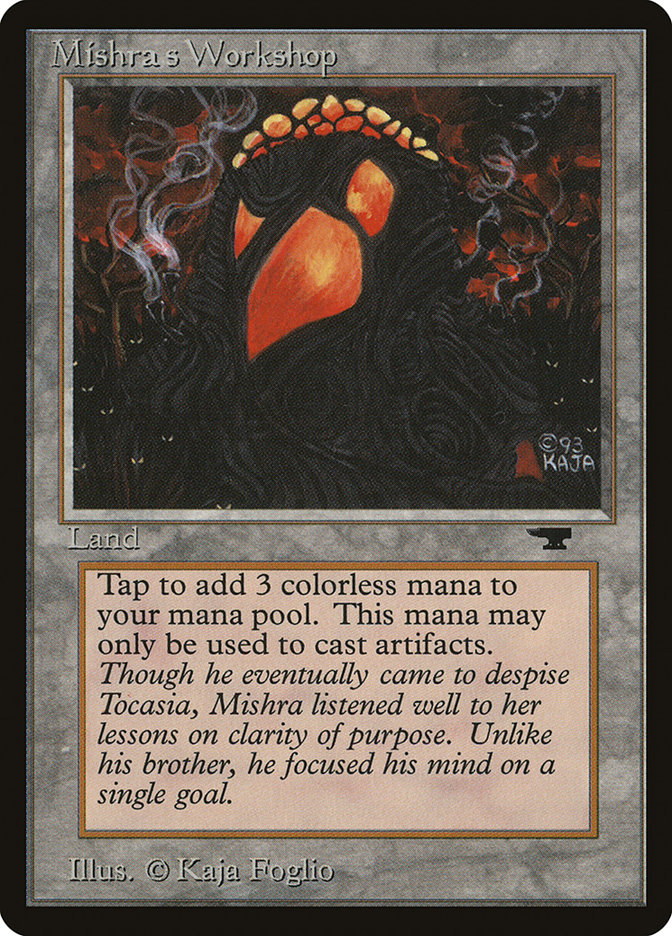
Mishra's Workshop is an extremely niche card as it only works with artifact spells, but it’s incredibly broken with that card type. After all, a turn 1 Workshop puts you just 1 mana away from casting The One Ring.
#12. Orcish Lumberjack
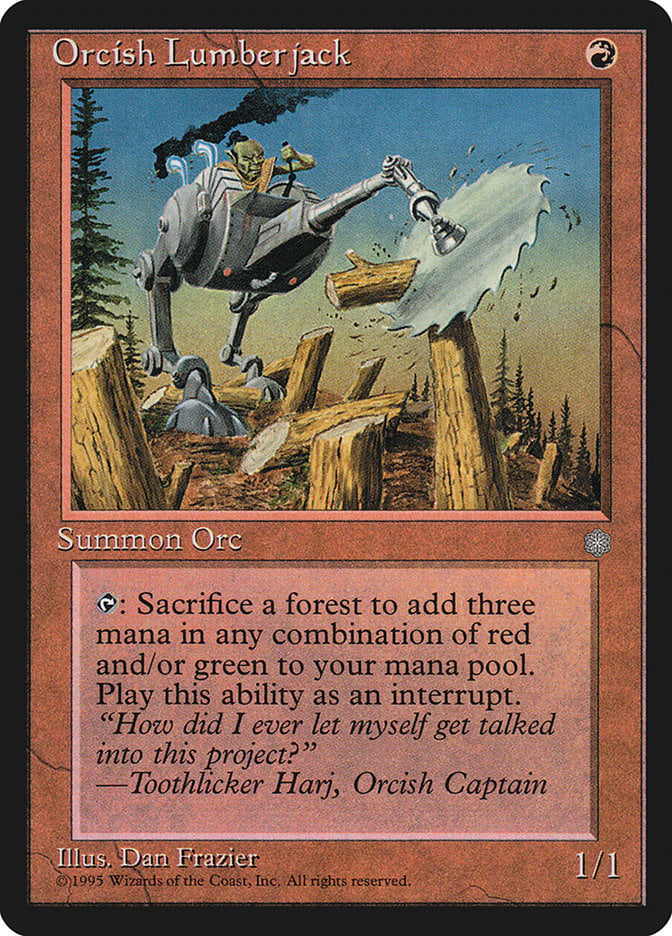
Orcish Lumberjack doesn’t add mana right away, but for only 1 mana, you can have at least 5 mana by turn 2, which is immense considering that you’ll be just 2 mana short of casting an Etali, Primal Conqueror.
#11. Chrome Mox + Mox Diamond
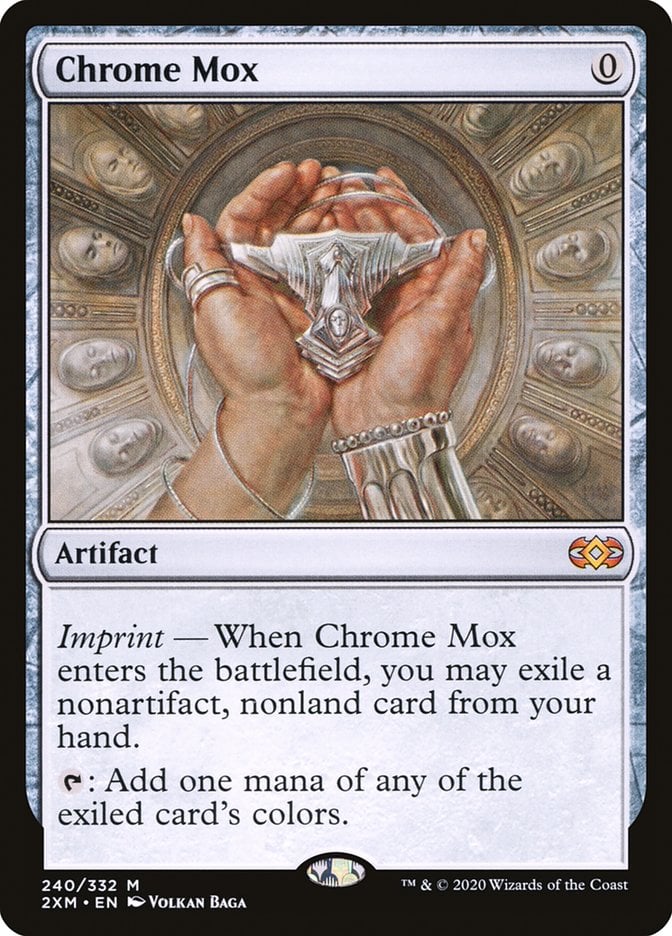
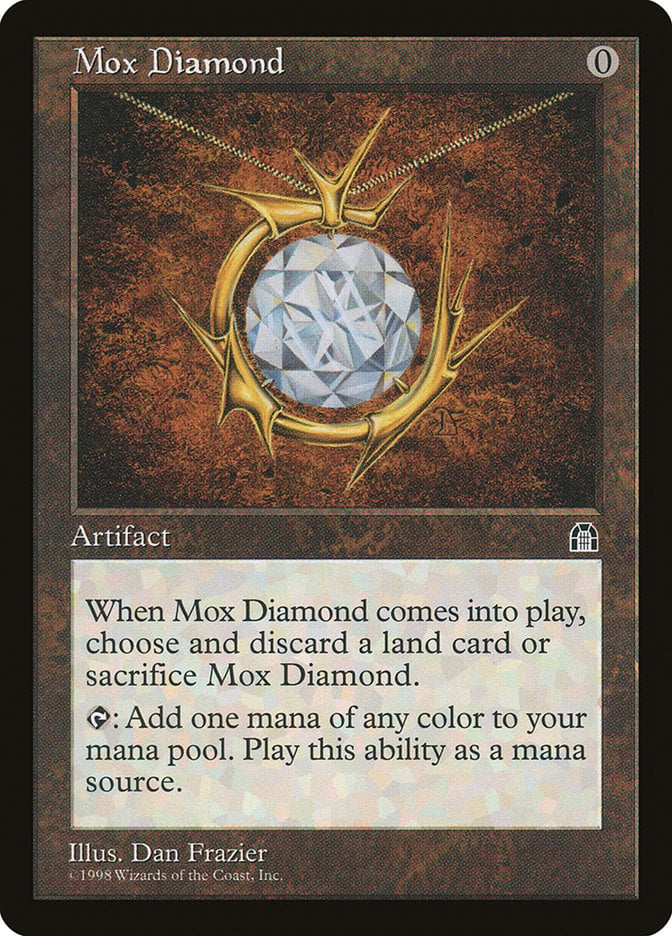
Mox Diamond and Chrome Mox are very similar in what they do as they both act as the moxen from the Power Nine at the low cost of exiling a card of a required type from your hand.
#10. Mana Vault
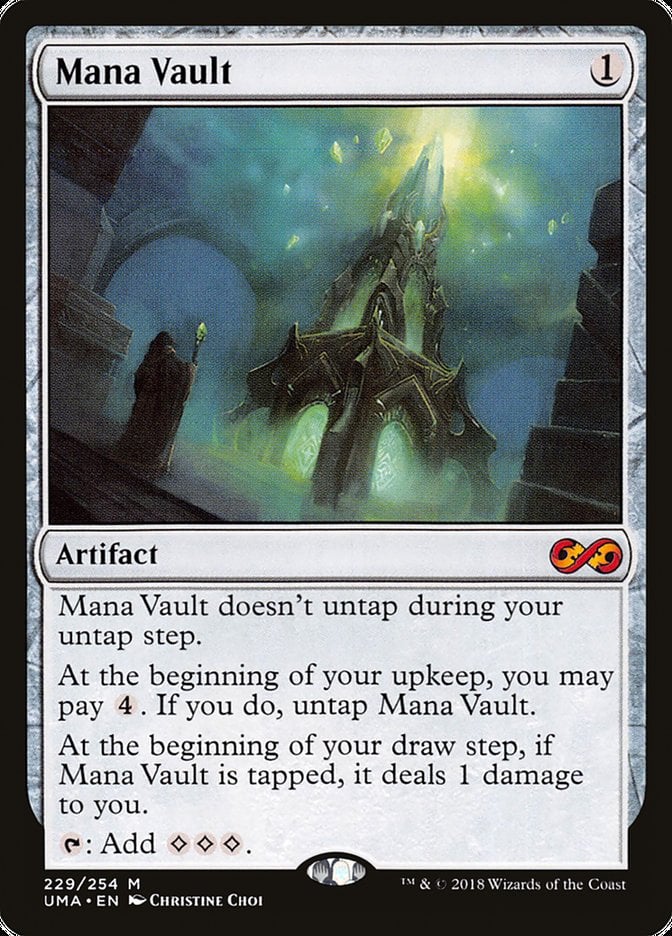
Mana Vault is excellent for quick, explosive starts, but you’ll want a plan for dealing with it once it’s tapped or you’ll end up taking damage over time. Luckily, some cards like Tezzeret the Seeker can search for this artifact and put it onto the battlefield, but more importantly, untap it on each of your turns without investing any additional mana. Think of Mana Vault like a colorless Dark Ritual that can reload itself.
#9. Dark Ritual
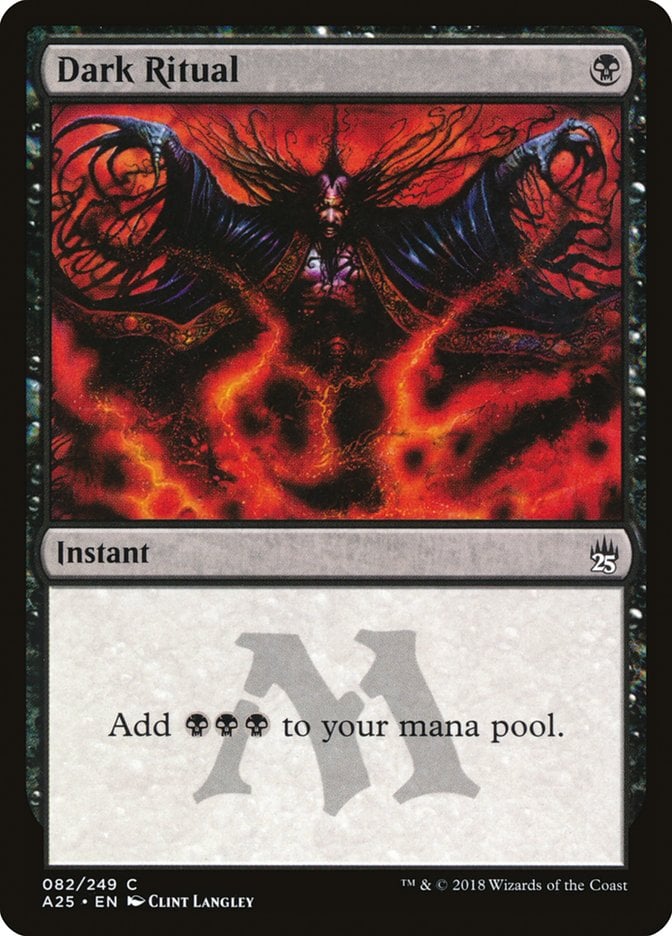
I’ve asked many players what cards they think are considered “fast mana” and more often than not, the main card they mention is Dark Ritual. For a mere 1 mana, you can play many oppressive cards ahead of schedule. From playing a Liliana of the Veil on turn 1 or just slamming a passive card draw source like Phyrexian Arena, this former interrupt is critical to accomplish those feats. Of course, it’s a matter of getting creative with it, but in a format where you can play a Necropotence, it’s a no-brainer to run this cheap instant.
#8. Ancient Tomb + City of Traitors
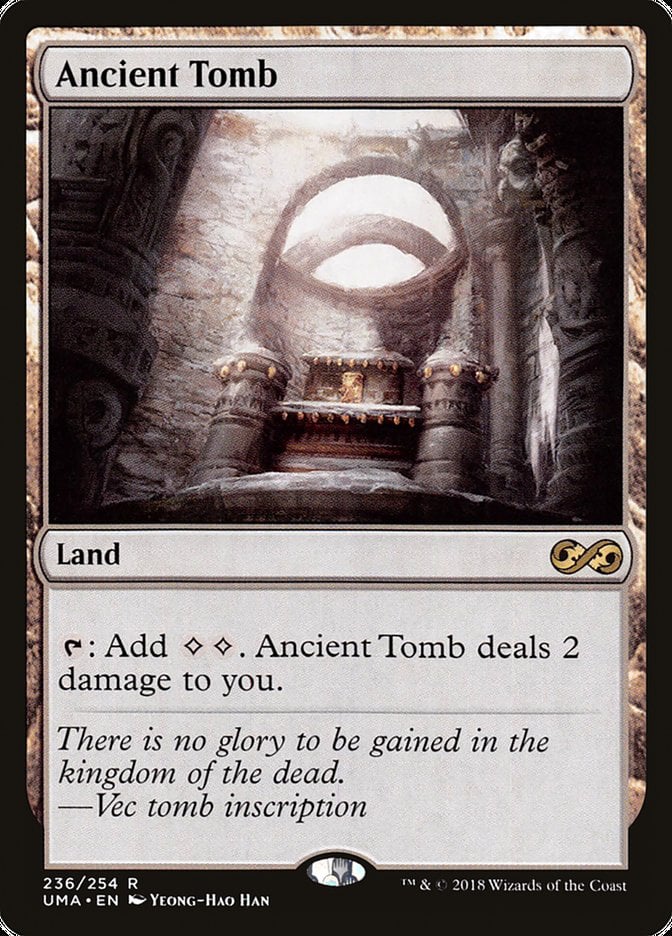
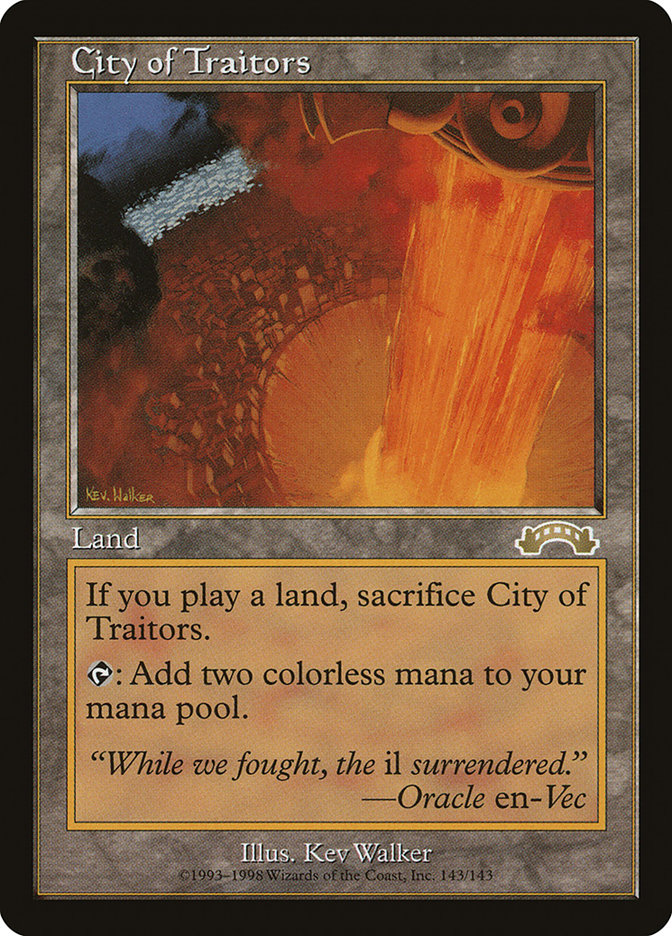
Belonging to a class of lands known as “Sol Lands“, Ancient Tomb and City of Traitors facilitate broken starts in Eternal formats, and are the backbone of prison strategies looking to drop lock pieces like Chalice of the Void early on. They both come with major downsides that you’re willing to incur for this much and this free of a mana boost.
#7. Channel
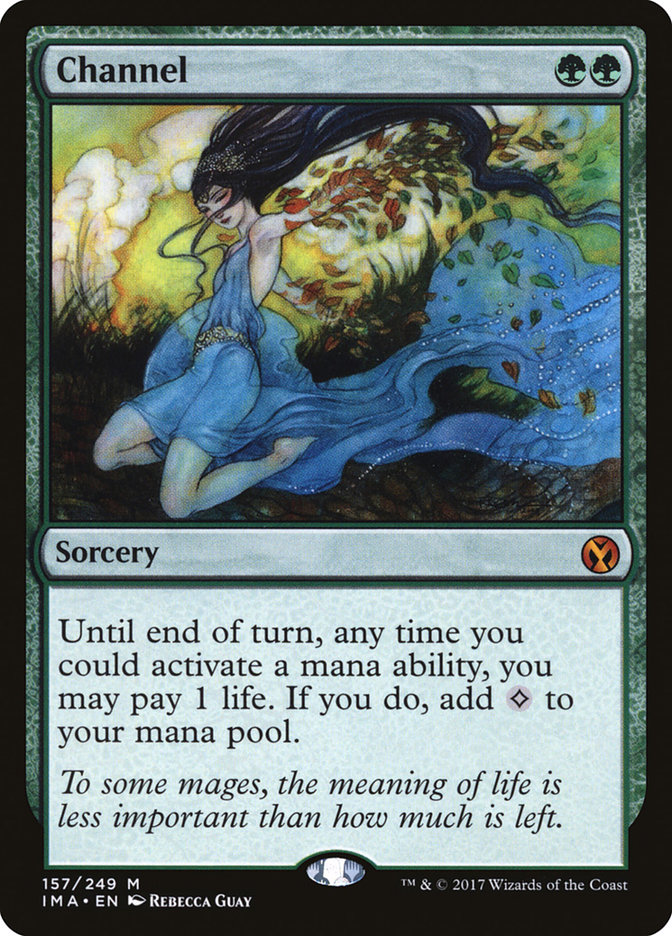
The name of this card should be “Turn 2 Emrakul, the Aeons Torn” (or insert any big Eldrazi of your choosing). Of course, you can even cast Channel on turn 1 with the help of other cards from the list, so it’s no wonder why it’s banned in many Eternal formats and available only in Vintage as a restricted card.
If you’ve ever wanted to play the card in Commander, you can do so with the prepared spell on Yavimaya Bloomsage.
#6. Dockside Extortionist
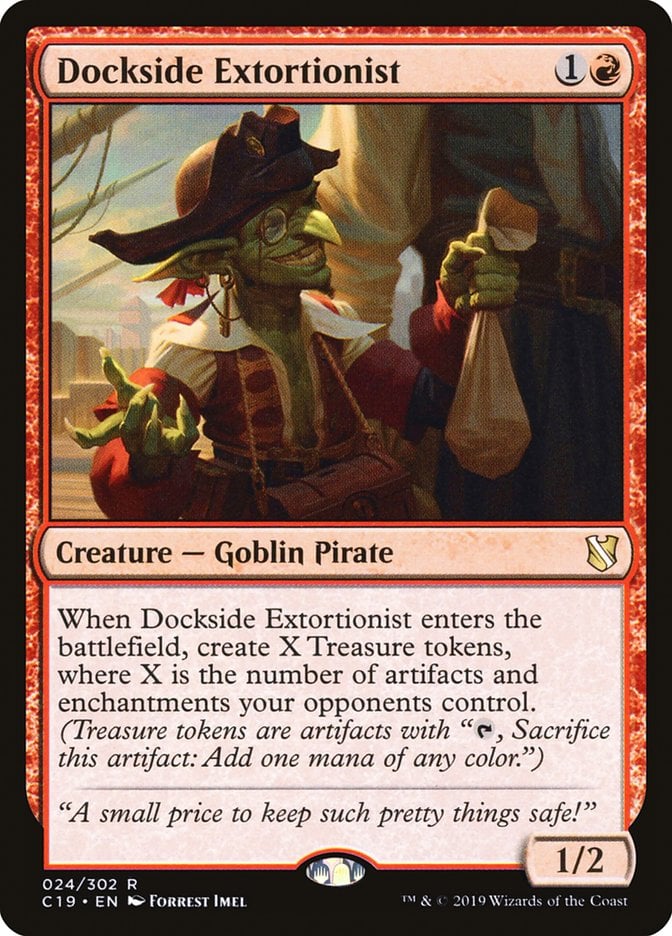
Dockside Extortionist was banned from Commander, as you can create an obscene number of Treasure tokens for just 2 mana. The problem wasn’t just that you can ramp ahead with ease once it’s resolved, but also that many decks exploit its enter the battlefield effect to retrigger it over and over to generate infinite mana, among other incidental effects that may occur from sacrificing artifacts.
#5. Mana Crypt
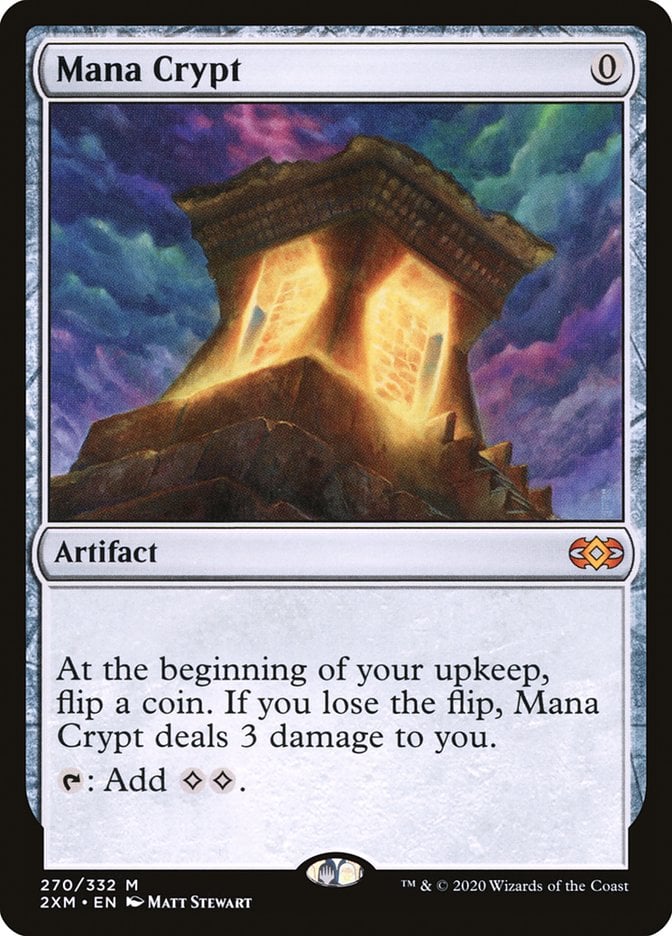
While the drawback of using a Mana Crypt may seem high at first, it becomes negligible in formats like Commander. That was one of the reasons behind its ban, as it can enable many explosive starts in competitive versions of the format. It’s also considered an honorary piece of power in Vintage Cube, where the life loss is more of a threat.
#4. Jeweled Lotus
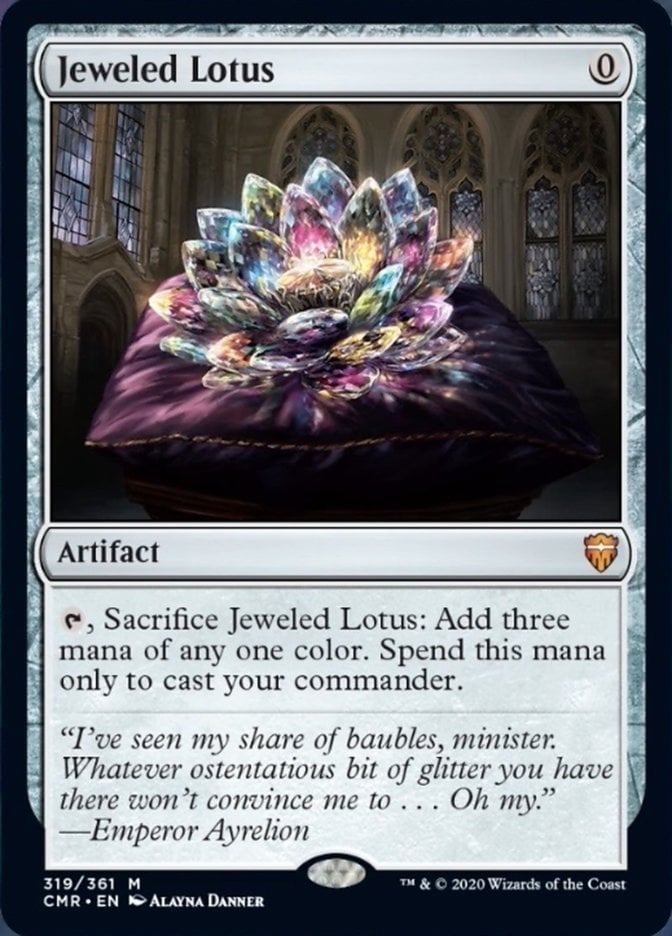
The last fast mana card banned from Commander in September 2024 was Jeweled Lotus. While banning all three pieces caused a major uproar in the community, I wouldn’t disagree with banning just one of these while keeping the rest alive, Dockside Extortionist being the most reasonable option. Still, casting your commander on turn 1 can quickly make entire boards one-sided, so there were pros and cons to the decision.
#3. Power Nine Moxes
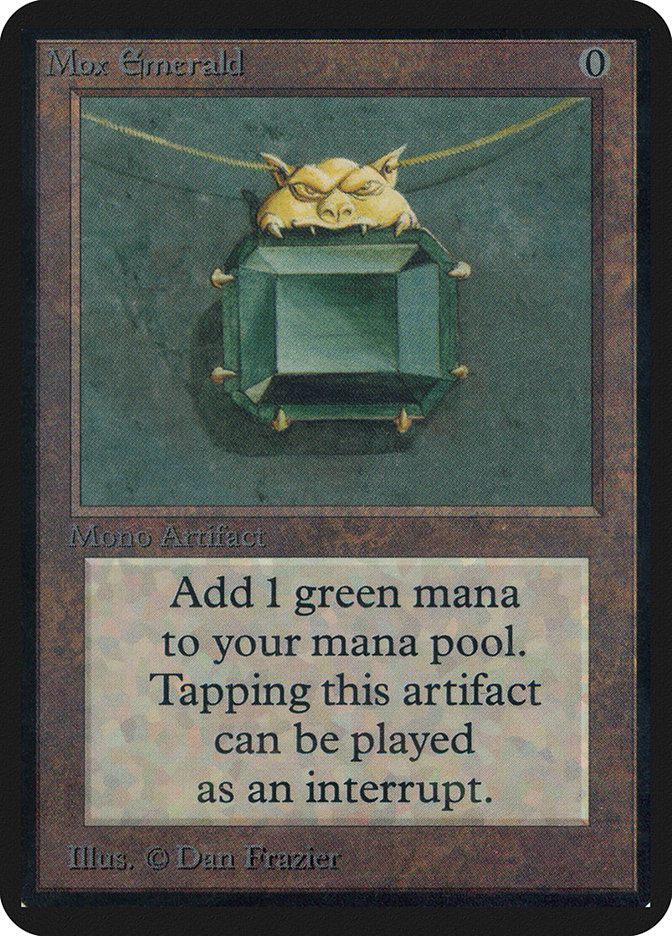
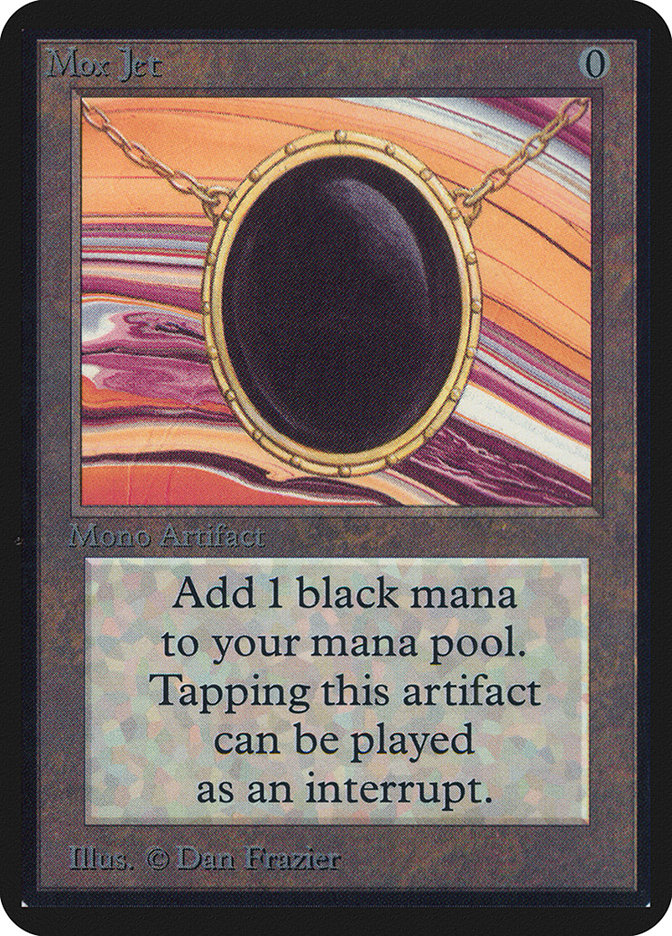
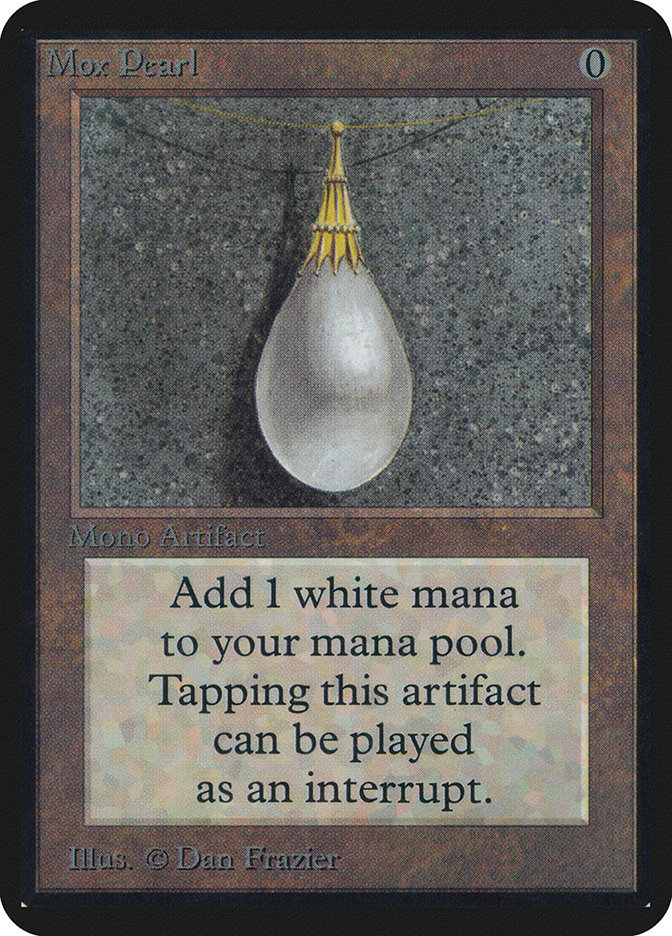
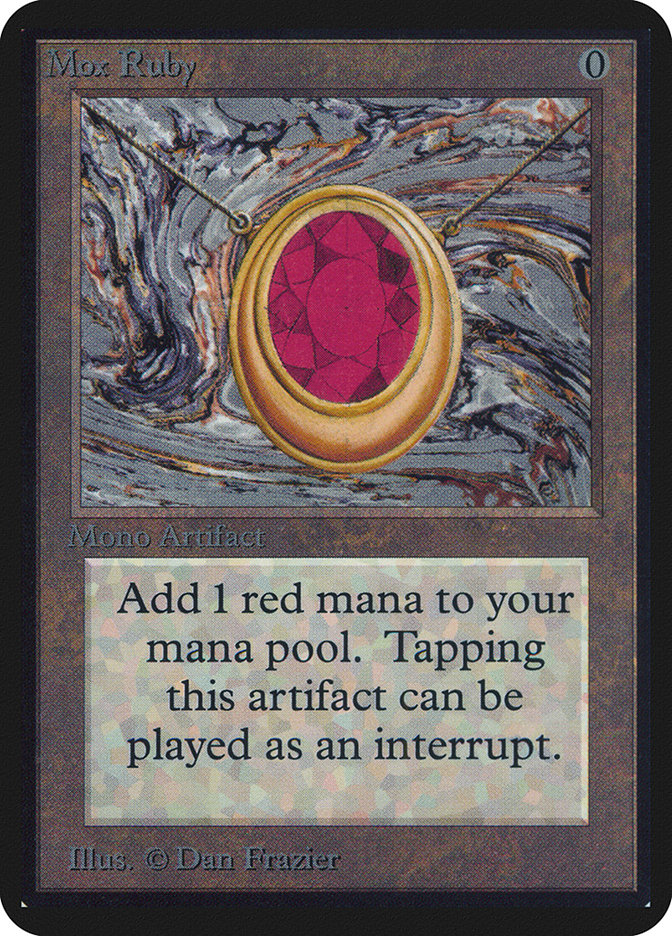
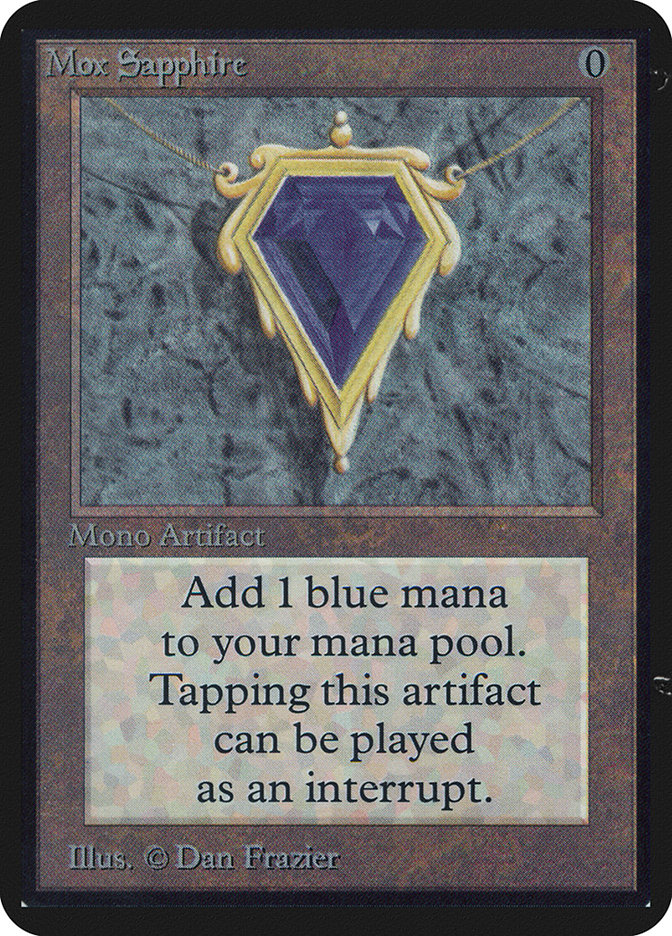
Mox Emerald, Mox Jet, Mox Pearl, Mox Ruby, and Mox Sapphire form the vast majority of the Power Nine, and they’re considered among the best cards you could open during a Vintage Cube draft. They’re without a doubt some of the best fast mana cards ever printed.
#2. Black Lotus
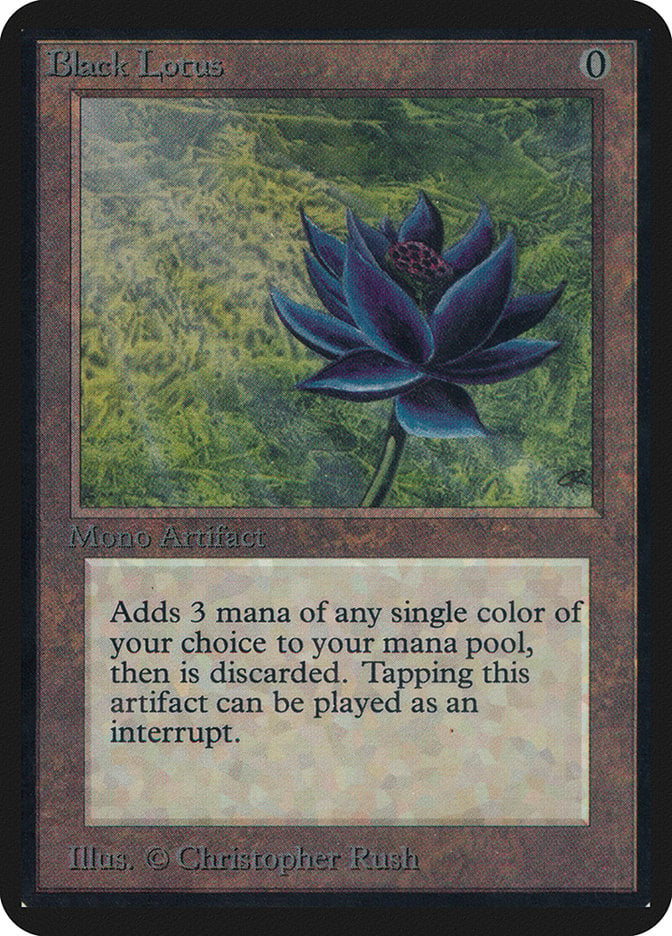
How come Black Lotus isn’t the number one spot? Well, the answer is that there’s one mana rock that adds 1 less mana but at a steady pace.
#1. Sol Ring
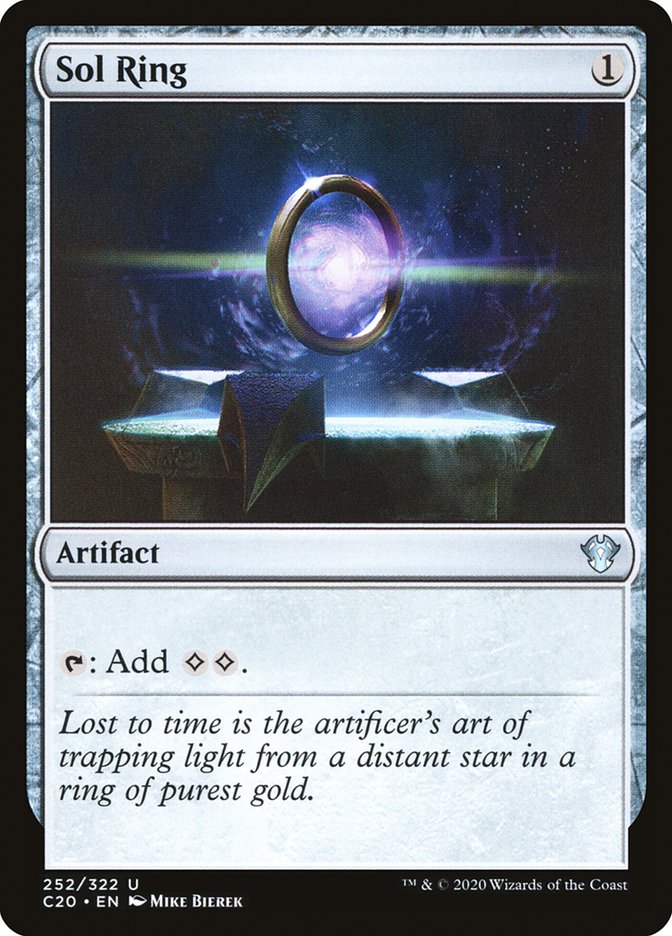
Look, if Stephen A. Smith thinks Sol Ring is better than Black Lotus, who am I to tell him he’s wrong? More importantly, great minds like Jon Finkel also back up his train of thought!
Jokes aside, this card has been the face of Commander if the format ever needed one, and it seems that it will never see the rusty cages of the ban prison for the format.
Best Fast Mana Payoffs
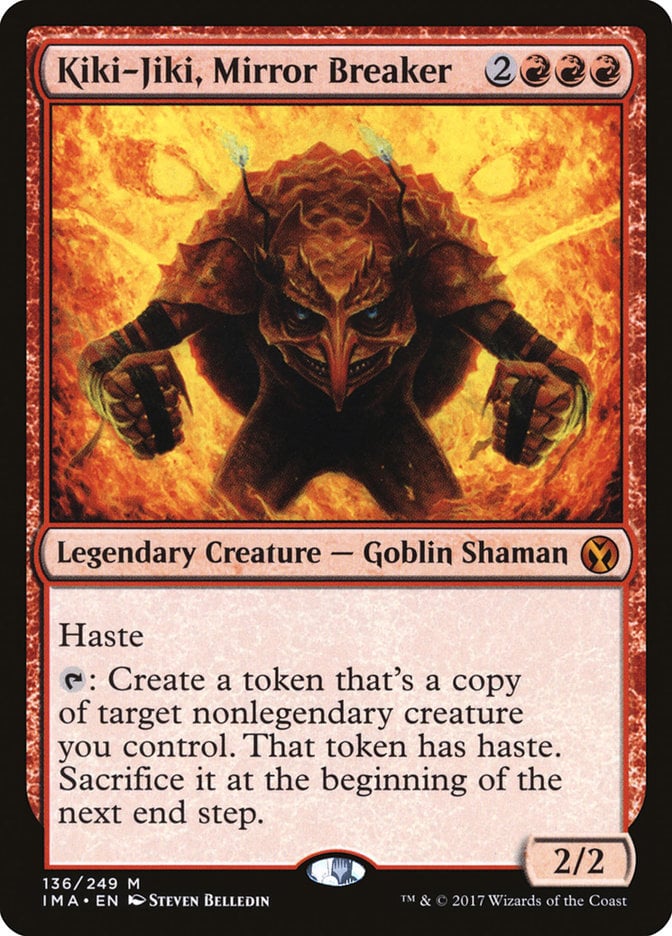
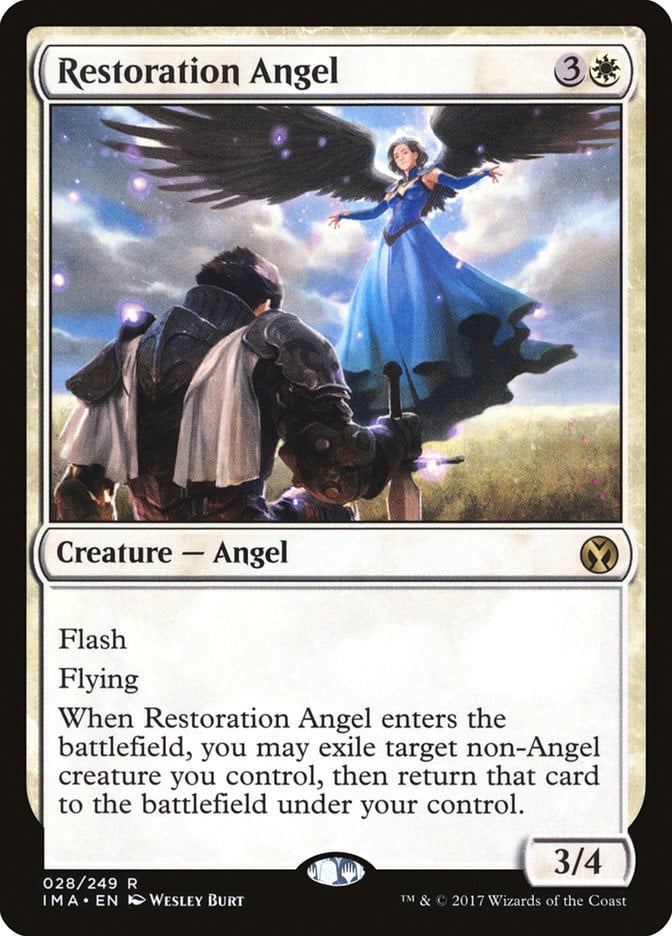

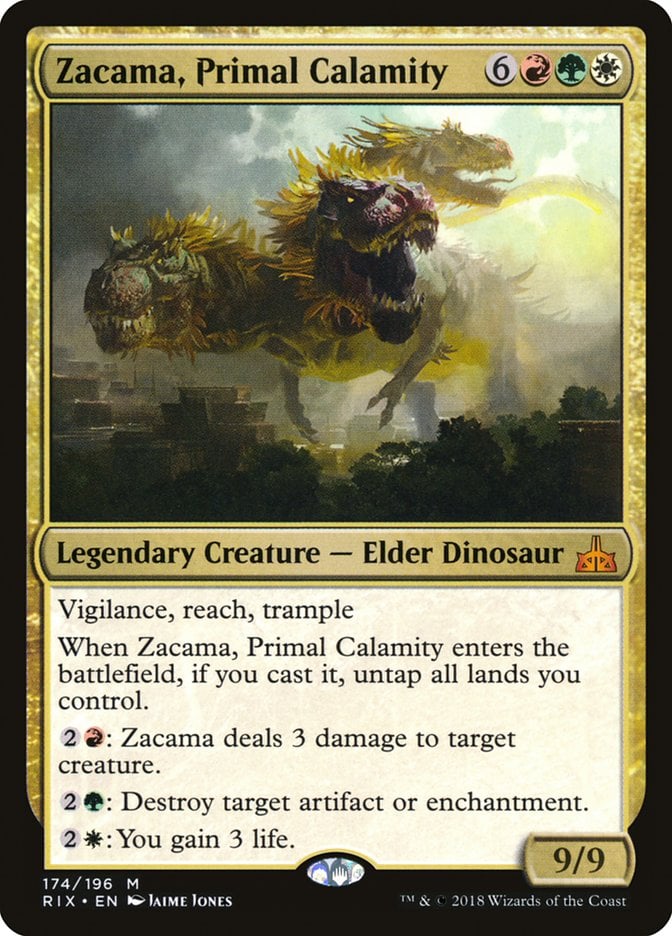
Now you have the fast mana, what to do with it? You can shoot ahead to pull off midrange combos like Kiki-Jiki, Mirror Breaker and Restoration Angel, or aim even bigger by ramping out bombs like Quandrix, the Proof or Zacama, Primal Calamity.
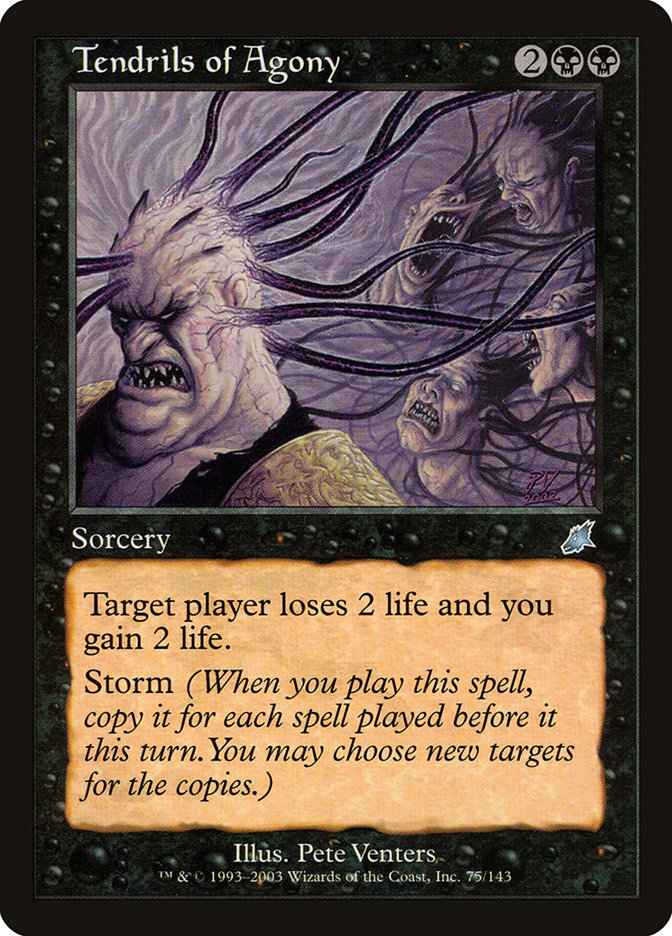
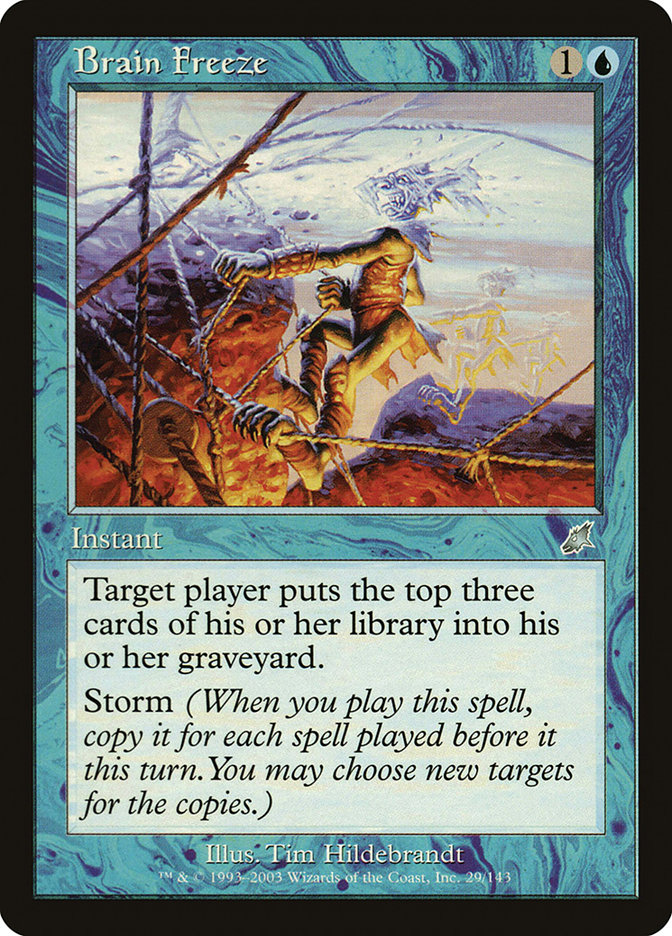
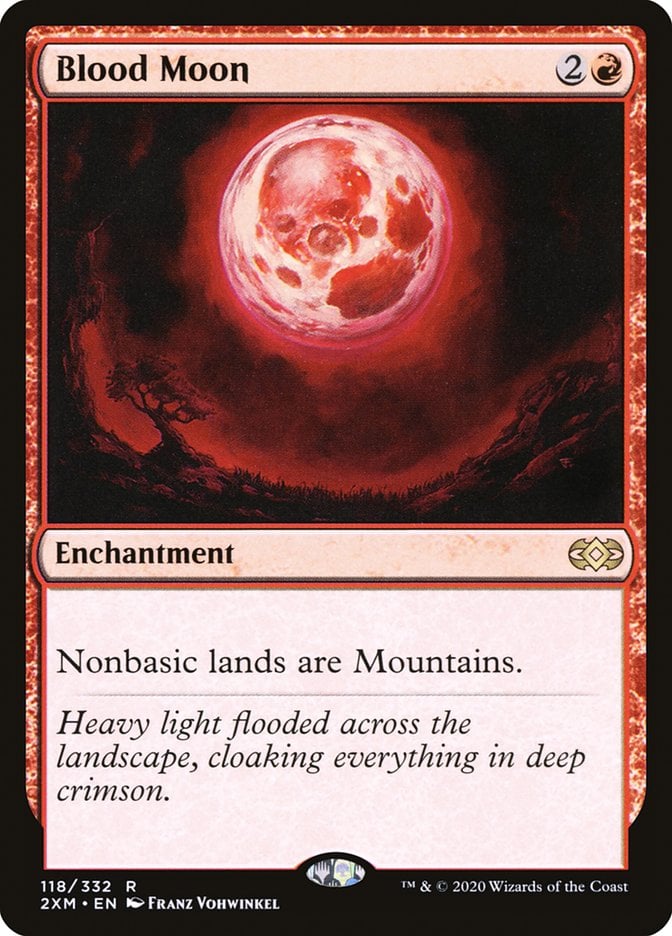
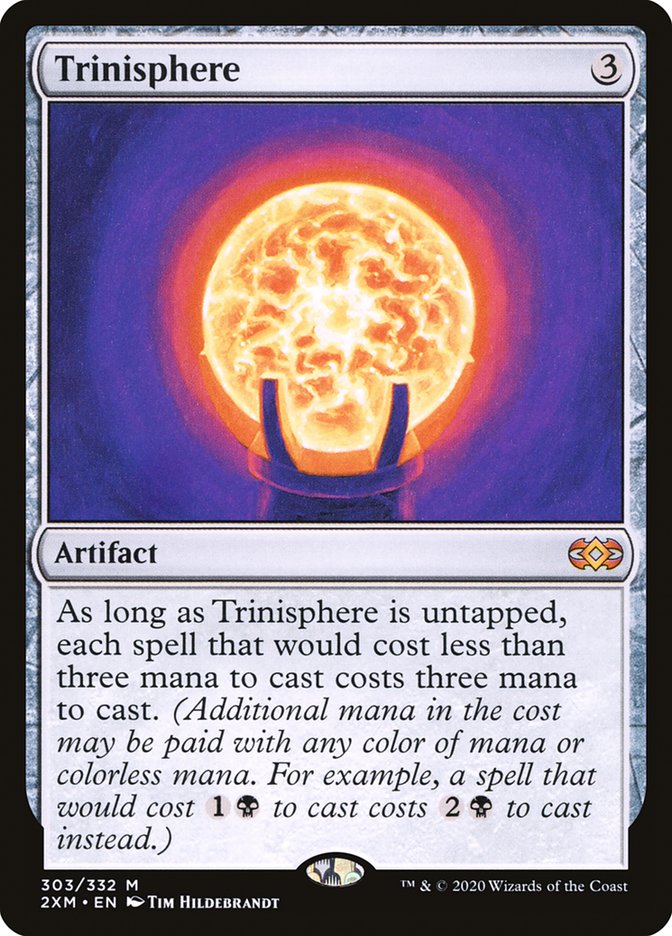
Fast mana is also foundational to powerful combo decks that need lots of mana quickly for explosive turns. Two examples of this are storm decks, which use fast mana to set off a flurry of spells for Tendrils of Agony or Brain Freeze, and Dragon Stompy deck in Legacy that power out stax pieces like Blood Moon and Trinisphere to prevent their opponents from playing the game.

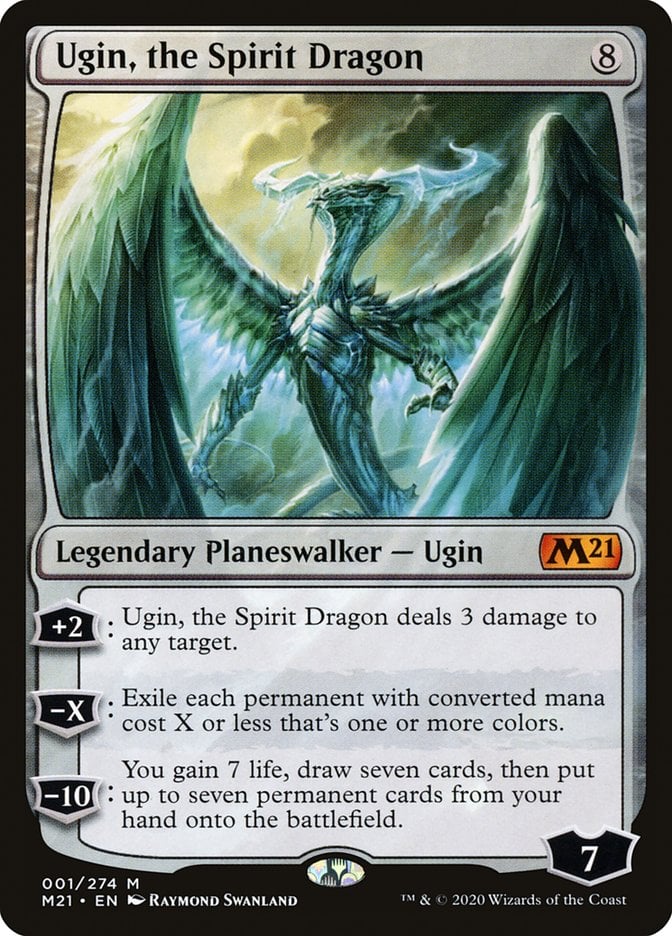
Big colorless spells like Karn Liberated and Ugin, the Spirit Dragon are good targets to accelerate out, since they provide steady advantage over time, and colorless planeswalkers like this don’t care about the color restrictions on most fast mana effects.
What Is the Difference Between Fast Mana and Ramp?
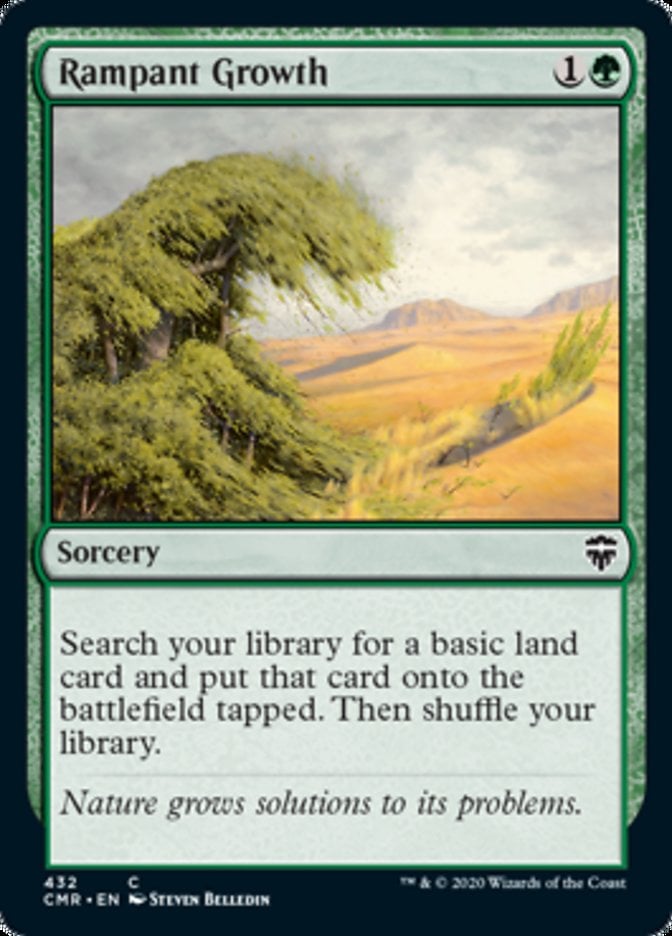
Fast mana usually refers to effects that provide immediate, extra mana through sources like Sol Ring or Dark Ritual, enabling powerful plays early on without increasing the number of lands you have in play. In contrast, ramp involves adding more permanent mana sources to the battlefield, usually through spells like Cultivate or Rampant Growth that increase a player’s long-term repeatable mana generation. Fast mana provides an immediate mana advantage, while ramp builds a steady, enduring mana base over time through lands and other mana sources like mana dorks and mana rocks.
Some of the very best cards, like Sol Ring, can work as both.
Wrap Up

Sol Ring | Illustration by Joseph Meehan
While fast mana can certainly fit into various themes and deck archetypes, one undeniable truth remains: Having more mana than your opponents puts you in an advantageous spot early on. Mana ramp and support will always be a thing that is tried and refined, but WotC has made a “commitment” not to print cards like Dockside Extortionist again, as they’re considered a “mistake” due to the proven impact they pose on multiplayer formats.
What do you think? Is this list complete, or would you make it broader by including cards like Badgermole Cub? Let us know in the comments or on Discord!
If you want to stay on top of our MTG news and articles, remember to follow us on social media to never miss a thing, and check out Draftsim’s newsletter and YouTube channel, both named The Daily Upkeep.
Take care, and see you next time!
Follow Draftsim for awesome articles and set updates:










Add Comment