

Doom Whisperer | Illustration by Vincent Proce
One of the first concepts new Magic players learn is that your life total is a resource. You can spend it, just like mana; take some damage to deal some damage, or to preserve a removal spell for the real threat, or to set up a good block next turn.
Some cards take this concept to their logical extreme and ask you to pay life as an additional cost or to activate abilities. While that sounds like a downside, investing life rather than mana is rarely a fair deal; these cards are often busted. Plenty of cards even reward you for paying life!
Let’s get into it.
What Are Life Payment Cards in MTG?

Ripples of Undeath | Illustration by Ben Wootten
Life payment cards let you pay life for a benefit. Life payments are often tacked on to cards to balance them, but the right strategy uses these as fuel. This list contains only cards that specifically say “pay life”, often as a cost to an activated ability, as an alternate cost, or as part of the resolution of an ability.
These are often used as enablers or even combo cards. The best of them let you pay as much life as you want for as a little mana as possible so you have fine control over the amount of life you pay. I also included cards that require consistent life investments over multiple turns. These are well-suited to less combo-focused strategies that need you to pay a little life each turn rather than reduce your life total in one swing.
#36. Myr Convert
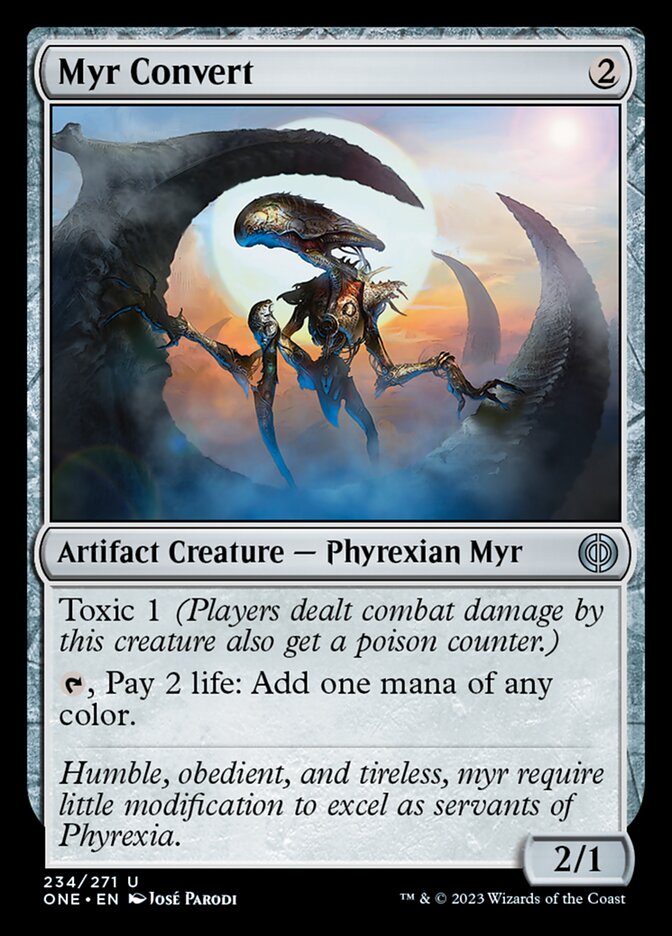
If you really want to destroy your life total, Myr Convert is an efficient piece of ramp that culls your life total as you cast spells and accelerates you towards payoffs and enablers.
#35. Gix, Yawgmoth Praetor
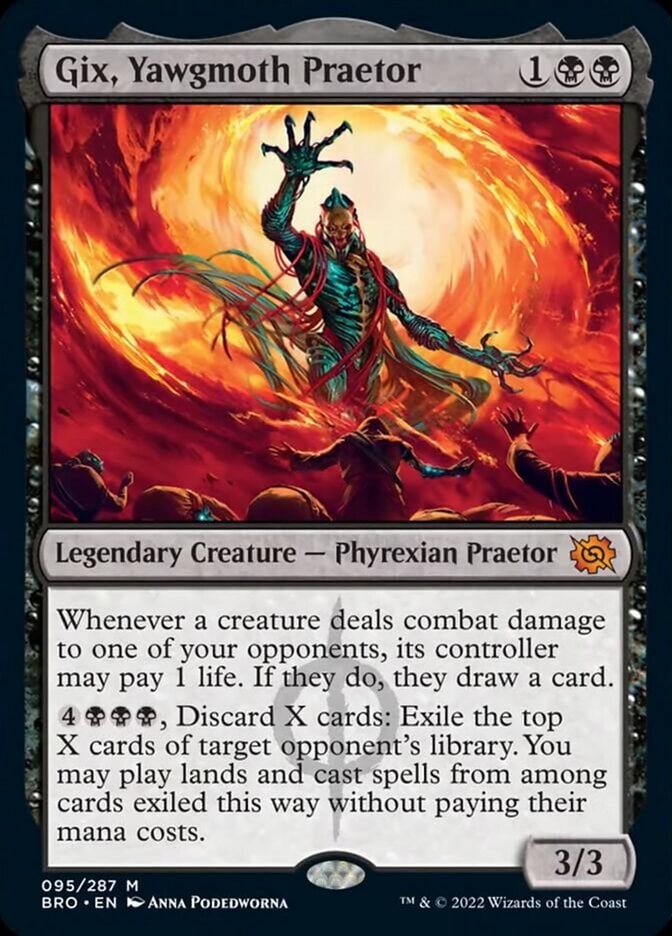
Life payments and card draw often go hand-in-hand in black, so Gix, Yawgmoth Praetor fits perfectly. An aggressive deck racks up many life loss triggers in combat, plus it encourages your opponents to attack each other, which relieves pressure while you intentionally decrease your life total.
#34. Lunar Convocation

Once upon a time, Greed might have made this list, but it’s awfully slow in the modern era. Lunar Convocation feels like a better choice today. Even though the activated ability costs more, you can play this and draw the first card before Greed comes down and does nothing, and it’s easy to sneak 2 mana here and there as you hold up interaction on stuff.
#33. Bloodtracker

Bloodtracker has high costs since you need to play the creature then invest further mana into the activated ability. Once it’s online though, you have a decent engine. Play this turn 4, then turn 5 you can pay up to 10 life with enough black mana. It draws cards when it dies, which makes it hard for your opponents to interact with it profitably.
#32. Street Wraith
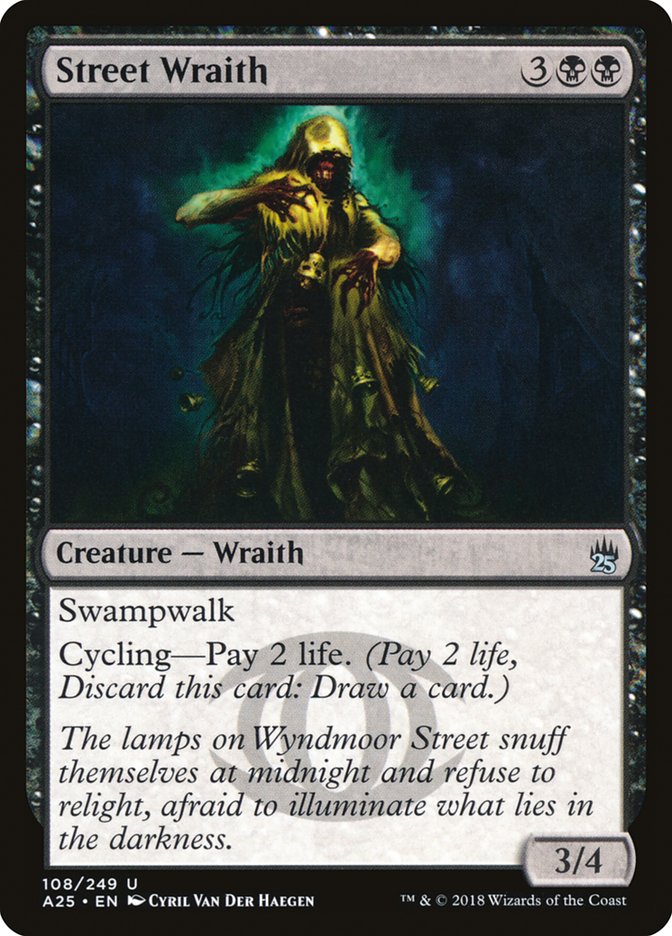
If you touched Modern during the Death's Shadow era, you met Street Wraith. Cycling for 2 life without a mana investment is just great. Anytime you can take a meaningful game action without investing mana, you come out ahead.
#31. Gwenom, Remorseless

Gwenom, Remorseless slaps Bolas's Citadel onto a stick that’s worse than the original since it needs to survive a turn cycle to attack, but it’s also easier to cheat into play with reanimation effects. However you get this thing in combat, it pays dividends—it doesn’t even need to survive the attack.
#30. Sylvan Library
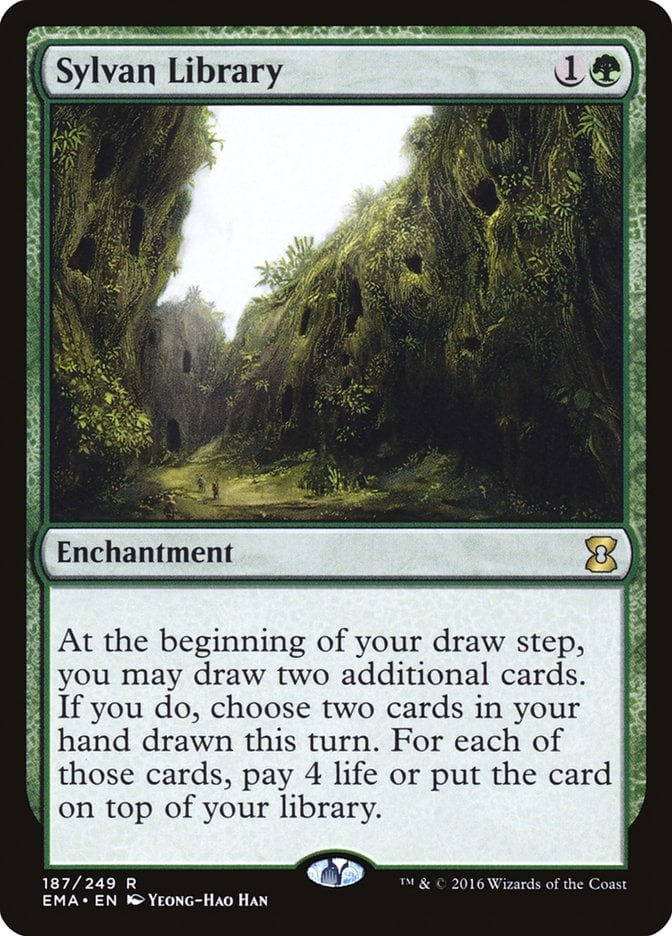
Sylvan Library is a funny little card given that the text box belongs on a black card. Life loss and green don’t typically go together, but you can’t argue with the efficiency of a 2-mana enchantment that draws two cards and lets you pay 8 life each turn. Too bad green is an awkward color for decks that try to exploit this synergy.
#29. Staff of Compleation
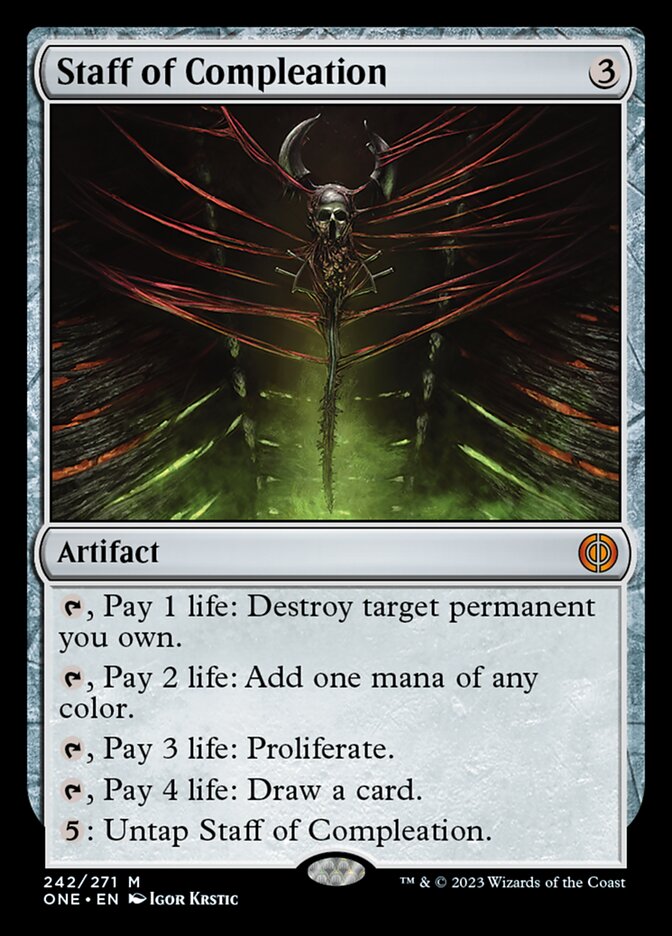
A 3-mana rock that uses your deck’s primary synergies is an acceptable card for casual Commander decks, but Staff of Compleation does much more. It draws cards at a rate that Rowan, Scion of War is happy with, and you can pay a lot of life when you have the mana to untap it.
#28. Snuff Out
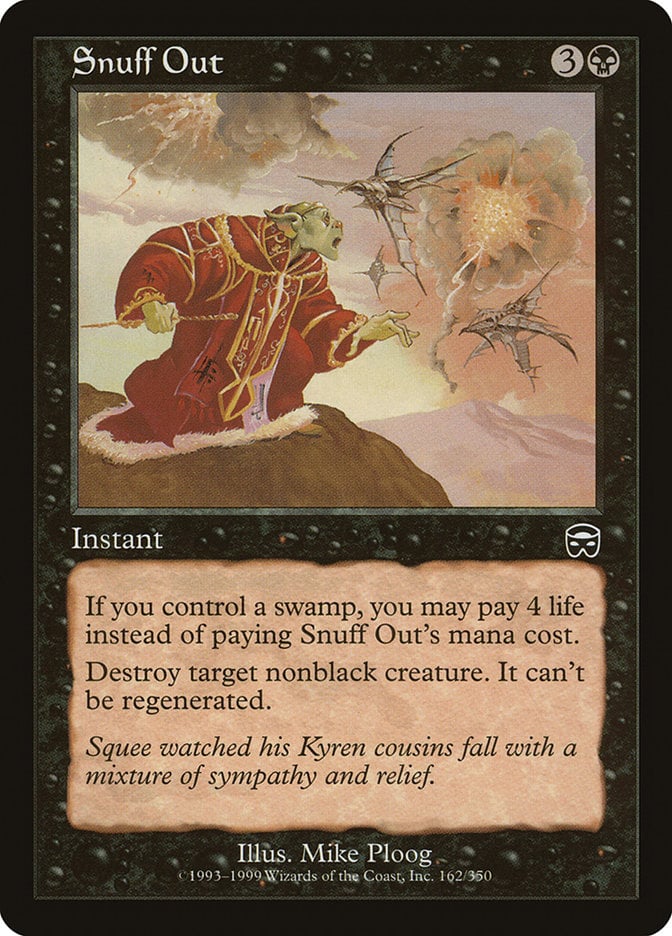
Free spells are busted in nearly any context. All Snuff Out asks of you is a little life and a swamp in play, prerequisites any black deck should meet. Generically good life payment cards are critical to make a life payment deck strong and robust.
#27. Tavern Swindler

Tavern Swindler had me at “Tap, pay 3 life.” The result of the coin flip doesn’t matter. Gaining 6 life here and there offsets the life paid, but that might even be a downside if you exchange your life total with somebody. The draw is a cheap, consistent card to pay life into with no mana costs beyond resolving the card.
#26. Call of the Ring + Ripples of Undeath
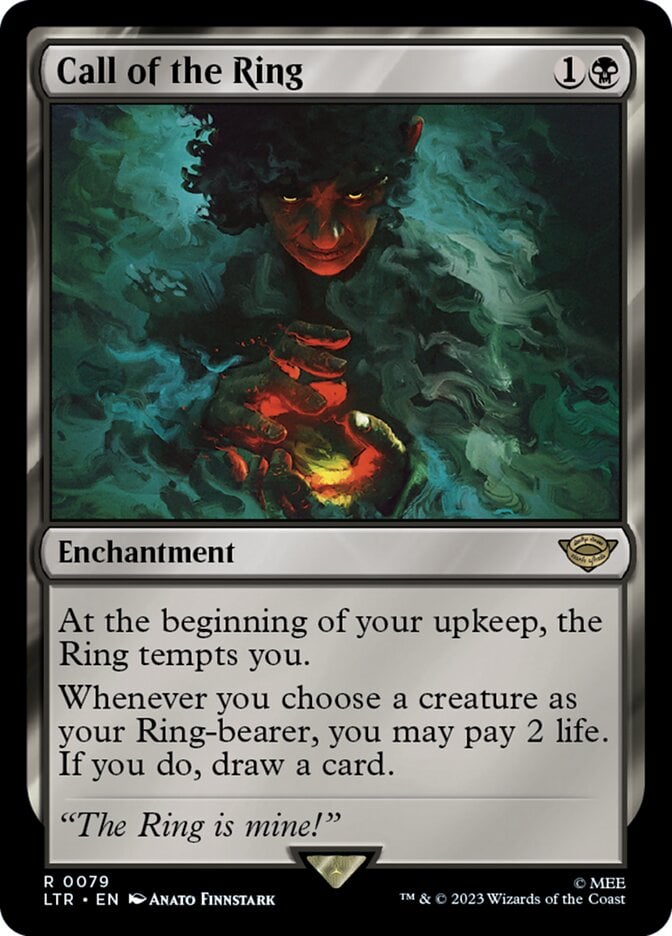

Call of the Ring and Ripples of Undeath don’t let you pay life en masse for a combo turn, but they’re excellent to consistently trigger payoffs like Font of Agonies and Betor, Ancestor's Voice. These riffs on Phyrexian Arena make you pay life instead of lose it, and they provide upside beyond drawing cards.
#25. Doom Whisperer
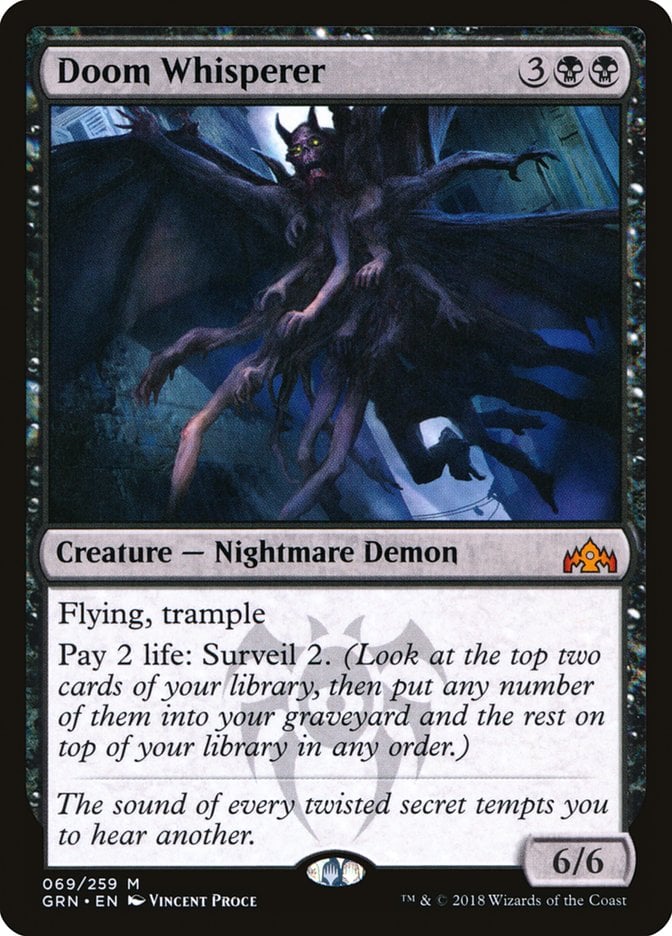
Doom Whisperer pulls double duty as a black resource engine: It pays a ton of life and fills the graveyard. It sets up any of black’s non-sacrifice synergies efficiently, and it’s a flying 6/6 for some reason, so it poses a decent clock.
#24. Plunge into Darkness
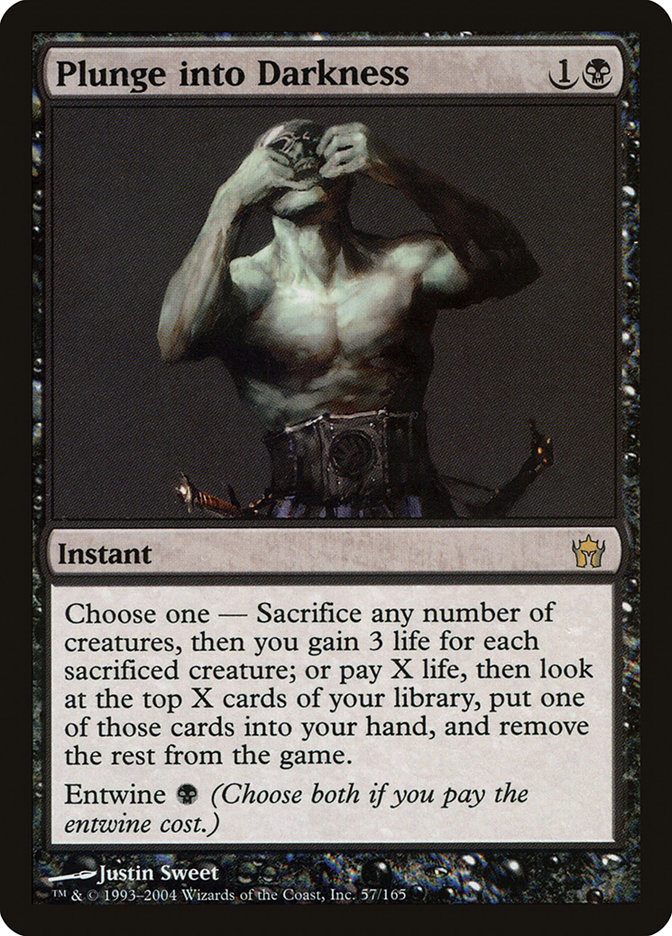
A dinky rare from Fifth Dawn, Plunge into Darkness was basically forgotten until Rowan, Scion of War rolled around. The first ability doesn’t matter, but the second shines. Paying any amount of life breaks the strategies that care about it, and this even digs for a reason to pay all that life.
#23. Dismember
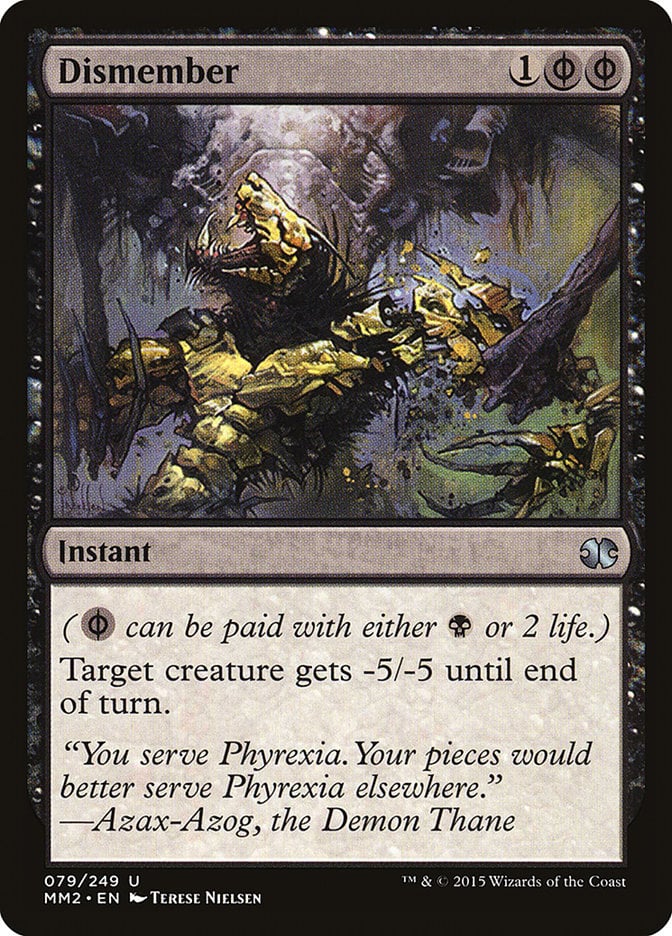
Dismember can’t kill everything for 1 mana, but it feels close in most games. You even get the flexibility of paying mana if you don’t have life to spare.
#22. Gitaxian Probe
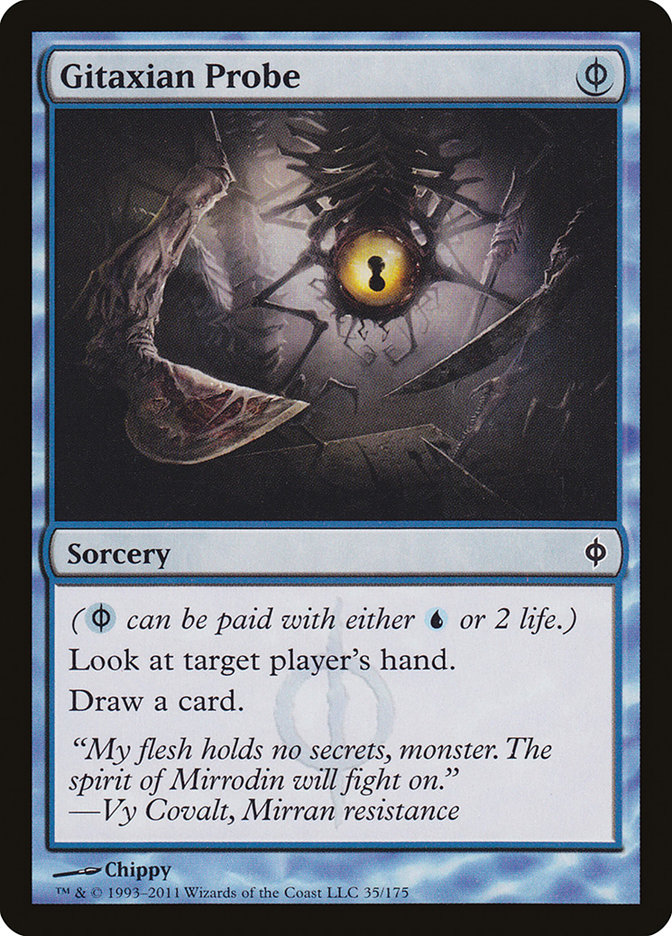
Gitaxian Probe effectively shrinks the size of your deck since you can cycle it for free. More importantly, it tells you exactly what cards you need to play around. It’s great in combo decks because you know how many counters or discard spells or whatever you need to combat.
#21. Fetch Lands
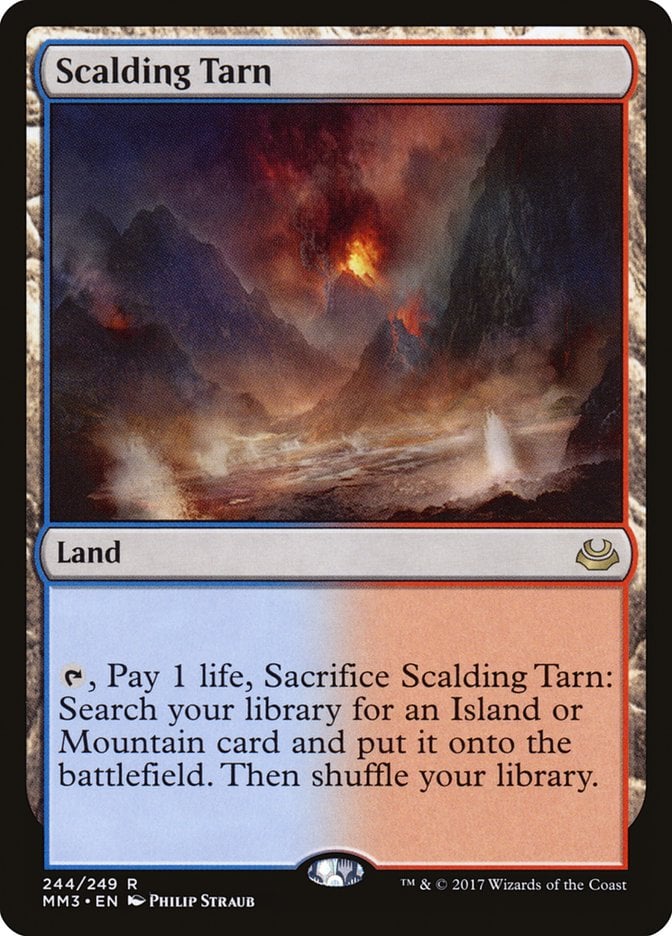
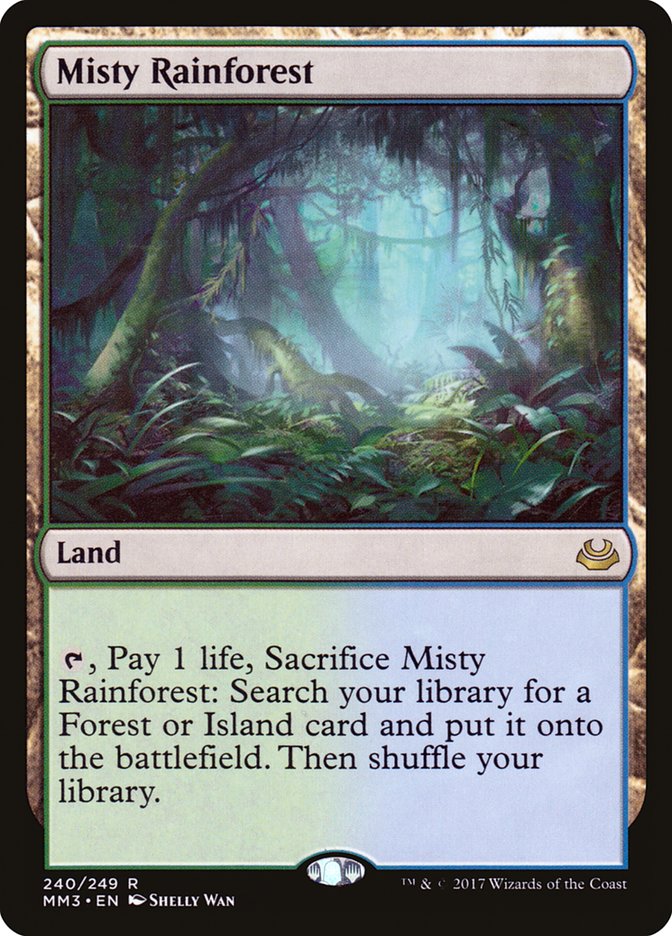
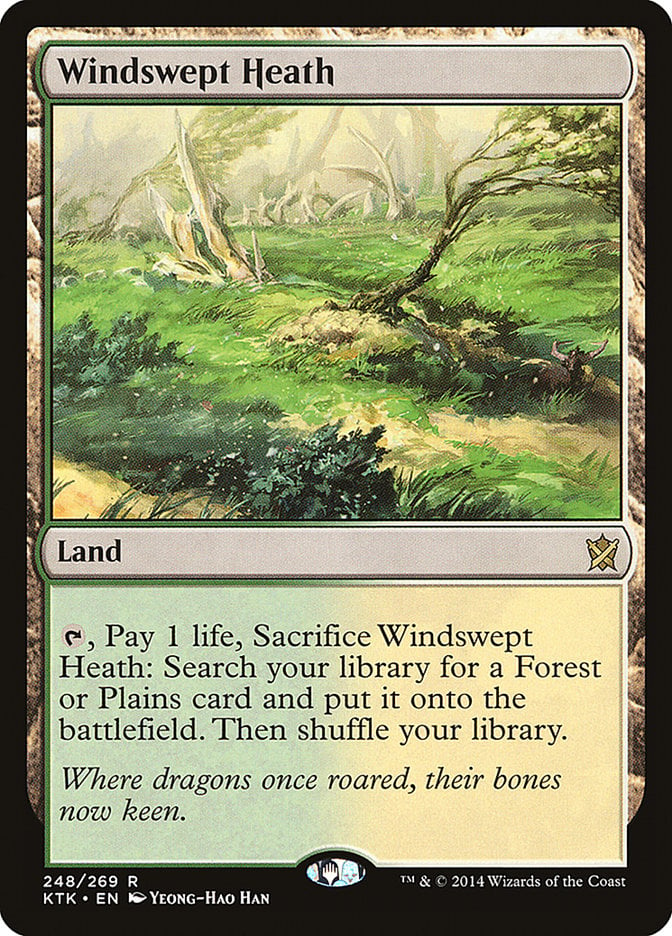
They might not be fancy, but fetch lands whittle down your life total, especially since cracking a fetch often involves paying 3 life with shock lands. Sticking life loss in your mana base makes your deck incredibly consistent since you need to fix your mana anyways.
#20. Toxic Deluge
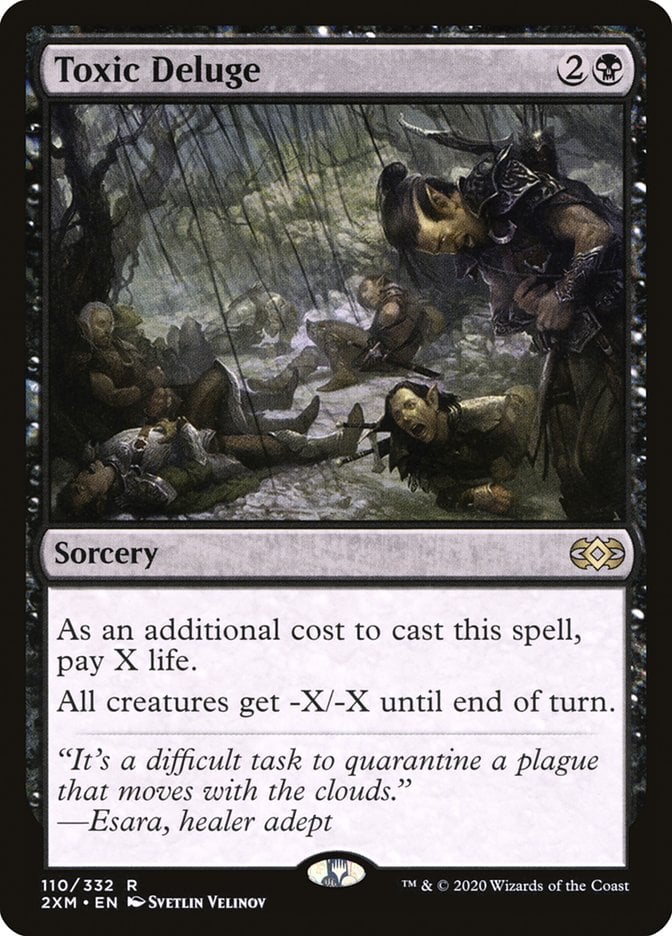
Toxic Deluge wipes away exactly what you want—often preserving your largest threats—and gets around common forms of protection like indestructible. It’s not the most efficient way to give yourself carpal tunnel on a life-tracking app, but the flexibility more than makes up for it.
#19. Hall of the Bandit Lord
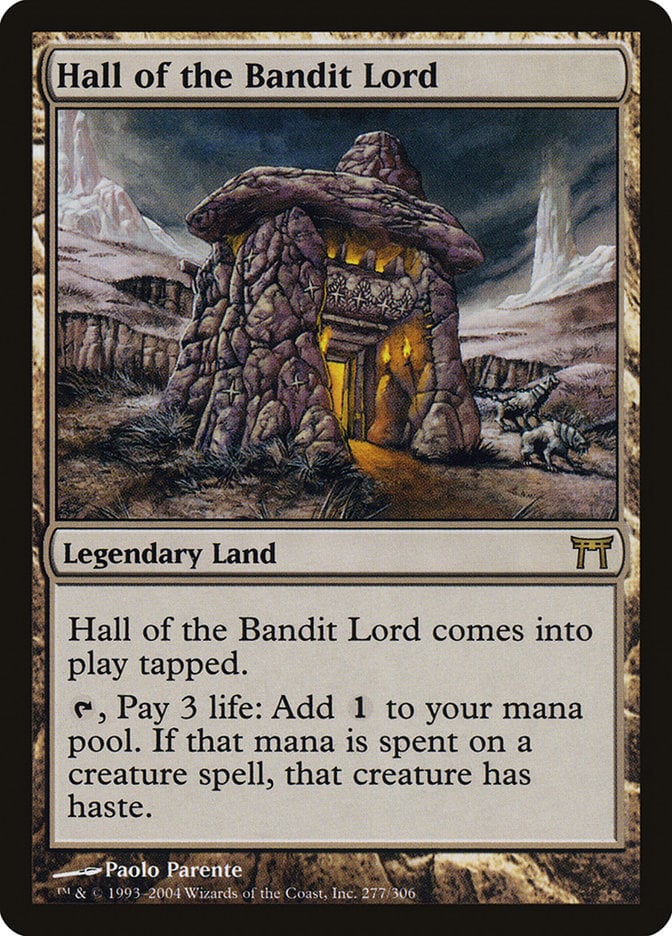
You’d normally only play Hall of the Bandit Lord in decks with a creature you really want to attack with, but the right synergies can justify this in a regular list.
#18. Boseiju, Who Shelters All
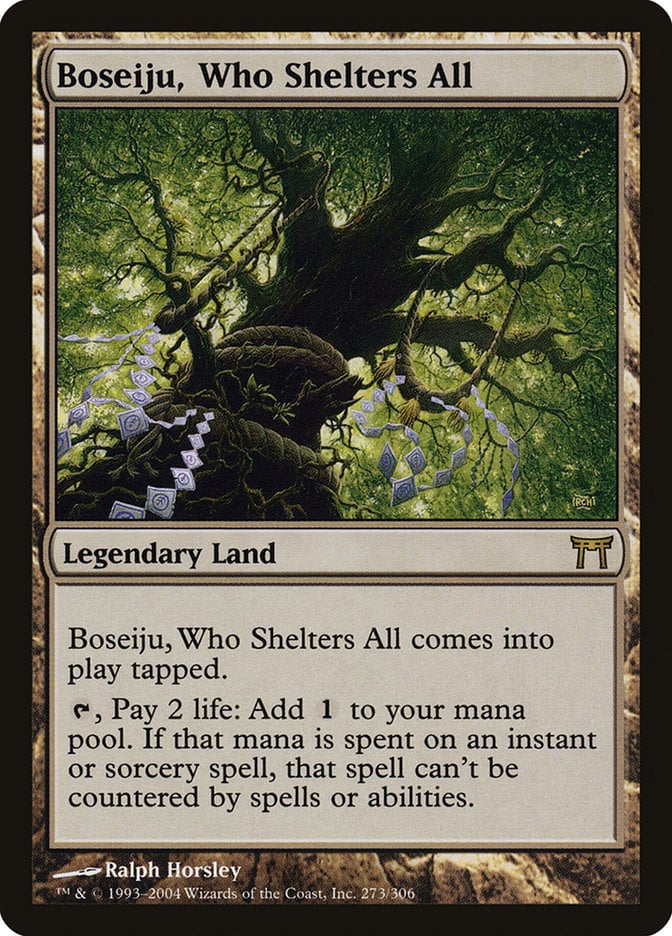
Paying life to cast spells steadily whittles your life total down to nothing over several turns. Boseiju, Who Shelters All comes with the benefit that it protects crucial instants and sorceries like Reverse the Sands and Plunge into Darkness.
#17. Righteous Aura
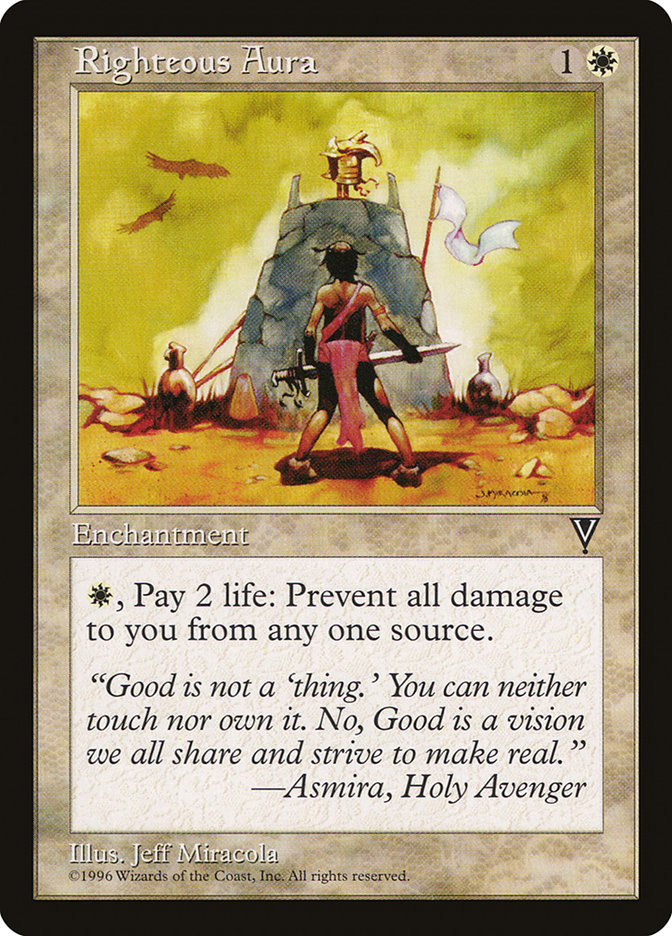
You can sink mana into Righteous Aura to lose as much life as you like. Being an enchantment is pretty cool since it’s harder to remove than a random creature, plus the actual effect of preventing damage helps to stabilize you in the later turns of the game.
#16. Unspeakable Symbol
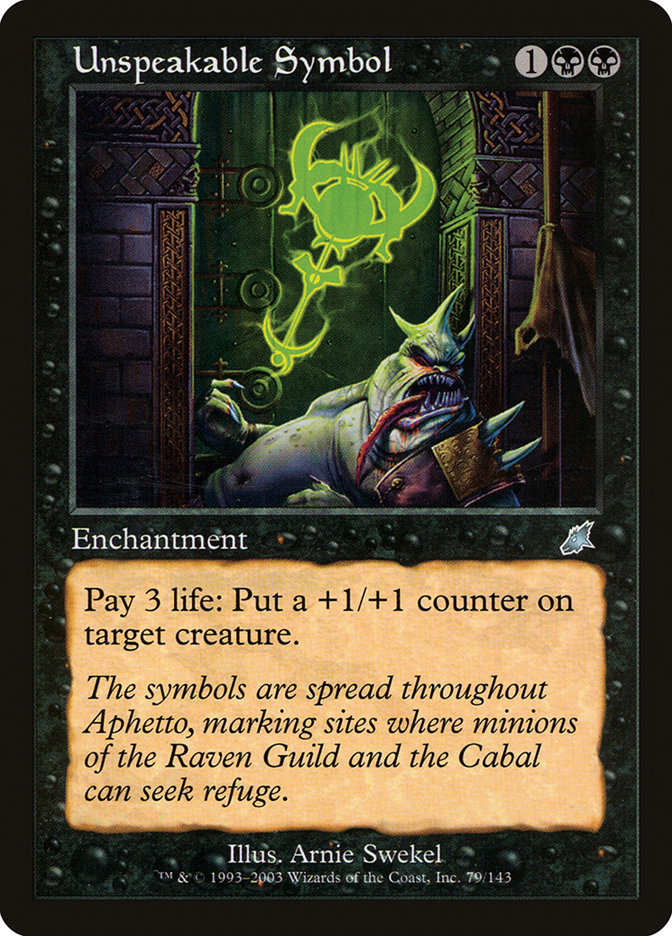
Unspeakable Symbol converts significant life loss into counters, a great trade for decks that need quick life loss or power—think Vilis, Broker of Blood or Skithiryx, the Blight Dragon.
#15. Lim-Dûl’s Vault
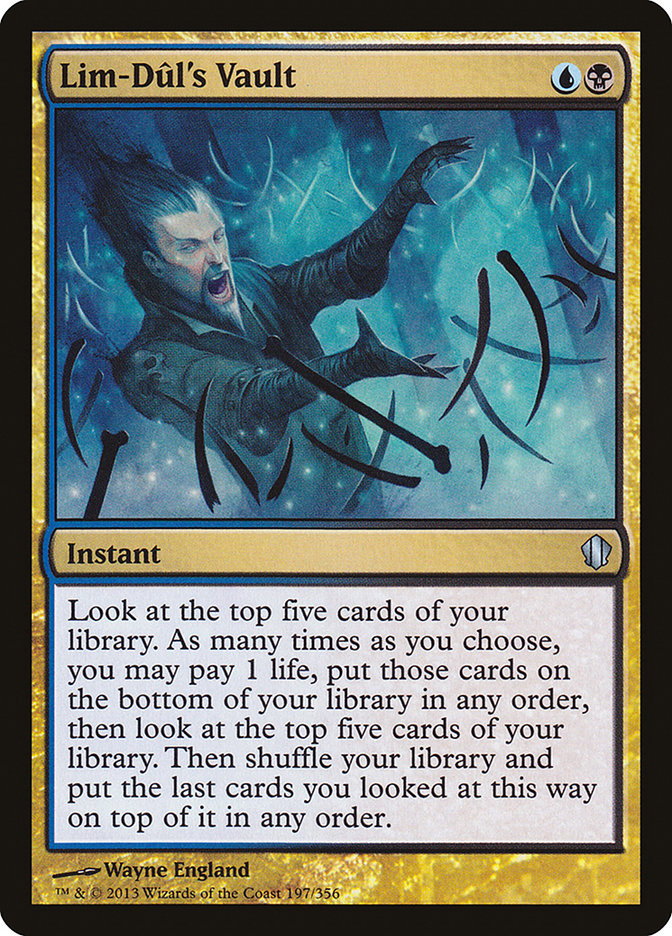
Lim-Dûl's Vault excels at stacking your deck for powerful combo turns. A life loss deck uses it as an almost-tutor and an enabler to get the most from a card that typically uses life payment to restrict its powerful effect.
#14. Griselbrand
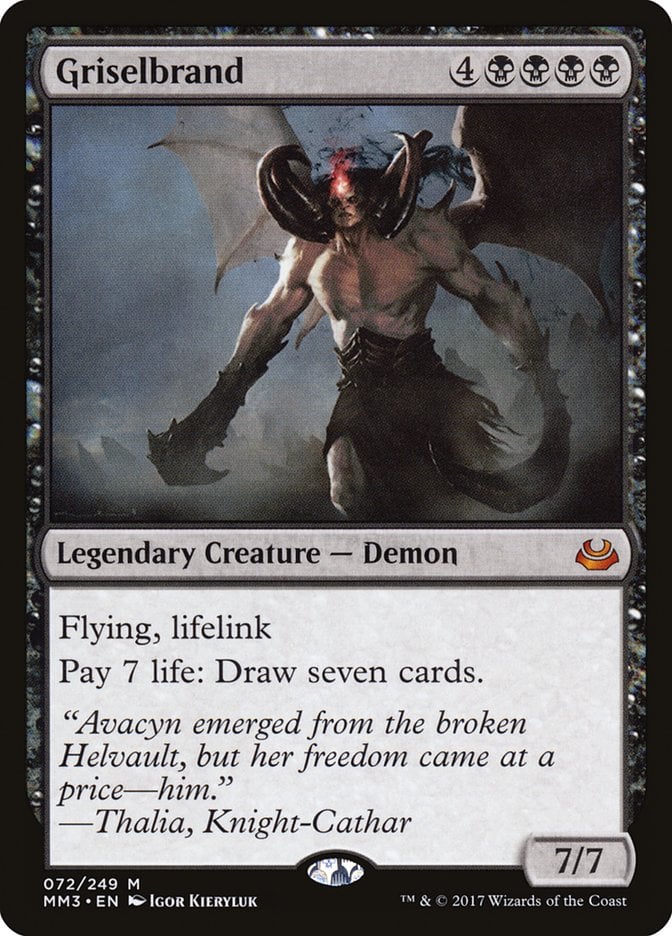
Perhaps the most infamous life payment card (next to Channel, maybe?), Griselbrand is the gold standard when you want to reanimate, Sneak Attack, or otherwise cheat creatures into play. The card advantage overwhelms and often wins the game.
#13. Cavern Harpy
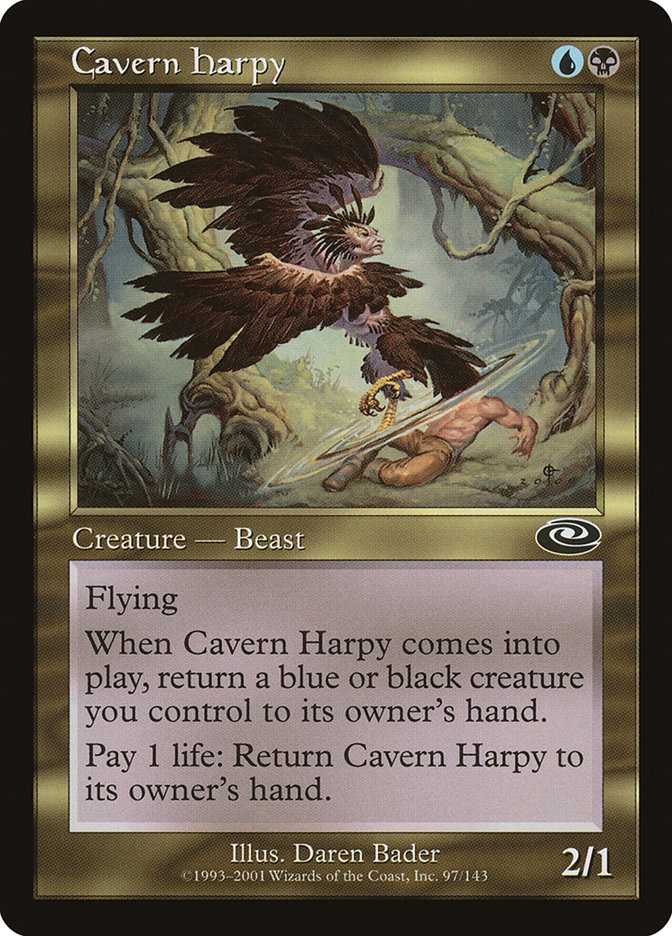
Exploiting Cavern Harpy requires holding priority in response to each activation of its ability to fill the stack. Notably, paying life is the cost to activate the ability, so none of the triggers actually need to resolve; you pay life right away. It’s an efficient way to rip through your life total, though the Dimir () color identity is rather restrictive since life loss decks often want to be Rakdos () or Orzhov ().
#12. Shock Lands
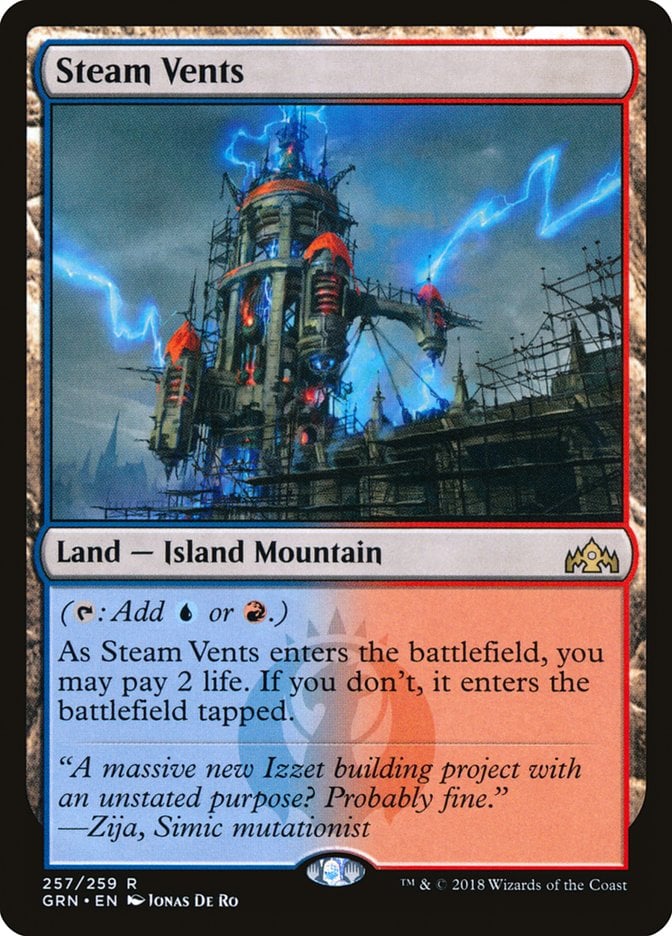
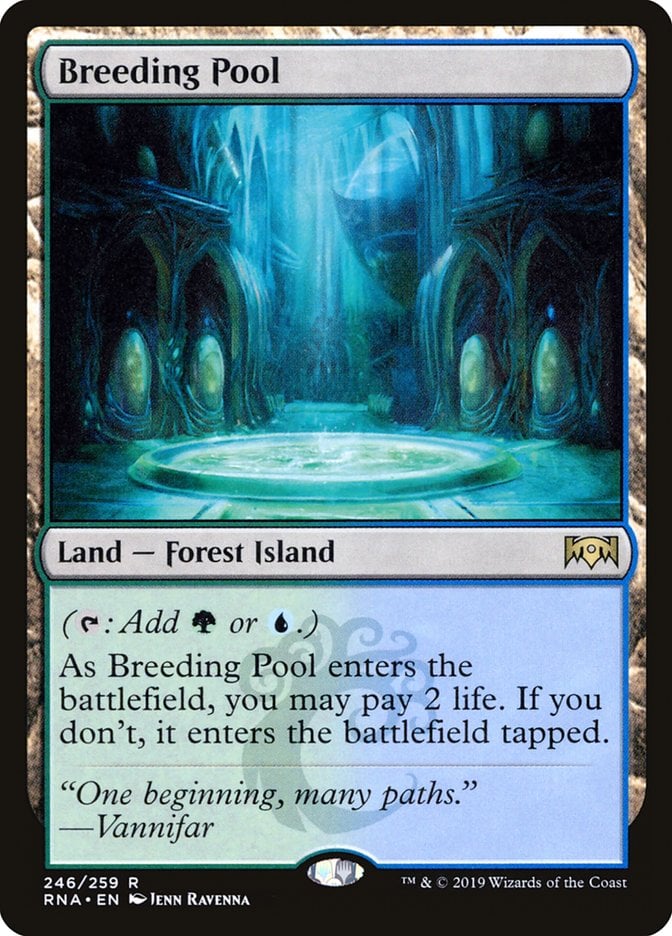
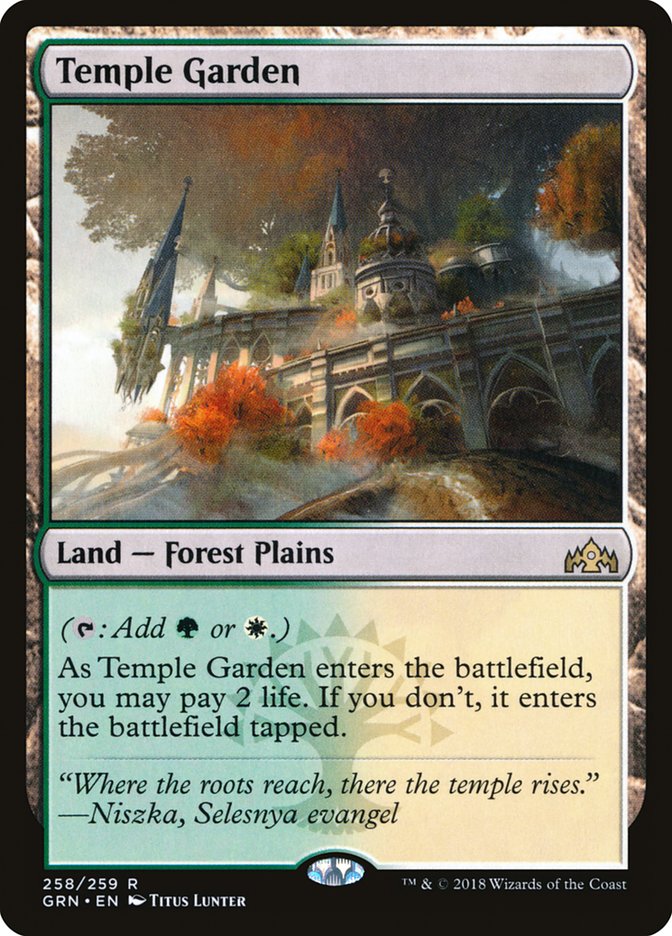
Shock lands are a great way to pay life passively. Most of us were playing these anyway to fix our colors. Squeezing extra value from some of Magic’s strongest lands is always welcome.
#11. MDFC Lands


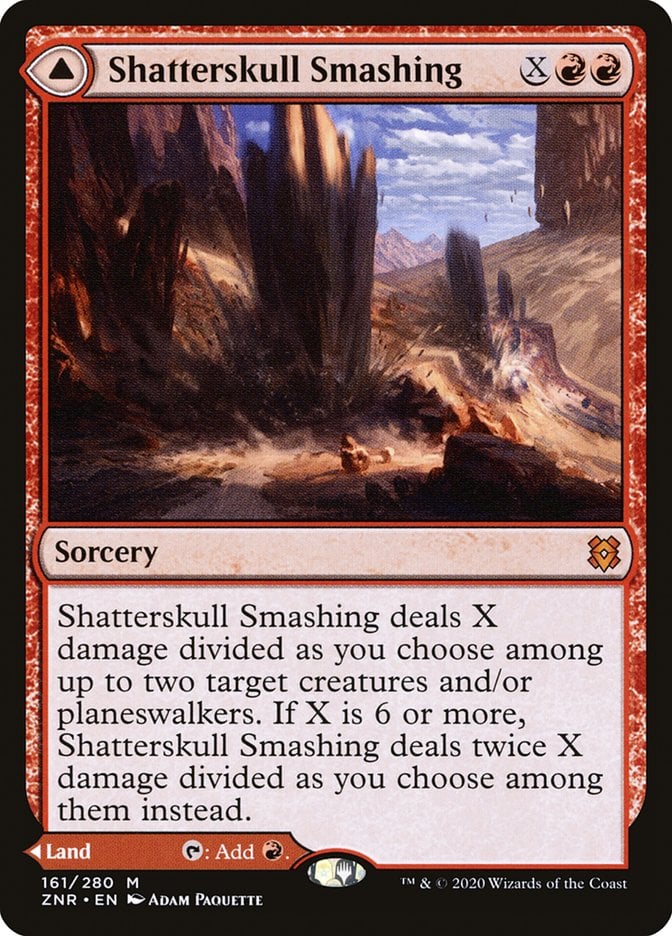

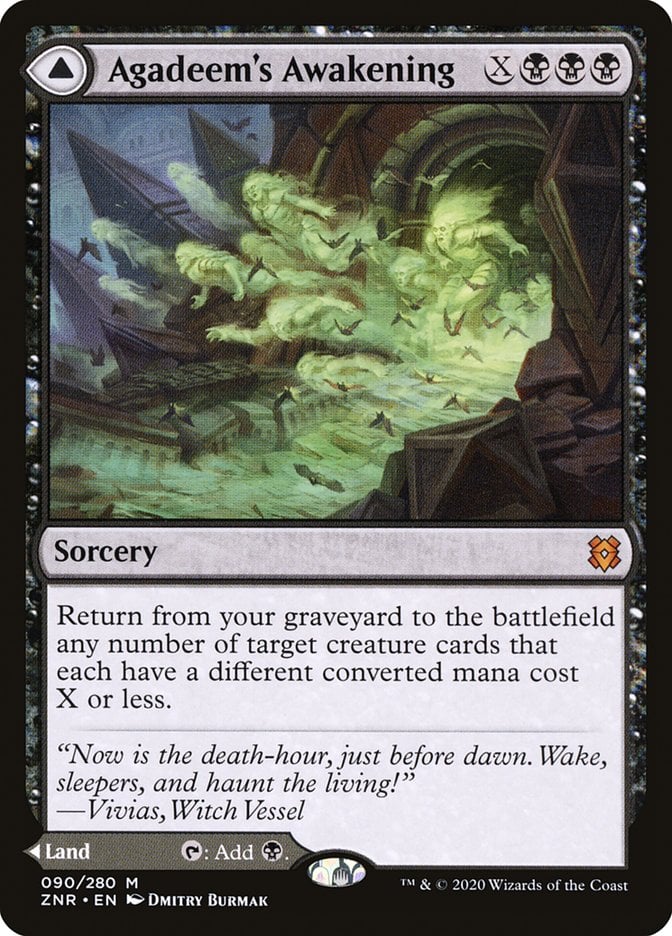
After Modern Horizons 3, every color has access to multiple modal double-faced cards with lands on the backside that enter tapped unless you pay 3 life. A few highlights include Sink into Stupor, Witch Enchanter, Shatterskull Smashing, Bridgeworks Battle, and Agadeem's Awakening. These are worth running on their own merit anyway; a deck that cares about the life loss should play every single one of them.
#10. K’rrik, Son of Yawgmoth
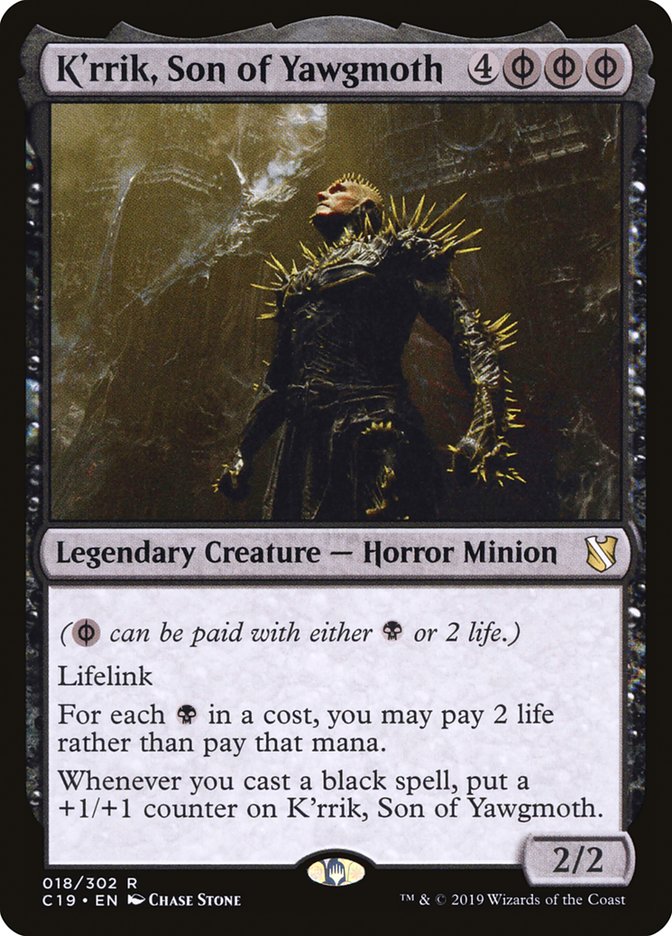
Few cards match the life loss K'rrik, Son of Yawgmoth enables. It’s rather restrictive since you need to be mono-black or close to it, but it’s worthwhile. It’s not uncommon to include lines that turbo out Vilis, Broker of Blood to draw two cards for every black pip you “pay” for.
#9. Mana Confluence + Starting Town
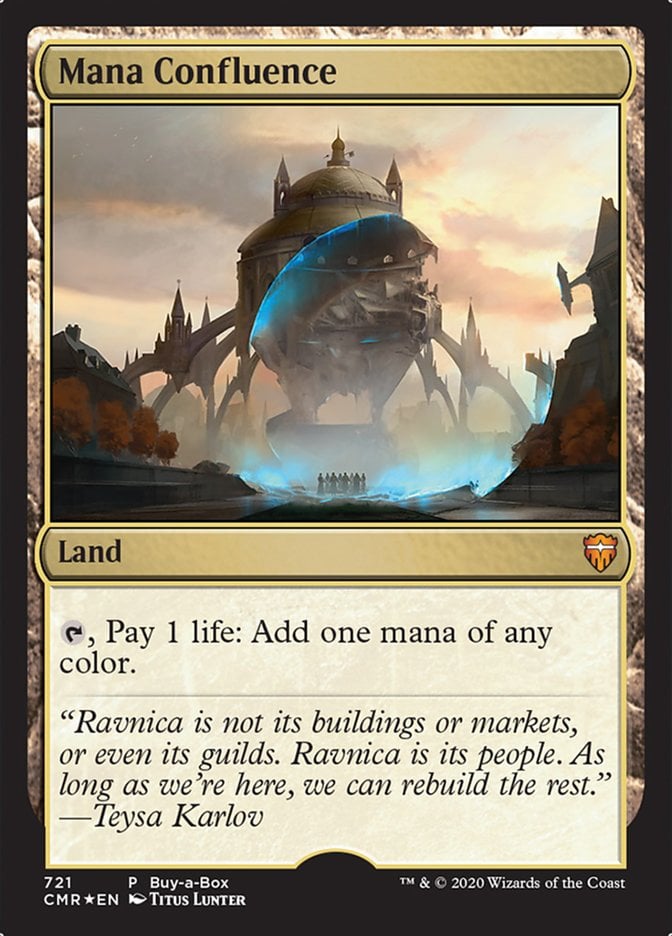

Mana Confluence and its cousin Starting Town spend life throughout the game. You can easily pay 5 life into these just by casting spells over a couple of turns, and they provide unparalleled mana fixing. These are the height of unobtrusive enablers.
#8. Spellskite
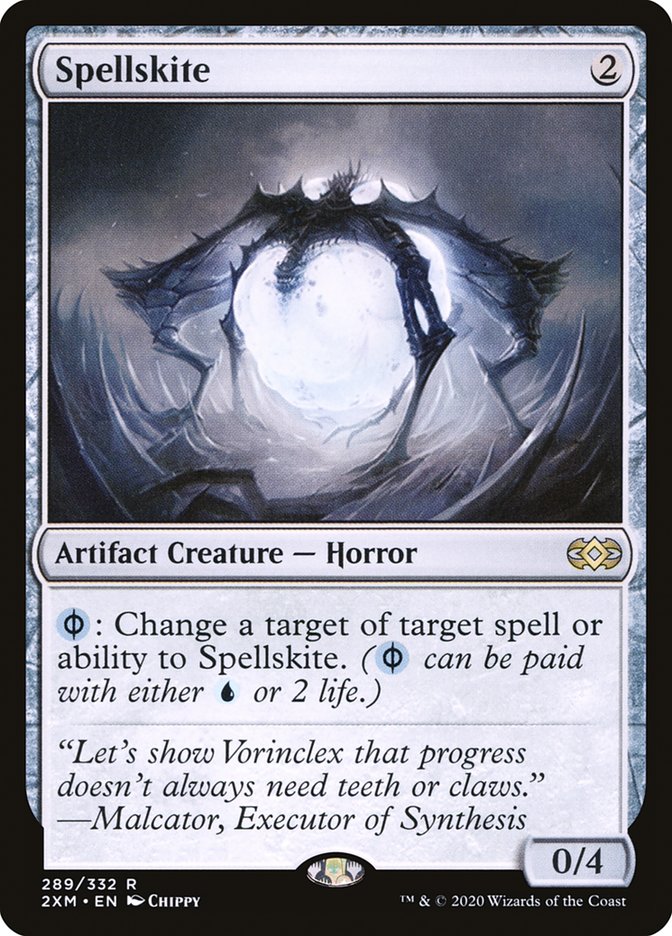
Spellskite tears through your life total as long as a spell or ability rests on the stack. It can target said spell or ability as often as you like, and that spell doesn’t even need to have a target—you could play Spellskite, then a Chrome Mox and pay your entire life total if that suits your needs.
#7. Wall of Blood
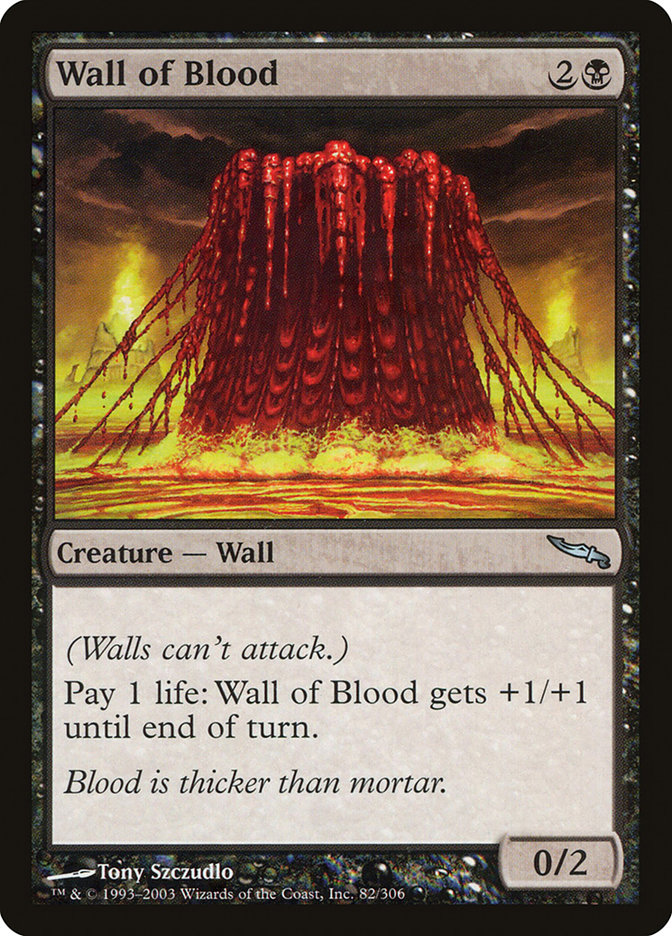
Wall of Blood whittles your life total to 1 if you wish. It’s basically a combo card; you’ll play it with life exchange cards or spells like Vilis, Broker of Blood and Fling, but never on its own.
#6. Fire Covenant
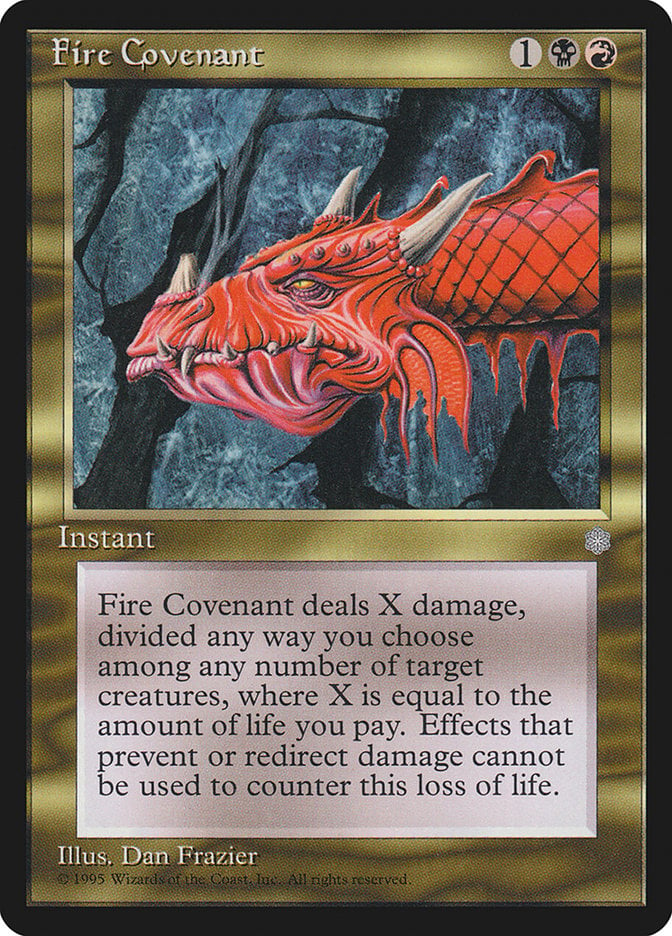
Fire Covenant can only be described as surgical. You probably won’t have enough life to kill everything on the board, especially in Commander, but you can hit the most threatening targets while you leave your creatures safe and sound.
#5. Treasonous Ogre
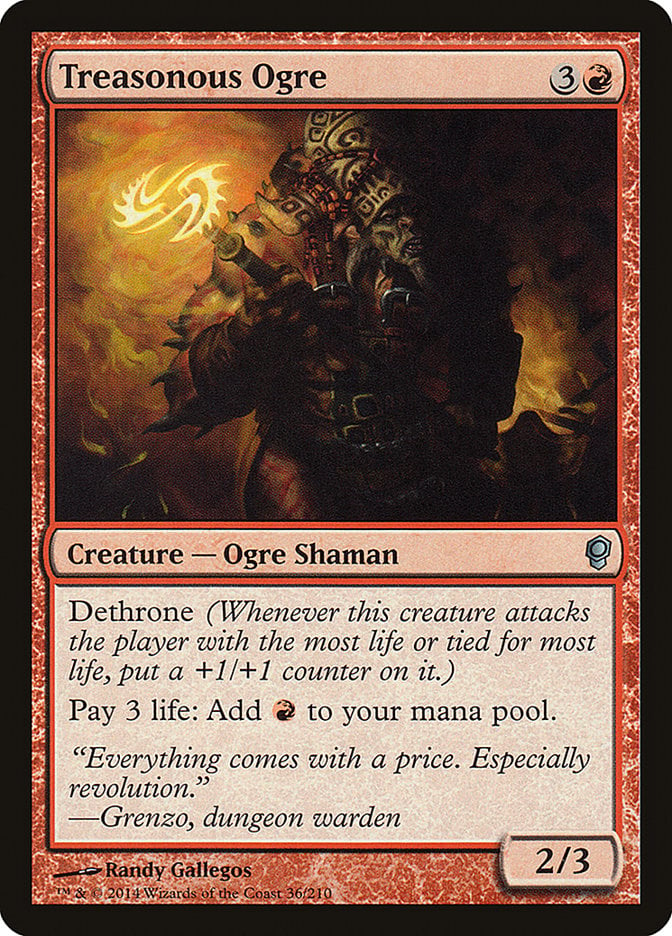
Even if you don’t care about paying life, Treasonous Ogre is a messed-up card. Exchanging life for mana has never and will never be fair. It scales especially well in Commander since you have more life to pay; it often sees play in cEDH, where decks dump it into play turn 2 or 3 for a surge of mana.
#4. Blood Celebrant
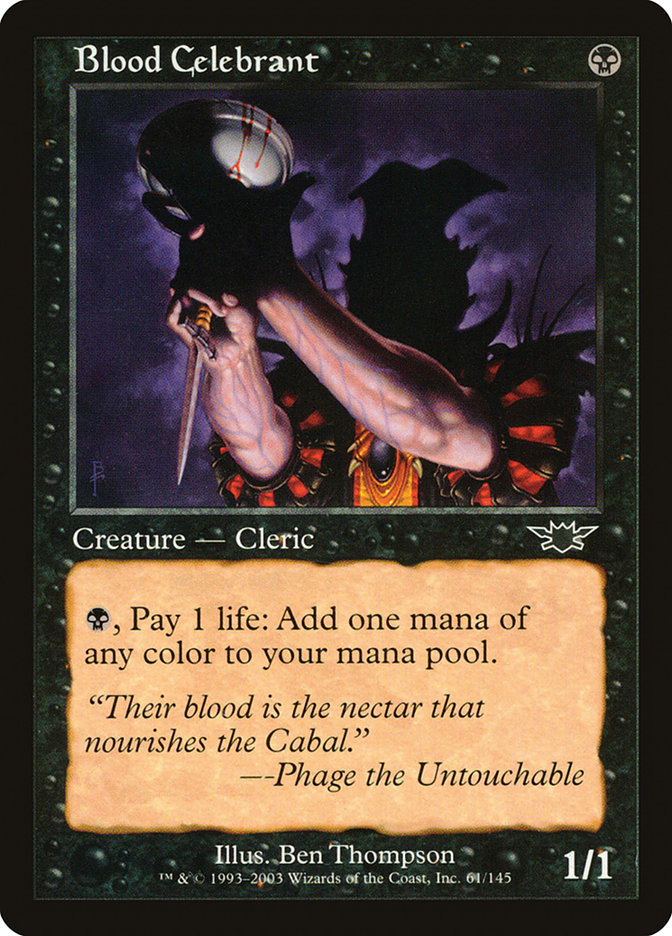
Since Blood Celebrant‘s activated ability costs a black mana and produces a black mana, you can pay as much life as you like. You can spend the filtered mana eventually, so this effectively costs 1 mana to pay your entire life total, which makes it the most efficient life payment card in the game.
#3. Bolas’s Citadel
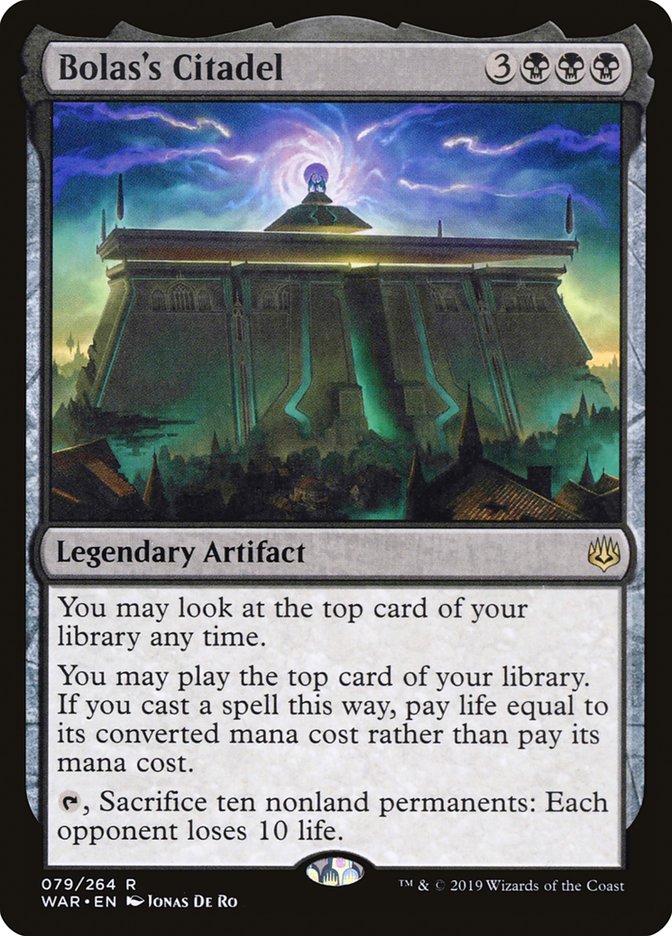
Bolas's Citadel is one of the most busted artifacts in the game. You might give up your entire life total in one turn, or you could pay 3 or 4 life each turn you control it. It works best with Sensei's Divining Top for complete control over how much life you pay—not to mention drawing most of your deck.
#2. Channel
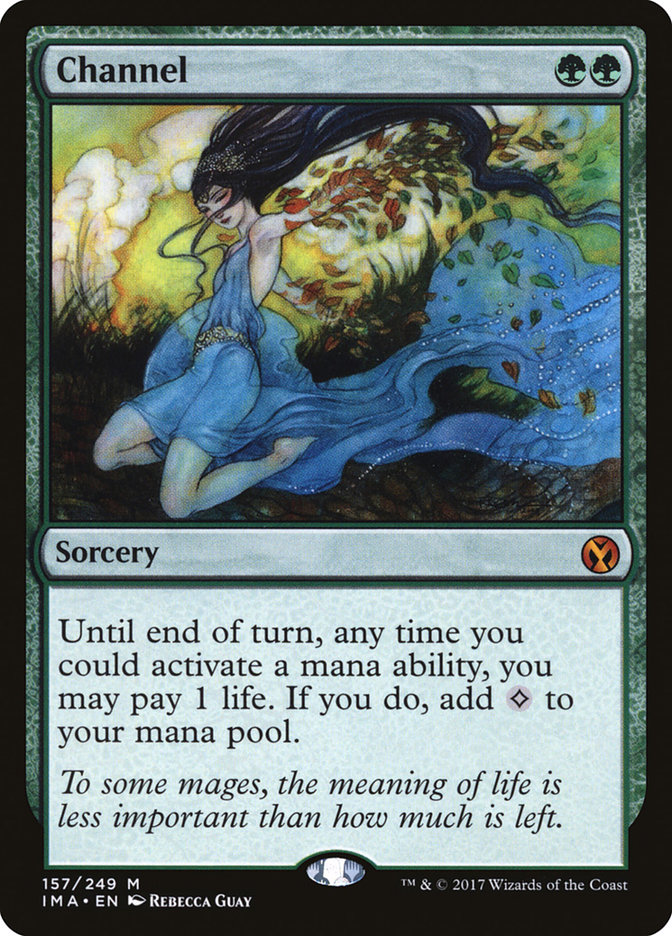
Channel is banned in most formats because it’s a hideously broken card that does nothing but kill dreams on turn 1 or 2 of a Vintage Cube game. Even though this lets you pay life, its mana production is the real star.
#1. Necropotence
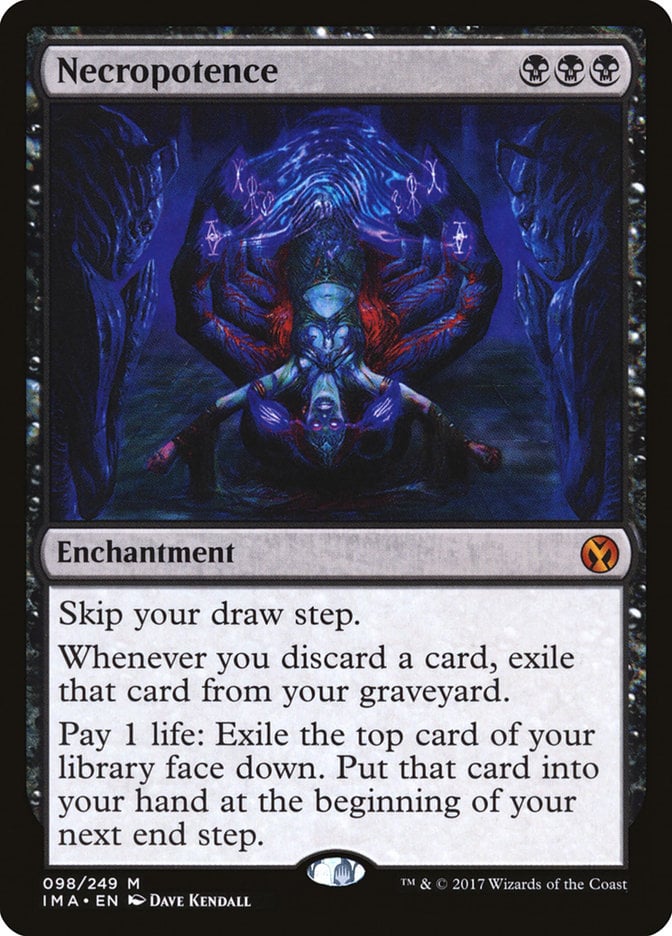
Necropotence is among the most broken draw engines in Magic. It costs very little—in fact, the perfect amount for Dark Ritual—and lets you see as many cards as you have life to pay. This is the best life payment card because it’s already one of Magic’s strongest spells when paying life is a downside. Imagine what it does when you want to dump 14 life into this.
Best Life Payment Payoffs
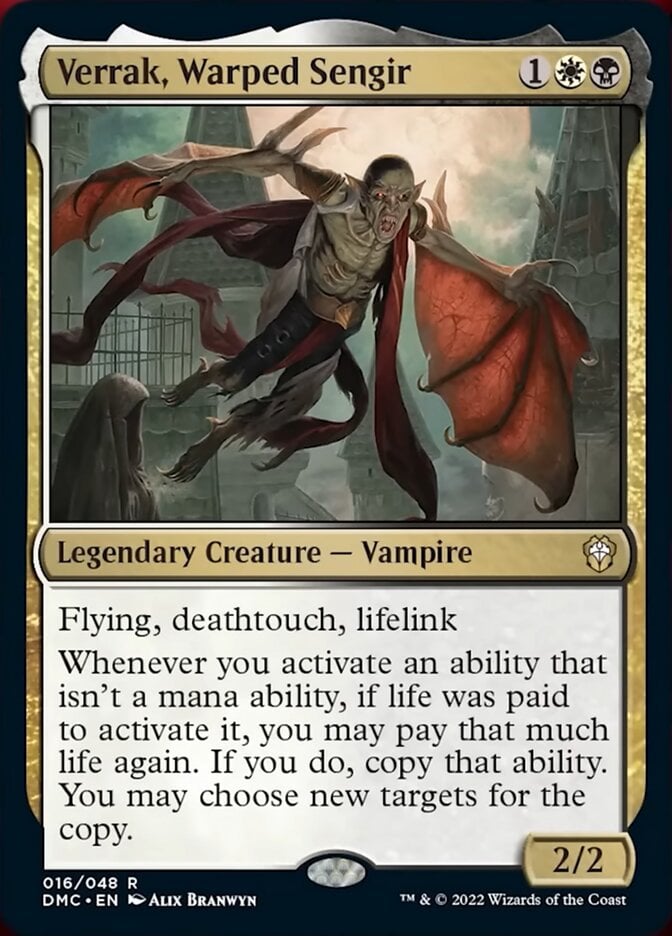

Few cards directly care about you paying life. Verrak, Warped Sengir is the most significant of these, with a powerful ability doubling trigger that provides oodles of value. Font of Agonies cashes in your life payments for blood after a few turns.
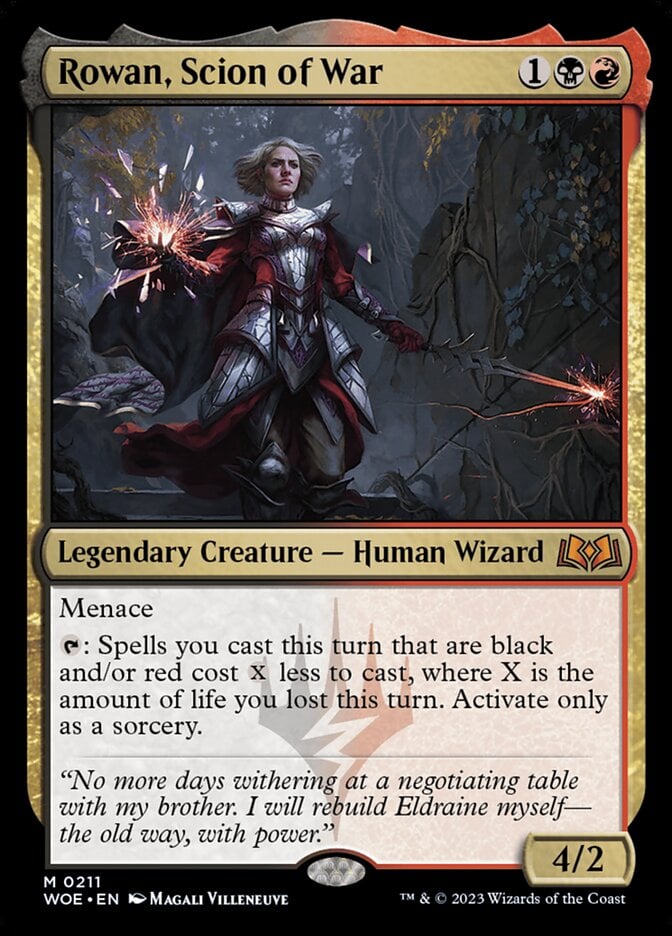

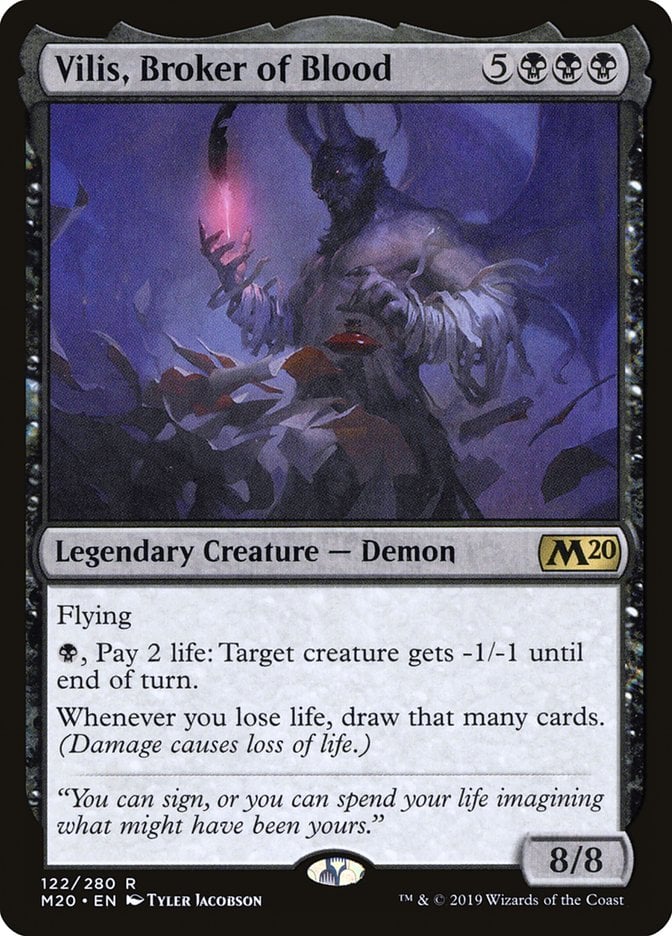

Most of the payoffs more broadly care about you losing life. Rowan, Scion of War and Betor, Ancestor's Voice are excellent commanders for this strategy. Vilis, Broker of Blood excels as a support piece that turns all that life loss into card draw. These effects also enable cards like Y'shtola, Night's Blessed that look for any player who lost life.
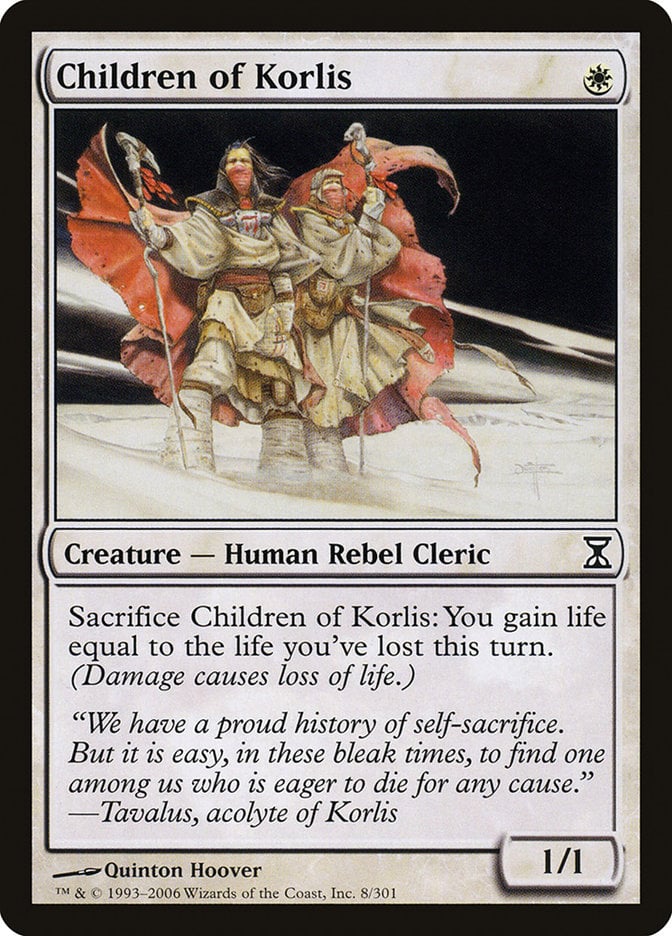


Another common exploit for these involves life total shenanigans. For example, you can gain a massive surge of life with cards like Children of Korlis and Tainted Sigil. A fun strategy in casual Commander involves putting your life total as close to 0 as you can, then swapping it with an opponent’s high life total with cards like Mister Negative, Reverse the Sands, and Axis of Mortality.
Can You Pay Life if It Puts Your Life Total to Zero?
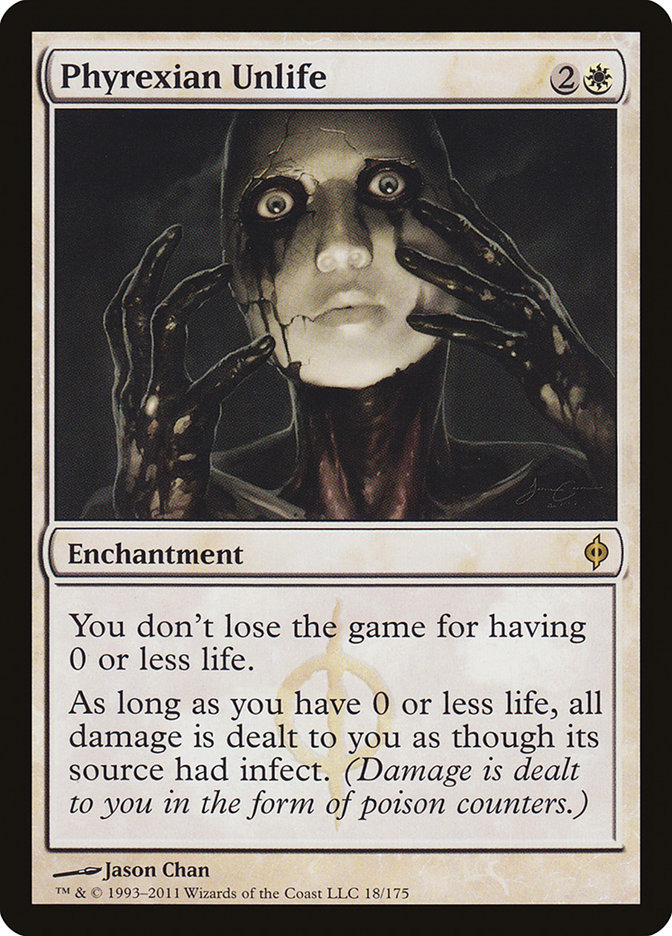
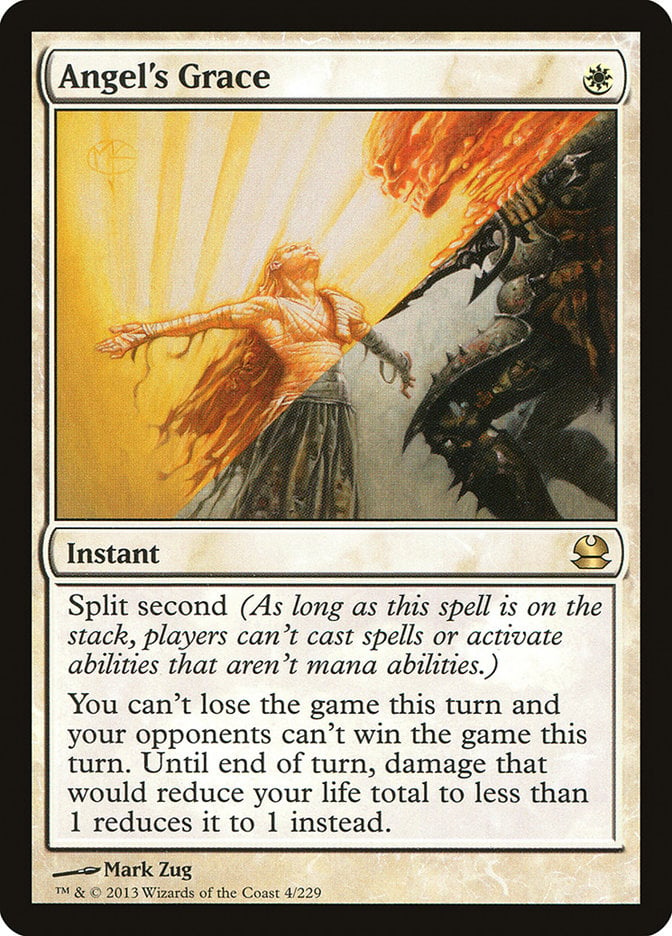
You can pay life to 0 if your life total is exactly the same as the amount of life you must pay. For example, if you have 7 life, you can activate Griselbrand and go to 0 life. You’ll die as a state-based action when you do this unless you have a card like Phyrexian Unlife or Angel's Grace.
Can You Pay Life to Go Below Zero Life?
No. When an effect requires you to pay life, you must have that life to pay. Think of it like paying mana: If an effect required you to pay 5 mana, you couldn’t pay 4 mana and go mana-negative.
The same logic applies to paying life. If you want to pay 7 life to activate Griselbrand, but your life total is 6, you don’t have enough life to pay the cost.
Can You Pay Life if Your Life Total Can’t Change?
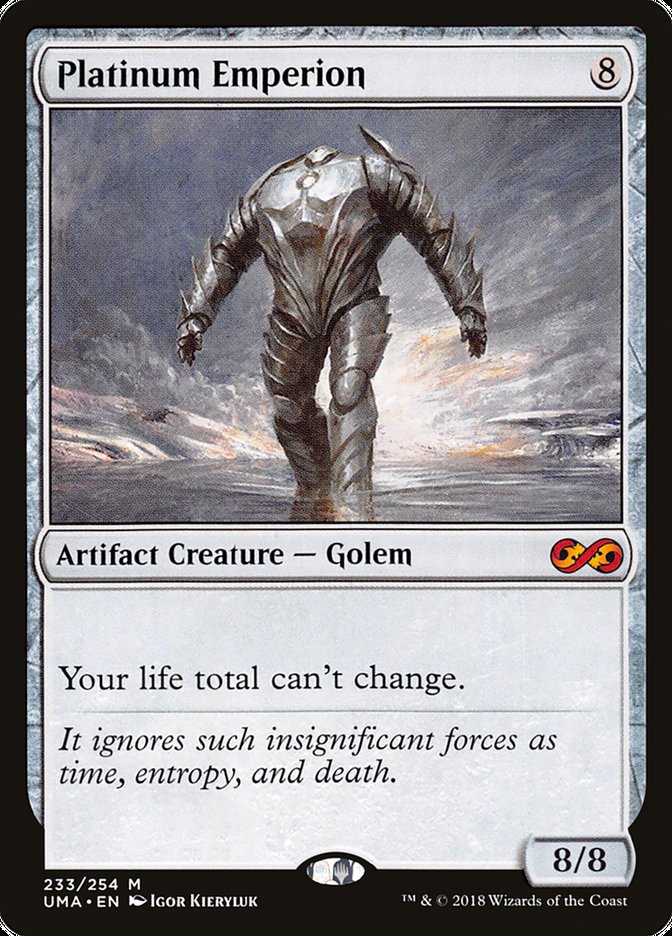
No. If you control Platinum Emperion, you can’t pay any amount of life but 0. Since your life total can’t change, you can’t pay for effects. It’s like saying your lands can’t tap for mana, so you can’t cast spells.
Does Paying Life Cause You to Lose Life?
Yes! Paying life counts as life loss, which is why these cards work with payoffs like Rowan, Scion of War and Vilis, Broker of Blood that reward you for losing life.
Does Paying Life Deal Damage?
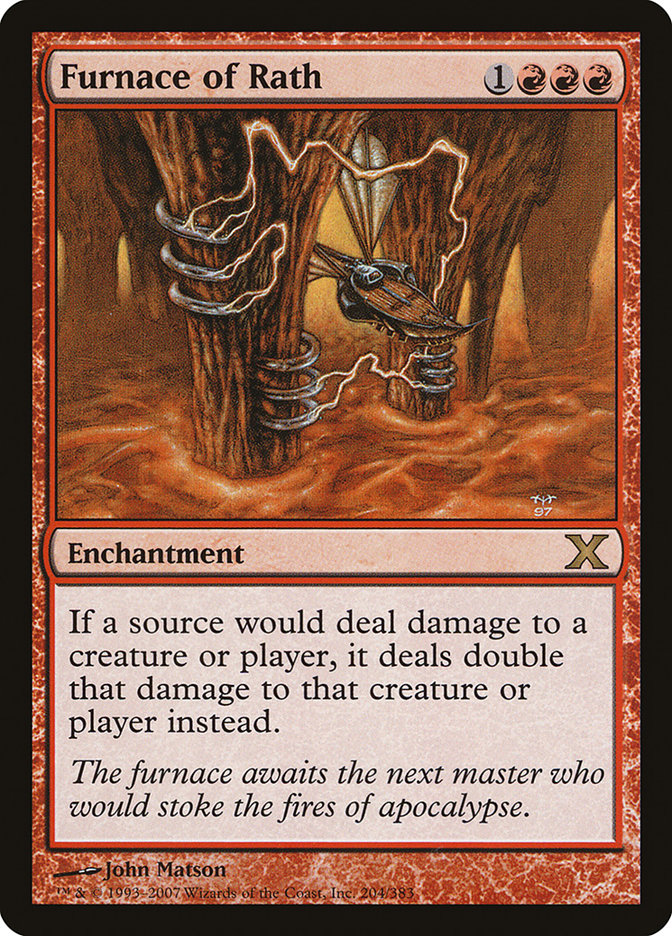
No. Paying life doesn’t count as taking damage, noncombat or otherwise, so it won’t be affected by cards like Furnace of Rath.
Wrap Up

Font of Agonies | Illustration by Jason A. Engle
Your life total is a resource. These cards make that crystal clear by letting you invest it to cast spells, draw cards, and get great mana fixing. Magic even has a variety of powerful effects that reward you for paying life, either in one go or over the course of several turns, so you can put the 20 or 40 life you start with to the best possible use.
What’s your favorite life payment card? Do you like this strategy? Let me know in the comments below or on the Draftsim Discord!
Stay safe, and thanks for reading!
Follow Draftsim for awesome articles and set updates:










Add Comment