

Heroes' Podium | Illustration by Willian Murai
Legendary creatures have always been at the heart of Magic: The Gathering, shaping both its story and its gameplay. With Commander now the game’s most popular format, these cards matter more than ever, and today we break down the most powerful legendary creatures ever printed. Let’s dive in!
What Are Legendary Creatures in MTG?
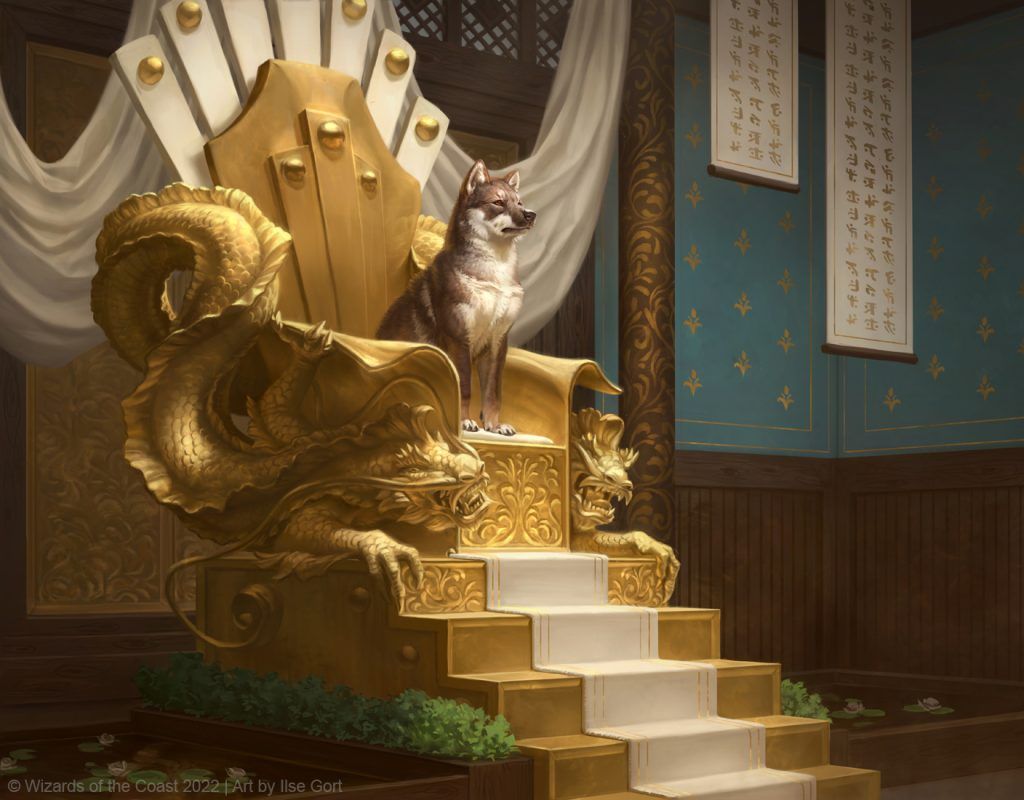
Yoshimaru, Ever Faithful | Illustration by Ilse Gort
Legendary creatures in Magic: The Gathering are unique characters that represent important figures in the game’s story, and the rules only allow one copy of the same legendary creature on the battlefield at a time under a player’s control.
Legendary creatures will have both the legendary supertype and creature card type in their typeline. In formats like Commander, each deck is built around a legendary creature that acts as its commander, shaping how the entire deck plays.
Since thousands of legendary creatures have been printed so far, this list is heavily narrowed down using a simple criterion: overall popularity in Commander and impact across other Constructed formats.
Honorable Mentions
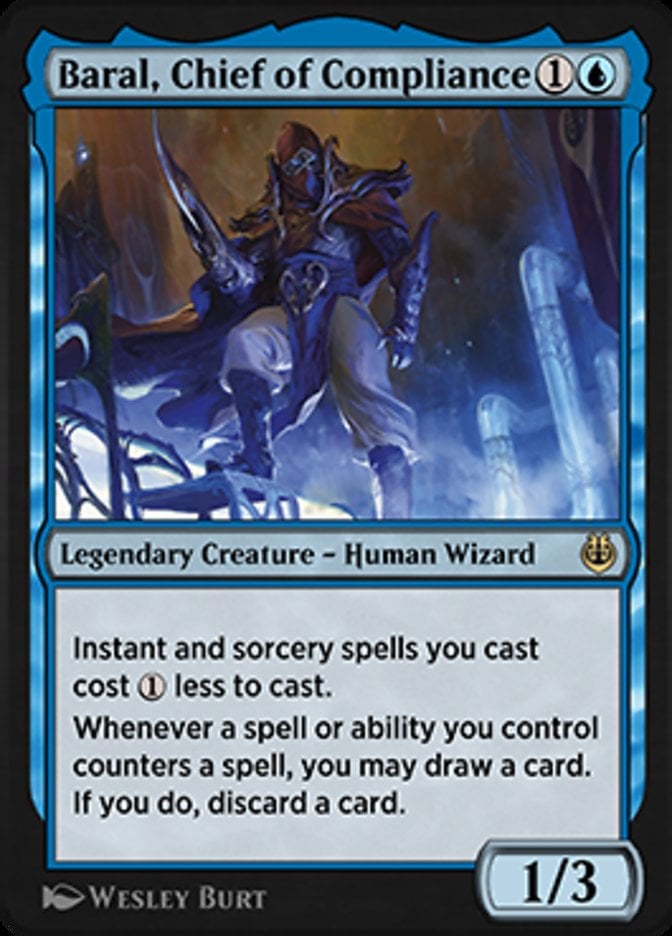
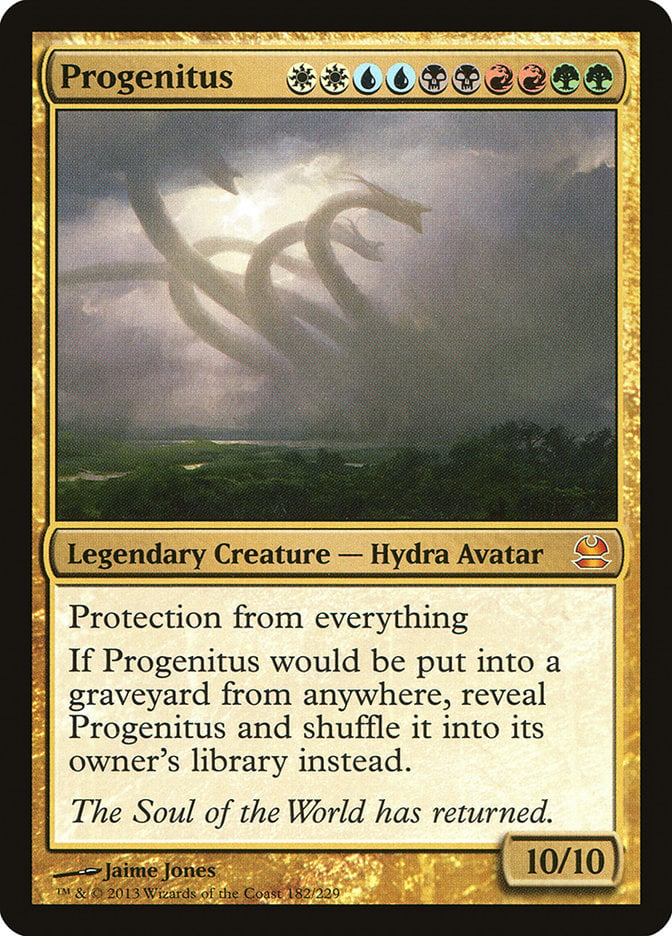
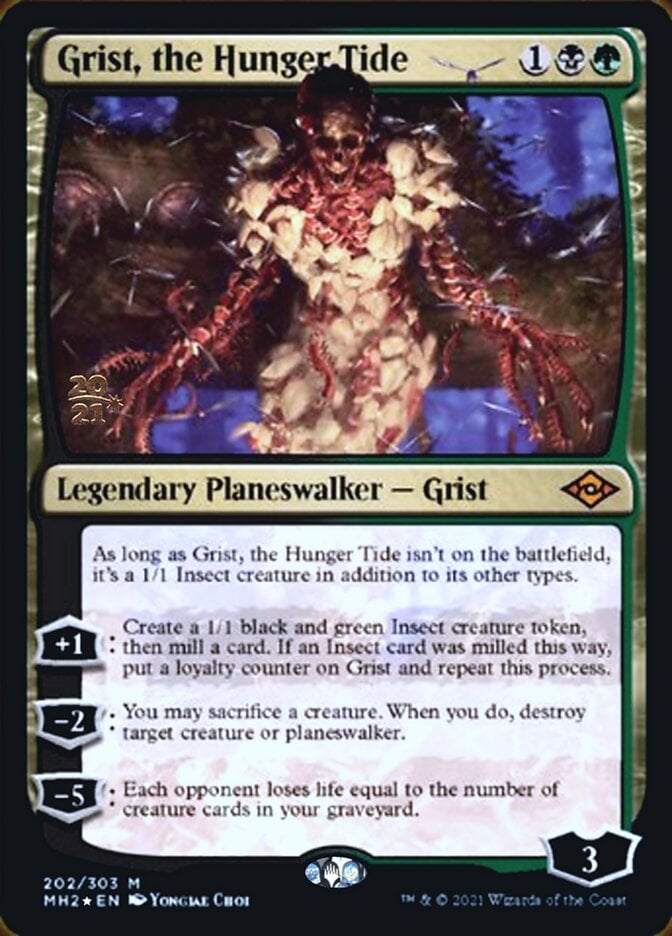
There have been powerful legends that eventually got power-crept, like Baral, Chief of Compliance or Progenitus, as stronger options now exist for their roles. Grist, the Hunger Tide is technically a creature outside the battlefield but not on the card text itself, so it sits outside this ranking as an honorable mention.
#85. Mai, Scornful Striker

While Mai, Scornful Striker is relatively new, it already shows strong potential as a clean answer to noncreature-heavy strategies. Repeatedly taxing spells adds up quickly against spell-dense decks. It has already appeared as a hate piece in Vintage mono-black shells, and it can translate well to other formats that punish greedy play.
#84. Tatyova, Benthic Druid
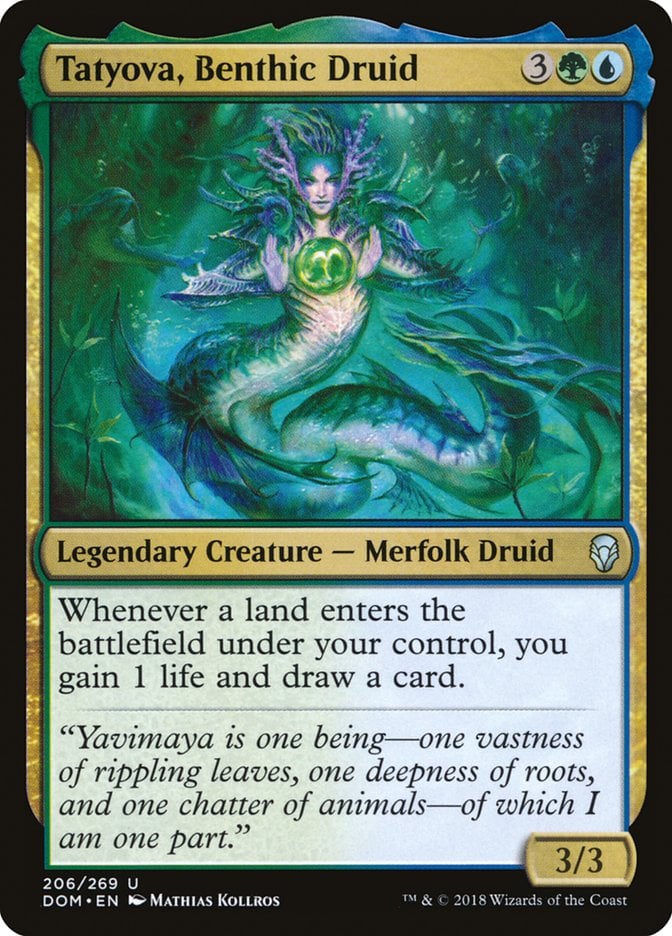
When you think about landfall commanders, Tatyova, Benthic Druid is often the first name that comes to mind. For a long time, especially in Pauper EDH pods, it was the go-to Simic () option, rewarding consistent land drops with steady card draw and lifegain that quickly snowballs advantage.
#83. Zacama, Primal Calamity
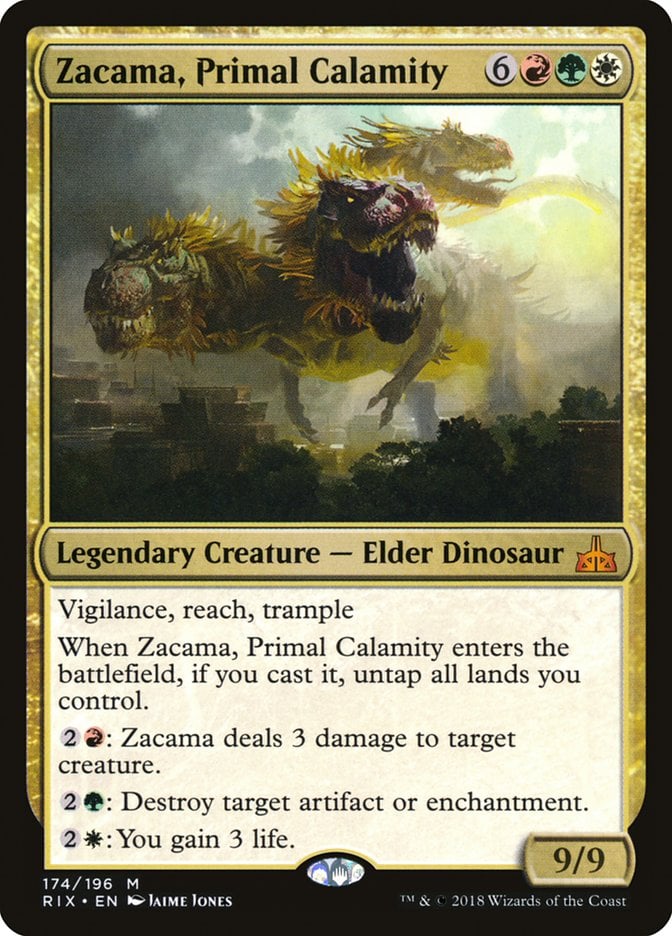
Zacama, Primal Calamity is a commander I’ve rarely played myself, but I also can’t remember many games where I’ve beaten it once it hit the battlefield. Untapping all lands and offering built-in removal makes it overwhelmingly strong, and it’s a popular commander for dinosaur typal decks.
#82. Aurelia, the Warleader
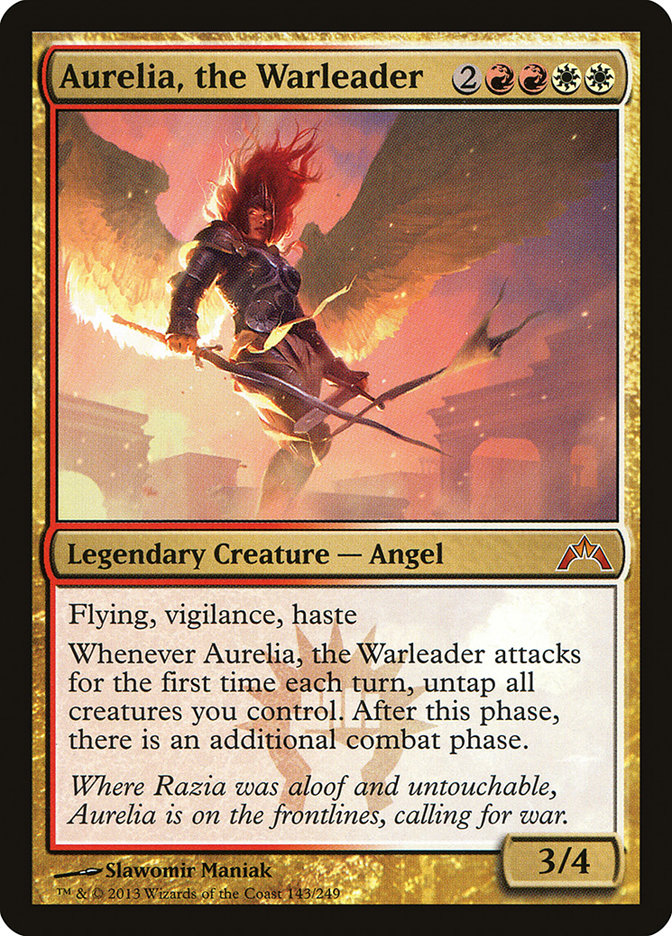
Built to enable massive bursts of combat damage, Aurelia, the Warleader can end games the moment it attacks. Extra combat steps quickly spiral out of control, and when paired with Helm of the Host, it can even create infinite combat loops that demand an immediate answer from the table.
#81. Toski, Bearer of Secrets + Edric, Spymaster of Trest
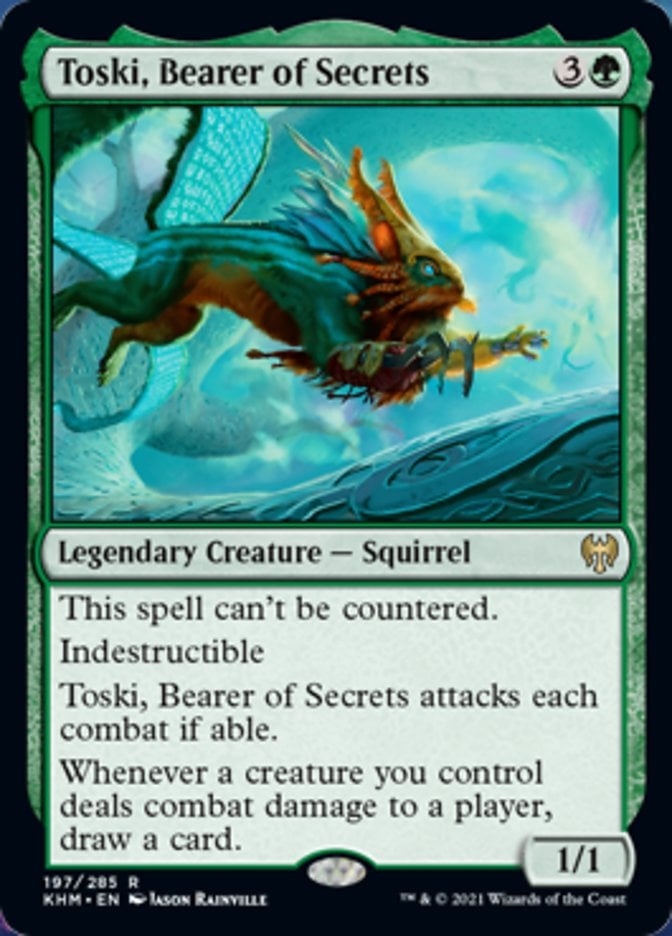
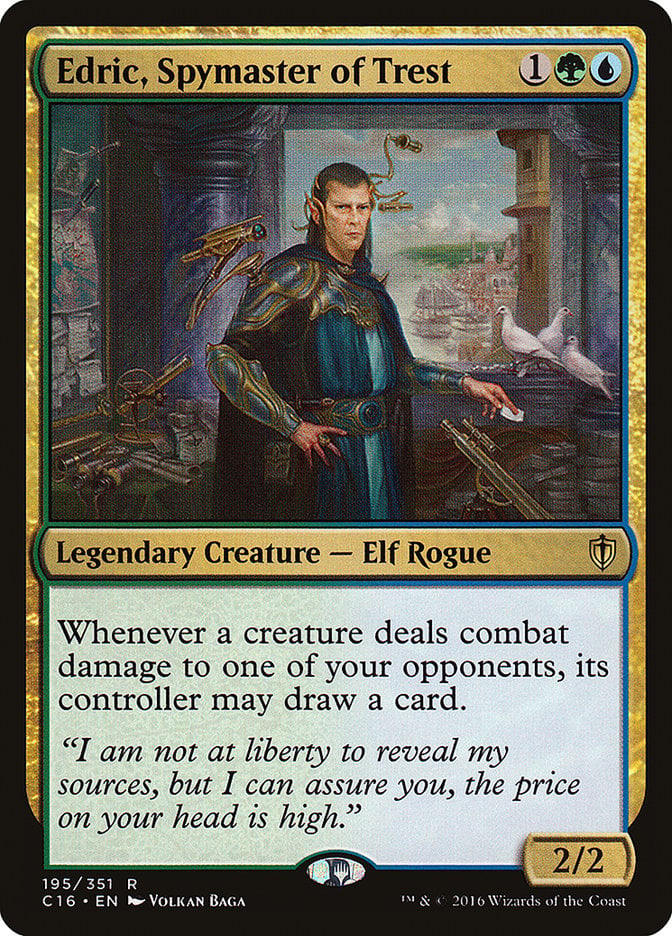
Turning combat damage into card draw is what makes Toski, Bearer of Secrets and Edric, Spymaster of Trest so dangerous once they land. Edric is the preferred choice because it shines by coming down earlier and enabling more colors, though it carries the small multiplayer drawback of also rewarding opponents who attack elsewhere.
#80. Prossh, Skyraider of Kher
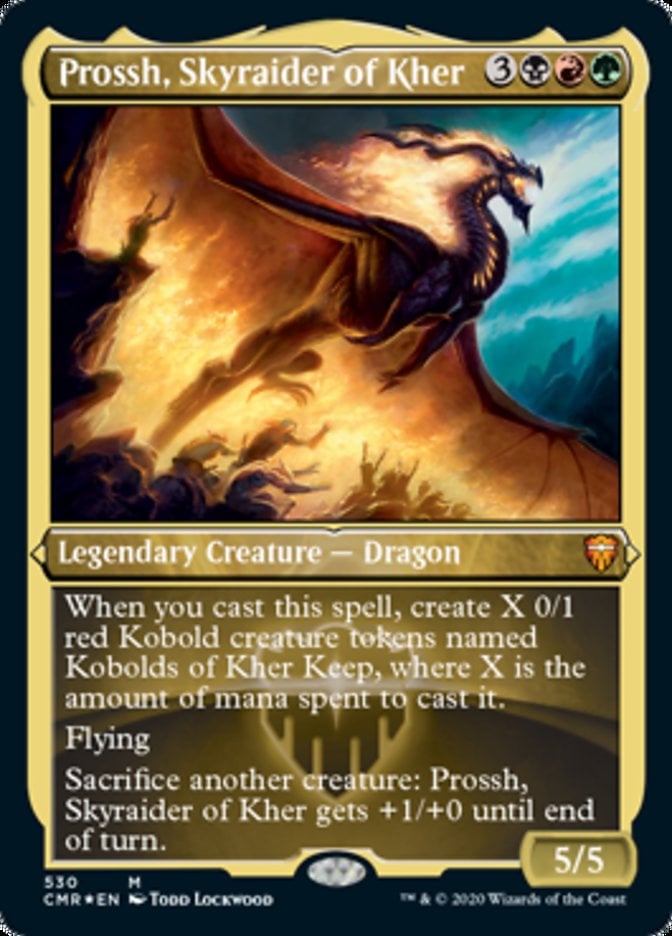
Prossh, Skyraider of Kher and Food Chain are the bread and butter of Jund () decks built around this commander. While Prossh rarely sees play outside that role, it opens up deep deckbuilding space and enables explosive combo lines and flexible win conditions.
#79. Kaheera, the Orphanguard
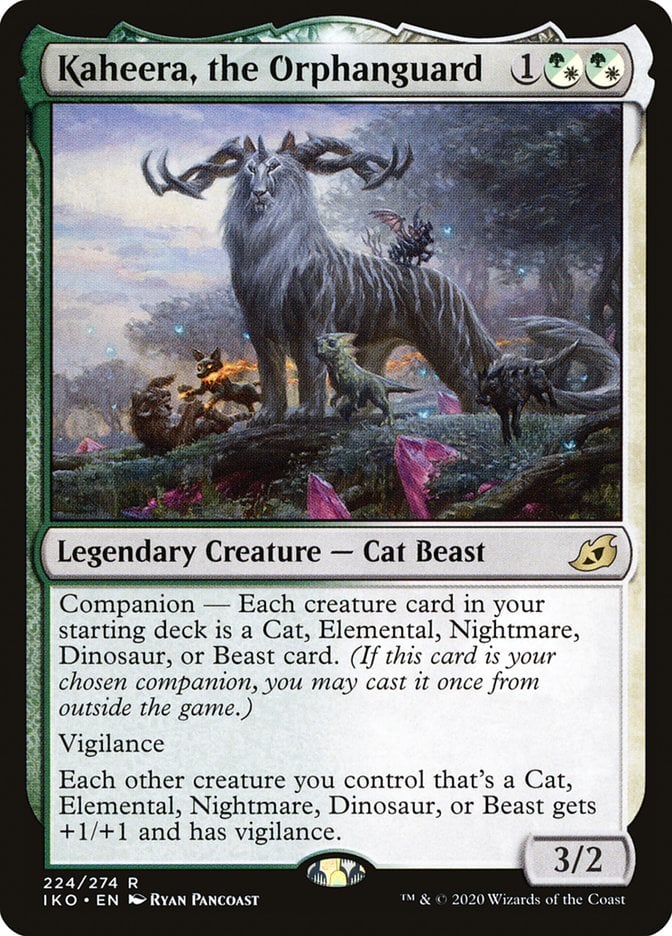
With many companions banned in the most popular Constructed formats, like Jegantha, the Wellspring, Lurrus of the Dream-Den, and Yorion, Sky Nomad, options are limited, but Kaheera, the Orphanguard remains solid for control decks. The addition of Beza, the Bounding Spring fits perfectly, adding value with zero downside while it supports the same game plan.
#78. Greasefang, Okiba Boss
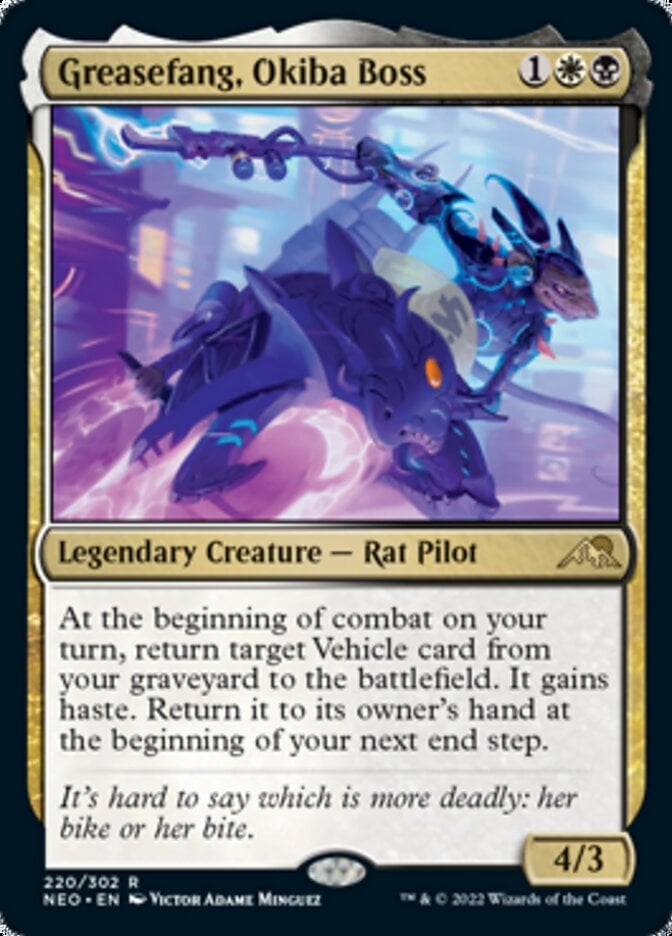
Greasefang, Okiba Boss is one of the legends that created its own archetype in Pioneer. The core plan is simple but deadly: reanimate Parhelion II for a massive swing that often ends the game on the spot.
#77. Ulamog, the Ceaseless Hunger
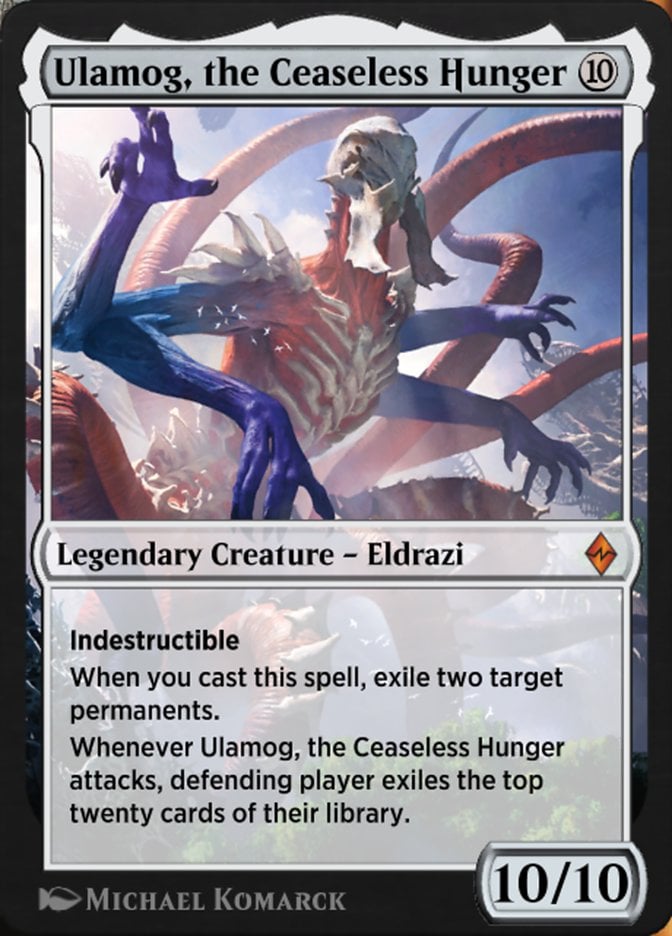
Across all versions of Ulamog, Ulamog, the Ceaseless Hunger has seen the most play by far. Exiling permanents on cast and threatening to mill opponents out makes it a premier finisher.
#76. Tasigur, the Golden Fang
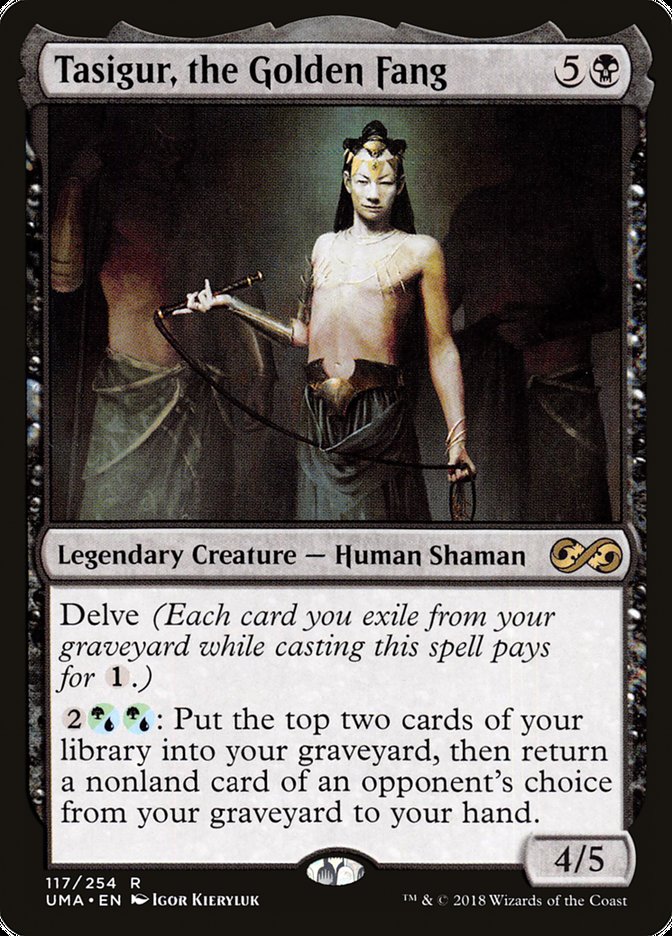
For a long time, Tasigur, the Golden Fang was one of the most feared Sultai creatures () across formats. Cheap to cast thanks to delve and backed by a powerful recursion ability, it dominated both Commander and 1v1 environments by grinding value and outlasting opponents.
#75. Xenagos, God of Revels
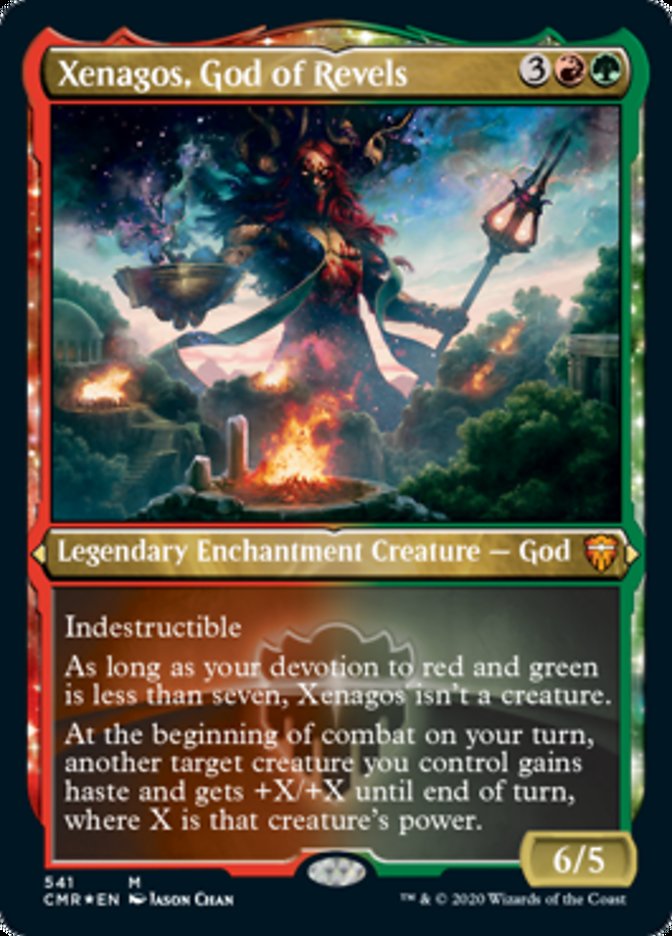
Pairing Xenagos, God of Revels with any reasonably large creature can threaten to end games on its own. A popular trick across formats is to cheat it into play alongside another threat using cards like Tooth and Nail or Indomitable Creativity to end games right then and there.
#74. Vito, Thorn of the Dusk Rose
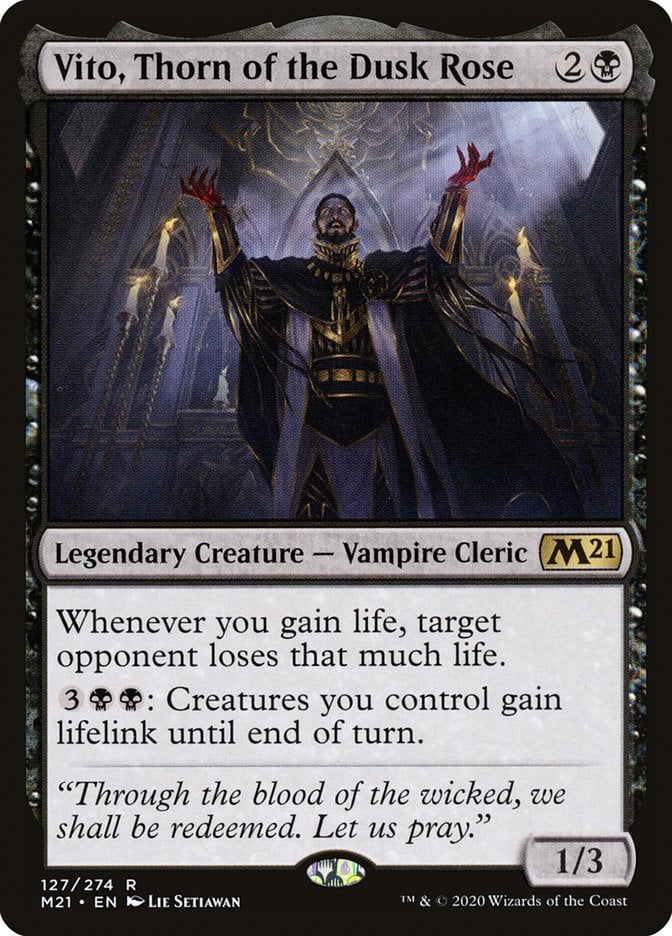
Exquisite Blood plus Vito, Thorn of the Dusk Rose is the name of the game for life-based combo decks. One life swing immediately loops into infinite life loss and ends the game on the spot.
#73. Superior Spider-Man

The effect on Superior Spider-Man isn’t new, having appeared on cards like Body Double, but access from the command zone adds real depth. Pairing it with tools like Entomb lets you set up reanimation targets that care more about abilities than raw power.
#72. Jegantha, the Wellspring
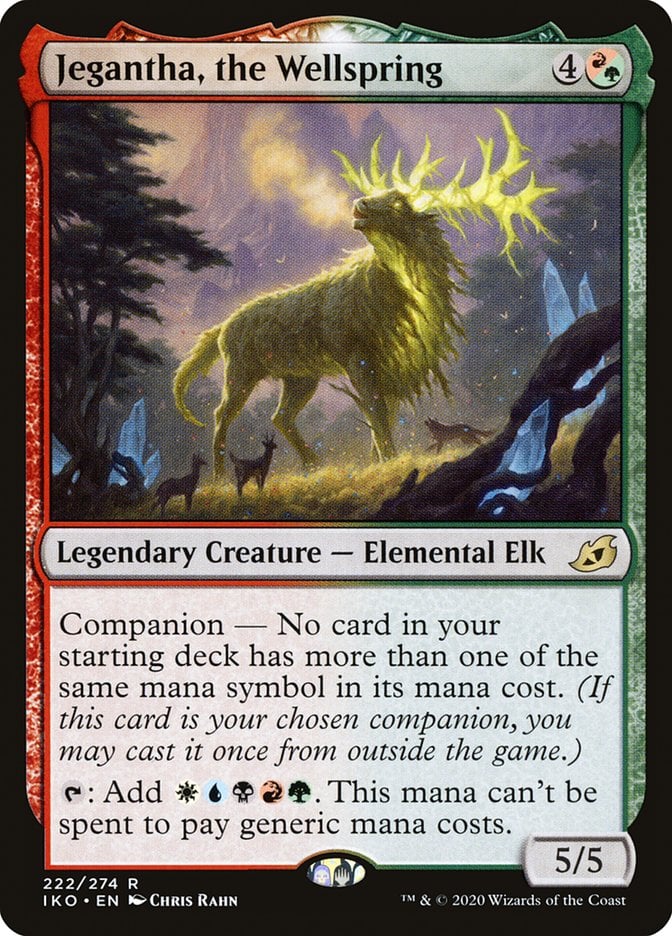
Jegantha, the Wellspring might not look impressive at first, but it provided the kind of free consistency many decks needed to dominate long, grindy games. Its companion restriction reshaped deckbuilding across formats to the point where its influence eventually led to bans in competitive environments like Modern and Pioneer.
#71. Muldrotha, the Gravetide
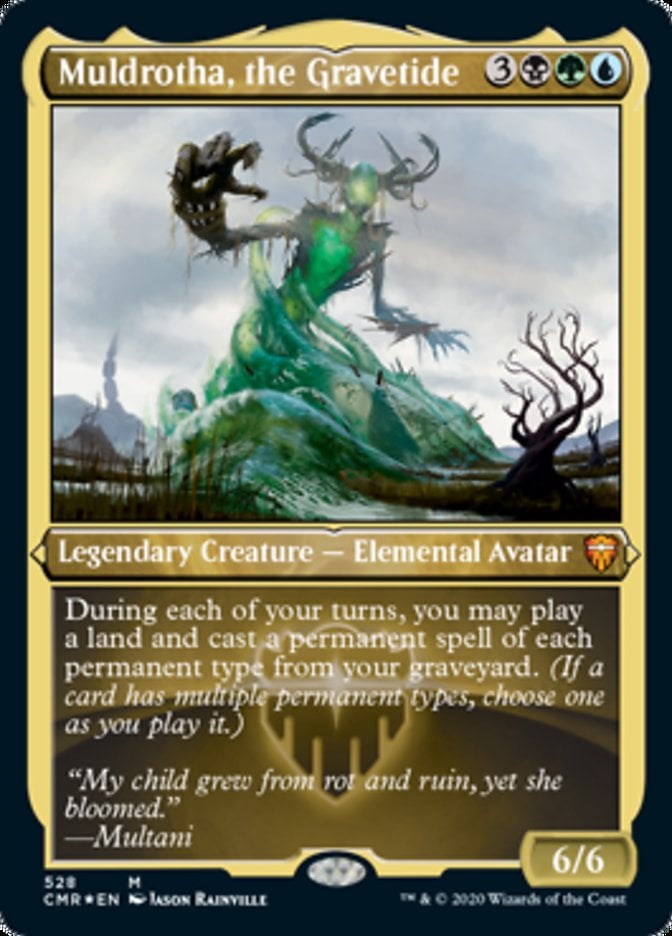
Among the most powerful graveyard-based commanders, Muldrotha, the Gravetide turns the graveyard into an extension of your hand. Replaying multiple permanent types each turn creates steady, unavoidable value, and it lets the deck grind through removal and outlast opponents with recursive threats.
#70. Purphoros, God of the Forge
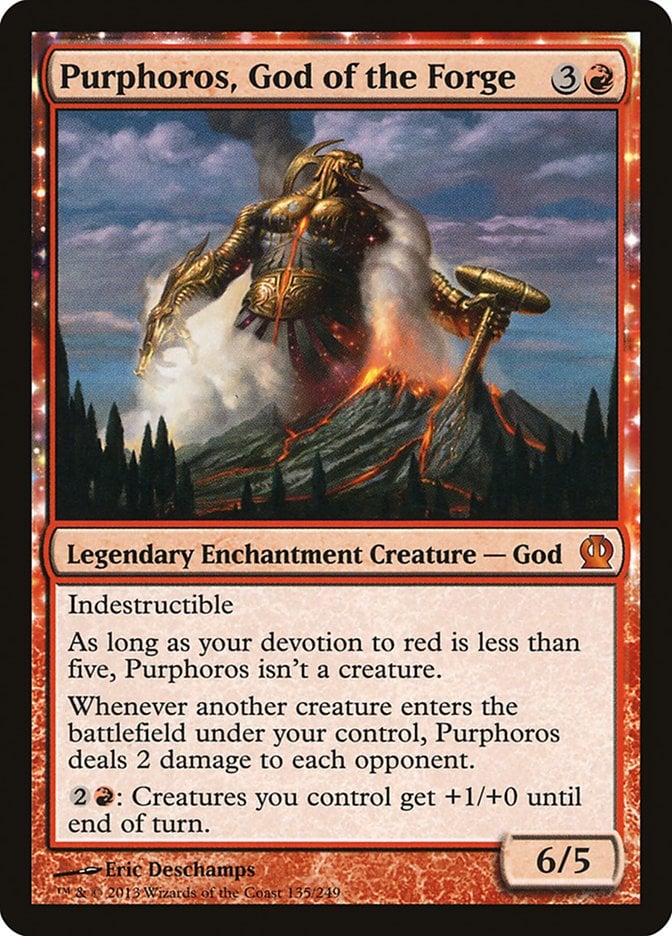
Whether as a commander or a support piece in token-heavy decks, Purphoros, God of the Forge turns creature production into direct damage. Every creature chips away at opponents’ life totals, which makes wide board states lethal without ever needing to attack and forces tables to answer it quickly or lose.
#69. K’rrik, Son of Yawgmoth
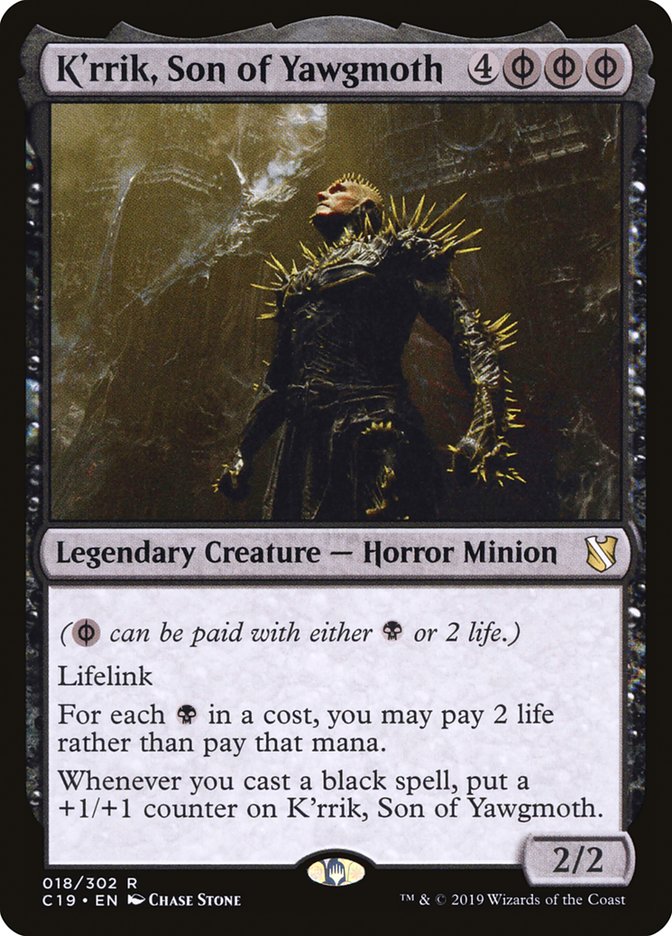
K'rrik, Son of Yawgmoth breaks black spells by turning mana costs into life payments. Making spells effectively free enables explosive turns, fast combos, and massive card advantage, which is why K’rrik is feared as both a commander and a combo engine.
#68. Breya, Etherium Shaper
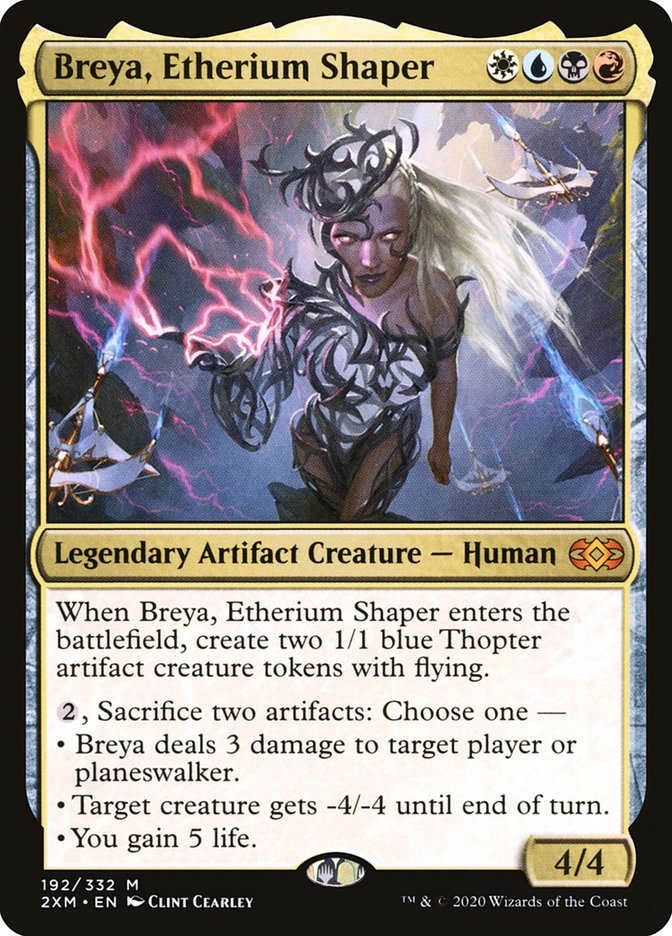
While often associated with artifact-heavy builds, Breya, Etherium Shaper also excels as a 4-color control commander. Its access to interaction across colors, paired with flexible sacrifice effects, allows it to stabilize games and pivot into wins without relying solely on combos.
#67. Aragorn, the Uniter
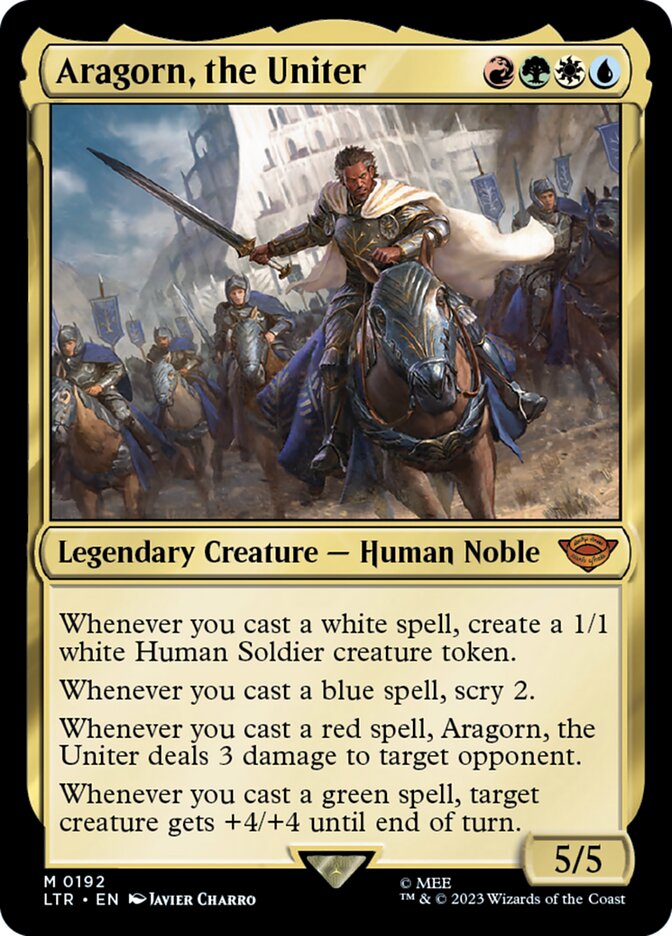
Aragorn, the Uniter rewards you for casting multicolored spells, often leading to very oppressive turns. Each color triggers a different payoff, so you build value and pressure all at once. Even simple multicolored-spell chains feel overwhelming when everything starts to stack together.
#66. Sisay, Weatherlight Captain
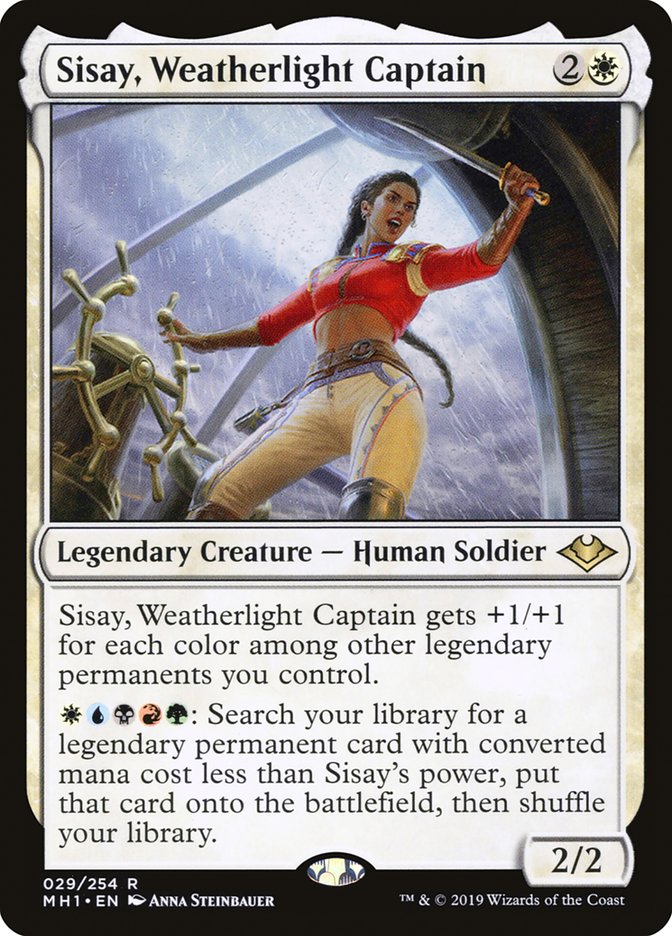
A versatile cEDH staple, Sisay, Weatherlight Captain grows with more colors in play and can tutor key legendary cards straight onto the battlefield. Unlike many other cEDH commanders, it isn’t locked into a single win condition, so you have multiple paths to close games depending on the situation.
#65. Niv-Mizzet, Parun
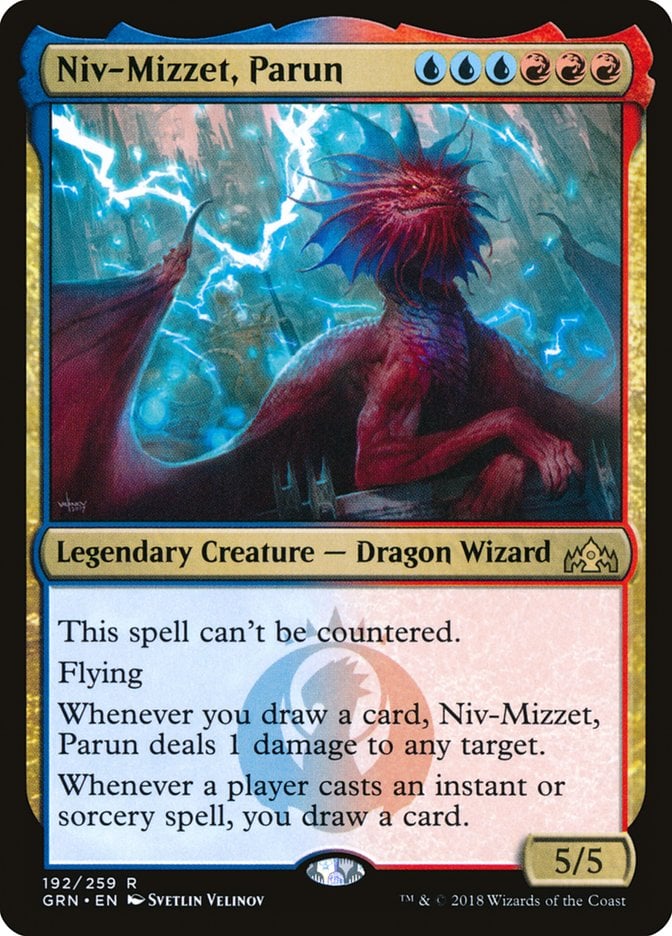
Niv-Mizzet, Parun is incredibly iconic because it only needs one card to go off. Pairing it with Curiosity creates an almost infinite loop of card draw and damage, which makes it a clean, compact combo.
#64. Marrow-Gnawer
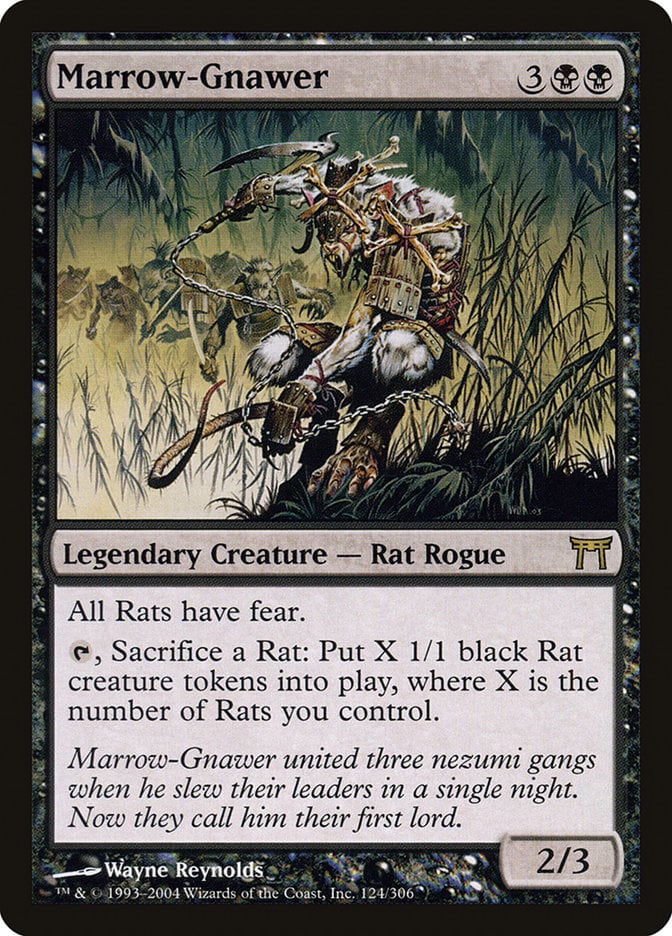
The definitive rat typal commander, Marrow-Gnawer transforms quantity into inevitability. Granting fear and multiplying creatures turns otherwise modest boards into lethal swarms, so it’s a simple but effective payoff for fully committing to the creature type.
#63. Sythis, Harvest’s Hand
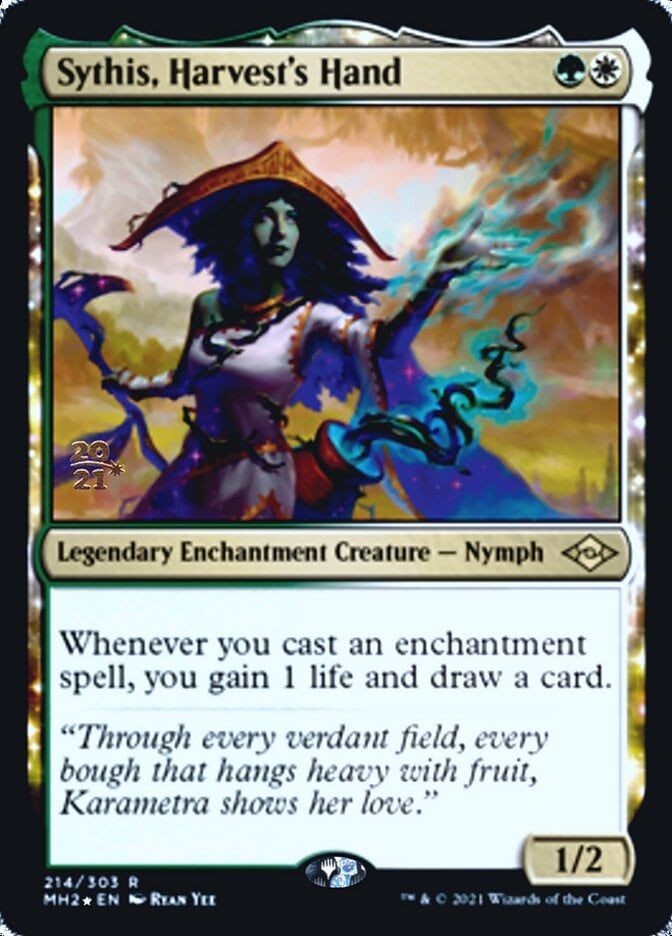
Sythis, Harvest's Hand is my enchantress commander of choice thanks to its steady card draw. Every enchantment replaces itself while the incidental lifegain helps to stabilize the game. It’s easy to keep your hand full and stay ahead in longer, grindy matchups.
#62. Fynn, the Fangbearer
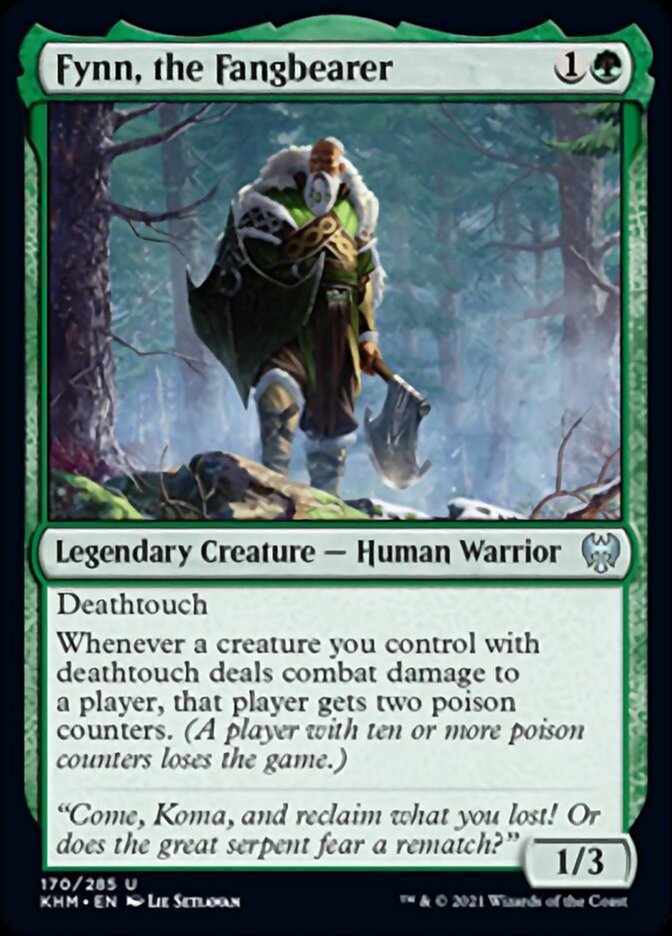
Looking for easy-to-build decks? Fynn, the Fangbearer is a solid option for both Arena and budget Commander. Most of the cheap deathtouch creatures that form the backbone of the deck are bulk, so it’s an accessible way to threaten poison kills with minimal investment.
#61. Zur the Enchanter
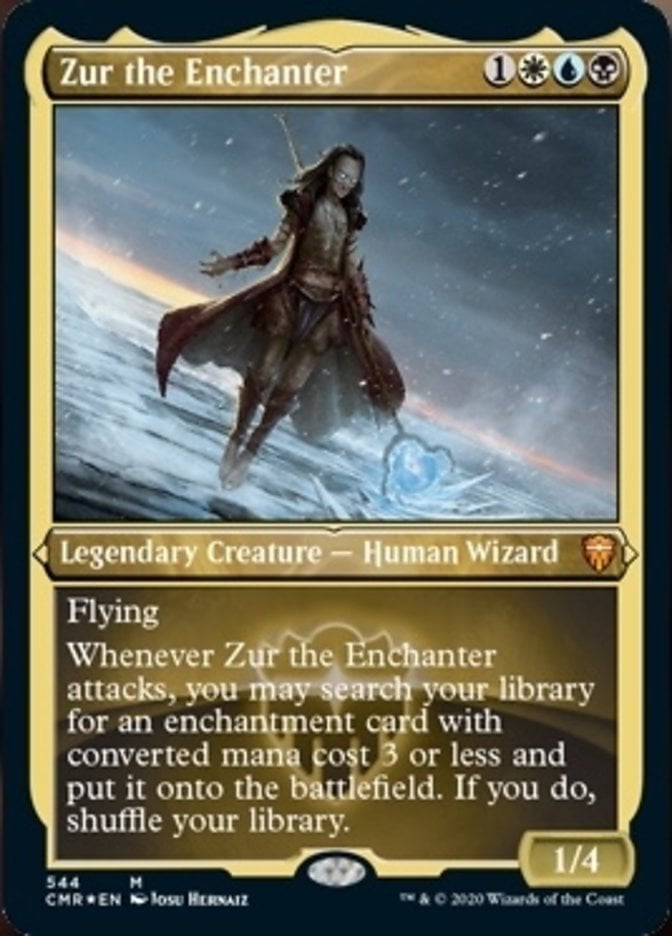
Zur the Enchanter acts as a repeatable tutor whenever it attacks. It can fetch answers or combo pieces like Rest in Peace or Phyrexian Unlife, so you can adjust your plan based on what the game demands.
#60. Cloud, Midgar Mercenary

Even since release, Cloud, Midgar Mercenary has quickly risen in Duel Commander popularity largely because of Skullclamp. For just 2 mana, it tutors one of the best equipment in the deck, and it ensures you never run out of cards when you pair it with fodder like Doomed Traveler.
#59. Ral, Monsoon Mage / Ral, Leyline Prodigy


Built to replace Baral in Modern Storm shells, Ral, Monsoon Mage brings cost reduction into red and smooths the mana base. Paired with Ruby Medallion, it effectively gives extra copies of reducers, so it’s easier to chain rituals and finish with Past in Flames, Wish, Grapeshot, or Empty the Warrens.
#58. Zada, Hedron Grinder
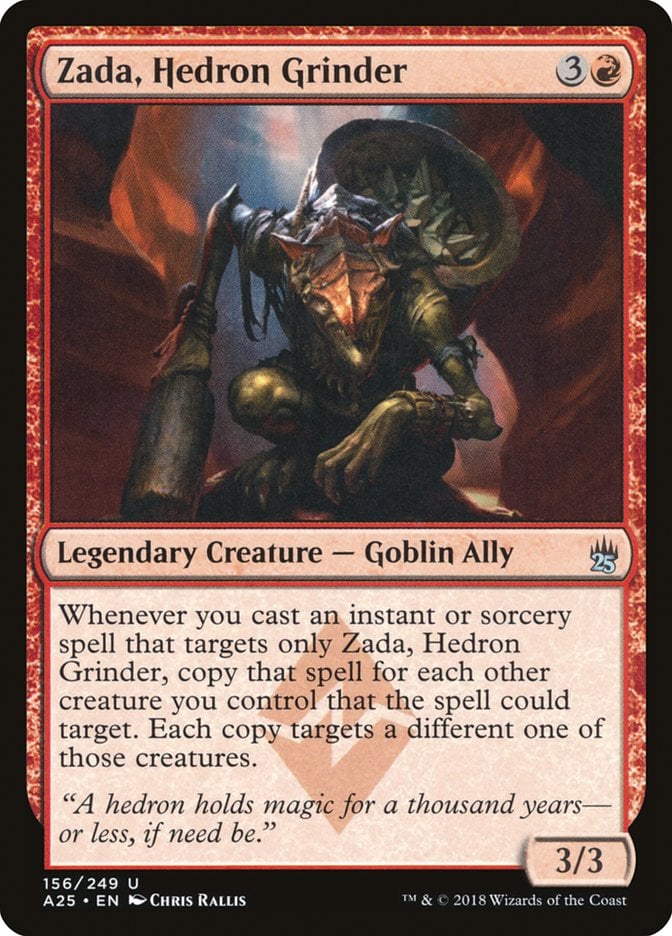
Zada, Hedron Grinder is my go-to choice for budget Commander builds since most of its best synergies are commons or uncommons. Targeting Zada with cheap spells can suddenly draw tons of cards or create massive combat turns, so low-cost decks compete far above their price point.
#57. Slimefoot and Squee
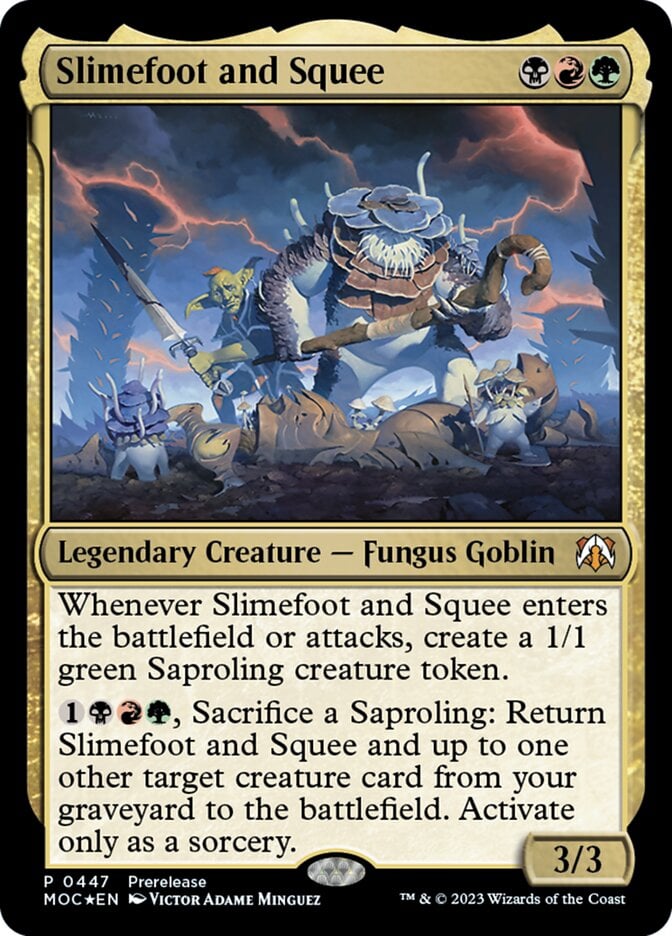
Slimefoot and Squee offer a flexible take on Jund that isn’t locked into full graveyard combo play. Instead, it thrives on attrition, using recursion to keep threats coming back while you slowly drain opponents out. It’s at its best in grindy games where trading resources over time favors the Slimefoot player.
#56. Azusa, Lost but Seeking
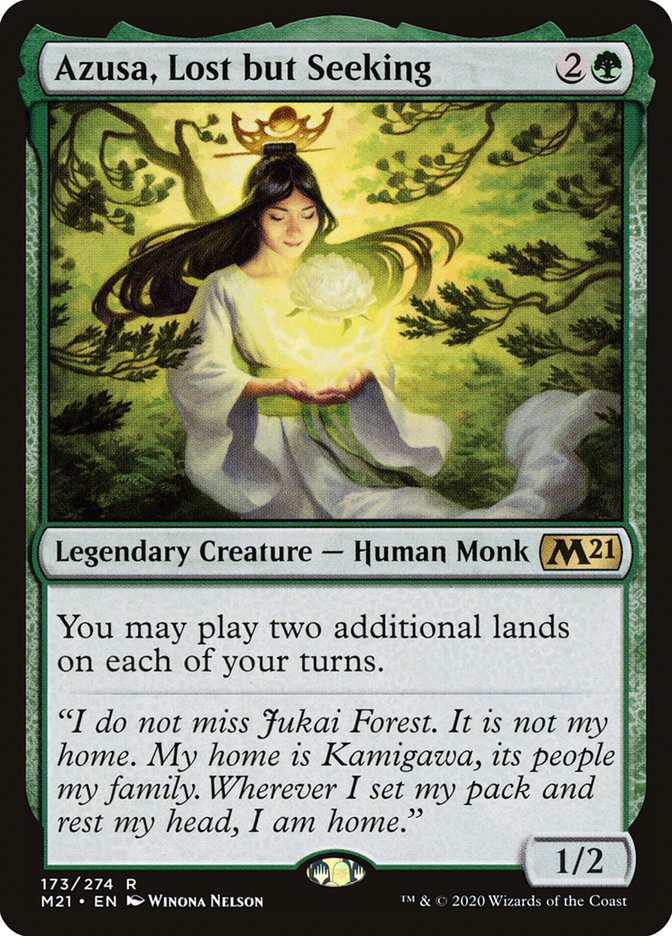
Few cards accelerate your mana as quickly as Azusa, Lost but Seeking, thanks to extra land drops each turn. Paired with the likes of Dark Depths and Thespian's Stage, it remains a strong threat in Brawl, Duel Commander, and land-based Modern decks.
#55. Niv-Mizzet Reborn
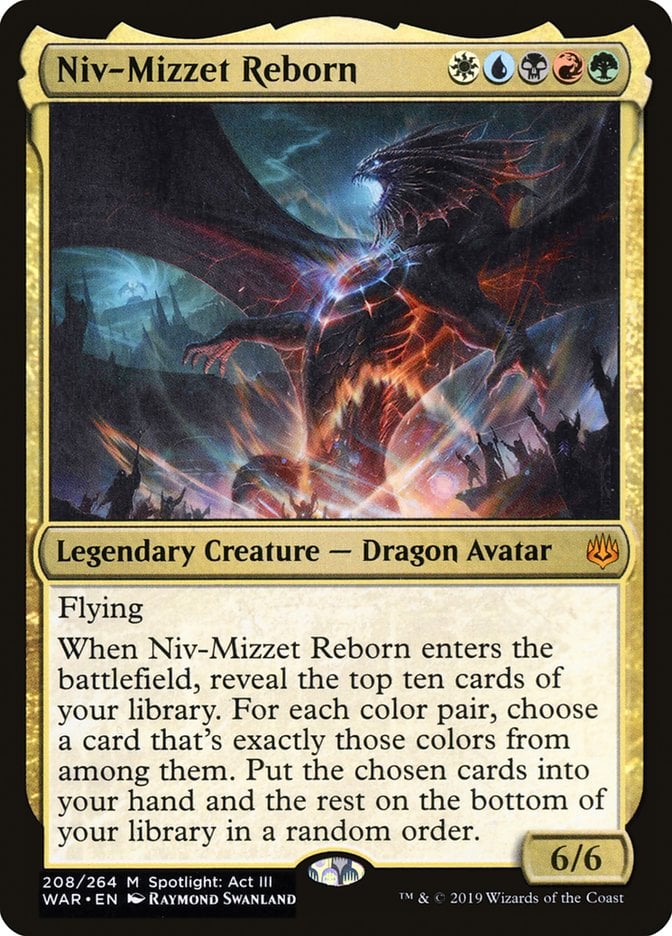
Niv-Mizzet Reborn rewards careful multicolor deckbuilding with a massive refill on entry. Beyond Commander, it’s also a key piece in Pioneer decks that use Bring to Light, where chaining powerful gold spells creates consistent, high-impact turns.
#54. Vorinclex, Monstrous Raider
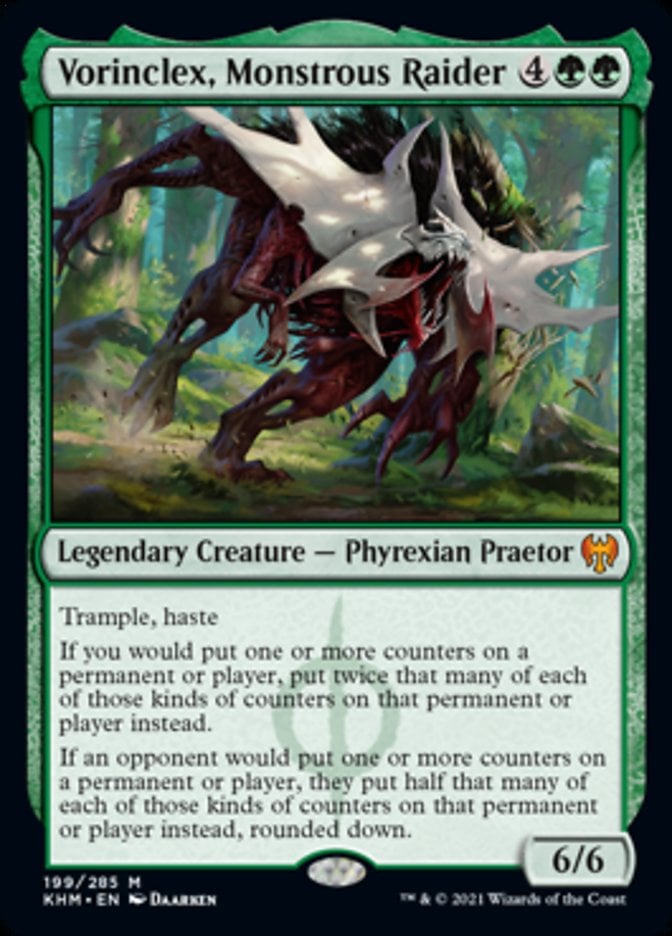
Vorinclex, Monstrous Raider is an insane addition to any deck built around counters. It’s especially brutal alongside planeswalkers, since many of them enter with enough loyalty to activate their ultimate immediately, while Vorinclex also slows opponents by cutting their counters in half.
#53. Yoshimaru, Ever Faithful
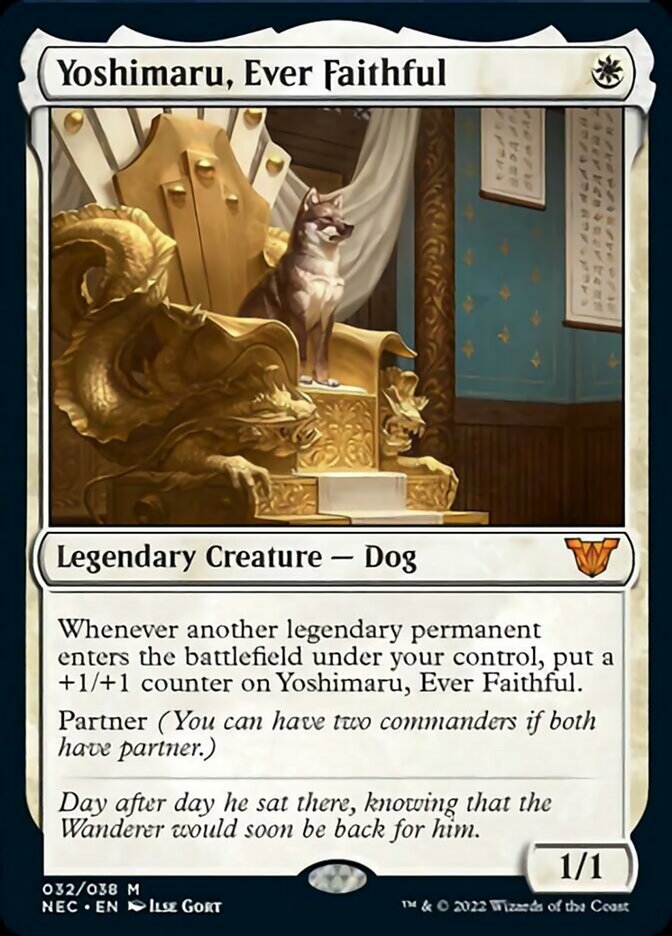
One of my favorite white commanders, Yoshimaru, Ever Faithful can be surprisingly powerful when built correctly, especially in Duel Commander. When paired with Senu, Keen-Eyed Protector, repeated attacks make it a hard-to-answer threat from one turn to another.
#52. Boromir, Warden of the Tower
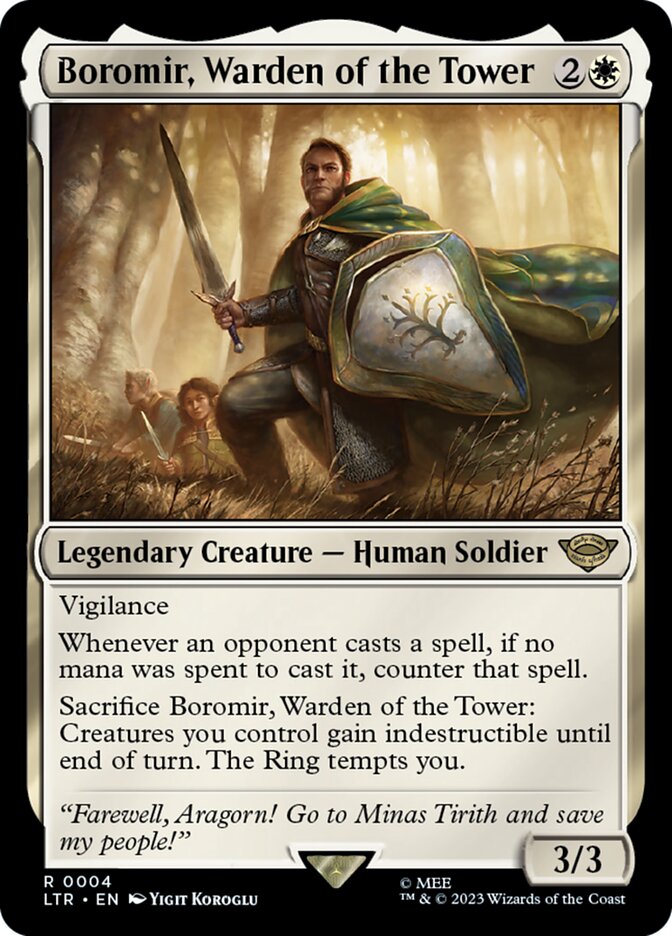
Often called the fun police, Boromir, Warden of the Tower shuts down commanders like Etali, Primal Conqueror or Narset, Enlightened Master by countering spells cast for free. When the timing is right, it can also sacrifice itself to protect your board, so it’s both a strong deterrent and a safety valve.
#51. Ertai Resurrected
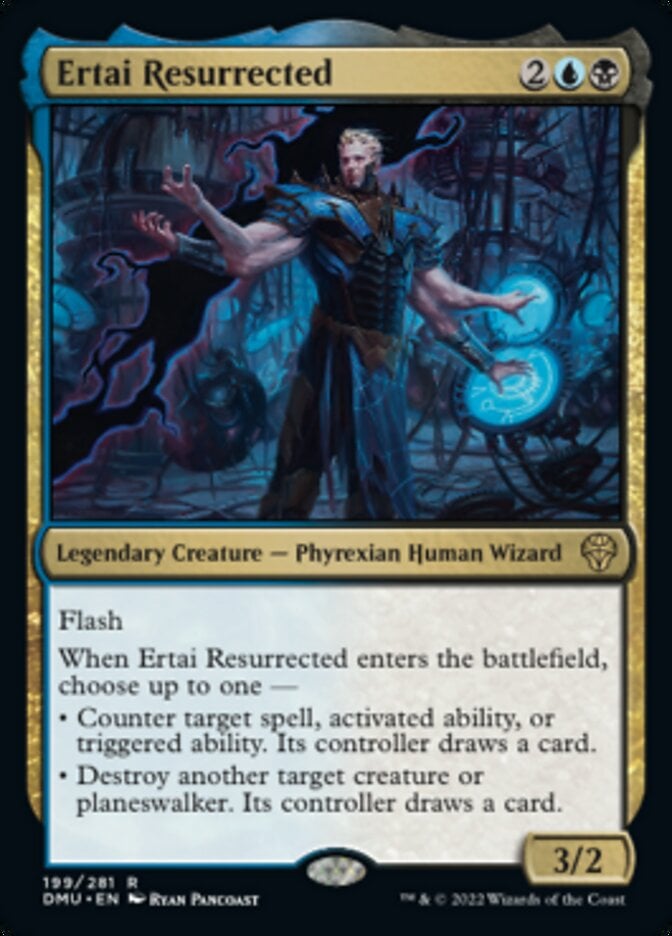
Packing both disruption and removal into a solid body, Ertai Resurrected is one of my favorite Dimir creatures (). Giving an opponent an extra card isn’t ideal, but it’s usually a fair trade to stop a game-ending threat, and Ertai can still apply meaningful pressure later.
#50. Alela, Artful Provocateur

Alela, Artful Provocateur offers a different approach to artifact- and enchantment-based decks by turning every spell into evasive pressure. Instead of focusing only on value engines, it rewards steady board development with flying Faeries, letting these strategies win through combat while still generating a consistent advantage.
#49. Terra, Magical Adept / Esper Terra


Terra, Magical Adept works as both a saga-focused commander and a graveyard-based enabler. Milling cards on entry opens up many deckbuilding options, especially when you build around mechanics like delve or escape. That said, I’ve mostly seen it as a reanimation enabler more than anything else.
#48. Uro, Titan of Nature’s Wrath
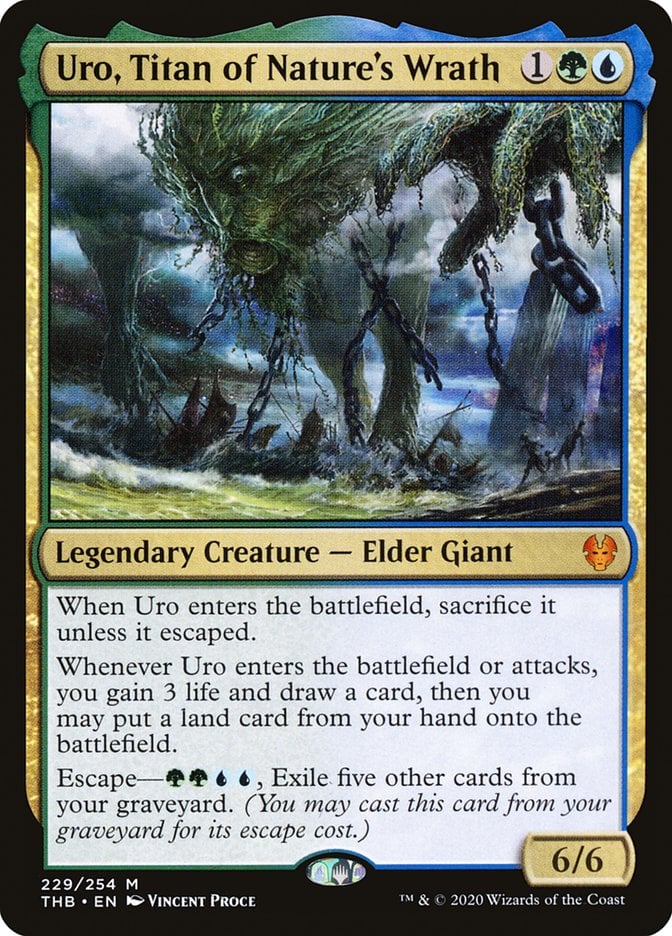
Few value engines match the efficiency of Uro, Titan of Nature's Wrath. Drawing cards, gaining life, and ramping lands all at once makes it oppressive early, while escape ensures it stays relevant late. Left unchecked, it quietly takes over games through raw, consistent advantage, which is no wonder why it’s banned in Pioneer, Modern, and Historic.
#47. Y’shtola, Night’s Blessed

I wasn’t impressed at first, but Y'shtola, Night's Blessed turned out to be one of 2025’s biggest surprises. Simply casting spells helps to control the board, and with cards like Dismember and Snuff Out, you can keep damage flowing for virtually free.
#46. Elesh Norn, Grand Cenobite
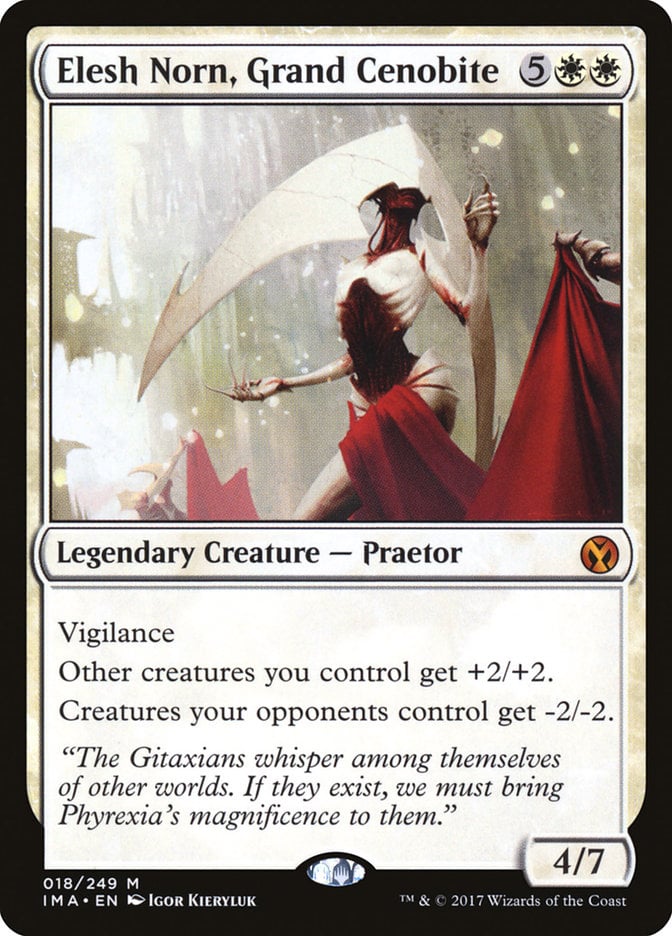
Elesh Norn, Grand Cenobite is an insane creature that completely shuts down token strategies. Shrinking opposing boards while you boost your own creatures often wipes out small armies on entry, and if it sticks around, it quickly turns combat into a one-sided affair.
#45. Avacyn, Angel of Hope
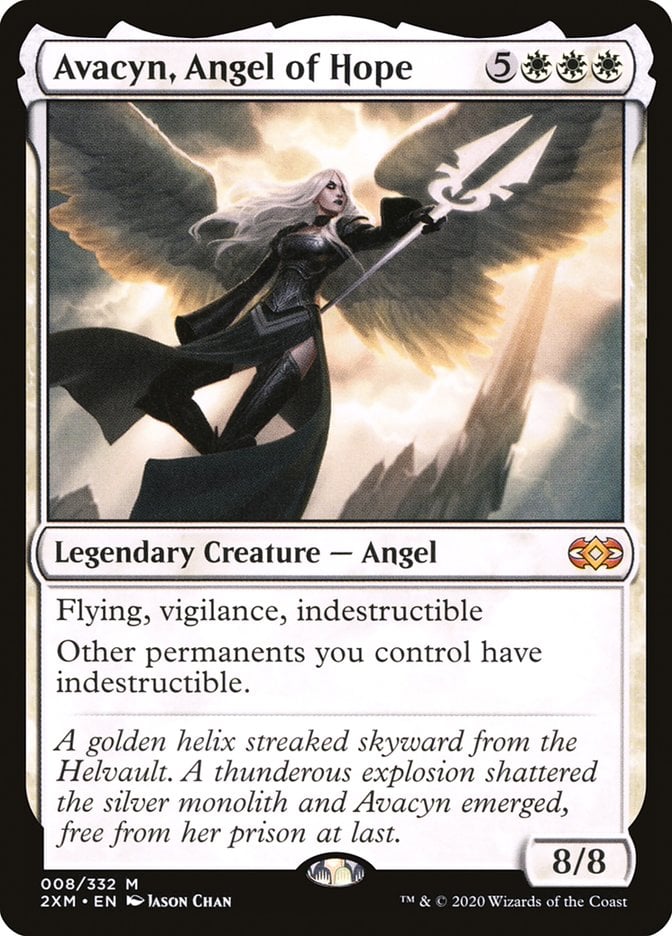
Avacyn, Angel of Hope doesn’t end games instantly, but it enables some of the most punishing board states imaginable. Granting indestructible turns cards like Nevinyrral's Disk or Worldslayer into asymmetric resets that can leave opponents unable to recover.
#44. Maelstrom Wanderer
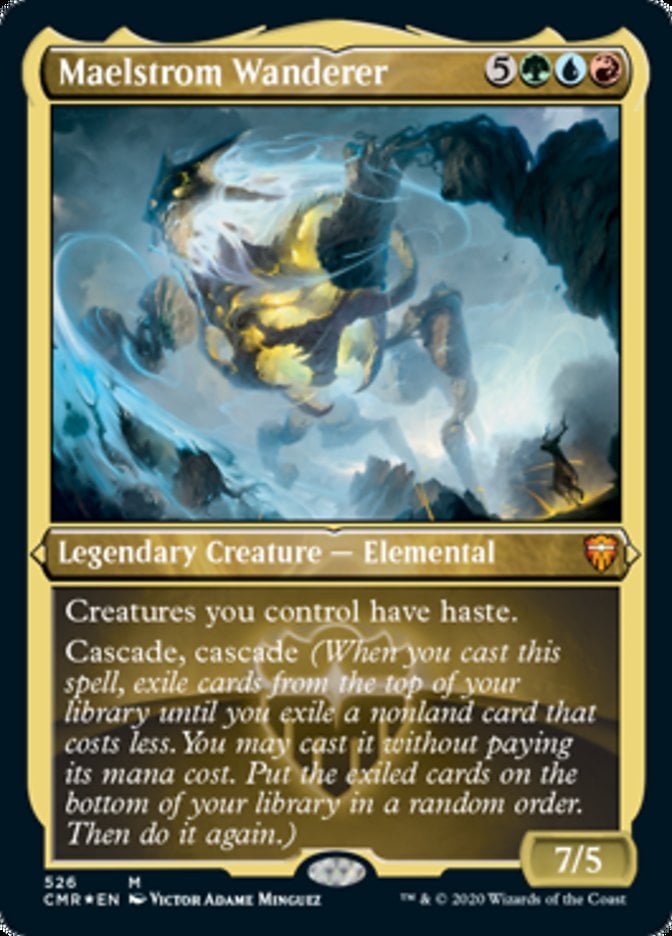
Cascade decks often start with Maelstrom Wanderer for a reason. Double cascade creates massive tempo swings, and with tools like Brainstorm or Sensei's Divining Top, you can set up turns that flood the stack with free, high-impact spells.
#43. Aang, Swift Savior / Aang and La, Ocean’s Fury


Aang, Swift Savior has quickly proven its flexibility across formats. Flash and flying allow it to play at instant speed, while its disruptive elements and late-game transformation let it pivot from defense into a serious combat threat when the game drags on.
#42. Gisela, Blade of Goldnight
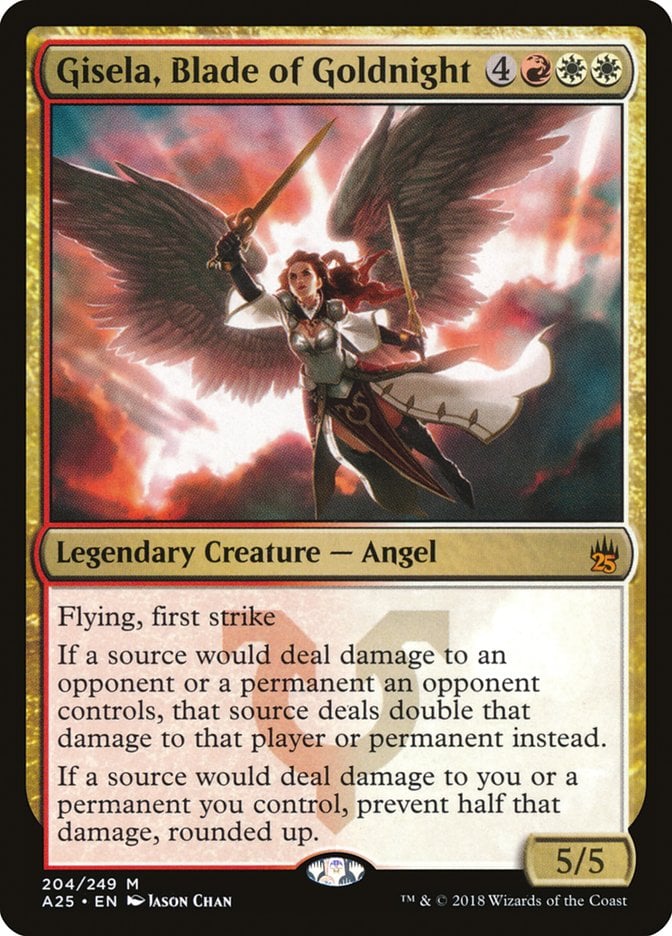
Gisela, Blade of Goldnight reshapes how damage works the moment it resolves. Doubling damage to opponents while reducing damage dealt to you makes racing nearly impossible. Even modest attacks become lethal swings, and you close out games faster than expected.
#41. Isshin, Two Heavens as One
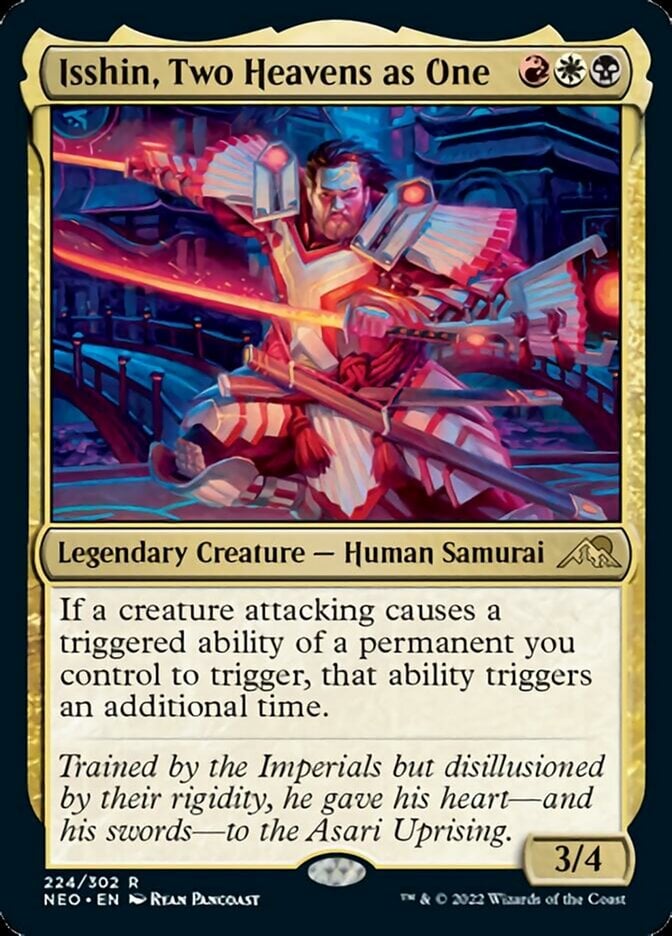
Where some cards double value on entry, Isshin, Two Heavens as One does it through combat. Doubling attack triggers makes it a natural fit for mechanics like mobilize or firebending, where it rewards aggressive decks that want every combat step to generate value.
#40. Deadpool, Trading Card

Known as the merc with a mouth, Deadpool, Trading Card has earned a reputation as a commander killer. By swapping its text box with another creature, it can steal powerful abilities and shut down opposing commanders, which creates chaotic board states and forces opponents to rethink their entire game plan.
#39. Oloro, Ageless Ascetic
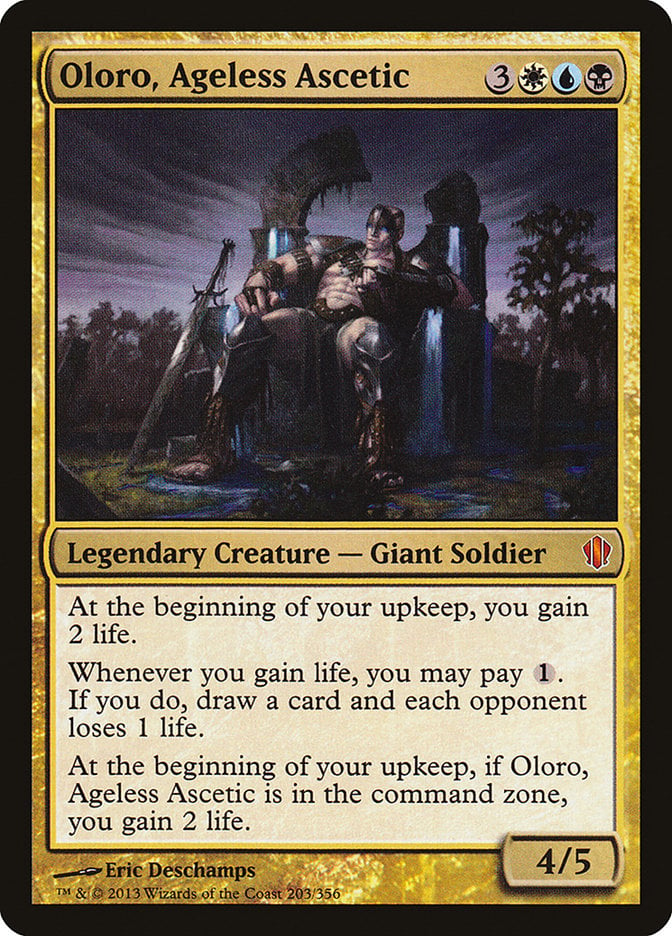
Oloro, Ageless Ascetic earned its infamy by generating value without ever entering the battlefield. Passive lifegain adds up quickly, and synergies with cards like Alhammarret's Archive or Felidar Sovereign allows Oloro decks to win without committing to the board.
#38. Thalia, Guardian of Thraben
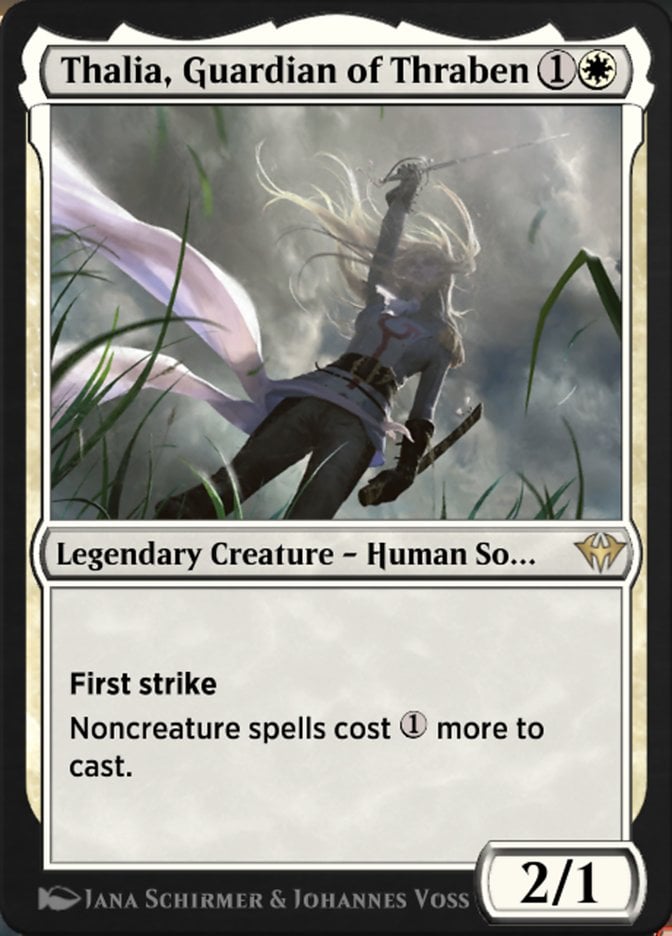
A 2-mana stax piece, Thalia, Guardian of Thraben is my all-time favorite legendary creature by a wide margin. By taxing noncreature spells, it keeps games fair and slows down decks that try to pull off unfair plays, all while it applies early pressure to the board.
#37. Kefka, Court Mage / Kefka, Ruler of Ruin


Kefka, Court Mage stands out among recent Grixis commanders () for its immediate impact. Resolving it once can strip resources from your opponents while you refill your own hand. Kefka has real teeth in Bracket 4, Bracket 5, and even 1v1 environments.
#36. Marath, Will of the Wild
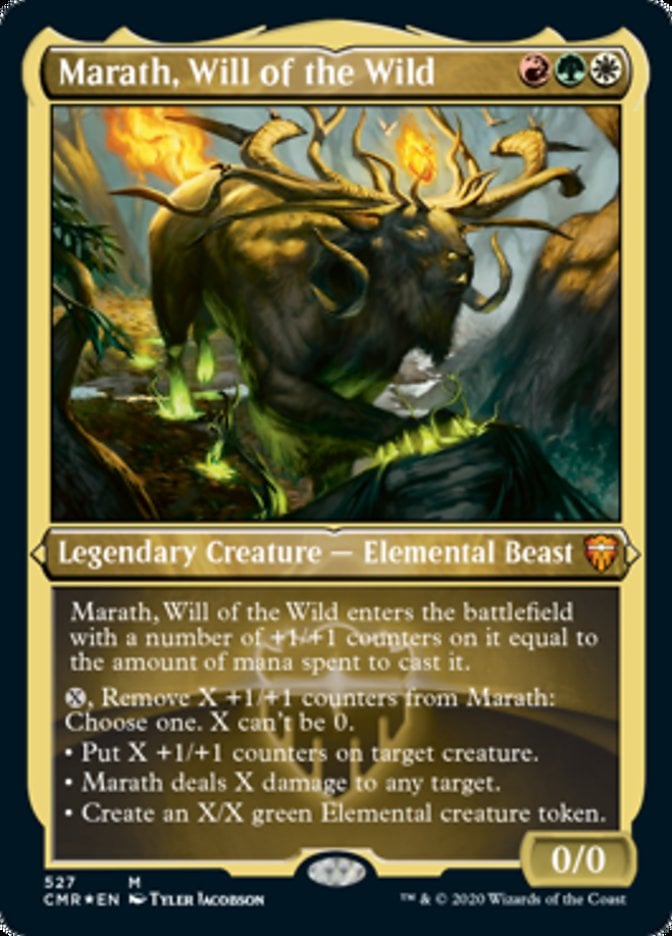
Marath, Will of the Wild is an amazing creature for just 3 mana, and it’s arguably the best Tiny Leaders commander ever created. Its flexible counters let it adapt to almost any situation, so it can act as removal, token generation, or a finisher depending on what the game demands.
#35. Derevi, Empyrial Tactician
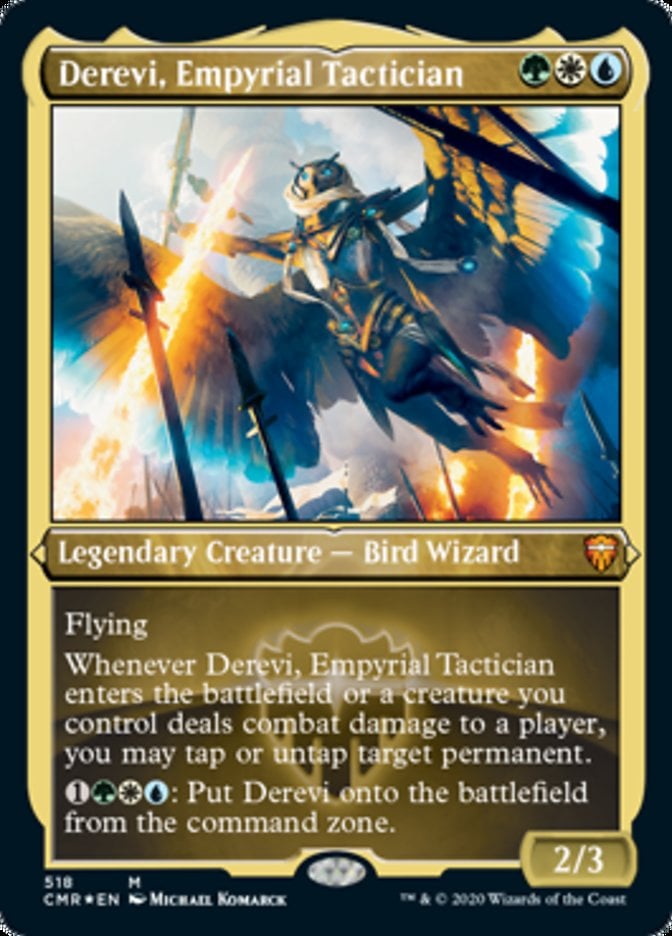
Derevi, Empyrial Tactician has one of the most absurd abilities in the game, ignoring commander tax by entering from the command zone for 4 mana every time at instant speed. On top of that, its tap and untap triggers let you lock opponents out or reuse cards like The One Ring multiple times per turn.
#34. Grand Arbiter Augustin IV
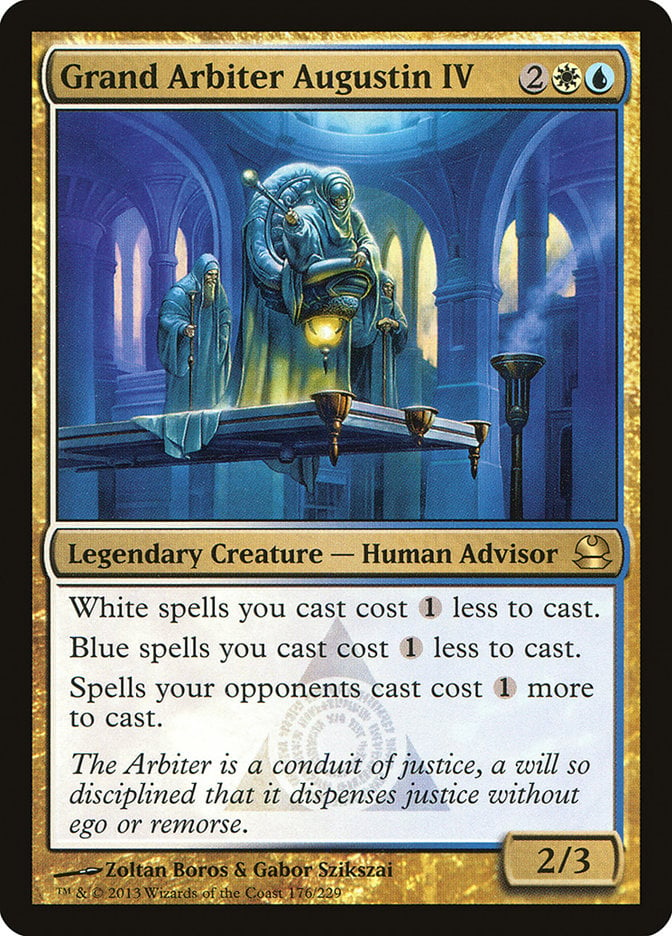
Grand Arbiter Augustin IV is the textbook definition of stax in blue-white shells. By reducing your own spell costs while you tax opponents, it forces the game to slow down on your terms and makes it extremely difficult for other decks to resolve key spells efficiently.
#33. Winota, Joiner of Forces
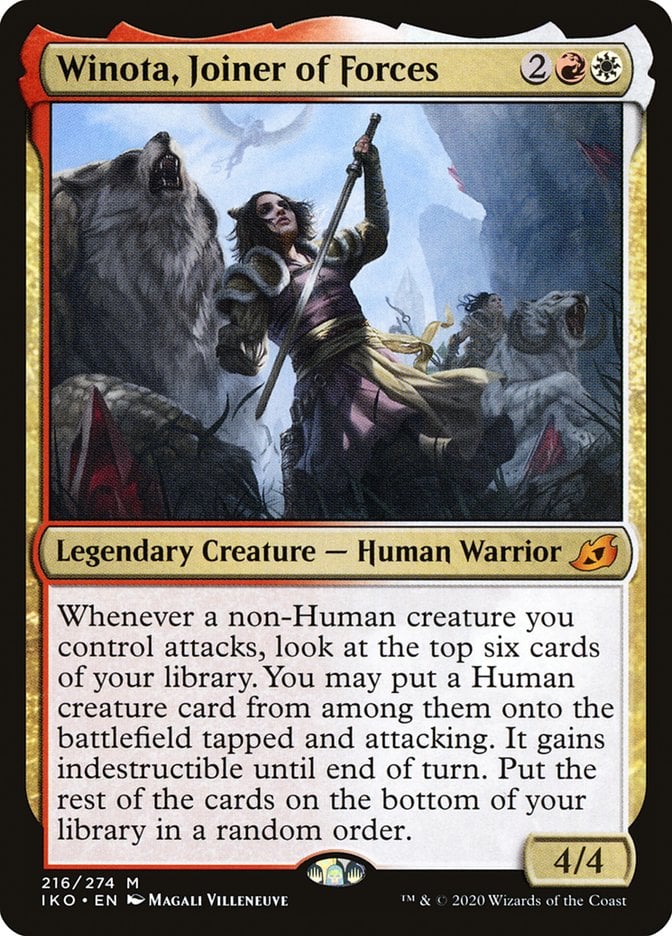
Banned in Pioneer, Winota, Joiner of Forces is a brutally strong 4-mana commander that creates punishing play patterns. Whether in regular Constructed or at high-level cEDH tables, every attack quickly turns into a one-sided massacre.
#32. Najeela, the Blade-Blossom
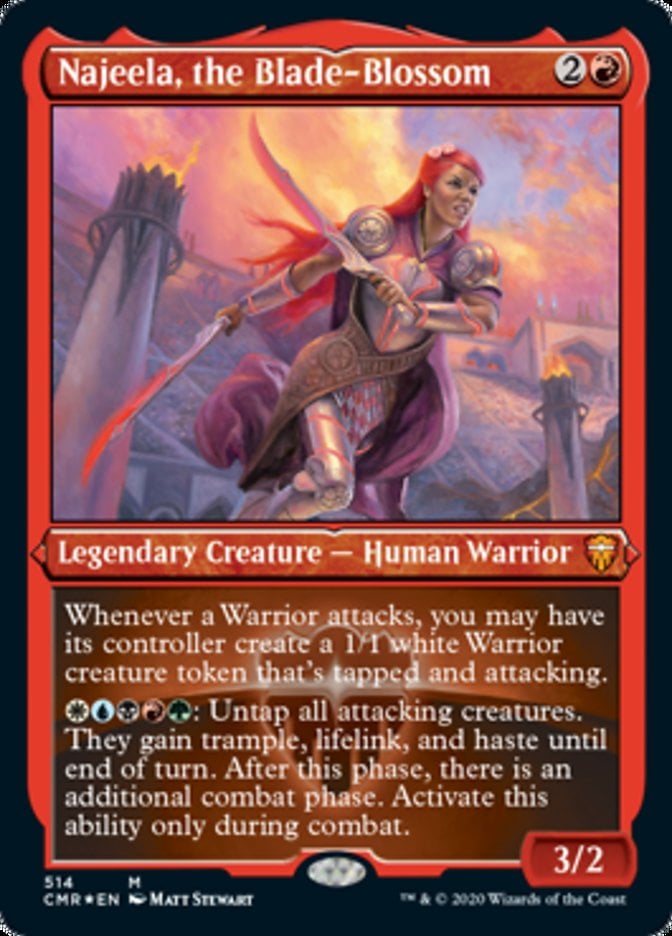
Najeela, the Blade-Blossom earned its Duel Commander ban by applying pressure with ease. Warrior typal builds spiral out of control fast, especially when paired with Derevi, Empyrial Tactician or Sword of Feast and Famine to enable endless combat steps.
#31. Giada, Font of Hope
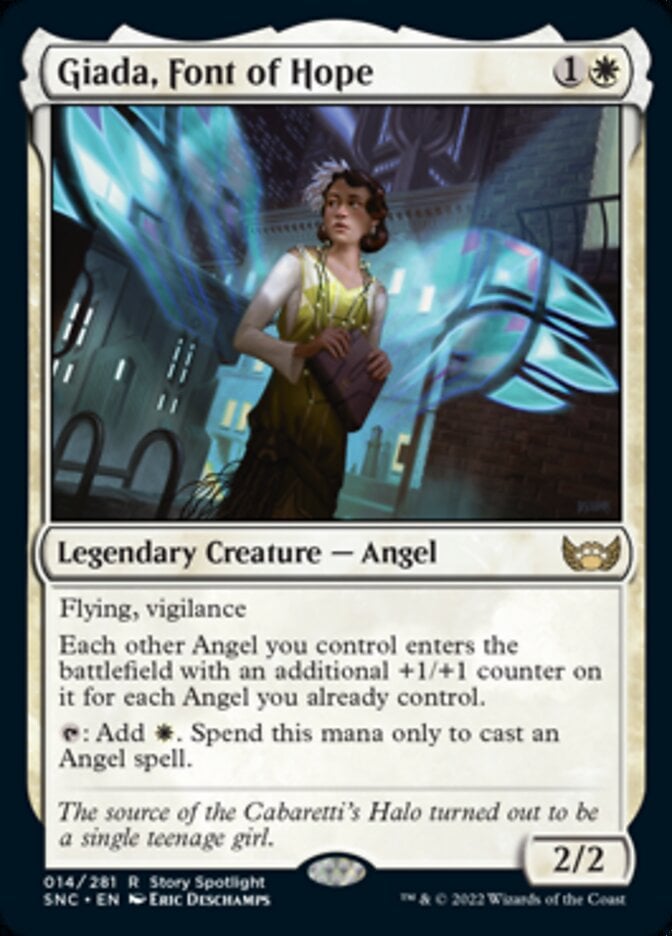
At just 2 mana, Giada, Font of Hope is a perfect angel typal commander, acting as both ramp and payoff. Beyond mono-white, it enables Pioneer and Historic strategies where cards like Collected Company can suddenly flood the board with oversized angels.
#30. Heliod, Sun-Crowned
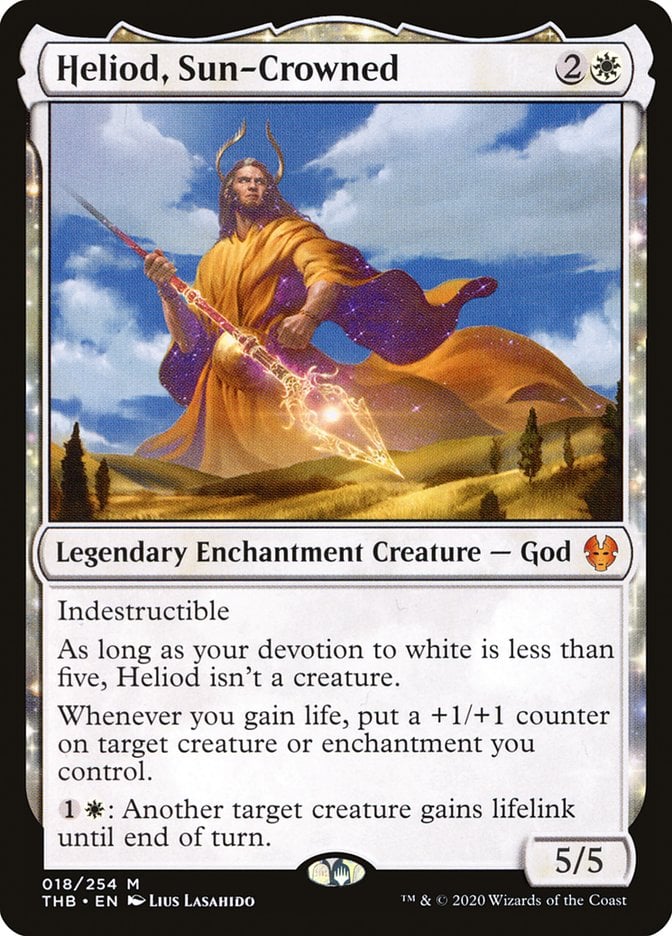
Across multiple formats, Heliod, Sun-Crowned has been a cornerstone of lifegain strategies. Its synergy with Walking Ballista creates a clean 2-card combo that ends games instantly, making Heliod an absurdly powerful threat for just 3 mana.
#29. Emry, Lurker of the Loch

A key enabler in Eternal formats, Emry, Lurker of the Loch helps affinity-style decks to grind by repeatedly casting cheap artifacts like Mishra's Bauble turn after turn. More importantly, it adds consistency by rebuying key artifacts from the graveyard, including value pieces like Thought Monitor.
#28. Animar, Soul of Elements
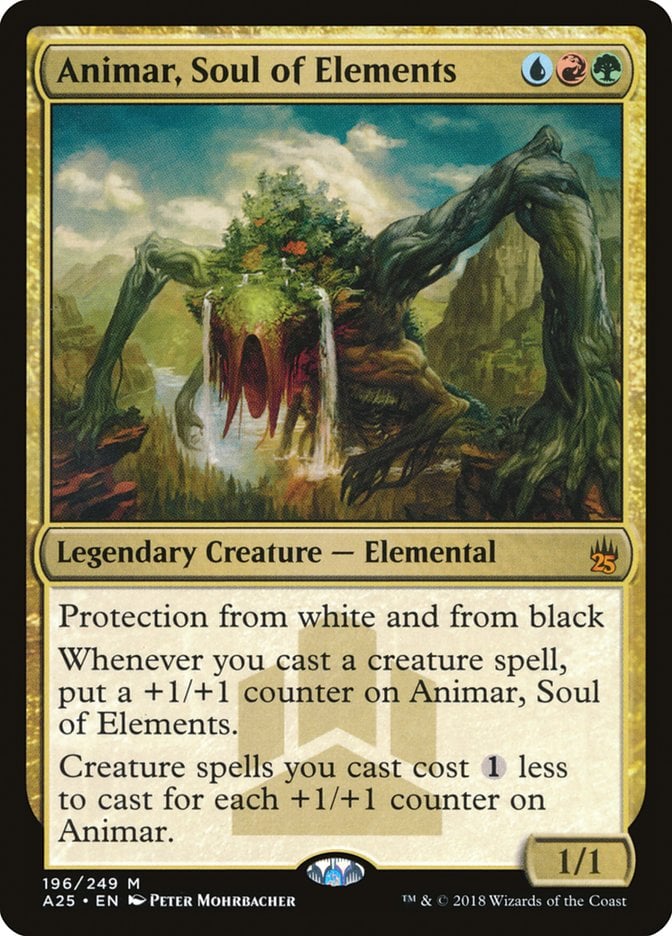
Animar, Soul of Elements has everything needed to be a top-tier commander. Protection keeps it safe, while casting creatures makes it grow and reduces future costs. On paper it seems fair, but paired with Ancestral Statue, it can spiral fast to the point that you cast threats like Ulamog, the Ceaseless Hunger for free.
#27. Kinnan, Bonder Prodigy
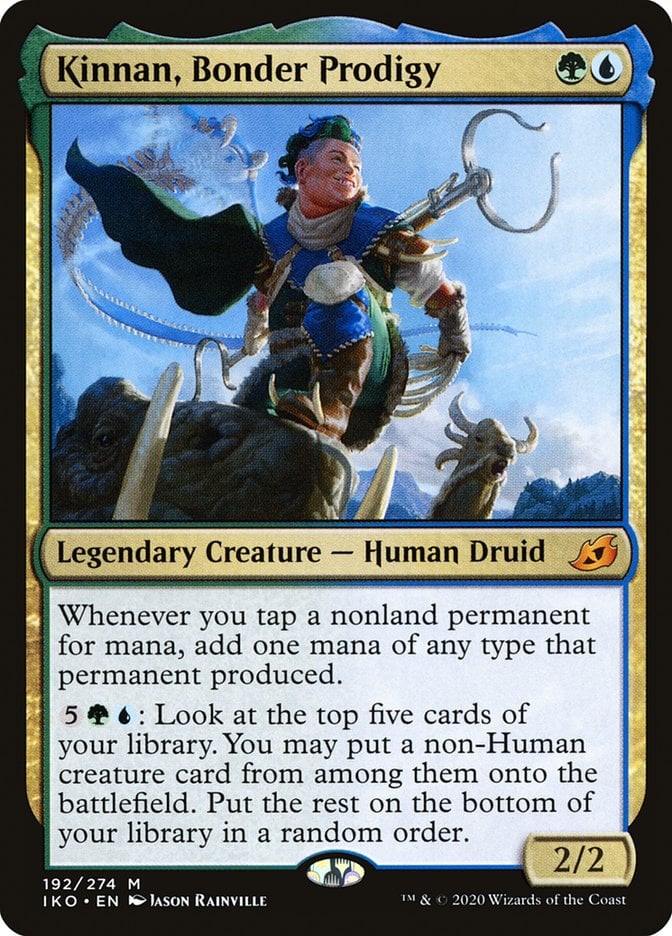
Coming down for just 2 mana, Kinnan, Bonder Prodigy is especially deadly once mana dorks or artifacts are already in play. It immediately doubles mana output and can activate right away, digging for game-ending threats like Hullbreaker Horror.
#26. Urza, Lord High Artificer
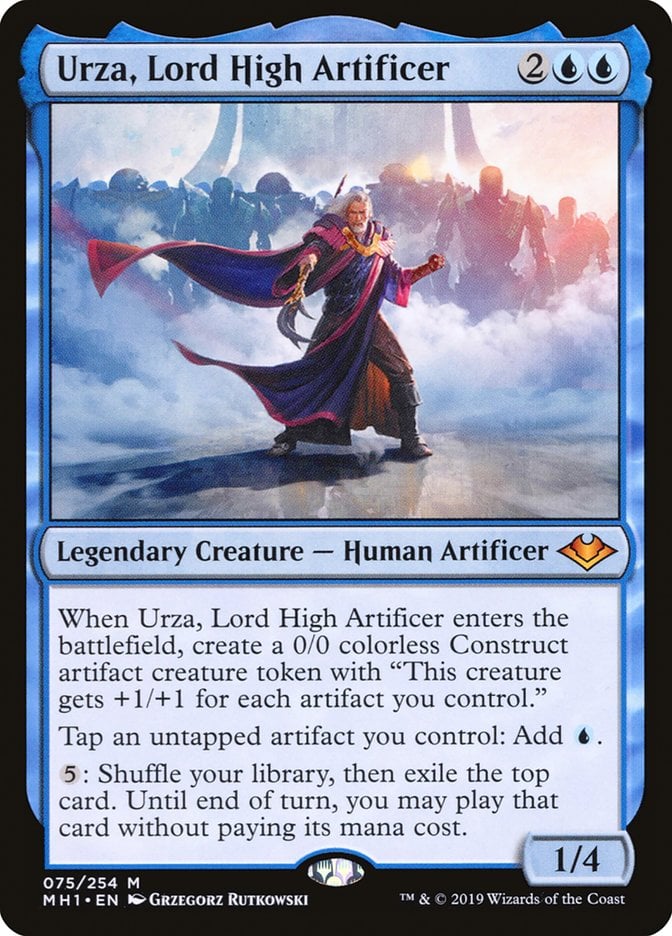
Urza, Lord High Artificer is what makes blue artifact decks feel unfair. Turning every artifact into a mana source enables explosive turns, and when paired with cards like Paradox Engine, it allows you to cast spells and untap permanents repeatedly, quickly spiraling into overwhelming advantage or outright wins.
#25. Magda, Brazen Outlaw
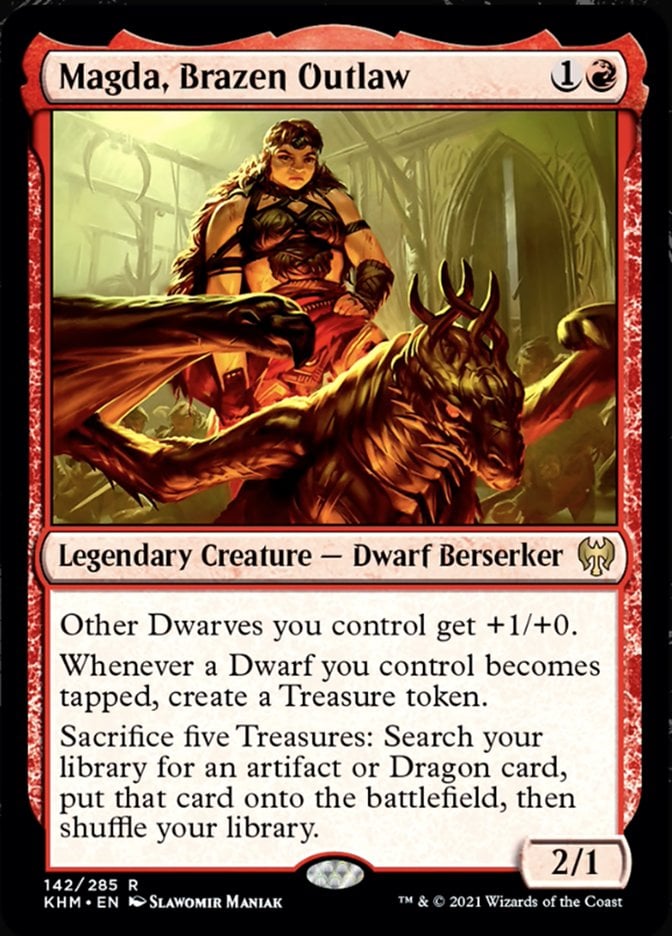
Surprisingly powerful across many formats, Magda, Brazen Outlaw has found a home in nearly every multiplayer environment. From casual tables to the highest levels of cEDH, its Treasure generation and tutoring ability make it both explosive and incredibly consistent.
#24. Ajani, Nacatl Pariah / Ajani, Nacatl Avenger


Banned in Duel Commander, Ajani, Nacatl Pariah has gone on to dominate Modern in Boros Energy decks. Even after other pieces were nerfed, this cat keeps delivering, especially once it flips into its planeswalker side to deal massive damage or clear large portions of the board.
#23. Phlage, Titan of Fire’s Fury

Phlage, Titan of Fire's Fury is a flexible titan that fits comfortably in Modern aggro, Jeskai control, and Boros Commander builds. Its repeatable Lightning Helix-style effect applies pressure while it stabilizes life totals, which makes it effective across very different archetypes.
#22. Phelia, Exuberant Shepherd

One of the strongest dogs in the game, Phelia, Exuberant Shepherd excels in blink-focused shells. Pairing it with Containment Priest can permanently answer opposing creatures, while repeated value from Spirited Companion, Wall of Omens, or Sun Titan fuels card draw and recursion.
#21. Emrakul, the Promised End
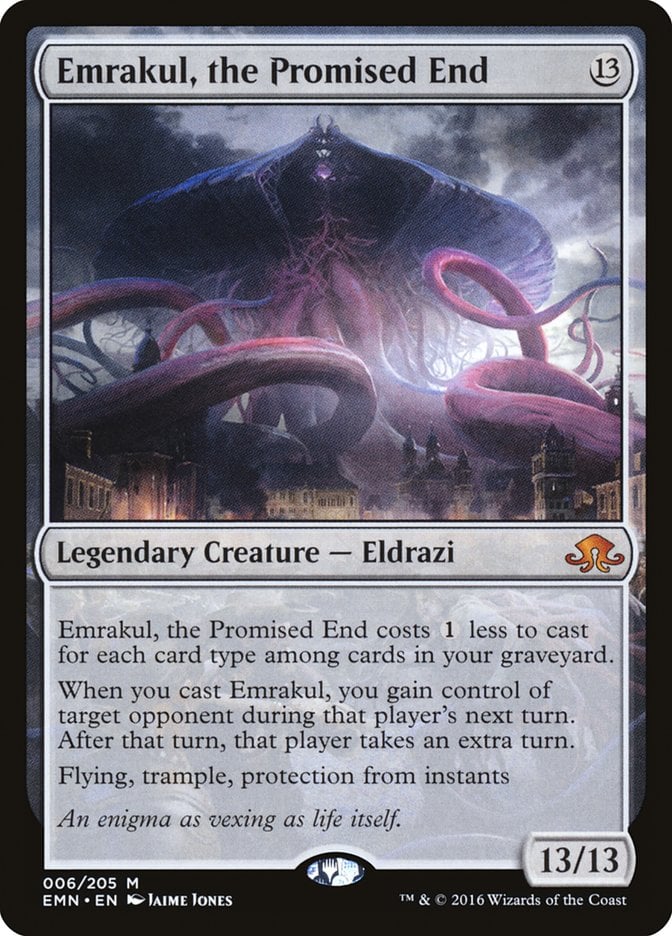
Easier to cast than its 15-mana counterpart, Emrakul, the Promised End dismantles opposing plans by taking control of an opponent’s turn. Even with the drawback of granting an extra turn afterward, the disruption is often strong enough to completely swing the game.
#20. Elesh Norn, Mother of Machines
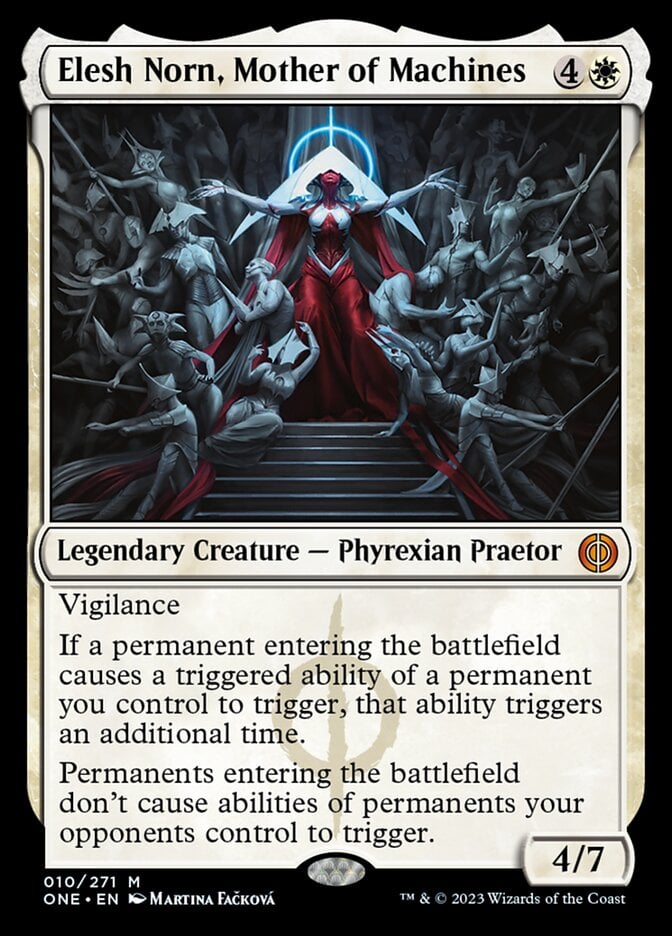
Elesh Norn, Mother of Machines does more than double your enters effects—it also shuts down your opponents’. While that may sound subtle, in practice it’s devastating, as entire ETB-based strategies suddenly stop functioning and struggle to close games.
#19. Wan Shi Tong, Librarian

New but quite impressive, Wan Shi Tong, Librarian is a flying threat that scales naturally over time. Flash allows precise timing, and punishing library searches with counters and card draw makes it especially strong in prolonged matches.
#18. Atraxa, Grand Unifier
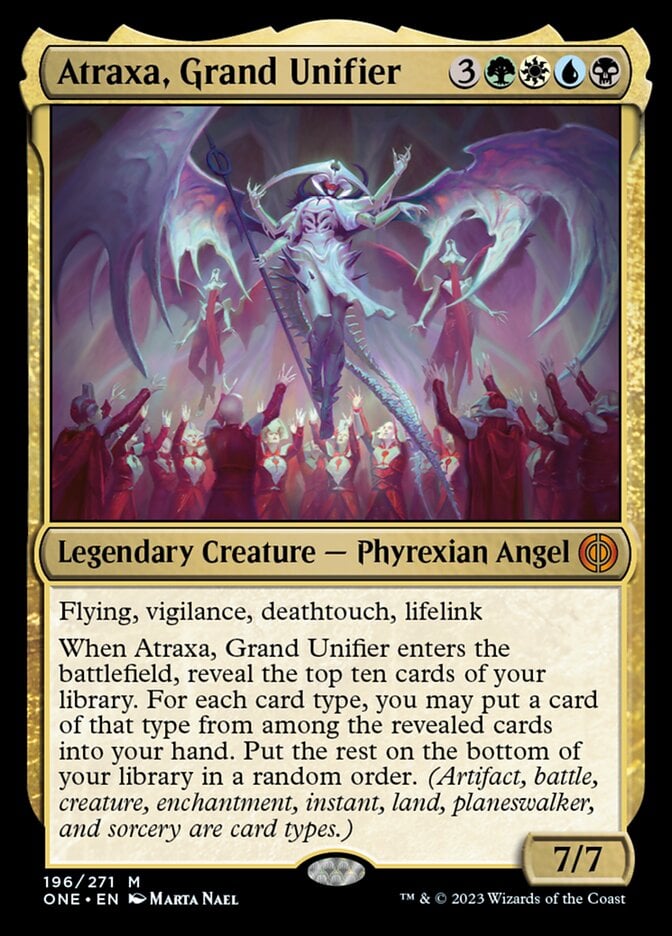
Whether as a commander or a threat cheated into play with Reanimate, Sneak Attack, or Natural Order, Atraxa, Grand Unifier delivers immediate value. Its enters trigger refills your hand and often puts you far ahead the moment it resolves.
#17. Yawgmoth, Thran Physician
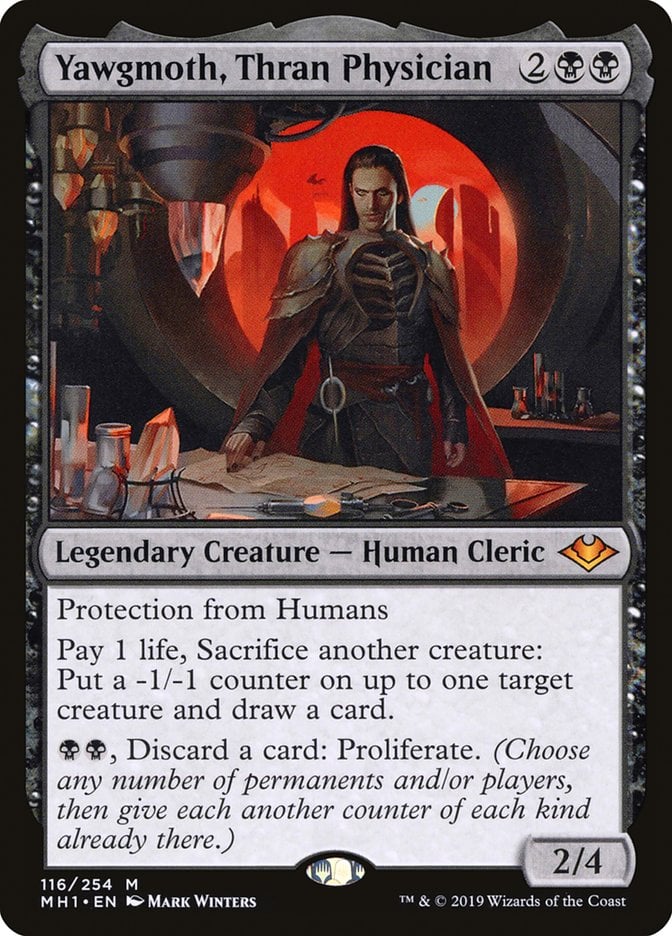
Powerful enough to create its own Modern archetype, Yawgmoth, Thran Physician combines removal, card draw, and combo potential in a single card. It covers so many bases at one time.
#16. Tamiyo, Inquisitive Student / Seasoned Scholar


Despite being banned in Duel Commander, Tamiyo, Inquisitive Student remains a strong option across many archetypes. For just 1 mana, it provides steady card advantage through Clue tokens and doubles as an artifact enabler in affinity-style decks.
#15. Yorion, Sky Nomad
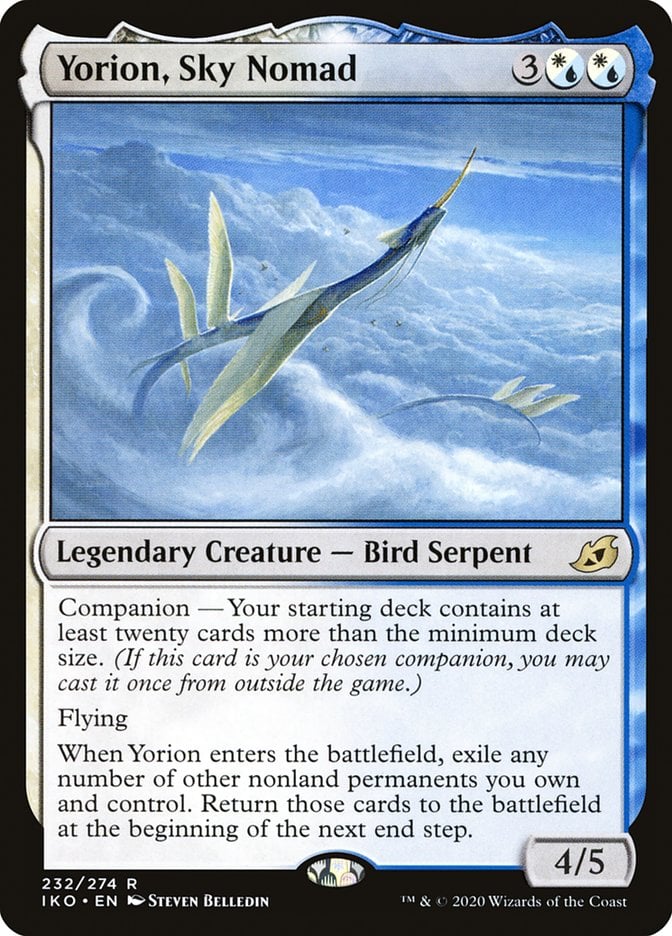
Yorion, Sky Nomad redefined how far a companion could push deckbuilding. Blinking entire boards proved strong enough to earn a Modern ban. Today, it still finds a home in Pioneer Azorius Control and Legacy Death and Taxes as a value engine.
#14. Emrakul, the Aeons Torn
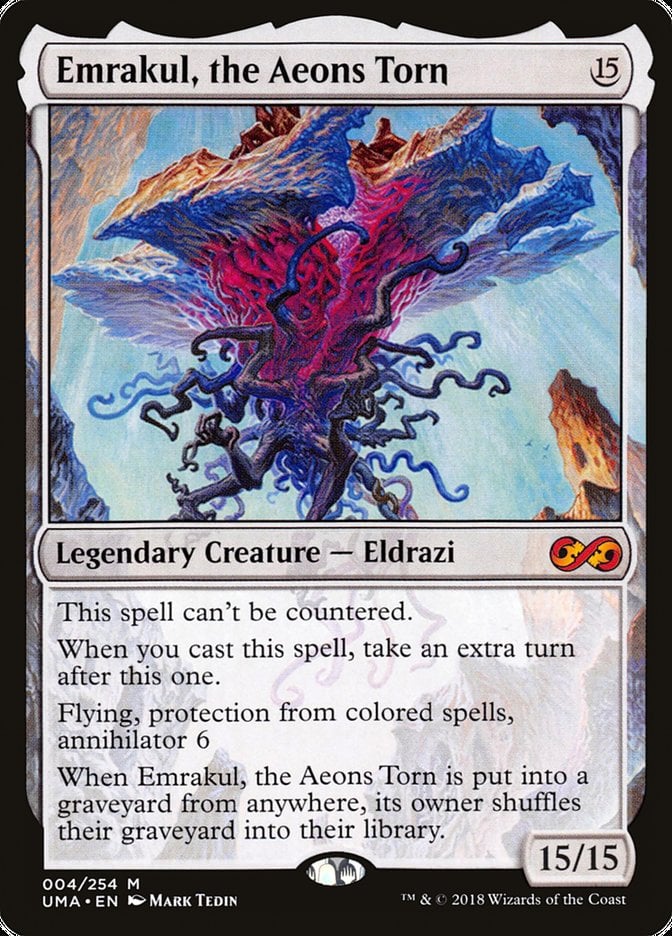
The apex of Eldrazi threats, Emrakul, the Aeons Torn has warped formats for years. Though banned in Commander and Oathbreaker, it remains one of the scariest cheat targets elsewhere, ending games quickly when you enable it with cards like Sneak Attack or Show and Tell.
#13. Sheoldred, the Apocalypse
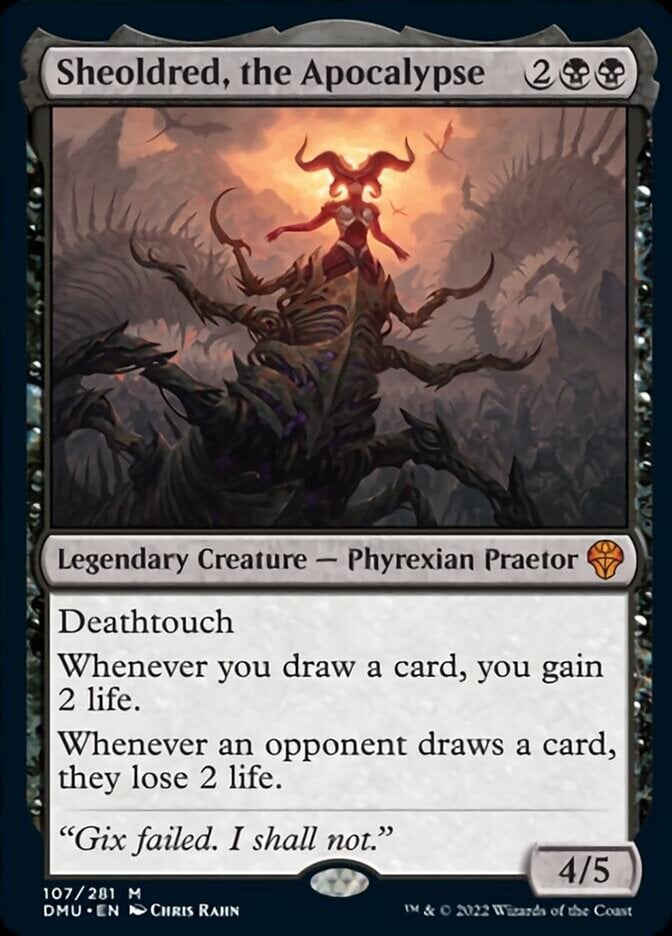
Sheoldred, the Apocalypse excels by doing two things at once: punishing opponents for drawing cards while stabilizing your own life total. That swing in momentum made it a nightmare for aggressive and control decks alike, cementing its role as a premier black midrange threat.
#12. Lurrus of the Dream-Den
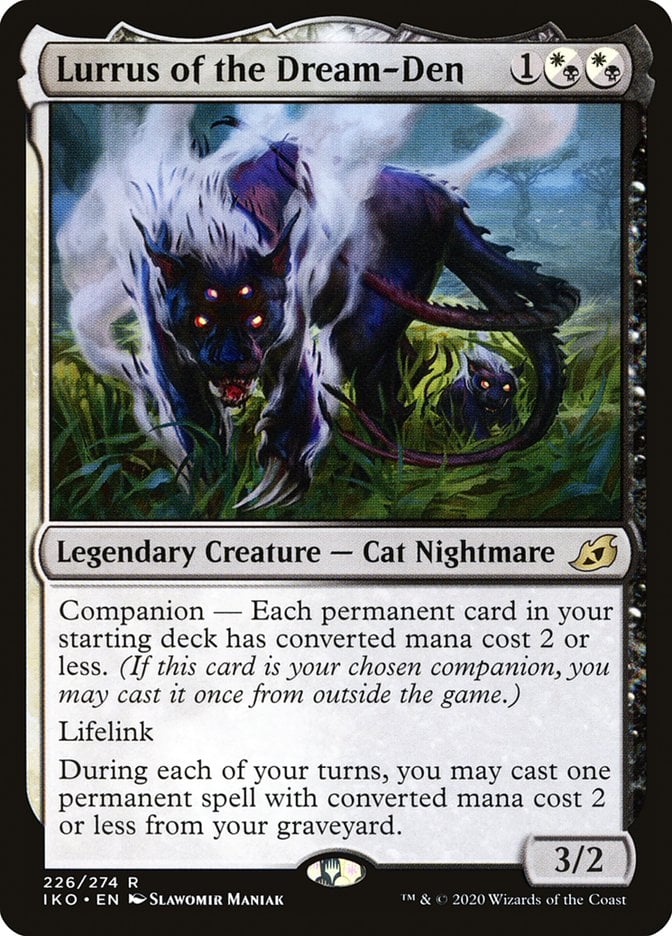
Lurrus of the Dream-Den pushed recursion to an unhealthy extreme. Its ability to replay cheap permanents every turn proved too efficient for most formats. It’s legal mainly in Vintage and Commander, where it still enables relentless value loops alongside cards like Underworld Breach.
#11. Adeline, Resplendent Cathar
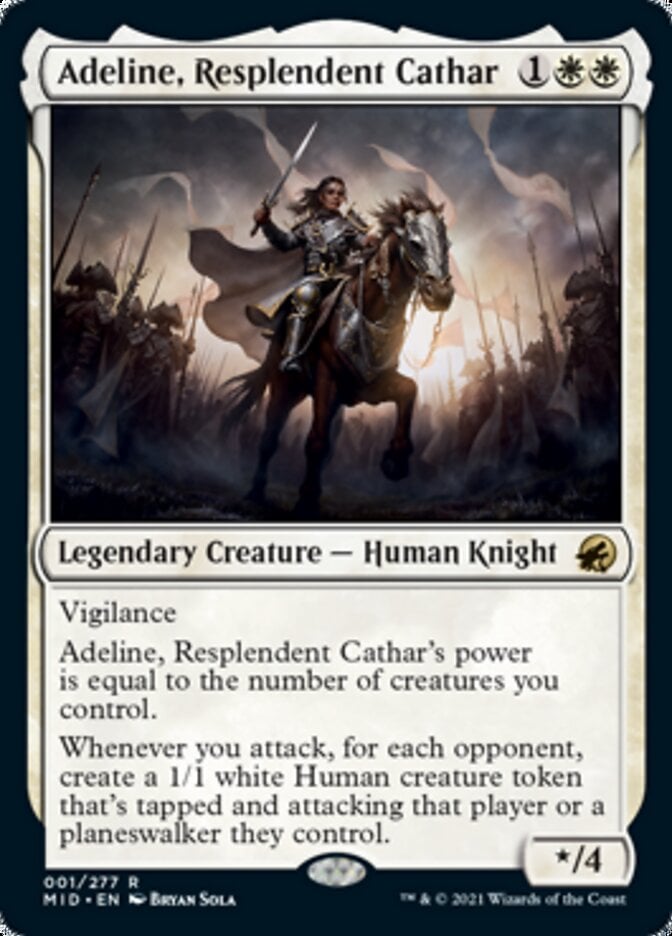
Adeline, Resplendent Cathar stands out by turning simple combat steps into real board advantage. In 1v1 formats, free attackers and natural scaling force early answers, which makes it one of the most reliable ways white decks apply pressure without overextending. And it just scales up in multiplayer.
#10. Ragavan, Nimble Pilferer
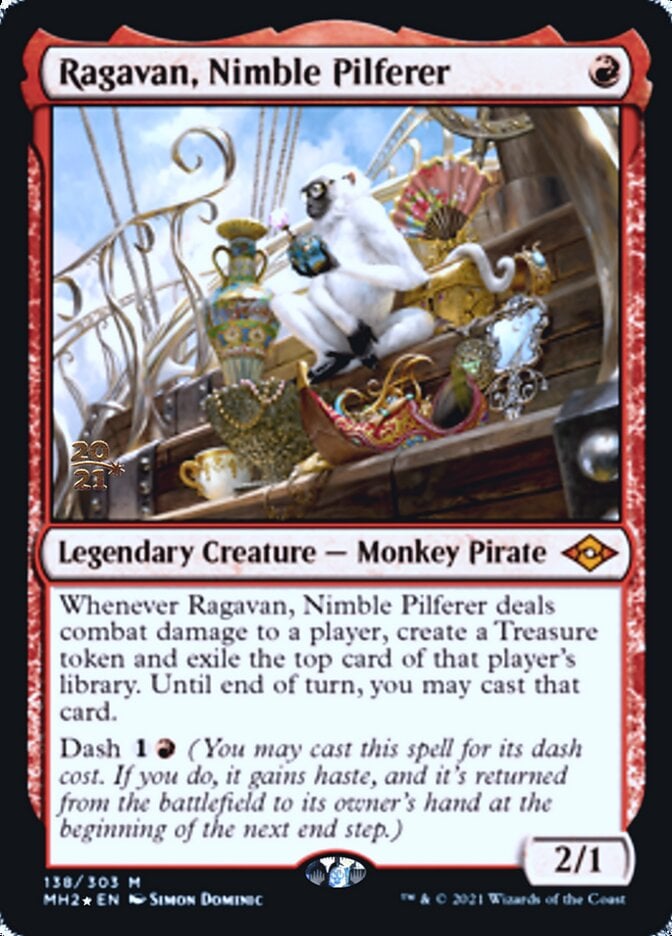
Few 1-drops have shaped formats like Ragavan, Nimble Pilferer. Early pressure, Treasure generation, and pseudo-card advantage make it threatening far beyond its mana cost. If unanswered, it accelerates your game plan while it disrupts opponents, which is why it remains a staple threat across multiple competitive formats.
#9. Griselbrand
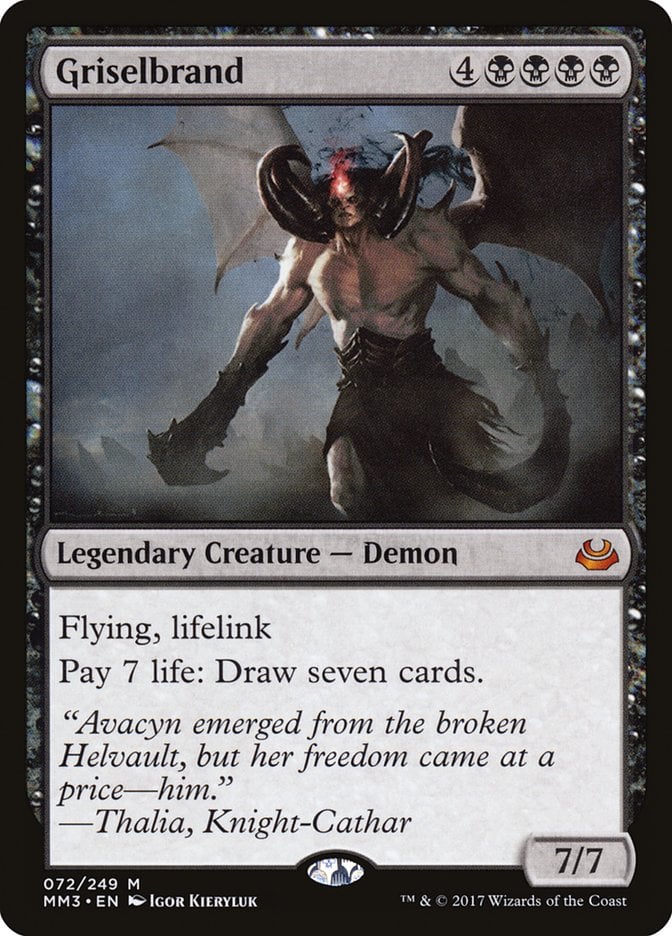
Looking for a massive creature to cheat into play? Look no further than Griselbrand. Its card draw ability is so powerful that it quickly takes over games, which is why formats like Commander and Oathbreaker have banned it outright to prevent unhealthy play patterns.
#8. Jodah, the Unifier
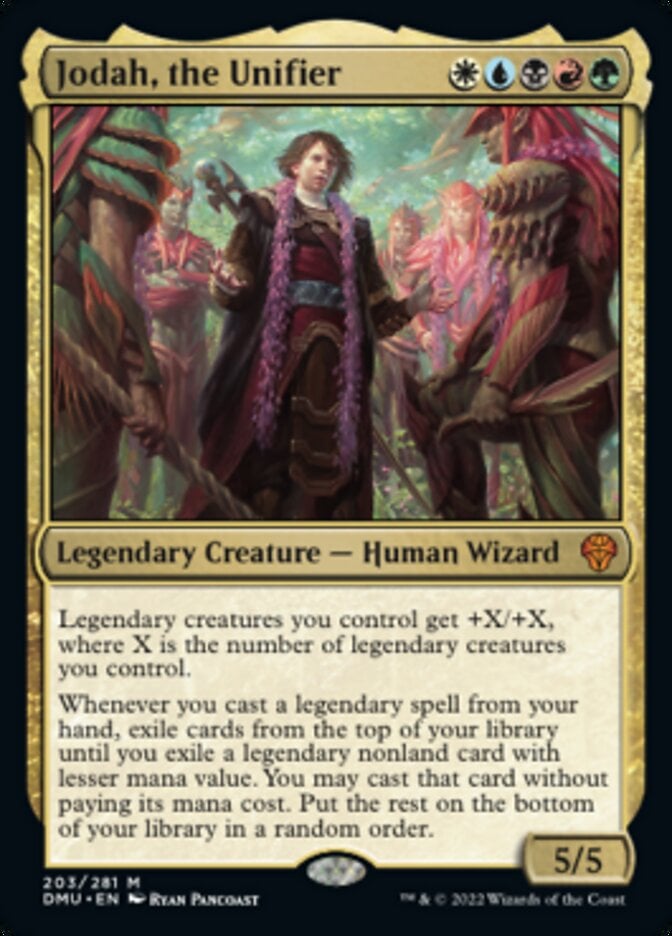
When looking at legendary typal decks, Jodah, the Unifier is very strong. Every legendary spell gives you another one for free, so each play adds more to the board. In fact, many “best commander” lists are really Jodah decks, since powerful legends shine most when played together under its ability.
#7. Kenrith, the Returned King

Kenrith, the Returned King is a true jack-of-all-trades and one of the most powerful combo pieces available in 5-color decks. Its flexible activated abilities provide card draw, recursion, and haste, so it’s a perfect outlet for infinite mana and a reliable way to close games.
#6. Krenko, Mob Boss
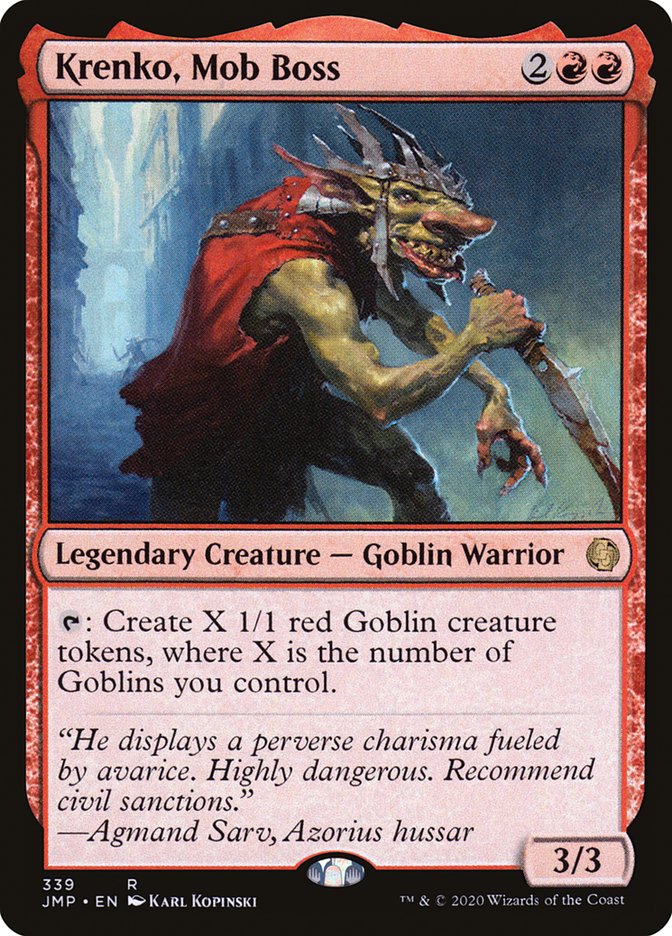
While many legendary goblins exist, there’s none better than Krenko, Mob Boss. If left alive, it overwhelms the board quickly, and with Thornbite Staff and Skirk Prospector, it enables infinite loops that produce endless Goblins and mana, often ending the game on the spot.
#5. Kaalia of the Vast
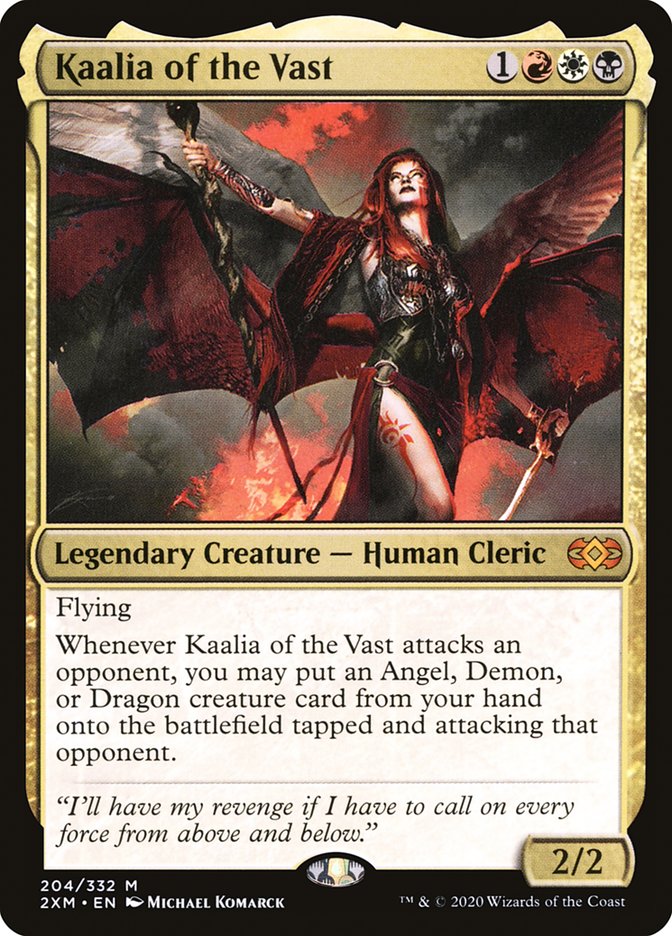
If cheating big creatures into play is your game plan, Kaalia of the Vast delivers. Attacking once can drop angels, demons, or dragons straight onto the battlefield, creating massive swings with little setup.
#4. Yuriko, the Tiger’s Shadow
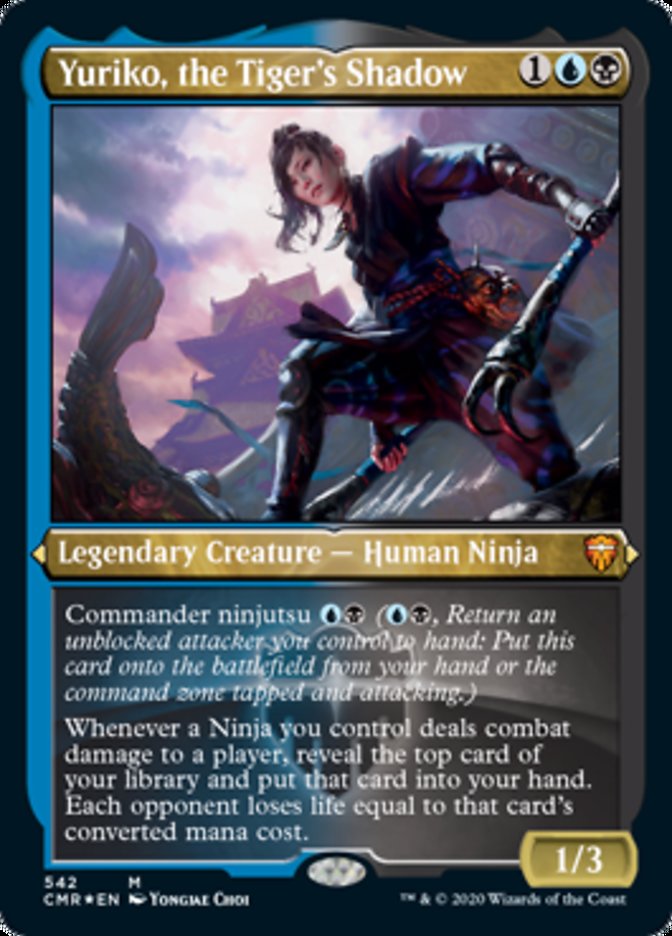
Yuriko, the Tiger's Shadow is a very powerful commander, especially in cEDH, while it remains a fair option in 1v1 Brawl. The real trick is to pair it with cards like Temporal Trespass and Brainsurge to manipulate the top of your library and maximize damage triggers.
#3. Atraxa, Praetors’ Voice
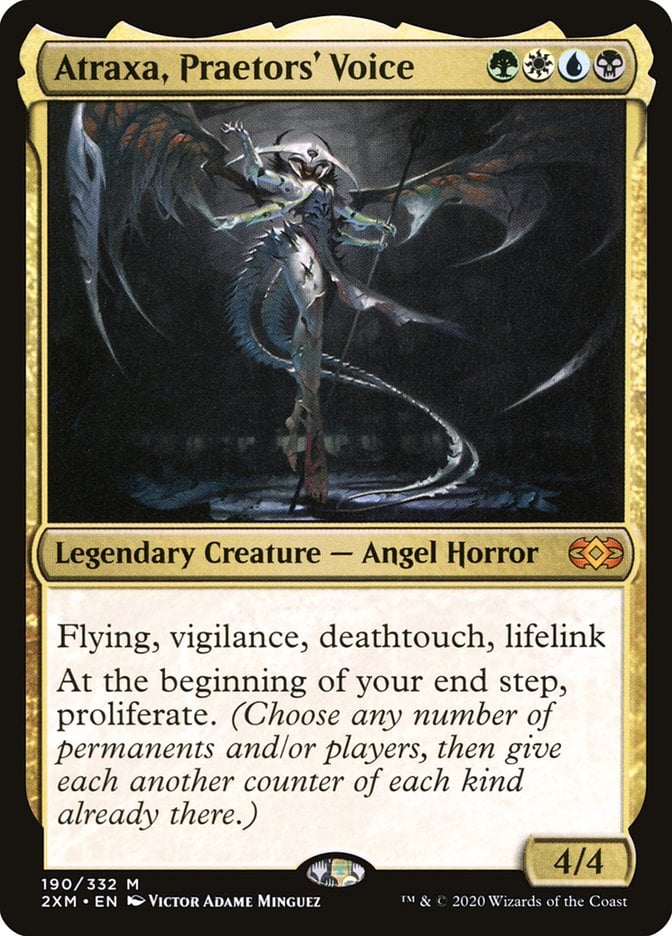
Atraxa, Praetors' Voice comes down for just 4 mana and offers incredible flexibility. It can lead poison-based strategies, superfriends decks, or even counter-focused builds because its ability to proliferate every turn ensures steady value while it supports whatever game plan you choose.
#2. Partner Commanders
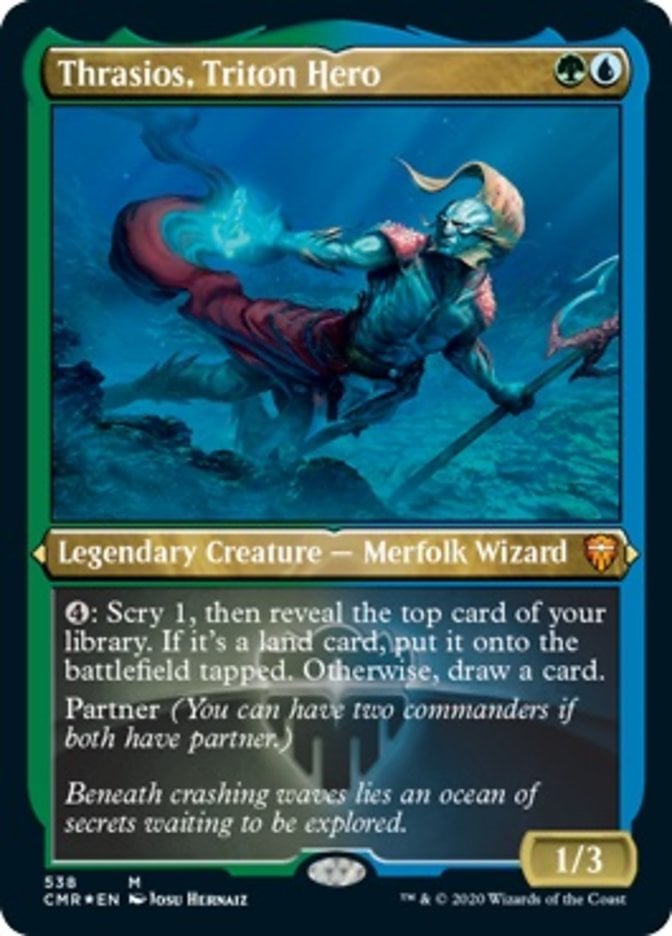
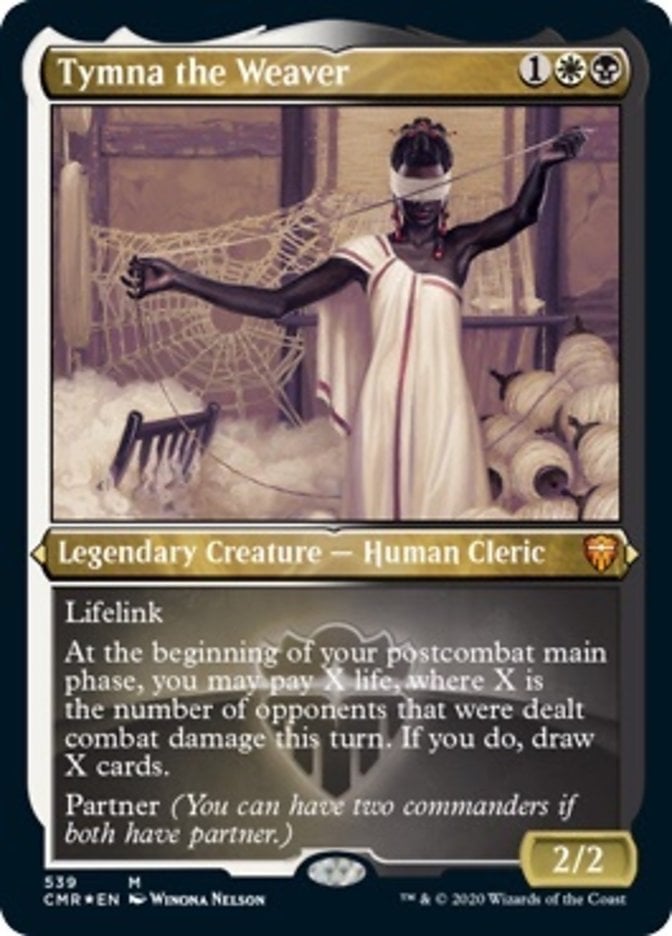
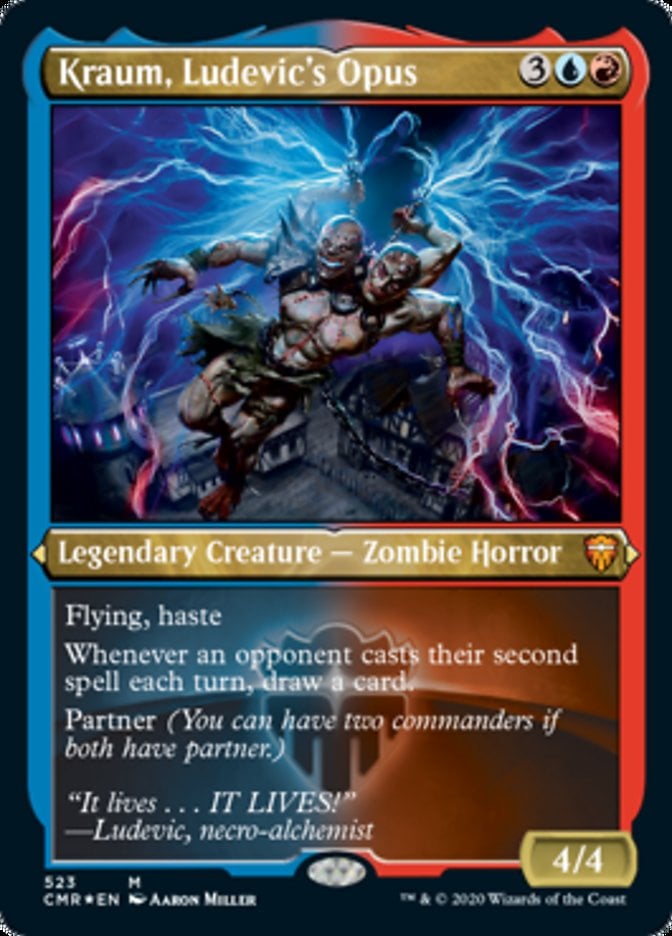
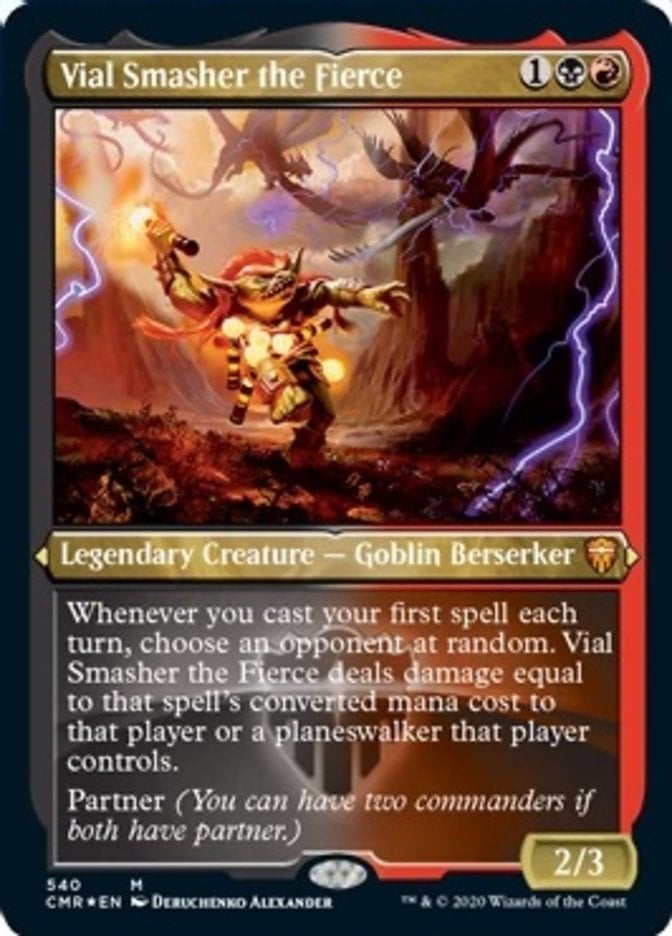
Partner commanders like Thrasios, Triton Hero, Tymna the Weaver, Kraum, Ludevic's Opus, and Vial Smasher the Fierce are some of the strongest legendary creatures ever printed for multiplayer. The ability to pair them together opens up many different strategies, letting decks adapt easily while combining card draw, pressure, and value in powerful ways.
#1. Eminence Commanders
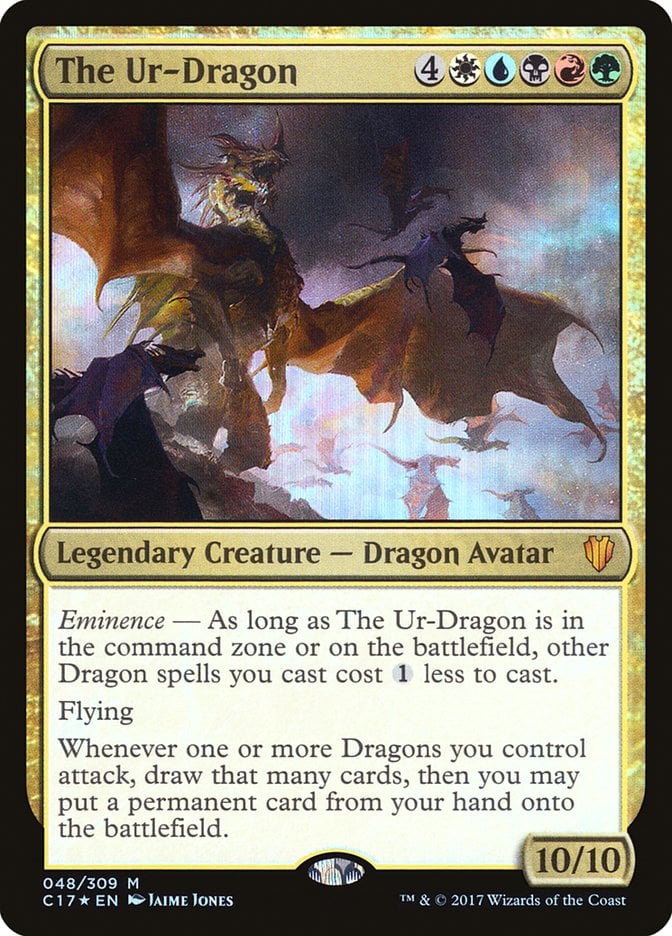
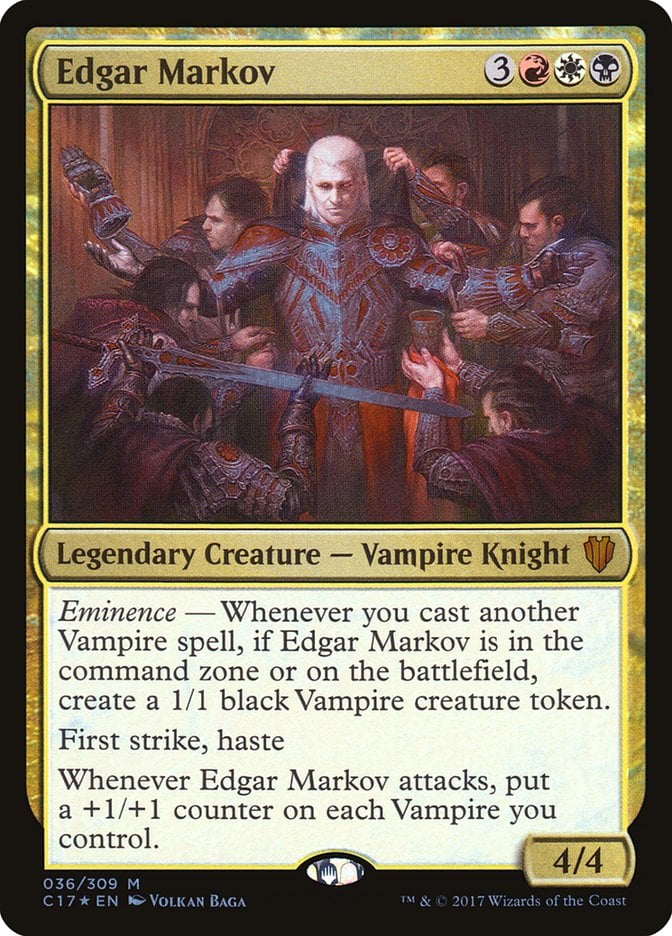
When it comes to eminence commanders, The Ur-Dragon and Edgar Markov are the go-to choices for their creature types. Gaining value straight from the command zone gives dragons and vampires a constant edge. It shapes how these decks are built and makes both legends the clear leaders for their strategies.
What Makes a Creature Legendary?
A creature is legendary if it has the legendary supertype on its card, which represents a unique character or object in Magic’s story. In gameplay, the legend rule means you can only control one legendary permanent with the same name at a time, reinforcing the idea that these figures are truly one of a kind.
Is Legendary a Creature Type?
No, legendary isn’t a creature type. It’s a supertype, similar to basic or snow. The actual creature type is what comes after it, like human, dragon, or elf. For example, a card might say, “Legendary Creature — Elf Druid”. “Legendary” affects rules like deckbuilding and the legend rule, while the creature types matter for typal synergies and card interactions.
What Does “Summon Legend” Mean?
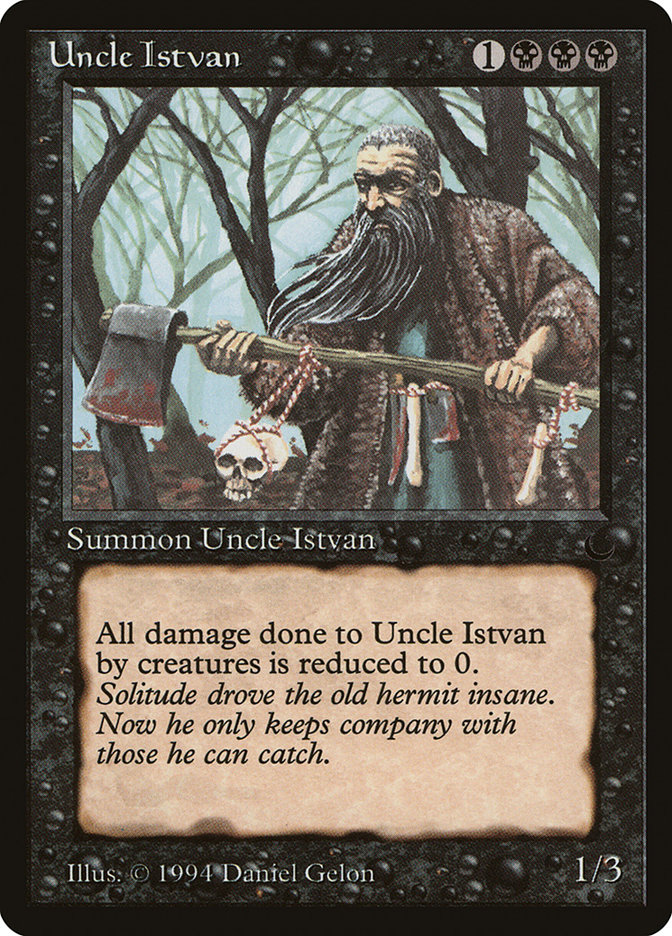
“Summon Legend” is an old wording from early Magic sets. Before the modern card frame existed, creatures were labeled as “Summon” followed by their type, and legendary creatures were written as “Summon Legend”. Over time, Magic standardized its terminology, and this wording was replaced with “Legendary Creature”. Even though the text is outdated, those older cards still function exactly like modern legendary creatures under today’s rules.
Wrap Up

Kenrith, the Returned King | Illustration by Kieran Yanner
There are plenty of powerful legendary creatures that didn’t make the list. Cards like Vendilion Clique or Venser, Shaper Savant are still strong and could easily stand alongside many of these entries, but they don’t see as much play today. I focused on legends that are both impactful and commonly used in current formats.
That said, what do you think? Was there any major legend that you feel like we missed? Let us know in the comments or on the Draftsim Discord!
Thanks for reading, and if you enjoyed the content, be sure to follow us on social media so you never miss an update.
Take care, and see you next time.
Follow Draftsim for awesome articles and set updates:










Add Comment