
Last updated on May 21, 2026

Brainstorm | Illustration by Daarken
In Magic, drawing cards is an important factor that often correlates to who ends up winning matches. But you may have heard phrases like “I drew only lands” or “I got color screwed” whenever a player blames luck for losing a critical game or match.
As painful as that may be, there are cards you can run to help you bypass these minor upsets by manipulating the cards you draw. So today, we’re going over Magic’s best card selection tools.
Intrigued about which those may be? Let’s dive right into it!
What Is Card Selection in MTG?

Master of Death | Illustration by John Stanko
Card selection in Magic: The Gathering is all about finding the cards you need to win the game. Instead of relying on random draws, card selection allows you to look at, choose, or rearrange the top cards of your deck.
Abilities like scry or surveil count as card selection because they let you manipulate your library to improve your future draws. Other effects might let you look at a set number of cards and put one into your hand.
Notably, a card doesn’t need to give you extra cards to qualify as card selection. For example, there’s a valid debate about whether it’s better to scry multiple cards rather than draw a card outright.
For this list, I’ll focus on cards that fit this definition and omit others that achieve a similar outcome, such as tutors like Mystical Tutor or Worldly Tutor. Tutors are less about selection and more about just finding what you need when you need it, which relegates them to their own lists.
#36. Crystal Ball

I like to think of Crystal Ball as a poor man’s Sensei's Divining Top in the sense that you pay 1 mana to rearrange the top few cards of your library.
#35. Palantír of Orthanc
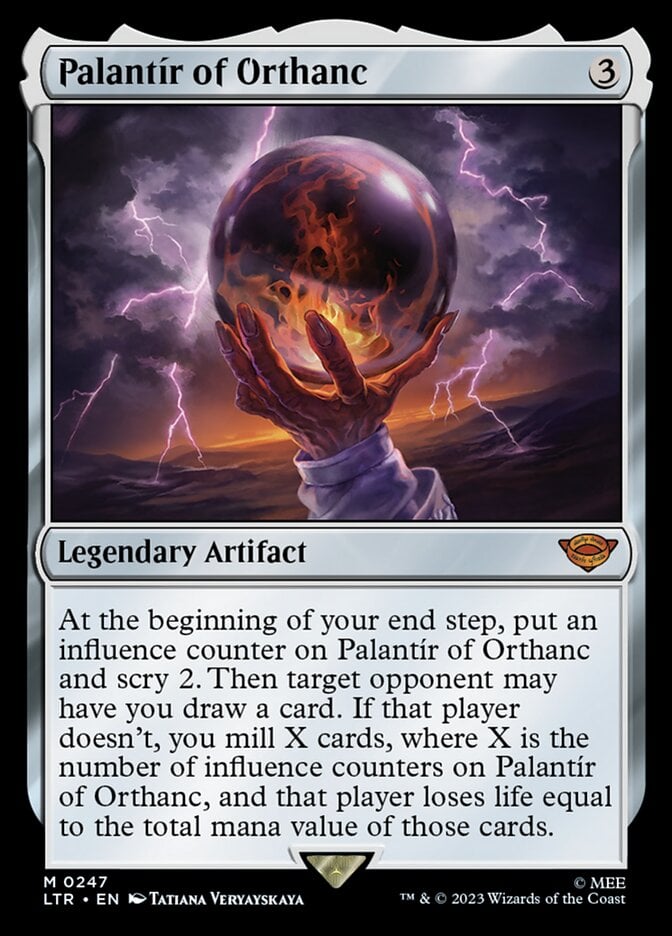
I’m not a big fan of Palantír of Orthanc in my decks as I find it too slow to ultimately achieve card advantage or life loss against your opponents, who may not care about one or the other. The big upside is that the more times they choose to ignore this ability, the larger the punishment they’ll get. If they let you draw cards, this is straight up card advantage, but the selection comes from the free scry 2 you get every turn.
#34. Kozilek’s Command

As powerful as Kozilek's Command may be, it’s not known for its scry ability, but rather its other modes. Still, this colorless instant lets you look at the top of your library based on the amount of mana you spend on it, which makes it a game-changer in topdeck mode.
#33. Master of Death

Master of Death is simple but effective: It lets you surveil 2 upon entering. What makes it interesting is that for just 1 mere life, you can return it to your hand from the graveyard and cast it again to surveil once more.
#32. Rivendell + Castle Vantress + Agna Qel’a
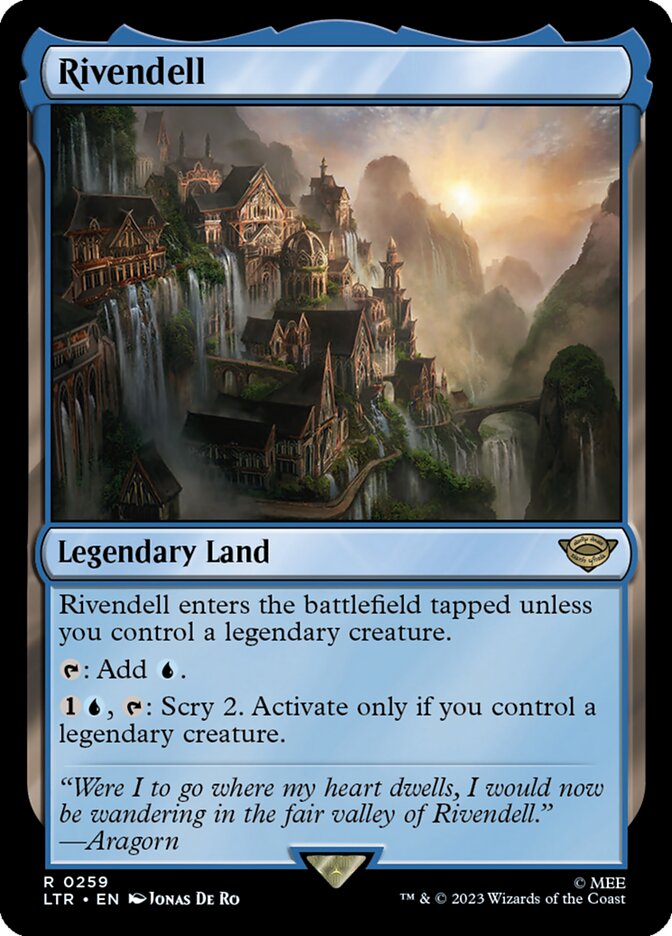


Besides the surveil lands or the scry lands, there are others like Rivendell or Castle Vantress that offer consistent card manipulation. Both have their pros and cons, but I’d ultimately choose the latter as it’s easier to spend mana on Castle Vantress than to rely on having a legendary creature on your side of the field to activate Rivendell’s ability. Agna Qel'a is another blue land that’s safe to insert into decks and offers some late game card manipulation.
#31. Scry Lands
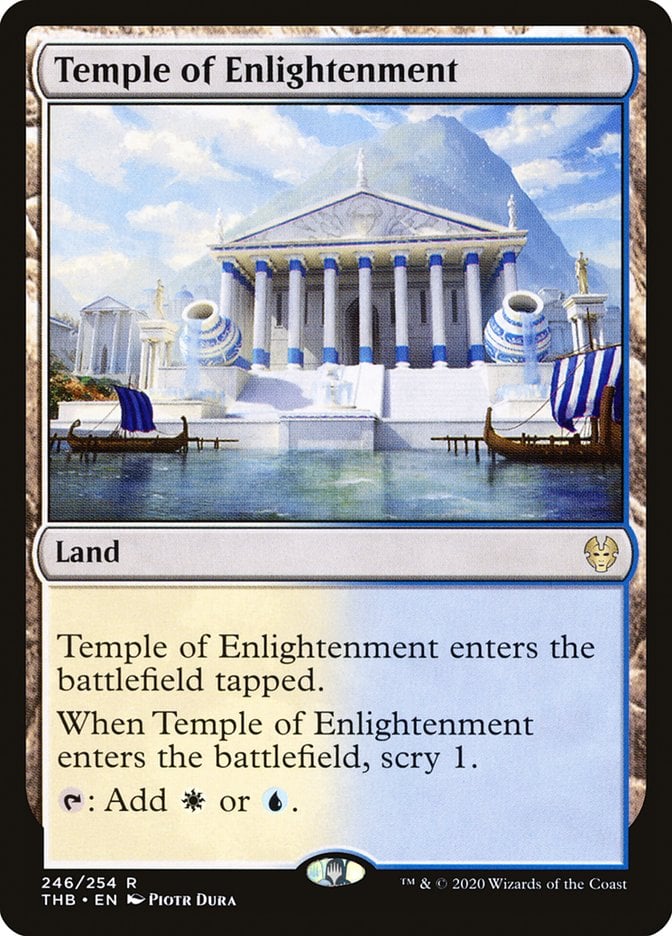
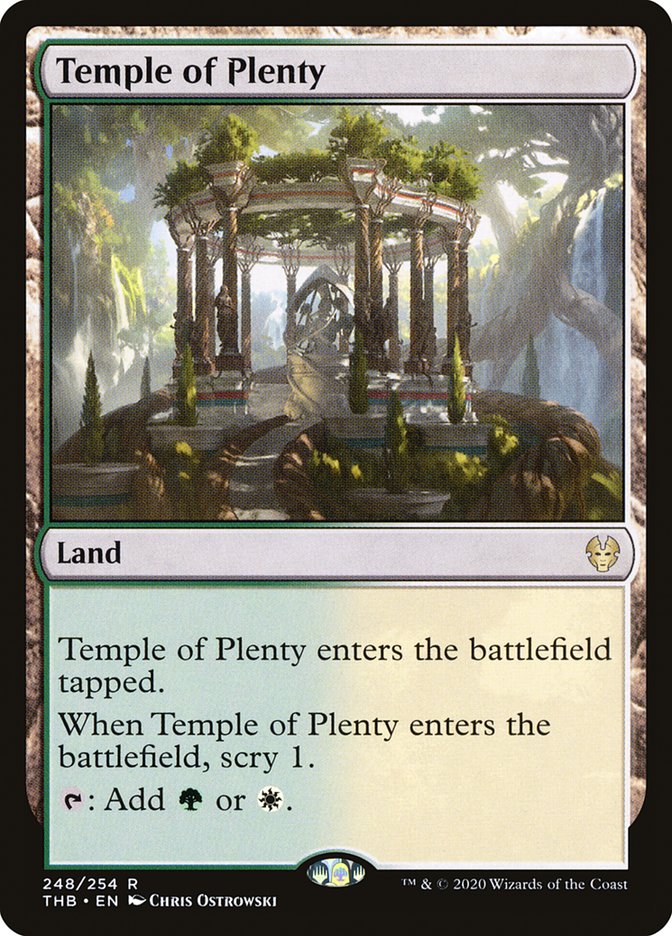
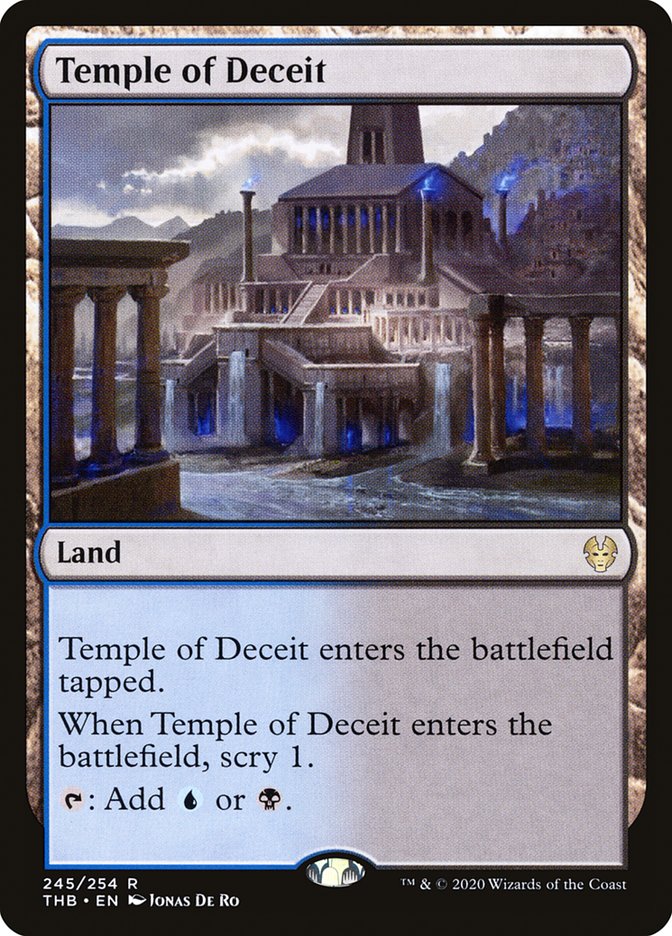
Dual-colored lands introduced in the Theros block like Temple of Abandon have the ability to scry when they enter the battlefield, making them a low-cost option for players looking to fix their mana.
#30. Brainsurge

I was skeptical of Brainsurge as it costs 2 more mana to cast when compared to Brainstorm. As it turns out, drawing this many cards with this blue instant is pretty good, especially in Magic formats like Commander or Duel Commander where you can run it as a second copy of the 1-mana spell.
#29. Omen of the Sea
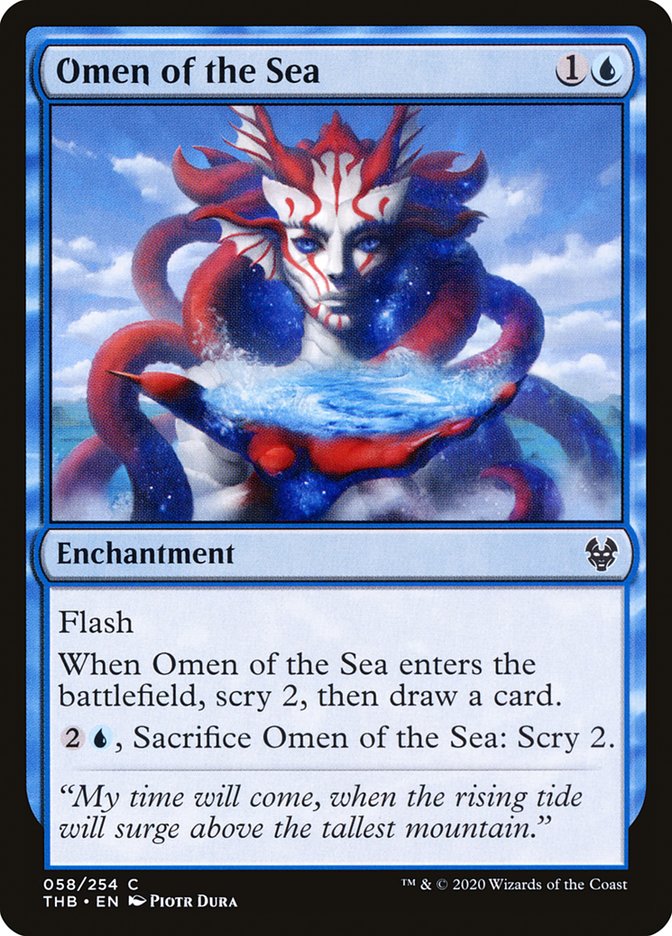
Other Omens from the Theros Beyond Death cycle like Omen of the Dead share the ability to scry when sacrificed, but Omen of the Sea also does it as its primary ability. This can later be recycled with the likes of Yorion, Sky Nomad to draw.
#28. Impulse
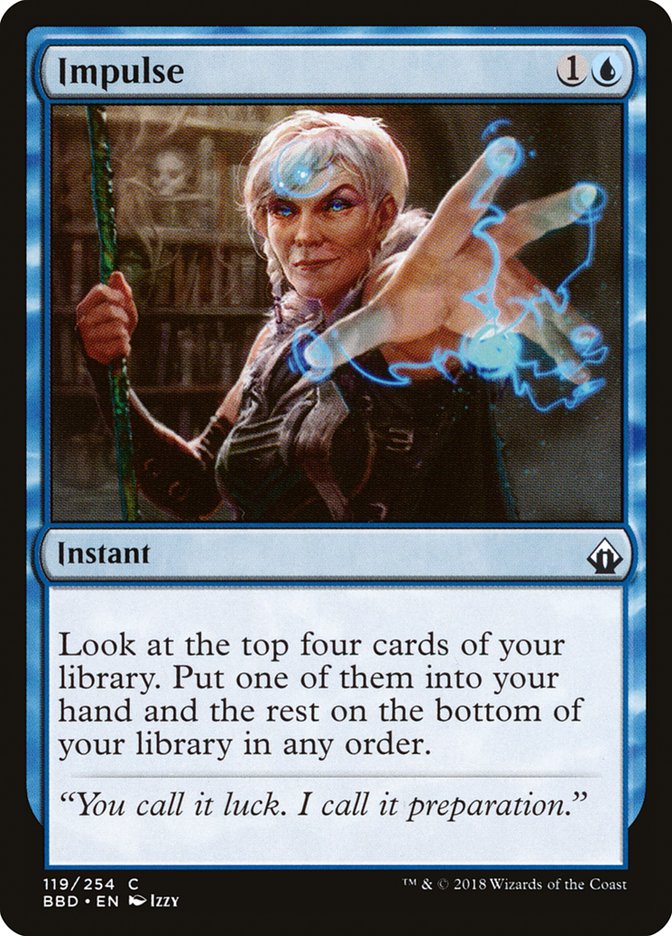
Impulse may not be the strongest card around, especially since it doesn’t give you any card advantage, but it shines in combo strategies that require you to find key pieces to win the game or put you ahead. While I’ve mostly seen it in Tron strategies, you can run it in other similar decks where you want to access card selection at instant speed.
#27. Condescend
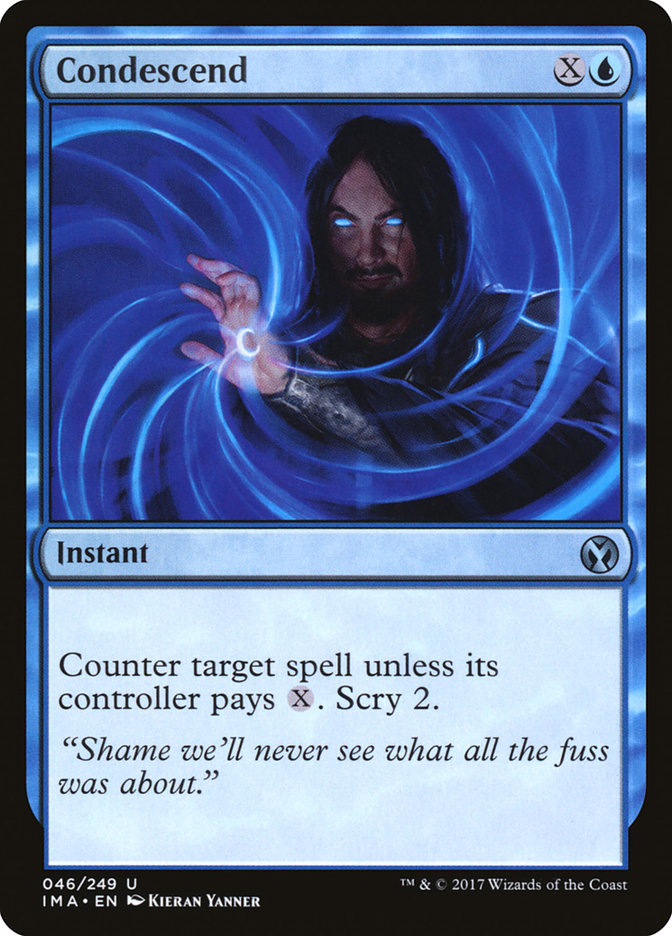
Among the counterspells that let you invest mana in them like Logic Knot, Condescend is one that I like as it lets you scry upon resolution. You could even Hail Mary cast it for X=0 to just use the scry part and smooth your draws or add to your storm count.
#26. The Legend of Kuruk / Avatar Kuruk

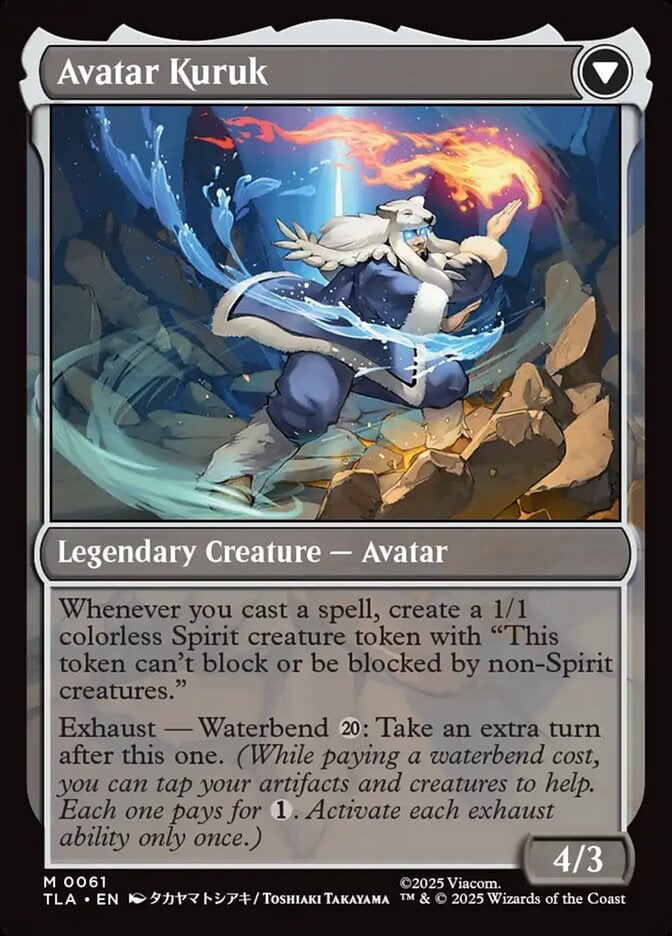
The Legend of Kuruk lets you Preordain twice before it becomes a finisher in Avatar Kuruk, which acts like a Young Pyromancer. It’s slow, but it generates excellent card selection over the course of three turns. Avatar Kuruk even lets you take an extra turn if you have enough mana, tokens, and artifacts.
#25. Ral Zarek, Guest Lecturer

Ral Zarek, Guest Lecturer is an interesting card selection planeswalker at 3 mana. Surveilling 2 on the plus ability of a planeswalker is strong, even if it doesn’t give you cards, and you can get card advantage by making your opponents discard cards while feeding your graveyard synergies. Midrange decks appreciate the extra surveiling to filter bad draws, like creature removal against control.
#24. Glarb, Calamity’s Augur

Since Tasigur, the Golden Fang is banned from Duel Commander, I’ve mostly seen Glarb, Calamity's Augur take its place as the Sultai commander () of choice for the format. Its main ability lets you play cards from the top of your library, while its second provides card selection in the form of surveil.
#23. Hidetsugu and Kairi
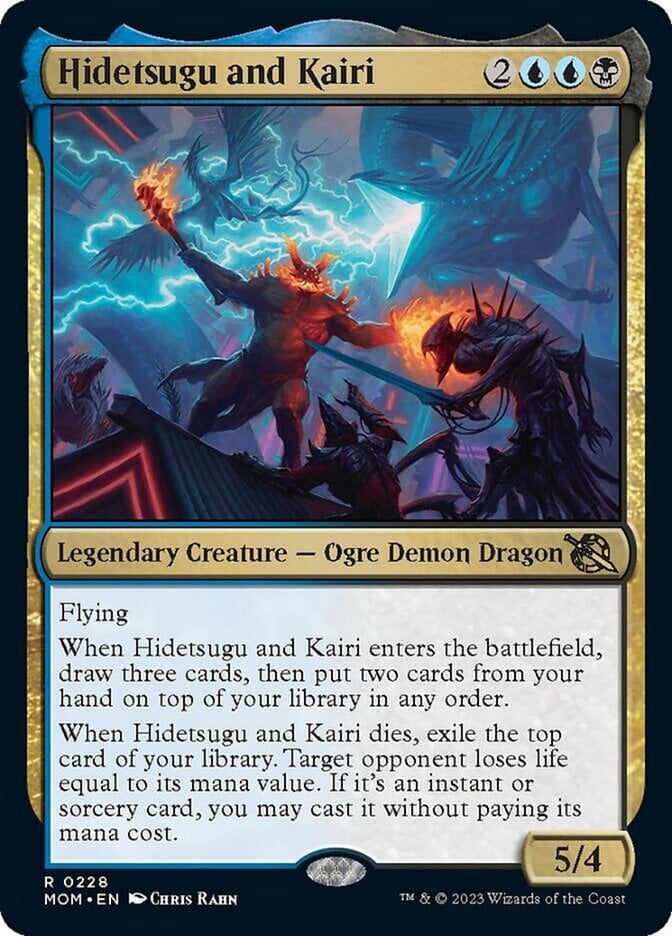
Hidetsugu and Kairi is one of the most annoying commanders to play against when paired with sacrifice outlets like Ashnod's Altar and reanimation spells like Exhume or Reanimate to create an endless chain of triggers. The worst part is that even without the outlets, you don’t know if it’s a good idea to kill it as the spell that remained on top is more often than not one that leads to your loss.
#22. Faerie Seer
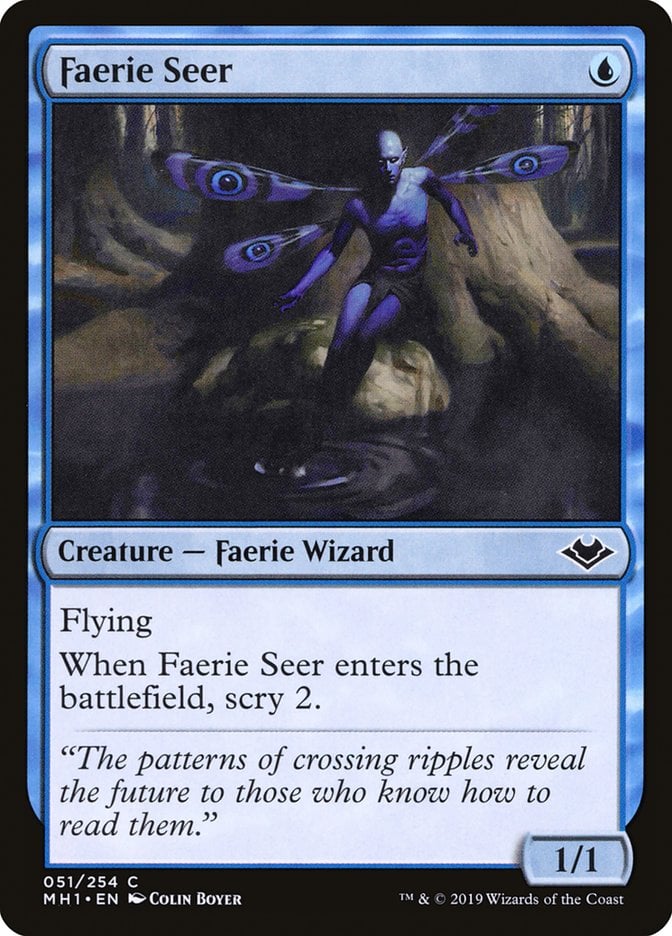
Faerie Seer is a Pauper staple in faerie decks and serves as an alternative to sending away unwanted cards that you may have rearranged on the top of your deck with the likes of Ponder or Brainstorm. On top of that, it synergizes exceptionally well with Ninja of the Deep Hours, as it packs evasion, and since you can return it to your hand, you can keep scrying multiple times throughout the game.
#21. Aragorn, the Uniter
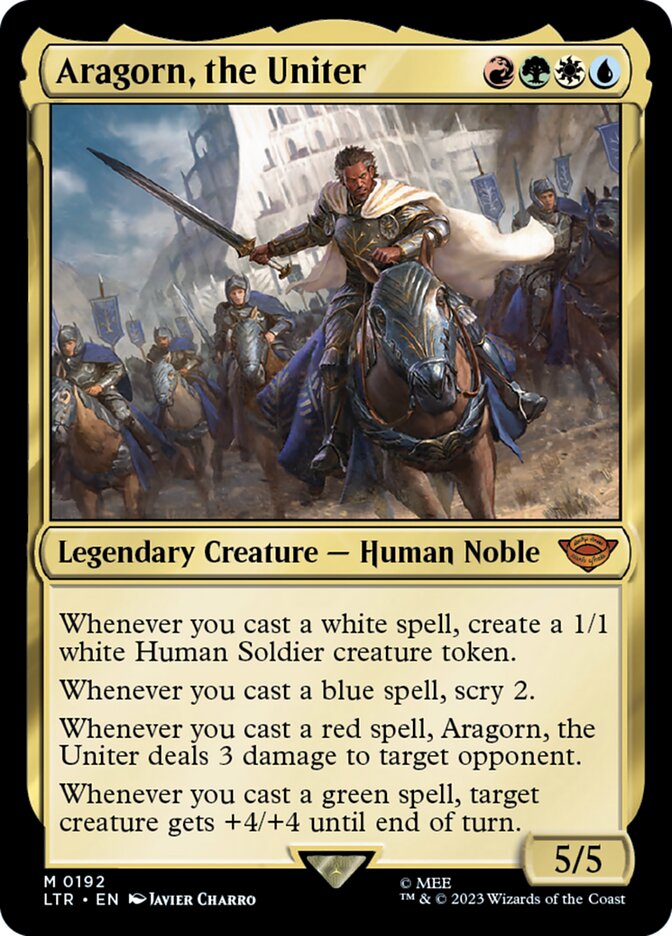
More often than not, Aragorn, the Uniter is used as an aggressive creature due to its focus on offensive strategies, with abilities that trigger whenever you cast red, white, or green spells. While it may seem out of place, Aragorn provides you with scry whenever you cast blue spells. Bouncing creatures or permanents could have been more synergistic, but the scry ability still offers solid utility without being overpowered.
#20. Morcant’s Eyes
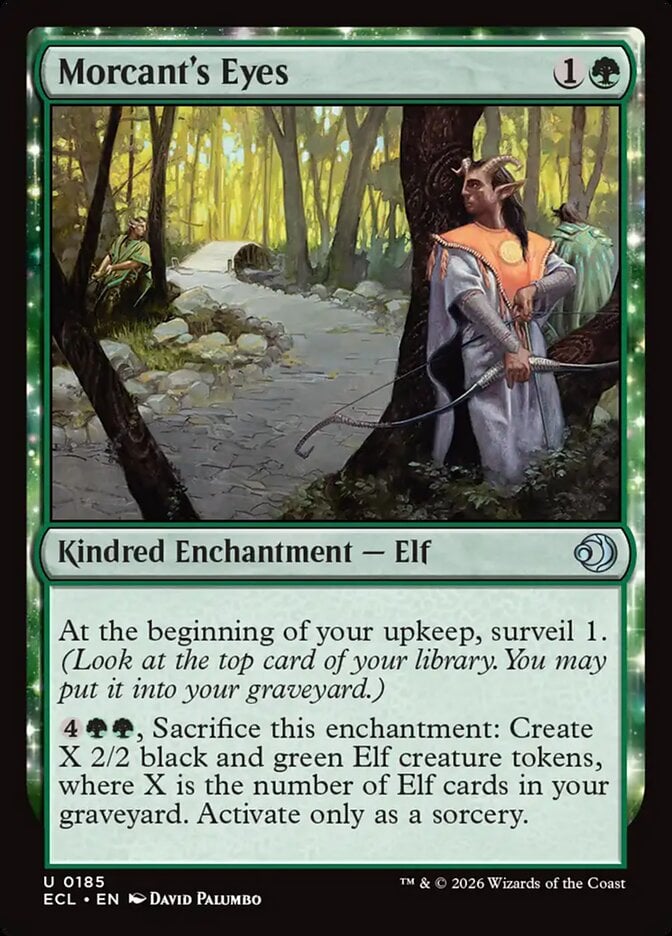
Surveiling every turn for free is good, as players who jam Search for Azcanta in their decks can attest. Morcant's Eyes is a green version of that effect, with its best uses being that many elf decks aren’t keen on drawing Llanowar Elves on turn 5, so you can put them into the graveyard and profit from it on a later turn, or by playing cards that get stronger the more creatures are in your ‘yard.
#19. Broodheart Engine

Broodheart Engine is an enabler and a payoff for a reanimation strategy. For just 2 mana, you’re surveiling every turn for free, and later you can pay 4 mana and cash in the Engine to Reanimate a creature or vehicle. It’s even playable in the late game if you cast the card and sacrifice it in the same turn.
#18. Oracle of the Alpha
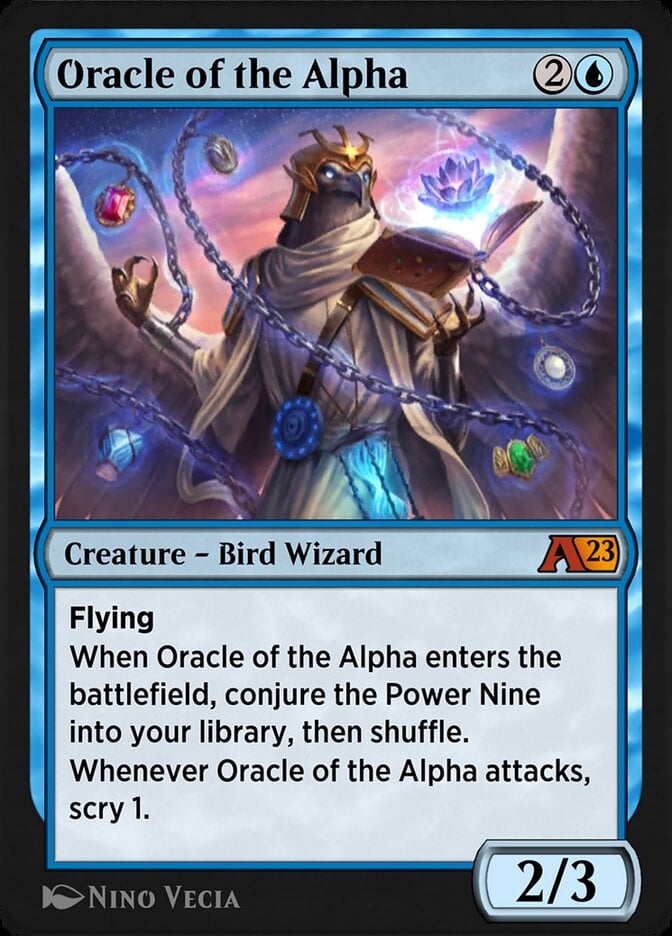
Oracle of the Alpha was printed in paper as part of Mystery Booster 2, but its use is mainly limited to MTG Arena, where it shines by giving you access to the mighty Power Nine by conjuring them into your deck. It doesn’t make this list for that ability, but rather its consistent effect to rearrange your library whenever it attacks, rewarding you for keeping it safe on the battlefield. Ideally, this leads to the ultimate payoff: Time Walk.
#17. Search for Azcanta / Azcanta, the Sunken Ruin
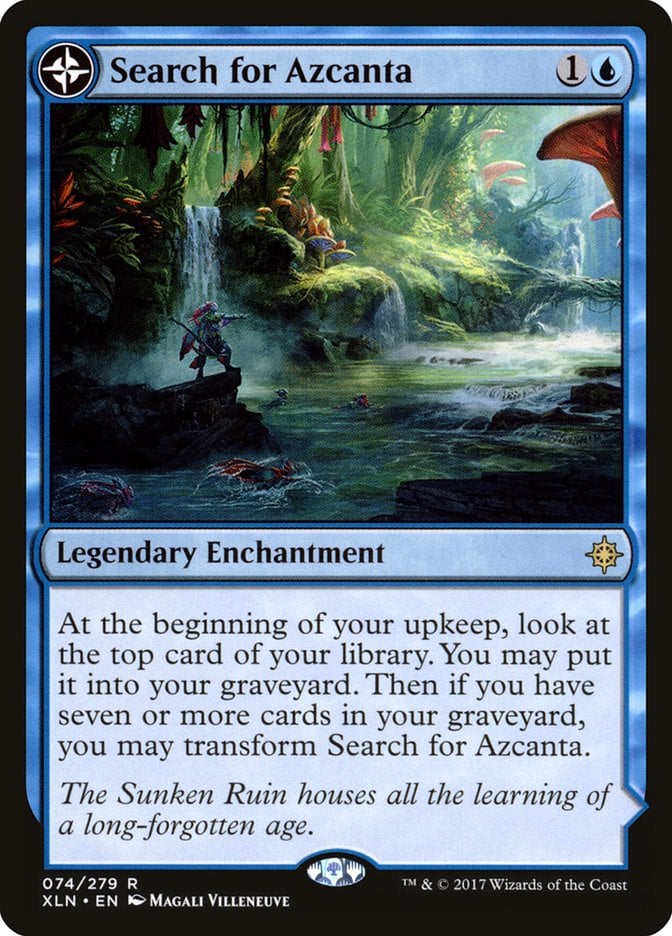
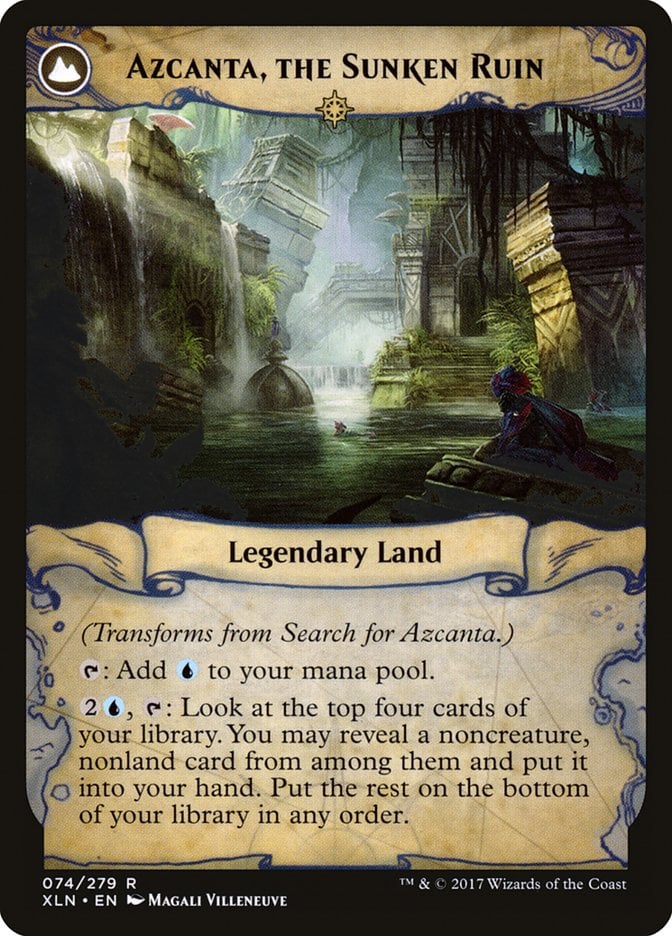
I love Search for Azcanta in decks that care about card selection. But it also fits perfectly in control decks, where this land can consistently be flipped to let you find powerful non-creature spells to put you in the driver’s seat of any game.
#16. Aminatou, the Fateshifter
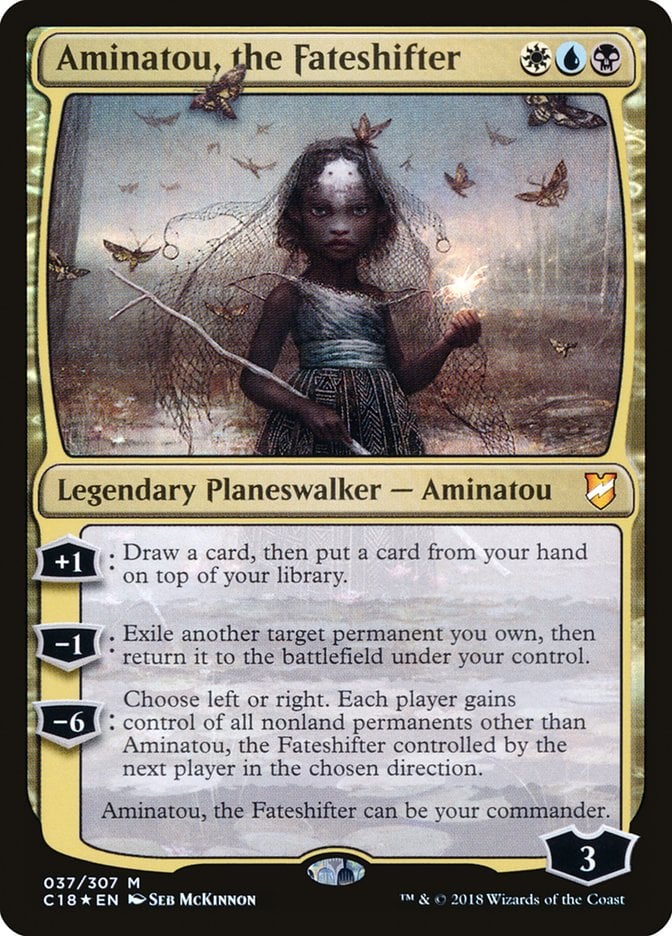
Aminatou, the Fateshifter, or as it’s often called, the “miracle” planeswalker commander, is one that lets you exchange a card from your hand with the one on the top of your library. You’ll know when seeing that why it synergizes perfectly with miracles, as you can always manipulate the card you get to draw on your next turn and play it for its miracle cost.
#15. Aminatou, Veil Piercer

Similar to its planeswalker counterpart, Aminatou, Veil Piercer allows you to rearrange the top card of your library, but with a twist. Instead of putting cards into your hand, it lets you send them to your graveyard thanks to its surveil ability. As if that weren’t enough, it also gives your enchantment spells the miracle ability, allowing you to cast them for a discount when you topdeck them. This makes Aminatou both a perfect reanimation enabler and a powerful miracle engine.
#14. Harmonized Trio

Harmonized Trio is a Brainstorm you need to jump through some hoops to cast, but it can be a Brainstorm every turn. It’s also a merfolk, and these tend to synergize with getting tapped, as many merfolk from Lorwyn and Lorwyn Eclipsed do. Also, Jeskai Ascendancy can untap your creatures after casting an instant, so you can go infinite with a creature that taps for .
#13. Umbral Collar Zealot

Free sacrifice outlets are strong in the right deck, as these can enable several combos or Blood Artist triggers. Umbral Collar Zealot is one of the strongest in this department, considering it’s already a 3/2. The extra surveil you get from the activated ability is just gravy.
#12. Surveil Lands
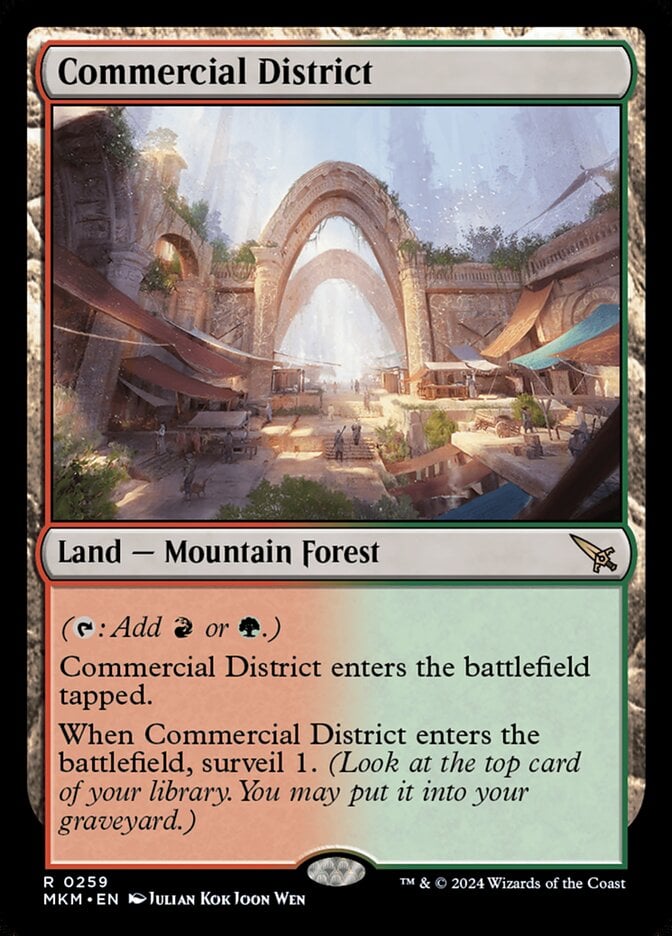
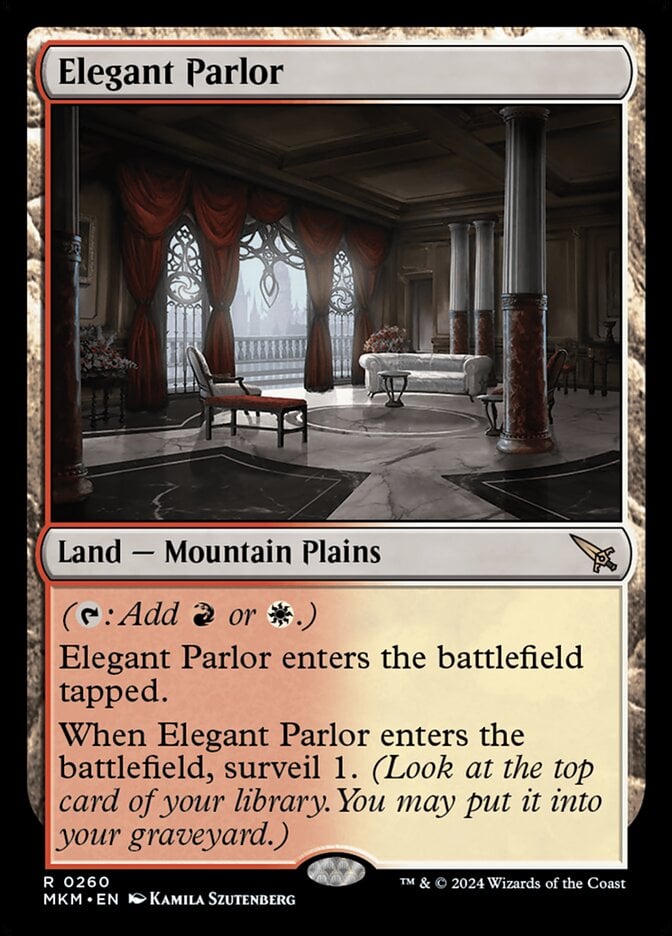
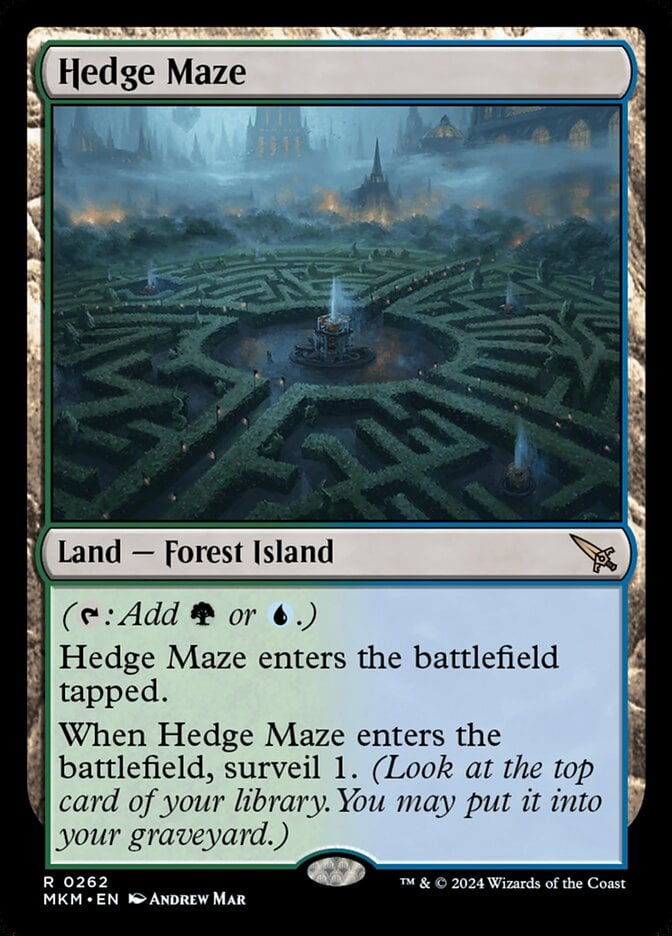
Surveil lands like Undercity Sewers are a huge upgrade to scry lands for multiple reasons. Not only do they send cards to the graveyard, which synergizes exceptionally well with reanimation strategies or mechanics like delve, but they also have basic land types, making them fetchable with lands like Scalding Tarn. This allows these lands to be tutored at any time, smoothing your next turn right before your opponent’s turn ends, making it easier for you to react to what they just played.
#11. Kaito, Bane of Nightmares

One of the most powerful cards in Standard right now is Kaito, Bane of Nightmares, due to the dominance of Dimir () tempo decks in the current meta, more often than not acting as a second set of Enduring Curiosity in the deck due to its 0 loyalty ability when paired with cheap and evasive creatures like Mockingbird and Spyglass Siren.
#10. Thrasios, Triton Hero

You can activate Thrasios, Triton Hero to scry for 4 mana, providing you with card advantage and ramping if there’s a land on top. The big appeal is that it’s a cheap commander that can be paired with others that have the partner keyword, allowing you to dive into other colors that complement Thrasios’s main ability.
#9. Flow State + Expressive Iteration

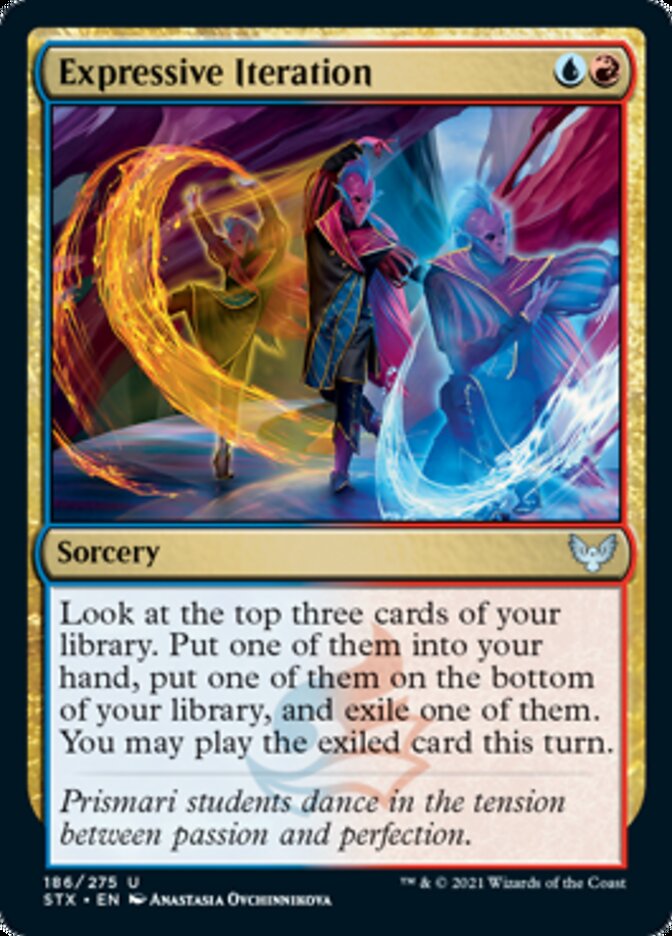
Though they require different set-ups for maximum card advantage, Flow State and Expressive Iteration are cut from the same cloth. Two-mana sorceries that have the potential to “draw” two cards, neither of which are ideal to fire off on turn 2. These are the type of effects that propel spell-based decks into the late game.
#8. Sensei’s Divining Top
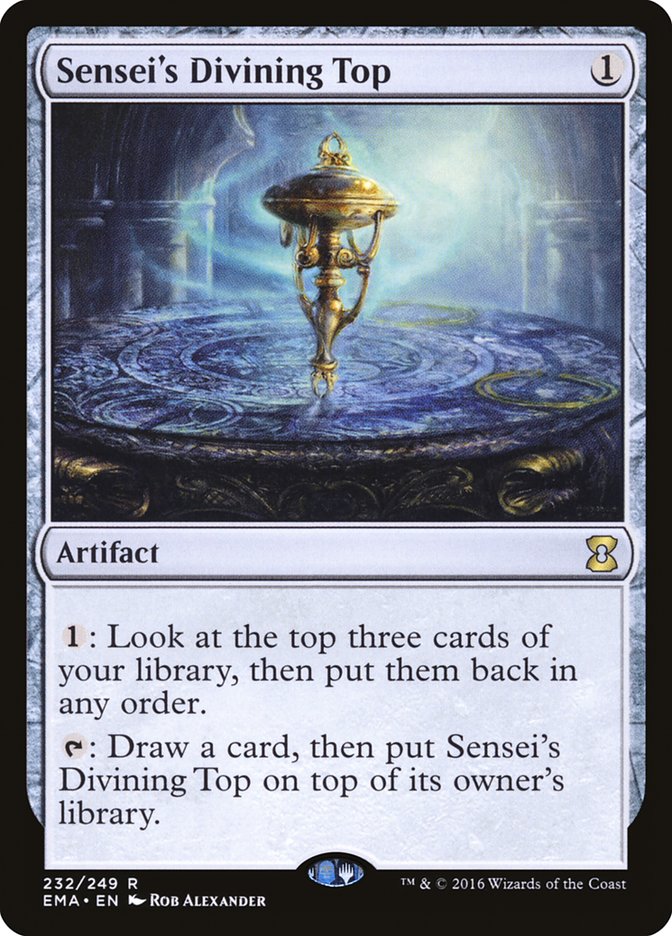
Counterbalance and miracle cards like Terminus love to be paired with Sensei's Divining Top to consistently manipulate the top of your library. This combination was a Legacy staple that nowadays has been relegated to a tier-2 or tier-3 strategy due to power creep, but still, it’s a headache to play against when played well.
#7. Sylvan Library
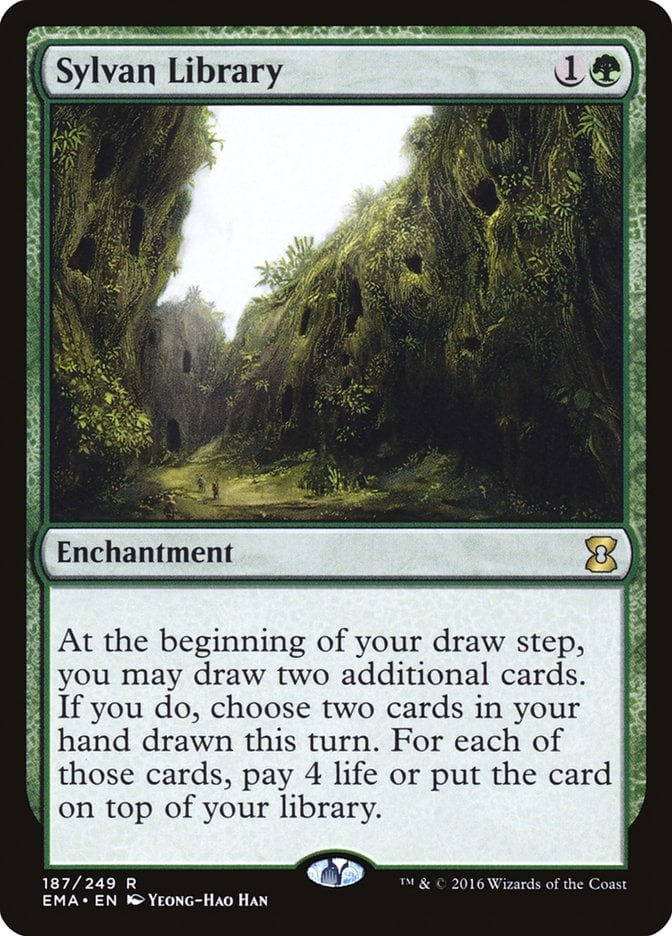
Most of the time, Sylvan Library acts as a passive card selection tool that triggers on each of your turns, but it also gives you the ability to draw many cards to catch up against other decks. A similar card to this is Mirri's Guile, which also provides the same effect to rearrange your library but misses the card draw potential.
#6. Jace, the Mind Sculptor
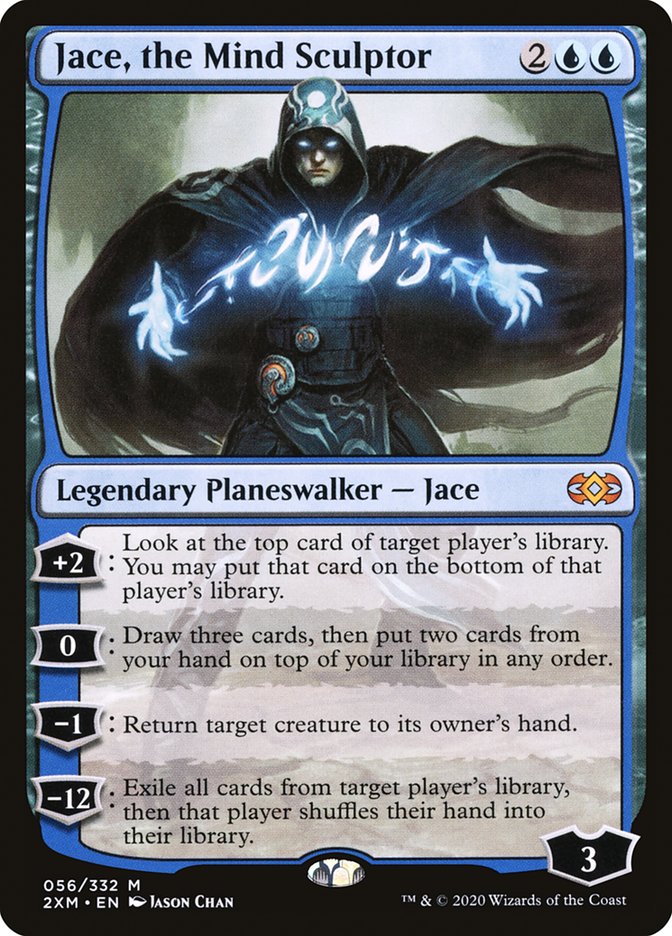
Jace, the Mind Sculptor is one of the most iconic blue cards in Magic: The Gathering, being the first planeswalker banned from Standard due to its powerful ability to manipulate not only your library but also your opponent’s. It didn’t help that there was a pesky 2-mana flier in Squadron Hawk, which could fetch other copies of itself, quickly turning one card into a full set after being shuffled away by the Brainstorm ability. Of course, Jace’s ultimate was a game-winning threat that was easy to set up; as long as you had answers to the cards you let them keep on top of their library.
#5. Scroll Rack
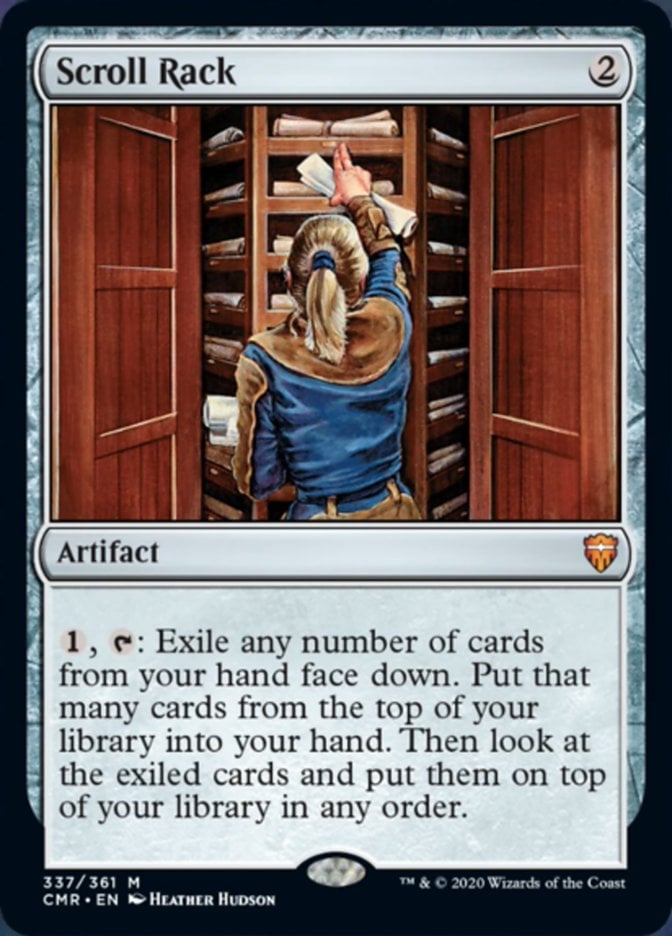
If you’re looking for a cheap and effective way to rearrange your library and exchange cards between your hand and the top of your deck, Scroll Rack is an excellent choice. For just 1 mana, you can swap any number of cards from your hand with cards from the top of your library, then reorder the cards you put back on top. This gives you the power to manipulate your next draws and set up your deck for the perfect turn. You could also go the combo route with the likes of Approach of the Second Sun for a two-turn win, or Time Warp and God-Eternal Kefnet for infinite extra turns.
#4. Dragon’s Rage Channeler
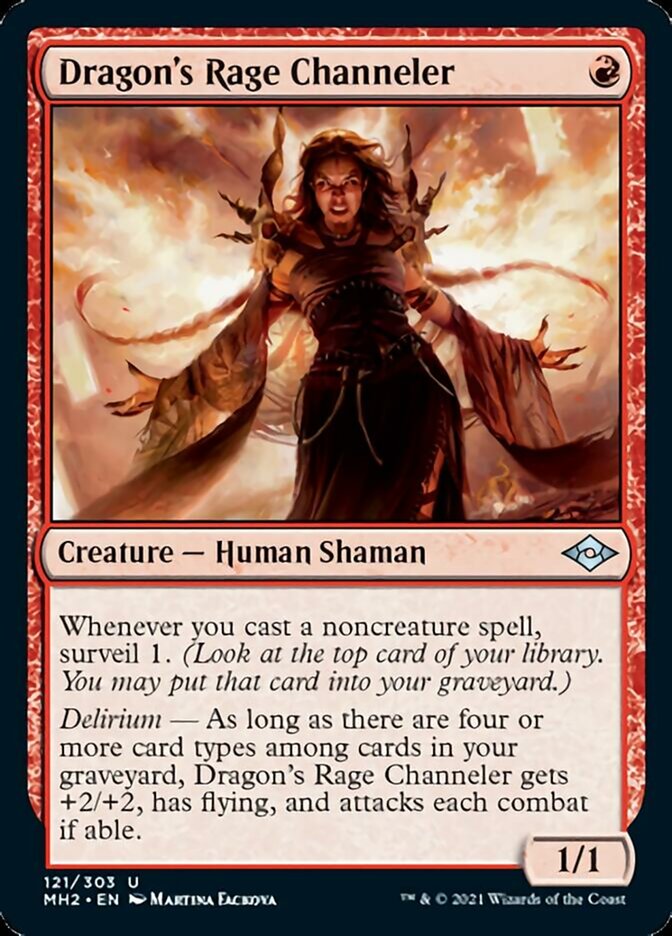
In a spellslinger deck, Dragon's Rage Channeler can quickly become a 3/3 flying threat for just 1 mana, thanks to this surveil card‘s ability when paired with noncreature spells. This serves as a powerful card selection engine that also synergizes beautifully with delirium, where sending different card types to the graveyard is key to victory.
#3. Thassa’s Oracle
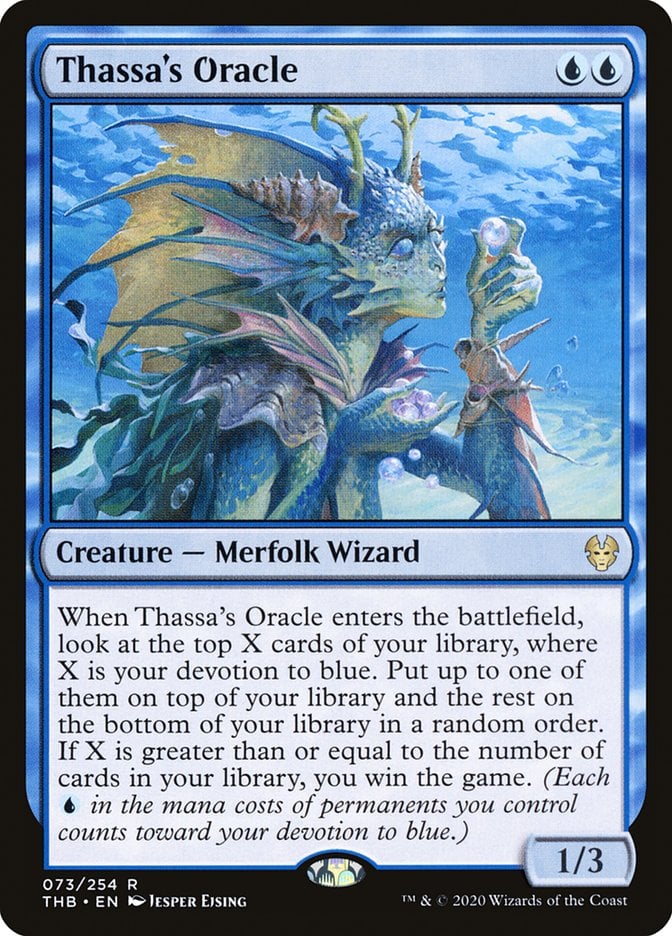
I bet designers never imagined Thassa's Oracle would be used the way it is now as a cEDH win condition. They likely thought it would be “cool” to have a card that lets you look at others based on your devotion count and randomly provide a win condition when the threshold is met. They were just one Demonic Consultation away from creating a combo that turned Thassa's Oracle into a game-winning threat.
#2. Serum Visions + Preordain + Ponder
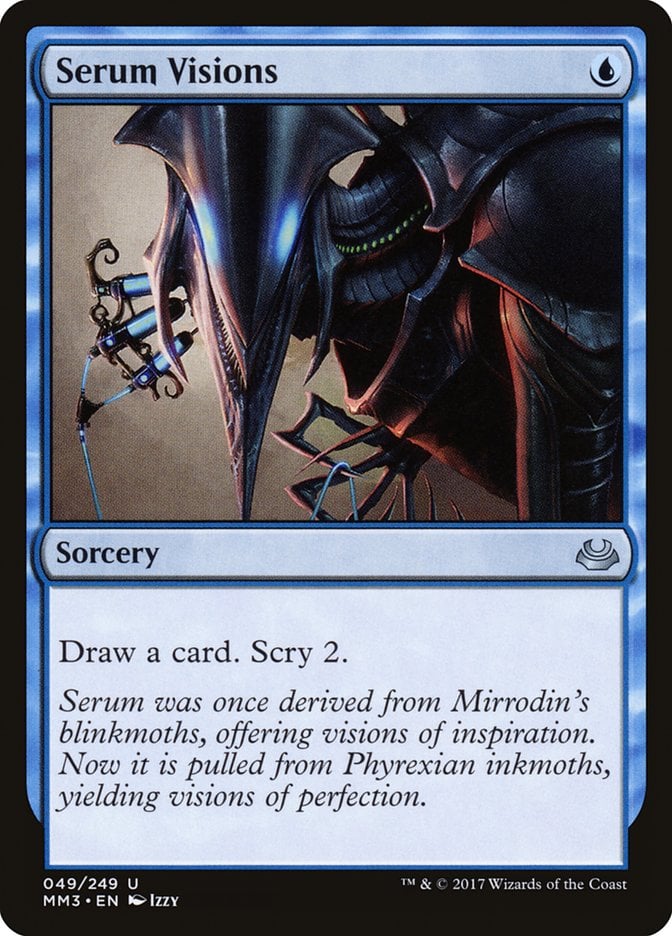
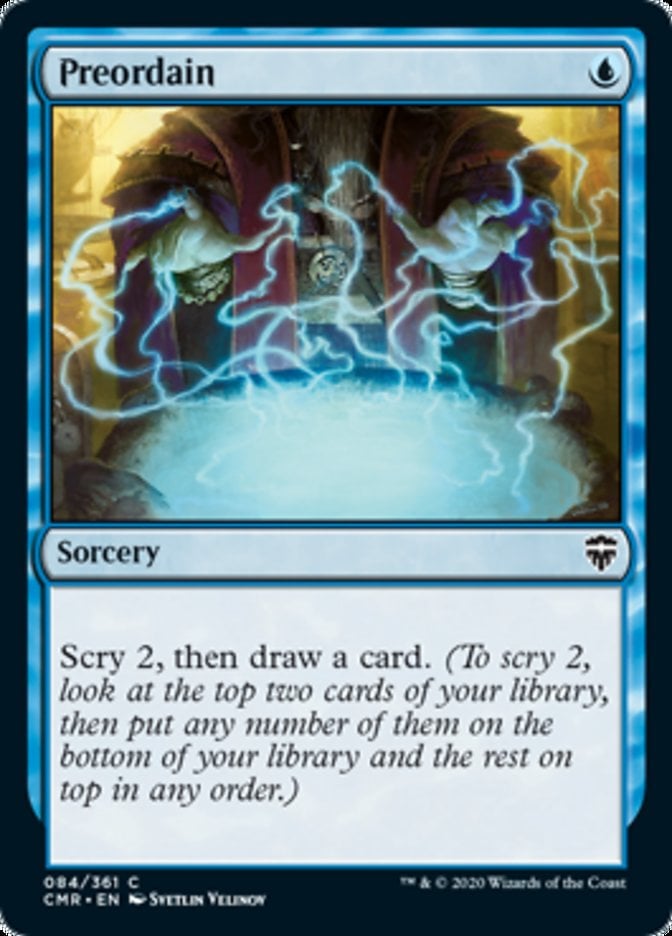
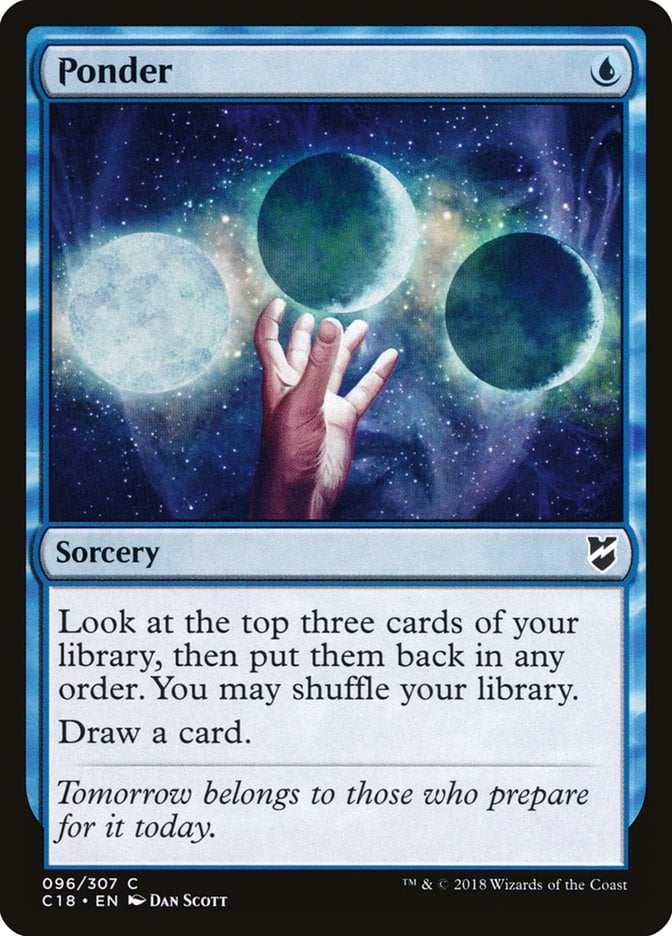
While these three cards are different, they share a similar role: looking at extra cards and rearranging them to optimize your draws. Preordain is generally the best in most situations, though Ponder becomes stronger if you have access to fetch lands to shuffle away unwanted cards, especially if only part of the selection is useful. Regardless, these three are the most powerful compared to similar cantrips like Opt or Consider, which serve the same purpose but are overall less effective.
#1. Brainstorm
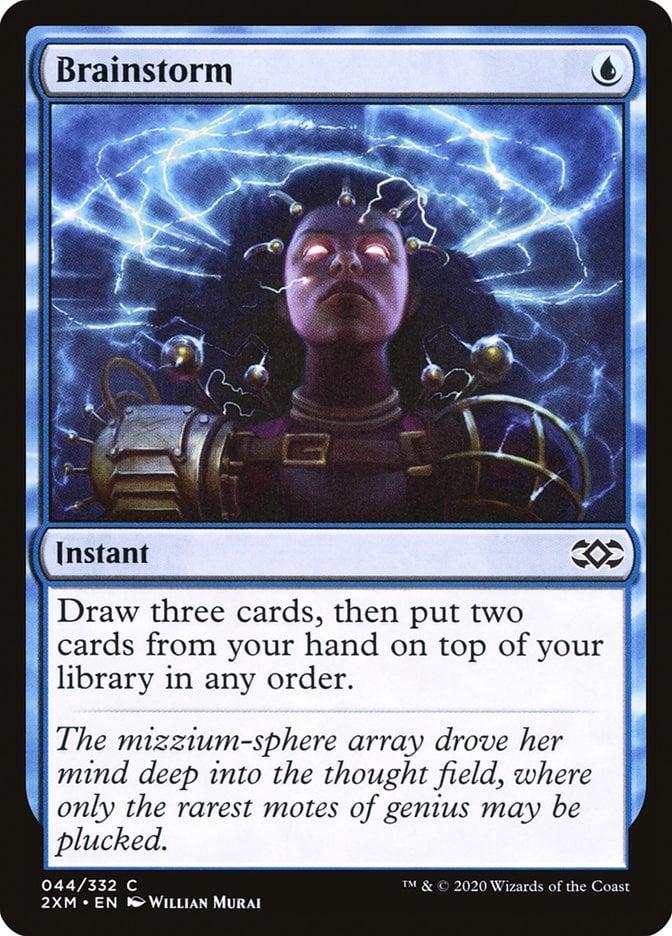
With the right setup of fetch lands and library shufflers, Brainstorm is arguably the most potent card selection card ever printed. Some pros even advise that the best Brainstorm is the one you never cast, as its immense potential in terms of card quality can be game-changing. When used wisely, it allows you to manipulate your deck and set up winning plays for just 1 mana.
Best Card Selection Payoffs
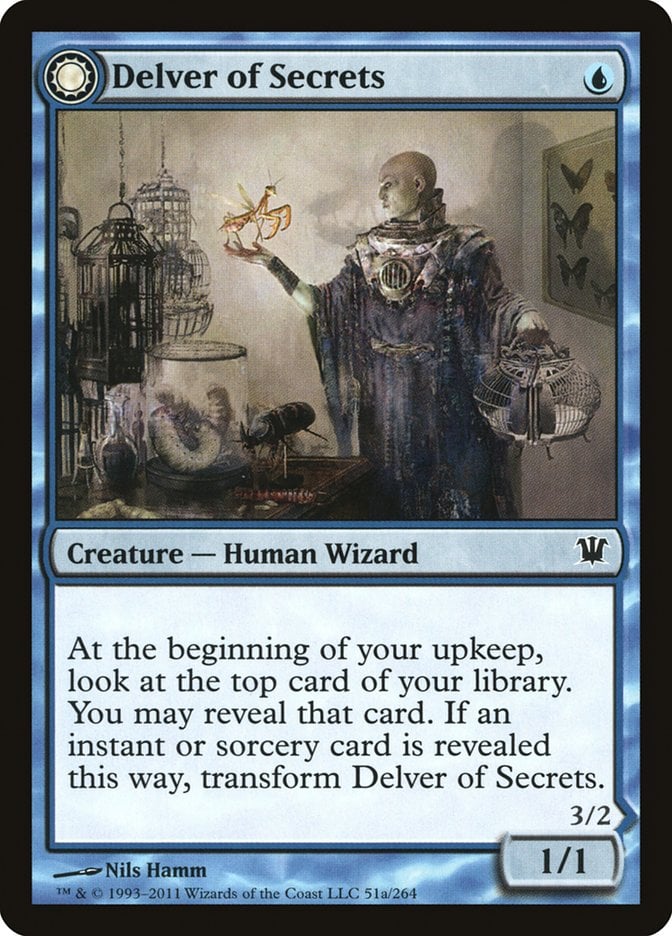
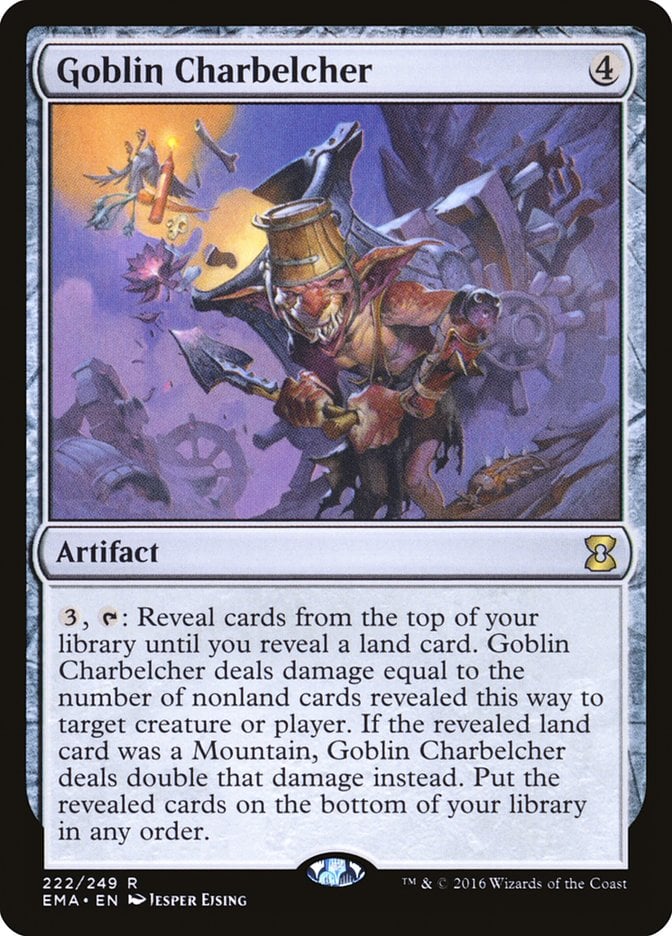
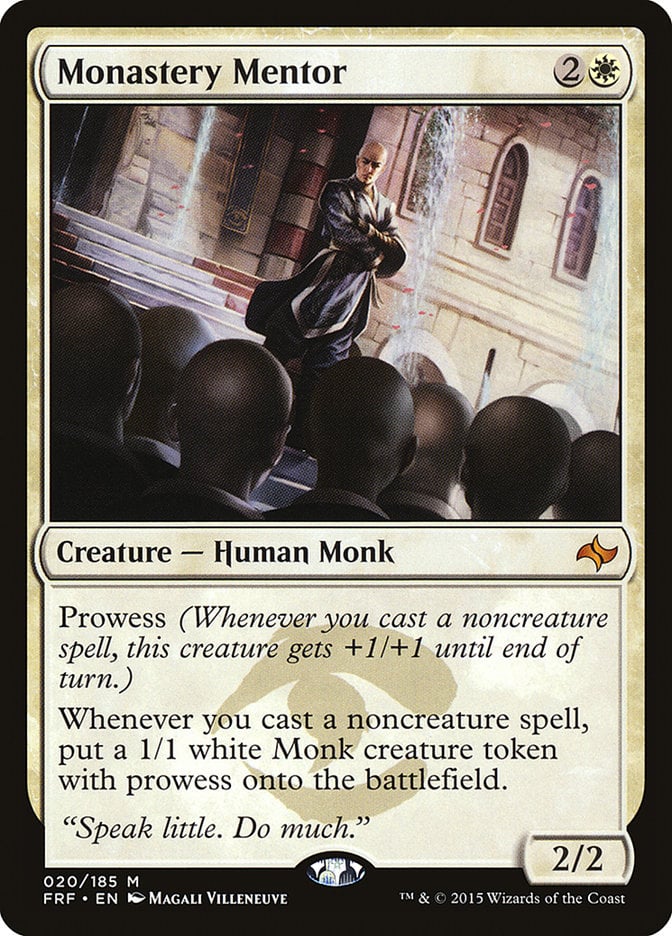
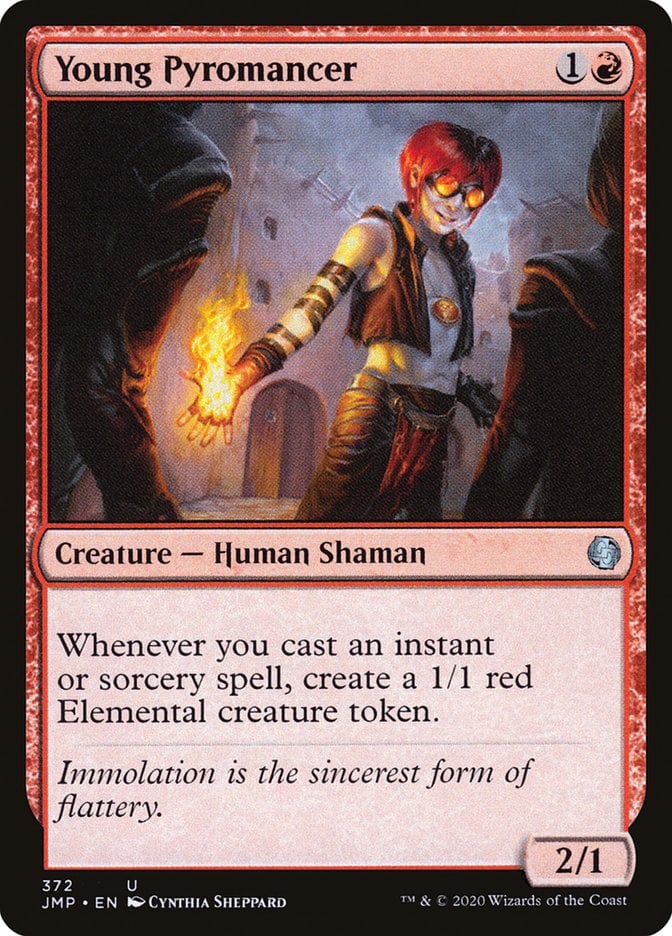
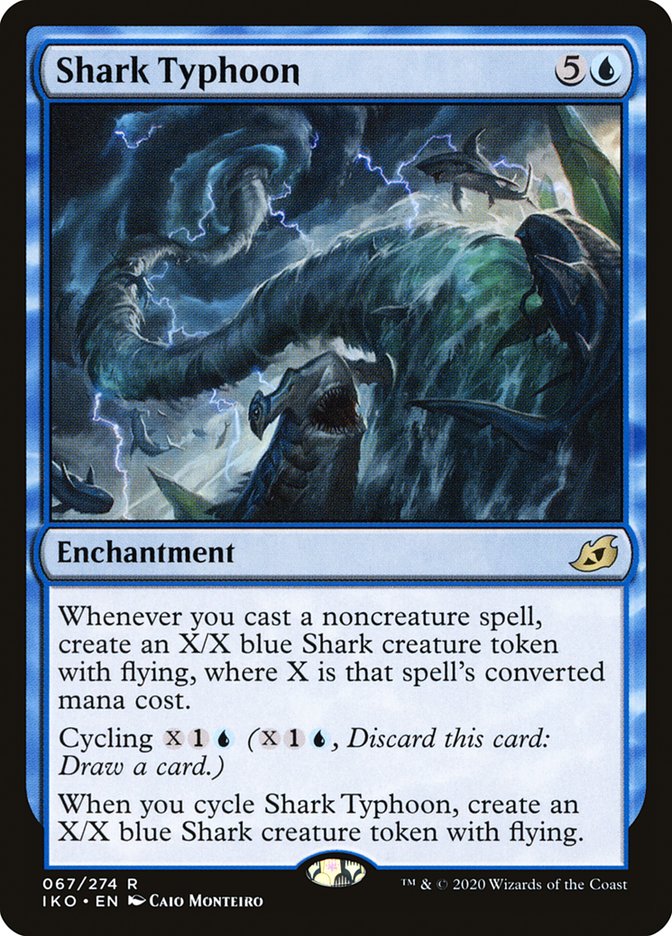
There are cards like Delver of Secrets that flip into powerful threats with consistent library stacking, while others like Thassa's Oracle or Goblin Charbelcher turn precise card selection into combo wins. Also, since most of these cards are cheap, other cards like Monastery Mentor or Young Pyromancer have the potential to generate tokens from cheap spells, while others like Shark Typhoon can serve as win conditions on their own.
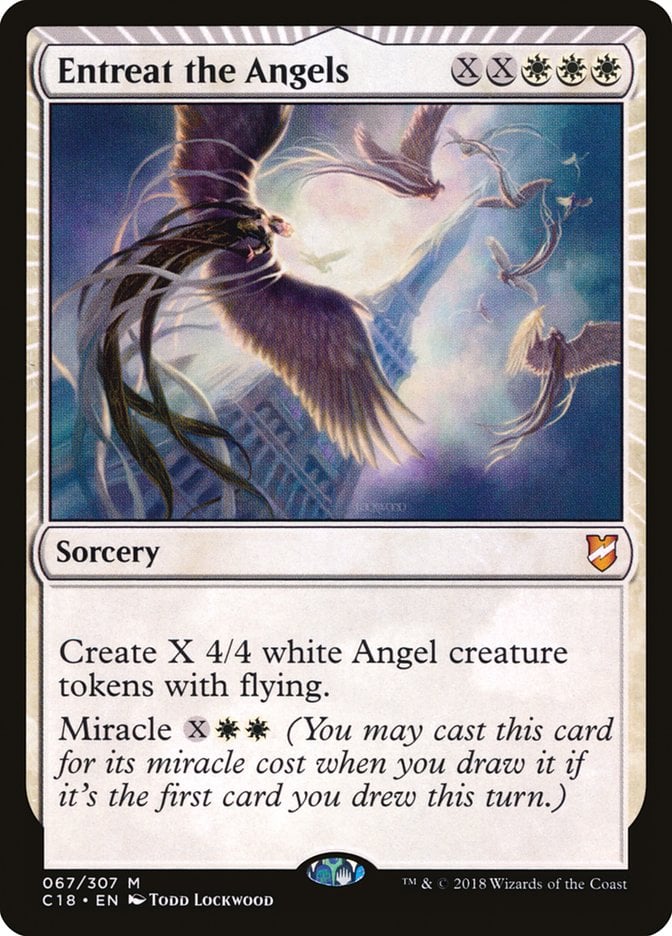
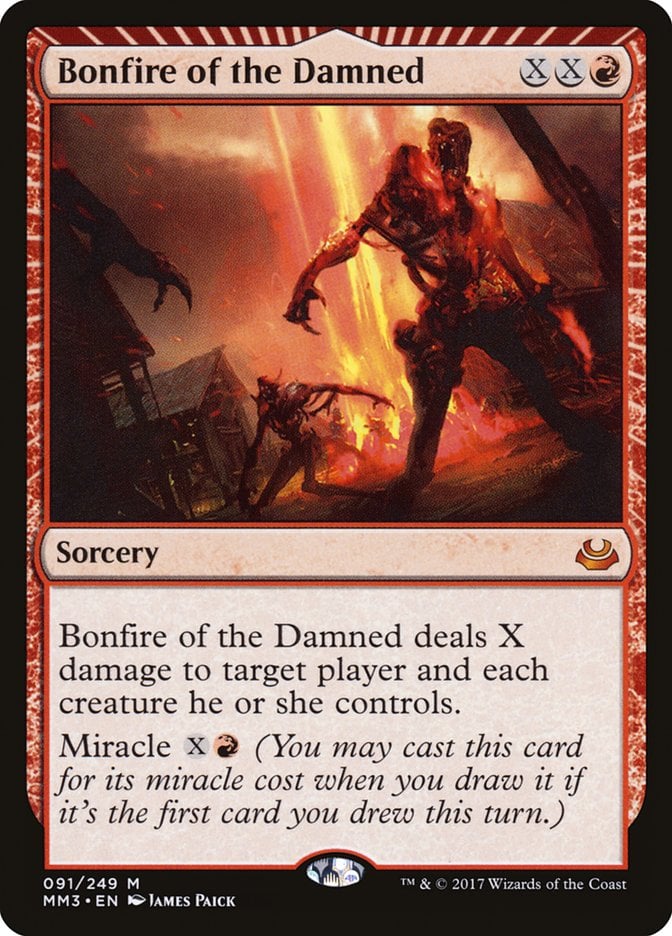
Of course, you can’t miss the likes of Entreat the Angels or LSV’s and Brian Kibler’s favorite card, Bonfire of the Damned. They have miracle, which lets you cast them for cheap and for a better result.
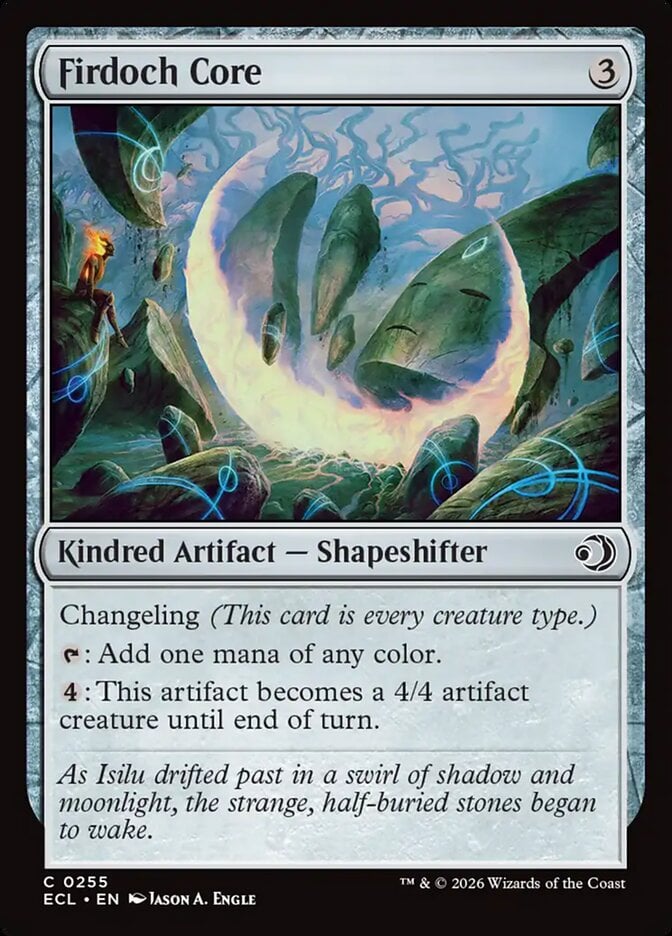


In formats like Standard, many effects require specific card types to work, which card selection helps with. For example, a behold card is best if you have the necessary card to reveal. Firdoch Core is an interesting example of this in action: It’s a dragon to behold Dispelling Exhale, it works with Roiling Dragonstorm, and it’s a demon for Unholy Annex // Ritual Chamber.


Lesson decks in Standard are powerful because they have many ways to cycle through the deck, like Artist's Talent or Abandon Attachments, while building a graveyard for Accumulate Wisdom.

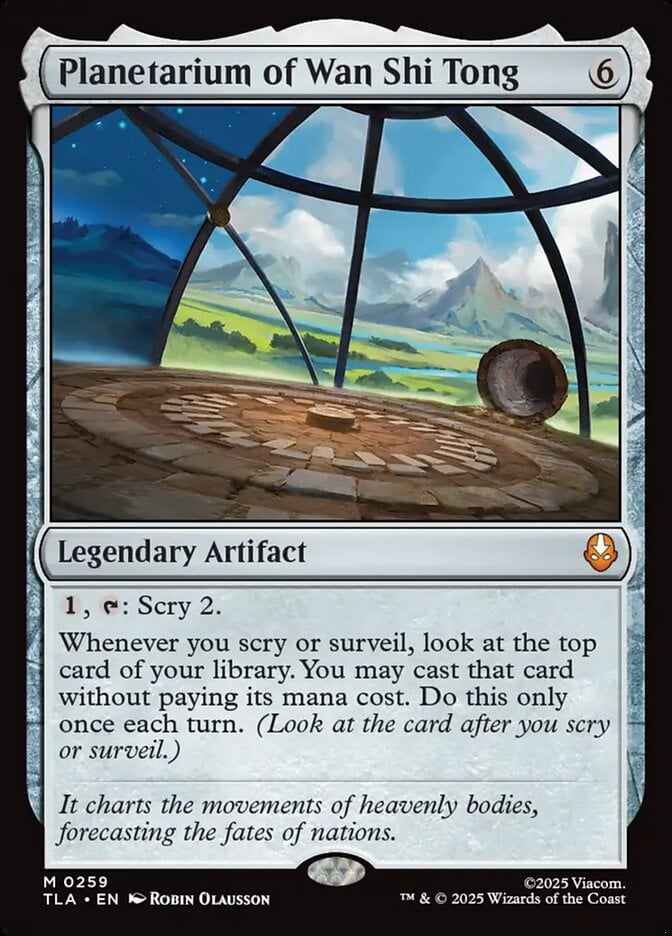
Matoya, Archon Elder is a nice payoff if you’re consistently scrying or surveil. Planetarium of Wan Shi Tong is expensive, but it gives you a very interesting reward if you’re manipulating the top card of your library.
What Is the Difference Between Card Selection and Card Advantage?
While card selection and card advantage are two very similar concepts, they’re strictly different when it comes to the outcome. One cares about quality and the latter about quantity.
Card selection helps you find the right cards by filtering or rearranging, maximizing your chances of setting up future turns. Card advantage, on the other hand, increases the number of cards you have, improving your odds of finding something useful simply by drawing more. Both are valuable, but card selection focuses on precision, while card advantage prioritizes raw resources.
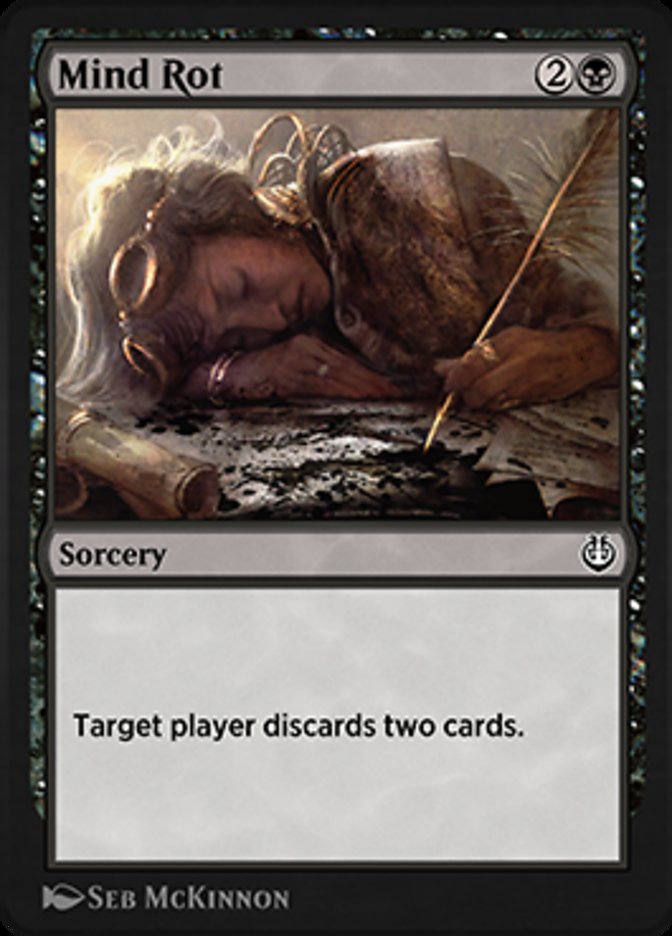
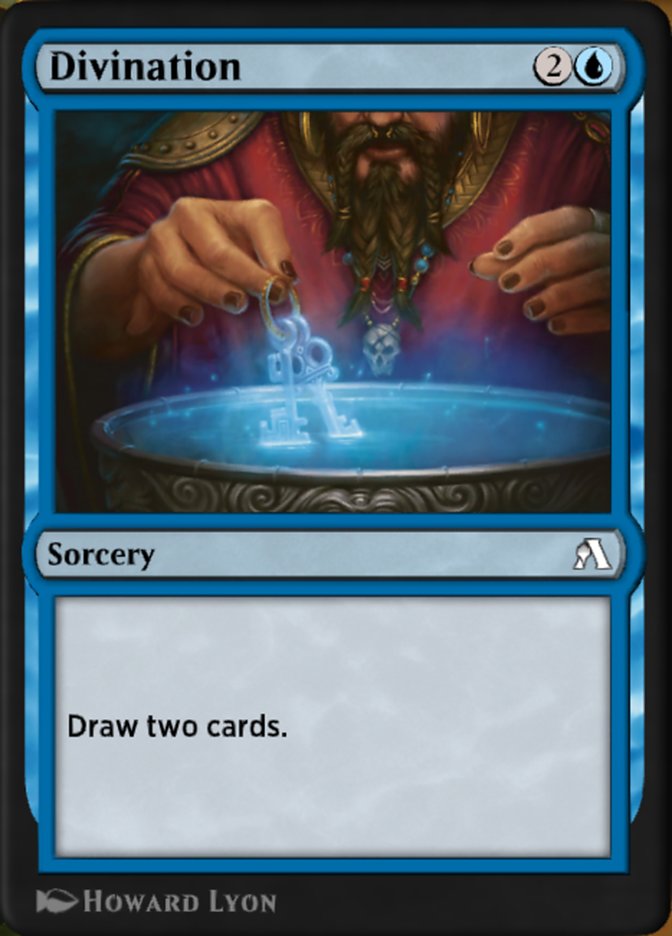
Card advantage can also refer to removing your opponent’s access to cards. For example, Mind Rot is as much a form of card advantage as Divination. Card selection is rarely applied to anything other than your own cards.
Wrap Up

Thrasios, Triton Hero | Illustration by Josu Hernaiz
As you see, card selection abilities are all about fine-tuning your deck and getting the right cards at the right time. At the end of the day, it’s not useful to draw 10 cards if nine of them are only lands. Card selection helps weed out the unnecessary cards to give you an edge in a match.
Thanks for reading so far. If you liked this list and are looking for similar ones, remember to follow us on social media and join our Discord server so you won’t miss one! And check out The Daily Upkeep YouTube channel for more content like this.
Take care, and see you next time!
Follow Draftsim for awesome articles and set updates:










Add Comment