

Valley Floodcaller | Illustration by Victor Adame Minguez
Magic: The Gathering is a game of odds, or what many players call variance, and one of the most common ways you feel that variance is through your land draws. Sometimes you draw too few lands, and sometimes you draw too many. Mana flood.
If you’re wondering how to prevent it, the truth is you can’t avoid it completely, and it’ll happen once in a while. But you can reduce how often it shows up and make it less punishing when it does. I’ve got the best ways to manage mana flood and tips on how to get value from extra mana. Let’s dive right into it!
What Is Mana Flood in MTG?
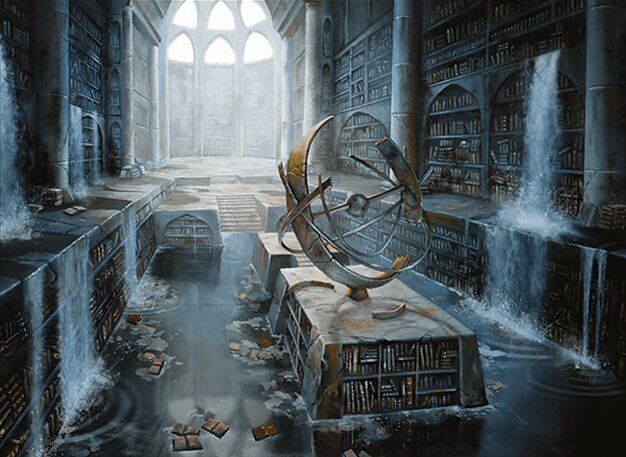
Inundated Archive | Illustration by Douglas Shuler
Mana flood in Magic: The Gathering is when you draw too many lands and not enough spells, so you have plenty of mana but not much to play. It’s the opposite of mana screw (too few lands), and it usually happens because of normal randomness (variance). A common sign is a hand packed with lands and only one or two real plays, if any.
Which Is Worse: Mana Screw or Mana Flood?
It really depends on the situation. For a lot of people, mana screw feels worse than mana flood because you can’t cast your spells at all, while flooding at least lets you play the cards you already have. Still, you’ll hear many players repeat the old saying “screw beats flood.” The idea is that if both players are unlucky, the flooded player keeps peeling lands, while the mana-screwed player might eventually draw a land and suddenly unload a handful of spells.
Context matters a ton, though. Control decks can often tolerate flooding better than aggro decks, since control usually has more card draw and more ways to turn extra mana into value. In Limited, the “screw beats flood” idea can feel especially true: If you can hang on while you’re short on lands, you’ll often start to hit land drops and cast your spells, while the flooded player keeps stalling. Just remember the flip side: If you’ve been mana-screwed, you’re also more likely to draw lands later to “catch up”, while the flooded player is more likely to finally draw action. That’s why, in my opinion, neither one is always worse.
How to Avoid Mana Flooding in MTG
Mana flood is hard to “fix” once it starts, so the best plan is to build and play in ways that make it less likely to happen. Here are the most practical ways to cut down on flood without wrecking your deck.
#1. Mulligan More Aggressively
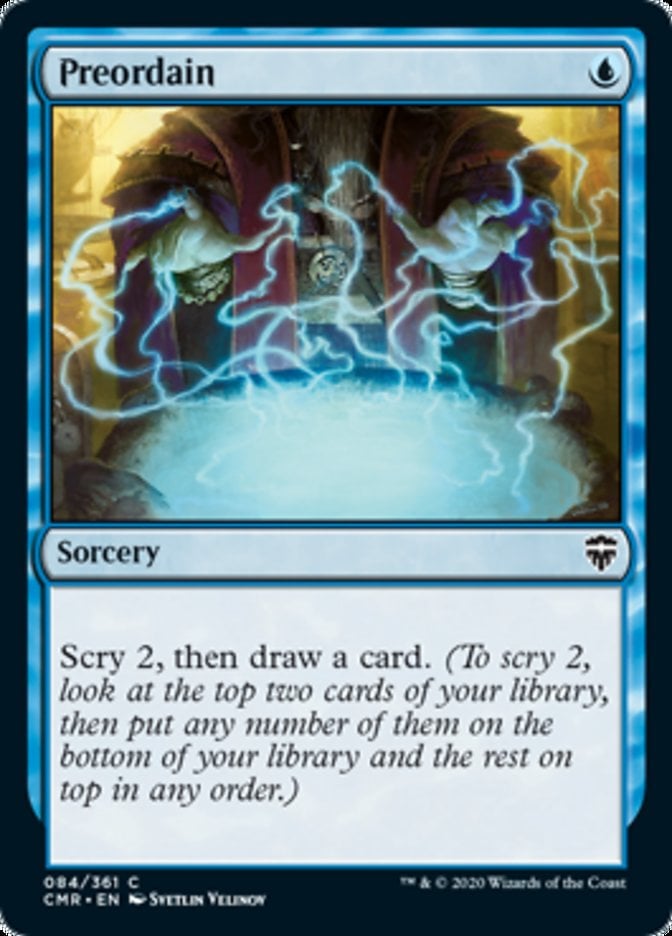
If your opening hand is stuffed with lands, don’t be afraid to ship it back. A 7-card hand with five lands is usually a sign you’re about to draw more lands and do nothing. Taking a mulligan hurts, but keeping a hand that can’t apply pressure or develop is often worse. Hands get way easier to keep when your deck has cheap cards that help you to shape your next draws, like Preordain, Ponder, Consider, or Brainstorm.
#2. Use More MDFCs


Modal double-faced cards that can be a land or a spell are amazing at preventing flood. Early game, you can play them as lands to hit your drops. Late game, when you’re already swimming in mana, you can cast the spell side instead of drawing another dead land.
#3. Run Utility Lands, Not Just Basics
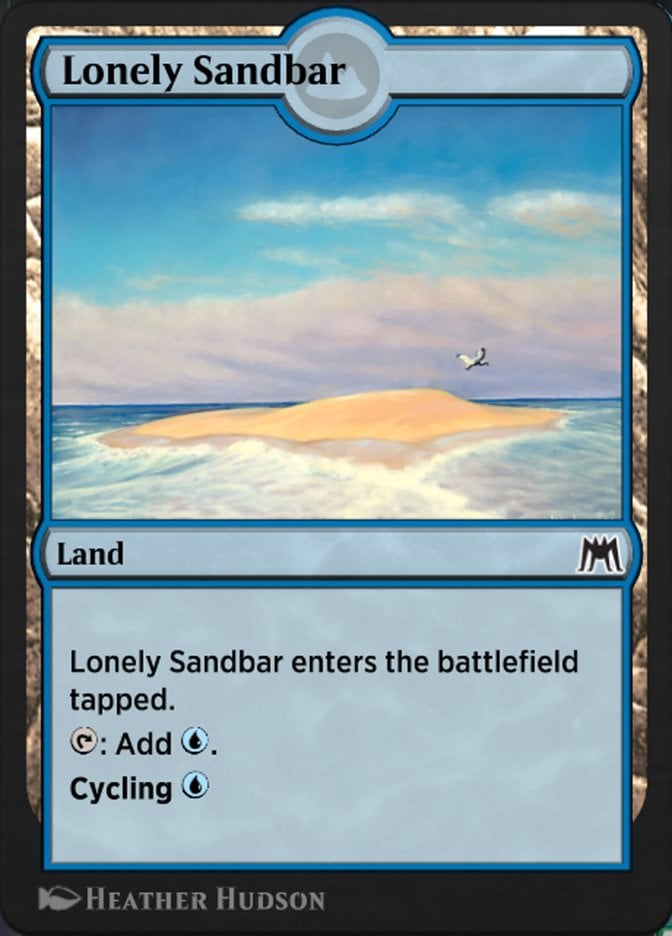
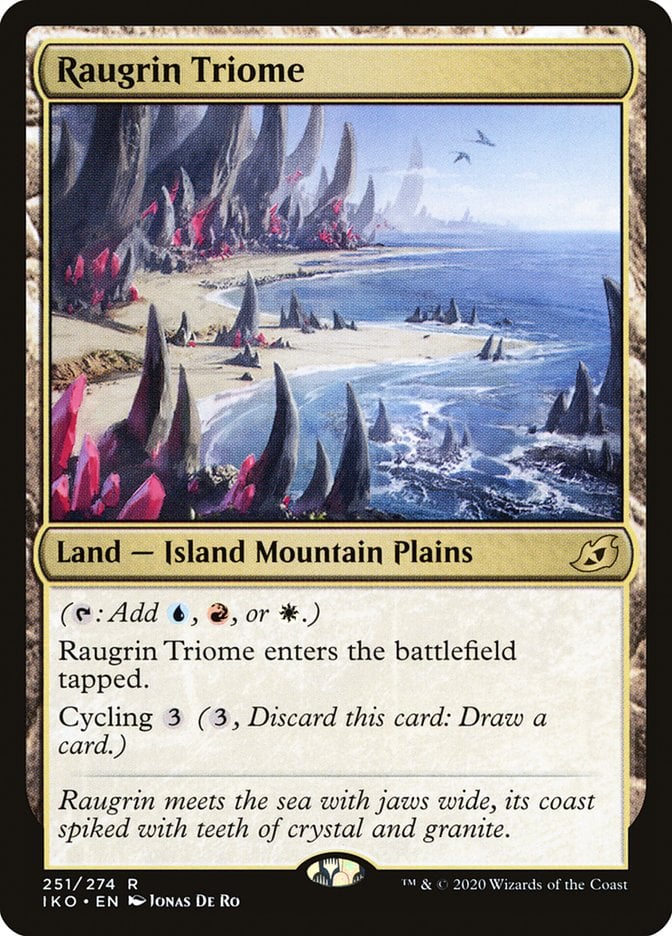
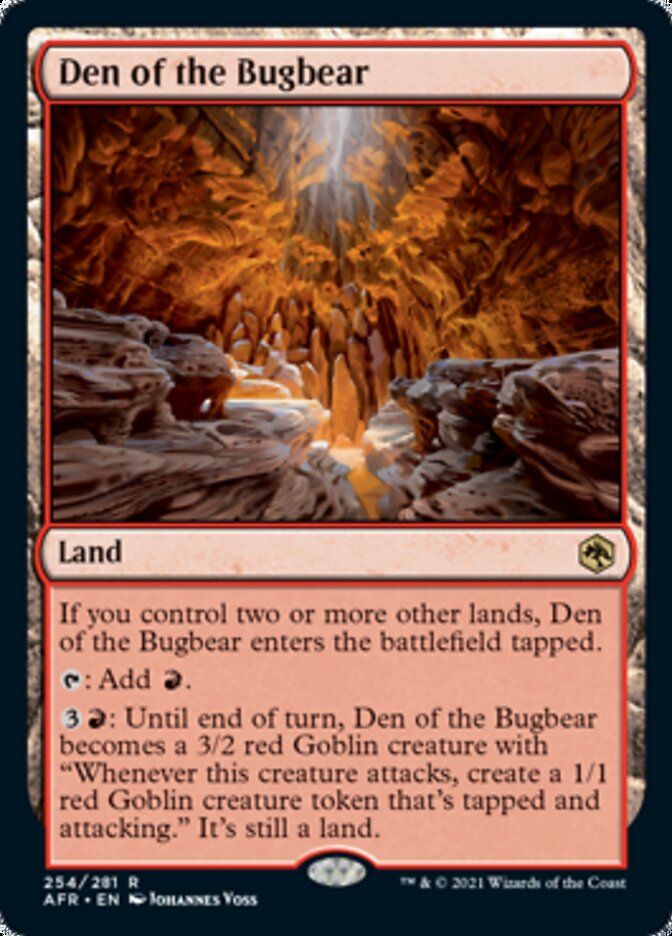
Try to include lands that do something besides tap for mana. Cycling lands let you trade an extra land draw for a fresh card, so when you flood, you can still dig for action. A simple 1-mana cycler like Lonely Sandbar does the job early or late. If you want fixing plus late-game value, a tri-land like Raugrin Triome smooths your colors early and still cycles away when you don’t need more lands. Creature lands can also turn late-game top-decks into pressure, like Den of the Bugbear, Hive of the Eye Tyrant, or even old-school Mishra's Factory.
#4. Match Your Land Count to Your Curve
A lot of flooding comes from simply playing too many lands for what your deck is trying to do. If you’re playing low-curve threats like Monastery Swiftspear or Kumano Faces Kakkazan, you can usually shave lands because your deck starts working on turns 1 to 2. If your plan is to cast bigger plays consistently like Teferi, Hero of Dominaria or The Wandering Emperor, you’ll want more lands so you don’t miss crucial land drops. And if you’re trying to reach monsters like Atraxa, Grand Unifier or Ulamog, the Ceaseless Hunger, you definitely need the mana to support it.
#5. Add Looting and Rummaging Effects
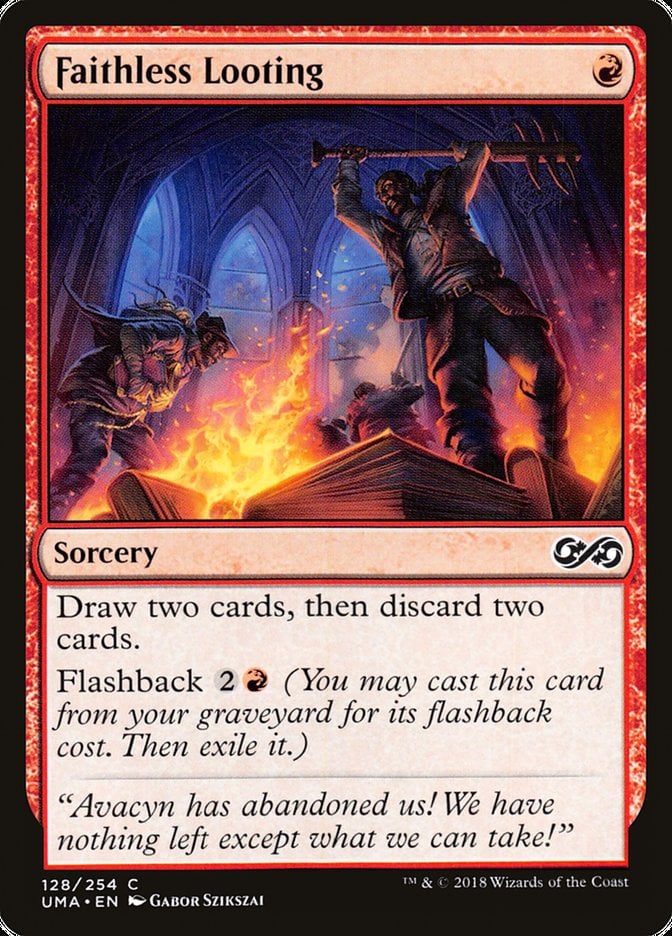
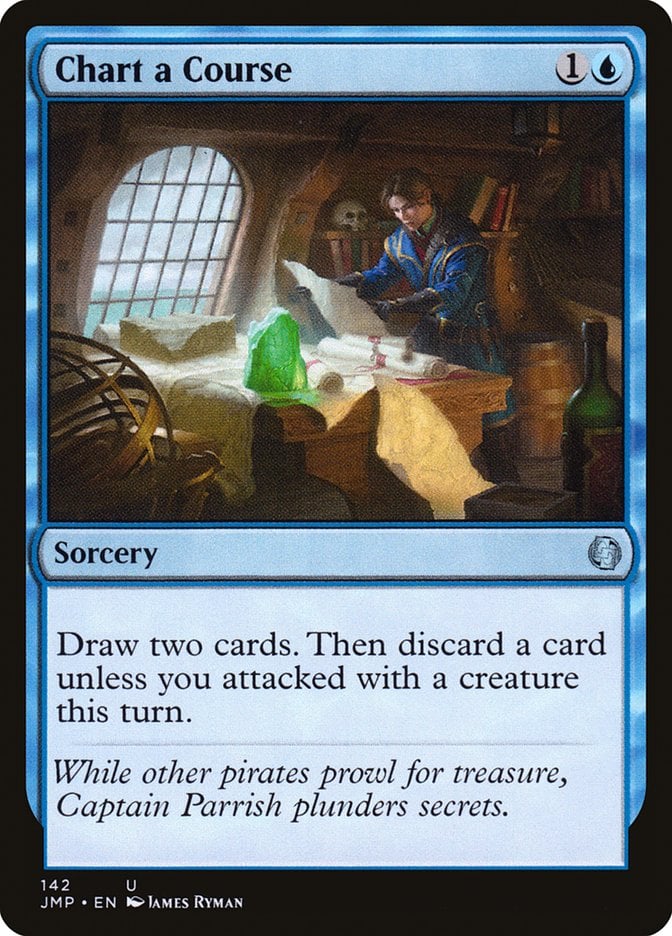
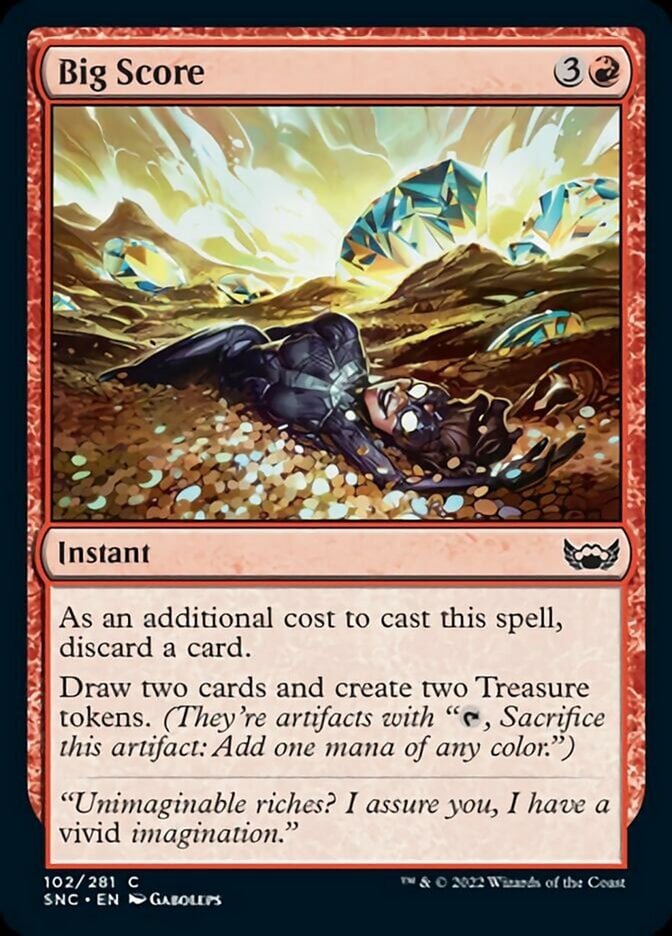
Cards that let you discard and draw help you turn extra lands into real spells, which is exactly what you want when flood hits. Effects like Faithless Looting and Tormenting Voice let you toss those dead lands and see fresh cards, while Chart a Course can refill you if you’re attacking. For bigger bursts, Big Score both filters your hand and gives you extra mana, and Fable of the Mirror-Breaker gives you rummaging built into a card that’s already strong on its own.
Just be careful: If you start to discard your non-lands recklessly, you’ll end up drawing only lands. The reverse is true, so be careful that you don’t pitch too many lands in the early game and miss a cruical land drop.
#6. Play Landless Dredge (Just Kidding)
Yeah, if you run zero lands, you can’t get mana flooded. That’s basically the meme behind “Oops All Spells” decks: You just skip lands entirely and build your deck so it doesn’t need normal land draws to function. You’ll see versions of it in older formats like Legacy, and sometimes it even shows up as a weird fringe deck in Pauper, but there’s a reason most people don’t stick with it. It’s super all-in, and one or two sideboard hate cards can wreck your whole plan.
That’s why going to extremes usually isn’t the real answer. Smart deckbuilding is.
What Mechanics Are Good at Beating Mana Flood?
Mechanics that effectively combat mana flood are those that either provide you with an extra way to spend mana or allow you to convert unwanted land draws into new cards or valuable effects.
Kicker, Multikicker, and Overload
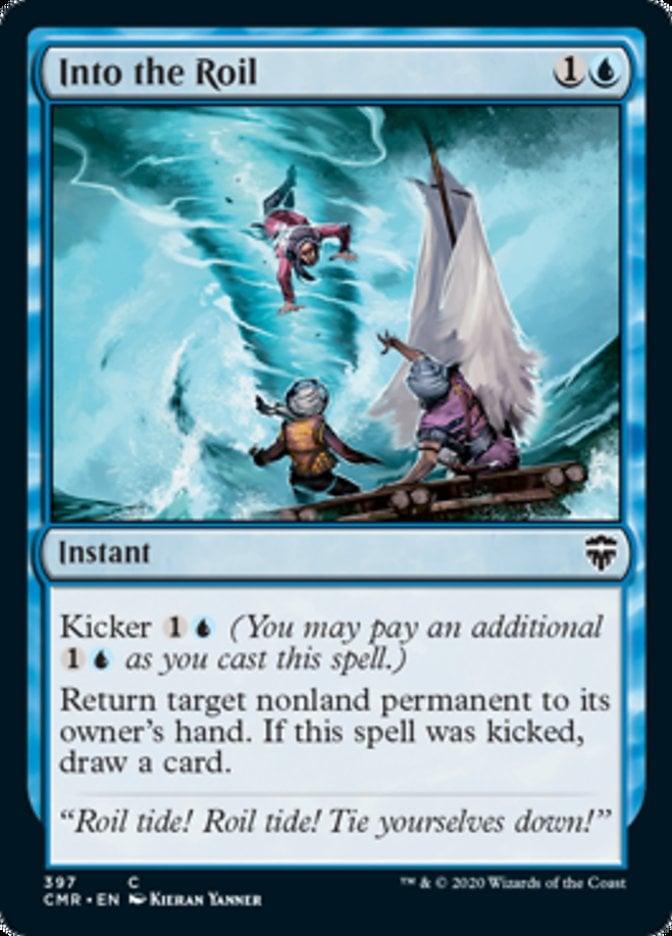
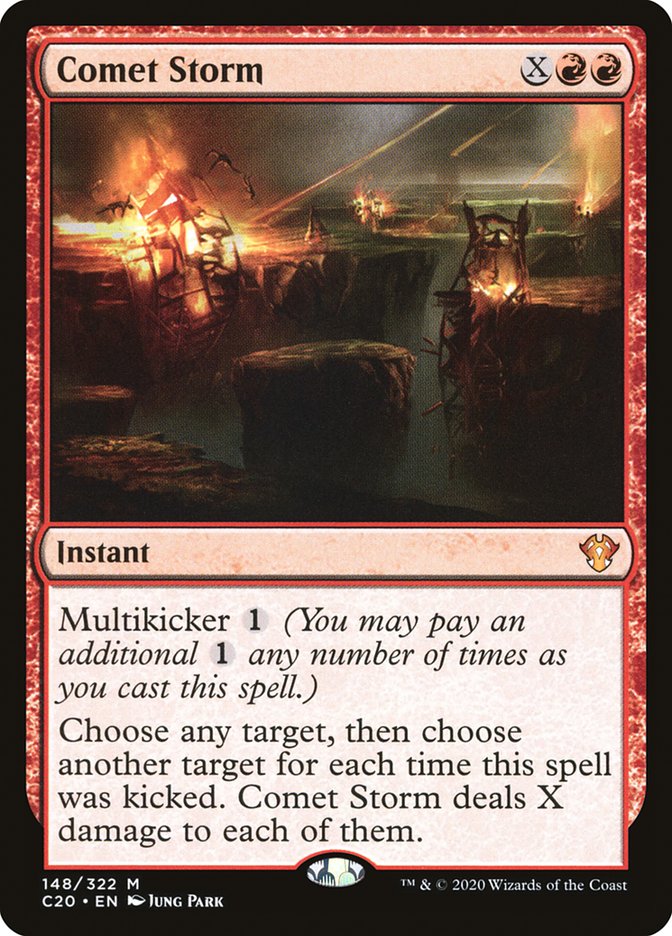
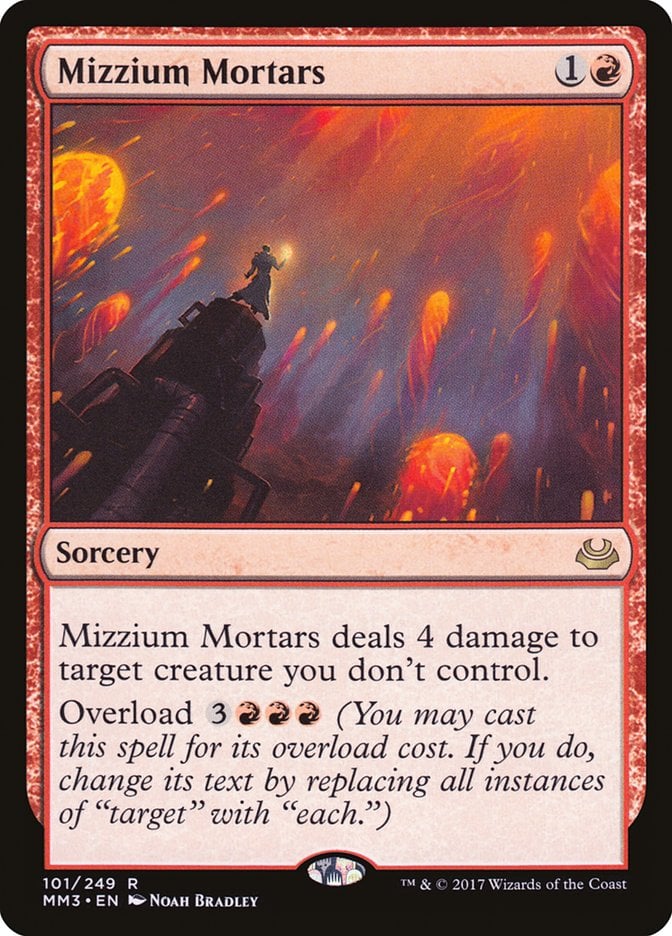
Mechanics that scale are your best friend when you’re sitting on a mountain of mana. A card like Into the Roil is fine early, but once you’re flooded it upgrades into a bounce spell that replaces itself. Fight with Fire jumps from simple removal to a potential game-ender when kicked. And if you want a clean mana dump, Comet Storm lets you pour extra mana into multiple targets, while Cyclonic Rift and Mizzium Mortars can flip from a single answer into a full board reset once you overload them.
Flashback, Jump-Start, and Retrace
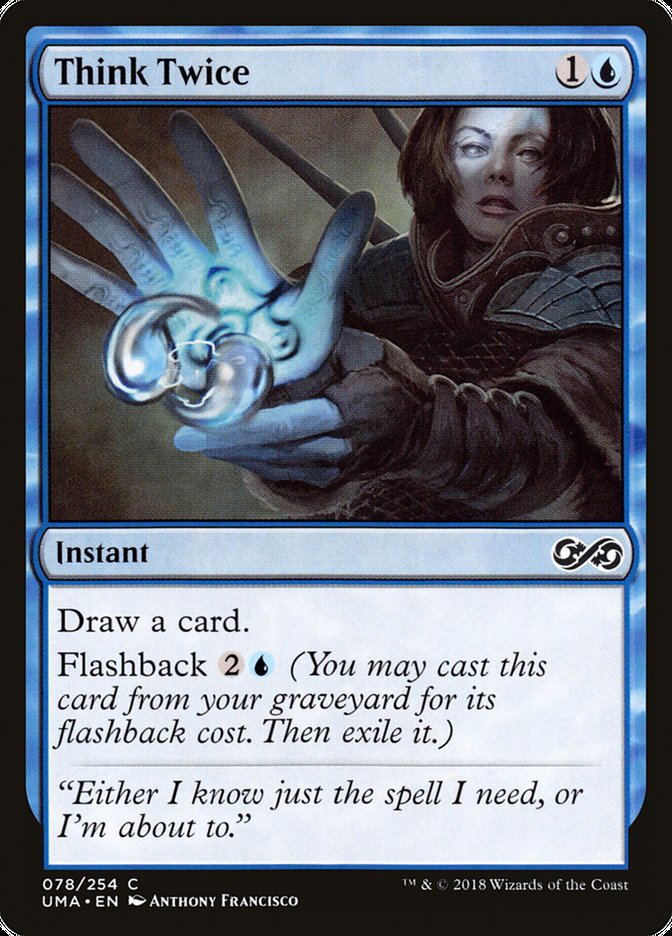
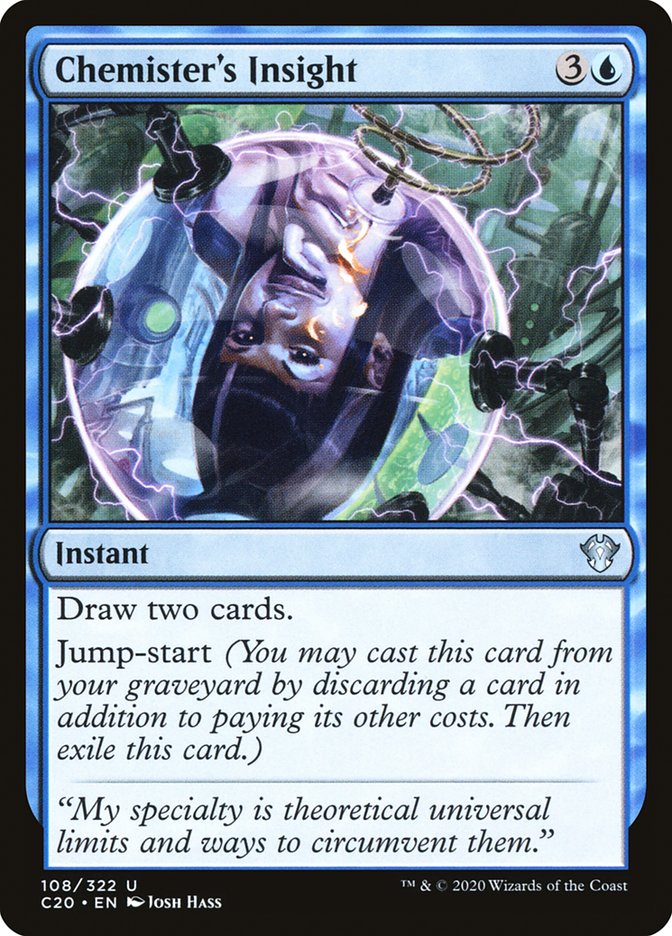

Flood usually means you run out of spells, so mechanics that let you reuse cards keep you from stalling. Think Twice gives you value now and later, and Deep Analysis is basically built for long games when you need extra cards even after the first cast. If your hand is cluttered, Chemister's Insight can turn that extra card into fuel with jump-start. Retrace is especially brutal in flood situations, since Call the Skybreaker converts every spare land into repeatable pressure instead of another useless draw.
Cycling
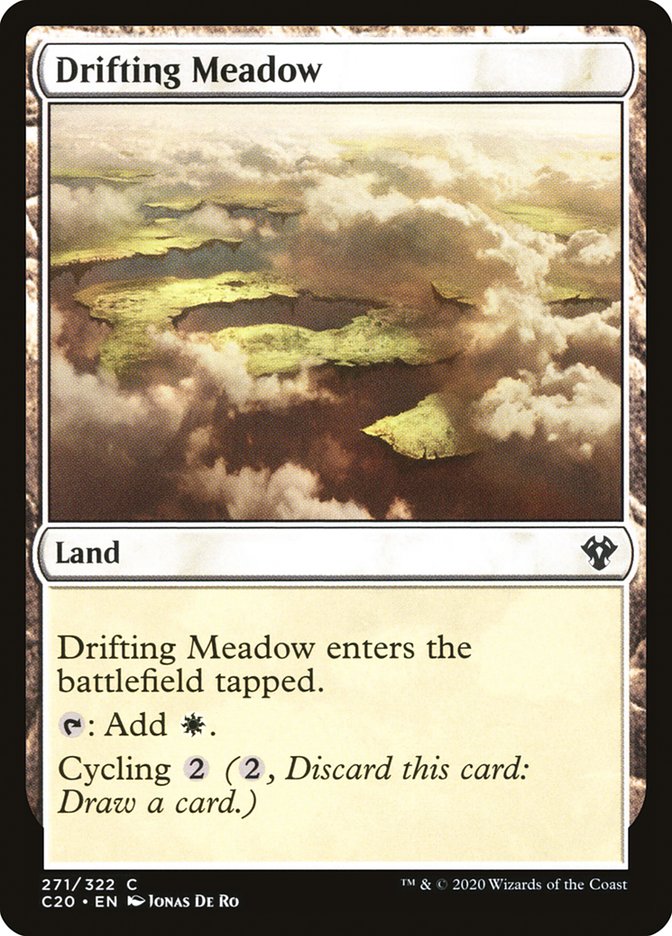
Sometimes you don’t need a fancy engine, you just need your lands to stop being dead. That’s where cycling shines, since it literally lets you trade an unwanted land for a fresh card. When you peel Lonely Sandbar late, you can cash it in immediately, and Drifting Meadow does the same job while still being a land drop when you actually need one.
Mana Sinks
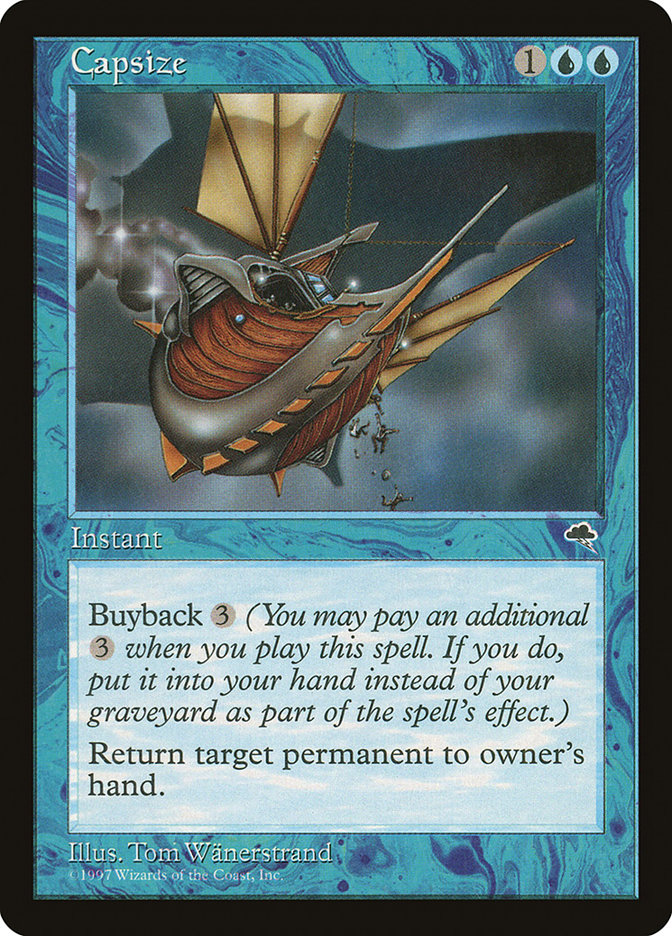
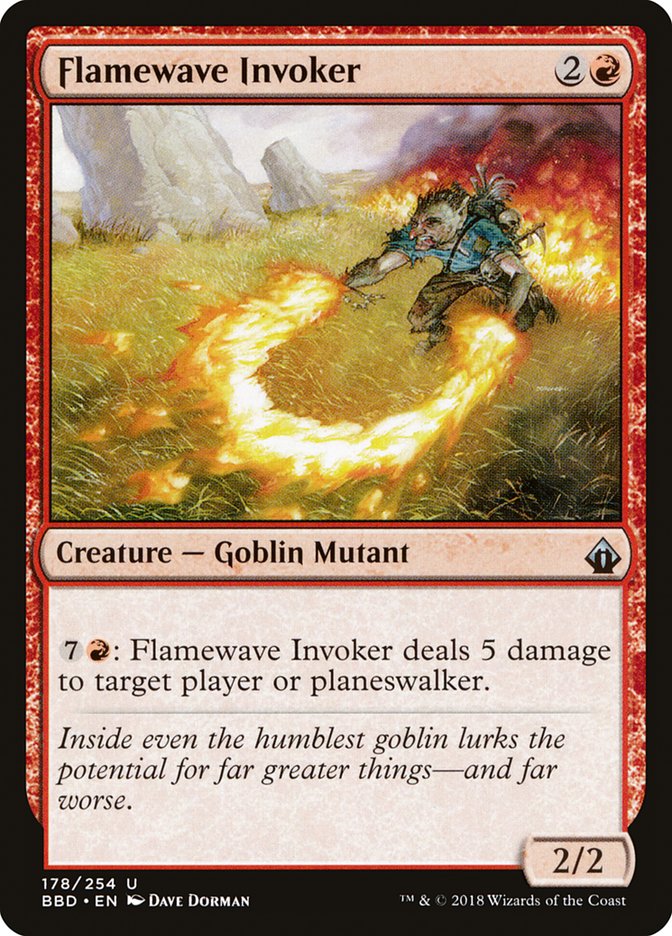
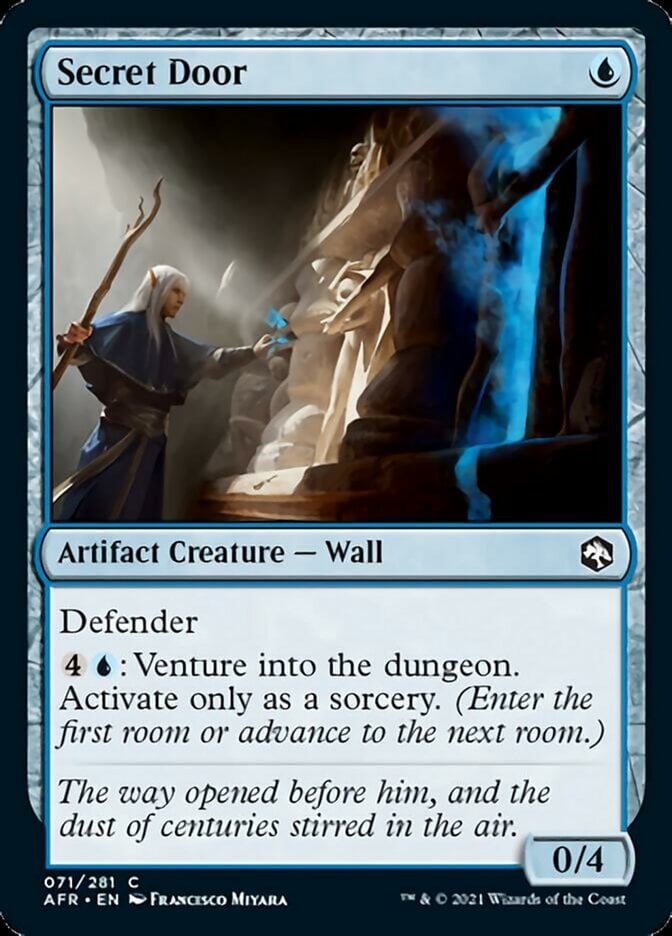
If you’re going to draw extra lands anyway, a built-in place to spend mana makes flood way less scary. Capsize is a classic because buyback turns it into a repeatable play once you’re rich on mana, so your lands become a loop instead of a problem. To close games, Flamewave Invoker turns a pile of mana into direct damage, which is exactly what you want when you’re topdecking land. Even slower options like Secret Door count as a sink, since they let you keep investing mana to advance your dungeon plan instead of wasting turns.
Landfall
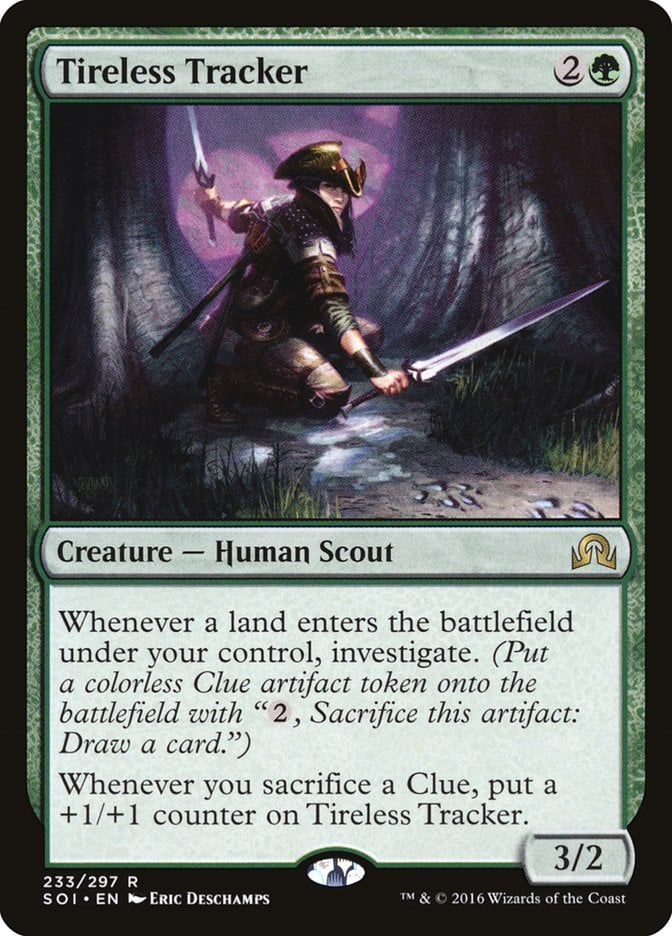
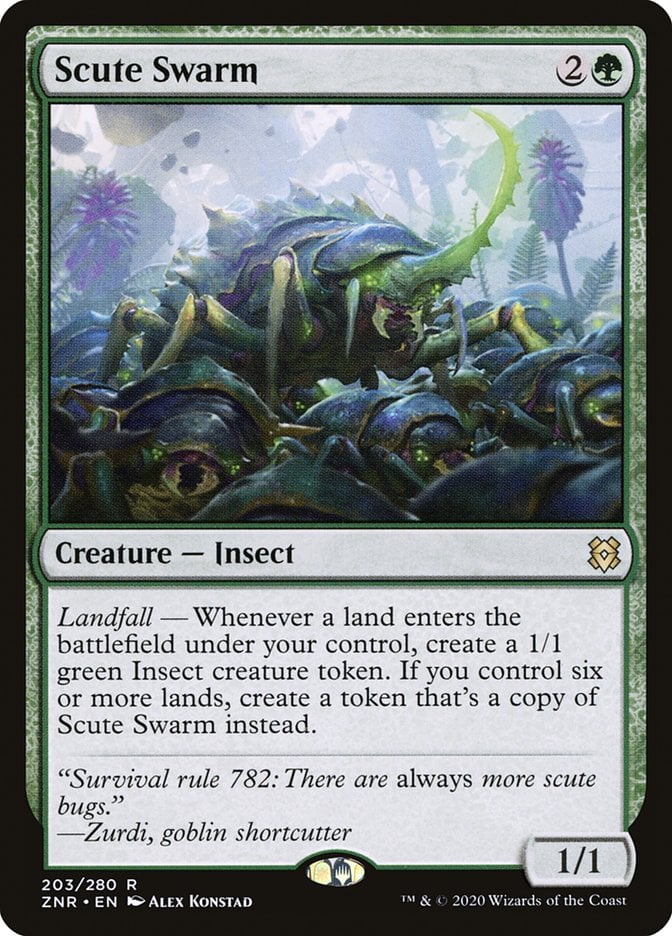
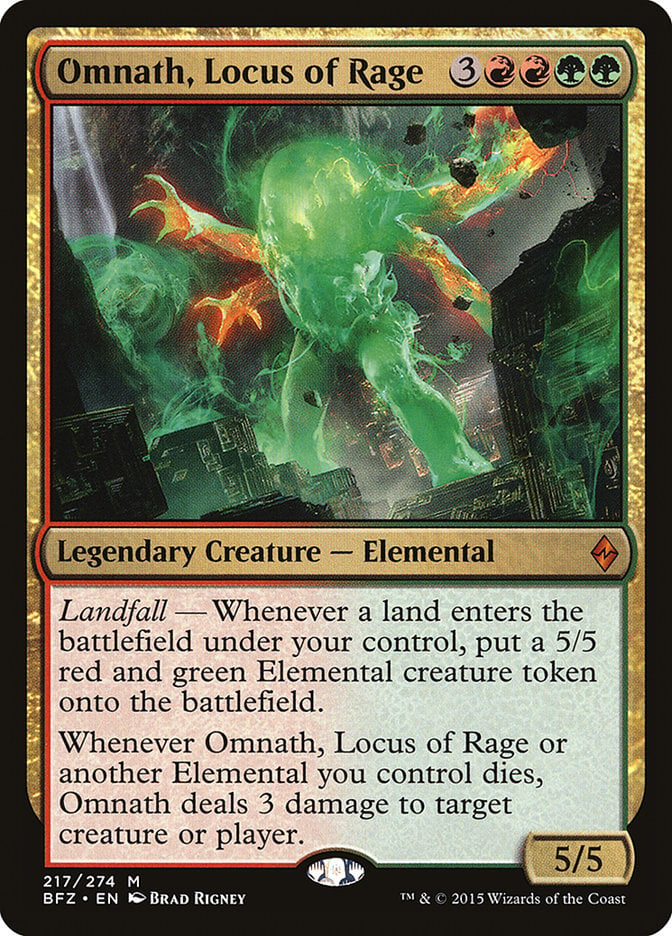
The funniest way to beat mana flood is to build a deck that actually wants it. With landfall, every extra land drop becomes value, so flood turns into triggers instead of frustration. Tireless Tracker turns land drops into Clue tokens, Scute Swarm turns them into on-board presence, and Omnath, Locus of Rage makes your extra lands feel like real threats rather than blanks.
Can You Mana Weave to Prevent Flooding?
Nope. Mana weaving is cheating.
Mana weaving is when you sort your deck to space out lands and spells so your draws look smoother. The issue is that you’re messing with the deck’s order on purpose, which is basically stacking your deck. In real play, your deck has to be truly random after you shuffle, and weaving is a big red flag because it’s meant to reduce clumps of lands or spells.
Even if you tell yourself you’ll shuffle after, if it looks like the weaving could have influenced the order, you can get called on it.
The safe move is simple: Shuffle normally and use legal fixes like mulligans, better land counts, cycling lands, MDFCs, card draw, and mana sinks.
Wrap Up
Crashing Wave | Illustration by Mitori
At the end of the day, mana flood and variance are inevitable, but there are plenty of ways to stop them from becoming a constant problem. Hopefully I’ve given you a few solid ideas to use the next time your draws get weird.
Personally, I flood a lot in Limited, and when I get mana screwed, the biggest tip I can give is this: Don’t panic and throw away your most powerful card. If the game goes long and you finally start hitting lands, that card can still steal you a win.
Thanks for reading. Feel free to share your own tips to mitigate mana flood in the comments or on the Draftsim Discord. If you enjoyed this, follow us on social media so you never miss new content.
Take care, and see you next time.
Follow Draftsim for awesome articles and set updates:










Add Comment