
Last updated on July 30, 2026

Mirari's Wake | Illustration by Volkan Baga
Enchantments have been in MTG since the beginning, and they’re one of the coolest build-arounds in the game. They’re hard to remove and enable countless combos and interactions. Enchantments usually alter the rules of the game and are one of the best permanents to build a deck around with special characteristics, whether you have an aggressive, combo, or controlling deck.
We won’t be covering enchantment creatures, but today I’ll be going over auras, sagas, and other enchantment subtypes. So let’s see what MTG has to offer in terms of enchantments for your Constructed and Commander decks, shall we?
What are Enchantments in MTG?
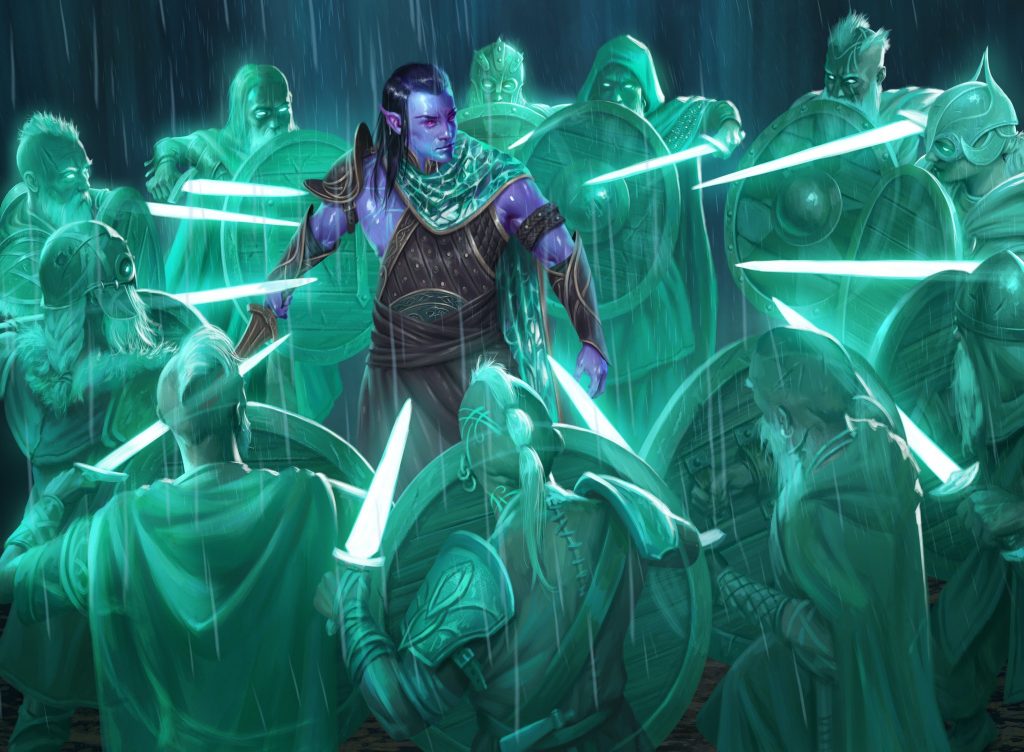
Ghostly Prison | Illustration by Daarken
Enchantments in MTG are cards that have the enchantment card type, one of the main card types in Magic. When you resolve an enchantment, it stays on the battlefield like creatures do – in other words, it’s a permanent card type.
There are many enchantment subtypes, like auras, sagas, and rooms. Every aura is an enchantment, but you can’t say the opposite. Here we’re ranking the best enchantment cards in MTG, and to keep the list more cohesive, I’m not including any enchantment creatures.
#65. Flowering of the White Tree
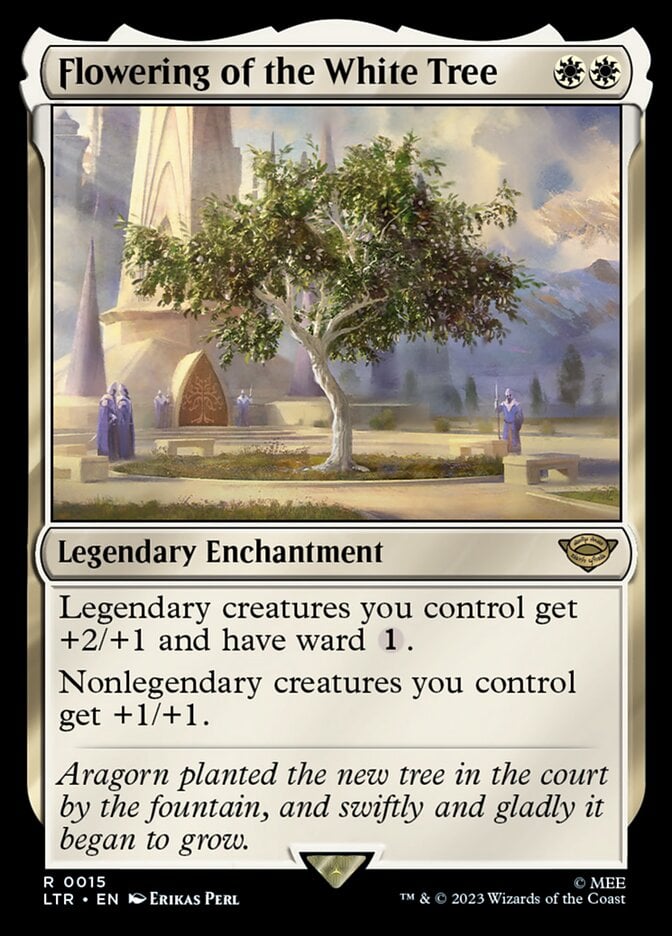
Flowering of the White Tree matters most in EDH since your commander always gets +2/+1 for only . If you build around legendary creatures, don’t forget about this white enchantment‘s anthem effect.
#64. Cathars’ Crusade
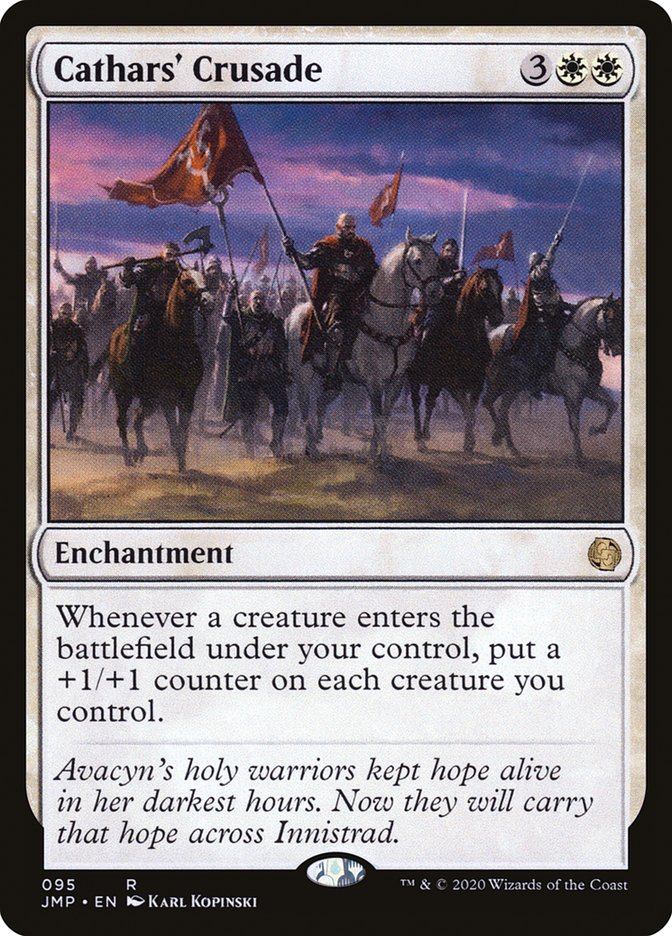
When I started playing Commander, Selesnya () decks were all about curving this into Doubling Season and making tokens. You’d get double the tokens and many +1/+1 counters which would be doubled. Cathars' Crusade is an excellent middle-ground between going large and tall with +1/+1 counters, and it really incentivizes numbers.
#63. Innkeeper’s Talent

Innkeeper's Talent is a cheap class enchantment that distributes +1/+1 counters, and with some effort you can build your own pseudo-Doubling Season. This green card even made some waves in Standard, where you can one-shot with Vraska, Betrayal's Sting‘s ultimate.
#62. High Score
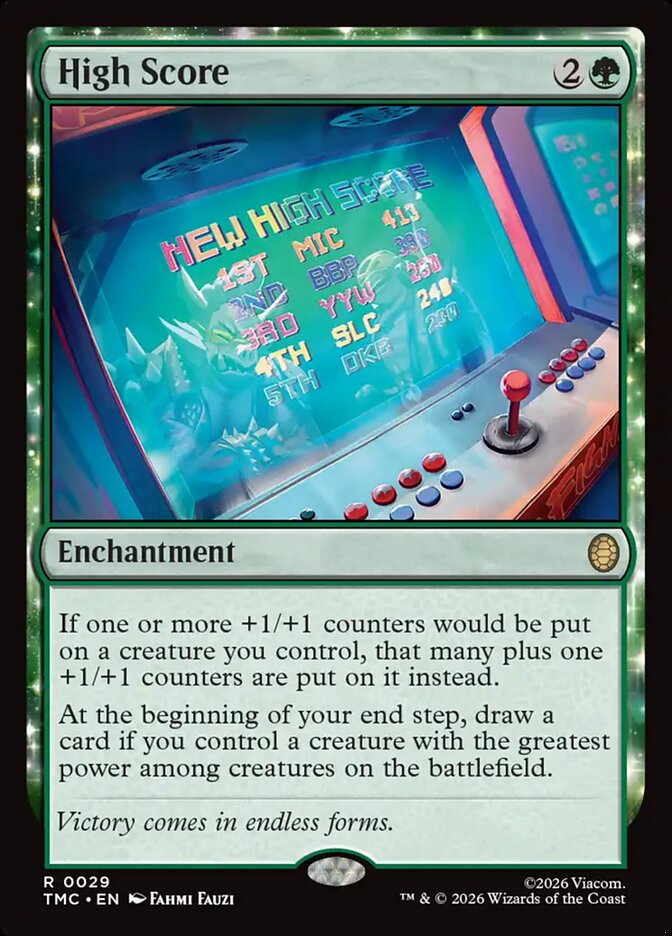
High Score isn’t the best enchantment for +1/+1 counter strategies, nor is it the best green enchantment that draws cards. But it provides a solid mixture of the two at a cost-effective price. It’s a nice support piece in singleton formats that can’t just role with multiple Doubling Seasons.
#61. Thousand-Year Storm
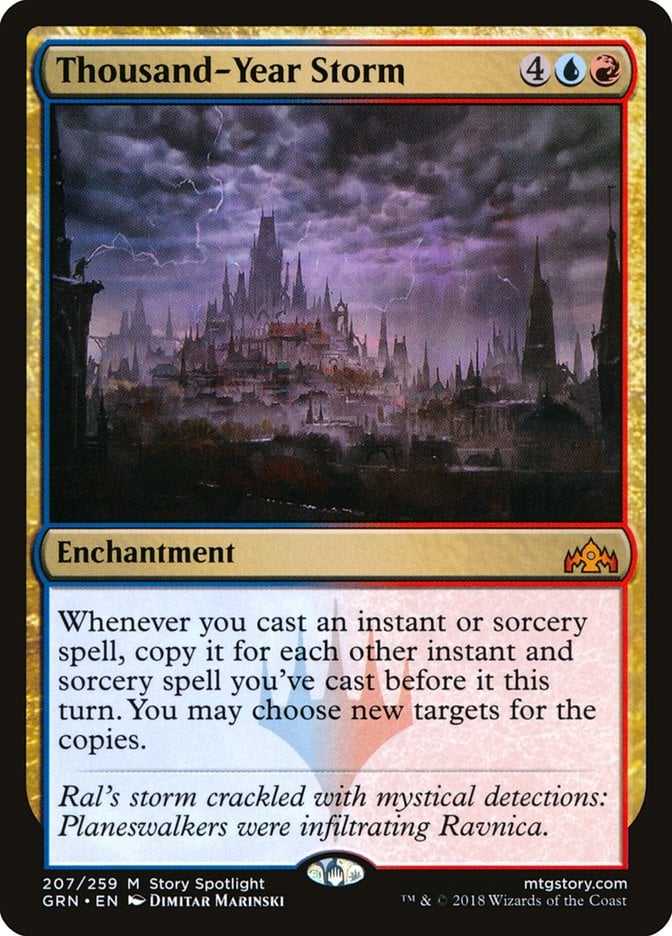
Storm is a powerful mechanic, and giving it to every instant and sorcery you control is strong. How strong? To the point where people will actually play a 6-mana do-nothing enchantment. I’d include Thousand-Year Storm in any EDH deck that can generate a ton of mana and is interested in casting and copying spells.
#60. Warstorm Surge
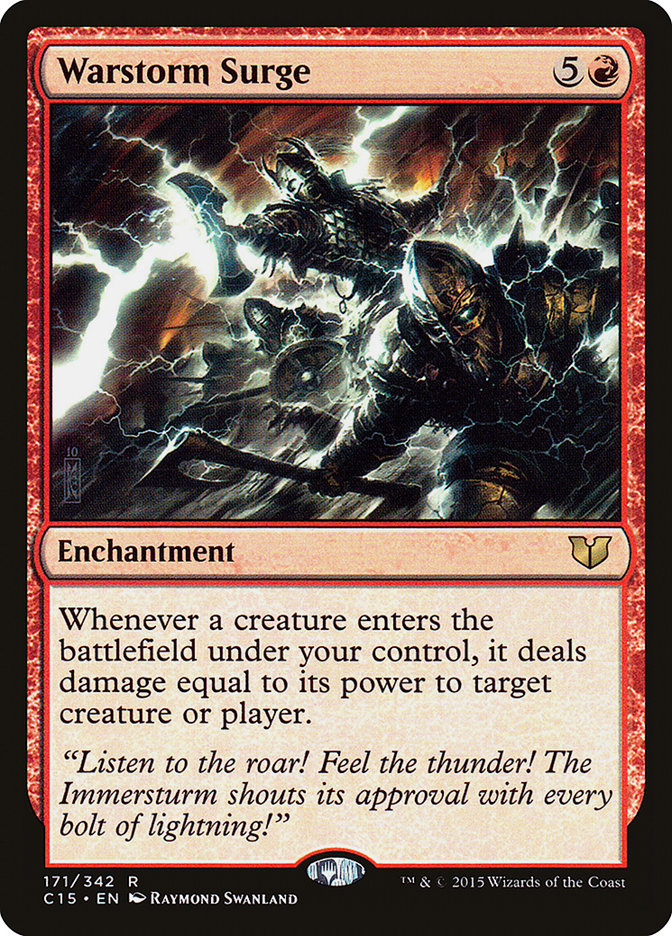
Warstorm Surge is a static Terror of the Peaks effect, but powerful nonetheless. This red enchantment sits on the battlefield and works very well with big creature strategies or strategies that aim to cheat a big creature into play.
#59. Up the Beanstalk

Up the Beanstalk is so cheap for what it does, automatically giving you your card back and drawing many more cards later. Whether you’re playing affinity, delve, or domain, there are many ways to cast expensive cards for cheap and keep drawing more.
#58. Propaganda + Ghostly Prison
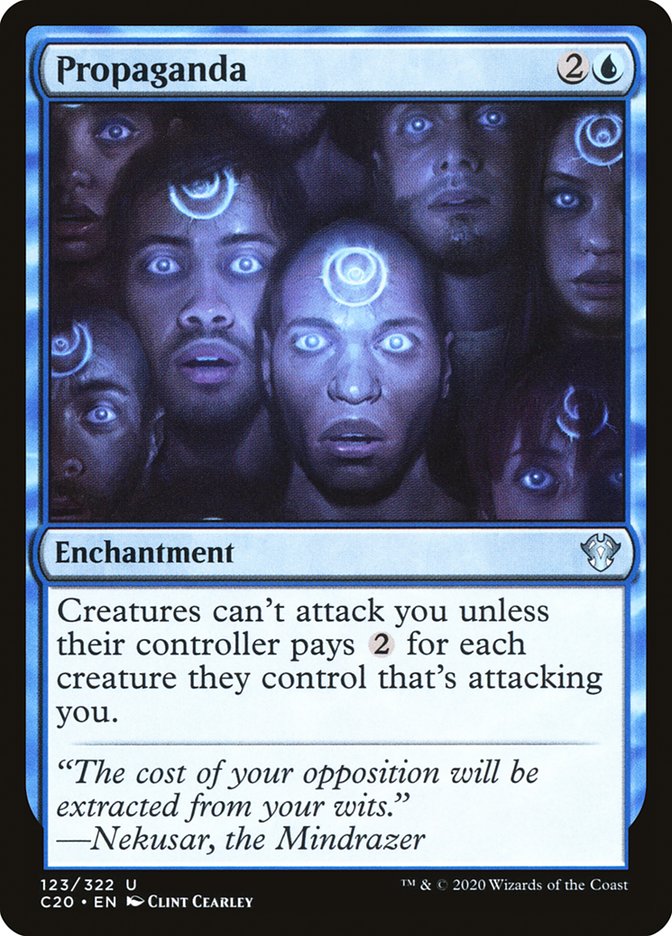
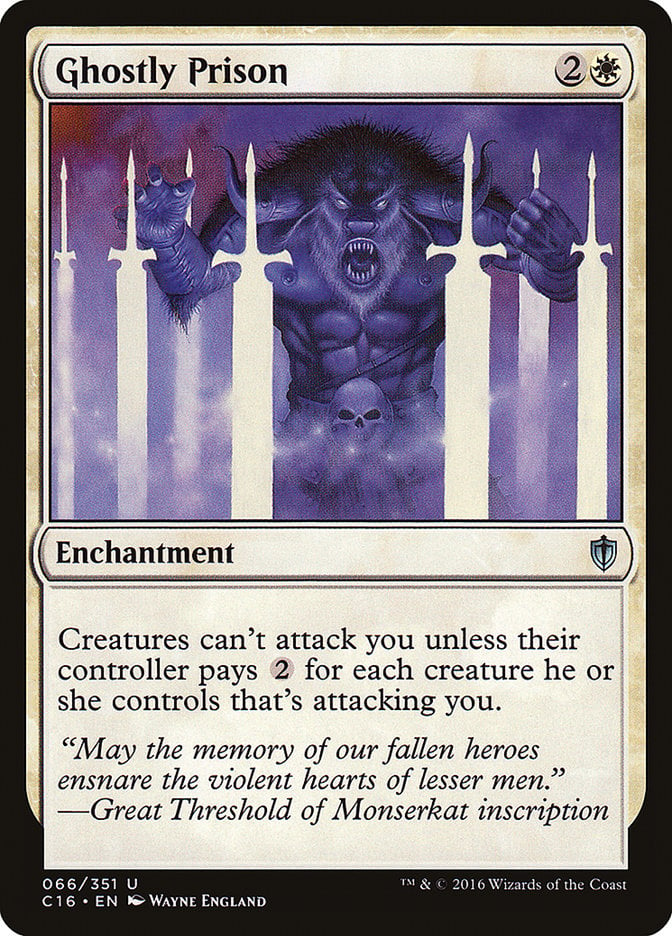
Propaganda and Ghostly Prison are exactly what slow Azorius () decks will gladly play to prevent being overrun by tokens. In an EDH game where three players are trying to attack you, you want to make life harder if they choose you. People will think twice before attacking you with a single creature, let alone three or four. Aim your cannons in another direction, please.
#57. Standstill
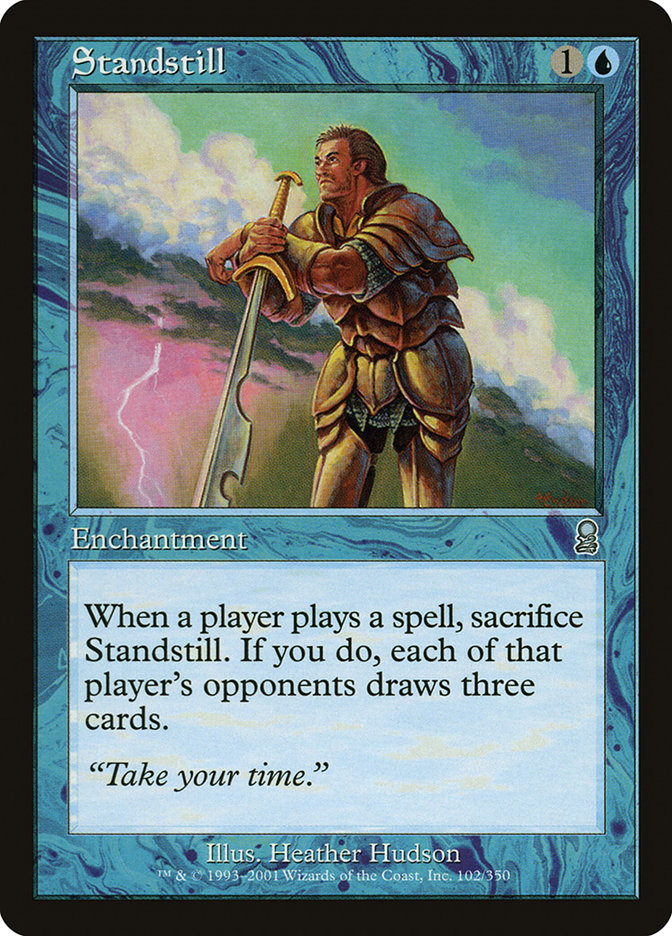
Standstill is among the stax cards that, like Stasis or Winter Orb, stops the game. No one wants to cast a spell and give you three free cards. Meanwhile, you can adapt to this by attacking with creature lands, or get ahead of it with a good 1-drop like Ragavan, Nimble Pilferer.
#56. Imprisoned in the Moon
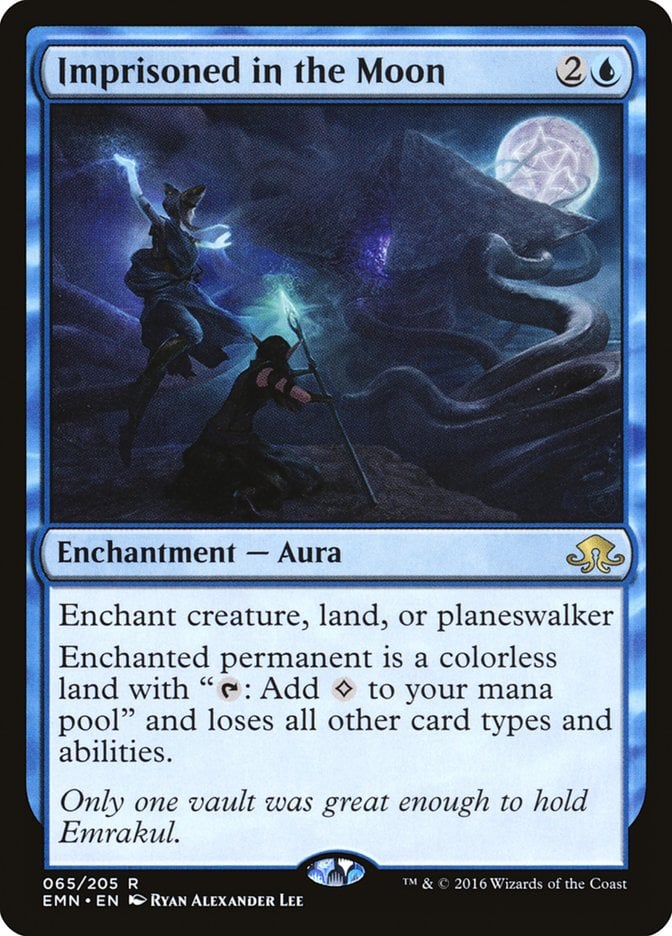
Imprisoned in the Moon is one of the best removal options available for blue. Just letting them ignore what’s under the card is way better than your typical Claustrophobia effect, similar to what white has with Oblivion Ring variants.
#55. Cool but Rude

Cool but Rude is a cheap addition to the popular Boros (), Rakdos (), or Izzet () discard decks. Pairing this enchantment with cards like Monument to Endurance or Chainer, Nightmare Adept produces a ton of burn. Cool but Rude fits amazingly into the curves of these decks, so it must be considered when building for a self-discard strategy.
#54. TLA Ascension Enchantments


Let’s group together all of the Ascension enchantments from Avatar: The Last Airbender, because they can all be good in the right builds. These enchantments gain quest counters from certain triggers, and after collecting four, provide an effect for those triggers. My favorite of the bunch is definitely Earthbender Ascension for its ease in working well with landfall decks. The only color missing is black, but Avatar only had four elements, so sorry, black.
#53. Tribute to the World Tree
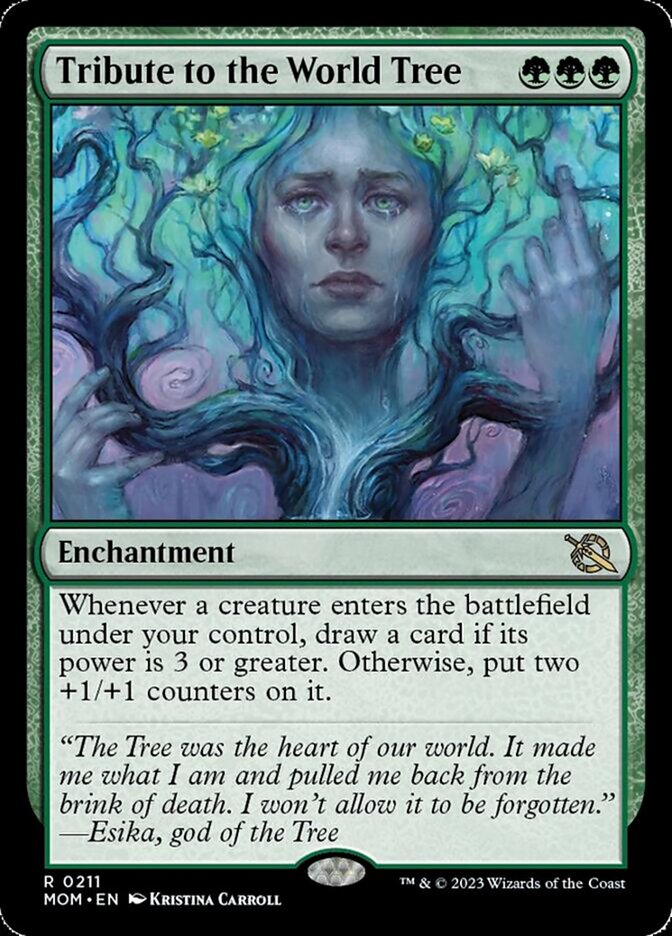
Tribute to the World Tree sees a lot of play in green devotion decks, and those usually play many big creatures. It’s a functional copy of Garruk's Uprising in decks that need redundancy.
#52. Leyline of the Guildpact
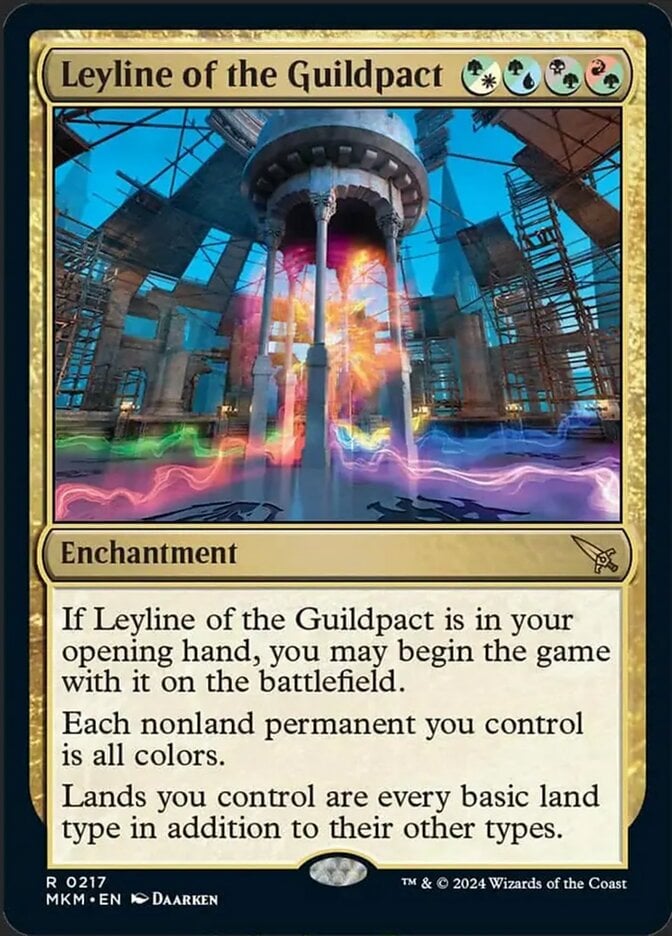
Leyline of the Guildpact is very strong in your opening hand as this leyline gives you instant 5-color mana fixing. When all your spells and lands are all colors thanks to this 5-color card, you get instant domain, which matters a lot for cards like Scion of Draco.
#51. Advanced Reconstruction
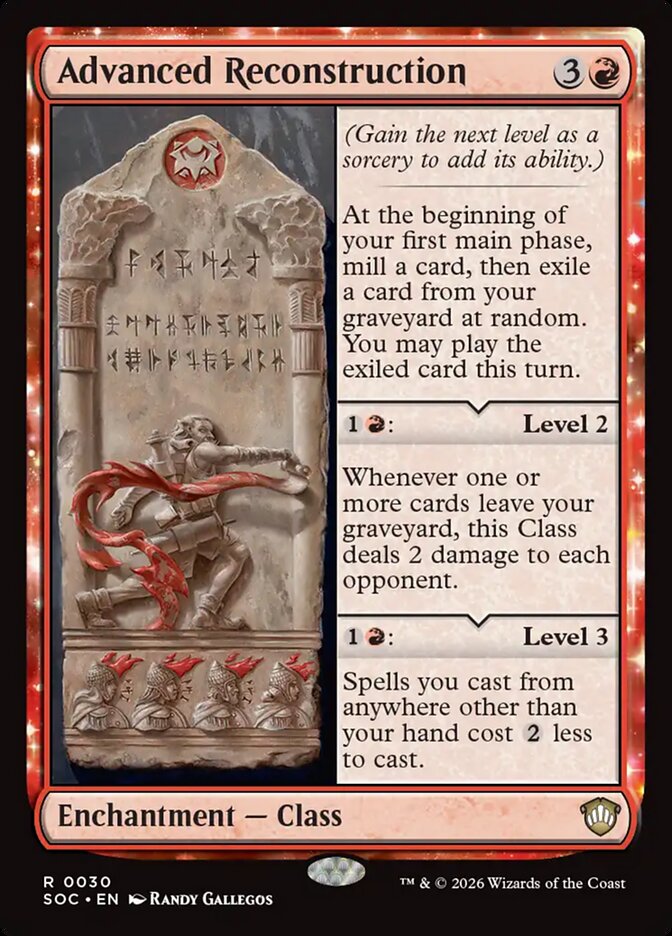
Advanced Reconstruction is an apt name for this class. Each level of this red enchantment provides value in a multitude of ways. This card offers an impulse draw each turn, interestingly from your graveyard, which you can then turn into damage or cost reduction. I’m quite interested in how much damage this card’s second level does with a repeatable graveyard remover like Scavenging Ooze.
#50. Shark Typhoon
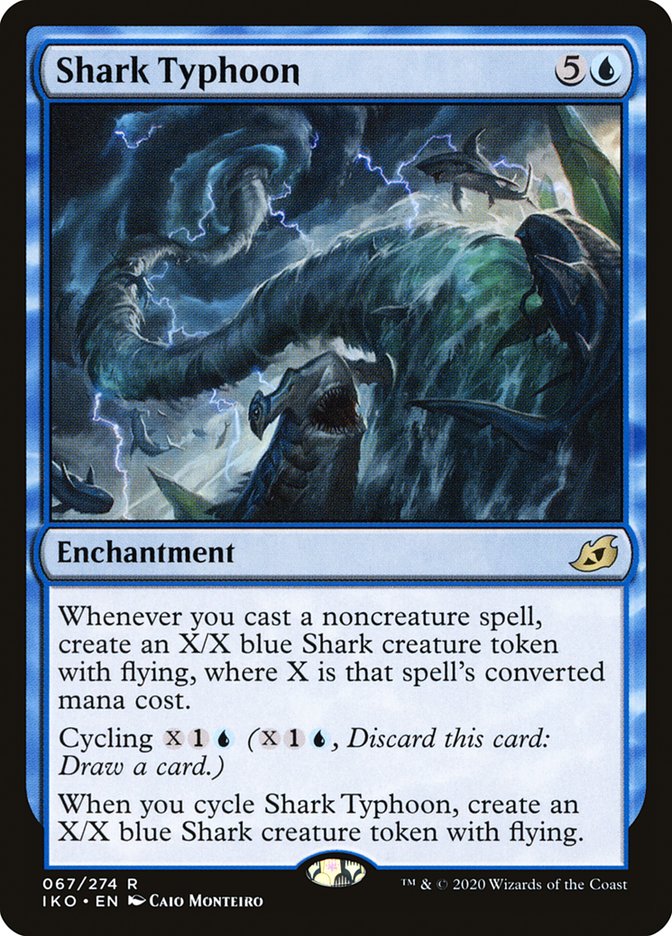
Shark Typhoon is a very strong card in draw-go decks, mainly for its cycling ability. Being able to make an uncounterable threat and draw a card is good against blue counterspell decks. You have early-game insurance, and when you drop this later, you’ll have an army of flying sharks in no time.
#49. Summon: Bahamut

Summon: Bahamut is a perfect target for reanimation decks. Getting this card into your graveyard early and reanimating for cheap starts a wave of value as the lore counters add up. This colorless enchantment is removal, card draw, and a probable wincon all in one saga. Being colorless means it’s a candidate for almost any reanimate deck.
#48. Bident of Thassa
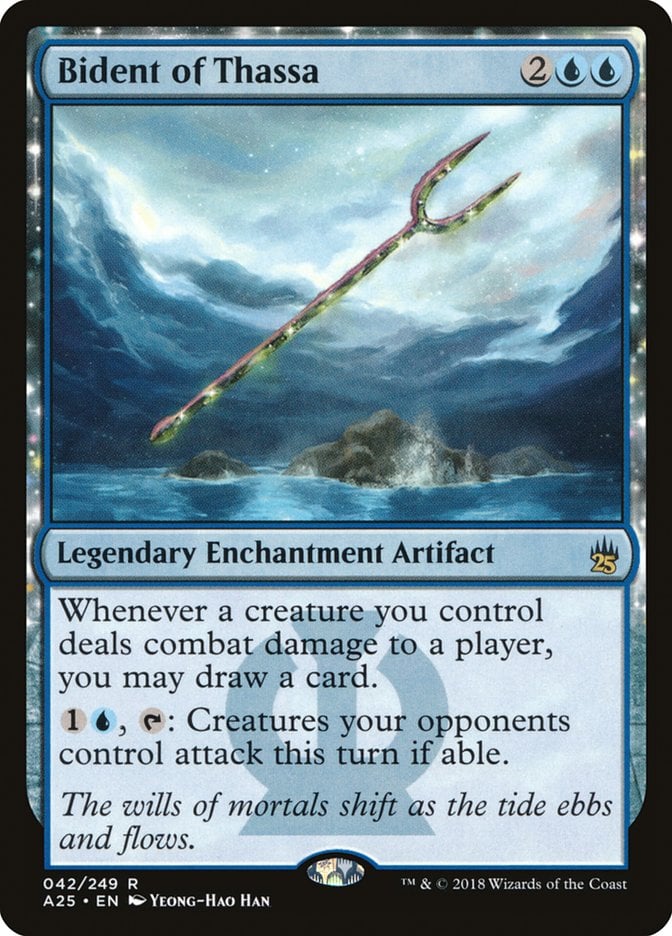
Blue has many cards in MTG that allow you to draw when your creatures hit your opponent, like Bident of Thassa and Coastal Piracy. Bident of Thassa gets an advantage by also being one of the best blue artifacts and having an activated ability that can mess with a certain opponent’s plan.
#47. Omniscience
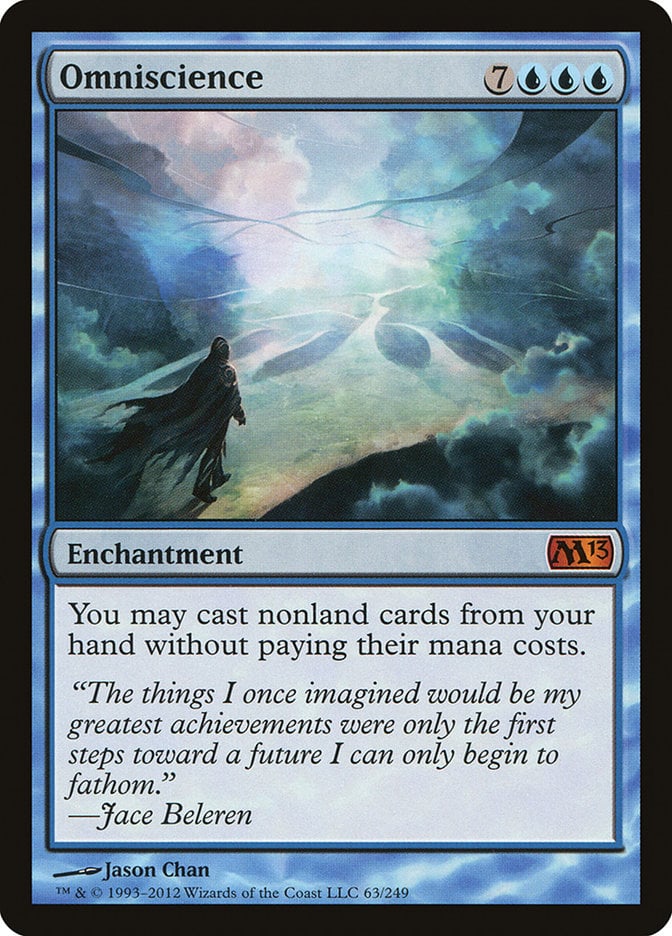
No matter which format Omniscience is legal in (and Foundations returned it to Standard), cheating it into play is a good plan. Having this 10-mana enchantment in play means that you don’t have to worry about mana anymore. It’s noteworthy that Show and Tell allows us to put enchantments into play.
#46. Leyline of the Void
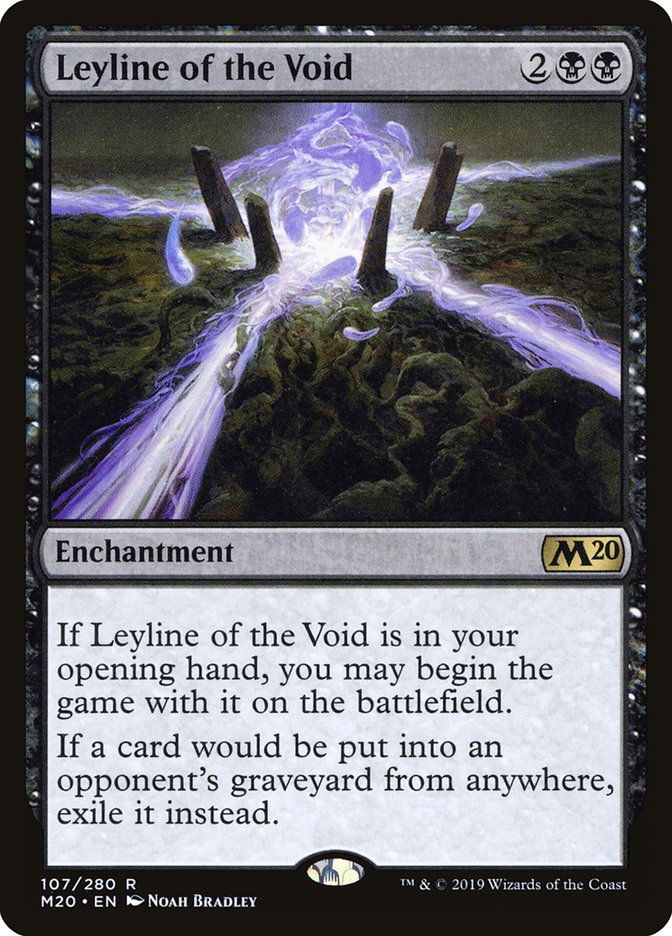
Many decks in MTG use the graveyard as a resource, whether you’re reanimating creatures, milling, or just sacrificing creatures for value. Leyline of the Void gets around all of that for free, and this black enchantment is the first card to come out of the sideboard in black decks if the need arises.
#45. Obsessive Pursuit
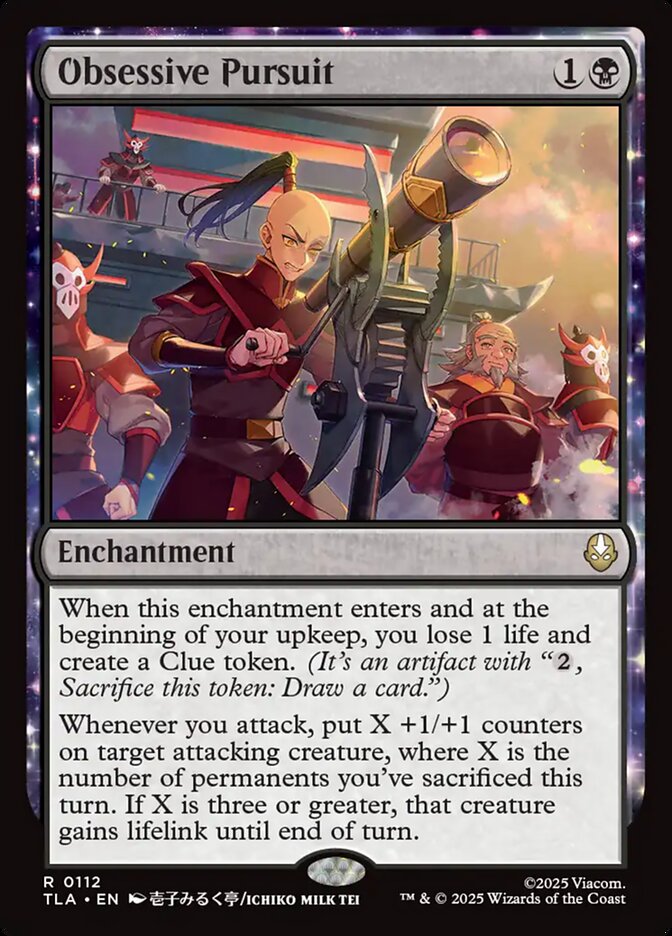
Obsessive Pursuit is a fantastic support piece for several different strategies, all in one cheap enchantment. It provides artifact tokens, it provides draw, and it has a great combat ability based on sacrifice. I love the combination of a sacrifice benefactor like Super Shredder and an activated cost-reducer like Mutagen Man, Living Ooze with Obsessive Pursuit.
#44. Revel in Riches
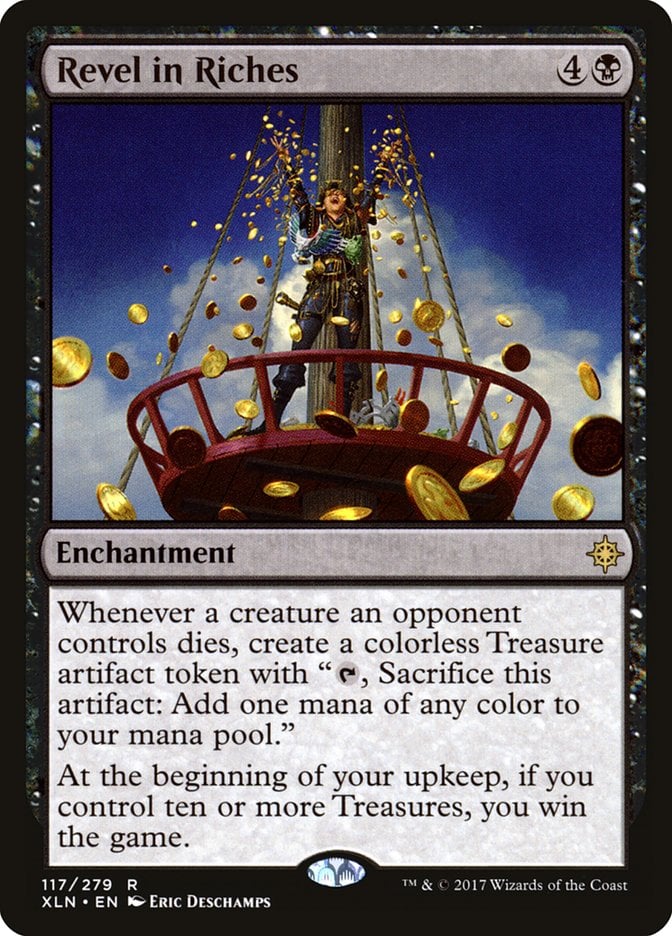
Dockside Extortionist is banned in EDH, but treasure commanders and decks aren’t going anywhere. Getting to produce Treasure tokens with Revel in Riches is obviously good, but many decks rely on this card as one of its win conditions. Prosper, Tome-Bound is an obvious shoutout, but even a good creature sweeper does the trick sometimes.
#43. Changing Loyalty
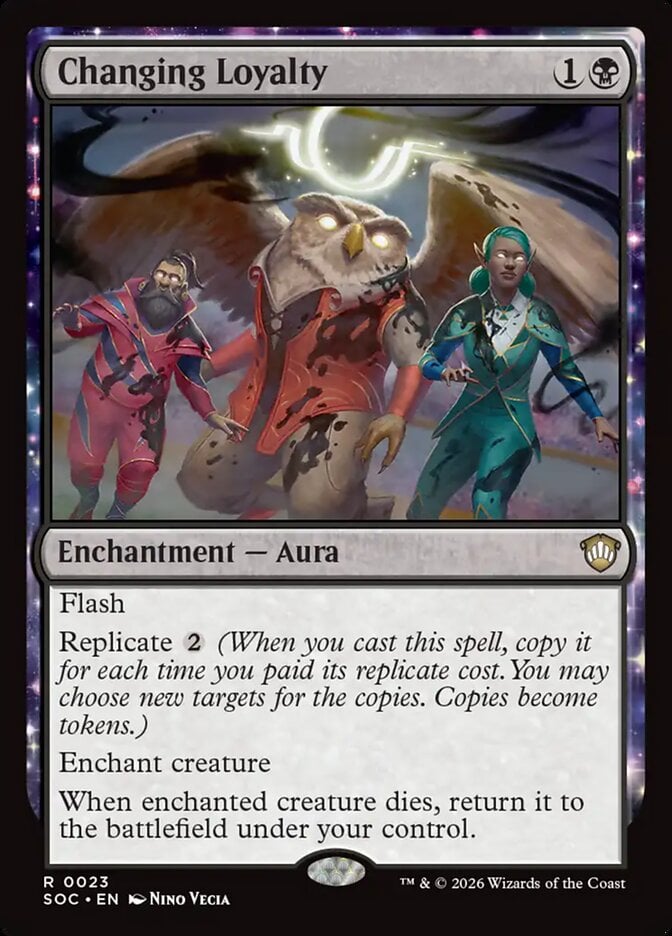
An instant-speed way to return any creature that dies back to the battlefield is wonderful. Replicate makes Changing Loyalty a wonderful Commander card to counter board wipes. I’m excited to see the Dimir () flash decks roll with this enchantment!
#42. Goblin Bombardment
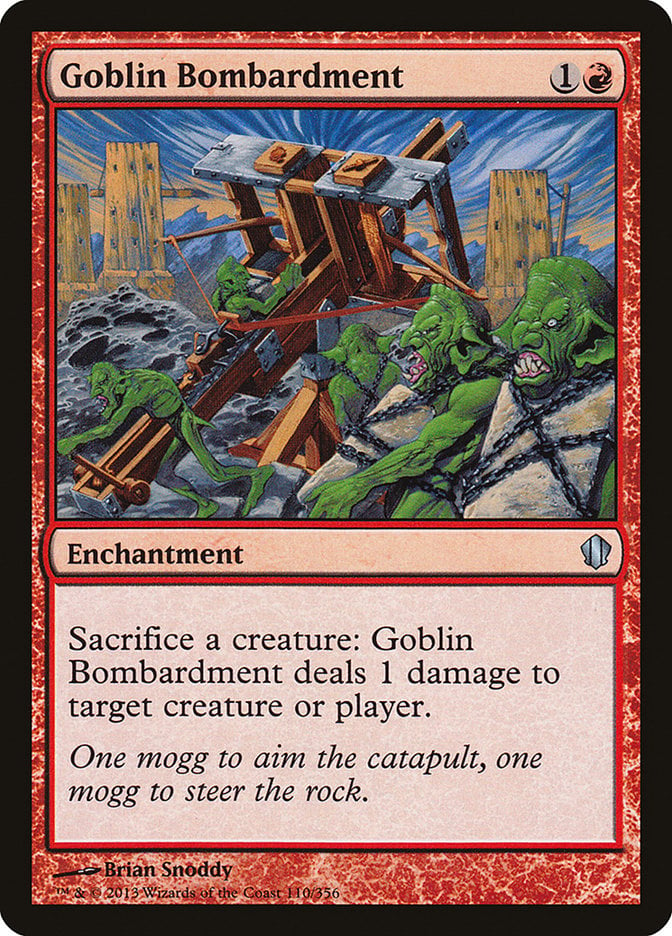
Goblin Bombardment is a free sacrifice outlet, allowing you to run infinite sacrifice loops with any creature, not just goblins. It’s cheap at 2 mana, and you can even ping a target or two while your engine isn’t online.
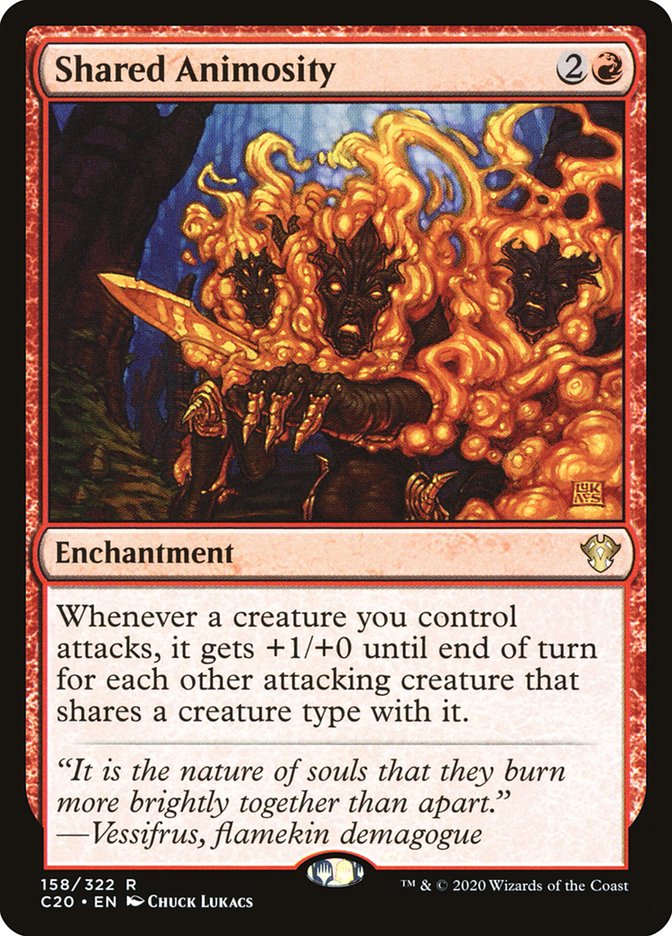
Shared Animosity is one of the best typal incentives in red. Going wide with three goblins and attacking means that each goblin gets +2/+0, and it only scales up from there.
#40. Darksteel Mutation
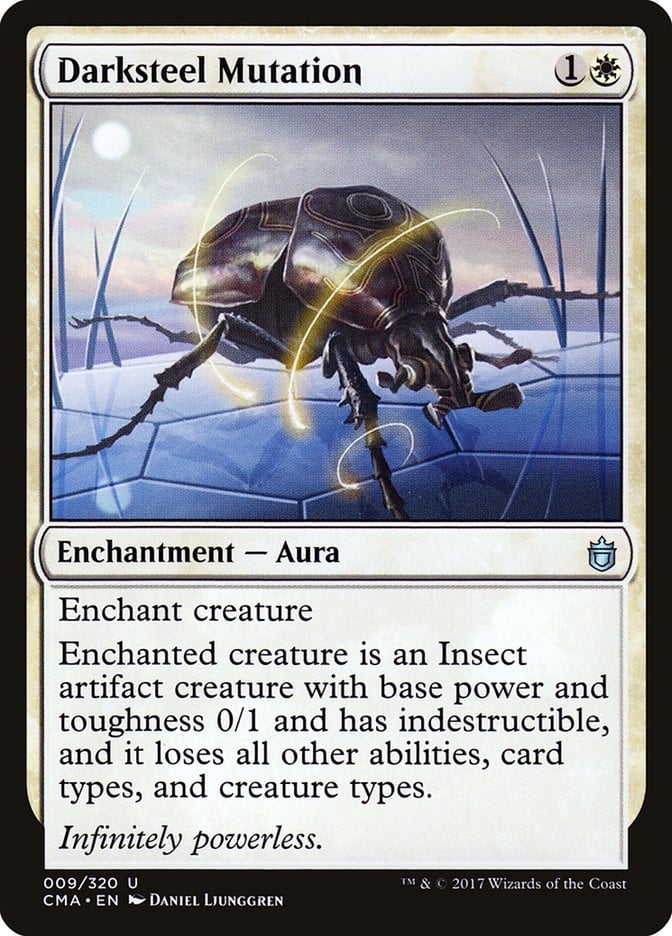
Getting to turn anything into a 0/1 with no abilities is very nice and flexible removal in white. Darksteel Mutation gets better in enchantment decks due to its synergies, and it’s a great way to put a commander out of commission.
#39. Back to Basics
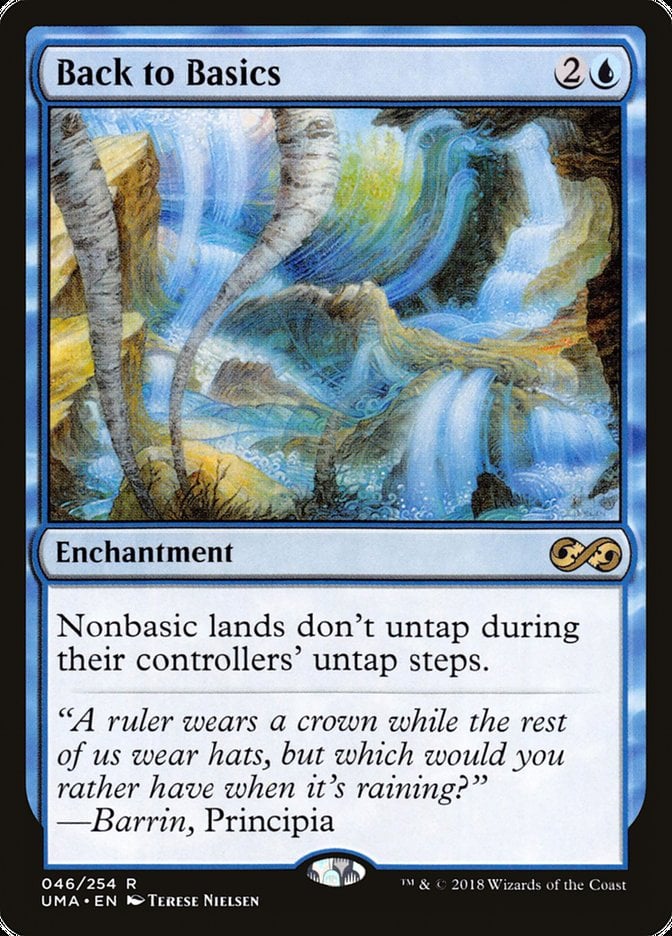
Back to Basics is a strong prison card that lets you lock your opponents’ nonbasic lands. They simply don’t untap anymore. That’s not a problem for you at all if you’re jamming only Islands, of course.
#38. Showdown of the Skalds
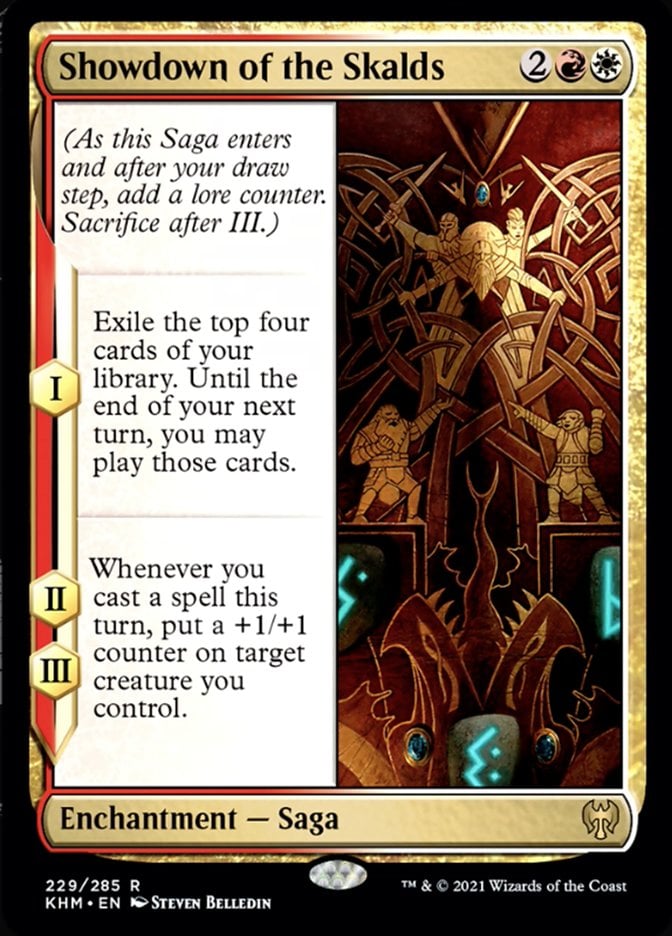
Showdown of the Skalds was a Standard staple, and this Boros card () is a good source of card advantage in a color pair that doesn’t get easy card draw. Boros has many synergies for playing cards from exile, so Showdown helps with this as well.
#37. Sanguine Bond + Exquisite Blood
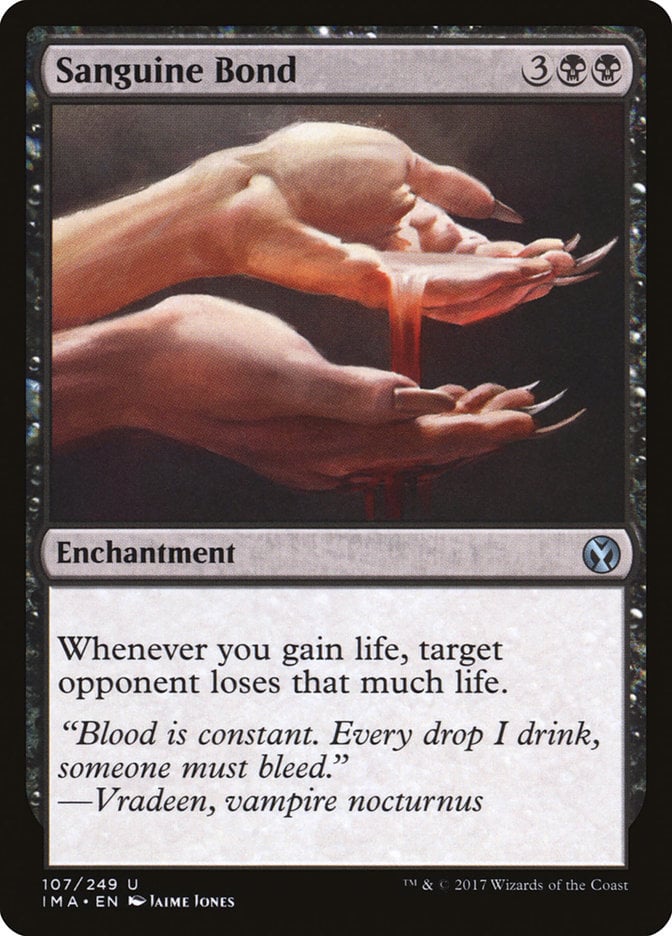
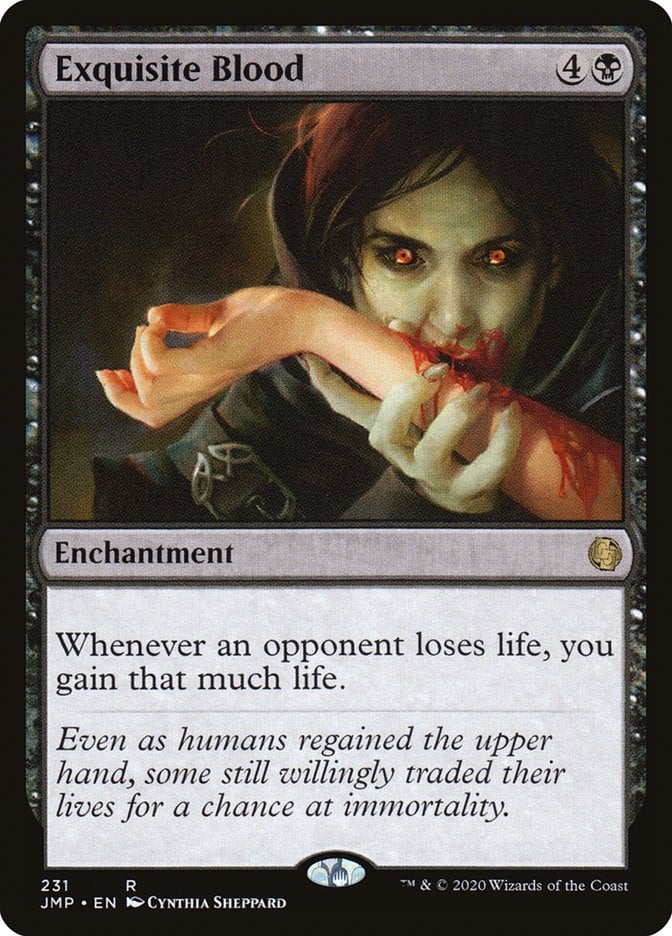
These are some of black lifegain decks’ most played enchantment cards. These two form a combo where Sanguine Bond allows you to gain life when opponents lose life, while Exquisite Blood is the other way around.
#36. Black Market Connections
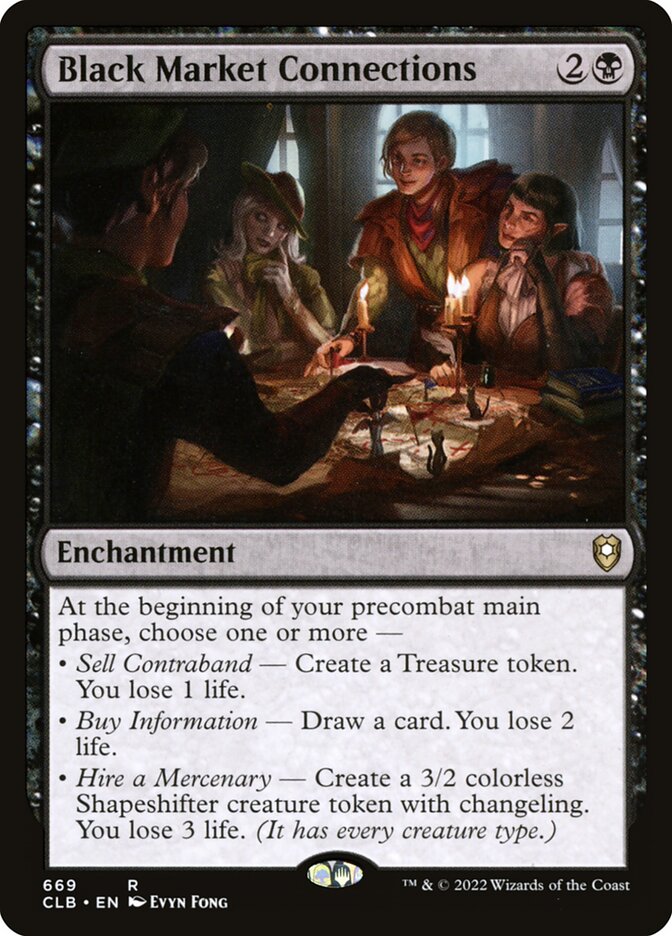
Black Market Connections is a premium way to trade life for resources, which of course gets out of hand in EDH due to the higher starting life. It’s also a good fit for typal decks since you’re creating changeling tokens.
#35. Super State

Super State can turn any of your creatures into a bomb. This colorless aura not only boosts stats and gives keywords but also spreads its combat damage to every opponent. It’s expensive, but can create wild swings when you land it and attack right away.
#34. Eldrazi Conscription
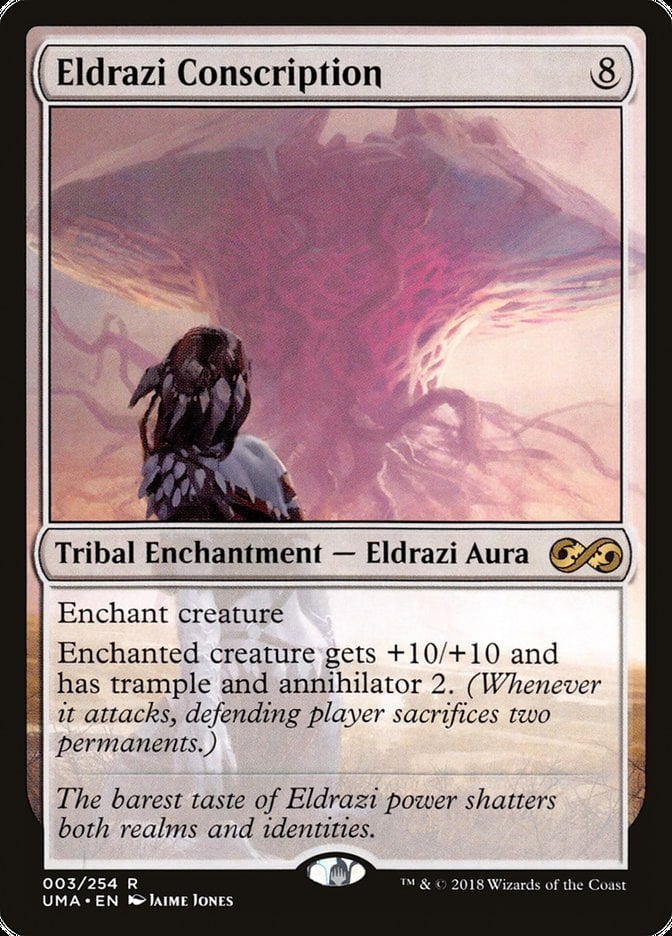
This huge kindred aura is one of the most impactful ones, and it’s best when played in decks that can tutor enchantments and put it on a creature to attack right away. Eldrazi Conscription is also a strong card in decks that want to cast big, colorless Eldrazi spells for cascade or other benefits.
#33. Aura Shards
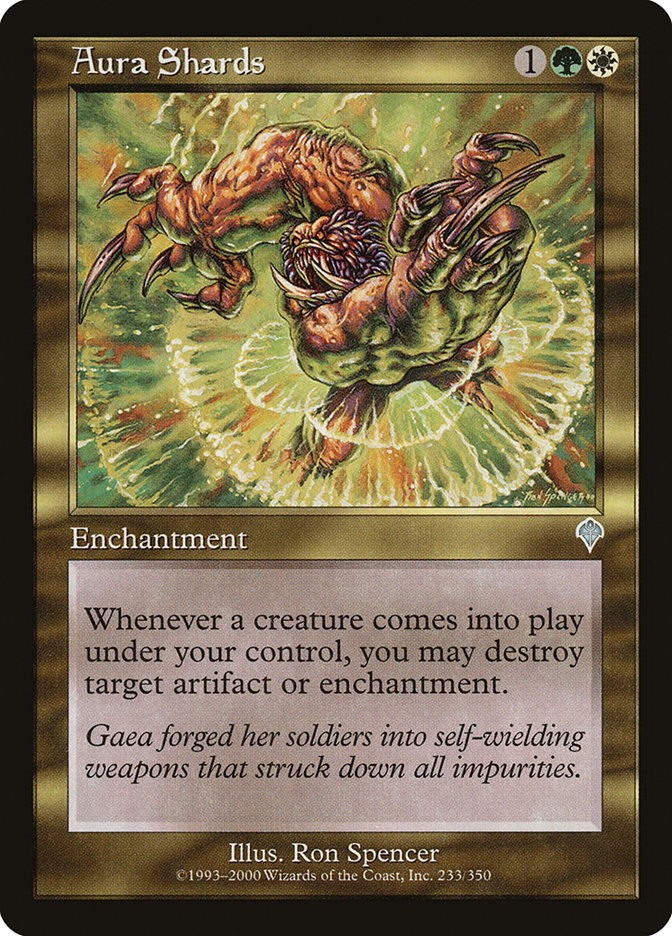
Destroying artifacts or removing enchantments is very relevant in EDH, be it mana rocks, Treasures, or full-fledged enchantment builds. Aura Shards moved from a niche sideboard card in Constructed to a modern-day Game Changer in Commander.
#32. Dragonback Assault

Dragonback Assault is a Temur sweeper that follows up with a force of dragons. Sitting at 6 mana, this enchantment isn’t the best board wipe (it only does 3 damage), but it can stop aggro decks effectively. The real power is the landfall trigger for dragon token creation. Even if you don’t clear the entire board, the tokens are so good!
#31. Mirari’s Wake
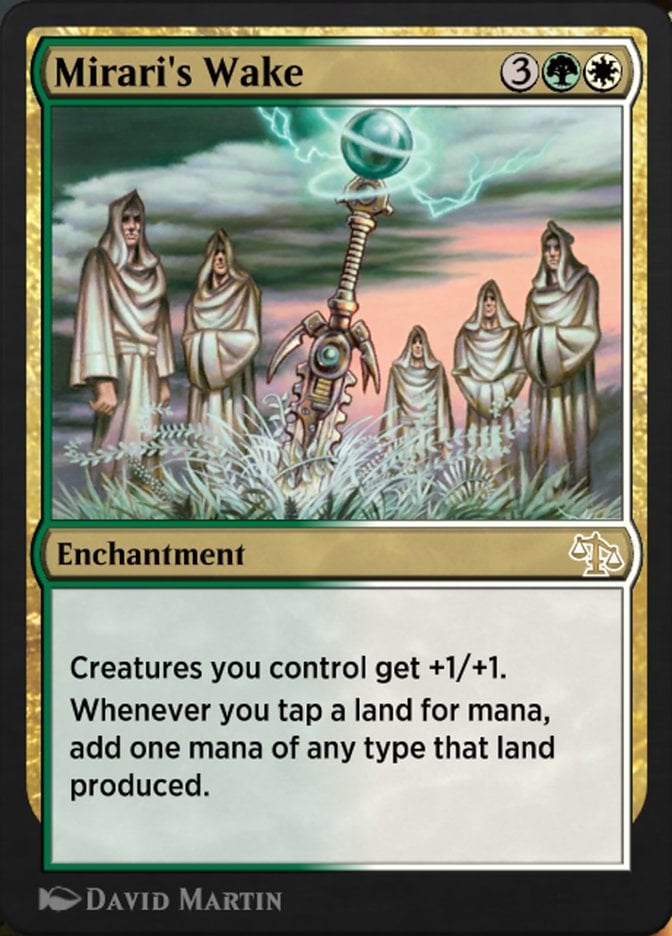
Mirari's Wake doubles as an anthem effect and a mana doubler. It’s a good card to include in your go-wide and token decks, but it’s spectacular in combo decks that rely on you untapping your lands and mana dorks for a critical turn.
#30. Kenrith’s Transformation

With Kenrith's Transformation, you get a free removal spell and a card draw, often shrinking big and splashy targets into smaller, more manageable 3/3’s. It’s one of the few ways green decks gets to deal with bigger creature cards and indestructible ones.
#29. Sterling Grove
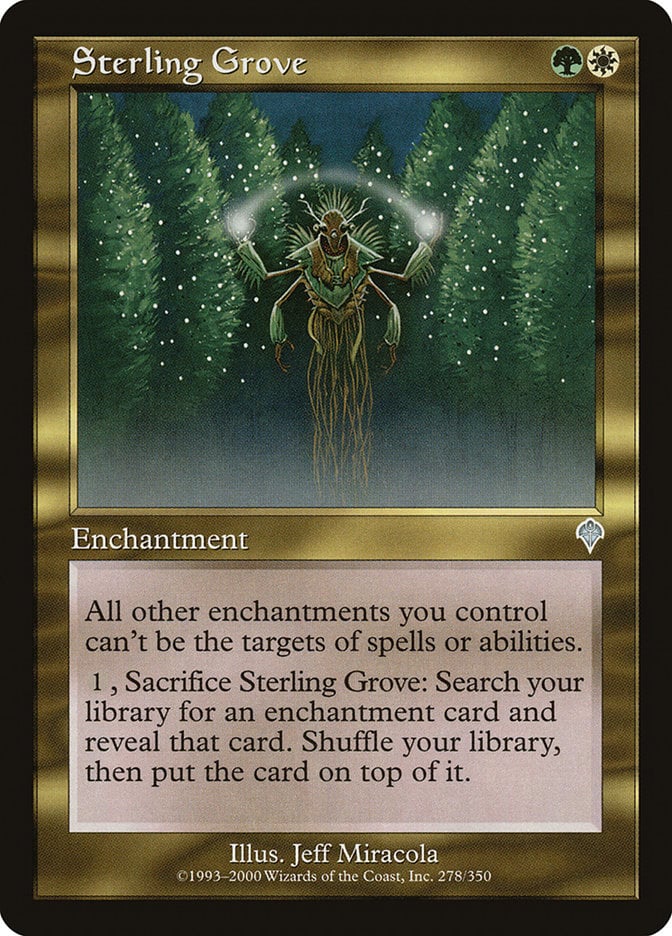
Sterling Grove is invaluable at protecting your enchantments from targeted removal. It’s also an enchantment tutor in disguise, and you can even sacrifice this enchantment in response to a removal spell and tutor another enchantment.
#28. Smile at Death

I see what you did there Wizards, an enchantment named Smile at Death that plays similarly to Alesha, Who Smiles at Death. It’s a powerful reanimator for your small, aggressive creatures, and placed at the right time in your curve. You can pressure opponents with Tuya Bearclaw or Rigo, Streetwise Mentor, and bring them back for more fun later.
#27. Mind Over Matter
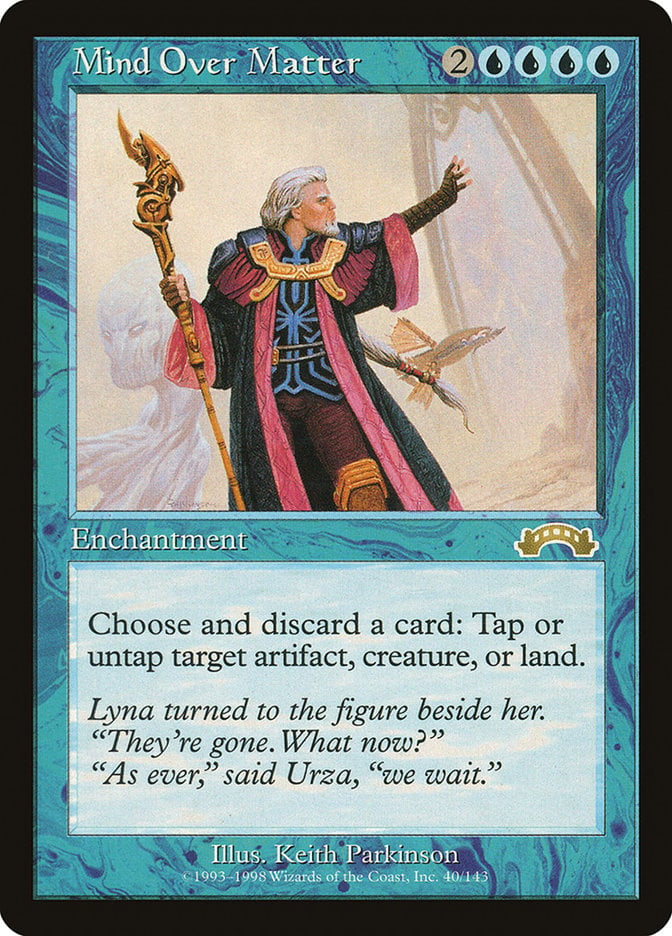
Mind Over Matter allows you to discard any card to untap something, and if this something is drawing you cards, you get to go infinite. You can also ramp by discarding a card and untapping a Gilded Lotus, which generates more mana. Or you can just reuse your commander’s good tap ability.
#26. Asceticism
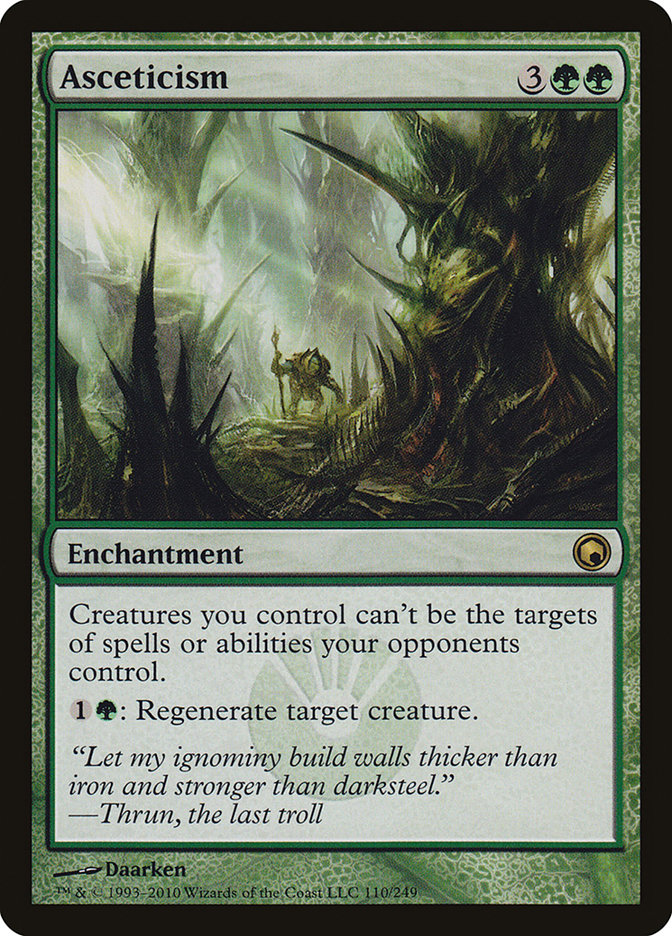
Let’s protect all our creatures from spot removal, shall we? Not only that, but with Asceticism around, we get to regenerate any threat even before a board wipe, and it shouldn’t be hard to regenerate three or four creatures during combat.
#25. Exploration
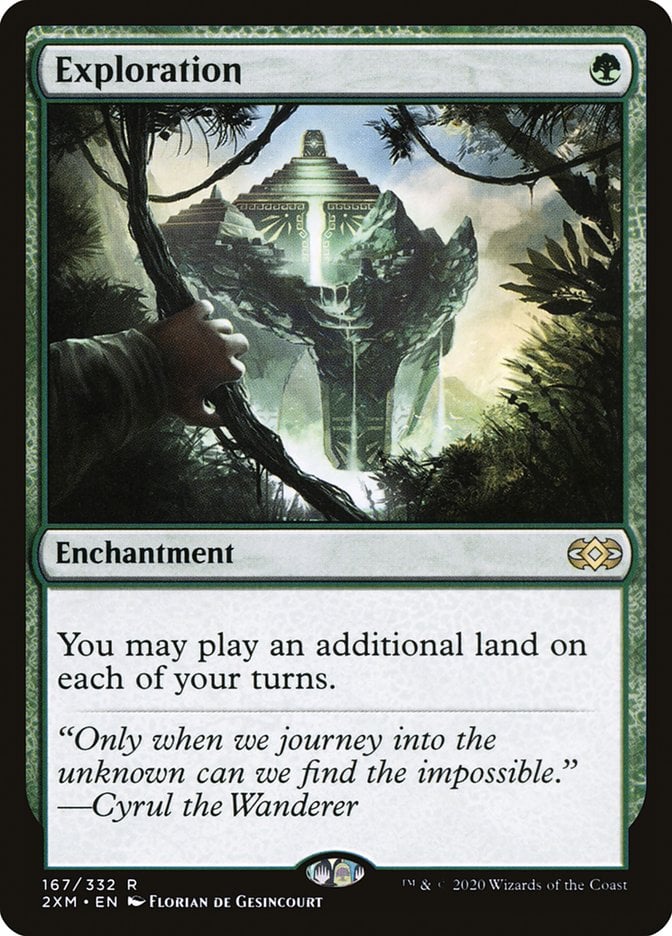
Playing more than one land each turn is great, and a turn-1 Exploration can lead to explosive draws. It costs a card to do that unfortunately, so Exploration is better paired with cards like Courser of Kruphix that let you play lands from the top of your library.
#24. Sigarda’s Aid
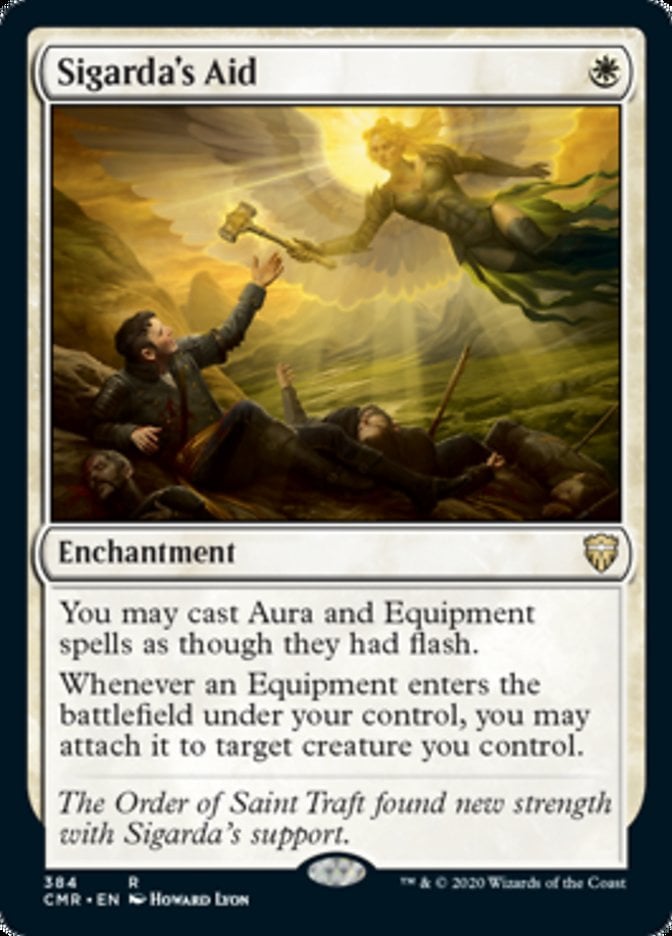
Sigarda's Aid only gets better in a world with equipment that cost a lot to equip, like Blackblade Reforged, Commander's Plate, and Colossus Hammer. Giving flash to aura and equip cards is also very strong, allowing you to combo at instant speed.
#23. Rest in Peace
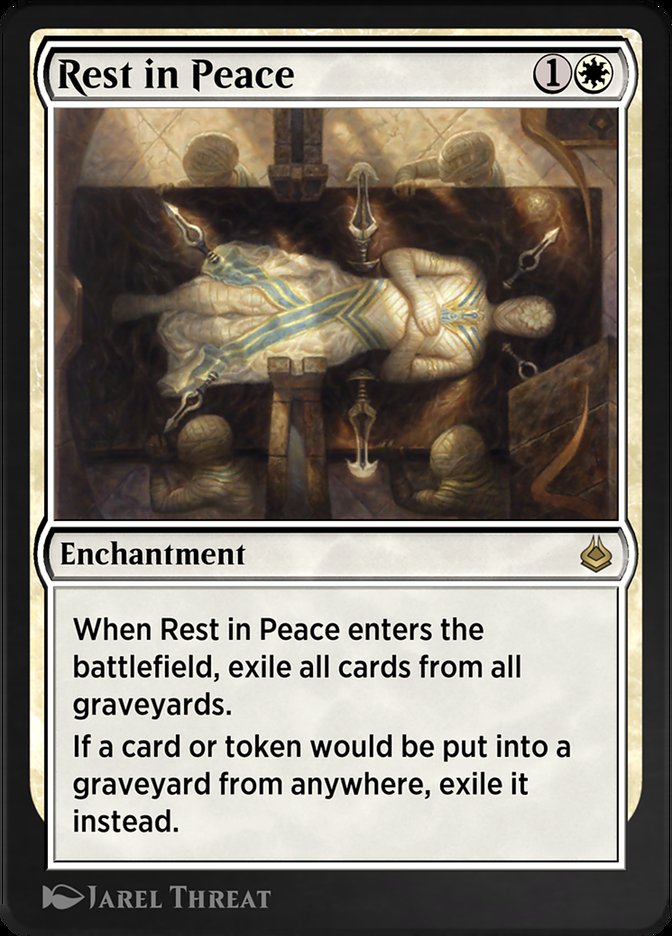
Rest in Peace is the ultimate sideboard card for preventing graveyard decks from prospering. With this card around, the graveyard doesn’t exist anymore, and if you care about cards that are exiled, it’s even better.
#22. Rancor
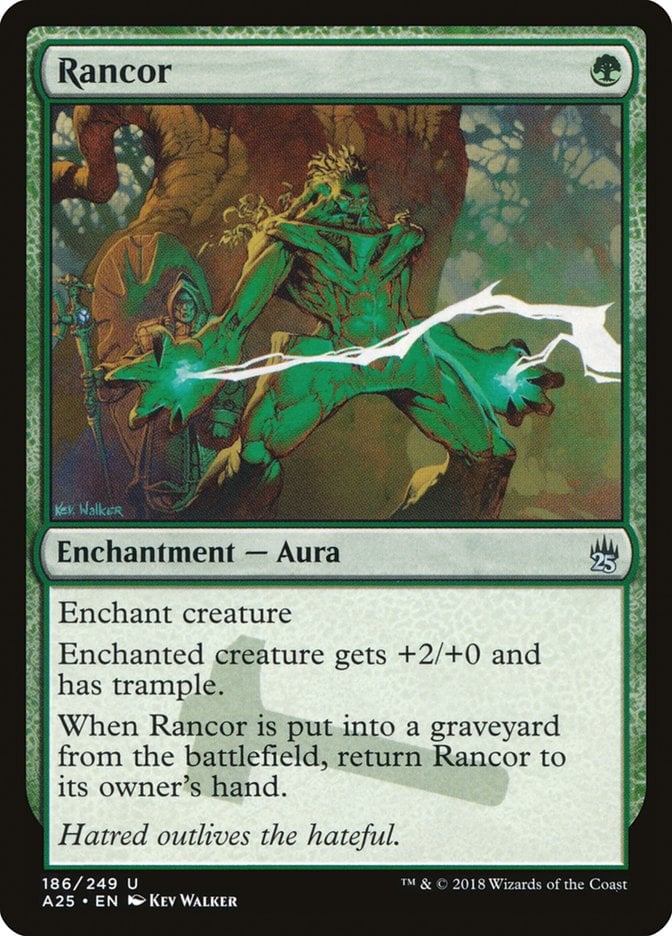
Slap a Rancor onto any creature to produce a sizable threat. What’s more, if the creature is killed or exiled, Rancor returns to your hand so you can do that once more. Perfect for turning your big creatures without evasion into damage-dealing machines.
#21. Rhythm of the Wild
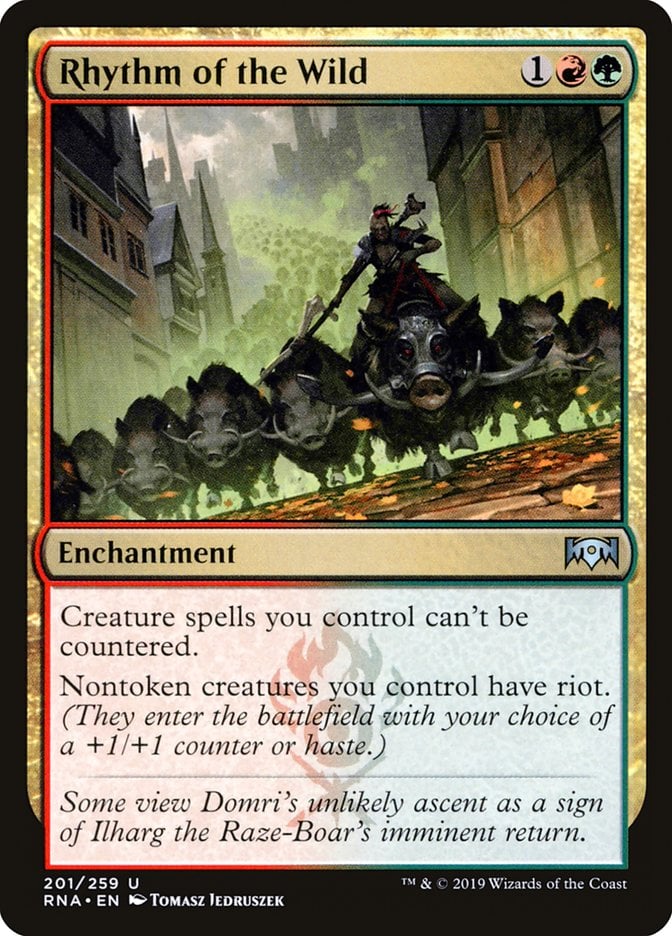
Rhythm of the Wild is almost a strictly better card than Fires of Yavimaya, a Gruul enchantment that defined a Standard format. Giving haste to all your creatures is one of the things red does best, and many creatures that need to attack or deal damage get substantially better. Plus, it’s got synergies with +1/+1 counter decks, making this a staple in Gruul () decks.
#20. Utopia Sprawl
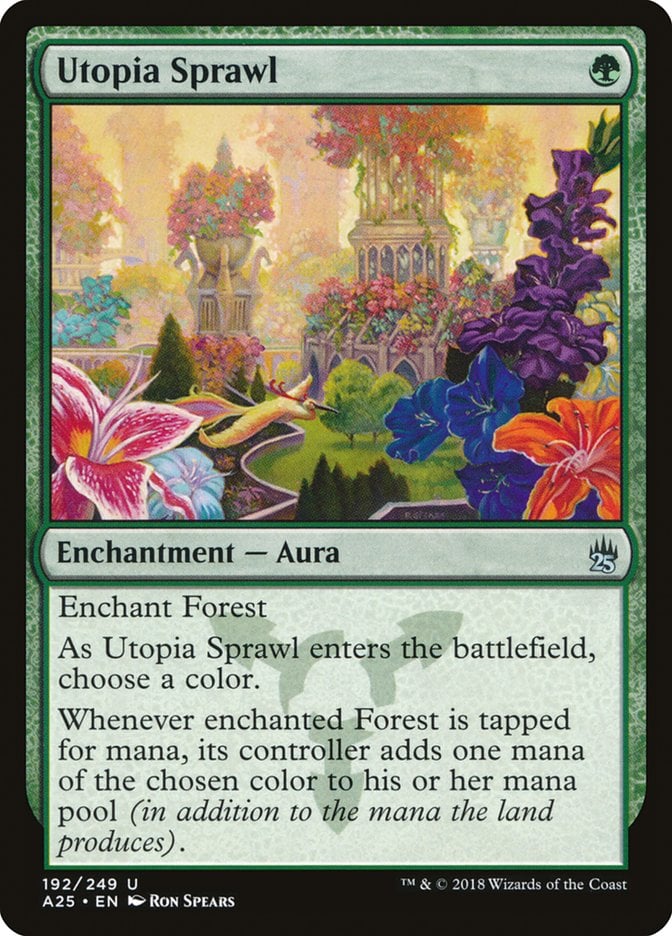
Utopia Sprawl is ramp and fixing, and one of the best sequences is to play Arbor Elf, then enchant a Forest with this card. Suddenly, you can generate huge amounts of mana in various colors in the early game.
#19. Garruk’s Uprising
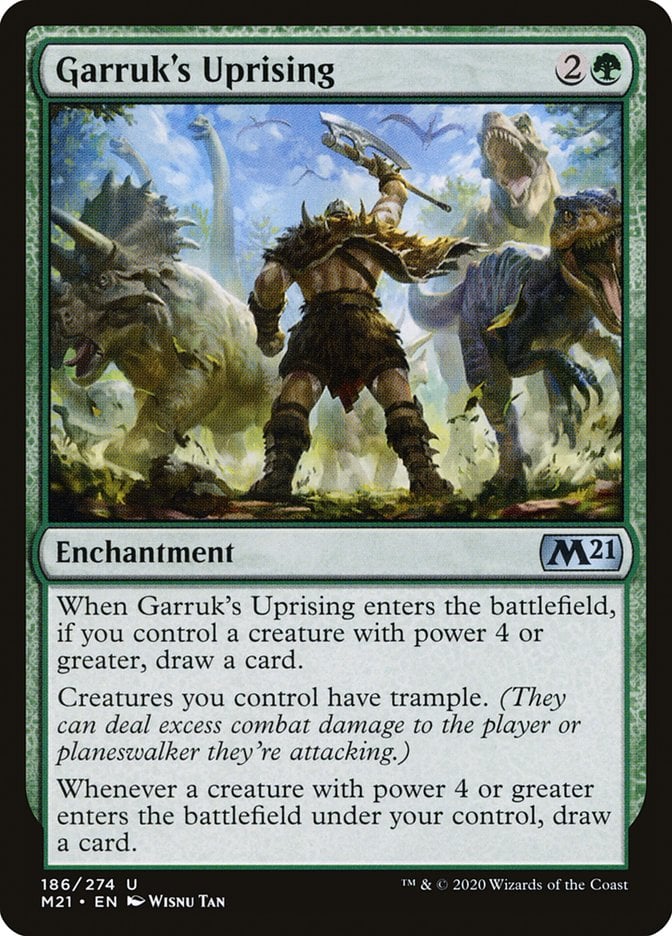
Garruk's Uprising sees play in many Magic formats, and it’s a strong green card draw engine. Getting to draw a card whenever a 4+ power creature enters is great, and in many EDH decks, you’ll get this benefit just by playing your commander.
#18. All That Glitters
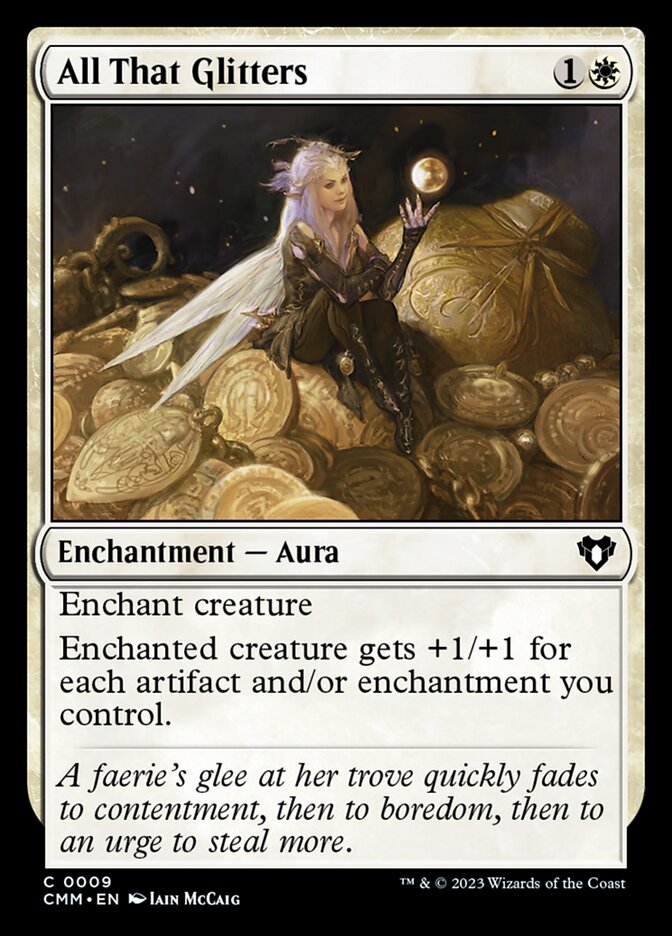
All That Glitters is a massive bomb with Voltron commanders or in affinity decks, being a mashup of cards like Cranial Plating and Ethereal Armor. It’s been banned in Pauper for a reason, and aura-based EDH decks certainly include this.
#17. Hardened Scales
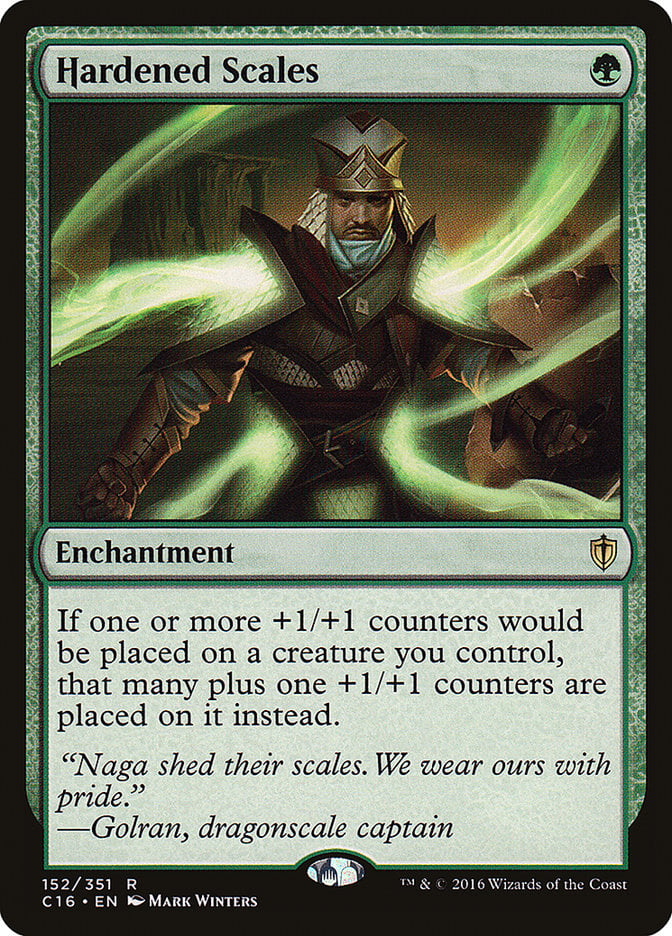
If white likes to double tokens, green surely likes to put more +1/+1 counters on creatures. Hardened Scales is cheap enough to see play in 60-card decks in Modern and Pioneer. If you’re playing green in EDH and your commander has anything to do with +1/+1 counters, include this card in your deck, it’s that simple.
#16. Mystic Remora
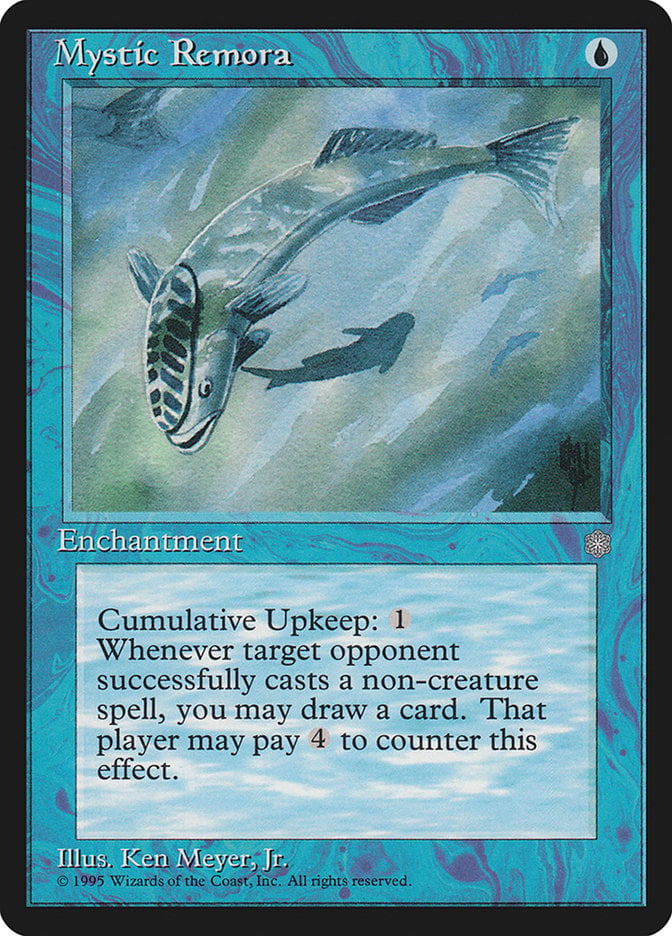
Mystic Remora is a “mini” Rhystic Study, allowing you to tax your opponents’ noncreature spells. It’s very strong in competitive formats like cEDH and Vintage, mainly because they can’t cast free spells without a significant downside.
#15. Sneak Attack
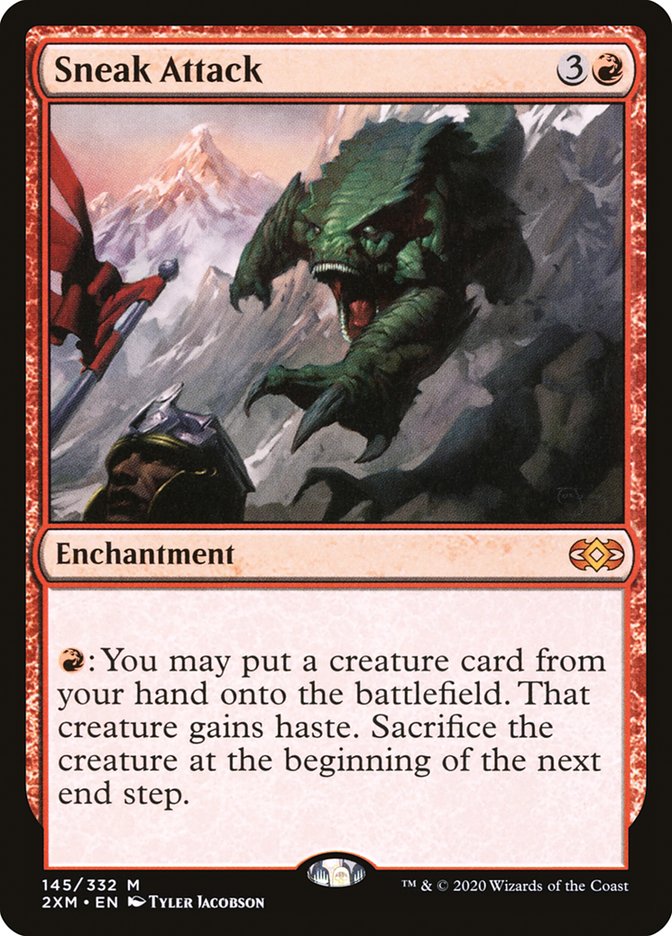
Sneak Attack remains one of the premium ways to cheat big creatures into play, seeing play in decks like Sneak and Show, or in big red decks. There’s even redundancy if you use Purphoros, Bronze-Blooded as your red commander.
#14. Jeskai Ascendancy
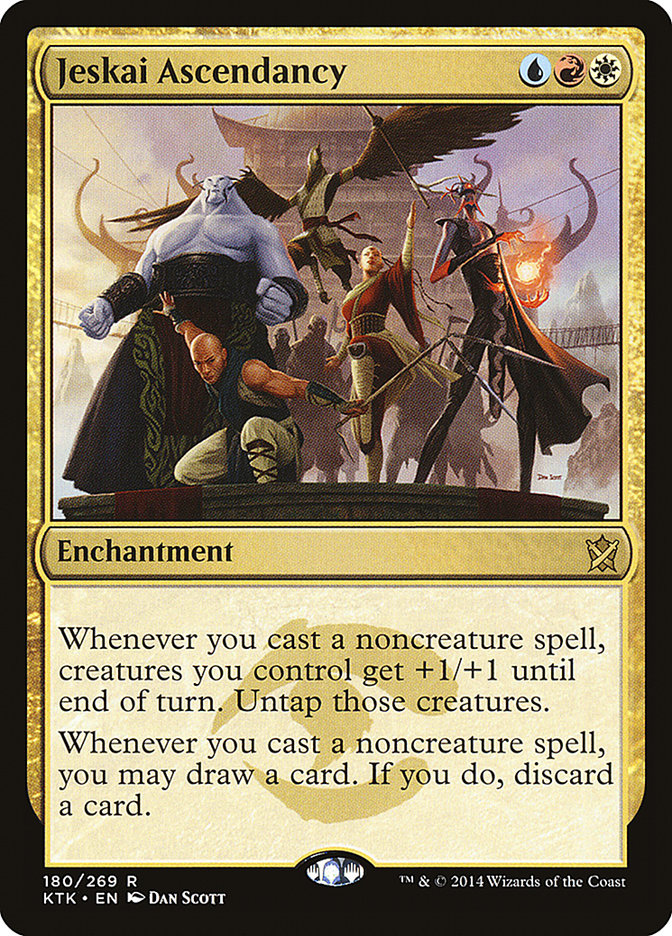
Jeskai Ascendancy took the world by storm by offering huge combo potential. Play some cheap spells, tap your creatures to obtain benefits like generating mana, untap them, loot, and repeat. Not only are you getting more from tapping your creatures, but you’re building a huge army and a huge graveyard at the same time with this Jeskai staple (), which can be exploited by delve spells. Add in a creature that already has prowess or that benefits from card draw and you’re set.
#13. Smothering Tithe
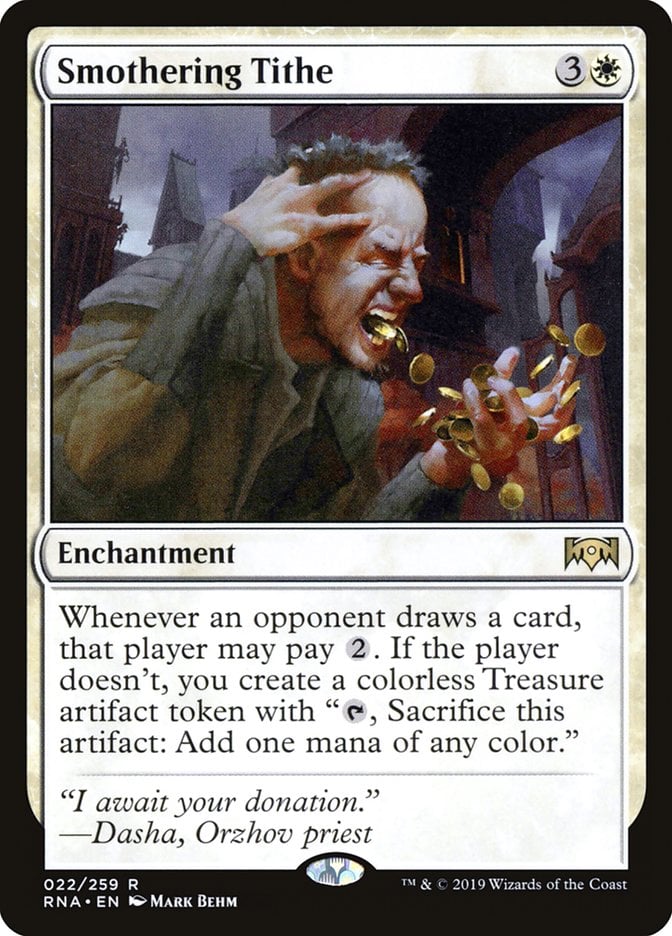
Smothering Tithe is like the white Rhystic Study, a card that generates value and taxes other players just by staying on the battlefield. It’s also ramp and mana fixing in white, something that the color doesn’t have much access to.
#12. Rhystic Study
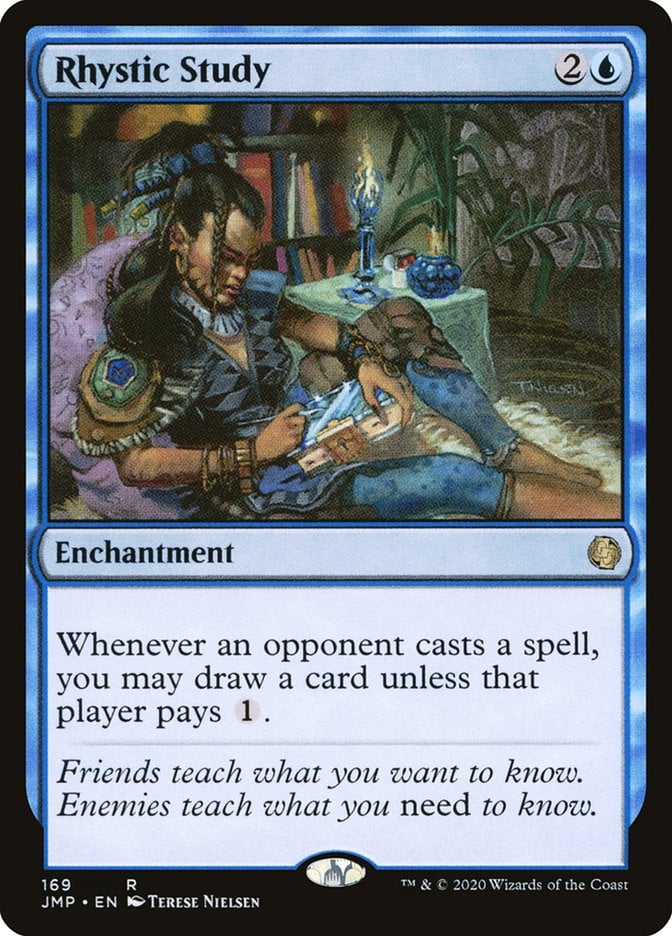
“Do you pay the ”? Rhystic Study is in almost every blue EDH deck, casual or competitive, if you have the means to put it into your deck. Basically, having this blue enchantment in play means that every spell opponents cast costs 1 more, else you’ll draw a card, and that gets three times better if you’re playing against three people. It also increases your chance of drawing free cards to interact with like Force of Negation or Fierce Guardianship. Even if they have a combo, they’ll think twice before firing it off.
#11. Animate Dead
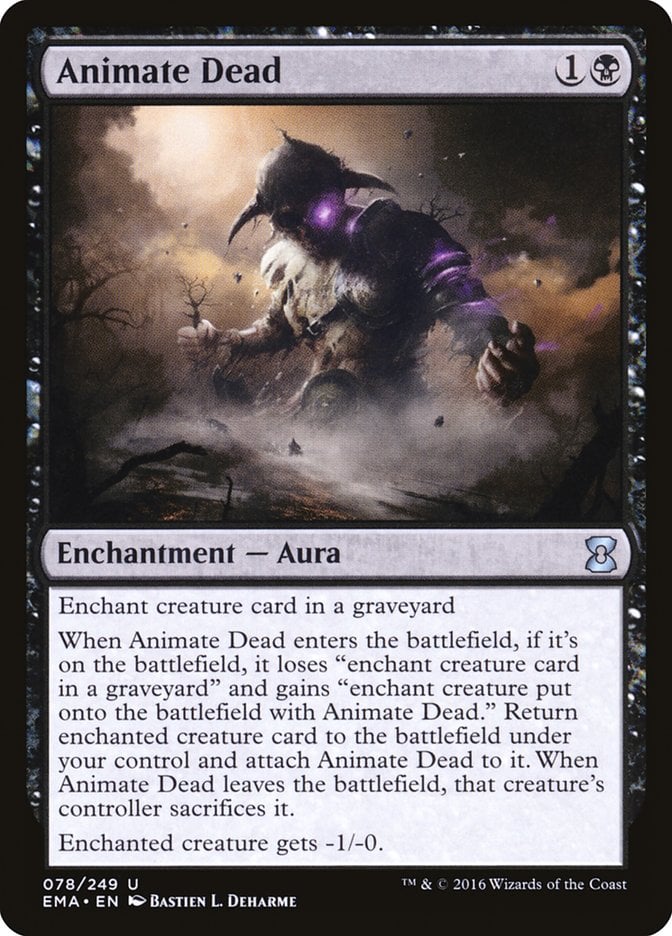
Cards in MTG nowadays require you to pay 4 or 5 mana to Reanimate something, so you can see why Animate Dead is busted at 2 mana. Good starts from reanimator decks usually have a loot, discard, or entomb effect on turn 1, followed by this black enchantment.
#10. Sylvan Library
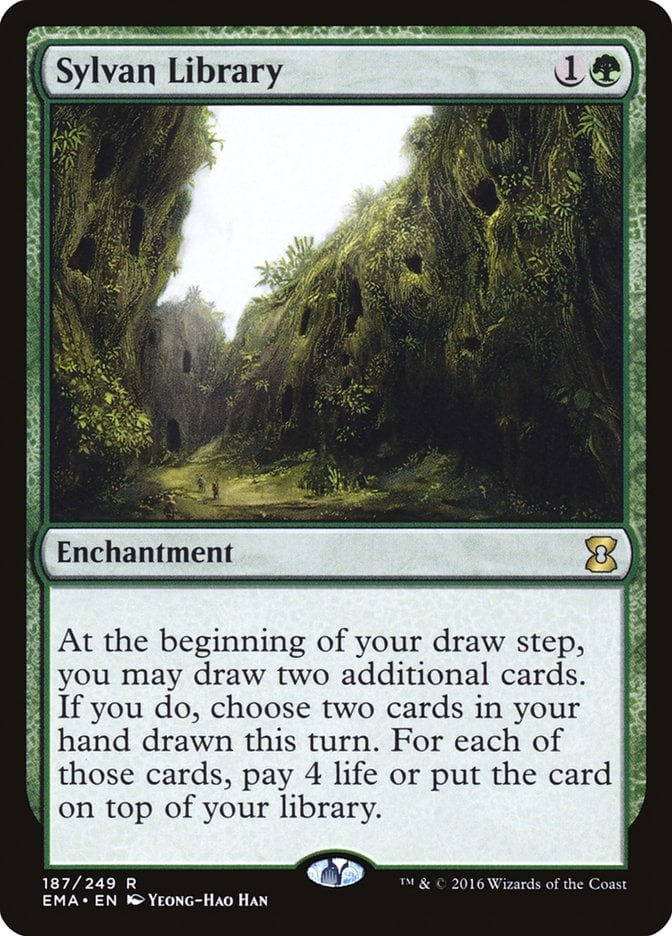
Nowadays green gets a lot of card advantage, usually tied to their creatures. But it wasn’t always like this. In Sylvan Library’s time, for just 2 mana, you could get card selection and advantage every turn, even if you had to pay some life. It’s very strong with cards that manipulate the top of your library like Sensei's Divining Top, or with scrying and surveil.
#9. Land Tax
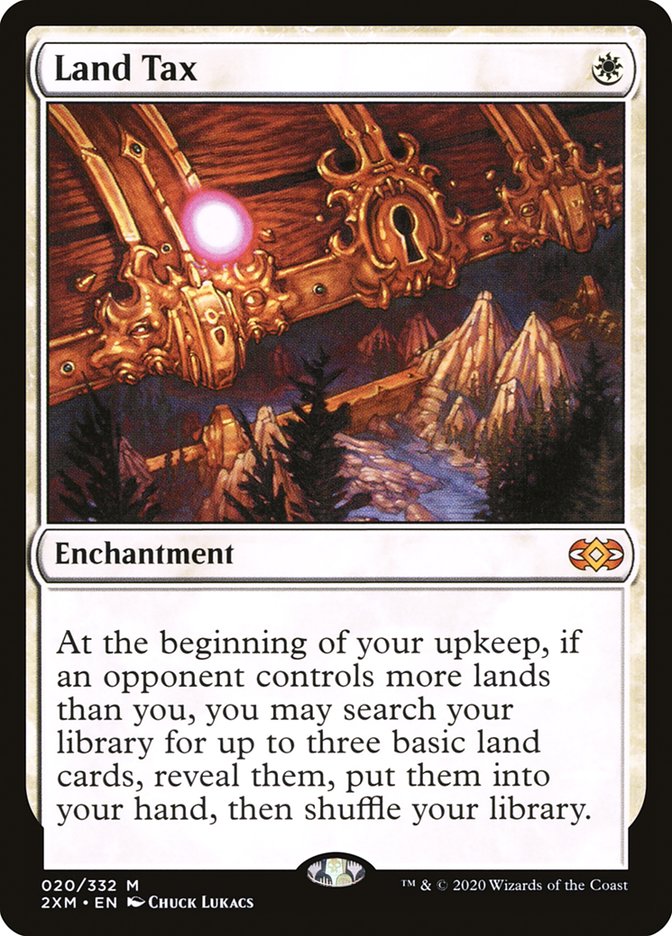
Land Tax is a very clever way for white to search lands from the deck. You’ll pay just 1 mana for this, and when your green adversary ramps lands into play, you get some basic lands from your deck to make up the difference. Besides fixing, these excess lands can be used to discard and obtain benefits, like paying ward costs or just filling your graveyard.
#8. The Meathook Massacre
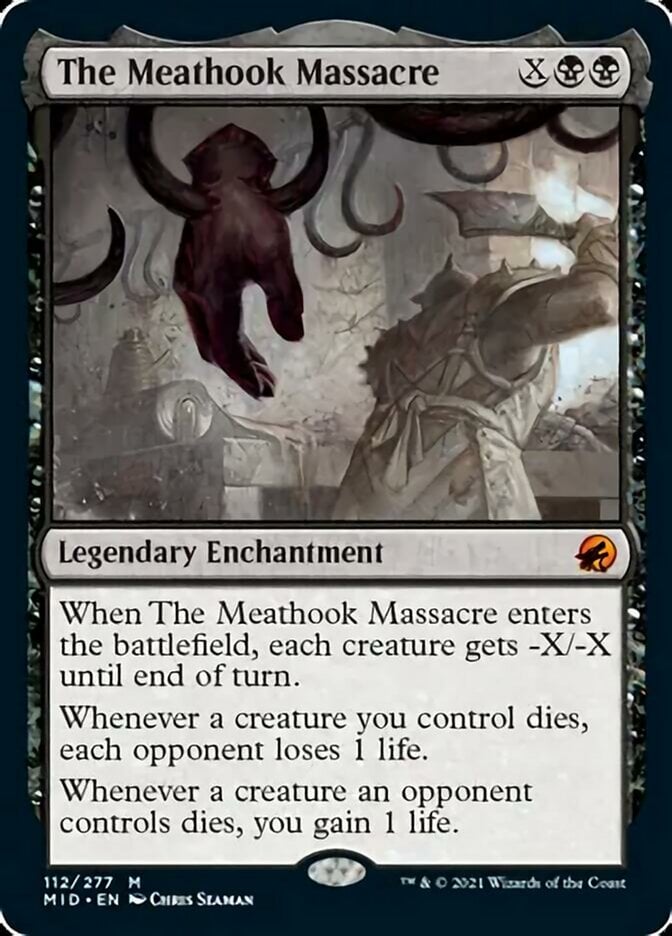
Part sweeper, part aristocrats payoff, The Meathook Massacre is a very strong and flexible black card. Gaining life when your opponents’ creatures die is a needed benefit when you’re playing against aggro or go-wide, and if you’re sacrificing your creatures for value, that’ll hurt other players.
#7. Parallel Lives
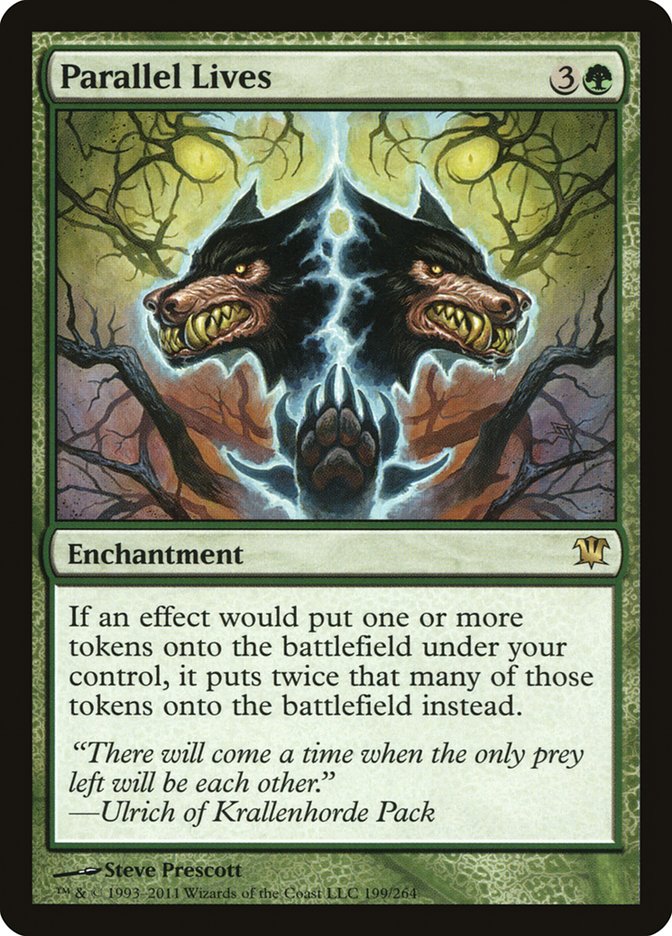
Parallel Lives gets moved a notch down from Anointed Procession simply because there’s way more token generation in white decks these days. Still, you’d play both cards in GW token decks, as doubling each token you create is very powerful.
#6. Anointed Procession
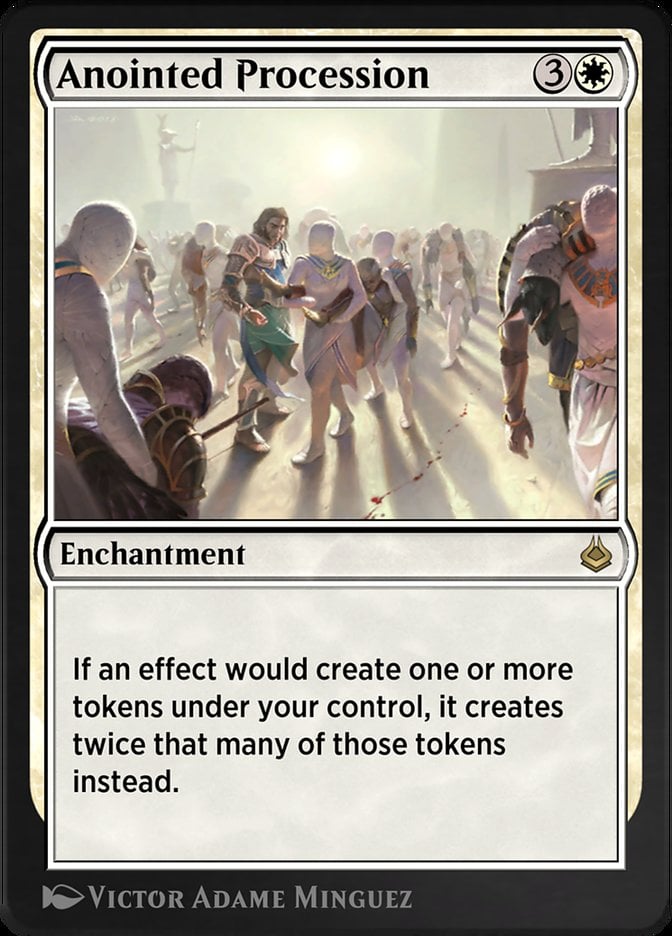
It seems that every white strategy in EDH revolves around tokens these days, so what’s better than doubling those tokens? Anointed Procession does exactly that. Then you have commanders that get better the more creatures you have in play, or commanders that easily churn out tokens, which benefit greatly from this enchantment sitting in play.
#5. Blood Moon
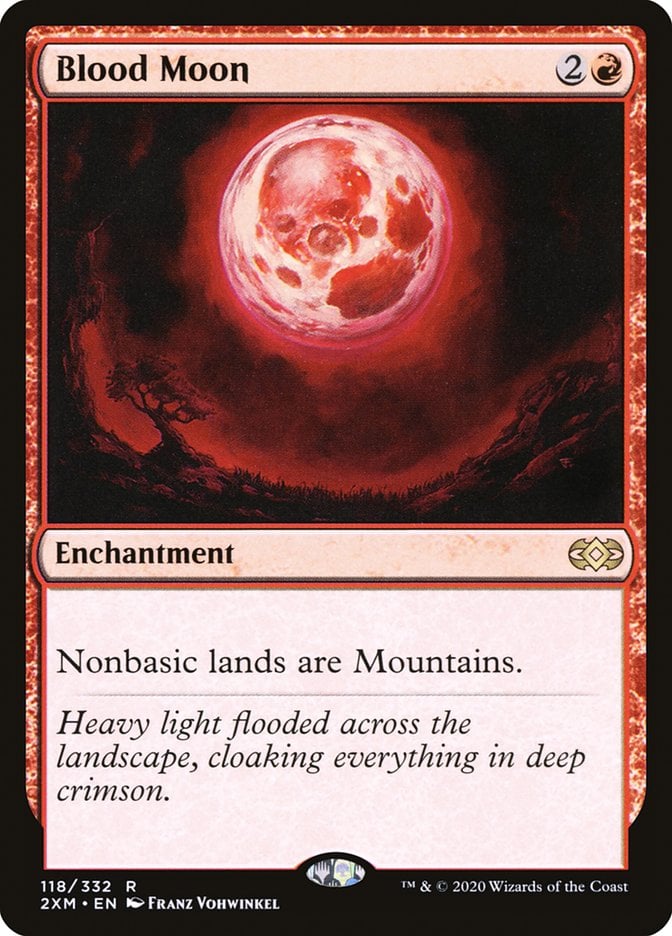
Turn 1 mana dork, turn 2 Blood Moon often shuts down entire decks, and from there you can develop your gameplan. Decks that rely on special lands like Eldrazi or Tron suddenly won’t have a good time, and the same can be said for 4- or 5-color decks. Blood Moon is the fun police in many formats, although in EDH, mana rocks and Treasure tokens get around the restrictions.
#4. Necropotence
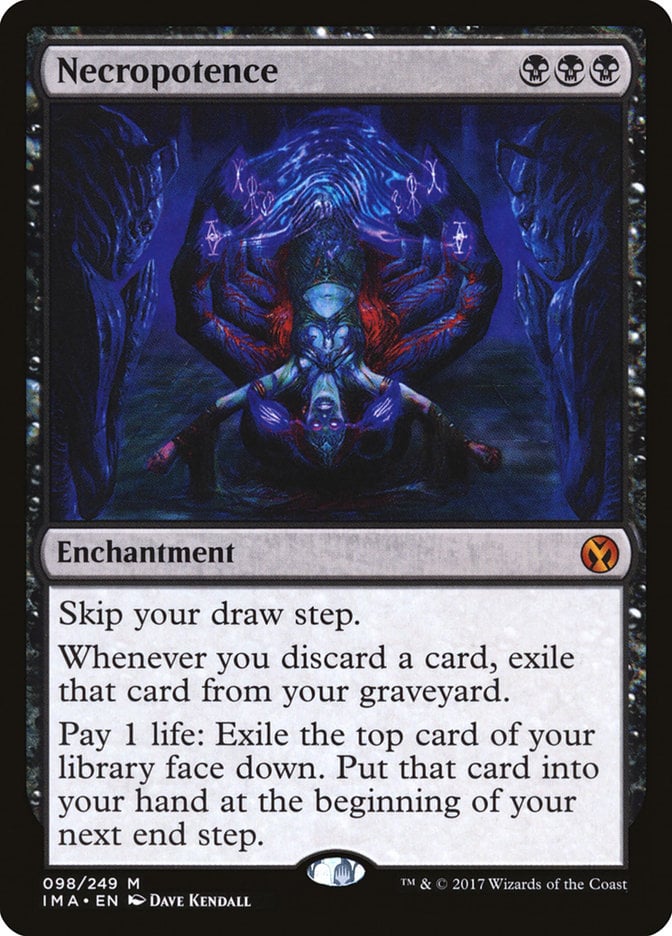
Necropotence is one of the most busted enchantments in MTG, seeing play wherever it’s still legal (and that says something about the card’s power). Getting to trade life for cards at will is an excellent way to combo and win, no matter if you’re in Cube, Vintage, or Timeless.
#3. Doubling Season
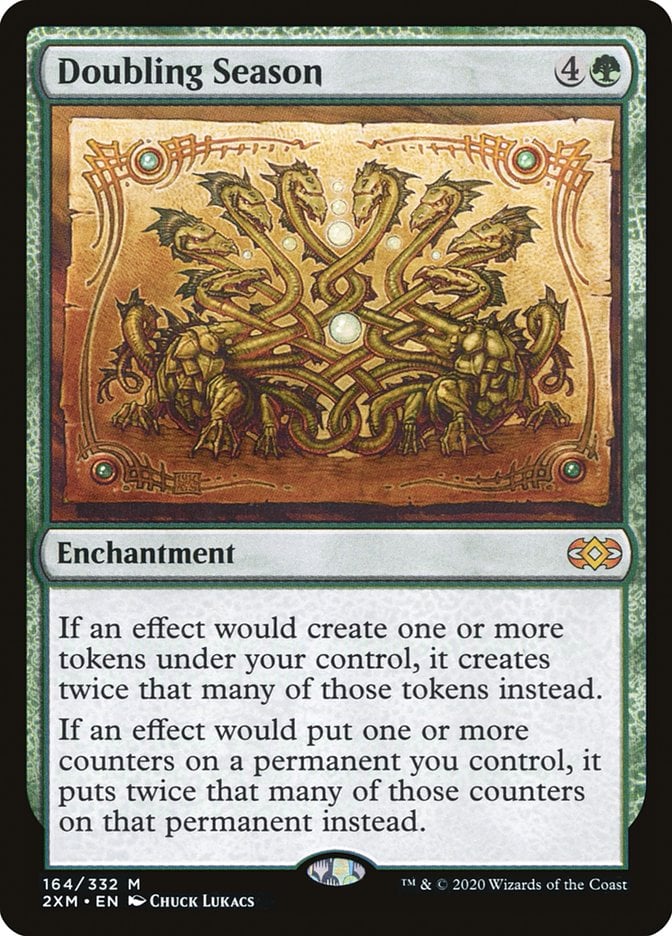
Doubling Season is a turn too slow for 60-card Constructed decks, but the perfect speed for EDH, where it’s an absolute green staple. Getting to double everything, from counters to tokens, and even loyalty counters from planeswalkers is huge, as many planeswalkers get to ultimate right away after entering.
#2. Underworld Breach
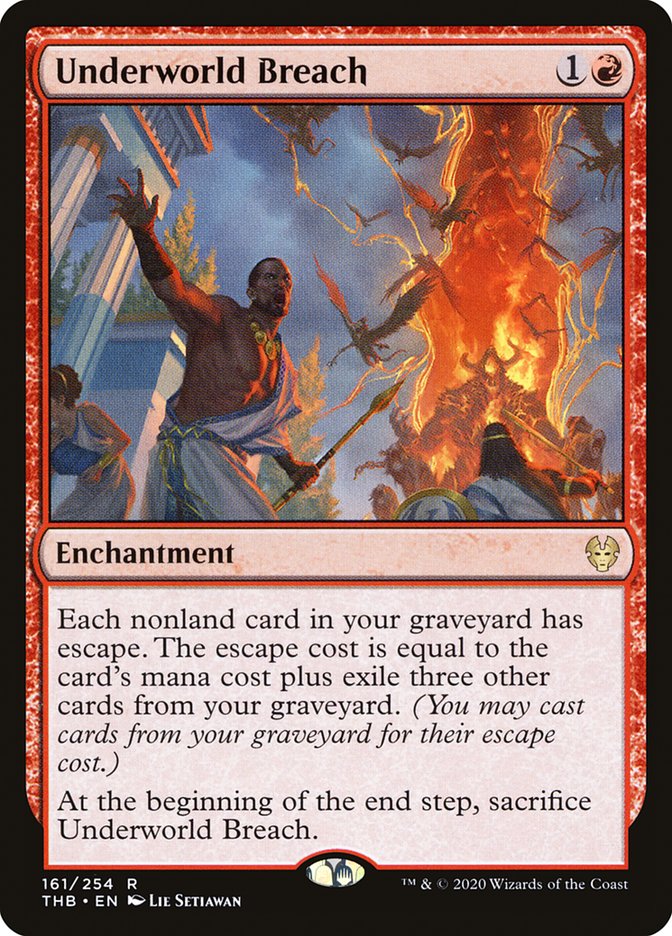
Underworld Breach is present in many game-winning loops across many formats, including Cube, Legacy, and cEDH. Having ways to feed your graveyard is key, but once you start chaining cards like Lion's Eye Diamond and tutors from your graveyard, you can tutor your win condition and win from there. It works very well with Thassa's Oracle and Tainted Pact since your whole library ends up in your graveyard.
#1. Urza’s Saga
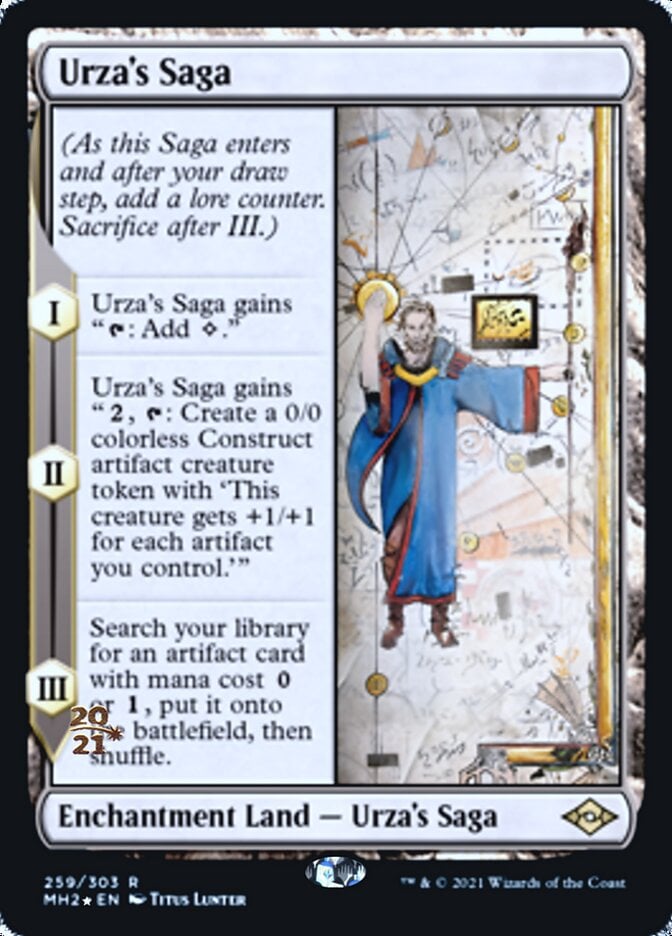
Urza's Saga is one of the few enchantment lands available, and an easy card to include in artifact or enchantment decks, seeing play in every format it’s legal in. It’s actually a 0-mana saga that behaves as a land by generating mana. It’s a very versatile card that’s good early and late, and you can get a couple constructs and tutor a good 0- or 1-mana artifact.
Best Enchantment Payoffs
Constellation and eerie are mechanics that trigger whenever you cast enchantments. That’s effectively “enchantmentfall”, and while some of these draw you cards, you can get other benefits like life, tokens, and so on.
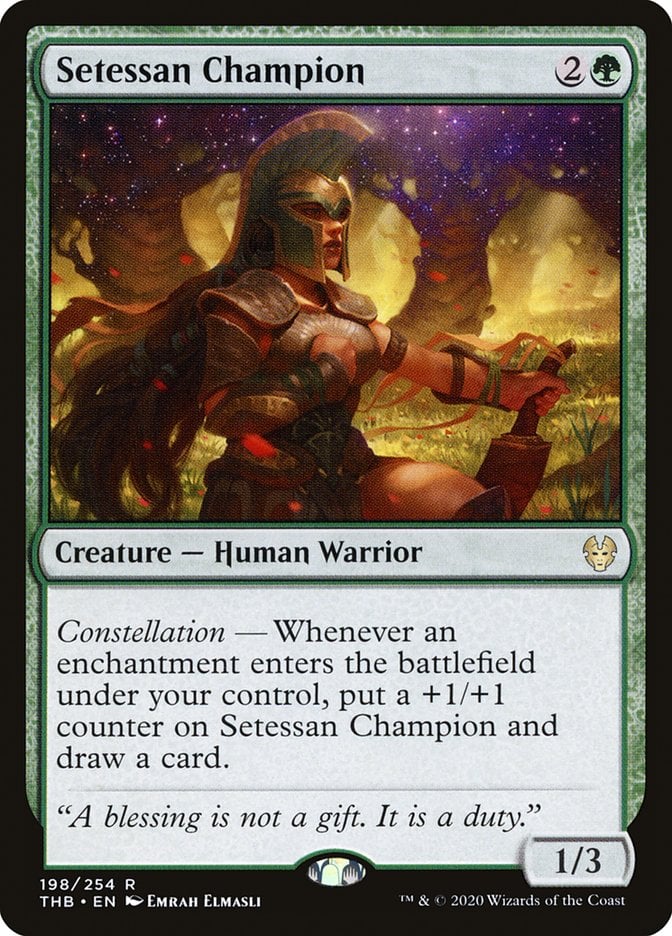
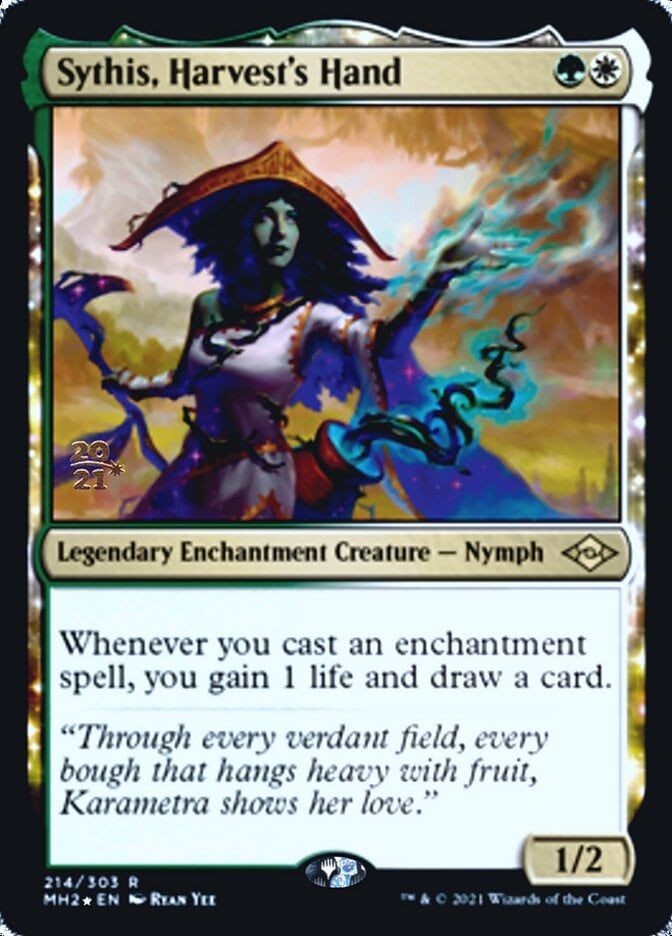
Enchantress cards draw you a card whenever you play any enchantment, which is one of the best payoffs for the card type. Setessan Champion and Sythis, Harvest's Hand are good examples.


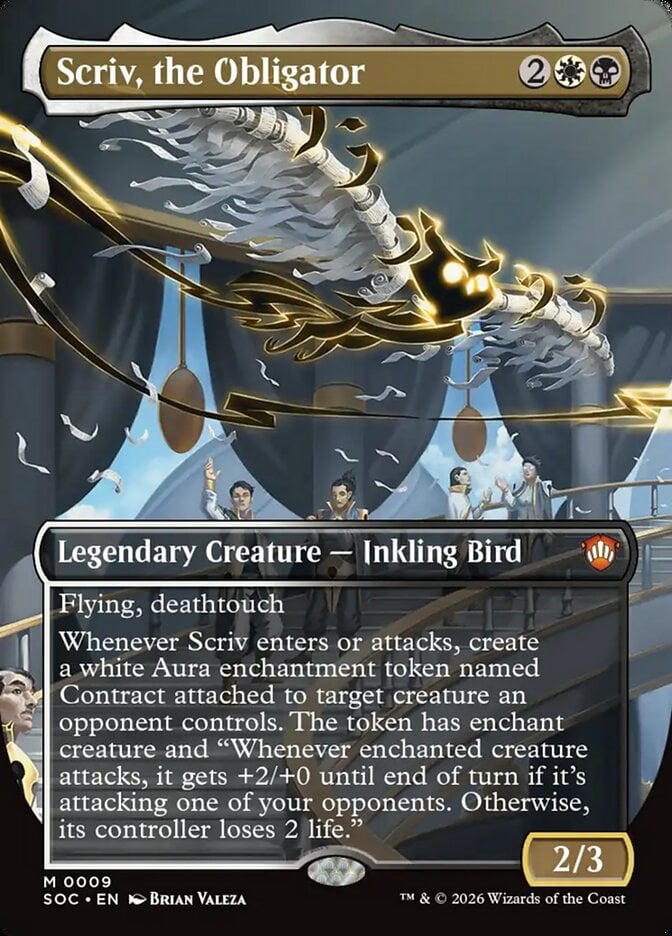
Role tokens were created in Wilds of Eldraine and are a special subset of aura tokens that give different benefits. These work well when you have benefits for enchanting creatures or putting more enchantments on the battlefield. A similar and new synergy like this is Scriv, the Obligator and its Contract tokens.
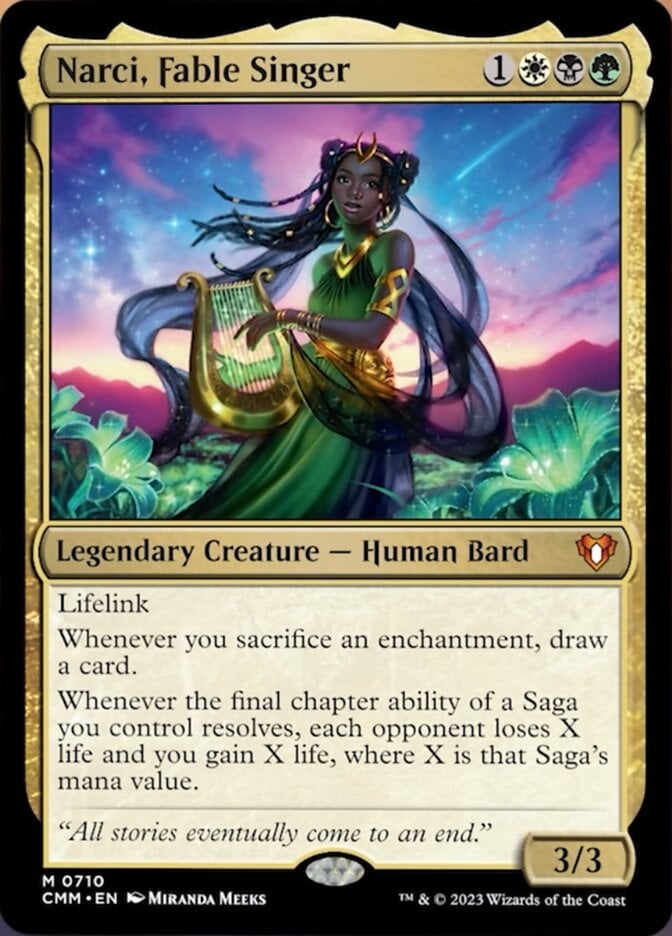
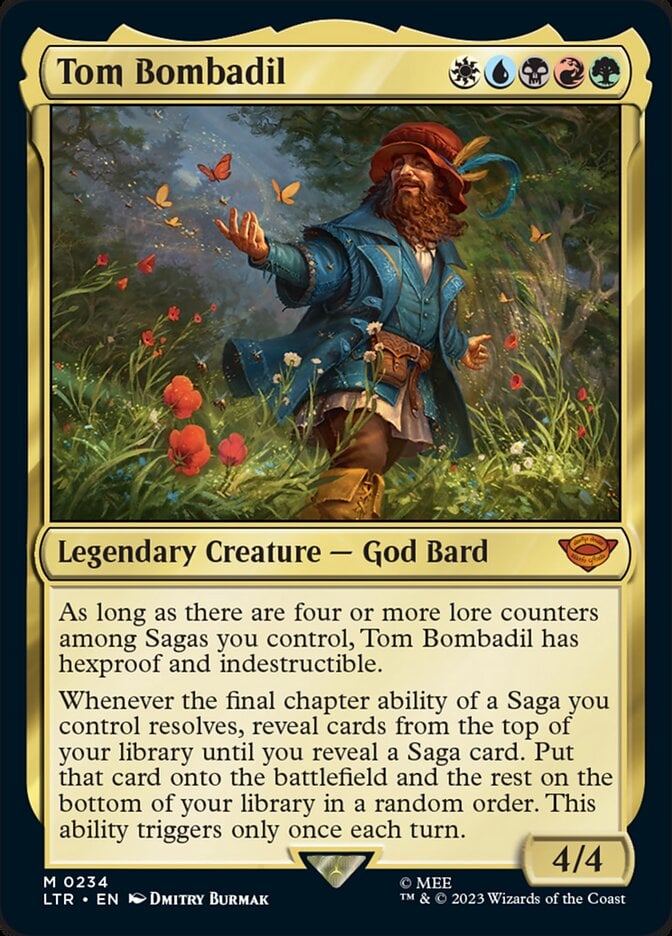
Many cards, like Narci, Fable Singer and Tom Bombadil, are great saga commanders and let you build your deck around sagas. Proliferate can speed up the benefits you get from sagas, too.
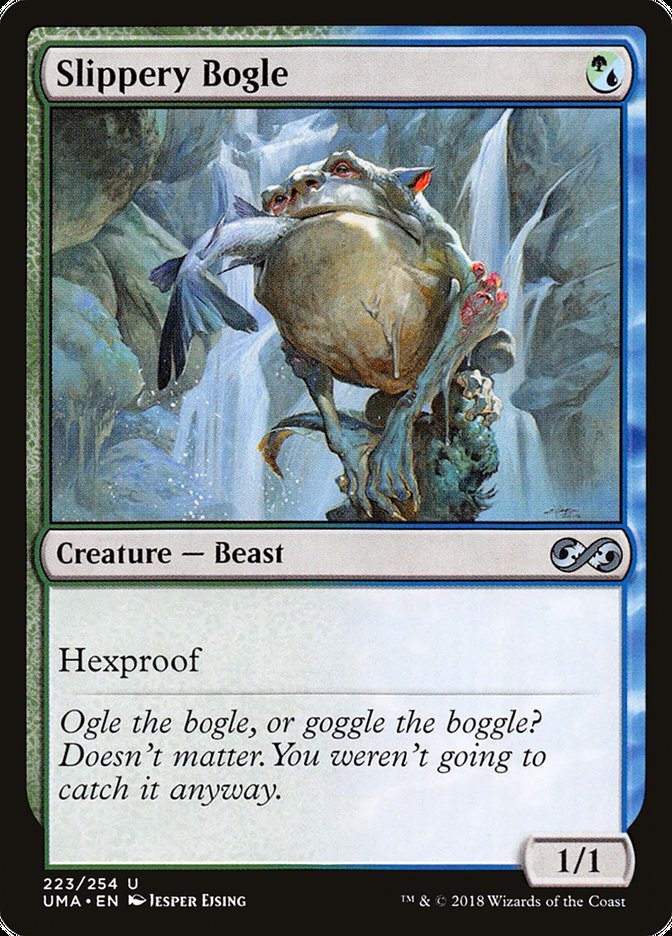
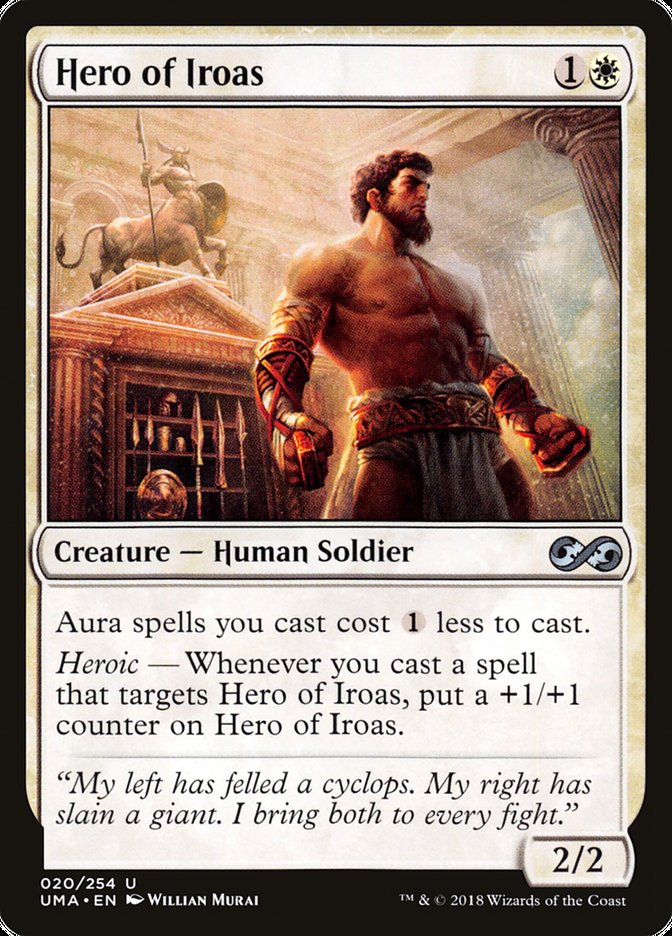
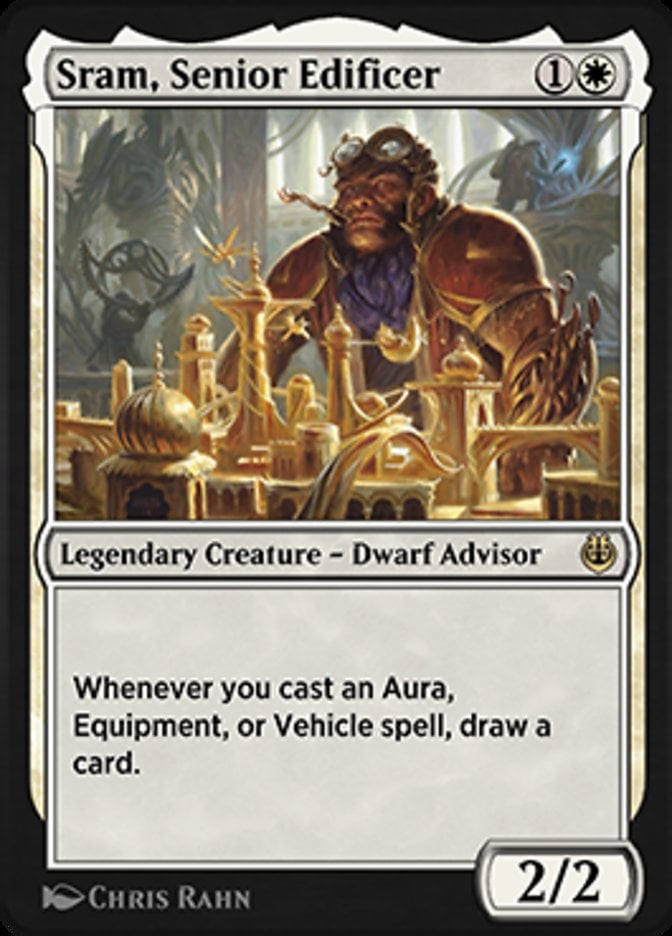
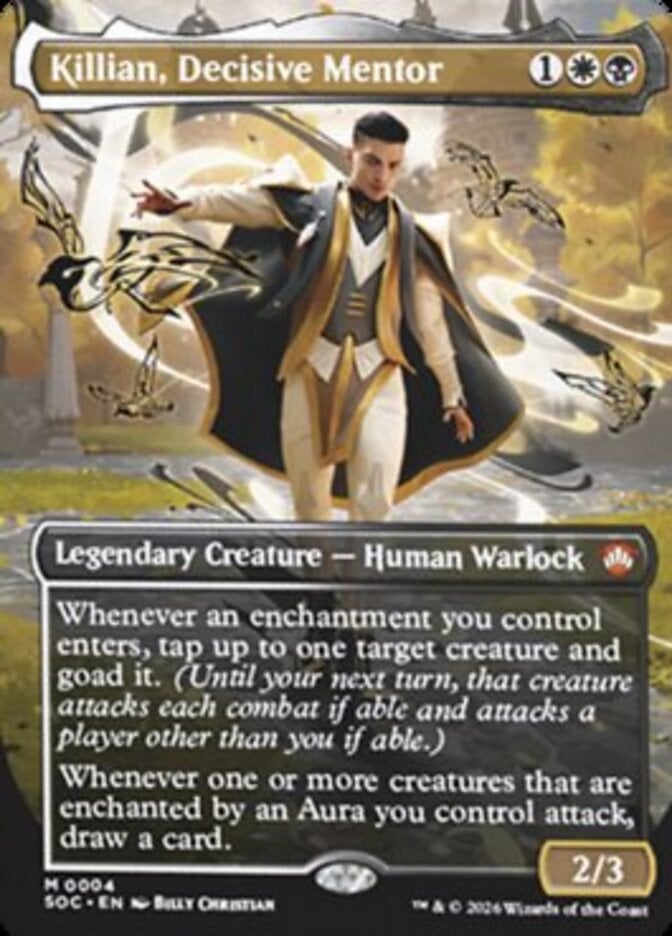
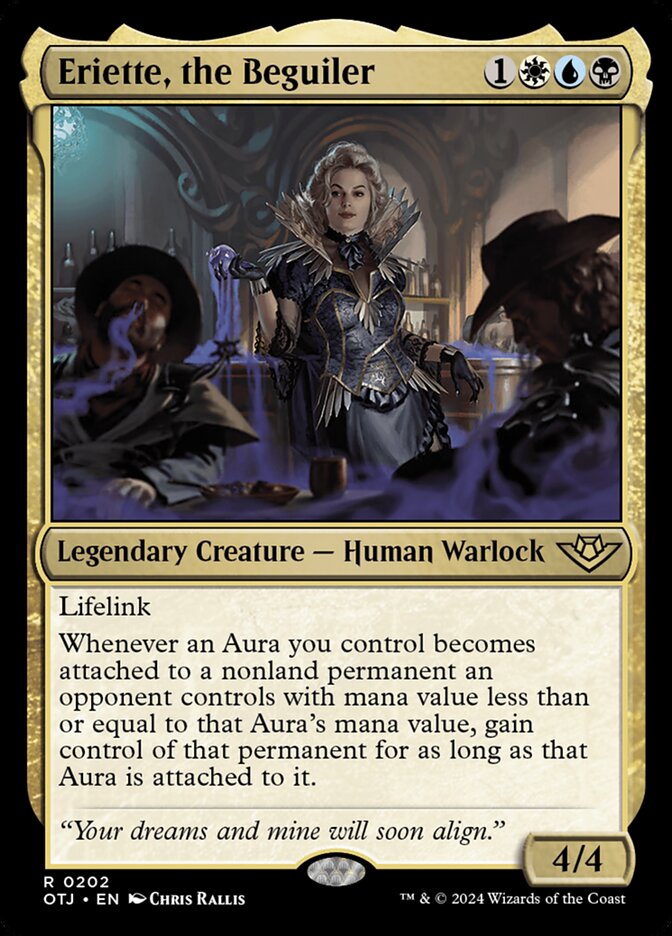
Aura cards are the bread and butter of heroic strategies, Voltron strategies, or bogles/hexproof strategies. Cards like Hero of Iroas make auras cost less to cast, while payoffs like Sram, Senior Edificer give you cards when you cast auras. Killian, Decisive Mentor and Eriette, the Beguiler are solid commanders for building around auras.
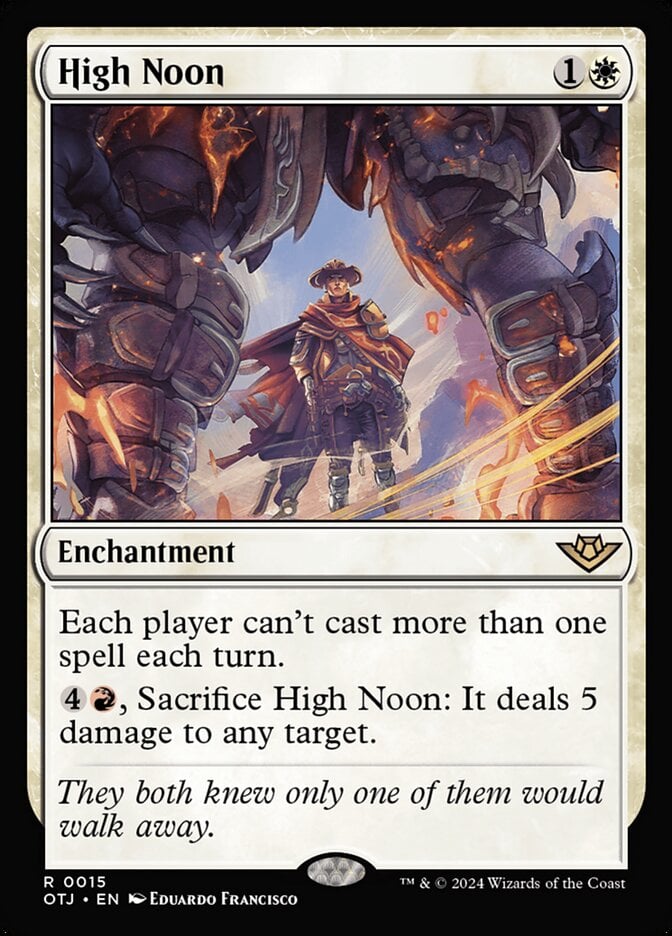
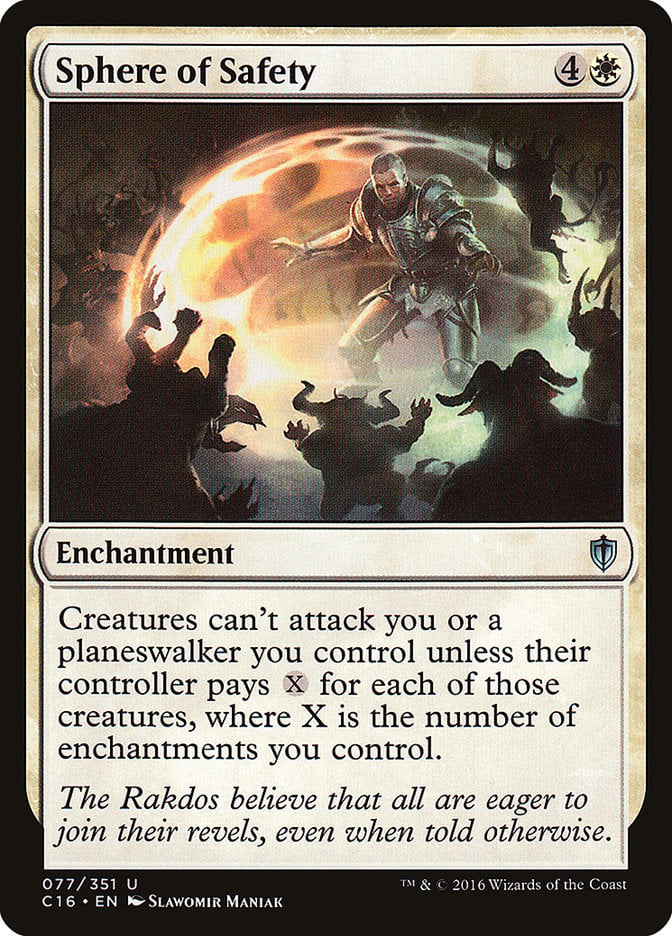
Stax and Prison strategies often require you to play enchantments that slow the game down, or that prevent you from being attacked. Cards like Propaganda, Ghostly Prison, or High Noon are good examples, and if you have a Sphere of Safety to protect yourself, you’ll want many of these.
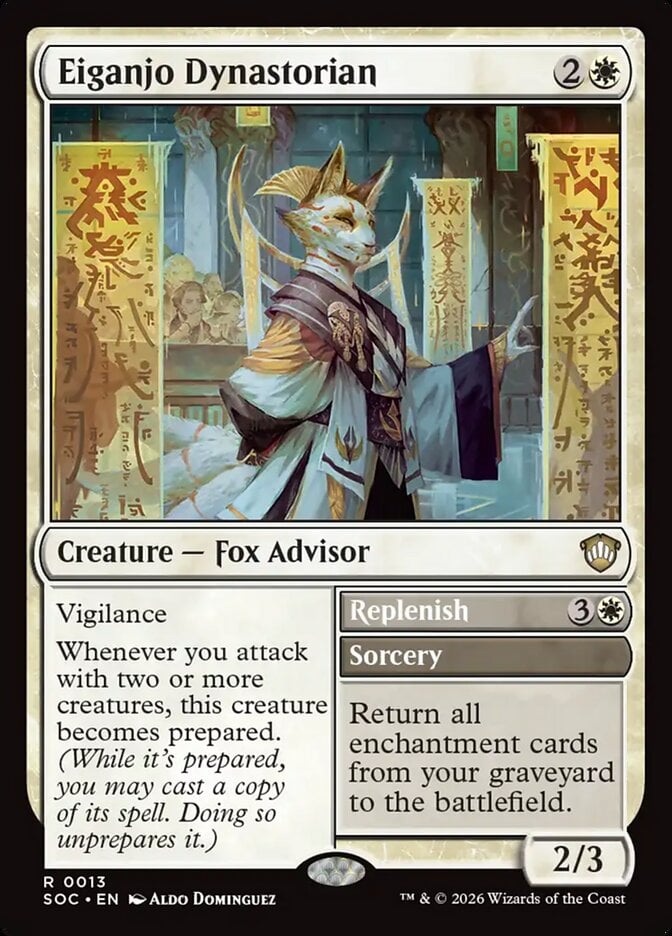

Also, never forget to return enchantments from the graveyard for another round of fun with cards like Eiganjo Dynastorian and Dance of the Manse.
Is an Enchantment Considered a Permanent Spell?
Yep! Any card that stays on the battlefield is a permanent, so if I cast an enchantment spell, I’m casting a permanent spell.
Do Enchantments Stay on the Field in Magic?
They do. All enchantments stay on the field until they leave the battlefield, or for auras, when the permanent they’re enchanting leaves. You could consider sagas a notable exception, since they remove themselves from play after a couple of turns.
What Are World Enchantments?
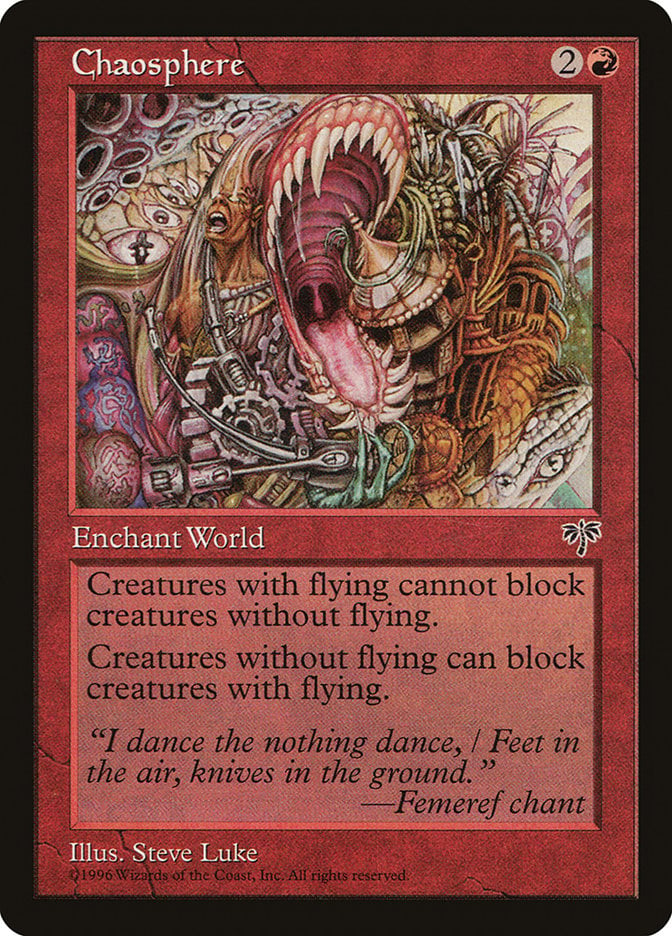
To use a few outdated terms, world enchantments are global enchantments that remain on the battlefield unless they are removed by an opponent, sacrificed, or another world enchantment enters. In easier terms, world enchantments are non-targeting enchantments that behave similarly to The Legend Rule. They are permanents that offer some static effect to the entire board, such as Chaosphere.
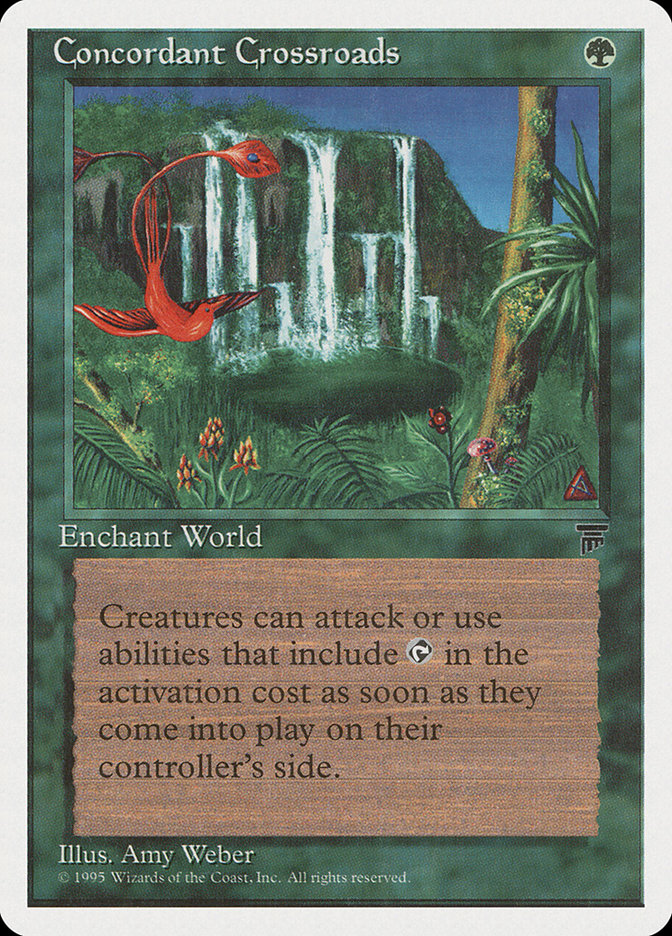

This older card subtype was poorly received and didn’t add much to complex strategies; they only had more downsides. Some reprints have been made, such as Concordant Crossroads, but you most likely won’t see many more world enchantments, as legendary enchantments like Necrodominance do their job well enough without the extra rules baggage.
Wrap Up
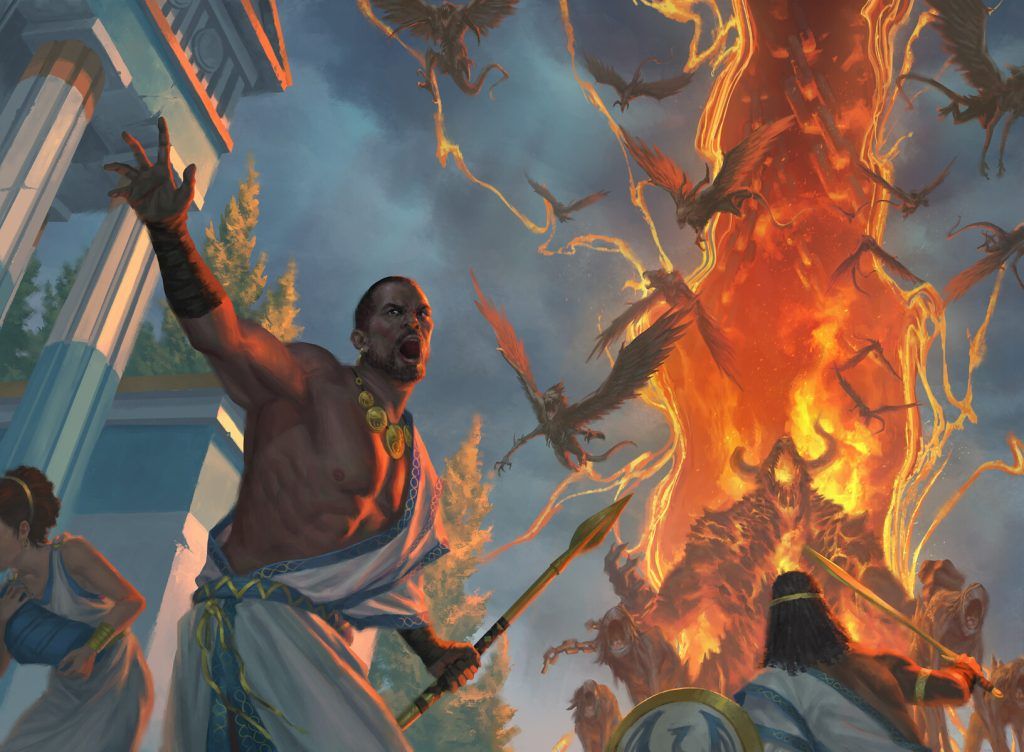
Underworld Breach | Illustration by Lie Setiawan
Enchantments are very powerful cards in the right spot, and MTG keeps printing more and more, even the subtypes like sagas and rooms.
I narrowed this list down from literally thousands of enchantmnets, so if your favorite didn’t make the list, just let me know in the comments section below or over in the Draftsim Discord. And follow The Daily Upkeep newsletter to stay up to date on all the latest news in MTG.
Thanks for reading guys, and may you all have an enchanted week!
Follow Draftsim for awesome articles and set updates:










2 Comments
Battle of Helvault (White Saga/Enchantment that summons an invincible 8/8 angel token) is pretty cool. Cruelty of Gix (Black Saga/Enchantment) has a II ability that is a tutor – any card from your library, along with other goodies. Sagas can be hard to evaluate because A) multiple effects, and if you can’t accelerate II, II, or IV, an opponent may target that enchantment for removal…
Great suggestions, big fan of Cruelty of Gix myself.
Add Comment