
Last updated on June 21, 2026

Astral Drift | Illustration by Svetlin Velinov
Today I want to look at one of my favorite mechanics in Limited: cycling. While there have been a multitude of cycling cards that also affect Constructed, cycling can help create compelling games in Limited while you might just run out of action or fail to draw a land on time in other formats.
The ability to exchange one resource for another gives players plenty of choice on how best to use their creatures, lands, and spells to find winning combinations (more info on the theory behind that here). A mainstay in Commander, Cube, Modern, Pioneer, and Standard whenever it’s printed, cycling is a powerful mechanic that greatly rewards thinking ahead and creates enjoyable games.
But what is cycling, and how does it work? Let’s find out!
How Does Cycling Work?

Curator of Mysteries | Illustration by Christine Choi
Cycling is a keyword ability that allows you to pay the cycling cost of a card to discard it. When you pay those costs, you put an ability on the stack to draw a card. You basically pay a cost and turn one card into a different one.
The History of Cycling in MTG

Cycling debuted in Urza’s Saga and has become a popular and recurring mechanic ever since. While not quite evergreen, it’s appeared in multiple blocks across Magic’s history, including Urza’s Saga, Onslaught, Time Spiral, the Alara block, Modern Horizons, Ikoria: Lair of Behemoths, and the Amonkhet block.
With 34 unique cards printed in Urza’s Saga, cycling was a core mechanic during its first printing. An additional 31 cycling cards were printed in Onslaught. As you can tell just from these first two sets, cycling tends to show up in large numbers whenever it’s featured. Ikoria was the last set to use cycling as a core set mechanic, where we saw 60 cards with cycling on them.
Cycling has now been upgraded to “deciduous” status, meaning it can be used sparingly in any set where it’s needed, and the set doesn’t need an overarching cycling theme for the mechanic to appear there. For example, Murders at Karlov Manor has one card with cycling in the entire set: Topiary Panther.
Avatar: The Last Airbender (TLA) also brought it back, where it featured on creatures like Giant Koi and Mongoose Lizard. These cards aren’t necessarily better or worse than cycling options from sets like Final Fantasy or Duskmourn: House of Horror, but they continue the tradition of making cycling a flexible and reliable mechanic.
One of the biggest draws in recent years has been basic landcycling cards, especially the ones from Lord of the Rings. Standouts like Lórien Revealed and Oliphaunt cost just 1 mana to cycle, which makes them incredibly strong in formats like Pauper where efficiency really matters.
On top of that, Wizards has been good about reprinting some of the best cycling cards. Angel of the Ruins is in Edge of Eternities Commander, the Onslaught cyclers return in new products, and even the powerhouse Shark Typhoon show up in Duskmourn: House of Horror Commander.
To make things even more exciting, new commanders built with cycling in mind continue to appear, like Hashaton, Scarab's Fist. This just pushes the mechanic further and makes it even more central to deckbuilding.
What’s the Point of Cycling? Is it Good?
Cycling gives you options with your cards. When your cards can act as one thing or can turn into something else, it allows you to make choices about how best to use them. If a card with cycling is bad in a certain matchup you can just exchange it for a fresh card off the top of your library. In matchups where that card is good, you can choose to not cycle it.
The other big advantage of cycling cards is finding land drops. Cheaper cycling cards like Hieroglyphic Illumination are used as a draw-2 in the midgame and a 1-mana cycler to help find lands early in the game. These kinds of effects have a lot of value in control decks where you probably want a variety of options at your disposal depending on the situation.
Cycling is a very good mechanic that helped create good Limited and Constructed environments in the past.
Is Cycling Instant or Sorcery Speed?
You can cycle at instant speed.
When Can You Cycle?
You can cycle a card any time you have priority.
Does Cycling Something Count as Casting a Spell?
Cycling counts as activating an ability, not casting a spell.
Does Cycling Count as Discarding?
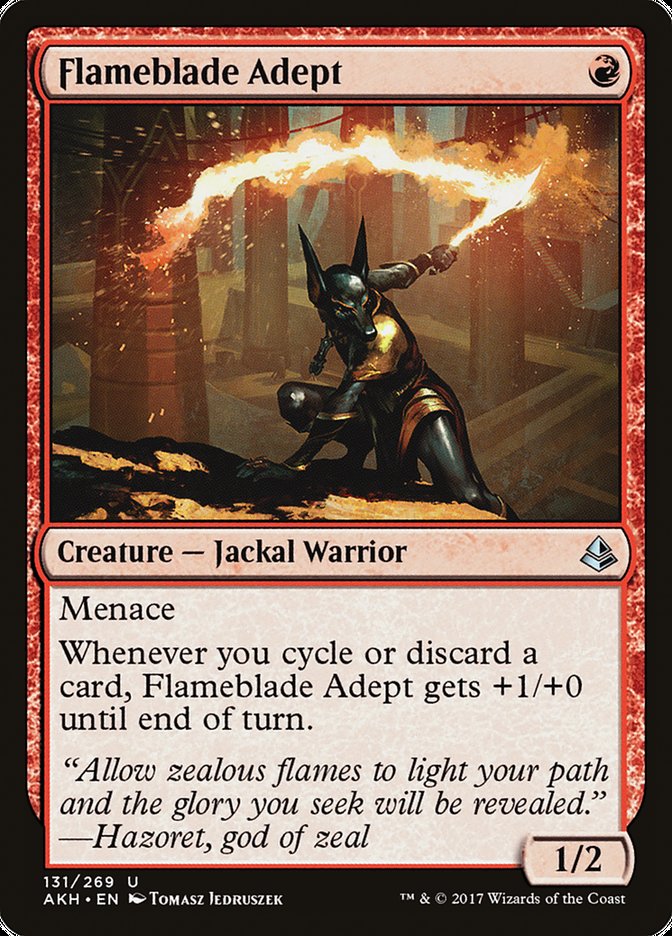
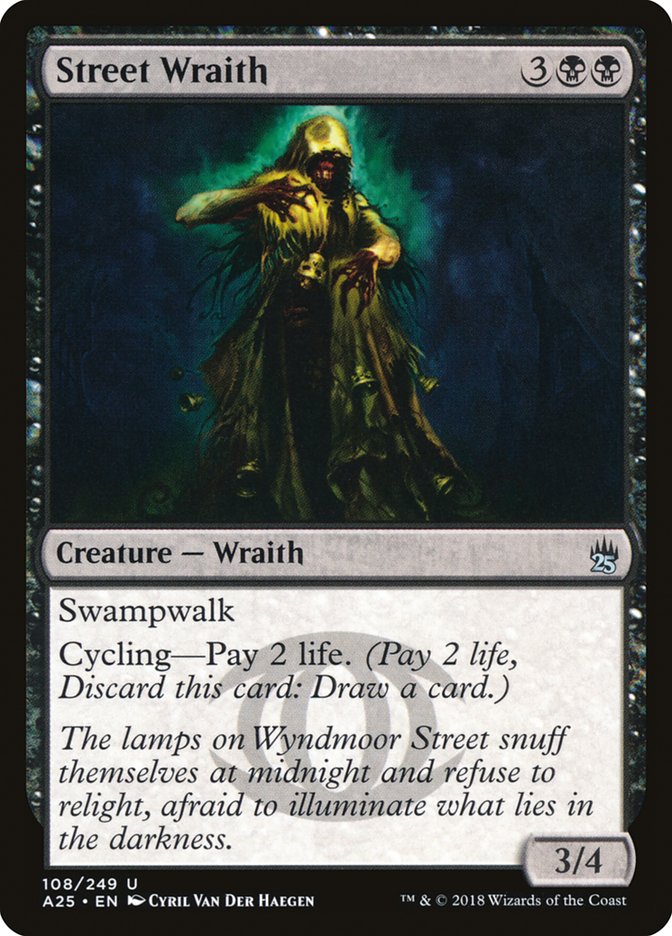
Yes, cycling counts as discarding a card. Cards like Flameblade Adept use this synergy to trigger it as a bonus to cycling cards like Street Wraith. You discard the cycler as part of the cost so it’s in the graveyard when the ability goes on the stack.
Can Cycling Be Countered?
Cycling can’t be countered with normal counterspells but effects that can counter activated abilities can counter cycling, like Nimble Obstructionist or Trickbind.
Can You Respond to Cycling?
Cycling is an activated ability, so it uses the stack and can be responded to like any other ability that uses the stack. You cannot respond to discarding the card though, since that’s a cost of activating the cycling ability.
Is Cycling an Ability?
Cycling is an activated ability, though it can often cause other abilities to trigger.
Does Cycling Use the Stack?
Cycling uses the stack like all normal activated abilities. Discarding the card is a cost, so the discard does not use the stack.
Is Cycling a Special Action?
Cycling is a normal activated ability, not a special action.
Can You Cycle a Card in Play?
There are eight permanents from Urza’s Destiny that can cycle from play. Mark Rosewater, head designer for Magic, said that these cards are considered a variation of cycling. But cards with the cycling ability have to be discarded from your hand to cycle, so they can’t be cycled from play.
What Does “Cycling from the Battlefield” Mean in Magic: The Gathering?
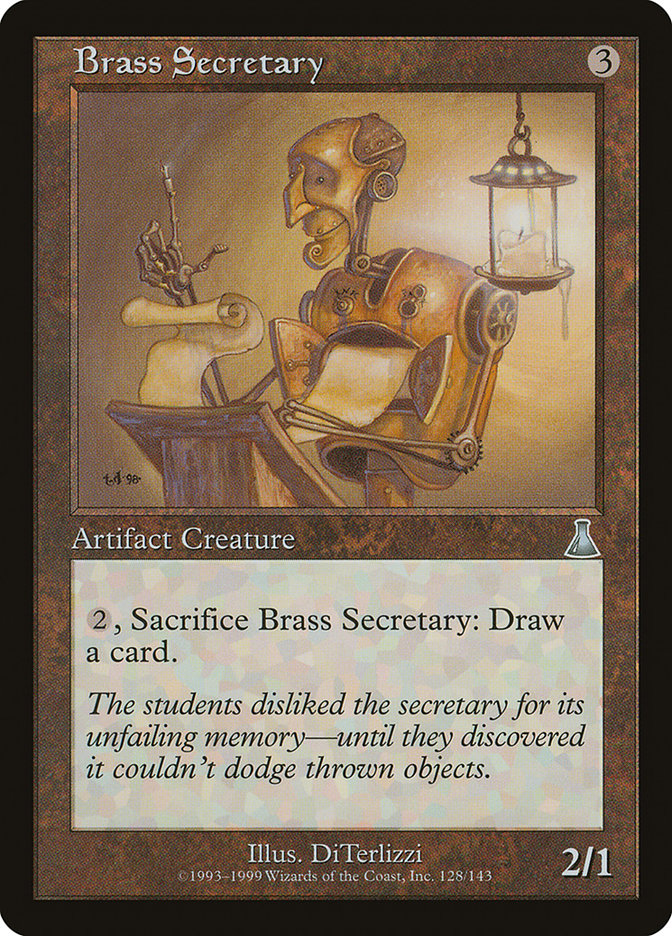
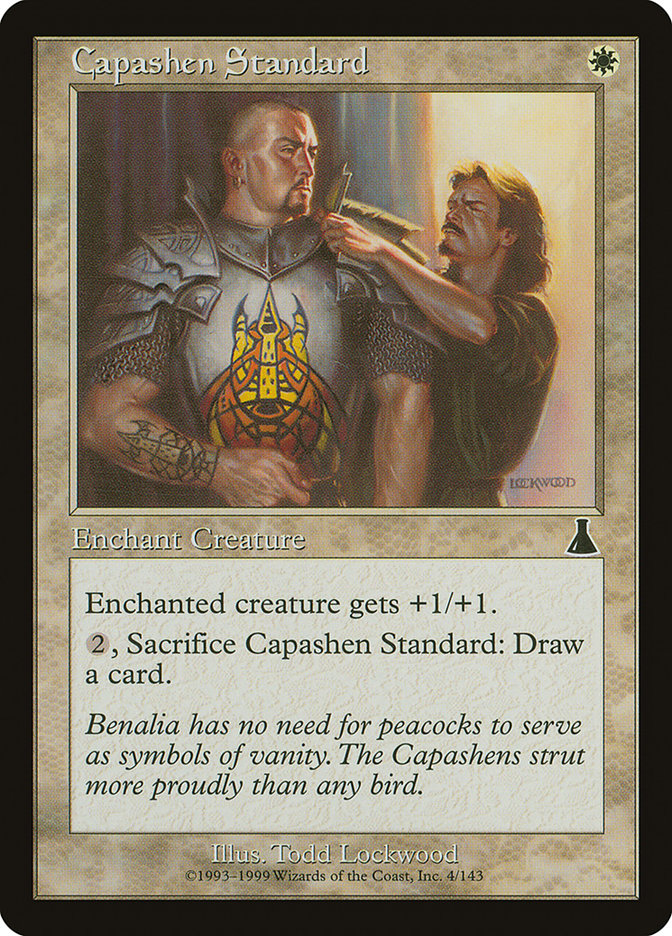
“Cycling from the battlefield,” also known as “cycling from play,” first showed up in Urza’s Destiny on a handful of permanents. These cards let you pay and sacrifice them to draw a card. The mechanic was created by Mark Rosewater as a spin on normal cycling, but it didn’t really catch on with players. The main issue was that you had to pay to cast the card and then pay again to cycle it, which made it clunky as a draw-smoothing tool. Later designs like Clue tokens and filter artifacts took the same idea and made it much more effective. Some of the original cards with this ability were Brass Secretary and Capashen Standard.
Can I Cycle from the Graveyard?
No, you can’t. Cycling only works when the card is in your hand. If it’s already in the graveyard, it’s just a card that sits there unless another effect lets you return it to your hand. Discarding a card is the cost of activating cycling, and you can only discard from your hand.
If I Can Play the Top Card of My Library, Can I Cycle That Card?
You can’t cycle a card from the top of your library. Cycling only works if the card is in your hand, since it requires you to discard it. Playing or casting from the top skips your hand entirely, so cycling isn’t an option.
What Is the Difference Between a Cantrip and a Cycling Card?
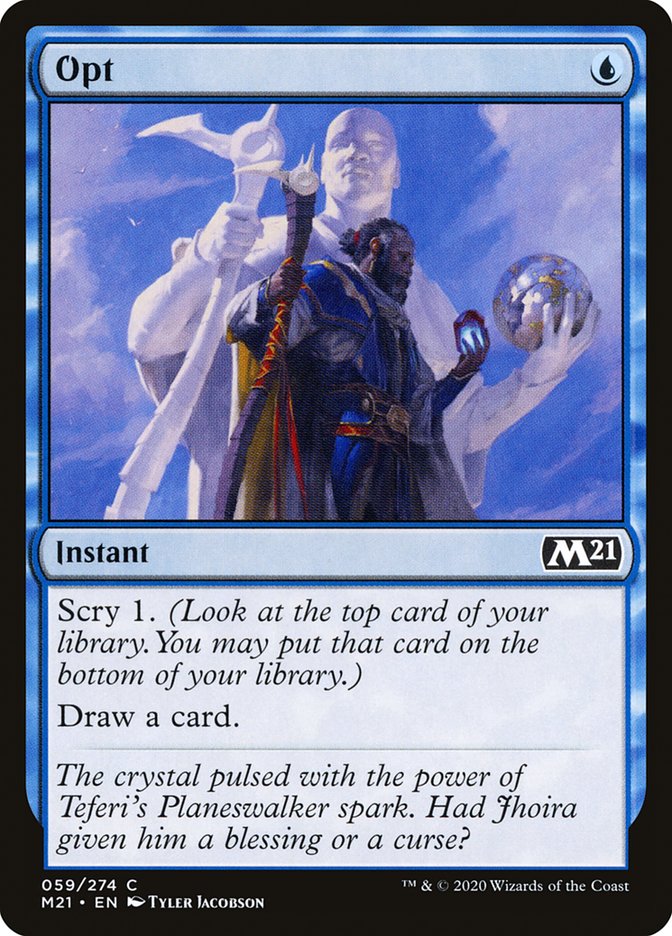

A cantrip is a spell that resolves and then draws you a card, like Preordain. Cycling is different: It lets you pay a cost to discard the card and draw without ever casting it. The key difference is that cantrips are spells that need you to cast them draw a card, while cycling is an activated ability. It’s much harder to interact with cycling abilities, and it usually can’t be countered unless you’re running something like Tale's End or Stifle.
What Happens if I Have Hullbreacher and My Opponent Cycles a Card?
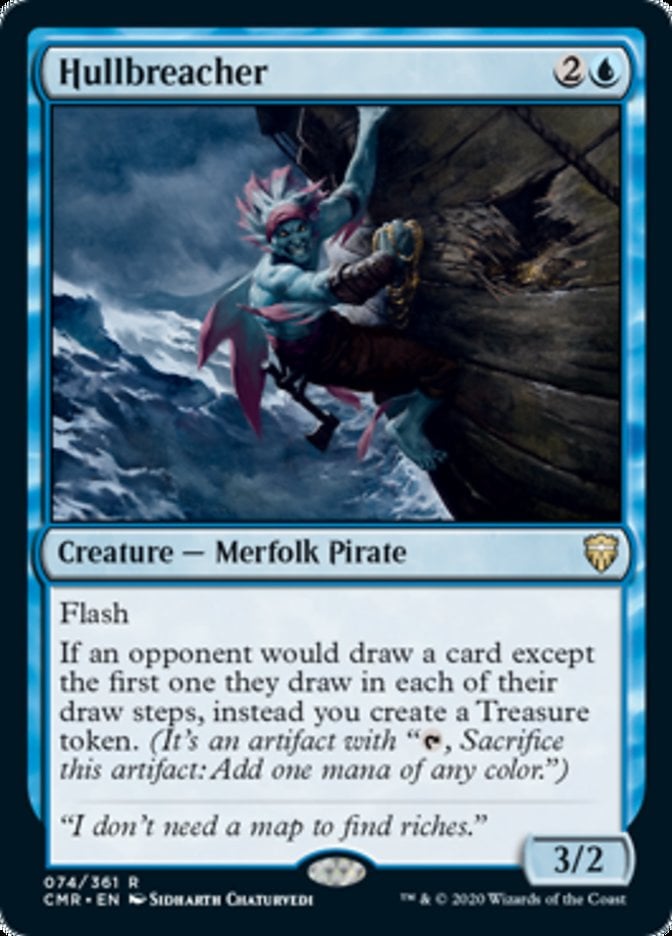
If you control Hullbreacher and your opponent cycles a card, the cycling ability still happens, but the draw is replaced. Hullbreacher doesn’t stop cycling itself, but it does replace the “draw a card” part to make you create a Treasure token instead. Any additional cycling effects, like the one on Decree of Pain, still resolve normally even though your opponent doesn’t draw. That said, you’ll rarely have to know this interaction as the card itself is banned in Commander.
Can You Cycle Commanders?
If your commander is in your hand and you have a way to give it cycling or it already has cycling, you can cycle it. But you can’t cycle a commander from the command zone since cycling specifies to discard it from hand.
What is “Typecycling”?
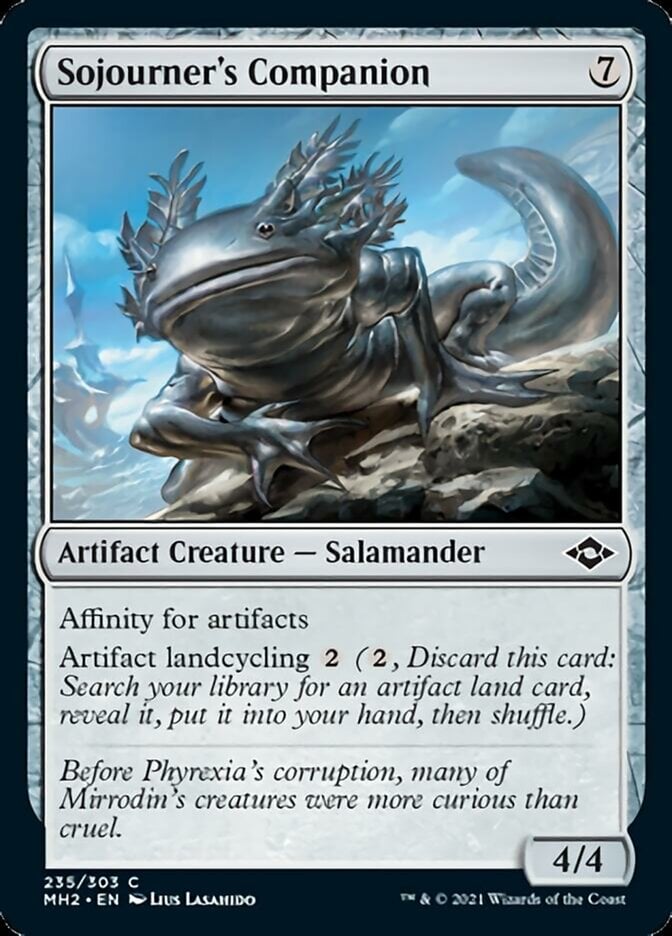

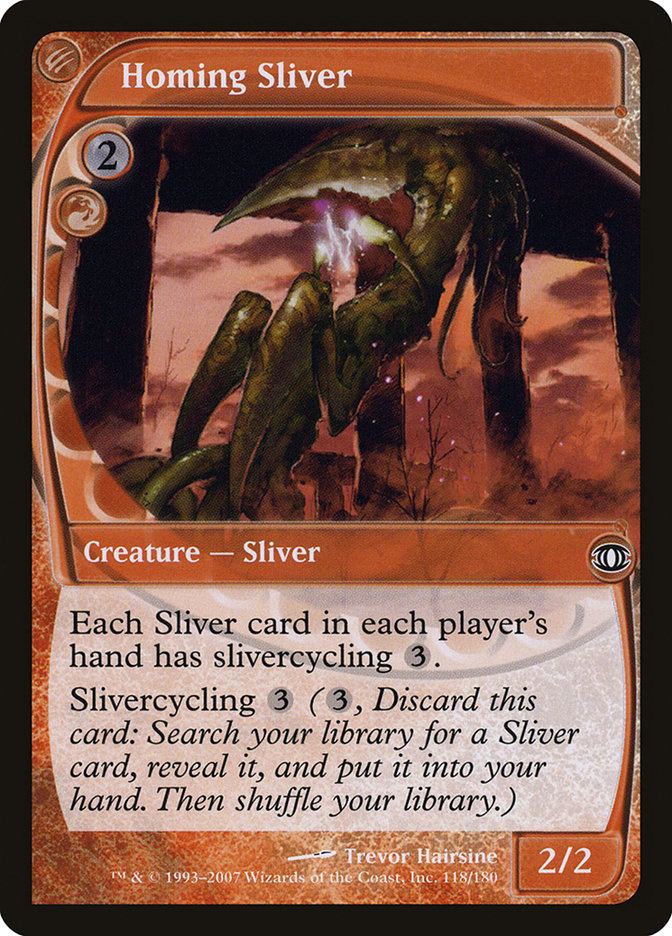
Typecycling allows you to search for a specific type of card rather than drawing a card off the top of your library when you cycle. Cards like Sojourner's Companion can search for an artifact land, Vedalken Aethermage searches for a wizard, and Homing Sliver searches for slivers.
What Is Basic Landcycling?
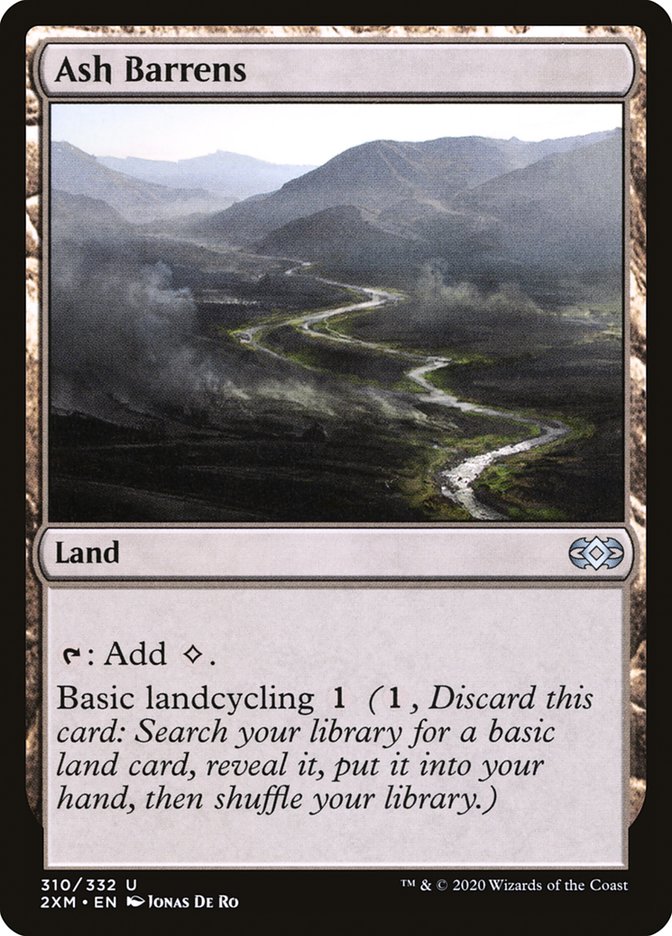
Basic landcycling is another offshoot of cycling that can find a specific card when you cycle. In this case, you can cycle a card with basic landcycling like Ash Barrens to search for a basic land of any type and put it into your hand.
What Kinds of Cycling Lands Are There?
If you’re looking for an in-depth look at the history of cycling lands, we’ve got you covered. But I’ll also recap the cycles of cycling lands we have access to in case you’re in a rush.
Cycling Dual Lands
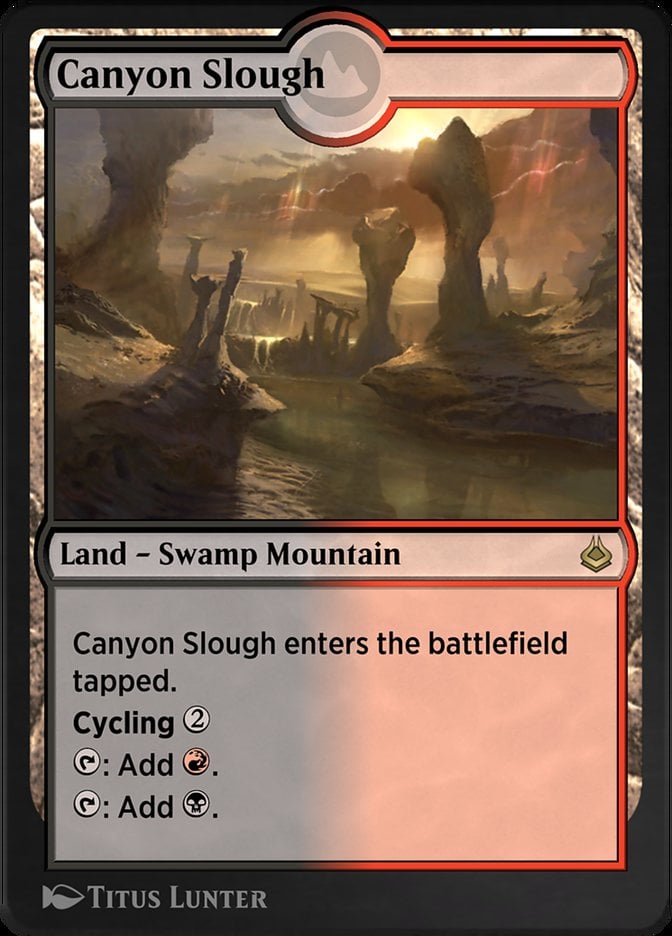
Cycling dual lands like Canyon Slough enter tapped and can produce mana of two different colors. They also have cycling and saw lots of play during their time in Standard since they have basic land types and can enable check lands like Dragonskull Summit.
Cycling Desert Lands
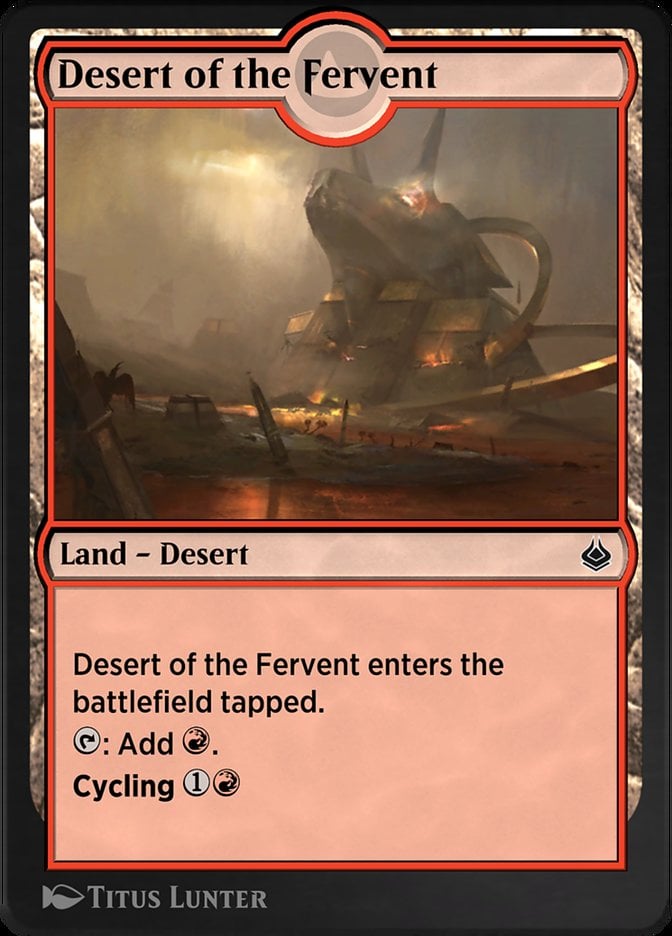
Part of what made Amonkhet Limited so smooth, cycling desert lands like Desert of the Fervent enter tapped, tap for a single color, and you can cycle them for and the color they tap for. These lands never saw play outside of Limited and decks that wanted to overload on cycling, but they do help smooth out mana bases in EDH.
Urza’s Saga Cycling Lands
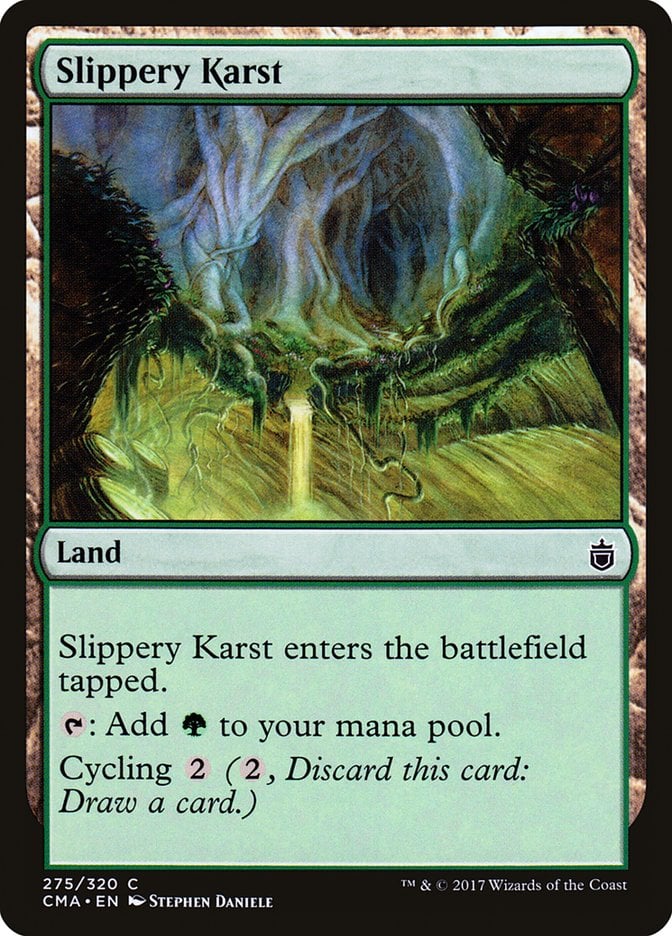
Urza’s Saga cycling lands like Slippery Karst inspired the deserts. These lands enter tapped, tap for a single color, and have cycling .
Triomes
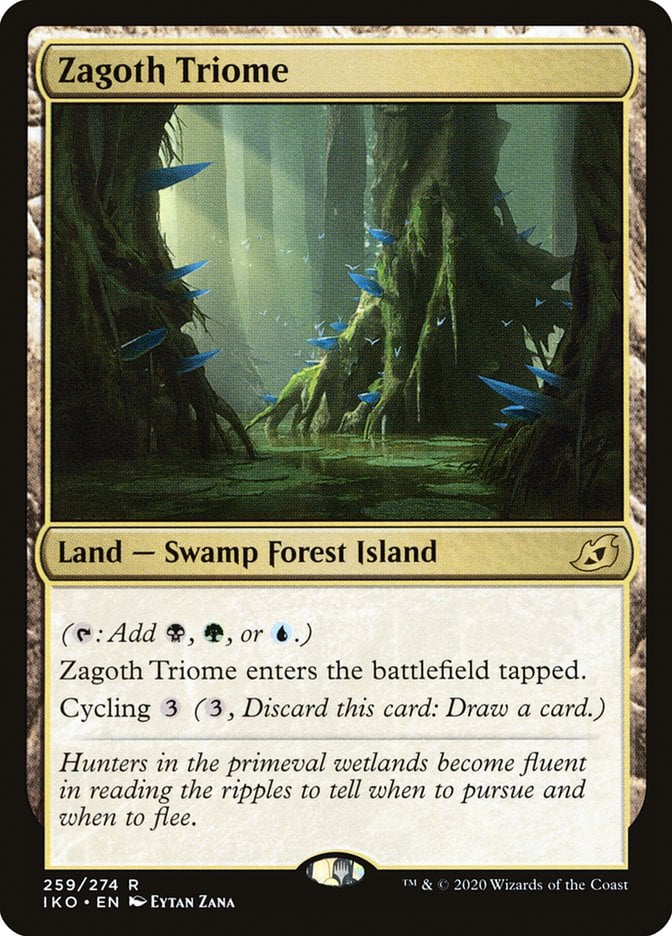
These tri-lands enter tapped, can tap for one of three colors, and can cycle for . Triomes see play in nearly every format and will be staples for years to come.
Onslaught Cycling Lands
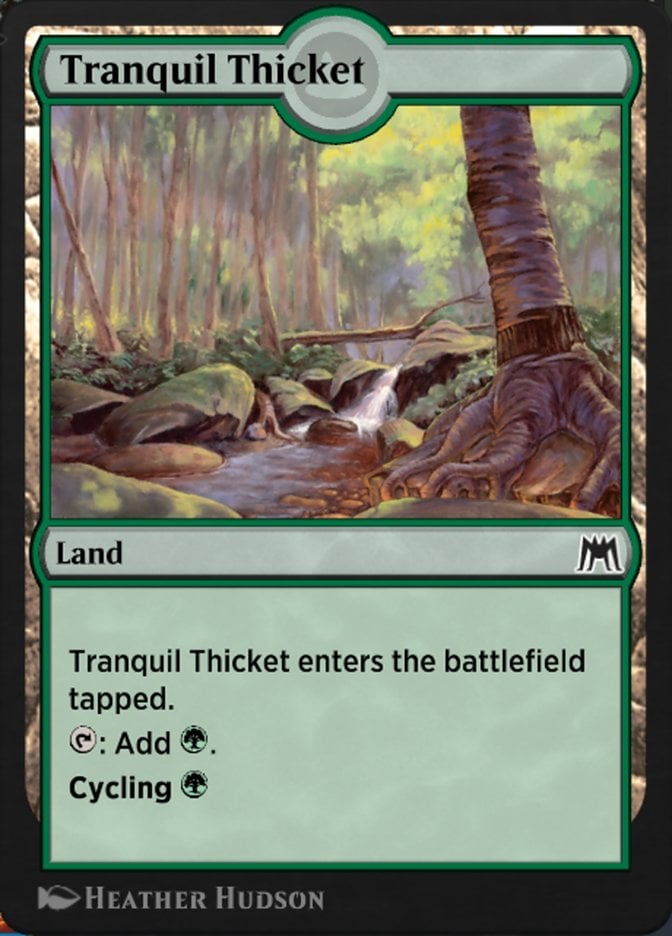
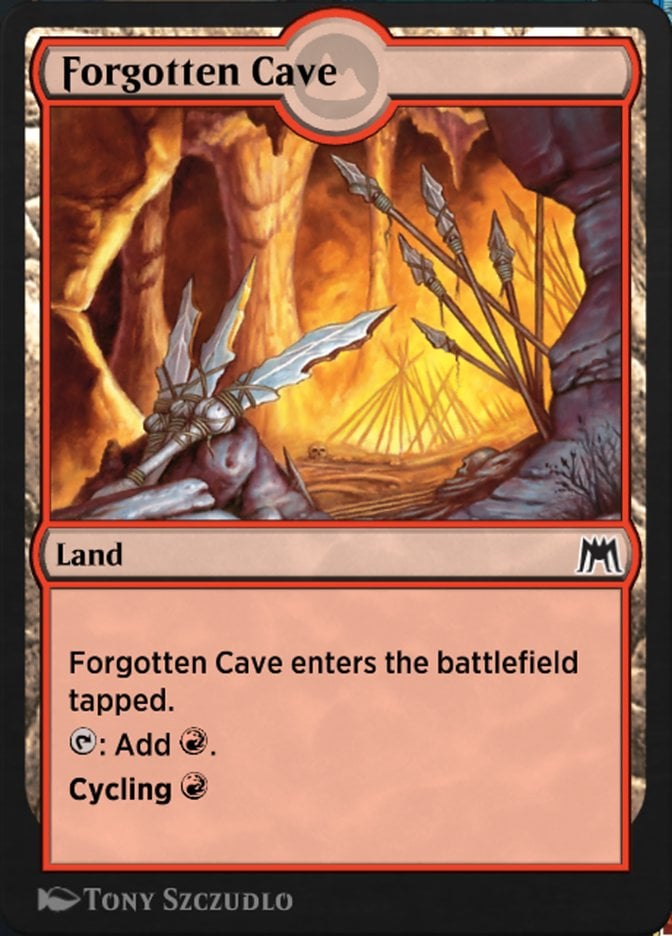
Onslaught cycling lands like Tranquil Thicket exist in older Eternal formats and are the same as the Urza’s Saga cycling lands, except they cycle for one of the color they tap for. These are staples in EDH, and Forgotten Cave specifically saw play in Modern Dredge for years.
Modern Horizons 3 Landscapes


Ten 3-color Landscapes were printed at common in Modern Horizons 3, each of which tapped for a colorless mana, or sacrificed to search up one of three different basic land types to put on the battlefield types. They also had a 3-color cycling cost, associated with the basic land types they could fetch. Those cycling costs were mostly added to give players a visual queue about which colors the Landscapes were associated with at a glance.
One-Off Cycling Lands


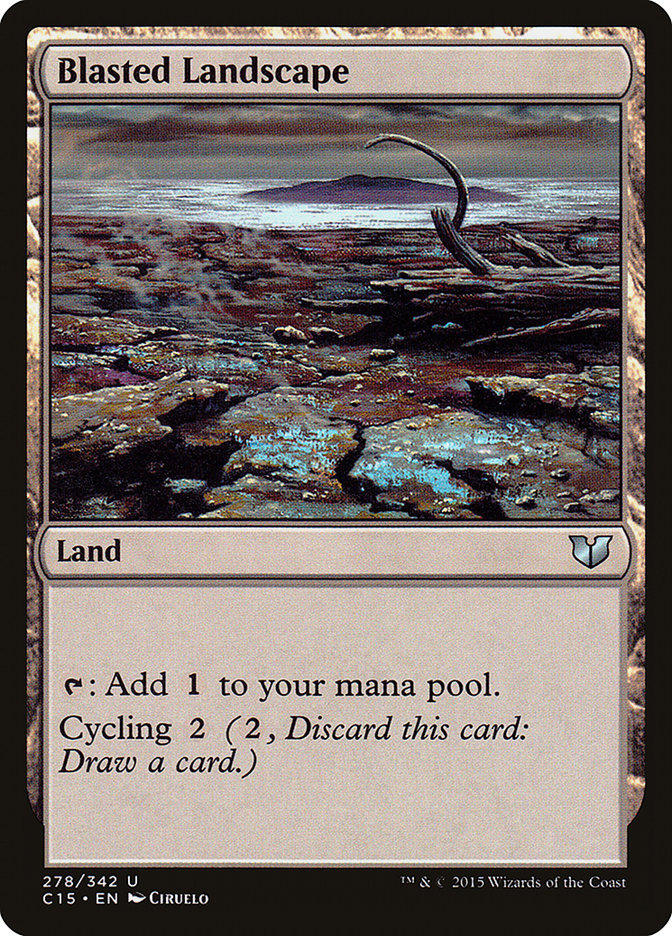
Capital City, Ash Barrens, Night Market, and Blasted Landscape don’t belong to any official cycle, but they all share the cycling ability. Most of the time, these lands show up only in Limited formats, where it’s pretty useful to have the option to cash them in for a card. Every now and then, Wizards reprints or introduces one of these standalone cycling lands, which gives us a little extra flexibility without tying them to a bigger cycle.
Best Cycling Cards
Honorable Mention: Cid, Timeless Artificer

Cid, Timeless Artificer is worth mentioning even if it doesn’t top the list of cycling all-stars. What makes it unique is the deckbuilding rule attached to it: You can run as many copies as you want, something you almost never see outside of cards like Relentless Rats or Shadowborn Apostle.
On top of that, it buffs your artifact creatures and heroes based on the number of artificers you control or have in the graveyard, which can scale fast in the right build. While it may not be the most powerful cycling card overall, its unusual “any number of copies” rule earns it a fun and flavorful honorable mention.
#5. Hollow One
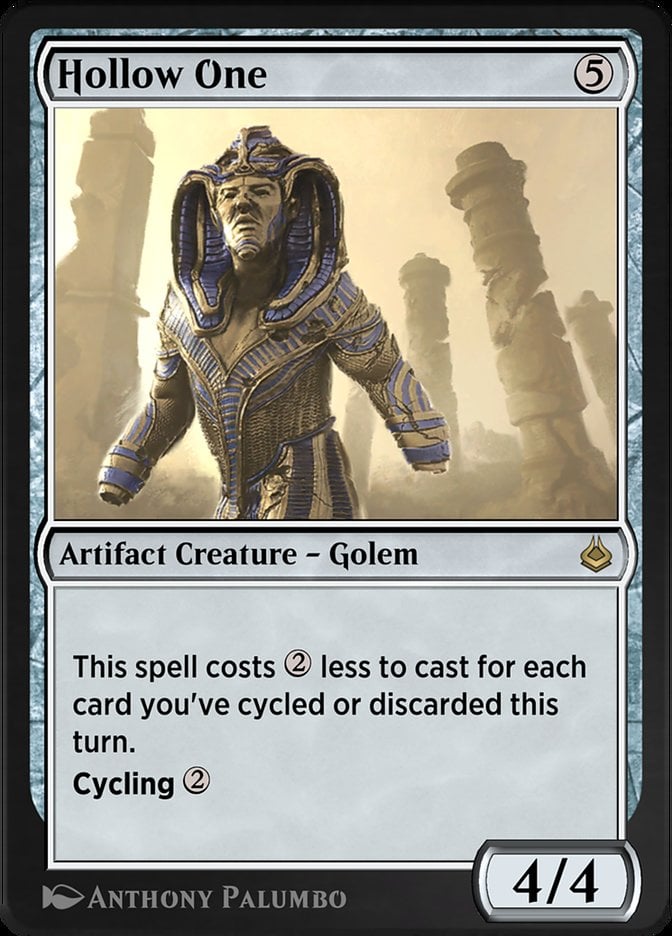
Hollow One has earned its place as a true staple in Vintage decks. Its cost reduction ability means that after a flurry of cycling or discard effects, you can often drop this 4/4 for free, which creates massive early pressure. In a format where speed is everything, the ability to generate a big threat without spending mana opens the door for explosive turns. Add in the fact that it has cycling itself, and you get a card that never feels dead in hand.
#4. Shark Typhoon
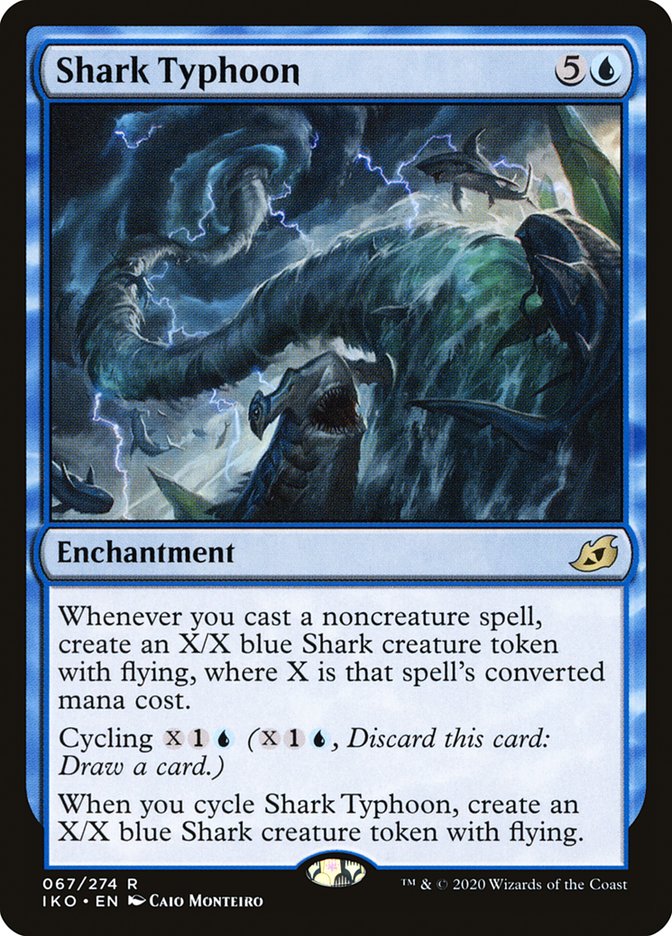
Few cycling cards have ever reached the level of Shark Typhoon. On the surface, it’s an enchantment that turns every noncreature spell you cast into a flying shark token of equal size, a win condition all on its own. But what truly makes it legendary is its cycling ability. By paying , you not only draw a card but also make an X/X flying shark at instant speed. This dual role as both threat and cycler cements it as one of the best cycling cards ever printed.
#3. Rhet-Tomb Mystic

What makes Rhet-Tomb Mystic shine is the way it turns every creature in your hand into a cycling card for just . That kind of universal effect lets you dig deep into your deck, find the right pieces, and even load up your graveyard when needed. On top of that, you still get a 2/1 flier for 2 mana, so it can chip in damage while it fuels your strategy. In cycling-focused builds, this kind of efficiency is hard to beat.
#2. Cycling Lands

Some of the strongest cycling cards you can play aren’t creatures at all—they’re lands. Cycling lands naturally help to protect you from mana flood. Early on they fix your mana base, but once you’re set on resources, you can cash them in for new cards and keep the action flowing.
There are several well-known cycles of these lands that see regular play. The Amonkhet duals like Canyon Slough and Fetid Pools enter tapped, but you can cycle them away when you don’t need them. The classic Onslaught mono-colored lands, including Forgotten Cave and Lonely Sandbar, have been staples in casual and competitive decks for years. More recently, the Ikoria and New Capenna Triomes like Jetmir's Garden and Zagoth Triome gave us 3-color fixing with the added bonus of cycling. And don’t forget the Modern Horizons 3 Landscapes like Bountiful Landscape and Sheltering Landscape, which expand the options for land-based cycling strategies.
#1. Lord of the Rings Landcyclers
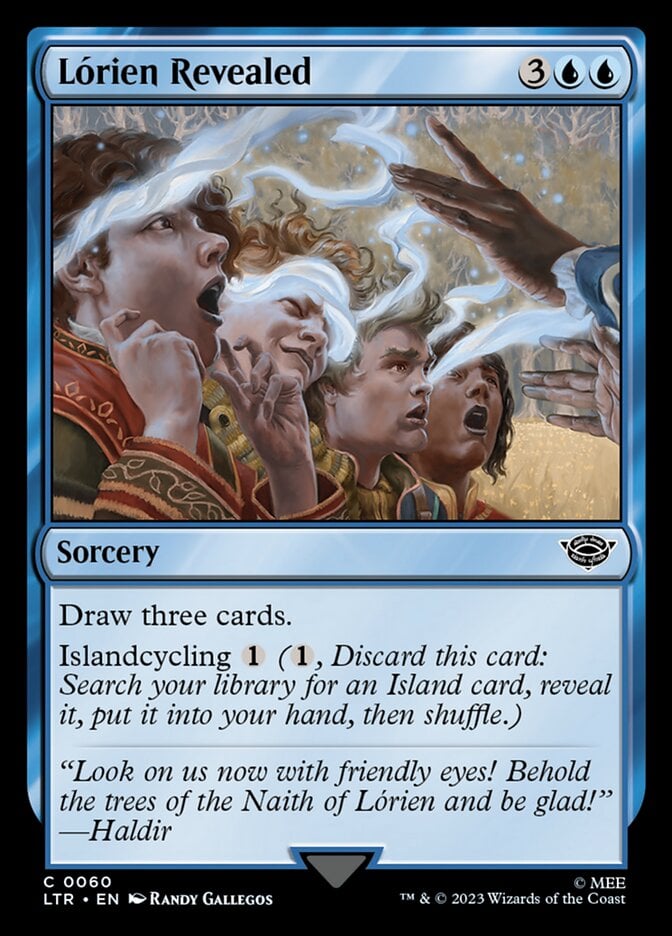
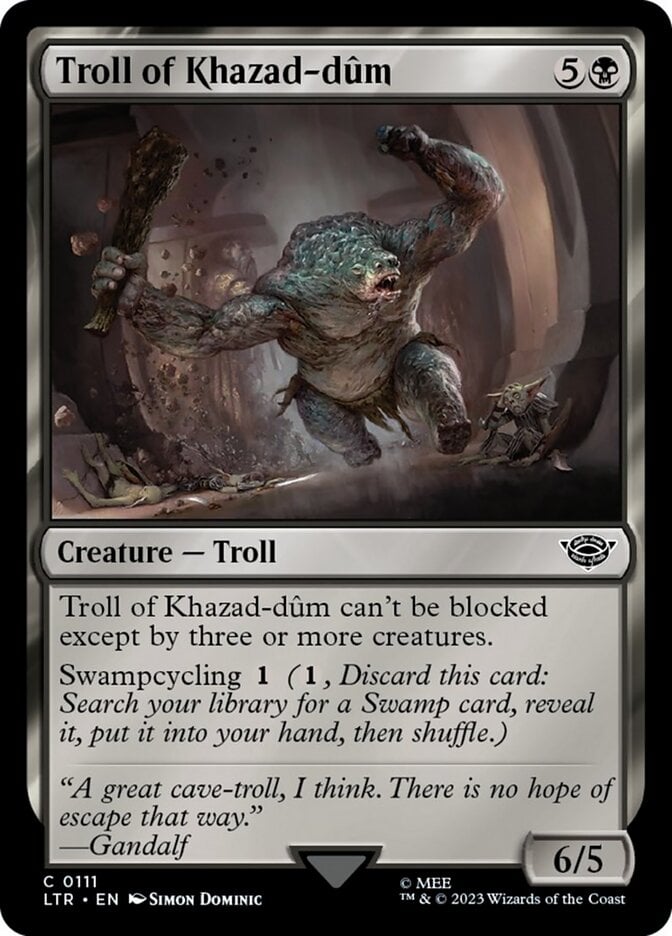
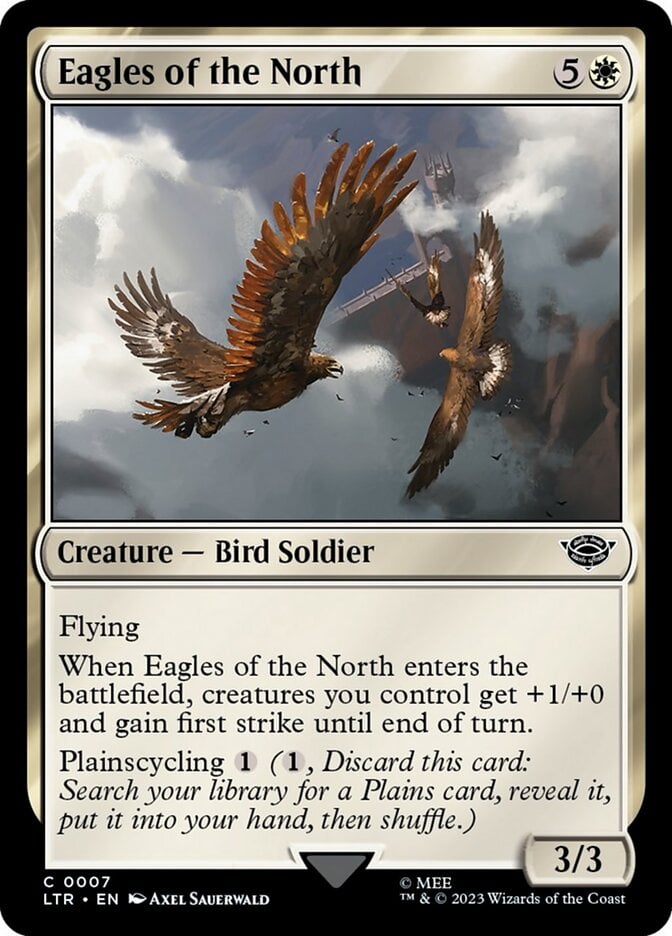
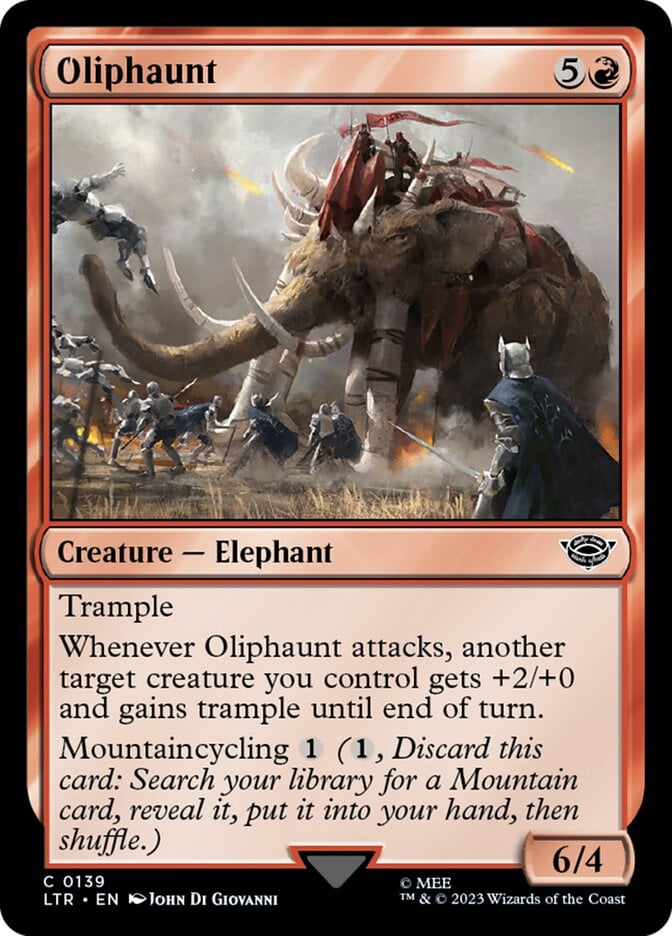
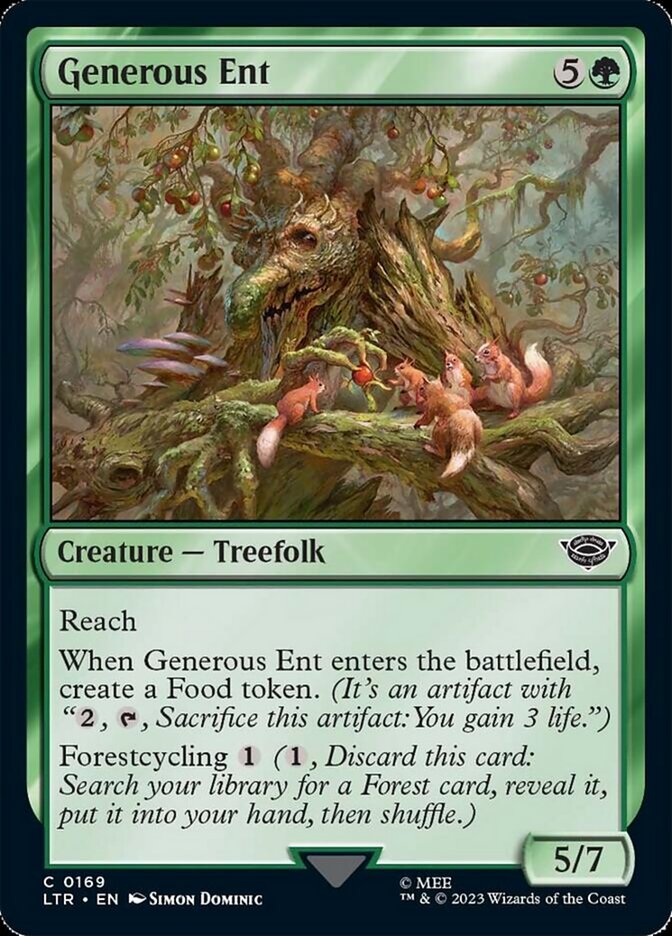
The 1-mana landcyclers from The Lord of the Rings: Tales of Middle-earth have really taken over in a big way. They let you cycle for lands so cheaply that you can often play them instead of a basic land and treat them like a tap land that fixes your colors. The flexibility is huge, especially since they can grab non-basic duals with the right land types. Some even come with built-in synergies that make them even better, like pitching Lórien Revealed to fuel Force of Will. Troll of Khazad-dûm was so powerful in these setups that it was banned in Legacy, and nowadays, Pauper is where these 1-mana cyclers shine the most.
Best Cycling Payoffs
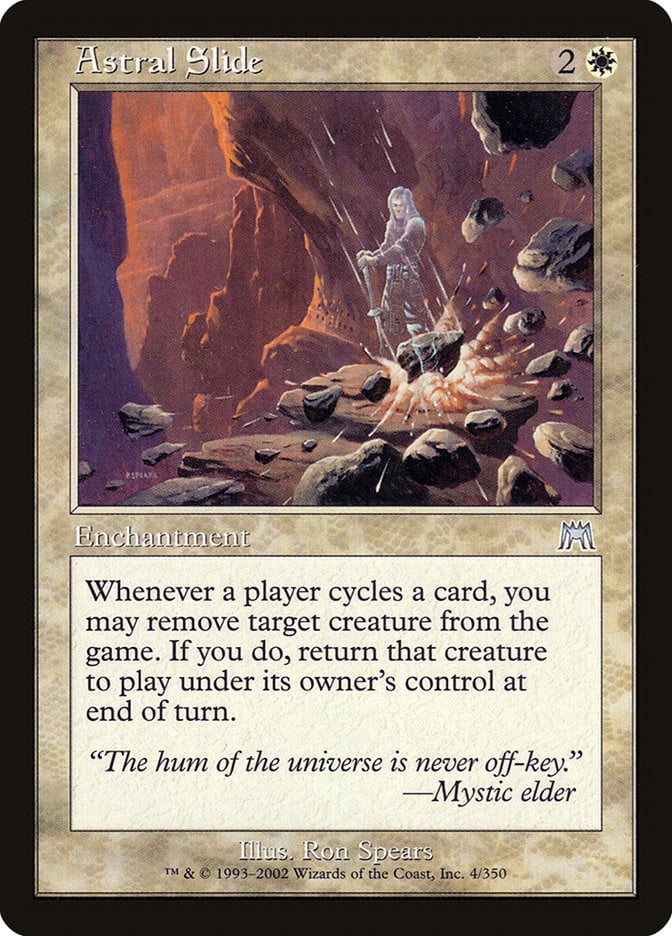

When it comes to cycling, some of the most iconic payoffs go back to the early 2000s with cards like Astral Slide and Lightning Rift. These let you turn every cycle into something more than just a fresh card. Slide can flicker creatures in and out of play for value or protection, while Rift converts your cycling into direct damage. Both cards became staples in older cycling decks because they rewarded you for doing what you were already trying to do: Cycle as much as possible.

Later sets experimented with bigger, more explosive rewards. New Perspectives is a standout because it turns all your cycling into a free action once you have enough cards in hand. Instead of paying mana, you can suddenly churn through your deck at lightning speed, which sets up combos or simply overwhelms your opponent with card advantage.
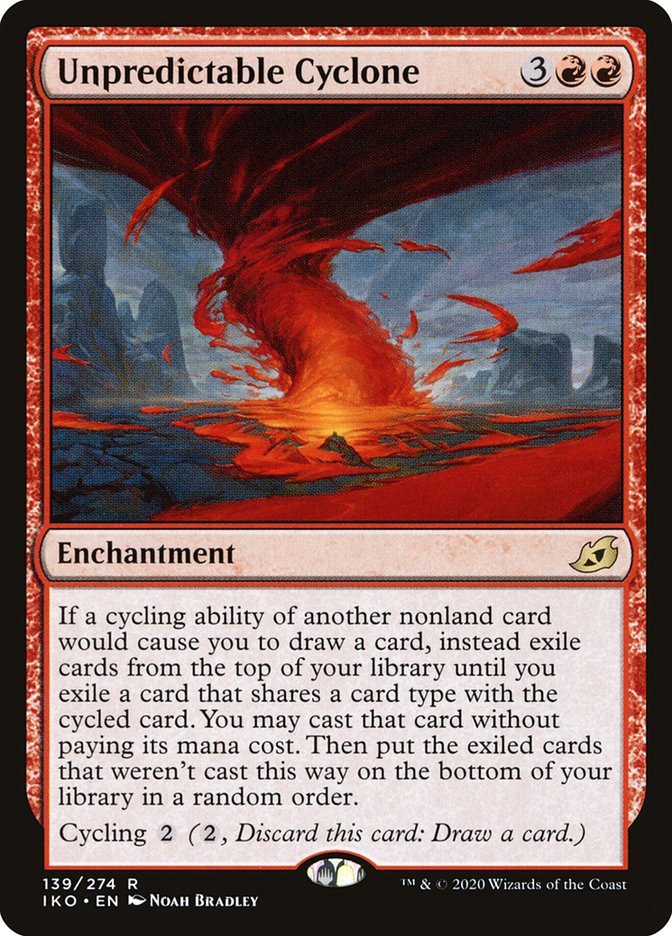
Similarly, Unpredictable Cyclone gives a wild twist that replaces your cycling draws with free spells from your deck. These kinds of cards shift cycling from a value mechanic into a full-blown engine.
There are also creature-based payoffs that grow stronger the more you cycle. Flameblade Adept is a great example that turns every discard into extra menacing power so it can swing past blockers.
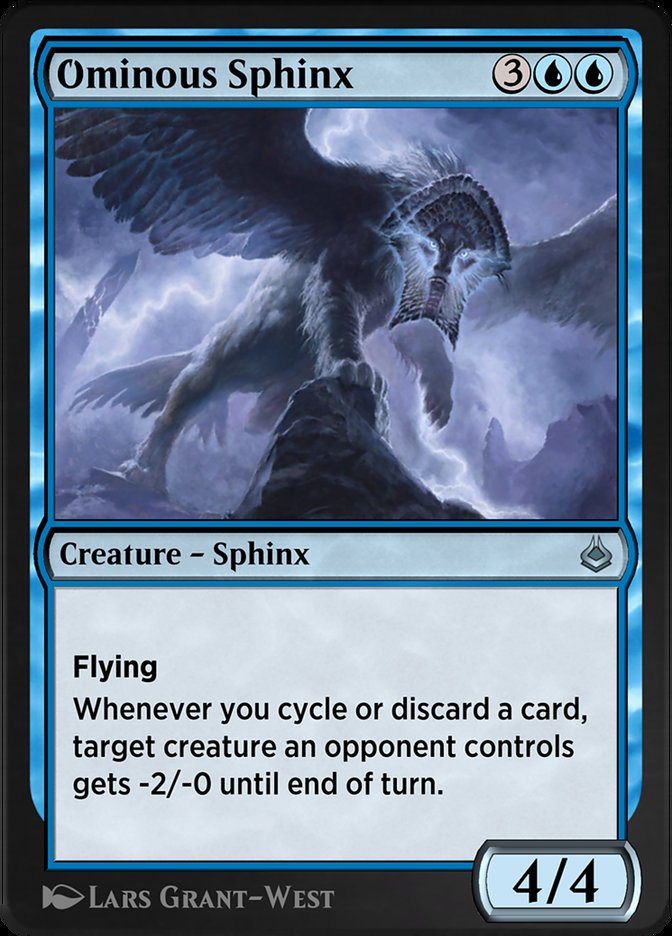
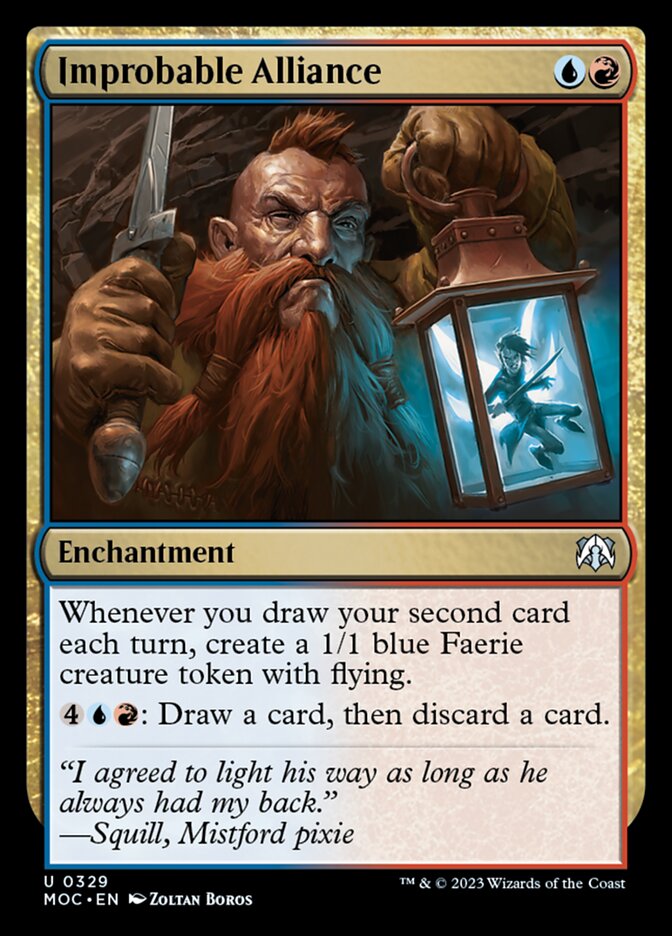
Ominous Sphinx goes in a different direction that punishes your opponent’s creatures whenever you cycle, which makes combat a nightmare for them. Even Improbable Alliance, while not tied directly to cycling, works beautifully in these decks by producing a steady stream of tokens as long as you’re drawing cards every turn.
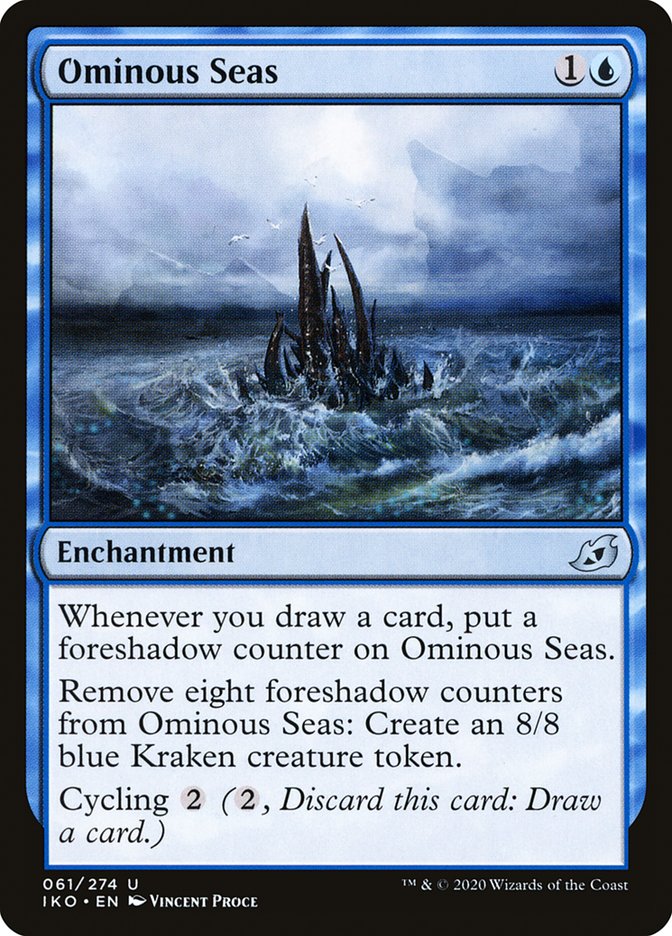
There are slower but steady rewards like Ominous Seas. This enchantment takes advantage of all the cards you draw from cycling and transforms that steady drip of card advantage into giant 8/8 Krakens. While it may not explode onto the battlefield as fast as some other payoffs, it gives you inevitability, which forces opponents to answer your massive threats or drown under the weight of your cycling engine.
Decklist: Modern Living End

Living End | Illustration by Greg Staples
Creature (29)
Shardless Agent x4
Endurance x4
Curator of Mysteries x4
Subtlety x4
Street Wraith x4
Generous Ent x4
Striped Riverwinder x2
Waker of Waves x2
Colossal Skyturtle
Sorcery (3)
Living End x3
Instant (9)
Flare of Denial
Force of Negation x4
Sink into Stupor x2
Press the Enemy
Commandeer
Enchantment (4)
Ardent Plea x4
Land (15)
Boseiju, Who Endures
Breeding Pool
Forest
Hallowed Fountain
Hedge Maze
Island
Lush Portico
Meticulous Archive
Mistrise Village
Misty Rainforest x4
Otawara, Soaring City
Temple Garden
Sideboard (15)
Teferi, Time Raveler x2
Clarion Conqueror x3
Foundation Breaker
Inevitable Betrayal x2
Mystical Dispute x3
Force of Vigor x2
Stony Silence
Temporary Lockdown
I’ve been playing Magic: The Gathering for a long time, and honestly, no cycling deck has ever impressed me as much as Modern Living End. Even though it took a big hit when Violent Outburst was banned, the deck still packs a serious punch. Why? Because you can cheaply cycle a ton of creatures and then bring them all back at once with Living End. It’s only gotten stronger over the years, with cards like Generous Ent to help smooth out the mana and keep the deck consistent.
Wrap Up

Shark Typhoon | Illustration by Caio Monteiro
Cycling has shown up in many different sets over Magic’s history. While it isn’t an evergreen mechanic, it’s one of the most well-supported deciduous ones, and designers clearly love to bring it back every so often.
What do you think? Would you want to build around cycling in one of your next Commander decks? Let us know in the comments or over on the Draftsim Discord! Thanks for reading, and if you enjoyed this article and want more like it, be sure to follow us on social media so you never miss a thing.
Take care, and I’ll see you again next time!
Follow Draftsim for awesome articles and set updates:










Add Comment