
Last updated on July 27, 2026

Rampant Growth | Illustration by Steven Belledin
Magic: The Gathering has tons of strategies to explore. If you’re getting tired of turning creatures sideways with aggro or putting the table to sleep with control, there’s an archetype that might just be your style—ramp. It’s all about generating extra mana and using it to cast massive spells way ahead of schedule. Sounds fun, right?
Let’s break it down!
What Is a Ramp Deck in MTG?

Cultivate | Illustration by Anthony Palumbo
A ramp deck is a strategy that focuses on generating extra mana—usually by using cards like mana dorks and mana rocks that tap for mana, or spells that put more lands into play. The goal is to cast powerful, high-cost spells earlier than normal, overwhelming opponents before they can stabilize. What makes a true ramp deck is that ramping isn’t just part of the plan—it is the plan.
Elements of a Ramp Deck
Ramp decks have two central elements: the ramp cards (which have a variety of classes) and the threats you ramp into.
Mana Dorks
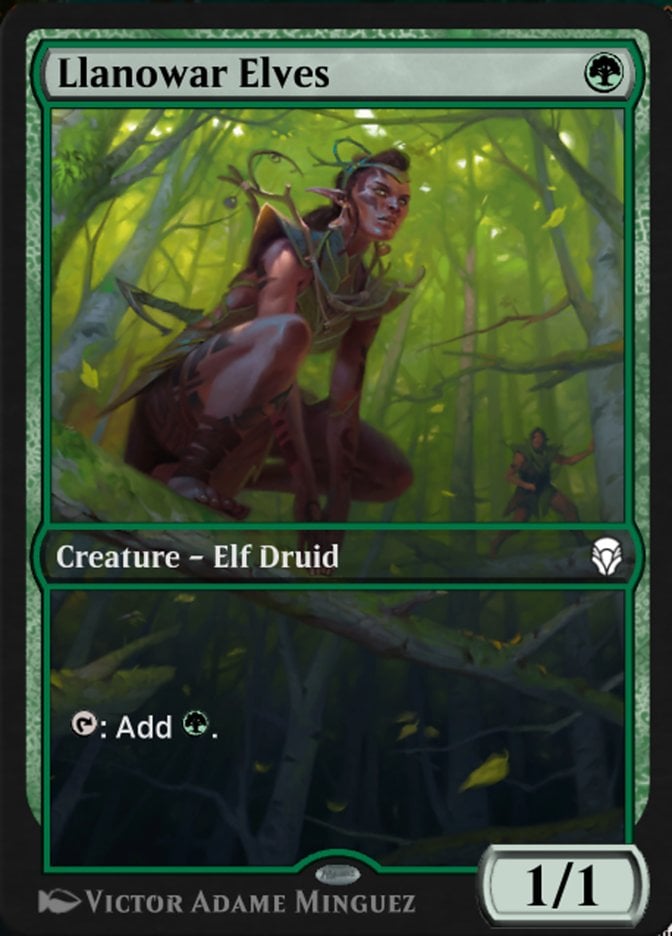
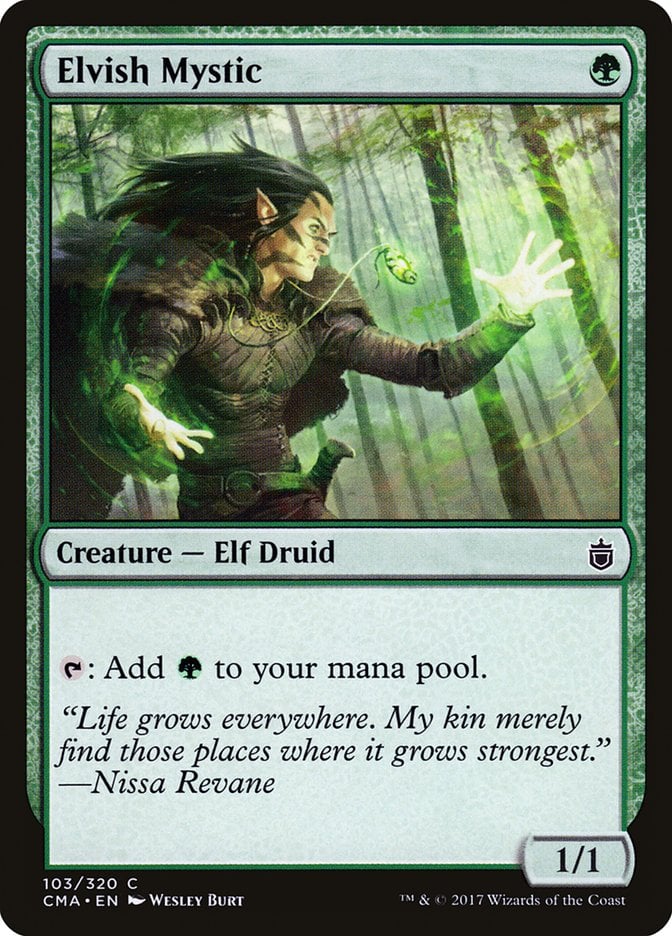

Mana dorks are creatures that ramp by tapping for mana—cards like Llanowar Elves, Elvish Mystic, and Badgermole Cub are some of the best-known examples. They’re cheap, usually just 1 or 2 mana, and let you start playing bigger spells as early as turn 2. That kind of early jump can really swing the game in your favor. Compared to something like Rampant Growth, which costs 2 mana, dorks are just faster.
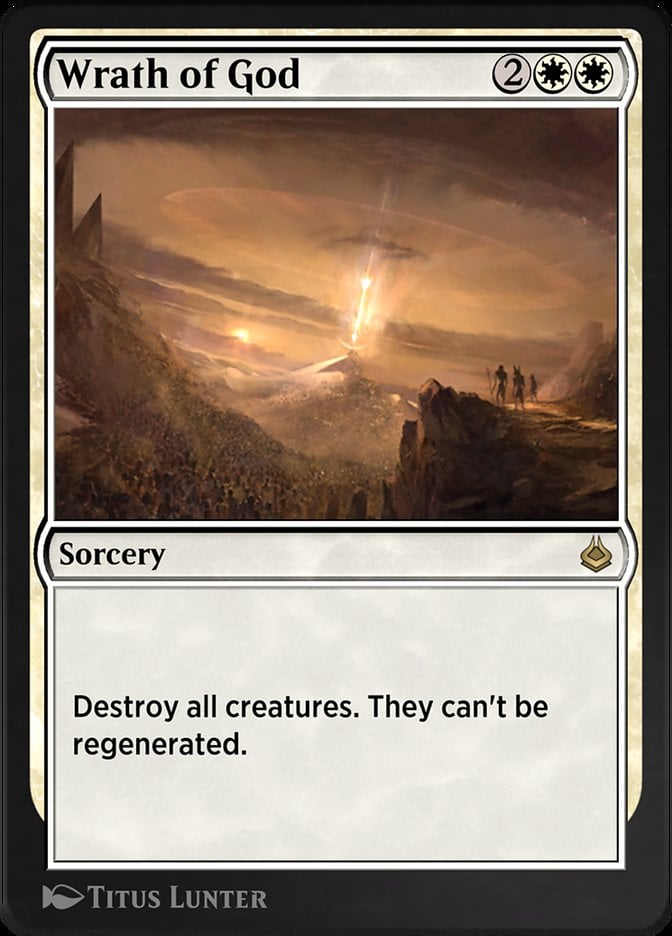

But they come with a risk: they’re easy to kill. One Wrath of God or even a cheap removal spell can take out your mana dorks, setting you back hard. Still, they’re great in fast-paced games or decks that care about having lots of creatures. In green decks especially, casting something like Lovestruck Beast a turn early can be a huge tempo swing. Just be careful—if your meta is full of board wipes, leaning too hard on mana dorks can be a gamble.
Ramp Spells and Mana Rocks
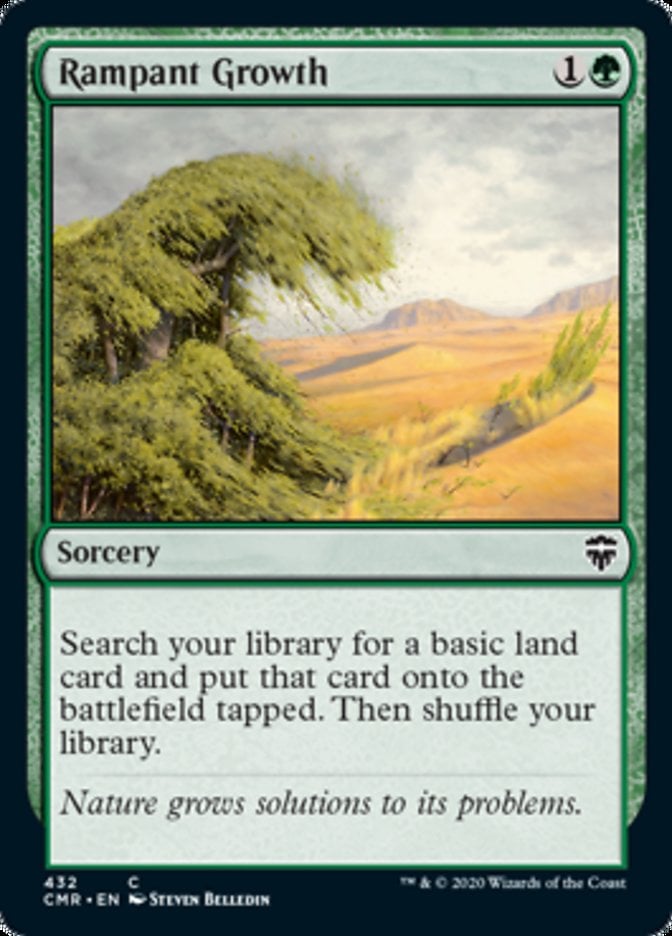
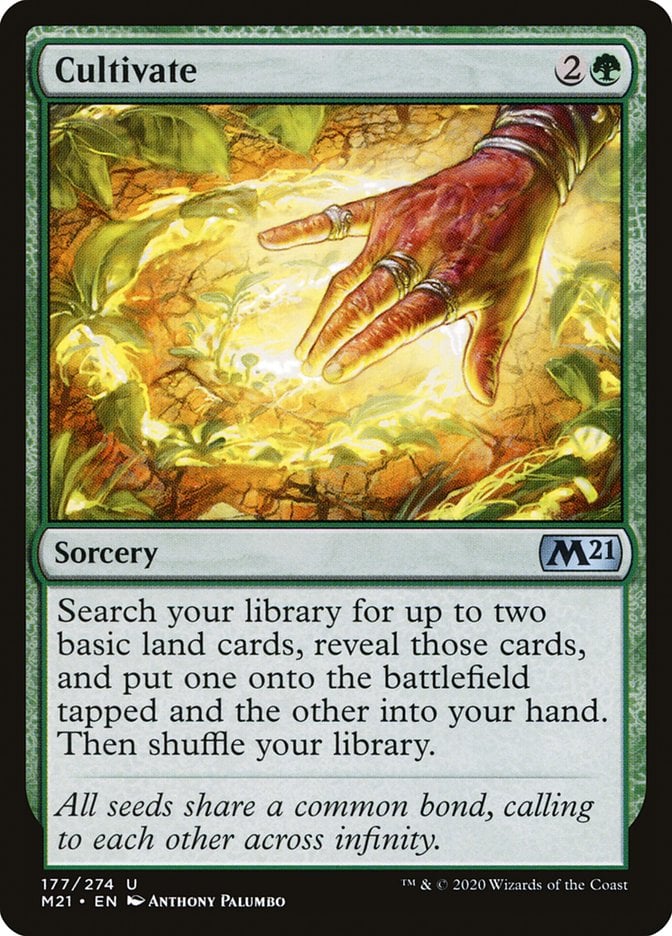
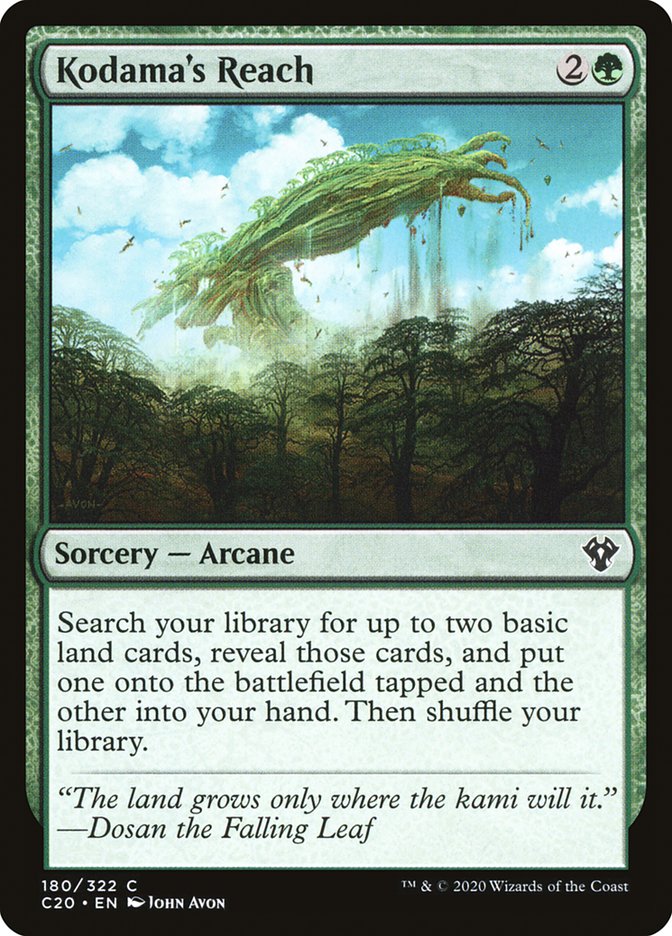
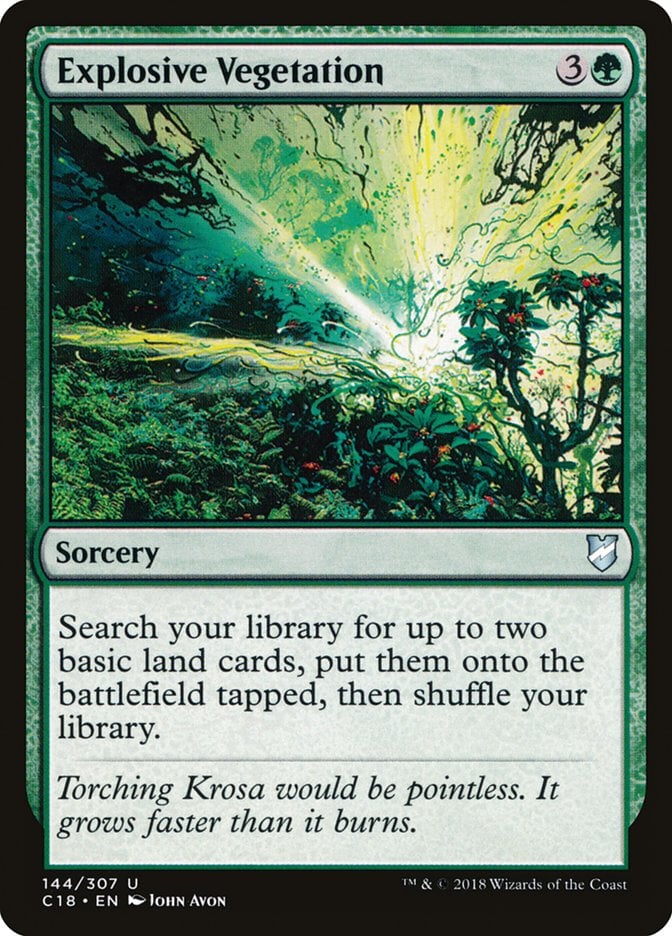
Non-creature ramp is slower than mana dorks but more reliable. Spells like Rampant Growth, Cultivate, Kodama's Reach, and Explosive Vegetation search your library for lands and put them right onto the battlefield. Since lands are hard to remove, your ramp is safe during most games.
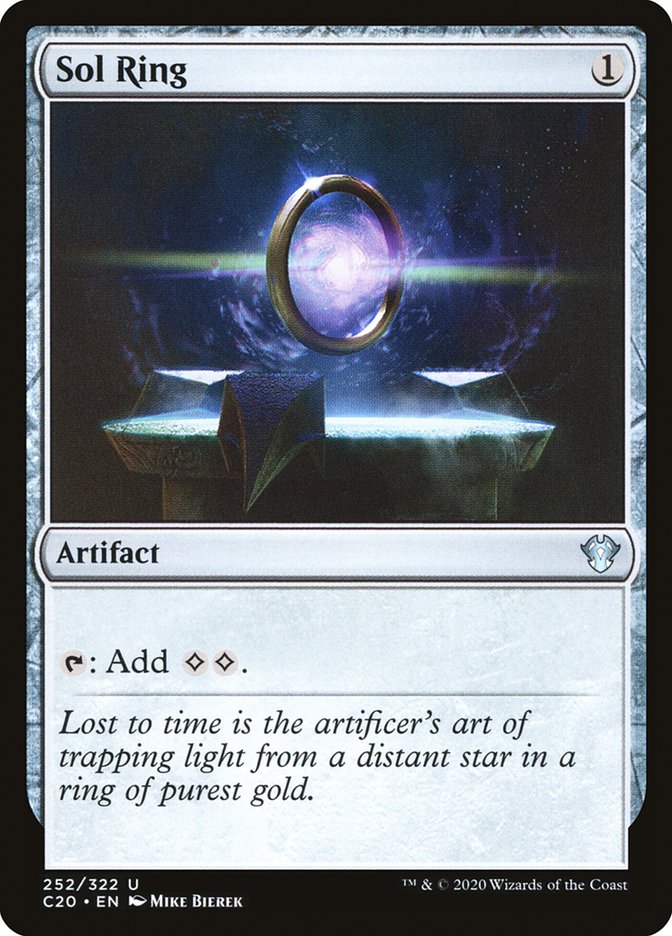

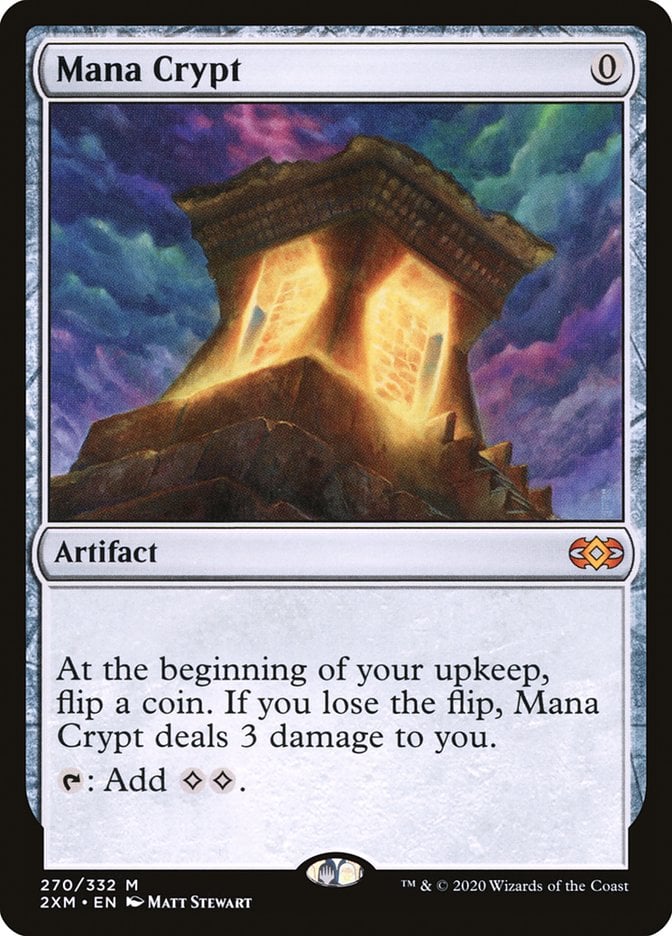
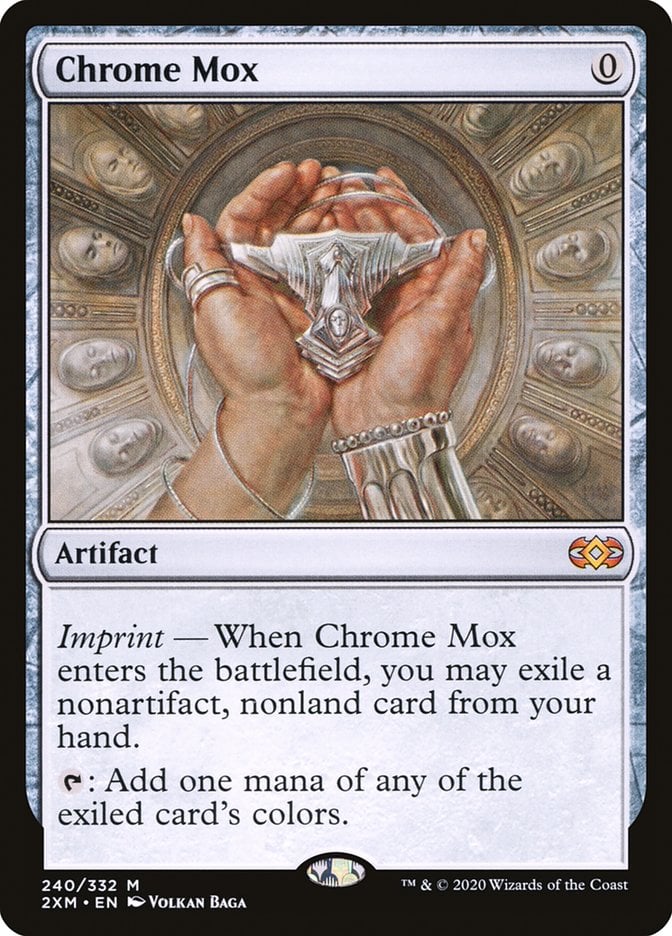
Mana rocks, like Sol Ring, Arcane Signet, Talisman of Resilience, and Azorius Signet, are artifacts that tap for mana. Some of them—like Mana Crypt or Chrome Mox—show up in the most powerful decks. The cool thing about rocks is that they don’t have summoning sickness, so they can tap for mana the moment they hit the battlefield. That can lead to explosive starts. The downside? They’re still artifacts, so Vandalblast can ruin your plans.
Most ramp decks in Commander run a mix of land ramp and mana rocks to balance speed with staying power. It’s all about finding the right tools for your deck and the meta you’re playing in.
The Finishers
Ramp only matters with big, powerful spells to spend all that mana on. Usually, that means huge creatures, massive spells, or cards that reward you for having lots of lands. There are two main kinds of ramp payoffs: giant threats that win the game on their own, and cards that trigger off ramping itself.
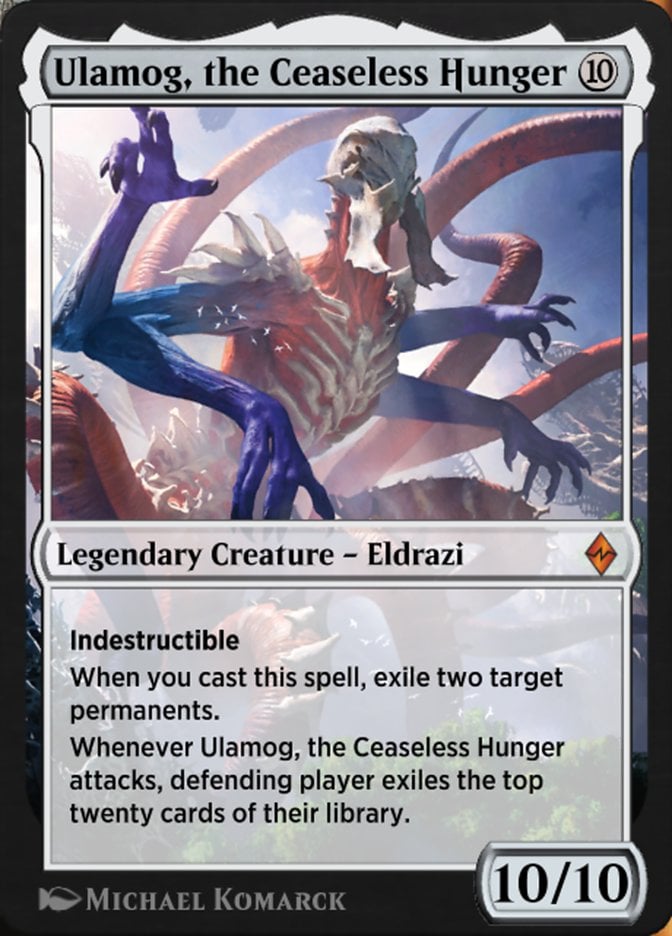
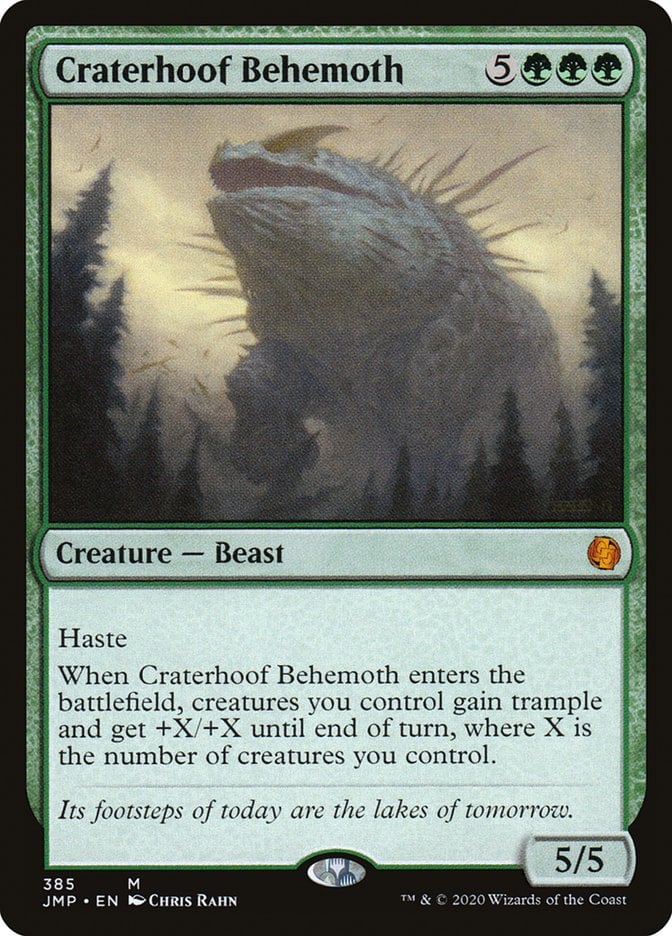

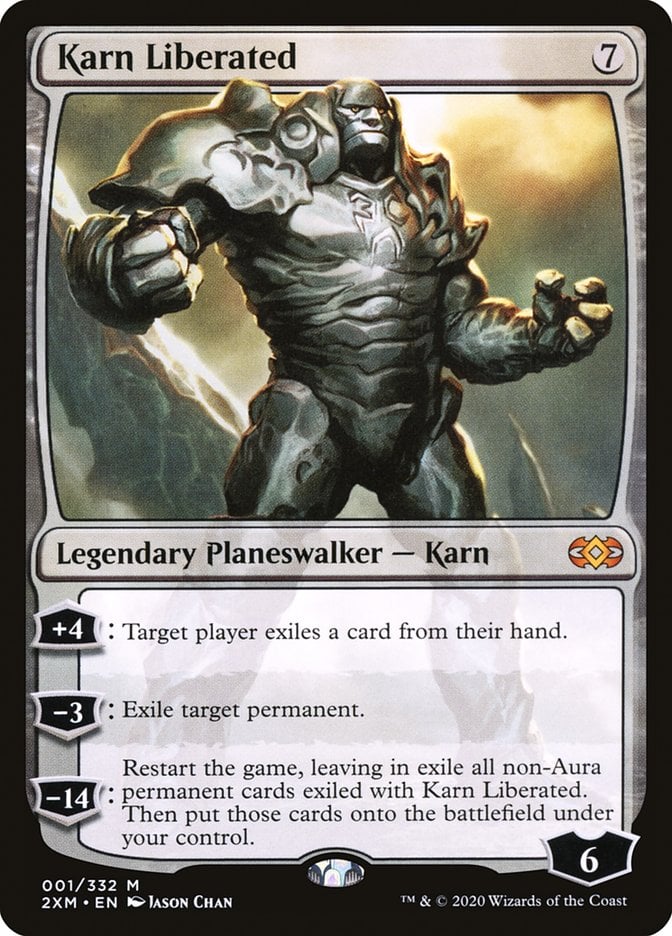
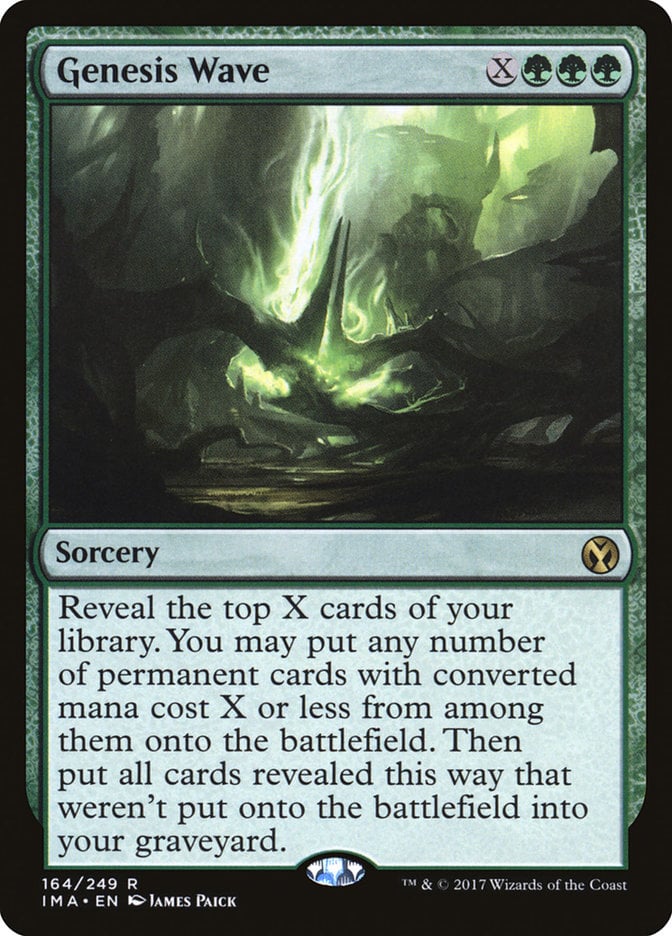
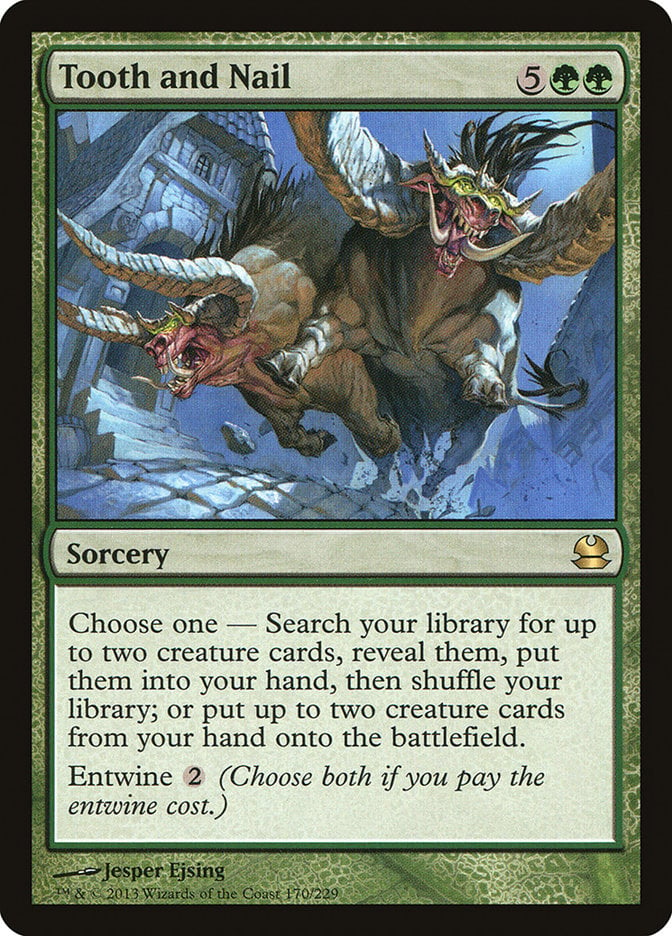
For the first category, think Ulamog, the Ceaseless Hunger, Craterhoof Behemoth, or Ugin, Eye of the Storms. In Modern, decks like Tron drops Karn Liberated or Ugin as early as turn 3. In Commander, a big spell like Genesis Wave or Tooth and Nail ends the game before your opponents have time to react.
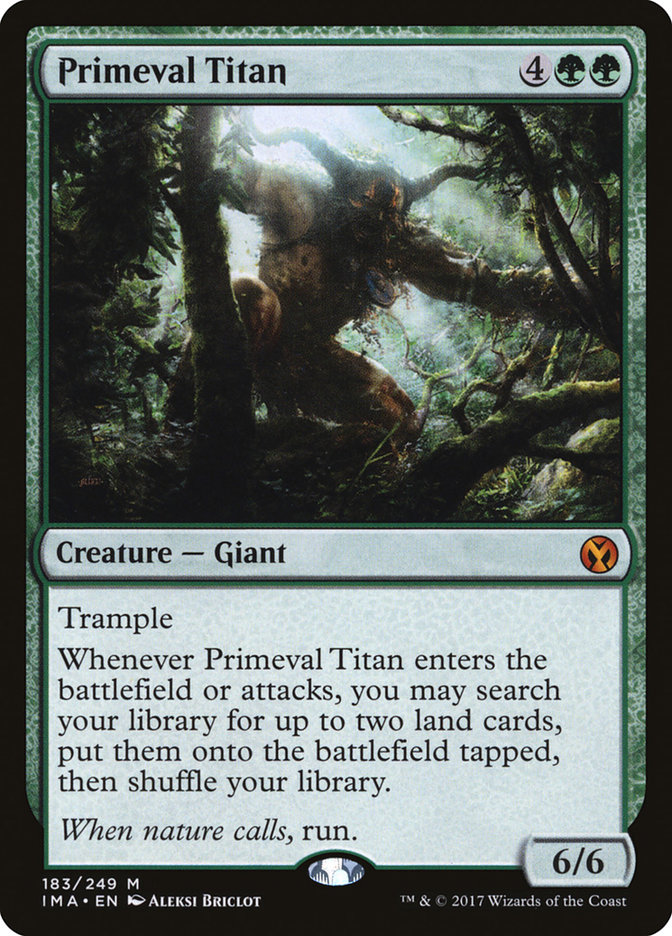
Then there are the ramp payoffs that don’t need to be Eldrazi-sized to be dangerous. Decks built around Primeval Titan plus Valakut, the Molten Pinnacle (or Field of the Dead in Timeless) use land drops to pile on damage or tokens fast.


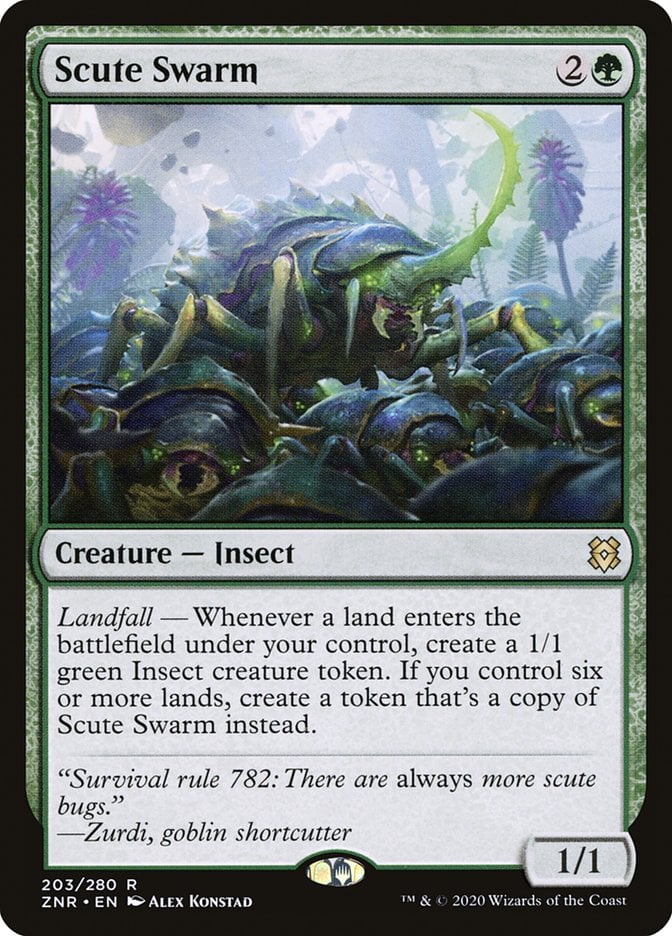
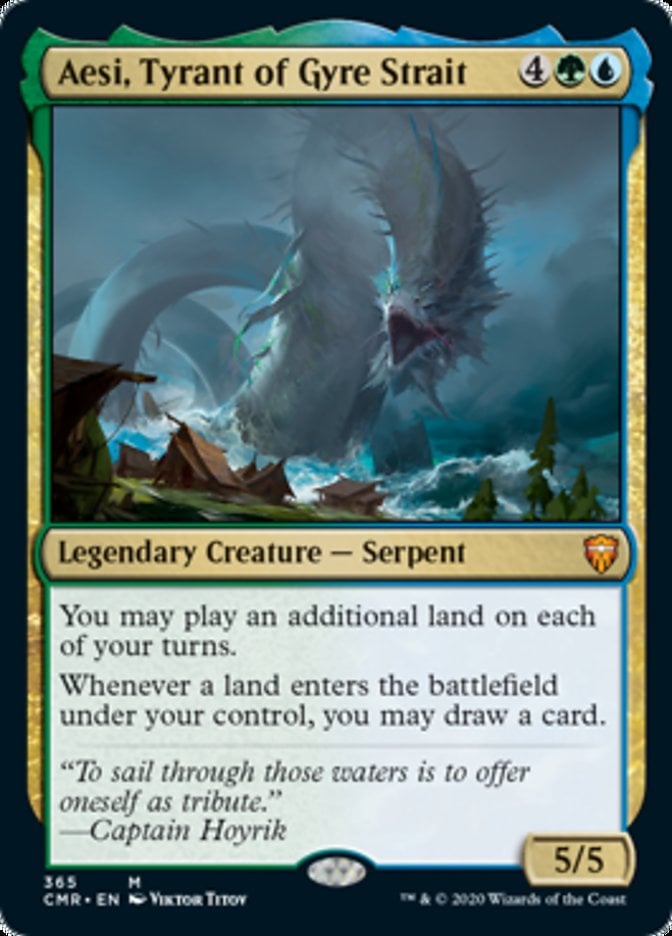
An interesting ramp variant are landfall decks that use ramp spells to put lots of lands into play, not to play big threats but trigger landfall repeatedly. A mono-green variant has rampaged through 2026 Standard that uses its ramp for aggressive swings based on cards like Sazh's Chocobo and Earthbender Ascension, though Commander players might be more familiar with cards like Scute Swarm and Aesi, Tyrant of Gyre Strait.
At the end of the day, whether you’re casting massive spells or taking over the game through land synergies, a good ramp deck always has a plan for how to turn all that extra mana into a win.
Land Ramp vs. Mana Dorks: What’s Better?
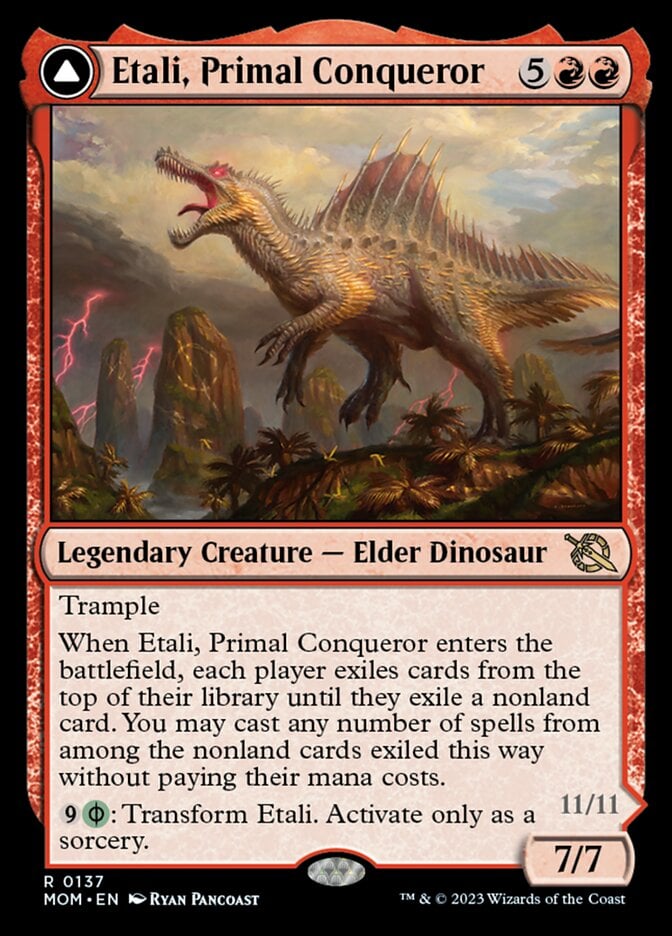
It depends on your deck and meta. Land ramp—Nature's Lore, Three Visits, or Cultivate—is more stable overall. That’s why I prefer it in formats like Commander or Brawl, especially in decks like Etali, Primal Conqueror. Lands are hard to remove, so they stick around once they’re in play. That makes land ramp a great choice in casual games or when you’re up against a lot of removal.


On the other hand, mana dorks like Elvish Mystic and Birds of Paradise are all about speed. In faster, more competitive metas—like cEDH or decks built around fast combos—that early turn-1 acceleration can be game-changing. For decks like Derevi, Empyrial Tactician or Nadu, Winged Wisdom, having a mana dork on turn 1 is often better than waiting until turn 2 for a ramp spell. It lets you hit your curve earlier and set up your strategy faster.
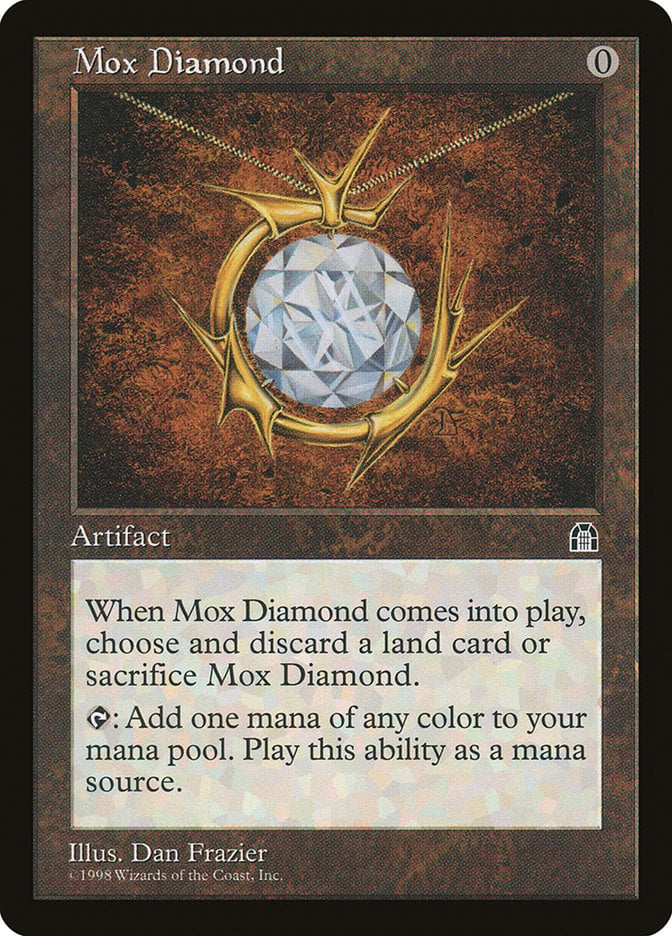
Fast mana artifacts like Chrome Mox, Mox Diamond, or even Sol Ring also compete for ramp slots in these fast decks. Depending on your budget and availability, it’s often smart to play a mix of creatures and rocks. The higher the power level, the more critical it is to start advancing your gameplan turn 1.
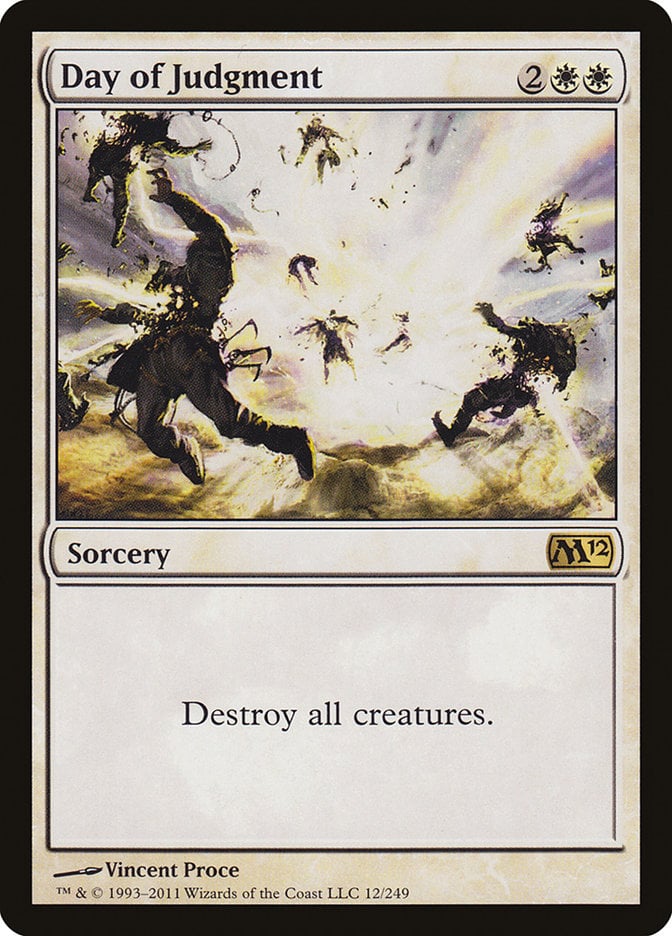
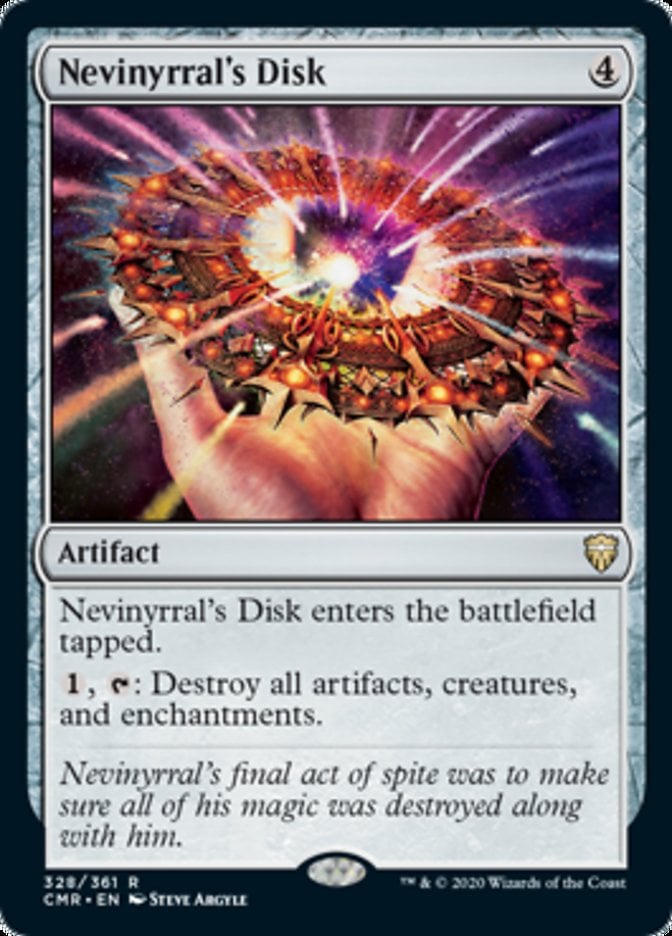
Synergy matters too. If your deck benefits from having creatures—like elf tribal or decks with creature-based tutors—mana dorks make sense. But if your deck includes board wipes like Day of Judgment or Nevinyrral's Disk, relying on mana dorks is no bueno.
How to Play Ramp Decks
Playing a ramp deck isn’t like playing aggro or control. Your job is to survive the early game and amass mana to start casting huge threats your opponent can’t keep up with.
Early Game: Mulligans and Setup
Your opening hand is everything. If it doesn’t have any ramp—like Llanowar Elves, Cultivate, or Sol Ring—you probably need to mulligan. Ramp decks usually run lots of big spells, so you need to start building mana by turn 2 or 3, or you’ll fall behind. A solid hand has 2–3 lands, at least one ramp piece, and maybe one big threat.
In the first few turns, focus on getting your ramp up and running. Play a dork on turn 1, follow up with a ramp spell or mana rock on turn 2, and try to be at 5 or 6 mana by turn 4. Don’t forget: If you’re up against an aggressive deck, it’s okay to delay your ramp a turn to play removal or blockers.
Mid Game: Dropping Bombs
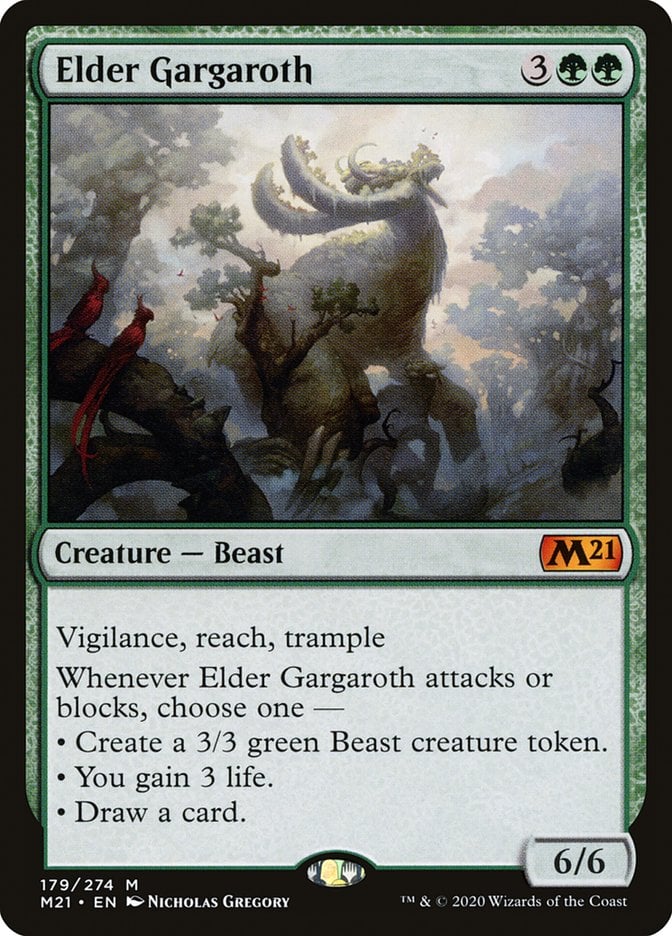
Once you’ve ramped up, it’s time to start dropping the big stuff. This is where your deck really takes off. Cast powerful threats like Elder Gargaroth to stabilize the board, or go straight for game-ending plays like Ugin, Eye of the Storms or Craterhoof Behemoth.
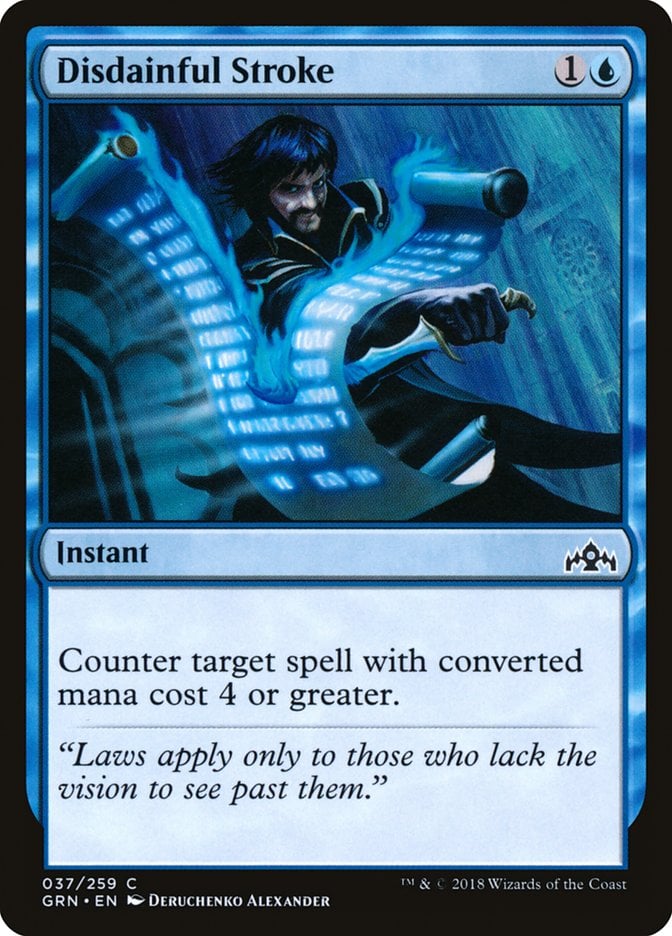

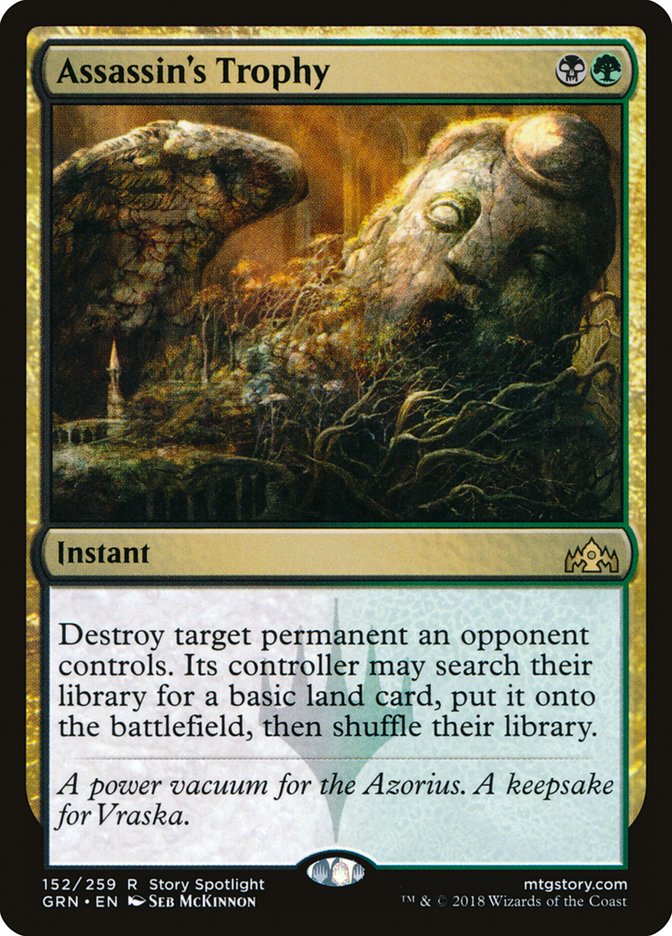
But don’t just throw out your biggest card right away. Think about what your opponent might be holding. If they have open mana, they could be waiting with a counterspell or removal. Sometimes it’s better to lead with a smaller threat to bait out their answer, then follow up with your real game-winner.
Sequencing is super important. You don’t get to draw unlimited bombs, so make sure each one counts. Once you stick a threat that your opponent can’t answer, go for it—turn it sideways, apply pressure, and end the game fast. Ramp decks are built to take over, not stall.

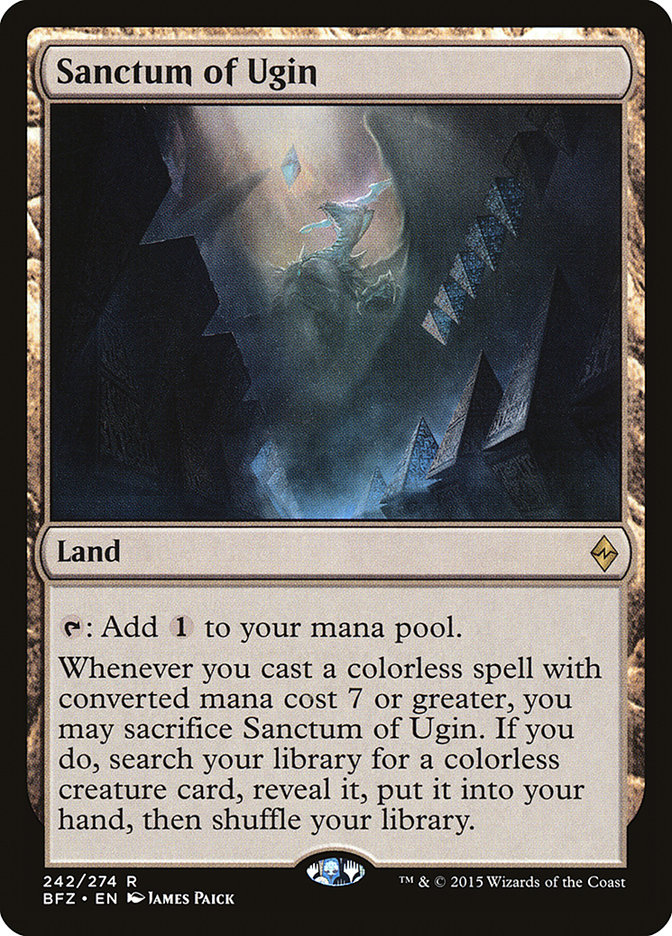
If you end up with more ramp than threats, use your extra mana to dig for action. Cards like Worldly Tutor or Sanctum of Ugin find something big when you need it. With all that mana at your disposal, you have the tools to take over—use them before your opponent catches up.
Late Game: Keeping Up the Pressure
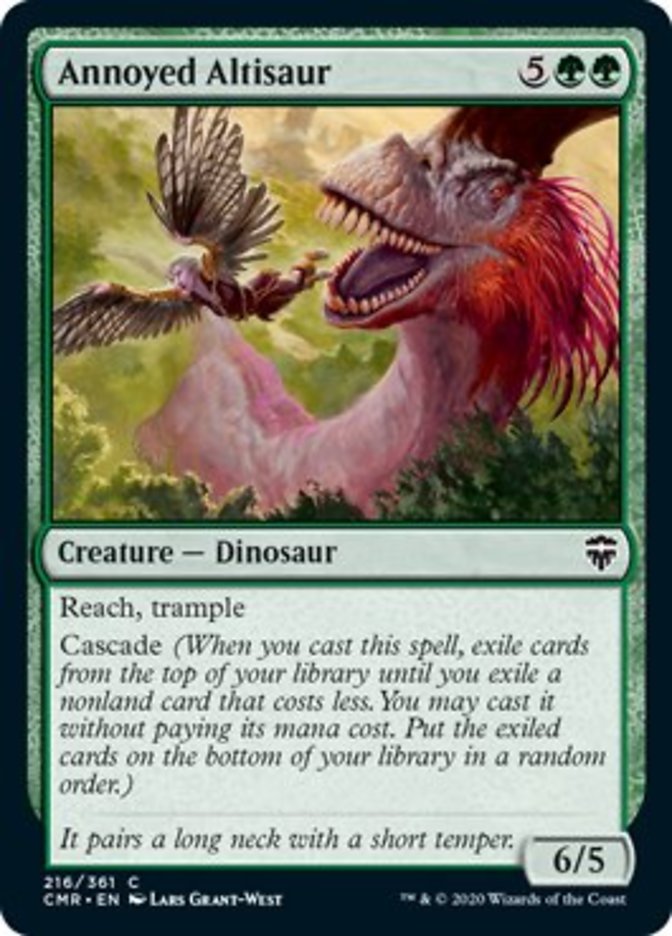
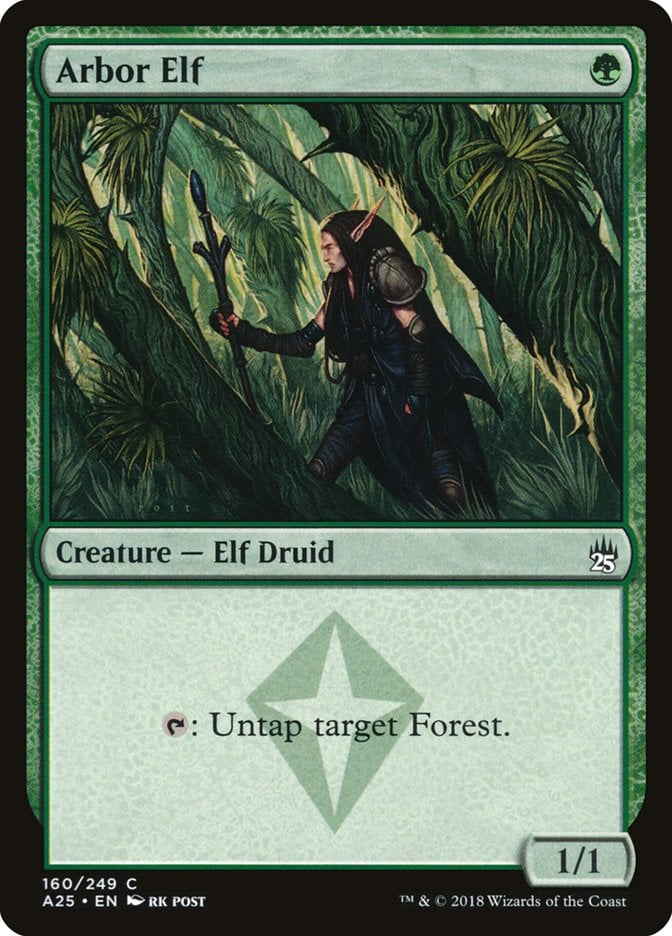
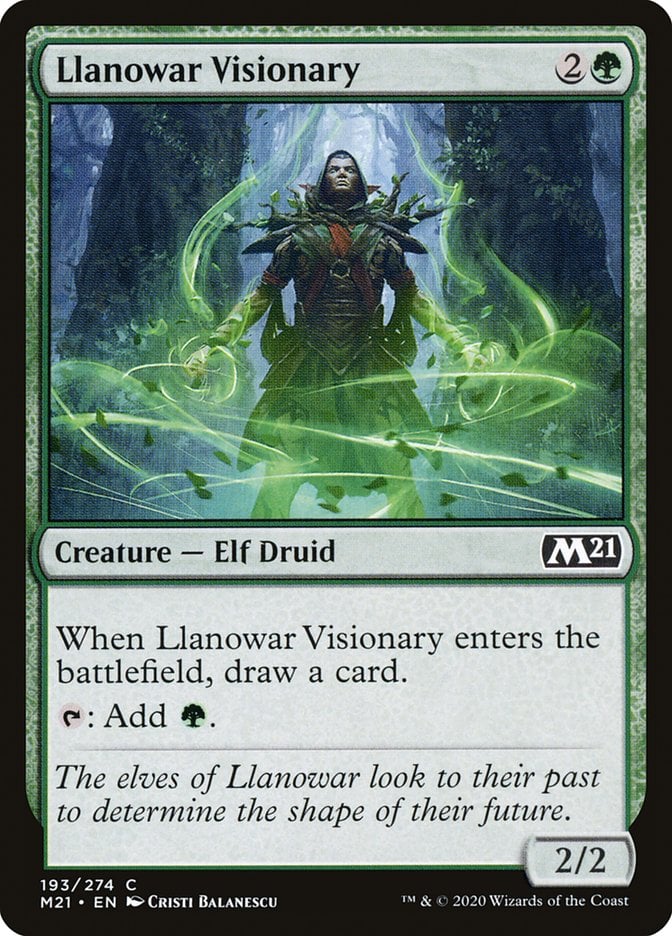
Not all ramp decks handle the late game equally well. Some just fizzle out if they don’t win fast. One of the worst feelings, especially in Pauper, is topdecking a cascade creature like Annoyed Altisaur and hitting a dead ramp spell like Arbor Elf. That’s why cards like Llanowar Visionary are so good—they ramp early and replace themselves, helping you avoid running out of gas.
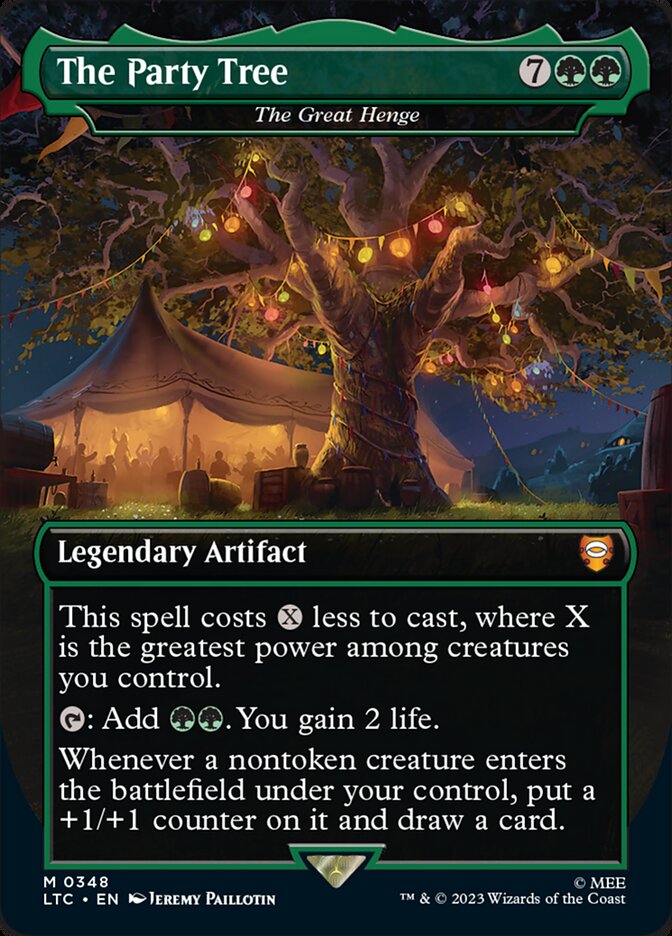
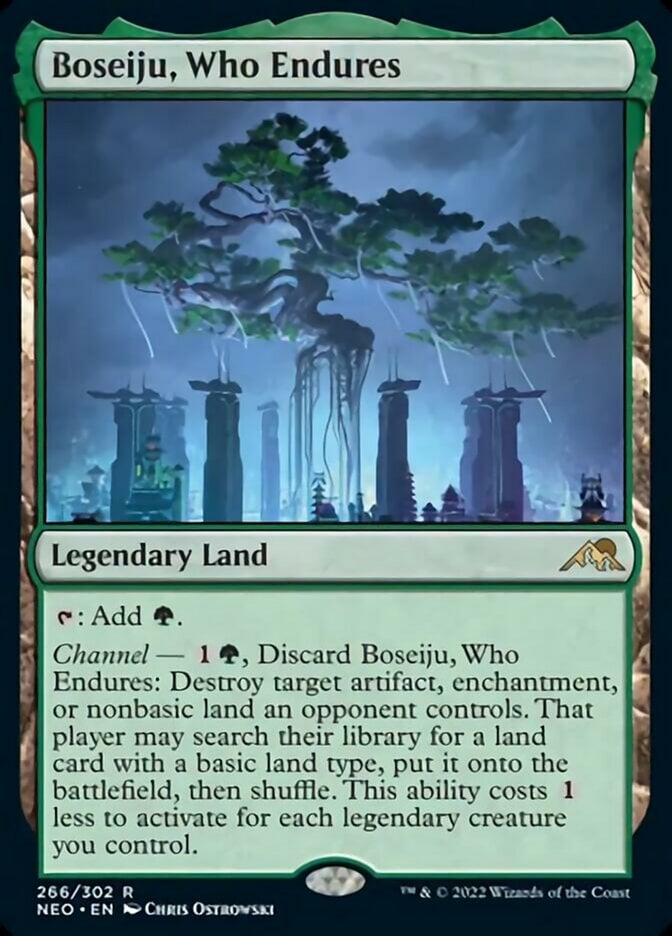
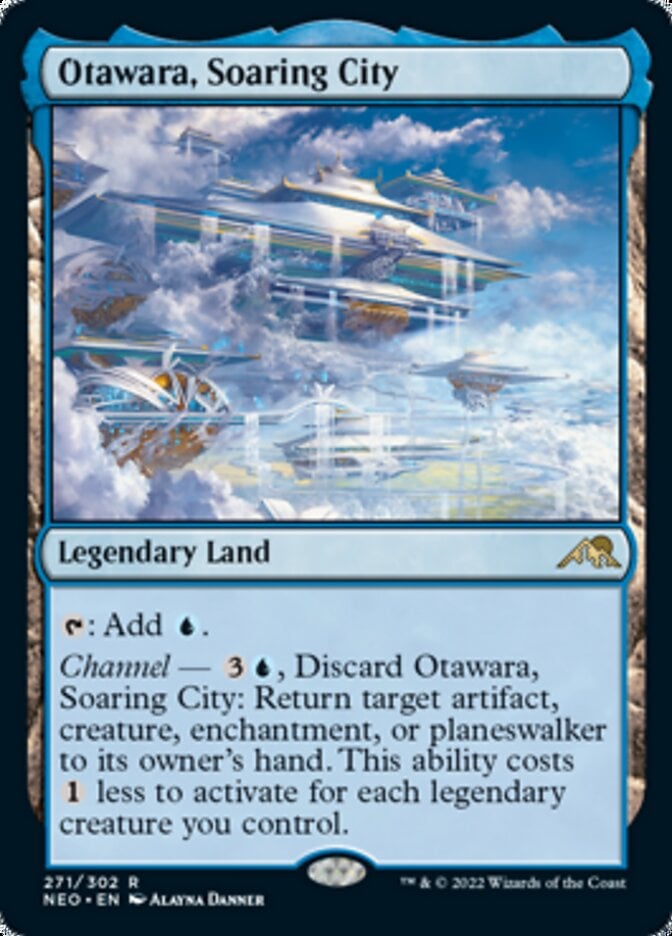
If you’re playing green, consider including long-term value cards like The Great Henge, which turns your creatures into card draw engines. You can also get extra utility from lands like Boseiju, Who Endures or Otawara, Soaring City, which act as interaction pieces instead of just mana sources. Utility lands give your ramp deck more staying power and flexibility.
How to Build Ramp Decks
Building a good ramp deck isn’t just about tossing in a bunch of big spells. You need the right mix of ramp, threats, and interaction, all tuned to your format and playgroup.
Know Your Meta
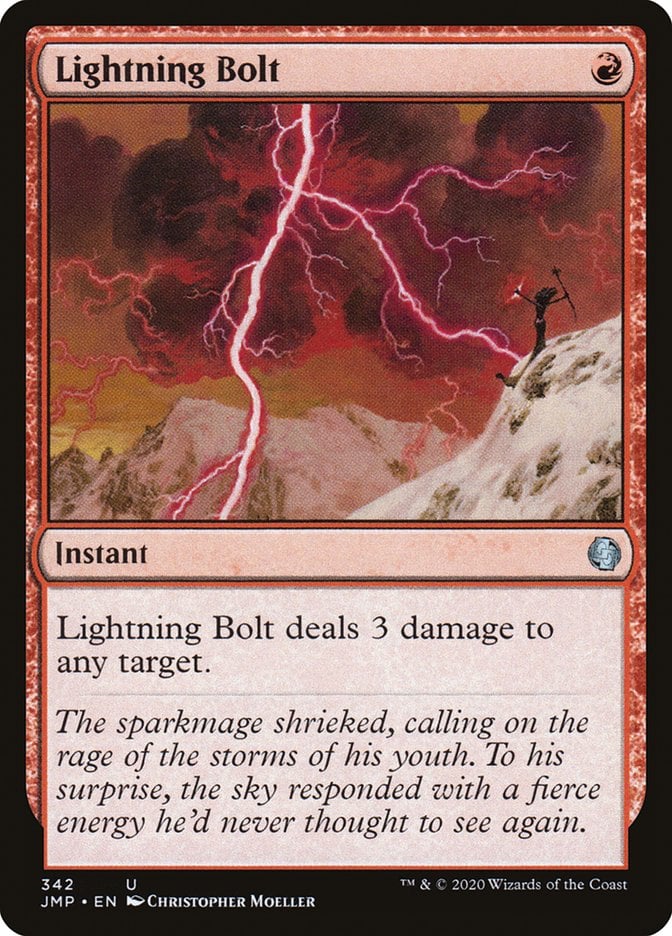
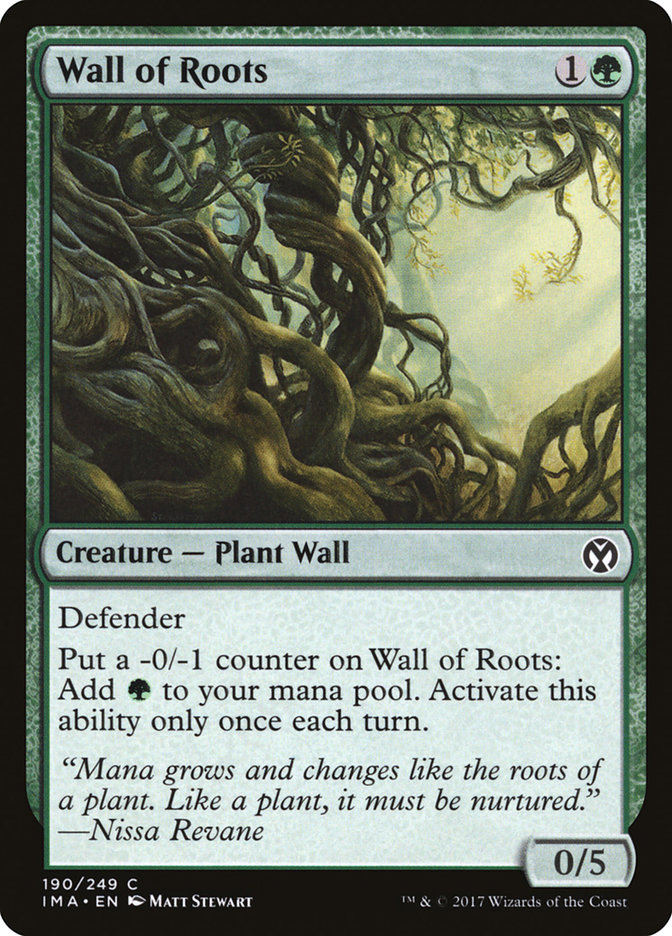
Before anything else, think about what you’re up against. Is your meta full of aggro decks? Then you’ll want early blockers or cheap removal like Lightning Bolt or Wall of Roots to stay alive long enough to ramp.

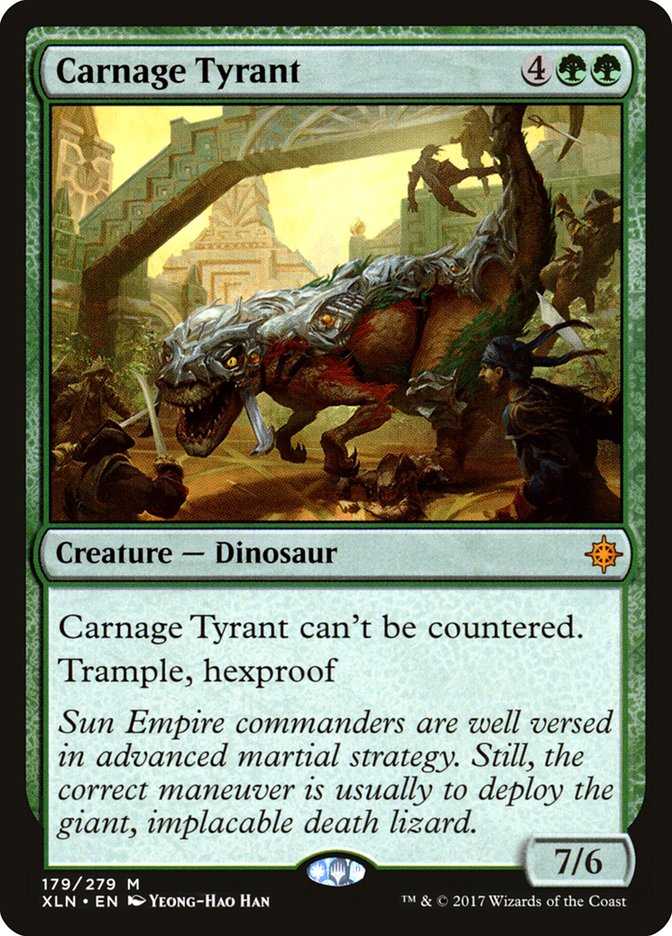
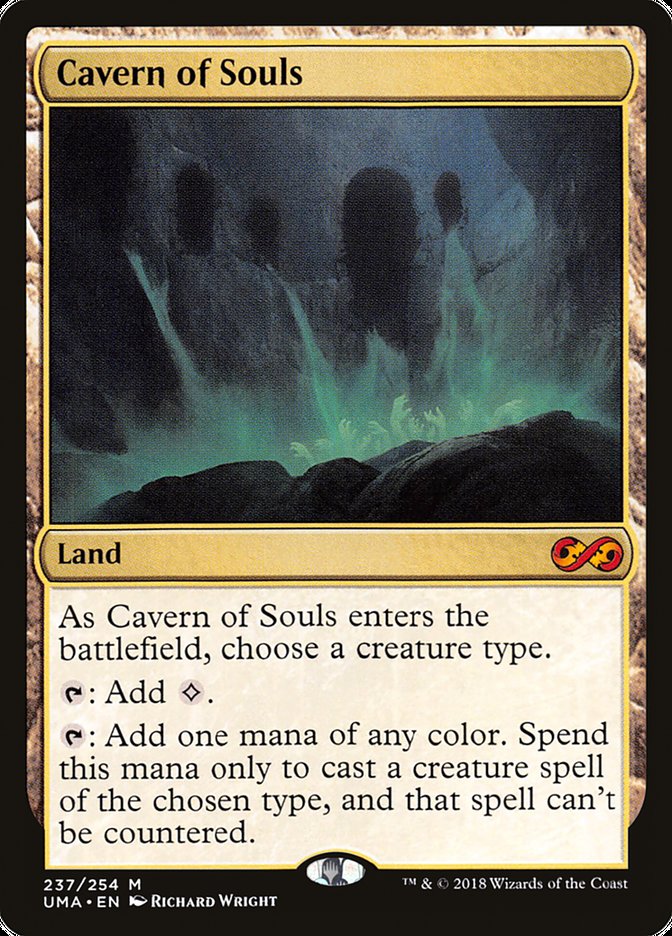
If counterspells are everywhere, consider uncounterable threats like Surrak, Elusive Hunter, Carnage Tyrant, or Cavern of Souls. Your deck should be built with those matchups in mind.
Choose the Right Ramp Package

You usually want 8–12 ramp cards, depending on your deck size. In Commander, aim for a minimum of 15. Cheap ramp like Rampant Growth, Arcane Signet, and Nature's Lore is ideal—it helps you start strong.
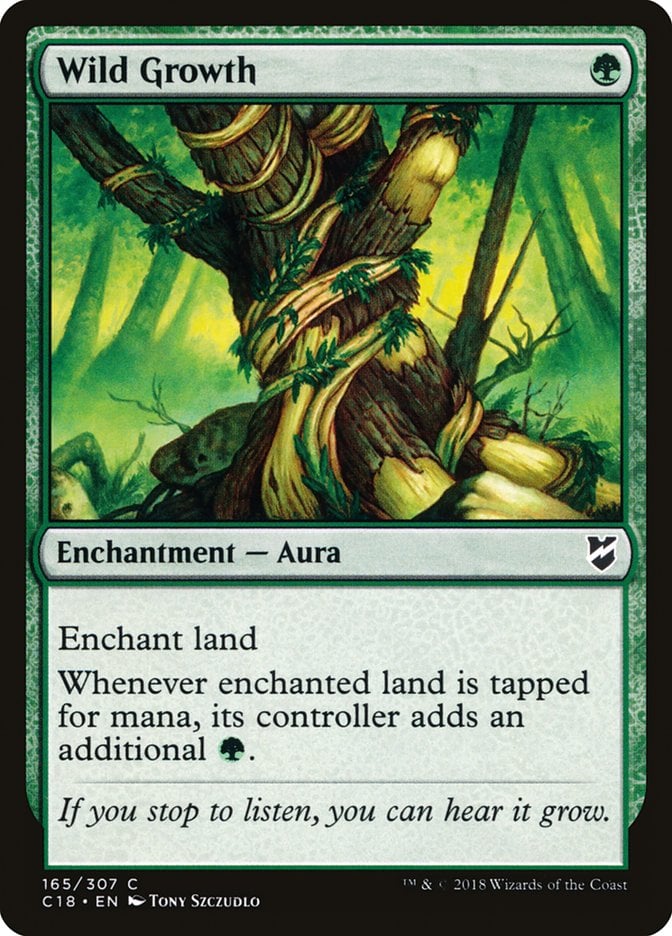
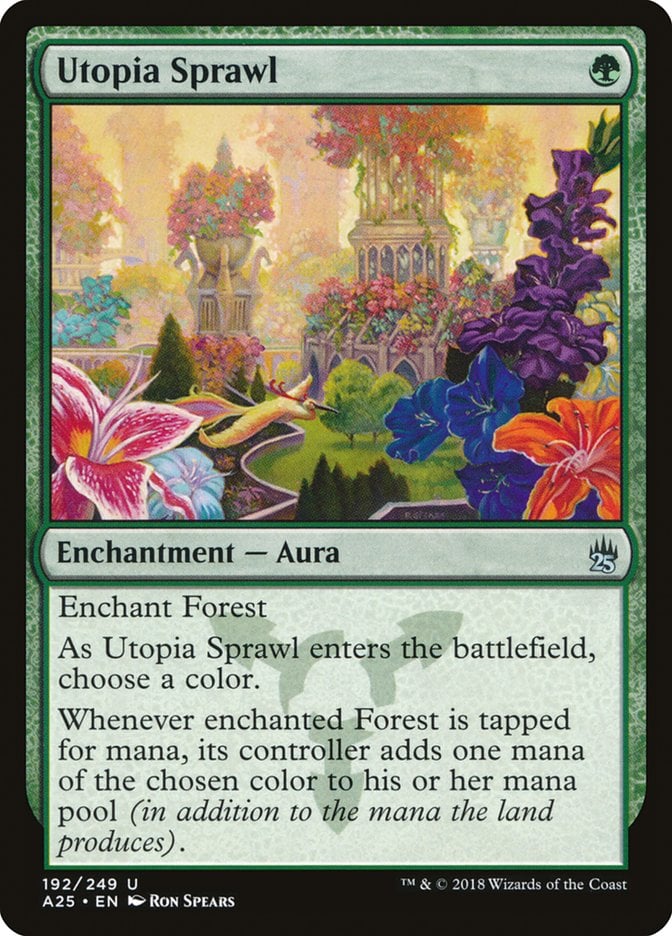
Again, your ramp type should match your deck. If you care about creatures, use dorks like Llanowar Elves. If you expect abundant removal, opt for land ramp or rocks that are harder to kill. For enchantment-centric builds, cards like Wild Growth and Utopia Sprawl are great.
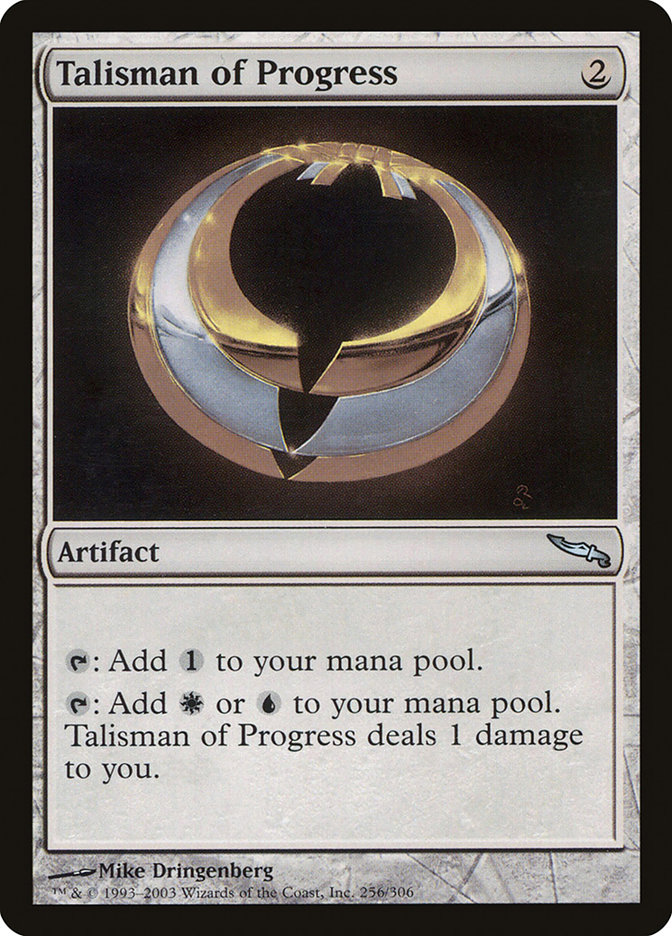
Multicolor decks without green often lean on mana rocks like Sol Ring and Talisman of Progress.
Also, match your ramp to your curve. If your commander costs 4, prioritize 1– or 2-mana ramp. Don’t load up on 3-mana ramp spells that don’t help you cast them faster.
Don’t Forget Interaction
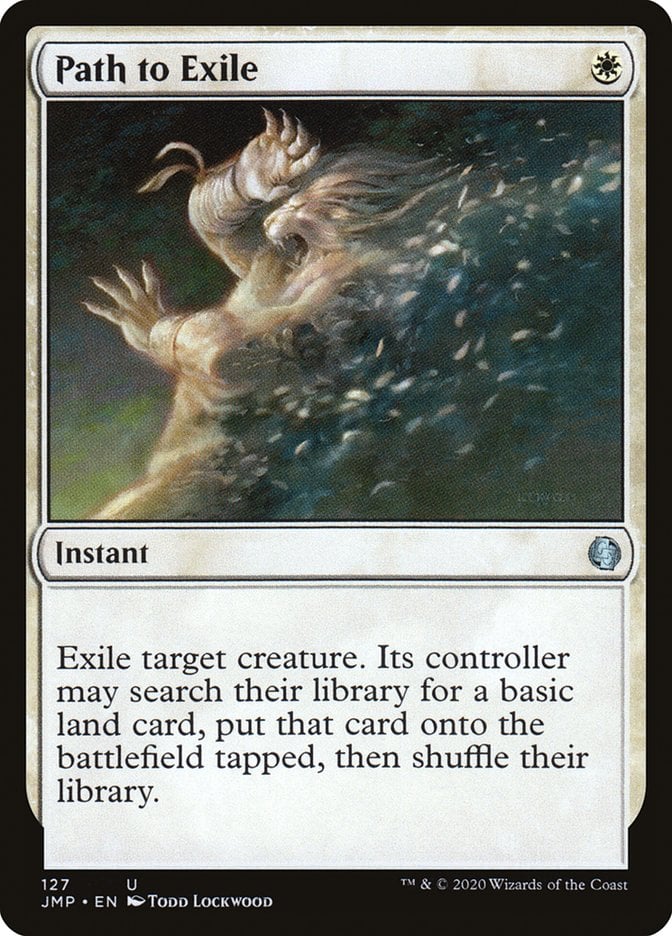
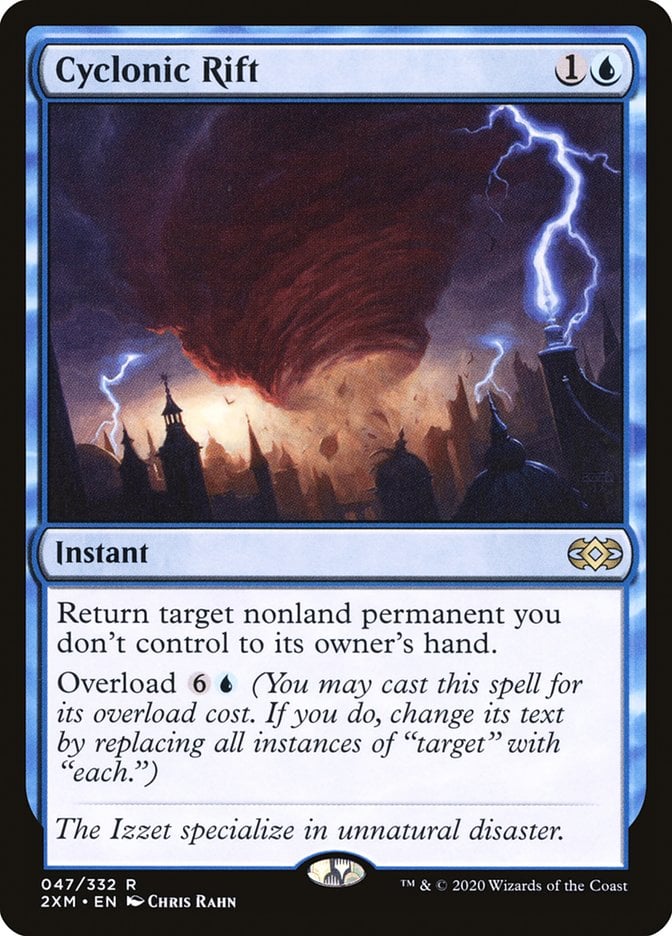
Some ramp decks fail because they forget the opponent exists. Include at least a few answers like Path to Exile, Erode, or Cyclonic Rift to slow down aggro or disrupt combos.
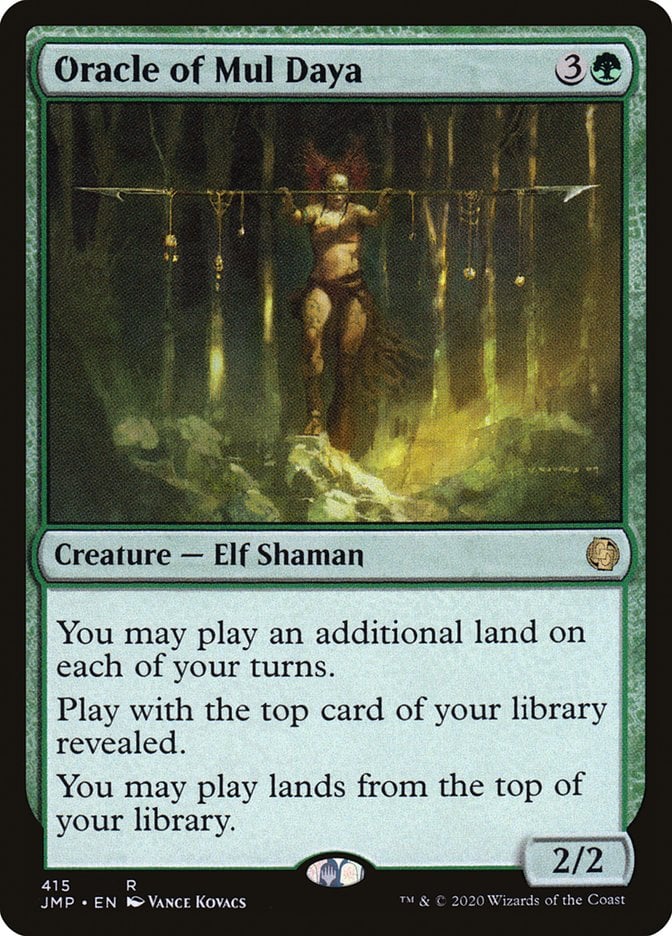
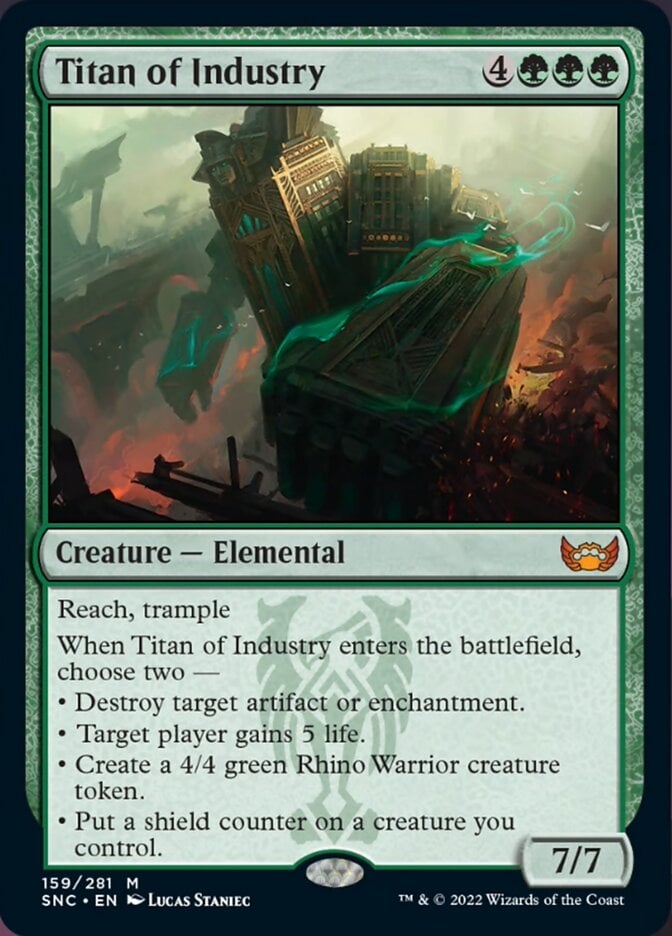
Look for cards that pull double duty. Oracle of Mul Daya ramps and provides value. Titan of Industry destroys problematic permanents and stabilizes your board. Bombs that do more than just smash face are always a win.
Also, if you’re playing colors like blue or black, splash counterspells or even discard to protect your plan or mess with the opponent’s.
Balance Ramp, Threats, and Lands
Your deck needs enough ramp to support your big spells, but not so much that you draw only mana. Likewise, don’t run too many fatties—if you can’t cast them, they’re just dead weight.
In Commander, a typical ramp-heavy build might start with 40 lands, 15 ramp cards, and at least 10 big threats. In 60-card formats, bump your land count slightly and adjust ramp based on your curve. Test your build—if you’re stuck with uncastable spells, add more ramp. If you have tons of mana but nothing to do, add more gas.
How to Sideboard with a Ramp Deck
Sideboarding with a ramp deck means tweaking your list just enough to handle the matchup without losing sight of your main gameplan: ramping into big, game-ending threats.
Vs. Aggro Decks
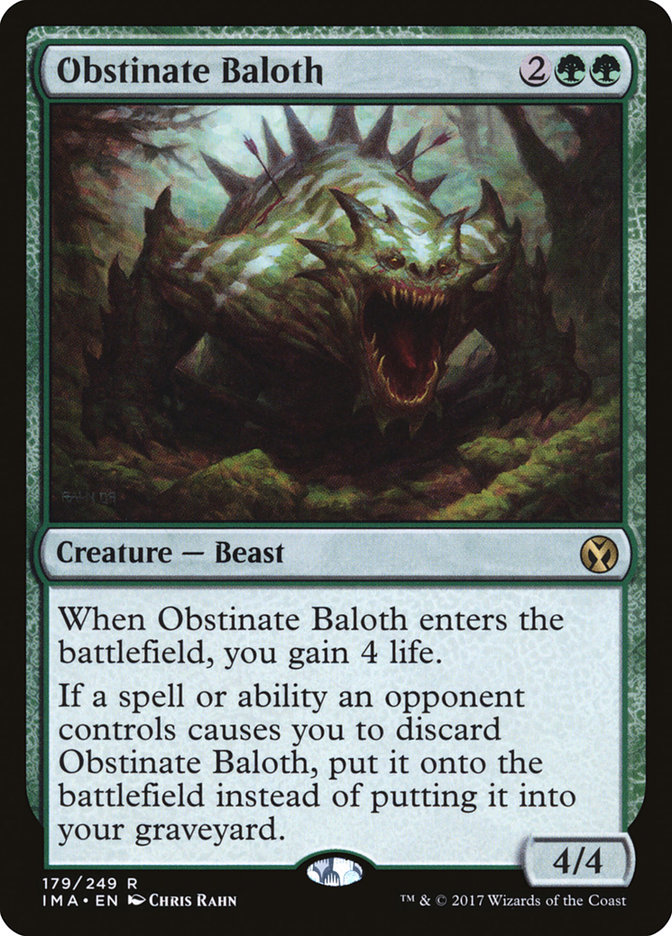
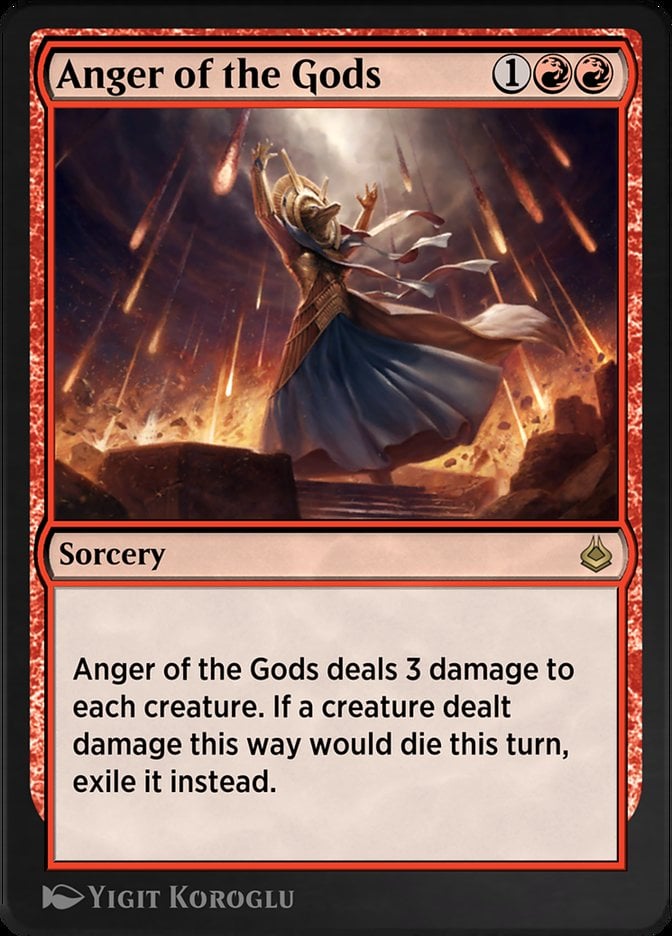
Against fast decks, your priority is survival. Cut slower ramp or expensive top-end cards that won’t help until it’s too late. Bring in lifegain creatures like Obstinate Baloth to stabilize, or sweepers like Anger of the Gods. These cards help you make it through the early turns, giving you time to cast your bombs.
Just remember—you’re not turning into a full midrange deck. You’re just slowing down slightly so you don’t get run over. The plan is still to ramp, just with a little more help along the way.
Vs. Control Decks
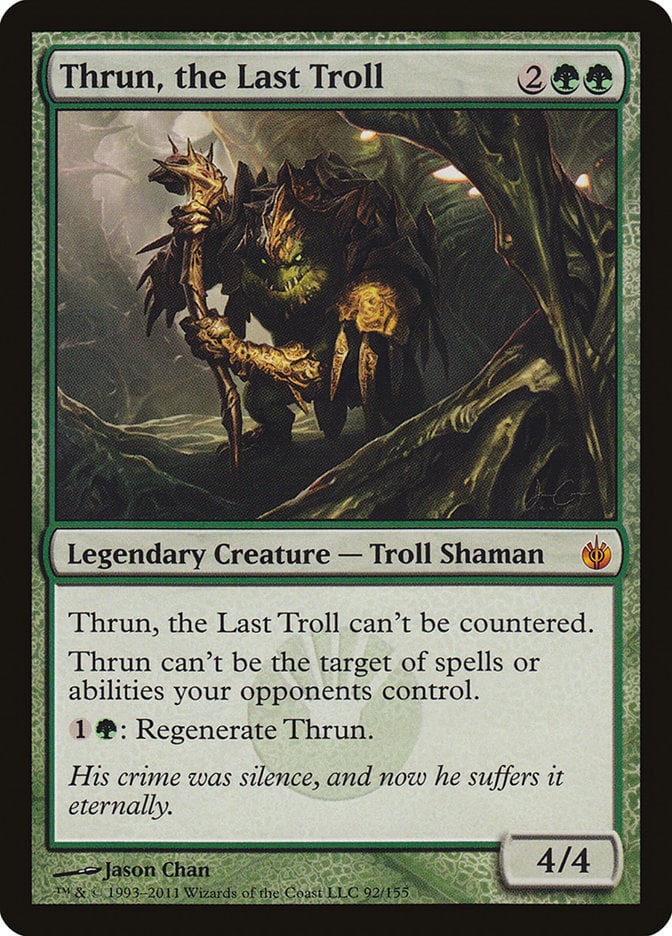
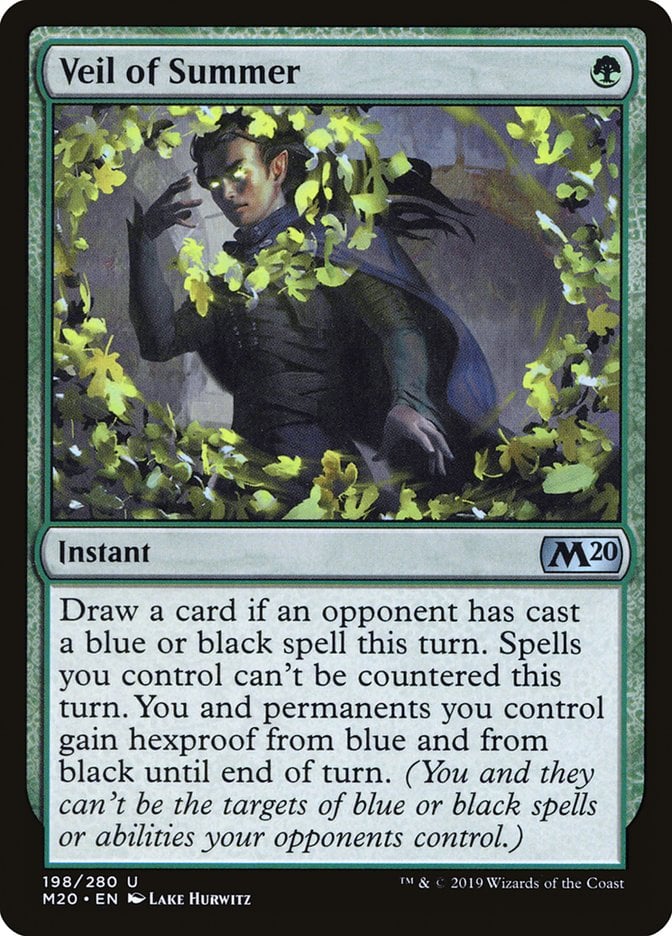
Control wants to counter and remove everything, so bring in threats that are hard to answer. Thrun, the Last Troll is a great example—uncounterable and sticky. Keep your ramp so you can stay ahead, but drop dead cards like creature removal. Veil of Summer is a must-have—it protects your threats, blanks counters, and even draws you a card.
You don’t want to over-sideboard here. Stay true to your strategy: Hit big mana early, then force the control deck to deal with a constant stream of must-answer threats.
Bonus Tech
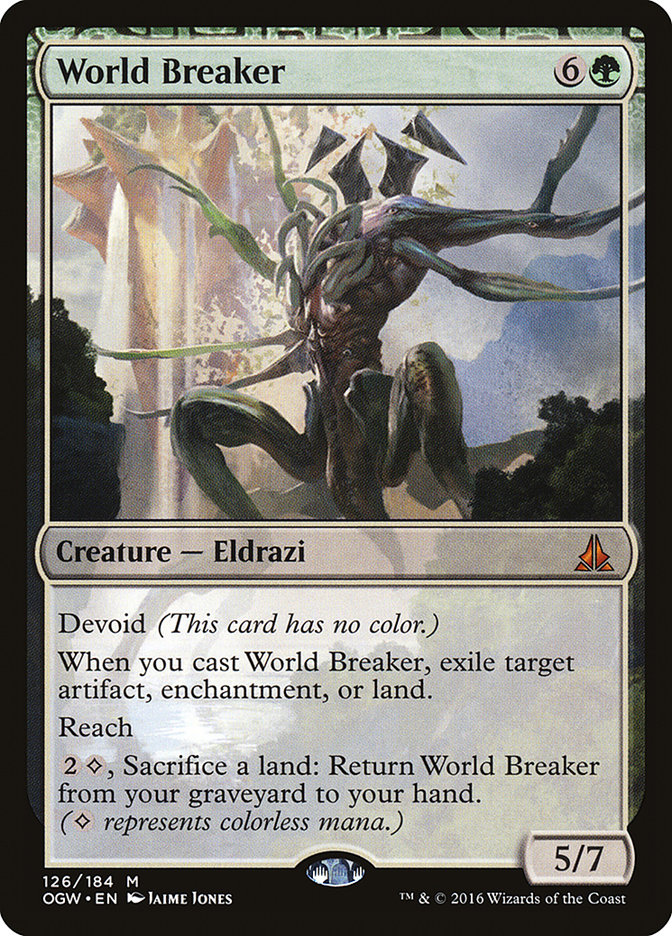

Cards like World Breaker and Sowing Mycospawn give you extra tools for grindy matchups or the mirror. They hit lands and problem permanents while adding real pressure, and can be surprisingly effective against slow decks, even control.
Even when sideboarding, your identity as a ramp deck shouldn’t change. You’re still aiming to go bigger than your opponents. Just trim the cards that don’t line up well and make space for tools that help you get to your endgame alive—and on your terms.
How Do You Beat a Ramp Deck?
To beat ramp decks in MTG, you need to apply early pressure and disrupt their plan before they hit their big plays. Ramp decks want to be left alone to build mana and drop huge threats—so don’t give them that time.
One of the best ways to slow them down is with targeted “hate” cards:
- Damping Sphere taxes players for casting multiple spells in a turn and weakens lands that tap for more than one mana.
- Stony Silence and Collector Ouphe shut down artifact ramp completely, turning off cards like Sol Ring and The Celestus.
- Aven Mindcensor and Leonin Arbiter punish land-searching effects like Rampant Growth or Cultivate, making their ramp spells fizzle or whiff entirely.
- Field of Ruin and other land destruction effects are great for breaking up powerful land combos like Tron or Valakut, the Molten Pinnacle setups before they go off.
These cards attack the foundation of ramp: consistency and inevitability. Disrupt their ramp sources, and their deck starts drawing dead mana pieces instead of threats.
More broadly, you want to force ramp into uncomfortable positions. If you’re playing aggro, race them before they stabilize. If you’re on control, counter their key spells and win the long game. If you’re midrange, combine hand disruption with a fast clock to knock them off balance.
The bottom line? Ramp decks are scary when they’re left alone. But with the right pressure and disruption, you can stop them before they ever get going.
What Are the Best Ramp Spells in Each Format?
Commander (EDH)
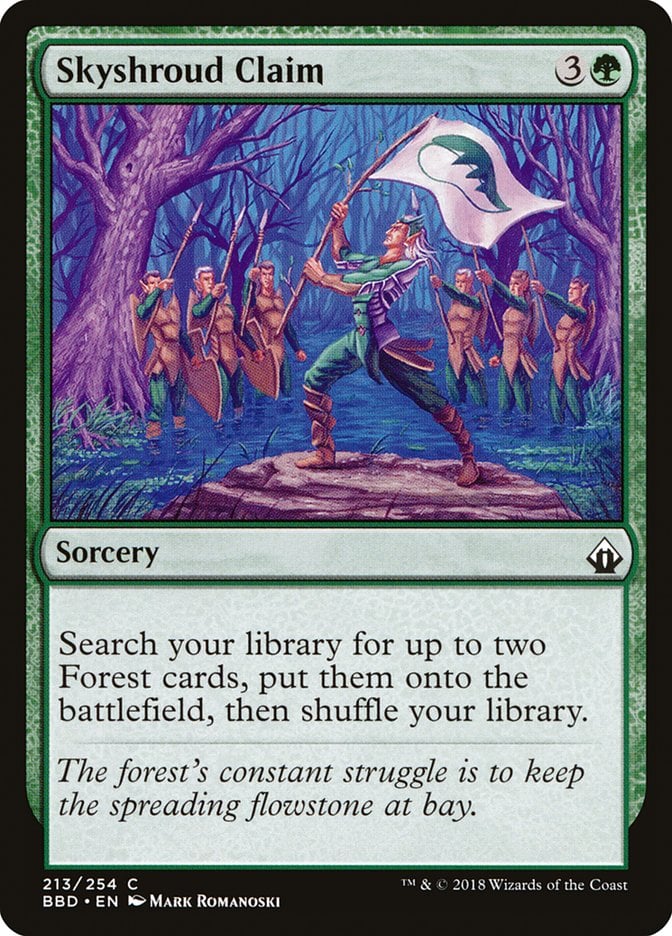
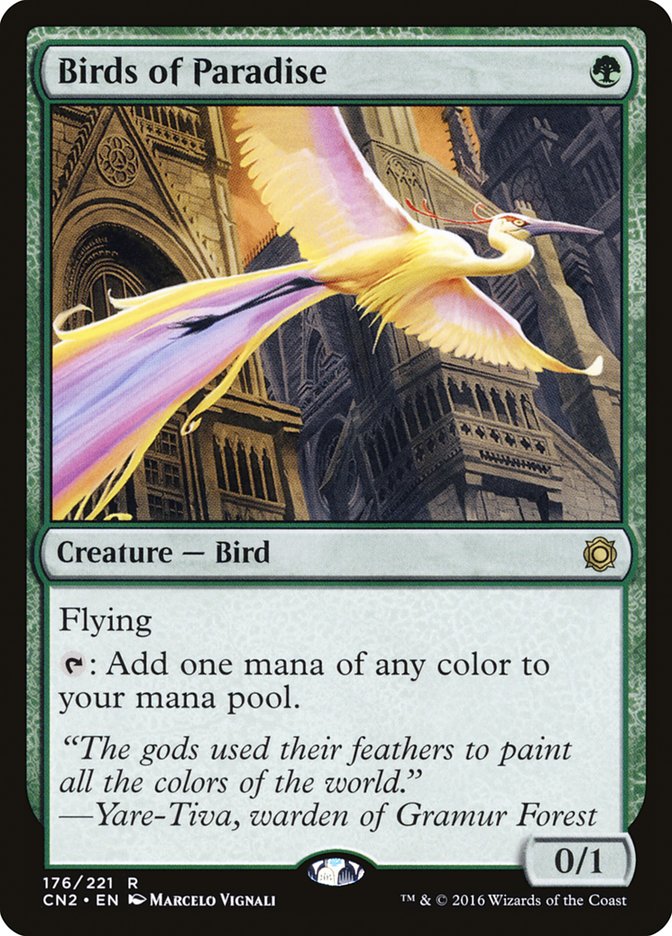
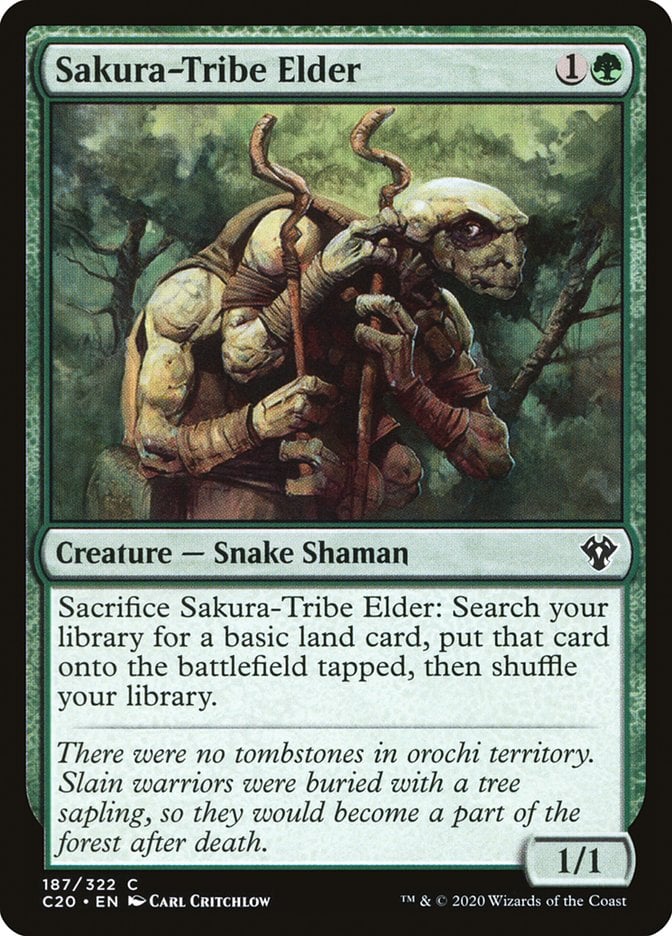
Ramp in Commander is all about scaling up efficiently. Staples like Sol Ring, Arcane Signet, and Cultivate are near-universal, especially in green-heavy decks. Kodama's Reach and Skyshroud Claim provide land-based ramp that dodges board wipes. One-mana dorks like Llanowar Elves or Birds of Paradise are great in faster decks, though they can be vulnerable to sweepers. Sakura-Tribe Elder (“Steve”) is a fan favorite for doing it all—ramping and chump blocking.
cEDH (Competitive Commander)
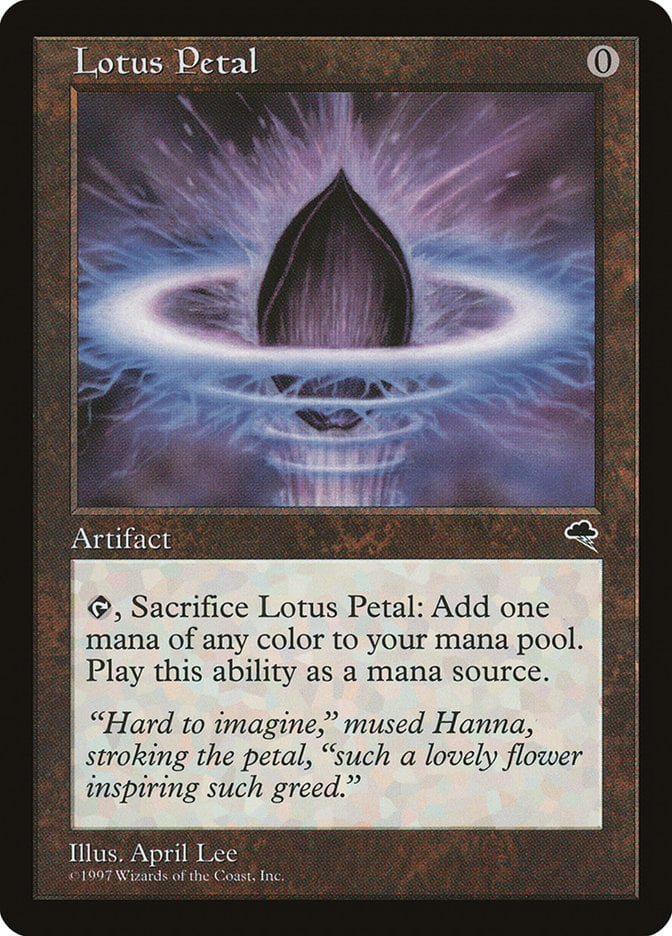
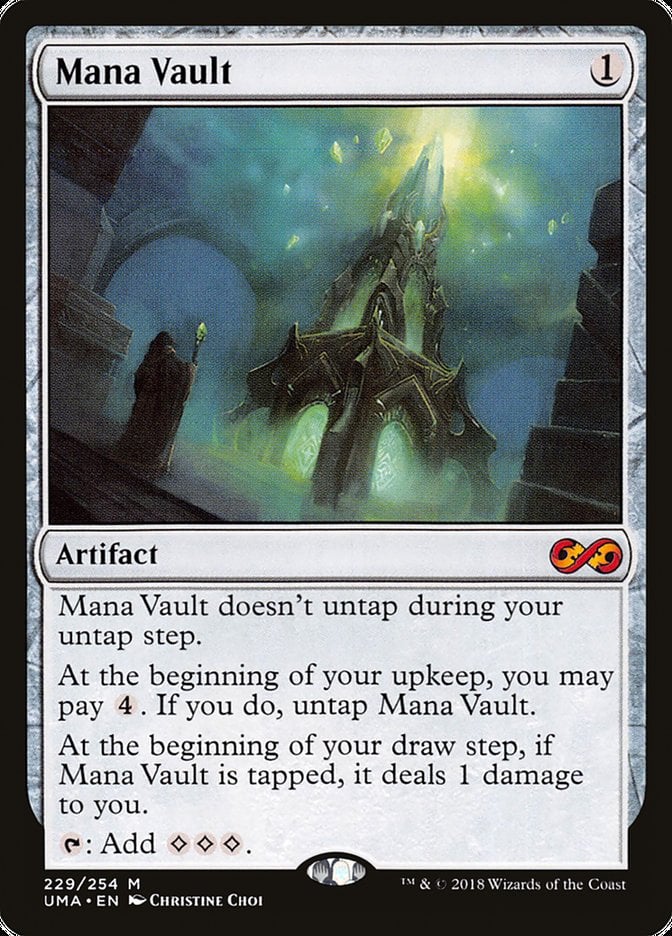
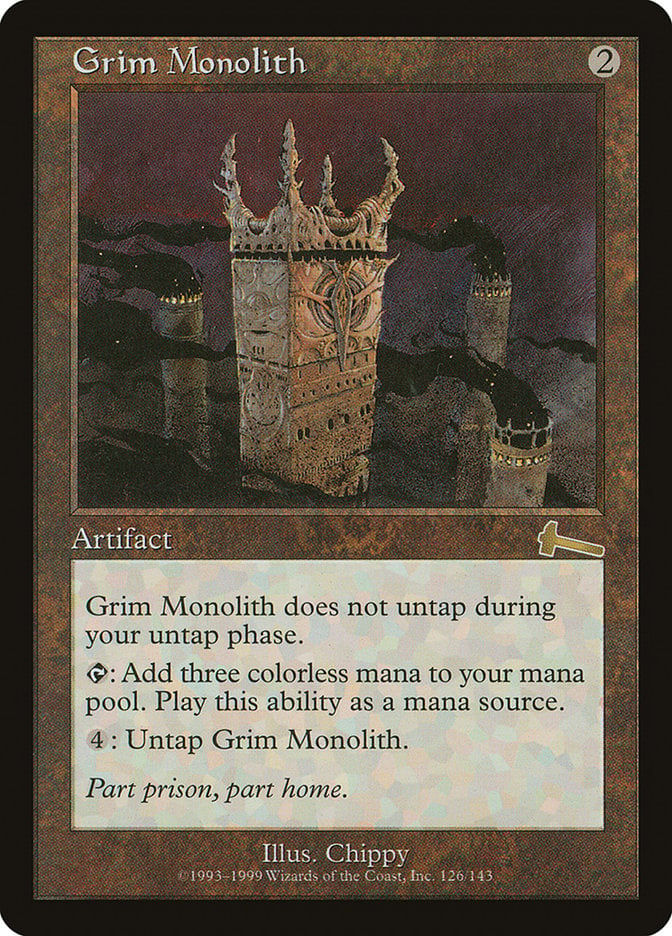
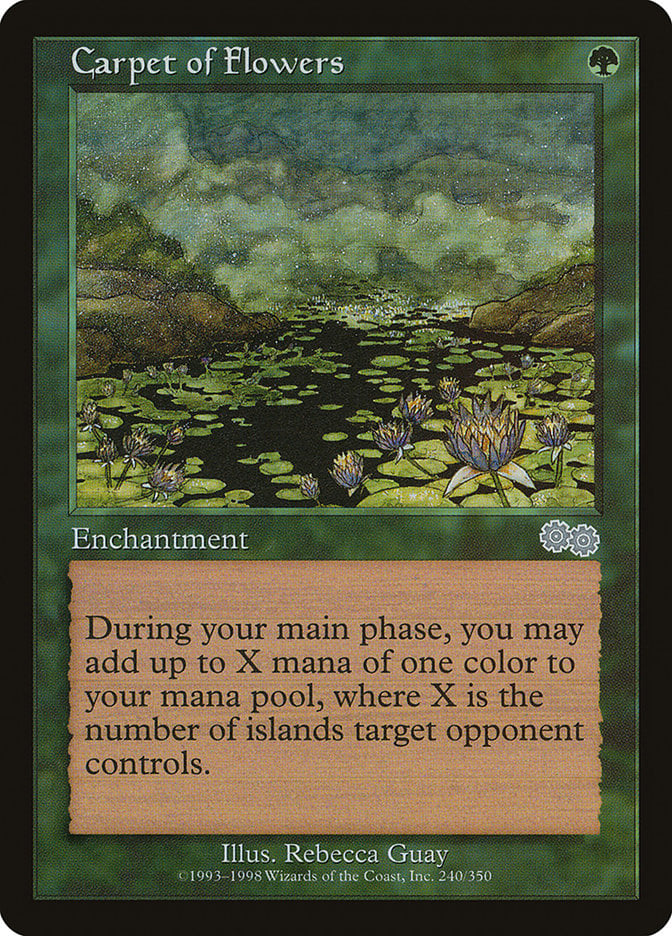
In cEDH, ramp is all about speed and efficiency. The staples here are 0- or 1-mana artifacts like Mox Diamond, Chrome Mox, Lotus Petal, and of course Sol Ring. These cards let you jump ahead multiple turns in the first few plays, enabling early combos or lock pieces. Mana Vault and Grim Monolith also appear in decks that want big bursts of mana, while Carpet of Flowers is an all-star at blue-heavy tables.
Standard

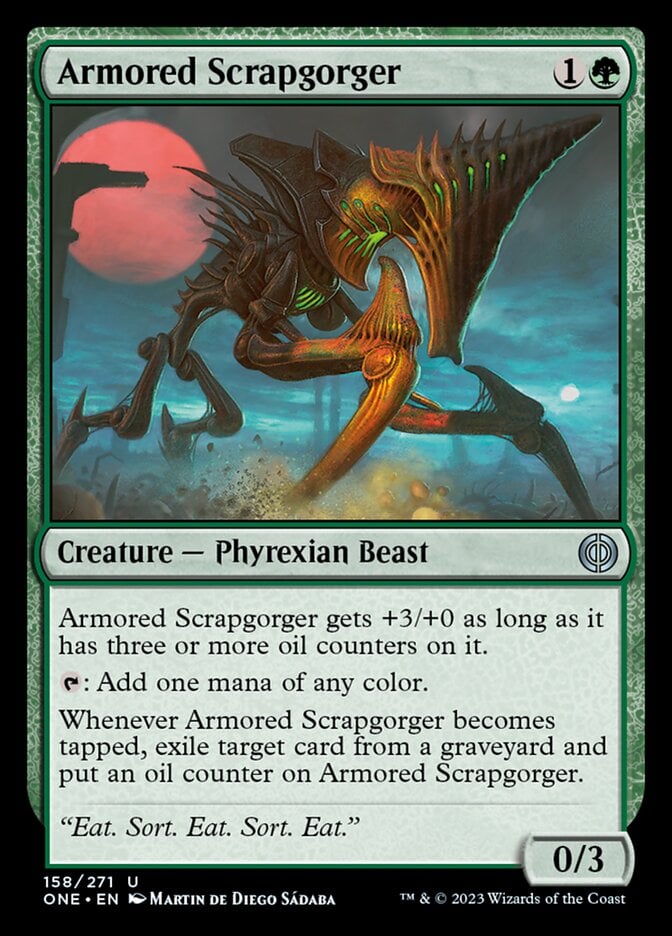
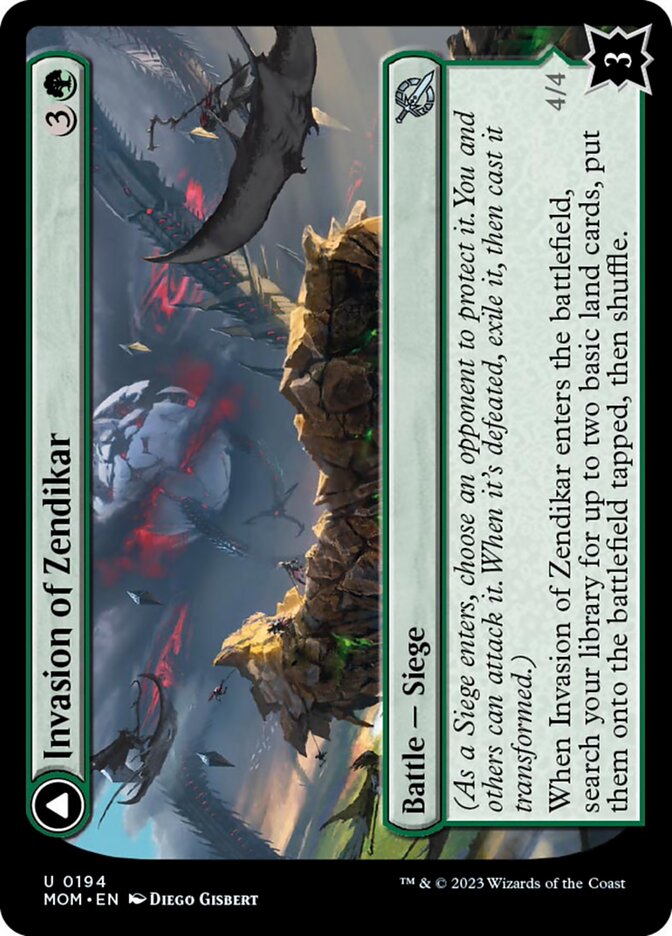
Ramp in Standard shifts with each set. As of 2025, Overlord of the Hauntwoods, Armored Scrapgorger, and Invasion of Zendikar are key green cards.
Modern
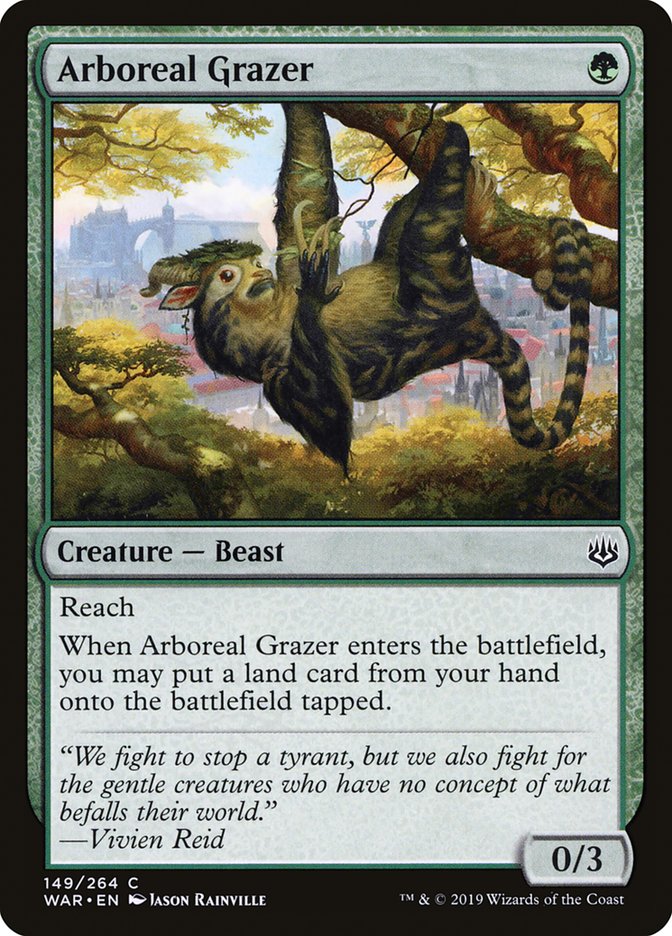
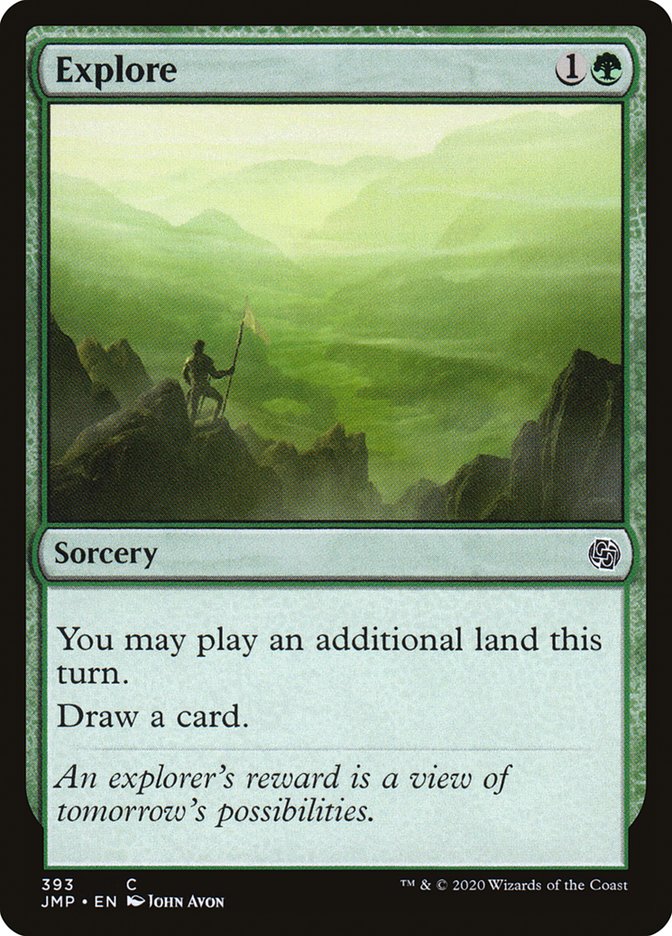
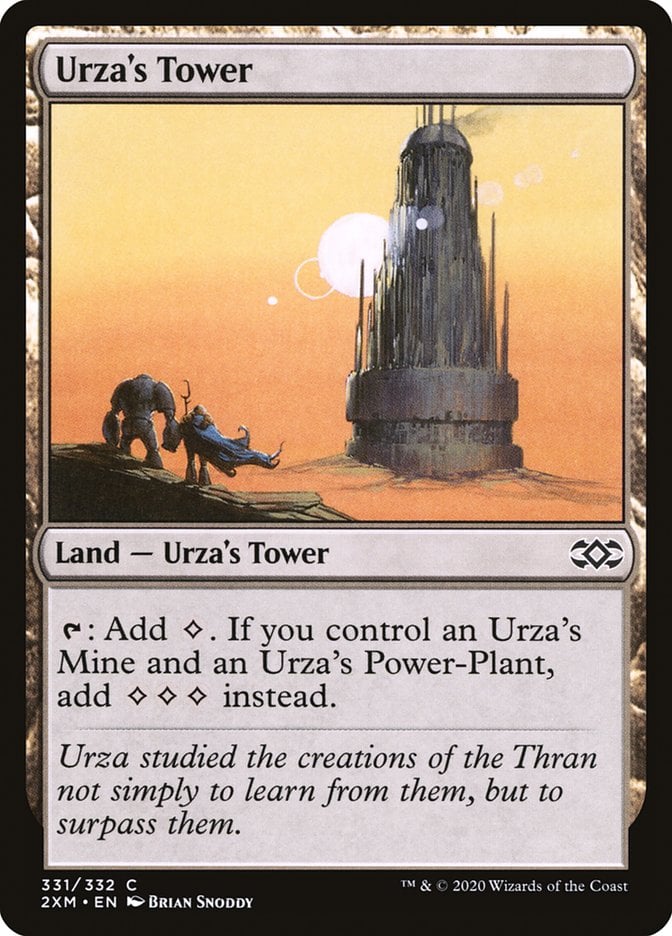
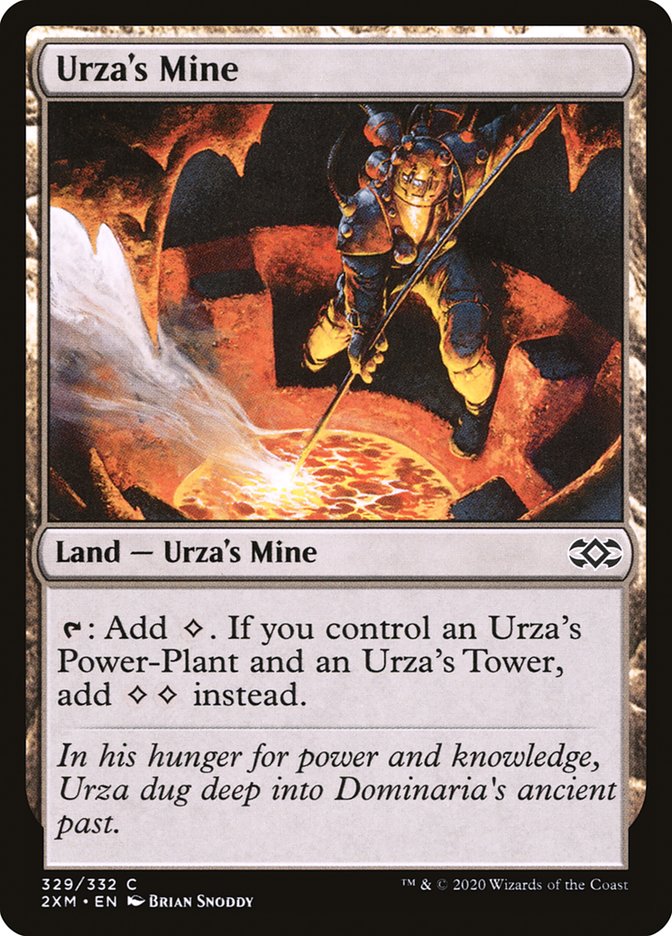
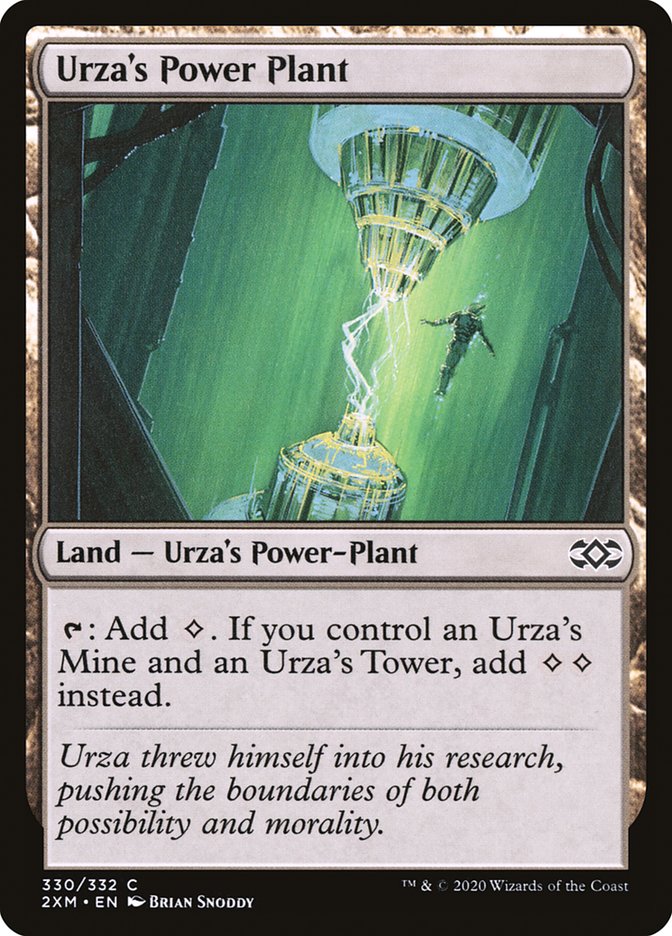
In Amulet Titan, Arboreal Grazer and Explore are key ramp tools, letting you double up on land drops and speed into a turn 3 Primeval Titan. The deck relies on bounce lands and land synergies, making early ramp plays critical. Meanwhile, Tron doesn’t ramp traditionally—instead, it assembles Urza's Tower, Mine, and Power Plant to generate 7 mana by turn 3 using tutors like Expedition Map.
Pauper

In Pauper, ramp revolves around green auras like Wild Growth and untappers like Arbor Elf. Llanowar Elves and Llanowar Visionary are common staples. Some ramp strategies center on cards like Writhing Chrysalis that produce Eldrazi Spawn tokens, giving both blockers and mana ramp through sacrifice.
Example Decklist: Ramp in Modern

Primeval Titan | Illustration by Aleksi Briclot
Creature (9)
Arboreal Grazer x4
Aftermath Analyst
Primeval Titan x4
Sorcery (8)
Explore x4
Scapeshift x4
Instant (3)
Enchantment (8)
Urza's Saga x4
Spelunking x4
Artifact (4)
Land (28)
Boseiju, Who Endures x3
Crumbling Vestige x4
Echoing Deeps
Forest x3
Gruul Turf x4
Hanweir Battlements
Lotus Field x2
Mirrorpool
Otawara, Soaring City
Shifting Woodland
Simic Growth Chamber x3
The Mycosynth Gardens
Tolaria West
Urza's Cave
Vesuva
Sideboard (15)
Six x2
Green Sun's Zenith x2
Firespout x2
Dismember x3
Force of Vigor
Vexing Bauble x2
Boseiju, Who Endures
Cavern of Souls
Otawara, Soaring City
Amulet Titan is a powerful but tricky Modern deck that uses land-based ramp combos to generate a ton of mana really fast. This is the latest and cleanest list that went undefeated in an MTGO Modern League in the hands of Ferglez.
The main idea is to get cards like Amulet of Vigor or Spelunking on the battlefield, which let your lands enter untapped or untap themselves. With bounce lands like Simic Growth Chamber, you can start making extra mana early, especially when combined with cards like Explore or Arboreal Grazer. All that mana goes into casting Primeval Titan, which then fetches more lands that fuel combos or deal direct damage.
You can even loop cards like Aftermath Analyst, Mirrorpool, and Shifting Woodland to keep the value going and eventually swing in with a huge hasty threat for the win. It’s complicated, but once you learn the lines, the deck can win as early as turn 3 with explosive power.
Wrap Up

Nature's Lore | Illustration by Julie Dillon
As you can see, ramp decks don’t play fair—they play big. Whether you’re dropping huge creatures way ahead of curve or just out-valuing your opponents with extra mana every turn, ramp strategies bring serious power to the table.
Got a favorite ramp card or deck? Tell me in the comments or on the Draftsim Discord! Also, don’t forget to follow us on social media to stay in the loop with more MTG-related articles.
Take care, and we’ll meet again in my next article.
Follow Draftsim for awesome articles and set updates:










Add Comment