
Last updated on April 14, 2026
Prismatic Ending | Illustration by Dominik Mayer
I’ve heard that 5-color Commander decks are really popular these days: Kenrith, the Returned King, Jodah, the Unifier, or even Urtet, Remnant of Memnarch. Playing five colors in an MTG deck is a balancing act: You’ll have access to more power, but at the cost of a shaky mana base and unplayable cards in the early game. But what if you had something flexible to help you thrive early and late?
Today, we’re taking a look at the converge mechanic, which states clearly that more colors equals more fun. In fact, you’ll want all your different colors of mana to converge into a single spell. If you’re already playing a lot of colors, you might want to take some of these cards for a spin.
Let’s dive in and see what converge has to offer!
How Does Converge Work?

Glinting Creeper | Illustration by Joe Slucher
Converge is an ability word with effects that scale based on the number of different colors of mana you spend to cast the spell. That’s clearly a mechanic that incentivizes you to go multicolor. Converge designs are usually very bad if you spend one or two colors of mana, okay if you spend three colors, and very pushed if you spend 4-5 different colors of mana.

A card like Glinting Creeper is a cool example. You’re not thrilled to cast a 5-mana value creature that’s only a 2/2 or 4/4. However, by converging with all five colors, you can have a 10/10 for just 5 mana with some relevant evasion tacked on.
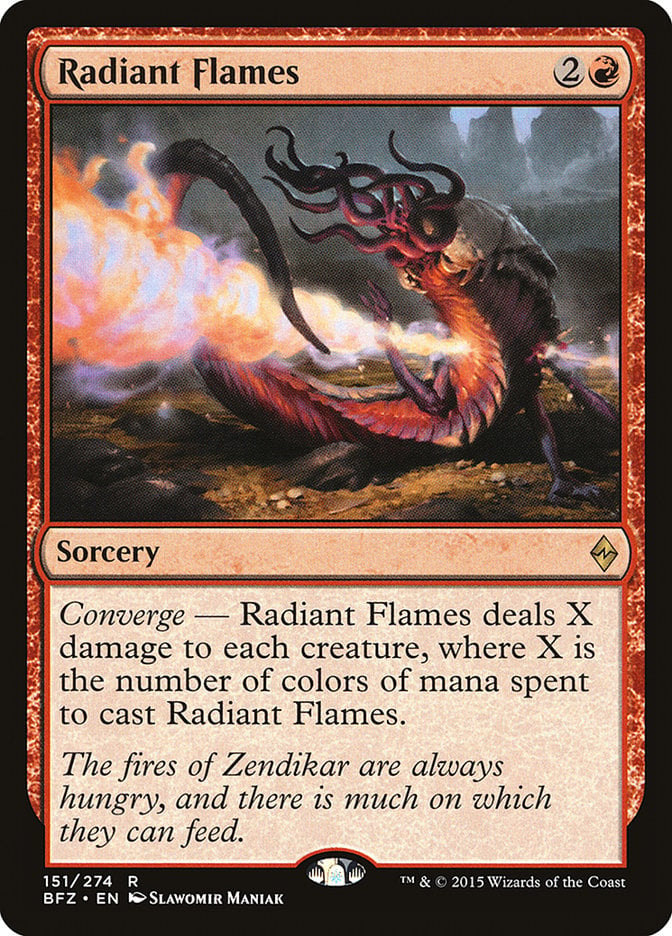
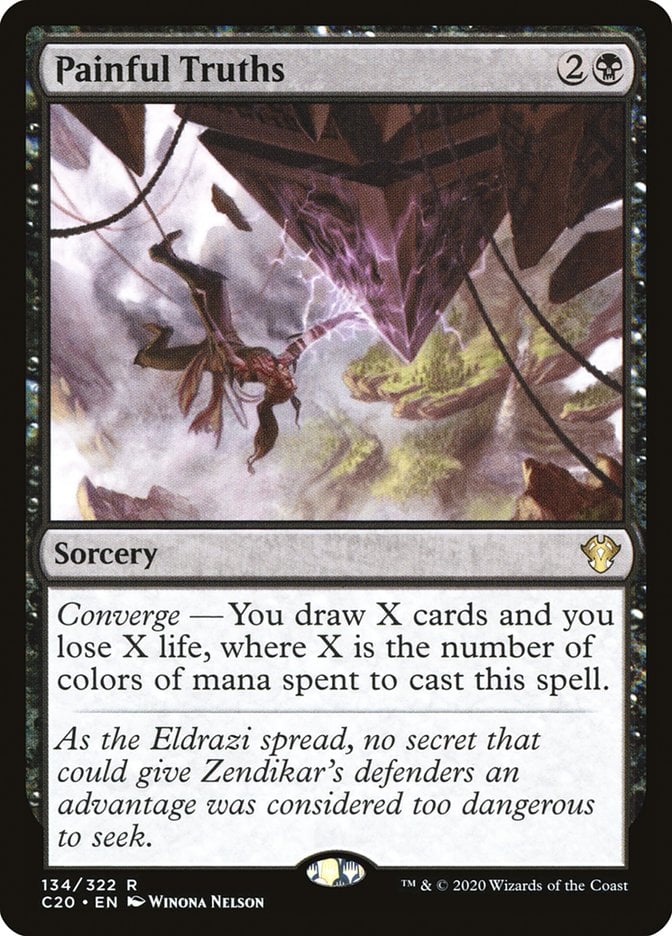
Not all converge cards go from 1 to 5, though. Cards like Radiant Flames and Painful Truths have a mana value of 3, so you can spend at most three different colors of mana while casting them.
The History of Converge in MTG
The first Magic set to have converge cards was Battle for Zendikar (BFZ). BFZ had 12 converge designs, most of them in blue and green, as converge was the Simic () mechanical theme for the set. The mechanic returned on a cycle of uncommons in Modern Horizons 2, one for each color, and on the singular Crystalline Crawler in Commander 2016 and Uncle's Musings in Avatar: The Last Airbender.
Converge made a wider return on nine cards in Secrets of Strixhaven (SOS), where it was used in a better multicolor setting than BFZ. Nearly every converge card in SOS was given a mana cost high enough to spend five different colors of mana on.
Do Cost Increases and Decreases Affect Converge?
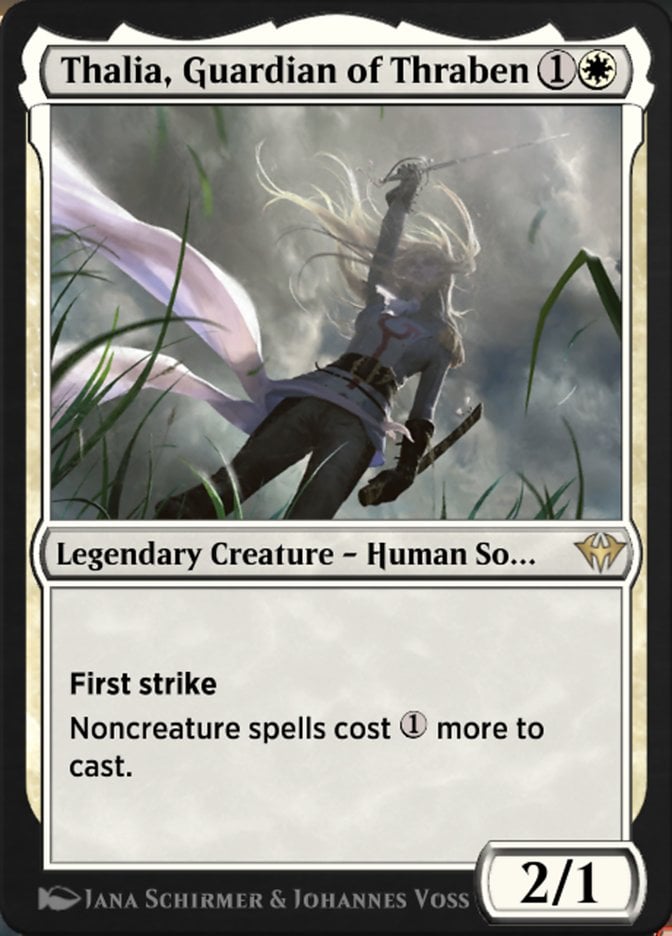
They do. Cards like Thalia, Guardian of Thraben can help you put one more color of mana into spells like Painful Truths, Radiant Flames, or Unified Front, provided you have additional colors to spend on the extra mana.
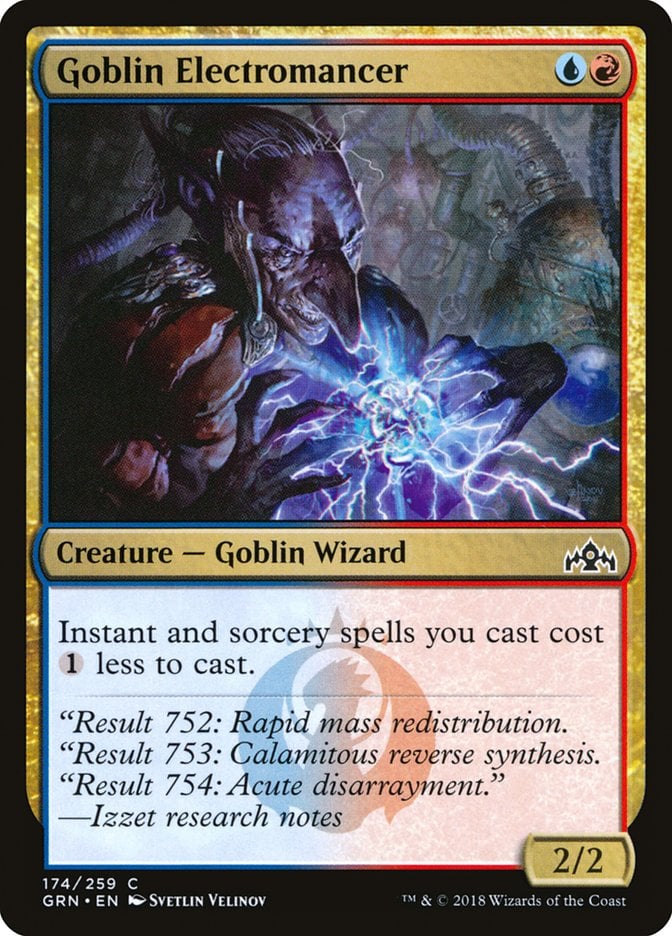
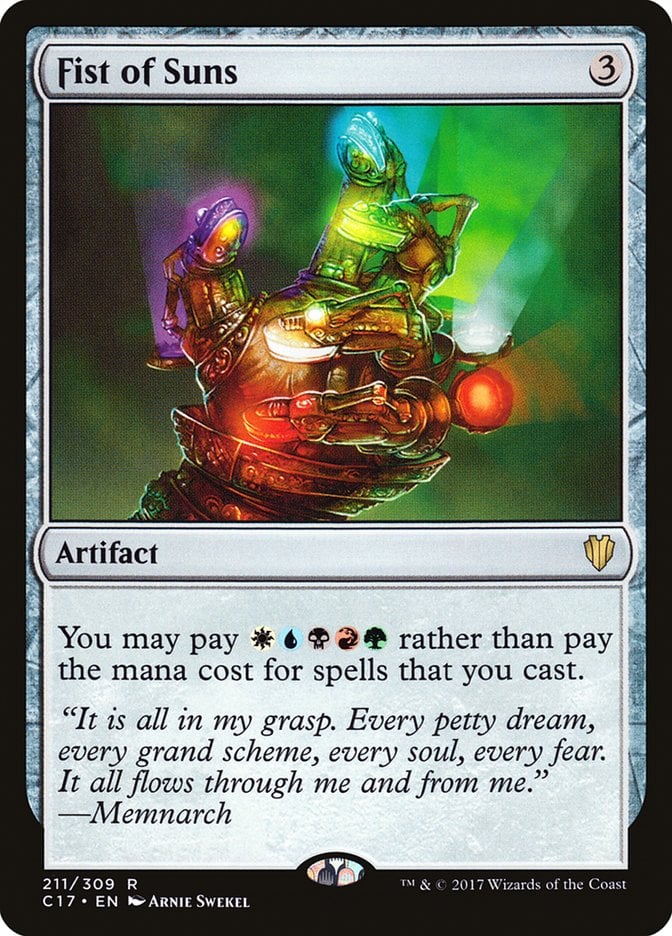
However, converge spells are a non-bo with cost reducers like Goblin Electromancer, because you’ll pay 1 less mana on instants and sorceries. A card like Fist of Suns is perfect for this mechanic: You’ll pay for all your spells anyway, so you always get maximum converge.
Does Colorless Mana Count for Converge?
Nope! Colorless mana doesn’t count for converge, only colored mana does. The maximum benefit you can get from converge is five, if you spend .
Can You Pay More Than a Spell’s Cost for Converge?
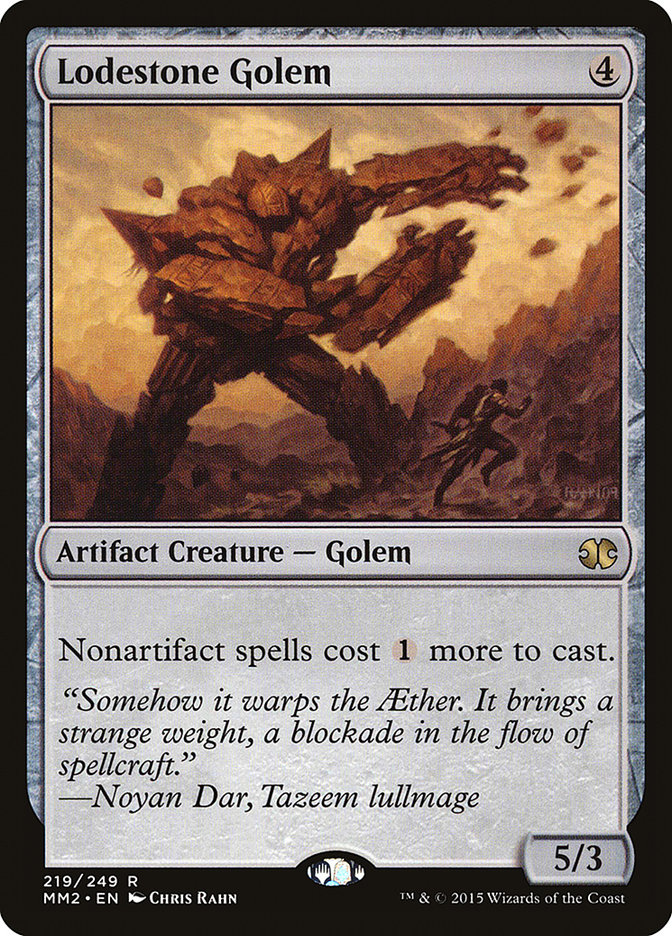
Unless there’s a specific effect that makes your spells more expensive, like Thalia, Guardian of Thraben or Lodestone Golem, you can’t. So, your Painful Truths will cost 3 mana by definition, and you can’t pay 4 mana to draw four cards.
How Does Converge Work on X-Spells?
Some converge spells have X in their mana cost, and that X doesn’t scale the spell like we’re used to in most X-spells like Fireball or Blue Sun's Zenith. That said, X on converge spells allows you to spend the maximum amount of mana on them.

Skyrider Elf has a cost of , so you could pay + and have it enter play with five +1/+1 counters due to having maximum converge. If you play Skyrider Elf in a deck, however, you’ll spend at most three colors of mana, so there isn’t an incentive to pay 9+ mana on the spell.
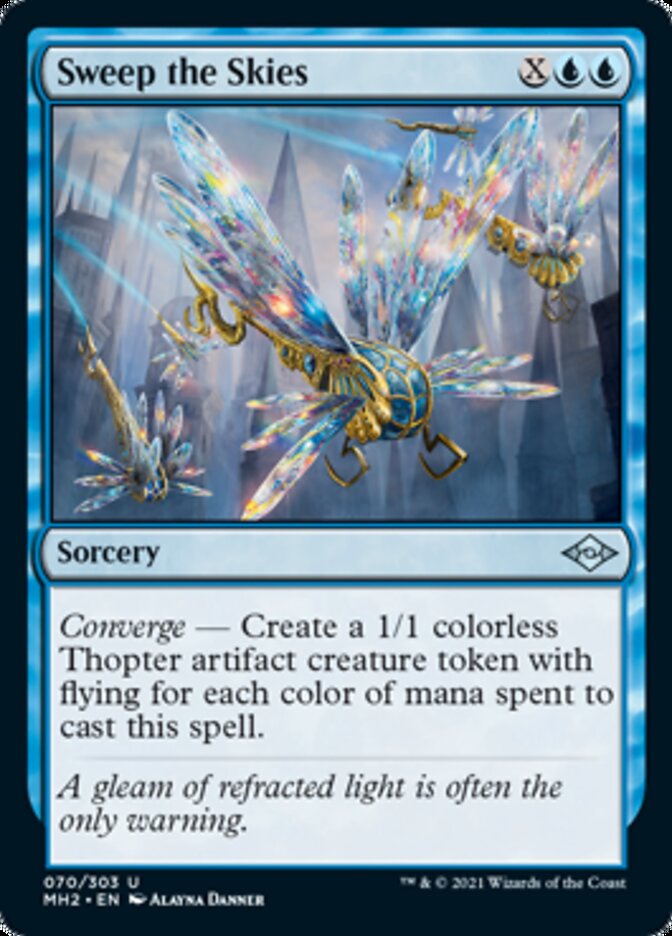
Sweep the Skies already requires you to pay , so to obtain maximum converge and make five Thopter tokens, you’ll have to pay an additional for X.
Can You Play Converge Cards in Mono-Color EDH Decks?
Yes, you can. Rules-wise, it’s totally fine to play a card like Painful Truths in a mono-black deck.
It would be totally inefficient, though. Converge cards get better when you spend 3+ colors of mana, and they’re bad if you spend 1-2 colors. There’s little reason to run a converge card in a mono-colored deck, unless you have a plan for generating all the other colors, like a Chromatic Lantern or Chromatic Orrery.
What If You Play a Converge Card Without Paying its Mana Cost?
You won’t get any benefits from the converge mechanic if you cast the spell without paying its mana cost. In this case, the different colors of mana spent will be considered zero.
Is Converge a Triggered Ability?

Not inherently, though converge can be used to denote a trigger. Triggered abilities require terms like “when”, “whenever”, “at the beginning of your main phase“, etc. Transcendent Archaic is an example of converge being used as a triggered ability.
Is Converge an Activated Ability?
No, it’s not. Activated abilities have a colon (:) right after their costs, and currently no converge card has an activated ability associated with the converge ability.
What Happens if You Copy a Converge Spell?
When you copy a spell, no mana is spent on the copy. Therefore, you’ll get a copy of a converge spell with zero colors of mana spent to cast it.
Converge vs. Vivid

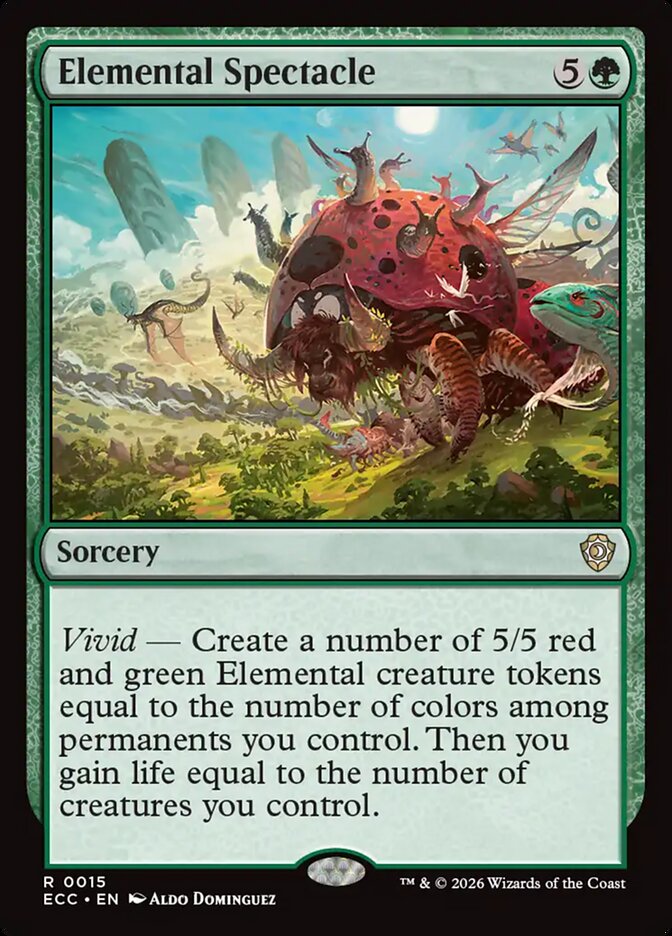
Converge and vivid both care about the number of colors floating around, but they care about them in very different ways. Vivid considers colors among permanents you control, while converge considers the colors of mana spent to cast the spell.
Vivid gets better the more permanents you control. Bloom Tender is the marquee example: If you only control a green permanent, it only makes 1 green mana; add other colors and you get more mana.
Converge doesn’t care about the permanents on your board in any manner, colors or otherwise, so you can have converge = 5 even with just colorless permanents in play.
While the timing and circumstances of how these mechanics care about the number of colors you have varies, they’re similar in that both mechanics work best in decks with three, four, even five colors.
Converge vs. Sunburst
Sunburst and converge are mechanics that work in a similar way, but by different rulings. Both mechanics care about the different colors of mana spent to cast a spell. Sunburst is a static ability found on permanent spells, while converge is an ability word found on other card types in addition to permanents. Sunburst abilities always say “this card enters the battlefield with a certain condition.”
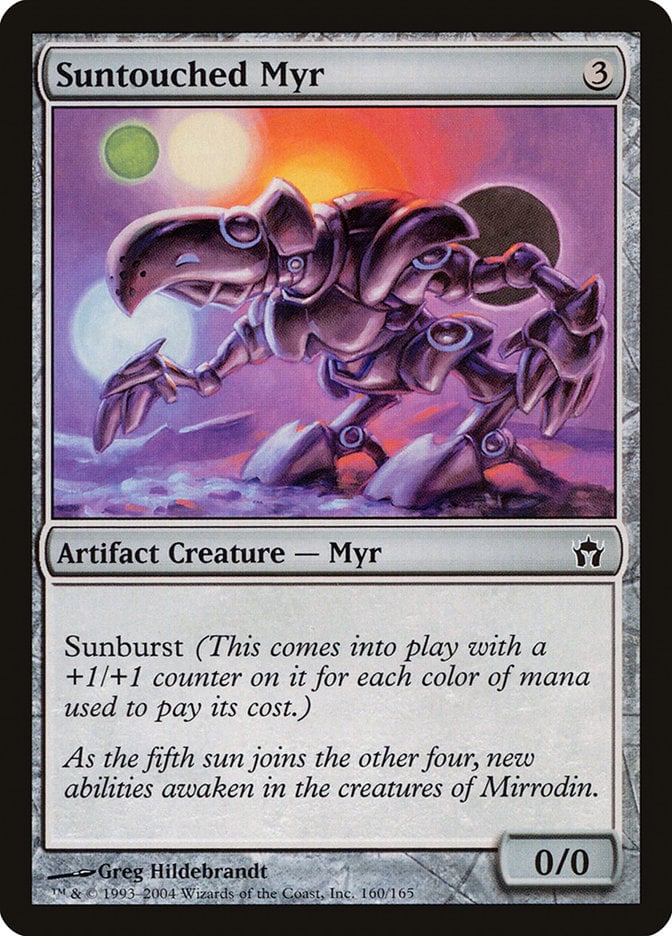

We can say that converge is an evolved, more flexible sunburst. A card like Suntouched Myr is almost equal to Tajuru Stalwart, but you can’t make Radiant Flames work with sunburst.
Converge vs. Domain
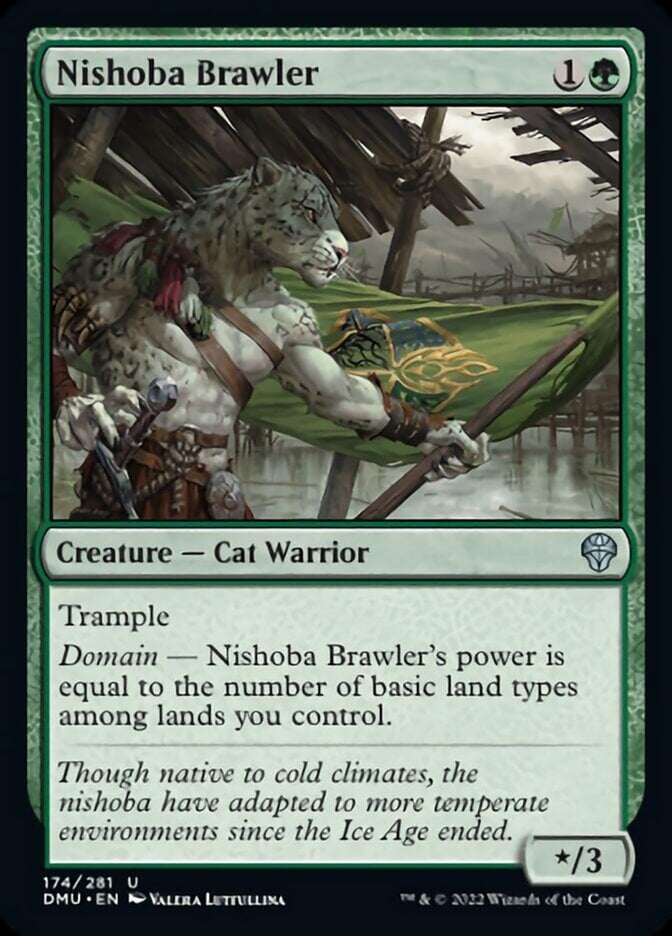
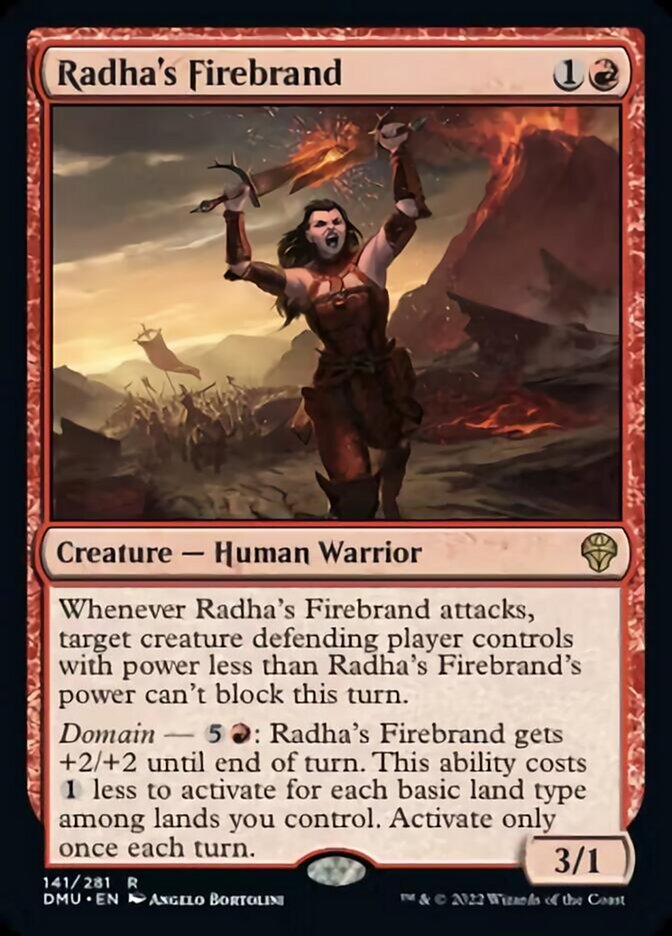
Both domain and converge are ability words, but these two mechanics work differently. Converge cares about the colors of mana you’ve actually spent to cast your converge spell. Domain gives you a scalable benefit based on the amount of different basic land types you have at a given time.
Gallery and List of Converge Cards


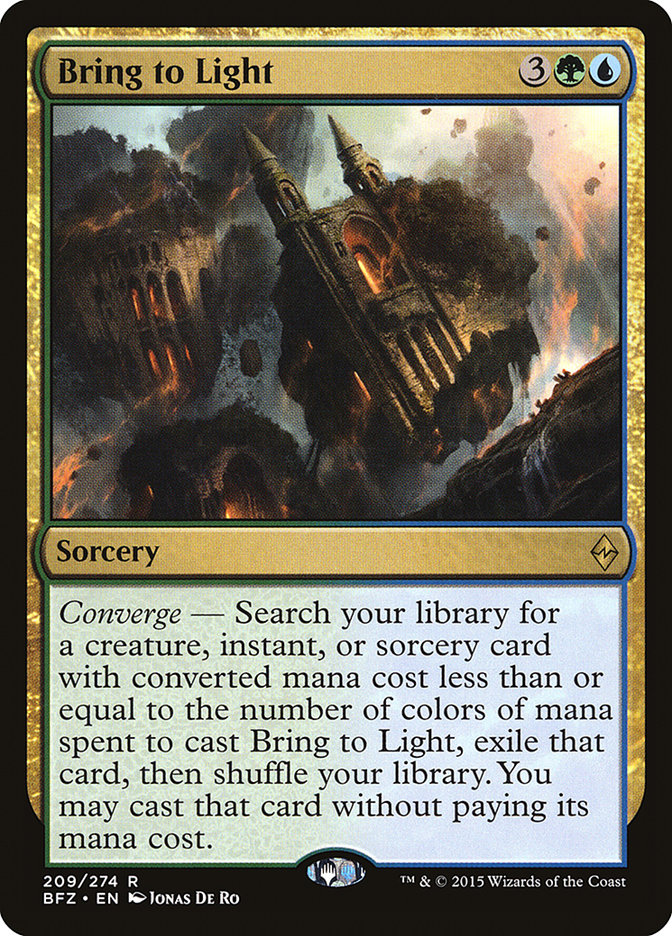
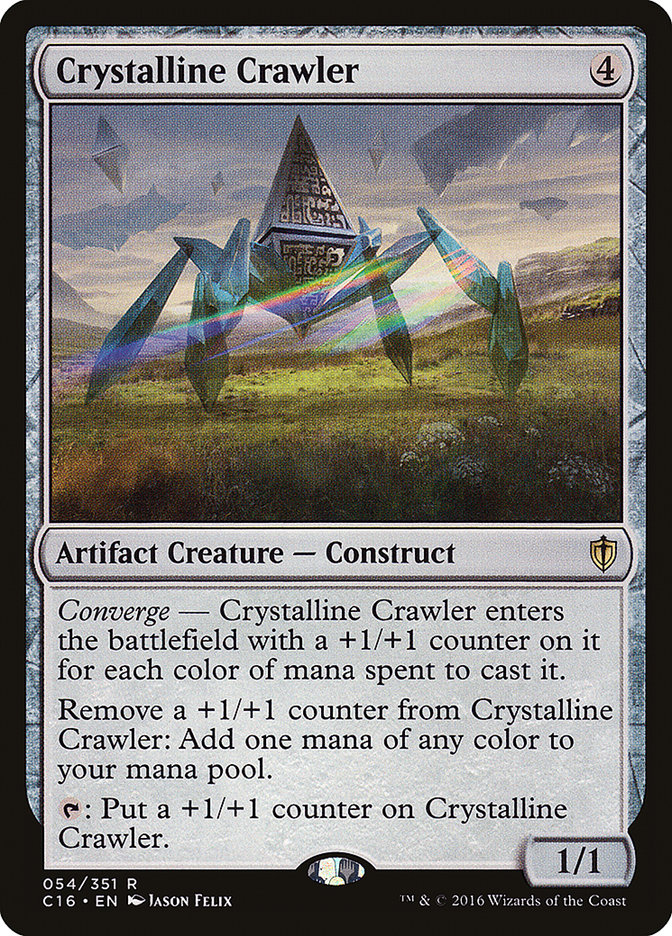


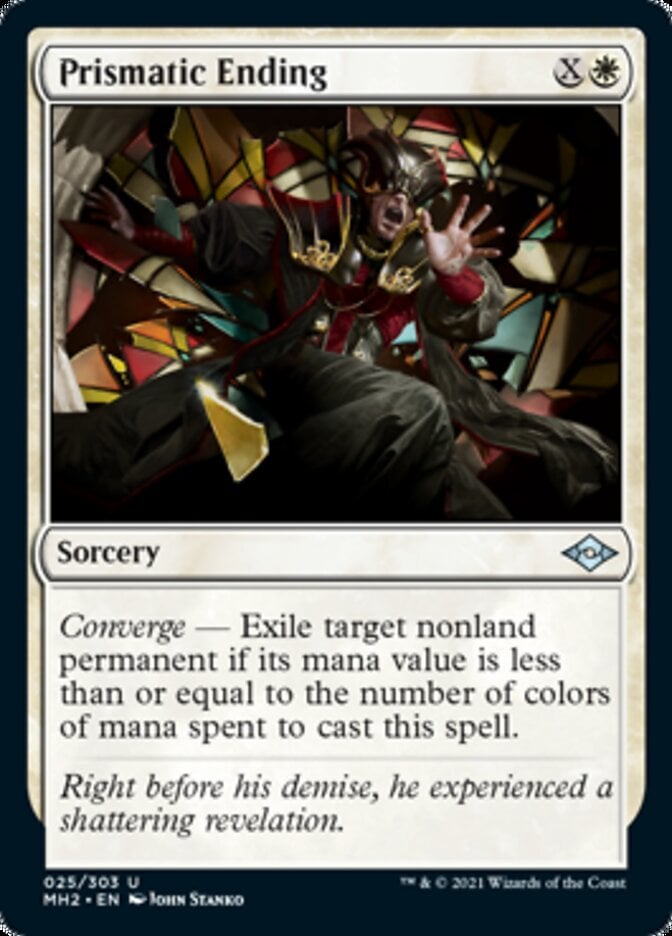


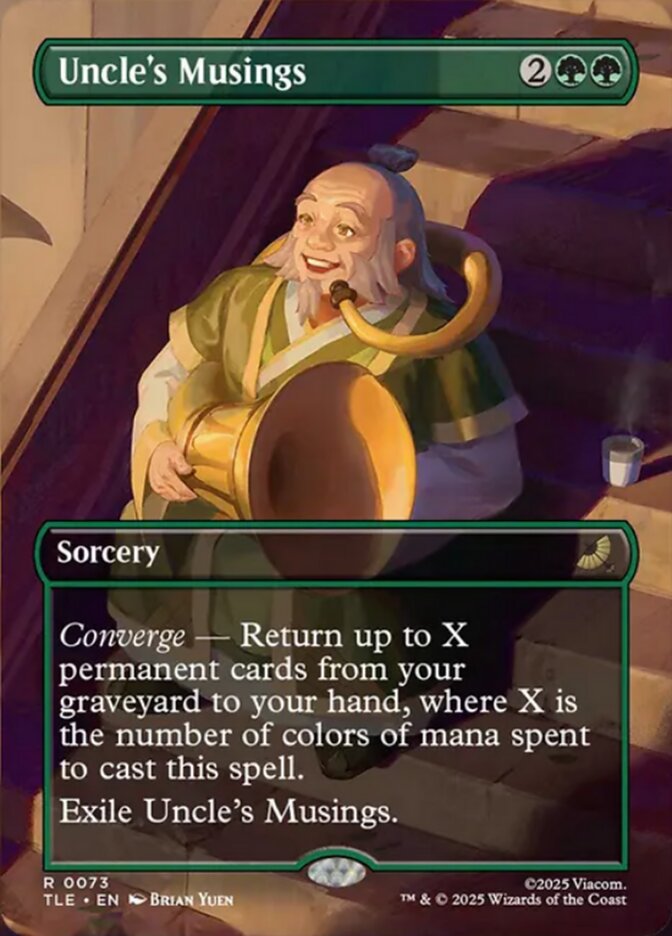


- Arcane Omens
- Archaic's Agony
- Brilliant Spectrum
- Bring to Light
- Crystalline Crawler
- Exert Influence
- Glinting Creeper
- Infuse with the Elements
- Kaleidoscorch
- Magmablood Archaic
- Painful Truths
- Prism Array
- Prismatic Ending
- Radiant Epicure
- Radiant Flames
- Rancorous Archaic
- Roilmage's Trick
- Skyrider Elf
- Snarl Song
- Sundering Archaic
- Sweep the Skies
- Tajuru Stalwart
- Together as One
- Transcendent Archaic
- Uncle's Musings
- Unified Front
- Wildgrowth Archaic
- Woodland Wanderer
Best Converge Cards
#8. Sundering Archaic
Creatures that come with removal attached are often useful, so Sundering Archaic has a decent start. It’s not the most powerful card in the world, but I could see it being useful in a Peasant Cube or Battle Box to reward players for dipping into multiple colors, plus the activated ability serves as a long-term win condition.
#7. Magmablood Archaic
Magmablood Archaic poses a serious threat, and it makes sure the rest of your board also does with its triggered ability. It works best with cards like Third Path Iconoclast and Sokka, Tenacious Tactician that flood the board with bodies as you sling spells.
#6. Exert Influence
What can I say, Control Magic with extra hoops is still a good card. It’s obviously deck-dependent, but you want to at least nab a 4-drop with Exert Influence, so keep this out of mono-colored decks.
#5. Uncle’s Musings
Uncle's Musings needs to be in a 3-color deck because it’s not worth casting when X is any less than 3. That said, I’m happy to play a Regrowth/Harmonize hybrid. It looks particularly useful with self-mill decks that load the graveyard with plenty of targets.
#4. Wildgrowth Archaic
Wildgrowth Archaic acts as a reward for playing multiple colors by stacking counters on your creatures. The hybrid cost is extremely useful here because you can play this as a cheap turn-2 play to set up explosive turns without compromising its ability to be a big threat when you draw it later in the game. It’s also one of the few converge cards worth playing in decks with just two colors—two +1/+1 counters on every creature you cast is pretty significant.
#3. Together as One
Together as One can be a tremendous draw spell, as well as many other things. While it works best in a 5-color deck, like any converge spell that costs more than 5, it does enough little things to be worth casting at a lower number of colors, especially when it removes something and draws a bunch of cards afterwards.
#2. Prismatic Ending
Prismatic Ending was a cool removal spell when it was first printed. You get to answer any nonland permanent with it, and the removal spell’s cost scales with the threat’s cost. Paying 1 mana to get rid of any 1-drop is huge, and with problematic cheap permanents like Sol Ring or Aether Vial around, it’s even better. Nowadays, there’s some heavy competition like Get Lost and Erode, but even then the card is powerful.
#1. Bring to Light
Bring to Light is a card that spawned its own archetype in formats like Pioneer and Modern. You get to tutor a card and immediately cast it, as long as its mana value is equal or less than the converge value. That can be used to find and cast powerful cards like Niv-Mizzet Reborn once you get to 5 mana. It helps you play toolbox decks, decks that have narrow but powerful cards, and you can find them easily with this card. Or you can even find a win condition like Scapeshift.
Wrap Up

Rancorous Archaic | Illustration by Loïc Canavaggia
And that’s all we need to know about converge, guys. Converge is the typical mechanic that’s designed to fill in a design hole, if a certain archetype in Limited needs more support, or if you want to give your drafters more reasons to play three colors or draft mana fixing. It can be cool in some cubes and 4c+ EDH decks, and Secrets of Strixhaven have the mechanic enough of an overhaul to be interested in it once again.
What are your thoughts on converge? Do you play any of these in your EDH decks? Let me know in the comments section below, and check out our newsletter, The Daily Upkeep, to stay up to date on all the latest MTG news.
Thanks for reading, and may your five colors of mana converge into good spells!
Follow Draftsim for awesome articles and set updates:










Add Comment