
Last updated on December 22, 2025

Treasure | Illustration by Dan Scott
Artifacts have been staple permanents in Magic since the very beginning. Over time, subtypes of artifacts have been introduced to tie together similar abilities and archetypes, and we now have a bunch of artifact types to consider when we build our decks.
You’re probably familiar with some of the most common, like equipment and vehicles, not to mention the predefined Treasure, Clue, Blood, or Food tokens, but I’ve got you covered for every artifact type in Magic: The Gathering.
Let’s get into it.
What Are Artifact Types?

Clue | Illustration by John Avon
Artifact types are subtypes that appear only on artifact permanents. Artifact subtypes usually convey something about an artifact’s abilities. Food artifacts let you sacrifice them to gain life, equipment let you attach them to creatures, vehicles are only creatures when they’re crewed, etc. Many artifact subtypes are also predefined tokens.
These artifact types are listed in alphabetical order, and I’ve included subtypes from Un-sets.
One artifact subtype comes from a playtest card, and I didn’t include it: scrap. It’s the most obscure artifact type, reserved for a specific token created by The Crafter, from Unknown Event. For the uninitiated, playtest cards explore design space, almost in the same way as Future Sight did. Test cards don’t go through the same testing rigor as playable Magic cards or even acorn cards, and they’re considered joke or pure entertainment content. Scrap tokens are colorless and have no abilities, and the only Scrap token that’s been printed is the one created by Farid, Enterprising Salvager, though it doesn’t yet list “scrap” as a subtype.
Attraction
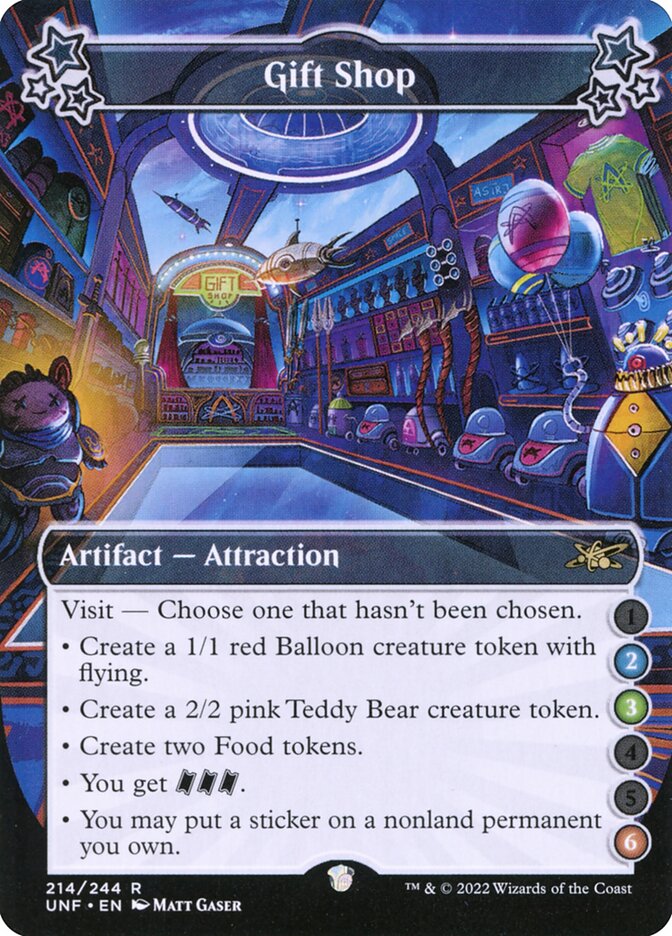


Attraction is an artifact subtype from Unfinity that represent carnival and circus games, booths, and, um, attractions. They have a nonstandard card back, and they exist in a separate attraction deck. The attraction deck must have at least 10 cards, and it’s a singleton deck (only cards with different names). The attraction deck exists in the command zone.


Some cards like Deadbeat Attendant and Coming Attraction instruct you to open an attraction, which means that you put the top card of your attraction deck onto the battlefield face up. Each attraction has six attraction lights on the right-hand side, and different variants of the same attraction can have different lights lit (1 is never lit and 6 is always lit). You can only use attractions with different names; you can’t use variants of the same attraction with different attraction lights.
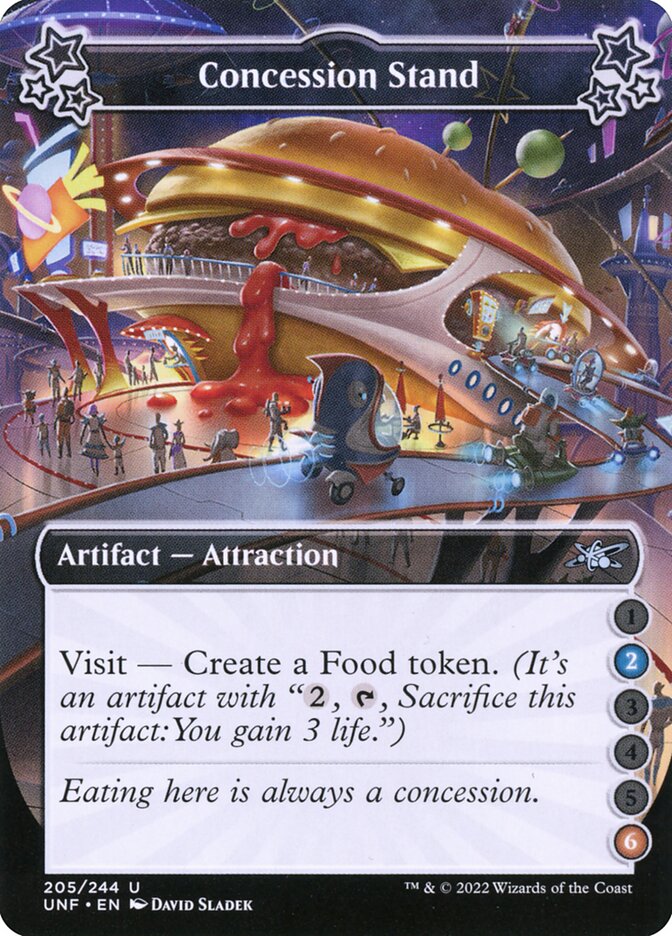
At the beginning of your first main phase, you roll a six-sided die (d6). When you roll a number that matches a lit attraction light, that attraction’s visit ability triggers. Some are simple triggered abilities, like how Concession Stand has you create a Food token. Others start a mini-game with the potential to claim the prize. If you claim the prize from an attraction, part of that ability also has you sacrifice the attraction and open another. Attractions that you sacrifice or that are sent to other zones like your library or exile don’t go back to the command zone, but instead go into a face-up pile known as your junkyard rather than back into your attraction deck.
Attraction cards are only playable in Commander. Cards that open an attraction are banned in Legacy, Vintage, Oathbreaker, and Pauper.
Blood
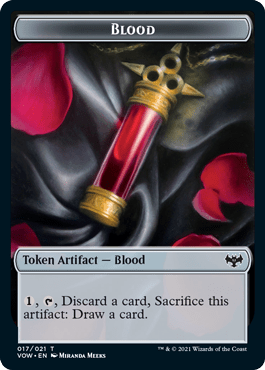
Blood artifacts are a predefined token associated with vampires, and it appears mainly in Rakdos colors (). Blood tokens give you a form of rummage, since you discard a card and draw a card when you use them. Of note, you discard the card as part of the cost to activate them, so an opponent could stifle the ability so that you pay 1 mana, discard a card, and sacrifice a Blood to no effect.

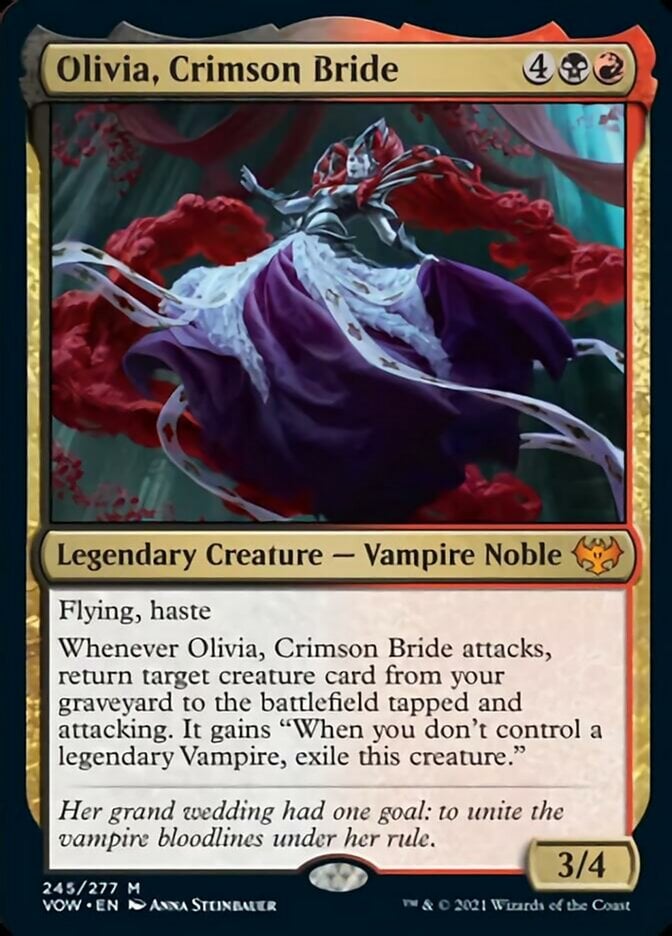
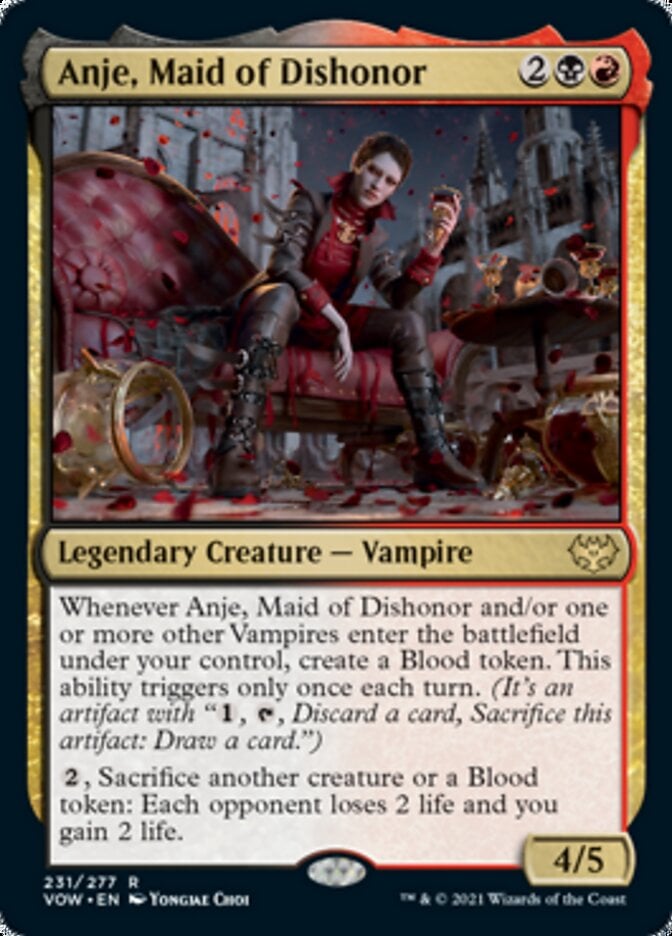
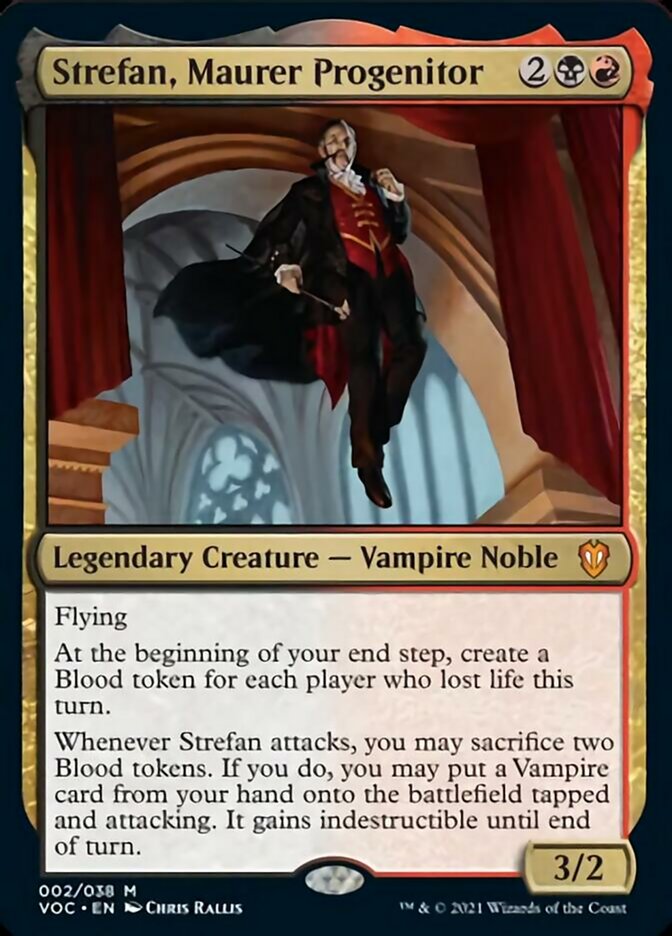
Blood was introduced in Innistrad: Crimson Vow. Notable cards that interact with Blood tokens include Shilgengar, Sire of Famine, Olivia, Crimson Bride, Anje, Maid of Dishonor, and Strefan, Maurer Progenitor.
Bobblehead
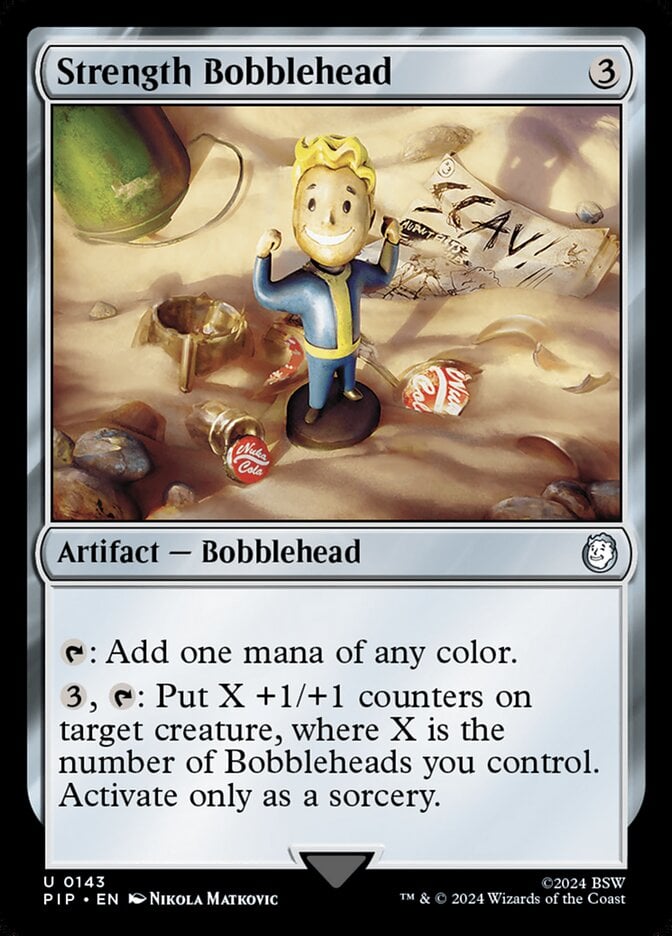
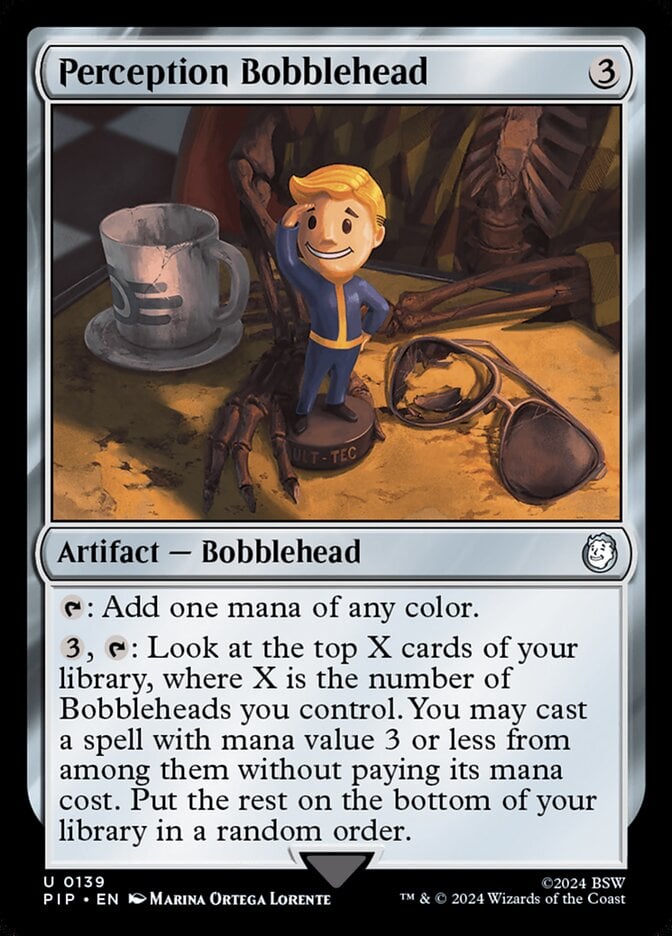


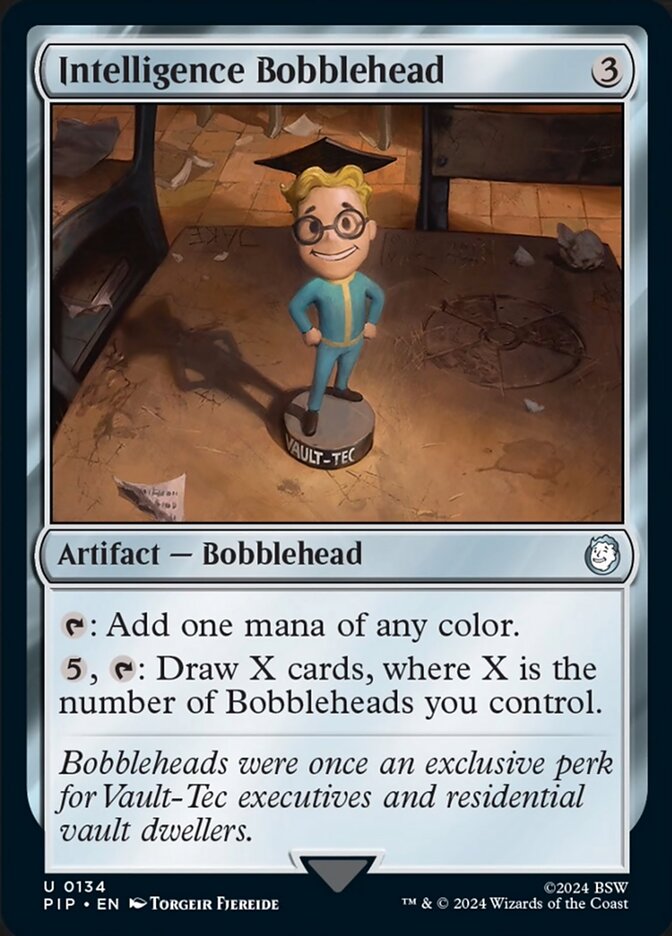
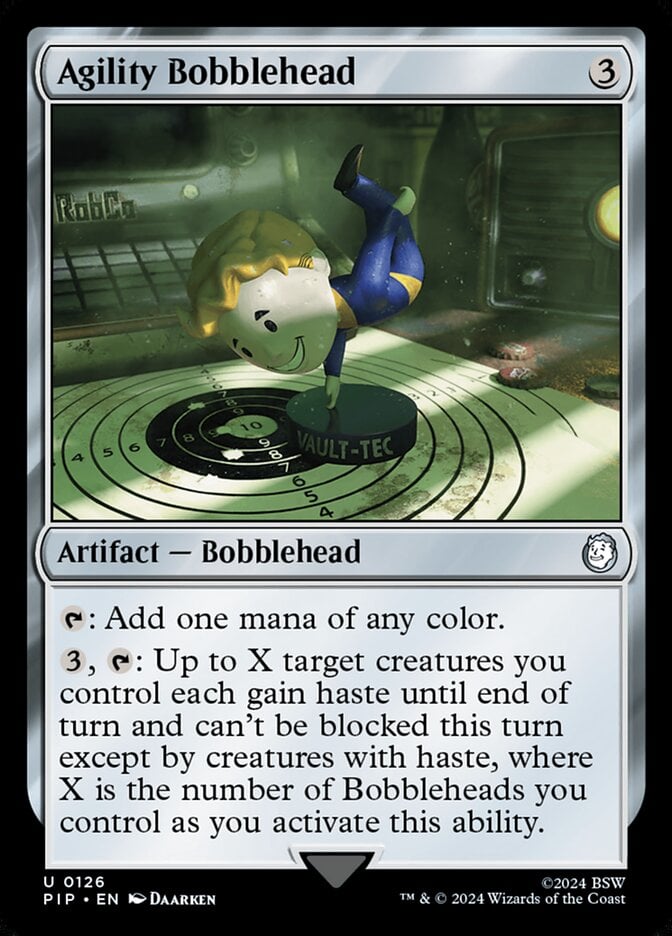
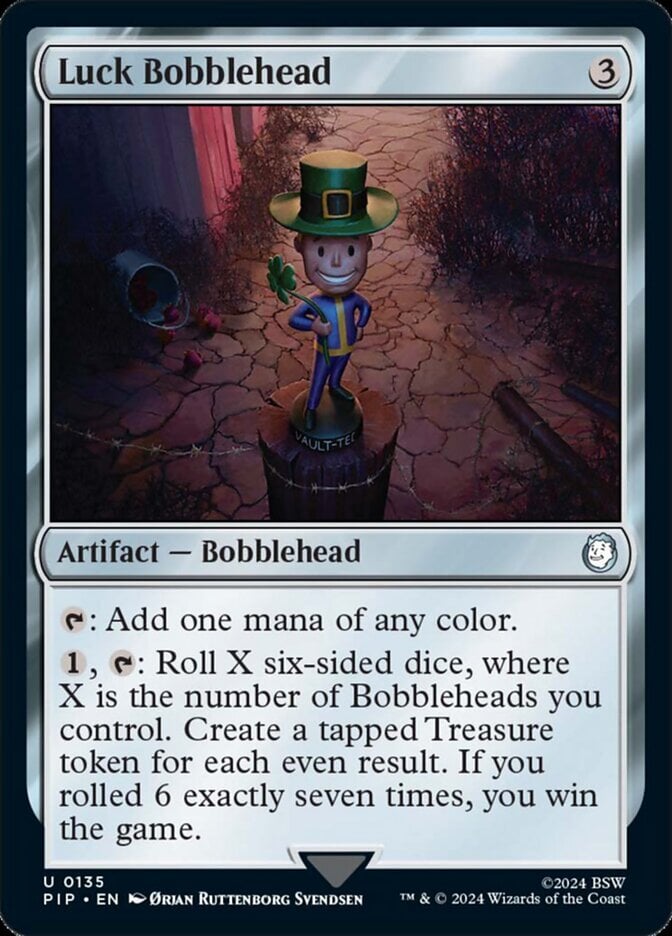
The seven bobblehead artifacts are 3-mana rocks from Fallout. They all have activated abilities that care about the number of bobbleheads you have. The seven bobbleheads represent your S.P.E.C.I.A.L. stats from the Fallout games, and they are, respectively:
- Strength Bobblehead
- Perception Bobblehead
- Endurance Bobblehead
- Charisma Bobblehead
- Intelligence Bobblehead
- Agility Bobblehead
- Luck Bobblehead
Clue
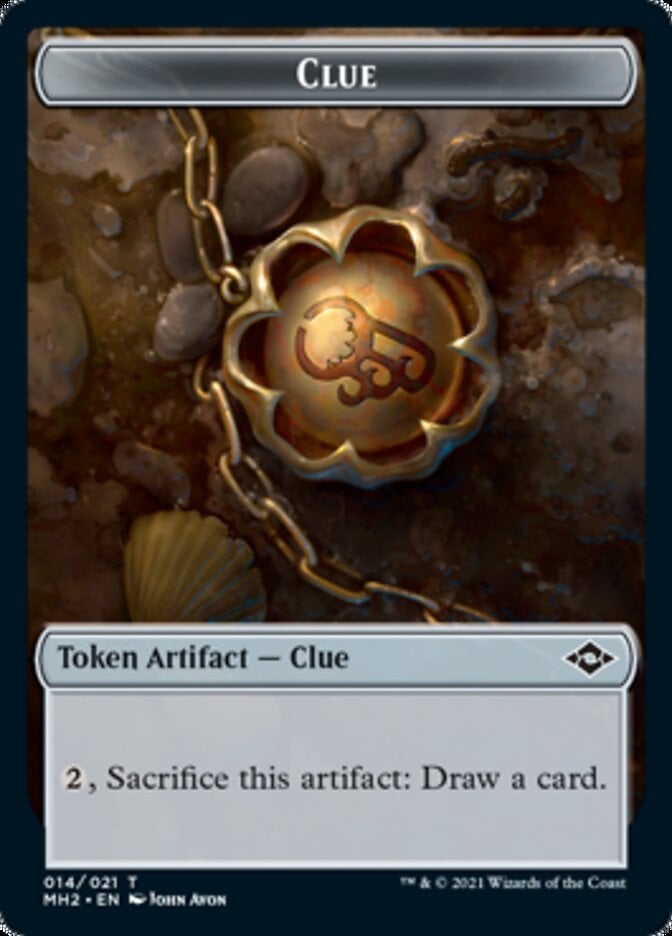
The Clue subtype first appeared in Shadows over Innistrad. It’s primarily used as a predefined Clue token that’s created by investigate abilities, but there are 16 nontoken cards as of Marvel’s Spider-Man with the clue subtype. Clues let you pay 2 mana and sacrifice them to draw a card.
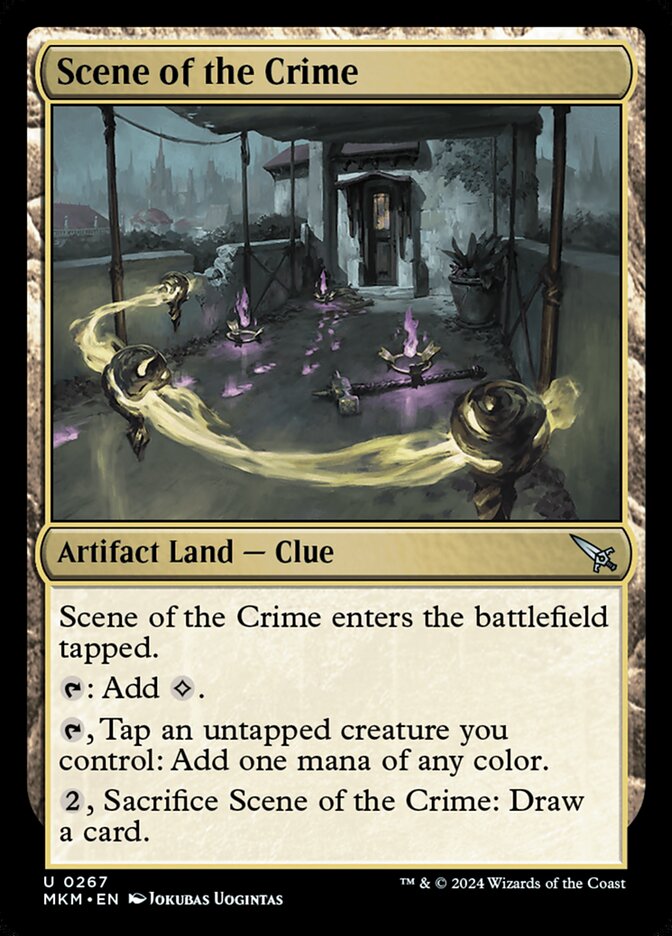
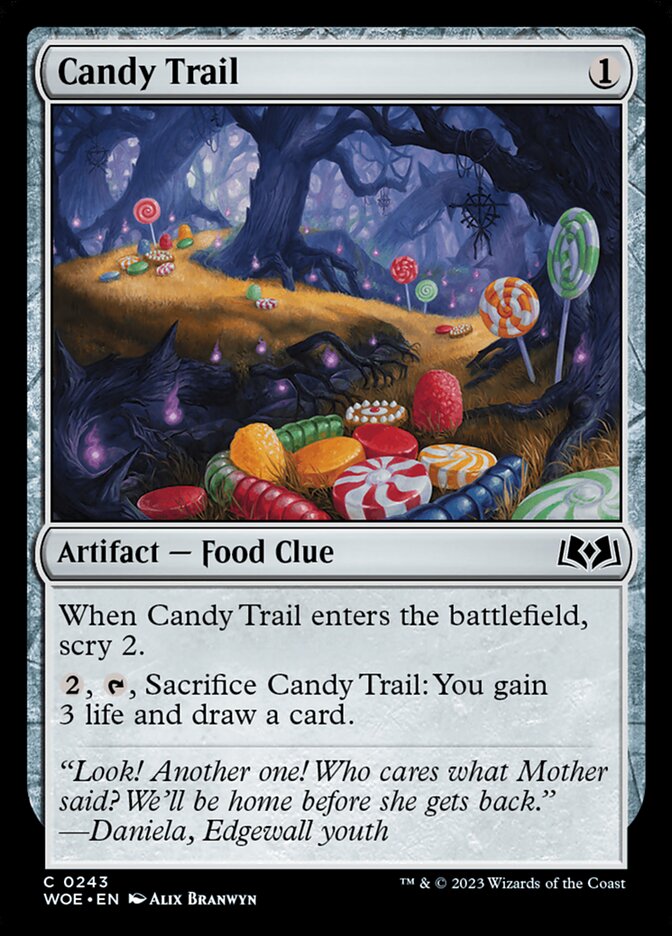
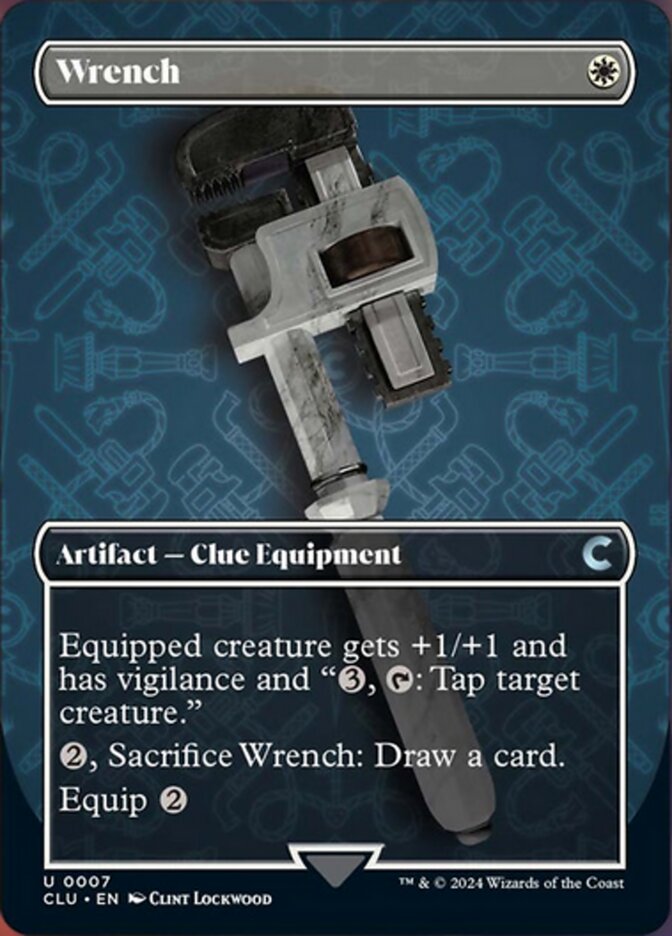
Scene of the Crime is used in delirium and other decks that care about the card types you have in your graveyard, while Candy Trail is a useful 1-drop that’s essentially a modal artifact as both a clue and a food. There’s also a full cycle of clue equipment artifacts from Murders at Karlov Manor and Clue: Ravnica Edition to represent the murder weapons in the Clue board game:


Contraption


Contraption is a special artifact type first mentioned on Future Sight’s Steamflogger Boss and used on contraptions from Unstable. They go into a separate deck and have a unique card back. Your contraption deck must contain a minimum of 15 cards and is a singleton deck.

You need cards like Wrench-Rigger to assemble contraptions, which means that you put the top card of your contraption deck onto one of three sprockets, which are a subzone of the battlefield. You start the game with a CRANK! counter on the third sprocket, and you move the CRANK! counter across your sprockets (3 to 1, 1 to 2, 2 to 3, etc.) during each upkeep to track which contraption is active. You don’t have to move the CRANK! counter if you don’t have more than one contraption occupying a sprocket. You can also use reassemble abilities to move a contraption from one sprocket to another.


Contraptions have triggers when you crank them; for example, Inflation Station gives a creature a +3/+3 pump until end of turn when you crank it, while Pet Project reanimates a creature from an opponent’s graveyard under your control.
Equipment
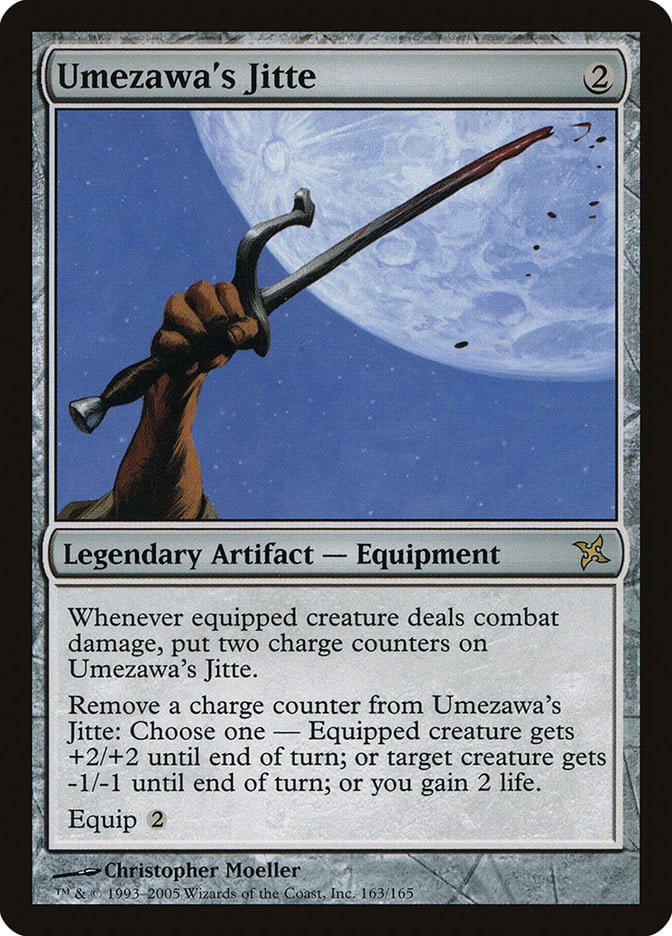


Equipment are the most used and most known artifact subtype, and they first appeared in Mirrodin block. Equipment have equip abilities that allow you to attach them to creatures, and sometimes planeswalkers. Equipment usually provide additional abilities and/or power and toughness adjustments.
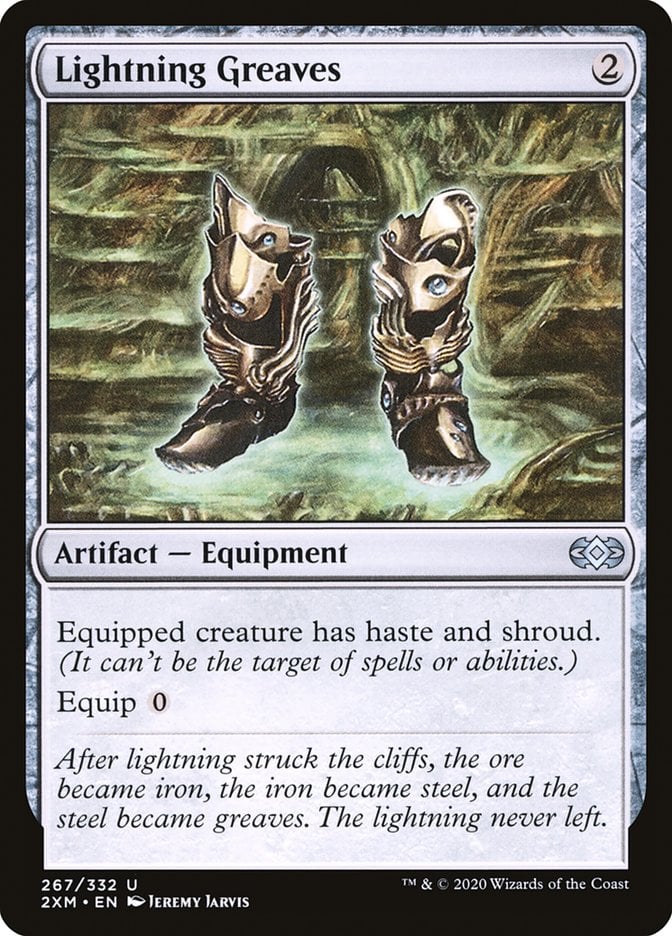
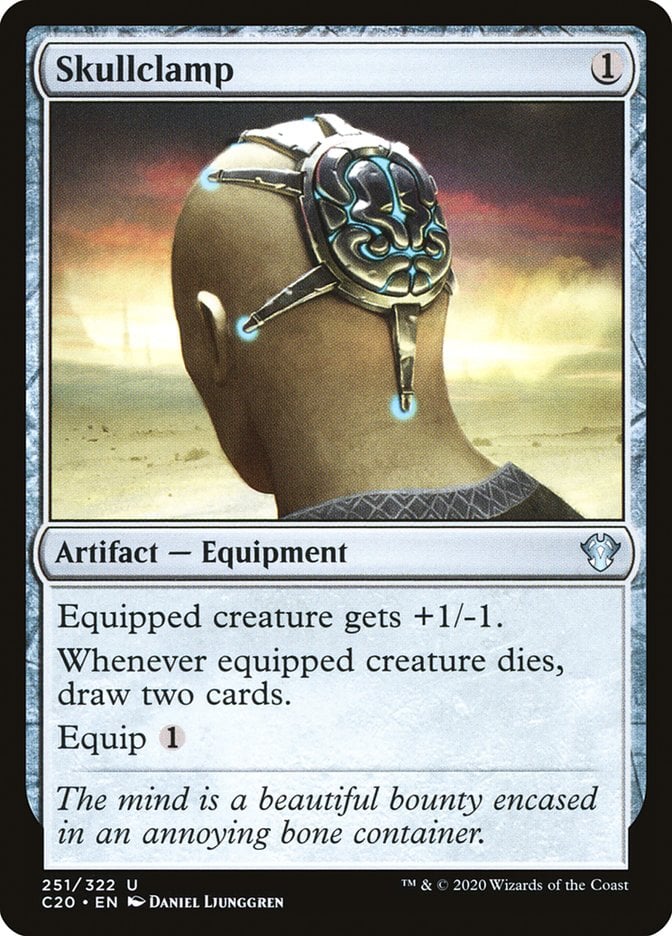
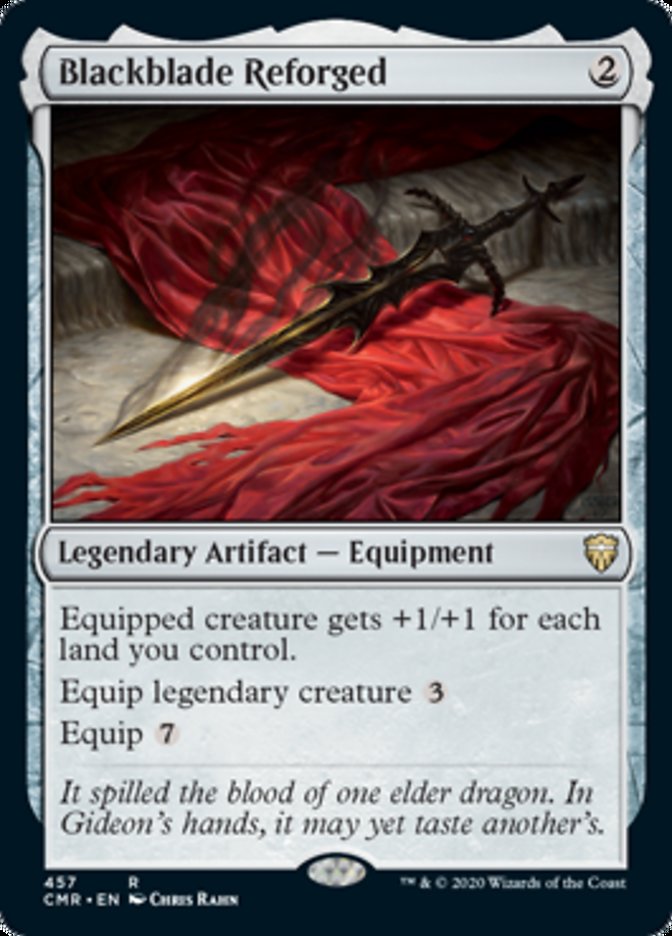
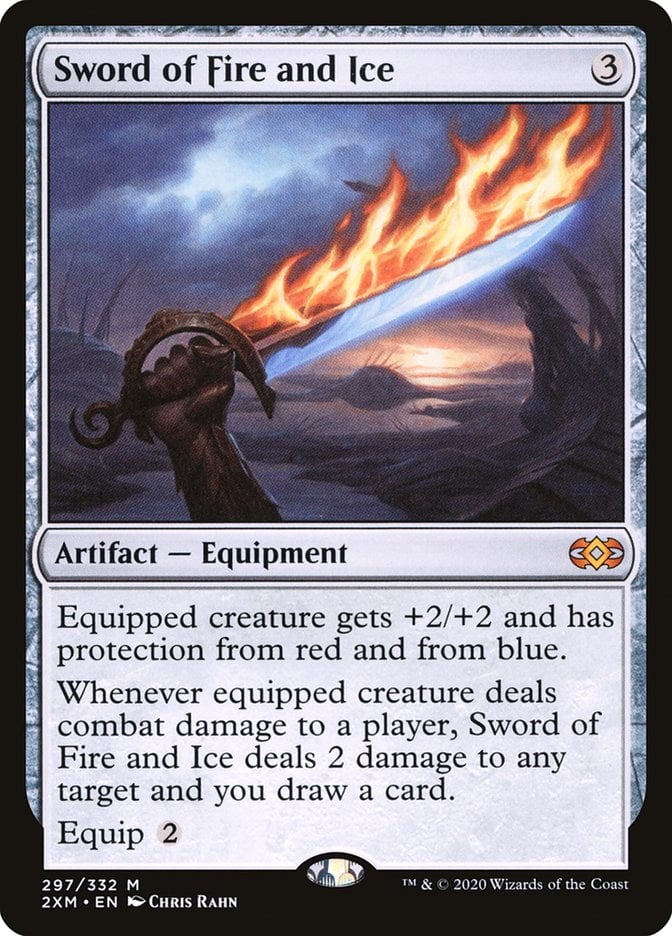
Some of the most used equipment cards in Magic include Lightning Greaves, Skullclamp, and Blackblade Reforged. The Mirran swords (templated as “Sword of X and Y”), like Sword of Fire and Ice, are also well-known and widely-used equipment artifacts.
Food
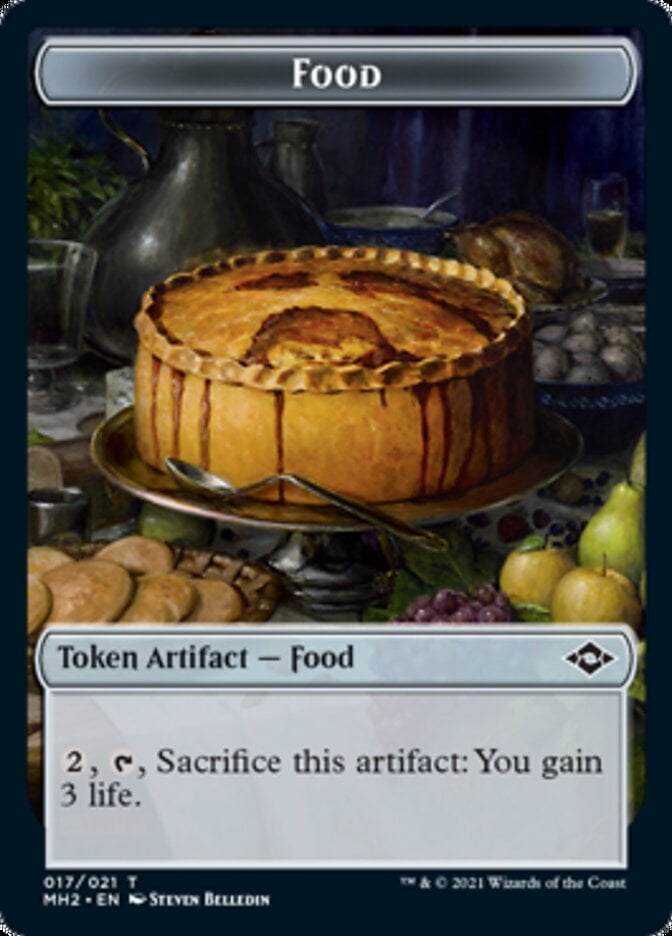
Food artifacts, introduced in Throne of Eldraine, allow you to pay 2 mana, tap them, and sacrifice them to gain 3 life. The food type usually appears on the predefined Food token, but there are 16 cards as of Marvel’s Spider-Man with the food artifact type.
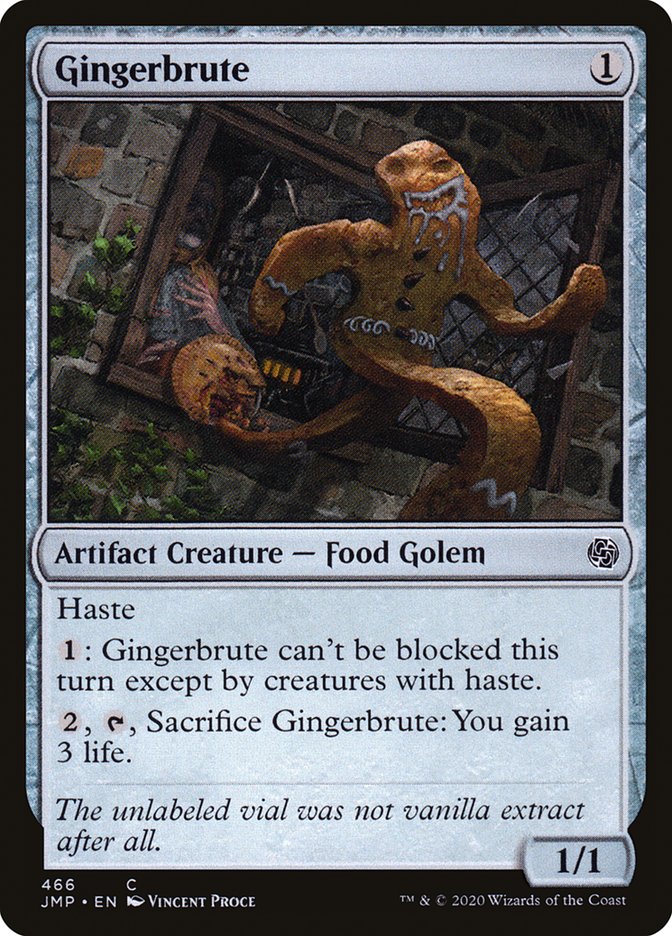

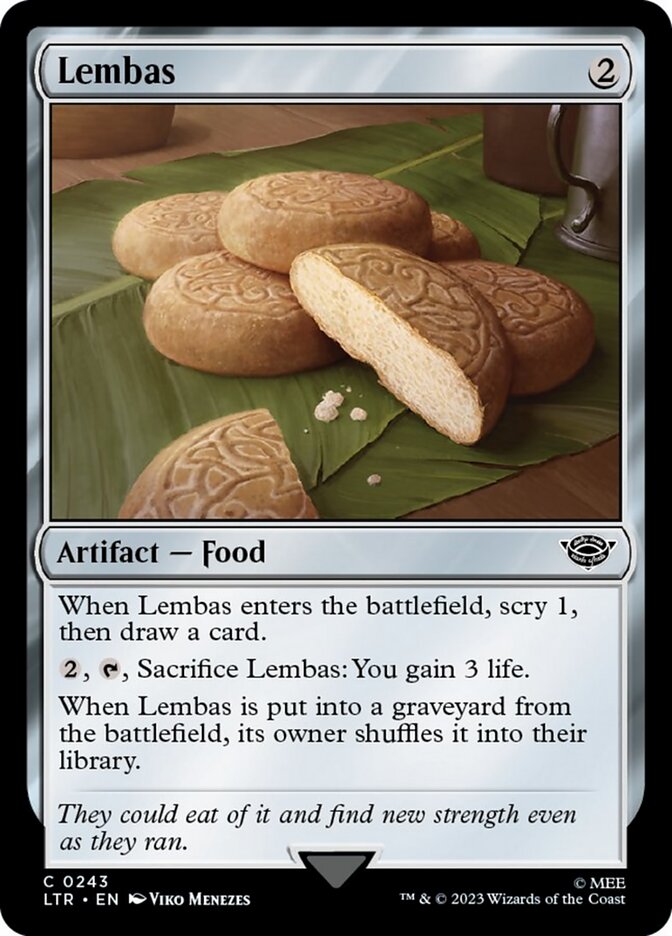


Gingerbrute is often used as a hasty 1-drop creature that can become nearly unblockable if you pay 1 mana, which can set up ninjutsu plays. Other notable food artifacts include Nutrient Block, Lembas, Instant Ramen, Carrot Cake, and Candy Trail.
Fortification
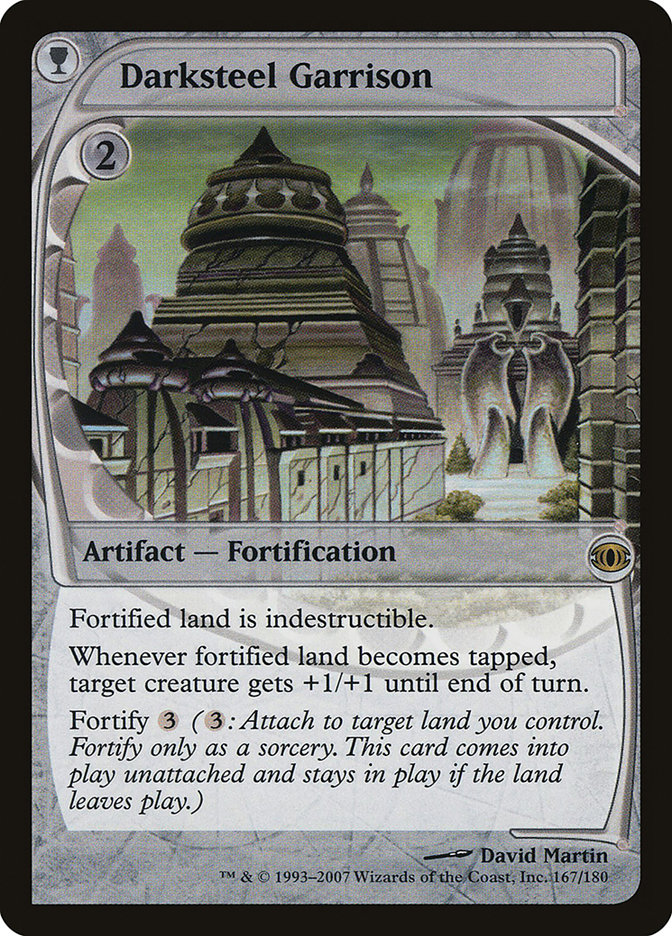

Fortification artifacts have fortify abilities that allow you to attach them to lands; they’re like equipment for lands if you squint. Darksteel Garrison was the first fortification, and it appeared in Future Sight as a hint of a potential new mechanic. The subtype wasn’t used again until C.A.M.P. in Fallout.
Gold

Gold artifact tokens are a precursor to Treasure tokens that don’t need you to tap them to sacrifice them. They first appeared in Born of the Gods.
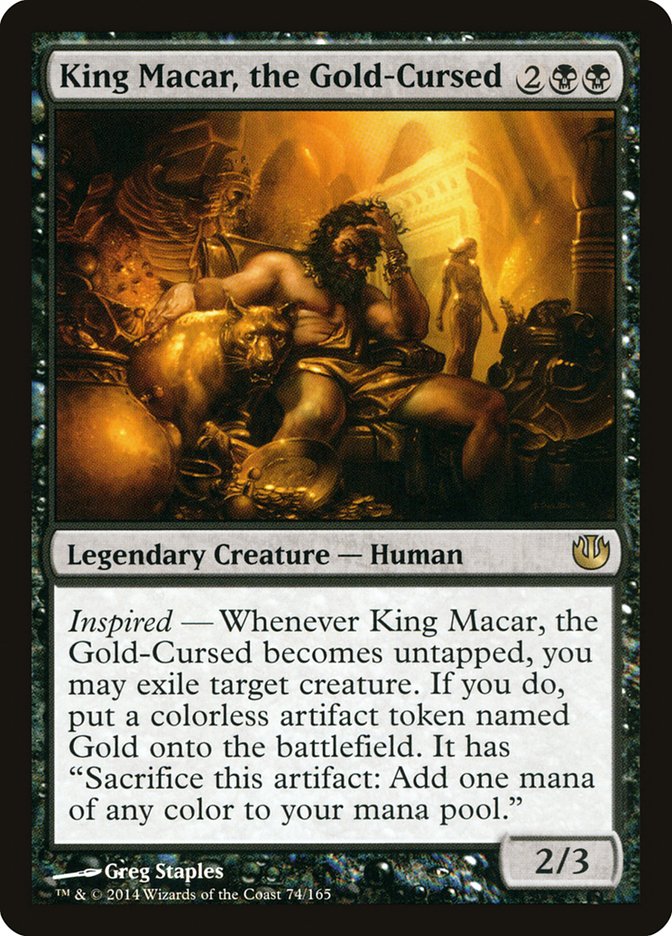
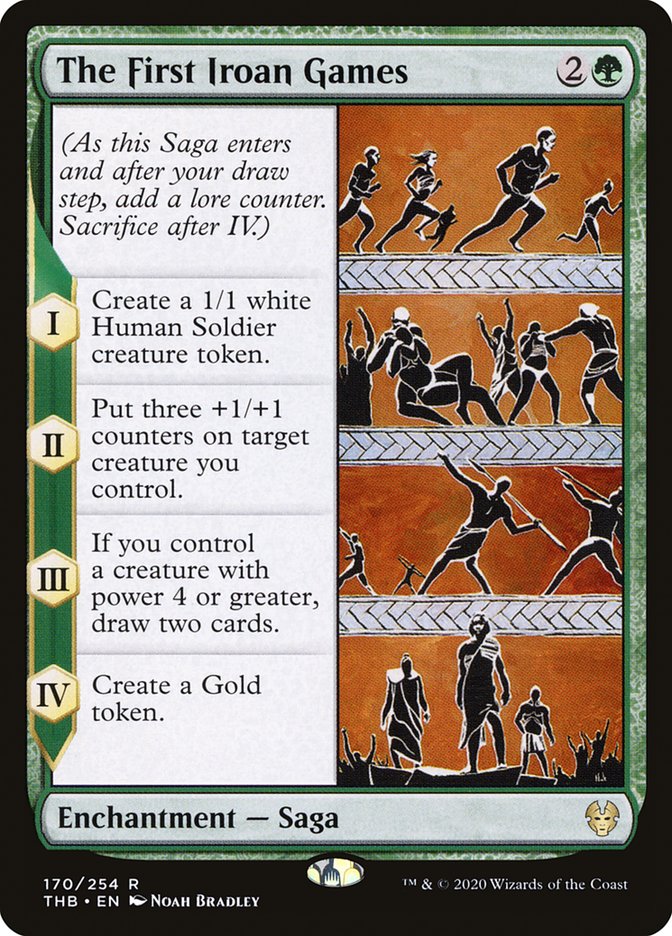

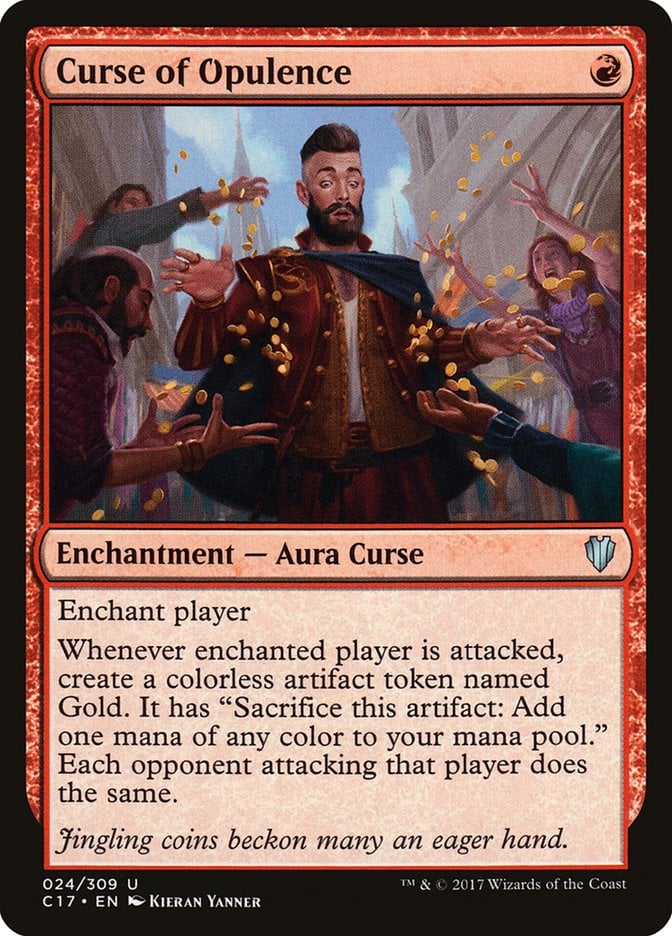
Only four cards in Magic create Gold tokens: King Macar, the Gold-Cursed, The First Iroan Games, Gild, and Curse of Opulence. Of these, only Curse of Opulence wasn’t originally printed in a set based on the plane of Theros.
Incubator
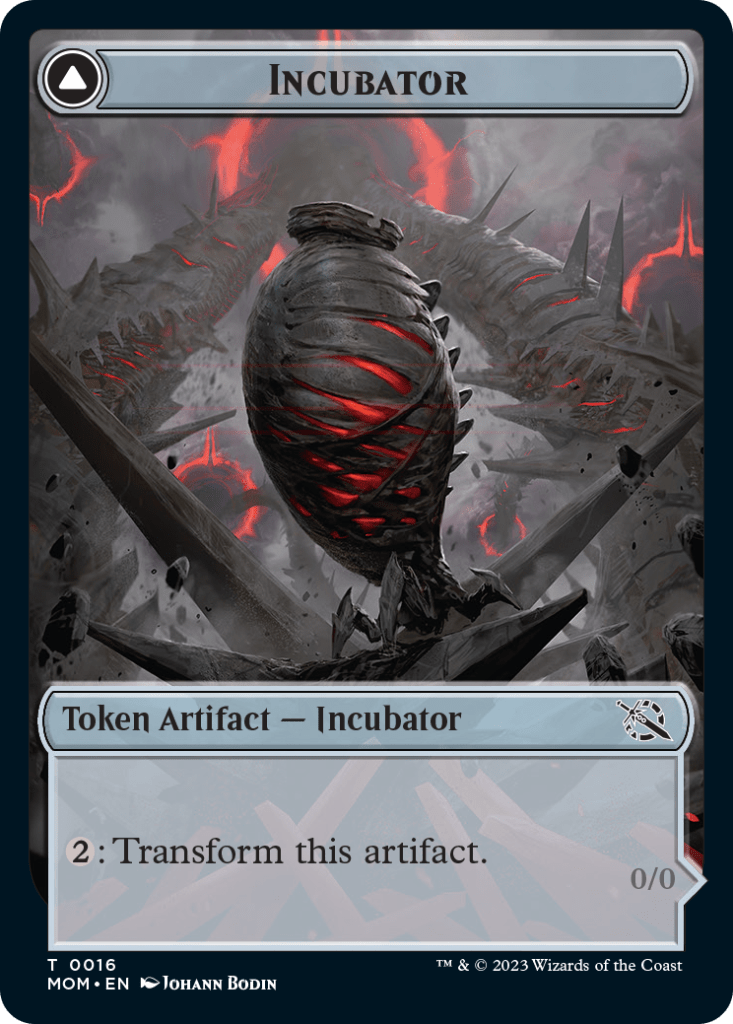
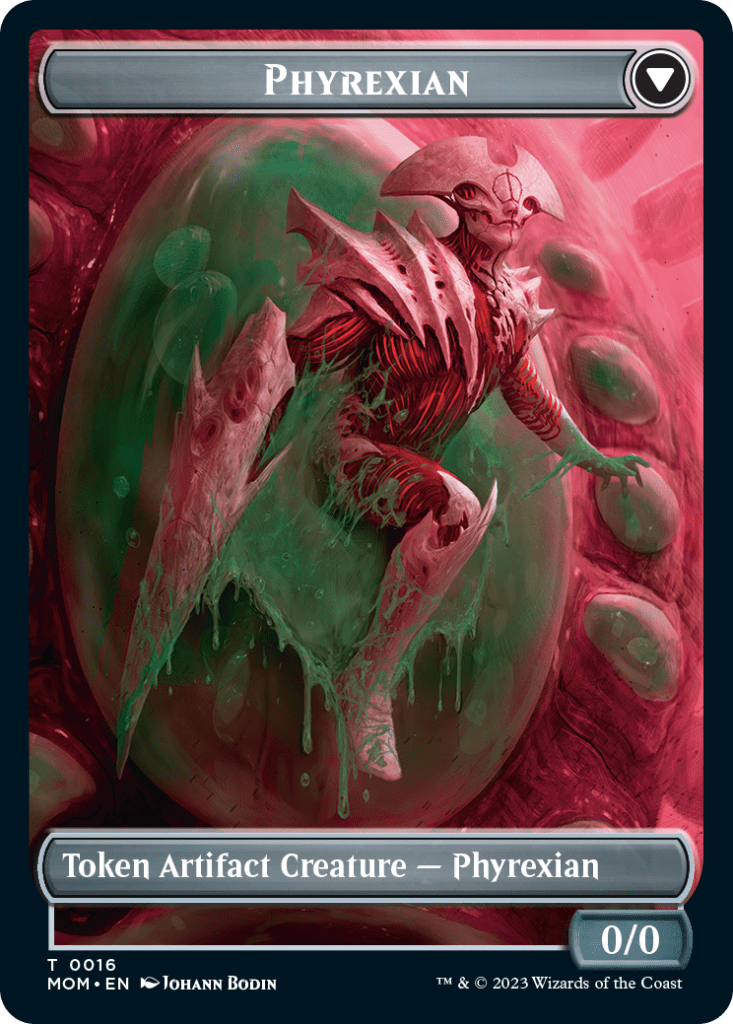
Incubator is a subtype that only appears on the dual-sided Incubator/Phyrexian tokens from March of the Machine. They are created by incubate abilities, which place +1/+1 counters onto the Incubator as they create the token. You can then pay to transform the Incubator into a 0/0 Phyrexian, though it keeps the +1/+1 counters to determine its power and toughness.
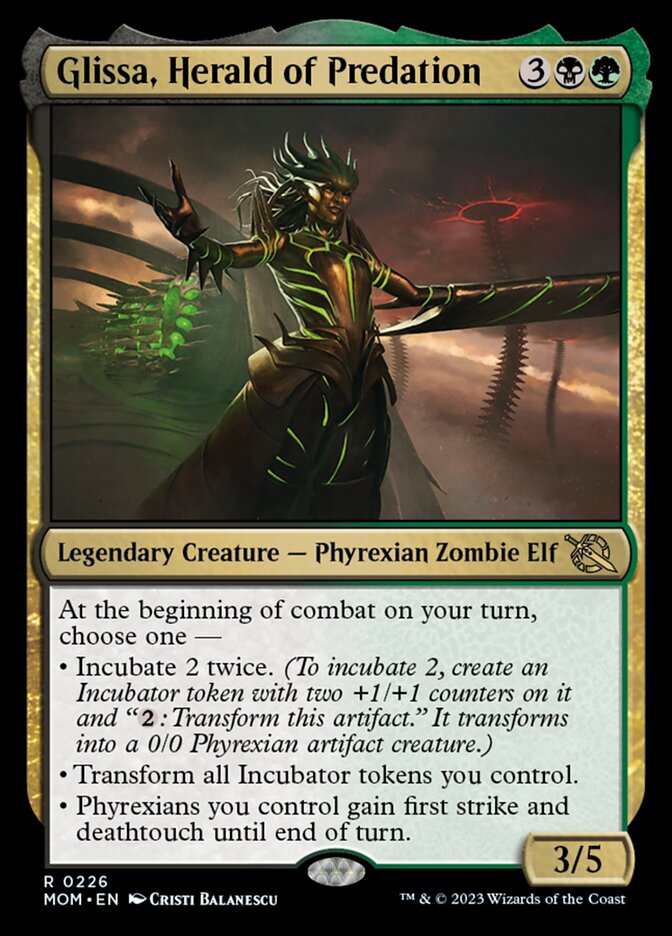
Glissa, Herald of Predation is notable because of its modal combat trigger that lets you incubate 2 twice (create two Incubator tokens with two +1/+1 counters), transform all your Incubator tokens into Phyrexians, or give all Phyrexian creatures you control (including tokens) first strike and deathtouch until the end of your turn.
Infinity

Infinity is one of two artifact types on The Soul Stone, the first Infinity Stone printed in Magic. Magic designers considered it a mistake to have “time lord” exist as one creature type, which is part of why “infinity” and “stone” are two separate types. It also allows for a future card that represents the Infinity Gauntlet to be an “infinity equipment”, so a card for a character like Thanos could specifically tutor for it in the same way that Shaun & Rebecca, Agents tutors for The Animus.
Junk
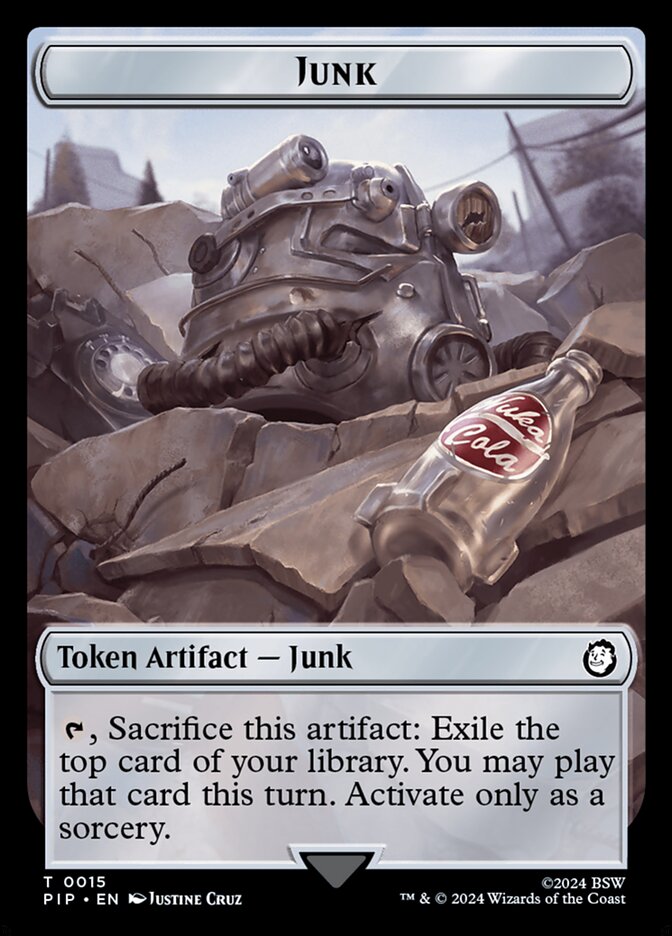
Junk artifacts are tokens made by multiple cards in the Fallout Commander decks. You can tap them and sacrifice them for some impulse draw, but only at sorcery speed.
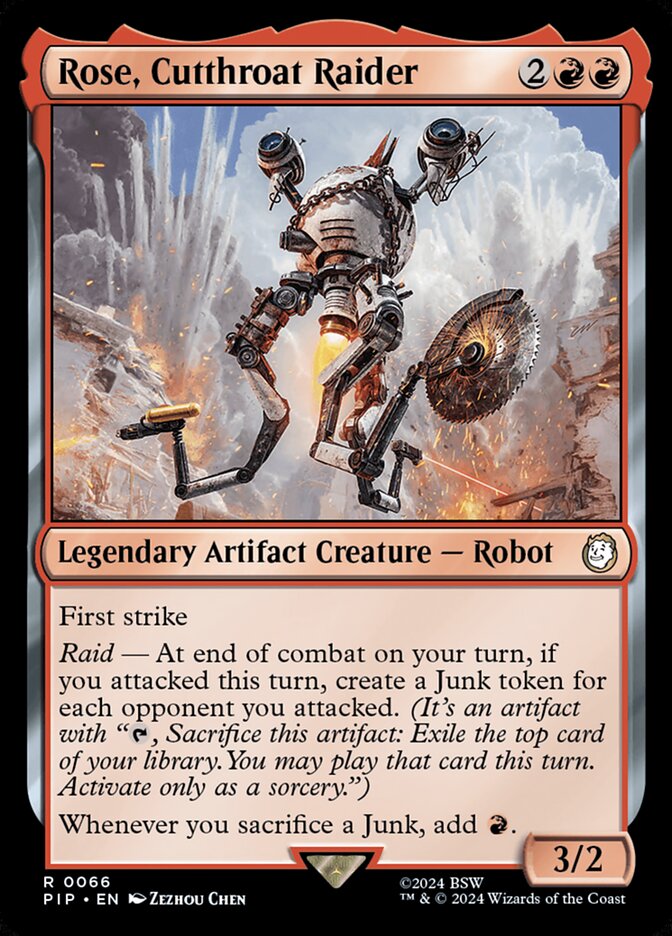
Rose, Cutthroat Raider is one of the best Junk producers and payoffs since it turns every Junk token you sacrifice into red mana, regardless of whether you sac it to its own ability or another.
Lander

Lander is a fairly recent addition to the pantheon of artifact tokens, found exclusively in Edge of Eternities and the accompanying Commander precons for now. It’s essentially Rampant Growth in token form, allowing you to pay , sac the Lander, and search your library for a basic land to put into play tapped.


Biotech Specialist and Horizon Explorer were the two most widely applicable cards that produce Landers.
Map
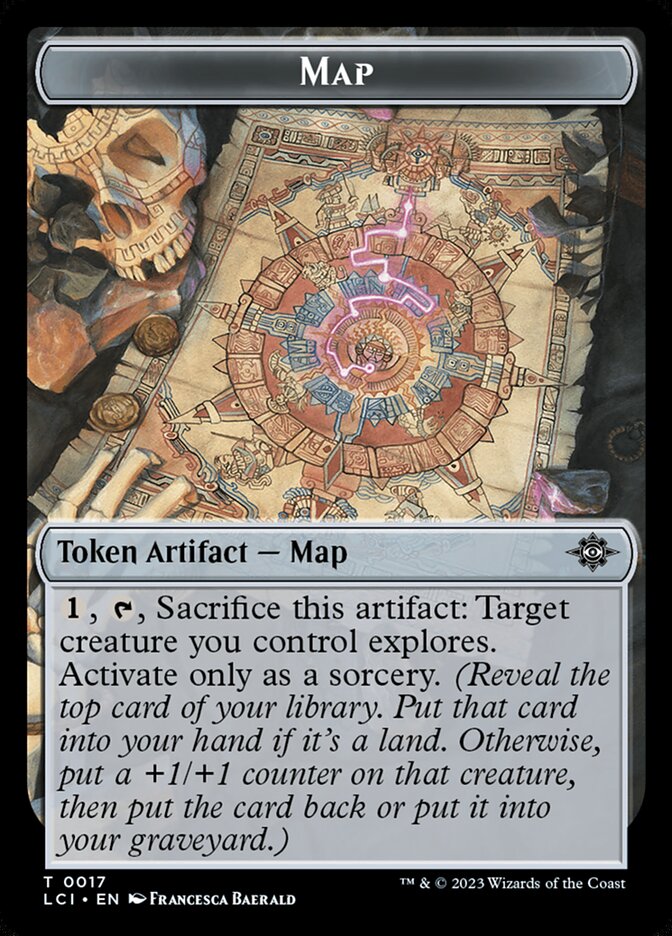
Map artifacts are a predefined token created mainly by cards from The Lost Caverns of Ixalan.
Maps let you pay 1 mana, tap them, and sacrifice them to have one of your creatures explore at sorcery speed. To explore, you reveal the top card of your library. It goes into your hand if it’s a land, but you either put it back on top of your library or into your graveyard if it isn’t. If you didn’t reveal a land, you also place a +1/+1 counter onto your creature. Note that explore targets, so you can’t make a creature with shroud explore (like if you equip it with Lightning Greaves).
Mutagen

Mutagen is an artifact token introduced in Teenage Mutant Ninja Turtles. They cost to activate, and put a +1/+1 counter on target creature. It’s an incredibly simple artifact type that fits tons of different strategies, like those involving counter synergies, or artifact/token payoffs.


This is the newest artifact type at the time of writing, with only three known cards creating them: Donatello, the Brains, Raphael, the Muscle, and Splinter, the Mentor.
Powerstone
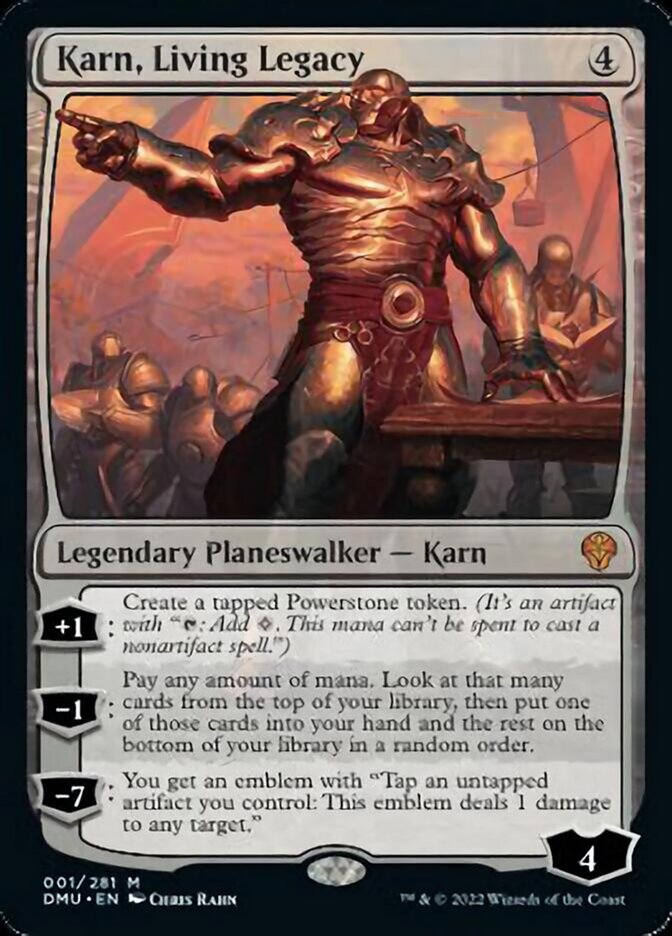
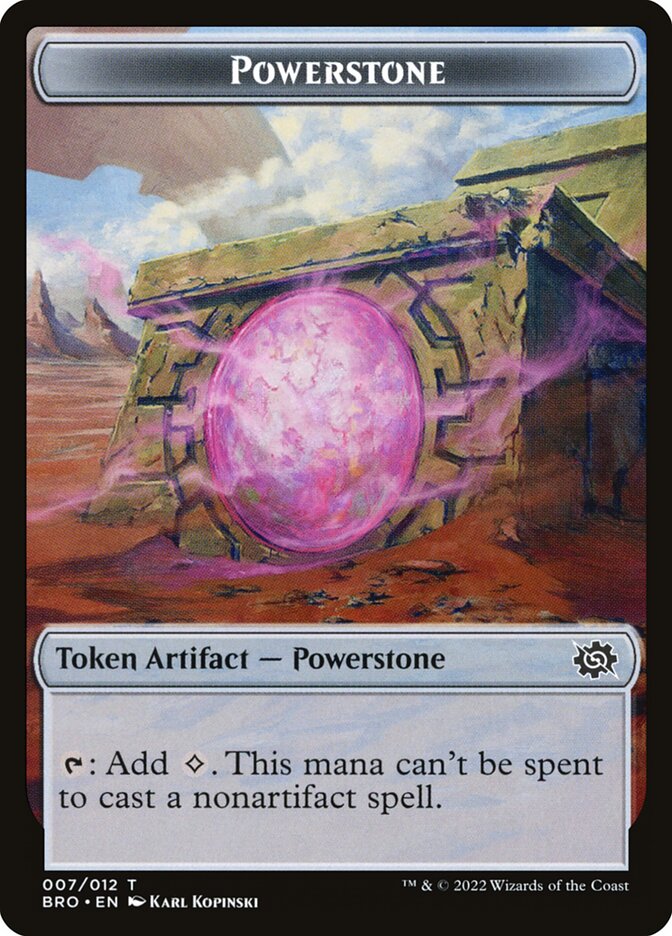
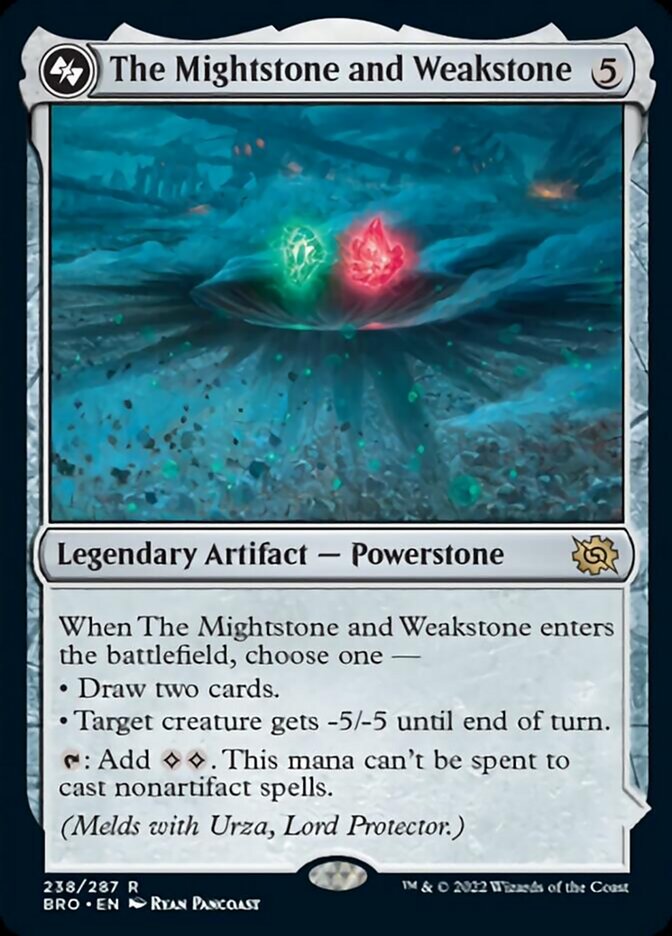
Powerstone is an artifact subtype introduced on Karn, Living Legacy in Dominaria United, and used more extensively in The Brothers’ War. It’s mainly found as a predefined Powerstone token that generates 1 colorless mana that you can only use on nonartifact spells, but The Mightstone and Weakstone is also a powerstone artifact.
Spacecraft


Spacecraft are an evolution of the vehicle card type introduced in Edge of Eternities to fit that set’s space flavor. Spacecraft have station abilities that let you tap creatures to add charge counters to them based on those creatures’ power, at sorcery speed. You can unlock abilities when you reach a specified number of charge counters, and most spacecraft become creatures when you unlock all of their station abilities (the exception is The Eternity Elevator, which doesn’t have power or toughness stats in its text box).


Notable spacecraft include Inspirit, Flagship Vessel, Exploration Broodship, The Seriema, and Dawnsire, Sunstar Dreadnought. Legendary spacecraft that have a power and toughness box can be your commander.
Stone
Stone is one of two artifact types introduced on The Soul Stone. “Infinity” and “stone” are separate types, which means that it’s possible that cards might interact only with infinity artifacts or only with stone artifacts.

Notably, The Terminus of Return, the Through the Omenpaths version of The Soul Stone on digital platforms, maintains the “stone” artifact type.
Terminus
Terminus is the Through the Omenpaths equivalent of the infinity artifact type. It appears on The Terminus of Return, the OM1 reskin of The Soul Stone for Magic: The Gathering Arena. It’s likely to return in the Through the Omenpaths reskin of Marvel Super Heroes and other Omenpaths sets on MTGA.
Vehicle
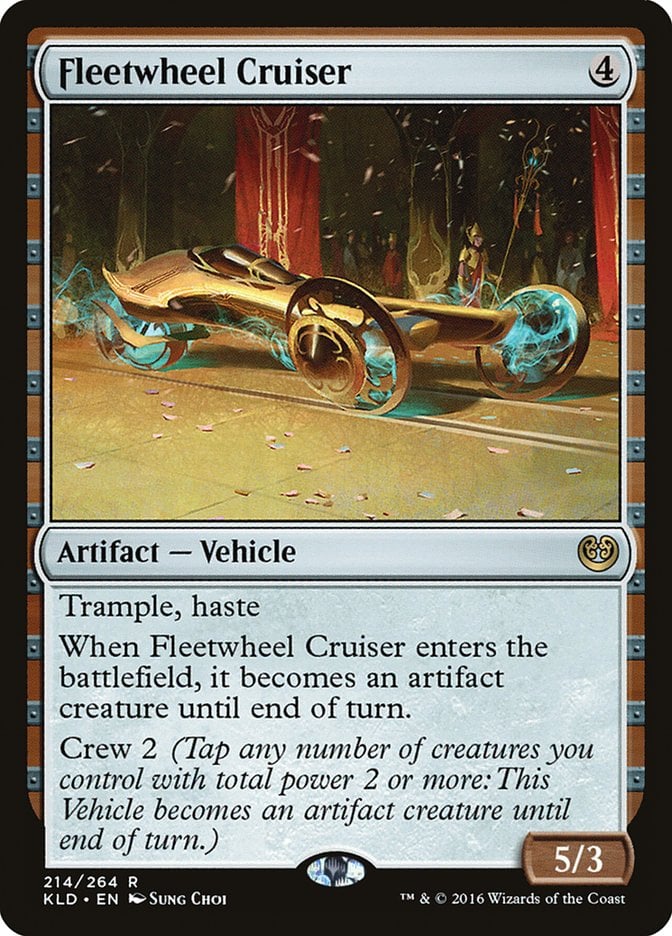
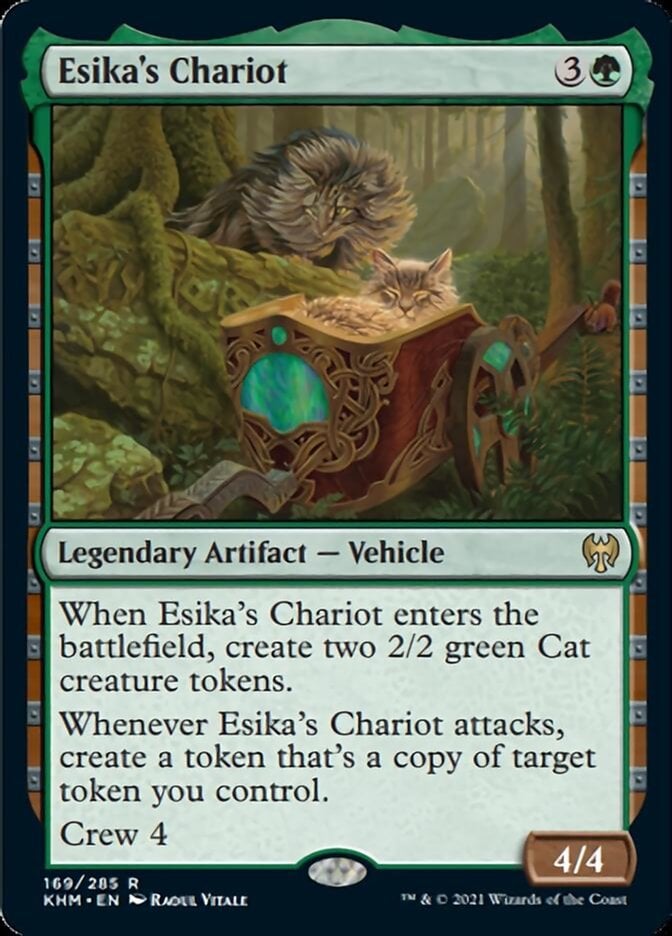

Vehicles are an artifact subtype introduced in Kaladesh. They’ve since become deciduous, or likely to return in sets that need them, but they aren’t as likely to return as evergreen mechanics.
Vehicles are artifacts with crew abilities, which lets you tap creatures with a certain total power to animate them until the end of that turn. Unlike spacecraft, you can crew vehicles at instant speed, which allows you to animate them as blockers.
Aetherdrift was a very vehicle-focused set, and the Buckle Up precon from Kamigawa: Neon Dynasty introduced many key vehicles and vehicle support cards to Magic. As of Edge of Eternities, legendary vehicles that have a power and toughness box can be your commander.
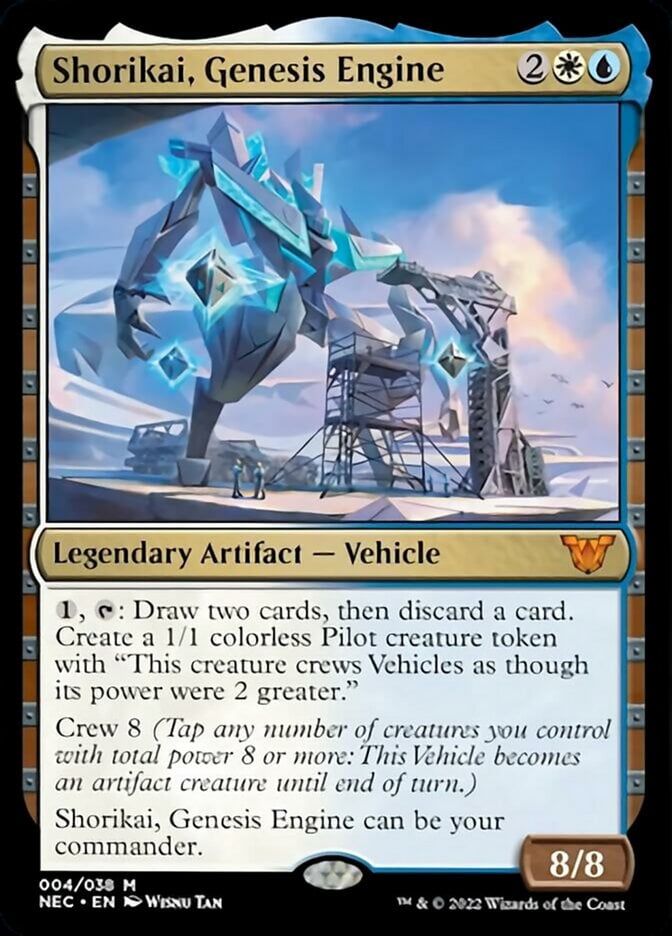
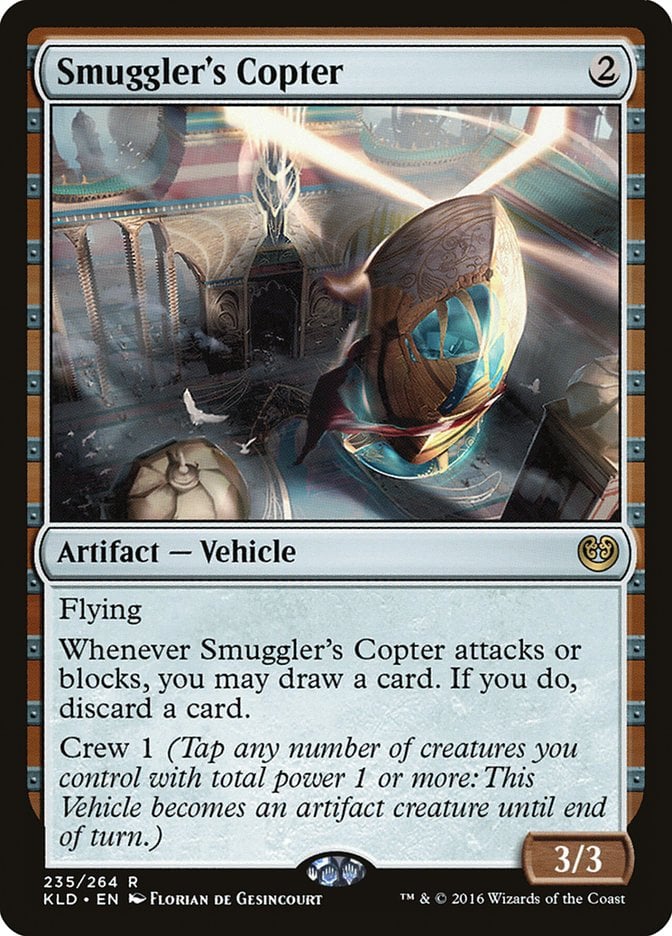

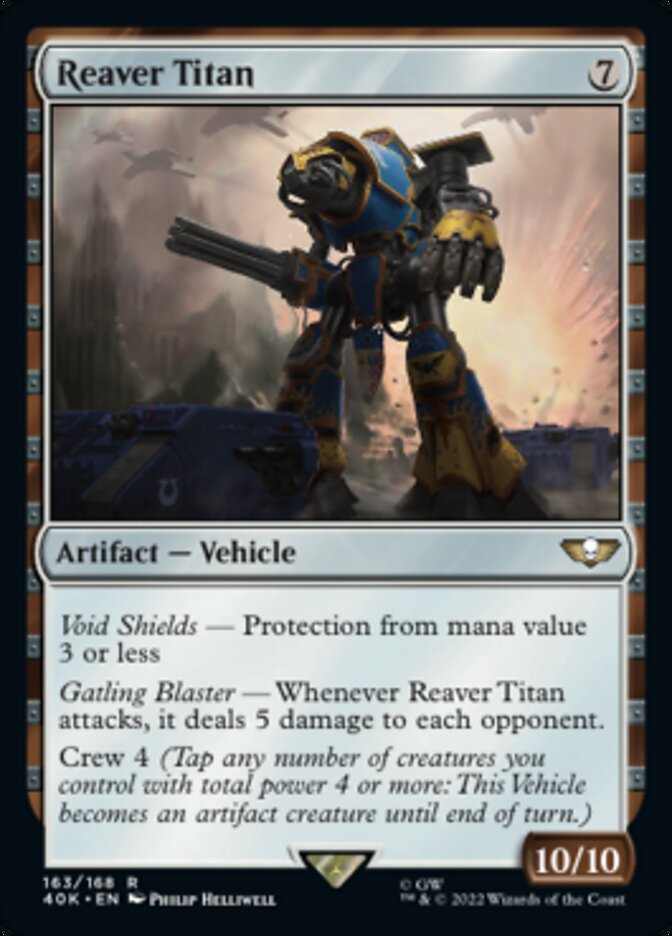
Some notable vehicles include Shorikai, Genesis Engine, Smuggler's Copter, Salvation Engine, and Reaver Titan.
Can I Choose Artifact as a Creature Type?
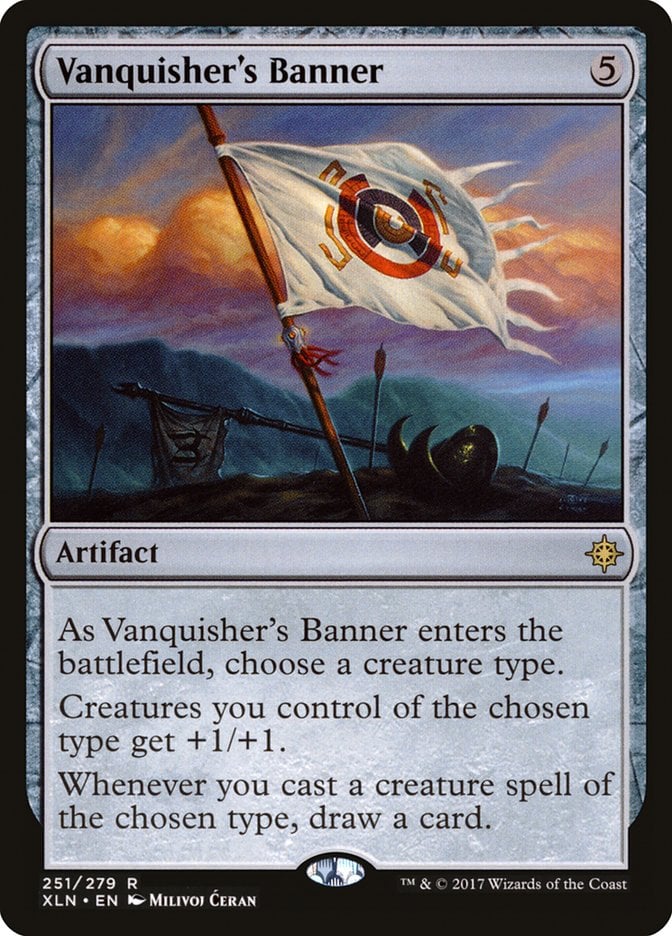
No. Artifact is its own card type, like creature, land, enchantment, instant, sorcery, etc. Any ability that wants you to choose a creature type, like Vanquisher's Banner, asks for a creature subtype, like elf, soldier, rogue, or goblin.
Can You Play Contraptions in Commander?

No, not unless you have a Rule 0 discussion with your pod. Cards that assemble contraptions are all silver-bordered, so they aren’t legal for sanctioned play. The only Commander-legal card that interacts with contraptions is Steamflogger Boss, which doubles your riggers’ assemble abilities.
Wrap Up

Gold | Illustration by Richard Wright
Artifacts offer up a lot of different kinds of utility, and many artifact subtypes are even playable as their own archetypes. Regardless of which of the more popular subtypes you build around, there are plenty of artifact payoffs to support that playstyle. I really hope we see more fortifications in the future because that still feels like under-explored design space.
Which of these artifact types do you like to build around? Which ones make you groan and shake your head? Let me know in the comments below or over on the Draftsim Discord.
Until next time, stay safe!
Follow Draftsim for awesome articles and set updates:










Add Comment