
Last updated on March 27, 2026

Herald of Hoofbeats | Illustration by Randy Vargas
Magic: The Gathering is fun but that other player is always trying to do something to mess with our good time. Countering spells, destroying creatures, and worst of all, blocking us.
Longtime readers will recognize me as our resident combat damage-head. I love to end games by turning all of my cardboard squares sideways and dealing combat damage with my army of creatures. Sadly, those blasted Hundred-Handed Ones running rampant through the format are destroying the delicate balance of the combat phase! How can we possibly evade that huge blocker?
Many creatures have built-in ways to get around blockers, either by flying over their heads, burrowing through the ground, passing through the Shadow Realm (or whatever’s happening to the shadow cards in Tempest), or otherwise making themselves unfavorable blocks. What are the best ways to avoid your opponents’ creatures? Let’s take a look at the best evasion available in Magic: The Gathering.
What Is Evasion in MTG?
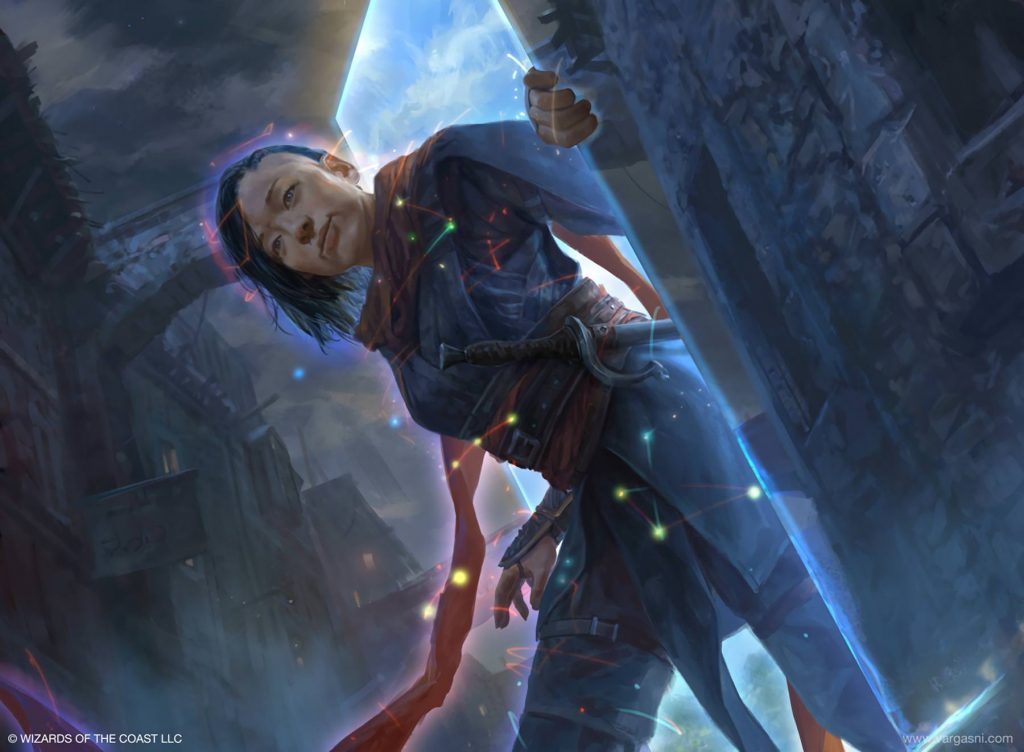
Tetsuko Umezawa, Fugitive | Illustration by Randy Vargas
“Evasion” is a broad term used to describe any effect that makes a creature unblockable, or at least harder to block. The concept goes back to the earliest days of Magic, with original evasion effects appearing as flying, trample, and protection on Alpha cards.
Evasion is often a static ability, but can be granted temporarily through spells like Jump or Dauthi Embrace.
Evasion doesn’t have to directly make a creature unblockable. Some forms of evasion simply change the math of combat enough that blocking becomes unfavorable for your opponent, and they’ll be more likely to let the damage through, or make blockers ineffective. Effects like deathtouch and trample fit into this category.
#22. Skulk

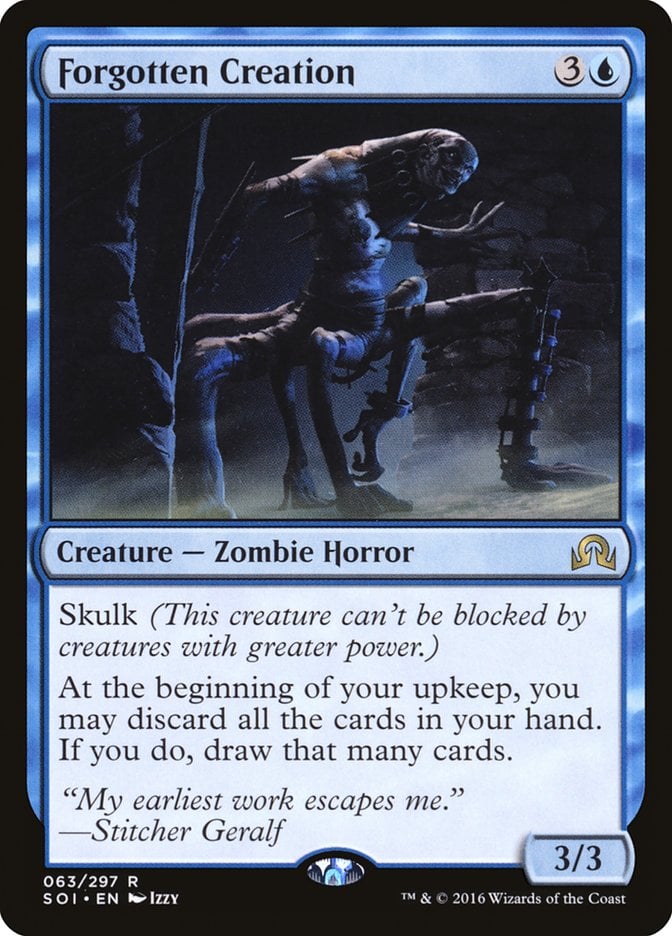
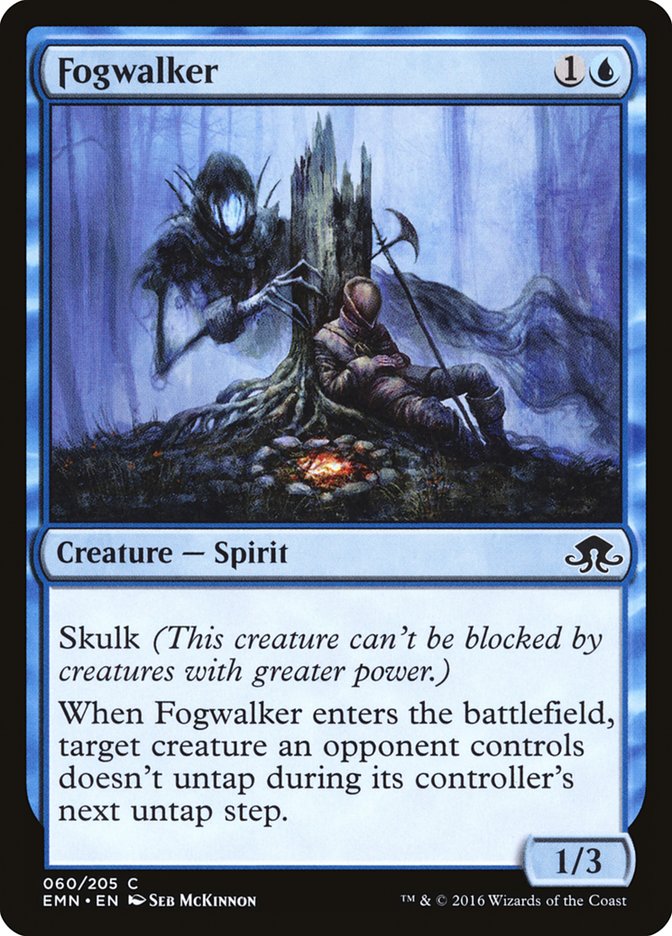
Skulk was introduced in Shadows over Innistrad. Creatures with skulk can’t be blocked by creatures with greater power. Skulk was designed with the intention to keep you from making an unblockable creature super-strong with auras, equipment, or other buffs.

Skulk isn’t very popular among players, and designers realized it had a much narrower design space than they originally anticipated. An un-keyworded version of skulk appeared as the first level of the “Ring Tempts You” mechanic from the Lord of the Rings Magic set.
#21. “Falter” and Bedlam

Blockers hate it! Discover this one easy trick to give every creature perfect evasion!
Bedlam is a 4-mana red enchantment from Urza’s Saga that states, simply: “Creatures can’t block.” That’s just about the long and short of it; if you’re looking to get into combat with your opponent and not their creatures, you can’t get much better than Bedlam.


The effect known as falter is one that’s been around for a long time on and off. Sower of Chaos is one of the simplest forms of this ability to designate one creature that can’t block. For 99.99% of the time, this is pointed at one of your opponent’s creatures, and if they have just one blocker, you’re now effectively unblockable. There are other forms of falter like how Gornog, the Red Reaper reminds cowards that they cannot block warriors. Ty Lee, Artful Acrobat is a bubbly example of a falter tied to an attack trigger.
#20. “Burrowing”
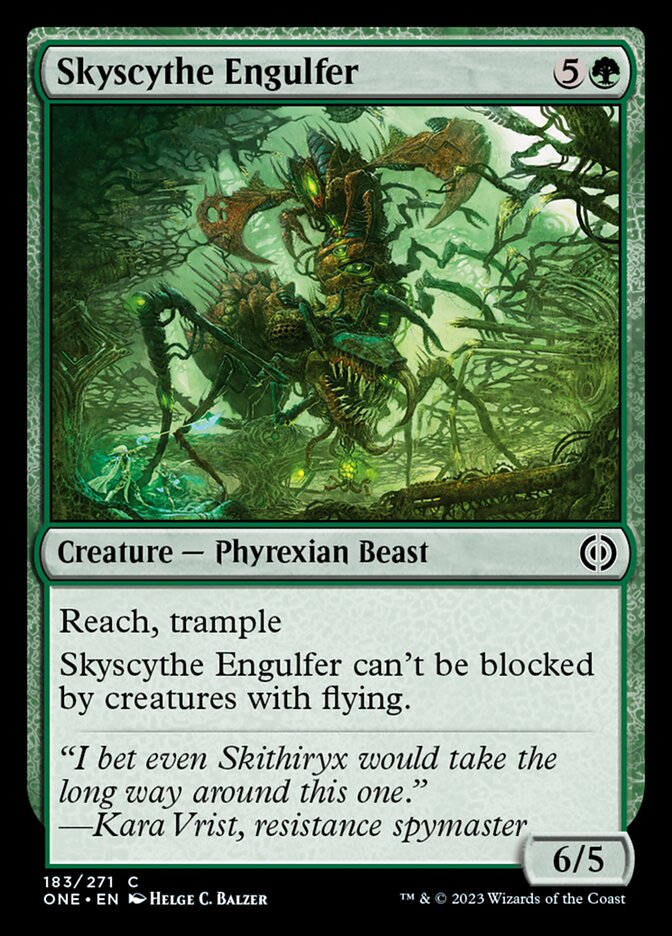
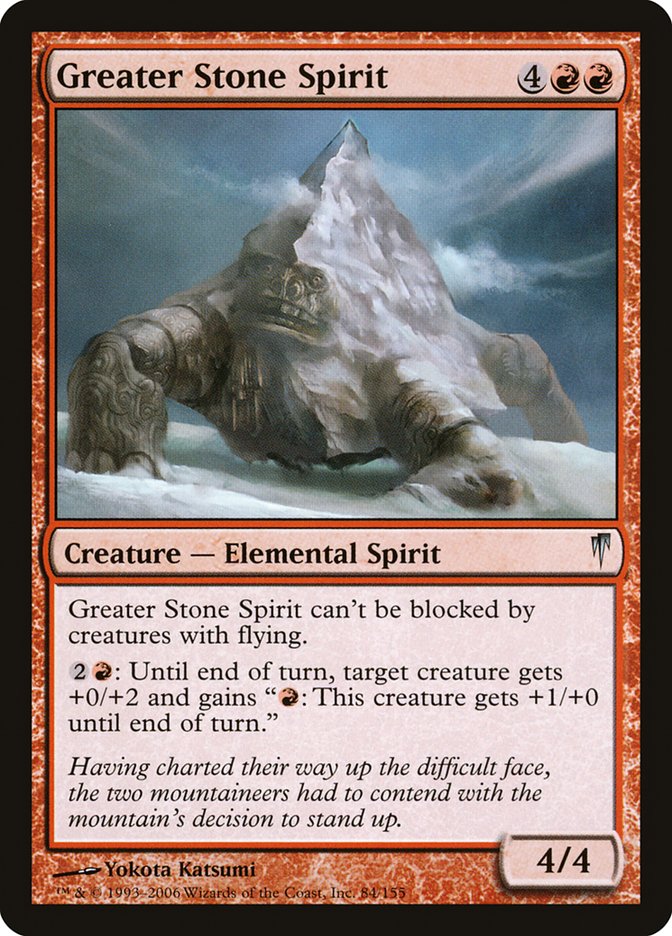
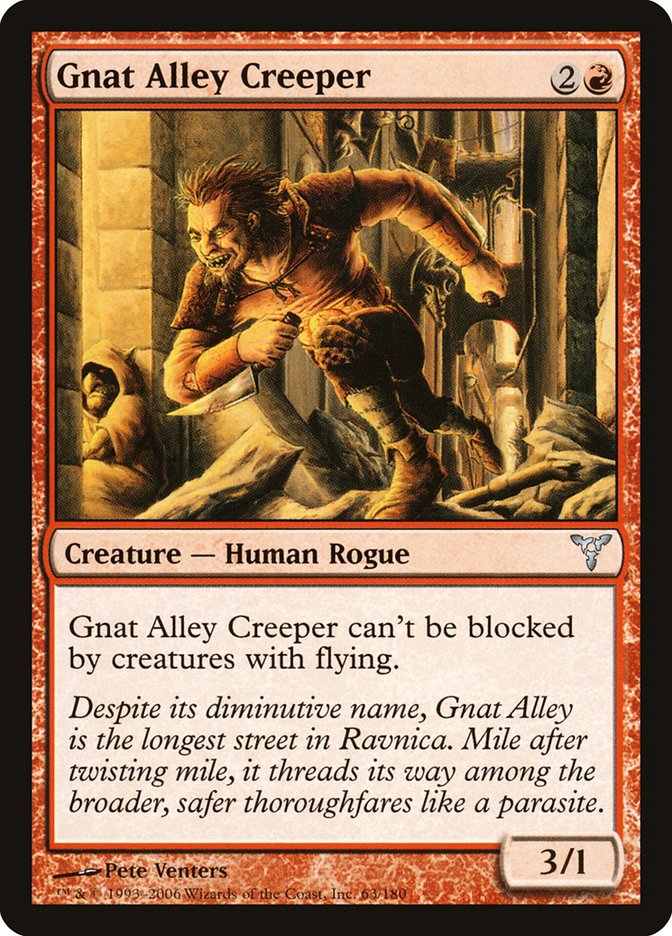
“Burrowing” is Magic slang for creatures that cannot be blocked by creatures with flying. Only four creatures have this effect baked-in, and two other permanents can grant it.
Burrowing isn’t super useful, and has more or less fallen off. It’s another of the “too swingy” forms of evasion where it often won’t mean anything in one match, and then overperform in the following one.
#19. Banding
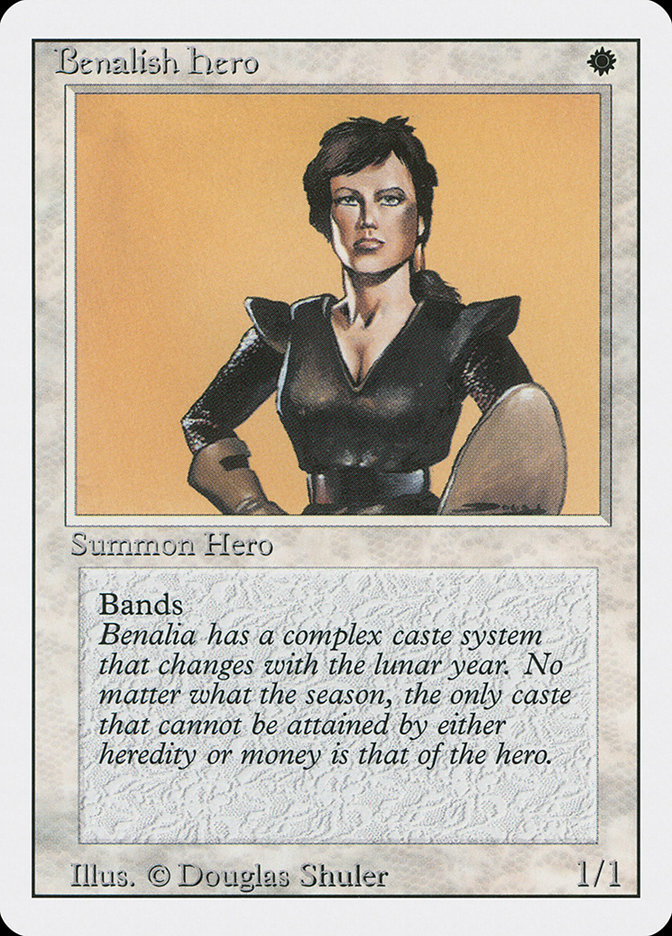
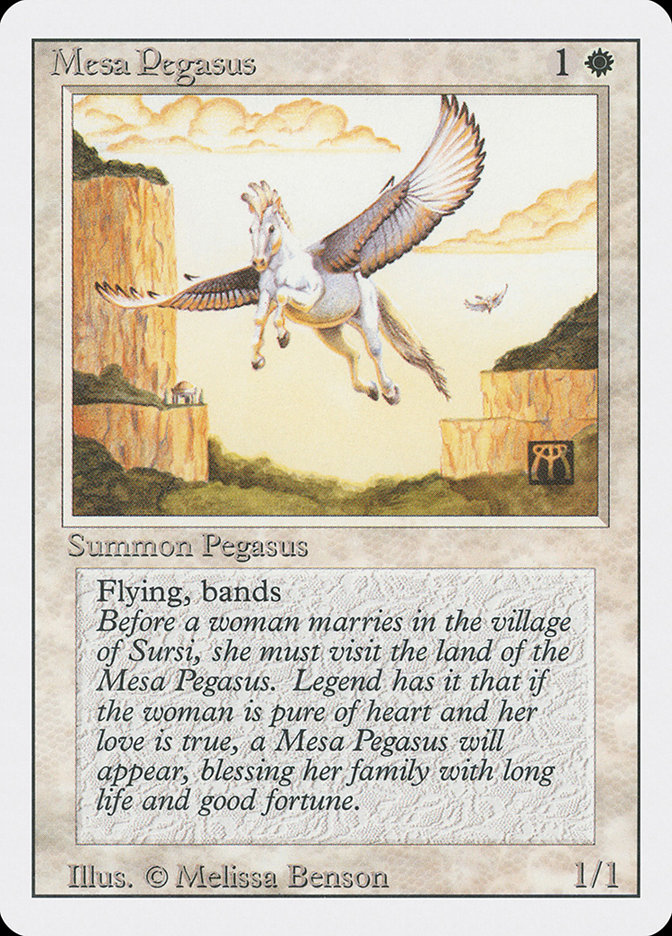
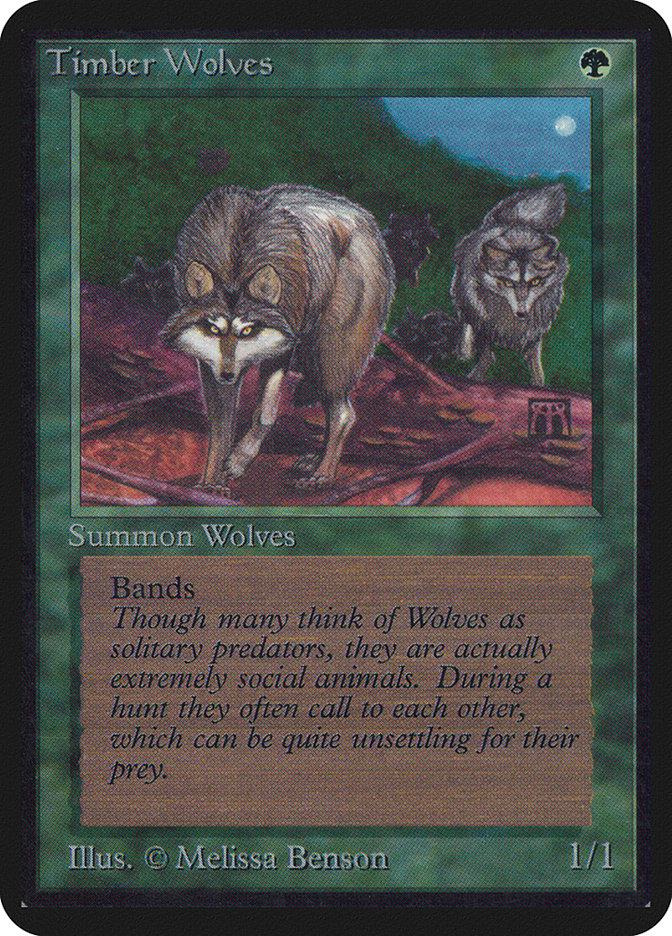
The infamous banding is technically evasion. Banding is a mouthful to go over, but I’ll do my best to simplify it in terms of evasion.
Banding allows any creature with banding, and at most one creature without, to attack in a “band.” The band can be blocked by any creature that could block a single creature in the band. Blocking any creature in a band blocks the entire band. If a creature with banding is blocked, the attacking player chooses how the blockers’ damage is assigned.
In the context of evasion, letting the attacker assign how blocker damage is dealt can completely change the math of combat. Suddenly, your opponent won’t be able to just “trade up” into your attacking creature when it’s protected by its band. This gives you more leeway to attack each turn without fear of repercussions in combat. Plus, you can threaten your opponents’ creatures with removal if they block a band with enough power to destroy the creature and more toughness than the blocker has power.
Of course, there’s also always the possibility that you start to explain how banding works and your opponent just decides not to block to save brain power.
#18. “Nimble”

Nimble is a playtest keyword mechanic printed on a single card from Mystery Booster 2: Brigid, Who's Seen Some Stuff. Nimble is similar to skulk, except it’s locked at creatures with power 3 or greater. This makes it notably more valuable than skulk, as the unblockable effect doesn’t scale with the creature’s power, letting you buff up Brigid and still swing with evasion.
#17. “Stalking”
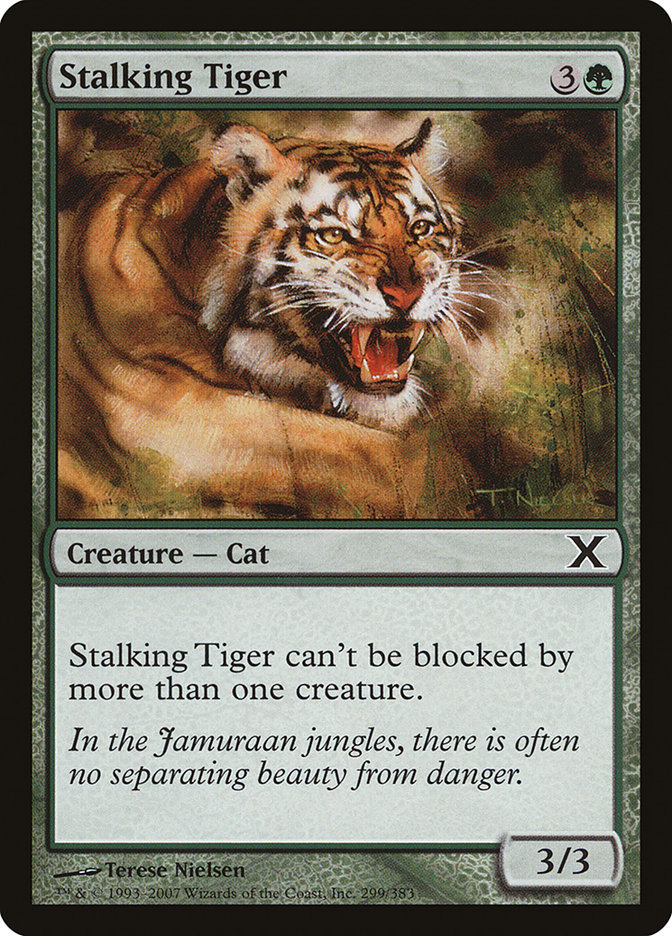
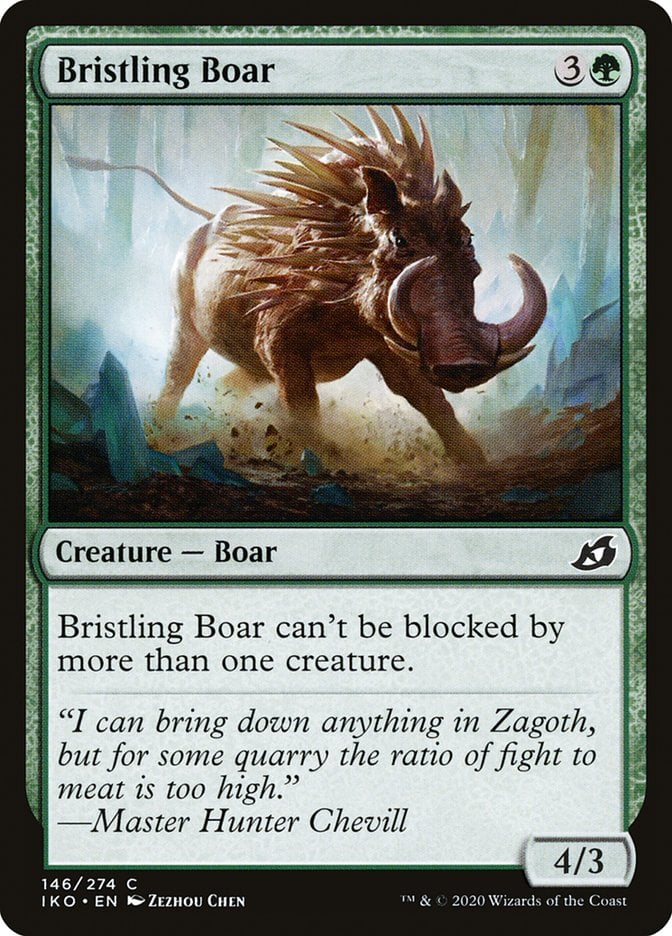

“Stalking” is another non-keyworded effect that shows up on green, red, and a few white cards. It gets its name from Stalking Tiger; creatures that “stalk” can’t be blocked by more than one creature. This helps save them from being double- or triple-blocked and dying from that army of 1/1 saproling tokens your opponent’s running.
Stalking is actually quite popular, though you’d be forgiven for not noticing. Despite only 67 cards having been printed with this effect, there have been four printed in the last year alone!
#16. “Can’t be blocked by…”
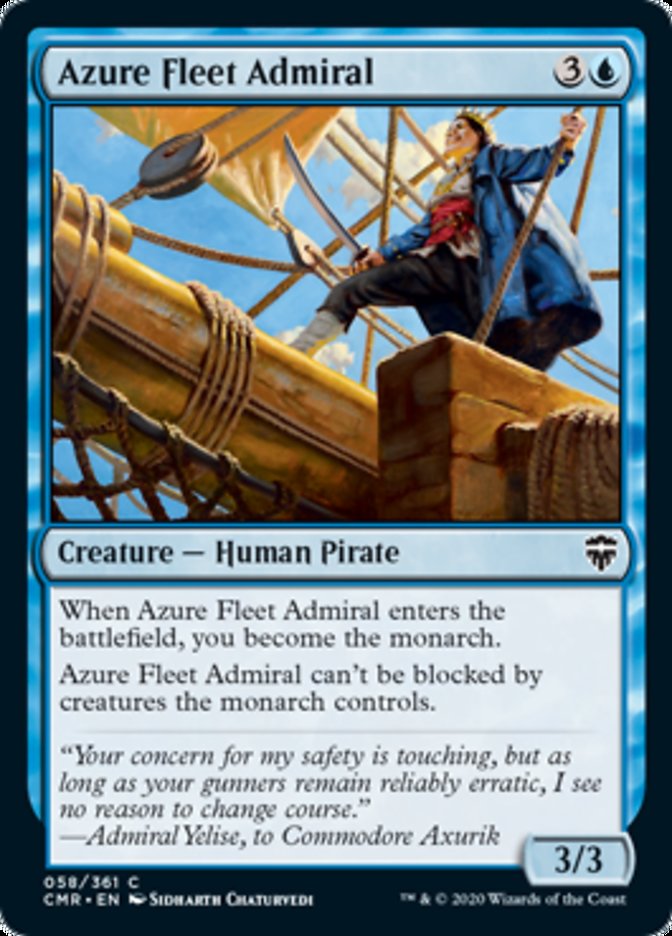
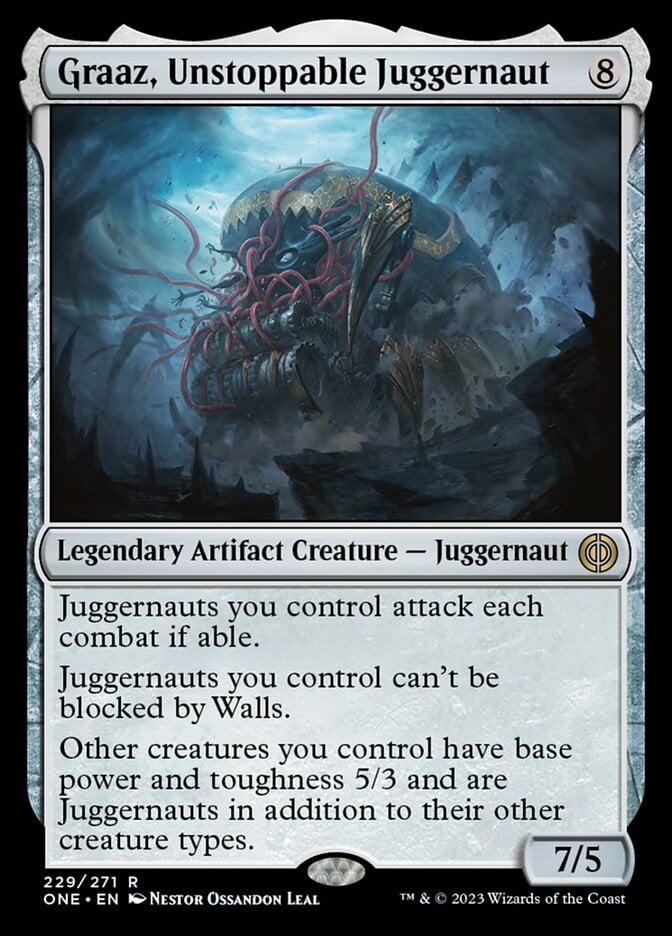
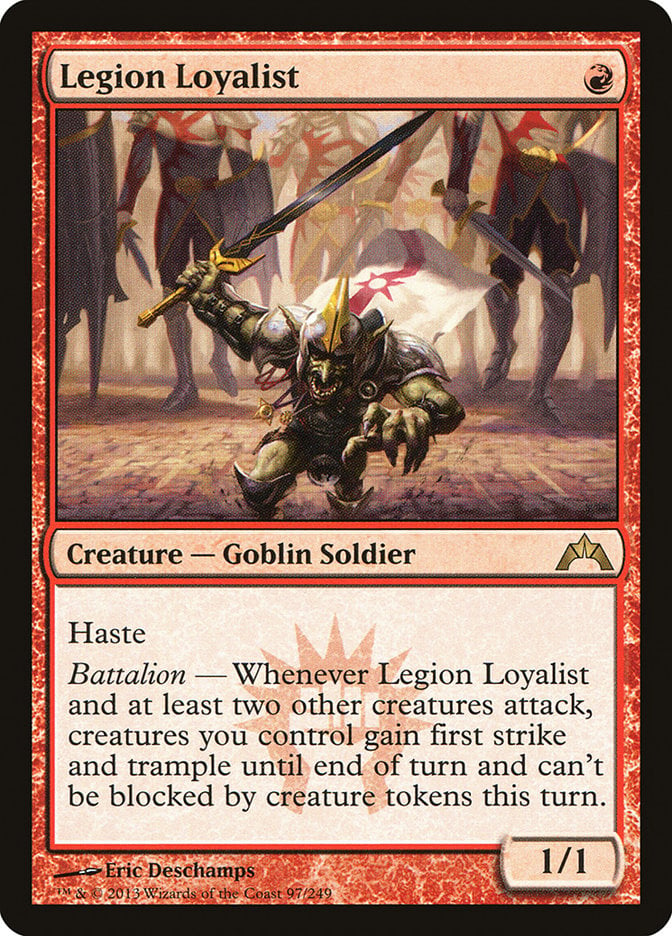
Some creatures can’t be blocked by creatures with specific types, colors, or other characteristics. For example, Azure Fleet Admiral checks to see if the opponent is the monarch, becoming unblockable if they are. Graaz, Unstoppable Juggernaut makes other juggernauts you control unblockable by walls. Legion Loyalist’s battalion effect makes your creatures unblockable by tokens.
These effects are very specific, and are usually only relevant in their respective meta. Some, like the Admiral, have a broader use in formats like Commander and Pauper, while others like Stromkirk Noble are best versus an opponent’s humans deck.
#15. Afflict
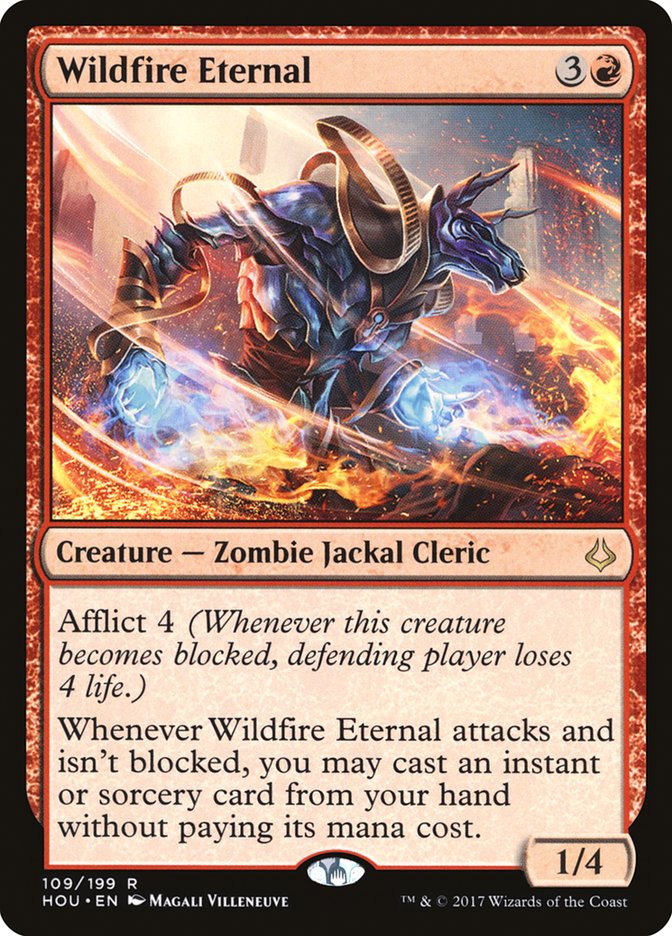
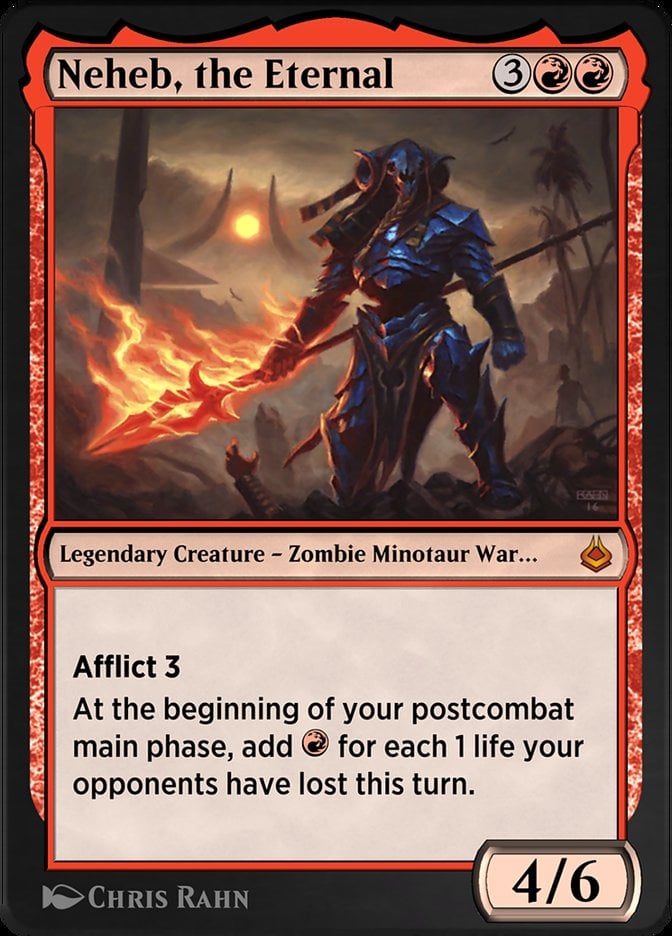
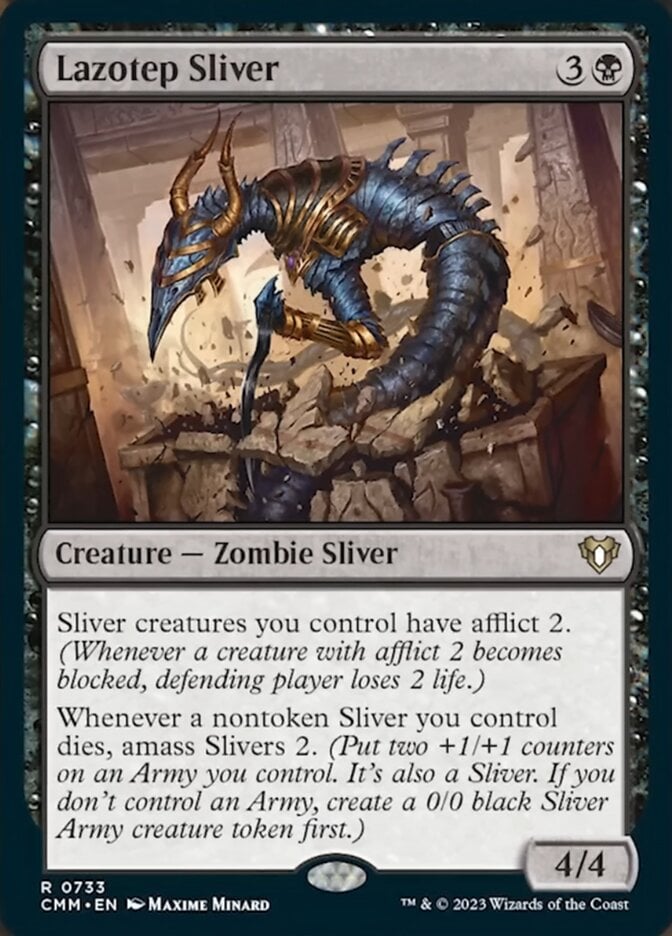
Afflict isn’t technically a form of evasion, but it does influence your opponents’ blocking decisions enough that it warrants a mention. Afflict is a triggered ability expressed as “Afflict N,” where N is an amount of life the opponent will lose when that creature becomes blocked. Afflict gets a guaranteed amount of damage through to your opponent, no matter if the creature is blocked or not. The best afflict cards are definitely Wildfire Eternal and Neheb, the Eternal, as both force your opponent to make a decision when blocking that could result in a worse outcome for them in the long run.
#14. Flanking
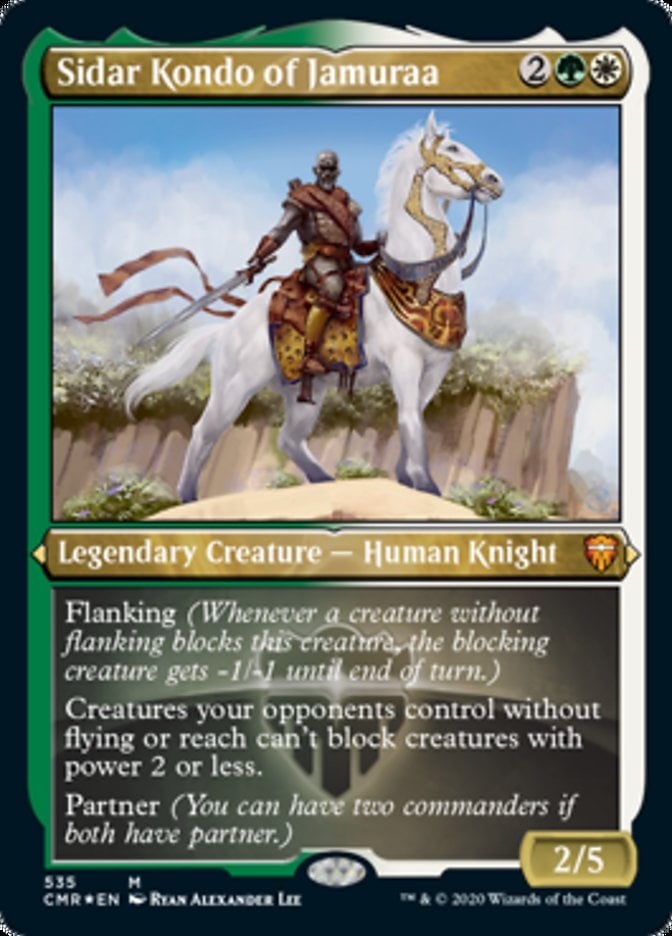
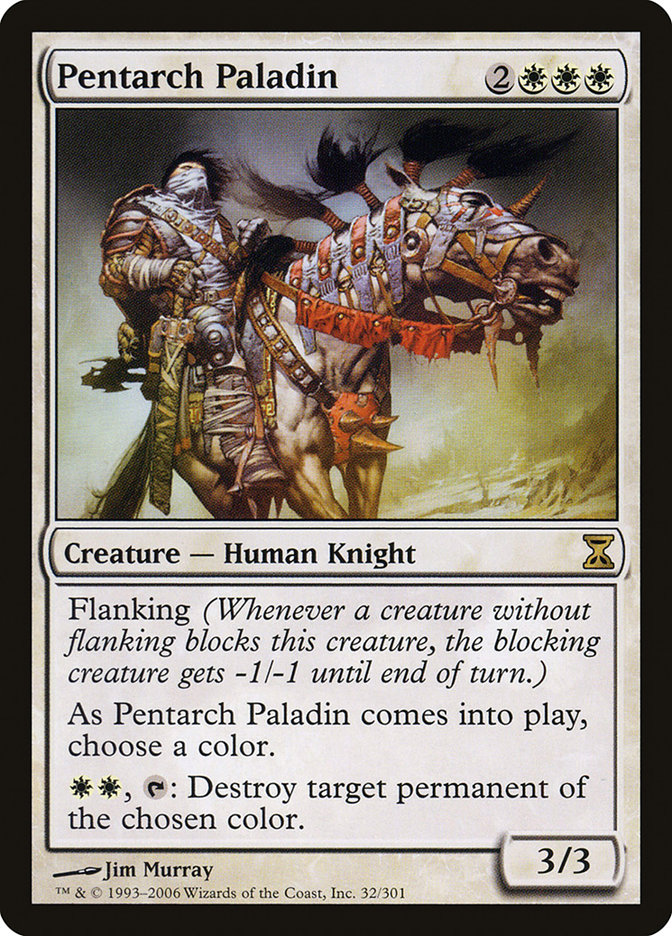
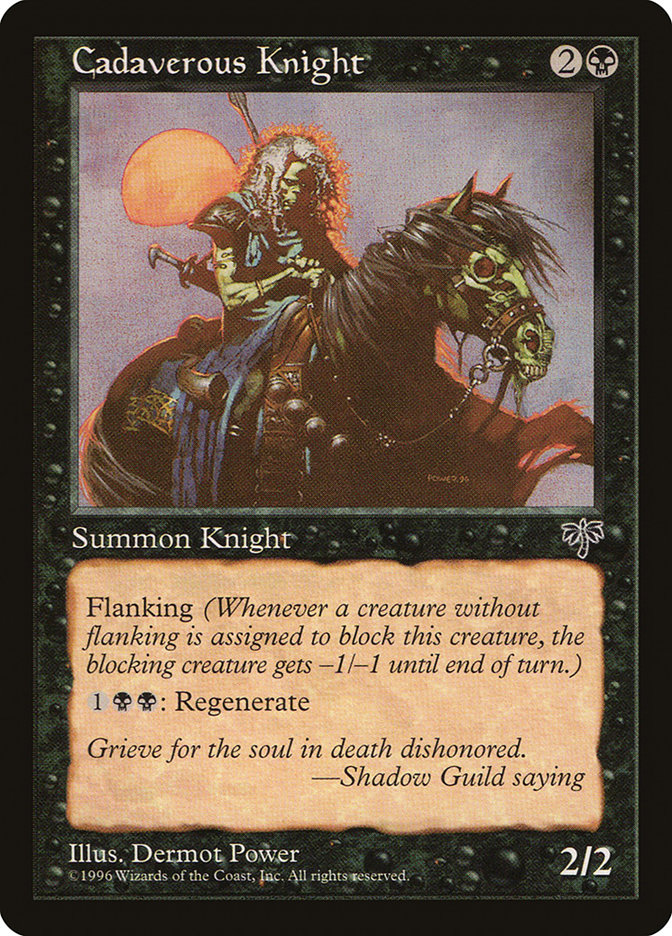
Flanking was introduced in Mirage, returned briefly in Time Spiral, and appears almost exclusively on knights and horse-riding creatures. It’s primarily found in white and red, but can be printed in any color. Whenever a creature with flanking becomes blocked, each creature blocking it without flanking gets -1/-1. Flanking creatures cannot “flank” each other.
This makes flanking excellent for removing 1/1 creatures that would otherwise chump-block your attacker, as well as killing those X/1 deathtouch creatures before they can deal any damage.
Flanking has been mostly deprecated, and instead reworked into black’s part of the color pie with Plague Wight. March of the Machine featured an unkeyworded version of flanking, as well, with Order of the Alabaster Host.
#13. “Daunt”
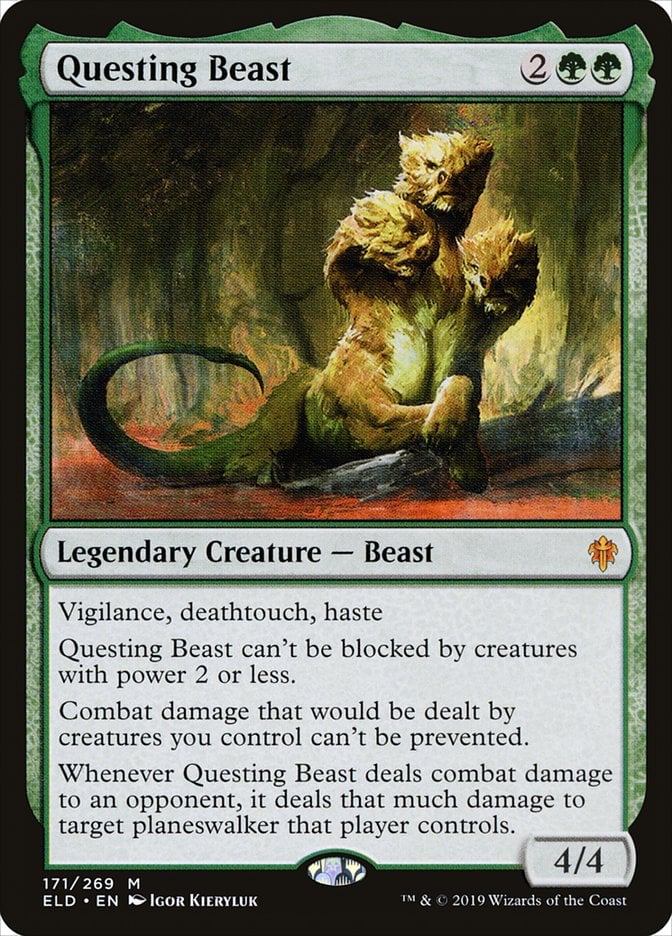
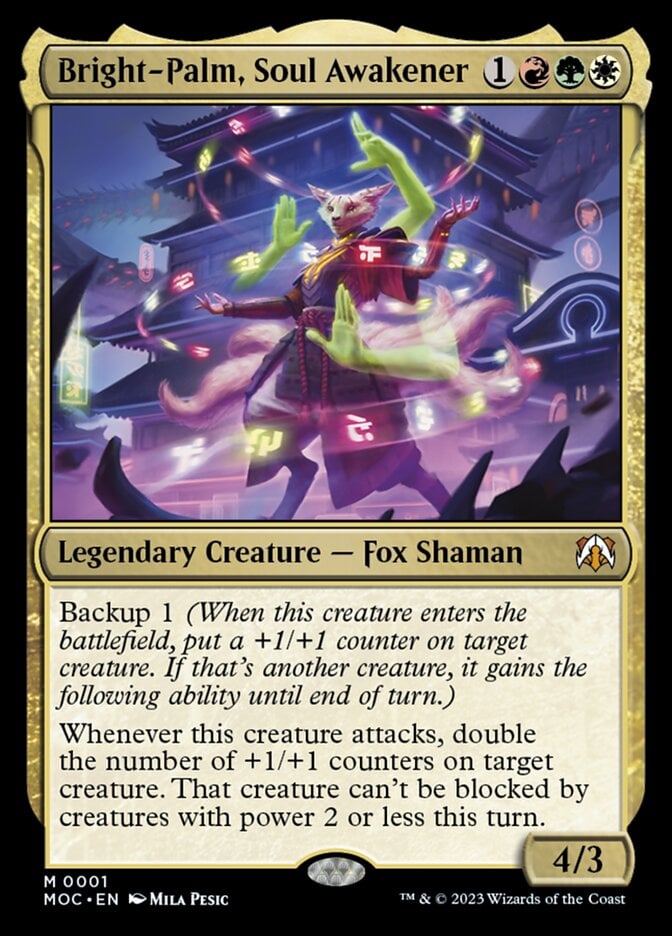

“Daunt” is a slang term used to refer to creatures that can’t be blocked by creatures with power 2 or less. This effect is useful for avoiding “chump” blocks, where an opponent can declare a measly little 1/1 to stop all of the damage from your 10/10 Gigantosaurus.
Daunt’s incredibly useful when playing against “go-wide” token decks. Many creature tokens are small 1/1s without abilities, making them perfect for sacrificing in combat to stop your attacks. Daunt creatures effectively shut down those strategies.
#12. Fear
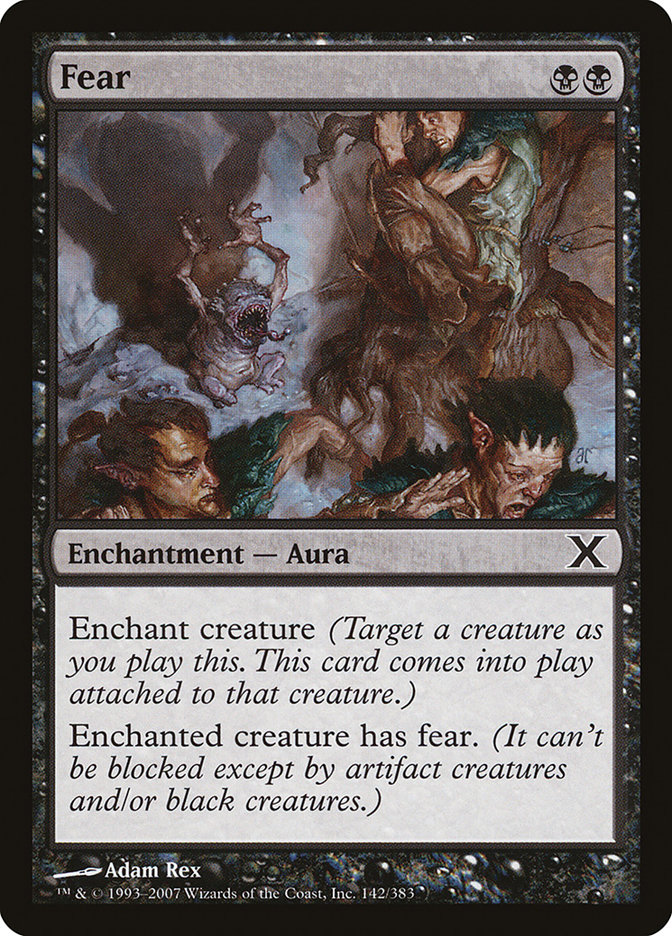
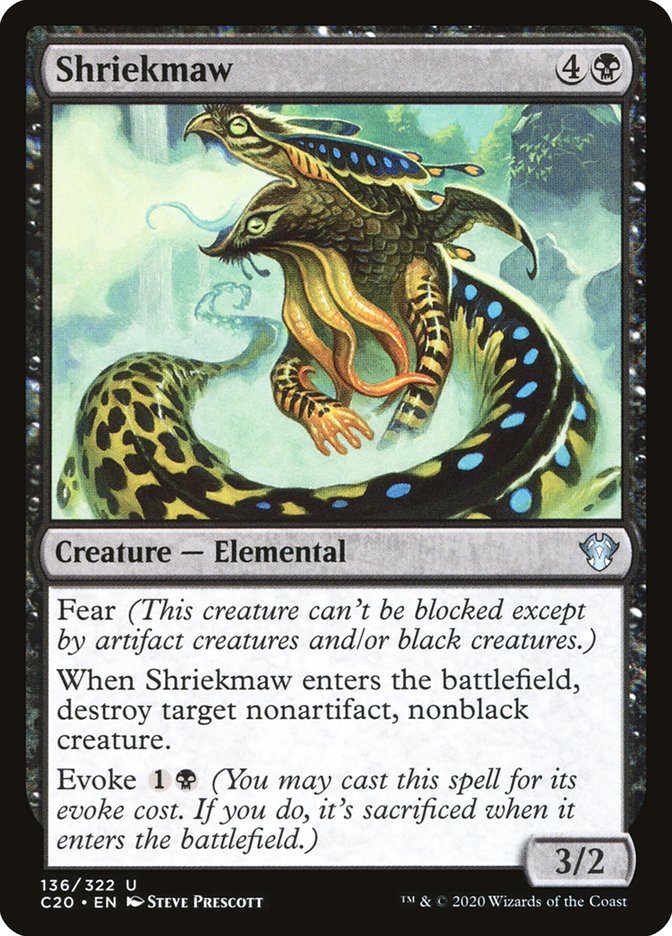
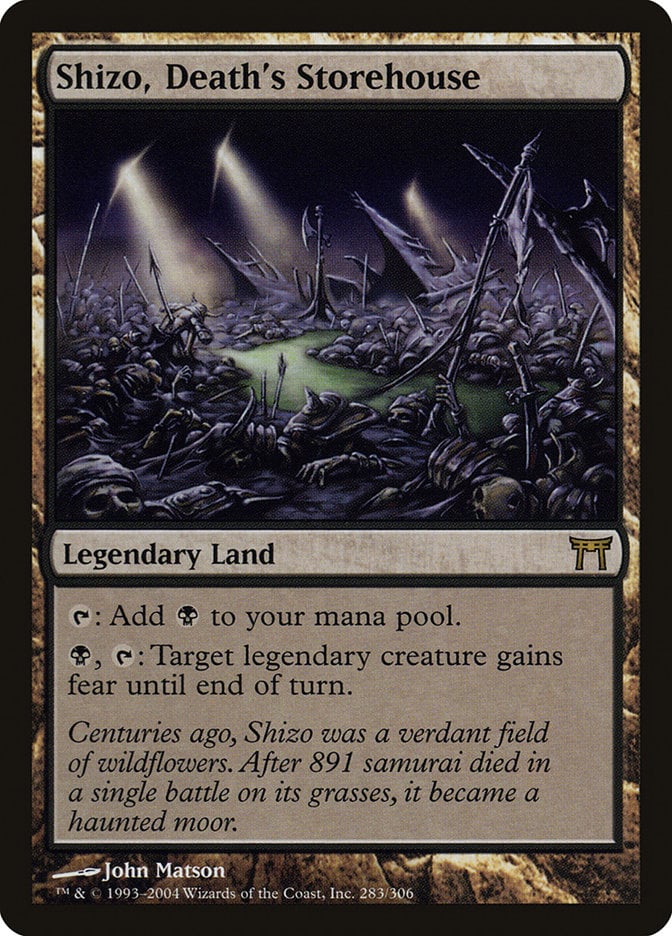
Fear was a prototype of intimidate, appearing on black cards as early as Alpha on the aura Fear. Creatures with fear can’t be blocked except by black creatures or artifact creatures, representing the terrifying monsters that black can summon.
Fear was a very narrow effect locked into black and artifact cards, and suffers from the same problems intimidate does. It’s too swingy as a color-dependent form of evasion.
#11. Intimidate
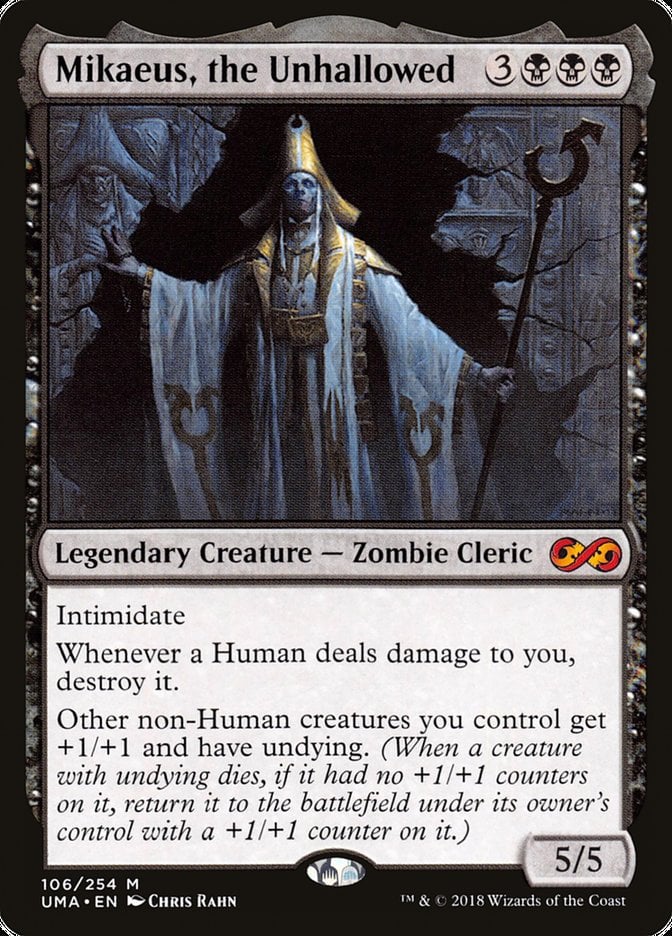
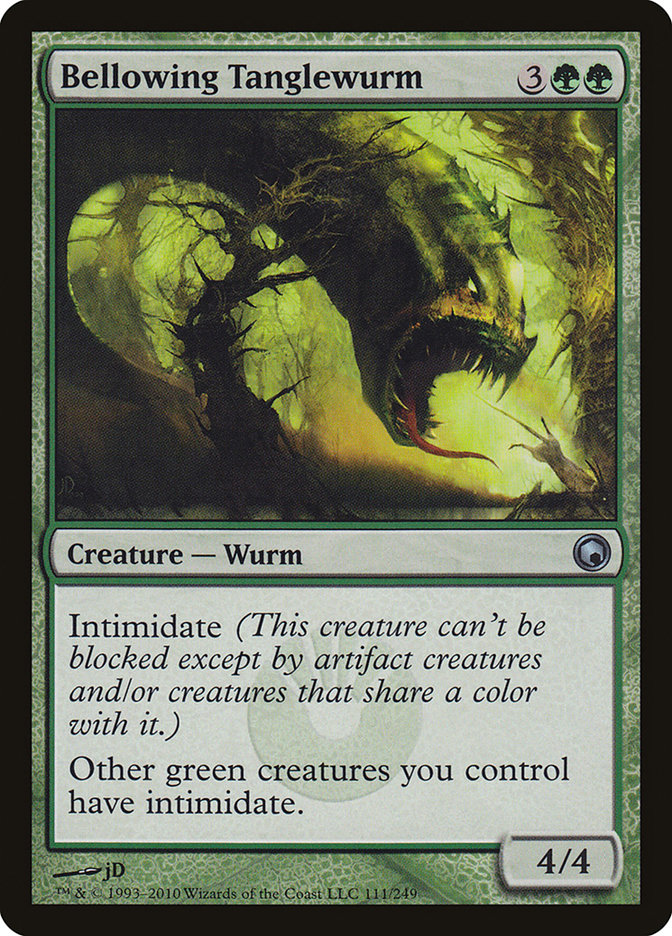
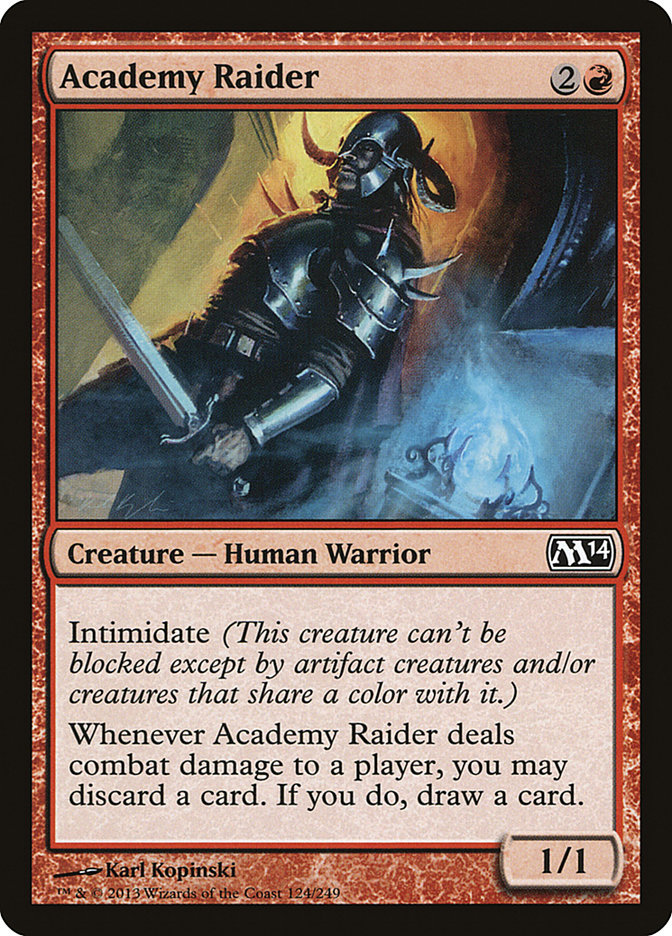
Intimidate was a broader form of fear introduced in Zendikar. Intimidate works the same as fear, except it’s been released from the bounds of black-only and now applies to any creature that shares a color with the intimidate creature. The keyword has since been abandoned, criticized for being swingy in matches where intimidate creatures either severely underperformed or overperformed depending on the match-up. They weren’t impactful enough to run in a sideboard as a color-hoser, and they typically don’t come with any built-in protection.
Intimidate was abandoned with Magic Origins.
#10. Menace
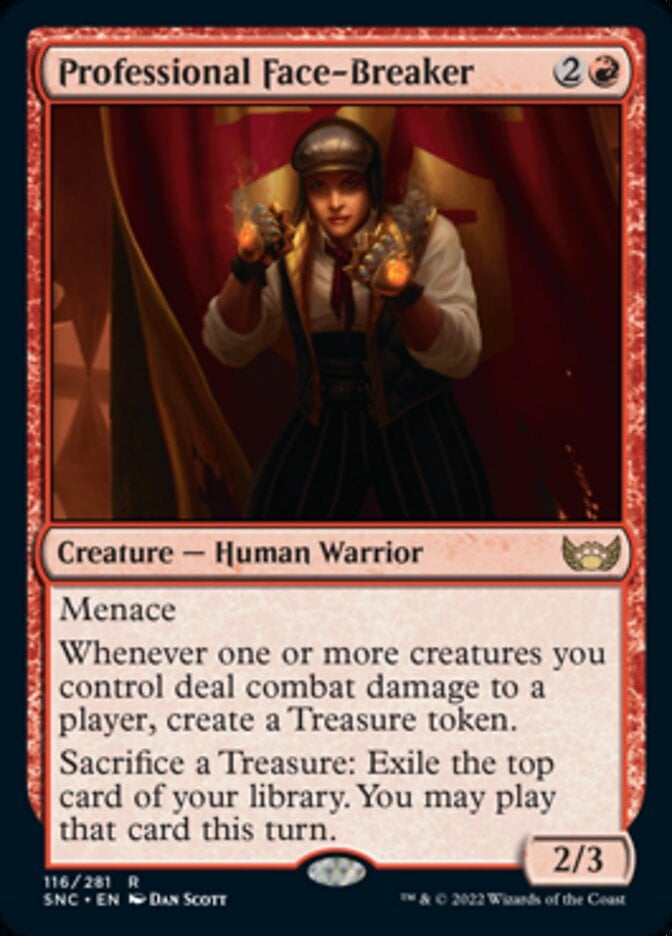
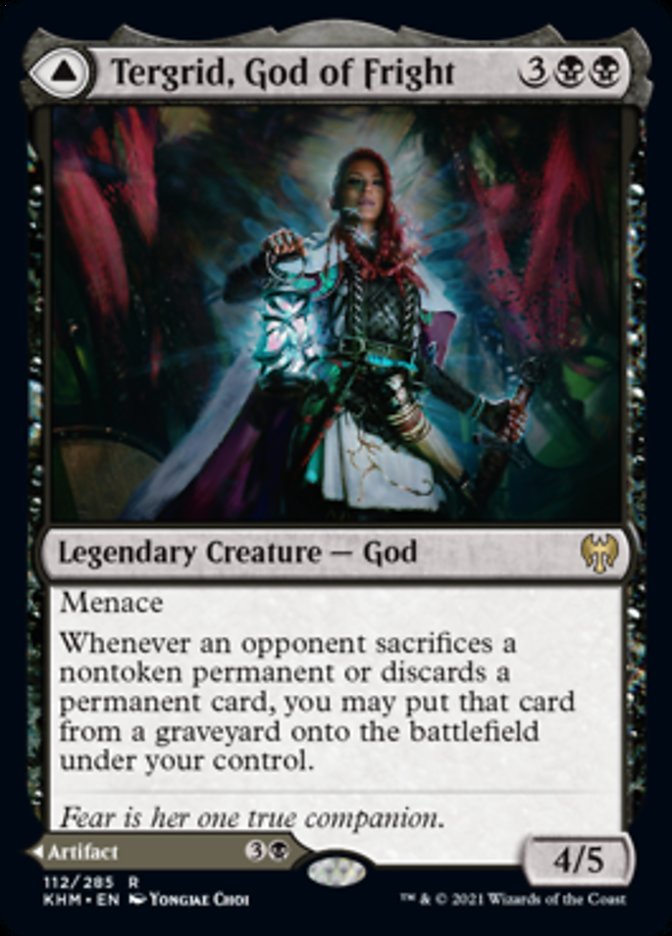
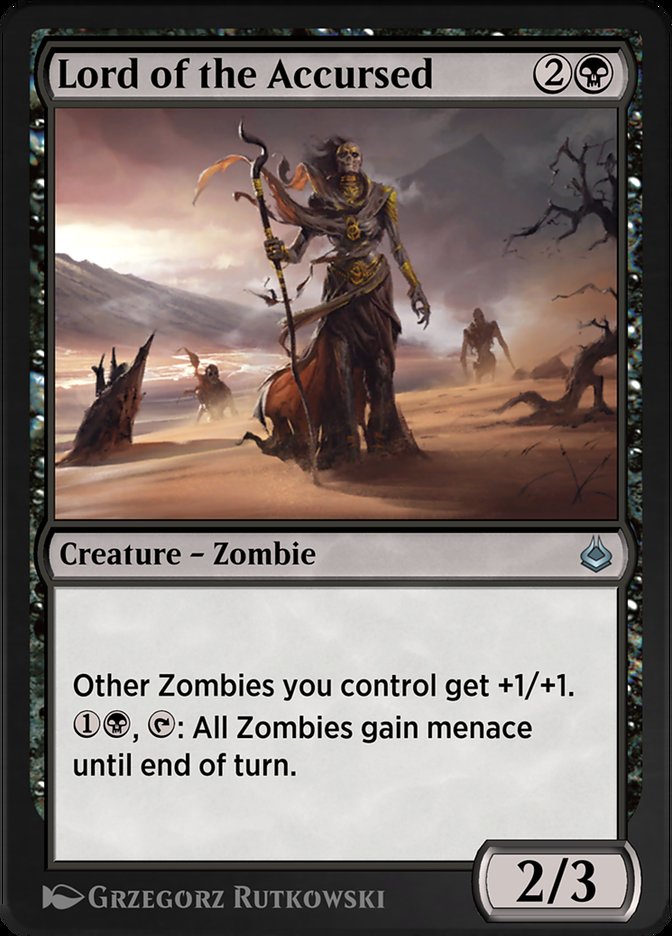
A creature with menace can’t be blocked except by two or more creatures. This form of evasion helps you get around the single big blocker your opponent stuck to the field and punishes them for not running more creatures. It’s primarily found in black and red.
Menace was introduced to replace intimidate as another form of evasion outside of flying. Intimidate was deemed “too swingy” by designers, since it relied on an opponent running specific colors, otherwise it’s a wasted effect.
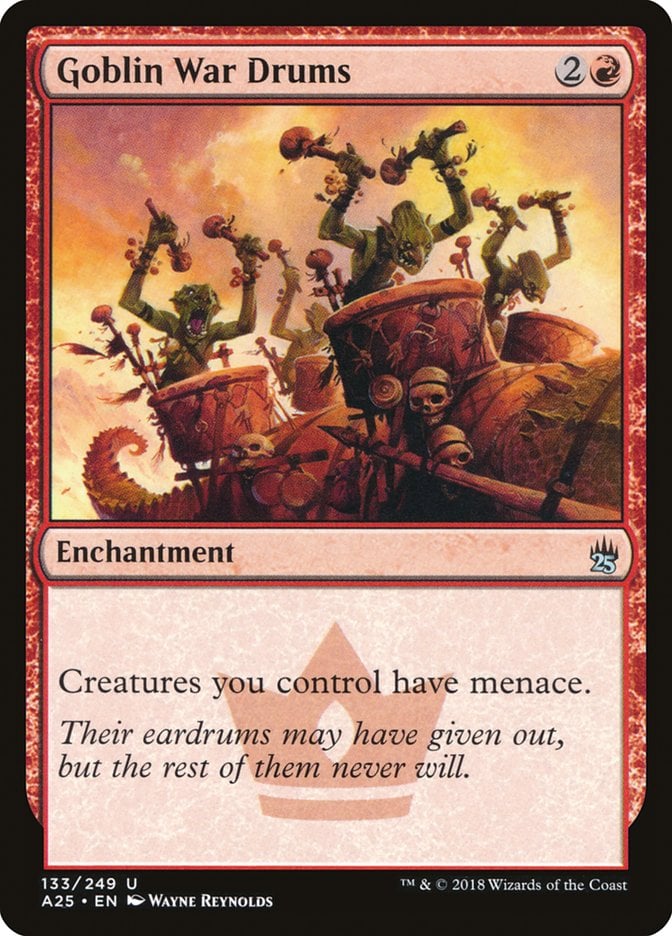
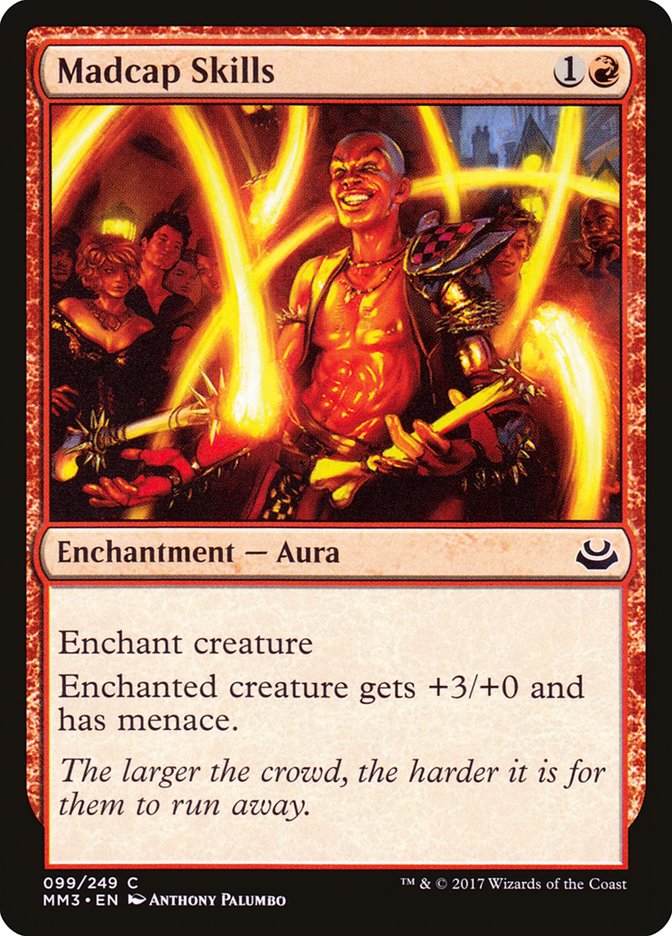
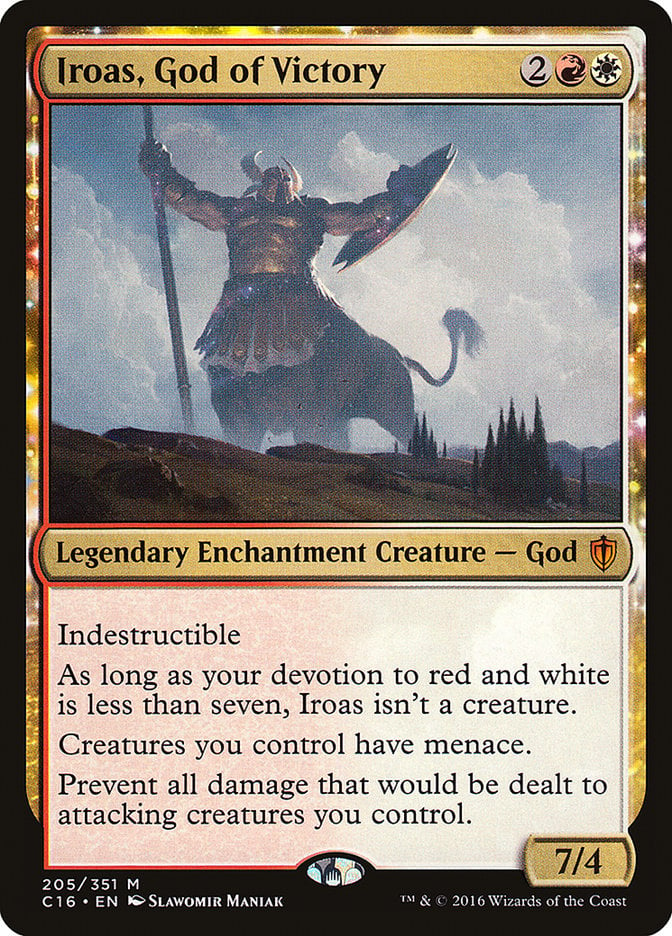
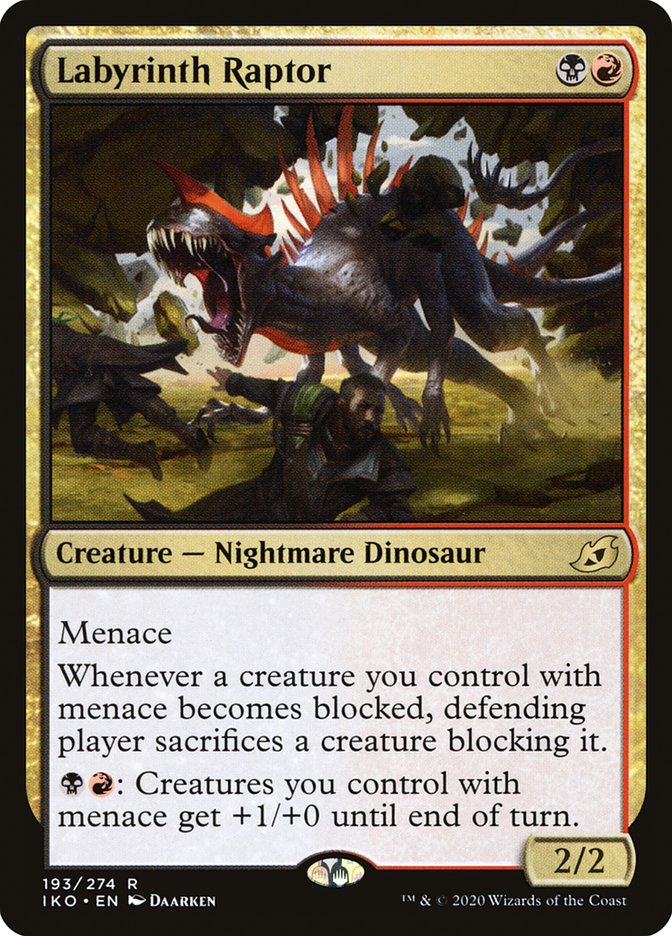

Despite its late keywording, the menace effect has been around in the game since Fallen Empires’ Goblin War Drums. Staple menace cards include Madcap Skills and Iroas, God of Victory, and the keyword actually received support cards in Ikoria with things like Labyrinth Raptor and Sonorous Howlbonder.
#9. Shadow
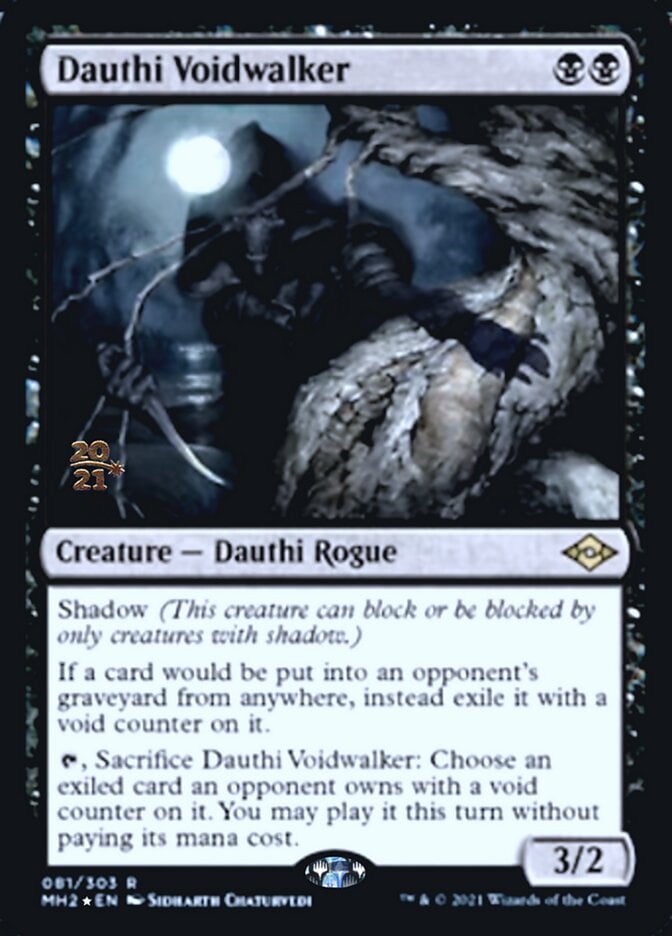
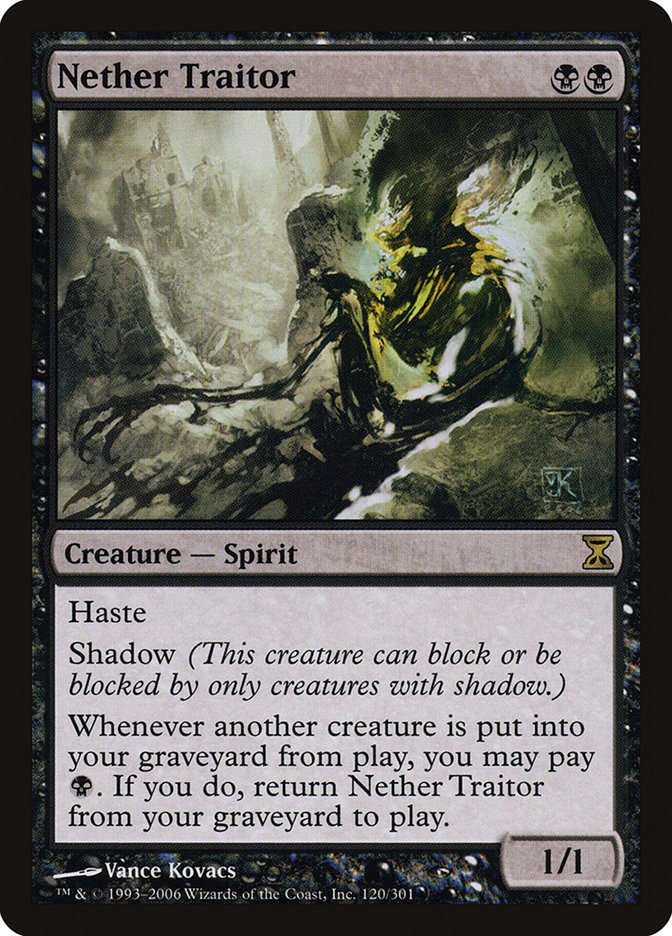
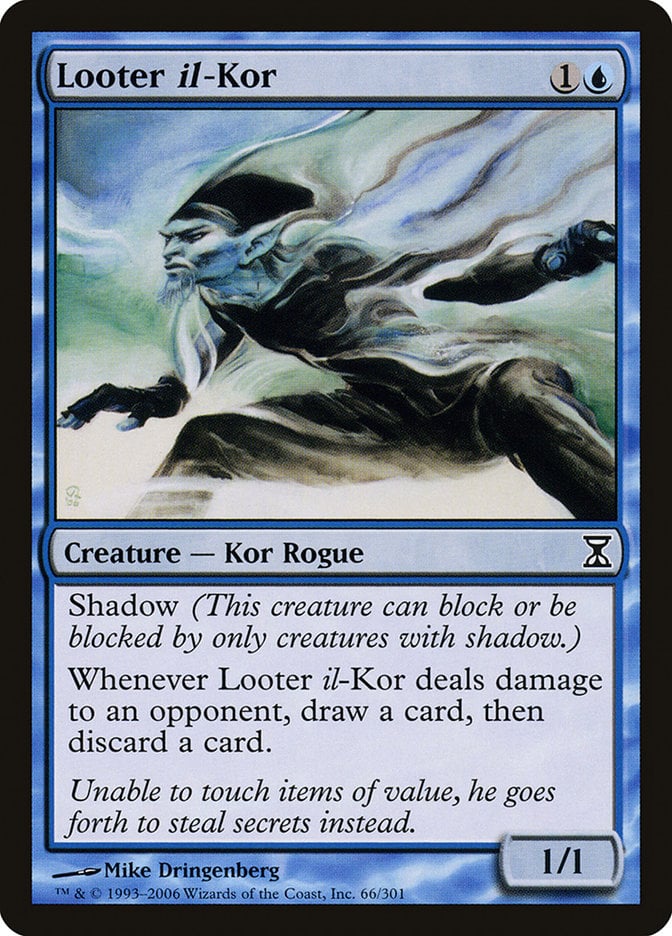
Shadow is a form of evasion introduced in Tempest. It’s been used sparingly here and there since then, featuring in Future Sight as a main set mechanic and on noted Modern staple Dauthi Voidwalker. It’s found in black, white, and blue, with a few spare creatures in green and red that can block creatures with shadow.
Creatures with shadow can only block and be blocked by other creatures with shadow. It’s similar to flying, but the creatures are “locked” into the shadow realm and cannot leave it to block other non-shadow creatures.
In most cases, shadow is effectively unblockable. Maybe in Tempest’s and Time Spiral’s time there was a meta where you’d have to worry about your opponent running shadow creatures as well.
#8. Landwalk
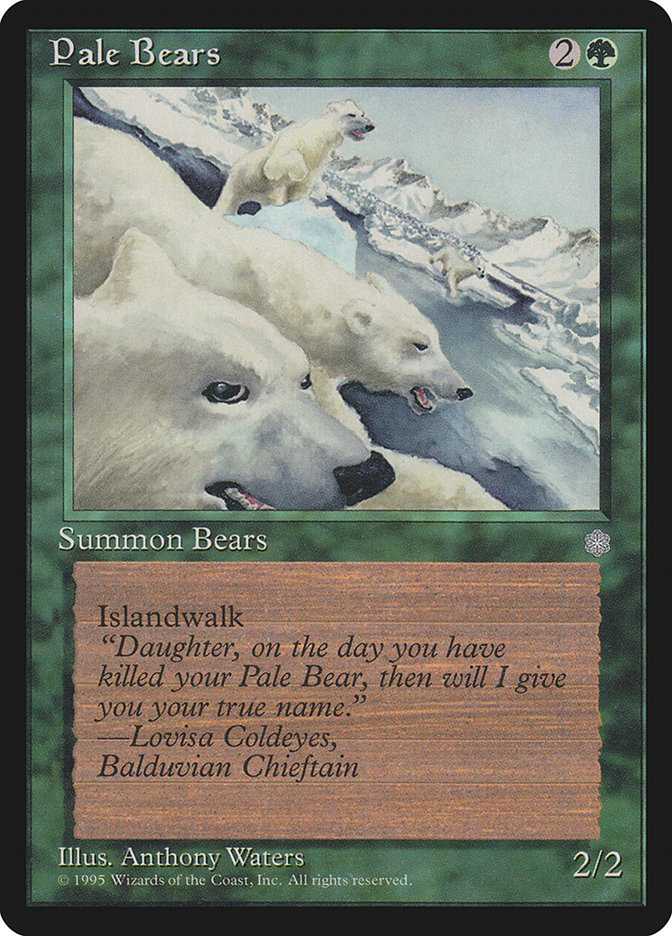
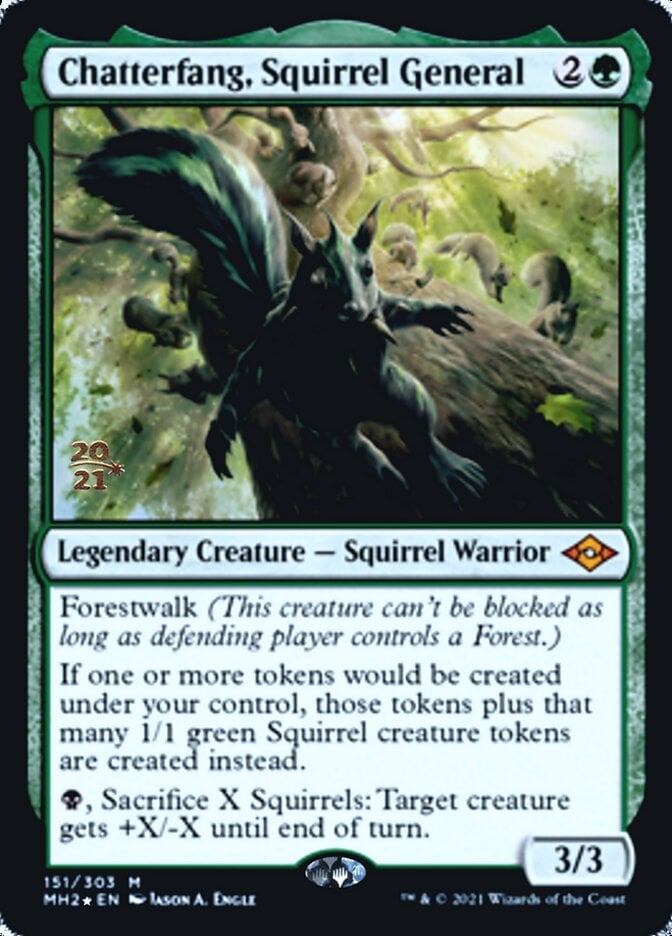
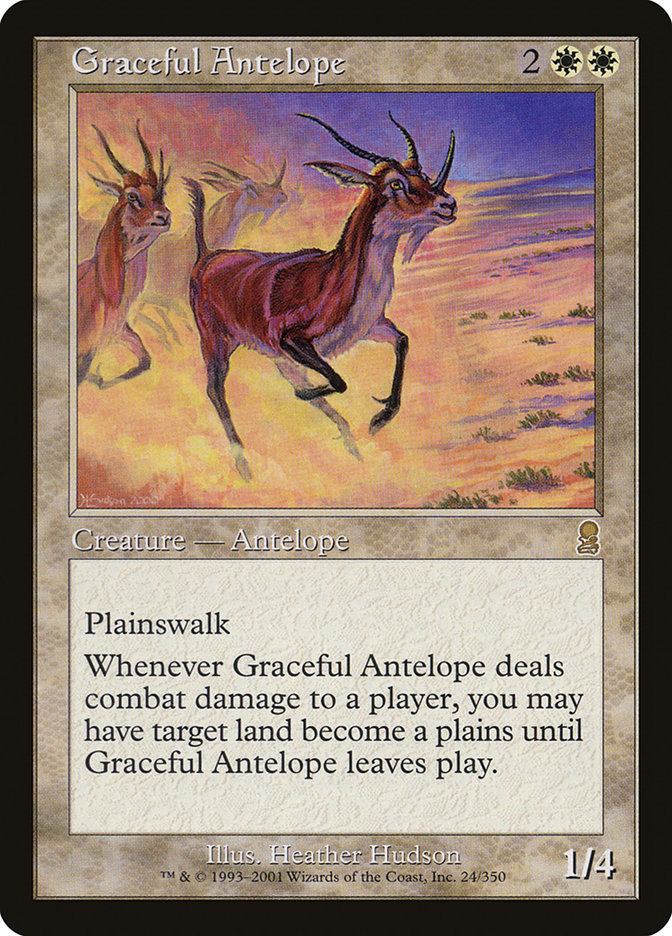
Landwalk is a form of evasion that’s been around since Alpha. Creatures with a specific type of landwalk can’t be blocked if the opponent they’re attacking controls a land of that type.
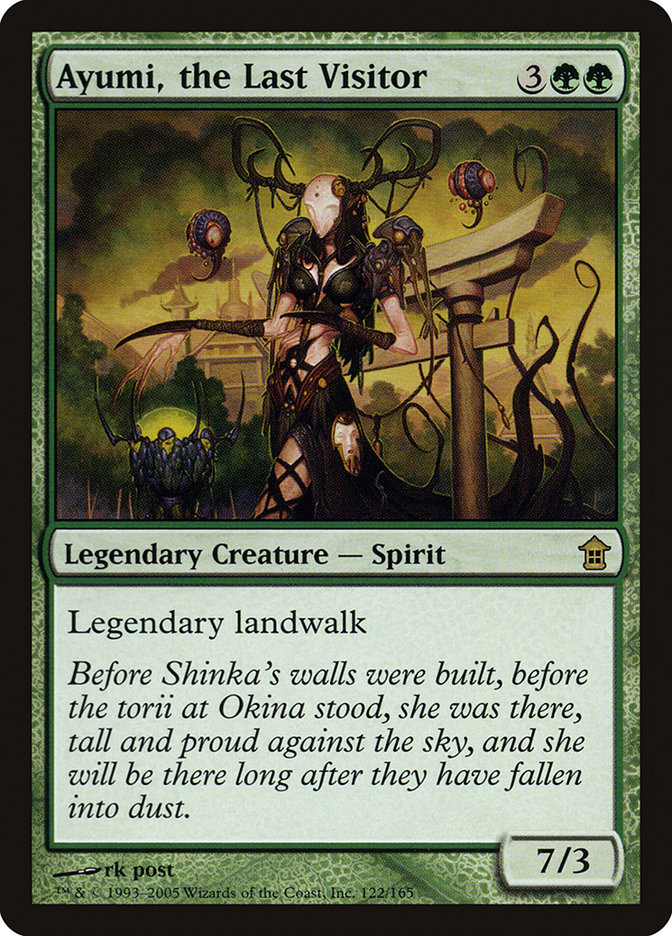

Typical landwalk abilities are related to basic land types: plainswalk, islandwalk, swampwalk, mountainwalk, and forestwalk. But they can check for other characteristics, as well. Ayumi, the Last Visitor has “legendary landwalk,” and Trailblazer's Boots grants nonbasic landwalk.
Landwalk’s fallen out of favor in design in recent years. It suffers from the same problems as intimidate, except reversed. Where intimidate results in an evasive creature that becomes overcosted in some match-ups, landwalk creatures are vanilla and weak until the right match up, where they overperform way above their weight class.
#7. Deathtouch
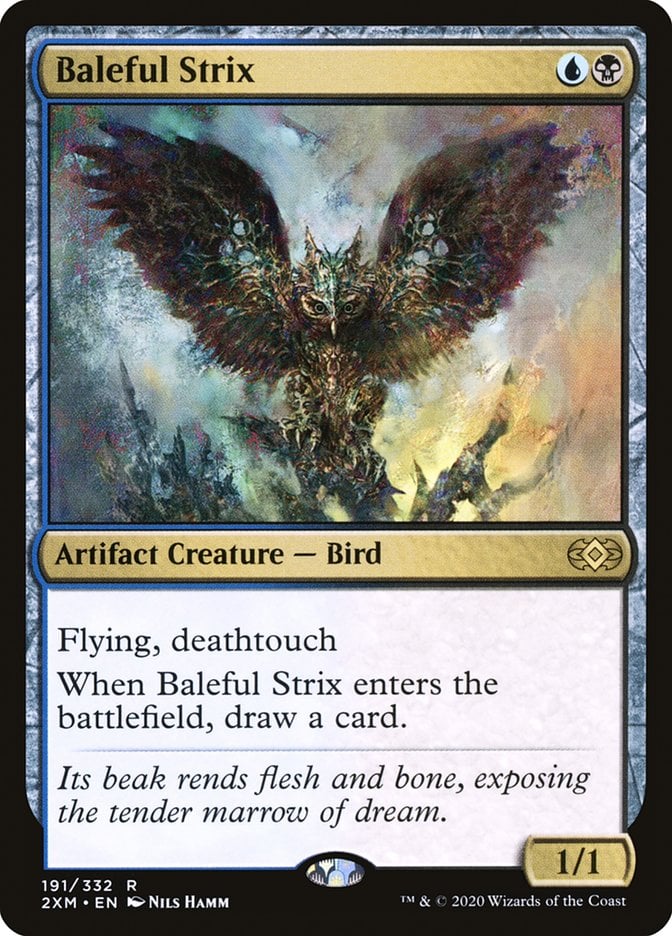
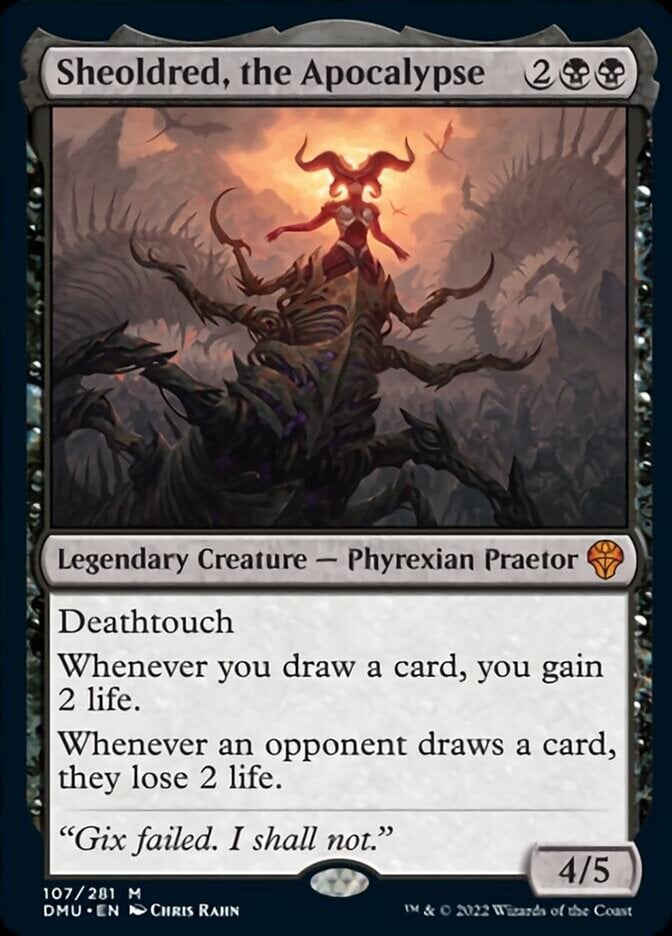
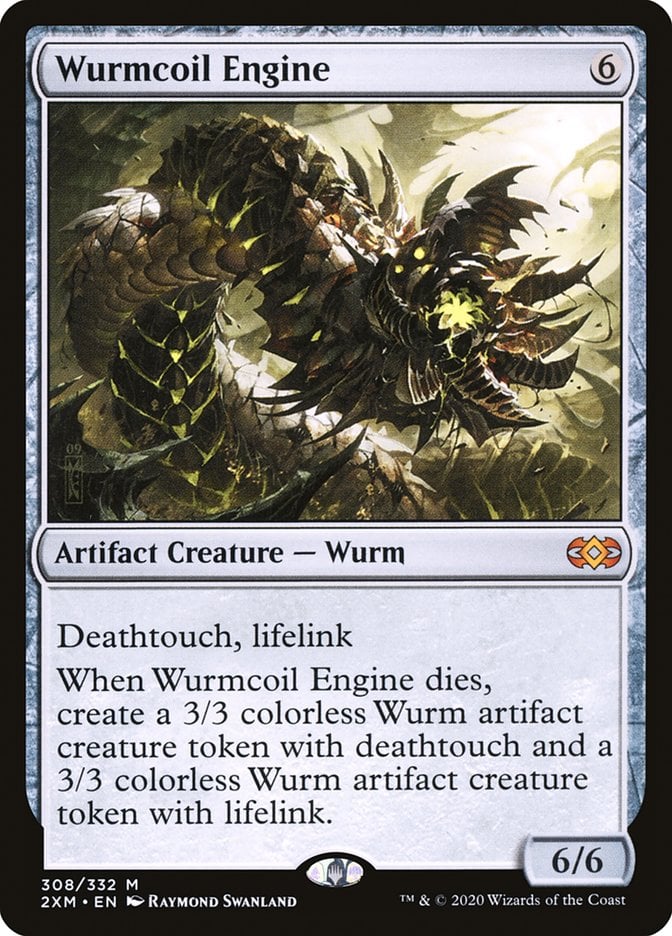
Sometimes, the best way to get past blockers is to threaten them with their own demise. Any amount of damage done by a creature with deathtouch is enough to kill, and the threat of this effect alone can usually be enough to swing past an opponent’s creatures unbothered. It’s been around since Alpha, becoming keyworded in Future Sight.
Deathtouch is not technically evasion, but its ends are usually the same. Attacking with a small deathtouch creature is usually enough to trade up into an opponent’s, say, Frost Titan and destroy it.
#6. Horsemanship

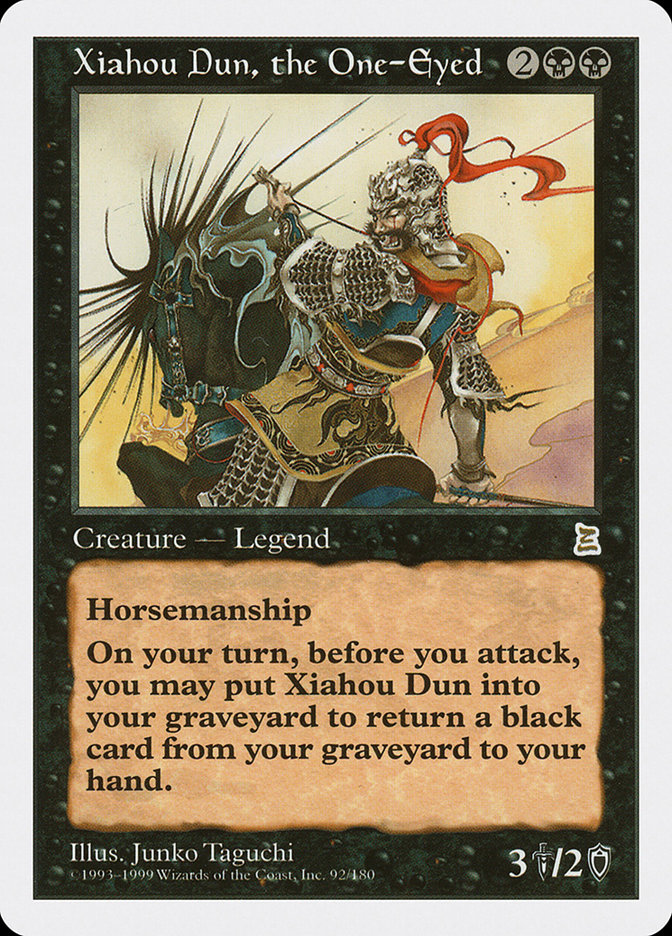
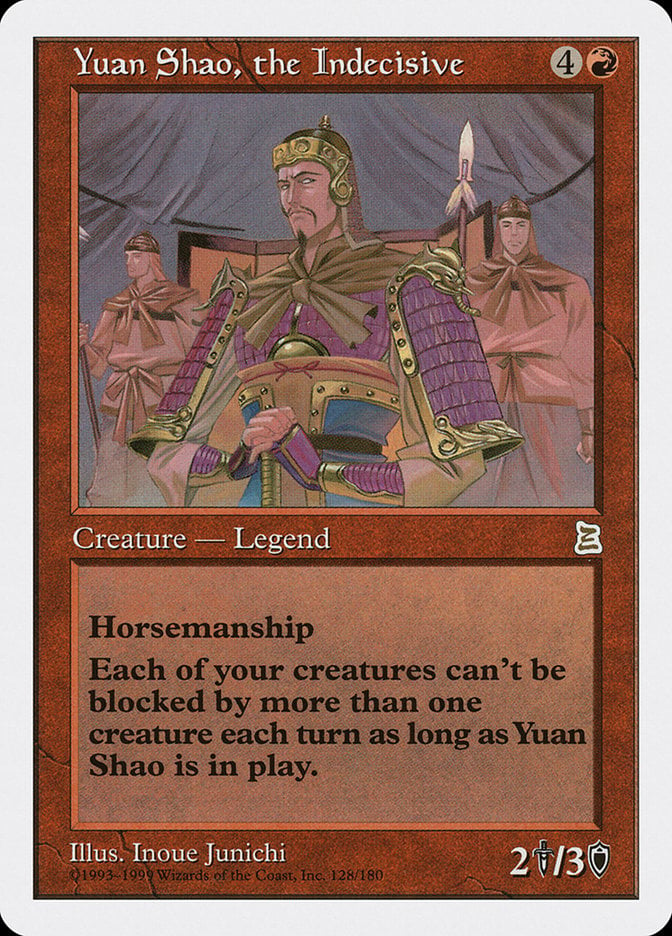
Portal Three Kingdoms was an introductory set sold in the Asian market and not available in North America. Because of its theme around the Three Kingdoms era China, flying was replaced with a mechanically identical effect: horsemanship.
Horsemanship is just flying. Creatures with horsemanship can’t be blocked except by other creatures with horsemanship, but they can still block non-horsemanship creatures. Because of its relative rarity on cards, and the lack of a “reach” mechanic to counter it, horsemanship basically functions as an unblockable effect.
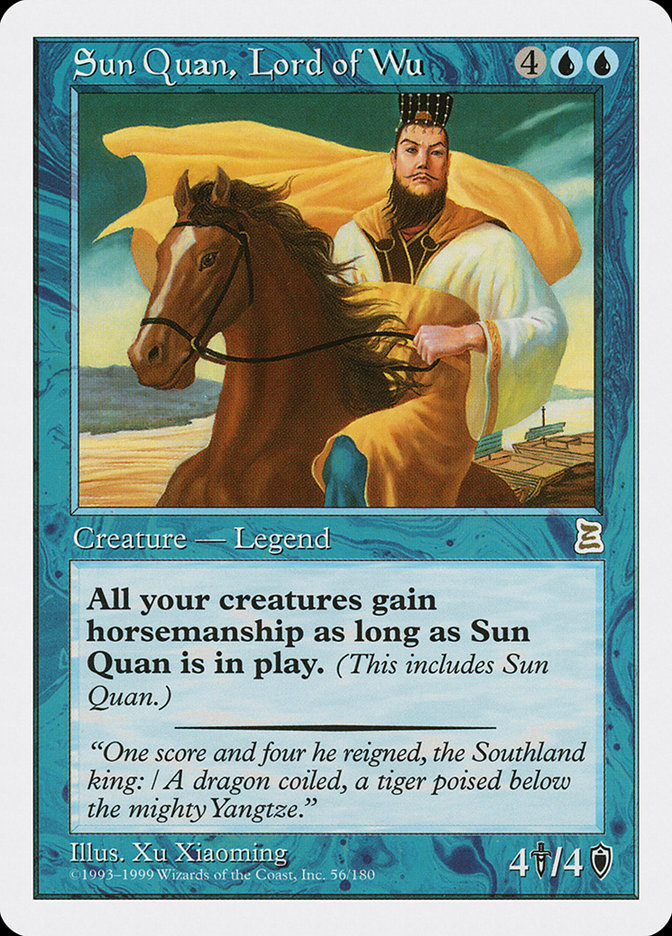
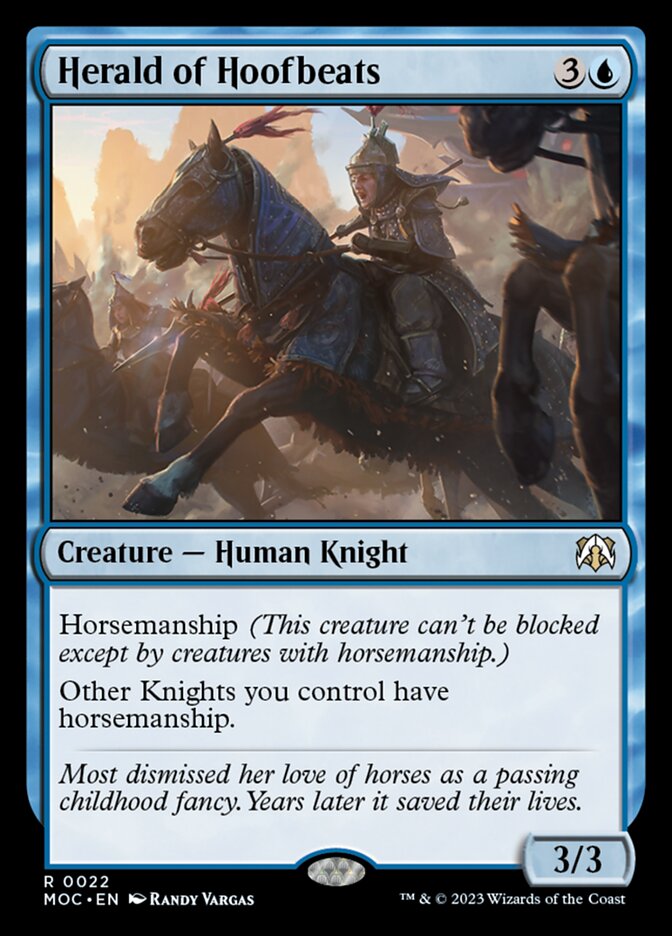
Horsemanship returned in March of the Machine Commander in the knights deck. Sun Quan, Lord of Wu has a horsemanship anthem, as does Herald of Hoofbeats.
#5. Protection
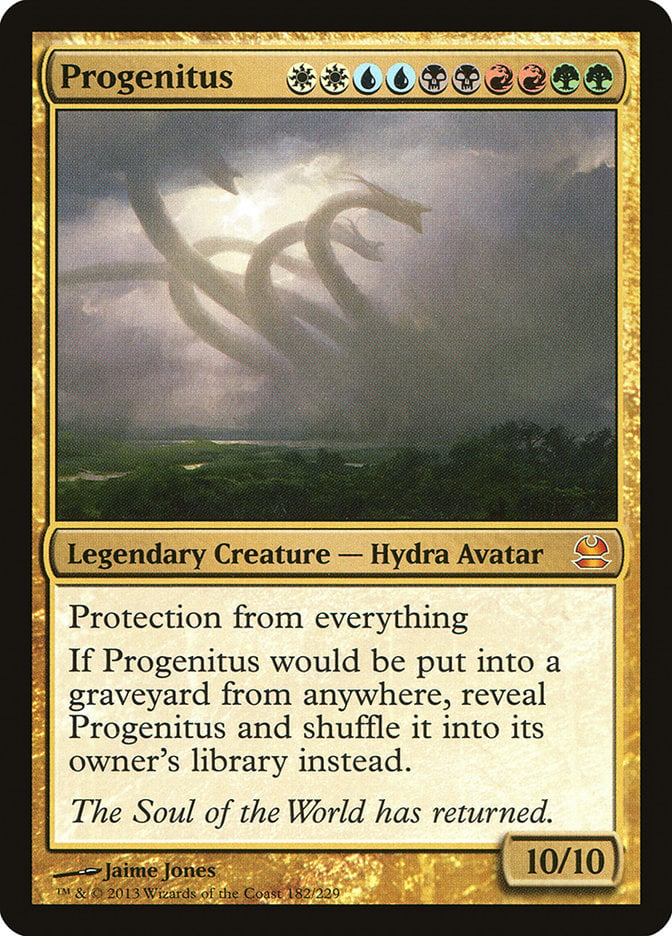
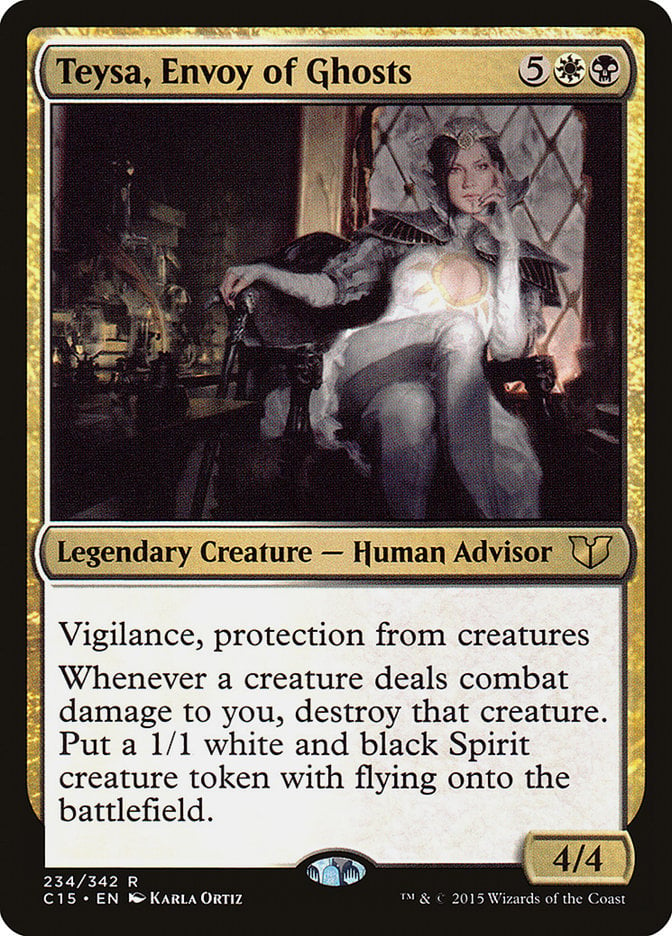
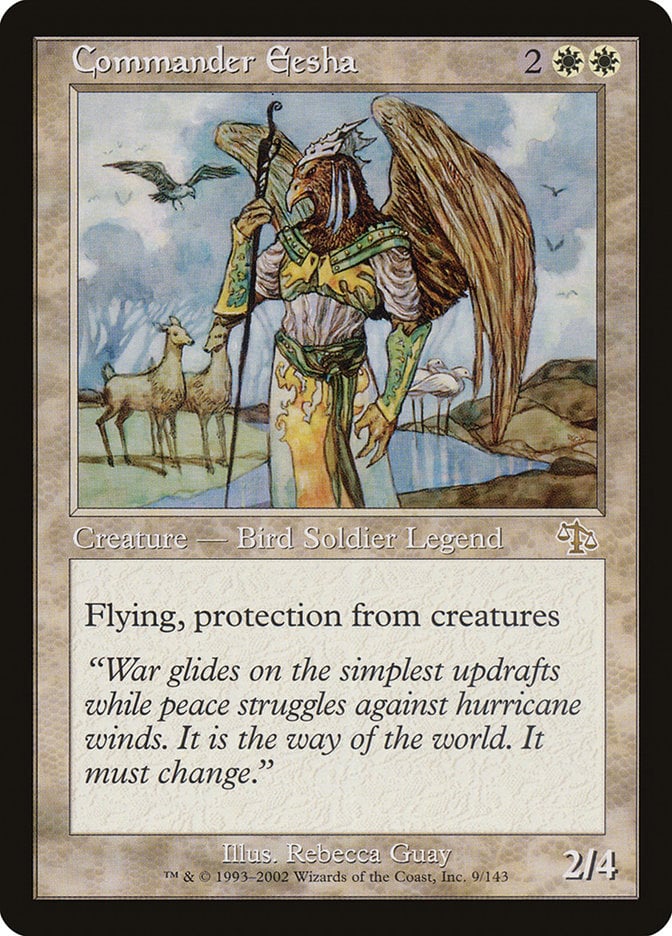
Protection is an evergreen keyword that’s been around since Alpha. Protection is always referred to as “Protection from…” and then a color, quality, or type of card. Traditionally, cards had protection from colors only, but we’ve seen protection expand to “protection from instants,” ”protection from creatures,” and even Progenitus’s “protection from everything.”
Protection’s specific rules have changed a few times over the course of Magic’s history. Currently, we use the DEBT acronym to remember how protection works: permanents with protection can’t be Dealt Damage, Enchanted, Blocked, or Targeted by anything they have protection from.
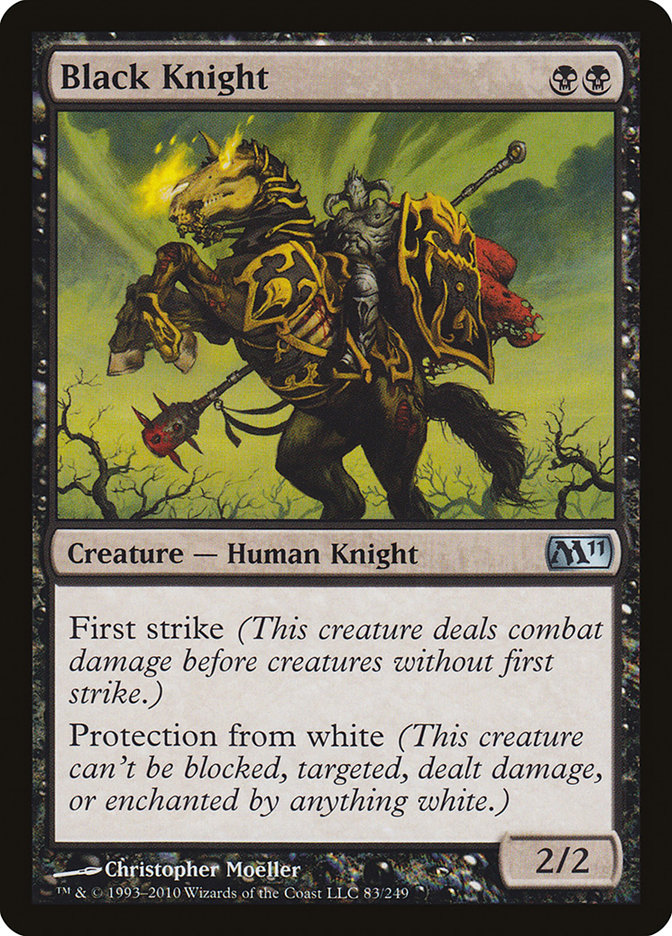
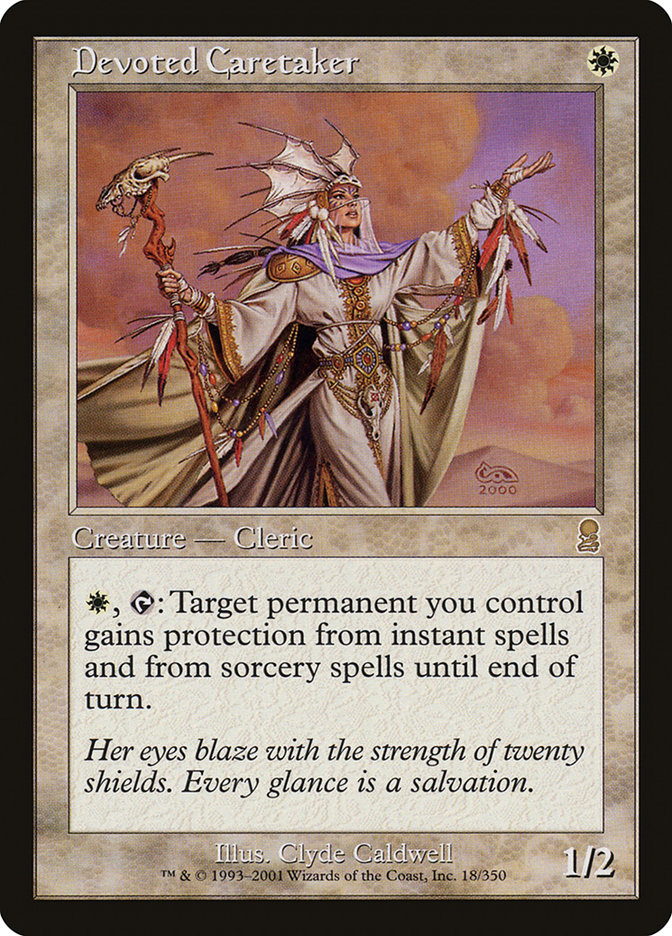
This makes cards like Black Knight the perfect silver bullet against white decks, or you could use Devoted Caretaker to save your creatures from Murder and Lightning Bolt.
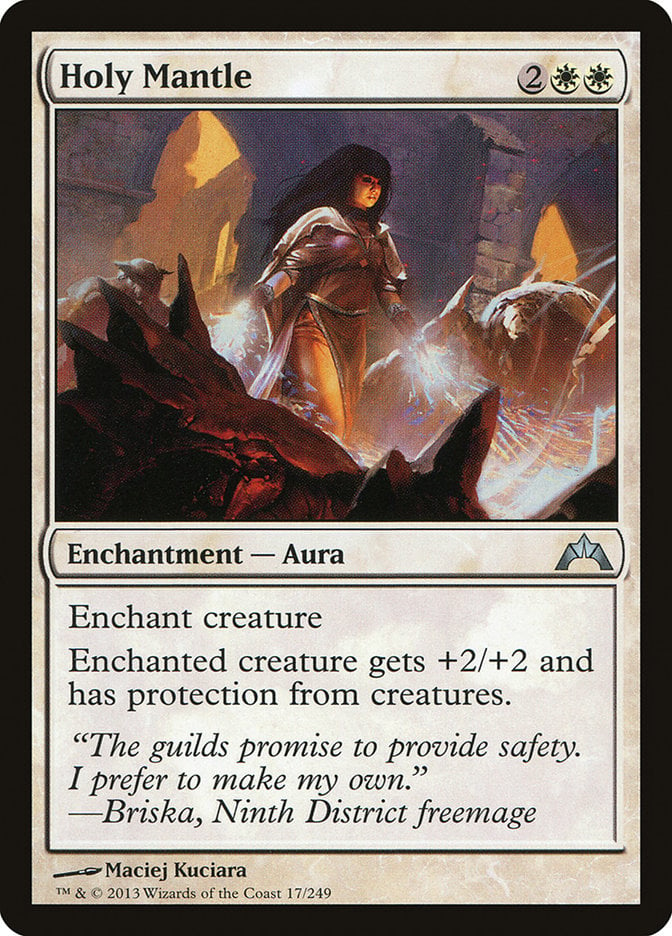
Protection’s “can’t be blocked” stipulation makes it one of the best ways to sneak creatures past your opponents. Holy Mantle makes a creature unblockable and gives it a significant buff.
#4. Trample
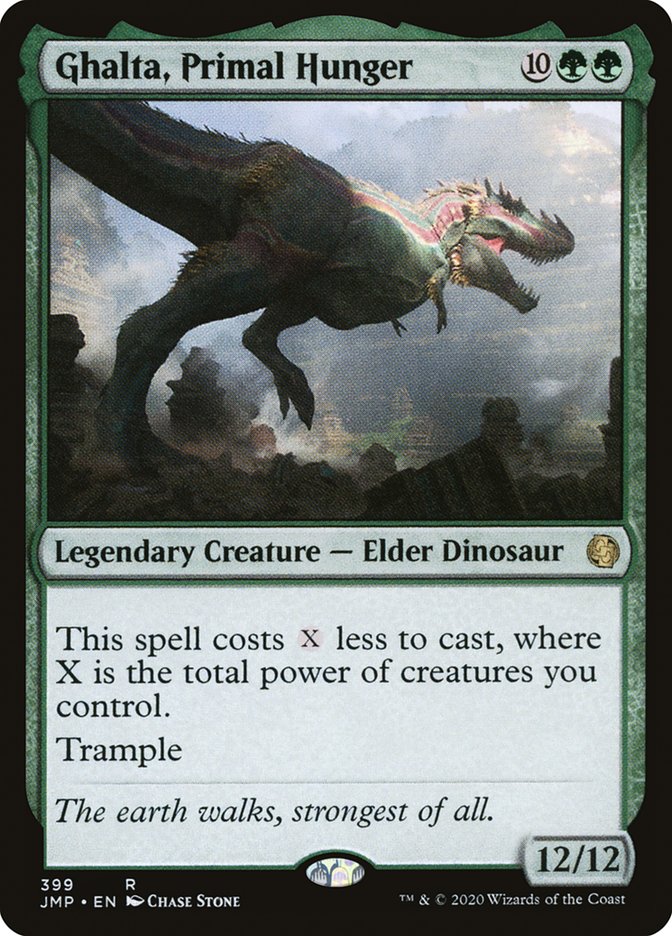
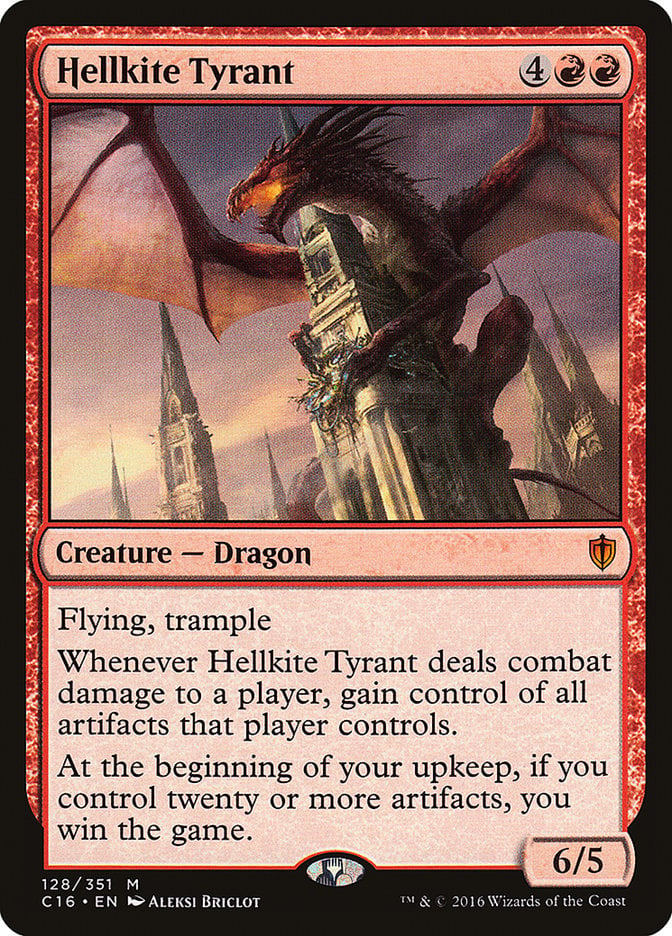
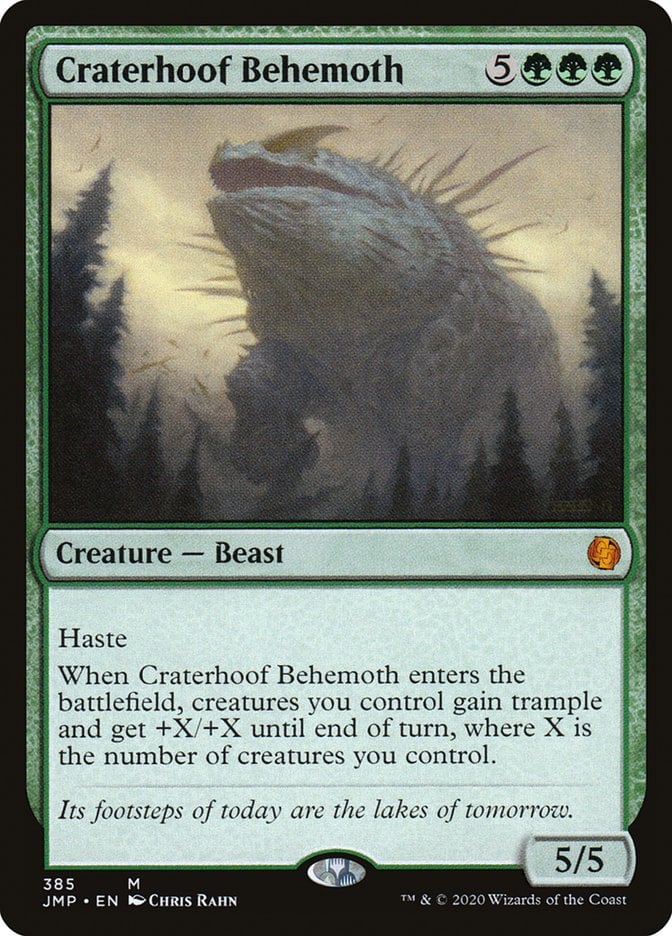
Attacking creatures with trample deal any excess damage dealt to blocking creatures to the blocking opponent. Trample is primarily found in green cards, though red cards have seen an increase in trample cards recently. Generally, any color can get a creature with trample, so long as it’s large enough and rare enough.
While trample doesn’t technically make a creature unblockable, it does change the math on blocking enough that tramplers will often deal their full damage to players as if they weren’t blocked. Here’s an example:
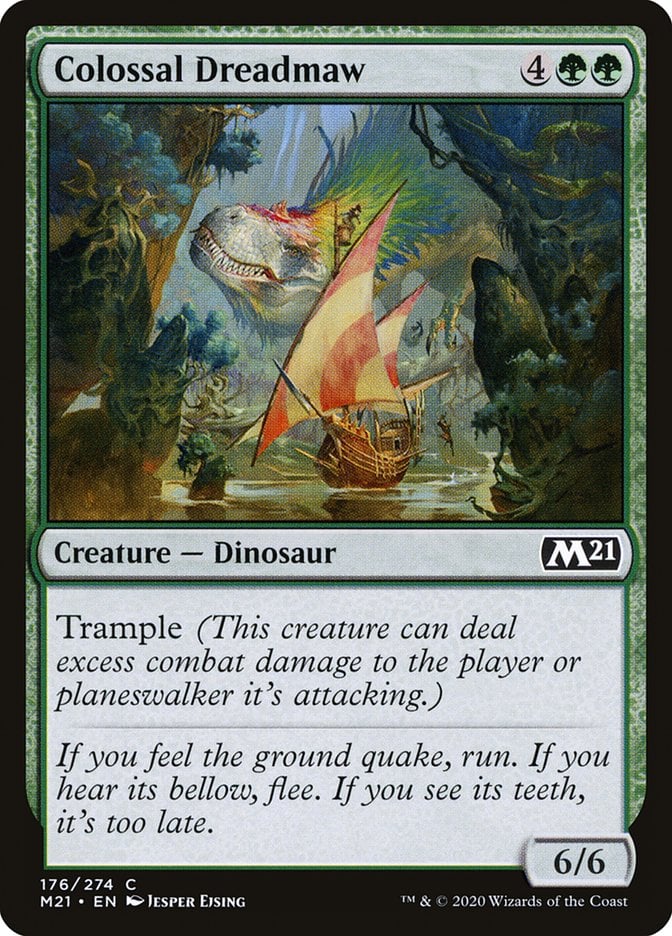
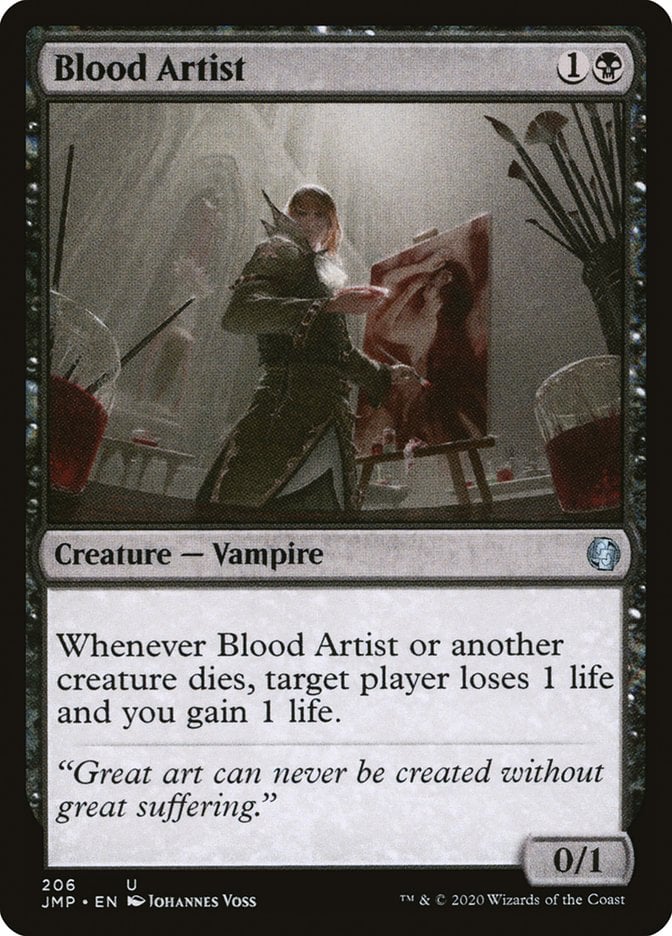
I’m attacking you with my Colossal Dreadmaw. You have nothing but your Blood Artist in play. You know you need your Blood Artist to execute your aristocrats combo in a turn or two, and can’t risk losing it. But, that 6 damage really doesn’t look great. Normally, you’d just be able to block and stop all 6 of that damage this turn, which could be a fair trade if it keeps us alive for another turn. However, the Dreadmaw’s trample means 5 more of that damage will still make it through. Is losing your Blood Artist really worth taking 5 instead of 6?
Often, the correct choice will be to take the full trample damage, rather than take the nearly-full trample damage and lose a creature.
#3. Super-Trample

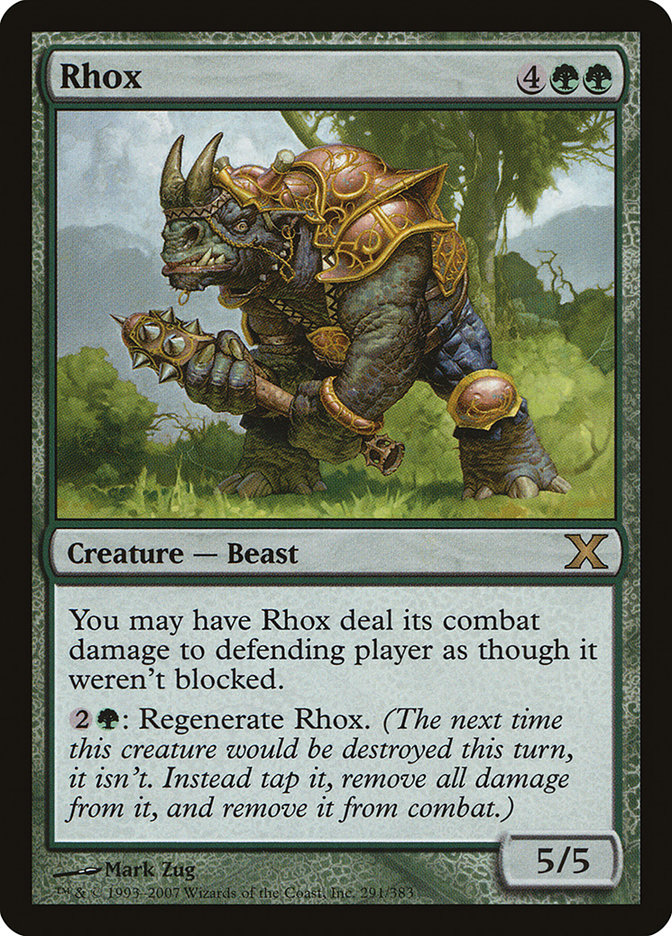

The only thing worse than trample. “Super-trample,” also known as “Unstoppable,” is a slang term for an effect printed sparingly on a handful of green creatures. Unstoppable cards can choose to deal their combat damage to opponents as if they weren’t blocked. My favorite super-trampler is Thorn Elemental, but Rhox and Tornado Elemental are also useful. The best super-trampler is Siege Behemoth by far, as it grants this effect to your entire battlefield.
Super-trample creatures still take the damage from the creatures that blocked them, but it’s often worth it to lose your creatures in exchange for a ton of damage ton your opponents’ faces.
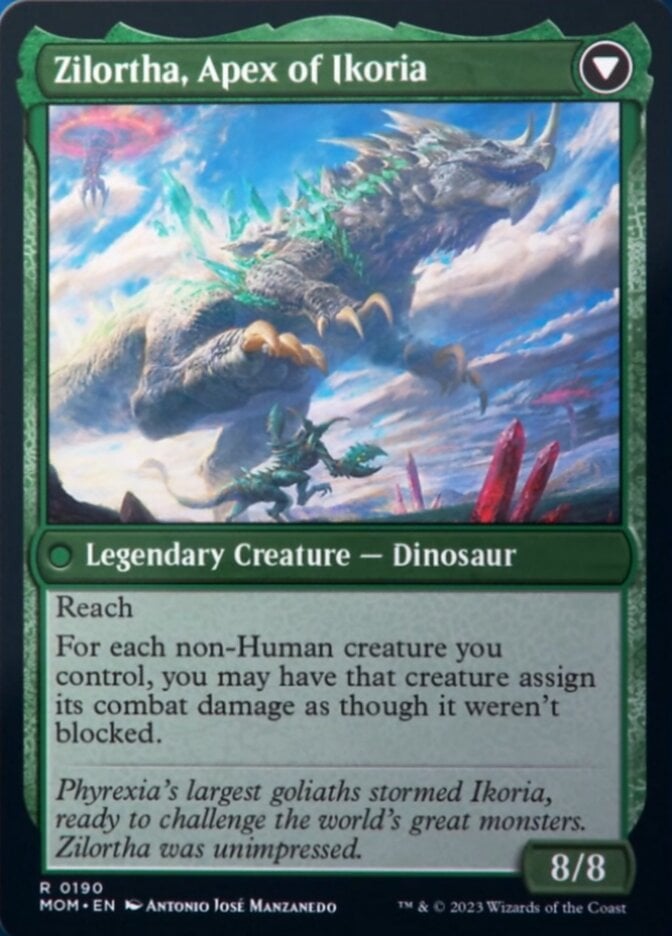

This effect is printed very sparingly; that checks out, since it’s very powerful. Only 19 cards are tagged on Scryfall with “unstoppable,” the most recent of which are Zilortha, Apex of Ikoria and Imaryll, Elfhame Elite.
#2. Flying
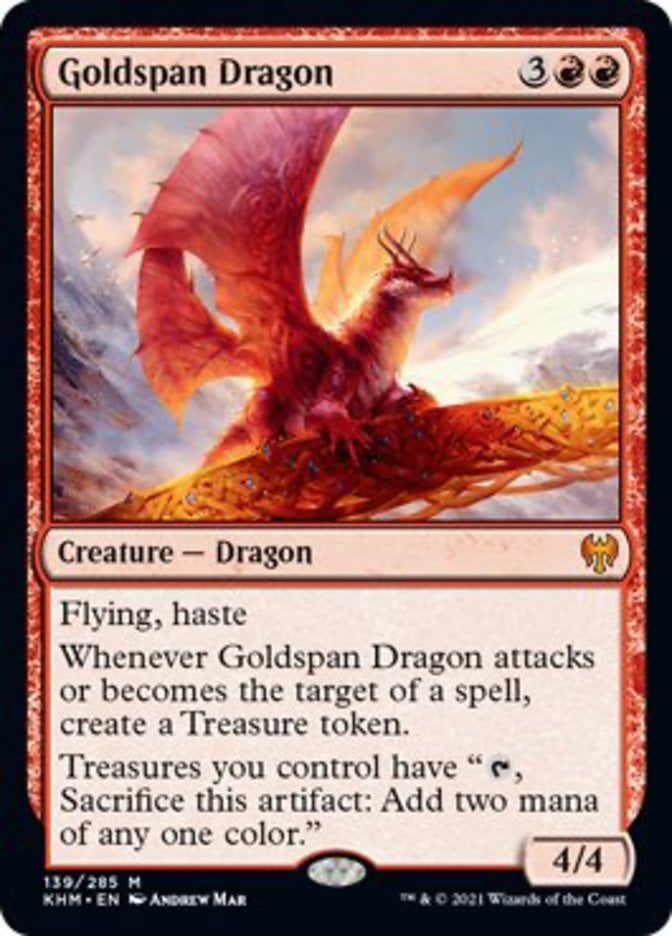
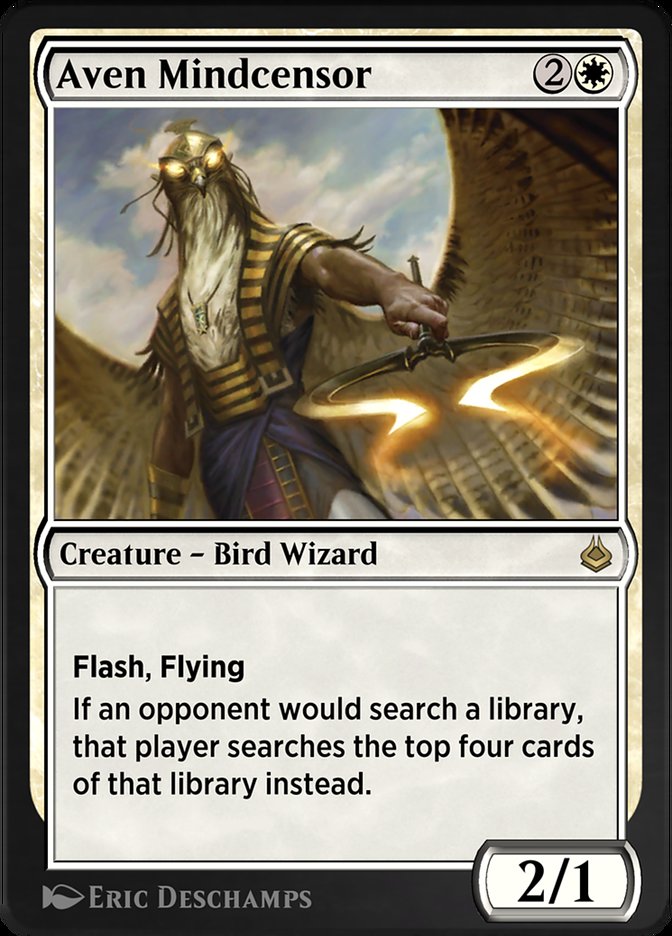

Creatures with flying can’t be blocked except by other creatures with flying (or reach, but this is the evasion article, not the “How do I stop evasive creatures” article). Flying creatures can always “swoop down” to block non-flying creatures, as well. Flying is so ingrained in the rules that there’s no reminder text even on the core sets like Foundations.

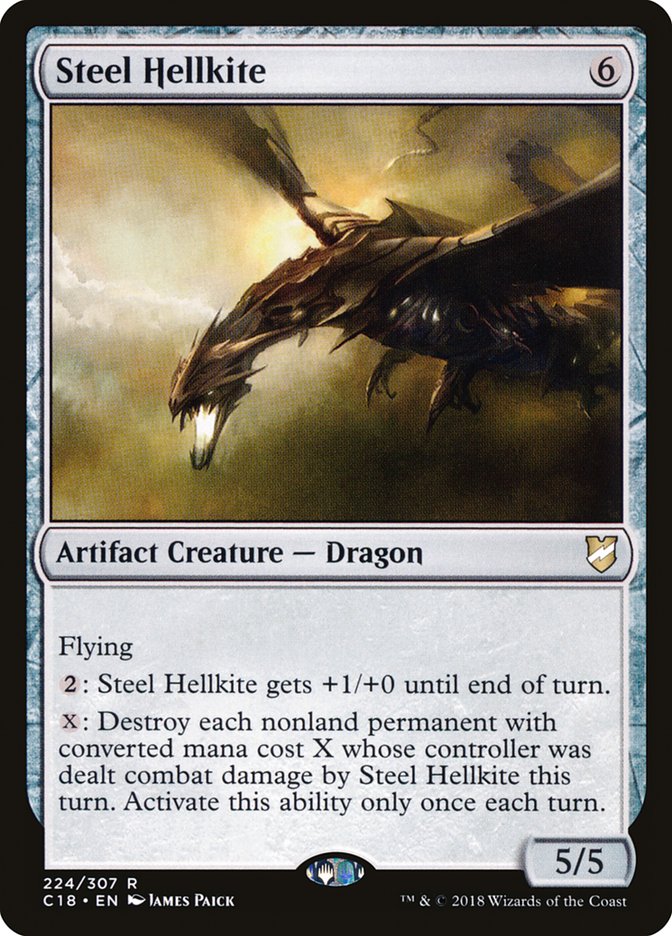
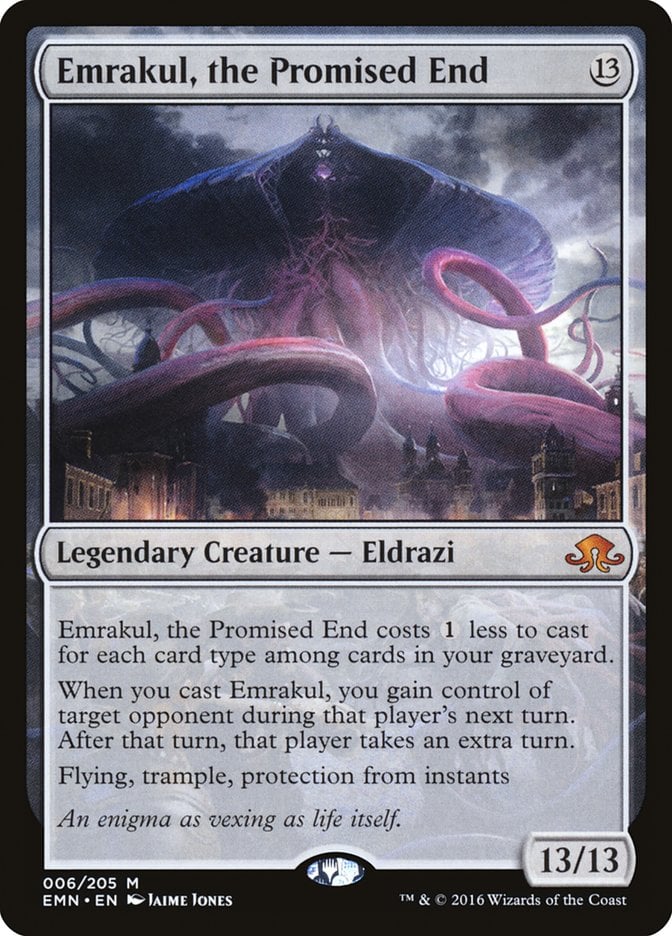
Flying is the most common form of evasion in Magic, and it’s not even close. Primarily appearing on blue cards and white cards, this evergreen mechanic has been printed in every color at some point or another. From the humble Air Elemental to the colorless Steel Hellkite and Emrakul, the Promised End, flying is the number one way R&D makes creatures just a smidge more valuable.
Most creatures with wings in their artwork have flying. A few weirdos like Alliances’ Elvish Spirit Guide and Iname as One have wings but don’t fly for whatever balance reasons.
#1. Unblockable
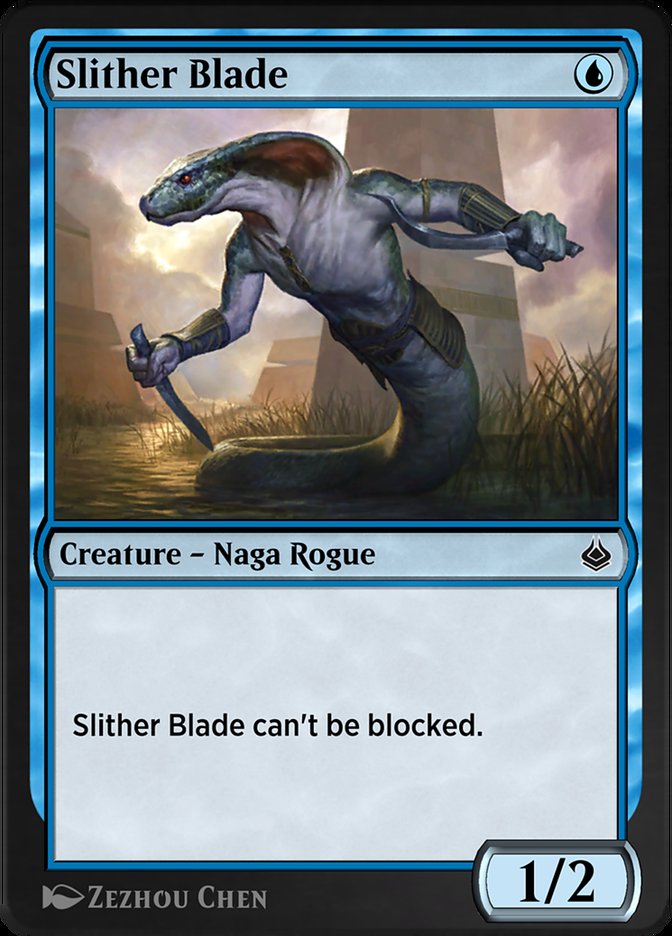

There’s really no better way to make your creatures unblockable besides… making them unblockable. Tons of creatures just come with the static ability that they can’t be blocked; cards like Slither Blade and Phantom Warrior are prime examples of these creatures. Secret Tunnel is here to represent a handful of colorless lands that give unblockability to at least one creature, and they are hugely popular.
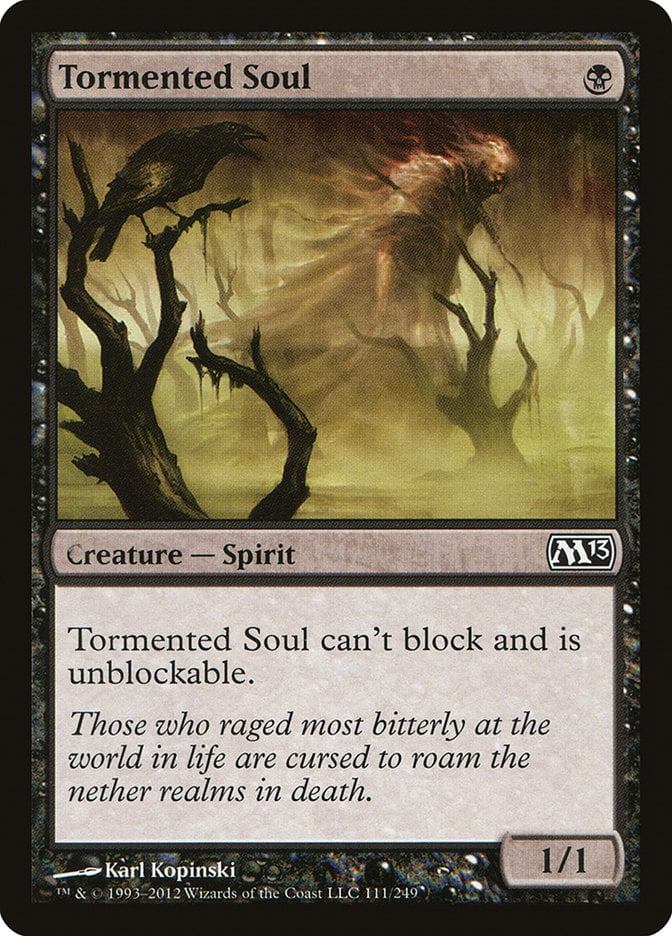
This effect is primarily blue, but appears across every color with different restrictions or costs. For example, Tormented Soul is very similar to Slither Blade, but has the drawback that it can’t be declared as a blocker itself.
Cheap unblockable creatures are a staple in ninjutsu decks the world over. Without any option to block, these cards are the perfect basis for a deck that wants to drop ninjas directly into combat consistently.
Why Is Evasion Important in MTG?
Attacking and blocking are two of the most important actions you take during a turn. Creatures dealing combat damage is one of the main ways to defeat your opponent, so playing creatures that can guarantee damage will always be more valuable than a creature that can’t. Evasive creatures break through stalling board states and put opponents on a clock.
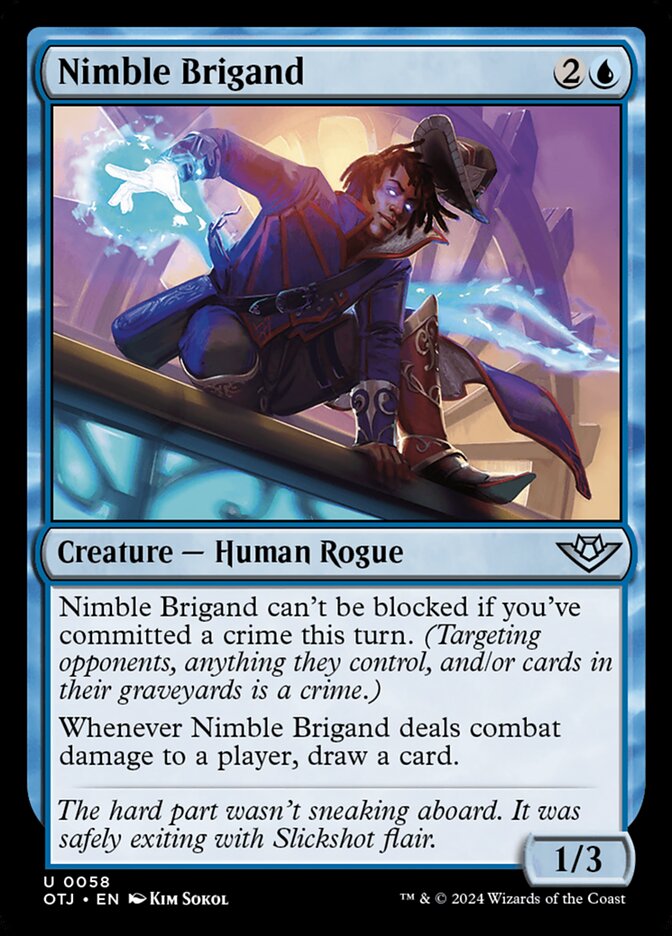


Evasion is also incredibly useful for saboteur creatures that need to deal combat damage in order to trigger their abilities. A Nimble Brigand with unblockable is going to draw an extra card way more often than a standard Scroll Thief. Meanwhile, Starwinder makes sure each of your creatures benefit you for getting damage through.


Speed, survival, and web-slinging each want your creatures to deal damage and last beyond the combat phase, and it so happens that evasion also greatly reduces your opponent’s ability to kill attacking creatures with combat damage. Thus, evasion supports cards like Kona, Rescue Beastie, Howlsquad Heavy, and Spider-Sense.
Wrap Up

Ashiok's Skulker | Illustration by Livia Prima
Understanding evasion and how it interacts with your deck’s strategy is paramount to becoming an experienced Magic player. The game basically revolves around combat, and you’re probably already doing the evasion-influenced-combat-math in your head, even if this is the first time you’ve heard the term. The control decks that want to avoid combat the most still need to account for evasion that opposing decks put into combat.
What are your favorite forms of evasion? What are the best ways to block these creatures? Does combat really play this much of a role in today’s modern Magic? Let me know in the comments, or over on Draftsim’s Twitter/X.
Thank you for reading and keep on unlocking that Magic knowledge, right here with Draftsim!
Follow Draftsim for awesome articles and set updates:










Add Comment