
Last updated on December 6, 2025

Aang's Iceberg | Illustration by Matteo Bassini
Water. Earth. Fire. Air. Long ago, the four nations lived together in harmony. Then, everything changed when Hasbro attacked….
Only the Avatar, the master of all four elements, could stop them. But when the world needed him most….
Introduction

Avatar: The Last Airbender key art | Illustration by Toni Infante
The Gaang is coming to Magic! Join Avatar Aang and his companions on a full-sized set adventure to defeat the wicked Ozai, the Phoenix King. Your journey won’t be an easy one, but you won’t go unprepared; this guide contains everything you need for success at Avatar: The Last Airbender Sealed! Read on to learn all about the set’s mechanics, archetypes, synergies, removal, mana fixing, bombs, and more.
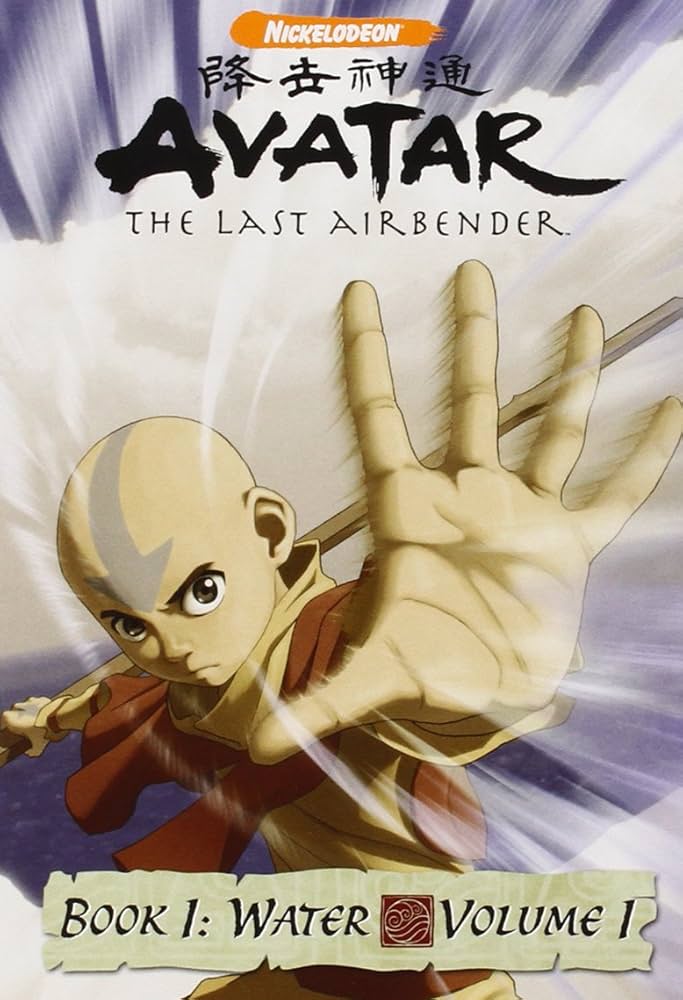
As with our other Ultimate Guides, this is merely “Book One” for Avatar: The Last Airbender, and it focuses on Day Zero of the format. We’ll release “Book Two” in a couple of weeks to cover how to dominate Avatar Draft. We don’t usually do a “Book Three”, but I might consider releasing one to celebrate this special occasion.
Mechanics
Avatar: The Last Airbender contains a surprisingly high number of mechanics! Four of them are entirely new mechanics that represent the show’s famous “bending” system, while we’ve seen the others before in previous sets.
Firebending
Firebending is an attack trigger that adds a set amount of red mana to your mana pool. The amount of mana you add is determined by the number next to “Firebending”. There are also some cards with “Firebending X”, like Fire Lord Zuko. This mana lasts until the end of combat, so you should aim to use it on activated abilities and instants. Many firebending cards (i.e., Vindictive Warden) do a good job of providing their own mana sinks.
Firebending Example

- I attack with Zuko, Exiled Prince and add to my mana pool.
- I use this to pay for its ability, and exile a Mountain from the top of my library.
- I play the Mountain post combat for a free land drop.
Firebending Strategy
Firebending appears mostly on red creatures, though there are black and multicolor cards with it as well. It’s a key mechanic for proactive red decks in Avatar Sealed, which can dump this extra mana into cards like Sun Warriors and Fire Sages. There’s also a powerful build-around rare, Firebender Ascension, which can encourage you to go deep on the mechanic.
Airbending
When you airbend a permanent or spell, you exile it. As long as that card remains exiled, its owner may pay to cast it rather than pay its mana cost. Airbending is a flexible mechanic that you can use both offensively and defensively, since some cards can target both your own and your opponent’s stuff.
Airbending Example
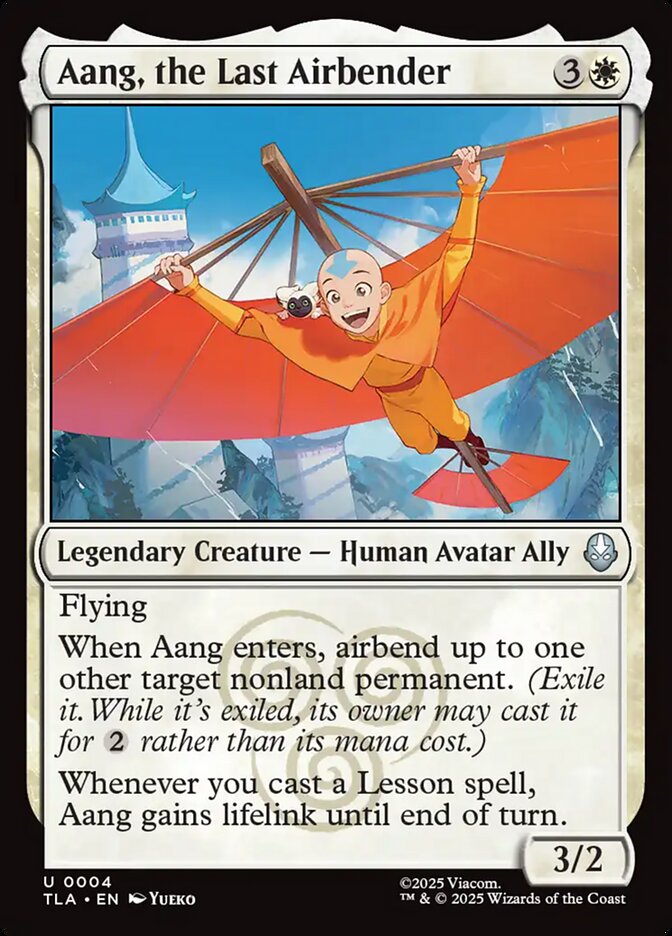
- I play Aang, the Last Airbender, which airbends up to one other target nonland permanent when it enters.
- I choose to airbend my opponent’s Zuko, Exiled Prince.
- They now can’t attack with Zuko next turn, as they’ll have to spend to cast Zuko and then wait another turn for summoning sickness.
Airbending Strategy
Using airbending on your opponent’s stuff can help you to buy time and exile tokens permanently. Airbending your own permanents lets you reuse “enters” abilities, and it’s also a great answer to enchantment-based removal like Path to Redemption and Honest Work. There are also a handful of cards that have leaves the battlefield triggers like Momo, Playful Pet and Aang, at the Crossroads, which have great synergy with airbending.
Airbending appears exclusively on white cards, and mostly at higher rarities. Airbending Lesson is the only common that features this mechanic, so you’ll see it less than every other form of bending.
One oddity with airbending is that the card must be cast, which means if a land was somehow airbent, it can’t be played. However, every card in the set with airbending specifies a “nonland permanent” must be targeted, so this shouldn’t happen in actual games.
Waterbending
Waterbending is essentially a fancy new form of convoke. When paying a waterbend cost, you can tap your artifacts and creatures to help. Each artifact and creature tapped this way pays for .
Waterbending Example

- I cast Waterbending Lesson, drawing three cards.
- Rather than discard a card, I tap a land and Compassionate Healer to pay for waterbending .
- Tapping Compassionate Healer this way gains me 1 life and allows me to scry 1.
Waterbending Strategy
Waterbending is nice with cards that care about tapping. Compassionate Healer, Gran-Gran, and Katara, Bending Prodigy are solid cards on that front. Waterbending also incentivizes token production, as 1/1 allies and Clues are well-suited for paying costs this way.
Waterbending appears mostly on blue cards, though every color but red has cards with the mechanic. Most waterbending costs take the form of activated mana sinks on creatures like Flexible Waterbender and Giant Koi.
Earthbending
Earthbending is the last form of bending to cover. When you earthbend, you choose target land you control. As earthbend resolves, that creature becomes a 0/0 creature with haste that’s still a land. It has X +1/+1 counters on it, where X is whatever number is specified by the earthbending ability. It also has “when this creature dies or is exiled, return it to the battlefield tapped.”
Earthbending Example

- I cast Badgermole.
- When Badgermole enters, I choose to earthbend 2 my basic Forest.
- That Forest is now a 2/2 creature land.
- Next turn, my opponent casts Firebending Lesson and deals 2 damage to the Forest.
- It dies, then returns to the battlefield tapped as a plain old Forest.
Earthbending Strategy
At a surface level, earthbending is simply a way to make some extra board presence. Dig deeper though, and there are a lot of nuances to the mechanic:
- You can earthbend targeting a creature that you’ve already earthbent to put extra counters on it rather than make a new creature.
- Relying on earthbending creatures to attack or block is tricky early in the game, or if you’re light on lands. You may find yourself using them to tap for mana instead.
- Earthbending’s protection clause means that small earthbent lands make for great sacrifice fodder.
- A neat curve that takes advantage of this would be Dai Li Indoctrination (animating a land as a 2/2) into Cycle of Renewal next turn. Sacrifice the land you earthbent to Cycle, and it comes back immediately, which leaves you with five lands on the third turn!
- Removal that doesn’t kill or exile like Watery Grasp can get around earthbending’s protection clause, though. Bounce also works particularly well.
Earthbending appears mostly in green, although every color but blue has at least one earthbending card. It’s a core mechanic for BG, which has lots of earthbending cards and some +1/+1 counter synergies.
Double-Faced Sagas


Double-faced sagas are a returning mechanic last seen in Kamigawa: Neon Dynasty. These enter as sagas, which are a type of enchantment. Each saga enters with a lore counter on it. This causes its first chapter ability to trigger. At the beginning of your first main phase, put a lore counter on each saga you control. Adding a second lore counter causes the second chapter ability to trigger, and so on.
Unlike normal sagas, these sagas exile themselves to return as creatures on their last chapter, rather than have you sacrifice them. All the double-faced sagas in Avatar are mythic rares, so you won’t see them often. There are also a pair of single-faced sagas at uncommon (The Cave of Two Lovers and Leaves from the Vine).
Lessons
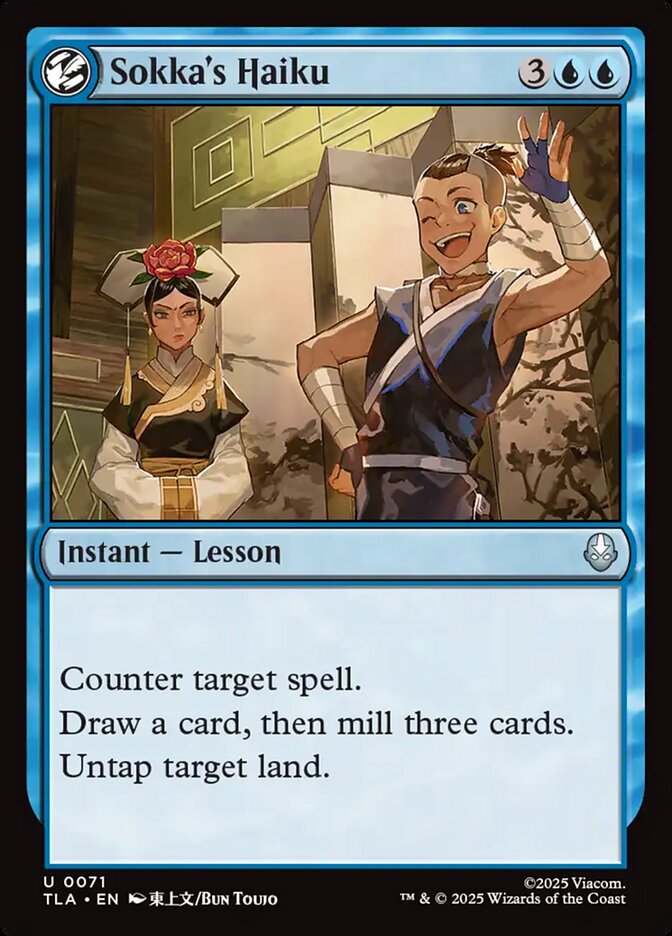
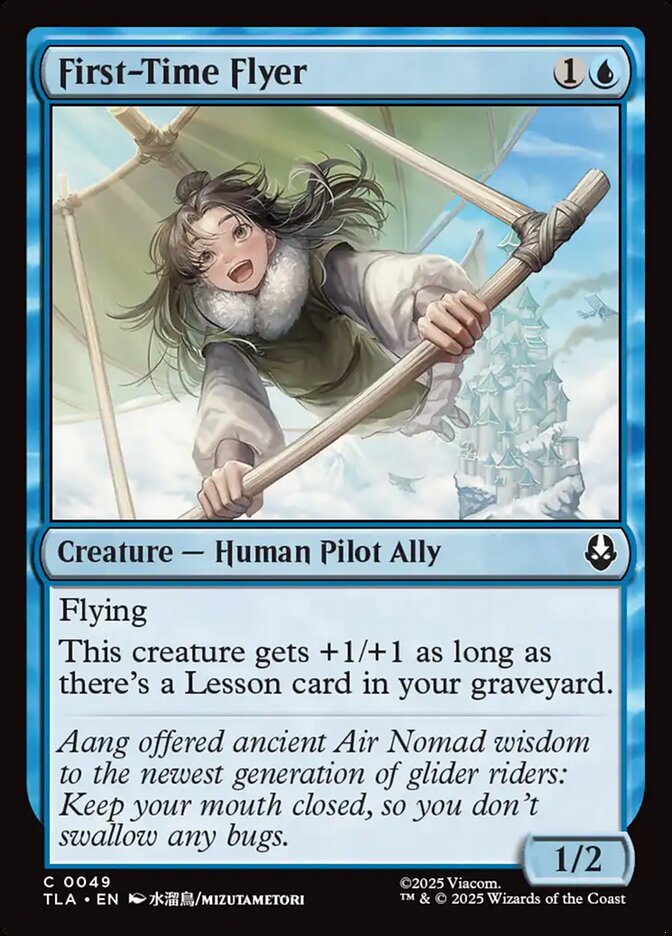

Lessons are a returning subtype for instants and sorceries that was last seen in Strixhaven: School of Mages. You won’t learn any lessons this time though, as Avatar doesn’t feature the learn mechanic. Instead, lessons have been included to bolster some cards which directly care about lessons, like First-Time Flyer and Dragonfly Swarm.
Lessons appear in all colors in this set, though most prominently in Temur () colors. Two Draft archetypes in that wedge (UR and GU) focus on lessons.
Exhaust

Exhaust was last seen this year in Aetherdrift, and it returns on a handful of cards in Avatar. Exhaust abilities work like other activated abilities, with the exception that you can only activate them once for that game object. Exhaust primarily functions as a mana sink for when games go long, and it may synergize well with firebending.
Clues
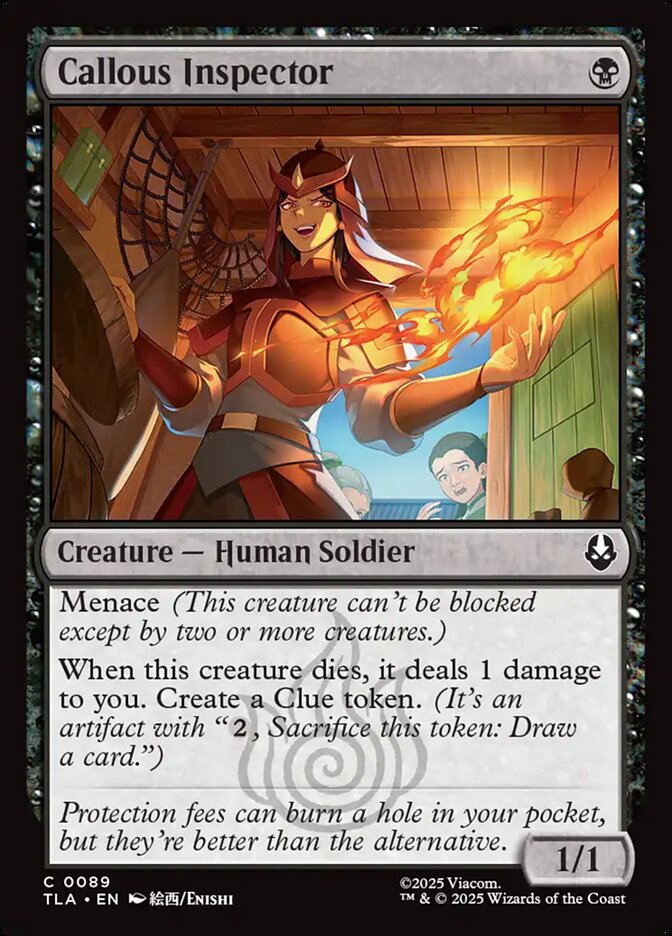
A “Clue” is an artifact token that you can sacrifice for to draw a card. In past sets, Clues were often created with the “investigate” ability, though Avatar cards simply say “Create a Clue token”.
Clues provide direct card advantage, provided you can sink mana into them. Clues have some synergies with other Avatar stuff like waterbending and sacrificing artifacts. Drawing cards on demand also provides an effective way to trigger cards like Messenger Hawk and Otter-Penguin.
Shrines
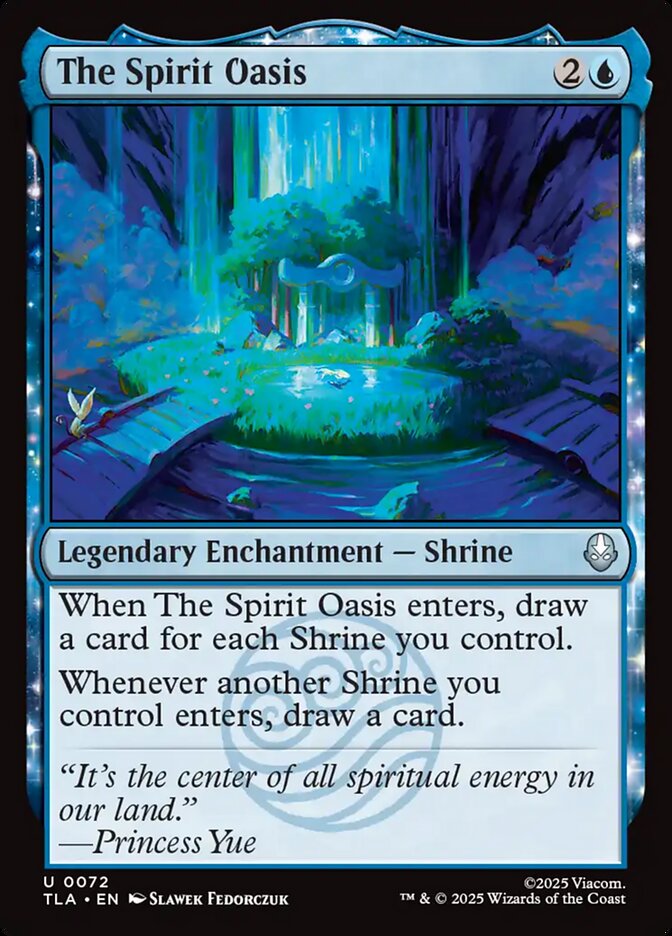
The last mechanic to return in Avatar is shrines. These are a special subtype of enchantment that encourages you to control a lot of them. There are five shrines in this set, each of which is an uncommon legendary enchantment that cares about other shrines.
None of the shrines are particularly good on their own, so I’d only recommend playing with them if you have at least three shrines. They tend to work best in greedy controlling decks with a lot of removal and mana fixing, as shrines are rather durdly by nature. There are also a handful of cards available that can make it easier to play shrines, like Aang's Journey and Guru Pathik.
Archetypes
Avatar: The Last Airbender has 10 official archetypes, like most Limited sets. Each of these corresponds to a different color pair, each of which has a signpost uncommon to encourage you to draft it. Here are WotC’s official descriptions:
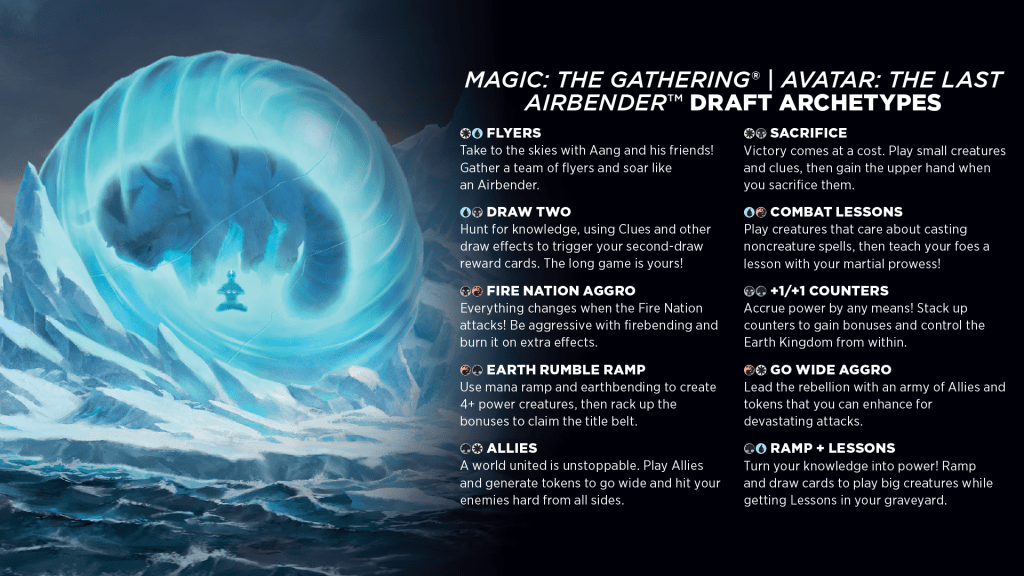
Source: Wizards of the Coast
Let’s cover each one in just a little more detail for now. These will be a major focus of the upcoming Avatar Draft guide, which will have strategy and trophy examples for each one.
WU Flyers (Tempo/Aggro)

WU seeks to execute a simple strategy that capitalizes on flying creatures. Air Nomad Legacy, Momo, Friendly Flier, and Teo, Spirited Glider are some of the more direct payoffs available. You’ll want to fill the rest of your deck with interaction and solid defensive creatures like Forecasting Fortune Teller and Rabaroo Troop.
UB Draw Two (Control)
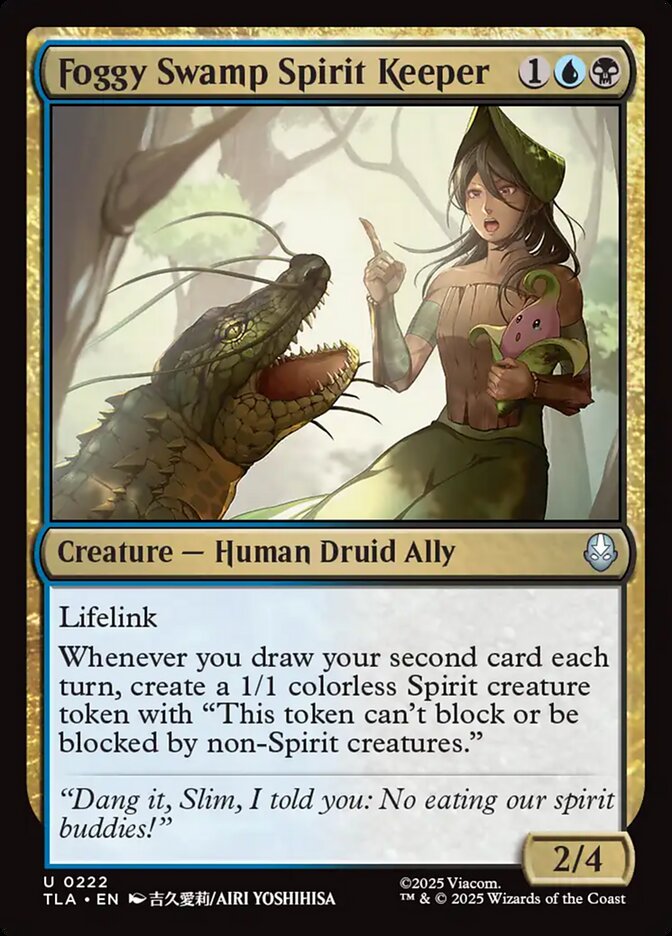
UB focuses on cards that care about drawing two or more cards in a turn. You’ll primarily trigger these with Clue tokens, as there are precious few cards in Avatar that directly “draw” otherwise. Geyser Leaper, Waterbending Lesson, and Abandon Attachments are some of your only non-Clue options. Because of this, I’m wary of cards like Tiger-Seal that need you to trigger them over and over. Foggy Swamp Spirit Keeper, on the other hand, has a solid baseline with pure upside if you can jump through hoops for it.
BR Firebending (Aggro)
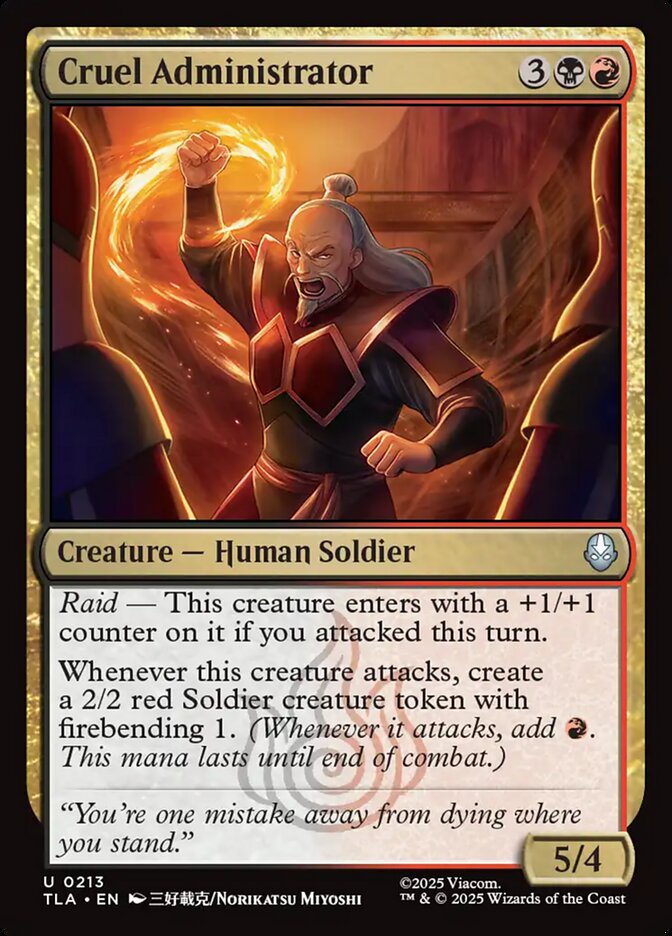
BR is one of the format’s two main aggro decks. Raid and firebending are the two main mechanics you’ll work with, which are both pretty straightforward. Attack early and often, and try to play some ways to leverage that firebending mana. You may also be able to set up occasional treason and sac plays with Jet's Brainwashing and Deadly Precision.
RG 4+ Power Matters (Midrange/Ramp)
RG treads familiar territory with a ferocious 4+ power theme. Bashing your opponent with big stuff is already a decent plan to begin with, and there are some incentives for this deck as well (i.e., Raucous Audience and Tiger-Dillo). Big earthbending cards like Earthbending Lesson provide another way to generate large beaters.
GW Allies (Midrange/Aggro)
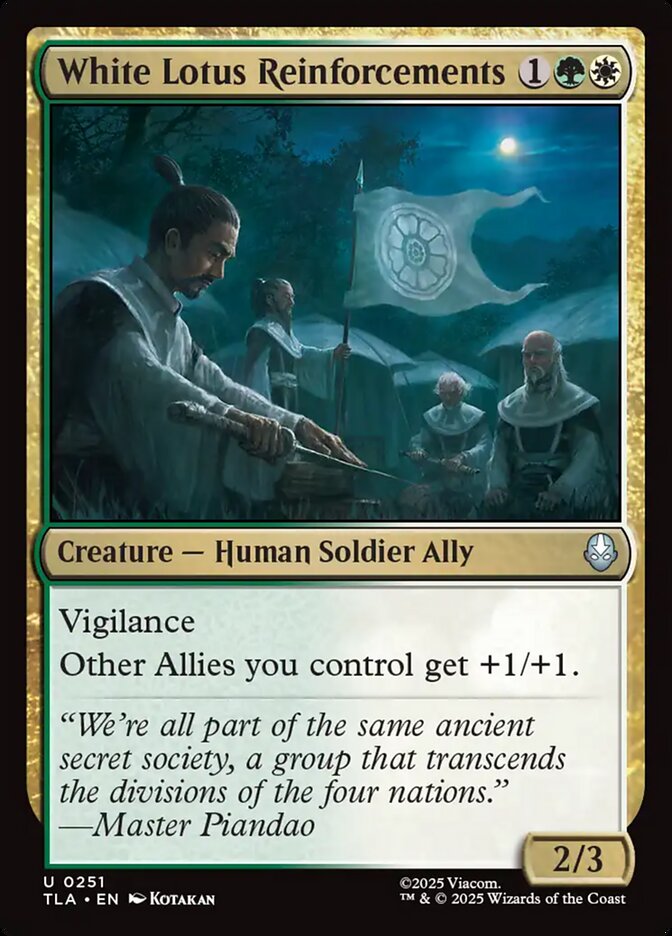
GW is the best color pair Avatarhas to leverage the ally creature type, which is rather well represented. There are allies in just about every color, though you’ll find that white has more than others. GW has some of the best targeted payoffs for allies, like Earth King's Lieutenant and White Lotus Reinforcements. You may find yourself splashing blue in this archetype for Katara, the Fearless and Aang, at the Crossroads (two of the best allies in TLA).
WB Sacrifice (Midrange/Control)
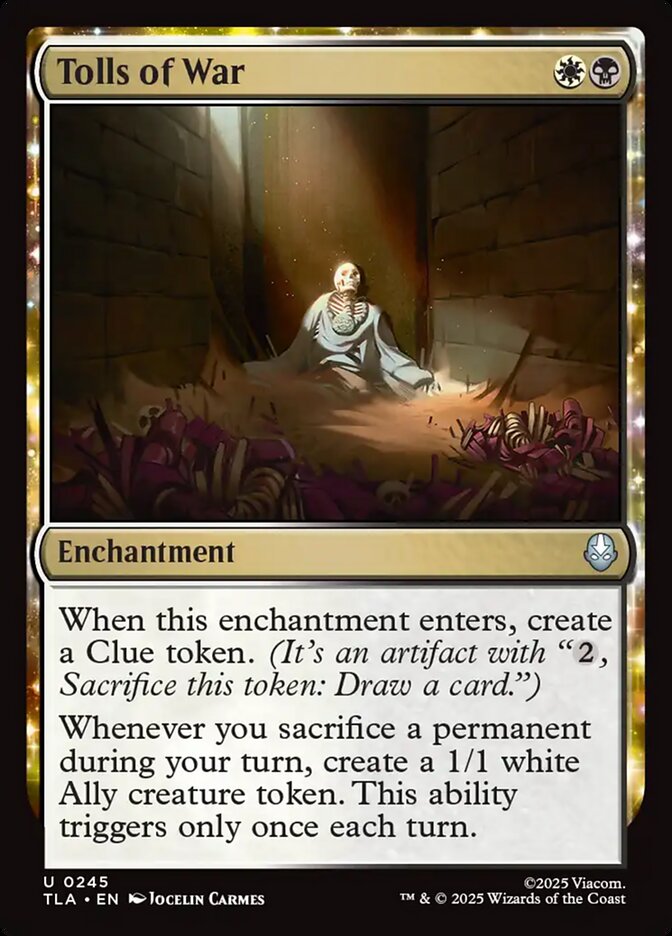
WB likes to sacrifice stuff for fun and profit. You’ll primarily sacrifice Clue tokens and fodder creatures like Callous Inspector. Doing so trigger cards like Tolls of War and Sandbender Scavengers. WB also has access to some of the best removal spells in The Last Airbender by virtue of its colors, so it can be pretty controlling.
UR Lessons (Tempo/Control)
UR is the more aggressive of the two lesson archetypes. It’s hardly a pure aggro deck or anything though, as cards like Dragonfly Swarm and Accumulate Wisdom scale well into later games. Prioritize including lots of lessons like Firebending Lesson, Aang's Journey, and Lost Days, plus lesson/noncreature payoffs.
BG +1/+1 Counters (Midrange)

BG cares about +1/+1 counters, and it’s unofficially the earthbending archetype. Land creatures naturally have +1/+1 counters to trigger cards like Buzzard-Wasp Colony, Earth Kingdom General, and Dai Li Agents. You can also get counters with cards like Foggy Swamp Vinebender and Leaves from the Vine. Expect a classic mix of green fatties and black removal from this archetype, with some (not especially vital) synergies.
RW Go-Wide (Aggro)

RW is my pick for the fastest deck in the format. It wants to go wide and overwhelm the opponent with lots of creatures. Cards like Deserter's Disciple, Glider Staff, and Twin Blades provide some ways to get through or around blockers. You can also try to just flat out overpower your opponent with something like How to Start a Riot.
GU Ramp/Lessons (Ramp/Control)
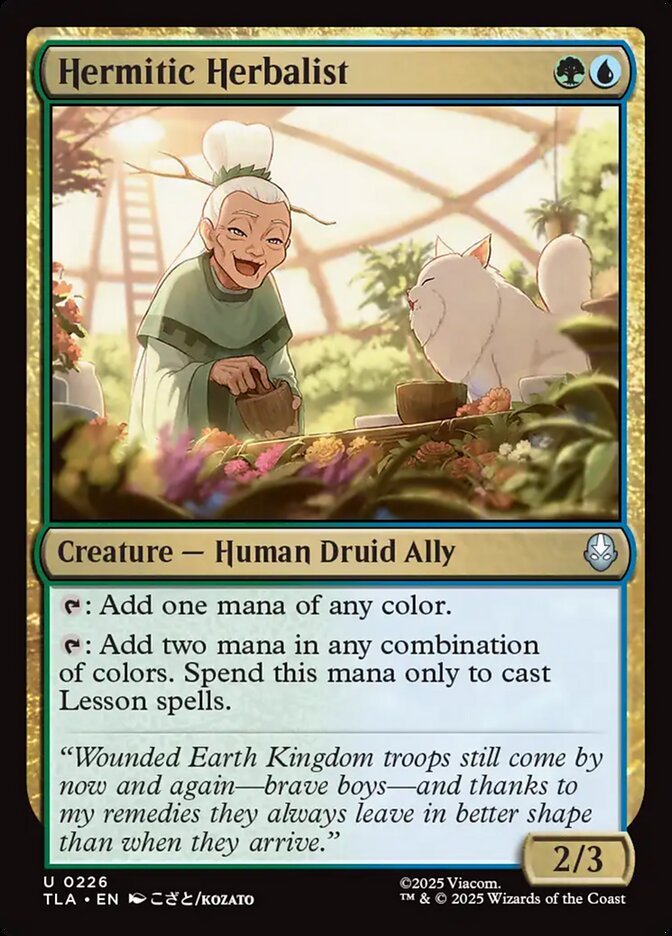
GU is doing classic Simic things in Avatar. It’s the single greediest archetype you can draft, and the most likely to durdle and splash cards from other colors. Hermitic Herbalist is the perfect 2-drop for both of those tasks, as this adorable old grandma is perfect for casting off-color cards. You’ll also find plenty of incentives to focus on lessons in this color pair, including some exciting rare ones like Iroh, Grand Lotus.
Set Overview
Now that we have the basics out of the way, we can dig into more of what makes Avatar Limited tick! The overall structure of Avatar feels familiar to most Limited sets, but with some subtle differences.
Archetype Overlaps and Correspondence
One important thing to think about in Limited is how archetypes overlap with each other, and how cards correspond to existing archetypes. Let’s start with an example of the latter:
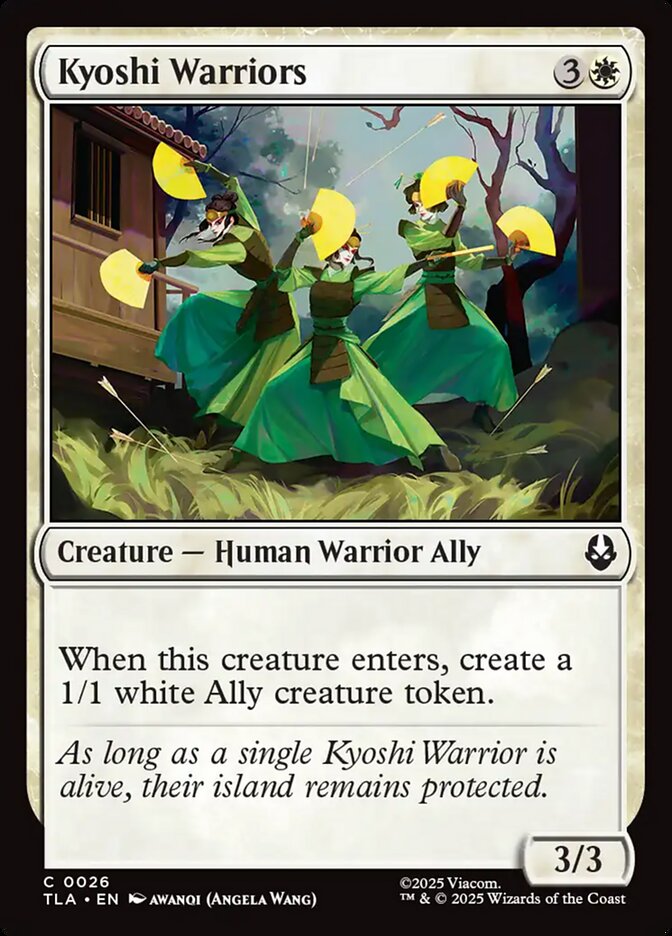
- GW Allies likes getting two relevant typed creatures from Kyoshi Warriors.
- WB Sacrifice appreciates the disposability of the 1/1.
- RW Aggro enjoys cards like this that make two bodies to power up its go wide plan.
- WU Skies is the only deck with no obvious synergy, although it can still play this on rate.
As you read new cards, try to think of how they fit into the archetypes. Here’s one more example that’s great but less synergistic:

- UB Draw loves this card, as it’s a cheap blocker that provides an invaluable Clue.
- No other Ux archetype has much direct synergy with it; however, a cheap blocker that replaces itself is still quite useful for any blue deck.
I’d also add that 2-drops in general have less demand placed on them, whereas a 4-drop like Kyoshi Warriors needs a louder “why am I playing this” to make a deck.
Archetype Overlaps Explained
Here’s some rough spitballing on how Avatar’s archetypes may play off each other. We’re looking for shared card clusters, synergies, and more.
- Clues are vital for UB and WB specifically, both of which care about sacrificing them.
- BR and RW can leverage many of the same early game creatures and firebending payoffs. I also like Cunning Maneuver in both archetypes.
- BG and BR can play off WB’s sac synergies in different ways. RB has steal and sac, while BG can sometimes make use of earthbent creatures as sac fodder.
- UR and GU both care about lessons and may seek to splash some of the set’s most promising lesson payoffs (i.e., Iroh, Grand Lotus).
- RG can also be built as a lesson deck; Earthbending Lesson does double duty as a 4+ power creature and lesson here.
- WU Skies is probably one of the more strategically isolated archetypes. If it splashes or goes outside of theme, it’s likely to be a more control or ally focused build.
- Same goes for GW Allies, though it’s more likely to splash than a WU deck.
Overall, most of the overlaps in Avatar: The Last Airbender are fairly subtle.
Cycles
You can learn a lot about a new set by learning its cycles. Avatar has many cycles across rarities that serve to fill out the set and support its Limited environment.
Hybrid Commons


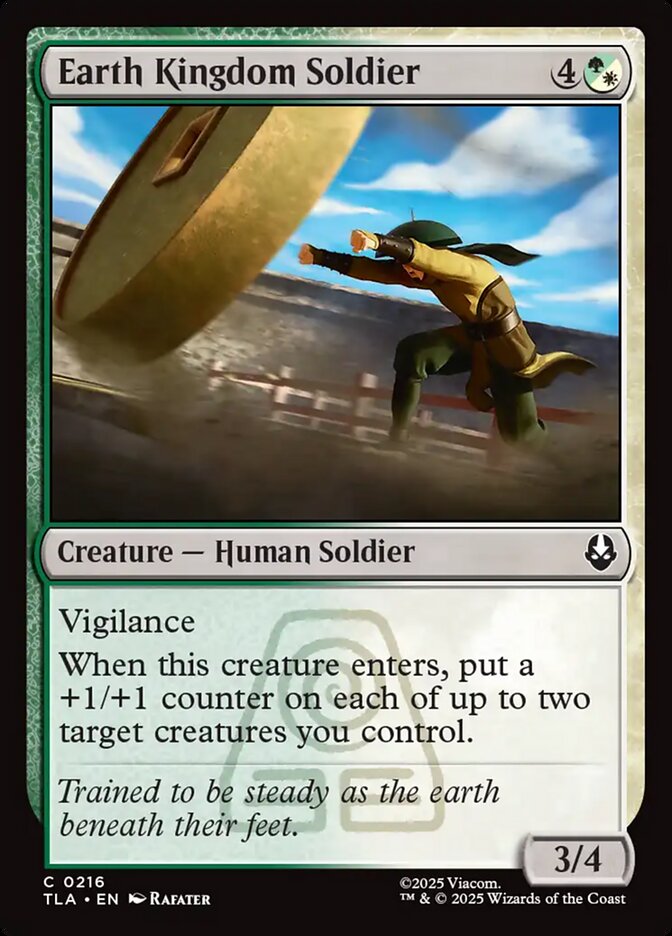
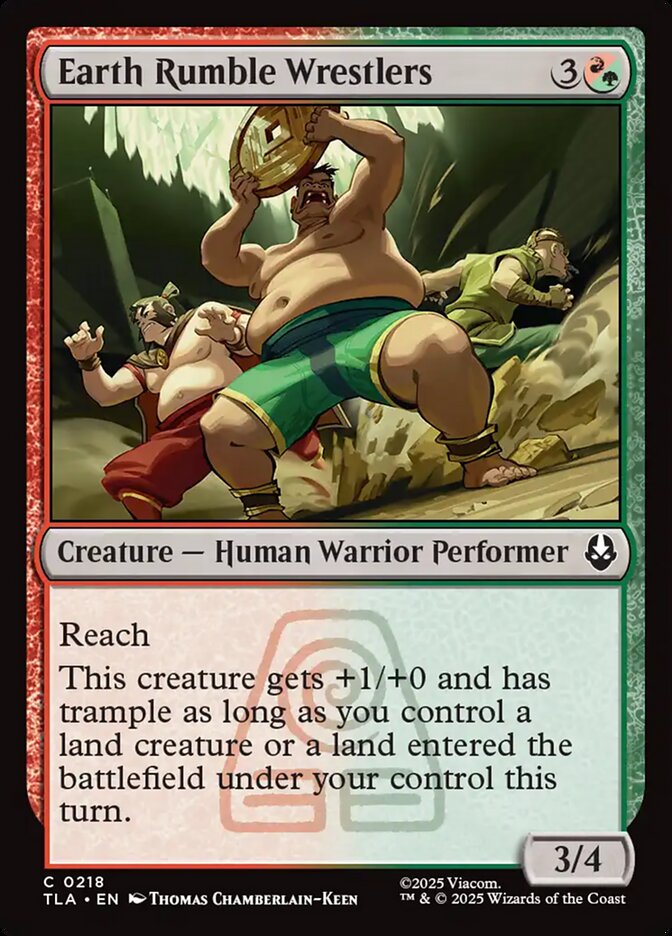

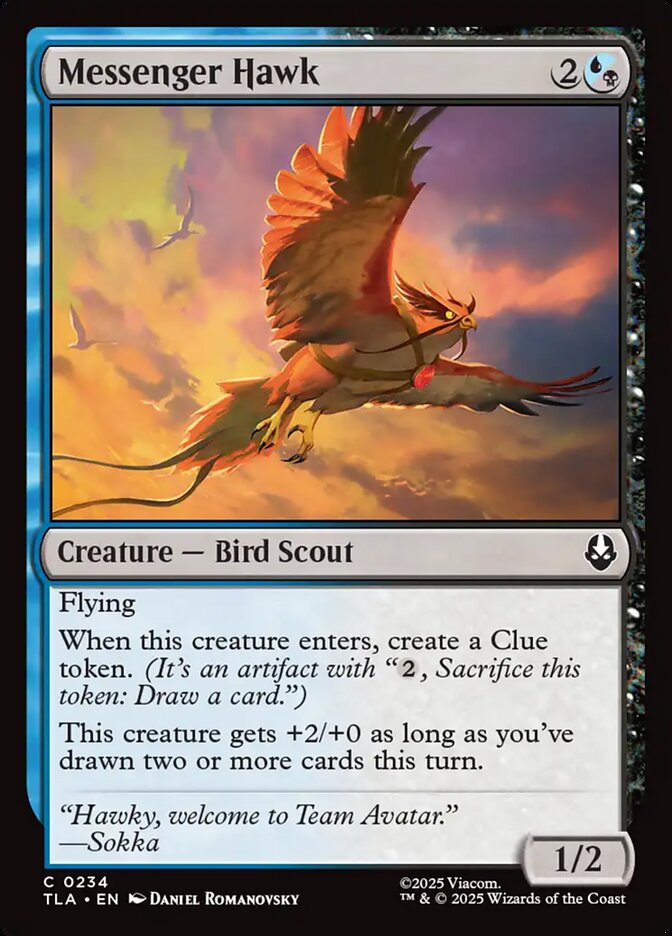
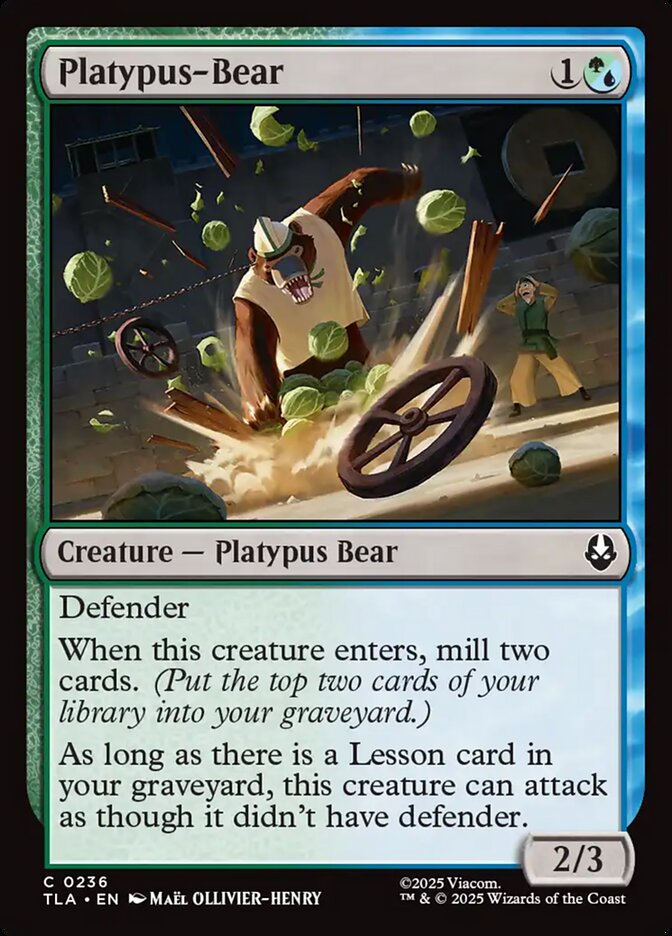
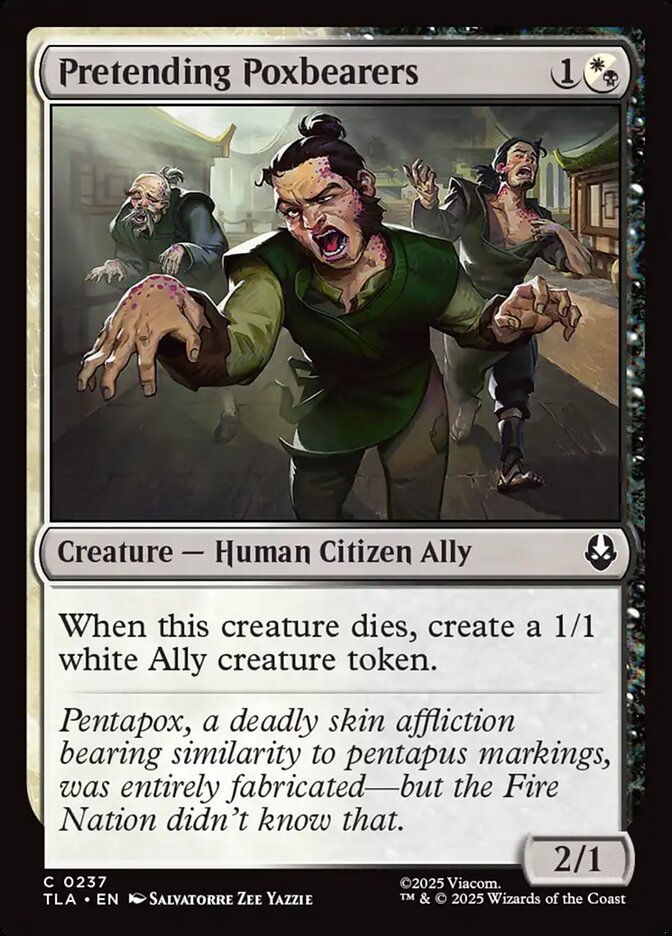

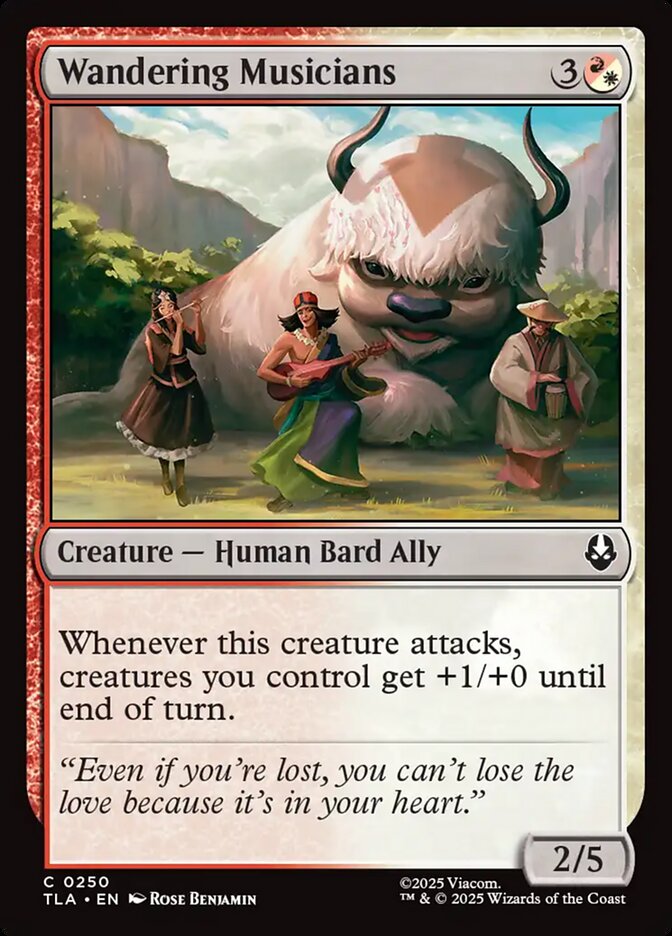
These are cards that help to reinforce the set’s 2-color archetypes. Hybrid cards work best in their specific color pair, but most are also decent enough on rate to be playable in other decks.
Common Dual Lands
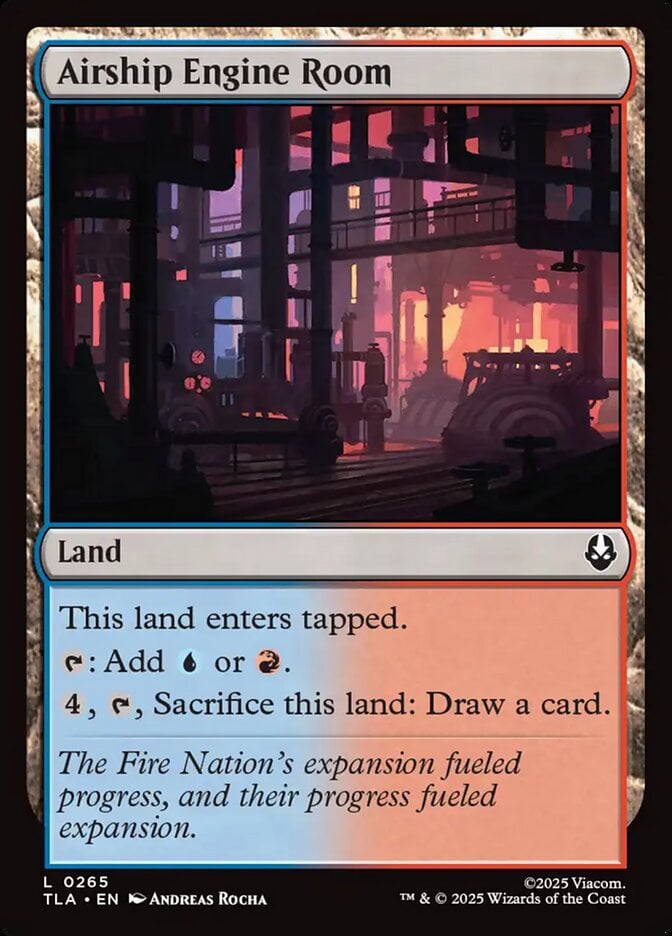
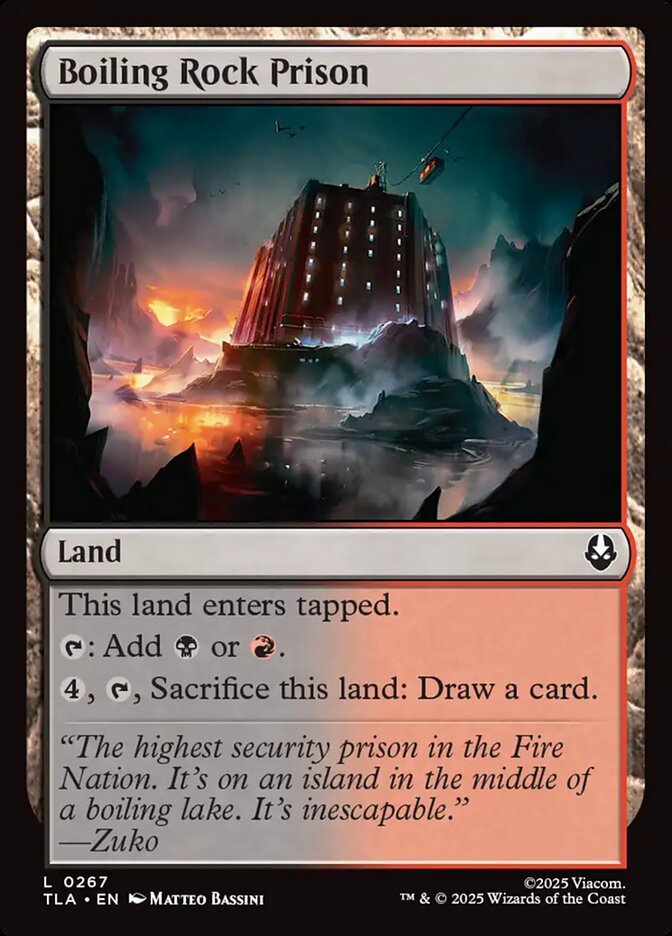
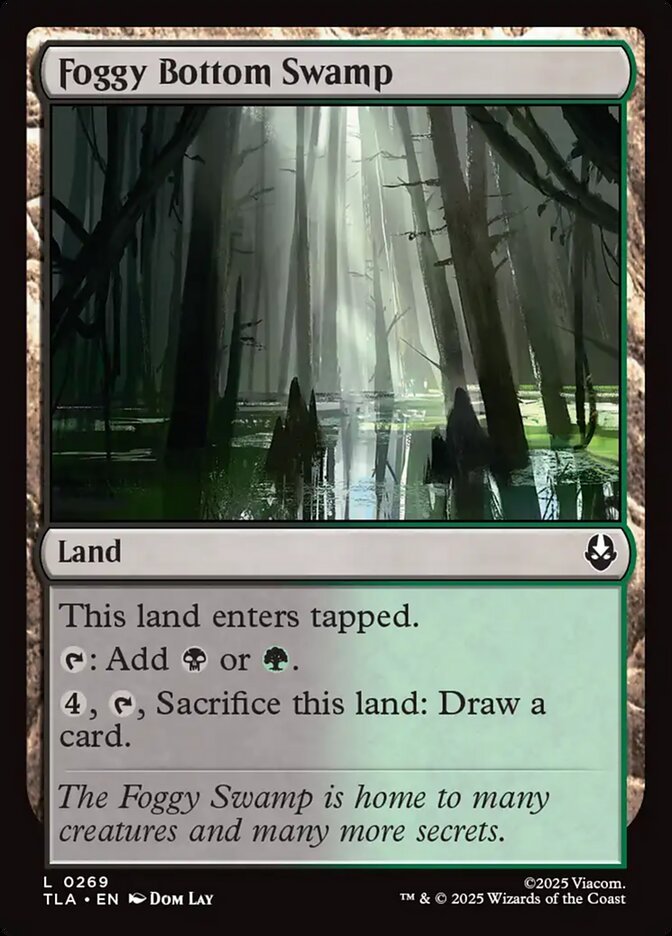
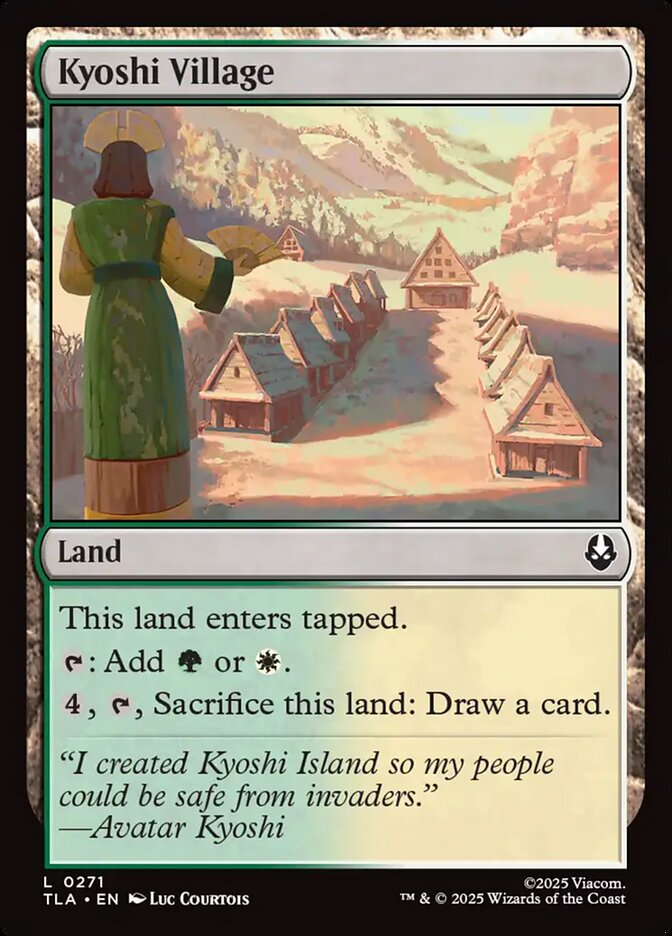

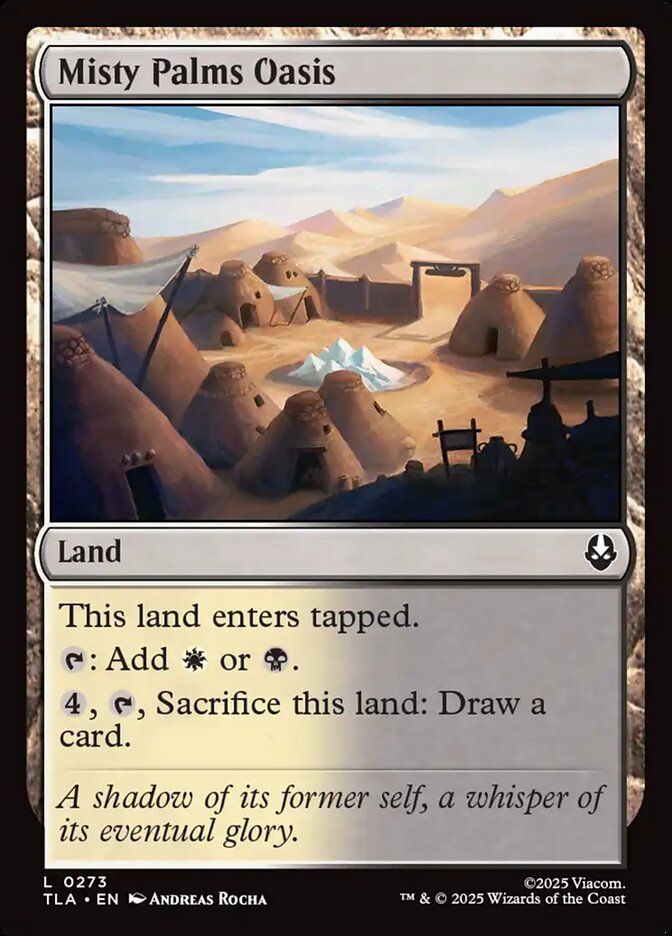
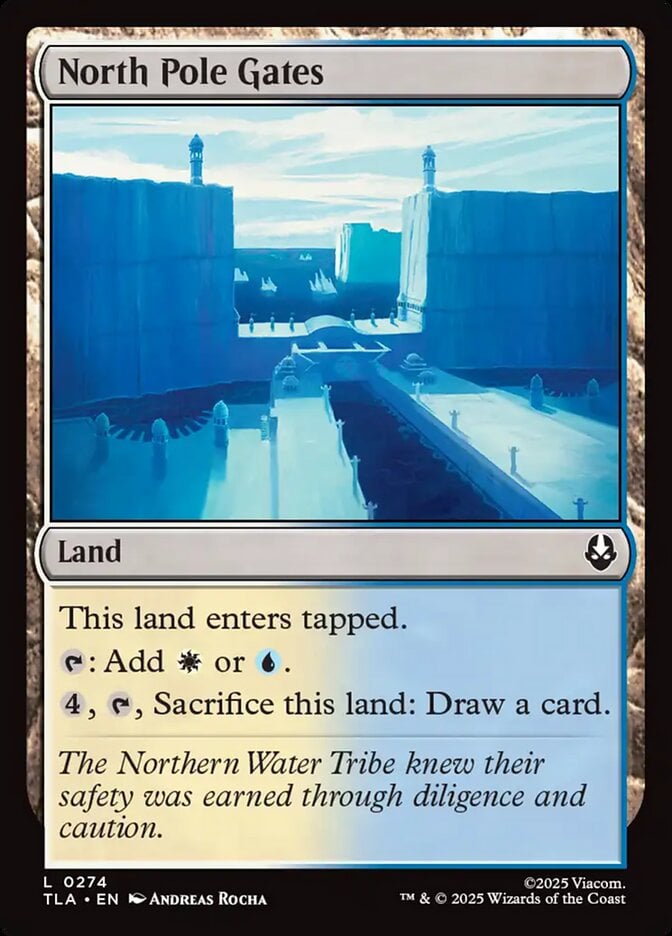
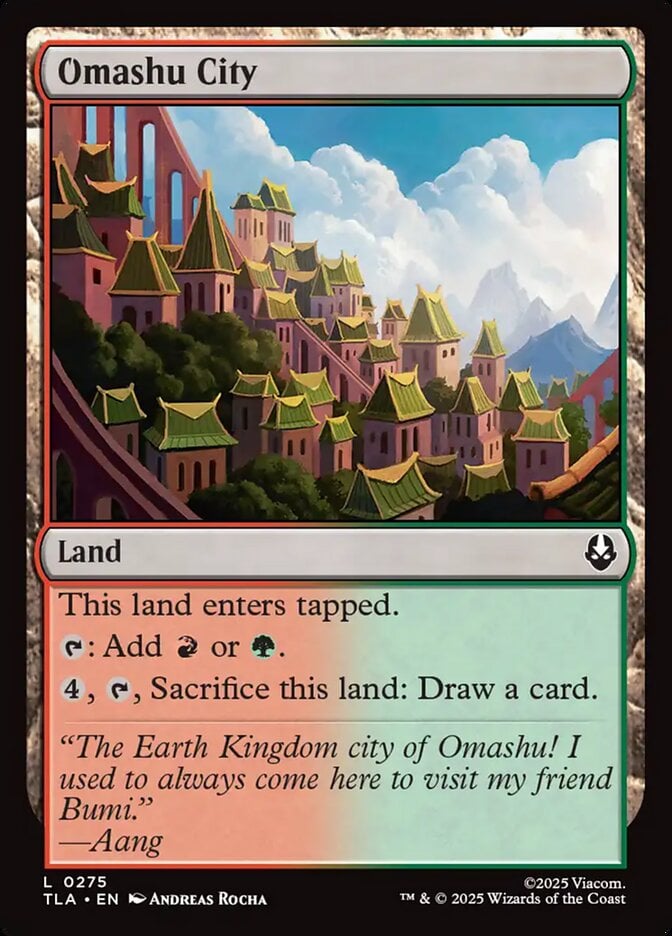
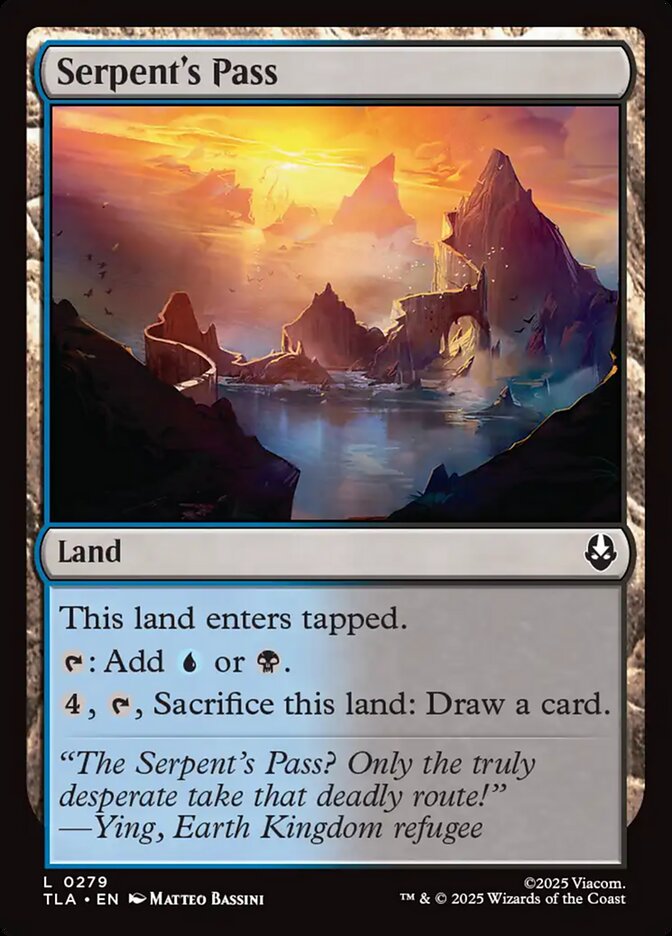
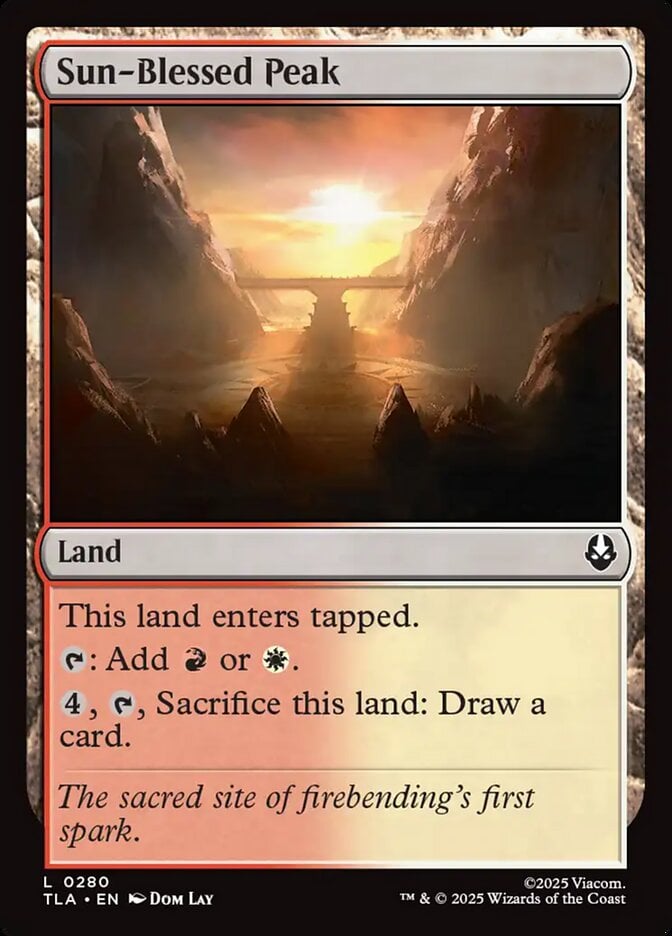
These duals have a 50% chance to replace a basic land in each Play Booster. They’re straightforward mana fixing, but they’ll definitely be appreciated in this Limited format. Their late game ability can come in handy if you flood out, and it also provides an additional way to trigger cards like Messenger Hawk.
Uncommon Signposts
These are vital Limited cards for each archetype and are essentially a sales pitch for going into that color pair and doing that pair’s “thing”.
Hybrid Uncommons


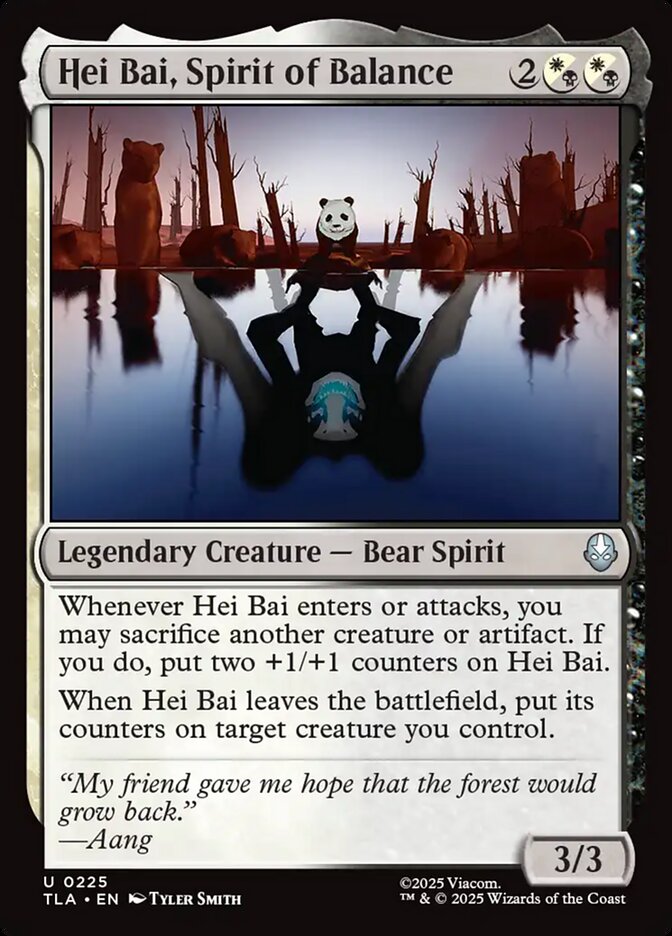
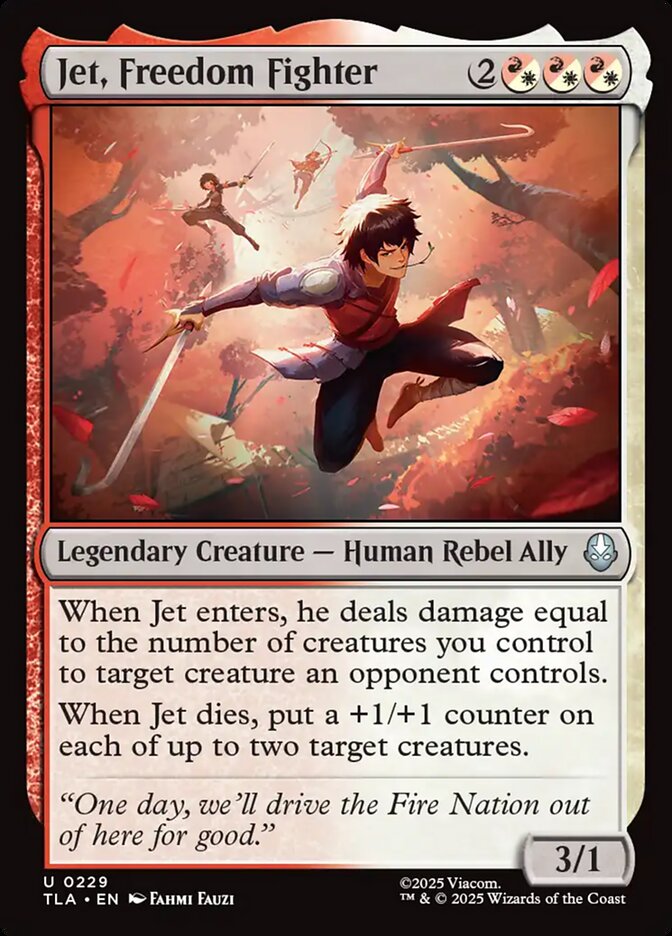
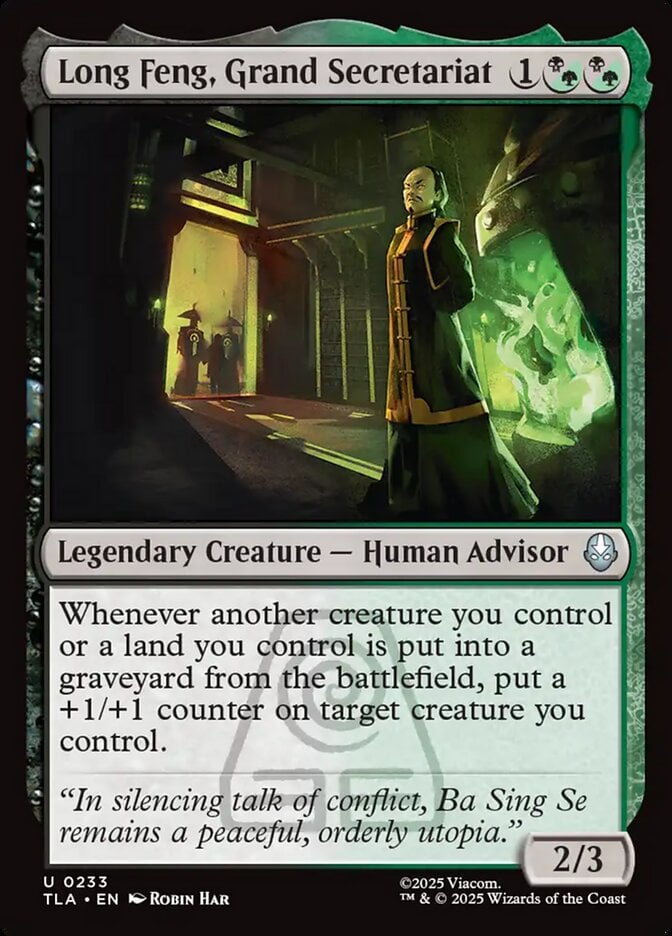
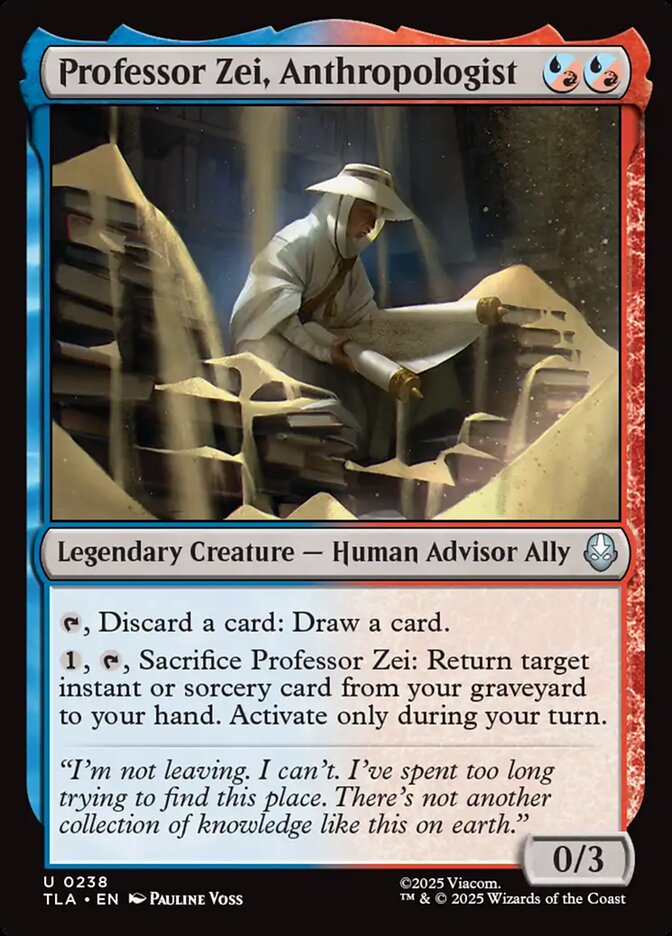
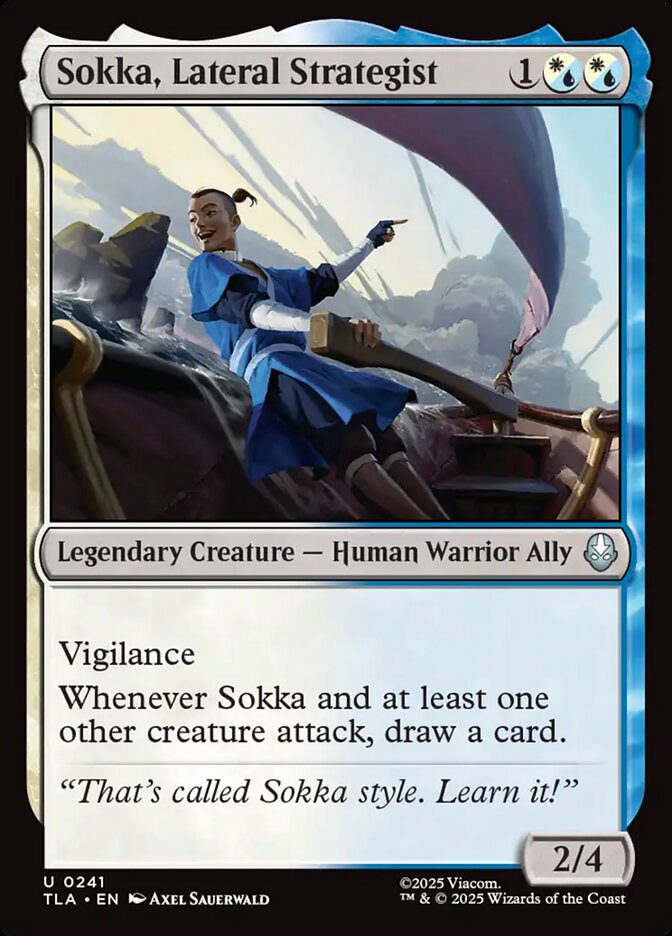
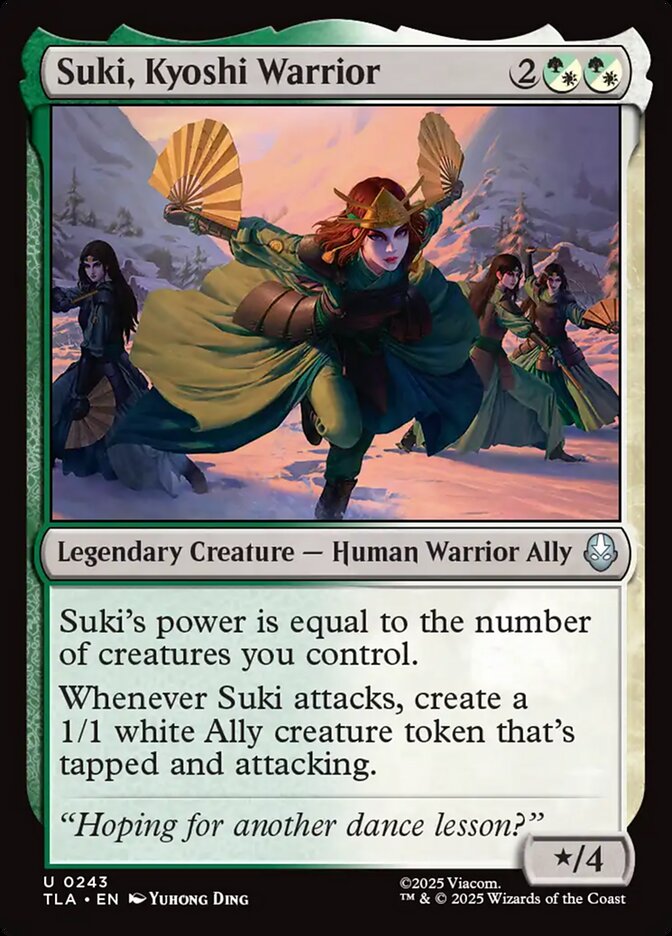


Hybrid uncommons provide a softer sales pitch that isn’t quite as restrictive. They’re similar in function to the hybrid commons, though they’re generally a bit stronger.
Mono-Colored Incentives
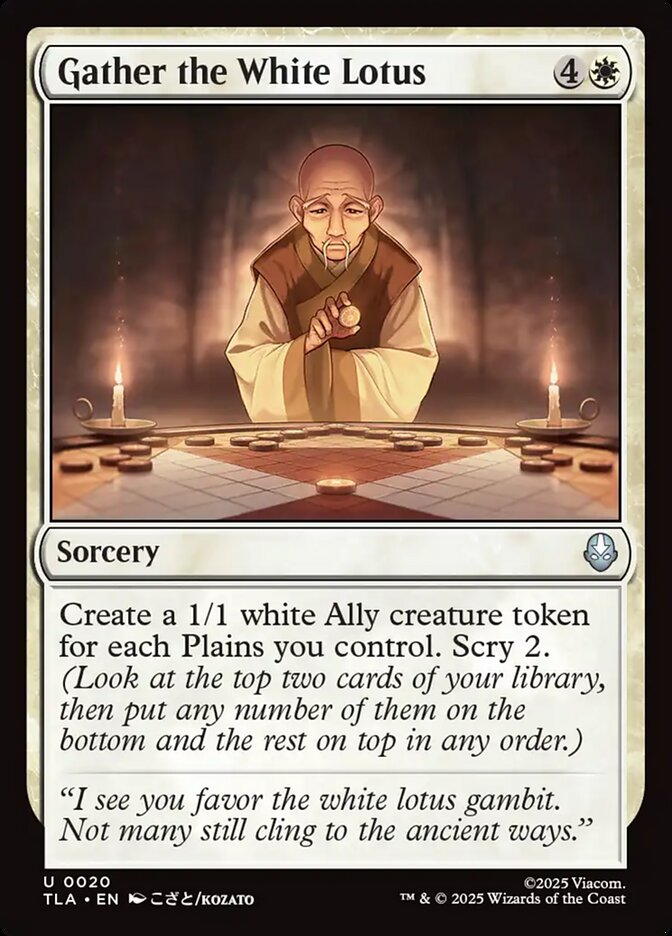
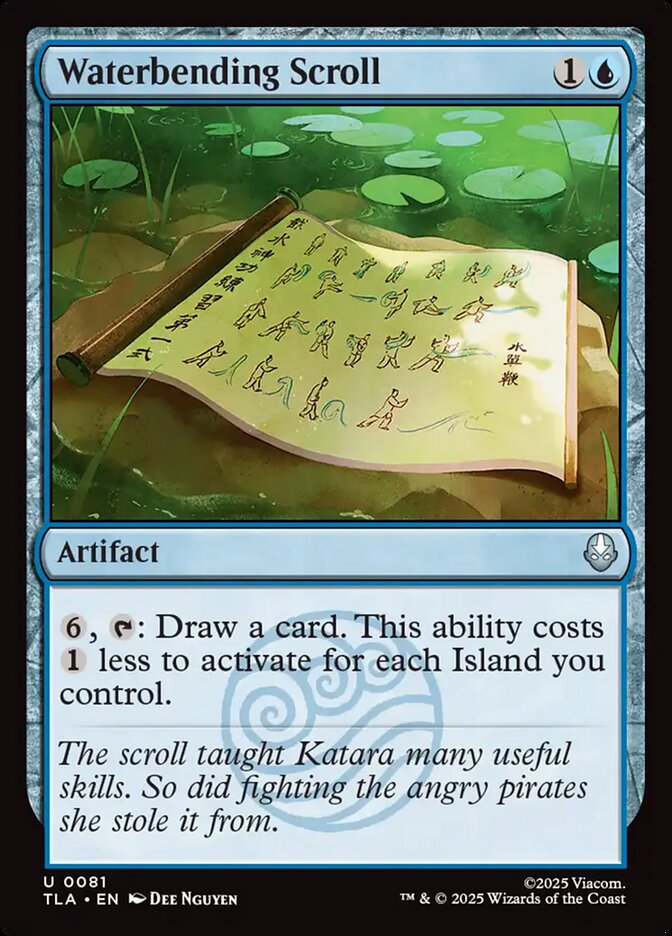
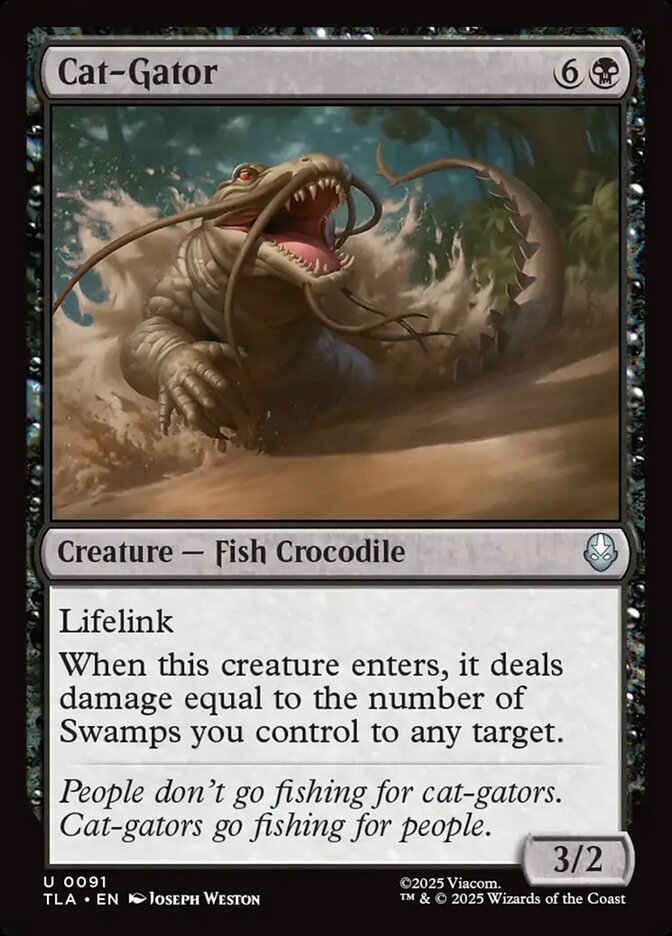
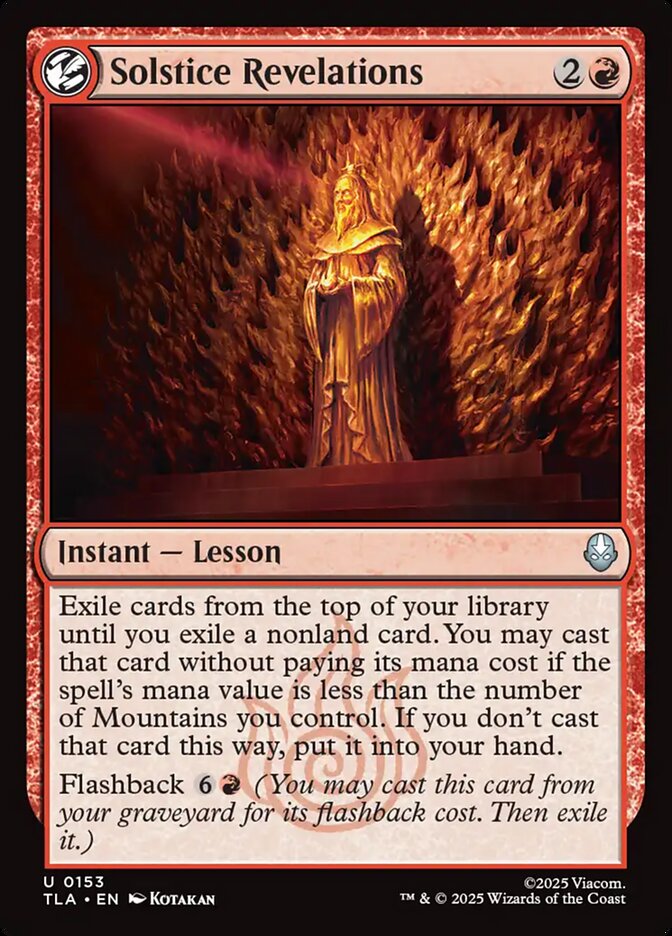

Avatar includes five mono-colored incentives at uncommon. These provide a strong payoff for playing mostly one type of basic, but shouldn’t be too impressive with an average 9/8 mana base. The aforementioned hybrid commons/uncommons actually help to support these by making it easier to focus on one primary color.
Shrines
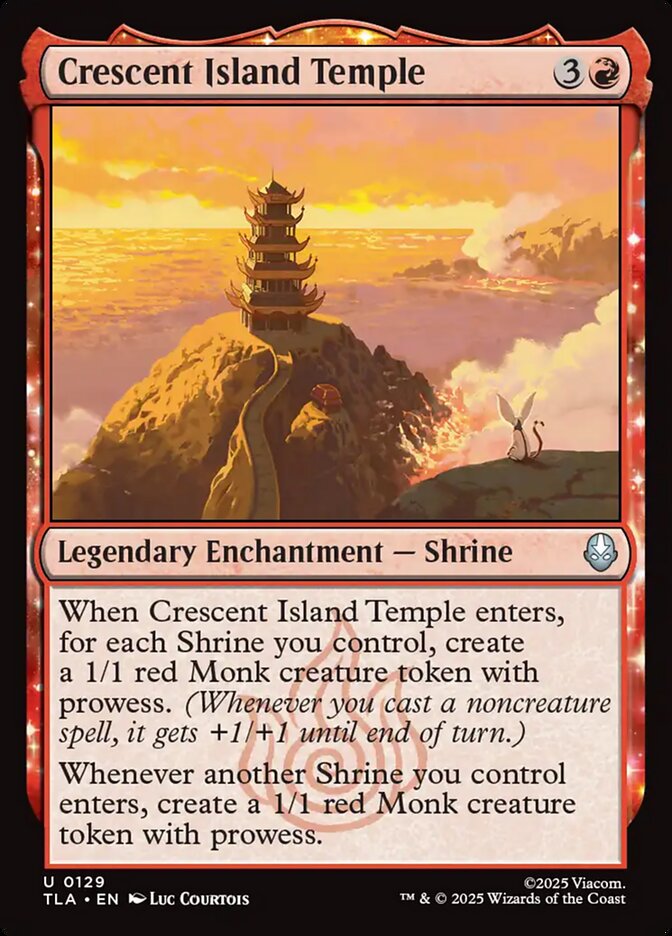


I explained these earlier, but they’re technically a cycle of uncommons!
Rare Ascensions


Avatar has four new “Ascension” cards, one for each form of bending. These are strong rares that encourage you to build a deck around their specific type of bending. They aren’t restricted to any particular color pair, though you’ll want to be based in whatever color they are for best results. You can consider Bloodchief Ascension from the bonus sheet an honorary fifth card in the cycle.
Two-Color Rares


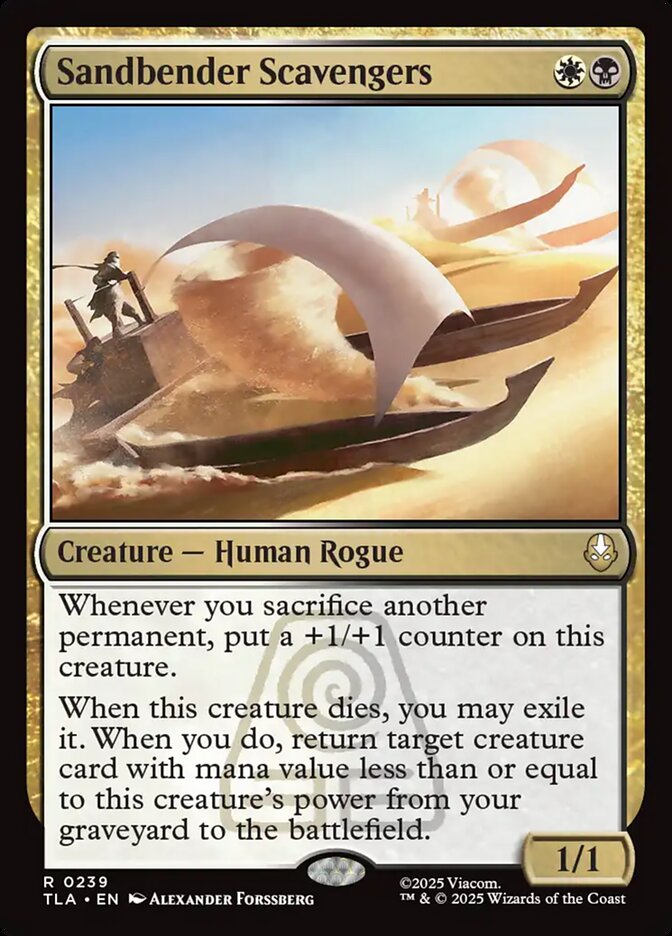
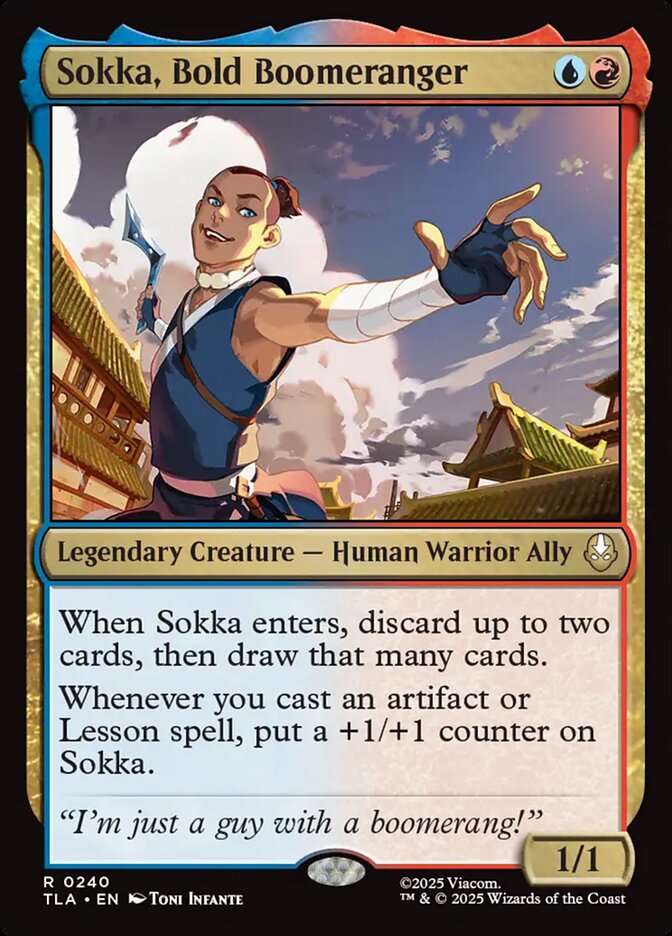
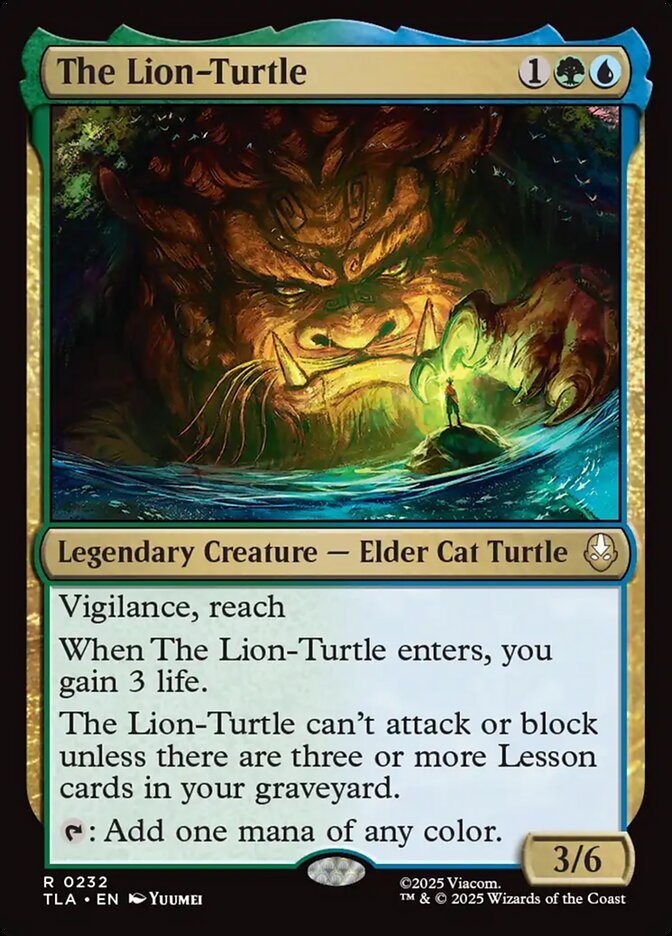

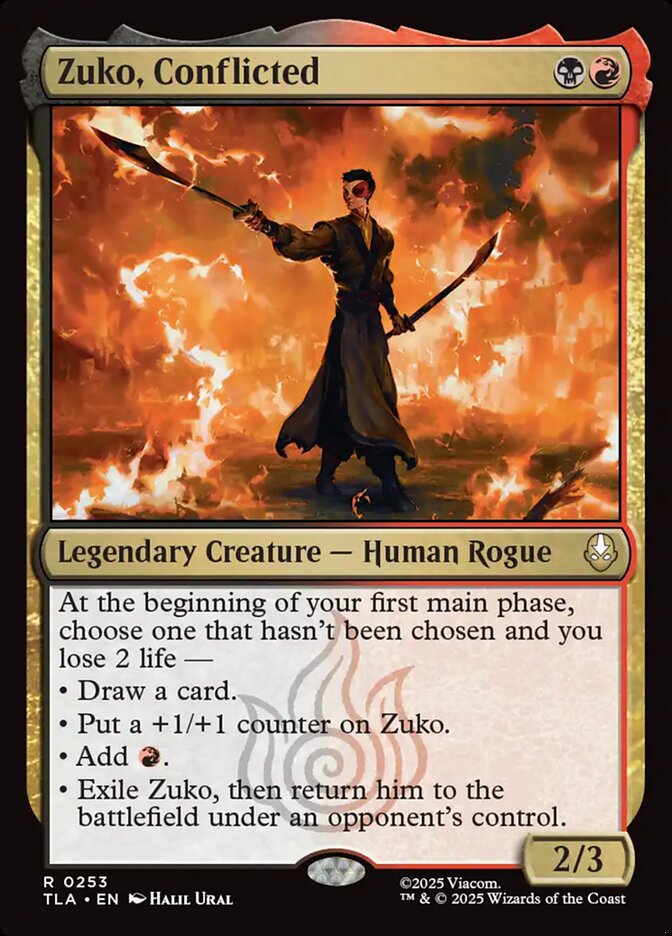
Each color pair gets a powerful rare in Avatar: The Last Airbender. Well, except Boros (which gets Iroh, Tea Master). Most of these are strong incentives to play that color pair, and some are even worth splashing.
Rare Lands
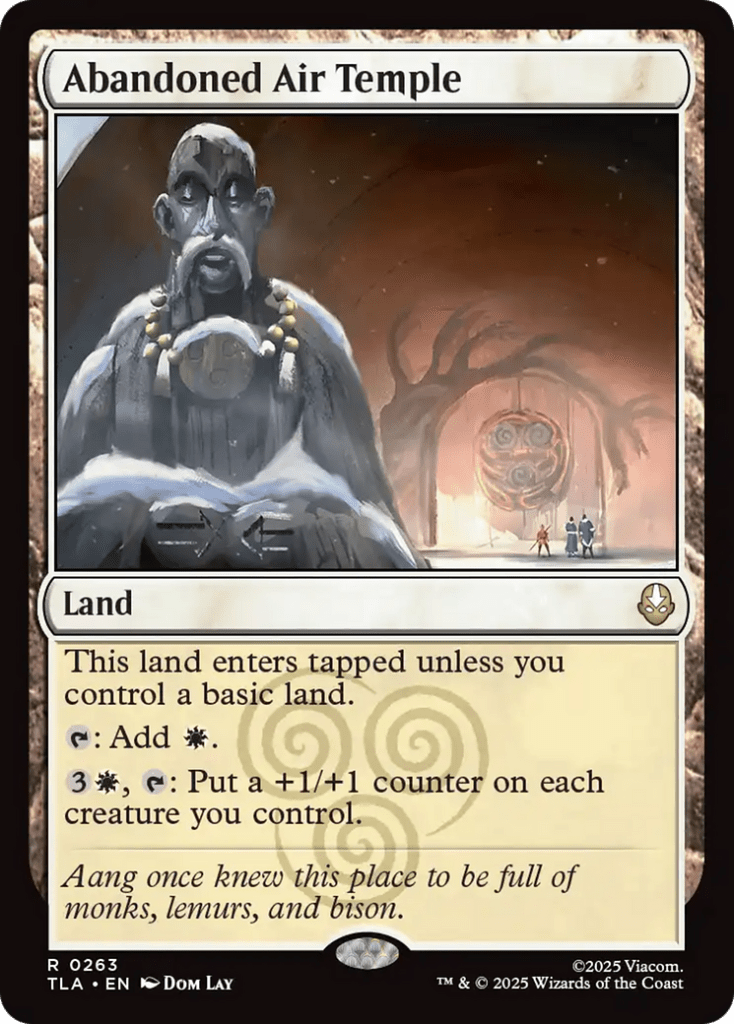

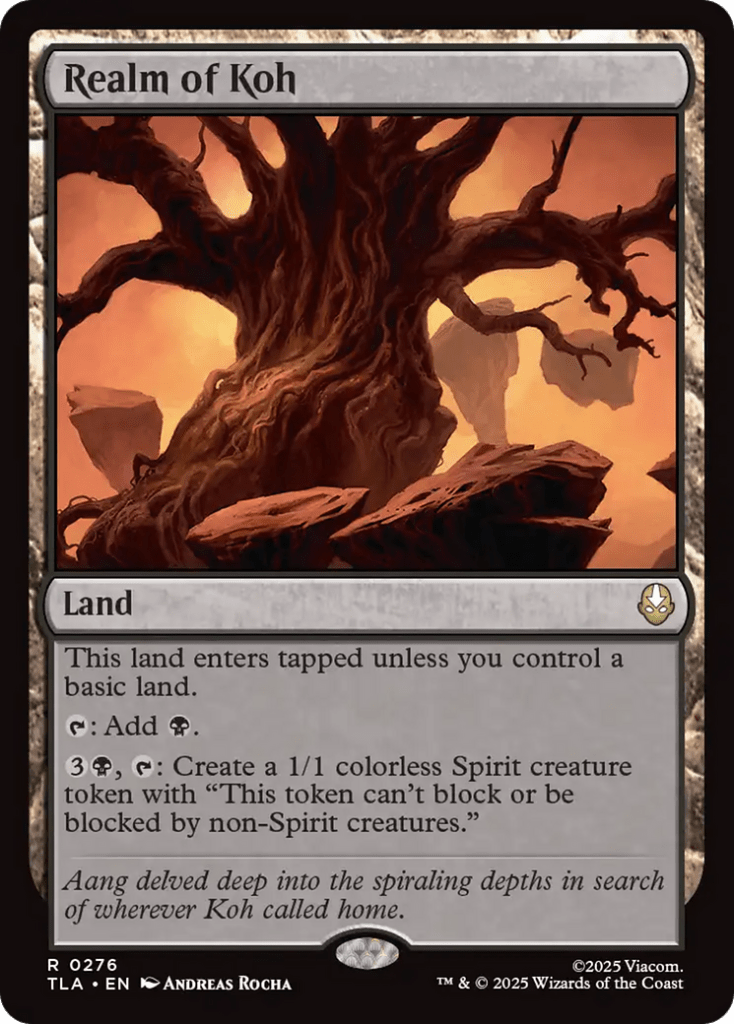
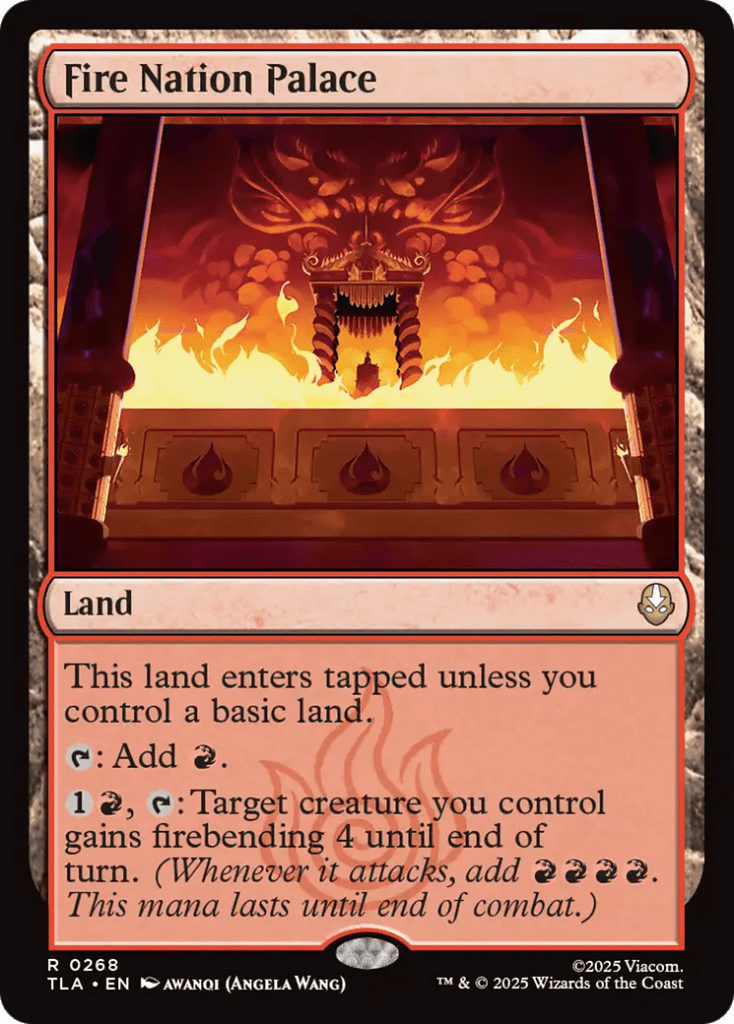
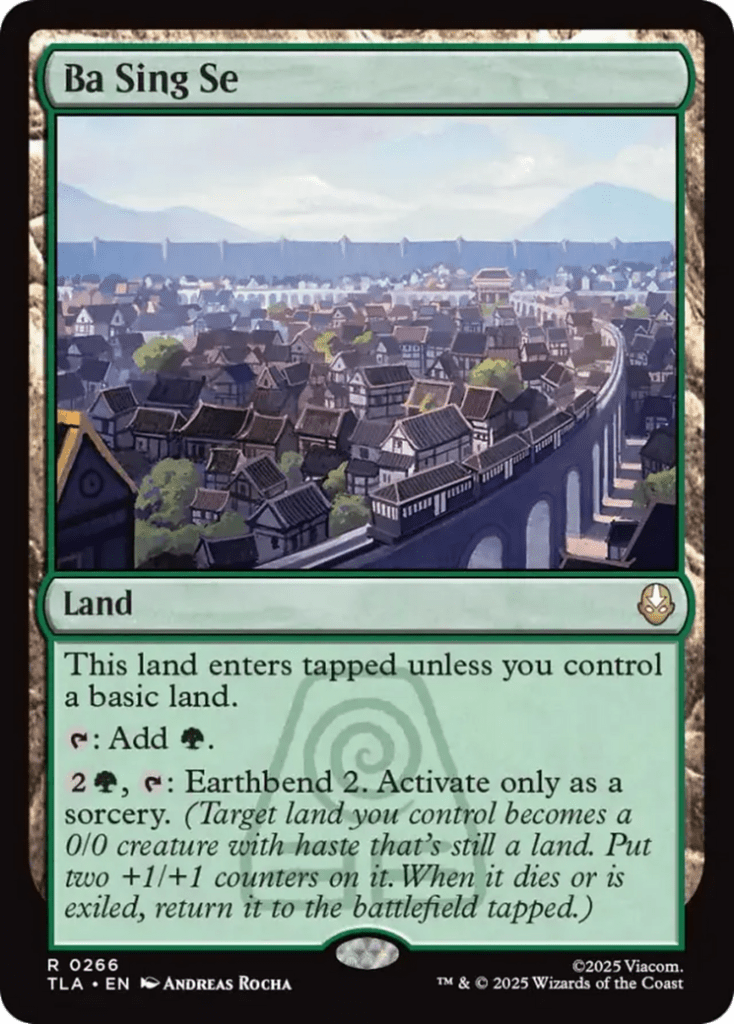
Avatar includes a cycle of five rare lands that enter tapped unless you control a basic. These lands tap for their respective color of mana, and they also have some kind of built-in mana sink for late game. Given how easy it is to have them enter untapped, I gave all of them high marks in the Rare Review!
Mythic Saga TDFCs

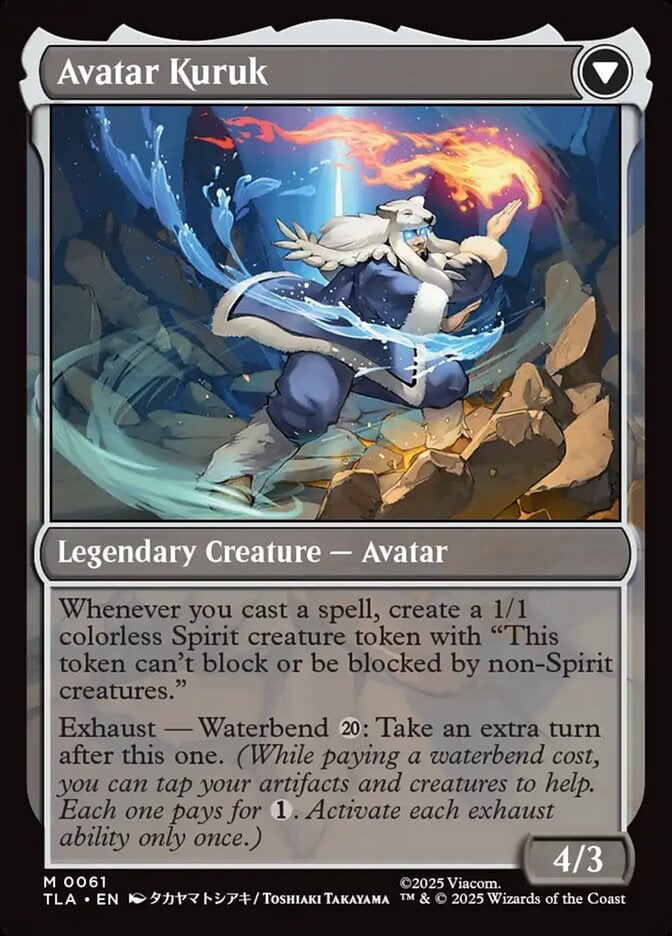


Lastly, there’s a cycle of mythic sagas that are all transforming double-faced cards.Every single one of these is pretty nuts in Limited.
Colors
Another way to learn about a new set is to examine its colors at common. I’ll give an overview of what each color focuses on in Avatar: The Last Airbender.
White
White has the highest density of allies, with only two creatures that aren’t allies (Curious Farm Animals and Rabaroo Troop). It has three solid removal spells, a decent combat trick (Yip Yip!), and more 3-drop creatures than other colors. Glider Kids is its only natural flier, though it has some other sources of evasion.
Blue
Blue has more fliers than other colors, and more 2-drop creatures as well. It’s surprisingly creature dense compared to how it is in most sets, though this makes sense with waterbending. Watery Grasp is its sole hard removal spell, although it has some other soft options like Lost Days and It'll Quench Ya! Blue has more common lessons than every other color.
Black
Black is big on sacrifice and removal in Avatar. Deadly Precision hits both themes, but Swampsnare Net and Sold Out are less demanding to use. Black’s creature quality seems fairly lackluster, although many of them work well as sacrifice fodder.
Red
Red is likely to be the most aggressive color in TLA. That’s not all it does though, as it has great removal and a surprising number of fatties like Rough Rhino Cavalry and Mongoose Lizard. Picking the right red commons for your archetype seems important, although the best ones like Lightning Strike and Firebending Lesson are universally great.
Green
Green doesn’t have as much fixing as it does compared to most other sets. Cycle of Renewal can help to splash other colors, but it’s pretty much the only direct option available. Green has some strong common creatures though, particularly Ostrich-Horse, Raucous Audience, and Badgermole. Rocky Rebuke is its only removal spell, though it does a reasonable job at that.
Other
Avatar has some notable colorless cards as well. Zuko's Exile and Barrels of Blasting Jelly provide mediocre removal for any deck, while Aang's Journey and Bender's Waterskin do the same for mana fixing. There’s also Kyoshi Battle Fan, which is a good 2-drop for both GW Allies and WB Sacrifice.
Mana Fixing
Avatar: The Last Airbender is an ambitious set that’s somewhat lacking in mana fixing. At common, your options are:
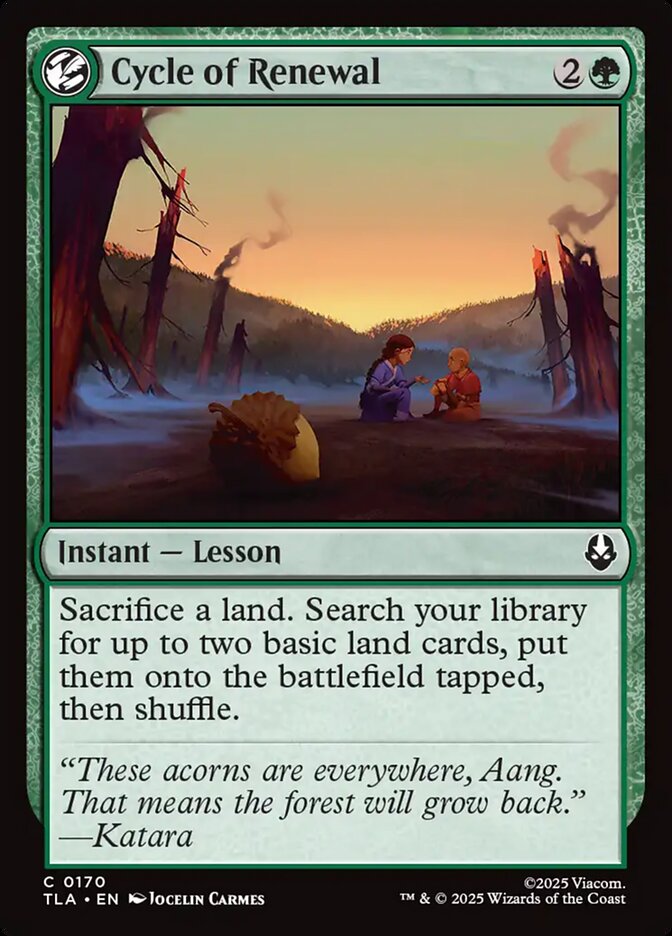
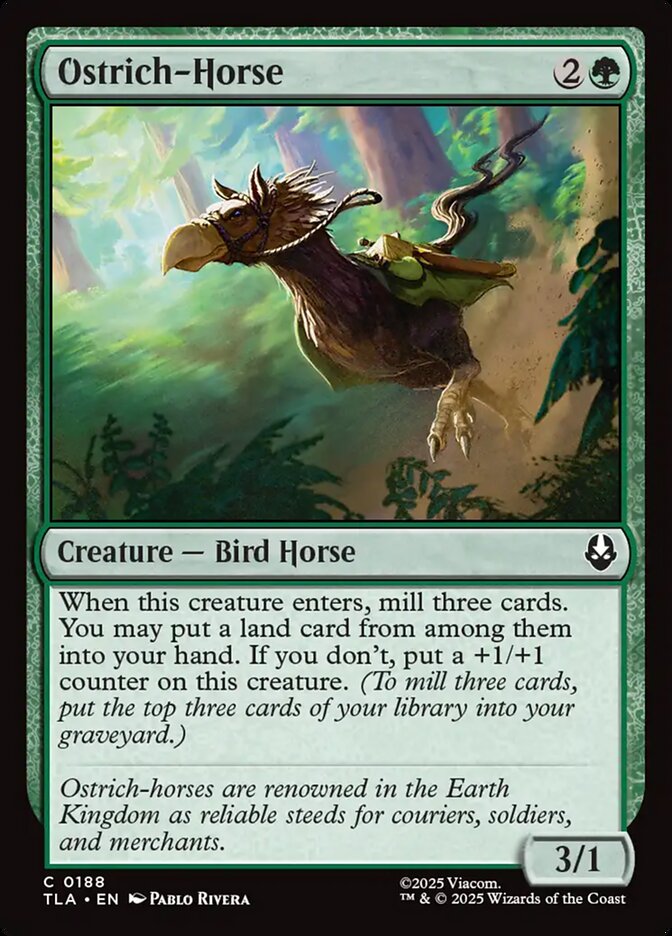


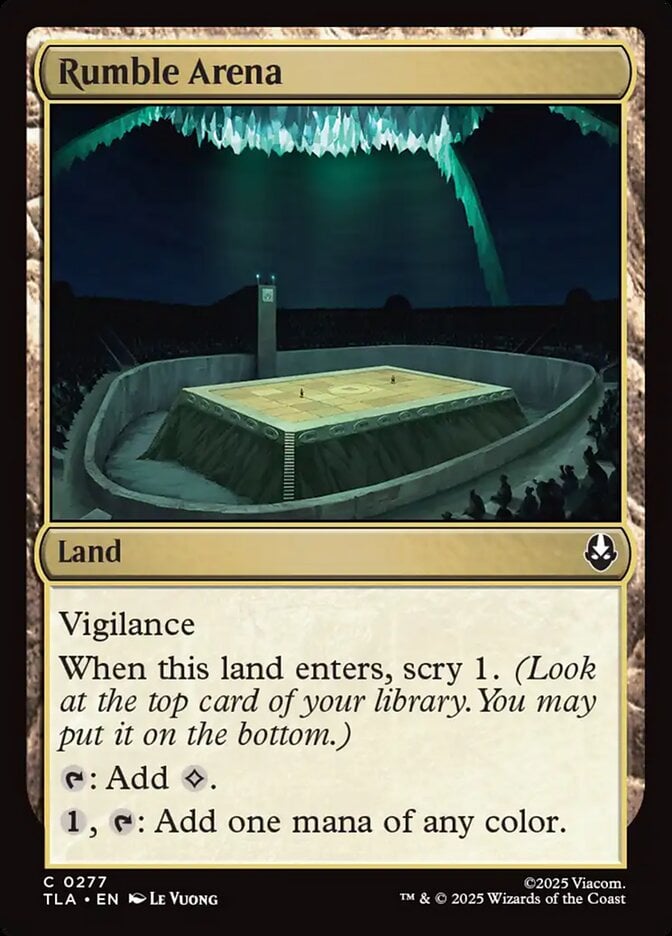
- Cycle of Renewal
- Ostrich-Horse (soft fixing at best)
- Aang's Journey
- Bender's Waterskin
- The dual land cycle
- Rumble Arena


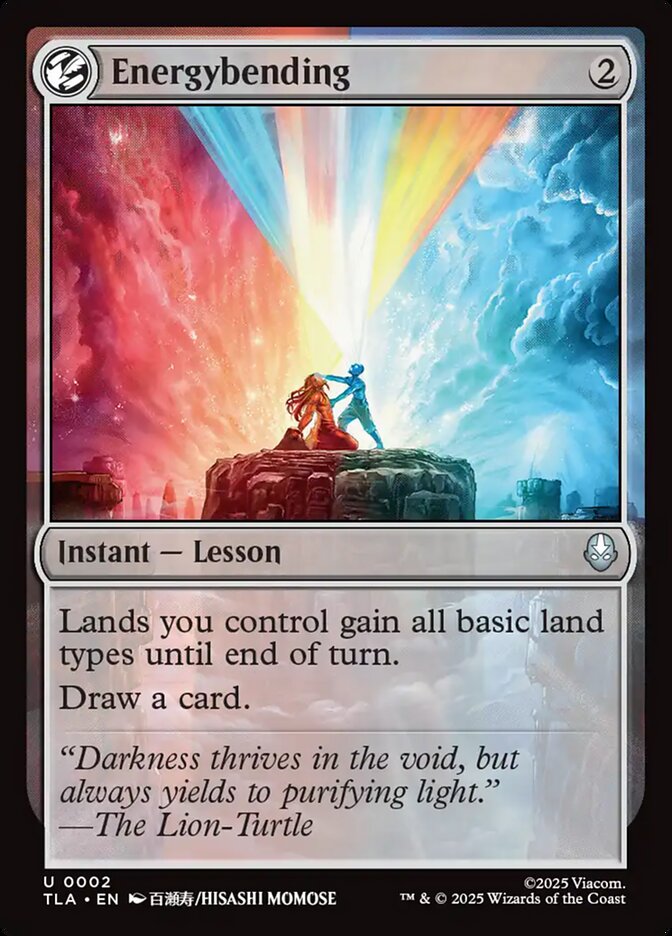

Including uncommons provides some additional options:
- Kyoshi Island Plaza
- Shared Roots
- Unlucky Cabbage Merchant
- Hermitic Herbalist
- Energybending
- White Lotus Hideout
The dual lands, Cycle of Renewal, Aang's Journey, Shared Roots, and Hermetic Herbalist are among the best options for splashing. There’s enough to make cards like Avatar Aang work occasionally, but you won’t always have the tools to pull that off either. I’d expect Avatar to mostly be a 2-color set in practice.
Sub Archetypes
Avatar has a couple of distinct “other” things to do, outside of the 10 main archetypes.
Mono-Colored Incentives
The mono-colored cards can provide the basis for their own archetypes. Each of them gets dramatically better as you increase their basic count, so my goal would be to get as close to mono-colored as possible. Cycling creatures like Giant Koi can help to artificially increase your basic count as well.
Shrines
Shrines are a sub archetype that works best in greedy GUx shells, which can splash for any number of extra shrines. The Spirit Oasis is by far the most important shrine to have, while the others seem fairly mediocre. If you’re going to bother with shrines, you should very much aim to play every single one you have. Northern Air Temple may be useless on its own, but it still makes all your other shrines better!
Lessons in Odd Color Pairs
One interesting facet to lessons in Avatar is that they aren’t entirely Temur based. White and black both have some playable ones, and there are even a handful of lesson payoffs outside of Temur. Aang, the Last Airbender, Master Piandao, and Lo and Li, Twin Tutors may have you prioritize lessons in unusual color pairs. I’m also a fan of First-Time Flyer, and I may find myself using lessons to include it in WU Skies.
Allies Everywhere
Allies may also occasionally leave the confines of GW. Boiling Rock Rioter, Wartime Protestors, Katara, Water Tribe's Hope, and Sokka, Tenacious Tactician are strong payoffs in atypical colors. Some of these are reasonable to splash in GW, while others would demand an entirely new deck.
Borderless Source Material Cards
Avatar: The Last Airbender Play Boosters can draw from a bonus sheet of borderless source material cards on rare occasions. These use art from the show to represent already existing Magic cards like Brought Back and Black Sun's Zenith. I’ll review them all in the TLA Draft guide, but they’re rare enough to be largely unimportant. While there are definitely some ridiculous bombs on the sheet (i.e., The Great Henge, Koma, Cosmos Serpent), most of them aren’t great in Limited.
Top Commons
Here I’ll give my hot takes for some of the format’s best commons. 17lands data isn’t exactly a secret or anything, so feel free to check later and see how I did.
White
#1. Path to Redemption
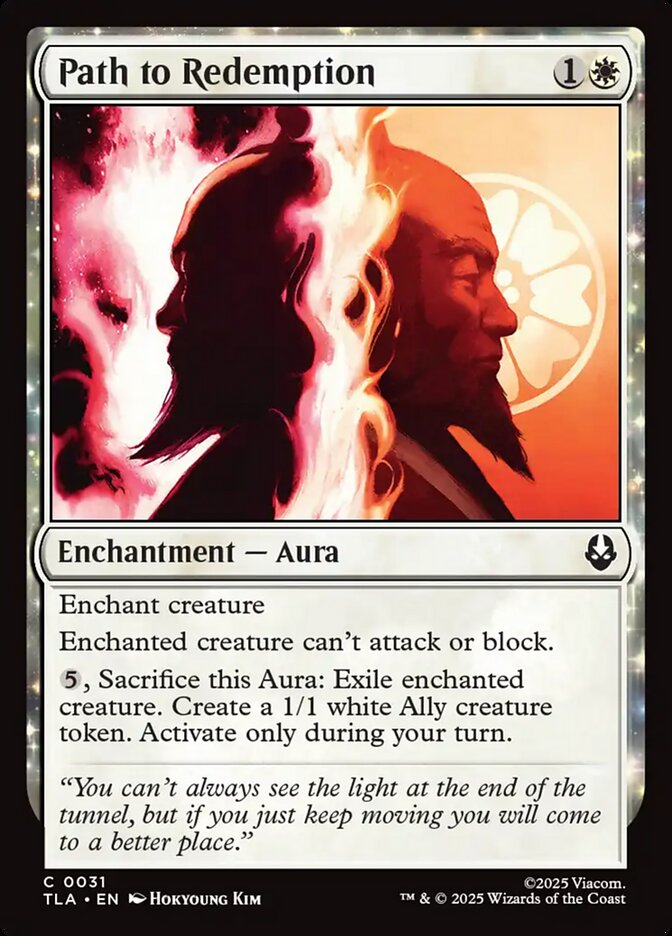
Path to Redemption is similar to Cooped Up, which was one of the best white commons in Wilds of Eldraine. While Avatar has a couple of punishers for this (like Airbending Lesson and Deadly Precision), reliable removal is well worth playing.
#2. Sandbenders’ Storm

Sandbenders' Storm is a split card that’s basically Smite the Monstrous plus a tapped Hill Giant (with flash). It’s never dead, and it tends to kill the creatures that matter most, especially in Sealed.
#3. Kyoshi Warriors
An efficient 4-drop without too much competition available, at least at common. Kyoshi Warriors works great with the set’s ally synergies, too; curving Avatar Enthusiasts into this isn’t too shabby.
#4. Airbending Lesson
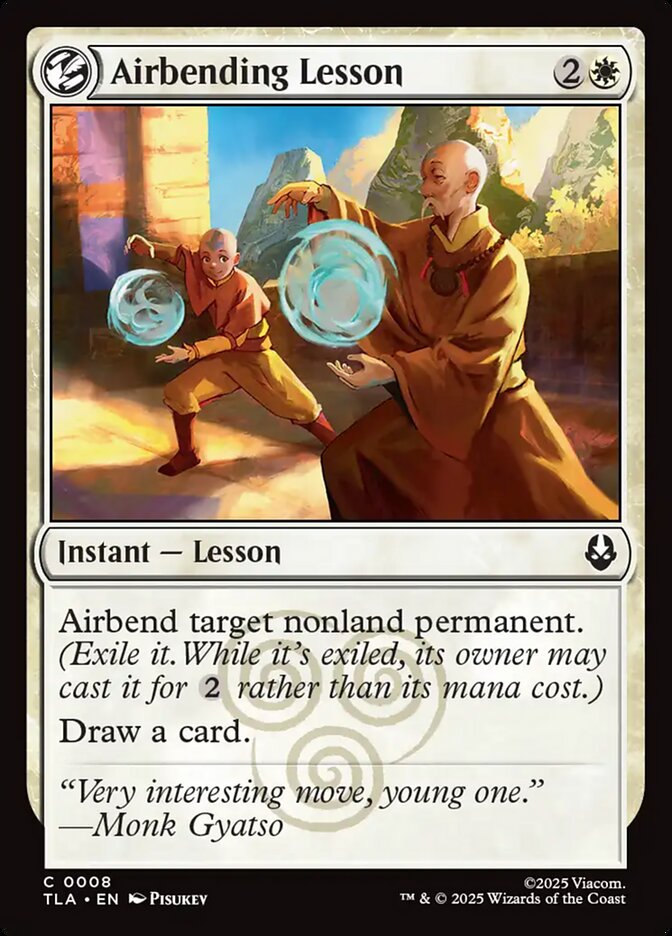
Airbending Lesson is a versatile trick/bounce spell that essentially cycles at worst. There are some cool airbending synergies in Avatar, so definitely run it if you have those. It’s also a lesson, although that won’t always matter for white decks.
Blue
#1. Forecasting Fortune Teller
Two-drops that replace themselves are lovely, as Forecasting Fortune Teller gives you something to do early without costing you a card long term. Fortune Teller also has excellent synergy with waterbending, as you can use both it and the Clue to pay costs.
#2. Waterbending Lesson
Sift is a good rate, and Waterbending Lesson is Sift with two forms of upside. The subtype here is of vital importance, as blue has many good lesson payoffs.
#3. Lost Days
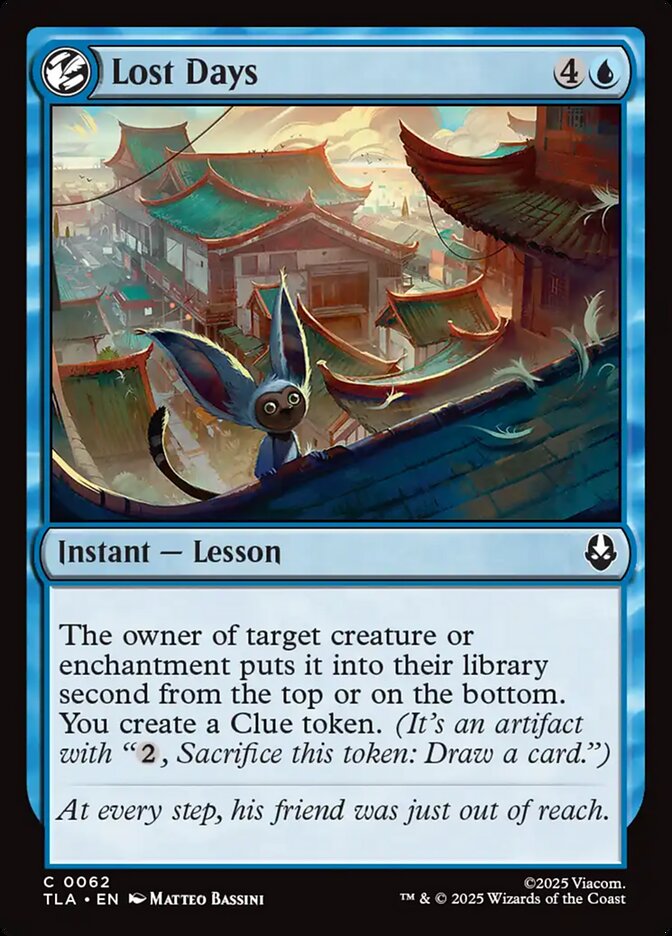
Desynchronize was much better than it looked, and I expect a similar feeling to follow Lost Days. This is essentially a flexible 2-for-1 removal spell when you think about it, which justifies its hefty cost.
#4. First-Time Flyer
All it takes is one lesson for First-Time Flyer to be rather under-costed. I’d hate to see it stuck as a 1/2 though, so try to include at least 5+ lessons before learning to fly for the first time.
Black
#1. Sold Out
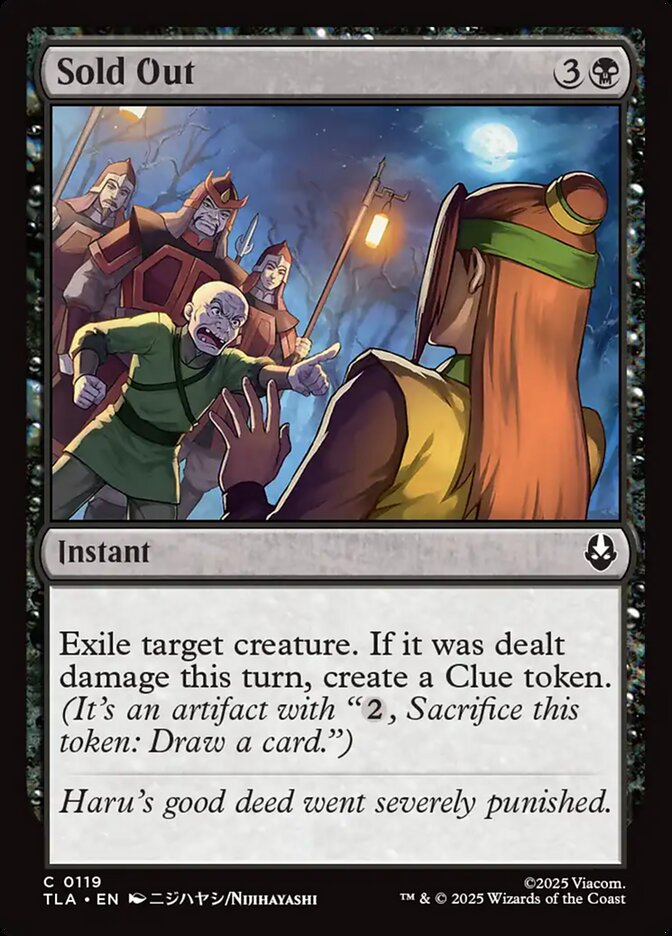
Sold Out is the gold standard for removal in Avatar: The Last Airbender. This cleanly exiles whatever you need gone, and it can even be a 2-for-1 with some finesse.
#2. Callous Inspector
A surprisingly good 1-drop, as it’s rare to see any that refund the card on death. Callous Inspector pecks in for some damage early, then assists in double or chump blocking later. It’s even better in sacrifice decks, as you can net two sacrifice triggers out of this one!
#3. Corrupt Court Official
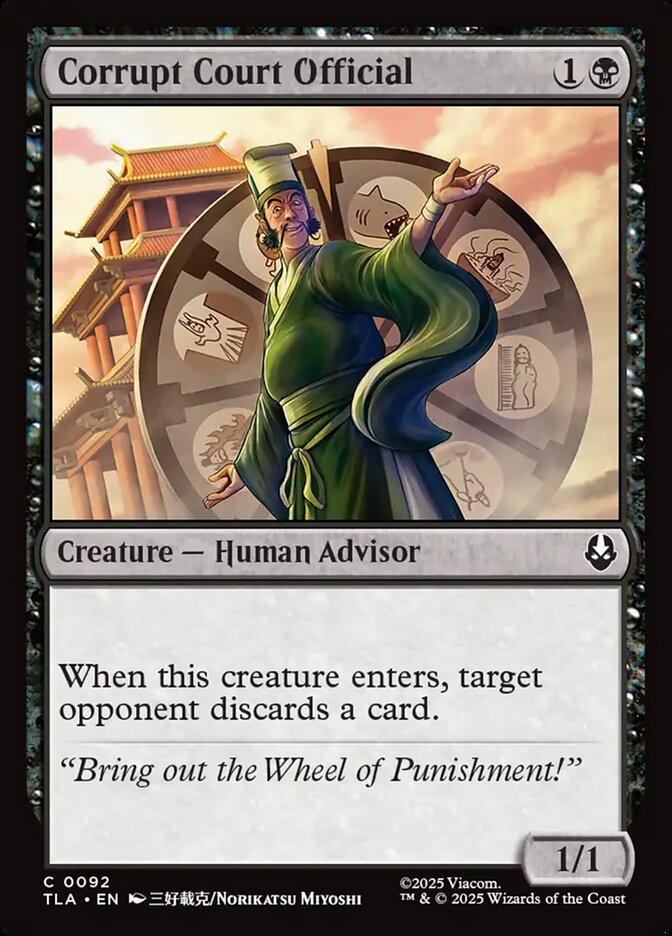
1/1s that force discard on entering like this are seen in many Limited formats and range from decent to great from set to set. Avatar in particular has some nice sacrifice synergies for Corrupt Court Official.
#4. Swampsnare Trap
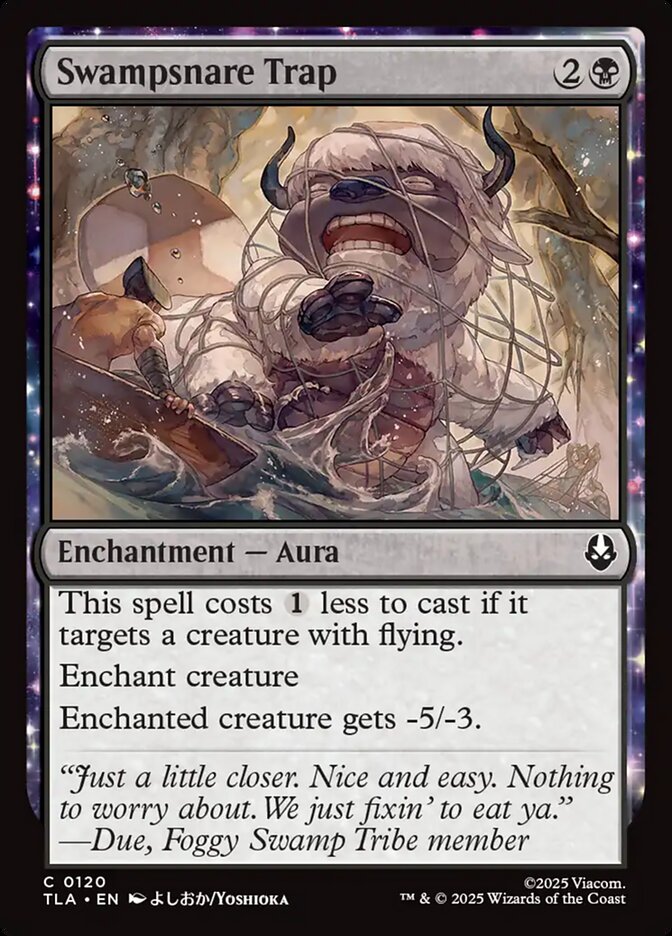
Swampsnare Trap is a solid but unusual removal spell that cleanly answers about half the creatures in Avatar: The Last Airbender. Even if it can’t kill something, tagging it with this should render it mostly harmless (barring powerful abilities). The extra efficiency versus fliers is also appreciated.
Red
#1. Firebending Lesson

Efficient removal that scales is a clear contender for the set’s best common! Firebending Lesson is even a lesson to boot, which makes it somehow even better.
#2. Lightning Strike
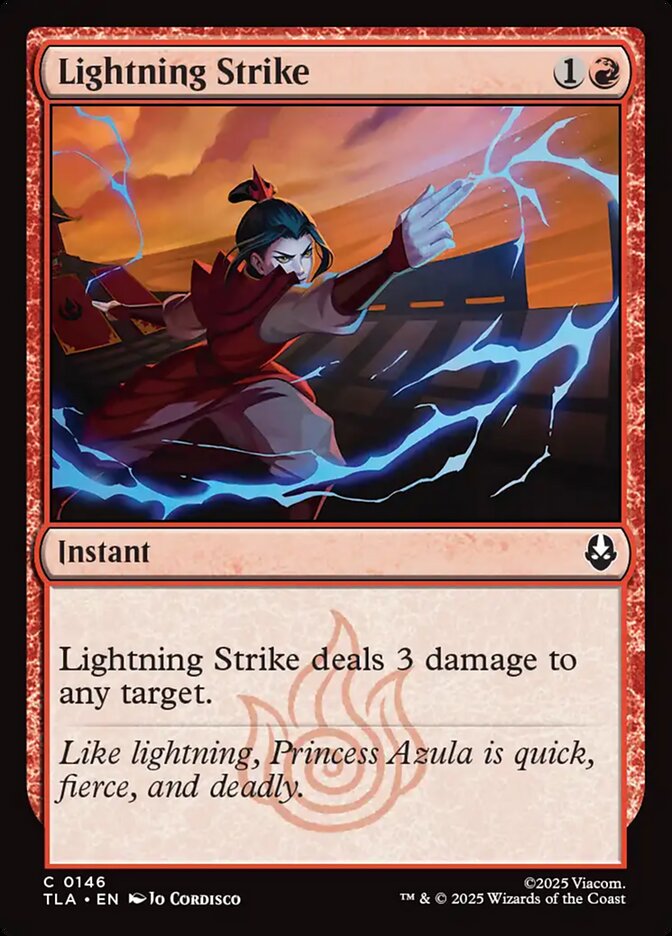
Three damage to any target for 2 mana at instant speed is still a great rate to this day (at least in Draft). Lightning Strike kills just about every early game creature, plus some more expensive ones like Geyser Leaper and Azula, On the Hunt.
#3. Cunning Manuever

I quite like this combat trick, as it reminds me of Blazing Crescendo. Firebending is also great for both paying for Cunning Maneuver and the Clue it creates.
#4. Yuyan Archers
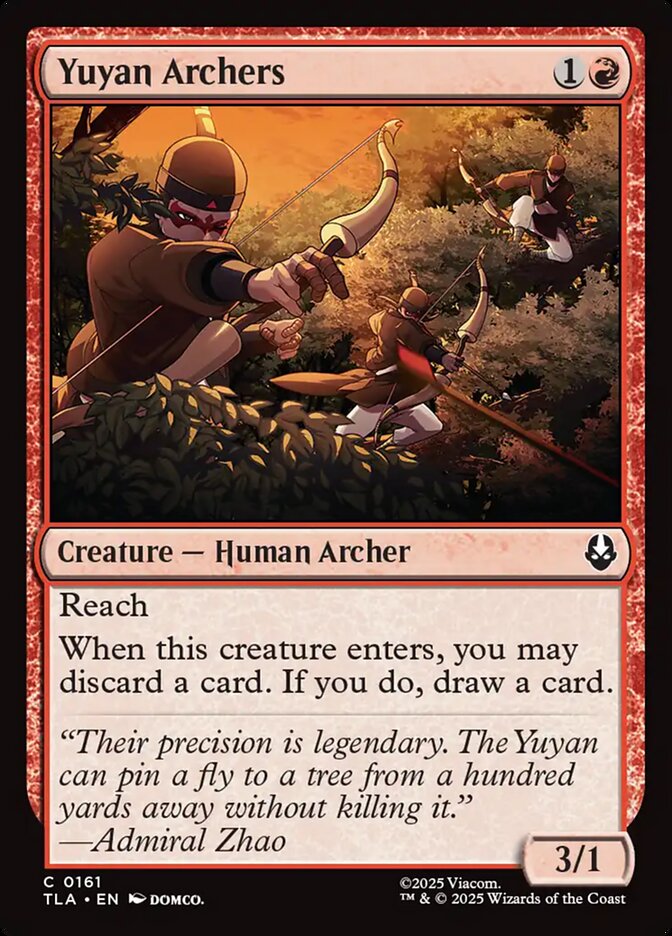
Yuyan Archers is some nice power creep over Discerning Peddler, with a better stat line and reach. It smooths out your early game and hits decently hard, then sits around waiting to trade with fliers later.
Green
#1. Ostrich-Horse
Common creatures that cantrip are almost always top commons. Ostrich-Horse is also one of Avatar’s only self-mill cards, so it has useful synergy with cards like Merchant of Many Hats and Raven Eagle.
#2. Raucous Audience
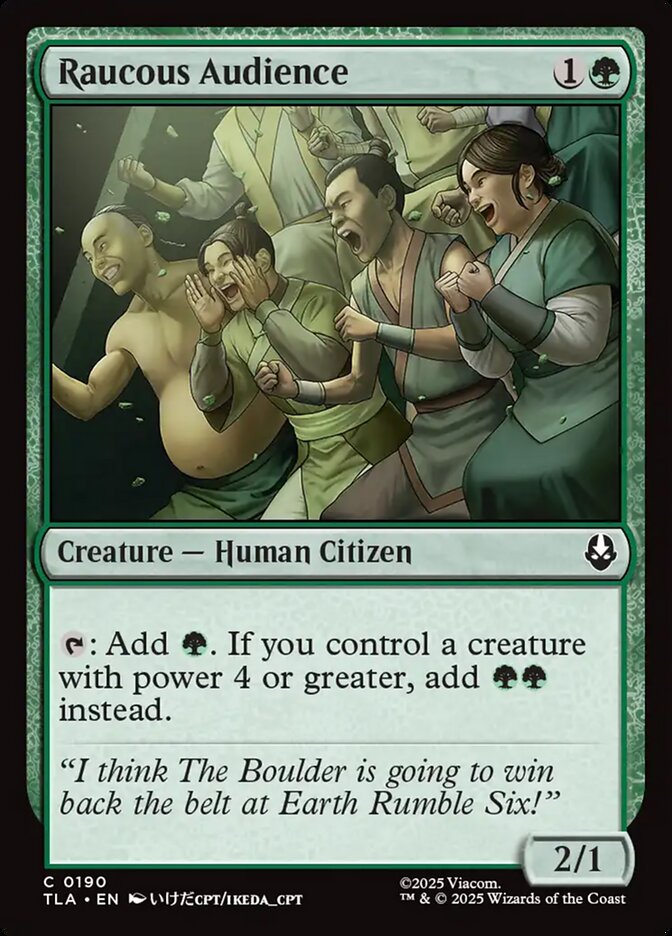
A simple but effective mana dork that doubles up later. Two power is also enough for Raucous Audience to trade with other 2-drops if necessary, or do some attacking on an empty board.
#3. Rocky Rebuke
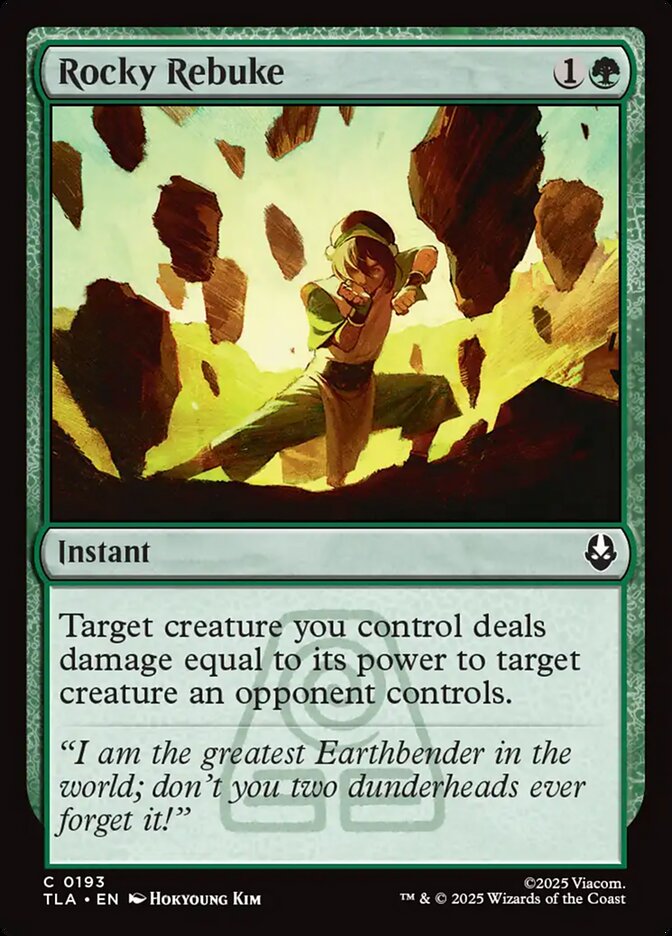
Green’s sole removal spell, Rocky Rebuke, is familiar but useful territory. We’ve seen Bite Down many times, and it always ends up being fairly good.
#4. Badgermole
6/6 worth of stats for is strong, and earthbending has some nice synergies. Badgermole is the best common 5-drop available, though you’ll need cheaper cards too, of course.
Hybrid
#1. Messenger Hawk
Messenger Hawk replaces itself and hits decently hard at least once. It has direct synergy with UB, WU, and WB decks, too. It’s not great defensively, but should perform well if you aren’t run over.
#2. Abandon Attachments
Thrill of Possibility is a reasonable Limited card, and Abandon Attachments upgrades it by including a relevant subtype and flexible casting cost. It’s especially valuable in UB to “draw two or more cards” for creatures like Messenger Hawk.
#3. Pretending Poxbearers
Pretending Poxbearers is a solid 2-drop that can go in any white or black deck. It works best in decks that care about allies and sacrifice synergies.
#4. Cat-Owl
It’s a Phantom Monster with vigilance at worst, since Cat-Owl can always target itself. There’s also some minor synergy with waterbending here.
Rare Review
Here are my thoughts on each of the set’s mythics and rares. You won’t play with these as often as commons and uncommons, so it can be harder to evaluate them without outside help.
Terms
BOMB
Best possible rating, denotes an absurd Limited card that you’ll want to play/splash every time you can.
Great
These cards fall a little short of bomb status, but they’re still strong and don’t require much from your deck to be great.
Good
“Good” rares are, well, good! They’ll usually have problems that prevent them from claiming a higher rating, like being clunky or dependent on certain things going right.
Build-Around
This is a catch-all category for cards that demand effort to be strong. With the right shell around them, these range from Good to BOMB level.
Usually Not Good
These are build-arounds that generally aren’t worth the effort. I like to dream though, so I try not to shoot down anything with at least some potential.
Bad
These rares just stink. You shouldn’t ever play them at Prerelease or in Draft.
Mythics
Appa, Steadfast Guardian (BOMB)

Appa, Steadfast Guardian gives Restoration Angel vibes, with the same stats, combat keywords, and a similar functionality in practice. If you’ve never played with Restoration Angel before, know that it’s an elite Limited bomb and that Appa is likely even better!
The Legend of Yangchen / Avatar Yangchen (Great)
The EDH-friendly templating here can be confusing, but just know that it lets you exile something with mana value 3 or greater, and your opponent doesn’t get to hit anything of yours (they’re also not forced to choose anything of their own).
Chapter 1 isn’t all this card does though, as you’ll also get a solid creature from chapter 3. I love the idea of airbending this to replay chapter 1 too, though keep in mind you’ll need another card to do so (Avatar Yangchen can’t target itself).
United Front (BOMB)

What is with these white mythics? United Front is just completely ridiculous, and it acts as a souped up version of another bomb from past formats (Finale of Glory, in this case). Throw in ally synergies, and you have one heck of a card!
Secret of Bloodbending (Usually Not Good)

is too much trouble for the vast majority of decks, even if this effect is tempting. I wouldn’t fault you for trying Secret of Bloodbending if you’re near mono-blue anyways, but even the sexy mode is a whopping 14 mana to pull off.
The Legend of Kuruk / Avatar Kuruk (BOMB)
The Legend of Kuruk is a guaranteed 3-for-1 that provides massive card advantage and card selection. If that weren’t enough somehow, it flips into an incredibly powerful creature that builds up to an eventual Time Warp. Avatar is looking like a Prince set already….
Wan Shi Tong, Librarian (BOMB)

Wan Shi Tong, Librarian is a massive flash creature that draws a bunch of cards when it enters, which sounds like a clear recipe for success. You won’t punish many library searches, though you’ll occasionally get value against Aang's Journey and Cycle of Renewal. Note that while this card is definitely a bomb, it’s somewhat vulnerable to cheap burn like Firebending Lesson (as your opponent can respond to the +1/+1 counter trigger).
Koh, the Face Stealer (BOMB)

Koh, the Face Stealer is a giant Nekrataal that can steal your opponent’s best abilities. It also permanently turns off any “dies” triggers if desired, and it can update its repertoire continuously. Yet another busted mythic!
Phoenix Fleet Airship (Build-Around)

In a dedicated sacrifice deck, Phoenix Fleet Airship seems completely nuts. You can also meet it halfway by simply playing some Clue makers, as the base rate here is already decent. It’s not quite as easy to use as the other cards so far, but I’d certainly be happy to play it.
The Rise of Sozin (Great)
Six mana is a tad pricey for a normal sweeper, but The Rise of Sozin has several extra upsides. Chapter 2 is tough to use in Limited (especially blind), so in a vacuum I’d recommend naming good late game commons like Sold Out and Waterbending Lesson. Sozin itself is also an excellent threat that’s well worth the wait.
Fated Firepower (Build-Around)

Fated Firepower has excellent synergy with firebending! It can be deadly to plop this down for a bunch of mana, and it also boosts cards like Firebending Lesson and Lightning Strike. You’ll want to be deep red with lots of creatures and burn for this though, so I wouldn’t play it in every deck.
Sozin’s Comet (Usually Not Good)

Foretelling Sozin's Comet and dumping a ton of mana into something like Fire Sages or Vindictive Warden is a cool dream. However, you’ll need those plus an already wide board to leverage this, so Comet feels rather win-more.
The Legend of Roku / Avatar Roku (BOMB)
As if Kuruk weren’t crazy enough, The Legend of Roku can somehow be a 4-for-1 if everything lines up correctly. Even if you can’t play all three cards you exile, Avatar Roku immediately threatens to dump out a game-winning army of dragon tokens.
Badgermole Cub (Great)

Badgermole Cub is a hyper efficient 2-drop that effectively ramps you while it provides 3/3 worth of stats. Even if it eats a Firebending Lesson, you’re still up a 1/1, too. It works best with other earthbending cards, but it doesn’t need them to be good.
The Legend of Kyoshi / Avatar Kyoshi (Great)
While The Legend of Kyoshi requires at least some board presence, Chapters 1 and 2 provide an utterly massive reward. Avatar Kyoshi is also no slouch itself, and ideally it adds tons of mana to play all those cards you drew earlier.
Ozai, the Phoenix King (Great)

Ozai, the Phoenix King hits like a truck, attacks immediately, and can even freely protect itself after two attacks. It has a demanding mana cost though, so it’s a strong rare that’s tough to play outside of pure RB (similar to Mutinous Massacre).
Bumi, Unleashed (BOMB)

Bumi, Unleashed unleashes 9/8 worth of stats for just 5 mana, which is completely obscene in Limited! Its extra combat mode is also spicy, so try to play some extra earthbending cards with this one. It’s also the only mythic bomb that you can easily splash.
Avatar Aang / Aang, Master of Elements (Build-Around)


It’s no easy feat to pull off 4 colors, but then again neither is saving the world! Avatar Aang is worth the effort though, as it’s essentially a dragon that draws a card whenever you attack or play half the cards from this set! Aang, Master of Elements is also close to “you win the game”, but it seems tough to pull off in a live match.
Planetarium of Wan Shi Tong (Good)
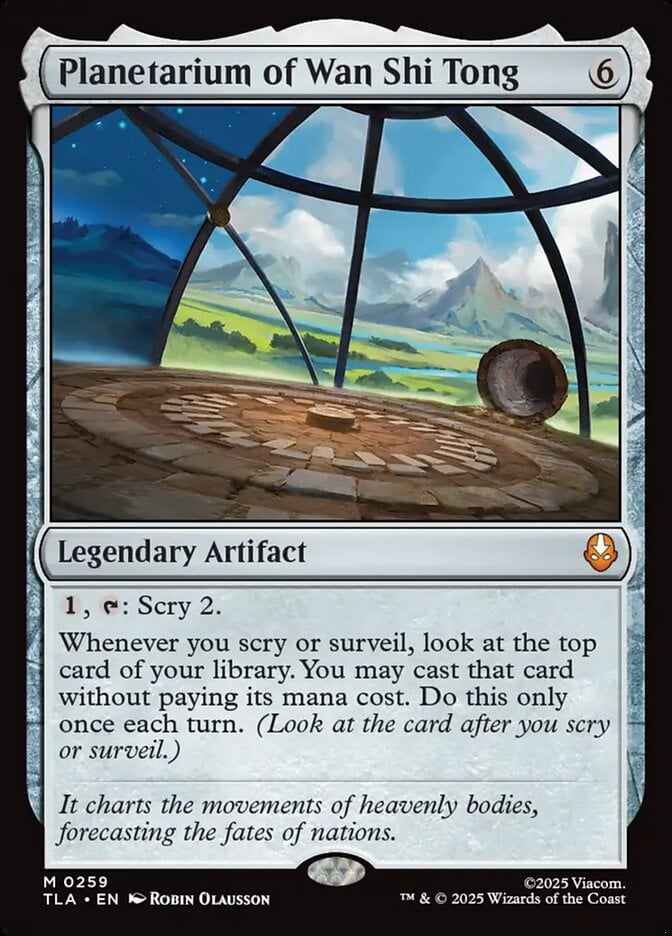
Planetarium of Wan Shi Tong is a powerful late game card that’s slow and somewhat unreliable. You’ll need at least 7 mana to get this going, and it has to dodge land clumps. Don’t forget that this works with other sources of scry/surveil as well; Compassionate Healer and Joo Dee, One of Many are both nice with it.
The Walls of Ba Sing Se (Bad)

Behold, my mighty 0/30 wall! This one is definitely a meme, as The Walls of Ba Sing Se requires a ton of mana and other board presence to do much. I’m not even sure what the dream is with this one, but I can respect the urge to troll with this. I’ll probably try it at least once….
White Lotus Tile (Bad)
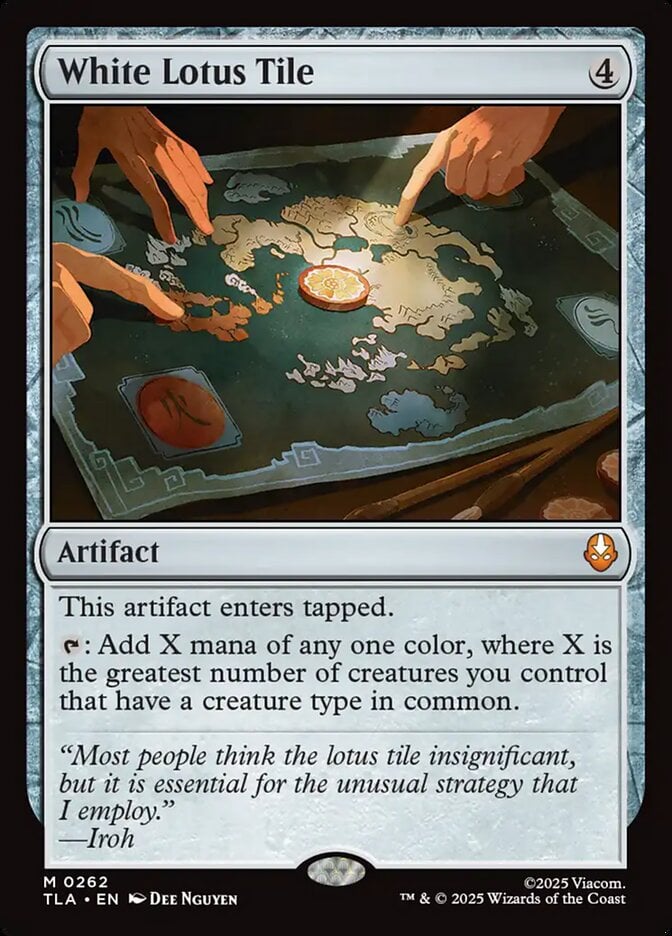
White Lotus Tile is pure drudgery in Limited. I wouldn’t be surprised if you could get 3+ mana from allies with this, but I fail to see what an allies deck would do with a 4-mana mana rock.
Rares
Aang’s Iceberg (Great)

Banishing Light has been decisively power crept! Getting flash on a removal spell as universal as Aang's Iceberg is just incredible, so I’d be thrilled to play this in any deck. The waterbending upside is cute against sweepers, but it should mostly be ignored in Limited.
Airbender Ascension (Build-Around)
Avatar: The Last Airbender doesn’t have Gallant Citizen, although there are some reasonable equivalents like Forecasting Fortune Teller, Rowdy Snowballers, and Corrupt Court Official. I’d recommend several copies of those before playing Airbender Ascension, as airbending isn’t worth a card on its own.
Avatar’s Wrath (BOMB)

This is a tempo nightmare for your opponent, as the “can’t cast” clause makes Avatar's Wrath rather one-sided. Try to set this up with a singular threat you can ride to victory for best results. You can make this even better by including “enters” creatures.
Hakoda, Selfless Commander (Great)
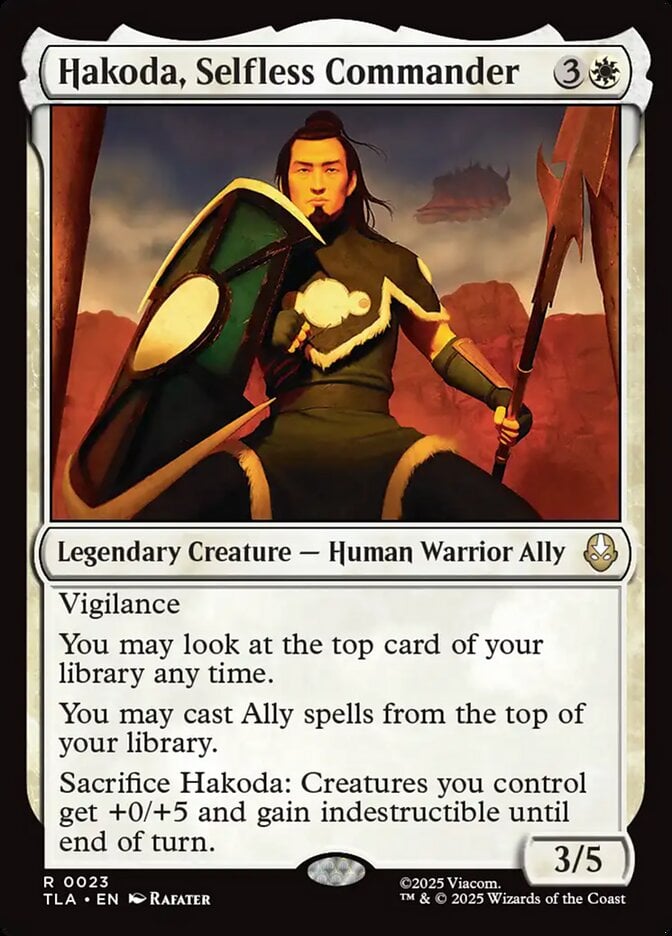
Hakoda, Selfless Commander does a great job of finding and protecting allies, which are everywhere in Avatar: The Last Airbender. Its stat line is also quite solid for 4 mana, so I’d happily play it either way.
Momo, Friendly Flier (Build-Around)

Momo, Friendly Flier is one of the best cards for the WU Skies archetype, and it could enable some filthy curve outs. All you have to do is play it and then keep playing fliers, and your opponent will be in trouble. It’s not very good without other fliers though.
South Pole Voyager (Good)
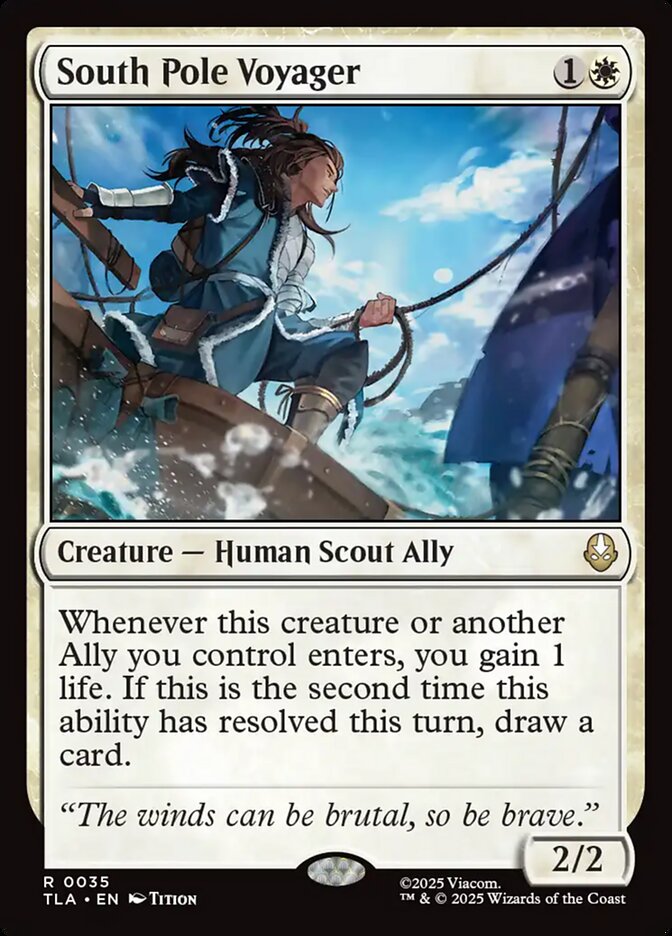
South Pole Voyager is a nice excuse to build around allies. This goes off with creatures that make a token on entry, like Kyoshi Warriors.
Suki, Courageous Rescuer (Great)

Suki, Courageous Rescuer brings a ton of stats for just 3 mana, and it makes airbending and trading in combat advantageous for you. It’s also excellent with Clue tokens, which offer a consistent way to trigger its ability.
The Mechanist, Aerial Artisan (Great)

The Mechanist, Aerial Artisan has strong overlap with Avatar’s lesson theme, which encourages playing lots of noncreature spells. Turning Clue tokens into 3/1s lets The Mechanist threaten to trade them off with real creatures or simply attack your opponents with evasion.
Spirit Water Revival (Great)
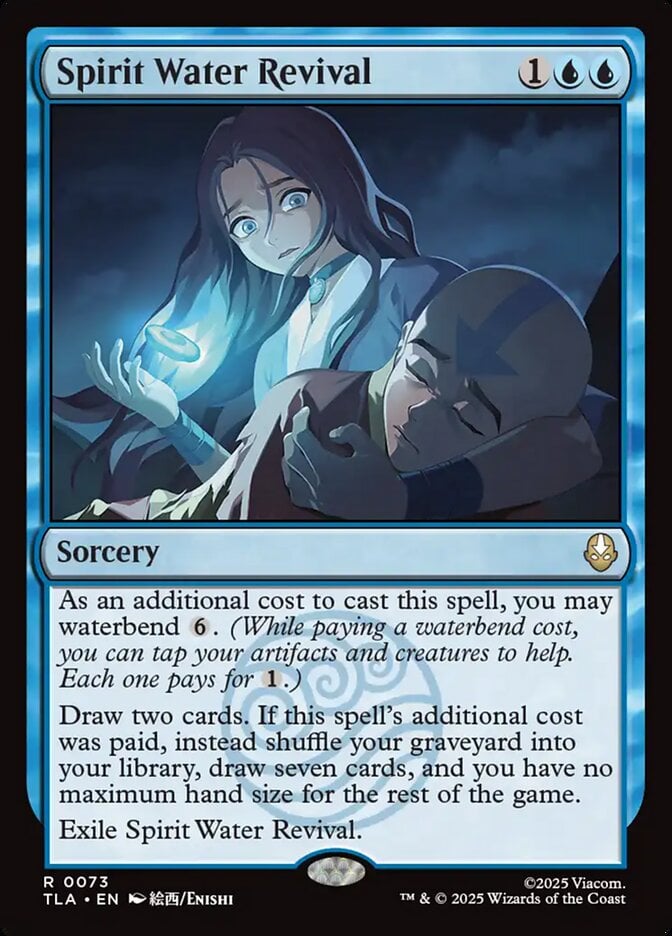
Divination is a passable secondary mode, but the real excitement here comes from that sick waterbending kicker. Nine mana seems like a ton, but all it takes is a couple of cards like Forecasting Fortune Teller for it to be attainable.
The Unagi of Kyoshi Island (BOMB)
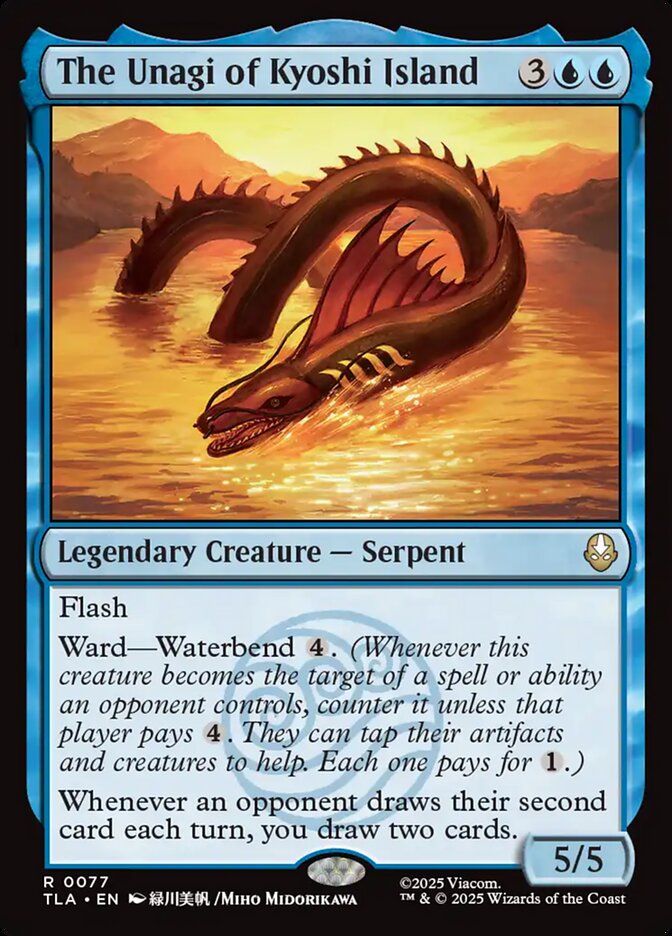
5/5 is a huge stat line for a flash creature, one that can eat all sorts of things. The Unagi of Kyoshi Island is also resilient to removal, and it punishes your opponent for drawing extra cards as well.
Tiger-Seal (Usually Not Good)

The dream here is tempting, but I don’t think Avatar has enough card draw for something like Tiger-Seal. There’s no Opt or anything at common, so you’ll mostly rely on Clue tokens. Having this stuck tapped effectively turns it into a mulligan, so only play this if you have 6+ ways to “draw”.
Ty Lee, Chi Blocker (Great)
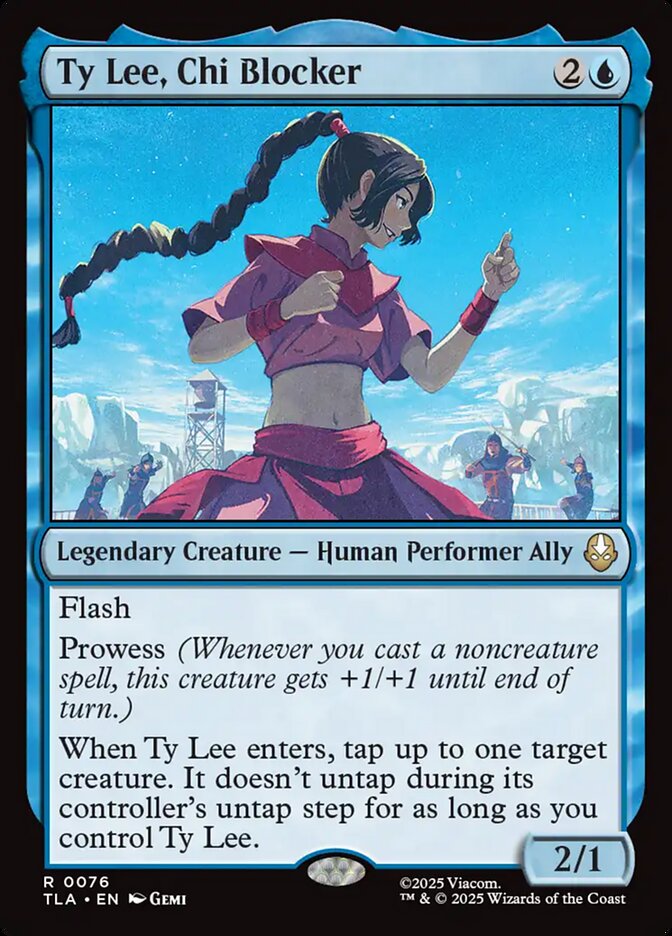
Blue gets Werefox Bodyguards now? Apparently that’s the case, as Ty Lee, Chi Blocker is a rough approximation of that foxy Fiend Hunter. One advantage it has over those effects is that it’s less vulnerable to blow outs, as removing Ty Lee in combat won’t untap the frozen creature.
Waterbender Ascension (Good)
It’s impossible to stall a board versus this card, and it eventually refunds itself and more. While it won’t do much early on, Waterbender Ascension is a powerful tool for more controlling decks.
Yue, the Moon Spirit (Good)

Yue, the Moon Spirit is… pretty much just Cat-Owl, if we’re being honest! Meteor Sword and Planetarium of Wan Shi Tong are the only cards you can actually save mana on, so treat Yue like a solid vanilla flier and you won’t be disappointed.
Boiling Rock Rioter (Good)

Ally synergies in black are a bit out of place, although WB decks will enjoy Boiling Rock Rioter. Graveyard hate isn’t especially vital in Avatar either, so this is one of the more tame rares so far. Note that you can use Rioter’s firebending mana towards whatever ally you want to cast with it.
Day of Black Sun (Great)
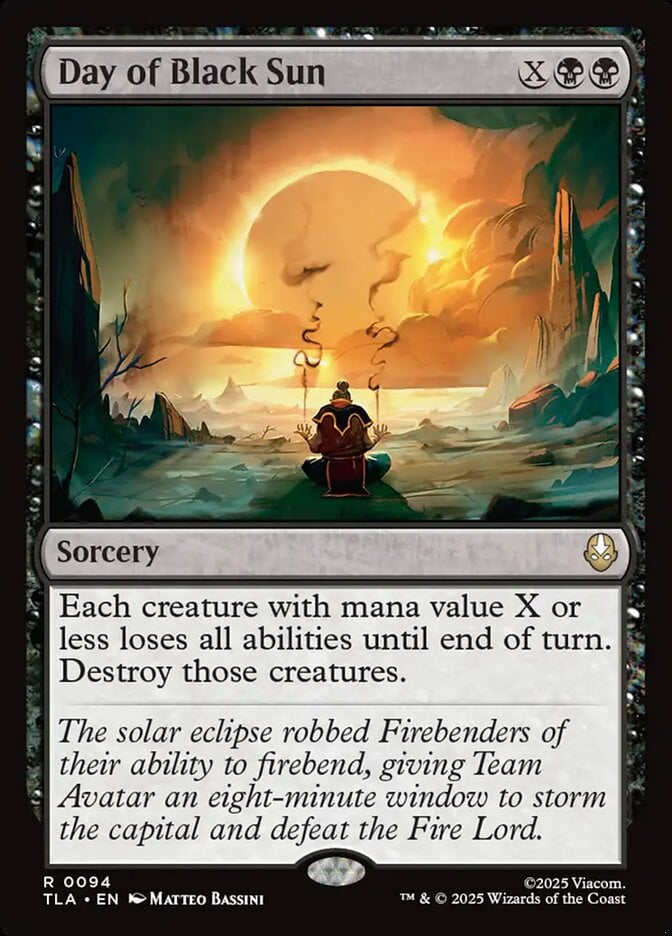
Day of Black Sun is a powerful sweeper that embarrasses cards like Knowledge Seeker and Callous Inspector. You can make this one-sided by controlling the biggest clunker in play, so try to tap out for Canyon Crawler before you play this one.
Foggy Swamp Visions (Usually Not Good)

I’m not sure exactly what you’re supposed to do with this! Foggy Swamp Visions works poorly with some sacrifice payoffs (i.e., Obsessive Pursuit and Tolls of War), but great with others (Pirate Peddlers). It hits both graveyards, so if you can target enough stuff like Forecasting Fortune Teller, maybe it’s okay? I wouldn’t recommend playing it at Prerelease, but I’m interested to try it in Draft later.
Mai, Scornful Striker (Good)

Mai, Scornful Striker has solid combat stats, and its ability could make lesson decks miserable. It does affect both players though, so I’d try to play a slightly lower noncreature count to accommodate Mai.
Obsessive Pursuit (Build-Around)
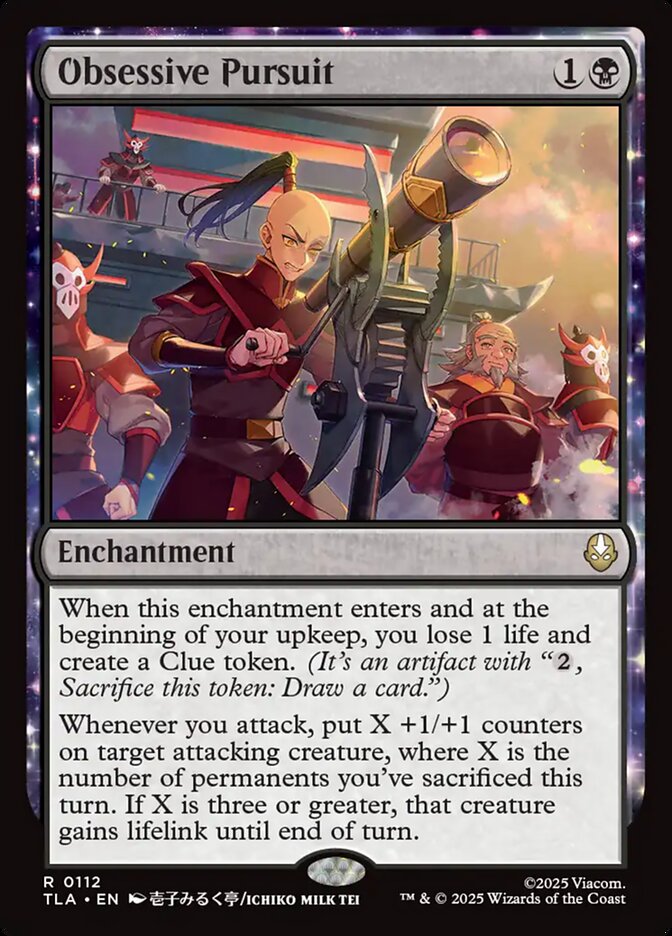
Obsessive Pursuit is an interesting take on Phyrexian Arena. Going from actual draw to Clues is a noticeable downgrade, so Pursuit dangles lifelink in front of you to tempt you anyways. This has excellent synergy with cards like Beetle-Headed Merchants and Hei Bai, Spirit of Balance, as you can stack its attack trigger to happen after the Merchants’.
Raven Eagle (Great)
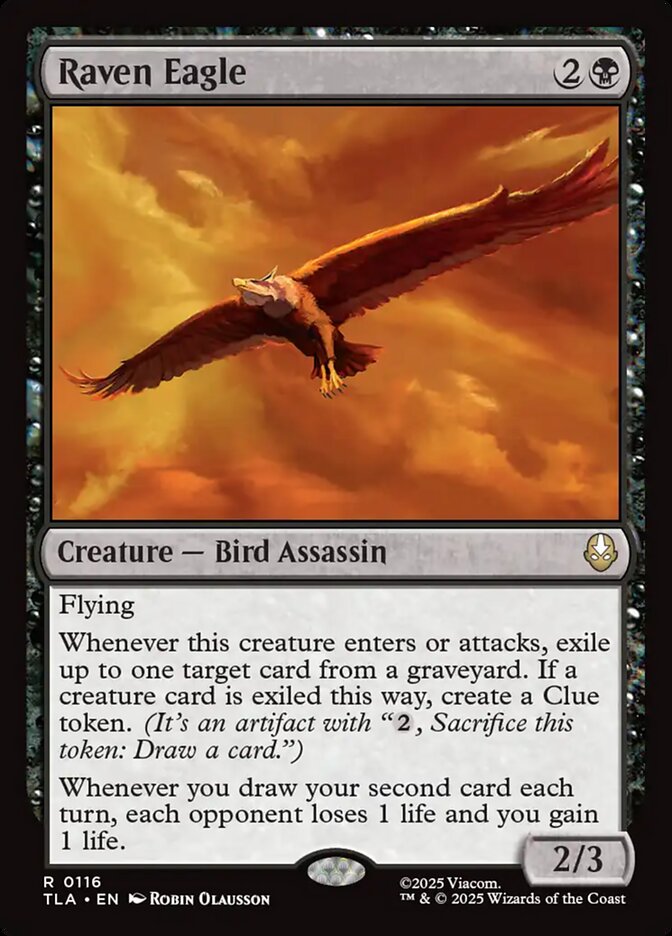
The eagle has landed! Raven Eagle is a really efficient creature that scales well into the late game, potentially drawing you multiple cards from dead creatures. Self-mill from cards like Ostrich-Horse can help as well.
The Fire Nation Drill (BOMB)

The Fire Nation Drill is an awesome Nekrataal variant that hits incredibly hard. The anti-protection clause also has a bit of use, as it stops tricks like Origin of Metalbending and Enter the Avatar State.
Firebender Ascension (Good)
I’m not calling this a “Build-Around” because the baseline here is reasonable to begin with. If you can stack up on firebenders and payoffs however, Firebender Ascension can be a legitimate win condition.
Firebending Student (Good)

Firebending Student starts small, but it plays well with combat tricks and firebending payoffs. Cunning Maneuver, Lightning Strike, and Firebending Lesson are essential companions for this one.
Ran and Shaw (BOMB)

Ran and Shaw is one of the set’s best lesson payoffs. If you can set up a trio of lessons before playing this, then you’ll net a pair of game-winning dragons for your troubles! It’s easiest to pull off in UR or RG, but could conceivable work in any Rx pair with the right base.
Redirect Lightning (Good)

Redirect Lightning is a cheap Swerve variant with massive blowout potential. I’d bank on paying 5 life for this one, as holding up is way harder than holding up . It’ll rot in hand sometimes, but redirecting a Sold Out seems worth the risk.
The Last Agni Kai (Good)

Pounce is by no means great removal, especially by today’s standards. Still, it’s rather interesting to get a free Pyretic Ritual for your troubles. Try to play lots of big creatures if you do run The Last Agni Kai, as it’s a fight not a Rabid Bite.
Wartime Protestors (Great)
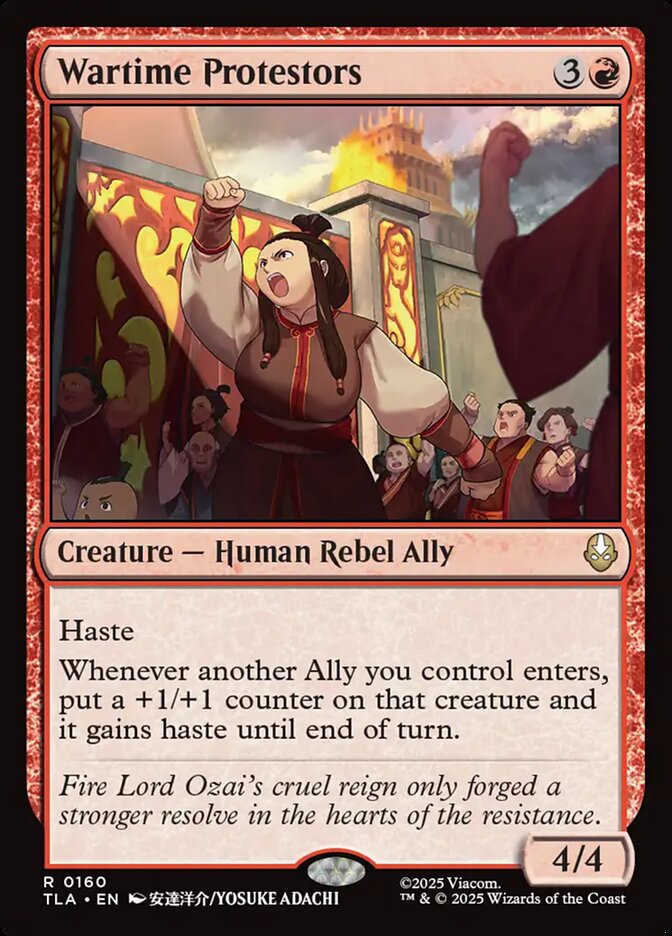
4/4 with haste is a strong rate to begin with, and Wartime Protestors packs further upside for future allies. It’s easily one of the best Boros cards in Avatar: The Last Airbender, but it should be good in any deck that can cast it.
Zhao, the Moon Slayer (Good)
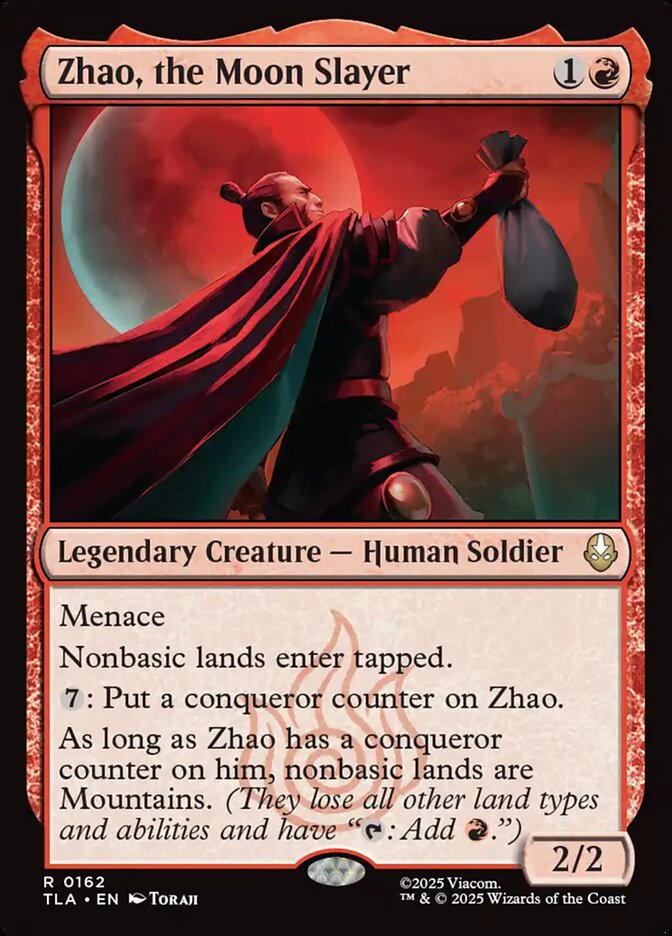
Zhao, the Moon Slayer is a 2/2 menace creature for with a bunch of neat flavor text in Limited. Turning off your opponent’s rare land is sure to happen once, but I wouldn’t count on it!
Avatar Destiny (Usually Not Good)

Avatar Destiny is a very strange card. If you can continuously kill off whatever you attach to it, you’ll be able to cheat in random new creatures from the top of your deck. It’ll also return to your hand for you to suit up new creatures with. On the other hand, it doesn’t really do anything early on, and it’s very vulnerable to stuff like Path to Redemption and Watery Grasp. Try to pair it with cards that can sacrifice creatures if you do play it, as the option is certainly helpful.
Diligent Zookeeper (Great)

Diligent Zookeeper is pretty straightforward! This really likes the set’s “animal hybrid” creatures like Turtle-Duck and Saber-Tooth Moose-Lion. It’s also well-sized enough to be acceptable on its own.
Earthbender Ascension (Great)
Earthbender Ascension is a great value card, as its baseline is effectively a 2/2 Farhaven Elf. Play three more lands afterwards and you’ll get free counters and trample on landfall for the rest of the game!
Earthen Ally (Good)

It’s easy enough to make this into a 2/2 for , which helps since the mode is pretty tough to use. I wouldn’t mind including some extra duals to activate Earthen Ally, but I don’t think it’s worth butchering my mana base for either.
Elemental Teachings (Bad)
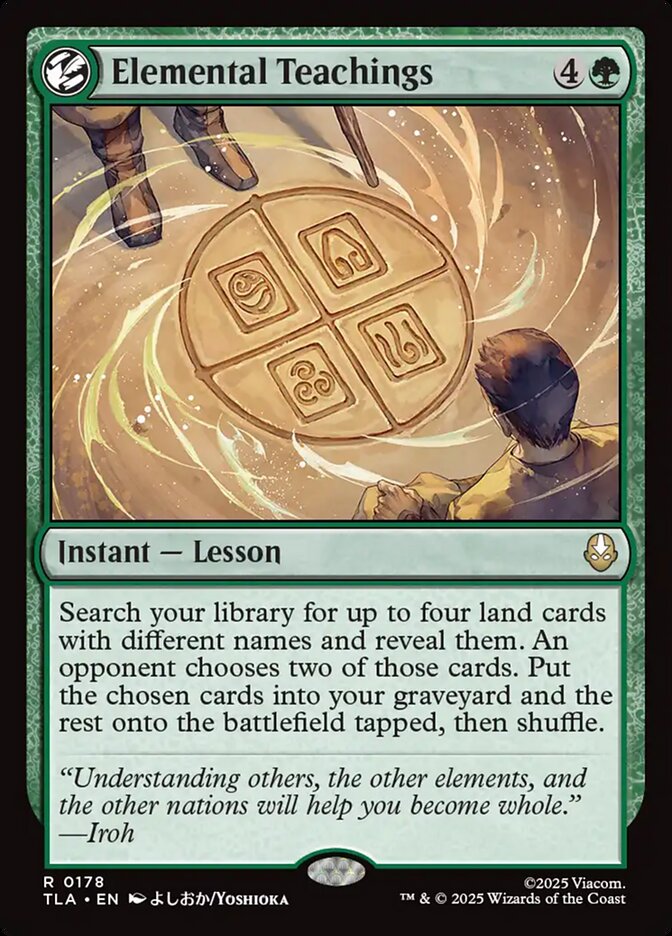
Spending 5 mana to go get some more mana is generally awful in Limited! You don’t even get to choose the lands you get from Elemental Teachings, so don’t think about playing it for 5-color decks either.
Great Divide Guide (Great)

This is a better Raucous Audience to start, and it works incredibly well with other allies. Great Divide Guide is a high floor, high ceiling type of rare.
The Earth King (Great)

6/6 worth of stats for is awesome! You can also trigger The Earth King immediately by having another 4/x creature out, which won’t be too hard in RG. No green deck is ever cutting this on stats alone though.
Aang, Swift Savior / Aang and La, Ocean’s Fury (BOMB)


“Aang Queller” is a flexible and efficient creature with an awesome backside. There’s way too much power here for just 3 mana, so do yourself a favor and play Aang, Swift Savior.
Katara, Water Tribe’s Hope (Great)
Katara, Water Tribe's Hope offers game-ending power for wide board states, provided you untap with it. Even if Katara bites a removal spell, you at least get a free ally token for your troubles. Kyoshi Warriors that sometimes says “you win the game” is well worth 5 mana!
Azula, Cunning Usurper (BOMB)
3-for-1s are rarely this easy. Azula, Cunning Usurper’s edict bypasses tokens too, so your opponent’s 1/1 ally token won’t save their other creatures. Try to play this as soon as a decent opportunity presents itself.
Zuko, Conflicted (Good)
Zuko, Conflicted is a tricky card to evaluate, though I think it should mostly play well. You’ll get to bash with it twice before you give it away, and it’s rather over-statted for a 2-drop. Try to sacrifice it to Deadly Precision before Zuko gets any ideas of joining your opponent!
Toph, Hardheaded Teacher (Great)
Toph, Hardheaded Teacher has decent base stats, and it will output a lot of power and toughness over time. It gets better with lessons, but it also fits into just about any deck. I like it as a splash due to how it’s single-pipped and strong late in the game.
Earth King’s Lieutenant (Build-Around)
You’ll need to focus on allies for this, but Earth King's Lieutenant provides an excellent incentive to do so. We’ve seen how effective this kind of card can be with Thalia's Lieutenant, and it’s not like TLA is short on allies or anything either.
Sandbender Scavengers (Build-Around)
Provided you have Clues and sacrifice synergies, Sandbender Scavengers should be rather efficient for a simple 2-drop. Pair it with Callous Inspector to make sure you always have something to get back.
Sokka, Bold Boomeranger (Good)
Sokka, Bold Boomeranger starts rather small, so you’ll mostly rely on lessons to grow it. The double rummage is great for fixing early mana problems though, which should give it some space to perform.
Beifong’s Bounty Hunters (Great)
Beifong's Bounty Hunters counts itself, so the baseline and added value here is immense. I’d say this falls just short of true bomb status, though I’m open to being wrong in practice.
Iroh, Tea Master (Bad)
Iroh, Tea Master is a strange card that reminds me of Stiltzkin, Moogle Merchant. Avatar doesn’t really have anything worth donating that I can see, so I’d mostly hope to donate late game lands for ally tokens. That doesn’t seem worth a card though, so I’ll stick to other versions of Iroh.
The Lion-Turtle (Good)
This cat turtle clearly wants lessons, though it’s at least Manalith plus 3 life in the meantime. I like how large The Lion-Turtle is for its cost, and expect the base functionality to feel useful in lesson piles anyways.
Fire Lord Azula (Good)

You’ll need 3 colors for Fire Lord Azula, which seems challenging in Grixis (). Azula really likes combat tricks, Lightning Strike, and Firebending Lesson, which are among the most practical things to double with it. I’d play it if my fixing supported it, as most of the cards that are good with Azula are fine anyways.
Toph, the First Metalbender (Great)

At minimum, Toph, the First Metalbender is a Hill Giant that makes 2/2s every single turn. This is before you get into any sort of artifact shenanigans, like its excellent synergy with Barrels of Blasting Jelly. It’s also green, which makes Toph easier to cast than Azula.
Aang, at the Crossroads / Aang, Destined Savior (BOMB)


This is my pick for the best Aang, for both Limited and Constructed. Aang, at the Crossroads immediately replaces itself with the best creature in your top five cards, and isn’t hard to flip into a flying earthbending engine. The only caveat is you’ll have to splash at least one color for it, but this Aang is well worth the effort.
Katara, the Fearless (Great)

There are enough allies in Avatar for Katara, the Fearless to do some powerful things. Forecasting Fortune Teller, Rowdy Snowballers, and Kyoshi Warriors give you just a taste of what Katara is capable of.
Fire Lord Zuko (Build-Around)

Fire Lord Zuko is in an awkward color trio, but it does work rather well with airbending and cards like Zuko, Exiled Prince. I wouldn’t go into Mardu () for Zuko without proper support, but I look forward to trying this one.
Iroh, Grand Lotus (BOMB)

Iroh, Grand Lotus is the ultimate payoff for lessons.dek. A 5/5 Past in Flames that discounts and replays all your lessons is absurd, especially given how many lessons are already solid cards to begin with!
Sokka, Tenacious Tactician (Good)
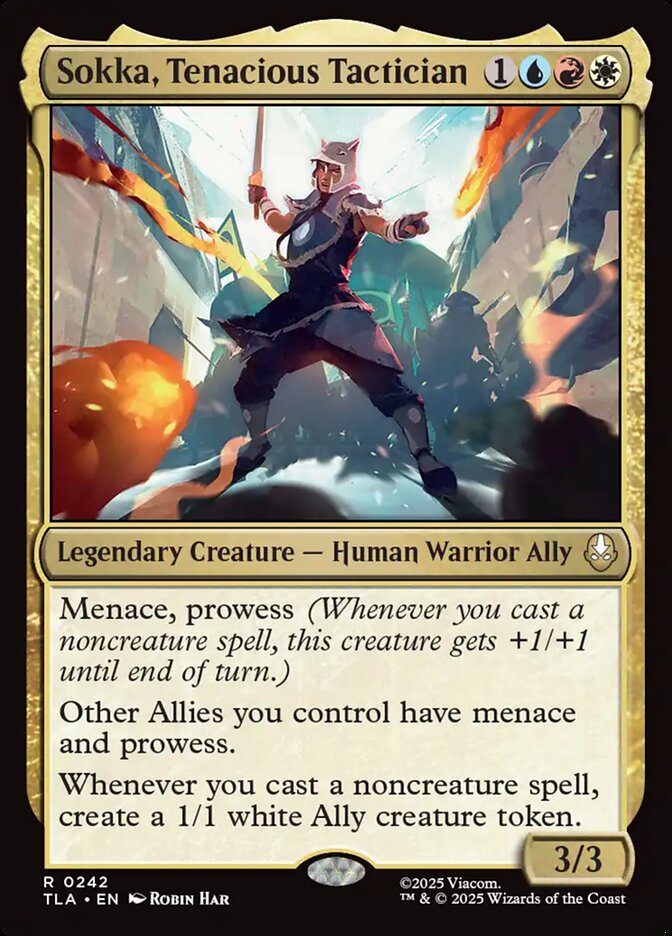
This Sokka makes for an interesting splash in UR decks, which can play enough noncreature spells to make it a huge threat. Cards like Aang's Journey and dual lands are essential pieces to make Sokka, Tenacious Tactician work.
Abandoned Air Temple (BOMB)
This first rare land is arguably the best one. Gavony Township is a nutty Limited card to begin with, and this is basically Gavony Township as a Plains! Abandoned Air Temple guarantees you win board stalls for an infinitesimally low opportunity cost.
Agna Qel’a (Great)

As with Air Temple, there’s almost no opportunity cost to play Agna Qel'a over an Island. Looting is also generally great in Limited, especially in games that go long or have you drawing a few too many lands.
Realm of Koh (Great)
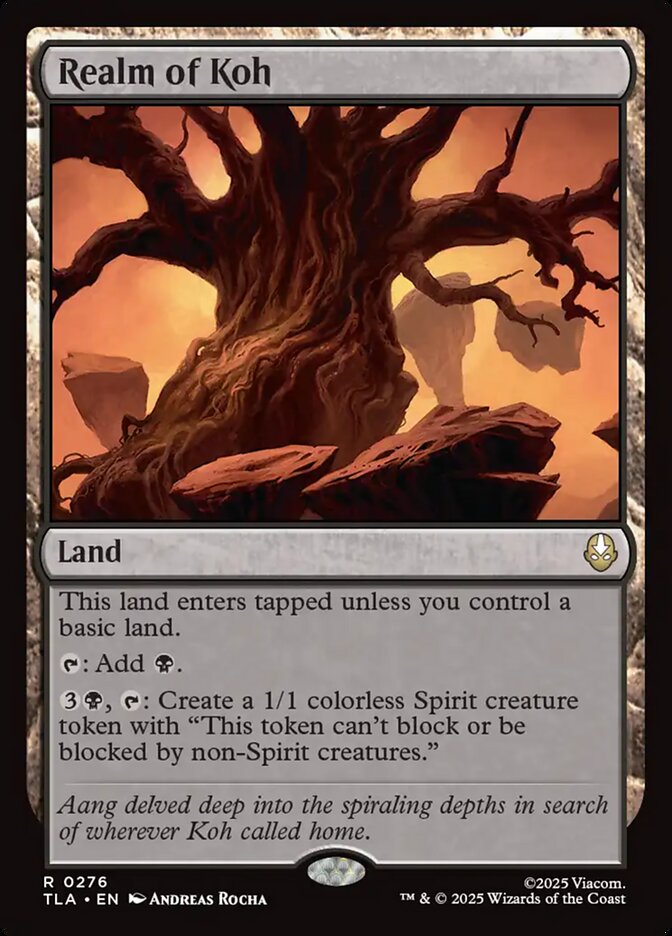
A recurring theme with these lands is that all of them are good. Realm of Koh gives you substantial closing power late game for virtually 0 cost, and it works best in more controlling decks.
Fire Nation Palace (Good)

Easily the worst of the bunch, but Fire Nation Palace still generates an extra mana sometimes. That can be the difference between activating Rebellious Captives on turn 5 rather than turn 6, so you should still always run this over a Mountain.
Ba Sing Se (Great)

Ba Sing Se is an awesome land that provides an army in a can in longer games. It can’t be overstated how wonderful these lands are in Limited, where they’ll enter untapped basically 100% of the time!
Jasmine Dragon Tea Shop (Good)
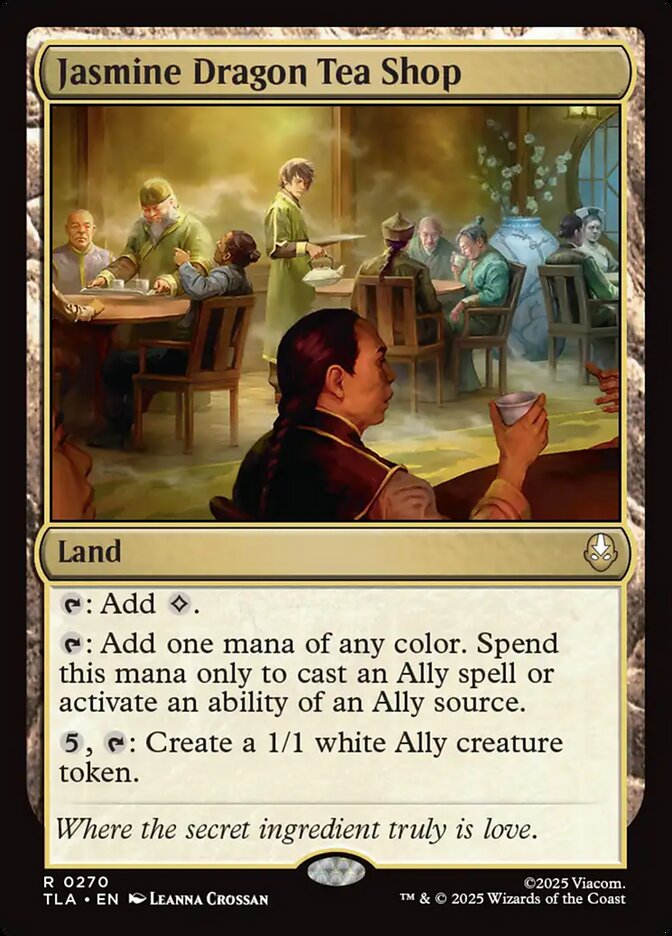
Jasmine Dragon Tea Shop is great at casting cards like Katara, the Fearless and Avatar Aang. It also provides a relevant late game mana sink, so I’d run it in just about every deck (allies or not).
Secret Tunnel (Good)

It looks like a meme card, but earthbending onto Secret Tunnel is surprisingly effective. Its unblockable ability promises to circumvent board stalls as well.
Takeaways
Avatar: The Last Airbender has a lot of bomb mythics! The good news is that most of these are tough to splash, as each has 2+ mana pips. Rares in this set seem mostly good as well, though there are fewer outright busted ones.
Prerelease Metagaming
One cool thing about Avatar: The Last Airbender prerelease is the return of seeded packs. As you sign up for prerelease, you’ll be able to choose from one of five characters: Aang, Katara, Azula, Zuko, and Toph. Each corresponds to a different color, and in turn it bolsters your Prerelease Kit with a pre-seeded pack for that color.
I don’t know enough about these to give specifics on which one is best, so you should probably just pick the one you like best. That could be your favorite color, your favorite character from the show, or simply whatever you feel like that night. I like to pick mine randomly when I can, or simply use the least popular one at my LGS.
If you must min-max, try to go off which color is likely to have the best rares! Red and green have slightly fewer “Greats” than other color pairs, so just avoid those and pick any of the Esper colors ().
Seven Steps for Sealed Success
This is a refresher course for Sealed itself, and a good reference sheet if you’re stuck.
- Open your boosters and sort your cards by rarity and color. Consider separating the contents of your pre-seeded booster from others, if you’d like. Note any bombs or exceptional cards.
- Set unplayable cards aside (basically just “Bad” rares), then assess which of your colors are deepest. I’m mostly looking for the best commons/uncommons here, with particular importance given to the Top Commons.
- Start laying out builds and try to include your best cards. Avatar: The Last Airbender is largely a 2-color set, so try to use the official archetypes as your baseline (especially if you’re lost). You may occasionally be able to build around stuff like mono-colored incentives or shrines as well, though not for most pools.
- Consider whether splashing makes sense for your Limited pool. The best cards to splash are strong single pip bombs and removal, like Bumi, Unleashed and Sold Out.
- Keep working on your deck, aiming for a good balance of bombs, removal, card advantage, and mana curve. If you’re worried about the clock, you can mitigate time anxieties by having a baseline done early (i.e. “I know I’m WU because of Aang, Swift Savior, Katara, Water Tribe's Hope, and Air Nomad Legacy, but which creatures should I cut?”).
- Settle on a final product, then battle it out! Feel free to change your deck between rounds to fix errors and/or try new things. Prerelease prize payouts are rarely top heavy or anything, so this is a great time to relax and focus on learning the set and having a good time.
- Don’t forget that you can use Draftsim’s Sealed pool generator to practice Avatar: The Last Airbender before you attend your prerelease! Our simulator unfortunately lacks the pre-seeded character boosters, but it’s otherwise identical to the experience you’ll have building this format.
Wrap Up
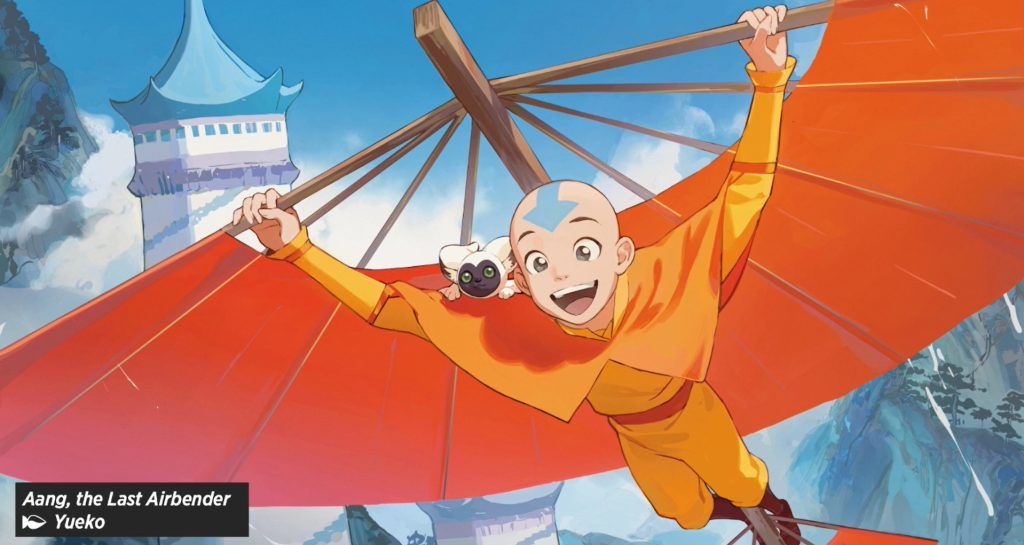
Aang, the Last Airbender | Illustration by Yueko
Whew! And with that, we are done. This was quite the writeup, though I’d be remiss not to give you the depth of content you deserve. Thanks again for reading, and I hope you’re looking forward to our next installment.
Which cards and archetypes do you hope to find in your Sealed pool? Which cards do you hope you won’t see across the table? Let me know in the comments below or over on the Draftsim Discord.
Have a fun and successful Prerelease!
Follow Draftsim for awesome articles and set updates:










2 Comments
Awesome guide, Bryan! Do you have a recommendation among the esper colors of which character you think will be strongest?
Probably a little late on this, but looks like Bryan’s definitely leaning towards white/blue, since black doesn’t have a central mechanic/theme.
Add Comment