
Last updated on June 29, 2026

Emberheart Challenger | Illustration by Chris Rahn
When I first started playing Magic: The Gathering, I figured the easiest way to win was just to throw a bunch of creatures on the board and turn them sideways. More creatures meant more damage—what could go wrong, right?
It turns out that aggro decks are a lot more complex than they look. To help you avoid the same early misconceptions I had, let’s dive into what aggro decks really are, how to play them effectively, and the key elements you need to consider to make your aggro decks work.
Let’s break it all down!
What Is an Aggro Deck in MTG?

Anger | Illustration by Svetlin Velinov
In lots of gaming contexts, “aggro” is short for aggressive, and that really sums up the whole vibe. In Magic, aggro decks are all about hitting fast and hitting hard. They aim to win the game before your opponent has a chance to set up their strategy. If you’ve ever seen a deck curve out with 1-drop, 2-drop, 3-drop, then burn you out with a Lightning Bolt to the face—congrats, that’s aggro doing its thing.
At its core, aggro is about pressure. You’re not trying to control the game or go over the top with big combos—you’re trying to overwhelm your opponent with a quick clock. Simply put, aggro decks punish stumbles. If your opponent draws a bit too slow or misses a land drop, you’re there to capitalize on it.
Aggro decks usually run a tight curve of cheap, efficient creatures and damage-dealing spells. Think cards like Emberheart Challenger or Burning-Tree Emissary—stuff that gets on the board quickly and keeps the heat on. Burn spells like Reckless Rage, Burst Lightning, and Monstrous Rage are examples of tools in aggro’s arsenal, helping to clear blockers or just finish the game.
Elements of an Aggro Deck
Aggro decks might look simple at first glance—just a bunch of fast creatures and some burn, right? But there’s actually a lot of structure behind that speed. Every good aggro deck has a solid backbone of well-chosen cards that support the aggressive gameplan.
The Creatures

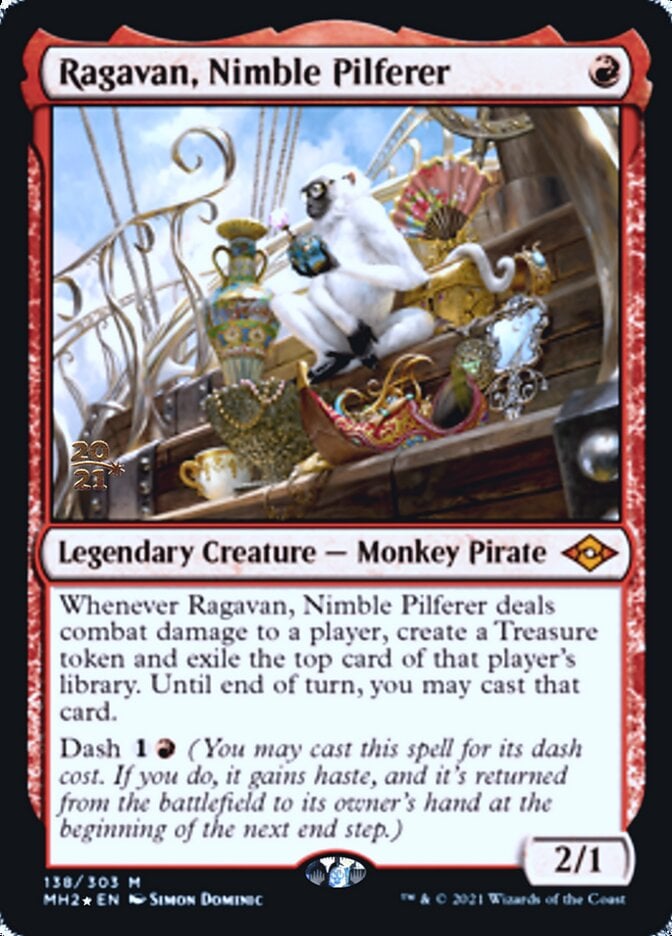

Your creatures are your bread and butter. Aggro creatures are usually cheap and efficient, and they’re ready to attack early. You’ll often see a ton of 1- and 2-drops like Emberheart Challenger, Ragavan, Nimble Pilferer, or Ajani, Nacatl Pariah. They’re not always the strongest individually, but when you curve out perfectly, they hit hard and fast.

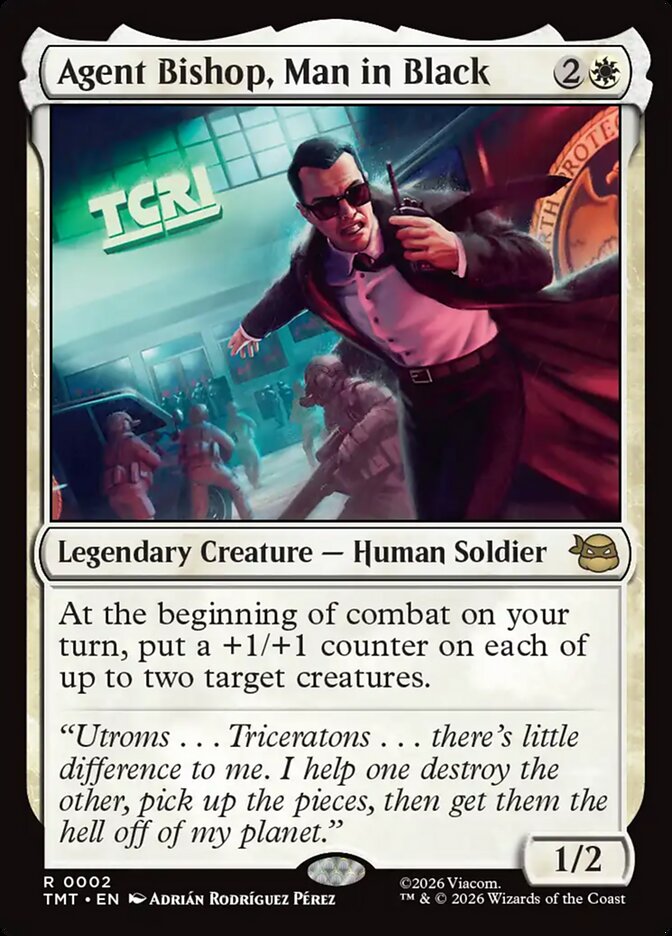
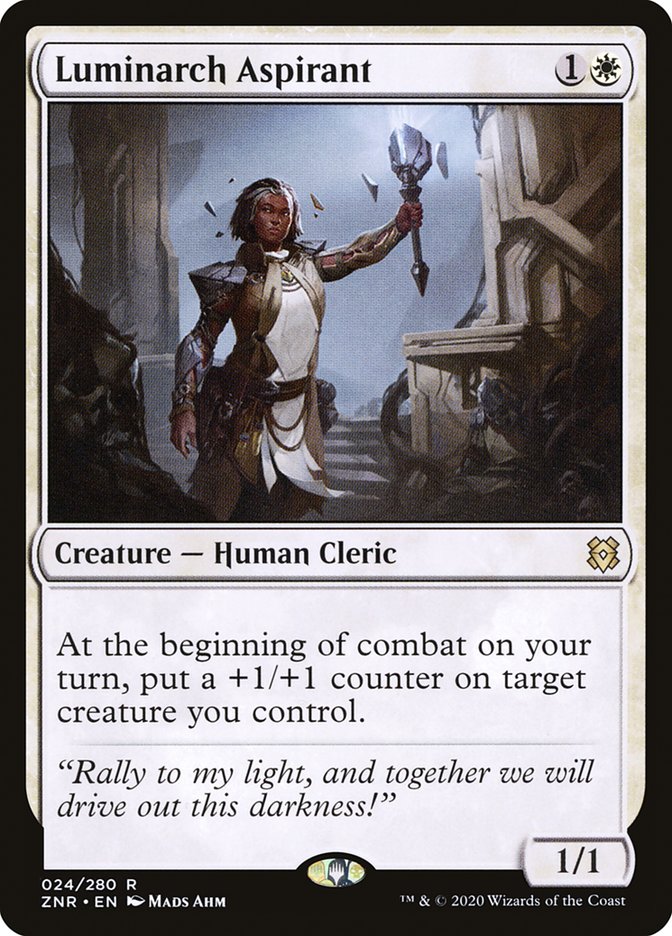
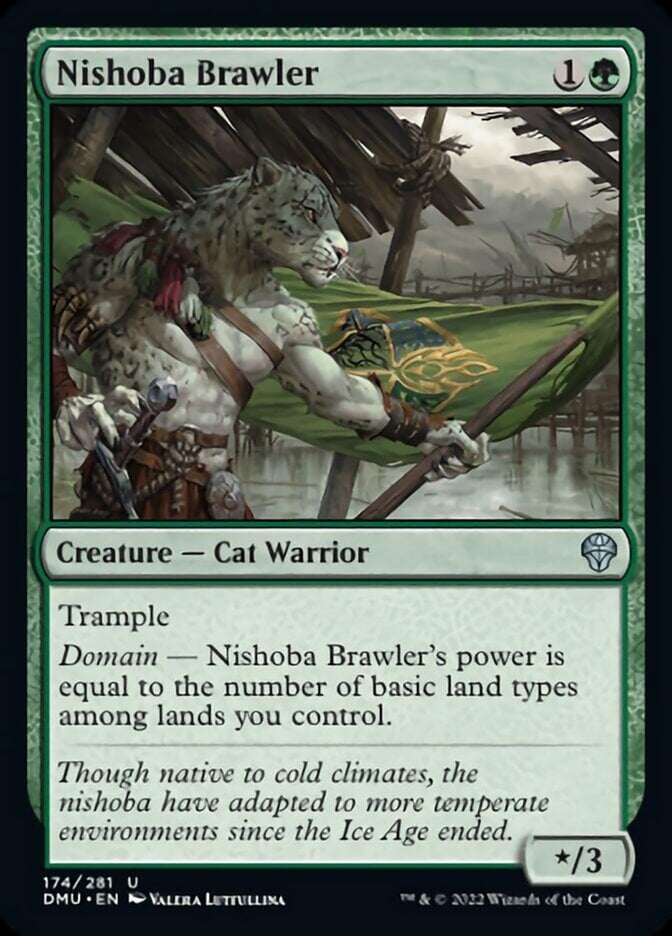

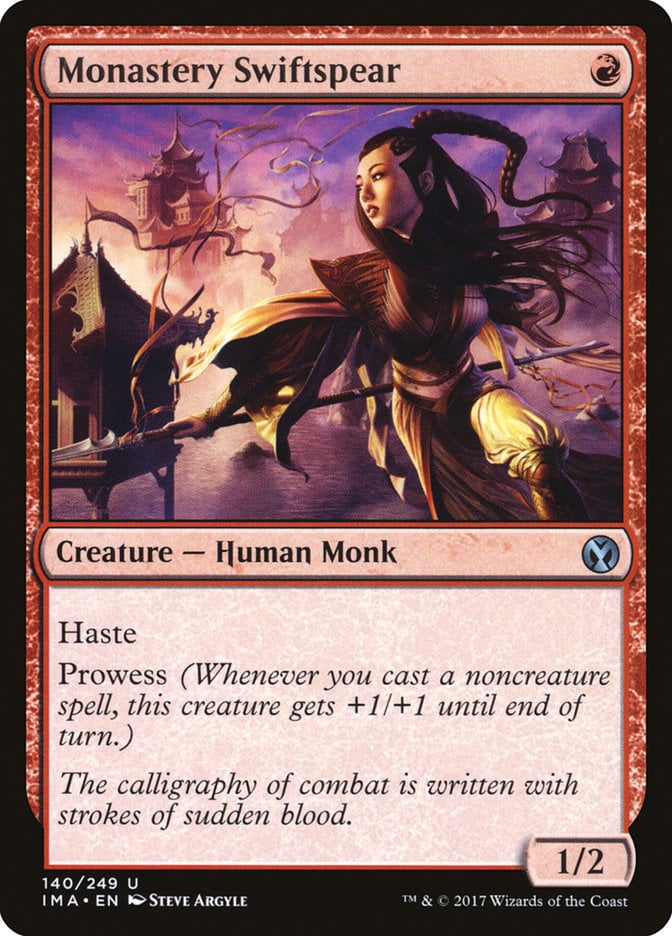
Another thing that makes aggro creatures great is when they come with a little extra, like a strong enters ability or a passive effect that adds value over time, like Voice of Victory, Agent Bishop, Man in Black, Luminarch Aspirant, or Nishoba Brawler. Then you’ve got creatures like Sazh's Chocobo and Monastery Swiftspear that grow fast as the game goes on. And of course, haste is always a bonus—the ability to swing the turn they drop can make all the difference.
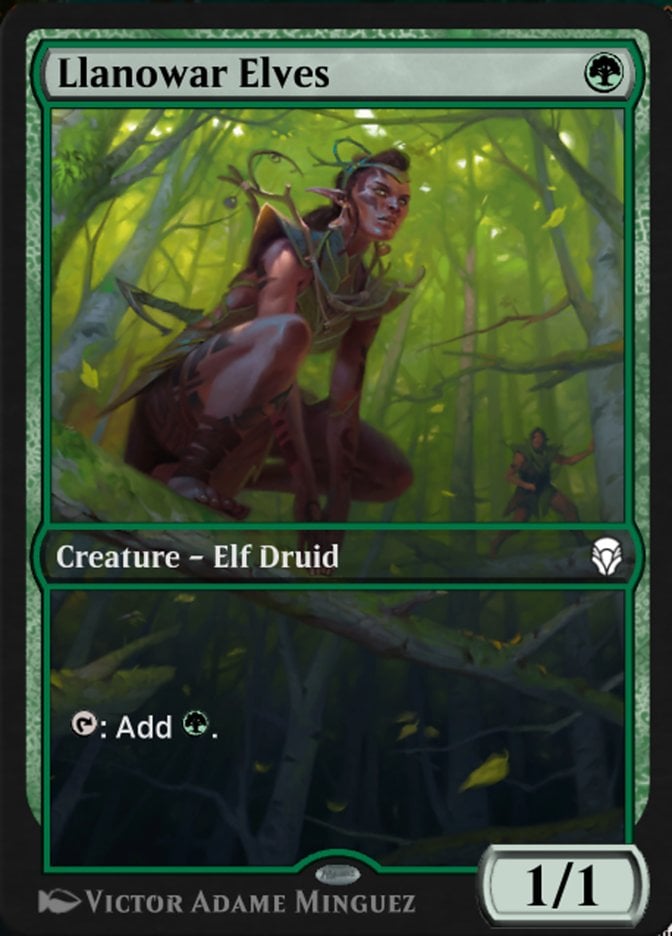


Llanowar Elves, Badgermole Cub, and Ouroboroid are frequently found as a package that jams a ton of power and fast.
The Interaction

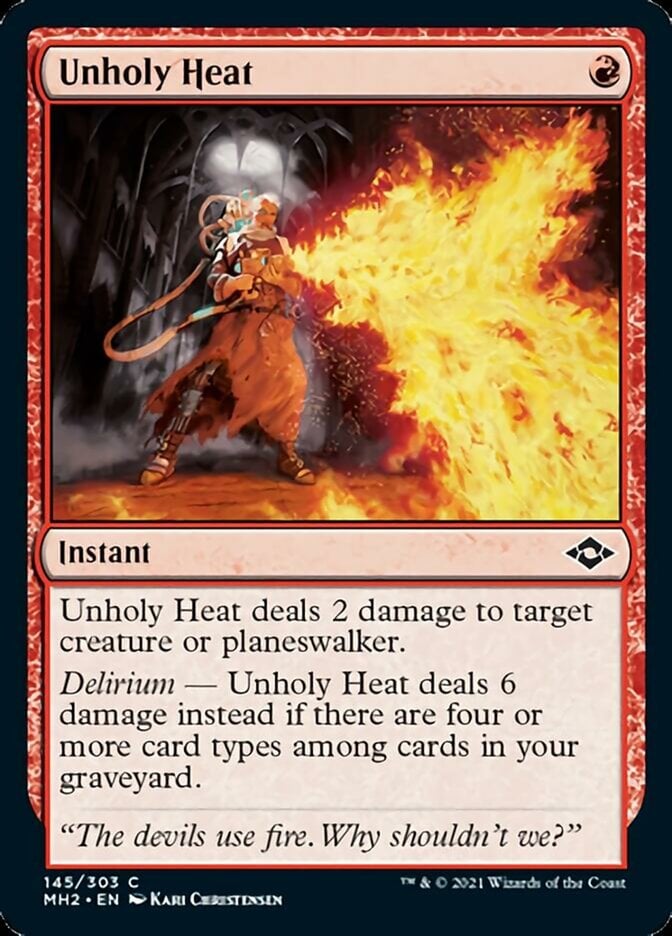


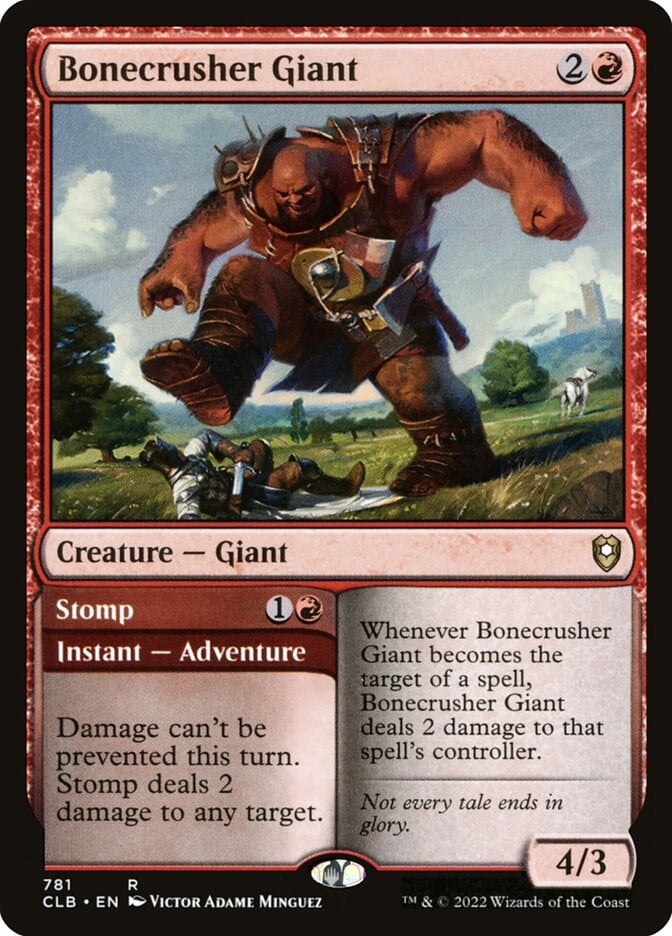
Even aggro decks need to answer problems. You’ll see a few removal or tempo tools here—stuff like Galvanic Discharge, Unholy Heat, or Thraben Charm helps clear blockers or push through damage. In some formats, cards like Phlage, Titan of Fire's Fury or Bonecrusher Giant double as burn and removal with a body that can pressure your opponents later, so they’re perfect for aggressive lists.
Pump Spells
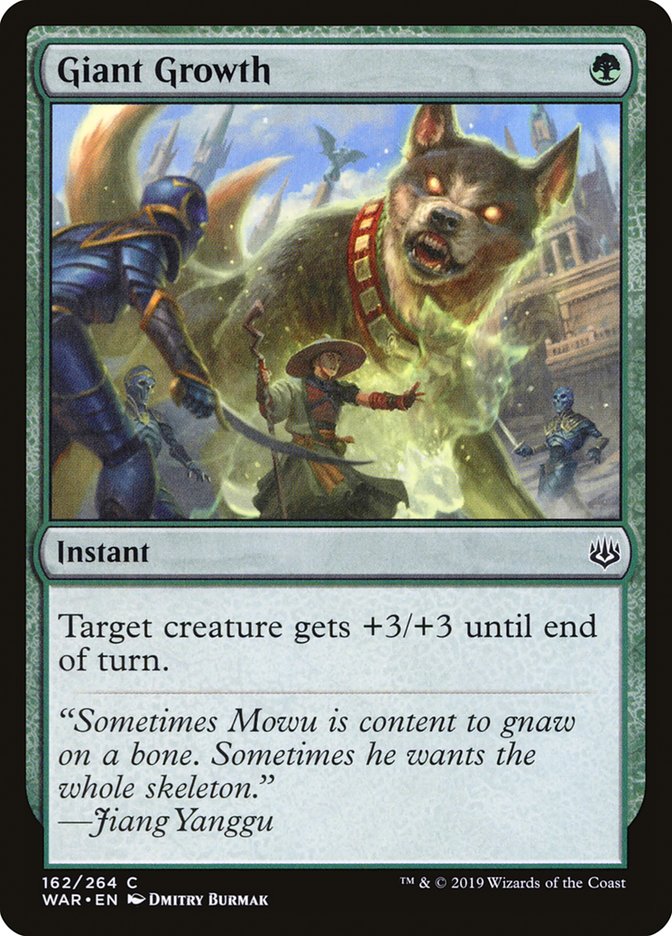

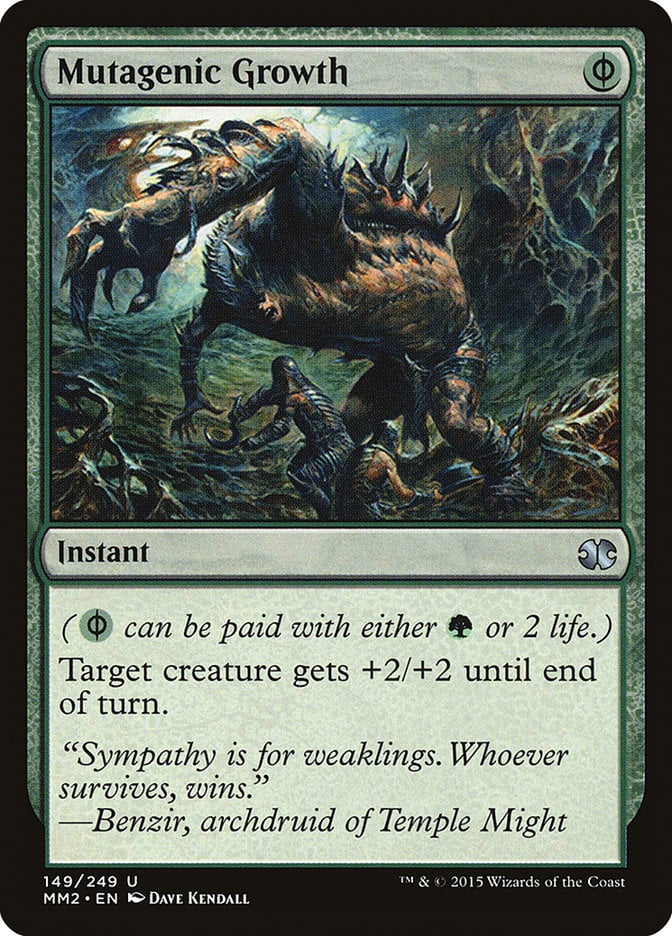
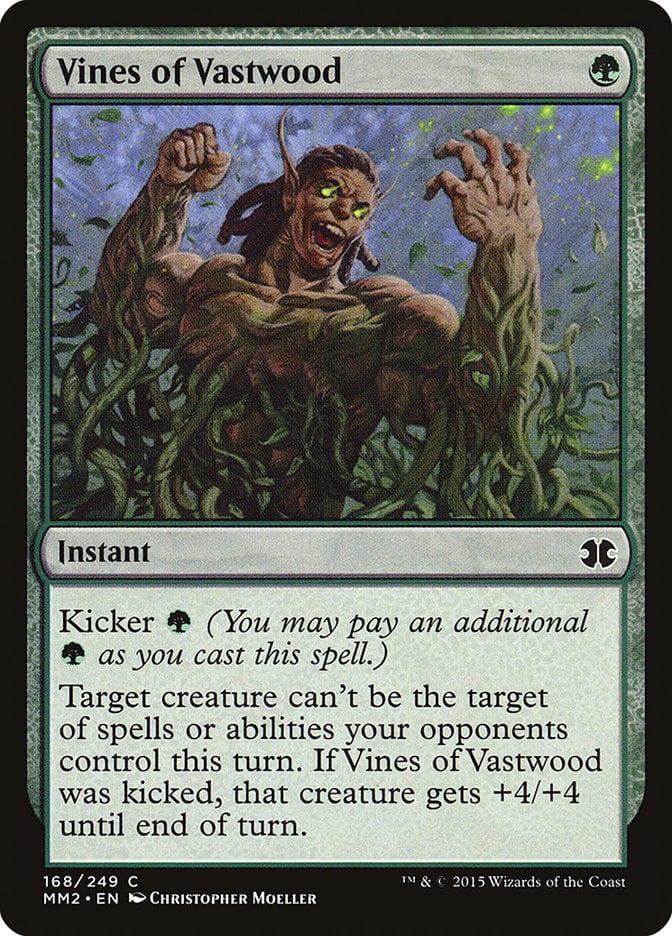

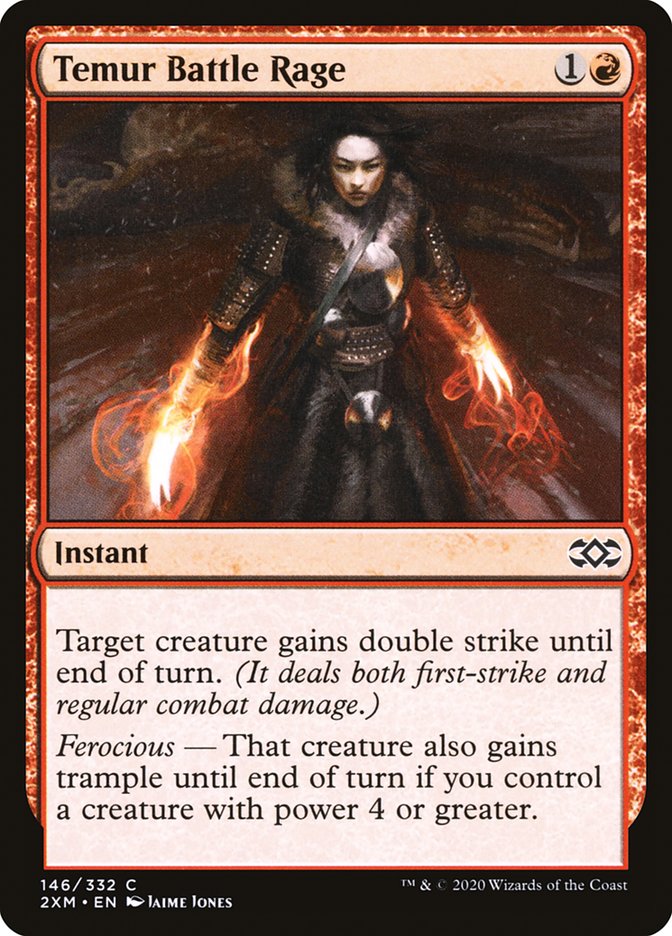
While pump spells like Giant Growth are mostly seen in Limited archetypes, sometimes your little guys need a boost to swing for more or win in combat. Cards like Mutagenic Growth, Cunning Maneuver, Vines of Vastwood, Overprotect, or Temur Battle Rage let you deal unexpected damage and punish opponents for blocking wrong. These spells can lead to explosive turns and even one-hit kills with the right setup, like in prowess decks or decks that use poison counters as their main win condition.
Wincons
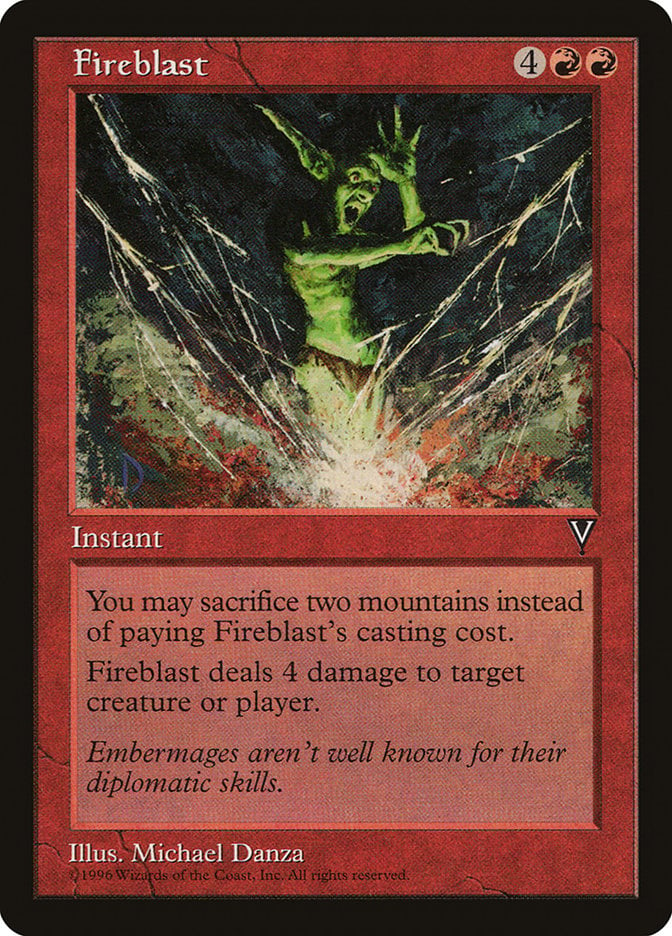
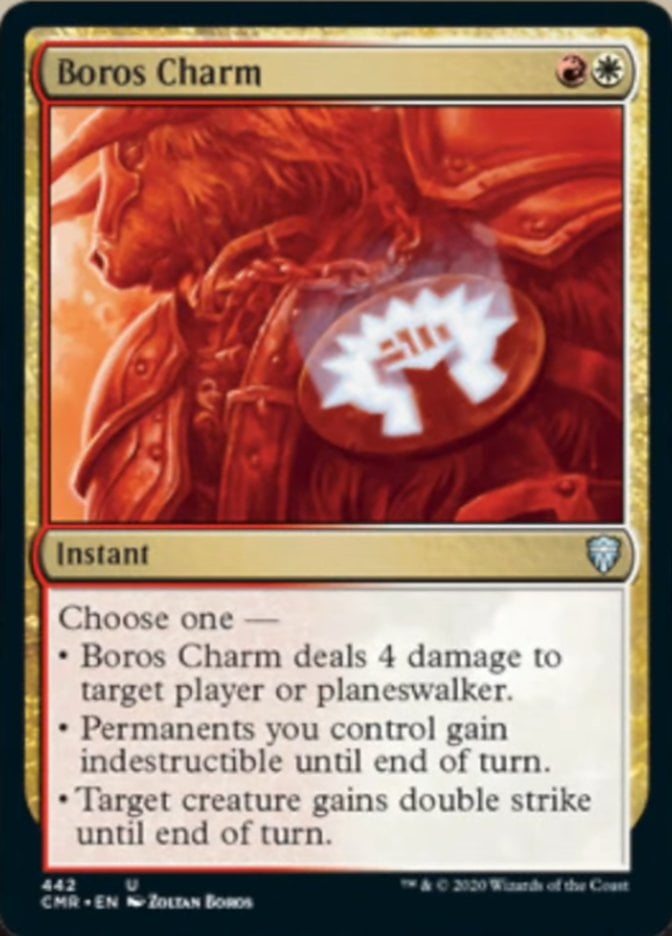
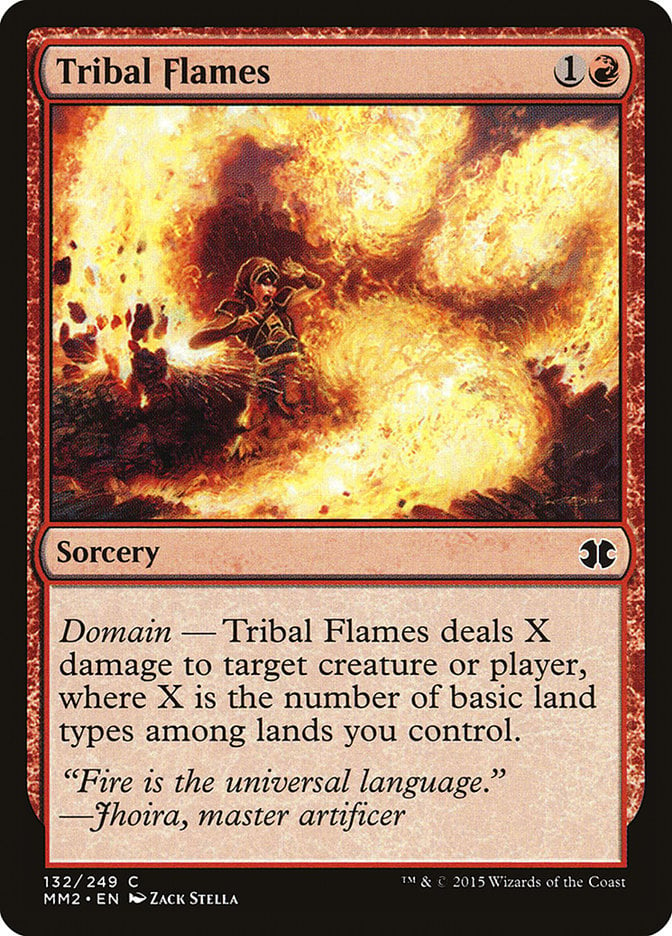
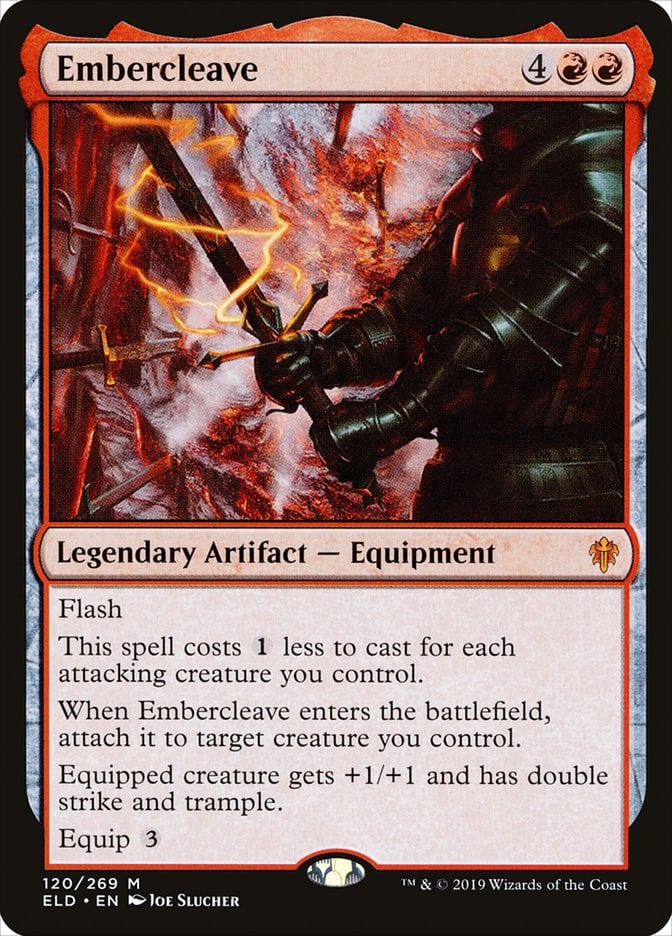
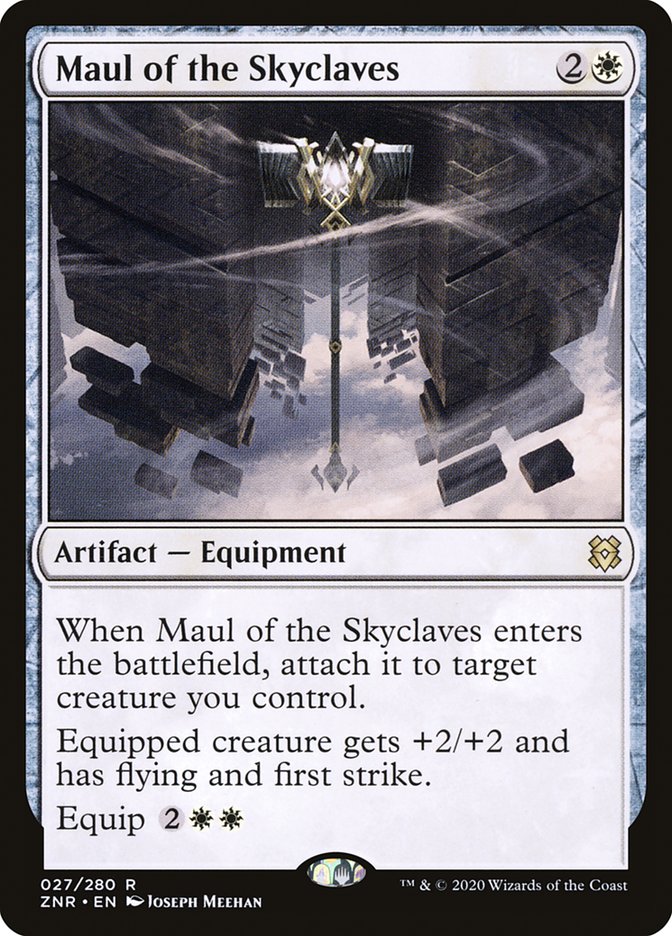
Aggro doesn’t usually have flashy finishers, but it does have cards that close the game fast. Burn to the face is a classic option—Fireblast, Boros Charm, or Tribal Flames come in hot once you’ve chipped away at their life. Some decks also pack cards like Embercleave or Maul of the Skyclaves to end things out of nowhere.
Lands
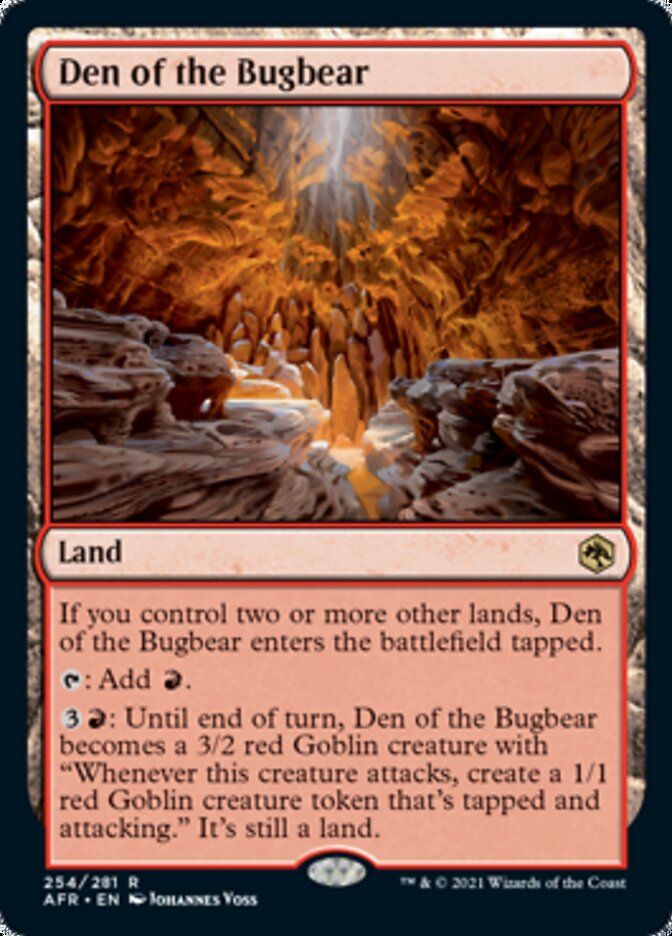
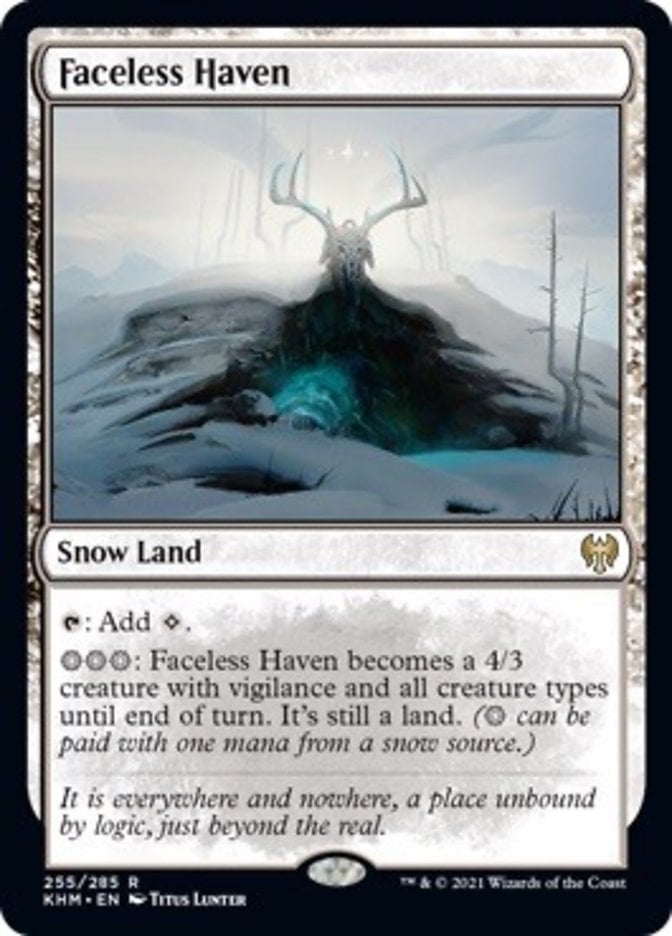
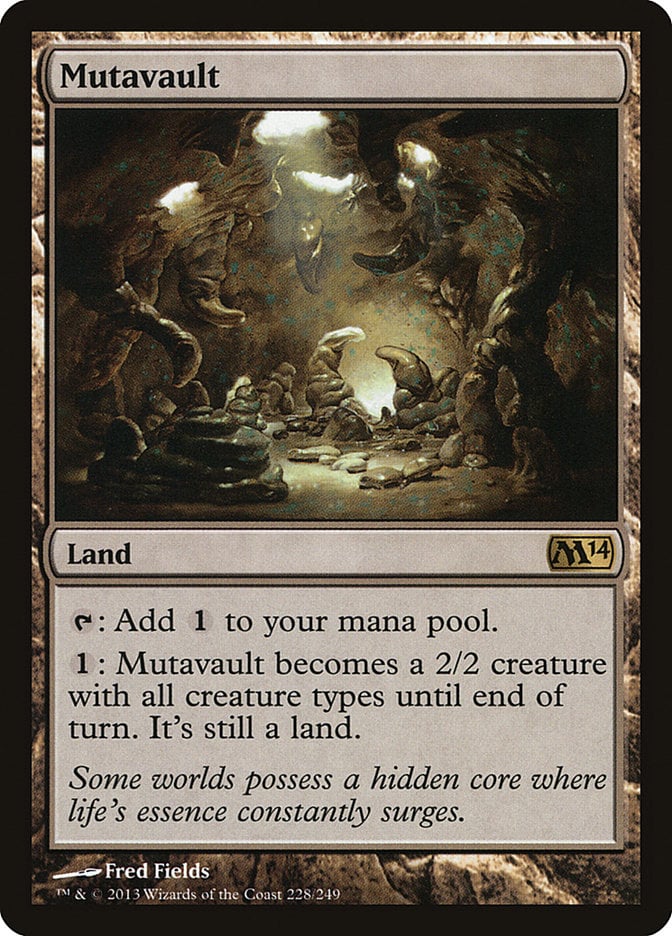
Aggro decks don’t need a huge land count—most run around 18 to 23 lands, in a 60-card format. The key is speed: You want lands that come in untapped so you can keep the pressure on. That’s why fetch lands, fast lands, and pain lands are so popular in faster formats. And don’t overlook creature lands like Den of the Bugbear, Faceless Haven, or Mutavault—they give you extra threats without costing you a spell, which is perfect when you start to run low on gas.
How to Play Aggro Decks

Den of the Bugbear | Illustration by Johannes Voss
Playing an aggro deck isn’t just about turning creatures sideways and hoping for the best. Sure, you want to be fast and aggressive, but there’s a rhythm to it—a way to read the game and know when to keep pushing and when to hold back.
General Gameplan
The goal is simple: Reduce your opponent’s life total to 0 before they can stabilize. You want to start strong, with an aggressive hand that curves out quickly. In most games, that means you want to flood the board early with threats then back them up with burn spells, pump effects, or removal to clear the way. Always ask yourself: “How much damage can I push through this turn?” and “If they stabilize next turn, do I still have outs?” Every turn matters when you’re the one applying pressure.
Out Tempo Your Opponents
Aggro decks usually win by keeping their opponents from ever getting comfortable. The trick is to get ahead on board early and never let up. That’s often easier against control decks—they tend to have slower starts, so you can develop a strong board before they have the tools to answer it. But just slamming your hand on the table every turn isn’t always the best move. You’ve got to think about the situation.
One question that comes up a lot is: “Should I remove their creature, or just play another one?” And the answer is… it depends. If your opponent’s creature isn’t clearly better than yours—say it’s a similar size or stat line—it might be better to just play your own and keep swinging. Sometimes it’s right to encourage a trade, especially if you’ve got another threat ready to replace it. But you also have to read the board. Are they just trying to stall with a blocker, or is that creature part of a bigger plan? If you wait a turn, develop your board, and then remove their blocker later, you might end up pushing more damage overall.
There’s no exact formula here—it’s about feeling the tempo and recognizing when it’s worth it to hold back rather than going all in.
Another tempo consideration is knowing when to commit against control if you suspect a board wipe. Sometimes it’s better to apply steady pressure with just a couple of high-damage creatures and keep the rest of your hand safe in case someone plays a sweeper. If you hold back a hasty creature or plan to activate a creature land like Den of the Bugbear after the wipe, that can keep the pressure going even after your opponent resets the board.
Who’s the Beatdown?
In any given matchup, you need to figure out whether you’re the aggressor or if you need to play more reactively. With an aggro deck, you’re usually the beatdown, but not always. If you’re up against something even faster, or if your deck stumbles, you might have to shift your plan a bit. Recognizing that role early can be the difference between a clean win and a game slipping away, and against other aggro decks, this is mostly determined by who starts.
In my experience, removing a threat if you’re behind is better than just trying to add one blocker. Playing a creature will usually put you in a poor spot against removal, whereas removing the threat puts the onus on your opponent to present another one.
How to Build Aggro Decks
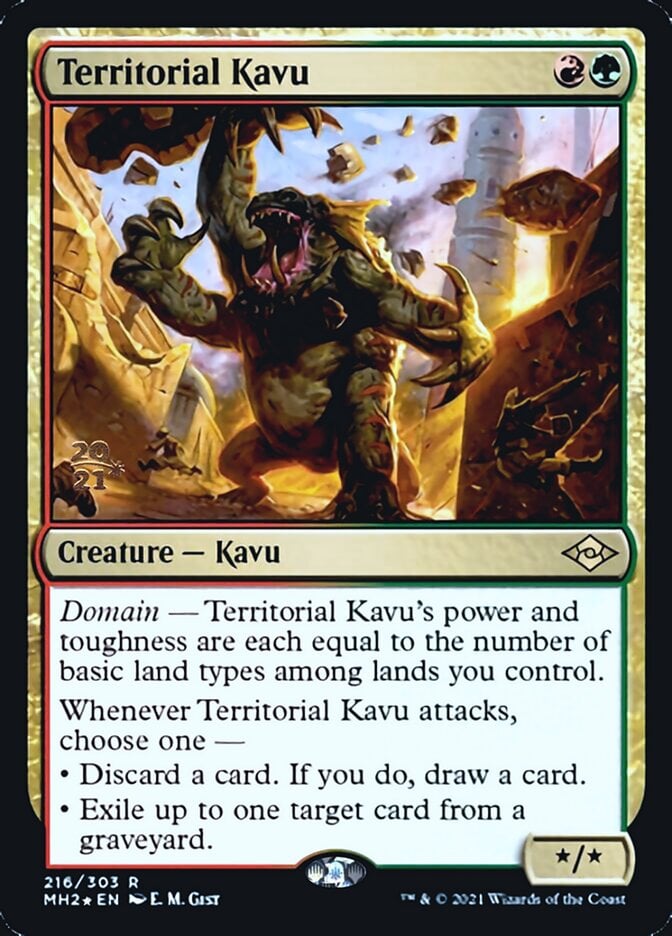


Go for cheap creatures that are either naturally big or grow into a threat from one turn to another, like Territorial Kavu, Wildfire Wickerfolk, or Ambitious Augmenter. The goal is simple: Deal as much damage as possible before your opponent can stabilize.
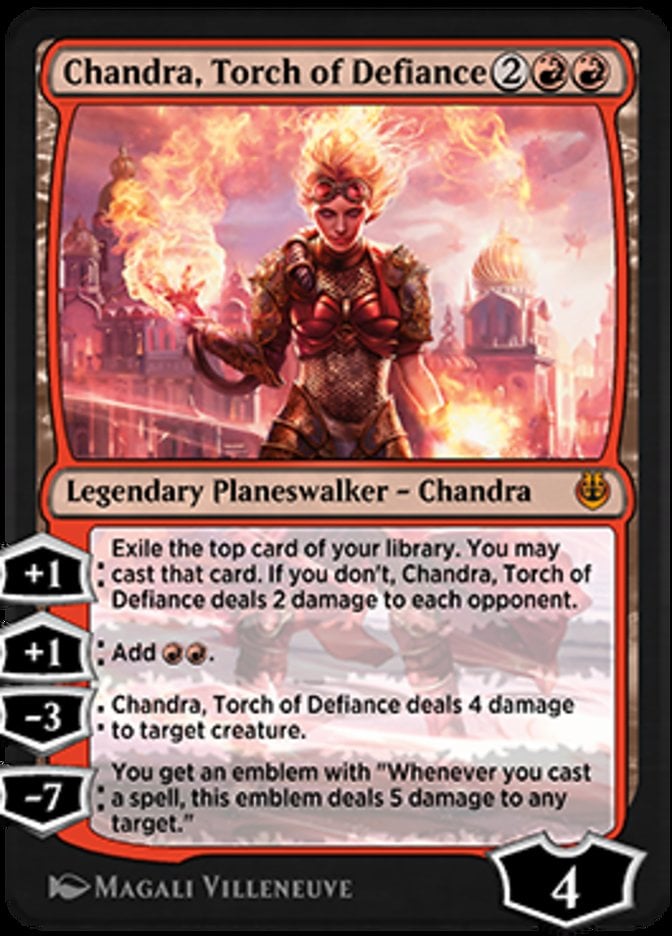
From there, it’s usually correct to keep a low curve with multiple 1- or 2-mana cards and a few 3-drops, and your 4-mana cards like Chandra, Torch of Defiance should be your more impactful threats or win conditions.
In most aggro decks, burn spells double as removal and can reach your opponent’s life total. They help to clear blockers or push through the last few points of damage. Keep your land count lean, and make sure your deck can close the game before your opponent’s bigger cards come online.
With that in mind, there are a few common things you need to think about when you build aggro decks.
Understand Your Meta
One of the most important skills for piloting an aggro deck is to know your meta. Pay attention to what other players are playing and adjust your list—or even your whole gameplan—accordingly. Not every aggro deck works the same way, and what dominates in one meta might fall flat in another.
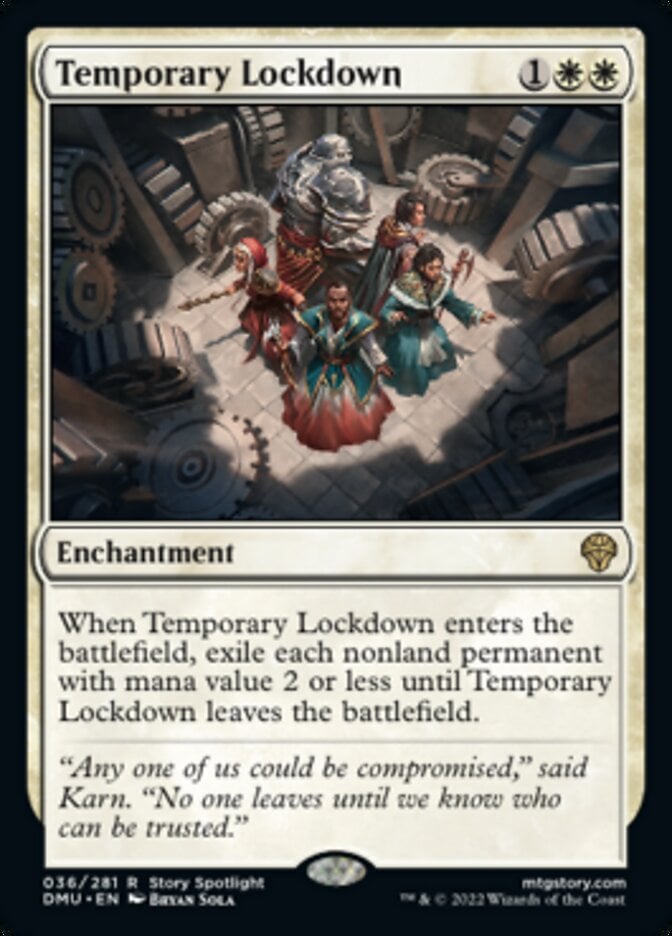
Some aggro decks want to go wide, flooding the board with small creatures and finishing with a pump spell or anthem effect. Others go tall, leaning on one or two hard-hitting threats and backing them up with removal to clear the way. The success of either approach really depends on what the rest of the format looks like. For example, until Dominaria United rotated out of Standard, go-wide token decks had a rough time because of cards like Temporary Lockdown, which completely wrecks a board for just 3 mana. It’s super hard to stick enough creatures for anthem effects to matter.
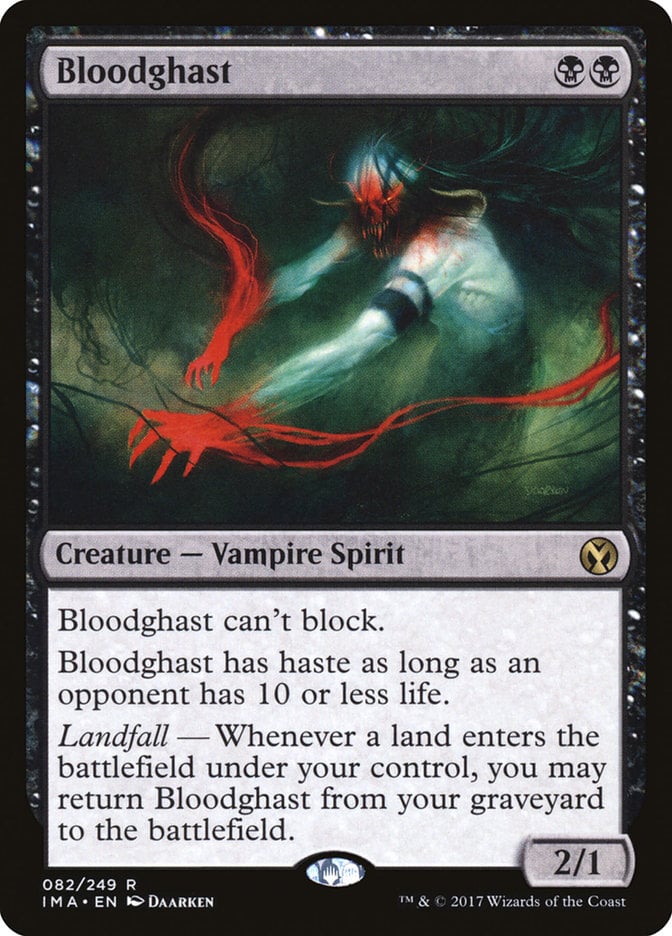
On the flip side, decks that lean on cards like Monastery Swiftspear tend to perform better in that kind of environment. Even though Swiftspear also gets hit by Temporary Lockdown, it’s so fast and efficient that it often gets in a bunch of damage before the opponent has time to answer. And if your meta is light on sweepers and leans more into spot removal, that’s when resilient threats like Bloodghast start to shine.

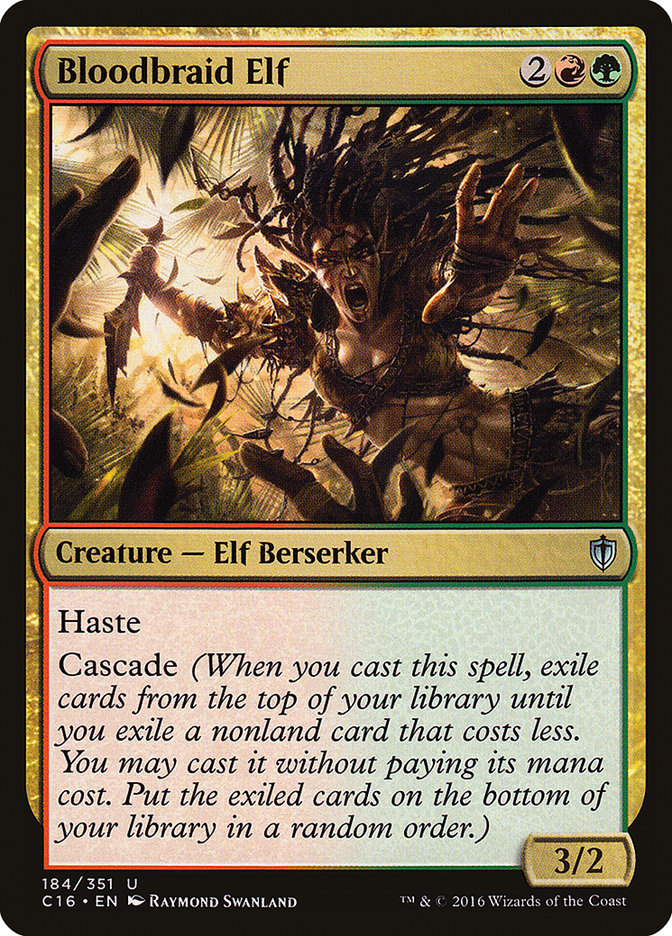

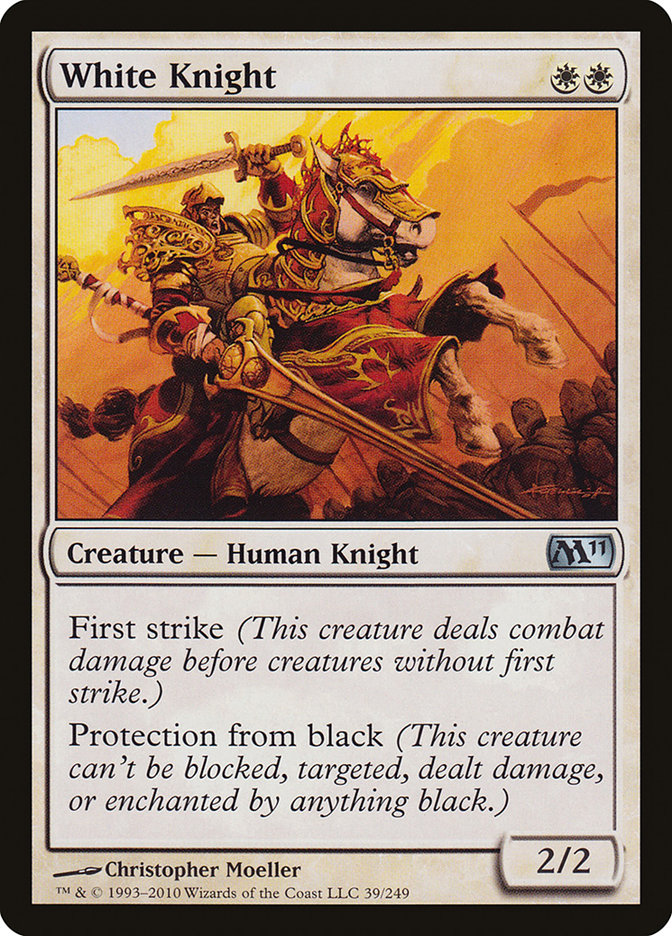
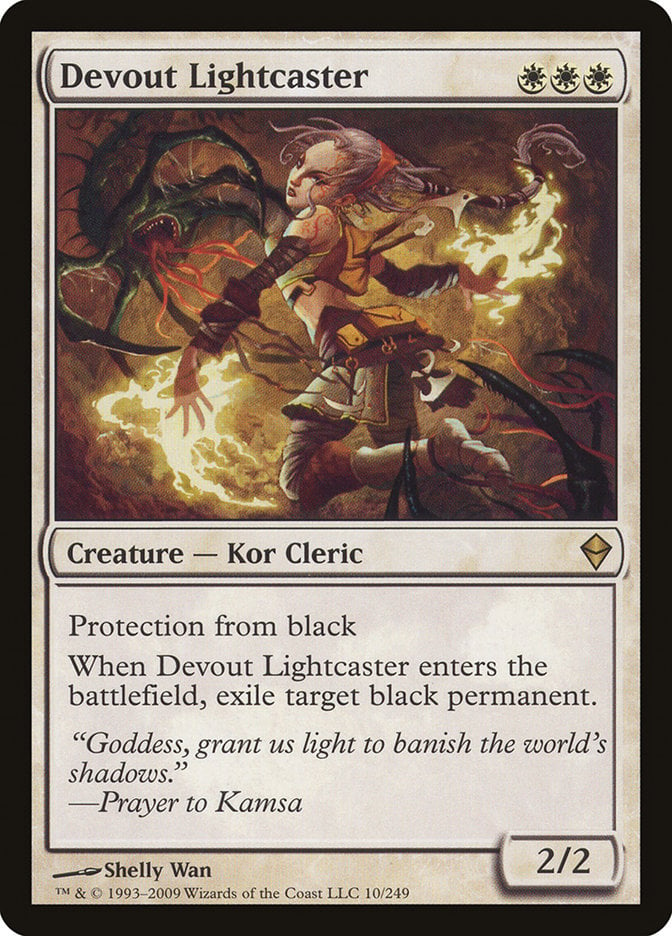
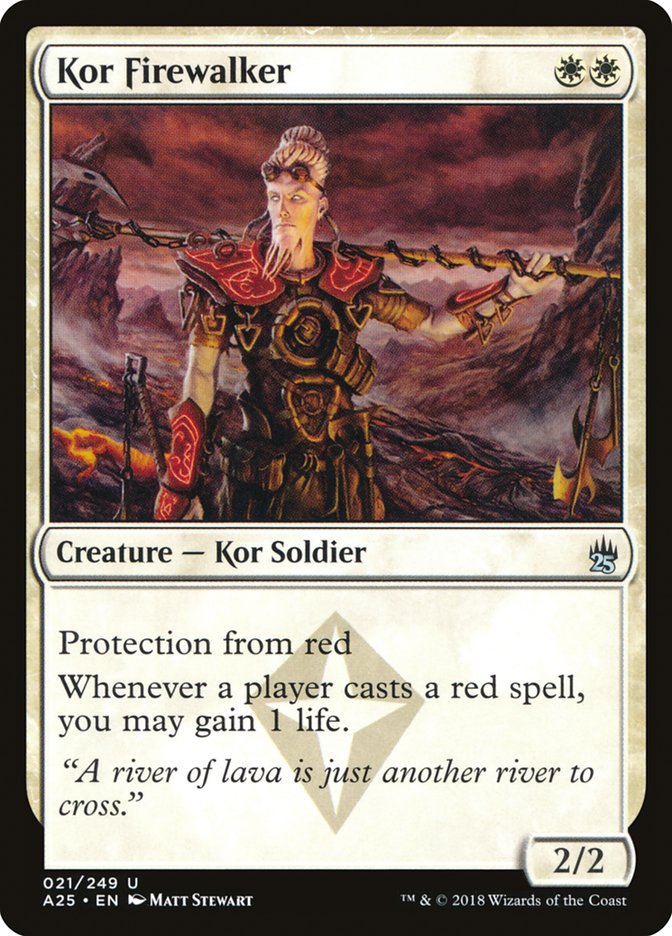
Sometimes, it’s not just about how your deck functions—it’s about how it lines up against the big dog in the room. I still remember one of my earliest Standard experiences, back when the Alara block was legal. The dominant deck at the time was Jund (), packed with cards like Sprouting Thrinax, Bloodbraid Elf, and Bituminous Blast. And you know what they all had in common? They were red—or at least red-adjacent. So one night, I showed up to my LGS with a deck loaded with White Knight, Devout Lightcaster, and Kor Firewalker—all main deck. I ended up going undefeated that night, running through three Jund decks like butter. The point? Aggro decks can absolutely thrive—as long as they’re tuned to beat what’s popular. Timing and targeting the meta is everything.
Choose Your Interaction
Just like your threats, the kind of interaction you pack into your aggro deck needs to line up with your deck’s gameplan—and with what you expect to face. Not all burn spells or removal are interchangeable, especially when you build around synergy or try to preserve tempo.

Take Modern Boros Energy (), for example. Sure, it has access to iconic cards like Lightning Bolt or Lightning Helix, but instead it leans into options like Galvanic Discharge and Static Prison. Why? Because those spells contribute to the energy engine around which the deck is built. In a synergy-based strategy like that, it’s not just about killing something—it’s about fueling your plan while you do it.
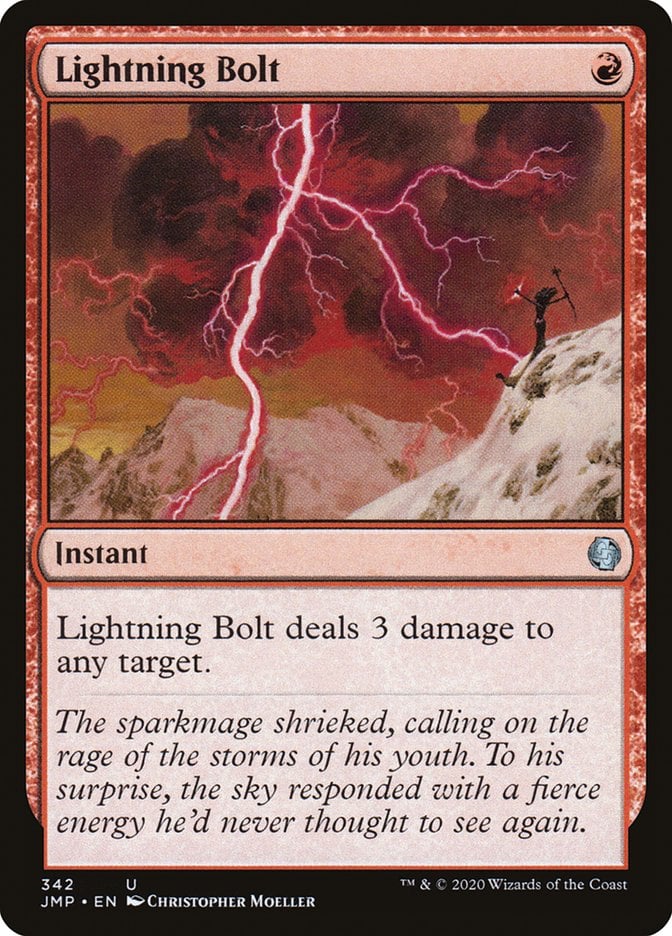
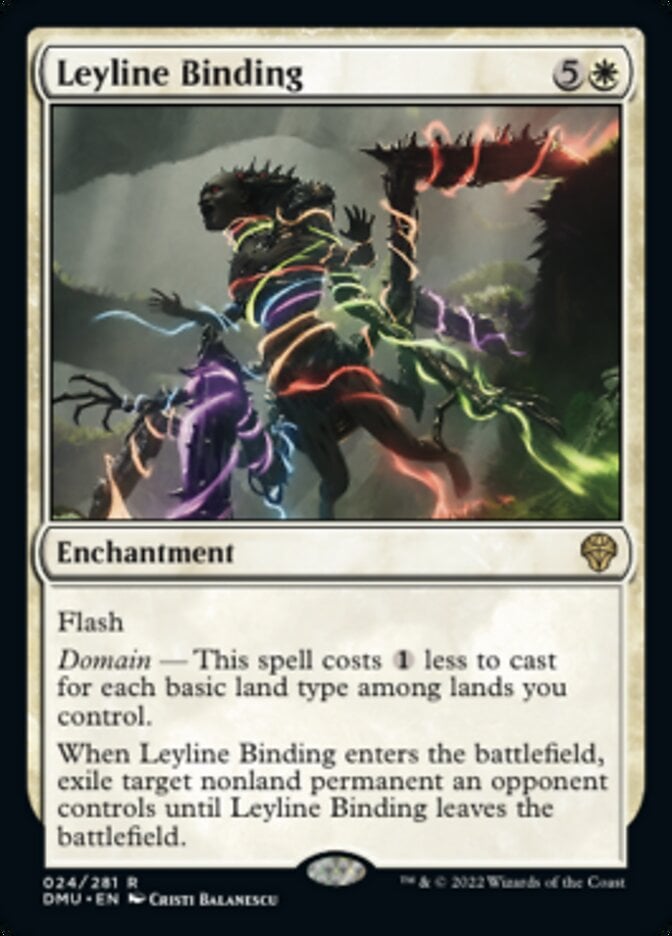
Now look at something like Domain Zoo. This deck wants raw power and efficiency, so it goes with Lightning Bolt and Tribal Flames, and is capable of dealing 5 damage for just 2 mana in the right setup. On top of that, it slots in Leyline Binding, a card that’s technically more of a control tool, but here it becomes a 1-mana answer to almost anything thanks to domain.
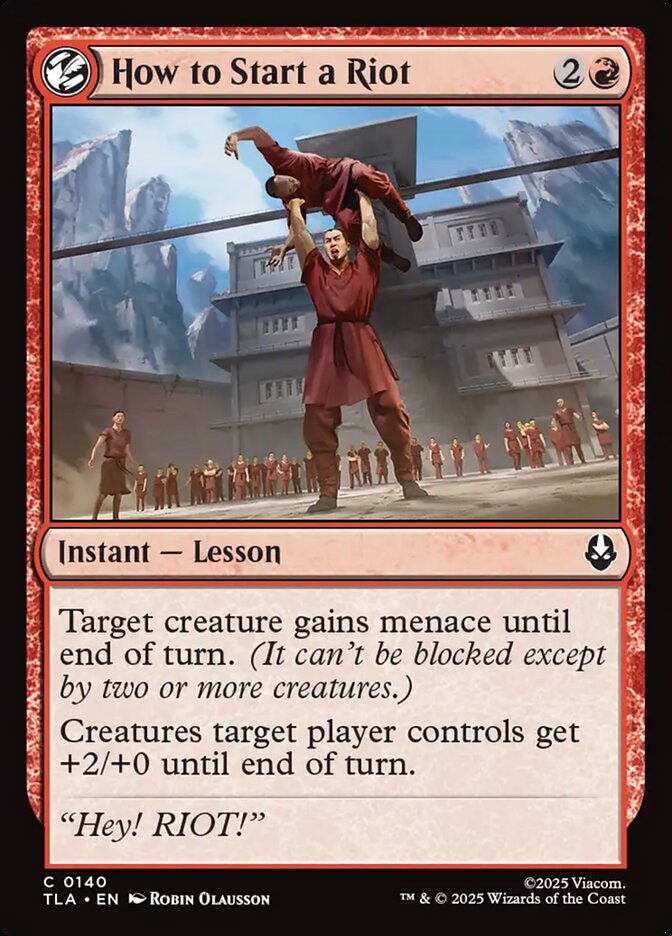

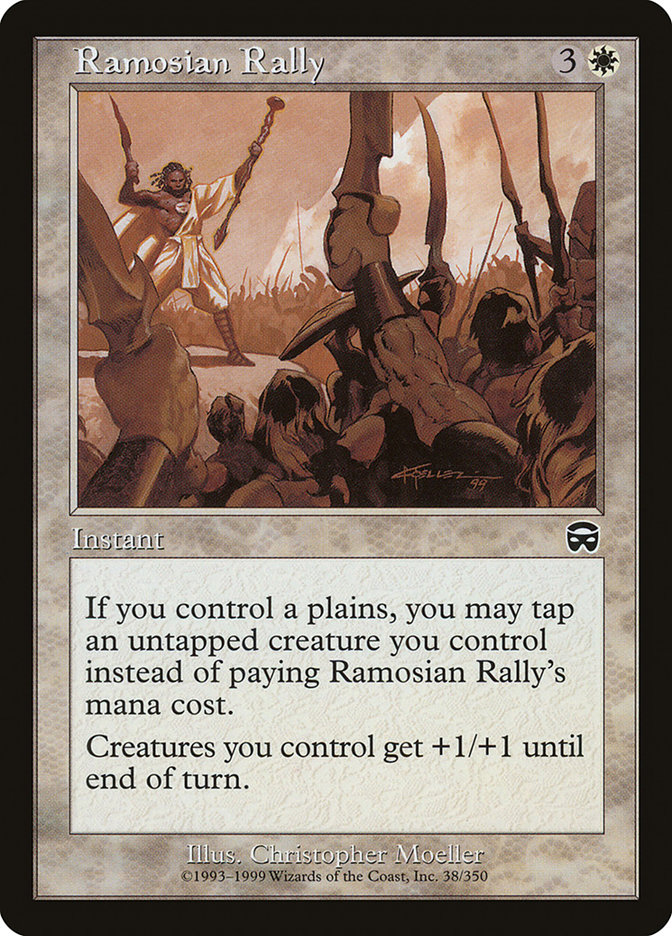
And it’s not always about removal, either. In Pauper, mono-white aggro decks don’t have great spot removal options, so instead they lean into team-wide pump spells like How to Start a Riot, Guardians' Pledge and Ramosian Rally. These spells let the deck turn a cluttered board into a sudden lethal swing, perfectly playing to the go-wide strategy. When you build aggro, don’t just ask: “What kills stuff?”—ask, “What helps my deck win faster while keeping pressure on that also synergizes with my cards?” That’s the sweet spot.
What Kind of Effects Should I Avoid in Aggro Decks?
In aggro decks, you want to avoid anything that slows you down or doesn’t help you to close out the game quickly. Steer clear of cards that are too reactive or built for long-term value rather than immediate impact. Your focus should always be to keep up pressure and push damage.

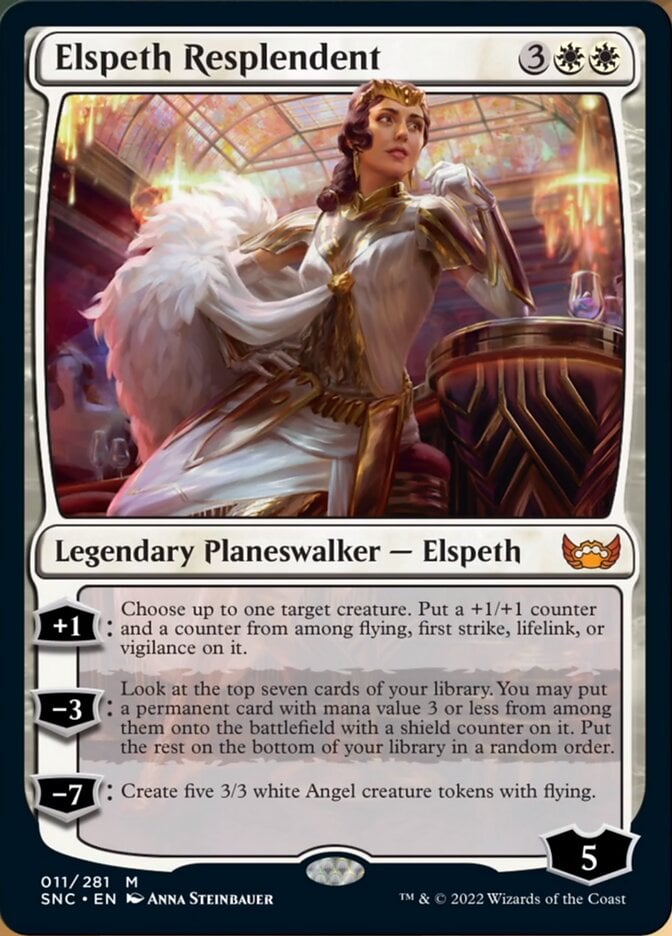
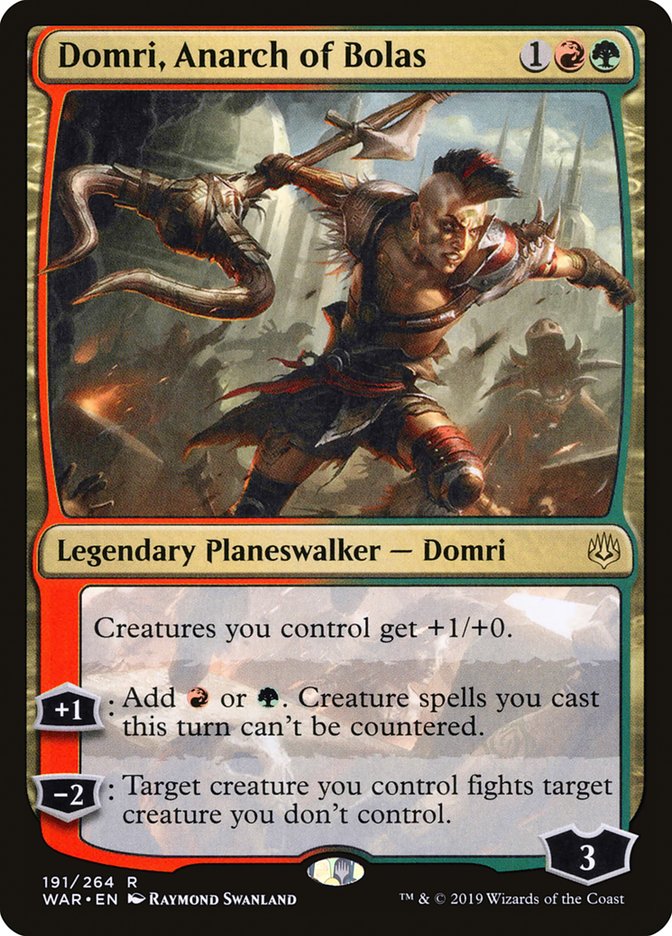
For example, cards like Professor Dellian Fel or Elspeth Resplendent are great for generating card advantage—but that’s not really what an aggro deck wants. You’re not looking to draw cards and grind—you try to win before your opponent gets their game plan online. A better fit might be something like Domri, Anarch of Bolas, which boosts your creatures and helps you to fight through blockers right away.
That said, even a card like Elspeth Resplendent can have its place—in a sideboard, for example, ready for when you’re up against heavy removal from midrange decks. But generally, if a card doesn’t help you apply pressure, protect your threats, or deal direct damage, it’s probably not making the cut in your main deck.
How to Mulligan with an Aggro Deck
When you pilot an aggro deck, mulligans are about balancing speed with stability. A good aggro hand should include at least one or two lands, one or two 1-drops like Kumano Faces Kakkazan, and a clear plan to get your opponent to 0 life fast. Hands with no early plays or too many lands usually need to go back.
Aggro can actually mulligan better than many other archetypes because you don’t rely on specific combos. With the London Mulligan rule, you can often toss back a land or expensive spell and still come out swinging. Just don’t keep a hand that does nothing until turn 3—speed is everything.
How to Sideboard with an Aggro Deck
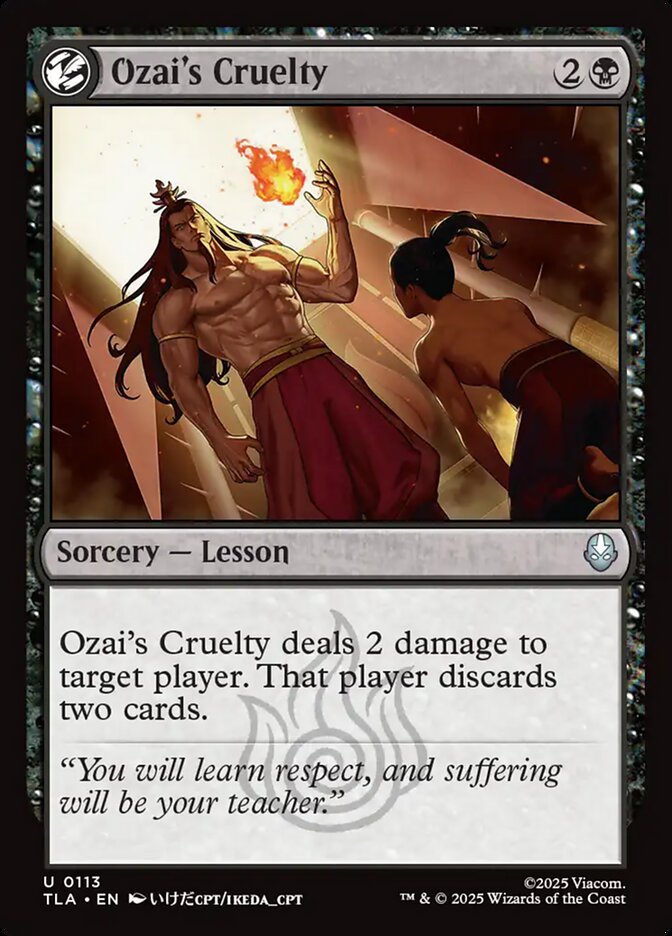
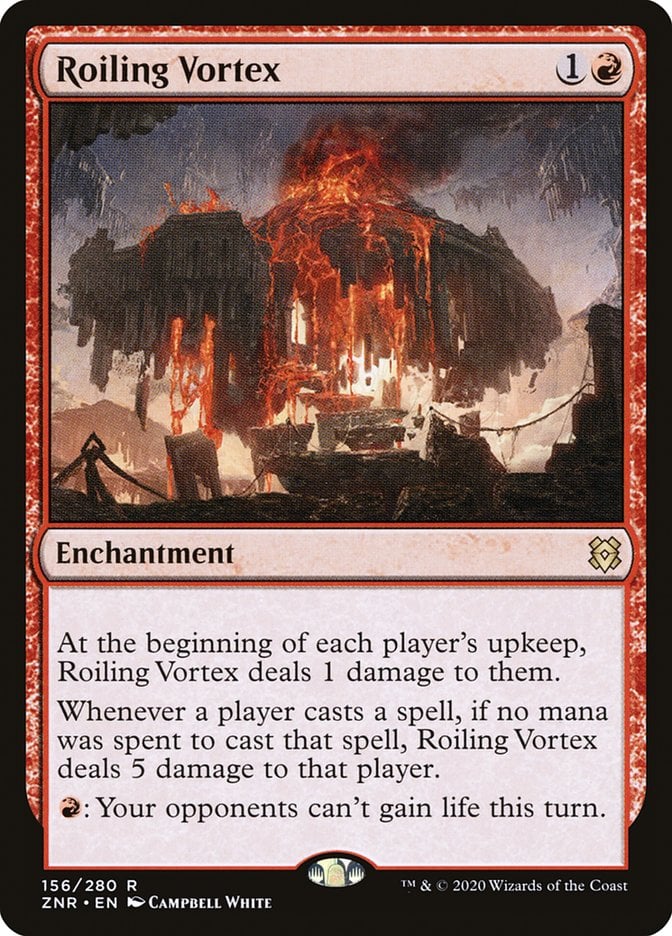
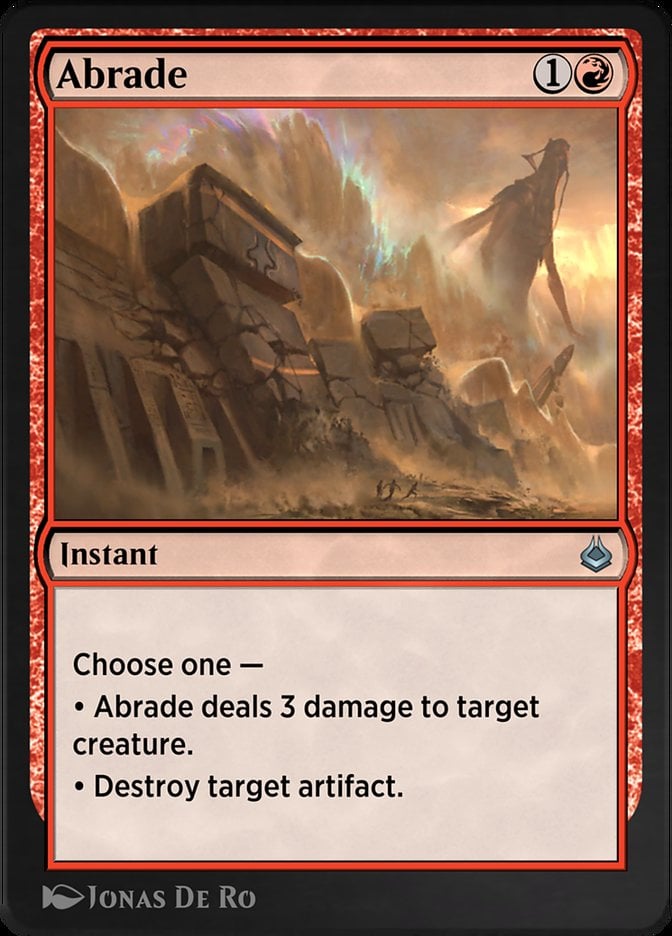
Sideboarding with an aggro deck is about shaving speed for answers when needed. You usually take out the weakest creatures or cards that are otherwise useless, for cards that deal with your opponent’s game plan. Against control, you might bring in Ozai's Cruelty or Roiling Vortex to prevent lifegain and punish free spells. Against midrange or creature decks, cards like Abrade or Fry can help you punch through blockers or deal with blue creatures.
The key is not to over-sideboard. You still want to keep your core aggressive game plan intact. Don’t dilute your deck so much that it forgets how to be fast or aggro; the worst that could happen is to end up with a weird control-looking deck.
Make those swaps count—keep your threat density high and tailor your answers to their most problematic cards.
How Many Lands Should an Aggro Deck Play?
Aggro decks generally run fewer lands than other archetypes—usually between 18-23 in 60-card formats, depending on the curve. If your deck caps out at 3 mana, 19 lands is often plenty. For 100-card formats like Commander, this can be as low as 33-35 lands.
If you run more expensive cards like Embercleave or sideboard tech like Chandra, Torch of Defiance, you might bump it up a few slots. But the overall principle is to run just enough to reliably hit your early plays, then let your low curve and card advantage carry you the rest of the way.
How Do You Beat an Aggro Deck?
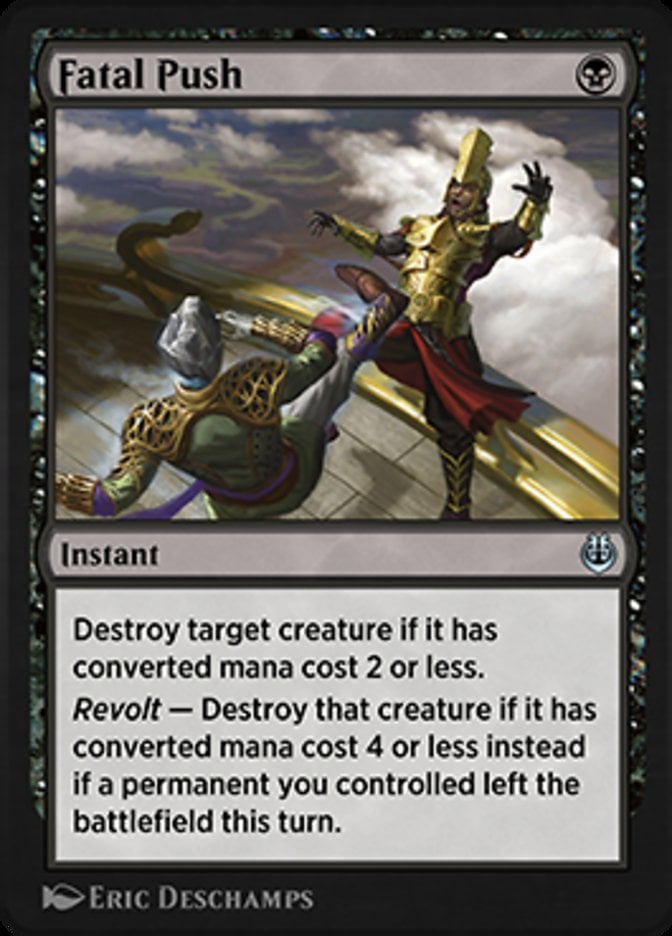
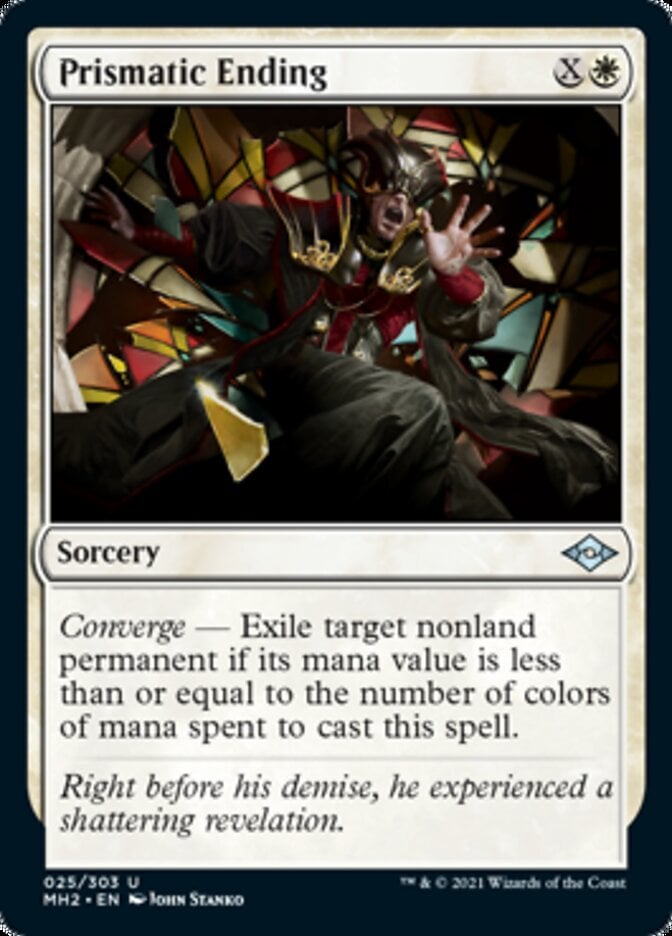

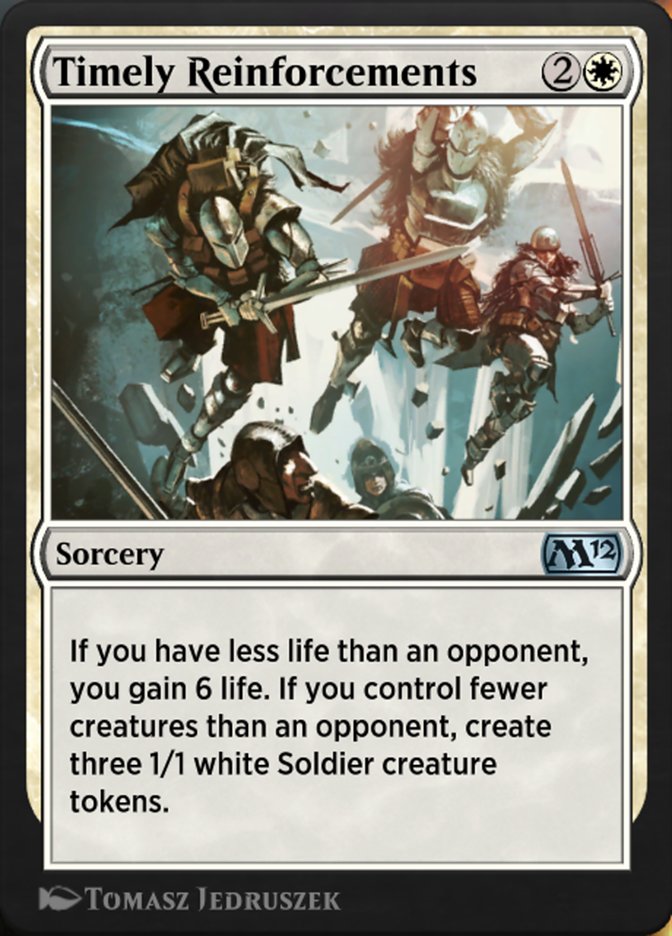
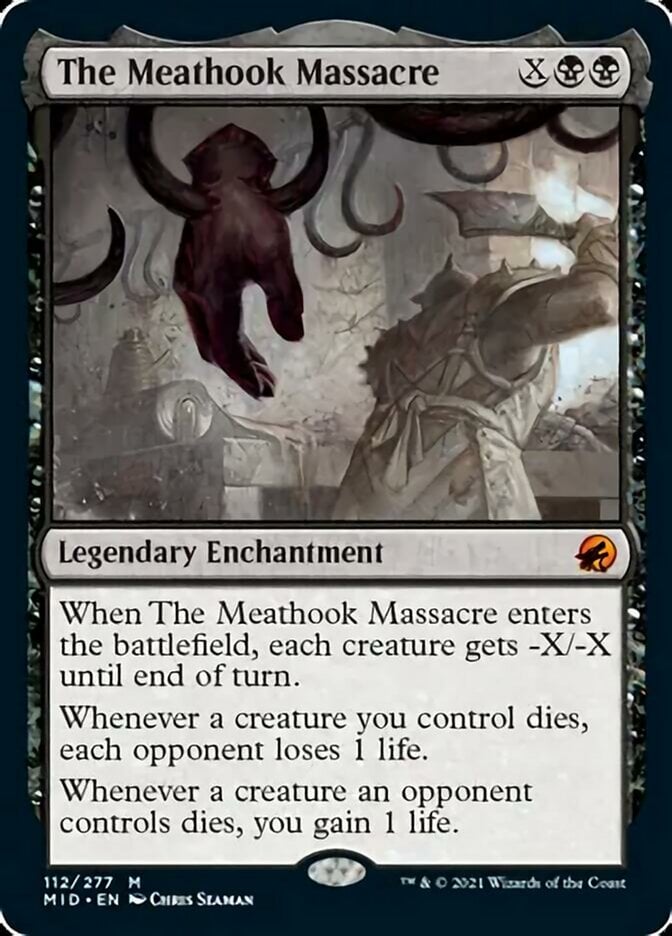
To beat an aggro deck, you need to survive the early turns and stabilize the board. Efficient removal like Fatal Push, Prismatic Ending or the aptly named Momentum Breaker can break their momentum. Lifegain is also a nightmare for aggro—cards like Timely Reinforcements or The Meathook Massacre are backbreaking.
Once you weather the early storm, your more powerful late-game threats can take over. Don’t be afraid to trade early and force the aggro player to overextend. If they run out of gas, even a single board wipe can shut the door.
With that in mind, here’s a breakdown of how you can approach matchups depending on your deck.
Control vs. Aggro
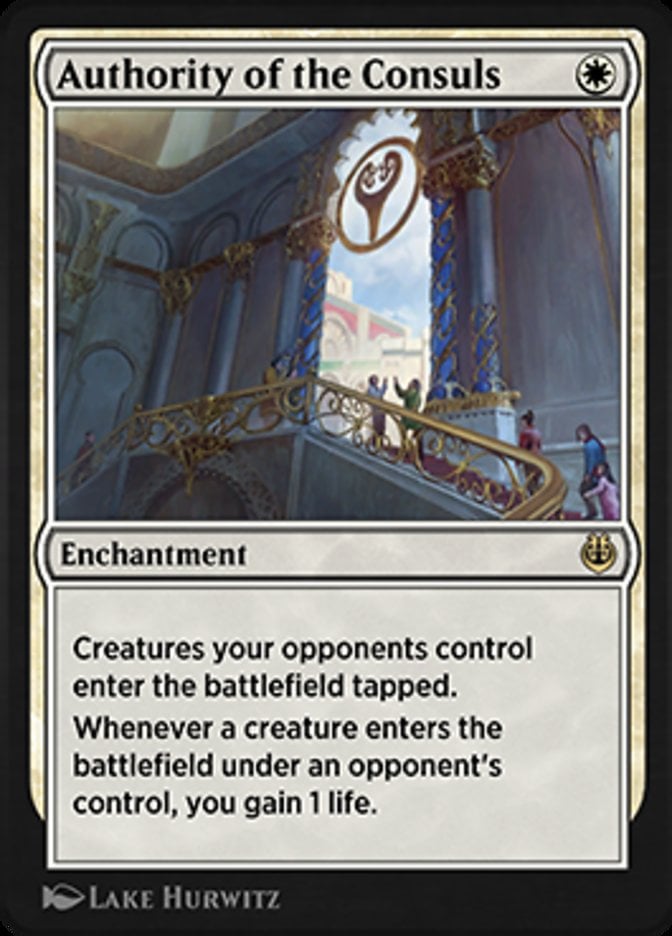
When you play control, your goal is simple: survive. The early turns are the most dangerous, so prioritize cheap, flexible removal like Fatal Push, Prismatic Ending, or Galvanic Discharge. Authority of the Consuls is especially frustrating for aggro players because it defeats haste and makes it hard to go wide profitably. These help to break up aggro’s fast starts without costing you tempo.

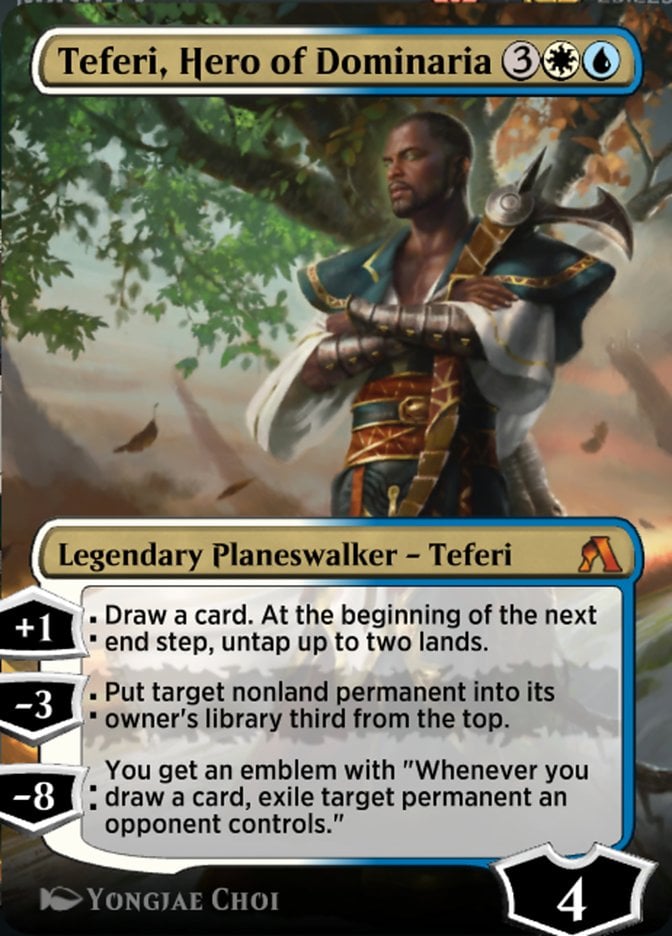
The trick is to know when to tap out. Aggro punishes hesitation, so don’t hold up mana unnecessarily if you don’t need to. Develop your mana base, play your taplands early, and stick to your plan—kill, stabilize, then win. If you do it right, the aggro player will be left topdecking while you take over the game with the likes of a Eddymurk Crab or a Teferi, Hero of Dominaria.
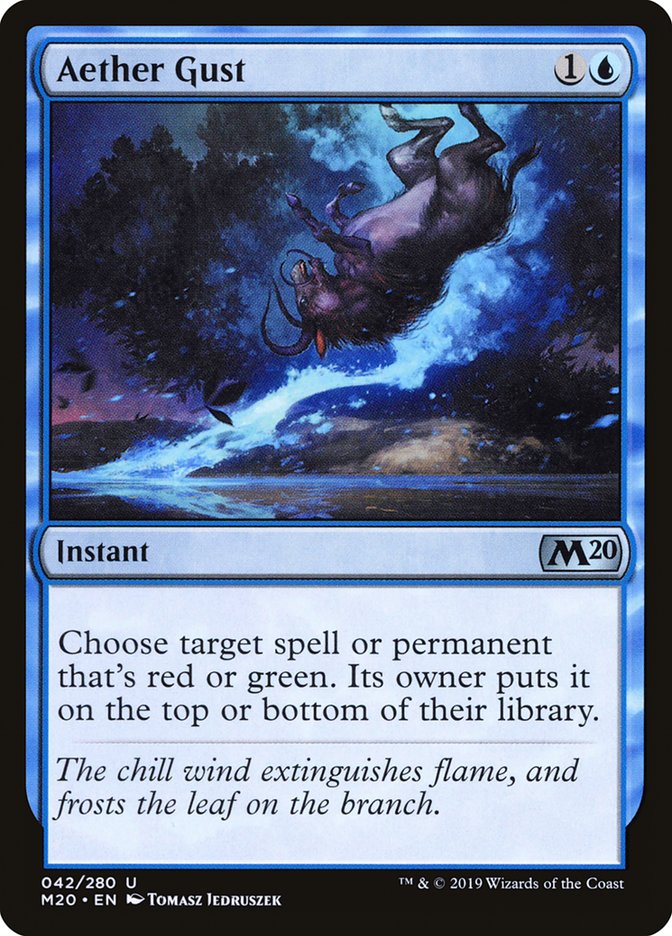

It’s worth noting that counterspells aren’t very good against aggro decks, simply because they can either play around them, bait them, or just go under them when you tap out. I recommend to swap them out with dedicated sideboard hate that plays better at stabilizing your board, like Aether Gust or Beza, the Bounding Spring.
Midrange vs. Aggro
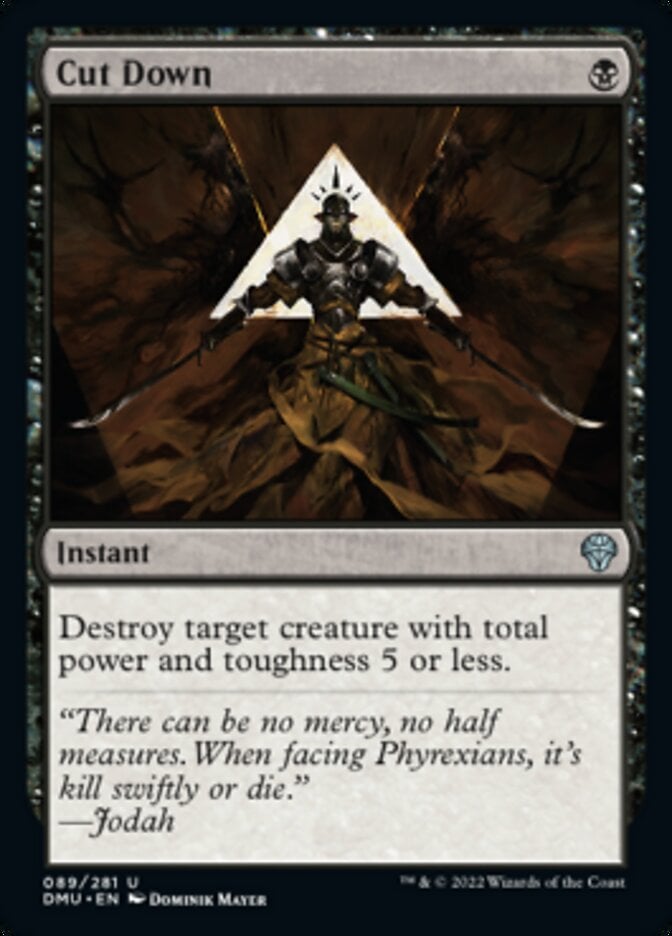
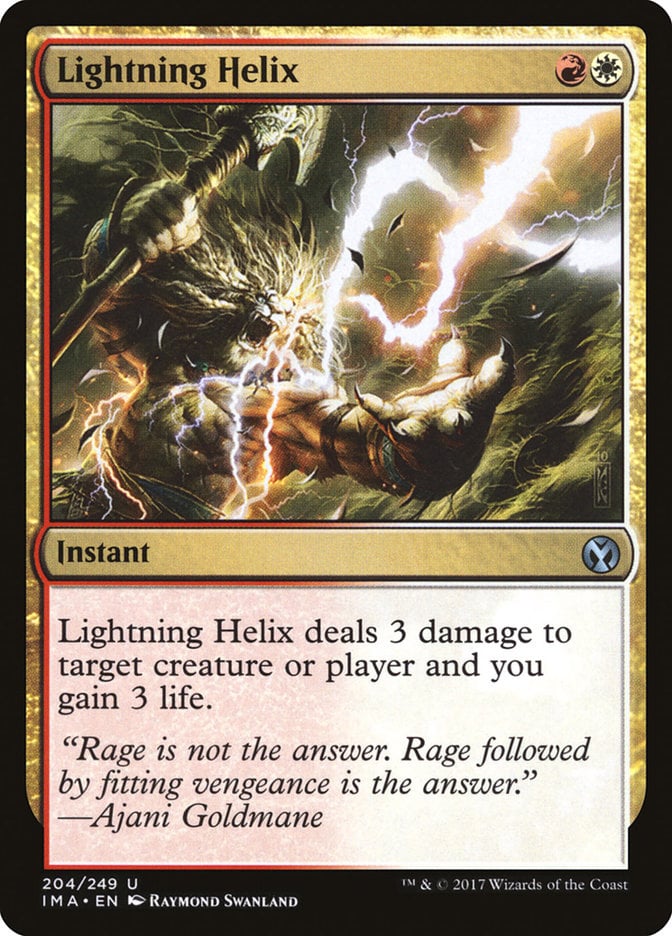
Midrange decks have a unique position—they’re slower than aggro but faster than control, so you have to play a bit of both roles. Against aggro, you’re still the one trying to stabilize. Early removal is crucial—Abrade, Cut Down, or Lightning Helix are all great tools that help to keep you alive while setting up your bigger threats.
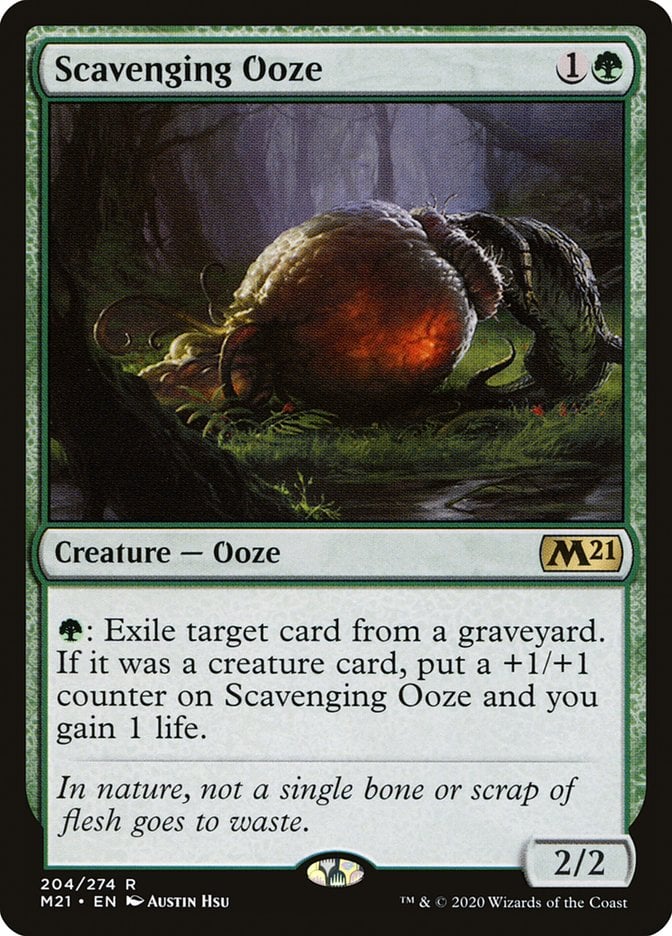
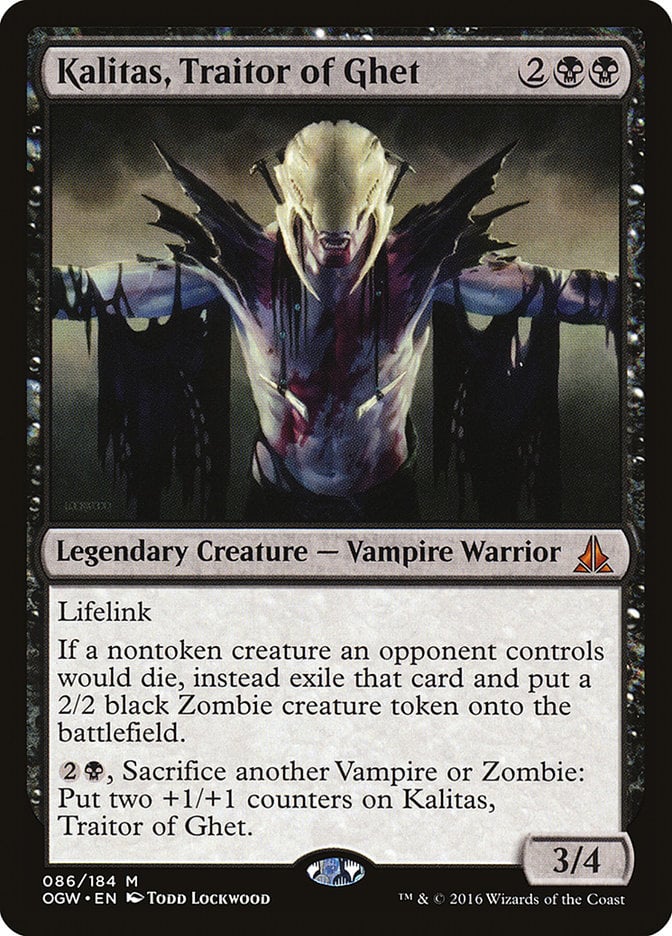

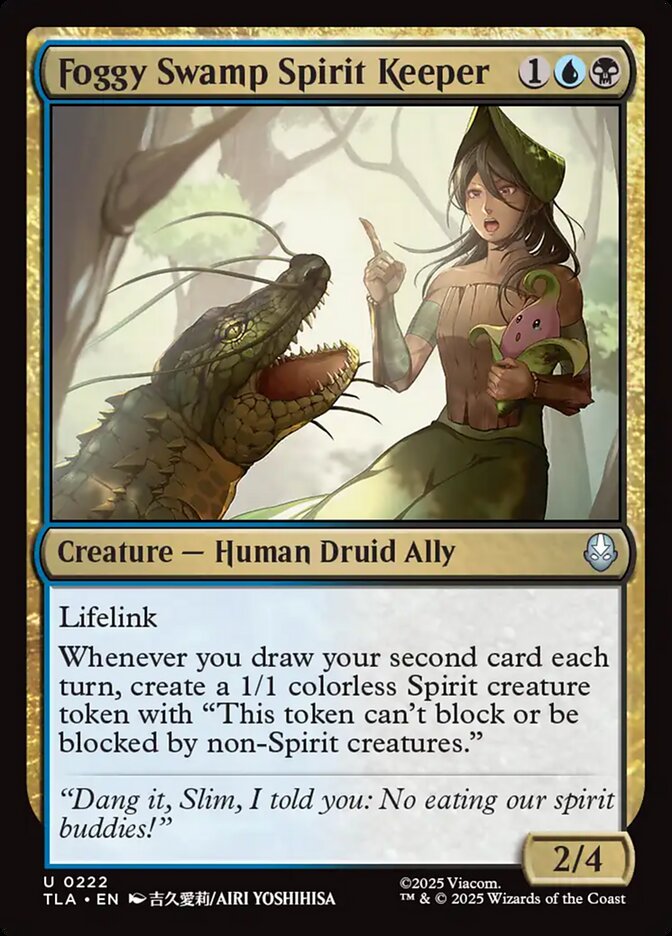
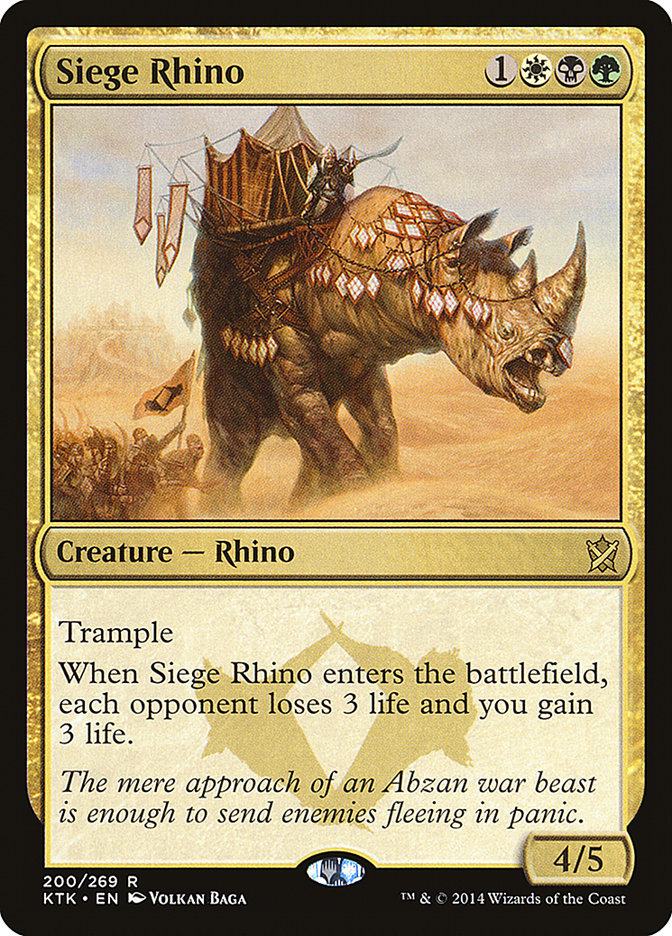
Trading early isn’t just okay—it’s encouraged. Your creatures are generally better in the long run, so using something like Scavenging Ooze or Bonecrusher Giant to block and clean up the board can put you way ahead. Lifegain stapled to threats is gold here, letting you recover while you develop your own plan. Cards like Kalitas, Traitor of Ghet, Exalted Sunborn, Foggy Swamp Spirit Keeper, or Siege Rhino shine in these matchups for exactly that reason.
Once you’ve taken control of the board, you want to shift from defense to offense quickly. Midrange wins by turning the corner fast—if you stabilize and then sit around, you give your aggro opponent a chance to draw burn spells or reload. Get in, close the game, and don’t let them back in.
Mirror Matches – Aggro vs. Aggro
Aggro mirrors are all about who gets on the board first and keeps the pressure up. Your opening hand is everything and you want to mulligan aggressively for a strong curve. Missing your first land drop or having a slow start is often a death sentence.
In these matchups, removal becomes a lot more important. Cards like Lightning Bolt can turn the tide when they take out a blocker or finish a race. Sometimes it’s correct to hold back a little and play defense for a turn, just to swing the race in your favor. Cards with first strike, haste, or the ability to grow—like Monastery Swiftspear—tend to dominate because they win trades and hit fast.
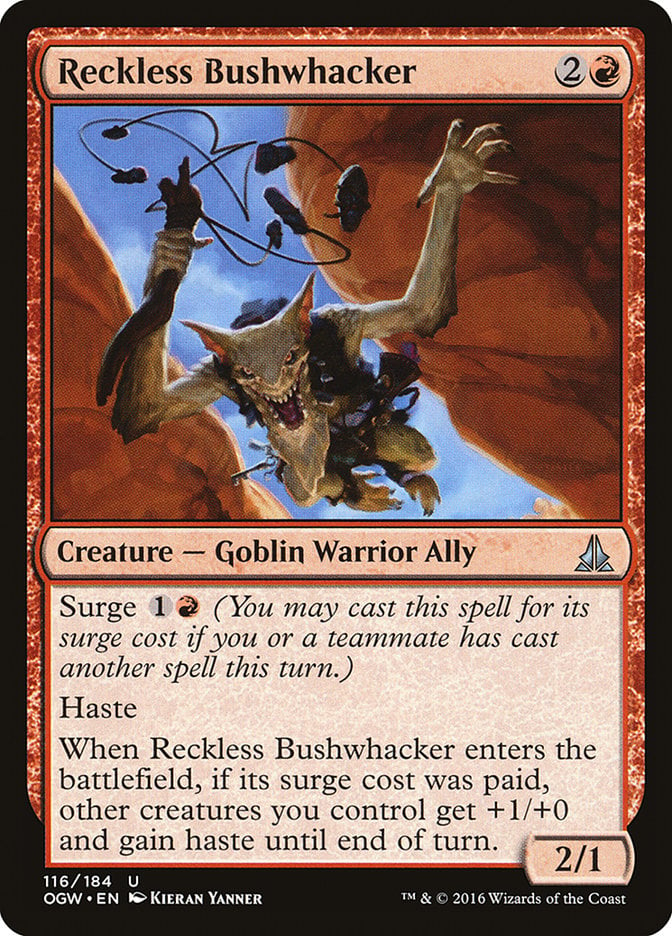
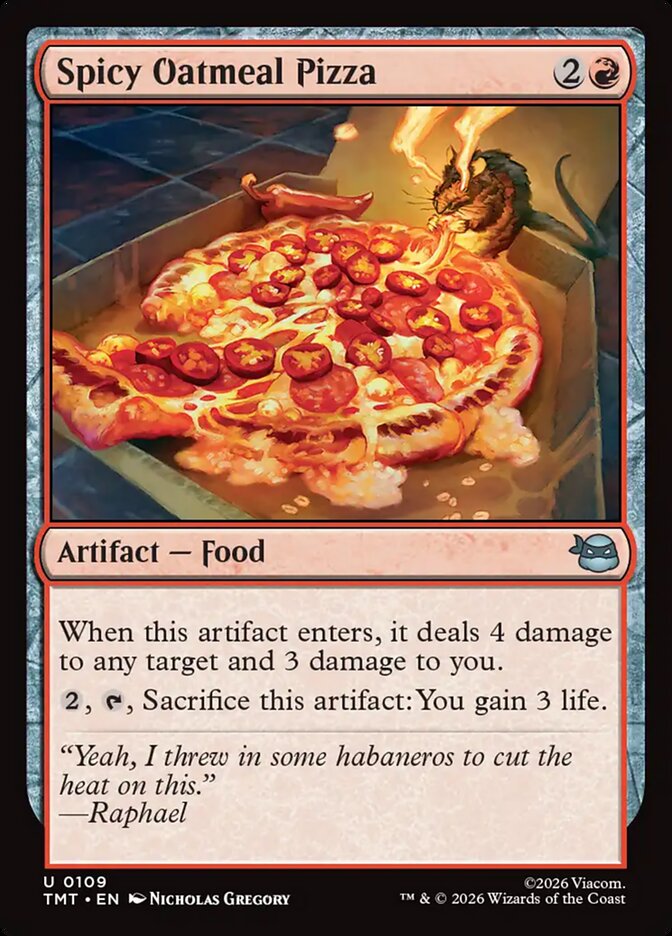
Games often come down to tempo and sequencing. Who’s attacking, who’s blocking, and when to go all in. A big swing with a Reckless Bushwhacker, Spicy Oatmeal Pizza, or a sneaky pump spell can end it in a flash. Play tight, don’t miss damage, and always think one turn ahead. You’re not just racing them; you’re trying to outplay them.
What’s the Difference Between Aggro and Burn?
Aggro and burn both want to win fast, but they do it in different ways. Aggro decks lean heavily on creatures to deal damage—cards like Wild Nacatl and Ragavan, Nimble Pilferer—while burn decks rely almost entirely on spells. Classic burn runs a stack of all the available Lightning Bolt cards available to the format and aims to hit the opponent directly every turn.
You can think of burn as a subcategory of aggro, but it’s more focused and less interactive. While aggro might try to curve out with creatures, burn wants to go face—fast and direct—with as little resistance as possible.
Burn likes creatures like Monastery Swiftspear, Guttersnipe, or Thermo-Alchemist given the non-creature nature of regular burn spells, though some of these types of creatures also fit into dedicated aggro decks.
What’s the Difference Between Aggro and Tempo?
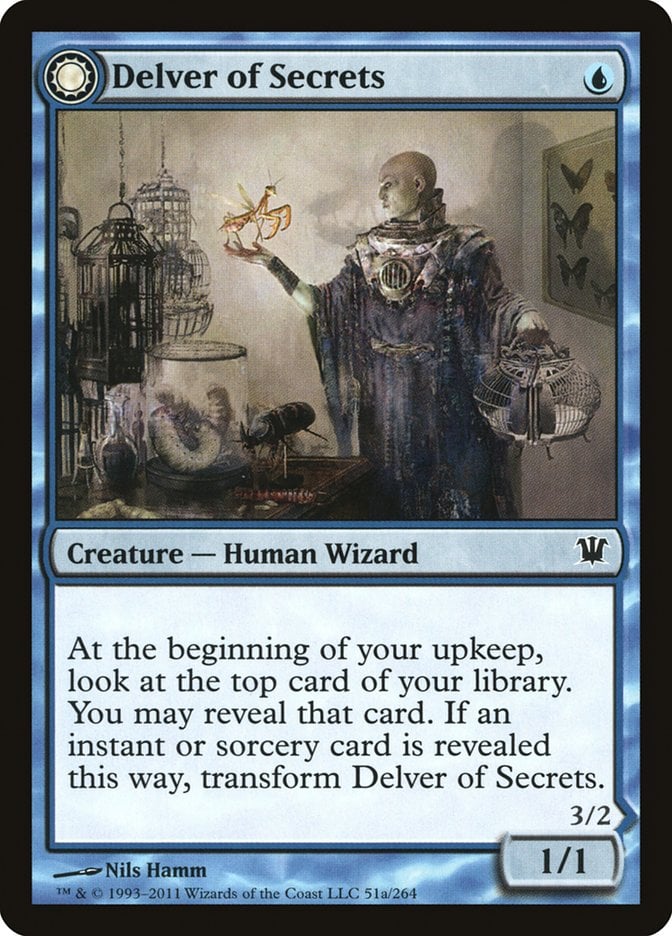
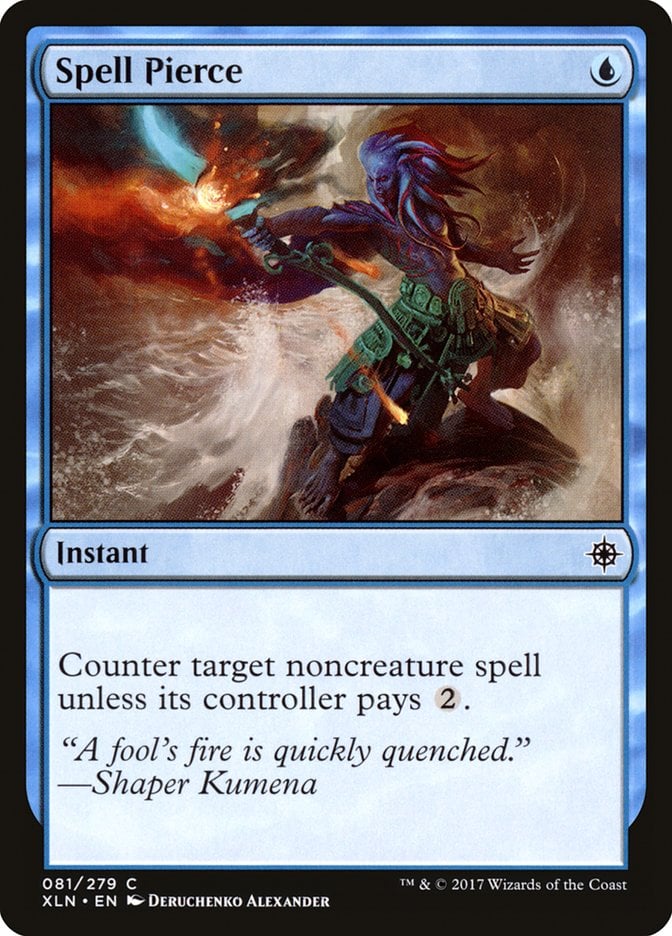
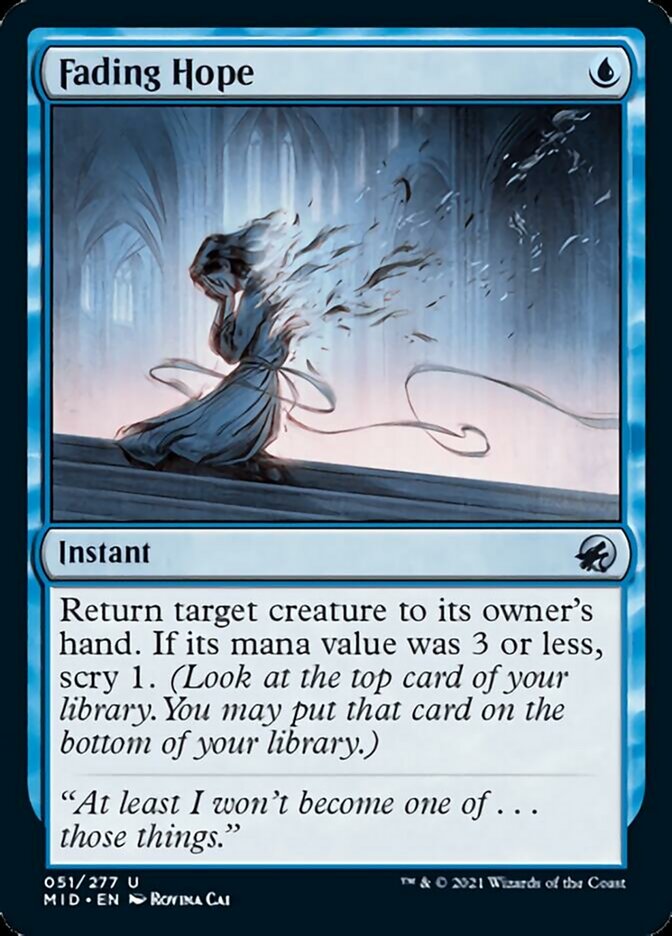
Aggro and tempo both apply pressure, but tempo is more about disruption. Tempo decks play cheap threats like Delver of Secrets and back them up with interaction like Spell Pierce or Fading Hope to stay ahead. They want to get a lead and use counterspells or bounce effects to keep it.
Aggro doesn’t usually care what the opponent does—it just wants to race and sees tapped creatures as an opening. Tempo plays more reactively and uses just-in-time answers to mess with your curve and swing the game in their favor. It’s about gaining time, not just dealing damage.
Is Aggro a Good Strategy in Commander?
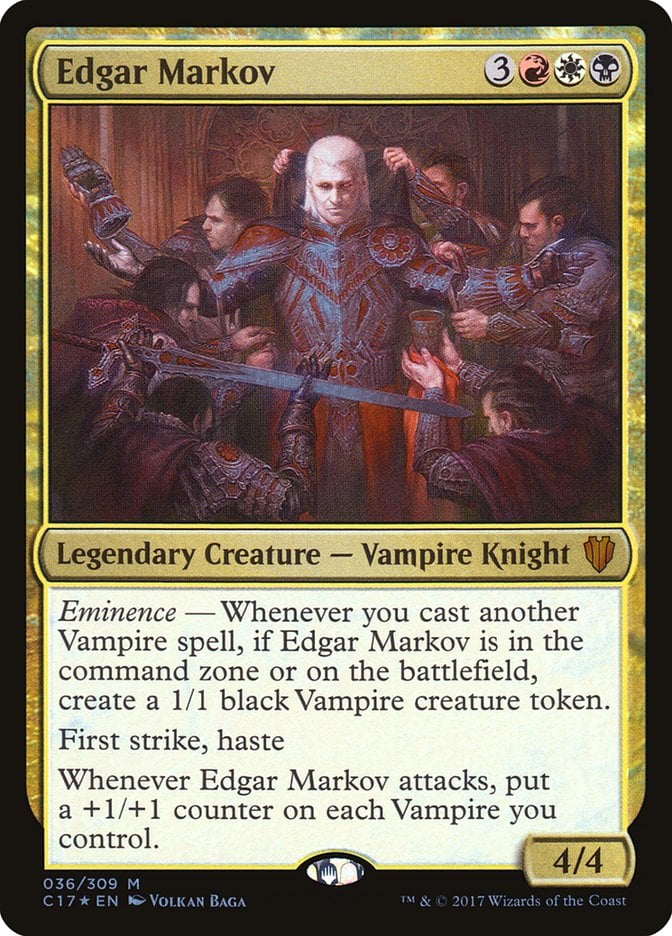
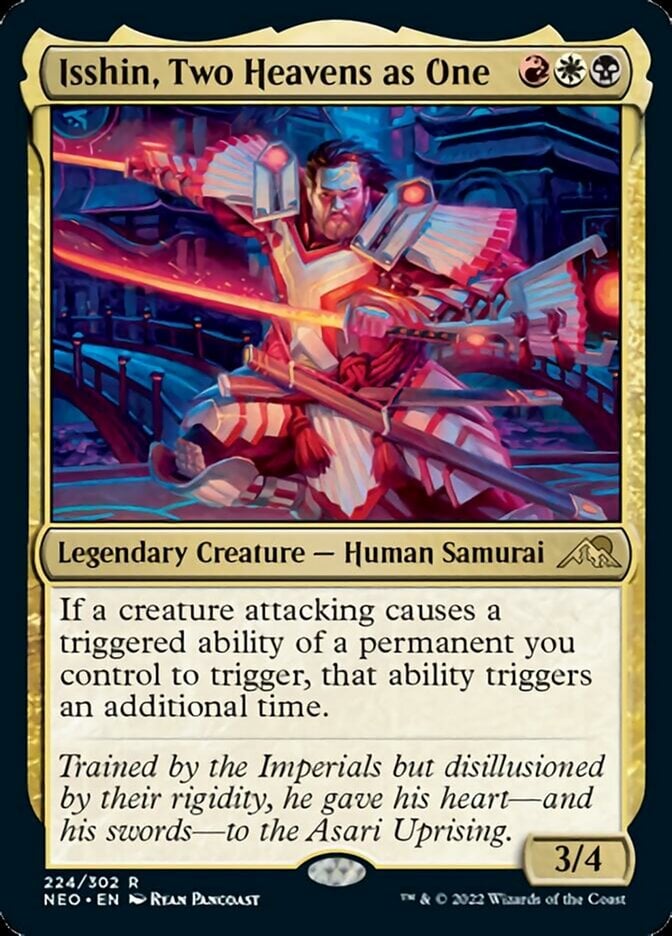
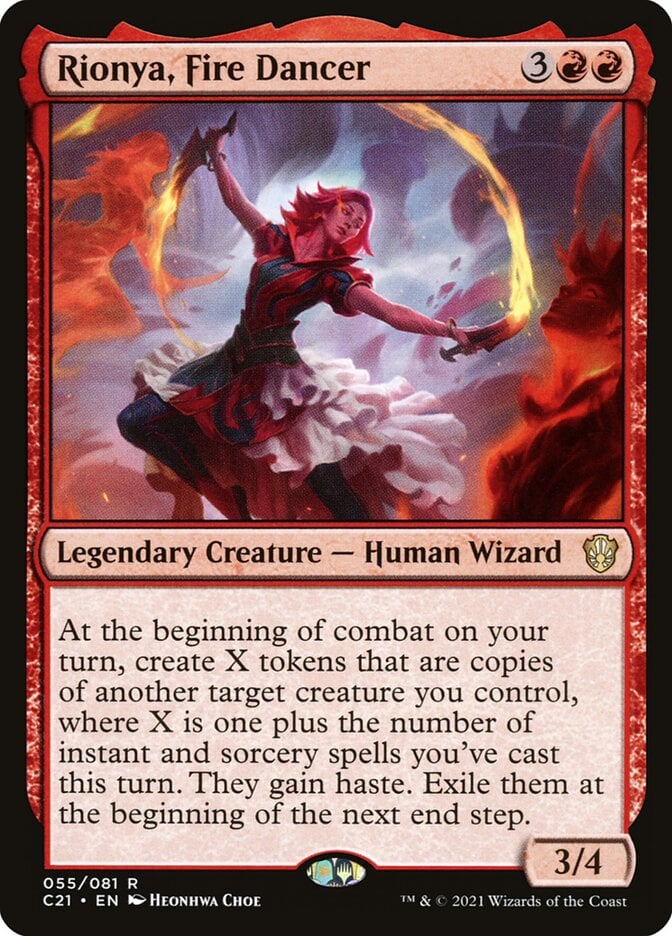
Aggro can work in Commander, but it needs a different approach. Since everyone starts at 40 life and multiplayer politics are a thing, you can’t just blast one player down and hope for the best. You need staying power and evasion—cards like Edgar Markov, Isshin, Two Heavens as One, or Rionya, Fire Dancer can help scale your damage across multiple turns.
The best aggro commanders are the ones that help you to get over aggro’s biggest hurdles—like running out of gas or getting stonewalled—rather than just make the aggro more aggro. Aggro is good in Commander when it’s paired with engines—token production, combat triggers, or aristocrat-style synergies. You want to go wide and take over the table, not just knock someone out early and run out of steam. Aggro is doable—it just needs to go a little bigger.
Example Decklist: Selesnya Ouroboroid in Standard

Ouroboroid | Illustration by Samuel Perin
Planeswalker (1)
Creatures (28)
Agent Bishop, Man in Black x2
Ambitious Augmenter x2
Badgermole Cub x4
Dyadrine, Synthesis Amalgam x2
Leatherhead, Swamp Stalker x2
Llanowar Elves x4
Michelangelo, Weirdness to 11 x3
Ouroboroid x3
Pawpatch Recruit x4
Surrak, Elusive Hunter x2
Instants (2)
Erode x2
Sorceries (4)
Enchantments (2)
Seam Rip x2
Lands (23)
Abandoned Air Temple x3
Forest x7
Hushwood Verge x4
Multiversal Passage x2
Plains x2
Starting Town
Temple Garden x4
Sideboard (15)
Ba Sing Se
Defend the Rider x2
Elspeth, Storm Slayer
Erode
Keen-Eyed Curator x2
Rest in Peace x2
Scrapshooter x2
Sheltered by Ghosts x3
Surrak, Elusive Hunter
Green monsters are no stranger to Magic, and I bet that 10 years from now, a heavy green deck can rock a low curve and competitive. This Selesnya () Aggro deck in Standard plays one style of aggro—and goes hard on that path to victory. The plan is to ramp up to Ouroboroid and collect as many creatures and +1/+1 counters as you can along the way. Ambitious Augmenter and Dyadrine, Synthesis Amalgam become real threats and push serious damage across the board. Pawpatch Recruit and Surrak, Elusive Hunter punish opponents for going after your creatures.
The white non-creature cards give the deck lots of responses and flexibility
What makes this deck feel so aggressive is how fast each creature supports each other, and it is often a turn or less of Ouroboroid‘s mass pump to spell victory.
Though many variations exist, this one was is by MTGO user Rashgun in Leagues.
Wrap Up

Monastery Swiftspear | Illustration by Gabor Szikszai
I know this is more than you’d anticipate when talking about aggro decks, as there’s a clear misconception that aggro is just a “no-brainer” way to play Magic. But piloting an aggro deck well takes real skill. You need to read the board state, sequence your plays carefully, and avoid common traps like overextending into sweepers or wasting your burn.
Thank you for reading, and I hope you enjoyed learning some nuances of aggro decks. If you would like to see similar strategy or archetype breakdowns, please let us know in the comments or on the Draftsim Discord. And don’t forget to follow us on social media to stay up to date.
Ready to get into some Magic? Fire up a draft from any set you want on Draftsim, literally in two steps, go now!
Follow Draftsim for awesome articles and set updates:










Add Comment