

Airbending Lesson | Illustration by Pisukev
The world of Avatar: The Last Airbender has four different bending arts, including airbending. It’s the rarest in that universe, an art that allows airbenders to fly, or to lift and throw their opponents. It’s essentially a defensive art.
MTG reflects this well in the airbending mechanic, a tempo mechanic that allows you to get rid of big, expensive permanents on the battlefield, reset planeswalkers, or disrupt counter synergies.
Today, we master the airbending mechanic. We’ll go through the mechanic in general, its rules, and the best airbending cards. Let’s go!
How Does Airbending Work?

Aang, Airbending Master | Illustration by Tomoyo Asatani
Airbending is a mechanic that lets you exile specific targets, after which the owner may recast them by paying . It’s only 2 mana total, not 2 mana more than the original spell, like we’ve seen on Soul Partition or on a card like Aven Interrupter.
Depending on the card, you can target your opponent’s nonland permanents with airbend or your own, and in some cases you’ll be able to target spells on the stack, or perhaps only creatures. For example, Airbender Ascension only airbends a creature, and it can be your creature as well. Airbending Lesson targets any nonland permanent, but Airbender's Reversal only targets creatures you control.
The History of Airbending in MTG
Airbending was introduced to MTG in the Avatar: The Last Airbender (TLA) set, with some designs in both TLA and in the Avatar: The Last Airbender Eternal (TLE) set. Airbend has 13 designs, most of them in white with blue as a second color.
It’s typically a tempo play you’d expect from blue/white tempo/flier decks with a blink component. Considering that airbending is tied to Avatar in flavor, it’ll be very hard to see the mechanic reprinted, though I’d except a popular airbending card to be reprinted here and there in supplemental products (licensing permitting).
Airbending vs. Blink/Flicker

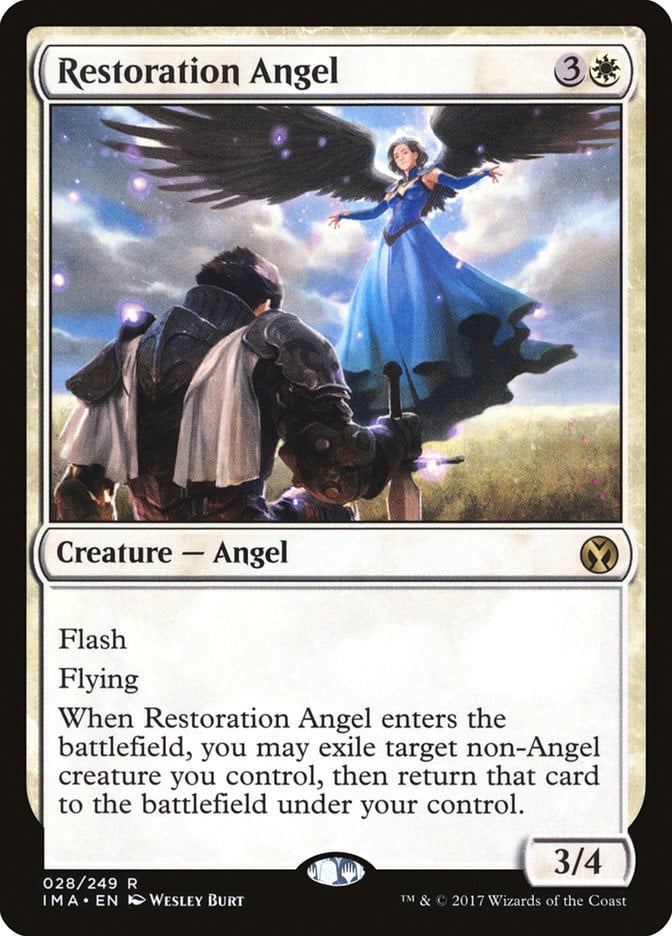
Blinking/flickering is simply exiling a permanent from the battlefield, typically a creature, and returning it to the battlefield immediately or later at the end of the turn. Airbending is slightly different in that the permanent stays exiled until its controller can pay the 2 mana to recast it. You can stall your opponent a little longer, but blink or flicker is much more effective if you want to target your own permanents.
Can You Counter a Spell Cast from Exile with Airbending?
Yes, you can. When a permanent is exiled with airbending, its controller needs to recast the card from exile. When they do, it goes to the stack, and you can counter it. It’s a strong move to exile a spell or permanent with airbending and hold up countermagic for a later turn when your opponent can recast it, then counter the spell on the way back down.
Does Airbending Work with Cost Reduction?

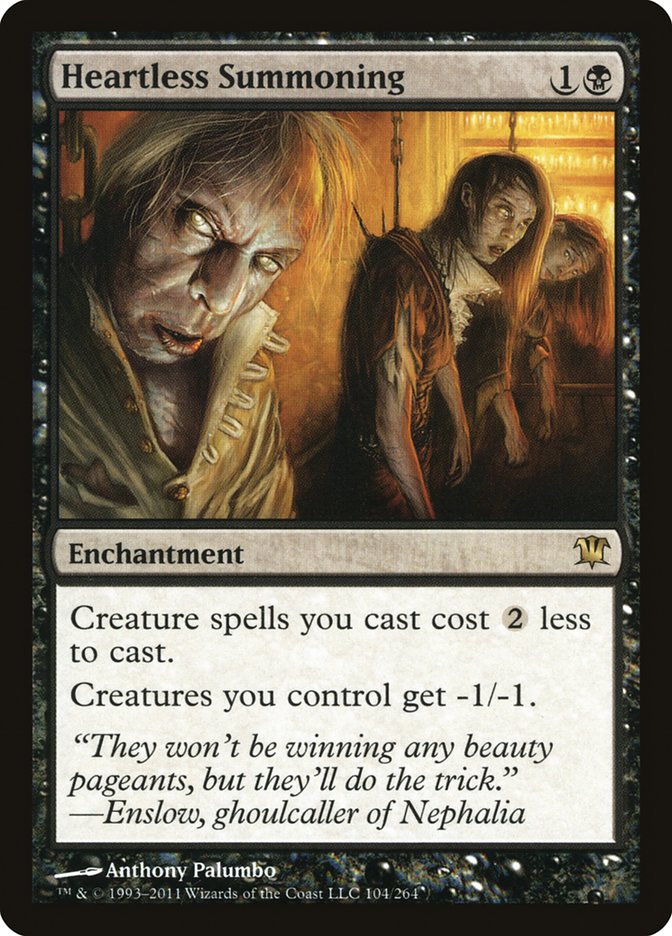
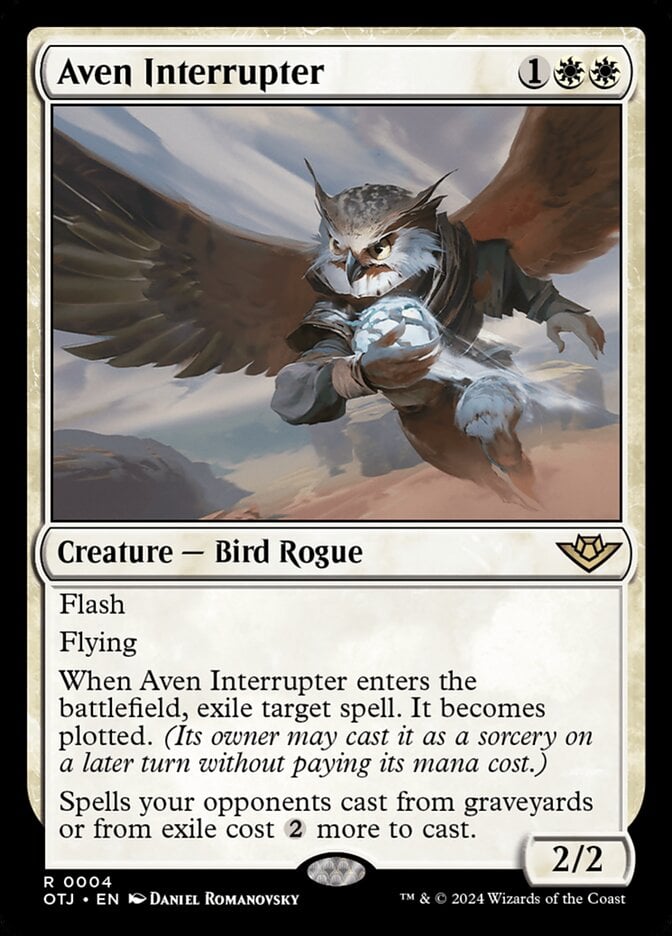
Yes, it does. Planar Gate, for example, reduces the cost required to cast a creature spell by , so you can cast airbended creatures for free. Heartless Summoning does the same. Meanwhile, you can make spells your opponent casts from exile cost more with Aven Interrupter, for example.
What Happens If You Airbend a Token?
If a token leaves play, it’s gone for good. The token ceases to exist, regardless of whether it’s destroyed, bounced, or exiled. Airbending is a nice way to get rid of tokens.
Does Airbending Work on Non-Creatures?
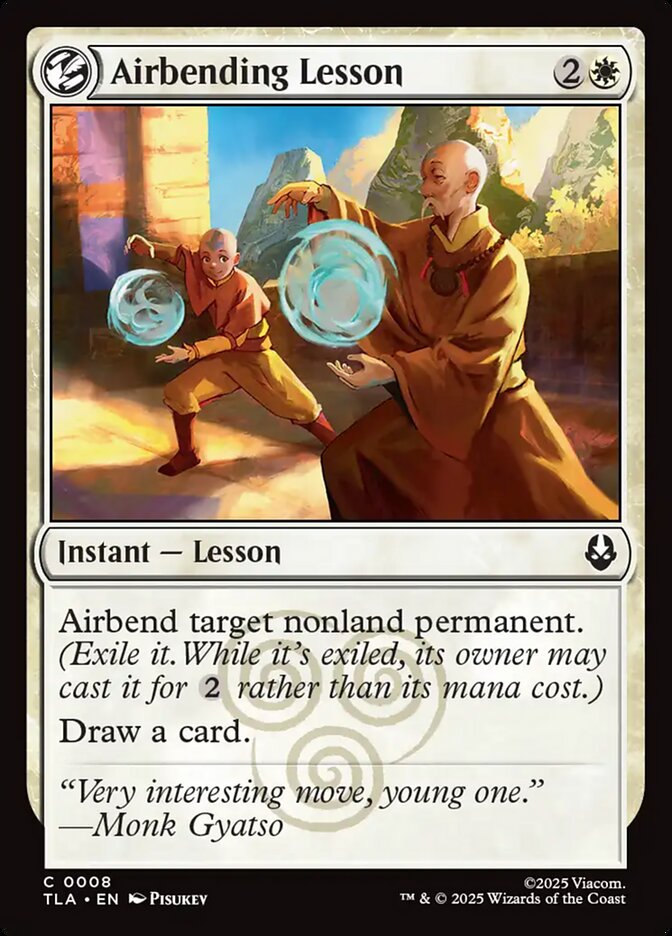
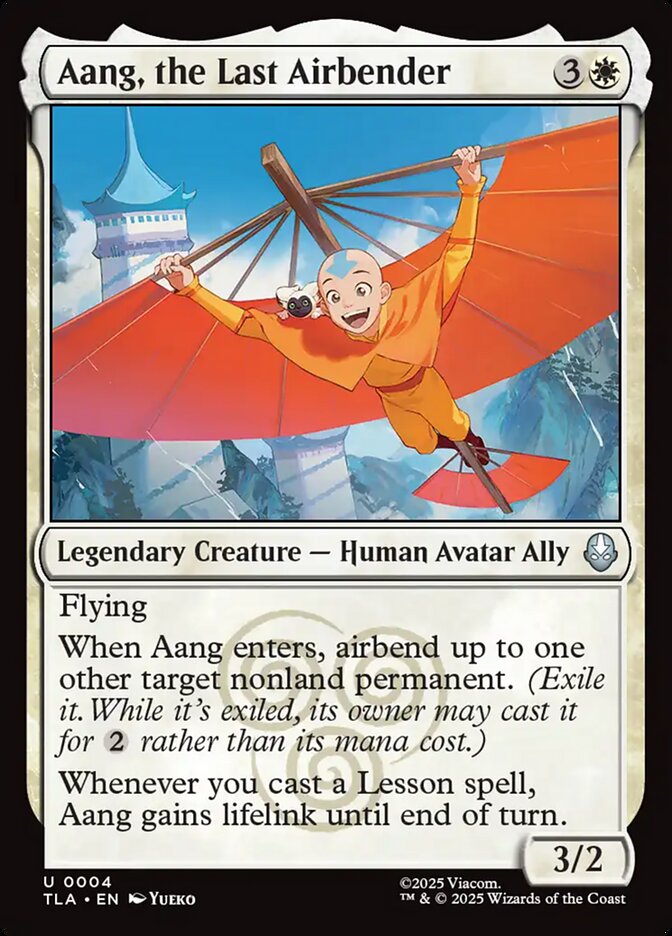


Each airbend card works in a different way. Most target nonland permanents, as seen on Airbending Lesson and Aang, the Last Airbender. However, Airbender Ascension and Avatar's Wrath only work with creatures.
Can You Airbend Your Opponent’s Permanents?
Sure. Unless a card design says otherwise, you can airbend both your permanents and your opponent’s permanents. The rules are the same; the exiled permanent’s owner can recast it from exile, and they must always pay the 2 to recast the spell.
Can You Airbend Yours or Your Opponent’s Earthbended Land?

Yes, you can, but it depends on which airbend card you use. Earthbended lands are creatures and lands at the same time. Airbender Ascension works because it targets only creatures, but Airbending Lesson won’t work since it targets only nonland permanents. In any case, a player won’t be able to “cast their land from exile”, since lands are only played in MTG, not cast.
Gallery and List of Airbending Cards


- Aang, Airbending Master
- Aang, Swift Savior / Aang and La, Ocean's Fury
- Aang, the Last Airbender
- Airbender Ascension
- Airbender's Reversal
- Airbending Lesson
- Appa, Loyal Sky Bison
- Appa, Steadfast Guardian
- Avatar's Wrath
- Glider Staff
- Monk Gyatso
- The Legend of Yangchen / Avatar Yangchen
- Whirlwind Technique
Best Airbending Cards
#5. Airbender Ascension
Airbender Ascension combines removal and blink in a cheap package. With four or more ascension counters, you can blink a creature every turn, which mimics the likes of Thassa, Deep-Dwelling. It’s a flexible card that can find a home in diverse white archetypes, like blink, enchantress, and exile-matters.
#4. Appa, Steadfast Guardian
Appa, Steadfast Guardian is a protection card first and foremost, one that combines a solid 3/4 flash flier with the airbending mechanic. It’s also a solid addition to ally decks. Airbending all your nonland permanents is excellent in the Yorion, Sky Nomad style decks of old to give you a lot of value just by recasting your permanents. It provides protection from enemy removal or an attack gone wrong. And with cards like Stormchaser's Talent and Momentum Breaker, this card can help you increase the value from your own permanents.
#3. Aang, Swift Savior / Aang and La, Ocean’s Fury
Aang, Swift Savior is a mix of two bending arts: waterbend and airbend. The airbending part reminds me a lot of Spell Queller, a card good enough to see Constructed play. It’s not the same, of course, but here you get a disruptive play that you can later follow up to produce a powerful 5/5 trampler. And unlike Spell Queller, you don’t care if this card lives or dies that much since it doesn’t hold your opponent’s spell.
#2. The Legend of Yangchen / Avatar Yangchen
The Legend of Yangchen is a saga that turns into a powerful 4/5 flying creature that can airbend every turn, and that’s already pretty powerful.
But the chapters on this saga can’t be ignored. The first chapter is already a two-for-one or greater that allows you to exile at least one good permanent, but typically three in a Commander pod. It’s similar to the goad mechanic in that your opponents will hit each other in some way, but you’ll remain unharmed. The three cards you get later is also strong, while it benefits another player with this generous gift. I like that drawing three cards ties into Avatar Yangchen’s ability, as you’ll probably have enough gas to cast two spells and airbend at least once.
#1. Avatar’s Wrath
Avatar's Wrath is a mix between a Cyclonic Rift and a traditional wrath effect. But picture this: You leave your commander intact on the battlefield while you airbend your other value creatures, which you can cast again to reap more rewards, while your opponents will have to spend a lot of mana just to recover their board state. And of course, you can do that immediately, while they’ll have to wait for a whole turn.
Wrap Up

Airbender Ascension | Illustration by Shiren
Airbend is a cool, versatile mechanic that’ll find its place in tempo decks and blink decks alike. It’s not a very prominent mechanic with just a few card designs, and it reflects nicely the lore of Avatar: The Last Airbender. Aang is the titular last airbender, so the effect is very rare. I hope airbending turns out to be an exciting new mechanic and that we can get a lot of value from playing cards from exile.
Which of the new bending arts from Avatar excites you the most? Is it airbending? Let me know in the comments section below, or let’s discuss it over on the Draftsim Discord.
Give some of these new airbending cards a chance, will you?
Follow Draftsim for awesome articles and set updates:










Add Comment