

Magnifying Glass | Illustration by Paolo Puggioni
Clue tokens have been around for almost a decade, but between Murders at Karlov Manor and Avatar: The Last Airbender, they’ve quietly become one of the most important “generic resources” in Magic. They sit on the battlefield, not doing much on their own, and then suddenly become a mana sink to draw extra cards… or fuel token, artifact, or sacrifice synergies.
In this article, we’ll go through exactly what a Clue is, how it works in the rules, how it interacts with other cards and mechanics, and how we got from the investigate keyword in Shadows over Innistrad to the standalone Clues in Avatar: The Last Airbender.
Let’s get a clue!
How Do Clue Tokens Work?

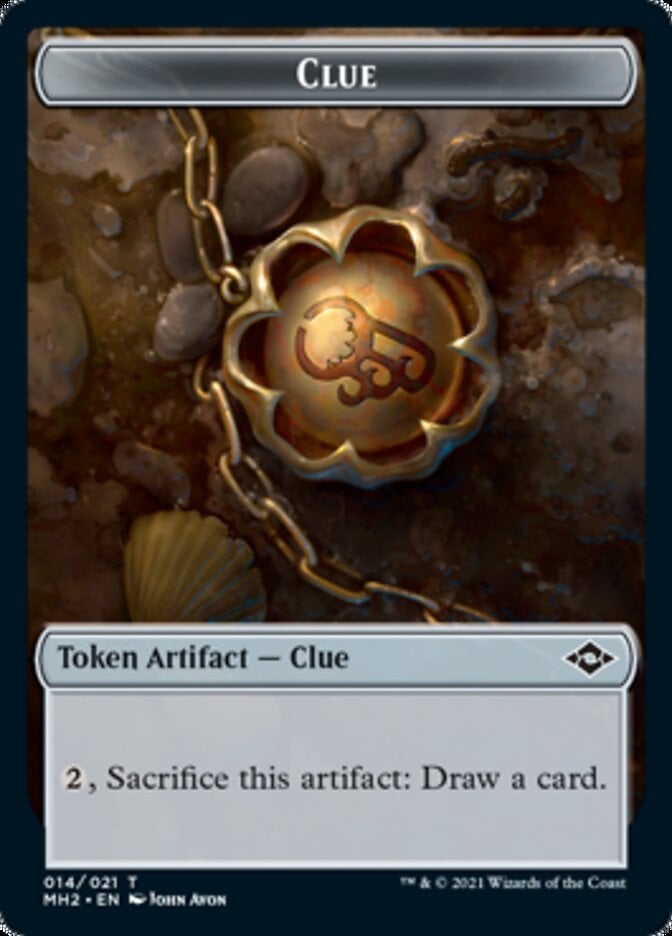
Clue | Illustration by John Avon
A Clue token is a colorless artifact token with the Clue subtype, and an activated ability that reads: “, Sacrifice this artifact: Draw a card.” At any time you have priority, you can activate their ability by paying and sacrificing the Clue token.
There’s a keyword action, investigate, that simply means “Create a Clue token.” But there are cards that can create Clue tokens without the investigate keyword. The Clue tokens work exactly the same in both cases.
Last but not least, there are cards that are clues without being tokens, like Scene of the Crime (which is also a land), Tangletrove Kelp (which is also a creature), or Five Hundred Year Diary. They all share the same ability (sac them and pay to draw a card), but have extra abilities, some of them are colored, and none of them are tokens.
The History of Clues in MTG
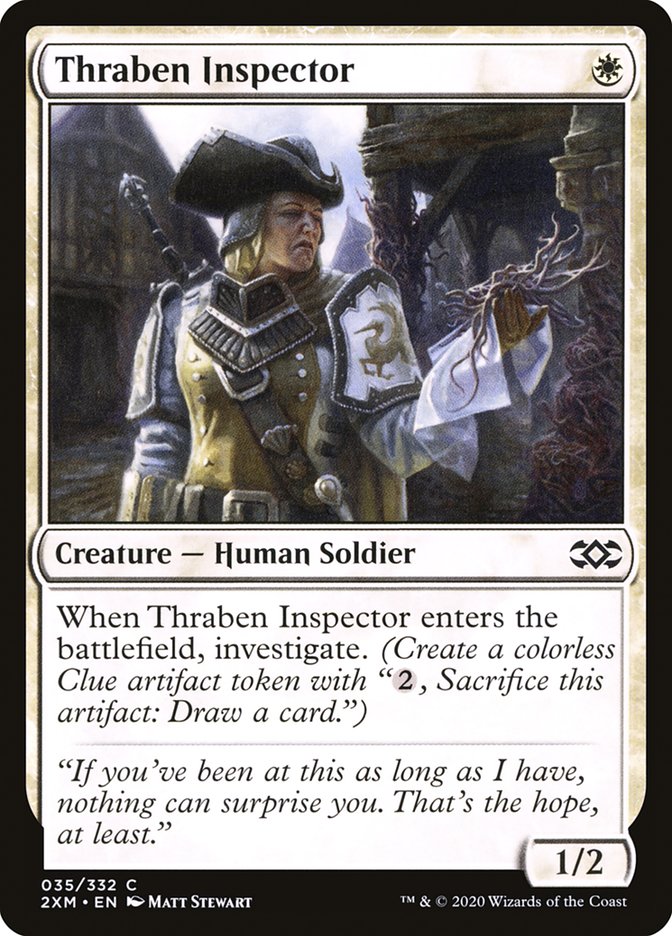
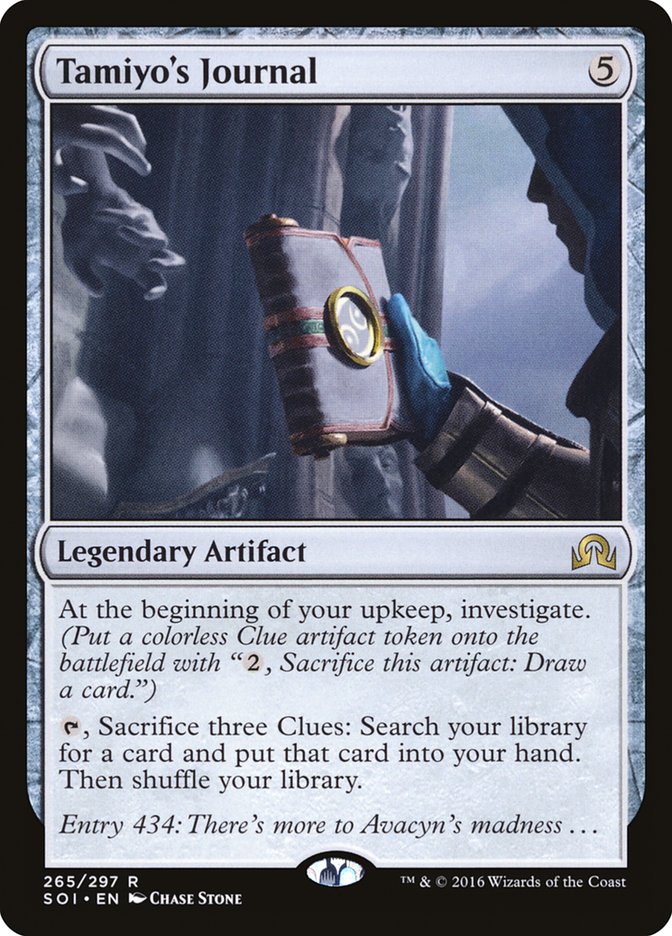
Clues were introduced in Shadows over Innistrad (2016) as part of the plane’s investigation and mystery theme. Investigate debuted as a keyword action that created Clue tokens. In early appearances, you never saw a card say “Create a Clue token”; instead it would say “investigate”, or “investigate X times”.
Typical early examples include Thraben Inspector (“When this creature enters the battlefield, investigate.”) or Tamiyo's Journal (“At the beginning of your upkeep, investigate.”).
Clues and investigate returned in Innistrad: Midnight Hunt in 2021, again as part of a horror-mystery structure. Clues then became a major theme of Murders at Karlov Manor, where Clues and investigating show up on a wide range of cards (including artifact lands and equipment that are Clues) and were central to one of the Commander precons, Deep Clue Sea, which is literally described as “Clue Tokens / Card Advantage” on the box.
“Clue tokens proved to be a major step forward for Magic design,” writes Magic’s Head Designer Mark Rosewater in his The History of Tokens, Part 3 article. “Players could use them to draw cards, but now we had this object that we could design elements of the set around. Its mere existence meant we could make cards that cared about that permanent being on the battlefield. It was specifically an artifact, so it could be part of an “artifacts matter” theme. You could sacrifice it for other effects. It was both super flavorful and useful from a structural standpoint. It was the beginning of a new vein of token design, where a singular noncreature token could be a key component of a set’s structure.”
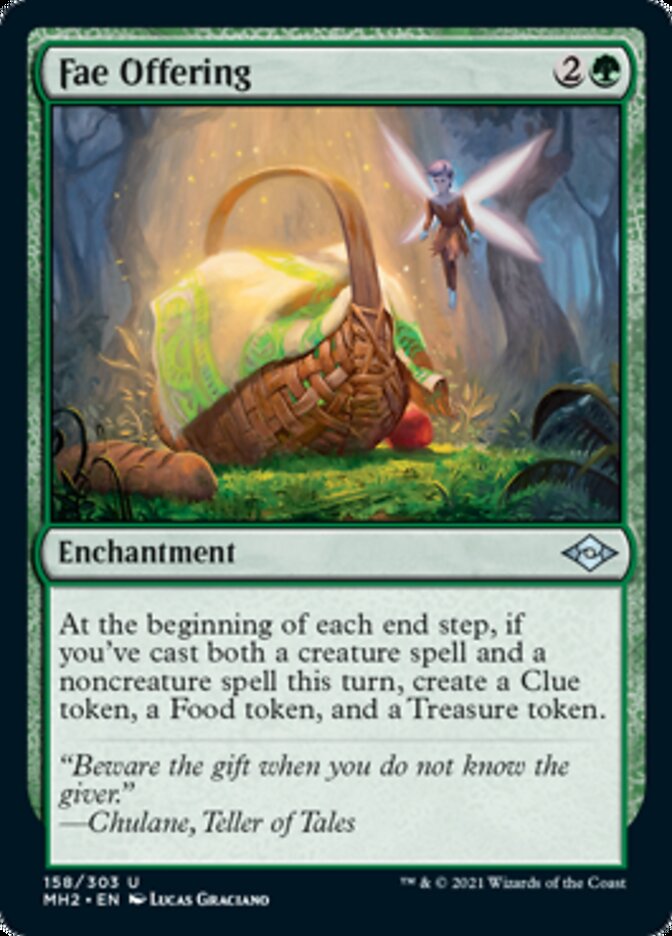
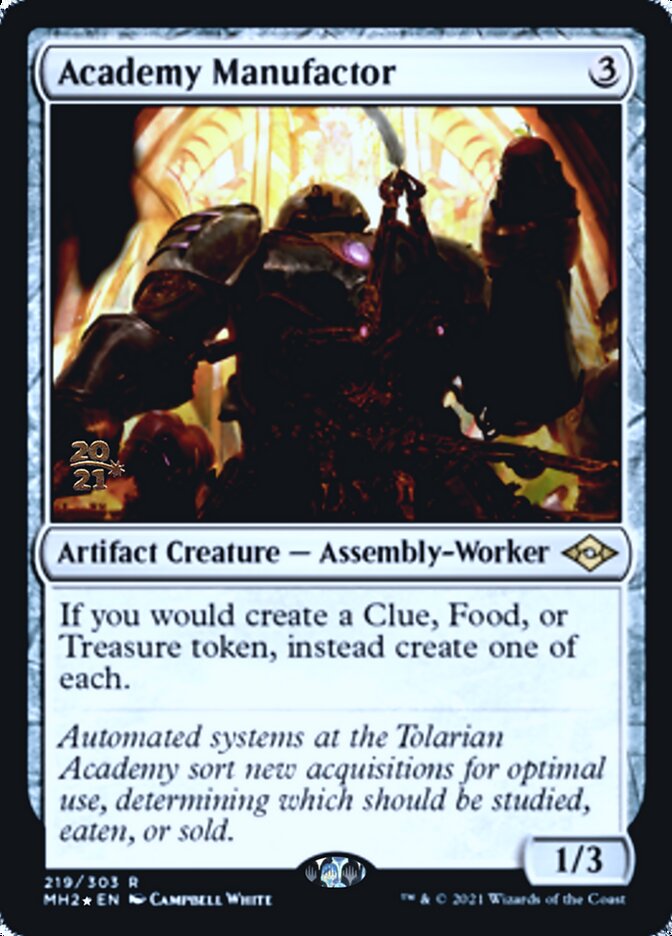
Initially, Clues were created only through investigate. That changed with Modern Horizons 2, where Fae Offering and Academy Manufactor created Clue tokens directly without using investigate. This made Clues into predefined tokens, alongside Food, Treasure, Blood, Shard, and Powerstone.
Avatar: The Last Airbender went a step further in this direction: It is the first MTG set where Clues appear extensively without the investigate keyword. WotC dropped investigate in TLA partly to cut down on the number of keywords in the set and partly to align Clues with the way other predefined tokens (Treasure, Food, etc.) are used.
That doesn’t mean that investigate has been phased out, though. Magic’s Head Designer Mark Rosewater said in his personal blog that “I assume we’ll see [investigate] again. It’s an evocative word.” It’s just that starting from Avatar, WotC will use investigate only when the flavor makes sense.
When Can You Sacrifice a Clue Token?
You can sacrifice a Clue tokens whenever you have priority and can pay the activation cost (usually ). And as long as there’s no effect in play (like for example Karn, the Great Creator) that prevents you from activating abilities. In other words, you can activate a Clue token whenever you could cast an instant.
Notice that sacrificing the Clue is part of the activation cost. That’s to say, you pay and sacrifice the clue as payment for drawing a card. There’s no way for your foe to react to you paying this cost. If you decide to activate your Clue token, I can’t destroy it in response.
If you have a Clue on the board, and no mana, I could try to preemptively destroy it so you won’t be able to activate it later, when you do have the mana. Or I could drop a Karn, the Great Creator that blanks all your artifacts’ activated abilities. But if you can activate abilities, then as soon as you have priority (and enough mana) and decide to sac the Clue, then poof, it’s gone, nothing I can do to stop it.
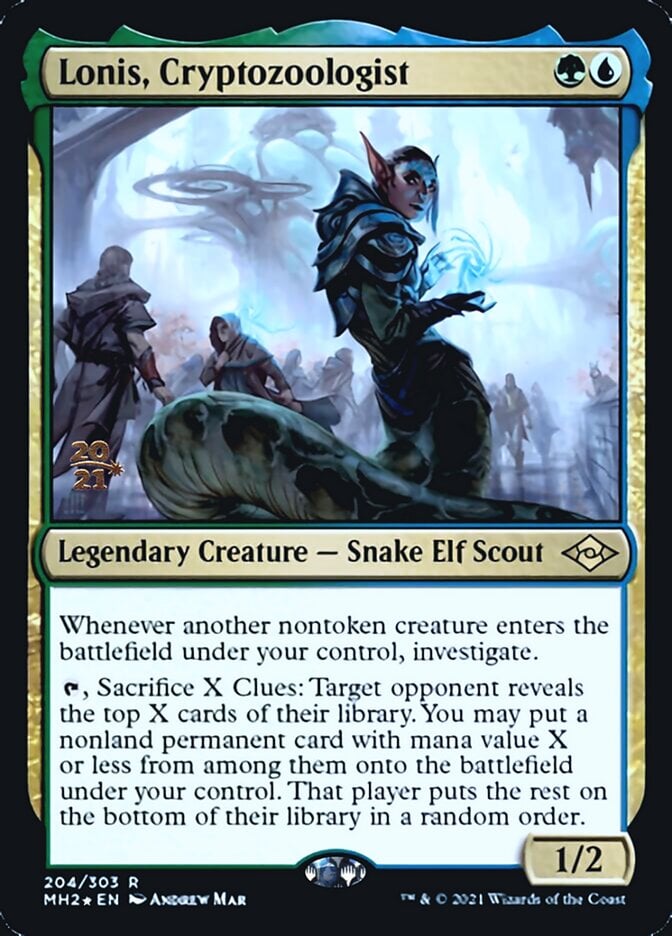
Important detail: One sacrifice pays for exactly one cost. You can’t sacrifice the same Clue both to draw a card and to pay the cost of another ability (like Lonis, Cryptozoologist‘s, which lets you sac clues to steal cards from your opponent).
Do You Tap a Clue to Sacrifice It?
No, you don’t. The default ability on a Clue token does not include a tap symbol.
The costs are the , and sacrificing the artifact. You don’t need to tap it, and you can activate it even if it’s tapped for another reason. This was a prominent part of Avatar‘s card design, since you could waterbend Clue tokens and still sacrifice them.
Are Clue Tokens Permanents?
Yes, they are. Clue tokens are artifacts, and artifacts on the battlefield are permanents by definition.
By the way: Tokens are also permanents, by definition (specifically, they are markers used to represent any permanent that isn’t represented by a card).
Do Clue Tokens Go to the Graveyard?
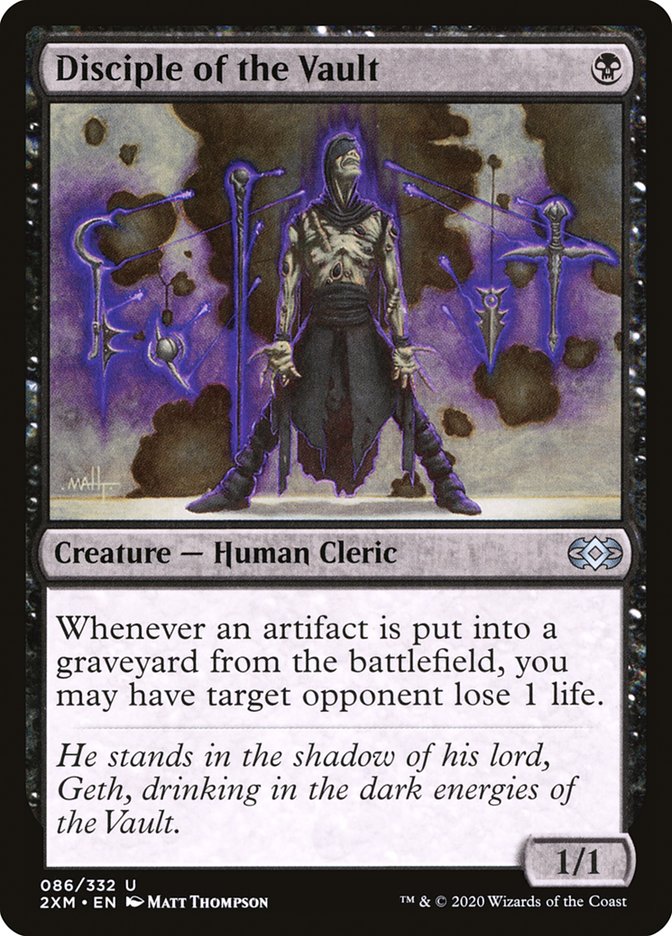
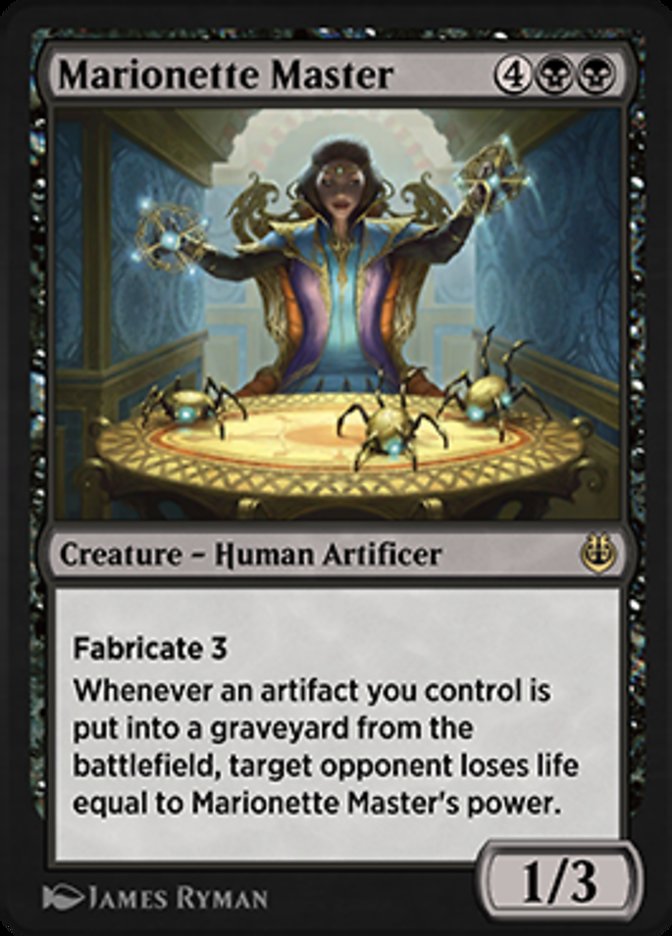
Yep, they do! They vanish from the game (as all tokens do) after they reach the graveyard, but they do go to the graveyard and trigger every effect that cares about artifacts entering the graveyard.
In general, whenever a token reaches any zone other than the battlefield, it ceases to exist. But it does arrive at the destination, and triggers all effects that care about the change of zones. That’s to say:
- The Clue does hit the graveyard (or other zone it’s moved to) for the purposes of “when an artifact is put into a graveyard from the battlefield” triggers.
- Immediately afterward, it ceases to exist and can’t be interacted with further (you can’t resurrect an artifact token, for example).
Therefore, Disciple of the Vault or Marionette Master will see an artifact going from the battlefield to your graveyard when you sacrifice a Clue, and will trigger.
Do Clue Tokens Have a Mana Value?
Yes, they do: Zero.
Clue tokens, like other predefined artifact tokens such as Food and Treasure, have no mana cost, so their mana value is 0.
This matters for effects that care about mana value (e.g., “destroy target artifact with mana value 1 or less” can hit Clues).
What’s the Difference Between Clue Tokens and Blood Tokens?
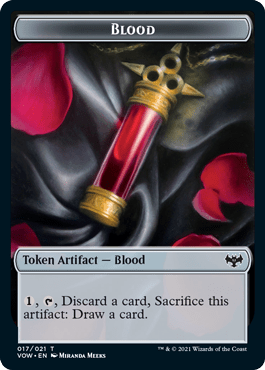
Both Clue and Blood tokens are predefined artifact tokens that have to be sacrificed in order to activate them, and draw you a card. But, other than that, they are very different.
You do have to tap a Blood token as part of the cost to activate it (you don’t have to tap a Clue token to do so). Blood tokens also force you to discard a card.
Blood tokens rummage (discard then draw), filtering cards. Clue tokens are pure card advantage: No discard, just draw.
In a vacuum, Clue tokens are much better than Blood tokens (they don’t force you to discard, don’t need to be tapped). But in decks where you do want to discard your hand (for example, to trigger madness) or you’re happy to fill your graveyard (like reanimator), Blood tokens can offer good synergy.
Clue Tokens vs. Shard Tokens

Shard tokens are another predefined token type that are functionally similar to Clues but have a different card type: Shard tokens are enchantments, while Clue tokens are artifacts.
Overall, Shard tokens are better than Clue tokens (they cost the same to activate, but Shard tokens let you scry before drawing), unless you care about artifact synergy. But they are extremely rare: Only a couple of cards featuring Niko Aris can create Shard tokens.
Do Clues Have Summoning Sickness?
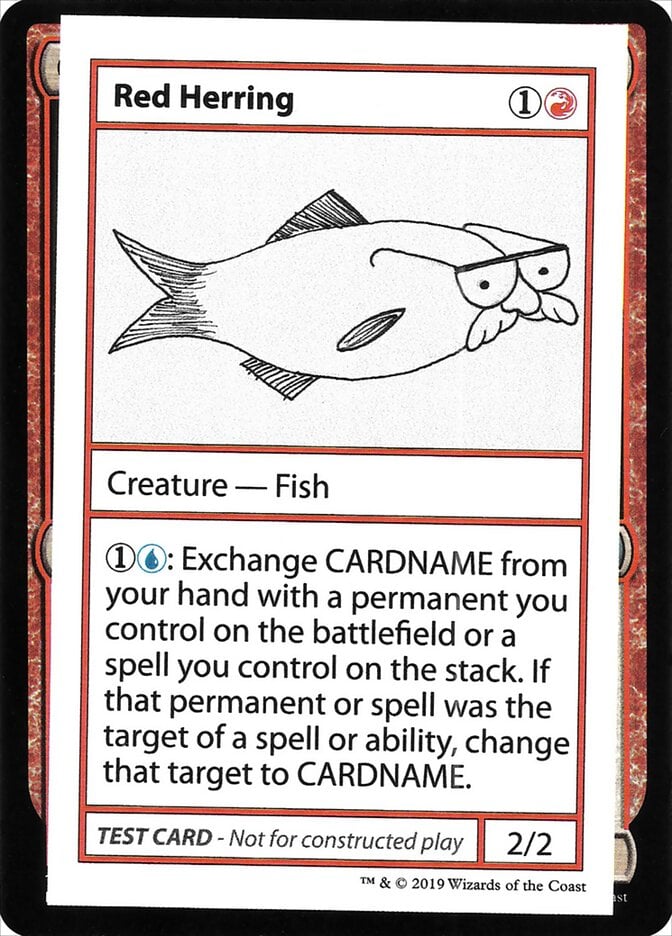
No they don’t – unless they happen to also be creatures.
Summoning sickness is a property of creatures, not artifacts. And while there are a couple of Clue cards that are artifact creatures, like Red Herring, by default most clues are just artifacts, not creatures. Therefore, summoning sickness does nothing to clues (or artifacts in general).
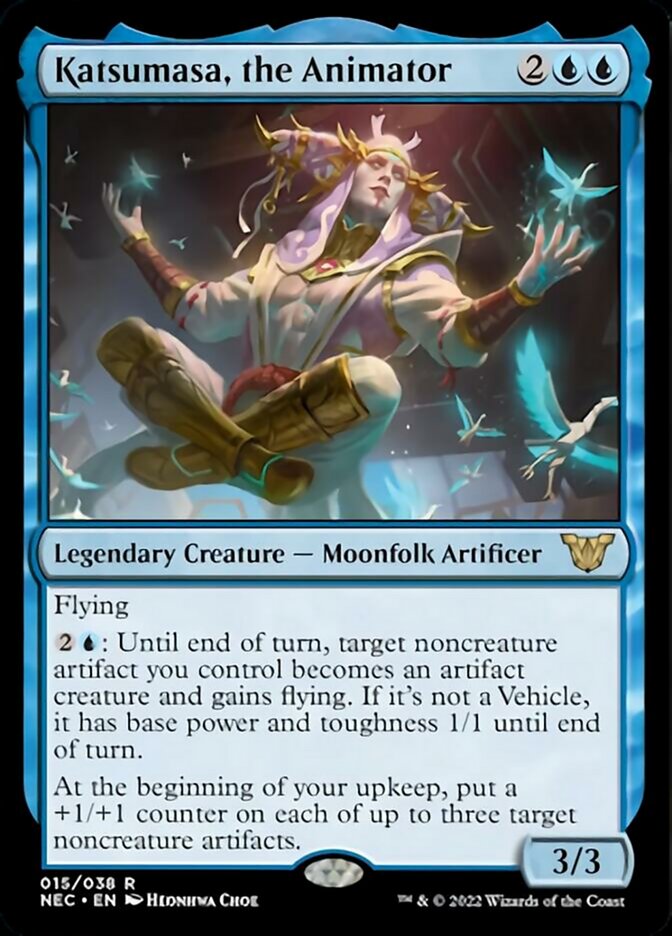
The only caveat is if there’s some artifact animation effect in play, like Katsumasa, the Animator that turns artifacts into creatures. But even in that corner case, you can still activate the Clue since you don’t need to tap it to activate it. In short:
- Clue tokens can’t have summoning sickness unless they are also creatures.
- Even if they do, you can still activate them (since you don’t have to tap them).
What Does Investigate Mean?
Investigate is a keyword action that literally means “Create a Clue token.” That’s it.
Originally, all Clue tokens were created by investigate cards. That’s no longer the case: There are many cards that create Clue tokens without using the investigate keyword.
Why Did They Stop Using Investigate?

WotC considers “investigate” too loaded with flavor: It only works in sets that focus heavily on mysteries or detectives. They want to use Clue tokens in settings where detectives aren’t a thing (like Avatar: The Last Airbender) so they decided to just use “Create a Clue token” for the general cases, and reserve investigate for settings when the “whodunnit” angle makes sense.
Is Clue a Creature Type?
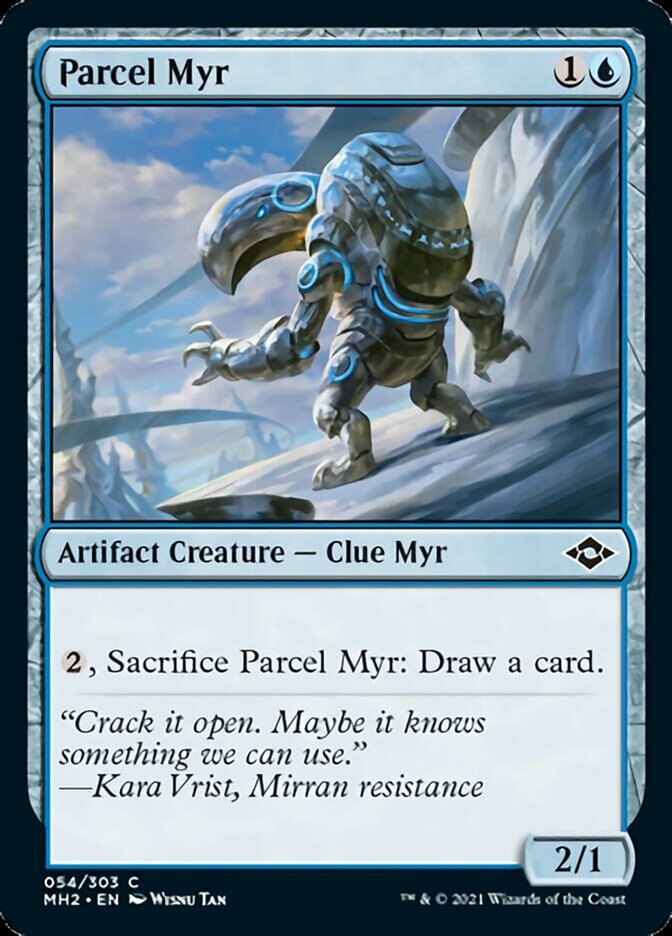
No. Clue is an artifact subtype, not a creature subtype. It appears on artifacts, including artifact creatures, but it is never a creature type.
On a typical Clue token, the type line is just: “Artifact — Clue.” There are a couple of artifact creatures that are also clues, like Red Herring or Parcel Myr, but that’s because they are artifacts (besides being creatures).
For example, Parcel Myr‘s typeline is “Artifact Creature — Clue Myr”. Myr is the creature subtype, Clue is the artifact subtype.
Cards and rules that ask you to “choose a creature type” or that care specifically about creature types do not allow “Clue” as a valid choice.
How Do You Stop or Counter Clues?
If you want a clueless game, you can either prevent your foe from creating Clues, mess with activated abilities, destroy those Clues once created… or punish card draw in general!
To snip them in the bud, you can try countering the spells and abilities that would create Clues. If your foe’s commander is Lonis, Cryptozoologist, then you can either kill Lonis, or try countering creature spells.
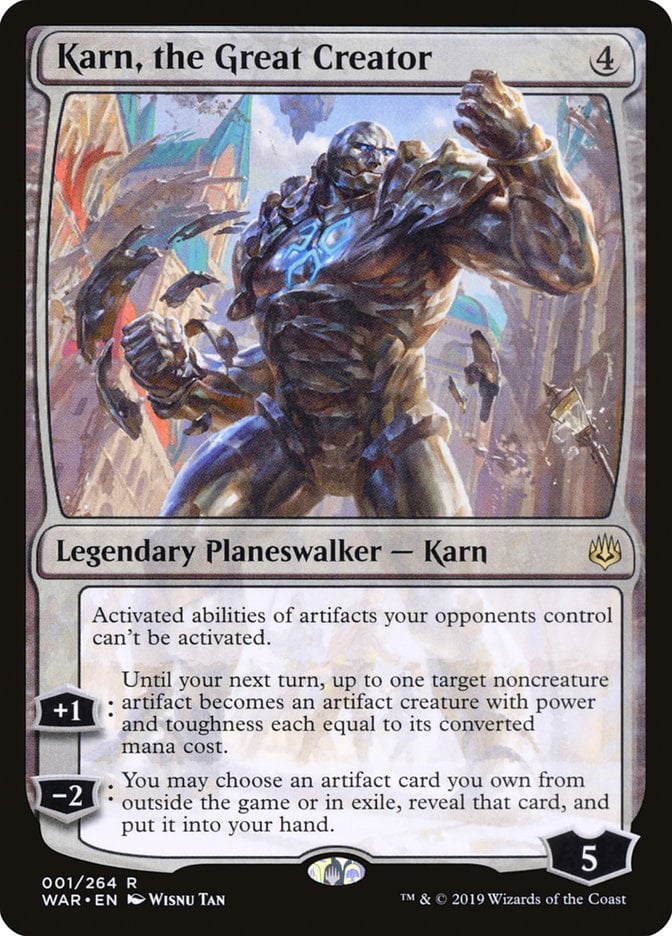
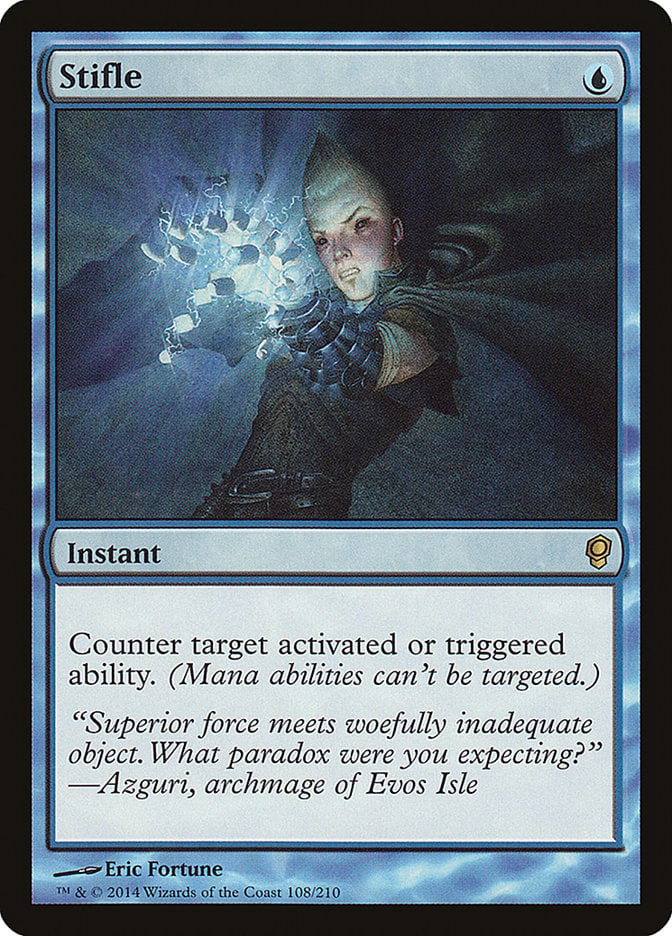
You can also shut off activated abilities. With Karn, the Great Creator or Stony Silence, Clues are just silly, harmless tokens that can’t be activated. You can also Stifle the activated ability while on the stack (and after your opponent sacrificed the token!).
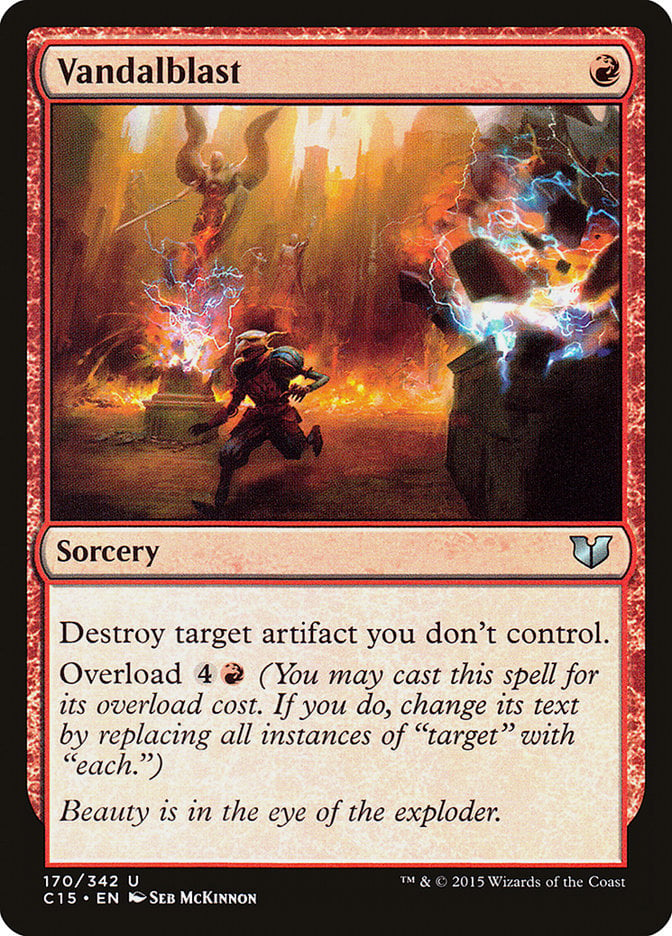
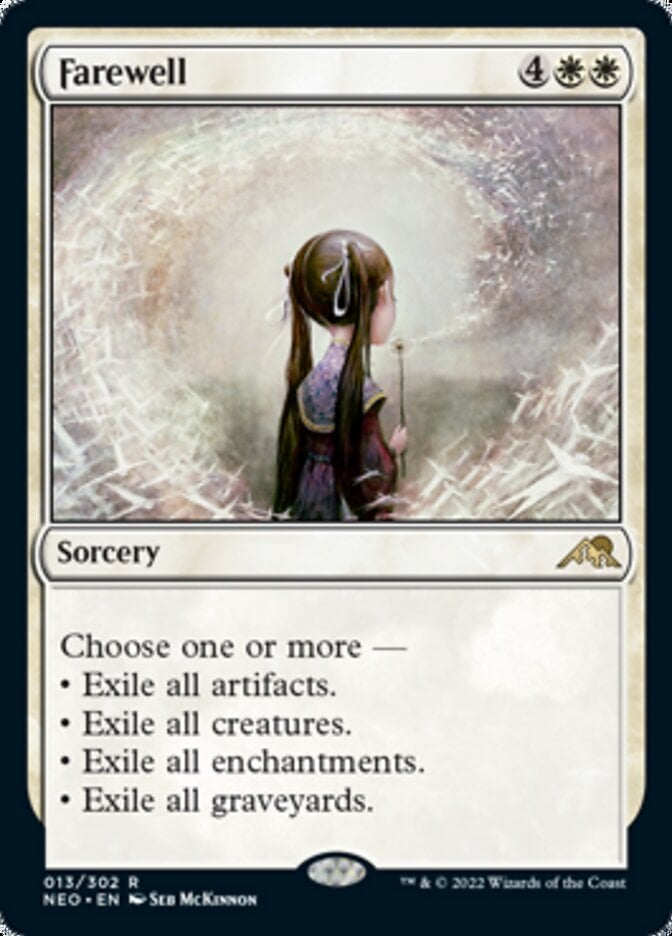
You could get rid of the clue. Artifacts are fairly simple to remove; just bring a Vandalblast or Farewell to the fight.
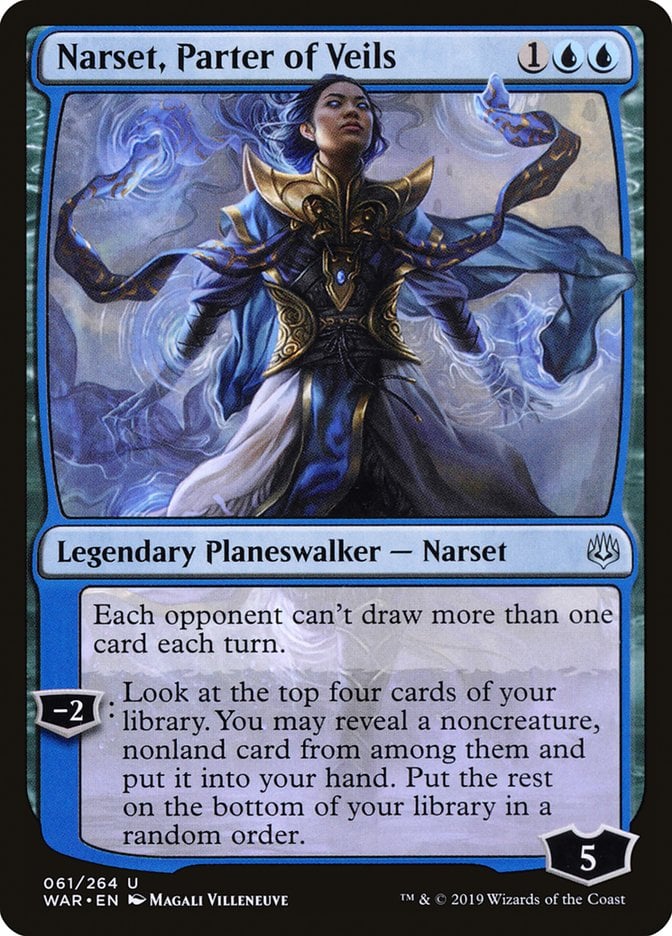
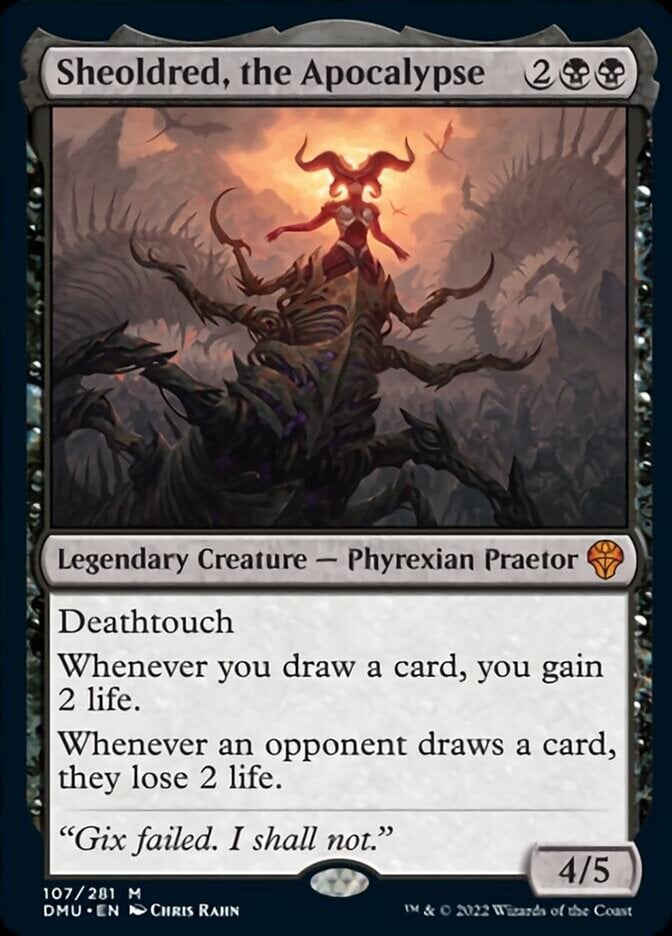
Last but not least, you can also play effects that prevent extra card draw (like Narset, Parter of Veils) or that punish card draw (like Sheoldred, the Apocalypse).
What you cannot do is cast something that counters a Clue token. Tokens are never spells; they are created directly on the battlefield by resolving spells or abilities. You can counter the spell or ability that would create them, but the tokens themselves don’t go on the stack.
Can You Pithing Needle a Clue Token?
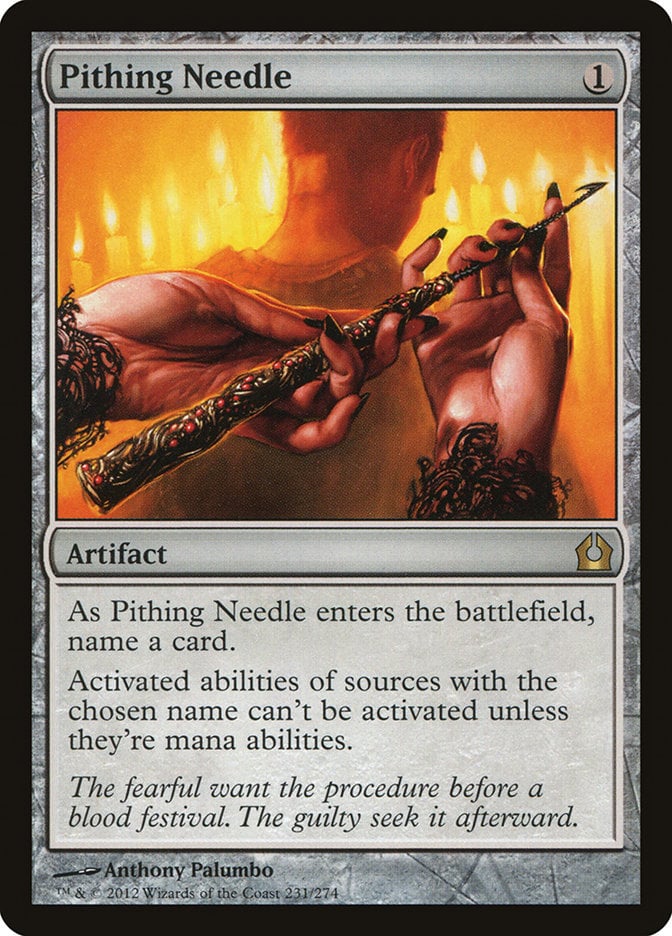
No, you cannot use Pithing Needle to name a Clue token.
Pithing Needle says to name a card. Tokens are not cards unless a token specifically has the same name as an actual printed card and an effect allows you to treat them that way for naming purposes. The rules information for Pithing Needle explicitly notes that you can’t name a token unless it shares the name with an actual card.
You can name a specific card that creates those tokens, but that’s as far as this needle goes.
Are Clue Tokens Good?
Clues tokens provide a clean, flexible way to bank card draw for later at a known cost and interact naturally with any “artifacts matter”, “tokens matter”, or “sacrifice an artifact/permanent” cards. This combination has made Clues a staple in Commander, where they serve both as card advantage and as fuel for other engines.
But even though drawing cards is the best thing in Magic, it isn’t enough to win games. So, yes, Clue tokens are good… but you’ll need an actual win condition worth drawing!

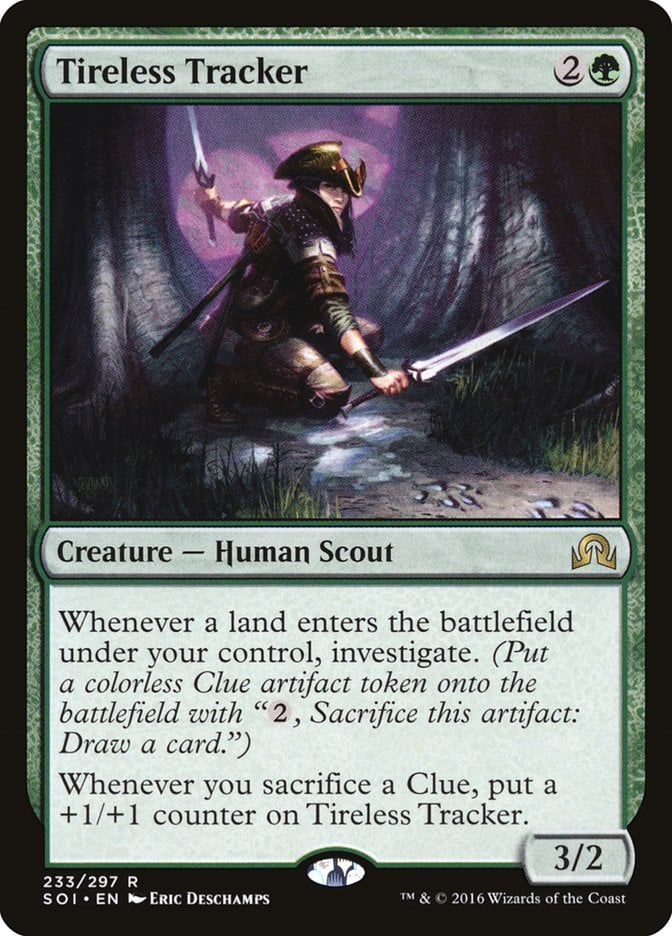
In other words: Clues are very good when you get them for free as part of doing something else (attacking with Azula, On the Hunt, playing lands with Tireless Tracker, casting creatures under Lonis, Cryptozoologist), and there are tons of cards that have synergy with tokens, artifacts, or sacrifice. You rarely want to pay mana just to make Clues and then pay more mana to crack them, but as incidental upside or synergy pieces they’re among the better token types.
Best Clue Cards
Thraben Inspector + Novice Inspector
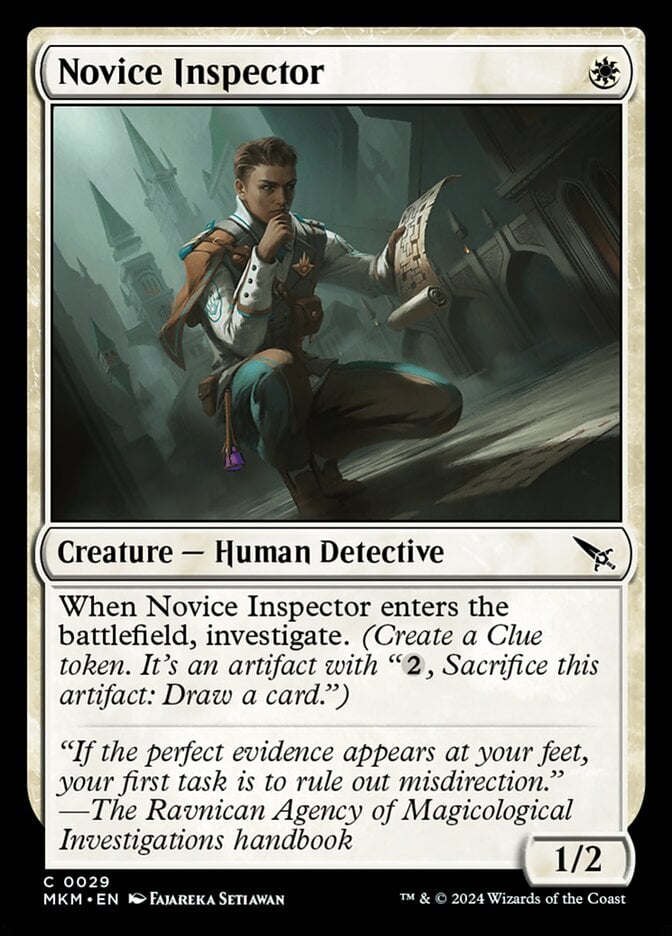
A card so good that there’s actually two of them. Save for the Shadows over Innistrad original being a soldier and the Murders at Karlov Manor revisit being a detective, Thraben Inspector and Novice Inspector are the same (awesome!) 1-drop.
Decks that put these inspectors to good use usually have several different synergies with Clue, from their default “gimme a card” activated ability, to using them as cardboard you can tap for other abilities. We’ll see this in the Boros Convoke deck showcased below!
Tivit, Seller of Secrets
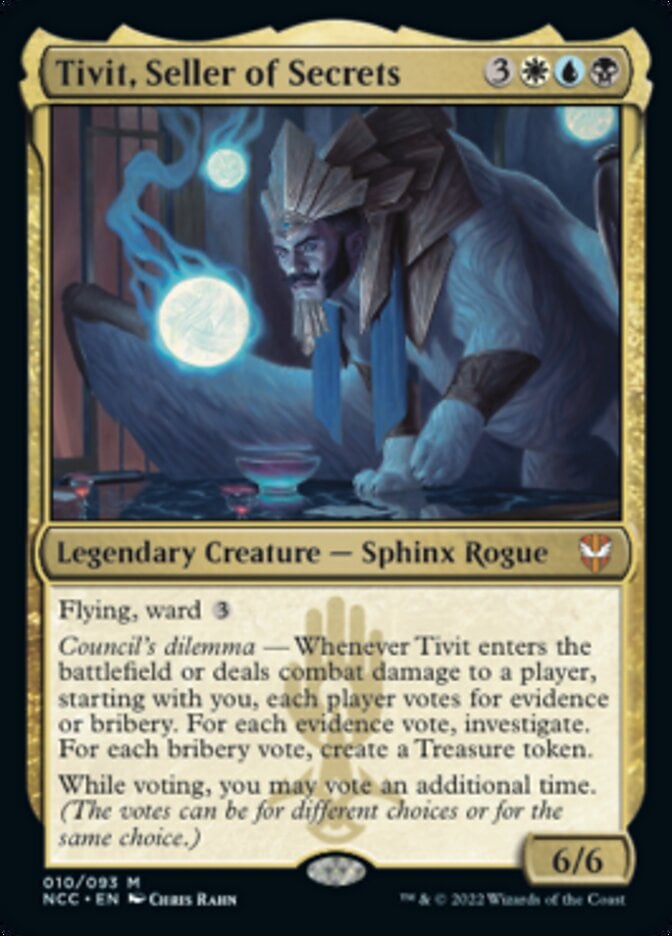
Tivit, Seller of Secrets isn’t what you’d call a Clue commander. This Esper sphinx is more of a political commander… but it’s truly excellent in that role, to the point that it’s strong enough to see play in cEDH, and is overall one of the most popular commanders in MTG.
And it creates clues, earning Tivit a spot in this list.
Ethereal Investigator
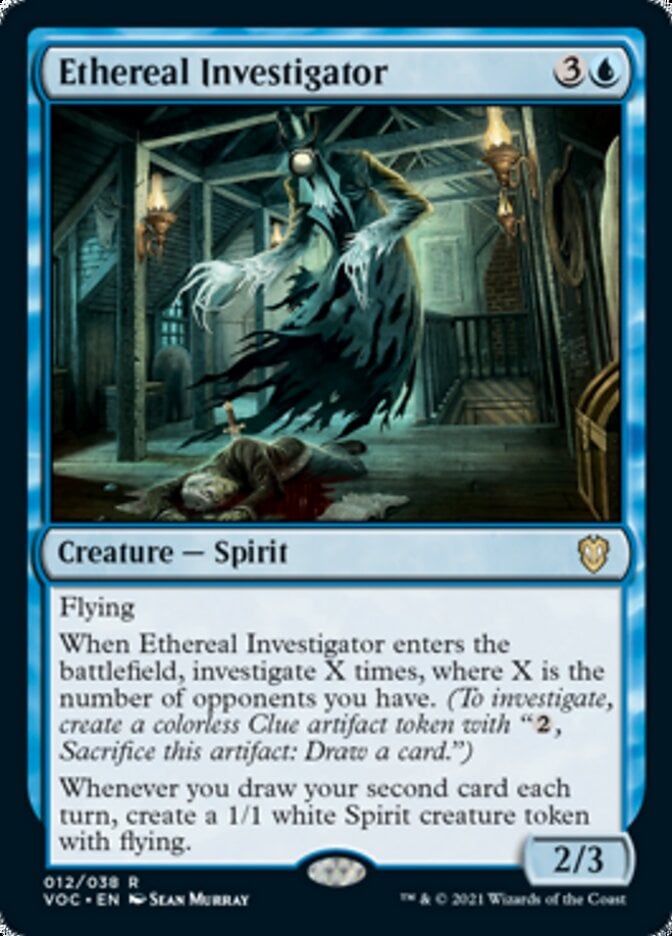
In Commander, Ethereal Investigator is the big brother of Thraben Inspector and Novice Inspector: Four times the cost for three times the Clues, plus a small payoff when you do crack them.
True Ancestry
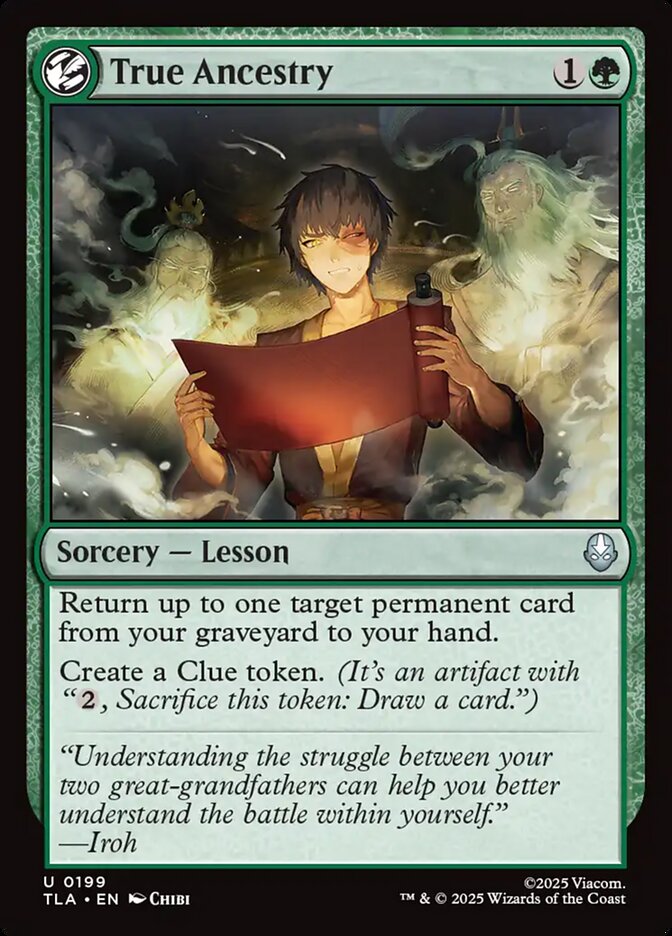
One of the more recent clue cards, Avatar: The Last Airbender‘s True Ancestry showcases WotC’s new philosophy of generating clues without using investigate. Here the clue is just gravy for recurring your permanents, but that’s also a good example of what makes Clues such a great design tool: Anything is better with card draw added.
Wojek Investigator
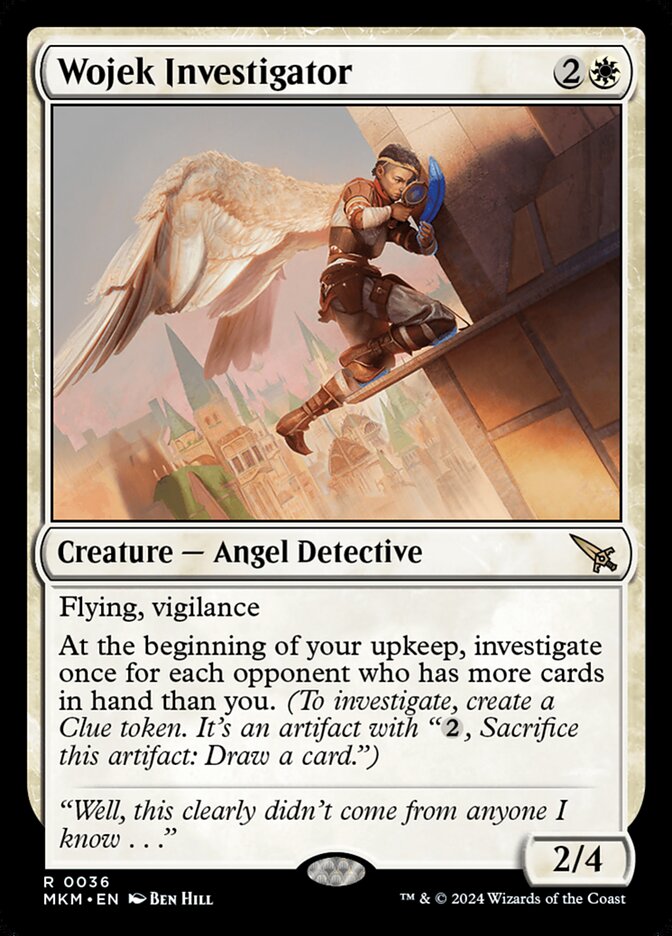
Wojek Investigator scales based on the number of opponents you have, which is WotC’s long way to say “Play this in Commander”. It’s also a flier with good stats that will often be able to attack.
Erdwal Illuminator
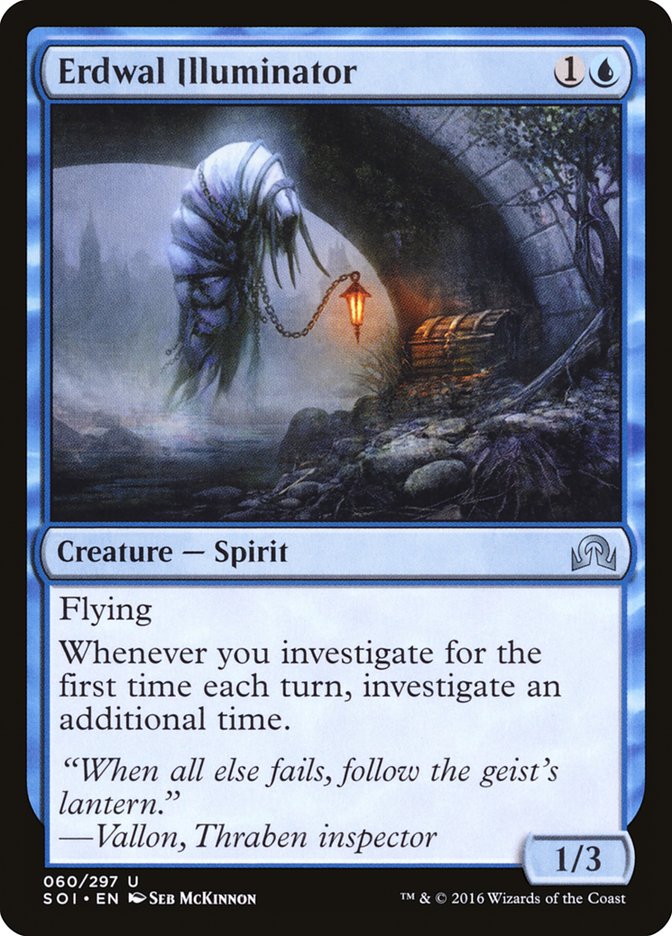
Erdwal Illuminator may become less relevant in Clue decks if WotC sticks to its Avatar guns by printing Clue cards without the investigate keyword (Erdwal Illuminator only cares about the keyword, not the tokens).
As of right now, though, it’s one of the most synergistic cards in Clue decks since the best Clue cards are still investigate cards.
Tireless Tracker
Many Clue cards are just good cards that happen to create a Clue once as a small upside. Tireless Tracker is the whole package: You get more and more clues for the very low cost of playing your lands, and you get a payoff for cracking those clues.
Lonis, Cryptozoologist
Speaking of full packages, Lonis, Cryptozoologist is that but in your command zone: A continuous stream of Clue tokens, plus a very powerful payoff for those clues.
Academy Manufactor
If your deck has anything to do with tokens, you very likely play Academy Manufactor, simple as that. It’s one of the best Commander cards, seeing a lot of top-tier cEDH play.
Morska, Undersea Sleuth
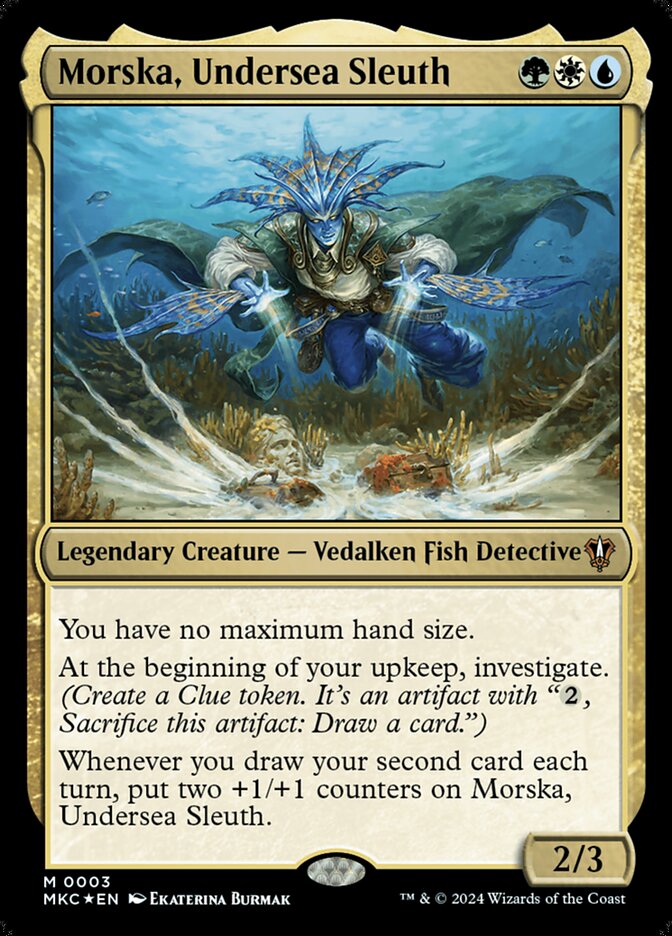
Morska, Undersea Sleuth is less popular (and arguably less powerful) than Tivit or Lonis. But when you look specifically at Clue decks, this is most popular commander by far. No max hand size, no hoops to jump through to get a clue each turn, and a straightforward payoff for the extra card draw!
Decklist: Boros Convoke in Pioneer
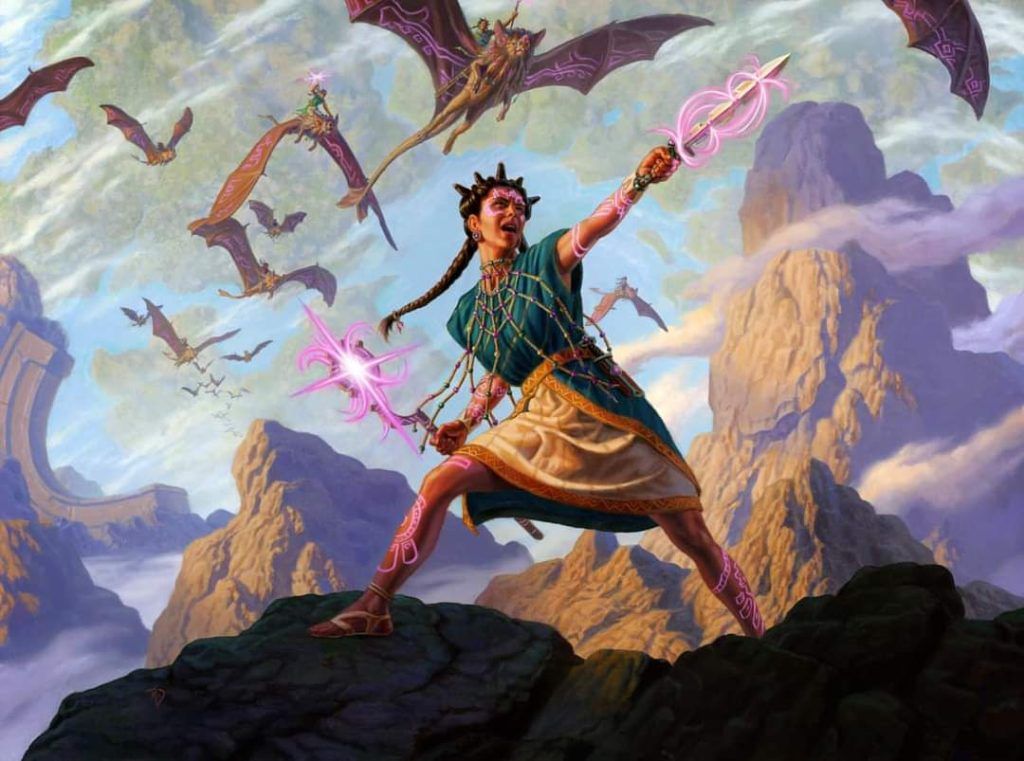
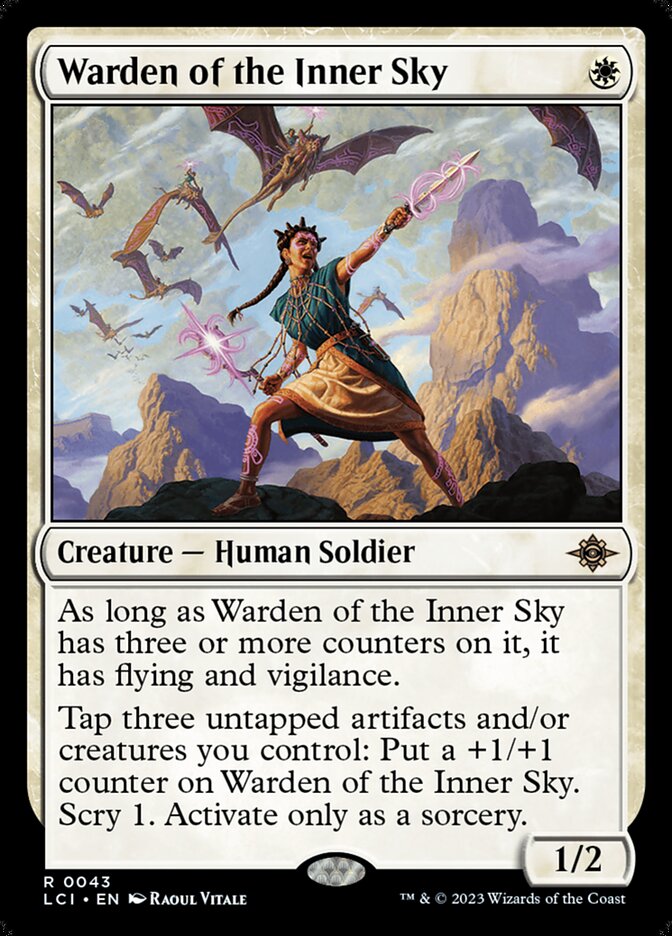
Warden of the Inner Sky | Illustration by Raoul Vitale
Creatures (32)
Cosmogrand Zenith x3
Imodane's Recruiter x2
Knight-Errant of Eos x4
Novice Inspector x4
Ornithopter x4
Thraben Inspector x4
Venerated Loxodon x4
Voldaren Epicure x3
Warden of the Inner Sky x4
Sorceries (4)
Artifact (3)
Lands (21)
Battlefield Forge x4
Eiganjo, Seat of the Empire
Inspiring Vantage x4
Mountain
Needleverge Pathway x4
Plains
Sacred Foundry x4
Shefet Dunes
Sokenzan, Crucible of Defiance
Sideboard (15)
Devout Decree x2
Get Lost x2
Knockout Blow x2
Portable Hole
Remorseful Cleric x2
Sheltered by Ghosts x4
Wear / Tear x2
Here’s a very competitive Pioneer deck that showcases how versatile Clue tokens are.
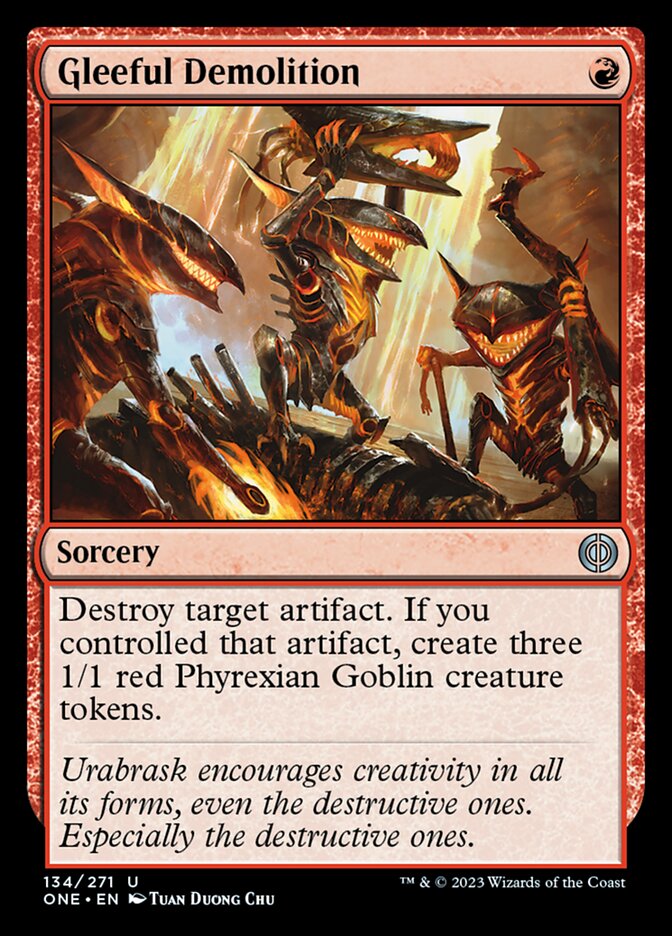
It’s a low-to-the-ground, go-wide aggro deck with a simple but effective plan: Play lots of cheap cheap creatures, use them to convoke Knight-Errant of Eos and Venerated Loxodon and/or pump Warden of the Inner Sky, then overrun your foe.
At quick glance, the deck only has eight Clue cards (four copies each of Novice Inspector and Thraben Inspector) and no explicit Clue synergies… but you can get a lot of mileage from them, both in the early and the late game.
In particular:
- Clues are artifacts that you can tap to make Warden of the Inner Sky bigger, plus filter your card draws.
- Clues are artifacts that you can sacrifice to Gleeful Demolition to go even wider.
- If the game’s going long and you’re running out of gas (or you’re stuck with a mediocre opening hand with an Inspector and lands) then Clues fulfill their standard function: Sink your surplus mana into extra card draw!
Although Boros Convoke doesn’t have any explicit Clues synergy, it’s very common for this deck to put Clues to work by turn 2: You open with an Inspector, then follow on turn 2 with either a Warden (and tap everything to pump it), a Demolition, or in a pinch just crack the Clue to draw an extra card.
Clues are that versatile!
Wrap Up
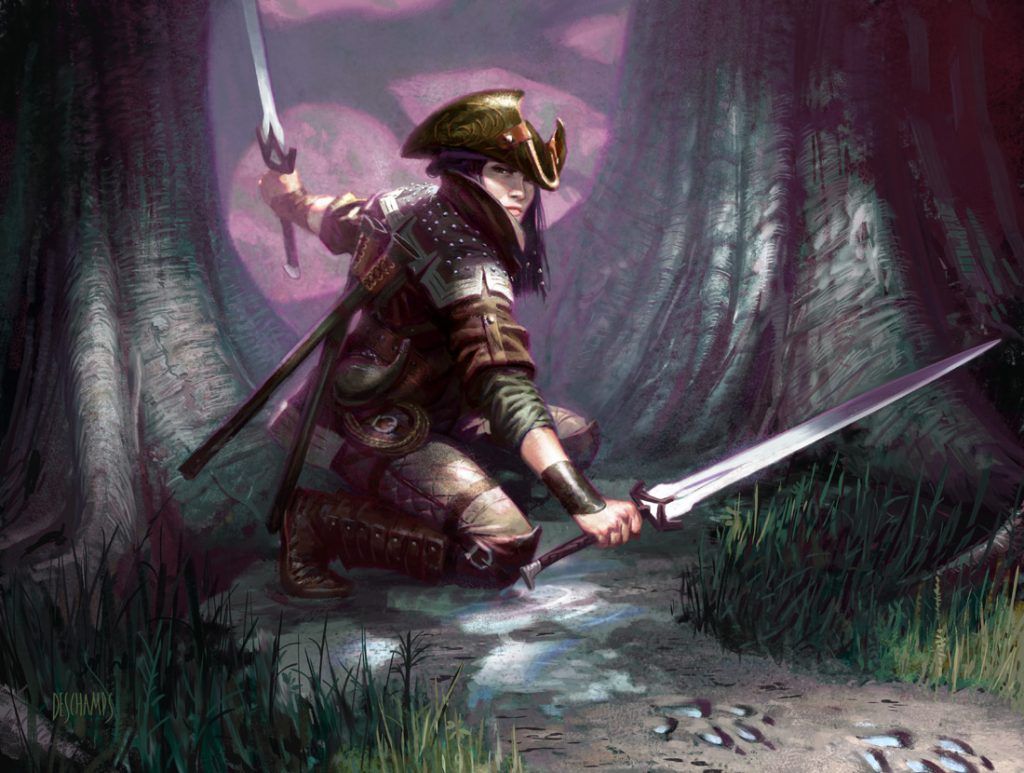
Tireless Tracker | Illustration by Eric Deschamps
And that’s about it for Clue tokens! Once tied directly to the investigate keyword, since Avatar WotC has decided they can be their own thing, and just use investigate when the mystery/detective vibes fit the particular set.
WotC considers Clue tokens a big success, with plenty of design space: One of the best token mechanics in Magic, capable of supporting everything from one-off cantrips to entire archetypes built around generating and sacrificing them.
I hope you’ve enjoyed this mechanical deep dive into Magic’s Clue tokens, and if you have comments or questions please drop a comment below, or stop by the Draftsim Discord for a chat.
And good luck out there!
Follow Draftsim for awesome articles and set updates:









Add Comment