
Sisay, Weatherlight Captain | Illustration by Anna Steinbauer
If you’ve ever wanted to venture into the most competitive form of Commander, Bracket 5 or cEDH, but you didn’t know where to start, I have you covered. Today, we dive into five different decks drawn from some of the most powerful strategies out there. We’ll break down how they play, what makes them strong, and even what changes you can make to tone them down if you want to experiment with them in Bracket 4.
Intrigued? Let’s dive in.
What Is Bracket 5 in MTG?

Tymna the Weaver | Illustration by Winona Nelson
Bracket 5 in MTG is the highest level of the Commander Brackets system, and it’s basically synonymous with cEDH. This is the space where everyone sits down knowing the goal is to win, not to show off a theme or play a long, relaxed game. Decks here are built for speed, consistency, and efficiency, packed with fast mana, tutors, interaction, and clean win conditions that can end the game quickly.
More than anything, Bracket 5 is defined by mindset. Players expect tight sequencing, early interaction, and a solid understanding of the metagame. This is Commander at its most competitive, where small decisions matter and mistakes are quickly punished.
What Makes a Commander Good for Bracket 5?

From my experience, what separates a strong commander from a true cEDH-level one comes down to three main things: mana value, ability, and how well it fits the metagame. Cheap commanders like Kinnan, Bonder Prodigy or Magda, Brazen Outlaw are great examples. They come down early and have powerful abilities, and you can recast them without much trouble, so you don’t lose much tempo when you commit to them early. The tradeoff is that they often need some setup before they fully take over the game.
Commanders in the 3- to 5-mana range, especially partner commanders, offer a different kind of strength. They’re reliable to deploy and give you flexibility in how you approach each game, since you can choose which commander matters most in a given board state. On the higher end, commanders like Etali, Primal Conqueror or Kefka, Court Mage cost more mana but immediately threaten the table once they resolve. Some commanders act as the core engine of the deck, like Winota, Joiner of Forces or Derevi, Empyrial Tactician, while others fill a supporting role and can be swapped with a different commander that better supports your strategy.
These are some “stock” lists I’ve put together by reviewing the most recent builds and combining the cards they have most often in common. The goal is to give you a clear idea of what these decks typically look like and how they’re meant to play out in actual games.
Sisay, Weatherlight Captain
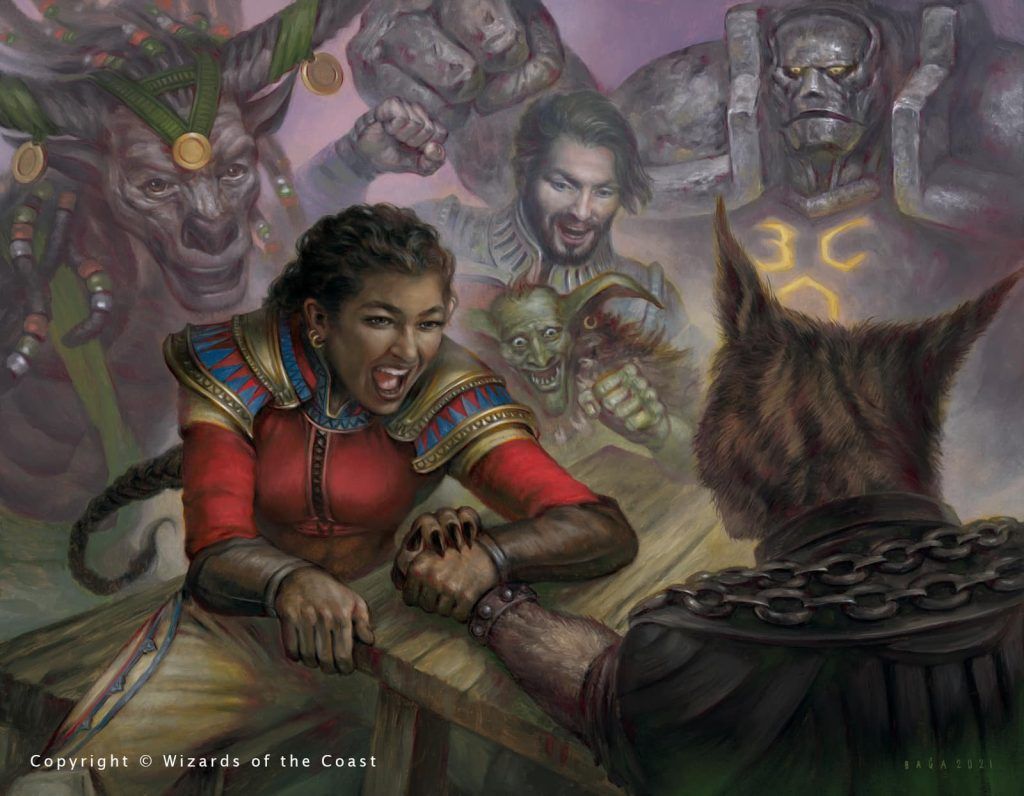
Sisay, Weatherlight Captain | Illustration by Volkan Baga
Commander (1)
Planeswalker (5)
Teferi, Time Raveler
Aminatou, the Fateshifter
Saheeli Rai
Tyvar, Jubilant Brawler
Nicol Bolas, Dragon-God
Creature (27)
Deadpool, Trading Card
Mockingbird
Esper Sentinel
Deathrite Shaman
Ragavan, Nimble Pilferer
Birds of Paradise
Delighted Halfling
Ignoble Hierarch
Noble Hierarch
Wan Shi Tong, Librarian
Tataru Taru
Lavinia, Azorius Renegade
Lotho, Corrupt Shirriff
Thassa's Oracle
Orcish Bowmasters
Bloom Tender
Kinnan, Bonder Prodigy
Ranger-Captain of Eos
Valley Floodcaller
Elvish Spirit Guide
The Cabbage Merchant
Faeburrow Elder
Derevi, Empyrial Tactician
Enduring Vitality
Selvala, Heart of the Wilds
Emiel the Blessed
Ertai Resurrected
Sorcery (1)
Instant (19)
Pact of Negation
Enlightened Tutor
Orim's Chant
Silence
Swords to Plowshares
Mental Misstep
Chain of Vapor
Flusterstorm
Swan Song
Demonic Consultation
Vampiric Tutor
Legolas's Quick Reflexes
Tainted Pact
Abrupt Decay
Chord of Calling
Fierce Guardianship
Deflecting Swat
Mindbreak Trap
Force of Will
Enchantment (4)
Mystic Remora
Rhystic Study
Smothering Tithe
Oath of Teferi
Artifact (11)
Chrome Mox
Lotus Petal
Mox Amber
Mox Diamond
Mox Opal
Mana Vault
Sol Ring
Agatha's Soul Cauldron
Arcane Signet
Imposter Mech
Relic of Legends
Land (32)
Ancient Tomb
Arid Mesa
Badlands
Bayou
Bloodstained Mire
Boseiju, Who Endures
City of Brass
Command Tower
Exotic Orchard
Flooded Strand
Forbidden Orchard
Gaea's Cradle
Gemstone Caverns
Mana Confluence
Marsh Flats
Misty Rainforest
Mount Doom
Otawara, Soaring City
Plateau
Polluted Delta
Savannah
Scalding Tarn
Scrubland
Starting Town
Taiga
Tropical Island
Tundra
Underground Sea
Verdant Catacombs
Volcanic Island
Windswept Heath
Wooded Foothills
The Commander: Sisay, Weatherlight Captain
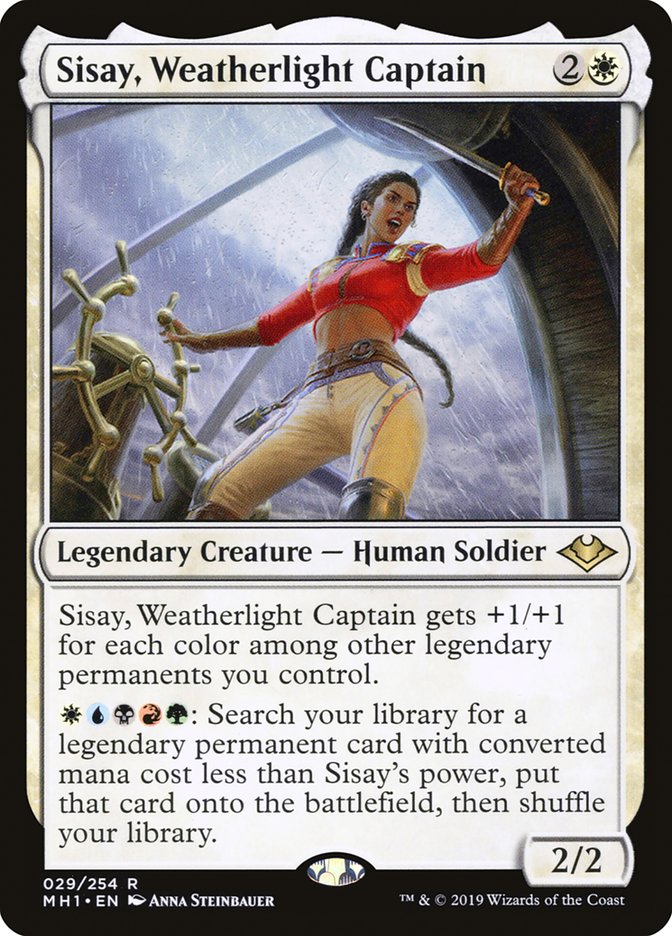
Sisay isn’t just a 5-color enabler; it’s the engine that drives the entire deck. Its ability allows you to pay to put a legendary permanent directly onto the battlefield, as long as its mana value is lower than Sisay’s power. Since its power naturally grows as you play multicolor legends, Sisay quickly becomes a repeatable tutor that finds exactly what you need.
What makes Sisay especially dangerous is how easily it turns a stable board into a winning position. It functions as a toolbox commander that lets you fetch stax pieces, value engines, or combo components at the right time. Because these cards are put onto the battlefield instead of being cast, Sisay also sidesteps a lot of common interaction that only stops spells on the stack.
The Deck
The early game is all about acceleration. Fast mana like Sol Ring, Chrome Mox, Mox Amber, and Mana Vault helps you jump ahead, while mana dorks like Birds of Paradise, Delighted Halfling, Bloom Tender, and Faeburrow Elder fix your colors and scale well once Sisay is in play. Every legendary permanent you deploy increases its tutoring range, so each following turn is more powerful than the last.
To stay competitive with the table, the deck relies on proven card advantage engines. Rhystic Study and Mystic Remora tax opponents for casting spells, while Esper Sentinel and Smothering Tithe quietly generate value if left unchecked. These effects force opponents to slow down or give you resources, and they buy time to assemble a winning position.
The primary win condition remains Thassa's Oracle paired with Demonic Consultation or Tainted Pact, but the deck is far from one-dimensional. Unlike many cEDH decks, Sisay leans heavily on creature-based abilities rather than purely spell-based lines. Explosive turns often involve chaining legendary creatures together, generating mana and value along the way. When it’s time to close the game, protection like Silence and Orim's Chant helps ensure your win attempt resolves cleanly. With roughly 14 true Game Changer cards, the deck is built to take control and finish efficiently.
Combos and Interactions
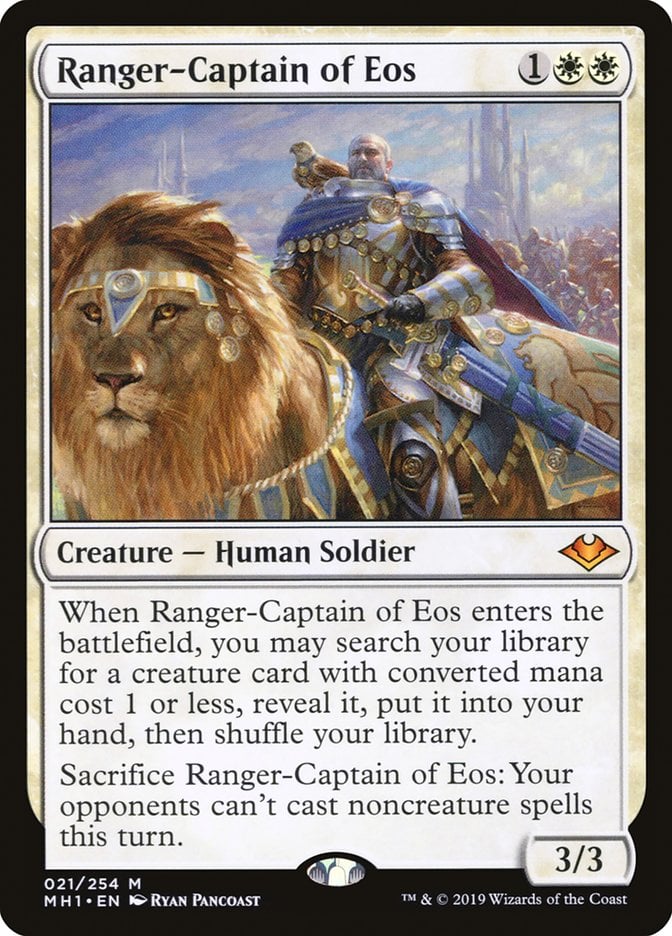
While the Oracle combo is the cleanest win, one of Sisay’s strengths is that you rarely need to rush it. You can spend several turns developing your board before choosing the safest window to go for the win, often leading with protection like Ranger-Captain of Eos.
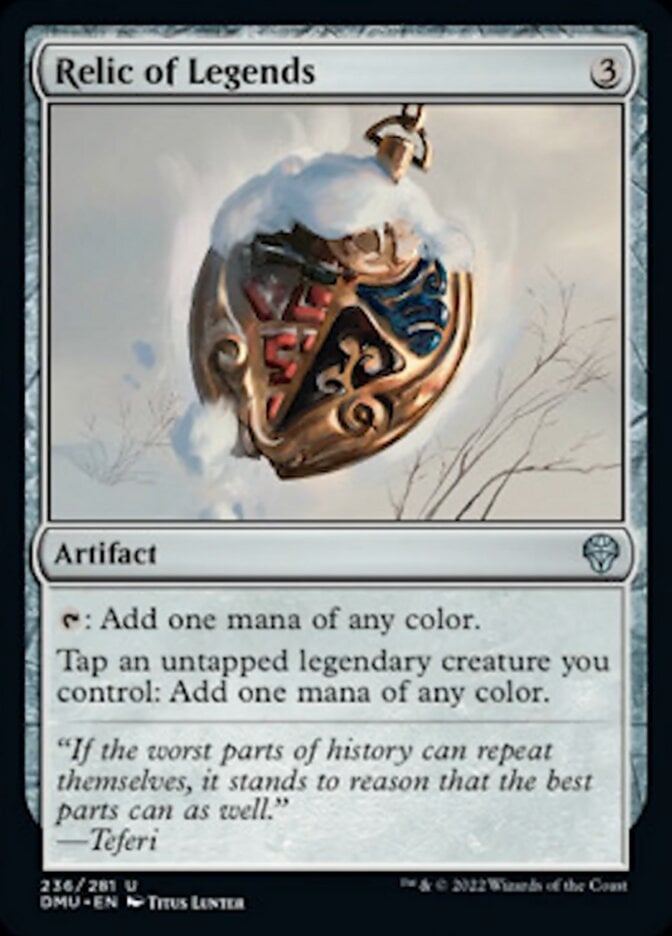
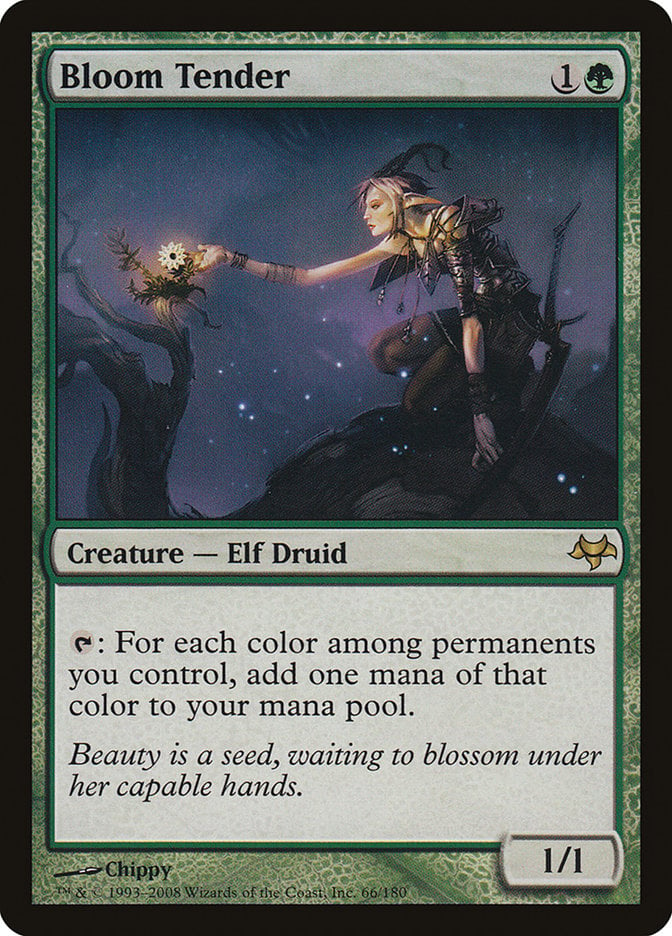

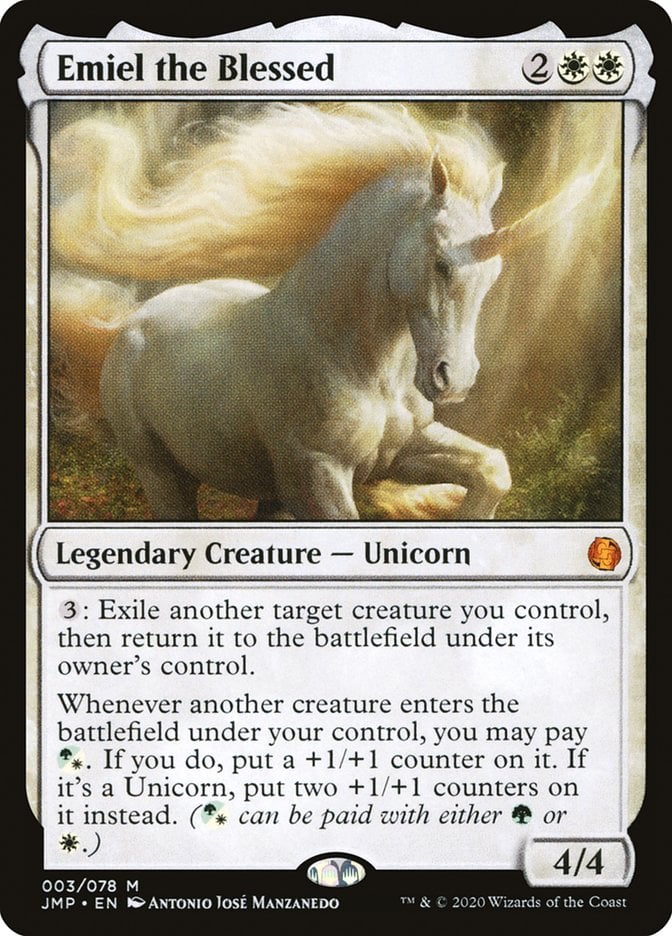
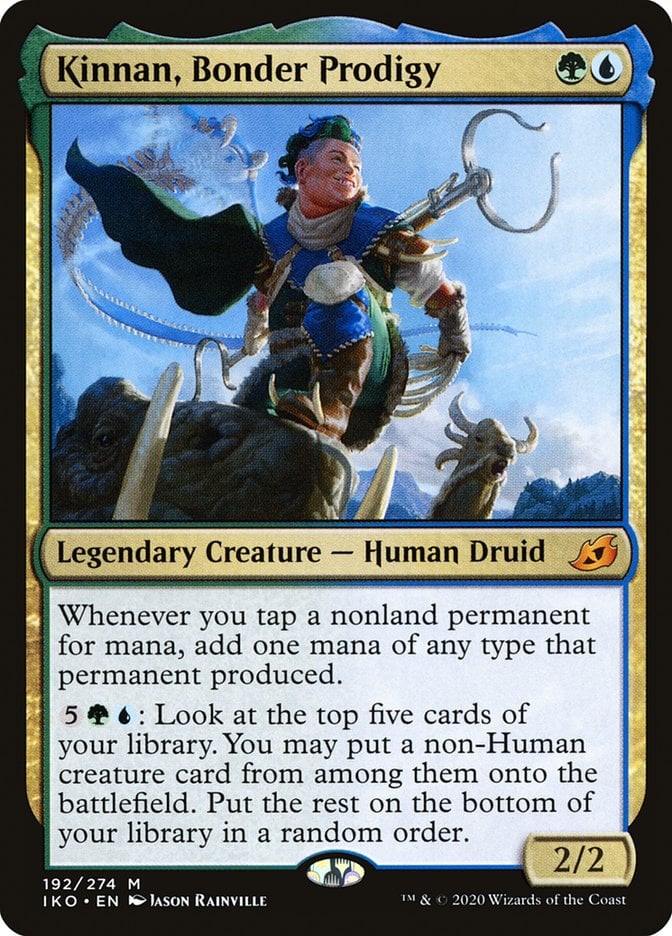
The deck also excels at battlefield-based combo turns. Relic of Legends turns every legend into a mana source, while Bloom Tender and Faeburrow Elder generate massive mana in a 5-color shell. Emiel the Blessed converts that mana into repeatable blink loops, allowing Sisay to activate multiple times in one turn. Kinnan, Bonder Prodigy pushes these lines even further by amplifying mana output from nonland sources.
Bracket 4 Downgrades
To move Sisay down into Bracket 4, the biggest change is to reduce how fast and inevitable its wins are. The first and most important step is to remove Thassa's Oracle along with Demonic Consultation and Tainted Pact, which gets rid of the quickest and hardest to interact with win condition in the deck. From there, cutting one or two fast mana pieces like Mana Vault or Chrome Mox slows Sisay just enough that its big turns feel earned instead of automatic. Trimming protection like Silence or Orim's Chant also gives opponents more chances to respond, while swapping a free counterspell for something like Dispel keeps interaction strong but fair. Sisay still chains legends and dominates the midgame, but it no longer ends games on command.
Ral, Monsoon Mage / Ral, Leyline Prodigy

Ral, Monsoon Mage | Illustration by Dmitry Burmak
Commander (1)
Creature (8)
Electro, Assaulting Battery
Ragavan, Nimble Pilferer
Tavern Scoundrel
Birgi, God of Storytelling
Simian Spirit Guide
_____ Goblin
Storm-Kiln Artist
Treasonous Ogre
Sorcery (29)
Gitaxian Probe
Gamble
Overmaster
Rite of Flame
Strike It Rich
Shatterskull Smashing
Hidden Strings
Quiet Speculation
Grapeshot
Highway Robbery
Reckless Impulse
Recoup
Rob the Archives
Romantic Rendezvous
Witch's Mark
Wrenn's Resolve
Solve the Equation
Timetwister
Windfall
Jeska's Will
Sundering Eruption
Wheel of Fortune
Wheel of Misfortune
Bonus Round
Past in Flames
Will of the Jeskai
Echo of Eons
Mind's Desire
Sea Gate Restoration
Instant (32)
Pact of Negation
Mental Misstep
An Offer You Can't Refuse
Chain of Vapor
Flusterstorm
Mystical Tutor
Gut Shot
Lava Dart
Lightning Bolt
Pyroblast
Red Elemental Blast
Abandon Attachments
Brain Freeze
Daze
Prologue to Phyresis
Snap
Demand Answers
Desperate Ritual
Opera Love Song
Pyretic Ritual
Tibalt's Trickery
Untimely Malfunction
Fierce Guardianship
Frantic Search
Sink into Stupor
Deflecting Swat
Seething Song
Valakut Awakening
Flare of Duplication
Reiterate
Radstorm
Invoke Calamity
Enchantment (2)
Mystic Remora
Underworld Breach
Artifact (11)
Chrome Mox
Lion's Eye Diamond
Lotus Petal
Mox Amber
Mox Diamond
Mox Opal
Great Furnace
Mana Vault
Sol Ring
Springleaf Drum
Vexing Bauble
Land (17)
Ancient Tomb
Arid Mesa
Bloodstained Mire
Command Tower
Fiery Islet
Flooded Strand
Gemstone Caverns
Misty Rainforest
Mountain
Polluted Delta
Scalding Tarn
Shivan Reef
Steam Vents
Thundering Falls
Training Center
Volcanic Island
Wooded Foothills
The Commander: Ral, Monsoon Mage / Ral, Leyline Prodigy


Ral, Monsoon Mage is a storm-focused commander that rewards you for doing what blue-red decks already want to do: casting lots of cheap spells in a single turn. It quietly pushes your game plan forward, and helps your deck to generate extra mana and card flow as you chain instants and sorceries, so you can turn simple cantrips into explosive turns.
The Deck
The deck wins through classic storm payoffs like Brain Freeze and Grapeshot, supported by recursion and reload effects like Past in Flames, Echo of Eons, and wheels like Wheel of Fortune and Windfall. These cards allow you to refuel mid-combo and keep chaining spells even after committing most of your hand.
With around 10 Game Changer cards and premium acceleration, this list still sits near the top of cEDH power levels, though its reliance on spell density makes it more fragile to disruption than creature-based engines.
Combos and Interactions
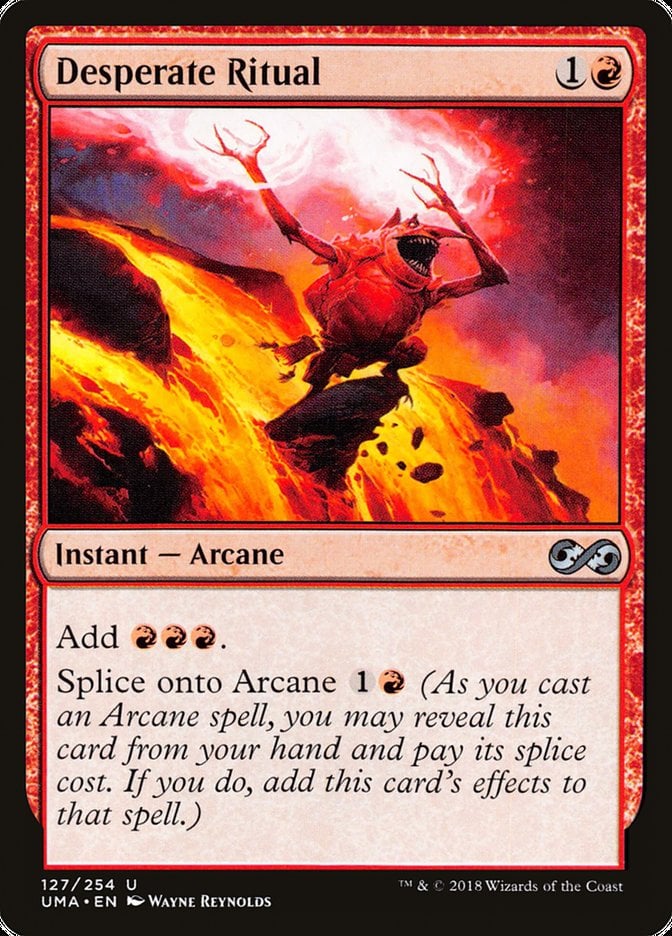
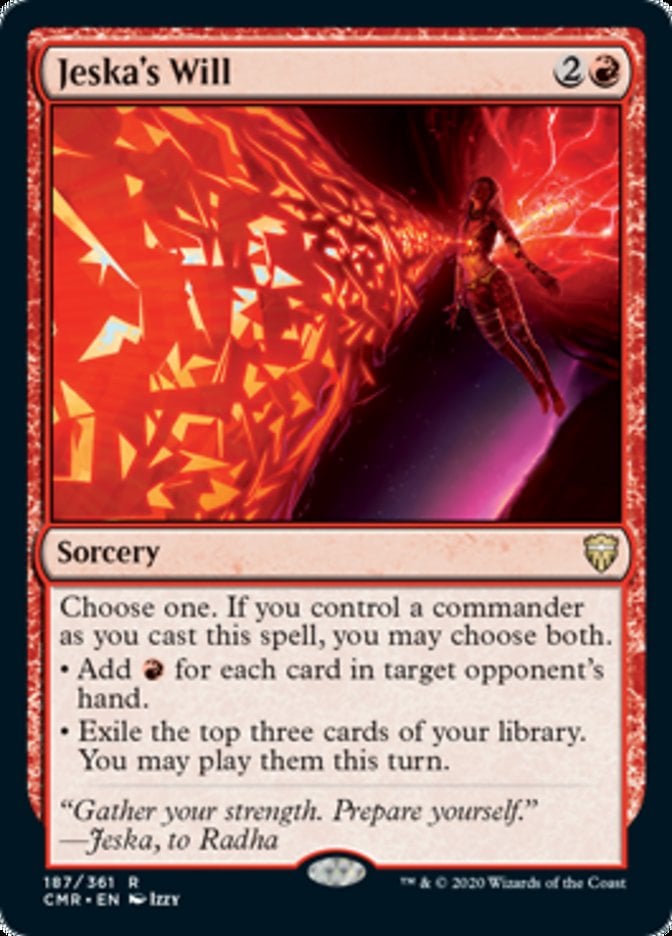
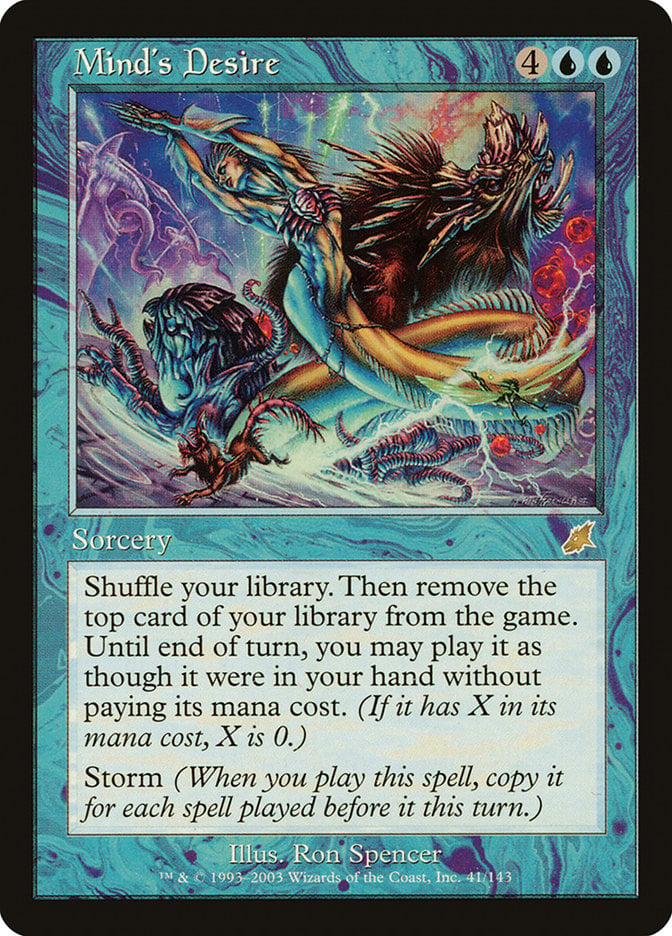
Ral shines during ritual-heavy turns fueled by Desperate Ritual, Pyretic Ritual, Rite of Flame, Seething Song, and Jeska's Will. Once these spells start to resolve, mana production quickly snowballs, which often ends the turn with a storm finisher or a massive Mind's Desire.
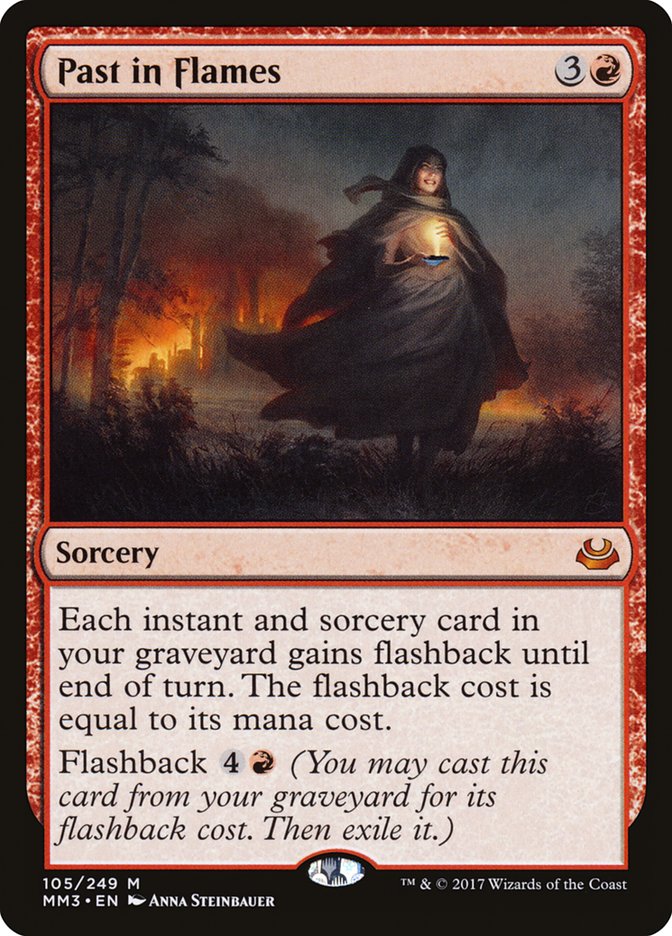
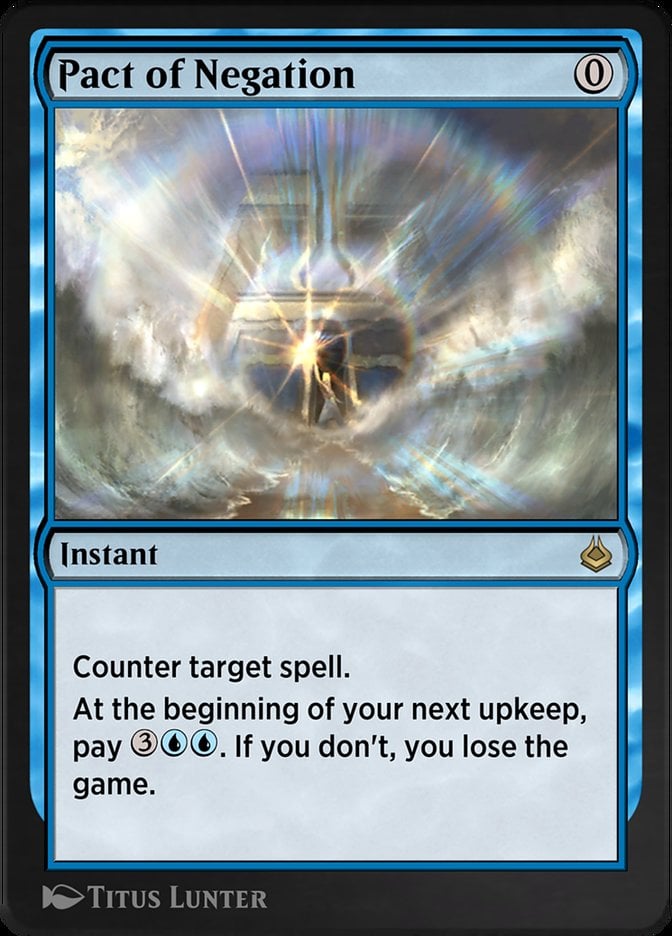
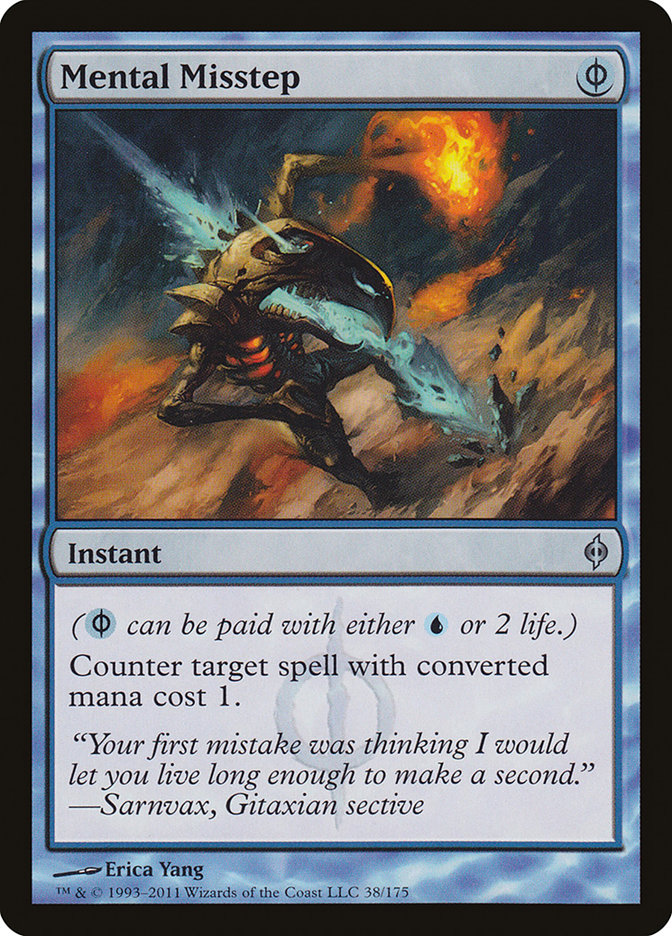
The deck also has a graveyard-focused backup plan that uses Past in Flames, Recoup, Invoke Calamity, and Echo of Eons. Free interaction like Fierce Guardianship and Pact of Negation, alongside efficient counters like Flusterstorm and Mental Misstep, helps protect these turns.
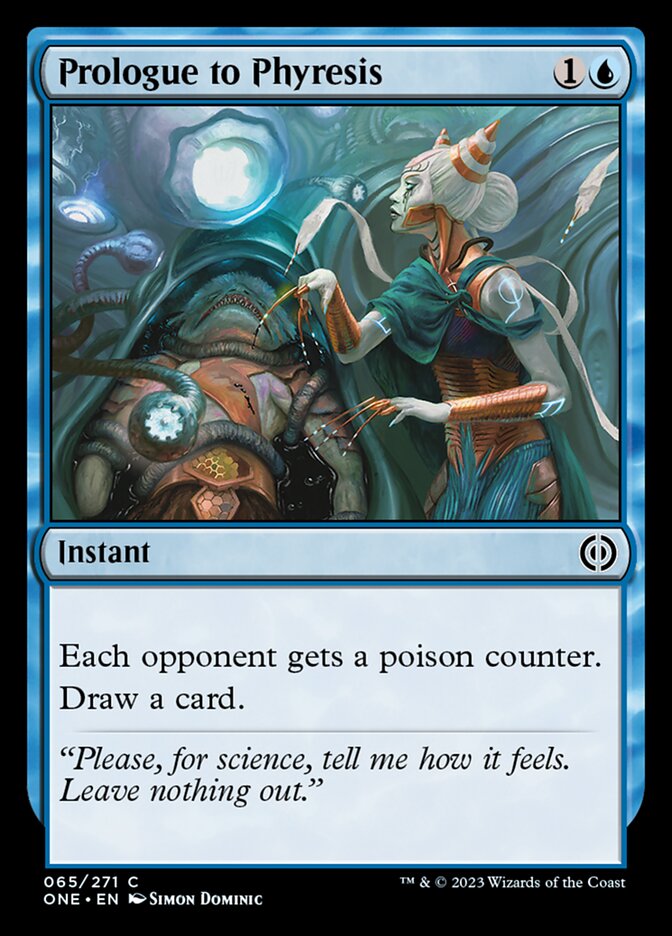
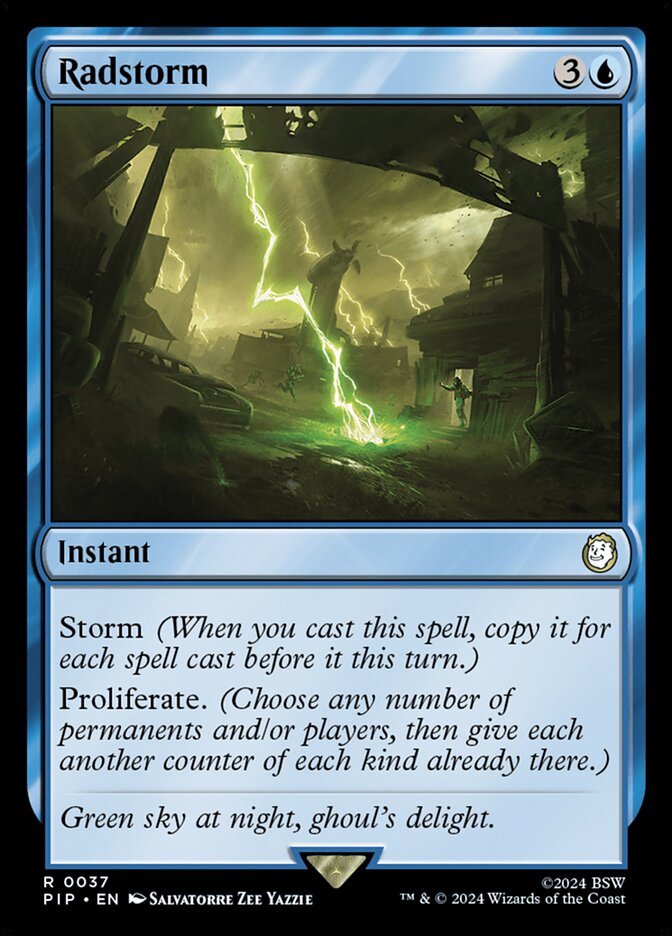
An alternate win condition comes from poison counters. Prologue to Phyresis sets the table up, while Radstorm uses storm to proliferate poison quickly, so you have a line that ignores life totals and combat.
Bracket 4 Downgrades
Ral naturally pushes into cEDH because of how efficiently it turns spells into wins, so dialing it back means narrowing its finishers. Removing one storm payoff like Brain Freeze or Grapeshot forces storm turns to do more work before winning. Cutting the poison plan by removing Prologue to Phyresis and Radstorm further limits how many ways the deck can suddenly end the game. Replacing a fast mana artifact with something slower and trimming a free counterspell like Pact of Negation makes combo turns more interactive.
Thrasios + Rograkh
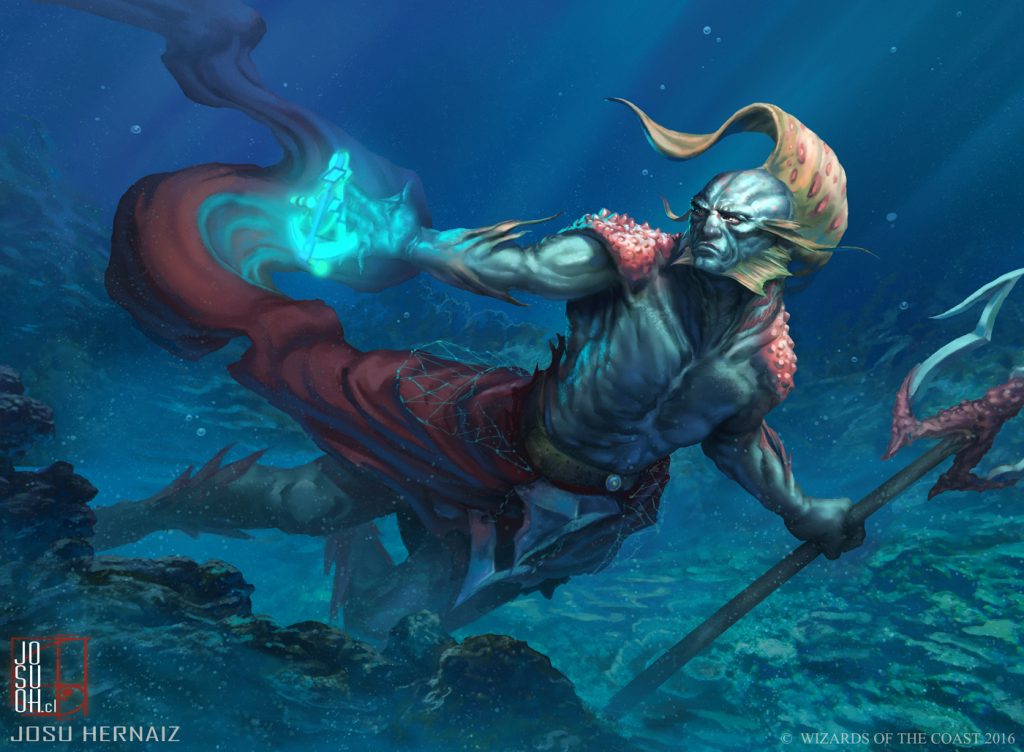
Thrasios, Triton Hero | Illustration by Josu Hernaiz
Commander (2)
Rograkh, Son of Rohgahh
Thrasios, Triton Hero
Creature (25)
Dryad Arbor
Mockingbird
Birds of Paradise
Delighted Halfling
Gene Pollinator
Magus of the Candelabra
Wan Shi Tong, Librarian
Cloud of Faeries
Faerie Mastermind
Oboro Breezecaller
Phantasmal Image
Flesh Duplicate
Badgermole Cub
Springheart Nantuko
Biomancer's Familiar
Kinnan, Bonder Prodigy
Spellseeker
Valley Floodcaller
Elvish Spirit Guide
The Cabbage Merchant
Enduring Vitality
Eternal Witness
Phyrexian Metamorph
Sowing Mycospawn
Seedborn Muse
Sorcery (6)
Green Sun's Zenith
Gamble
Finale of Devastation
Nature's Rhythm
Hidden Strings
Sylvan Scrying
Instant (22)
Pact of Negation
Mental Misstep
Chain of Vapor
Flusterstorm
Mystical Tutor
Swan Song
Noxious Revival
Crop Rotation
Veil of Summer
Borne Upon a Wind
Brain Freeze
Cyclonic Rift
Snap
Chord of Calling
Fierce Guardianship
Flare of Denial
Force of Negation
Deflecting Swat
Flare of Duplication
Mindbreak Trap
This Town Ain't Big Enough
Force of Will
Enchantment (9)
Urza's Saga
Mystic Remora
Training Grounds
Wild Growth
Underworld Breach
Cryptolith Rite
Earthcraft
Rhystic Study
Growing Rites of Itlimoc
Artifact (9)
Chrome Mox
Lotus Petal
Mox Amber
Mox Diamond
Candelabra of Tawnos
Expedition Map
Mana Vault
Sol Ring
Springleaf Drum
Land (26)
Ancient Tomb
Boseiju, Who Endures
Breeding Pool
Command Tower
Deserted Temple
Emergence Zone
Flooded Strand
Forest
Gaea's Cradle
Gemstone Caverns
Island
Minamo, School at Water's Edge
Mistrise Village
Misty Rainforest
Otawara, Soaring City
Polluted Delta
Scalding Tarn
Shifting Woodland
Taiga
Talon Gates of Madara
Tropical Island
Verdant Catacombs
Volcanic Island
Windswept Heath
Wooded Foothills
Yavimaya, Cradle of Growth
Battle (1)
The Commander: Rograkh, Son of Rohgahh + Thrasios, Triton Hero
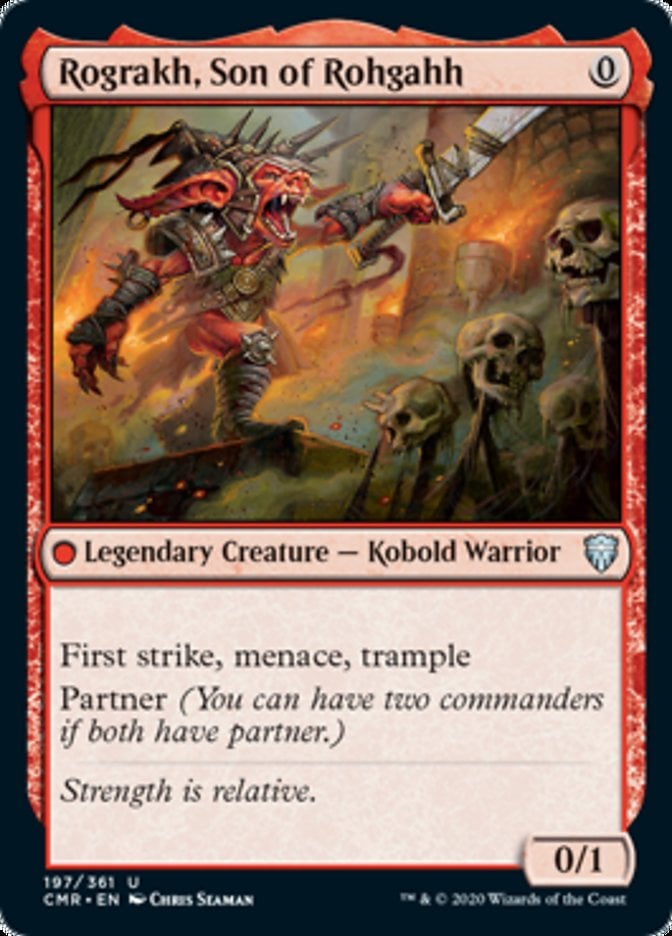
Rograkh, Son of Rohgahh and Thrasios, Triton Hero form one of the most flexible and well proven partner pairs in cEDH. Rograkh’s 0-mana cost allows for explosive openings by immediately turning on cards like Mox Amber, Springleaf Drum, and Paradise Mantle, while it also enables free interaction like Deflecting Swat. On its own, Rograkh doesn’t generate card advantage, but simply being on the battlefield massively speeds up your early game.
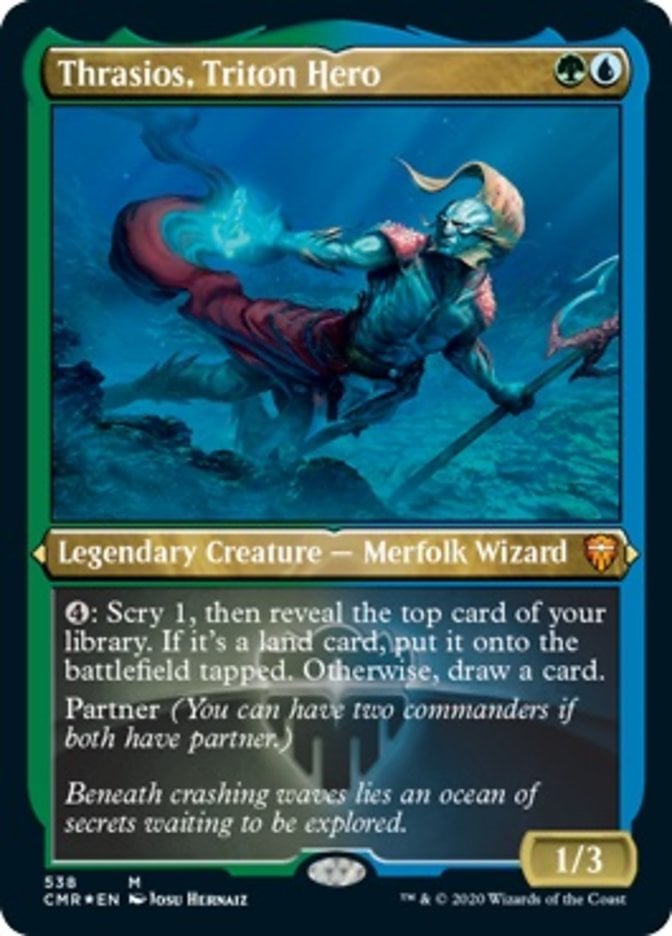
Thrasios is the true engine of the duo. Its activated ability scales incredibly well, which turns extra mana into cards and lands at instant speed. Unlike commanders that only matter during combo turns, Thrasios shines in longer, grindy games by making sure you never run out of resources. Together, these partners combine lightning fast starts with one of the best late game mana sinks in the entire format.
The Deck
This deck is best described as a Temur () midrange combo build that puts a huge focus on making mana. The early game is all about ramping as fast as possible with mana dorks, fast artifacts, and powerful land-based engines. From there, the deck can easily shift gears, either slowing the table down with interaction or setting up a safe window to combo off.
Most of the wins come from making infinite or near infinite mana and pouring it straight into Thrasios, Triton Hero to draw the entire deck. As for Game Changers, this list runs 14 cards with the notable inclusion of Seedborn Muse.
Combos and Interactions
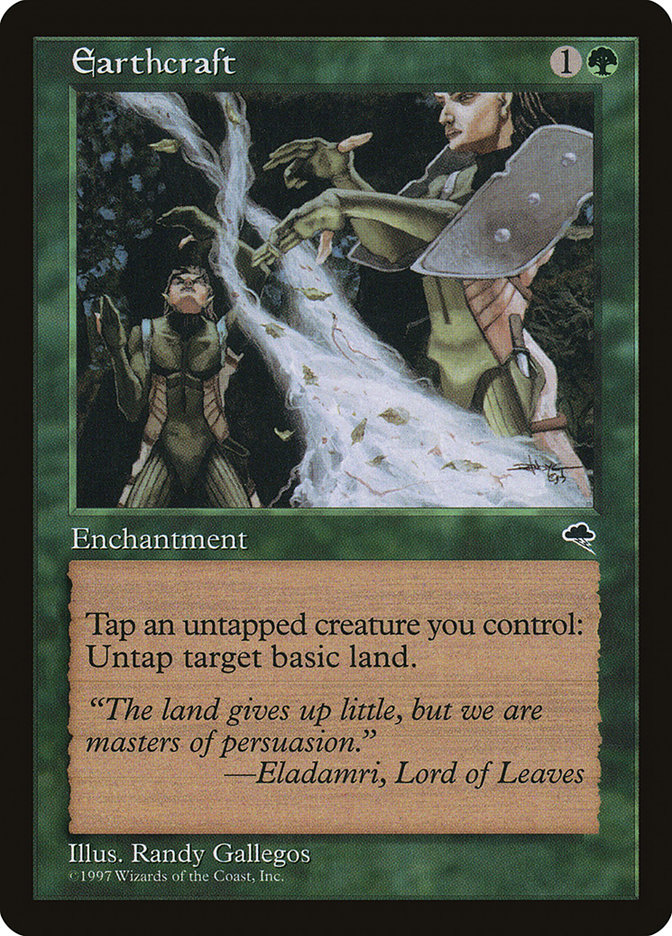
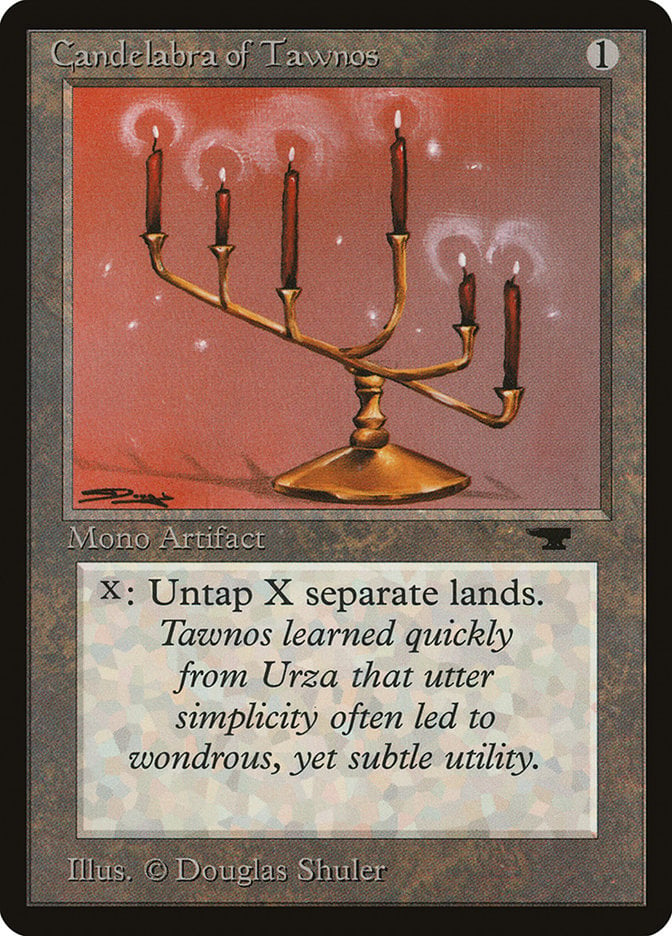
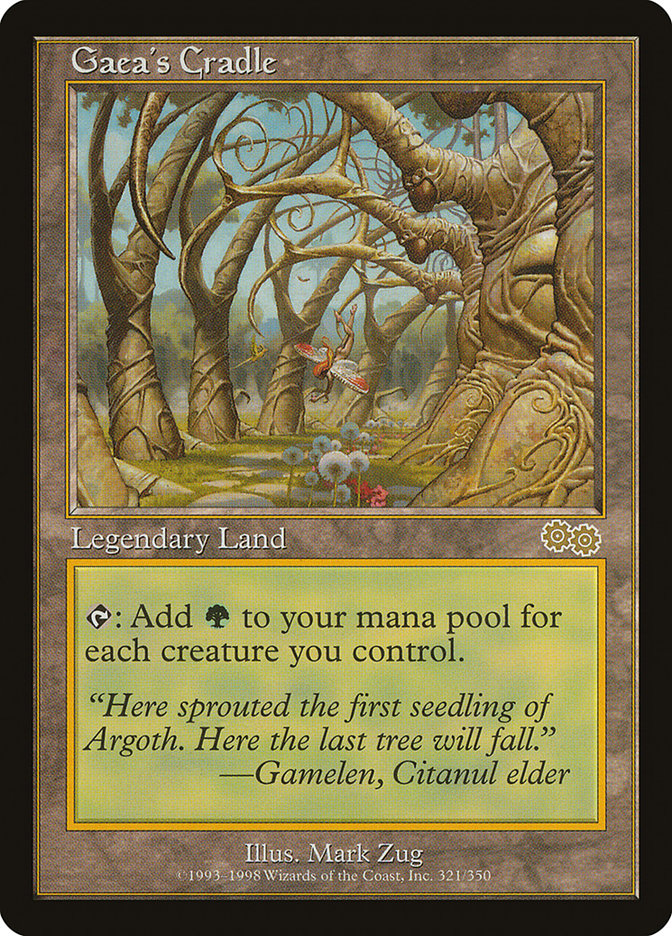
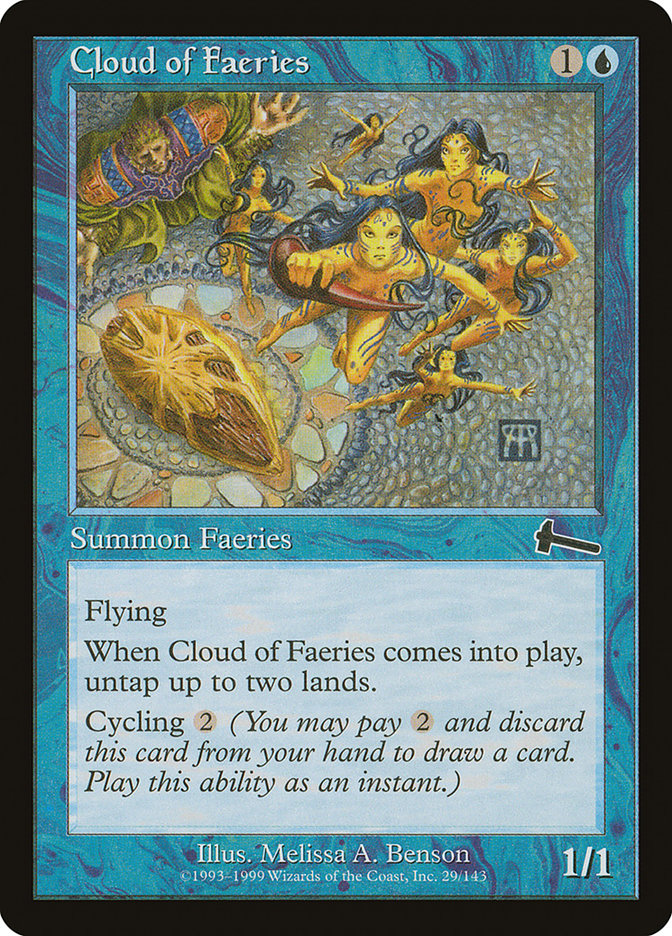
The deck is packed with powerful mana engines that make assembling infinite mana surprisingly easy. Earthcraft pairs naturally with creature token producers and cheap bodies to repeatedly untap basic lands, while land untap effects like Candelabra of Tawnos, Magus of the Candelabra, and Deserted Temple scale dramatically alongside high output lands like Gaea's Cradle and Itlimoc, Cradle of the Sun. Even seemingly modest creatures like Cloud of Faeries and Snap play an important role by untapping lands and pushing mana positive sequences.
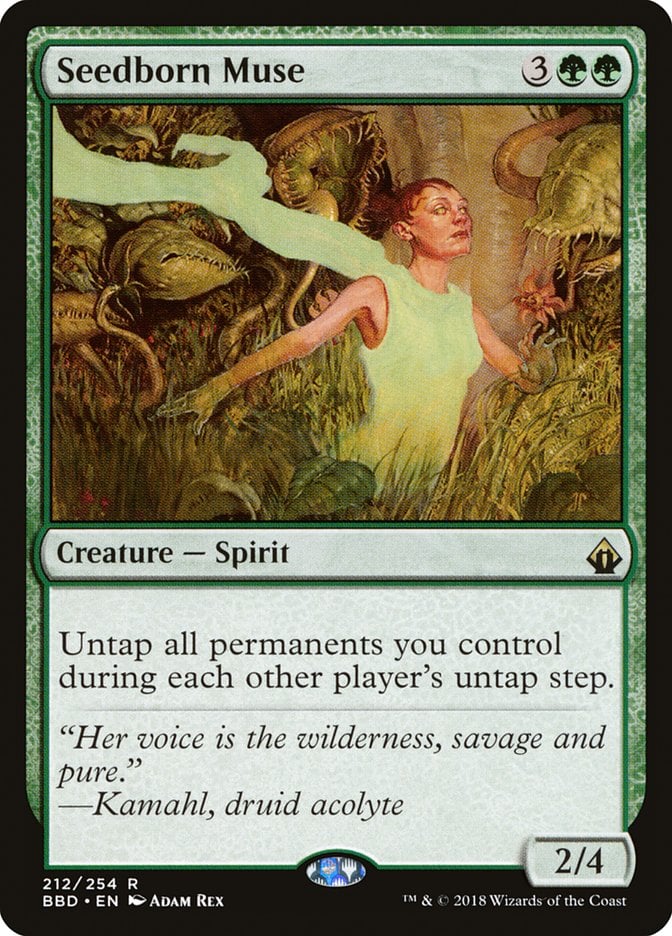
Once infinite mana is available, Thrasios cleanly ends the game while Seedborn Muse ensures long games heavily favor you.
Bracket 4 Downgrades
This partner pair reaches cEDH mostly through how easy it is to make infinite mana and turn it into a win with Thrasios. To bring it back to Bracket 4, remove one or two clean mana engines like Earthcraft or Candelabra of Tawnos to make it harder to assemble infinite mana. Cutting Gaea's Cradle or replacing it with a strong but fair land like Evendo, Waking Haven also tones down the deck’s most explosive starts. Removing an untap engine like Seedborn Muse reduces how overwhelming Thrasios becomes in long games.
Kinnan, Bonder Prodigy
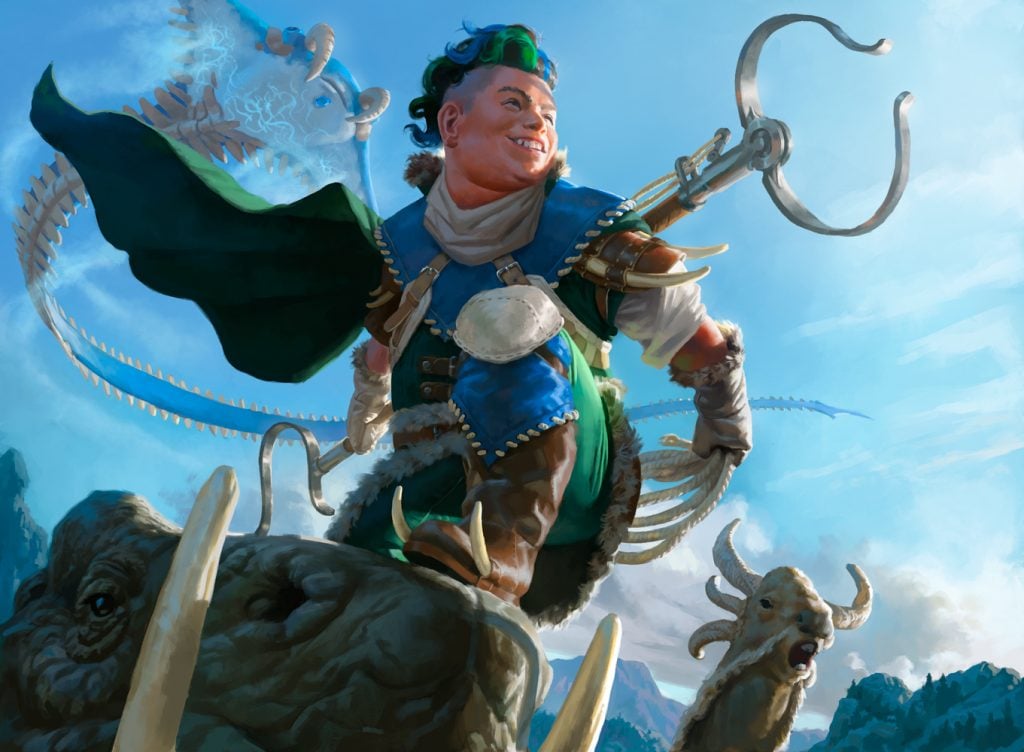
Kinnan, Bonder Prodigy | Illustration by Jason Rainville
Commander (1)
Planeswalker (1)
Creature (29)
Mockingbird
Birds of Paradise
Delighted Halfling
Elvish Mystic
Fyndhorn Elves
Llanowar Elves
Wan Shi Tong, Librarian
Spellskite
Faerie Mastermind
Flesh Duplicate
Bloom Tender
Thrasios, Triton Hero
Drift of Phantasms
Hydroelectric Specimen
Trophy Mage
Valley Floodcaller
Elvish Spirit Guide
Endurance
Enduring Vitality
Phyrexian Metamorph
High Fae Trickster
Clever Impersonator
Wandering Archaic
Seedborn Muse
Consecrated Sphinx
Hullbreaker Horror
Nezahal, Primal Tide
Nyxbloom Ancient
Tidespout Tyrant
Sorcery (4)
Green Sun's Zenith
Finale of Devastation
Nature's Rhythm
Transmute Artifact
Instant (17)
Pact of Negation
Mental Misstep
An Offer You Can't Refuse
Flusterstorm
Into the Flood Maw
Swan Song
Crop Rotation
Veil of Summer
Cyclonic Rift
Dramatic Reversal
Chord of Calling
Fierce Guardianship
Force of Negation
Sink into Stupor
Mindbreak Trap
Force of Will
Misdirection
Enchantment (4)
Mystic Remora
Copy Artifact
Rhystic Study
Mirrormade
Artifact (17)
Chrome Mox
Lotus Petal
Mox Amber
Mox Diamond
Mox Opal
Treasure Vault
Mana Vault
Sol Ring
Springleaf Drum
Arcane Signet
Fellwar Stone
Grim Monolith
Simic Signet
Talisman of Curiosity
Basalt Monolith
Mirage Mirror
The One Ring
Land (26)
Ancient Tomb
Boseiju, Who Endures
Breeding Pool
City of Brass
Command Tower
Emergence Zone
Exotic Orchard
Flooded Strand
Forest
Gaea's Cradle
Gemstone Caverns
Island
Mana Confluence
Minamo, School at Water's Edge
Misty Rainforest
Otawara, Soaring City
Polluted Delta
Rejuvenating Springs
Scalding Tarn
Talon Gates of Madara
Tropical Island
Verdant Catacombs
Waterlogged Grove
Windswept Heath
Wooded Foothills
Yavimaya Coast
Battle (1)
The Commander: Kinnan, Bonder Prodigy
Kinnan, Bonder Prodigy is one of the most mana efficient engines you can play in cEDH. Its static ability effectively doubles the mana from nonland sources, which turns mana dorks, artifacts, and even weaker accelerants into explosive ramp. This lets Kinnan decks jump several turns ahead of the table and threaten wins much earlier than most opponents are ready to handle.
Unlike commanders that mainly exist to give you access to colors, Kinnan is the heart of the deck. Its activated ability gives you inevitability by turning extra mana into real board presence at instant speed. Even if early combo attempts are stopped, Kinnan lets you fall back into a grindy, value-focused game without losing momentum.
The Deck
This is a Simic () mana combo deck built to maximize early acceleration and turn it into overwhelming advantage. The early turns are all about deploying cheap mana creatures and artifacts, which become absurdly powerful once Kinnan hits the battlefield.
From there, the deck can pivot depending on how the game develops. If opponents are threatening early wins, the list is packed with efficient interaction like Force of Will, Force of Negation, Fierce Guardianship, Flusterstorm, and Cyclonic Rift to slow things down. In more open games, Kinnan simply starts to activate, turning excess mana into creatures, card advantage, and board presence. Most wins come from generating infinite mana and then using Kinnan’s activated ability or draw engines like Rhystic Study and The One Ring to find a clean finish. With 14 total Game Changers and a deep suite of free interaction, optimized versions of this deck sit firmly among the most expensive and powerful builds in cEDH, driven by fast mana and premium lands like Gaea's Cradle.
Combos and Interactions
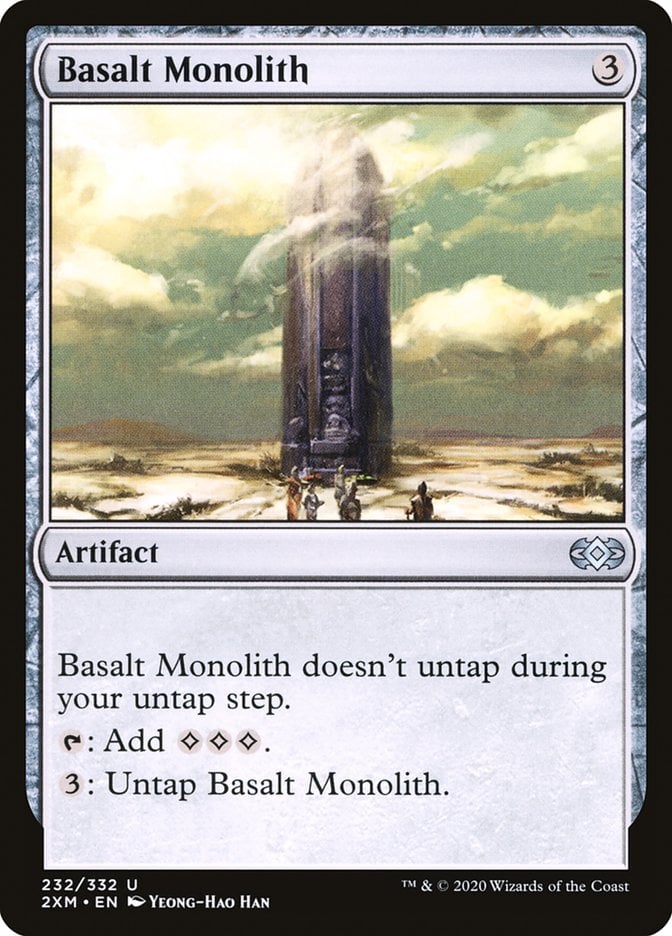
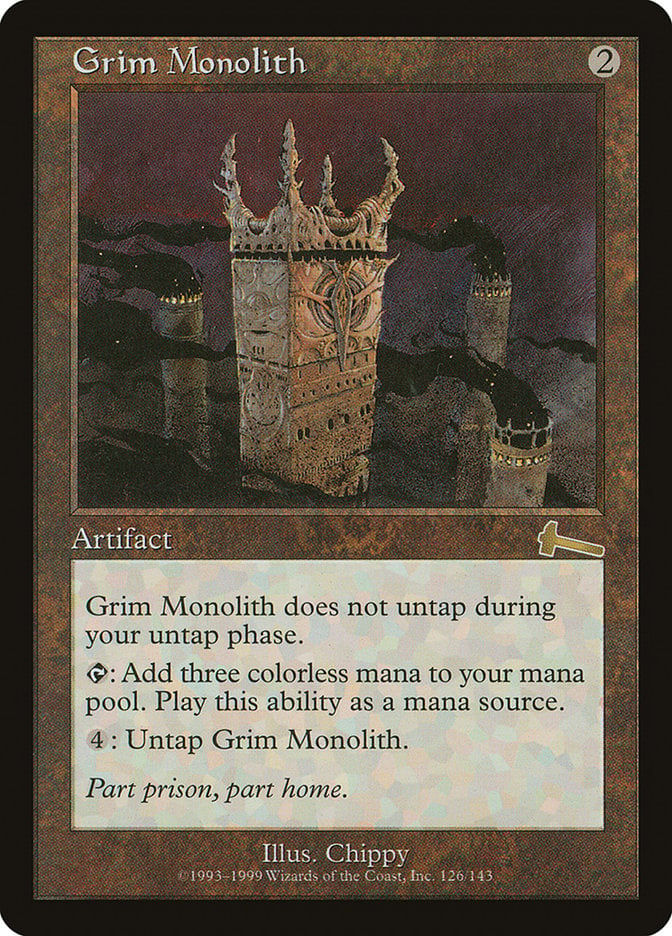
Kinnan enables a wide range of infinite mana combos by turning mana-positive artifacts and creatures into efficient engines. Cards like Basalt Monolith and Grim Monolith become trivial combo pieces once Kinnan is in play, as their untap costs are fully offset by the extra mana Kinnan provides. With just one of these artifacts and Kinnan on the battlefield, you can generate infinite colorless mana with very little setup.
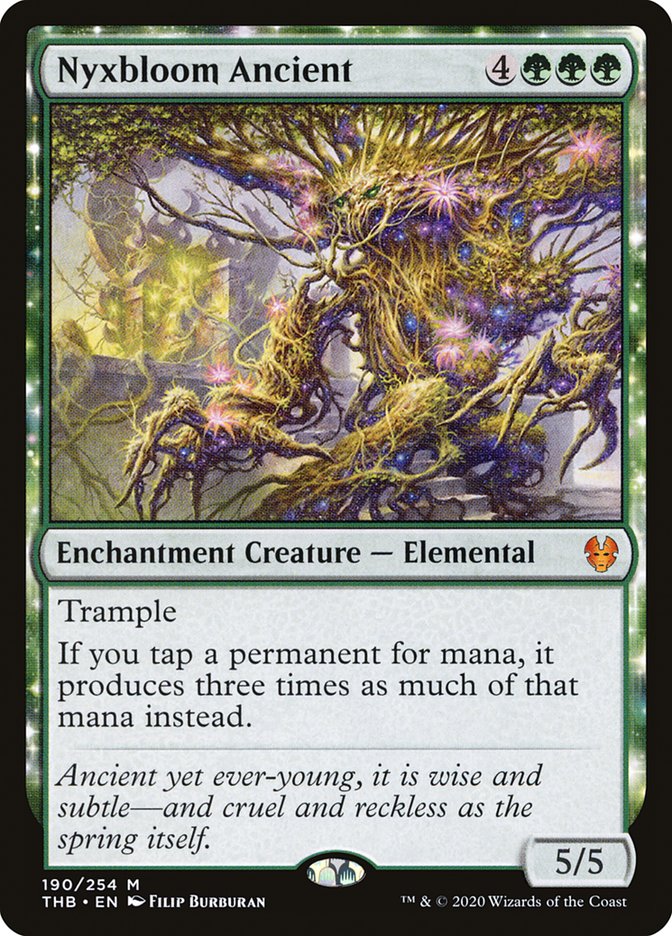
Creature-based mana engines add another layer of redundancy. Bloom Tender and Nyxbloom Ancient can generate absurd amounts of mana when paired with untap effects or repeated activations, while cards like Seedborn Muse allow Kinnan to dominate longer games by untapping your board every turn cycle.
Bracket 4 Downgrades
Kinnan’s biggest strength is how compact its infinite mana combos are, which is also what pushes it into Bracket 5. Removing either Basalt Monolith or Grim Monolith breaks the cleanest infinite loop and forces the deck to rely on broader mana engines. Again, cutting Gaea's Cradle helps to rein in early explosive turns, while trimming free interaction like Fierce Guardianship makes combo attempts riskier. Swapping a 0-mana artifact for a 3-mana rock slows the deck without changing its core plan.
Tymna + Kraum
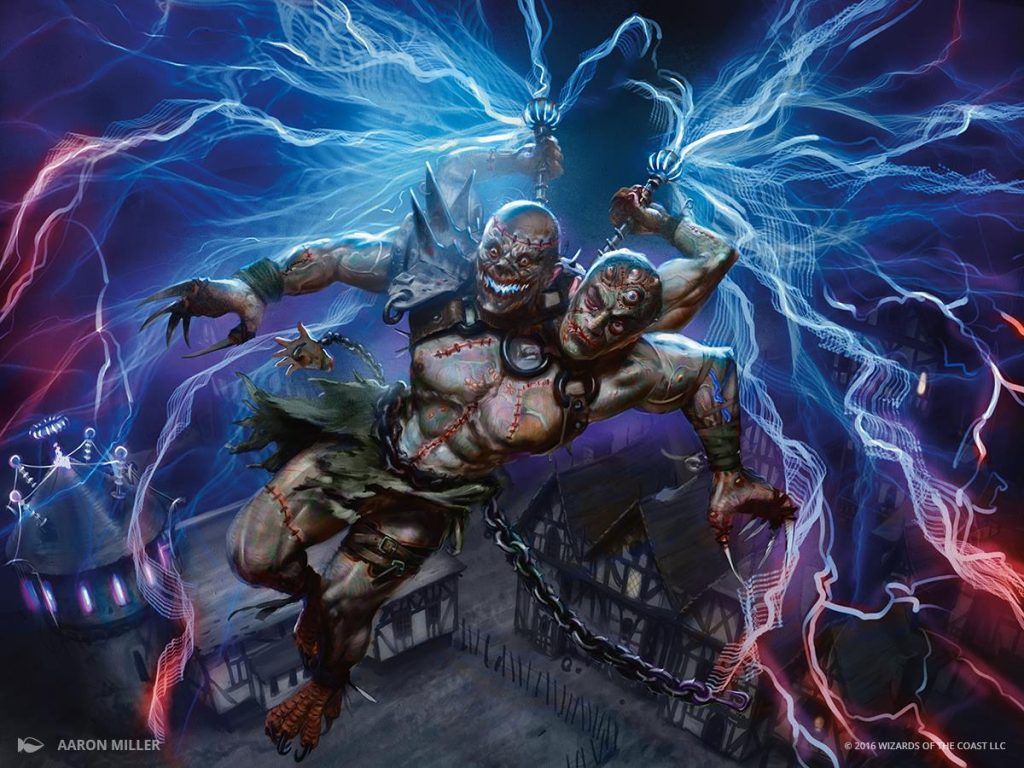
Kraum, Ludevic's Opus | Illustration by Aaron Miller
Commander (2)
Kraum, Ludevic's Opus
Tymna the Weaver
Creature (17)
Mockingbird
Esper Sentinel
Dragon's Rage Channeler
Ragavan, Nimble Pilferer
Wan Shi Tong, Librarian
Tataru Taru
Voice of Victory
Grand Abolisher
Lotho, Corrupt Shirriff
Faerie Mastermind
Thassa's Oracle
Orcish Bowmasters
Ranger-Captain of Eos
Valley Floodcaller
Birgi, God of Storytelling
Professional Face-Breaker
Simian Spirit Guide
Sorcery (9)
Imperial Seal
Gamble
Rite of Flame
Demonic Tutor
Diabolic Intent
Sevinne's Reclamation
Mnemonic Betrayal
Jeska's Will
Wheel of Fortune
Instant (30)
Pact of Negation
Enlightened Tutor
Silence
Swords to Plowshares
Mental Misstep
An Offer You Can't Refuse
Chain of Vapor
Flusterstorm
Into the Flood Maw
Mystical Tutor
Swan Song
Culling the Weak
Dark Ritual
Demonic Consultation
Rain of Filth
Vampiric Tutor
Red Elemental Blast
Borne Upon a Wind
Brain Freeze
Cabal Ritual
Tainted Pact
Final Fortune
Fierce Guardianship
Intuition
Force of Negation
Deflecting Swat
Flare of Duplication
Mindbreak Trap
Force of Will
Ad Nauseam
Enchantment (5)
Mystic Remora
Underworld Breach
Rhystic Study
Necropotence
Smothering Tithe
Artifact (11)
Chrome Mox
Lion's Eye Diamond
Lotus Petal
Mox Amber
Mox Diamond
Mox Opal
Mana Vault
Sol Ring
Arcane Signet
Fellwar Stone
Wishclaw Talisman
Land (26)
Ancient Tomb
Arid Mesa
Badlands
Bloodstained Mire
Cavern of Souls
City of Brass
City of Traitors
Command Tower
Exotic Orchard
Flooded Strand
Gemstone Caverns
Mana Confluence
Marsh Flats
Misty Rainforest
Otawara, Soaring City
Plateau
Polluted Delta
Scalding Tarn
Scrubland
Spire of Industry
Tundra
Underground Sea
Verdant Catacombs
Volcanic Island
Watery Grave
Windswept Heath
The Commander: Kraum, Ludevic’s Opus + Tymna the Weaver
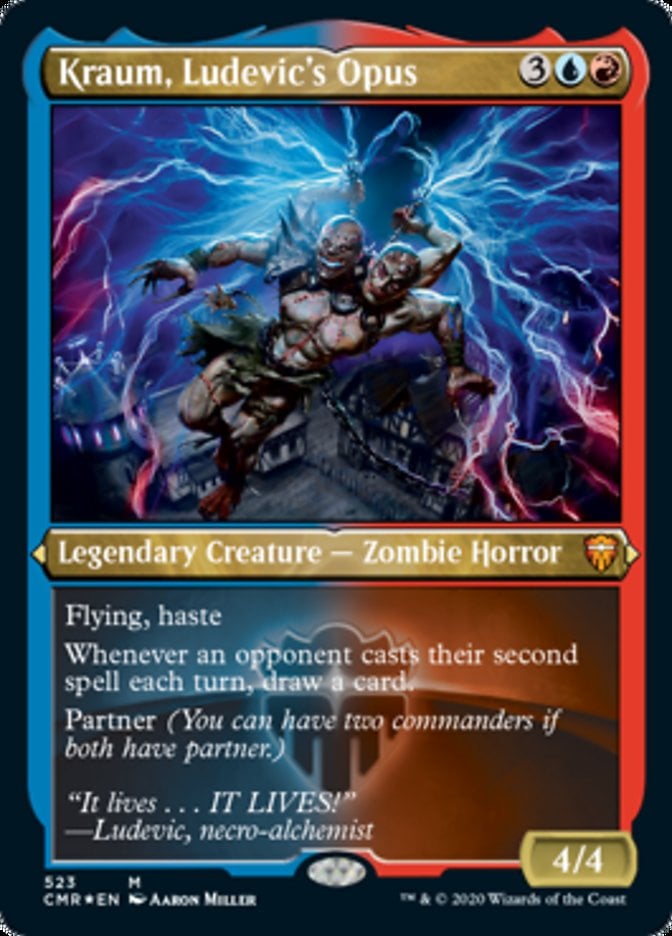
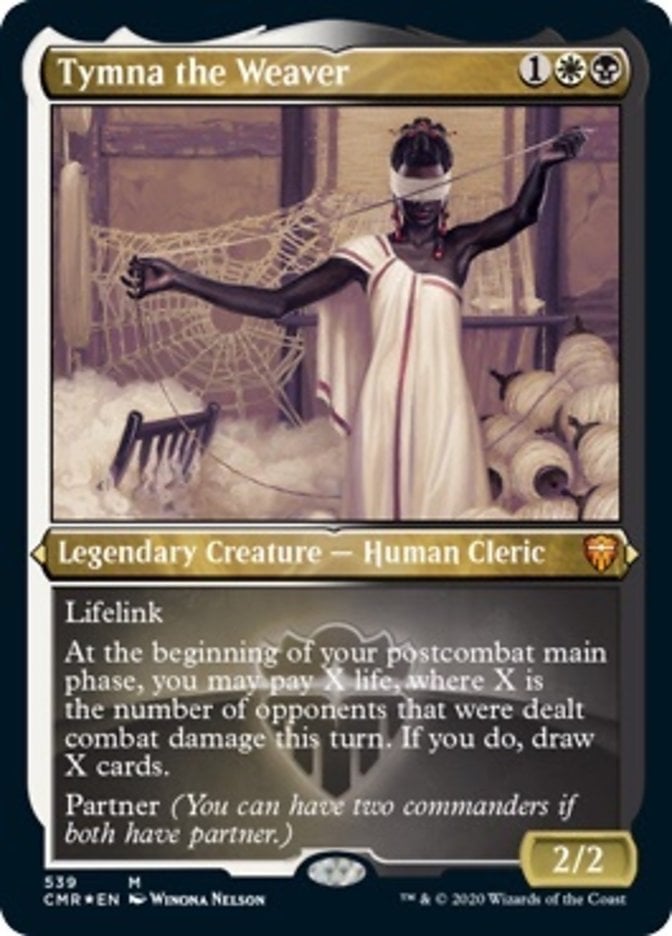
Kraum, Ludevic's Opus and Tymna the Weaver give you access to four of the strongest colors in the format while they provide steady card advantage from different angles. Kraum punishes opponents for double spelling by drawing you cards, while Tymna rewards early attacks by letting you trade a bit of life for more cards.
Neither commander is just here for color access. Tymna helps you to apply early pressure with cheap creatures and turns small bits of damage into real resources. Kraum takes over the midgame by refilling your hand simply for staying on the battlefield. Together, they create a command zone that can keep up with fast combo decks while still doing well in long, grindy games.
The Deck
This deck is best described as a 5-color midrange combo build that can comfortably adapt to almost any table. It blends strong interaction, fast mana, and reliable card draw into a flexible and resilient game plan. The early turns are focused on fixing your mana with lands like City of Brass, Mana Confluence, and fetch lands while you deploy efficient value creatures like Esper Sentinel, Ragavan, Nimble Pilferer, and Faerie Mastermind. These early plays help generate resources while they pressure opponents and set the pace of the game.
As you move into the midgame, the deck shifts toward slowing opponents down and preventing clean combo windows. A deep suite of interaction including Force of Will, Force of Negation, Fierce Guardianship, Flusterstorm, Swan Song, and Chain of Vapor allows you to answer nearly any threat. Card advantage engines like Rhystic Study, Mystic Remora, and Tymna itself keep your hand full, while Kraum punishes opponents for trying to double spell. Fully tuned versions of this deck sit near 22 Game Changers.
Combos and Interactions
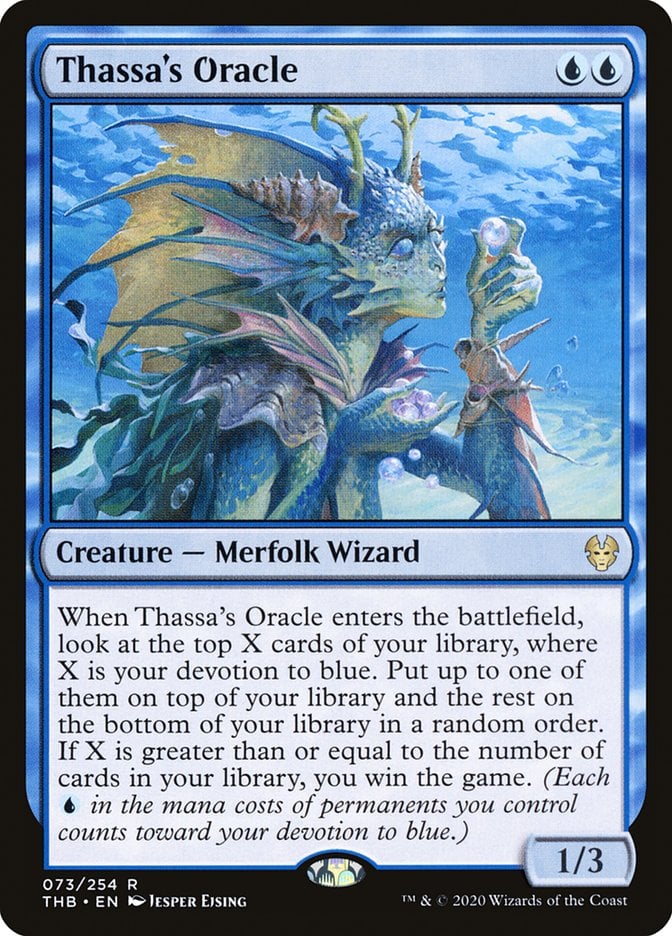
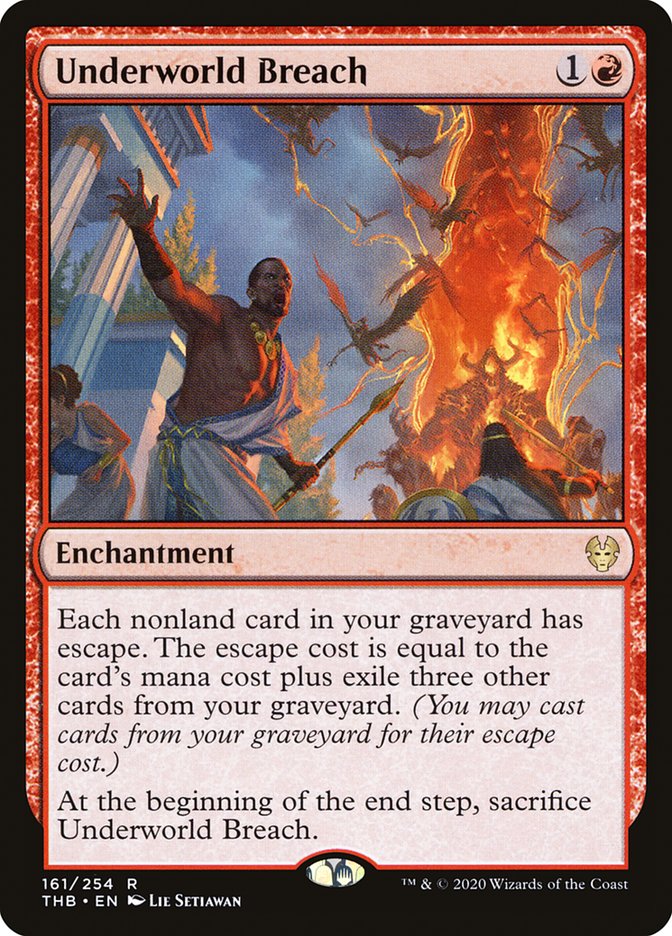
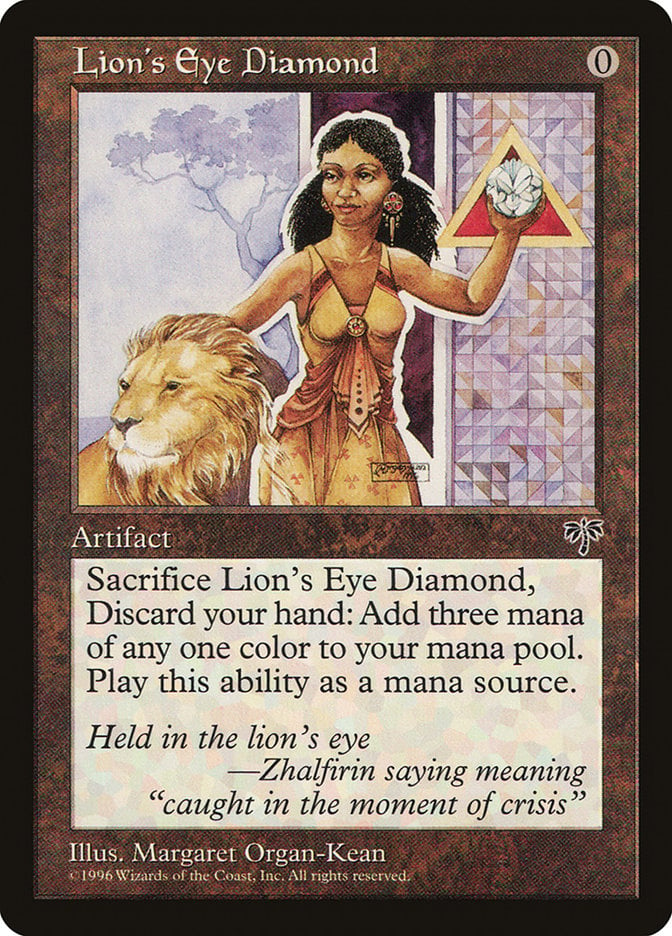
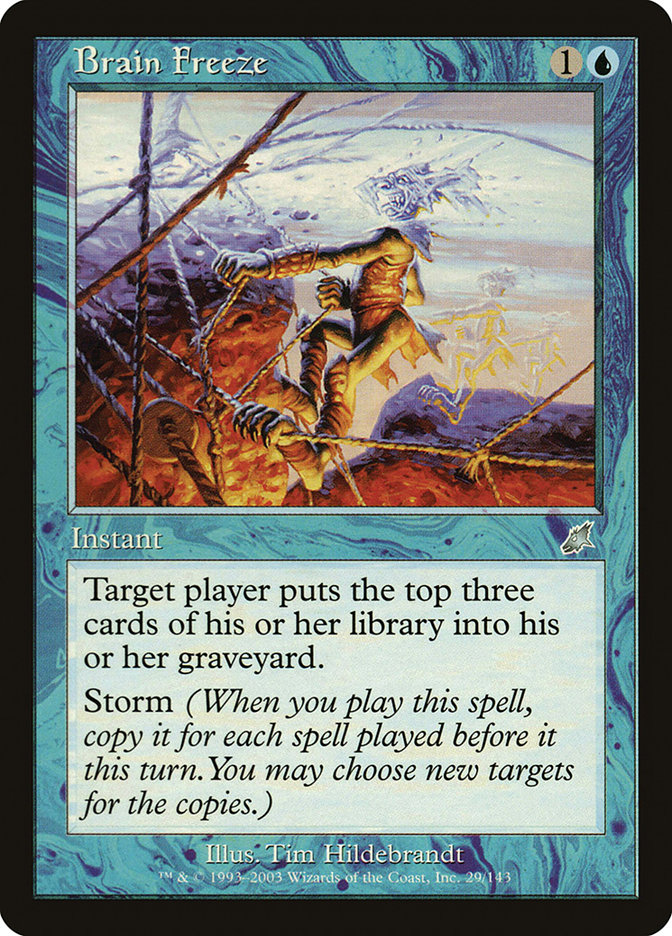
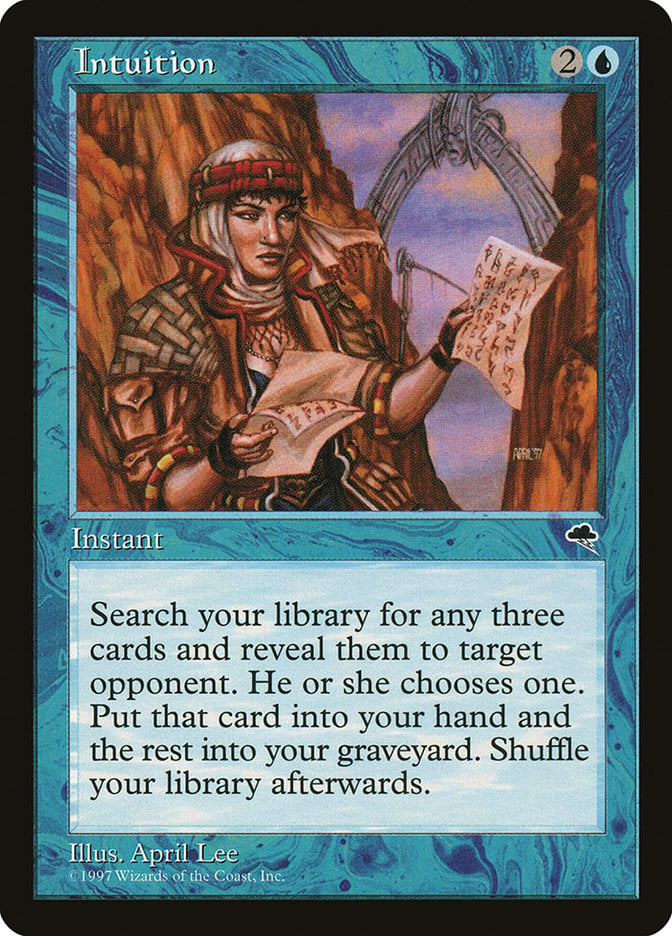
Of course, this runs Thassa's Oracle combo lines, but outside of it, another major axis of attack revolves around Underworld Breach. Paired with Lion's Eye Diamond and Brain Freeze, Breach allows you to generate overwhelming card advantage and eventually mill out your library to set up kills. Tutors like Intuition, Demonic Tutor, and Vampiric Tutor help assemble these lines efficiently.
Bracket 4 Downgrades
As you might expect, the biggest reason this “Blue Farm” deck sits in Bracket 5 is the inevitability of a 2-card combo. Again, removing Thassa's Oracle along with Demonic Consultation and Tainted Pact dramatically changes how the deck closes games. Keeping Underworld Breach but cutting Lion's Eye Diamond preserves a strong combo plan while you slow it down enough to interact with. Trimming a premium tutor like Imperial Seal or Vampiric Tutor and replacing a free counterspell with a 2-mana answer shifts the deck firmly into a midrange combo role.
Commanding Conclusion
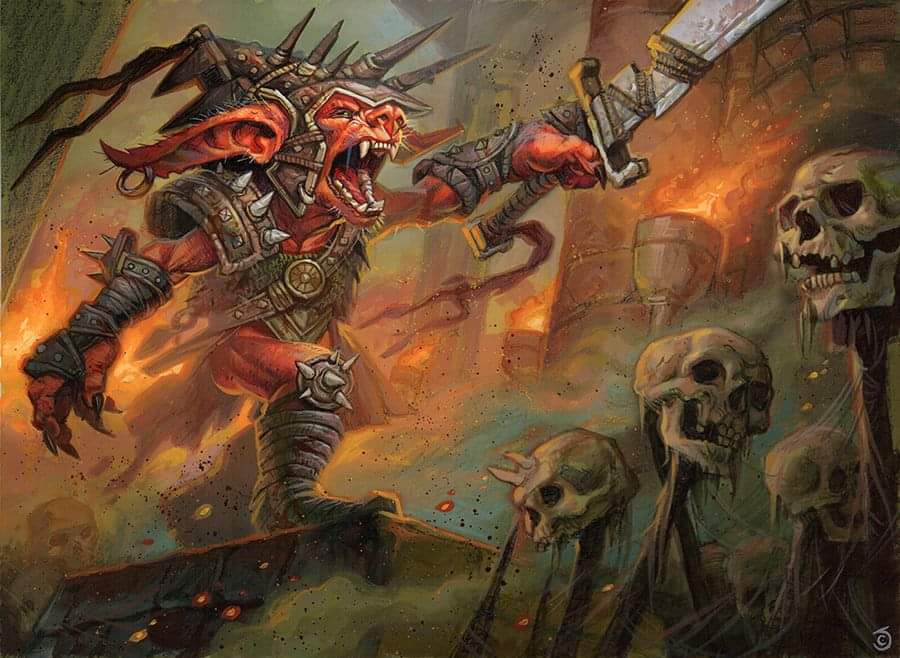
Rograkh, Son of Rohgahh | Illustration by Chris Seaman
If you want to play with no restrictions at a truly competitive level and with a clear metagame in mind, cEDH is without a doubt the multiplayer format for you. Just keep in mind that it can be expensive. The good news is that many of the priciest cards are shared across multiple decks, which makes them safer long-term investments if you plan to shift gears and reuse them in different strategies.
What do you think? Has cEDH caught your interest? Which deck would you be willing to try first? Let us know in the comments or on the Draftsim Discord. Thanks for reading, and if you enjoyed the content, remember to follow us on social media so you never miss a thing.
Take care, and see you next time.
Follow Draftsim for awesome articles and set updates:










Add Comment