
Last updated on October 12, 2026

Rusko, Clockmaker | Illustration by Samuel Perin
I originally wrote Brawl off as a Commander knock-off meant to entice EDH players to join MTG Arena. But my opinion changed as I played this MTGA format. These days, I play at least as much Brawl as I do Limited or Commander, perhaps more.
Though both formats use 100-card singleton decks with commanders, they play our in significantly different ways. Brawl feels closer to Cube with a unique play style that distinguishes it from Magic’s most popular format.
If that appeals to you, let’s take a deeper dive into Brawl!
What Is Brawl? What About Historic Brawl?

Wick, the Whorled Mind | Illustration by Andrea Piparo
Brawl is a 100-card singleton format with commanders only available on MTG Arena. Brawl allows players to build decks with cards from all MTG sets released on MTG Arena, including Alchemy sets and their digital-only mechanics.
Wizards changed the format’s name from “Historic Brawl” to simply “Brawl” in late 2023. The name change didn’t affect the format rules in any way, and many communities still refer to the format as Historic Brawl. The names can be used interchangeably, though they are distinct from Standard Brawl, which is its own sub-format.
The format lets players pick a legendary creature, spacecraft (with power/toughness), vehicle, or planeswalker as their commander, with planeswalker commanders being one of the biggest differences between this format and Commander. There’s also no multiplayer option in Brawl, and players start the game at 25 life rather than 40, which makes a big difference for aggressive decks.
The most important difference between Brawl and Standard Brawl is the card pool. As the name suggests, Standard Brawl only allows you to use cards legal in Standard; and the decks have 60 cards rather than 100, which makes sense considering the greatly restricted card pool.
Who Is Brawl For?
Brawl is great for players who love the concept of Commander but wish that the gameplay had more similarities to Cube, or those who dislike the political aspect that comes from multiplayer games. Because you play 1v1, decks tend to have lower mana curves and the value of 1-for-1 removal goes up sharply. This isn’t to say the kind of big, rampy strategies Commander is known for are ineffective in Brawl; in fact, those are among the best Brawl decks. But the ways you can combat them change.
Life totals going from 40 to 25 and the number of players from four to two affects how aggro functions in Brawl. You can play more traditional, low-to-the-ground aggro strategies with loads of cheap creatures. Aggressive strategies suffer in Commander, where opponents start with a collective 120 life, and the get outclassed by the bigger plays the format is known for, but aggro thrives in Brawl.
Brawl can also be an excellent format for players who have deep Arena collections but aren’t interested in the gameplay offered by alternative Arena formats. It gives you a place to play your old Standard cards without worrying much about metas (though there certainly is one).
Brawl-Legal Sets
Brawl has a deep card pool; every format released on Arena, including Alchemy sets, are legal. The format utilizes Alchemy-adjusted versions of cards, so some of them play slightly differently in Brawl than paper formats.
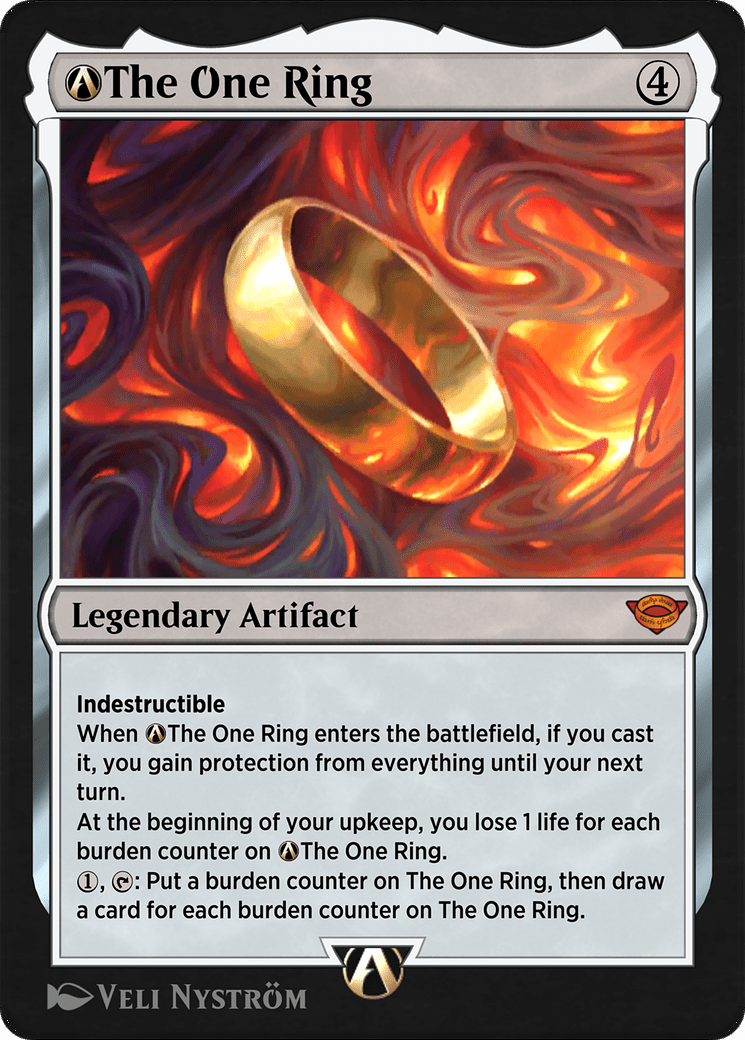
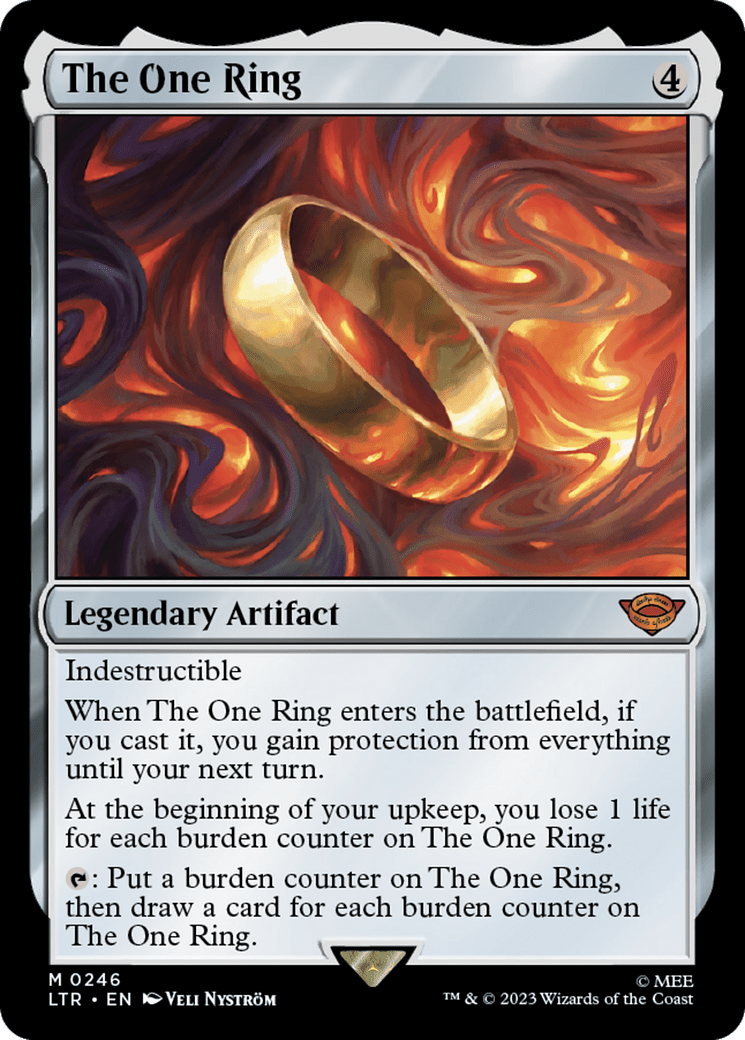
For example, the Alchemy-adjusted version of A-The One Ring costs to activate rather than simply tapping .
Brawl Rules
Here are the basic rules of Brawl:
- The format uses 100-card singleton decks. They can’t contain more than one copy of the same card except for basic lands.
- Each Brawl deck has one eligible commander, or two in the case of partners.
- The other 98/99 cards must share your commander’s color identity. Color identity is determined using all mana symbols in the rules text and mana cost of a card.
- Players begin the game at 25 life.
- Brawl follows the standard London Mulligan rules, except with one free mulligan without penalty.
Players start a game of Brawl with their commanders in the command zone. Whenever the commander changes zones after being cast, they can choose to return it to the command zone. They can cast it again, but there’s a commander tax: It costs more mana for each time it’s been cast from the command zone before. So, if Tamiyo, Inquisitive Student is your commander, it costs to cast the first time, then , then , and so on.
This is not really a rule, but rather how the Brawl matchmaking works on Arena: Brawl decks are assigned a “weight” based on their cards and commander to gauge the deck’s power level and find suitable opponents.
Ranked Brawl
Is ranked Brawl the cEDH to Commander? Without saying Bracket 5, ranked Brawl is where the fastest, go-for-the-win decks belong. This gives more breathing room to general Brawl queues where people can experiment with fun and creative decks, while trying to filter more competitive gameplay into its own queue. Ranked Brawl was introduced in June, 2023.
Brawl Ban List
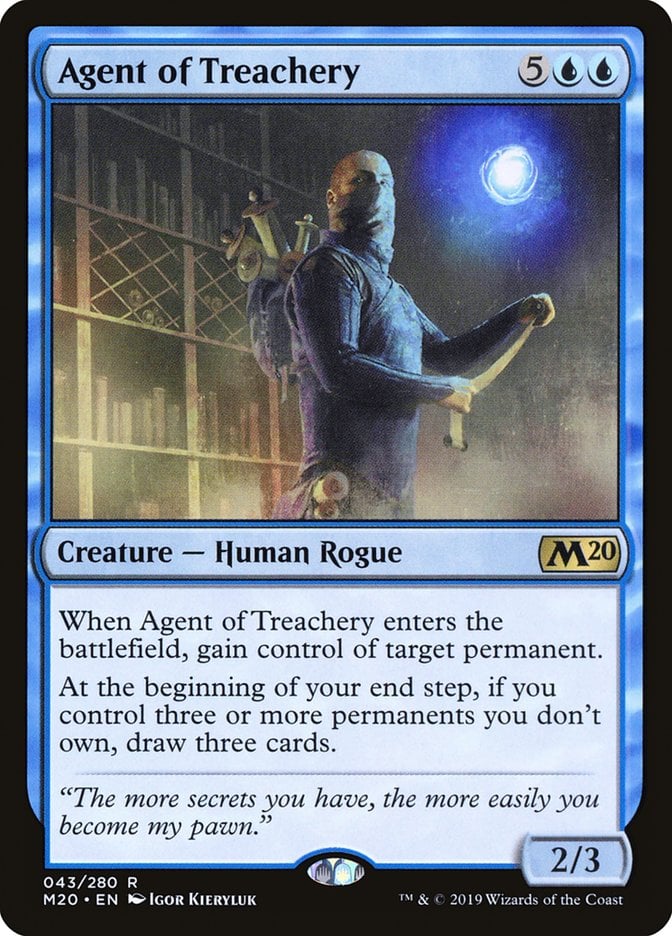
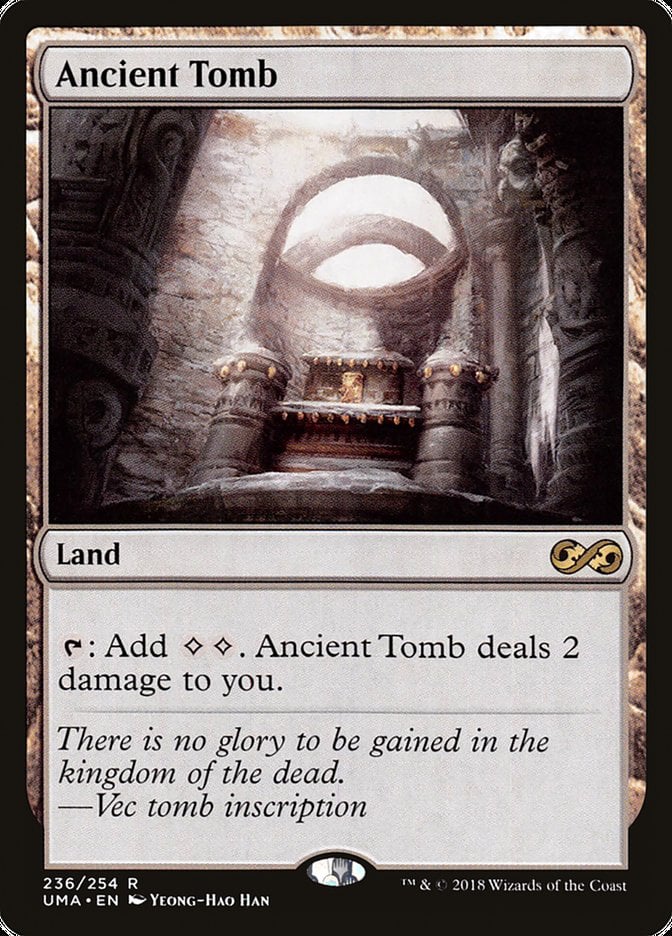
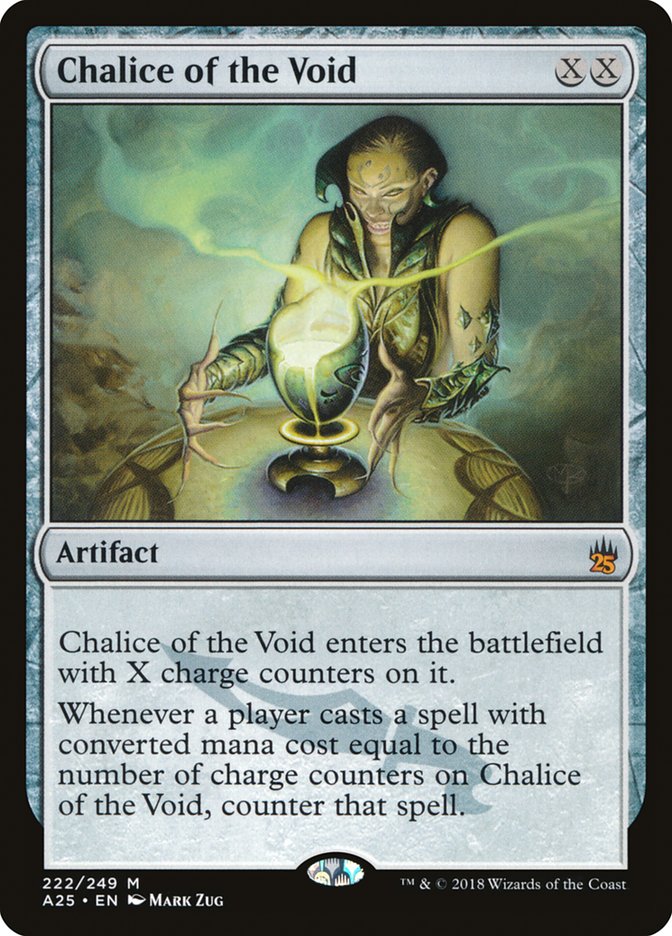
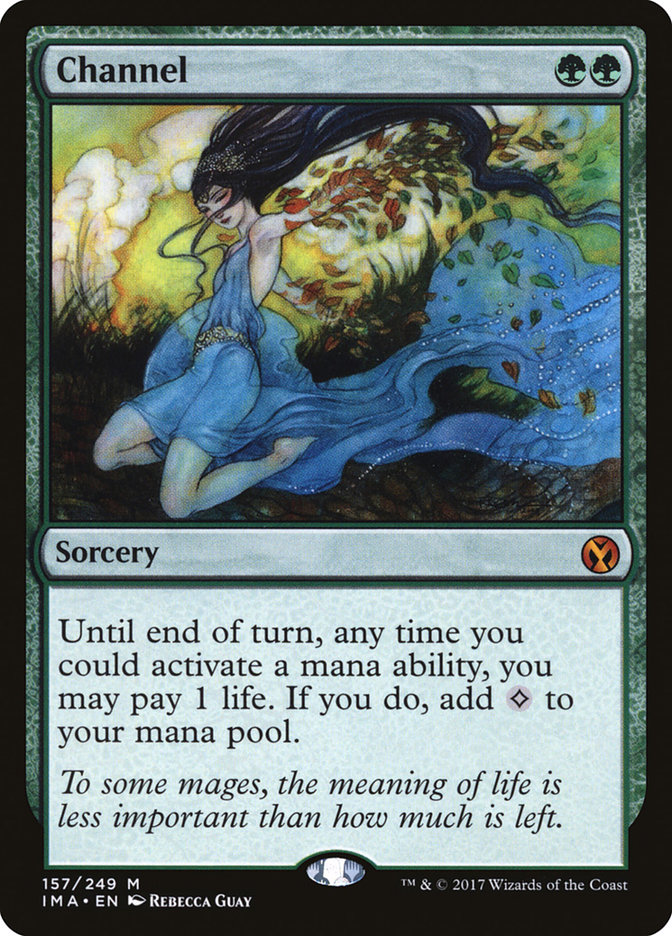
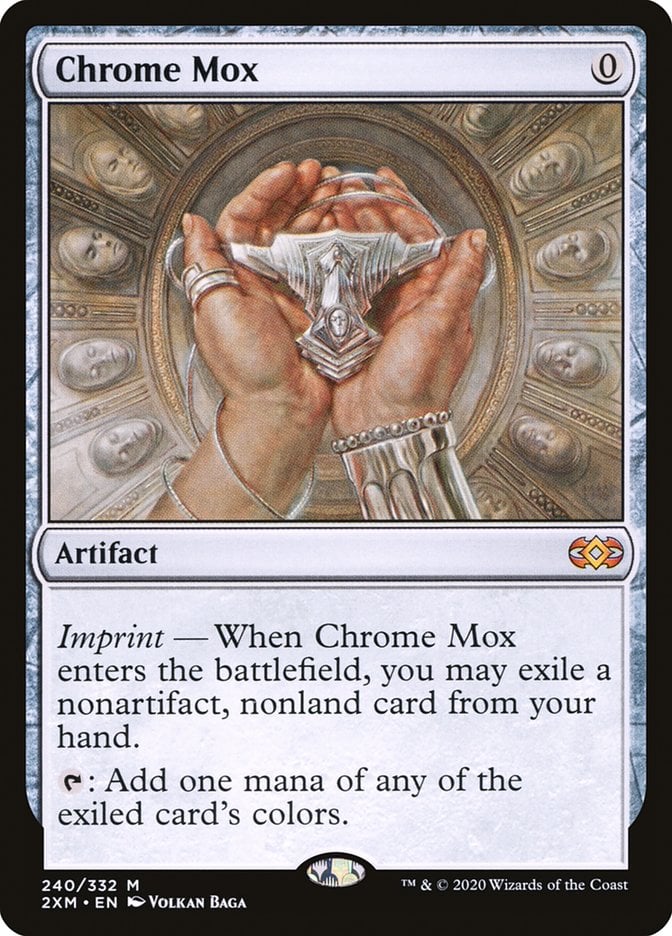
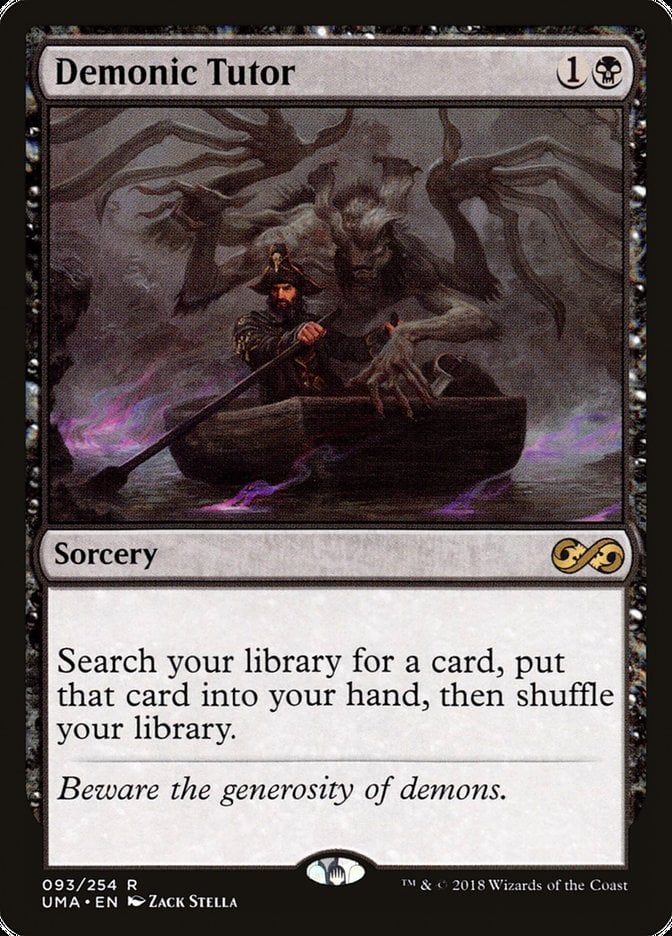

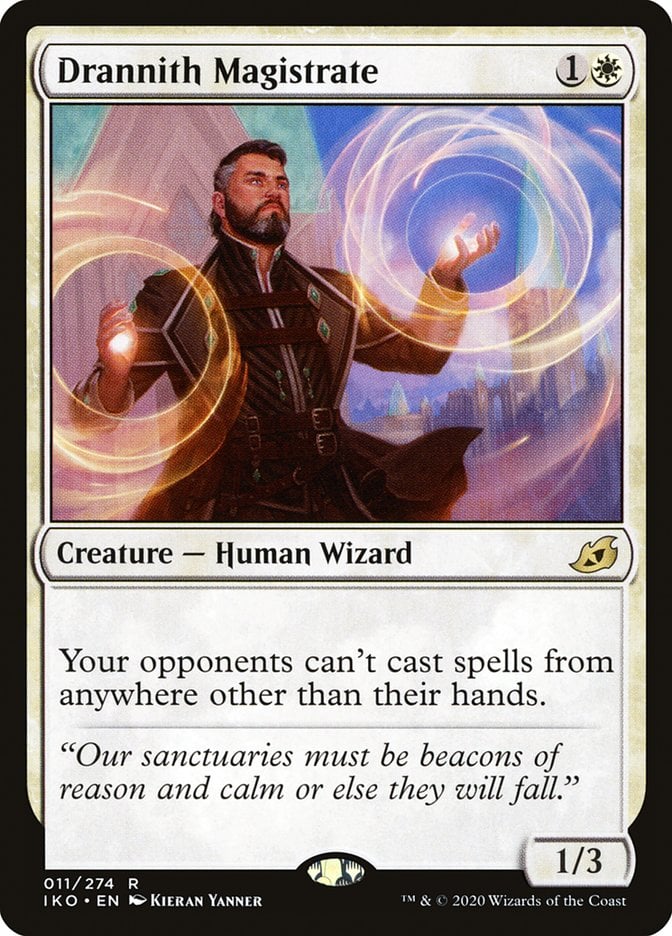
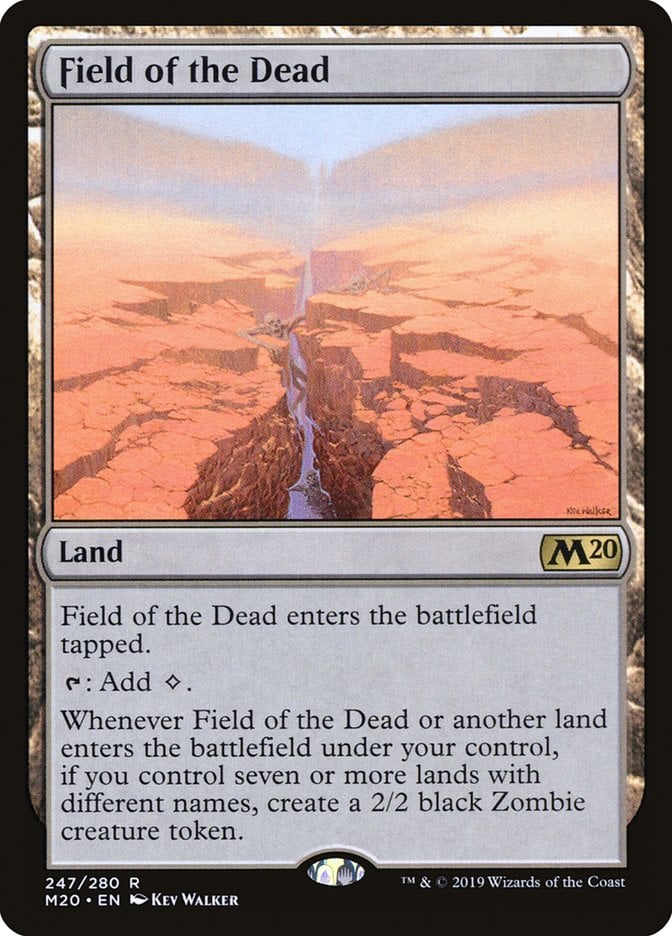
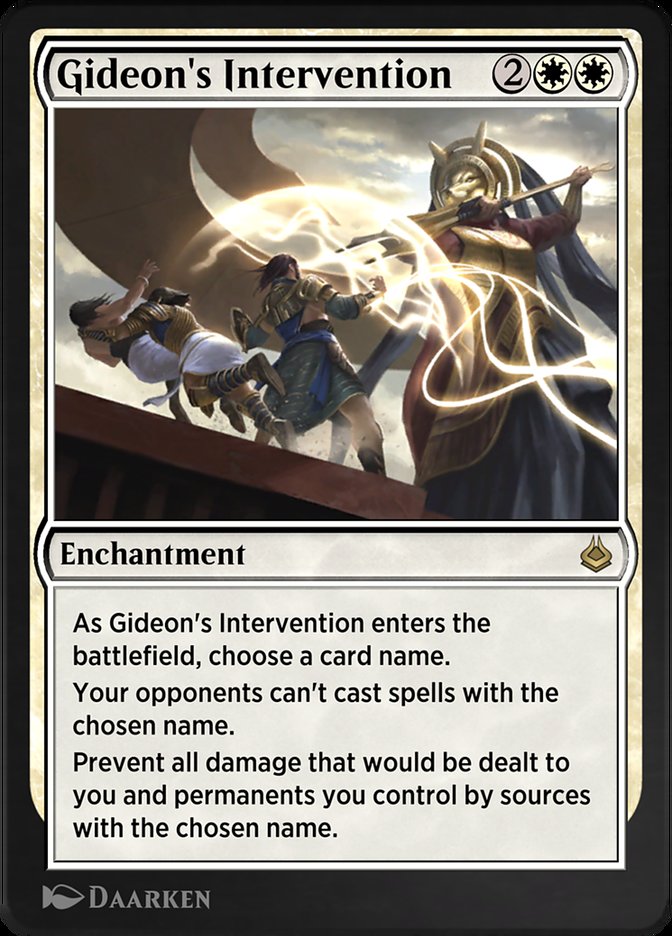
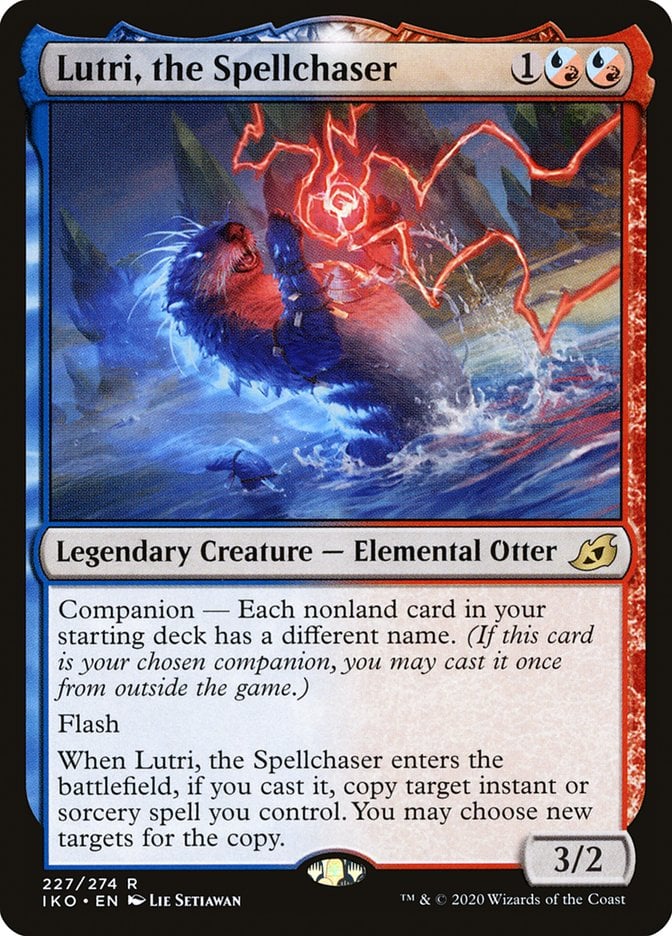
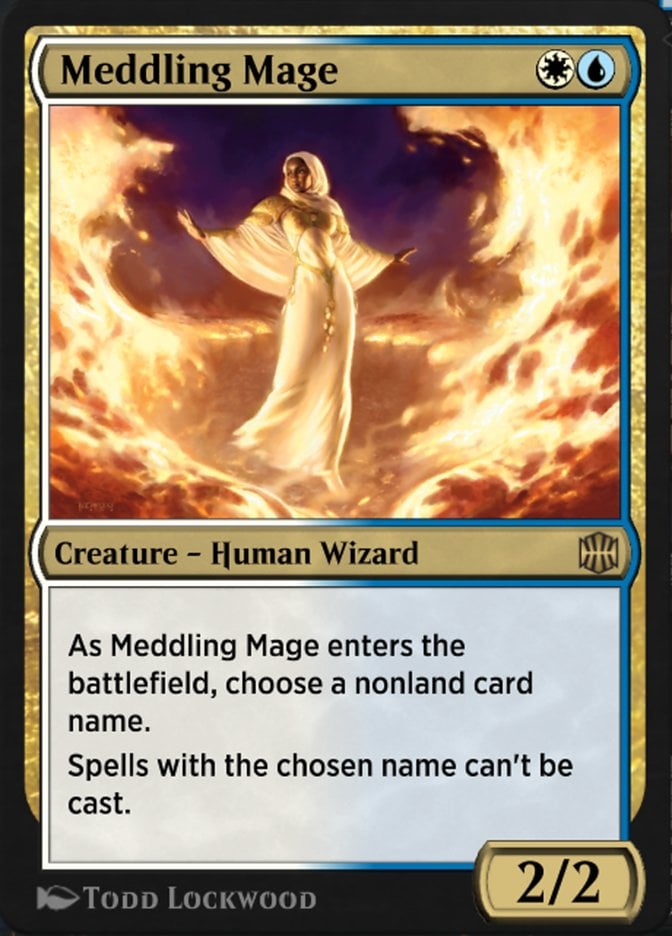
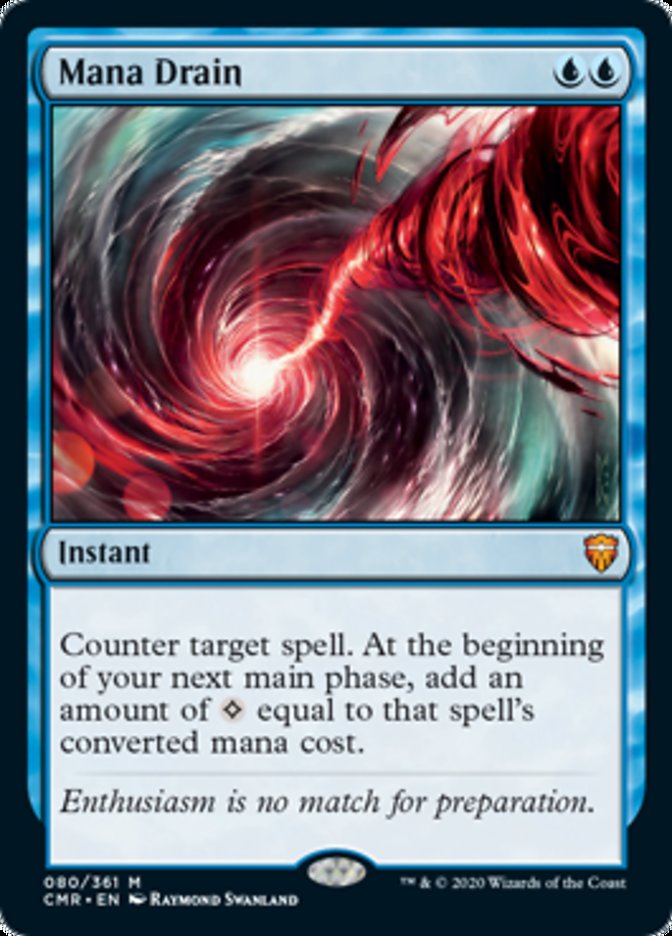

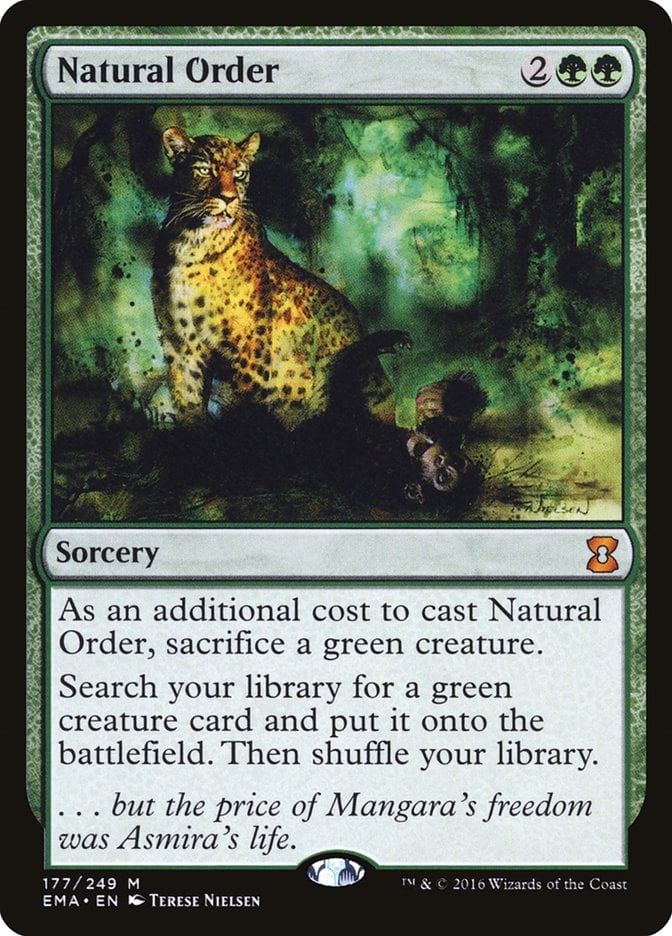
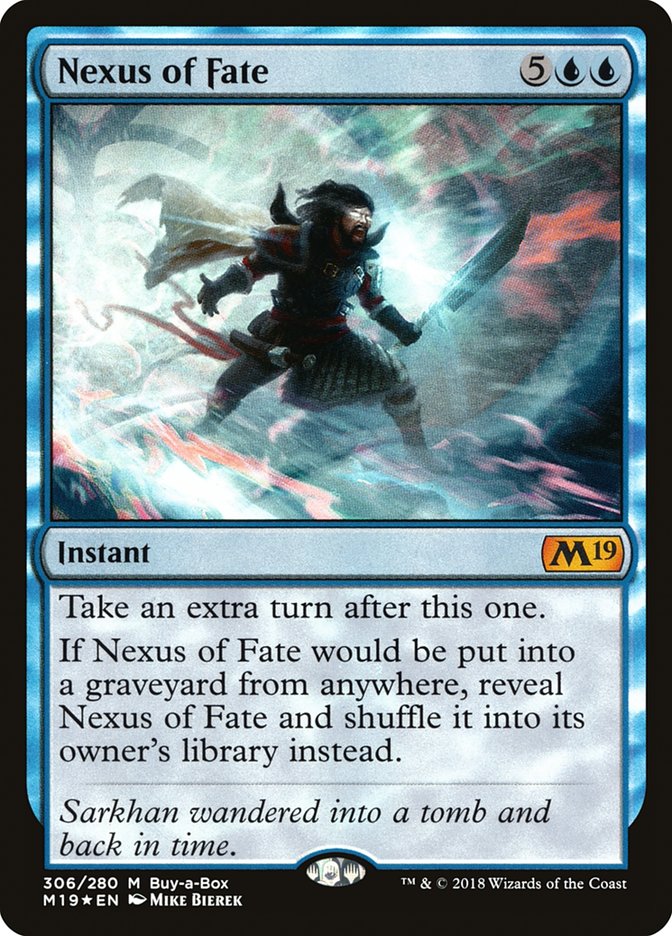
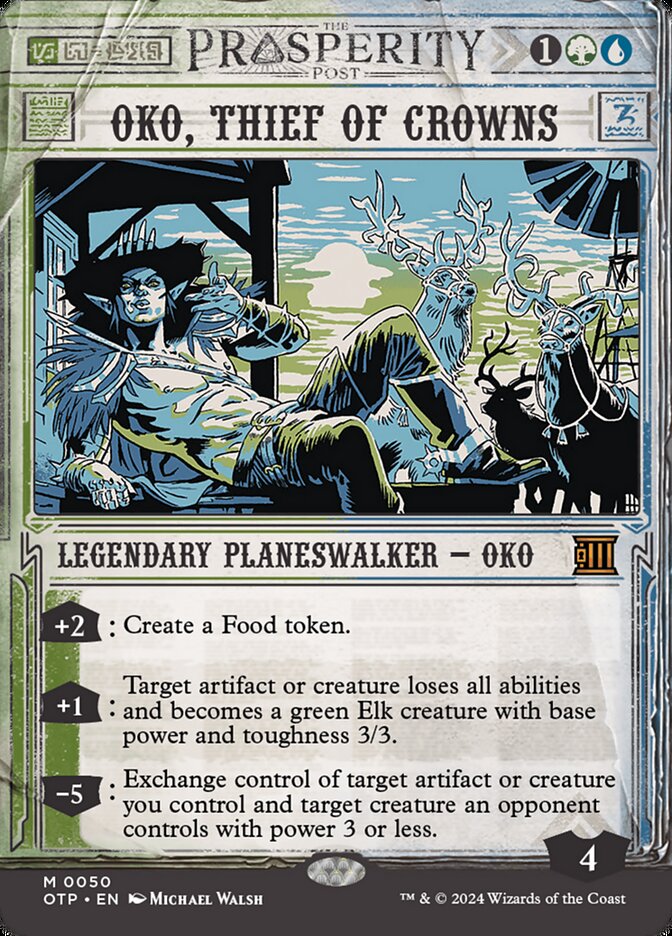
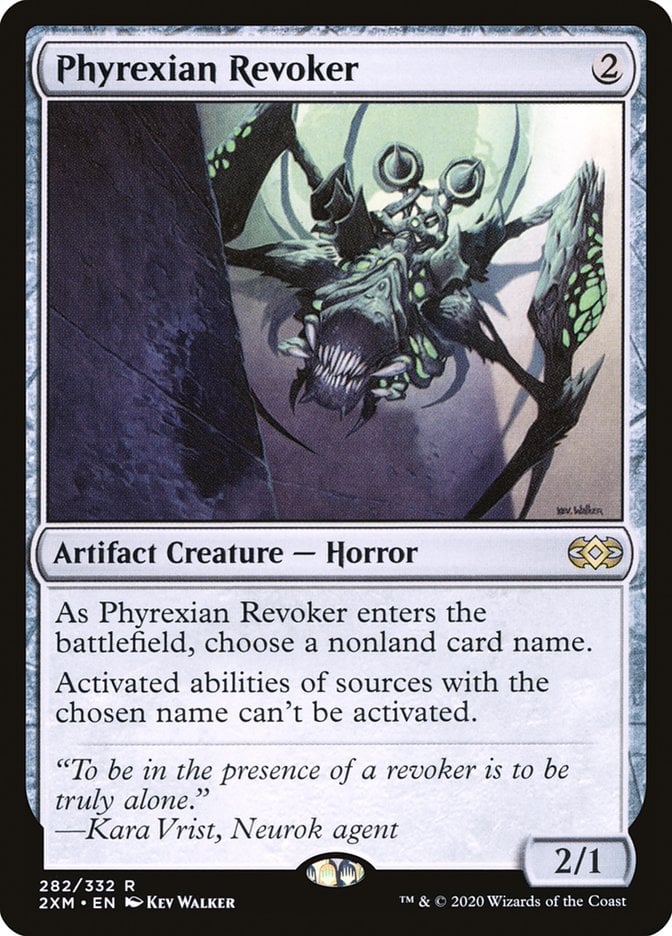
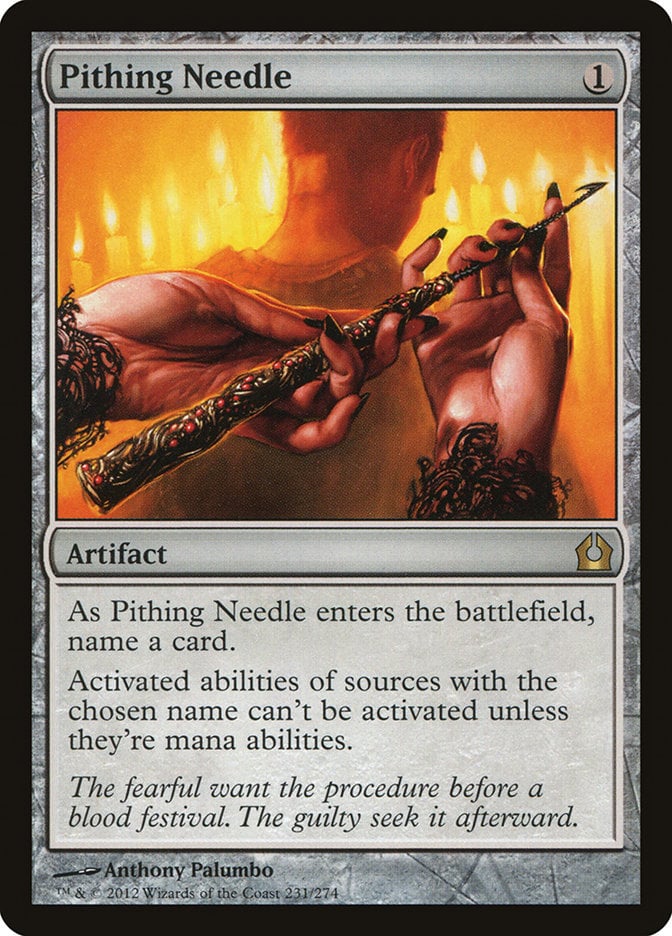
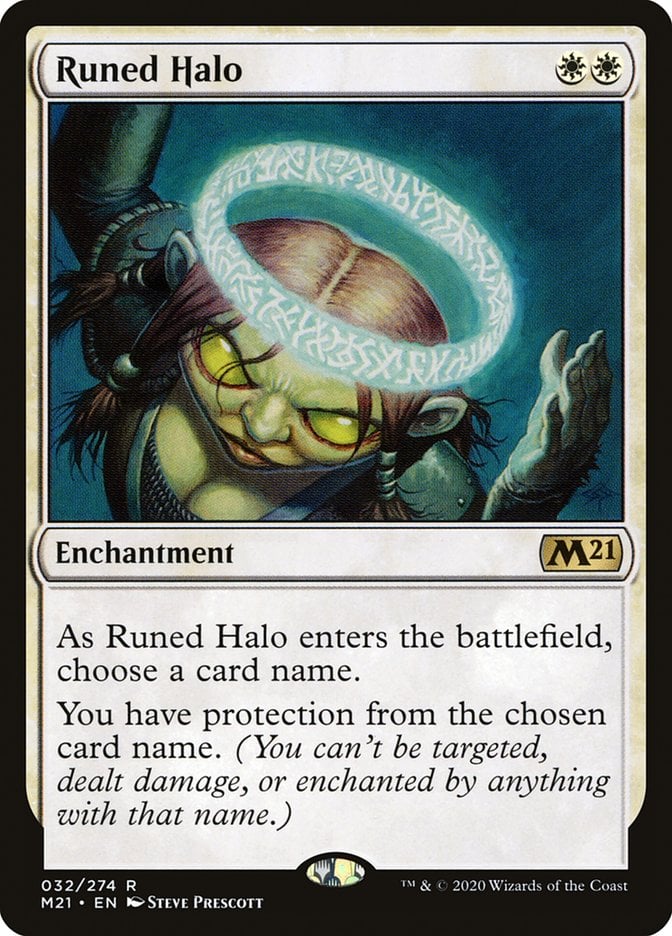

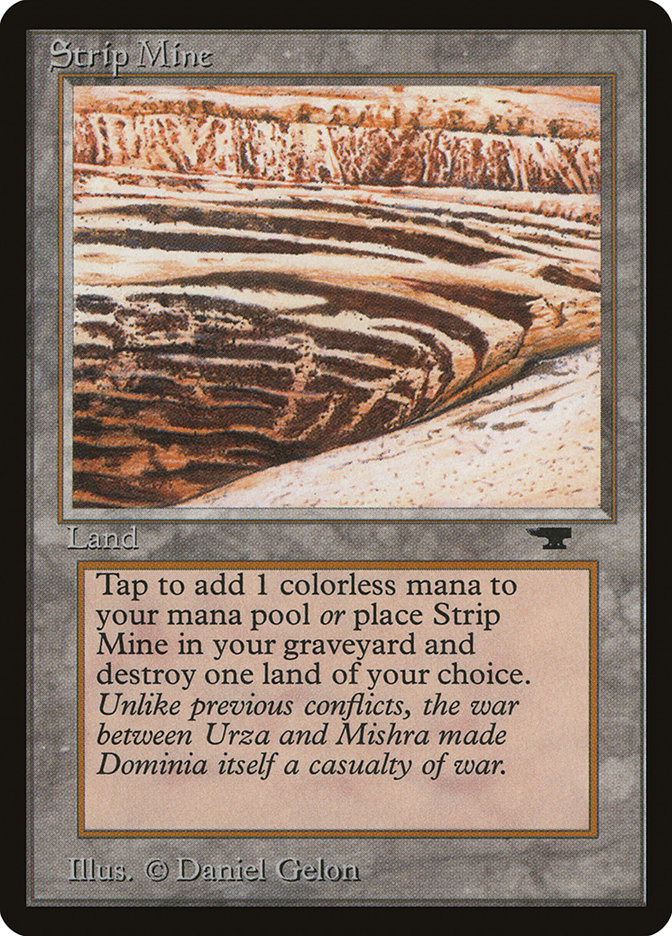
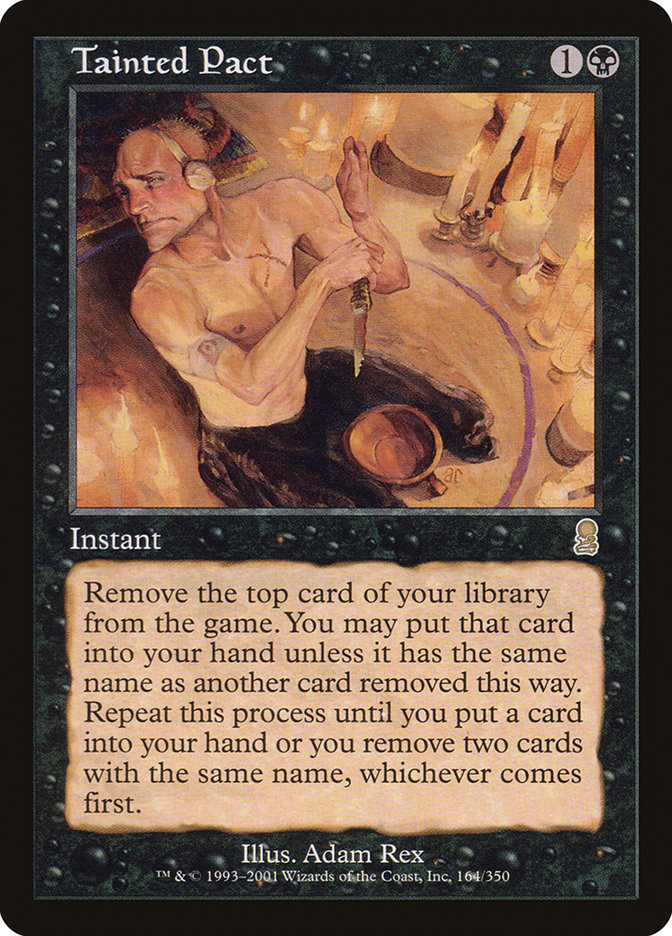
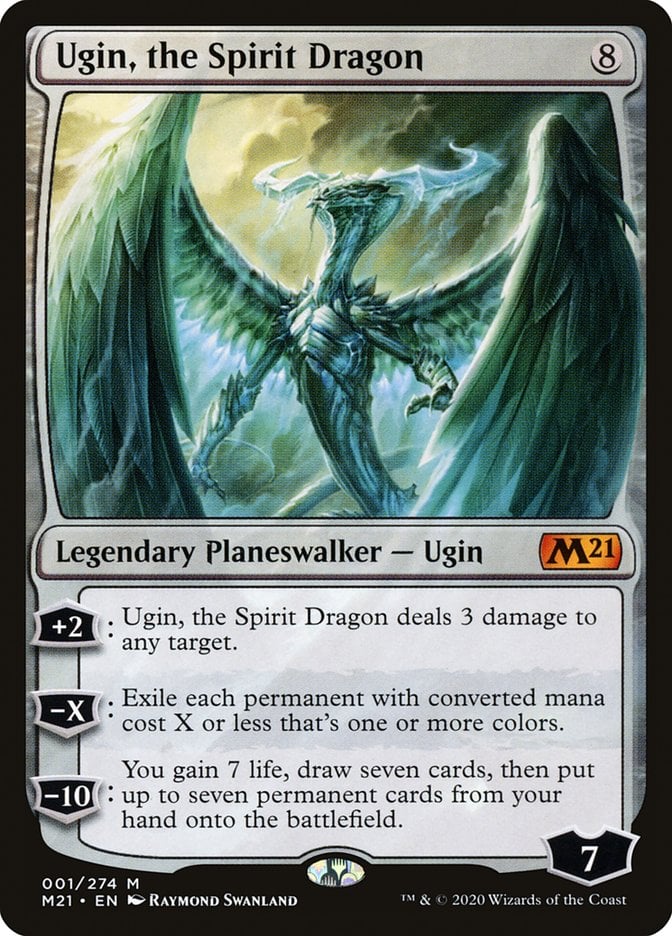
The Brawl ban list is relatively small and focused. Two types of cards are banned: generically powerful cards that would warp the format, like Oko, Thief of Crowns, and cards that prevent an opponent from leveraging their commander. These include cards like Drannith Magistrate, which locks all commanders down, and cards like Pithing Needle that punish planeswalkers in the command zone.
Notice that the ban list for Historic isn’t the same as for Brawl. For example, in Historic you can’t play fetch lands, or the Flare cycle from Modern Horizons 3 – but you can play them in Brawl.
- Agent of Treachery
- Ancient Tomb
- Chalice of the Void
- Channel
- Chrome Mox
- Demonic Tutor
- Disruptor Flute
- Drannith Magistrate
- Field of the Dead
- Force of Will
- Gideon's Intervention
- Lutri, the Spellchaser
- Mana Drain
- Meddling Mage
- Nadu, Winged Wisdom
- Natural Order
- Nexus of Fate
- Oko, Thief of Crowns
- Phyrexian Revoker
- Pithing Needle
- Runed Halo
- Sorcerous Spyglass
- Strip Mine
- Subtlety
- Tainted Pact
- Temporal Manipulation
- Time Warp
- Ugin, the Spirit Dragon
- Wash Away
Competitive Brawl Banlist
Competitive Brawl gets its own separate banlist:
Banned as a commander:
- Ajani, Nacatl Pariah / Ajani, Nacatl Avenger
- Light-Paws, Emperor's Voice
- Nadu, Winged Wisdom
- Oko, Thief of Crowns
- Old Stickfingers
- Ragavan, Nimble Pilferer
- Rusko, Clockmaker
- Spider-Man 2099
- Tajic, Legion's Valor
- Tamiyo, Inquisitive Student / Tamiyo, Seasoned Scholar
- Wrenn and Six
- Yuriko, the Tiger's Shadow
Where to Play Brawl
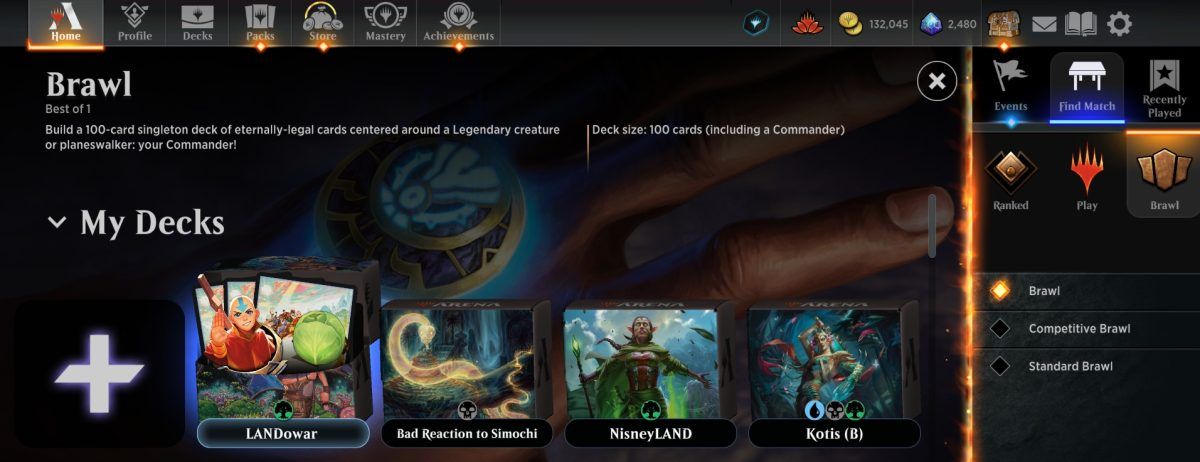
The main place to play Brawl is MTG Arena, largely because the format includes online-only cards from Alchemy sets. You can find workarounds to play with them in paper, though it takes some work and they can’t work exactly the same, or you can just ban the Alchemy cards for paper gameplay. Because it’s so localized to the Arena client, you’re unlikely to find many players jamming Brawl at your LGS (though I’m sure you could get the ball rolling!).
The Best Brawl Decks
MTG Arena assigns each Brawl deck a “weight” based on the quality of the commander and the cards in the deck. Arena’s matchmaker utilizes this weight to try and pair decks of similar power level against each other, keeping the best decks against the best decks and more casual brews at a different power level.
The system isn’t perfect and it occasionally pairs you up or down to ensure you find a match, but it generally keeps things balanced and helps prevent new players with a small collection from playing against completely maxed-out decks.
Etali, Primal Conqueror
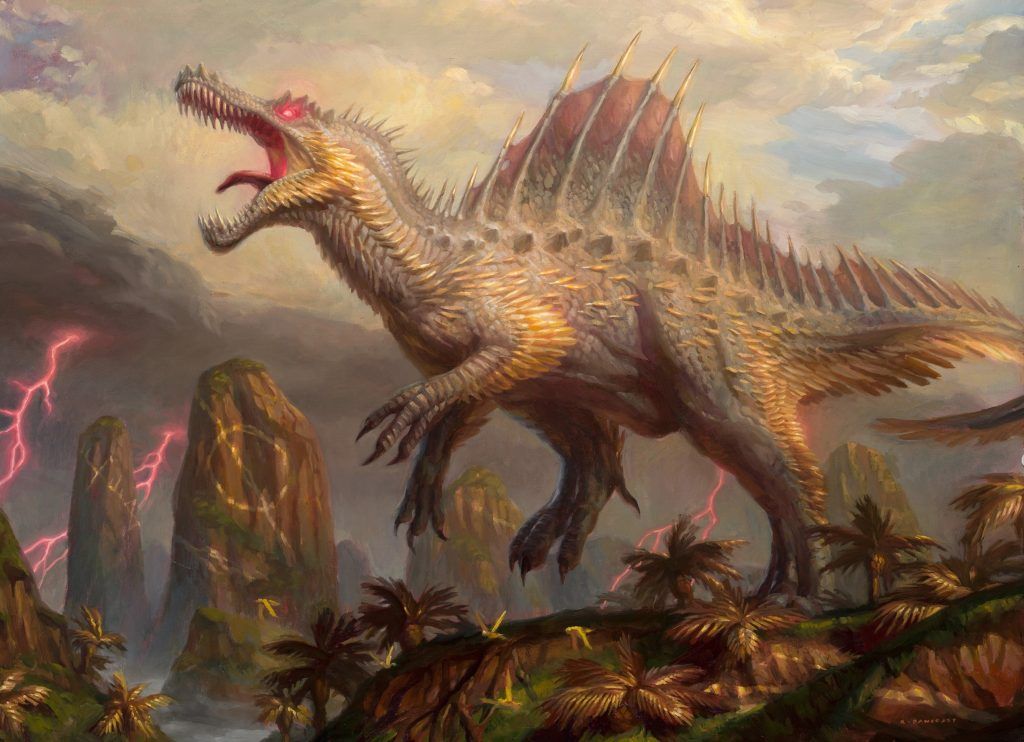
Etali, Primal Conqueror | Illustration by Ryan Pancoast
Commander (1)
Battle (2)
Invasion of Ikoria
Invasion of Zendikar
Creature (31)
Delighted Halfling
Elvish Mystic
Goldvein Hydra
Ixalli's Lorekeeper
Kami of Bamboo Groves
Llanowar Elves
Ragavan, Nimble Pilferer
A-Llanowar Loamspeaker
Armored Scrapgorger
Belligerent Yearling
Drover of the Mighty
Gala Greeters
Ilysian Caryatid
Intrepid Paleontologist
Poison Dart Frog
Elvish Rejuvenator
Gwenna, Eyes of Gaea
Nissa, Resurgent Animist
Outcaster Trailblazer
Tireless Provisioner
Topiary Stomper
Knight of the Stampede
Bonehoard Dracosaur
Palani's Hatcher
Railway Brawler
Earthshaker Dreadmaw
Trumpeting Carnosaur
Titan of Industry
Ghalta, Stampede Tyrant
Ulamog, the Defiler
Ghalta, Primal Hunger
Instant (2)
Tamiyo's Safekeeping
Archdruid's Charm
Sorcery (14)
Bushwhack
Commune with Dinosaurs
Triumphant Chomp
Dance of the Tumbleweeds
Explore
Glimpse the Core
Into the North
Bala Ged Recovery
Brotherhood's End
Cultivate
Return from the Wilds
They Went This Way
Migration Path
Verdant Rejuvenation
Enchantment (9)
Utopia Sprawl
Azusa's Many Journeys
Kenrith's Transformation
Up the Beanstalk
Wolfwillow Haven
Case of the Trampled Garden
Garruk's Uprising
Tribute to the World Tree
Leyline of Abundance
Artifact (1)
Land (40)
Bristling Backwoods
Cabaretti Courtyard
Cavern of Souls
Command Tower
Copperline Gorge
Forest x16
Mountain x16
Restless Ridgeline
Rugged Highlands
Wooded Ridgeline
Etali, Primal Conqueror decks are ramp-centric and very direct. You’ll spend the first few turns of the game jamming ramp spells to land an early Etali. These decks consistently play Etali on turn 5, even turn 4.
The 99 of the deck is almost entirely ramp; these are commander-centric builds that lean on Etali being a busted card and their hefty ramp package to cast it over and over, even if it gets removed. If you want a really good, simple deck to get started in Brawl, this is an excellent choice.
Grenzo, Crooked Jailer

Grenzo, Crooked Jailer | Illustration by Darren Tan
Commander (1)
Planewalker (2)
Liliana of the Veil
Chandra, Torch of Defiance
Creature (17)
Ragavan, Nimble Pilferer
Tinybones, the Pickpocket
Impetuous Lootmonger
Kroxa, Titan of Death's Hunger
Rahilda, Wanted Cutthroat
Valki, God of Lies
Boggart Trawler
Crucias, Titan of the Waves
Laelia, the Blade Reforged
Laughing Jasper Flint
Murderous Rider
Grief
Fury
Pinnacle Monk
Rakdos, the Muscle
Sheoldred
Crabomination
Instant (14)
Cut Down
Dark Ritual
Galvanic Discharge
Grave Expectations
Lightning Bolt
Malakir Rebirth
Bitter Triumph
Infernal Grasp
Sheoldred's Edict
Bedevil
Blot Out
Brittle Blast
Kolaghan's Command
Hagra Mauling
Sorcery (18)
Bloodchief's Thirst
Duress
Inquisition of Kozilek
Reanimate
Thoughtseize
Agonizing Remorse
Angrath's Rampage
Binding Negotiation
Feed the Swarm
Phantasmal Extraction
Shatterskull Smashing
Agadeem's Awakening
Pelakka Predation
Sundering Eruption
Toxic Deluge
Extinction Event
Blood on the Snow
Thought Distortion
Enchantment (4)
Elspeth's Nightmare
Fable of the Mirror-Breaker
The Cruelty of Gix
Virtue of Persistence
Artifact (8)
Arcane Signet
Coldsteel Heart
Mind Stone
Solar Transformer
The Irencrag
Cursed Mirror
Relic of Legends
Worn Powerstone
Land (36)
Blackcleave Cliffs
Blightstep Pathway
Blood Crypt
Bloodstained Mire
Castle Locthwain
Command Tower
Conduit Pylons
Dragonskull Summit
Forsaken Crossroads
Haunted Ridge
Hive of the Eye Tyrant
Polluted Delta
Raucous Theater
Restless Vents
Snow-Covered Mountain x9
Snow-Covered Swamp x9
Sokenzan, Crucible of Defiance
Sulfurous Mire
Sulfurous Springs
Takenuma, Abandoned Mire
Grenzo, Crooked Jailer receives a fair bit of hate from players who think it’s too busted, and they’re not wrong. The heist mechanic lets you pick one of three spells from your opponent’s deck, which tends to be very good in a value-oriented format like Brawl, and you also get to cast that spell for free!
The deck built around this Rakdos commander is a classic midrange shell. You have efficient threats like Ragavan, Nimble Pilferer, Kroxa, Titan of Death's Hunger, and Chandra, Torch of Defiance. Some of the best interactive spells in MTG Arena are represented, like Lightning Bolt, Thoughtseize, and Grief.
A bit of card advantage from spells like Laughing Jasper Flint and Laelia, the Blade Reforged rounds the list out. It’s that classic jack-of-all-trades, master of none that midrange decks are known for.
Sythis, Harvest’s Hand
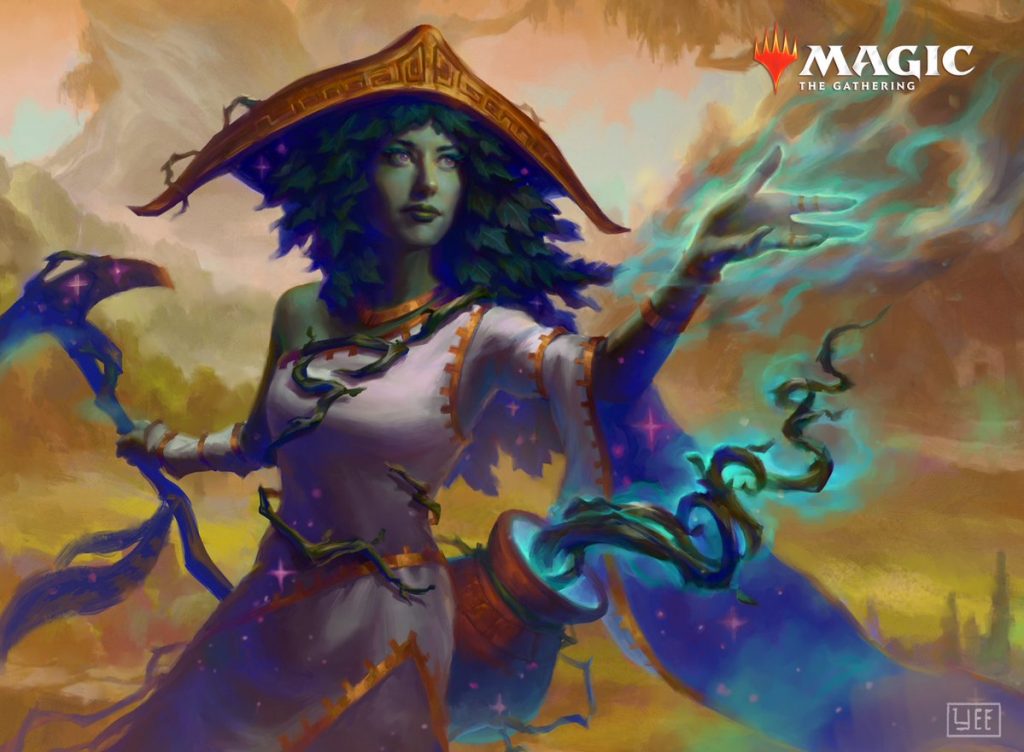
Sythis, Harvest's Hand | Illustration by Ryan Yee
Commander (1)
Planeswalker (2)
Calix, Destiny's Hand
Nissa, Who Shakes the World
Creature (17)
Esper Sentinel
Soul Warden
Jukai Naturalist
Sanctum Weaver
Starfield Mystic
Weaver of Harmony
Calix, Guided by Fate
Dryad of the Ilysian Grove
Heliod, Sun-Crowned
Loran of the Third Path
Rishkar, Peema Renegade
Satyr Enchanter
Setessan Champion
Archon of Sun's Grace
Eidolon of Blossoms
Mondrak, Glory Dominus
Nyxbloom Ancient
Instant (5)
March of Otherworldly Light
Path to Exile
Swords to Plowshares
Dromoka's Command
Inscription of Abundance
Sorcery (1)
Enchantment (30)
Authority of the Consuls
Cartouche of Solidarity
Cleric Class
Curse of Silence
Legion's Landing
Utopia Sprawl
All That Glitters
Blind Obedience
Greater Auramancy
Ossification
Sterling Grove
Ancestral Mask
Banishing Light
Borrowed Time
Branching Evolution
Enchantress's Presence
Fight Rigging
The Restoration of Eiganjo
Anointed Procession
Elven Chorus
Felidar Retreat
Hallowed Haunting
Parallel Lives
Sigarda's Splendor
Divine Visitation
Doubling Season
Elspeth Conquers Death
Mirari's Wake
Sigil of the Empty Throne
Virtue of Loyalty
Artifact (7)
Arcane Signet
Coldsteel Heart
Mind Stone
The Irencrag
The Celestus
Worn Powerstone
Key to the Archive
Land (37)
Boseiju, Who Endures
Branchloft Pathway
Brushland
Cave of the Frost Dragon
Eiganjo, Seat of the Empire
Flooded Strand
Forest x12
Lush Portico
Overgrown Farmland
Plains x12
Razorverge Thicket
Scattered Groves
Sunpetal Grove
Temple Garden
Temple of Plenty
I don’t want you walking away with the impression that Brawl only has a place for good stuff soup; there’s plenty of room for synergy, as demonstrated by Sythis, Harvest's Hand.
Most of this deck works with enchantments, from archetype-specific ramp like Sanctum Weaver and Jukai Naturalist to its finisher package, which includes token production through Sigil of the Empty Throne and Hallowed Haunting plus surprise buffs from All That Glitters and Ancestral Mask.
The deck still runs some format staples like Swords to Plowshares and Esper Sentinel that don’t care about enchantments, but that’s true of any format.
Tymna the Weaver + Bruse Tarl, Boorish Herder

Bruse Tarl, Boorish Herder | Illustration by Anthony Palumbo
Commander (2)
Bruse Tarl, Boorish Herder
Tymna the Weaver
Planeswalker (1)
Creature (35)
Ajani, Nacatl Pariah // Ajani, Nacatl Avenger
Aven Interrupter
Bloodtithe Harvester
Boggart Trawler // Boggart Bog
Cathar Commando
Cecil, Dark Knight // Cecil, Redeemed Paladin
Deep-Cavern Bat
Fear of Missing Out
Giver of Runes
Golden Sidekick
Guide of Souls
Hardened Academic
Inti, Seneschal of the Sun
Kitesail Freebooter
Kroxa, Titan of Death's Hunger
Kytheon, Hero of Akros // Gideon, Battle-Forged
Lightstall Inquisitor
Loran of the Third Path
Lotho, Corrupt Shirriff
Merry, Esquire of Rohan
Mother of Runes
Novice Inspector
Phelia, Exuberant Shepherd
Pinnacle Monk // Mystic Peak
Ragavan, Nimble Pilferer
Scheming Silvertongue // Sign in Blood
Sheoldred, the Apocalypse
Skrelv, Defector Mite
Skyclave Apparition
Terrapact Intimidator
Thalia, Guardian of Thraben
Thraben Inspector
Tithe Taker
Vial Smasher the Fierce
Witch Enchanter // Witch-Blessed Meadow
Instant (17)
Bitter Triumph
Burst Lightning
Cut Down
Erode
Fatal Push
Fateful Absence
Get Lost
Infernal Grasp
Lightning Bolt
Mana Tithe
Path to Exile
Razorgrass Ambush // Razorgrass Field
Reprieve
Scintillating Encore
Sheoldred's Edict
Swords to Plowshares
Vanishing Verse
Sorcery (8)
Chain Lightning
Deathmark
Duress
Inquisition of Kozilek
Night's Whisper
Shadow Summoning
Thought Partition
Thoughtseize
Enchantment (1)
Land (36)
Arena of Glory
Arid Mesa
Battlefield Forge
Blazemire Verge
Bleachbone Verge
Blood Crypt
Bloodstained Mire
Cavern of Souls
Caves of Koilos
Command Tower
Eiganjo, Seat of the Empire
Elegant Parlor
Flooded Strand
Godless Shrine
Mana Confluence
Marsh Flats
Mountain x3
Multiversal Passage
Mutavault
Plains x2
Polluted Delta
Raucous Theater
Sacred Foundry
Scalding Tarn
Shadowy Backstreet
Sokenzan, Crucible of Defiance
Starting Town
Sulfurous Springs
Sunbillow Verge
Swamp
Takenuma, Abandoned Mire
Windswept Heath
Wooded Foothills
The addition of partners to Brawl was a big deal, and this deck shows it off. This is a pretty standard midrange deck that leans on cheap, efficient creatures and removal backed by Tymna the Weaver’s card advantage to overwhelm its opponents.
Creatures like Golden Sidekick and Ragavan, Nimble Pilferer apply early pressure while Thoughtseize and Swords to Plowshares stop your opponent from advancing their own plans.
Some creatures marry these ideas, with disruption from cards like Deep-Cavern Bat, Skyclave Apparition, and Lightstall Inquisitor (to name but a few) impeding your opponents while attacking.
Bruse Tarl, Boorish Herder can apply pressure and alleviate the life paid to Tymna, but it’s mostly here for access to red for cards like Ragavan and Lightning Bolt. Don’t be surprised to play multiple games where you don’t want to cast it, though the option is always nice.
Getting Started with Brawl
I recommend you check out what you have in your MTG collection if you’re just starting off with Brawl. If you have a deep collection from the Standards of yesteryear, you probably have a great start. Even if your collection is small, you want to install one of the best collection trackers: our Arena Tutor. It functions as a standalone app, and allows you to manage its placement without using up resources by keeping web pages open.

What if you want to start from scratch, with a brand-new Arena account? In that case, consider a jump back to 60-card Standard Brawl with a smaller card pool.
Budget decks look a little different on Arena since, for the most part, you don’t buy individual cards but instead craft them using wildcards. Budget Arena decks use as few rare or mythic wildcards as they can, rather than focus on monetary value.
Focusing on mono-colored commanders helps conserve wildcards because you don’t need to craft any dual lands. You should also focus on spending your rare and mythic wildcards on format staples that you’ll put in every deck. For example, Sheoldred, the Apocalypse can go in pretty much any black Brawl deck you build.
Here’s a list of other rares and mythics that are worth crafting because they’ll go in most Brawl decks of their color (many of which have uses in other formats like Timeless and Standard!). It’s not exhaustive, but this is a good starting point:
- Abrupt Decay
- Assassin's Trophy
- Birds of Paradise
- Curse of Silence
- Dark Ritual
- Delighted Halfling
- Erode
- Esper Sentinel
- Giver of Runes
- Psychic Frog
- Ragavan, Nimble Pilferer
- Snapcaster Mage
- Swords to Plowshares
- Thoughtseize
- Three Steps Ahead
- Toxic Deluge
I also want to give you some uncommon and common staples, which are largely ramp pieces or interaction. These go in virtually every Brawl deck I build in their colors:
- Arcane Signet
- Bitter Triumph
- Counterspell
- Cut Down
- Duress
- Elvish Mystic
- Fatal Push
- Force Spike
- Infernal Grasp
- Llanowar Elves
- Mother of Runes
- Ossification
- Painful Bond
- Patriar's Humiliation
- Thought Partition
Competitive Brawl’s Best Decks
Katara, Waterbending Master

Katara, Waterbending Master | Illustration by Yueko
Commander (1)
Creature (16)
Brazen Borrower // Petty Theft
Brineborn Cutthroat
Faerie Mastermind
Floodpits Drowner
Hydroelectric Specimen // Hydroelectric Laboratory
Hydroponics Architect
Malcolm, Alluring Scoundrel
Plumecreed Escort
Siren Stormtamer
Snapcaster Mage
Spectral Sailor
Subtlety
The Wondrous Wasp
Tishana's Tidebinder
Vendilion Clique
Wan Shi Tong, Librarian
Instant (37)
Brainstorm
Commandeer
Consider
Consign to Memory
Counterspell
Daze
Dive Down
Fading Hope
Fierce Guardianship
Flare of Denial
Flusterstorm
Force of Negation
Force of Will
Force Spike
Into the Flood Maw
Keep Safe
Long River's Pull
Magic Damper
Mana Drain
Mana Leak
Memory Lapse
Miscalculation
Miscast
Opt
Peek
Remand
Secret Identity
Shore Up
Slip Out the Back
Spell Pierce
Spell Snare
Stern Scolding
Stifle
Tale's End
Three Steps Ahead
Unsummon
Wash Away
Enchantment (8)
Aether Tunnel
Amphibian Downpour
Aqueous Form
Combat Research
Curiosity
Curious Obsession
Stormchaser's Talent
Unable to Scream
Artifact (6)
Astrologian's Planisphere
Disruptor Flute
Mox Amber
Runechanter's Pike
Tome of Gadwick
Umezawa's Jitte
Land (32)
Flooded Strand
Gemstone Caverns
Island x23
Library of Alexandria
Misty Rainforest
Petrified Hamlet
Polluted Delta
Prismatic Vista
Scalding Tarn
Strip Mine
Deck Credit: BitterMTG
A good rule of thumb for Eternal formats with access to a deep card pool is that blue will be one of the strongest colors. You can put that to the test with Katara, Waterbending Master, a recent, cheap mono-blue commander.
This is a pretty classic tempo list with a bunch of flash creatures and pretty much every counterspell on Arena you can cast for 2 mana or less. Counterspell, Force of Will, and Wash Away are just a few examples of cards that stop your opponents from playing Magic.
These are backed by creatures like Brazen Borrower and Wan Shi Tong, Librarian that you can weave around counterspells and still apply pressure.
Katara ties everything together as a cheap source of repeatable card advantage so you can keep finding the perfect answer.
Nashi, Illusion Gadgeteer
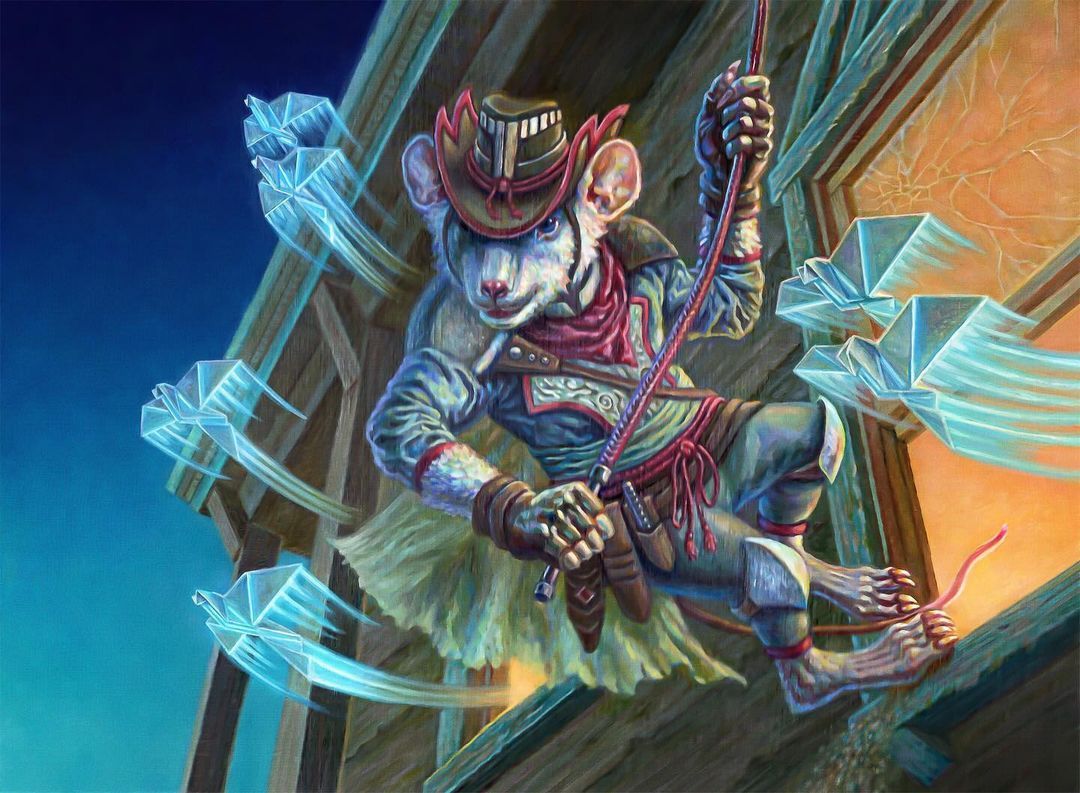
Nashi, Illusion Gadgeteer | Illustration by Kev Fang
Commander (1)
Creature (9)
Barrowgoyf
Deathrite Shaman
Icetill Explorer
Psychic Frog
Subtlety
Thassa's Oracle
Uro, Titan of Nature's Wrath
Wan Shi Tong, Librarian
Wary Zone Guard
Instant (32)
Abrupt Decay
Bitter Triumph
Brainstorm
Cling to Dust
Consult the Star Charts
Counterspell
Cut Down
Daze
Deadly Rollick
Dig Through Time
Dismember
Fatal Push
Fierce Guardianship
Force of Negation
Force of Will
Force Spike
Go for the Throat
Long Goodbye
Mana Drain
Mana Leak
Memory Lapse
Mystical Dispute
Planar Genesis
Rakshasa's Bargain
Remand
Sauron's Ransom
Snuff Out
Tainted Pact
Ulcerate
Vampiric Tutor
Veil of Summer
Wash Away
Sorcery (14)
Demonic Tutor
Fantastic Elasticity
Flow State
Inquisition of Kozilek
Lórien Revealed
Ponder
Preordain
Reanimate
Splash Portal
Stock Up
Thoughtseize
Toxic Deluge
Treasure Cruise
Vicious Rivalry
Enchantment (4)
Exploration
Fire Nation Occupation
Oasis of Renewal
Sylvan Library
Artifact (1)
Land (39)
Bloodstained Mire
Botanical Sanctum
Breeding Pool
Cavern of Souls
Clearwater Pathway // Murkwater Pathway
Command Tower
Darkslick Shores
Dreamroot Cascade
Drowned Catacomb
Flooded Strand
Forest
Gloomlake Verge
Hedge Maze
Hinterland Harbor
Island
Library of Alexandria
Marsh Flats
Misty Rainforest
Multiversal Passage
Overgrown Tomb
Polluted Delta
Prismatic Vista
Reflecting Pool
Scalding Tarn
Shipwreck Marsh
Snow-Covered Island
Snow-Covered Swamp
Starting Town
Strip Mine
Swamp
Undercity Sewers
Underground Mortuary
Underground River
Verdant Catacombs
Wastewood Verge
Watery Grave
Willowrush Verge
Windswept Heath
Wooded Foothills
Deck credit: Meta Confluence
Nashi, Illusion Gadgeteer leads a pretty traditional midrange list. Nashi itself is close to the perfect midrange threat: It’s large, it draws a card, and it has an enters ability to become immediately relevant when it enters, so killing it isn’t great for your opponent.
It’s backed by a handful of similarly efficient threats. Creatures like Barrowgoyf and Psychic Frog are capable of winning games solo, Uro, Titan of Nature's Wrath is practically unkillable, etc. You can also lean on Thassa's Oracle and Tainted Pact as a win condition.
These high-class threats are backed by equally stellar removal. You can interact with the hand off Thoughtseize, the stack with countermagic, and the board with cards like Abrupt Decay. No zone is safe from your answers.
Brawl Products
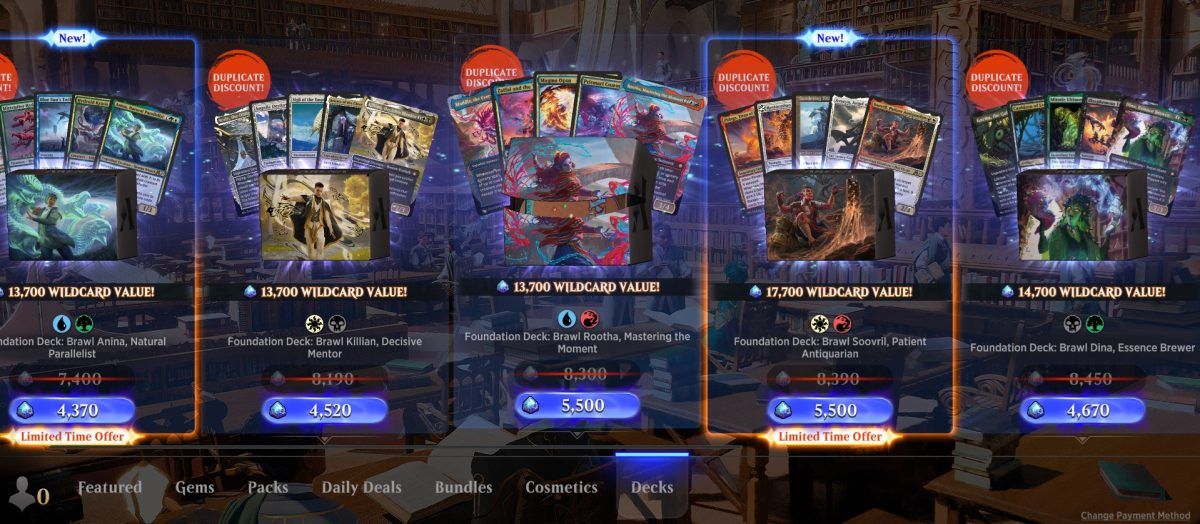
Brawl benefits from every Magic set released on Arena, including small releases like Historic Anthologies. These have introduced cards like Cyclonic Rift that became fast staples.
Arena added preconstructed Brawl decks to the Arena Store, and makes them available with an infrequent cadence. These are functional decks that can be purchased with gems, but likely need some upgrading to be highly competitive. You’ll notice the price of the deck drops depending on how many cards you already have in your collection from that deck.
Brawl Communities
So, where can you chat about Brawl?
This is largely an online format, so that’s where you’ll find most of the communities.
- The MTG Arena subreddit has frequent posts about Brawl and it can be a fine place to keep up with other formats and topics related to the client.
- The MTGbrawl subreddit is much more focused, as the name would imply.
- If Discord is more your speed, you should check out the Brawl Hub Discord and the Stronghold Discord. Brawl Hub leans towards the more competitive aspects of the format and even hosts a competitive league, while Stronghold is an ideal spot to discuss deck brewing.
Why Did Wizards Change Historic Brawl to Brawl?
In a Patch Notes release from 2023, Wizards stated that the format formerly known as Historic Brawl was more in line with Timeless than the actual Historic format, but decided that any other format name would be at least partially incorrect. Therefore, they dropped the format association and simply renamed the format “Brawl”, keeping “Standard Brawl” as its own distinct offshoot.
Wrap Up
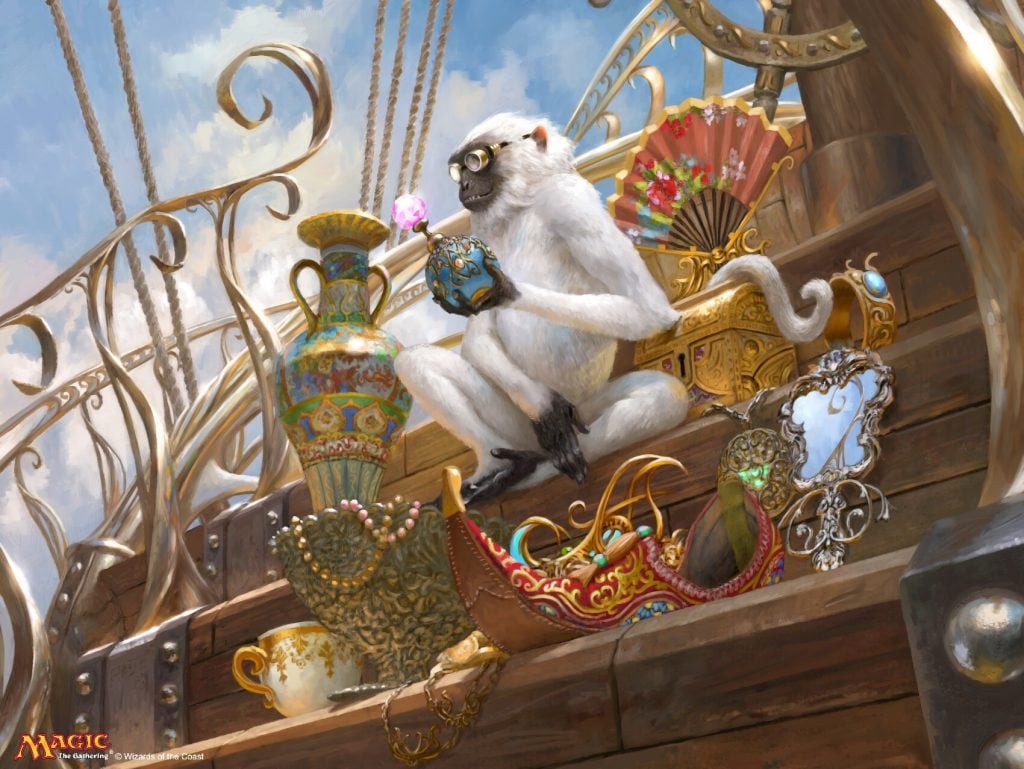
Ragavan, Nimble Pilferer | Illustration by Simon Dominic
Brawl really surprises me with its interesting play patterns and depth. I expected a Commander knock-off and got a hybrid format with bits of Commander and Cube sprinkled together, and it only gets better with each new set.
What do you think of Brawl? Would you say it is the best way to complete daily quests? Which commander do you want to play? Let me know in the comments or on the Draftsim Discord! And check out The Daily Upkeep newsletter to stay up to date on all the latest MTG news.
Stay safe and keep brewing!
Follow Draftsim for awesome articles and set updates:










4 Comments
“since the format is now supported in-game as a separate deck building format” — not in my client as of the time/date of my comment post. I think ‘friendly brawl’ is the only format you can make this deck with.
Yep, sorry about the confusion. I mentioned “friendly brawl” is used for building historic brawl later in the article but it should be moved, I’ll fix it. Thanks for pointing that out!
Missing a certain monkey that is by far better on the play that all the listed commander.
Ragavan is pretty good, isn’t it? Shows up in a lot of lists here, but not as a commander.
Add Comment