
Last updated on October 11, 2025

Adeline, Resplendent Cathar | Illustration by Bryan Sola
While Brawl never took off in paper, at least compared to Commander, the format thrives on MTG Arena, with a strong enough player base you can typically find a match within two minutes of queuing up. As a casual Magic format, you can encounter a vast variety of decks built for different purposes at various power levels; such diversity could lead to matchmaking complications on Arena.
This led to Wizards of the Coast creating a matchmaking system for their unranked Best-of-One games that uses several factors to pair players into reasonably balanced matches quickly. Wizards kept details of this system under wraps to prevent players from exploiting it, but a system bug uncovered in 2024 gave players more information than Wizards bargained for (though it wasn’t perfect information!).
Let’s explore everything we know about how Arena weights decks in Brawl!
What Does Weighting Mean for Brawl?
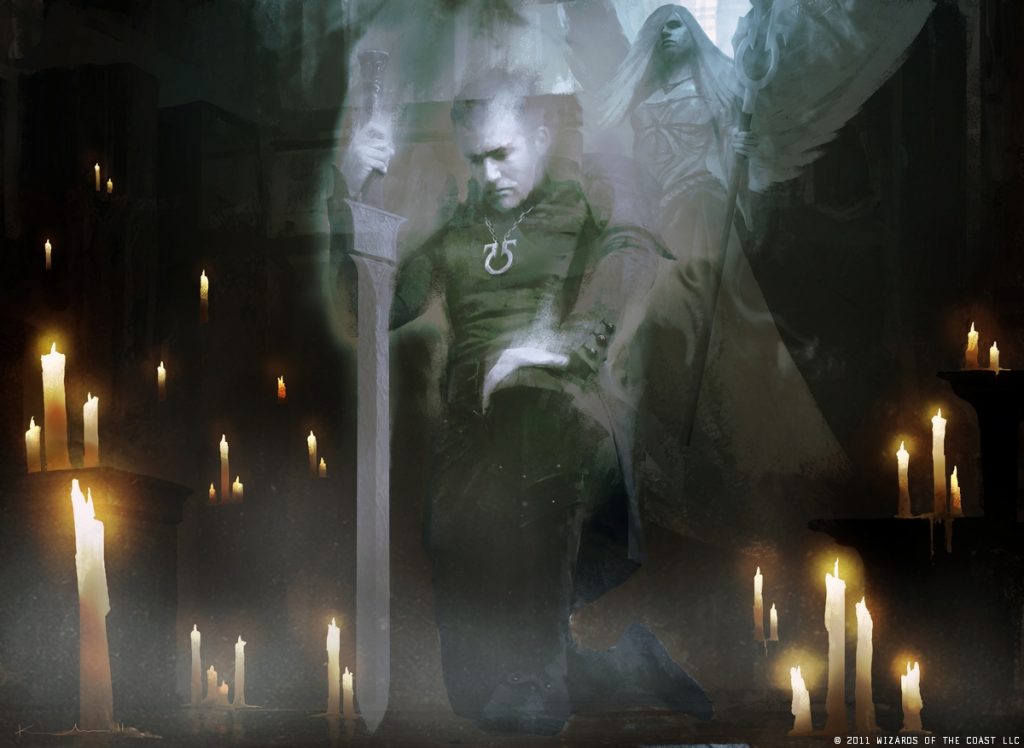
Geist of Saint Traft | Illustration by Igor Kieryluk
Arena’s Brawl weighting system, which functions as part of MTGA’s matchmaking system, uses power rating of individual cards in a Brawl deck to attempt to pair it against a deck of a similar power level when they enter the live queue; these matchmaking factors only apply to unranked Best-of-One queues.
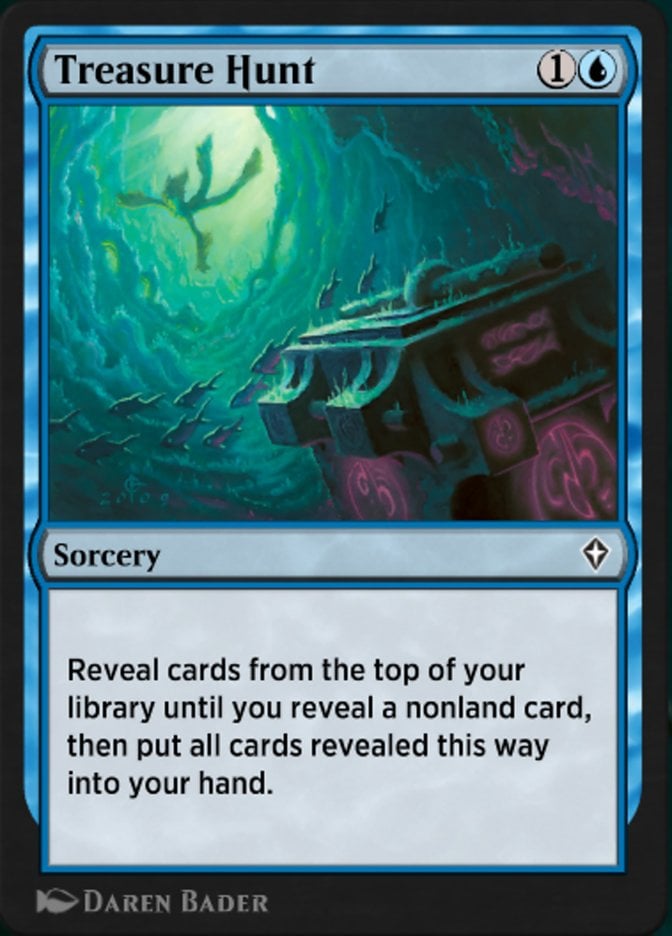
Brawl players received a burst of interesting information in May 2024 thanks to a bug shipped by Wizards and a few attentive Redditors. On May 25, 2024, Reddit user lieyanqzu encountered a bemusing bug: They couldn’t play their novelty Treasure Hunt deck because Arena deemed it too weak. The error code Arena gave referenced a qualifier referred to as “DeckWeight,” with the Treasure Hunt list returning a negative value: -333. In addition to just giving us the amusing information that a deck can in fact be too weak to rumble with, the bug gave another Redditor, schlarpc, a chance to analyze the card weights on Arena.
Schlarpc wrote a script that weighed each card on Arena individually, then compiled those card weights into a Google Sheet; they also uncovered the weights of each Brawl commander, which are calculated with a different scale. Schlarpc posted both the spreadsheet and an explanation of their technical process on a Magic Arena subReddit, gracing the Brawl community with a wealth of hidden information about the matchmaking system.
Did They Change the Weighting System?
Yes. In June 3rd’s Arena Announcements, Wizards addressed the bug that gave players what they considered “too much information,” promising to remove the bug and change their ratings. They did not give players any information on what those changes would be; Wizards specifically said they didn’t want to give players all the information on how matchmaking works on MTG Arena to prevent players from taking advantage of the system. They also told us that a deck’s weight is just one criteria the matchmaker uses; it also “incorporate[s] player skill… in further service to finding fun and compelling matches for players.”
So, what do these changes mean for schlarpc’s spreadsheet?

Brawl Weighting spreadsheet by schlarpc on r/MagicArena
First and foremost, it has no data for Modern Horizons 3 or any MTG sets released on Arena after that point. It also means that the numerical data is no longer exact.
However, I question how much this matters. To be clear, this is speculation on my part, but changing the card ratings in response to this information seems unlikely to have completely overhauled how the system works. Wizards said nothing of abolishing it; they just changed their power ratings. And while some cards must have different weights, the best cards on Arena remain the best cards on Arena. While schlarpc’s data might not be exact, it’s still useful to get an idea of how strong a given deck is, at least based on the cards available on Arena prior to May 25, 2024; instead of knowing the precise and exact weight, we can use the spreadsheet to get a ballpark figure of the deck’s weight.
I will frequently reference the numbers schlarpc provides in this article to make it easier to explain some of the concepts; any and all card weights come from them.
What’s the Point of Weighting Cards in Brawl?
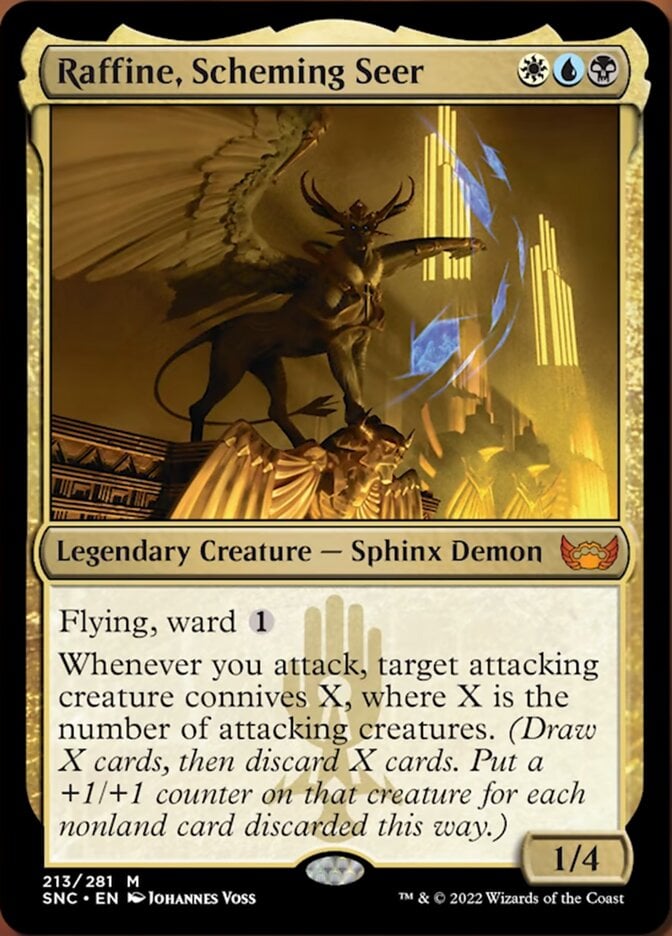
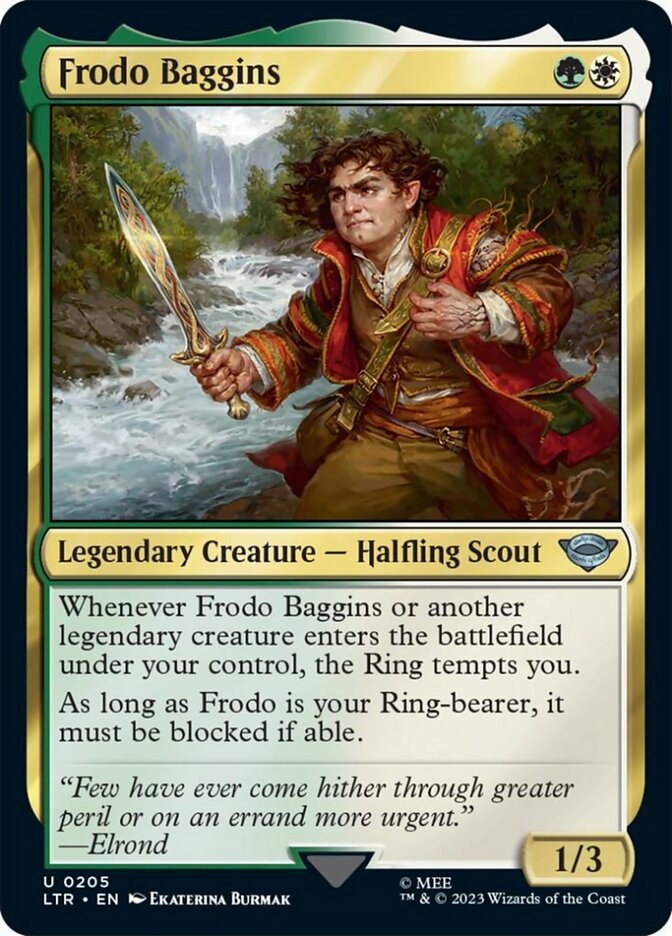
Wizards uses the card weight to create balanced matchups. In the June 3rd Announcement, they state that they want “to pair high-power decks against each other so those players can have the epic battles they’re looking for, while allowing “players… building for fun, thematic matches” to find appropriate pairings. In other words, it helps prevent the hyper-optimized Raffine, Scheming Seer tempo player from slaughtering The Lord of the Rings fan who slapped Frodo Baggins into the command zone alongside all the halfling cards on Arena without a concern for how strong the resulting deck would be.
How Does Weighting Affect Matchmaking?
As noted in the Arena Announcement, deck weight is only one of several factors the matchmaker considers when finding you an opponent. Magic is far too complex of a game to create a perfect weighting system on an objective level, let alone once you factor in players who consider the inclusion of interaction to automatically make a deck sweaty. And the deck’s weight isn’t the only consideration; in addition to the previously referenced player skill, the matchmaker wants to get you into a match reasonably quickly, so sometimes it’ll pit you against a higher- or lower-powered deck to get you into a game. We have no information about how the matchmaker balances these considerations, nor which, if any factors take precedence in finding a “fair game.”
What Different Tiers of Matchmaking Exist for Brawl?
This is largely unknown information. Brawl players have long speculated about the existence of “hell queue,” a tier where the strongest, most optimized decks duke it out and unwitting players find themselves utterly outclassed; the information schlarpc and Wizards gave us makes this seem quite likely.
In the episode of WeeklyMTG that aired on October 1, 2024, Gavin Verhey says that Brawl sorts players decks into four categories; however, in a Reddit post discussing the matter, Gavin clarified that statement, saying “the four bucket system isn’t literally how Arena Brawl works-it’s more nuance and conceptual.”
On a theoretical level, this “four bucket system” makes sense. If we assume the existence of hell queue, a “bucket” for the strongest decks, it doesn’t take much to imagine that there’s a similar bucket for the weakest, with at least one tier between the two. However! We don’t have nearly enough information to do anything more than speculate on this topic.
Does Your Commander Affect the Weight of Your Deck?
Yes! In fact, your commander’s weight matters more than any individual card in the 99.
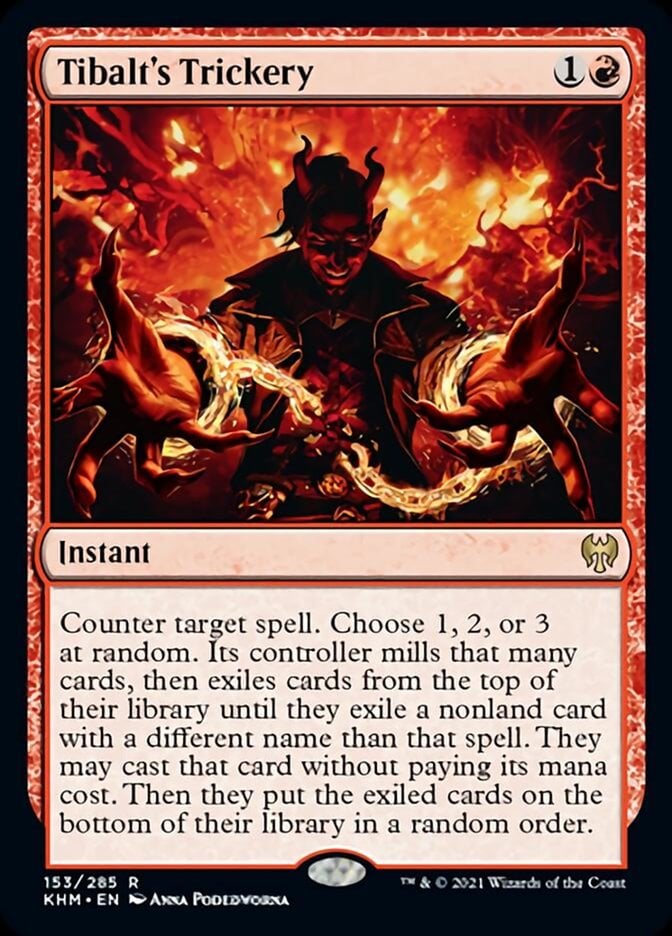
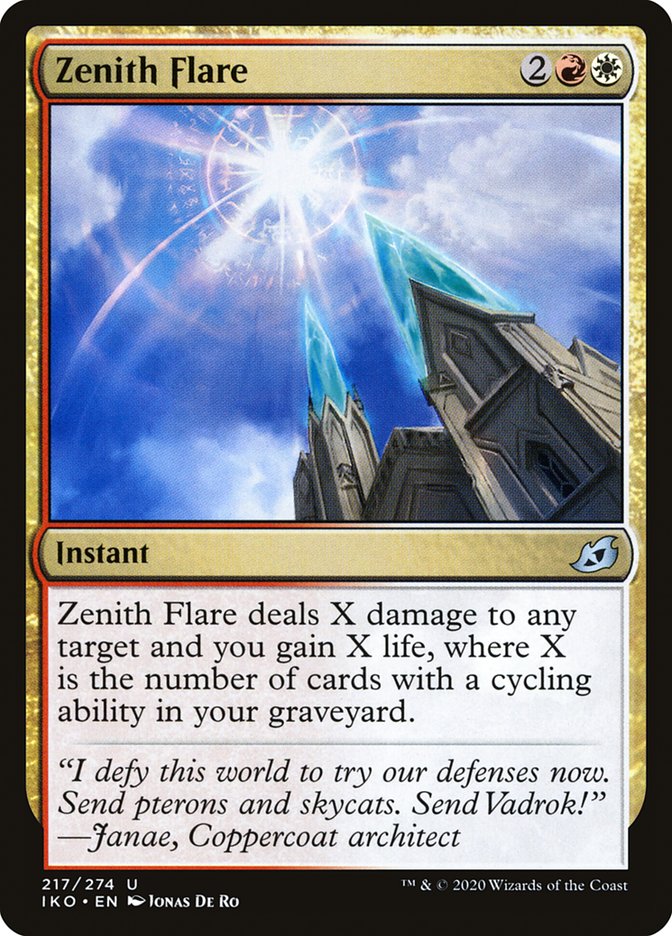
While the majority of cards you could put in the 99 have a weight ranging from 0-45 in multiples of 9 (with the only exceptions being Tibalt's Trickery, with a weight of 180, and Zenith Flare, with a weight of 216), your commander’s weight ranges from -360 at the weakest up to a whopping 1,800 at the top of the pack.
This may seem strange, so I want to explain why the commander’s weight matters so much. Simply put, having a commander is utterly broken. Beginning every single game with an extra card in your hand that you know about and can build around would break Magic in half. And this isn’t speculation; we have proof.
Ikoria: Lair of Behemoths’ infamous companion mechanic essentially gave Constructed players the ability to play a commander. The mechanic received a lightning-quick errata in June of 2020, a mere two months after Ikoria released. This errata forced players to pay mana to put their companion into their hand instead of casting it from the companion zone. Even this drastic change wouldn’t balance the mechanic, leading to a series of bans across multiple formats in the following years.
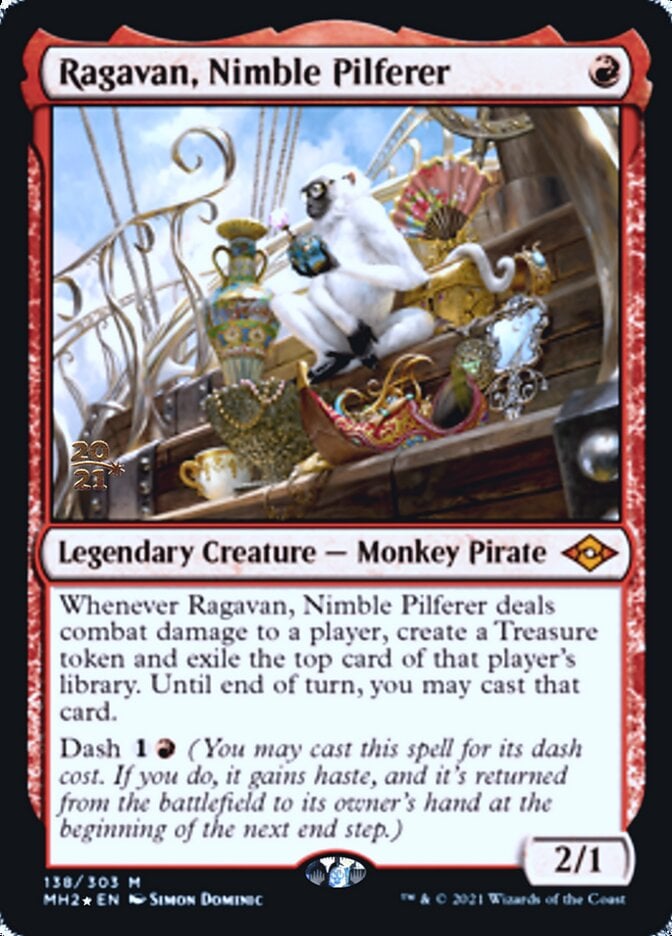
Understanding the broken nature of companions gives us context for why the commander of a given deck matters so much; since Commander and Brawl are often hailed as casual formats, it can be easy to overlook how broken this part of the format is. A Ragavan, Nimble Pilferer Brawl deck with a janky 99 still has a guaranteed turn-1 Ragavan every single game, which can win a game on its own.
What Commanders Have the Highest Tier Rating?
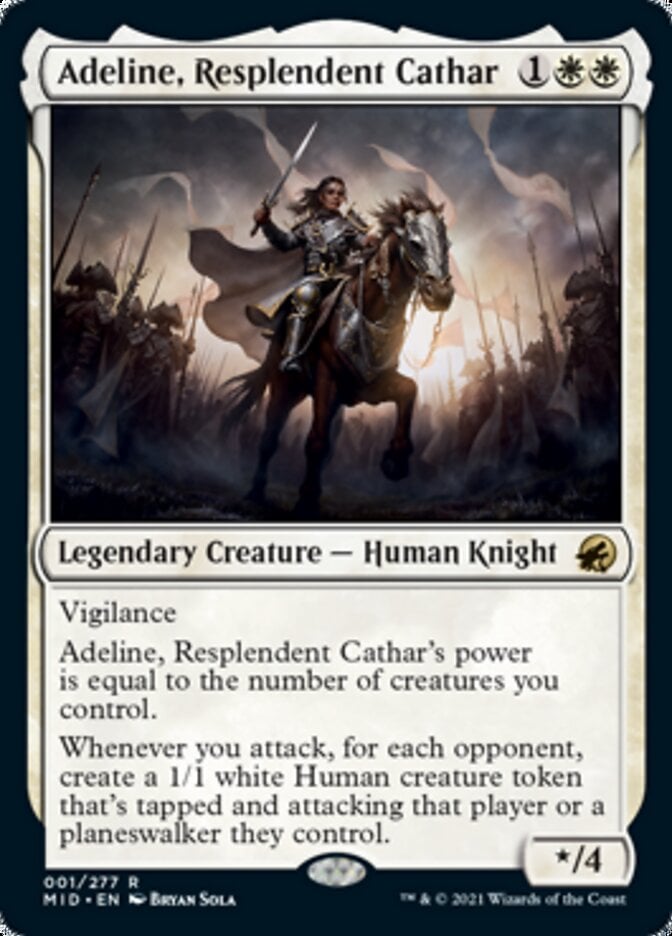
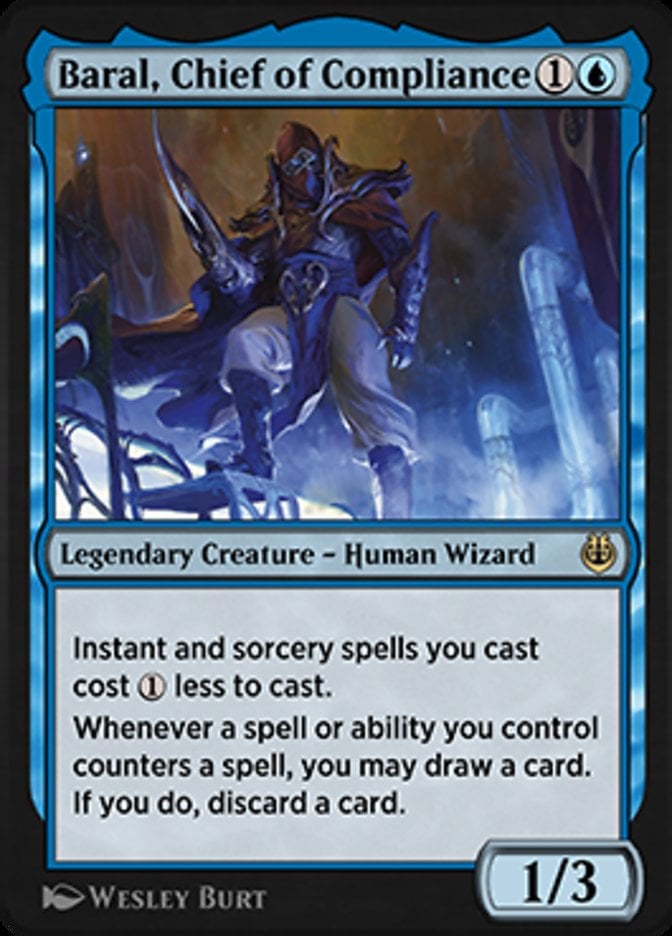
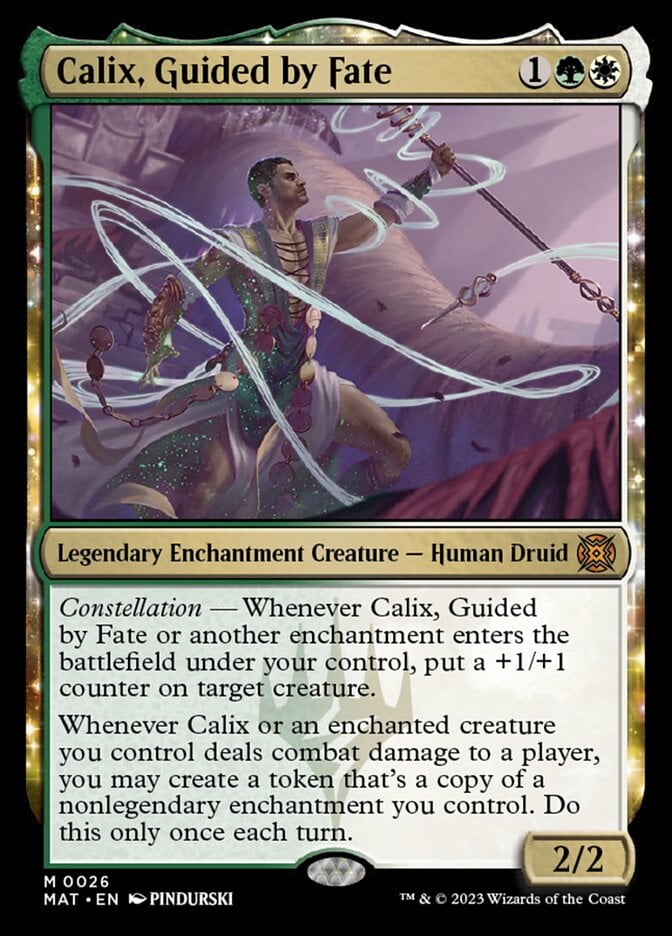
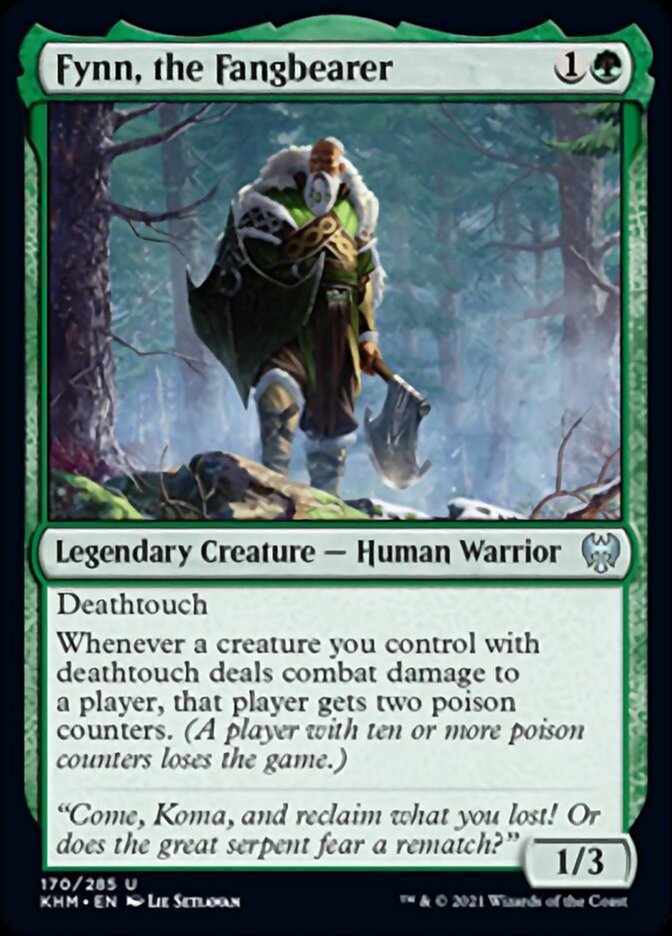
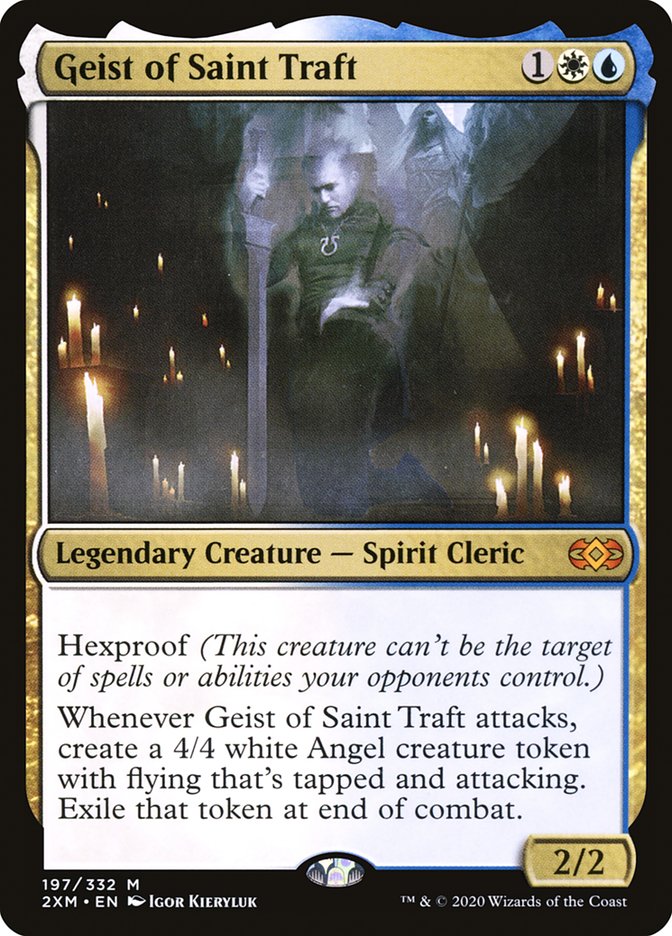
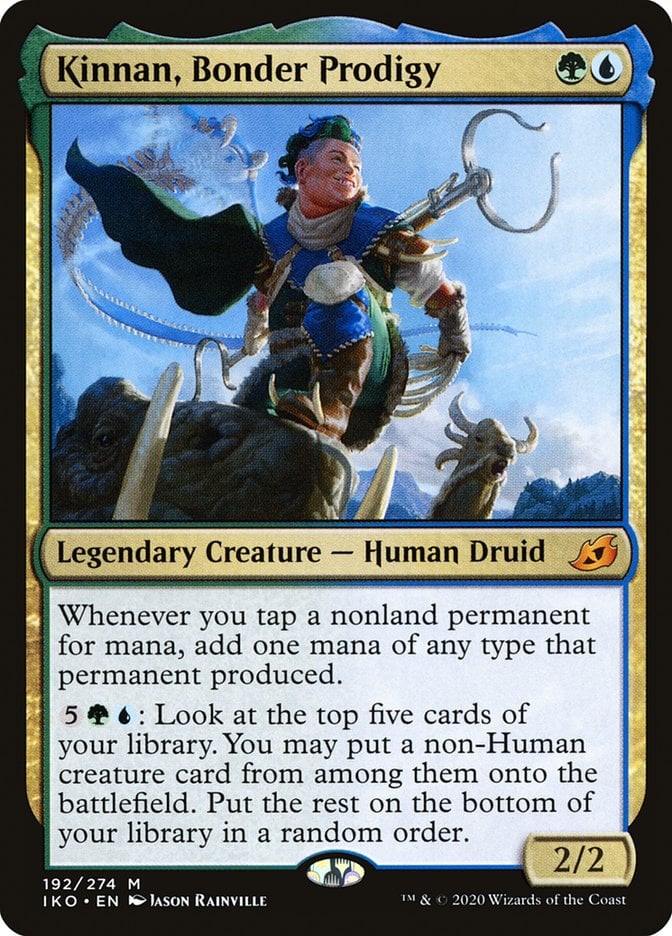
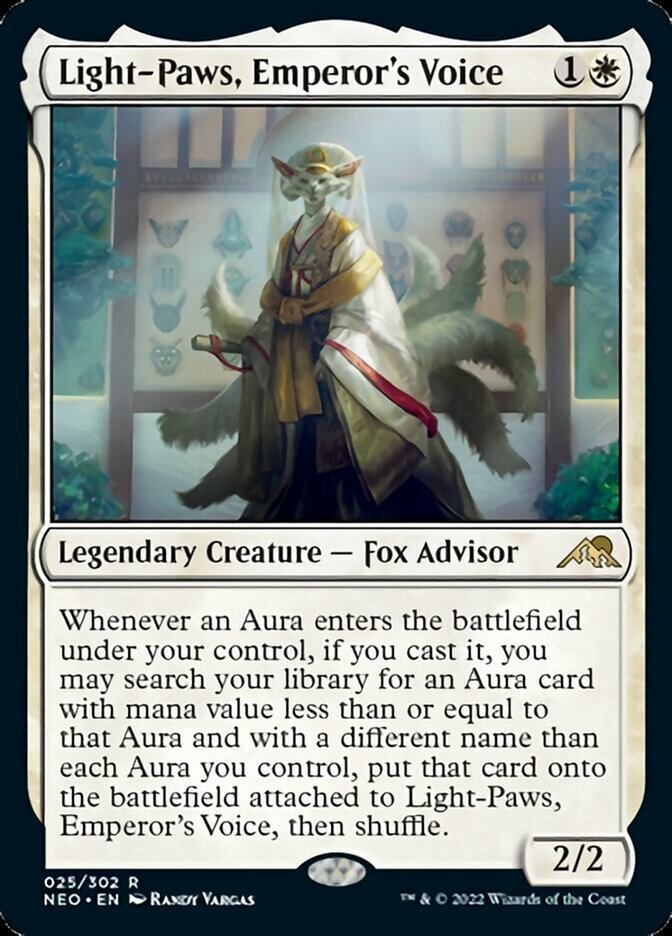
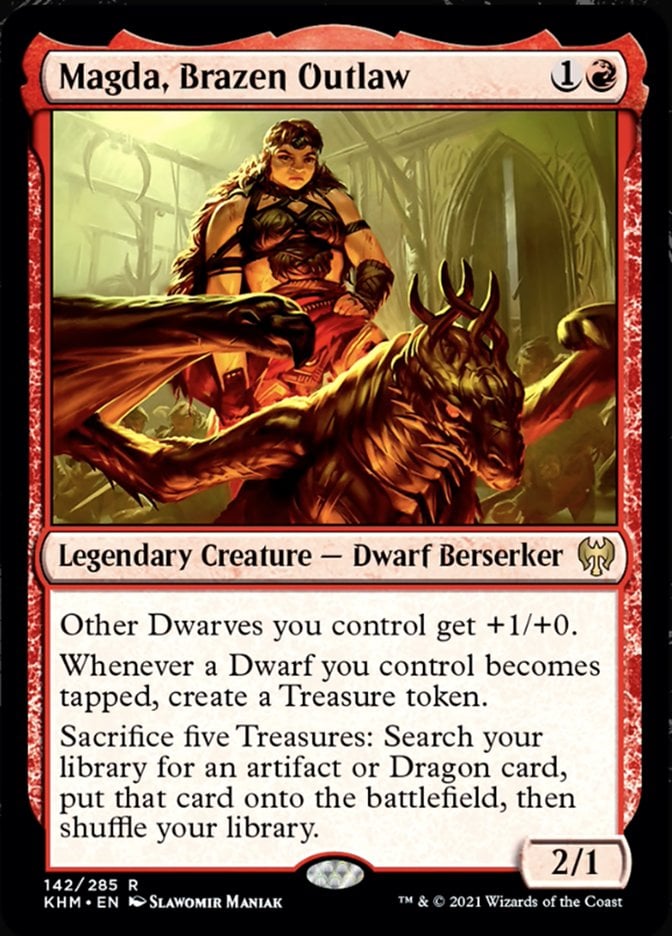
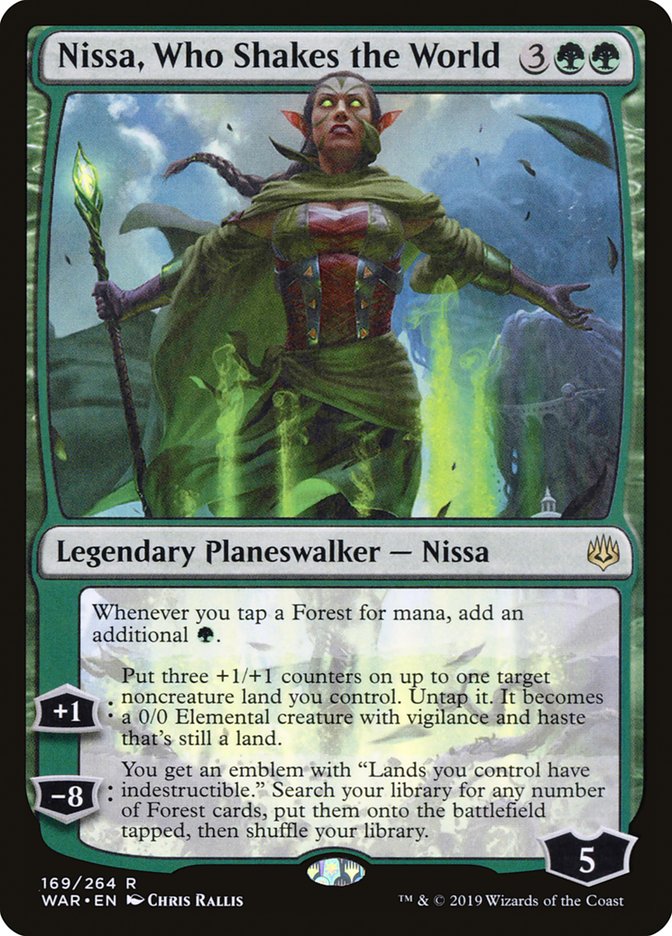
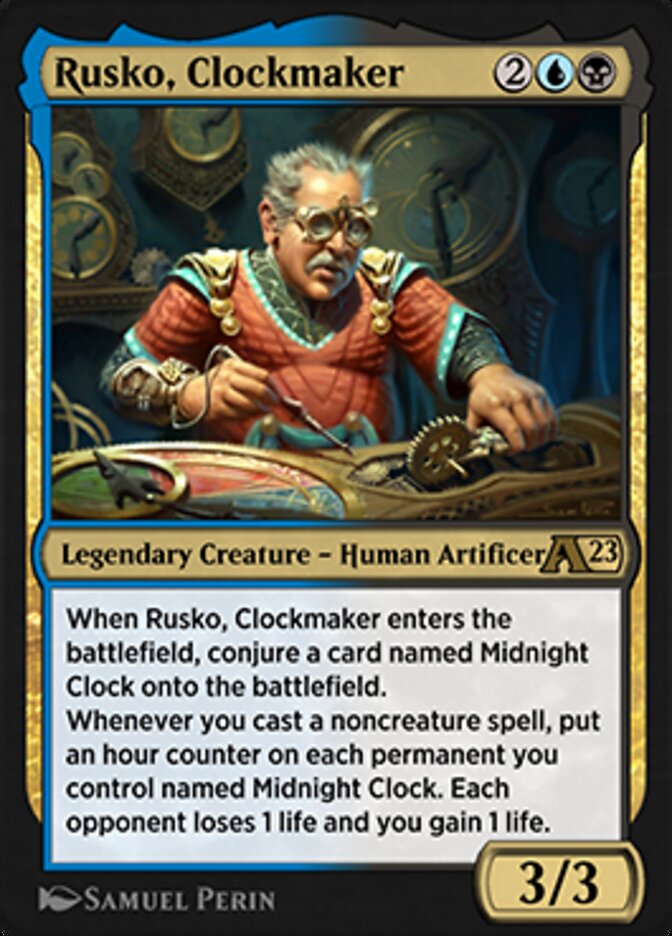
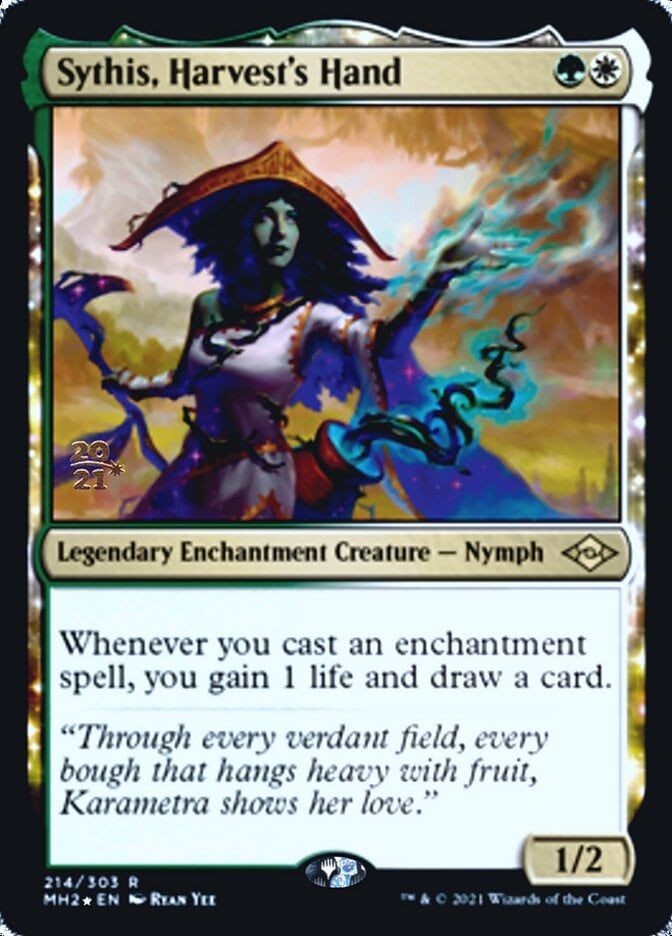
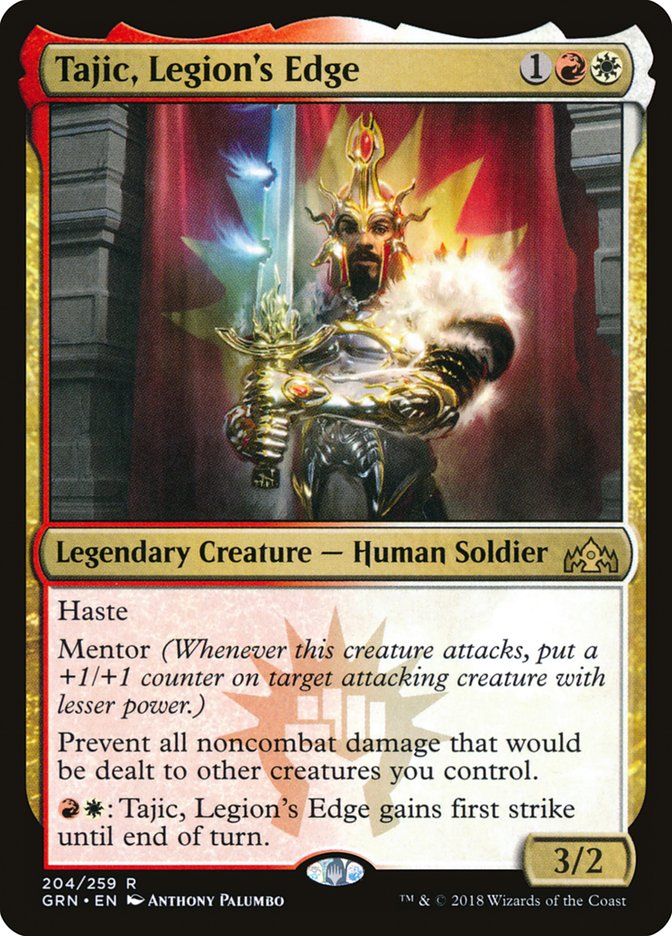
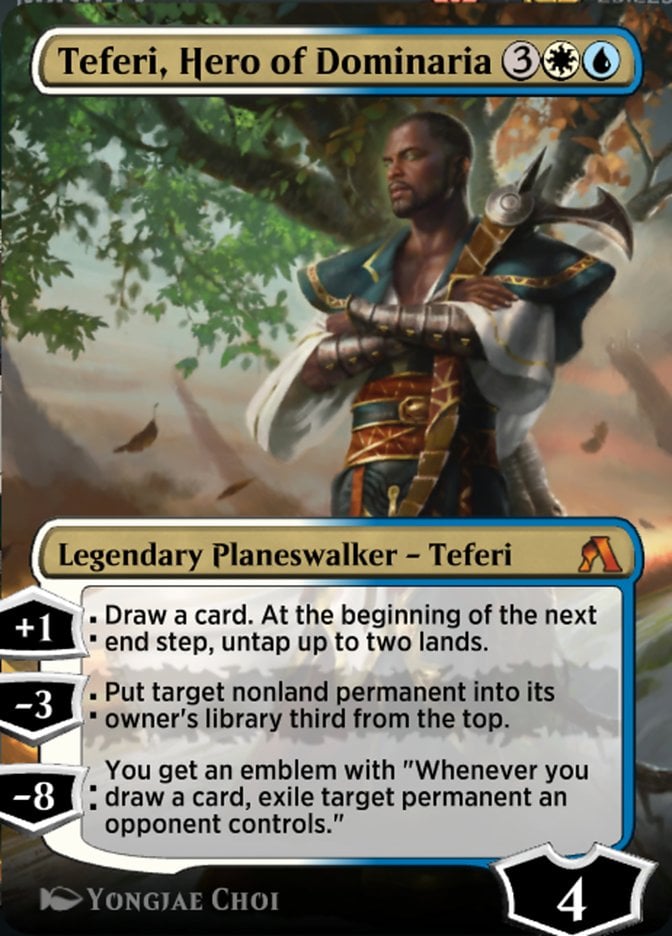
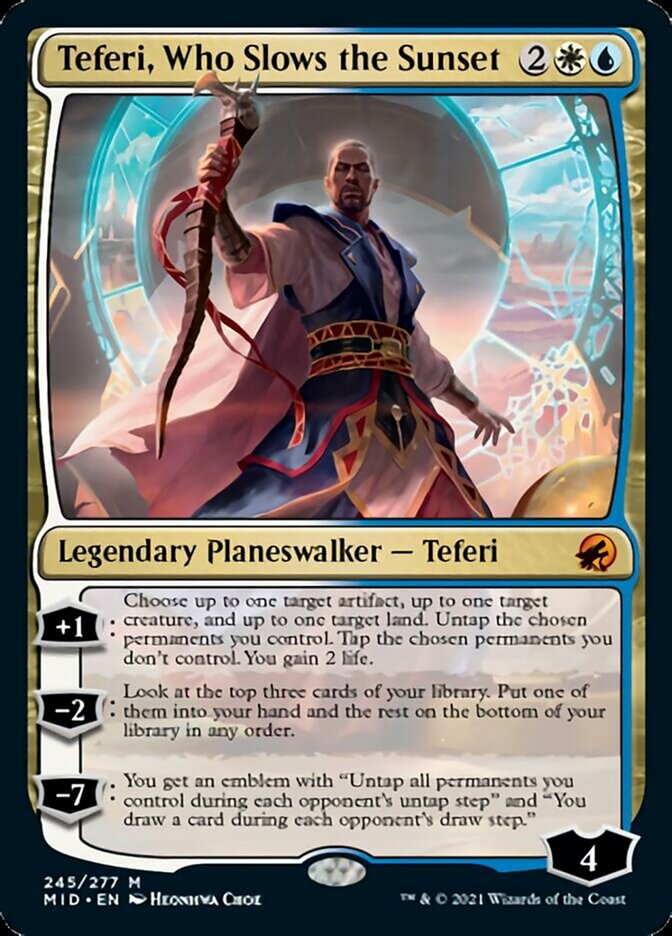
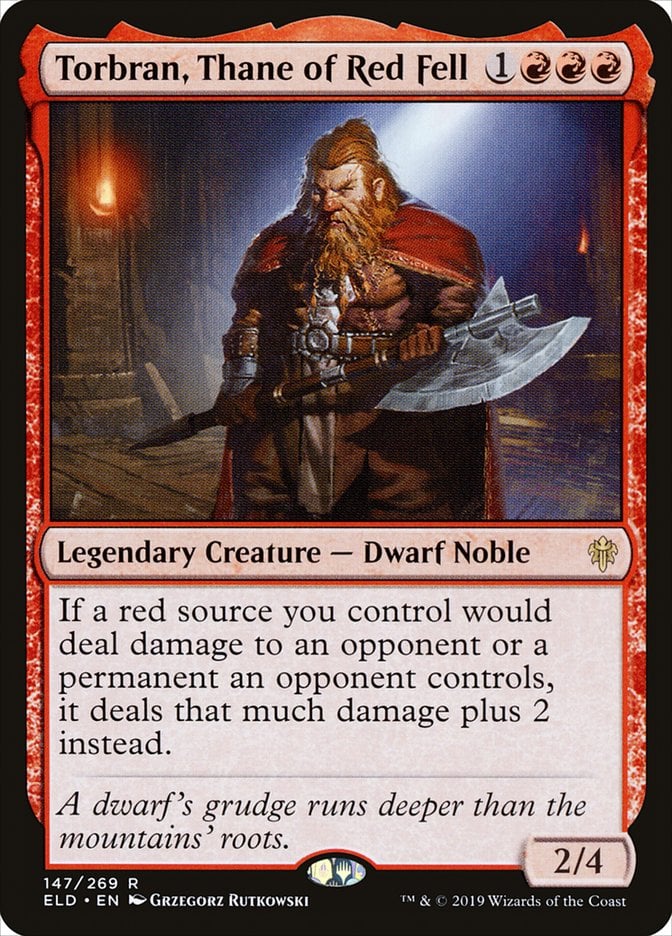
Per schlarpc’s spreadsheet, these commanders held the highest weight of 1,800 in May of 2024:
- Adeline, Resplendent Cathar
- Baral, Chief of Compliance
- Calix, Guided by Fate
- Fynn, the Fangbearer
- Geist of Saint Traft
- Kinnan, Bonder Prodigy
- Light-Paws, Emperor's Voice
- Magda, Brazen Outlaw
- Nissa, Who Shakes the World
- Raffine, Scheming Seer
- Rusko, Clockmaker
- Sythis, Harvest's Hand
- Tajic, Legion's Edge
- Teferi, Hero of Dominaria
- Teferi, Who Slows the Sunset
- Torbran, Thane of Red Fell
These commanders can be broadly sorted into three categories:
- Commanders that provide a mana advantage (Kinnan, Bonder Prodigy, Magda, Brazen Outlaw).
- Commanders that generate card advantage (Sythis, Harvest's Hand, Teferi, Hero of Dominaria).
- Commanders that enable aggressive strategies (Fynn, the Fangbearer, Tajic, Legion's Edge).
Commanders that generate mana and card advantages shouldn’t be much of a surprise; after all, those are some of the best things you can do in the game. Commanders like Kinnan, Bonder Prodigy even end up at cEDH tables because they’re that good. Obtaining a massive advantage in one of those resources might be the easiest way to win a game of Magic, even if it’s not the quickest. Plenty of Kinnan decks in Brawl can leave your opponent staring down the face of cards like Vorinclex, Voice of Hunger and Ulamog, the Infinite Gyre horrifically early.
The aggro commanders are a little more interesting. If we were discussing Commander, these commanders wouldn’t be in the conversation for “top tier” as the nature of the format discourages aggressive strategies in favor of those that amass tons of resources, namely card draw and ramp. It’s here that we see how Brawl differs from Commander: Playing aggressive decks and those with loads of 1-for-1 removal are actively beneficial in this format in a way they can’t work within Commander’s free-for-all multiplayer games. Some of the best Brawl commanders are those that apply the most pressure, primarily by supporting a low curve of creatures.
What Is Brawl’s Hell Queue?
Hell queue is the community’s term for the highest-weighted decks on Arena. The highest-rated commanders appear here; if you frequently encounter the likes of Rusko, Clockmaker, Kinnan, Bonder Prodigy, and Fynn, the Fangbearer, find a safe place to stash your hope.
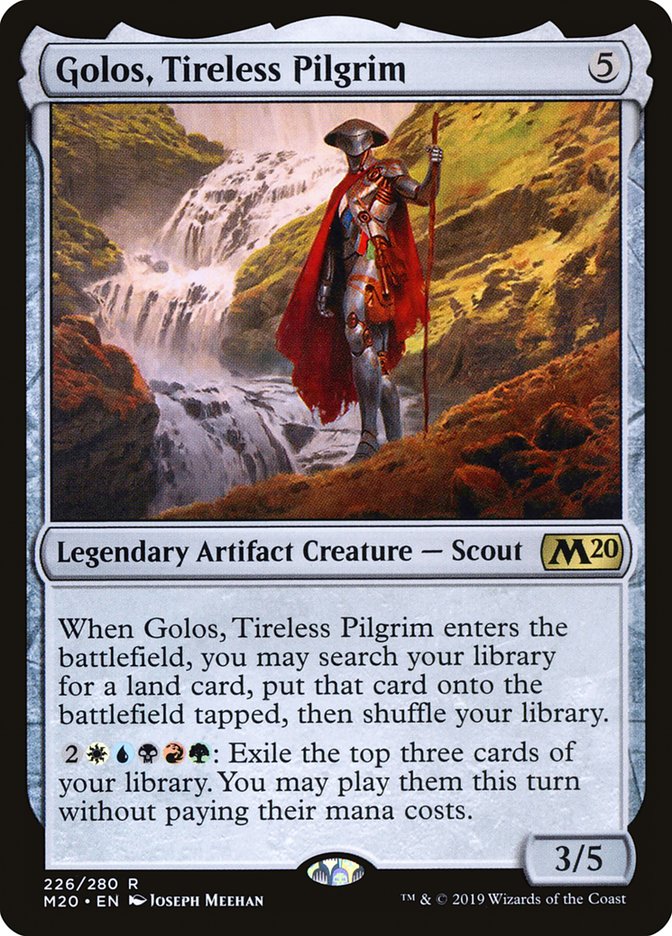
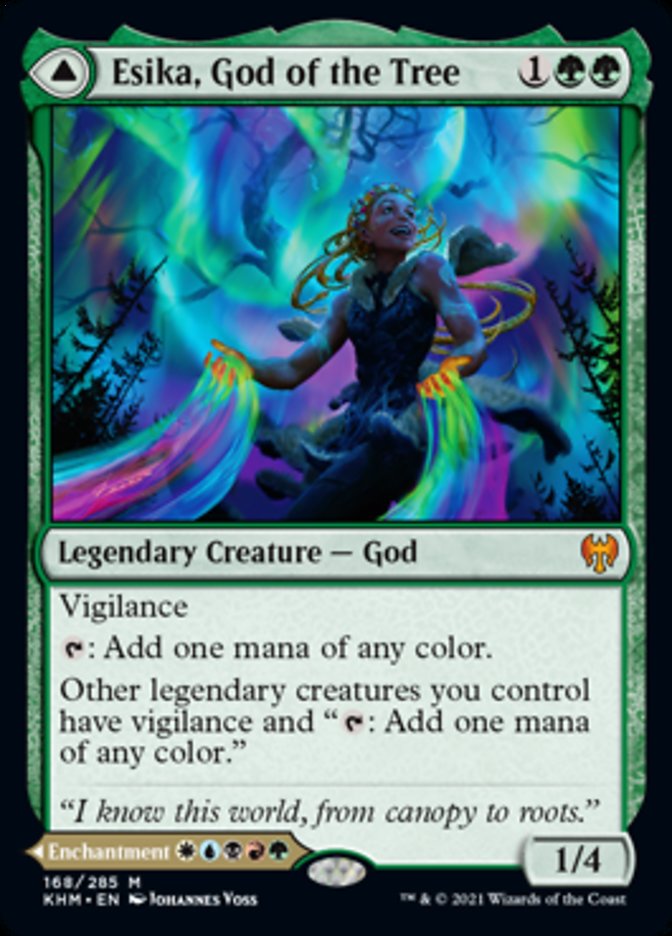
It’s important to note that commanders aren’t the only thing that gets you in the hell queue; playing one of the top commanders doesn’t even guarantee that you’ll end up here. Remember, the 99 matters too; a really janky Geist of Saint Traft deck might not make it into hell queue while commanders such as Golos, Tireless Pilgrim and Esika, God of the Tree frequently reach hell queue despite their 1,440 weighting because they pack so many high-weight cards in the 99.
Can Players Take Advantage of the Weighting System?
As with any system, there are ways to game it–that’s why Wizards avoids explaining the specifics of how matches are made. For this section, I’m assuming that players trying to “take advantage” of the system are looking to pubstomp, and that the best way to pubstomp is to play against weaker decks/less experienced players.
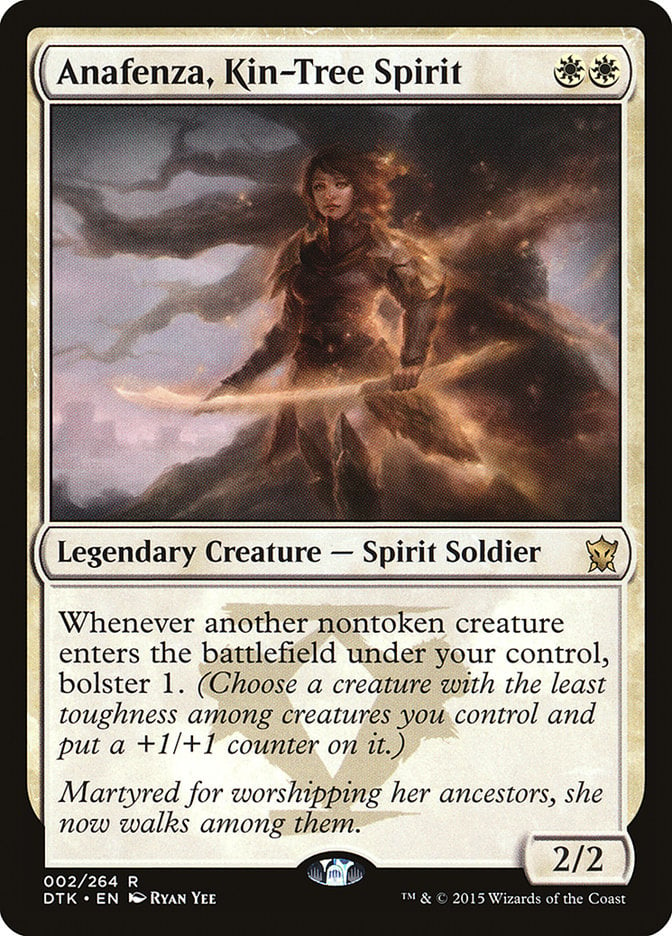
Changing the commander might be the easiest way for a player to game the system. Let’s say you have a fully-optimized White Weenies deck with Adeline, Resplendent Cathar as the commander. Adeline has a weight of 1,800, making it one of the highest-weighted commanders in the format. Anafenza, Kin-Tree Spirit is also a mono-white commander, but it has a weight of 360. If you swapped them, your deck would lose 1,440 points, which would likely pit you against less optimized decks.
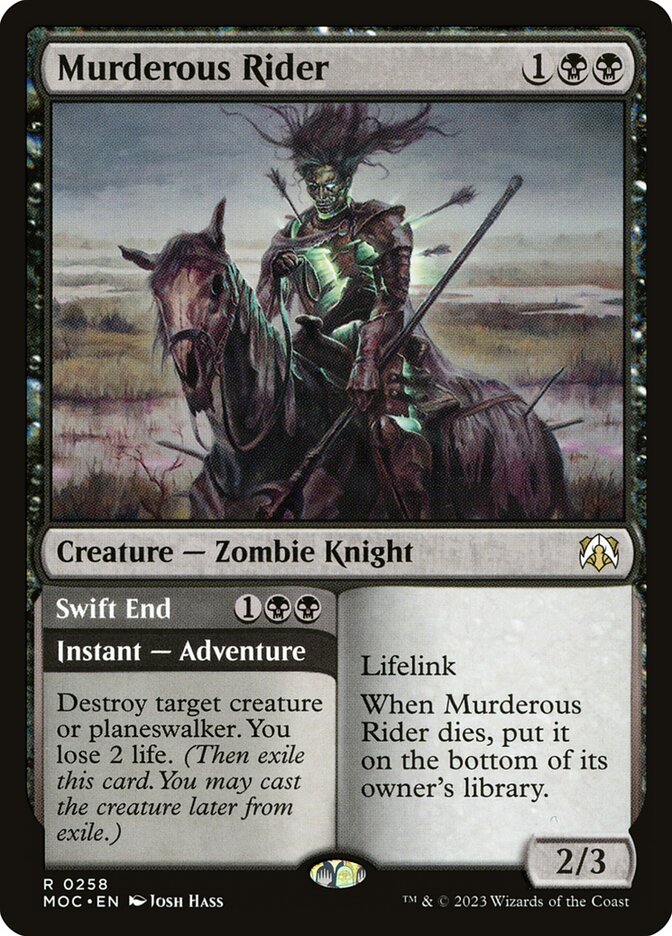
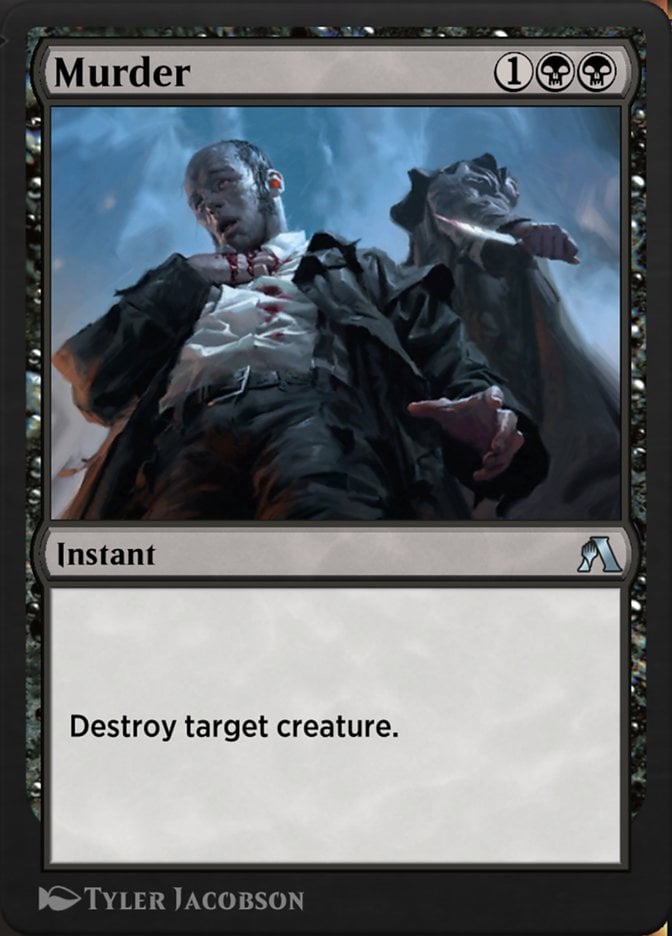
A player could also try min-maxing the weight of the 99. For example, Murderous Rider has a weight of 45, essentially the highest weight a card in the 99 can have. But Murder only has a weight of 9. That’s not a huge difference alone, but making a variety of these roughly equivalent swaps can help drive your tuned deck towards a lower weight class. Of course, you must be mindful of doing this too often and just weakening the deck; because of this, changing your commander is likely to have the greatest impact on your deck. Not only can you keep the optimized 99, it’s likely to have a bigger impact; you would need to make that Rider-Murder swap 40 times to decrease your deck’s weight as much as the Adeline-Anafenza swap does.
Lastly, you could attempt to manually alter your MMR by entering games and conceding to try and trick the system into thinking that you’re a worse player than you really are. However, game companies often have systems in place to flag and ban players attempting to manipulate the system like this.
As a final note here, I don’t want you to walk away thinking that the only way to play Brawl “fairly” is via optimization; that’s not true at all. In fact, while a handful of nefarious players might use this to try and game the system, understanding these factors helps you sculpt your Brawl experience to your preference. If you’re stuck playing against decks that seem way better than what you’re playing, consulting the spreadsheet to find cards more suitable to the games you want to play can improve your experience.
Is Card Weighting Good or Bad for Arena?
Ultimately, card weighting is good for MTGA’s Brawl format.
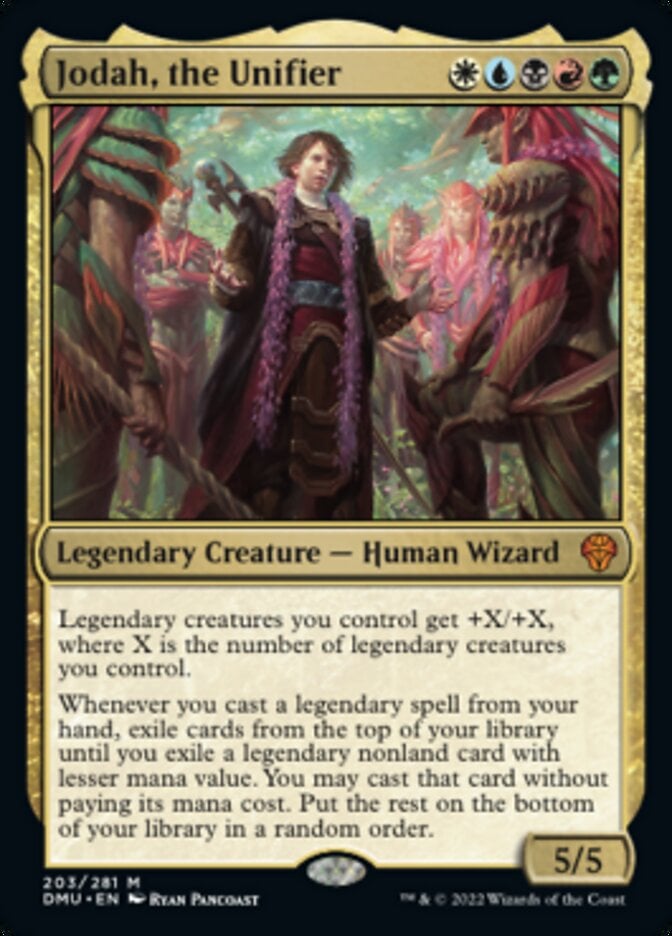
I won’t pretend that it’s a perfect system; it has its flaws. When I first started playing Brawl, I constantly played against the same commanders, with Sythis, Harvest's Hand and Jodah, the Unifier standing out as commanders I disliked seeing so frequently. This happened because I knew nothing about the weighting system; I had fallen right into the hell queue, literally trapped in a hell of my own (deckbuilding) creation.
Though those initial few weeks were rocky, I learned about the matchmaking system, I learned about hell queue, and I changed my decks to find a power level I was more interested in participating in. That’s the flipside of this debate; having that information, well before any of this broke, helped me tailor my Brawl experience.

That’s critical in a format like Brawl. Wizards has pitched this as a casual format, which means players bring decks of various power levels. Some kind of organization is necessary. You can’t have a Rule 0 conversation with random people on Arena, making card weighting and other matchmaking factors vital to keep your cuddly Finneas, Ace Archer away from busted, tuned versions of Raffine, Scheming Seer and Rusko, Clockmaker.
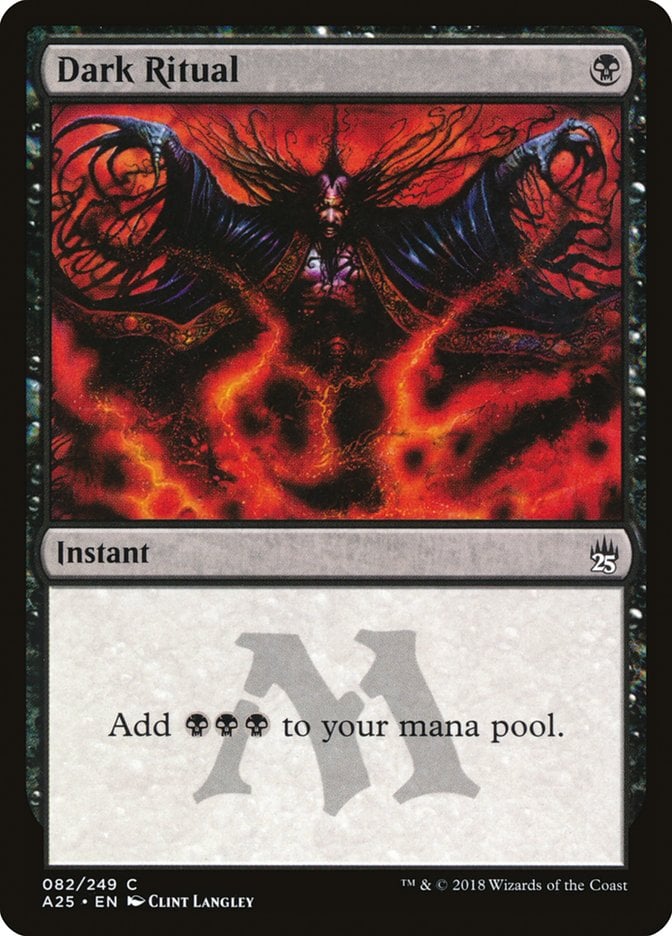
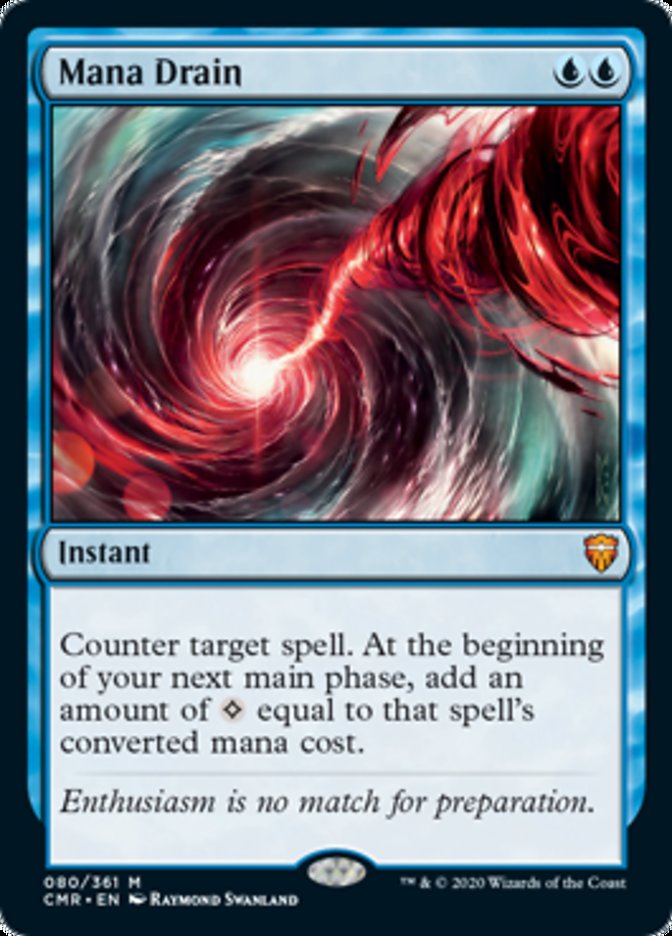
Sometimes you get paired against a deck with a much higher weight because Arena wants to get you in a match faster. Sometimes your opponent plays a card or two you think your deck shouldn’t have to play against, like Dark Ritual and Mana Drain. The important thing here is to understand that most of your games are better off with this system in place. If you set your expectations to “I’m always getting paired into a perfectly balanced matchup,” you’ll be disappointed and you should consider that you wouldn’t even get that experience on tabletop Magic without creating a small player group with exceedingly clear guidelines on appropriate power levels.
Wrap Up
Raffine, Scheming Seer | Illustration by Johannes Voss
For all its flaws, I genuinely like Brawl. I view it as a Commander variant with most of the upsides of the format and few of the flaws I see there. Understanding the weighting system, even with imperfect knowledge, makes it even easier to navigate the matchmaking system to find games I enjoy.
But what do you think? Do you wish Wizards let players keep accumulating card weight information? Do you think Arena should even have a matchmaker at all? Let me know in the comments below or on the Draftsim Discord!
Stay safe, and keep brawling!
Follow Draftsim for awesome articles and set updates:










Add Comment