
Last updated on May 19, 2025

MTG Arena Store
In 2024, WotC started selling whole decks on MTG Arena to ease players into getting strong, competitive decks. These preconstructed deck offerings vary between formats, so sometimes we get Pro Tour Standard decks, or maybe strong metagame Historic decks, and even Brawl decks. These decks can be bought with gems, and you can get a hefty discount based on the cards you already have in your collection, so it can be an interesting way of getting the cards you need instead of randomly opening packs. But are the benefits worth the price of admission?
Today we’re focusing on the Brawl precon decks that sometimes appear in MTG Arena’s store, ranging from the worst to the best ones.
What Are Brawl Decks on MTG Arena?

Professional Face-Breaker | Illustration by Dan Scott
Brawl precons on MTG Arena are complete Brawl decks you can buy via gems in the Arena Store, and they can only be played in the Brawl format; but of course, you can use the acquired cards in whichever Arena format they’re valid. When you buy these decks, all the cards will be added to your collection, so it’s a novel way to buy specific cards. Also, the deck price will vary based on how many cards you already have, so Arena won’t charge you for duplicates. Since Brawl decks are singleton, you’re only getting one copy of each card.
Brawl decks will be offered in a rotation, and the latest batch features five decks that were made available on 04/29/25.
How to Buy Brawl Decks
Getting Brawl decks on Arena is pretty simple, when they’re available. I’ll walk you through the process:

First, let’s open MTG Arena and click on Store on the main screen.

Now we’re in the Arena store. We can see more options underneath, and here we’ll click on Decks.

After that, you’re on your way to purchase a Brawl deck. Note that these decks have dynamic pricing determined by how many rares/mythics they have and the cards you already own. You can get a huge discount if you have a fairly extensive collection, and you can craft cards in the deck ahead of time to lower the gem price you’d pay for the rest. Also, you can only buy these decks with gems, so your Arena gold is no good here.
Latest Brawl Decks as of May, 2025:
- Kotis, Sibsig Champion
- Elsha, Threefold Master
- Eshki, Temur's Roar
- Betor, Ancestor's Voice
- Neriv, Crackling Vanguard
How Much Do the Arena Brawl Decks Cost?
Here’s the base cost of the latest Brawl decks in the Arena Store, from lowest to highest.
Latest Brawl Decks:
- Eshki, Temur’s Roar – 20,790
- Neriv, Crackling Vanguard – 20,800
- Betor, Ancestor’s Voice – 20,810
- Kotis, Sibsig Champion – 21,780
- Elsha, Threefold Master – 22,290
Arena Brawl deck costs aren’t fixed because their price varies based on the type and rarity of the cards they contain. The first wave of Brawl precons were actually cheaper, including decks in the 3k-15k range. With the latest offerings, decks cost anywhere between 20-30k gems.
Consider that each dollar gets you 170 gems on Arena and you’re looking at a base rate $100+ per Brawl deck, which is insane. Now consider discounted prices based on what you may already have in your collection, and prices go down considerably.
How to Calculate the Value of Brawl Decks
The total and adjusted deck values are based off wildcards needed to craft the deck. Some models we ran for previous offerings showed us that the price per common/uncommon wildcard was slightly more than the price per rare/mythic wildcard, though it’s unclear how much weight is being added to wildcards of each rarity. It’s also not explicitly stated that cards of the same rarity are being assigned the same gem cost.
The price you pay for a deck scales down based on the cards you already have in your collection, so it might be worth your time to actually craft the commons and uncommons from a Brawl deck you plan to buy before you actually purchase it, saving yourself some gems in the process.
The quick answer for price calculations is to just go to the Arena store yourself and check out how much you’d have to spend to complete the deck.
Best Brawl Precon Decks
Before taking a peek at the latest decks, note that Brawl includes Alchemy cards, both digital-only cards and rebalanced cards. Any cards in these decklists denoted with an “A-” at the front of their name are Alchemy rebalanced versions of those cards (these will add the normal version of that card to your collection).
Also, keep in mind that these decks are pretty basic, and it really shows in their mana bases. When I played them, I often struggled to fix my colors because they rely heavily on basic lands instead of better options like fetch lands, surveil lands, or shock lands. That might sound like a big ask, but if you play other formats or draft regularly, you probably already have them, or you have enough resources to craft at least one of these upgraded mana bases for Brawl. And trust me—those three land types make a huge difference in 3-color decks like the Brawl decks that came out around Tarkir: Dragonstorm. I highly recommend spending your wildcards on fixing the mana.
#5. Kotis, Sibsig Champion

Kotis, Sibsig Champion | Illustration by Chris Rallis
Commander (1)
Planeswalker (1)
Creature (38)
Timeless Witness
Stitcher's Supplier
Insidious Fungus
Molt Tender
Rubblebelt Maverick
Shoreline Looter
Sneaky Snacker
Reassembling Skeleton
Bloodghast
Skull Prophet
Aftermath Analyst
Jet Collector
Satyr Wayfinder
Urborg Lhurgoyf
Rootcoil Creeper
Vilespawn Spider
Man-o'-War
Woe Strider
Honest Rutstein
Nyx Weaver
Six
Springbloom Druid
Wonder
Disciple of Bolas
Chitinous Crawler
Ravenous Chupacabra
Kheru Goldkeeper
Sidisi, Brood Tyrant
Teval, the Balanced Scale
Mulldrifter
Gravebreaker Lamia
Lord of Extinction
Disruptive Stormbrood
Acidic Slime
Dragonlord Silumgar
Tasigur, the Golden Fang
Lord of the Forsaken
Izoni, Thousand-Eyed
Sorcery (7)
Toxic Deluge
Victimize
Cultivate
Croaking Counterpart
Deep Analysis
Casualties of War
Breach the Multiverse
Instant (7)
Cut Down
Eviscerator's Insight
Tear Asunder
Confounding Riddle
Forbidden Alchemy
Putrefy
Sultai Charm
Enchantment (3)
Insidious Roots
Dredger's Insight
Crawling Sensation
Artifact (2)
Arcane Signet
Broodheart Engine
Land (41)
Cephalid Coliseum
Command Tower
Contaminated Aquifer
Dreamroot Cascade
Drowned Catacomb
Foreboding Landscape
Forest x6
Haunted Mire
Hedge Maze
Hinterland Harbor
Island x4
Jungle Hollow
Llanowar Wastes
Memorial to Folly
Opulent Palace
Restless Reef
Sunken Hollow
Swamp x6
Takenuma, Abandoned Mire
Tangled Islet
Terramorphic Expanse
Thornwood Falls
Undercity Sewers
Underground Mortuary
Underground River
Woodland Cemetery
Yavimaya Coast
Zagoth Triome
Deck Theme and Strategy

Kotis, Sibsig Champion turns your graveyard into a second hand, letting you cast one creature each turn straight from the bin by exiling three other cards. On top of that, every time you bring something back from the graveyard, Kotis bulks up with two +1/+1 counters, quickly becoming a serious problem for your opponents.
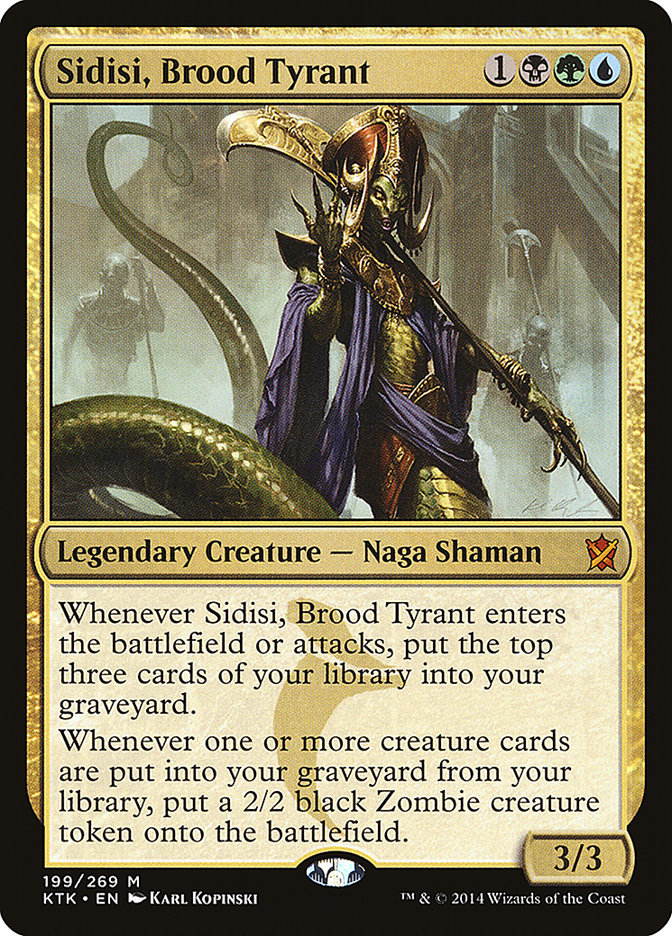
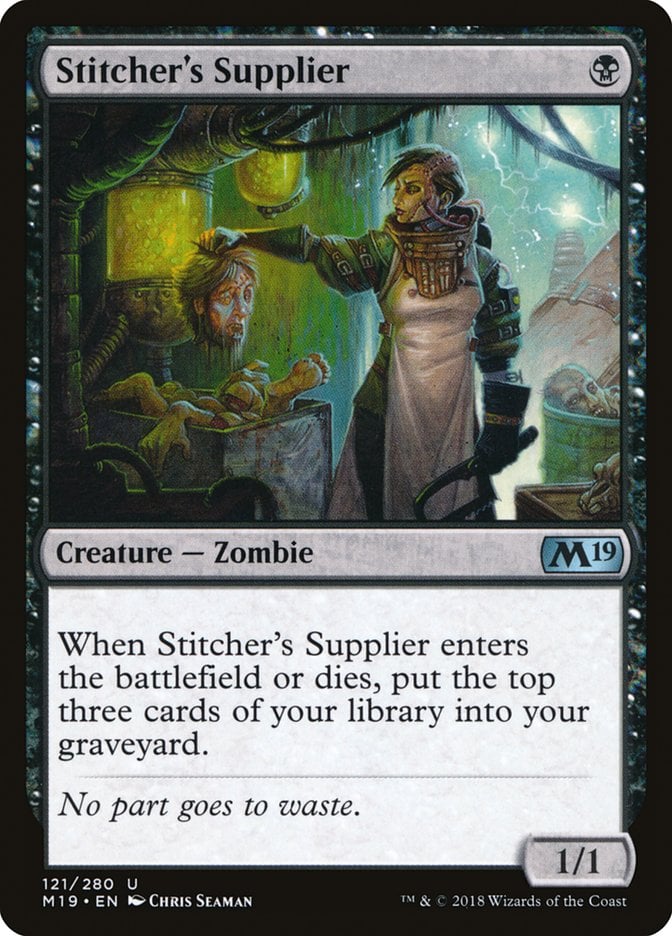
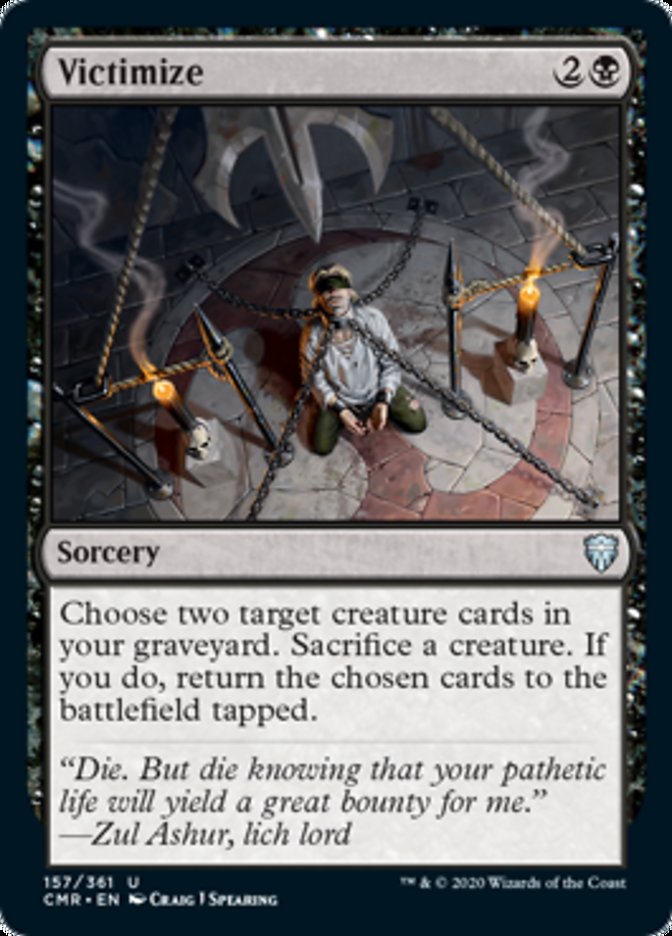
The build leans heavily into recursion and self-mill, with support from zombie synergies, token generators, and even a few spicy dragons like Dragonlord Silumgar. Cards like Sidisi, Brood Tyrant, Skull Prophet, and Stitcher's Supplier keep your graveyard loaded, while Woe Strider, Victimize, and Gravebreaker Lamia help your biggest threats make a comeback.
Strengths and Weaknesses

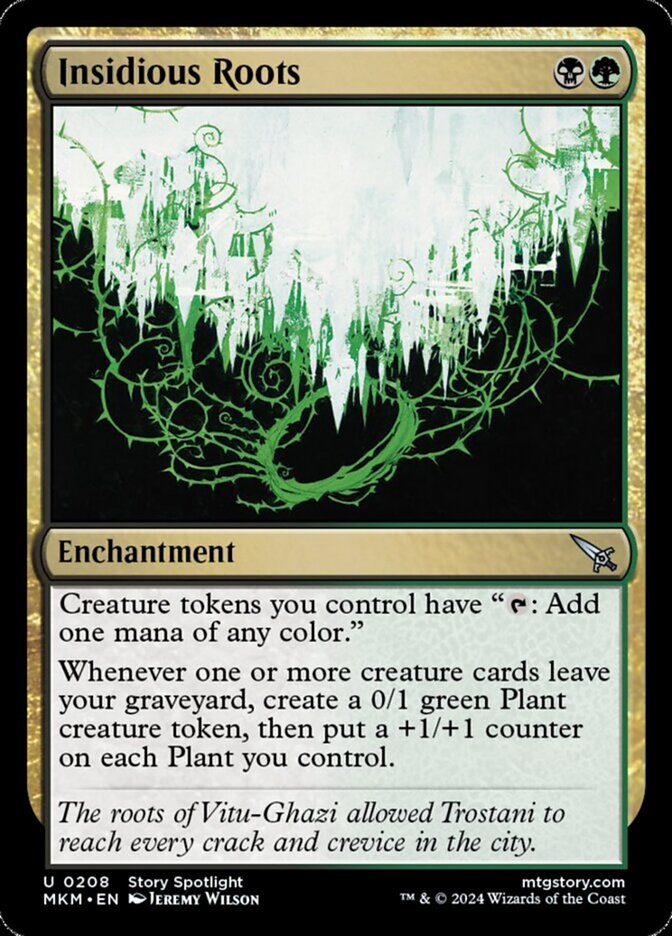

One of the coolest things about this Kotis build is how well it grinds. You fill up the graveyard quickly and then just keep looping value—bringing stuff back turn after turn. Cards like Teval, the Balanced Scale, Insidious Roots, and Kheru Goldkeeper make sure every graveyard interaction gives you a little something extra, whether it’s tokens, mana, or both.
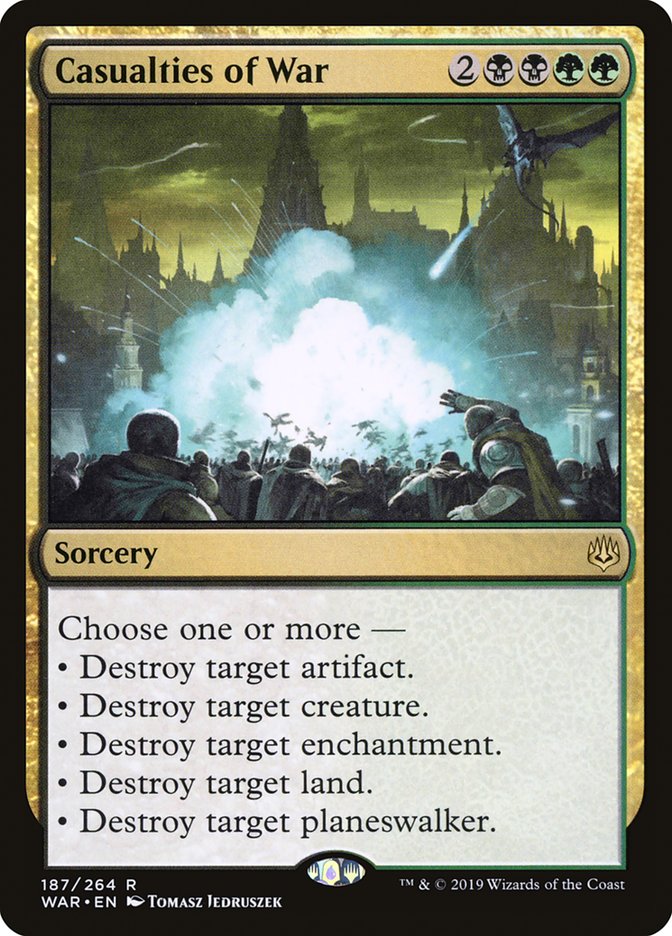
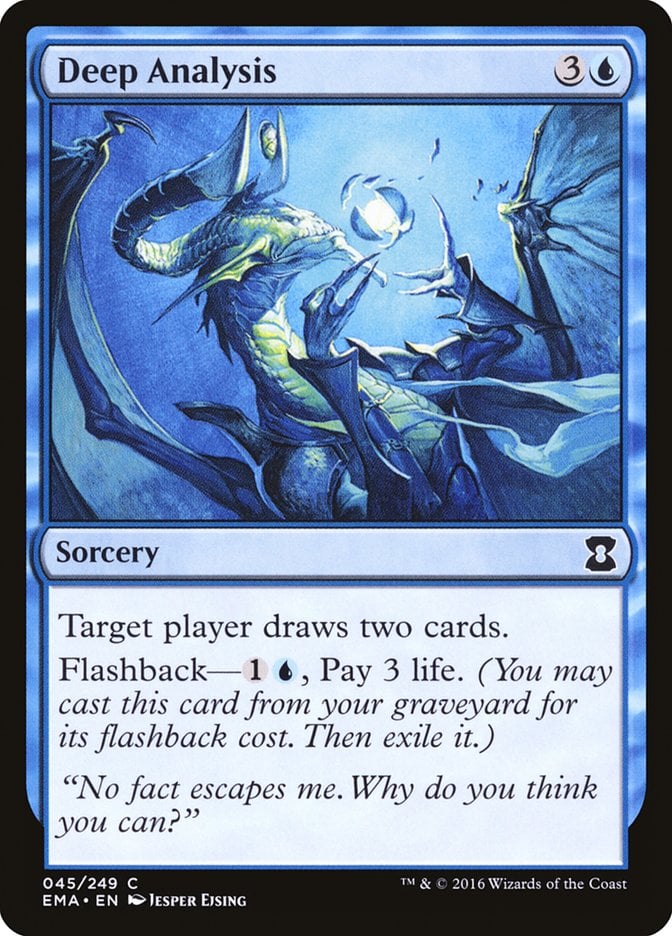

Kotis itself gets huge over time, growing stronger with each reanimated creature. The deck’s also super flexible, packing in removal like Putrefy and Casualties of War, card draw with Deep Analysis and Mulldrifter, and all kinds of utility through Nyx Weaver and Broodheart Engine.
The big catch? Graveyard hate really hurts. A Rest in Peace or surprise Bojuka Bog can completely shut things down. And since a lot of your value adds up slowly over time, it can be tough to keep up with super-fast combo or aggro decks if you fall behind early.
#4. Elsha, Threefold Master

Elsha, Threefold Master | Illustration by Irina Nordsol
Commander (1)
Planeswalker (1)
Creature (21)
Sprite Dragon
Stormcatch Mentor
Third Path Iconoclast
Accident-Prone Apprentice
Coruscation Mage
Frenzied Geistblaster
Slickshot Show-Off
Smoldering Egg
Young Pyromancer
Monastery Mentor
Mocking Sprite
Haughty Djinn
Baral and Kari Zev
Guttersnipe
Murmuring Mystic
Archmage Emeritus
Shiko and Narset, Unified
Storm-Kiln Artist
Indris, the Hydrostatic Surge
Tolarian Terror
Eddymurk Crab
Sorcery (13)
Anguished Recollection
Sleight of Hand
Unending Whisper
Faithless Looting
Strike It Rich
Exorcise
Expressive Iteration
Glacial Dragonhunt
Deep Analysis
Rite of Replication
Baral's Expertise
Riverwheel Sweep
Vanquish the Horde
Instant (20)
Defiant Strike
Swords to Plowshares
Brainstorm
Consider
Opt
Shore Up
Expedite
Get Lost
Faithful Mending
Mapping the Maze
Think Twice
Abrade
Twinferno
Sink into Stupor
Prismari Command
Jeskai Charm
Rally the Monastery
Big Score
Sublime Epiphany
Magma Opus
Enchantment (4)
Stormchaser's Talent
Ghostly Prison
Jeskai Ascendancy
Whirlwind of Thought
Artifact (1)
Land (39)
Adarkar Wastes
Ash Barrens
Battlefield Forge
Clifftop Retreat
Command Tower
Deserted Beach
Elegant Parlor
Evolving Wilds
Glacial Fortress
Idyllic Beachfront
Island x5
Meticulous Archive
Molten Tributary
Mountain x5
Mystic Monastery
Perilous Landscape
Plains x5
Prairie Stream
Restless Spire
Sacred Peaks
Shivan Reef
Stormcarved Coast
Sulfur Falls
Sundown Pass
Swiftwater Cliffs
Tranquil Cove
Wind-Scarred Crag
Deck Theme and Strategy

This Elsha, Threefold Master deck is all about casting a bunch of spells, drawing cards, and turning that momentum into a flood of tokens or big, flashy plays. Elsha needs to connect in combat for at least one big hit, after which an army of prowess monk tokens can convert your spell-based strategy into a win.
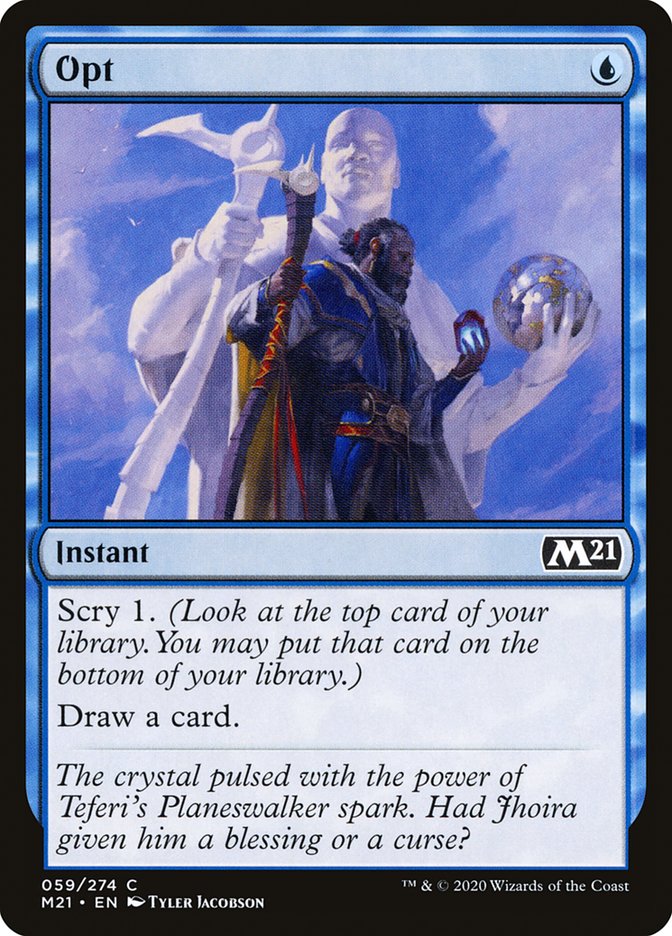
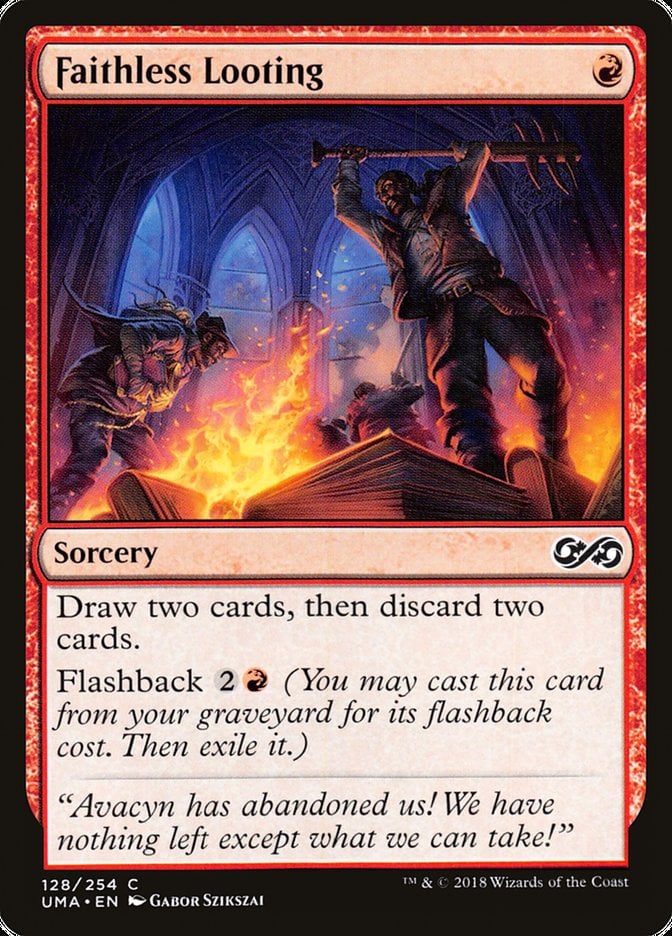
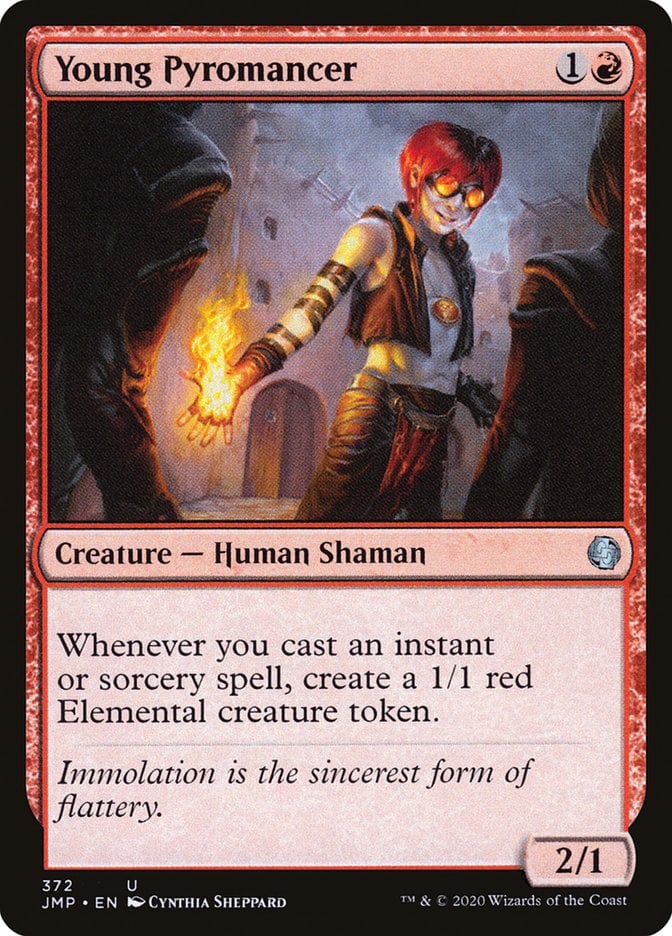
You’ve got a ton of cheap spells like Opt, Consider, and Faithless Looting to keep things moving, while cards like Young Pyromancer, Monastery Mentor, and Third Path Iconoclast reward you with tokens for every instant or sorcery.
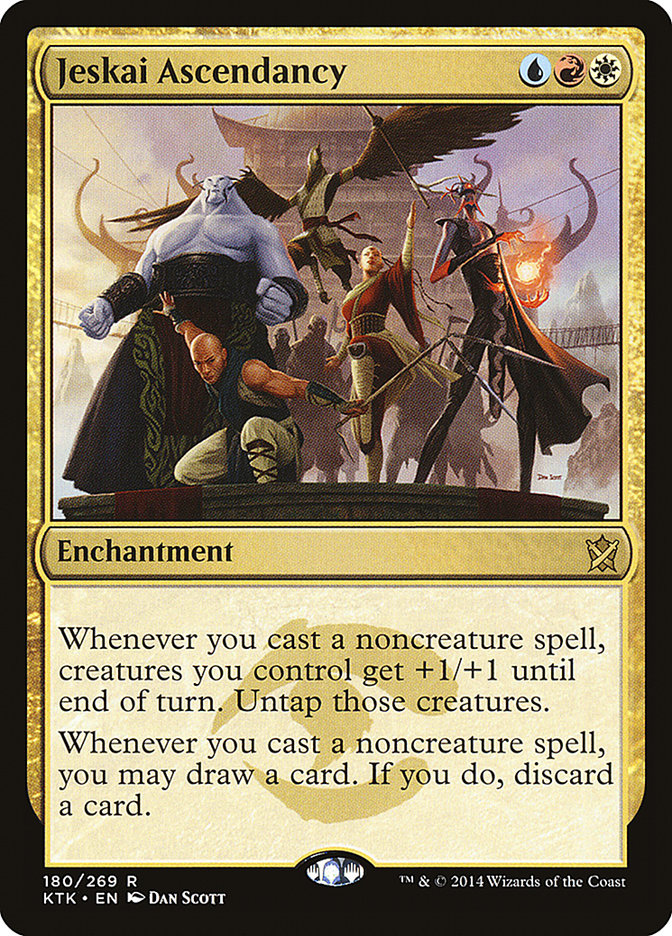
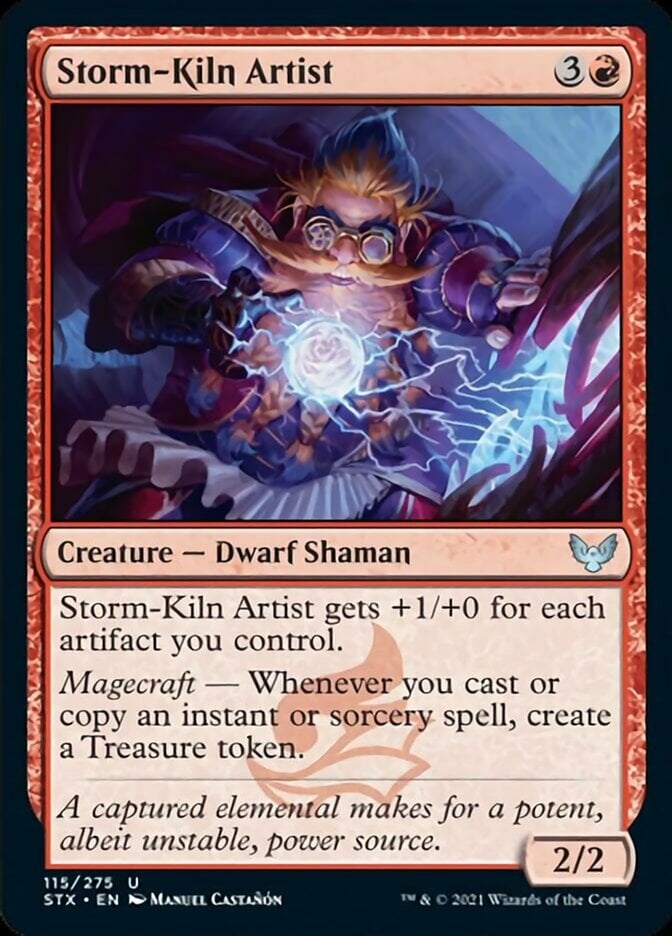
Add in value engines like Jeskai Ascendancy and Storm-Kiln Artist, and the deck can explode out of nowhere with massive turns packed with spells, triggers, and damage.
Strengths and Weaknesses
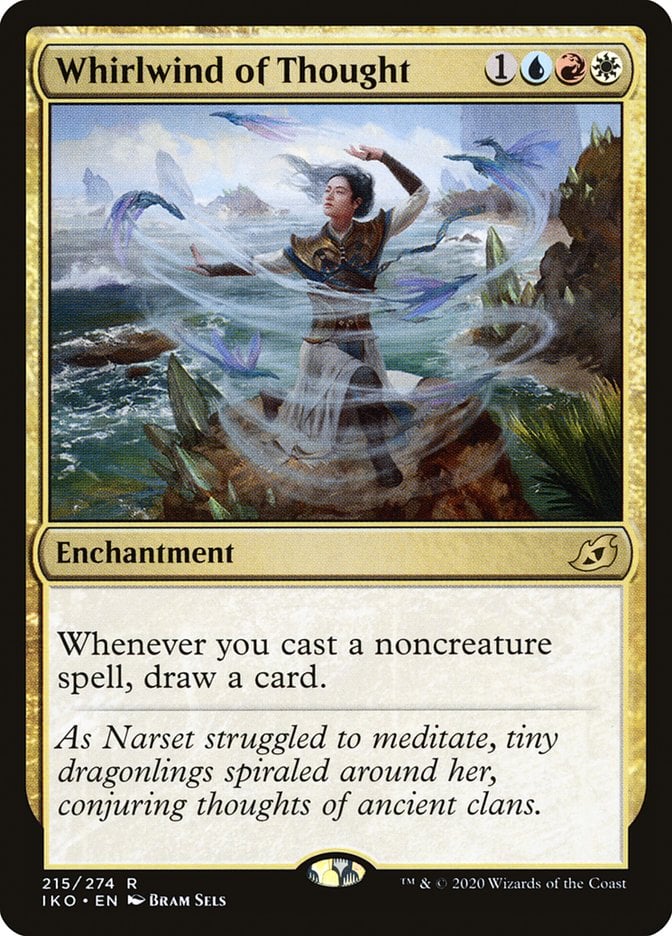
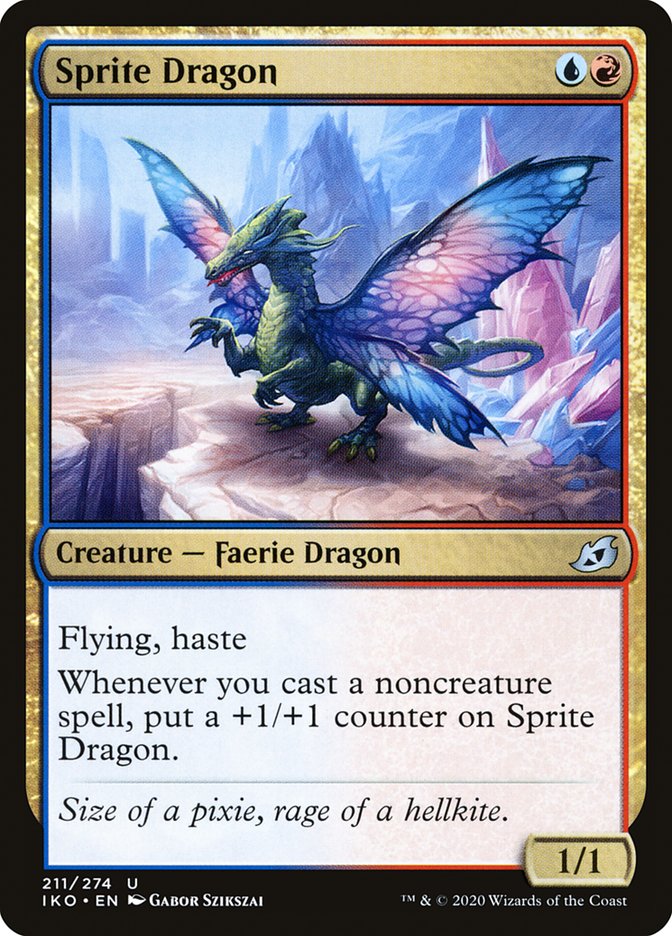
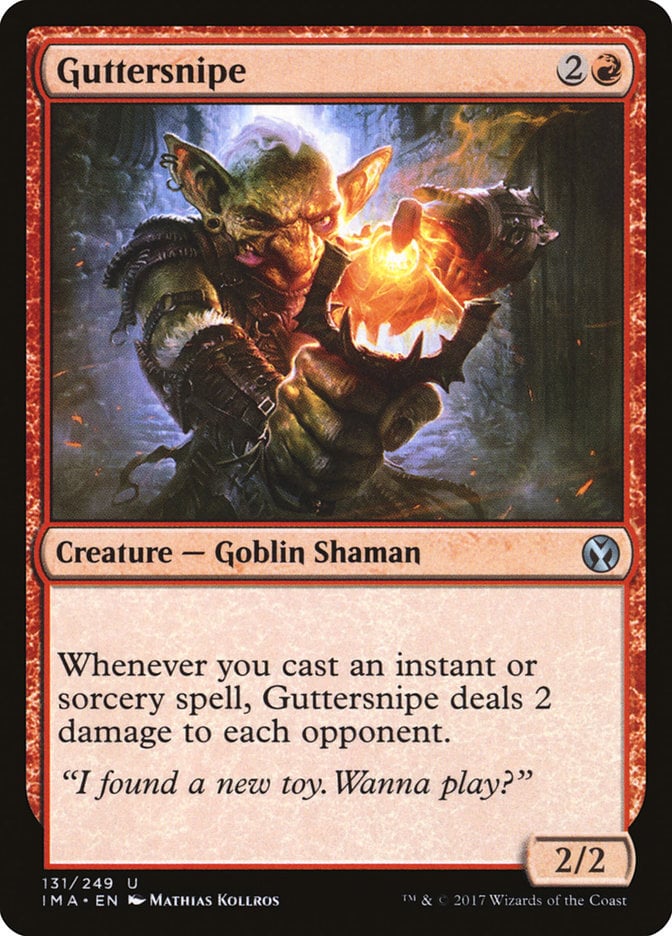
The biggest strength here is how fast things can snowball. Once Elsha is on board, you start to draw tons of cards with Whirlwind of Thought, sling spells for value, and build up a board with growing threats like Sprite Dragon and burn from Guttersnipe.
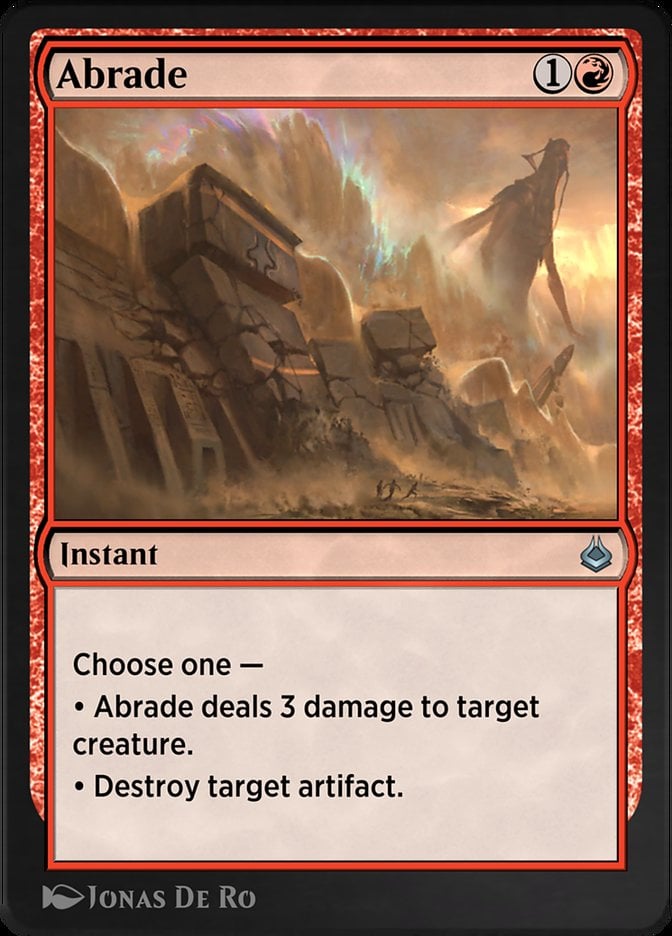
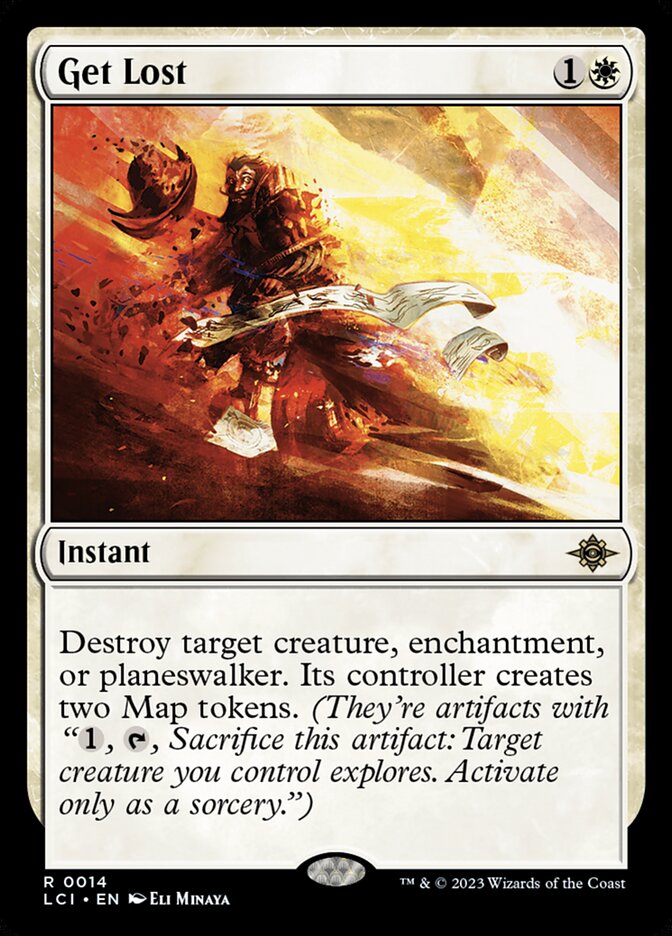
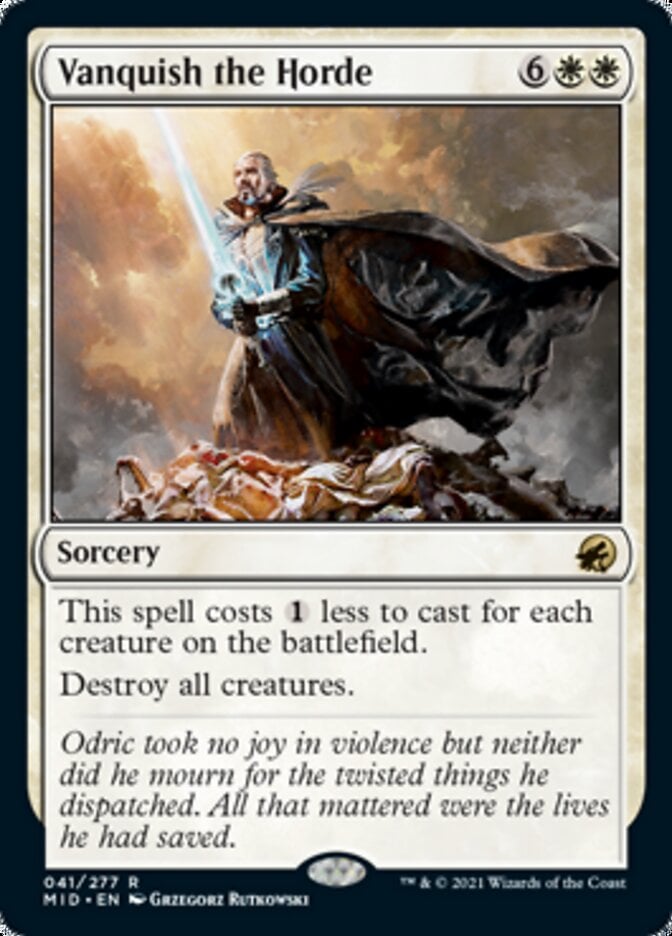
You’ve got removal covered too, with tools like Abrade, Swords to Plowshares, and Get Lost, and even a reset button in Vanquish the Horde.
The downside? It needs a little setup time. If a key piece like Storm-Kiln Artist or Jeskai Ascendancy gets answered, you might lose your momentum. Plus, graveyard hate or timely counters can throw your entire rhythm off.
#3. Eshki, Temur’s Roar

Eshki, Temur's Roar | Illustration by Billy Christian
Commander (1)
Planeswalker (1)
Creature (26)
Dragonlord's Servant
Fearsome Whelp
Ilysian Caryatid
Korlessa, Scale Singer
Gadrak, the Crown-Scourge
Jolene, Plundering Pugilist
Outcaster Trailblazer
Savage Knuckleblade
Opportunistic Dragon
Thunderbreak Regent
Cactusfolk Sureshot
Draconic Muralists
Goreclaw, Terror of Qal Sisma
Lozhan, Dragons' Legacy
Dragonhawk, Fate's Tempest
Glorybringer
Wrathful Red Dragon
Scourge of Valkas
Surrak Dragonclaw
Lathliss, Dragon Queen
Karakyk Guardian
Miirym, Sentinel Wyrm
Dragonlord Atarka
Ureni of the Unwritten
Molten Monstrosity
Earthquake Dragon
Sorcery (12)
Draconic Debut
Unending Whisper
Channeled Dragonfire
Bushwhack
Ureni's Rebuff
Glacial Dragonhunt
Malevolent Rumble
Rampant Growth
Choice of Fortunes
Song of Seasons
Cultivate
Dragonclaw Strike
Instant (8)
Stubborn Denial
Negate
Dragon's Fire
Growth Spiral
Breath Weapon
Spit Flame
Temur Charm
Draconic Lore
Enchantment (8)
Unable to Scream
Roiling Dragonstorm
Hunter's Talent
Colossal Majesty
Garruk's Uprising
Temur Ascendancy
Encroaching Dragonstorm
Breaching Dragonstorm
Artifact (4)
Arcane Signet
Coldsteel Heart
Swiftfoot Boots
Jade Orb of Dragonkind
Land (39)
Bountiful Landscape
Cinder Glade
Command Tower
Commercial District
Dreamroot Cascade
Evolving Wilds
Forest x6
Frontier Bivouac
Hedge Maze
Hinterland Harbor
Island x3
Karplusan Forest
Molten Tributary
Mountain x7
Restless Vinestalk
Rockfall Vale
Rootbound Crag
Rugged Highlands
Sheltered Thicket
Shivan Reef
Stormcarved Coast
Sulfur Falls
Swiftwater Cliffs
Thornwood Falls
Wooded Ridgeline
Yavimaya Coast
Battle (1)
Deck Theme and Strategy

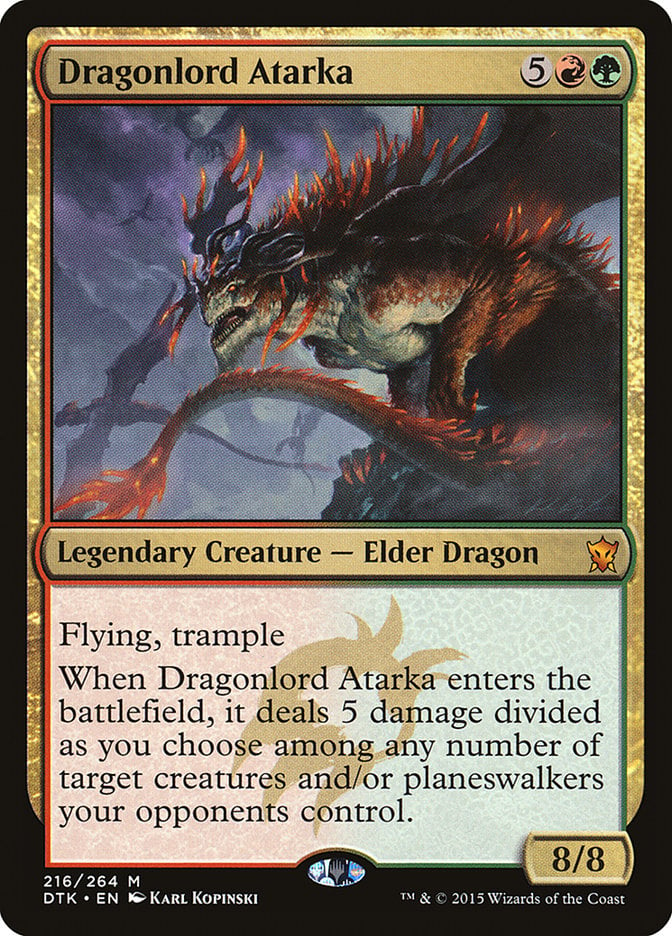
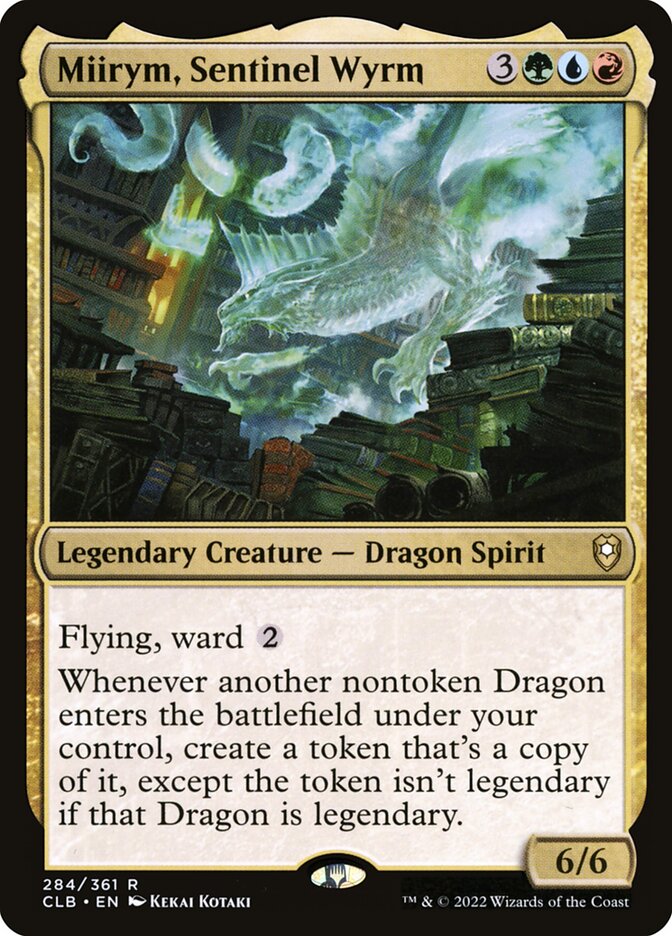
Eshki, Temur's Roar rewards you handsomely every time you play a creature, growing in size, drawing cards, and even flinging damage at all opponents when you cast big creatures. The main theme is that power matters, with a strong sub-theme focused on dragons. Many of the creatures—like Dragonlord Atarka, Glorybringer, Lathliss, Dragon Queen, and Miirym, Sentinel Wyrm—are dragons that not only trigger Eshki’s abilities but also bring their own powerful effects.
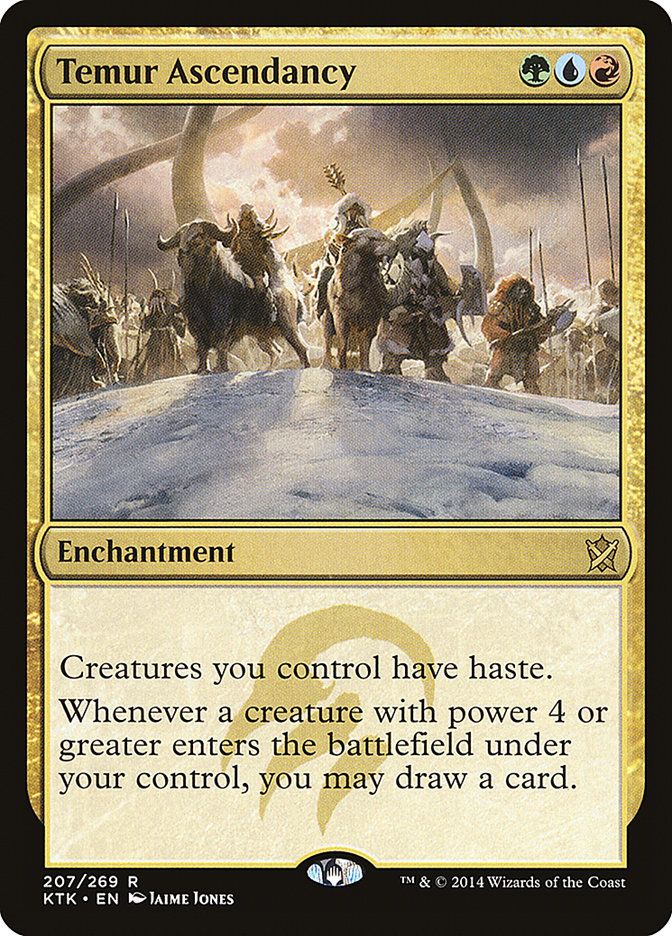
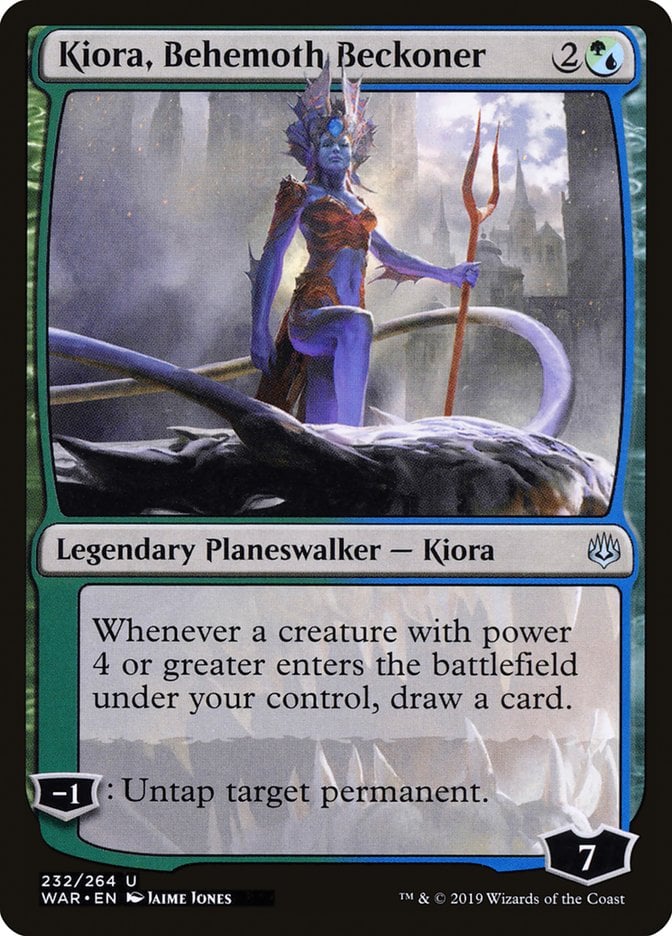
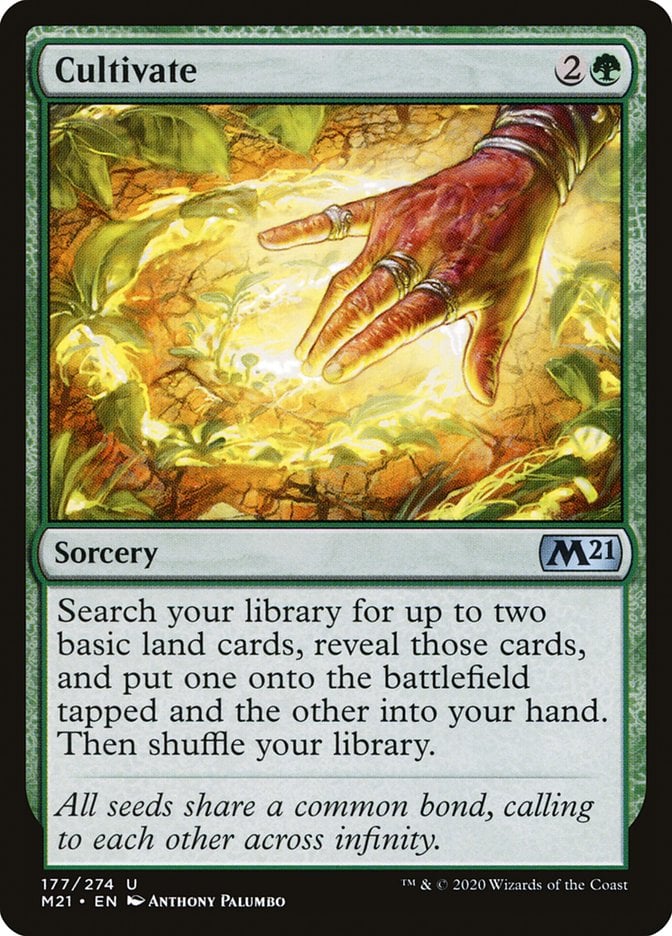
Enablers like Temur Ascendancy, Garruk's Uprising, and Kiora, Behemoth Beckoner help draw cards whenever big creatures enter the battlefield, and ramp spells like Cultivate and Growth Spiral make sure you have the mana to cast your heavy hitters.
Strengths and Weaknesses
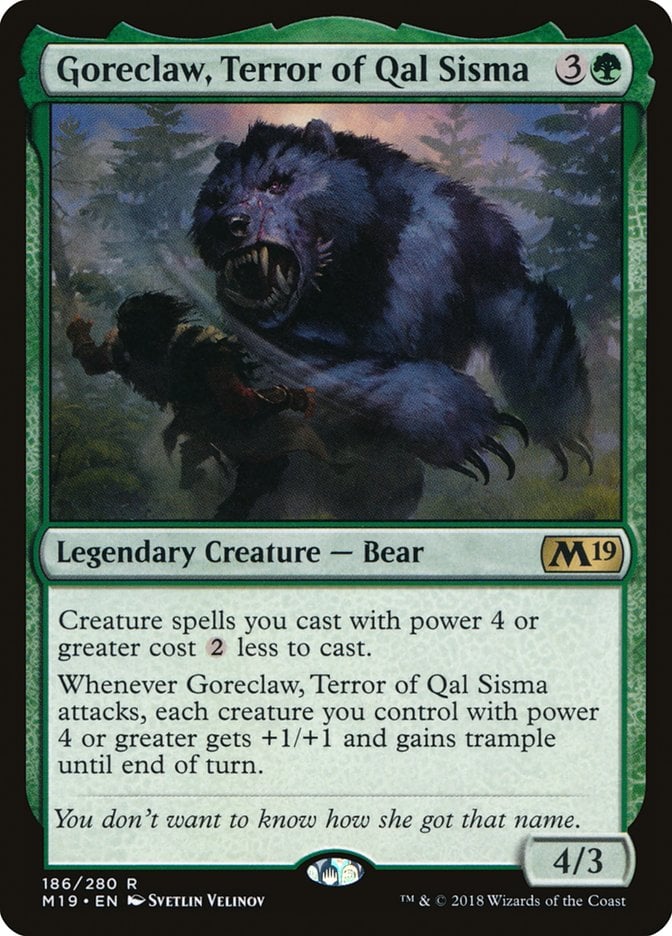


This deck’s strength lies in its ability to turn every creature spell into a value engine. Eshki grows fast and becomes a serious threat on its own, and the deck quickly builds overwhelming board presence through efficient ramp, creature cost reduction (like Goreclaw, Terror of Qal Sisma), and dragon-specific synergy cards such as Dragon's Fire, Fearsome Whelp, and Dragonhawk, Fate's Tempest.

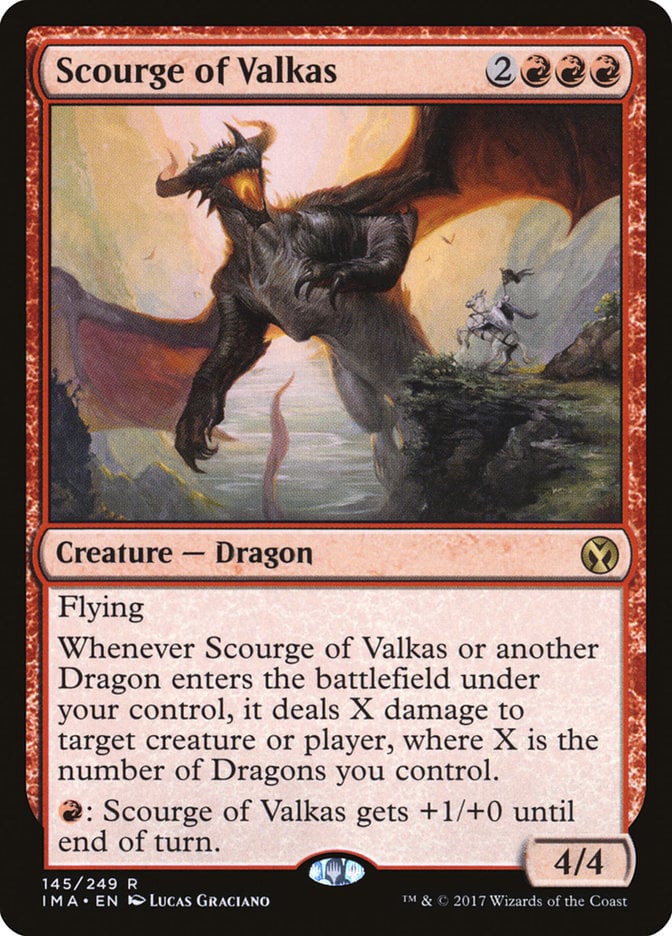
You’re never short on damage, and cards like Wrathful Red Dragon or Scourge of Valkas can close games in a hurry. However, the deck is heavily creature-reliant, so board wipes, bounce effects, or exile-based removal can really set you back. If Eshki is removed early and often, it’s much harder to keep up momentum without another engine online. Plus, being top-heavy can make your early game a bit slow if you don’t draw ramp.
#2. Betor, Ancestor’s Voice

Betor, Ancestor's Voice | Illustration by Lius Lasahido
Commander (1)
Planeswalker (1)
Creature (33)
Golden Sidekick
Haywire Mite
Hinterland Sanctifier
Ravenous Squirrel
Arboreal Grazer
Portcullis Vine
Nyx-Fleece Ram
Krumar Initiate
Dina, Soul Steeper
Overgrown Battlement
Prosperous Innkeeper
Sylvan Caryatid
Wall of Blossoms
Trelasarra, Moon Dancer
Welcoming Vampire
Indulging Patrician
Skirmish Rhino
Silversmote Ghoul
Warren Soultrader
Hinterland Chef
Reclamation Sage
Springbloom Druid
Faeburrow Elder
Abzan Battle Priest
Rhox Faithmender
Shalai, Voice of Plenty
Wingmantle Chaplain
Felothar the Steadfast
Siege Rhino
Starving Revenant
Shadrix Silverquill
Vampire Scrivener
Dragonlord Dromoka
Sorcery (7)
Cease//Desist
Stargaze
Feed the Swarm
Assemble the Team
Explore
Crux of Fate
Duneblast
Instant (9)
Swords to Plowshares
Radiant Smite
Despark
Infernal Grasp
Painful Bond
Anguished Unmaking
Abzan Charm
Mortality Spear
Kin-Tree Severance
Enchantment (6)
Cleric Class
The Birth of Meletis
Lunar Convocation
Stronghold Arena
Dredger's Insight
Moldervine Reclamation
Artifact (3)
Arcane Signet
Swiftfoot Boots
Staff of Compleation
Land (40)
Blossoming Sands
Bojuka Bog
Brushland
Canopy Vista
Caves of Koilos
Command Tower
Deceptive Landscape
Evolving Wilds
Forest x6
Fortified Village
Haunted Mire
Indatha Triome
Isolated Chapel
Jungle Hollow
Llanowar Wastes
Lush Portico
Overgrown Farmland
Plains x5
Radiant Grove
Restless Fortress
Sandsteppe Citadel
Scoured Barrens
Shadowy Backstreet
Sunlit Marsh
Sunpetal Grove
Swamp x4
Underground Mortuary
Woodland Cemetery
Deck Theme and Strategy

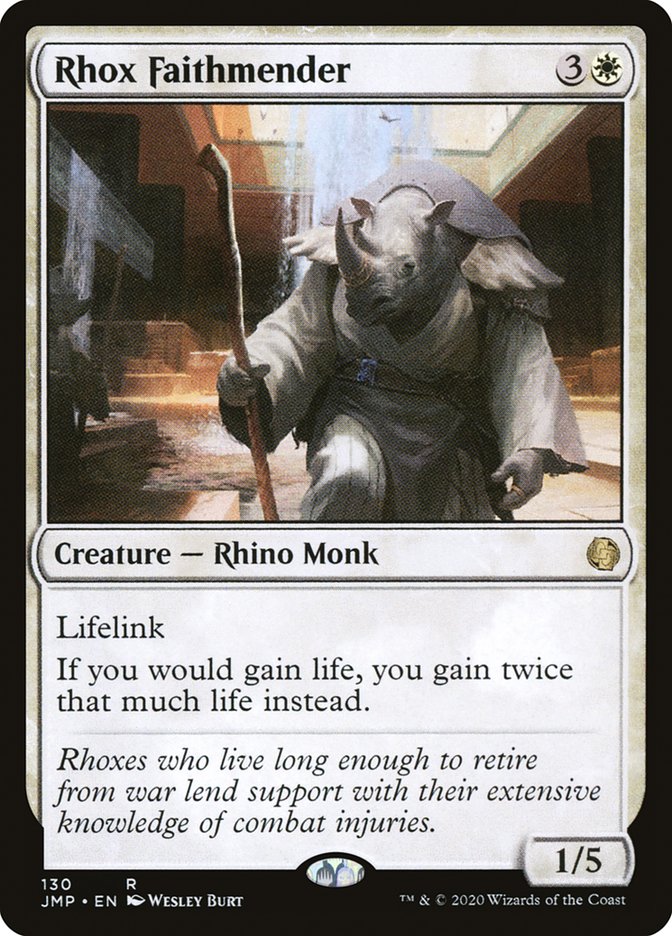
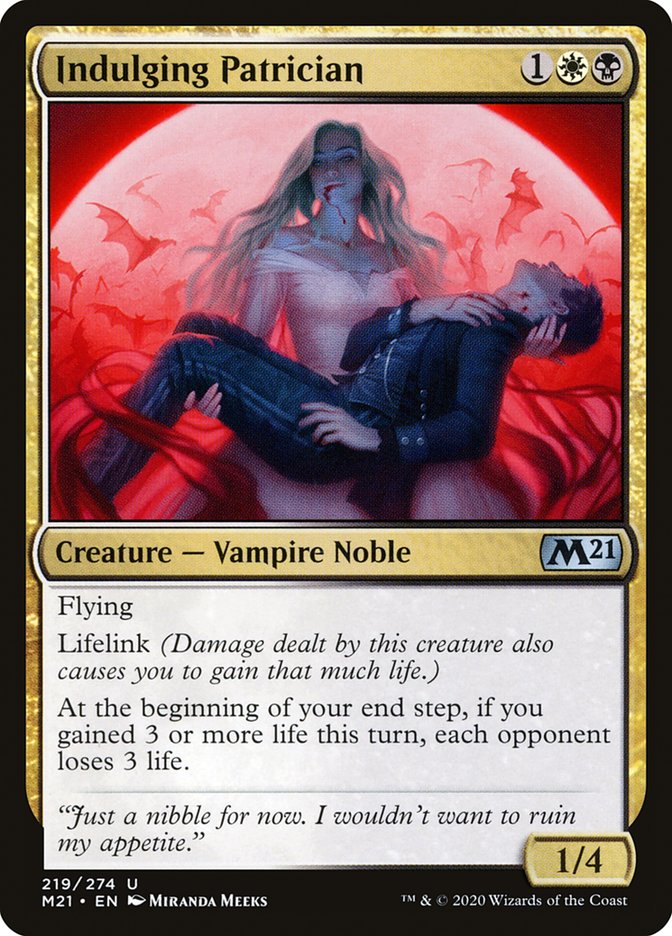
Betor, Ancestor's Voice brings together a smooth blend of lifegain and graveyard recursion in a Historic Brawl shell that’s all about long-term value. You’ve got passive lifegain from cards like Nyx-Fleece Ram, Rhox Faithmender, and Indulging Patrician, which helps Betor hand out +1/+1 counters and bring creatures back from the grave.
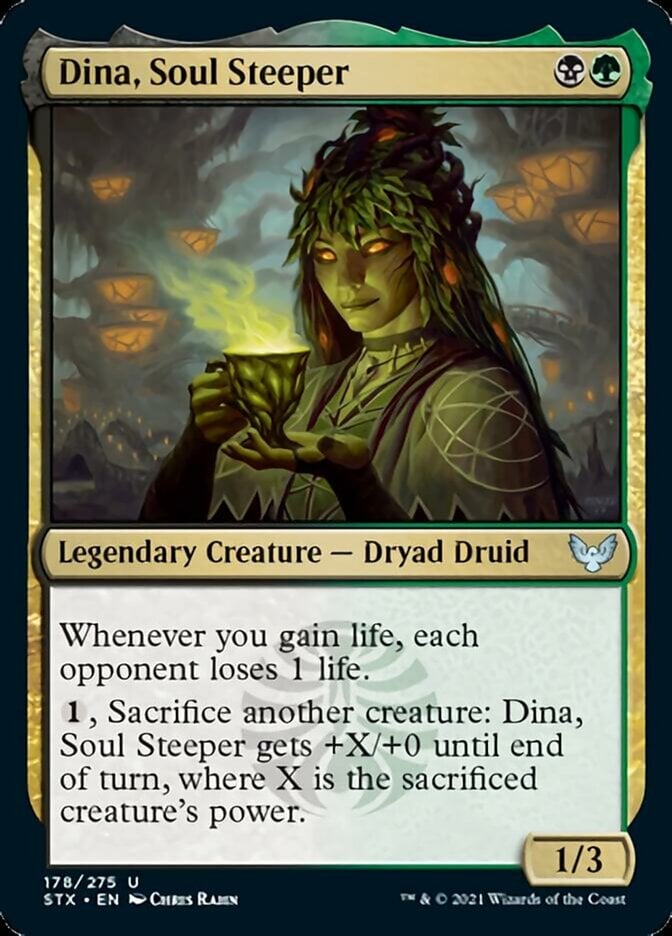
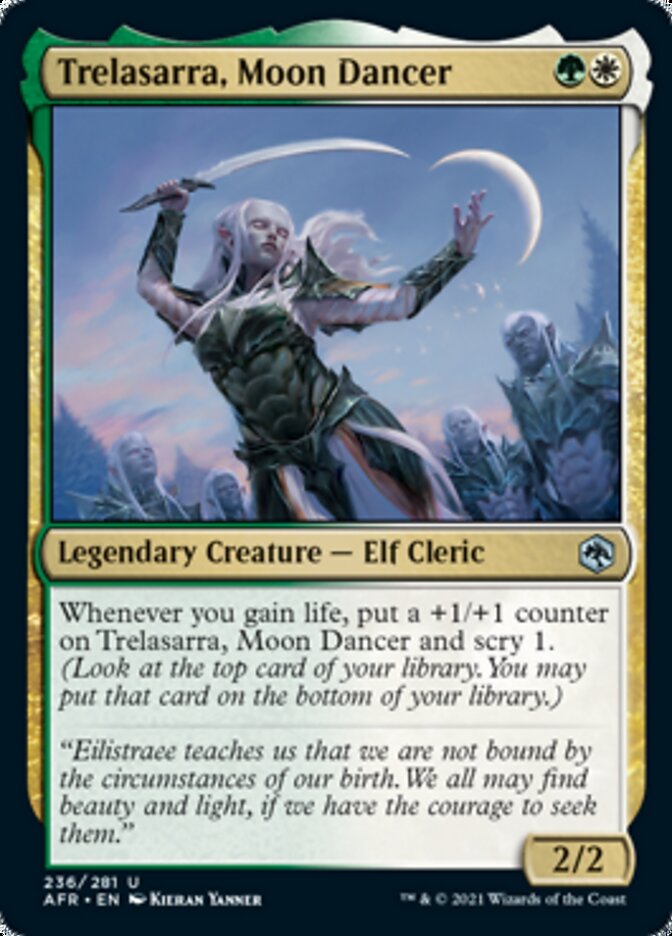
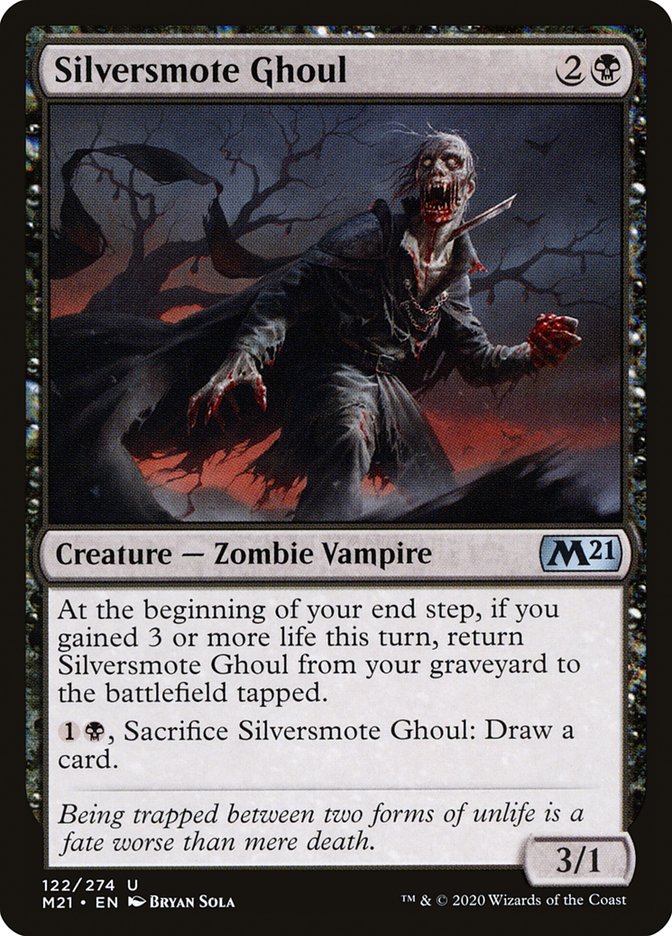
The deck slowly builds momentum with lifelink creatures, defenders, and lifegain payoffs like Dina, Soul Steeper and Trelasarra, Moon Dancer, making every life tick count. And with cards like Silversmote Ghoul and Moldervine Reclamation, you draw cards and grow your board at the same time.
Strengths and Weaknesses
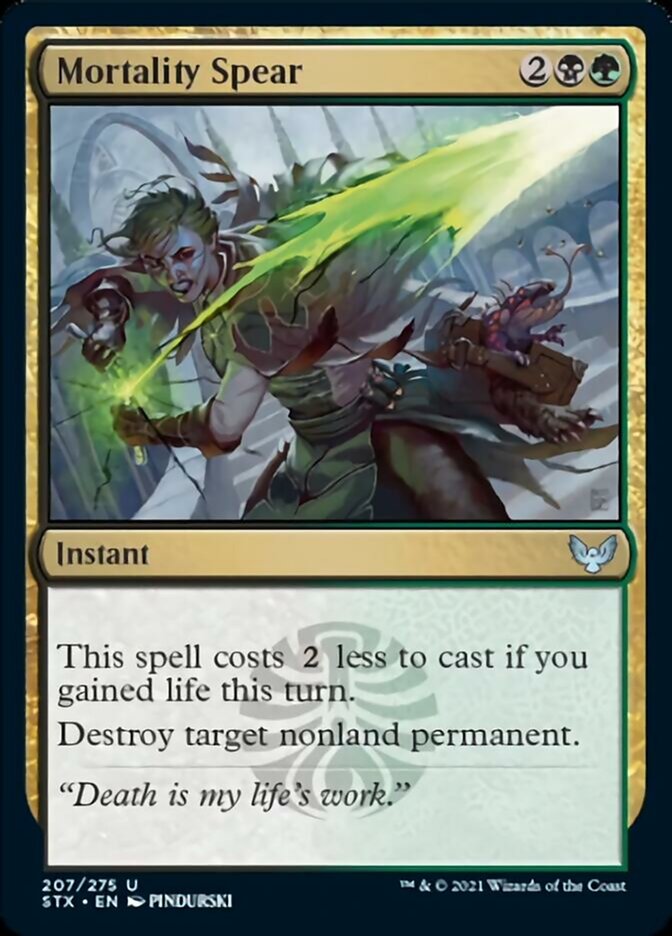
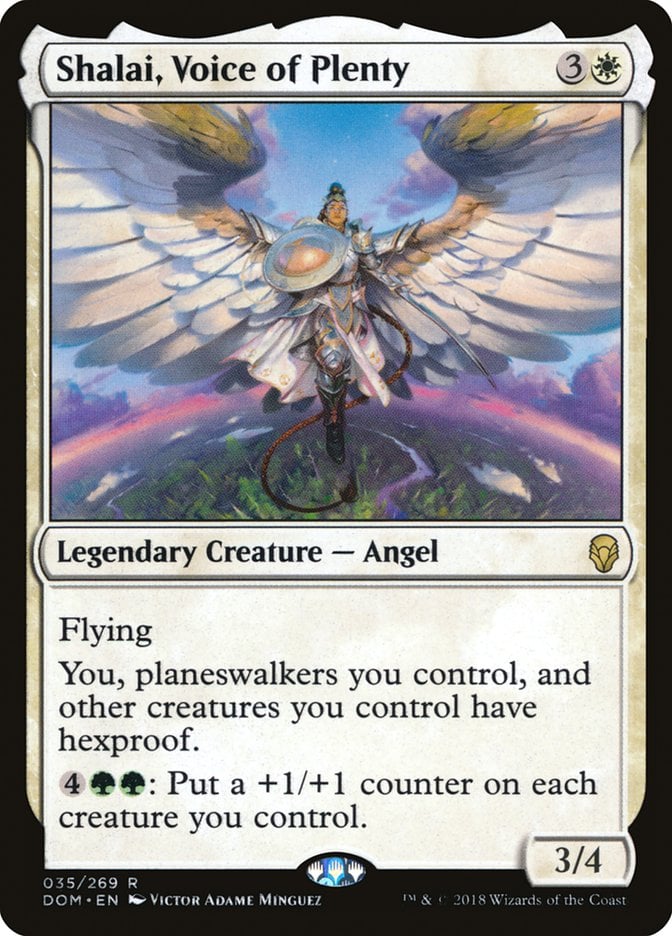
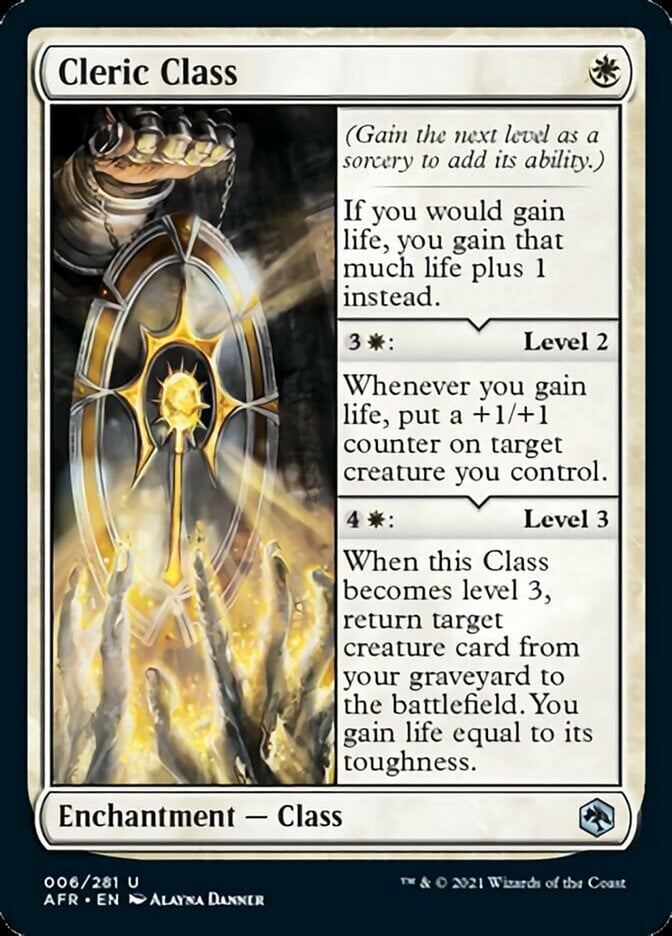
This deck shines in grindy matchups thanks to a suite of recursion and lifegain payoffs that make it hard to kill you in the long game. Removal like Mortality Spear, Anguished Unmaking, and Infernal Grasp keep threats in check, while protection pieces like Shalai, Voice of Plenty and Swiftfoot Boots safeguard your key creatures. The abundance of life gain also enables cards like Golden Sidekick, Cleric Class, and Vampire Scrivener to grow quickly.
However, the deck can be vulnerable to early aggression or graveyard hate, especially exile-based removal that sidesteps Betor’s recursion. It also requires time to stabilize, meaning explosive combo or tempo decks might close out the game before your engine is fully online.
#1. Neriv, Crackling Vanguard

Neriv, Crackling Vanguard | Illustration by Lucas Graciano
Commander (1)
Planeswalker (1)
Creature (25)
Nested Shambler
Voldaren Epicure
Dedicated Dollmaker
Selfless Spirit
Bartolomé del Presidio
Elas il-Kor, Sadistic Pilgrim
Bloodtithe Harvester
Impetuous Lootmonger
Skyknight Vanguard
Hardened Tactician
Ruthless Lawbringer
Morbid Opportunist
Nadier's Nightblade
Ophiomancer
Lagomos, Hand of Hatred
Mayhem Devil
Imodane's Recruiter
Zurgo Stormrender
Baron Bertram Graywater
Pitiless Plunderer
Bone-Cairn Butcher
Butcher of the Horde
Beetleback Chief
Enduring Courage
Siege-Gang Commander
Sorcery (11)
Song of Totentanz
Worthy Cost
Cindercone Smite
Form a Posse
Tasteful Offering
Forbidden Friendship
Lingering Souls
Come Back Wrong
Release the Dogs
Heroic Reinforcements
Defibrillating Current
Instant (10)
Swords to Plowshares
Duty Beyond Death
Bitter Triumph
Deadly Dispute
Plumb the Forbidden
Abrade
Frontline Rush
Mardu Charm
Big Score
Sune's Intervention
Enchantment (10)
Intangible Virtue
Bitterblossom
The Witch's Vanity
Caretaker's Talent
Bastion of Remembrance
Black Market Connections
Fable of the Mirror-Breaker
Anointed Procession
Divine Visitation
Virtue of Loyalty
Artifact (3)
Wayfarer's Bauble
Arcane Signet
Oni-Cult Anvil
Land (39)
Battlefield Forge
Bloodfell Caves
Bojuka Bog
Canyon Slough
Castle Ardenvale
Caves of Koilos
Clifftop Retreat
Command Tower
Dragonskull Summit
Elegant Parlor
Geothermal Bog
Isolated Chapel
Mountain x5
Nomad Outpost
Plains x5
Restless Vents
Savai Triome
Scoured Barrens
Shadowy Backstreet
Shattered Landscape
Shattered Sanctum
Smoldering Marsh
Sulfurous Springs
Swamp x6
Terramorphic Expanse
Wind-Scarred Crag
Deck Theme and Strategy

At its core, the Neriv, Crackling Vanguard deck is all about building a wild mix of tokens and turning that into free spells every time Neriv attacks. The more types of tokens you control—goblins, spirits, warriors, angels, you name it—the more cards you get to exile and play that turn.
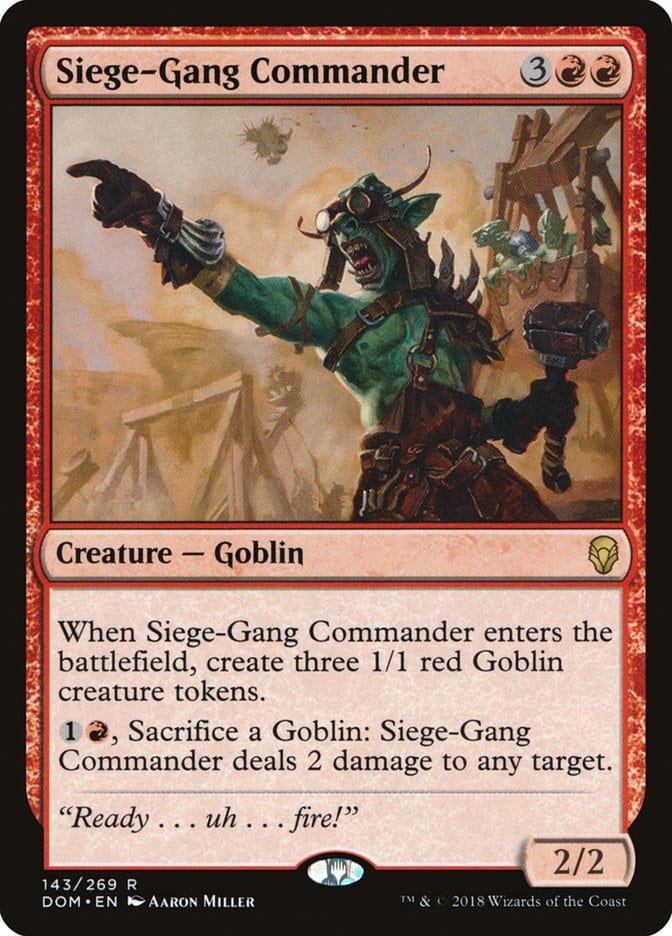
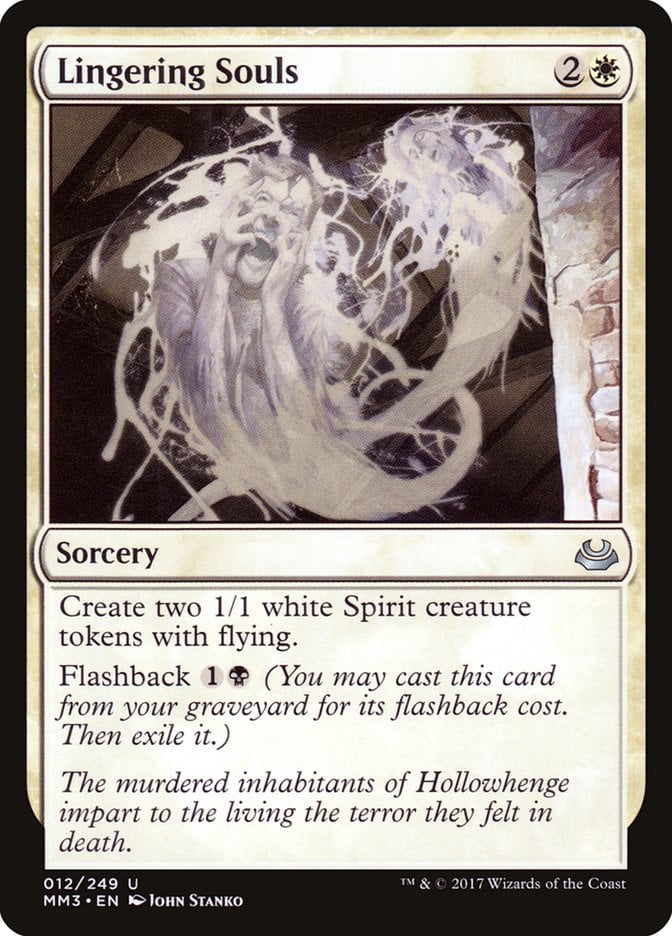
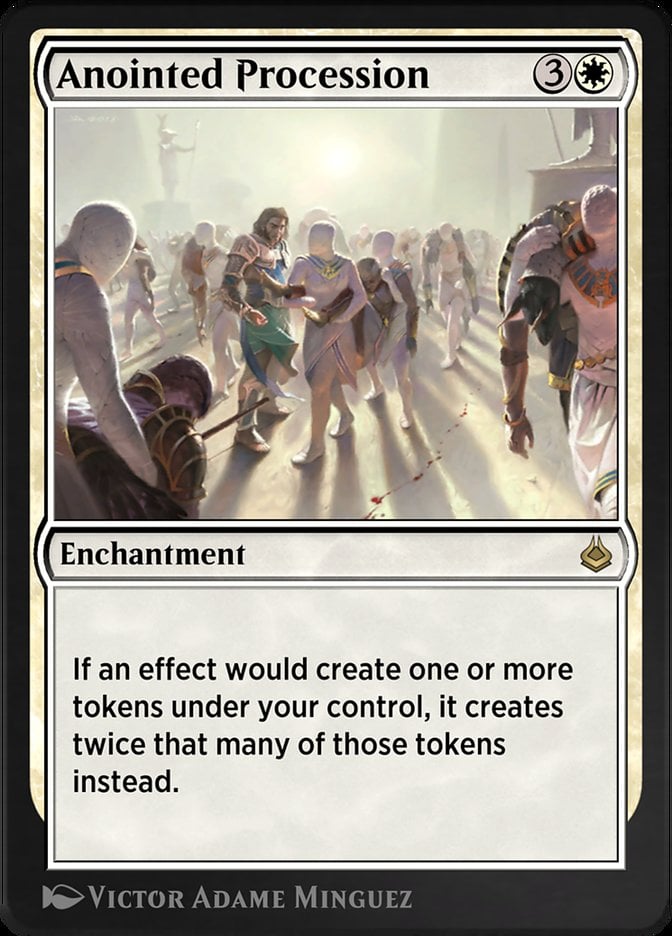
Naturally, the deck leans hard into token production with cards like Siege-Gang Commander, Lingering Souls, Heroic Reinforcements, and Anointed Procession to keep the board diverse and full.
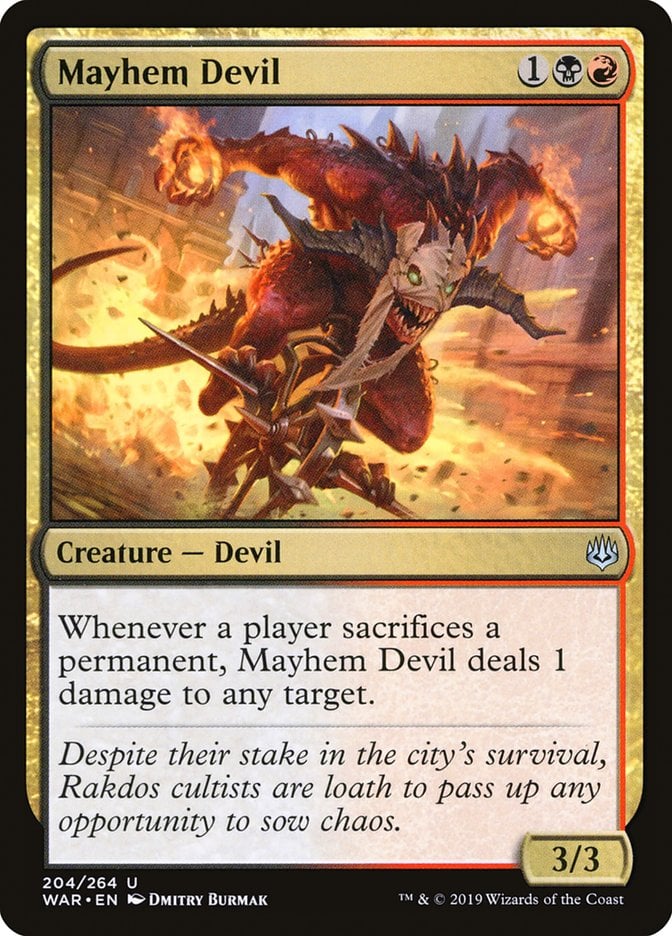
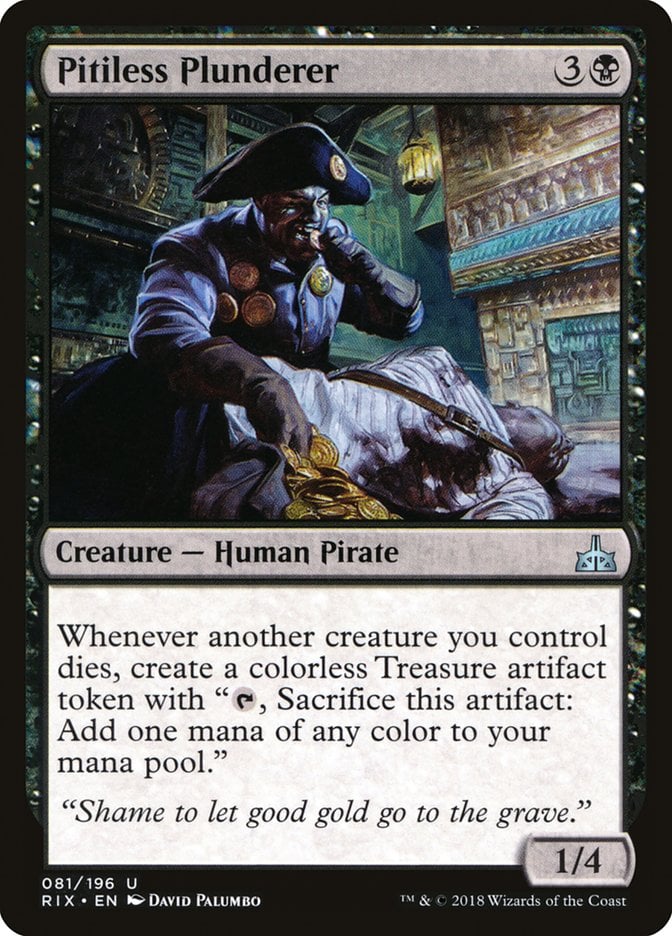
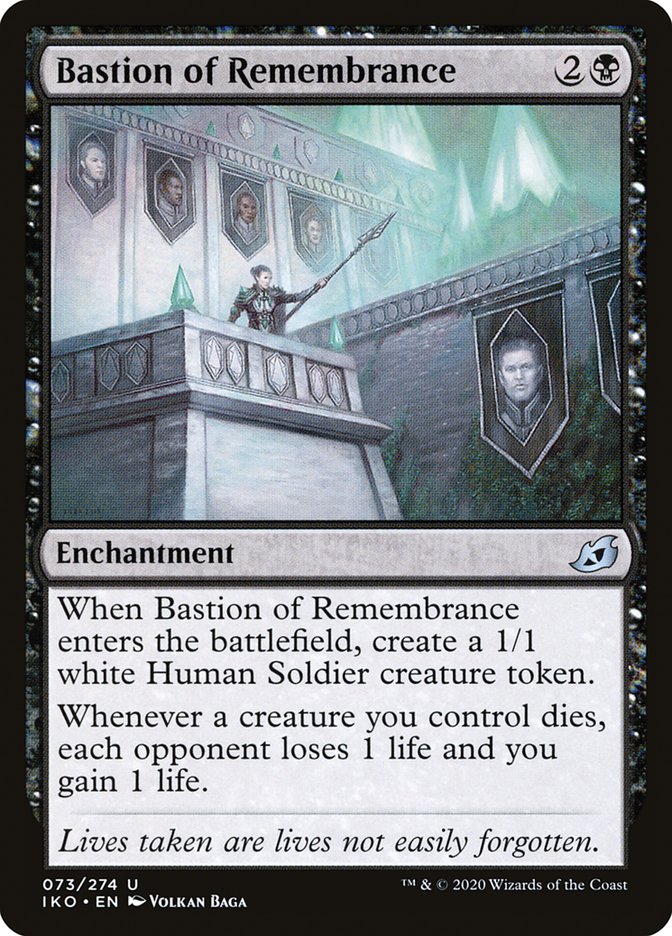
On top of that, there’s a nice aristocrats twist going on with Mayhem Devil, Pitiless Plunderer, and Bastion of Remembrance, so you can turn every sacrifice into extra value. It’s got a great mix of go-wide token aggro and combo-like payoff from all the synergies packed in.
Strengths and Weaknesses
The real power of the deck shows when you flood the board with tokens and suddenly turn that army into a fresh set of cards, all thanks to Neriv, Crackling Vanguard’s attack trigger. It can feel like you’re playing from the top of your deck without ever running out of gas.
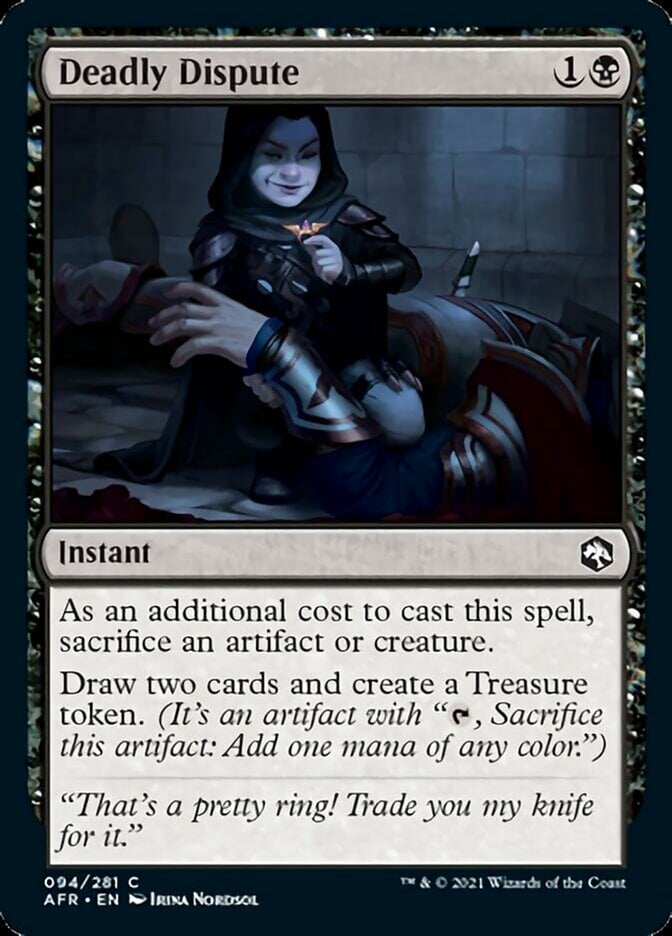
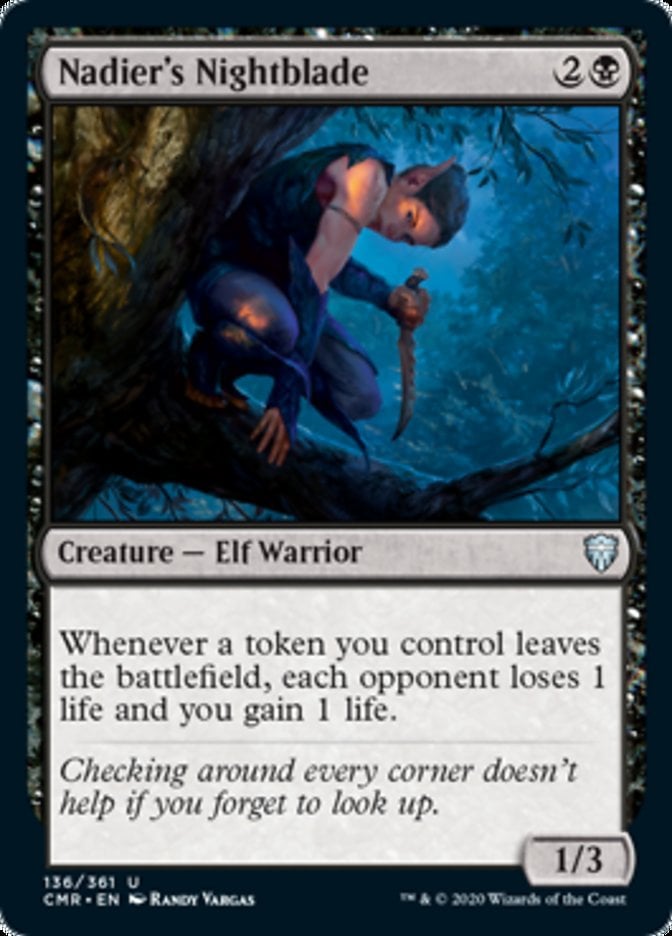
Spells like Deadly Dispute, Plumb the Forbidden, and Big Score help you keep the momentum going while they fill your hand and your battlefield. The strategy is super flexible—sometimes you’re swarming the board, but other times you’re sacking everything for value or draining opponents out with Mayhem Devil and Nadier's Nightblade.
The main catch is that if your tokens are wiped out before you can swing, especially with board wipes or anti-artifact hate, your whole game plan can fall apart. Also take into account that most often, you’ll rely on Treasure tokens to fix your mana, and that means spending them.
Wrap Up

Duel for Dominance | Illustration by Ryan Pancoast
I think it’s great that WotC is trying to offer more value to MTG Arena regulars, but it’s hard to recommend getting Brawl decks at the current price. You’d rather use your resources on Arena doing daily quests or drafting. Also, Brawl is a format that you can experiment a lot with, so you don’t need a very competitive deck from the get-go.
Premier Draft gives you the best value on Arena. The next best thing is to buy packs in increments of 10, getting access to the golden pack, which comes with six rares or mythics. I’d only recommend getting Brawl precons if you need some cards they contain, or if you have enough cards to get them by spending, say, 3k-5k gems. Participating in two Premier Drafts with this amount of gems will allow you to build a much better collection, or just getting the most recent packs will net you a lot of cards and wildcards.
What about you guys? Am I wrong and Brawl precons are great value? Have you had good experiences getting those? Let me know in the comments section below, or let’s discuss it over Draftsim Discord.
Thanks for reading, and avoid some Arena traps, will you?
Follow Draftsim for awesome articles and set updates:










Add Comment