
Last updated on February 18, 2026

Unholy Heat | Illustration by Cabrol
Blue might be my favorite color in Magic, but I’ve always loved grindy Golgari decks () that rely on their graveyard to provide a continuous stream of resources thanks to cards like Gravedigger and Eternal Witness. One of my favorite mechanics for these strategies is delirium, an ability word that relies on getting cards into your graveyard.
I enjoy how delirium forces you to make decisions in deck building. You need to diversify your card types enough to reach four, but you must avoid diluting your main game plan. If that sounds like the kind of mechanic you want to toy with, let’s check out the best delirium cards in Magic!
What Are Delirium Cards in MTG?

Whispers of Emrakul | Illustration by Jason Rainville
Delirium cards have effects that become stronger or only come online when you have four or more card types among cards in your graveyard. It started off most prominently in green and black, but has since become more universal across different colors.
Delirium debuted in the Shadows over Innistrad block as a mechanical representation of the madness Emrakul spread across the plane as the Eldrazi titan distorted the fabric of reality. Most cards come from Shadows over Innistrad and Eldritch Moon; the next Magic set to feature delirium was Modern Horizons 2. Most delirium cards in that set can plausibly be connected to Innistrad, though there are exceptions, such as Bloodbraid Marauder.
Duskmourn: House of Horror is the first non-Innistrad-based set to use delirium as a full mechanic, and it adds an interesting spin. Instead of focusing on the literal mind-warping effects of Emrakul, it represents the sheer fear the haunted house sows among its people, largely through Valgavoth, Terror Eater’s ability to animate the nightmares of those surviving the House. The biggest distinction between the Innistrad delirium cards and the ones tied to Duskmourn is how they characterize the madness. Valgavoth is never depicted as literally warping the minds of his victims as Emrakul does, so Duskmourn’s delirium cards are tied to the traps and nightmares Valgavoth uses to torment those surviving in the House.
#39. Strange Augmentation

Strange Augmentation fails to add any exciting keywords or abilities to the enchanted creature, just stats. But +3/+3 for a single mana is a fantastic rate for this black aura if you can both reliably enable delirium and care about buffing creatures.
#38. Topplegeist

Topplegeist boasts an impressively dense text box for a Flying Men variant, but it still falls short of excellence. This white creature could do something in a Hylda of the Icy Crown Commander deck or serve as a disruptive piece for a spirit deck that needs to stop a blocker, but it’s too narrow for general play.
#37. Tooth Collector

Tooth Collector would be far more interesting if it dispensed –1/-1 counters rather than a temporary debuff. As is, this black human rogue might be interesting in coordination with cards such as Maha, Its Feathers Night and Massacre Girl, Known Killer, which are desperate for these kinds of effects.
#36. Bloodbraid Marauder

Bloodbraid Marauder is a bit of an odd one. You typically want expensive cards with cascade, but Modern has proven plenty of times how effectively one can build around cheap cascade cards. This red creature sees a little Legacy play in Living End decks. I think that perfectly encapsulates this red card: A very niche roleplayer that shines in the one or two decks capable of breaking it.
#35. Whispers of Emrakul

Making an opponent discard a card at random sits somewhere between Thoughtseize and your opponent discarding at will. You don’t get their best card, but at least they can’t discard the worst. That doesn’t mean Whispers of Emrakul is worth a card as a one-for-one. Delirium enables a Hymn to Tourach impression, but this black sorcery is still a little slow since it takes time to reach delirium.
#34. Mournwillow

Mournwillow looks like a Draft card and it kind of is. But preventing a bunch of creatures from blocking isn’t the kind of ability you see often in Golgari. I could see this black creature being a useful meta call, perhaps to deal with a variety of token commanders, especially with some recursive elements to trigger it again and again.
#33. Gouged Zealot

Gouged Zealot works well with cards that increase the amount of noncombat damage you deal, like Furnace of Rath and City on Fire. You could also slap on a Basilisk Collar or other source of deathtouch. However you use this red cyclops, it can become a powerful board control tool.
#32. Reaper of Flight Moonsilver

Free sacrifice outlets are essential for aristocrat decks to do their thing, but Reaper of Flight Moonsilver isn’t exactly free. You have to set it up with delirium.
There are a variety of other options you might run before this white angel, like Woe Strider or Fallen Angel, which is just this card without the setup. Reaper of Flight Moonsilver might be interesting in a mono-white aristocrats shell or as a sacrifice outlet for a low-powered Cube.
#31. Raving Visionary

Raving Visionary is so close to being good. The early looting sets up your graveyard synergies while it works towards a powerful card advantage engine for the late game. It just costs more mana than I’d like. That might not be a deal breaker, especially in decks with cards like Training Grounds, but it costs just a little too much for me to get excited about this blue creature.
#30. Kindly Stranger


Kindly Stranger could be an interesting interactive card in decks that can keep transforming it. If you can flicker the Demon-Possessed Witch each turn with something like Conjurer's Closet, you basically get a Murder every turn!
#29. Manic Scribe

Who doesn’t love a good mill card? Manic Scribe lets you mill each opponent for three each turn if you have delirium, which should be easy to enable with mill cards like Mesmeric Orb. This blue wizard would be much better if it could mill you, but what can you do?
#28. Gibbering Fiend
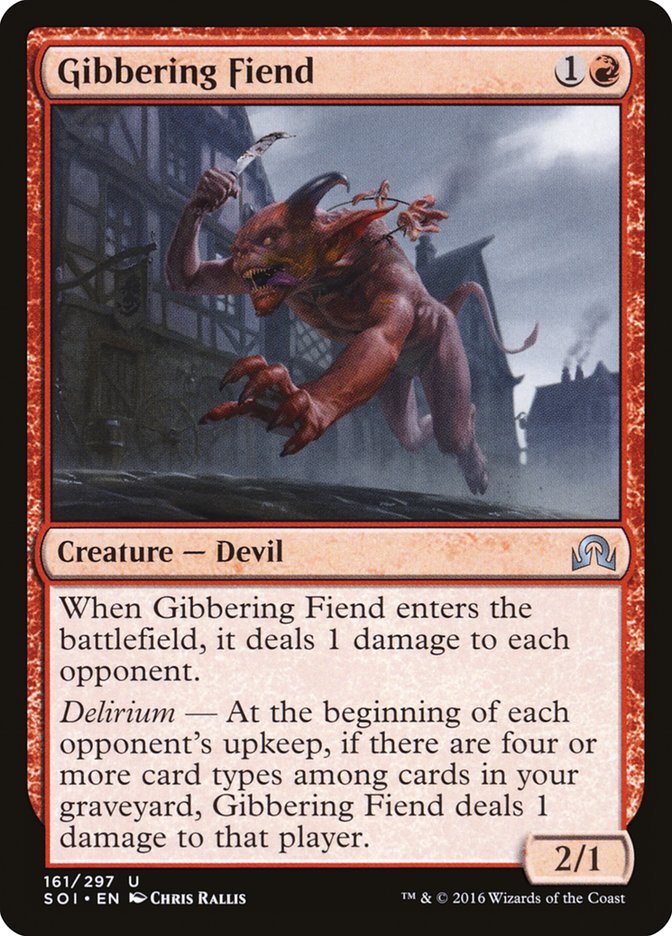
Rather like Gouged Zealot, Gibbering Fiend wants to be paired with cards that do something with the steady burn damage it deals. That might be damage doublers, or it could be cards like Curiosity and Ob Nixilis, Captive Kingpin.
#27. Wickerfolk Thresher

Wickerfolk Thresher shows up for an honest day’s work harvesting the fields of, uh, people. I don’t mind giving this scarecrow the job. It has some great stats as a 5/4 for 4 mana, and that attack trigger provides fantastic value. As an artifact creature, it fits right at home in delirium decks as a payoff and a card that gets you halfway there once it hits the yard.
#26. Angel of Deliverance
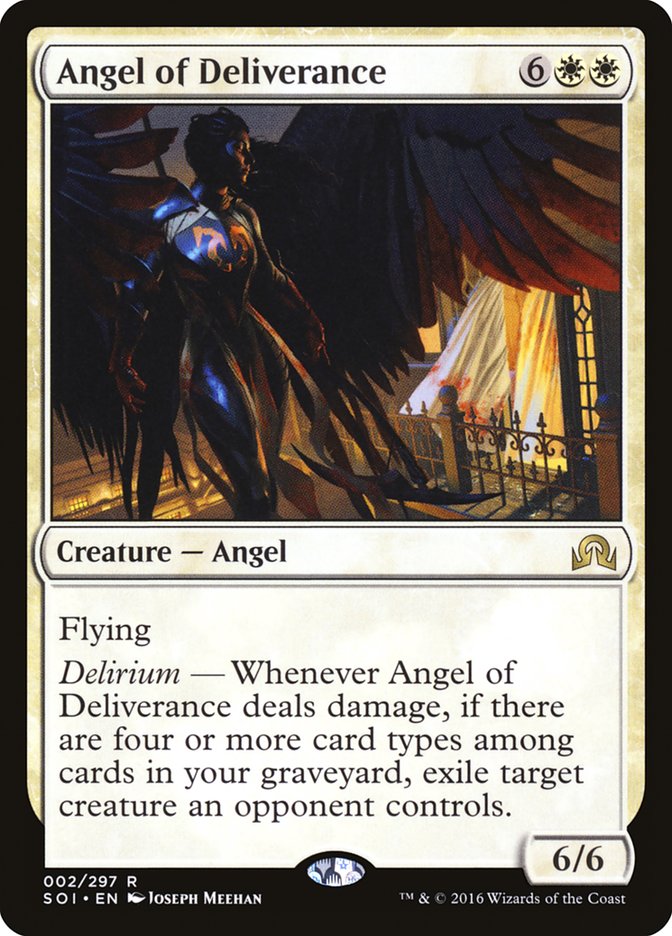
A repeated exile effect is quite powerful, which makes Angel of Deliverance appealing top-end, though it costs too much for the average deck to just jam. It could be a great reanimation option for more casual decks that need some interaction.
#25. Deathcap Cultivator

2-drop accelerants are always useful in Commander and Cube. Deathcap Cultivator can be a fine option for Golgari decks; gaining deathtouch means that the body will have some relevance later in the game, if only as a rattlesnake to dissuade attacks.
#24. Extricator of Sin


Extricator of Sin is an okay sacrifice card on its own, transforming an insignificant card like Doomed Traveler or a random Treasure into a 3/2. Things become far more interesting once you transform it into Extricator of Flesh to pump out more Eldrazi Horror tokens. This could be a powerful Cube card or a great element to a low-powered sacrifice deck in EDH.
#23. To the Slaughter
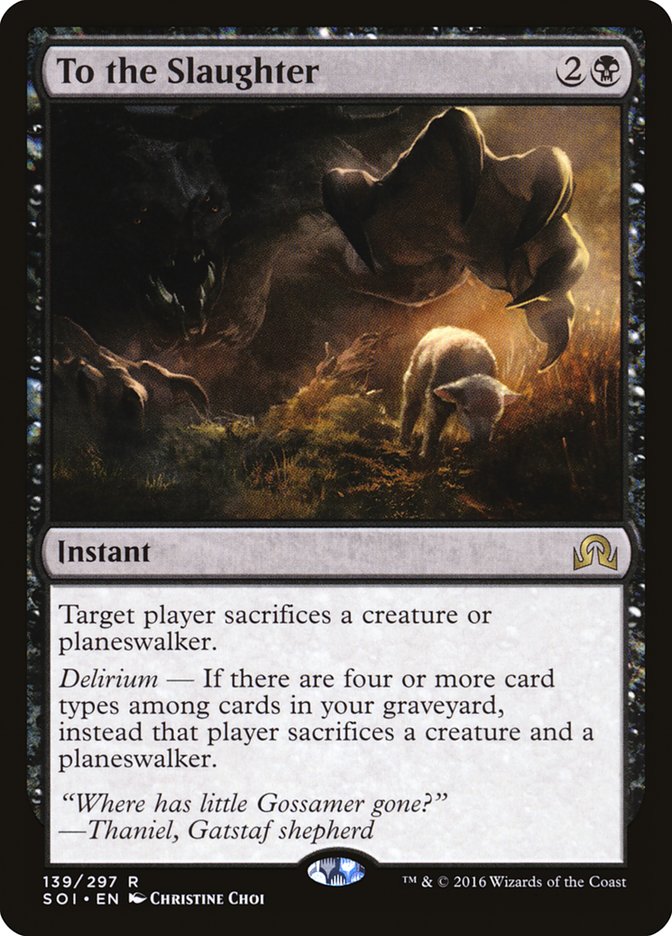
You can do better than a 3-mana edict, so I wouldn’t play To the Slaughter unless you can consistently enable delirium. Once you can, 3 mana to kill a creature and remove a planeswalker becomes much more appealing. I would play this black instant as a meta call if you know your opponents will have enough planeswalkers for this to routinely kill two cards.
#22. Inexorable Blob
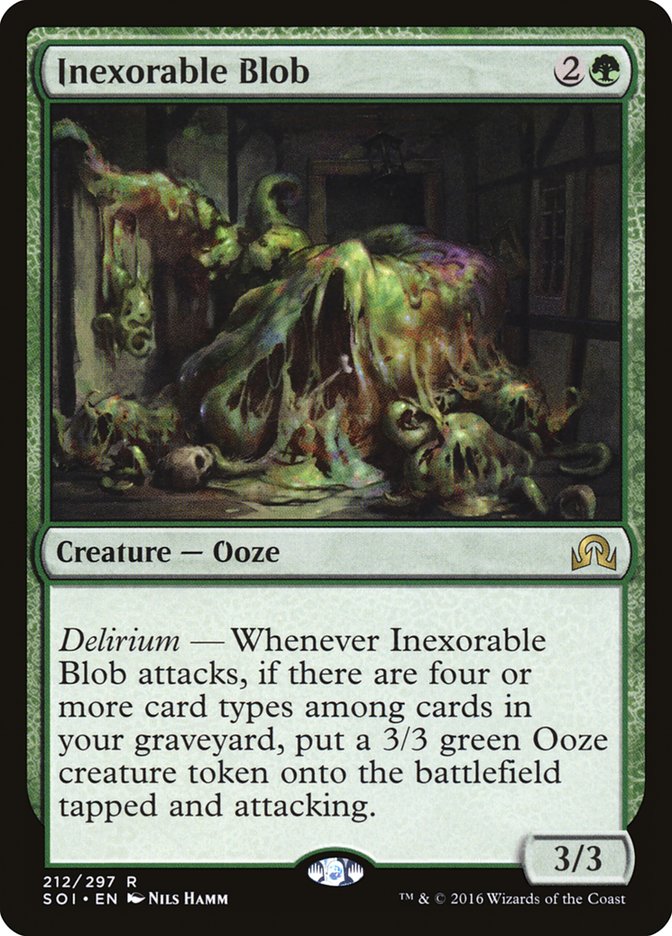
Inexorable Blob spits out a token each turn. You can easily turn this green creature into a great value engine with cards like Doubling Season to flood the board and Elemental Bond to draw cards. You even get Biogenic Ooze for counters!
#21. Winter, Misanthropic Guide

I love Winter, Misanthropic Guide. Firstly, I appreciate how it skirts the weakness of most Howling Mine cards by making players draw cards in your upkeep. It saves you from the nasty scenario where your opponent draws an extra card on their turn, then kills your Howling Mine before you get an extra card.
Then we have the delirium ability. I love pinching my opponents’ resources and appreciate a delirium card that interacts with card types further than just “you have four? Cool, here’s a boon.” Winter, Misanthropic Guide EDH decks are going to be annoyingly amazing, and I’m here for it.
#20. Obsessive Skinner

Dispensing +1/+1 counters each turn can be surprisingly powerful, especially once you chuck in a couple of cards like Pir, Imaginative Rascal or Shalai and Hallar to get more out of the upkeep trigger.
There’s also some small overlap between self-mill and counters decks, as seen with Amzu, Swarm's Hunger or Centaur Vinecrasher, so I imagine quite a few decks are happy to host Obsessive Skinner.
#19. Mindwrack Demon
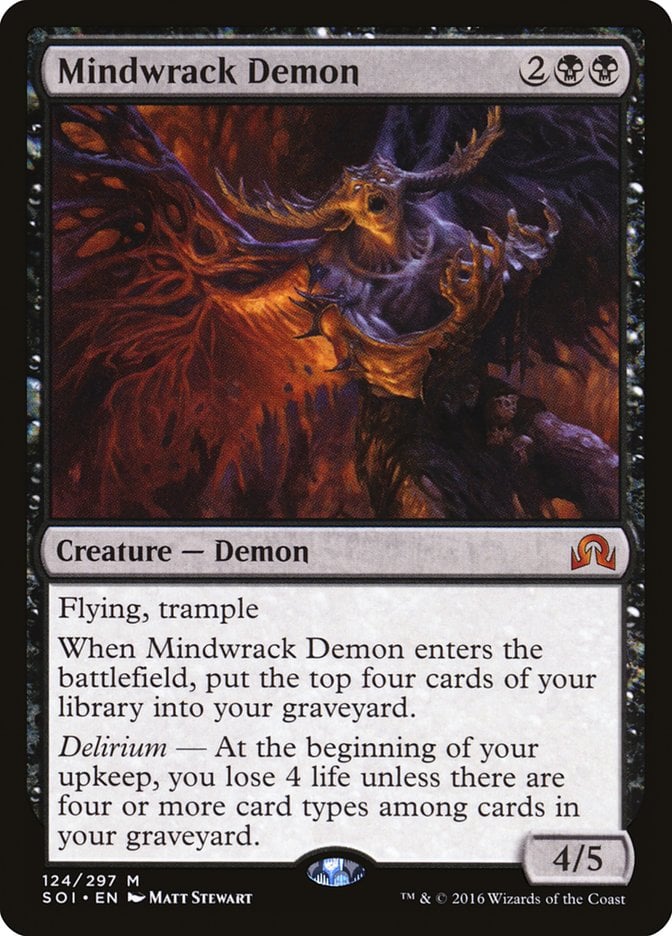
Most delirium cards get better with delirium, but Mindwrack Demon offers a compelling twist on that formula as it actively punishes you if you don’t have delirium. A self-mill deck might play this black demon as an overstatted threat that gets some cards in the yard, but it also has relevance with creatures like Rowan, Scion of War and Vilis, Broker of Blood that want you to lose life.
#18. Scour the Laboratory
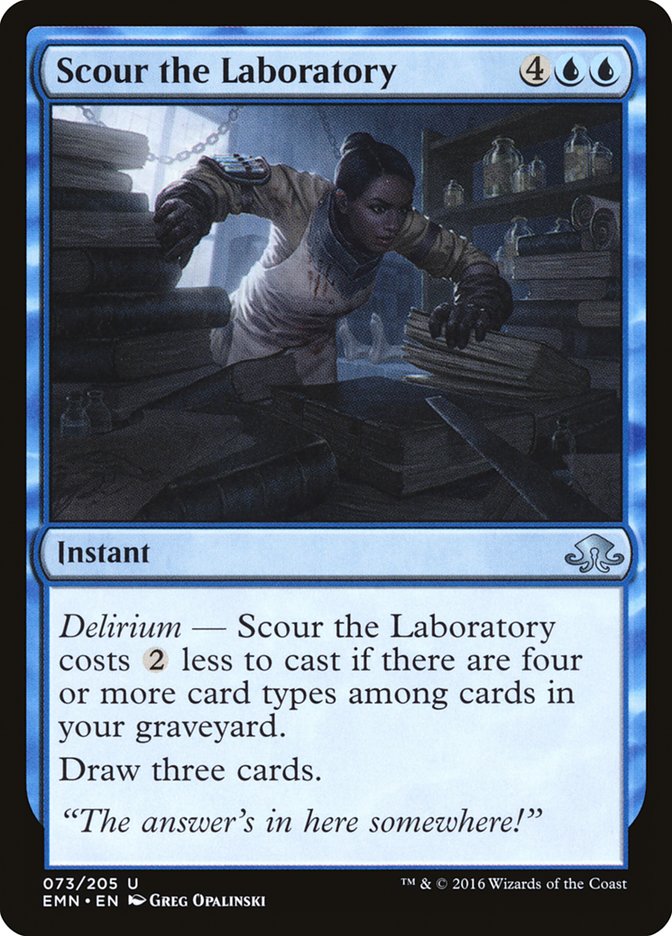
Scour the Laboratory can be a reasonably efficient draw spell. If you have delirium, it’s 4 mana to draw three, while the going rate for 4-mana instants tends to be two cards, as with Glimmer of Genius, Hieroglyphic Illumination, and so on. I think that’s a reasonable enough rate to run this blue instant in your self-mill decks.
#17. Grim Flayer
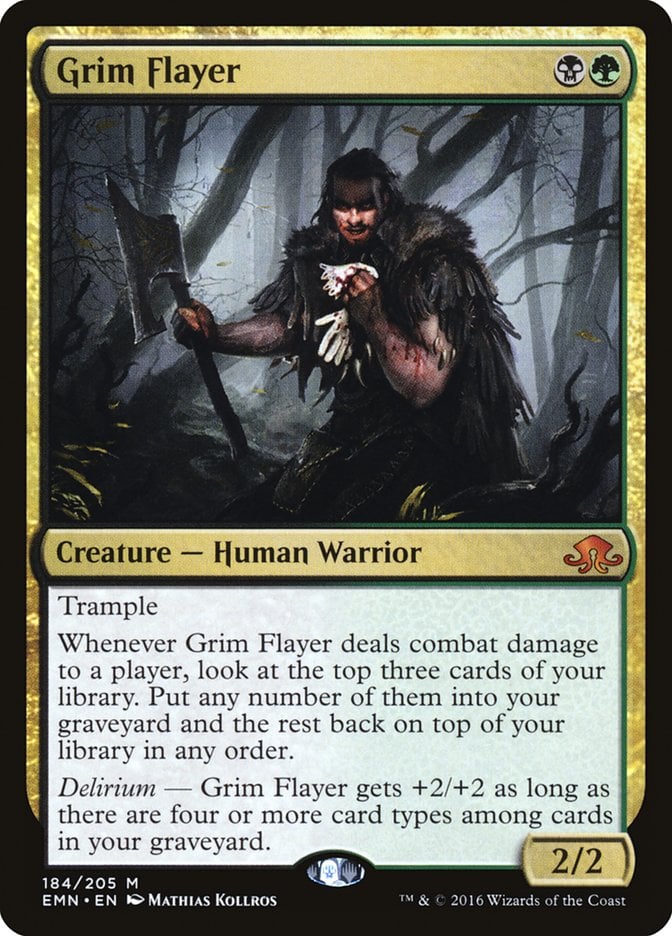
I always wanted Grim Flayer to make it big in Modern and Standard, but it never reached the heights I imagined for it. Nonetheless, this Golgari card can do a lot once you have delirium. Simply fixing your draws with surveil is weaker than drawing a card, but the mill aspect balances that out; in the right deck, milling two or three cards can be awfully close to Divination.
#16. Demolisher Spawn

The lack of trample on that buff severely restricts Demolisher Spawn’s power, but +4/+4 is +4/+4, a pretty significant green buff, especially with tokens. And this really helps enable delirium in graveyard decks thanks to its dual typing, which also opens the door to enchantress synergies… yeah, this has a place in plenty of decks, even without being as strong as it could.
#15. Descend upon the Sinful
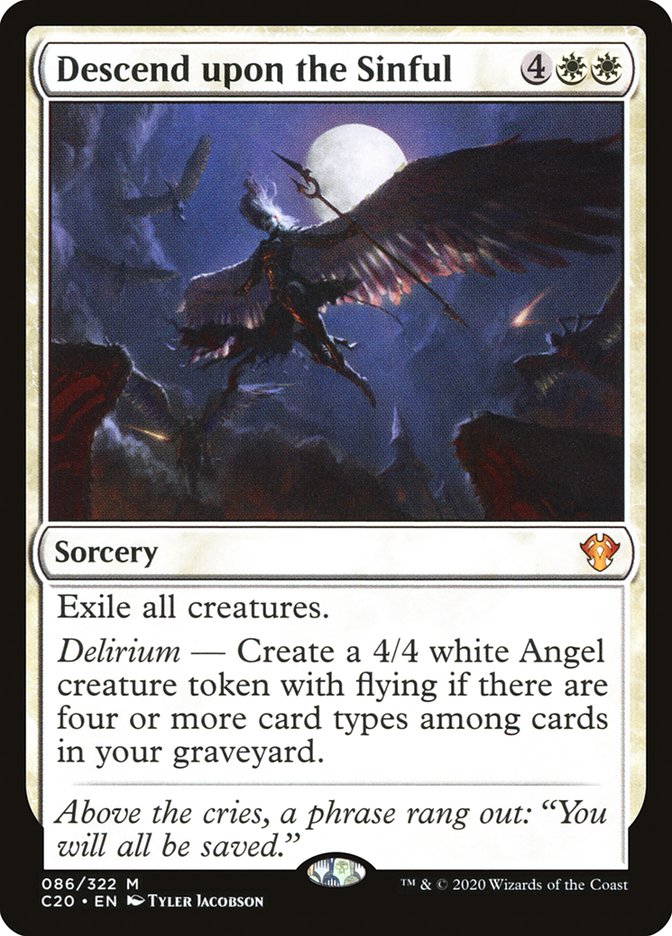
Board wipes that exile the board are a huge boon over the typically “destroy all creatures” format as they allow you to avoid protective spells like Heroic Intervention and Boromir, Warden of the Tower. Descend upon the Sinful gives you another boon: an Angel that leaves you with a bit of board presence post-wrath so you can take immediate advantage of the clean board.
#14. Crop Sigil

Crop Sigil provides a neat little draw engine for self-mill decks. It’s a pretty cheap way to get cards in the yard starting on turn 1. Once you have a better engine online, you get to cash it in for a couple of cards. If drawn late, you get the immediate card draw! I value that kind of flexibility pretty highly, especially in Commander, so I’m a fan of this green enchantment.
#13. Unholy Heat
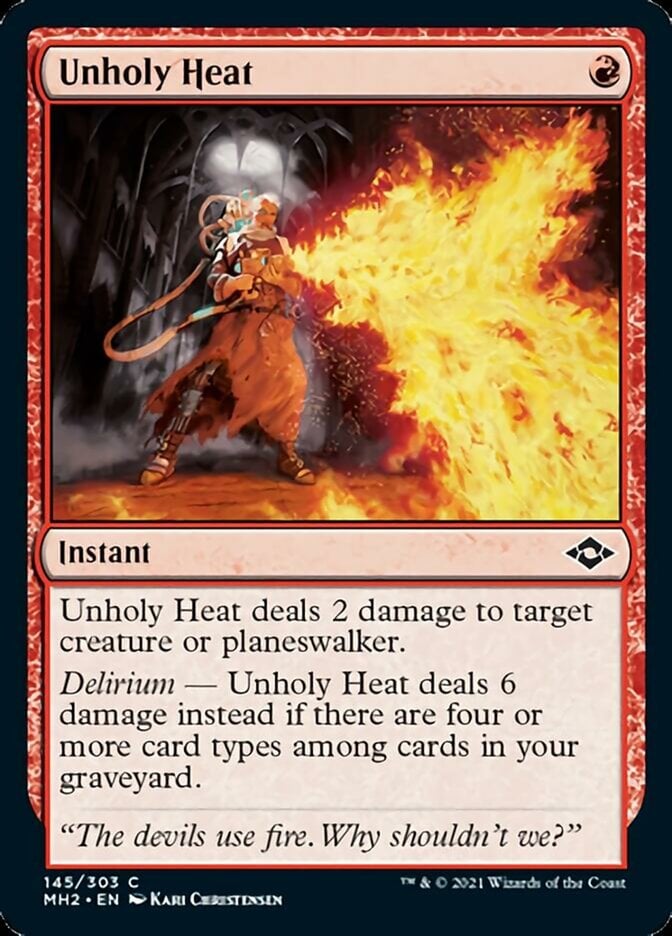
Speaking of hyper-efficient, how would you feel about a burn spell that handles virtually every creature that costs 4 or less mana in the game? Yes, even Sheoldred, the Apocalypse!
Unholy Heat benefits from having a perfectly fine floor. Shock is a reasonably playable card, though you need some form of upside for it to be worthwhile. It turns out dealing an extra 4 damage is just what it takes for this red instant to be one of the most playable spells in Modern for a time—though Galvanic Discharge has beaten it out at the moment.
#12. The Rollercrusher Ride

The Rollercrusher Ride merges delirium synergies with a noncombat damage doubler, which is… interesting. I don’t think I’ve ever connected burn and graveyard strategies, though I suppose you can find plenty of archetype diversity in Commander. As an X-spell, this is fantastic. Effects like this typically split damage across multiple targets, but this just deals X to all targets. It scales magnificently.
#11. Ishkanah, Grafwidow
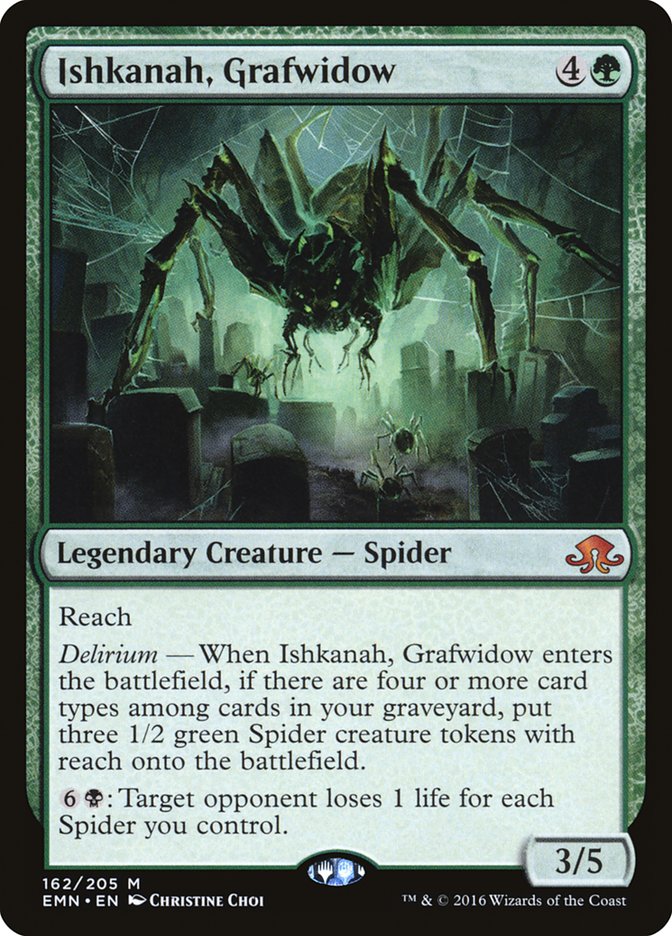
Once the ideal spider commander, Ishkanah, Grafwidow found a little competition with Tales of Middle-earth dropping various Shelobs into the game. It’s still a powerful delirium commander and graveyard payoff; getting a bunch of bodies in one card works in many strategies, including tokens, aristocrats, and, of course spiders! It can even be an outlet for infinite mana.
#10. Demonic Counsel

Demonic Counsel is a tricky one. The chance at a straight Demonic Tutor speaks to me, but this will almost always be a blank without delirium. But you can get delirium quite easily if you build around it. The upside is immense, so I’m pretty high on this, even with the nasty failcase. Maybe the answer is to slap a Rune-Scarred Demon or some other demon into the same list so you always have something to find.
#9. Prophetic Titan
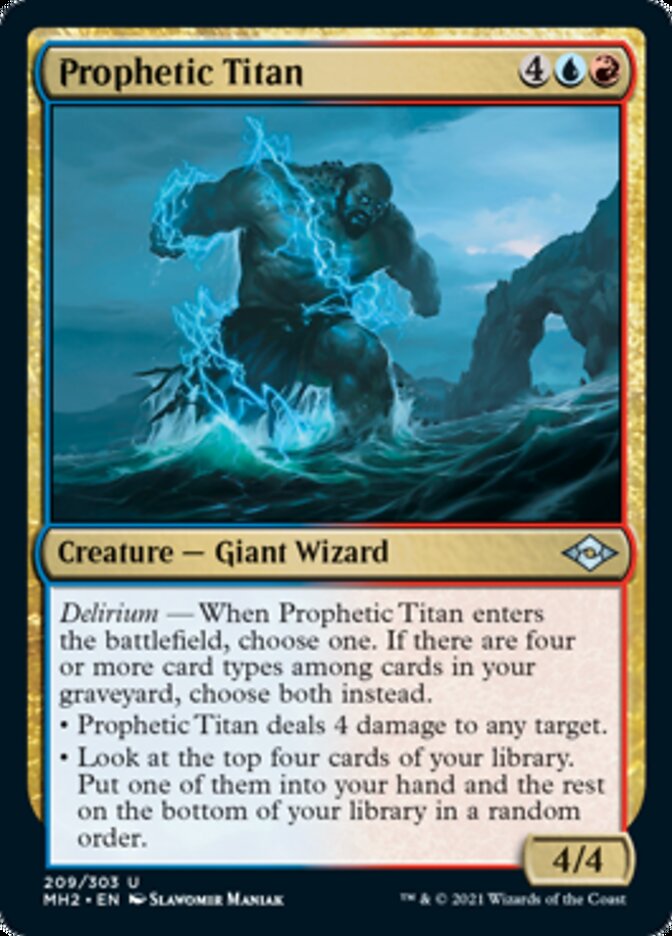
One of my favorite tropes from the Modern Horizons sets is their “creaturefication” of instants and sorceries. Prophetic Titan is Prophetic Bolt incarnate, and I love it.
It’s also fantastic value! Plenty of flicker decks would love the choice between using Impulse and Flametongue Kavu, let alone getting both with delirium. This giant wizard deserves more play than it sees.
#8. Winter, Cynical Opportunist

A delirium card that burns your graveyard as a resource fascinates me. On the one hand, Winter, Cynical Opportunist is immensely powerful. A repeatable reanimation effect that doesn’t require additional mana investment beyond casting the creature can take over games, and Winter fills the graveyard for you.
But exiling cards makes it harder to play this in a delirium deck because you’re always removing delirium for reanimation purposes. The trick is likely leaning hard into the reanimation strategy without worrying about cards like Six that reward you for stocking the graveyard. I really like this as a commander and payoff; it asks so many interesting questions of the player.
#7. Fear of Missing Out

I know that Wizards has been doing Universes Beyond crossovers for a while, but did we really need to personify social media?
Jokes aside, Duskmourn‘s Fear of Missing Out looks like the real deal. Getting extra combats off a 2-drop is absurdly efficient. You only untap one creature, but that’s plenty exploitable with cards like The Infamous Cruelclaw, Roxanne, Starfall Savant, and any other creatures with valuable saboteur or attack triggers you want to get multiple times a turn.
#6. Convert to Slime

When you’re in a multiplayer game with three opponents throwing around all sorts of threats, one-for-one removal loses a lot of its luster. You need some of it, if only for the sheer efficiency of cards like Swords to Plowshares, but removal that handles multiple cards is best. Convert to Slime does this well.
The Ooze token ties the card together. By the time you can cast a 5-mana sorcery, your opponents should be casting similarly large cards, making that token a massive threat. This is rather like a super-charged Ravenous Chupacabra.
#5. Scuttletide

While most delirium cards aren’t worth much without the mechanic enabled, Scuttletide has no such requirements. You need to be in some sort of graveyard-based deck that makes it worthwhile to discard cards to create Crabs, but this blue enchantment could be worth its weight in gold in the right deck. Not that that’s very much, given that it’s a slip of paper… but still.
Just getting important cards in the graveyard cheaply and reliably would be valuable enough, but those Crabs can do a reasonable job defending you. Imagine playing this alongside madness cards like Shadowgrange Archfiend and Circular Logic or dumping your reanimation targets into the graveyard while giving yourself blockers to protect you until you find Reanimate and friends.
#4. Drag to the Roots

Drag to the Roots is still useful, even without meeting the demands of delirium. However, if you can bring its cost down to make it another copy of Assassin's Trophy you’re in great shape.
#3. Traverse the Ulvenwald
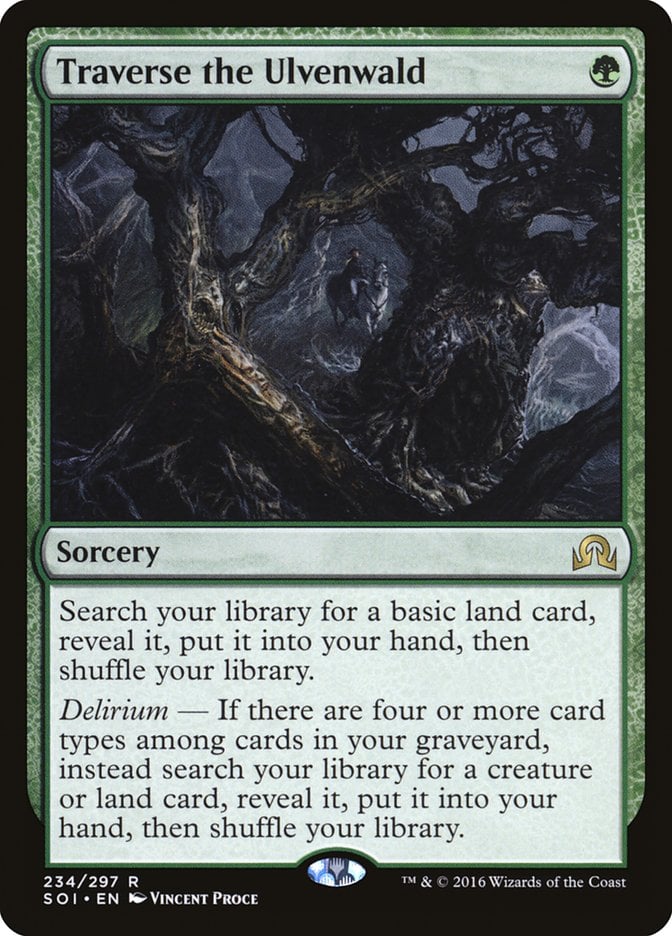
I’m a huge fan of Lay of the Land variants with a secondary mode. Traverse the Ulvenwald essentially plays as a tapped land when needed and an Eladamri's Call later in the game.
That’s particularly useful for decks that rely on creatures for combos, like Hermit Druid or Thassa's Oracle. Delirium even upgrades the land tutor, going from a basic land to any land, so you could find cards like Dark Depths and Field of the Dead to suit your needs.
#2. Dragon’s Rage Channeler
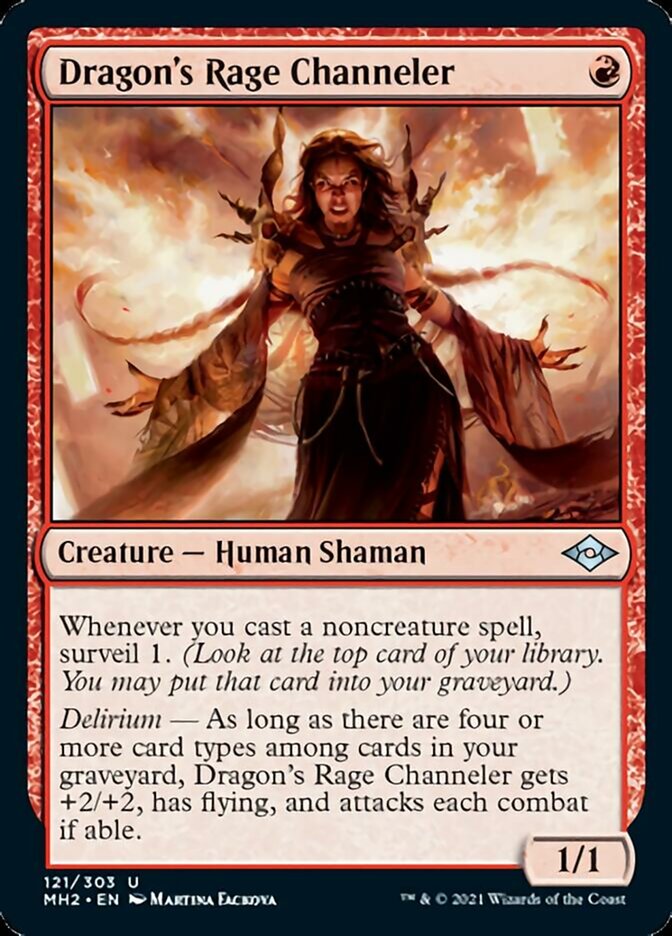
One of the most competitive delirium cards, Dragon's Rage Channeler has made quite the name for itself in Modern and beyond as a hyper-efficient beater that provides excellent card selection. A 1-mana 3/3 flying that smooths your draws… how far we’ve come from the days of Flying Men and Storm Crow.
#1. Shifting Woodland

I love a good value land, and Shifting Woodland pushes itself towards excellence. Turning a land into a copy of a permanent opens the door to so many crazy plays. You can use it to copy a combo piece in your graveyard, effectively avoiding countermagic, or just copy a creature that gets good value for you when it attacks, like Archon of Cruelty. However you leverage this, it’ll be awesome, and the opportunity cost of playing this green land over a Forest is virtually nonexistent.
Best Delirium Enablers and Payoffs
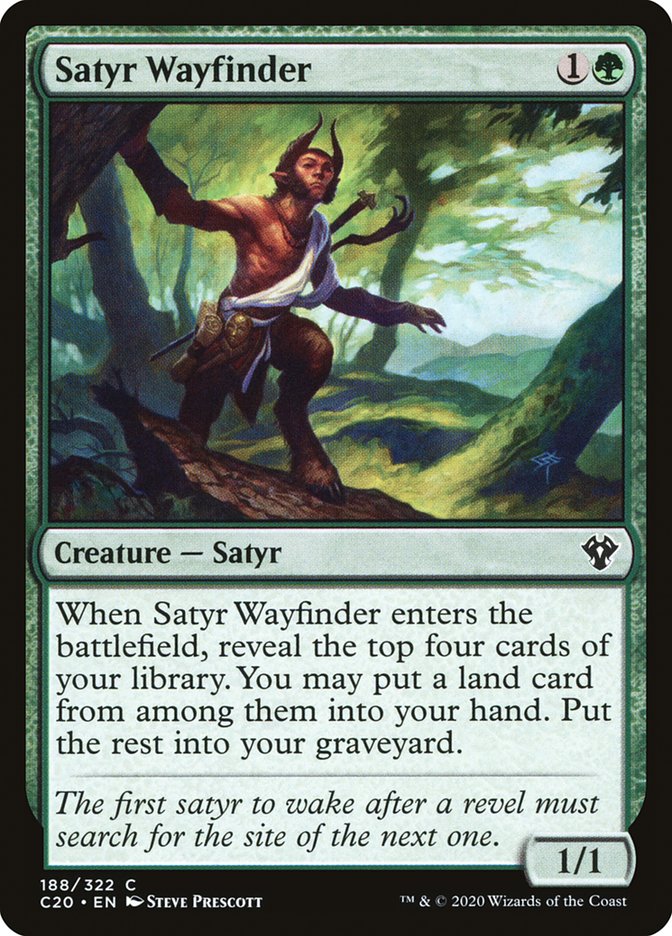

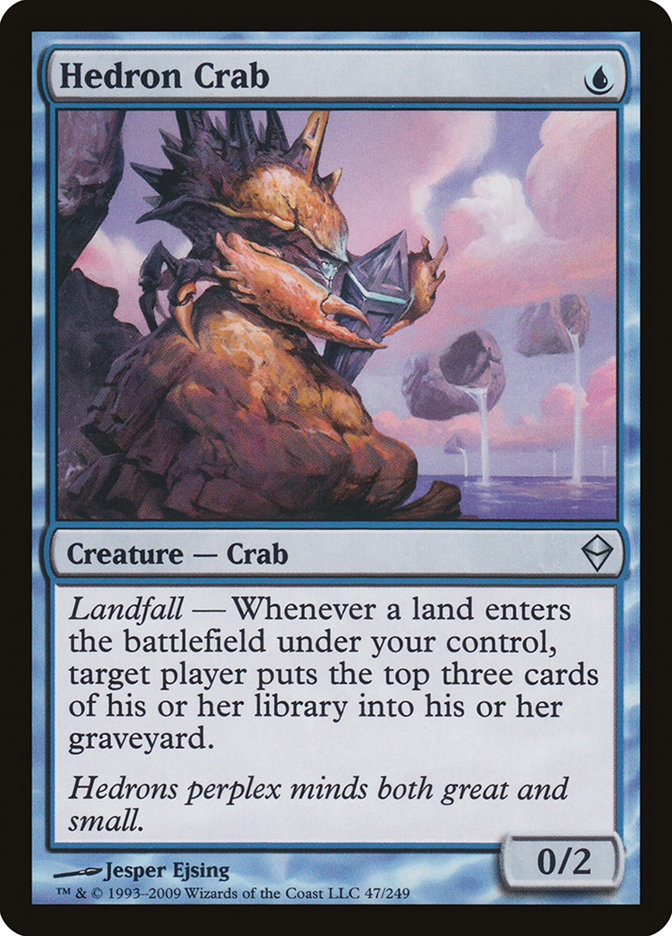

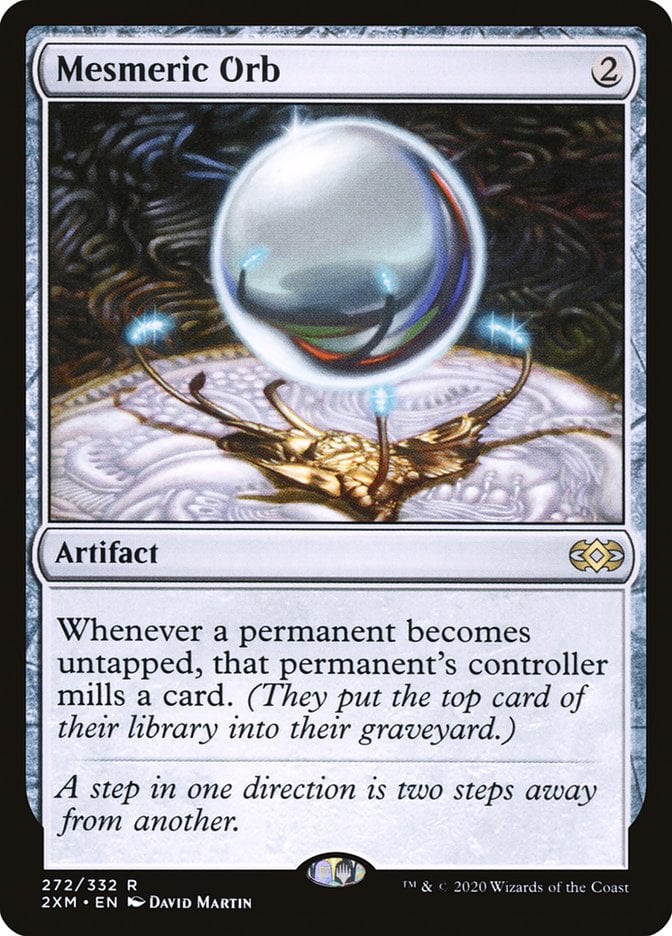
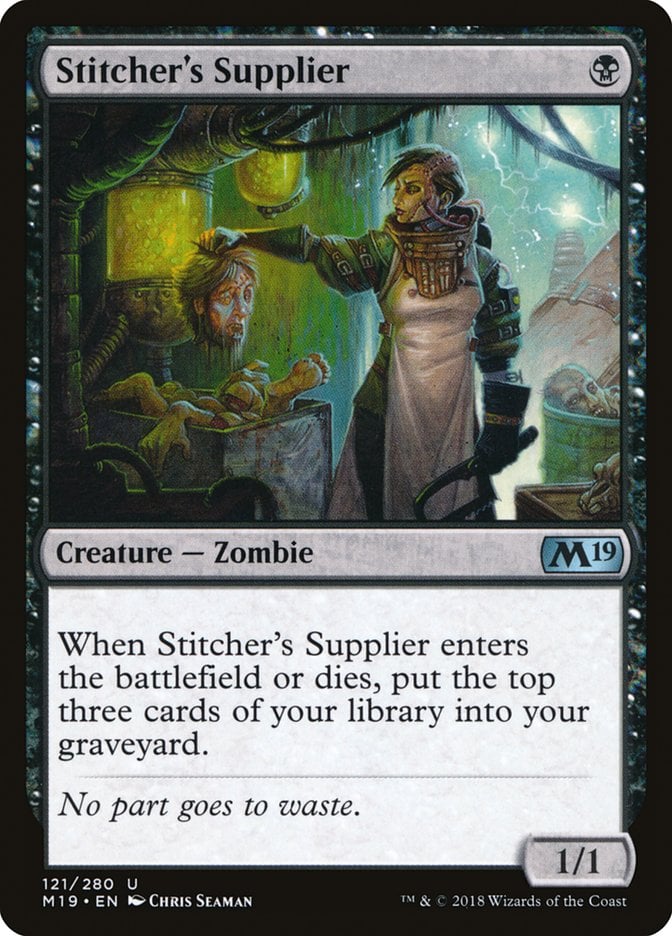
To make the most of a deck filled with delirium cards, you need ways to get cards in the bin. We have a plethora of lovely options. Some of my favorites are Satyr Wayfinder, Choco, Seeker of Paradise, Hedron Crab, Rakshasa's Bargain, and Mesmeric Orb. And we can’t forget Stitcher's Supplier!
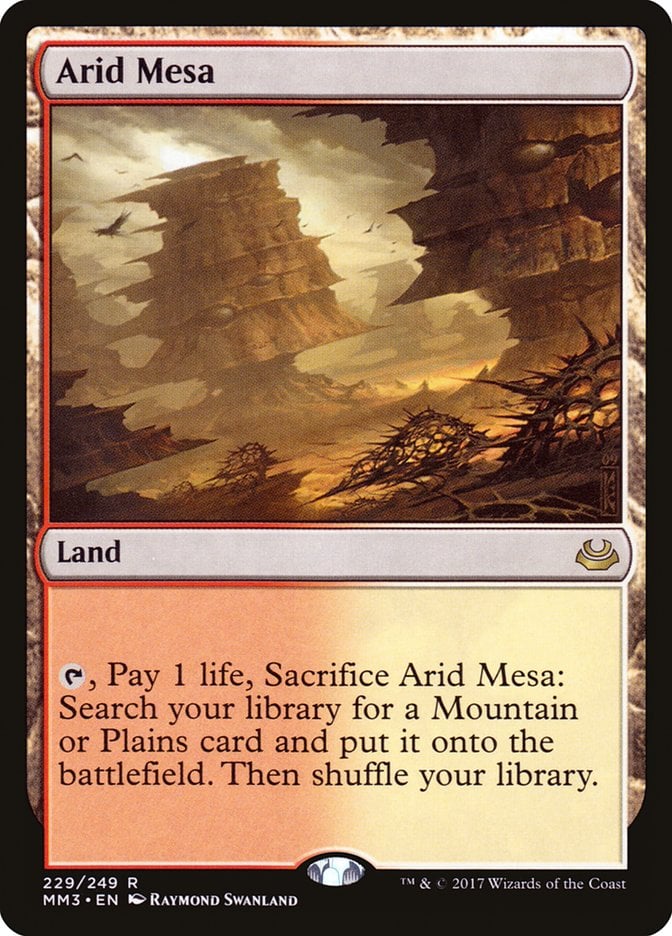
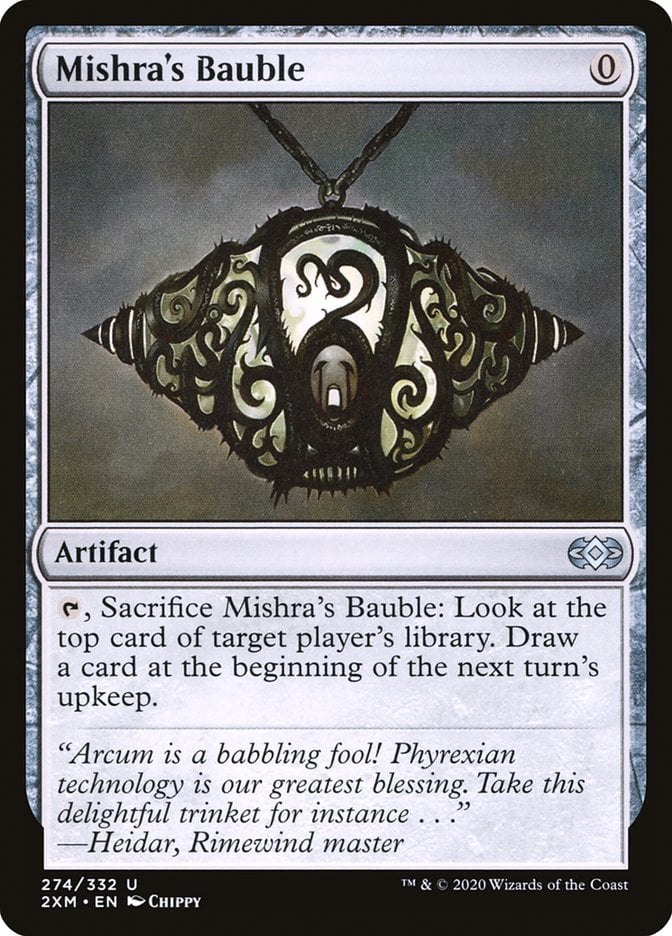
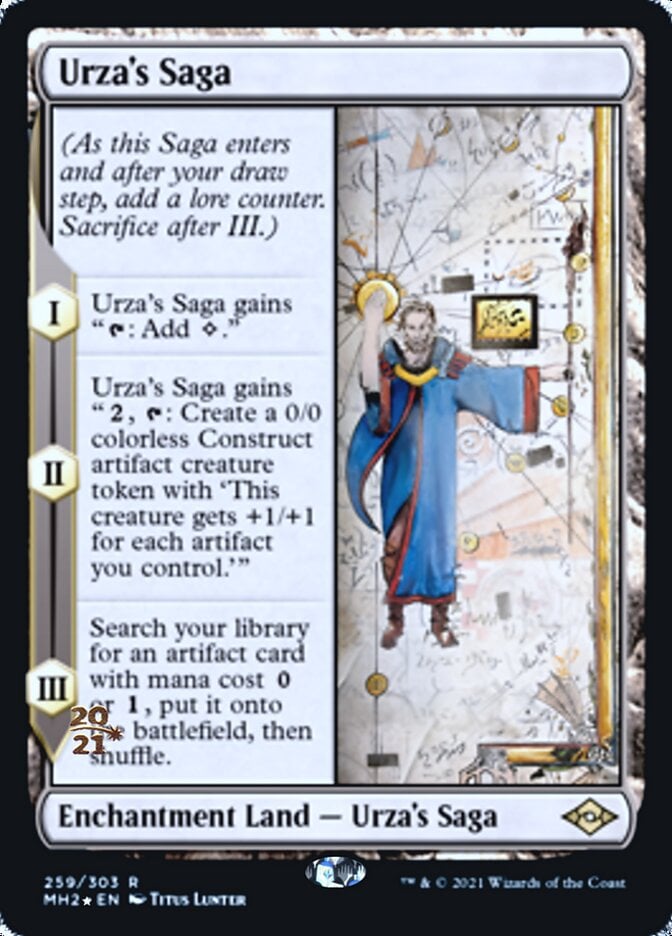
You need four card types in the graveyard, so make sure you diversify. Fetch lands like Arid Mesa practically guarantee that you start with a land. Mishra's Bauble sees lots of play in Modern Murktide lists to get an artifact in the graveyard; you might also want cards that are multiple card types, like enchantment creatures and artifact creatures. Urza's Saga can come in clutch here.
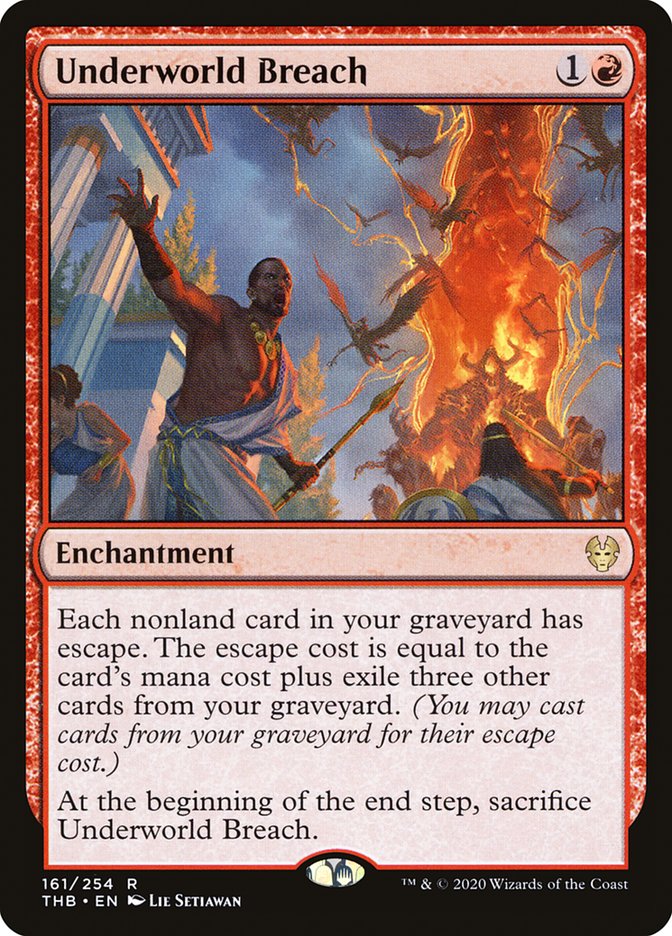
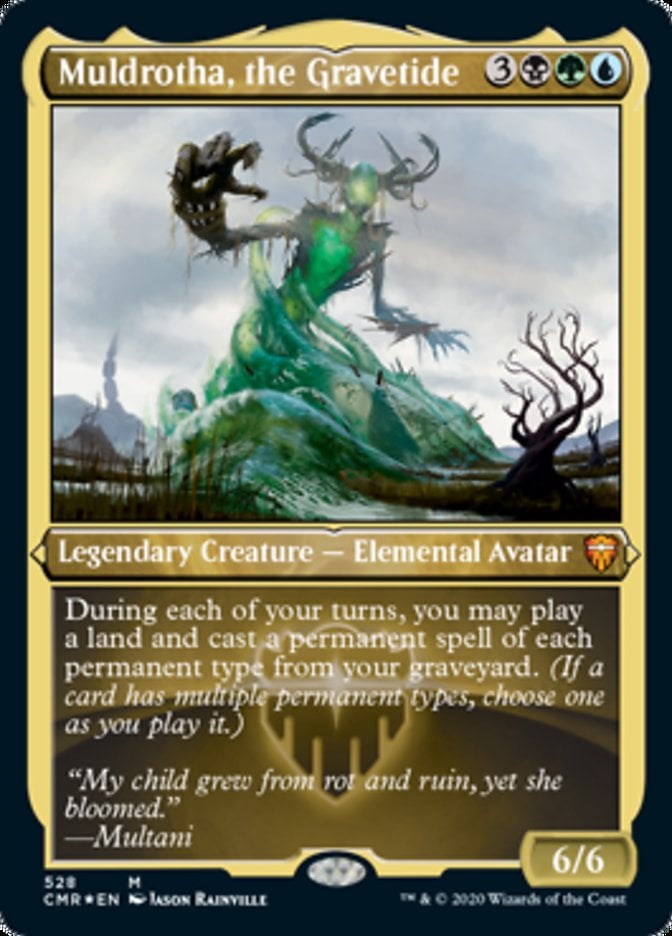

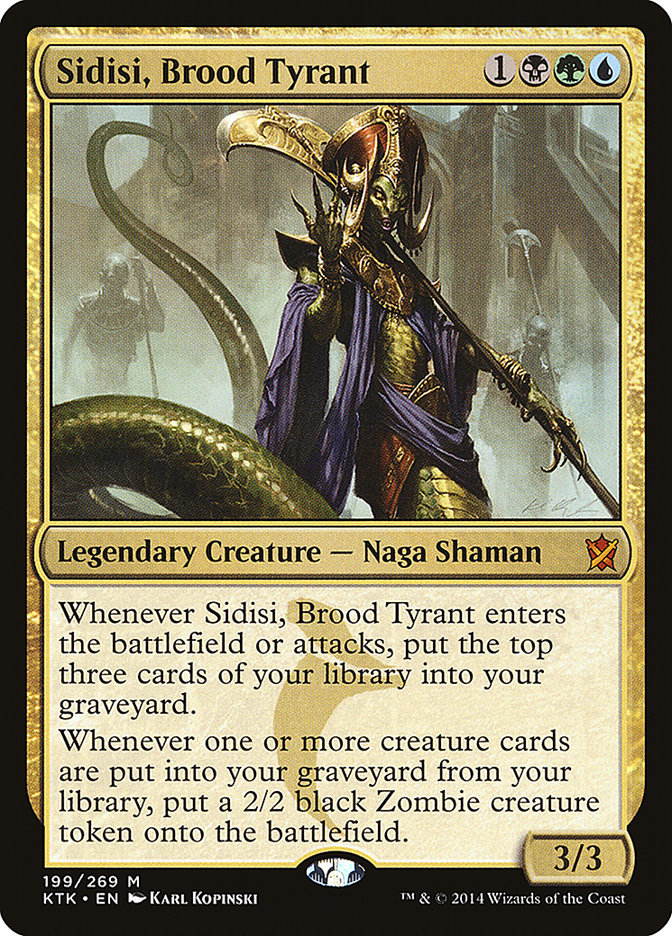
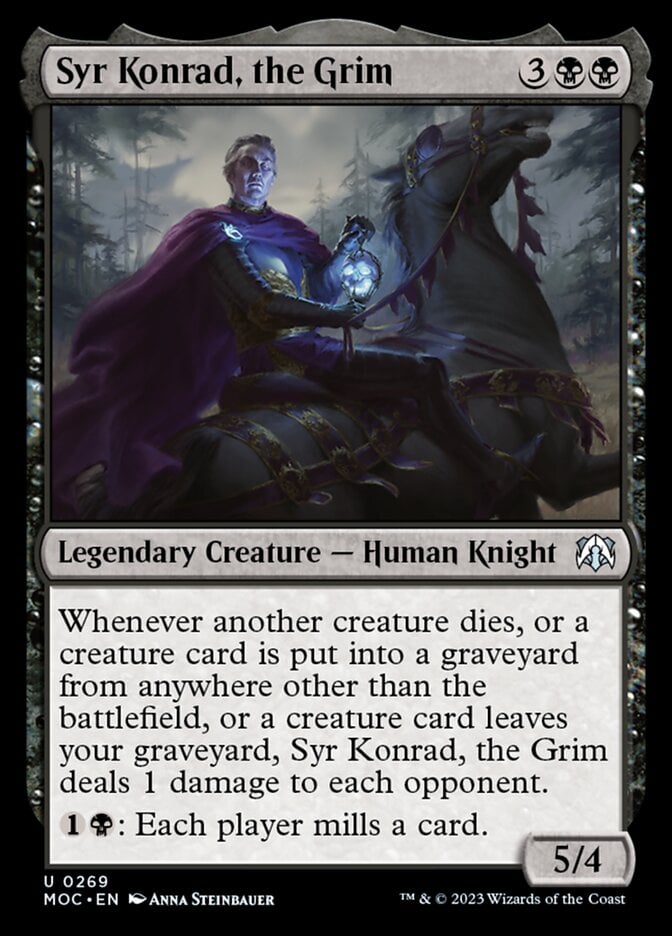
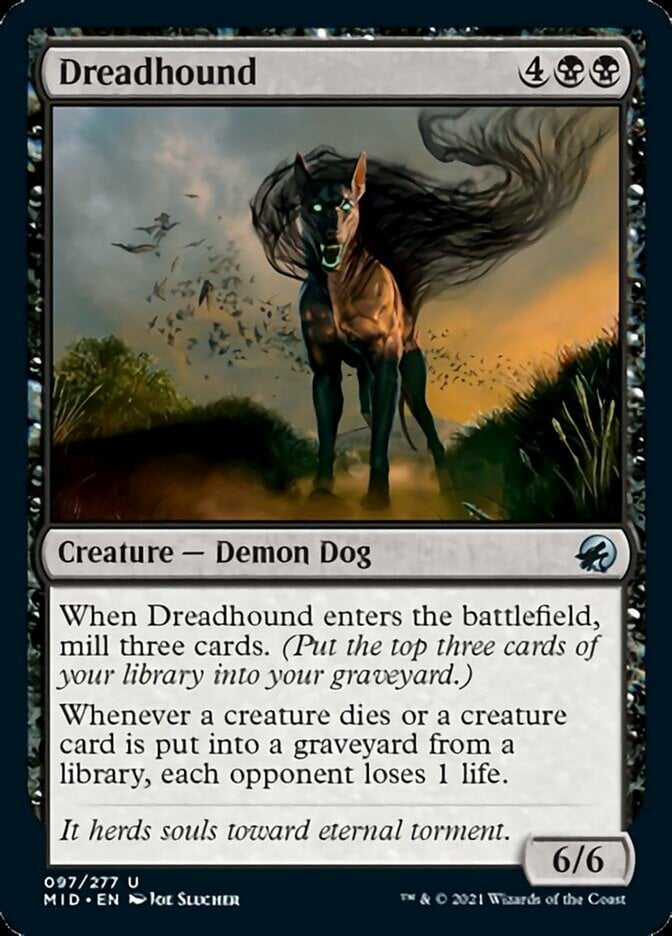
While the delirium cards are powerful, you’ll want additional finishers to exploit the self-mill. That might be card advantage from cards like Underworld Breach, Muldrotha, the Gravetide, and Osteomancer Adept, or it could be creature-based rewards from the likes of Sidisi, Brood Tyrant. Cards like Syr Konrad, the Grim and Dreadhound can even turn the act of milling into a win condition!
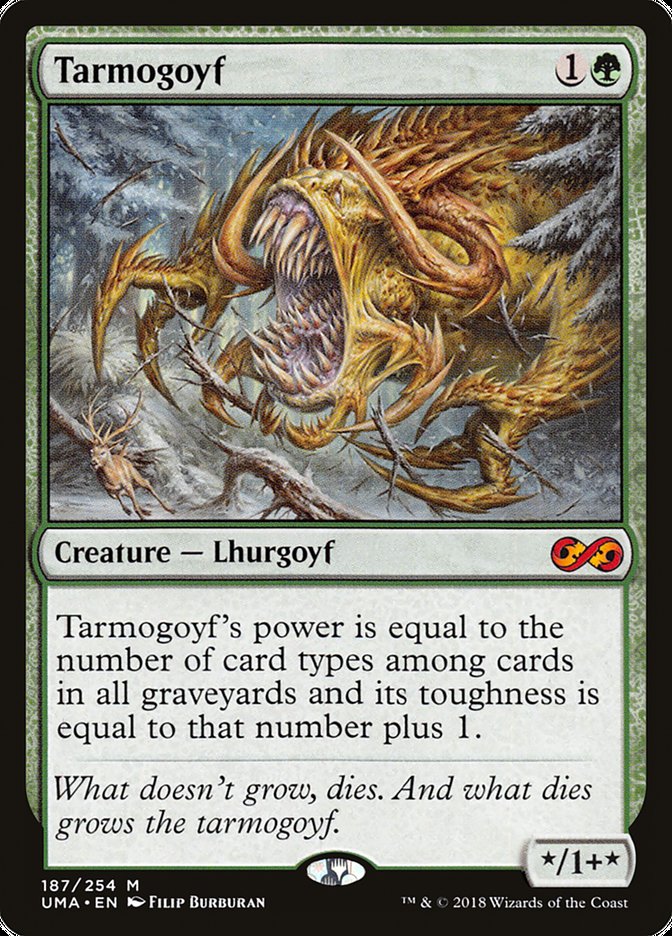

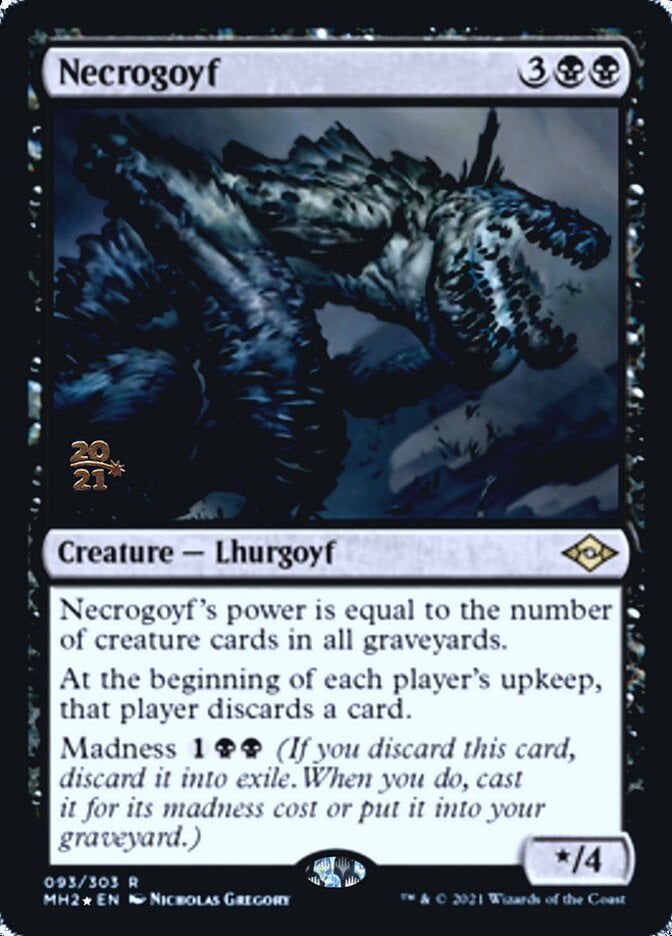
Here’s a true payoff for achieving delirium and it’s been around for a long time. Goyfs! Tarmogoyf, Pyrogoyf, and Necrogoyf each get super strong if you fill your graveyard with different card types, and even better if you send your opponent’s stuff to the bin too.
Wrap Up
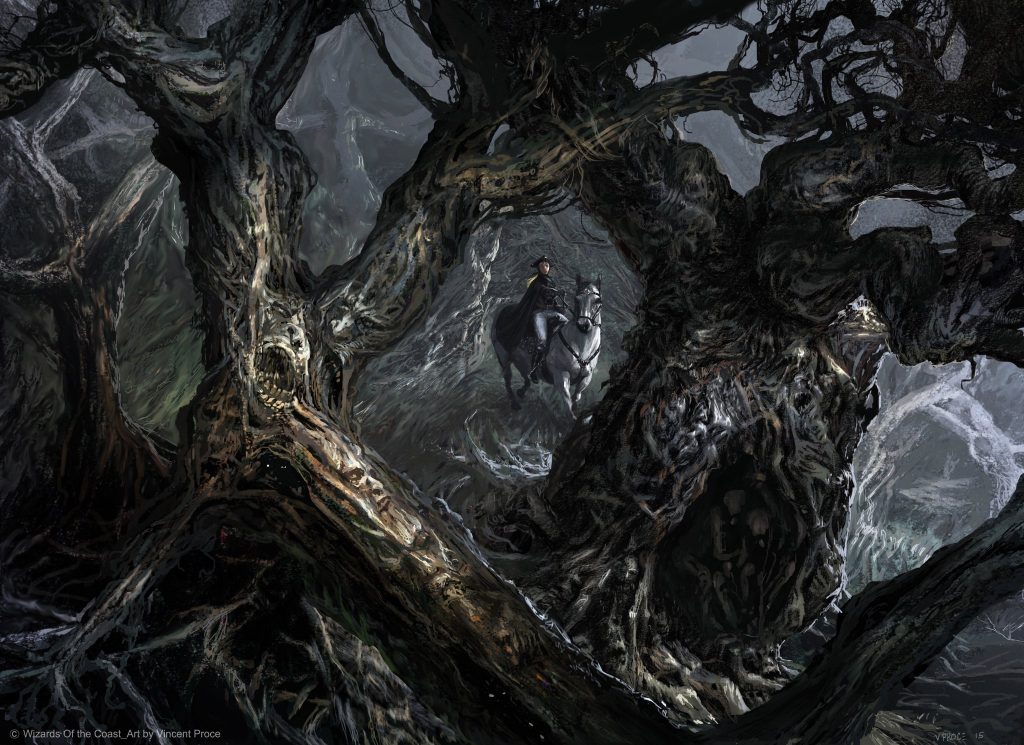
Traverse the Ulvenwald | Illustration by Vincent Proce
Playing a bunch of delirium cards can be a great way to squeeze extra value from your self-mill strategy and set yourself up for some powerful plays. A mechanic inspired by the madness flowing from an Eldrazi Titan, delirium cards capture an interesting flavor to go alone with their power.
What’s your favorite delirium card? Do you miss Unholy Heat’s role in Modern? Let me know in the comments or on the Draftsim Discord!
Stay safe, keep your mind sharp and thank you for reading!
Follow Draftsim for awesome articles and set updates:










Add Comment