
Last updated on September 22, 2025

Winter, Misanthropic Guide | Illustrated by Sam Wolfe Connelly
While new Magic mechanics keep the game fresh and exciting, I always enjoy seeing returning keyword abilities. Sometimes it’s just because they’re my favorites, like cycling and kicker, but other times, it’s because visiting a mechanic for the second or third time gives Wizards a little more freedom to play around with it.
Winter, Misanthropic Guide does just that. Instead of working like a typical delirium card, which rewards you for meeting the bare threshold, Winter scales with the number of card types in your graveyard. It also offers an interesting spin on the wheels archetype as a non-blue commander that squeezes value from forced draw without dealing direct damage or creating tokens.
Let’s check out what this Jund commander can do!
The Deck

Six | Illustration by Andrew Mar
Commander (1)
Battle (2)
Invasion of Ikoria
Invasion of Zendikar
Planeswalker (4)
Grist, the Hunger Tide
Wrenn and Realmbreaker
Liliana, Death's Majesty
Wrenn and Seven
Creature (18)
Birds of Paradise
Haywire Mite
Ignoble Hierarch
Kederekt Parasite
Aftermath Analyst
Dauthi Voidwalker
Orcish Bowmasters
Razorkin Needlehead
Shigeki, Jukai Visionary
Six
Zurzoth, Chaos Rider
Fate Unraveler
Pyrogoyf
Sheoldred, the Apocalypse
Aclazotz, Deepest Betrayal
Overlord of the Balemurk
Psychosis Crawler
Tergrid, God of Fright
Instant (9)
Malakir Rebirth
Tamiyo's Safekeeping
Unholy Heat
Vampiric Tutor
Assassin's Trophy
Heroic Intervention
Fell the Profane
Peer Past the Veil
Windgrace's Judgment
Sorcery (12)
Reanimate
Malevolent Rumble
Nature's Lore
Three Visits
Cultivate
Dark Deal
Formless Genesis
Wheel of Misfortune
Khorvath's Fury
Reforge the Soul
Casualties of War
Blasphemous Act
Enchantment (10)
Wild Growth
Lignify
Liliana's Caress
Waste Not
Megrim
Tarmogoyf Nest
The Rollercrusher Ride
Underworld Dreams
Spiteful Visions
Demonic Covenant
Artifact (7)
Sol Ring
Howling Mine
Mesmeric Orb
Talisman of Impulse
Talisman of Indulgence
Talisman of Resilience
Font of Mythos
Land (37)
Blood Crypt
Bloodstained Mire
Boseiju, Who Endures
Command Tower
Commercial District
Deathcap Glade
Dragonskull Summit
Dryad Arbor
Exotic Orchard
Field of the Dead
Forest
Geier Reach Sanitarium
Great Furnace
Haunted Ridge
Luxury Suite
Mountain
Overgrown Tomb
Raucous Theater
Rockfall Vale
Rootbound Crag
Shifting Woodland
Snow-Covered Forest
Snow-Covered Swamp
Spire Garden
Stomping Ground
Swamp
Takenuma, Abandoned Mire
Talon Gates of Madara
Tree of Tales
Underground Mortuary
Undergrowth Stadium
Urza's Cave
Vault of Whispers
Verdant Catacombs
Wooded Foothills
Woodland Cemetery
Ziatora's Proving Ground
This is a midrange delirium deck that combines effects that punish our opponent for drawing cards or discarding cards with a bunch of forced draw spells to secure victory. I would consider this to be a low-power EDH deck, though some pods might view cards like Spiteful Visions as unfun stax pieces—your mileage may vary.
The Commander: Winter, Misanthropic Guide

Winter, Misanthropic Guide led the development of the deck; this is a build-around commander if I’ve ever seen one. All of our cards work within the general wheelhouse Winter provides.
I really appreciate that Winter’s draw ability sidesteps the traditional weakness of Howling Mine abilities. Those cards typically have players draw their extra cards in their draw step or upkeep, so your opponent can draw their card, then kill the Howling Mine before you get one. Since Winter triggers in your upkeep, your opponents never get a chance to take their cards and run and you get the first crack at casting them.
Reducing your opponents’ hand size provides a fascinating payoff to forced draws. It’s much more common for this kind of card to provide pressure – for example, Nekusar, the Mindrazer gives you direct damage and Xyris, the Writhing Storm creates a swarm of tokens. These try to kill your opponents faster than they can cast the cards they draw, but Winter seeks to deny them cards altogether. That said, we still need pressure.
Draw Punishers
Giving your opponents free cards with no strings attached sounds like a fantastic way to lose. Thankfully, Wizards has printed plenty of ways to punish our opponents for drawing cards.

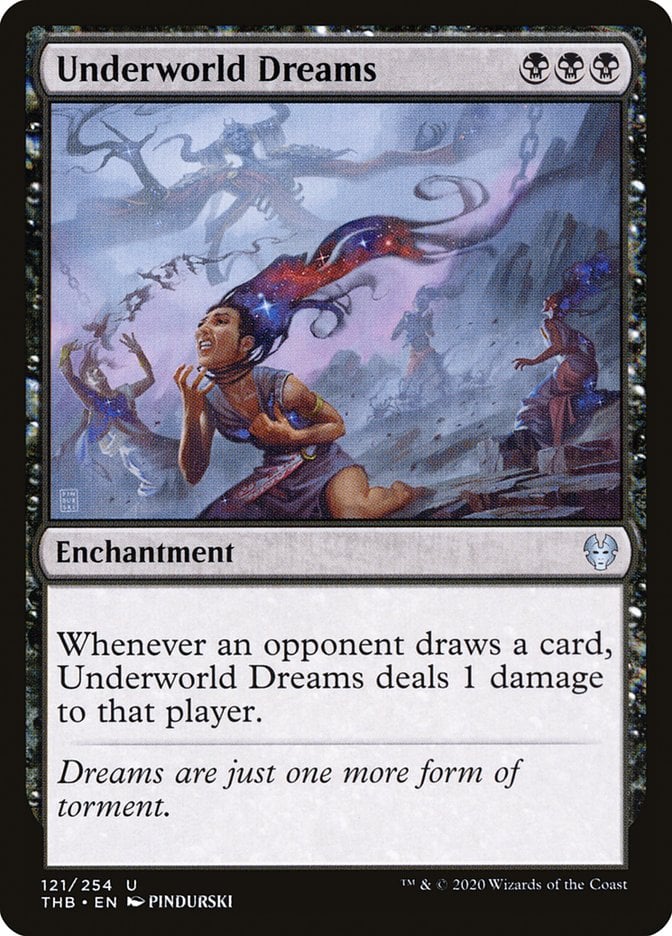
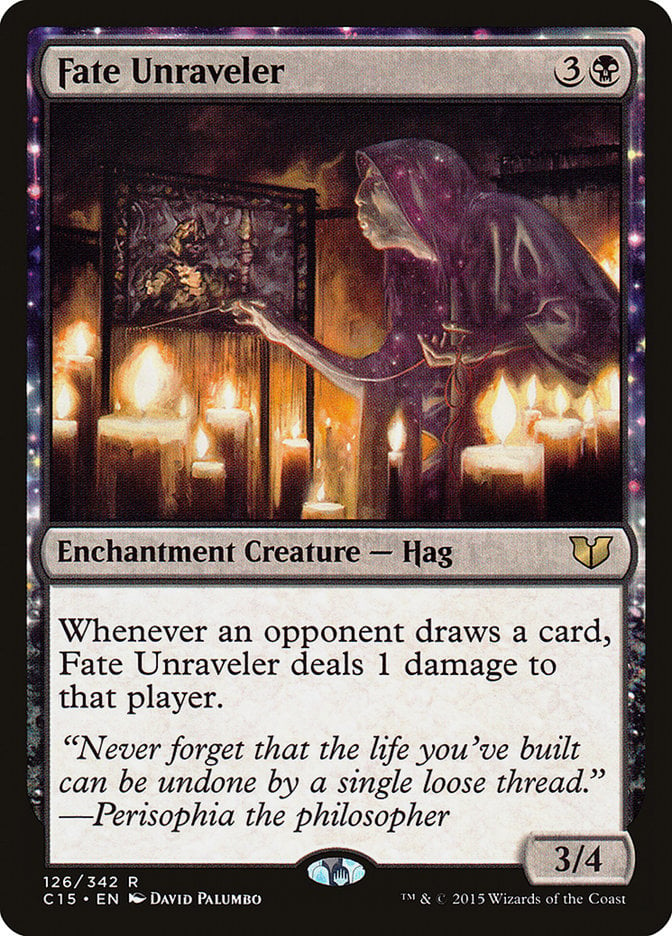
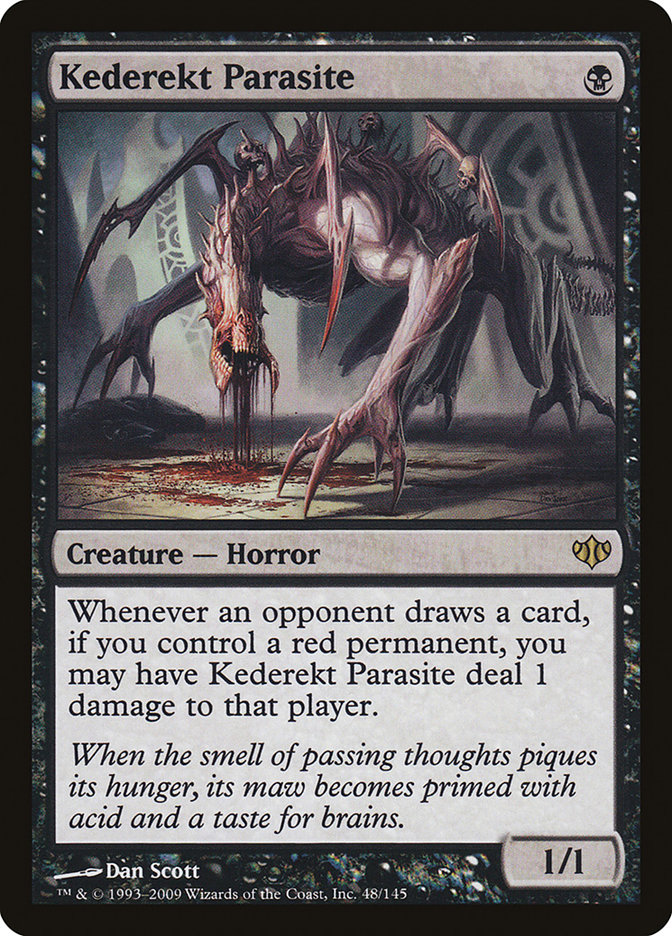
The newest entry to this bit of design space is Razorkin Needlehead, notable for its efficiency when compared with other enablers like Underworld Dreams and Fate Unraveler. However, it still can’t beat Kederekt Parasite in this regard.
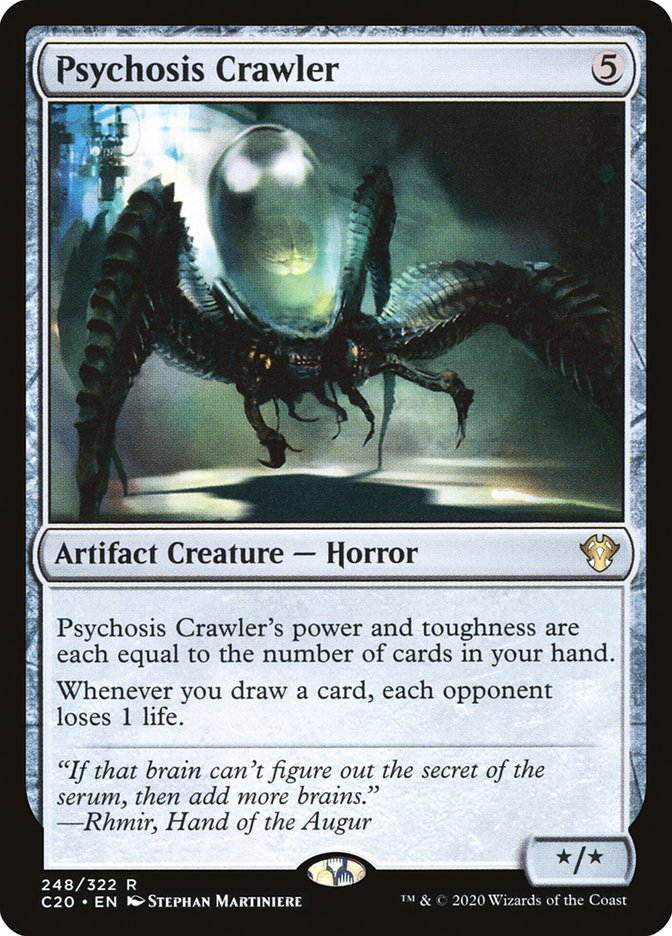
Psychosis Crawler pings our opponents while smacking them hard with its ever-growing body. As an artifact creature, it helps us assemble delirium.
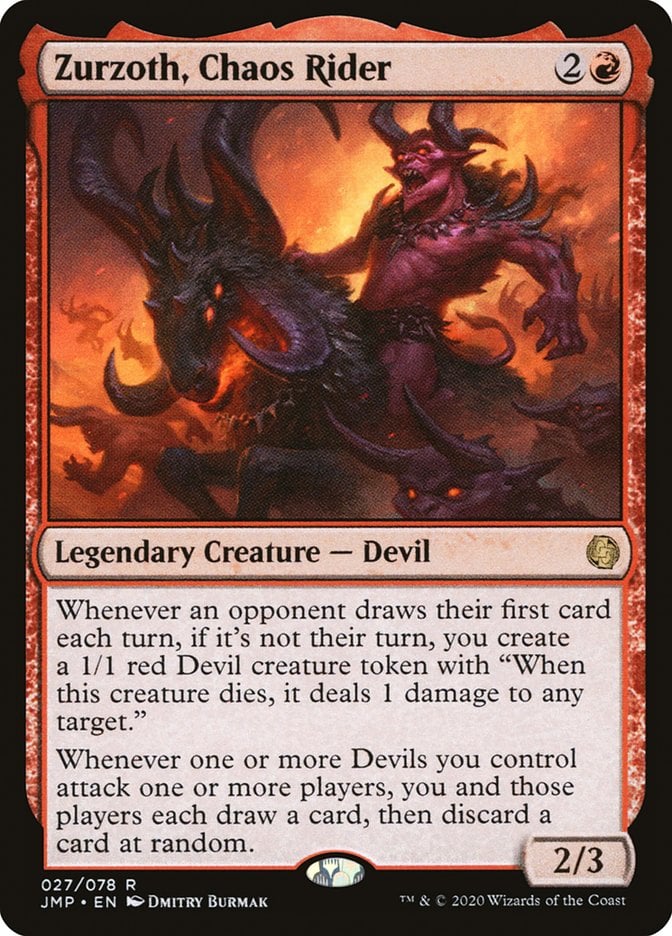
Zurzoth, Chaos Rider gives us a different payoff in a calamity of Devil tokens. These are excellent at chump-blocking in the mid to late game to give our pingers time to do their thing.
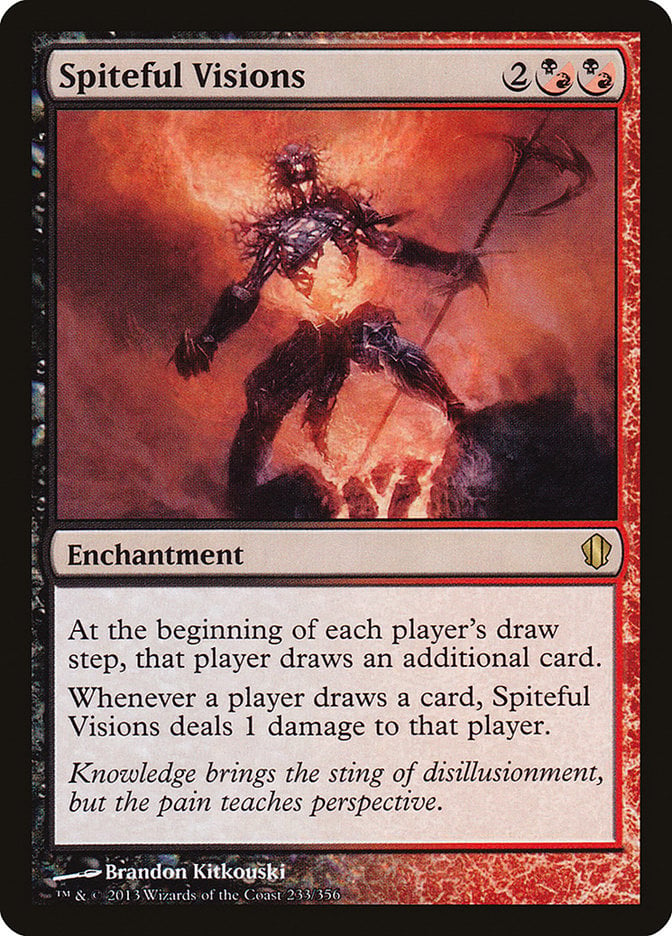
Spiteful Visions is one of the stronger pingers because it comes with a forced draw trigger, though we pay the price as well since this is a symmetrical effect.
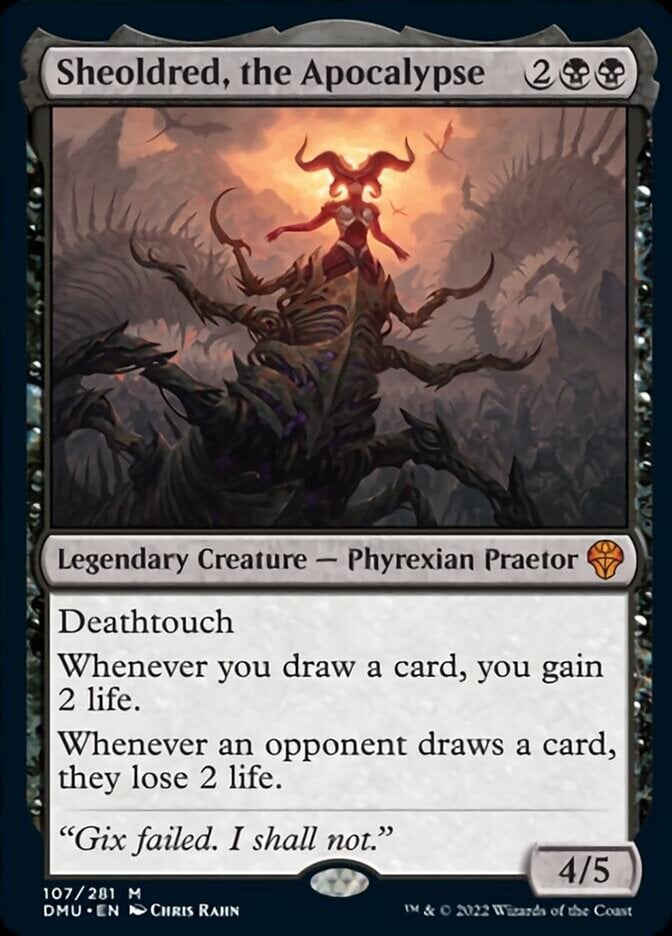
Sheoldred, the Apocalypse offers the biggest damage-per-card-drawn ratio while bolstering our life total. The combination of a massive body and deathtouch makes this black staple a monster in combat as well.
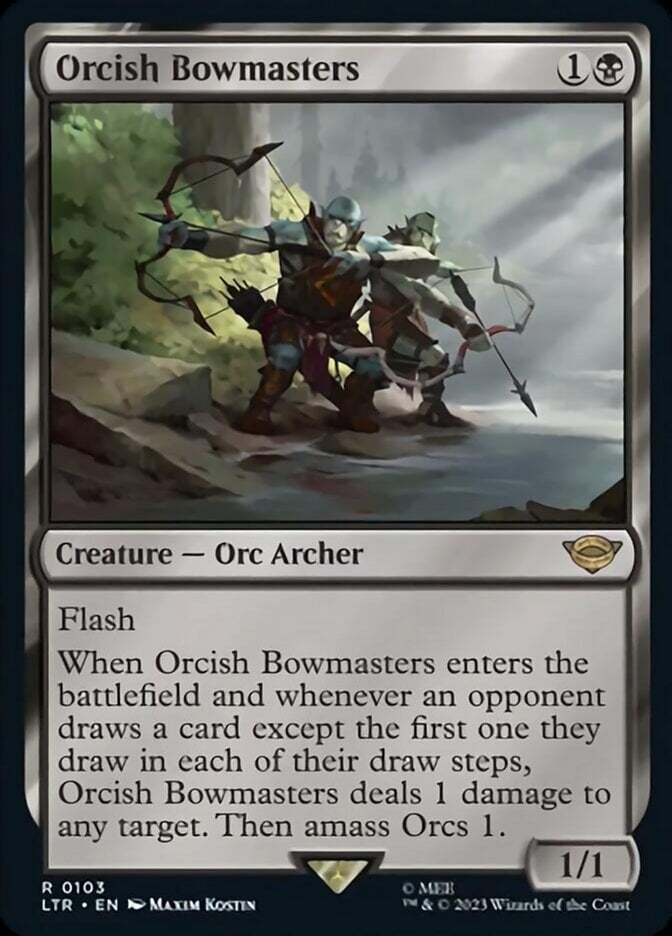
Our best draw punisher is undoubtedly Orcish Bowmasters. This is partially due to its efficiency, but mostly due to the flexibility of its damage: We can use it to control the board as well as burn out our opponents.
Discard Punishers
Ways to punish our opponents for discarding cards are just as important, if only because they go hand in hand: Winter and our wheels make drawing and discarding into one game action.
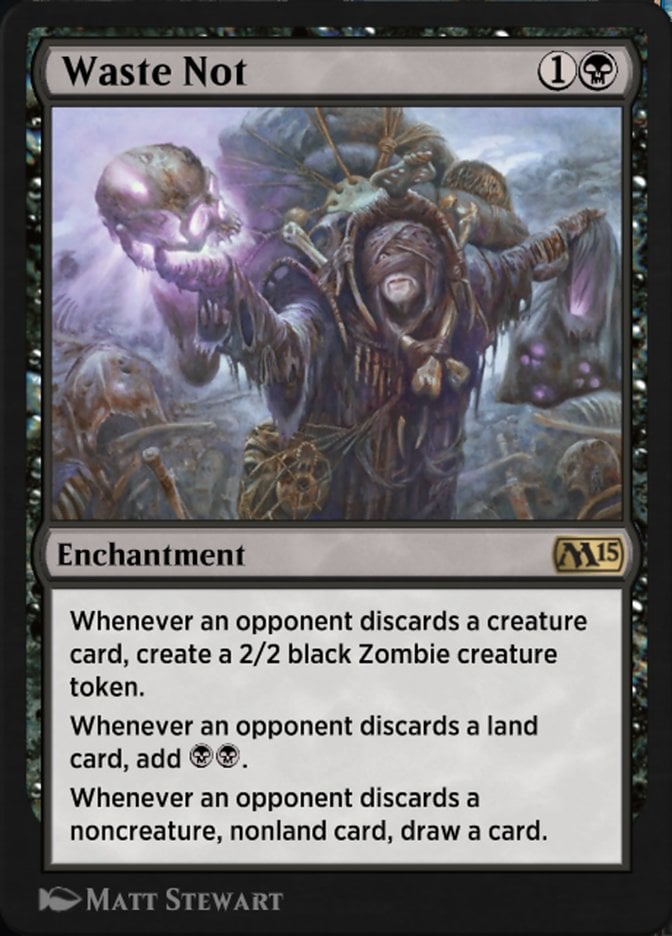
Waste Not is an absolute classic in this archetype, generating a variety of boons depending on what goes to the graveyard. When you cast a wheel, you can count on getting multiple instances of each trigger.
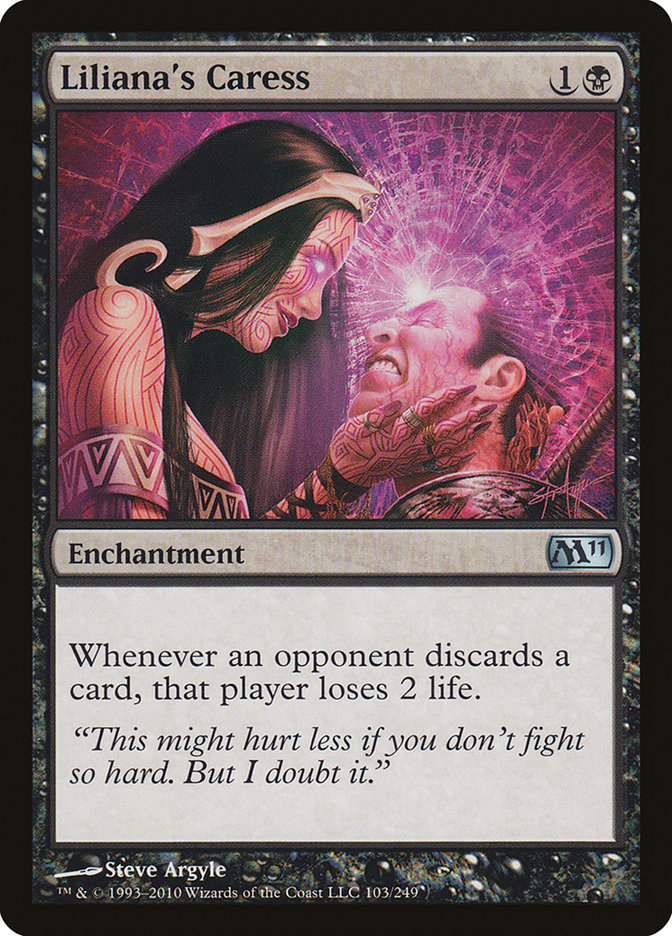
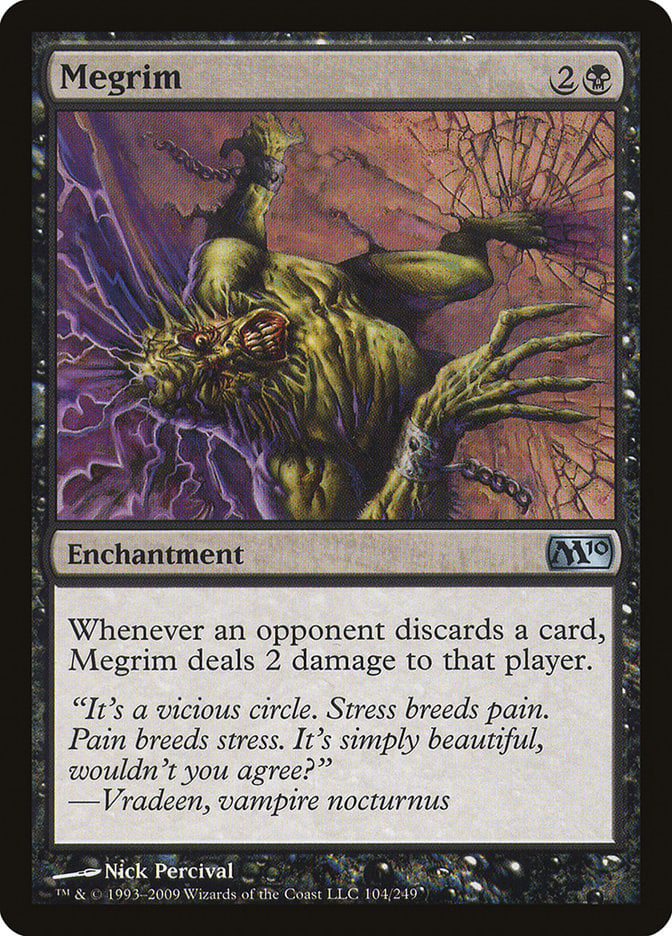
Liliana's Caress doles out plenty of damage whenever our opponents ditch a card; Megrim does the same, though it costs more.
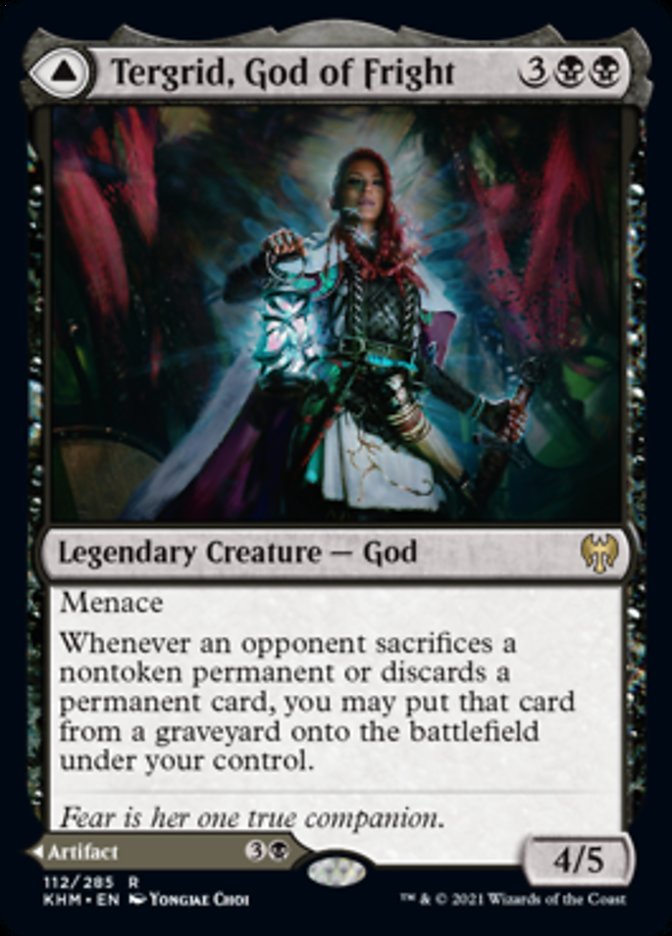
Anybody who’s played around with higher-powered pods knows the power of Tergrid, God of Fright. Dumping your opponents’ hands onto your board instead of their graveyard gives you a huge leg up in no time.
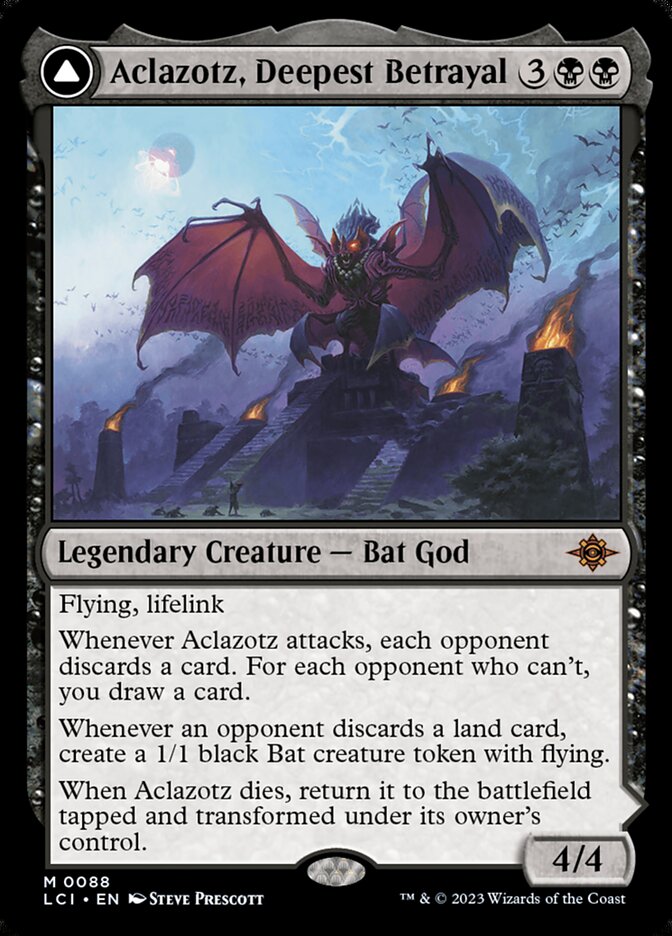
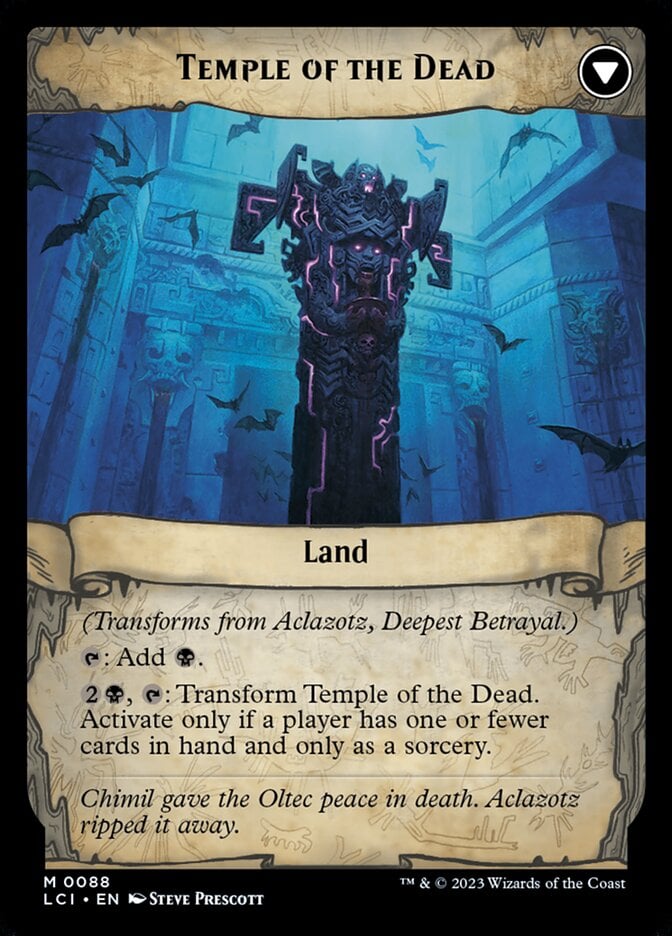
Aclazotz, Deepest Betrayal pulls double duty: This flying lifelinker rewards us when our opponents discard while making them discard when it attacks. We can even draw an extra card or two! Winter’s ability makes it much easier to transform Temple of the Dead back into our favorite bat god if it dies.
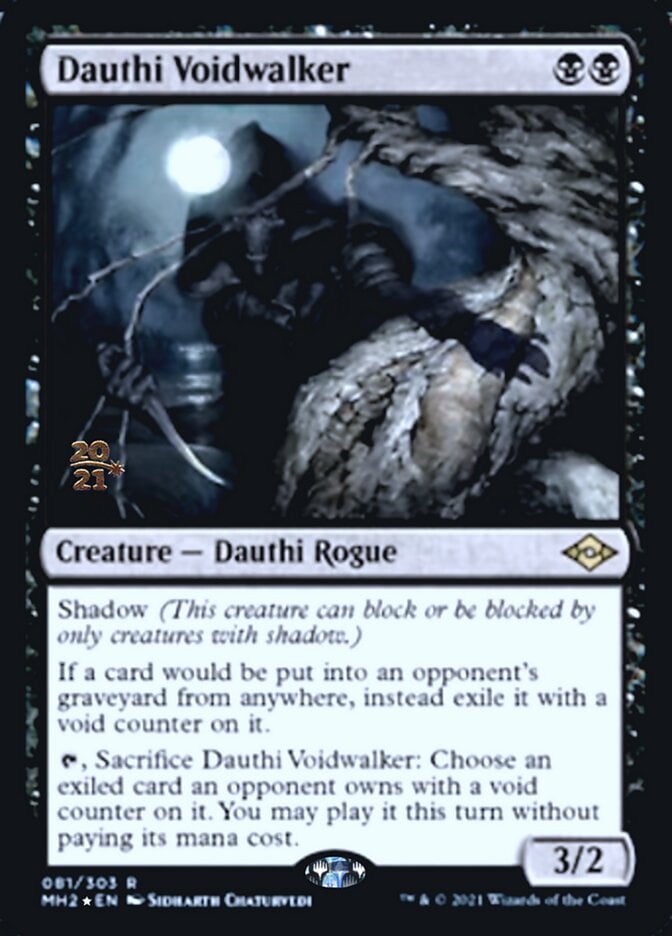
Dauthi Voidwalker might be more of a graveyard hate card than a discard punisher, but cards like Wheel of Misfortune and Reforge the Soul make it work much better.
Forced Draw
If we want to make these draw and discard abilities work, we need ways to make our opponents draw and discard. Winter provides these effects, but we can’t rely on just the commander.
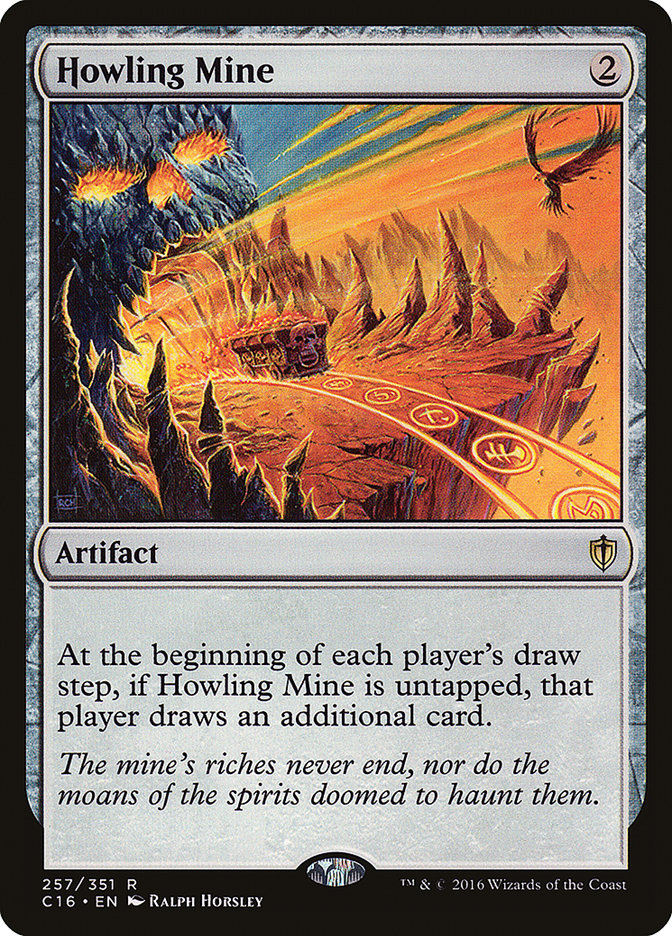
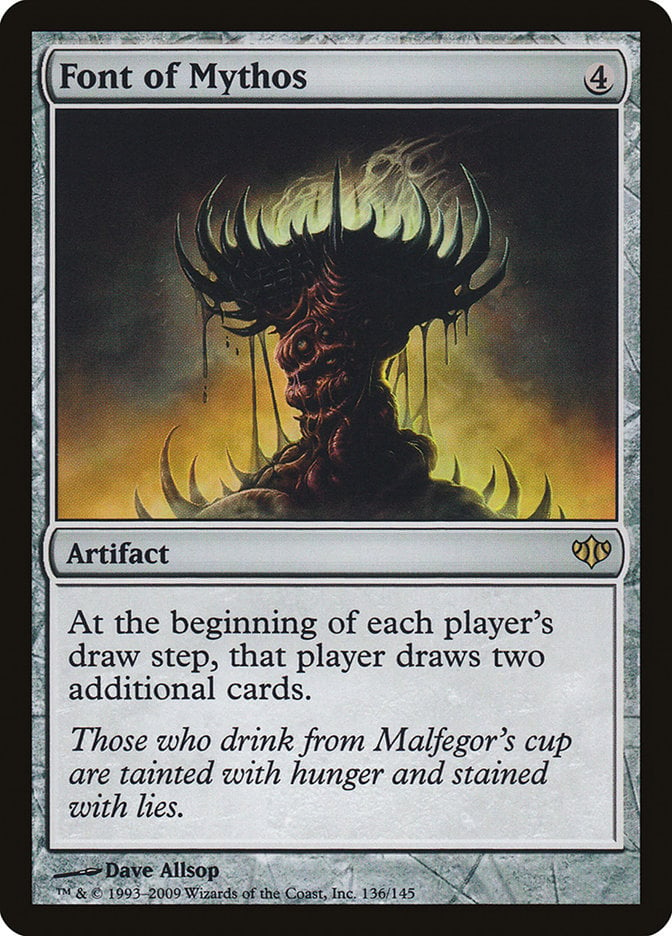
Howling Mine and Font of Mythos are classic EDH staples for a group hug archetype and we’re happy to have them here to dig for our draw punishers and fling some damage around.
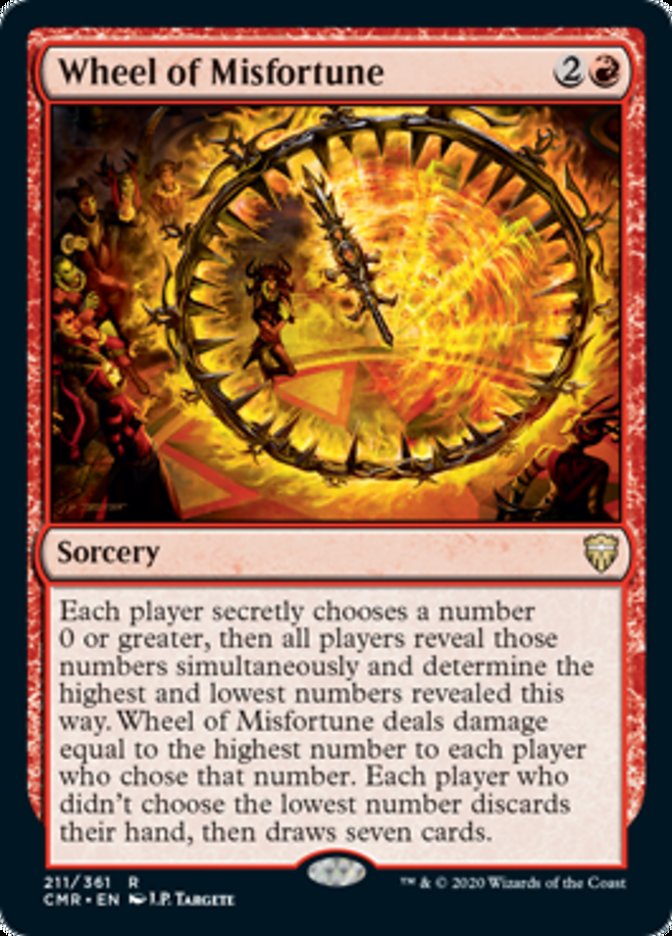
Wheel of Misfortune is tricky. Not everybody gets to wheel and some opponents simply won’t once we get our value engines online. But if they don’t, that just means we get a personal draw-seven.
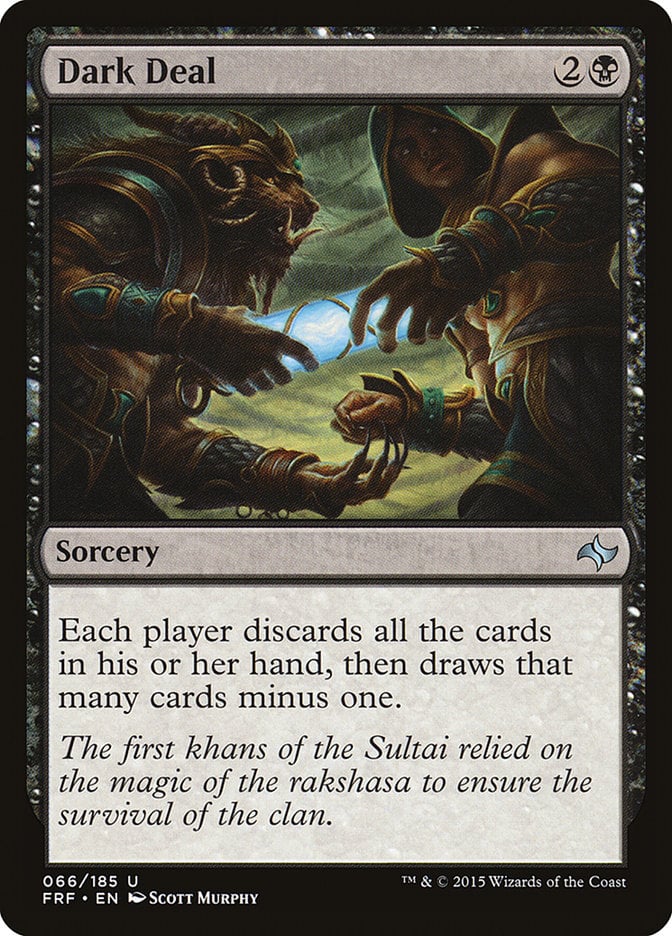
We have another interesting wheel in Dark Deal, which is technically card disadvantage, but for all players. Think of it as a discard spell that triggers Megrim and Spiteful Visions and the like.
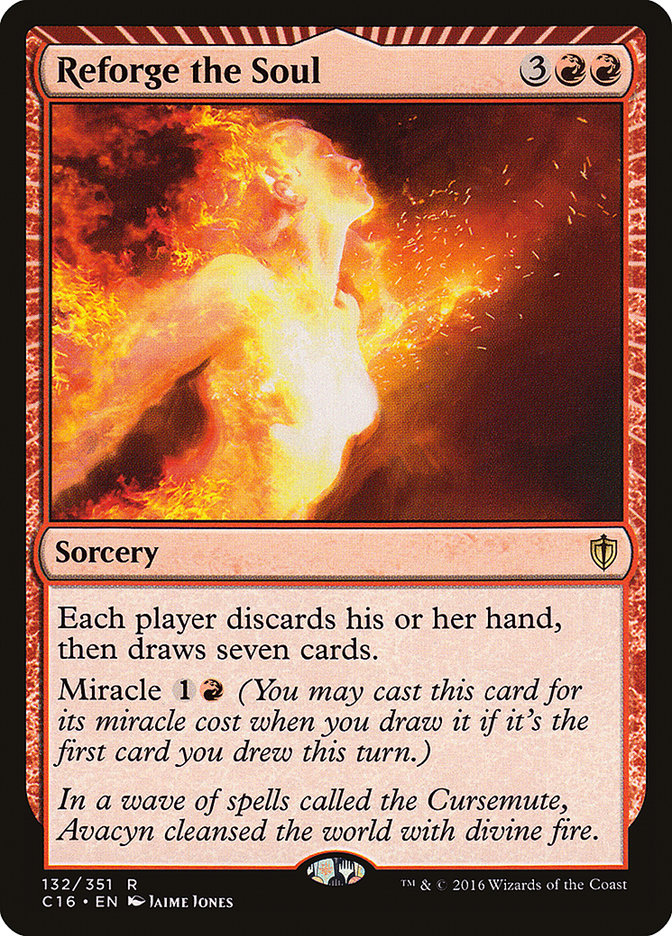
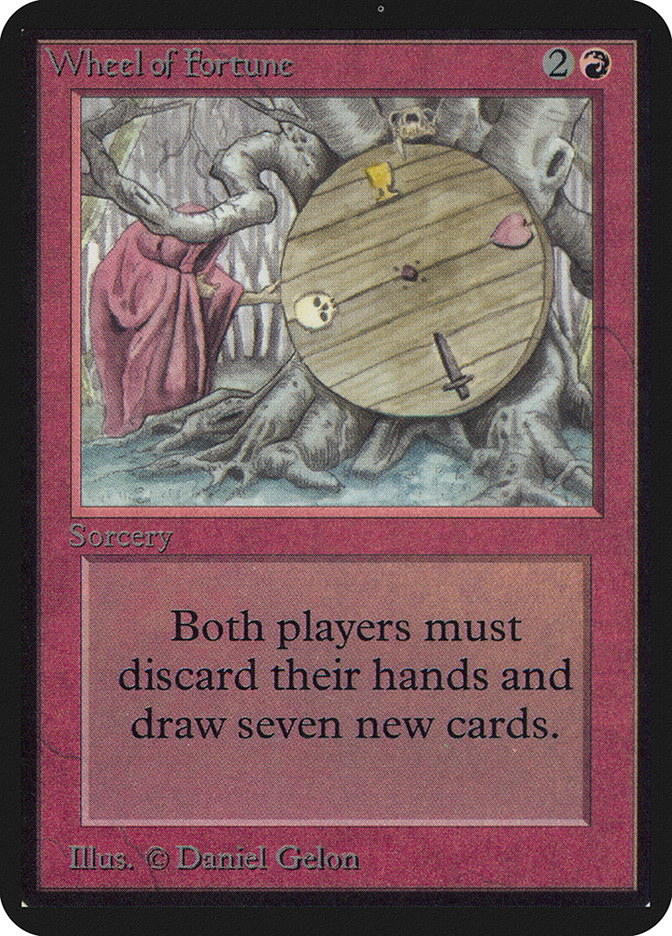
Reforge the Soul looks expensive, but this red sorcery’s a perfect curve topper after spending a few turns developing cards like Megrim and Sheoldred, the Apocalypse. Sometimes you get lucky and a miracle gives you a discounted Wheel of Fortune.
Self-Mill
Our deck leans on our wheels to get cards in our graveyard but we have some self-mill to get card types in our graveyard so that Winter does its thing and forces our opponents to lose their hand.
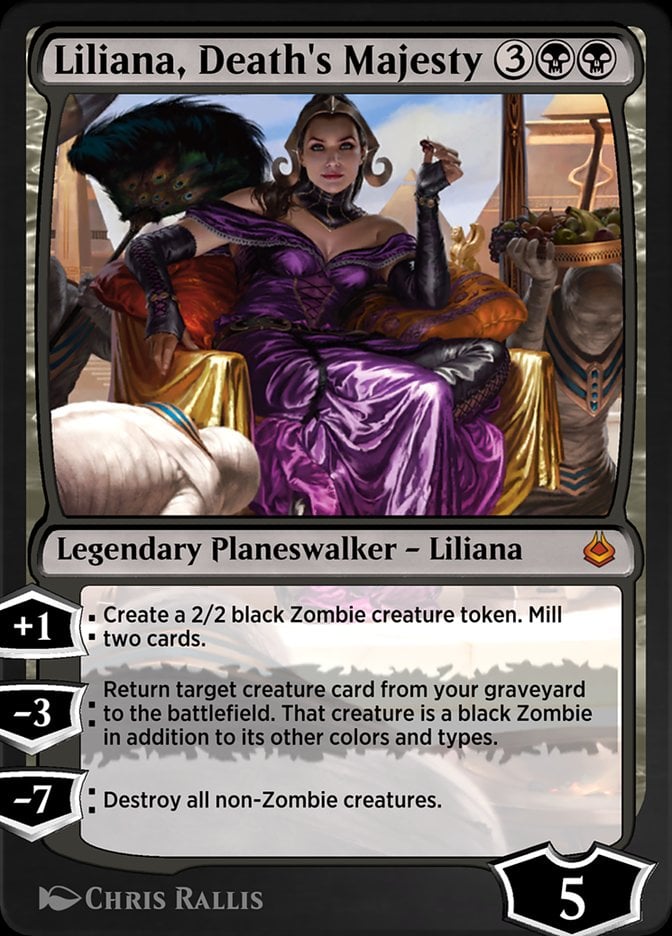
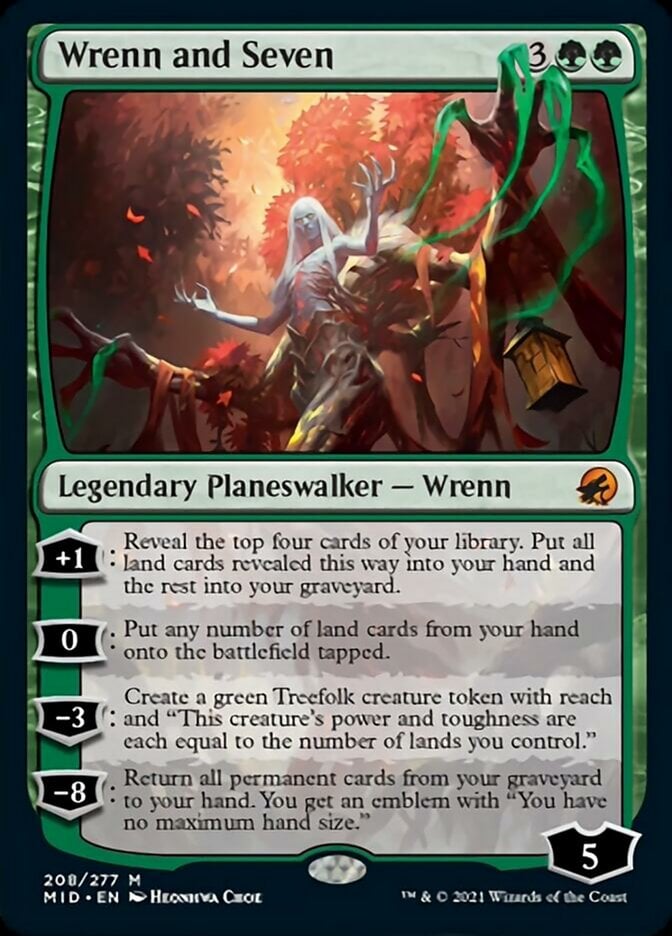
Liliana, Death's Majesty and Wrenn and Seven dump cards in the graveyard and produce tokens to pressure our opponents or defend themselves with.
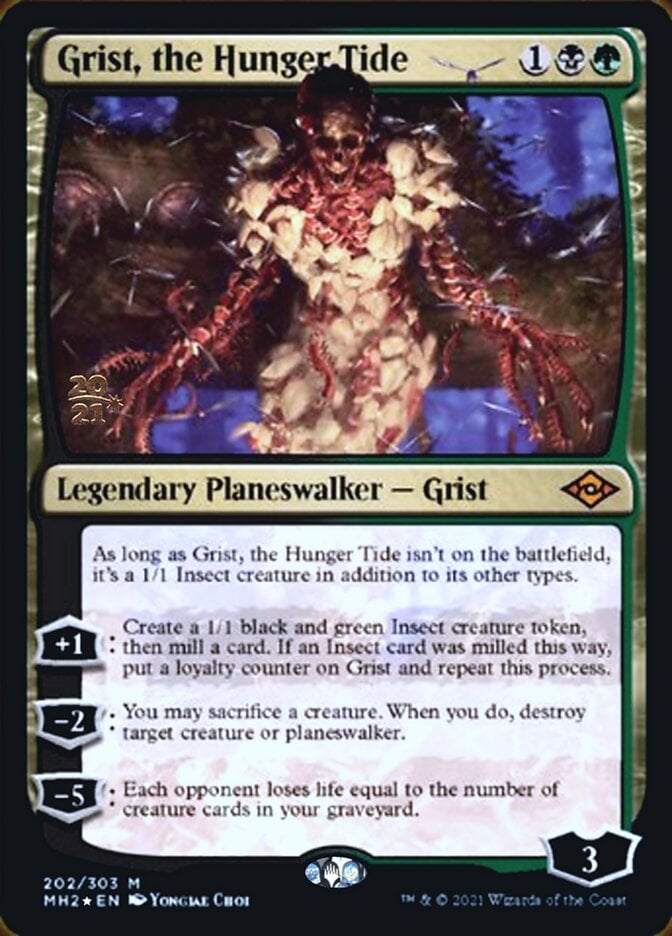
Grist, the Hunger Tide is one of the best 3-mana planeswalkers around. It provides two card types for delirium while killing threats and can even finish our opponents off with a burst of damage, making it useful at all points in the game.
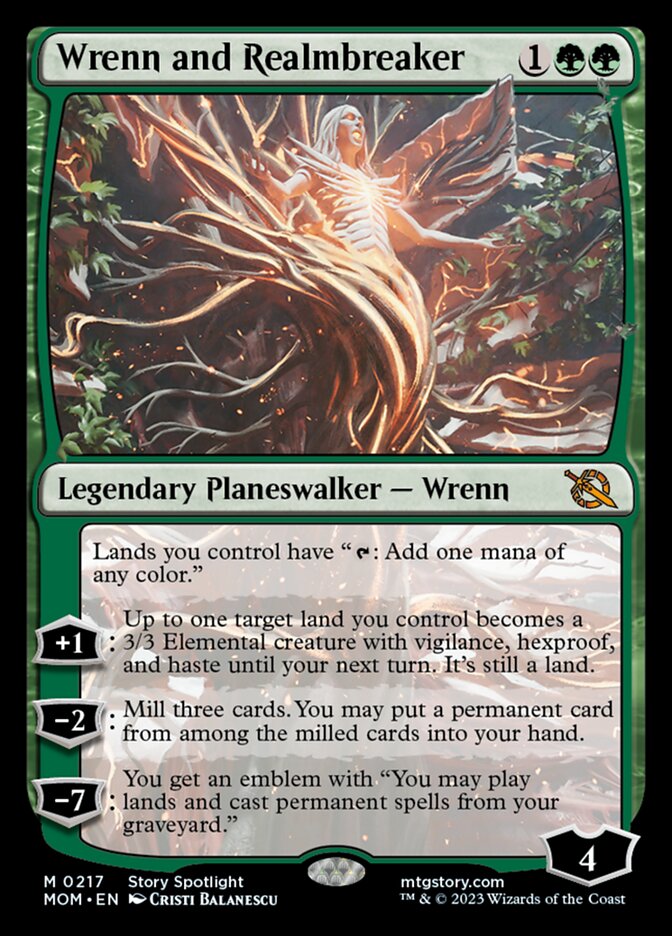
Wrenn and Realmbreaker absolves us of mana issues while getting a few cards in the graveyard. Should you get the emblem, you get a steady source of card advantage that feeds off our self-mill engines.
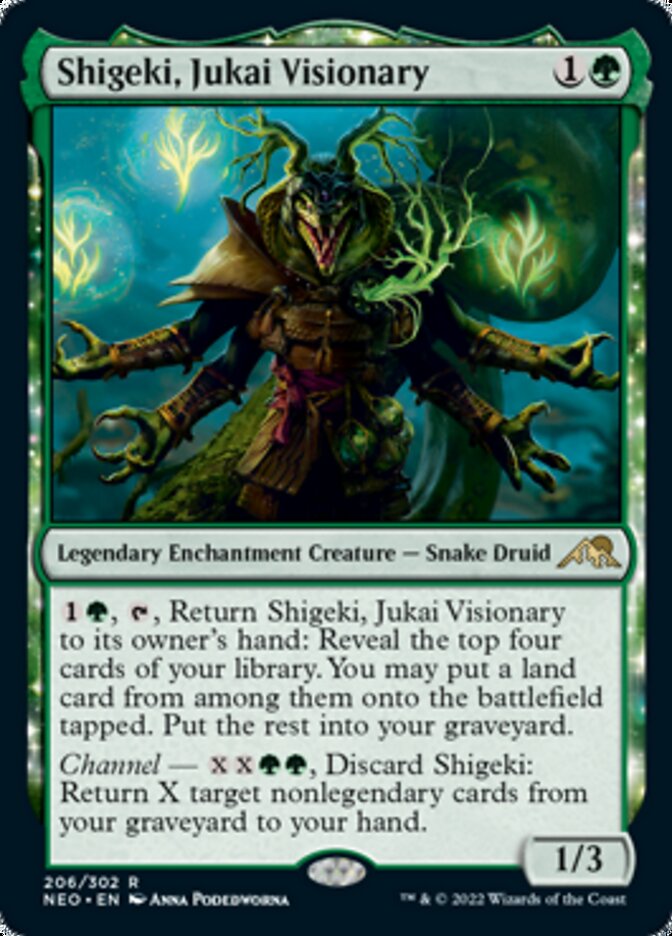
I find Shigeki, Jukai Visionary to be underrated. It ramps you early while filling the graveyard. If you draw it later, you can channel it away for a burst of card advantage. That versatility is critical in a 100-card format.

Modern Magic design has begun printing more and more cards that are both payoffs and enablers for certain strategies; Six exemplifies this. It’s a constant source of card advantage that fills the graveyard and draws lands to enable its retrace ability.

Overlord of the Balemurk has my money on being the best of Duskmourn‘s impending Overlords for EDH, and it’s certainly one of the best cards from Duskmourn overall. It just offers so much card advantage! Whether you play it as a black enchantment for its impending cost or as an enchantment creature for its regular price—a completely reasonable —you immediately draw a card plus get three in the graveyard, then it keeps rolling as it attacks! It’s flexible and powerful.

Malevolent Rumble proved itself to be a devastating green sorcery in Modern Horizons 3 drafts and I think it has what it takes to make it in the Commander format. Cards like Winding Way and Grisly Salvage put in plenty of work and I expect this to do the same.
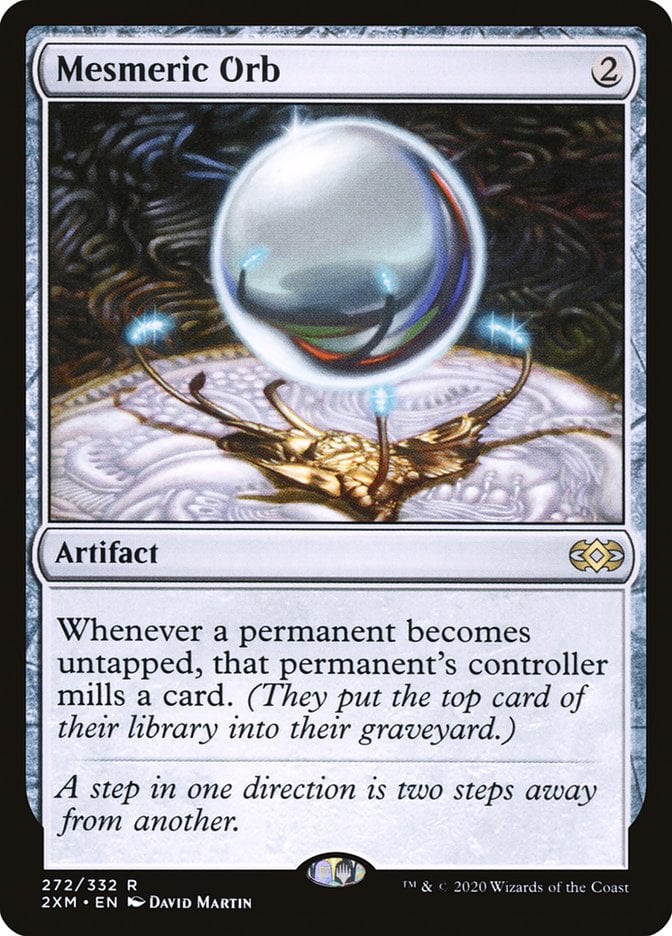
I dare you to find a better self-mill enabler than Mesmeric Orb. You run the risk of enabling other graveyard decks, but the reward of milling a dozen or more cards for a mere 2 mana more than makes up for that.

Demonic Covenant is one of the strongest spells in our deck. The self-mill is critical, of course, but it also produces a steady stream of beaters and draws some cards along the way. Having the kindred card type is also critical; it’s one of the rarer ones.
Graveyard Synergies
Any delirium deck needs effects that synergize with dumping cards into the graveyard. This section’s rather small, but that’s partially because we needed to make room for the draw/discard package and partially because half of our self-mill cards are payoffs.
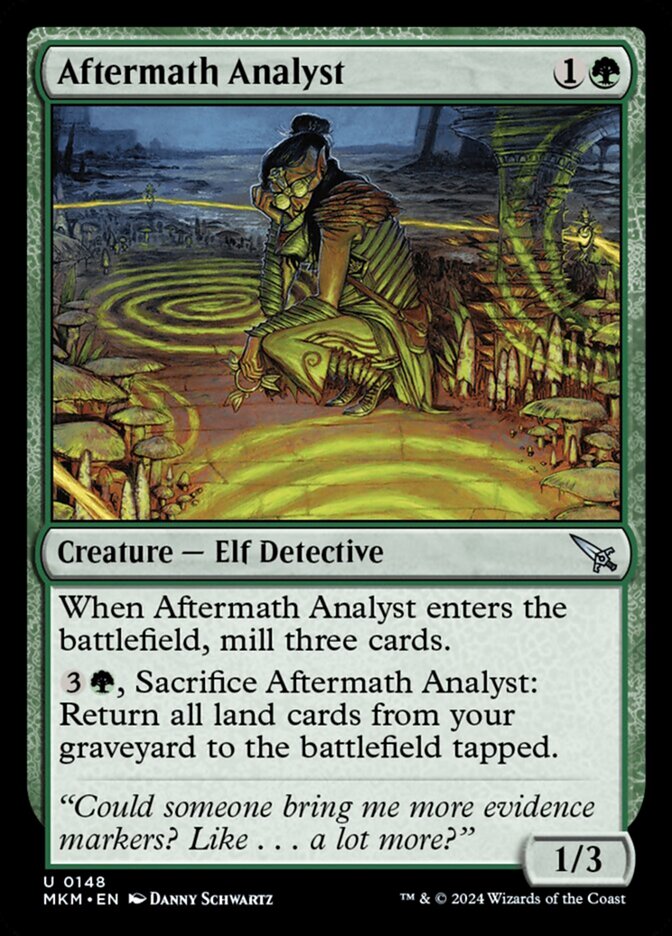
Murders at Karlov Manor‘s Aftermath Analyst made quite the name for itself in Standard and it has great potential here. It both mills and ramps us. A card that removes an entire card type from our graveyard is dicey, but the ramp is invaluable with our card draw.

Tarmogoyf Nest mostly made the cut as a way to get the elusive kindred type in the graveyard, but spitting out a clutch of Tarmogoyfs can be a great way to spend some extra mana and pressure your opponents.

Peer Past the Veil gives us a personal wheel with a pretty high ceiling. This Gruul card can be a great way to stock our graveyard with card types before casting Winter, Misanthropic Guide.

I love Formless Genesis! It’s a perfect self-mill payoff: You want to mill it since you can cast it from your graveyard, and the shapeshifter tokens scale with the game. The more cards you mill, the more lands you have, the larger your changelings grow.

The Rollercrusher Ride smashes through opposing boards in a blur of horrific fun. It would be plenty exciting as an X spell that kills larger creatures as the game progresses, but the delirium ability makes the card. Killing bigger creatures is nice, but it does much more in this deck: Nearly all of our draw punishers deal damage, which become twice as effective with this in play. Between the damage doubling and the board control, this might be the best finisher in the deck.
The Mana Base
Our mana base begins with a pretty stout ramp package. In a deck with this much card draw, it’s critical that we have the mana to consistently cast our spells. We want our opponents discarding to hand size, not ourselves.
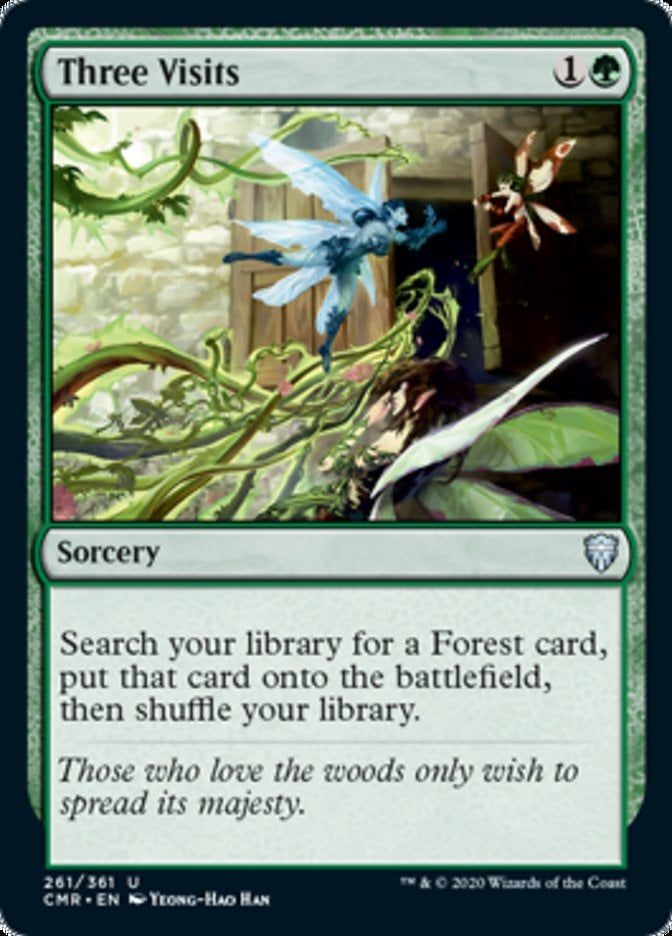
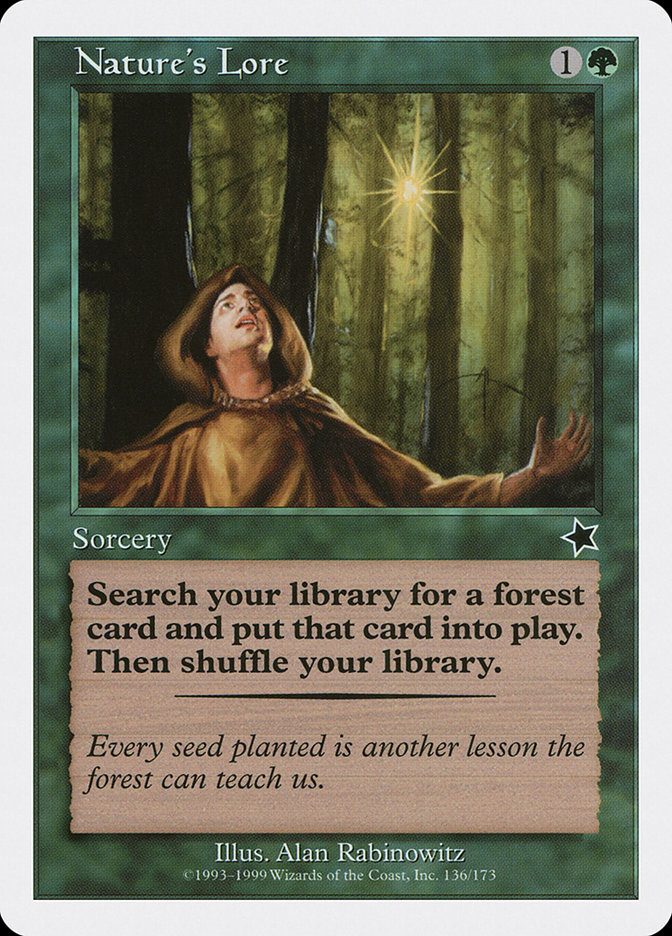
All three on-color Talismans are represented, as are Three Visits and Nature's Lore to ensure we get the perfect fixing every time; they’re also excellent with a 4-mana commander.
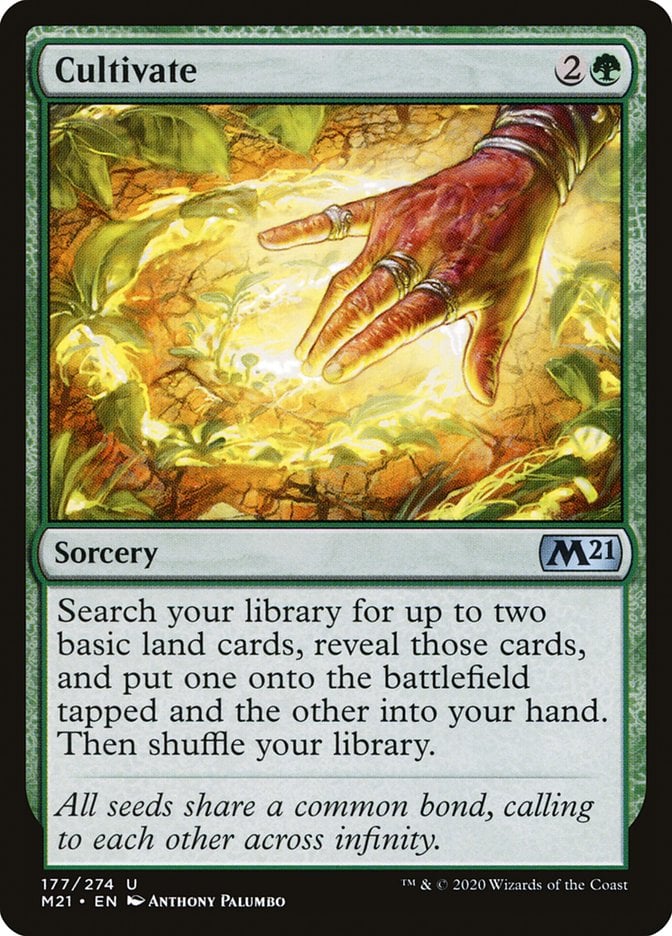
I love Cultivate. Missing land drops pretty much nullifies ramp, so guaranteeing that fifth land makes this a critical component of any green deck.
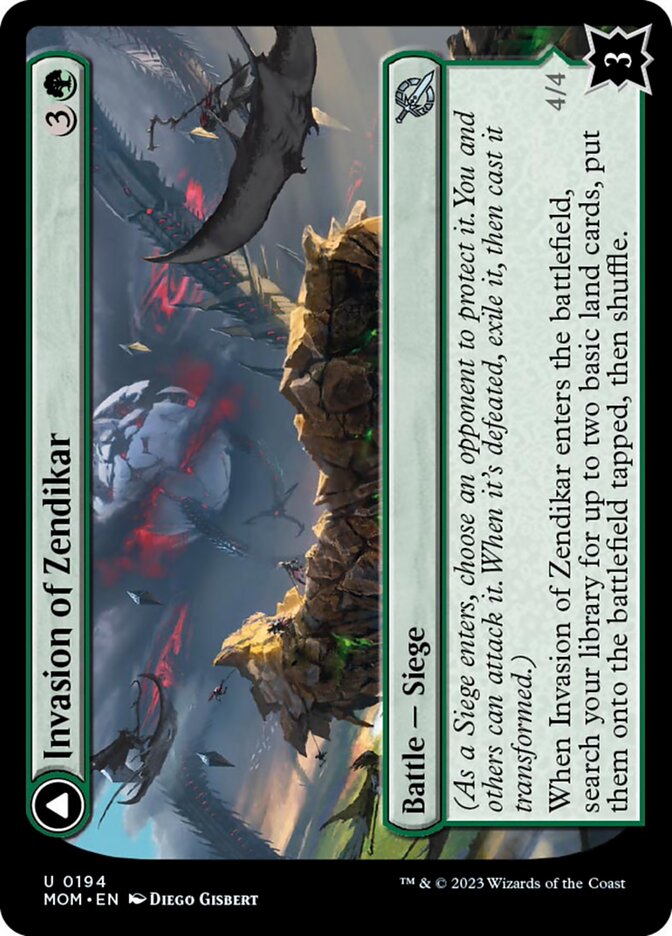
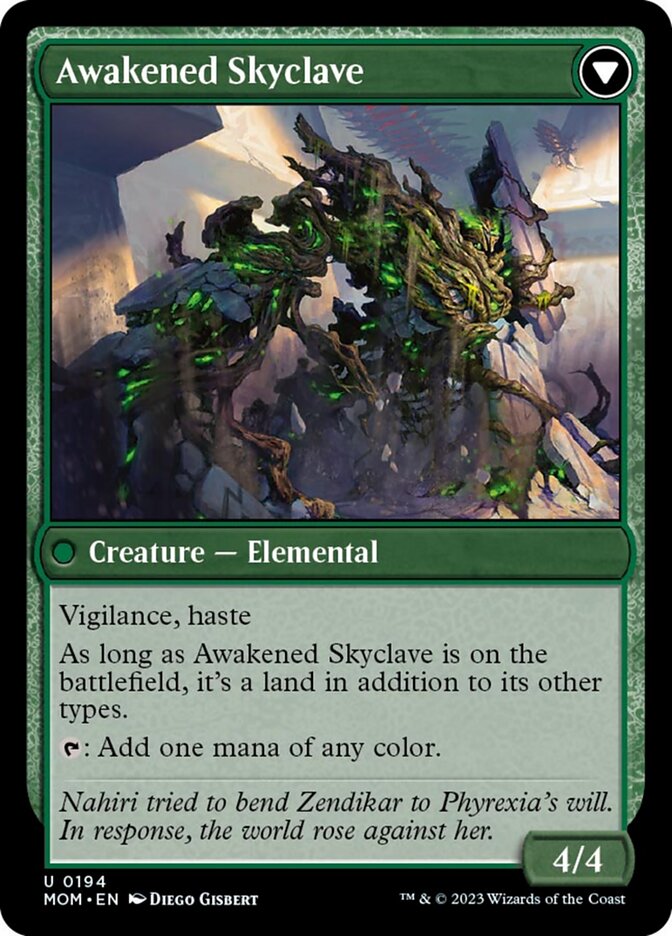
Invasion of Zendikar gives us a battle for delirium plus two lands. It takes very little effort to flip this into Awakened Skyclave; I hold this battle in high regard because of that.
Our lands get in on a surprising amount of the action. The surveil lands from Murders at Karlov Manor became instant format staples, but they’re at their peak in Commander decks like this one that actively want to mill.
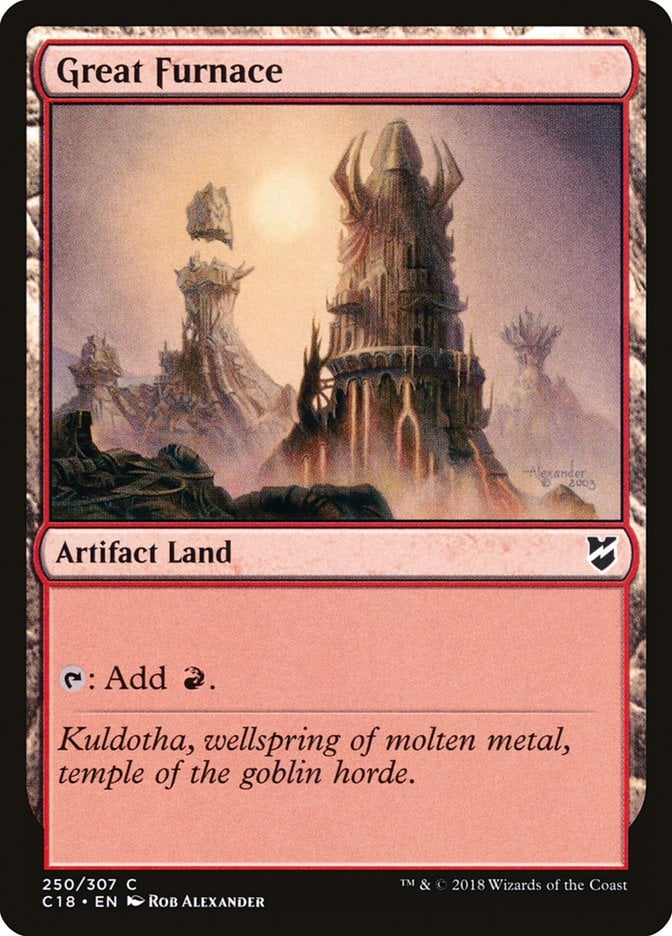
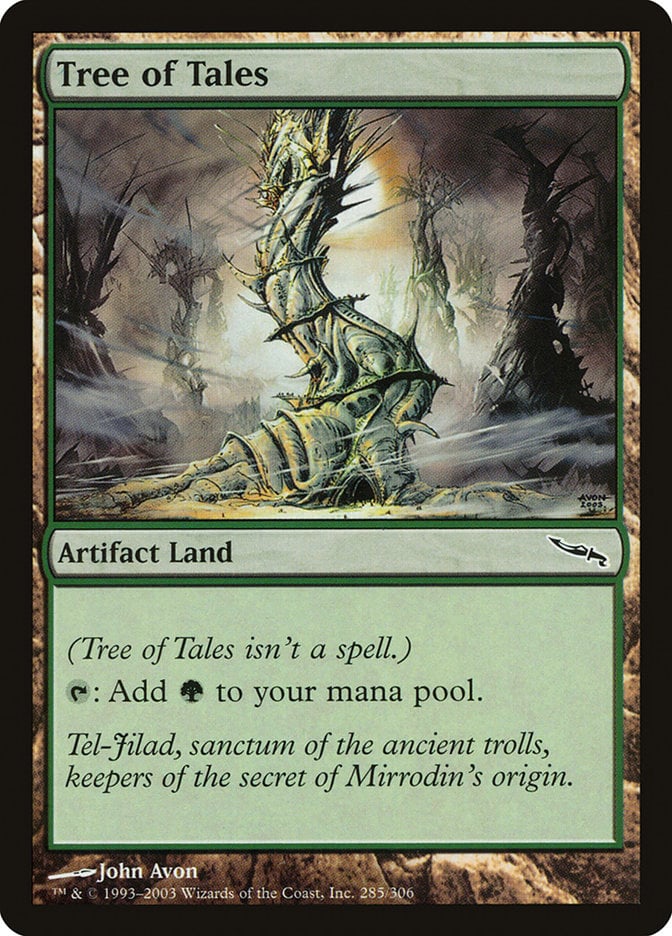
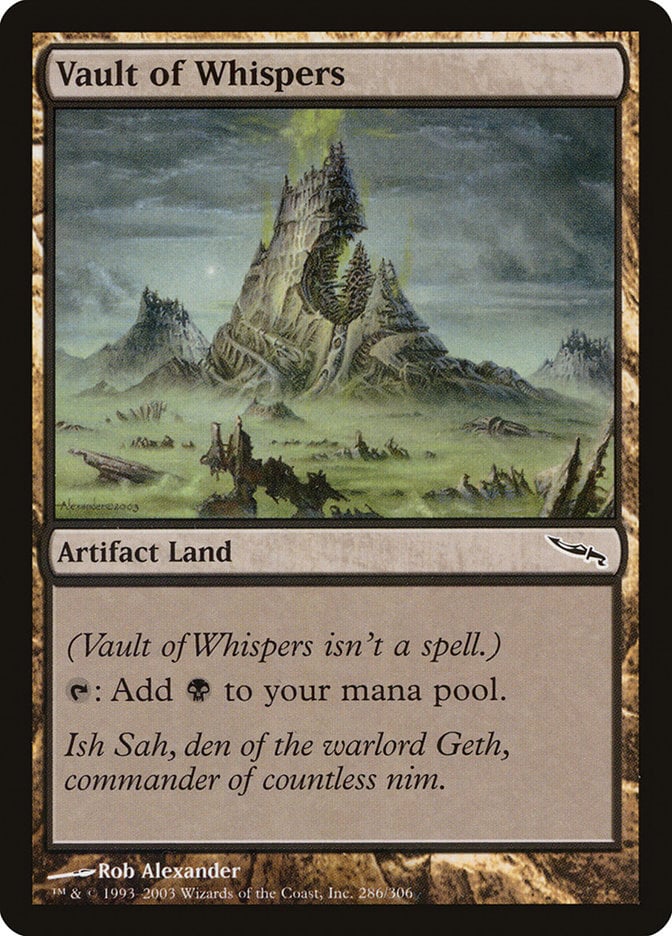
We have the three artifact lands from Mirrodin – Great Furnace, Tree of Tales, and Vault of Whispers – which aren’t broken since we don’t have any affinity cards, but they help get multiple types in the graveyard.


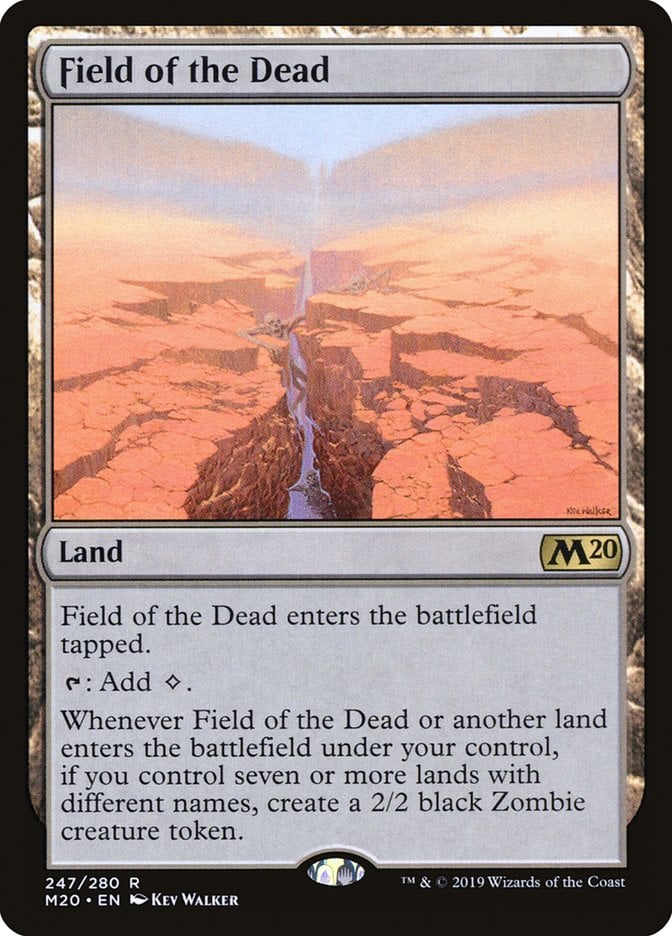
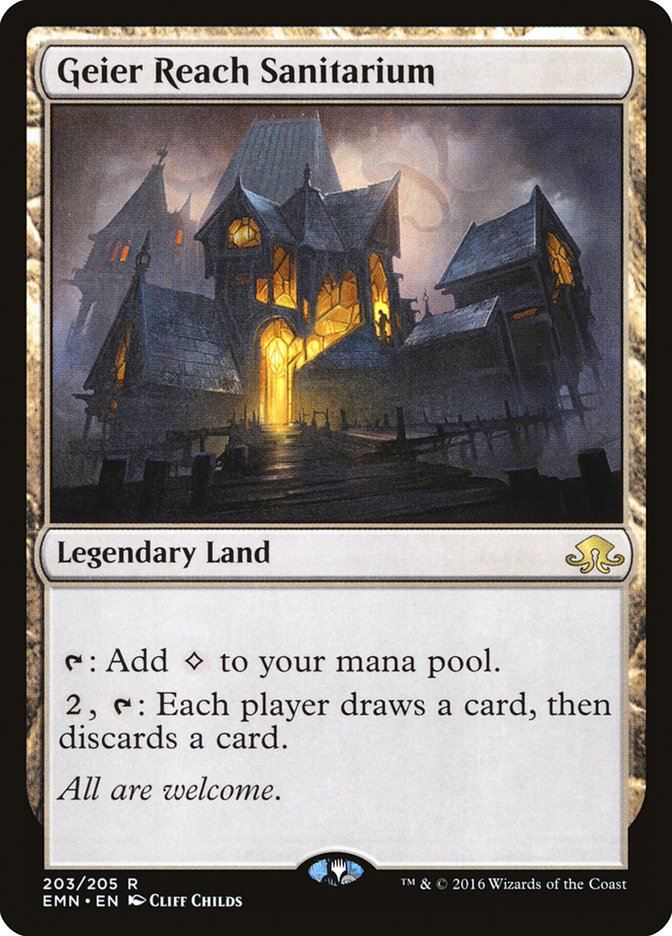
Talon Gates of Madara puts a protection spell in our land base, one we can easily fetch with Urza's Cave. This cave also helps find cards like Field of the Dead to grind our opponents out or Geier Reach Sanitarium to force the entire table to loot.

Shifting Woodland is one of the best delirium cards in the game, so it had to make the cut.
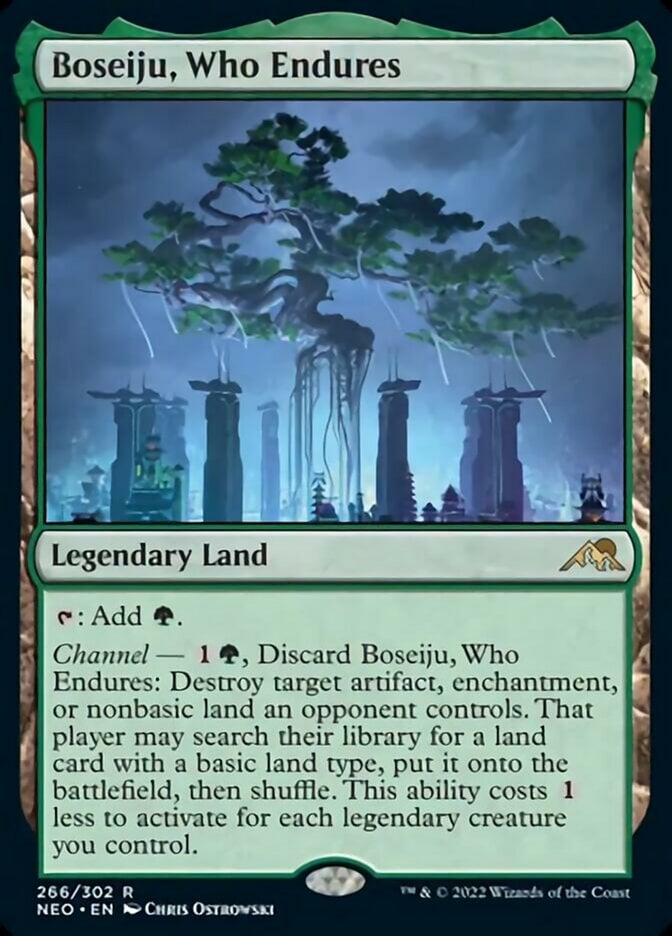
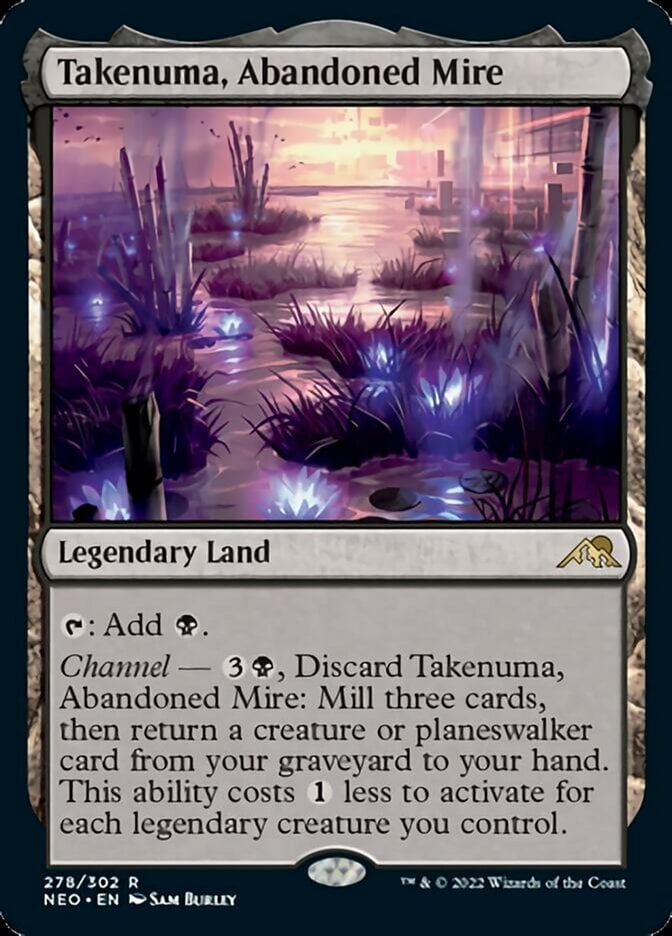
The channel lands from Kamigawa: Neon Dynasty round out our value lands: Boseiju, Who Endures gets rid of busted enchantments and artifacts while Takenuma, Abandoned Mire gives us a little card advantage.
The Strategy
The most important things you need in your opening hand are ramp and card draw. Our commander draws us lots of cards, but all the card advantage in the world doesn’t matter if we lack mana; it’s like having a pantry full of food but no kitchen to cook it in.
The card draw helps us find our important pieces. We’d rather have the ability to draw towards our punishment cards than have the punisher cards and no means to draw into the wheels. In fact, sitting around with cards like Spiteful Visions and Kederekt Parasite can paint a target on your back, so you need ways to close out the game. Try buttering up your opponents with Howling Mine first.
This deck wants to spend some time building itself up. That includes ramp, but also getting cards in your graveyard to enable delirium. I generally try to hold Winter back until I have delirium with the hopes of getting a card or two out of my opponents’ hands before it dies. If you just play it, you run the risk of your opponents noticing you’re about to hit delirium and killing it first.
Combos and Interactions
While this deck doesn’t have any infinites, there are some pretty powerful combos to keep an eye out for.
Orcish Bowmasters + Reforge the Soul
If you ever wanted to one-tap a player, here’s the combo to do so. All you need is the Bowmasters and its Orc Army in play without summoning sickness. When you cast Reforge the Soul, you get 21 Bowmaster triggers; if you point all of them at one player, then swing with your 22/22, you kill them. It’s not the most casual play pattern, but it can be a solid panic button to deal with a player threatening a win. You can pull this off with Khorvath's Fury if your opponents have enough cards in hand, but it’s not guaranteed.

Pyrogoyf made the list first as a beefy monster that blasts an opposing threat out of the water. It pairs beautifully with Tarmogoyf Nest to provide a steady stream of interactive threats.
Rule 0 Violations Check
I consider this a casual deck. That said, some players might not agree. I’ve played at pods that view any sort of “punishing” or otherwise disrupting strategy as the height of taboo. Most Commander decks use card draw as a central theme and most players won’t take kindly to getting pinged for playing the game, nor Winter’s forced discard, so you may need to clear that during your Rule 0 conversations.
Budget Options
The mana base will always be the best place to start budget cuts. You can ditch the fetch lands, shock lands, and surveil lands for a variety of cheaper lands like gates, cycling lands, and other tapped mana fixers. It slows the deck down but saves incredible amounts of money.
Sheoldred, the Apocalypse and Orcish Bowmasters are the most expensive cards in the deck and unfortunately lack any decent replacements. We’re already playing the best card pingers; if you need to replace these, look to cards like Rites of Flourishing and Ghirapur Orrery for additional card draw.
Vampiric Tutor provides general value, but we have plenty of other options. Wishclaw Talisman can be a great way to make friends. Scheming Symmetry can be another good choice that works with Reforge the Soul.
Heroic Intervention saves our entire board, but Winter’s the card we care about; 1-mana tricks like Armor of Shadows or Undying Evil can serve here.
Other Builds
Winter, Misanthropic Guide is a rather narrow commander, but you could still flex the deck around. One route would focus more on the delirium aspect. You could abandon most of the draw punishing cards and focus on the self-mill aspect, ensuring you get the most card types in your graveyard as quickly as possible.
You could also look to take a more powerful graveyard-combo angle. Filling the graveyard lines up pretty well with reanimation strategies and various Necrotic Ooze combos. Tutors like Entomb that would set up those combos also help assemble delirium for those decks.
Commanding Conclusion

Aftermath Analyst | Illustration by Danny Schwartz
I’m really impressed with Winter, Misanthropic Guide. The card’s abilities are interesting and well-thought out, down to capturing the flavor of a traitorous guide willing to sell four souls for his own survival. I also enjoy the intersection of wheels and delirium; I would never have thought to pair them together but they work well!
What do you think of Winter? How would you build it, and do you think this deck is more casual (or spikier) than I think? Let me know in the comments below or on the Draftsim Discord!
Stay safe, and keep warm!
Follow Draftsim for awesome articles and set updates:










2 Comments
I would like to point out that the supertypes, legendary, snow, etc, do not work for delerium. This makes this decklist a lot worse as it currently is, please revise.
Hey there!
The snow-covered lands are present for Field of the Dead, since they have no inherent downside and power up one of the best cards in the deck. There’s no intention for those to work with delirium.
Same goes for legendary; none of the cards here were selected with the intention of legendary adding to delirium.
There’s definitely room to improve the decklist, but the concerns you raised aren’t issues here.
Hope that helps!
Add Comment