
Last updated on October 4, 2026

Maelstrom Wanderer | Illustration by Benjamin Ee
Cascade is one of my favorite mechanics in Magic. It offers good value and interesting deckbuilding constraints. For example, you can’t really run countermagic with cascade cards. It can also lead to innovative deck designs.
While the Crashing Footfalls Cascade deck caught a ban in Modern, I appreciate the novelty of making the namesake card the only cascade target while retaining cheap interaction with adventure cards like Brazen Borrower and Bonecrusher Giant.
Cascade is definitely busted, but which cascade cards are actually the strongest? Let’s find out.
What Is Cascade in MTG?

Wildsear, Scouring Maw | Illustration by Campbell White
Cascade is a triggered ability that shows up on a variety of card types: there are creatures, instants, sorceries, enchantments, and artifacts with cascade. Cascade triggers when a spell with cascade is cast and is put onto the stack; to cascade, you exile cards from the top of your library until you exile a nonland card with mana value lesser than the cascade card, which you may then cast from exile without paying its mana cost. Cards not cast this way go on the bottom of the library; that includes the card you cascaded into if you didn’t cast it.

For example, Captured Sunlight’s cascade trigger would allow you to cast the next nonland card with mana value 0, 1, 2, or 3 from your deck.
Cascade cards are inherently powerful since they’re always two-for-ones. Pretty much any card that casts spells for free is a little broken. Cascade debuted in Alara Reborn. The story events of that plane involved the five shards of Alara (Esper, Bant, Jund, Grixis, and Naya) recombining into a single plane at the machinations of Nicol Bolas. This created the Maelstrom, a source of wild, chaotic mana; cascade captures that chaotic nature by ripping through your deck to cast spells with unexpected results (in theory).
The mechanic has seen an interesting evolution in flavor with Universes Beyond. It featured prominently in the Warhammer 40K and Doctor Who decks. With Doctor Who, cascade represented all the timey-wimey time travel we know and love on cards like Into the Time Vortex. I’m not as well versed in Warhammer, but it seems to be connected to some kind of interdimensional travel or energy source. These are natural extensions of the original flavor, as all three are rooted in the idea of chaotic energy resulting from tampering with forces beyond mortal understanding, and I love seeing how this idea has evolved.
This ranking primarily focuses on Commander; this means some Constructed all-stars like Bloodbraid Elf and Shardless Agent are lower on the ranking since they don’t have the same impact in a grindy, multiplayer format. I’m including both cards with cascade and cards that give spells you control cascade. While Magic has some cards like Etali, Primal Conqueror one could argue are cascade-adjacent, I’m only including cards with the actual keyword ability (which also excludes discover cards).
#51. Bloodbraid Marauder

I’m sure we could break Bloodbraid Marauder without much effort in Constructed, but Commander is a different beast. This red creature could comfortably fit in graveyard decks already achieving delirium but seems too low-impact and narrow for most lists.
#50. Demonic Dread

Particularly aggressive decks or decks interested in committing crimes might get some mileage from Demonic Dread, but we can ask much more of our cascade cards than this.
#49. TARDIS
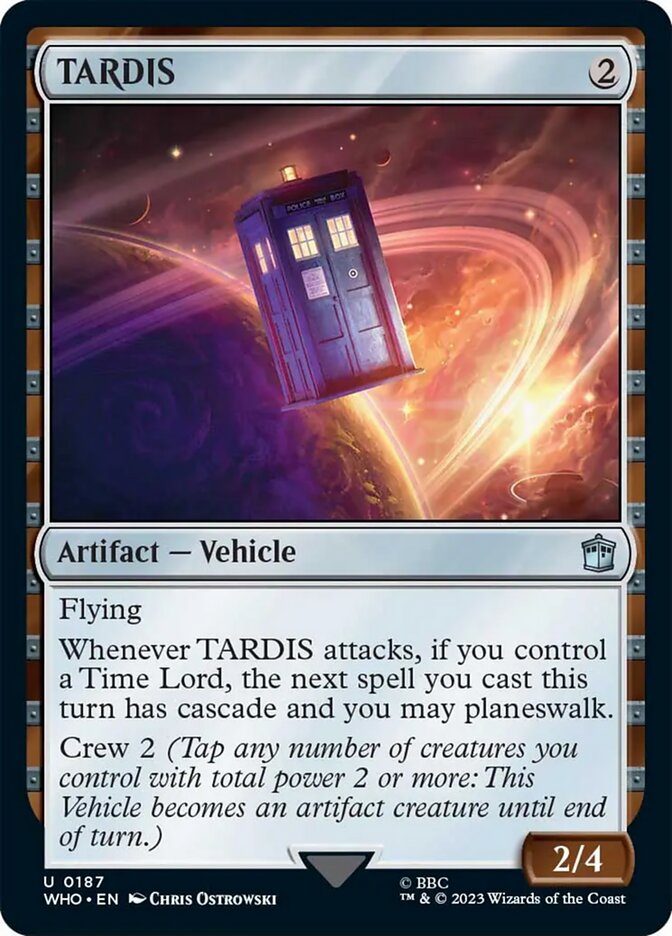
The TARDIS comes close to excellence but falls so far away. Giving your spells cascade without a mana investment would be absolutely busted but the need to control a time lord makes this vehicle almost unplayable.
#48. Ardent Plea
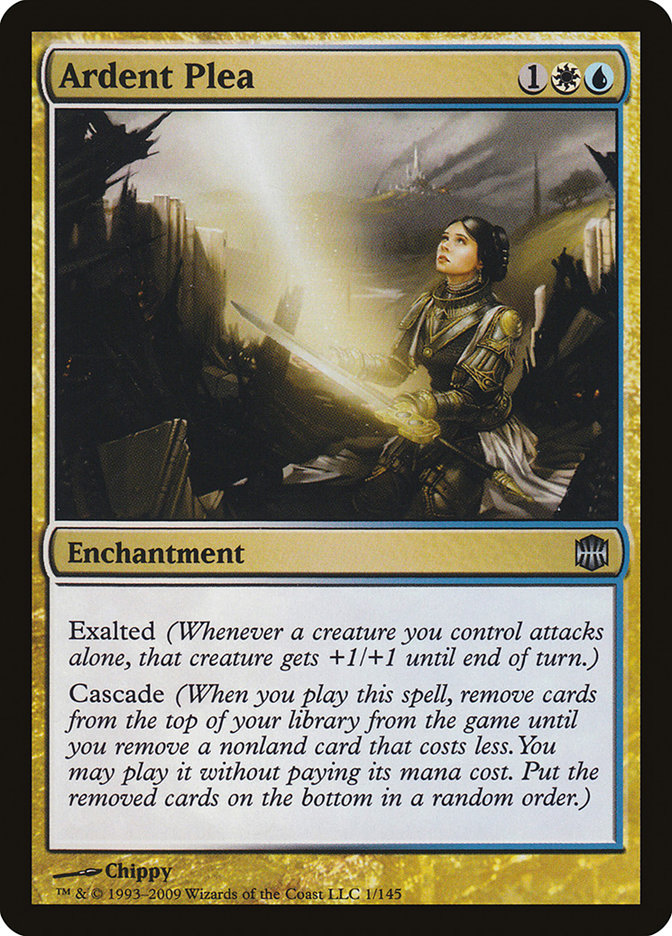
Some Voltron decks might like Ardent Plea as a pump spell that casts an extra spell, but it won’t have much use in other decks. The pair of giving a single creature +1/+1 and casting a 1-, 2-, or 0-cost spell is useful, but they’re low impact abilities that are barely worth a card.
#47. Violent Outburst
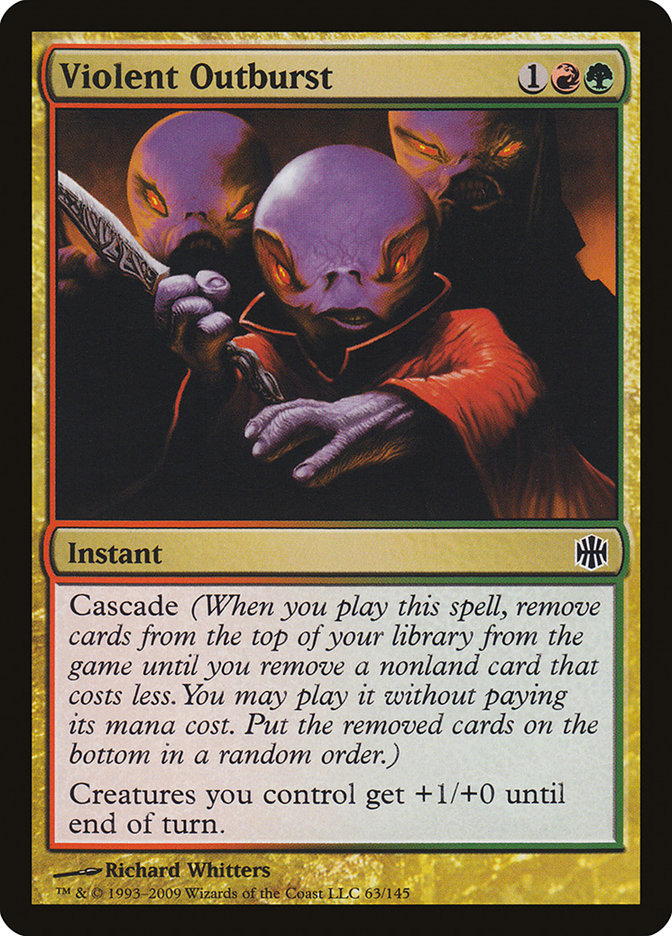
Too good for Modern, mediocre in Commander, Violent Outburst is the kind of card you put into a cascade deck so you have a critical mass of cards with your core keyword. +1/+0 just doesn’t impact the board enough. Even token decks going super wide have better buff options.
#46. Kathari Remnant

Kathari Remnant might be the strongest 4-mana 0/1 in Magic! I still don’t want it. This card is wild in Limited where it casts a free spell and fogs a creature for the rest of the game but—say it with me—it’s too low-impact to translate into Commander.
#45. Let the Galaxy Burn
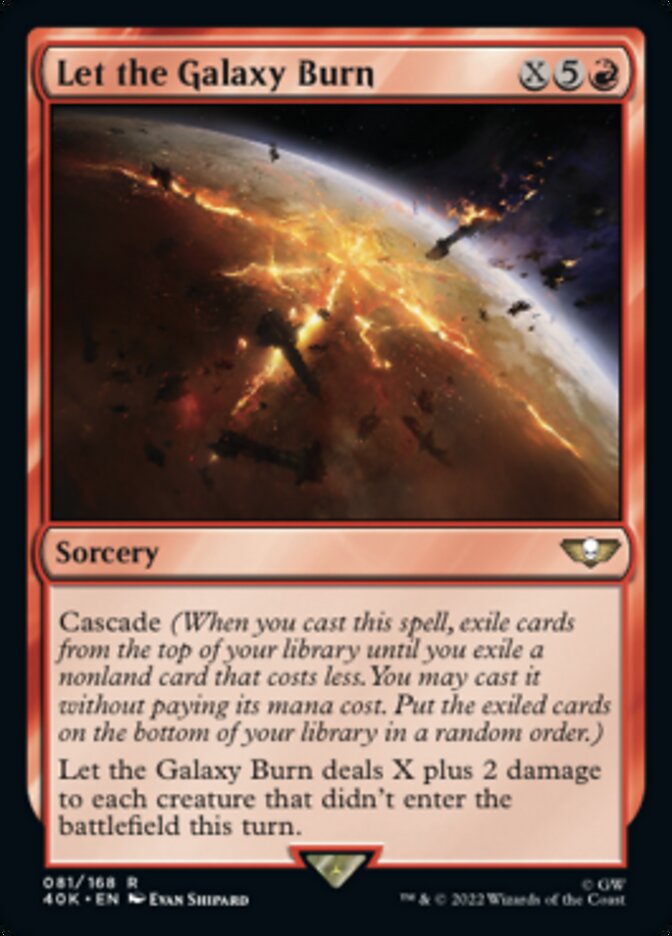
I’m on the fence about Let the Galaxy Burn. My gut reaction tells me this card costs way too much for the effect, but a board wipe that nets an extra spell could be useful. Decks with a deep ramp package might pull this red sorcery off, but I’m turned away by that mana cost.
#44. Stormcaller’s Boon

Stormcaller's Boon could be a legitimate win condition for a low-power deck. Giving flying to a board of tokens takes out a player or two and cascade means you aren’t down a card if somebody foils your alpha strike.
#43. Captured Sunlight
I’d only play Captured Sunlight in a dedicated lifegain deck, but it would be appropriate, good even. Four life is a critical number as most lifegain cards that trigger off a certain threshold of life gained care about gaining 3 or 4 life—see Griffin Aerie and Valkyrie Harbinger.
#42. Wild-Magic Sorcerer
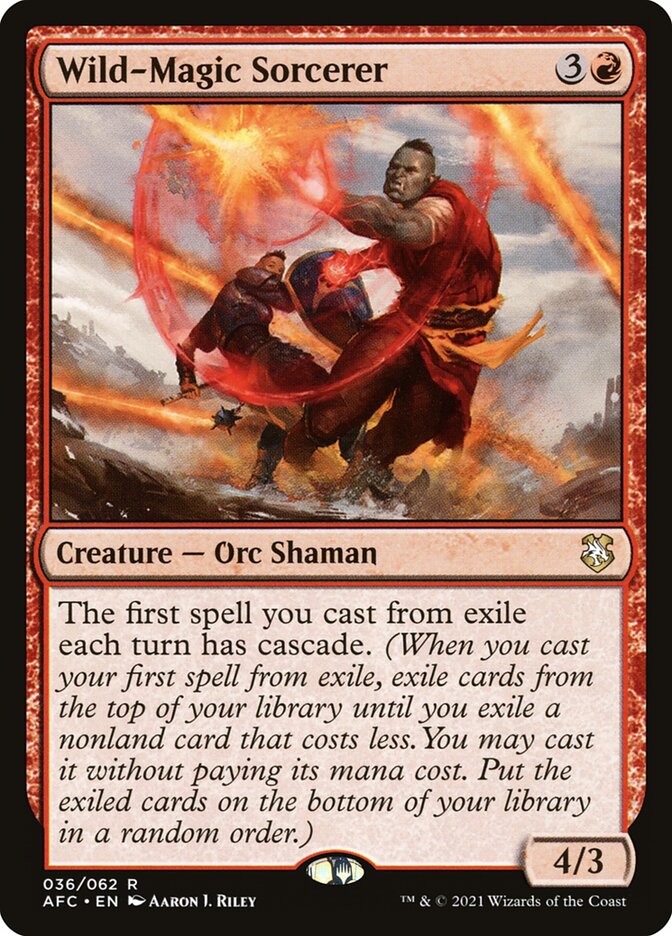
Wild-Magic Sorcerer works best at casual tables. This orc shaman offers a powerful ability for decks like Prosper, Tome-Bound and Etali, Primal Conqueror focused on casting spells from exile but often does nothing the turn you play it and lacks a meaningful body if you can’t cast spells from exile.
#41. Heralds of Tzeentch
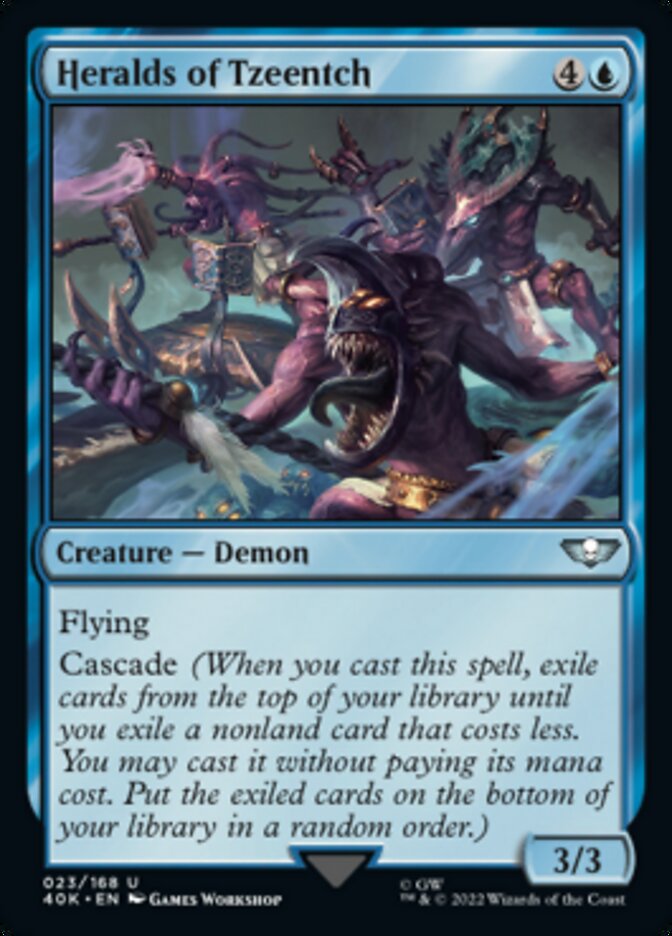
There’s nothing particularly wrong with Heralds of Tzeentch. It’s a reasonably statted creature for its mana value with one of the game’s strongest mechanics tacked on. It’s a dull demon.
#40. Maelstrom Colossus
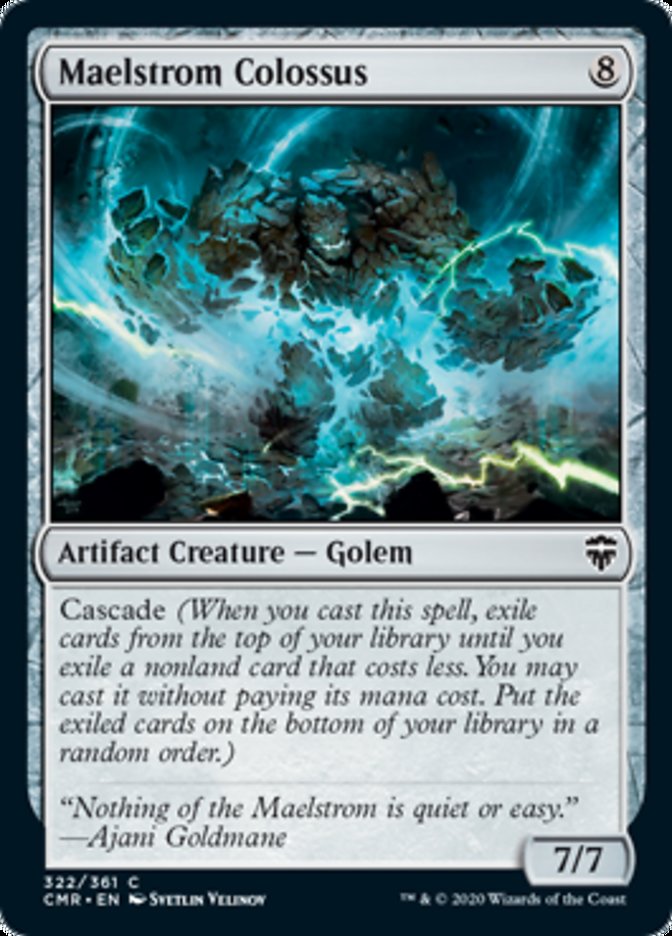
Expensive cascade cards are valuable since they can cascade into larger spells but Maelstrom Colossus offers relatively little for its cost but a big body and an extra spell. We can do far better at this mana value than this artifact creature.
#39. Meteoric Mace
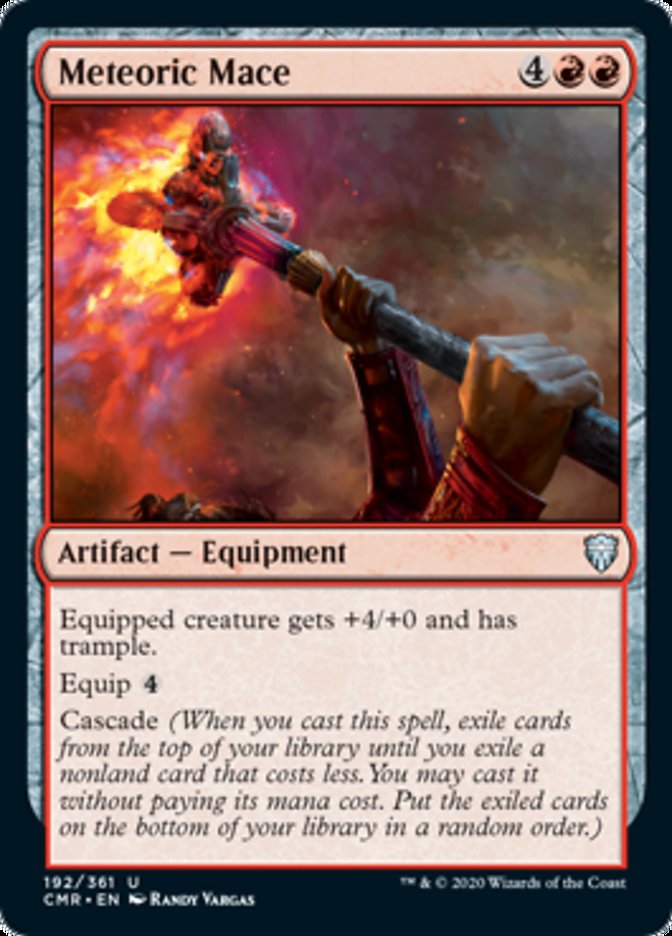
Meteoric Mace hits hard. I like an equipment that immediately impacts the board, though the costs are a little high. I’d run this in decks that can circumvent the equip cost, like with Puresteel Paladin, but I’d steer clear of it in non-equipment decks.
#38. Dark Apostle
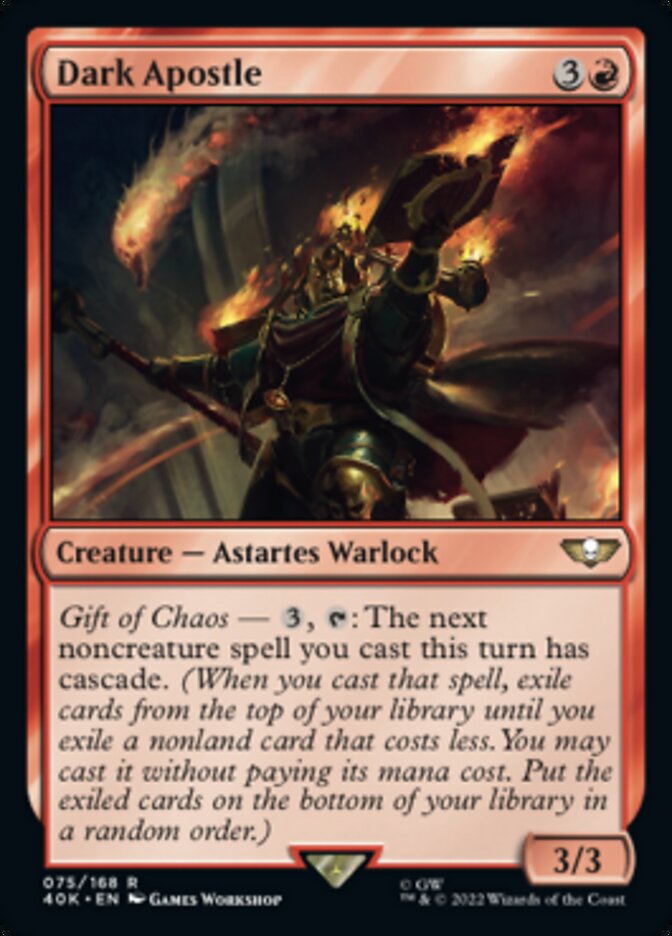
Giving your next spell cascade is very strong, but paying 3 mana for the ability restricts the mana value of the spell you cast. Dark Apostle can do good work in decks that produce lots of mana or reduce the cost of activated abilities, but I’d be wary of throwing this into any spellslinger deck.
#37. Forceful Denial
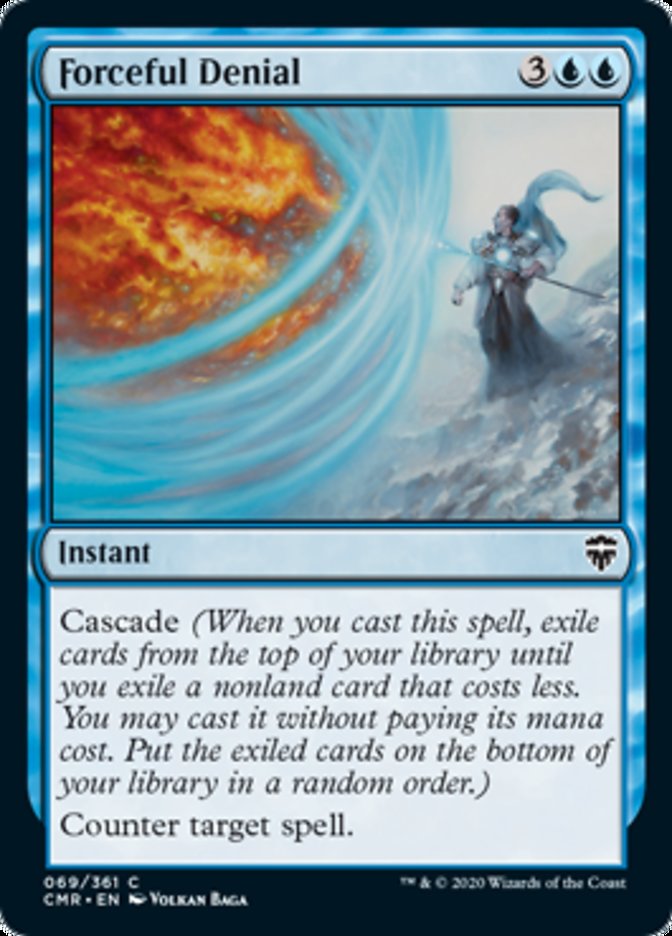
Forceful Denial amuses me as counterspells and cascade cards typically don’t mix. Like Magic’s other expensive countermagic, this offers great value but looks awfully suspicious. Make sure to play this blue counterspell in a deck that naturally wants to hold up mana so your opponents don’t sniff out what’s coming.
#36. Bloodbraid Elf
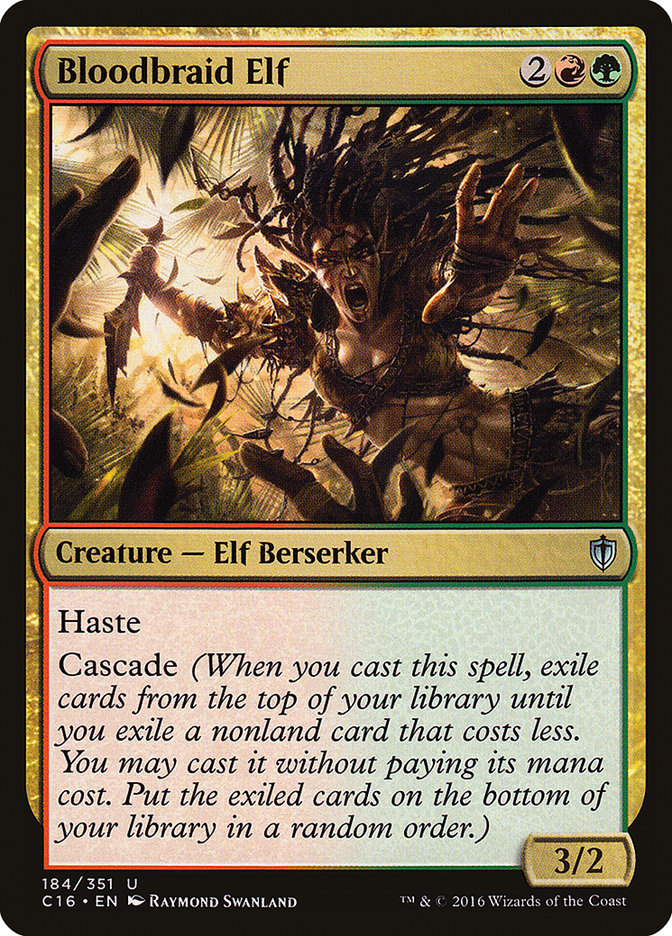
Bloodbraid Elf might be my favorite Cube card but it doesn’t have the stats to keep up with Commander board states. I’ll still run this Gruul () elf in my exile-matters decks but it’s more of a pet card than the ideal choice.
#35. Shardless Agent

Shardless Agent and Bloodbraid Elf sit on similar power levels, but this Simic () human rogue has some inbuilt synergies as an artifact creature you can exploit with cards like Urza, Lord High Artificer and Rashmi and Ragavan.
#34. Enlisted Wurm
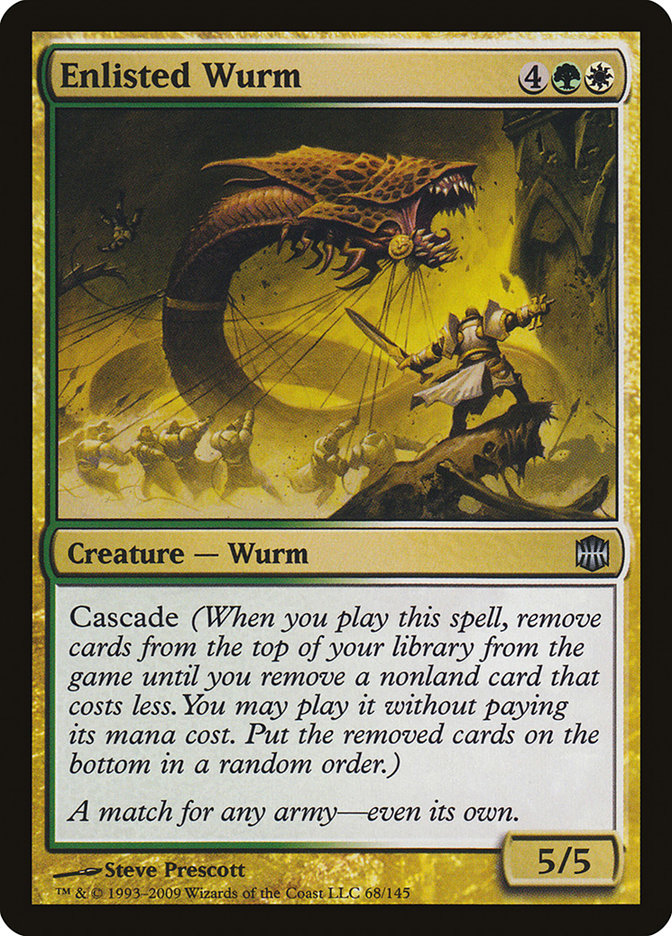
Enlisted Wurm only has stats going for it but they’re pretty good stats! A 6-mana 5/5 doesn’t need much more text to be playable; cascade might not be the wordiest mechanic around, but it gets the job done.
#33. Boarding Party
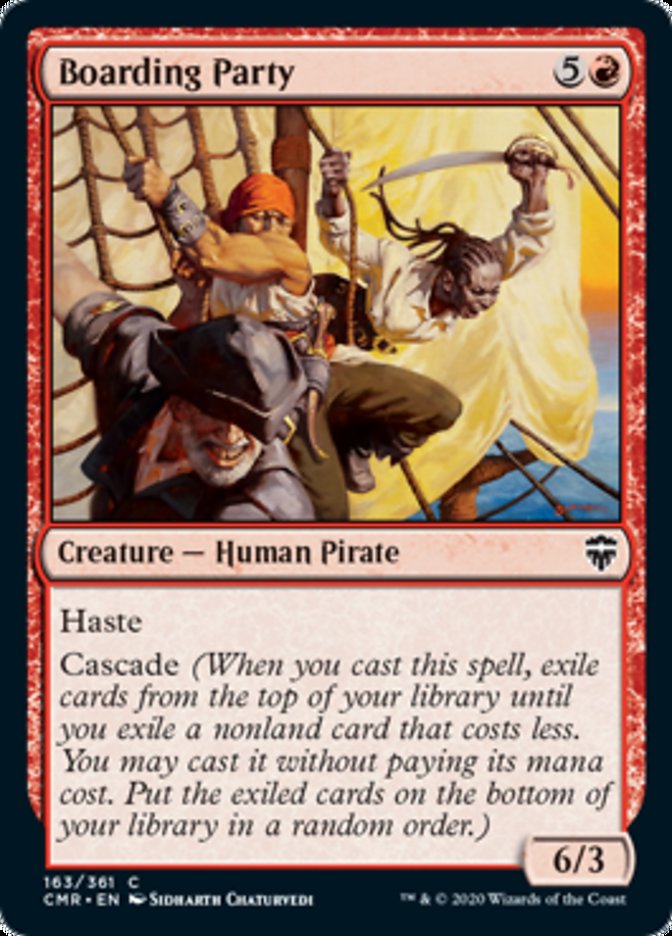
Aggressive decks can use Boarding Party to overwhelm their opponents with pressure and card advantage in a single neat package that happens to have some niche typal synergies.
#32. Bloodbraid Challenger

WotC has this habit of calling up notorious cards, however, the cost to do so oftentimes includes significant tweaks. Bloodbraid Challenger is close enough to Bloodbraid Elf to not stain the name, and at a mana value one greater, with the ability to escape, the Challenger hits differently and I’m OK with that.
#31. Aurora Phoenix
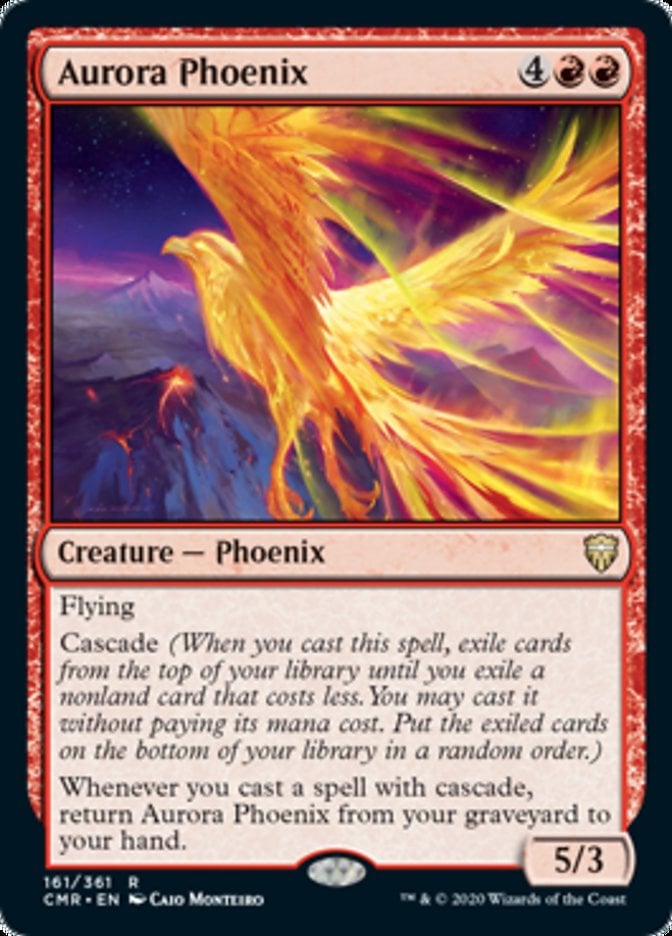
You’ll never run Aurora Phoenix outside of cascade-centric decks but this card packs a punch in that strategy. Recursive threats are always powerful, but this red phoenix exceeds expectations since every iteration comes with another free spell.
#30. Annoyed Altisaur
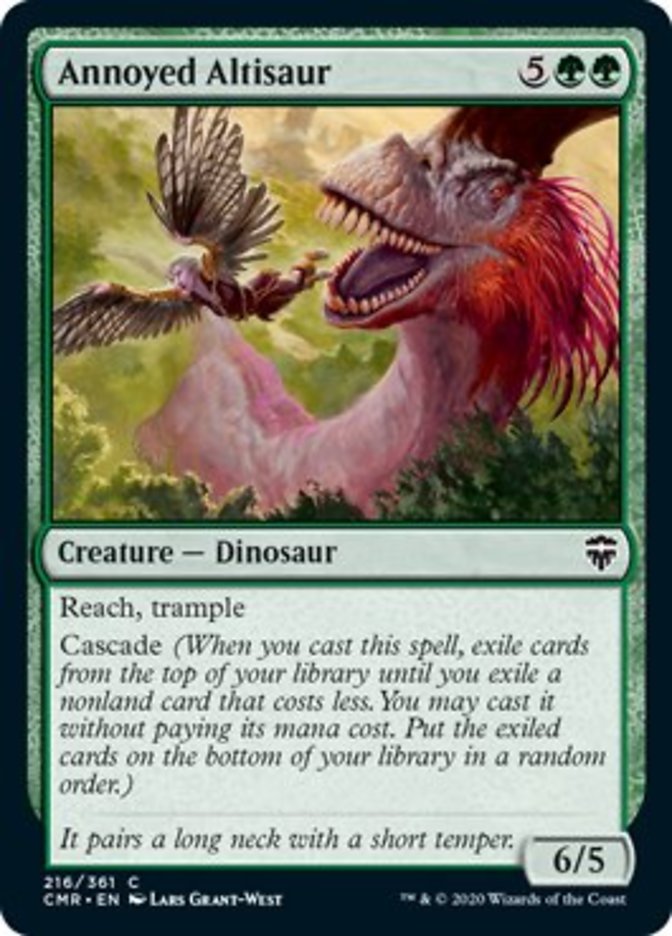
Annoyed Altisaur sits pretty high on the list of cascade beatsticks. Trample goes a long way towards making this green creature appealing, as does reach. It’s a perfect storm of stats, card advantage, and keywords.
#29. Enigma Sphinx
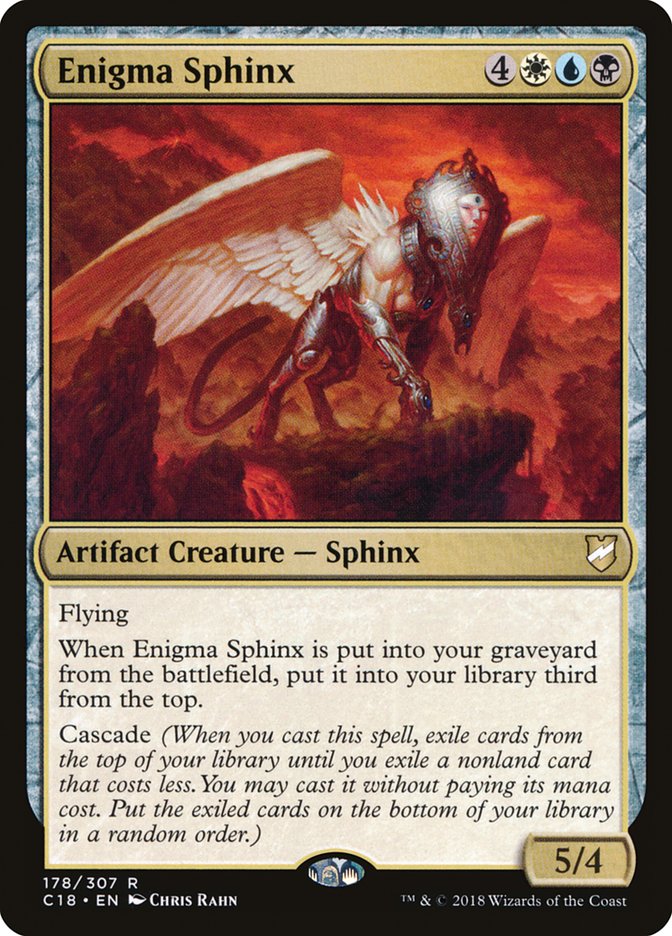
Enigma Sphinx has a hefty mana cost, but who pays full price for artifacts anyway? The main draw on this sphinx is that you can’t keep it down for long since it comes back over and over.
#28. Flamekin Herald
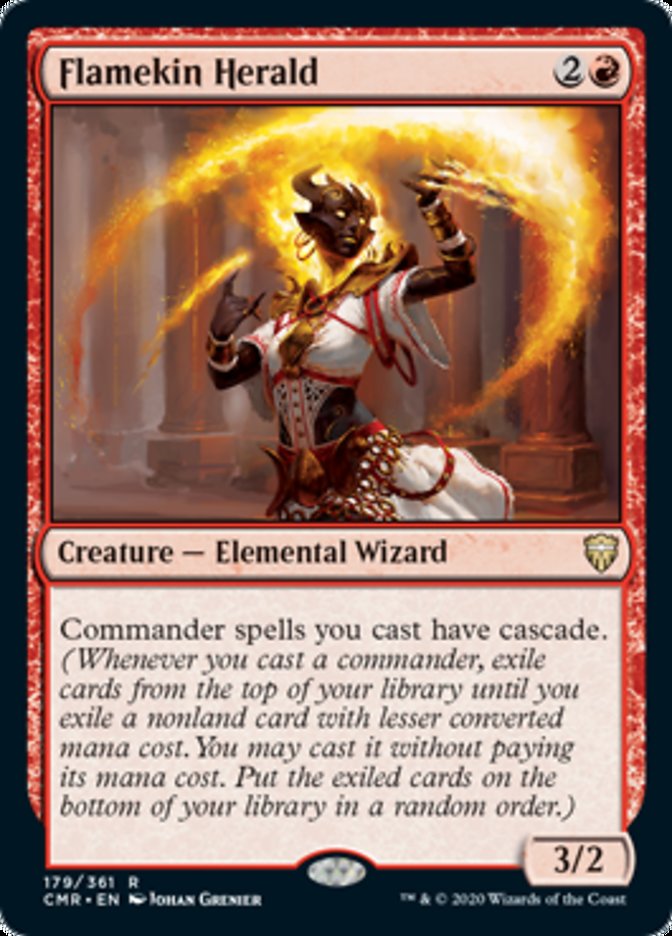
Flamekin Herald’s value correlates with the size of your commander. Cheap commanders don’t benefit much from this; Ragavan, Nimble Pilferer or Magda, Brazen Outlaw won’t see much impact from this red elemental wizard. But larger commanders like Xenagos, God of Revels or Rakdos, the Muscle can get some value.
#27. Sloppity Bilepiper
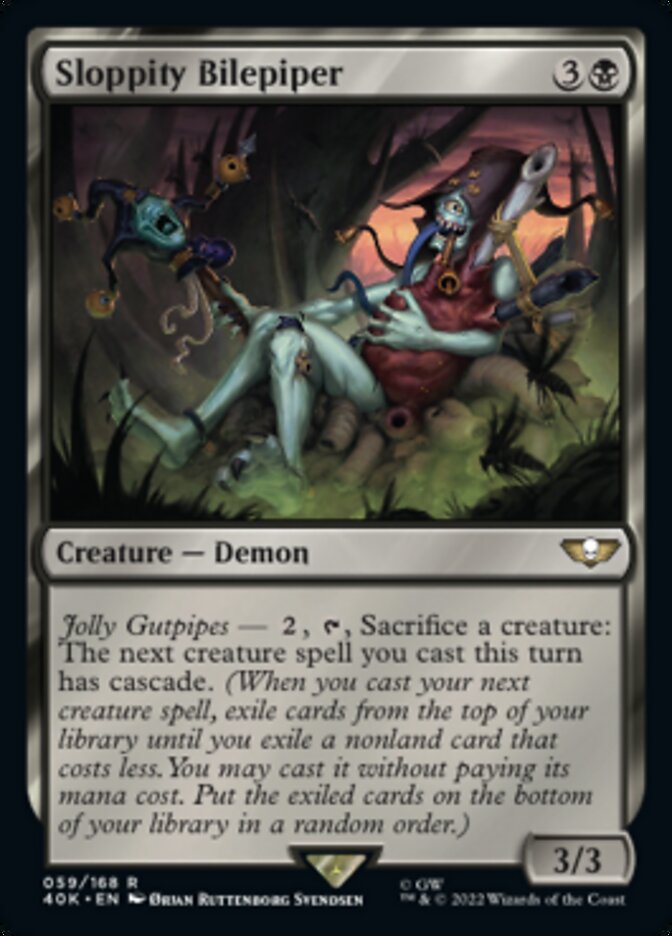
Sloppity Bilepiper has the worst name in Magic and proves that Universes Beyond Magic sets were a mistake. It also has a good ability. I like this card quite a bit more than Dark Apostle because of its cheaper activation cost plus sacrifice synergies.
#26. Deny Reality
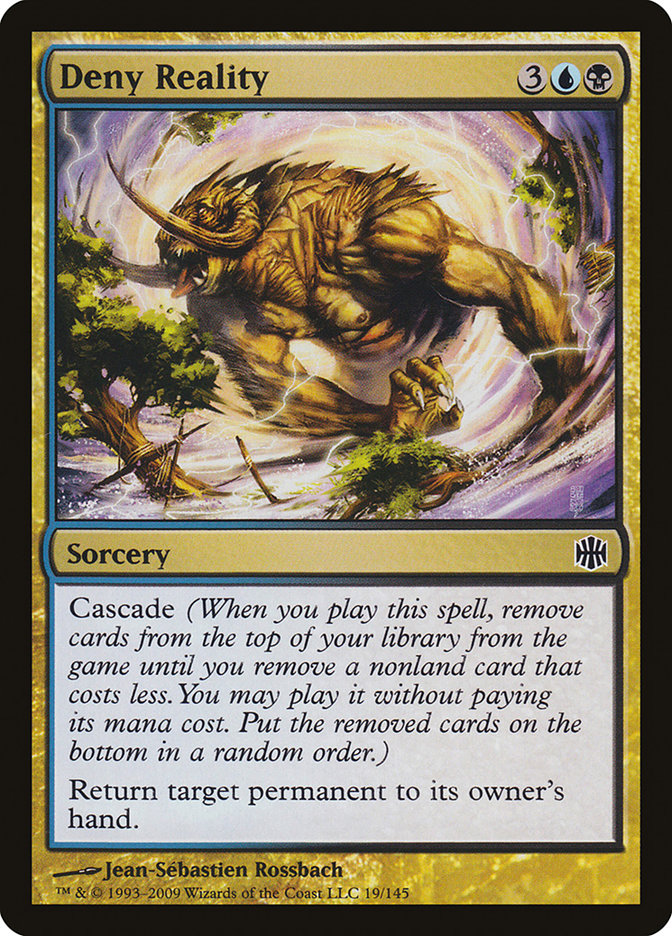
Deny Reality suffers from being a sorcery. Tacking cascade onto interactive spells makes them incredible and this is a powerful tempo swing, just not as good as it could be on this Dimir card.
#25. Quandrix, the Proof

One of the more formidable cascade commanders, Quandrix, the Proof demands a quick answer or it takes over the game. Since it cascades itself, one removal spell might not be enough; if you cascade into a ramp spell like Three Visits or Explosive Vegeatation, you’ll have the lands to cast Quandrix again. And your opponent can only remove this so many times before you outvalue them.
#24. Throes of Chaos
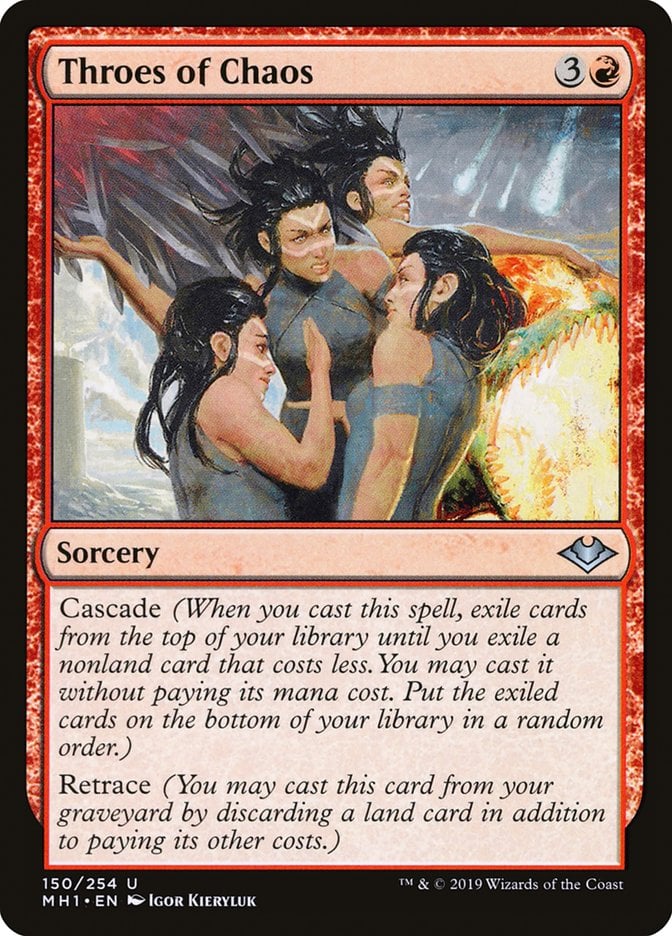
I love the design of Throes of Chaos. Something about cascade and retrace being the only text amuses me. This does work in dedicated cast-from-exile decks or decks interested in self-mill and filling the graveyard with lands. Perhaps also discard decks, like Inti, Seneschal of the Sun.
#23. Natural Reclamation
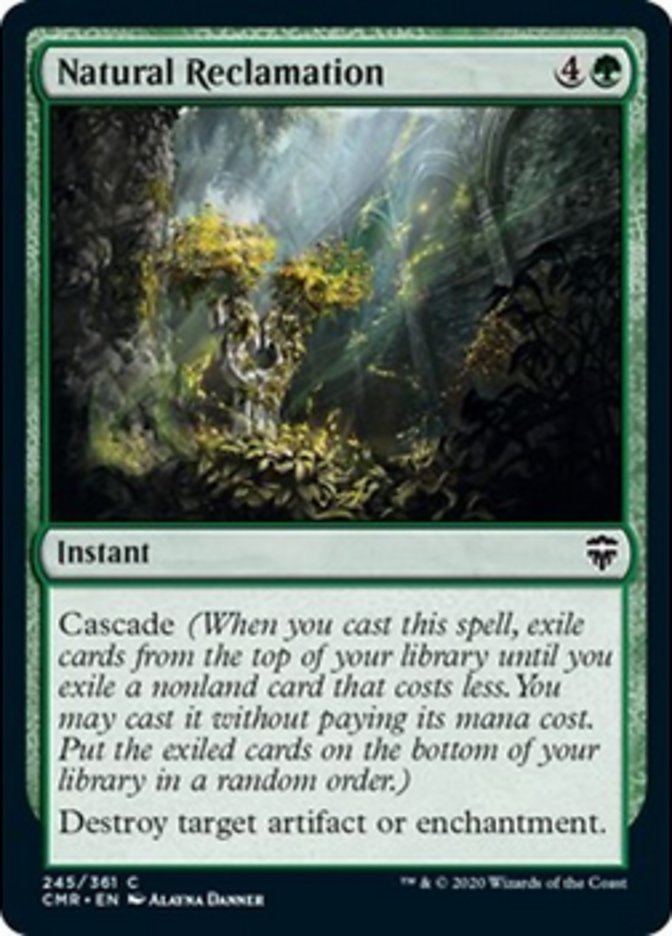
Natural Reclamation costs one mana more than I’d like for this effect but any way to remove enchantments or artifacts with cascade is respectable.
#22. Bituminous Blast

Bituminous Blast blows up a creature and casts an extra card. There’s not much more to say about this but not much more needs to be said. Some Rakdos commanders like Prosper, Tome-Bound and Ob Nixilis, Captive Kingpin have powerful cast from exile themes, making this card well-suited to casual versions of those commanders.
#21. Sweet-Gum Recluse
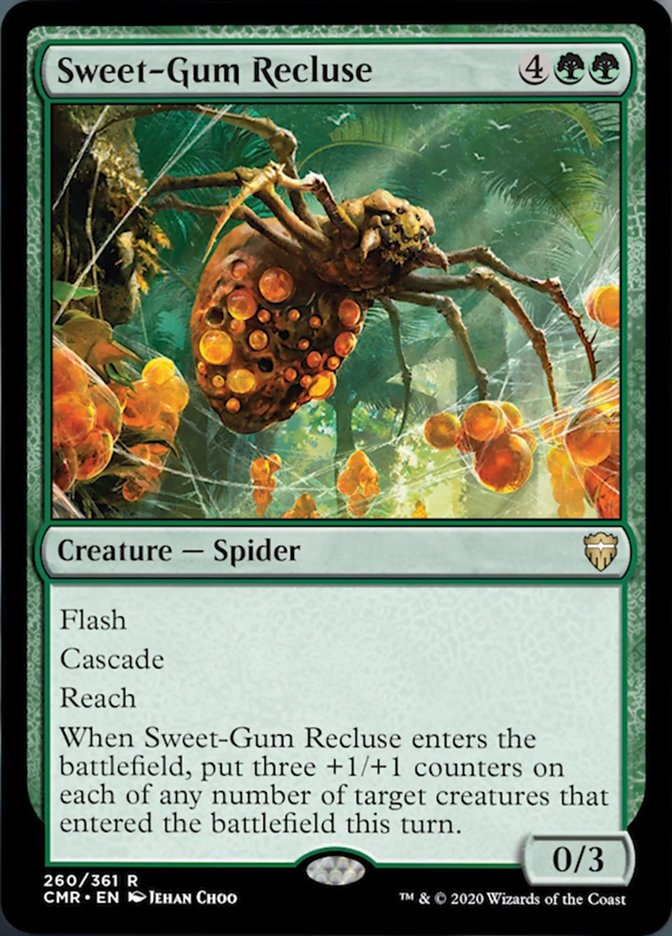
Sweet-Gum Recluse provides a large body that synergizes with +1/+1 counter decks. I’ve also found it impactful in token lists using enchantments and planeswalkers like Bitterblossom and Elspeth, Sun's Champion for token production as you can easily line up a bunch of tokens coming into play before casting this.
#20. Sakashima’s Protege
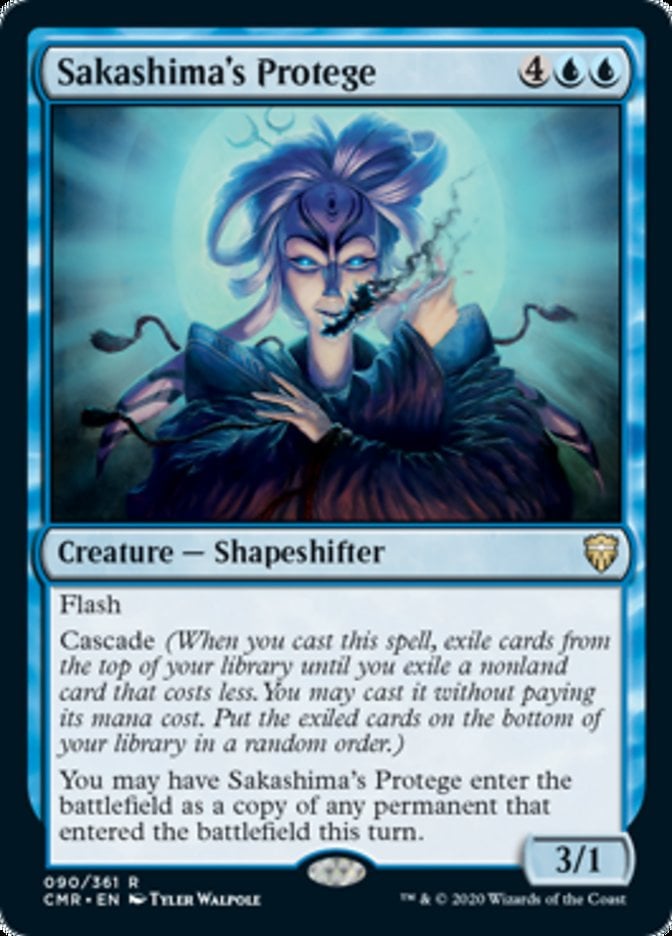
Sakashima's Protege clones your opponents’ best creature with the double backup of cascade and having its own power and toughness (as opposed to typical Clones that die without something to copy). This blue creature is a neat trick, especially with all the busted creatures running around these days.
#19. Etherium-Horn Sorcerer
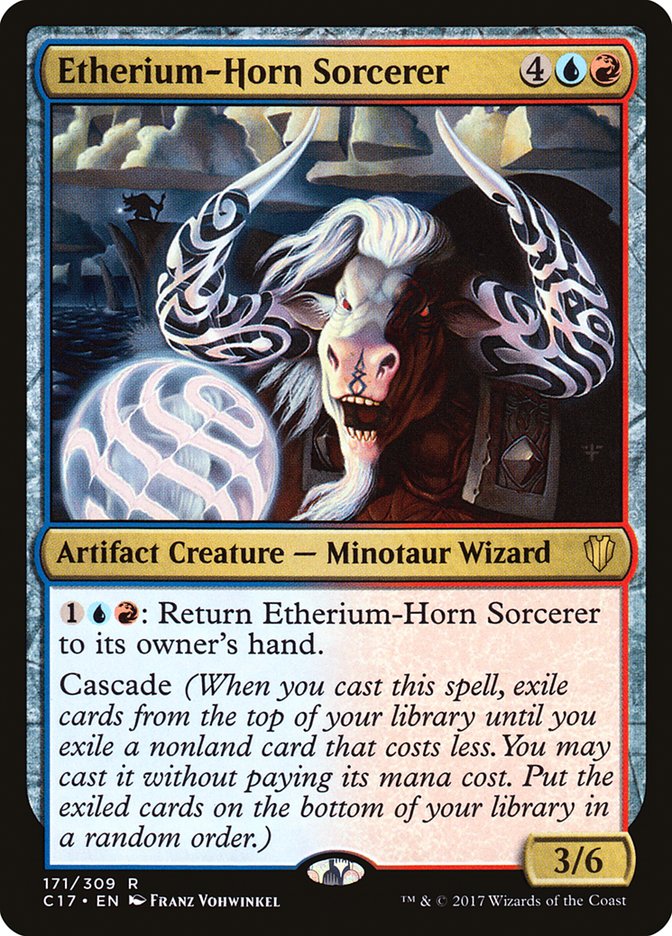
Mana sinks are always powerful because they let you use all your mana. They’re especially powerful in Commander, a format with long games and an emphasis on mana production. Etherium-Horn Sorcerer provides an excellent mana sink that can Fog a creature and synergizes with artifact decks.
#18. Wildsear, Scouring Maw

Wildsear, Scouring Maw is massive, and a huge boost to all your green and red enchantments. Dock points because it does not have cascade itself. That said, I love an earlier Colossal Dreadmaw with game-ending power, and love to follow Wildsear up with Primeval Bounty or Fiery Emancipation.
#17. Maelstrom Nexus
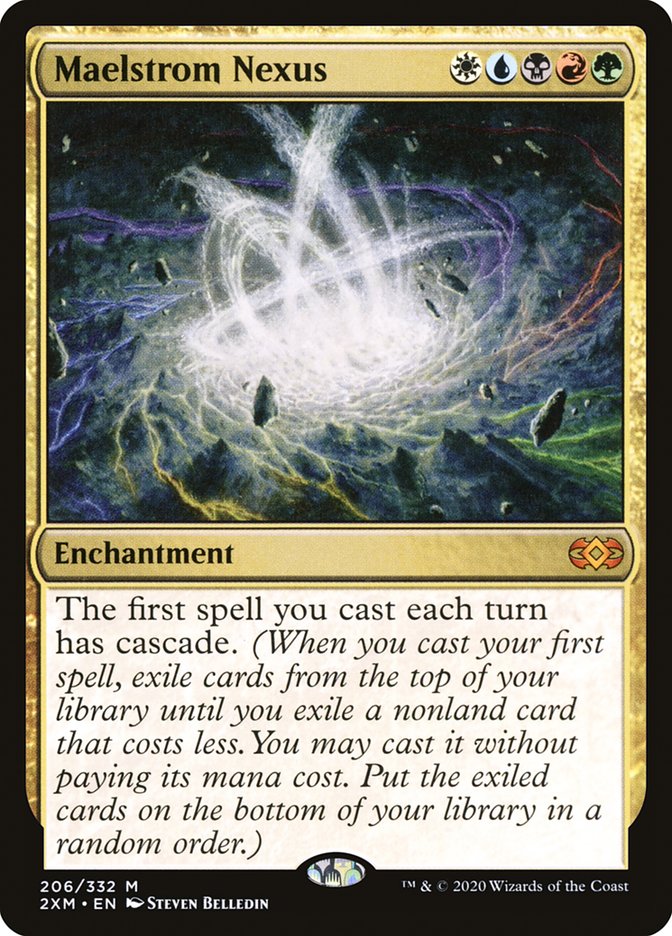
I’d like Maelstrom Nexus much more if it weren’t a 5-mana do nothing. But it boasts a powerful ability and synergizes with cards like Bloom Tender and Jenson Carthalion, Druid Exile that care about spells and permanents being five colors.
#16. Call Forth the Tempest
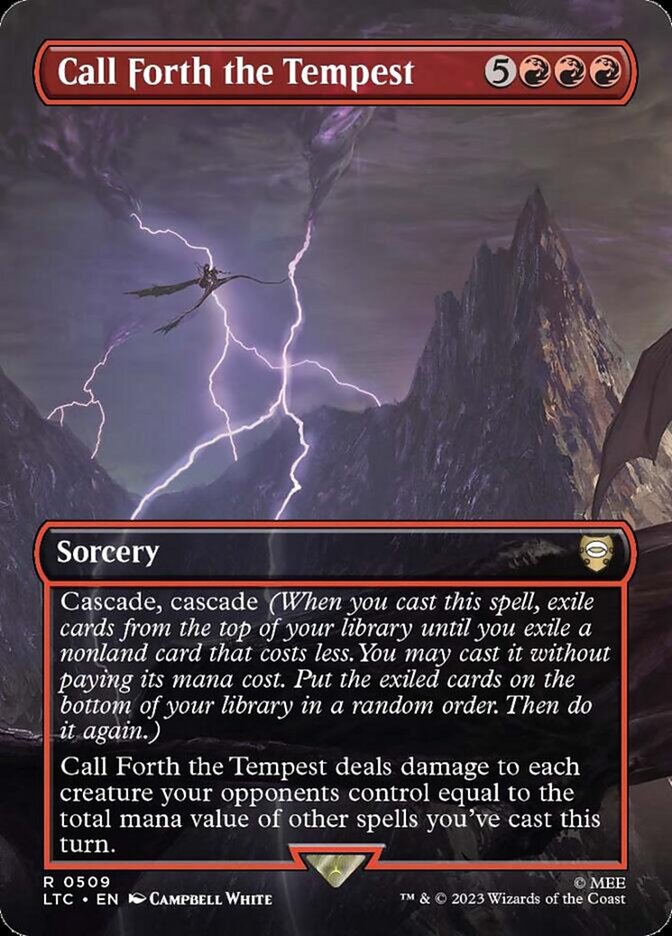
The RNG is real with Call Forth the Tempest. Casting this big Lord of the Rings scene card almost always takes your entire turn, so the threat of doubling cascading into one-drops and doing basically nothing is very real. But when the card works, you get like a 10-for-1 because you cast two spells and obliterate opposing boards. I’m happy to roll those dice.
#15. Ingenuity Engine
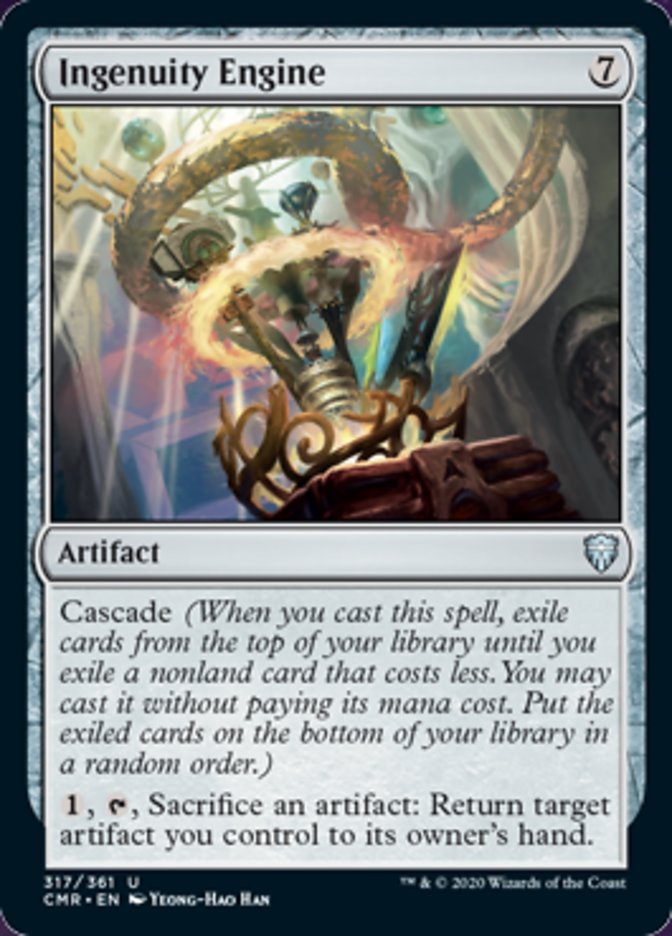
I look at Ingenuity Engine and see an amazing value engine. Pumping out artifact tokens to sacrifice to the Engine takes no effort between Thopters, Clue tokens, and Treasure. This feels like the kind of card that goes infinite, but even if it doesn’t, it can repeatedly bounce itself or protect valuable artifacts from spot removal.
#14. Rain of Riches
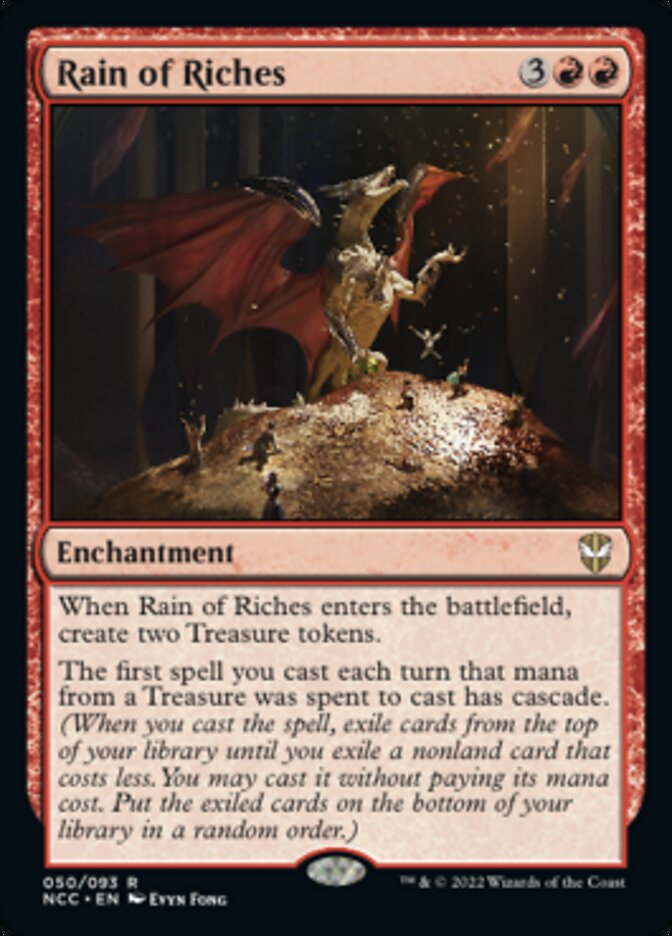
Rain of Riches isn’t the most broken Treasure card in the game, but it provides value. Recouping part of the cost makes this more reasonable as a card that probably doesn’t impact the board, though you can cascade immediately with the Treasure you generate.
#13. Ethersworn Sphinx
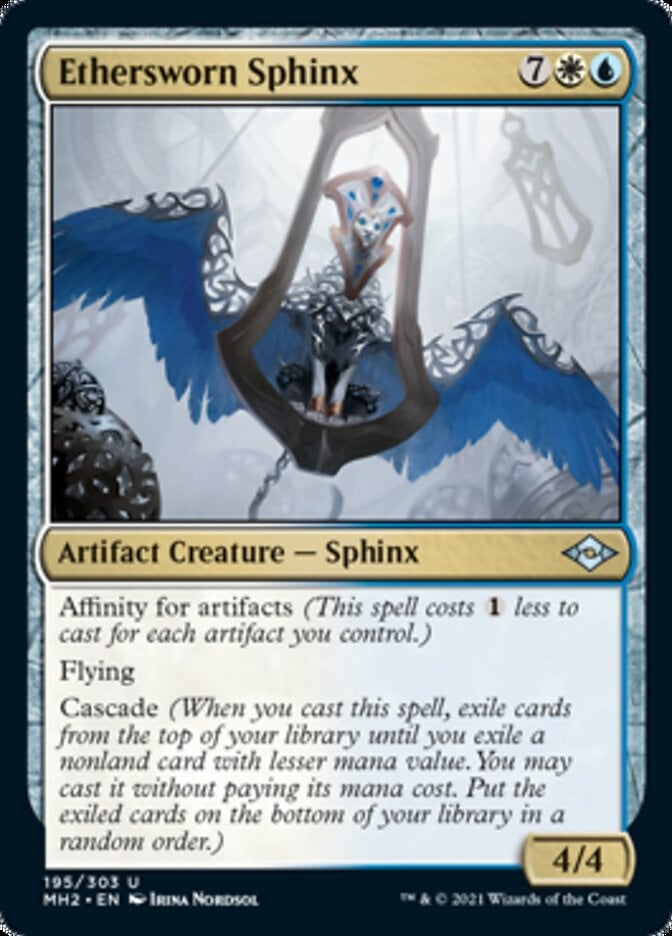
I’m happy to play Ethersworn Sphinx in decks that can reliably cast it for 4 or less mana, a pretty achievable goal. This Azorius () sphinx won’t be more than a beatstick, but it has the best cost-power ratio among the beatsticks on this list.
#12. Into the Time Vortex
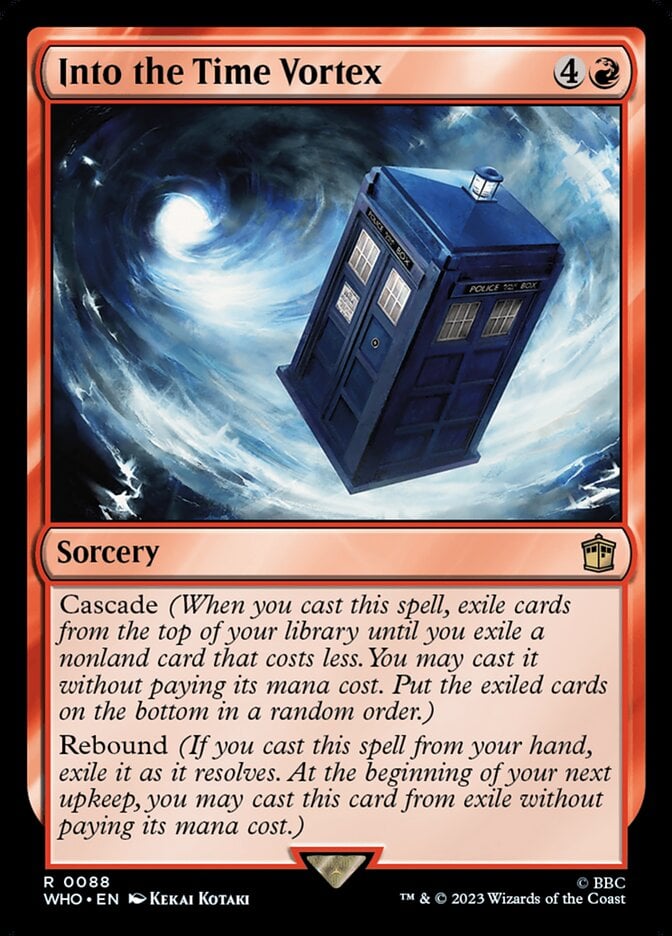
Most cast from exile decks want Into the Time Vortex. Between two cascade triggers and rebound, it represents three spells cast from exile to trigger cards like Prosper, Tome-Bound and one of the strongest background enchantments, Passionate Archaeologist.
#11. Abaddon the Despoiler
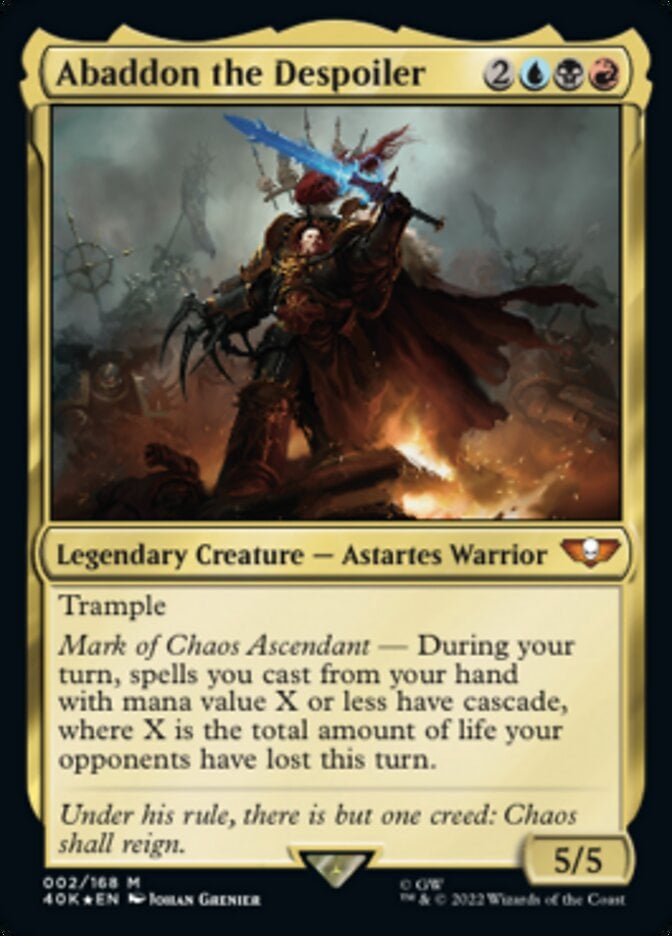
The legendary Abaddon the Despoiler has a cool design. Red and black have plenty of effects to chip away at opposing life totals to fuel his cascade ability, with Creeping Bloodsucker and Firebrand Archer standing out as notable must-includes.
#10. Zhulodok, Void Gorger
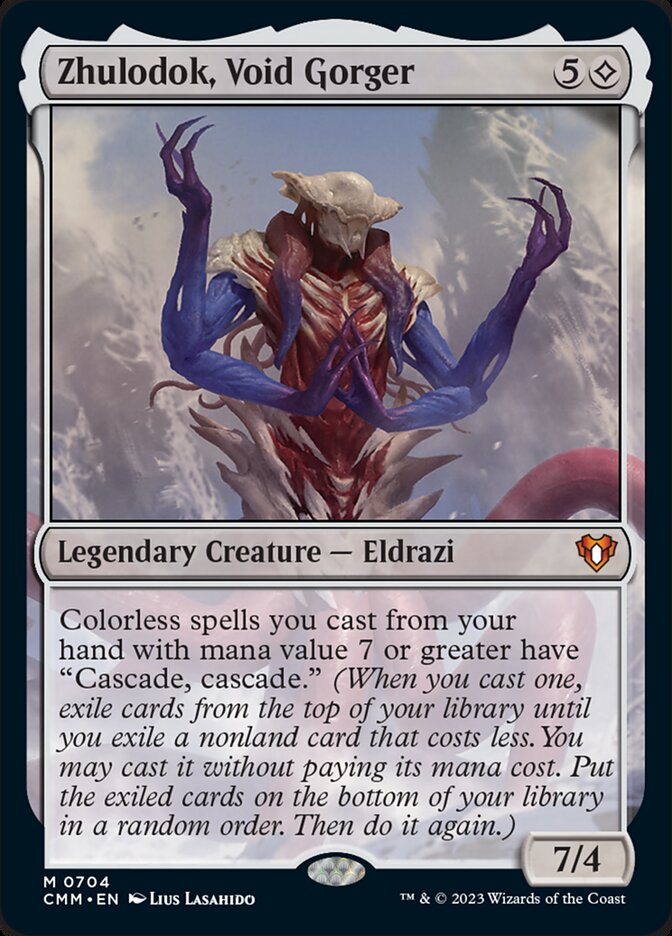
Zhulodok, Void Gorger burst onto the scene as a premium colorless commander. The card advantage on this colorless creature is crazy. Don’t feel restricted to eldrazi; turboing out Portal to Phyrexia and Cityscape Leveler can be just as effective as jamming Ulamogs and Kozileks.
#9. Imoti, Celebrant of Bounty
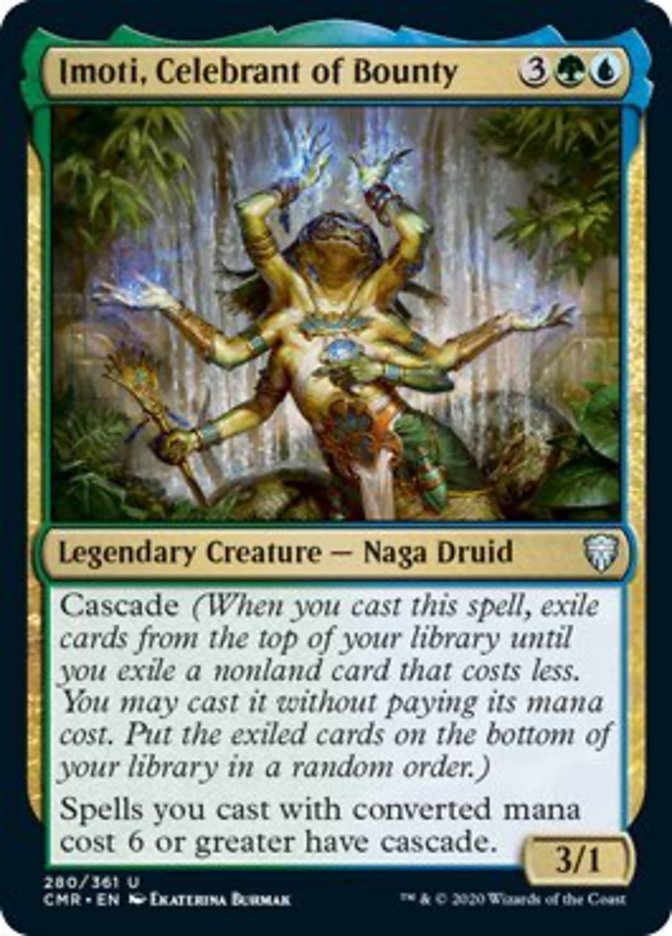
At least you don’t need to worry about the Imoti, Celebrant of Bounty player packing too much countermagic in their Simic () nonsense deck! This Simic commander is a prime candidate for playing Keruga, the Macrosage as a companion but any variety of this commander presents so much value your opponents won’t know what hit them.
#8. Smoldering Stagecoach

Smoldering Stagecoach is kind of nuts because this red artifact gives cascade to the next instant and next sorcery spell you cast this turn. I did a double take when reading this to make sure it wasn’t the next instant or sorcery, but no, it’s both. This represents four potential spells for two cards from your hand while being a massive threat that scales with the game. What a vehicle!
#7. Noise Marine
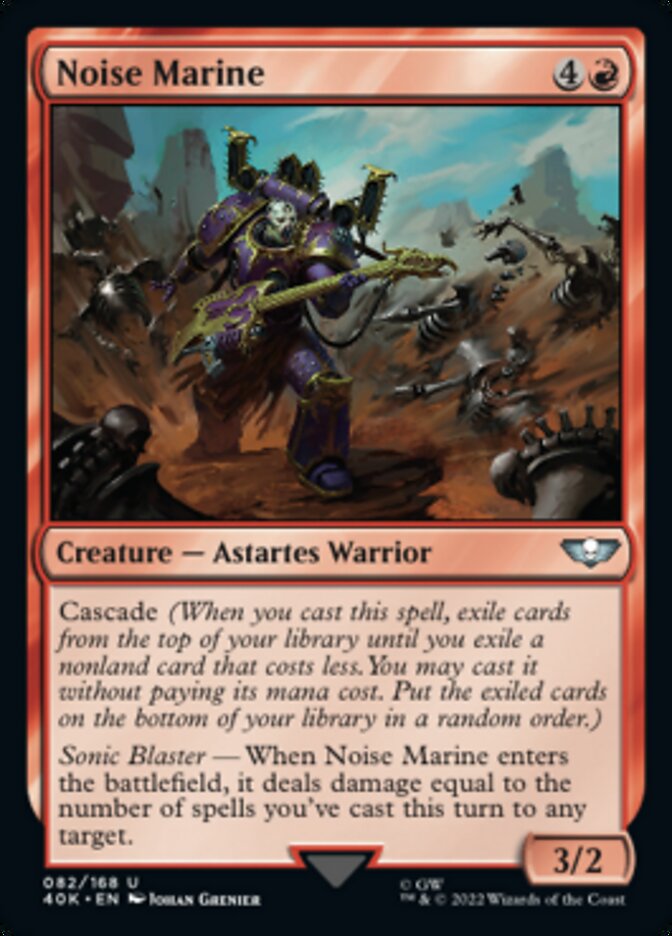
Noise Marine often kills a threatening creature or picks off a planeswalker while leaving a creature behind for a clean three-for-one. It’s just good value. If you can copy this red warrior with effects like Kiki-Jiki, Mirror Breaker or flicker it, you can keep getting the ETB trigger.
#6. Bigger on the Inside
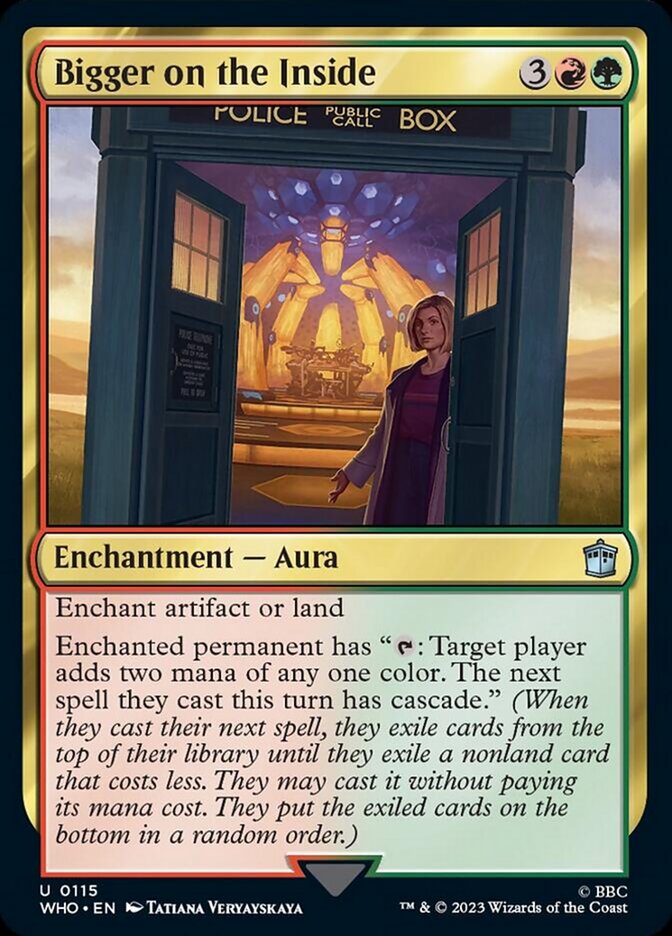
Bigger on the Inside is such an interesting aura. A ramp spell that lets you cast a spell with cascade has obvious value, but giving that ability to any player adds an intriguing twist. It’s a flavor win; the Doctor would offer the shelter and benefits of the TARDIS to anybody, but the card also opens the door to interesting political plays.
#5. Volcanic Torrent
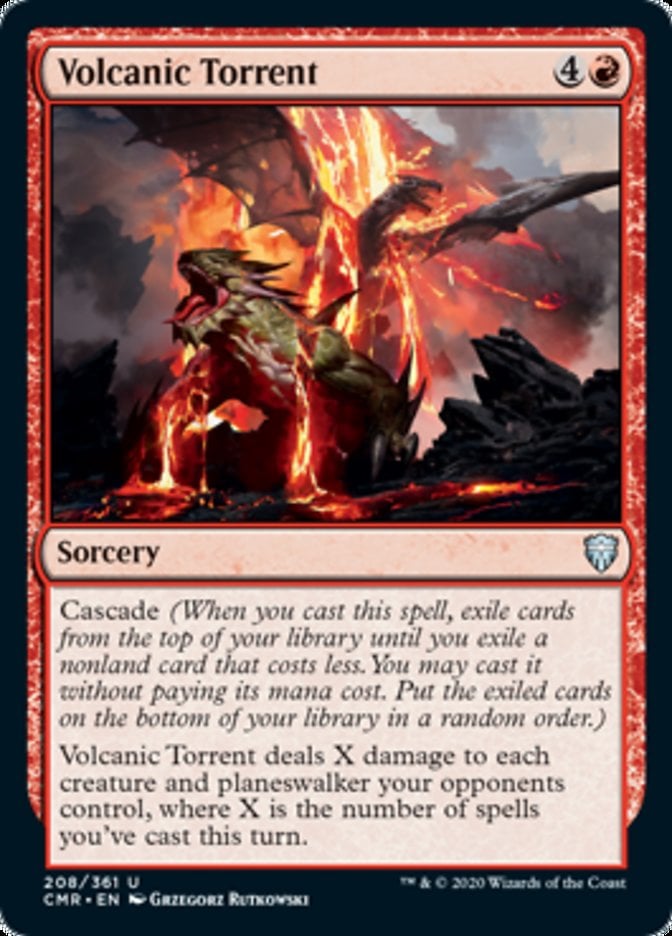
Volcanic Torrent offers a fearsome one-sided red board wipe. It’s not quite Plague Wind, but it handles plenty of smaller creatures. It’s much more consistent than Call Forth the Tempest because it doesn’t matter what you cascade into, plus the cheaper mana cost makes it easier to sequence this with multiple spells to get the effect you want.
#4. Yidris, Maelstrom Wielder
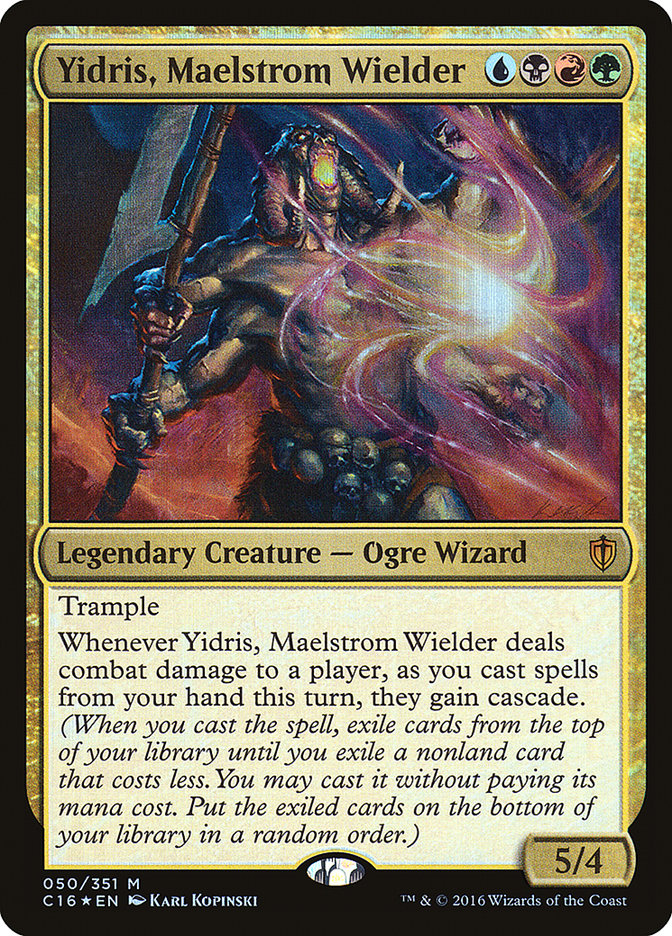
Yidris, Maelstrom Wielder stood among the first official 4-color commanders in the format and boasts a powerful ability. This might be the easiest way to give cards in your hand cascade en masse.
#3. Apex Devastator
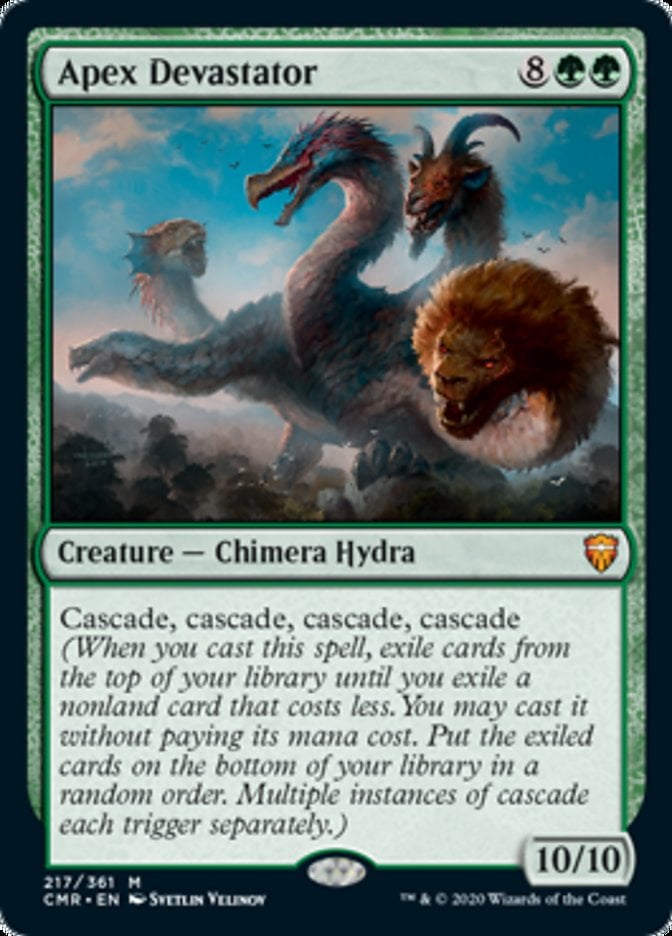
The cascade beatstick to end all cascade beatsticks, Apex Devastator may be the Timmiest card to ever Timmy: you literally cascade, cascade, cascade, and cascade. Jamming five spells for 10 mana, with one of them guaranteed to be a fearsome hydra, ends games quicker than you’d think.
#2. The First Sliver
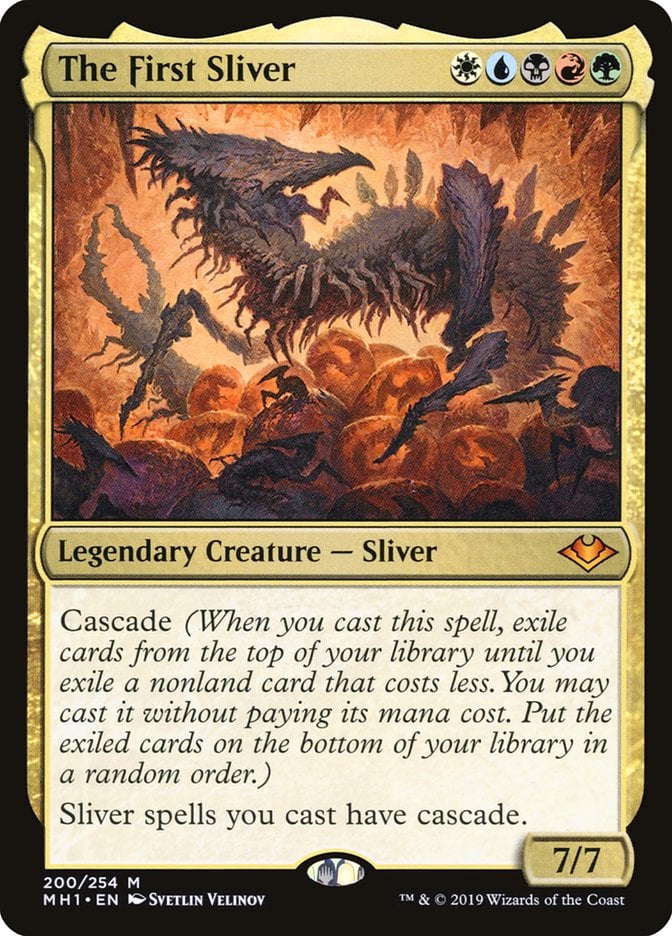
A deck with The First Sliver has a heavy restriction since it only lets slivers cascade, but slivers are the creature type to benefit from this mechanic. Slivers become unmanageable with the slightest board presence, which this Sliver commander provides at no cost.
#1. Maelstrom Wanderer
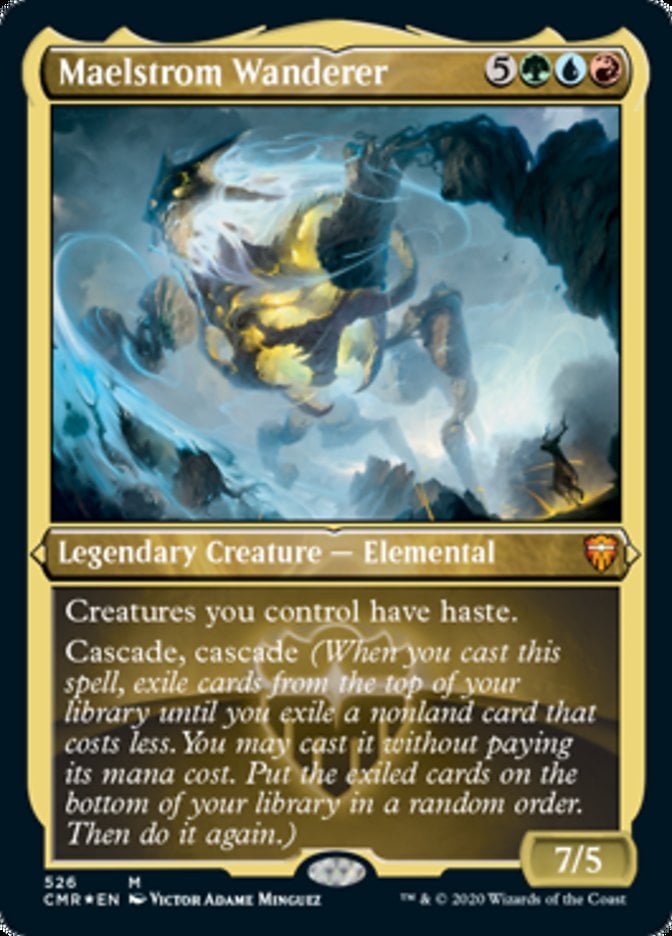
Card advantage wins game, but only with pressure. You can draw cards a million times and still lose if you don’t use them. Maelstrom Wanderer, one of the best cascade commanders, provides pressure in spades thanks to the haste ability. Cascade decks already tend towards a permanent-heavy gameplan. Games end quickly when this Temur commander drops two chonky threats into play and they all swing right away.
Best Cascade Payoffs
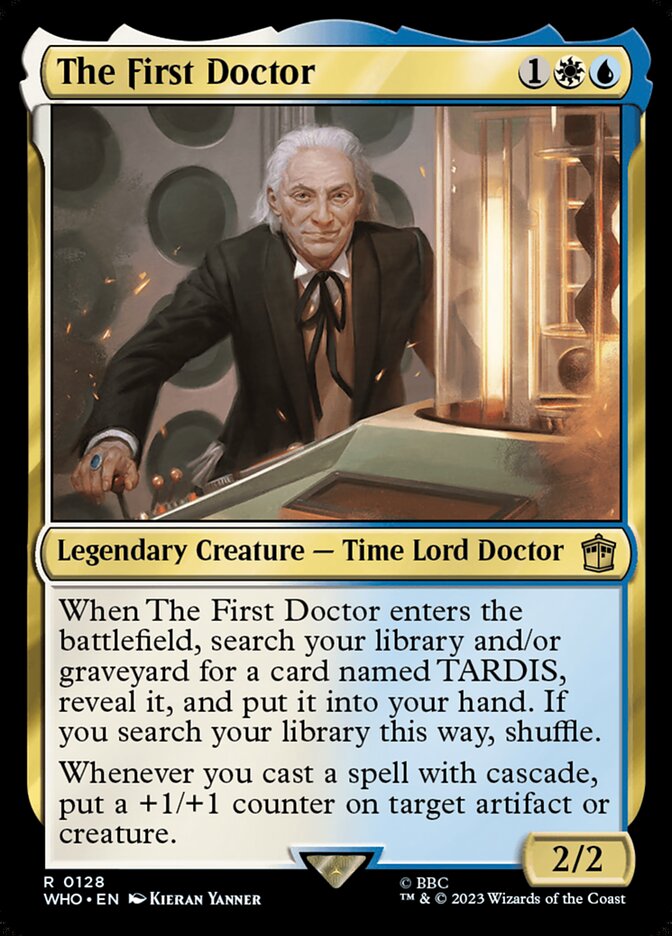
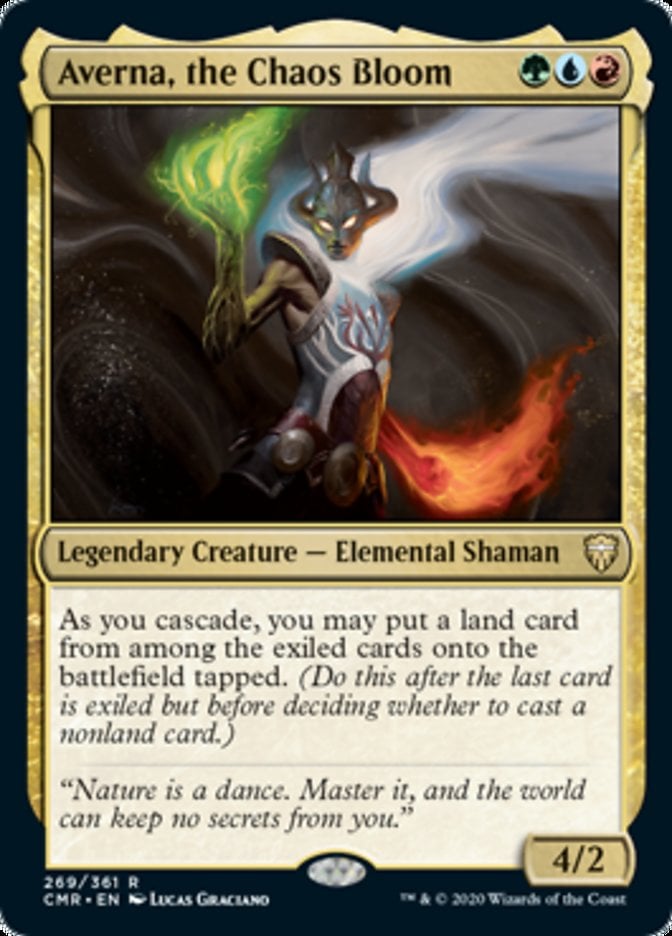
Cascade has a few specific payoffs in cards like The First Doctor and Averna, the Chaos Bloom but you can go much, much deeper.
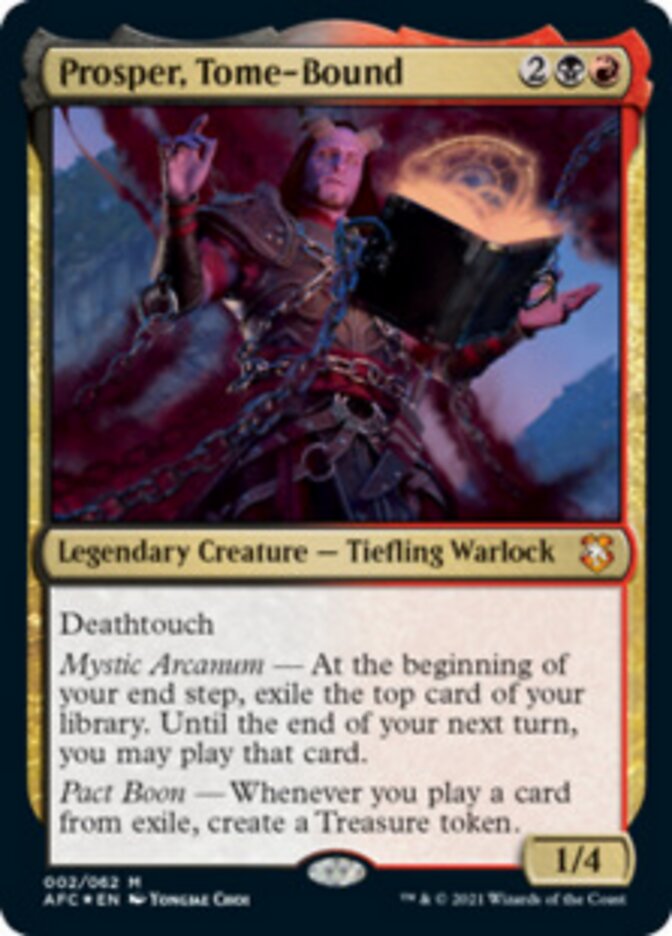

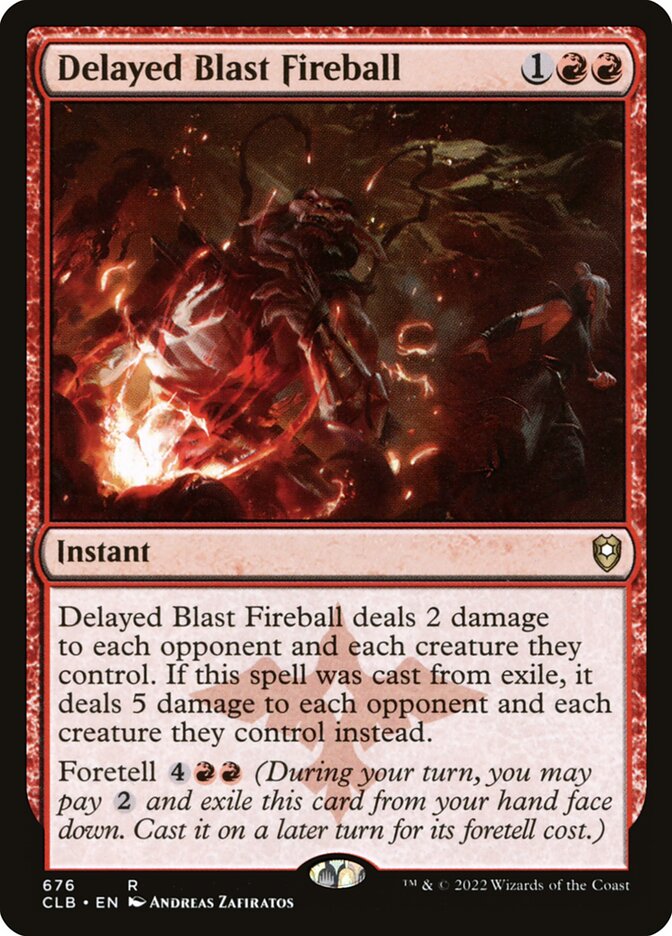
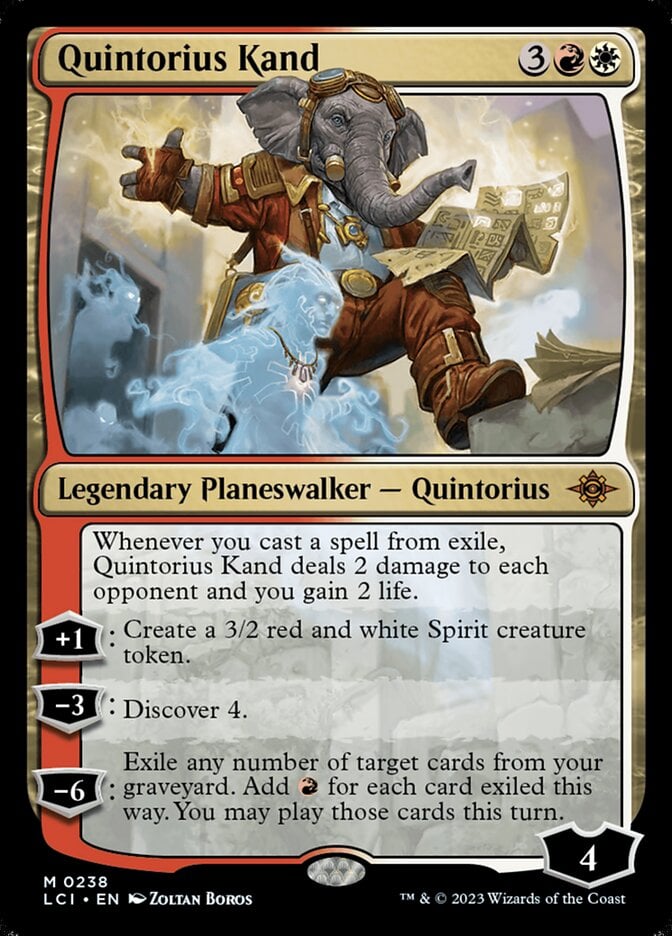
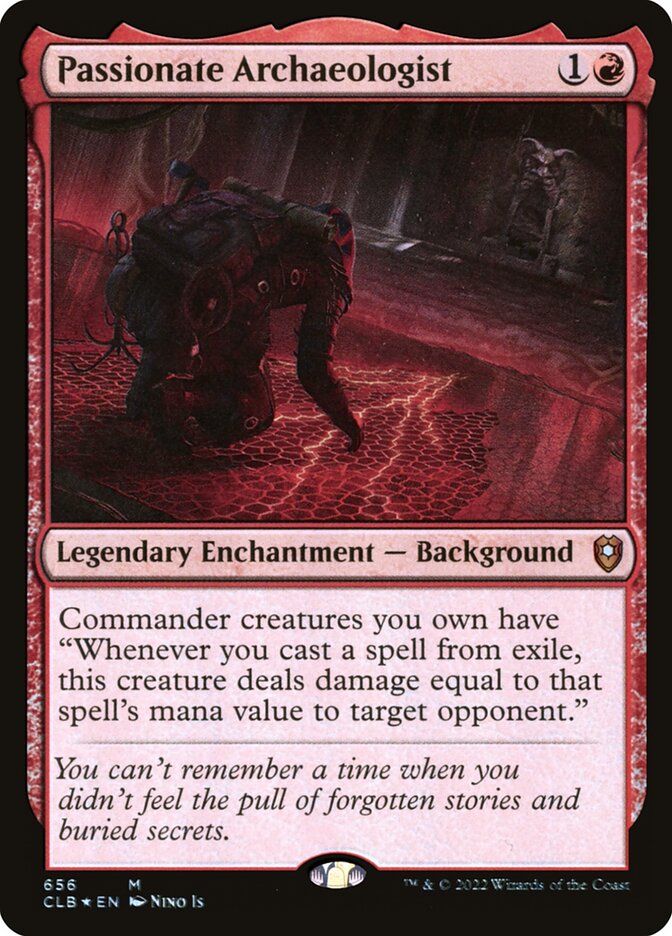

Cast from exile decks have seen tons of support over the past few years. There are stellar commanders like D&D‘s Prosper, Tome-Bound and Faldorn, Dread Wolf Herald plus plenty of payoffs in Ultimate Magic: Meteor, Delayed Blast Fireball, Quintorius Kand, Passionate Archaeologist, and Nalfeshnee. Cascade cards are right at home in these strategies.
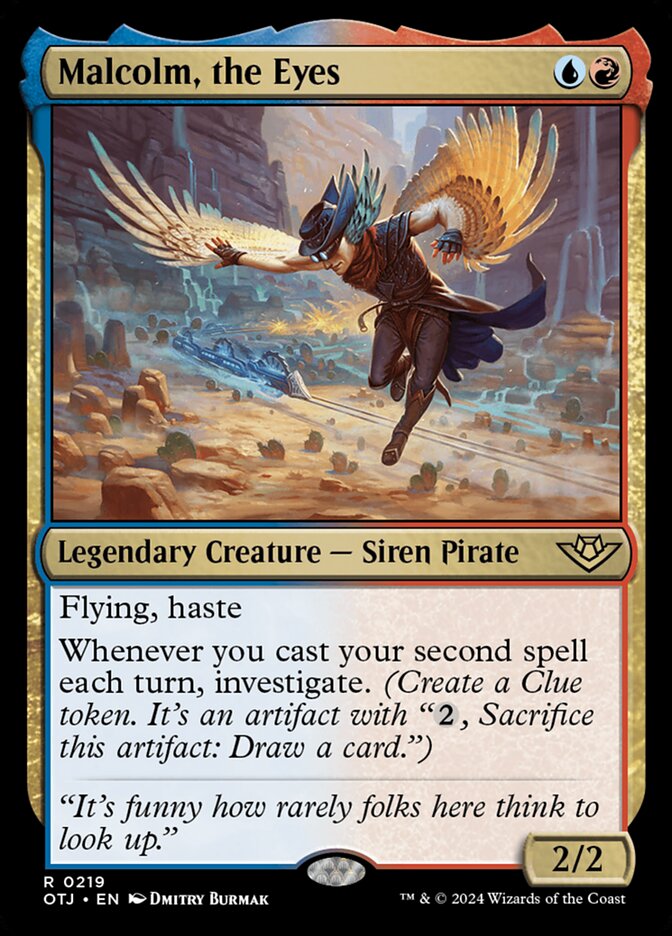
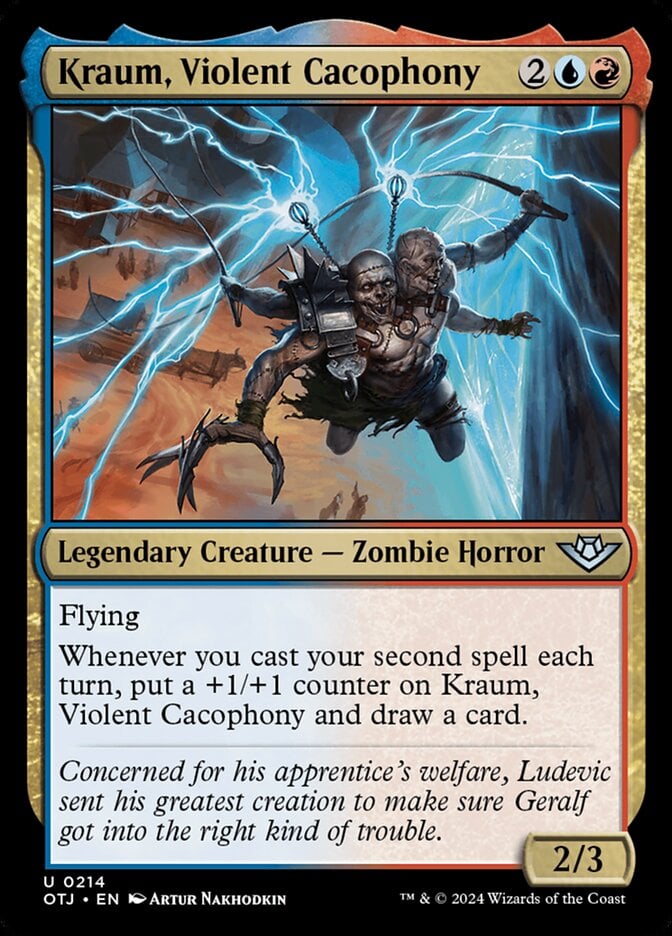
Storm decks can also benefit from these spells since they count as two or more spells cast. Yidris, Maelstrom Wielder is often built as a storm commander because of this. We’ve even seen a handful of cards like Malcolm, the Eyes and Kraum, Violent Cacophony crop up that care about two spells a turn. These give us a plethora of ways to squeeze even more value from one of Magic’s strongest mechanics.
How Is Cascade Different from Discover?
The Lost Caverns of Ixalan introduced the discover mechanic, which resembles cascade though it has several key differences. Let’s compare Bloodbraid Elf and Geological Appraiser to get a clearer picture!
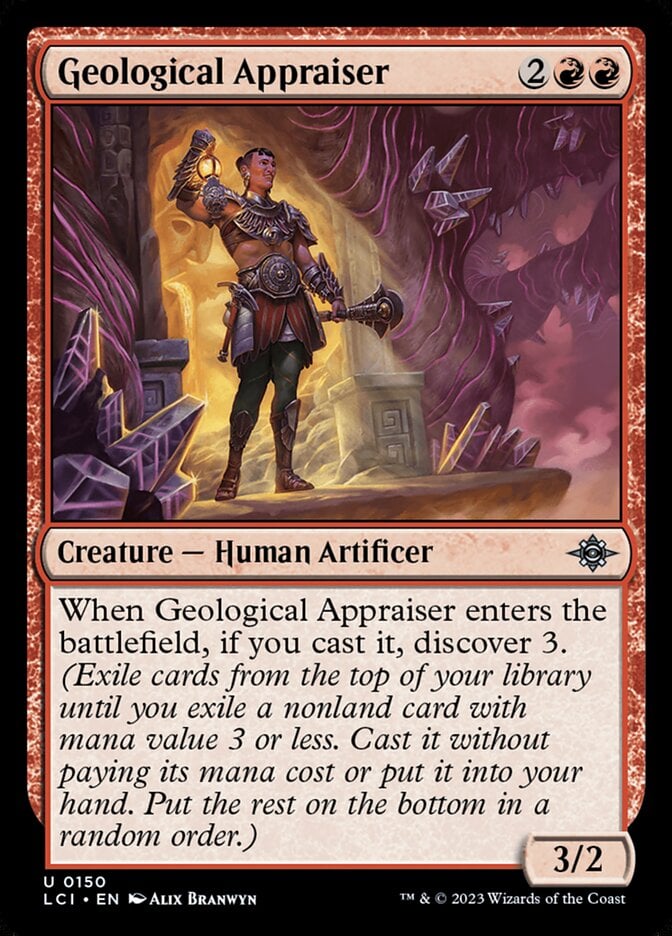
First and foremost, discover spells need to resolve. Cascade is a cast trigger; if I cast Bloodbraid Elf, I get the extra spell before Bloodbraid resolves. But Geological Appraiser, as well as instants and sorceries like Contest of Claws, need to resolve for the extra spell.
Cascade and discover both give you the option of hitting the relevant spell but discover lets you put it into your hand if you don’t cast it while cascade puts the spell on the bottom of the library. This gives discover a huge edge over cascade for general flexibility and because it removes the deckbuilding restriction of no countermagic since you can just “draw” the Counterspell.
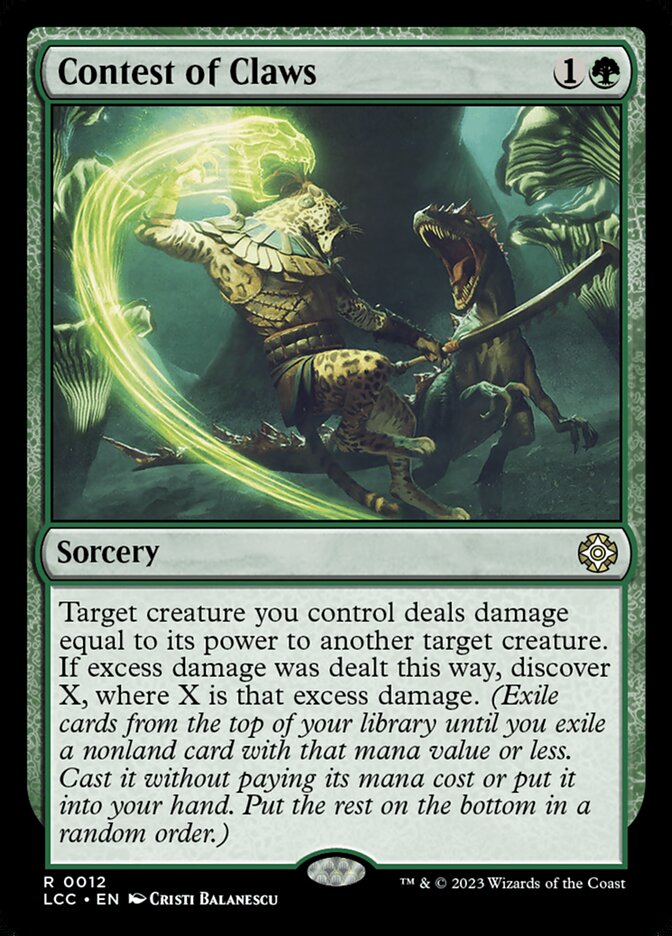
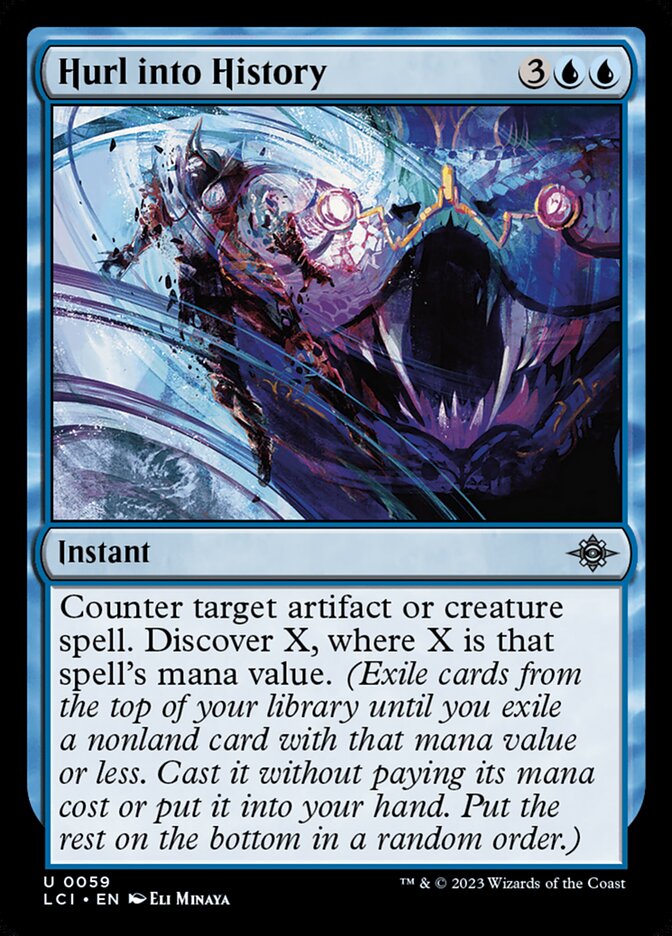
The final difference comes from how the mechanics determine what spell you can cast. Spells with cascade care about their own mana value, but discover spells define X themselves. That allows cards like Contest of Claws and Hurl into History to have variable discover values.
Wrap Up

Bloodbraid Elf | Illustration by Raymond Swanland
Cascade has a long legacy as one of Magic’s most powerful mechanics, from the dominant force of Bloodbraid Elf in classic Jund () lists to the more recent Crashing Footfalls decks dominating Modern. Anything that casts spells for free can be broken, and cascade is no exception. Even the worst cards with cascade have value!
What’s your favorite cascade card? Do you like complex mechanic mechanics? Let me know in the comments or over in the Draftsim Discord!
Stay safe and keep chaotic!
Follow Draftsim for awesome articles and set updates:










2 Comments
You didn’t include suspend spells in the payoffs. Some of them like profane tutor, ancestral vision, mox tantalite and many other works very well in a cascade deck. The 0 cost ones are even better in a first sliver deck as they become the only targets for 1 cost slivers
We aren’t usually trying to be comprehensive with the payoffs, but you’re right to point out that cascade and suspend is one of the better combinations.
Add Comment