
Last updated on October 9, 2026

Sneaky Snacker | Illustration by Irina Nordsol
The time of expensive Magic is over; the age of the Pauper is nigh. Pauper has been one of my favorite Magic formats since I started playing Magic seriously in high school. I’ll never forget my introduction to the format: A friend and regular opponent pitched playing my Innistrad Standard-legal deck against his Pauper-legal Pestilence deck, and he completely obliterated me. Imagine my shock after the match when he informed me that every card in his deck was printed at common! You’re telling me there’s a way to play competitive MTG without spending more than $50 on a deck? I’ve been hooked ever since.
While the Pauper meta has shifted significantly since 2012, the spirit of the format remains: Generate incremental advantage bit by bit with slow and low-powered cards to beat your opponent. Every tiny bit of advantage counts in a Pauper game. The metagame is incredibly diverse with such a slim power margin between the top decks and those that barely make the cut, which allows players to experiment with a wide range of commons.
Here are my picks for the absolute best commons in Pauper; the staples, the bombs, and everything in between. Let’s get started and see what makes Pauper tick!
What Is a Pauper Card in MTG?

Tolarian Terror | Illustration by Vincent Christiaens
Pauper is the commons-only competitive format for Magic: The Gathering. Pauper cards are any Pauper-legal commons that aren’t currently on the ban list. These cards see play across multiple archetypes in the Pauper metagame, which makes them staples of the format. Some have been around for decades, and some are relatively new to the format. Pauper’s meta changes slowly, but it does change.
How Do I Know That a Card Is Pauper Legal?
Any card can be legal in the Pauper format if it was ever printed at the common rarity, including any digital versions, and if it isn’t on the current ban list. The easiest way to check whether a card is legal or not is to look it up on Scryfall or Gatherer, where each card’s legal formats are listed.
#50. Mwonvuli Acid-Moss
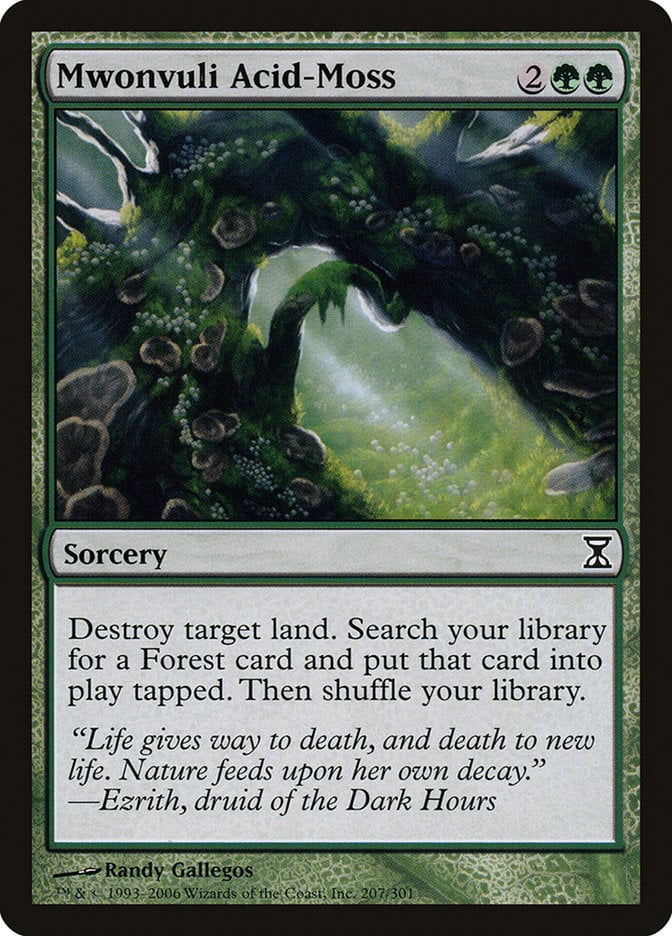
Part of the Gruul () Ponza deck, Mwonvuli Acid-Moss is a land destruction spell that grabs a forest from your library at the same time it destroys an opponent’s valuable Dimir Aqueduct or Great Furnace.
#49. Lotleth Giant
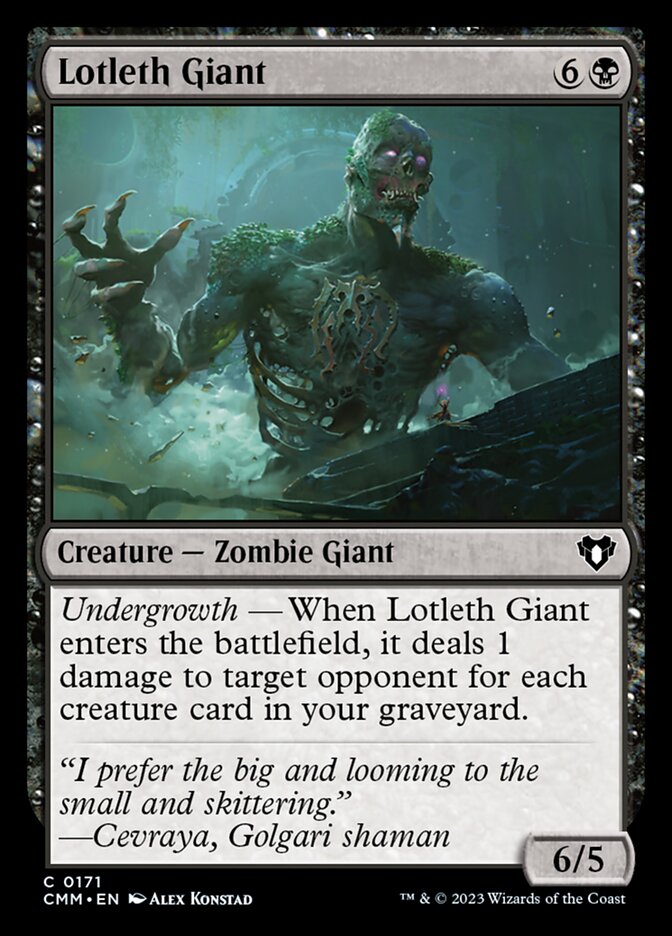
Lotleth Giant plays a part in the Golgari () mill decks in the meta, where it acts as both a huge source of noncombat damage when it enters and a 6/5 body to boot.
#48. Pestilence
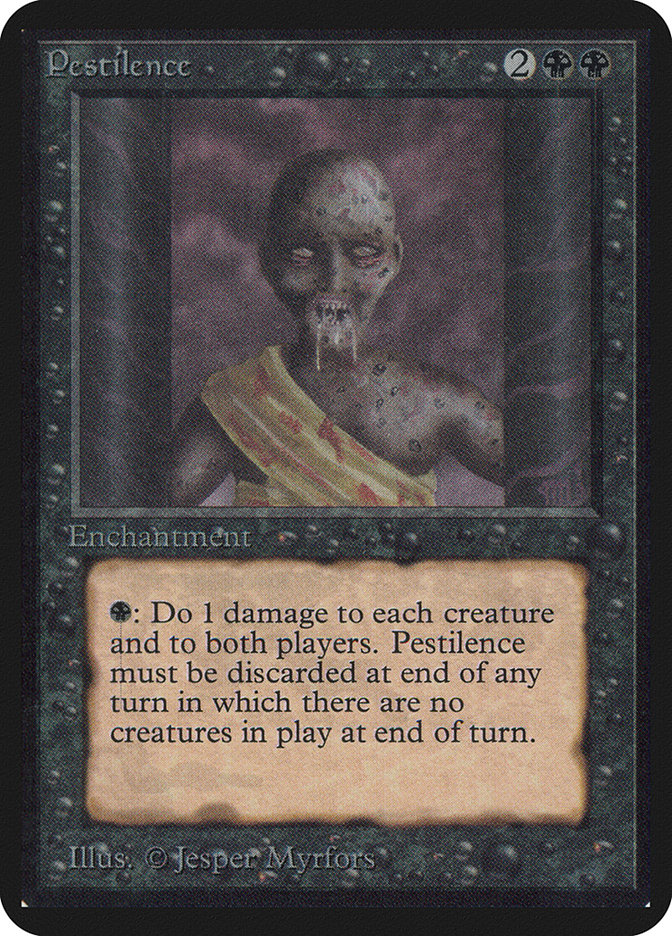
Pestilence decks have fallen off in recent years, but they can still pack a punch versus the player who is unfamiliar with their game. Pestilence decks work by sticking a Guardian of the Guildpact to the field and activating the Pestilence effect over and over until you’ve won. You can stabilize yourself with some mild lifegain while the Guardian remains impervious to the damage.
#47. Moment’s Peace
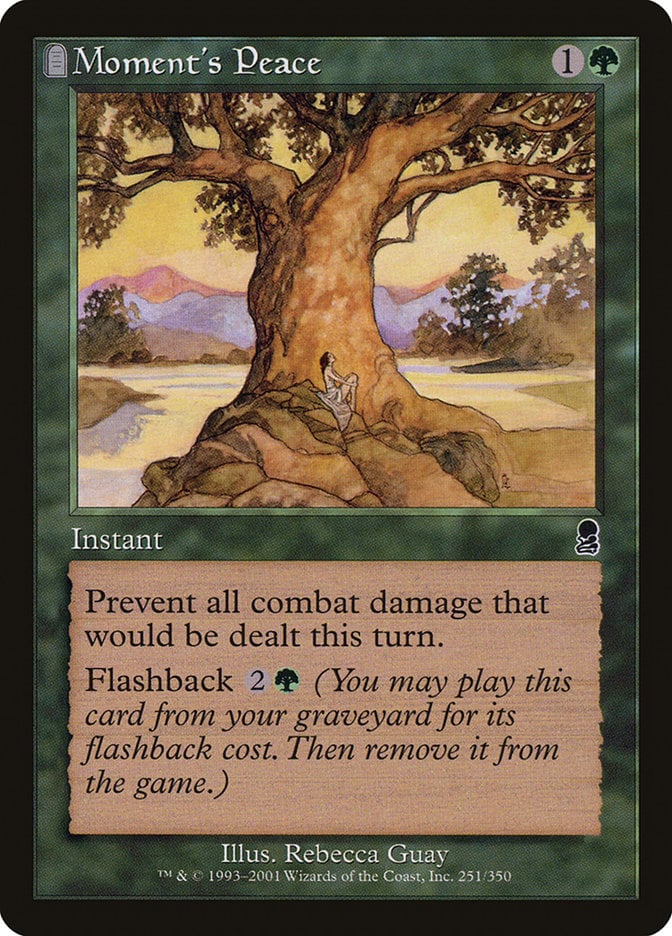
Moment's Peace is the go-to Fog effect in Pauper due to the ability to flash it back, which frees up space in the decklist that would normally be reserved for additional copies of this card.
#46. Kessig Flamebreather
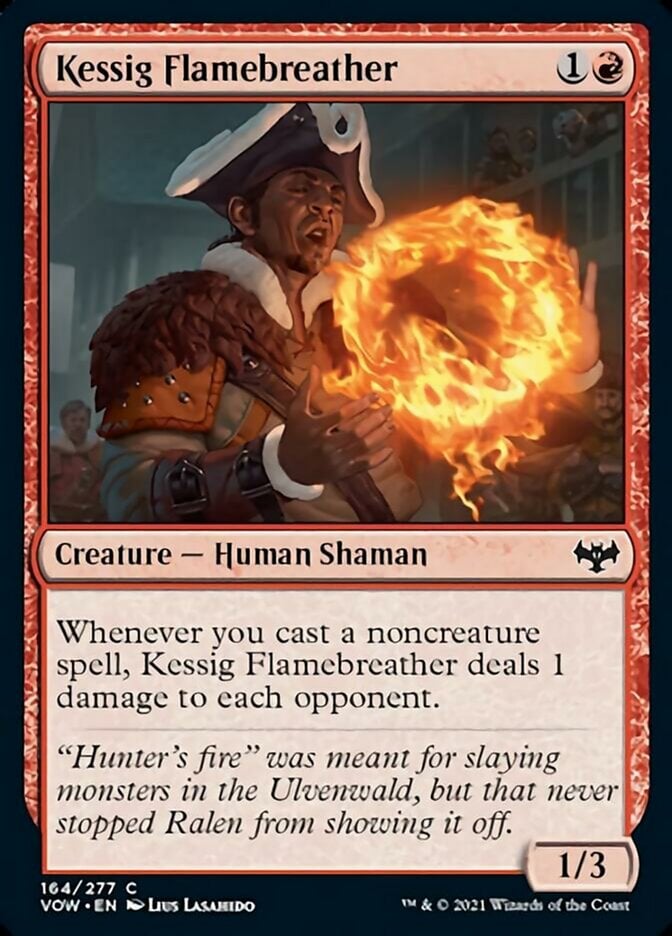
Kessig Flamebreather has largely replaced Guttersnipe as the triggered pinger of choice in Pauper, and it appears in decks as rare as Ruby Storm and as common as Rakdos () Madness. Nothing works quite as well as this creature’s ability to squeeze extra damage out of those Fiery Tempers and Lightning Bolts.
#45. Lotus Petal
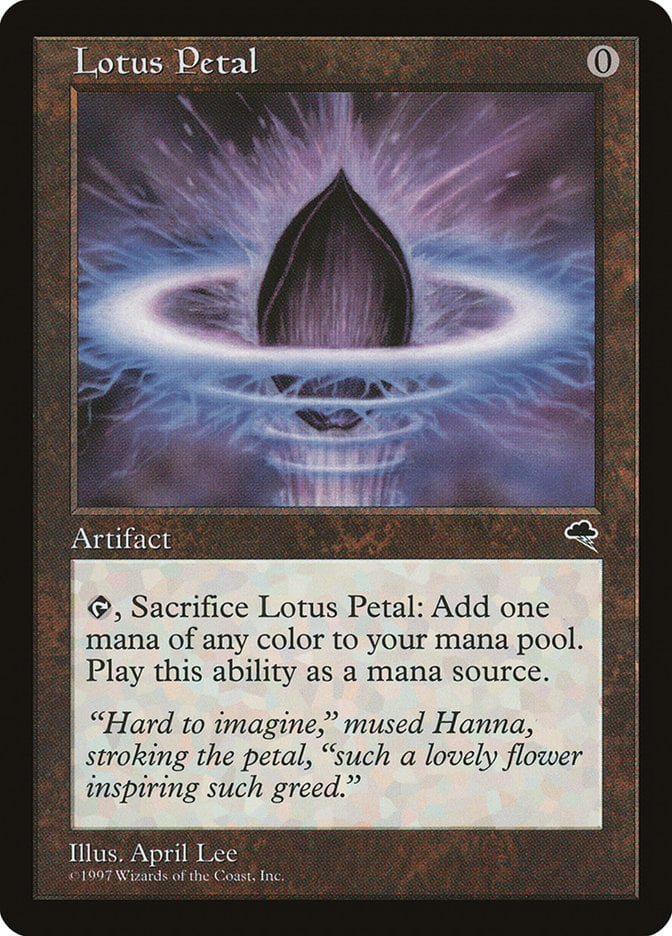
Lotus Petal is one of my favorite cards in Pauper since it enables weird combo decks like Poison Storm or Ruby Storm and creates cheap extra mana for your land destruction deck. If you need a burst of mana in a single turn or intend to combo off with artifact recursion, look no further than this baby Lotus.
#44. Balustrade Spy
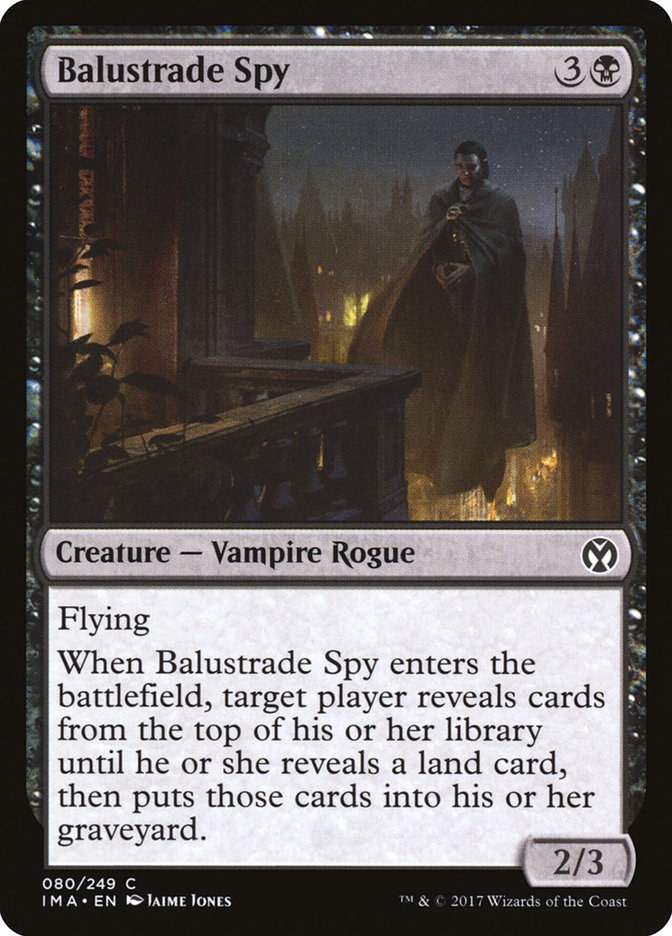
Baulstrade Spy is the centerpiece of an odd little combo deck that hovers around the format, and occasionally places well. The deck runs a measly four basic lands and relies on the Spy to flip most cards into the graveyard to set up Dread Return reanimating Lotleth Giant to one-shot your opponent.
#43. Quirion Ranger
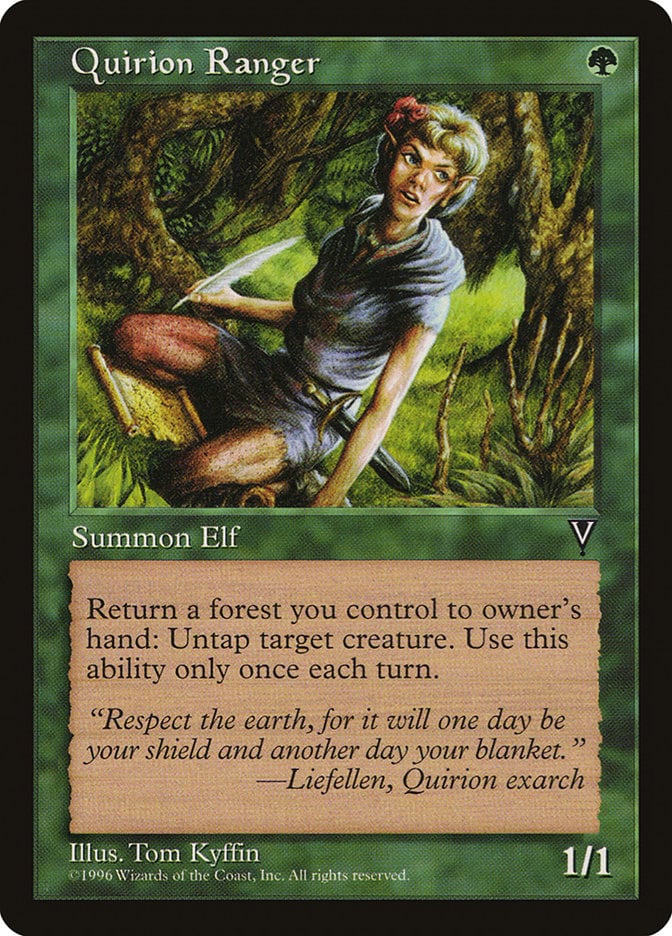
Quirion Ranger is the key to making Pauper Elf decks tick. It lets you untap your Priest of Titania to turn your army of elves into a swath of mana, whether you build to a big Fireball or just drop every elf in your hand all at once.
#42. Choking Sands
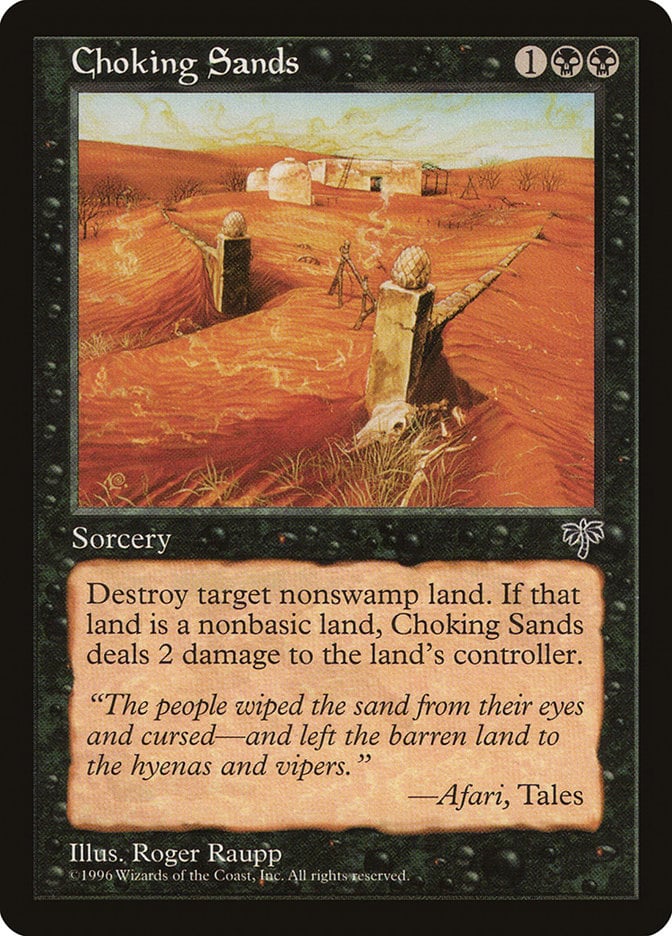
I’m a land destruction enjoyer, unfortunately. Perhaps surprisingly, Pauper is one of the best formats for a degenerate like me to play an off-meta land destruction deck built to bully my opponents by casting Dark Ritual into Choking Sands on turn 1. I exist only to punish my foes and have no win condition outside of Exhume-ing my Troll of Khazad-dûm, a play pattern which frequently backfires into giving my opponent a free Generous Ent when they respond with its forestcycling ability. That said, there’s nothing quite as sweet as tilting your opponent when game 1 goes to time because you kept them off their lands for the duration.
#41. Breath Weapon

Pauper is a format without many board wipes, so when something serviceable like Breath Weapon comes along, it’s sure to hit the stack. Breath Weapon is crucial to shut down those pesky elf and goblin decks, and it can squeeze that last bit of damage you need to remove your opponent’s big creatures after an unsuccessful combat phase.
#40. Gorilla Shaman
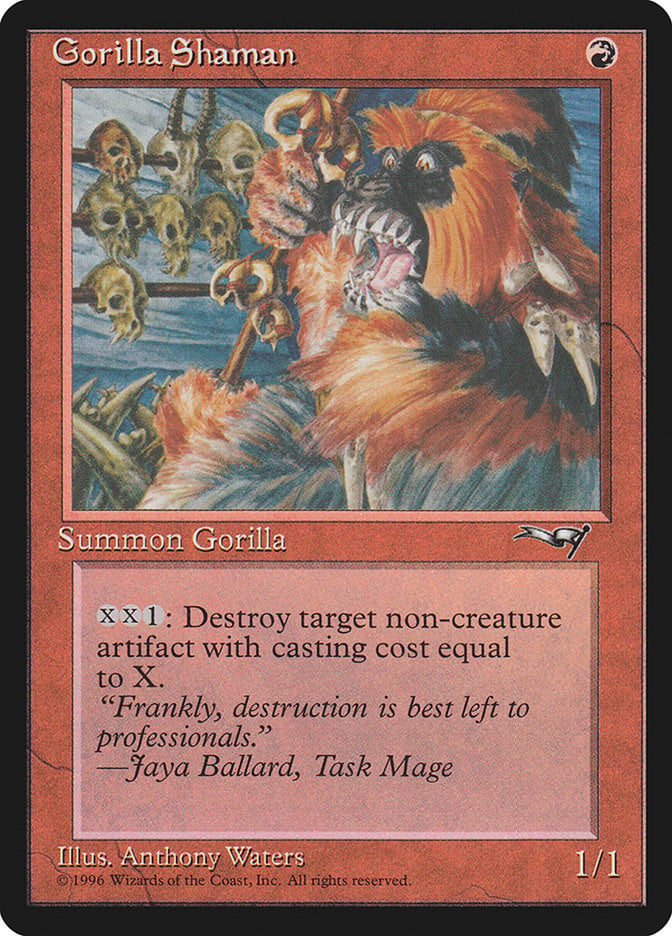
It’s a little silly that a common from Alliances of all places has stuck around in Pauper for so long, but there’s just no arguing with Gorilla Shaman’s utility in a format with such a heavy focus on artifacts. What I really love about the Gorilla is its ability to destroy your opponent’s mono-color artifact lands without having to pay anything for the in its activation cost.
#39. Weather the Storm
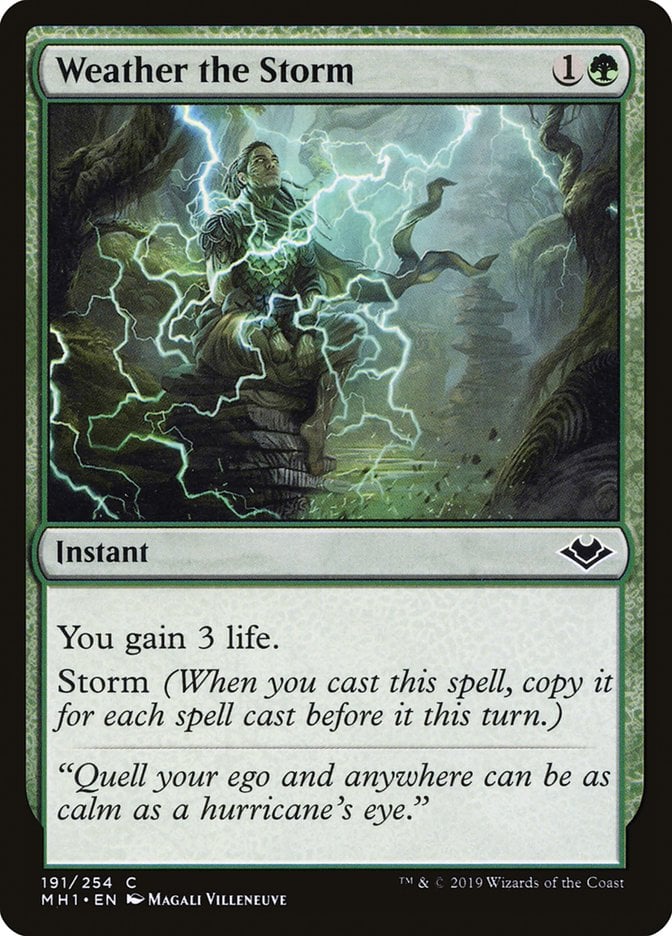
Weather the Storm is one of the few storm cards that hasn’t been banned in Pauper (alongside Astral Steel, Reaping the Graves, Ground Rift, and Hindering Touch). There’s no question storm is one of the most powerful mechanics ever printed, and it should come as no surprise that there are a plethora of ways to break Weather the Storm, like blinking Mnemonic Wall in and out of play to rack up your number of spells cast.
#38. Refurbished Familiar

A 2/1 with flying that forces your opponents to discard a card is great value when you only pay 1 black mana for it in most instances. Refurbished Familiar caused quite a splash in Pauper when it was released as part of Modern Horizons 3, injecting new gas into affinity decks and slotting right into Rakdos Experimental Synthesizer decks. Thankfully, Cranial Ram caught the ban early on, otherwise we’d still be dealing with the insane red-black artifact deck that dominated the meta.
#37. Writhing Chrysalis

Writhing Chrysalis is just absolutely packed with value. Imagine playing it on turn 4; the following turn you’ll have 7 mana, enough to cast an Annoyed Altisaur, and a 4/5 with reach that only grows from there. On top of that, it easily enables the Basking Broodscale/Sadistic Glee combo since it creates some Eldrazi Spawn tokens to instantly sacrifice to your enchanted lizard for an instant infinite mana loop.
#36. Goblin Tomb Raider
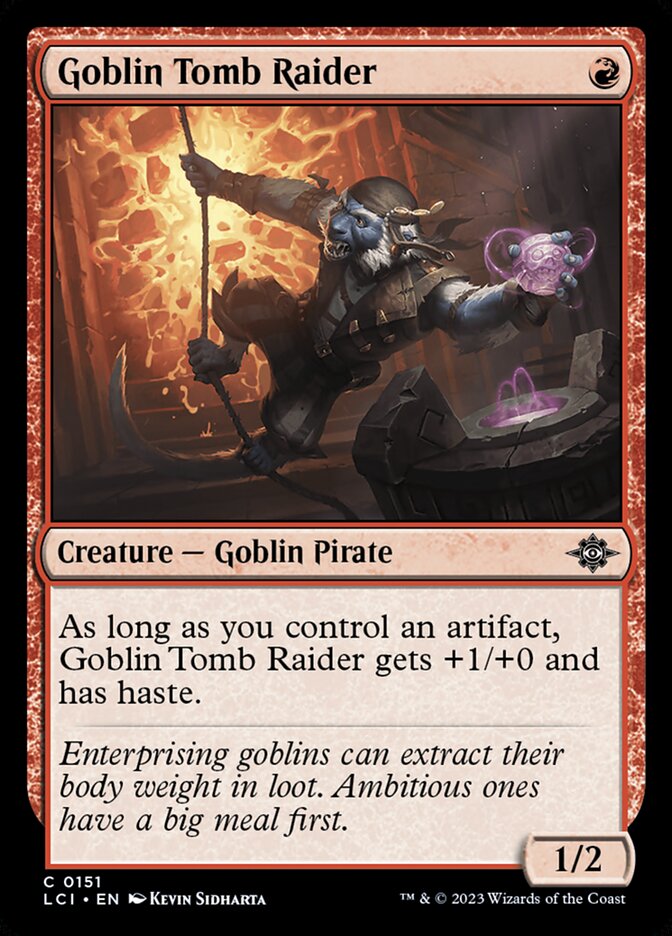
It may not be Lara Croft, but it’s just as good at sprinting in early to whack an opponent for 2 damage right up front. Drop a Great Furnace and then cast your Goblin Tomb Raider for one of the best turn 1s in the format right now.
#35. Thraben Inspector + Novice Inspector
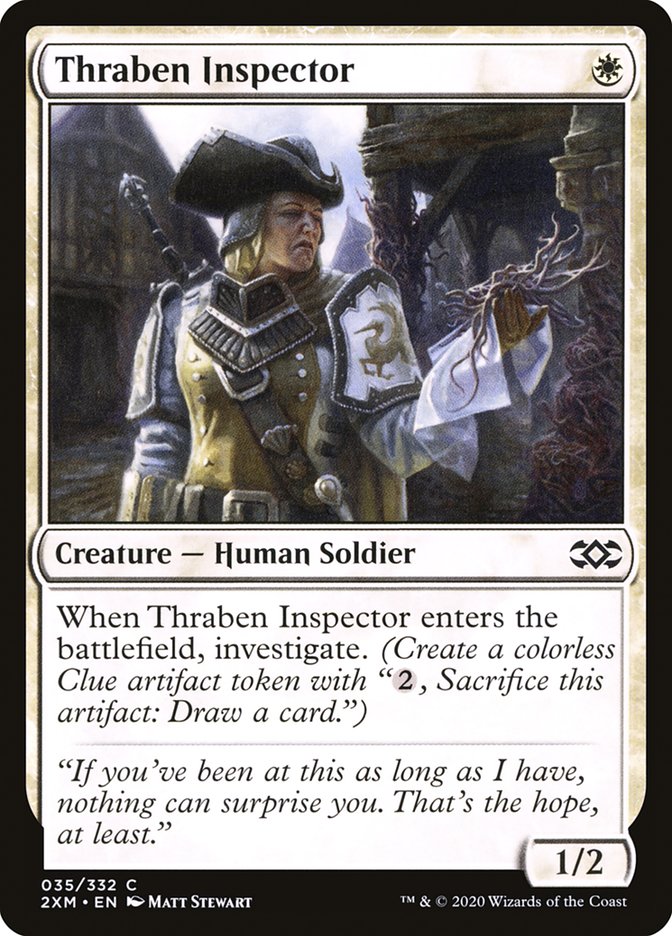
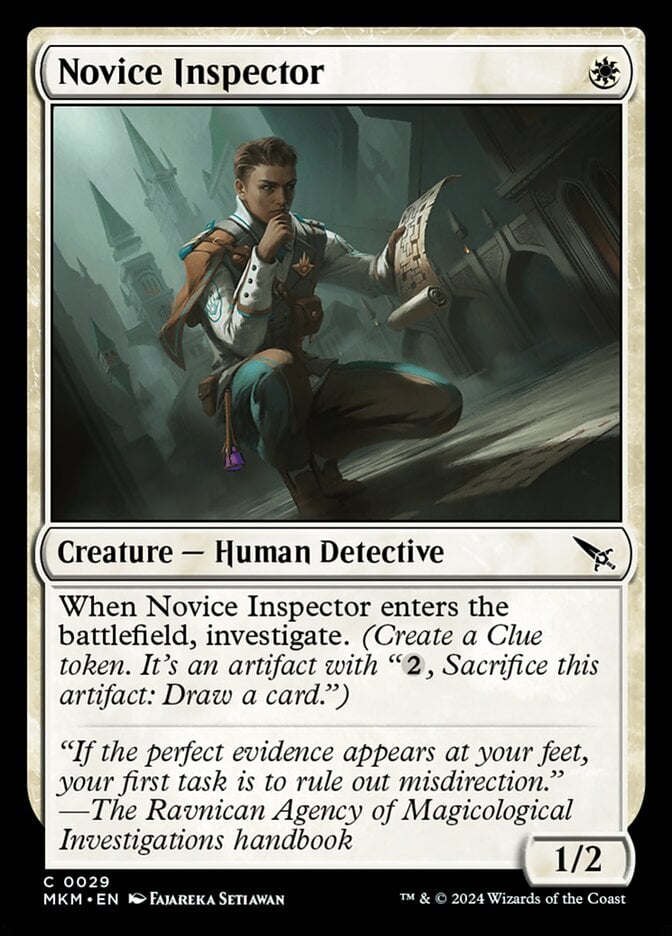
Artifacts are incredibly important to a majority of Pauper decks – and Clues as advantage generators are present in one form or another across the meta. Thraben Inspector (and its functional reprint Novice Inspector) are essential Clue token generators that you can bounce and flicker to great effect.
#34. Avenging Hunter
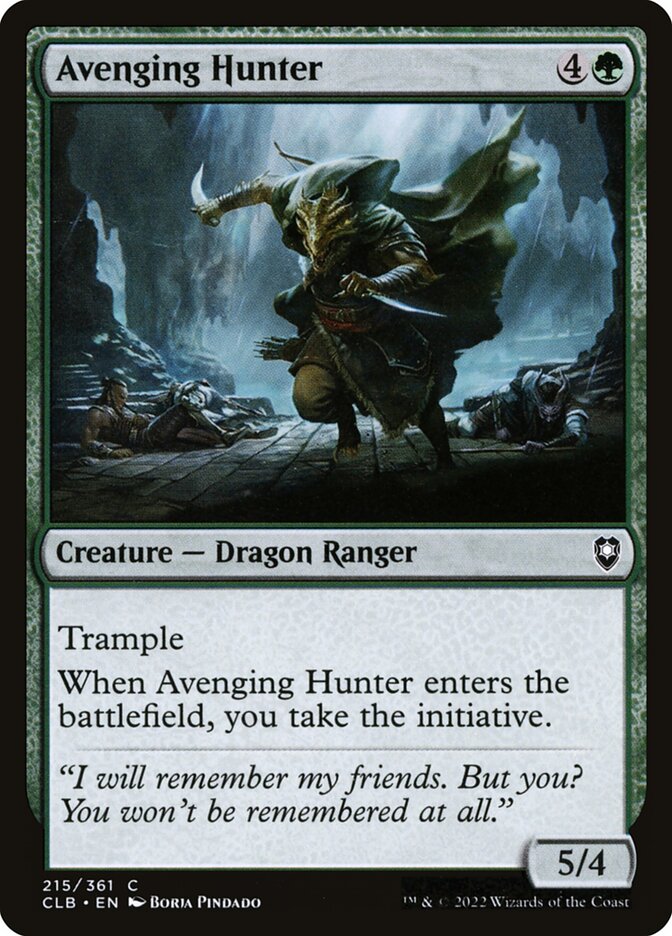
The top-end for most Gruul Ponza decks, Avenging Hunter is both a heavy body to threaten the board and the key to access the Undercity in your Pauper deck. Using the initiative in Pauper can have an outsized impact compared to your typical Commander game; it’s effectively a free common spell each turn you can advance through the dungeon.
#33. Fanatical Offering
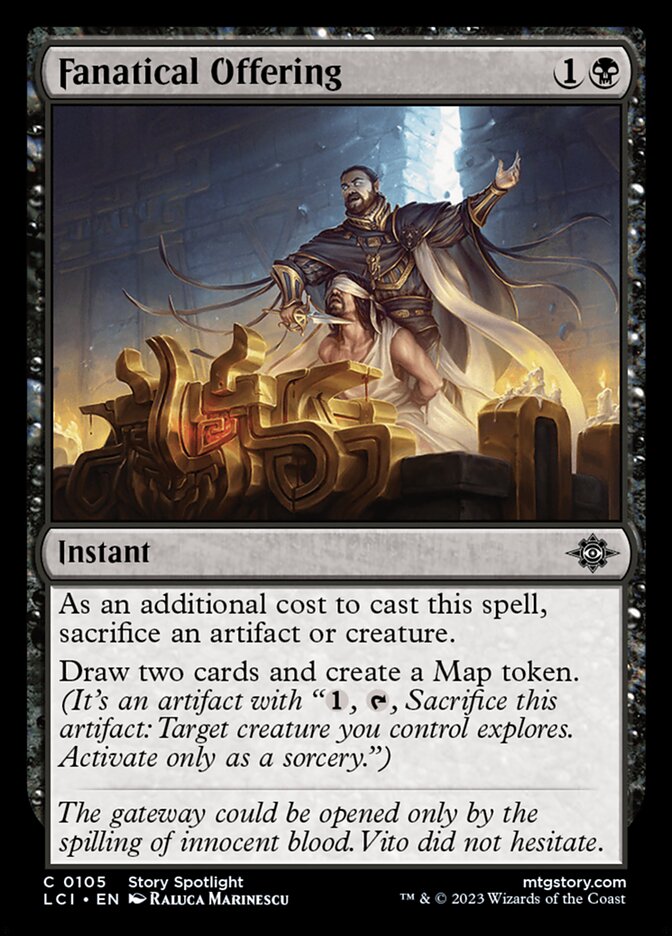
The Altar's Reap-style advantage cards reached a peak when we got Fanatical Offering, a card that both triggers on-death effects, draws a fair number of cards, and creates a Map token for future advantage.
#32. Tithing Blade
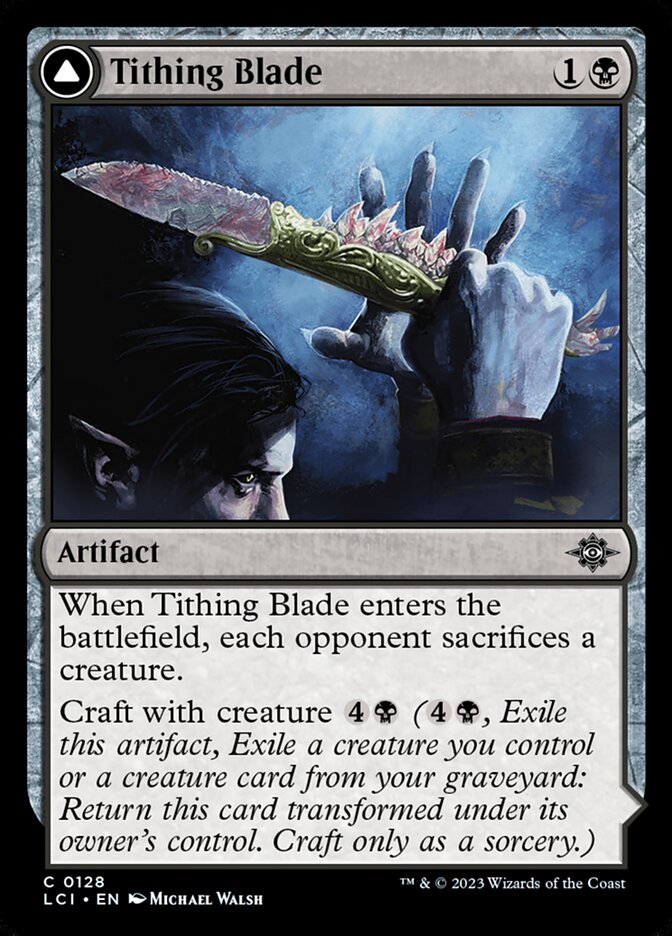
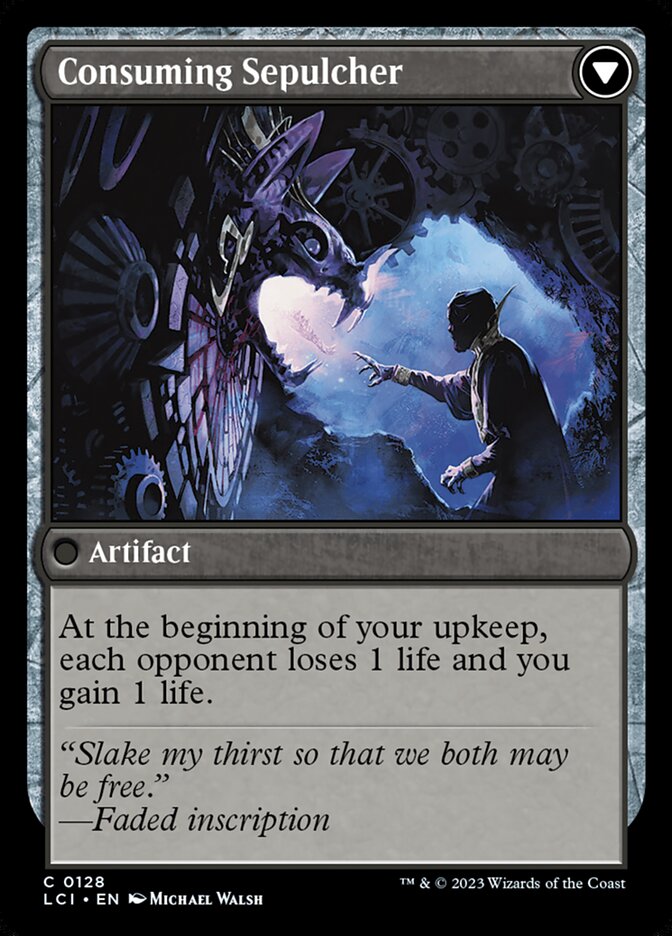
Edicts are some of the most effective removal in Pauper because they get around the pesky Slippery Bogle and they punish players who could only run out one Tolarian Terror. Tithing Blade edicts an opponent while it also ups your artifact count for affinity purposes. Plus, it comes with a late-game life drain effect you can use to eke out those last few life points from your opponent when the game starts to stall.
#31. Generous Ent
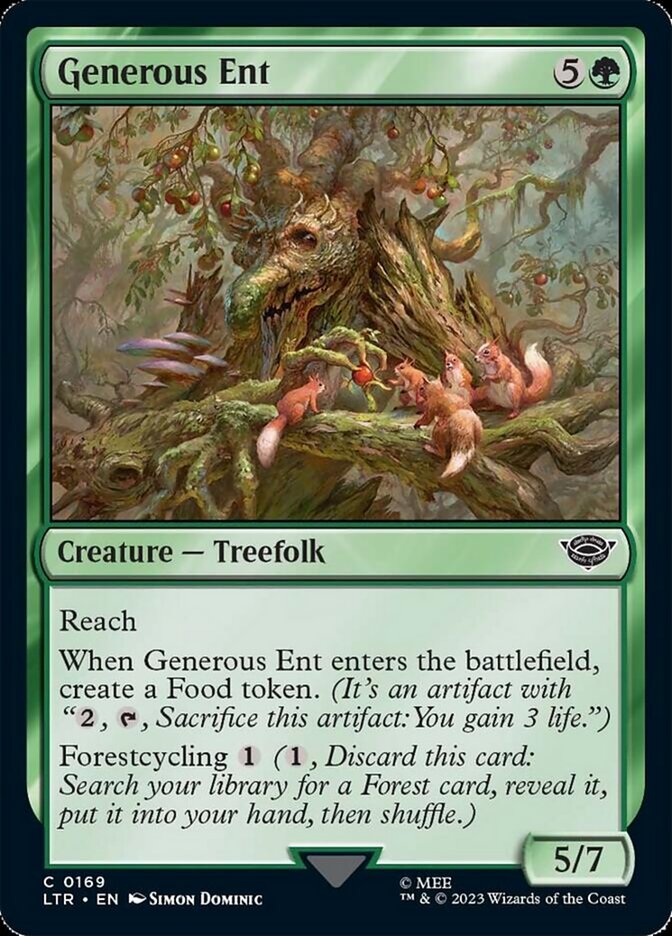
The cycle of basic landcycling creatures from the Lord of the Rings sets made a huge splash in Pauper, letting aggressive decks go down as low as 13 lands with consistent access to fetch effects. None sees as much play as Generous Ent, a huge defensive creature that can block those Sneaky Snackers and Bird Illusion tokens while it also creates Food tokens to stabilize your life total.
#30. Kor Skyfisher
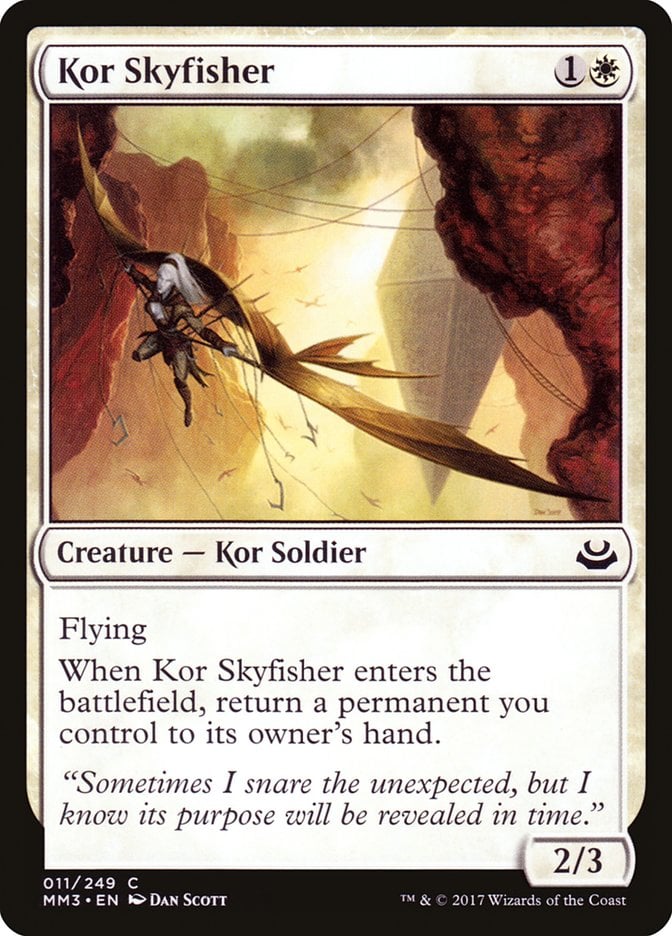
Enters abilities are rightly some of the most valuable effects in Pauper. Getting an equivalent of a sorcery or instant’s effect while you also drop a body to block or attack with is what this format’s miniscule inch-by-inch advantage generation is all about. Kor Skyfisher is one of the most effective ways to capitalize on those ETB effects; it lets you cast your Archaeomancer or Mycosynth Wellspring a second time while it also creates a 2/3 flying body for just 2 mana. Use this in tandem with a Thraben Inspector to create a near endless supply of Clue tokens and ensure that you never run out of cards in hand.
#29. Gurmag Angler
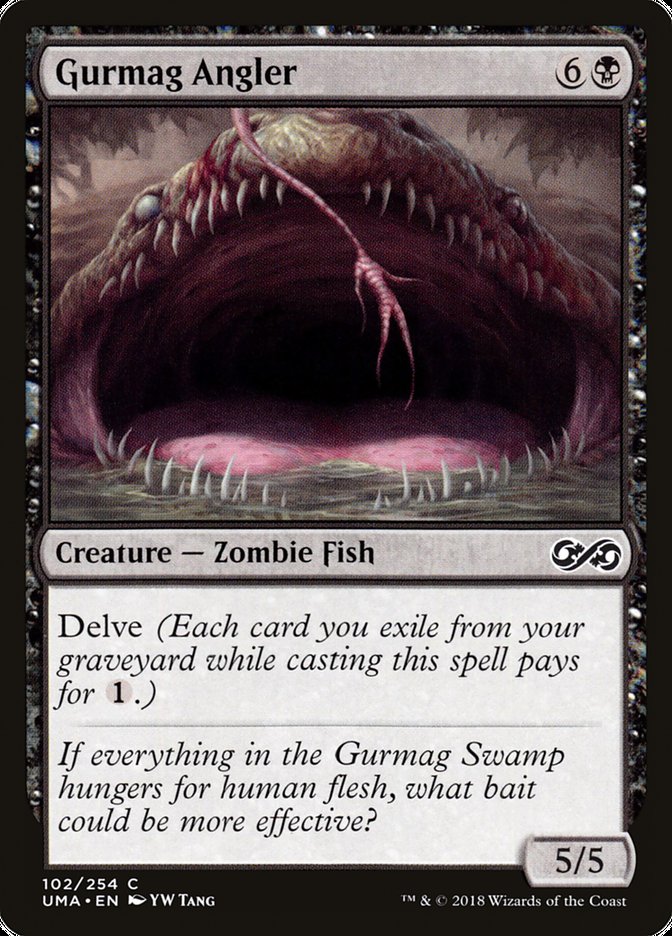
I don’t know how we got here, but 5/5 is the power/toughness ratio to beat in Pauper. Gurmag Angler could be responsible, as a common beater to drop in the mid-to-late game after you’ve filled your graveyard with exile fodder. Usually following up a Tolarian Terror, this beefy fish should only ever cost you 1 mana.
#28. Mulldrifter
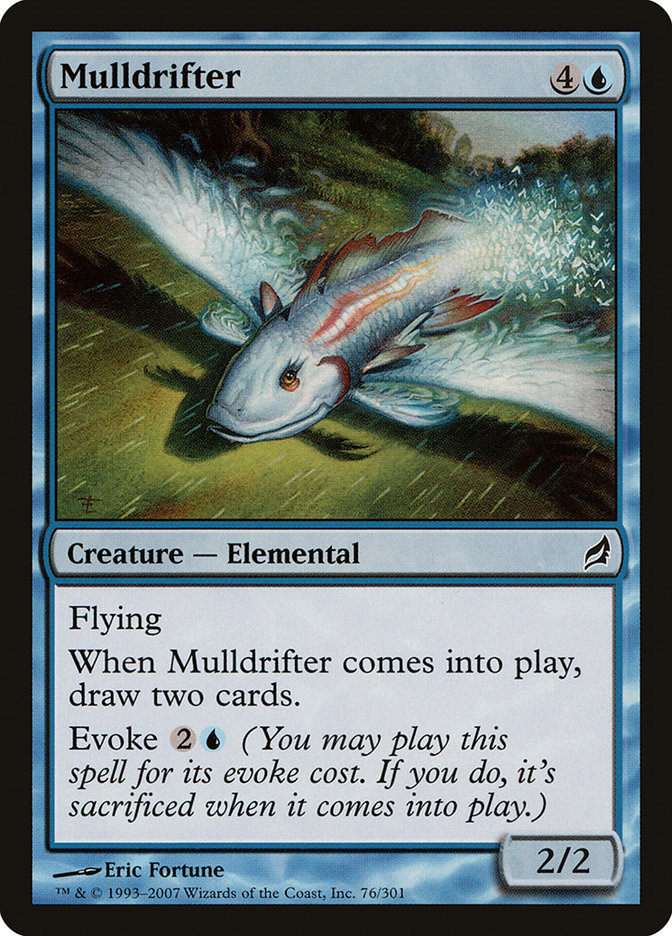
Mulldrifter is an iconic evoke creature played across multiple formats. It’s easily exploitable with blink effects; you can cast an Ephemerate on a Mulldrifter before it dies to its sacrifice effect to net four drawn cards, a 2/2 flying body, and another Ephemerate on the following turn for just 4 mana.
#27. Archaeomancer
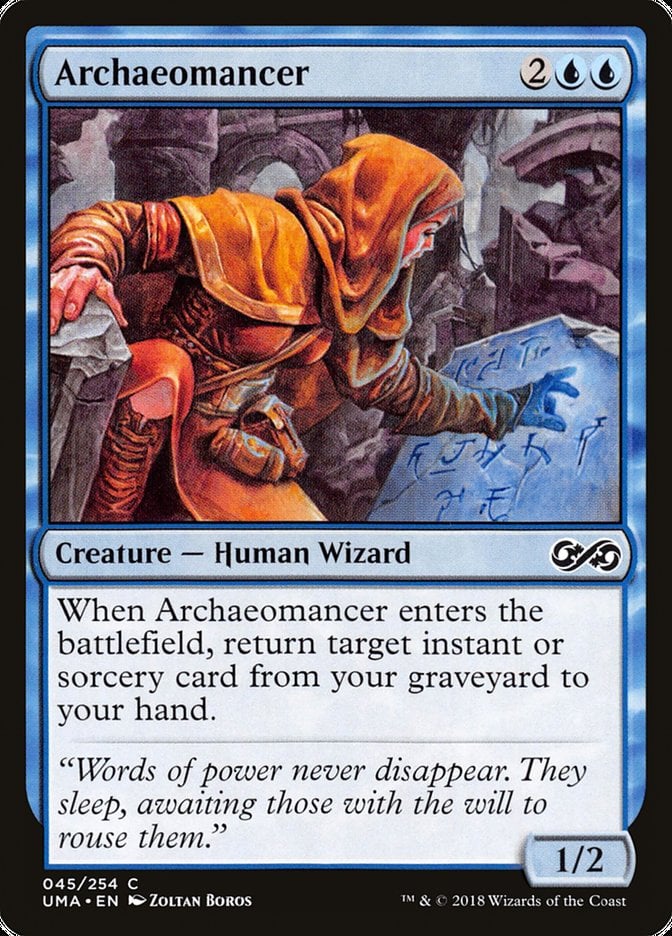
Here is my favorite instants-and-sorceries recursion in the format. Some folks opt for Mnemonic Wall over Archaeomancer, and that’s fair! Both are cheap enough to cast when you reduce their mana cost with familiars, though the wall is technically easier as it only requires 1 blue mana.
#26. Delver of Secrets
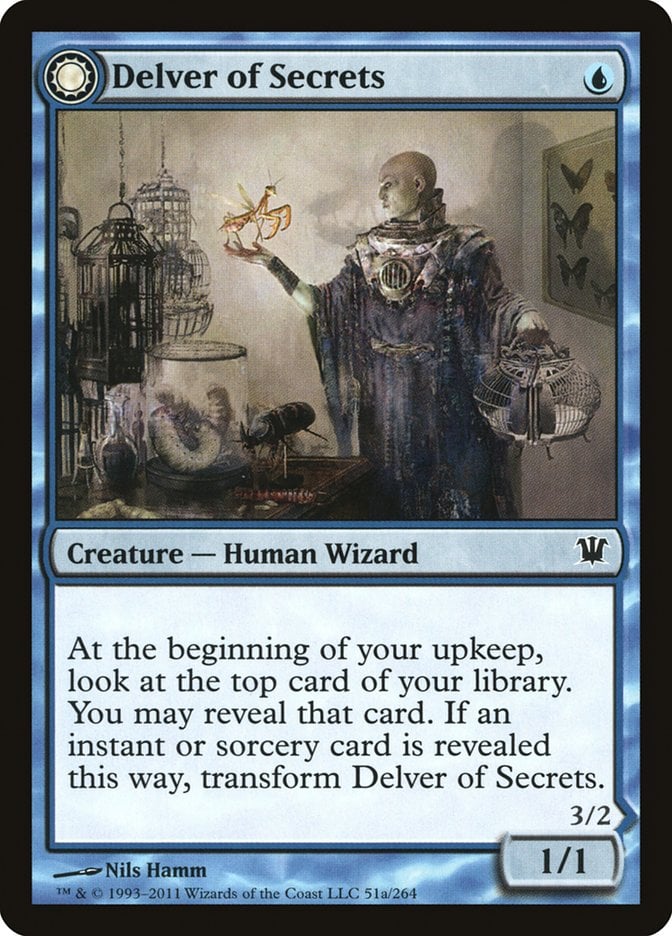
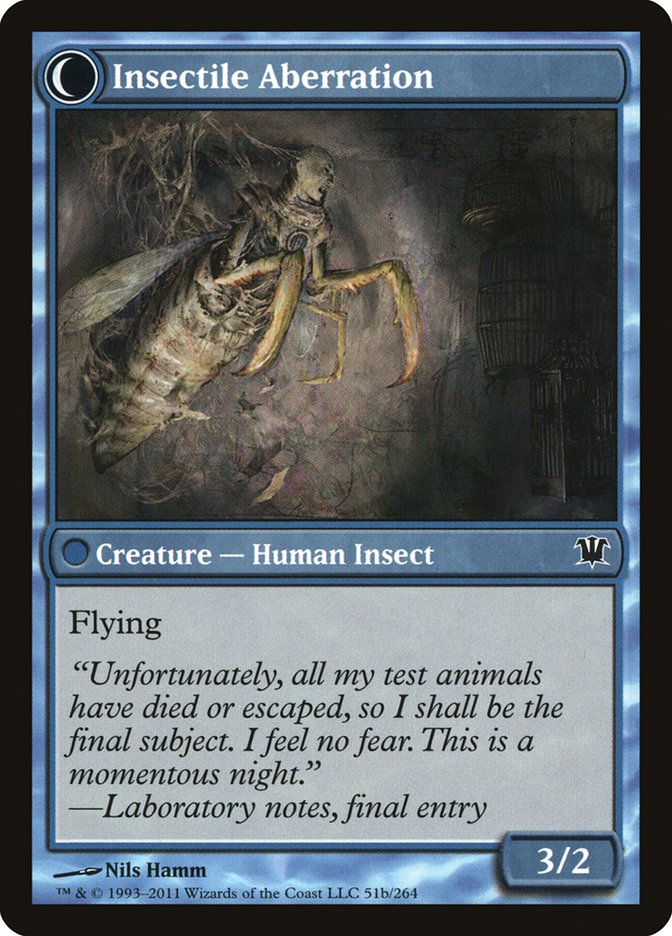
Delver of Secrets is effectively a 1-mana 3/2 flier. That’s it. I shouldn’t have to justify why that’s a ridiculously strong turn-1 play, especially when it’s the only creature in your deck.
#25. Slippery Bogle

Bogles is an archetype that sees play across formats and revolves around a plan to stick a Slippery Bogle to the field and then buff it with auras as your opponent struggles to be rid of it.
#24. Tormod’s Crypt

Graveyard hate is essential for every Pauper deck’s sideboard. Tormod's Crypt has been up-shifted since its original release in The Dark, but it’ll never leave the Pauper meta now. A 0-mana artifact that you can use as a surprise graveyard removal spell or just a cheap way to count up affinity makes this card a staple of the format.
#23. Ephemerate
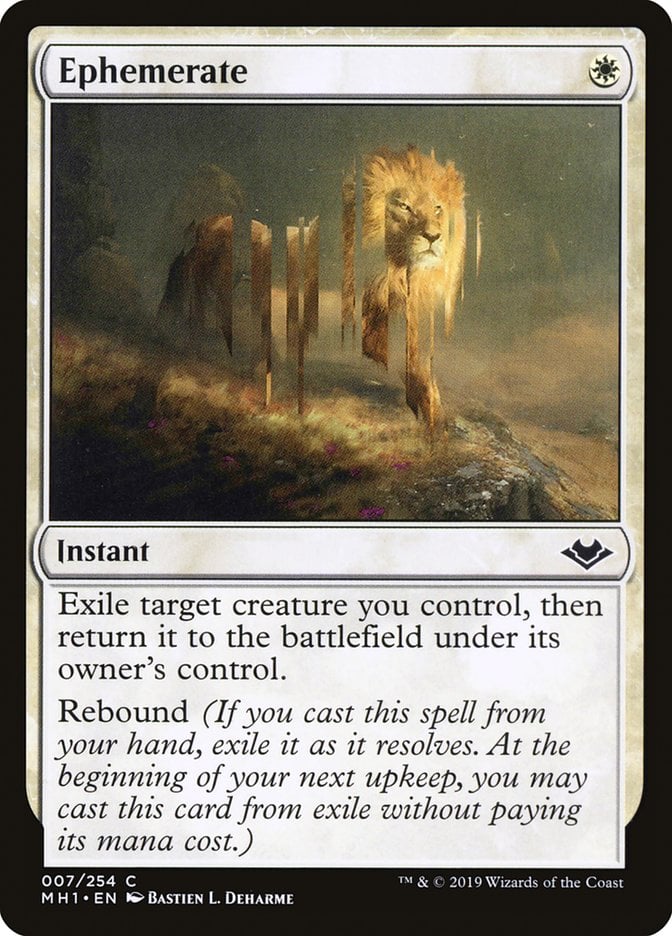
We’ve talked a lot about how ETBs are some of the best effects to capitalize on in Pauper, so it only follows that one of the best spells in the format is Ephemerate, also known as “Two Cloudshifts glued together” (maybe it’s only me that calls it that?). You can chain this together with cost-reducing familiars and instant-recurring Mnemonic Walls to blink cards left and right each turn and generate advantage or lock down your opponent’s combat step with a Stonehorn Dignitary.
#22. High Tide
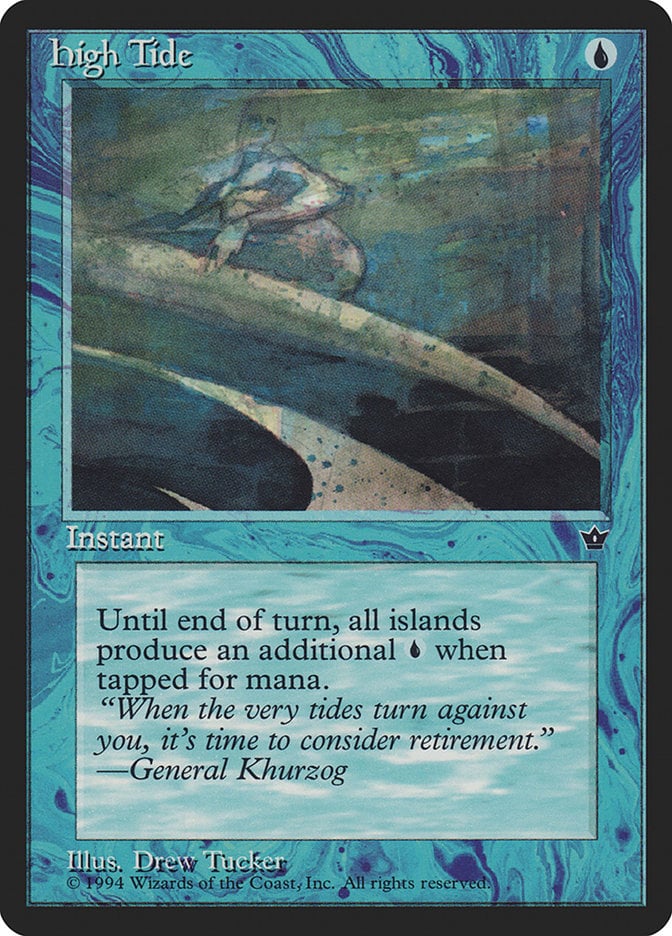
High Tide’s recent unban in Pauper has made waves, to say the least. A new combo deck has emerged that uses Stream of Thought as a win condition. It represented about 4% of the meta at Paupergeddon 2025.
#21. Crypt Rats
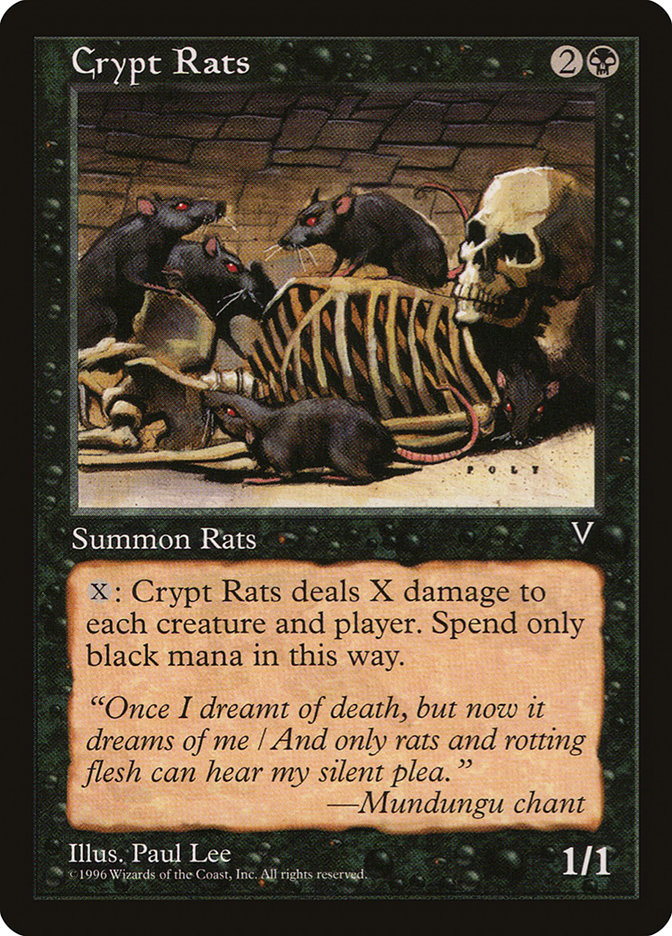
Board wipes are few and far between in Pauper, so any wonky way to access them is a must. Crypt Rats requires a significant mana investment to wipe anything tough off the board, but it does an excellent job of clearing out 1/1 Elf Warrior tokens and 1/1 Bird Illusions from Murmuring Mystic.
#20. Chromatic Star
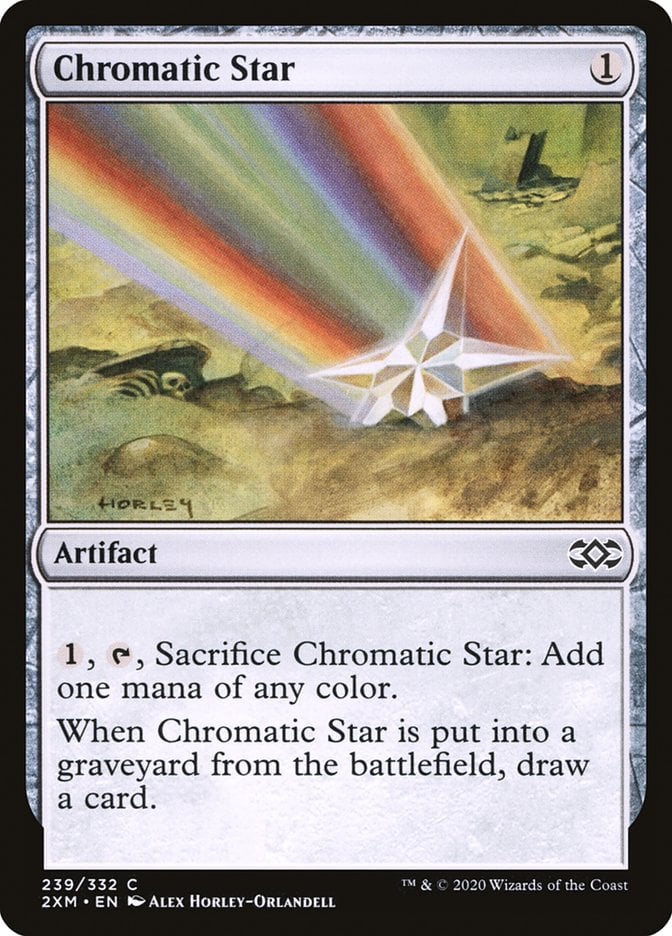
With little access to mana fixing via expensive rare land cards, cards like Chromatic Star are essential for multicolor and artifact decks to go off. As both a cantrip and mana filter effect, this card epitomizes the grinding advantage generation Pauper is known for.
#19. Fiery Temper
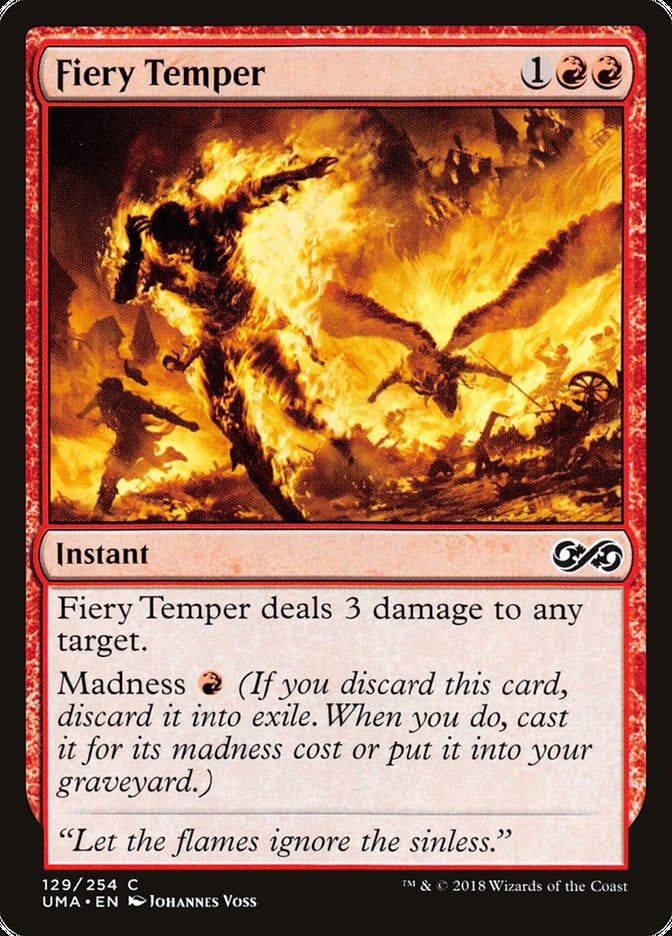
Fiery Temper is Lightning Bolts #5-8 in your madness burn deck. Easily enabled by Faithless Looting or any number of other loot spells in Pauper, this card has all the advantages of a 3-damage bolt, with the added benefit of having to cast another advantage-generating spell to enable it.
#18. Glint Hawk
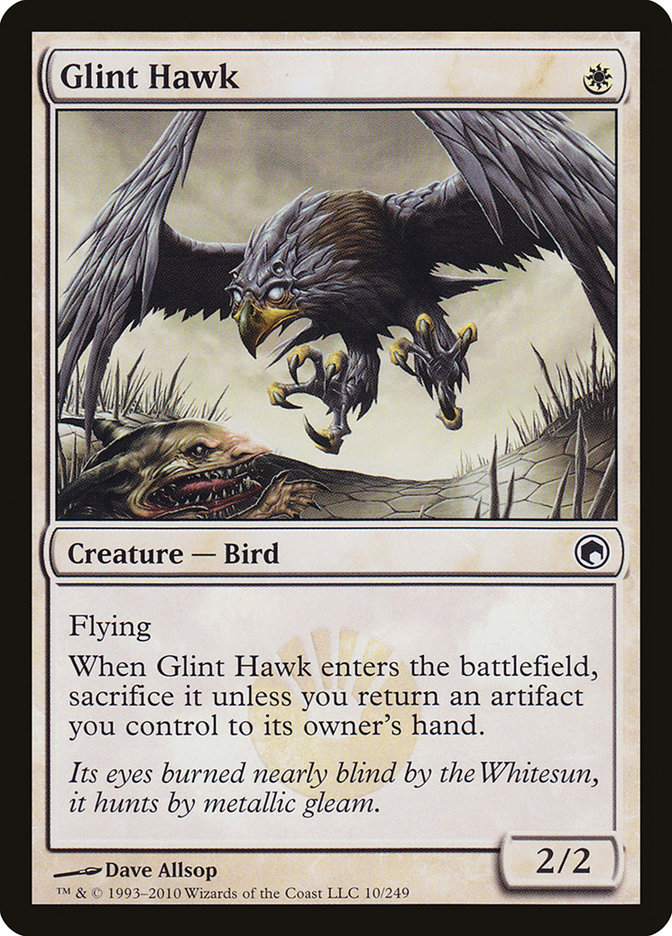
Glint Hawk works similarly to Kor Skyfisher, enabling us to bounce and re-cast artifacts. Its best target is Experimental Synthesizer, which digs through your library for more spells while you stick a 2/2 flier to the board for 1 mana.
#17. Cleansing Wildfire
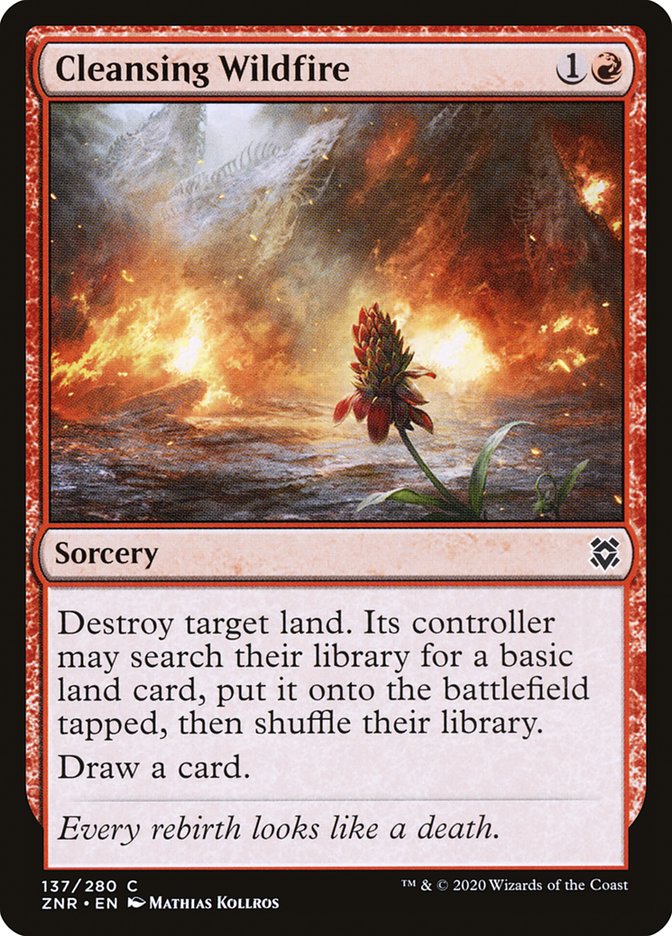
While I like to joke about my goofy Choking Sands deck, Cleansing Wildfire is actually where the best land destruction in Pauper is hiding. What’s funny is this card isn’t even used to destroy your opponent’s lands; instead, you cast it on your own indestructible land to fizzle the destruction effect while you draw a card and ramp your mana base. The perfect Rampant Growth-cantrip for the format!
#16. Spellstutter Sprite
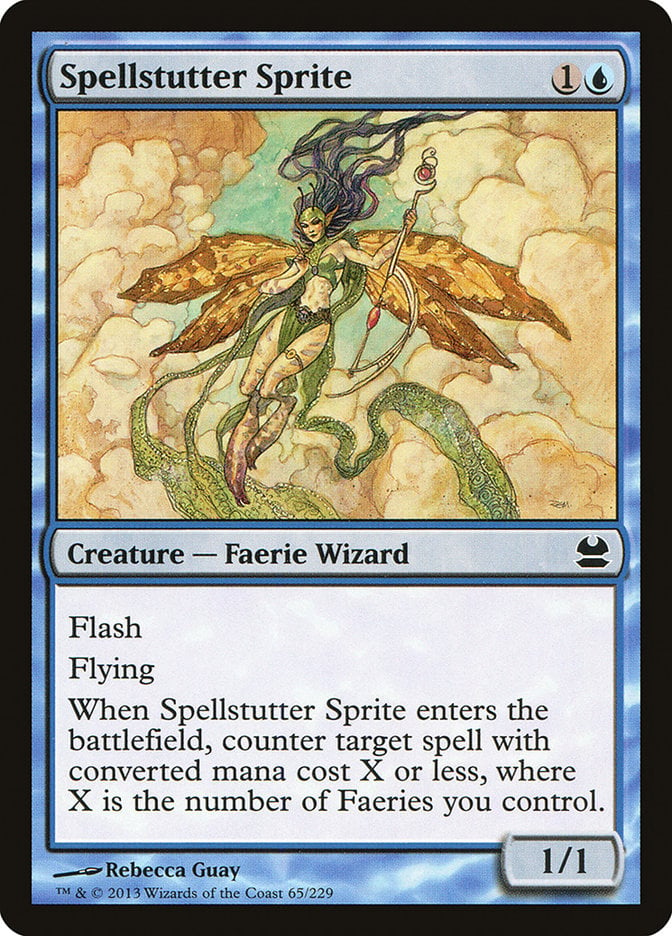
The Faeries archetype has fallen off in recent years, but it can still hold its own in the meta. This is due in no small part to Spellstutter Sprite, one of the best counterspells-on-a-body in all of Magic. You can flash in this 1/1 flier to put a stop to anything that your opponent tapped out to play, which can seriously ruin their turn in a format as slow as Pauper. One missed opportunity to run out a creature or assemble a combo can spell the end for any deck, which is why Spellstutter Sprite is one of our greatest tools.
#15. Myr Enforcer
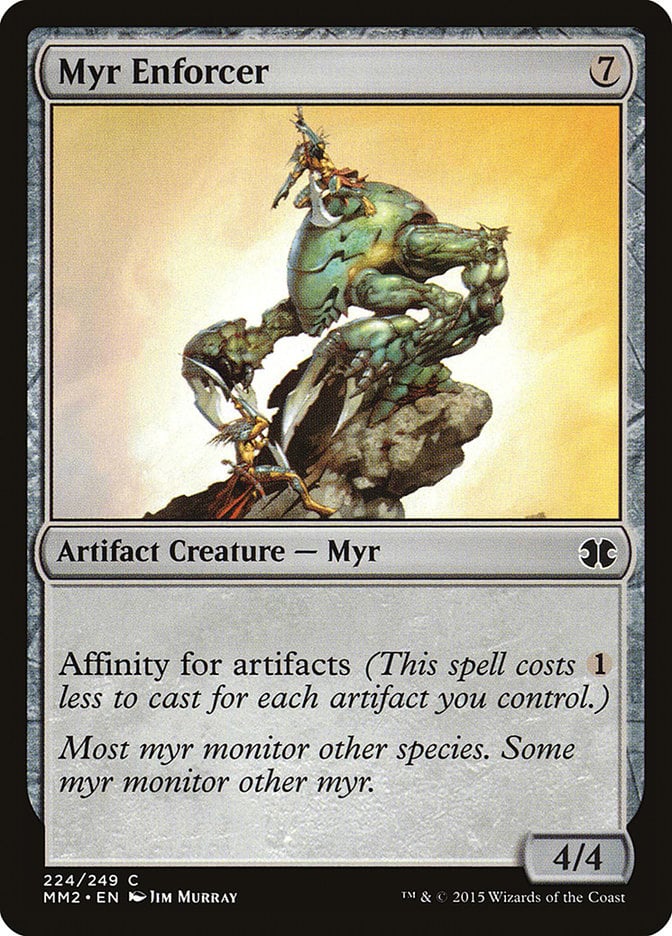
Here’s the big payoff for all those artifacts you played earlier. If you play your cards right, Myr Enforcer hits the field for free following those Inspectors and their Clue tokens. If you’ve kept pace with your opponent, you should see two or three of these hit the field all at once.
#14. Snuff Out
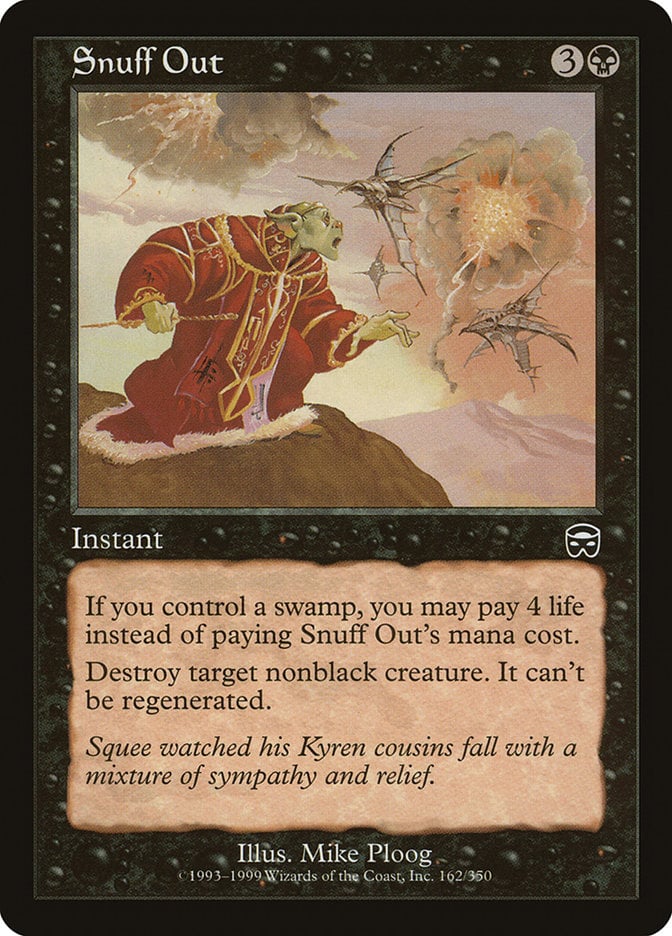
You wouldn’t expect a format composed entirely of commons to have such dangerous removal, but the effectively free Snuff Out would prove you wrong. There’s not a single black deck that doesn’t run a copy or two in the sideboard; I even mainboard it in my mono-black Ponza deck.
#13. Murmuring Mystic
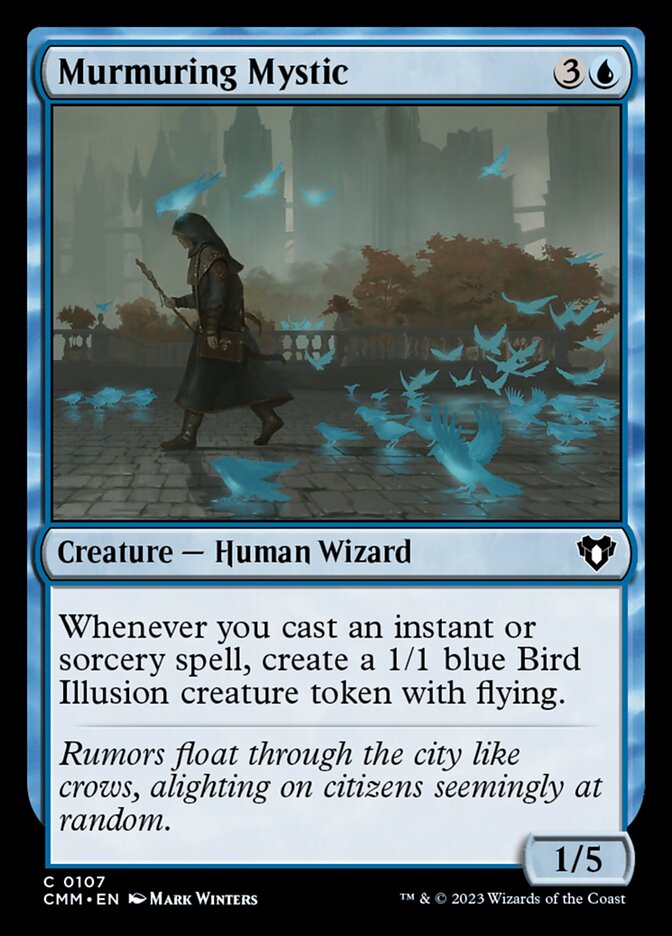
Storming off with Weather the Storm can gain you a lot of life, but Murmuring Mystic is what actually wins you the game. By turning that high storm count into an army of birds, you can close out games by chipping away at your opponent’s life as you absorb their responses with your fogs and lifegain.
#12. Cryogen Relic

Cryogen Relic was an instant hit for the long-standing affinity decks. It’s a cheap artifact that draws a card and has additional utility with sacrifice outlets like Reckoner's Bargain. Though there are mmultiple flavors of affinity in Pauper, they all run this.
#11. Lightning Bolt

Good ol’ Bolt. It wouldn’t be a playable format if we couldn’t pay 1 red to blast something for 3 damage (my condolences to the three of you playing Standard in the year of our Lord 2025). Lightning Bolt is a staple in just about every format it’s legal in, acting as a weathervane for whether any other burn spell is worth an inclusion.
#10. Giant’s Boulder
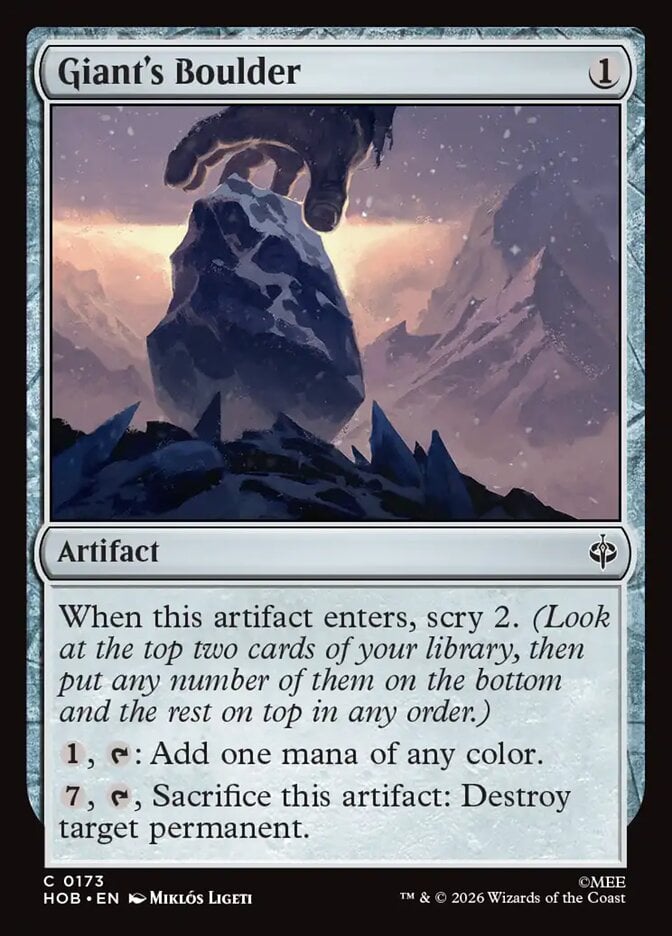
Giant's Boulder has hit Pauper hard, bolstering affinity and tron with color fixing. Suddenly, affinity can support four or five colors and tron gets incredibly consistent: The colors to cast its spells and a scry to set up cascade and future draws. It’s had an incredible impact for such a cheap card.
#9. Artifact Lands
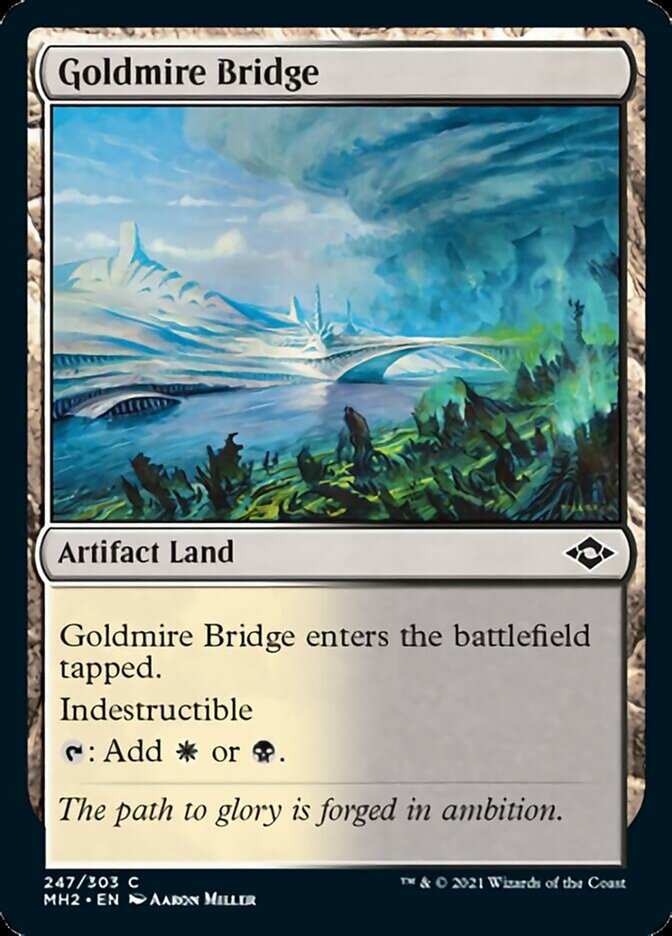
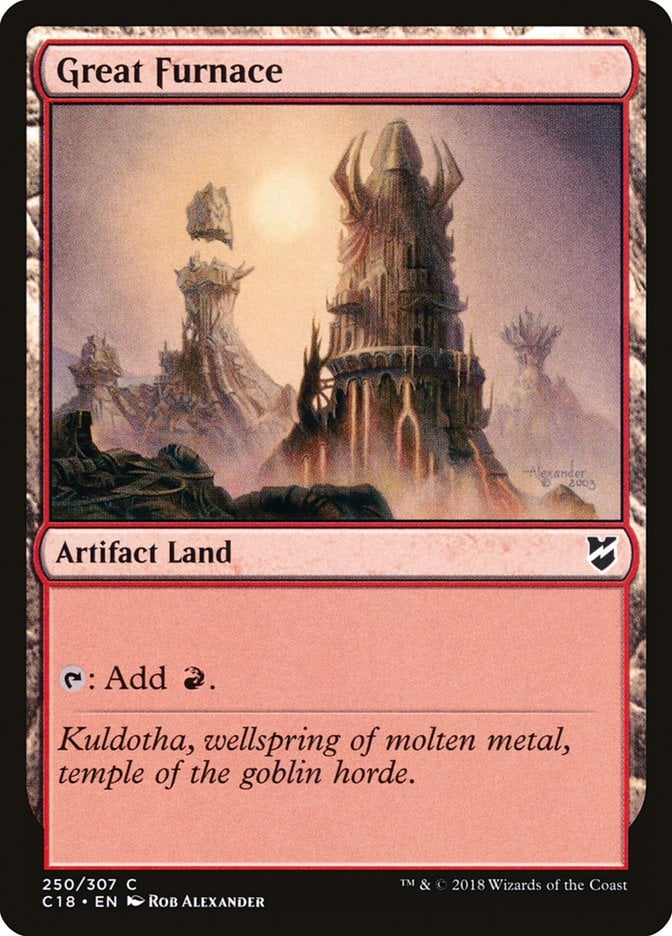
There’s been a lot of hubbub over whether the mono-color artifact lands should remain Pauper legal. They basically enable the affinity archetypes in the format, which makes it easier to drop Myr Enforcers and Frogmites left and right. They make your Galvanic Blast go off better than a Bolt, too.
#8. 1-Mana Color Hosers
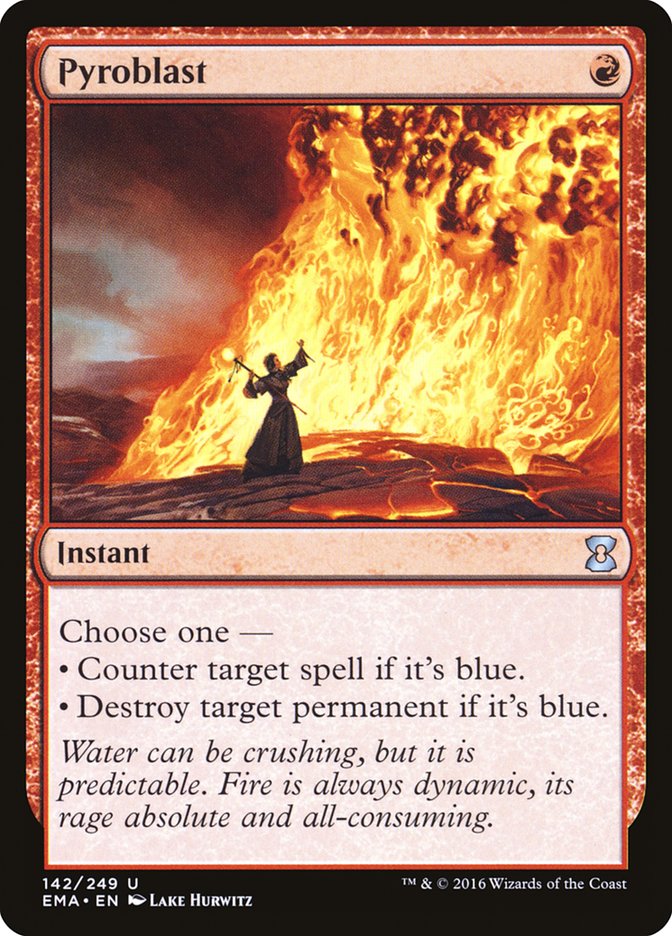
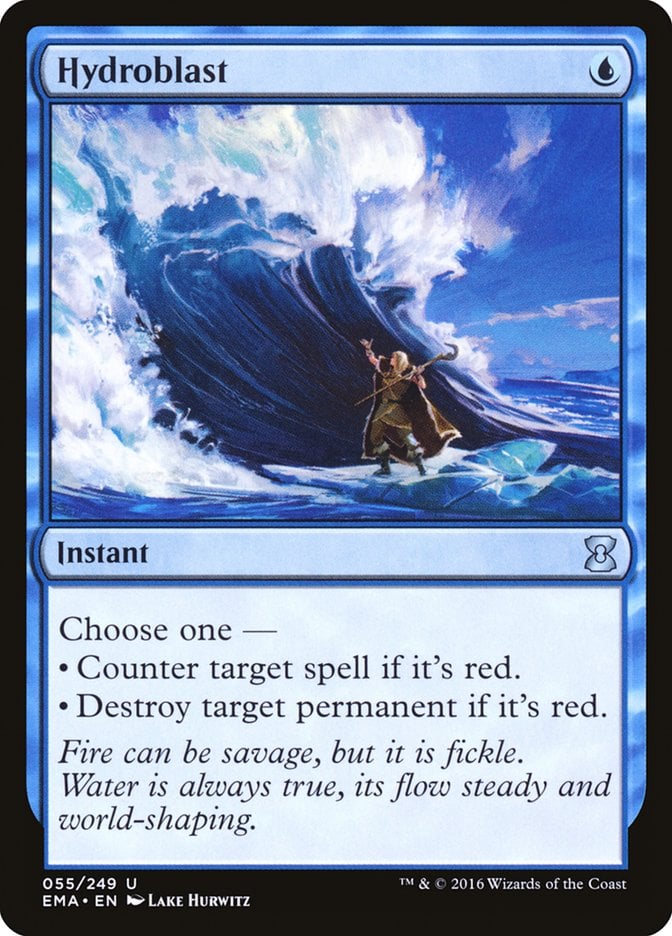
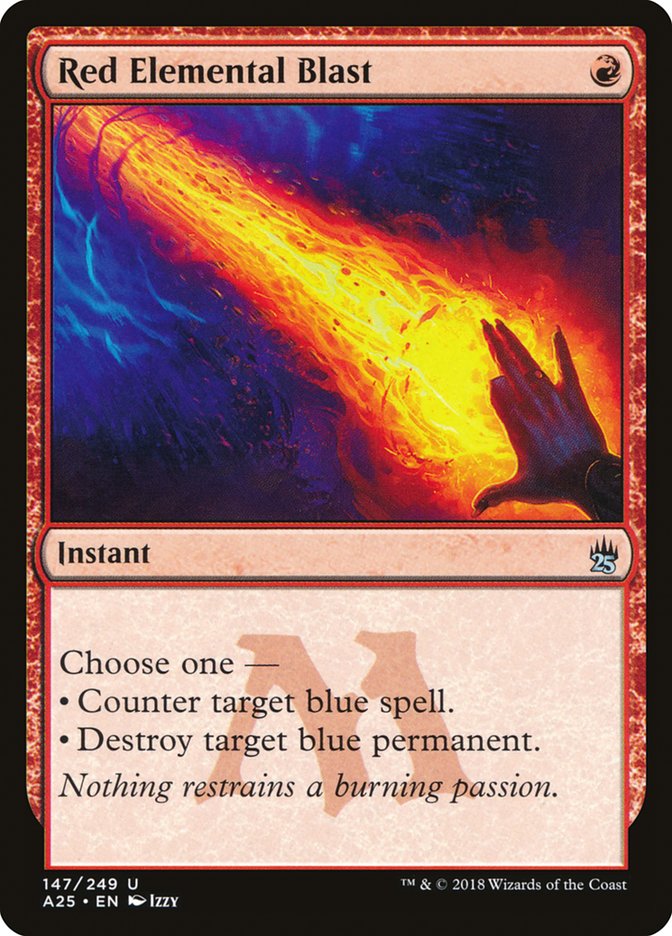
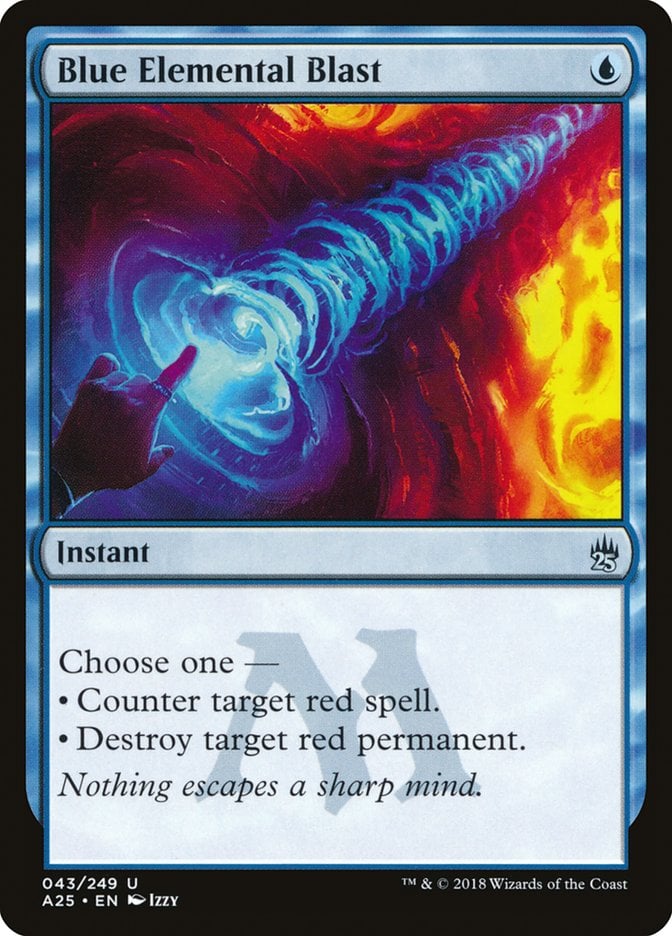
One-mana color hosers like Pyroblast, Hydroblast, Red Elemental Blast, and Blue Elemental Blast are invaluable in a format with so many red and blue threats to stop cards like Tolarian Terror and Lightning Bolt dead in their tracks. While they’re almost never mainboard cards, they appear in sideboards across the spectrum of Pauper decks, where they make repeated appearances in game 2s across the world.
#7. Baleful Strix
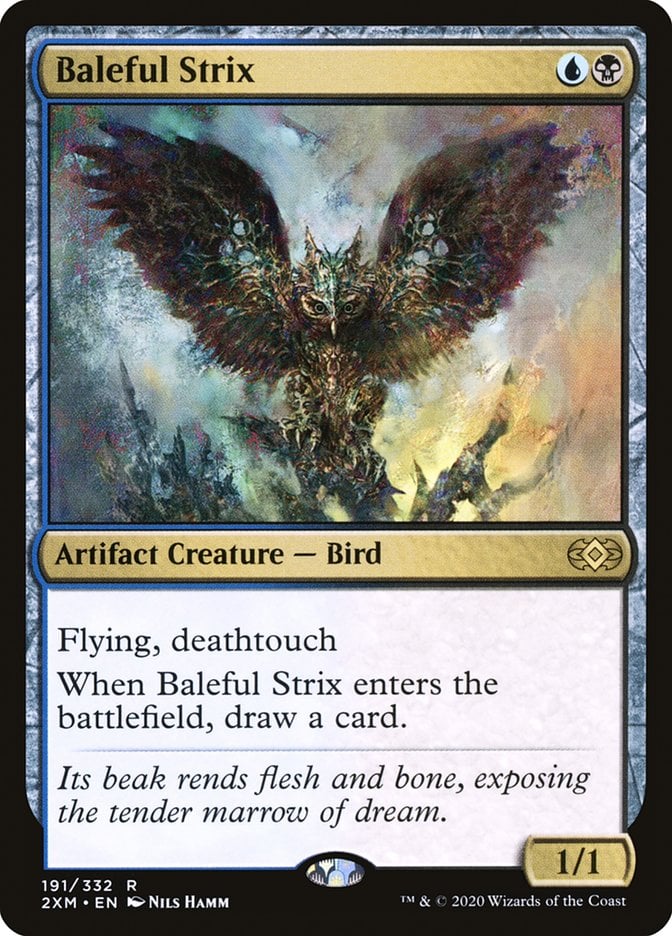
The very messy release for Secret Lair’s Project Zeta resulted in Baleful Strix becoming legal in Pauper, and it became an instant staple. Affinity loves it as a cheap artifact that cantrips and Dimir Ninjas loves an evasive creature with a solid enters ability. Expect to see this stick around as long as Pauper’s supported.
#6. Sneaky Snacker

Sneaky Snacker gave the Dimir () faeries deck that already ran around the top of the meta the booster shot of a lifetime because it gives them access to a free and easily recurable 2/1 flier to poke their enemies with. Easy enough to enable with a quick Brainstorm, and chances are you’ll run so much card draw that you’ll reanimate it by accident if you’re not paying attention.
#5. Tolarian Terror
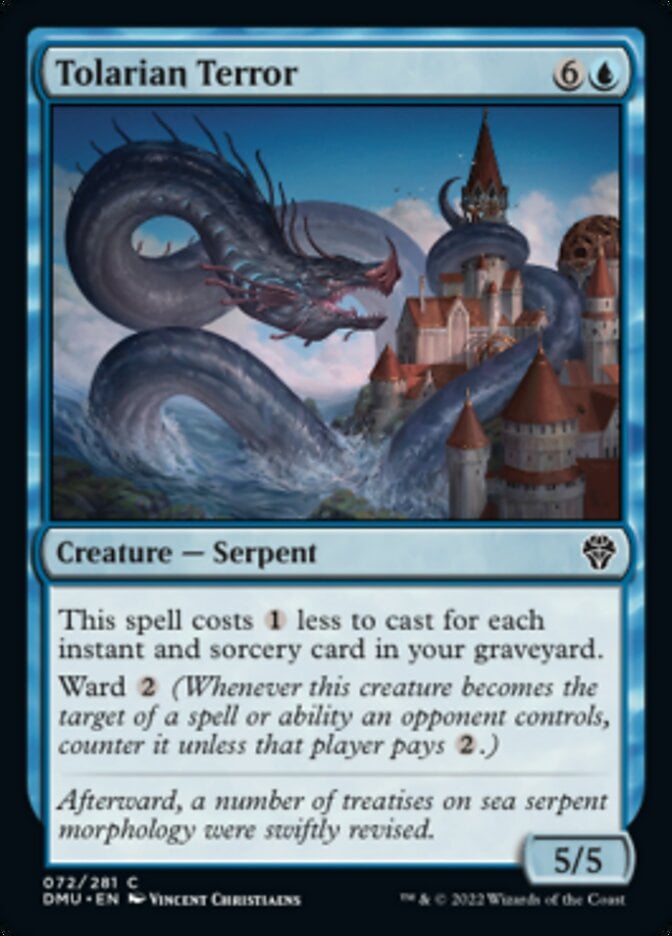
To say Tolarian Terror warped Pauper would be an understatement; the meta has basically reformed around playing or beating this big serpent. In a format where it’s easy to fill up your graveyard and 5/5 is the body to beat, Tolarian Terrors that come down on turns 2 and 3 can end games on their own.
#4. Lórien Revealed
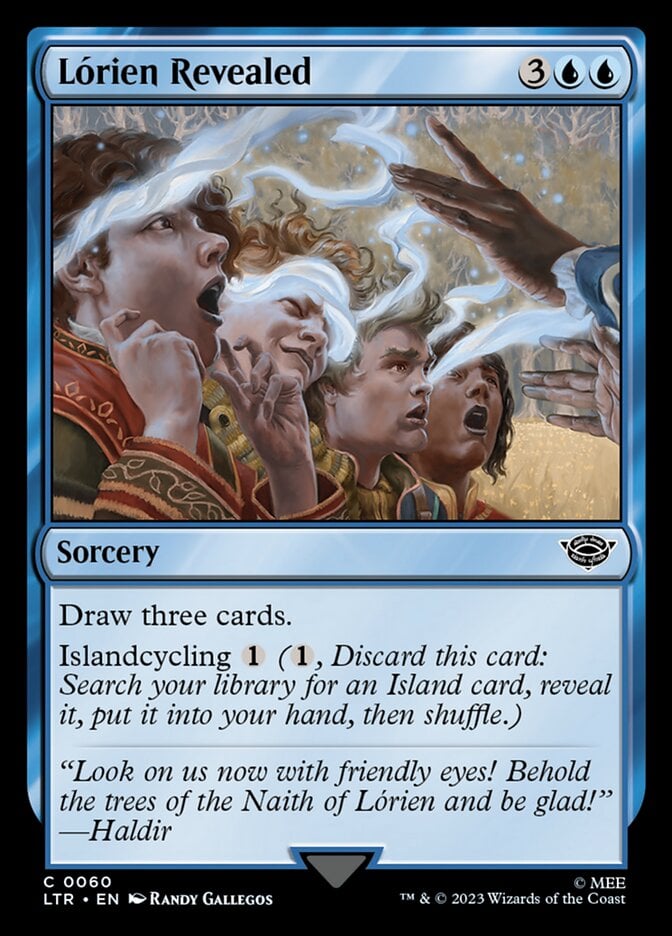
Lórien Revealed sees widespread play as a land that does so much more than tap for mana. It’s fixing early, a draw spell late, an Island that flips Delver of Secrets, a cheap way to get a sorcery into the graveyard for Tolarian Terror. If your deck touches blue, it should at least consider this.
#3. Faithless Looting
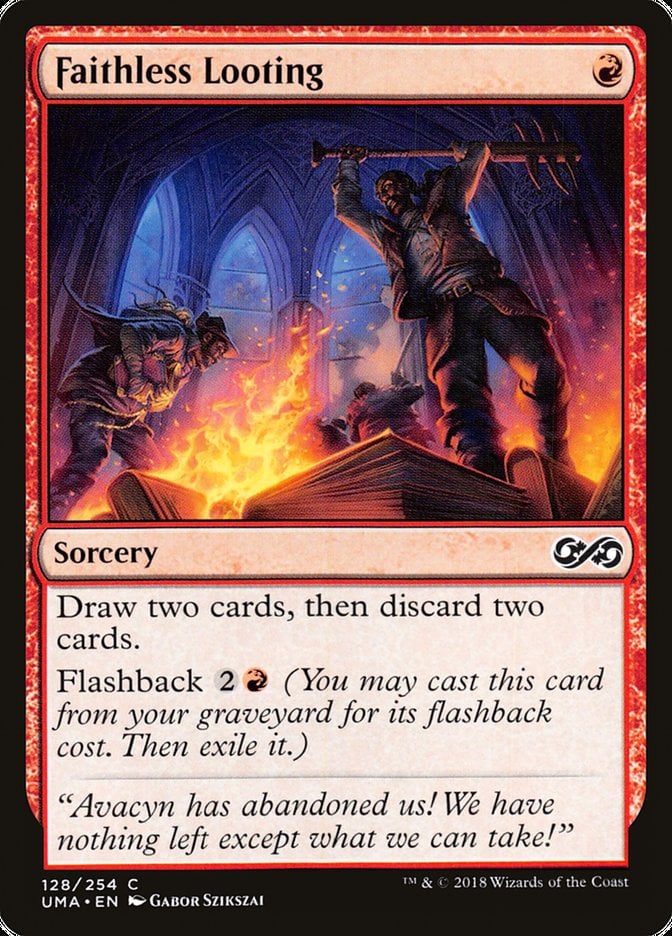
Madness effects see a lot of play in Pauper, with a burn deck centered around Fiery Temper taking up 7% of the meta at Paupergeddon 2025. Faithless Looting is probably the best enabler for madness and discard decks, appearing across the spectrum of burn decks and Sneaky Snacker decks as a powerful advantage-generating tool.
#2. Experimental Synthesizer
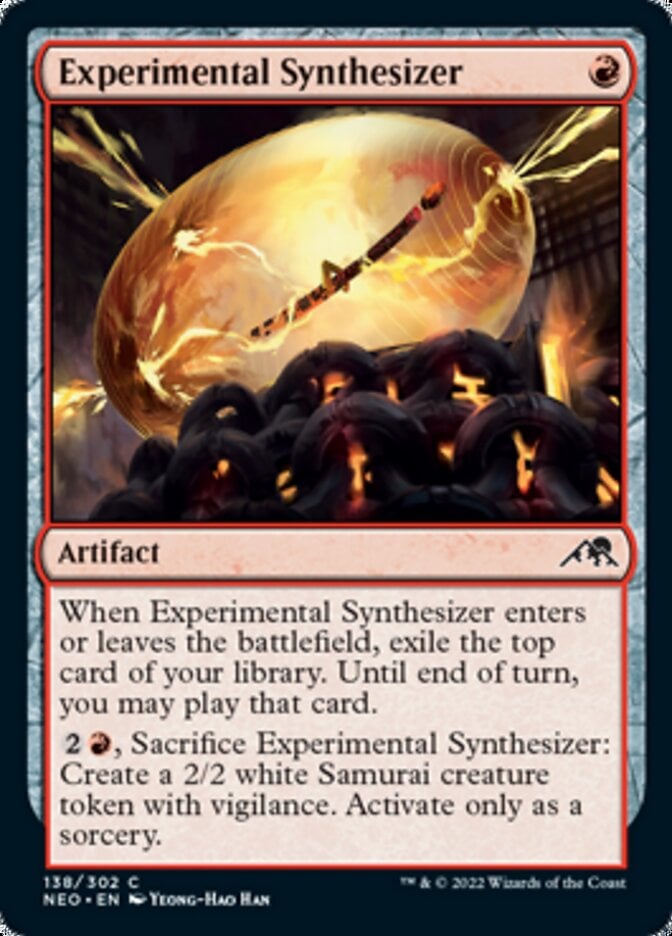
A 1-mana artifact that pulls two cards from your library and creates a 2/2 token by the time it leaves the field is amazing value in Pauper. Use it to enable your affinity cost reduction, bounce it with Glint Hawk and Kor Skyfisher, and sacrifice it for an extra card and a 2/2 with vigilance once you’re done.
#1. Tron Lands
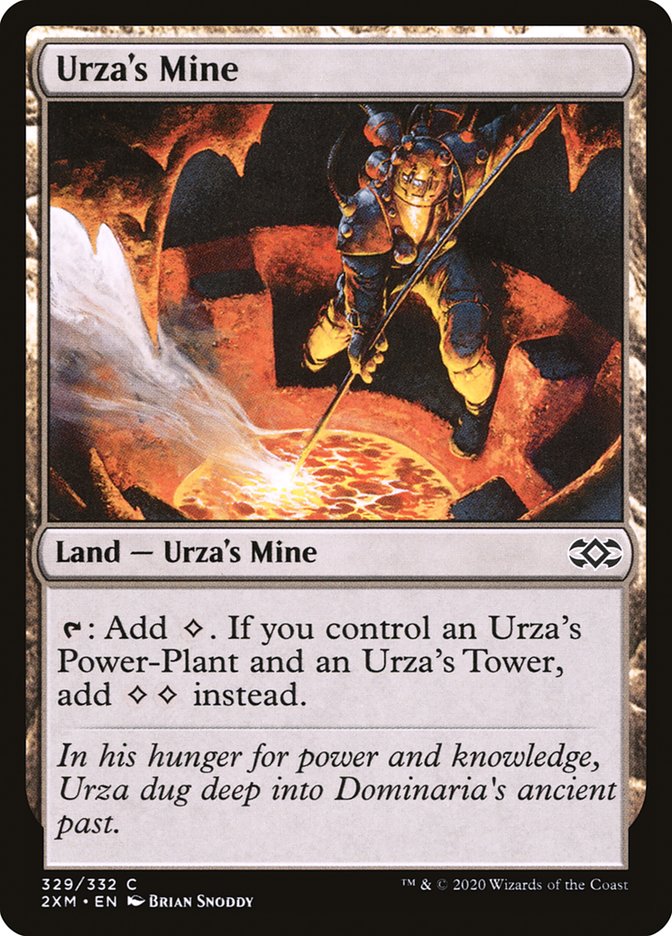
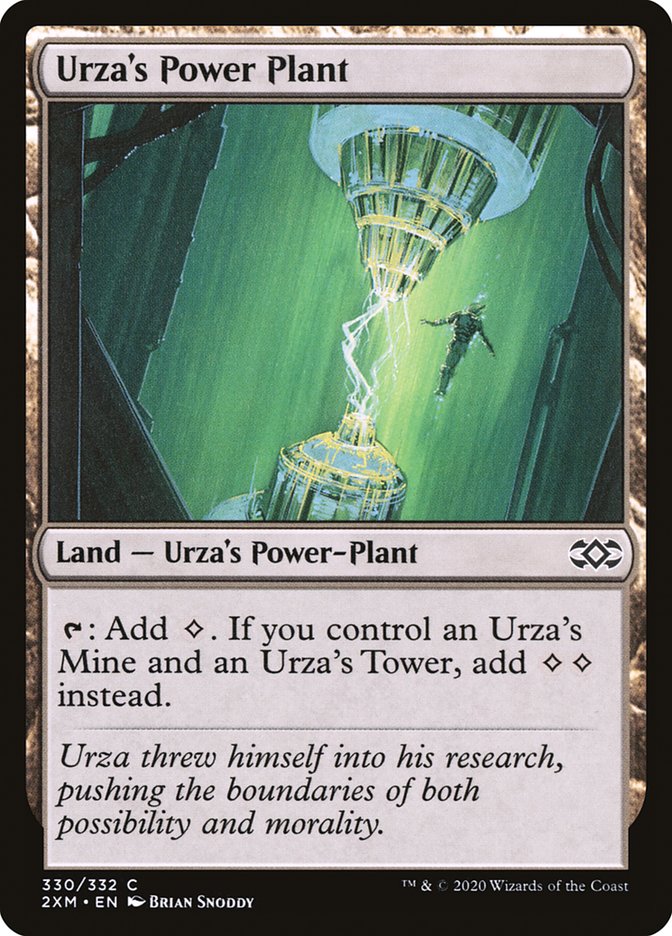
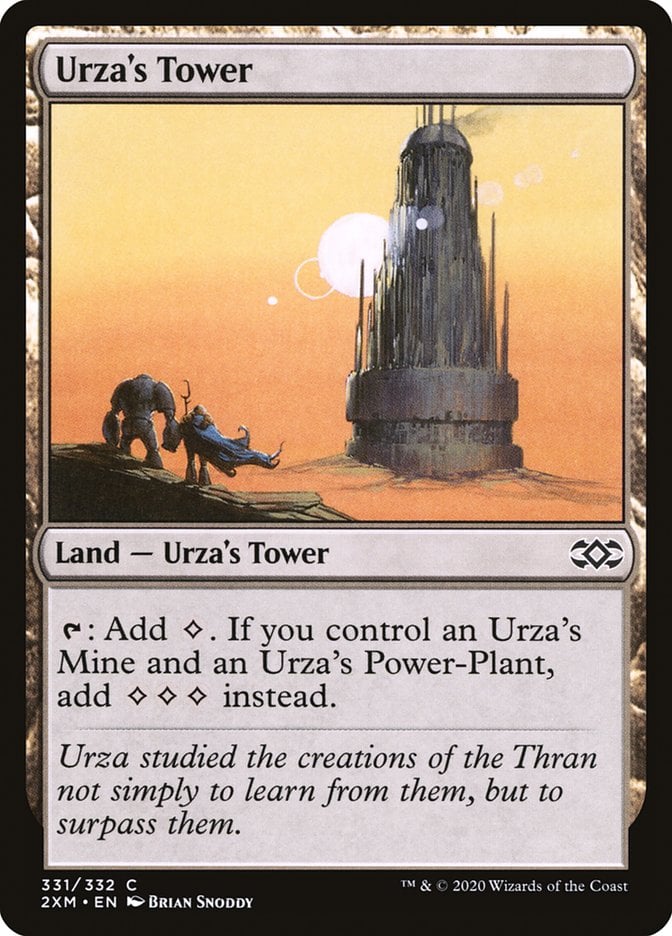
You knew they were coming. The Tron lands (Urza's Mine, Urza's Power Plant, and Urza's Tower) are essential for artifact decks, Flicker Tron, Altar Tron, and the rarely seen Fangren Tron decks that were present at Paupergeddon 2025. There’s no better way to get 7 mana on the board.
Why Are They Called Pauper Staples?
Pauper staples are cards that hold the format together – widely recognized as the best versions of their respective effects available in the format. “Staple” is Magic slang for commonly-used cards.
Why Are Some Uncommons Legal in Pauper?
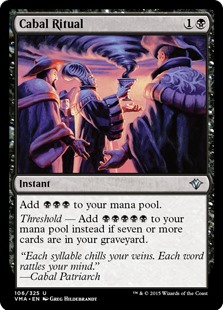

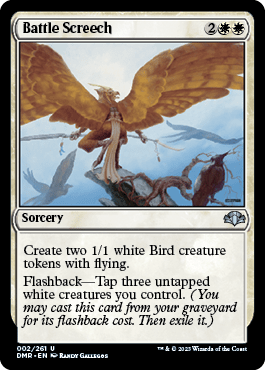
A card’s legality in Pauper is based on if it was ever printed at a common rarity. Some cards like Cabal Ritual were printed at different rarities in other sets (Cabal Ritual was printed at uncommon in the Magic Online set Vintage Masters). Battle Screech is an example of a card that was originally printed at uncommon in Judgment but was reprinted as a common in Vintage Masters and Commander Masters. This is colloquially known as “downshifting.”

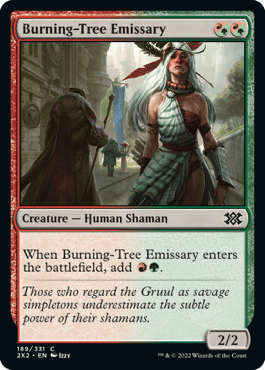
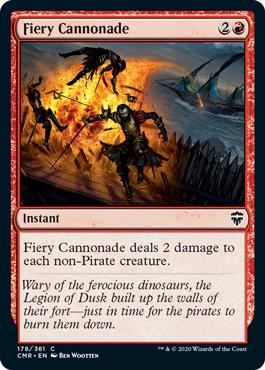
Some other popular downshifts include Elvish Vanguard, Burning-Tree Emissary, and Fiery Cannonade. You don’t need to run the common printing to include this card in your deck; the Judgment printing of Battle Screech is legal to include in a Pauper deck.
Wrap Up

Lotleth Giant | Illustration by Alex Konstad
Pauper is a format on the rise. Perhaps this is due in part to the rising cost of playing competitive Magic; with top competitive decks in other Eternal formats that top $1000, the urge to play a format where the top decks run less than $100 is nearly impossible to resist. It’s also the format of the patrician Magic enjoyer – the planeswalker who understands the subtleties of commons and their advantages in a low-power meta.
Which cards do you think deserve a spot on this list? Which ones aren’t as good as I claim? Let me know in the comments or join the discussion in Draftsim’s Discord!
Thanks for reading! Keep Paupin’ off!
Follow Draftsim for awesome articles and set updates:










Add Comment