
Last updated on January 2, 2026

Haughty Djinn | Illustration by Mike Jordana
Just when you think it’s over, the monster isn’t really dead and jumps out again! Just when you think the bad guy has won, our heroes’ allies finally show up just in the nick of time! These are some of the ways we generate excitement in storytelling, cutting narrative timing as close as we can.
And that’s the appeal of a tempo deck for its aficionados in MTG. Similar to the feeling in an aggro deck when you dome them with a Shock or topdeck a Phoenix Chick for that last point of lethal damage, a tempo deck plays on an exciting margin, often down to the deck’s last answer if victory is achieved.
But what is a tempo deck? How should you play one? And what should you do when facing one? All that’s to come. Just a sec. First I’m going to cast this Lofty Denial….
What Is a Tempo Deck in MTG?

Fading Hope | Illustration by Rovina Cai
A tempo deck is a creature-based, control-leaning deck that focuses on cheap interaction and card draw. This differs from a proper control deck which often has a good preponderance of the very best and most efficient cards for its slots.
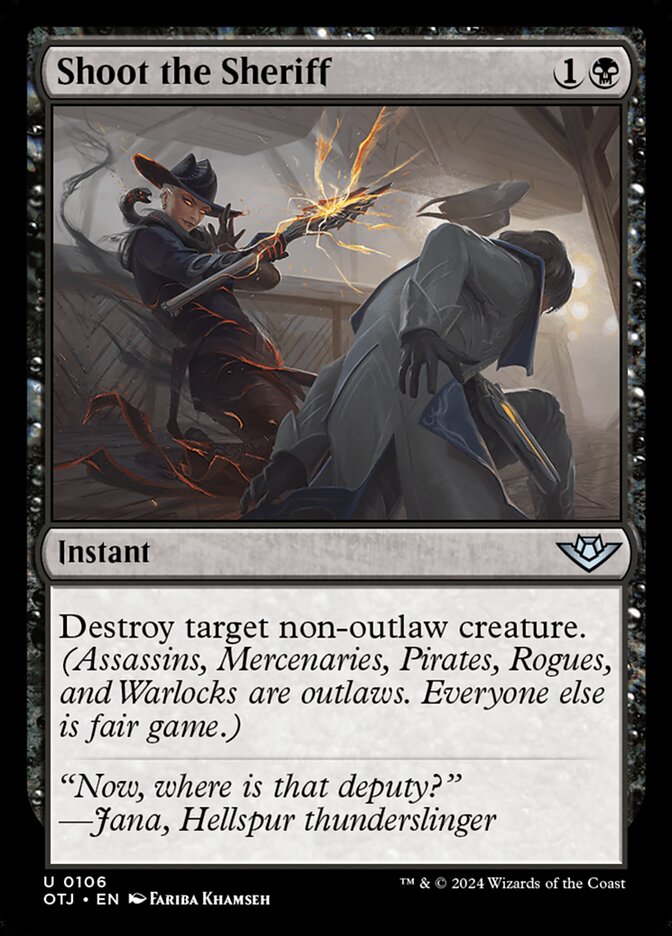
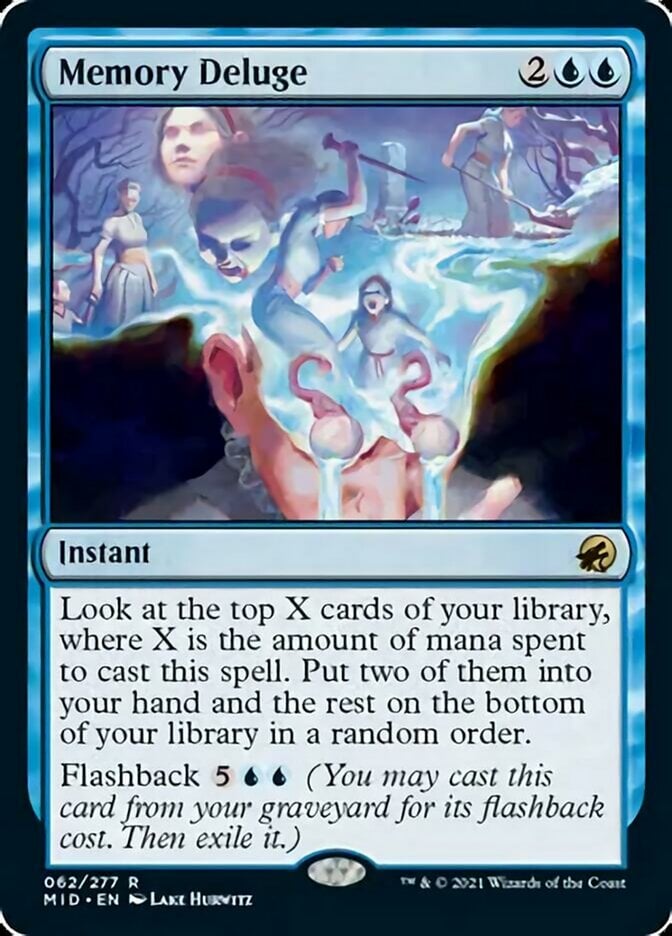

For a control deck, a sweeper is more efficient than a Shoot the Sheriff. A planeswalker can generate more long-term value than a creature if you can keep it safe. And a big card draw spell like Memory Deluge or Accumulate Wisdom gets you a lot of cards and selection, at convenient instant speed.
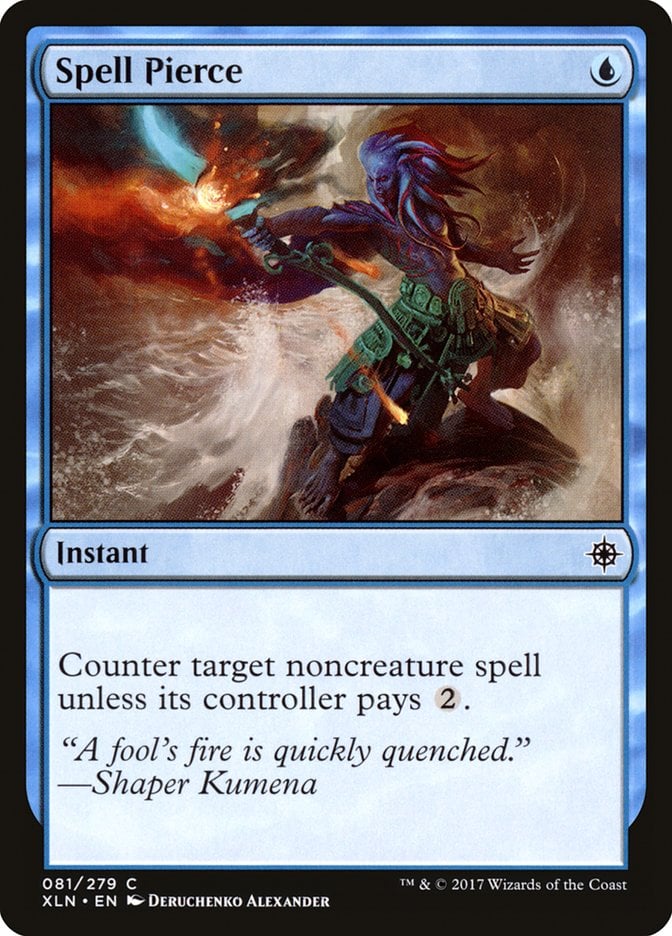
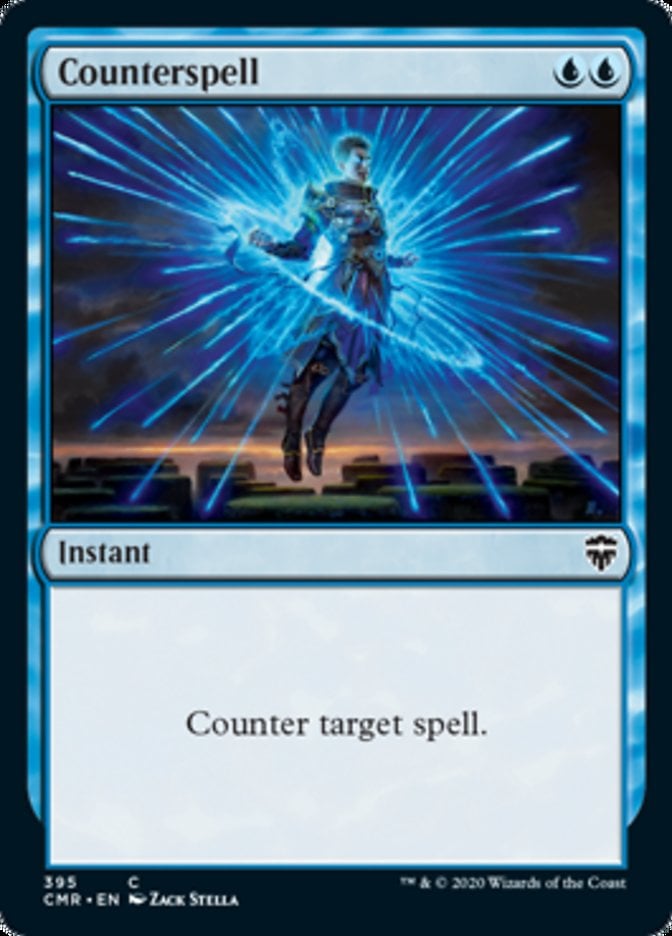
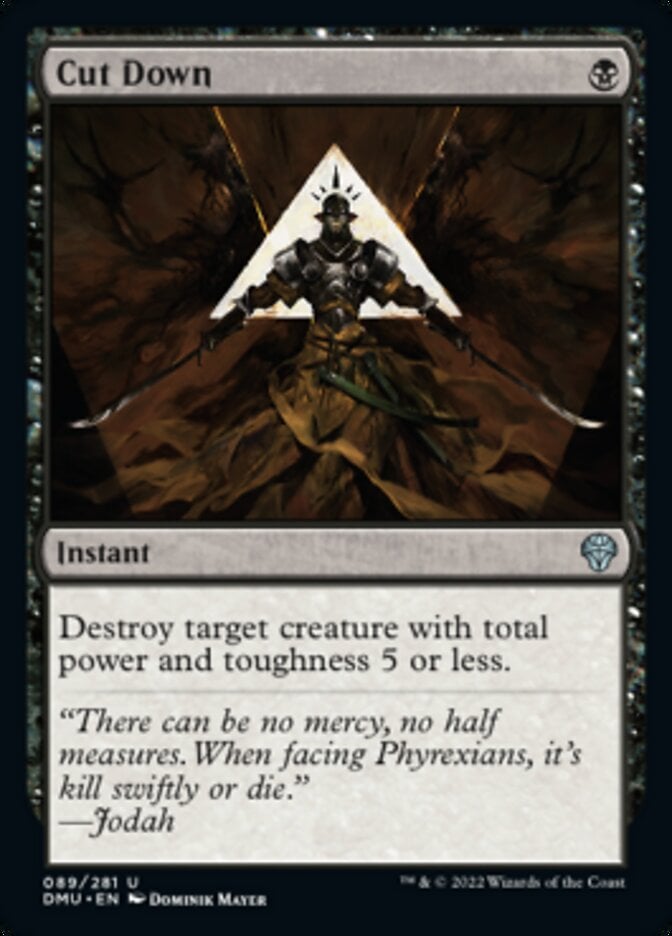
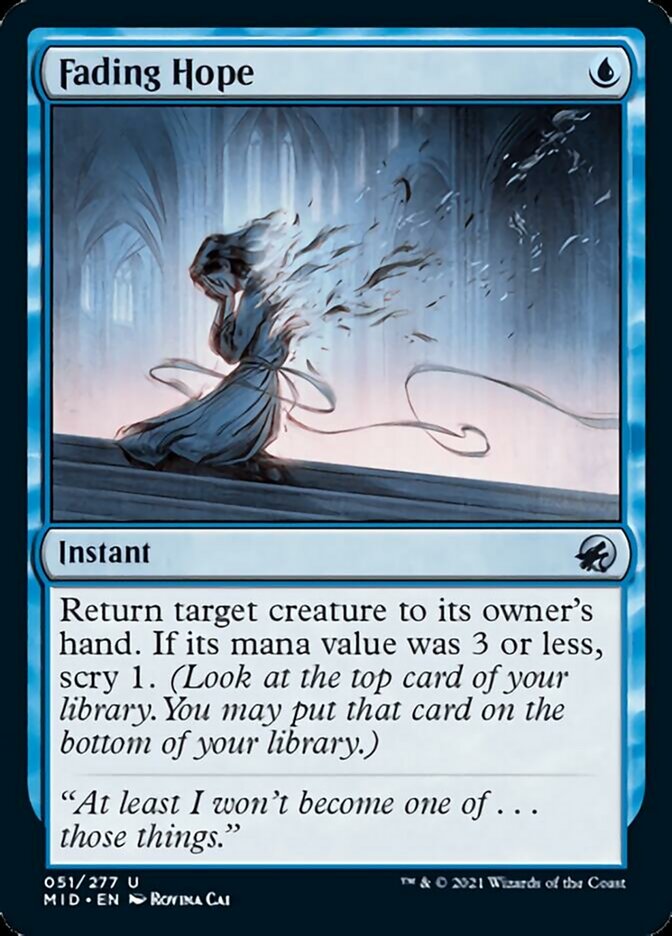
A tempo deck looks to win quickly, so it will use a cheaper spell of lesser effect to enable it to still populate the board with small creature threats. A Spell Pierce, for example, is not as powerful a spell as Counterspell, but it is more efficient and easier to cast. A tempo deck will also use a lot of cheap spot removal like Cut Down or bounce spells like Fading Hope to just keep the lanes open for a few more turns until victory.
As defined by Reid Duke, tempo in Magic is about using your mana efficiently and deploying threats effectively. These are decks that are designed to do that as effectively as possible.
Elements of a Tempo Deck
Lands
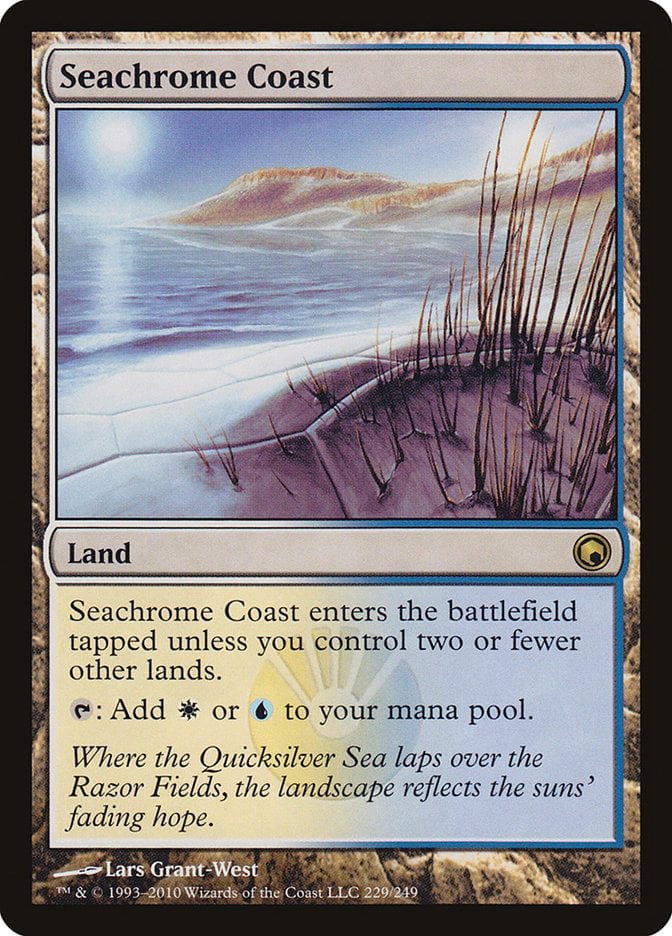
To start, you don’t have time for tap lands. You need to spend 1 mana on turn 1 (yours or your opponent’s), 2 on 2, etc., until you’ve built an overwhelming advantage. Most tempo decks are one or two colors because of this.
Creatures
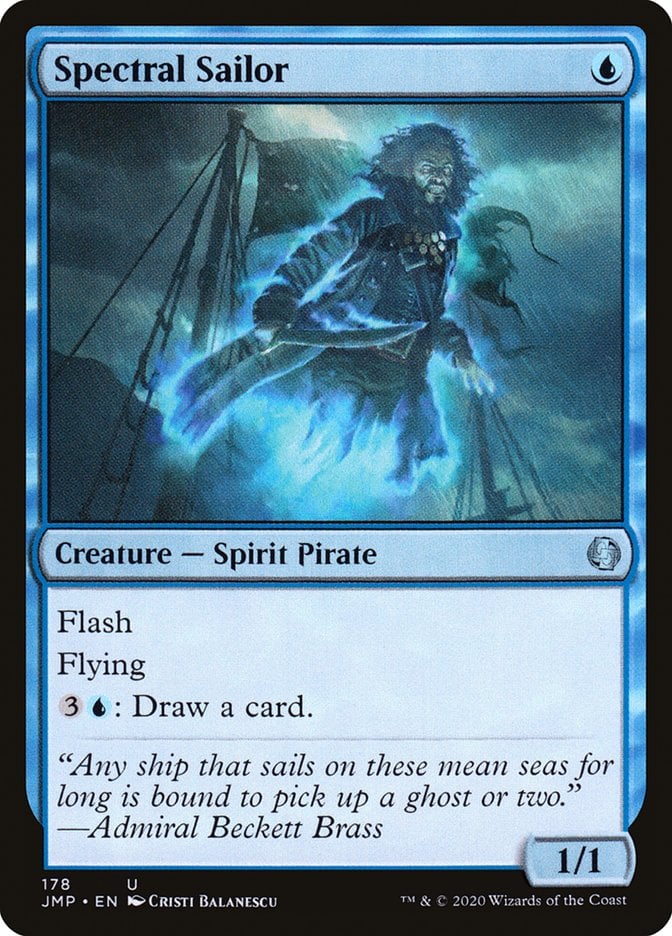
You need to be able to deploy early threats to win the game, and so you will need to focus on cheap creatures. Creatures with flash like Spectral Sailor are especially valuable, because as the game goes on, you can keep up mana for spells and then dump them onto the battlefield on opponents’ end steps.
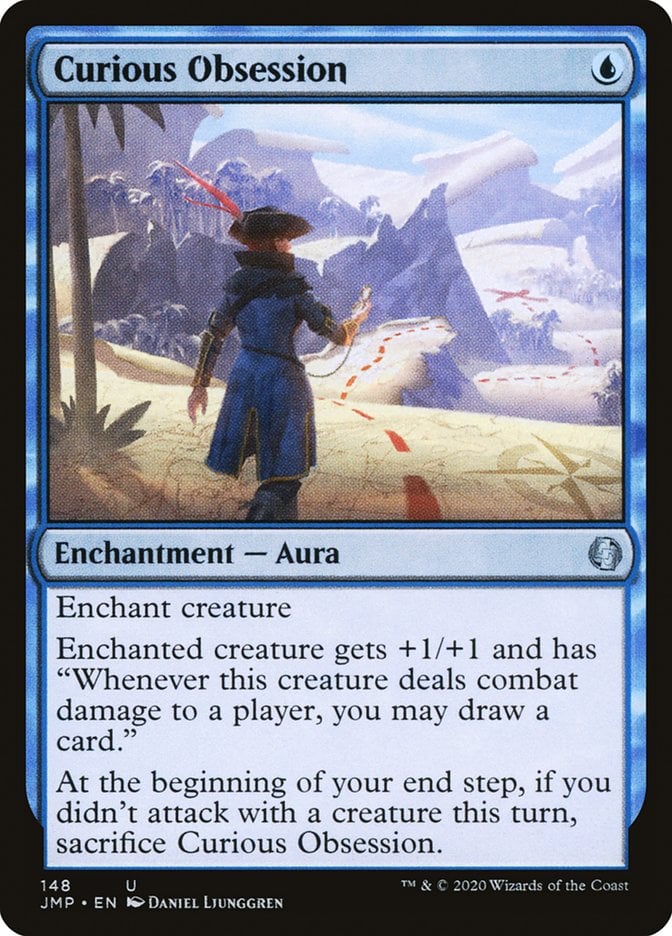
In the Curious Obsession deck Autumn Burchett piloted so effectively at the first Mythic Championship, a big expensive creature was the 3-mana Tempest Djinn. Burchett identifies tempo decks with Legacy Delver decks, which center on a classic 1-drop, Delver of Secrets.
Counterspells
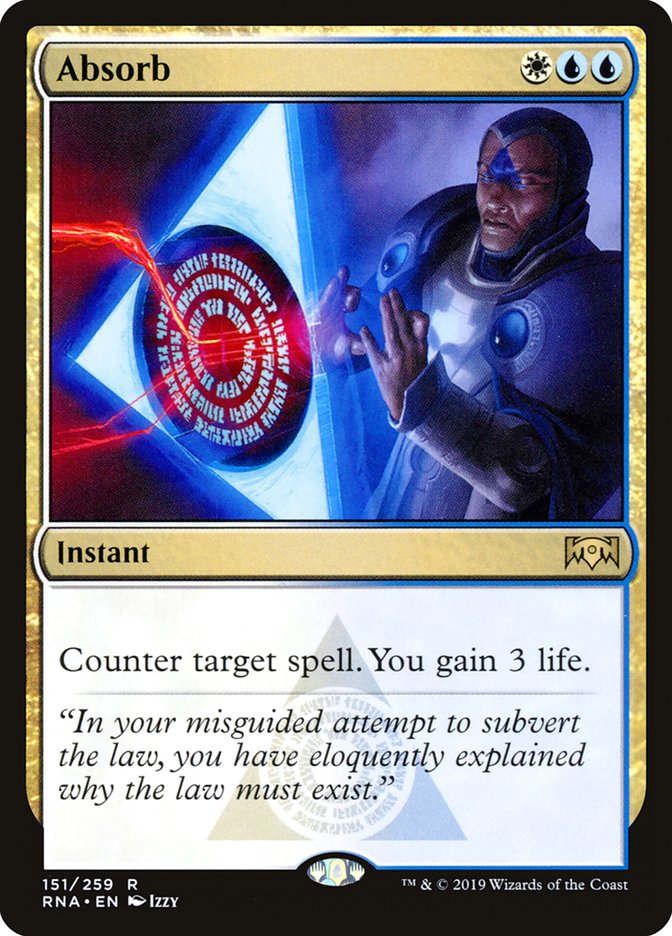

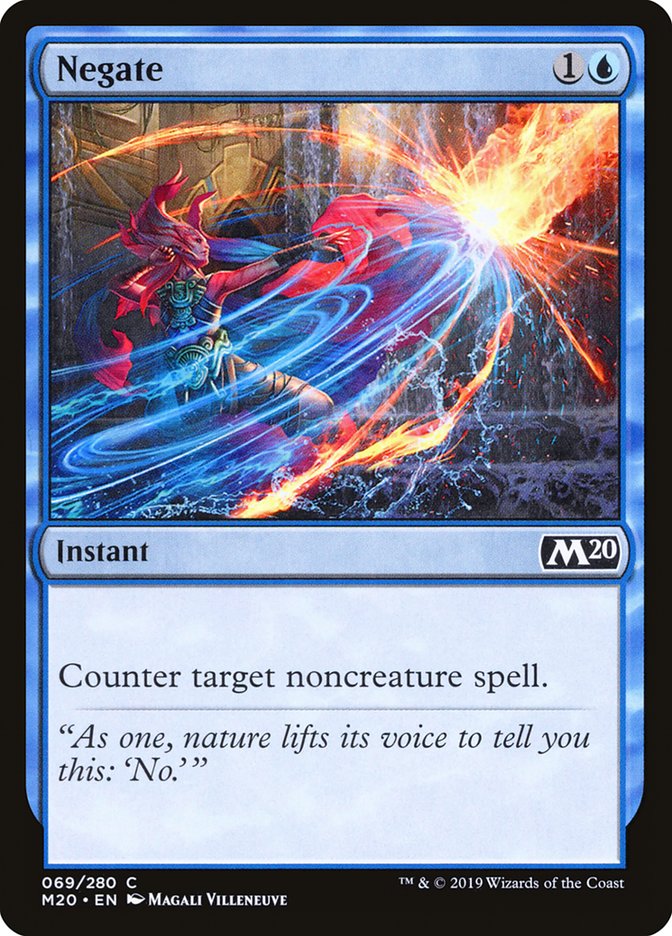
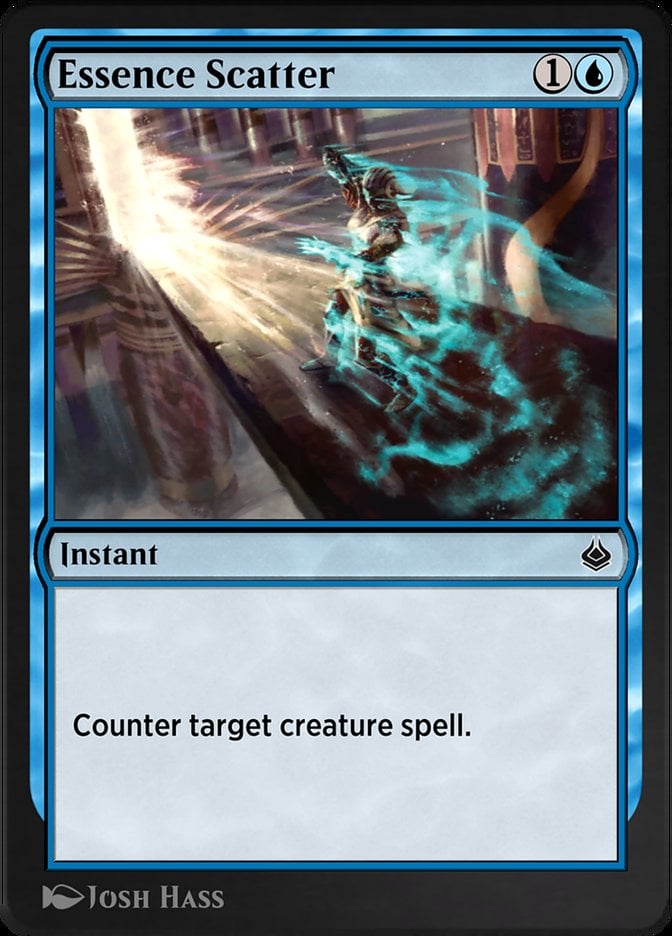
Unlike a control deck’s haymaker counterspells like Absorb, a tempo deck needs 1-mana counters like Spell Pierce or Spider-Sense and really efficient 2-mana counters. In formats where actual Counterspell isn’t legal, that leaves tempo mages in a bind, because the classic 2-mana full counters, Negate and Essence Scatter, limit their applications, making it possible to just have the wrong card in hand too often.
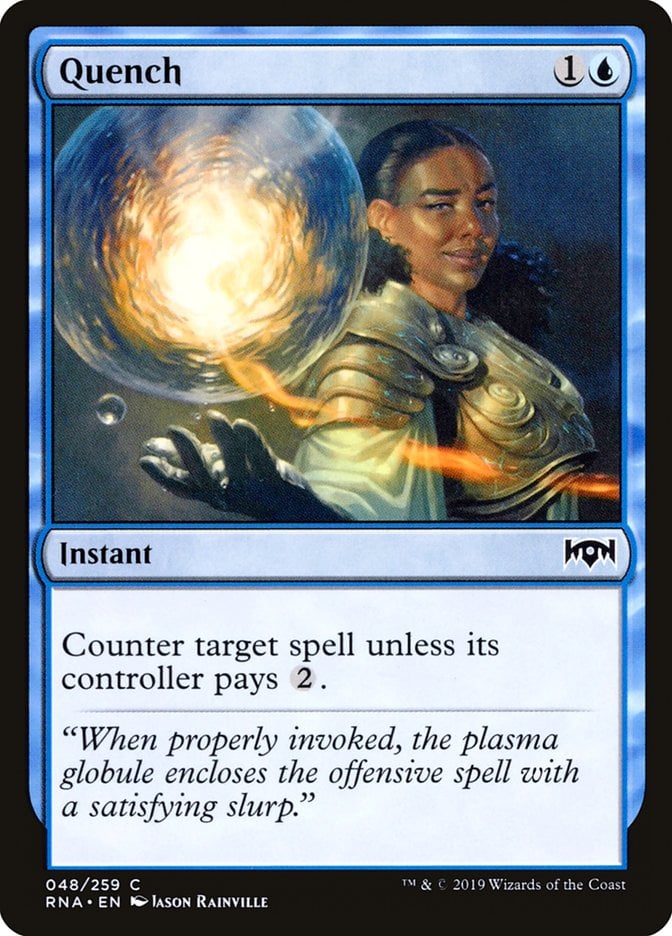


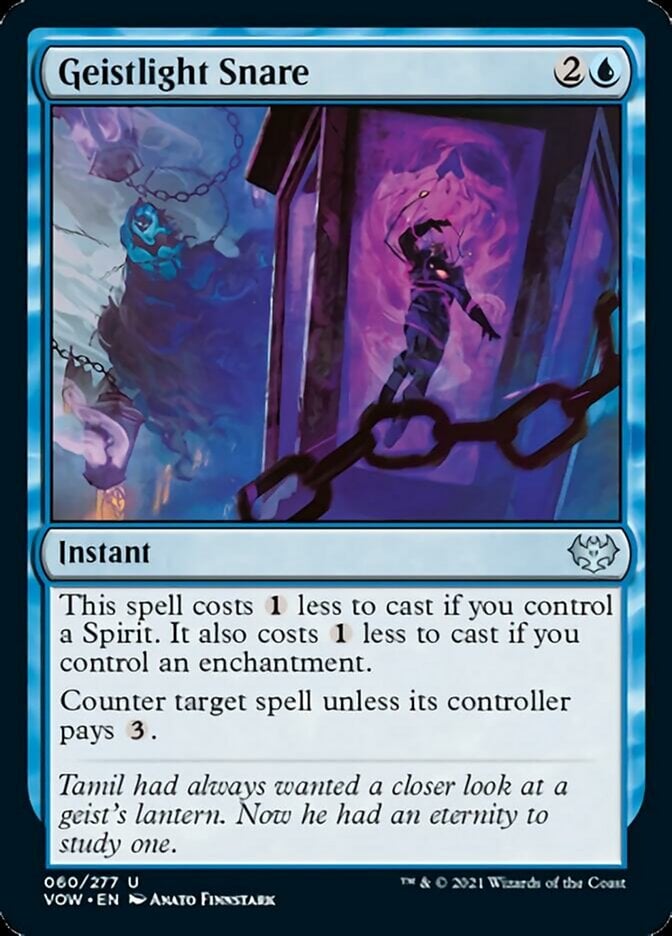

A tempo deck solves this problem with Quench variants, like the Standard lesson, It'll Quench Ya!. When Tempo decks are good in Standard or Pioneer, there is usually a counter that scales with some kind of element that works with specific kinds of cards, like Lookout's Dispersal for pirate decks, Lofty Denial for flying creatures, Geistlight Snare for spirits and enchantments, and Dazzling Denial.
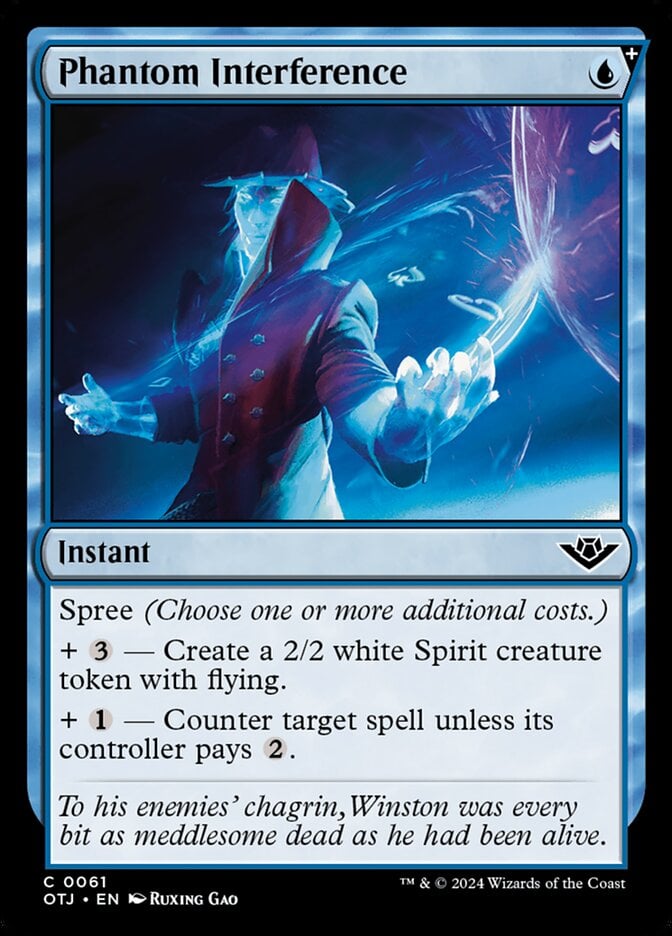
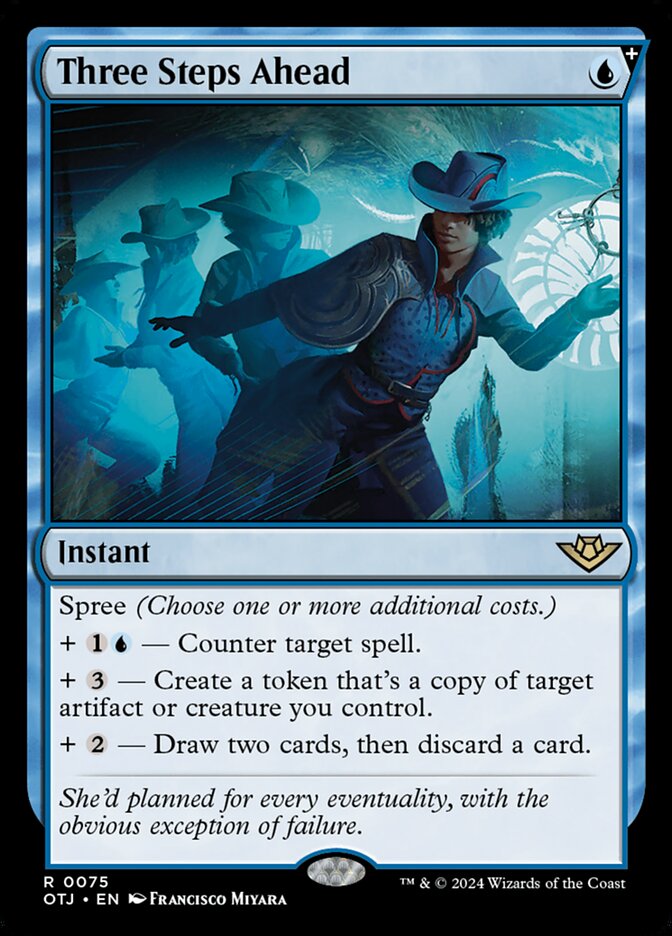

Even better are counters that do other things as a modal choice, like create a token on Phantom Interference, add card selection with Three Steps Ahead or, more effectively, serve as removal like the devastating Drown in the Loch for the Dimir Rogues deck.
Removal
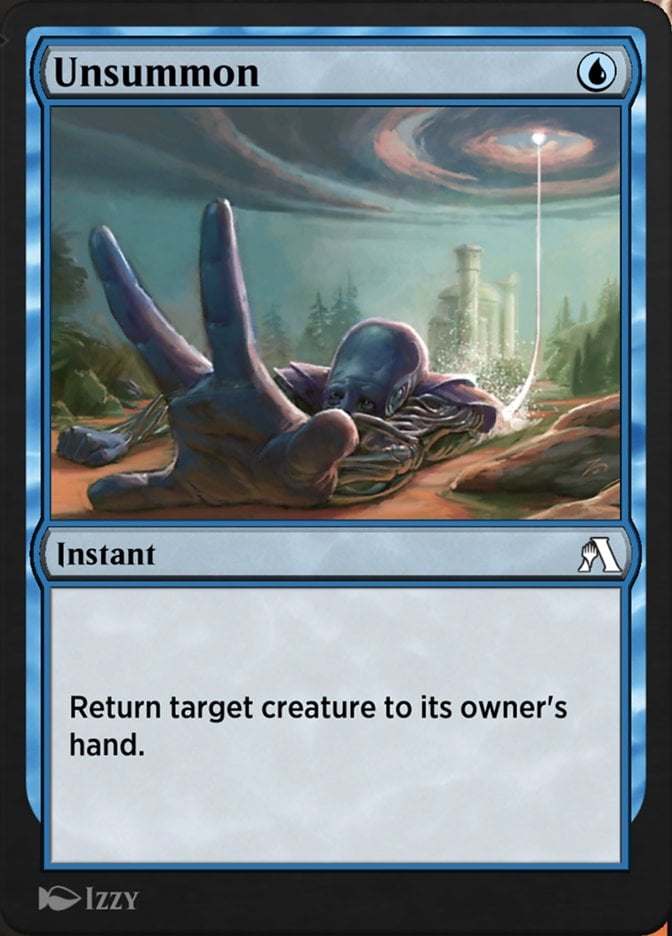

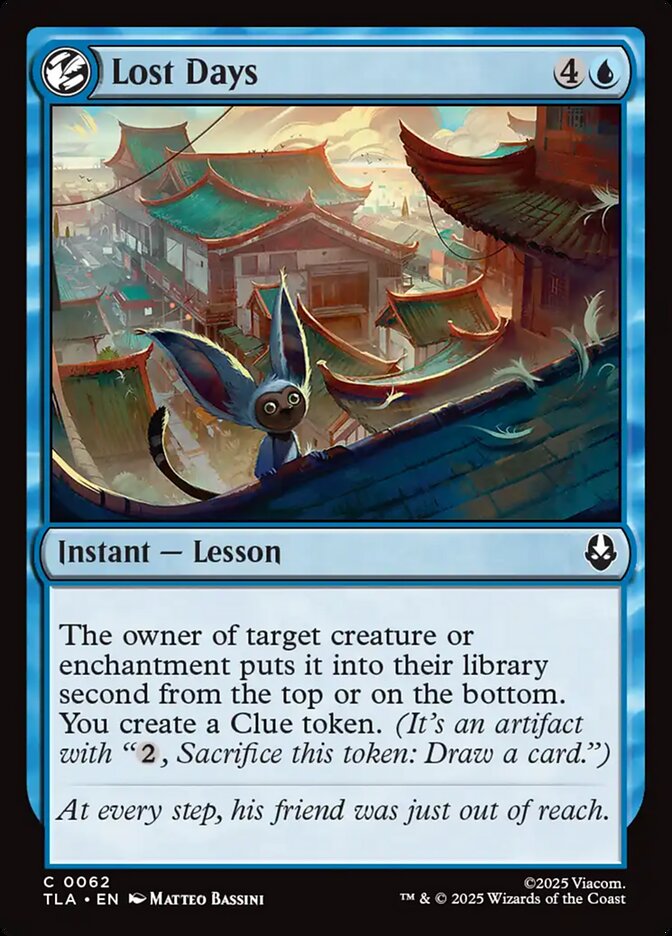
The classic tempo deck is mono-blue. So in those decks, bounce spells like Unsummon, Forced Retreat, or Lost Days that put things into the library are the best options. It turns out that temporary removal is quite good enough as long as your creatures can close out the game and you have enough card draw.
Tempo decks can include many color combinations, but Izzet and Dimir, especially, give a lot of options for cheap, more permanent removal.
Card Draw
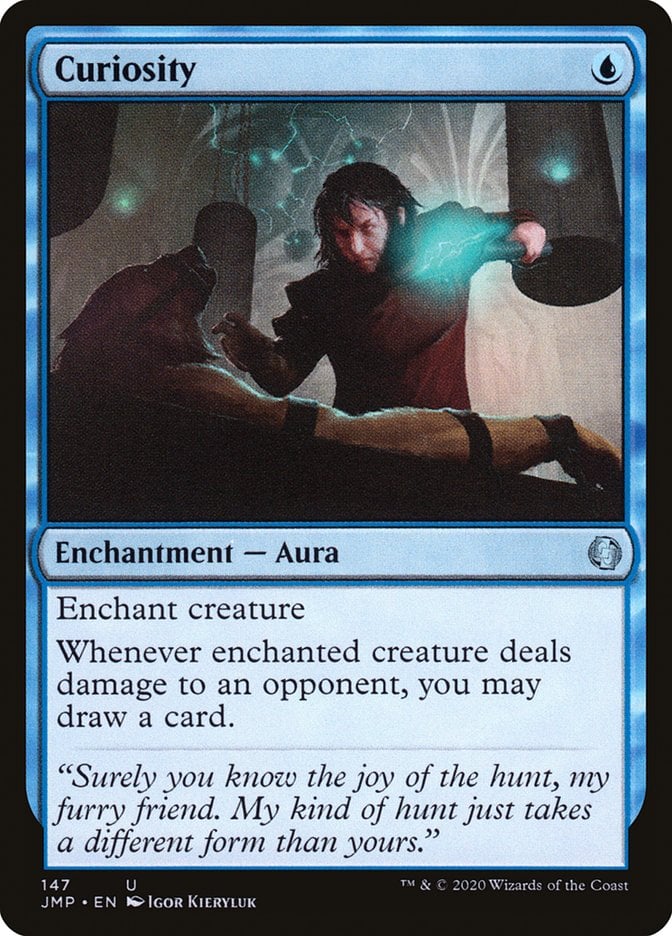
The classic tempo deck card is a Curiosity sort of effect that can come down for 1 mana and take advantage of your span of creatures. This is different from running big 5-mana card draw spells like you might in a full control deck. The margins are tighter in this space and you need just enough field to keep your opponent off balance.
Protection
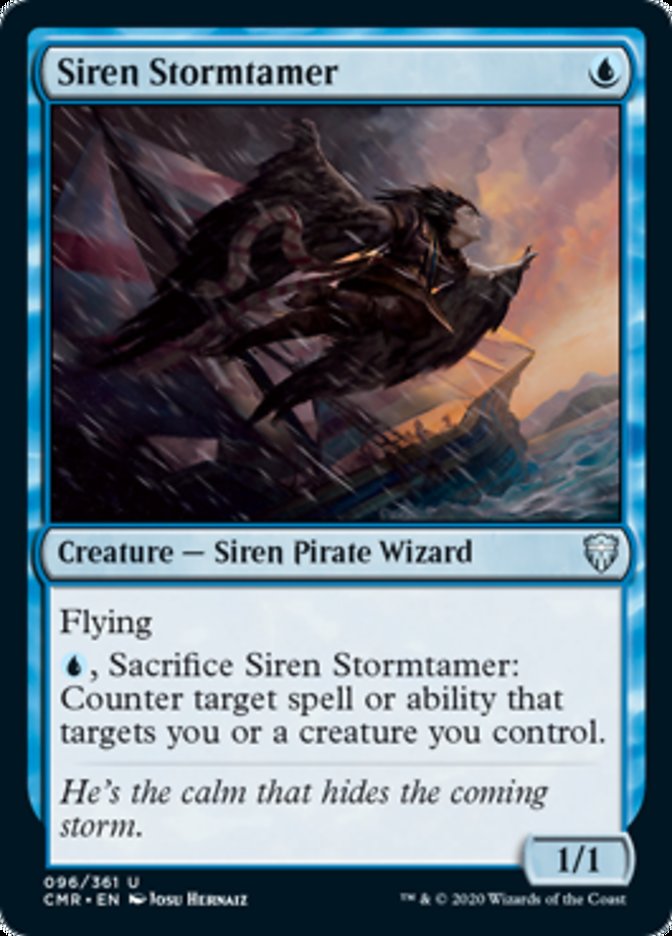
Not a part of “classic” tempo decks, which relied on counterspells to protect creatures as needed, Siren Stormtamer changed the game, allowing a creature threat to hit with that could also save that Spectral Sailor wearing a Curious Obsession if needed.
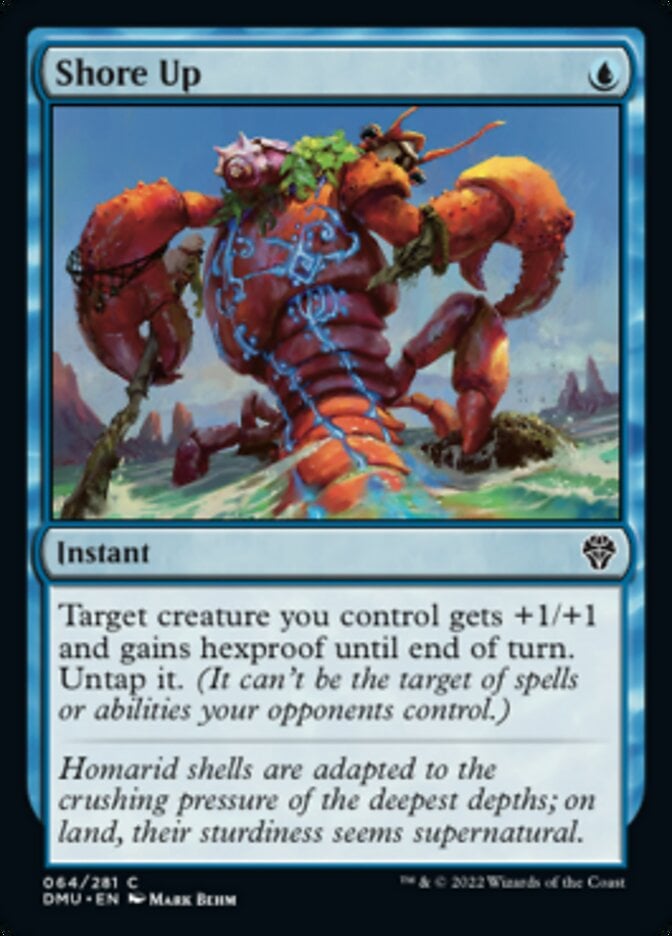
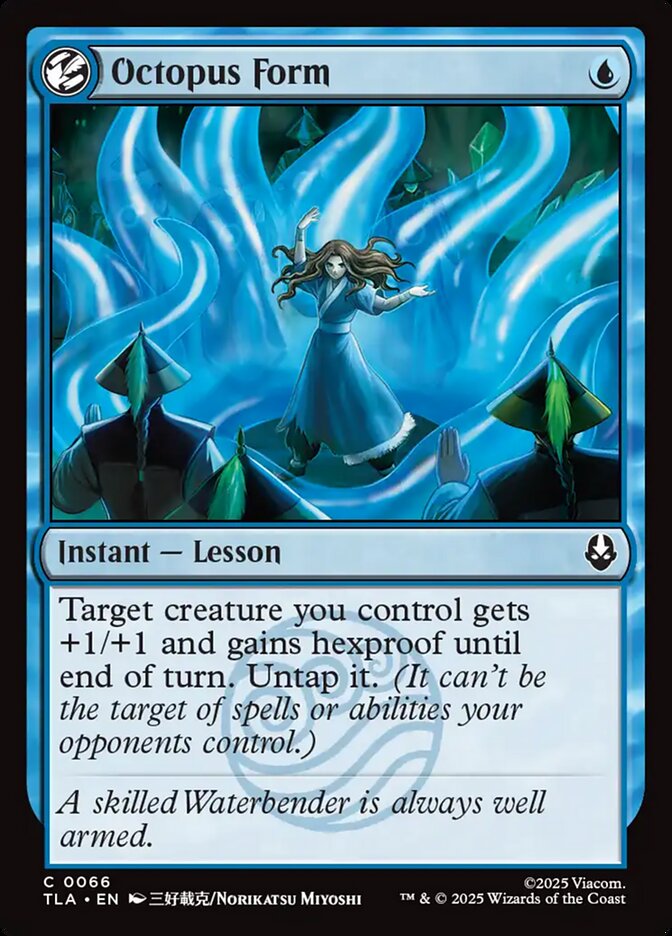
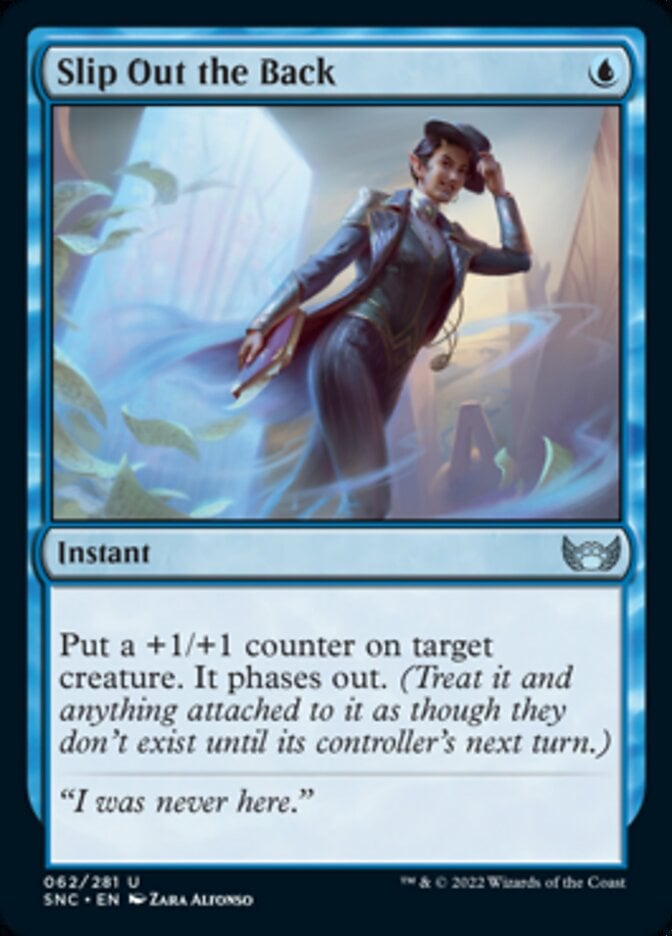
A dedicated protection spell that does only that is still not very much in order, but two kinds of modal protection spells have been showing up in these lists. First are cards that can serve as combat tricks like Shore Up. An untap and a buff like that can often handle an opposing creature quite well, especially because bounce gets worse the more ETB creatures get played and as mana curves drop; an Octopus Form might actually be enough to kill a creature. The second are cards like Slip Out the Back which can double as finishers by temporarily handling a blocker.
Alternate Wincons
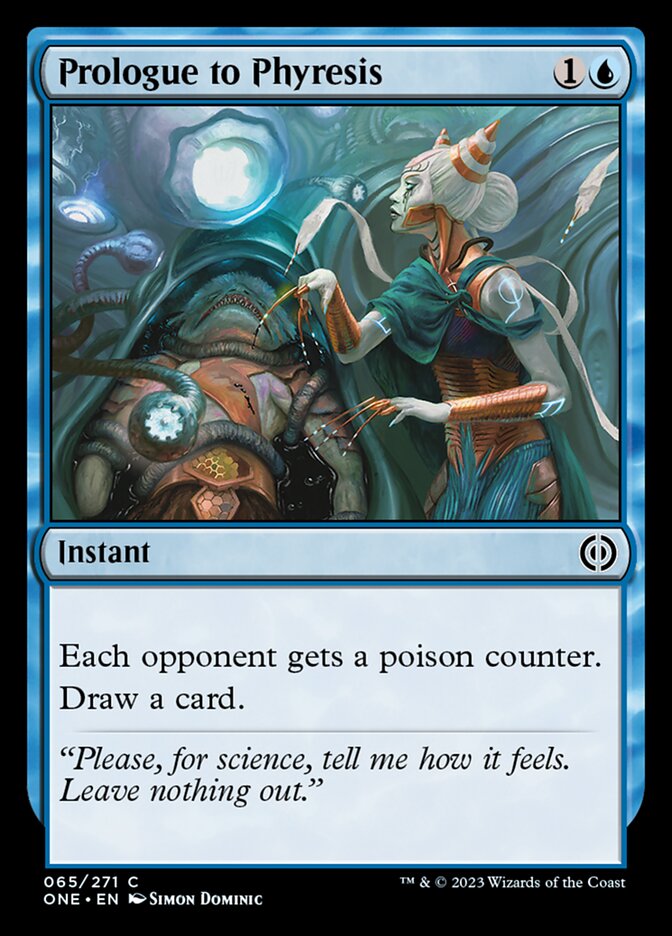
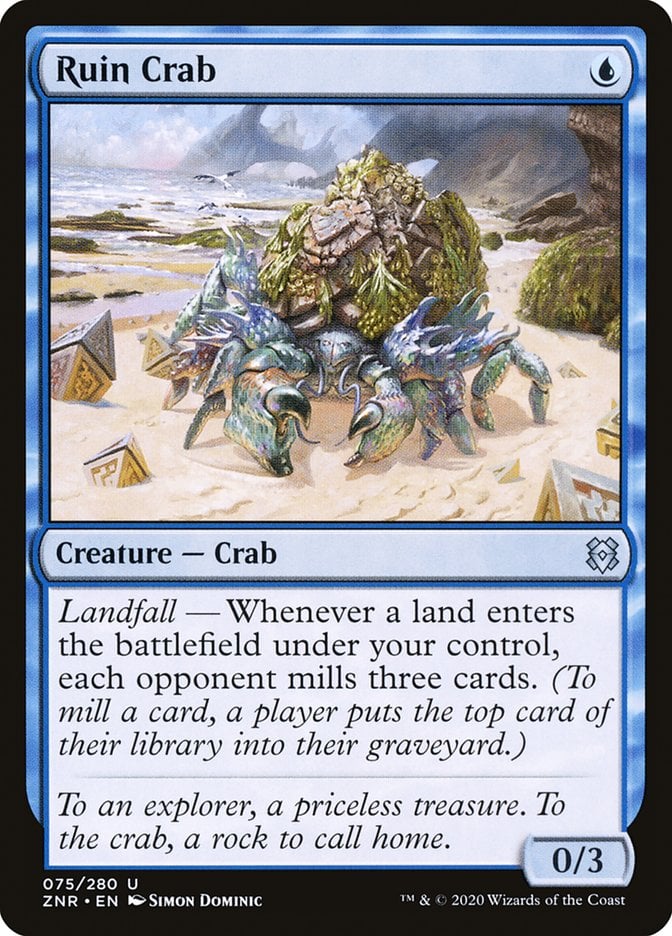
Traditional tempo decks win via creatures, but alternate wincons can help juice the plan by putting the opponent on a more stressful clock that taxes what is hopefully by then a state of persistent card disadvantage. Toxic decks in do this, sometimes even winning with a timely Prologue to Phyresis. And Dimir Rogues do this with the persistent threat of mill, especially the builds with Ruin Crab.
How to Play Tempo Decks
This is why we’re here! Tempo decks are, for me, the most fun kind of game to play. Everything is balanced on a knife edge and the suspense is significant. But that fragile balance means it’s easy to get it wrong.
The game plans are usually simple. Go wide with creatures or go tall with a Haughty Djinn-style threat. Perhaps layer on an alternate wincon. Then the question is about a number of key decision points.
Decision Point 1: When to Aura
Not all tempo decks have this structure, but it is a bit of a hallmark of the most prominent versions of the deck.
This is the first and most difficult decision point in playing a tempo deck. Sometimes it’s the only decision you need to make, as getting it wrong can spell the end of the game before you even start. It’s what makes Burchett’s performance so compelling. They do such an amazing job of reading the opponent and the situation.
The simple version of the first decision point is this example. It’s turn 2 on the play. You already have a 1-mana flier out. You have a Curious Obsession and a Lofty Denial in hand. You can’t play the aura and have enough mana for a counter. What’s the right call?
Obviously, if the opponent is red and they have mana up, you likely know you need to avoid getting a Shock or Firebending Lesson blowout by trying to cast the aura. But if they’re red and have a tapped creature out which just hit you, can you afford to not get your card draw going if they’re just going to keep rushing the board? Did they cast the Phoenix Chick to bait you into dropping shields to two-for-one you with their red removal? Or are they out of removal right now?
There are many iterations on this, and you live wisely to drop the aura on turn 3 when you can and keep up the mana. But the game doesn’t always feel like you can wait that long. Still, it’s almost always correct to protect your aura’d creature.
In decks where the card draw is either synergistic instants like the Rogues’ Into the Story or Coastal Piracy sort of effects, the question is a little simpler, since by the time you can cast these spells, you have a suite of interaction at the ready.
Decision Point 2: When to Bluff
Okay, sure. Set your stops online and always look like you can cast an instant when you have mana up. That makes sense. But in the previous example, if you drop the aura and hope to bluff that you have a Spell Pierce or a Shore Up, is that a good idea?
The short answer is no. It’s like poker when you are heads up against an opponent with a diminishing stack. Do not bluff when the situation means they have to call you. If you drop a card draw aura and turn sideways to attack, they have to use the Fatal Push here if they have it, no choice. They have their best chance to two-for-one you right then when you have the fewest potential options. Next turn you may very well have two counters available and will have seen one or two more cards. And the best way to play against a tempo deck in the early game is to keep making them have it, because once they get over the top, you won’t be able to catch up again.
The dirty secret of tempo is that you usually do not have it. The majority of your deck is not 1- or 2-mana answers.
But you want them to feel like you always have it. Control and tempo decks can be super tilting to play against, and you want them to feel that. So you need to bluff that you have it. Usually.
But not at the beginning. I tend to start to set stops or pause opponents for a sec IRL once I actually have something. I can fire it as needed and then keep the stops going. It reinforces that I may very well have it if I had it once.
Decision Point 3: So You Have Some Removal…
… sitting in your hand, and you have a target. Should you use it?
A tempo deck uses removal less than almost any other deck. Even an aggro deck filled with mostly creatures will use more removal more regularly. Why? An aggro deck usually needs to clear the ground for creature assault.
A tempo deck, on the other hand, generally only exists when a critical mass of evasive creatures can cohere into a strategy. This means there are two reasons to use removal, and you need to save your limited number of removal pieces for when those reasons show up.
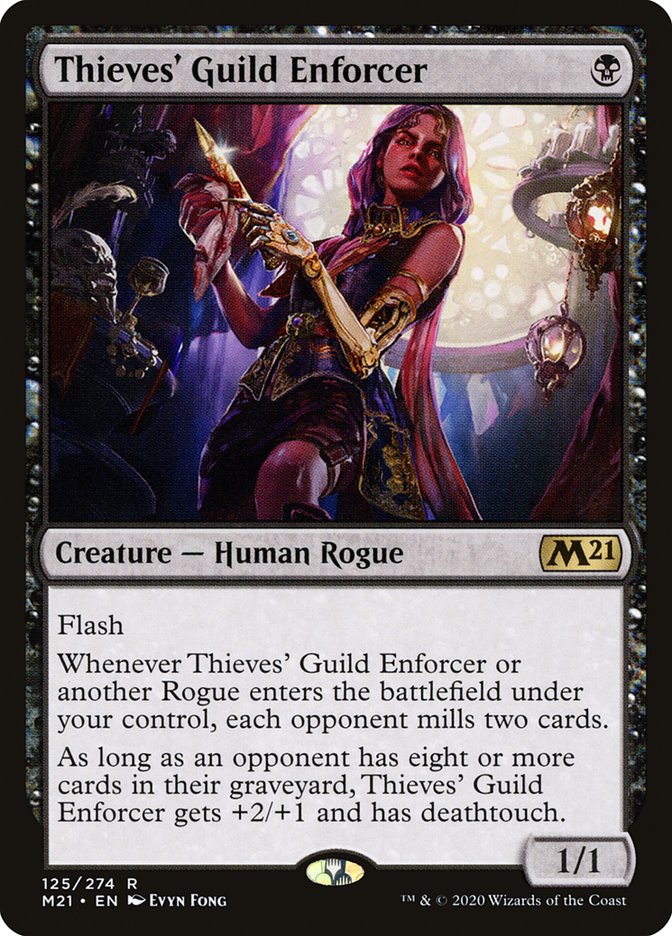
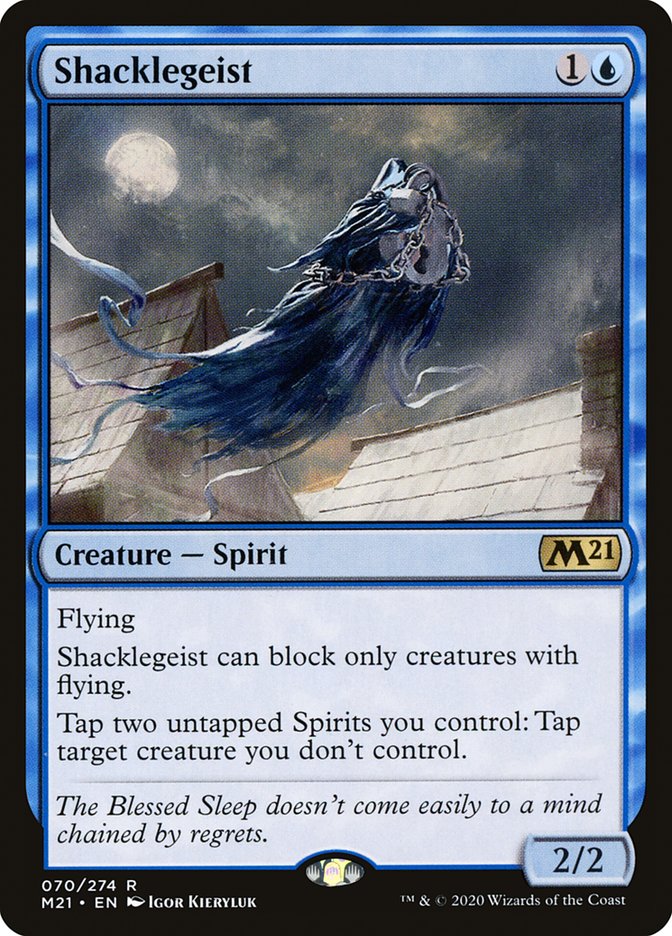
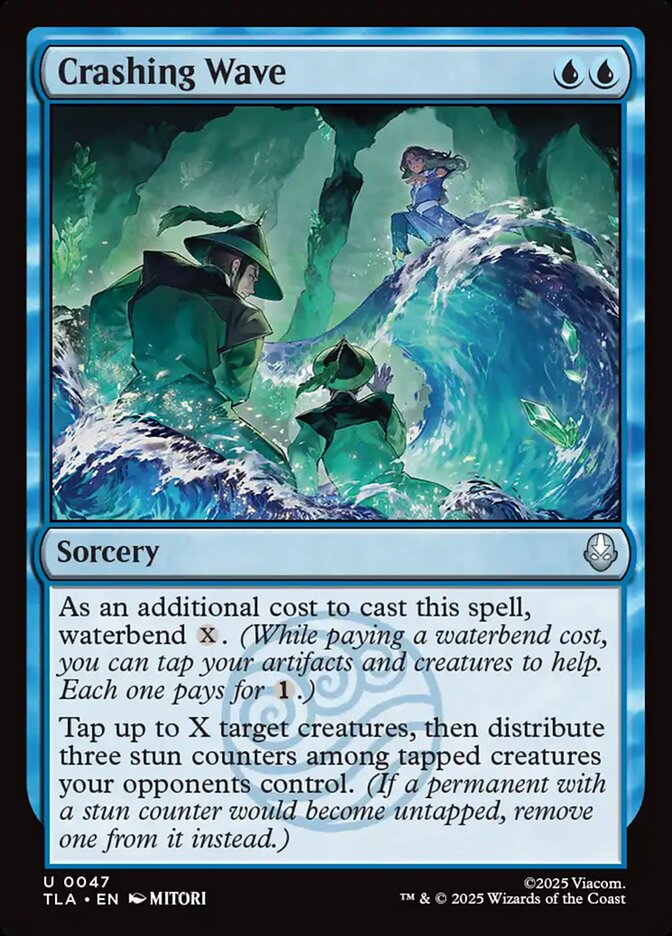
First, you need to clear key blockers. Generally, you are using fliers in a tempo deck, but you can also use unblockable creatures or even the Rogue deck’s deathtouch on Thieves' Guild Enforcer to shove through your attacks. But in a fliers deck, like Azorius or Mono-Blue Spirits, you have to get rid of opposing reach creatures and fliers who stay back or have vigilance so you can keep attacking. And that can be tapping them away for a turn with a Shacklegeist or Crashing Wave style effect or a bounce. Every turn is its own moment.
If they want to race with their fliers and turn them sideways to attack you, ignore those creatures entirely, because they take themselves out of your game plan. Which brings us to the second maxim, which is to let the opponent get away with murder as long as you can. Stop them from winning via dealing lethal damage or comboing off, but your goal is not to clear the board of threats as in a control deck. You just need to win the half turn before you lose. Be very stingy about when you use your removal, especially if the opponent has counterspells or Ranger's Guile sorts of effects. I have run tempo decks with only four pieces of removal in them. In those decks, one foiled removal spell is pretty much game over.
Other Decisions
The other decisions you need to make are very deck- and situation- dependent. In Spirits, you need to make sure you have enough untapped creatures to Shacklegeist. In Toxic you need to get to corrupted at just the right time.
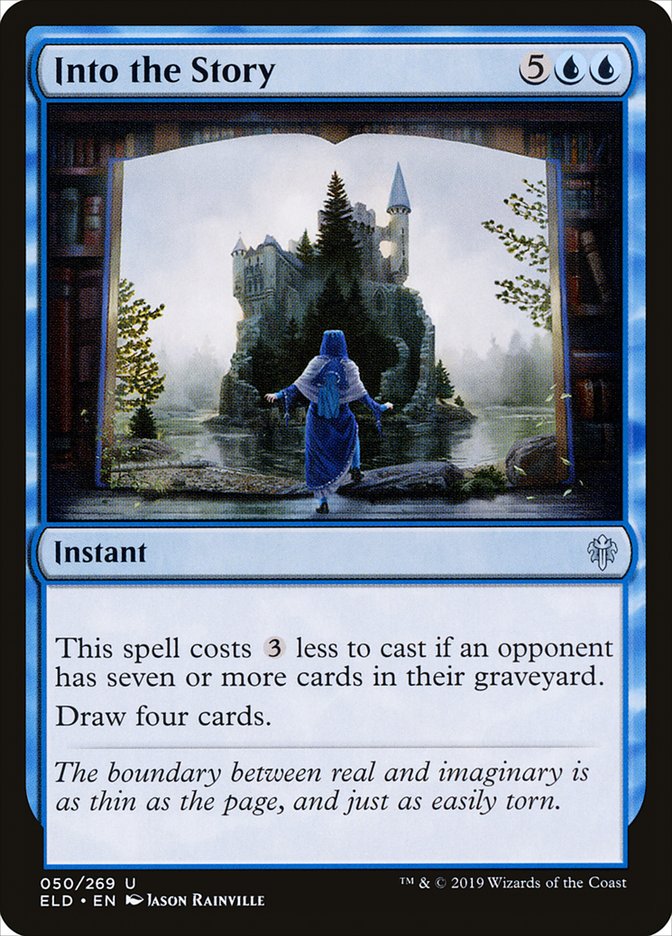
The more complex questions are what make these games more like chess matches, and they are why we play. Can I tap out for Into the Story on their end step, or do I need to wait until I have 5 mana so I can deploy my Spell Pierce? Do I use my Siren Stormtamer to save a creature or will I need to keep that option open for later? Should I counter their card draw spell, which means they can drop a creature I bounced, or should I counter the creature?
These are questions that are about your opponent’s deck and how they play it. These are about reading the moment and making the correct read. To win you have to elevate your game to a few key attributes of pro level play: You need to know what they have in hand and what they will do with it. Getting there won’t make you a pro! But you can’t win with a tempo deck without honing the ability to read an opponent.
Fast play on MTG Arena is your enemy here. Slow down. Look up. Figure it out.
If that’s not the way you want to play your Magic, these are not the droids you’re looking for. Move along.
How to Build Tempo Decks
Tempo decks are like tropical plants in a cold environment: Only in the right conditions will they thrive. And WotC design tends toward making it look like we have tempo decks in every meta, and that’s partially because of Limited. One of the archetypes in Duskmourn draft is called a “Tempo” deck. Is it? Well….
They keep printing cards that fill the tempo gristmill. There are often Curiosity types of cards. There are often counterspells that synergize with evasive creatures. There are modal spells that can be used for counters or something else useful at instant speed, to name a more recent tempo staple.
But it doesn’t always come together.
Think about the Haughty Djinn decks. These are sort of like go-tall tempo decks, and right after Dominaria United, there was a period of Mono-Blue Djinn success on the ladder. But as Mono-Red got better and better, the Djinn faded away with everyone except for the diehards.
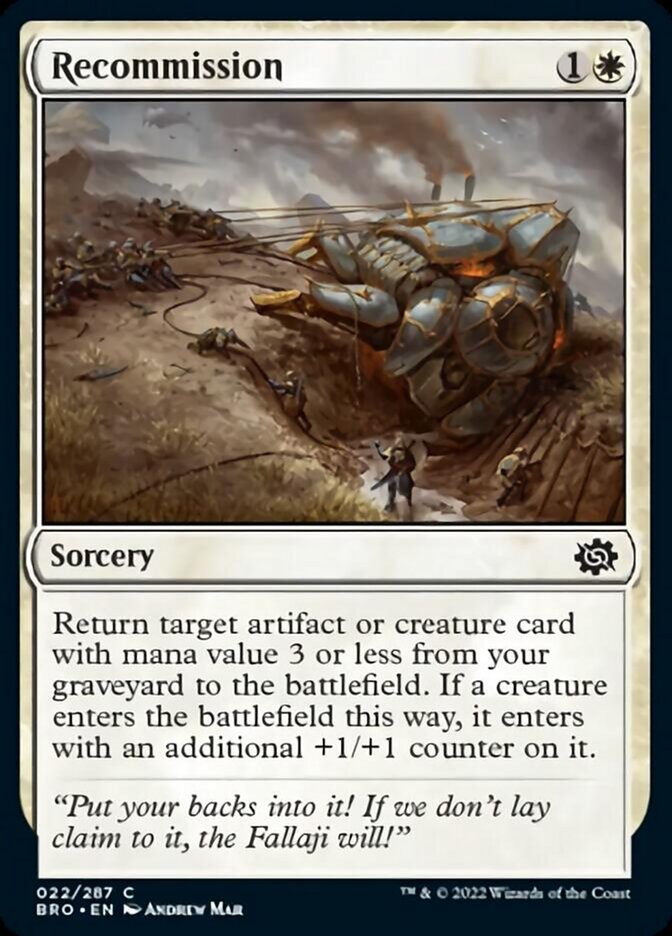
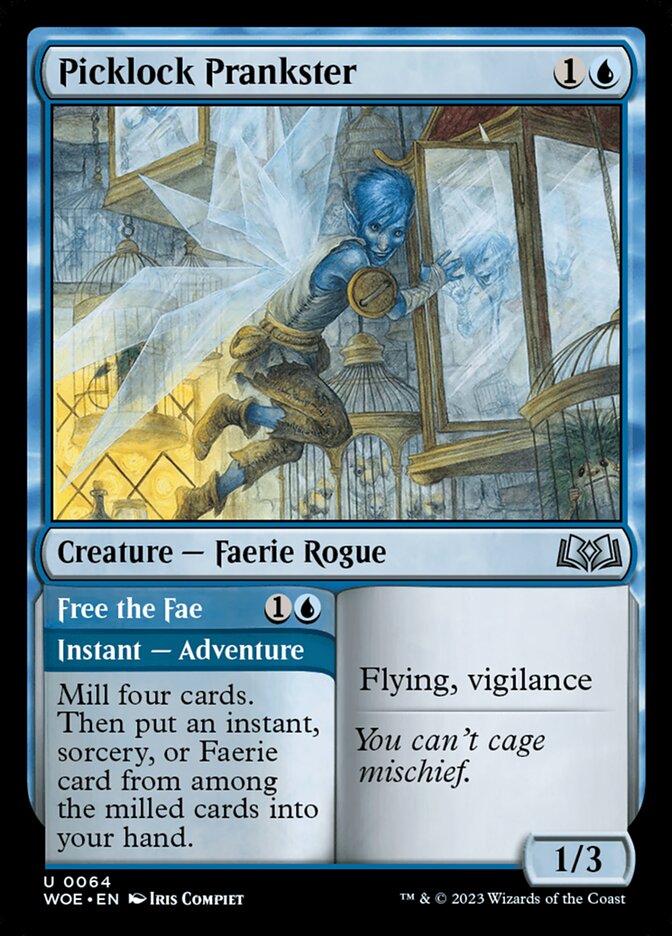

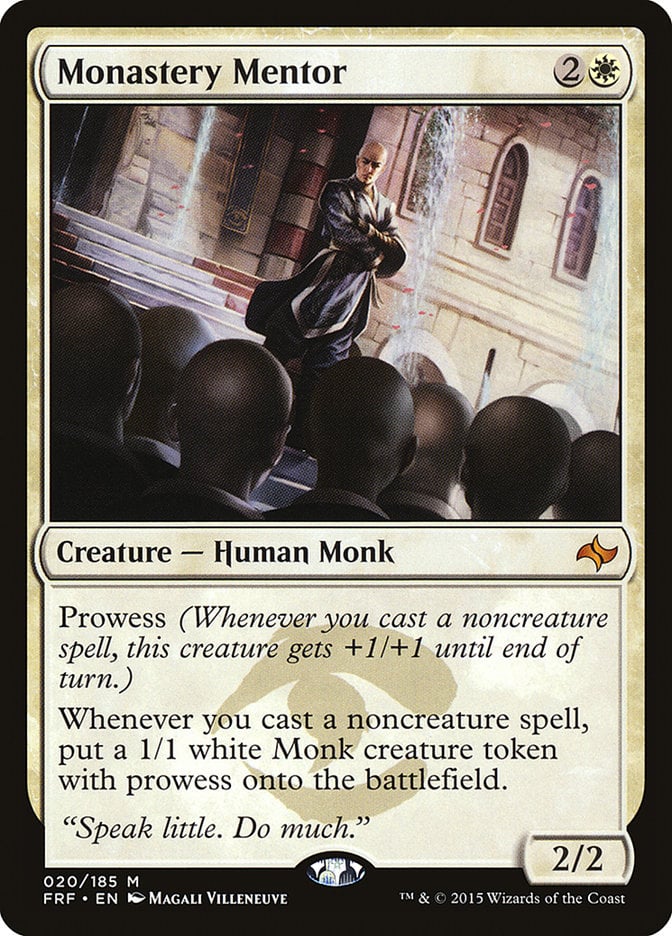
With Duskmourn, there is quite an Azorius Djinn deck that uses Recommission style cards with Picklock Prankster and Abhorrent Oculus. What it gives up is that you don’t protect your Djinns all that carefully while setting up for an almost Phoenix-like combo finish when you drop an Oculus. This is basically the Djinn plus Monastery Mentor deck that saw some play during 2024 with Oculus slotted in.
Let’s think about what it takes to figure out that deck shift.
Understand the Meta
The Mono-Red metas of 2024 just kept accelerating the ability to deal damage even with blockers, even with removal. Monstrous Rage was a big part of the shift, and hung around a lot of cheap awesome stuff for the red decks. Once Djinn could no longer reliably survive blocking on turn 4 to stay alive and prep next turn’s lethal swing, the deck faded.
And the Recommission version wasn’t always good enough, especially once red was able to more profitably go wide and tall at the same time with cards like Manifold Mouse.
The tempo solution is to ask: “What if we just let them kill the Djinn and find a way to make that okay?” So more self-mill, Helping Hand, and a turn 4 that gets us reanimated Djinn, an Oculus, and the manifest? Is that enough to stand up to Red? Maybe not, but it’s a lot better. The question becomes: “What is the meta doing to make my tempo deck fail, and if I can’t stop that, how can I lean into it and turn it around?”
Choose Your Interaction
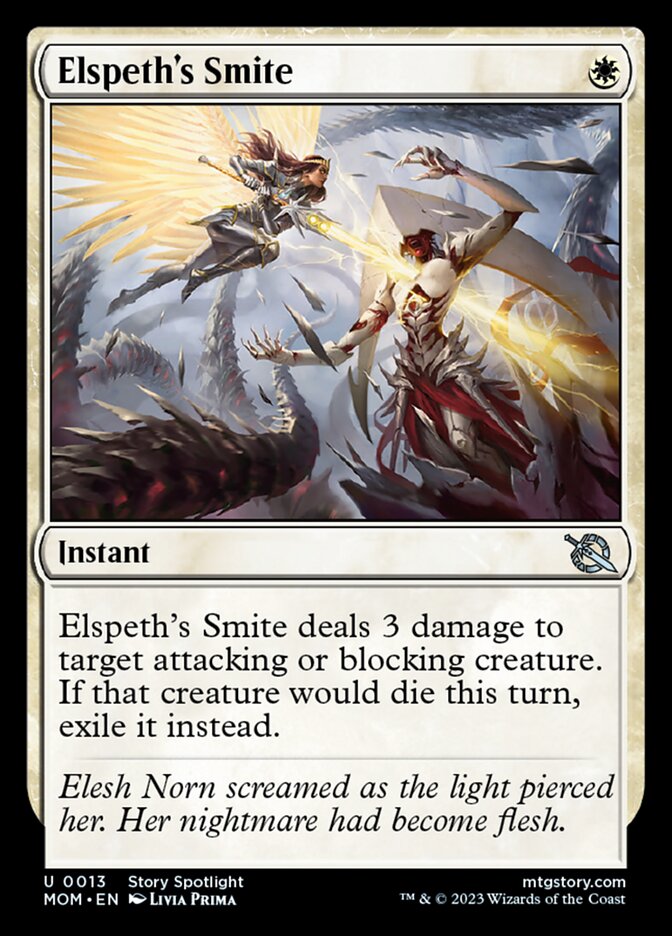


Sometimes it still isn’t enough. The meta helps you with interaction. Elspeth's Smite and Joust Through are great when you’re hitting a deck of sideways red creatures 75% of the time on the ladder. You need life and they tap things. And in a red world filled with prowess stuff, 1-mana bounce spells like Into the Flood Maw are backbreaking.
Choose Your Card Draw

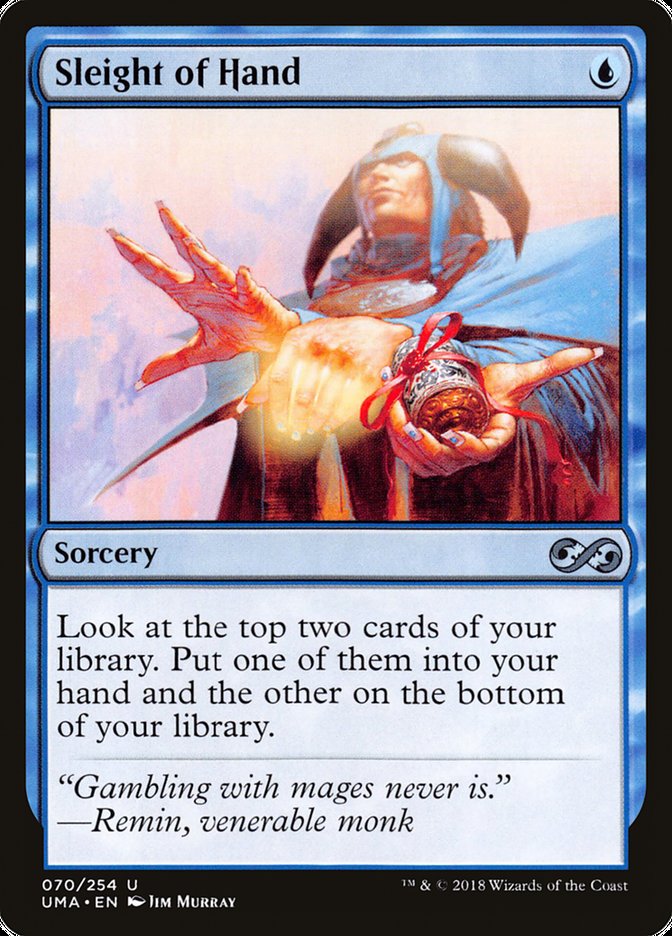
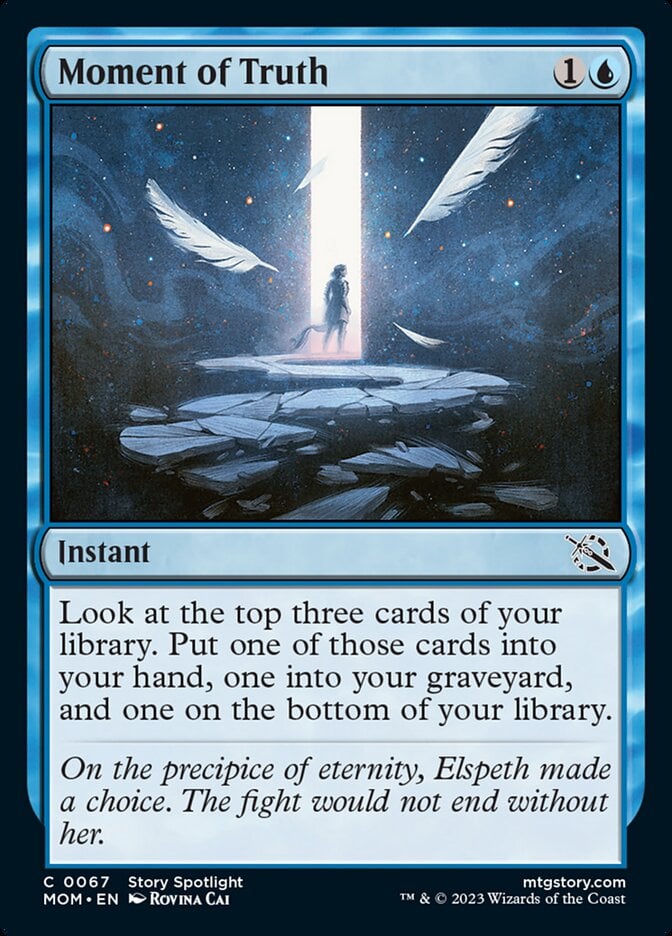
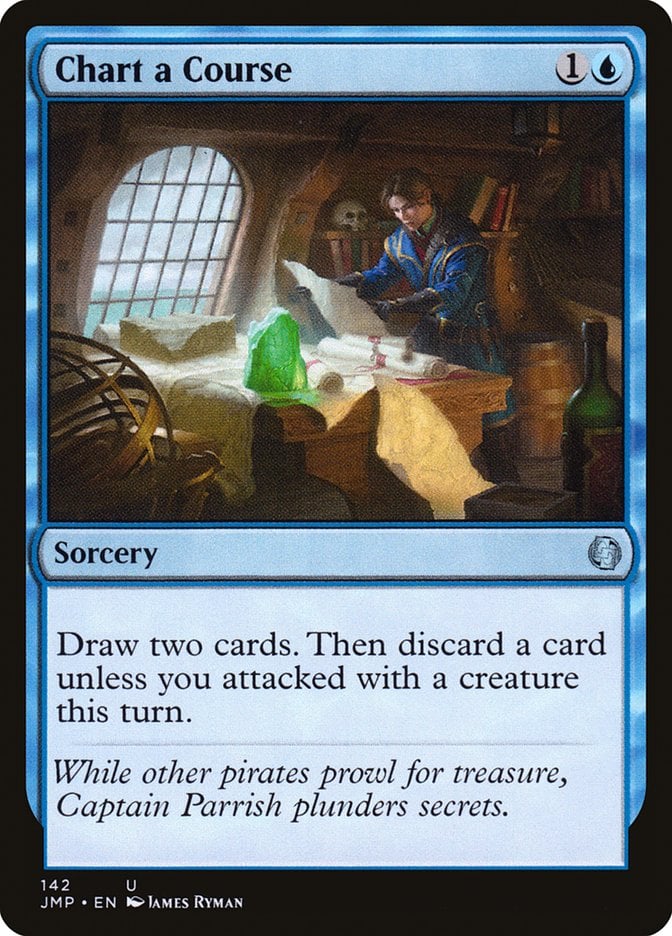
Drown in the Loch is that answer to this and the last question for Dimir Rogues. But you can’t always get that. Curious Obsession works when you’re going wide, as it draws cards while you dink away their life. If you’ve hit your land drops, Consult the Star Charts is great, but in a taller deck like Djinn, what should your card draw do to complement your tempo strategy? Fill the graveyard for your reanimation and your Oculus. So Sleight of Hand, Moment of Truth and old reliable, Chart a Course.
Find Your Last Creature Synergies
A tempo deck always comes with some predesigned elements. Djinn is just asking you to play this way. The Rogues deck asked you to play a bunch of flying rogues. It’s the last pieces of synergy that matter, like Ruin Crab. In Pioneer Spirits, there are more than you could possibly use, so which pieces are you using? In our Azorius Djinn deck, the key is Picklock Prankster, which does everything we need a creature to do. But it’s not where you would have started.
How to Mulligan With a Tempo Deck
You need more cards than your opponent to win with tempo, so every mulligan is a knife to the heart. There are no clear rules that are agnostic of format, so let’s at least look at match length.
In Best of One (MTG Arena)
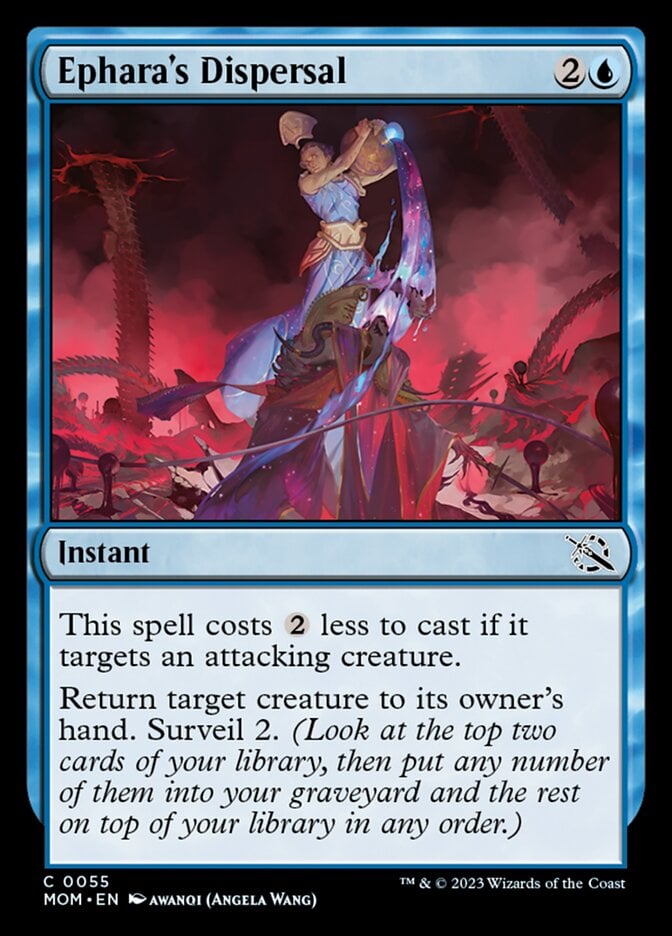
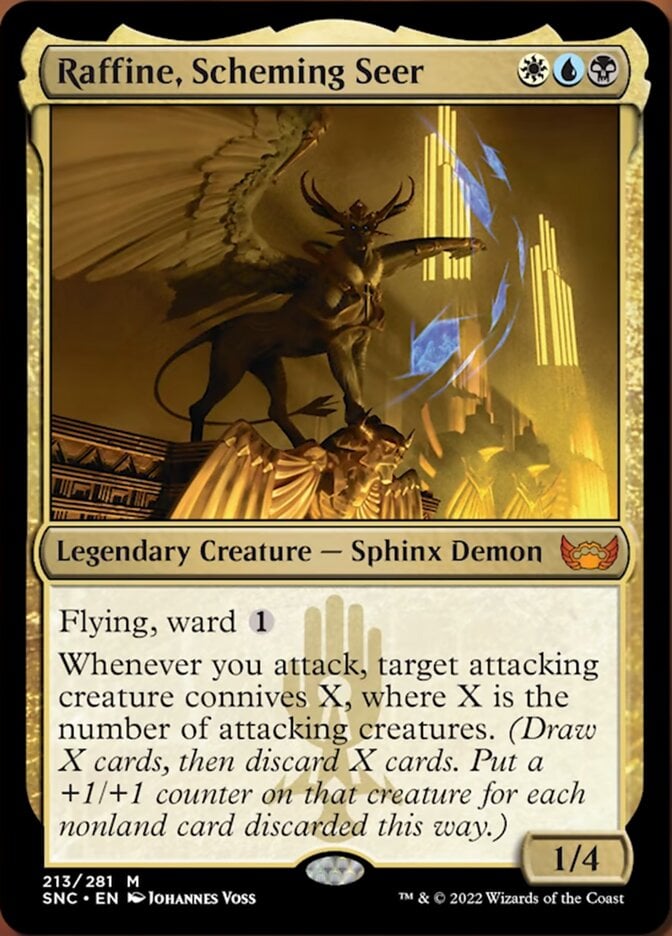
You don’t know what they’re playing. Except maybe their Arena avatar, sleeves or pet feel like Red Deck? If you go in blind, mulligan with the scariest 10 aggro decks on the ladder meta in mind. That means you need interaction. So a Smite and an Ephara's Dispersal would be peachy. But maybe just one piece of removal and two card draw spells for our Djinn decks? Even when Raffine, Scheming Seer decks could be found on the ladder while they dominated tournaments, there would be no point to mulligan for that deck, as, honestly, there really wasn’t a good tempo answer to that annoying pile of cards.
In Best of Three, Open Decklist Formats
When you know what their deck is, you have more choices. There’s also less likely to be so very much aggro. If your opening hand doesn’t have the answer you absolutely need on turn 2 and there’s not the right kind of card draw to plausibly get there, mulligan.
How to Sideboard With a Tempo Deck
Sideboard against the thing you cannot handle, but note that your deck is in harmony with delicate balance between the pieces. This is not a value midrange pile or a control deck that just has to survive until it lands the sweeper. So you cannot break anything along the way. Burchett’s Mono-Blue sideboard, for example, was filled to adjust the main balance of two Essence Captures and one Negate with almost the whole set so the deck could adjust to the seen threats. If the card that will end your day is Teferi, Time Raveler, side in every. Single. Negate.
How Many Lands Should a Tempo Deck Play?
Aim to play 19-20 lands for a 60-card Tempo deck. You want to hit the top of your mana curve and stop. So that usually means 19-20 for a 60-card.
How Do You Beat a Tempo Deck?
By keeping calm and knowing they can’t possibly always have it. If they do happen to always have it, you weren’t going to win anyway! So your job is to know when to make them have it, and that depends on your deck.
Beating Tempo with Aggro
A tempo deck feels like a free win to aggro players. It’s not that easy, though. To get the victory you need to play nothing but creatures early. Go wide. Drop that extra Monastery Swiftspear instead of pumping the first or dropping a Shock on the blue flier. They have between 3- 8 pieces of removal and no sweepers. So at a certain point you overwhelm them, even if they are draw a few more cards than you. Prowess-style aggro decks are not a great matchup against tempo. Go wide is the answer, so when you sideboard, that’s the key.
If they do catch up, like when you flood, you will get to the double-spell stage when you make them use a counter on the first spell you cast and hope to punch through the second. Removal first and creature second.
Beating Tempo with Control
You are their best matchup, so watch out! They are going to draw cards faster than you and often have cheaper counterspells than you. As a tempo player I will go wide and then always keep up a counter up for the first turn the control mage can play their cheapest likely sweeper. If you are playing best of three, sideboard in all the spot removal you have. But in that first game or best of one, use your counterspells on card draw and pretty much nothing else. If you can stall the game, your more efficient spells will turn the tide.
Beating Tempo with Midrange/Combo
A midrange deck will tend to have a lot of cheap interaction, which can cripple a tempo plan. But midrange is always based on adapting a few key cards and card engines to the prevailing meta. The good news for tempo decks is that tempo is hardly ever meta, so the midrange spells suite will not always be optimized. Coupled with using more expensive creatures than aggro or tempo decks, typically, it can be hard for midrange to turn the corner.
It’s hard to generalize, given the variety of midrange decks, but I say the most useful piece of advice is to save your counterspells to protect your card draw when you get to the part of the game where you have to double spell. If they can’t get ahead on cards, your better card quality will start to show.
How Is Tempo Different From Aggro?
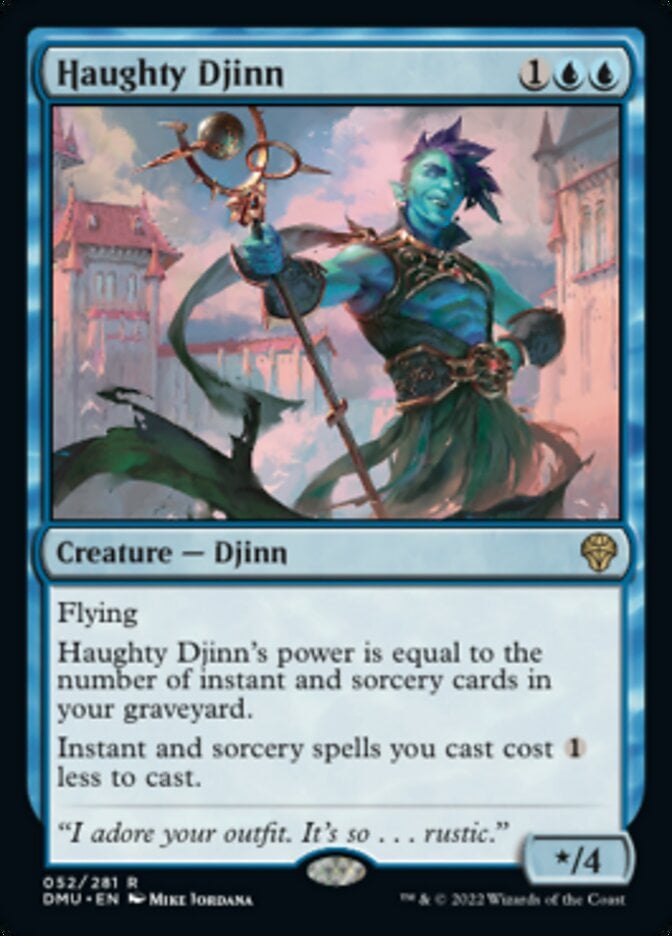
Tempo decks have been called aggro decks before, or even control-aggro, and there’s something to that. An aggro deck will pack cheap creatures and a little interaction. But there are two differences. Sometimes tempo decks go tall, like Haughty Djinn decks. Sometimes they have alternate wincons, like mill or poison. But the biggest difference is that tempo decks prioritize a card draw strategy, while a pure aggro deck hopes to end the game before card draw is needed.
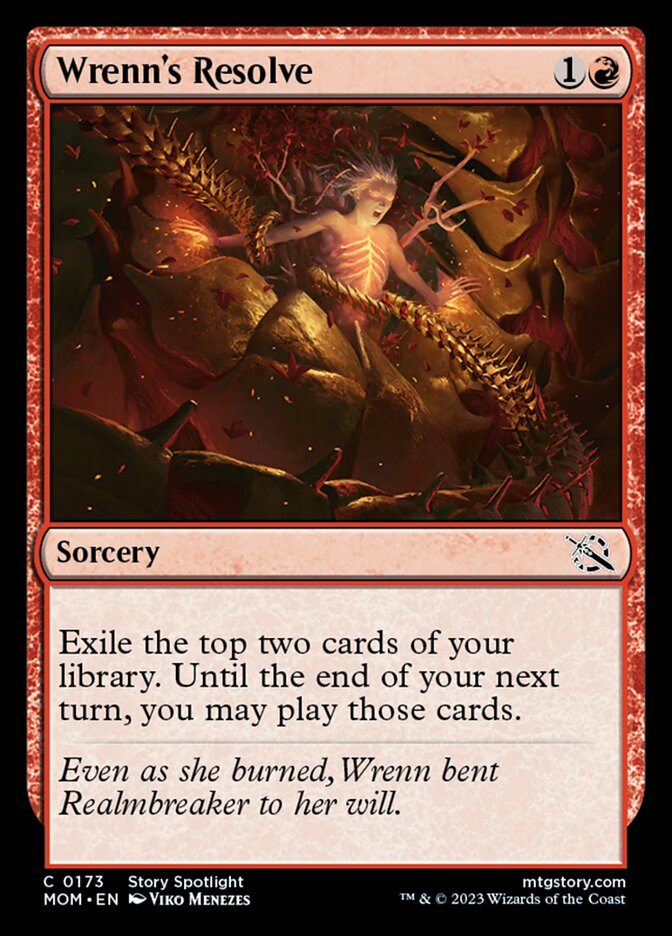
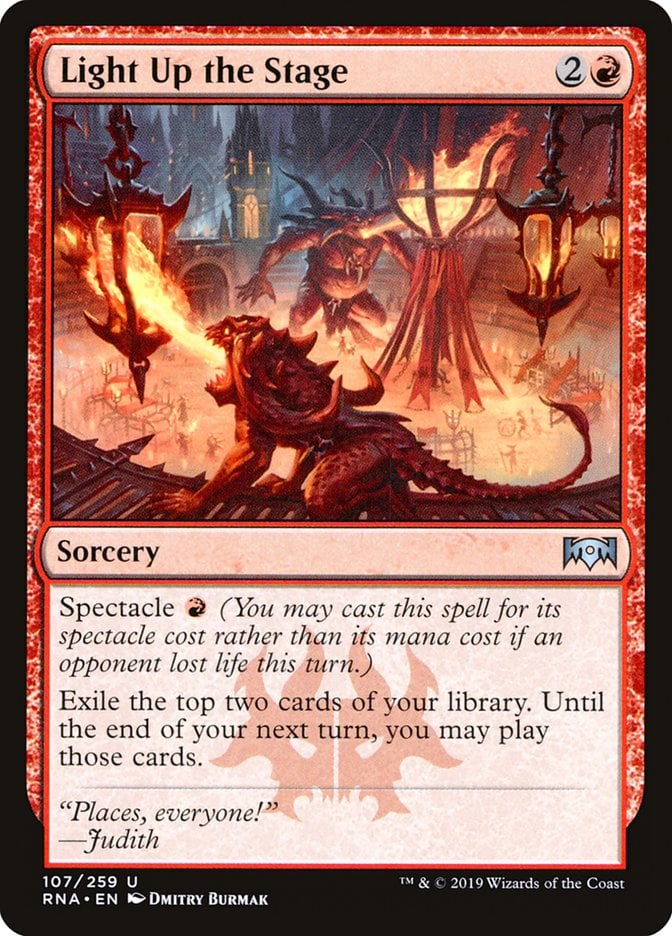
That means that a Red Deck Wins build with a bunch of Wrenn's Resolve style cards is not an aggro deck! It’s a red tempo deck that uses impulse draw to replace Curiosity. I would even argue that the red builds that ran across Standard in the Light Up the Stage days were really tempo decks in disguise!
What Is the Difference Between Control and Tempo Decks?
Control is about efficient control. Tempo is about just-in-time and potentially temporary control. A control deck wants to go over the top on value with a huge sweeper that blanks the whole board, or a massive card draw spell and/or a planeswalker that provides game-breaking value like Teferi, Hero of Dominaria. A tempo deck does not want those cards. It doesn’t need the opposing board to be clear. It just needs to get its attacks through.
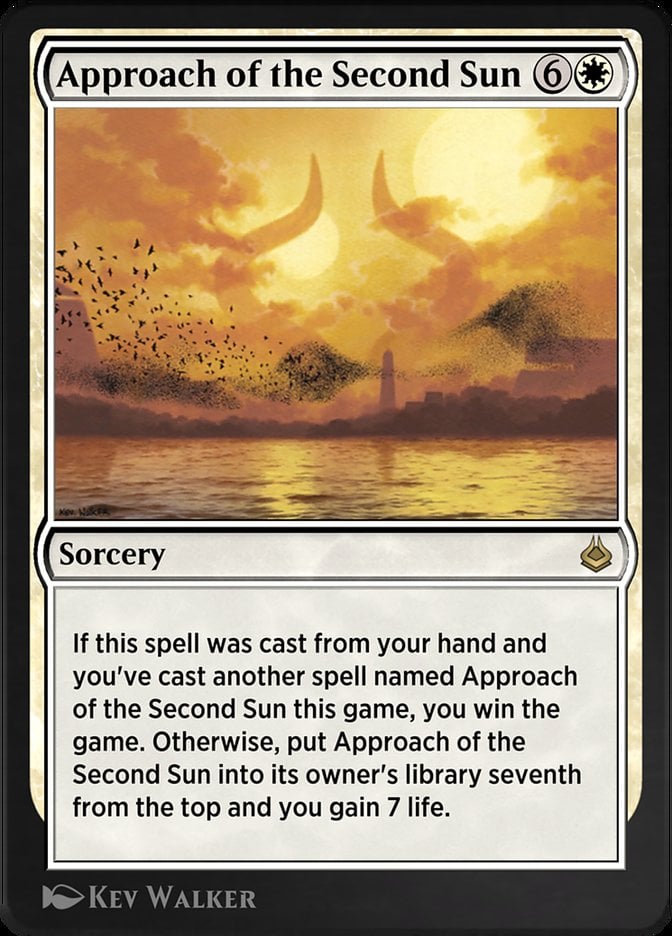
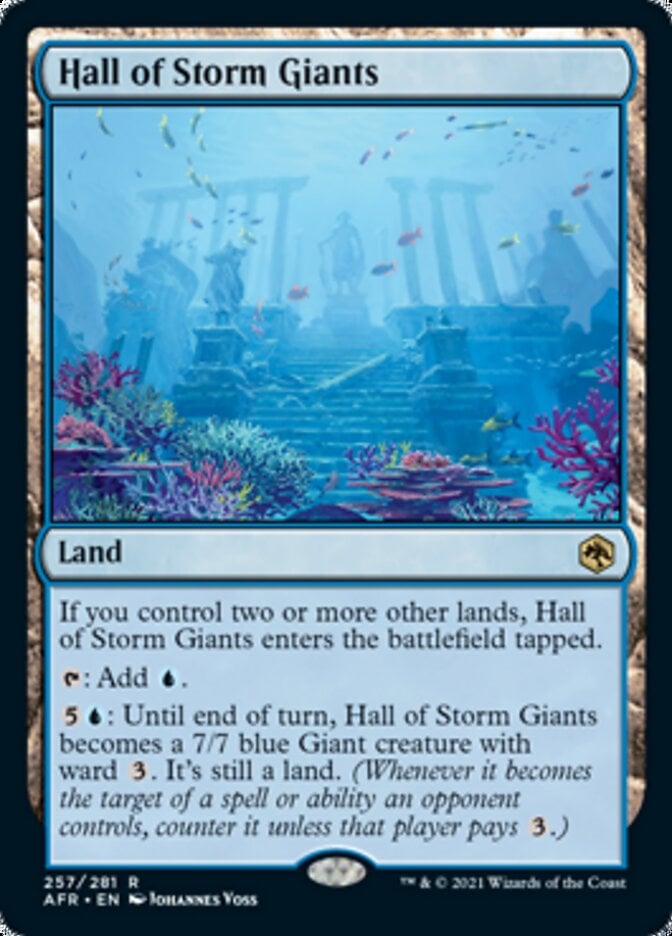
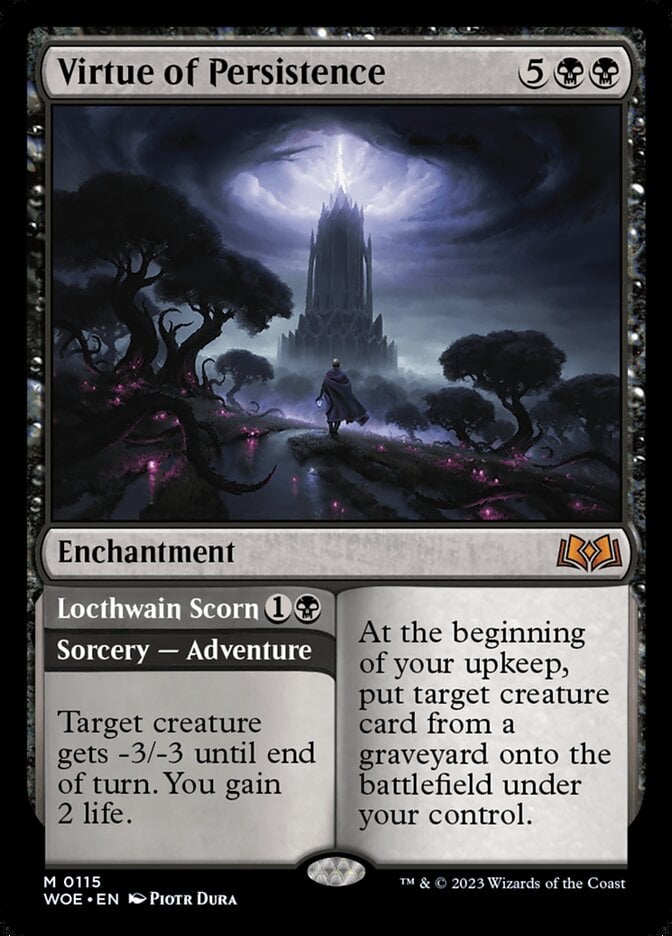
You can see the difference in terms of how the decks win. A control deck looks to exhaust the opponent and then have a late-game inevitability play, a planeswalker, Approach of the Second Sun, a Hall of Storm Giants, or some kind of graveyard utility. A card like Virtue of Persistence bends the line between the deck styles, as a tempo deck might use the adventure spell but will hardly ever have the chance to get to the enchantment. A control deck wants the enchantment as a top end, and the adventure part is just good efficiency along the way.
Can I Pull Off Tempo in Commander?
Tempo in Commander is hard to pull off because the additional life that multiple opponents have. Unless you get all your removal to be 3 for 1s it will not be efficient enough, and it is often too hard to keep two or three opponents on the back foot.
Example Decklist: Dimir Murktide in Modern

Murktide Regent | Illustration by Lucas Graciano
Creatures (13)
Orcish Bowmasters x4
Psychic Frog x4
Subtlety
Murktide Regent x4
Sorceries (4)
Preordain x4
Instants (25)
Force of Negation x3
Sink into Stupor x2
Spell Snare x3
Spell Pierce
Counterspell x4
Go for the Throat
Fatal Push x4
Archmage's Charm x2
Cling to Dust
Consider x4
Lands (18)
Undercity Sewers
Watery Grave x3
Misty Rainforest x2
Darkslick Shores x4
Flooded Strand
Polluted Delta x4
Island x2
Scalding Tarn
Sideboard (15)
Stern Scolding x2
Toxic Deluge
Consign to Memory x3
Harbinger of the Seas x2
Subtlety
Nihil Spellbomb
Swamp
Bloodchief's Thirst
Break the Ice x2
The Meathook Massacre
Izzet Murktide Regent decks always skirted the tempo line, but with the shift to Dimir for Psychic Frog it can go full tempo. Check out a typical decklist by Darkwonyx.
The Frog is a creature with Curiosity and onboard protection, essentially. And it can also just go tall for you. While it does that it feeds the potential Regent as another top end. This is not the classic go-wide tempo deck, but the play patterns are exactly what you’d imagine.
Wrap Up

Drown in the Loch | Illustration by John Stanko
The bounds between different deck types in Magic is fluid, at best, especially in the age when we have modal interaction that can serve many purposes. But I think there is a core philosophy behind tempo builds that remains consistent and appealing for players like me. The dream is to stifle the opponent starting on turn 2 and never let them get back up. That doesn’t always happen, partially by WotC design shifts.
Randy Buehler’s 1998 deck from the World Championship was a control deck that did essentially that, with a powerful set of cheap counters, some sweepers, and a weird but maddening top-end in Rainbow Efreet. As the counters became less powerful and other cards got cheaper and better, control decks shifted to a later turn stranglehold, like Yuta Takahasi’s Fairies and Andrea Mengucci’s Esper Control. So the turn 2 chokehold became the purview of these niche tempo decks that traded off overall card quality for the dream.
I still have that dream and always try to make Fetch (tempo) happen with every set release.
Is anyone else out there? I know people love to hate us, so we gotta stick together, my friends! Shout it out in the comments or on the Draftsim Discord, and always pass the turn with mana open!
Follow Draftsim for awesome articles and set updates:










Add Comment