
Last updated on September 21, 2026

Breeding Pool | Illustration by Jenn Ravenna
Lands are essential for any game of Magic: The Gathering. Producing the correct mana colors and ramping enough to cast more and larger spells each turn is basically all anyone does in their first few turns of any Commander game. Over the years, we’ve seen many abilities and effects to ramp or fix your mana, but none come close to the time-honored fetch.
While fetching a land from your library to the battlefield can fix your mana, the best targets for your fetch abilities enter untapped or have additional effects when they hit the field, so that Windswept Heath does more than simply fixing your mana.
Let’s take a deep dive on fetchable lands and find out which cycle is the best overall!
What Are Fetchable Lands in MTG?

Raffine's Tower | Illustration by Sam White
Fetchable lands are any land card with a basic land type. Besides the actual basic lands (Plains, Island, Swamp, Mountain, Forest), a number of dual lands also have basic land types, which allows fetch lands like Windswept Heath and Polluted Delta to put them into play.
Fetching lands refers to searching your library for one (or more) land cards and putting them on the battlefield. Usually, this comes with the caveat that the land must have a basic land type.
The famous fetch lands are played in every format in which they’re legal since they can pull a wide variety of dual lands out of your library.
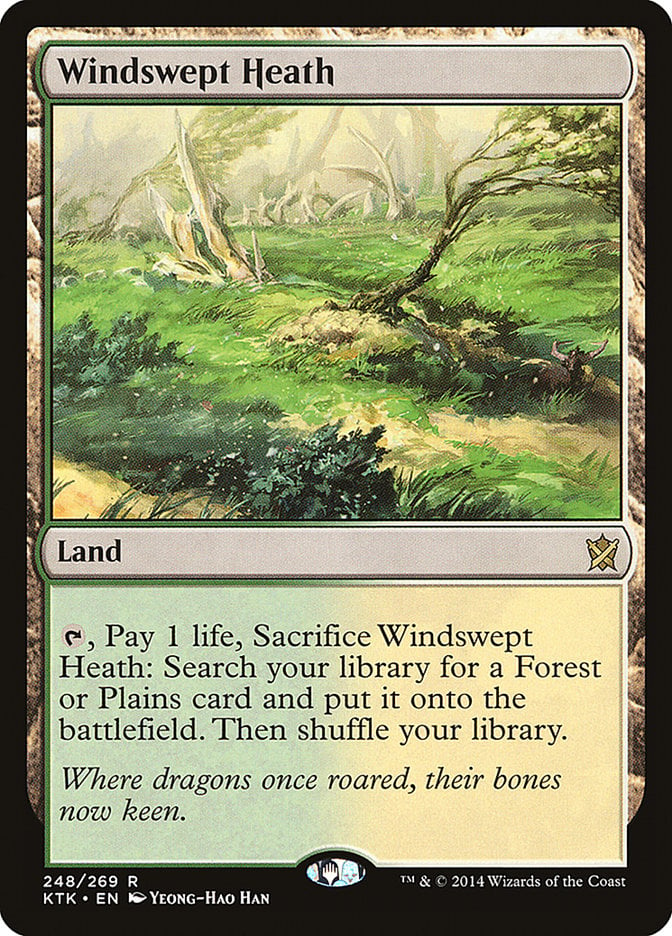
Take Windswept Heath, for example. This fetch land can tutor for any land with a forest or plains type, and it doesn’t need to be a basic Forest or Plains. You can grab everything from Temple Garden to Commercial District, from Idyllic Grange to Indatha Triome. The variety and utility of the fetchable lands means there’s always something useful to pull from your library.
The best fetchable lands have useful ETB effects or enter untapped and allow you to use them immediately when they hit the field.
Honorable Mention: Playtest Fetchables


Before we get into the real fetchable lands, I’d be remiss not to mention the playtest fetchables. These three weird cards push the boundary of what a basic land type can do for a card.
Gobland is a 2/1 goblin mountain that can’t block, so it’s an excellent turn-1 or turn-2 play to put some early pressure on an opponent without spending any mana. Fetching Garden is built for fetching: It enters untapped if you pull it from your library but tapped if it enters from your hand. Jasconian Isle is another creature land that enters tapped and doesn’t untap unless you pay during your upkeep. While none of these cards are particularly game-breaking on the surface, their odd design means we haven’t seen them in a tournament-legal set (yet!).
#14. Cycling Lands

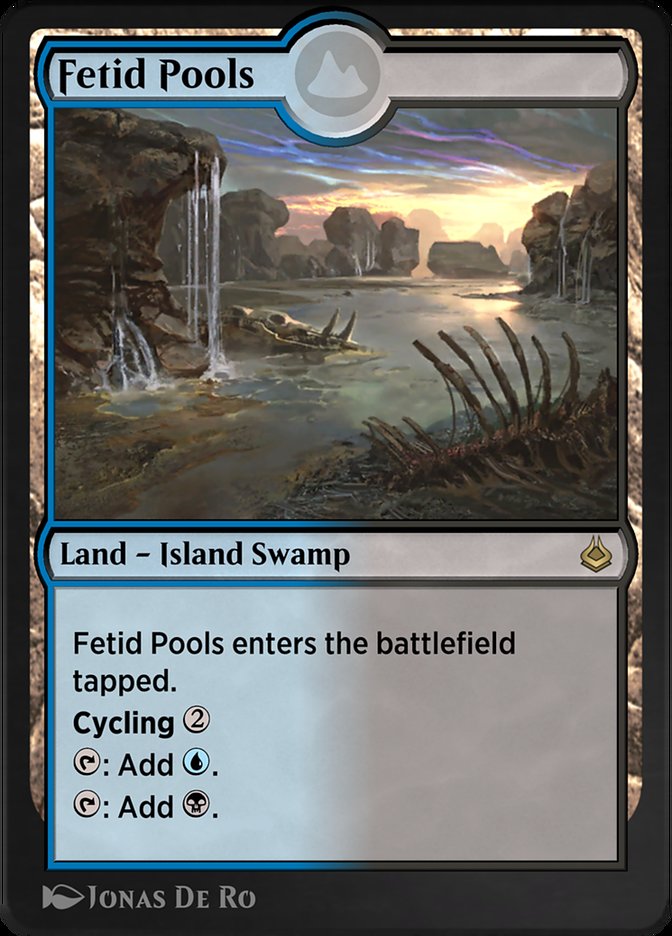
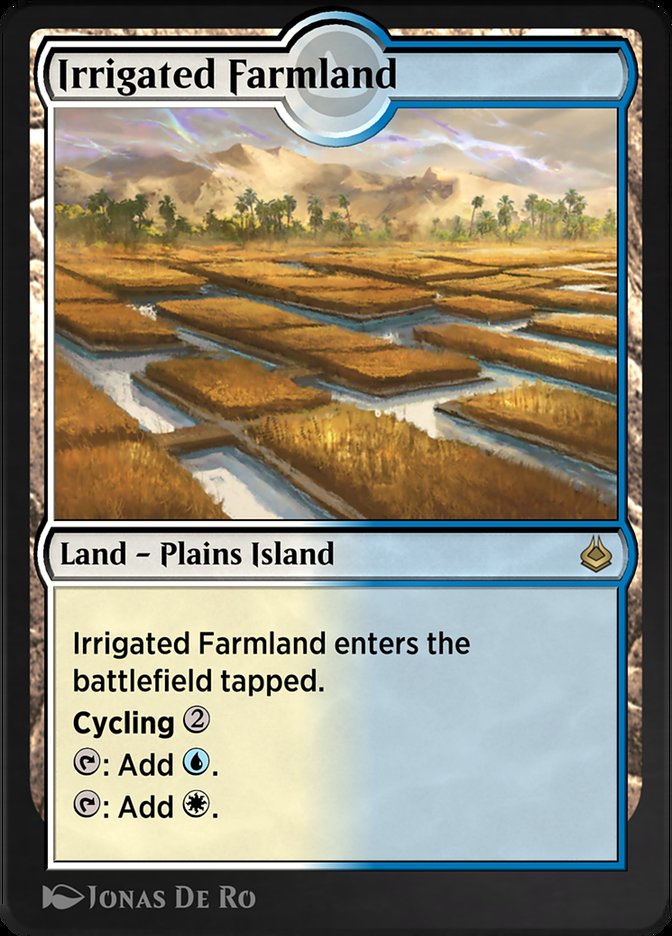
The cycling lands aren’t the best targets to fetch. They enter the battlefield tapped, and you can’t activate their cycling ability from the battlefield. At that point, you’ll see the same return as if you cast Circuitous Route to fetch a guildgate from your library. The biggest advantage to the cycling lands is the option to pitch them from your hand to draw another card – usually in the late game when you’ve already assembled all the mana you’ll need.
#13. Tapped Dual Lands
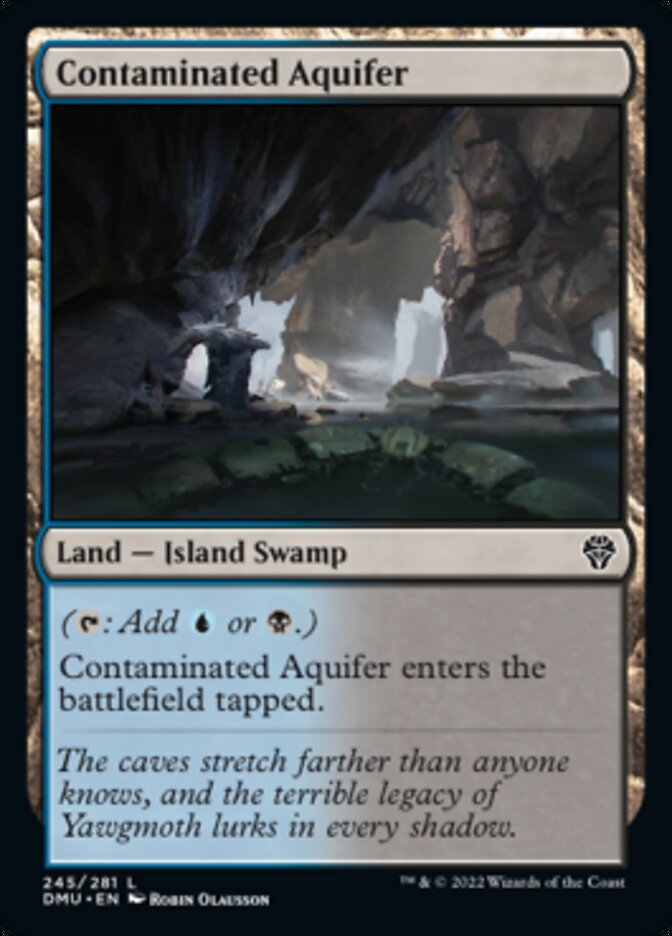
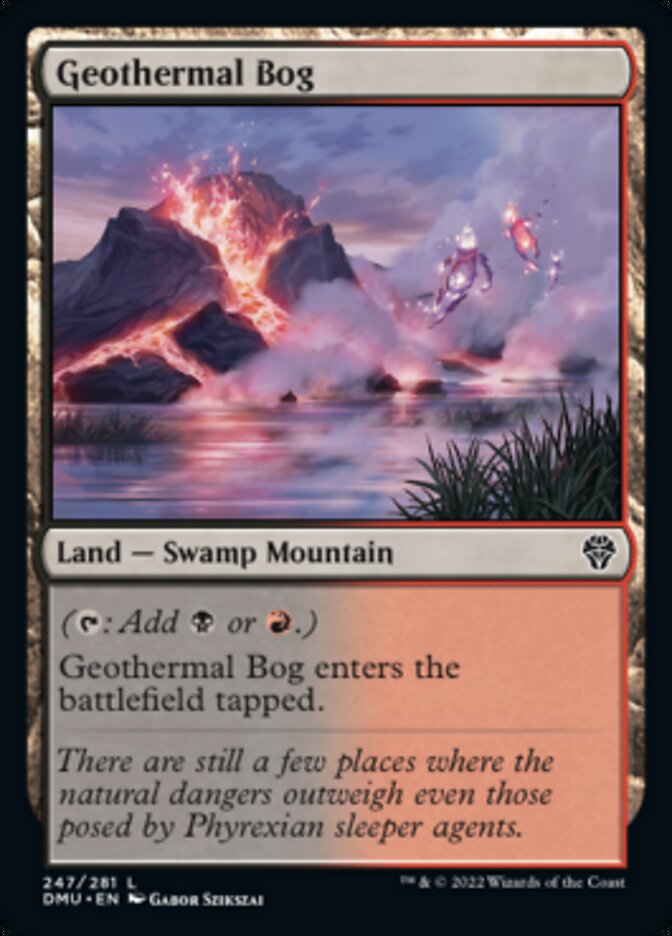
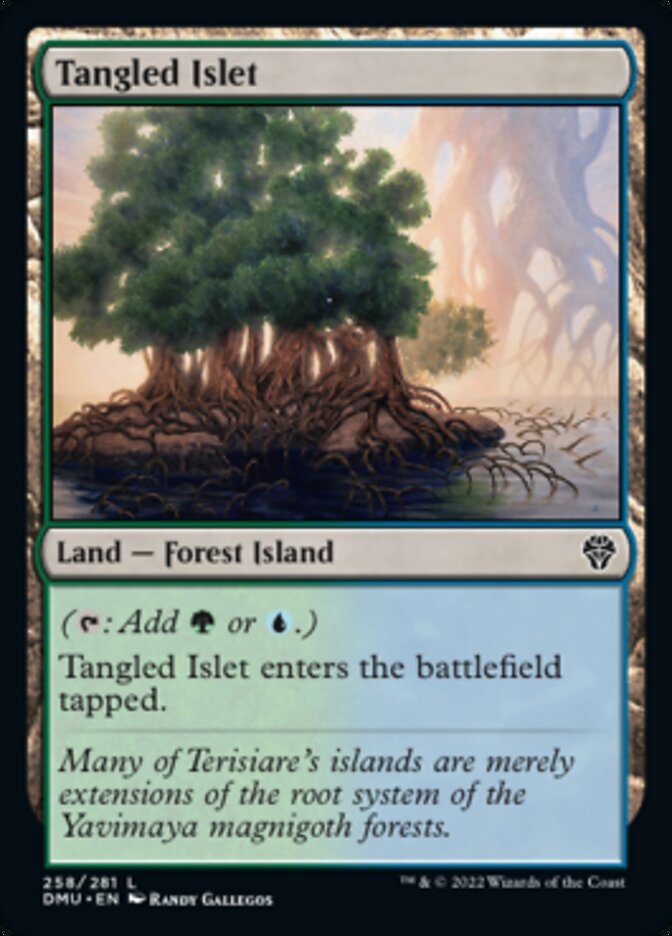
The tapped dual lands from Dominaria United fill a gaping design hole that Magic had been missing for decades. Finally, a fetchable tapland for the budget-conscious planeswalker. While it’s nice to have the option to fix your mana with a simple and cheap dual land, these 10 commons won’t make a huge splash at the table. They’re useful in Pauper, where access to fetchable lands is limited, and useful to tick up your basic-land-type-count for the purposes of the domain ability, but that’s about all they do.
#12. Fetchable Gates
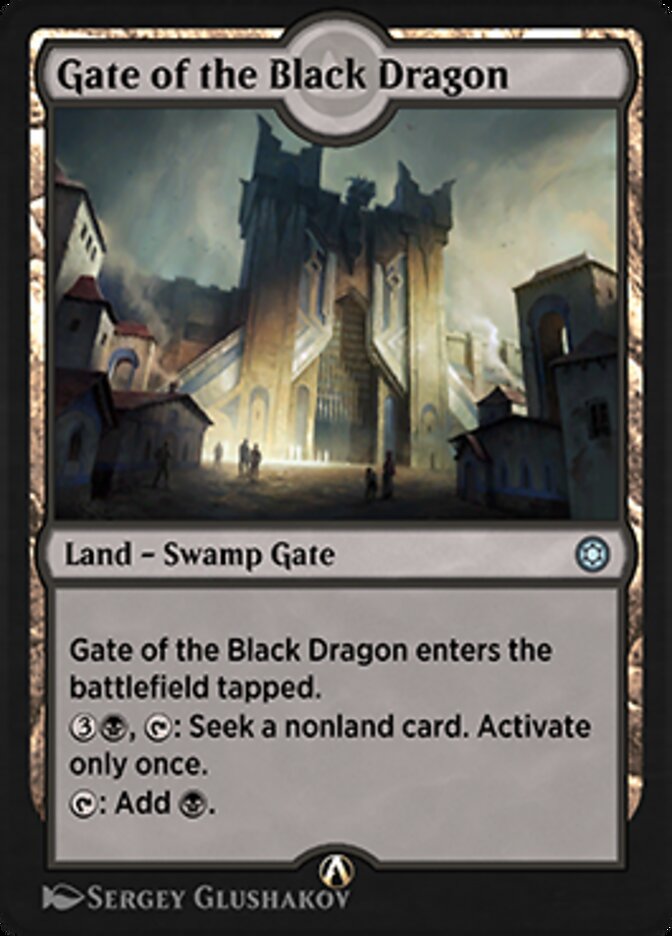
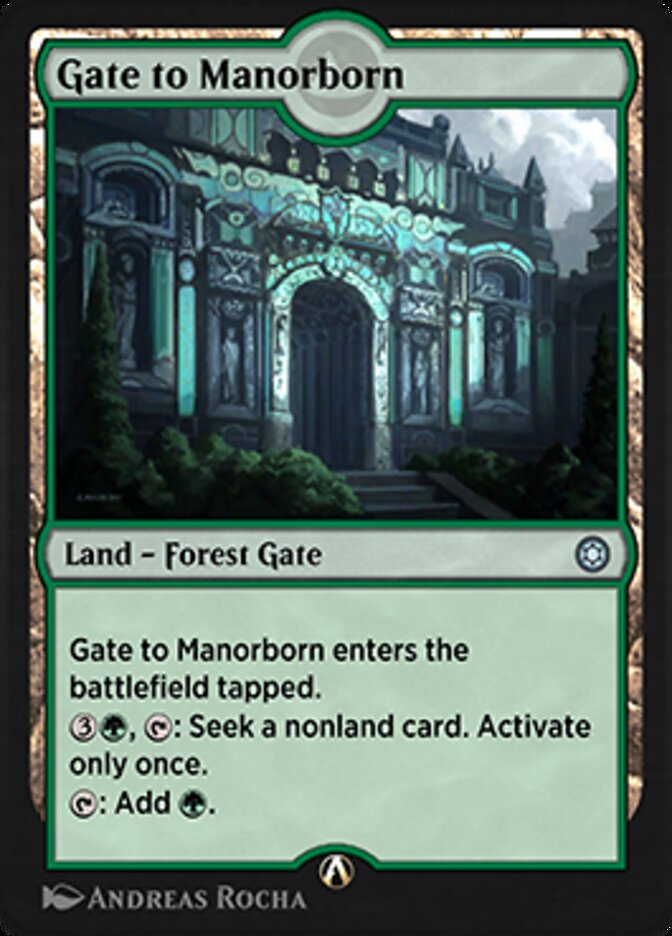
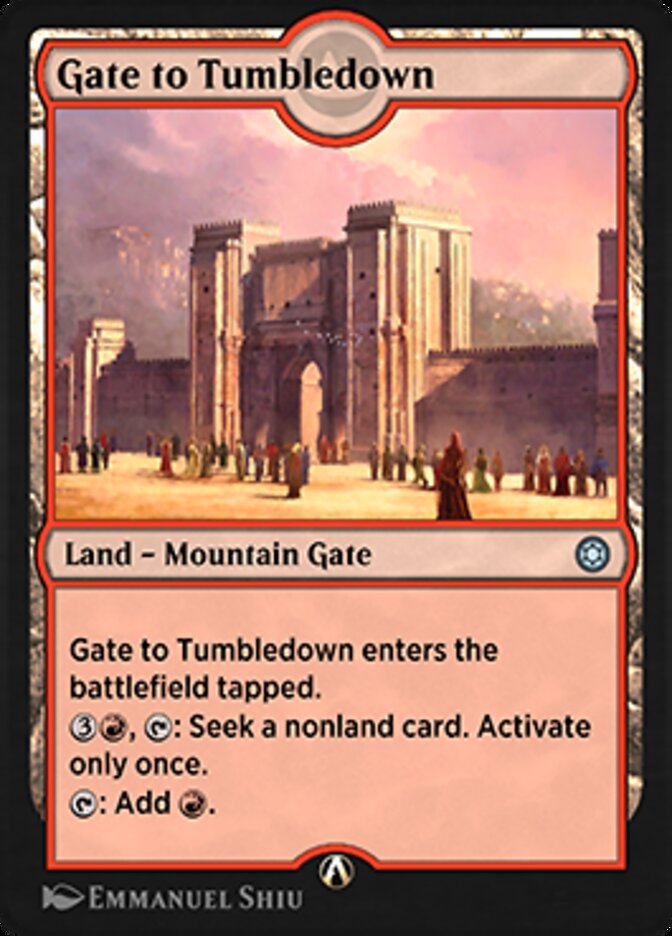
A cycle of five fetchable gates with the basic land types was released digitally on Arena for Alchemy Horizons: Baldur’s Gate. Each has an activated ability that costs 4 mana and seeks a nonland card. You can only activate this ability once, which hurts these cards’ overall usefulness in addition to the fact that they enter tapped.
#11. Shadowmoor Utility Lands

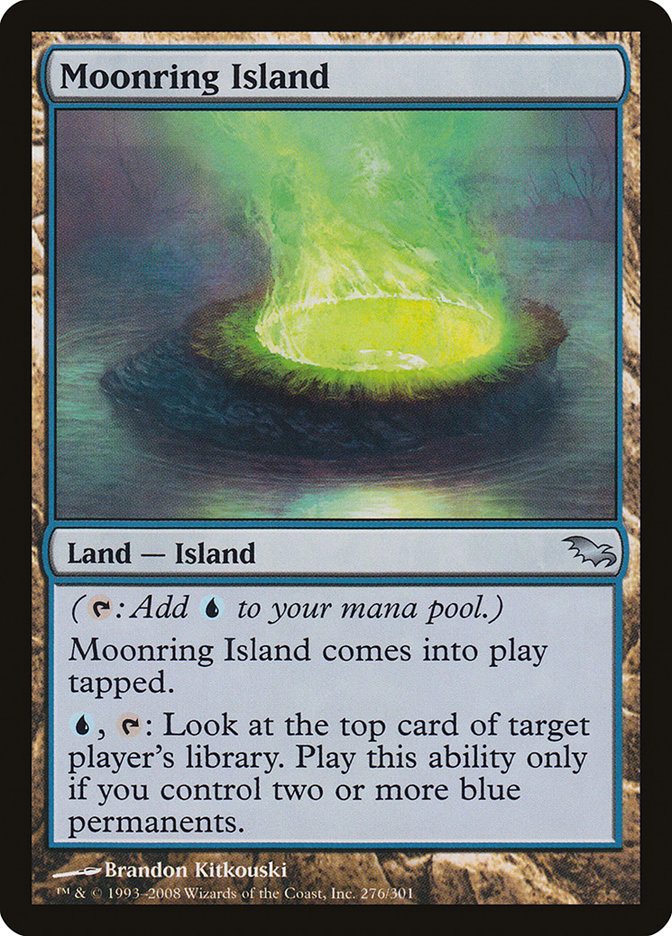
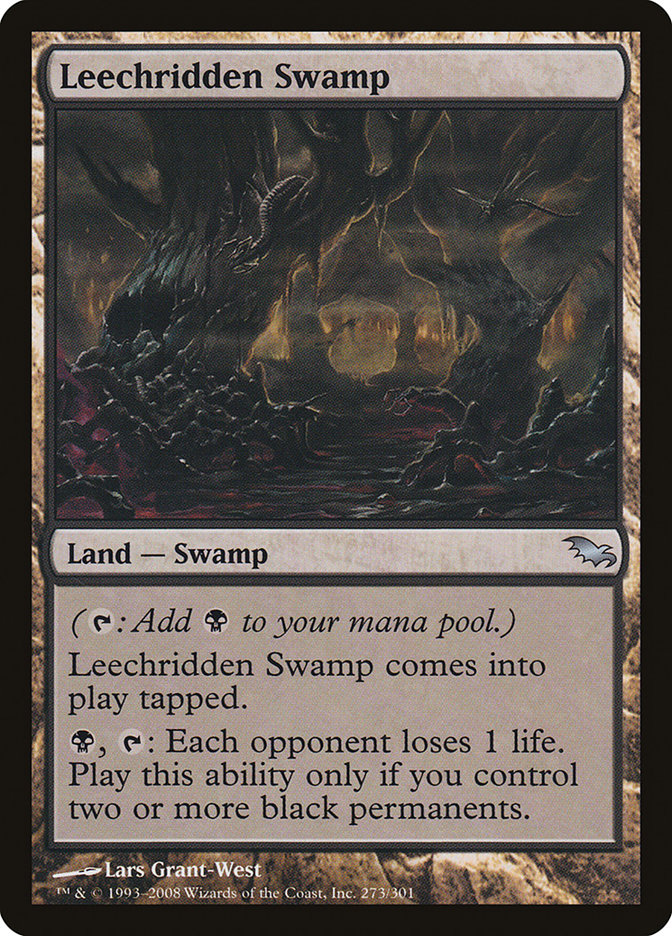
Shadowmoor’s cycle of utility lands with basic land types each enter the battlefield tapped and have a basic activated ability that you can use once you have two or more permanents of their corresponding color. Entering tapped means you won’t be able to use them the turn they arrive, absent an Amulet of Vigor. Plus, none of their abilities are game-changing if you could activate them the same turn you fetch them. I’d never burn my Arid Mesa just to fetch Madblind Mountain unless I had some specific and convoluted combo I knew I’d be able to execute the following turn. Even then, I’d prefer to have an Amulet of Vigor ready to do it immediately.
#10. Snow Duals
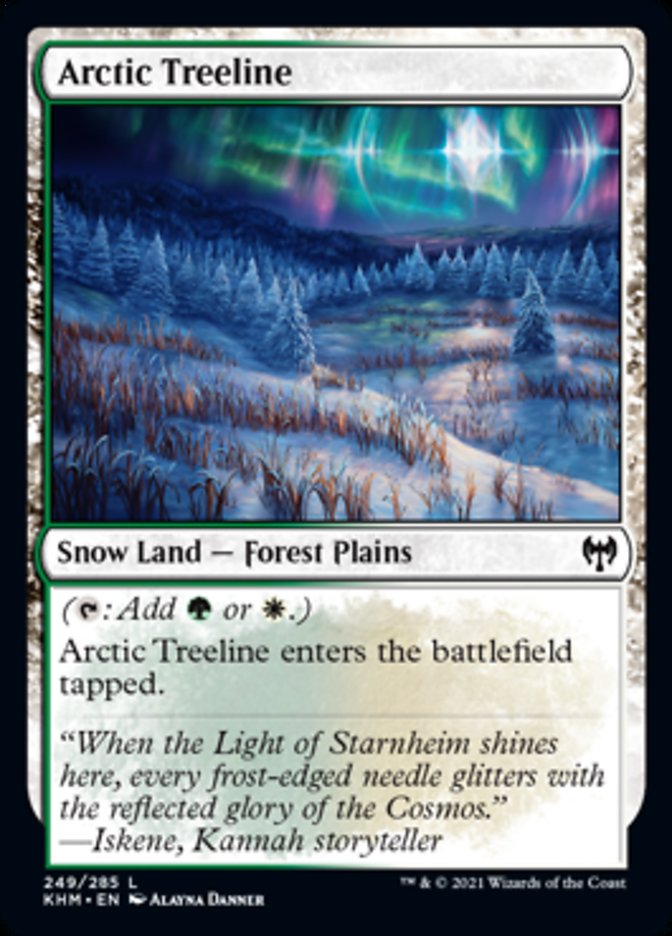
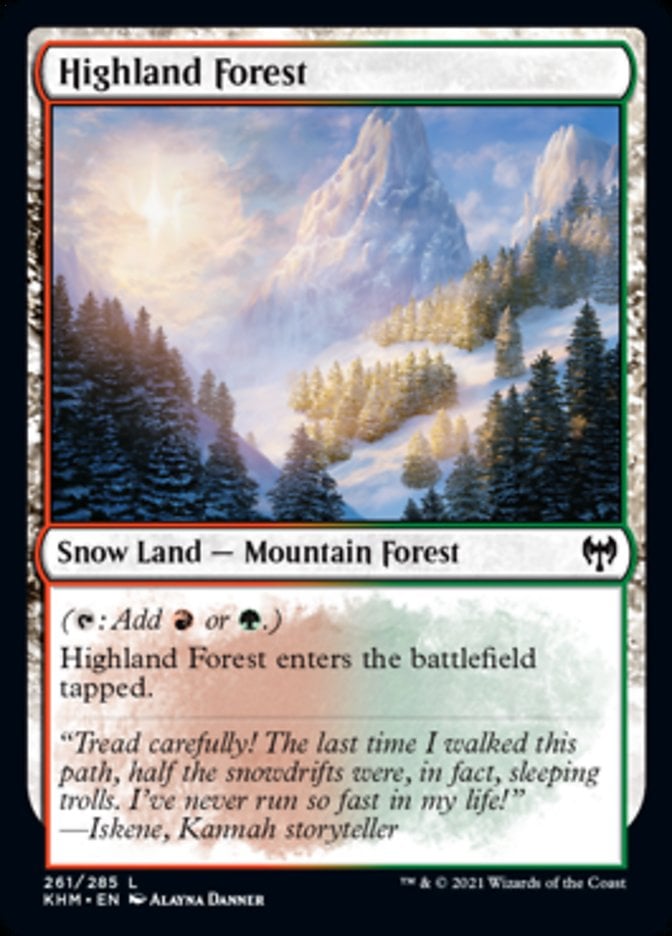
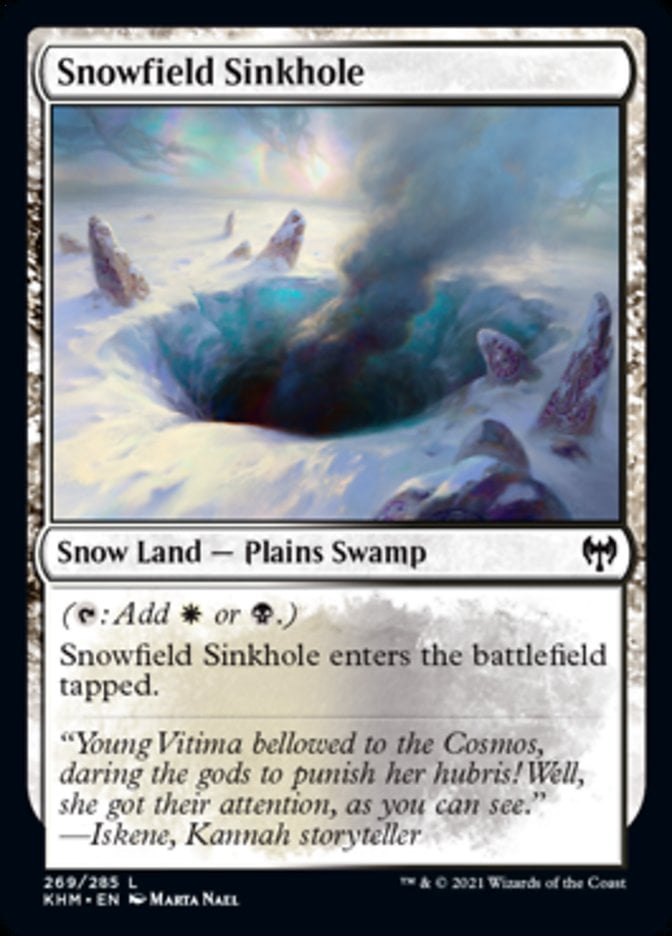
The snow duals are a cycle of 2-color lands with the basic land types of their respective colors. Because they also have the snow supertype, the mana they produce is technically snow mana, which allows you to use them to cast snow spells like Arcum's Astrolabe or activate snow abilities like the pump effect on Chilling Shade. These lands are essential for snow decks, but they’re also useful for Pauper decks that need fetchable dual lands. They’re only commons, so they enter the battlefield tapped no matter what, unlike the shock lands. Great as cheap mana fixers, but their power depends on your format and deck composition.
#9. Dryad Arbor
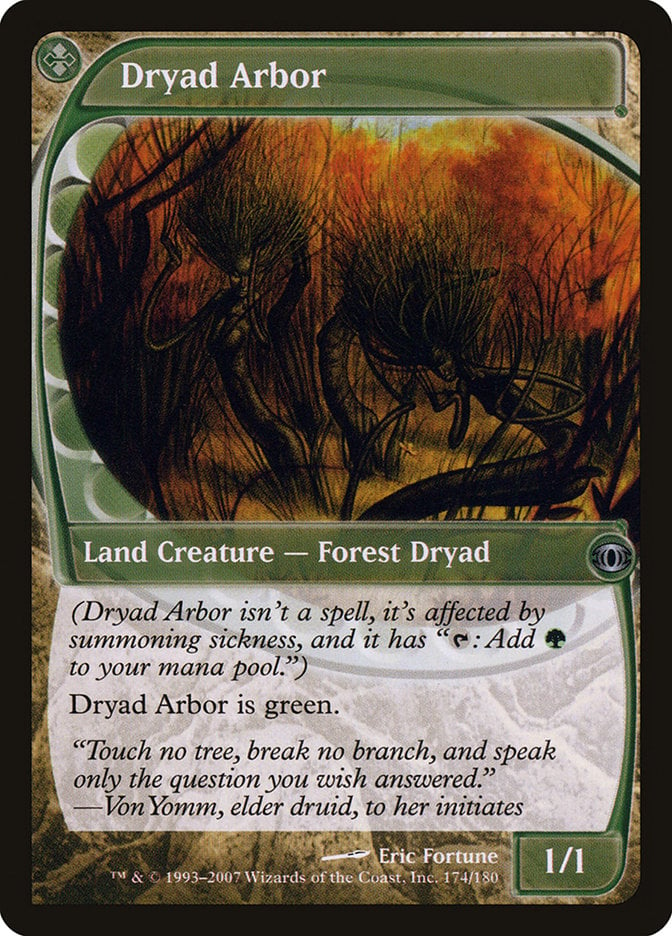
Dryad Arbor is the only fetchable creature land. While there are a whole host of lands that can become creatures, Dryad Arbor is the only one with a basic land type. Being a fetchable creature means you can instantly bring it into play from your library as a surprise blocker in a pinch or to tick up your total count of creatures for the purposes of convoke or a “creature count matters” card like Crusader of Odric.
#8. Murmuring Bosk
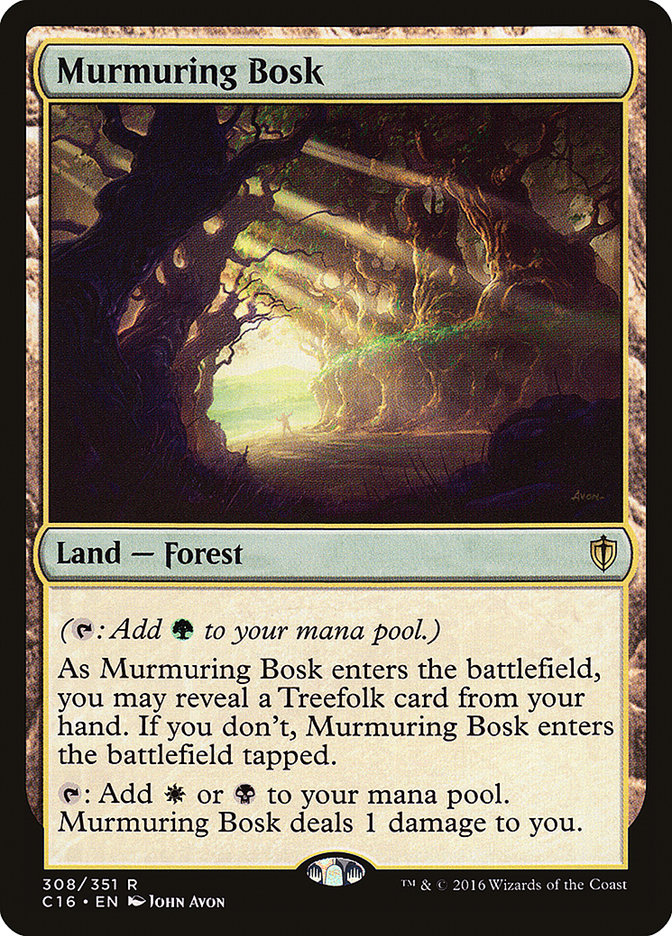
There’s just one fetchable land that references creature types, and it’s Murmuring Bosk. This forest enters the battlefield tapped unless you can reveal a treefolk from your hand. After that, it acts as both a basic Forest and a Caves of Koilos, pinging you for the ability to tap for the other two most common colors of treefolk. I actually really like this card for treefolk decks, and I wish we had similar lands for the other popular creature types like elves, dragons, or merfolk.
#7. Adamant Lands
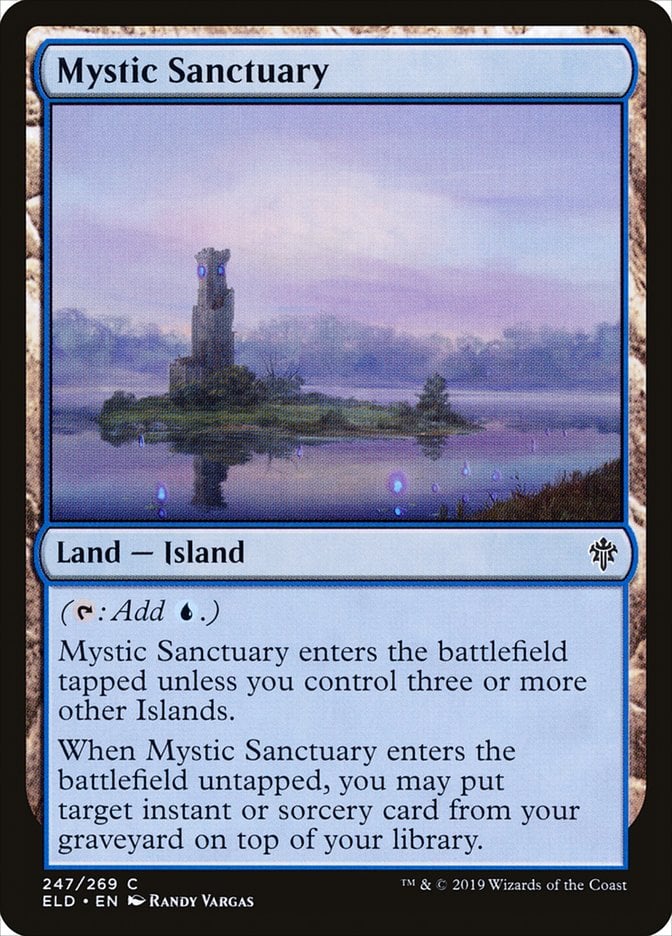
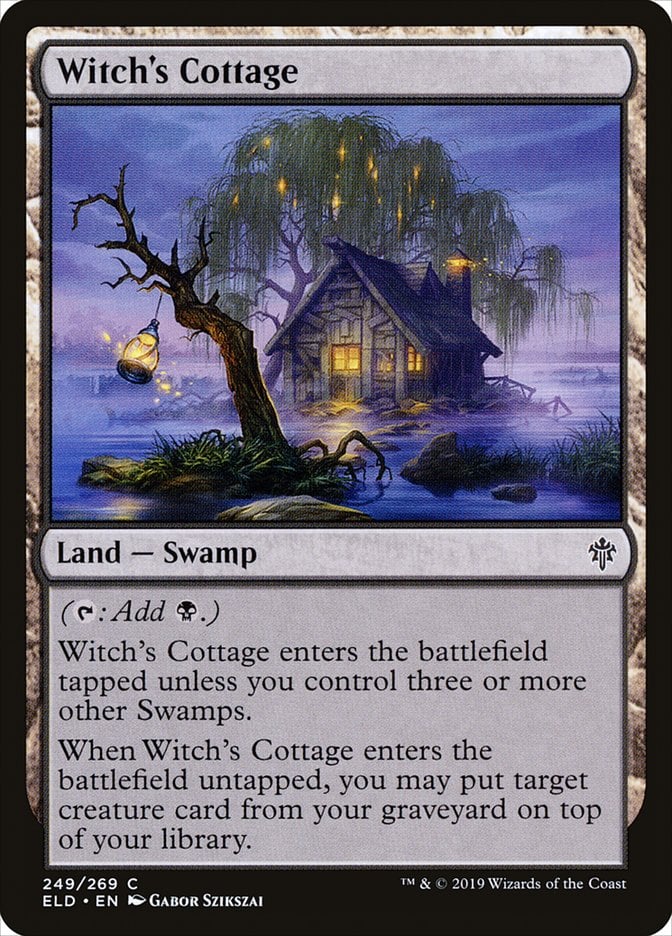
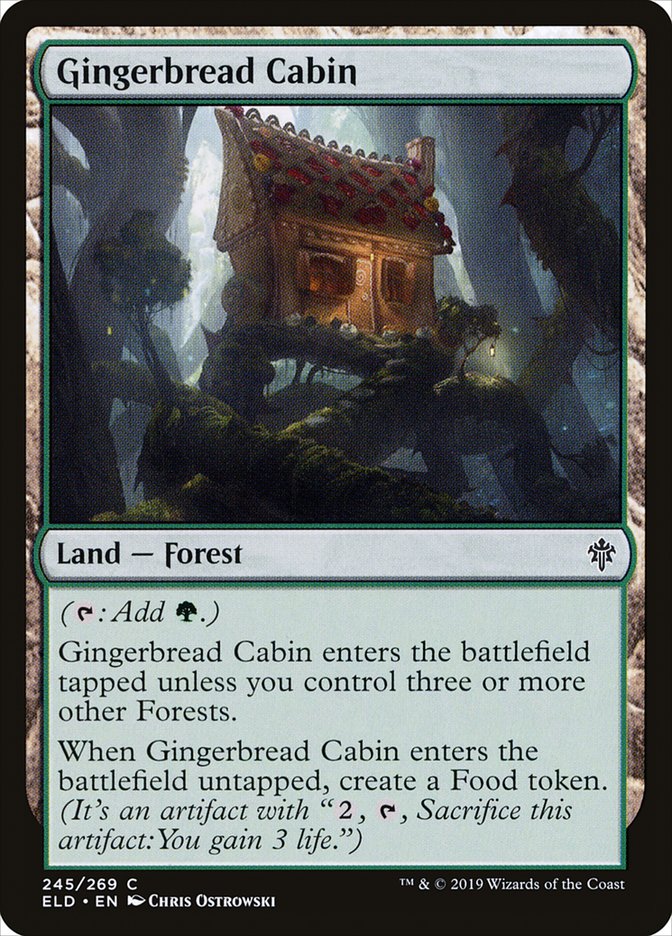
Throne of Eldraine had a focus on mono-colored decks, specifically on using at least 3 mana of the same color to trigger an effect. Each of these mono-color lands enters tapped unless you control three or more other lands with the same basic land type as the adamant land. Each of their triggered abilities is useful, especially as an ability for which you pay no mana, but some stand a cut above the rest. Mystic Sanctuary and Witch's Cottage see a lot of play for their recursion effects and can create gameplay loops that generate a lot of value.
#6. Tango Lands
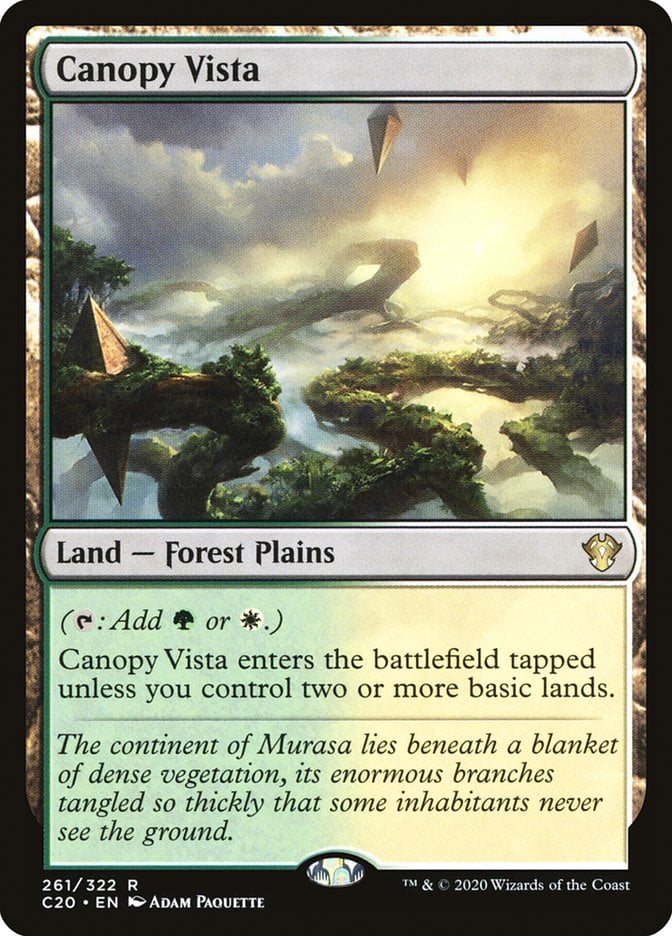
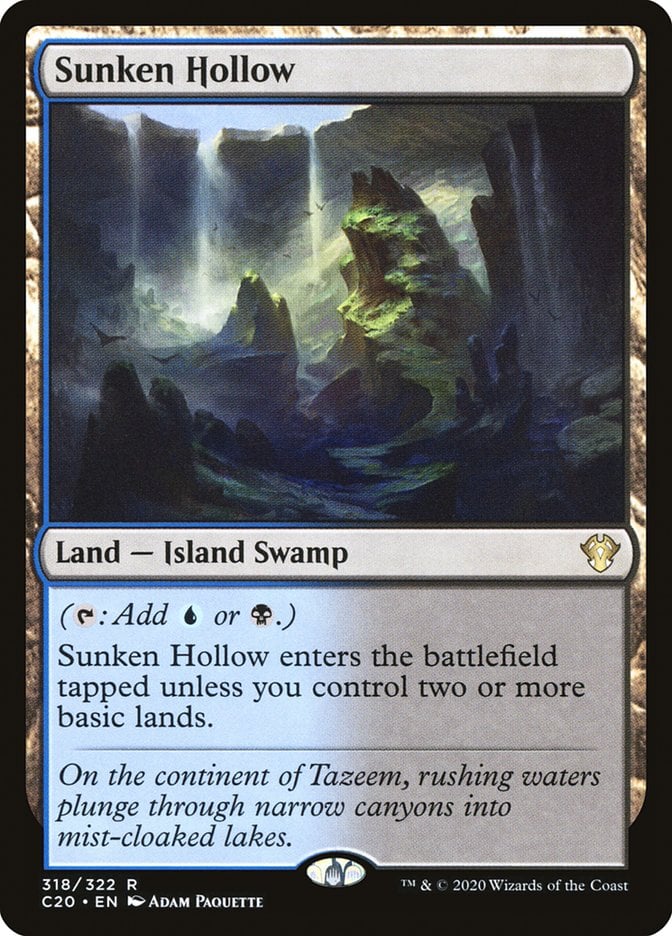
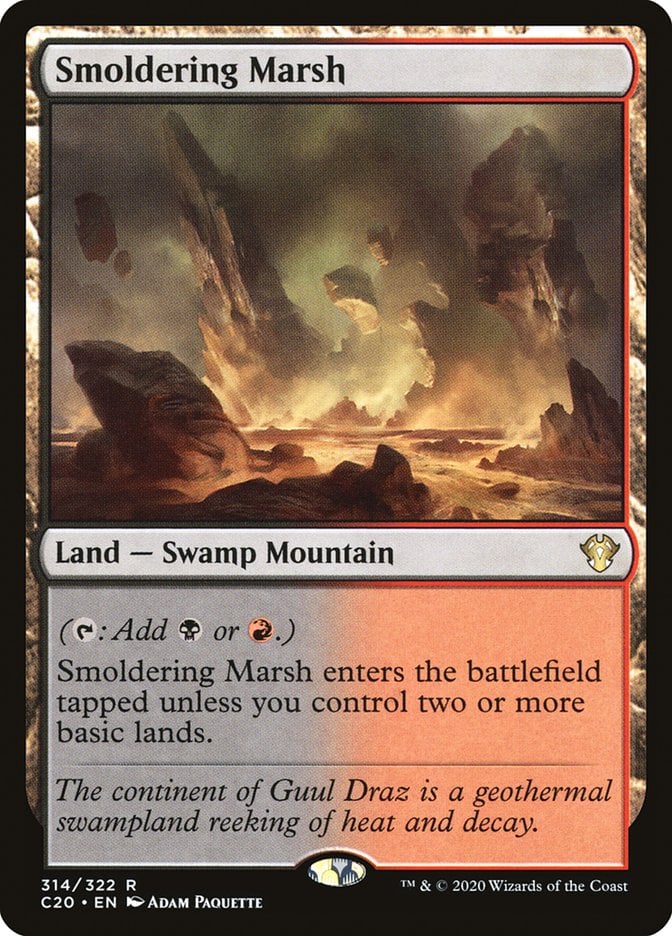
The tango lands are known as such because “it takes two to tango.” Each of these lands enters the battlefield tapped unless you control two or more basic lands. They’re hard to play in the first two turns of the game, but they function just like the original duals from Alpha after you’ve hit your first two land drops. The tango lands have mostly only existed in the ally color pairs, though the printing of Radiant Summit and Vernal Fen in Edge of Eternities Commander marked the start of printing enemy-colored tango lands.
Tango lands are must-haves in any multicolor deck, and they’re excellent choices for budget mana-fixing since their constant reprint rate keeps their actual dollar cost relatively low.
#5. Turbulent Lands
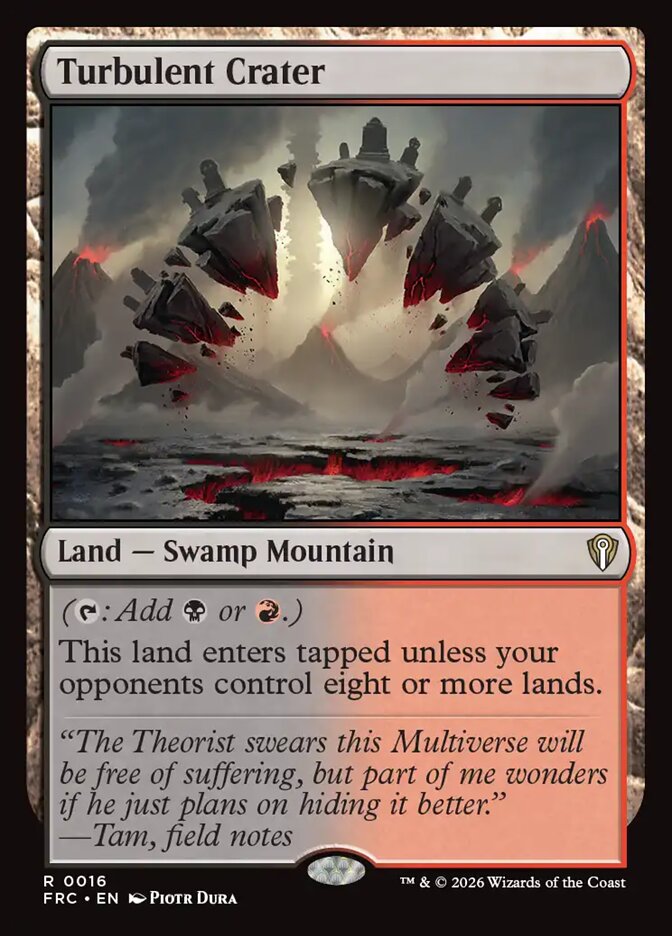
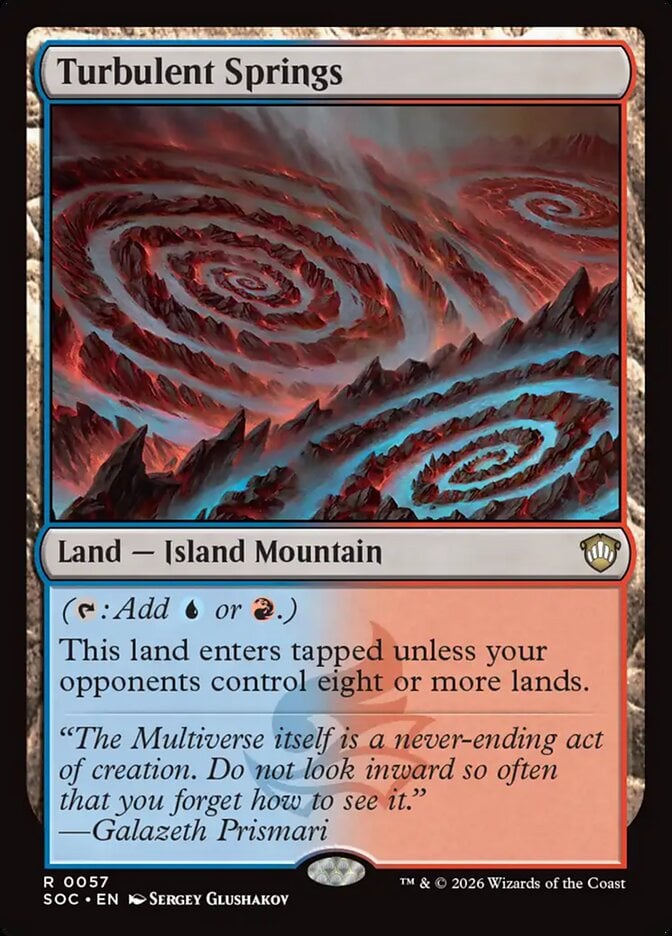
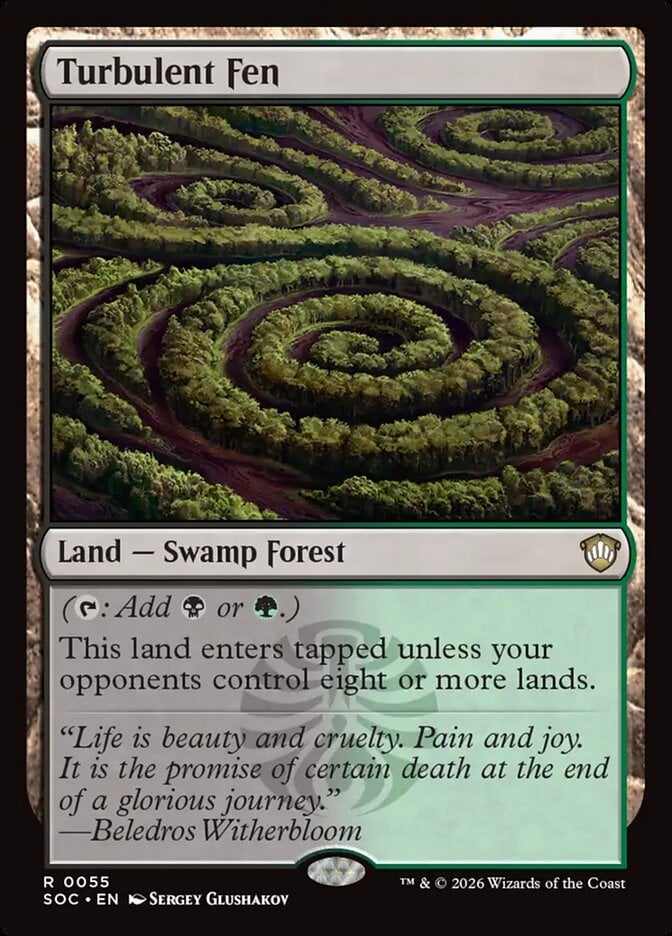
The Turbulent lands are a relatively new cycle introduced in Secrets of Strixhaven, with the enemy color lands spread across its five precons. Another three were printed in Reality Fracture, but it’s worth noting that the cycle is incomplete: The Multiverse Reforged precon lacked green, so the green-white and green-red turbulent lands have yet to be printed.
The Turbulent lands are explicitly Commander-centric, as indicated by how they enter untapped. It’s not uncommon to see your opponents have a cumulative eight lands by turn 3 in Commander (assuming your opponents have 3 land apiece, maybe more with land ramp) but these will be tapped in most 1v1 games. Think of them like fetchable slow lands, which is an incredible pitch. Commander players should value these highly, though players of more competitive formats should look elsewhere.
#4. Triomes
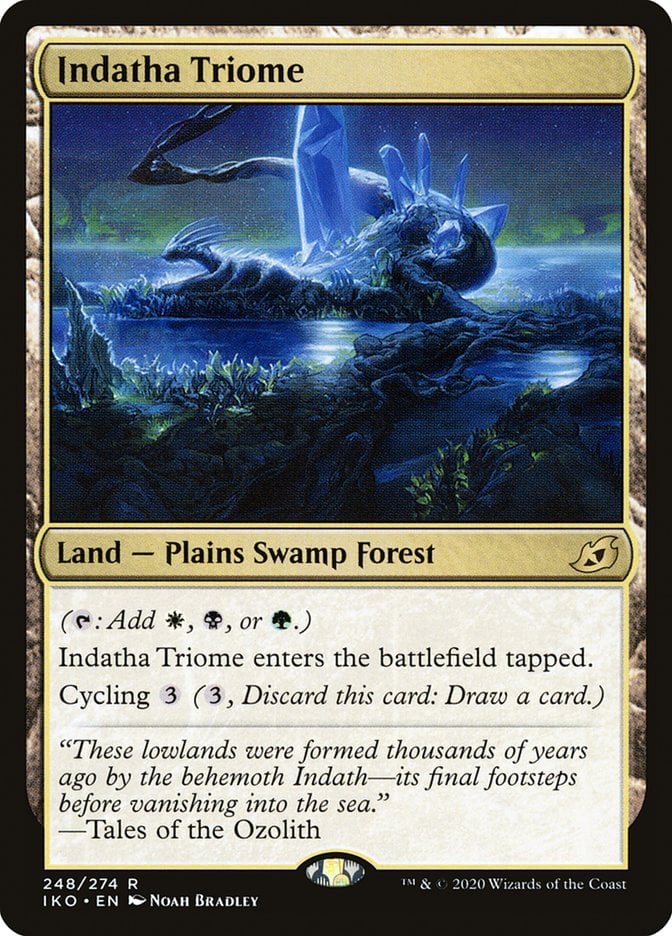
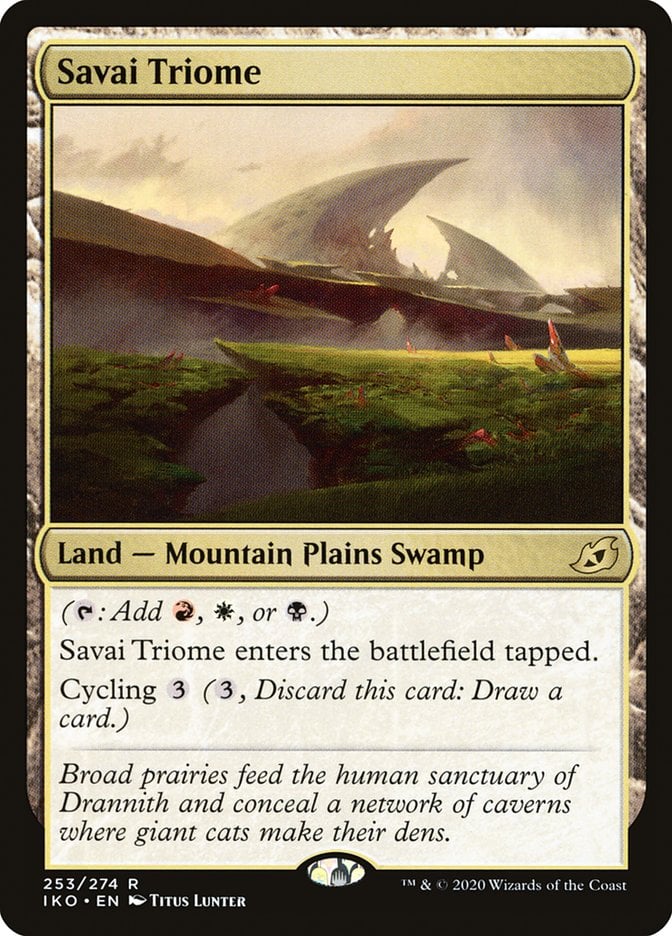
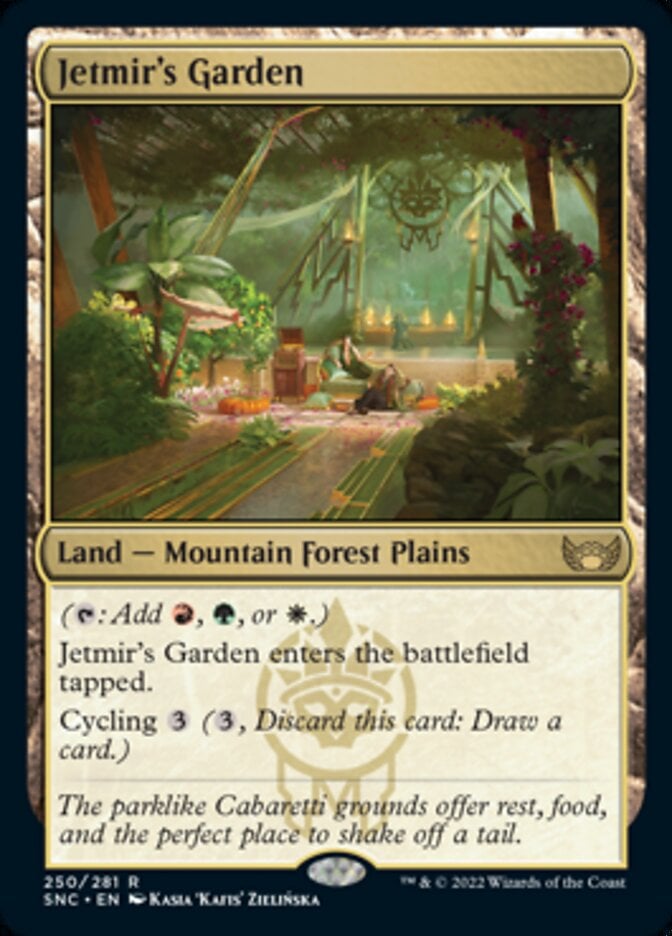
The triomes are two cycles of 3-color lands released in Ikoria and Streets of New Capenna. These lands enter the battlefield tapped, and you can cycle them from your hand for 3 mana. While a tri-color land is incredibly valuable in a multicolor deck, it feels bad to fetch these to the field when you can’t use them immediately, and it feels like a waste of a good land card when you cycle them away. Triomes are best when you see them in your opening hand and can drop them in the early game, which saves you the worry of whether you’ll have the right mana to cast that Progenitus down the line.
#3. Surveil Lands
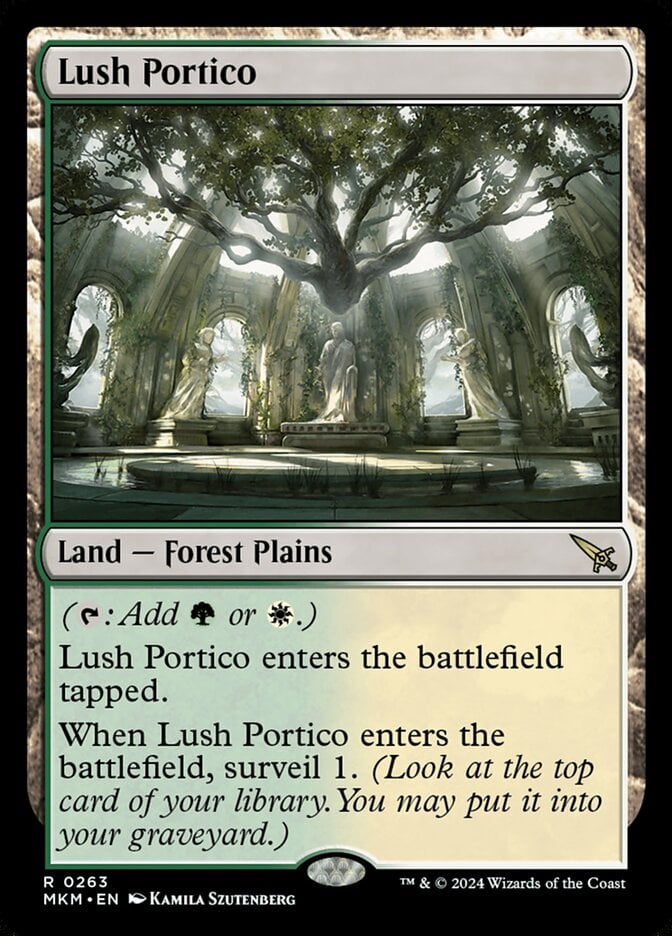
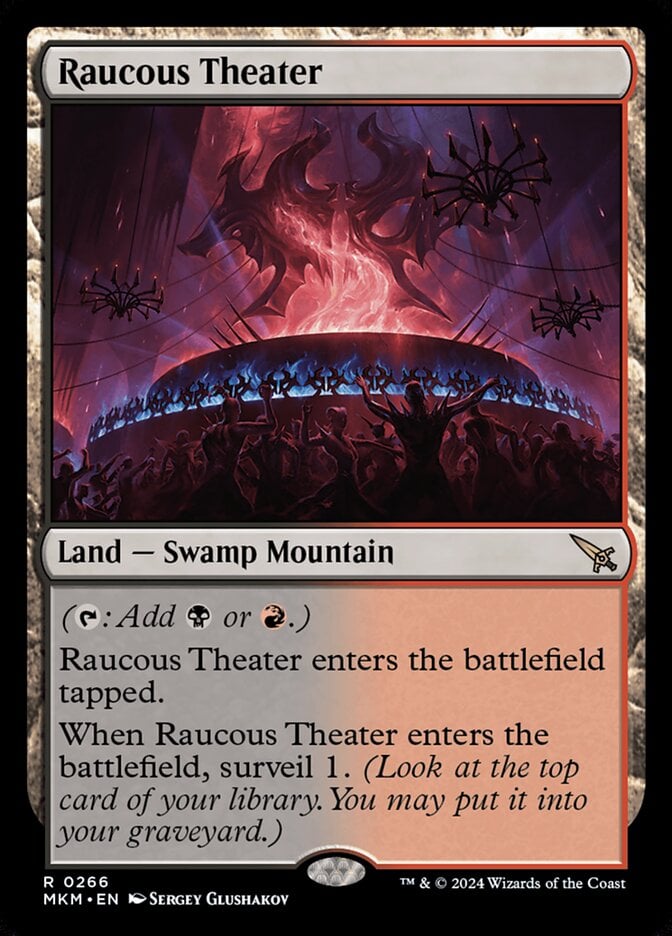
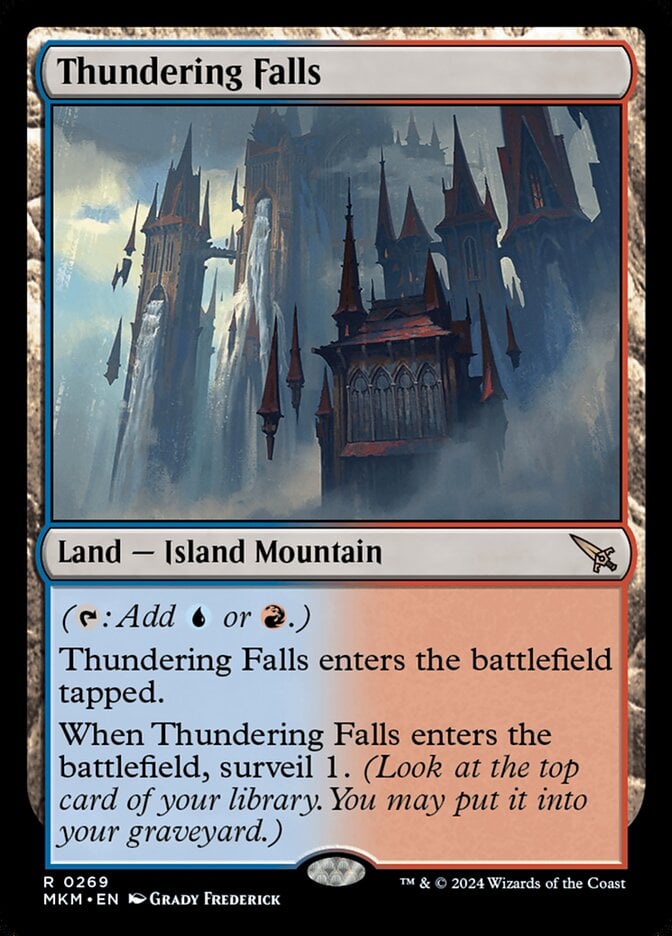
The surveil lands were introduced in Murders at Karlov Manor, another Ravnica set (notice how easy it is for WotC to slip a cycle of duals into sets from that plane). Each of these lands has you surveil 1 when they enter, so they let you look at the top card of your library and either put it into the graveyard or return it to the top of your library. This is useful when you need to filter through the top of your deck to find answers to your opponent’s threats or to fill your graveyard with specific cards.
Since fetching them from your library results in you shuffling before the surveil ability triggers, you won’t be able to set up the top card to be the exact card you want to mill, but the knowledge of what’s coming is always a plus in a game about information.
#2. Shock Lands
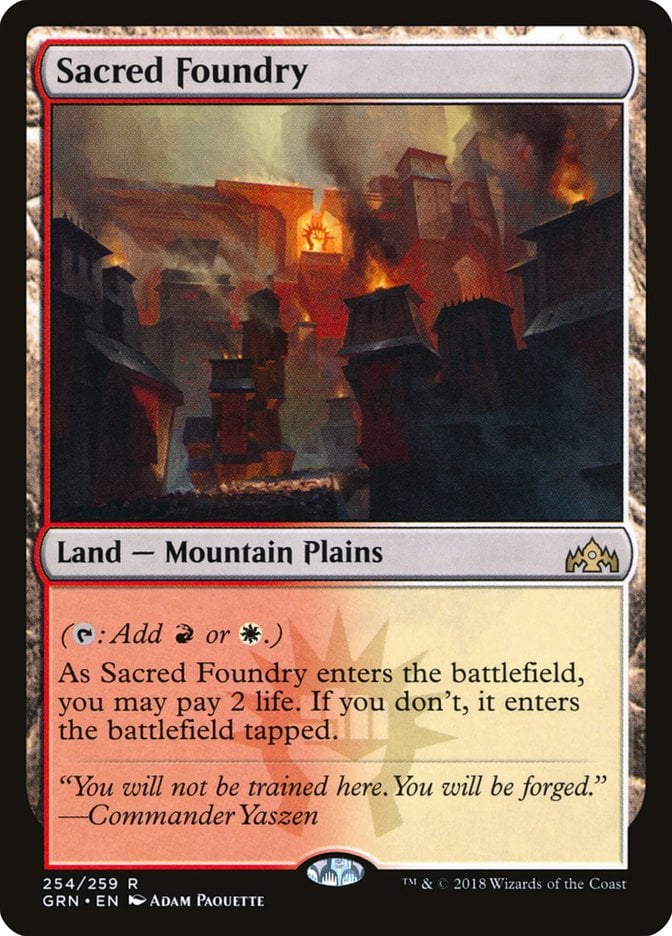
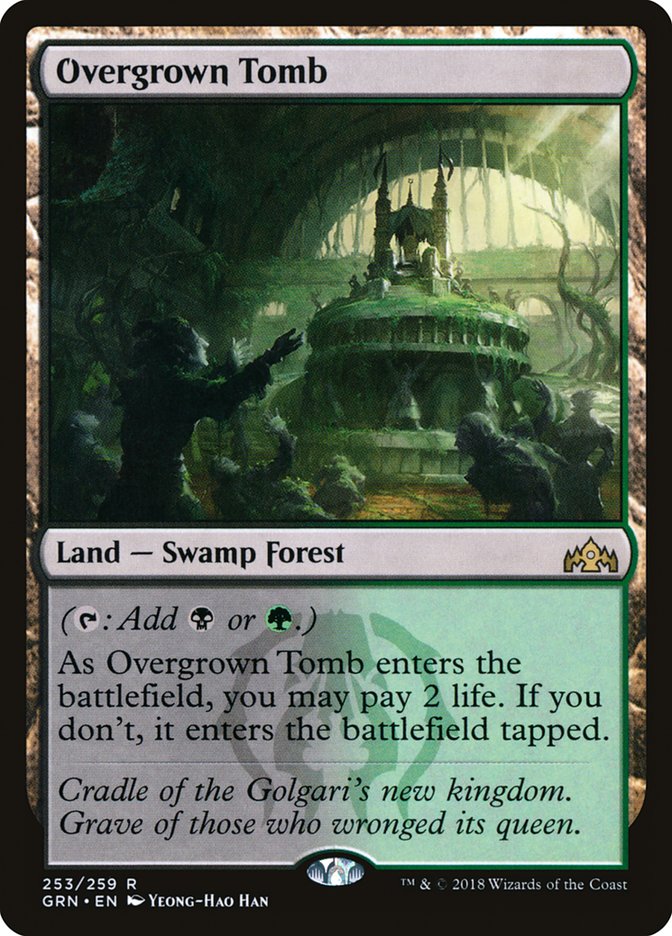
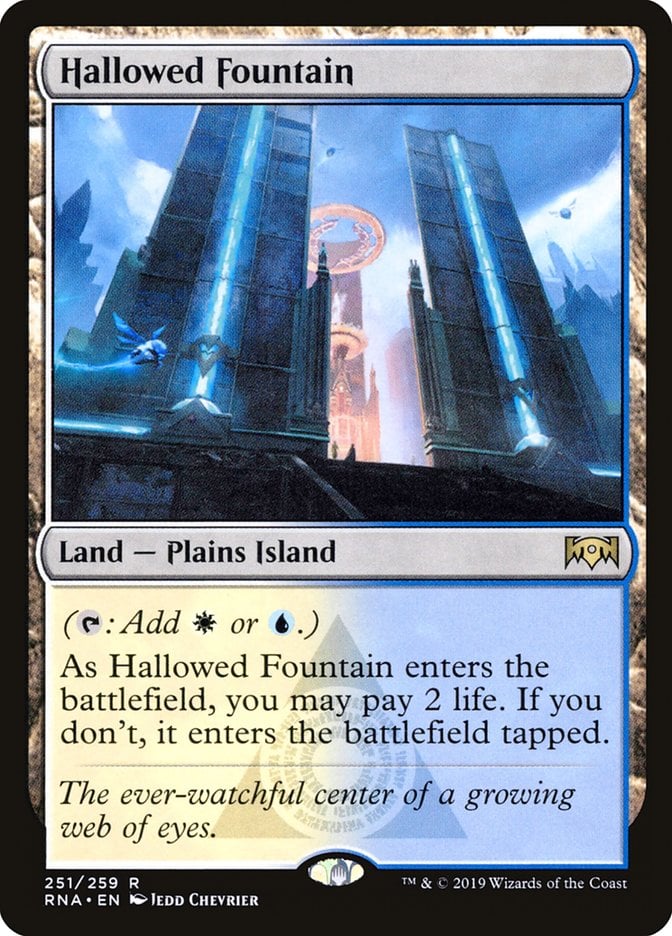
The shock lands are some of the most popular lands to fetch since they can enter the battlefield untapped if you pay 2 life (or “Shock” yourself) as they enter. The shock lands were originally introduced in Ravnica: City of Guilds as dual lands to represent each of the 10 guilds’ colors. When you use them in conjunction with a fetch land, these lands cost you a total of 3 life to fetch and untap, but that’s often a fair price to fix your mana instantly in a high-stakes game of Modern or Legacy.
While they might not be the most exciting fetchable lands, their utility is undeniably broad and they’re useful no matter what your deck’s game plan is.
#1. Dual Lands
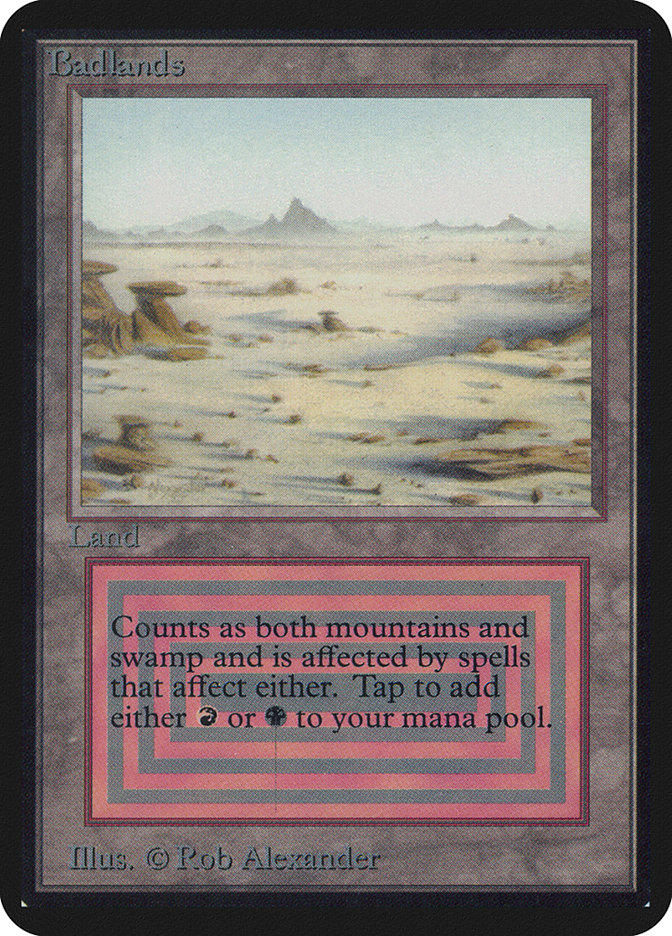
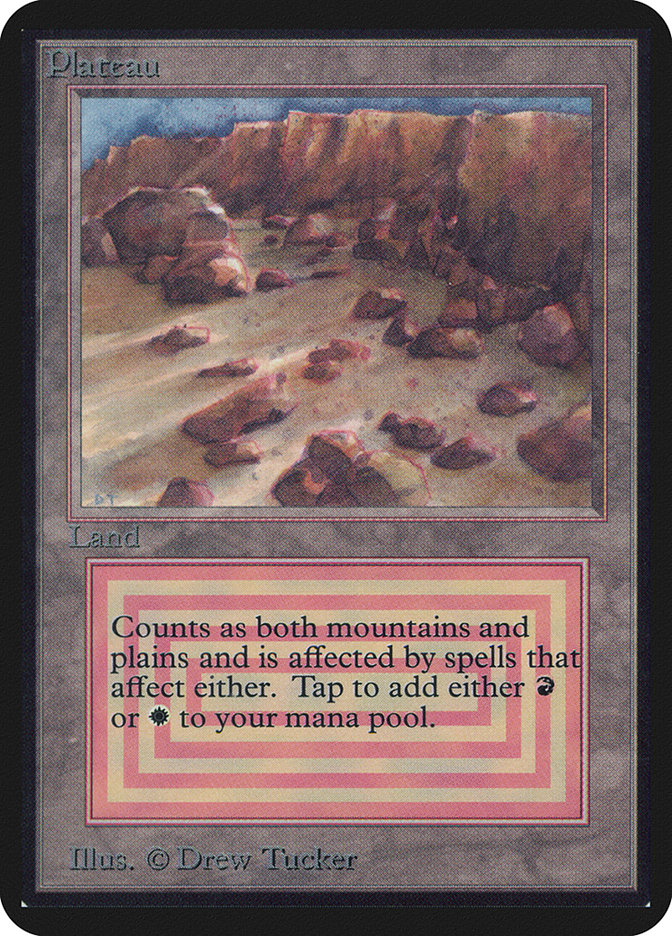
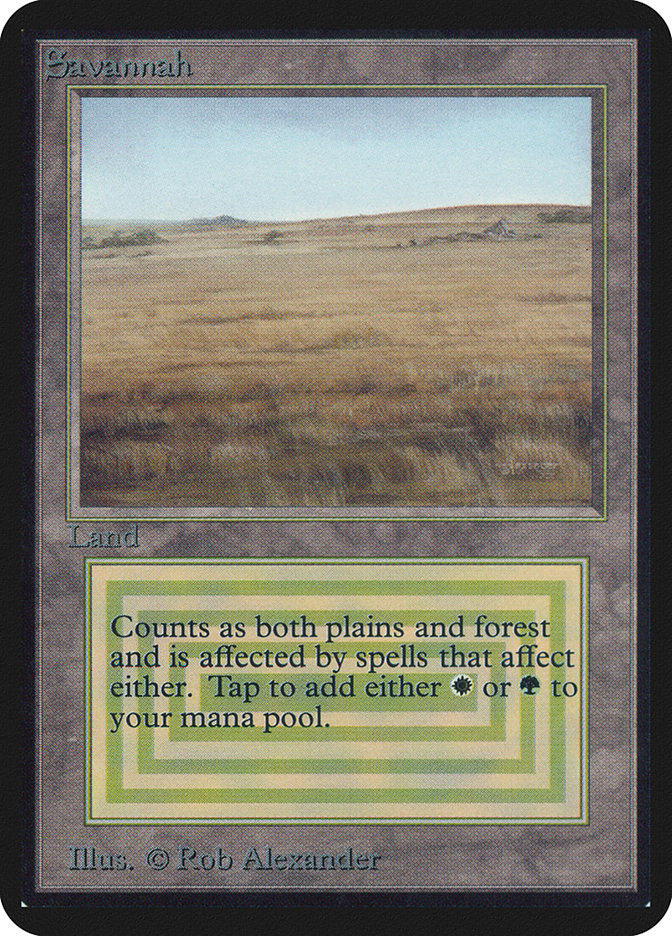
The greatest of the 2-color lands are the original cycle of dual lands from Alpha. These lands tap for either of their respective colors and enter the battlefield untapped and ready to go. These are widely regarded as the best lands in the game given that they’re fetchable, they tap for two colors, and they have virtually no downside. These Reserved List cards will never be reprinted, so they’re incredibly valuable; each has only four playable printings (The Collector’s Edition versions have sharp edges, so they aren’t tournament legal).
Wrap Up

Canopy Vista | Illustration by Adam Paquette
It should come as no surprise that the original cycle of dual lands are the best targets for your fetch effects. They fix your mana perfectly and instantaneously, and they come with the added benefit of bragging rights if you own a physical copy. While they’re undeniably the best, that doesn’t mean the rest of these cards are useless; indeed, the OG duals aren’t legal in most competitive formats, so you’ll need to use these other fetchable lands if you plan to fix your mana with tutoring. I encourage you to play with each of these land cycles across multiple formats to familiarize yourself with where they excel and where they lack.
Have you ever seen someone actually fetch up an Alpha dual land? And are there any instances where you’d actually want to fetch up Madblind Mountain? Let me know what you think in the comments, or join the discussion over on Draftsim’s Discord!
Thanks for reading! If we try hard enough, we can still make fetch happen!
Follow Draftsim for awesome articles and set updates:










Add Comment