
Last updated on September 29, 2026

All Will Be One | Illustration by Chris Rahn
Few Magic villains have the legacy and impact of the Phyrexians. Founded by Yawgmoth, Phyrexia and its inhabitants believed in the beauty of artifice and oil over flesh and blood and refused to stop until all the Multiverse had been “blessed” with the glistening oil and compleated with Phyrexia’s glory.
The Phyrexians have tormented multiple planes and featured prominently in Magic’s story, past and present, where we still feel the aftereffects of New Phyrexia’s multiversal invasion. That means we’ve had plenty of time to amass powerful cards representing Magic’s greatest foes.
What Are Phyrexians in MTG?
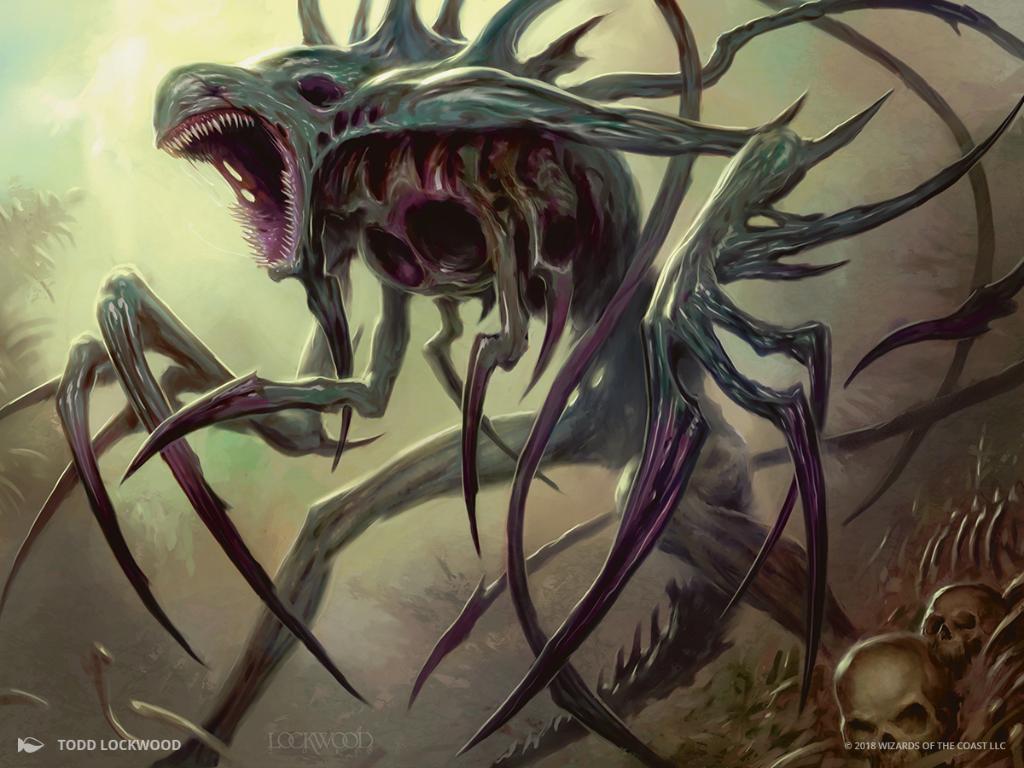
Phyrexian Obliterator | Illustration by Todd Lockwood
Phyrexian is a creature type introduced in Kaldheim that represents creatures affiliated with Phyrexia. After its introduction, old cards received errata to have the type, with the errata reaching all the way back to Antiquities. In the classical days, Phyrexians were almost always black creatures or colorless artifact creatures. This changed with Scars of Mirrodin, which explored Phyrexians in all colors, as did future sets like Phyrexia: All Will Be One and March of the Machine.
“Phyrexian” is an extremely broad archetype; rather like “human” or “elf,” Phyrexians can have multiple other creature types and are mechanically diverse, though certain mechanics like infect and toxic are aligned with Phyrexians.
#41. Archfiend of the Dross
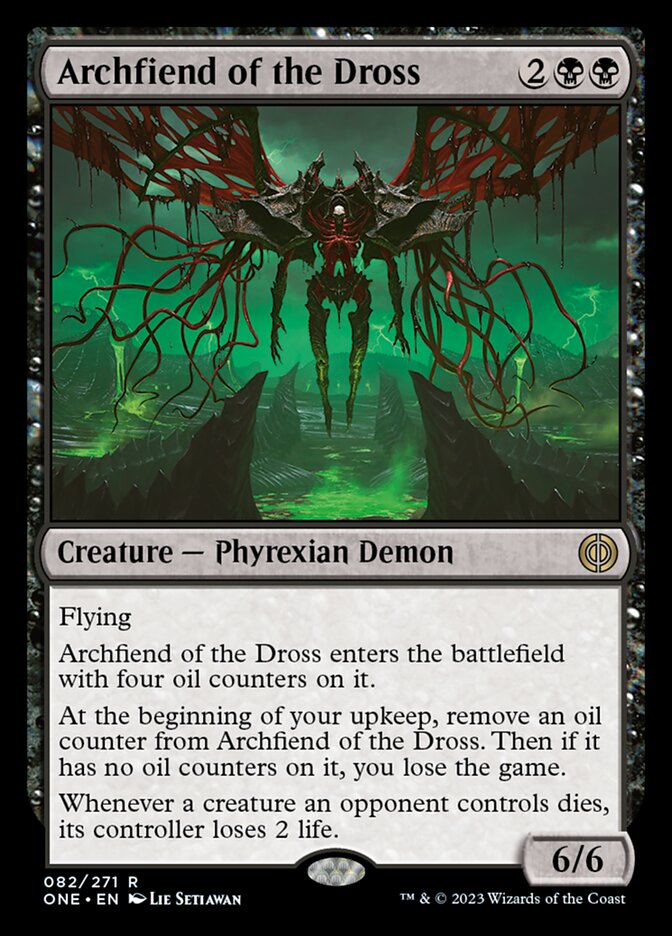
Archfiend of the Dross demands you win with its over-statted body in a few turns or you lose. That’s a very effective use case, but most of its Constructed play used it as a combo with Metamorphic Alteration to make an opponent’s creature a copy of the Archfiend with no oil counters, killing them in their next upkeep.
#40. Blightsteel Colossus
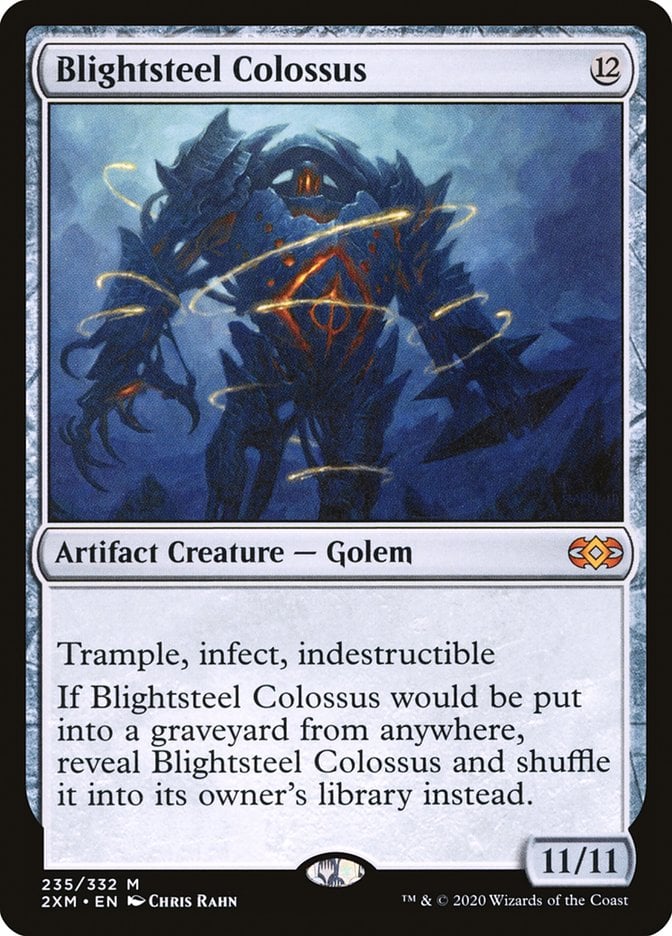
I can hear the jeers at Blightsteel Colossus put so far down the list; it’s a behemoth, a creature that might win the turn it connects with your opponent, and it’s devilishly hard to remove. But power creep erodes all titans; there are simply better creatures to cheat into play these days. But this is still a formidable threat.
#39. Phyrexian Dreadnought
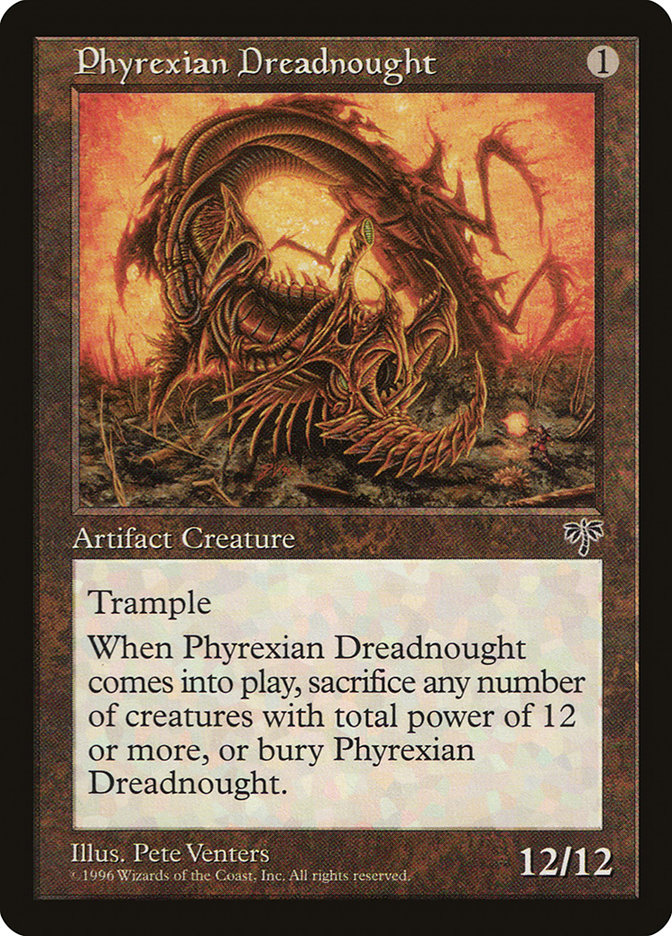
Phyrexian Dreadnought has a staggering stat line compared to its mana cost, with an ability that “balances” it. But there are so many ways to get around that sacrifice trigger. Stifle effects are most common, though cards that remove its abilities like Dress Down or Xu-Ifit, Osteoharmonist are also acceptable.
#38. Deceiver Exarch
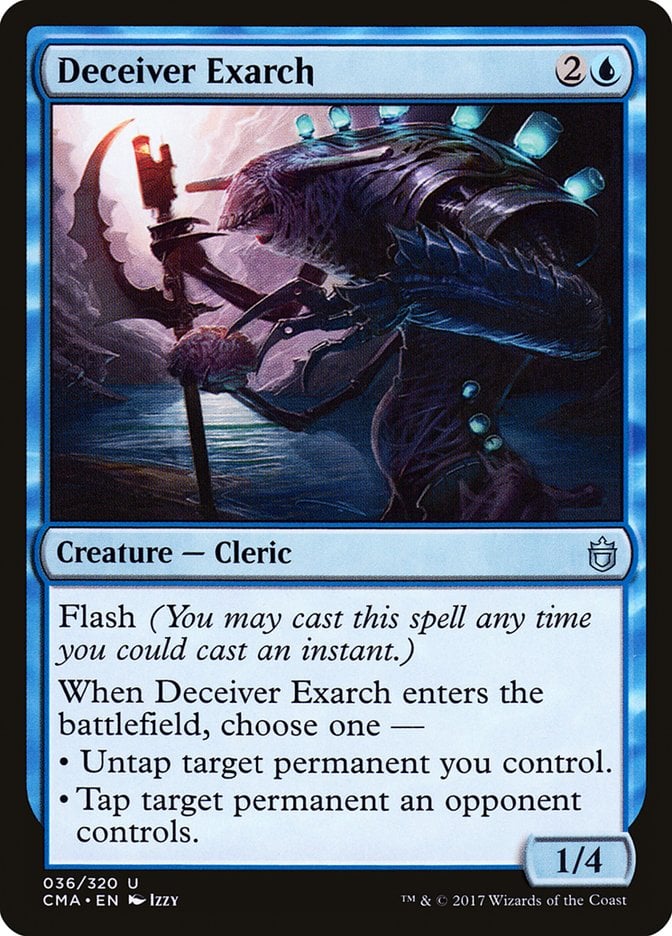
Deceiver Exarch ought to be familiar to Modern players as half of the once-feared Splinter Twin combo. It also goes infinite with other cards, like Kiki-Jiki, Mirror Breaker and Emiel the Blessed, so it’s a niche but important part of the Magic ecosystem.
#37. Elas il–Kor, Sadistic Pilgrim
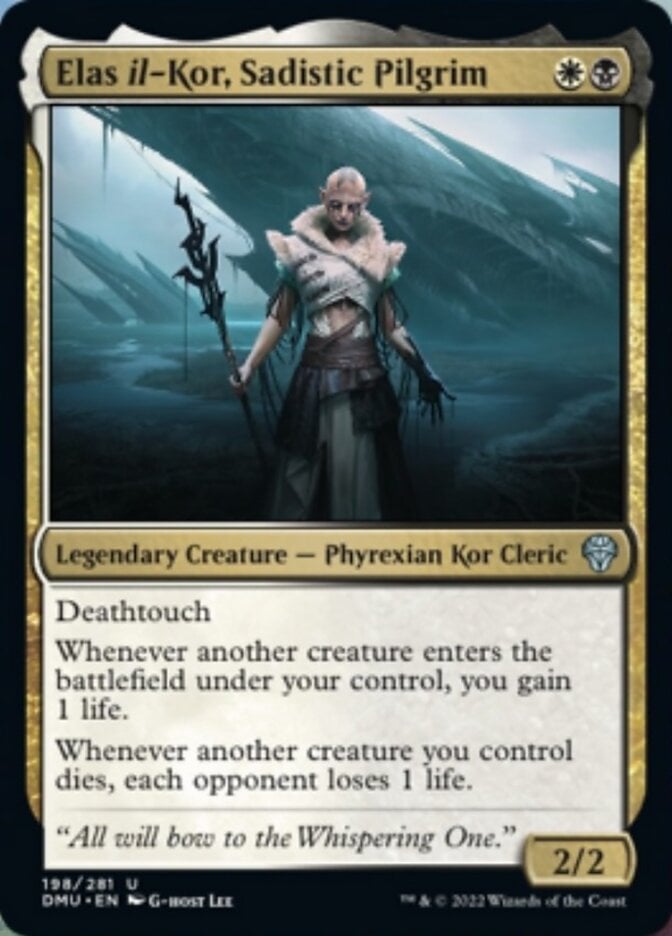
Elas il-Kor, Sadistic Pilgrim combines two common classes of cards into one: a Soul Sister and a Blood Artist. That makes it a perfect role-player in countless decks and even a reasonable commander so you have consistent access to a vital support piece.
#36. Darksteel Splicer
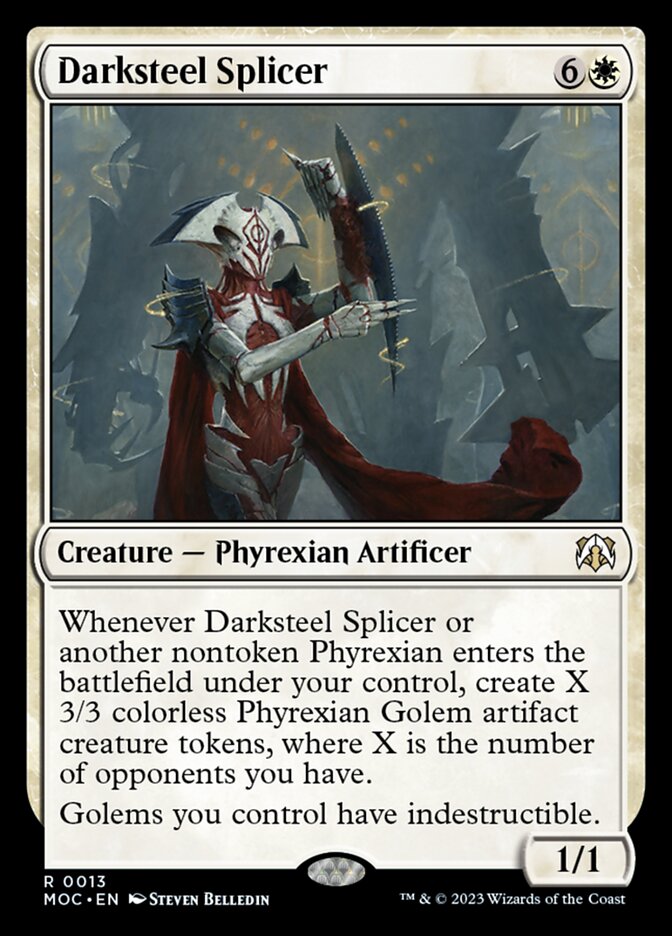
Darksteel Splicer updates the splicer template for Commander by scaling with the number of opponents you have and providing a stronger-than-average keyword. It works best in decks that care about the quantity of cardboard it puts into play—four creaturefall triggers and three artifacts are impactful under multiple circumstances, and you can get it again and again if you build around Phyrexians.
#35. Drivnod, Carnage Dominus
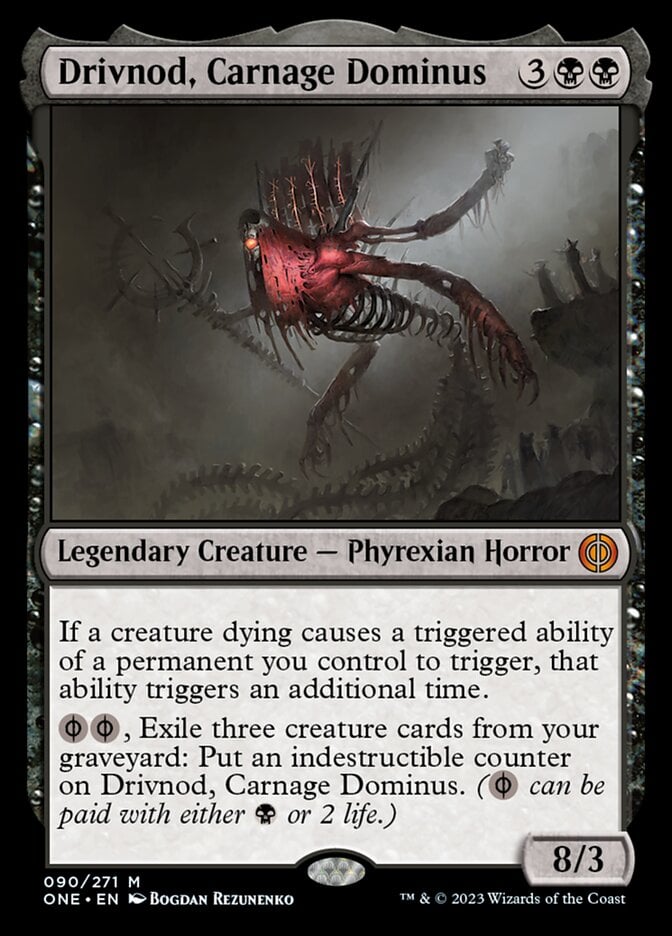
Magic has many potent death triggers, from wincons like Vein Ripper to Midnight Reaper’s vital card draw. Doubling up on those triggers with Drivnod, Carnage Dominus pushes your aristocrats deck ahead of the pack, and it’s hard for your opponents to interact with thanks to the indestructible counter.
#34. Priest of Yawgmoth
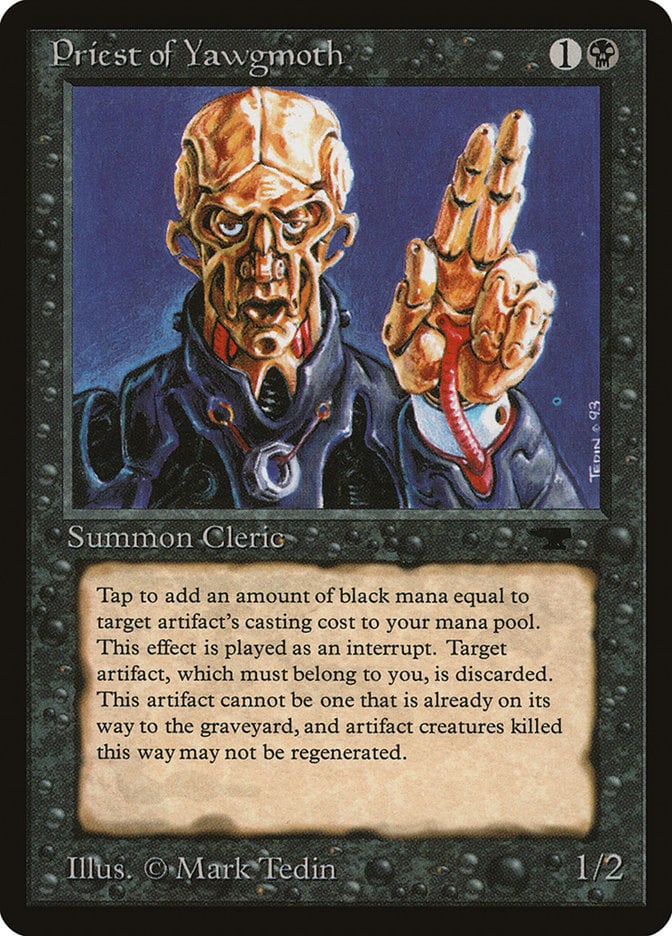
Priest of Yawgmoth embodies the ingenuity of Phyrexia; there’s nothing they won’t consume. Turning artifacts into mana lets you ramp out anything—even bigger artifacts! Though the Priest is mono-black, it works best in Rakdos () decks, with cards like Trash for Treasure and Devastating Onslaught to reanimate or make copies of artifacts to fuel the ability.
#33. Glissa Sunslayer
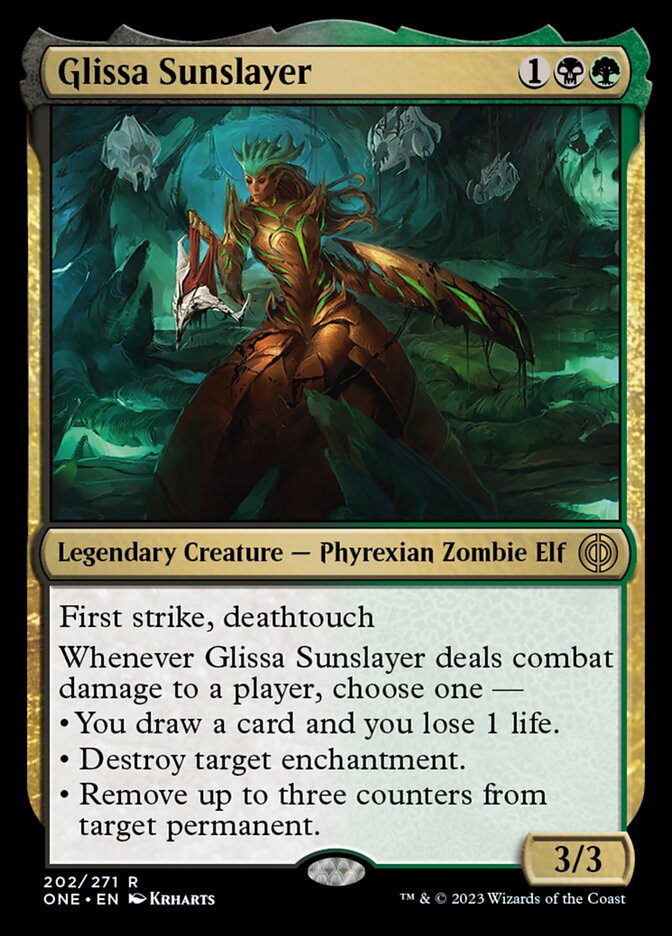
Glissa Sunslayer embodies the ideals of The Rock as the perfect midrange threat. A 3/3 with deathtouch and first strike presents a real clock, but the card draw and enchantment removal generate card advantage to grind out a long game, even if Glissa eats a removal spell. The counter removal is niche, but it can harm planeswalkers and even gives Glissa utility as a saga commander.
#32. Metastatic Evangel

Metastatic Evangel has one of the most repeatable proliferate triggers in game. Not every deck running counters runs enough nontoken creatures to make it worthwhile—superfriends comes to mind—but the right deck adores it.
#31. Norn’s Choirmaster
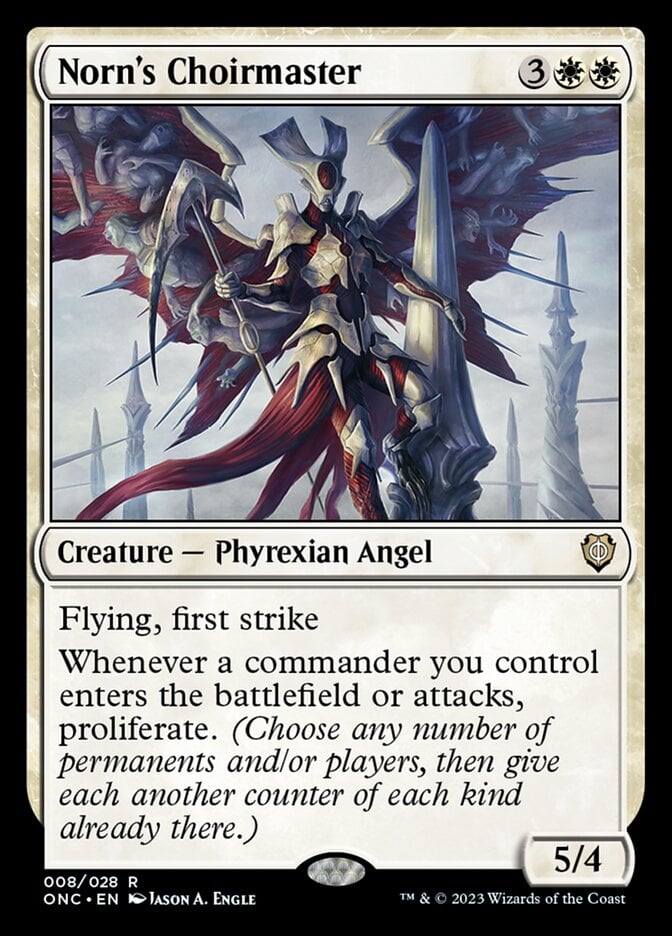
Norn's Choirmaster works with commanders that care about counters. Prominent examples include Otharri, Suns' Glory (really, any experience counter commander), poison commanders like Ixhel, Scion of Atraxa, and many more.
#30. Phyrexian Delver
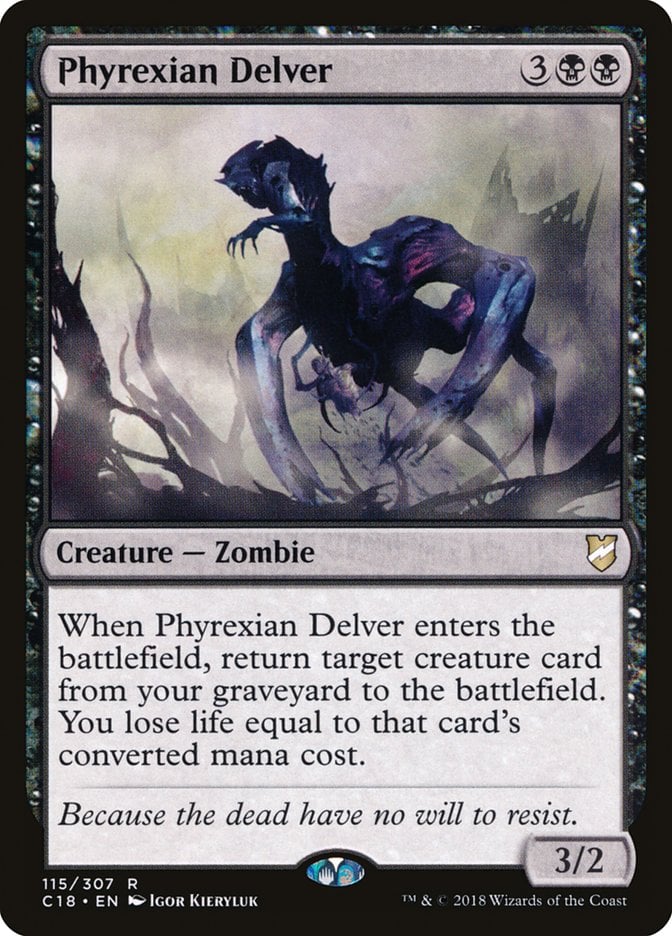
Phyrexian Delver is Reanimate on a stick, though that stick looks worse and worse as time goes on and 5 mana needs to do more and more. It still works in Commander, where you have lots of life to play with and time to build an engine with cards like Thassa, Deep-Dwelling and Saw in Half.
#29. Phyrexian Rager
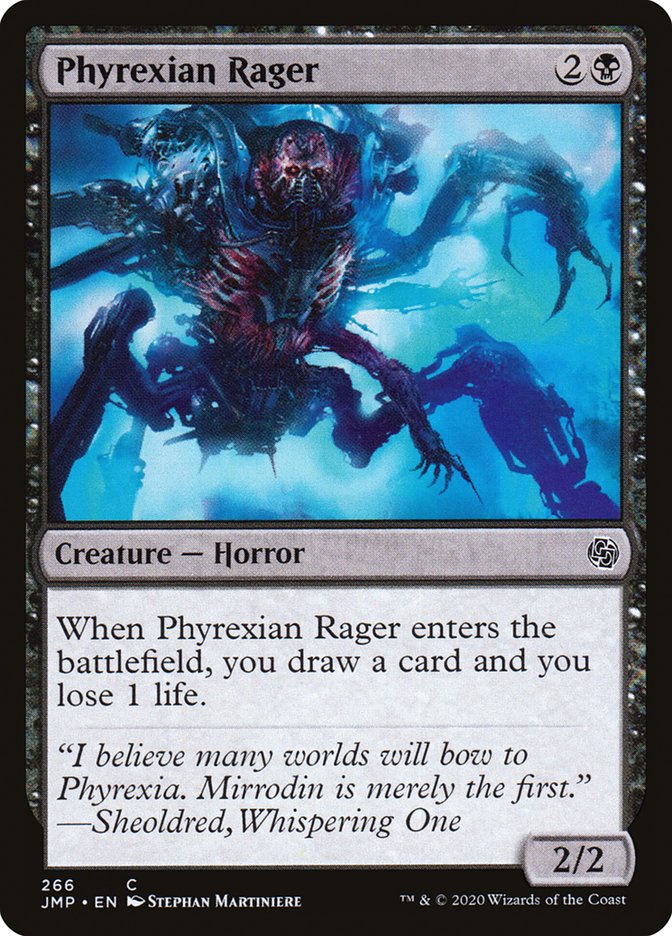
Phyrexian Rager is very nearly outdated with so many 2-mana cantrip creatures in the game, but many of those are white, with only Clattering Augur and Dusk Legion Zealot as opponents. This classic horror is still relevant in Pauper midrange and Premodern, even the odd Cube.
#28. Chrome Host Seedshark
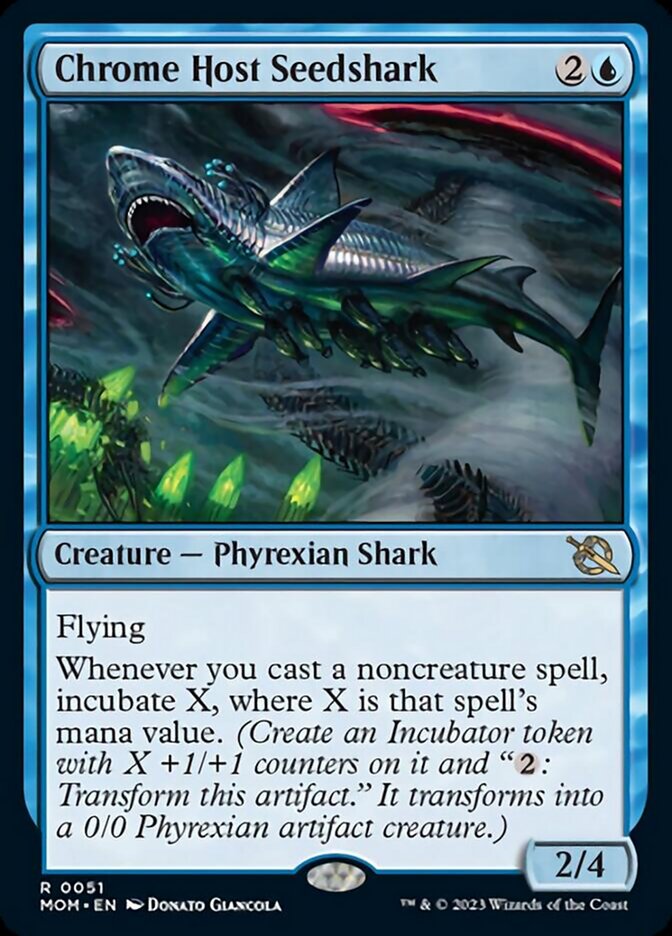
Incubator tokens aren’t as impressive outside Limited because they’re slow, but Chrome Host Seedshark still creates free artifacts with every noncreature spell cast for cards like Urza, Lord High Artificer, Karn, Legacy Reforged, or Brudiclad, Telchor Engineer. Enough artifact payoffs want these tokens to consider Seedshark often and highly.
#27. Rona, Herald of Invasion / Rona, Tolarian Obliterator
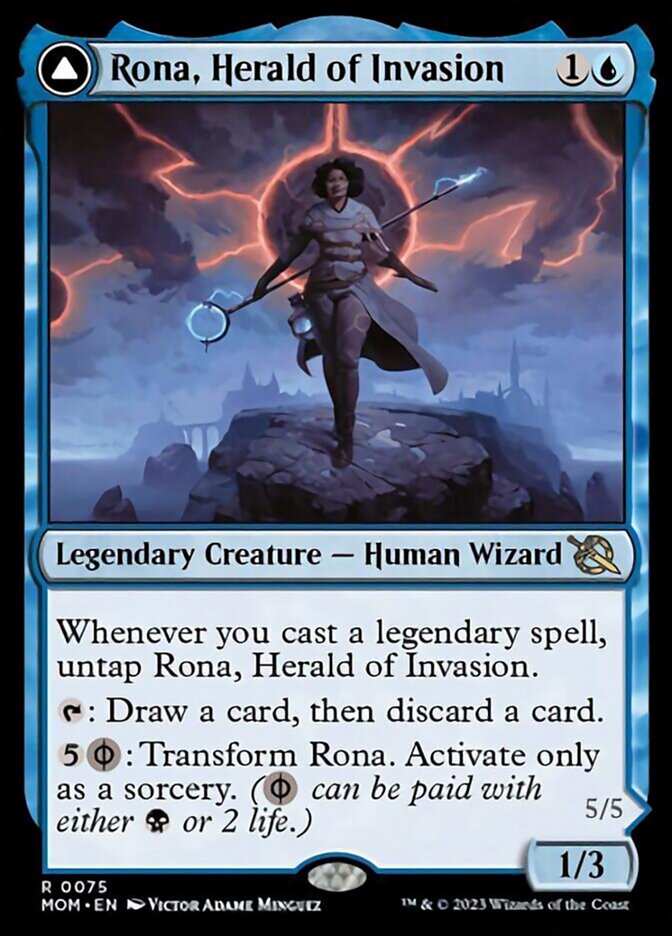
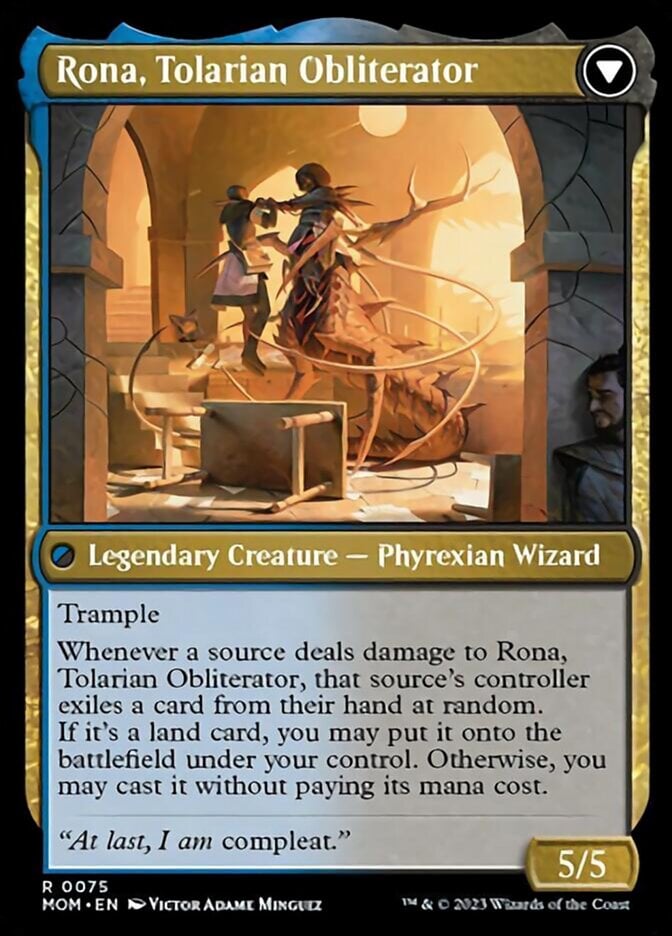
Rona, Herald of Invasion is the remarkable part of this transforming card; while Rona, Tolarian Obliterator is a cool threat, the untap ability is what matters. It can be a combo piece with Banishing Knack and Mox Amber or a mana generator with Relic of Legends, as seen in Pioneer. There are many ways to take advantage of a card that untaps itself for free before considering the value of looting throughout a game to sculpt your hand.
#26. Defiler of Vigor
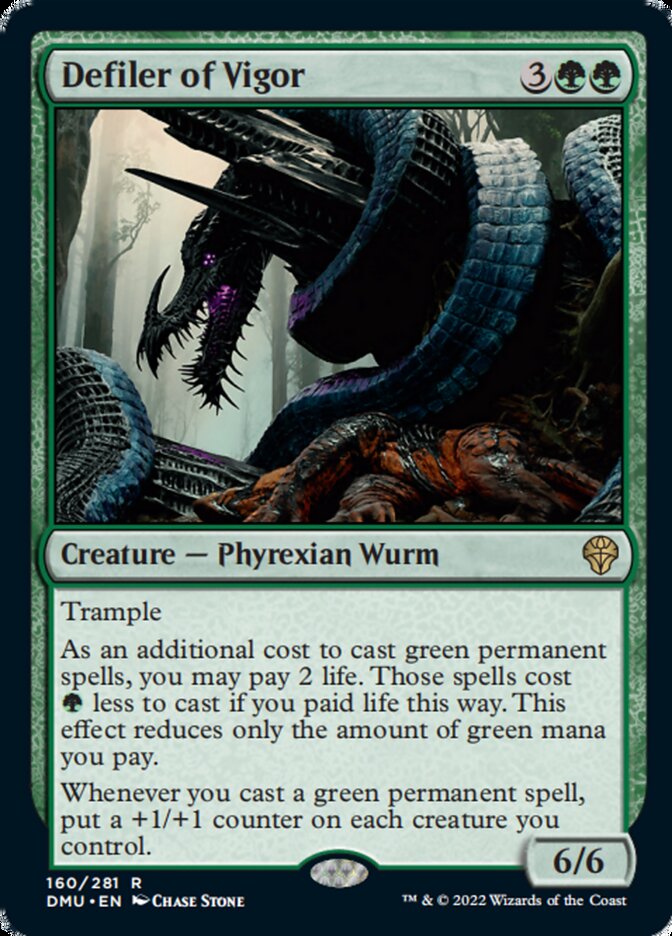
Dominaria United printed a full cycle of Defilers, but only Defiler of Vigor has stood the test of time because it has the most effective cast trigger of the cycle. Putting +1/+1 counters on all your creatures provides a permanent impact on the board, even if the Defiler gets removed. It also might be the easiest reward of the cycle, with cards like Ouroboroid and Herald of Secret Streams going nuts with a single counter.
#25. Plague Engineer
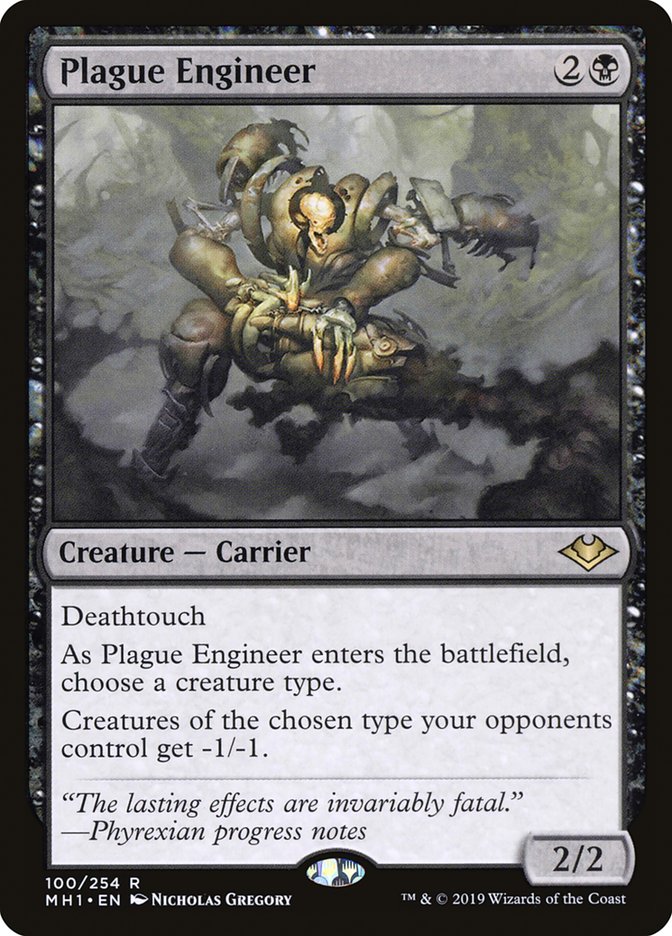
Plague Engineer is one of the game’s most effective hate cards. Typal decks rely on a wide board of small creatures to maximize certain effects. Throw this down early, and the elf player crumples because they have nothing to fuel Priest of Titania, which also incidentally dies anyway.
#24. Bloated Contaminator
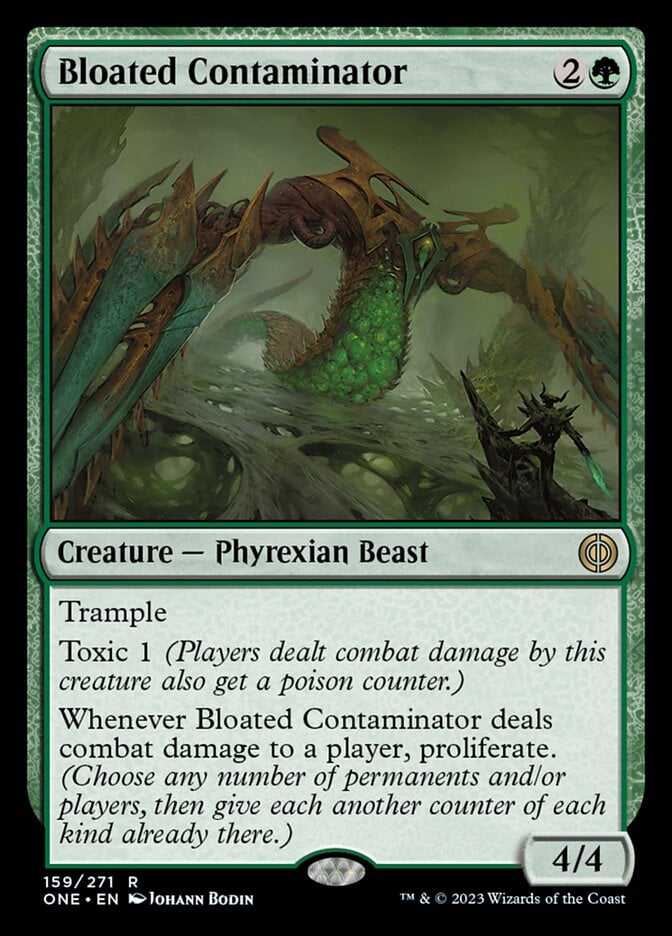
Trample is vital to making Bloated Contaminator a threat. It works best with +1/+1 counter decks as it becomes a snowballing threat, hitting harder and harder each combat. Since a 4/4 is already significantly larger than most 3-mana plays, it probably keeps pace with your opponents’ threats all the while.
#23. Phyrexian Obliterator
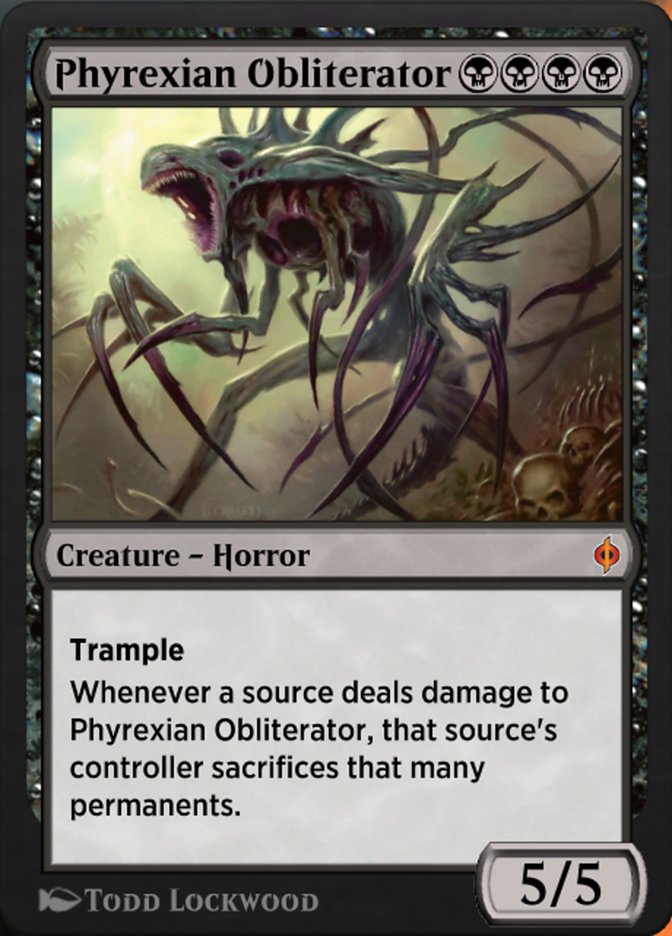
Colored mana costs restrict a card’s playability by making it hard to cast without committing to a single color, a weakness in and of itself. Phyrexian Obliterator is one of the greatest examples, a force to be reckoned with whenever mono-black midrange comes together. Its quad black cost works particularly well with devotion cards like Gray Merchant of Asphodel.
#22. Psychosis Crawler
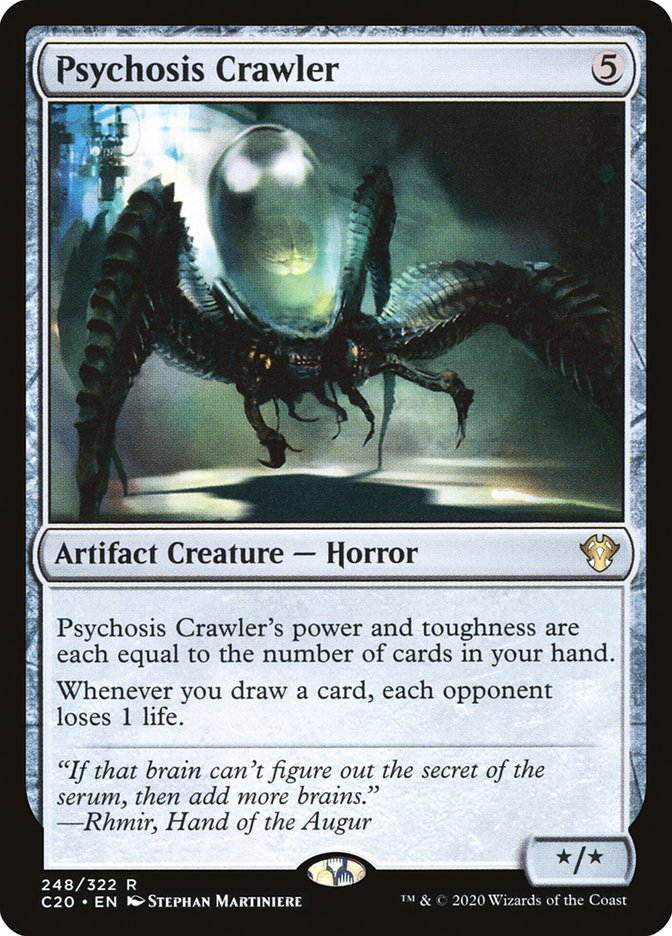
Drawing cards is a win condition in and of itself, but Psychosis Crawler makes that even more literal by pinging your opponents. It typically sees play in decks built around wheels or other giant bursts of card draw from cards like Last March of the Ents. It also turns drawing your deck into a quick win condition.
#21. Skrelv, Defector Mite
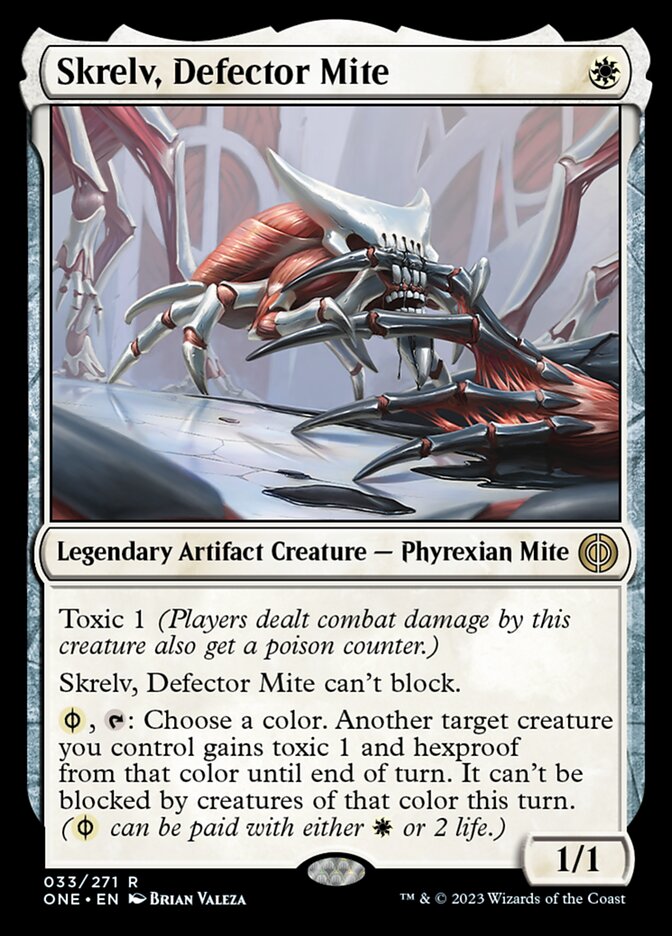
Mother of Runes has many imitators, and Skrelv, Defector Mite is notable for a few reasons. Its ability is very good: free, most of the time, and it handles the protection and unblockable elements of Mom. Not blocking well is just good balance. The typing also matters; being a legendary artifact is a reward more often than not, letting you tutor for this with Captain Sisay or triggering relevant cards like Alela, Artful Provocateur.
#20. Blighted Agent + Glistener Elf
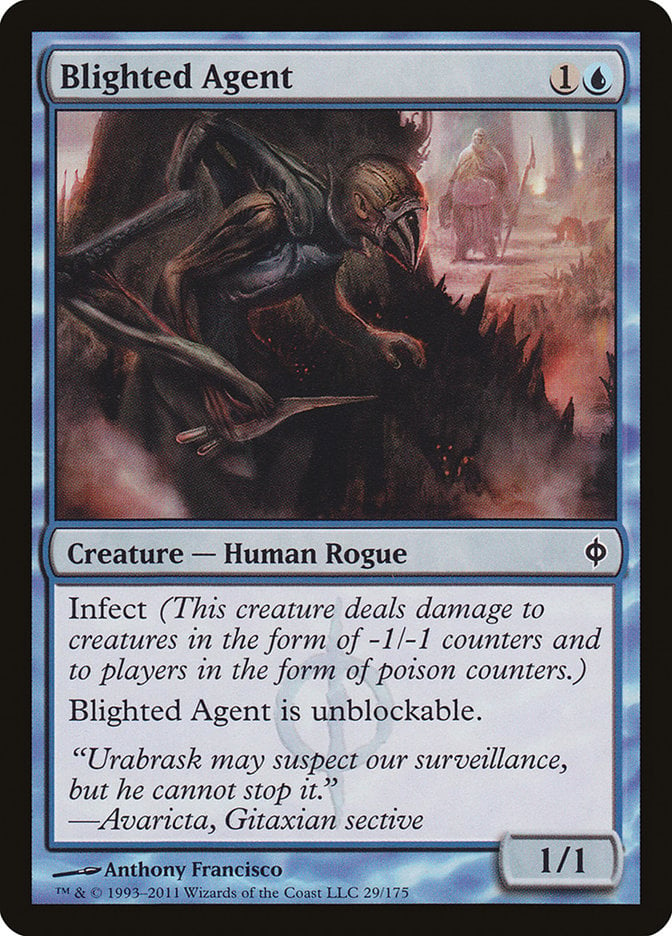
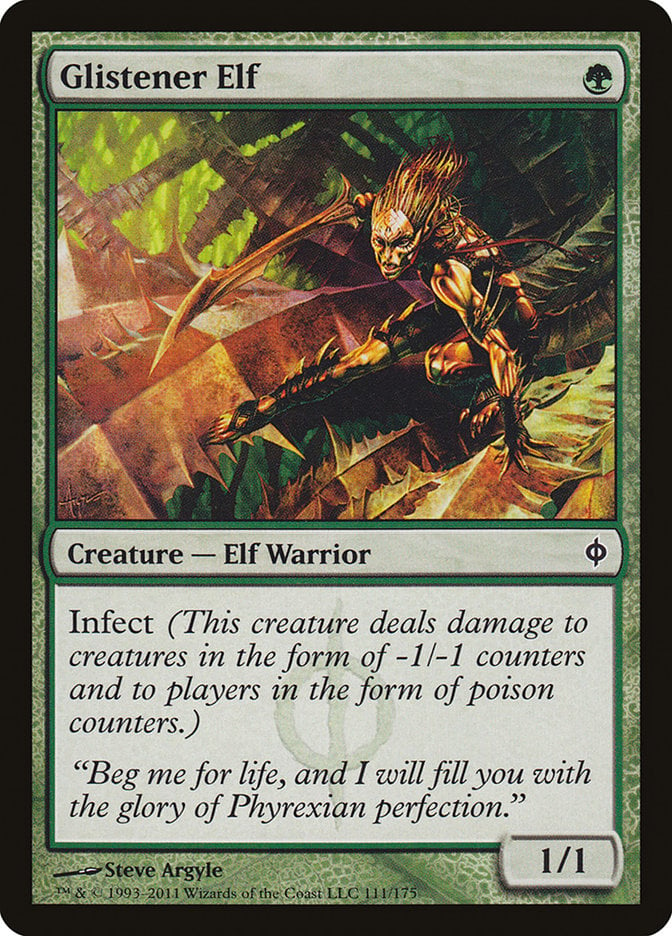
Blighted Agent and Glistener Elf are the posterchildren for infect, one of the fiercest aggro strategies in the game… years ago. Power creep hasn’t been kind here; you still find them on occasion in Modern and Pauper and so on, but these creatures have seen the spotlight move on.
#19. Vorinclex, Voice of Hunger
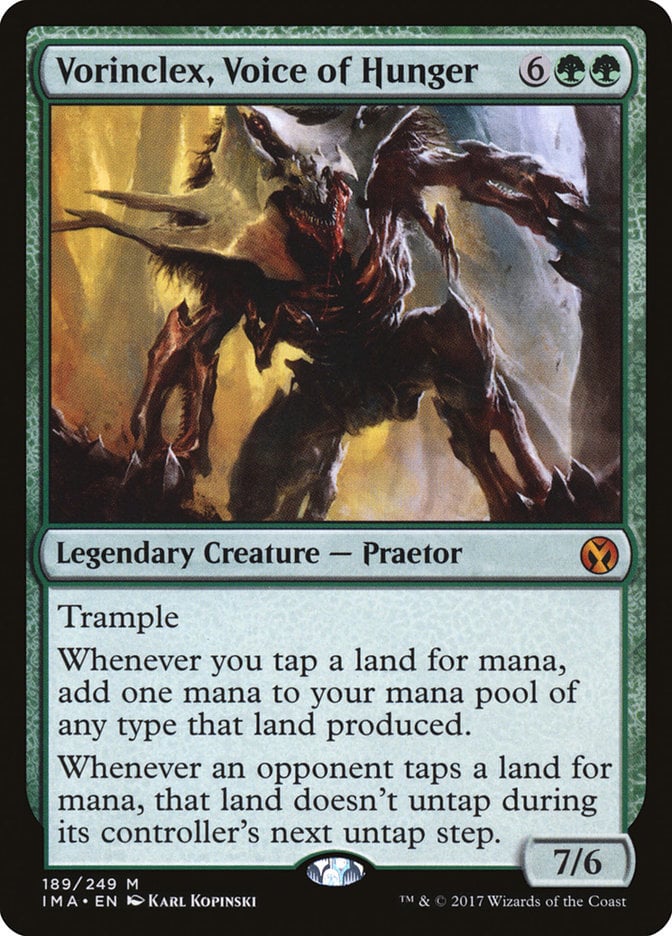
Vorinclex, Voice of Hunger devours opposing mana by preventing your opponents’ lands from untapping with nightmarish ability. That mana denial has made it one of Commander’s saltiest cards as players have plenty of time to ramp into it, and other threats to properly exploit the mana doubling.
#18. Filigree Vector
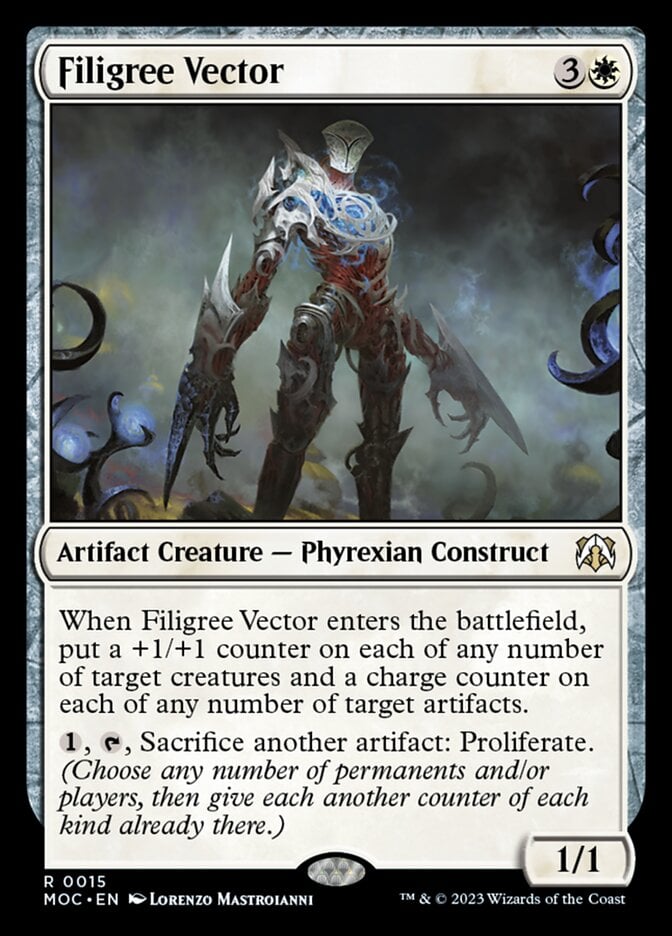
Filigree Vector converts artifacts into proliferate triggers, with the bonus of death triggers from cards like Ichor Wellspring. This coming with counters to proliferate is significantly better than without. With spacecraft returning in Star Trek, expect its stock to go up as even more cards care about charge counters and their proliferation.
#17. Spellskite
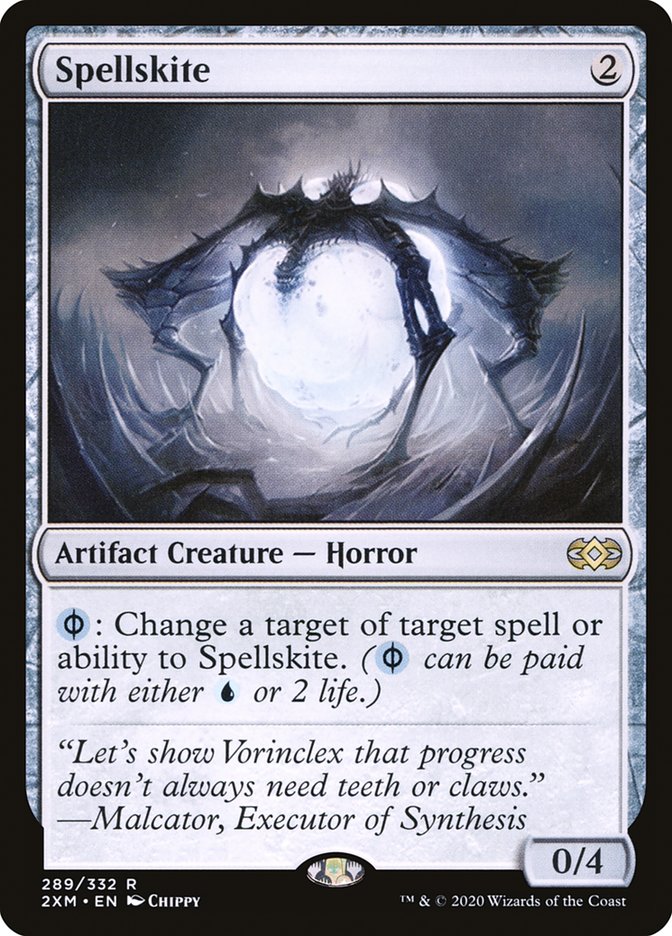
Spellskite is extremely efficient protection because you can protect critical creatures for 2 life instead of a mana investment. That’s a lot of life, but who cares when you win that turn?
#16. Massacre Wurm
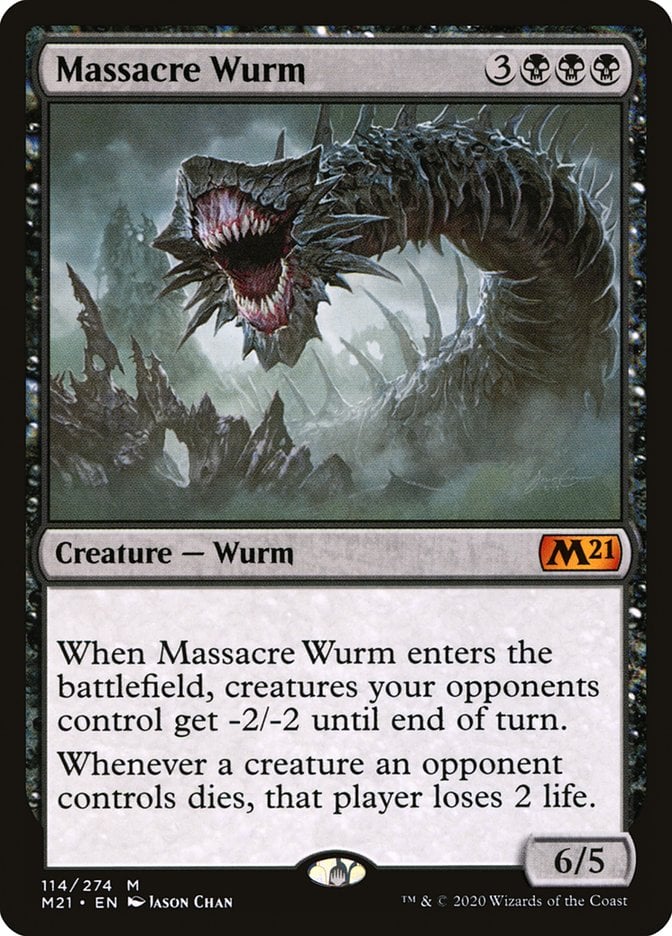
Massacre Wurm is an enduring creature-based board wipe. It only hits small creatures, but doubling as a win condition still makes it worthwhile. It also sees everything die if you cast a traditional sweeper.
#15. K’rrik, Son of Yawgmoth
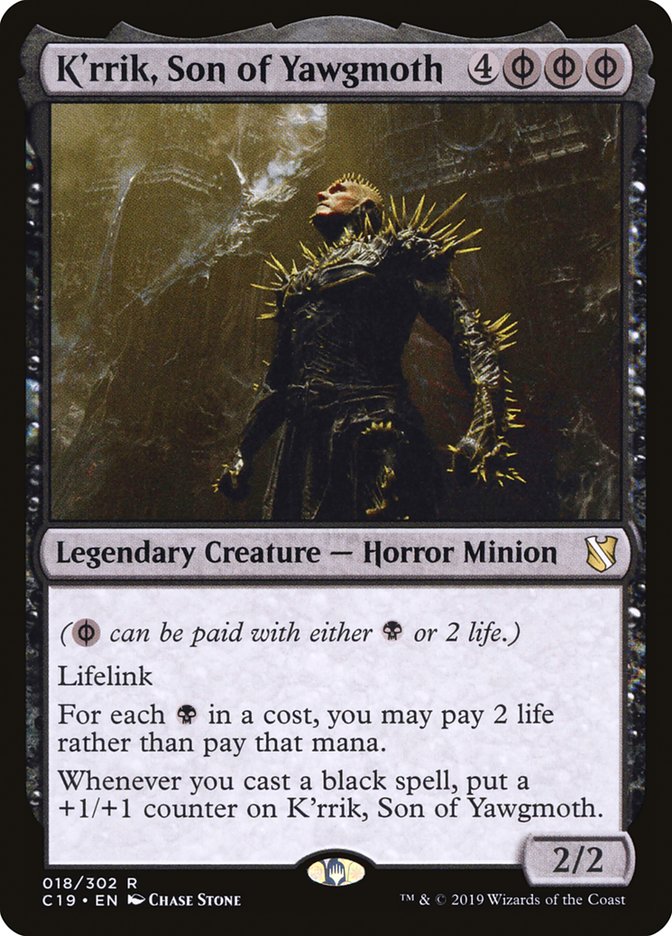
K'rrik, Son of Yawgmoth enjoyed a brief stint as a cEDH commander thanks to its cracked ability. While it has fallen out of favor at the highest tables, K’rrik is still the second most popular black commander. Converting your black pips into Phyrexian mana allows for extremely powerful turns at the cost of enough life that you probably can’t try and take over the game a second time, creating extremely feast-or-famine play patterns.
#14. Thrummingbird
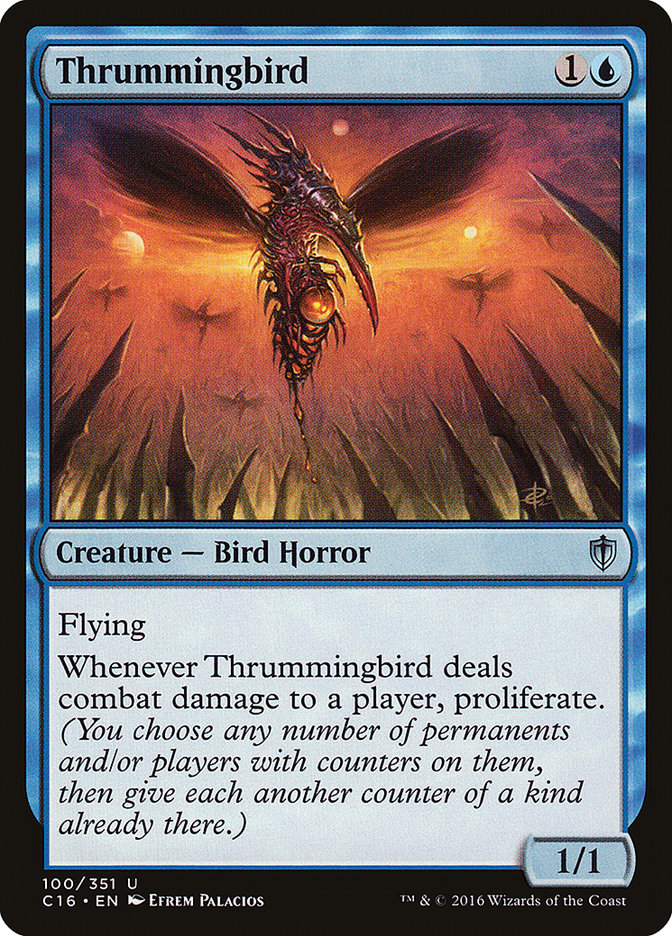
Thrummingbird is an ever-popular proliferate card that carries +1/+1 counters well but works in virtually any deck that wants to proliferate counters of any type.
#13. Jin-Gitaxias, Progress Tyrant
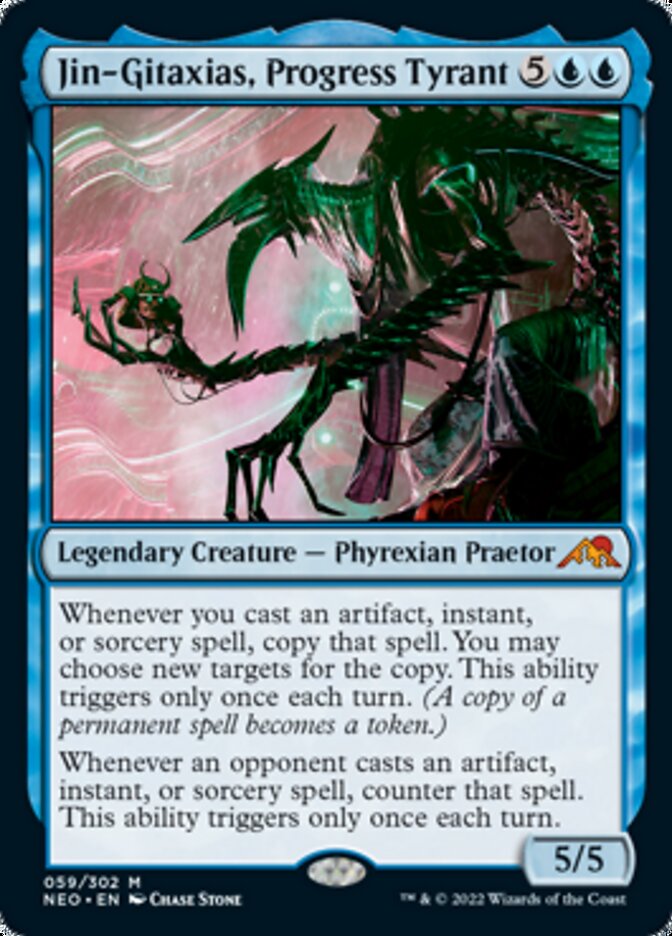
Nothing says “blue” quite like countering spells, so Jin-Gitaxias, Progress Tyrant gets to mess with your opponents’ ability to cast spells, including the types most likely to remove it. Requiring two removal spells is great protection and doubling your spells means that your opponents will struggle to keep up with your card advantage.
#12. Vorinclex, Monstrous Raider
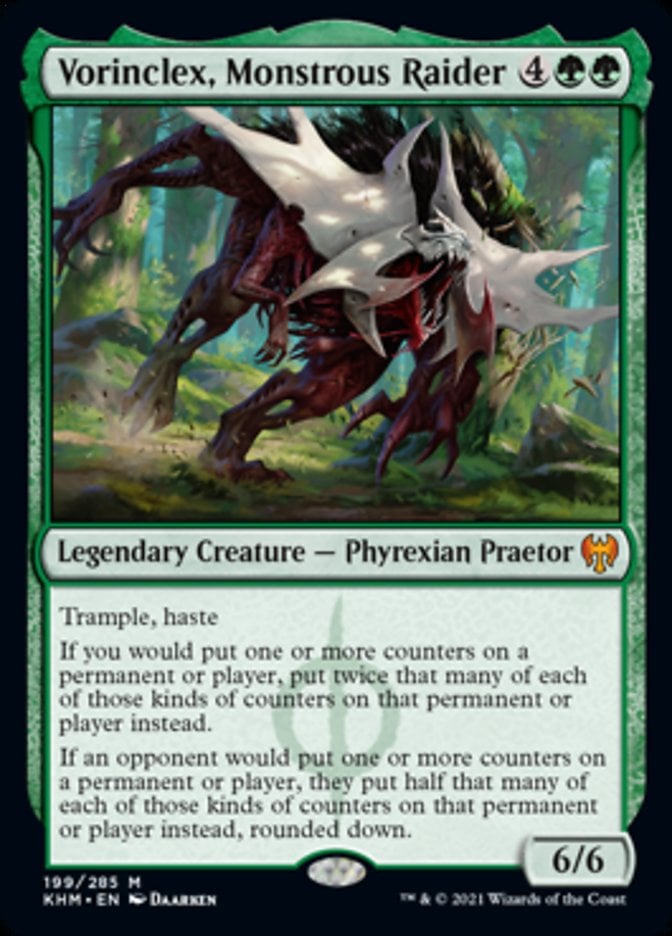
Vorinclex, Monstrous Raider is one of the stronger counter doublers because it has a major board impact and doubles all forms of counters. The counter hate is odd; it either does nothing or tells the saga player to find another table if they want to play the game.
#11. Blade Splicer
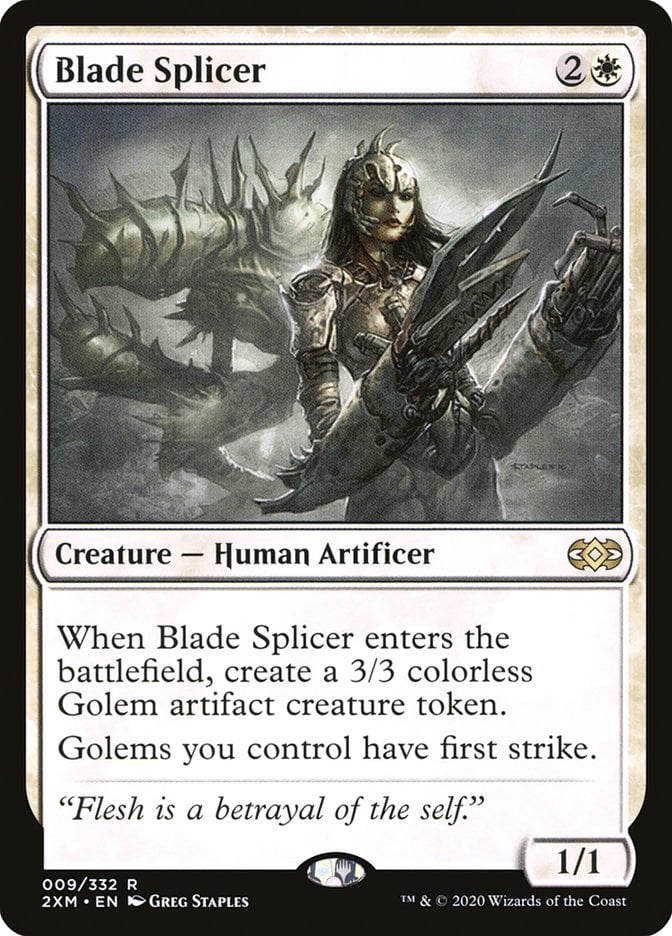
Blade Splicer is an enduring threat from New Phyrexia that thrives in white aggro decks interested in 4/4 worth of stats across two creatures. First strike means the golem attacks incredibly well, and creating it as an enters ability goes beautifully with white’s flicker effects, like Phelia, Exuberant Shepherd.
#10. Mondrak, Glory Dominus
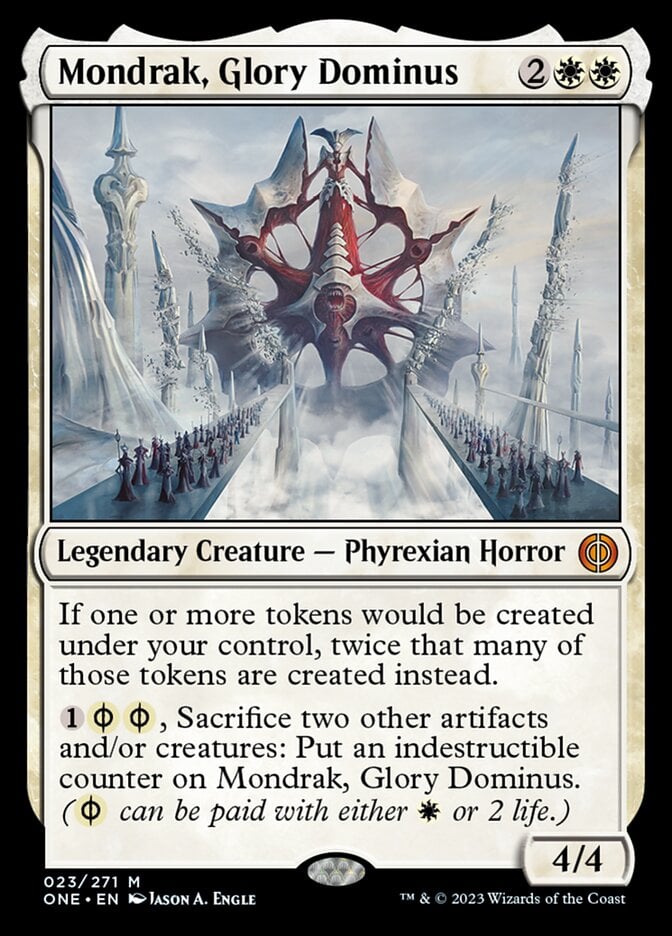
I’ve never been a fan of token doublers when attached to slow enchantments that don’t impact the board. Mondrak, Glory Dominus is very far from that as an often indestructible 4-mana 4/4. I consider this the gold standard of token doublers now thanks to power creep.
#9. Atraxa, Praetors’ Voice
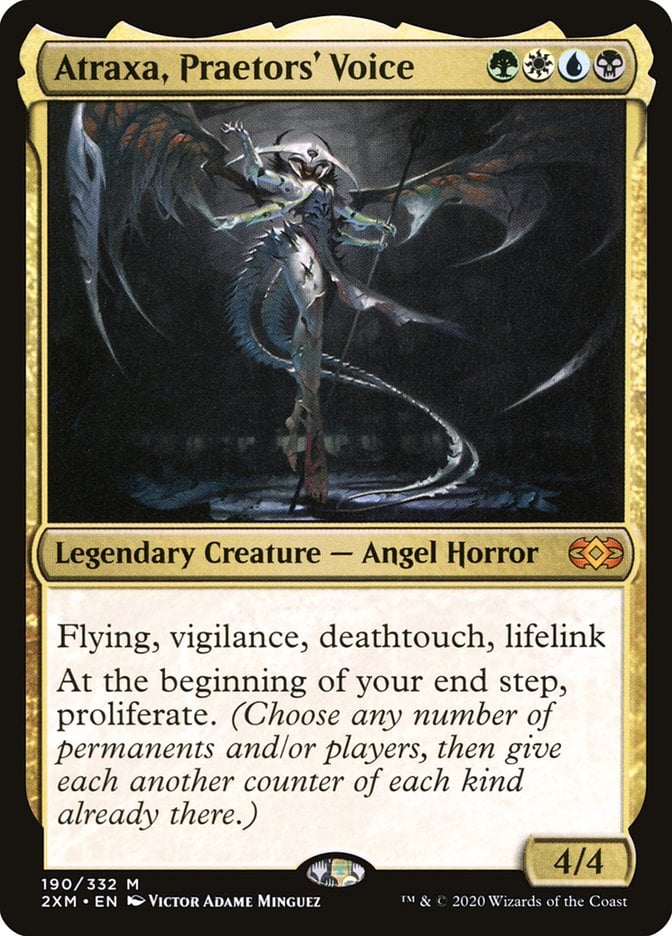
Atraxa, Praetors' Voice has been one of the most popular commanders since its release. Proliferating every turn enables multiple archetypes, from +1/+1 counters to poison to superfriends. It also picks up more dimensions each time Wizards prints new counters or mechanics that use counters—for example, Atraxa spacecraft is probably bad but buildable. That flexibility, along with the keywords, makes it an enduring part of the format.
#8. Ertai Resurrected
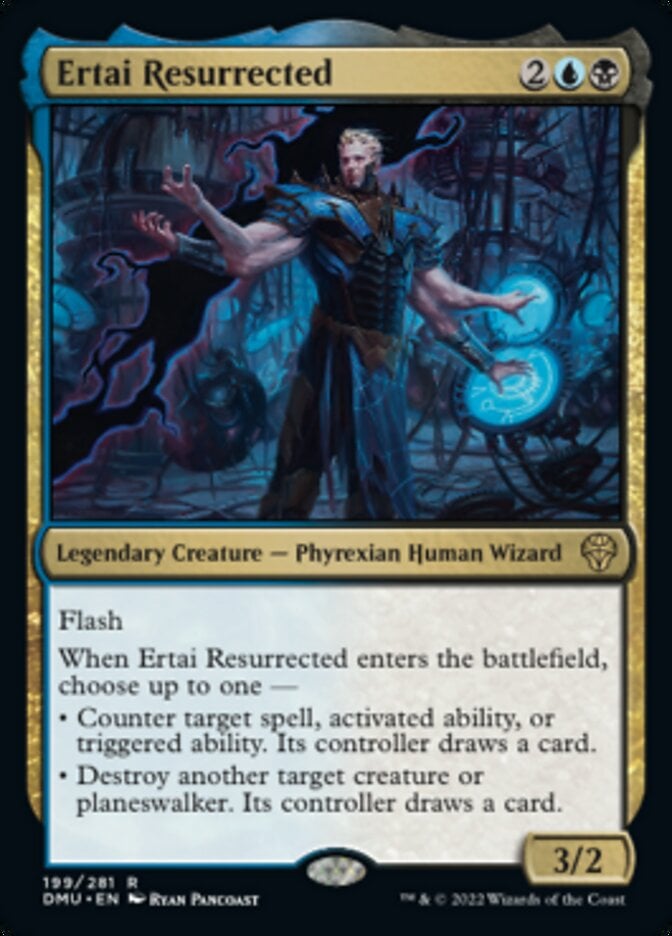
Ertai Resurrected is a wonderful tempo play. Do you need a creature to beat down? A counterspell? A removal spell? Ertai does it all! Toss in ninjas to bounce it back to your hand, and your opponents might as well give up as you attack on multiple fronts.
#7. Etali, Primal Conqueror / Etali, Primal Sickness
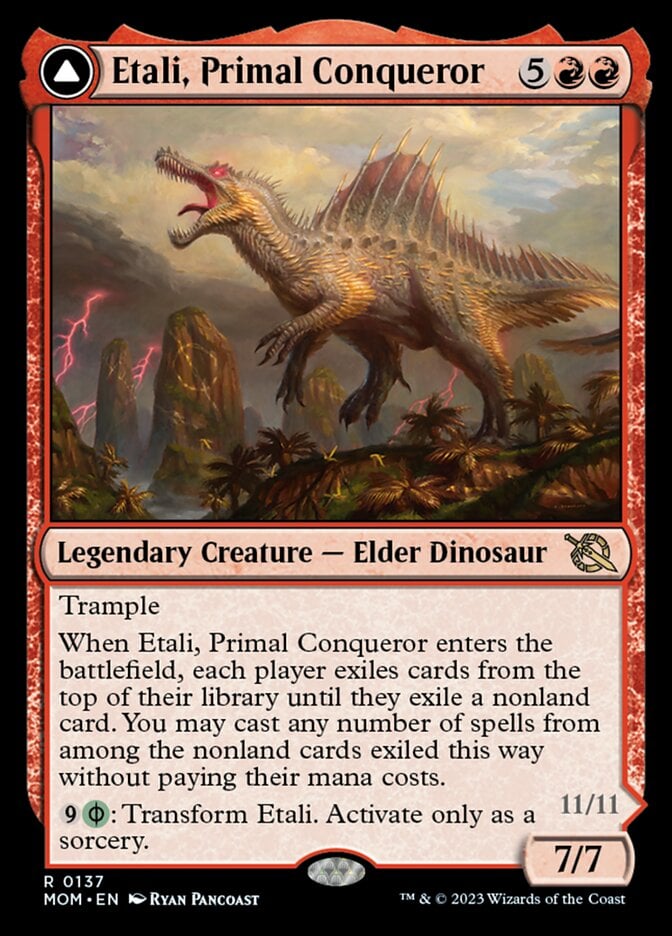
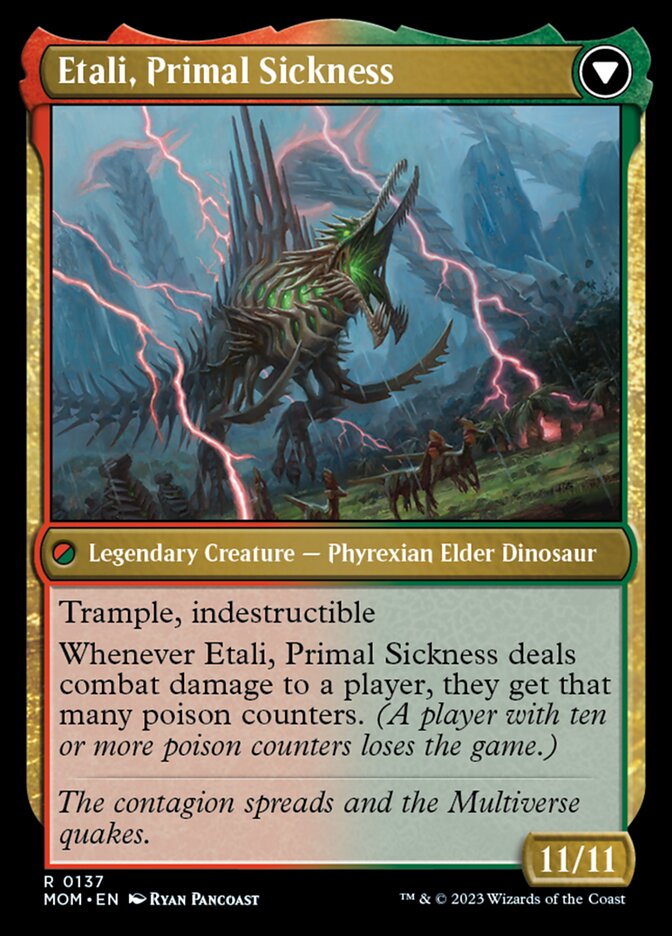
Adding the transforming Etali from March of the Machine feels like cheating since only the backside has the Phyrexian type and that isn’t the side you want, but it came up on the Scryfall search.
Etali, Primal Conqueror boasts one of the scariest enters abilities, especially in Commander. A 7/7 that casts several spells is so hard to keep up with. In Constructed or Cube, it’s typically cheated into play early with reanimation; Commander players build around it with cards like Cursed Mirror and Twinflame that net extra triggers. It’s a headache for your opponents either way.
#6. Elesh Norn, Grand Cenobite
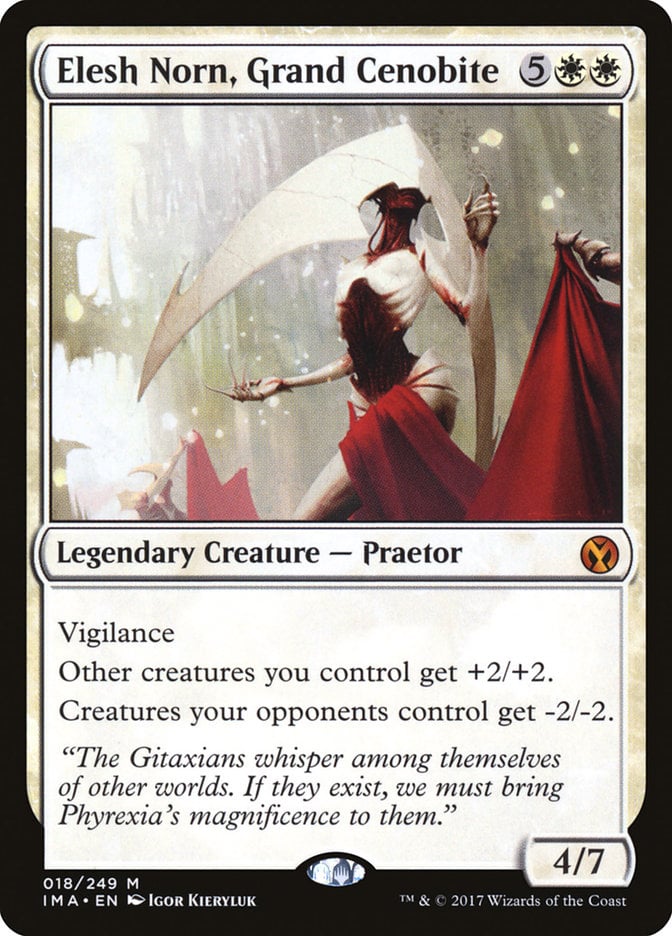
Go-wide decks need mass pump effects to get over the finish line. Why not control the board at the same time? Of the original praetors, Elesh Norn, Grand Cenobite has aged the best because playing to the board is always relevant, and few creatures can claim to make yours better and kill opposing board states at once.
#5. Phyrexian Metamorph
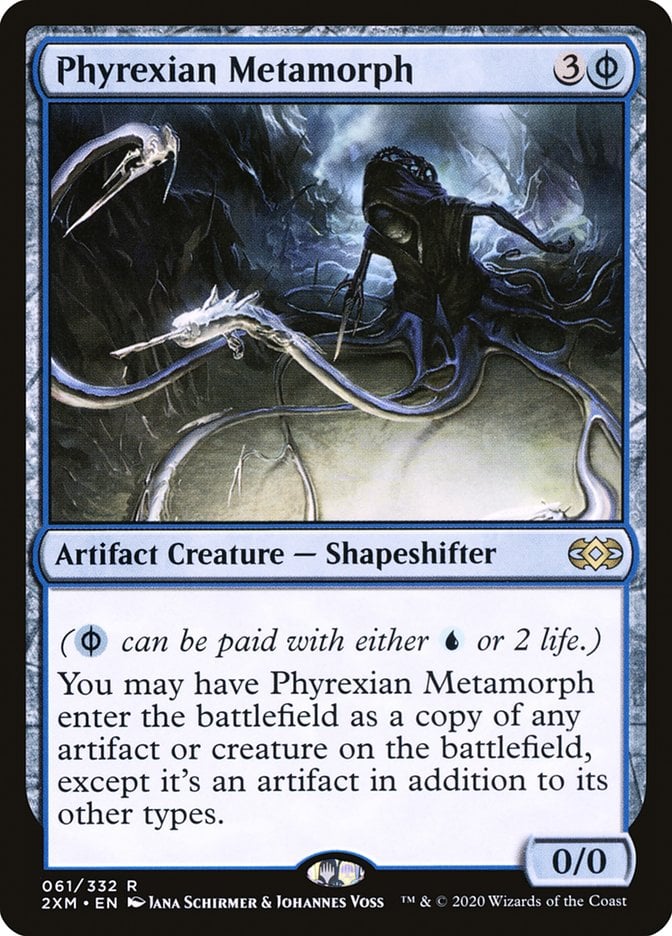
Four mana has always been a fair casting cost for a Clone effect; in true Phyrexian mana fashion, putting out one that costs is kinda busted, especially since this one copies artifacts and becomes an artifact. It’s a great value play, or you can use it as part of a combo engine; that flexibility is incredible.
#4. Gix, Yawgmoth Praetor
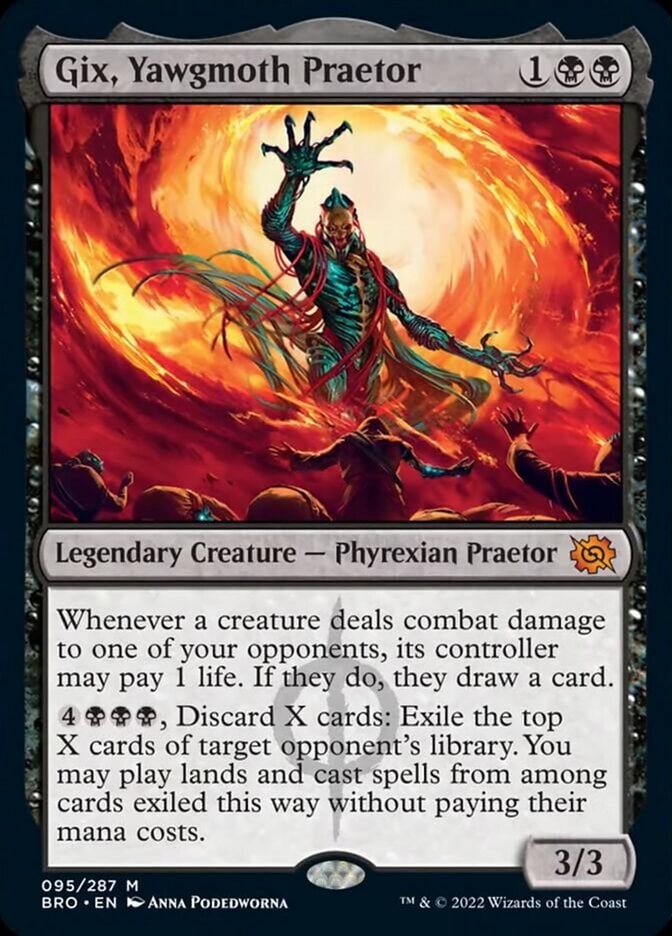
Gix, Yawgmoth Praetor is a wonderful payoff for attacking your opponents as a 3-mana Coastal Piracy that can join the offensive itself. In multiplayer, your opponents can benefit from the card draw, which encourages them to avoid attacking you. Commander also gives you time to exploit the activated ability, which rarely comes up in formats like Pioneer.
#3. Elesh Norn, Mother of Machines
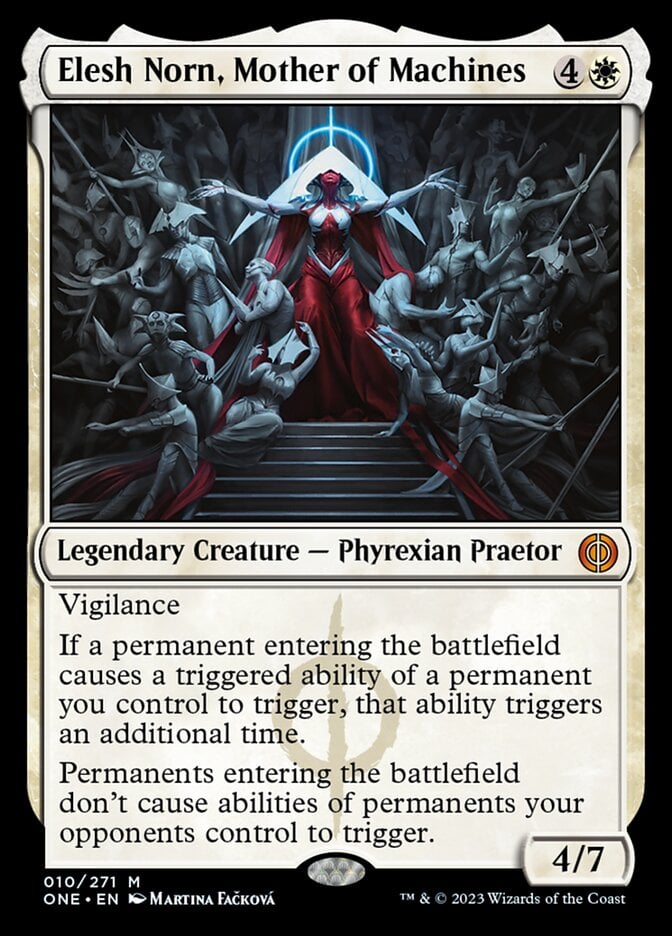
Elesh Norn, Mother of Machines was rumored to break Commander, which didn’t come to pass, but it’s still a very respectable card. One consequence of power creep is the proliferation of enters abilities so cards provide an immediate impact. They’re so prevalent that both the Panharmonicon and Torpor Orb abilities matter in virtually every game. Oh, and the body is obnoxiously large for its cost.
#2. Sheoldred, the Apocalypse
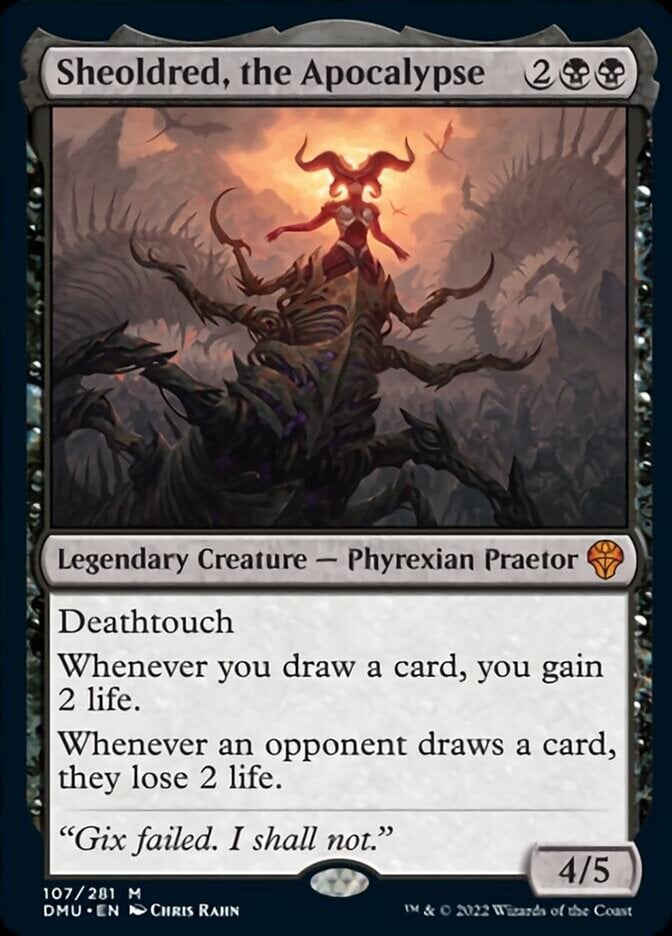
Sheoldred, the Apocalypse exerts incredible pressure on your opponent. If they don’t have instant-speed removal, they usually take at least 2 damage. A 4/5 deathtoucher is nearly impossible to block profitably and harder to attack into. It also has incredible synergy with wheels and forced draw effects, so you can even build around this as a combo piece as well as a solid solo threat.
#1. Atraxa, Grand Unifier
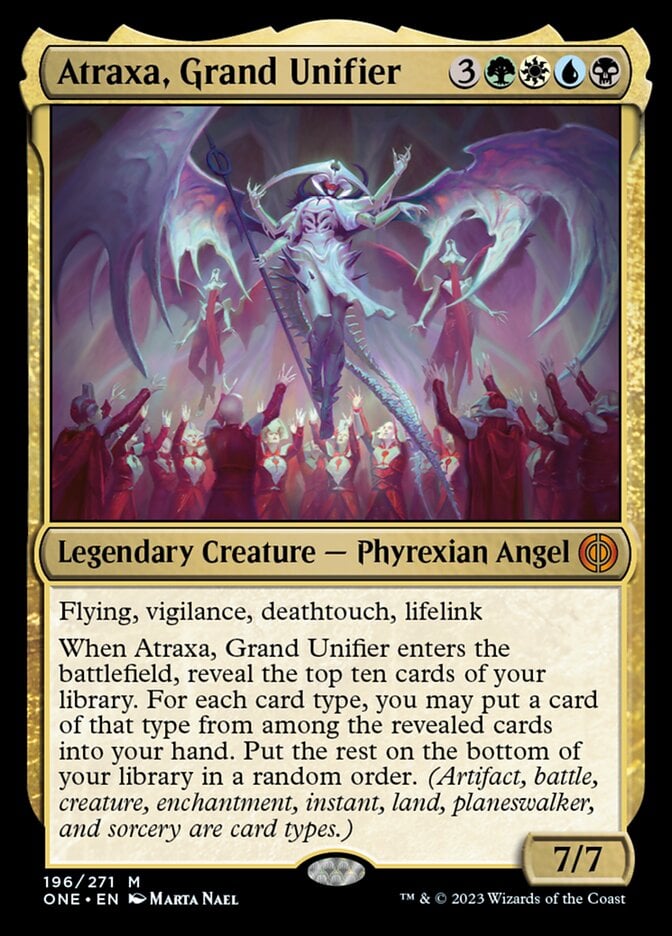
Remember when I said the problem with Blightsteel Colossus is the existence of better threats? Atraxa, Grand Unifier is one of the cards I was referencing.
The enters ability is absurd. You almost never draw fewer than three cards and often more, even without maximizing your type spread. The enters ability can win solo, but it’s also a 7/7 with incredible keywords. You can’t race a giant flying creature with vigilance to block and lifelink to make burn irrelevant. This is power creep in its most compleat form.
Best Phyrexian Payoffs
Phyrexian payoffs are pretty slim given how recently the type was properly introduced and that only two sets since have focused on them, but there are options.
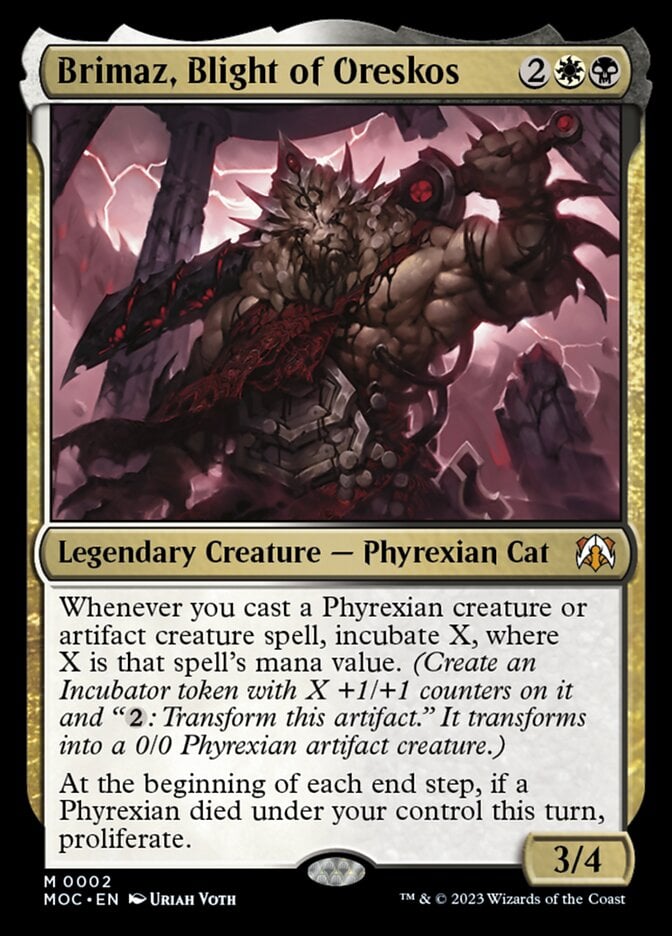
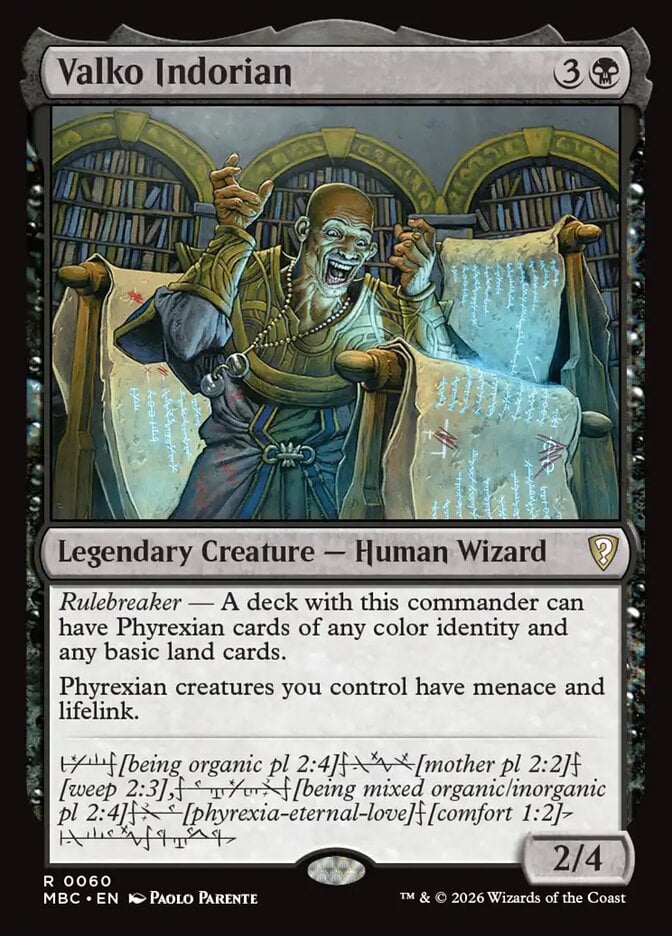
Brimaz, Blight of Oreskos was printed as a Phyrexian typal commander that supports the creature type with Incubator tokens, which works well with other MOM cards like Norn's Inquisitor and Essence of Orthodoxy. Another solid typal choice is Valko Indorian from Mystery Booster Commander Edition.
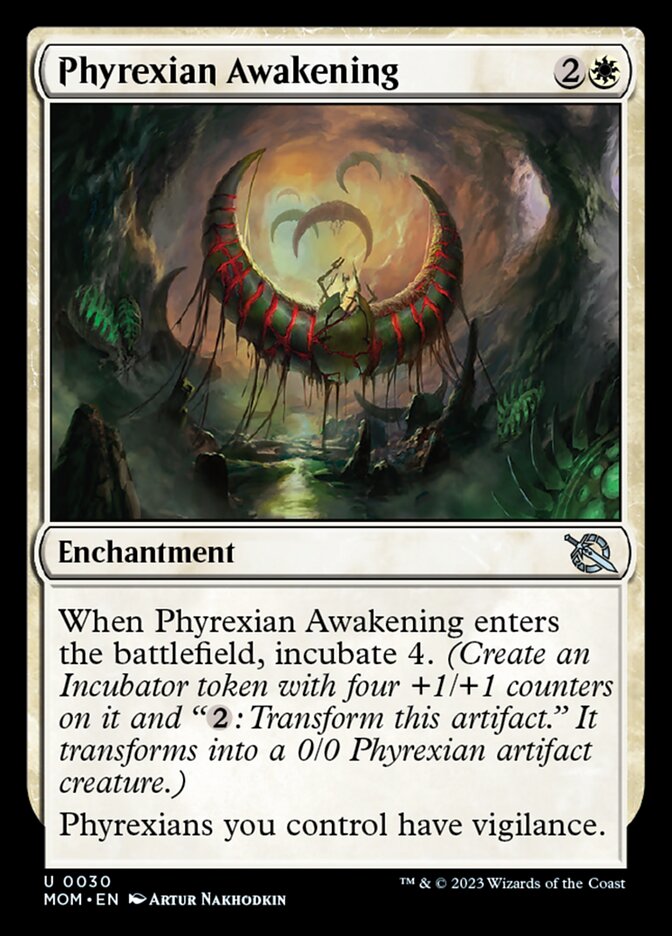
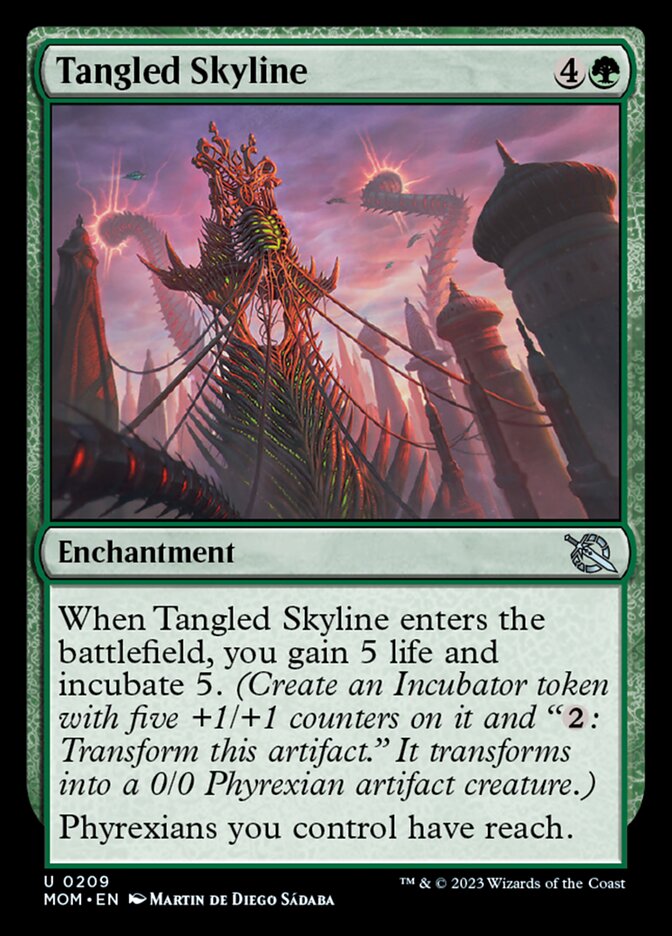
A handful of enchantments from MOM give Phyrexians keywords, like Phyrexian Awakening and Tangled Skyline.
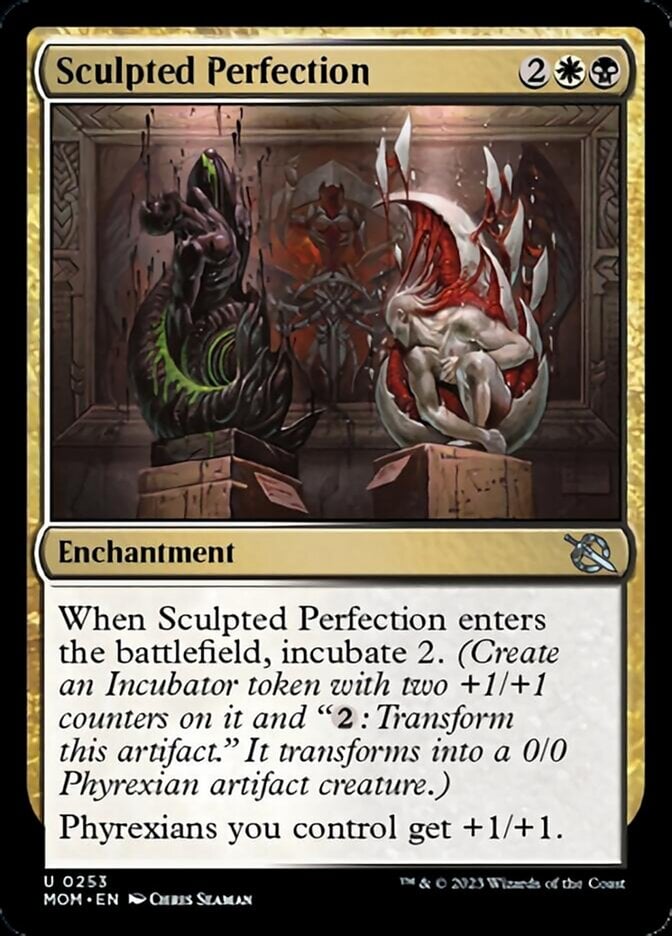
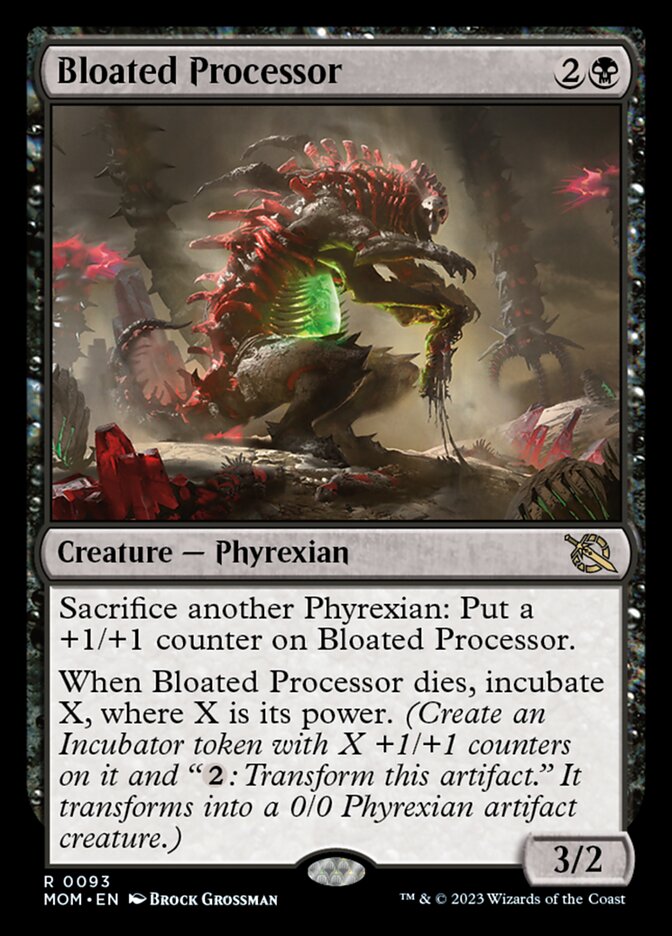
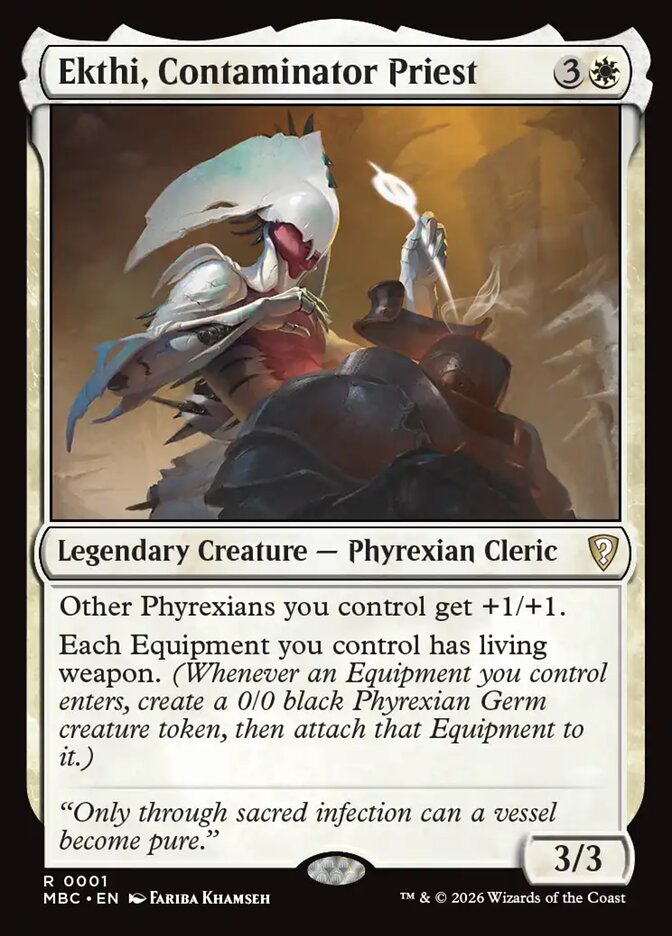
Sculpted Perfection, Bloated Processor, and Ekthi, Contaminator Priest fill a more traditional lord role as anthems.
Darksteel Splicer is pretty strong since it makes Phyrexians come with extra bodies. You could argue all the splicers form a subsection of Phyrexian payoff since the golems they create and buff are always Phyrexians.
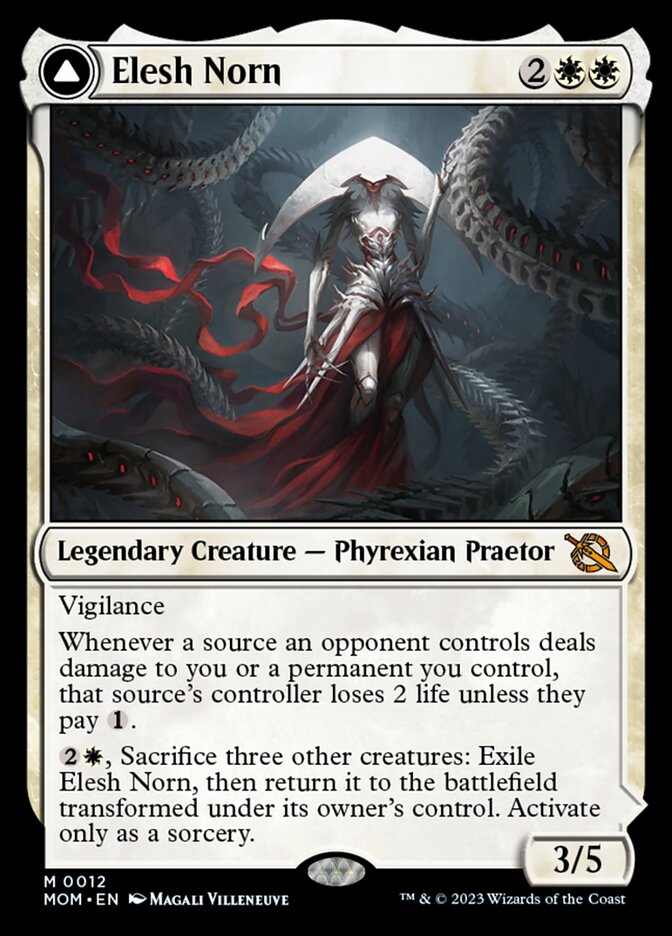
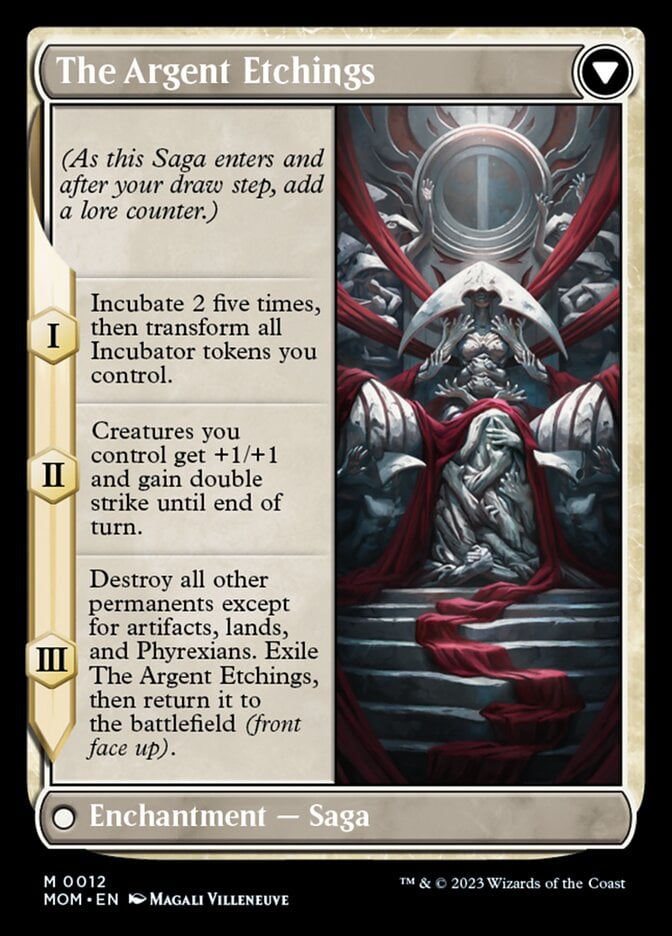
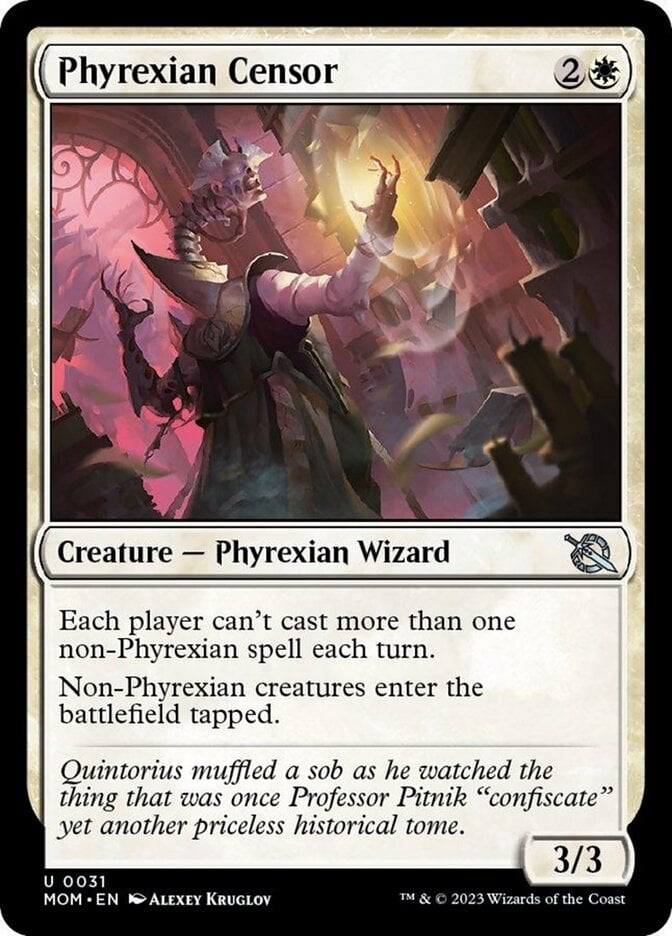
Elesh Norn’s saga side, The Argent Etchings, and Phyrexian Censor don’t reward you for playing Phyrexians, but punish the players with anything else.
When Did Phyrexian Become a Creature Type?
Phyrexian was teased as a creature type on a test card from Mystery Booster, but only became a formal creature type with Kaldheim, with Vorinclex, Monstrous Raider to signal to the Magic player base that New Phyrexia was returning as a central threat.
Are the Phyrexians Evil?
Phyrexia as a whole is evil, committed to subjugating the entire multiverse and committing genocide until everything else is compleated or dead. Individual Phyrexians may rebel against the whole; examples include Xantcha, a Phyrexian newt who gained individuality and traveled with Urza way back when, and Urabrask, the red praetor of New Phyrexia who opposed the hierarchical rule of Elesh Norn and even sheltered the Mirran Resistance out of distaste for forced compleation, though calling him “heroic” might be a step too far.
Will We See Phyrexians in Magic Again?
Yes. Firstly, Wizards is always capable of printing new Phyrexian creature cards within non-canonical contexts—for example, sets like Mystery Booster or Secret Lairs with new cards but no influence on the current storyline. Also, Wizards can come up with any excuse to resurrect Phyrexia at any time as it suits their whims for the story. Seeing more Phyrexians is not an if but a when.
Are There Any Phyrexian Commanders?
There are a number of Phyrexian commanders. A short list of the most prominent include:
- Atraxa, Grand Unifier
- Elesh Norn, Mother of Machines
- Etali, Primal Conqueror/Etali, Primal Sickness
- K'rrik, Son of Yawgmoth
Wrap Up
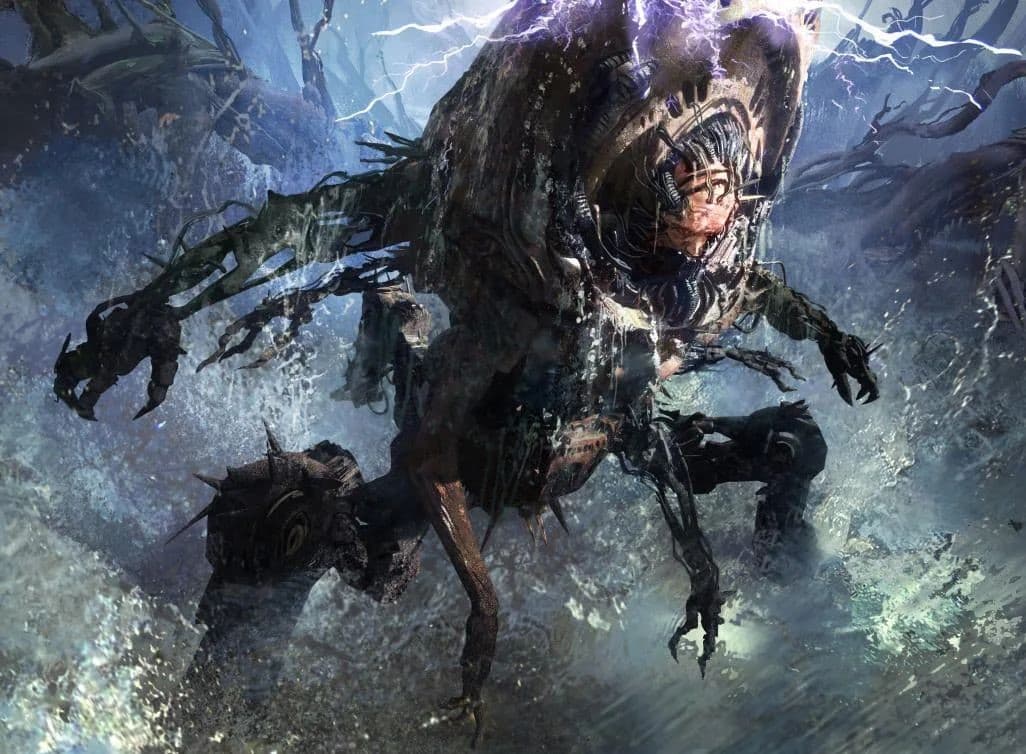
Phyrexian Rager | Illustration by Brock Grossman
The Phyrexians are some of the most intimidating villains in Magic’s history, and many of the cards live up to that standard. Sure, there are a few duds, but the greatest Phyrexians are so powerful you understand why Urza devoted his life to defeating them.
Which Phyrexians are your favorite? Do you look forward to their return? Let me know in the comments below or on the Draftsim Discord! And check out The Daily Upkeep newsletter to stay up to date on all the latest MTG news.
Stay safe, and thanks for reading!
Follow Draftsim for awesome articles and set updates:










Add Comment