
Last updated on May 19, 2026

Leonardo, Leader in Blue | Illustration by Nicholas Gregory
There’s a lot more to Magic’s Teenage Mutant Ninja Turtles crossover than ninjas, turtles, and bucketloads of pizza. There are Mutagens (which are kinda crucial for the story: That’s how our half-shelled heroes got their powers!), a new variant of ninjutsu, and a new version of the partner ability for commanders.
So let’s hop right into the thick of it and check the new and returning mechanics from Teenage Mutant Ninja Turtles!
New Mechanics in Teenage Mutant Ninja Turtles
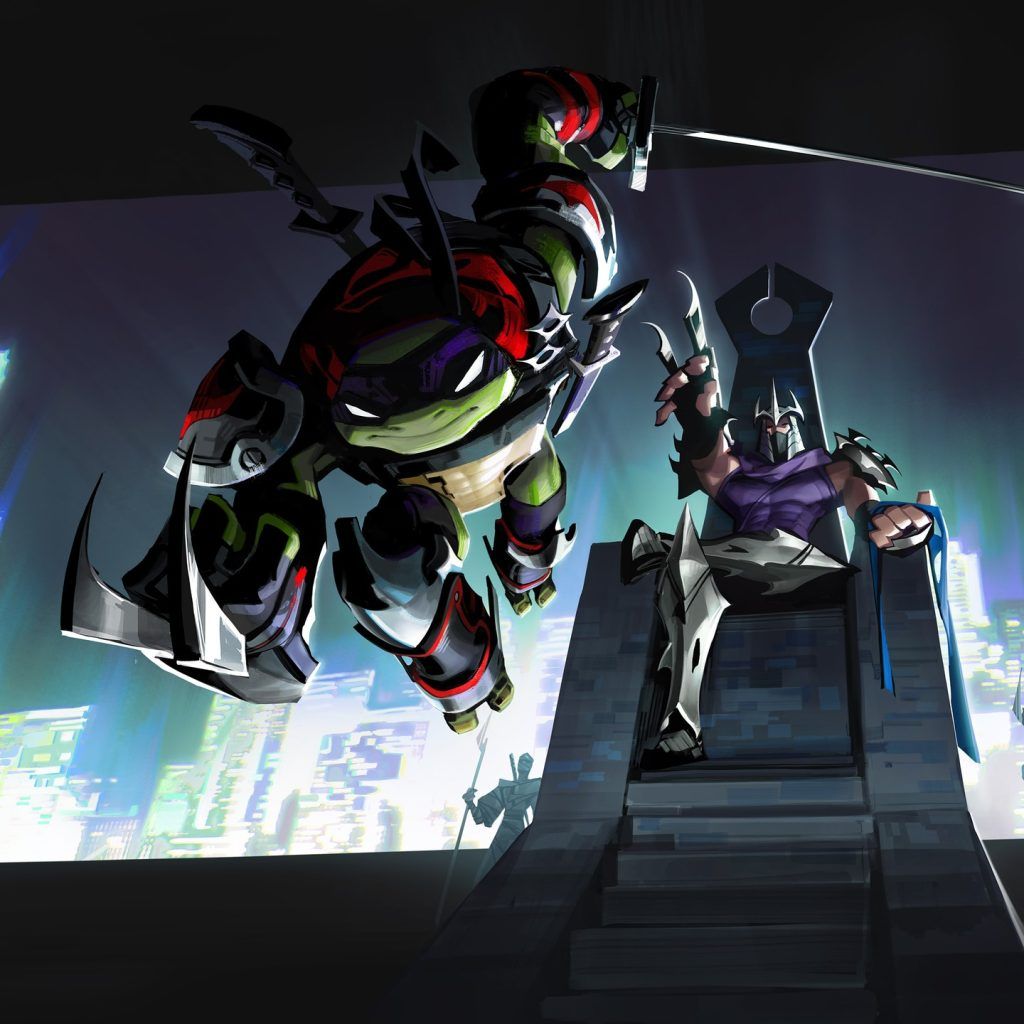
Dark Leo & Shredder | Illustration by Thomas Chamberlain Keen
Sneak
Sneak is a keyword that lets you cast a spell for an alternative cost, but only in a very specific time window: You can only sneak during the declare blockers step, on your turn, after blockers are declared. It’s fairly similar to ninjutsu, although in sneak’s case you cast a spell, whereas ninjutsu is an activated ability that puts the card onto the battlefield.
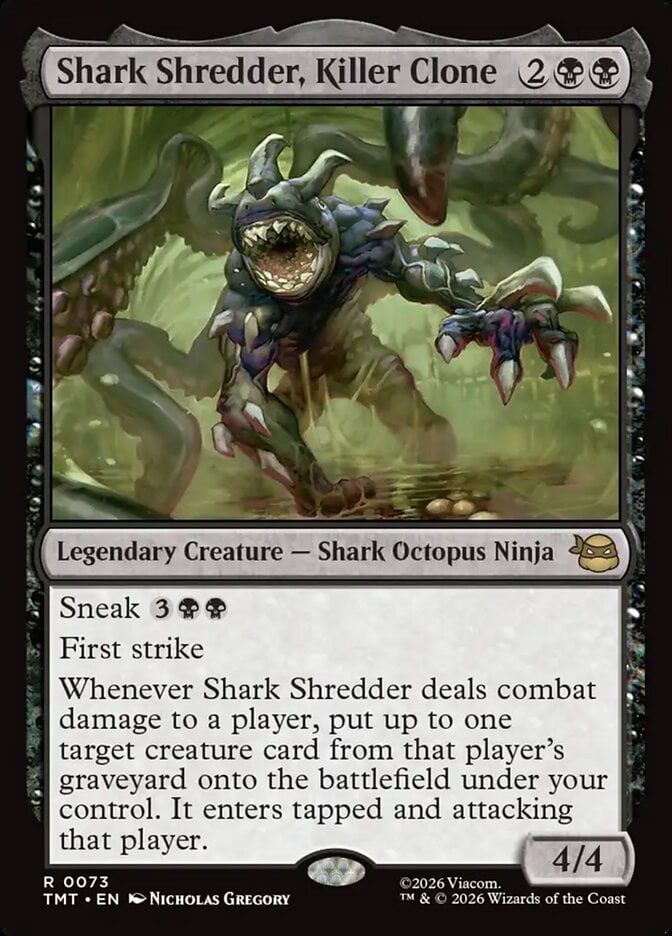

The alternative cost has two parts: Whatever cost is written after “sneak” on the card (in Shark Shredder, Killer Clone‘s case it’s , in Splinter's Technique‘s case it’s ), plus you have to return an unblocked attacker you control to hand.
If you cast the spell for its sneak cost, you cast it at instant speed so you can sneak in response to spells or abilities. This works regardless of the spell’s card type; it can be a creature or a sorcery, but as long as you cast it for its sneak cost, you can ignore timing restrictions. You can always choose to cast a sneak spell for its normal cost; in that case, normal timing applies.
Since returning the unblocked attacker is part of the cost, opponents can’t respond by killing that creature to stop you from sneaking. The unblocked attacker is already back in your hand before any of your opponents gets to respond.
If the sneak spell you sneak-cast is a creature spell, then that creature enters tapped and attacking. In general, creatures that enter attacking let you choose who you attack, but in sneak’s case the sneaked attacker has to attack the same player, planeswalker, or battle that the bounced attacker was attacking. You don’t get to pick a new objective. But since sneak happens after blockers are declared, your opponent won’t be able to block this new attacker.
The sneaked attacker doesn’t get haste, by the way; it just enters attacking. And it doesn’t trigger attack triggers.
Mutagen Tokens
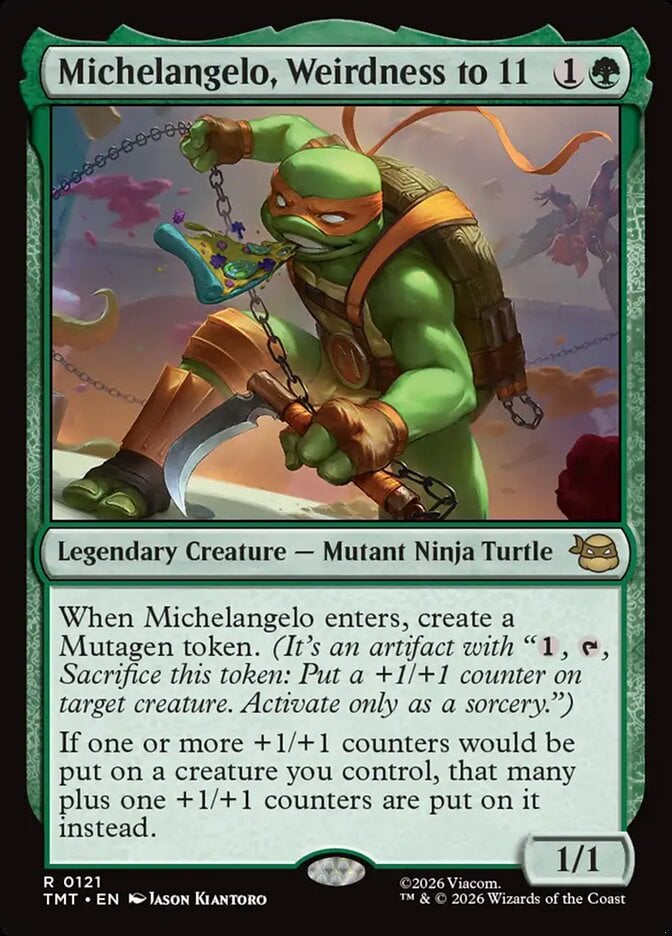

Mutagen tokens are pretty simple: You activate them by tapping them, paying , and sacrificing the Mutagen to give target creature a +1/+1 counter. Basically, they are +1/+1 counters with extra steps!

You can only activate Mutagen tokens at sorcery speed, though, so only when you have priority during your main phase and while the stack is empty.
Mutagen tokens are colorless and have the artifact card type. They can target any creature (not just yours).
Disappear
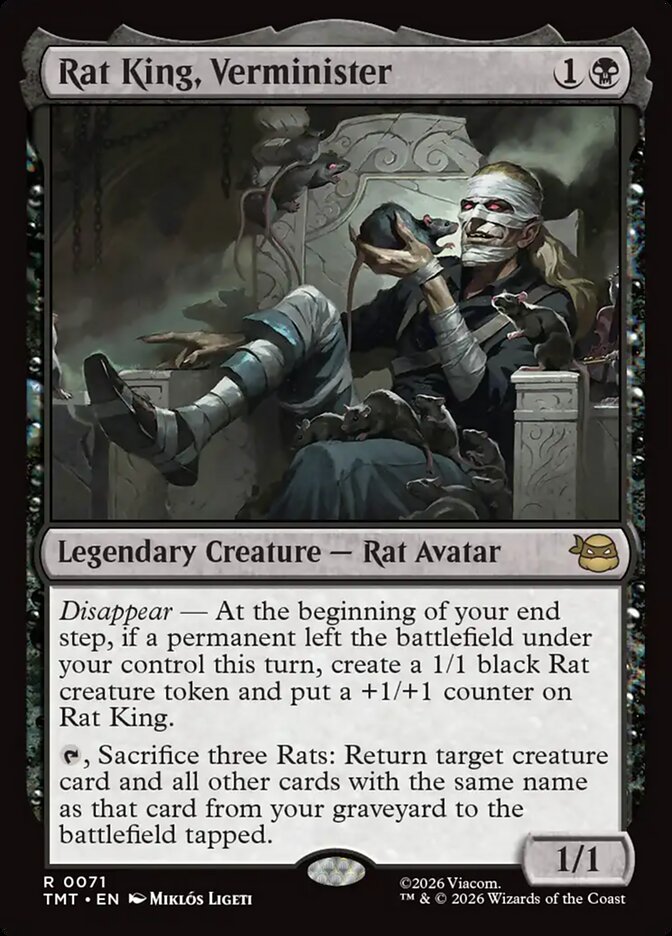
Disappear cares about permanents leaving the battlefield under your control on a given turn.
Disappear is an ability word, so disappear abilities share a common theme, but the exact effect changes from card to card.
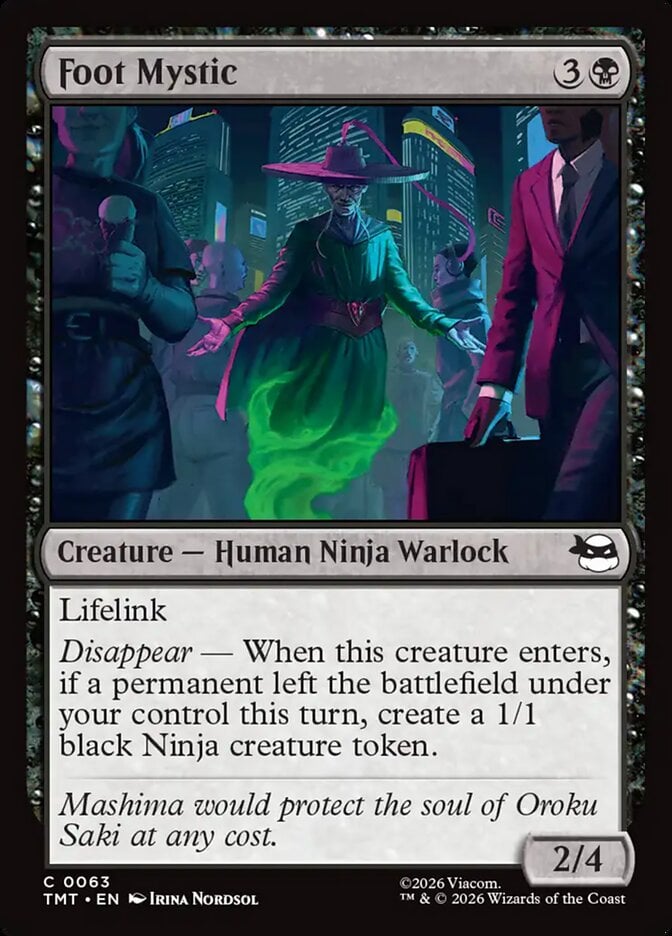
For example, both Foot Mystic and Rat King, Verminister care about one of your permanents leaving the battlefield, but Foot Mystic has an enter the battlefield trigger, while Rat King, Verminister has an end step trigger (and they do completely different things when they do trigger).
Your permanents’ disappear abilities trigger with any type of permanent (as long as it’s yours), which includes tokens. If you crack a Mutagen token during your turn, Rat King, Verminister‘s disappear ability will trigger (and its own “Sacrifice three rats” ability also triggers disappear).
Notice that disappear triggers with any effect that removes a permanent from the battlefield, so it’s not just dying: You can exile something, blink it, or bounce it back to hand (including via ninjutsu and sneak!); these action all trigger your disappear abilities. And it doesn’t have to be an effect you control: If anybody kills, exiles, blinks, or bounces any permanent you control, disappear triggers.
Your creature with disappear also doesn’t need to “witness” your permanent leaving the battlefield for disappear to trigger; it just needs to be on the field by the time its disappear ability would trigger.
Suppose you cast Splinter's Technique for its sneak cost, returning an unblocked attacker to your hand. Then, during your second main phase, you cast Rat King, Verminister, and your opponents are courteous enough to let the King live until your end step. In this scenario, Rat King, Verminister‘s disappear ability triggers, even though Rat King never saw the attacker be bounced back to hand. All that matters is that the “if a permanent left the battlefield under your control this turn” condition is true.
Returning Mechanics in Teenage Mutant Ninja Turtles
Besides evergreen mechanics, there are a handful of returning mechanics that show up on several Teenage Mutant Ninja Turtles cards: namely, food cards and class cards.
Food
Teenage Mutant Ninja Turtles has turtles, has ninjas, has mutants… and has pizza. Lots of pizza! And, luckily, Magic has the exact card type to represent that in game: the food artifact subtype, and Food tokens.
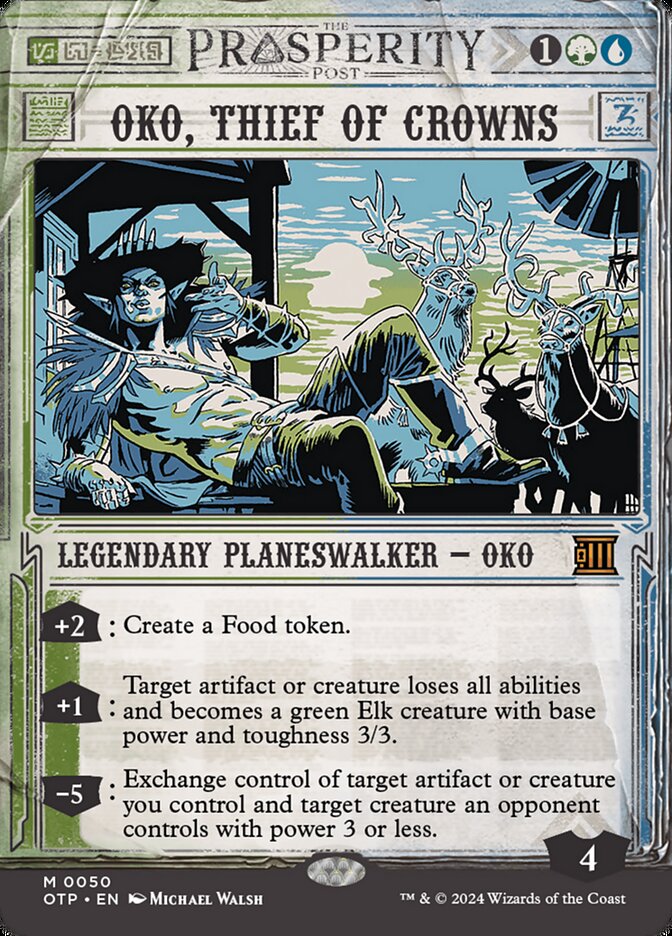
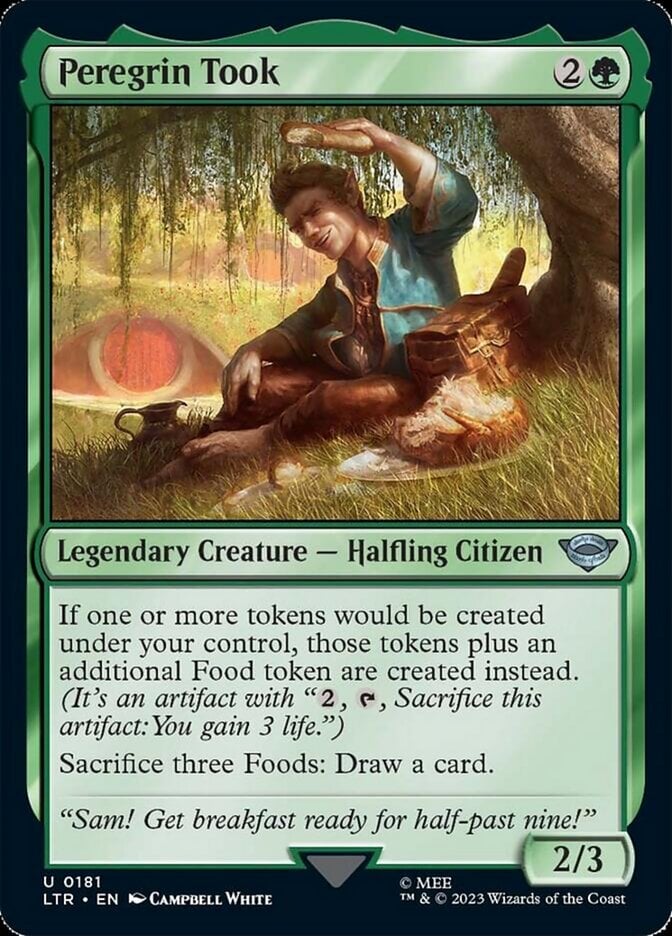
Food was introduced in Throne of Eldraine, which included one of the most infamous (and broken!) cards in Magic’s history: Oko, Thief of Crowns. They became deciduous after Streets of New Capenna, and since Lord of the Rings they’re pretty much an evergreen mechanic. Sometimes a set has just a couple of food cards and they’re not the main theme, and sometimes there’s quite a bit of it.
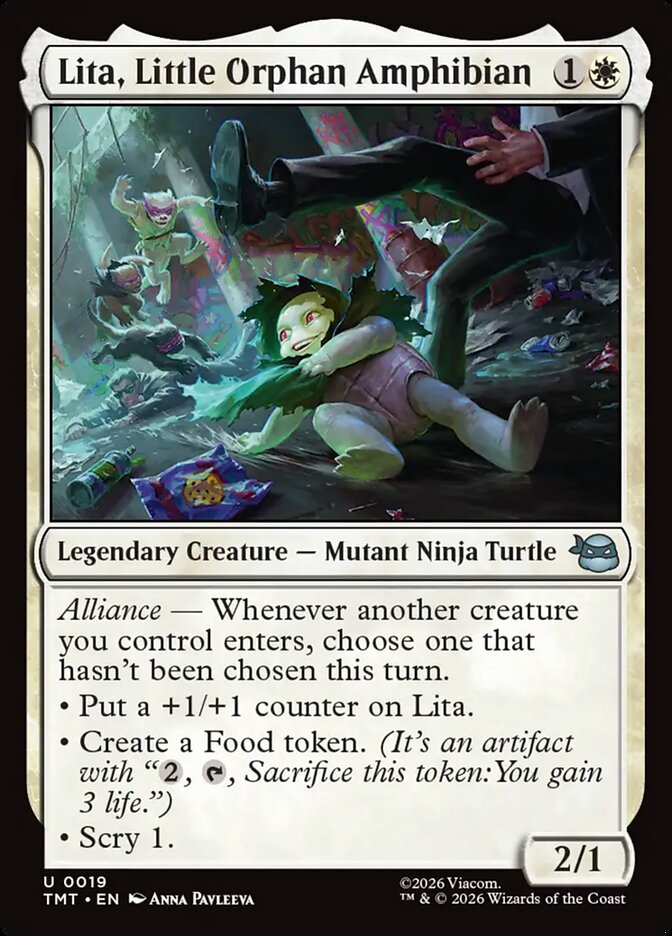
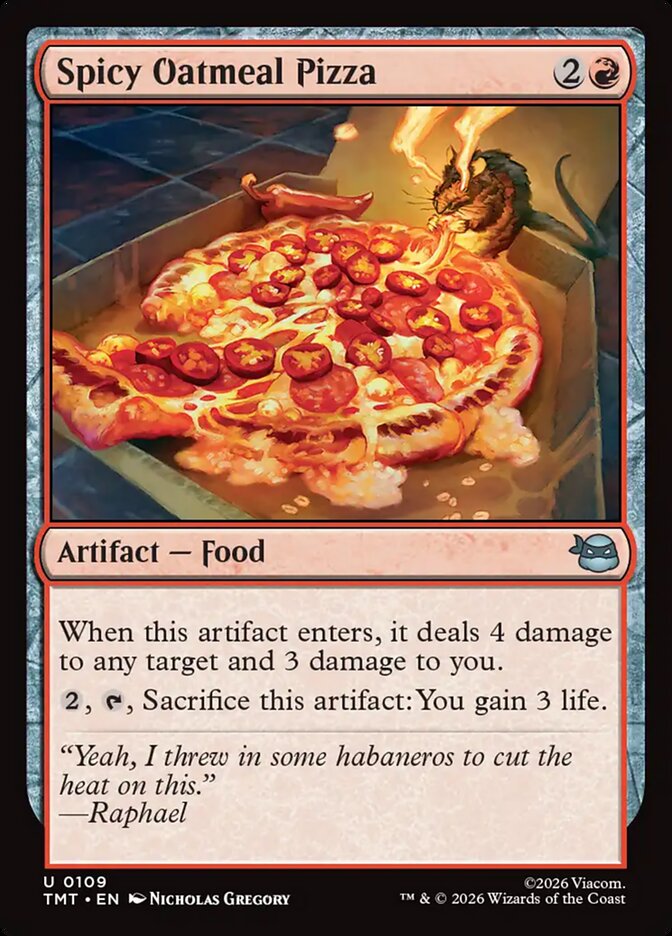
Food can be one of the card’s subtypes (like Spicy Oatmeal Pizza: It’s an artifact food), or it can be a predefined artifact token, the Food token. If an effect cares about food, then it means any food artifact.

For example, Bloomburrow‘s Ygra, Eater of All gets +1/+1 counters whenever a food is put into a graveyard from the battlefield, so a Food token, a food artifact like Spicy Oatmeal Pizza, or a food creature artifact like Pizza Face, Gastromancer all trigger Ygra, Eater of All.
Food cards and tokens have an activated ability that lets you sacrifice them and gain life. It almost always costs (plus tapping and sacrificing the food) to gain 3 life; Pizza Face, Gastromancer is unique in that you pay and gain 15 life.
Class Cards
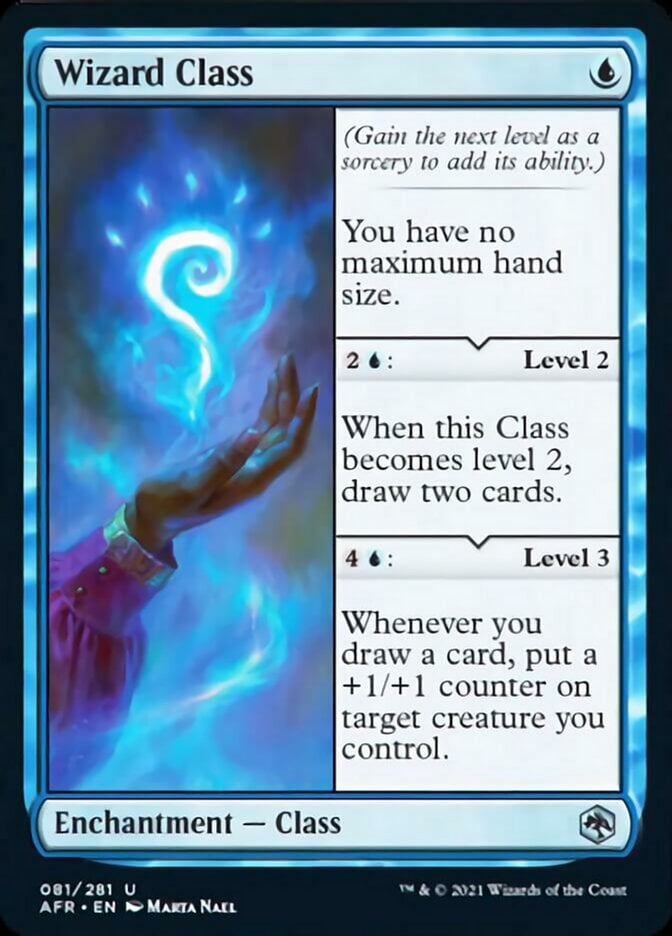

Class is a subtype of enchantment. You cast them as any other enchantment, and the twist is that classes have three levels and a text box split into three sections. They were introduced in Adventures in the Forgotten Realms, and returned with great success in Bloomburrow, and now it’s study time at Splinter’s dojo.
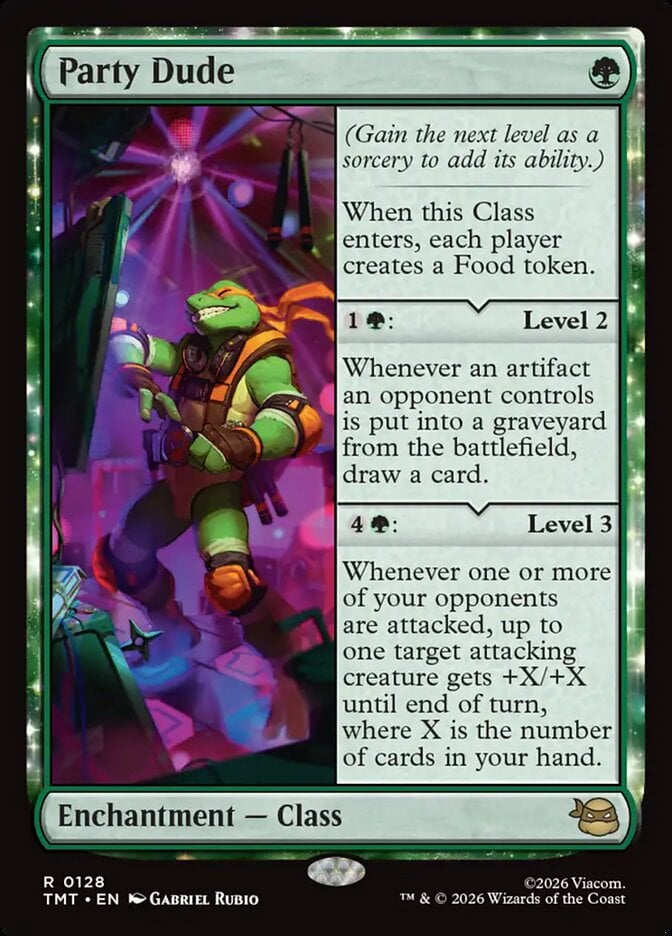
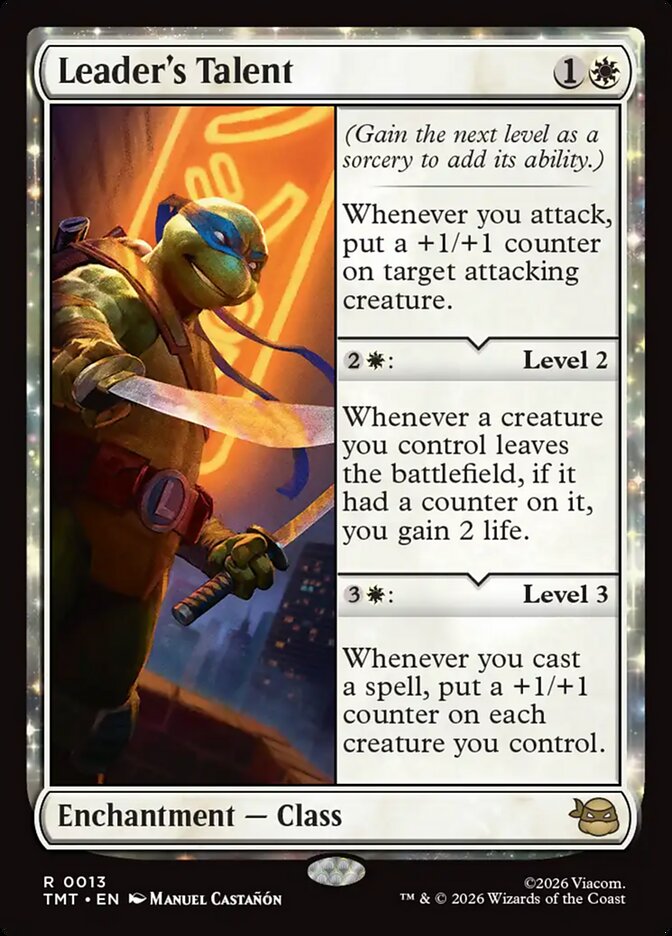
A class enters at level 1, and only the top section of its text applies. Level 1 can be any type of ability: Party Dude has an enters trigger that gives everybody a Food token, while Leader's Talent has an attack trigger that buffs one of your attackers.
The middle and bottom sections (Level 2 and Level 3) are activated “level up” abilities. You can activate a class’s level-up abilities only as a sorcery, and when the level-up ability resolves, the class becomes that level. All abilities for that level and lower become active.
Unlike sagas, levels are not counters and aren’t represented by markers; the permanent simply has a level. While you can proliferate the lore counters on sagas, there’s nothing like that for classes.
You have to level up in order from level 1 to level 2 then level 3. No skipping level 2 to go straight to level 3. And you can’t re-activate past levels: If you activate level 2, you can’t activate it again.
Each class enchantment you control levels up independently, even if you control multiple copies of the same class.
Class effects stack (if relevant): If you have two Party Dudes at level 2, you’ll get two triggers whenever one of your opponents’ artifacts are put into a graveyard from the battlefield.
Alliance
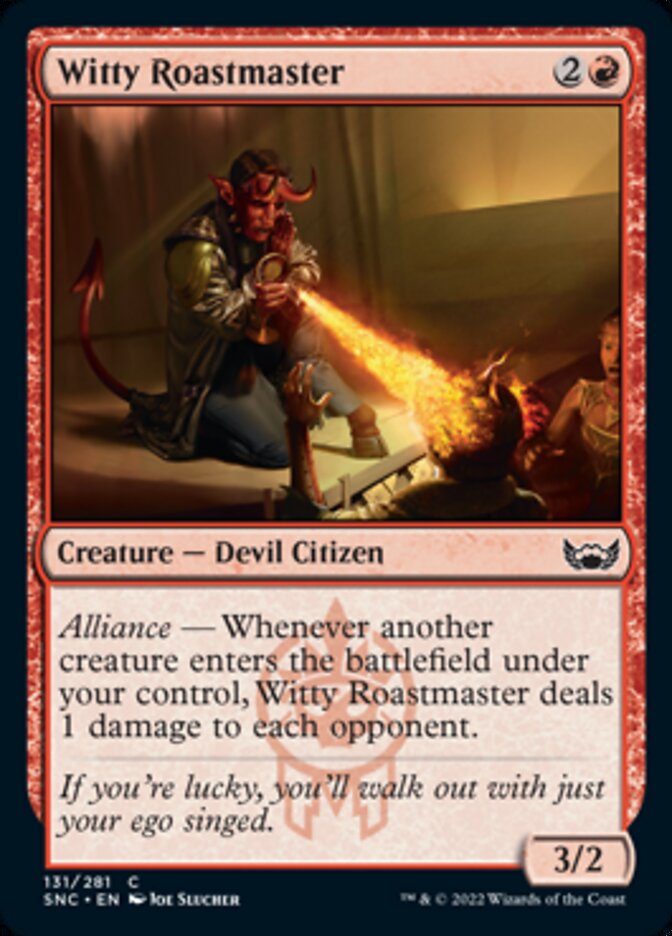
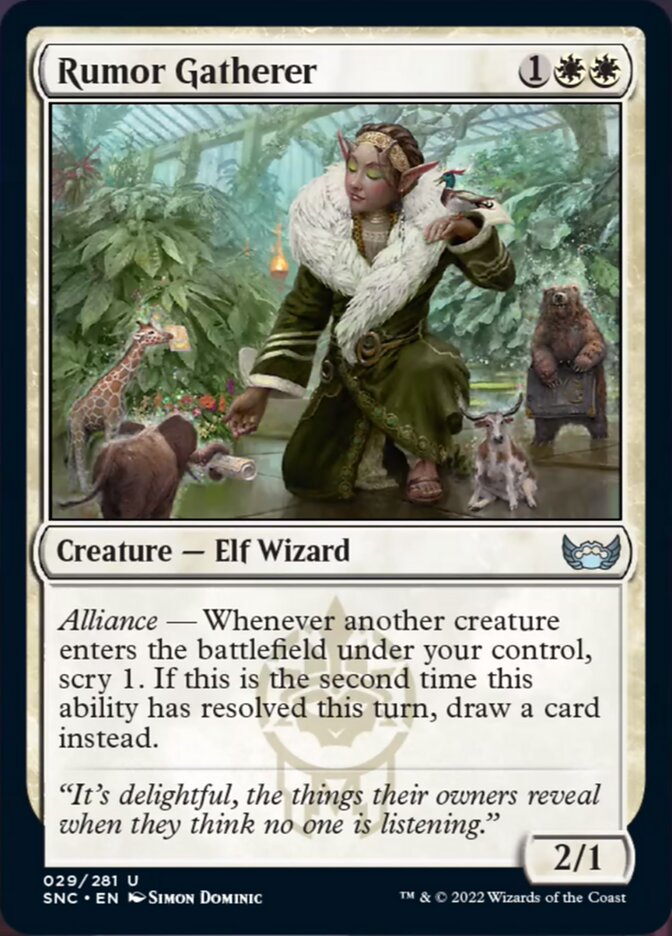
Alliance, originally from Streets of New Capenna is basically “creaturefall“: It’s an ability word for abilities that trigger when another creature enters the battlefield under your control.
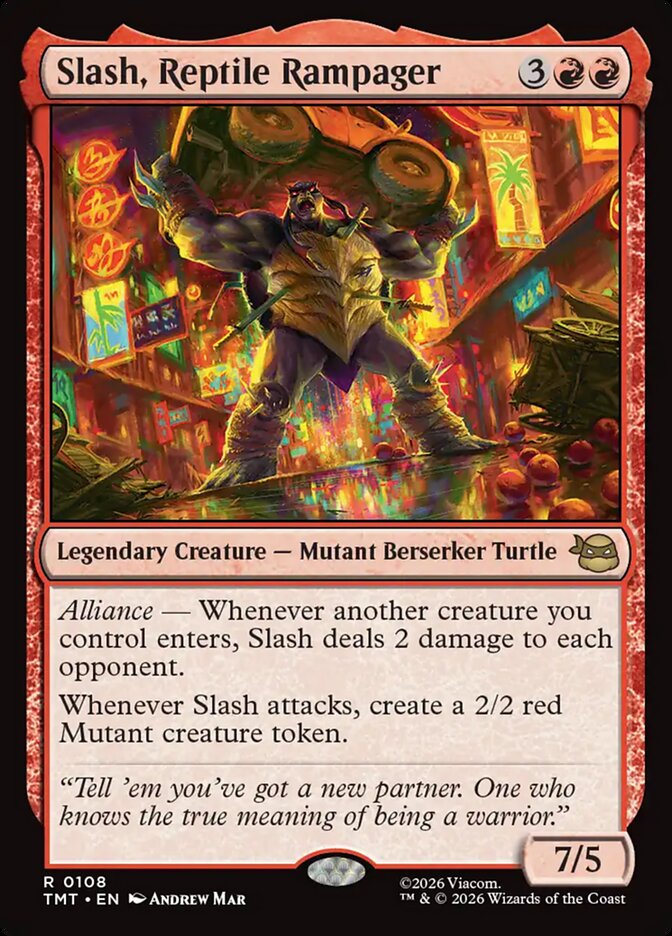
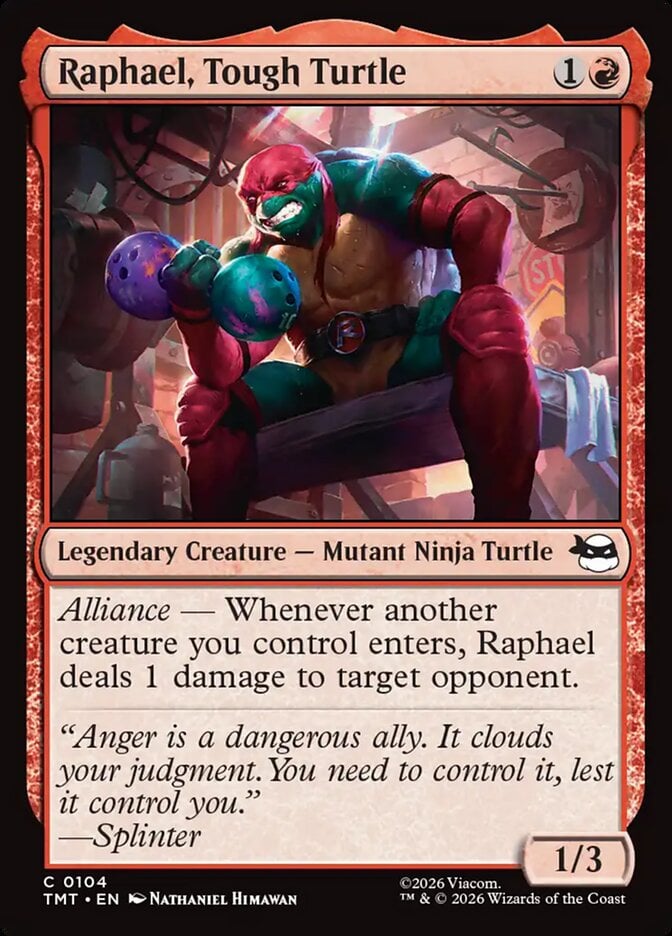
Alliance triggers with any type of creature (including when one of your effects creates token creatures), and if you have several alliance permanents, they all trigger for each creature you put in play.
For example, say you have Slash, Reptile Rampager and Raphael, Tough Turtle, and attack with Slash, Reptile Rampager. Slash’s attack trigger creates a 2/2 mutant creature; and since a creature has just entered the battlefield under your control, both Slash, Reptile Rampager‘s and Raphael, Tough Turtle‘s alliance abilities trigger.
+1/+1 Counters


Now we’re moving into more themes rather than full-set mechanics. +1/+1 counters are as old as Magic, all the way back from Limited Edition Alpha. There’s hardly an MTG set without them, but Teenage Mutant Ninja Turtles‘ main set goes particularly hard into +1/+1 counters, and they’re one of the main themes of the Turtle Power! Commander precon.


+1/+1 counters are also “hidden” in Mutagen tokens.

Oh, and we get a reprint of Doubling Season in the Source Material bonus sheet!
Affinity for Artifacts

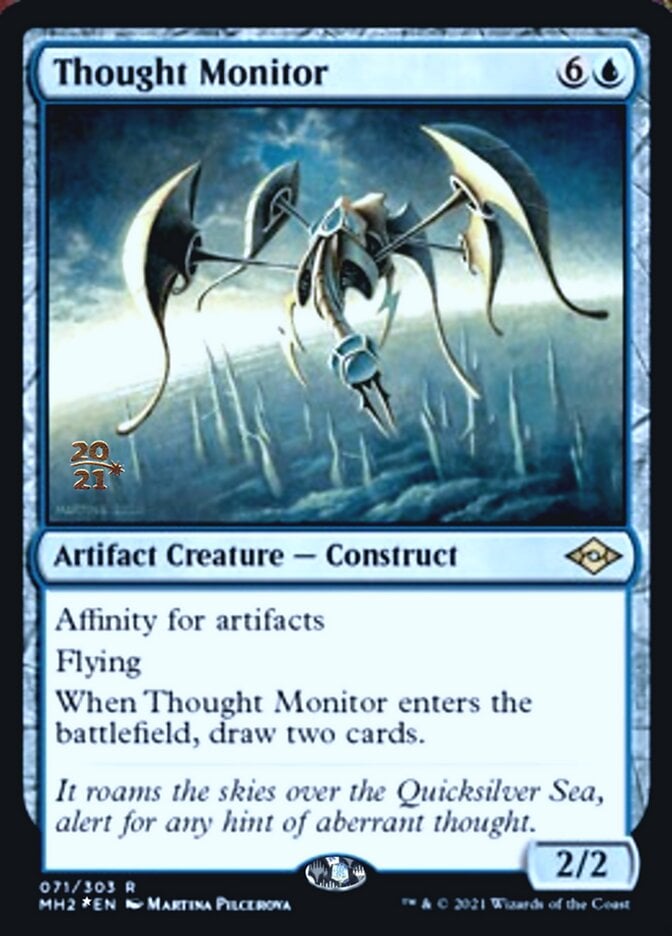
There’s a Mirrodin mechanic that makes a small comeback in Teenage Mutant Ninja Turtles: affinity for artifacts, which makes spells cost less to cast for each artifact you control. Affinity for artifacts can only reduce generic mana, not colored mana, so if you have four artifacts, Emry, Lurker of the Loch still costs .
Treasure tokens, Clue tokens, Food tokens, and Mutagen tokens are all artifacts and will reduce the mana cost of spells with affinity for artifacts.

Teenage Mutant Ninja Turtles adds Utrom Monitor, Don & Raph, Hard Science, and Krang, Master Mind to the affinity club.
Landcycling
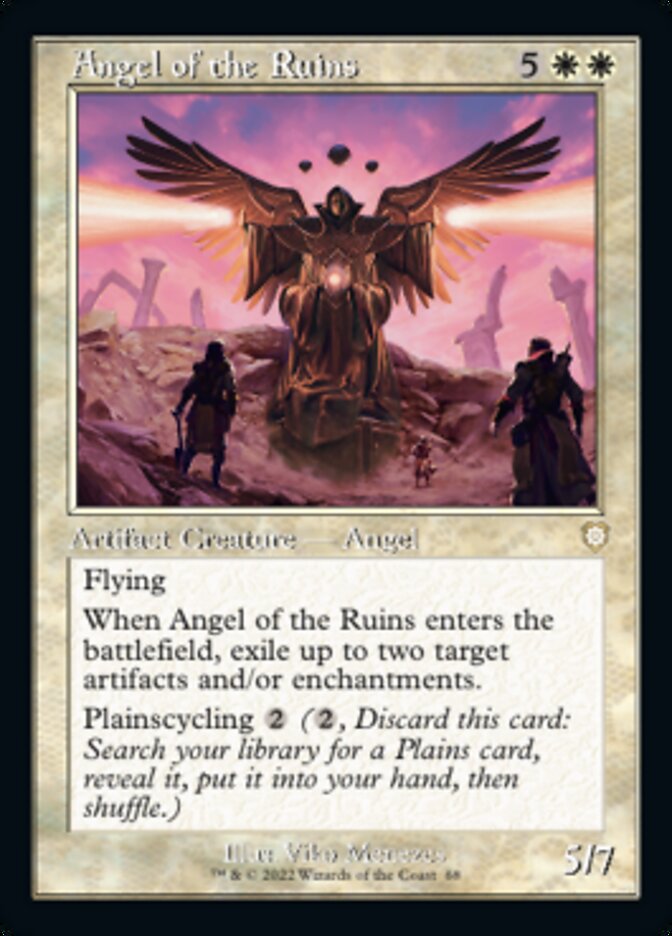
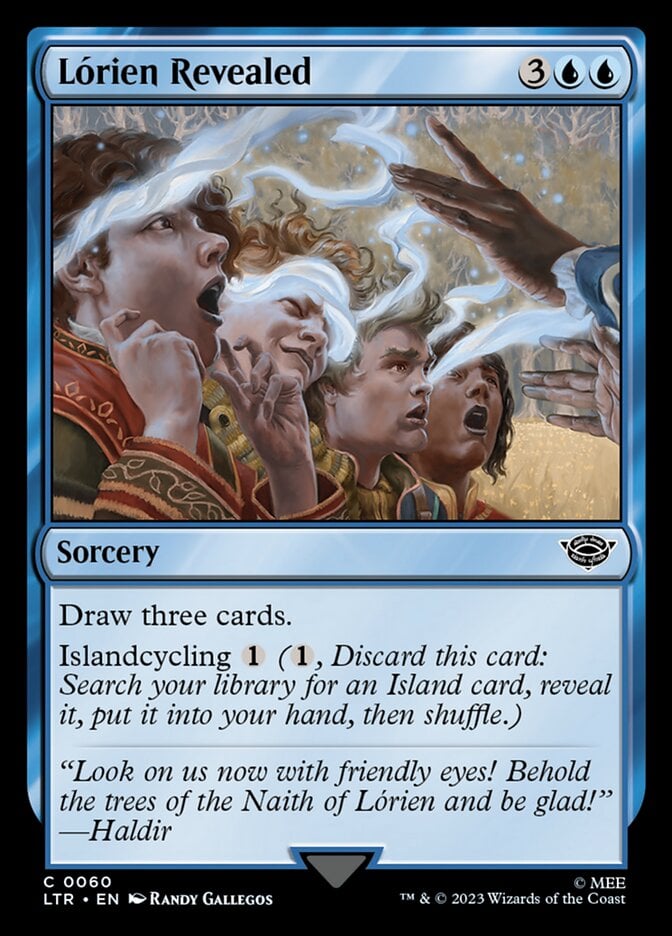
Initially from Scourge, landcycling is a cycling variant, and it’s an ability you can activate while the card is in your hand. You pay the landcycling cost and discard the card to search your library for a land card with the specified land type (so plainscycling lets you search for a plains card, islandcycle for an island card, etc.), reveal it, put it into your hand, then shuffle.
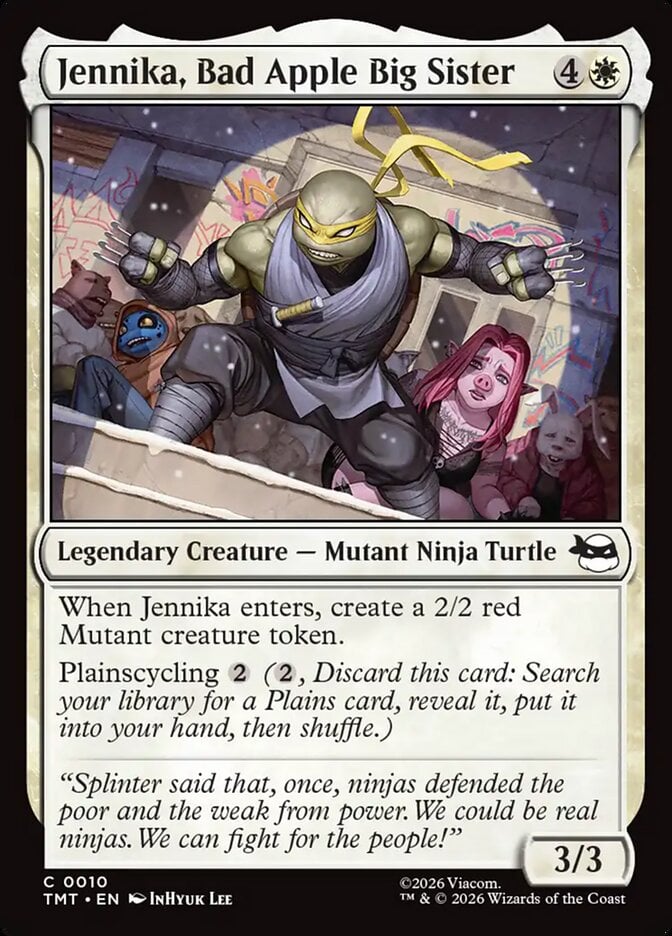
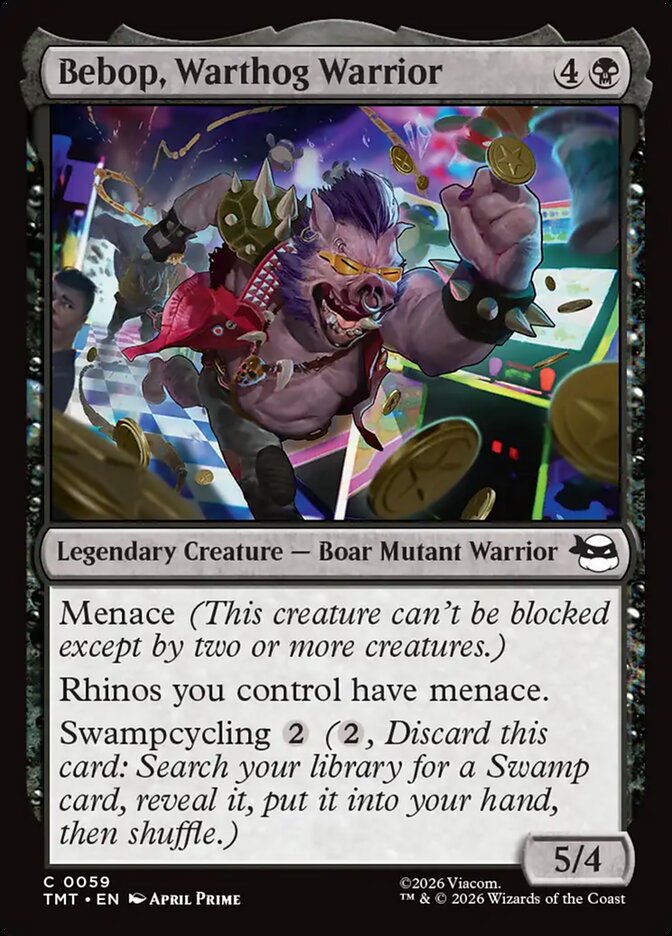
Teenage Mutant Ninja Turtles‘ main set has one card per each basic land type, like Jennika, Bad Apple Big Sister or Bebop, Warthog Warrior. And the Turtle Power! Commander precon reprints Ash Barrens, which works for all basic lands.
Cameo Mechanics in TMNT
A “cameo mechanic” is a one-off use of an existing mechanic that isn’t meant to be a headliner of the set, but just shows up on a single card.
- Enrage makes a cameo appearance with Raphael, Ninja Destroyer: You get a bonus when it’s damaged.
- Stomped by the Foot has kicker, an optional additional cost to get an extra bonus (and a pretty gut pun, too!).
- Action News Crew has channel, an activated ability that works while the card is in your hand. The pun here is subtler: Channel 6 is the actual news channel in the comics.
- Weather Maker is landfall‘s cameo: it’s an ability that triggers when you put lands into play.
Commander Mechanics
Partner–Character select
Character select is a partner variant for a specific subset of cards. It’s pretty straightforward: Partner—Character select lets you have two commanders in the command zone, as long as both have the character select ability. In other words, pretty much like the friends forever or doctor’s companions mechanic, but with a different pool of commanders.


Splinter, the Mentor, for example, is a mono-black commander. But since it has the partner—character select ability, you can have a second legendary in the command zone as long as that second legendary also has the character select ability. So you could pair Splinter with April O'Neil, Live on the Scene and have a Dimir Commander deck with both as your commanders (which is kinda great if you want to play ninjas!).
However, you can’t partner Splinter, the Mentor with commanders that just have “partner” on it, like Rograkh, Son of Rohgahh or Sakashima of a Thousand Faces.
If you have two commanders, they both start in the command zone, and you track their commander tax separately. Same deal to kill a foe with commander damage: It’s 21 from any one of your commanders (not 21 between the two).
There are two other partner commanders in the set: Bebop, Skull & Crossbones and Rocksteady, Mutant Marauder.
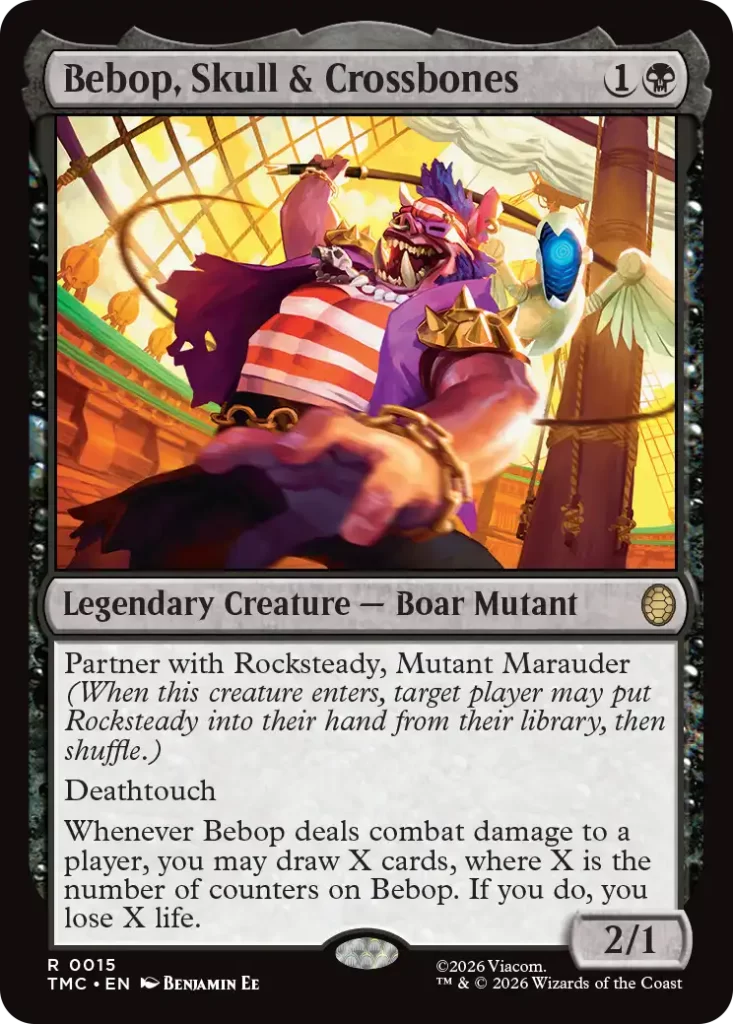
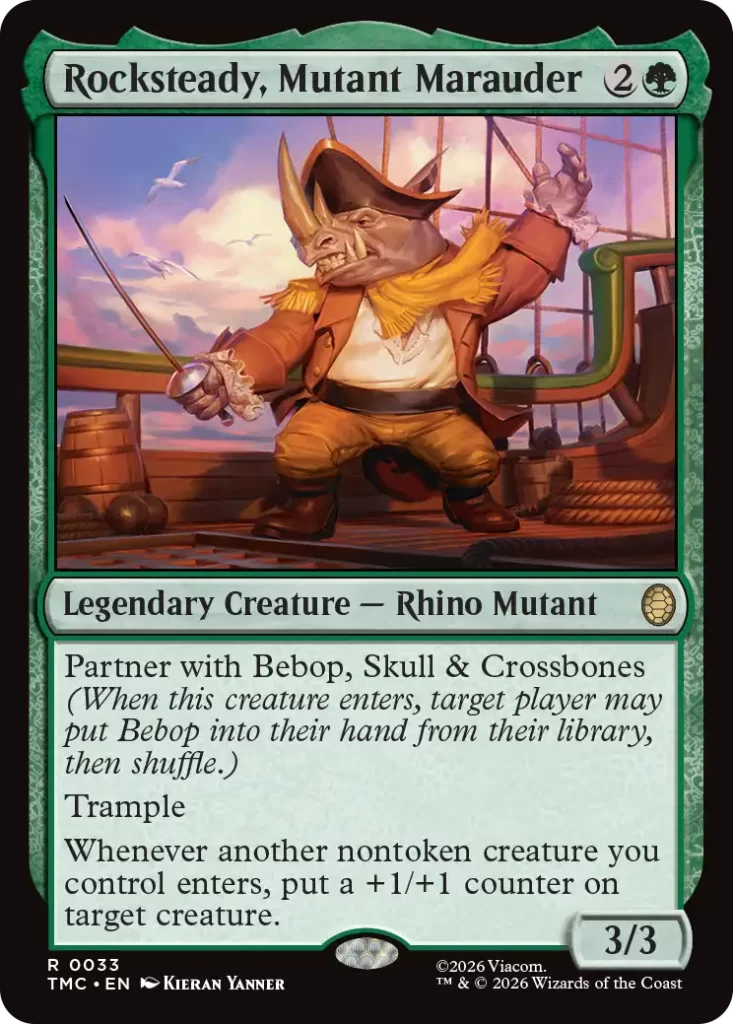
They’re even more straightforward: You can only partner with themselves (but not with the character select commanders).
Returning Multiplayer Mechanics
Two multiplayer mechanics make a cameo appearance in the TMC Turtle Power! Commander precon: goad, and a variant of myriad.
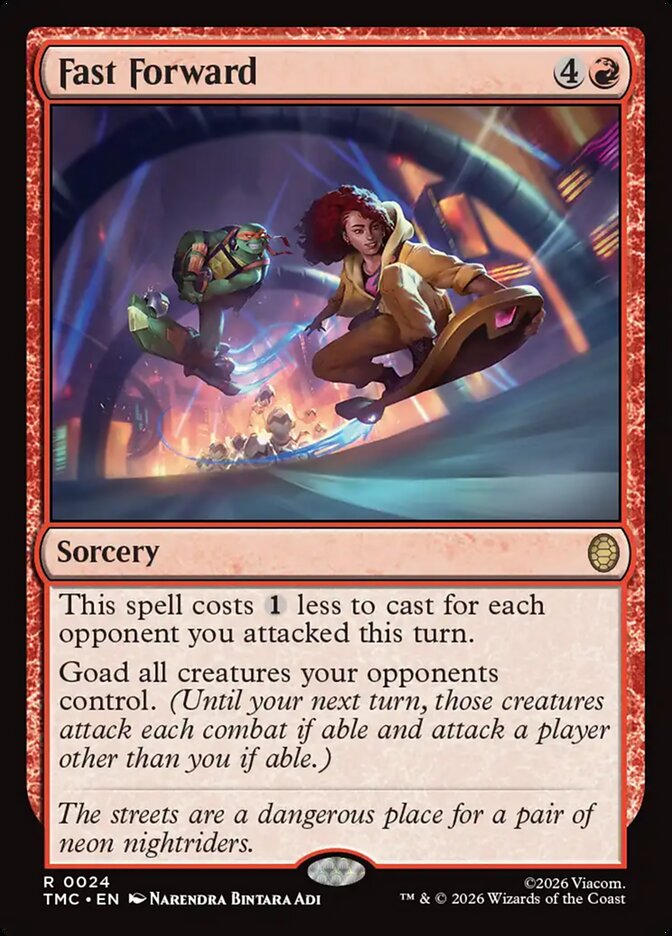
Fast Forward is a red sorcery that goads all creatures your opponents control, forcing them to attack if able during their next combat phase.
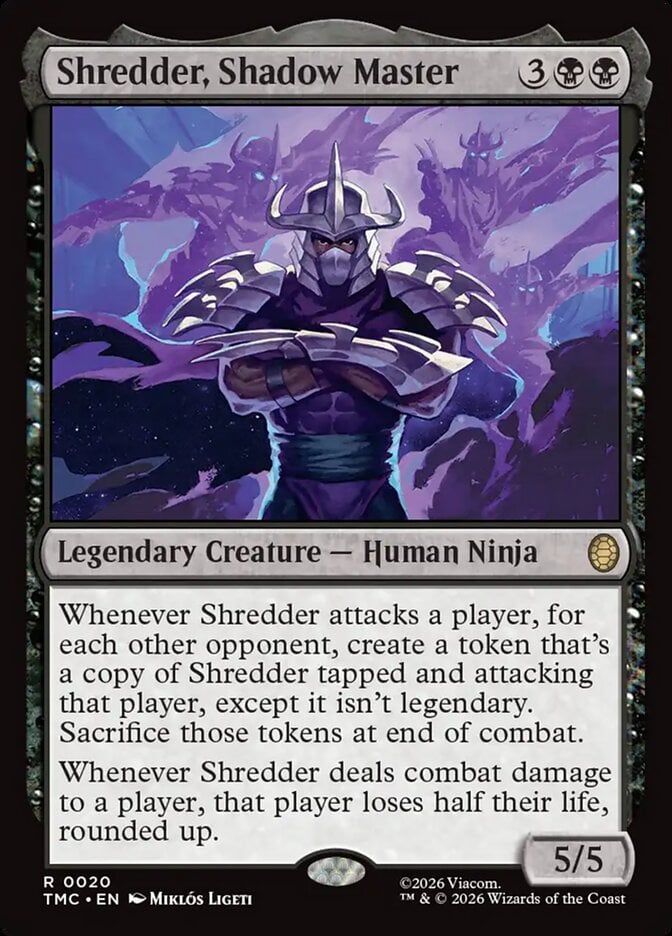
Shredder, Shadow Master has an ability that is pretty similar to myriad: The key difference with myriad proper is that Shredder, Shadow Master‘s creates nonlegendary copies (which myriad doesn’t, and thus it kinda sucks with legendaries!). There are two other subtleties: Shredder only works when attacking players (myriad works with planeswalkers, too), and Shredder’s ability forces to you sacrifice the tokens while myriad exiles them. Death triggers work with Shredder’s ability!
Wrap Up
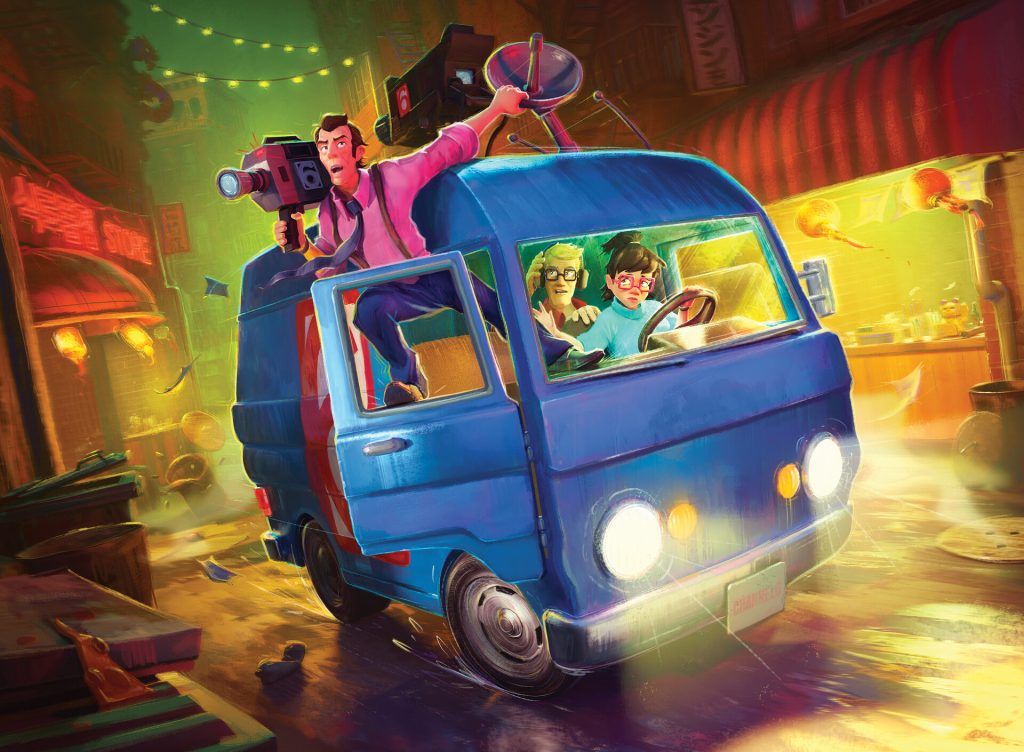
Action News Crew | Illustration by Gabriel Tanko
Wizards of the Coast is clearly aiming the Universes Beyond crossovers to new players that may get their first taste of Magic attracted by their favorite IP. And, as such, Universes Beyond MTG sets can be a bit less complex than the in-universes set, like in this case: a new keyword (sneak), a new predefined token (Mutagen), and a new ability word (disappear).
I hope you’ve enjoyed this mechanical deep dive into Teenage Mutant Ninja Turtles mechanics, and if you have comments or questions please drop something below, or stop by the Draftsim Discord for a chat.
And good luck out there!
Note: This post contains affiliate links. If you use these links to make a purchase, you’ll help Draftsim continue to provide awesome free articles and apps.
Follow Draftsim for awesome articles and set updates:









Add Comment