
Last updated on July 15, 2025

Oko, Thief of Crowns | Illustration by Michael Walsh
As much as we like to see new cards in booster packs, reprints are very necessary and much needed in Magic: The Gathering. They’re vital for reducing the price of the cards by raising supply to meet demand. There was a time in Modern in which a single Serum Visions would cost $10+ dollars, and it’s a $0.50-$0.75 card nowadays.
Reprints in new MTG sets can be controversial because depending on which side you’re on, the price reduction can be a good or a bad thing. Today we take a look at reprints, the good and the bad side, and why they’re so necessary.
Let’s go!
What Are Reprints in Magic?

Colossal Dreadmaw | Illustration by Jesper Ejsing
Reprints happen when WotC opts to reprint an old card in a new product instead of creating a new card.
Reprints can happen in Standard sets if WotC thinks the card is at the appropriate power level, like the reprint in Tarkir: Dragonstorm of Craterhoof Behemoth, a card originally printed back in 2012’s Avacyn Restored, or Archangel of Tithes, a card from Magic Origins back in 2015.
Dual lands are constantly reprinted, too, so Edge of Eternities, and Ravnica-based sets often reprint the famous shock lands. Then, there are products that have a high rate of reprints, like the Commander sets, the Secret Lair products, and the Modern Masters and Modern Horizons sets.
How Do You Know If a Card is a Reprint?

If you’re opening a booster pack to add cards to your Standard deck, you’ll have to pay attention to a few points. Cards that have the planeswalker symbol on the lower-left corner of the card are reprints from The List, thus not legal in Standard.
If you intend to play Limited, be it Sealed or Draft, it doesn’t matter if the card is a reprint because all cards opened in Play boosters are legal in Limited. The best way to know if the card is or isn’t a reprint is to read MTG-related articles or to search sites like Scryfall. This way, you’ll know if the card has had previous printings. Usually, we know that the card is a reprint because we’re familiar with that card or we’ve played with it before.
Why Does Wizards Reprint Cards?
The number one reason to reprint cards is to keep raising the supply of desirable cards, so your Constructed format doesn’t get very expensive. It works in both ways: You put expensive and desirable cards in your products so players have more reasons to buy them, and by selling product, other cards get cheaper.
There are other lesser reasons for reprinting cards. First, there’s no point in designing an equal or very similar card if the card you’re aiming to design already exists.
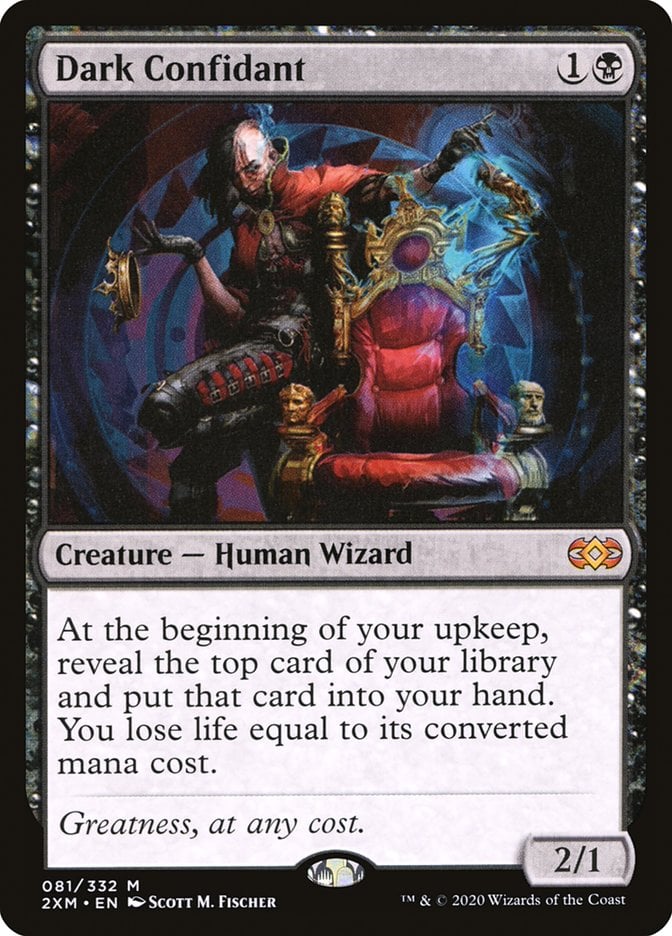
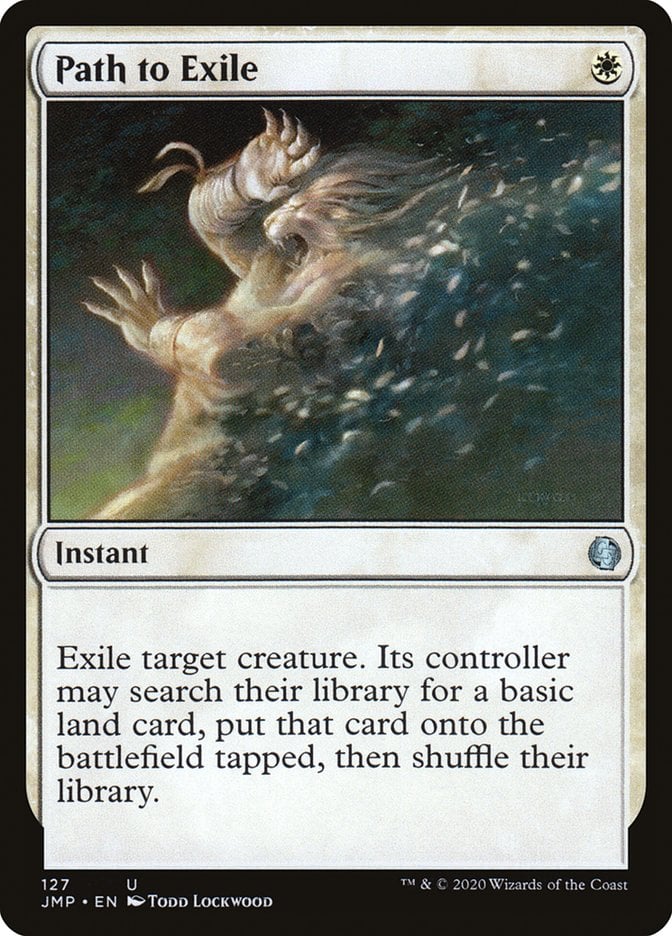
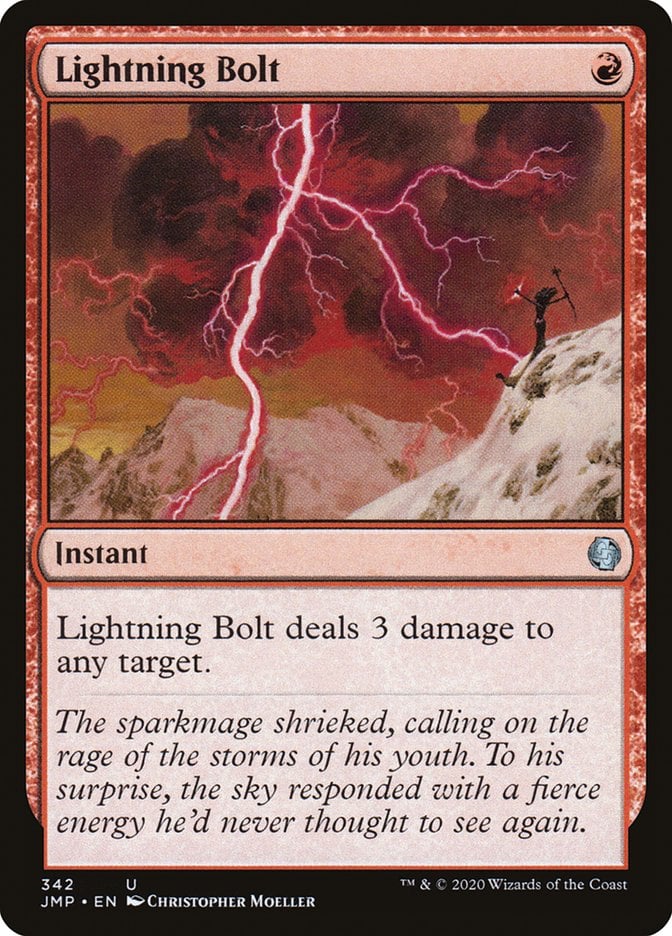
There’s also the nostalgia factor: Bringing an old card back like Dark Confidant, Path to Exile or Lightning Bolt makes several people that already played with the card happy. They also want to offer a staple card in desirable, alternate frames. That’s why Collector boosters exist. The card can be reprinted in many Booster Fun treatments like borderless frame, full-art frame, special foil treatments, and so on. It’s a collectible card game after all.
What Are the Most Reprinted Cards?
These days, the most reprinted cards are the ones that see a lot of play in EDH and are considered staples.
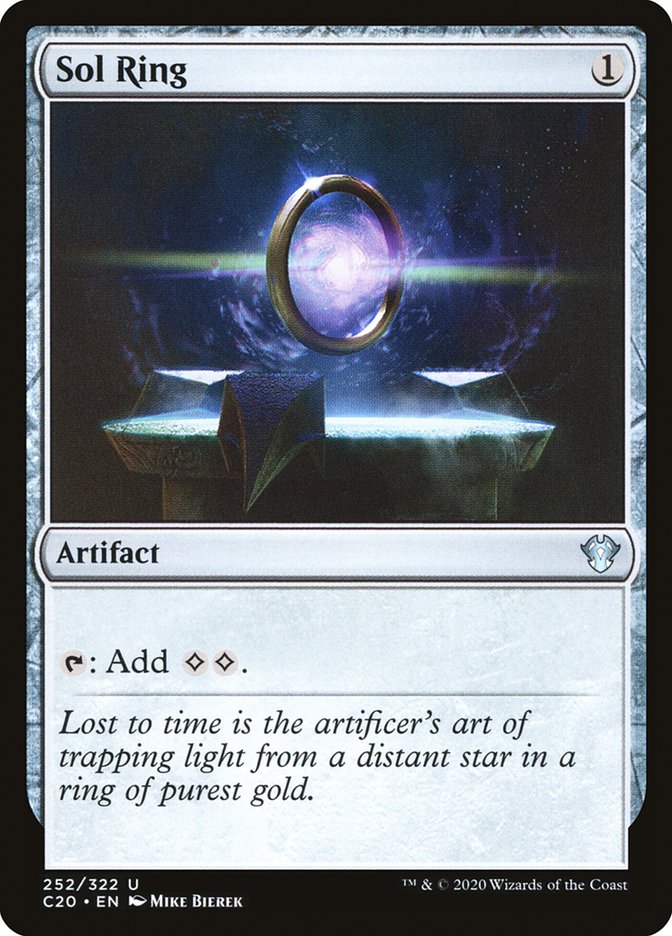


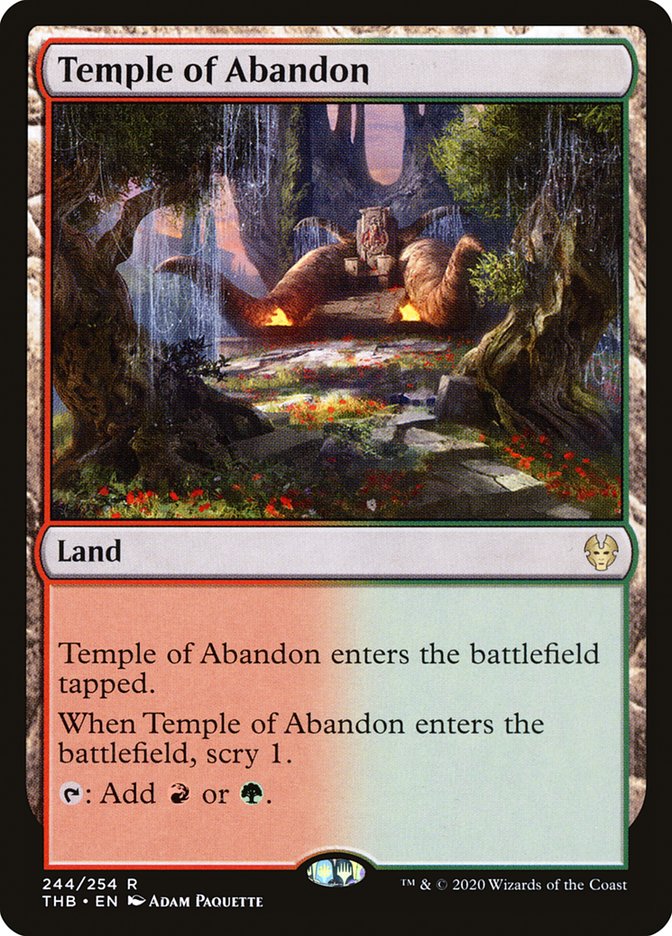
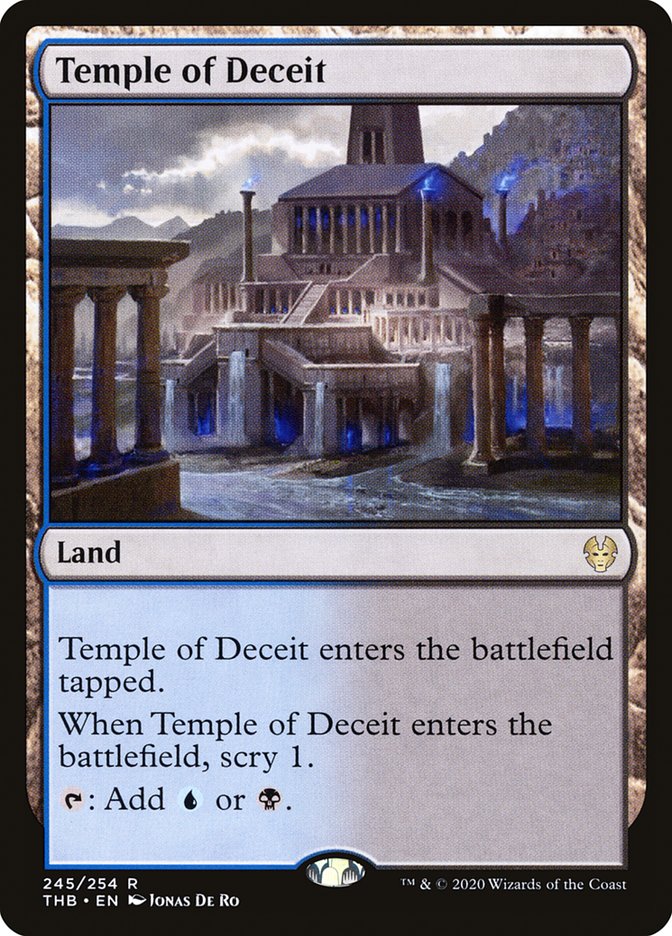
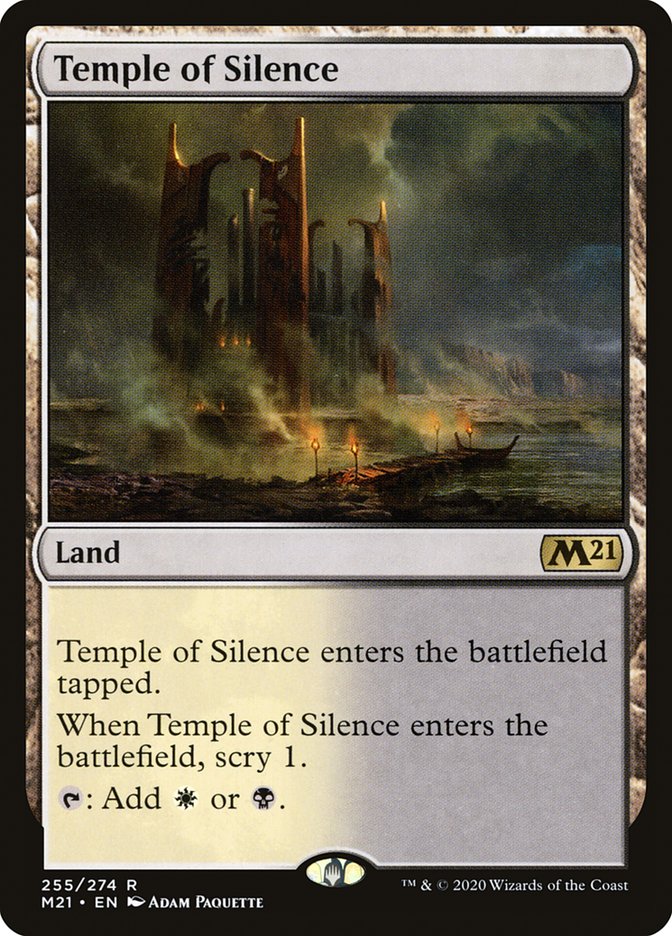
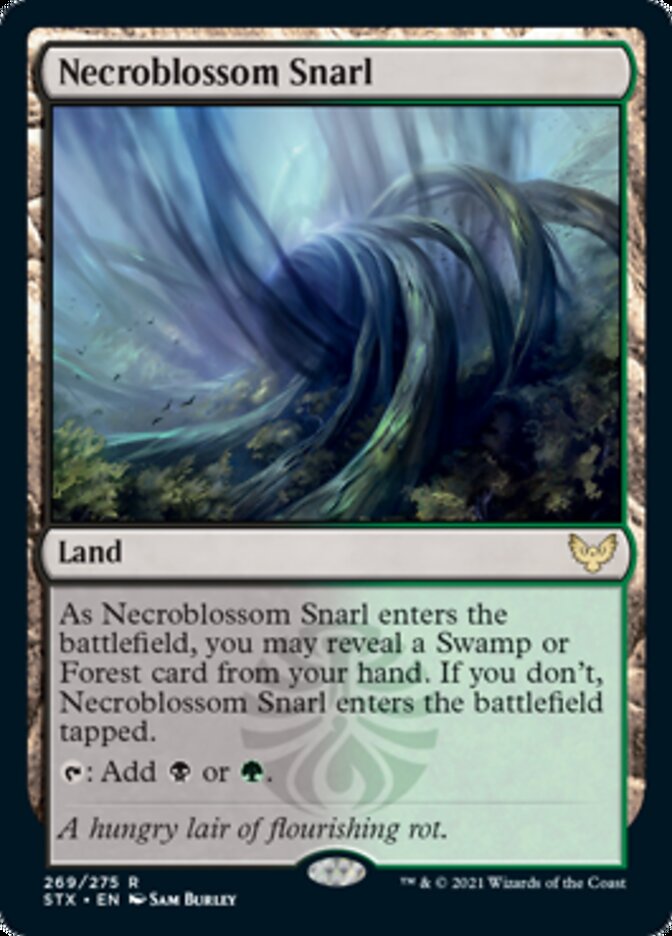
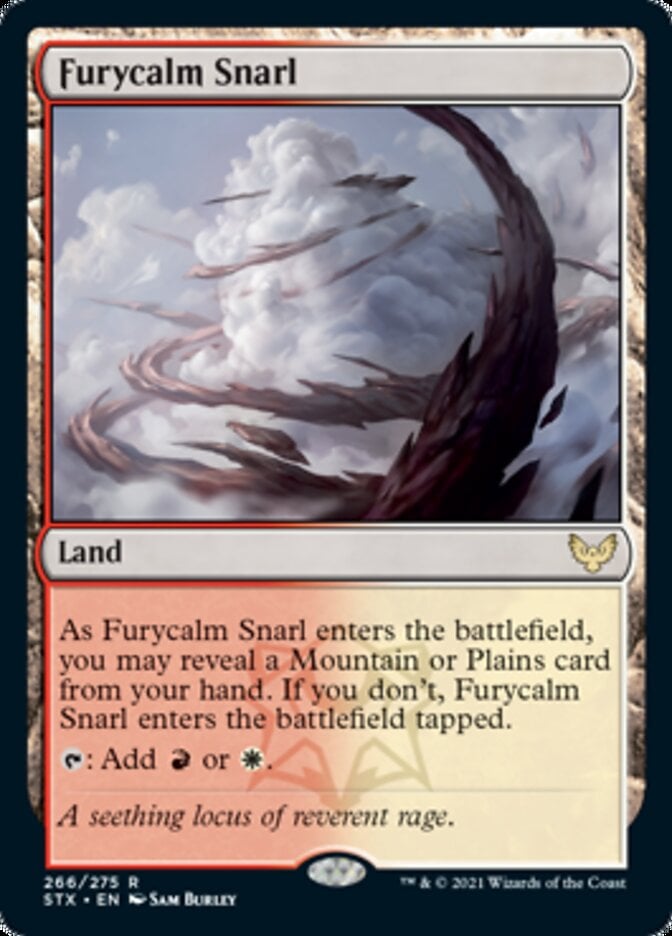
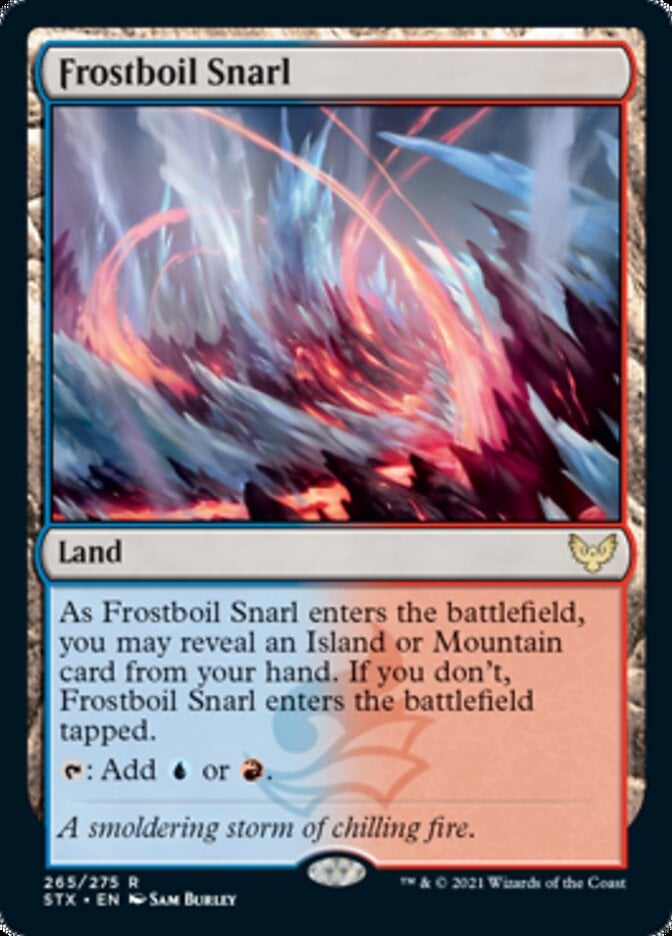
Cards like Sol Ring, Command Tower, and Arcane Signet are usually a guaranteed reprint in Commander-focused sets, as are dual lands like the Theros Temples (Temple of Abandon, Temple of Deceit, Temple of Silence) and the Snarls from Strixhaven (Necroblossom Snarl, Furycalm Snarl,Frostboil Snarl).
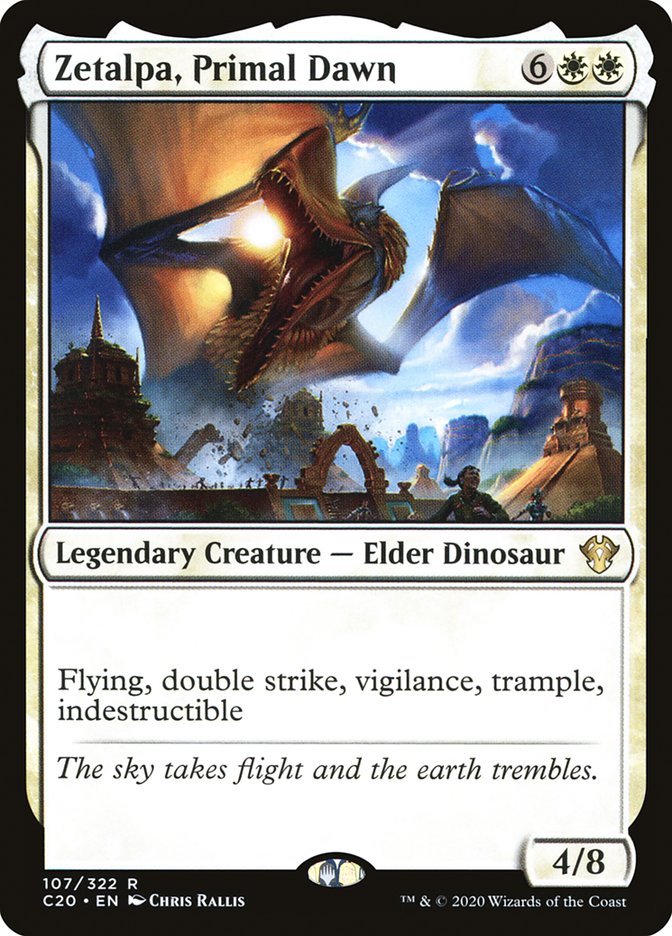
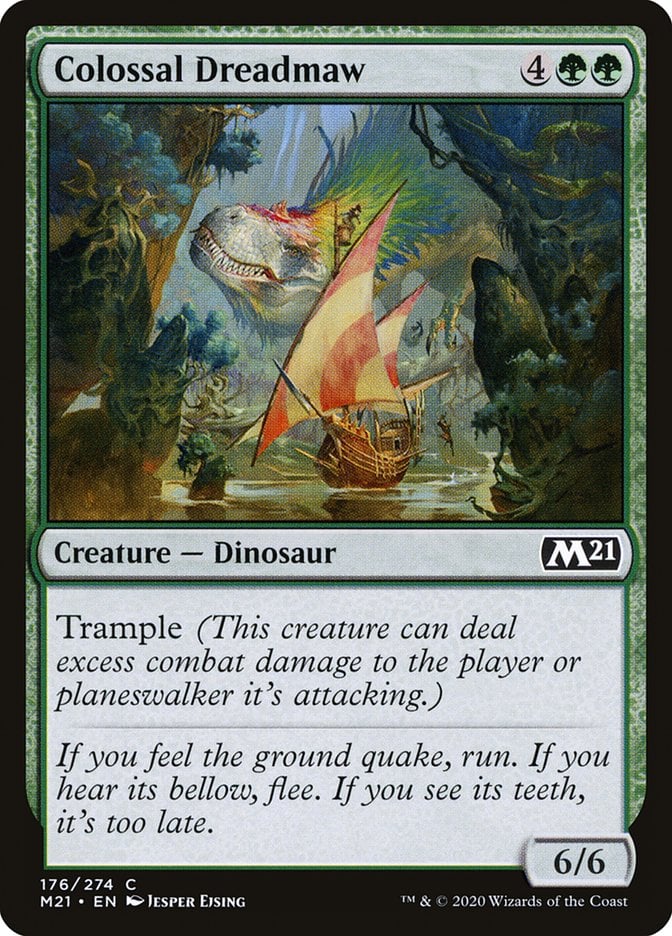
There are also the memes, like Zetalpa, Primal Dawn and Colossal Dreadmaw, that end up seeing a lot of reprints, too.
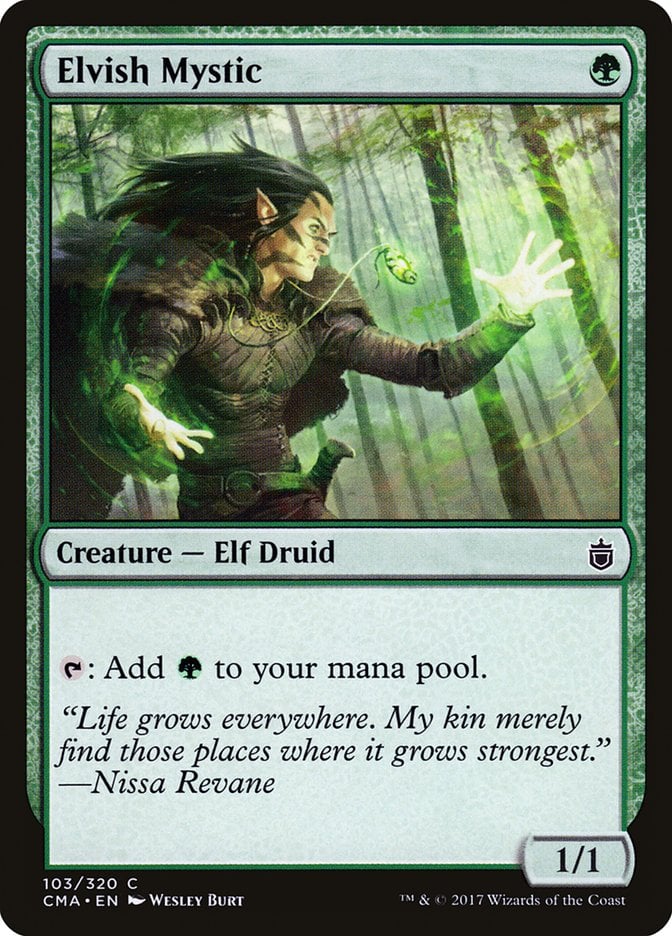
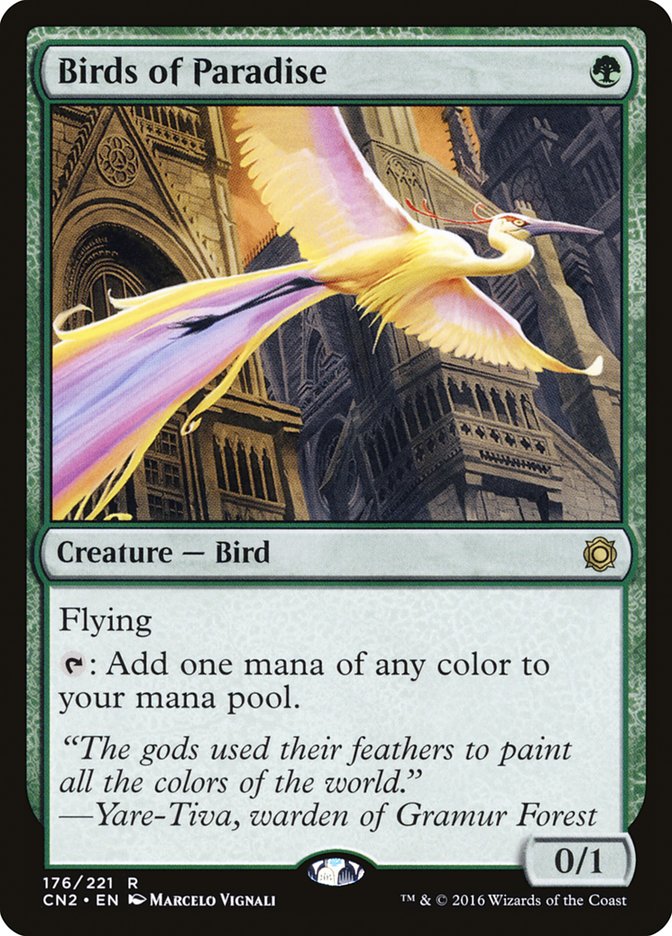
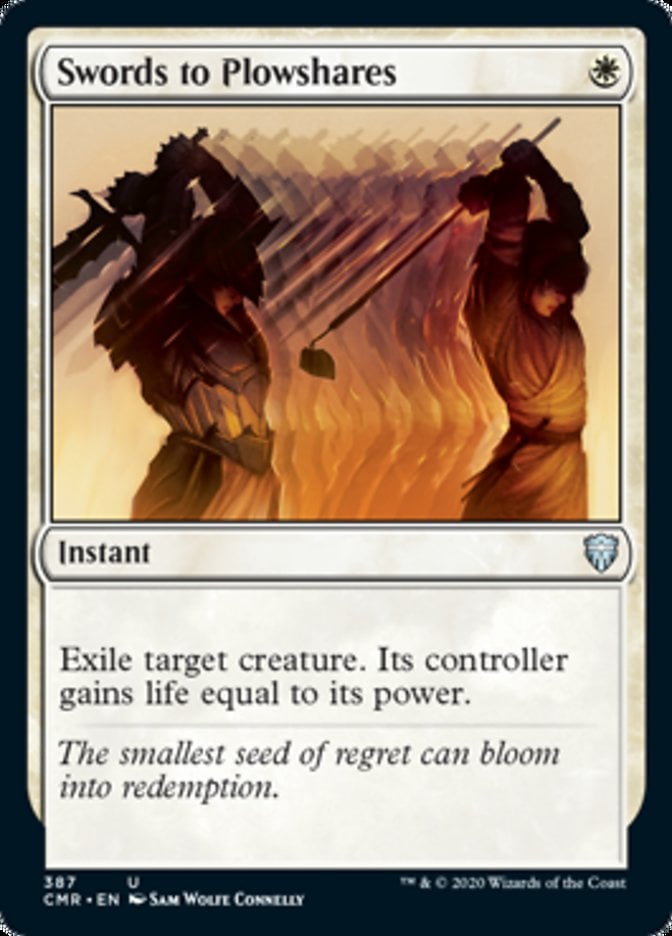
Last, there are the multi-format staples that get reprinted a lot like Elvish Mystic, Birds of Paradise, Lightning Bolt, Swords to Plowshares, and Path to Exile.
What is a Functional Reprint?

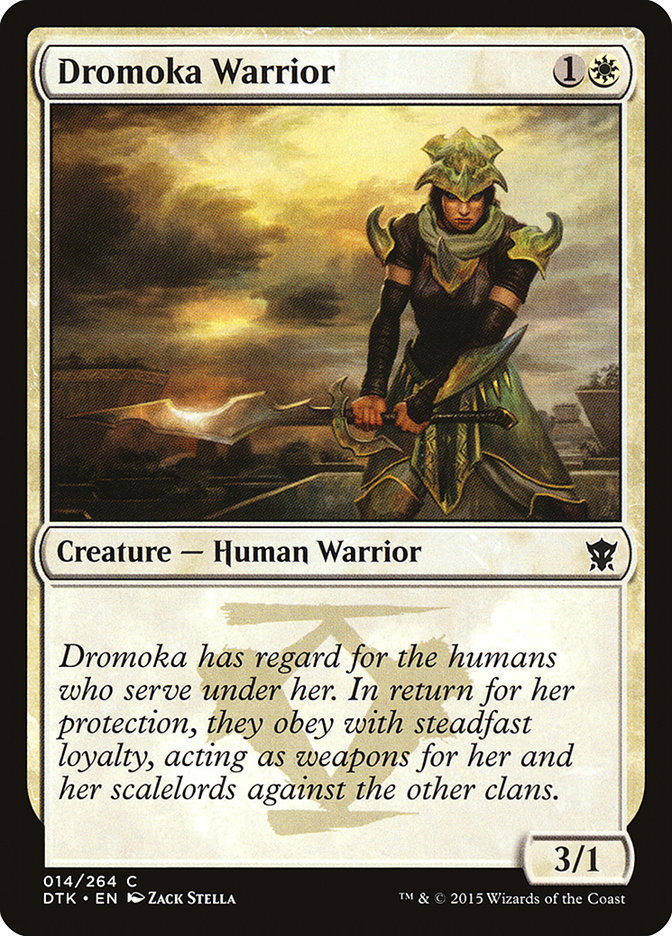
A functional reprint is a card that matches the same shell of costs, abilities, power and toughness. A great example of a functional reprint is Blade of the Sixth Pride and Dromoka Warrior, WotC is fine with changing the creature type, but a close relative in Daybreak Charger would not be considered a functional reprint because it has an additional ability attached.
How Do Reprints Impact Standard
There are two kinds of reprints in a Standard set.
When a card is reprinted inside a Standard rotation, like Syncopate in Final Fantasy, the card can affect the Standard metagame if it’s powerful enough, or in some cases, even non-rotating metas like Pioneer.
If a card is reprinted in The List or in a bonus sheet, the card isn’t legal in Standard and thus won’t affect the format.
Oko, Thief of Crowns, for example, completely broke most formats when it was released as a new card in Throne of Eldraine, and had to be banned. The very same Oko was reprinted a few years later in another Standard set, Outlaws of Thunder Junction, but in this case as part of the Breaking News bonus sheet. Oko’s reprint wasn’t Standard-legal, and thus had zero effect on the format.
Cards from The List and bonus sheets affect Limited the most since the card can be played there (Oko can be played in Outlaws of Thunder Junction Draft). There are reprints like Shock, for example, that are more relevant as a Limited common than as a Standard role-player because there are better cards that fit that role in Standard.
Reprints in Eternal Formats
Each reprint affects the Eternal formats for which it was already previously legal. A reprint from the shock lands like Watery Grave and Steam Vents affects Pioneer, Modern, EDH, in terms of card availability, but it won’t change an established metagame because the card was already legal there. Sometimes, a certain deck gets many staples reprinted, and thus its share in the metagame grows because the cards become more accessible at the Local Game Store level or Regional PTQ level.
Reprints on MTG Arena
MTG Arena had a problem when Core Set 2021 came out. In a weird decision, they reprinted Fabled Passage and the five enemy-colored temples (Temple of Malady, Temple of Epiphany…). The problem was that these cards had already been printed in Throne of Eldraine and Core Set 2020, less than a year before. Suddenly, players had eight copies of Fabled Passage and the temples, and Arena doesn’t let you dust cards or trade.
One of the best conveniences of your collection on Arena are using the same card in several decks. The same goes for any card you have four copies of. Thus you get duplicate protection. With a May 2025 update, you get to duplicate protection a little faster.
For instance, I already have four copies of a rare in my Arena collection, and I open booster from a brand new set, I won’t get that card as a rare until I get one copy from that set.
This improvement extends to Arena’s wildcards and card style cosmetics. Look for the lowest rarity of a card an you can draft it as such. If you have playset in your collection, you only need to spend one wild card to get four “copies” of that treatment.
Do Reprints Affect the Value of Original Cards?
Reprints affect the price of the original cards, but not much. For example, Polluted Delta got reprinted in Modern Horizons 3, the price of the original Polluted Delta from Onslaught doesn’t change much (it’s currently stable around $75). After all, it’s not just demand that’s driving the card’s price, but also the rarity of the original one. Meanwhile, the price of the reprint of that same card can be more affected. For example, a Khans of Tarkir Polluted Delta oscillates a little between $15 and $30, and that is more affected by the reprint.
Why Do Magic Players Hate Reprints?
The worst thing about reprints is that they affect the secondary market, and sometimes they can devalue a player’s collection. For example, some MTG players bought copies of cards like Urza's Incubator to play in EDH at a high price – say, $40 each. Then, it’s reprinted in Modern Horizons 3 and the price falls to $15 each. This player has lost money and gets angry. Sometimes players acquire a lot of copies of a certain card as a financial investment, but the card is reprinted in the next collection and their investment plummets.
What Reprints Are Most Needed?
The most needed reprints are the ones that see play in older MTG formats, like Pioneer, Modern, Legacy, Vintage, but mainly EDH these days because, as the most popular format, Commander staples are the cards with the highest demand.
As MTG players need the card to put in their decks, demand goes up while supply stays the same. As you can see, the need for reprints is in constant motion depending on which cards and decks are seeing the most play and in which formats. In the 2010’s era, cards like Tarmogoyf and Liliana of the Veil were much needed for the Modern format, while today cards like Rhystic Study and Jeska's Will are in high demand for EDH and cEDH.
Special Guests

Each set nowadays has 10 Special Guests, and in most cases they appear once in 64 boosters (a 1.5% chance) have a Special Guest card. These are all reprints. They have a special set symbol, and on the bottom of the card, there’s a little inscription (like “EOE Special Guest” for Sliver Overlord from Edge of Eternities).

The SPG set code for Special Guests is on the bottom of the card under the collector number and next to the language and artist.
Is The List Made of Only Reprints?
Yes. Cards from The List are all reprints from previous MTG sets, and there’s a special slot in Play boosters, where a random card from The List can appear. The frequency also can change with each set.
In OTJ, 1 in 5 boosters has a card from The List. For example, in Outlaws of Thunder Junction boosters, you can find cards like Notion Thief from Gatecrash or Stoneforge Mystic from Worldwake.
The Little Planeswalker Symbol Example
Cards from The List retain their original set symbol, even though it’s being printed in a different set. They have a little planeswalker symbol on the bottom, and this is how you differentiate them from the original.

Reprints in Secret Lairs
Secret Lairs are special products sold by WotC, and they’re often a compilation of reprints that are tied together thematically. These Secret Lair cards often have a wildly different art style than the original, and they can be tied to other Intellectual Properties (IP) like Marvel, Fallout and Stranger Things. You’ll recognize a card from a Secret Lair because it doesn’t look like a traditional MTG card. Most but not all of them have the promo set symbol.
Secret Lairs are a way to get cards that are needed for EDH, Cube, or what have you, in a very different art style, and directly from WotC, without the need for the secondary market or to open it in a booster pack.
Are There Cards That Will Never Be Reprinted?
Yes, MTG has a special list of cards called the Reserved List which can never be reprinted. This list was created in 1996, because WotC was reprinting the cards too much and in a greater volume than the original printing. After all, MTG was growing fast, and people demanded more. To please collectors back then, it was established that cards from the Reserved List would never be reprinted again in an official/tournament-legal format. However, WotC can release these cards in a digital format like MTG Arena or MTGO.
Wrap Up

Zetalpa, Primal Dawn | Illustration by Chris Rallis
And that covers all there’s to be said about reprints, folks. In a game that’s as large as MTG, with millions of players and cards sold, it’s expected that the cards are reprinted frequently, and you could argue that there’s far less product being released than cards that need to be reprinted. After all, when we’re playing Eternal formats, we don’t like to spend 20-30+ dollars on a single card. And almost no one will argue against a Sheoldred, the Apocalypse reprint, the card is in the $60-70 range by now.
That is, unless you’ve bought a lot of Sheoldreds recently, right?
What do you think about WotC’s current reprint policy? Too many? Too few? Let me know in the comments section, or let’s discuss it over on the Draftsim Discord.
Thank you for reading, and stay safe out there.
Follow Draftsim for awesome articles and set updates:










Add Comment