
Last updated on December 4, 2024

Phenax, God of Deception | Illustration by Jason A. Engle
Most Magic players can get by on a basic understanding of the rules and little else, but those who aspire for the top ranks of competition need to reach a little further in their arsenal. Bluffing is a delicate skill that takes some finesse to get right, but it’s a tool you can use whether you’re playing in-person or digitally on platforms like MTG Arena and MTGO.
Let’s define bluffing in Magic and go over the differences in how to do it when playing in-person and online, and explore some of the famous bluffs in Magic history!
What Is Bluffing in Magic?
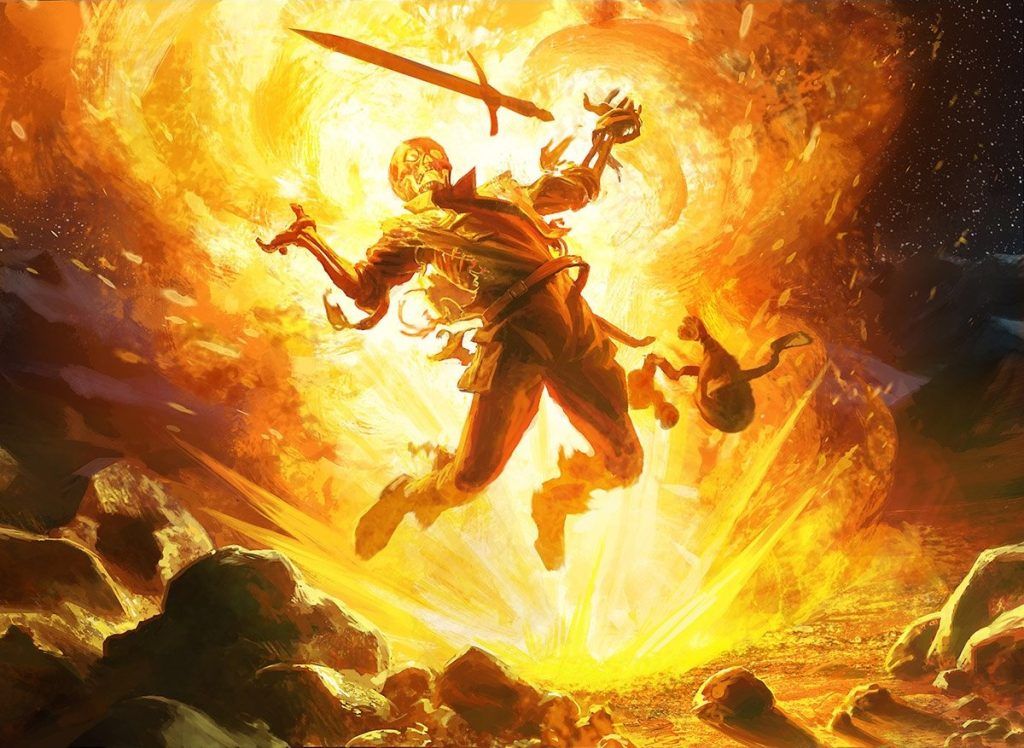
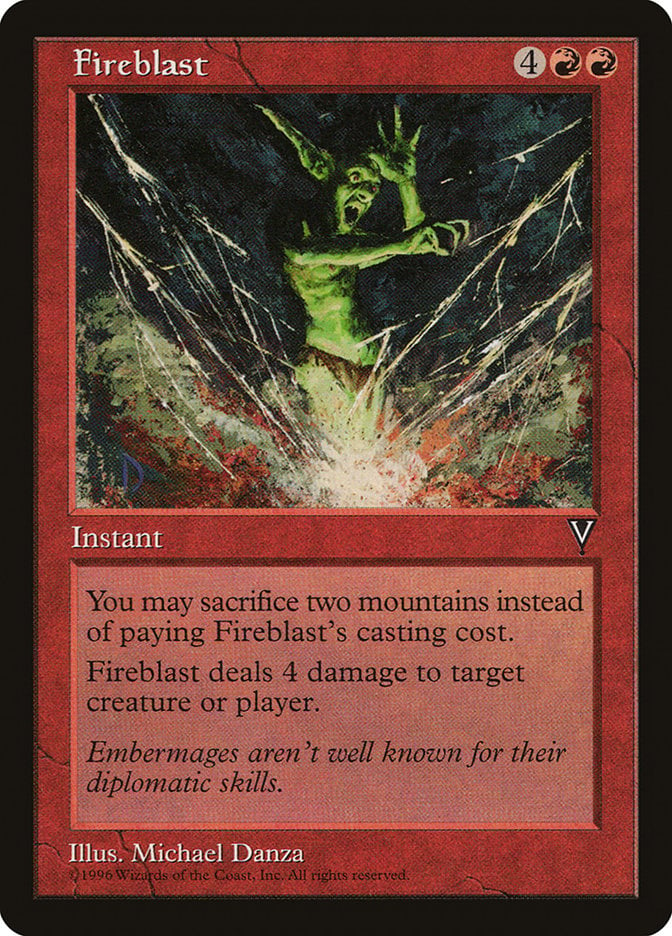
Fireblast | Illustration by Mike Bierek
Bluffing in Magic is the act of playing in a way that’s supposed to make your opponent think you can take a game action that you actually can’t. Most often, this involves playing in a way that represents having a specific card or effect that you don’t in fact have. If you’ve either played or watched enough poker, you’re probably familiar with bluffing in that setting: You bet and raise in a way that suggests you’re holding a different hand than what you actually have. Maybe you place high bets to scare off the other players when you have a bad hand, or maybe you place lower bets on a strong hand to bait them into filling the pot.
The concept is similar in Magic, except everyone is playing with their own deck rather than sharing a standard 52-card deck. Here, bluffing can mean many things, like attacking a small creature into a larger one to bluff a combat trick, or leaving two Islands open to represent a Counterspell when you’re actually just holding a grip of lands.
Bluffing in Person
Staging a bluff in person involves how you play your cards and the manner in which you go about your turn’s phases. Unless your opponent recently cast a Duress and revealed your hand, most times your opponent doesn’t know what’s coming until you cast it.
Bluffing can go either way: You can bluff with a strong hand or a weak one. Saving spells for later in your current turn or a future turn by leaving your mana open and representing a counterspell is one of the many ways to bluff. Doing so can make an opponent think twice about casting a board wipe or pivotal finisher that could end up getting countered or otherwise stopped.
Bluffing in person also involved physical movement and body language. A strong bluffer won’t betray information about their hands and draws to their opponents, and will instead keep their opponents guessing at every step of the game. For example, we’ve all been in a position where we need to draw an action spell and rip a land off the top of our library. Many players will sigh, slump over, or even verbally say something like “wow, another land.” A competitive player will make no indication of what they drew, and may even linger on a basic land for a bit as if they’re reading it, to try and persuade their opponent that they drew something relevant.
Note that there’s a fine line between bluffing and illegal communication in person. Bluffing’s all about taking legal game actions that convey information to your opponent. You can’t just verbally lie about something or obscure information that your opponent has access to. If your opponent asks how big your 3/4 Tarmogoyf is and you intentionally say it’s a 4/5, you’re essentially cheating. However, it’s totally within your right to play in such a way that leads your opponent to believe you might be able to get another card type in your graveyard to grow your Tarmogoyf.
Bluffing on Arena
One of Arena’s own mid-game tips states that you can bluff having a spell to cast by picking one of the phases on the bottom right corner to create a stop during your turn. A stop will create an artificial pause and give you priority even if you have no game actions you can take. For example, you can set a stop on your precombat main phase or during your end step to keep your opponent on their toes as to whether you have a removal spell for their creatures.
The picture below shows what your opponent’s stops look like on Arena. There are no stops by default, and any stops you do set by clicking on one of the phases will reset after the turn ends. In other words, you have to manually reset stops each turn. The blue highlighted circle on the left indicated that there’s a stop on your opponent’s first main phase, so you’ll receive priority there even if you have nothing to do. Sparky better watch out.

The image below shows your own stops on Arena. The combat icon will expand into the different phases of combat once you get there. The orange circle on the right indicates that there’s a stop in your own end step, so the game won’t pass through the end step automatically.

Normally, Arena will recognize when you have no actions to take after combat and skip directly through the rest of your turn, signaling to an opponent that you had nothing you could do during your post-combat main phase or end step. You can manually stop on those phases to bluff having something, then manually skip through the rest of your turn. This makes it look like there’s something you can do, even if there isn’t.
Bluffing on MTGO
You can also customize stops in Magic: The Gathering Online, both on your opponent’s turn and your turn. Before you start an MTGO match, go to the In-Duel Settings underneath the Account tab to choose which phases of each players’ turn that you want the stops to occur. You can also adjust your stops mid-match by clicking the small triangular knobs above and below the phases of the turn. The arrows above the phases represent stops on your opponent’s turn, and the arrows below the phases are stops during your own turn.

Bluffing on a digital client removes some of the awkwardness of bluffing in person. There’s no body language to convey, or read from an opponent, so bluffing becomes more about using stops to keep your opponent on edge. Constantly skipping through your turn when you have nothing to do lets your opponent know they’re clear to play their best cards and attack unimpeded.
The reverse is also true. Sometimes you are holding the key card and you want your opponent to think you don’t have it. Here you might skip through your turns quickly to falsely communicate that you have nothing to do, baiting them into thinking the coast is clear. Board wipes are a card type that might cause you to play this way, since you might get your opponent to overcommit by rushing through your own turn and get an even better return on your board wipe the following turn.
Truth #1: Bluffing Is Legal
Bluffing is a legal Magic: The Gathering tactic in accordance with the MTG Tournament Rules (MTR 4.1) in relation to player communication.
For example, you can bluff not having a removal spell when you actually do, and later cast it at the right time when your opponent can’t rebound from it. An opponent may see untapped mana when you pass your turn, and they have to consider the possibility that you have removal, whether you do or don’t.
Other legal examples of bluffing include:
- Using an activated ability to scry for a card that your opponents may suspect that you already have.
- Attacking with lower-powered creatures into an opponent’s higher-toughness ones with untapped mana on your board to bluff a combat trick.
- Pausing when attempting to respond to a spell that a player is attempting to resolve.
You have to be careful that you don’t cross from bluffing to cheating. One example is misrepresenting the status of your board state, which is a public zone and therefore public information. The Tarmogoyf example from earlier is a great example of how information can be misrepresented. If an opponent asks how large your Tarmogoyf is, you can either tell them truthfully, or have them calculate it for themselves. You cannot purposefully tell them an incorrect number.
Bluffing is about concealing hidden information (the cards in your hand and deck), and that’s legal. On the contrary, providing misleading or confusing information about what should be clear public information (about cards in your graveyard, battlefield, or exile) is illegal.
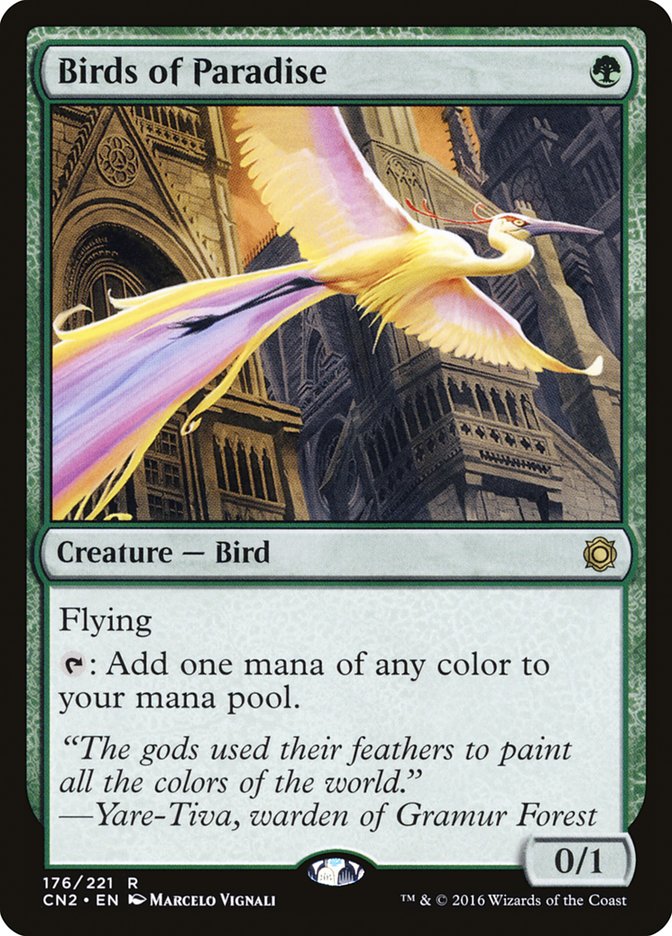
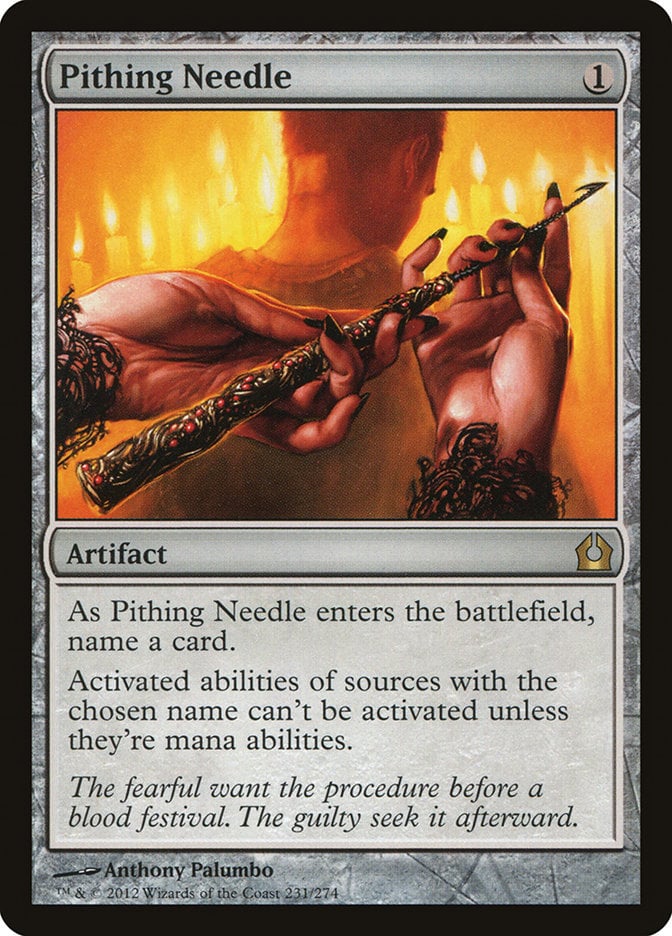
Here’s another example of legal vs. illegal bluffing: Imagine you’re against someone who just cast a Turn-1 Birds of Paradise. You have a Pithing Needle, which can name Birds of Paradise, but won’t actually stop its mana ability. You suspect your opponent might not know this, so you cast your Needle and name Birds of Paradise.
Now if that’s all you do, you’ve successfully and legally bluffed with your Needle. You took legal game actions with the intentions of tricking your opponent into thinking they can’t activate their Birds. A savvy player won’t fall for this, but it might work against a round one opponent at a low-stakes tournament (I suggest not doing this in casual settings).
What you can’t do is play the Pithing Needle, name Birds, then say something like “Birds can’t tap for mana now.” That’s crossing the line into blatant lying, which is against the rules and will likely earn you a match loss or disqualification from whatever tournament you’re in if it’s discovered.
Is Bluffing Ethical?
Debates about the ethics of bluffing boil down to the ways in which players bluff, though it’s perfectly ethical is done correctly. In fact, players should be bluffing to get an edge in games of Magic.
Now of course, there’s a huge difference between bluffing via normal game actions and bluffing in obnoxious or unnecessary ways. If you’re attacking your 2/2 into a 3/3 blocker with open mana and some basic lands in hand, that’s a great bluff. If you do this same thing and loudly announce “you’re gonna get super blown out if I have a combat trick in my hand,” you’re doing a little bit too much. That’s the type of behavior that gives bluffing a bad rap.
Truth #2: You Will Learn Information When You Bluff
You and your opponents can all learn from the bluffs that take place during a game. You’ll all be analyzing the number of cards in each others’ hands, seeing how often cards are drawn from spells and abilities, and how often a player leaves mana untapped.
Analyzing a player’s deck archetype can help you to anticipate the cards they may have in their hand or in their library. Despite these zones of the game being private information, if you see one card of a popular combo on board, you can anticipate that the next and/or final piece will be coming soon, too. Looking at you Sanguine Bond and Exquisite Blood!
Truth #3: You Have the Resources to Bluff
No matter which deck you’re playing, you have the resources at your disposal to stage a legal bluff. You can utilize the cards on your board along with careful strategy to make a bluff here and there that keeps your opponents on their toes.
One great way to bluff is to use your resources available to mask your intended plays. The best example of this is the interaction between counterspells and other instants or flash creatures. If you pass the turn with open blue mana, players will often suspect you have a counterspell. That might cause them to forego casting a card altogether and just passing their turn. If they don’t give you a target for your counterspell, you can instead cast your instant-speed card draw spell of flash creature instead. This isn’t exactly a full bluff since the effects you were representing were actually in your hand, but imagine that same scenario, except you don’t have a counterspell in hand. Your open mana is a warning to the opponent, but you still have a plan to do something with that mana. Your opponent just doesn’t know what it is.
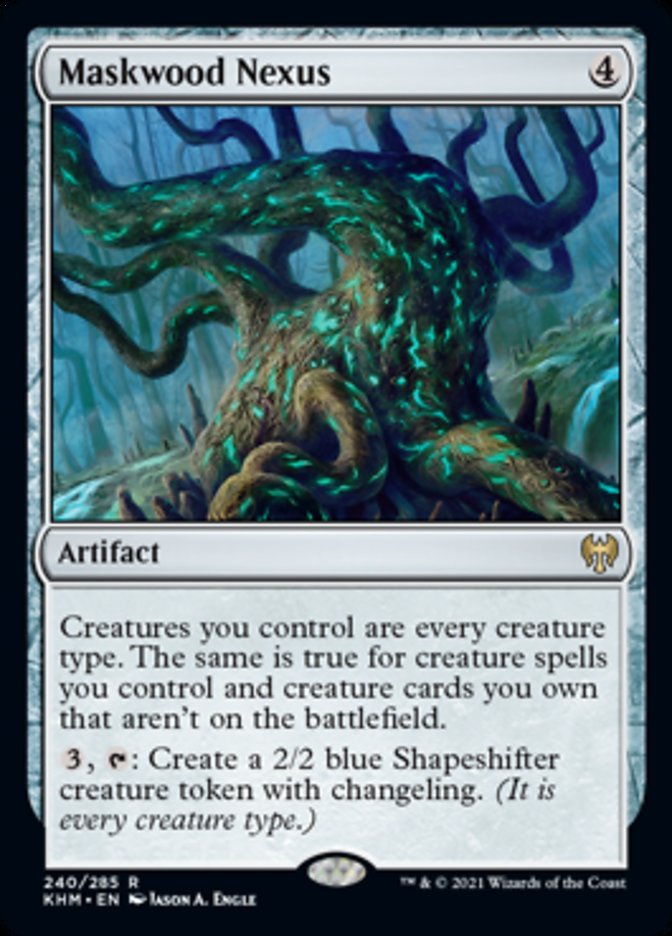
Similarly, you can bluff the activation of an on-board mana sink to mask a counterspell in your hand. If you have a Maskwood Nexus on board with 3 open mana, it looks to your opponent like you intend to make a Shapeshifter token in response to them attacking you. They might skip through combat, cast a spell in their second main phase, and run right into your counterspell instead.
Truth #4: You Can Spot a Bluff
Bluffs can be easy to spot the more that you play. Analyzing a person’s body language and the nature of their verbal responses during various phases of the game helps to better spot a bluff. Body language can betray a lot of information. Does you opponent sit up suddenly after drawing their card for turn? They probably drew something relevant. Do the slouch back or shake their head when they draw? They’re probably telling you the card they drew wasn’t great.
If you see that a player is consistently saving mana at the end of their turn, it could be evidence that there’s an instant-speed spell in their hand. It’s also best to analyze their board to see if there are cards with instant-speed activated abilities that can be activated so you can foresee what’s possibly coming when it’s time to pass priority.
Spotting bluffs on a digital client is much different, since there’s no body language to read of communication to misinterpret. Instead, bluffing on Arena or MTGO involves stops and pauses. You’ll have to evaluate intentional pauses and think about how you’re opponent’s been playing during a game to determine whether you should call their bluffs or not.
Truth #5: Context Is Key to Calling a Bluff
Knowing the context of someone’s bluff is essential for calling one. You can understand the overall context by analyzing the behaviors of how the player interacts with their boardstate.
Whether you see a combo piece or know the overall theme of a person’s deck, you can anticipate the key cards that the player could have in their hand, eventually draw from their library, or tutor for later in the game. In this case, learning more about different infinite combos in Magic could be useful to know when an opponent is bluffing about having the other component(s) for the combo to go off.
Most control players bluff by leaving their mana up for counterspells. There may be times they don’t even have a counterspell in their hand, but they could leave the mana up anyway to make you think twice about casting a spell from your hand. Likewise, if you see a burn player consistently holding 1 mana up, they could be bluffing that they have a Lightning Bolt in their hand. As you learn more about the most popular and interactive cards in various Magic formats, you’ll become more of an expert at anticipating what could happen in the game.
What Are the Best Bluffs in Magic History?
Let’s touch on some of the best and most memorable bluffs throughout Magic: The Gathering tournament history.
Patrick Sullivan’s Bluff In 2012
Patrick Sullivan participated in the 2012 Star City Games Legacy Open tournament during the Quarterfinals match where he played mind games with his opponent Ross Merriam. Though some players have pushed back as to whether or not this actually counts as a bluff, the fact remains that it involved some careful navigation on Sullivan’s behalf to win what seemed like an unwinnable game.
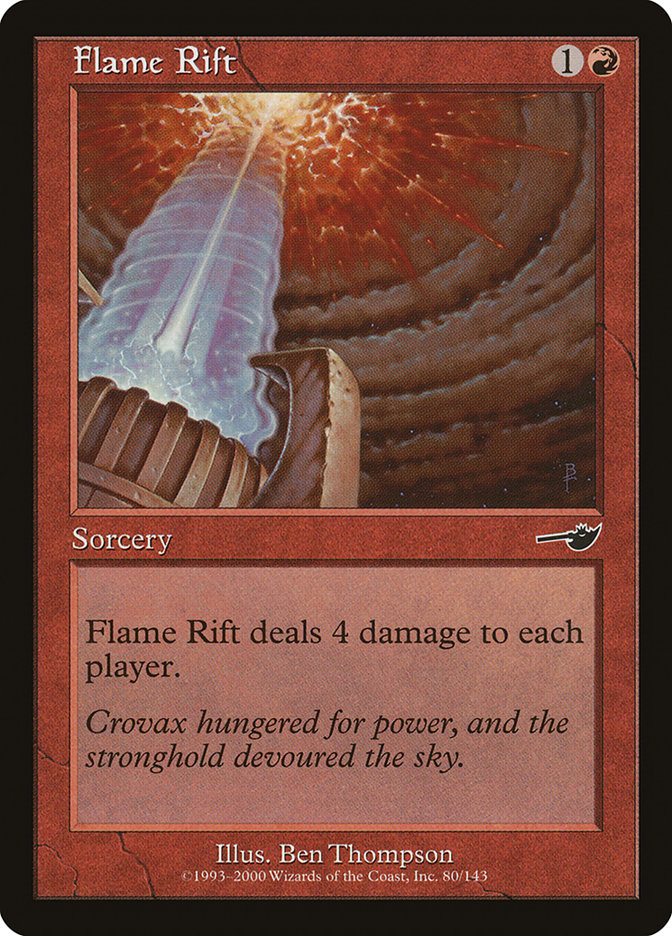
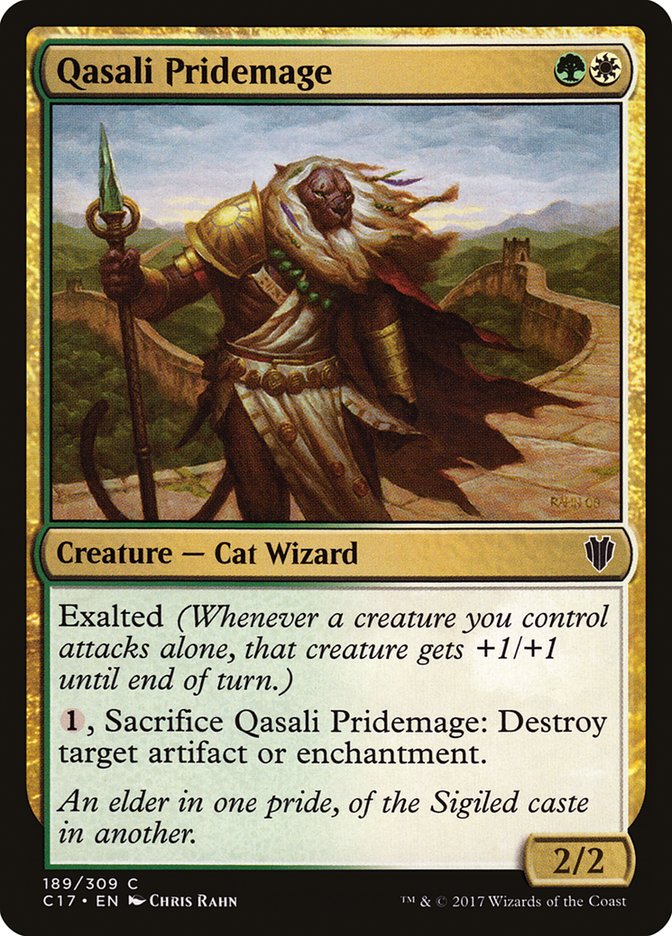
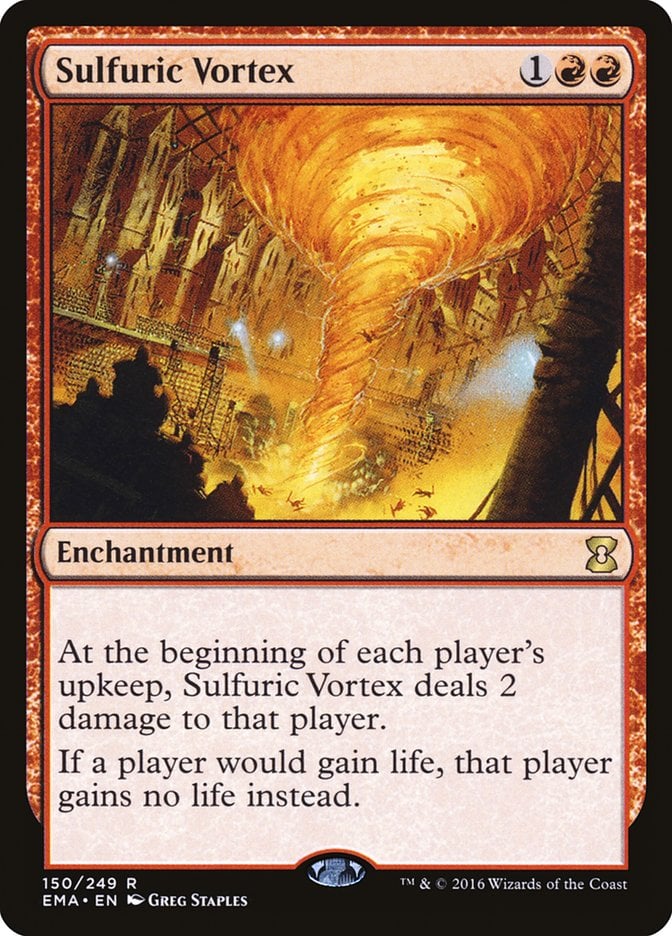
Sullivan was at 1 life and Merriam was at 9 life after Sullivan played Flame Rift. He passed priority to Merriam since he stated he had no more spells to cast. Merriam activated Qasali Pridemage’s ability, which targeted Sullivan’s Sulfuric Vortex so he no longer had to take damage during his upkeep.
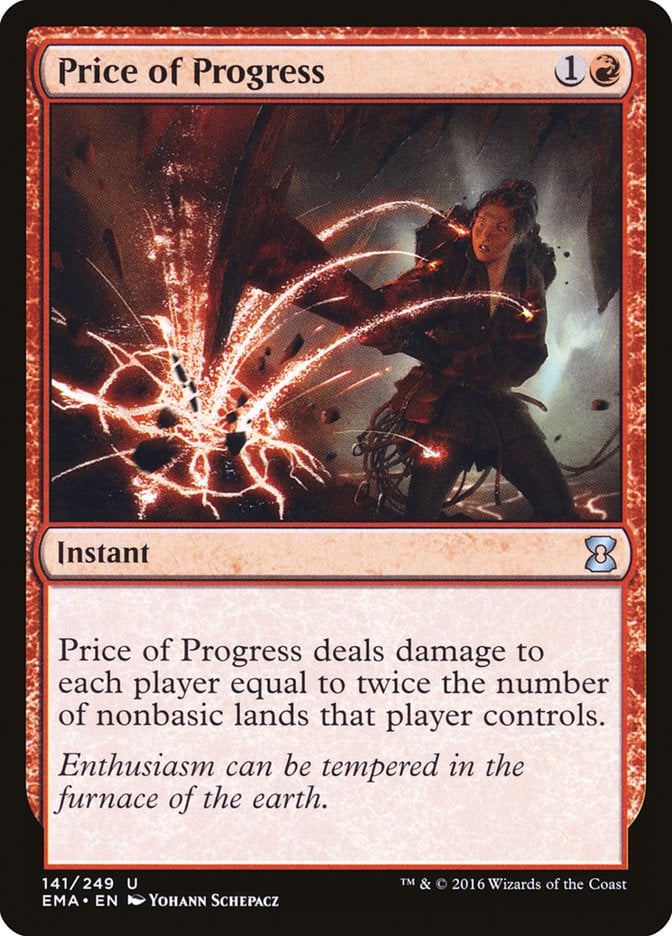
The bluff comes in with Merriam’s Wasteland. Sullivan couldn’t fire off Price of Progress for lethal damage because Merriam could sacrifice his Wasteland in response and minimize the damage from Price of Progress. However, Sullivan played in a way that made his Sulfuric Vortex look like a threat, causing Merriam to tap the Wasteland as his only mana source to activate Pridemage, blowing up Vortex. This left the door open for Sullivan to get the full amount of damage off of Price of Progress, with a Fireblast to finish things up.
The line of play is quite complex, but there’s an excellent short version of the sequence courtesy of SCG Commander on YouTube.
Mythic Championship VI Attack Bluff
On November 10, 2019, Paulo Vito Damo da Rosa and Sebastian Pozzo faced off in a Semifinals match.
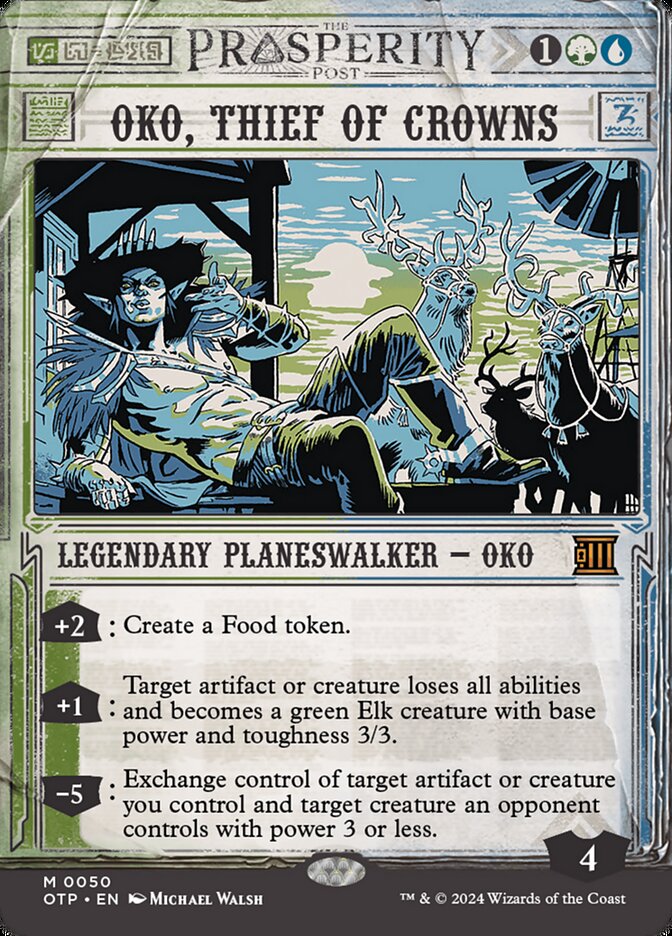

One of the turns resulted in Damo da Rosa attacking Pozzo’s Oko, Thief of Crowns with a 3/3 Island creature. This is considered a bluff because Pozzo’s Wicked Wolf could have blocked and traded with the Island.
There is also the trade-off that Oko, Thief of Crowns would still stay alive by letting the damage go through so the planeswalker could still make Food tokens, making the Wicked Wolf a valuable proponent to this token-making engine for Pozzo. In the end, Pozzo ended up letting the damage from the Island go through to Oko, Thief of Crowns to save his Wicked Wolf.
LSV’s Settle the Wreckage
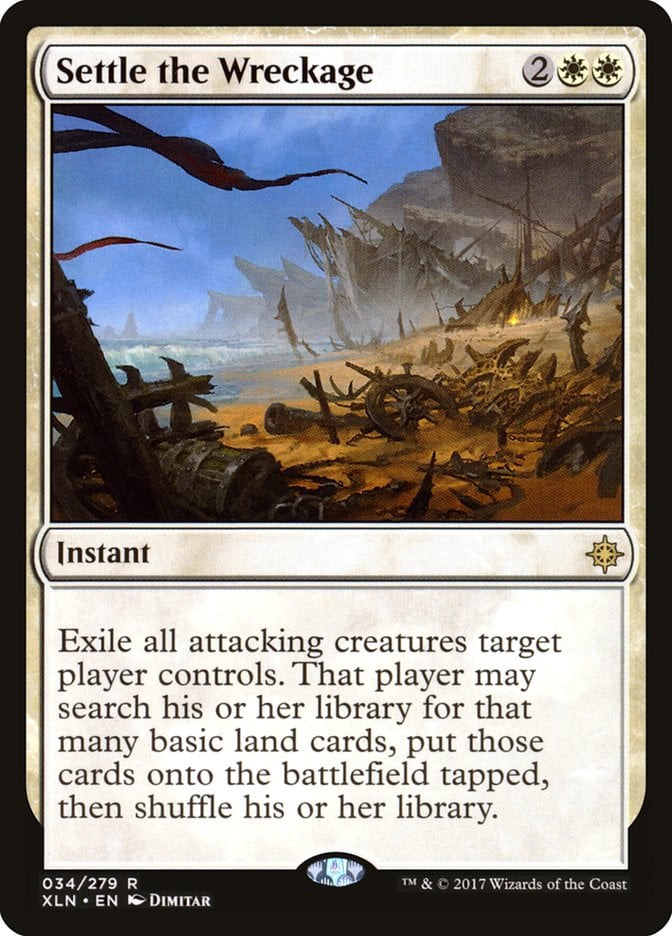
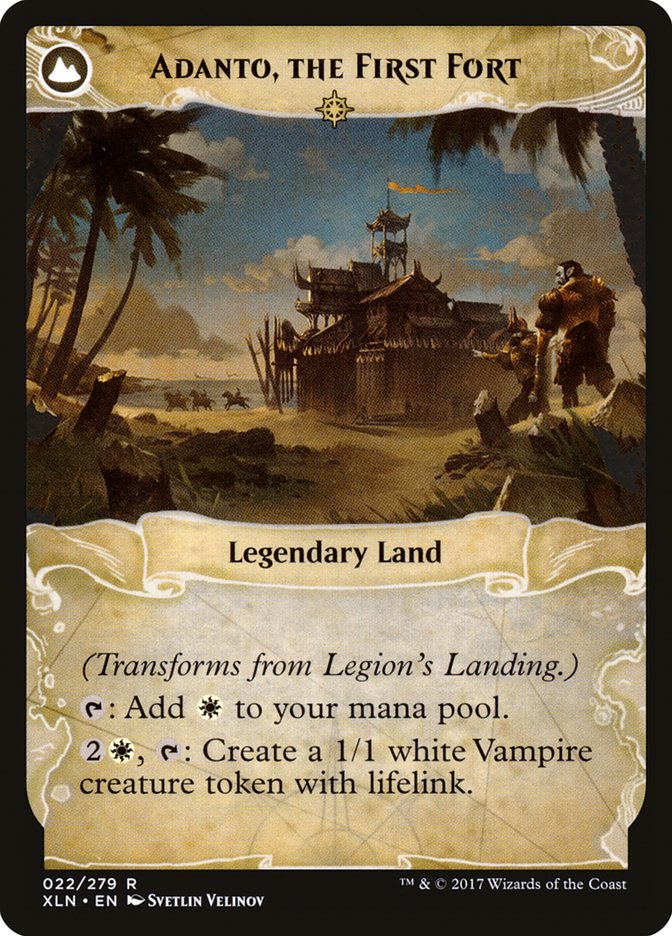
This is a more recent bluff involving Jérémy Dezani and Luis Scott-Vargas from a feature match in Pro Tour Guilds of Ravnica. LSV is on the backfoot with Settle the Wreckage in his hand, but really needs Jérémy Dezani to commit to a full attack to get the most out of the instant. LSV also has Adanto, the First Fort in play with the mana to activate it, conveniently the same number of lands needed to cast Settle the Wreckage.
As Jérémy Dezani calculates damage and tries to figure out combat, LSV grabs a Vampire token from nearby, as if to indicate that he’s going to use Adanto to make a token. This pushes Jérémy Dezani to make a full attack, after which LSV instead reveals the Settle and essentially wins the game on the spot.
As mentioned in the video below, courtesy of Topper Daily Lemaanite on YouTube, this is a classic “pen trick” in action. The pen trick refers to the act of picking up a pen to make your opponent think you’re about to take damage and get them to commit to a bad attack, just to put the pen down and show them that you had some other form of interaction. It’s definitely a bluff that requires a bit more trickery than people are often comfortable with, and has garnered some pushback from players, but you’ve got to admit it was an entertaining move to watch from LSV.
PT Los Angeles Force Spike
Kenji Tsumara and Antoine Ruel were facing off in 2005’s Magic Pro Tour Los Angeles. The bluff subtly happens on turn 1.
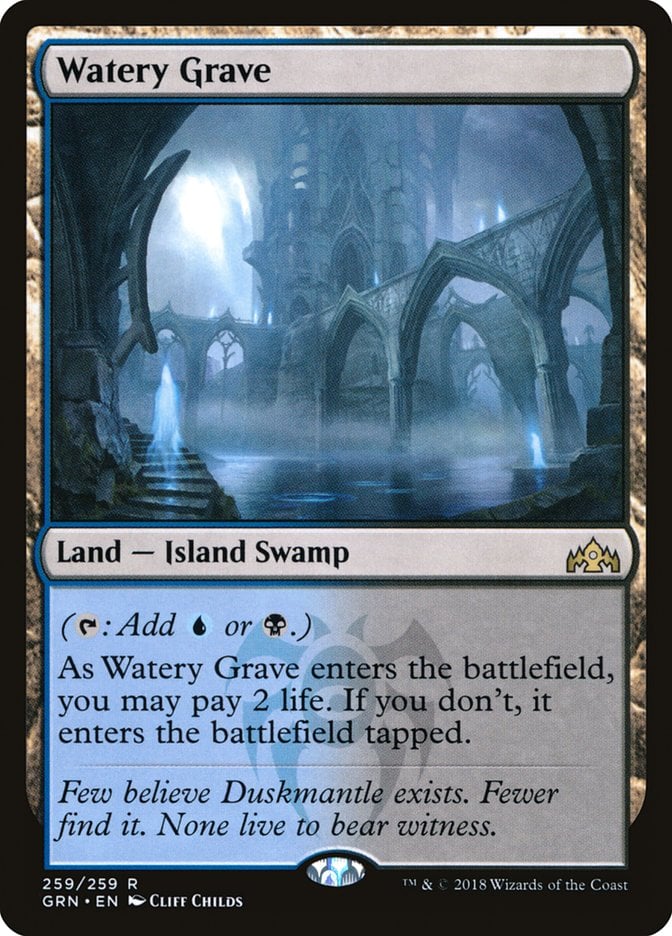
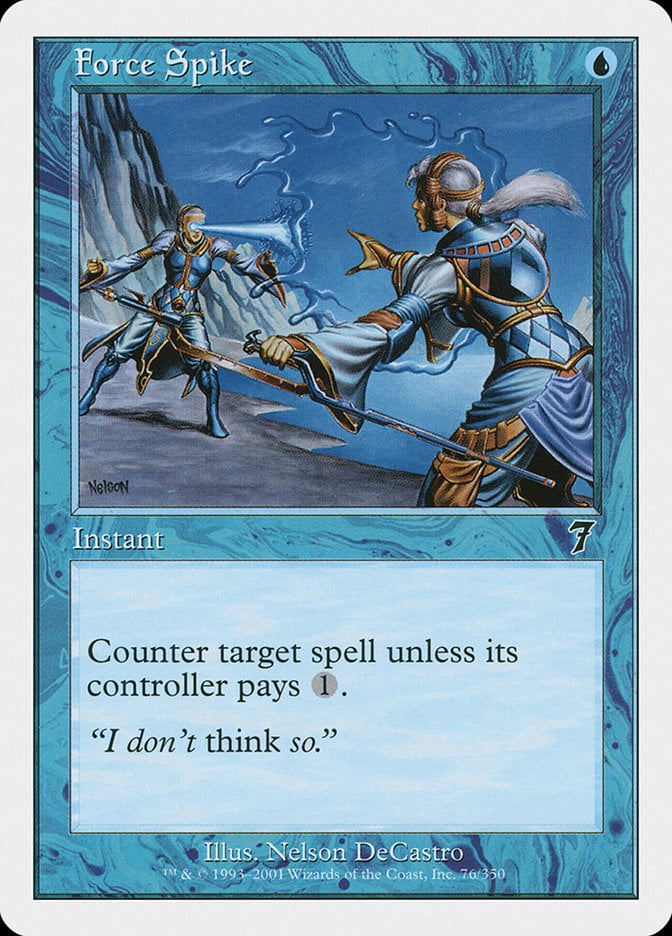
Ruel starts the game off with a tapped Watery Grave while having a Force Spike in his hand. Normally you’d play an untapped source to make sure you could Force Spike an opponent’s play, but he correctly recognizes the opponent isn’t likely to play anything next turn.
On turn 2, Ruel casts a Duress, which Kenji responds to with a Mana Leak. Ruel has the opportunity to Force Spike in response, but again chooses not to, and his Duress gets countered. This gives Kenji the false belief that Ruel doesn’t have Force Spike in his hand, so Kenji slams Psychotog (the key card in his deck) on turn 3 and finally baits out the Force Spike.
This is a great display of metagame knowledge from both players, but the bluff comes in with Ruel’s willingness to hold his Force Spike for a key card, conveying to the opponent that he doesn’t have it, when in fact he’s had it since turn 1. The video below highlights the moment, courtesy of Magic: The Gathering’s YouTube channel.
Wrap Up
Sleight of Hand | Illustration by Scott Murphy
Bluffing is a legal strategy in Magic: The Gathering where you can convey false signals about private information. Essentially, you’re attempting to legally mislead your opponents and cause them to second guessing their own actions. It’s a skill that takes time to mastery, as well as recognize and adapt to from the opposite side of the table.
Do you like to bluff while playing Magic? Let me know your take on bluffing during gameplay in the comments below. If you’re ready for more Magic content, take a look at the Draftsim blog and stay updated on new content by following the Draftsim Facebook page.
Until then, take a crack at bluffing if you’re not already doing it.
Follow Draftsim for awesome articles and set updates:










Add Comment