
Ranger of Eos | Illustration by Ryan Pancoast
Ranger of Eos, Quirion Ranger, and Skyshroud Ranger are all powerful creatures that have been around for quite some time, shaping games across multiple formats. Despite their impact, rangers as a creature type have never received the spotlight or cohesive support expected for cards this strong.
Today, we’re going to break down why that is the case, and rank the best ranger creatures printed so far. Intrigued? Let’s get into it.
What Are Rangers in MTG?

Quirion Ranger | Illustration by Allen Williams
In Magic: The Gathering, ranger is a creature subtype that represents scouts, hunters, and wilderness protectors. Mechanically, they don’t form a true tribal deck, but instead act as flexible role-players that slot into many archetypes.
That said, rangers weren’t always a clearly defined creature type. It first appeared on Kelsinko Ranger in Ice Age, but during the Grand Creature Type Update, the subtype was largely folded into broader creature types like human. Years later, the type returned when Modern Horizons 2 brought ranger back as a supported subtype, with reprints such as Quirion Ranger and Ranger-Captain of Eos receiving the update in anticipation of broader support. That support fully arrived with Dungeons & Dragons: Adventures in the Forgotten Realms, where cards with ranger in their name received oracle updates, reestablishing ranger as a recognized creature type.
#31. Skanos Dragonheart

In decks that want their late-game threats to scale naturally, Skanos Dragonheart fills that role cleanly. Each attack pulls power from other dragons on the battlefield or in the graveyard, turning both board presence and past trades into a serious combat threat. This works especially well in Pauper Commander builds that use backgrounds and expect creatures to die in combat over time. Self-mill or sacrifice effects keep the graveyard stocked, ensuring it hits hard even after the board gets cleared.
#30. Strider, Ranger of the North
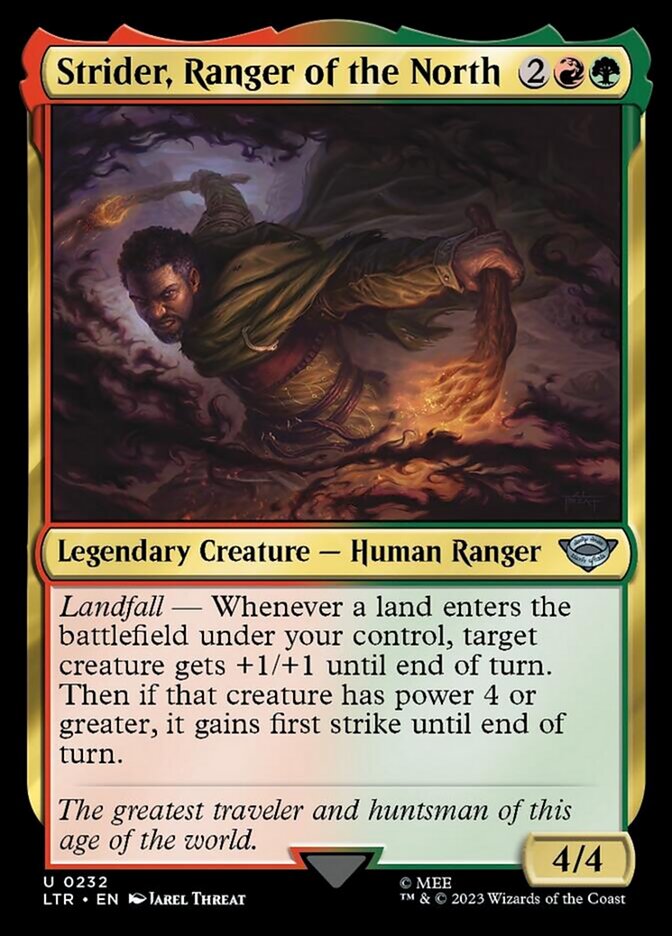
For those who want landfall to matter in combat, Strider, Ranger of the North offers a clean and aggressive payoff. Each land drop immediately boosts a creature, and once that creature hits 4 power, first strike helps it win fights and push damage through.
#29. Cloudgoat Ranger
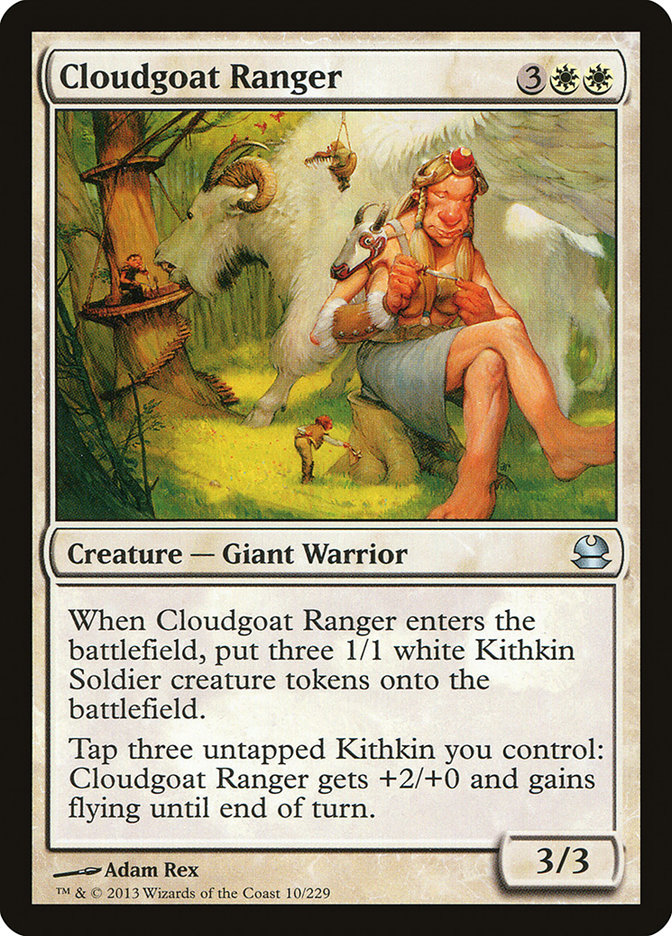
Back in Lorwyn, Cloudgoat Ranger was a premier finisher for white aggro kithkin decks, thanks to the immediate army it brought with it. Even today, three bodies on entry makes it great with anthem effects, blink synergies, and wide-board strategies, while its ability to gain flying closes games through stalled boards.
#28. Dúnedain Rangers
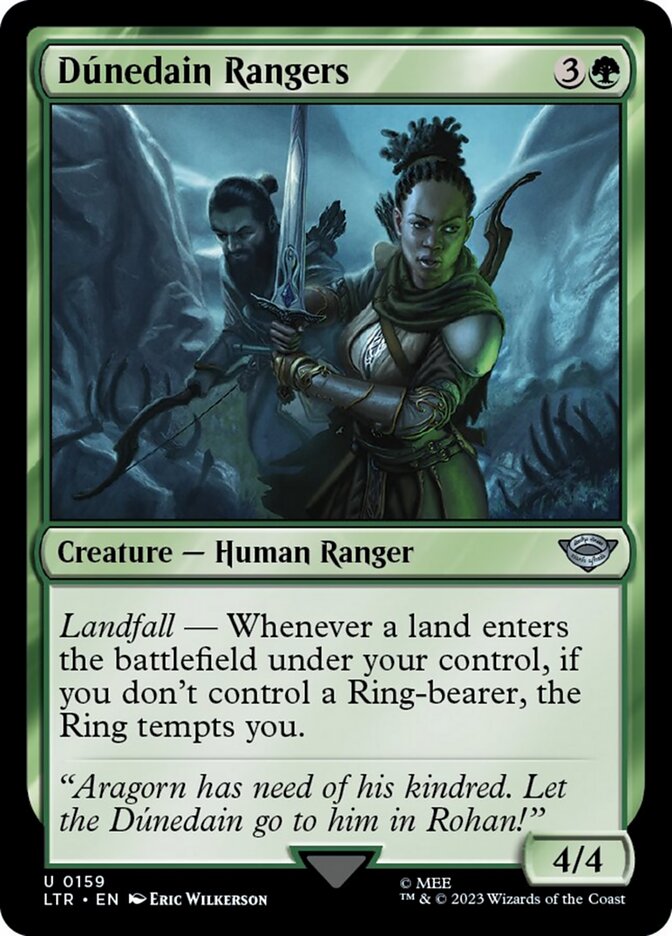
By tying Ring temptation directly to landfall, Dúnedain Rangers makes advancing The Ring feel effortless. Simply playing lands keeps the Ring’s progress moving, without needing extra spells or setup.
#27. Wylie Duke, Atiin Hero
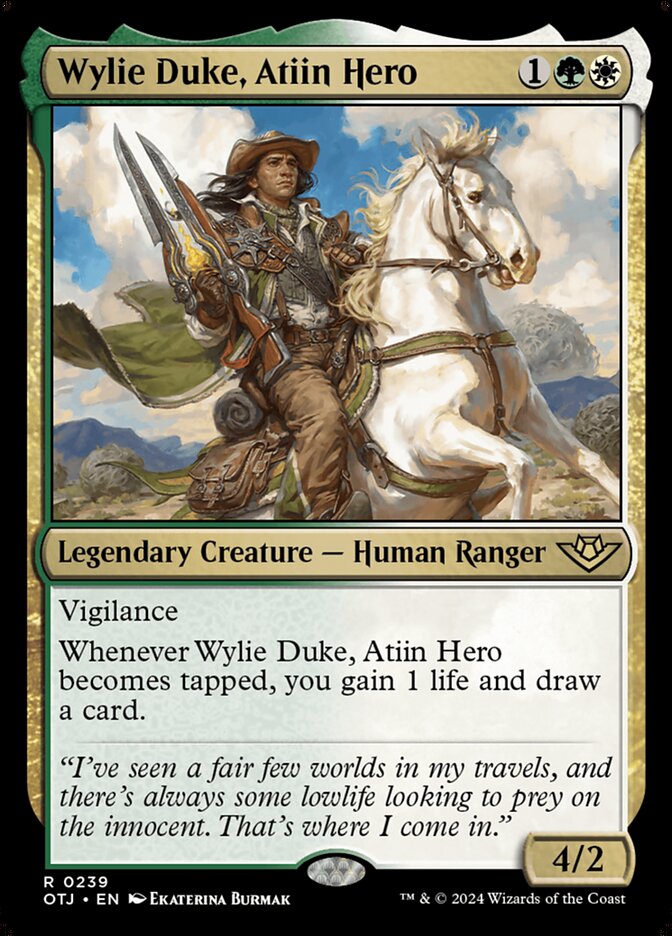
Wylie Duke, Atiin Hero works best when you start tapping creatures for more than just attacking. Using mana dork–style permanents like Springleaf Drum, crewing vehicles, or activating abilities all turn into steady card draw and small life gains. Over time, that resource generation really adds up.
#26. Birchlore Rangers
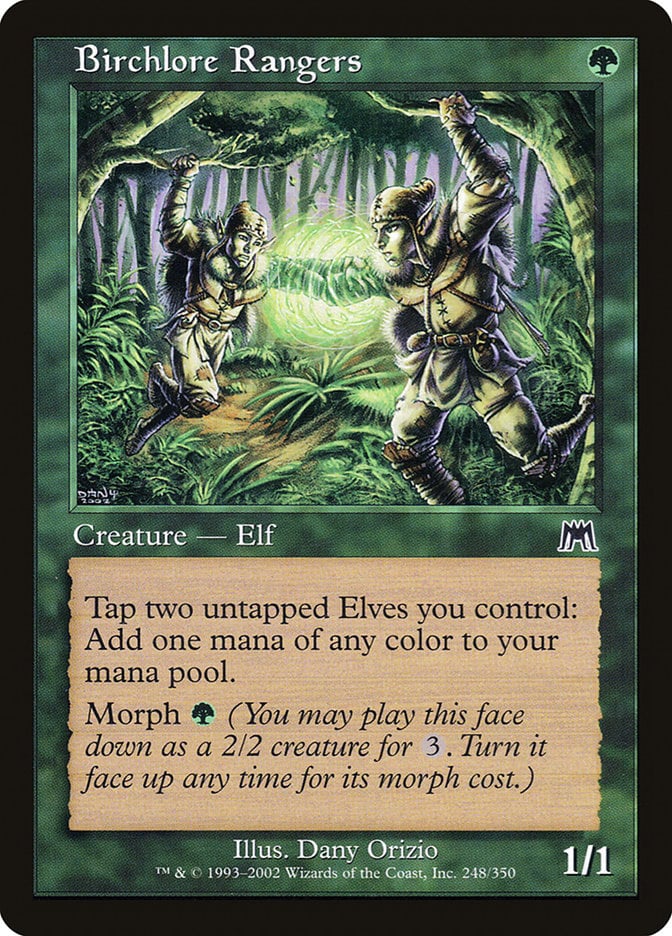
Birchlore Rangers does a lot of heavy lifting in elfball by turning extra elves into flexible mana fixing. Tapping two elves to generate any color pairs extremely well with token producers like Elvish Vanguard and draw engines such as Distant Melody.
#25. Bighorner Rancher
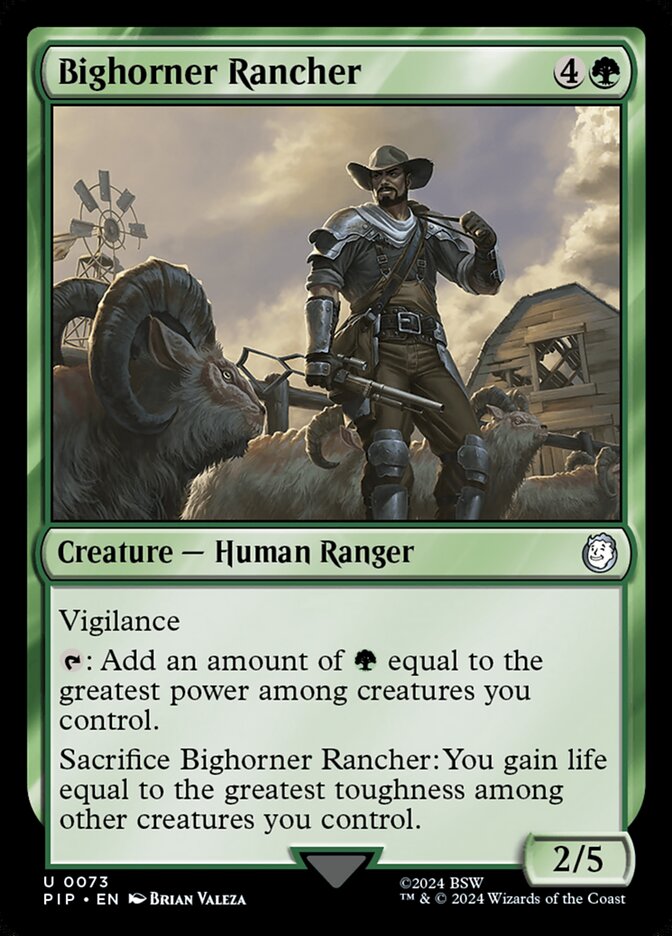
With Bighorner Rancher, builds that lean on large creatures can produce massive bursts of green mana without needing extra setup, while the sacrifice ability adds a layer of survivability in longer, grindy games.
#24. Daybreak Ranger / Nightfall Predator
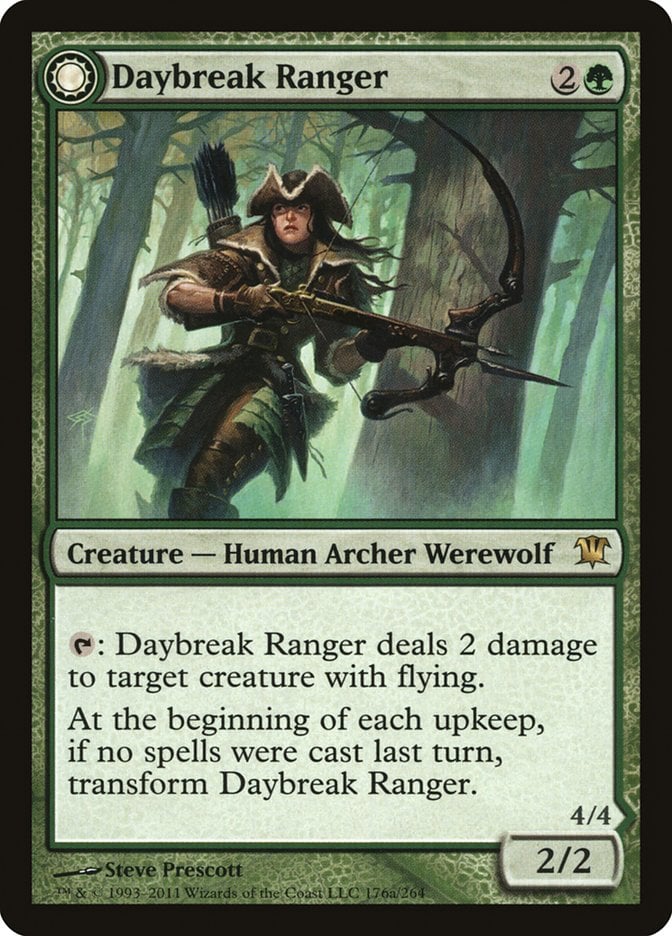
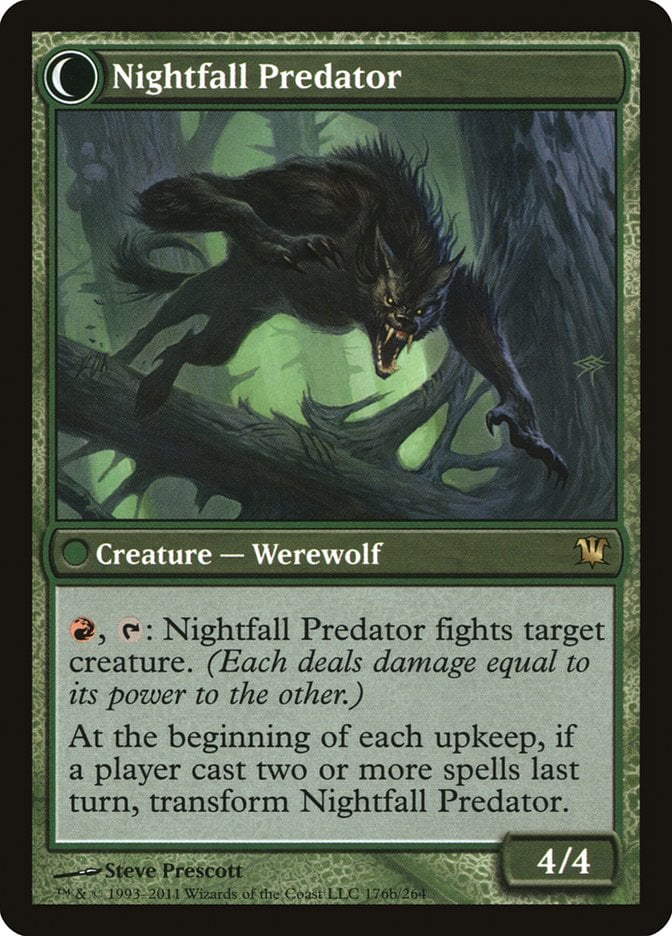
Daybreak Ranger is a classic toolbox creature that shines in slower, more interactive environments. Early on, it keeps flying threats in check, making it especially strong against spirit and tempo-focused strategies. Once it transforms, it becomes a repeatable fight effect that domiantes creature-heavy boards, which explains why it was one of Brian Kibler’s go-to sideboard options during its Standard era.
#23. Halana, Kessig Ranger
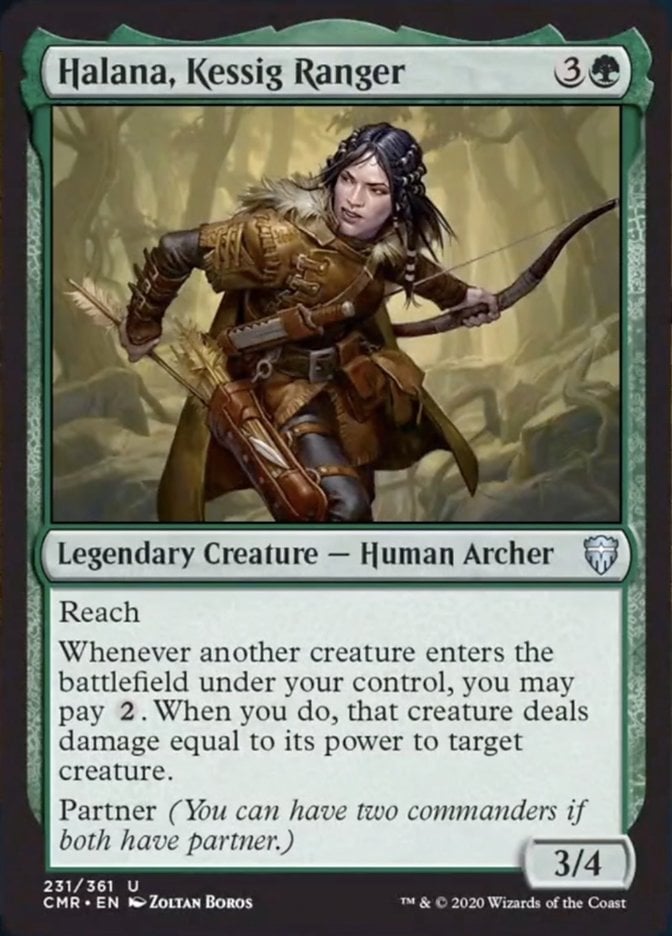
Once Halana, Kessig Ranger hits the table, it turns creature development into real interaction. Instead of relying on traditional removal, incoming creatures can immediately pressure opposing threats, letting the board police itself as the game goes on. Most often, it’s seen partnered with Alena, Kessig Trapper, where power and mana generation reinforce each other naturally. That said, it can also branch out with partners like Tymna the Weaver for access to additional colors and value-oriented strategies.
#22. Yuma, Proud Protector
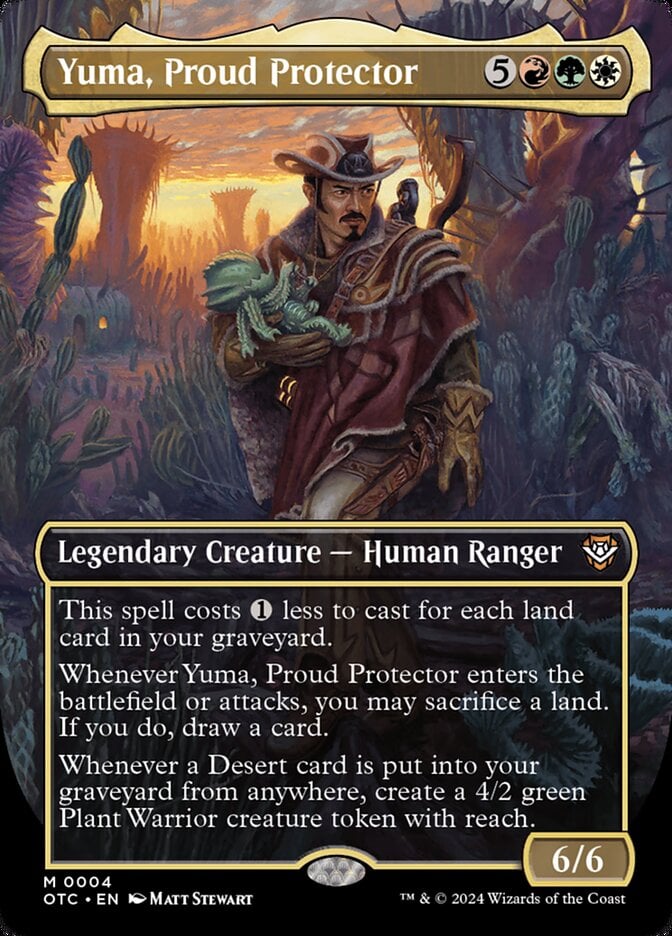
Built for land-focused strategies, Yuma, Proud Protector rewards you for sacrificing and recycling lands in a way that keeps card advantage flowing. The built-in cost reduction makes it much easier to cast than it first appears, while sacrificing lands turns into card draw and ongoing token production. It fits best in Naya () landfall or desert decks and pairs perfectly with lands like Desert of the Indomitable for its cycling ability or Hashep Oasis, letting you pump a creature and still get another sizable threat in return.
#21. Cass, Hand of Vengeance
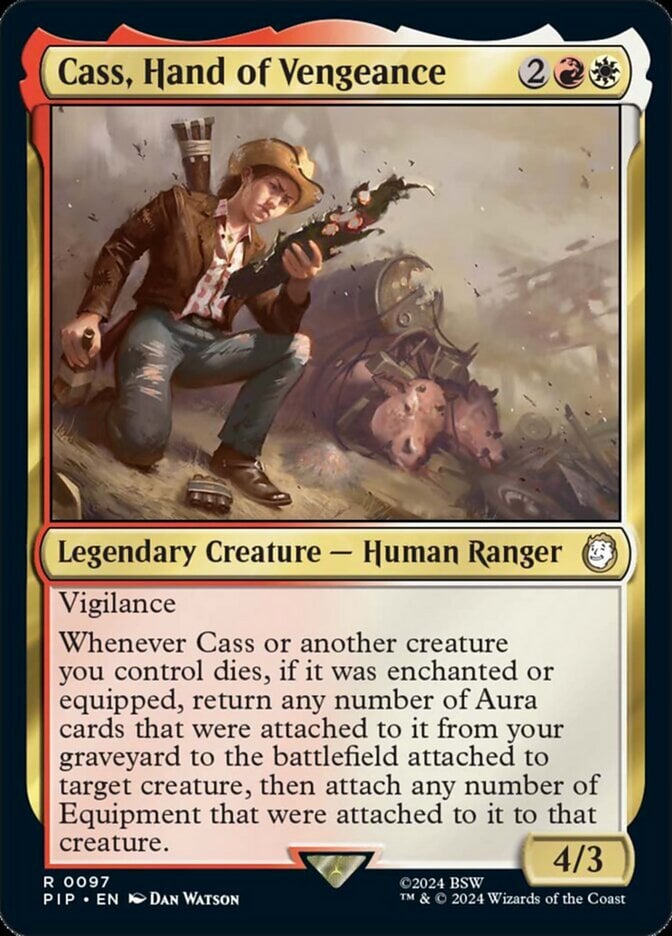
Mostly designed to make sure Voltron plans don’t fall apart to single-target removal, Cass, Hand of Vengeance keeps the pressure on even when a fully suited creature goes down. Instead of losing that investment, auras and equipment move to a new threat, letting the game plan continue without missing a beat. This works especially well with cheap auras like Sticky Fingers or Valor of the Worthy, as well as living weapon equipment. That said, full board wipes are still a major weakness.
#20. Verge Rangers

In longer games where white can fall behind on resources, Verge Rangers helps keep the ball rolling. Playing lands from the top of your library when an opponent is ahead smooths draws and reduces both flood and mana screw. In practice, it functions as a pseudo Oracle of Mul Daya for white, offering consistent, incremental advantage over time.
#19. Aragorn, Company Leader
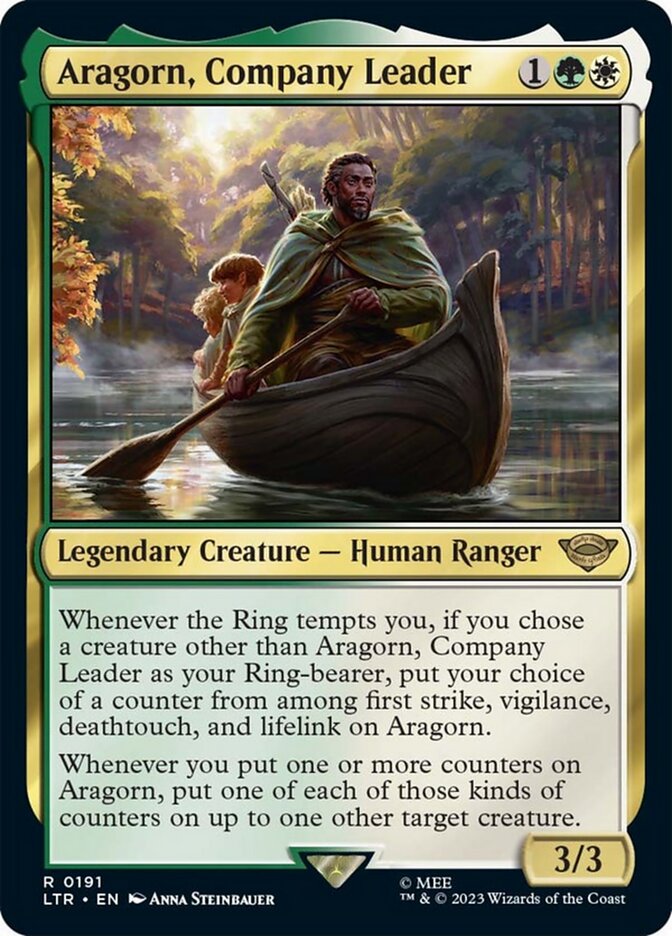
Resembling the books and movies, Aragorn, Company Leader doesn’t seek the Ring for itself, but instead grows stronger when someone else carries it. While it’s on the battlefield, each Ring temptation turns into a lasting combat upgrade that can be shared with another creature. It pairs best with Ring-bearers like Frodo Baggins and Samwise the Stouthearted, letting Aragorn support the team while spreading powerful keywords that can quickly take over combat.
#18. Rangers of Ithilien
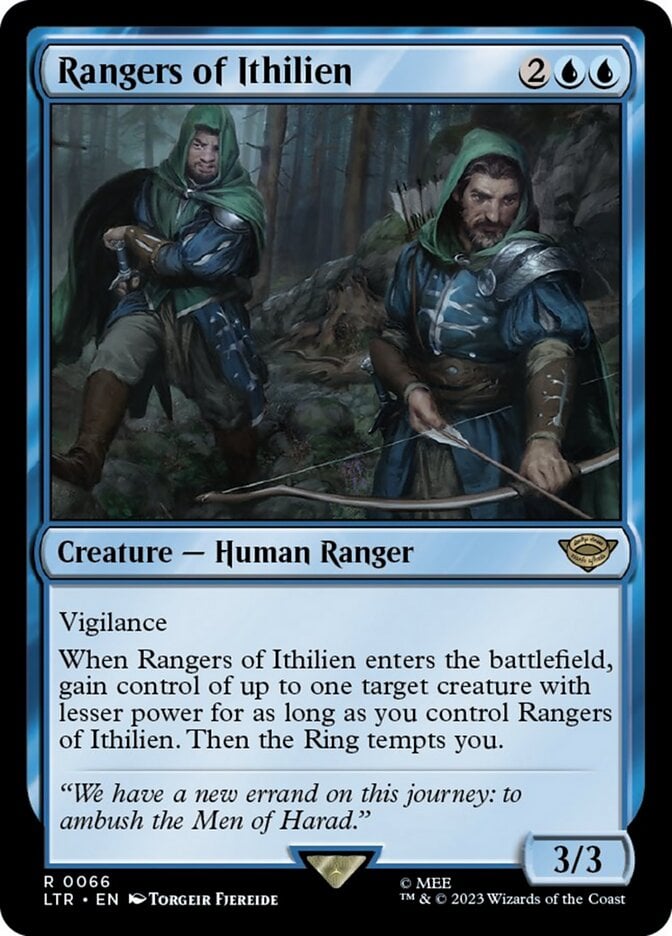
Think of Rangers of Ithilien as “mind control with legs” for smaller creatures. Stealing a low-power threat on entry can completely flip the board, especially against aggressive strategies built on early pressure. On top of that, the Ring temptation adds lasting upside for lists already leaning into the Ring, giving it value beyond the initial swing.
#17. Drizzt Do’Urden

Two bodies in one card is already really good, but on top of that, Drizzt Do'Urden literally pulls double duty in games where big creatures are constantly trading. Double strike lets it apply meaningful pressure early, and every larger creature that dies quickly pumps Drizzt even further.
#16. Lara Croft, Tomb Raider

Built for decks that care about legends, Lara Croft, Tomb Raider blends pressure and recursion into one flexible threat. Attacking turns the graveyard into a short-term resource, letting you replay legendary artifacts or lands for meaningful tempo swings. The built-in Treasure generation always helps, while self-mill or sacrifice effects help stock the graveyard with high-impact targets, making each attack step feel like a resource advantage rather than just opportunities for combat damage.
#15. Jadelight Ranger
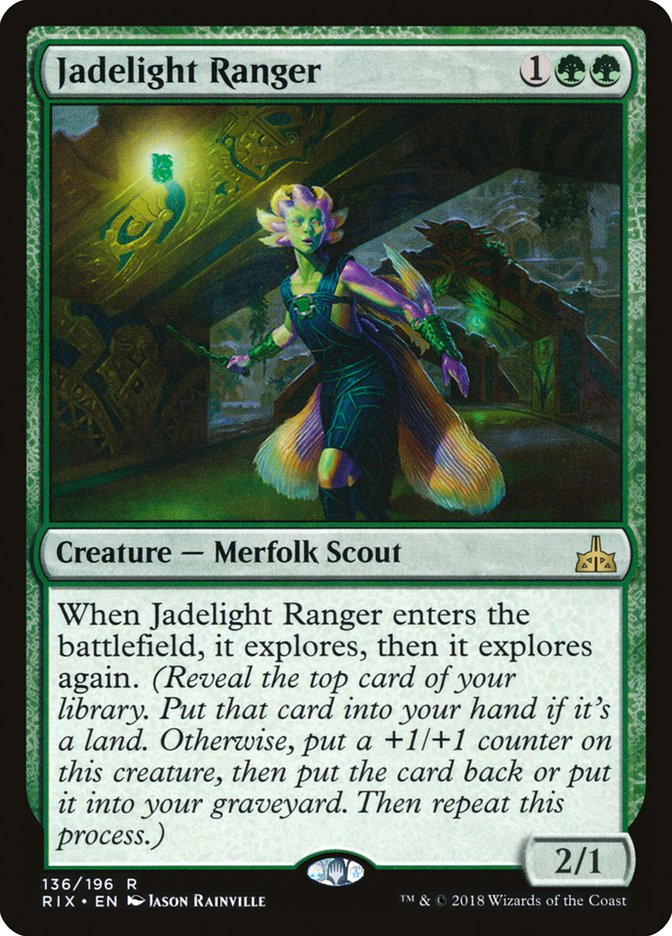
A simple but effective explore card, Jadelight Ranger helps smooth draws without slowing the pace of the game. Exploring twice either secures early land drops or turns it into a solid threat, making it a reliable piece for midgame consistency.
#14. Lasyd Prowler

Mostly seen in Sultai Commander brews with the likes of Kotis, the Fangkeeper, Lasyd Prowler rewards game plans that are comfortable putting lands into the graveyard. Once set up, it can convert all those lands into a massive burst of +1/+1 counters, ending long games with sudden, decisive swings.
#13. Thornvault Forager

Thornvault Forager mixes early mana acceleration with late-game utility, starting out as a simple mana dork before turning into flexible color fixing through foraging. What really sets it apart is the built-in squirrel tutor, giving tribal builds a reliable way to find key pieces as the game goes on.
#12. Sylvan Ranger
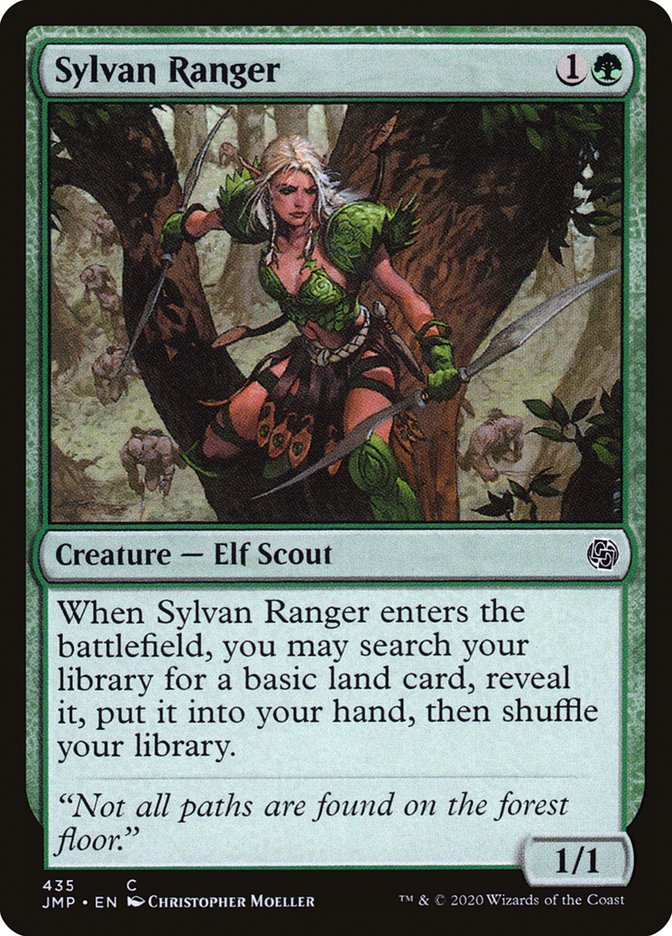
Sylvan Ranger may not be flashy, but it helps with one of Magic’s most important fundamentals: fixing mana. Grabbing a basic land on entry smooths early turns and keeps your game plan on track, especially in slower decks.
#11. Somberwald Beastmaster
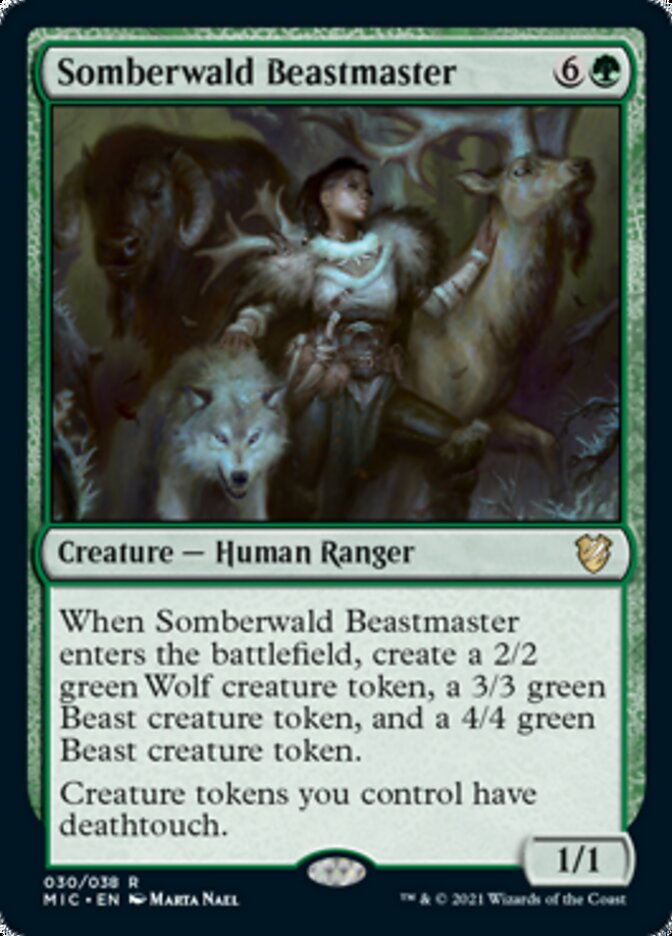
If you want to flood the board in a single play, Somberwald Beastmaster delivers. One card becomes multiple bodies of different sizes, giving you an instant army to work with. The real kicker is granting deathtouch to all those tokens, which makes blocking almost impossible and discourages attacks altogether.
#10. Varis, Silverymoon Ranger

Varis, Silverymoon Ranger is the engine you want when venturing into dungeons without fully committing to the theme. Getting a venture trigger once each turn keeps things moving, and ward makes it awkward for opponents to spend removal on it. As dungeons get completed, the extra wolf tokens build up your board, turning Varis into a real threat once everything is set up.
#9. Ranger of Eos
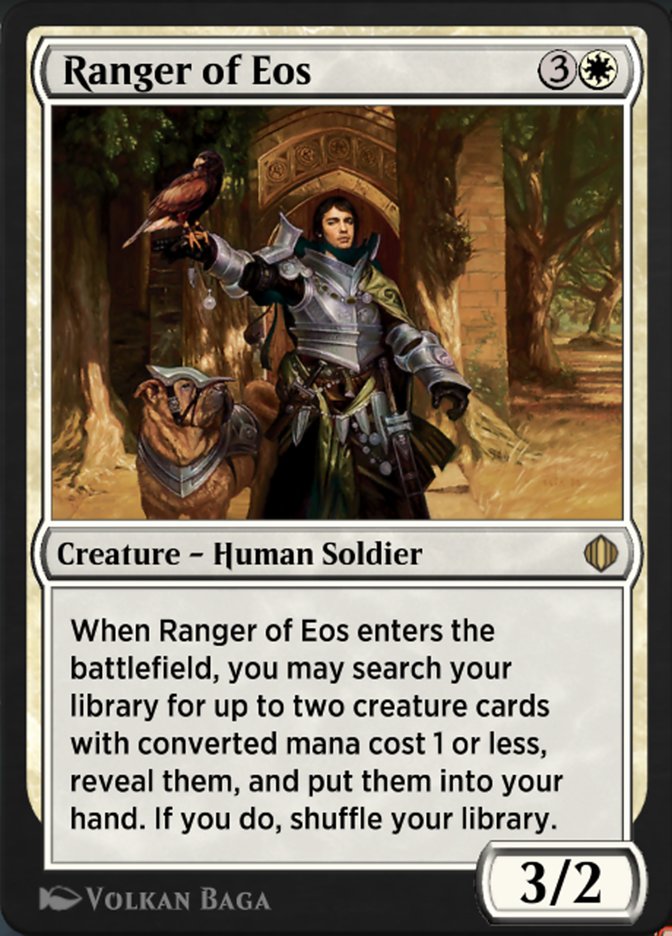
Ranger of Eos is less about raw stats and more about precision, calling forth exactly the low-cost creatures your game plan depends on. It shines when grabbing specific combo pieces like Sylvan Safekeeper or key utility cards such as Esper Sentinel, Mother of Runes, or even Ragavan, Nimble Pilferer.
#8. Temur Battlecrier

Once Temur Battlecrier is on the battlefield, creatures with 4 or more power dramatically reduce the cost of your spells, often enabling sudden, game-ending sequences. Most recently, it has seen play in Standard to chain high-power creatures back to back in a single turn, especially when supported by haste threats or token makers that immediately meet the power requirement.
#7. Halana and Alena, Partners
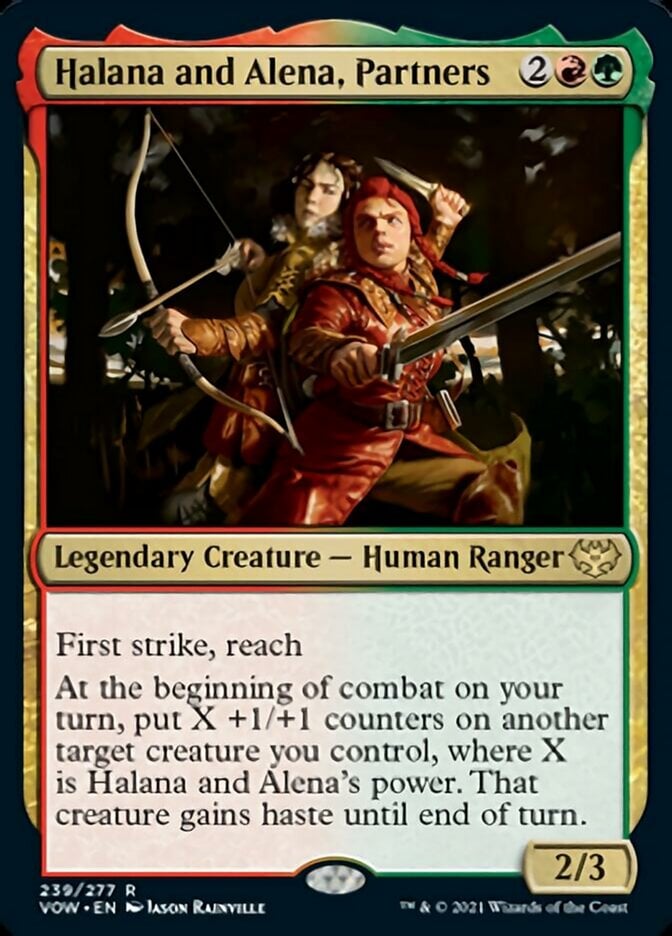
As one of the most powerful Gruul commanders () around, Halana and Alena, Partners is all about fast wins. Every combat step passes its power onto another creature and gives it haste, so threats come online immediately and keep getting bigger. Adding extra counters only makes this effect stronger, which is why it pairs so well with counter support like Kami of Whispered Hopes.
#6. Avenging Hunter
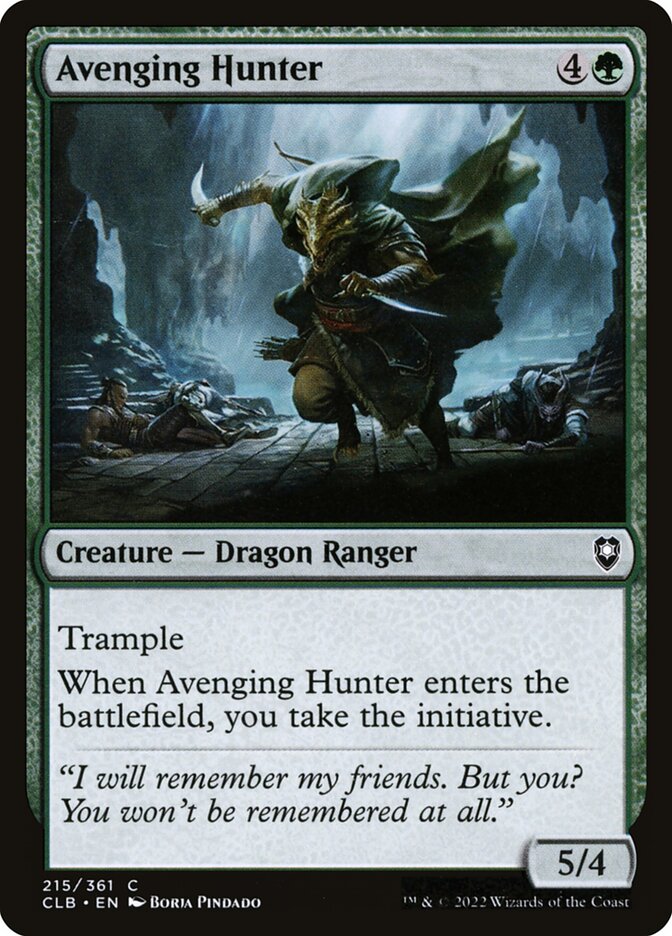
One of the most dangerous initiative creatures out there, at least in Pauper, Avenging Hunter immediately pressures the opponent through the Undercity while also presenting a big trampling threat. It’s one of the few initiative cards that survived the bans, and it can swing the game in your favor in midrange green decks, especially when supported by blink or recursion effects that force opponents to deal with it again and again.
#5. Minsc, Beloved Ranger
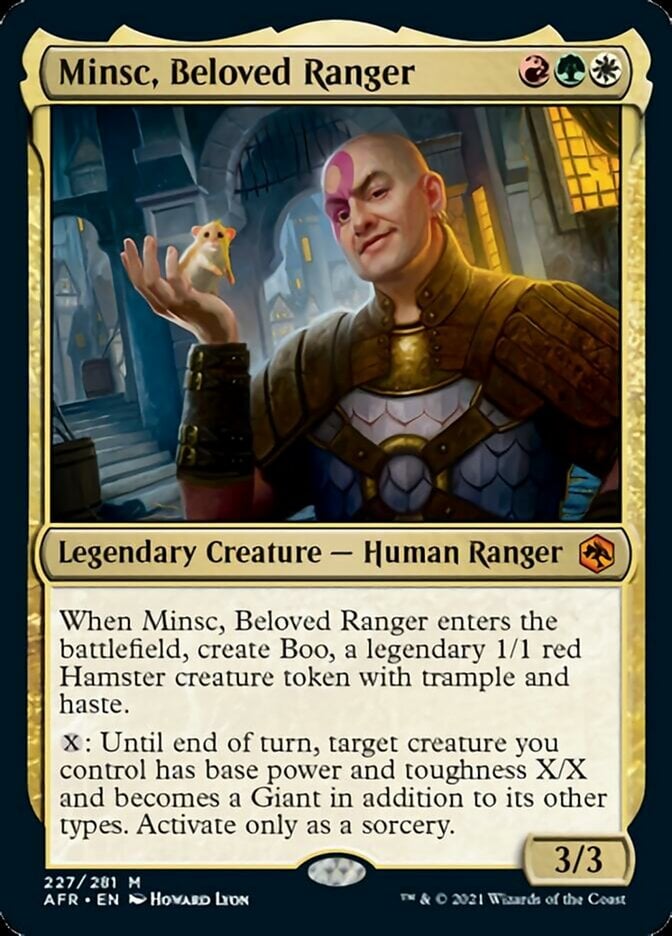
Minsc, Beloved Ranger is a flexible threat that can go both wide and tall, starting with Boo for immediate board presence and ending with the ability to turn any creature into a massive attacker. It fits naturally into Naya creature builds that look for surprise lethals, and it can even steal games by pumping an Inkmoth Nexus for an unexpected infect finish.
#4. Ranger-Captain of Eos
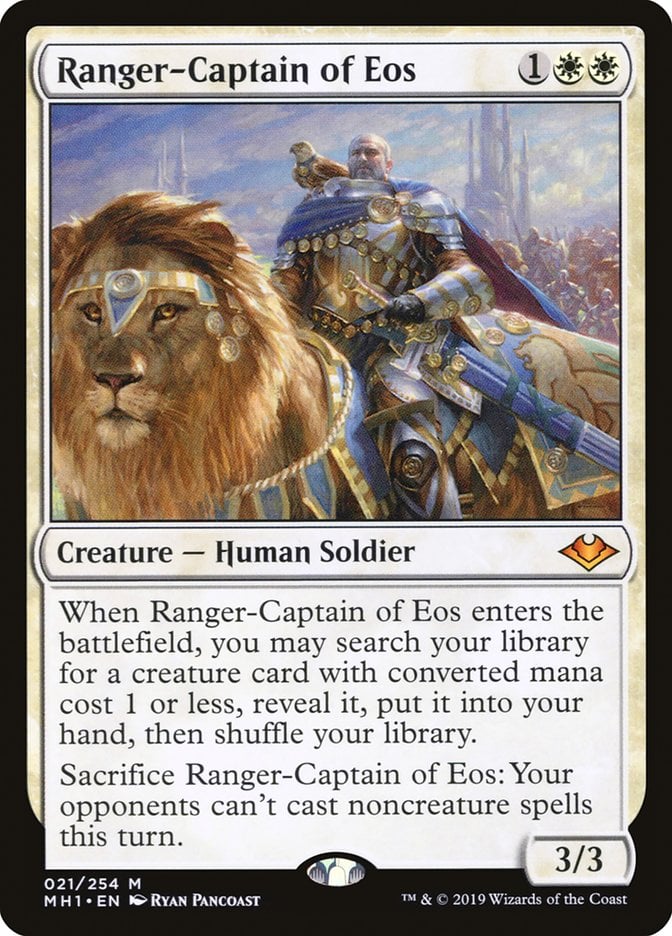
Serving as both a tutor and a hate piece against control, Ranger-Captain of Eos gives you a lot of control over how and when the game ends. It can grab a key 1-drop early, then be sacrificed at the perfect moment to shut off noncreature spells. A common line is playing it the turn before going for the win and sacrificing it on an opponent’s upkeep, making sure your board stays safe. That flexibility is why it remains a staple in white-based aggressive shells.
#3. Quirion Ranger
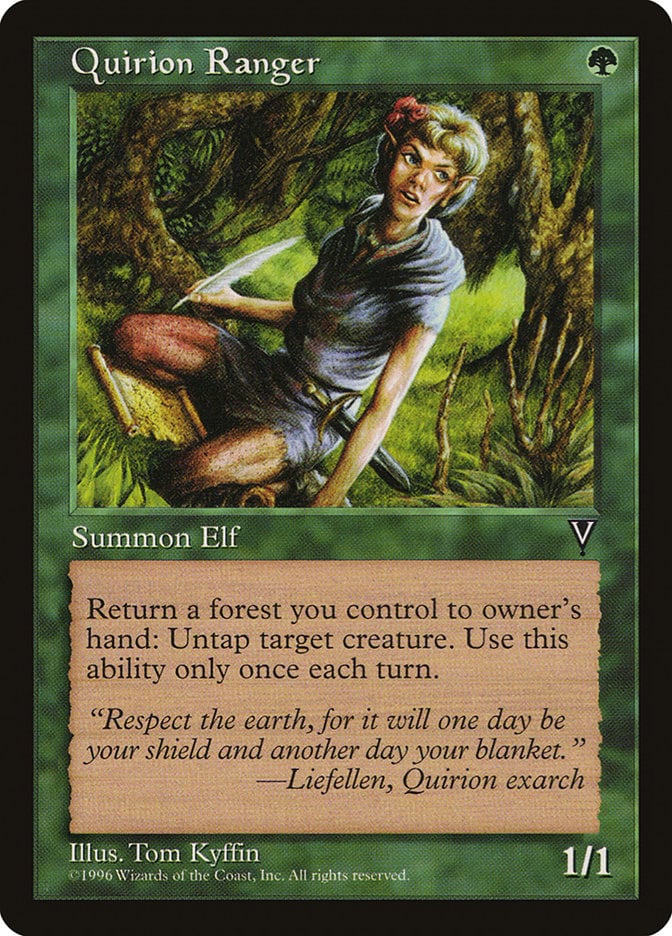
Arguably the best Pauper elf, Quirion Ranger turns a single Forest into repeated untaps that enable explosive mana generation, especially alongside Priest of Titania. Beyond elves, it also slots cleanly into walls with Overgrown Battlement or enchantress builds using Sanctum Weaver, where it pushes mana production to absurd levels.
#2. Scryb Ranger
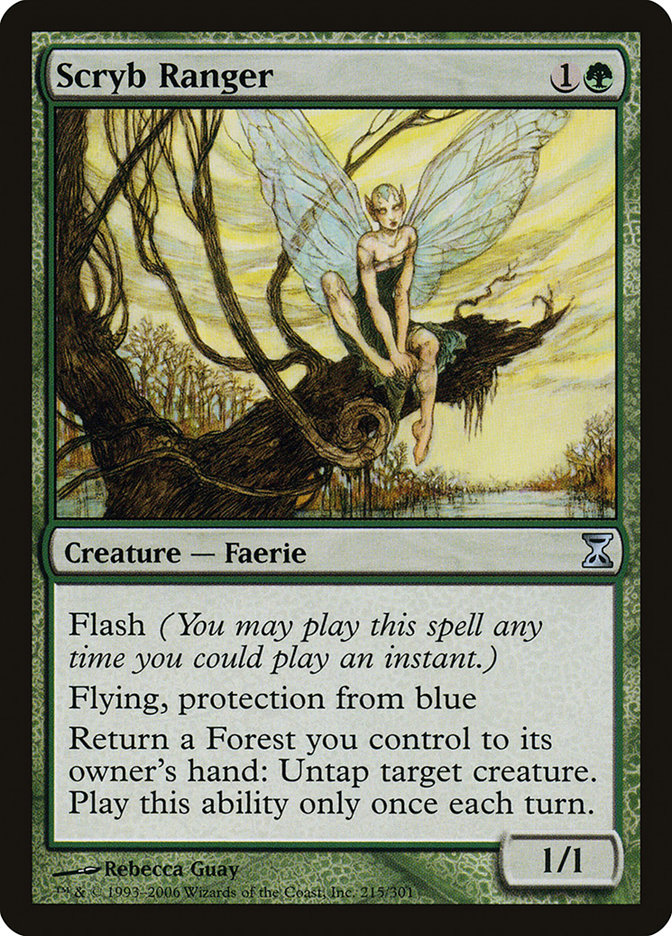
Similar to Quirion Ranger but with added utility against blue metas, Scryb Ranger offers a more reactive take on the untap effect. In Commander, having repeated copies of the same effect is extremely important, and flash, flying, and protection from blue give it an extra niche while still pairing well with mana creatures and tap abilities.
#1. Skyshroud Ranger
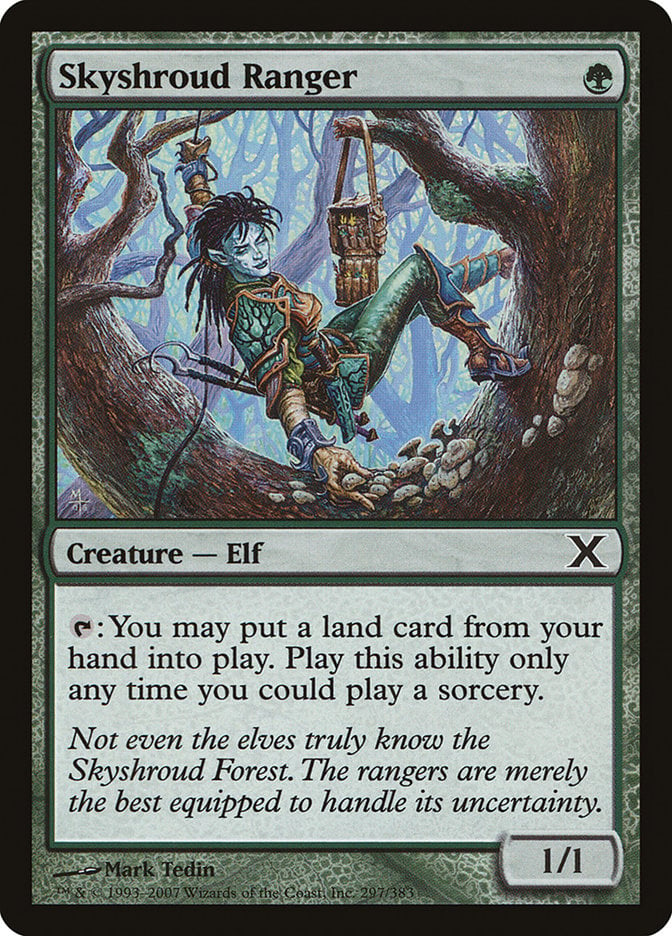
Perfect for landfall commanders like Tatyova, Benthic Druid, Skyshroud Ranger looks unassuming but plays a much bigger role than its size suggests. Being able to put extra lands onto the battlefield without casting spells makes it excellent for land-focused archetypes that want repeated land drops. Beyond fair use, it also slots into combo shells, most notably alongside Retreat to Coralhelm and Simic Growth Chamber, where it enables infinite landfall triggers and turns a simple ramp creature into a real win condition.
Best Ranger Payoffs
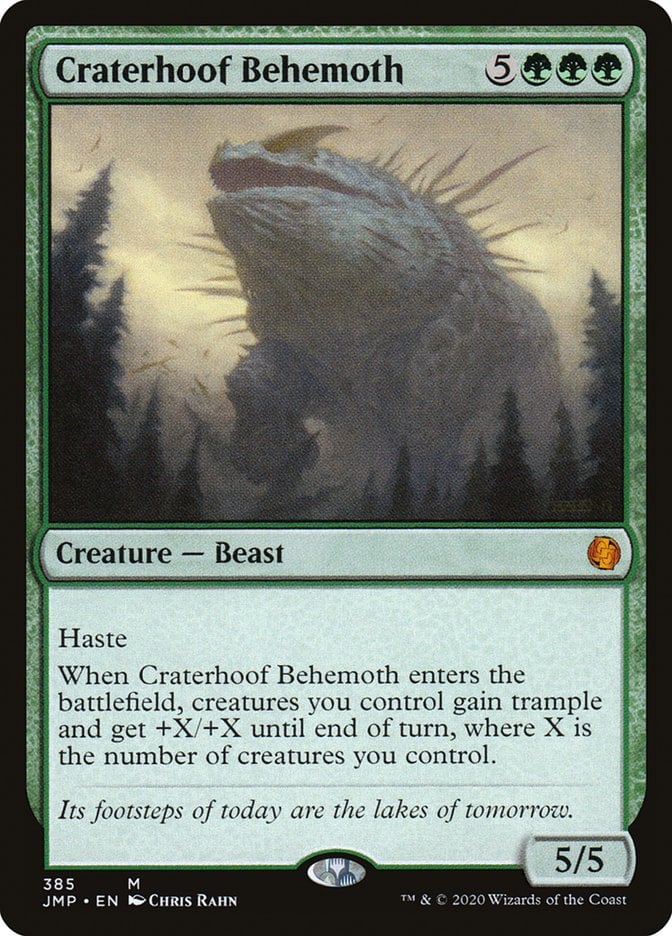
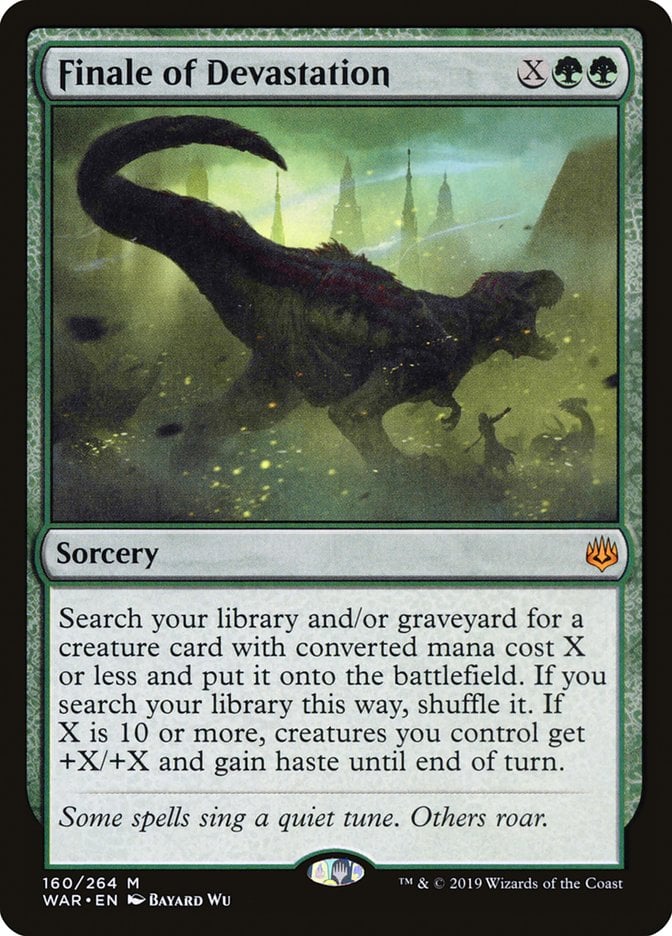
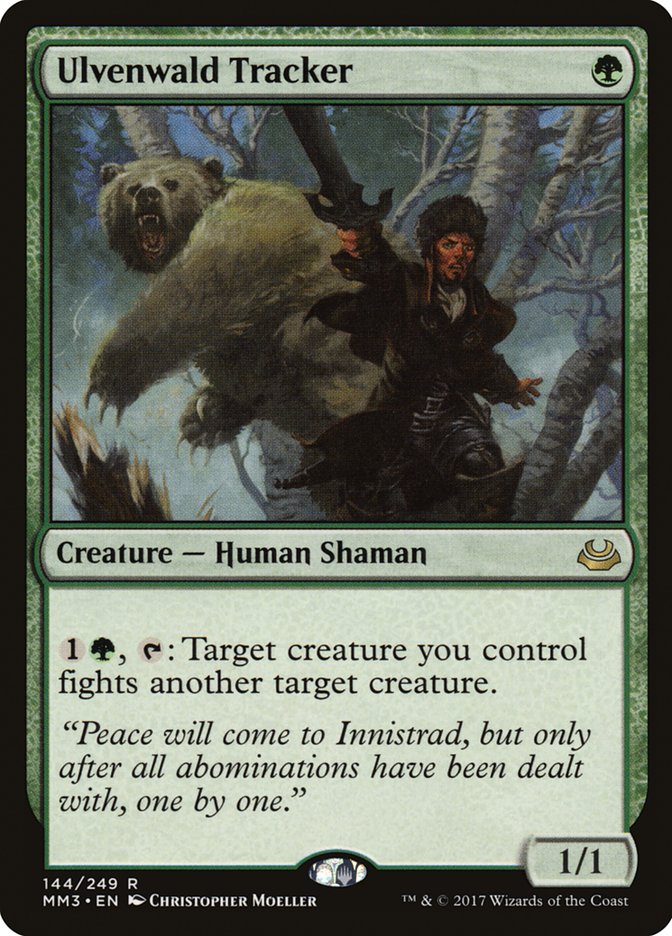
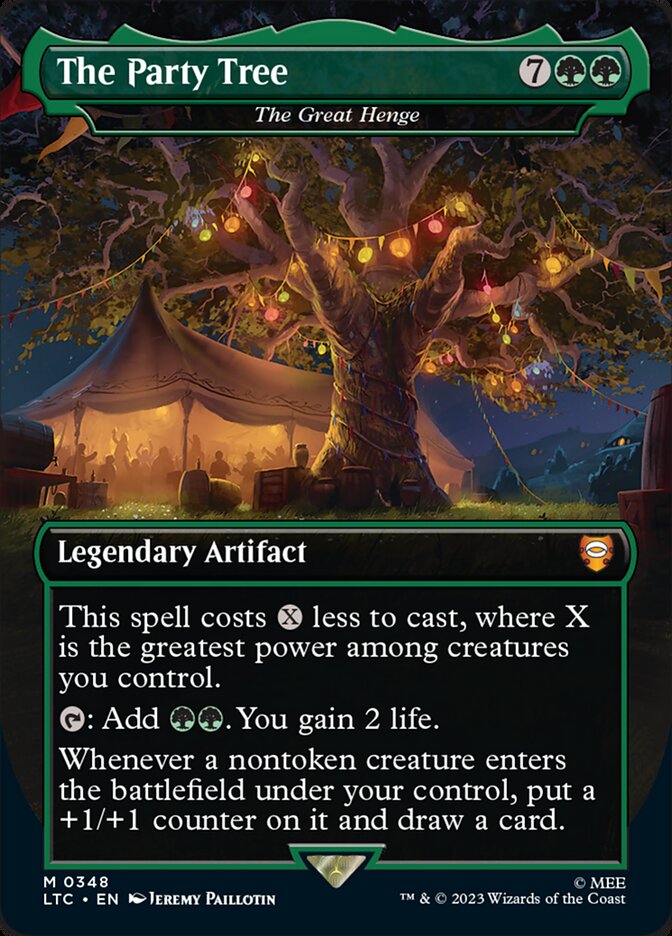
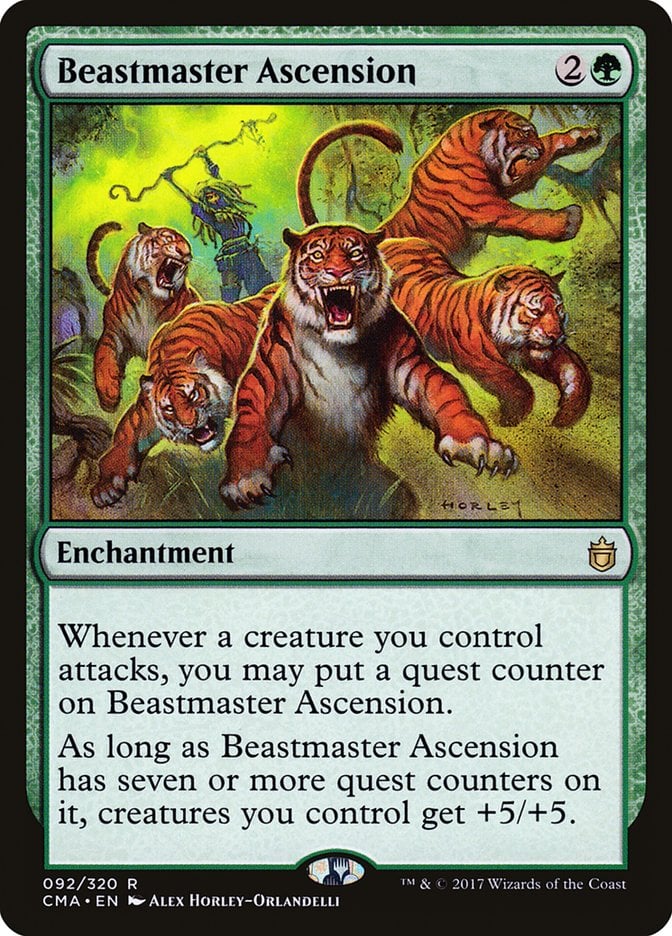
Cards like Birchlore Rangers, Quirion Ranger, and Thornvault Forager generate mana and consistency, which pays off when paired with finishers such as Craterhoof Behemoth or Finale of Devastation. Another common thread among rangers is creature-based interaction, making them great fits for effects like Ulvenwald Tracker, The Great Henge, or Beastmaster Ascension.
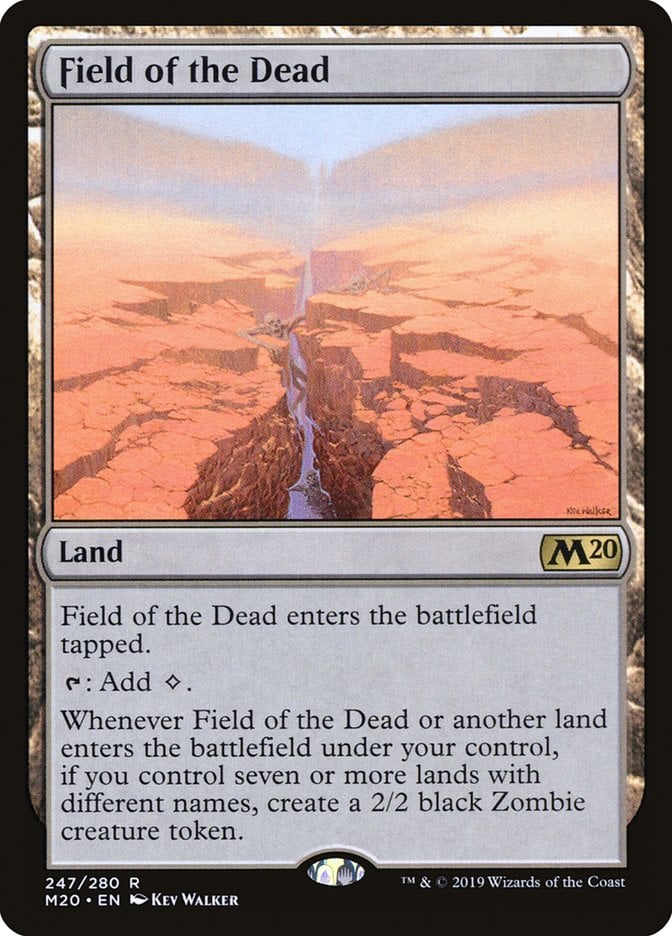
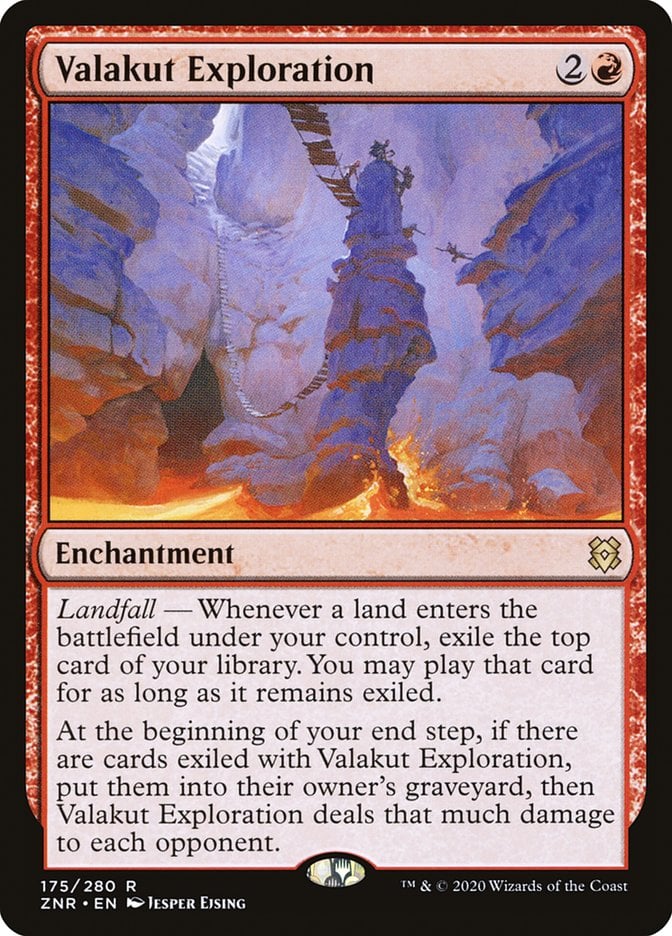
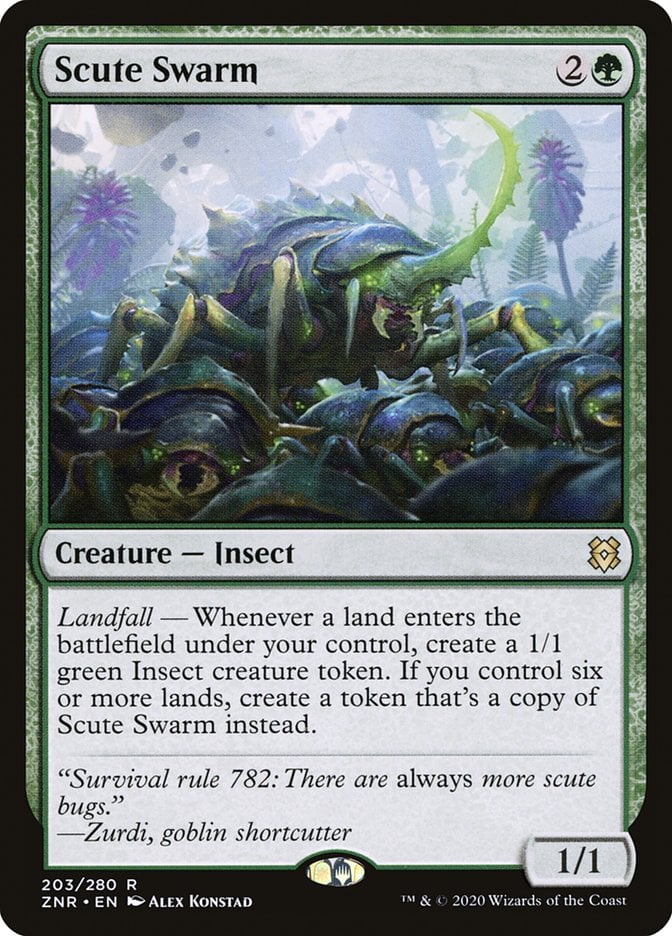
Many rangers lean into lands and long-game progression, working best alongside payoffs like Field of the Dead, Valakut Exploration, or Scute Swarm.
This is very broad, I know, but these are themes that some of these on the list share in common.
Are There Any Ranger Commanders?
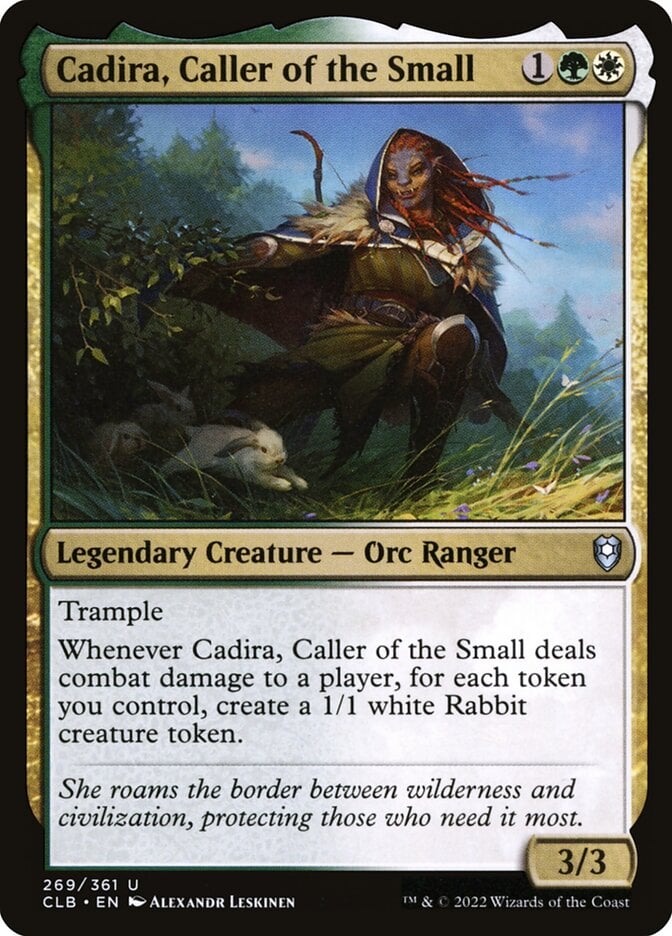
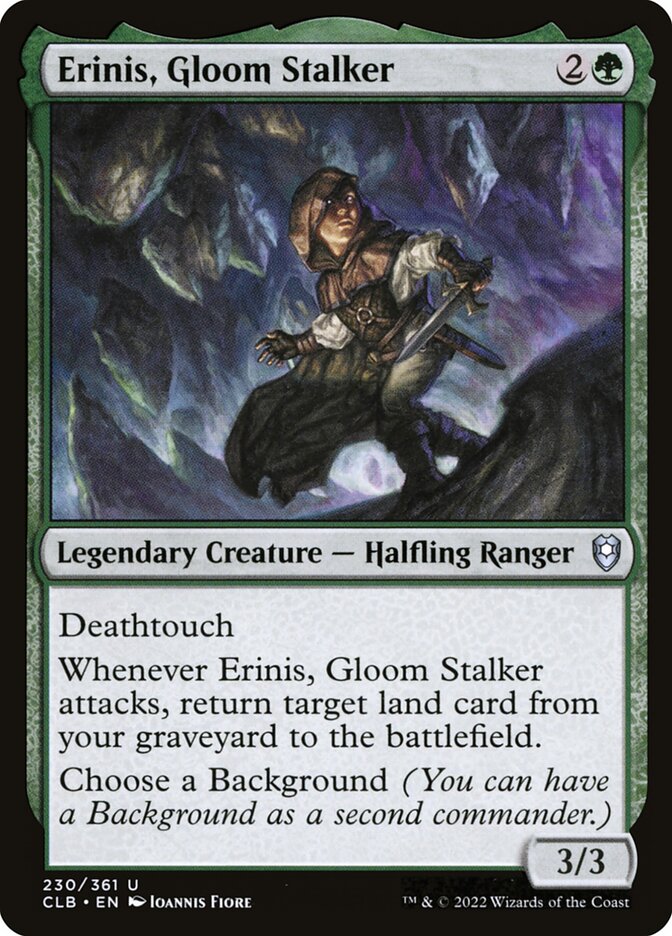
There are actually quite a few legendary rangers, but none of them really support a ranger theme on their own. Most of them also don’t share a clear game plan, so you can’t easily group them together into a single archetype. Because of that, they usually end up playing like normal midrange or aggro decks rather than doing something uniquely “ranger-focused.”
Here’s the list of the ones we have so far:
- Aragorn, Company Leader
- Cadira, Caller of the Small
- Cass, Hand of Vengeance
- Drizzt Do'Urden
- Erinis, Gloom Stalker
- Halana and Alena, Partners
- Halana, Kessig Ranger
- Lara Croft, Tomb Raider
- Minsc, Beloved Ranger
- Skanos Dragonheart
- Strider, Ranger of the North
- Varis, Silverymoon Ranger
- Wylie Duke, Atiin Hero
- Yuma, Proud Protector
Wrap Up
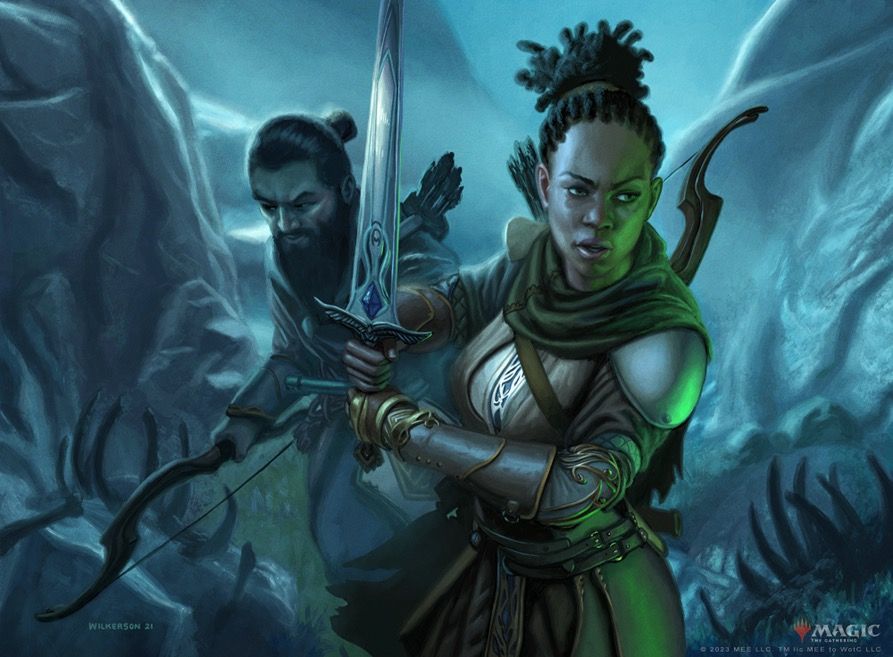
Dúnedain Rangers | Illustration by Eric Wilkerson
Rangers are one of those creature types that technically exist, but don’t share enough mechanical identity to feel unified. That said, there are plenty of powerful standalone ranger cards printed over the years, which makes me wonder if there’s hope for a unified ranger theme in the future. What do you think? Would you like to see more dedicated support for them? Let us know in the comments.
Thanks for reading, and if you enjoy the content, consider following us on social media so you never miss a thing.
Take care, and we’ll meet again in the next article.
Follow Draftsim for awesome articles and set updates:










Add Comment