
Last updated on June 29, 2026
Chatterstorm | Illustration by Milivoj Ceran
Bans in every format are a necessity to keep the overall play experience healthy, and even the most humble of formats like Pauper need tuning from time to time. The good news is that, unlike many other formats, Pauper has a dedicated group responsible for regulating it. Because of that, the ban list tends to be updated more frequently, so let’s go over all the banned cards in Pauper, from the most broken ones to the others that are just inappropriate for the game as a whole.
Intrigued? Let’s dive in!
(Editorial Note: To make it easier to navigate this list of banned cards, they are presented in alphabetical order with the exception of conspiracy cards, sticker cards, and cards deemed racially or culturally offensive.)
The Latest Banned & Restricted Announcements
High Tide | Illustration by Jeff Miracola
June 29, 2026
This announcement banned Seeker of Skybreak, part of a two-card infinite combo with Hawkeye's Bow from Marvel Super Heroes. The combo was banned mere days after the set’s official release date of June 26, 2026.
- Seeker of Skybreak — banned
May 18, 2026
Amidst a much large announcement on May 18, Bonder's Ornament was unbanned in Pauper. This was done to bolster slower control decks in a format that had largely sped up with more recent releases.
- Bonder's Ornament — unbanned
November 10, 2025
In this announcement, the Pauper Format Panel made a single change that rolled back an earlier experiment and tightened the format again:
- High Tide — banned
This decision followed a trial period earlier in the year and was made after seeing how the card impacted combo consistency and mana generation in the format.
March 31, 2025
Earlier in 2025, the Pauper Format Panel made several notable changes aimed at slowing down explosive starts and reducing format-wide staples:
- Basking Broodscale — banned
- Kuldotha Rebirth — banned
- Deadly Dispute — banned
- Prophetic Prism — unbanned (trial)
- High Tide — unbanned (trial)
This update had a major impact on both Affinity and Golgari Broodscale decks, while it also tested whether previously banned cards could safely return to the format.
When Is the Next Banned & Restricted Announcement?
Based on Wizards’ current announcement calendar, the next general Banned & Restricted update is expected on June 30, 2026. That said, there’s no fixed schedule specifically for Pauper bans. While Wizards of the Coast releases planned Banned & Restricted announcements throughout the year for most formats, Pauper is handled independently by the Pauper Format Panel.
#36. Aarakocra Sneak
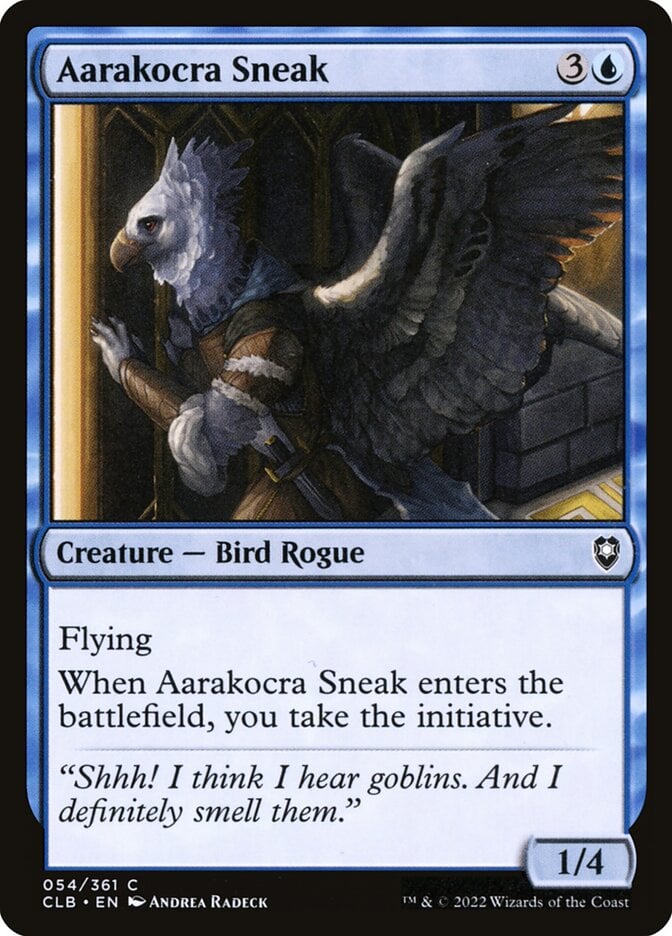
The real issue with Aarakocra Sneak was how quickly it could take over a game. With fast mana like Dark Ritual or Rite of Flame, some decks grabbed the initiative on turn 1, which immediately snowballed into huge card advantage and tempo. Most Pauper decks simply weren’t built to interact that early, which led to games that were effectively decided before they even started.
#35. All That Glitters
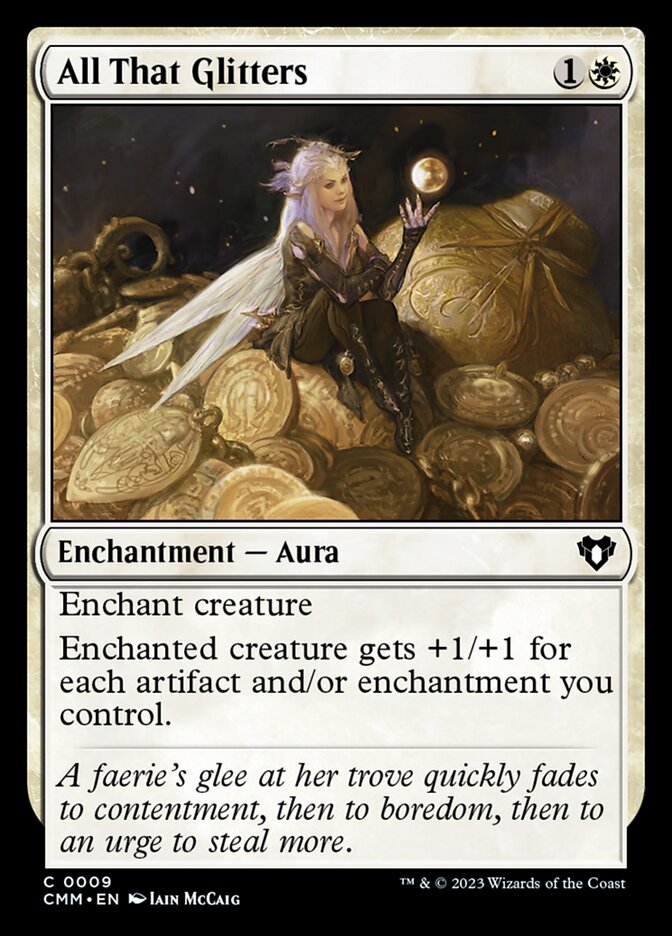
At first, All That Glitters looked like a solid boost for enchantment aggro strategies, but it quickly found a better home in hyper-efficient Affinity shells. Cheap creatures like Thraben Inspector and Gingerbrute let decks apply pressure early, and once Novice Inspector joined the format, the numbers exploded. From that point on, games often boiled down to whether the opponent had removal immediately, or they would lose on the spot.
#34. Arcum’s Astrolabe
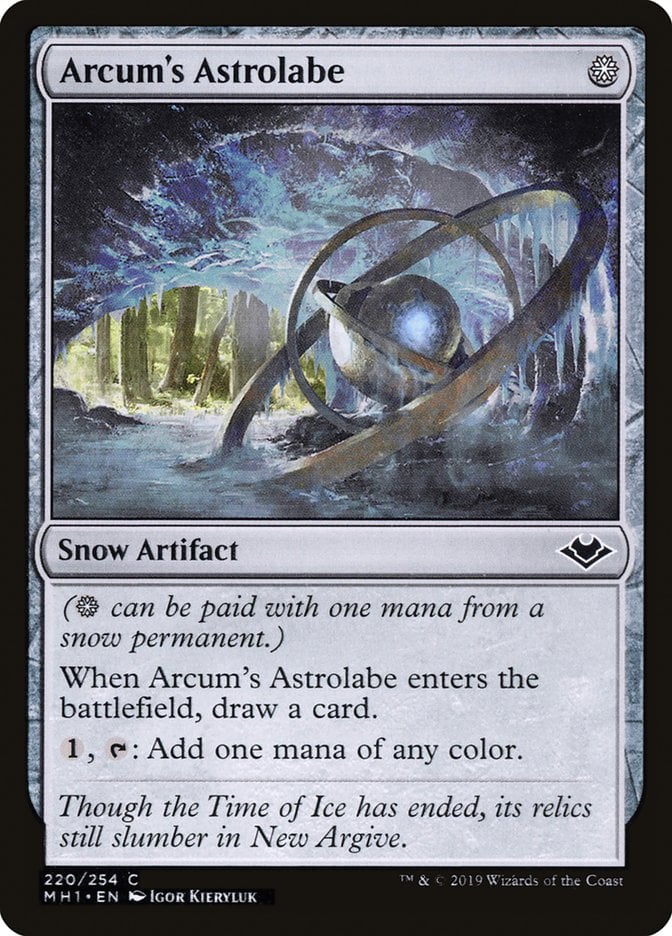
Arcum's Astrolabe quietly did way too much for just 1 mana. It fixed colors, replaced itself, and played perfectly with bounce and flicker effects. Decks like Tron and Familiars turned it into a repeatable value engine that smoothed mana while it drew cards almost for free. Over time, it erased meaningful deckbuilding tradeoffs and pushed multicolor strategies far ahead of the curve.
#33. Atog
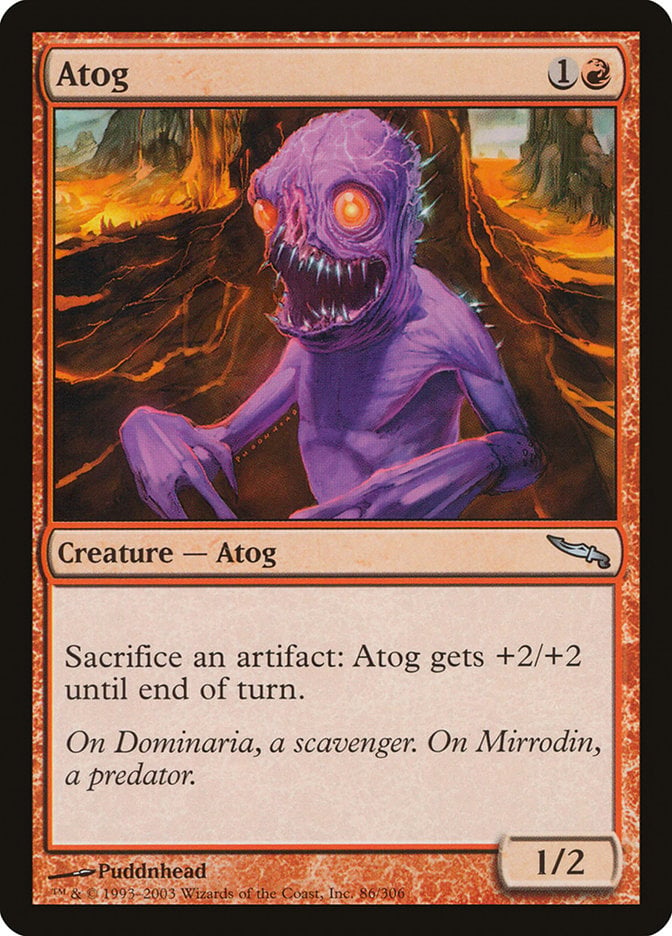
The problem with Atog wasn’t subtle; it ended games out of nowhere. Artifact lands made it trivial to grow it to lethal size, and you could pair it with cards like Fling or Temur Battle Rage so that your opponents often died in a single attack. Once indestructible bridges entered the format, it became even harder to stop these kills, so many matches turned into pure coin flips.
#32. Basking Broodscale

Two-card combos are always risky in Pauper, and Basking Broodscale pushed that risk way too far. In just a few months, Broodscale combo decks exploded in popularity, and they showed up as one of the most played archetypes of the year. What made it worse was the lack of clean answers outside of generic removal or hand disruption; there wasn’t a reliable way to shut down the combo.
#31. Chatterstorm
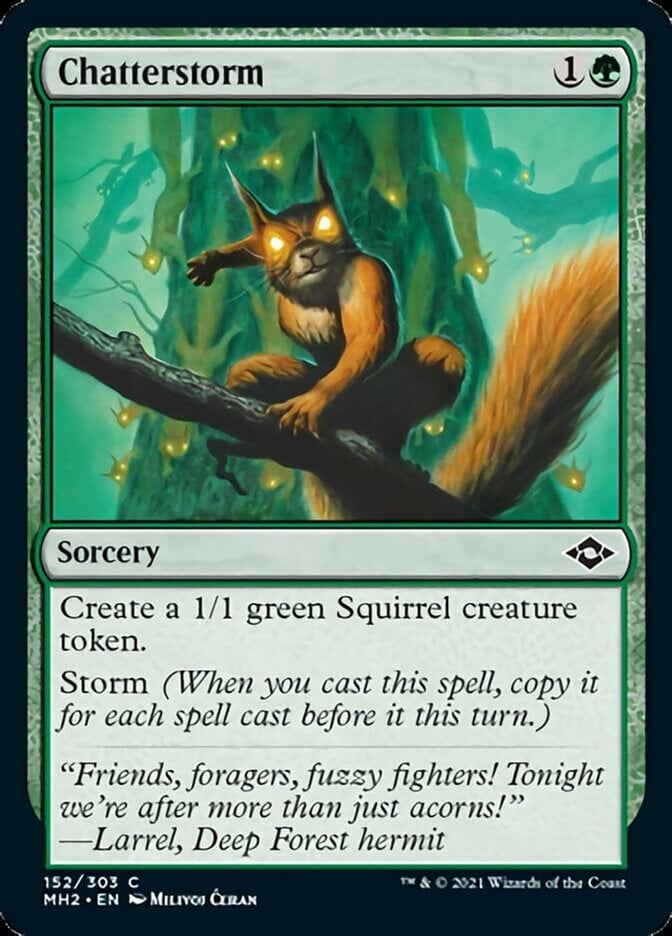
Storm already had access to fast mana in Pauper, and Chatterstorm took full advantage of that. It regularly created massive boards of hasty tokens as early as turn 2, which gave opponents almost no time to react. Once it started to resolve, games ended quickly and predictably, which pushed the format toward combo races instead of interactive play.
#30. Cloud of Faeries
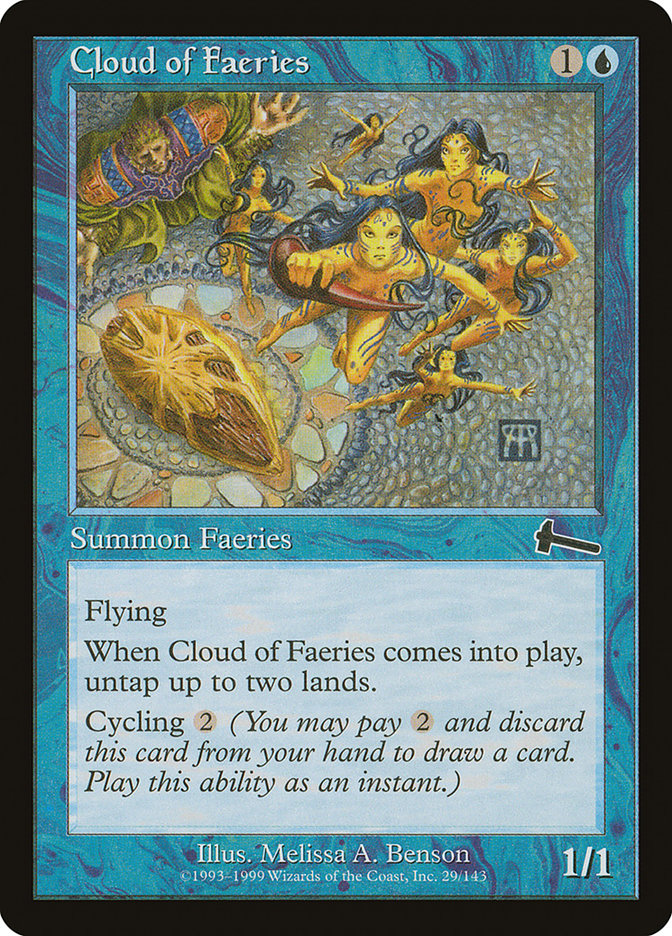
With cost reducers or flicker effects, Cloud of Faeries often generated more mana than it cost, which in turn enabled infinite loops or massive storm turns. The barrier to executing these combos was extremely low, so wins felt automatic rather than earned.
#29. Cloudpost
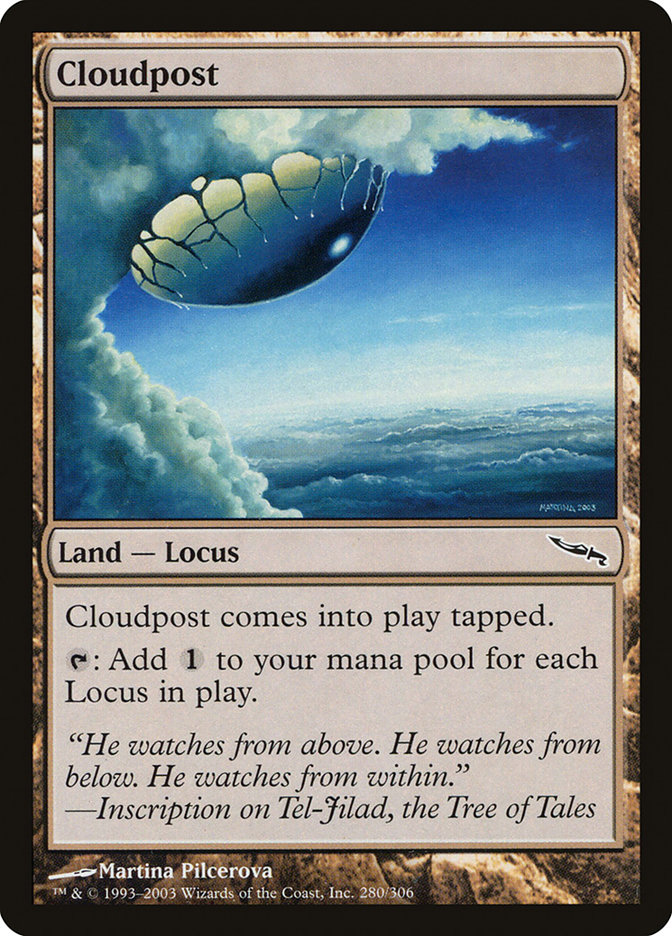
The issue with Cloudpost was how aggressively it scaled. Each copy made the next one better, and when paired with Glimmerpost, it also padded life totals to absurd levels. Fair decks simply couldn’t keep up with the explosive mana and lifegain, which created resource gaps that decided games long before combat mattered.
#28. Cranial Plating
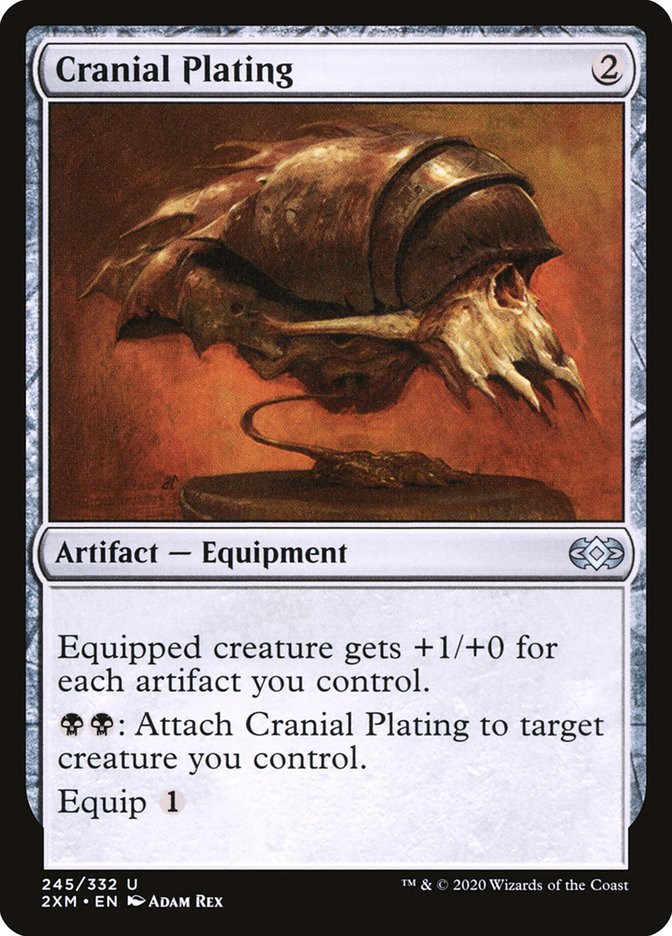
In Affinity decks, Cranial Plating turned any small creature into a lethal threat. What made matters worse was that unlike All That Glitters, which was fixed on a single creature, the ability to re-equip, most of the time at instant speed, meant blockers often didn’t matter at all as one unblocked attacker could suddenly deal lethal damage.
#27. Cranial Ram

Cranial Ram never even got the chance to prove itself. It was flagged early because its power level closely mirrored Cranial Plating and it offered the same kind of explosive damage potential in artifact decks. Given how dangerous that style of gameplay had already proven to be, this was a case of learning from history and acting before Affinity could get another lethal upgrade.
#26. Daze
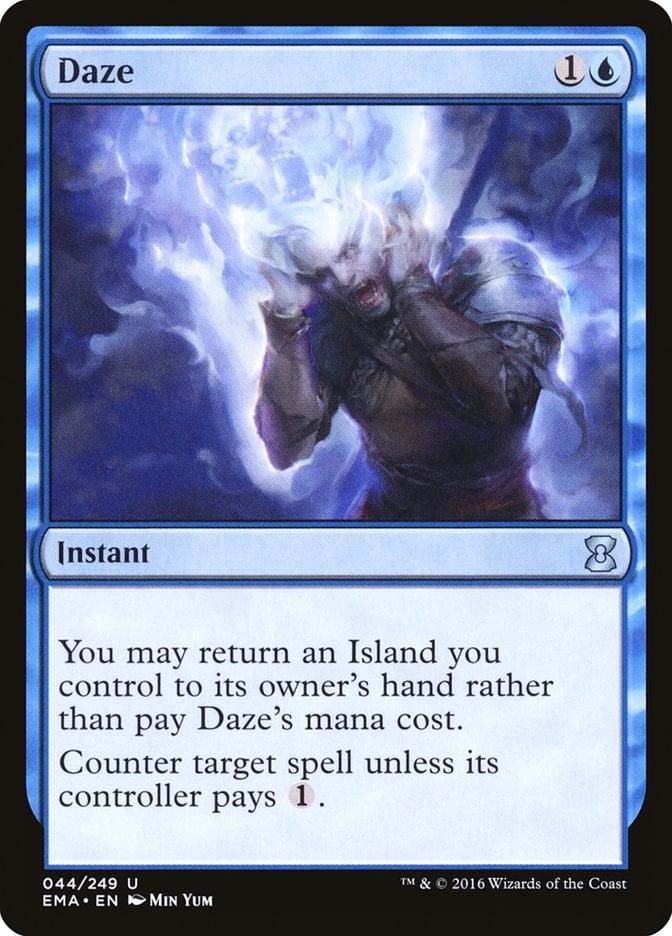
Daze was part of a larger problem rather than an isolated one. Alongside Gush and Gitaxian Probe, it helped to push blue decks far ahead of the rest of the field. Free interaction made it incredibly hard to resolve meaningful spells, and once Augur of Bolas entered the format, blue strategies gained both consistency and protection at the same time.
#25. Deadly Dispute
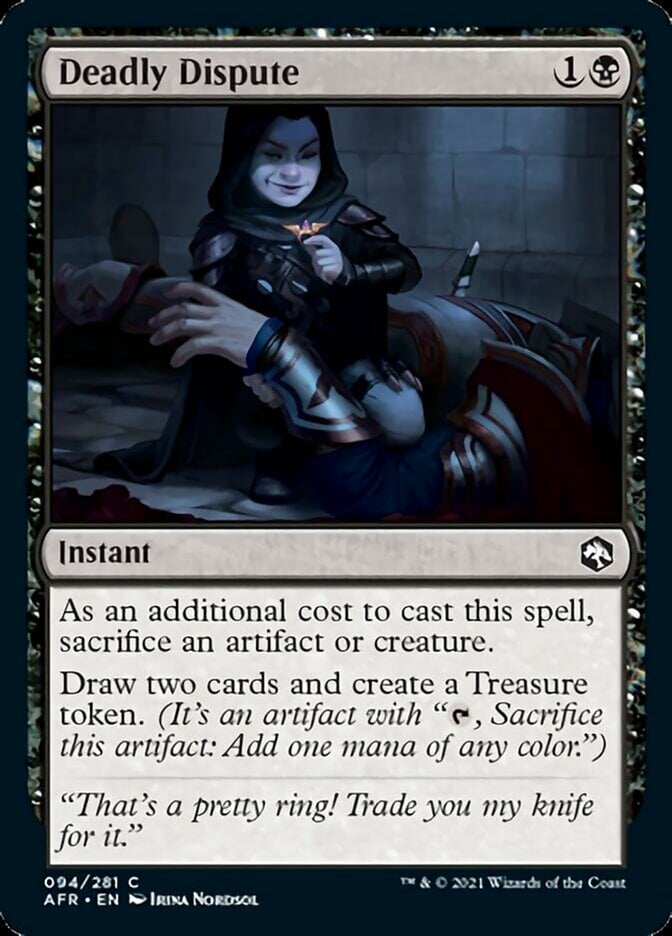
Pairing Deadly Dispute with cards like Ichor Wellspring turned resource exchanges completely upside down. What looked like a small sacrifice suddenly became three new cards and extra mana thanks to the Treasure token. The engine was so efficient that many decks played black almost entirely for access to this card, which warped both deckbuilding and gameplay patterns.
#24. Disciple of the Vault
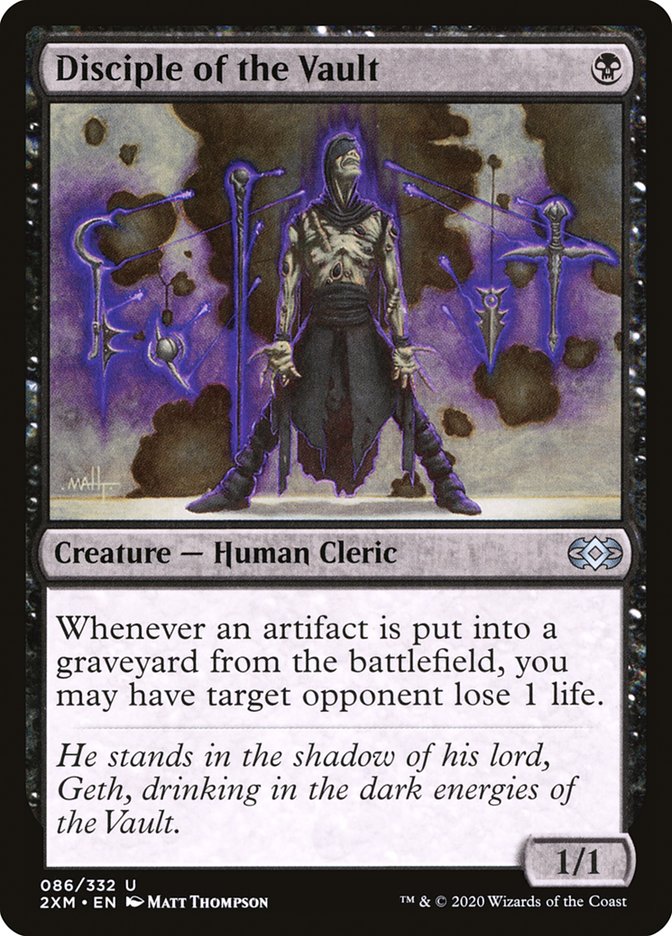
After Atog disappeared, Affinity decks needed a new way to close games, and Disciple of the Vault filled that role perfectly. Sacrificing artifacts was no longer just a value play. It drained opponents directly. With bridges still legal at the time, even routine artifact loops became inevitable damage engines that ignored most defensive plans.
#23. Empty the Warrens
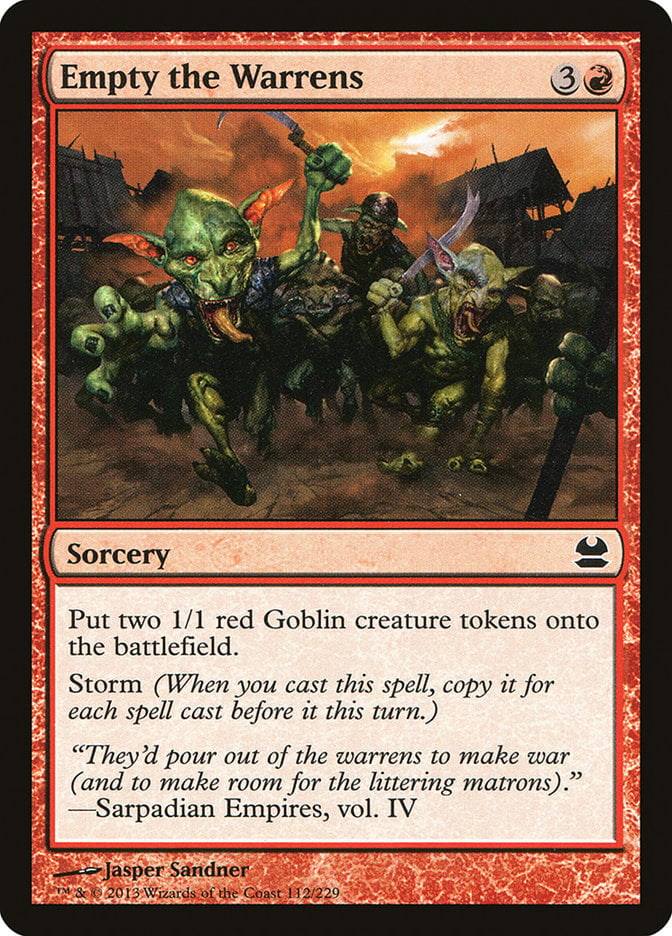
Empty the Warrens shared many of the same issues as other storm payoffs, but it scaled even harder once it was resolved. While it cost more mana, storm decks had no trouble generating it. A single big turn often created an overwhelming army that ended the game immediately and left very little room for opponents to respond.
#22. Fall from Favor
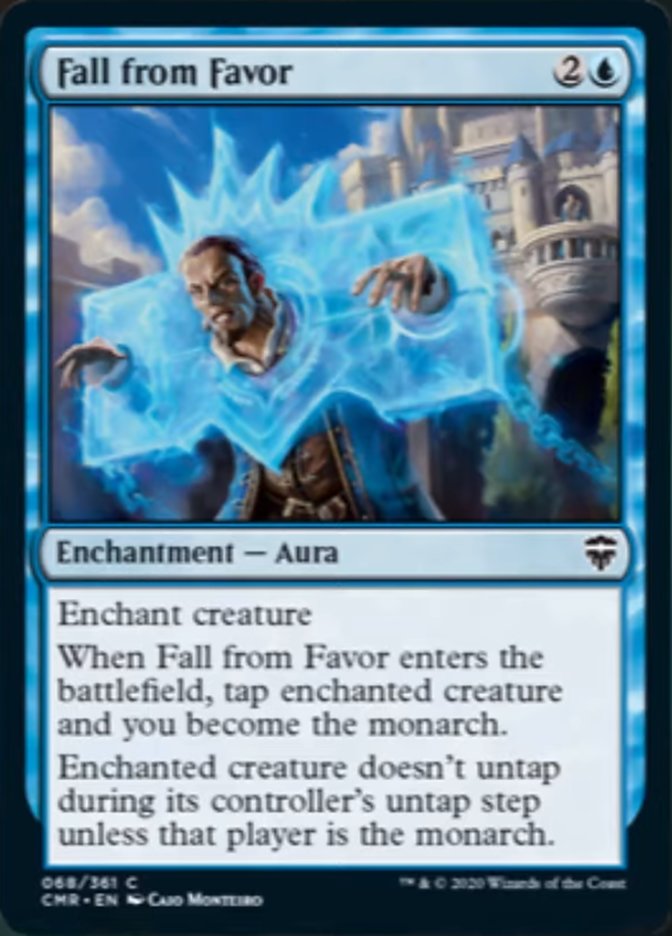
Blue decks gained far too much from Fall from Favor. It removed a creature and granted the monarch at the same time, which meant card advantage started to flow right away. On top of that, it discouraged attacks by tapping creatures down, which created board states where opponents struggled to catch up.
#21. Frantic Search
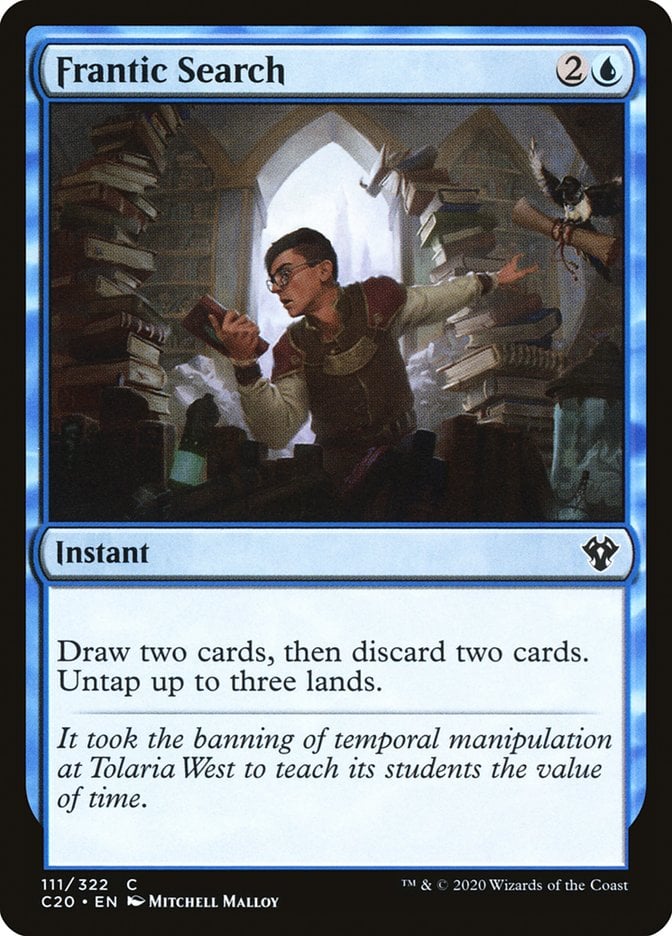
In many decks, Frantic Search effectively cost nothing. Untapping lands meant players could dig through their deck while they still held up mana, so card filtering turned into pure upside.
#20. Galvanic Relay
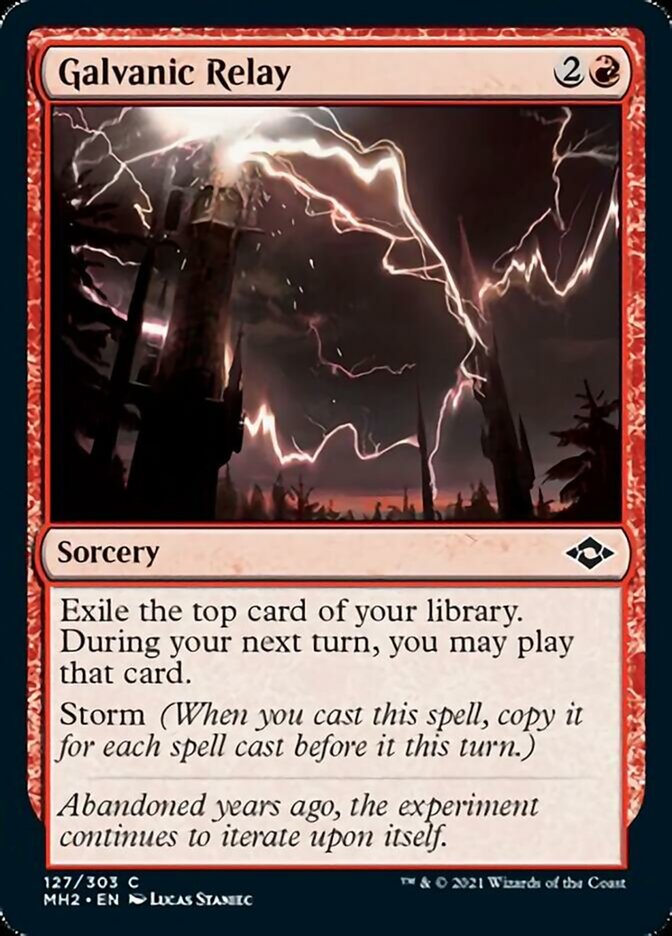
Galvanic Relay didn’t usually kill on the spot, which made it feel safer at first. Instead, it set up delayed storm turns by stockpiling spells for the next turn. Once that engine started to roll, opponents were often forced to watch an inevitable win play out with very few ways to interrupt it.
#19. Gitaxian Probe
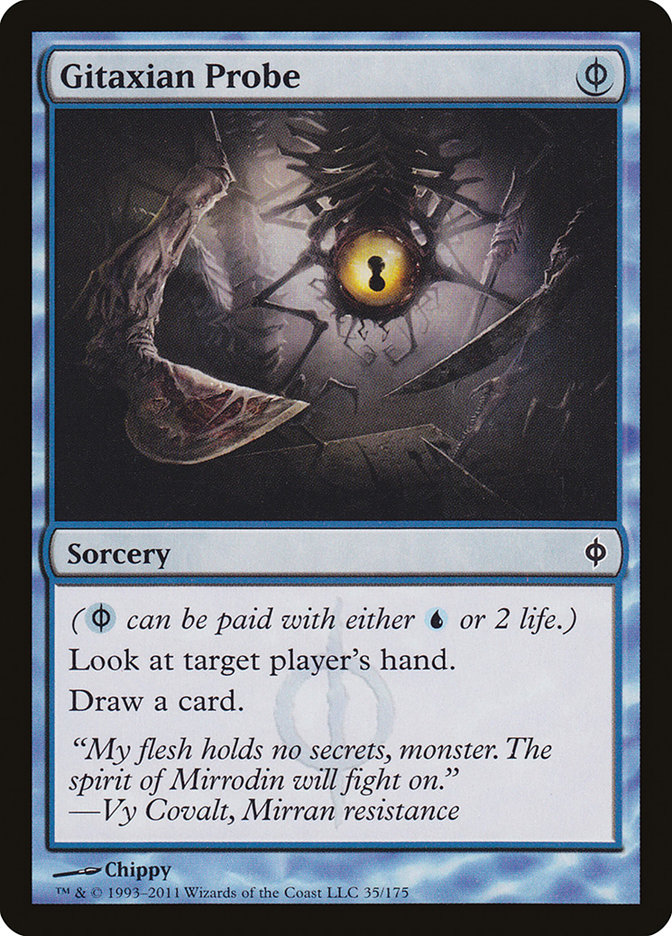
Free spells are always dangerous, and Gitaxian Probe‘s no exception. It replaced itself while it also revealed the opponent’s hand and removed uncertainty from key decisions. When combined with other powerful blue tools, it dramatically increased consistency and allowed players to sequence turns with near-perfect information.
#18. Grapeshot
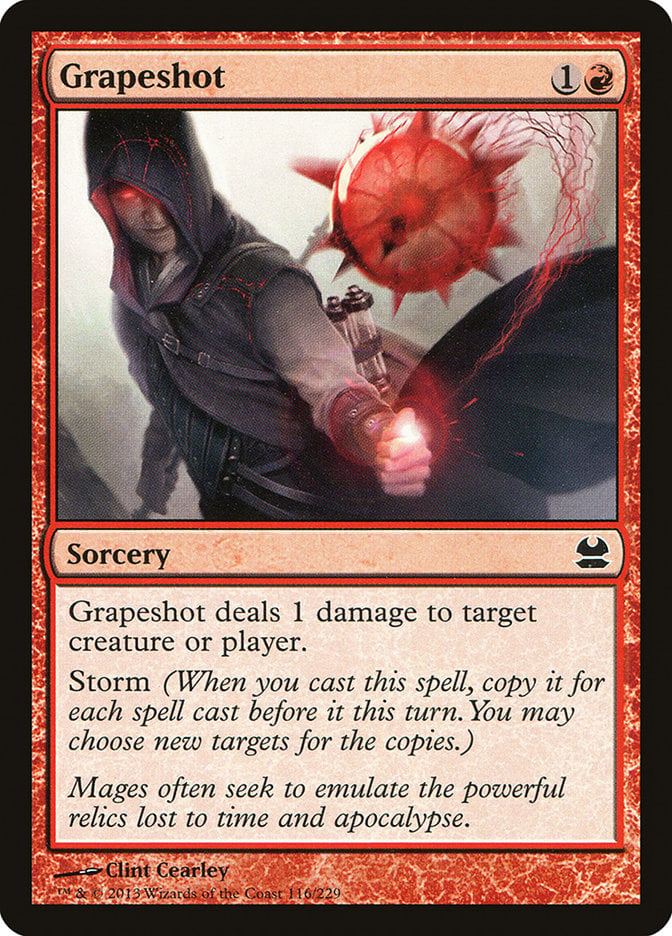
What made Grapeshot especially strong was how little help it needed. It was both the payoff and the finisher, a card that turned storm count directly into lethal damage.
#17. Seeker of Skybreak

Seeker of Skybreak is a unique untap creature that can target itself, leading to a creature that infinitely taps and untaps. That’s a funny quirk that became problematic with Marvel Super Heroes, which printed Hawkeye's Bow, an equipment that pinged your opponent when the equipped creature became tapped. This hyper-efficient two-card combo got Seeker banned days after MSH dropped.
#16. Gush
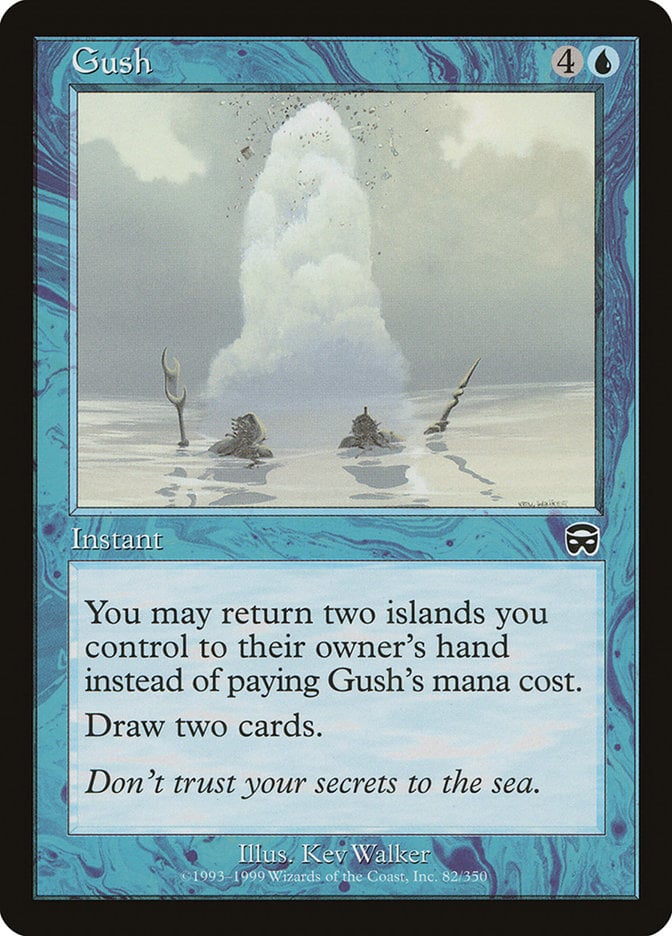
Gush pushed blue decks over the edge by offering card draw that barely cost anything at all. Returning islands to hand was often upside rather than a drawback.
#15. High Tide
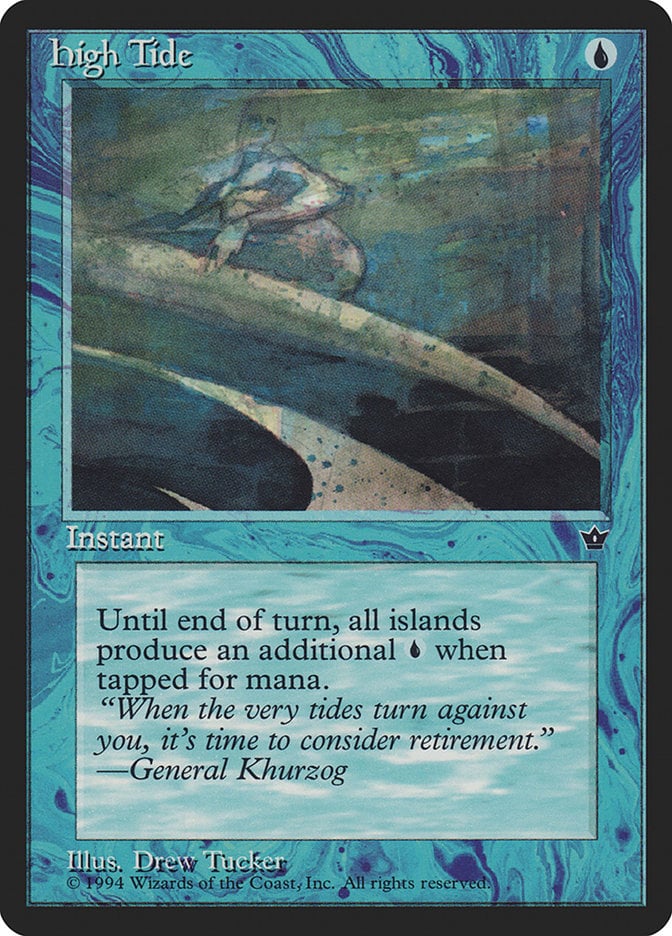
High Tide originally raised red flags because of how easily it could create explosive mana turns. With access to cheap card draw and cards like Hidden Strings, it always carried the risk of pushing Pauper toward a pseudo storm environment. It was later unbanned in March 2025, but that experiment didn’t last. Predictably, the card proved too strong once again because it turned mana generation into something the format couldn’t reasonably contain. What made the situation more frustrating was the delay, as it took roughly seven months for the PFP to confirm what many players felt was obvious almost immediately.
#14. Hymn to Tourach
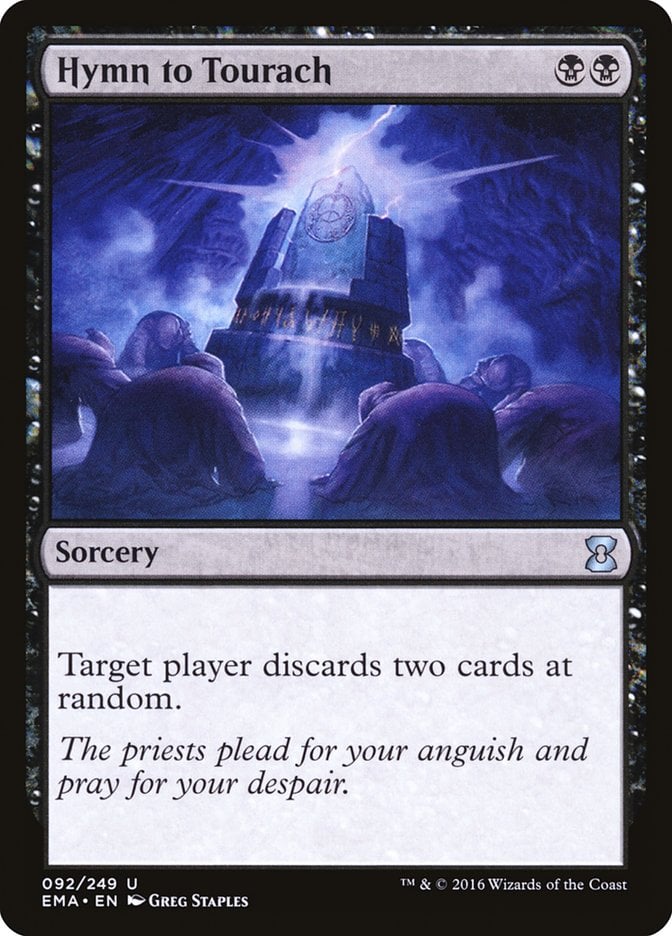
Random discard is always rough, and Hymn to Tourach took that frustration to the extreme. Casting it early could rip away two key cards before the opponent had a chance to set up, which effectively ended games on the spot. Pauper lacked strong recovery tools, so it often felt impossible to come back once you lost resources this way.
#13. Invigorate
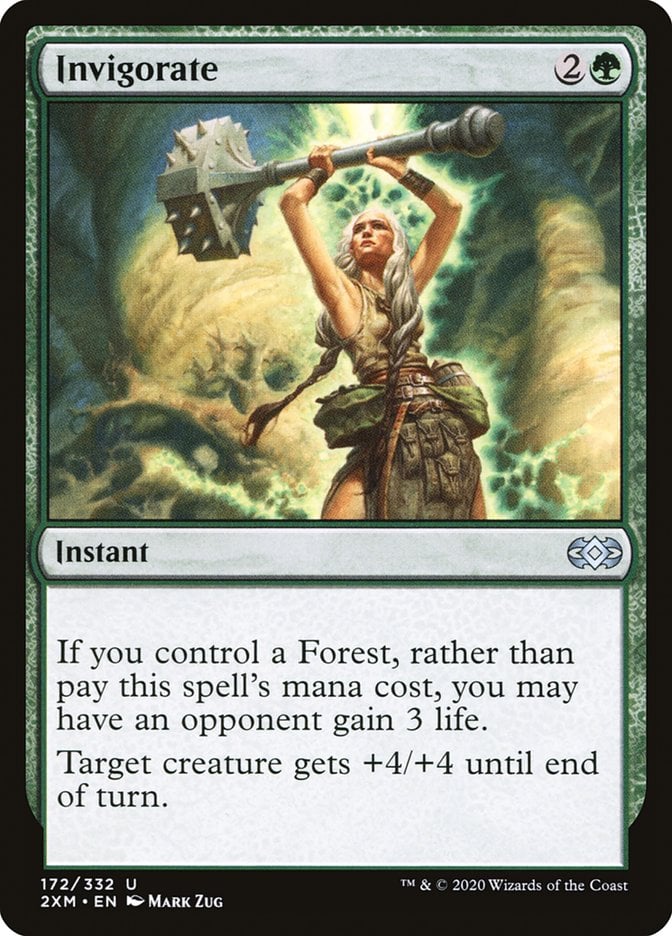
Invigorate made infect kills happen far too easily. A free +4/+4 swing meant opponents could die out of nowhere, even when shields were up. Because no mana was required, the usual methods to interact or race simply didn’t line up well.
#12. Kuldotha Rebirth
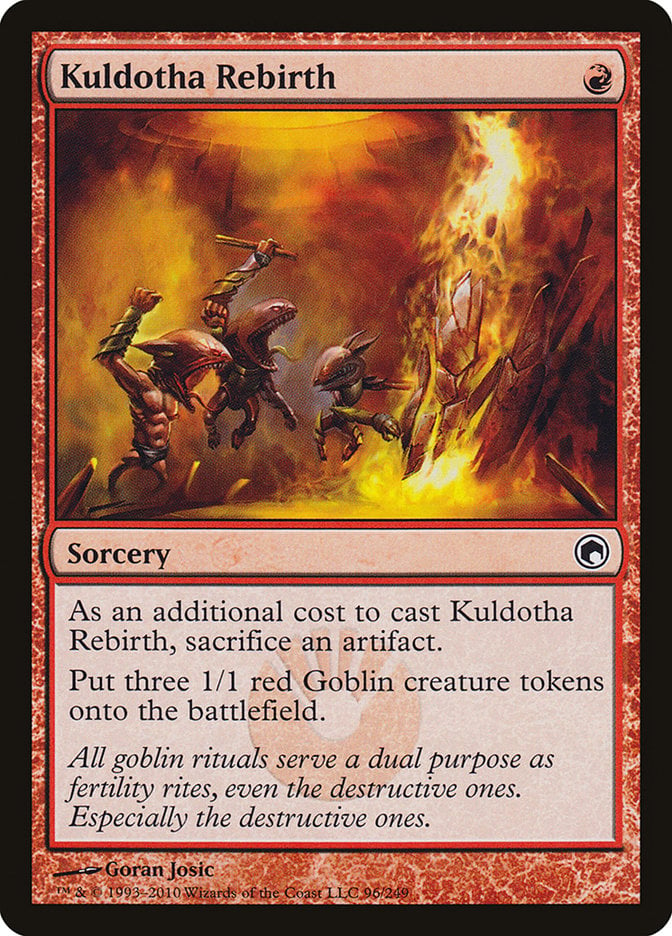
For a long time, Kuldotha Rebirth was barely relevant, but that changed as Mono-Red kept gaining better artifacts and token synergies. Suddenly, sacrificing a cheap artifact meant you’d flood the board early and set up brutal Goblin Bushwhacker turns. The deck became both fast and resilient, and it pushed Pauper toward a pace that many strategies couldn’t handle.
#11. Monastery Swiftspear
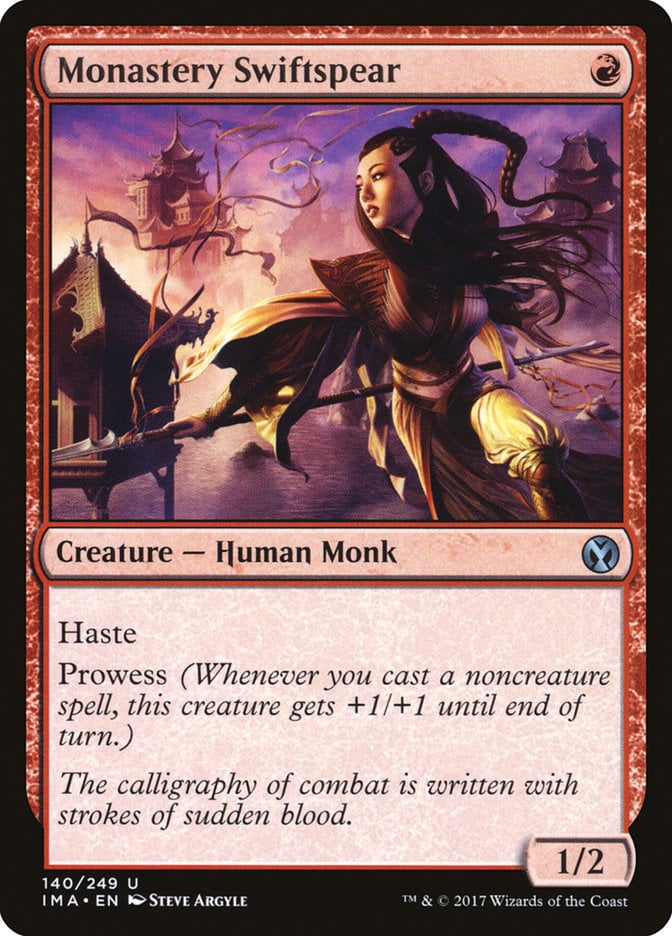
Monastery Swiftspear was simply too efficient at its job. It applied pressure immediately and scaled quickly with cheap spells, which let red decks deal massive damage before opponents could stabilize. Its presence made early turns feel overwhelming and tilted the format heavily toward aggressive starts.
#10. Mystic Sanctuary

What made Mystic Sanctuary dangerous wasn’t raw power but repetition. The ability to put powerful spells back on top of the deck again and again created loops that never really ended. With bounce or flicker effects, it turned into a value engine that locked opponents into long, grindy games they couldn’t realistically win.
#9. Peregrine Drake
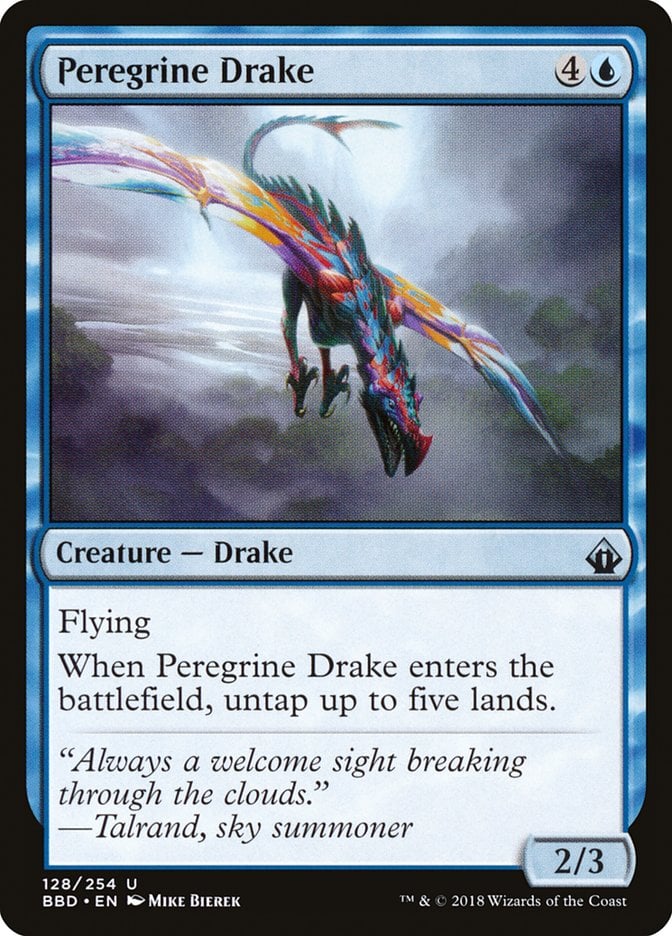
Even though it costs 5 mana, Peregrine Drake gives that mana right back by untapping lands when it enters the battlefield. Paired with flicker effects, it becomes easy to produce extra mana, and the card became a reliable engine rather than a fair value play.
#8. Sinkhole
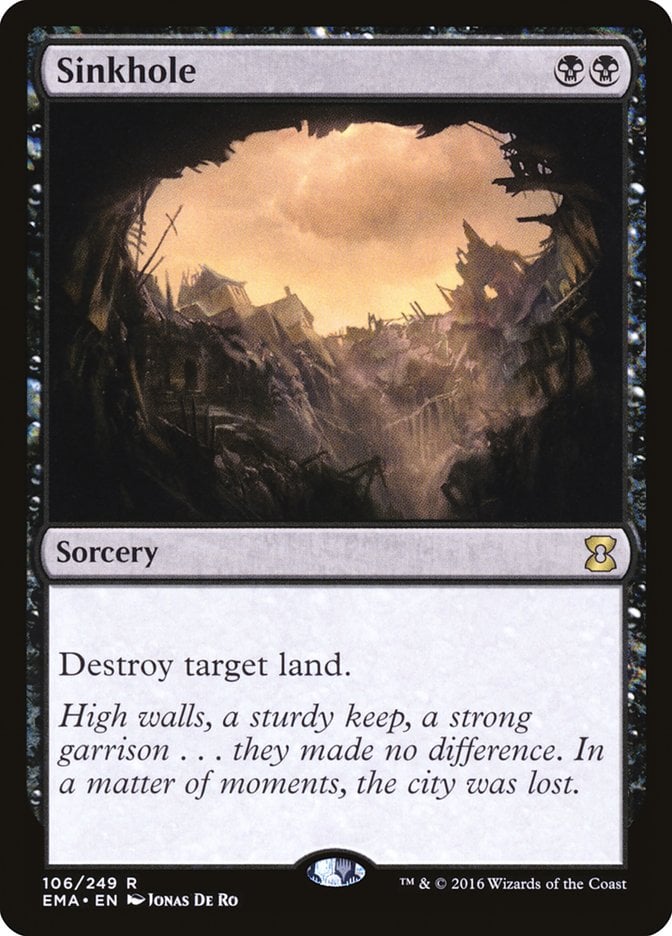
Sinkhole attacked the game at a level Pauper wasn’t equipped to defend. Early land destruction often stopped players from casting spells at all, especially on the draw. Without strong ways to recover mana, losing a land early frequently meant that you never got to participate in the game properly.
#7. Sojourner’s Companion
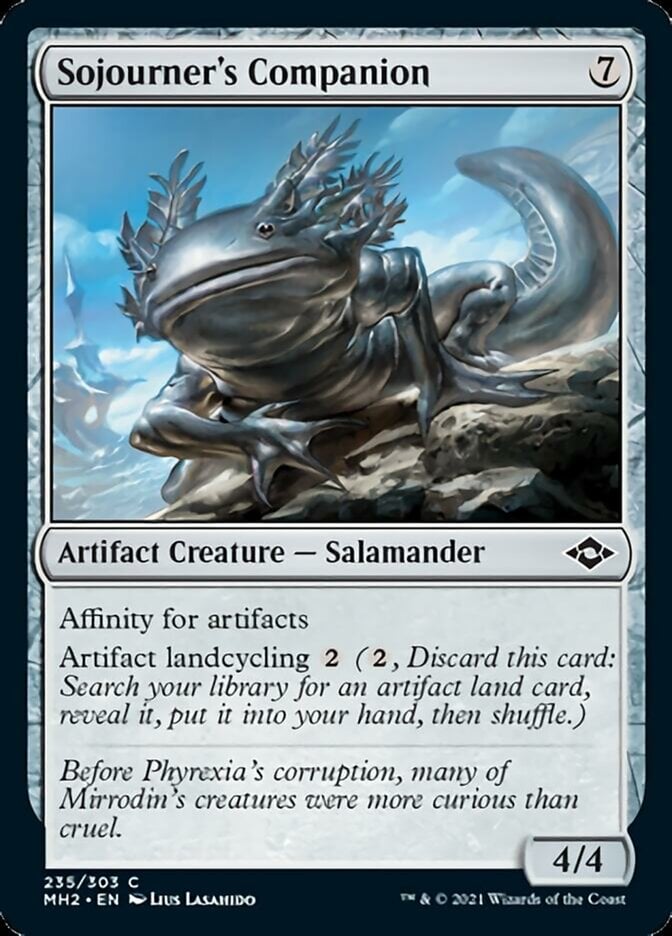
Sojourner's Companion did more than just add power to Affinity. It effectively acted as the sixth, seventh, and even eighth copy of Myr Enforcer, but with an important upgrade. Not only was it easy to cast for very little mana, but it could also help to fix your colors. That combination made Affinity faster, more consistent, and far stronger than previous versions of the deck.
#6. Stirring Bard
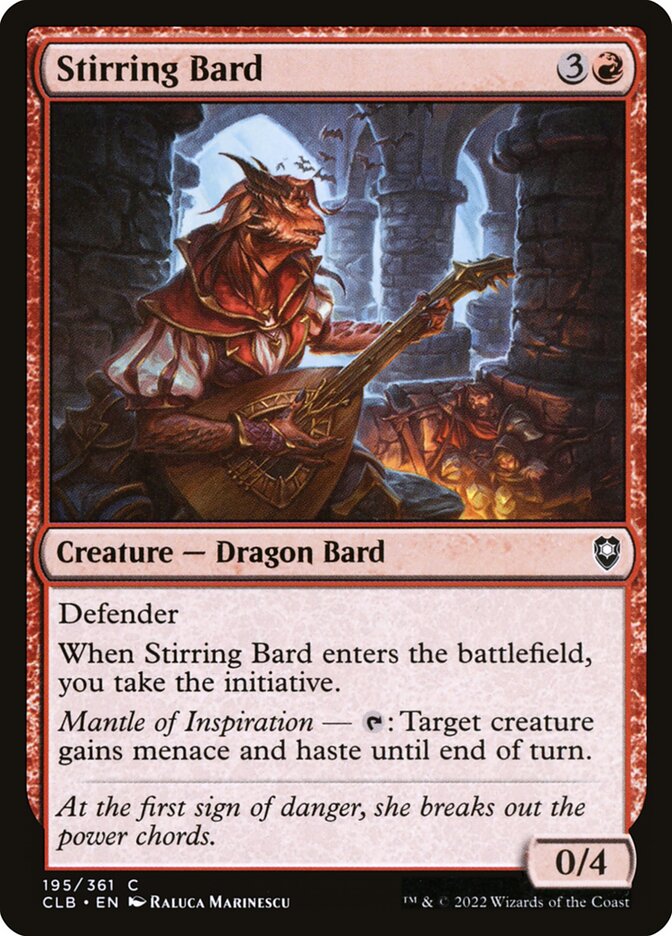
What pushed Stirring Bard over the line was consistency. It made sure initiative decks always had access to the mechanic while it also stabilized the board with a solid body.
#5. Temporal Fissure
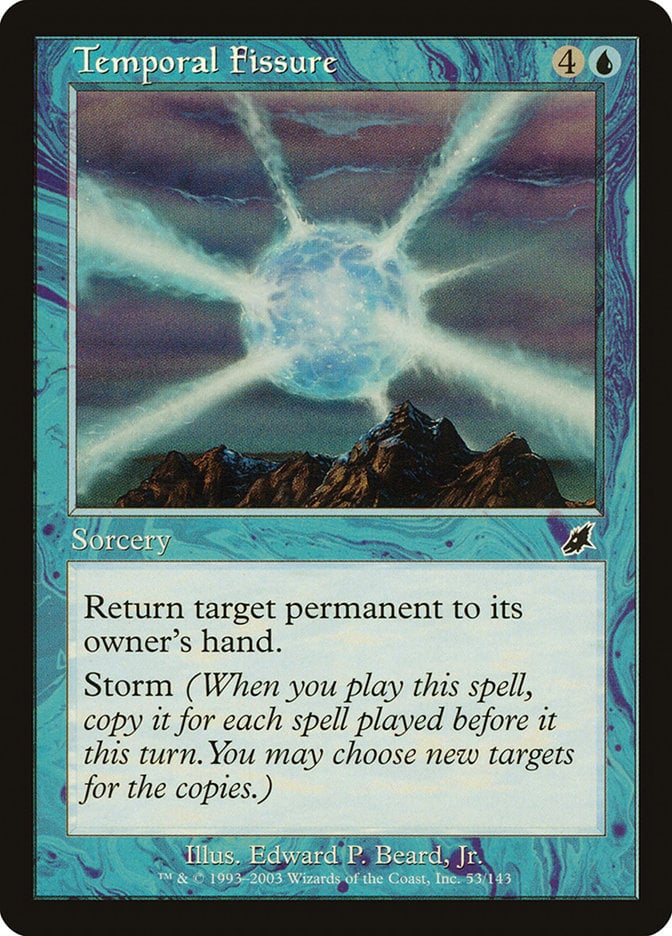
Temporal Fissure turned storm count into total board control. With mana-positive creatures and untap effects, it was easy to chain enough copies to bounce every permanent an opponent controlled. Once that happened, the game was effectively over because it simply wasn’t realistic to rebuild against repeated mass bounce.
#4. Treasure Cruise
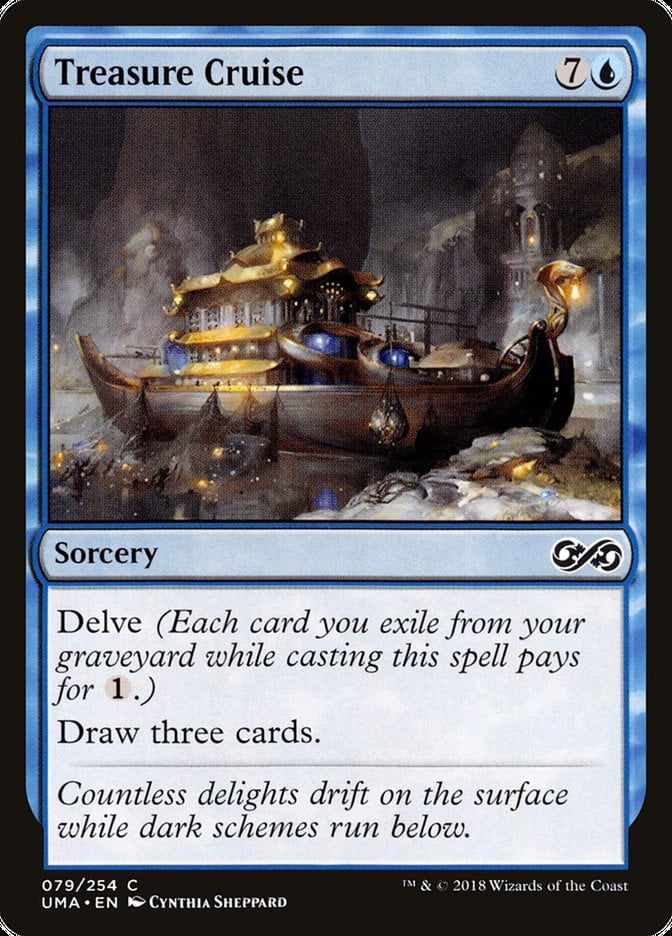
The issue with Treasure Cruise was how cheaply it drew an absurd number of cards. Pauper decks fill their graveyards naturally, so you could cast it for 1 mana far more often than intended. That level of card advantage erased attrition battles and made already strong decks even harder to keep up with.
#3. Underdark Explorer
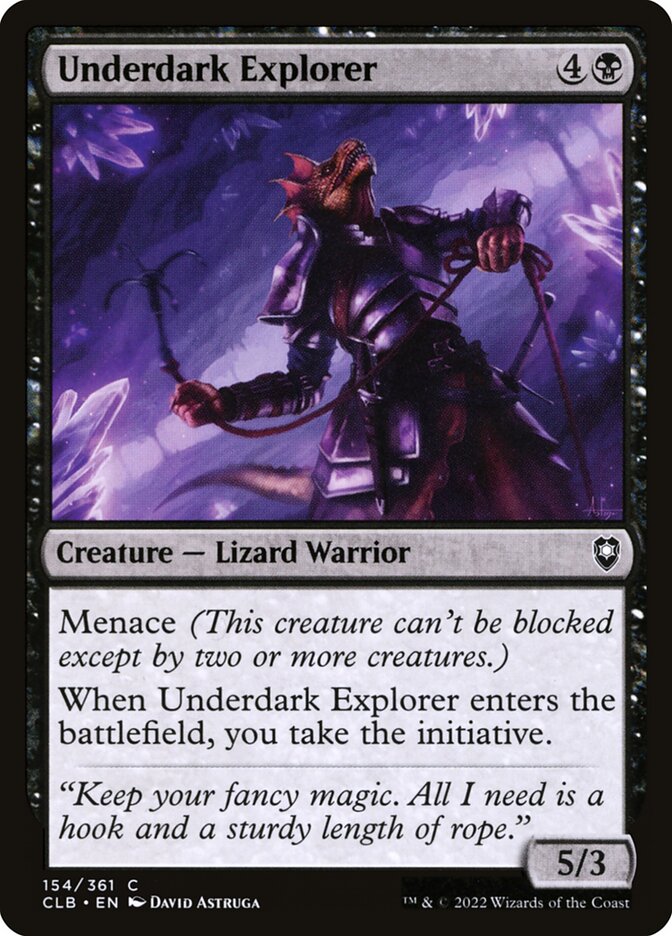
Underdark Explorer was banned alongside other initiative creatures because it contributed to the same fundamental issue: Early, repeatable access to the initiative dungeon created insurmountable advantage.
#2. Vicious Battlerager
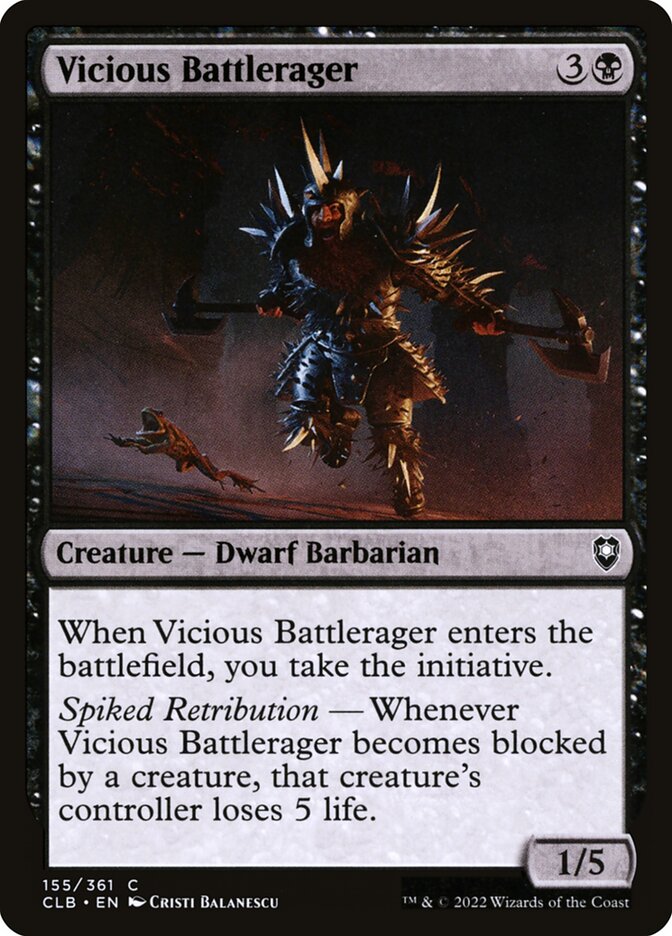
As you might expect, Vicious Battlerager didn’t survive once the rest of the initiative package was addressed. At that point, a clear pattern had formed. Initiative cards in black, blue, and red were the most likely to cross the line, largely because those colors had the strongest tools to generate fast mana and convert it into early advantage.
#1. Special Bans
Most cards on the Pauper Ban List weren’t removed purely because of raw power, with only one possible exception. Instead, they shaped play patterns and game states that simply didn’t fit the goals of the format, or in some cases, were unhealthy for the game itself.
Conspiracy Cards

Conspiracy cards were excluded from Pauper not because of power level, but because they don’t function within normal Constructed rules. These cards start the game outside the deck, modify how the game begins, or change deckbuilding restrictions, which breaks core assumptions of how Pauper works as a competitive format.
- Adriana's Valor
- Assemble the Rank and Vile
- Brago's Favor
- Hired Heist
- Immediate Action
- Incendiary Dissent
- Muzzio's Preparations
- Natural Unity
Sticker Cards

Sticker cards were removed from Pauper primarily because they created practical and structural problems for the format rather than balance issues alone. Stickers were difficult to track correctly in both paper and online play, added unnecessary complexity, and relied on physical components that didn’t translate cleanly to Magic Online, where Pauper is most actively supported. On top of that, “Sticker Goblin” pushed the mechanic over the edge by generating large amounts of mana far too easily, which enabled explosive starts that the format wasn’t designed to handle. Between the logistical headaches and a single card that clearly broke expected power limits, sticker cards were a poor fit for Pauper as a whole.
- _____ Bird Gets the Worm
- _____ Goblin
- _____-o-saurus
- Aerialephant
- Carnival Carnivore
- Chicken Troupe
- Coming Attraction
- Command Performance
- Deadbeat Attendant
- Draconian Gate-Bot
- Finishing Move
- Glitterflitter
- Line Cutter
- Minotaur de Force
- Petting Zookeeper
- Prize Wall
- Rad Rascal
- Ride Guide
- Robo-Piñata
- Seasoned Buttoneer
- Secrets of Paradise
- Sentinel Dispatch
- Soul Swindler
- Step Right Up
- Stiltstrider
- Ticketomaton
- Wizards of the _____
- Wolf in _____ Clothing
Racism-Related Banned Cards
The final banned cards were removed not for gameplay reasons, but due to offensive themes in their names, art, or rules text. Wizards of the Coast retired these cards in 2020 to remove racist depictions from the game and banned them from sanctioned play across all formats.
- Pradesh Gypsies
- Stone-Throwing Devils
How Often Are Pauper Bannings Announced?
Pauper bannings don’t follow a fixed schedule. Before the creation of the Pauper Format Panel, Pauper changes usually aligned with Wizards of the Coast’s general Banned & Restricted announcements for other formats. Since the panel was introduced, Pauper has operated independently, so bannings can be announced whenever the panel believes changes are necessary, rather than on predetermined dates.
For example, in 2025, Pauper updates were announced on March 31 and November 10, with no announcements in between.
Who Decides What to Ban in Pauper?
Pauper bans are decided by the Pauper Format Panel, a group appointed by Wizards of the Coast to oversee the health of the format. The panel evaluates Pauper independently from other formats using MTGO data, metagame trends, and player feedback to determine whether a card is too powerful, creates uninteractive games, or negatively impacts long-term format balance. While Wizards of the Coast retains final authority, the Pauper Format Panel is responsible for making and announcing ban decisions specific to Pauper.
Do Pauper Bannings Affect MTG Arena and Magic Online?
Pauper bannings fully apply on Magic Online, where Pauper is an officially supported and sanctioned format. Any card banned in Pauper immediately becomes illegal in Pauper leagues, events, and queues on MTGO. Pauper bannings don’t apply on MTG Arena because Arena doesn’t support Pauper as an official format; Arena-only Pauper events use custom card pools and ban rules set specifically for those events.
Ban List Speculation
There doesn’t seem to be much pressure for new Pauper bans at the moment. The format has mostly settled again after the re-banning of High Tide, and the metagame feels more balanced than it did before. Midrange decks like Jund Wildfire and Caw Gates are becoming more popular, mainly because they can now compete better against the rest of the field and play longer, more interactive games.

That said, Mono-Red Madness has clearly picked up steam, largely thanks to Sneaky Snacker. Snacker makes the deck more consistent and harder to slow down because it lets the deck continue to put pressure on the board without the need to cast the card over and over. What’s more interesting is that this isn’t just a Mono-Red Madness thing—other decks are starting to use it, too. UB shells can bring it back with discard effects like The Modern Age, and Grixis Affinity can enable it using Blood tokens to rummage.
The concern isn’t that Sneaky Snacker is unbeatable on its own, but that it may be heading down a familiar path. We’ve seen the decision to ban cards like Deadly Dispute in the past not because they broke one deck, but because they showed up everywhere. If Snacker continues to spread across multiple archetypes, it could reasonably end up on the watchlist.
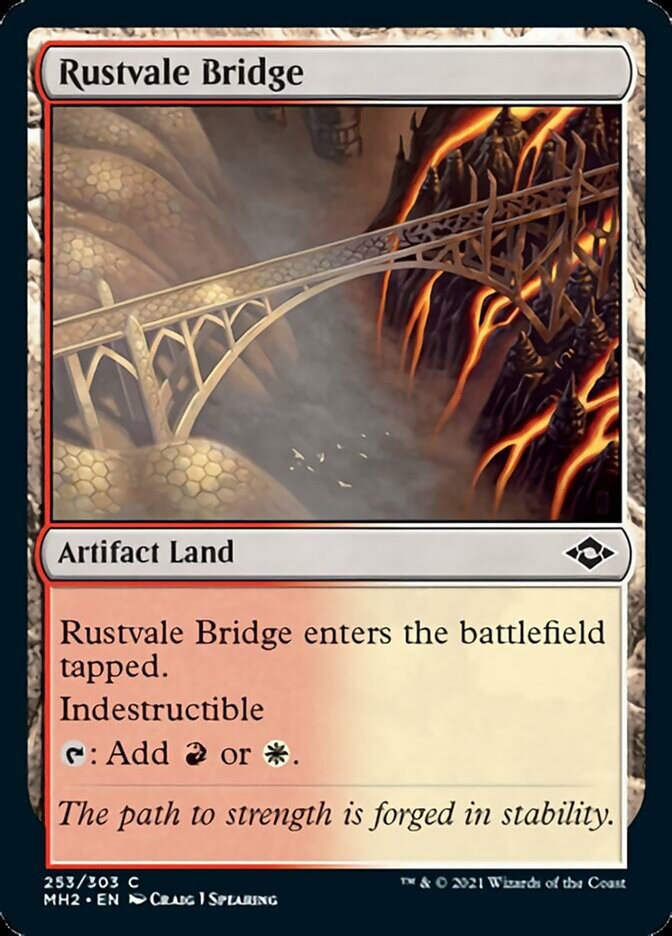
As for indestructible artifact bridges, there’s always hope they’re addressed someday, but that seems unlikely unless Wizards prints indestructible lands that aren’t artifacts. The tricky part is that many Affinity payoffs have already been banned over time, yet the deck keeps surviving. That’s mostly because its mana base is extremely strong and hard to interact with, which continues to be the real backbone of the strategy.
Wrap Up
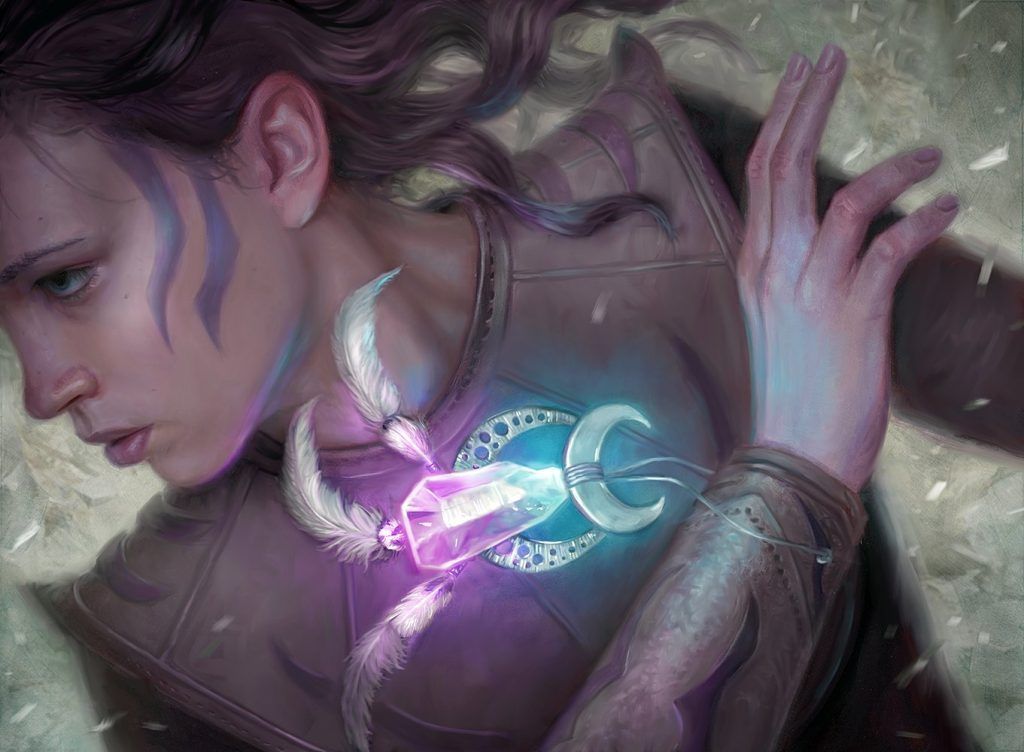
Bonder's Ornament | Illustration by Lindsey Look
And there you have it. Most banned cards in Pauper tend to follow the same pattern. They either function as sudden win conditions or become overly oppressive once the surrounding support cards are allowed to run free.
I think ban announcements could be handled better. A more predictable schedule, perhaps once per quarter, would go a long way. As it stands, the silence from the PFP often leaves a bittersweet taste.
On the positive side, they’re clearly willing to experiment and even unban cards, which is a big plus. Still, that approach can backfire. One of the main reasons I stepped away from Pauper for a long time was High Tide. No one wants to spend their free time losing to someone who’s essentially playing solo, and the long delay before action was taken was extremely discouraging.
What do you think? Do you like the bans as a whole? Which cards should the PFP consider for a future ban? Let us know in the comments or on the Draftsim Discord.
Thanks for reading, and if you enjoyed the content, remember to follow us on social media so you never miss an update.
Take care, and see you next time.
Follow Draftsim for awesome articles and set updates:











1 Comment
I think, all last unbans for reviving tron are mistakes. Last seven years was spended for healing format, and current landscape is cool, but extraordinary love to tron pushes PFP to bad decisions.
Add Comment