
Last updated on May 29, 2026

Psychatog | Illustration by Edward P. Beard, Jr.
Hi everyone! Today I want to talk to you about a format that’s getting more and more of my interest: Premodern, a 1v1 Constructed format that has gained a lot of traction recently. It’s basically an Eternal format in which you can only play cards from Ice Age until Scourge (1995 to 2002), and it ends where Modern starts. It’s a non-rotating format that doesn’t get any new cards, and it’s often streamed by Hall of Famers like LSV and Andrea Mengucci.
Today, I’ll try to cover a good part of the metagame, ranging across all colors and all major archetypes. If your favorite Premodern deck isn’t represented here, sound off in the comments!
What Does the Premodern Meta Look Like?

Cursed Scroll | Illustration by D. Alexander Gregory
Premodern’s meta has a bit of everything, reflecting how MTG was so different back then. As expected, blue decks tend to have an advantage in Eternal formats. Creatures were way worse, while countermagic and card draw were (and still are) pretty good.
Many of the premier decks in the format feature some sort of blue combo, but that’s just a part of the format. Aggressive decks are a mix of mono-red aggro/burn and goblins. Creature typal options often include clerics, zombies, and elves, besides goblins of course. Midrange decks are often green and black in nature, leaning on green’s big creatures and black’s disruption/removal. Control is often , based on blue’s excellent counterspells and card draw and backed up by white’s excellent spot removal, sweepers, and big flying finishers.
One interesting consideration is the mana base and the mana fixing available, which favors allied colored and mono-colored decks. Cards like Coastal Tower and Salt Marsh are playable. The Onslaught allied fetch lands are in the format, but you can’t fetch dual lands – there are no shock lands or triomes, and the Alpha duals aren’t in the format either. Enemy colored decks have to rely on four pain lands from Apocalypse or the slow pain lands from Tempest.
Are Premodern Decks Expensive?
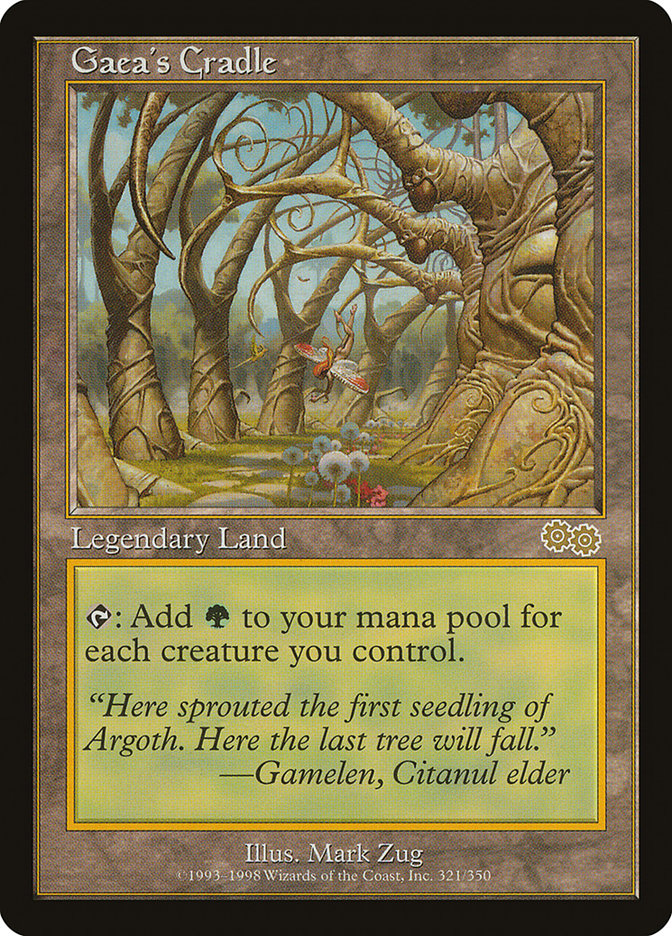
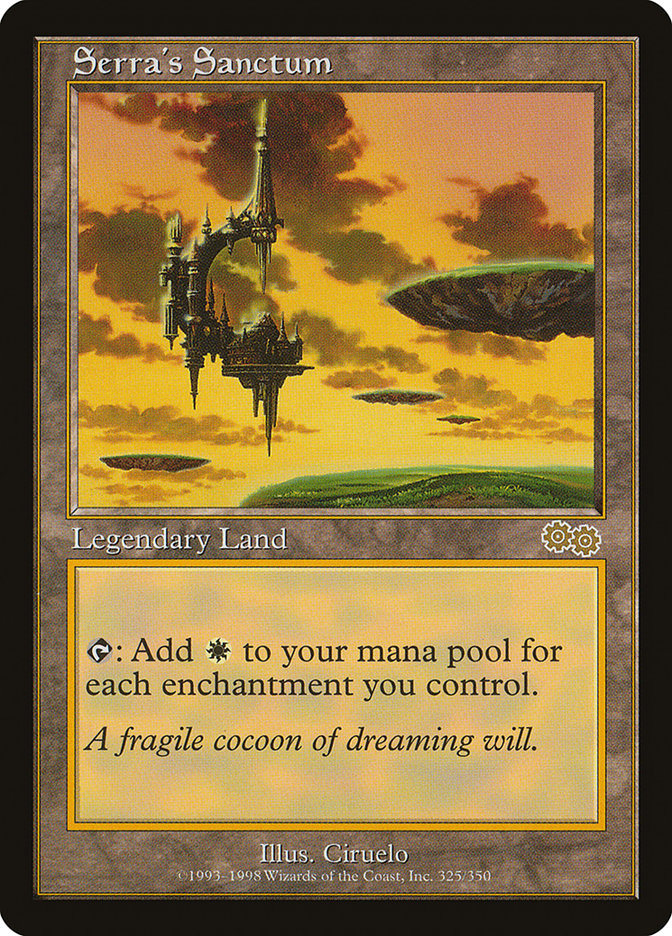
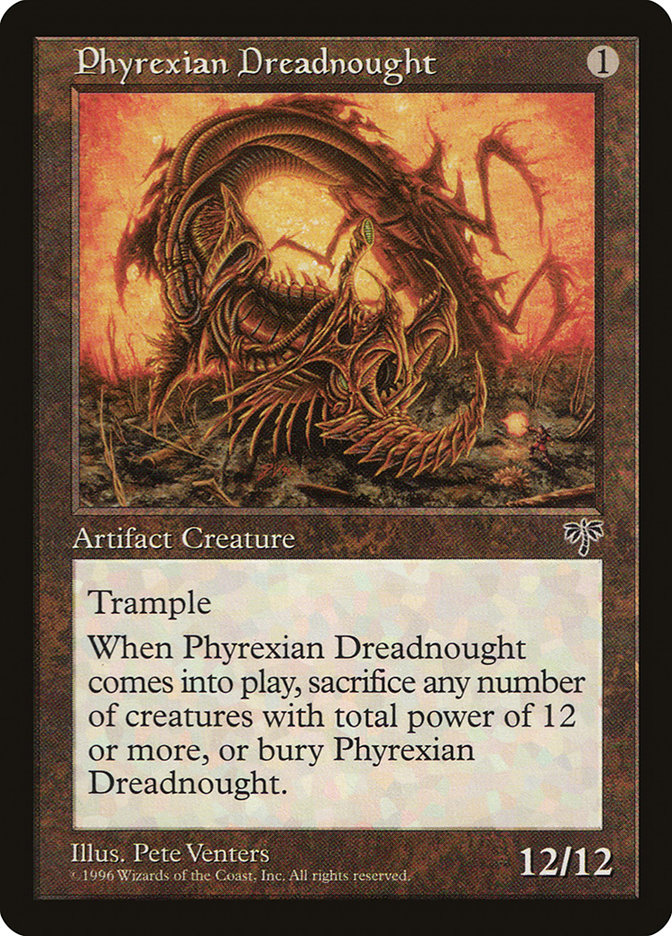
That depends. The best budget advantage Premodern decks have is that most of the Premodern card pool isn’t desired by other Constructed formats. Most aren’t legal in Modern, aren’t suited for Commander, or are outright banned in Legacy. But Premodern has a big problem: Some decks use staple cards from the Reserved List. The biggest offenders are Elf decks that play four copies of Gaea's Cradle, GW Enchantress decks that play four copies of Serra's Sanctum, and blue Stiflenought decks that play four copies of Phyrexian Dreadnought.
But overall, Premodern decks are as accessible as an average Standard deck, if not more accessible. Elves decks are in the $6,000-7,000 range, while cheaper decks like Azorius Standstill and Mono-Red Sligh are in the $300-500 range, which is where most decks in the format will land. MTG Online, or MTGO, is the preferred platform to play Premodern simply because cards from the Reserved List can be reprinted there.
Just a small comparison: Gaea's Cradle is close to $1,000 on TCGplayer while you can get one on MTGO for 15 tixs or so (roughly $15). It’s also possible, depending on where you play and the local rules, that some number of proxies for the most expensive cards are allowed.
#1. Blue Stiflenought

Stifle | Illustration by Eric Fortune
Creature (4)
Enchantment (1)
Artifact (1)
Instant (33)
Chain of Vapor
Counterspell x4
Daze
Flash of Insight x2
Foil x4
Gush x4
Impulse x2
Misdirection
Opt x3
Peek x2
Stifle x4
Thwart
Vision Charm x4
Sorcery (4)
Portent x4
Land (17)
Island x17
Sideboard (15)
Essence Flare x3
Dominate
Annul x3
Brain Freeze x3
Hydroblast x2
Blue Elemental Blast x2
Back to Basics
This is a Stiflenought decklist by Toplop that went 5-0 in a MTGO league. Stiflenought is the current deck to beat in the Premodern meta. It has a fast combo, and it can draw a lot of cards while having free counterspells, very similar to a Legacy Delver deck.
Deck Theme and Strategy
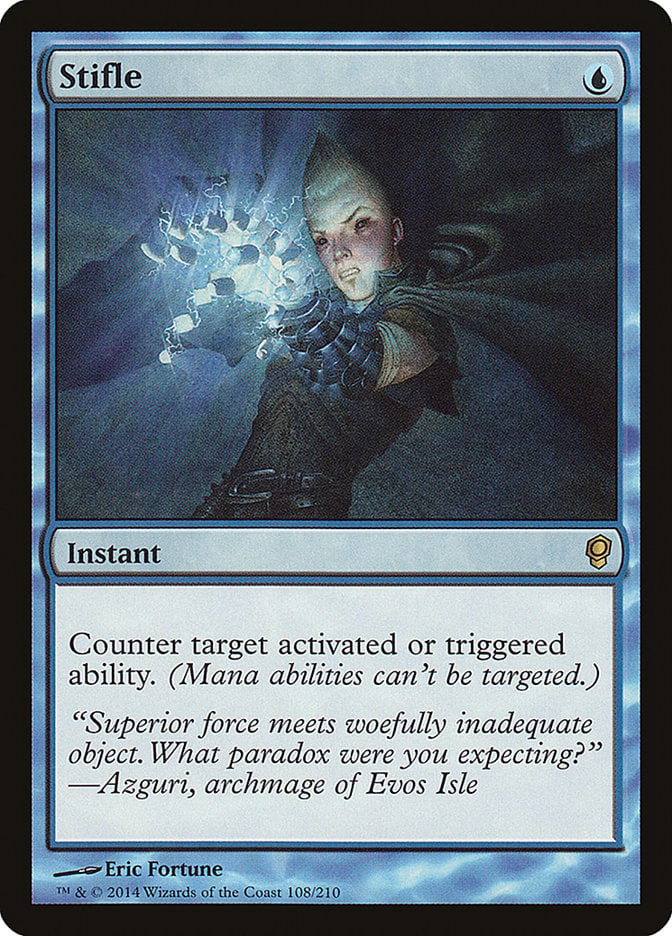
Stiflenought is a blue-based deck, often mono-blue, based on the combo between Phyrexian Dreadnought and Stifle. You’ll basically play the Dreadnought and immediately use Stifle to counter its triggered downside, so you don’t have to sacrifice any creatures. The result is that you suddenly have a 12/12 trample creature, potentially on turn 2.
You play as a blue aggro-control deck, where you have all sorts of cantrips and card draw effects, and since you have a lot of counterspells and card draw, you can resolve your Stiflenought combo and protect your creature from enemy removal for a few turns.
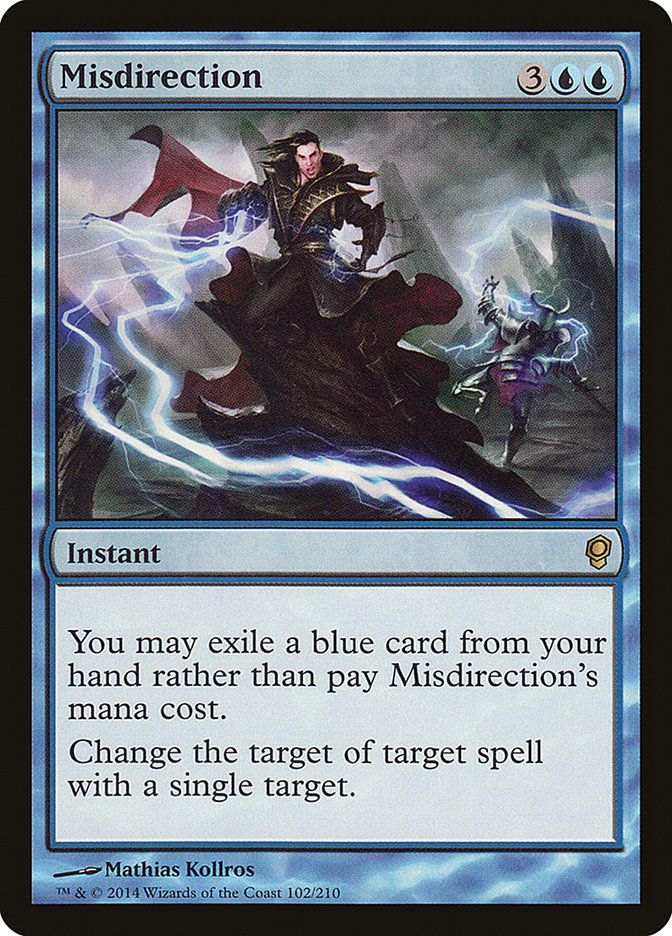

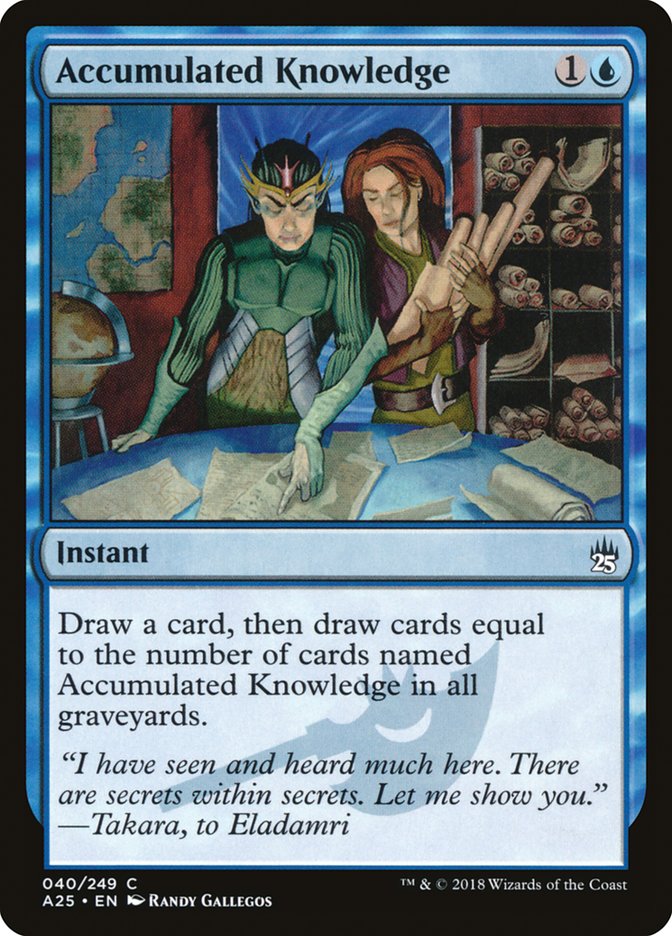
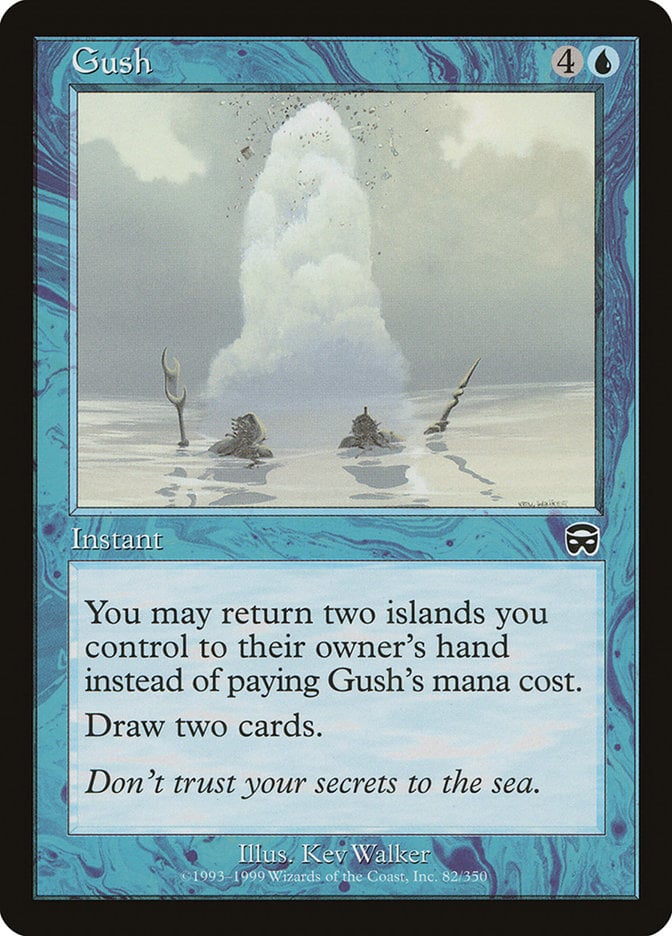
Misdirection and Foil are your alternatives to a “free counterspell” effect, like you’d have with Force of Will, and cards like Accumulated Knowledge and Gush bolster your blue spell count for the cost of the free counters.
Budget Alternatives
The biggest problem with budget alternatives in this decklist is that the namesake card, Phyrexian Dreadnought, is on the Reserved List. It’s also a card that sees play in formats like Legacy, and with Premodern, it has an even bigger demand. Outside of playing on MTGO, I don’t see a way to save money here.
#2. Red Sligh

Jackal Pup | Illustration by Kev Walker
Creature (12)
Grim Lavamancer x4
Jackal Pup x4
Mogg Fanatic x4
Enchantment (11)
Pyrostatic Pillar x4
Seal of Fire x4
Sulfuric Vortex x3
Artifact (1)
Instant (12)
Fireblast x4
Incinerate x4
Lightning Bolt x4
Sorcery (2)
Earthquake x2
Land (22)
Barbarian Ring
Bloodstained Mire x4
Mishra's Factory x4
Mountain x9
Wooded Foothills x4
Sideboard (15)
Overload x4
Tormod's Crypt x3
Pyroblast x2
Price of Progress x4
Red Elemental Blast x2
Named after Paul Sligh, Sligh decks are, at their core, a mono-red aggro deck. This deck went 5-0 in the hands of necr00000 in a Premodern league, and it’s one of the better budget alternatives for the format. Disregarding the four Wooded Foothills and a Cursed Scroll, this deck costs something like $190-200.
Deck Theme and Strategy

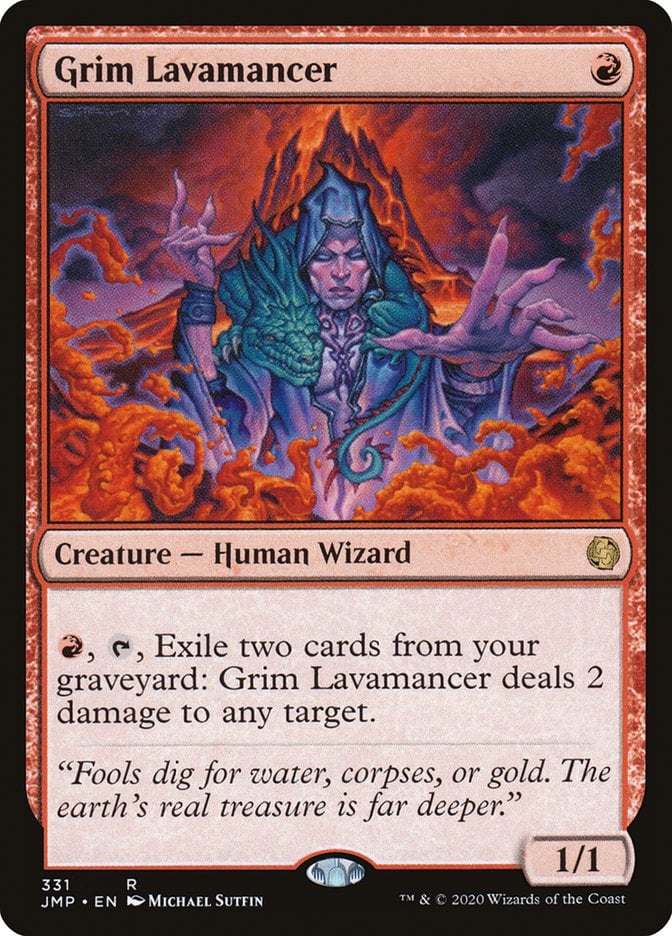
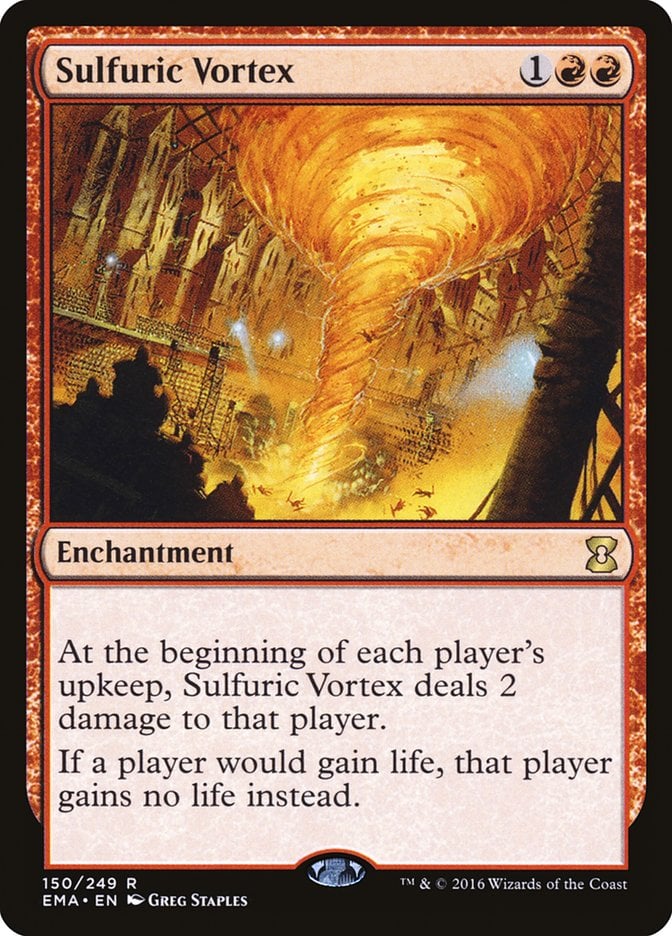
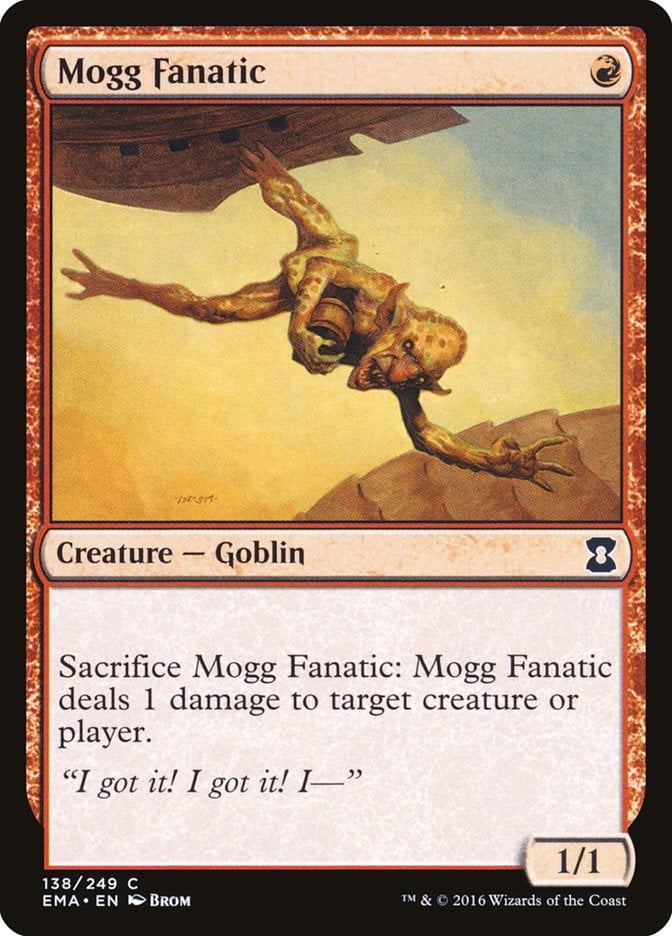
Red Sligh is your premier aggro deck in the format, but one that can also deliver sustained burn damage. Turn-1 Jackal Pup is as aggressive as you can get in this format, and cards like Grim Lavamancer and Sulfuric Vortex can deal a lot of damage over the course of the game. Mogg Fanatic is a mix of an aggro and control card, and you can sacrifice it to remove your Jackal Pup if it’s about to take a big hit.
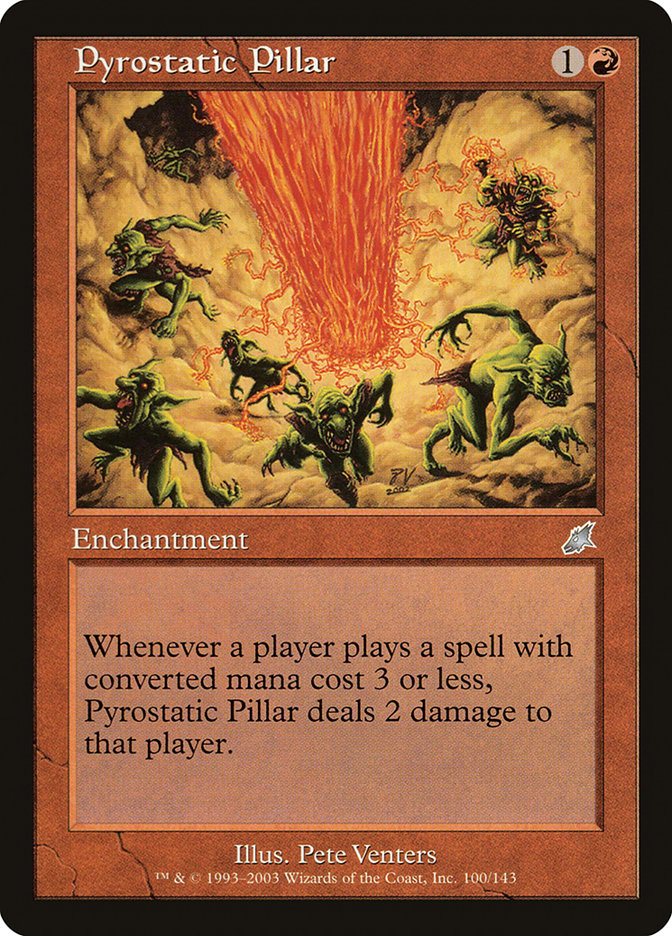

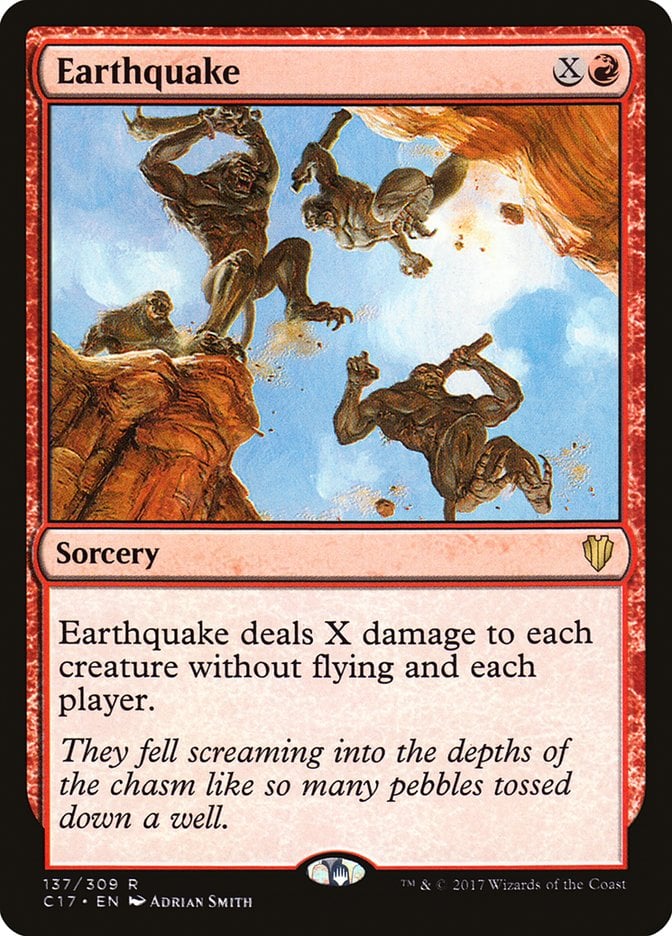
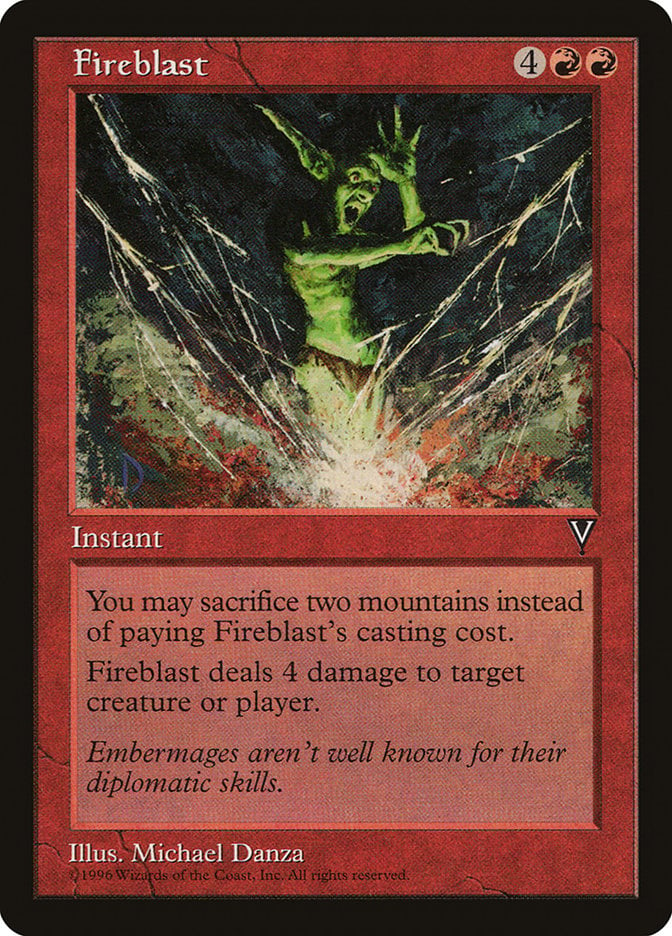
Pyrostatic Pillar (Eidolon of the Great Revel’s grandfather) and Sulfuric Vortex can pressure slower decks. Cursed Scroll is a repeatable source of damage to the face if you have only cards with the same name, or at least a 50% chance with two cards. Cards like Earthquake and Fireblast serve as finishers.
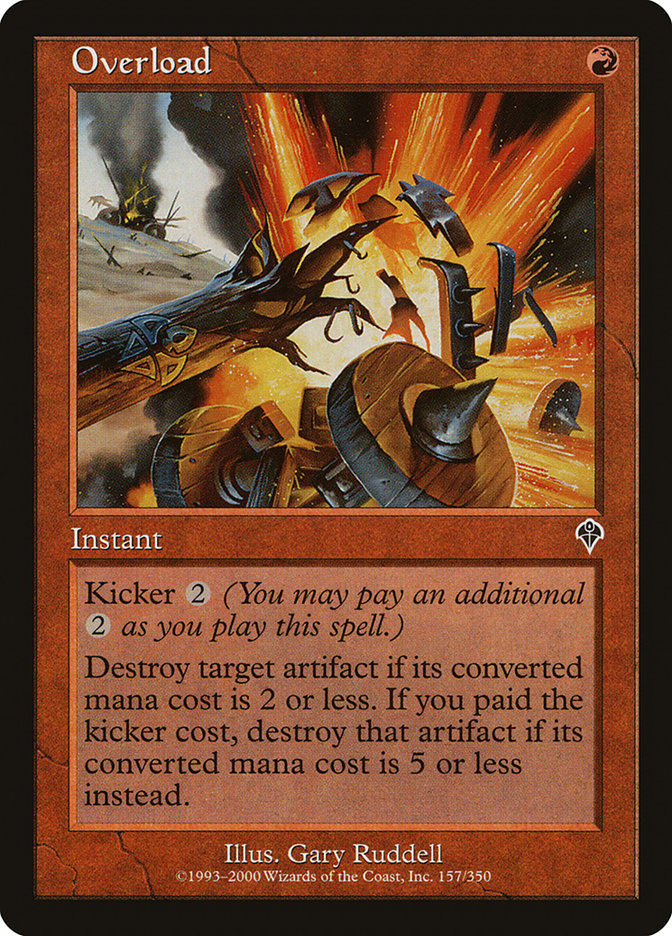
Your sideboard is interesting too, because you have targeted blue hate, a way to punish decks that play a lot of nonbasics, and a cheap answer to Phyrexian Dreadnought in Overload.
Budget Alternatives
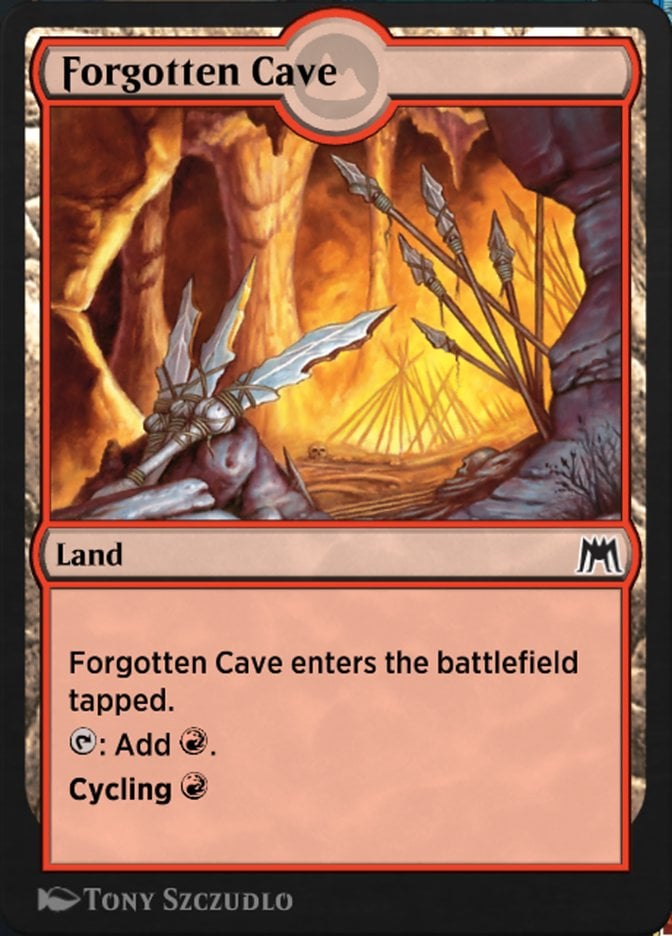
Although your deck becomes less consistent, the single Cursed Scroll and the playset of Wooded Foothills are almost 50% of this deck’s budget. Removing the fetch lands makes you draw more land cards, so some number of Forgotten Caves can be an option.
#3. GW Enchantress

Argothian Enchantress | Illustration by Daren Bader
Creature (4)
Enchantment (30)
Enchantress's Presence x4
Exploration x3
Mirri's Guile x4
Opalescence x3
Parallax Wave x3
Seal of Cleansing x3
Solitary Confinement x2
Sterling Grove x3
Sylvan Library
Wild Growth x4
Instant (3)
Abeyance
Swords to Plowshares x2
Sorcery (1)
Land (22)
Brushland x4
Serra's Sanctum x4
Snow-Covered Forest x6
Snow-Covered Plains x3
Windswept Heath x4
Wooded Foothills
Sideboard (15)
Tormod's Crypt x3
Tsabo's Web x2
Replenish
Xantid Swarm x3
Gaea's Blessing x2
Abeyance
Swords to Plowshares x2
Solitary Confinement
Enchantment-heavy strategies were always a part of the Eternal MTG meta, powered by a 2-drop card with shroud: Argothian Enchantress. Premodern is also home to powerful enchantment interactions with cards like Serra's Sanctum and Opalescence. Negator87 brought this list to a recent 5-0 finish.
Deck Theme and Strategy
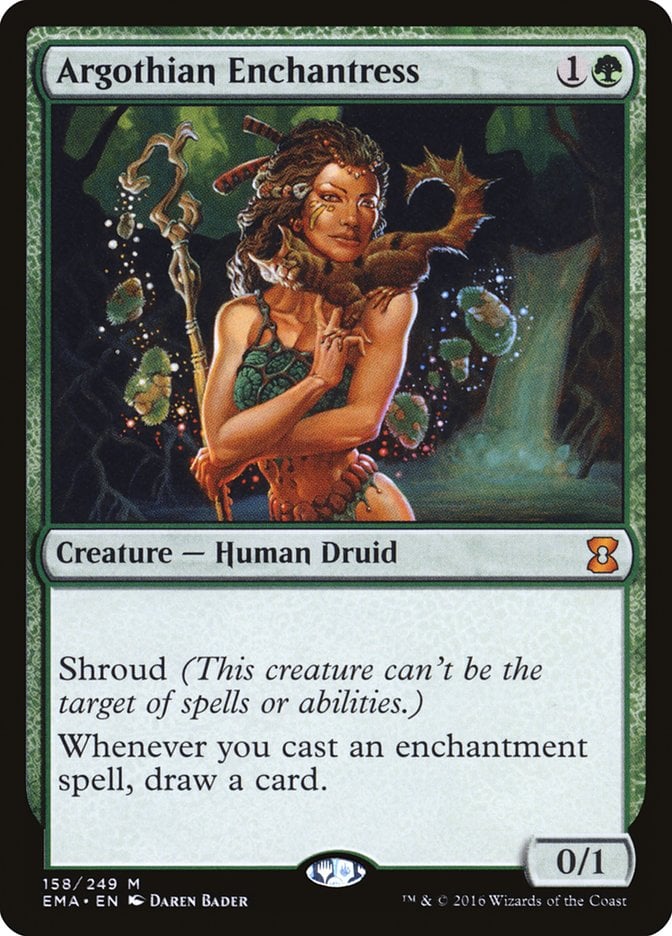
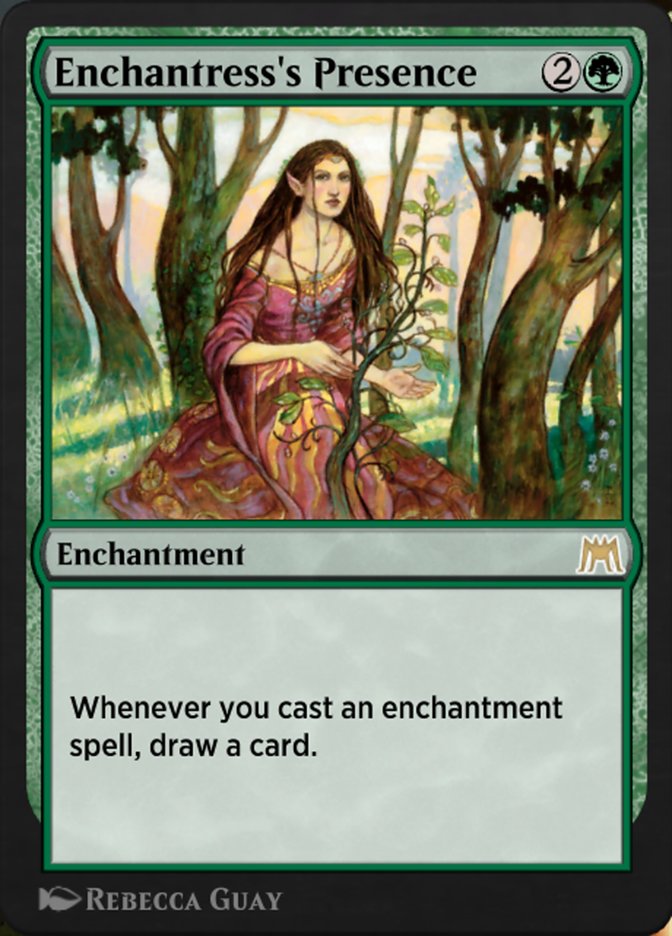
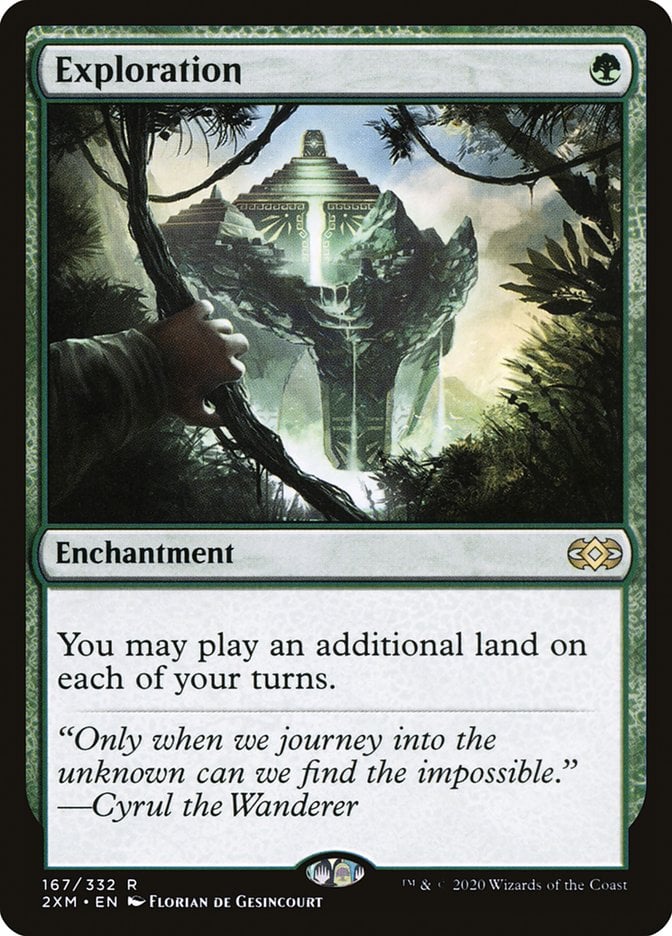
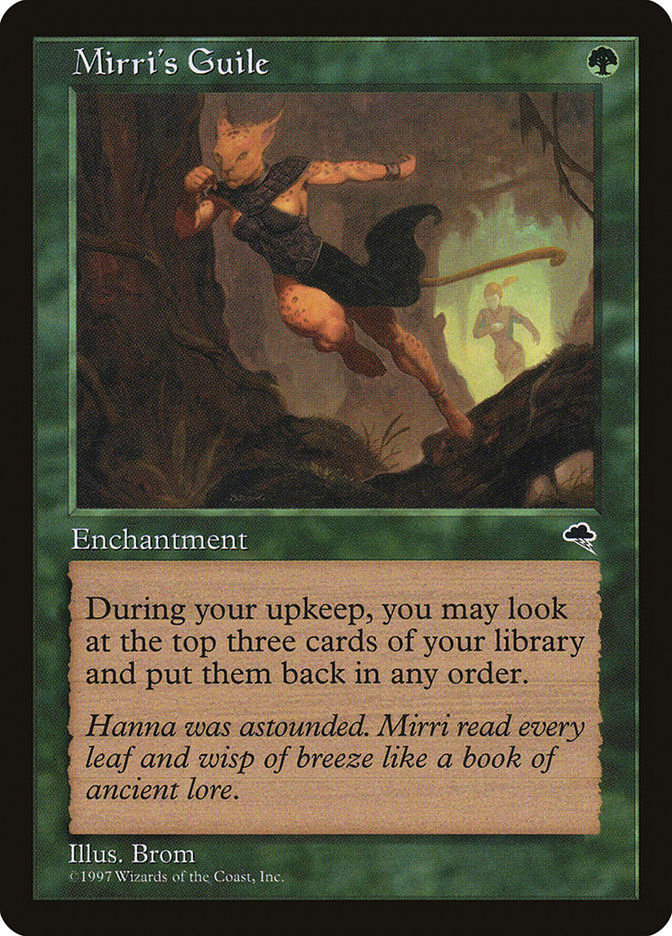
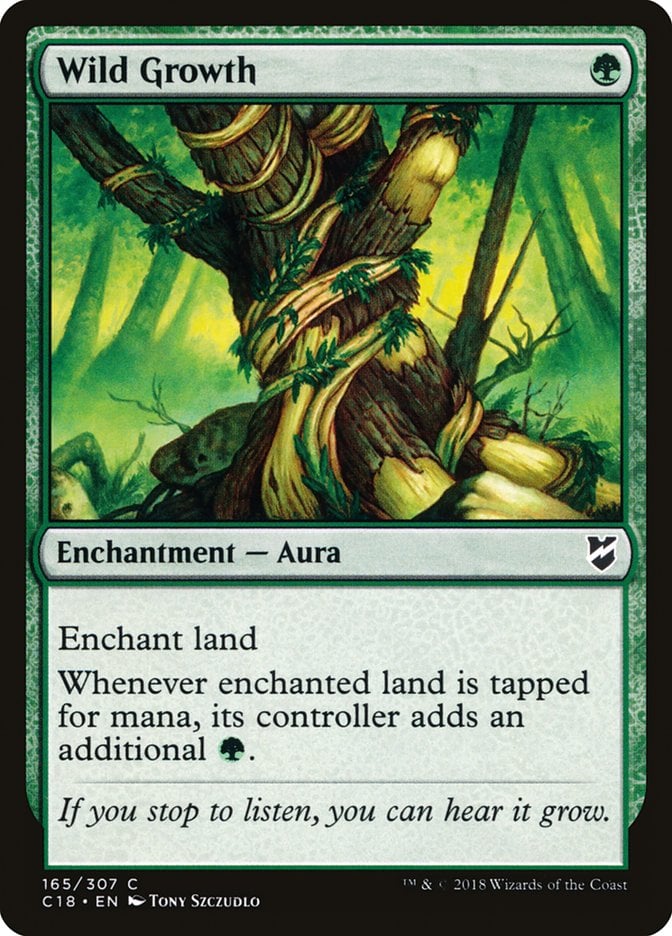
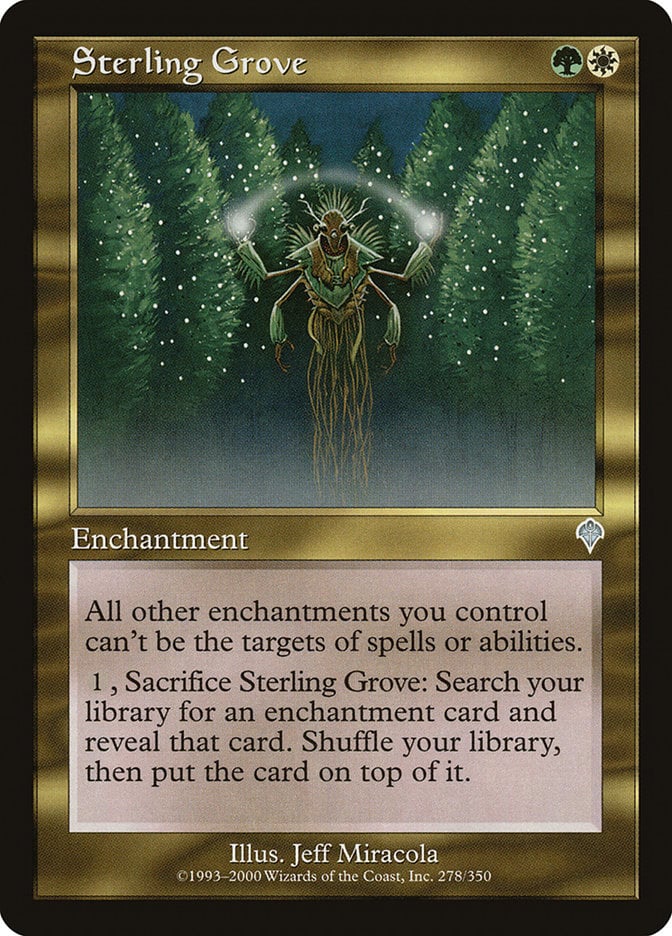
The main idea behind this midrange strategy is to cast powerful enchantments while drawing cards with your Argothian Enchantress or Enchantress's Presence in play. Serra's Sanctum is your Nykthos, Shrine to Nyx equivalent, and it allows for some explosive starts. Cards like Exploration, Mirri's Guile, and Wild Growth power up your engines and give you card advantage. Sterling Grove is a mix between protection for your enchantments and a tutor.
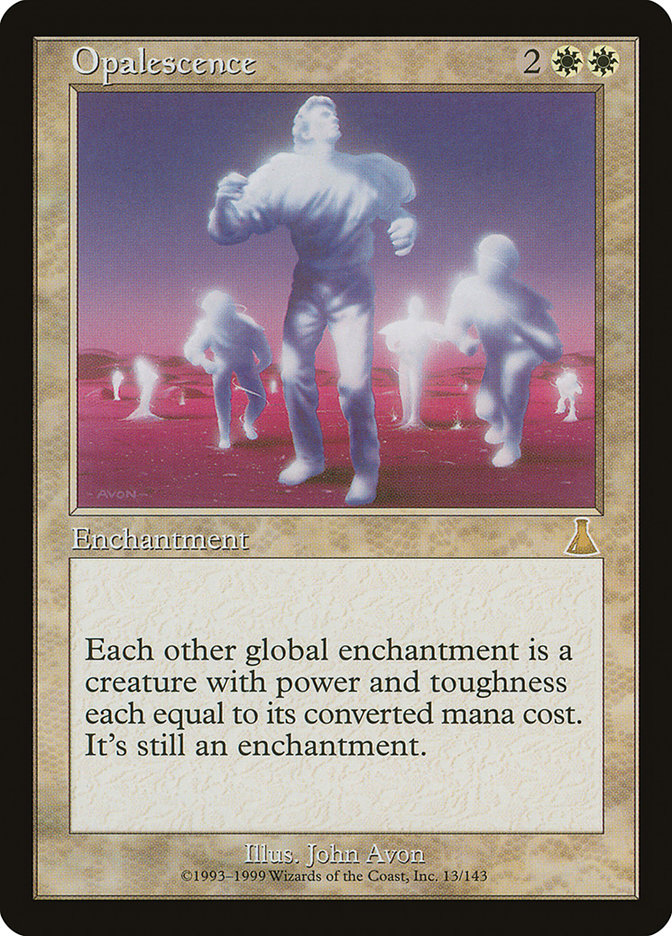
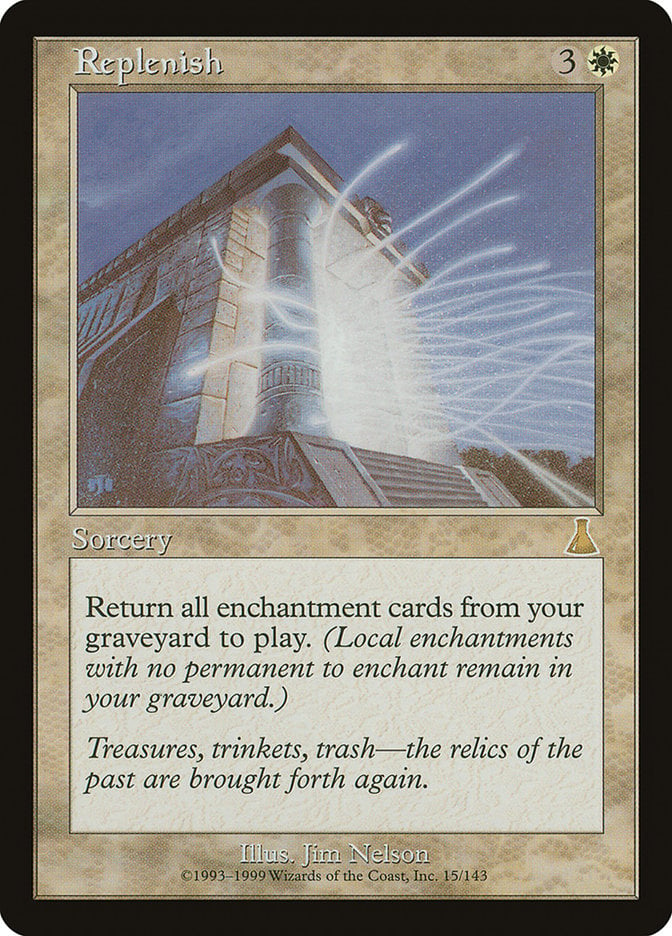
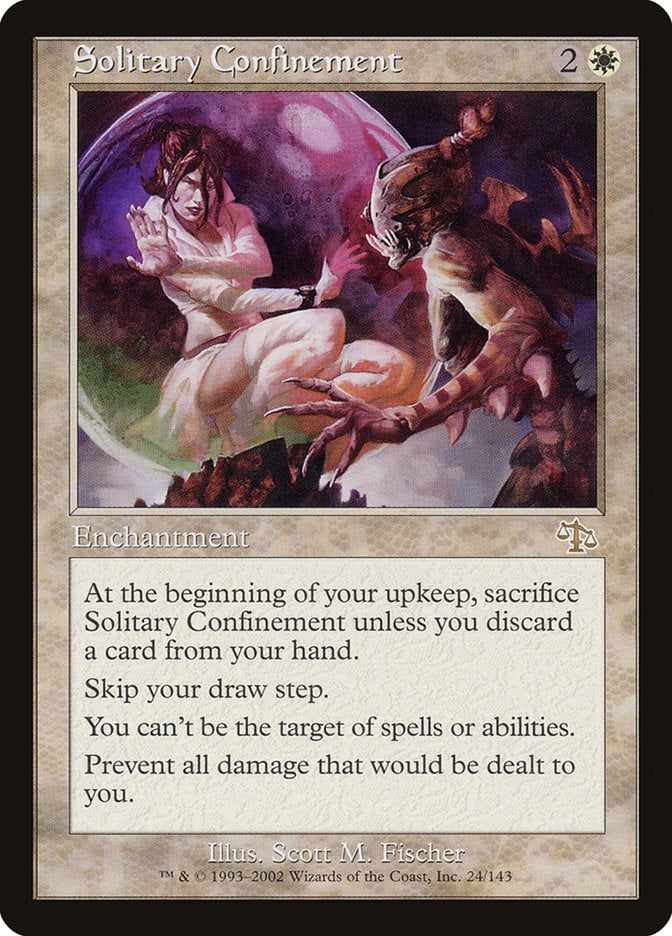
Opalescence turns your enchantments into creatures so you can take the offensive. Replenish brings back all your enchantments from the graveyard. A special shout-out to Solitary Confinement, which can turn cards you’ve just drawn into a lock, so your opponents can’t damage you.
One interesting thing is that, at least for game one, it’s hard to interact favorably with your enchantments. Depending on the state of the meta, some red decks might be splashing green for Naturalize. Game two, your opponent can hit you with something like Tranquility, but that’s why Replenish is good.
Budget Alternatives
Serra's Sanctum is the worst offender here, at least in paper Magic. The difference between this decklist in paper and on MTGO is around $3,500/300tix or so. Another problem here is that key cards like Opalescence, Argothian Enchantress, and Replenish aren’t cheap either.
#4. UB Psychatog

Wonder | Illustration by Volkan Baga
Creature (5)
Instant (27)
Accumulated Knowledge x4
Counterspell x4
Foil x4
Gush x4
Impulse x4
Intuition
Opt x3
Smother x2
Vendetta
Sorcery (9)
Deep Analysis
Duress x4
Portent x4
Land (19)
Island x10
Polluted Delta x4
Swamp x2
Underground River x3
Sideboard (15)
Powder Keg x2
Hydroblast x2
Engineered Plague x3
Blue Elemental Blast x2
Annul x3
Tsabo's Web
Zombie Infestation
Phyrexian Furnace
UB Psychatog is a classic MTG tempo archetype that won many tournaments back then, across multiple formats. It’s not a Tier 1 deck in Premodern, but it can go 5-0, too, as this decklist did in the hands of Furnace_Scamp. It plays strikingly similar cards to Stiflenought, with a different avenue to victory.
Deck Theme and Strategy
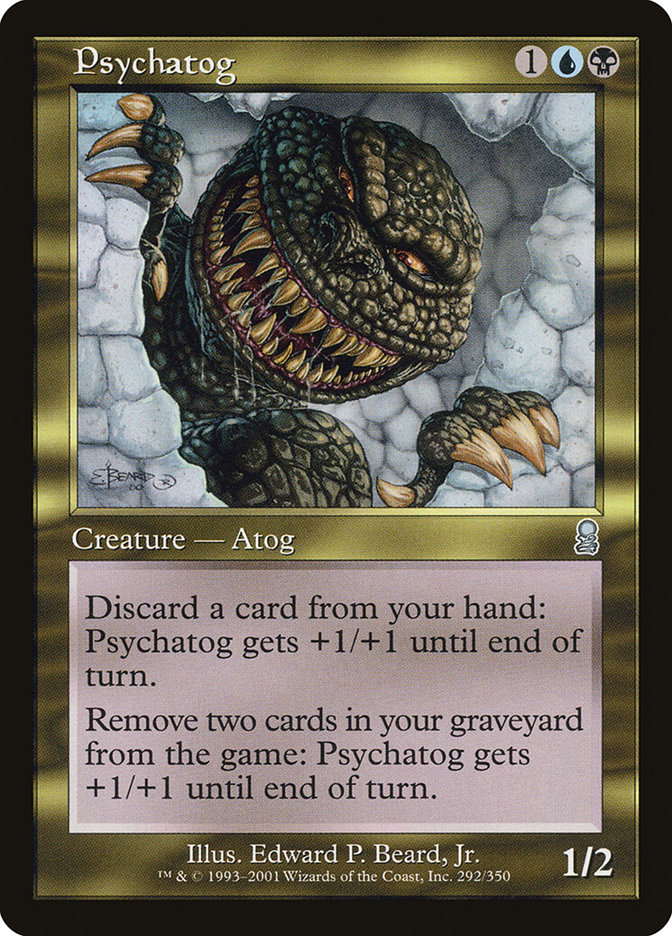
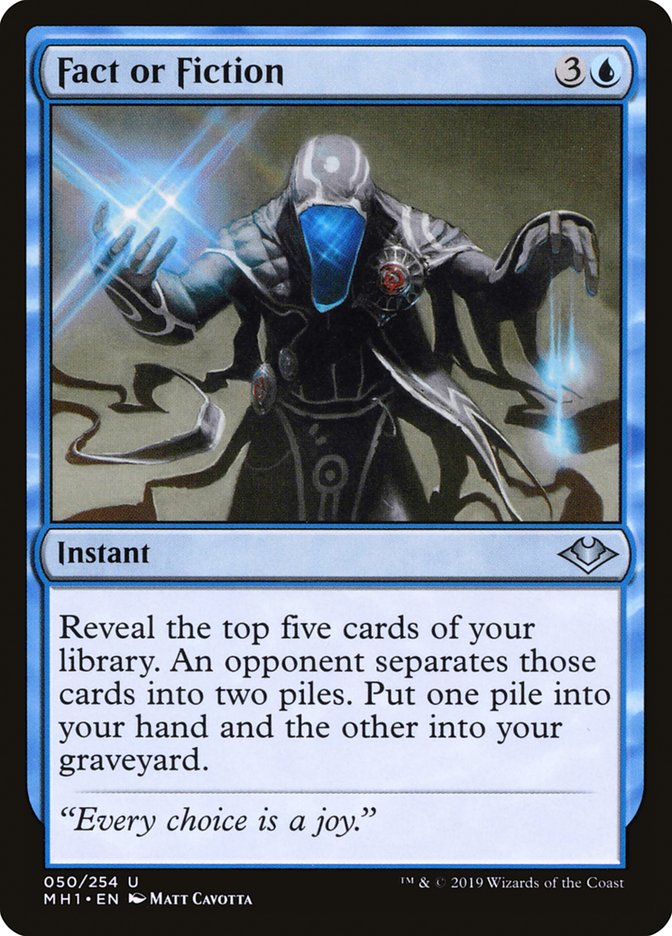
UB Psychatog is similar to Stiflenought in that it’s a blue “aggro-control” deck with a lot of card draw and counterspells, but it can have an explosive finish with Psychatog. The blue-black atog is the soul of the deck, because it’s very hard to play around it. You can discard a card to give it +1/+1, and exile two cards from your graveyard to pump it even further. But this deck can draw a lot of cards with Gush, Accumulated Knowledge, and Fact or Fiction, and discard all of that to attack with a 20/21 ‘Tog or so.
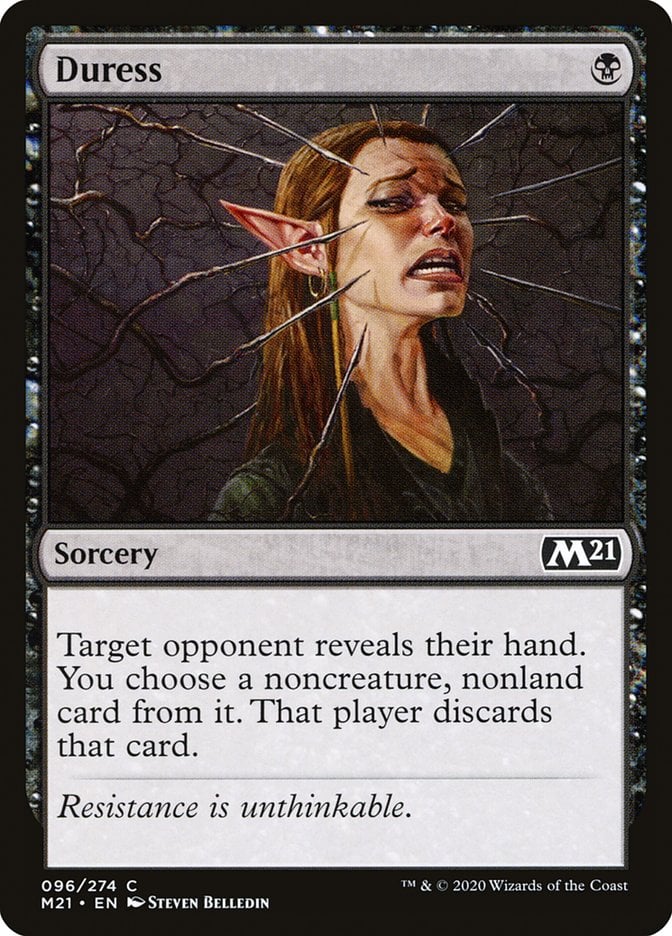
The rest of the deck is mainly control. Counter your opponent’s key spells, draw some cards when they don’t do anything. Because it can close a match quick, it’s very effective against GW grindy enchantress decks, and uses Duresses to fight blue control.
Budget Alternatives
This is already a budget competitive deck, although it’s hard to play optimally. I’d cut the one Intuition, since it’s not key to making the deck work, and maybe move a Powder Keg to the main so you have a way to deal with multiple smaller bodies.
#5. Elves

Priest of Titania | Illustration by Rebecca Guay
Creature (33)
Anger
Deranged Hermit x3
Fyndhorn Elves x4
Llanowar Elves x4
Masticore x2
Multani's Acolyte x4
Nantuko Vigilante x2
Priest of Titania x3
Quirion Ranger x3
Skyshroud Poacher
Squee, Goblin Nabob
Wirewood Symbiote x4
Yavimaya Granger
Enchantment (4)
Artifact (4)
Tangle Wire x4
Land (19)
Forest x10
Gaea's Cradle x4
Mountain
Wooded Foothills x4
Sideboard (15)
Wall of Blossoms x4
Naturalize x4
Caller of the Claw
Nantuko Vigilante
Call of the Herd x4
Masticore
Built to maximize all the typal interaction of elves and Gaea's Cradle, this can be a very explosive combo deck, very similar to a Legacy elves deck. It’s somewhat proof that established archetypes can adapt to the metagame in Premodern: Your typical Elves deck isn’t only playing a bunch of green dudes, it actually has other interesting lines.
Deck Theme and Strategy
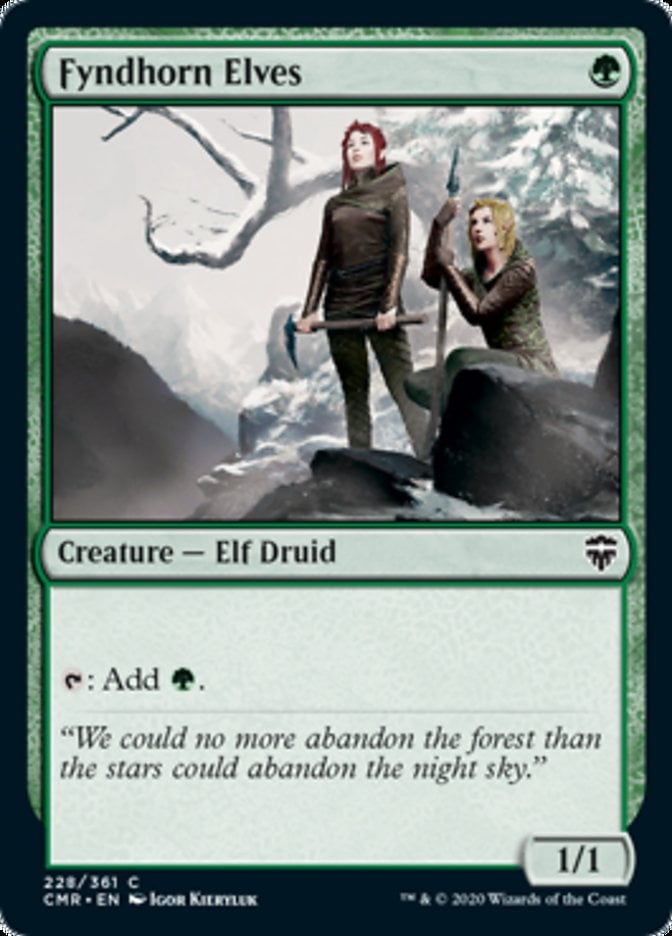
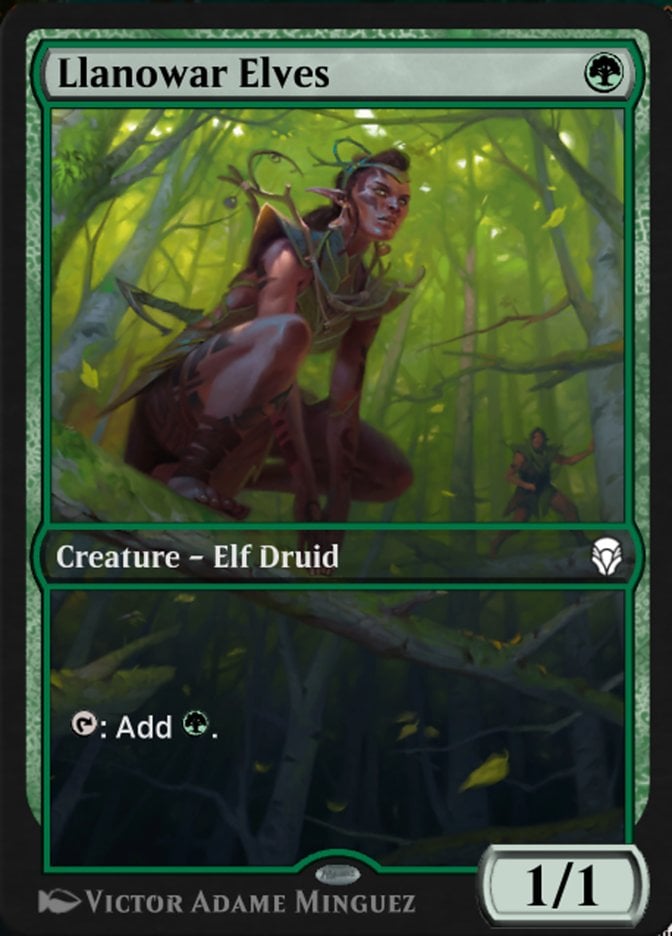
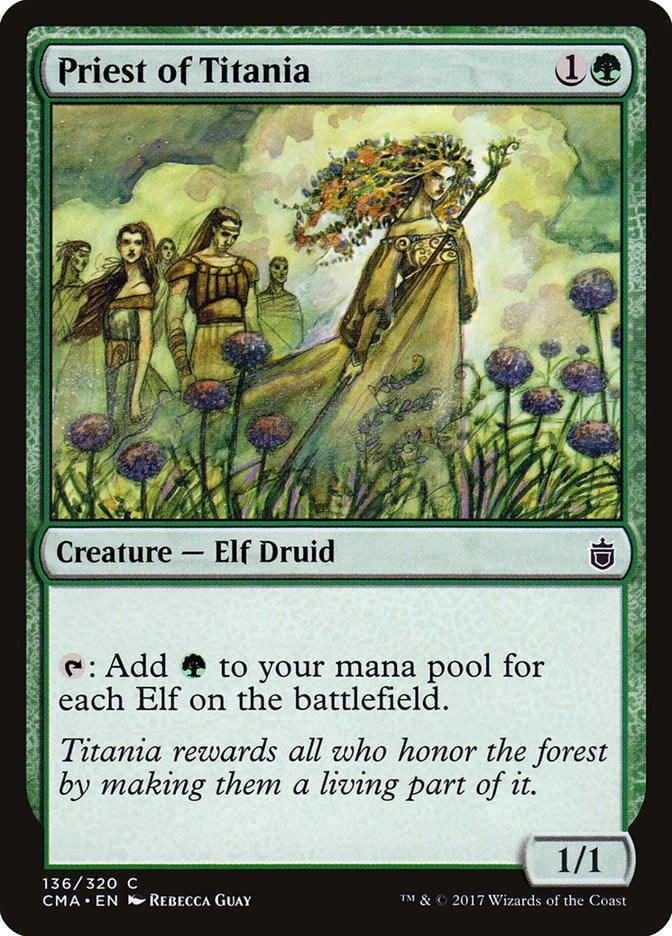
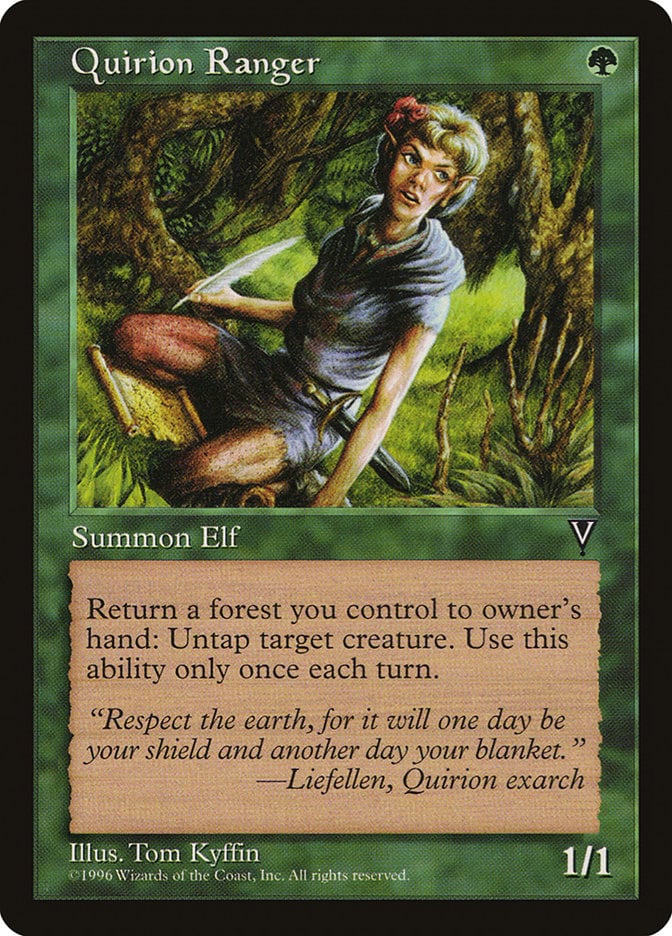
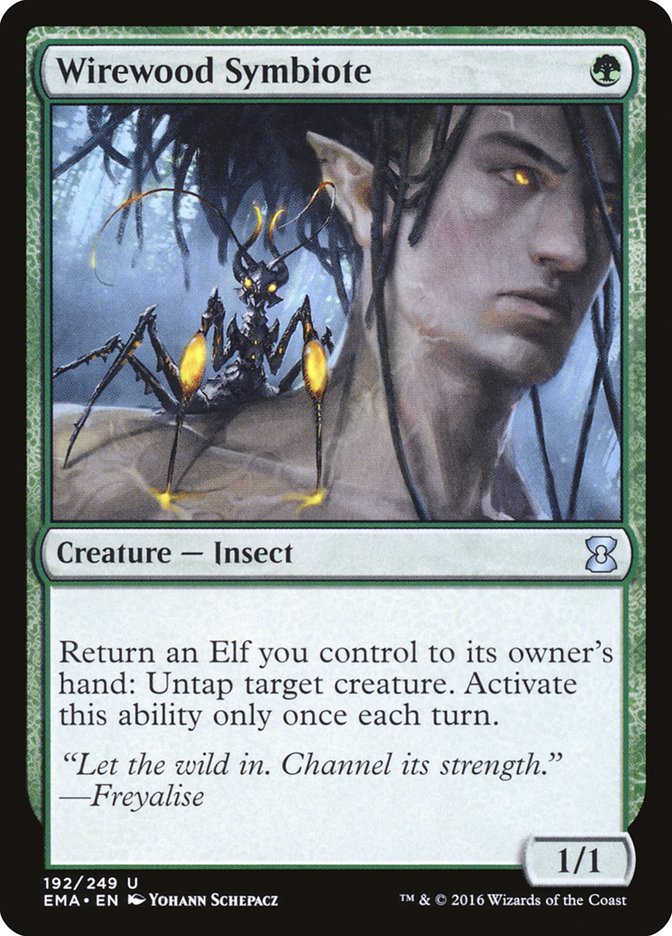
At its core, this decklist is your typical green elf deck. The usual suspects are here: Fyndhorn Elves and Llanowar Elves, Priest of Titania generates a lot of mana, and you can use Quirion Ranger and Wirewood Symbiote to untap it.
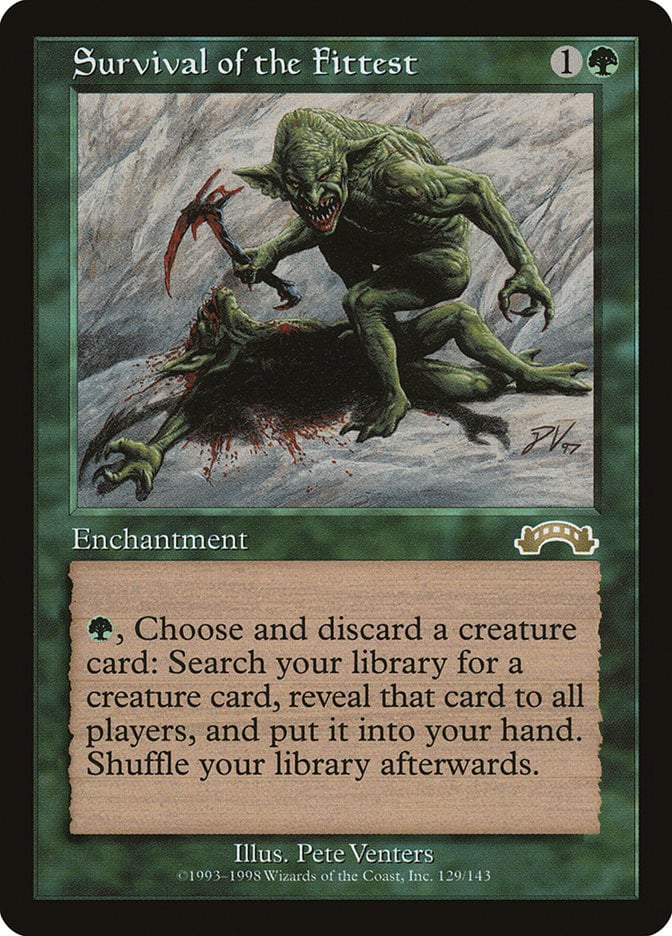
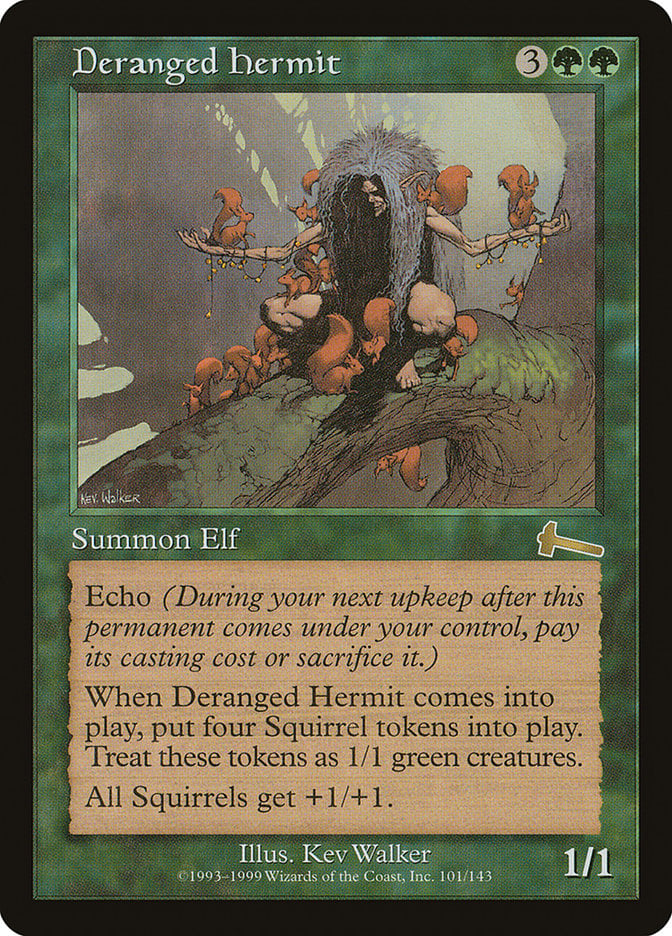
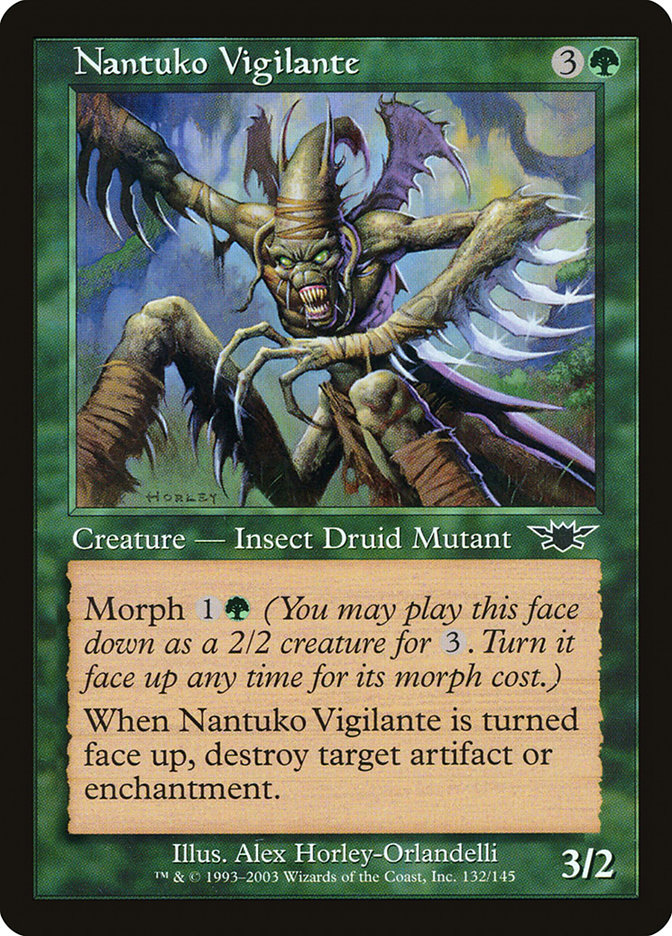
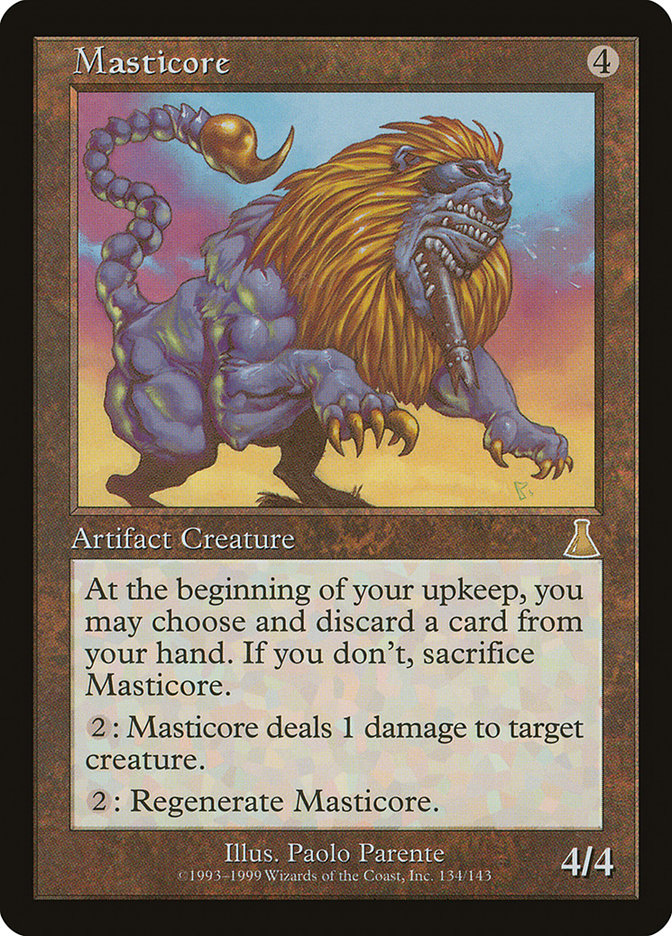
But then you have cards like Survival of the Fittest to tutor for creatures you need, like Deranged Hermit, Nantuko Vigilante, or Masticore.
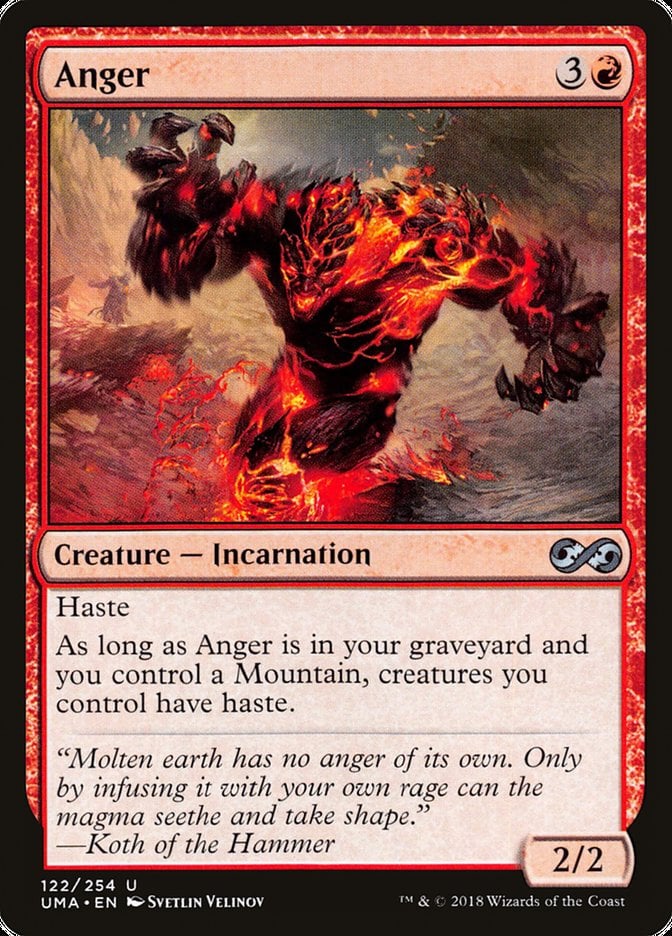
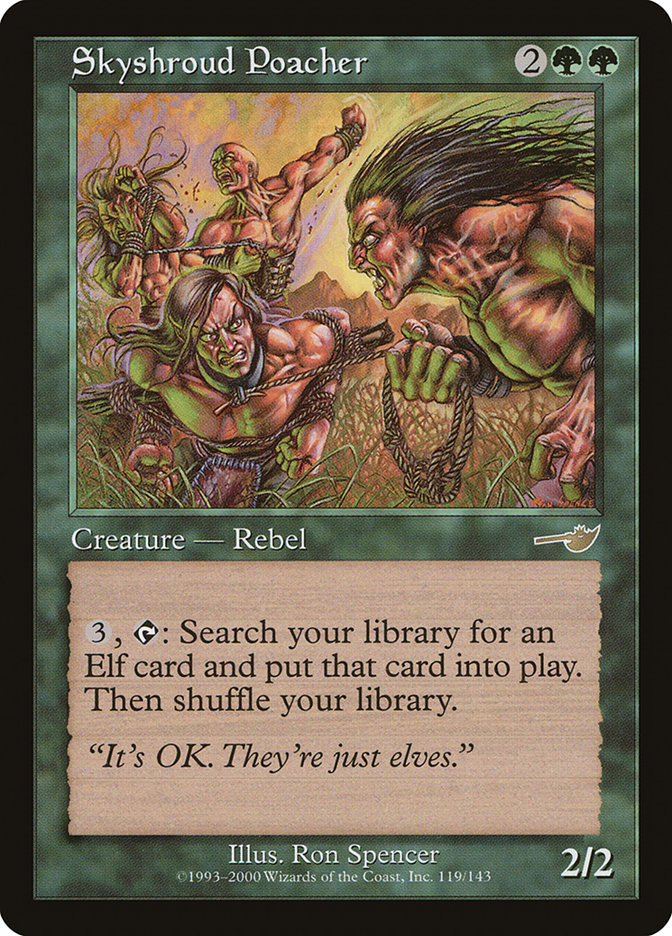
Anger is a nice card to discard so we can give our creatures haste. Deranged Hermit with Anger is 9 haste damage out of nowhere. Skyshroud Poacher can tutor for Deranged Hermit as well.
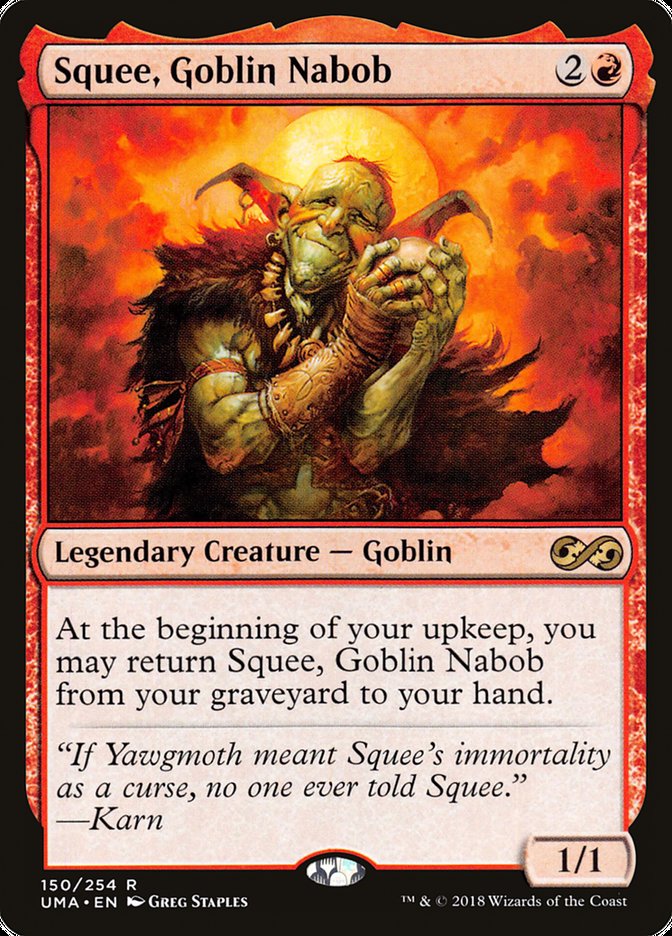
You have Squee, Goblin Nabob as a free discard for cards like Masticore, too. Speaking of Masticore, it’s a beefy 4/4 that regenerates and can channel Priest and Cradle’s mana into a nice sweeper effect.


The sideboard has good anti-sweeper cards in Call of the Herd and Caller of the Claw, while it gives you more tools to face beatdown, enchantress, and Dreadnought.
Budget Alternatives
Unfortunately, the interaction between two Reserved List staples, Gaea's Cradle and Survival of the Fittest, makes the decklist cost a ton of money, and my suggestion is either to play this on MTGO or to have a mono-green deck that relies on something other than elves.
#6. Black Moneyball Midrange

Hypnotic Specter | Illustration by Douglas Shuler
Creature (16)
Hypnotic Specter x4
Nantuko Shade x3
Ravenous Rats x4
Graveborn Muse
Withered Wretch x4
Enchantment (1)
Artifact (3)
Instant (10)
Smother x3
Snuff Out
Dark Ritual x4
Diabolic Edict
Spinning Darkness
Sorcery (7)
Duress x4
Cabal Therapy x3
Land (23)
Swamp x16
Mishra's Factory x4
Spawning Pool
Wasteland x2
Sideboard (15)
Engineered Plague x4
Phyrexian Negator
Tormod's Crypt
Plague Spitter
Dystopia x3
Phyrexian Arena
Masticore
Cabal Therapy
Gloom
Drain Life
Reddit user and YouTuber Grantfly won a MTGO challenge with this decklist. This is a classic black midrange deck that allows you to play Hypnotic Specter on turn 1 via Dark Ritual and start making your opponent discard cards. The deck also has good creature removal and discard interaction.
Deck Theme and Strategy
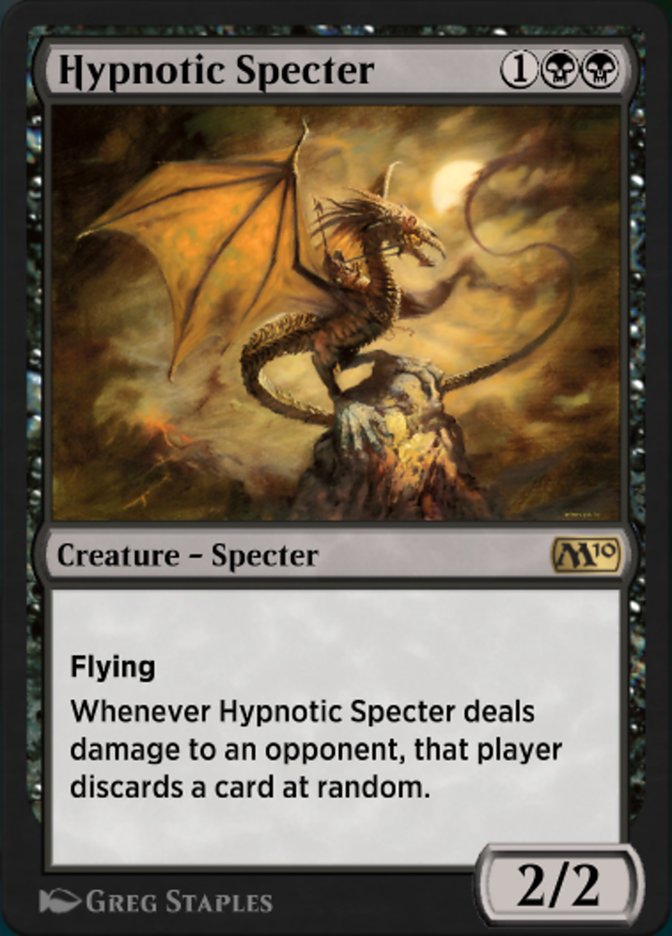
This is a mono-black deck that uses fast mana to make players discard cards or to ramp out good cards like Hypnotic Specter. Barring a burn deck or Swords to Plowshares, players usually don’t have cheap removal, and a 2/2 flier that makes them discard cards at random is a menace.
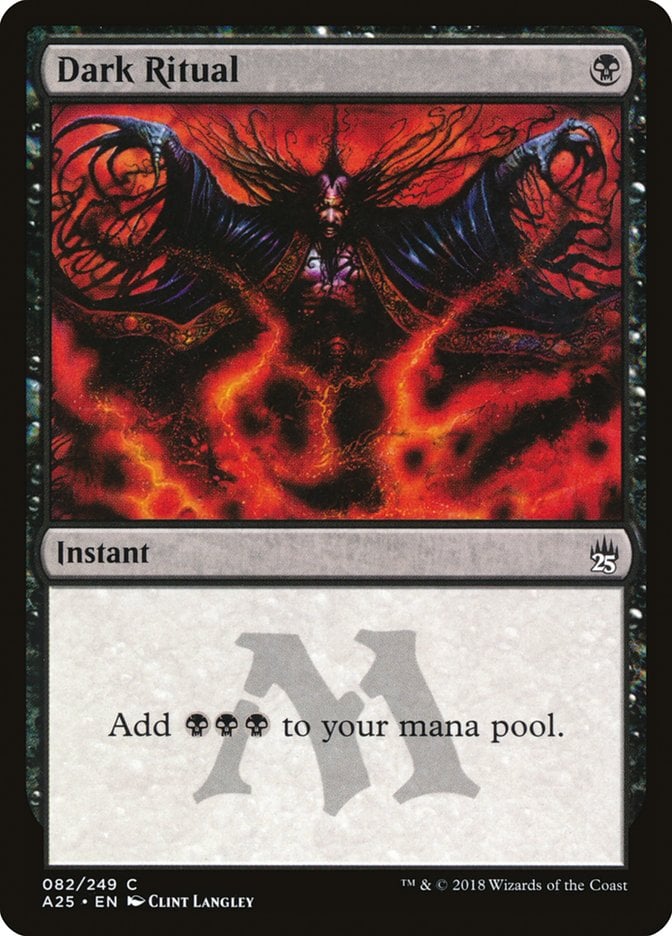
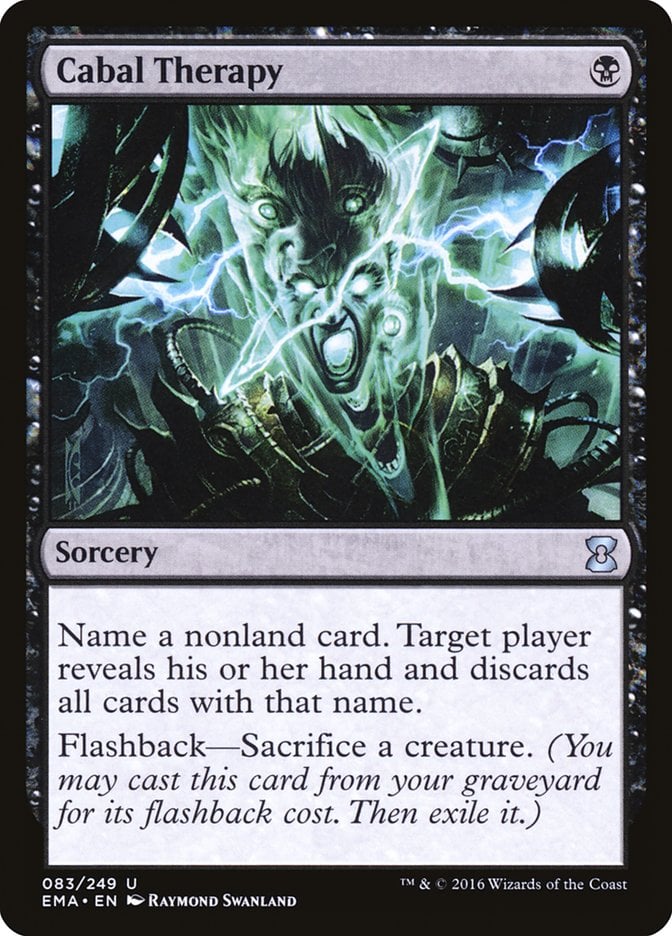
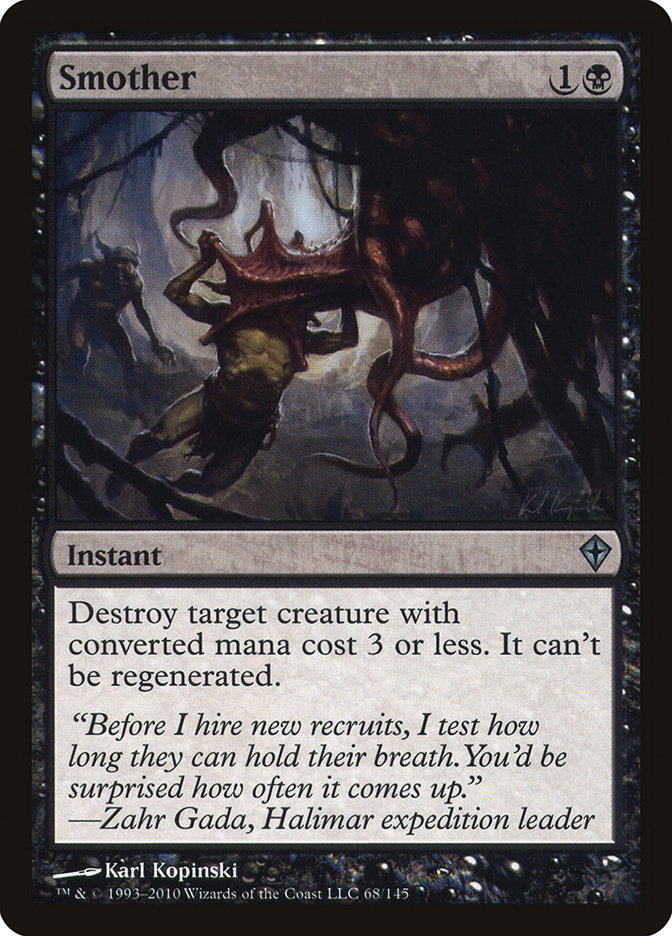
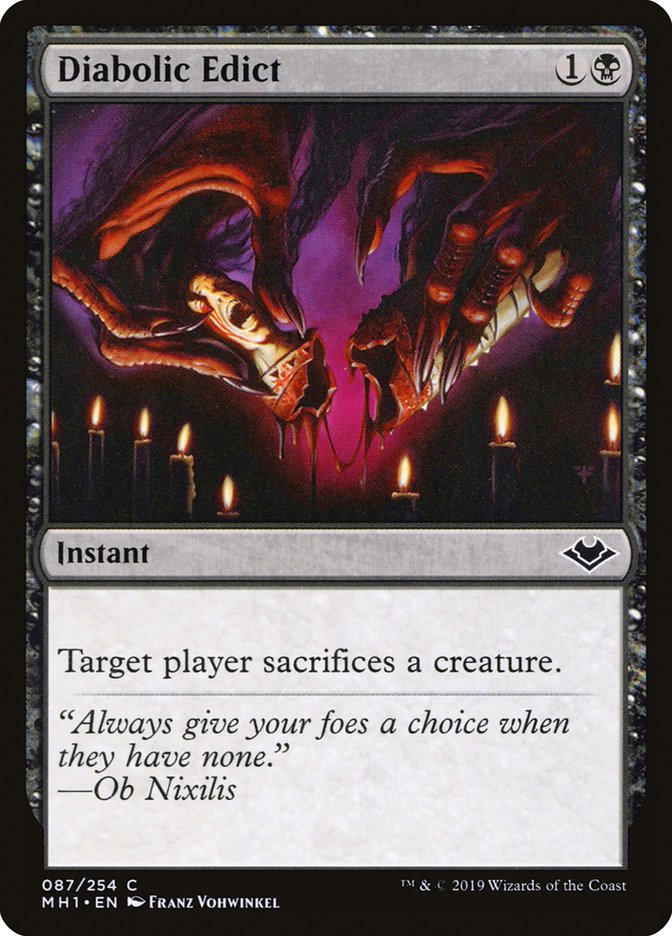
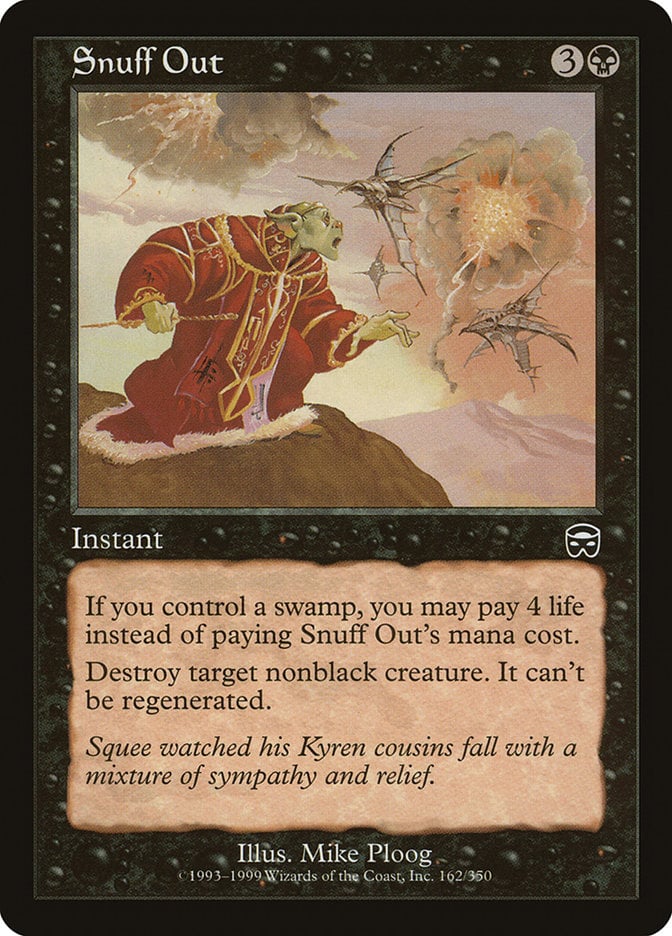
Another option is to combine Dark Ritual with something like Duress and Cabal Therapy, a card combination that wrecks initial hands. Black decks also have good removal in the form of Smother, Diabolic Edict, and the “free” Snuff Out.
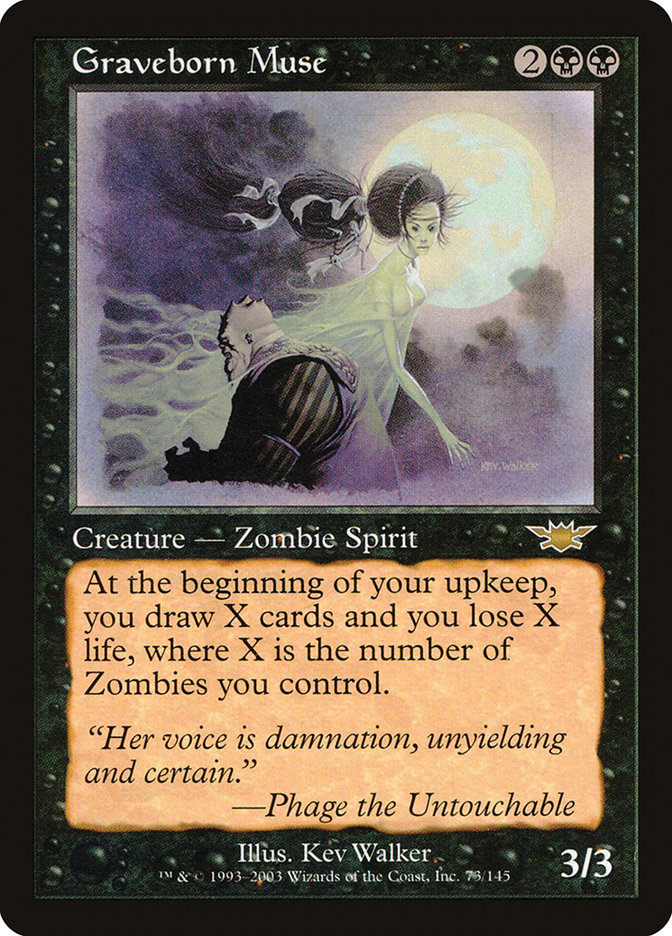
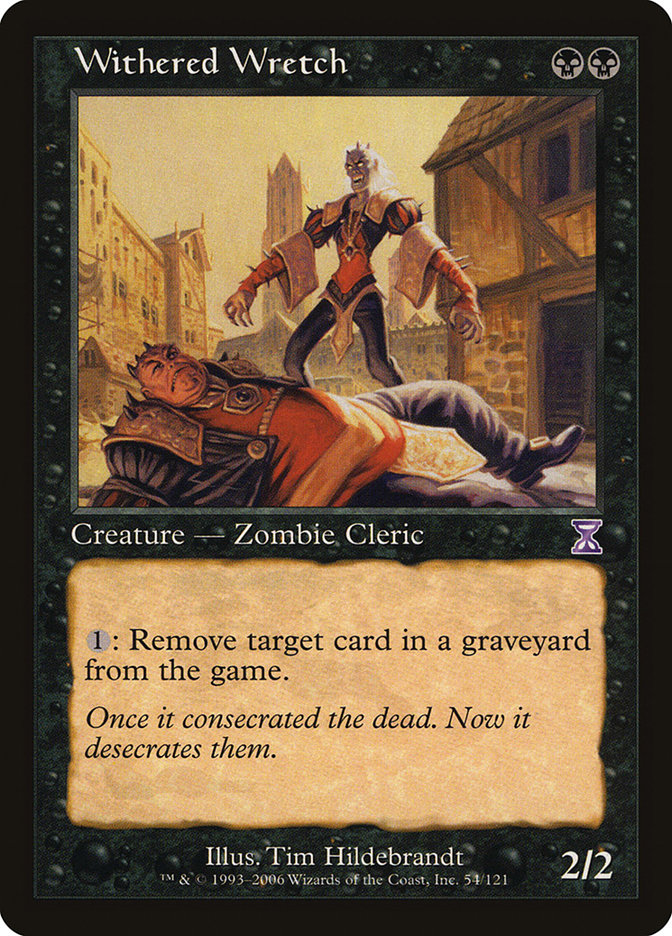
This deck has a secondary zombie subtheme, with Graveborn Muse and Withered Wretch fitting the roles of card draw and graveyard hate, respectively.
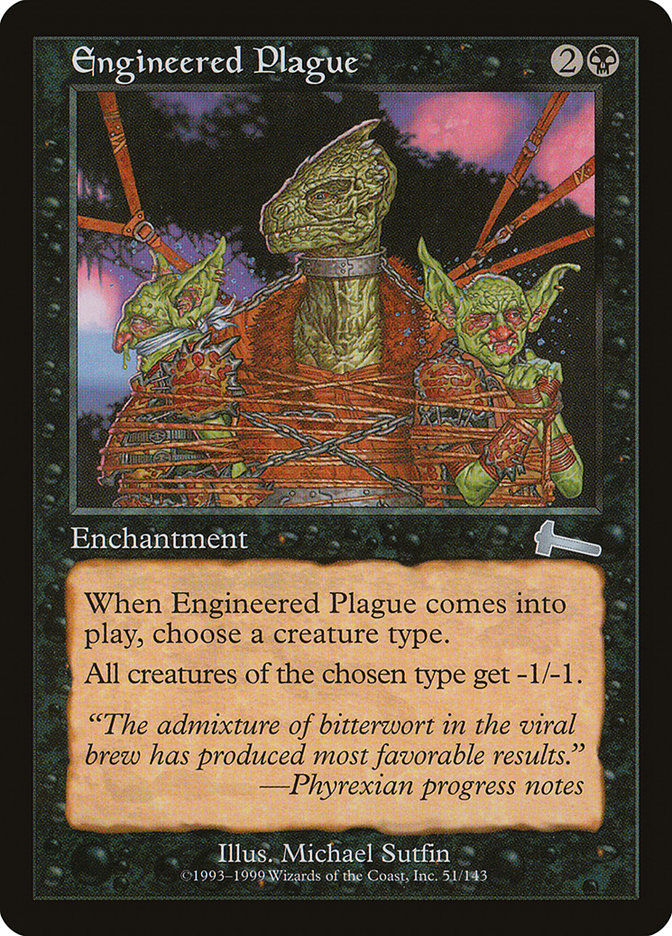
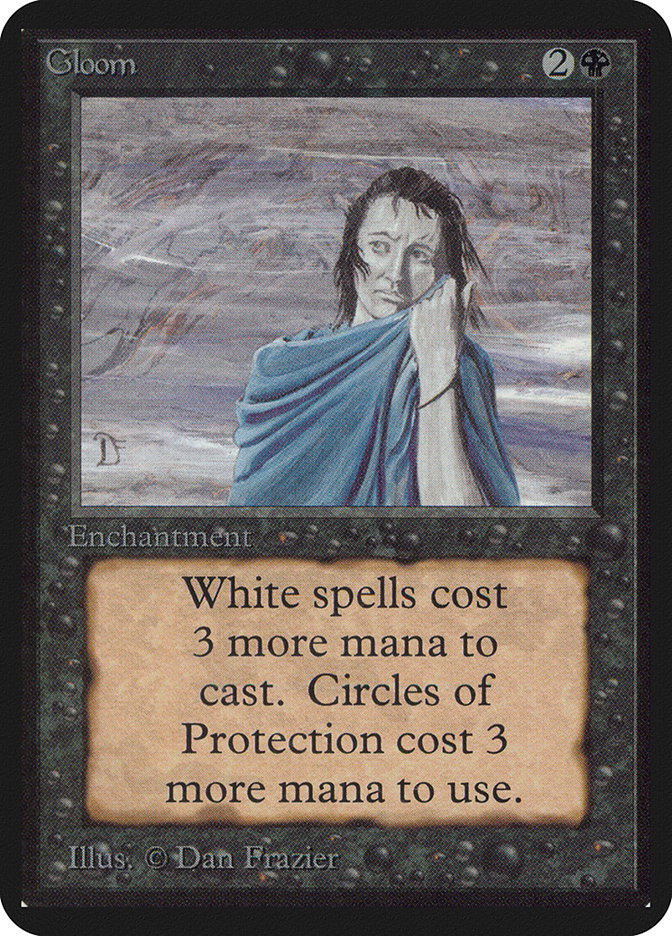
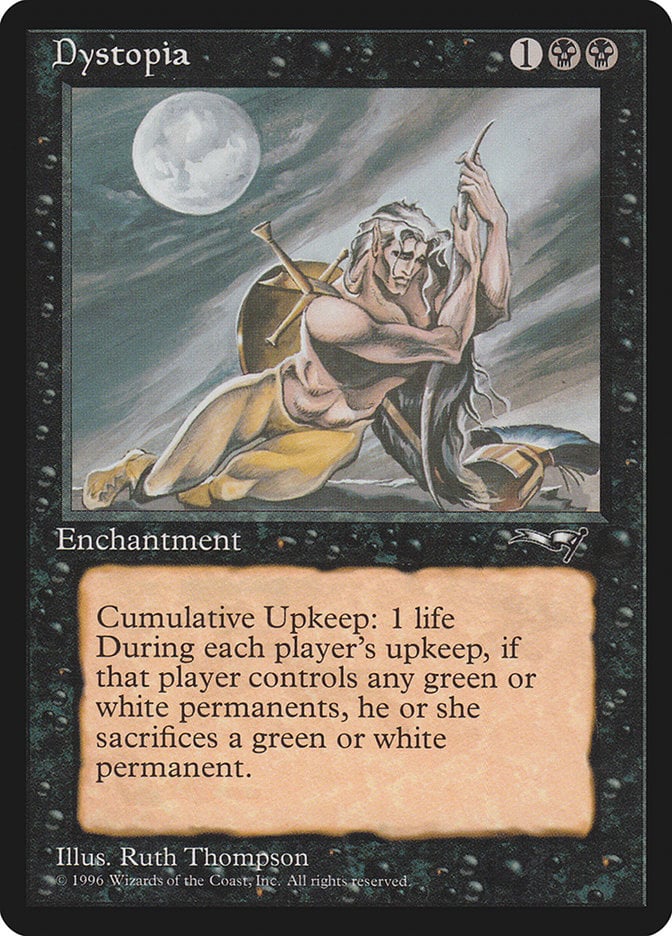
The sideboard offers Engineered Plague against goblin/elves. Black decks can have a problem with resolved enchantments and artifacts, so against these decks, you’d better double on the discard. Cards like Gloom and Dystopia also help against GW Enchantress.
Budget Alternatives
This deck isn’t that expensive, often landing in the $400-500 range. The main budget problem is the Cursed Scrolls in the main deck. The budget plan might be to cut some Scrolls and play another Phyrexian Arena.
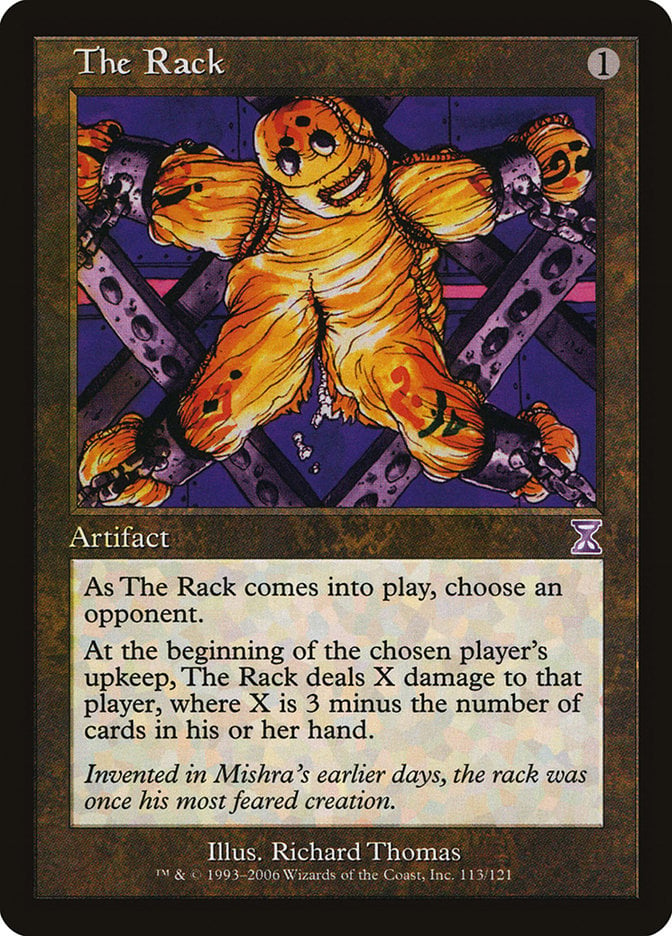
This deck can be somewhat converted into a cheaper version centered around The Rack by playing discard payoffs. The Dystopias in the sideboard are also a problem, and they’re key to getting some leverage against Enchantress, considering that black decks aren’t that good at dealing with resolved enchantments.
Bonus Deck – BW Budget Deadguy Ale

Exalted Angel | Illustration by Michael Sutfin
Creature (8)
Bane of the Living
Eternal Dragon x3
Exalted Angel x4
Artifact (1)
Instant (7)
Skeletal Scrying x3
Swords to Plowshares x4
Sorcery (19)
Cabal Therapy
Decree of Justice x4
Duress x4
Gerrard's Verdict x4
Haunting Echoes
Vindicate x4
Wrath of God
Land (25)
Caves of Koilos x4
Dust Bowl x2
Plains x9
Rishadan Port
Secluded Steppe
Swamp x8
Sideboard (15)
Aura of Silence
Cursed Totem
Circle of Protection: Red x3
Aura of Silence
Engineered Plague x3
Tormod's Crypt x2
Enlightened Tutor
Akroma's Vengeance
Seal of Cleansing
Diabolic Edict
This is one of the cheapest decks I’ve seen for this format, and RodrigoMarques piloted it to 5-0 in a Premodern League. It’s essentially a black and white midrange deck with a mix of discard, catch-all removal, wrath effects, and good morph creatures.
Deck Theme and Strategy
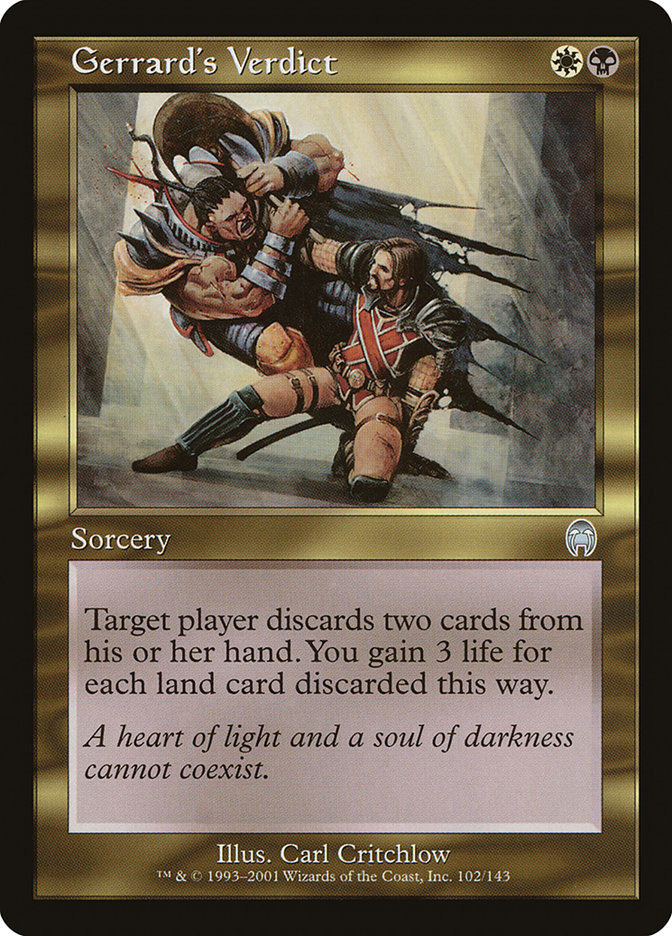
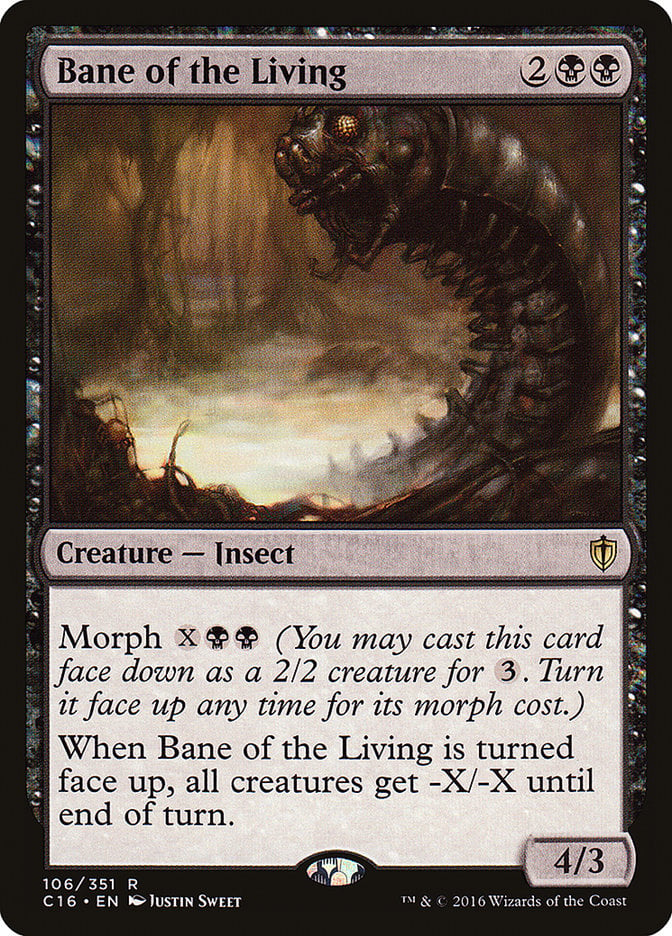
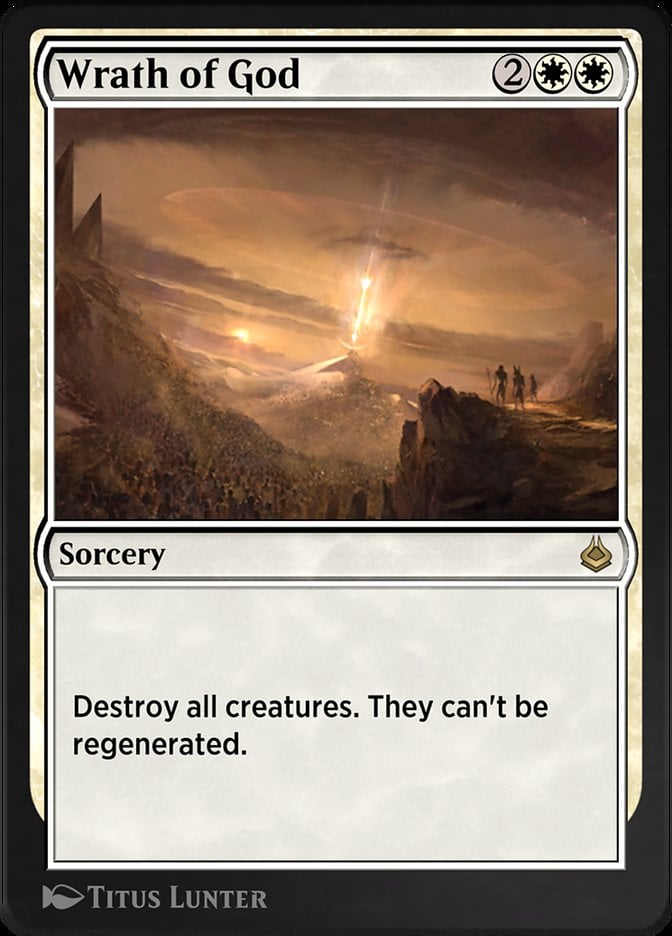
Like a typical Jund-like deck, the name of the game is to not let your opponents do their thing. You have Duress, Cabal Therapy, and Gerrard's Verdict to break synergies. If your opponents are playing creatures, you have Bane of the Living and Wrath of God to sweep the board.
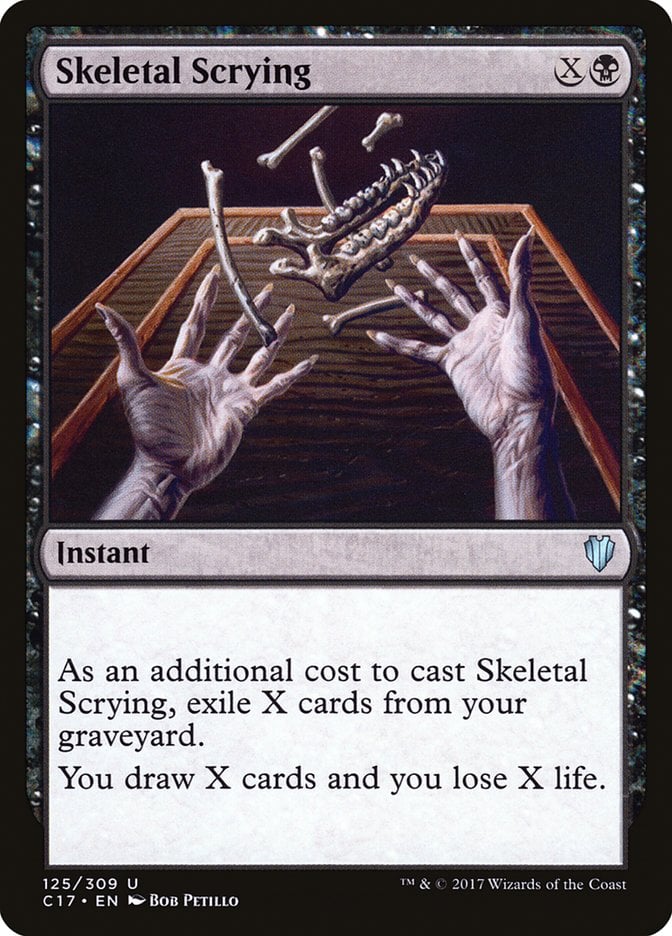
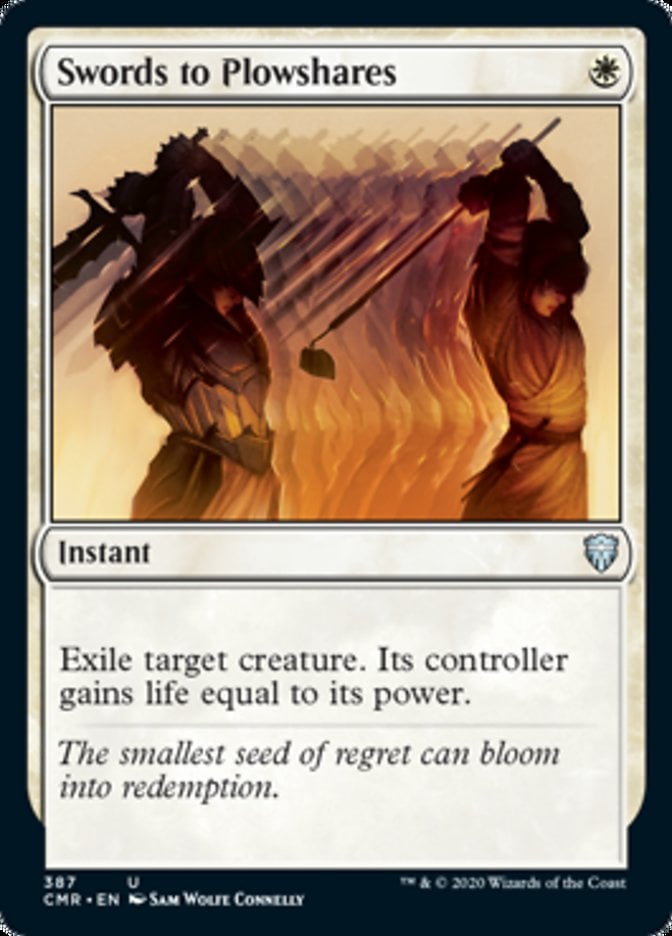
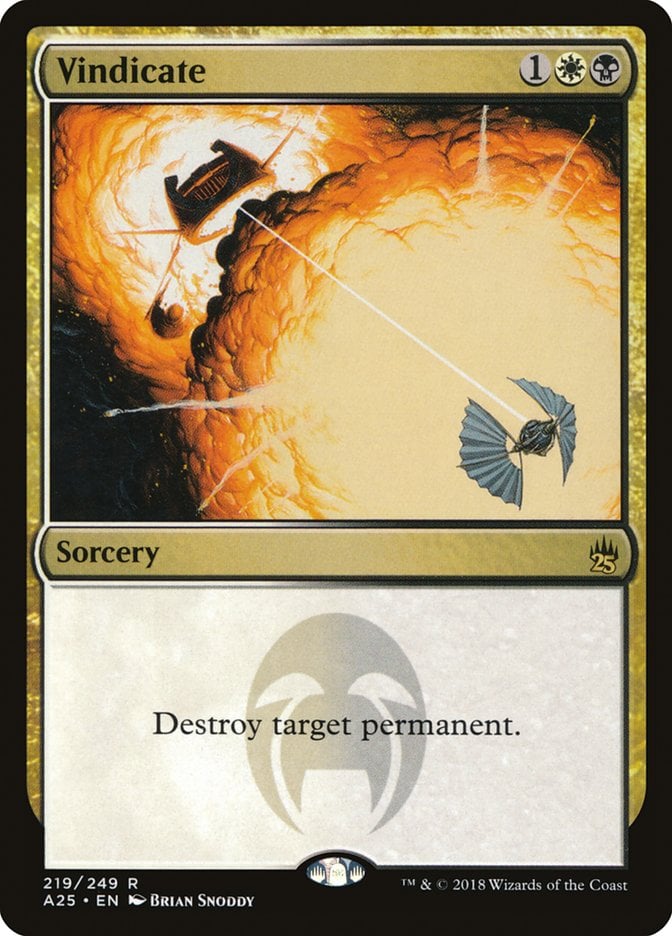
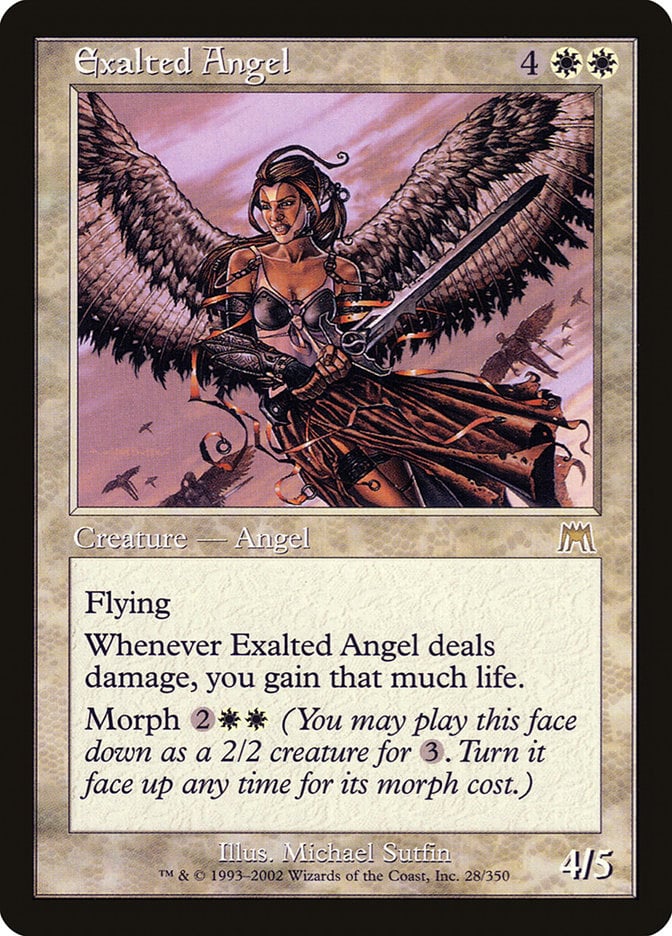
Skeletal Scrying is your go-to draw spell. Swords to Plowshares and Vindicate help you deal with opposing threats. ‘90s powerhouse Exalted Angel does a good Baneslayer Angel impression here as a 4/5 flier with “lifelink” to beat down your opponents.
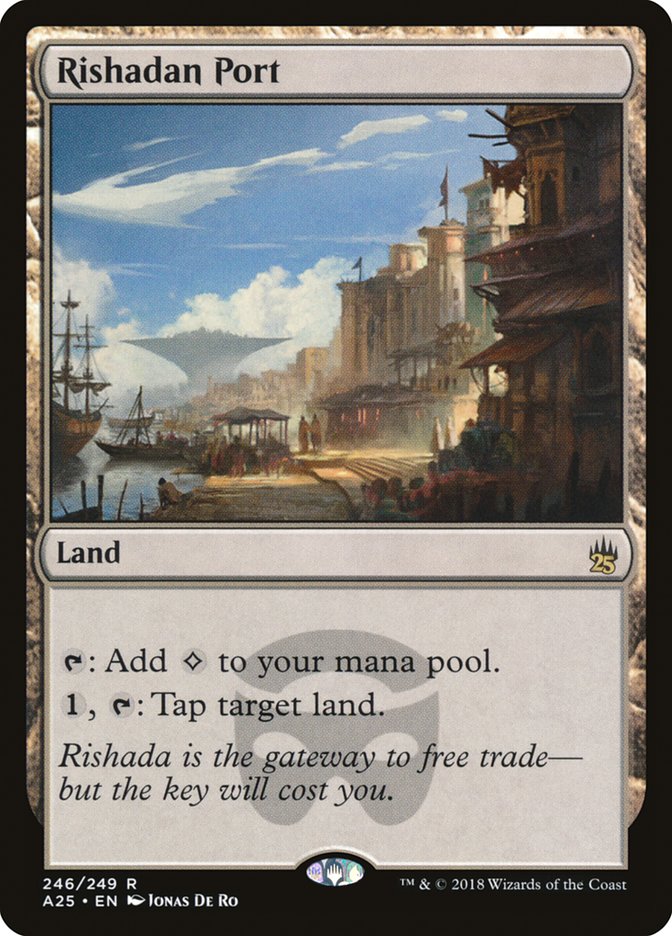
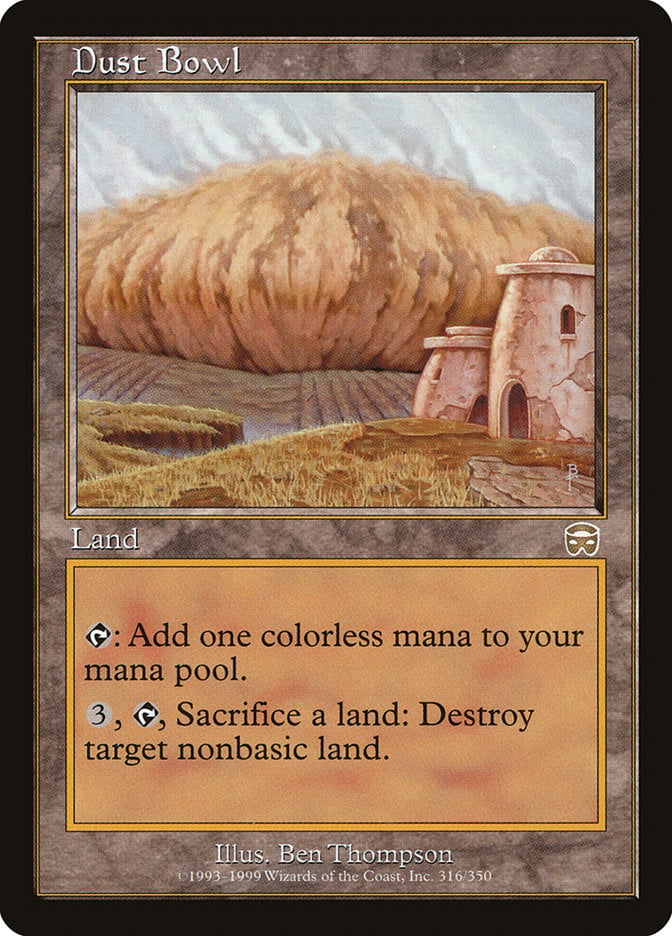
You also have Rishadan Port and Dust Bowl to interact with your opponents’ lands or slow them down.
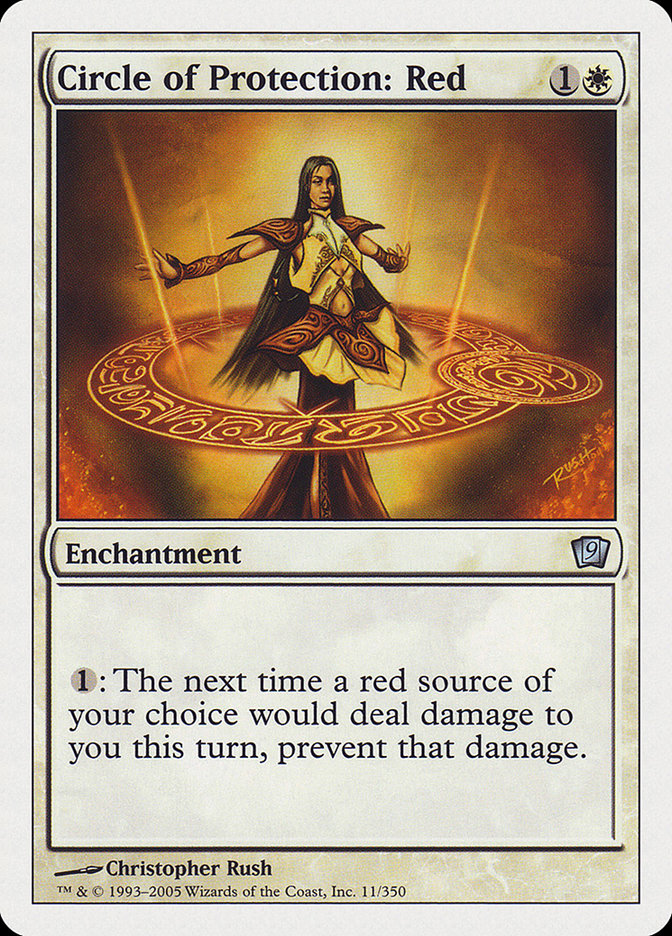
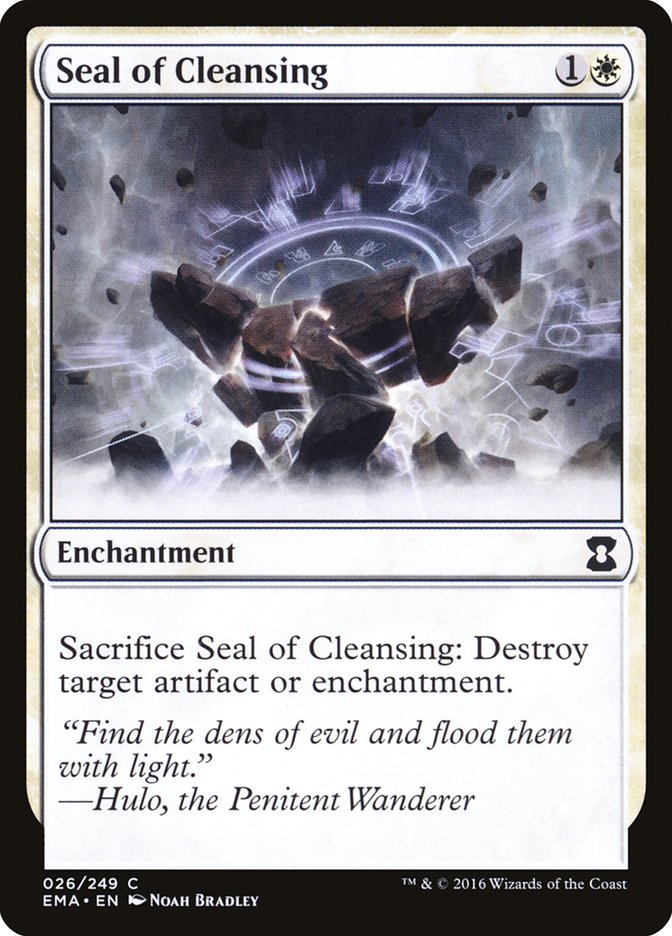
Midrange/control decks usually sideboard to adapt to their opponent, so you have Engineered Plague against typal/token decks, Circle of Protection: Red against red burn, or more ways to answer cards from Enchantress and Dreadnought in Seal of Cleansing and Diabolic Edict.
Budget Alternatives
This deck costs somewhere between $130-180, so there aren’t a lot of expensive cards to change.
Wrap Up
Accumulated Knowledge | Illustration by Randy Gallegos
And that’s it for Premodern decks, folks. I’ve covered aggro, midrange, control, combo, typal, and more, across most colors. But I know I didn’t cover a lot of decks: BG Rock, Madness, White Weenie, Goblin typal, WU Control, Stasis, Terrageddon (yes, Stasis and Armageddon are legal in this format). That shows that a format that draws from 15+ years of MTG’s existence can be balanced and varied, even without the addition of new cards.
The Premodern metagame ebbs and flows, like a classic paper-scissors-rock situation. It’s a format that’s hard to master, like many Eternal formats, but it’s far from being solved. If you want to be a part of this format’s increasing popularity, the best place is on MTGO, where many of the staples can be acquired for cheap. And if you already have most of the needed cards, then by all means join the competitive player scene, and you won’t regret it.
What’s your favorite Premodern deck? Is it covered here? Let me know in the comments section below, or over on the Draftsim Discord. And for all MTG needs, check out our YouTube channel, The Daily Upkeep.
Until next time, stay safe!
Follow Draftsim for awesome articles and set updates:










Add Comment