
Last updated on May 27, 2026

Natural Order | Illustration by Terese Nielsen
Creatures are the backbone of Magic: The Gathering. They’re the only permanents that attack and block in combat, and these days their abilities rival the effects of the most powerful instants and sorceries, so much so that we’ve invented the colloquial term “… on a body” to represent this.
But creatures are notoriously hard to tutor for specifically. While tutoring for any spell is primarily found in black cards, green has a significant number of cards that can tutor for creatures, often at a better rate than burning a Demonic Tutor on them.
But which creature tutors are the best? Which ones are situational, and which are generally good? Let’s take a look at the big list of creature tutors and find out!
What Are Creature Tutors in MTG?
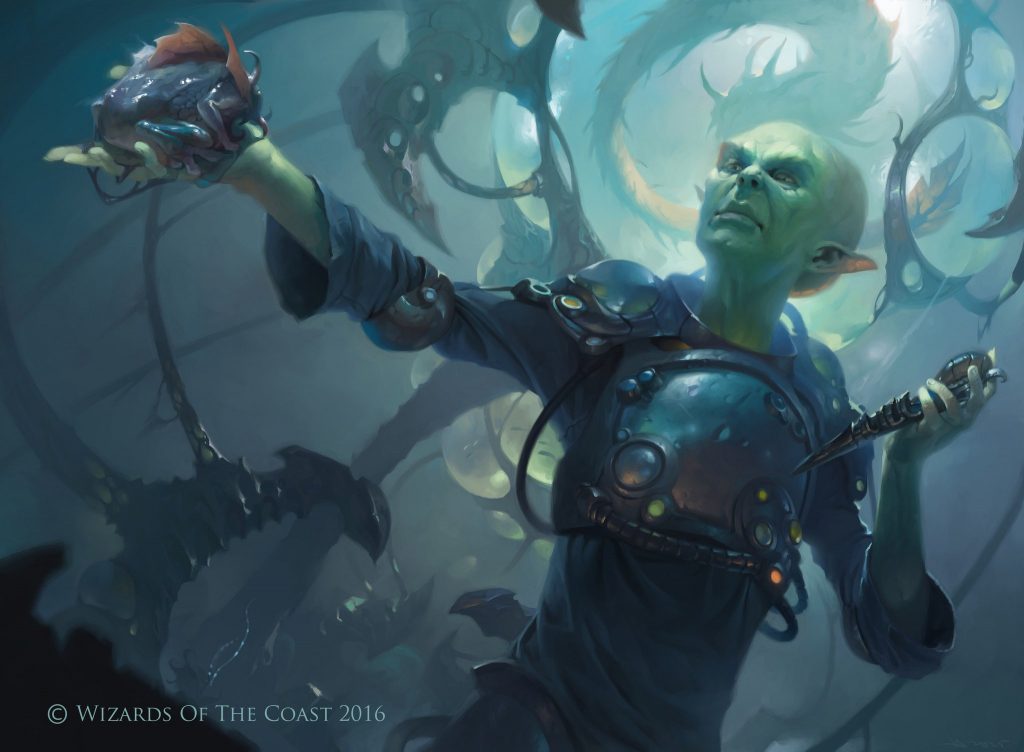
Momir Vig, Simic Visionary | Illustration by Victor Adame Minguez
Creature tutors are any spell or effect that instructs you to search your library for a creature card specifically. While you can, in theory, use your Demonic Tutor to grab a creature card, I focus on the cards that specifically mention finding creatures. I shy away from most cards that tutor specific creature types and focus on cards with the broadest applicability.
Many creature tutors use a “pod” effect, named after the famous Birthing Pod. These effects are often repeatable and create increasingly larger and more threatening creatures. Many of the most valuable creature tutors make use of a pseudo-Birthing Pod effect.
#50. Tale of Momo
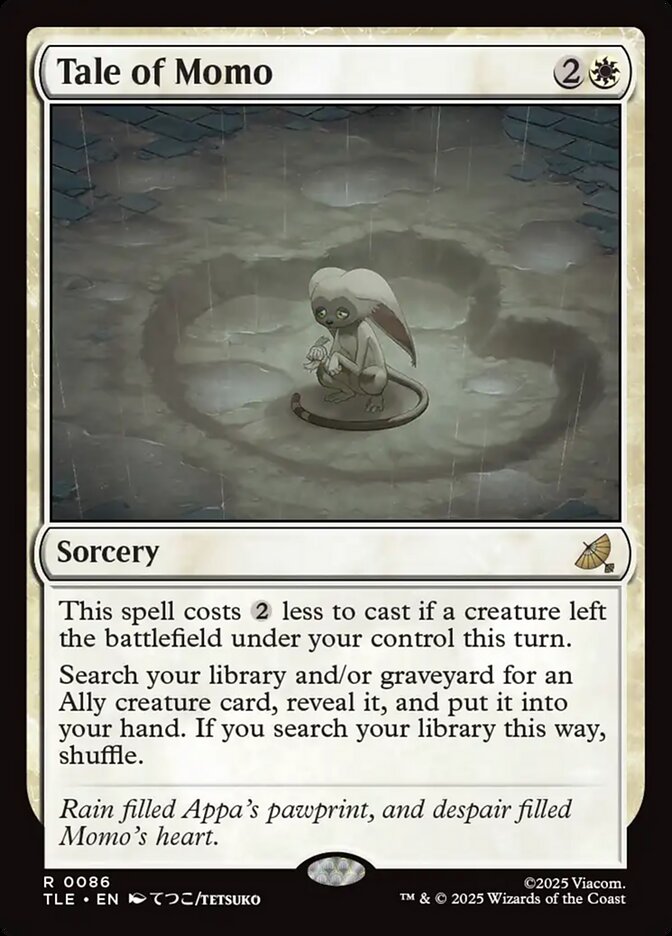
Tale of Momo is one of my exceptions in that it only searches for allies, but it does search the graveyard and has a potential cost reduction. You don’t have to find Appa every time you play this, but you can’t help but feel sad with Momo about a lost friend.
#49. Primal Command
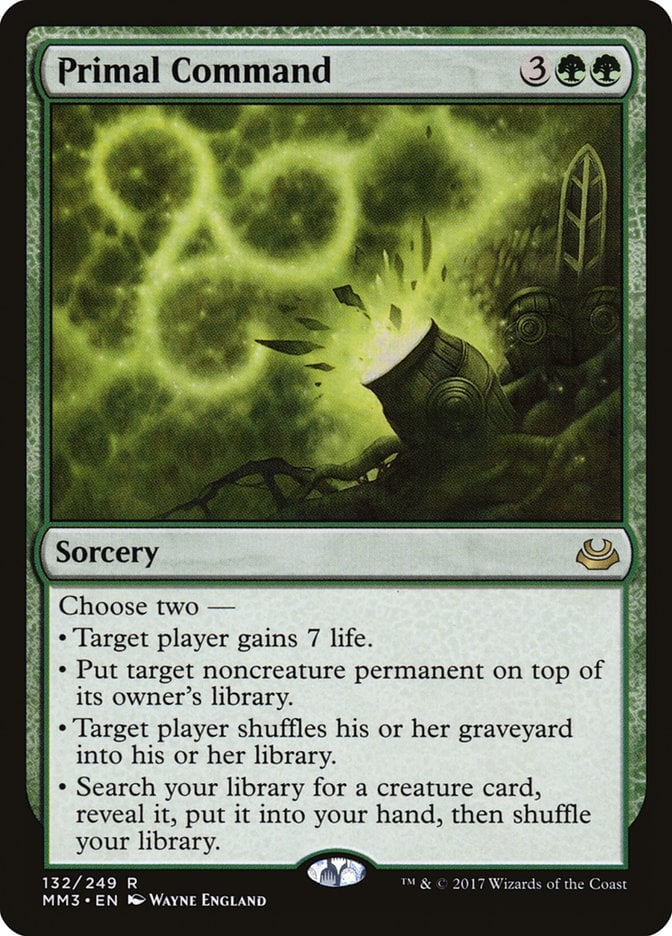
Primal Command was a bigger deal when it was released than it is now. This green sorcery has a broad range of situations where it’s applicable. It’s noncreature removal, graveyard hate, a tutor, and lifegain all in one. Its effects are applied in top-to-bottom order (as listed on the card), so you can shuffle a creature from your graveyard into your library, then resolve the last ability to tutor it up to your hand!
#48. Fauna Shaman
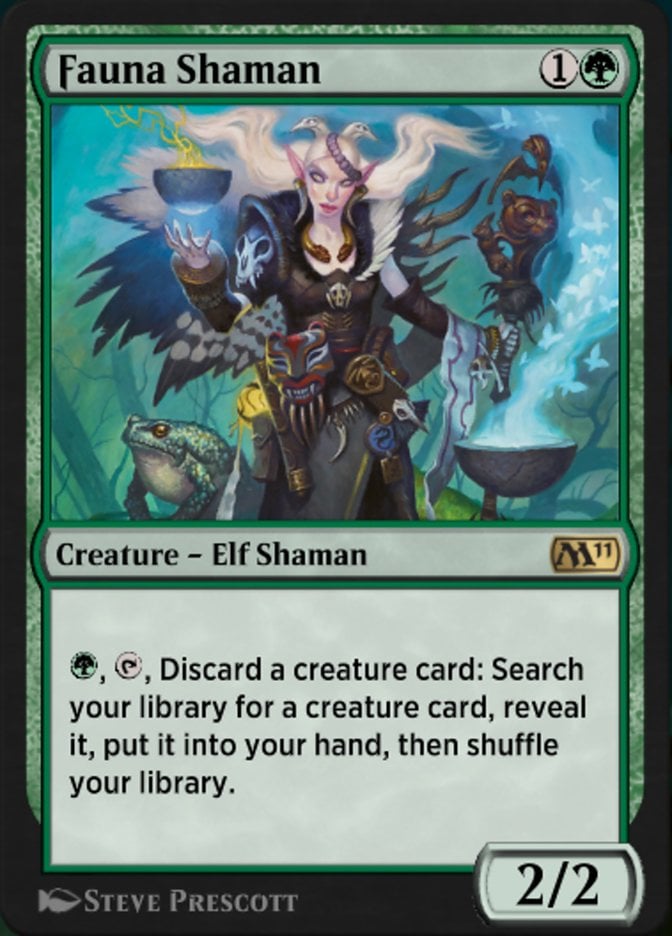
Fauna Shaman is a Survival of the Fittest on a body. This green creature is an understandable downgrade over the insane value of Survival of the Fittest, yet this elf shaman still sees play in Commander as one of the better budget ways to fill both your hand and graveyard with creatures.
#47. Nahiri, the Harbinger
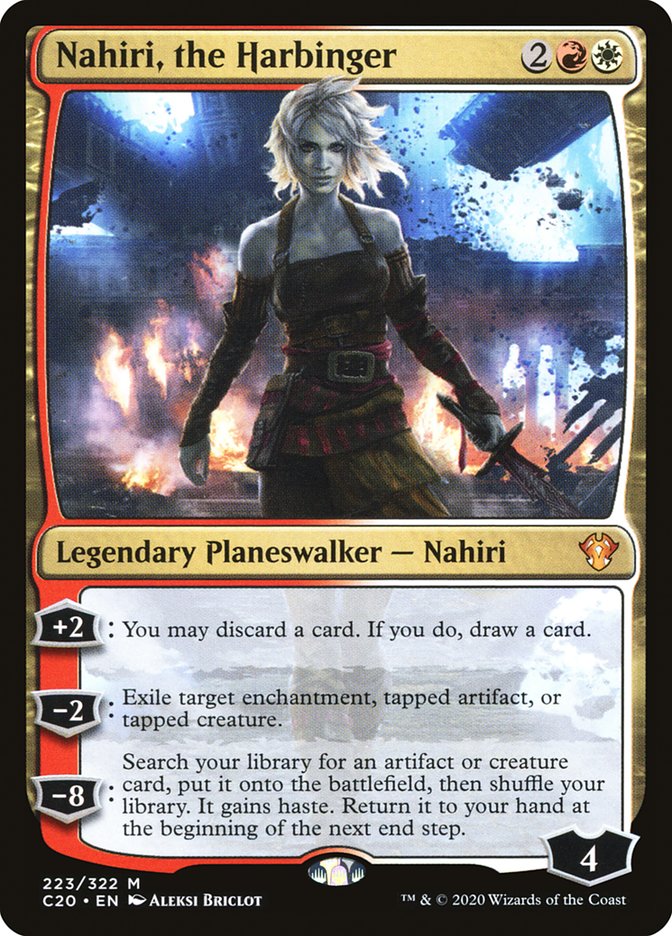
Nahiri, the Harbinger’s ultimate effect is hard to pull off, needing at least two turns of uninterrupted upticks before you can activate it. However, Sneak Attack-ing in a card from your library is no joke, especially when you get the creature back into your hand rather than your graveyard. This makes the creatures Nahiri, the Harbinger fetches incredibly consistent, but the set-up required doesn’t bring Nahiri very far up the ladder.
#46. The Hunger Tide Rises

The Hunger Tide Rises has some problems: It’s slow and telegraphed. It takes time to reach the tutor, and it gives your opponents a time frame within which they must wrath the board to prevent the tutor. But getting a creature directly into play while triggering cards like Fecundity and Blood Artist sounds pretty decent, and three tokens is a lot of sacrifice fodder, so I see it having a place in the right casual brew.
#45. The Huntsman’s Redemption
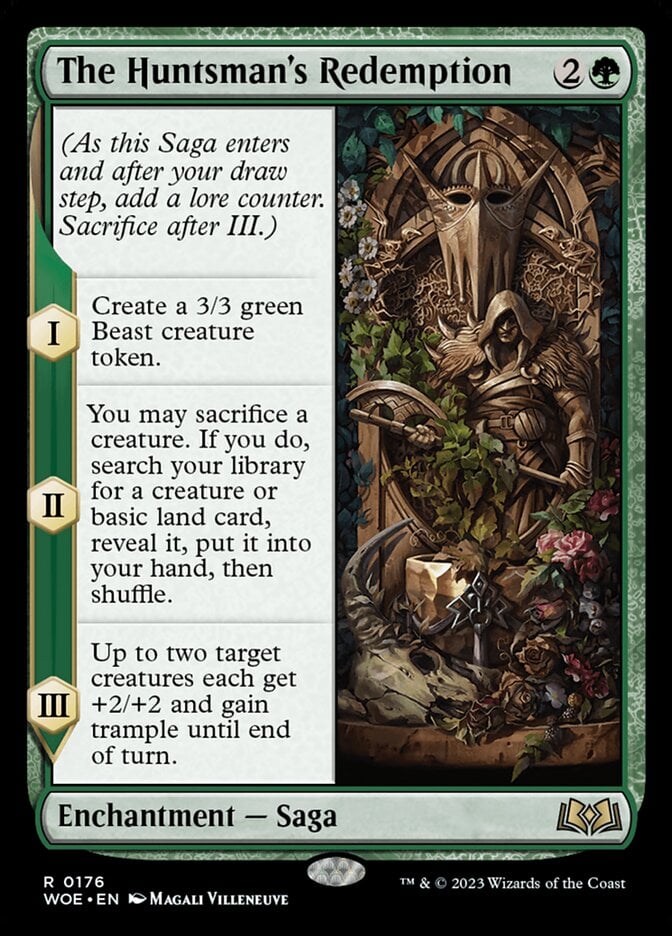
Wilds of Eldraine’s The Huntsman's Redemption operates at about the speed you’d expect for a Standard-legal creature tutor. It can hit the field on turn 3, and the following turn’s chapter ability lets you pod a creature for any other creature or basic land, and then put it into your hand. Where this saga falls short is its final ability: If you don’t play that tutored creature immediately on that second turn, it’ll miss the triggered ability from the third chapter. The Huntsman's Redemption is fine for Standard, but forcing you to spend your follow-up turn casting the card you just tutored makes it pale in comparison to some of the other creature tutors.
#44. Fierce Empath
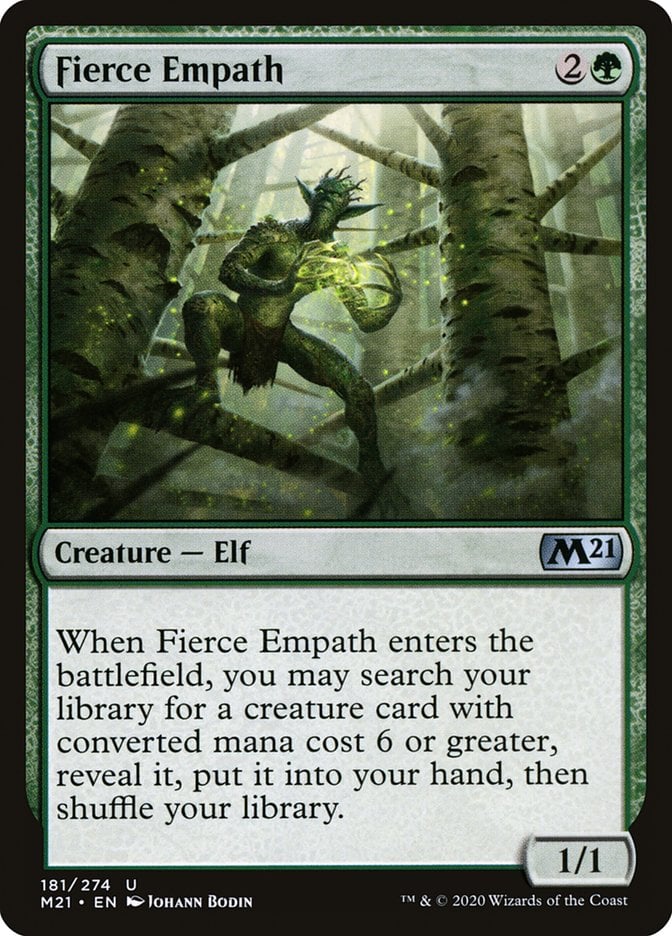
Pauper all-star Fierce Empath has been one of the best common elves in Magic for years. Fierce Empath is a 3-mana 1/1 green creature that’ll tutor up whatever big stompy creature you’re trying to elf-ball your way into. I frequently used it to fetch my Ulamog's Crusher once I’ve procured the mana I need to cast it.
#43. Bilbo, Birthday Celebrant
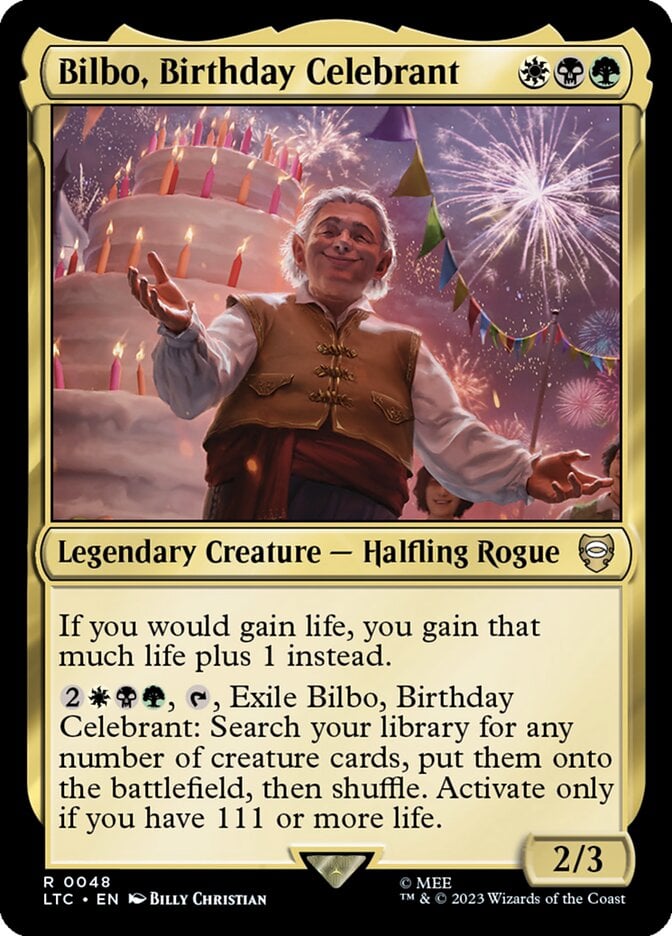
Bilbo, Birthday Celebrant is an amusing legendary creature with a very difficult ability to activate. Getting up to 111 life, even in a 40-life format like Commander, is no easy task. However, this Bilbo is the only card with the ability to search your library for any number of creature cards and put them onto the battlefield. That’s right, no 6 mana or less stipulation, no putting them on top or in your hand, just tutor up your winning board state and put it into play.
#42. Threats Undetected
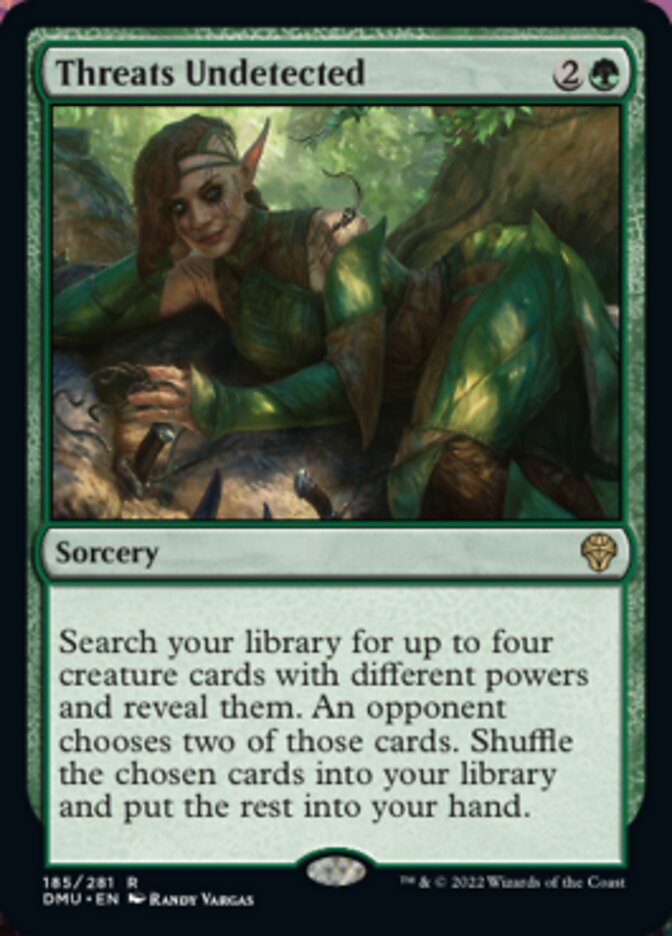
The green version of Gifts Ungiven, Threats Undetected is a guaranteed two creatures to your hand out of the four you present to your opponent. This sorcery is pretty swingy, and its effectiveness really comes down to the individual guile of the players involved. You can play some pretty advanced mind games with your opponent and try bluffing them into choosing your worst cards to shuffle away, or do what I do and just don’t run any bad cards.
#41. Rushed Rebirth
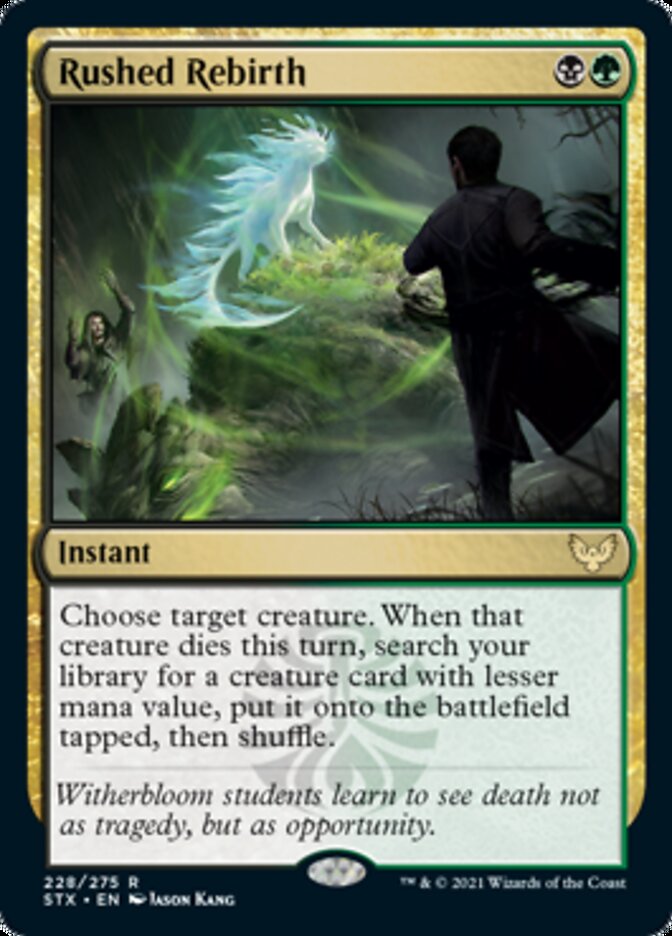
In sort of an inverse Pod effect, Rushed Rebirth lets you replace any dying creature at instant speed with a cheaper one from your library. For 2 mana, this Golgari spell can drastically swing the tempo of a game back into your favor when you use it to recover from your opponent’s removal.
#40. Caradora, Heart of Alacria

Hitting just mounts (and vehicles) makes Caradora, Heart of Alacria rather narrow, but the generality of the +1/+1 doubling ability makes up for it. We have excellent targets despite mounts appearing in only two sets, including Fortune, Loyal Steed to flicker Caradora for more tutors and Bulwark Ox to utilize the counter doubling.
#39. Magus of the Order
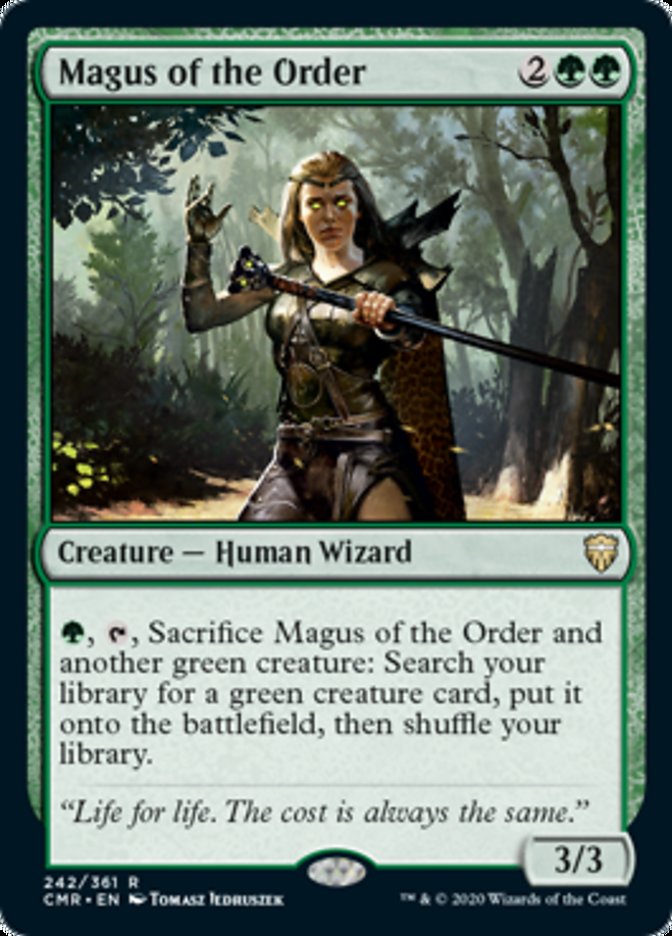
Continuing the theme of putting everything deemed too powerful on a creature to tone it down, Magus of the Order is a Natural Order bound to the weakness of the flesh. It takes a turn to get going and costs you an additional creature in the process, but everything after the colon on this card is the same as its namesake. Magus of the Order is a great budget tutor for any creature-heavy deck.
#38. Vivien, Monsters’ Advocate
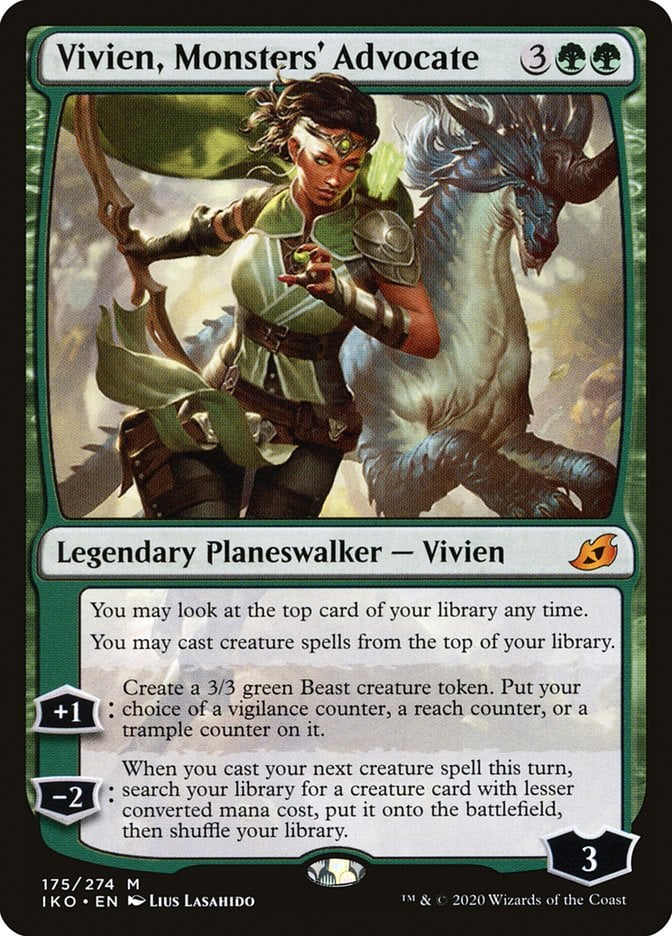
Ikoria’s Vivien, Monsters' Advocate’s -2 ability can be activated the turn it hits the field, but it’ll require you have more mana available to cast a creature. At 5 mana and (probably) a one-turn wait before you get to tutor, this green planeswalker is a fine creature tutor, but not the best by any means.
#37. Garruk, Unleashed
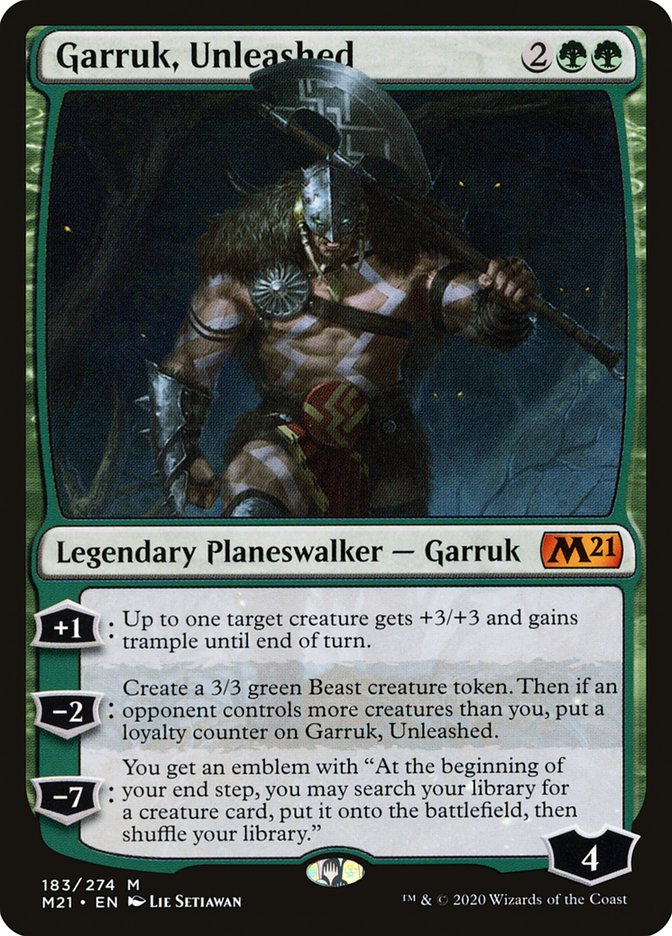
Executing Garruk, Unleashed’s ultimate ability should see your opponents scooping, but just in case it doesn’t, get ready to have the most fun you’ve ever had playing Magic. It’ll indeed take at least four turns (unassisted by any proliferate effects) after you play Garruk to get that ultimate off, but once it does you’ve got an un-interactable creature tutor that triggers on every one of your end steps from that point on.
#36. Time of Need
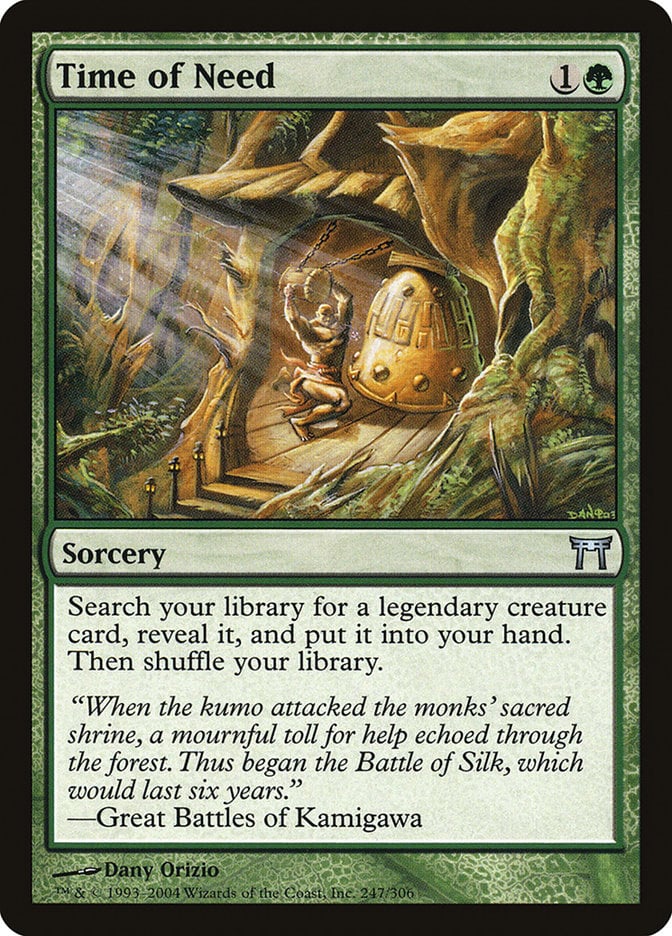
Time of Need rounds out the 2-mana creature tutors. The stipulation that it must fetch a legend can be damning, but when built-around a legends deck, Time of Need is as good as a Demonic Tutor.
#35. Altar of Bone
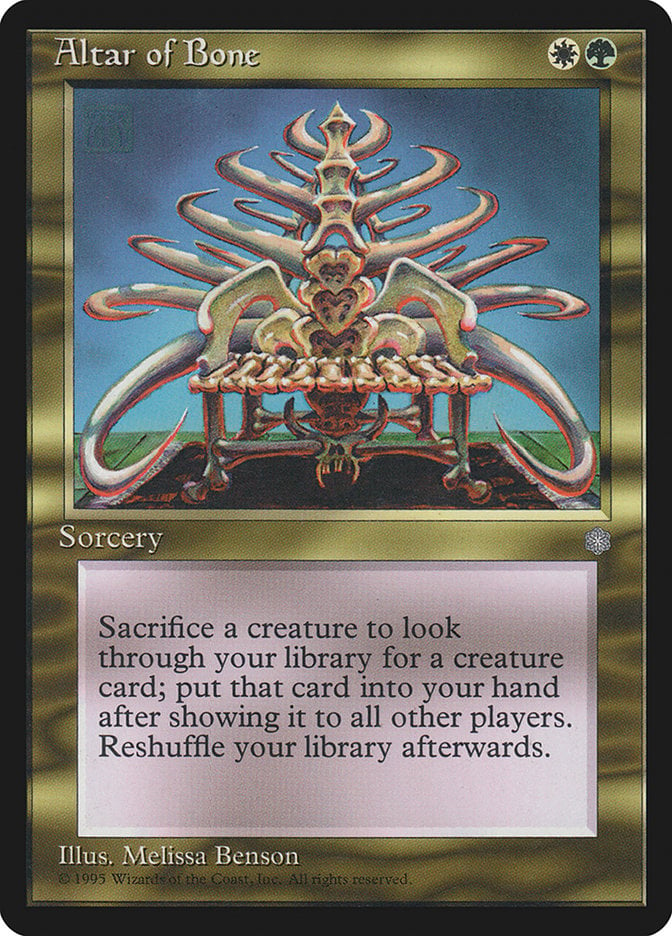
Altar of Bone is a worse Eladamri's Call in most instances, but it has some play in decks that need sacrifice outlets on all their spells. Also, why is this card Selesnya ?
#34. Signal the Clans
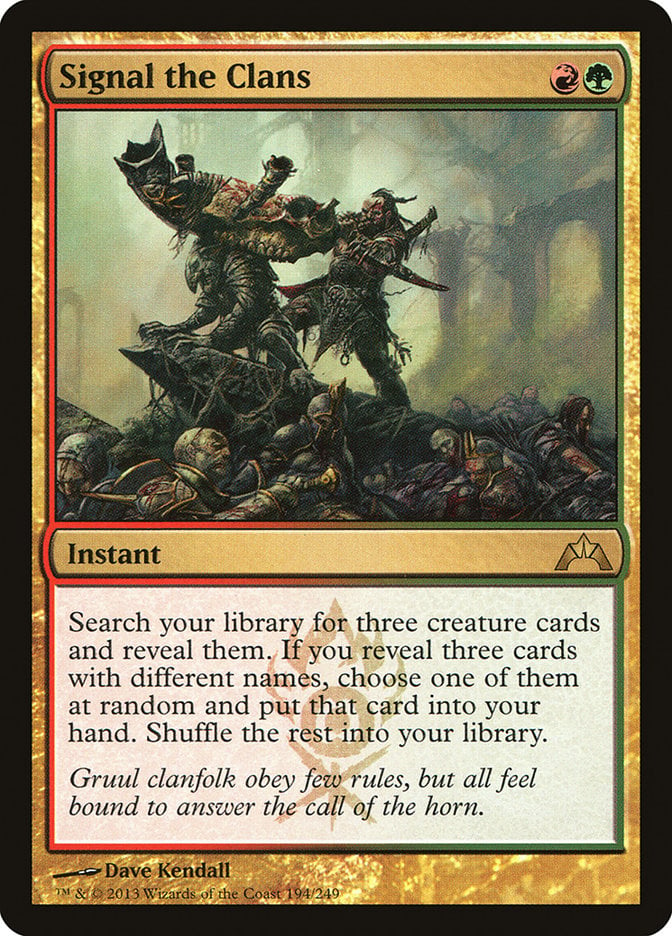
Continuing the suite of 2-mana “meh” creature tutors, Gatecrash’s Signal the Clans just barely beats out Altar of Bone by virtue of possibly landing you two cards you want in your graveyard instead of just one. Its randomness still needs to be accounted for, so you should only ever tutor creatures that you’re okay with discarding. It does make for a budget Gamble if you’re looking, though.
#33. Turtles Forever
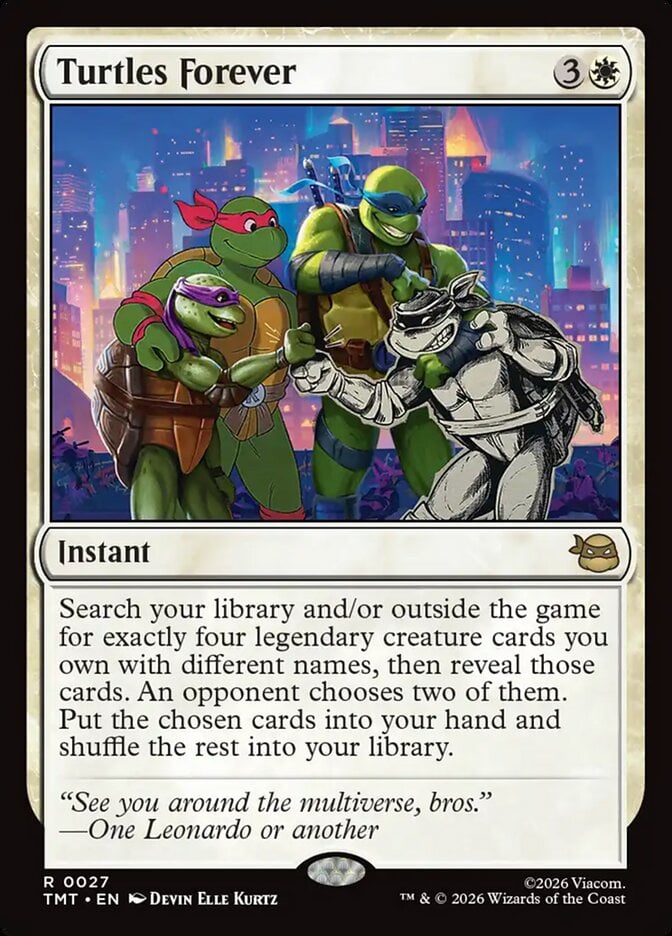
The getting a card from outside the game aspect doesn’t come into play in Commander, but getting two of four of your choices is pretty good stuff from Turtles Forever. Coincidence that it costs four? I think not.
#32. Fiend Artisan
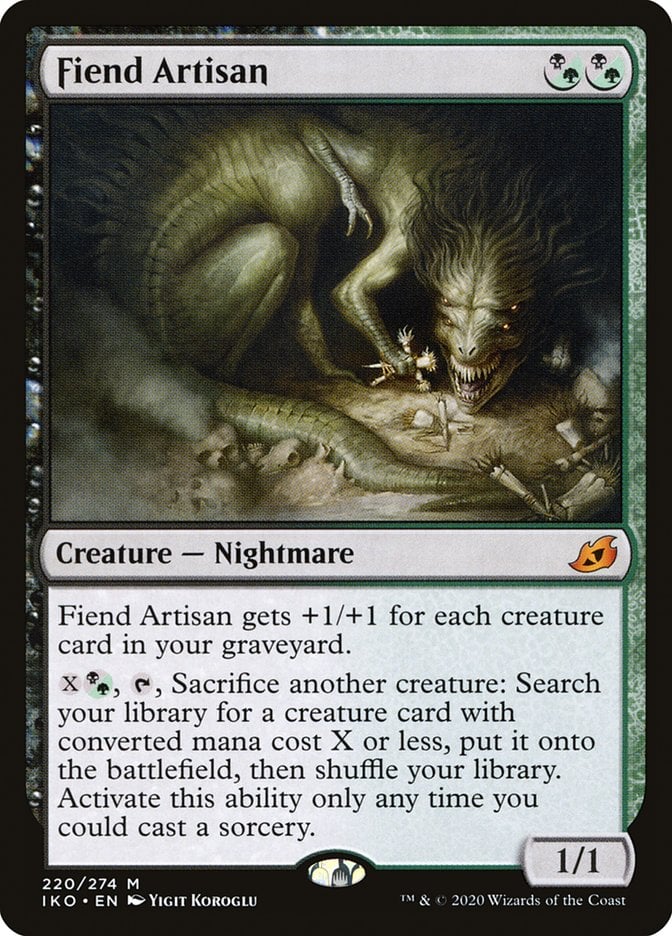
Further pushing the Birthing Pod-on-a-body design, Fiend Artisan forgoes all that difficult addition and just lets you sac a creature and pay X to get a card with mana value X or less onto the battlefield. Its only drawback is, once again, the fact that the effect is tied to a creature that needs to tap to activate. At least it gets slightly stronger for each sacrifice.
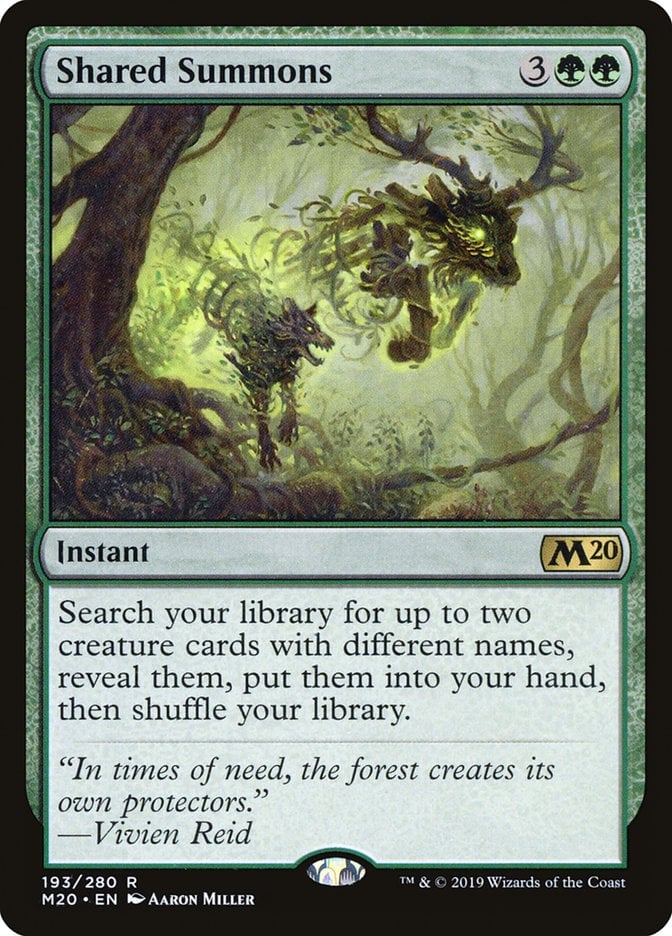
I know I bad-mouth Shared Summons elsewhere, but this green instant isn’t a bad card. A 5-mana two-card tutor outside of black is a fair rate, especially in singleton formats like Commander. I frequently used Shared Summons to grab two of the combo pieces in my Yisan, the Wanderer Bard deck to go big on the following turn with Quirion Ranger and Scryb Ranger.
#30. Protean Hulk
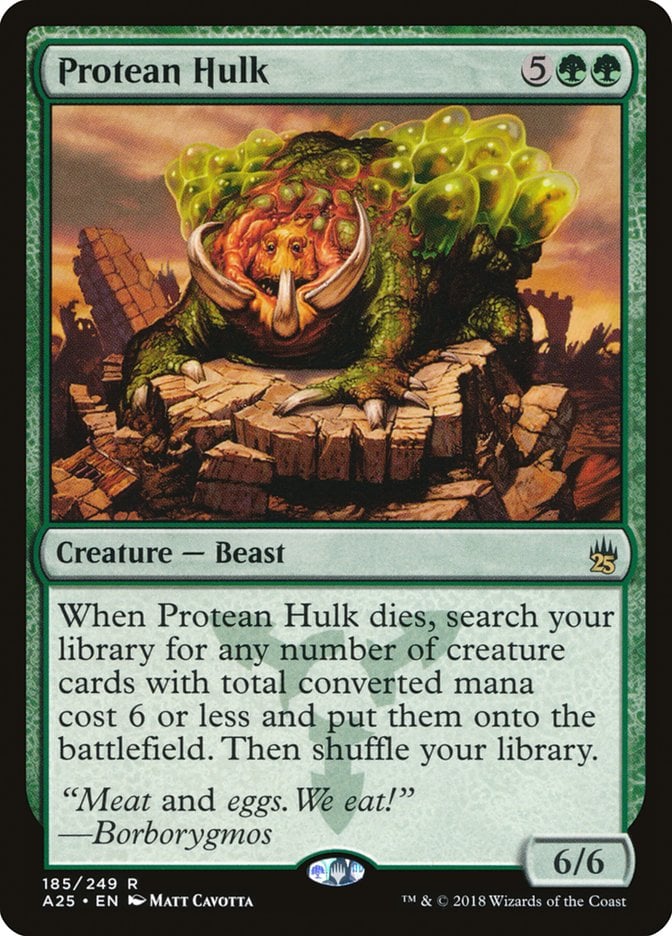
Dissension classic Protean Hulk used to be the cream of the crop for creature tutors and still shows up alongside green commanders these days, as one of the best green tutors in the game. The versatility it offers of searching up any number of creatures with a total MV of 6 or less makes it shine as one of the best toolbox-openers in the game, grabbing you that Endurance and Reclamation Sage at the same time to permanently shuffle away that damn Sphere of Safety.
#29. Tooth and Nail
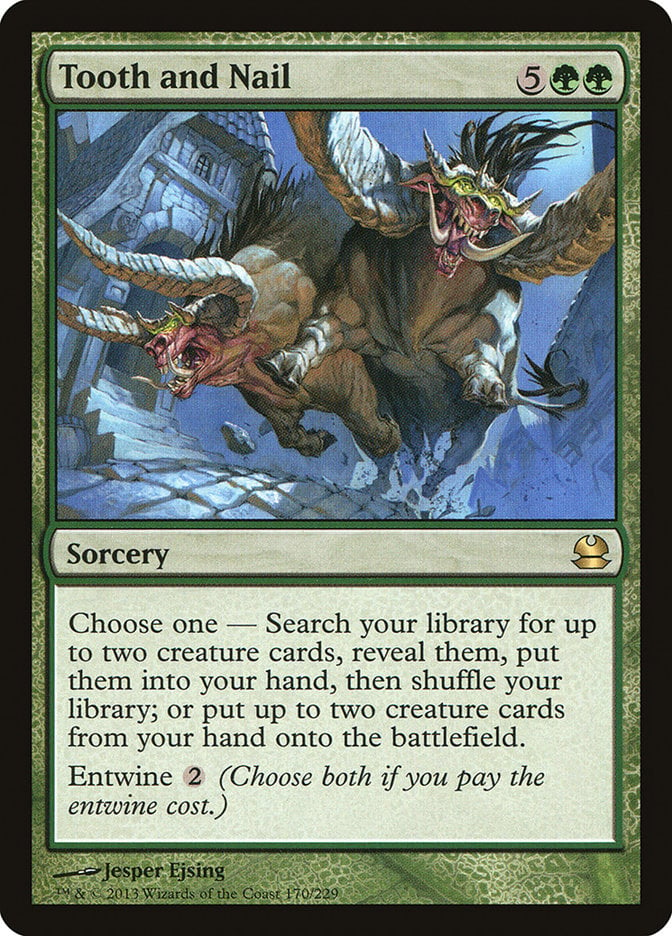
Tooth and Nail seems like a hugely expensive green sorcery at first glance: You’re telling me I’ve got to spend 7 mana before I even get a Shared Summons off it, and 2 more if I want those creatures on the field? Yes. And it’s not actually that bad. Remember, you’re playing green! Any green deck worth its salt should have more than enough ramp to hit 9 mana before long, and tapping out for an entwined Tooth and Nail is guaranteed to make you a huge threat immediately.
#28. Eldritch Evolution
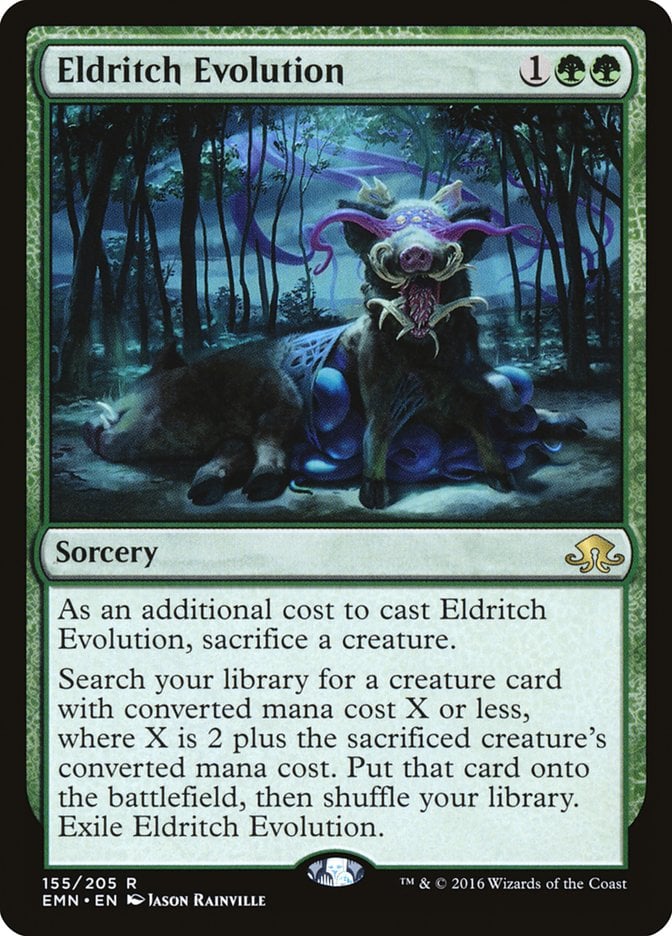
A 3-mana single-use Birthing Pod is already a good value, but it gets even better when you consider you’re fetching a creature worth 2 more mana than your sacrificed creature. Every once in a while it shows up in Modern decks, but unless you have a specific play pattern in mind, you’re better off with a more generic tutor like Chord of Calling.
#27. Summoner’s Pact
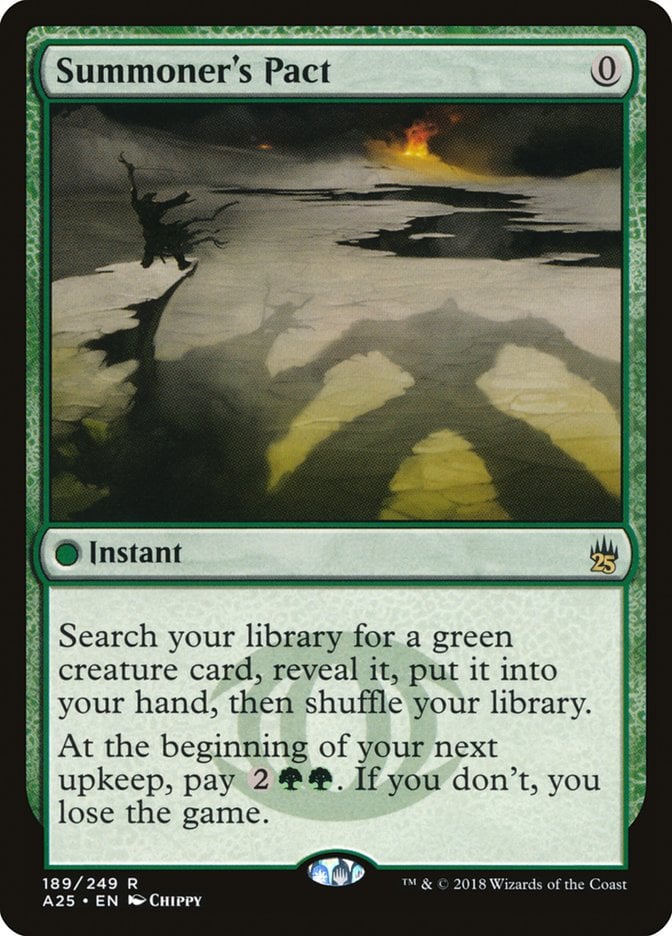
The green entry into Future Sight’s pact cycle is Summoner's Pact, a free creature tutor! Sure, you’ve got to pay the on the following turn’s upkeep, but Summoner's Pact’s instant-speed casting means you can wait until the very last second before you decide what creature you need to pull. I only wish it could put the creature onto the battlefield, rather than your hand, since the follow-up cost has potential to prevent you from casting the creature you just fetched.
#26. Jarad’s Orders
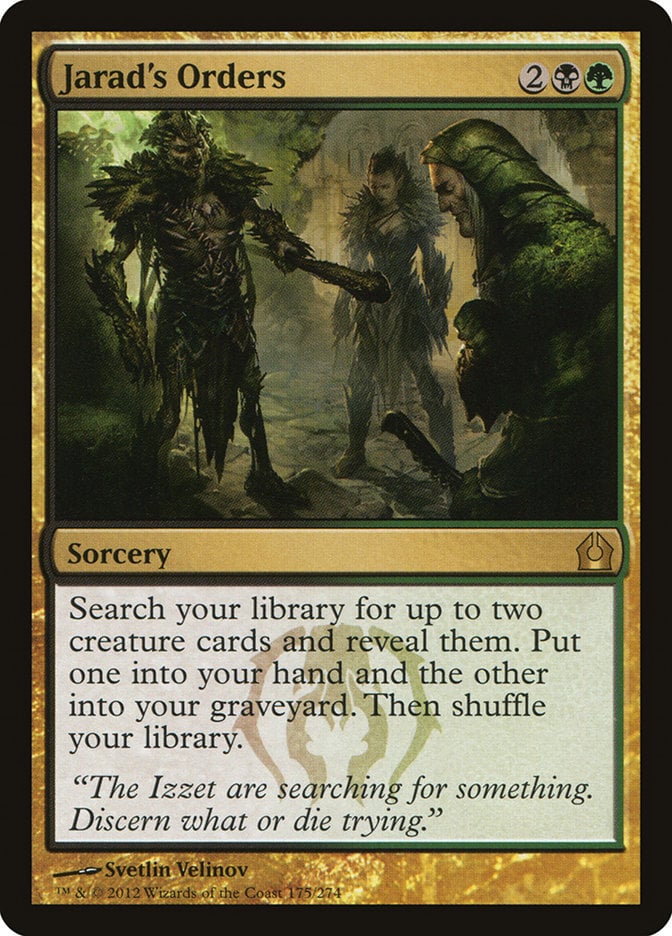
Jarad's Orders fetches two creatures, one to the hand and one to the graveyard, for 1 mana less than Shared Summons. Considering the myriad options you have for returning cards from your graveyard to play, you should treat this Golgari sorcery as just plain better than Shared Summons, even if creatures in your graveyard are a little more vulnerable than the ones in your hand.
#25. Momir Vig, Simic Visionary
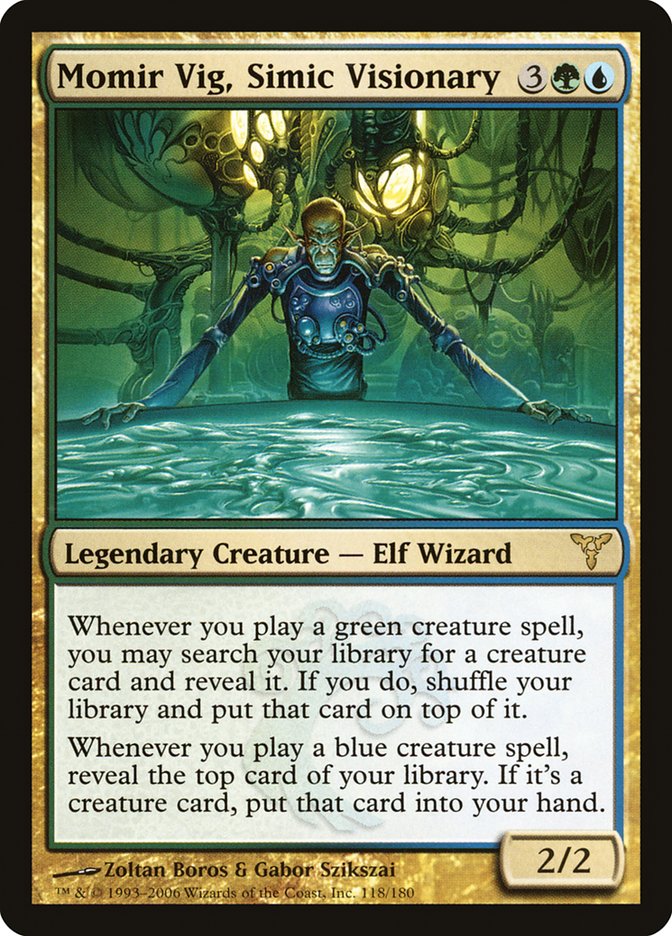
Momir Vig, Simic Visionary is so iconic that it spawned its own MTGO format, Momir Basic, and a variation that’s often featured in MTG Arena‘s Midweek Magic event. Momir’s Worldly Tutor-trigger whenever you cast a green spell makes for an easily repeatable tutor which combos well with Simic spells, since the second ability resolves after you’ve tutored the card to the top of your library.
#24. Neoform
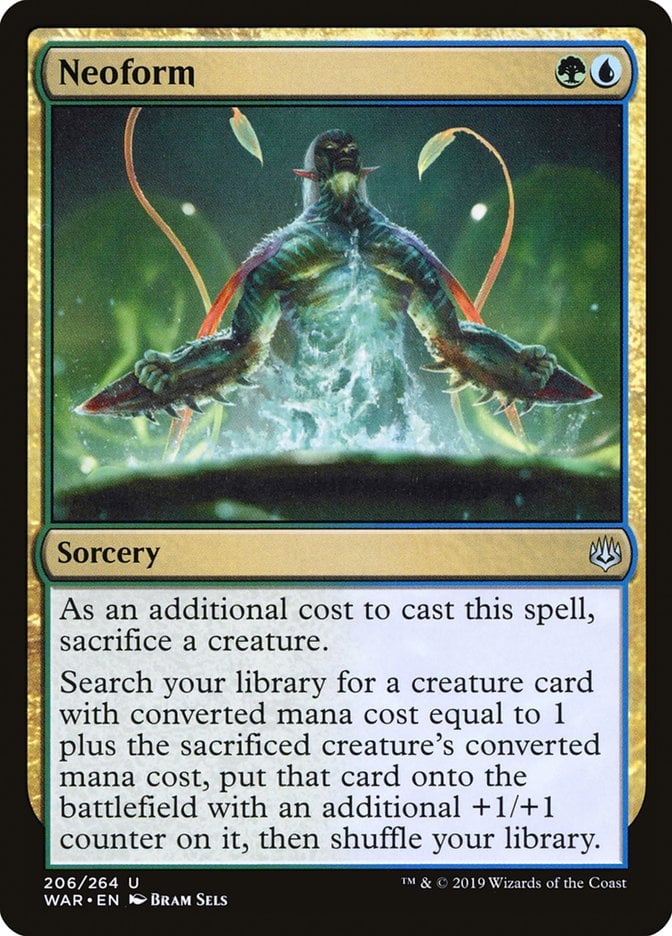
Neoform isn’t really an upgrade or downgrade over Eldritch Evolution; it’s more of a side-grade. For 1 less mana, you’ll get the traditional Birthing Pod effect, plus a +1/+1 counter. In most instances, this should perform about the same as Eldritch Evolution, with the possibility to be better on account of its cheaper MV.
#23. Prime Speaker Vannifar
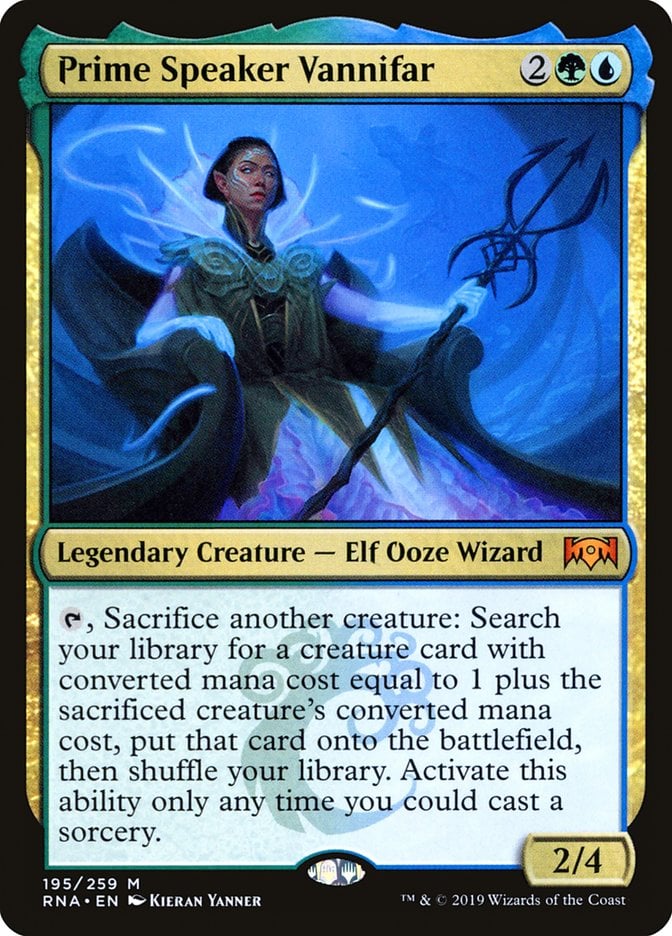
Prime Speaker Vannifar is the answer to every Pod player’s EDH dreams. Finally, you can put a Simic Birthing Pod in the command zone. The legendary creature status and cheaper overall mana investment gives Birthing Pod a run for its money, but Vannifar is hindered by the summoning sick body it inhabits.
#22. Brightglass Gearhulk

Ranger of Eos got a massive glow-up in Brightglass Gearhulk, which boasts far better stats and finds considerably more targets. There are plenty of great cards to snag, like Relic of Progenitus or Deafening Silence for stax or Nurturing Pixie to reset the Hulk. Combo decks in particular ought to look at it; I like the idea of grabbing, say, Walking Ballista and Swift Reconfiguration to set up multiple combo lines at once.
#21. Dina’s Guidance

Dina's Guidance is a simple recipe even if it overpays for Entomb. What can we say, Golgari/Witherbloom cares about creatures.
#20. The Seriema

The Seriema is almost purpose-built for Commander since legendary creatures are all over the format. Add to the sweet tutor an incredible upside for legends that have great static abilities and you’ll enjoy having this spacecraft fully stationed to put you on a trajectory to victory.
#19. Archdruid’s Charm
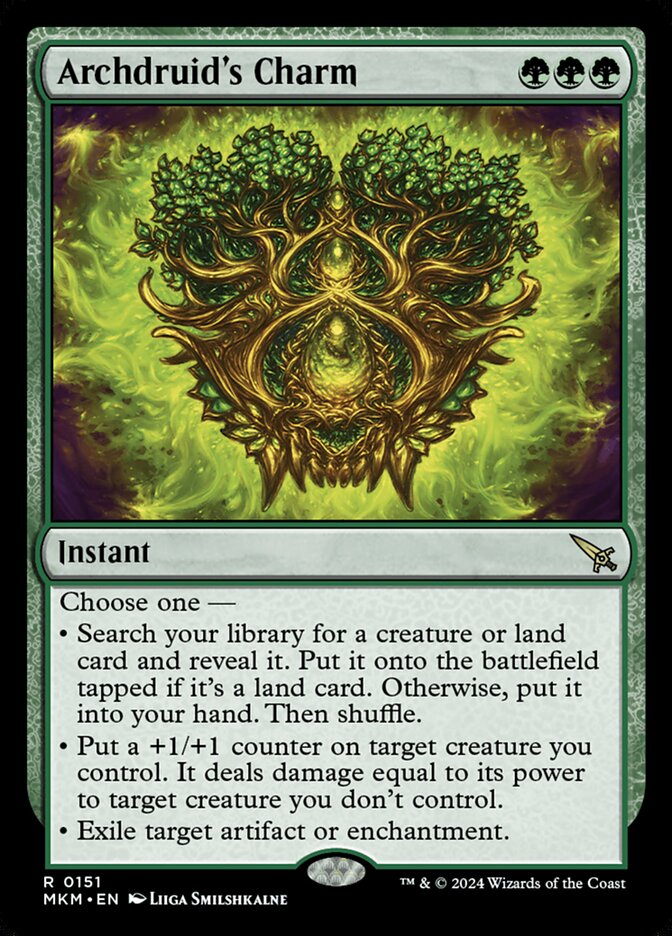
Archdruid's Charm is a Murders at Karlov Manor creature tutor, and the most recent entry in the cycle of Arch-charms (currently, the only one besides Archmage's Charm). Like most charms, Archdruid's Charm’s real value lies in its versatility. For , it can tutor a creature to the hand or any land to the battlefield tapped, or act as removal for artifacts, enchantments, or creatures.
#18. Nature’s Rhythm

The most interesting part of Nature's Rhythm is how well it sets itself up. If you get a large creature with the first cast, the following cast can be even more impactful. For example, if your 6-mana Rhythm gets a 4/4, you can cast Rhythm for X=6 minimum the following turn thanks to harmonize. The utility of a Chord of Calling you can cast after milling it is also quite nice.
#17. Savage Order

The Jurassic World Collection’s Savage Order is a situational Natural Order built just for the dinosaur decks out there. While it requires a creature with power 4 or more and can only fetch dinosaurs, it does protect the tutored creature from removal, ensuring you don’t “two-for-one” yourself by wasting a tutor and a creature only to have it die to a Murder.
#16. Formidable Speaker

Formidable Speaker is a world champion card that does a one time Fauna Shaman, and has a super useful untapping ability. Thank you for this one, Jean-Emmanuel Depraz!
#15. Celestial Reunion
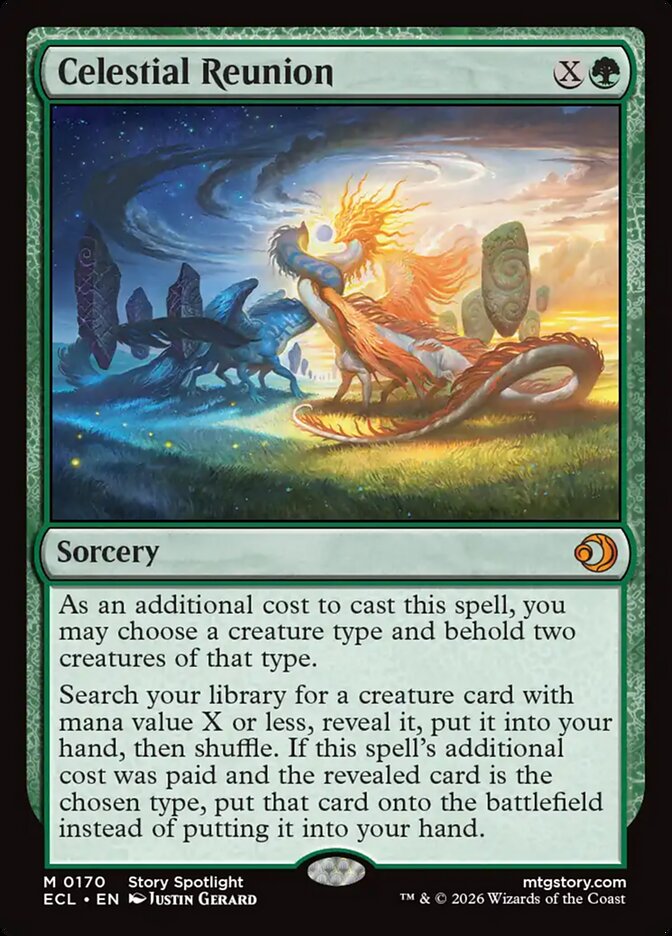
Celestial Reunion has a neat way of cheating a huge creature onto the battlefield using a pair of creatures to behold. This mode makes it better than Nature's Rhythm at one less . It helps the budget players that not every deck wants this, so the players that do can enjoy a great mythic without paying top tuition for a tutor.
#14. Yisan, the Wanderer Bard
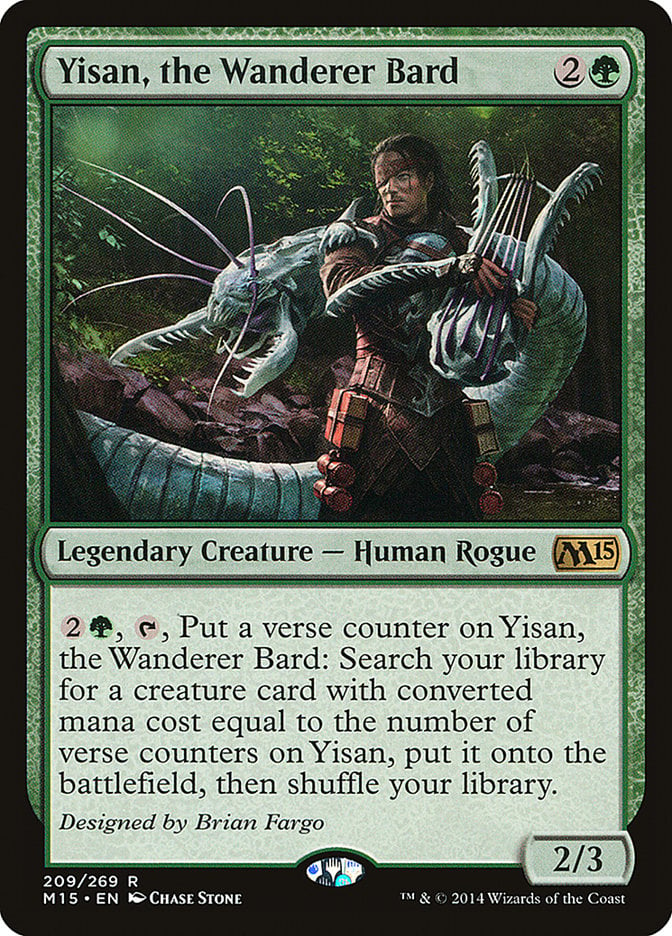
This is one of my favorite creatures of all time. Yisan, the Wanderer Bard was designed by Brian Fargo in 2014 as part of a guest designer series for the 2015 Core Set. Yisan is another Birthing Pod on a human rogue bard‘s body and all around one of the best Pod commanders in the game, but instead of counting the sacrificed creature’s mana cost, this bard makes its own verse counters to track just exactly how big of a free creature you’re getting.
#13. March of Burgeoning Life
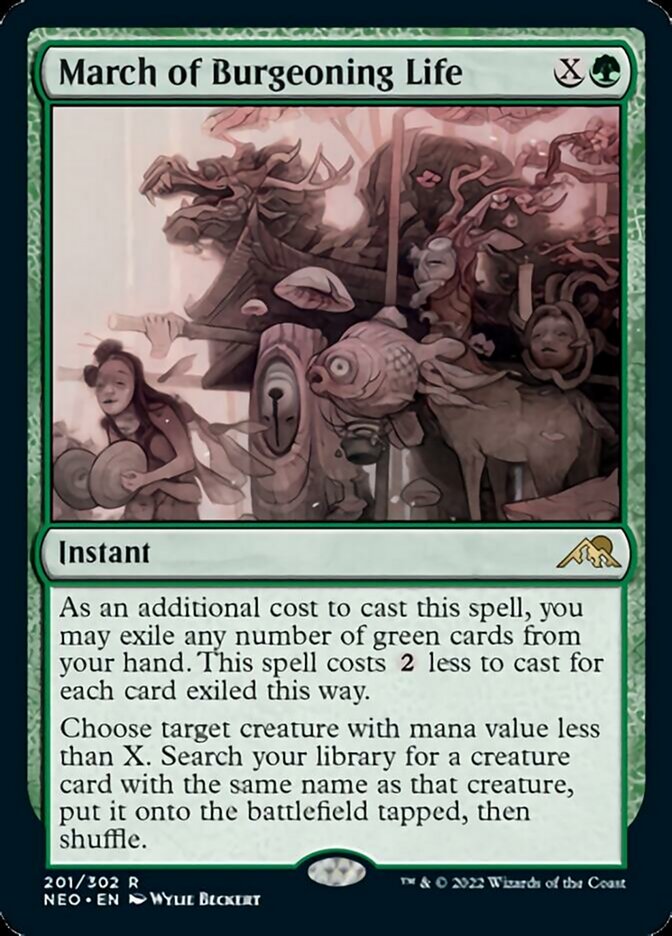
March of Burgeoning Life is a ton of fun for combo decks that need two copies of the same effect to go off. I’m personally thinking of a Modern Infect storm build that made the rounds a while ago, playing off of tutoring up Venerated Rotpriests to the field as quickly as possible and then hitting them with as many Ground Rifts as possible.
#12. Imperial Recruiter
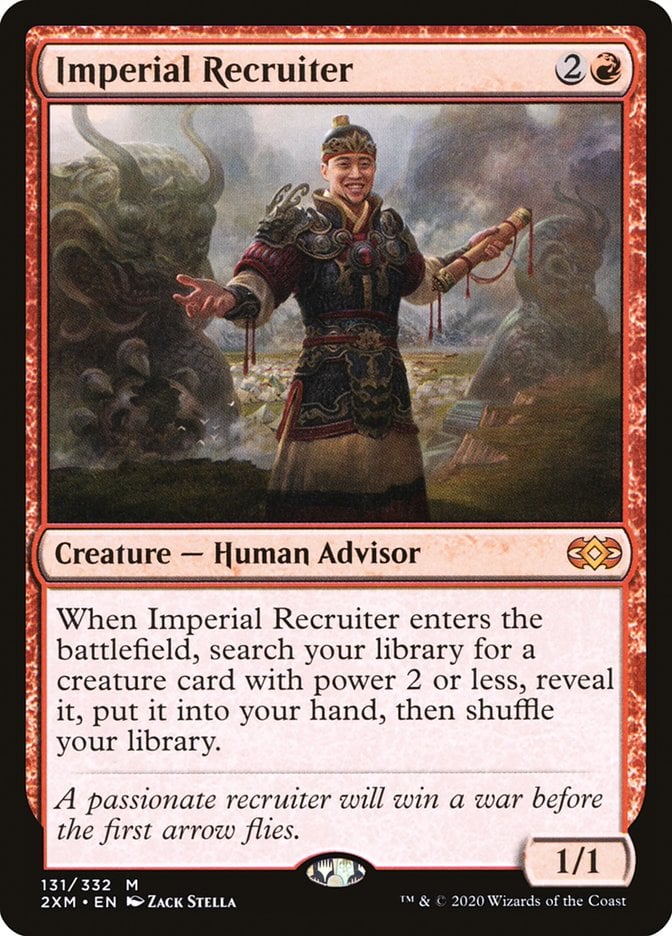
Infamous Imperial Recruiter is the best way to search up low-powered creatures. This red creature is dirt cheap, and its effect is easily recurrable with any blink or bounce effect. It’s a staple in my Alesha, Who Smiles at Death deck.
#11. Pattern of Rebirth
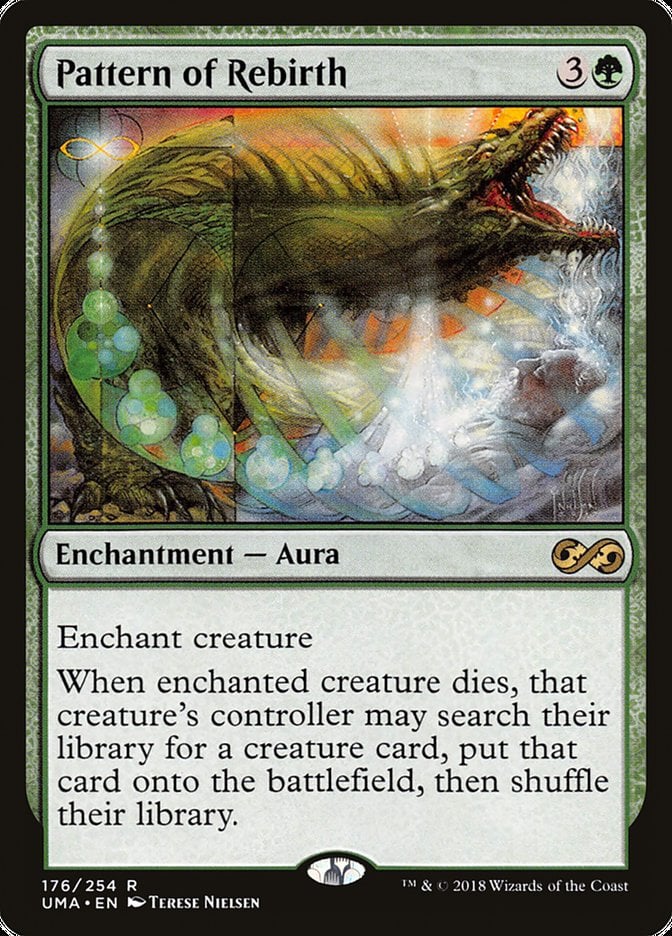
Pattern of Rebirth is one of the best ways to tutor creatures straight to the field, and doubly so in a deck with lots of free sacrifice outlets. This is effectively a Natural Order with a Viscera Seer is already in play.
#10. Eladamri’s Call
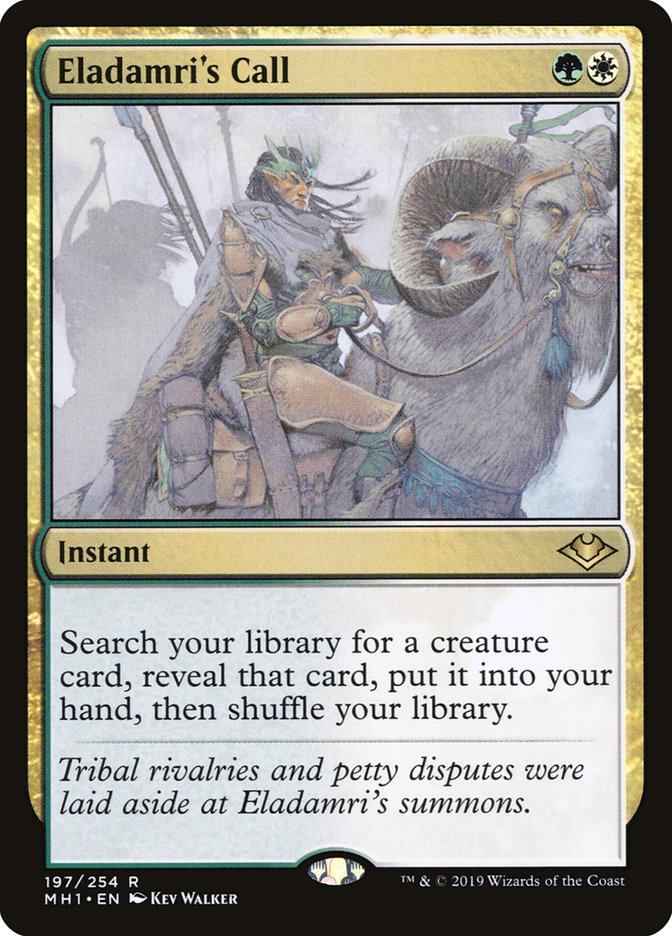
In what may be the most basic non-permanent creature tutor, Eladamri's Call functions as a Demonic Tutor for creatures only, in that it’s a 2-mana spell to fetch something specific from your library. It’s fair value and sees a lot of play in many formats, and it’s semi-budget friendly when compared to some of the other tutors.
#9. Defense of the Heart
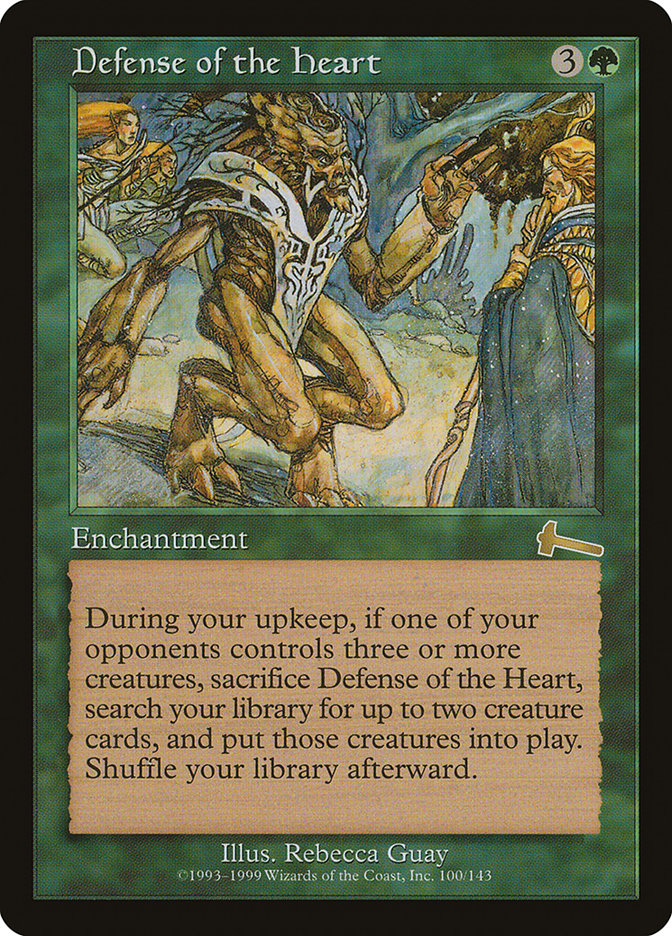
Defense of the Heart goes crazy hard in any multiplayer format, especially Commander. The chances of an opponent having three or more creatures on the field is pretty high, especially with all the token commanders running around these days, making Defense of the Heart a delayed but powerful creature tutor. For 4 mana, you’ll be tutoring any two creatures directly to the field – compare that to Shared Summons at 5 mana to fetch two to your hand. It’s a no-brainer. And if played early, it’s an excellent rattlesnake to shake at your opponents: Don’t go wide, or else!
#8. Chord of Calling
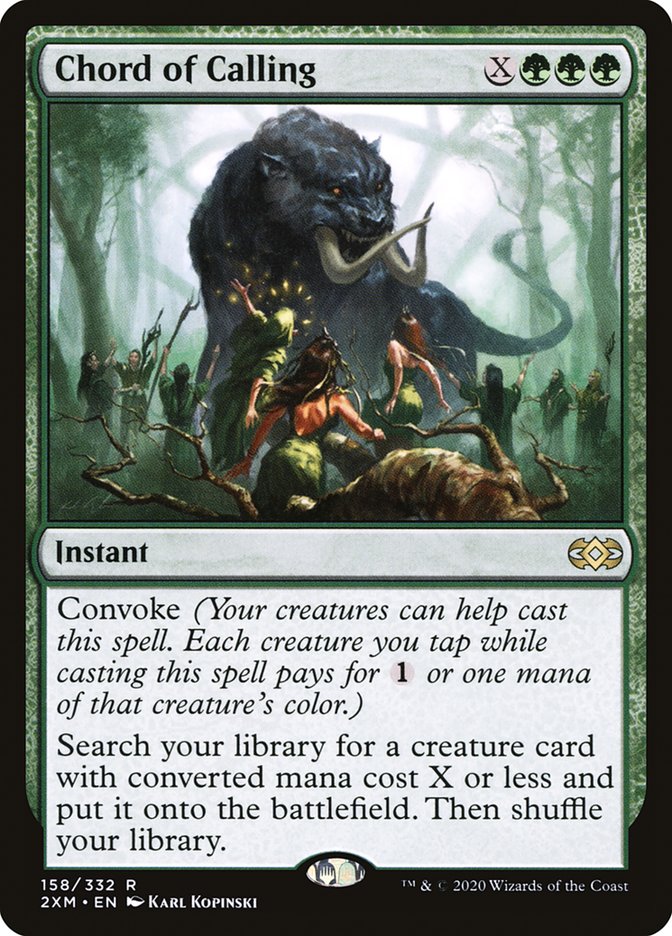
is on the more expensive end of creature tutors, but Chord of Calling’s convoke ability helps soften the blow. Especially useful for creature-heavy decks that need to pull out low MV creatures from their toolbox at instant speed.
#7. Green Sun’s Zenith
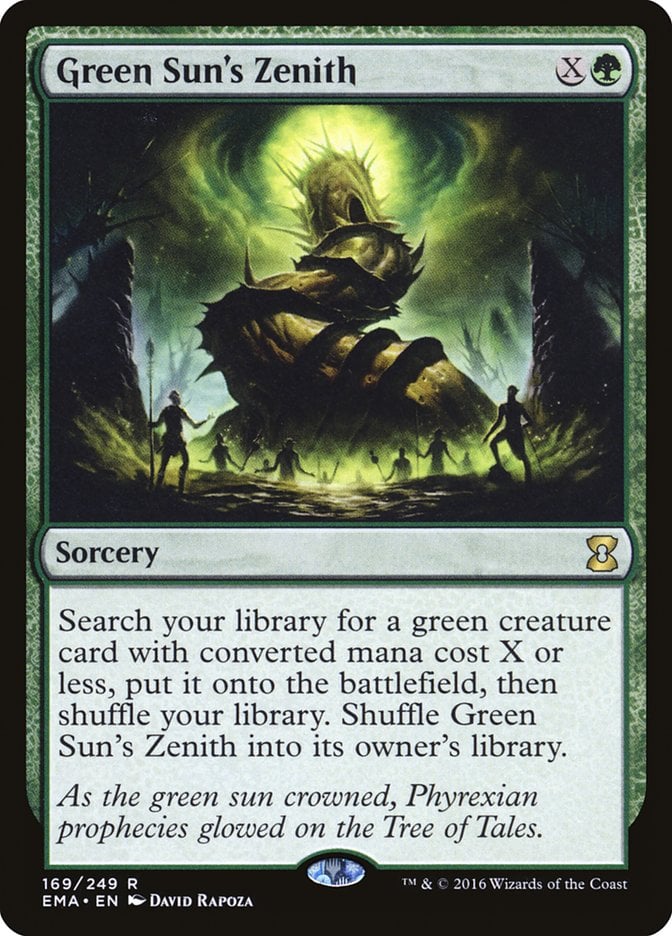
R&D really went off in the Mirrodin Besieged-New Phyrexia block as far as creature tutors are concerned. Green Sun's Zenith was once banned in Modern for much the same reason that Birthing Pod is; it just homogenizes the format too much. One of the main challenges in Magic is fighting against the randomization of the cards in your deck, and an easy-to-cast tutor like Green Sun's Zenith effectively removes that hurdle. Why waste time trying to draw into your best creatures when you can just put them directly into play for 1 extra mana?
#6. Finale of Devastation
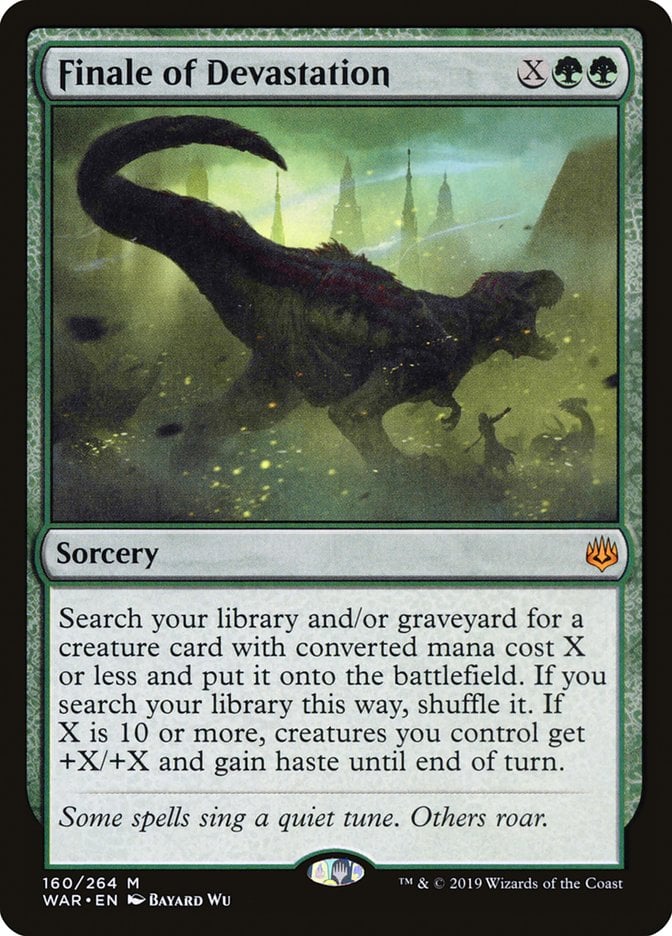
Have you ever thought: “Boy, I sure do love Chord of Calling, but I wish it would actually end the game rather than having to stick my creature to the board for a full turn first?” Well, do I have the spell for you! Magic’s best green sorcery, Finale of Devastation is one of the best creature tutors on the market, and it’s no surprise why. Combining an Overwhelming Stampede with a huge tutor is a guaranteed way to swing in for lethal. Fetch up something like End-Raze Forerunners and laugh as you put an additional 19 power on the board at least.
#5. Birthing Pod
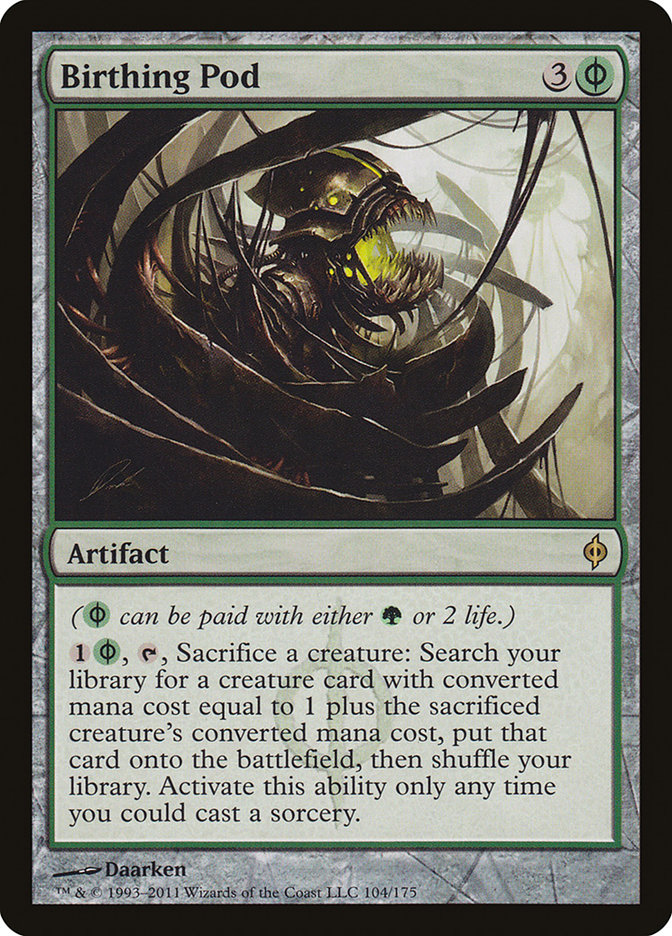
Birthing Pod is one of the best creature tutors out there. This Modern-defining artifact basically ensured there was no reason to play any creature-based deck besides the Pod “toolbox” build. Its biggest boon is the not one but two Phyrexian mana in its casting cost and activated ability, making Birthing Pod effectively a 4-mana investment for a pod-based tutor. It got so bad that many combo-based decks just dropped their combo strategy altogether in favor of just rushing in a Siege Rhino. While Birthing Pod definitely homogenized the format, it was an important lesson for design to learn, and now we get to enjoy more sub-optimal pod cards overall, rather than never seeing this broken ability ever again.
#4. Sylvan Tutor
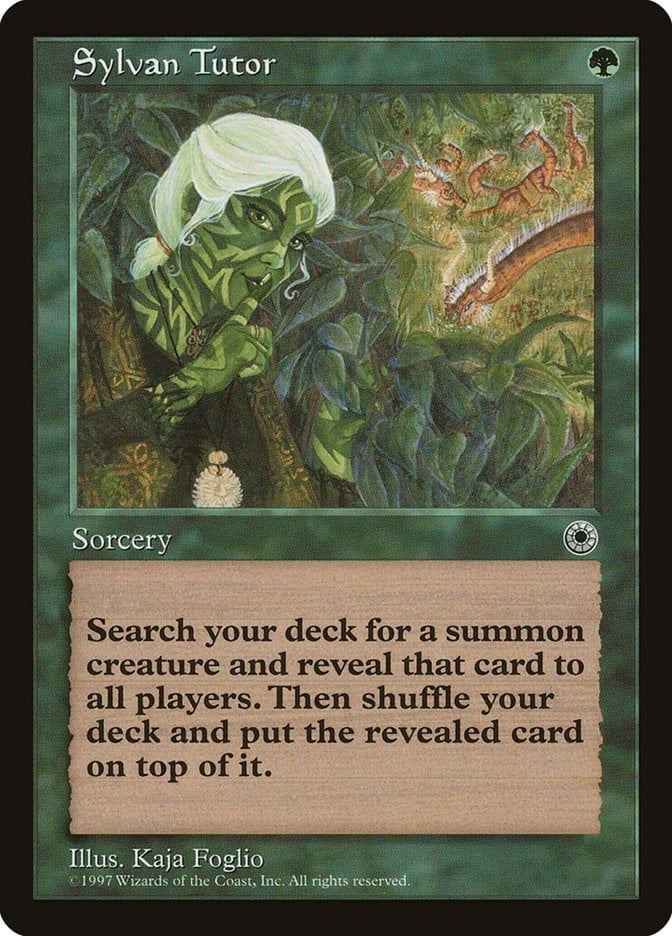
Sylvan Tutor is a 1-mana sorcery that tutors any creature straight to the top of your library. Its cheap cost makes it powerful, but its sorcery speed leaves the tutored card vulnerable to mill or shuffle effects before you have an opportunity to draw it.
#3. Worldly Tutor
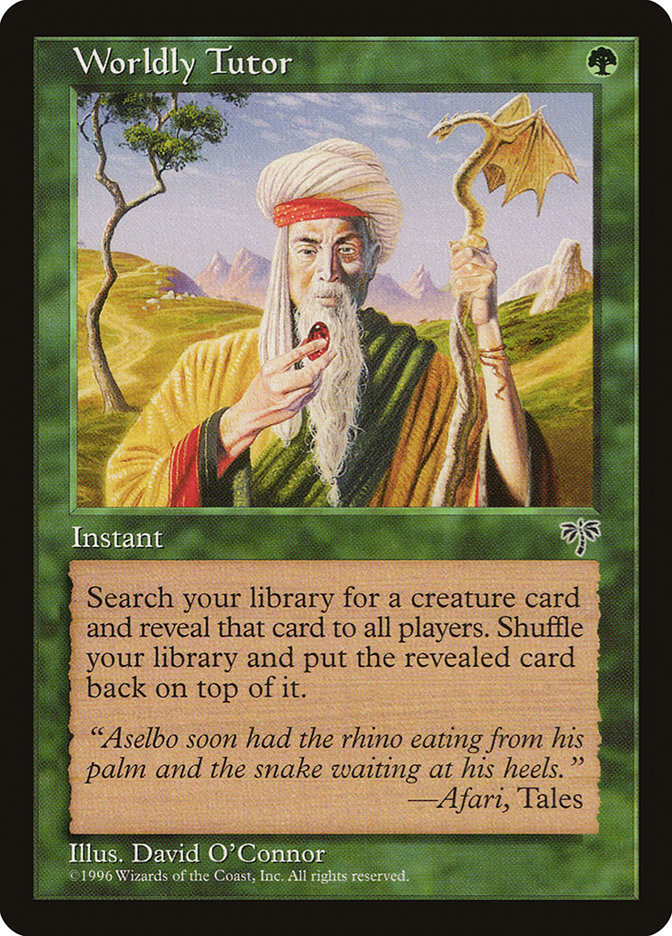
Worldly Tutor, on the other hand, functions exactly the same as Sylvan Tutor, with the added advantage of being an instant. This means you can save your tutor spell until the last possible moment, tutoring the card you need during your opponent’s end step, or even during your upkeep, to immediately draw the tutored creature.
#2. Survival of the Fittest
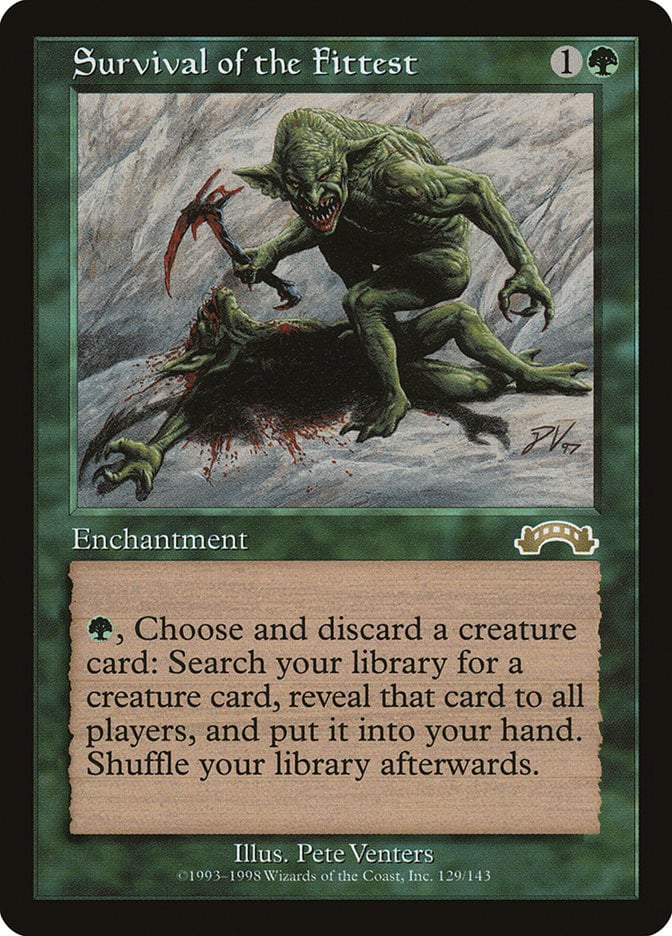
Banned-in-Legacy Survival of the Fittest made its claim to fame in 1998 as part of World Champion Brian Selden’s “Cali Nightmare” deck. The deck used the obviously-undercosted effect of Survival of the Fittest to put powerful creatures directly into the graveyard, only to reanimate them with Recurring Nightmare. Survival of the Fittest does the work of two or more cards in its own little combo, and it only requires 3 mana to get going.
#1. Natural Order
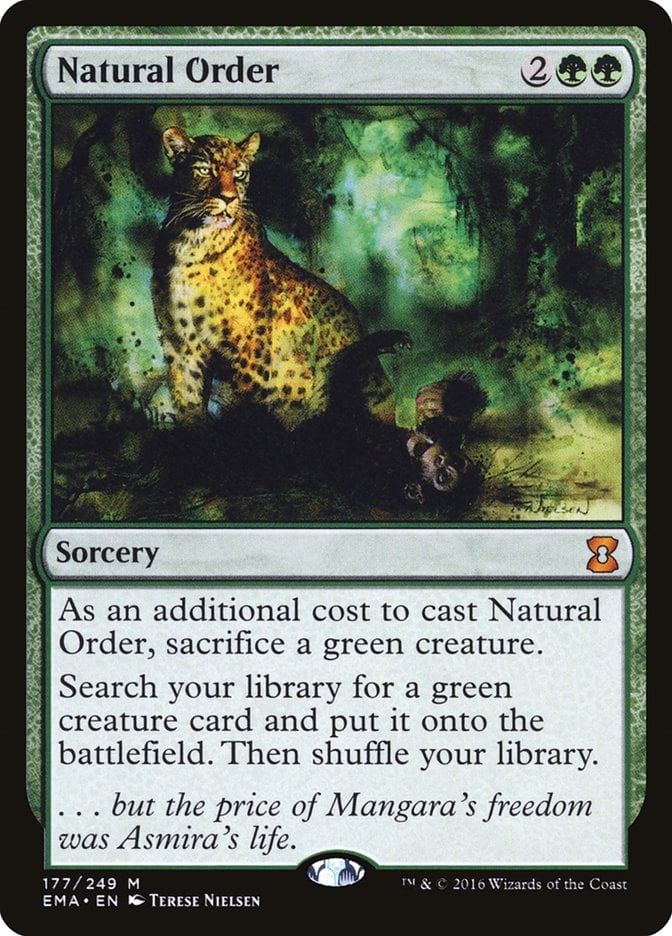
Not much can beat Natural Order in terms of straight-up value. Turning your Llanowar Elves into a Craterhoof Behemoth tends to decisively end games, especially if you’re running it out as early as turn 3. That’s before we even consider the great versatility of fetching utility cards like Acidic Slime.
Best Creature Tutor Payoffs
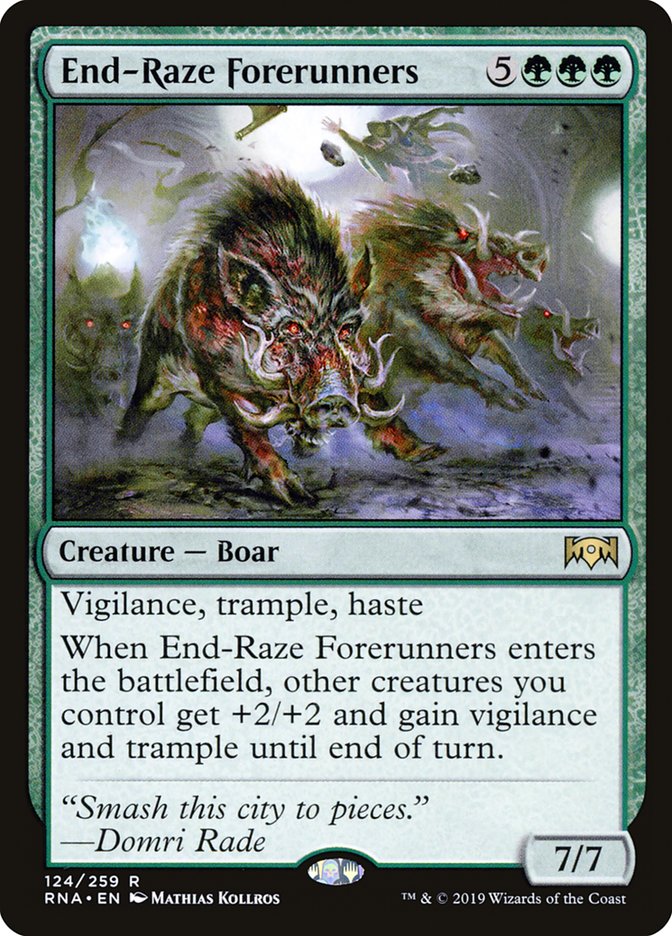
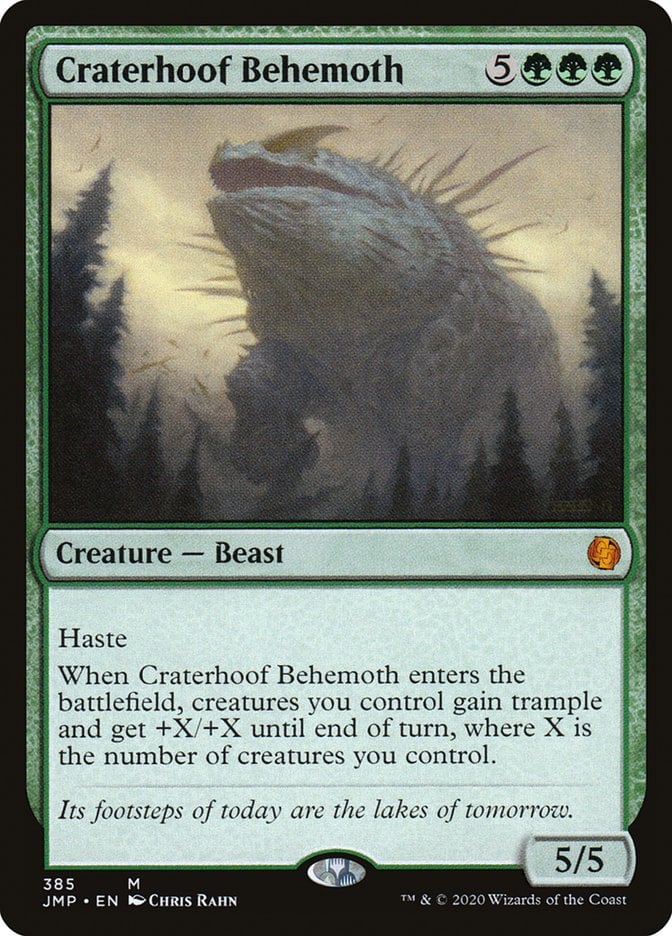
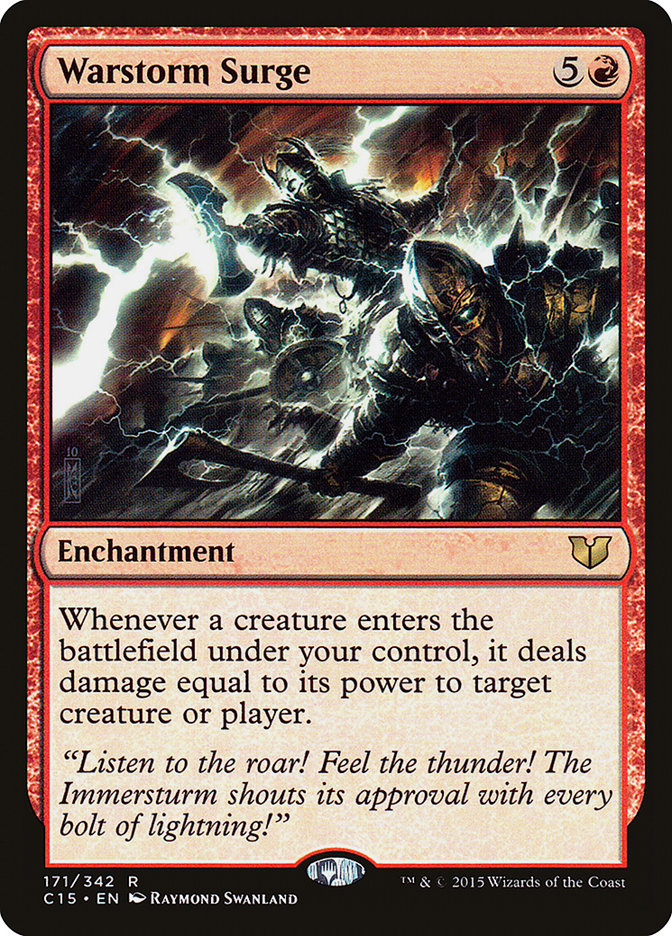
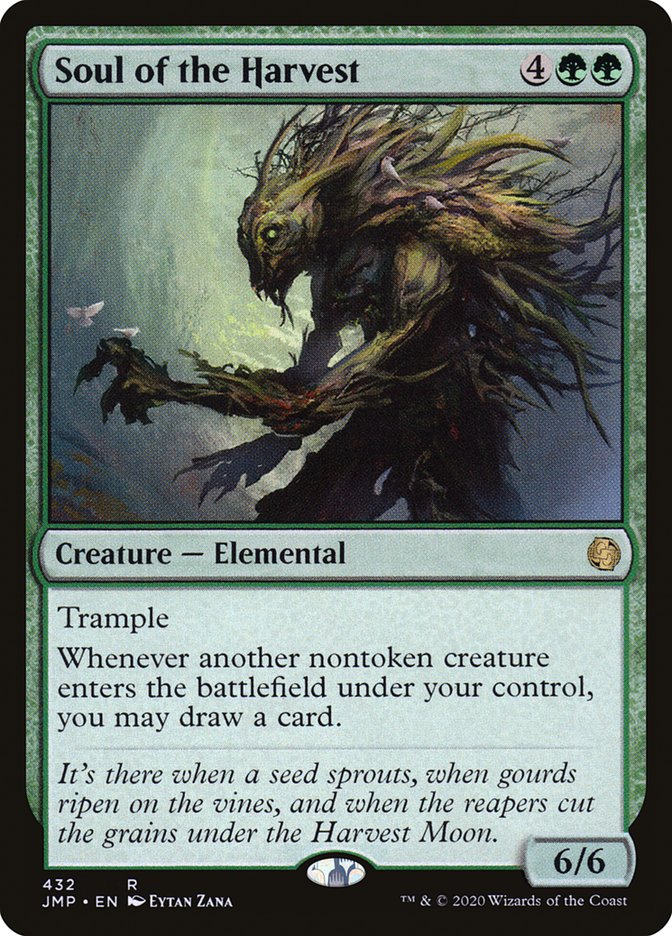
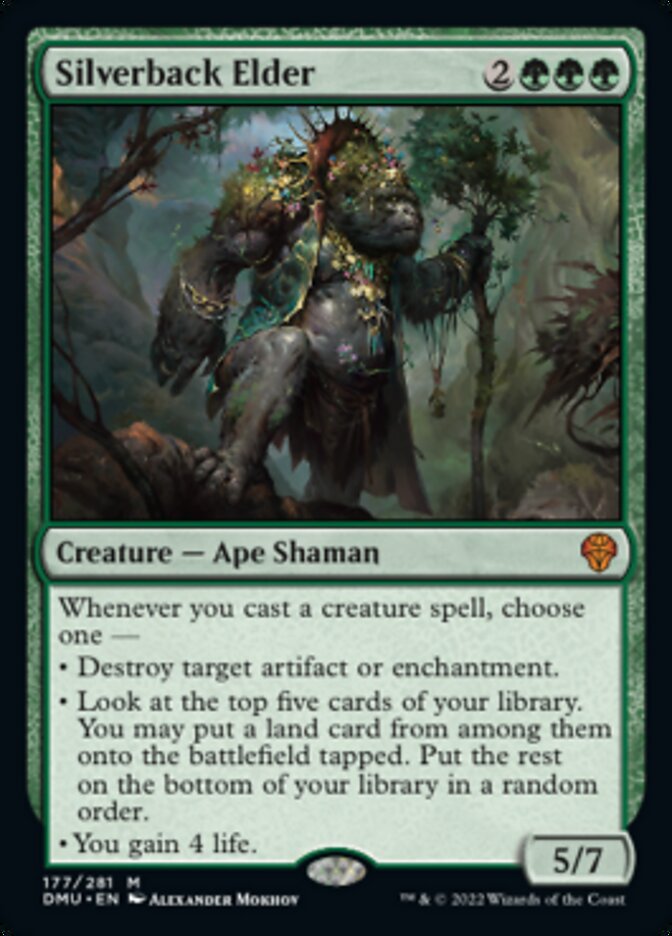

The best payoffs for your creature tutor spells are, of course, powerful creatures. Creatures that “do something” as soon as they enter the battlefield are best; End-Raze Forerunners and Craterhoof Behemoth are two classics. Other spells that synergize with creatures entering the battlefield are also good choices: Warstorm Surge turns those fresh creatures into immediate damage, and Soul of the Harvest generates even more advantage after your creature hits the field. Several cards care about casting creatures or creatures with certain attributes, so tutor for something good to trigger Silverback Elder or Kozilek's Unsealing.
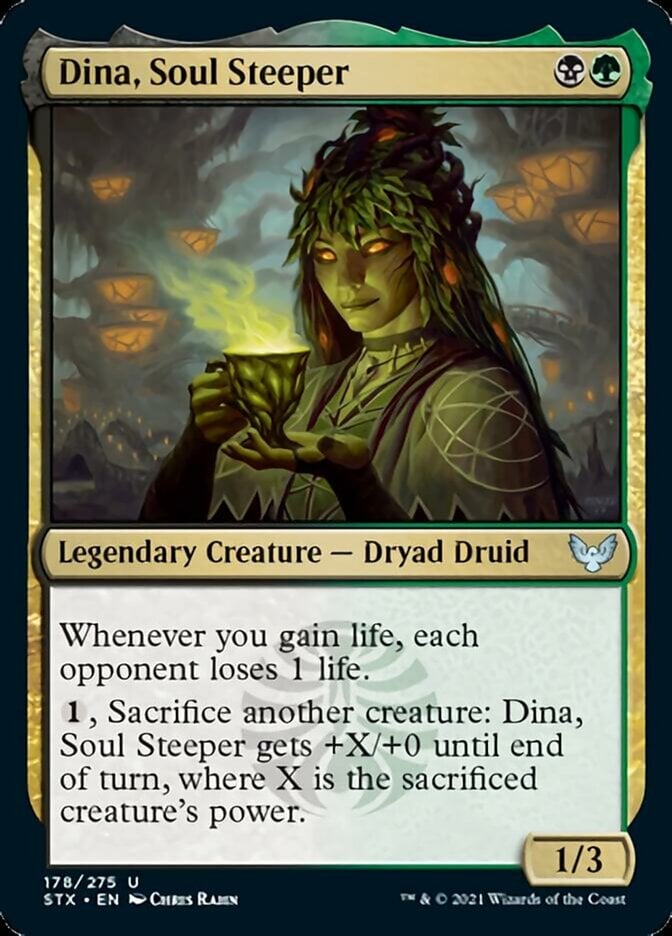

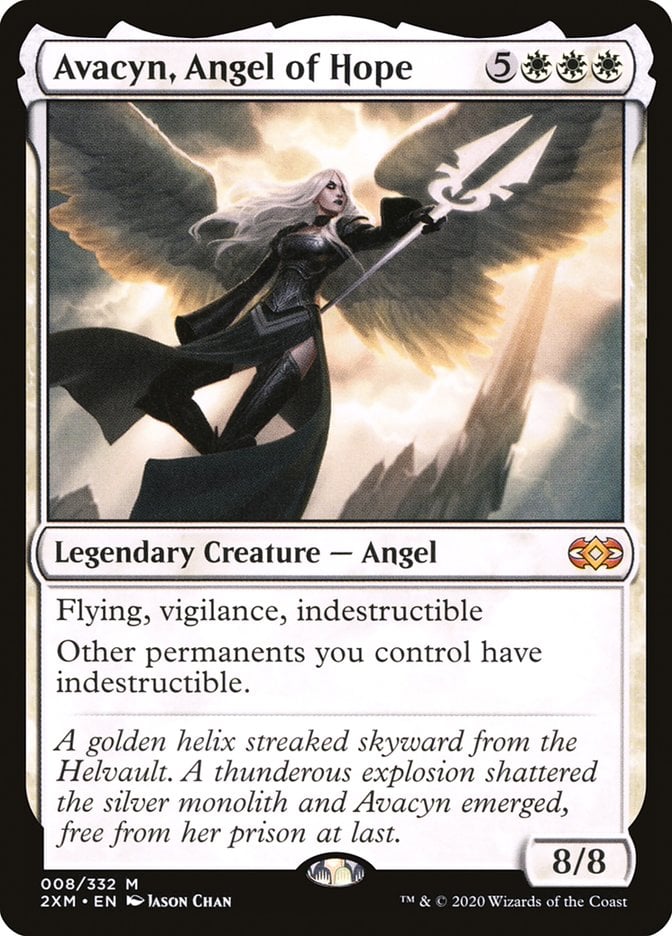
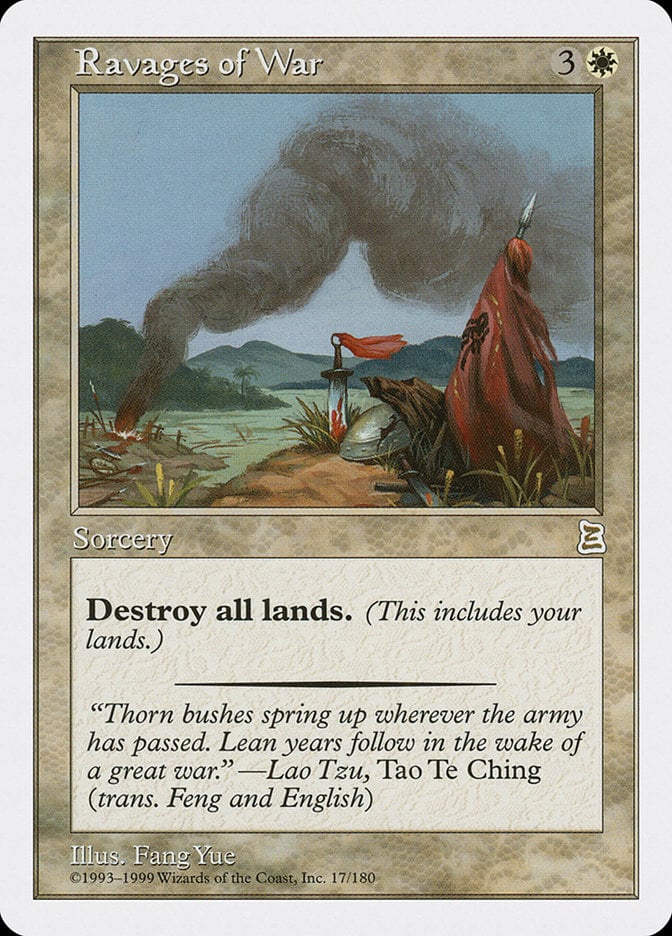
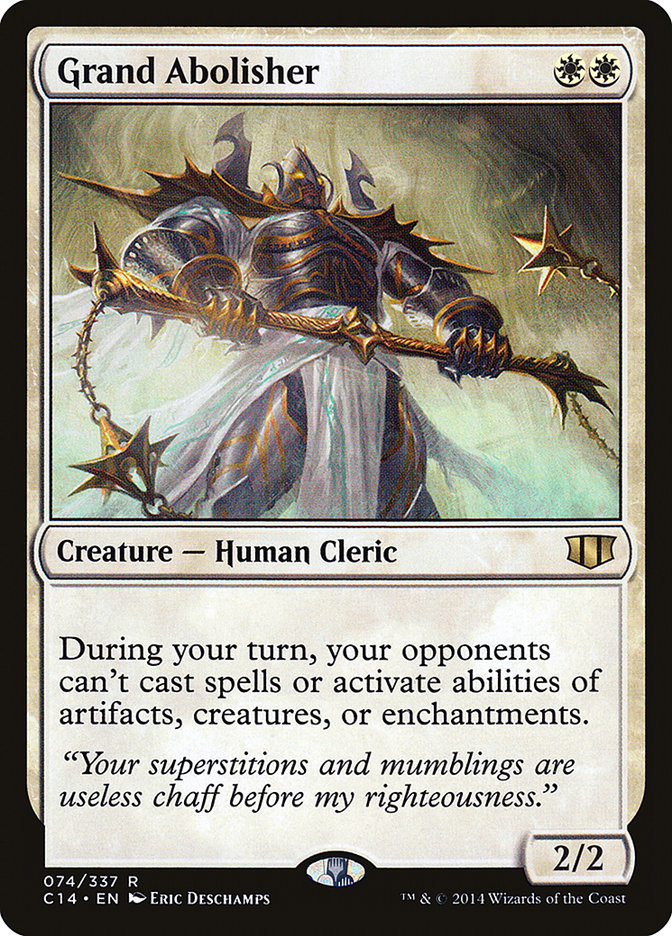
Another exploit for creature tutors are combos! That might be assembling lethal loops like Dina, Soul Steeper and Bloodthirsty Conqueror or just digging towards Avacyn, Angel of Hope to make the most of your Ravages of War. Whatever you’re assembling, tutors make it much more consistent and easier to pull off—especially if you include defensive creatures like Grand Abolisher to find if you naturally draw your combo pieces.
Why Is It Called Tutor in Magic The Gathering?
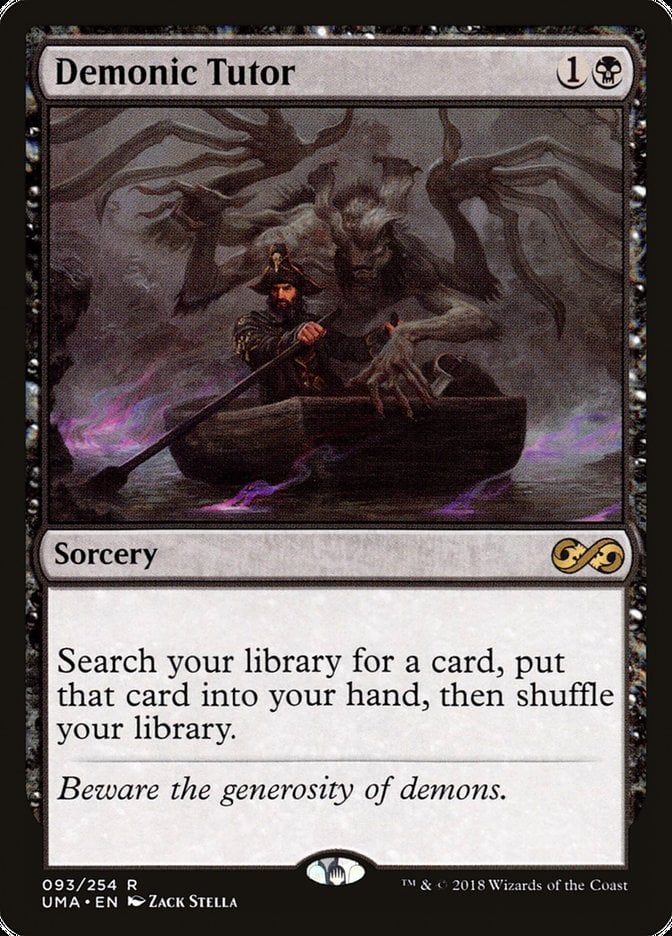
“Tutoring” is MTG slang for “search for a card in your library and put it into your hand or onto the battlefield.” It gets its name from the first card ever printed with this effect, Demonic Tutor. Since then, other cycles of tutors have been printed, and they often use the same naming convention. Diabolic Tutor, Mystical Tutor, and Idyllic Tutor are all references to the original tutor spell.
Wrap Up
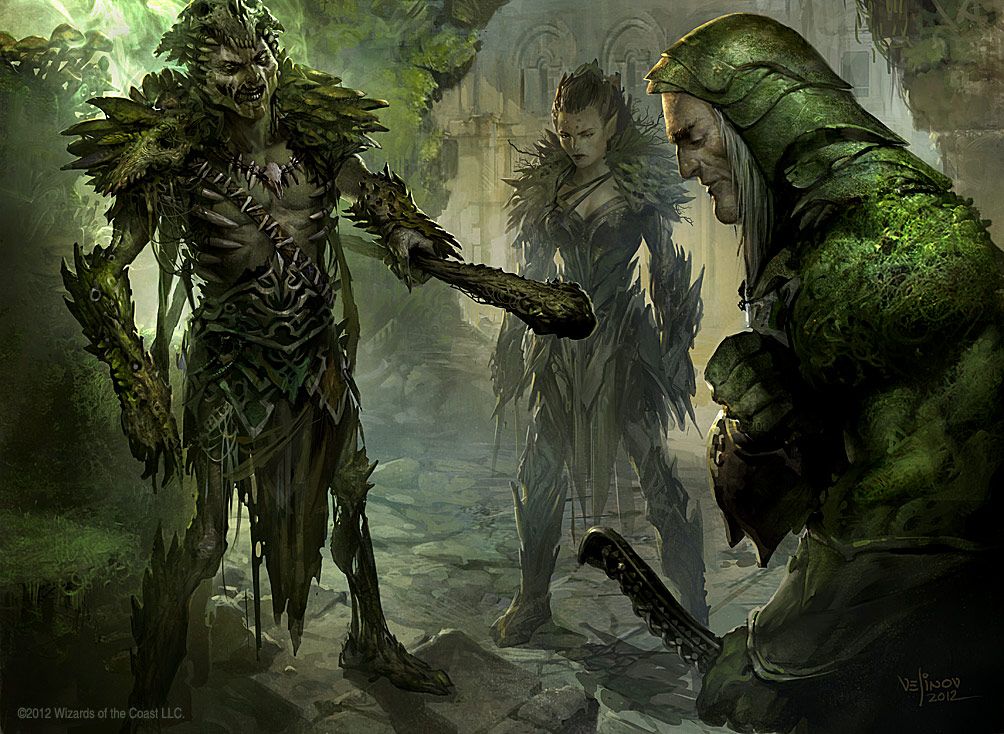
Jarad's Orders | Illustration by Svetlin Velinov
Consistency is key to the success of any Magic: The Gathering deck. In every game, you’re fighting against the random card draw mechanics to pull the most important creatures from your deck. Access to tutors means those creatures can go right into your hand, or even better, straight to the field. This frees up space in your decks to run a wider variety of spells, since you can count on tutoring up whatever the situation calls for.
What are your favorite targets for your creature tutors? Are there any amazing ones I’ve left out? Feel free to insult my intelligence or taste in Magic cards in the comments, or over on Draftsim’s Twitter/X.
Thank you for reading and don’t forget to shuffle!
Follow Draftsim for awesome articles and set updates:










Add Comment