
Last updated on May 18, 2026

Monastery Swiftspear | Illustration by Steve Argyle
If you’re an aggressive player in MTG, you’ve probably played your fair share of red aggressive decks, like Red Deck Wins or burn decks. And if you check out some streamers like Covert Go Blue, who despises mono-red and even sings some songs against the archetype while streaming Magic videos, you probably learned to hate, despise, or at least respect the archetype.
Burn decks go all guns blazing on their opponents, and they’re always viable in different metagames. Today we cover the burn archetype, burn decks, and what makes them tick. Also, there’s a few tips to combat this menacing archetype.
Let’s dive in!
What Is a Burn Deck in MTG?
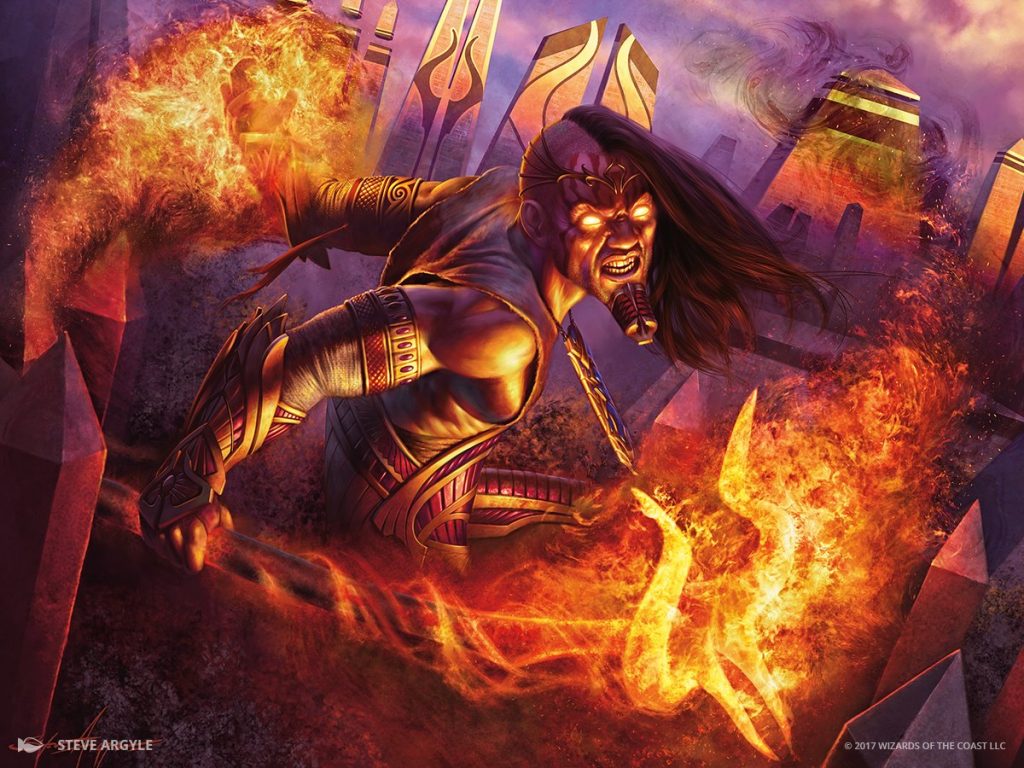
Soul-Scar Mage | Illustration by Steve Argyle
A burn deck in MTG is a deck that uses mainly direct damage effects to defeat an opponent as fast as possible. You have to think about each of your cards in terms of how much damage they can deal to your opponents, and how far you are from killing them.
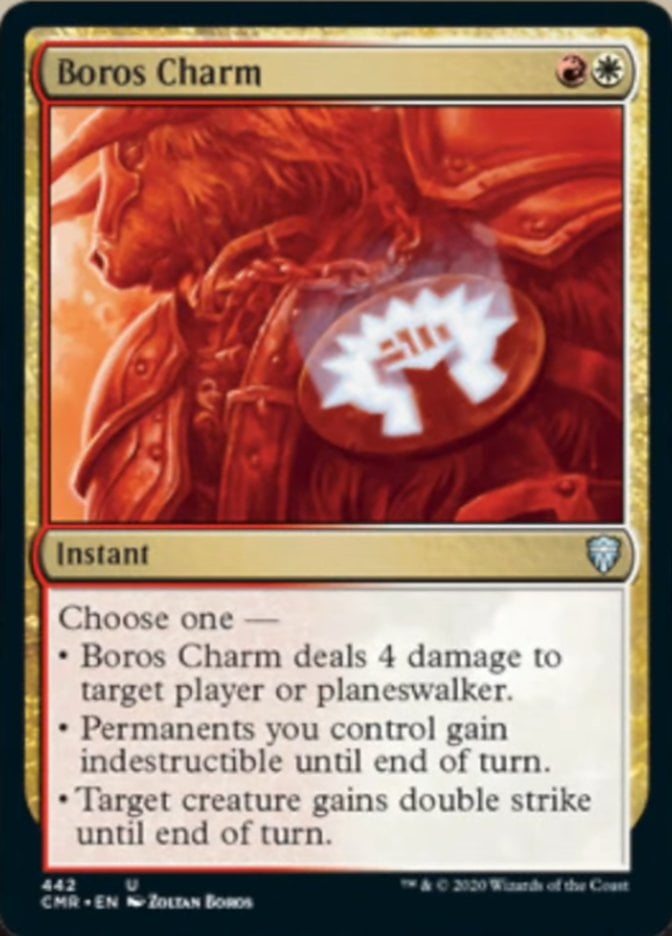
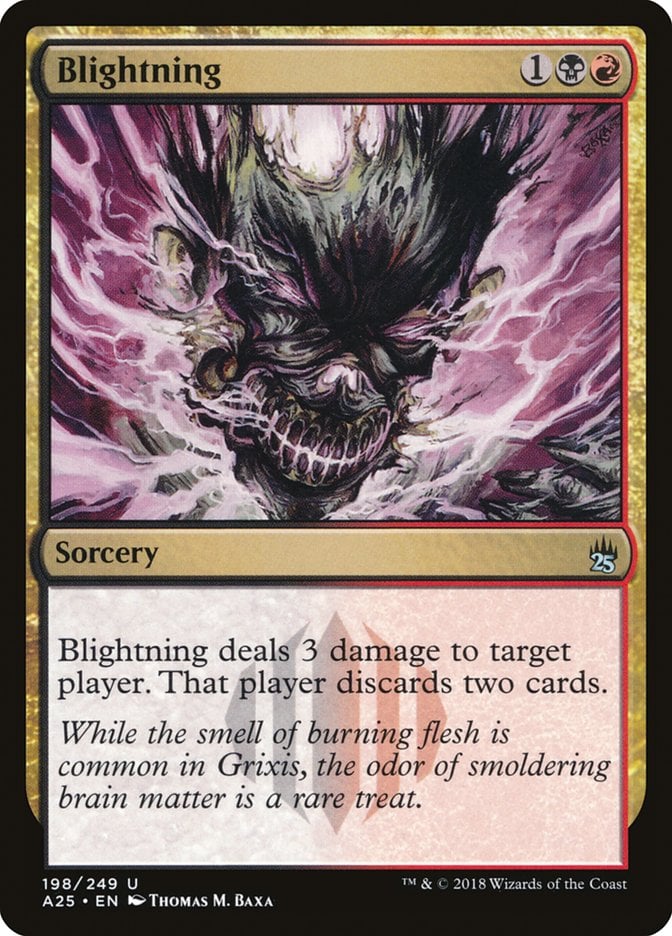
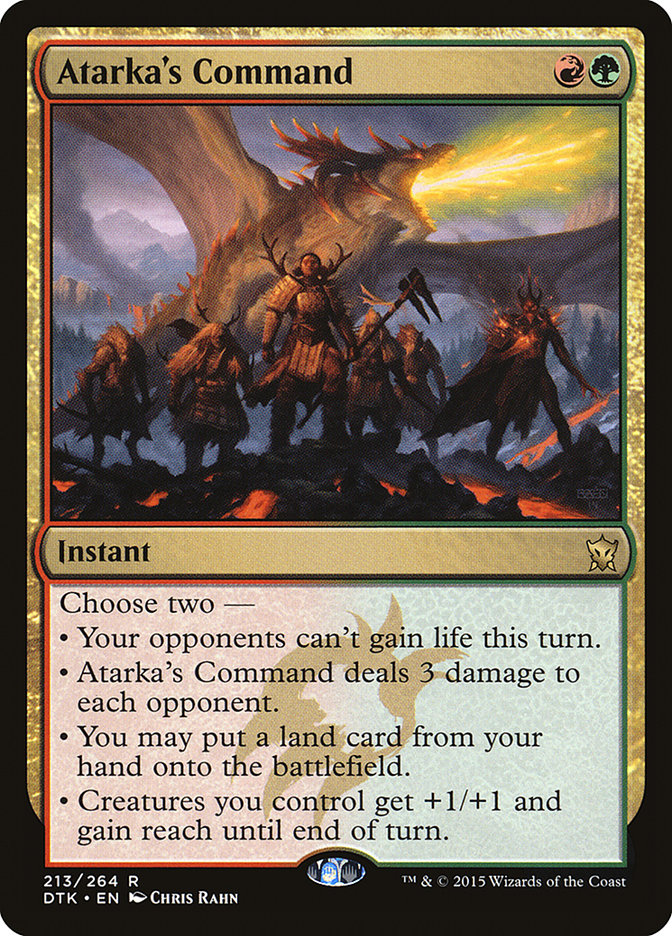
Burn decks are essentially red since red cards have the most direct damage effects in MTG, but sometimes, splashing other colors makes sense to access good direct damage effects or gold cards. Classic examples are white for Boros Charm, black for Blightning, and green for Atarka's Command.
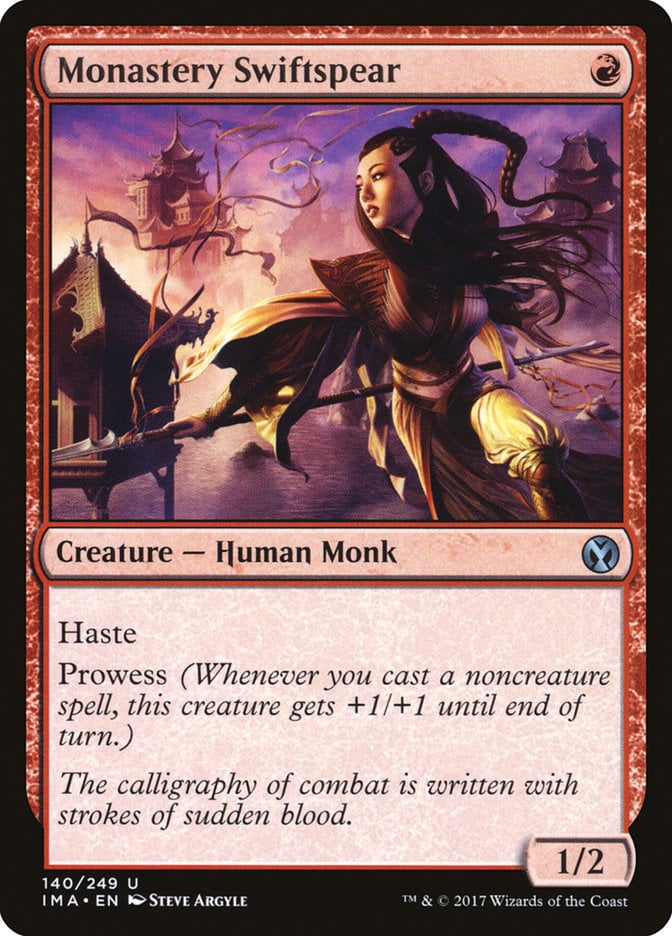
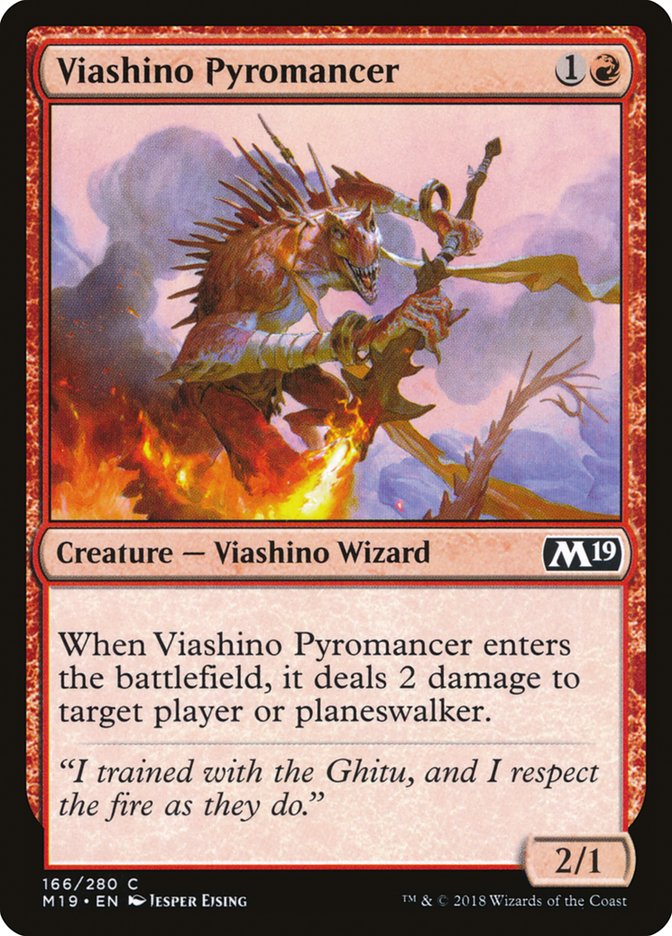
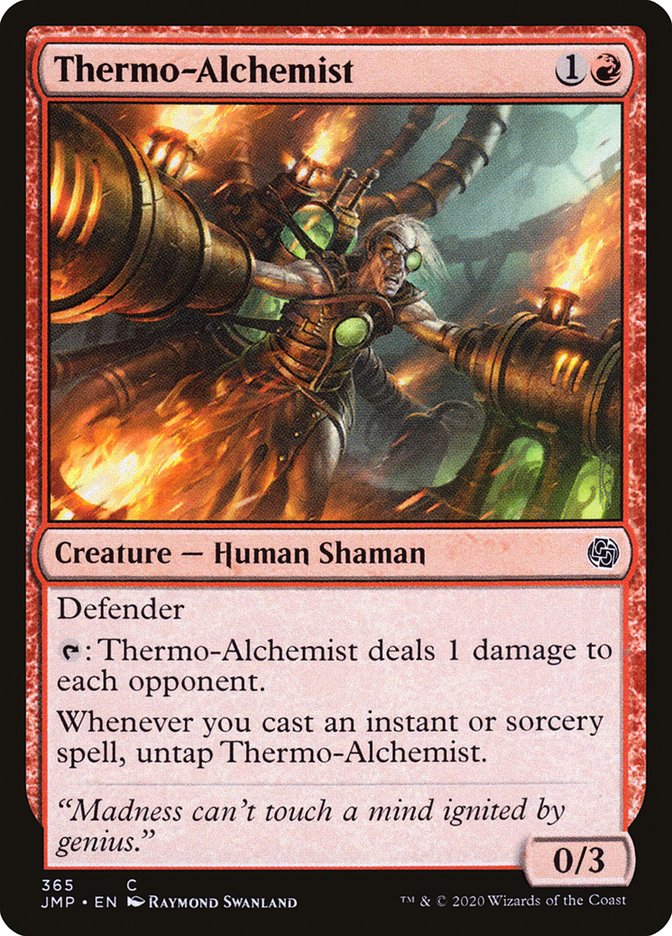
A burn deck can use a few creatures, especially if they have haste, like Monastery Swiftspear, if they deal damage when they enter, like Viashino Pyromancer, or if they deal damage directly in conjunction with your burn spells, like Thermo-Alchemist.
Elements of a Burn Deck
Burn Spells
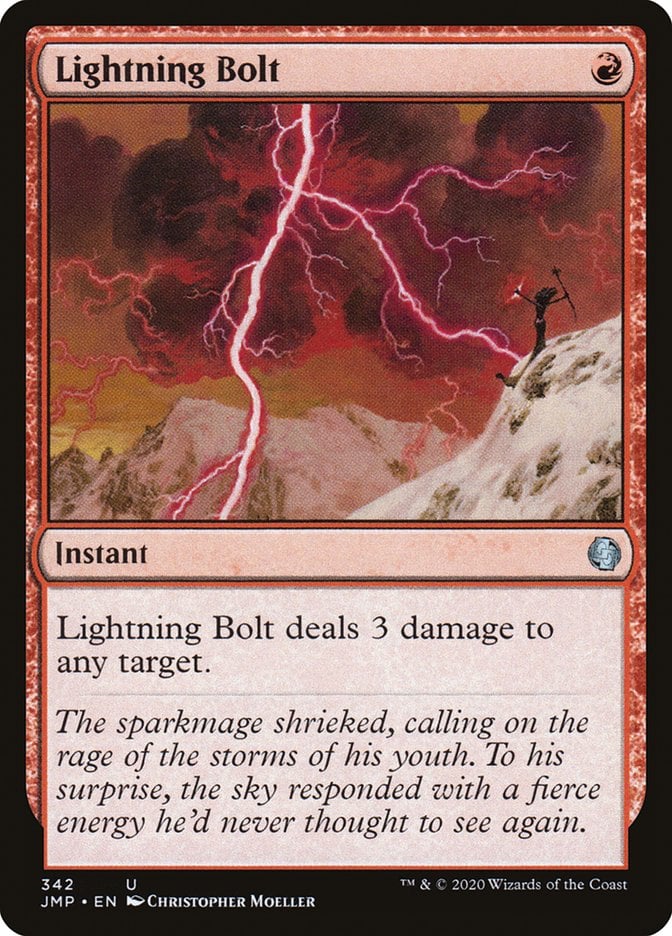
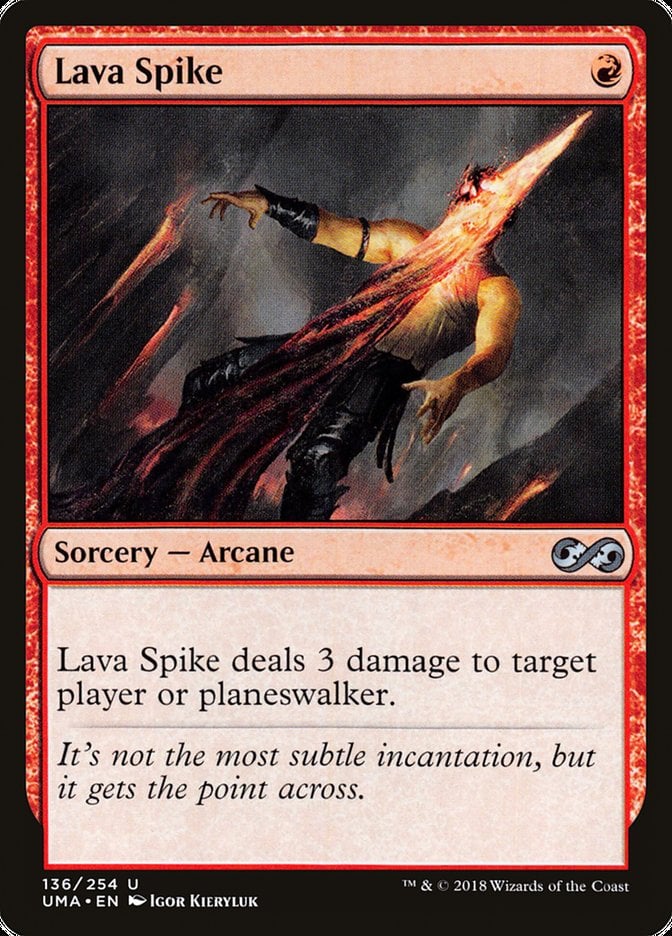

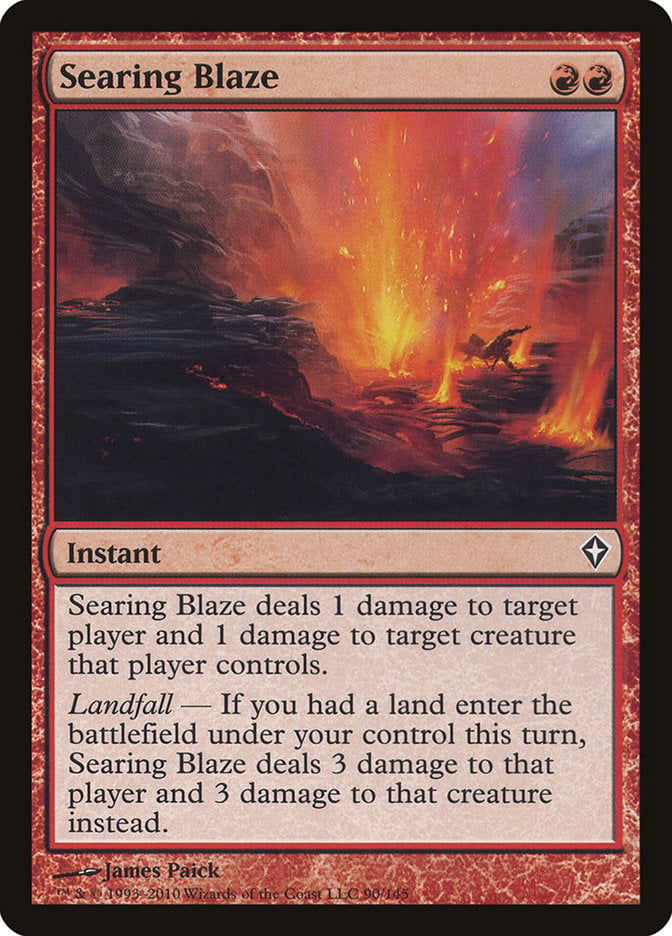

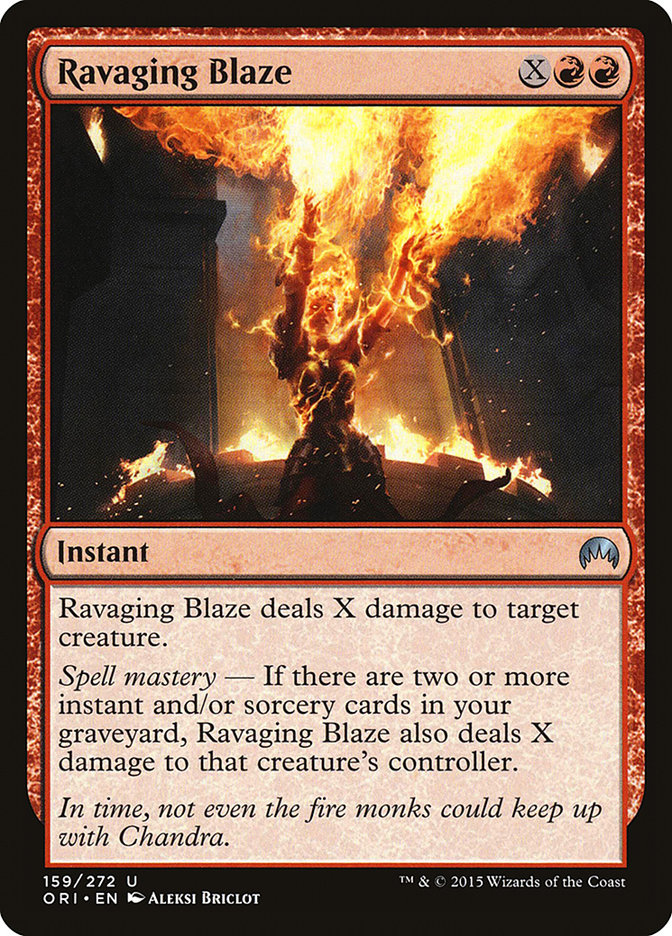
50-70% of a burn deck falls into this category. You need a lot of burn spells and a lot of redundancy, so you’ll play at least 16 burn spells in a 60-card deck. You’re looking for as many cards that deal 3 damage to your opponent and cost 1 mana, so cards like Lightning Bolt, Lava Spike, and Boltwave are all fine options. You can also consider cards like Searing Blaze, Blooming Blast, or Ravaging Blaze which allows you to hit a creature and its controller at the same time.
Threats
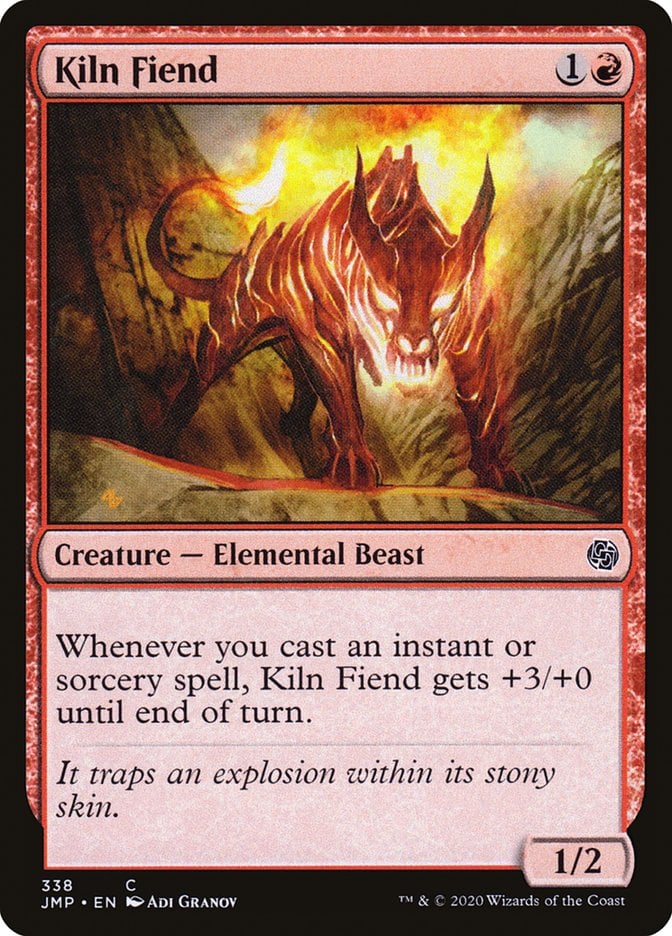
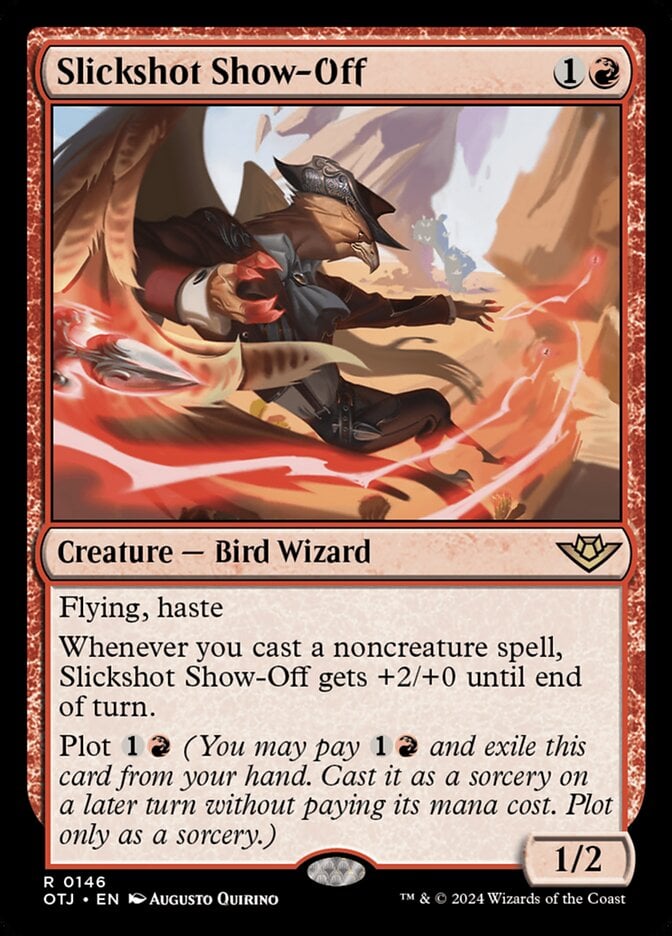
You’re allowed to play creatures and other card types, like enchantments or planeswalkers, as long as they contribute to the main objective – dealing damage and killing your opponent. A creature like Kiln Fiend, gets dangerous if you clear away blockers. Monastery Swiftspear is excellent because it has haste and hits harder with other burn spells you cast thanks to prowess. Slickshot Show-Off is an incredible threat that wins out of nowhere with evasion. They’re also good in multiples, too.
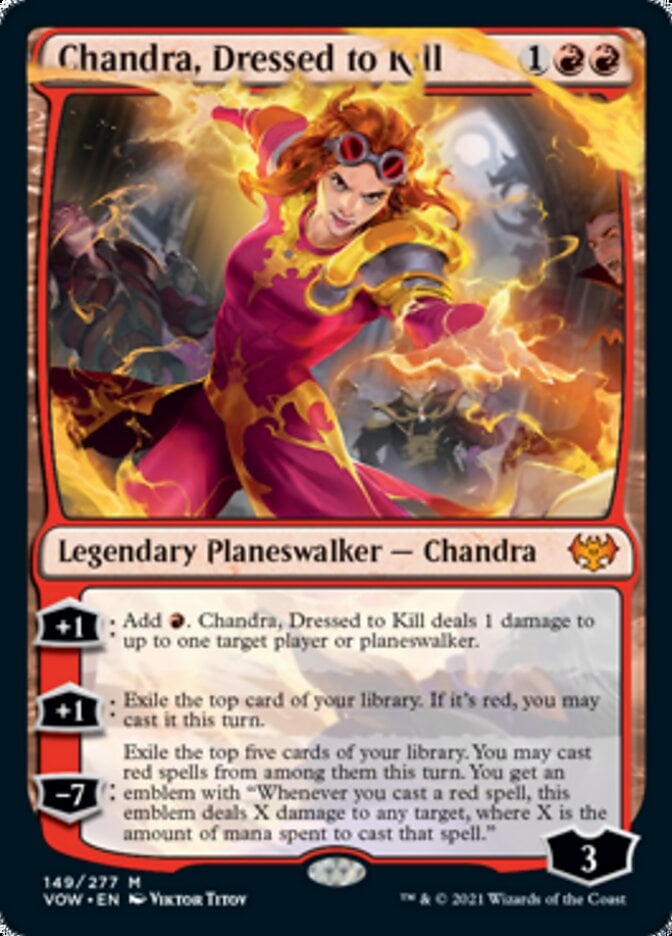
Chandra, Dressed to Kill is another interesting one, because you’ll add mana and ping them for 1 or get another card via impulse draw. It’s easy to see that with Chandra around, you’re getting more direct damage or more cards that do contribute to the gameplan.

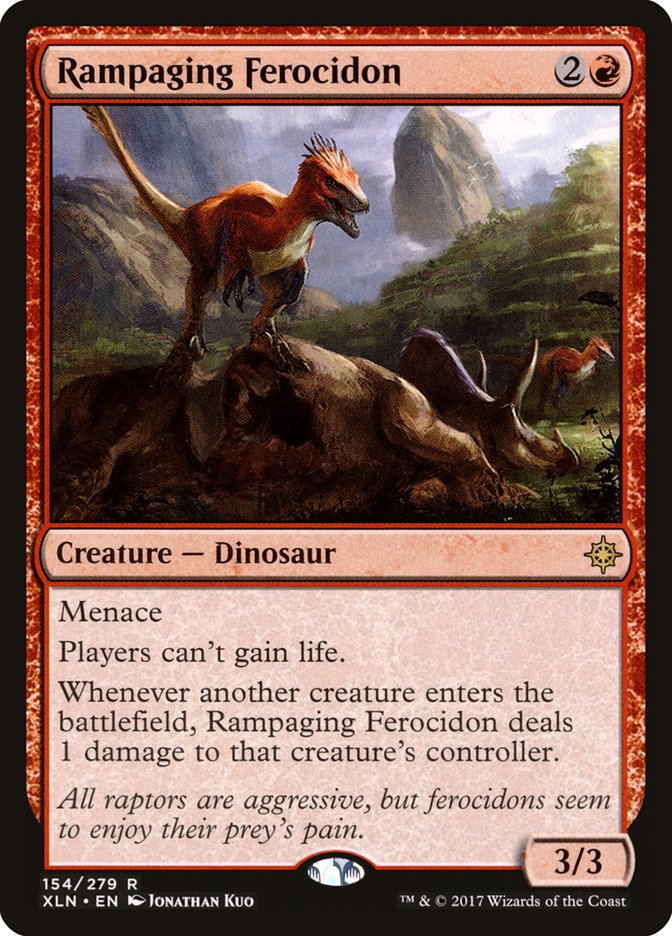
If you consider that your opponents will want to gain life to offset your burn, then cards like Screaming Nemesis or Rampaging Ferocidon can shut down their lifegain.
Lands
Burn decks usually run somewhere between 20-22 lands, mostly basic Mountains. Most of the burn decks are mono-red and play many cards that cost 1 and 2 and you really, really don’t want to flood on lands.
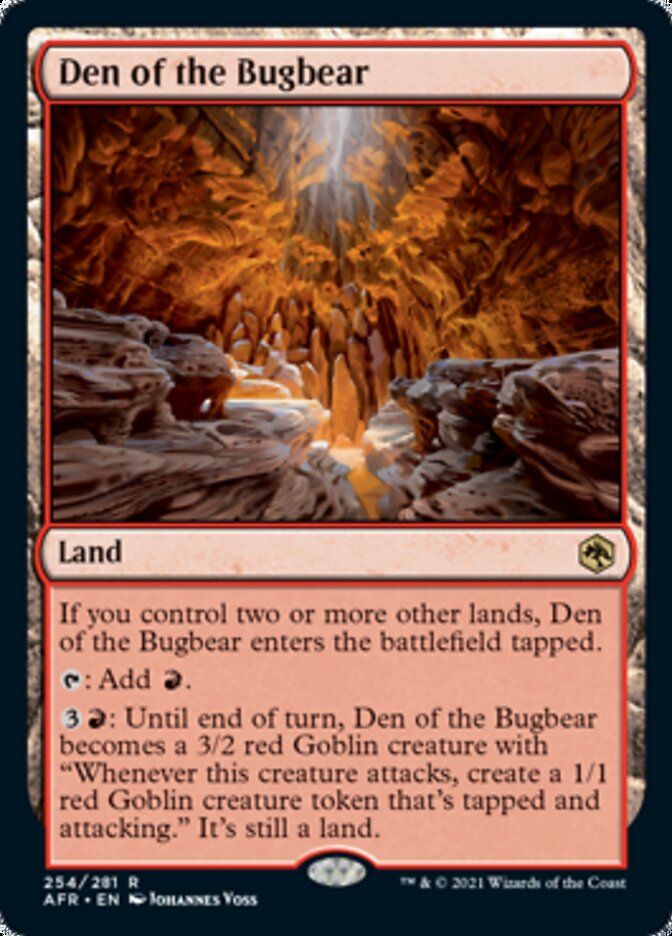
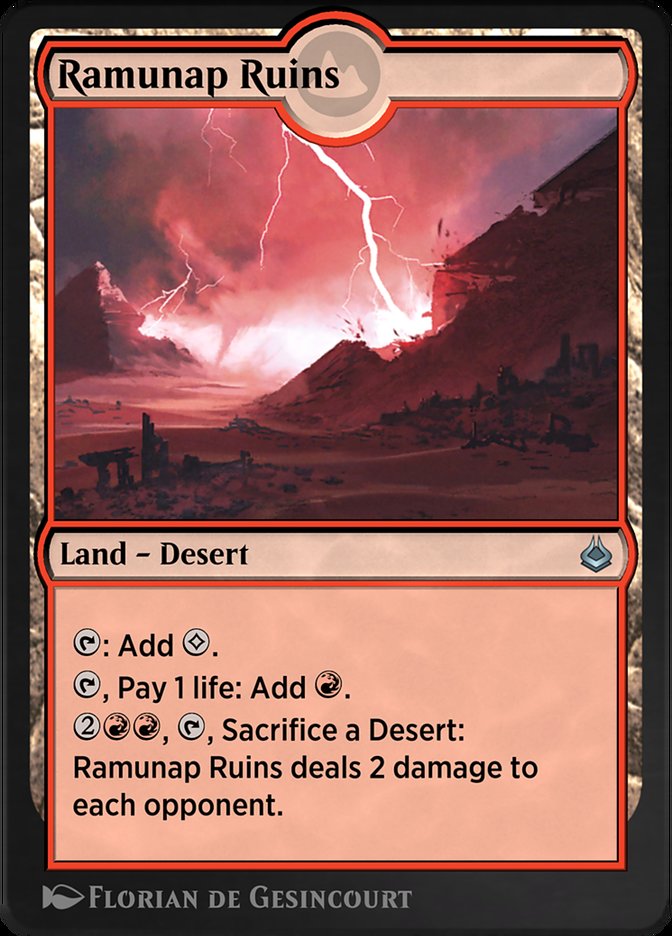
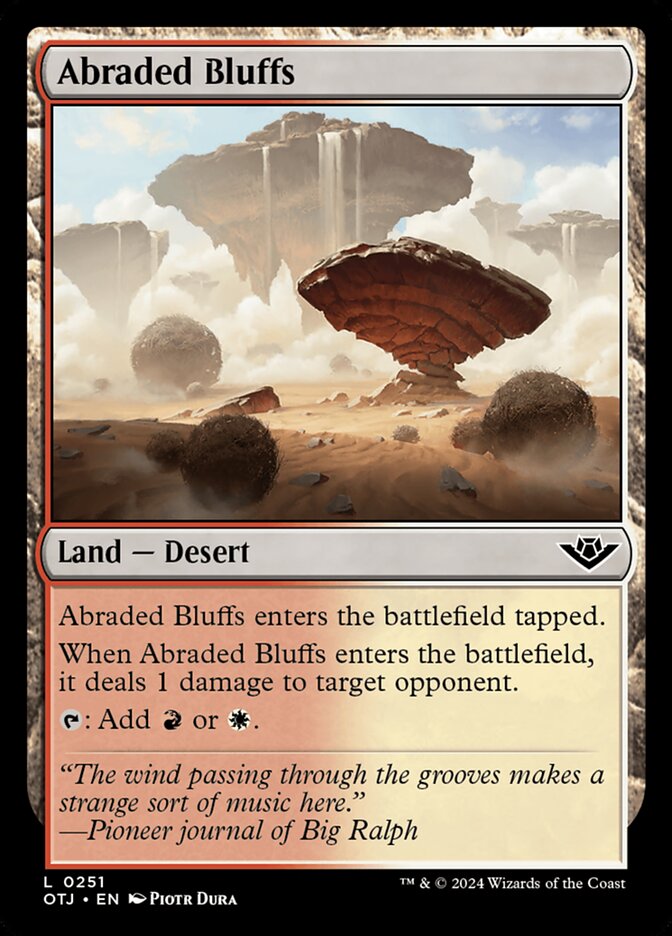
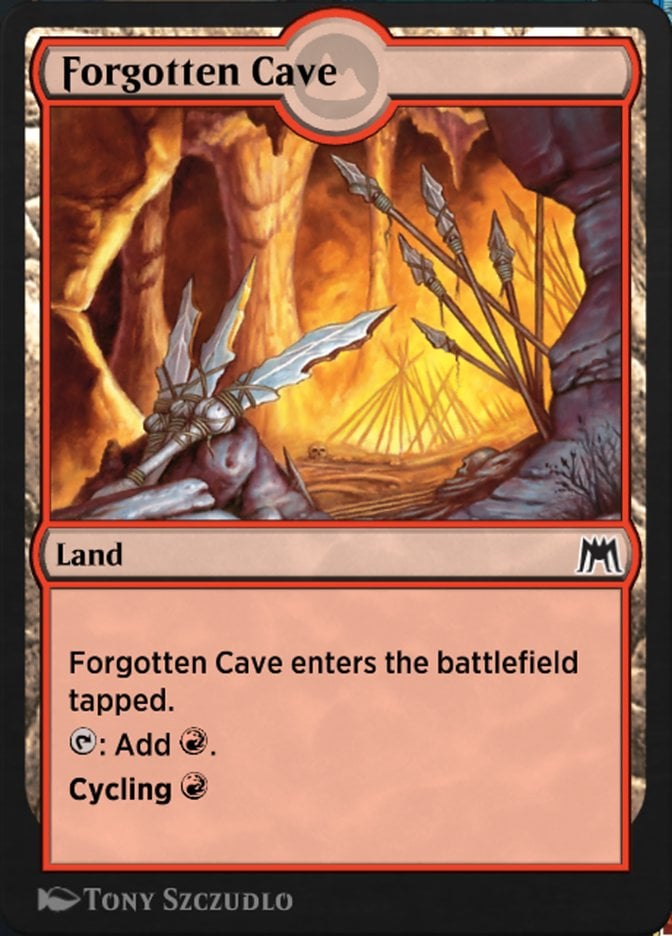
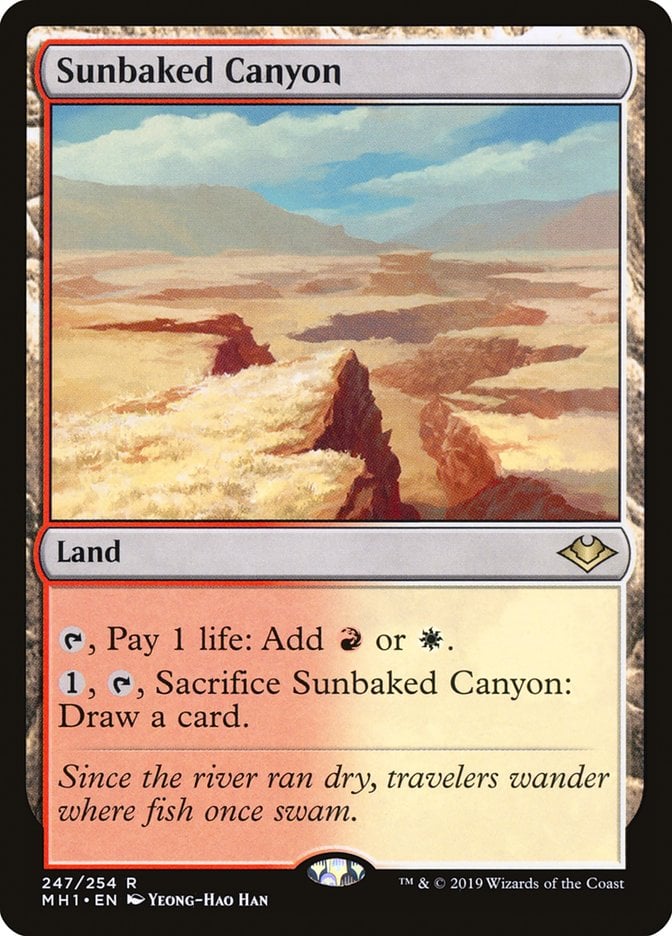
The red lands that burn decks tend to play are utility lands that rarely enter tapped, like Den of the Bugbear or Ramunap Ruins. If you play dual lands, bias towards those that can enter untapped, like shock lands, fast lands, or pain lands. There’s a place for niche lands like the deserts that ping on entering (Abraded Bluffs), or lands that cycle, like Forgotten Cave or Sunbaked Canyon.
How to Play Burn Decks
General Gameplan

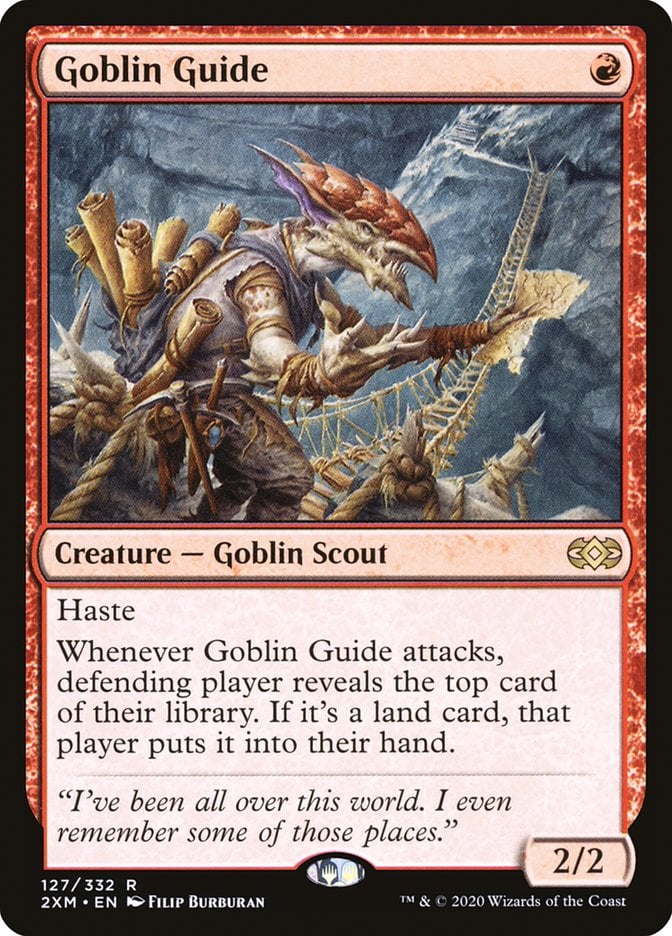
On the first turns, you’ll want to lead with a haste creature if you have it, like Monastery Swiftspear, Ghitu Lavarunner, or Goblin Guide. That allows you to dictate the flow of the match; your opponents react to what you’re doing, not the opposite. Another good reason to do so is that prowess creatures amplify the damage you deal just by casting burn, even if those spells get countered. Leading with a prowess creature helps maximize burn you cast on later turns.
Hide Information
Always remember: You want your opponent to think they’re safe. I’ve lost many times against burn because I’ve tapped out, and they followed with a haste creature, a pump effect, a Fling effect, and so on. If you’re in topdeck mode, they’ll know you don’t have anything. Holding information is vital. With burn decks, you’ll want to play at instant speed and hold as many cards in your hand as possible. Don’t play lands you don’t need. Instead, let your opponent guess what the true contents of your hand are, unless they’re playing discard and know what you’re holding.
Know When to Go for the Kill
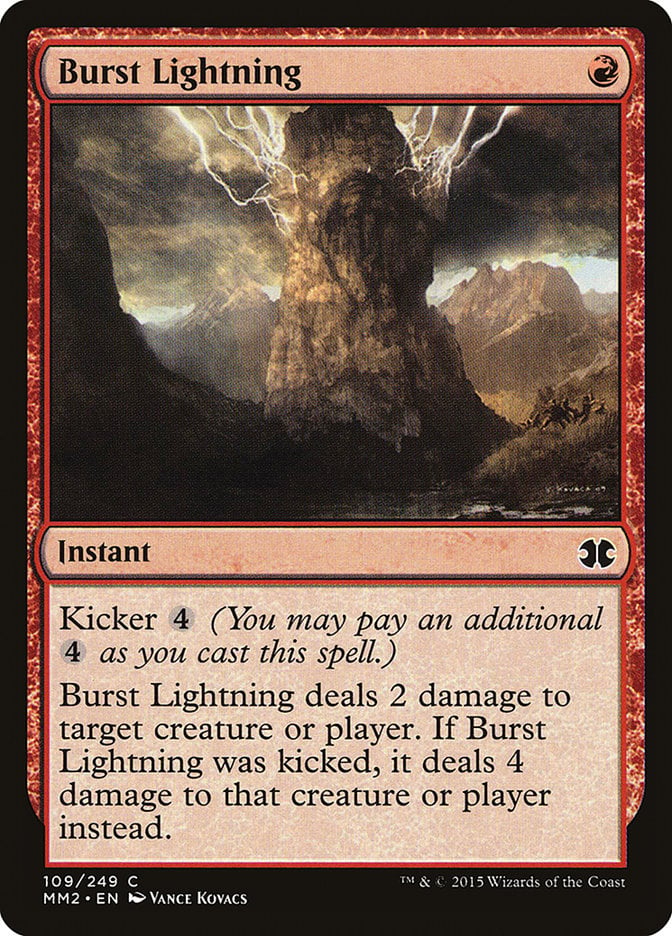
A math exercise: How much burn I have in my hand vs. my opponent’s life. Say you have 6 points of burn in hand and they’re at 10. You don’t know if you’re going to topdeck 4 points of burn, but if you’re running Boros Charm or Burst Lightning, there’s a good possibility. If you can hold it, sure, but sometimes you’ll have to fire 6 points of burn at your opponent’s face and pray to topdeck 4 more points of burn or haste creatures.
Burning Players vs Creatures
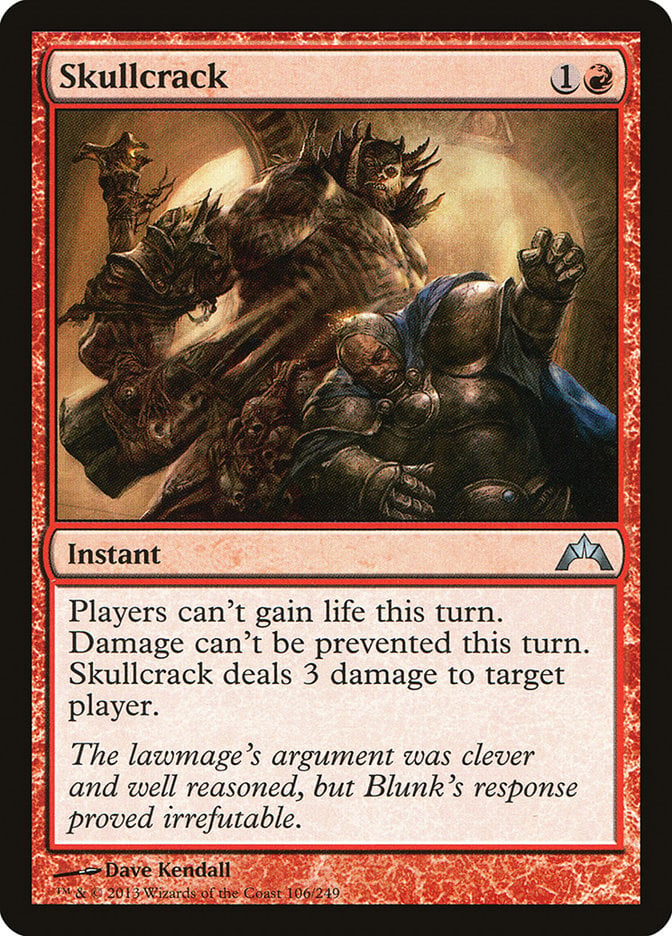
When playing burn, you want to kill them, not their creatures. That said, sometimes you’ll have to point your Lightning Bolts at their creatures, but you can’t do that with cards like Skullcrack or Lava Spike. You kill their creatures instead when you’re way behind in the damage race, when they have a lifelink creature, or when they have a hate creature that stops your game plan. You basically have to gauge if you can race their threat, and if not, take a step back and kill the threat first.
How to Build Burn Decks
Deck Skeleton in Numbers
Spells: Here’s the meat of the deck. You should aim at 20 burn spells at least, somewhere between 20-28.
Creatures: Usually between 12-16, and that can be a metagame choice if small creatures are viable or not.
Lands: Between 18-20, and that depends if you’re playing mono-color or splashing a second color; you’d rather play more lands with a second color to avoid color screw.
Choose Your Interaction
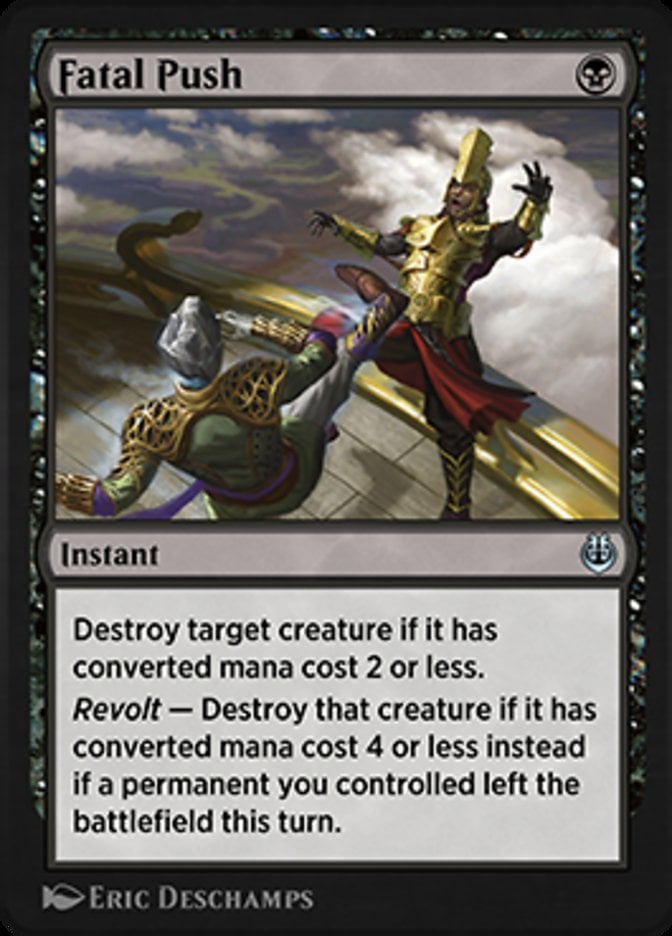
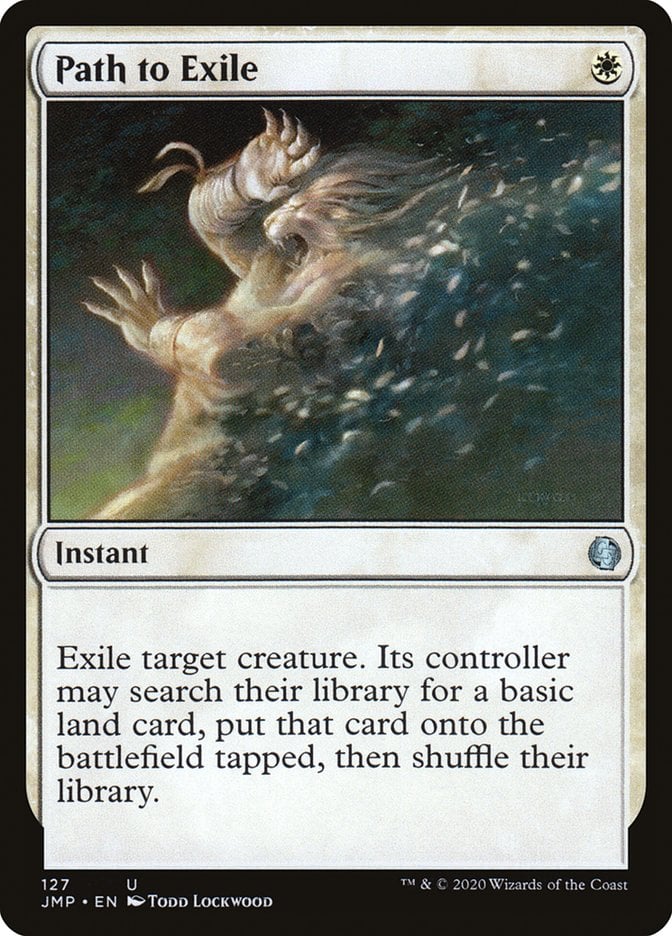
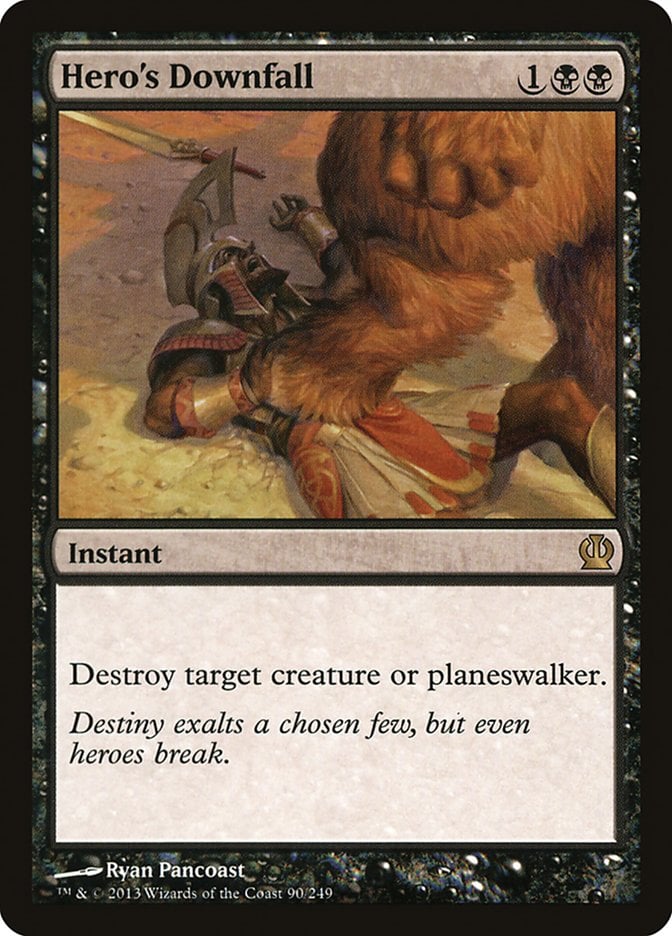
In metagames filled up with cheap removal spells like Fatal Push or Path to Exile, it’s best to play burn spells rather than creatures, so you blank their removal. The same thing can be said if their interaction is expensive, like Cancels and Hero's Downfall.
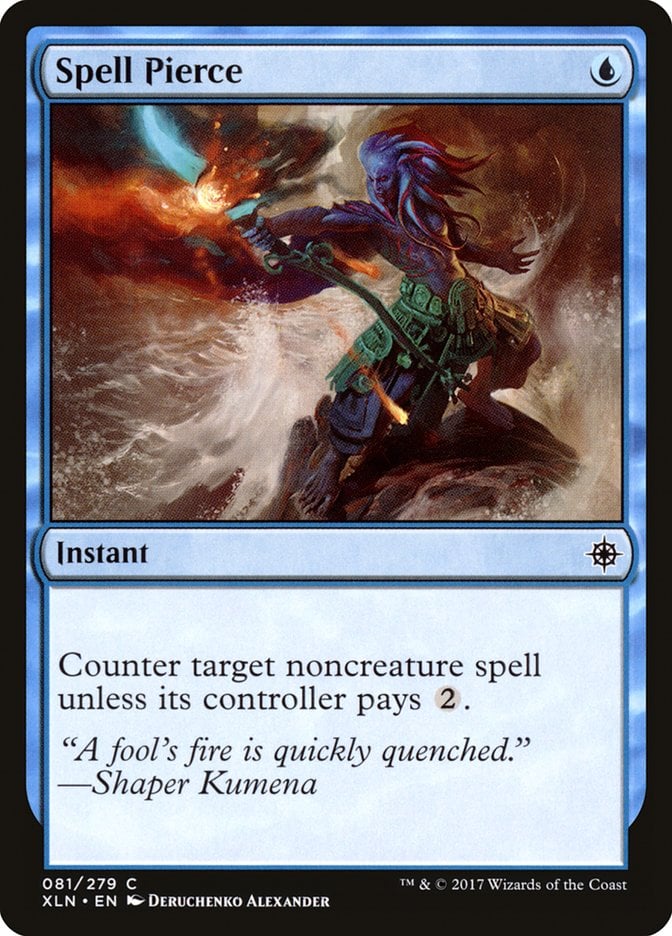
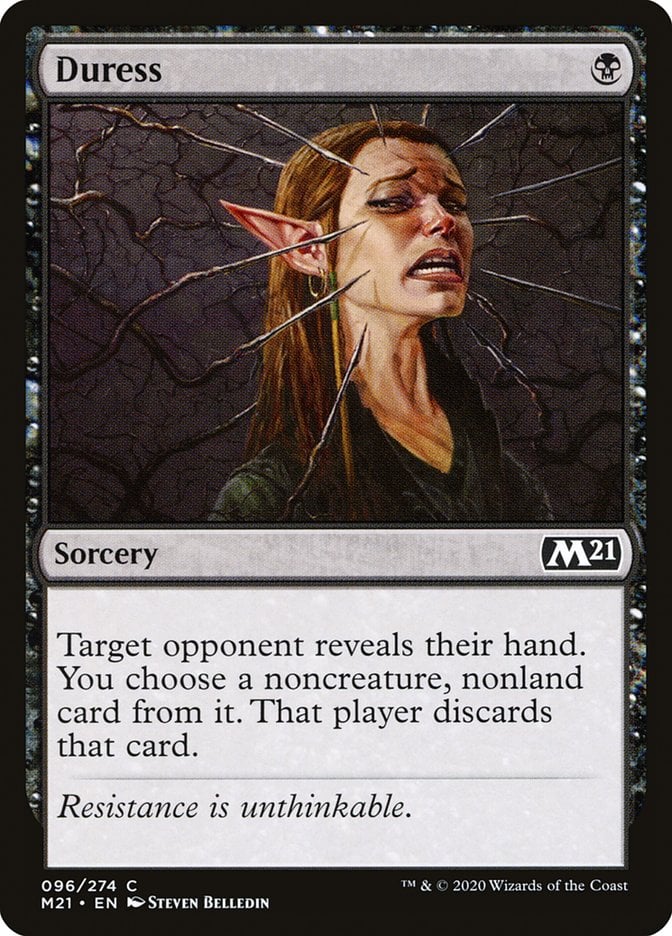
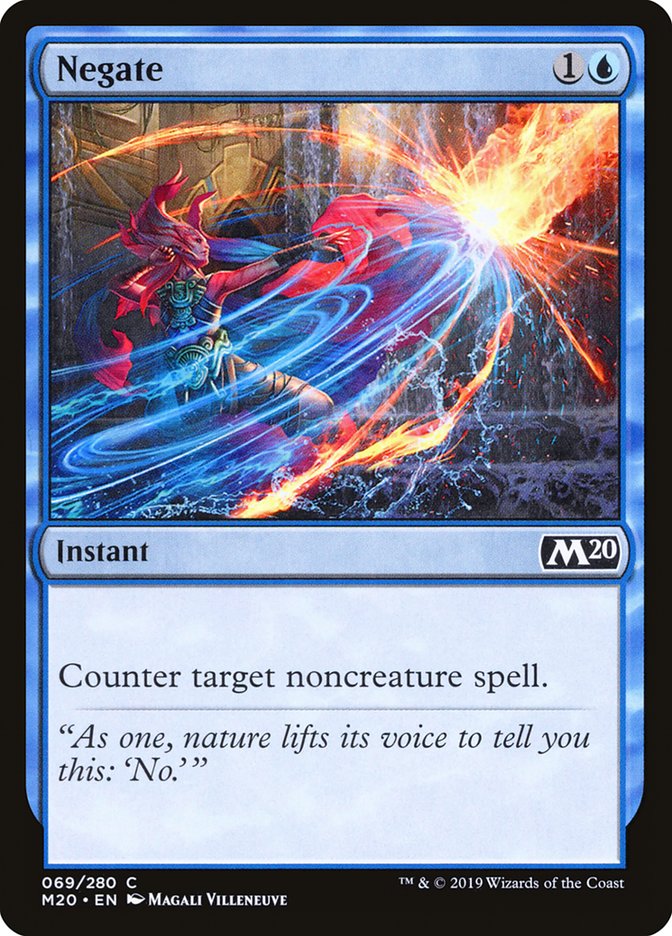
However, if they’re targeting noncreature spells more, with cards like Spell Pierce, Duress, and Negate, it’s interesting to raise the creature count.
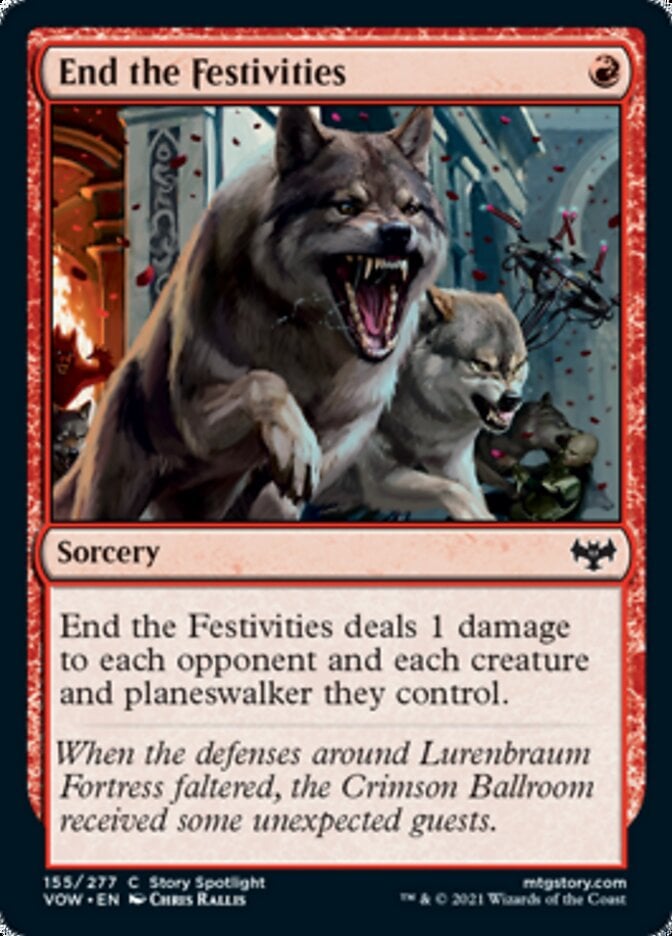
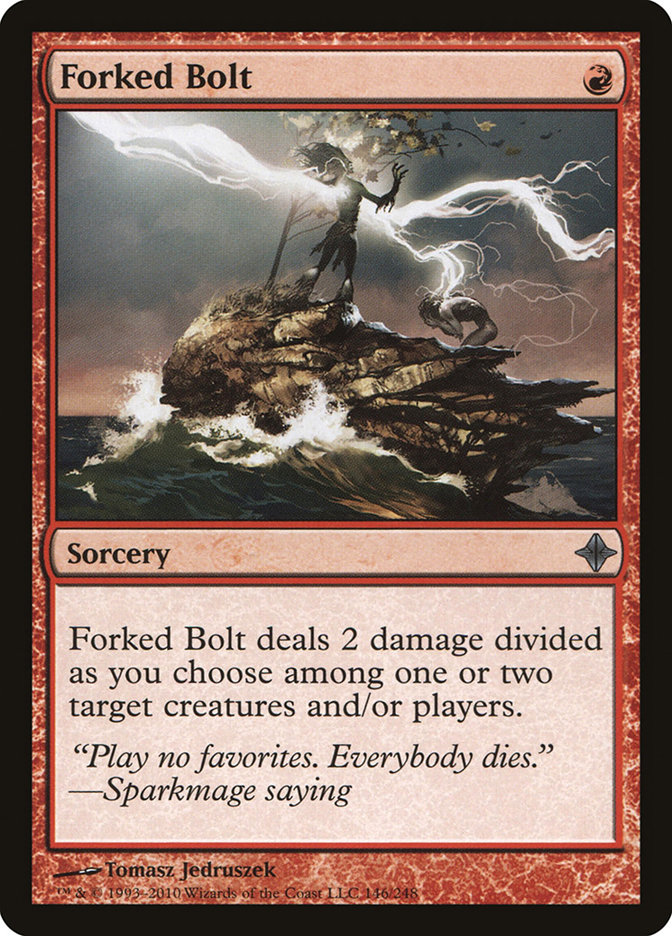
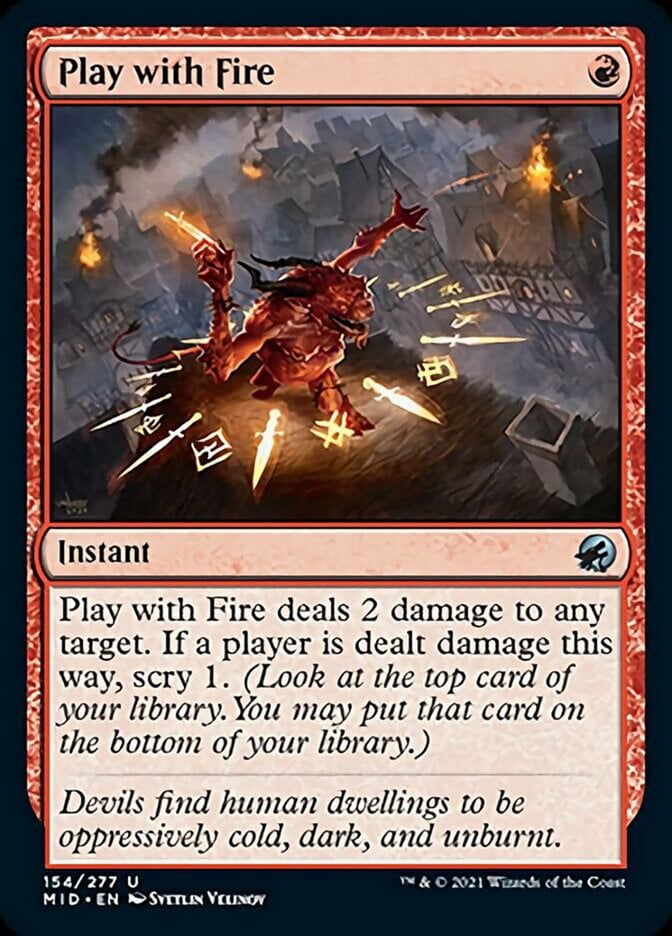
Thinking about your side of the field, cards like End the Festivities, Forked Bolt, and Play with Fire are burn spells that are very good to deal with convoke decks or small creature/weenie decks, while not being useless against midrange or control.
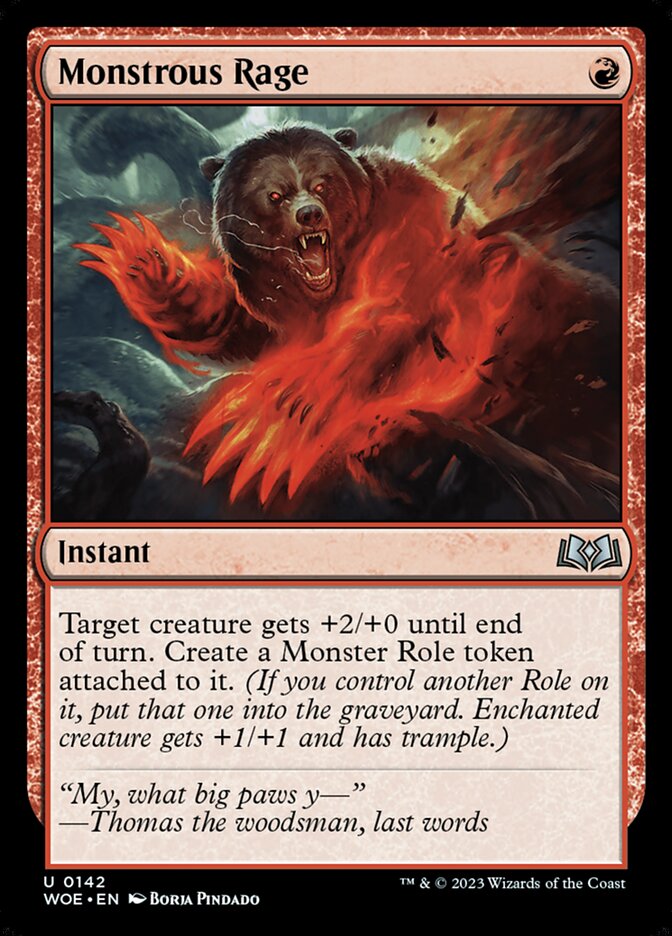
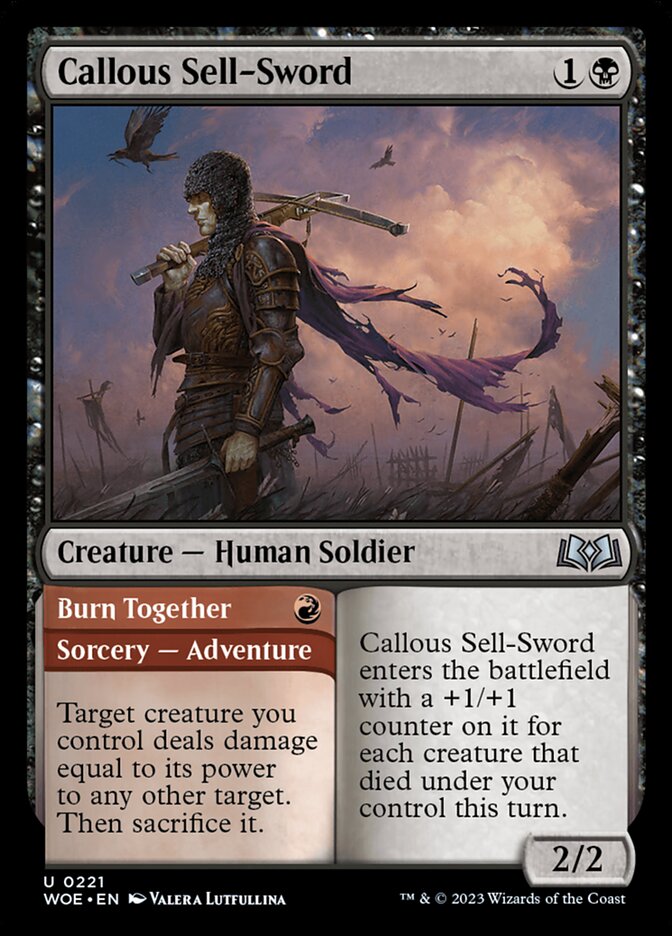
You can also have small combos in your deck, like a prowess creature with Monstrous Rage and Callous Sell-Sword’s adventure.
Understand Your Meta
In Eternal formats where a large variety of decks are viable, players have to dedicate their sideboard choices to beat certain decks. It’s hard to hate on combo, graveyard, burn, and control simultaneously with only 15 cards. If people aren’t well prepared for burn, it can be a good choice even in big tournaments like Pro Tours. If your opponents spend the first turns of a match ramping and setting up their combos, then you can surprise them with burn spells.
That said, burn decks can only go so far. For example, when Pioneer was dominated by Amalia Benavides Aguirre and Wildgrowth Walker, or in metagames dominated by Collected Company and Righteous Valkyrie, it was very hard to play burn decks, so aggressive decks were filled with creatures or disruptive elements. If your opponent shocks themself with their lands or Thoughtseize, or they pay life to draw cards, it’s a whole different ballpark. You also probably won’t want to play burn in a burn metagame, since playing mirrors isn’t that exciting, and usually the masters of a certain deck get an upside in the mirror matches.
How to Sideboard with a Burn Deck
One problem that arises in the second game of a best-of-three match is that your opponents will certainly pack hate against you. The answers they’ll bring depend on a lot of scenarios, but there are some categories.
Hexproof
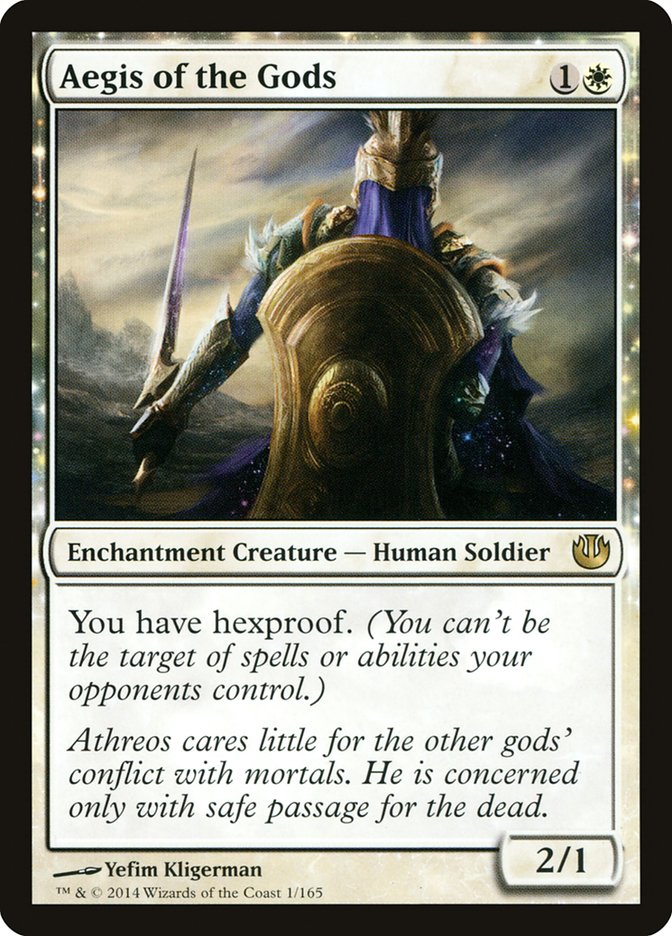

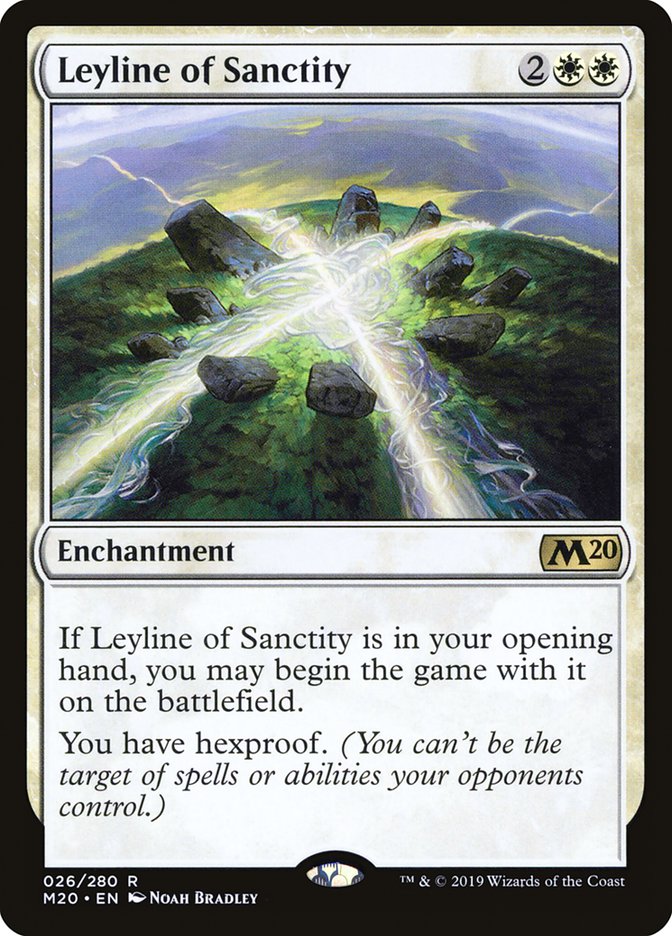
Cards like Aegis of the Gods, Crystal Barricade, and Leyline of Sanctity will give your opponent hexproof, which means you can’t target them directly with burn spells. Also, red is the only color in MTG that doesn’t destroy enchantments directly. In this case, you’d do well to play more creatures or more ways to “deal damage to all opponents” without targeting, like Boltwave, that get across hexproof. Splashing white helps you, with cards like Wear // Tear or Loran of the Third Path.
More Lifegain
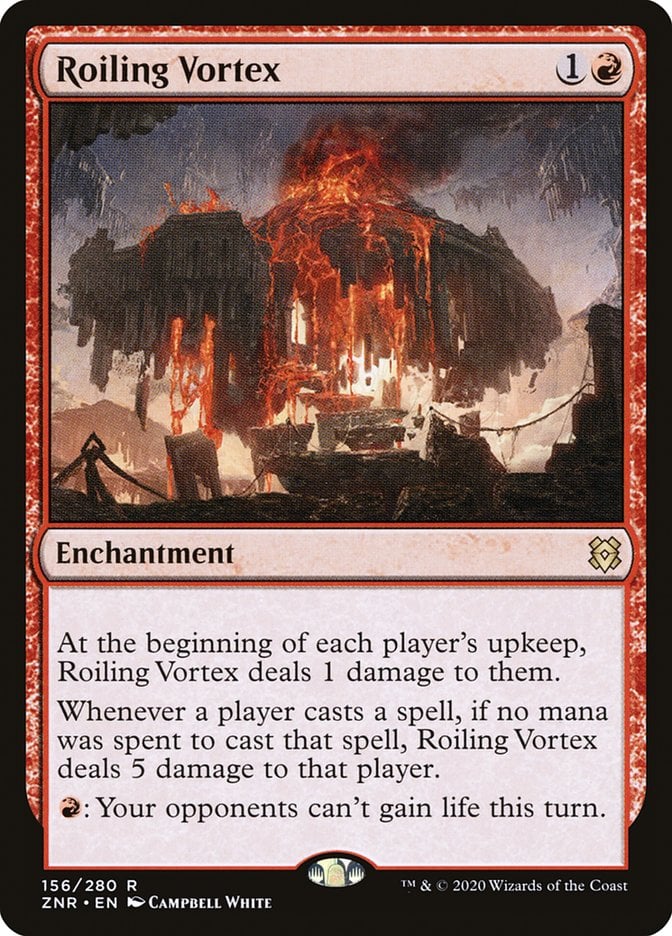
If your opponent packs more ways to gain life, you should answer with cards like Skullcrack or Screaming Nemesis. Roiling Vortex is also interesting, dealing consistent damage, and you can deny their lifegain triggers.
Protection Against Red


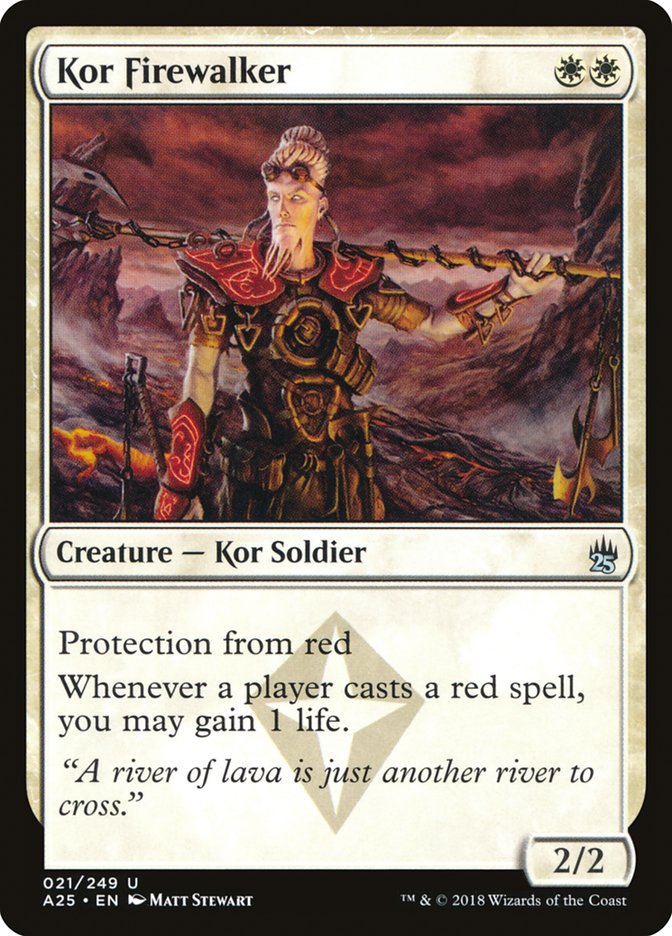
Here’s where you can splash other colors to help deal with this. The problem is, even a 2-color burn deck often has gold cards, which doesn’t solve the problem against protection from red at all. In this case, it’s best to have artifact answers or answers in your second color. Likewise, you might even consider devoid cards like Reality Hemorrhage or Fanged Flames to deal with a protection creature like Kor Firewalker.
Noncreature Spells
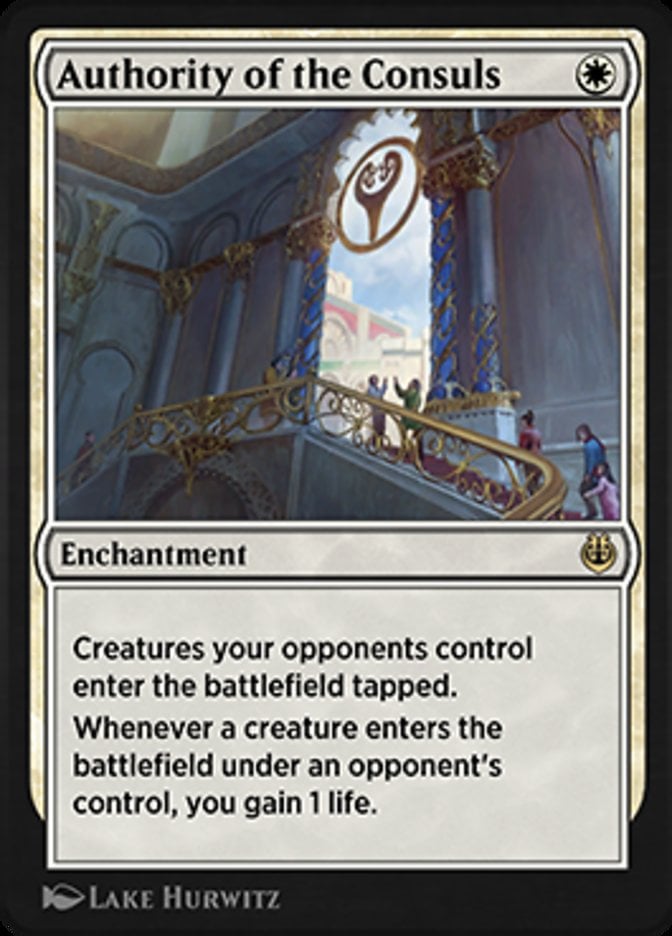
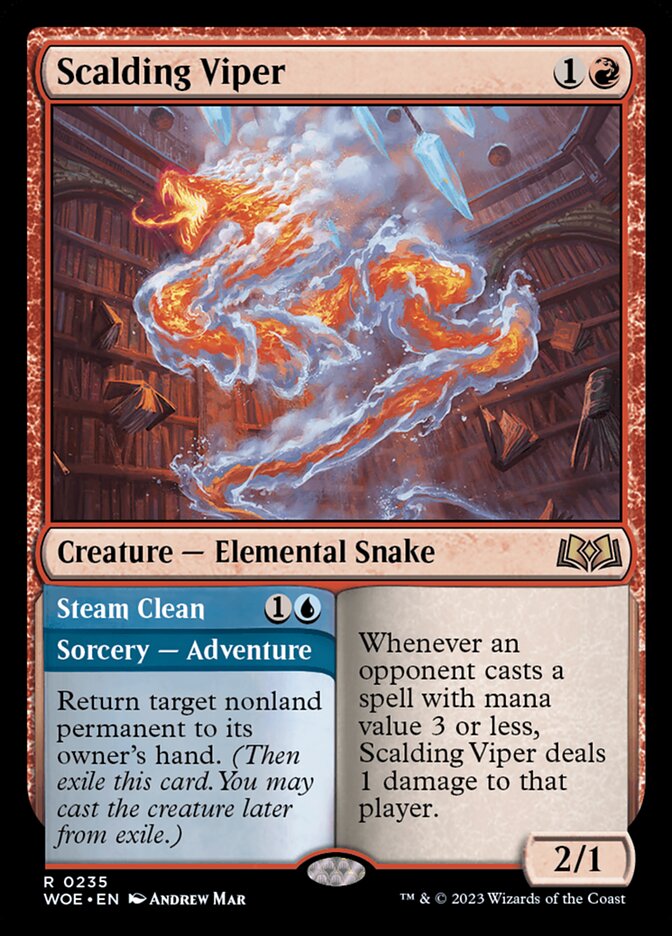
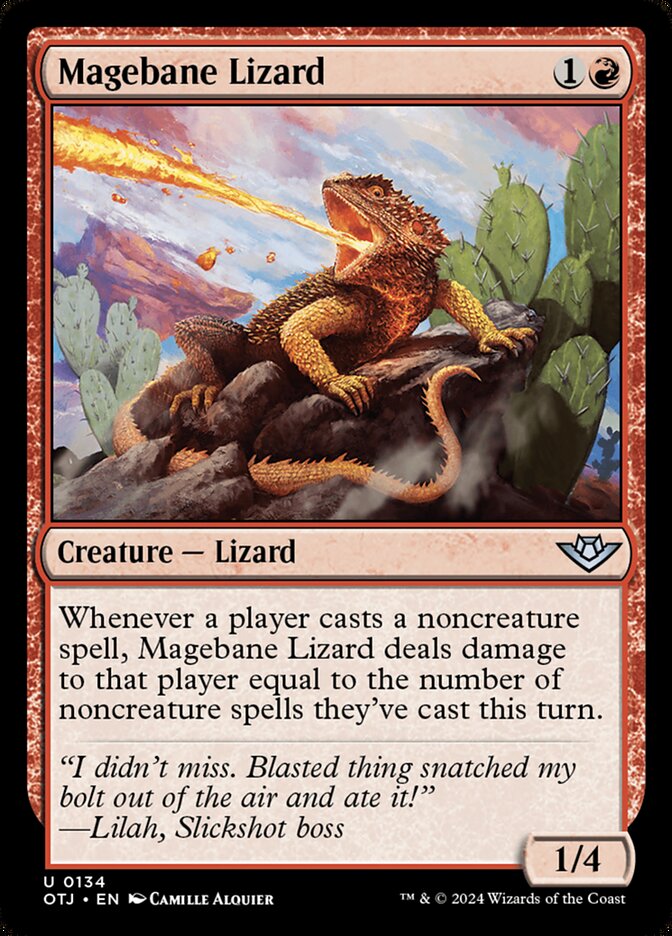
Some opponents will attempt to kill your creatures with removal, or play cards like Authority of the Consuls to slow you down. In this case, you can try cards like Scalding Viper or Magebane Lizard that punish them for casting cheap spells in general, like removal, counters, or cantrips.
How Do You Beat a Burn Deck?
Beating a burn deck can be very problematic, and many metagames have burn decks as top-tier contenders. If your deck has many cards in the 4-6 range, burn decks will get under you, so playing against burn decks is a good test to know if your deck can compete with the most aggressive decks.
You have to protect your lifegain as hard as you can, and be especially aware of explosive turns they can have. Sometimes, blocking a 2/2 with a 1/1 means that you get to live another turn. In other situations, you lose a blocker that could be best applied in another situation. Another good tip is that, for the most part, you don’t want to race a burn deck, so if they have creatures around, leave yours at bay to block them.
Aggro
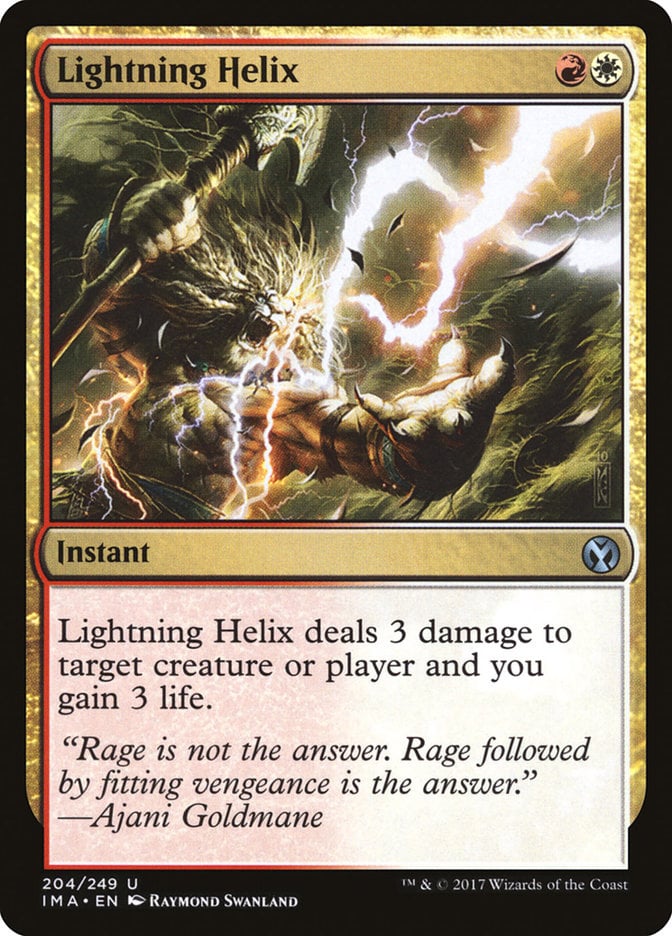


Playing against burn when you’re the aggro player can go a few ways. Usually, the player that floods or draws more lands loses. The play pattern can also change if you’re on the play or on the draw. If you start attacking them with creatures early on, they’ll probably spend their burn on your creatures and adopt a more controlling role. Lightning Helix will help you immensely here if you’re a burn deck, and lifelink is incredible for turning the race to 20 in your favor.
Control
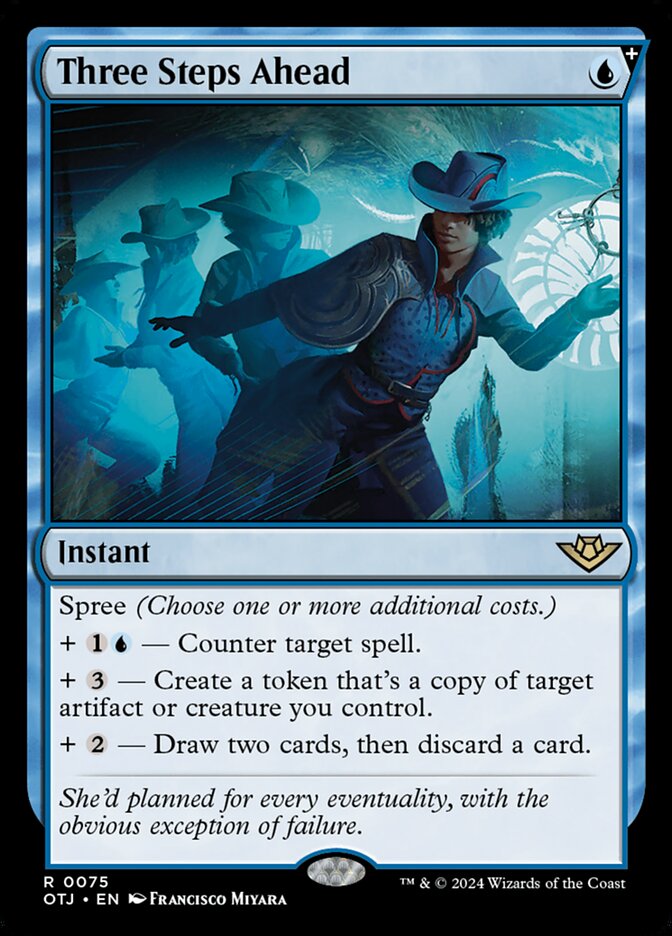
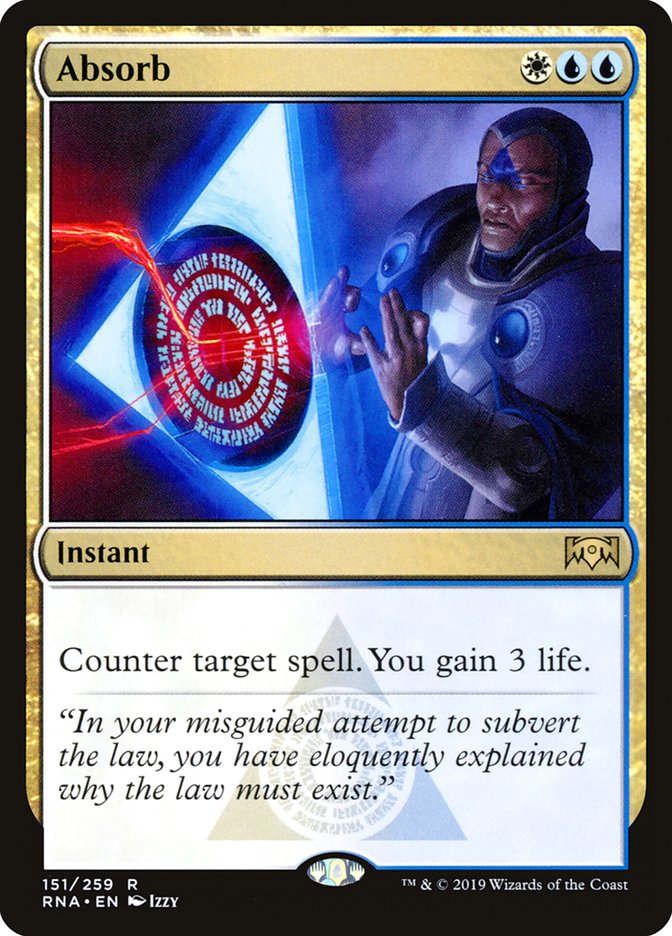
Burn decks usually prey on control decks, because their threats are much faster than your answers, and if you’re holding removal or sweepers, you can’t do a thing against their burn spells. Expensive counterspells like Three Steps Ahead are usually bad, and you’d rather have something like Negate or Spell Pierce. Having cards in your main deck like Absorb helps you immensely.
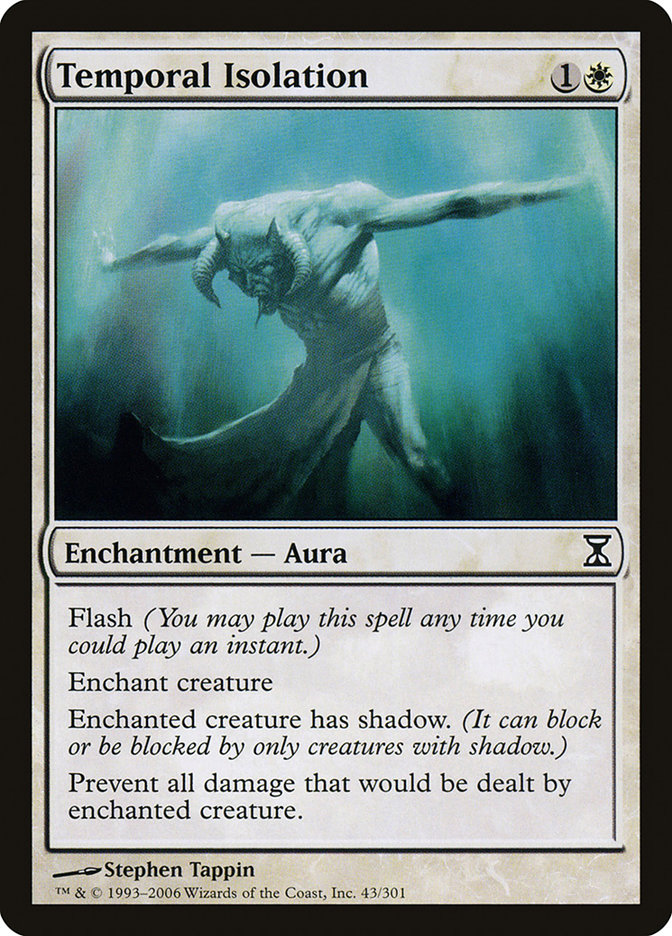
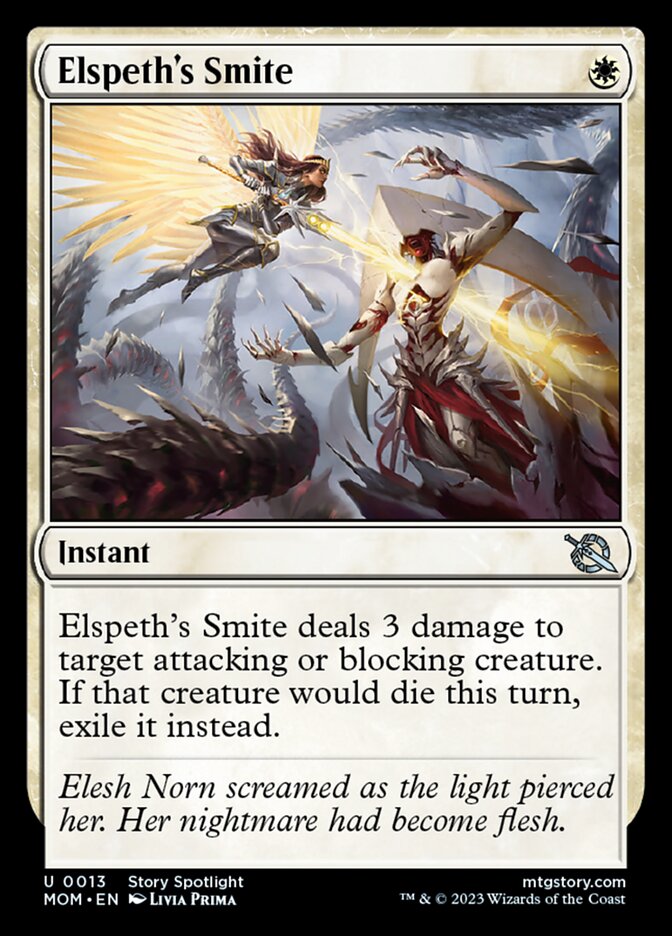
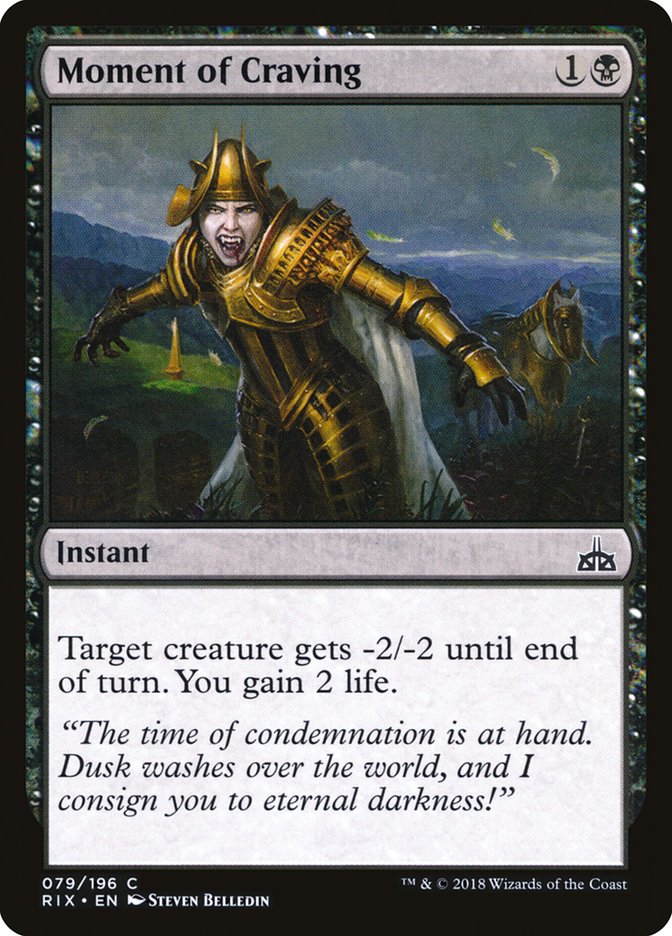
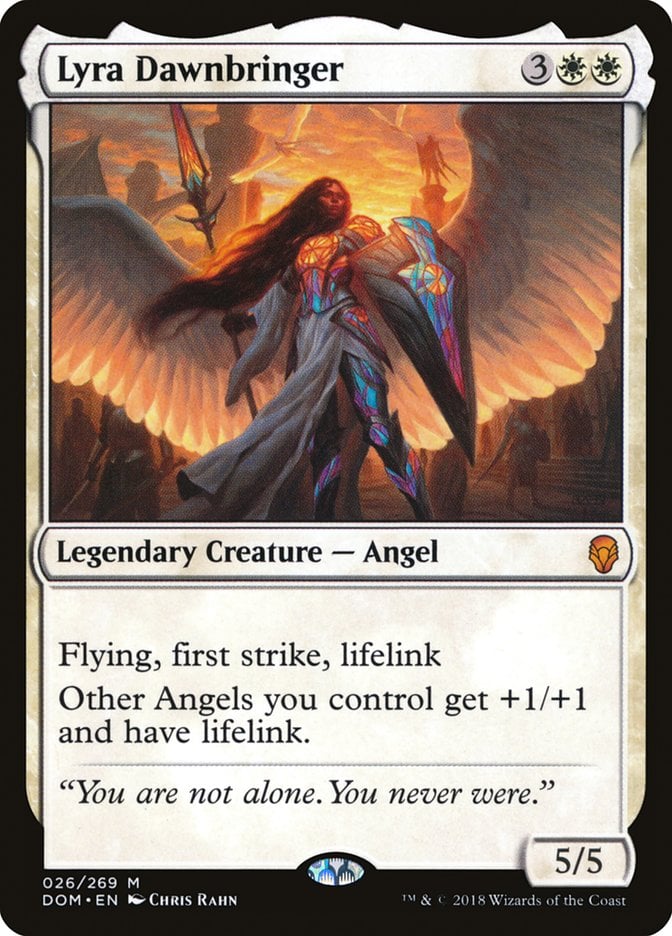
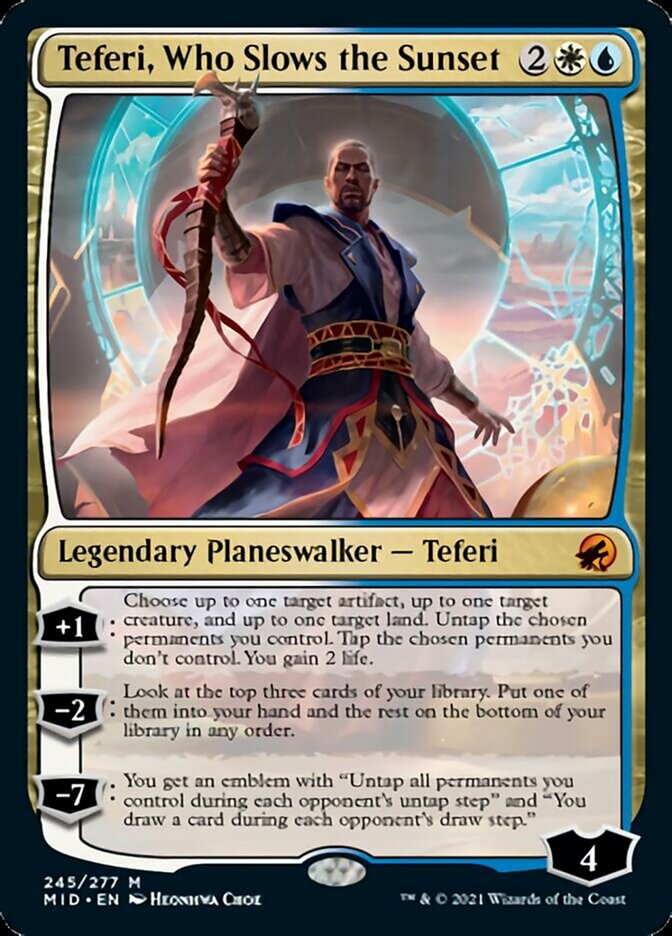
Your best bet is in your sideboard. For that, you have to prioritize cheap removal if your opponent has creatures, cards like Temporal Isolation, or ways to gain life like Elspeth's Smite or Moment of Craving. Creatures like Lyra Dawnbringer are awesome because they’ll have trouble attacking you, and a 5-toughness flier is hard to remove. A planeswalker like Teferi, Who Slows the Sunset gains you some life with the plus, and they’ll try to attack it.
Midrange
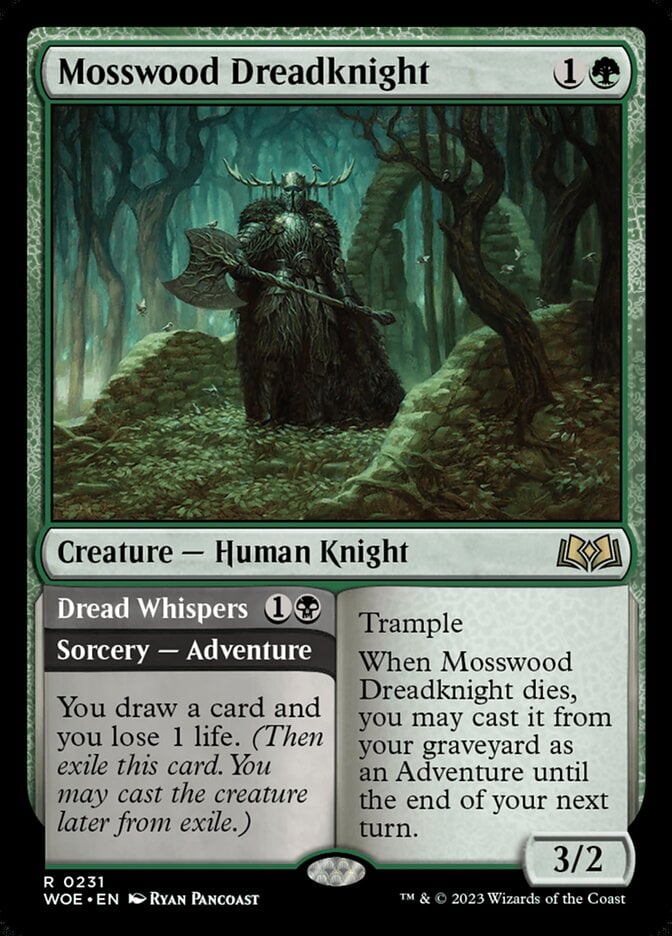
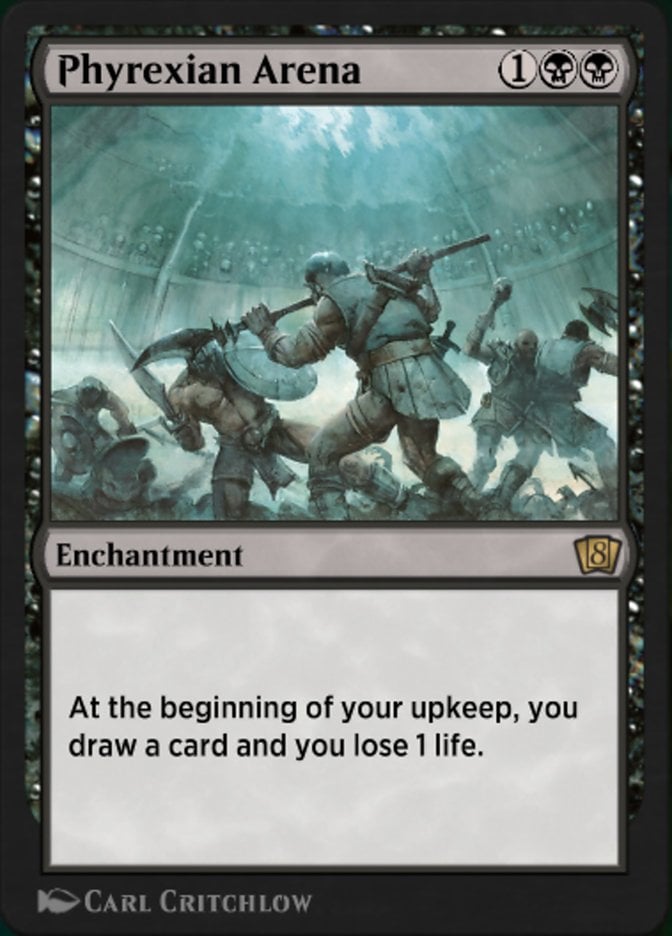
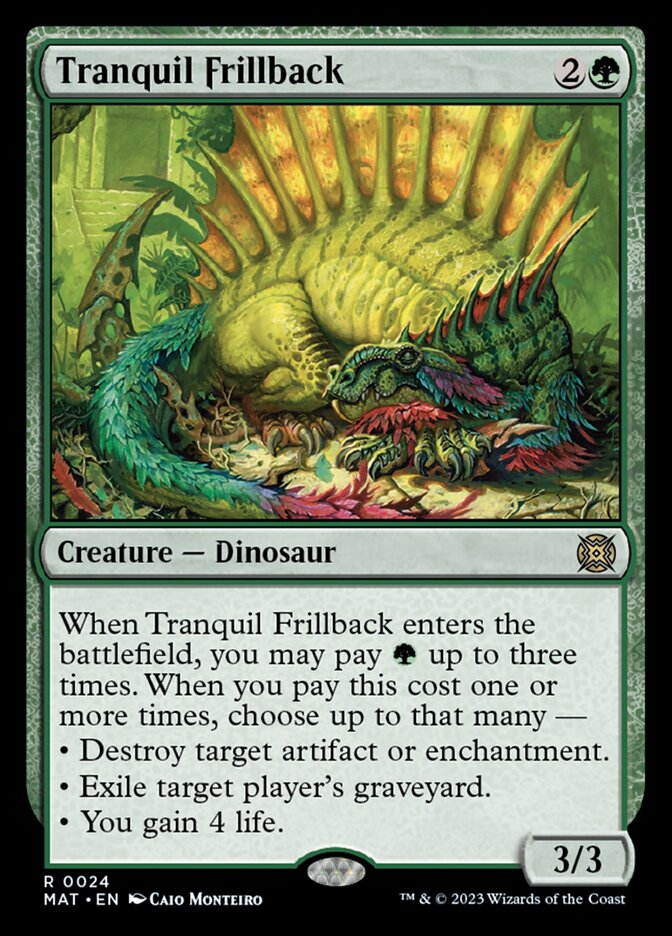
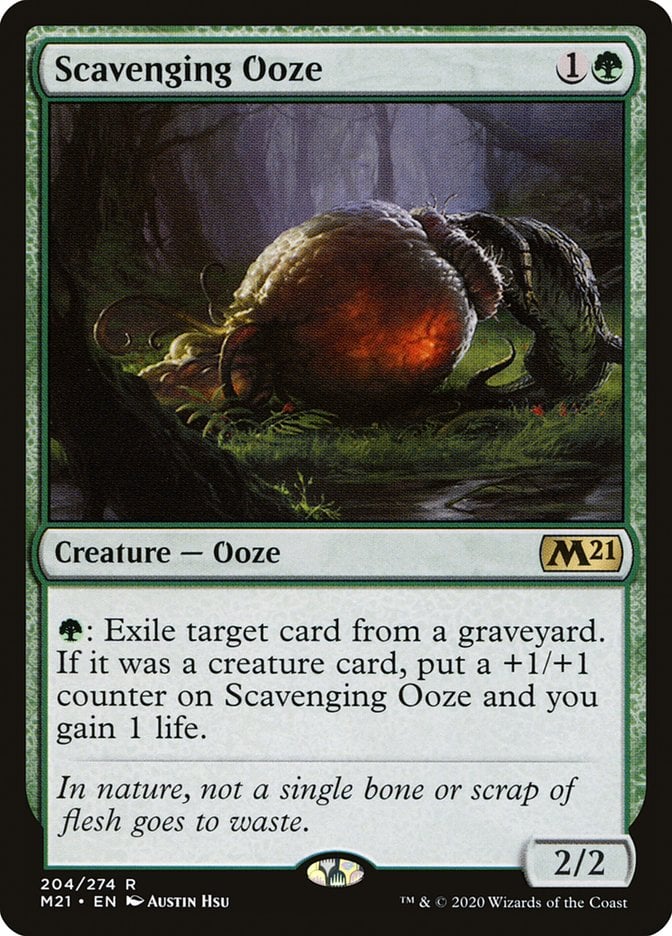
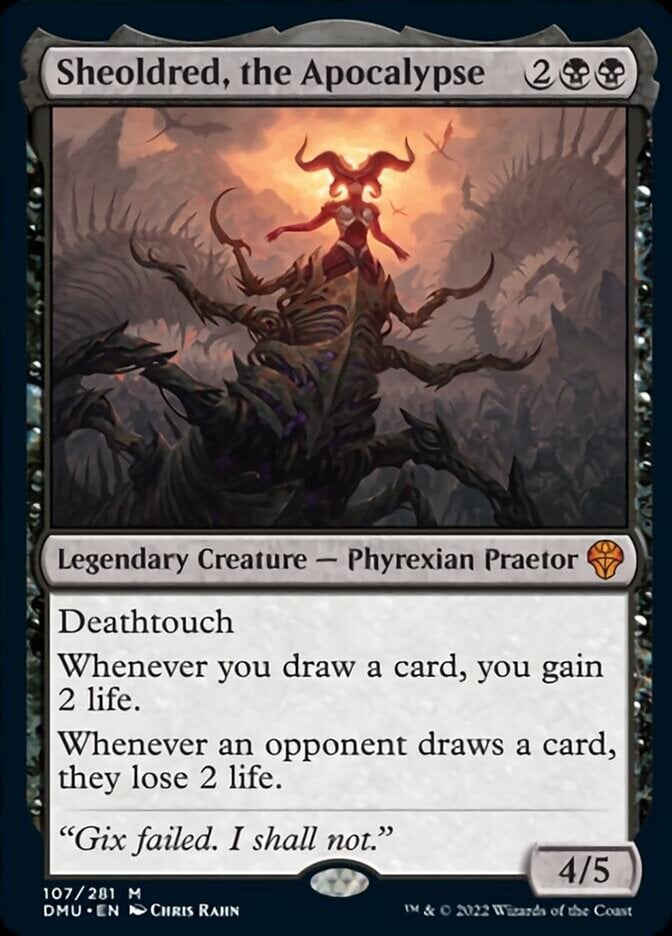
Midrange is usually well suited to fight burn decks, especially if your threats gain life passively. If you’re a Mosswood Dreadknight or Phyrexian Arena-driven deck, it’s a little harder, but creatures like Tranquil Frillback or Scavenging Ooze can give you some life here and there, and Sheoldred, the Apocalypse is absolutely backbreaking to burn decks. Many midrange decks these days revolve around lifegain, so decks like angels in Pioneer or bats in Standard will naturally offset the life loss. In fact, many planeswalkers give you game against burn, whether by gaining life, by removing their threats, or just by preserving your life total by being attacked instead; in these cases, you’re still not taking damage.
What Are the Best Burn Spells in Each Format?
Standard
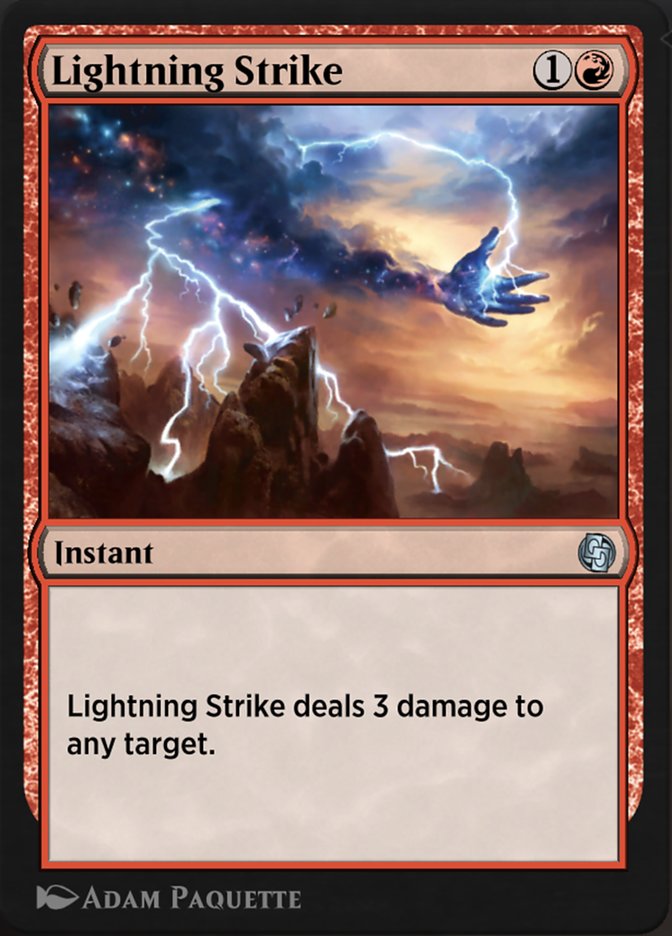
These cards all do different stuff. Burst Lightning is usually a Shock, but it can grant you some flood insurance. Boltwave is just efficient as a burn spell. Lightning Strike is almost as good as bolt, but to make it hit home a host of other cards like Guttersnipe, Magebane Lizard, or Coruscation Mage incrementally add damage.
Pioneer
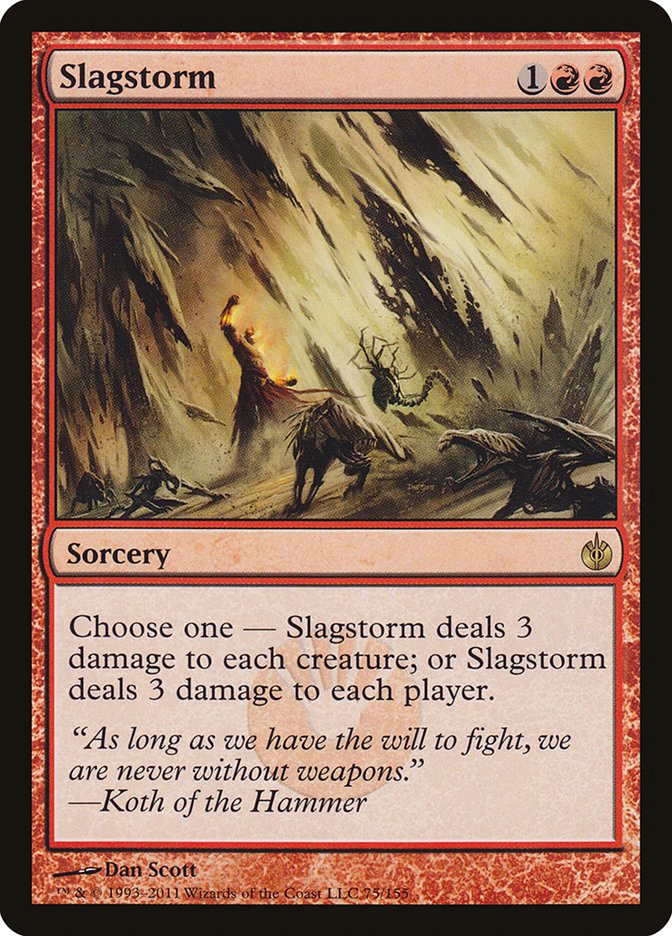
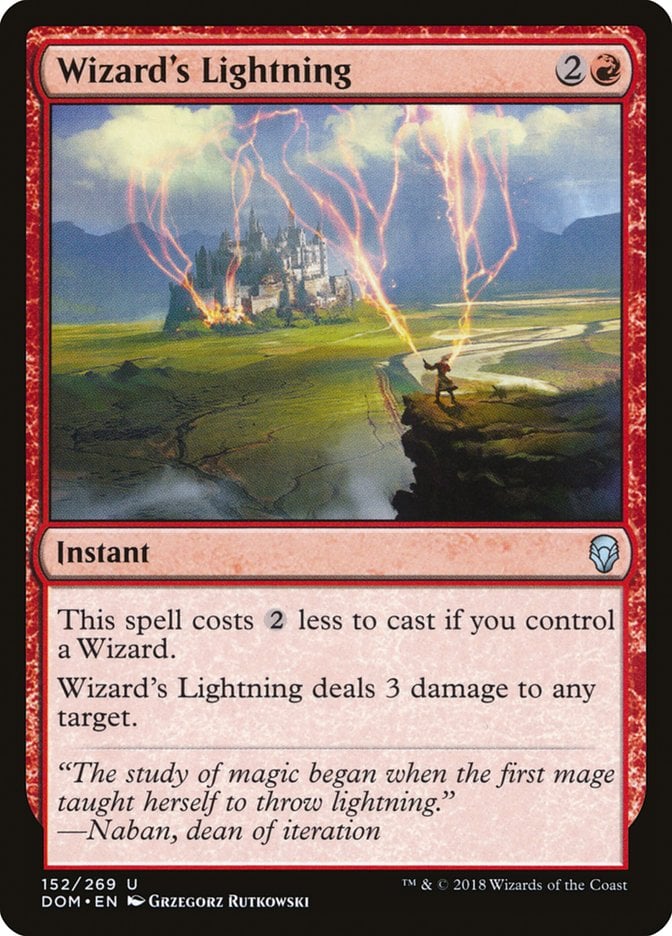
Pioneer has a few things that were too hot for Standard. One such card is Screaming Nemesis which got banned from Standard and pushes a ton of damage and fast. Slagstorm lets you answer different problems with one card, and I mention Wizard's Lightning as a pseudo-Lightning Bolt in case you play some wizards.
Modern
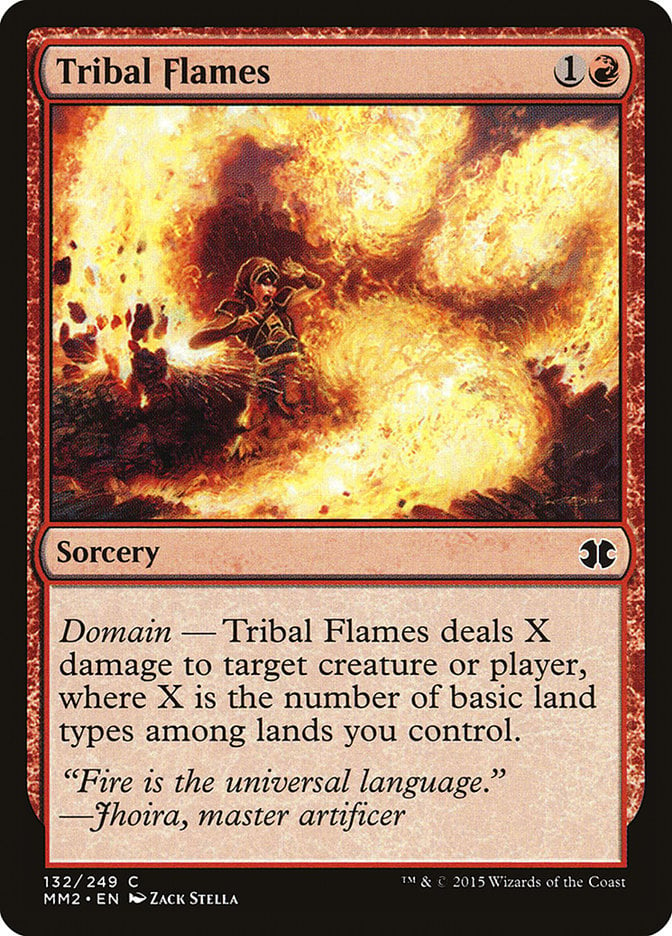
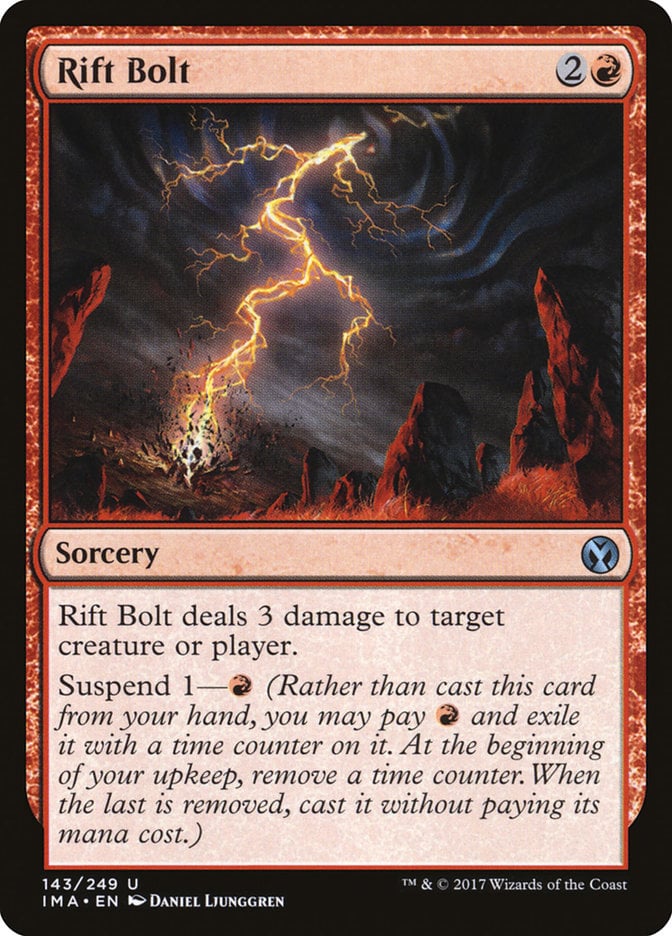
Here I wanted to highlight other spells. Tribal Flames can dome your opponent for 5 if you have domain, while Rift Bolt can be suspended and is an effective use of your mana. Lightning Bolt is just a burn staple in formats where it’s legal.
Legacy/Vintage
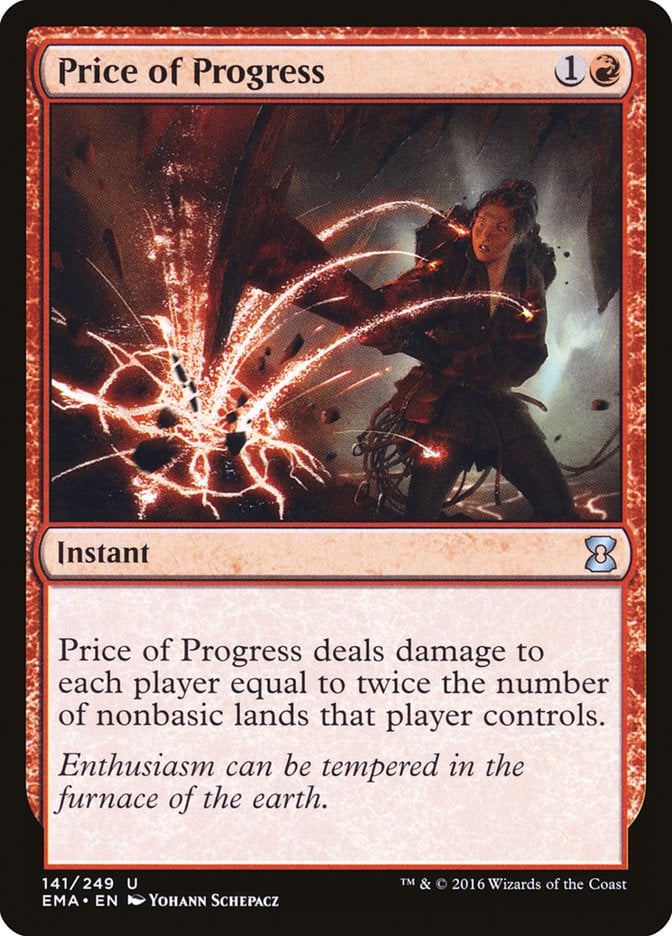
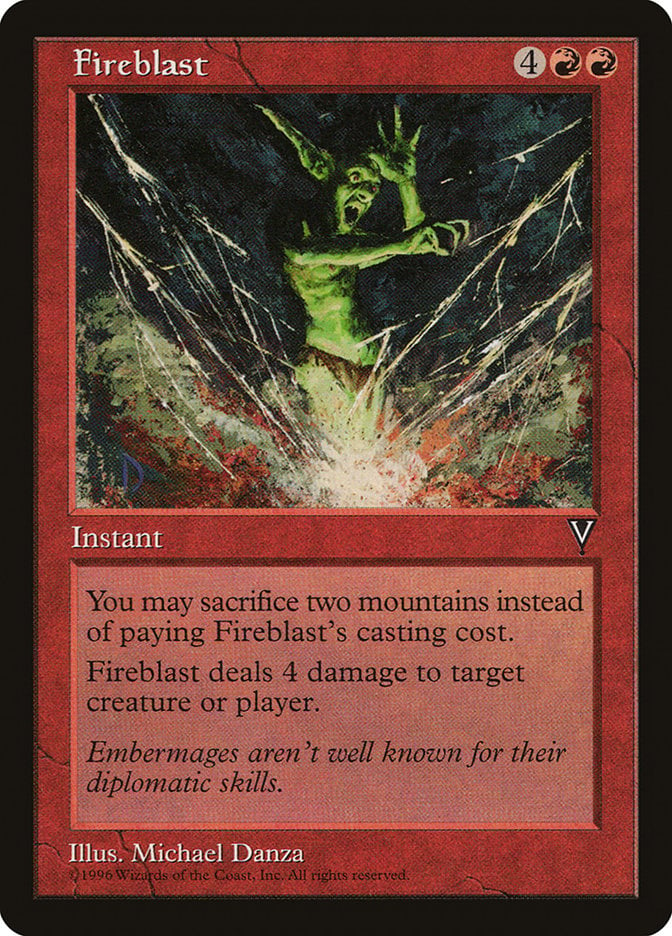
In Legacy/Vintage, you have access to cards like Fireblast, with which you can throw away two mountains to deal 4 damage to your opponent, and Price of Progress, which can hit players with greedy mana bases for a ton.
Pauper

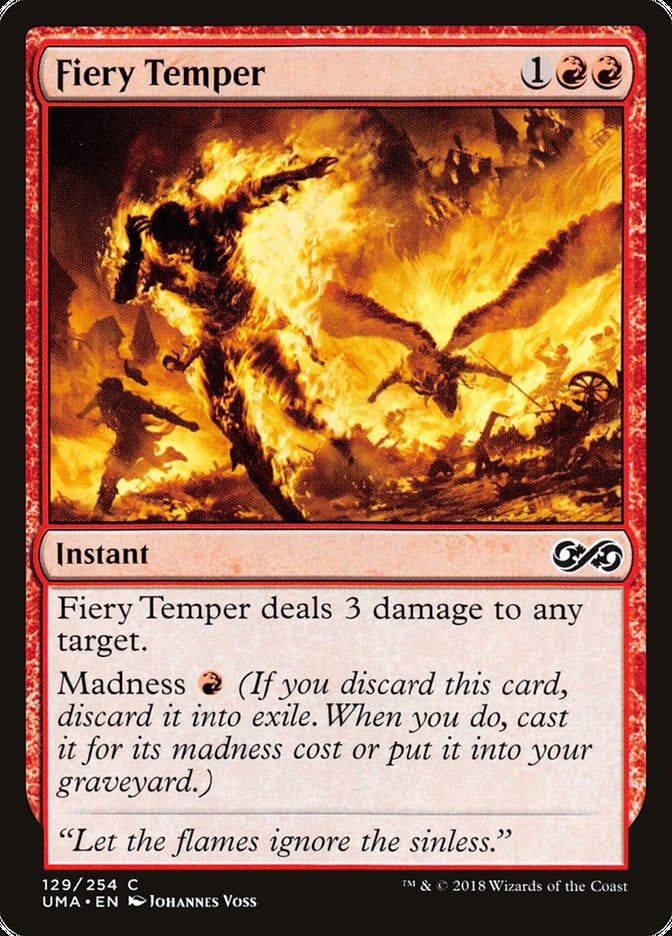
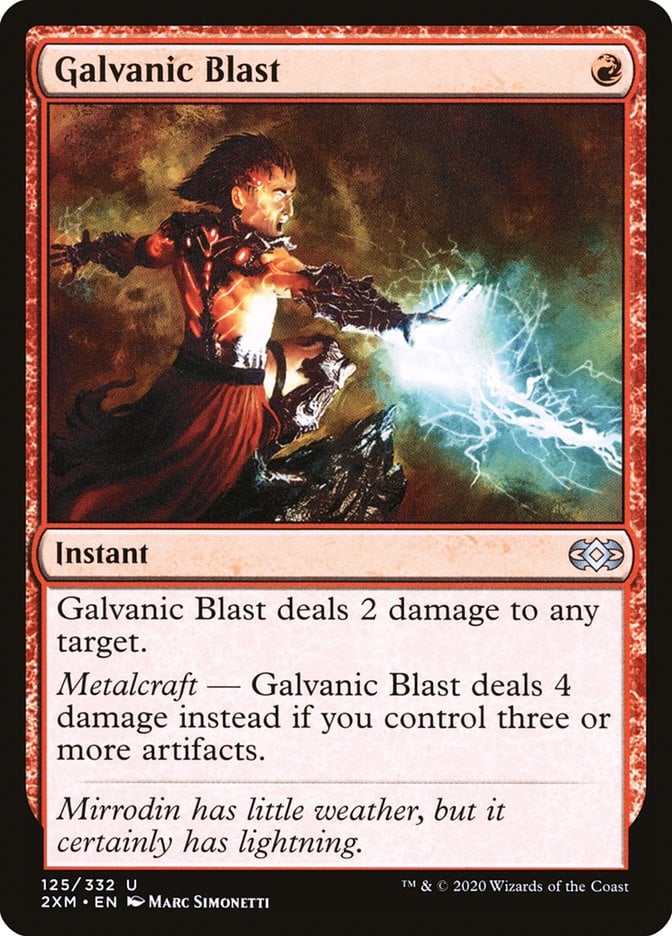
Fortunately for Pauper, the best burn spells are usually common for Limited purposes. It still has Lightning Bolt and Fireblast, but you also see the play of Grab the Prize with Fiery Temper. Pauper decks are well served with these cards, and burn is a well-established top-tier deck in the format. The presence of the artifact lands in Pauper means that it’s easier to cast Galvanic Blast with metalcraft on.
Commander
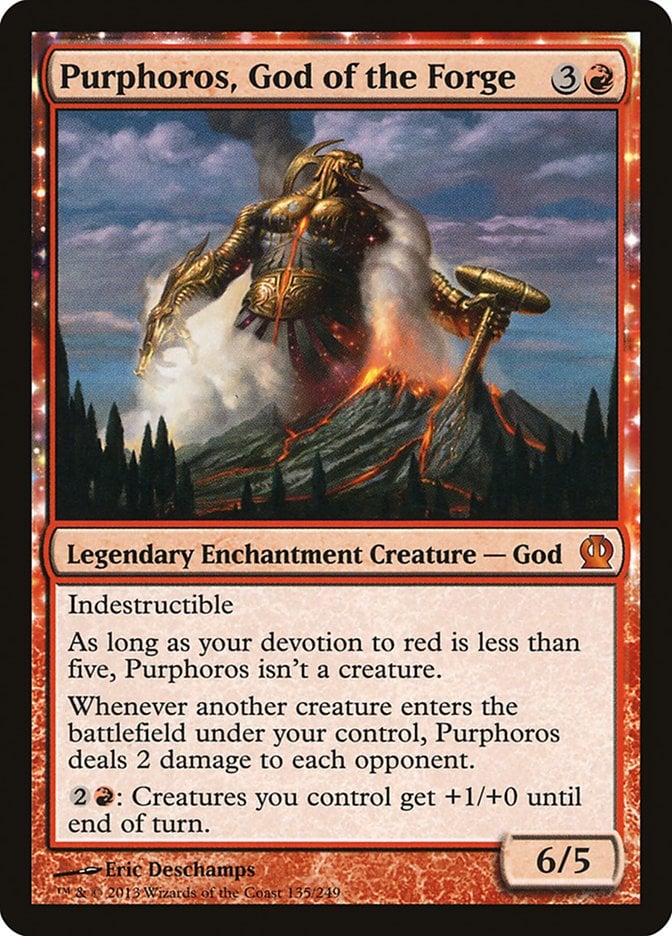
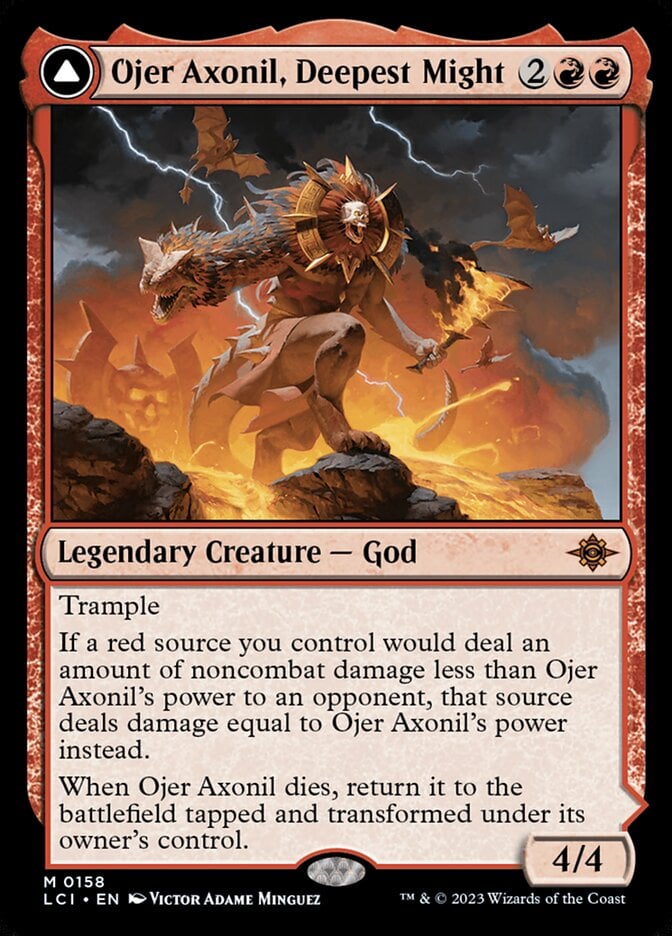
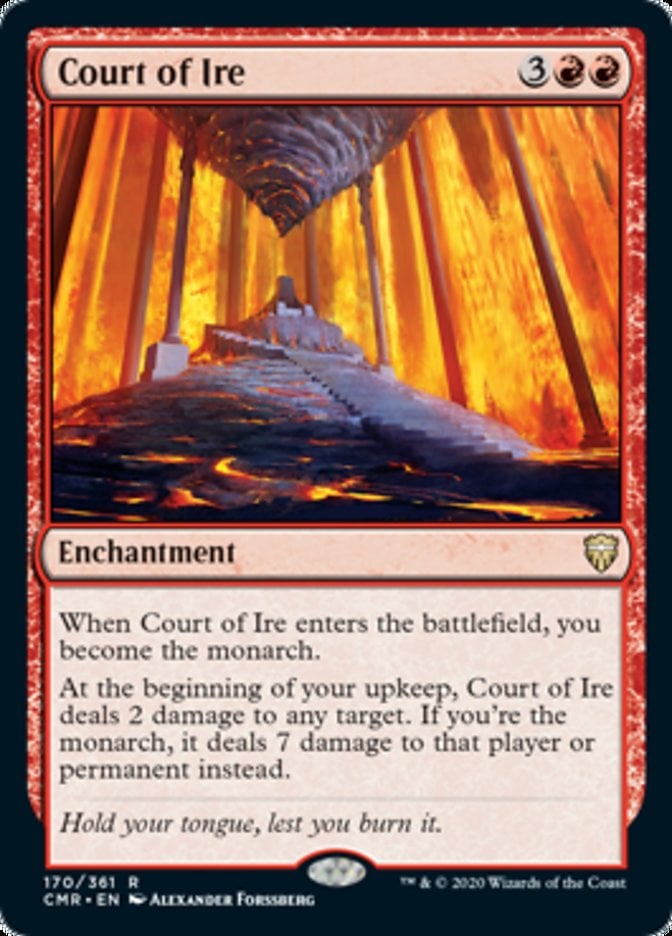
Commander is a different beast altogether. Here you have to deal 120 points of damage to your opponents, so clearly direct 3-damage burn spells won’t do it. Here, I opted to put enablers, cards that can deal a massive amount of damage to all your opponents at the same time. Things change when you have Court of Ire, you’re the monarch, and suddenly players are taking 7 damage at a time. Or when you have Purphoros, God of the Forge, and you casually drop 3-4 tokens in play at once.
Example Decklist: Boros Burn in Pioneer

Skewer the Critics | Illustration by Heonhwa Choe
Creature (14)
Hearth Elemental x2
Monastery Swiftspear x4
Soul-Scar Mage x4
Screaming Nemesis x4
Enchantment (4)
Instant (12)
Spikefield Hazard
Monstrous Rage x3
Boros Charm x4
Lightning Helix x4
Sorcery (10)
Boltwave x4
Skewer the Critics x4
Slagstorm x2
Land (20)
Battlefield Forge x4
Inspiring Vantage x4
Mountain x5
Ramunap Ruins x2
Sacred Foundry x4
Sokenzan, Crucible of Defiance
Sideboard (15)
Magebane Lizard x3
Searing Blood x4
Sheltered by Ghosts x3
Strict Proctor x3
Urabrask's Forge
Hazoret the Fervent
This Boros Burn deck is an example of what to expect from burn decks in Pioneer. You have 14 creatures plus four more if we count Kumano Faces Kakkazan/Etching of Kumano. Skewer the Critics is 3 damage you can cast reliably for 1 mana. Screaming Nemesis is excellent at shutting down any lifegain from your opponent. Monstrous Rage is a kind-of burn spell, in the sense that you’ll make a creature stronger and trample damage over. This deck runs as few as 20 lands to prevent mana flood.
The sideboard has interesting inclusions, like Strict Proctor if there are many permanents that ETB and do something, like lifegain. Urabrask's Forge is just a way to deal damage turn after turn, and works like an alternate wincon if it sticks. A card like Hazoret the Fervent packs a punch and it’s hard to deal with outside of exile removal. Finally, a card like Sheltered by Ghosts is tempo-positive and can help you with damage races due to the pump and lifelink.
Wrap Up
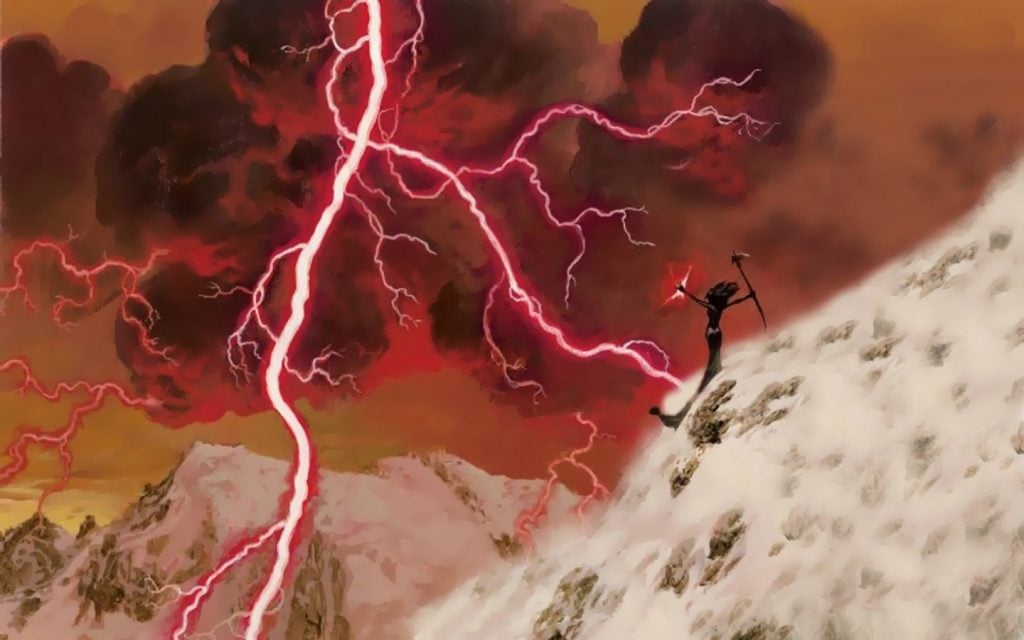
Lightning Bolt | Illustration by Christopher Moeller
And that wraps up the burn decks guide, folks. Burn spells are for players who enjoy adrenaline, aggression, or to scale the MTG Arena ladder fast. Just because the concept is simple doesn’t mean that it’s hard to pilot or play, and there are interesting decisions to be had at all times. Easy to learn, hard to master.
What about you, guys? Are you pro-burn or against the archetype? Which burn decks do you play and in which formats? Let me know in the comments, or over Draftsim Discord.
Thank you for reading, and stay cool out there.
Follow Draftsim for awesome articles and set updates:










Add Comment