
Last updated on June 29, 2026
Jolene, the Plunder Queen | Illustration by Caroline Gariba
It can be just as important to consider how fun a Magic deck is to play against as it is to play with. That’s especially true if you’re trying to get friends into the game, since your friends aren’t likely going to enjoy getting bodied by an over-powered infect deck their first time playing Commander.
Commanders that are fun to play against come in a wide variety. Sometimes, these are commanders who offer benefits to their opponents and can fall into the group hug category. Others introduce elements to the game that increase the pace or intensity of the game, making it more interesting.
Because “fun” is largely subjective, I’ve chosen a smattering of commanders that promote different kinds of playstyles and archetypes. This means, even if it isn’t number one, there’s likely a commander in here that you and your playgroup will find a fun inclusion for your table.
What Makes a Commander Fun to Play Against in MTG?

Phelddagrif | Illustration by Amy Weber
Like I said, “fun” is subjective, but there are some elements of Magic that are decidedly not fun. Feeling like you’re stuck in a long game that’s going nowhere, not having cards in hand or lands to play, or feeling like you have no way to win can be some of the most frustrating elements of a Commander game.
When picking commanders that are the most fun to play against, I looked for commanders that would help minimize these frustrating elements of the game. That can be commanders that help you draw cards, provide ways for you to avoid being mana screwed, or just ones that keep the game moving and interesting. There’s also a consideration for commanders that give your opponents more choices to make, since it adds to the interactivity of the game.
Honorable Mention: Princess Twilight Sparkle
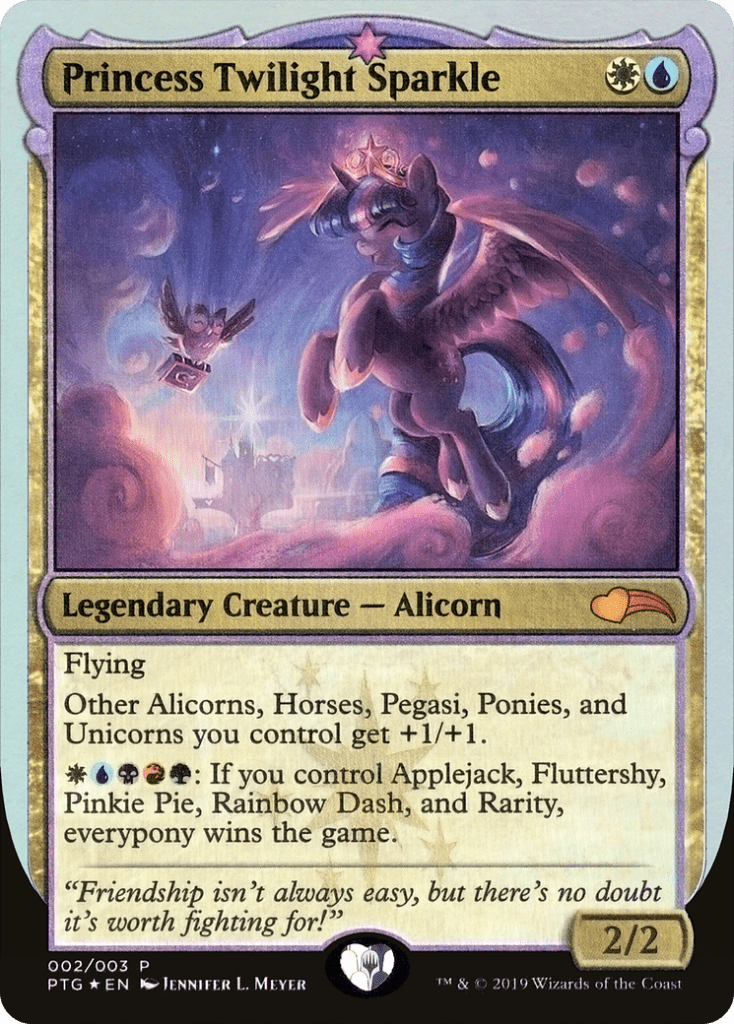
It can be frustrating to get stuck in a long Commander game that you know you aren’t going to win. Luckily, Princess Twilight Sparkle can make every player – sorry, “everypony” – a winner. That means playing against a Princess Twilight Sparkle deck gives you two chances to win, and an easy answer of who to help if you aren’t going to win yourself. This 5-color commander is technically banned in Commander, but with the power of friendship your pod might be willing to make concessions.
#38. Yes Man, Personal Securitron
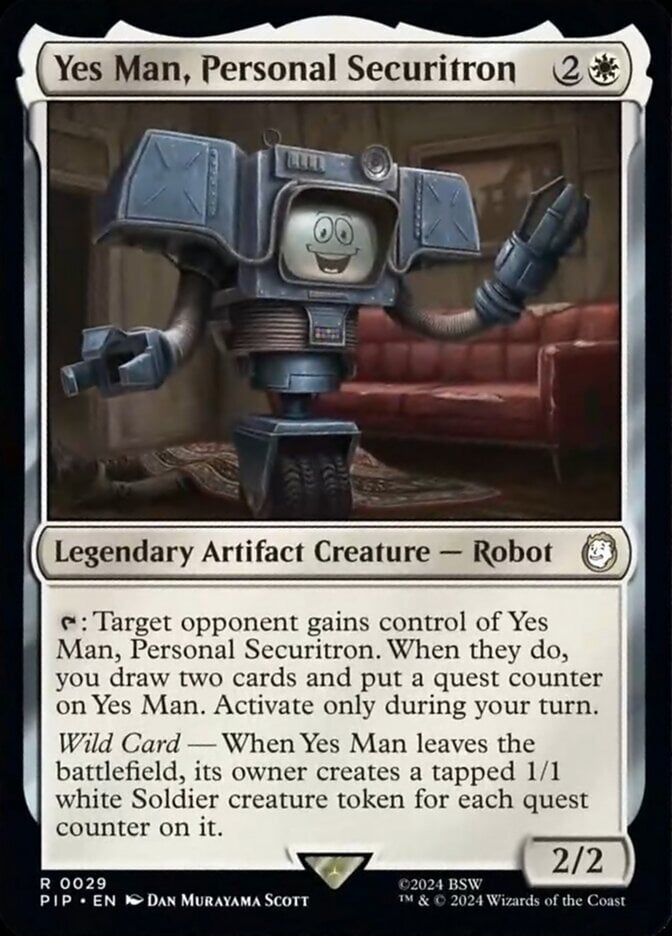
Yes Man, Personal Securitron gives people the option of drawing a few cards or just holding Yes Man hostage for a little bit. You can also sacrifice it or use it as a chump blocker, giving this white commander a lot of utility for a card that isn’t yours. Additionally, this commander will likely open up discussions and deals at the table, so the Yes Man, Personal Securitron player feels like they’re getting the best deal from whom they give it to.
#37. Jolene, the Plunder Queen
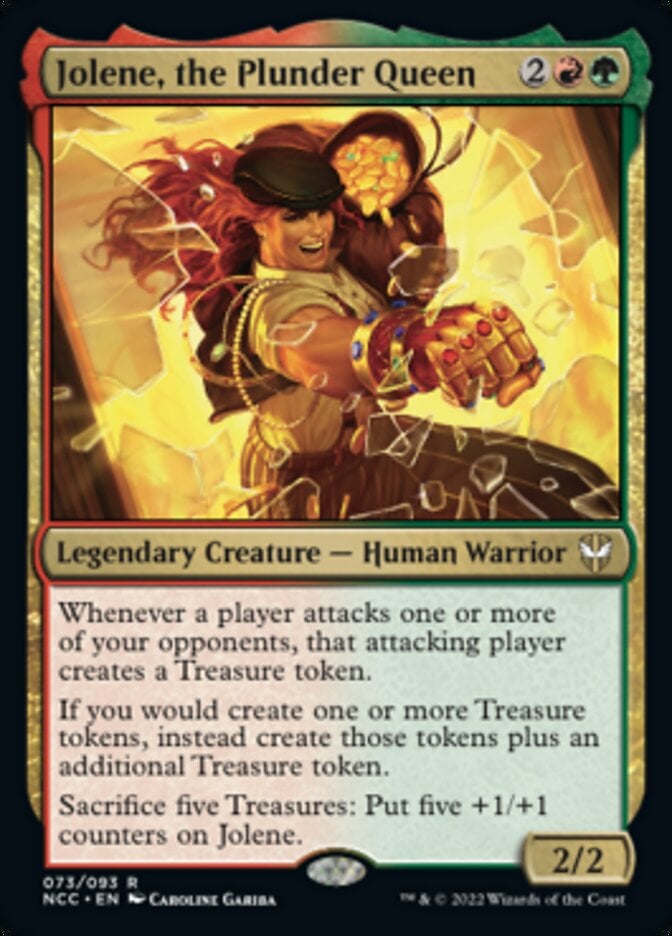
Jolene, the Plunder Queen creates an incentive for the table to attack more often. This Gruul commander can help speed up games, and remove some of the hesitation or guilt players sometimes feel about attacking opponents, especially when playing with strangers at an LGS.
#36. Iroh, Tea Master

Iroh, Tea Master can hand out food or whatever you like, and service with a smile goes a long way when you play like a pai sho master. You build up your tokens, but need to give stuff to opponents to do so, and as long as you avoid giving them cards that cause them to lose, you’ll get plenty of 5-star reviews.
#35. Kwain, Itinerant Meddler
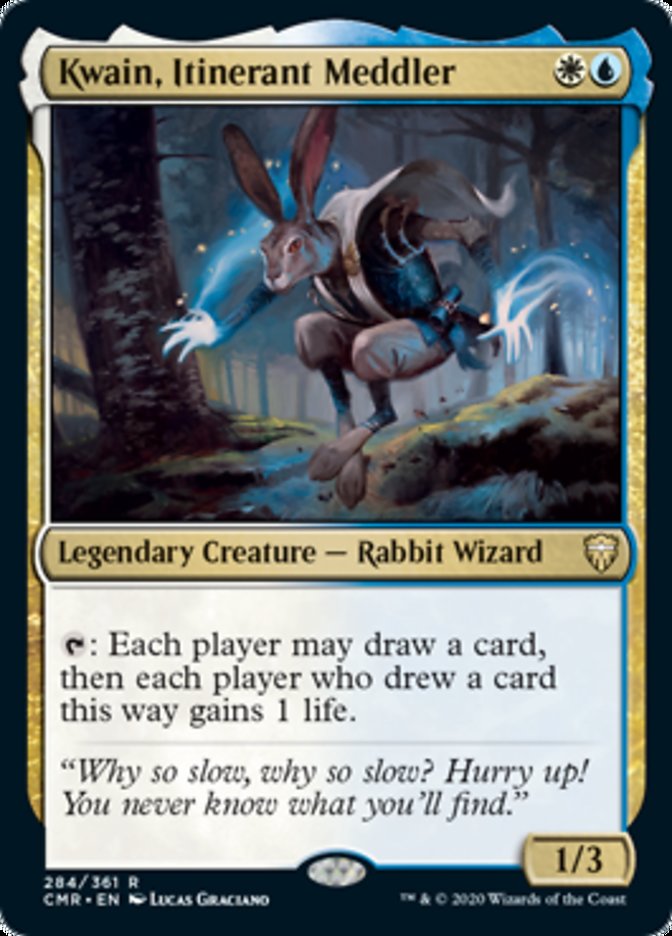
Kwain, Itinerant Meddler is nice because it gives every player more resources. The fact that this rabbit commander‘s ability is optional is also good, since you may want a certain card on top of your deck, or to stay at a certain life total.
#34. Gahiji, Honored One
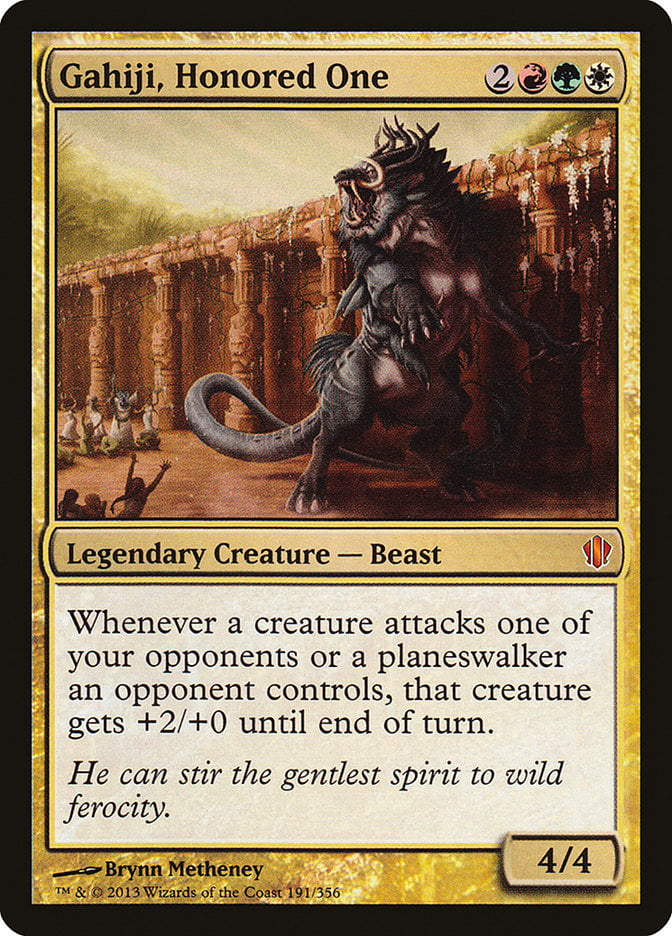
Like Jolene, Gahiji, Honored One is a Naya commander who helps speed games up. You’ll especially enjoy playing against this commander if you’re playing a deck that goes wide. The fact that the buff doesn’t hit toughness is also nice because it might convince some players to swing with creatures they otherwise wouldn’t, giving you a chance to take that creature out.
#33. Varchild, Betrayer of Kjeldor
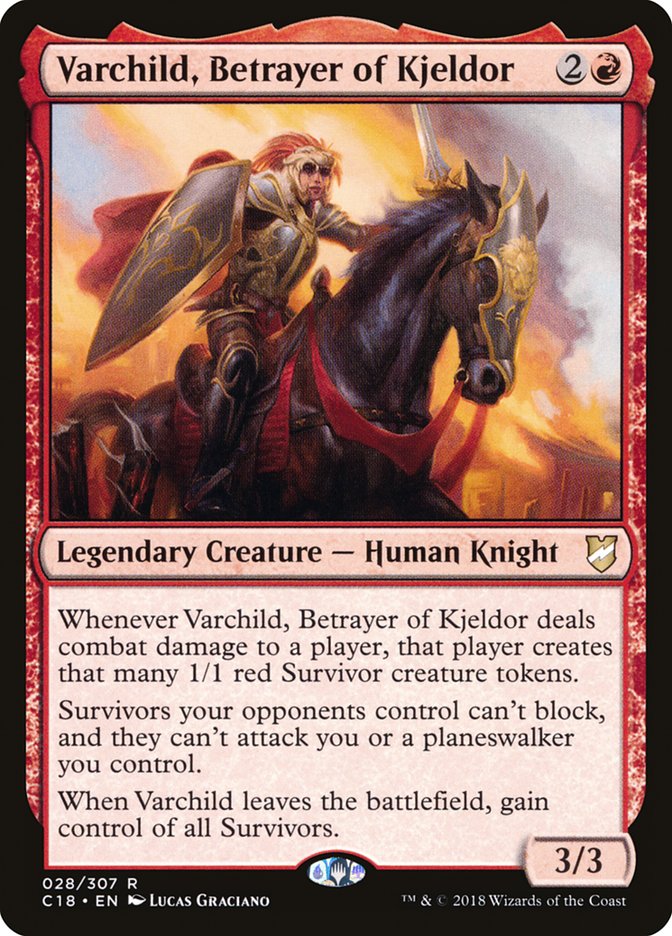
Varchild, Betrayer of Kjeldor offers opponents the opportunity to take commander damage in exchange for Survivor tokens. This adds an extra element of balancing risk and reward to the game. There’s also the constant concern that Varchild, Betrayer of Kjeldor’s controller might sacrifice this red commander and take all those Survivors, adding a bit of fun tension to the game.
#32. Nin, The Pain Artist
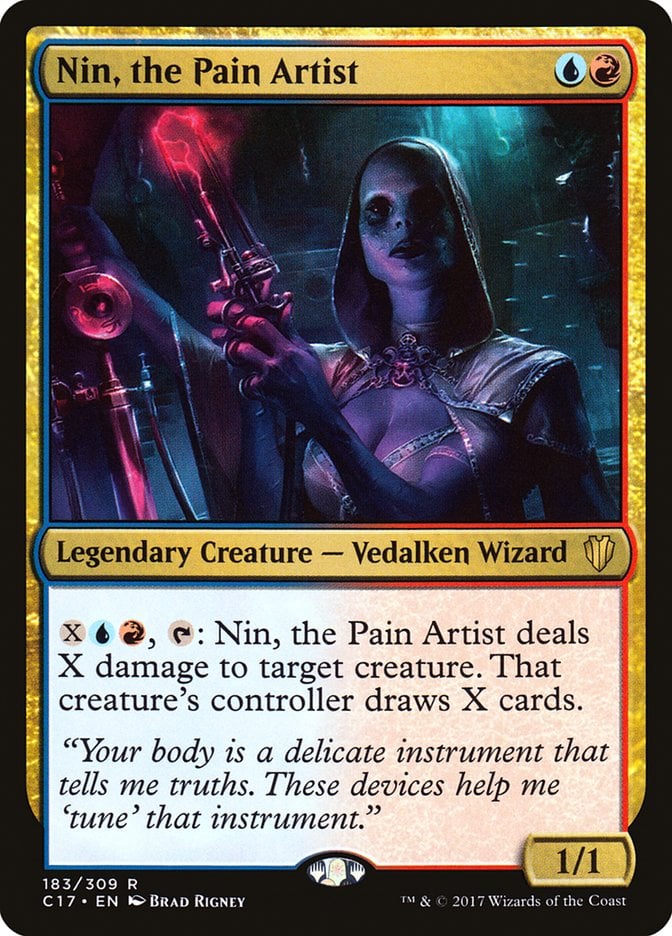
Despite sounding very scary, Nin, the Pain Artist can be a welcome sight on your opponent’s side of the field. Because this Izzet commander can make any player draw cards, you can often negotiate a good trade where losing one of your creatures doesn’t sound like a bad deal.
#31. The Celestial Toymaker
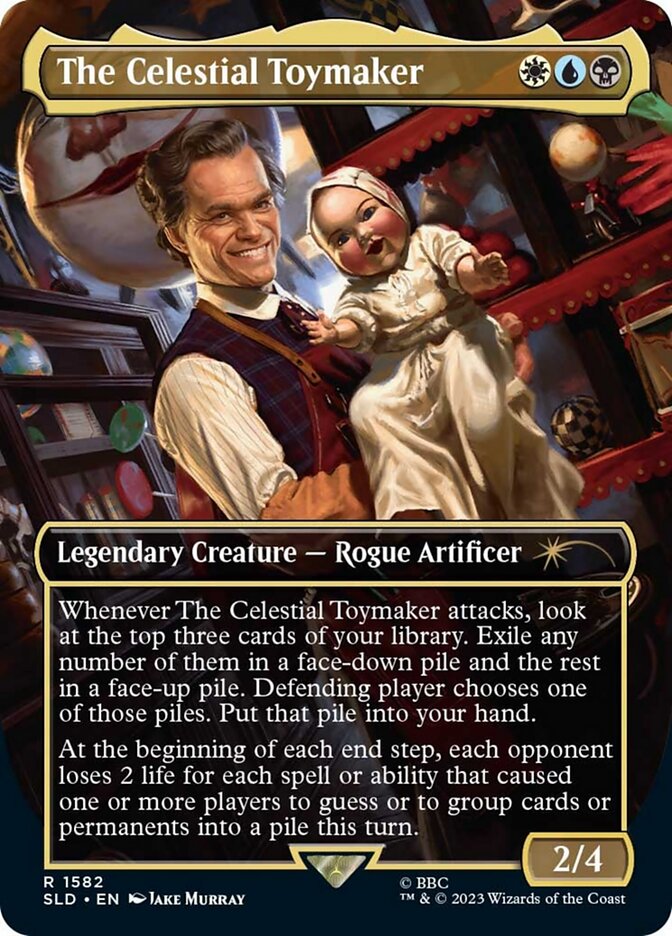
The Celestial Toymaker is a bit on-the-nose with the type of cards it likes to play with, namely “divvy” effects like Fact or Fiction. But the card’s natures gives you lots of choices to make if you run up against it. Unfortunately, it lets the controller separate the piles, not the opponent, so the split often favors the Toymaker’s controller regardless of your decision. But divvy cards like this and Atris, Oracle of Half-Truths introduce mini-games that are fun to suss out as the opponent making the final decision.
#30. M’Baku, Jabari Chieftain
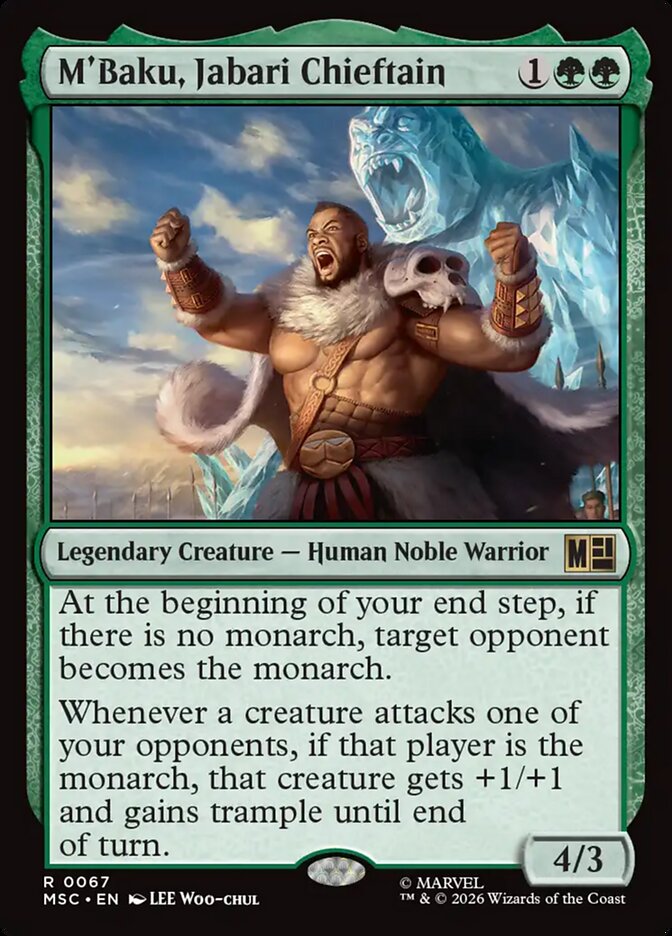
M'Baku, Jabari Chieftain is my kind of monarch. The mechanic is already a solid one for a table looking for fun and adding power and trample to creatures attacking your opponents is a great way to encourage your opponent’s saboteur effects.
#29. Breena, the Demagogue
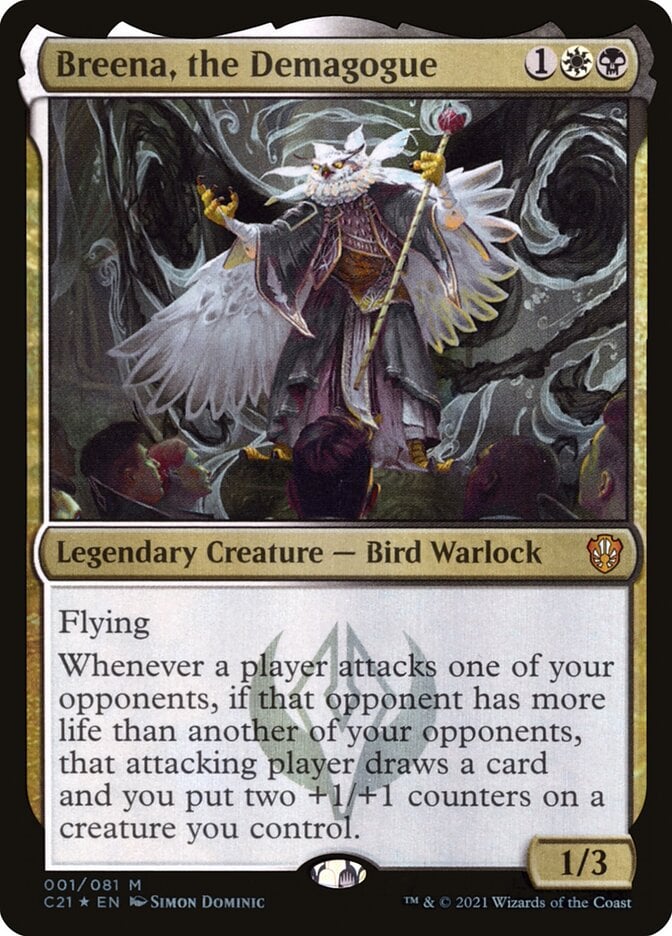
Aside from just being the fanciest bird ever, Breena, the Demagogue creates a very interesting environment at the table. It paints a clear target on certain players and offers you benefits for attacking them. This swings in favor of attacking players with higher life totals, so the effect that this Orzhov commander provides doesn’t feel like ganging up on any one player. You’ll also want to make sure you don’t get too caught up in it and allow the Breena, the Demagogue player to just run away with the game.
#28. Ms. Bumbleflower

Ms. Bumbleflower has entered the top 100 commanders in less than a year’s time, owing to the fact that people really like group hug decks that can actually close out a game.
I’m not as enamored by the bunny as most people since it betrays its own gameplan by becoming a colossal threat really, really fast. It forces the issue at some point, faster than a typical group hug deck. Still, as the person facing down Ms. Bumbleflower, it’s nice to receive the occasional gifts for doing basically nothing, even if you have to view Bumbleflower as a threat at basically all times.
#27. Gluntch, the Bestower
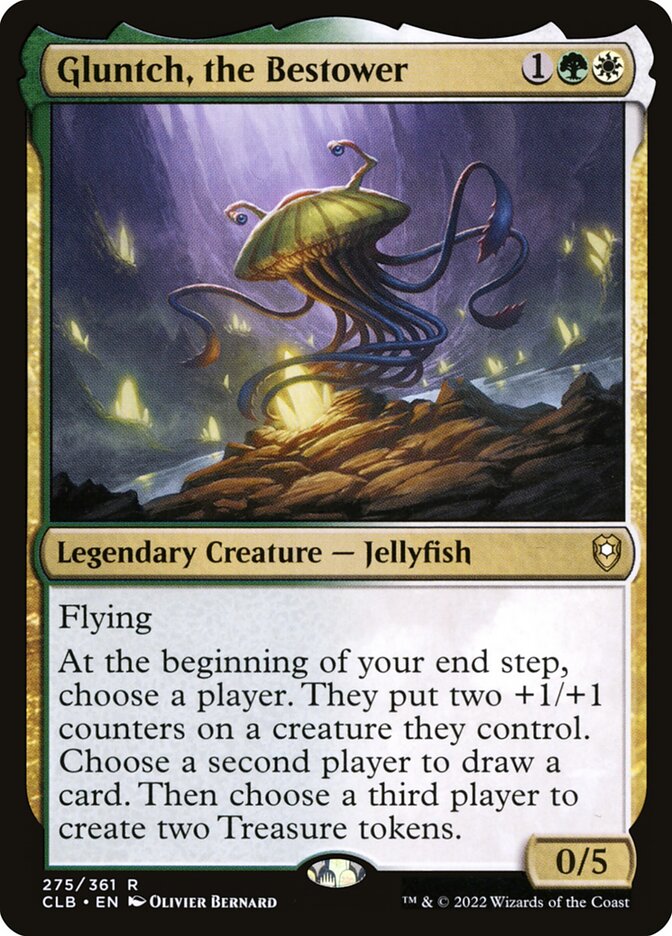
Gluntch, the Bestower is fun to play against because it’s a variable group hug commander. This allows the player controlling them to hand out different benefits to other players depending on what they think is best. Of course, Gluntch, the Bestower can be a bit frustrating if you’re being left out since only three players get something from this Selesnya commander at the end of a turn. That said, this can also be positive because it allows the Gluntch player to deprive a player of additional resources if they’re pulling ahead in the game.
#26. Shizuko, Caller of Autumn
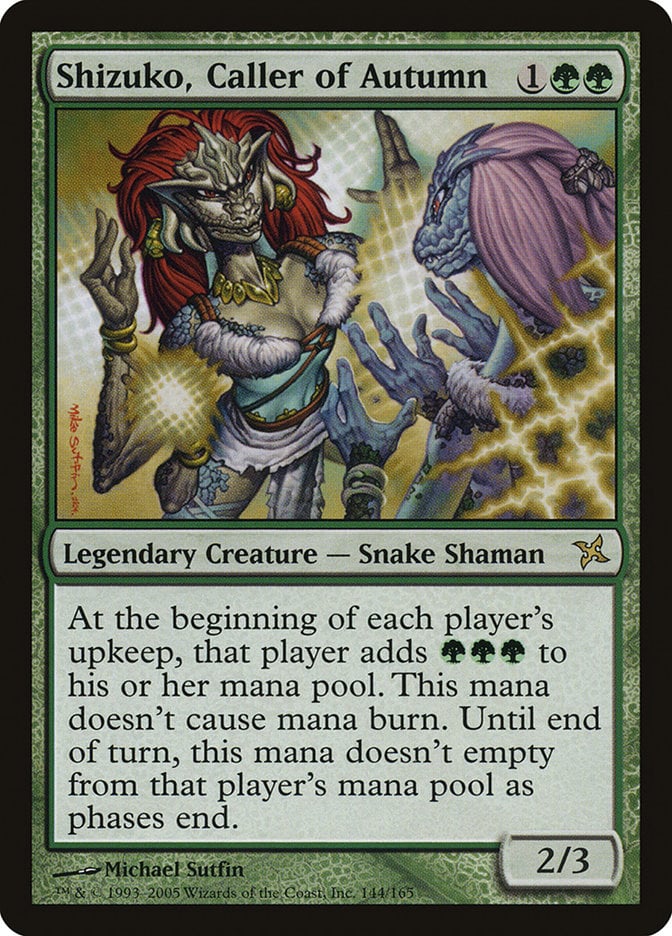
Shizuko, Caller of Autumn gives players 3 extra mana to play with each turn. This can significantly speed games up and can be a life-saver if you’re mana screwed, which is one of the least-fun experiences in Magic. This green commander is even more fun to play against if you’re playing a deck with green in its color identity, as it’ll provide mana fixing in addition to ramp.
#25. Yurlok of Scorch Thrash
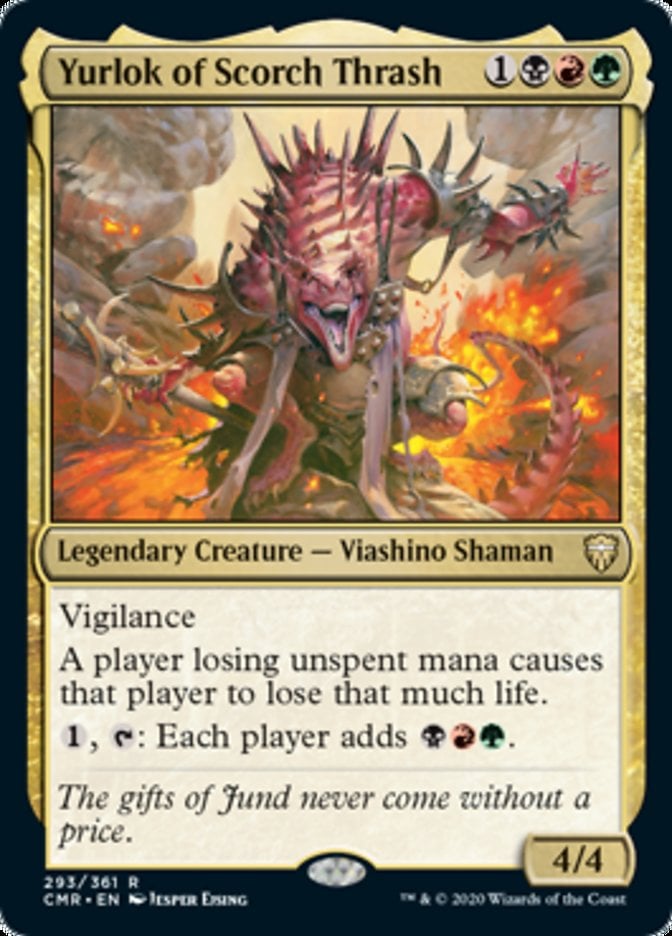
Yurlok of Scorch Thrash brings mana burn back into the game, which is already a fun angle for a card. Aside from that, it distributes mana to each player, and, as an unexpected receiver of said mana, it can be interesting to find ways to filter that mana into different mana sinks to avoid the inevitable mana burn. There’s a political angle to the commander too, which is always a welcome layer for a legend.
#24. Obeka, Brute Chronologist
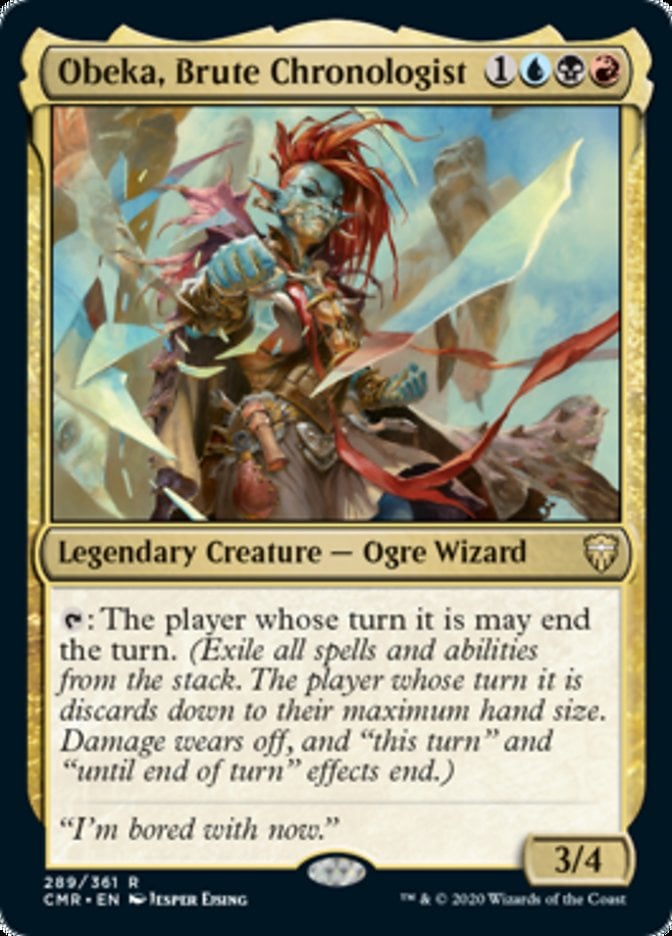
It’s not often you want to just straight up chop off the rest of your turn, but Obeka, Brute Chronologist offers you the opportunity. Most Obeka players break their cards by circumventing end-of-turn triggers, but you could always ask that player to end your turn if things go sideways for you.
Perhaps someone’s trying to Settle the Wreckage your whole board and it basically puts you out of the game if it resolves. “Hey, Obeka player, mind ending my turn and I’ll try to take out this other threat for you next turn?” Totally up to them, but it’s a fun tool to try and barter with.
#23. The Second Doctor
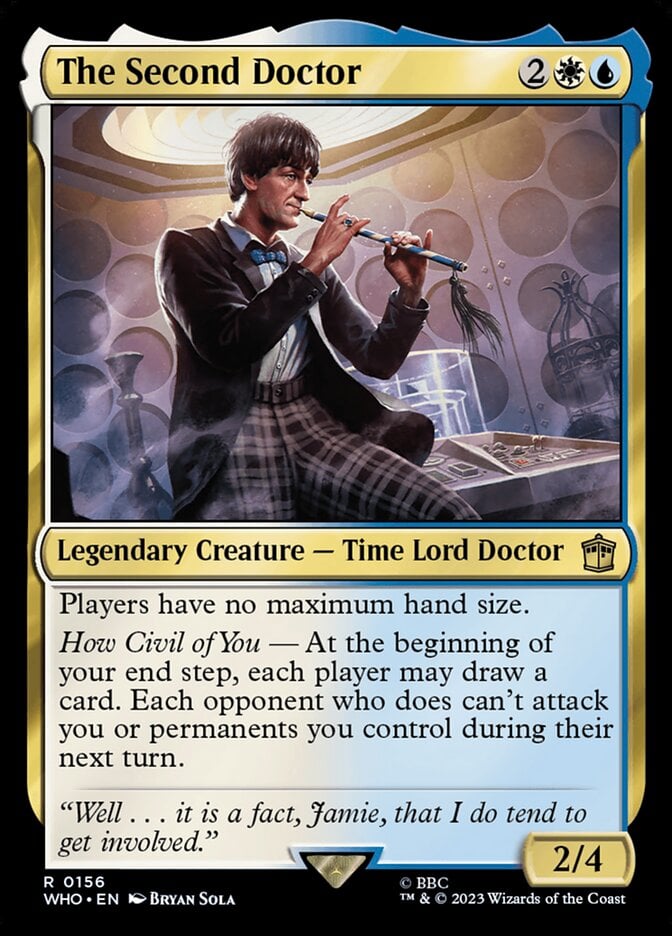
The Second Doctor’s static ability allows every player an extra level of forgiveness in the game as no one has to discard to hand size while this Azorius commander is out. The opportunity to draw extra cards is nice. If you’re playing a deck that isn’t heavily focused on combat, The Second Doctor’s “How Civil of You” ability doesn’t even have a downside.
#22. Rendmaw, Creaking Nest

Rendmaw, Creaking Nest gives opponents goaded crows that are too scared to attack you the Rendmaw owner, and it makes for a game with good momentum that all players appreciate.
#21. Xyris, the Writhing Storm
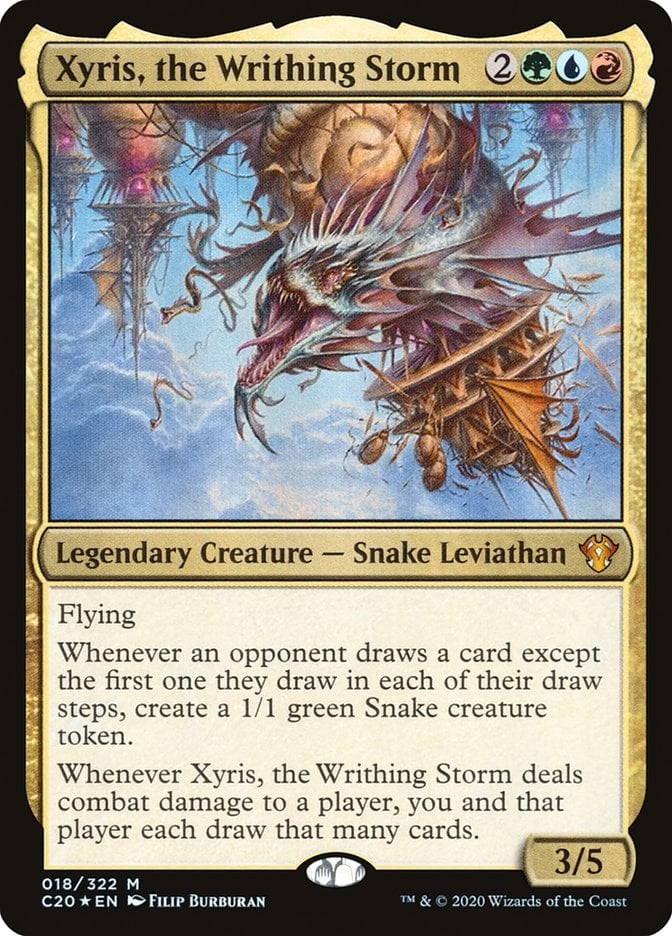
Xyris, the Writhing Storm creates an interesting dilemma. You can draw some extra cards, but it’ll also mean taking commander damage. As long as you feel prepared to take out Xyris, the Writhing Storm when things get too dangerous for you, this Temur commander can be a lot of fun to play against. Honestly, the army of snake tokens usually ends up being the true threat, anyway.
#20. Mayael the Anima
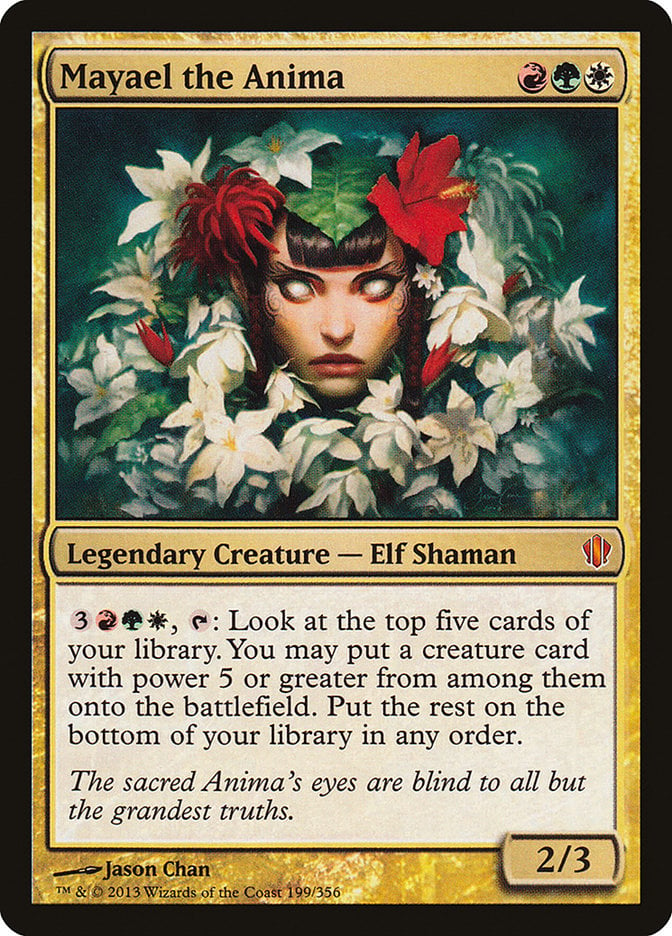
Mayael the Anima is a bit of a special case. This Naya commander isn’t necessarily fun to play against on its own, but it can be built in a way that adds a very fun element to the game. When going up against a more chaotic Mayael the Anima deck, there’s a fun sense of anticipation each turn as you wait to see what’s about to be dropped on the board, and how it’ll shake up the game.
#19. Ruhan of the Fomori
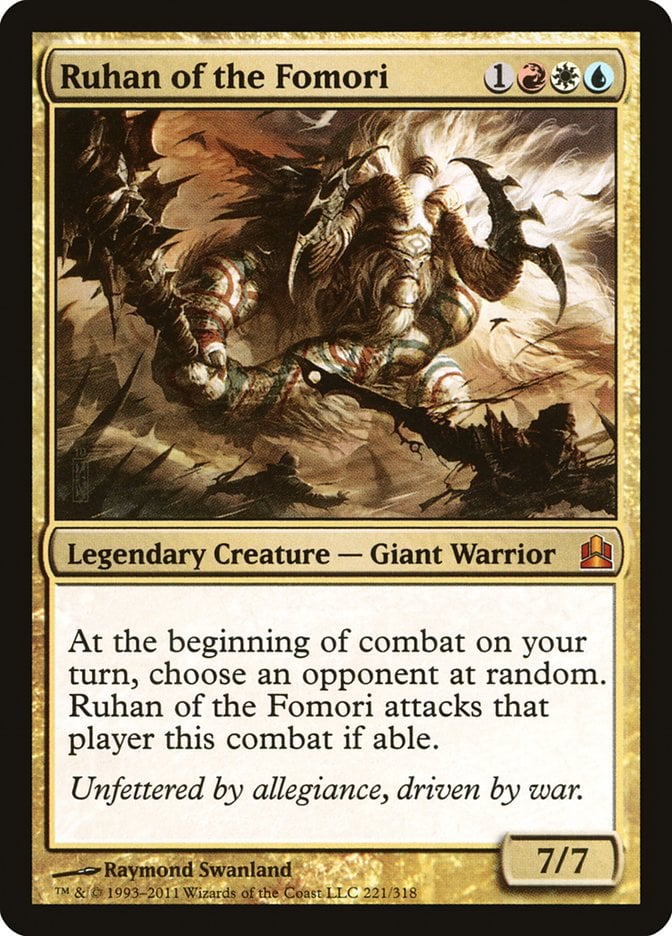
Not all players enjoy additional random elements in their games, so Ruhan of the Fomori may be hit or miss with some groups. I find it very fun to have the extra element of not knowing what Ruhan of the Fomori is going to do turn to turn. It forces players to either leave up a blocker, or risk taking a significant amount of commander damage. It also doesn’t feel as bad getting smacked with this big Jeskai commander when you know it wasn’t really the player’s choice to hit you.
#18. Gor Muldrak, Amphinologist
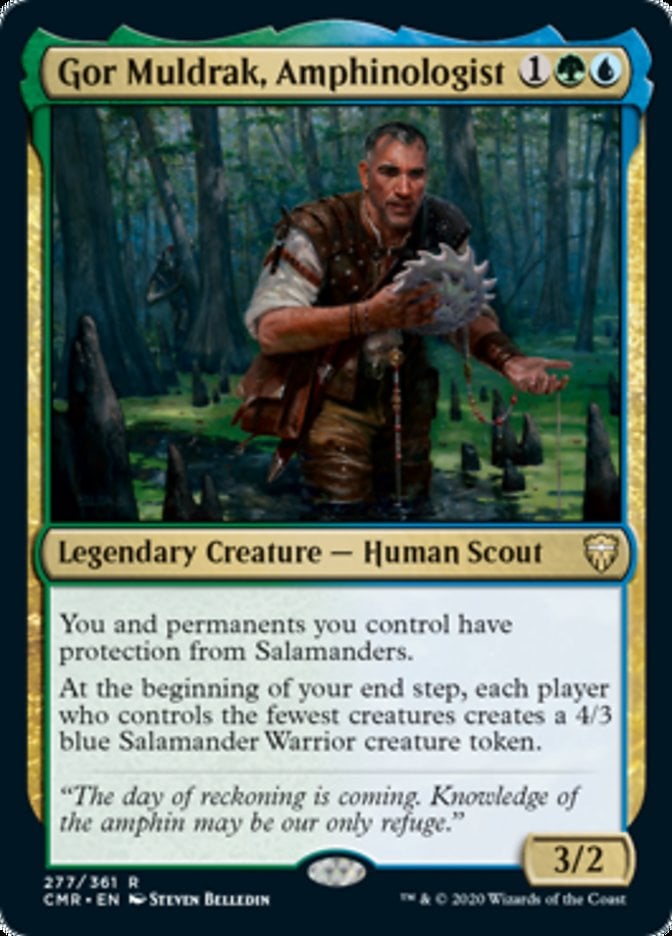
There are a few reasons Gor Muldrak, Amphinologist is a fun card to play against. First, this Simic commander can prevent any player from falling too far behind, as it’ll continue to give out relatively strong, free tokens. Extra creatures can also have a wide range of benefits depending on the type of deck you’re playing. This part is a personal preference, but I also just find hyper-specific protection mechanics funny from a lore standpoint. I think it’s silly that, under no circumstances, would a salamander ever hurt Gor Muldrak, Amphinologist, or break any of their stuff.
#17. Eriette of the Charmed Apple
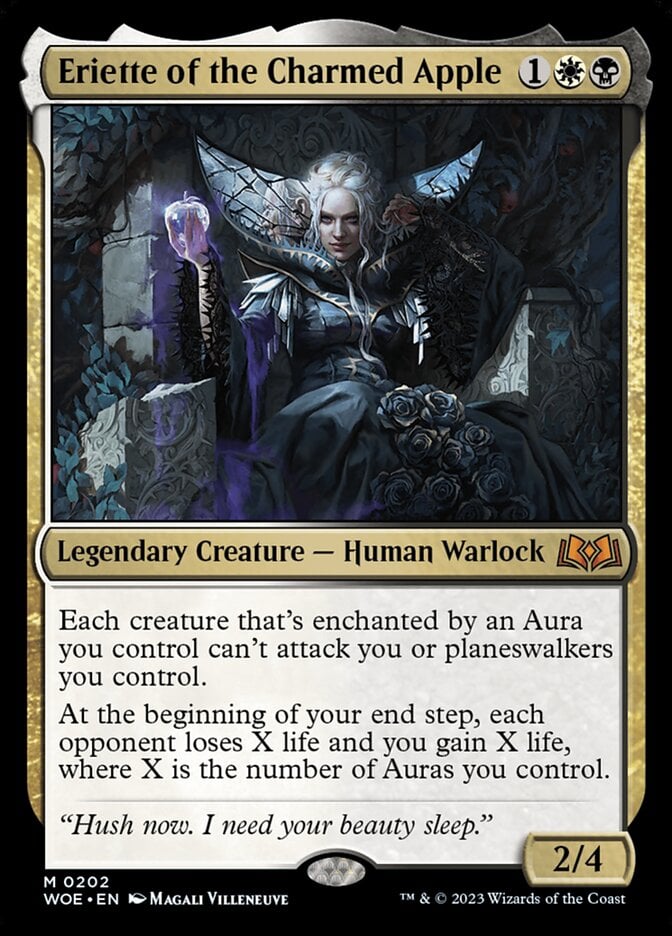
There are two ways to build Eriette of the Charmed Apple. One involves lock-down auras like Pacifism variants that take combatants out of the equation while draining opponents over time. The more risky but exciting version involves buffing the opponents’ creatures with strong power-boosting auras like All That Glitters or Tempest Technique.
As the opponent facing down this second build of the deck, it’s always nice to be gifted a big stat boost to your creatures, even if it limits the attacks you can make. Your job is to figure out how to “return the favor” to the Eriette player in time, using their buffs to take out other players, then following up with some timely enchantment removal to turn your attention back to Eriette.
#16. Kenrith, the Returned King

Kenrith, the Returned King is another card that’s situationally fun to play against, as there’s a possibility that your opponent has built this deck to focus only on helping themself and nobody else. However, Kenrith, the Returned King is one of the most versatile commanders, and there are plenty of builds meant to interact with the whole table in fun ways. A player using this 5-color commander might be willing to make deals and can help the table band together if one player is getting too powerful. Some Kenrith builds also skew more towards group hug territory, which can also be fun to play against.
#15. Selvala, Explorer Returned
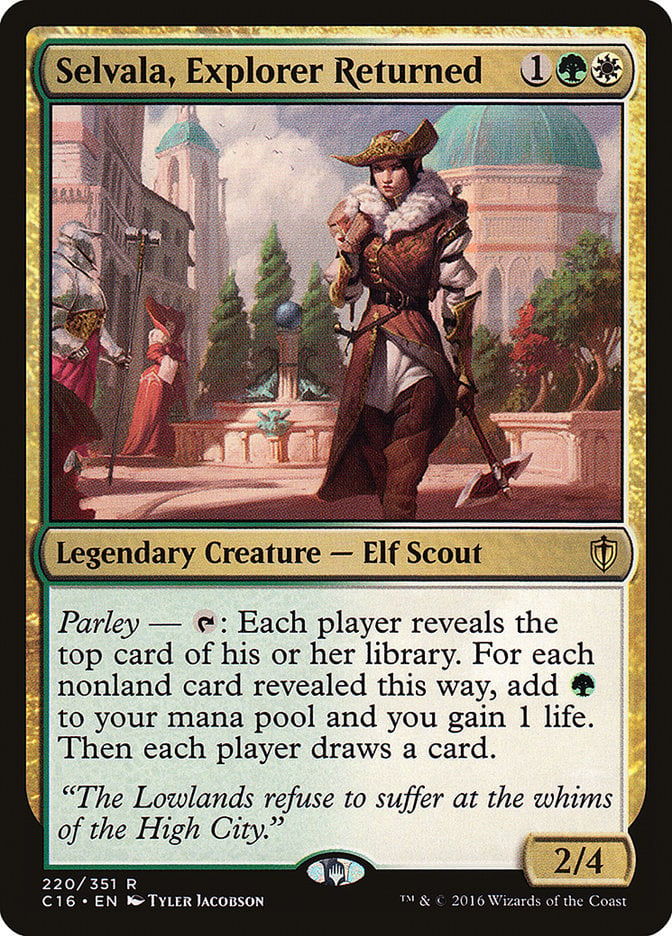
Selvala, Explorer Returned‘s parley ability can offer you a serious advantage in any game, you just have to make sure you’re paying attention. Knowing what cards other players have in their decks can give you early indications of their strategies. Seeing someone pick up a counterspell or removal can also give you a warning to maybe hold off on your big play for a few turns to try and bait out their response. Drawing extra cards is always a plus too.
#14. Liesa, Shroud of Dusk
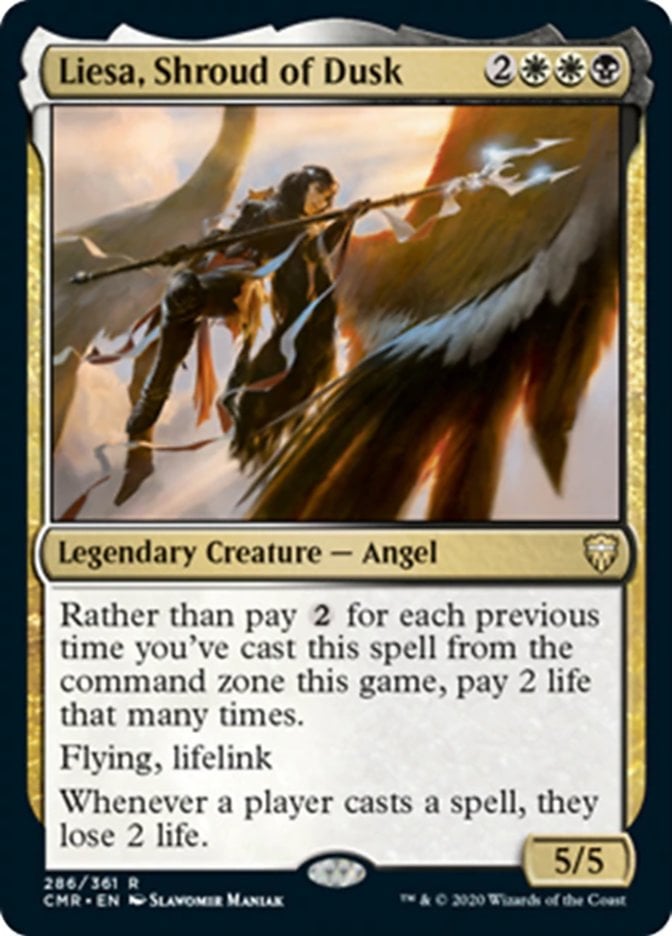
Group slug commanders like Liesa, Shroud of Dusk can be a lot of fun to play against if you’re tired of slow games, since their life loss ability adds a ticking clock element to the game. Liesa, Shroud of Dusk can also shut down decks that monopolize game time by punishing players looking to cast their entire deck in one turn.
#13. Grothama, All-Devouring
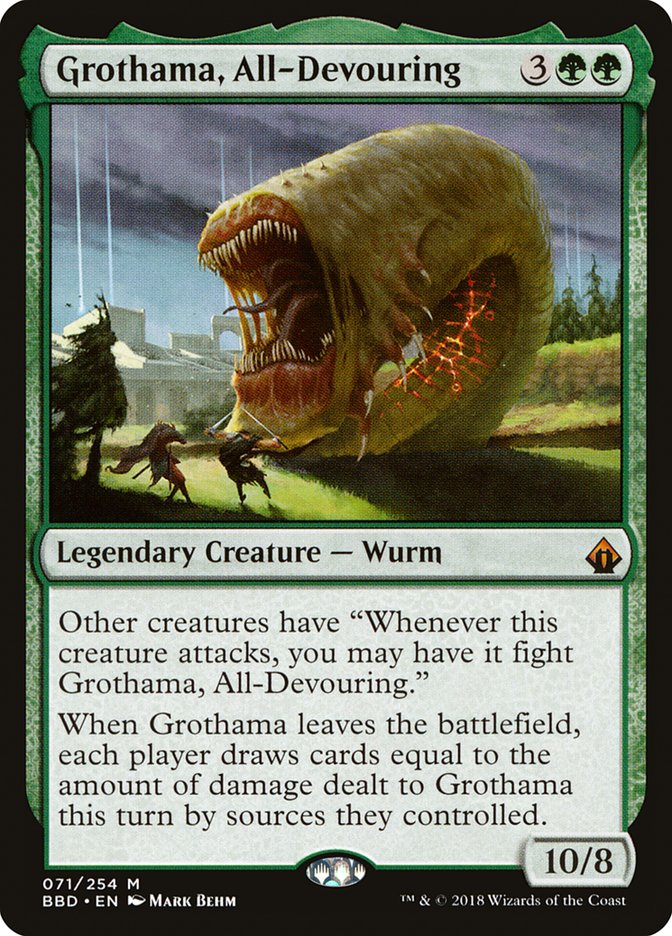
Grothama, All-Devouring essentially adds an optional side game to any Commander game. This green commander is essentially an optional boss fight you can win to get extra cards. Grothama, All-Devouring can be especially fun to play against for a deck with cheap instant-speed burn spells, as you can piggyback off other players’ efforts to take this commander out, and draw some cards for a low price.
#12. Zedruu the Greathearted

Though Zedruu the Greathearted decks will do something players don’t like (take control of their permanents), this deck can also be built in a way that’s more often distributing creatures to other players than just hoarding them all for itself. Some players may still not like this, as they prefer to have more control over their game, but I think it’s fun to be gifted a powerful permanent from Zedruu the Greathearted or one that they took from someone else. I have also seen some Zedruu decks share mana rocks or even lands with players who are mana screwed, so the game can be more interesting.
#11. Seizan, Perverter of Truth
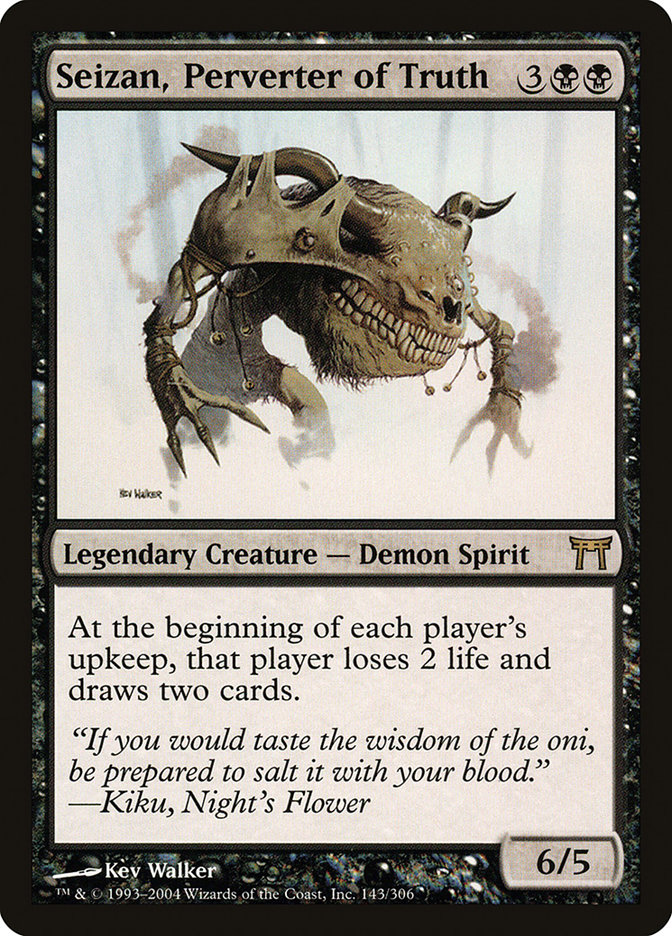
Seizan, Perverter of Truth can be punishing, but this black commander also speeds the game up in an interesting way. You’ll have more resources to work with and feel like you have less time to work with them. This means riskier, more aggressive plays from around the table, which always makes for a more interesting game.
#10. Mathas, Fiend Seeker
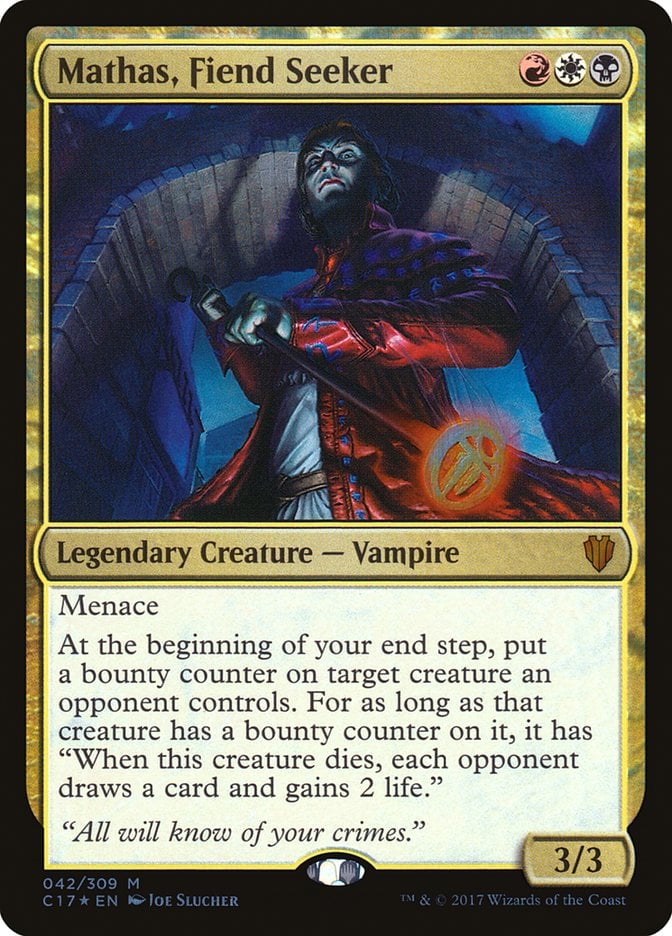
Mathas, Fiend Seeker doesn’t have as big an impact on games as other legendary creatures on this list, but I always enjoy seeing this Mardu commander on the table. Having a reward for taking out other players’ permanents makes players a little more aggressive with their removal, which can help prevent any single player’s board state from getting out of hand. Sometimes players will hold onto removal too long, so having an extra incentive to use it can make the game a bit more enjoyable.
#9. Edric, Spymaster of Trest
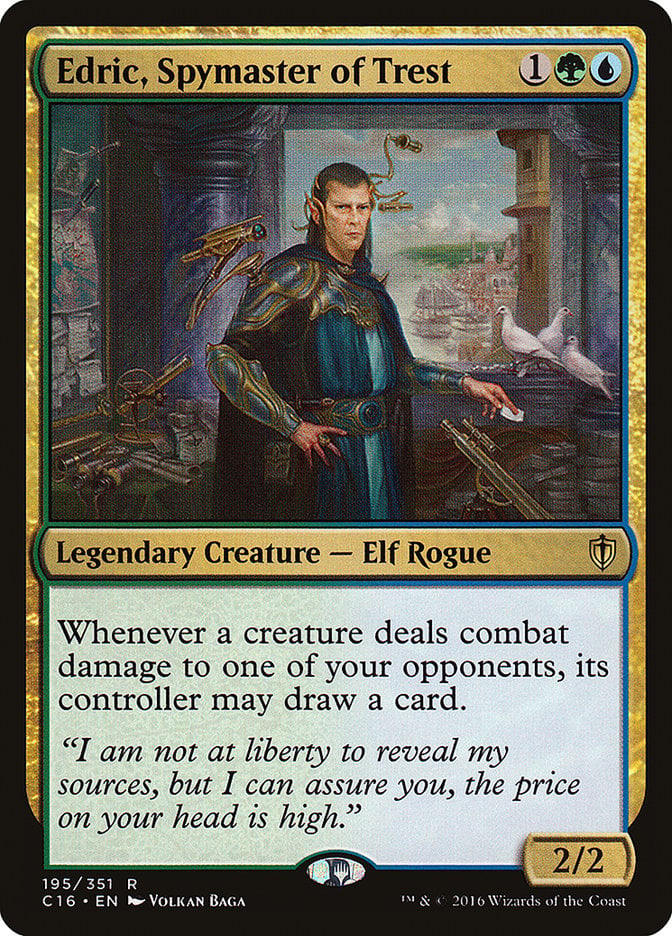
One of the best card-draw commanders in Magic, Edric, Spymaster of Trest offers a very good incentive to attack more often. It can help you if you need card draw, and it also just makes games a bit more aggressive. This is another deck where you’ll have to watch the player using this Simic commander, however, as they’ll benefit from Edric more than anyone else.
#8. Kynaios and Tiro of Meletis
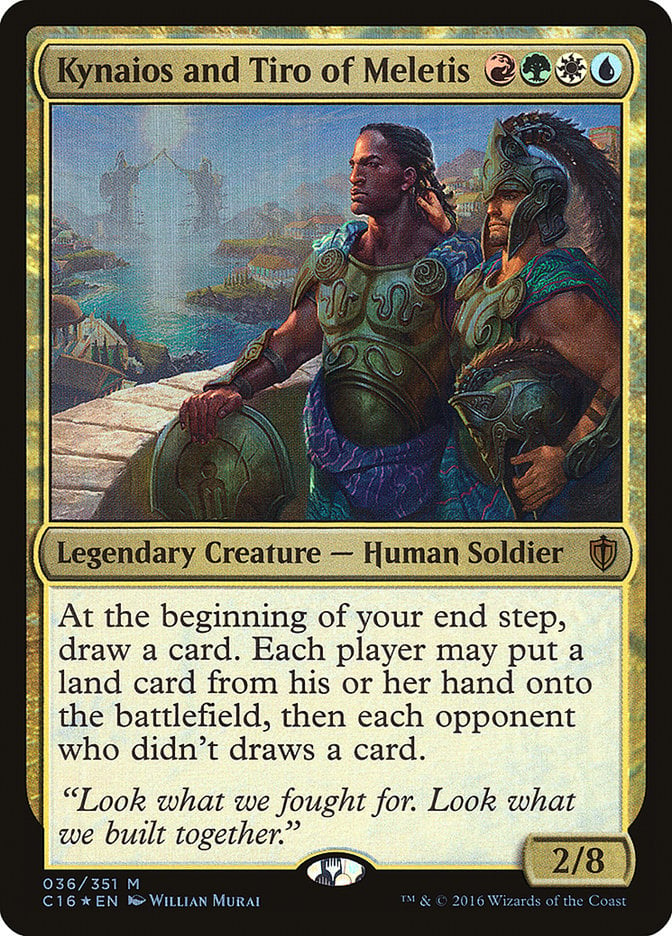
Kynaios and Tiro of Meletis cuts back on the chances that any single player will get left out of the game. By providing a chance to either ramp or draw a card an additional time each turn cycle, players can get to their big plays quicker, or just ensure they aren’t getting stuck without resources. Since players get to choose, you can decide what kind of support is best for you from turn to turn.
#7. Phelddagrif
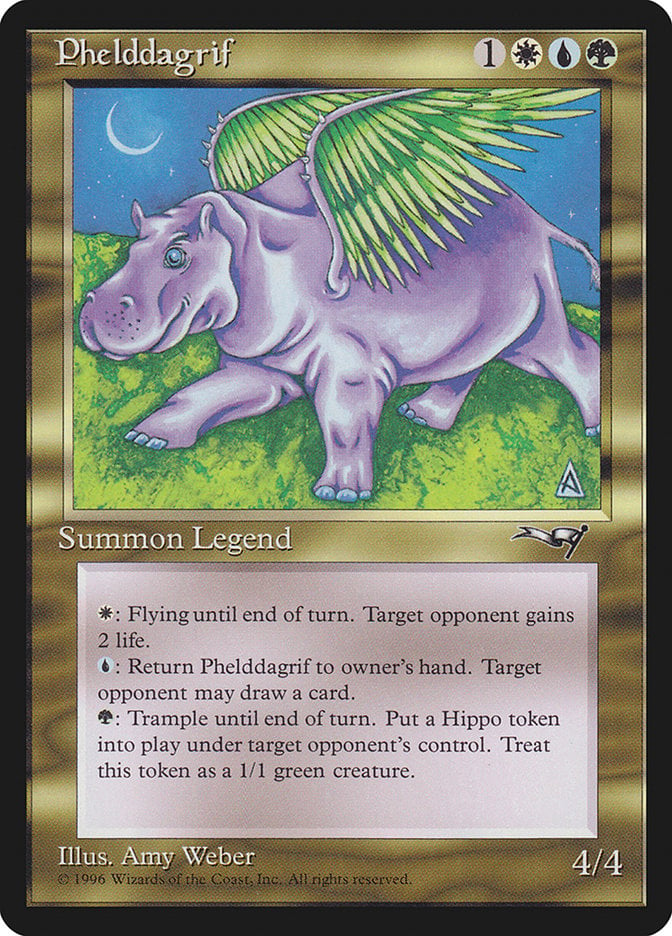
Not only can a player using Phelddagrif as their commander support every player at the table, they can do so at a very low cost. Most of Phelddagrif’s abilities are a better deal for its controller’s opponents than it is for them, meaning a player using this Bant commander has likely designed their deck to work with others, and in some cases it’s a straight up group hug deck. Knowing there’s at least one player at the table willing to help out other players can be nice in games where you aren’t doing so well.
#6. Ludevic, Necro-Alchemist

Ludevic, Necro-Alchemist offers an optional source of card draw, and incentivizes players to damage one another. One of the best parts of Ludevic, Necro-Alchemist’s ability is that it doesn’t specify combat damage, so spellslinger commanders, burn decks, or life drain decks have just as much chance of getting extra cards with this partner in play as more combat-heavy builds.
#5. Thantis, the Warweaver
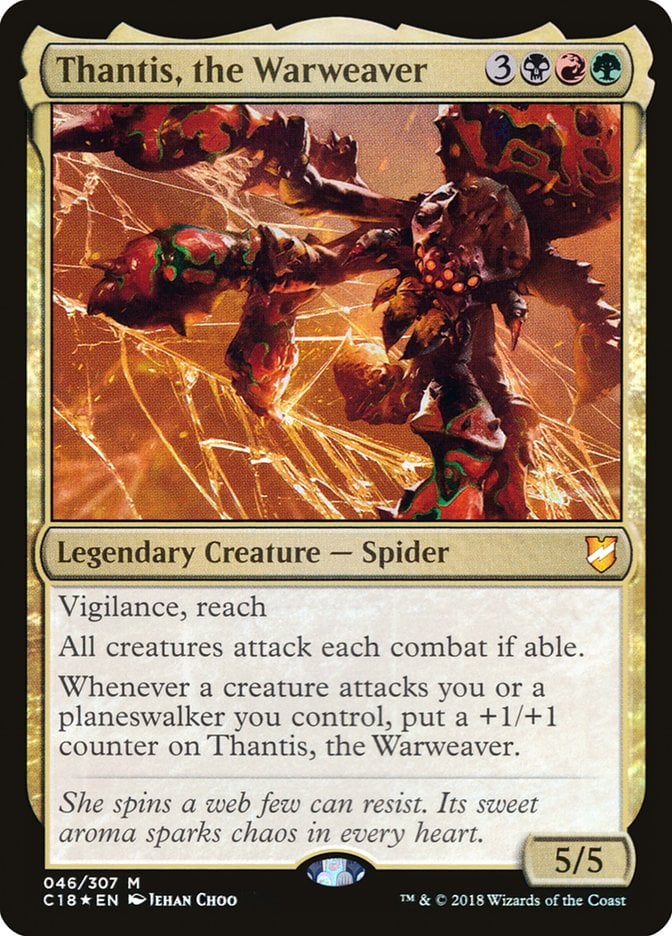
A lot of commanders are on this list because they incentivize quicker and more aggressive play, which can keep games from feeling overly long and boring. Thantis, the Warweaver takes things a step further by forcing players to swing out each combat. This creates a whole new way of approaching your turns. I also like that this Jund commander’s ability doesn’t use the goad mechanic, so its controller is still a viable target for attack.
#4. Queen Marchesa

The monarch mechanic adds an interesting dynamic to any Commander game. As one of the best monarch commanders, Queen Marchesa essentially ensures it’ll be part of the game, which is always a huge plus. These decks can be scary, but it’s worth it to add an interesting mechanic to the table.
#3. Braids, Conjurer Adept
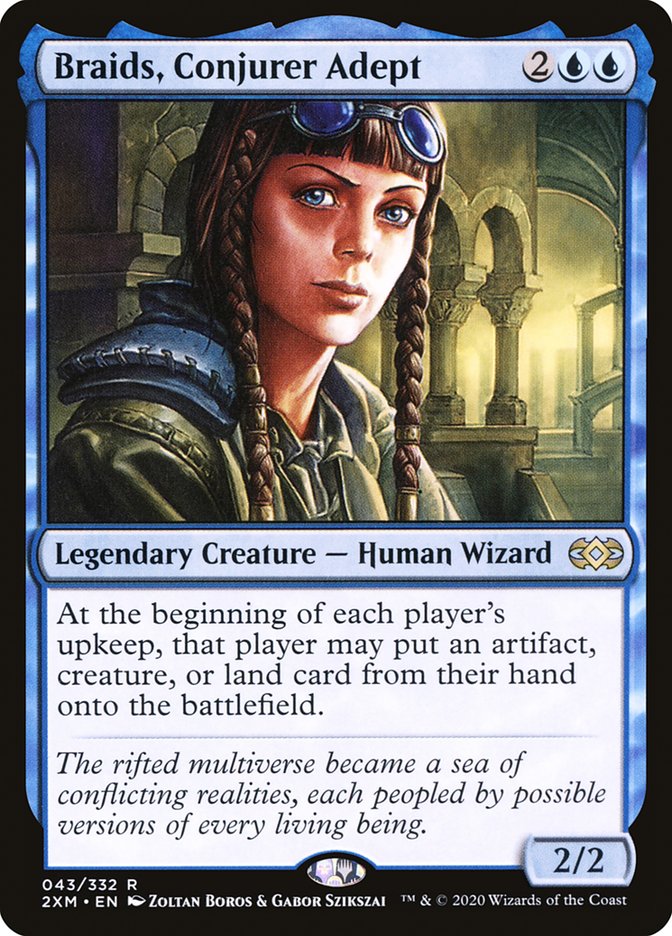
I initially had Braids, Conjurer Adept at number one, but it’s worth noting this is significantly less fun to play against if you’re playing a deck that doesn’t use as many permanents, or focuses on enchantments. That said, many decks will get a lot of value out of Braids, Conjurer Adept, and this blue commander makes every topdeck a potential game changer.
#2. Círdan the Shipwright
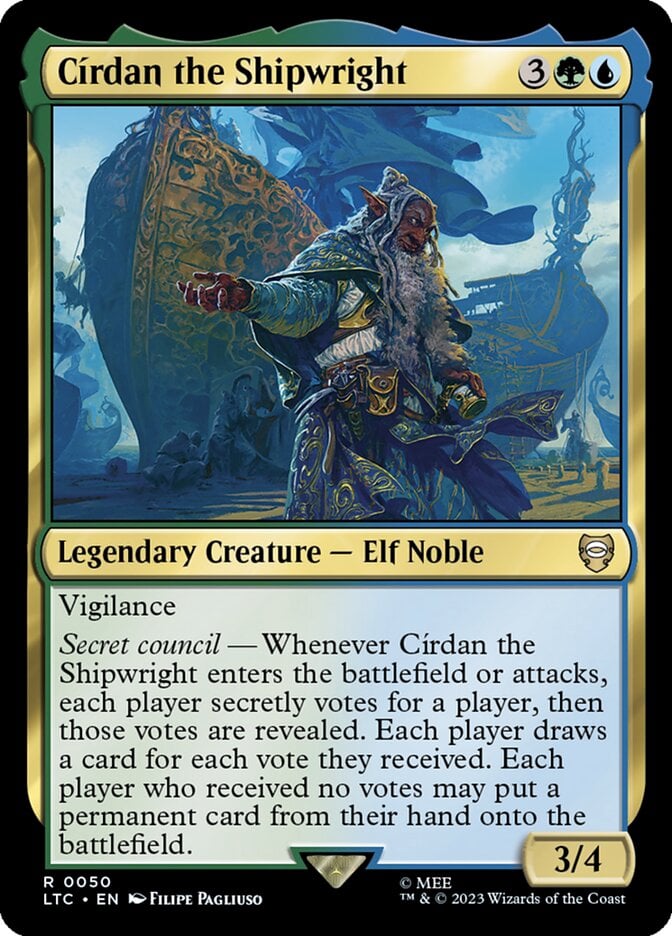
Círdan the Shipwright is one of the most fun voting commanders in the game. Secret council is already a fairly interactive ability, but the Shipwright makes you really game out how your vote matters and who’s going to vote for whom.
Obviously the default is that everyone votes for themselves to draw a card, but if just one person puts their vote elsewhere, they might drop a game-winning permanent into play for free. But of course, voting for someone else is promising them extra card draw, so there’s a whole gamut of options to consider here. It plays like a more involved Braids, Conjurer Adept, where all the chaos and decision-making happens at once, instead of one big decision happening on each player’s turn.
#1. Xantcha, Sleeper Agent
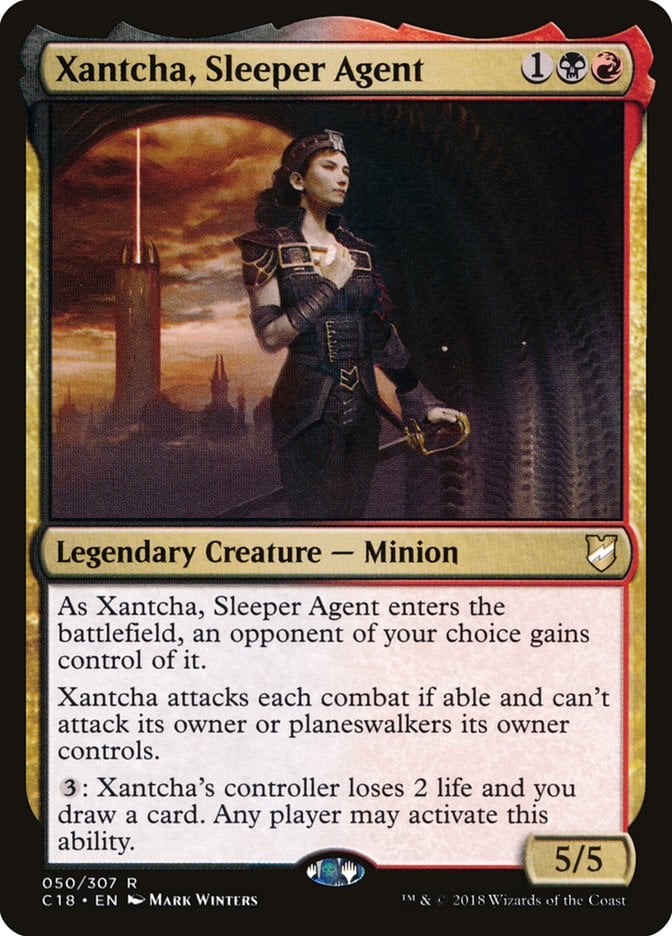
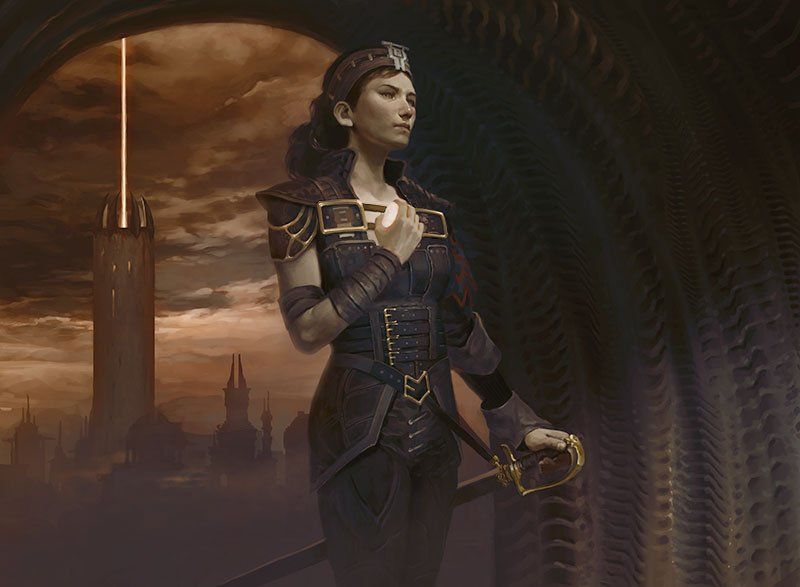
Xantcha, Sleeper Agent seems to be a bit polarizing, but I honestly think this Rakdos commander‘s benefits outweigh their drawbacks as an opponent. A colorless draw engine for the whole table is a great resource, and even if you’re the one that gets stuck with Xantcha, you’re getting a 5/5 Phyrexian that deals commander damage.
Are Group Hug Commanders Fun to Play Against?
Depending on the style of group hug you’re playing against, it can be loads of fun. I typically break down group hug into three sub-categories. The first are free-for-all decks trying to let people at the table do whatever they want. They’re not interested in winning, and instead provide tons of mana and card draw to other players. I personally find this to be super unengaging, as it usually just gives the best deck at the table the resources to win the game, and the group hug player isn’t equipped to stop them.

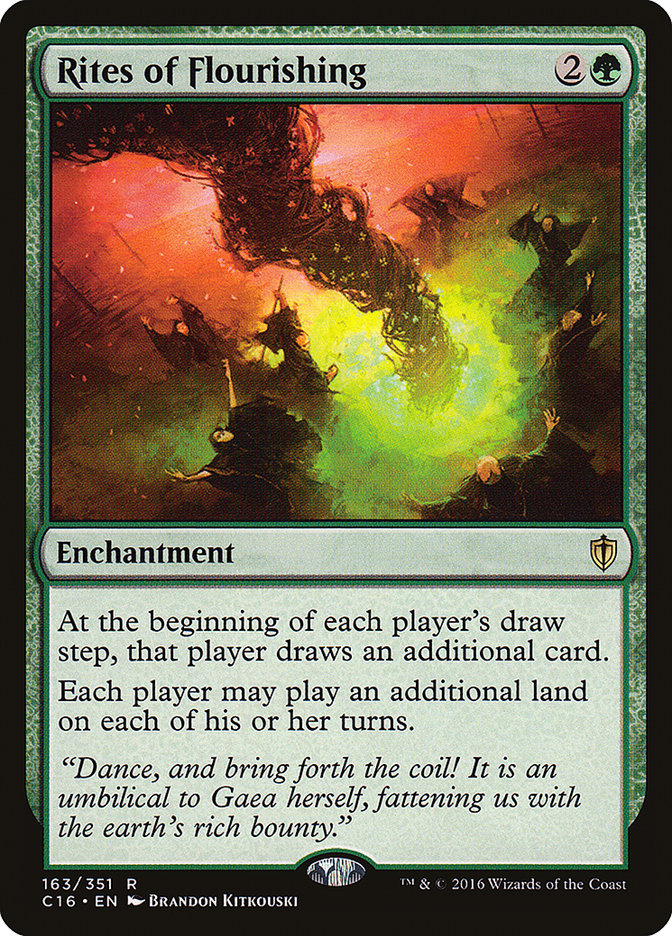
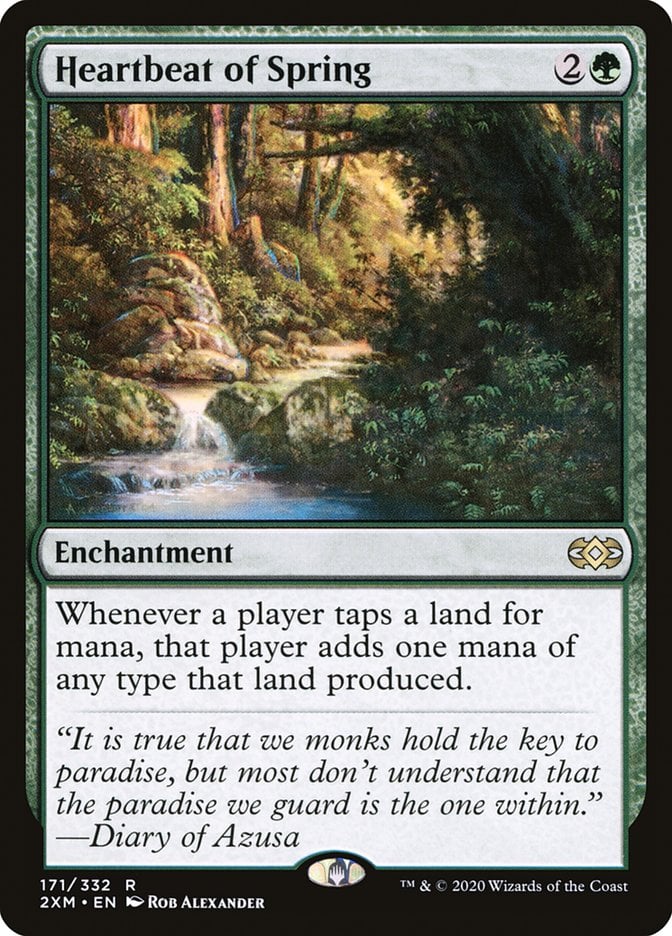
The second style of group hug is what I call “irresponsible” group hug. These players are trying to win the game, usually with a big rug-pull card like Insurrection after gassing everyone up, but they still employ too many universally beneficial group hug cards. Tons of symmetrical draw, mana doublers for everyone, etc. The same problem arises: The best decks use these resources well, so the gameplan disproportionately helps the decks that need the least help to begin with.
Then there are “responsible” group hug decks, which can be an absolute joy to play against. These players have control over their beneficial effects, and use politics and shrewd gameplay to determine when and where they’re going to confer some sort of benefit to other players. This is a real strategy that requires tight gameplay and actual decision-making, and doesn’t just skew the pod in favor of already-favored decks.
The best aspect of playing against group hug is the way that it usually pulls people out of binds. Group hug decks can help a mana screwed opponent find lands, or give a hellbent player cards, and the strategy’s at its absolute best when it helps the underdog, not the frontrunners.
Wrap Up
Xantcha, Sleeper Agent | Illustration by Mark Winters
You have a lot of options when looking for a commander that’s fun for your opponents to play against. Some make it easy without much work from you, like Kynaios and Tiro of Meletis. Others like Kenrith, the Returned King rely on how you decide to build your deck. Remember that a big part of being fun to play against comes from you the player. Don’t be a jerk and keep in mind the elements of the game you want to improve for your table. Any of these commanders can be a fun choice for you and your opponents.
What commanders are your favorite to play against? Are there any on this list you don’t find fun? Let me know in the comments, on Draftsim’s Twitter, or on the Draftsim Discord.
Thank you for reading and I look forward to seeing you on the next article!
Follow Draftsim for awesome articles and set updates:










6 Comments
How does yes man have the ability to steal someone’s commander
A little confusing the way it’s written, but the writer’s assuming you’re in control of an opponent’s Yes Man, since this is an article about commanders you’re playing against.
I cleaned that up just a little bit, thanks~
@Author
“Princess Twilight Sparkle” has all 5 Mana Symbols on her card, thus making her colour Identity all 5 colors and thus she’s a 5 color Commander. Not Azorius.
Sure, Azorius in-game, 5-color for the purposes of commander. I’ve changed that in the article, thanks Will!
you forgot kami of the crescent moon. lil blue guy that everyone loves ^^
I was hoping not to make the list ALL grouphug commanders, but you’re right, people love playing against the Blue Guy!
Add Comment