
Last updated on May 27, 2026
Mogis, God of Slaughter | Illustration by Chase Stone
The gods of Magic are an eccentric group of creatures, heavily influenced by real-world mythologies and ideologies. It’s one of Magic’s most powerful creature types, each with their own take on what it means to be an all-powerful godly being.
I’m pulling out the L1 judge hat to break down this complex creature type and pinpoint the ones that dominate their respective pantheons. Let’s look towards the heavens to see how gods work in Magic, and no, I’m not talking about the RNG gods you pray to when you need to topdeck a land. Those are truly the most malevolent gods of all….
What Is a God In MTG?
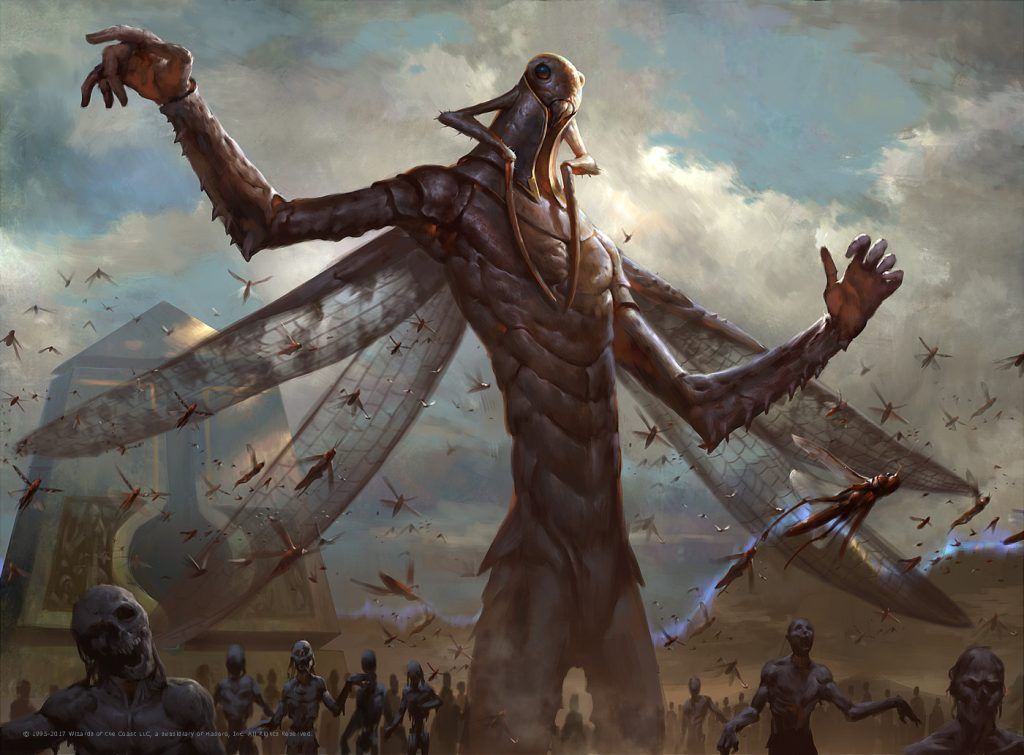
The Locust God | Illustration by Lius Lasahido
Gods are powerful creatures that usually have a built-in protection or recursion. Most gods operate like any other creature, with the Theros block gods being the exception. These gods use the devotion mechanic to determine when they exist as creatures on the battlefield.
Most gods exist within a “pantheon”, or a group of gods that are tied to one another mechanically and flavorfully. The majority are top-down representations of gods from real-world mythologies, with many unique one-off gods scattered about.
#20. Thassa, Deep-Dwelling
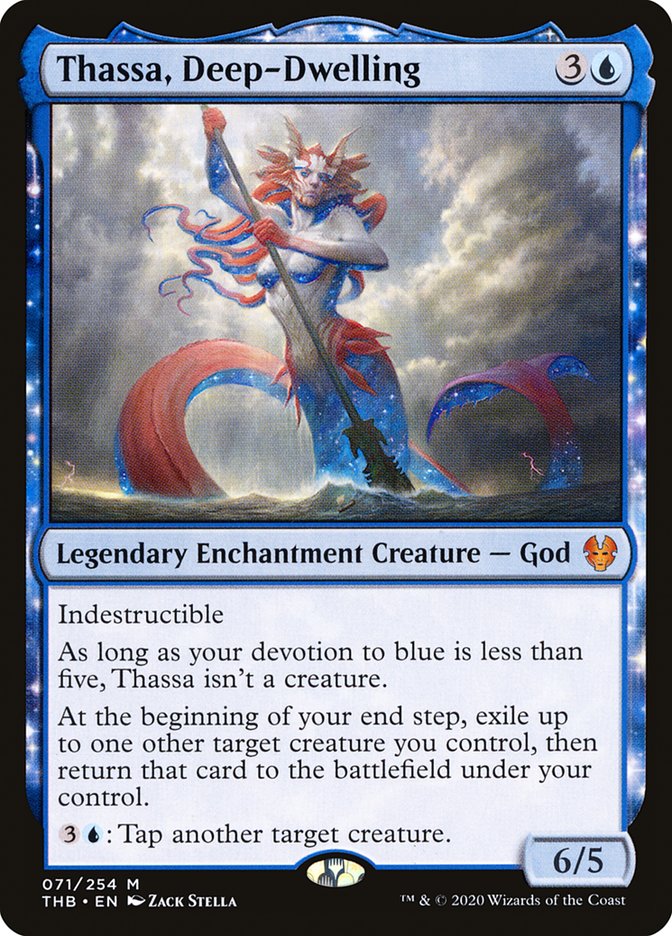
Thassa, Deep-Dwelling is one of a number of redundant blink pieces that gives you a free flicker each turn, running up against similar cards like Conjurer's Closet, Teleportation Circle, and Don & Leo, Problem Solvers. It's not necessarily unique anymore, but still effective at what it does, and the activated ability can come in handy, too.
#19. Kratos + Atreus
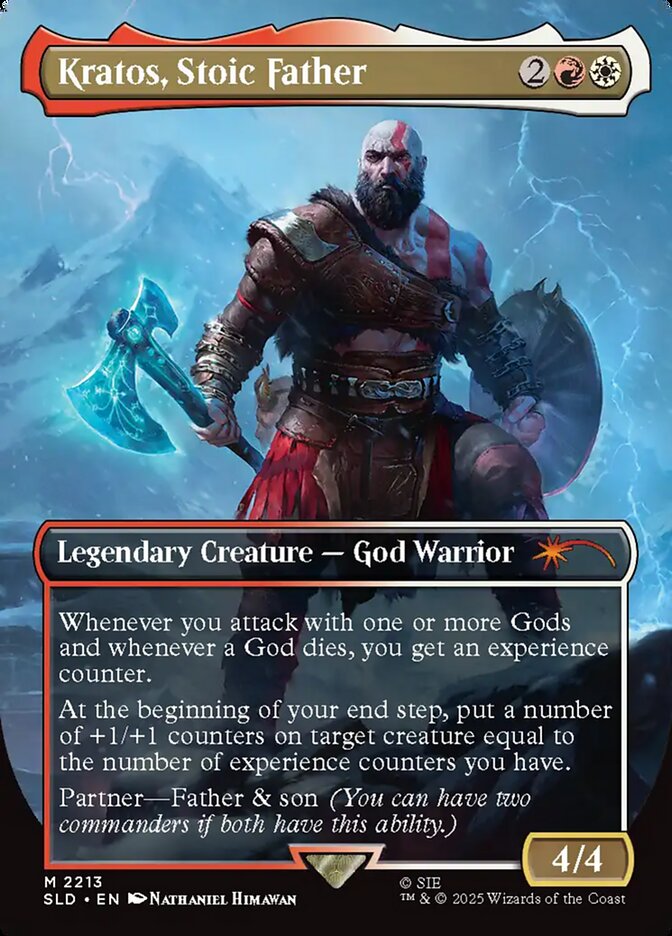
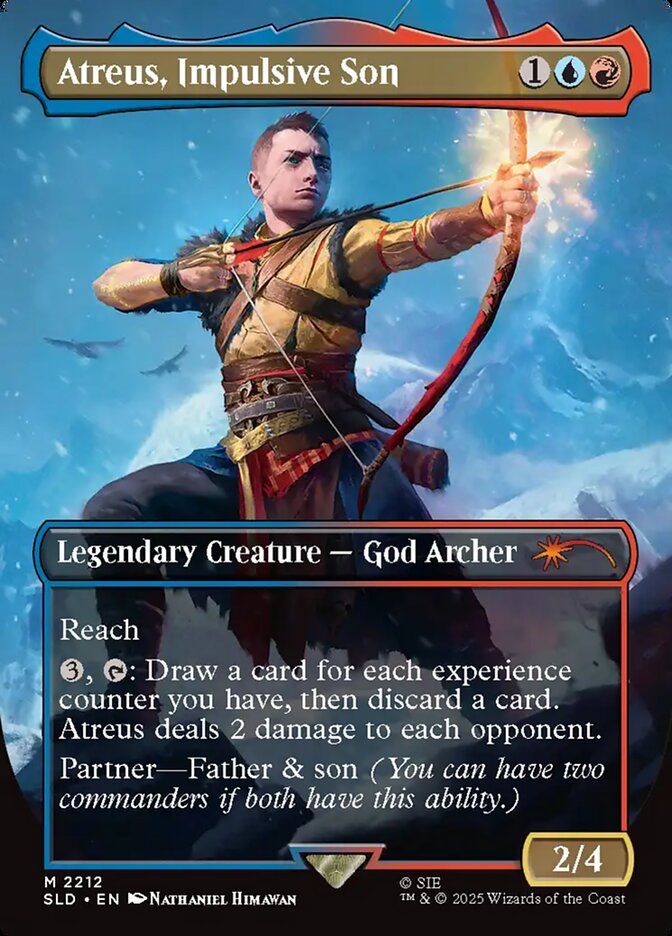
This Father & son partner pairing comes from the PlayStation Secret Lair drop, and brings the main characters of God of War 2018 and Ragnarok to MTG. It's an experience counter pairing, with Kratos, Stoic Father using gods to build up experience while Atreus, Impulsive Son draws cards and deals damage. Together, they make for a godly Jeskai commander pairing.
#18. Phenax, God of Deception
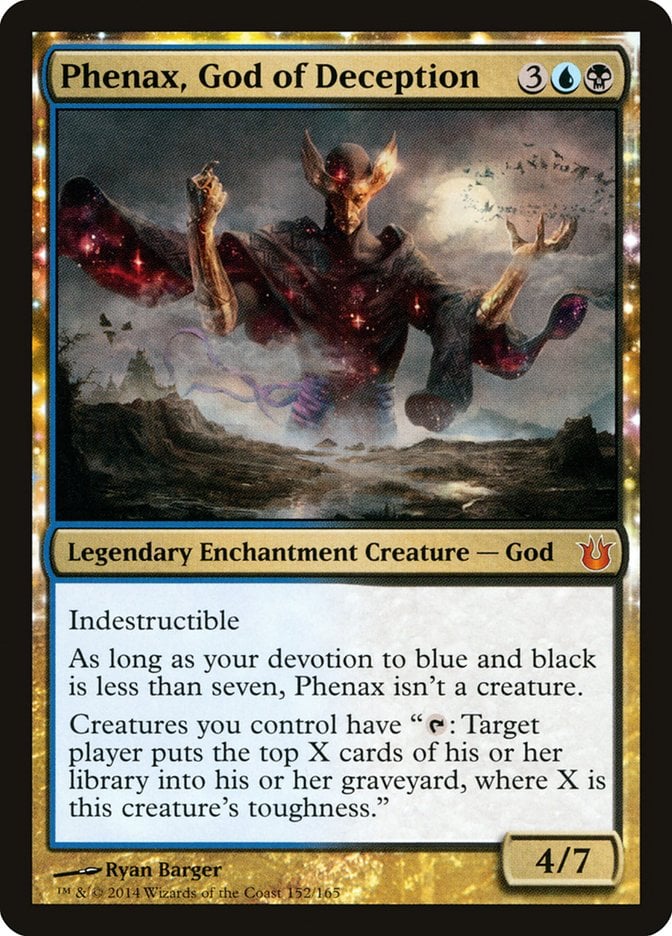
The gig's up as soon as Phenax, God of Deception hits the table. Suddenly all those high-toughness creatures like Aegis Turtle and Caelorna, Coral Tyrant become fast wincons by tapping and milling players out. It's one of the most popular Dimir commanders in terms of play rate, though one of the least popular in terms of how much you want to see an opponent playing it.
#17. Sab-Sunen, Luxa Embodied

Sab-Sunen, Luxa Embodied is more of a fun commander, but especially powerful if you have a nice drip of one +1/+1 counter in addition to the natural one that Sab-Sunen adds. This way, you skip the turns with even numbers and maximize the turns with odd numbers of counters, and gain the advantage of two extra cards per turn.
#16. Klothys, God of Destiny
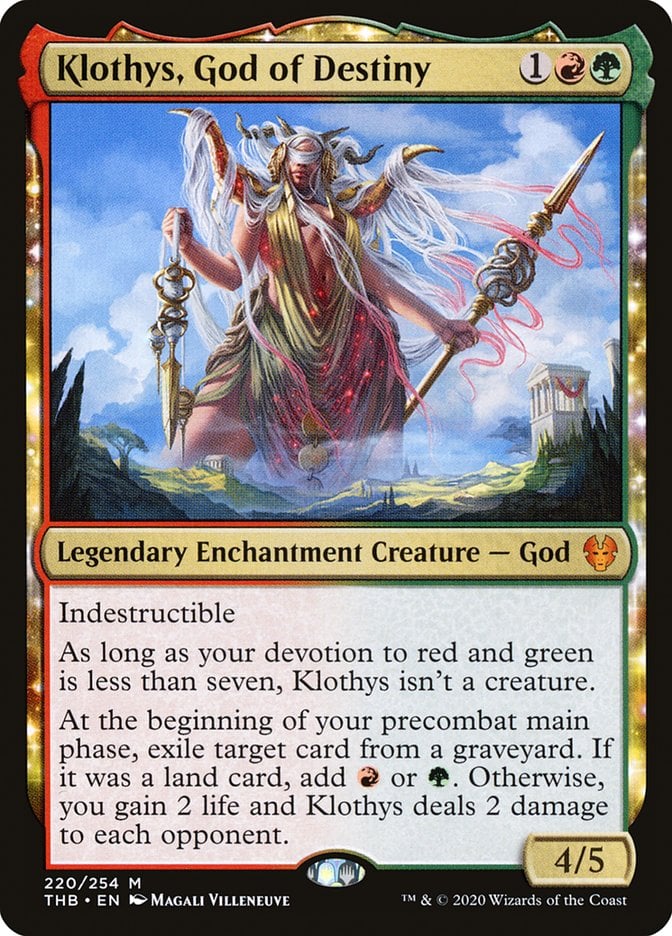
Klothys, God of Destiny was introduced in Theros Beyond Death as a replacement for Xenagos, God of Revels after they took a deserved visit to Nyx. It provides a bunch of small effects that culminate in a jack-of-all-trades 3-drop, providing ramp, lifegain, passive damage, and graveyard hate all at once.
#15. Eirdu, Carrier of Dawn / Isilu, Carrier of Twilight


Convoke on one side, persist on the other. That's a great recipe for getting more creatures in play and protecting them at the same time. Eirdu, Carrier of Dawn is at worst a Baneslayer Angel of sorts, so everything Isilu, Carrier of Twilight brings is extra.
#14. God-Eternal Oketra
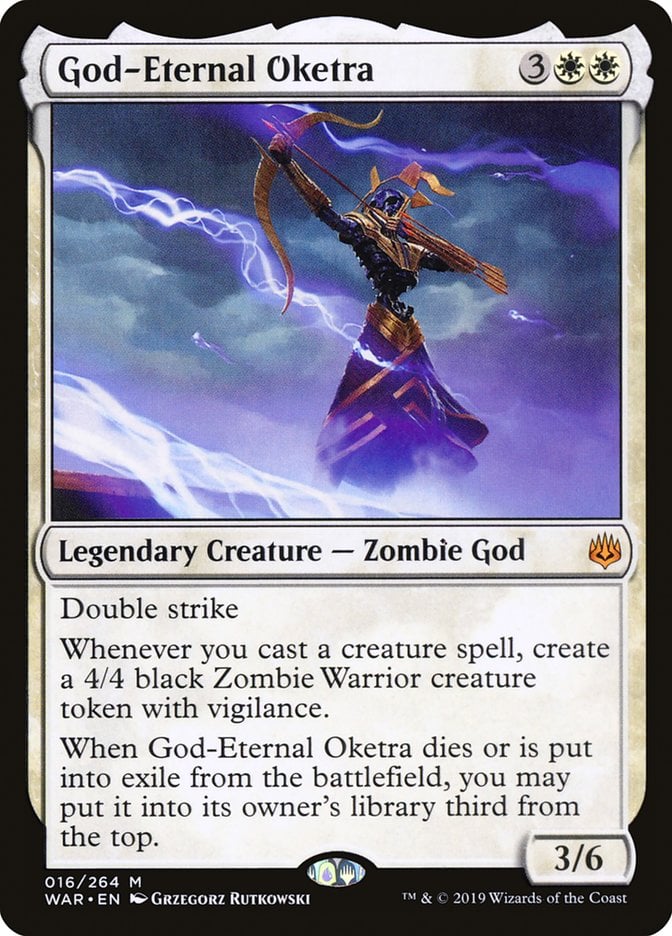
All the God-Eternals are busted in their own right (except maybe God-Eternal Rhonas). God-Eternal Oketra has the most dominant board presence and builds up an army of 4/4 tokens in no time.
#13. Anzrag, the Quake-Mole
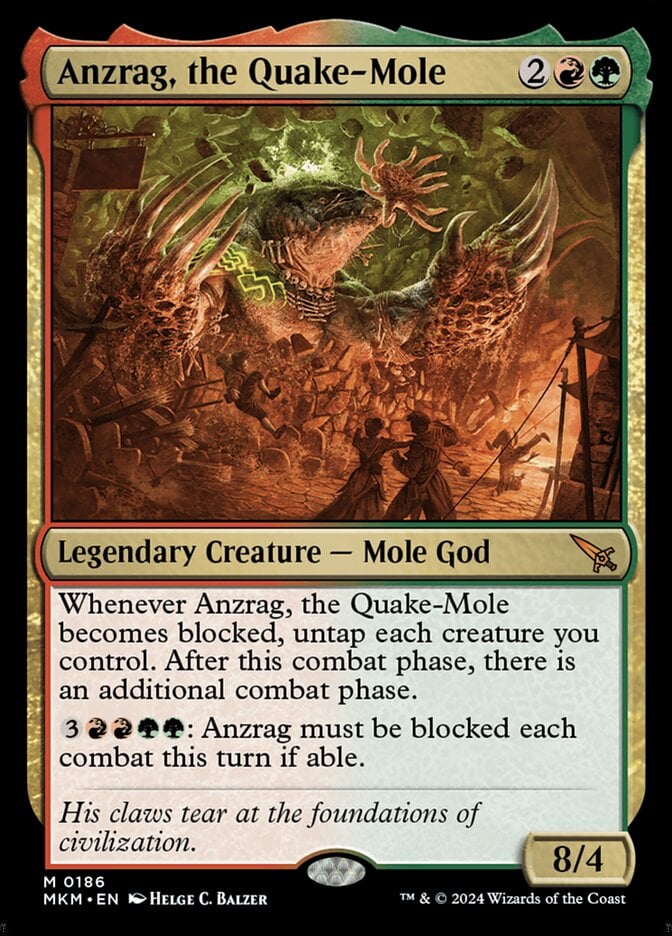
Oftentimes a god chooses not to interact with the commonfolk or creatures as Magic would have it. Anzrag, the Quake-Mole breaks that mold, and lures in blockers. That activated ability is pretty costly, but with some praise from its followers, such as mana dorks, this god can make it work.
Savage Ventmaw becomes absurd with Anzrag. A simple Gaea's Gift keeps on giving when you have multiple combat phases in the same turn. Then there's the incarnation Vigor, which is nearly a god in its own right for turning any damage to your other creatures into +1/+1 counters.
#12. Esika, God of the Tree / The Prismatic Bridge
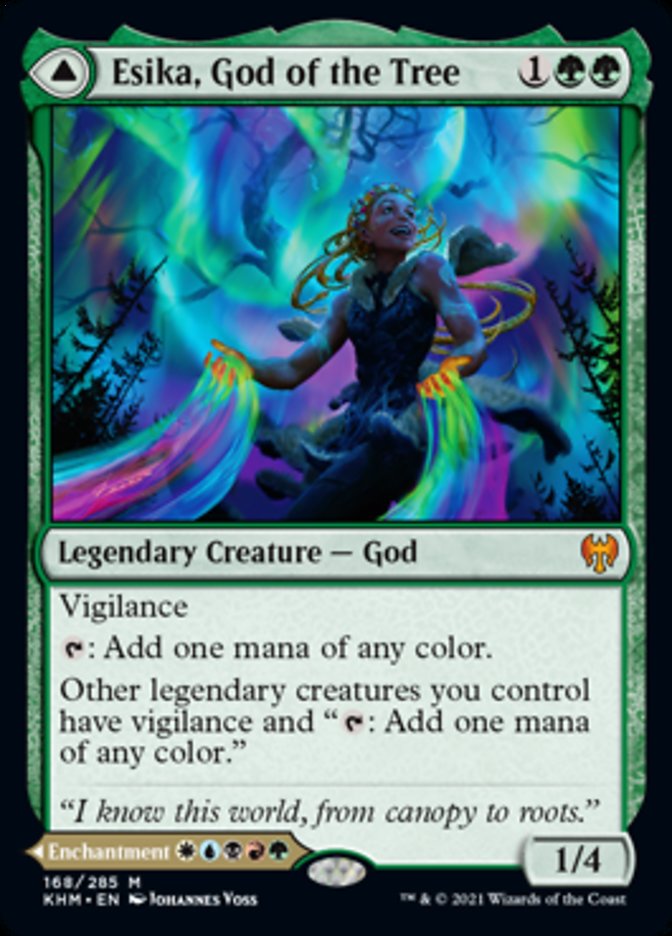
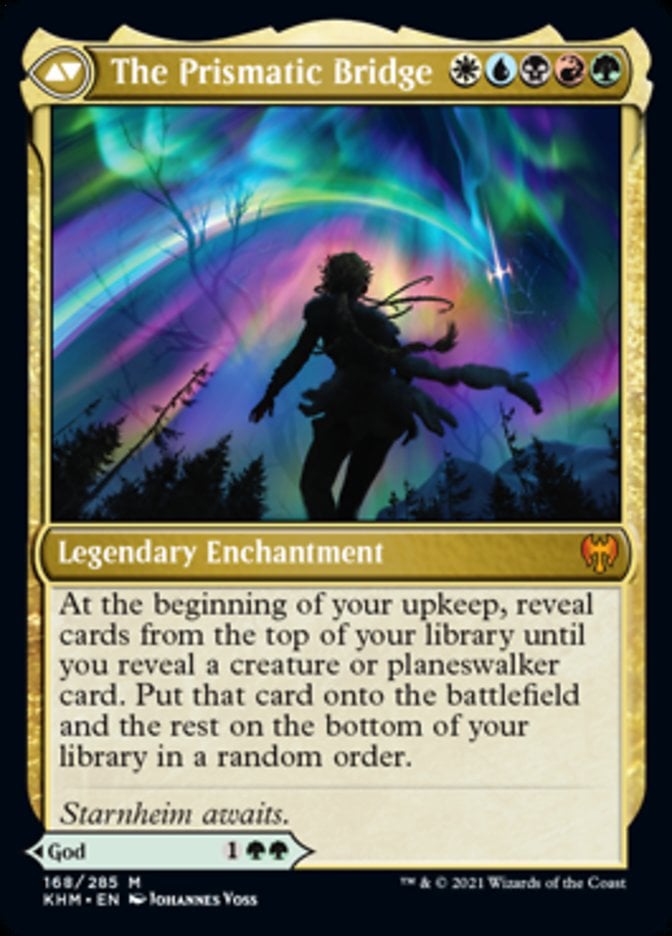
Esika, God of the Tree isn’t so exciting; it’s The Prismatic Bridge that really gets us talking. Stick this and you’ll start freerolling battlecruisers into play every upkeep.
#11. Aclazotz, Deepest Betrayal
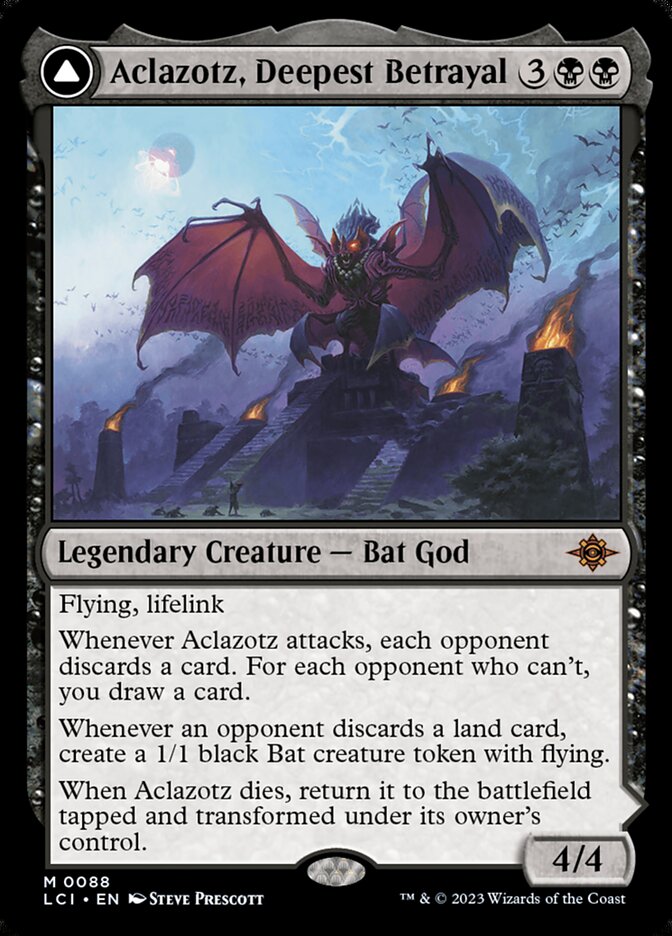
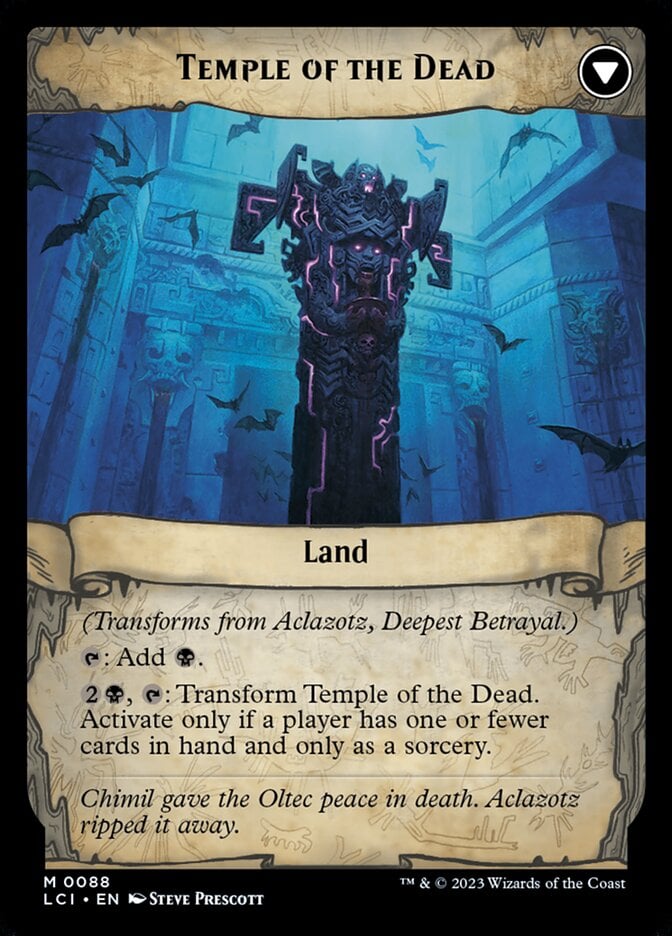
Aclazotz, Deepest Betrayal does what black can do better than any other color: Force opponents to discard cards. Not terribly strong as you bat commander but excellent in your 99, you really only need to empty one opponent's hand (find the aggressive player) and you'll be ready to return the Temple of the Dead flip land to the card drawing, token generating, life draining bat, and rule the table.
#10. Tom Bombadil
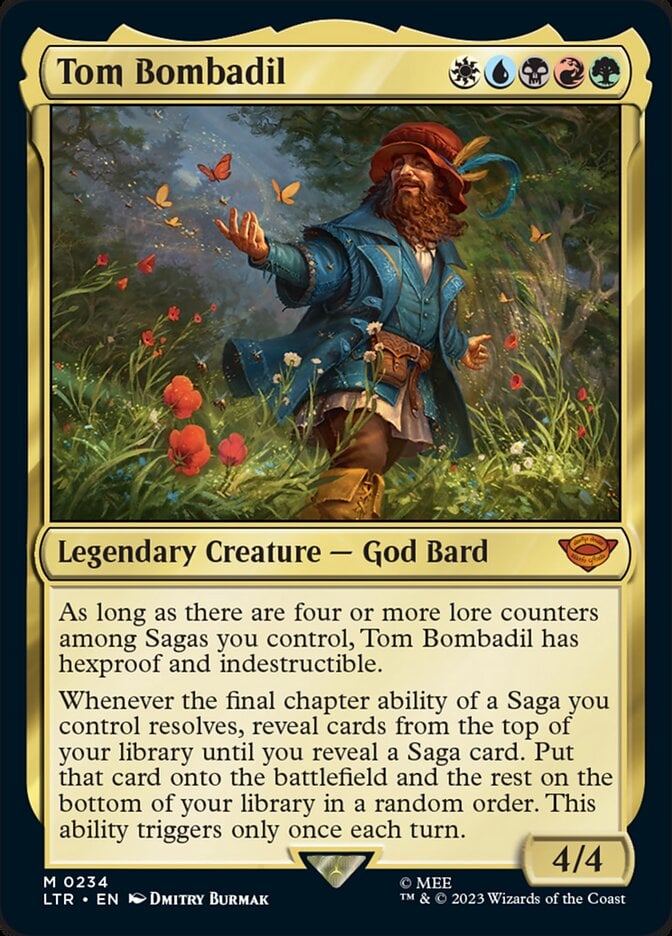
Tom Bombadil, from one of the world's most beloved and recognized fantasy books, tells a never-ending saga of Magic. As a commander boasting all five colors, a way to protect itself, and free sagas both good and great, Tom lets your library do the talking. This coming from a character that isn't part of the Fellowship and doesn't need to wield The One Ring, thank you Tales of Middle-earth.
#9. The Locust God
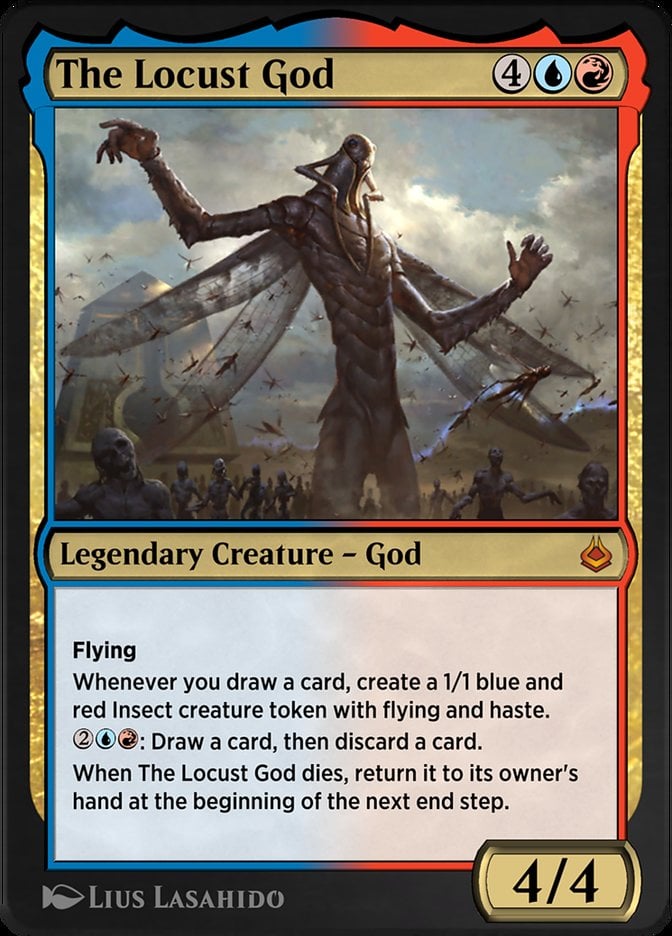
The Locust God used to be one of the strongest commanders. Times have changed, enough so that this god shows up in commander pre-cons now. Still, it only takes a few wheel effects or mass draw spells to churn out an “end of days” number of insect tokens.
#8. Birgi, God of Storytelling
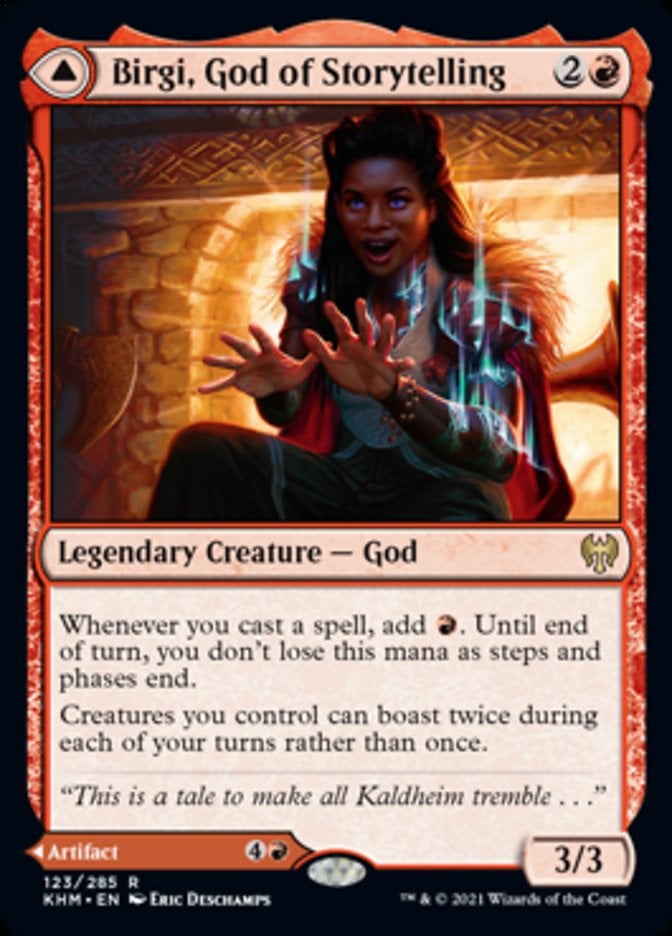
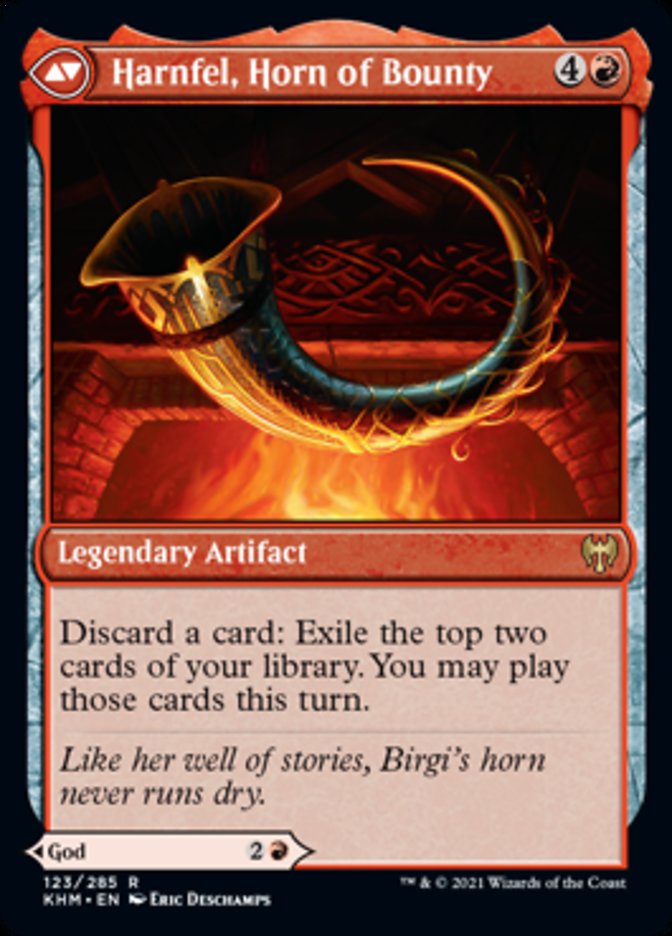
Getting mana for casting spells and saving mana between phases are already really powerful things to be doing in Magic, and Birgi, God of Storytelling does even more. Cantrips, red rituals, and storm cards love being part of the storyline that Birgi weaves. There are just so many cards that work well with Birgi that you can capitalize with something as simple as Burning Prophet and Guttersnipe, or as complex as Defiler of Instinct. Whichever adventure you choose, know that you can close the book on your commander game with the power of this storyteller.
#7. Heliod, Sun-Crowned
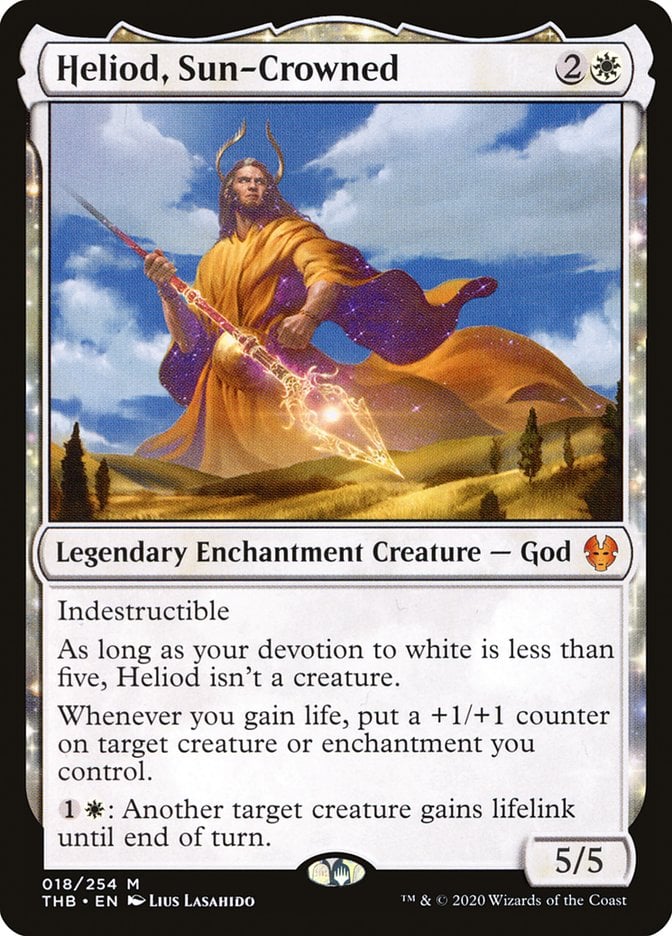
Heliod, Sun-Crowned deserves mention as a combo enabler. Heliod 2.0 plus either Walking Ballista or Triskelion results in infinite damage and lifegain, and it’s already a rock-solid god without the combo potential, making it one of the best mono-white commanders.
#6. Purphoros, God of the Forge
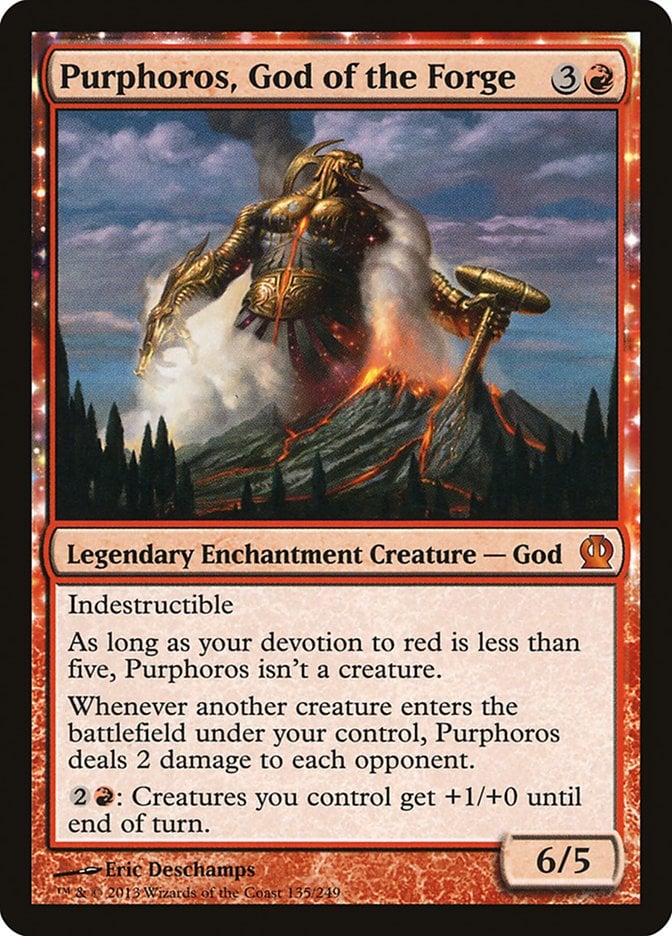
Purphoros, God of the Forge is one of red’s dominant wincons. It’s a powered up Impact Tremors that occasionally beats down and pumps your creatures. Purphoros has ended more games of EDH than 99% of other red cards.
#5. Xenagos, God of Revels
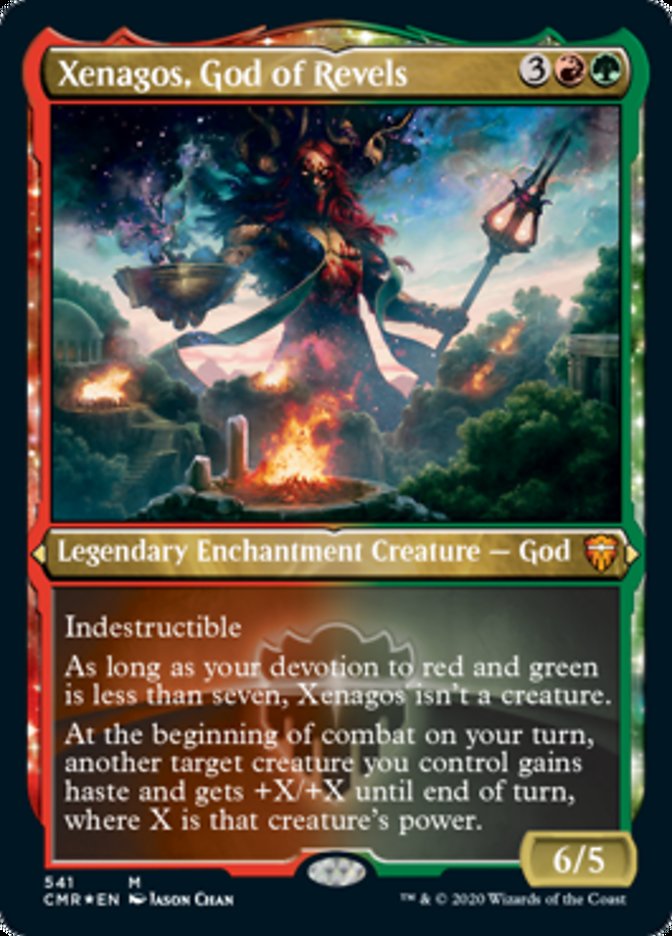
Xenagos, God of Revels, one of the best extra-combat commanders in the game, takes large creatures and makes them larger and faster. If you see Xenagos on the other side of the table, you have to live in constant fear of being one-shot out of nowhere.
#4. The Scarab God
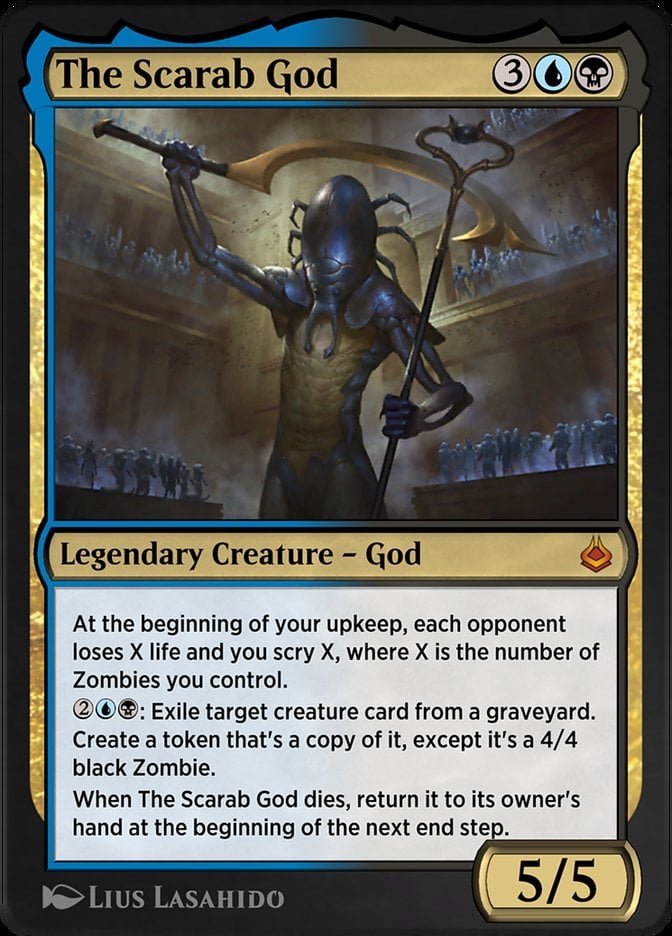
If I haven't already mentioned how powerful The Scarab God is, I’d like to reiterate that this bug does everything. It’s even a contender for one of the best zombie commanders, which is wild considering it’s not even a zombie itself. This was well ahead of power creep for 2017 that it still feels reasonable today.
#3. Ketramose, the New Dawn

Ketramose, the New Dawn is a beautiful god that rewards you for all the instances in which anyone exiles something. It becomes card draw for you and a massive advantage with Kaya, Orzhov Usurper for graveyard hate, flicker on Charming Prince, and good old targeted exile removal like Despark. The 1 life lost per card is not to be discounted, but these are the colors to be in if you need to regain life.
#2. Tergrid, God of Fright / Tergrid’s Lantern
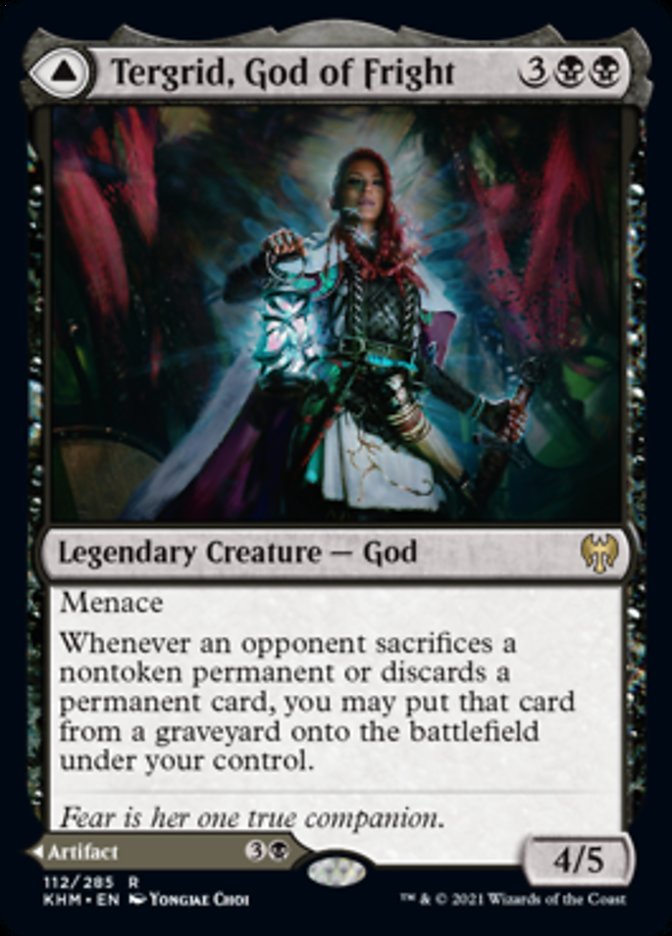
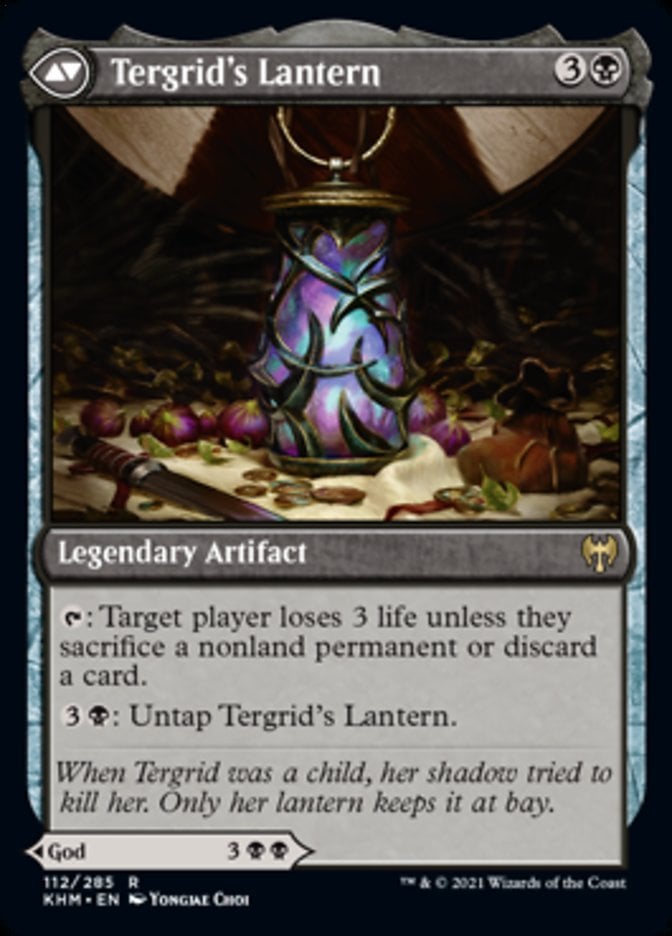
Tergrid, God of Fright isn’t here to mess around or make friends. It’s all “gimme this, gimme that” with Tergrid, stealing any permanents your opponents sacrifice or discard. Tergrid's Lantern is largely forgettable, but the front face is an absolute boogeyman of casual EDH, so much so that it's been labeled a Game Changer.
#1. Ojer Axonil, Deepest Might
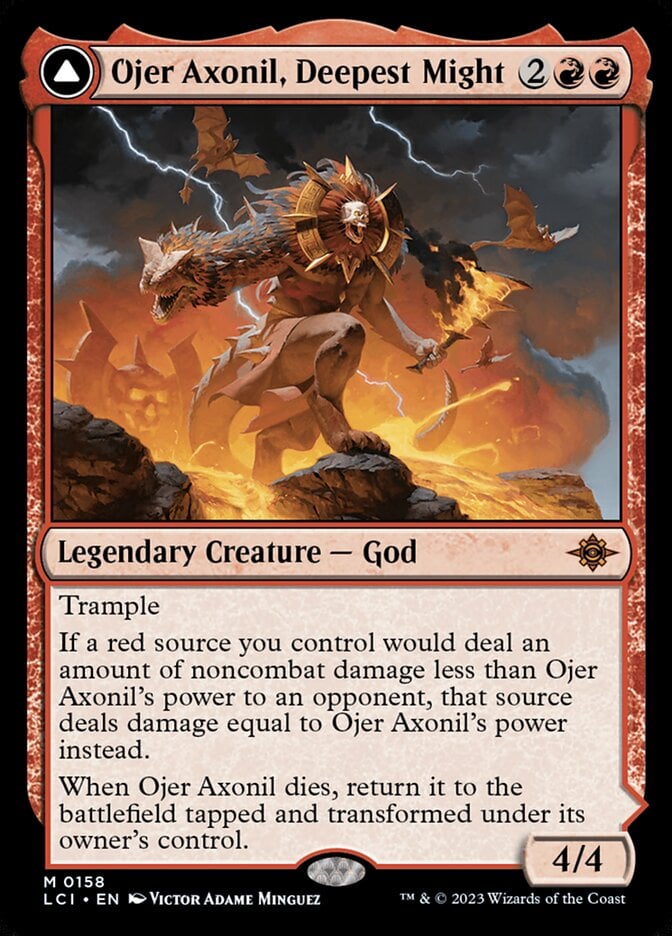
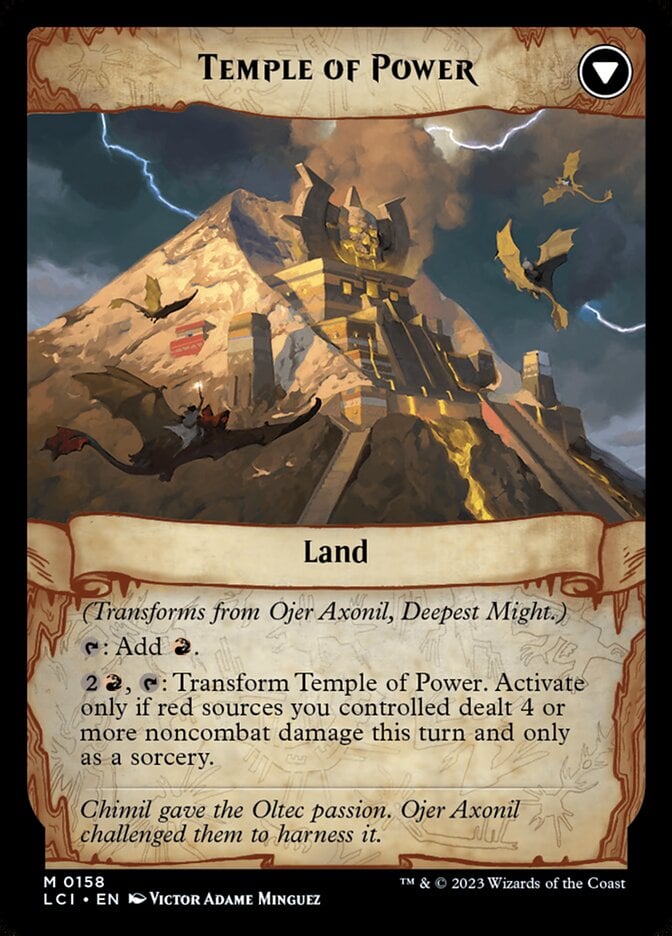
Turn pings into punishment with Ojer Axonil, Deepest Might. Those bits of burn really multiply when 1 or 2 becomes 4, and one of the best parts is that inexpensive, non-rares do tons of work with the god of deepest might.
See what Unruly Catapult, Blisterspit Gremlin, and Tunneling Geopede can do and bring those life totals down. Eat a removal spell and it'll just have a brief stint as Temple of Power before it transforms back.
Best God Payoffs
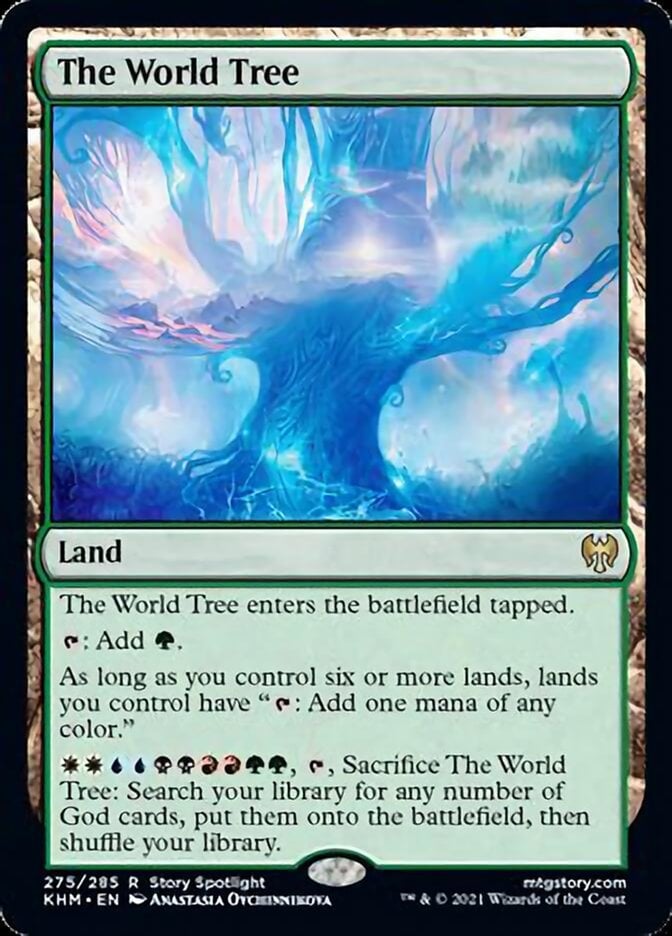
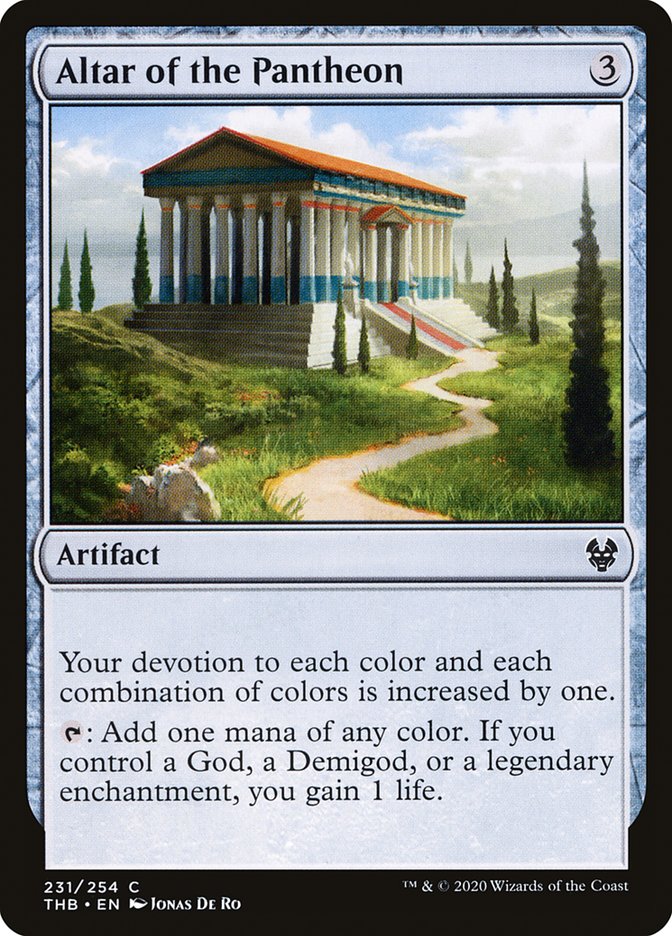
If your need to curry favor with your gods, try Altar of the Pantheon for a bit of lifegain and some extra devotion, or The World Tree to really test the peoples' loyalties, dropping every god in your deck into play all at once.
Kratos, Stoic Father builds up experience counters as you attack with gods and when they die, then converts that experience into +1/+1 counters while Atreus, Impulsive Son draws cards.
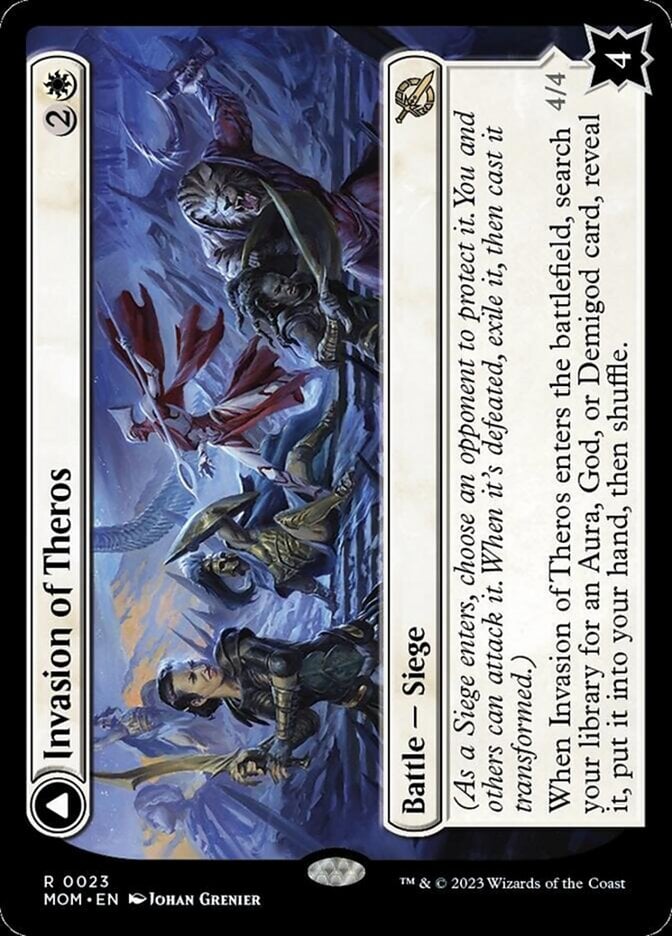
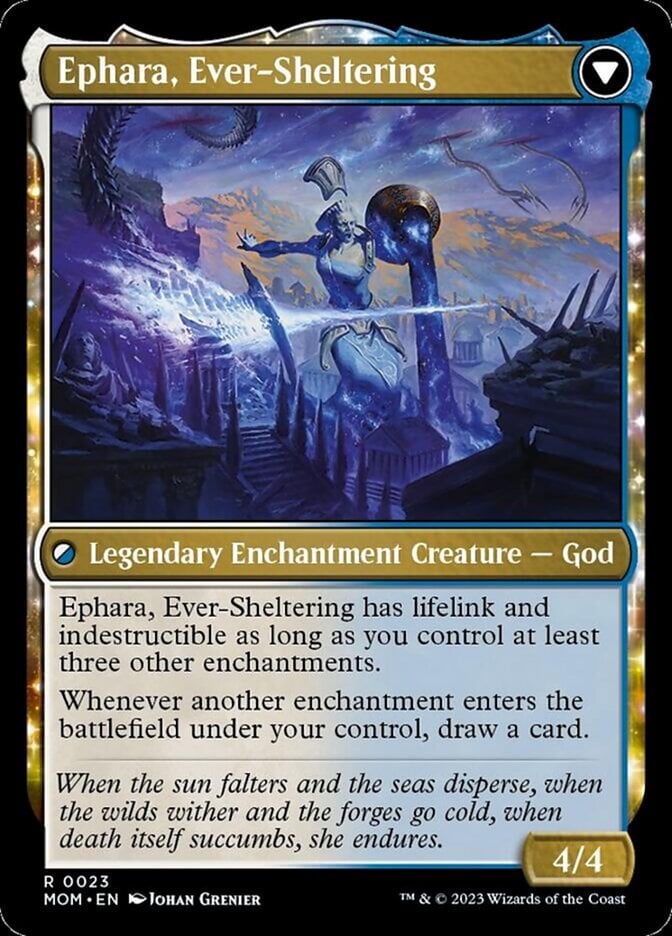
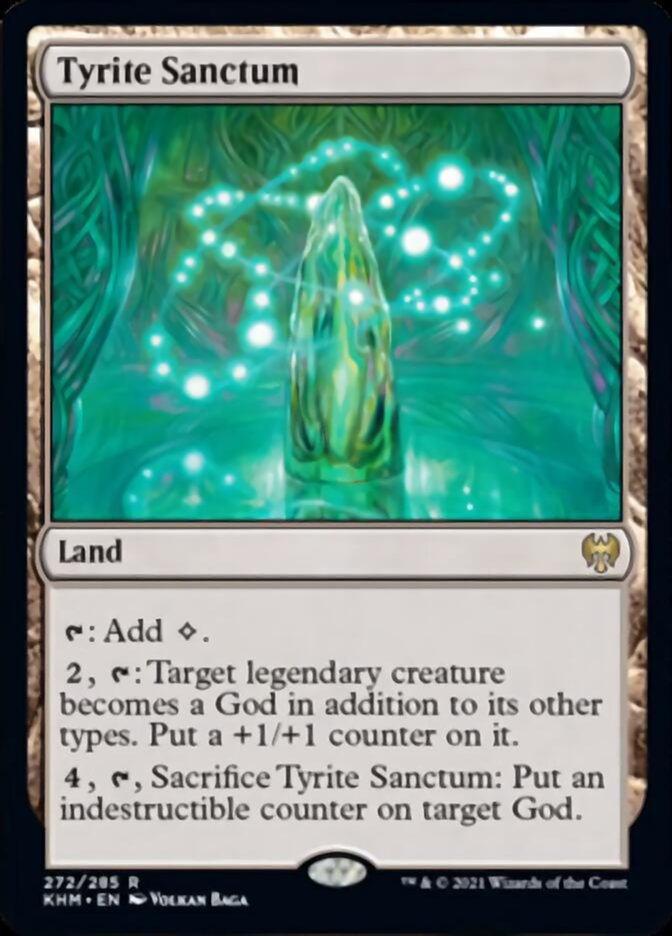
Invasion of Theros is a battle that can tutor gods, among other card types, and transforms into Ephara, Ever-Sheltering if the battle is defeated. Tyrite Sanctum can sacrifice to protect a god you control, or turn a creature into one. A lot of gods are already indestructible, so this makes more sense with Kaldheim gods, which aren't inherently indestructible.
Is God a Creature Type in MTG?
Yes, god is a creature type like any other. You can name it with Herald's Horn or Cavern of Souls.
Are Gods Indestructible?
Gods aren’t inherently indestructible, though many of them have or gain the indestructible keyword. The first few cycles of gods in Magic all had indestructible, but Wizards has experimented with different forms of protection on different cycles of gods.
Can Gods Block in MTG?
Gods can block like any other creature, although some gods have restrictions on doing so. The Theros gods can’t engage in combat if their devotion count is too low. The original Amonkhet gods also have conditions under which they can attack or block.
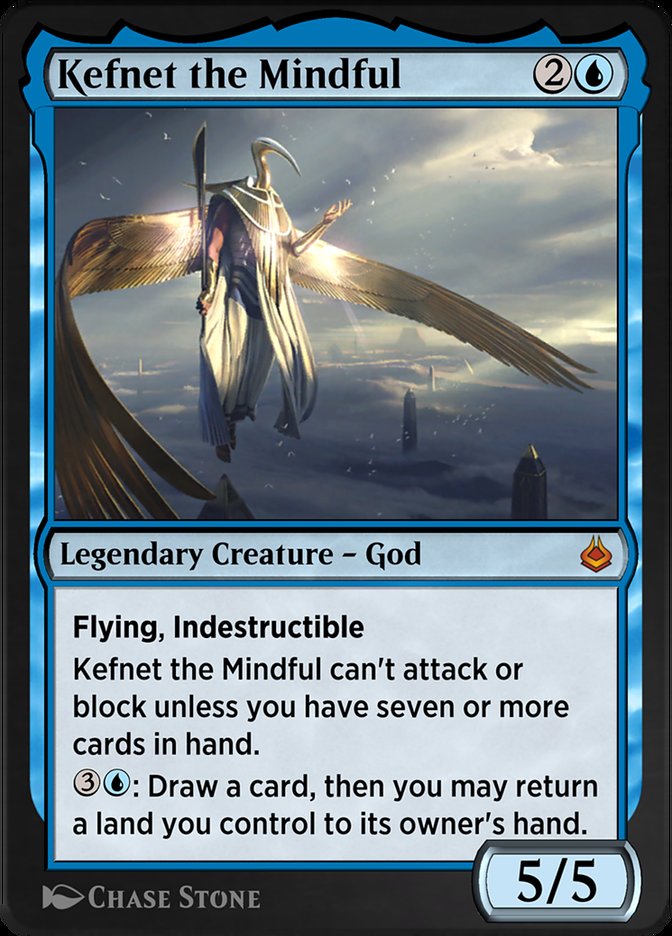
For example, Kefnet the Mindful can only attack/block if you’re holding seven or more cards in hand.
Can You Exile Gods in MTG?
Gods can be exiled like any other permanent, but with some stipulations. Cards like Swords to Plowshares only affect creatures and can’t target the Theros gods if they’re not creatures. The God-Eternals can be exiled, but their owner can put them back in their library. Might I suggest Deicide for all your god-exiling needs?
Can Gods Be Commanders in MTG?
A god can be your commander if “legendary” and “creature” appear in its type line. Every god in Magic thus far is legendary, so they're all available as commanders.
How Many Gods Can You Have in a Deck?
Gods follow the same deckbuilding restrictions as any other card. You can have up to four of any god with the same name in a Constructed deck, and you must follow Singleton restrictions in Commander. Athreos, God of Passage and Athreos, Shroud-Veiled are two different cards for the purposes of deckbuilding.
You can play as many copies of a god in Limited as you open, though I’ll be suspicious when you cast your fourth copy of The Scarab God in a Sealed tournament.
There are no other restrictions on playing gods with one another in the same deck. The gods themselves might question your loyalties, but the rules of Magic won’t.
What MTG Sets Have Gods? What Set Has the Most Gods?
Here’s every set with at least one god, ordered by the number of gods in those sets:
- Kaldheim (2021): 12
- Theros: Beyond Death (2020): 7
- The Lost Caverns of Ixalan (2023): 6
- Theros (2013): 5
- Born of the Gods (2014): 5
- Journey Into Nyx (2014): 5
- Amonkhet (2017): 5
- War of the Spark (2019): 5
- Final Fantasy (2025): 4
- March of the Machine (2023): 4
- Hour of Devastation (2017): 3
- Battle for Baldur’s Gate (2022): 3
- Assassin's Creed (2024): 3
- Aetherdrift (2025): 3
- Secret Lair Exclusives: 3
- Adventures in the Forgotten Realms (2021): 2
- Modern Horizons II (2021): 1
- The Lord of the Rings: Tales of Middle-earth (2023): 1
- Murders at Karlov Markov (2024): 1
- Lorwyn Eclipsed (2026): 1
How Many Gods Are in MTG?
There are 79 creature cards with “god” in their type line as of Secrets of Strixhaven. I excluded tokens and cards that can become gods because they don’t count as gods for deckbuilding. This includes Grand Master of Flowers, Vecna, and The Atropal.
How Do You Deal With Gods in MTG?

Deicide | Illustration by Jason Chan
The flavor text on Heliod, the Radiant Dawn suggests that you can corrupt a god by tainting their followers. Or you can get stabby with Godsend like Elspeth did in the Deicide art.
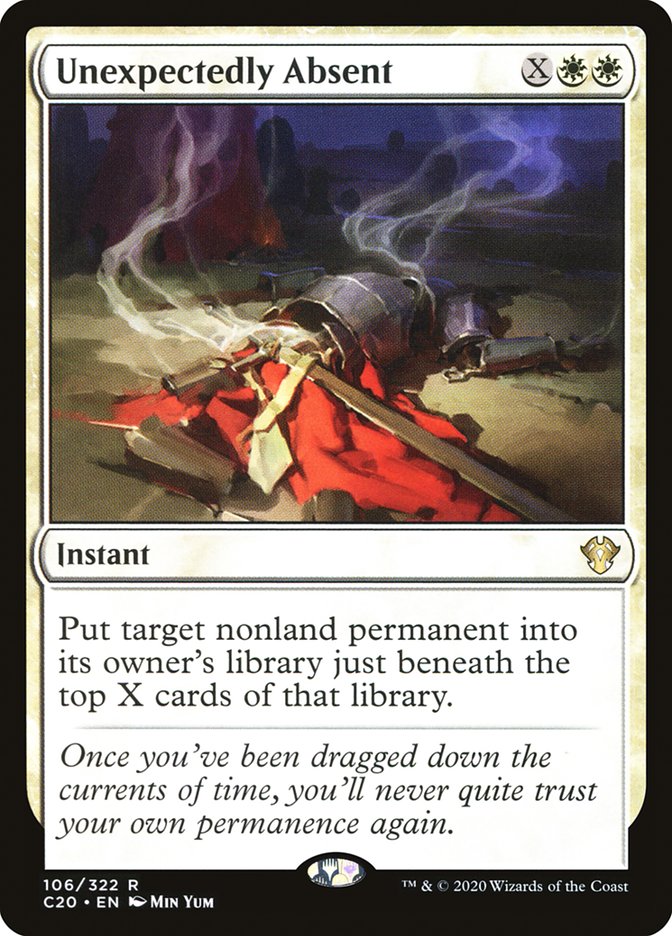
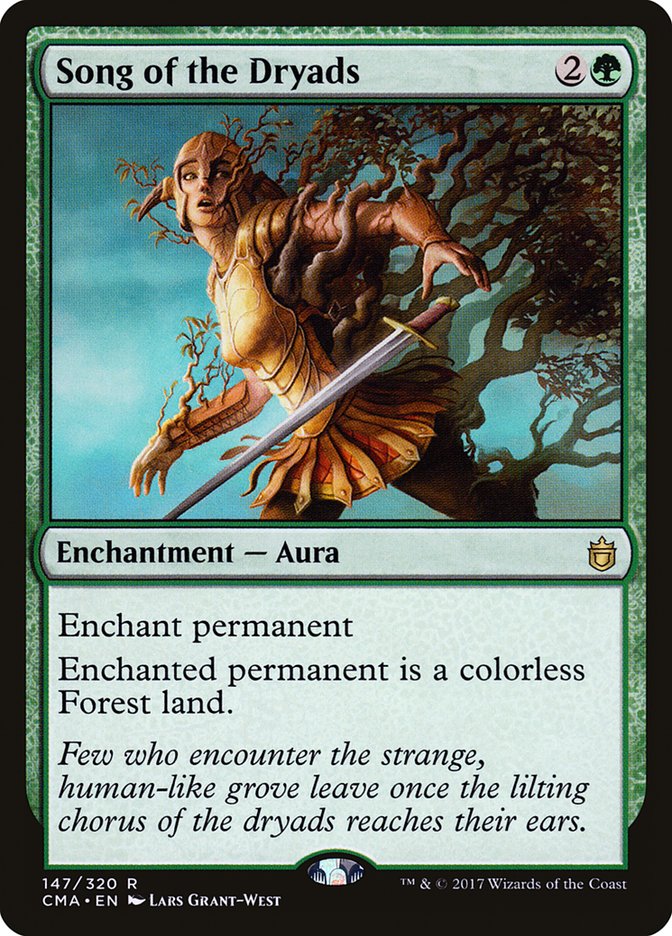
In-game, exile is usually your best bet. Many gods have some form of protection, whether that be indestructible or the annoying recursion effect on the Hour of Devastation gods. Exile effects usually bypass these abilities. You could also play “tuck” effects like Chaos Warp or Unexpectedly Absent. For the Theros gods, enchantment exiling also does the trick. Aura-based removal like Darksteel Mutation or Song of the Dryads are nice ways to deal with the God-Eternals.
Can You Enchant a God in MTG?
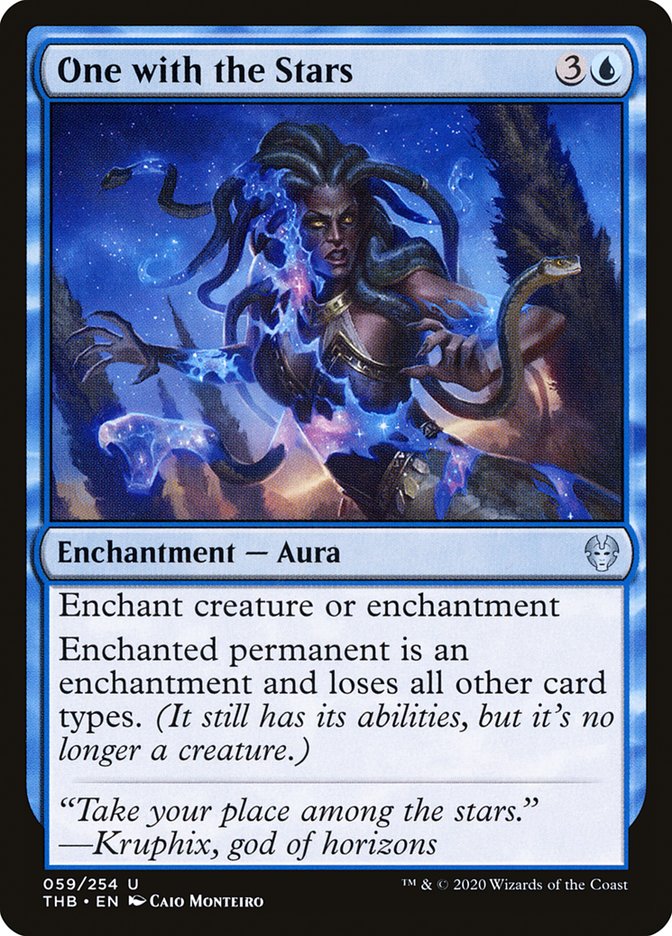
Gods can be enchanted by anything that can legally enchant one of its types. If a god is currently a creature, it can be enchanted by an “enchant creature” aura. The Theros gods can be targeted by anything with “enchant enchantment”, like One with the Stars. However, they can only be targeted by “enchant creature” auras if the devotion count is high enough to make them a creature.
Do Auras Fall Off Gods?
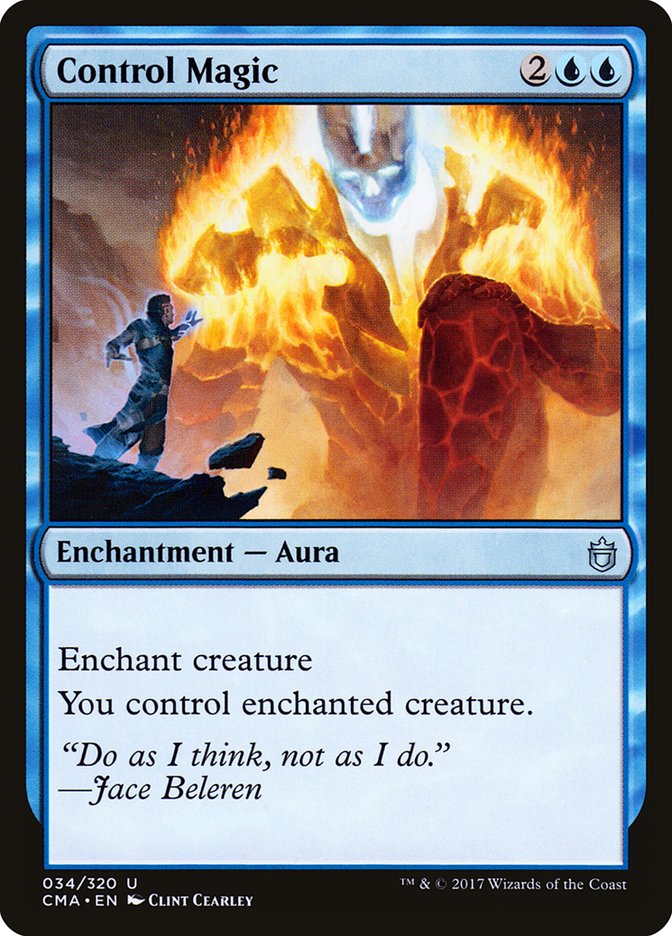
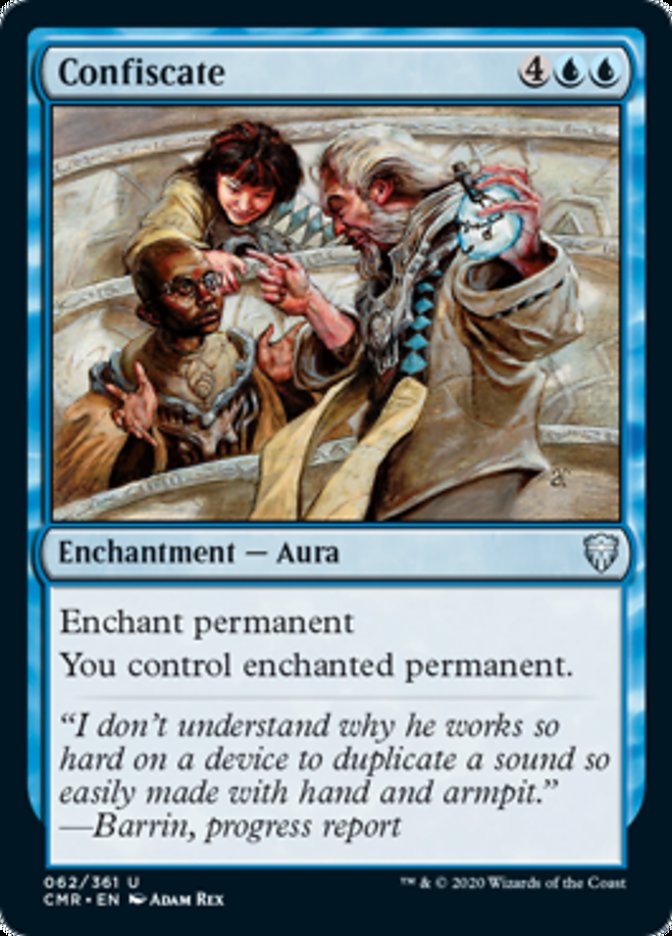
An aura falls off a god if it’s no longer one of the types that the aura can enchant. This is most commonly the case with the Theros gods.
You can cast Control Magic to take control of an opposing Purphoros, God of the Forge if it’s a creature. However, if you don’t have a devotion to red of five or greater, Purphoros stops being a creature on your side, and the “enchant creature” from Control Magic no longer applies. The aura falls off and goes to the graveyard as a state-based action, and your opponent regains control of Purphoros.
However, you can take control of Purphoros with Confiscate regardless of whether it’s a creature or not. “Enchant permanent” allows the aura to stay attached even if Purphoros stops being a creature on your side.
Are Changelings Gods in MTG?
Yes, the changeling ability includes gods. All hail our crab turtle aetherborn god overlords.
Are Shapeshifters Gods in MTG?
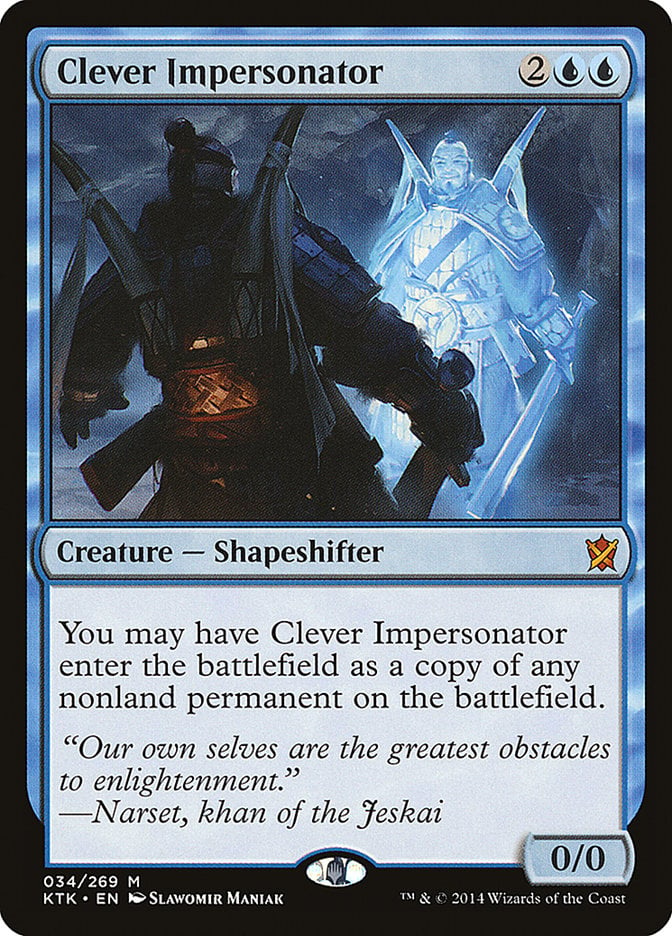
Shapeshifters aren’t necessarily gods the same way changelings are. However, many shapeshifters have abilities that turn them into copies of other permanents. If a shapeshifter becomes a copy of a god, it has the creature type unless otherwise started. For example, Clever Impersonator is not a god in your hand, but it becomes one if it enters the battlefield as a copy of a god.
Can You Negate Gods in MTG?
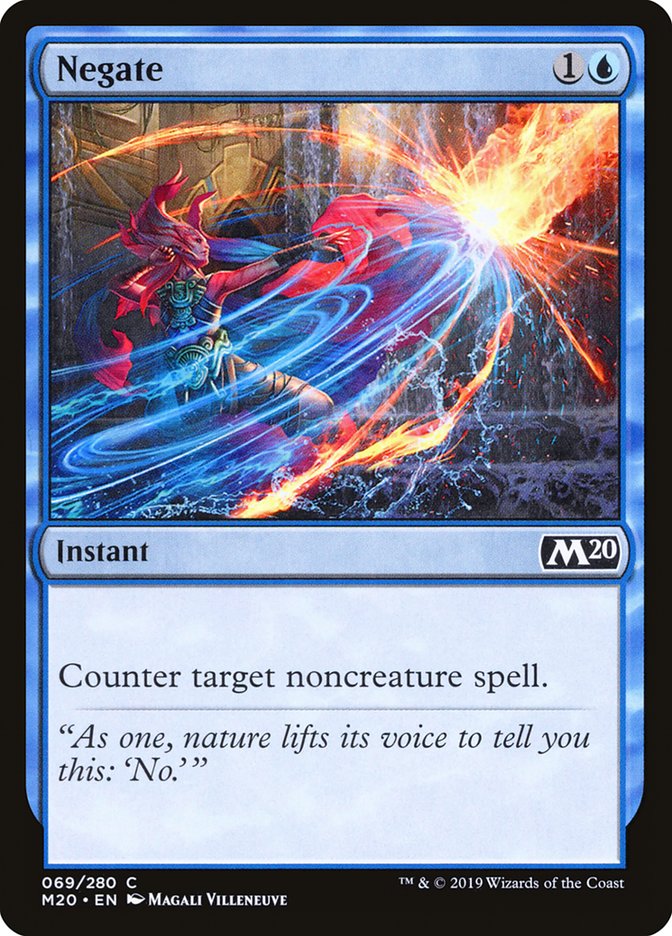
Negate only works on a god if it’s not a creature on the stack. The Theros gods are always creatures on the stack, regardless of your devotion, so Negate won’t work there. Essence Scatter does the trick though!
How Many Gods Are in Kaldheim?
Kaldheim features 12 gods, the most of any set. They’re all modal double-faced cards, and they’re inspired by Norse mythology.
How Do Gods Work in MTG Kaldheim?
Every god in Kaldheim is an MDFC, so they’re double-faced cards that you can cast on either side. They’re creatures on the front face and different permanents on the back. When you cast one, you choose which side you’re casting and put that side on the stack. However, the front characteristics are always referenced when looking at the card in any other zone.
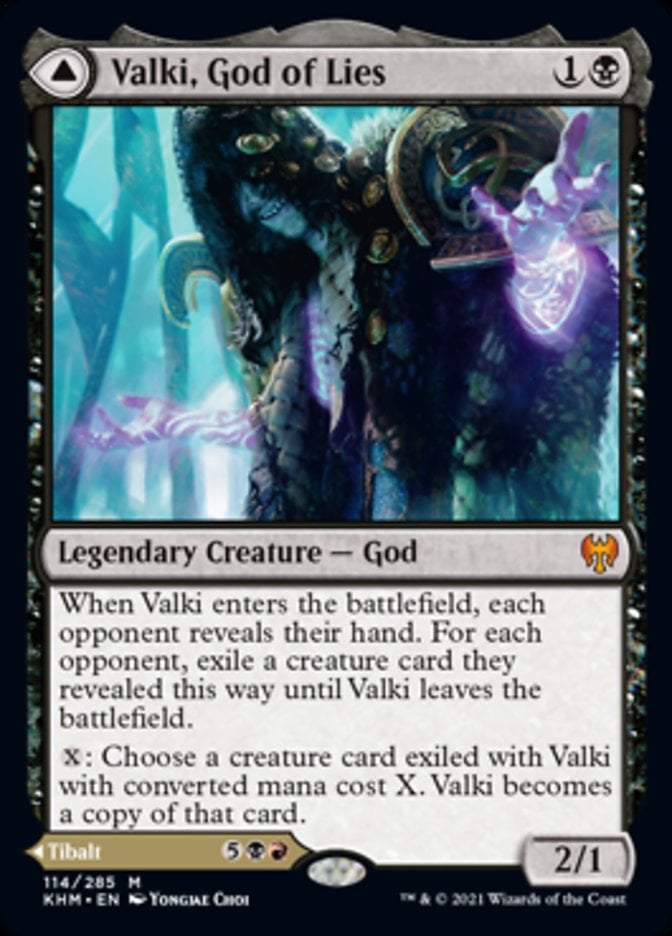
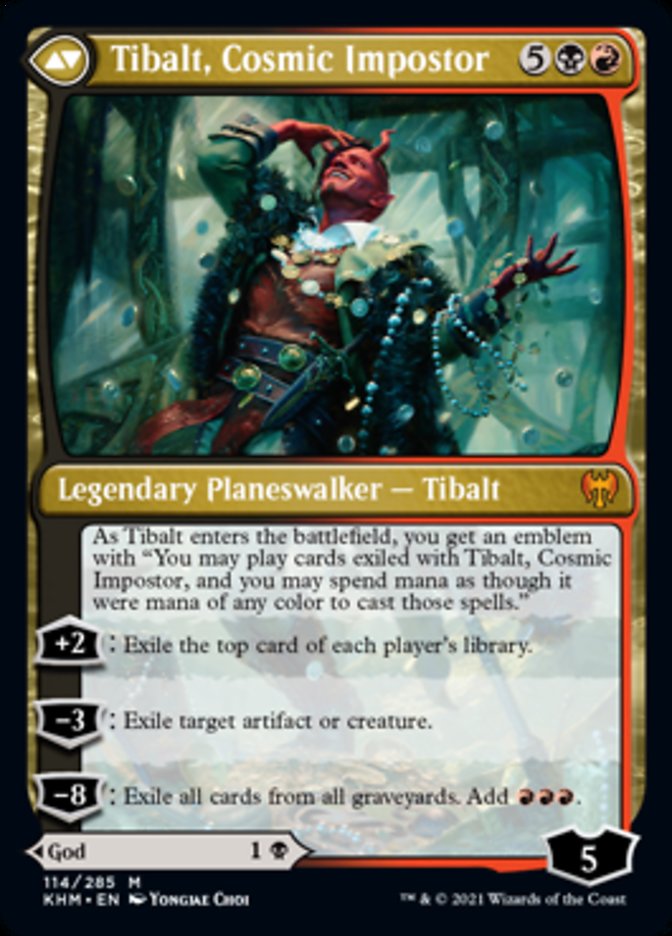
If a Kaldheim god would leave the battlefield and then return to it, it enters on its front face regardless of which side it was on. For Commander, an MDFC includes both sides in its color identity. Esika, God of the Tree is a 5-color commander, while Valki, God of Lies can’t be played in a mono-black deck.
Do Demigods Counts as Gods?
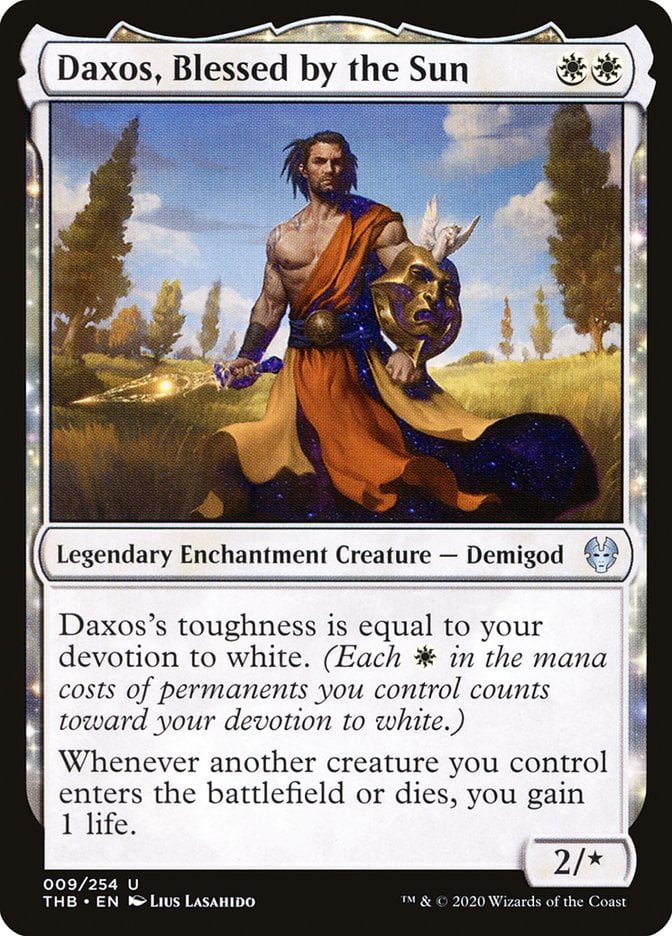
Demigods are not gods; they’re two distinct creature types. You can’t fetch Daxos, Blessed by the Sun with The World Tree, for example.
What Is a God-Eternal?
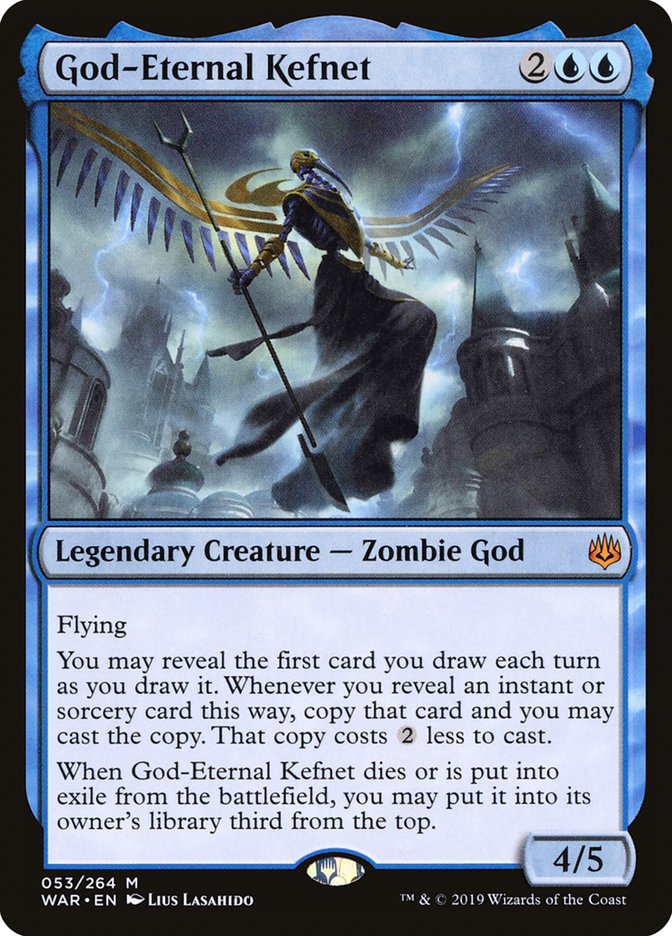
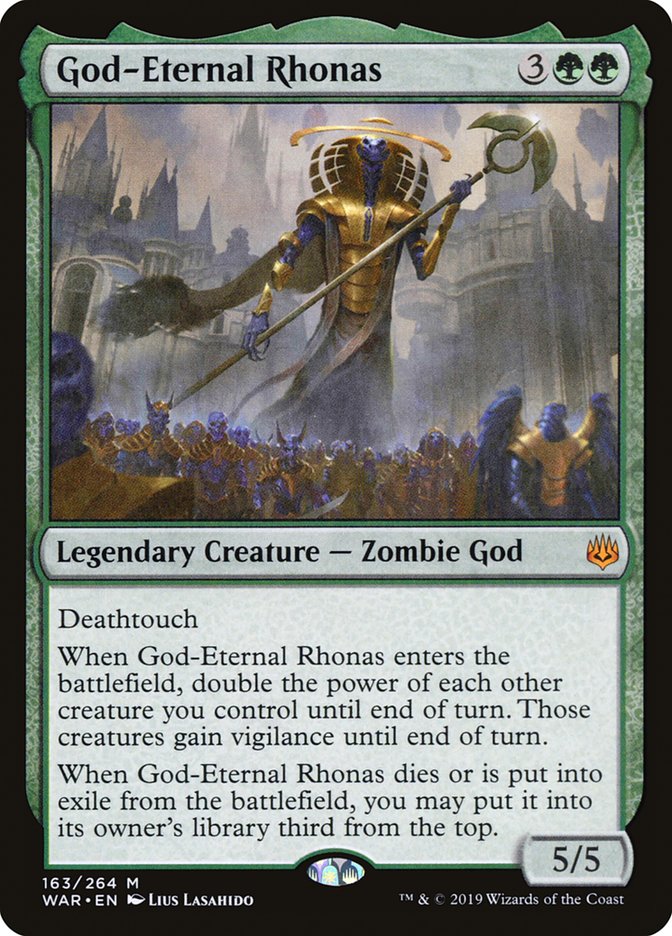
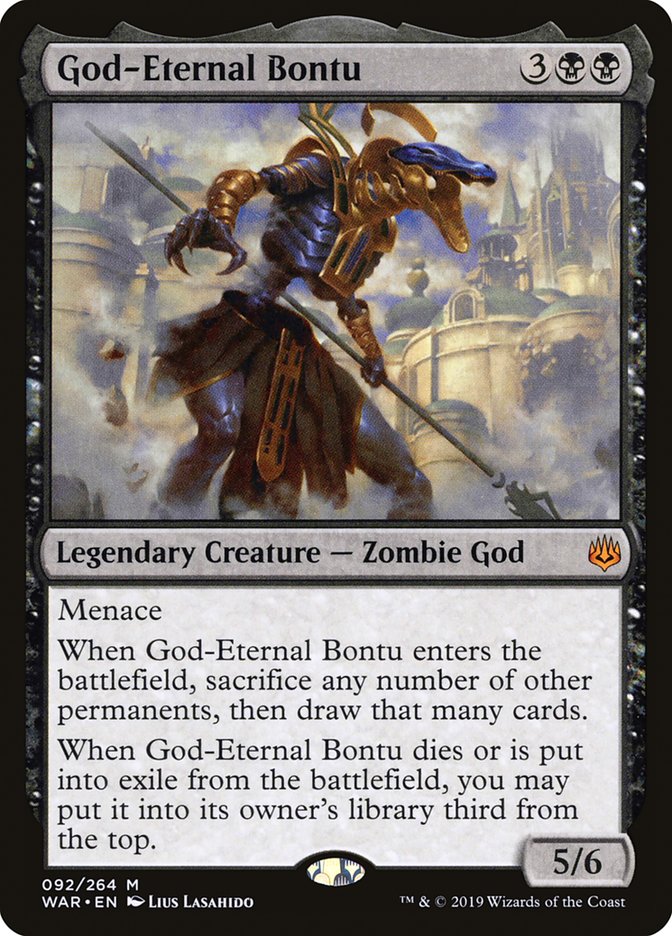
The God-Eternals are four gods that appeared in War of the Spark: God-Eternal Kefnet, God-Eternal Rhonas, God-Eternal Bontu, and God-Eternal Oketra.
In the lore, these are eternalized versions of the gods that were slain during the events of Hour of Devastation. There’s no red God-Eternal because Hazoret the Fervent survived the events of that storyline. Ilharg, the Raze-Boar completes the WAR god cycle, although it’s not considered a God-Eternal.
The God-Eternals are zombie gods with the same keyword as their Amonkhet counterparts. In lieu of indestructible, these creatures return themselves to the library whenever they die or are exiled from the battlefield.
Do Gods Enter as Creatures? Are Gods Creatures in MTG?
Gods usually enter the battlefield as creatures, with a few exceptions. The Theros gods require a certain amount of devotion to become creatures, so they enter as non-creature enchantments if the devotion threshold isn’t met.
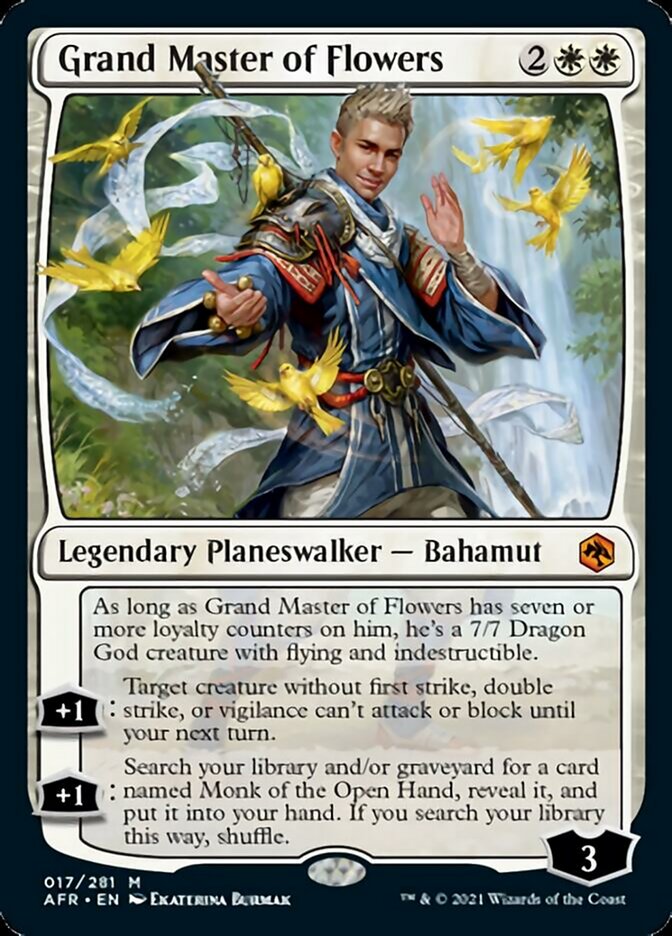

Grand Master of Flowers’s god-status depends on its loyalty counters. Assuming it enters with less than seven loyalty, it doesn’t enter as a creature. If it does enter with seven or more loyalty, it’s a creature as soon as it hits play. Similarly, The Warring Triad has a stipulation on whether or not it's a creature on the battlefield.
Are Gods Enchantments in MTG?
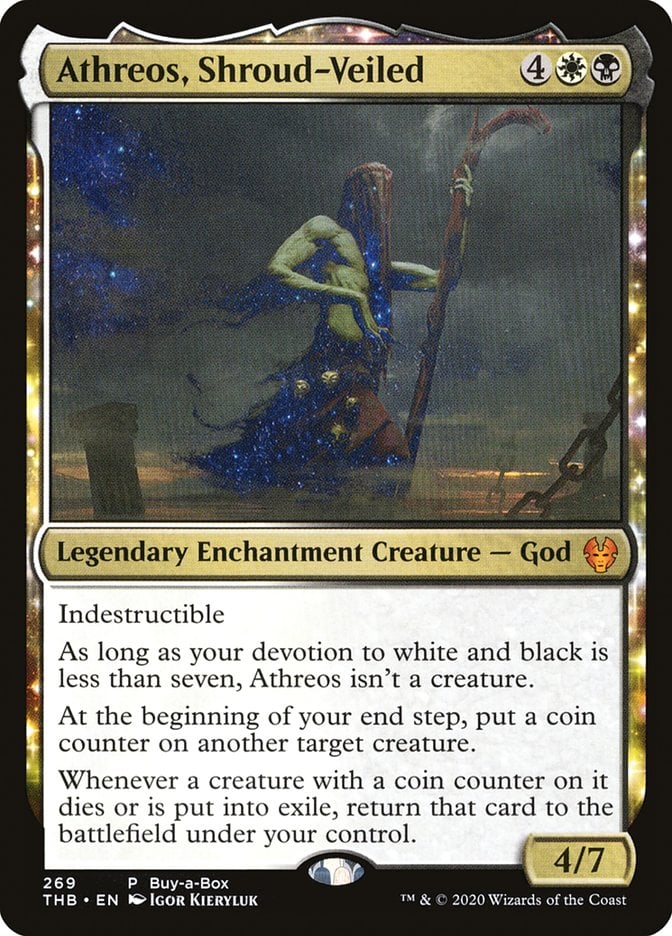
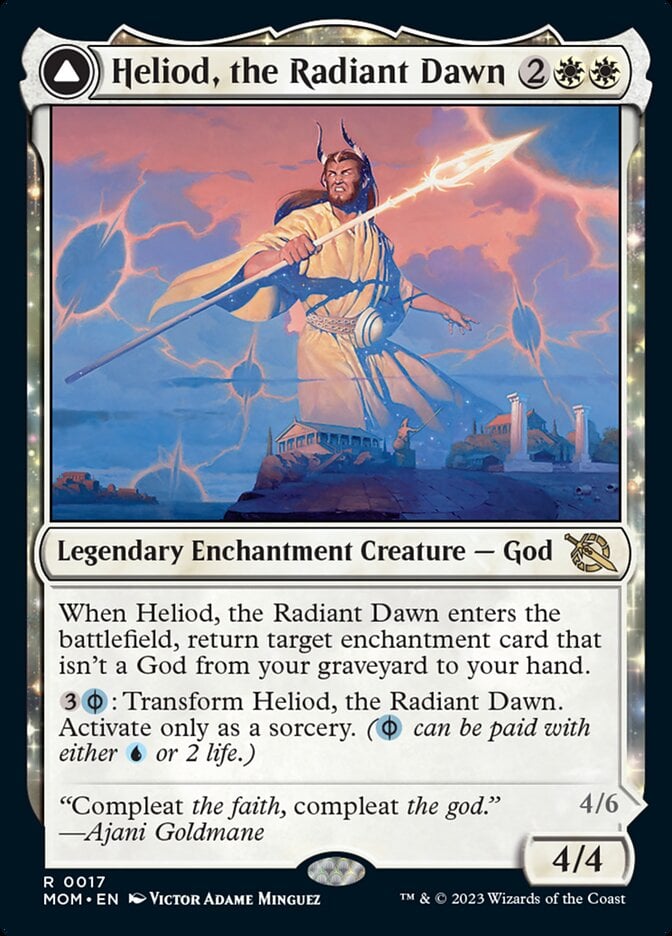
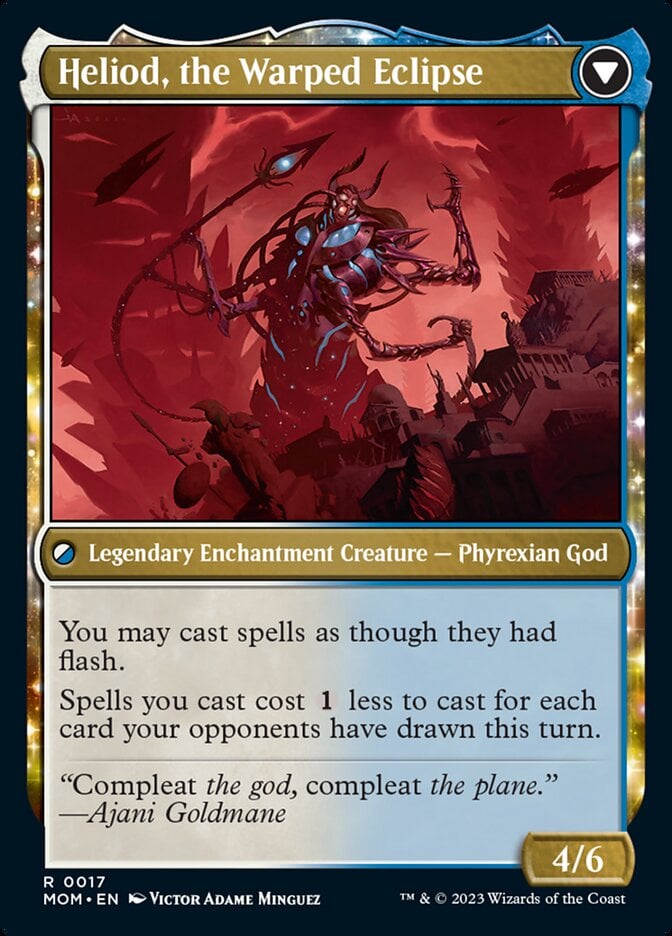
Gods aren’t inherently enchantments, although that’s a defining characteristic of the Theros gods. This is easy to distinguish from the type line.
There’s also Esika, God of the Tree and The Prismatic Bridge, alternate faces of the same card. These are still only one or the other depending on which face is showing, and Esika doesn’t not count as an enchantment in your hand, graveyard, etc.
Do Gods Count Towards Devotion?
The Theros gods count towards their own devotion. They’re devoted to themselves aren’t they?
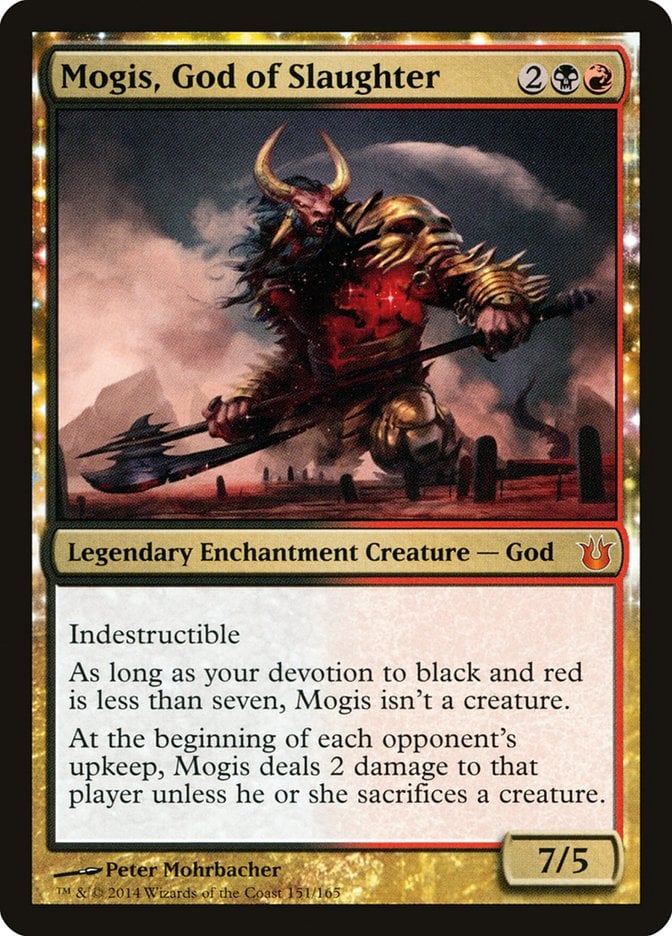
If Mogis, God of Slaughter is your only permanent on the battlefield, your devotion to red and black is two.
How Does Bello, Bard of the Brambles Work with Devotion Gods?

Whether the devotion god is a creature or not depends on the layers/timestamps of Bello and the god. Here are a handful of if/then statements that cover the situations.
- If Xenagos, God of Revels is already on the battlefield, then Bello enters;
- If you do not have the minimum devotion,
- Then, Bello makes it an enchantment creature elemental.
- If you do have the devotion,
- Then, Xenagos starts as an enchantment creature god and Bello adds the elemental subtype for an enchantment creature god elemental
- If you do not have the minimum devotion,
- If Bello, Bard of the Brambles was already on the battlefield, then Xenagos enters;
- If you do not have the minimum devotion,
- Then, Bello makes it an enchantment creature elemental, then Xenagos makes it not a creature, just an enchantment.
- If you do have the devotion,
- Bello makes it an enchantment creature elemental, and Xenagos is a creature resulting in an enchantment creature god elemental.
- If you do not have the minimum devotion,
Is Tibalt a God in MTG?
Though Tibalt, Cosmic Impostor shares a card with Valki, God of Lies, Tibalt is technically not a god. However, since Valki is the front-facing half of the card, it can be interacted with by anything that interacts with gods. Effects like Grave Sifter and Heirloom Blade are roundabout ways to use the god text on Valki to find and play Tibalt.
In the lore, Tibalt assumed the identity of Valki, the Loki-equivalent of Kaldheim. Though he took the appearance of a god, it was just an illusion, and Tibalt never gained true godhood. He was also savagely killed off-screen by Tyvar Kell in the events of Phyrexia: All Will Be One. It was depicted in the art for Tyvar's Stand, but Phyrexian Tibalt never received a card. RIP.
How Good Is The Scarab God?
The Scarab God single-handedly won me every match during the Hour of Devastation prerelease, so how’s that for good? That’s a snarky way of saying it’s excellent, being a powerhouse in Limited, former Standard, and Commander, sometimes even in Cube.
It scries towards action, passively saps opponents’ life totals, “reanimates” creatures while hating on graveyards, and comes right back to its owner’s hand if it dies. It’s easily one of the best gods in print.
What Happened to The Scarab God?
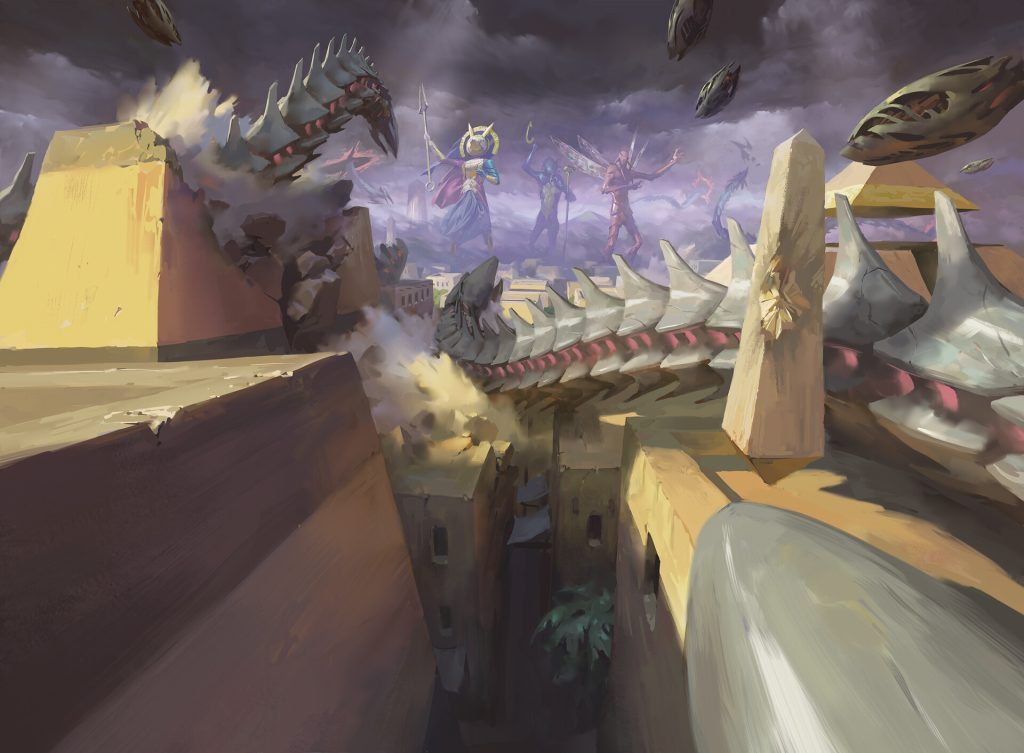
Invasion of Amonkhet | Illustration by Jokubas Uogintas
They retired from their job, settled down with their Scarab partner, and raised a family of 600,000 scarab babies.
Jokes aside, The Scarab God still roams the deserts of Amonkhet. They were exiled after the events of Hour of Devastation, where the god was directly influenced by Nicol Bolas and contributed to the destruction of the plane.
Beetlegod was referenced once again in March of the Machine, where they held off the Phyrexian invasion of the plane. Their unspoken alliance with Hazoret is depicted in the art of Invasion of Amonkhet.
What Happened to The Scorpion God?
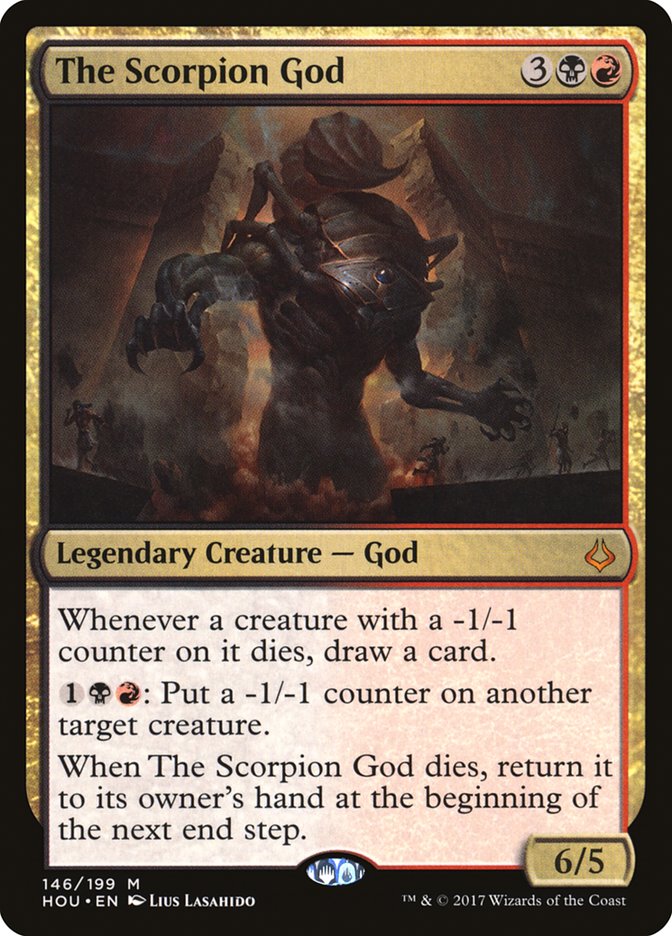
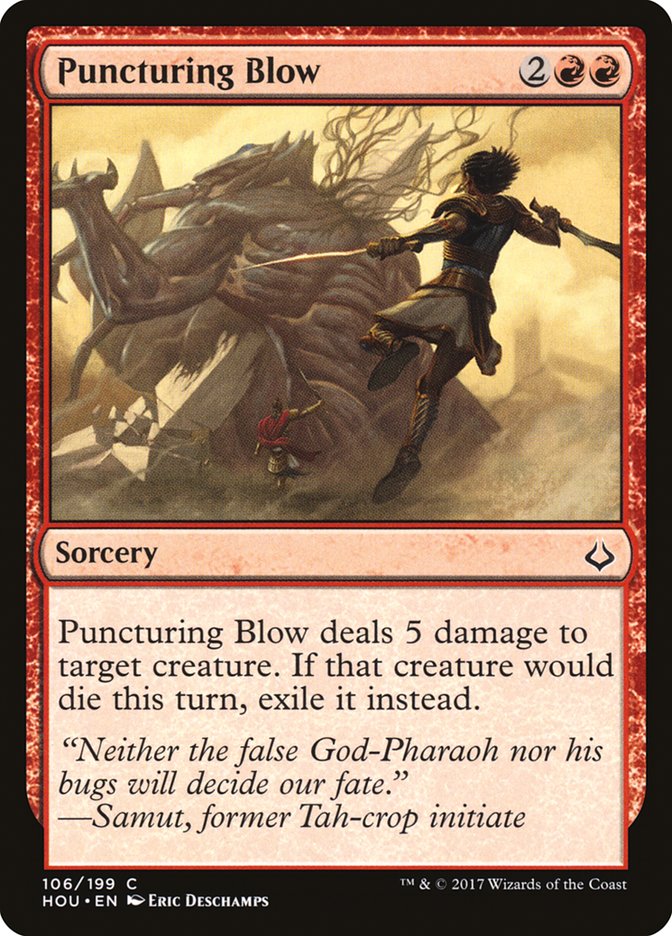
Oh… that one’s dead. The Scorpion God was killed by Samut in the events of Hour of Devastation. Their death was shown on Puncturing Blow, which is fitting since that’s one of the few cards in that set that could permanently deal with the insect gods. Good riddance, since The Scorpion God is responsible for the deaths of about half the Amonkhet pantheon.
What Is a God Pack in MTG? What About a God Box?
A “God Pack” was a unique, extremely rare pack of 2014’s Journey into Nyx that had a single copy of all 15 gods from the entire Theros block. The extent to which these were printed is dubious, although I recall hearing the print run was less than one out of every 1,000 packs.
Kaldheim also had “God Boxes”. Apparently, some sealed boxes of Kaldheim guaranteed a god in every pack, replacing the dedicated snow land.
Now for the Hour of Glory
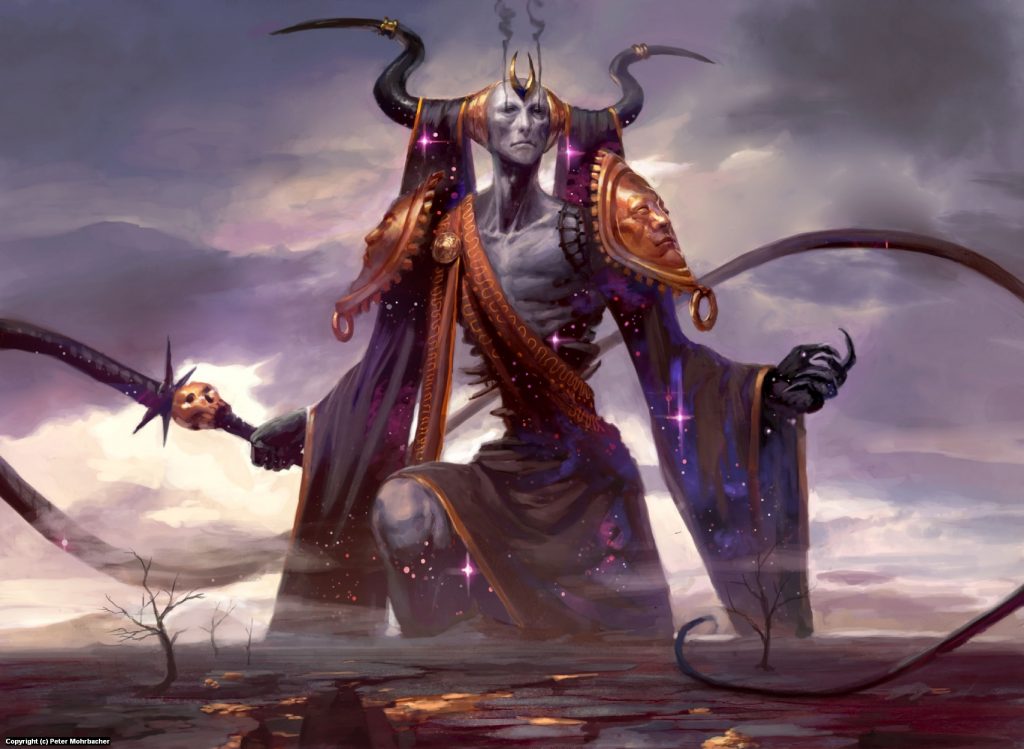
Erebos, God of the Dead | Illustration by Peter Mohrbacher
Oh wait, no, the Hour of Glory’s a bad thing.
Anyway, do I hope to see gods printed again in the future? God, I hope so. They’re usually an excuse to make splashy boundary-breaking creatures, and the individual designs tend to be good ones. Not to mention they’re the perfect way to introduce entities we’re familiar with from real-world mythology into Magic.
Do you have a favorite Magic god (besides Topdekicus, the god of topdecks)? If so, I want to hear about it, and what decks you play it in! Let me know in the comments, or over in the Draftsim Discord.
Thank you for making Draftsim your #1 stop for all things Magic!
Note: this post contains affiliate links. If you use these links to make a purchase, you’ll help Draftsim continue to provide awesome free articles and apps.
Follow Draftsim for awesome articles and set updates:










Add Comment