

Trystan's Command | Illustration by Sam Guay
For a while, it looked as though we’d never see kindred type cards again. But then Modern Horizons 3 had some Eldrazi kindred cards, and Lorwyn Eclipsed brought us back to the plane that introduced kindred cards to Magic.
I’ve got all you need to know about kindred cards in Magic. Some of them are among the best cards in the game, while others don’t quite make the cut.
What Are Kindred Cards in MTG?
Tarmogoyf Nest | Illustration by Filipe Pagliuso
Kindred is a card type in Magic: The Gathering that lets a noncreature card have a creature subtype in its type line. It allows an artifact, sorcery, instant, or enchantment to have creature types like Eldrazi, giant, or elemental as part of its type line, which means that card can trigger abilities that trigger when you cast certain creature types or when certain creature types enter.
The card type was introduced in Future Sight as “tribal” on Bound in Silence, and more cards were printed in sets like Lorwyn and Rise of the Eldrazi. As of Wilds of Eldraine, Wizards decided to move away from using the word “tribal” for cultural reasons, so the card type was renamed “kindred”. This decision happened after WOE was printed, so the Enchanting Tales Bitterblossom still has the word “tribal” in its type line. The first printed cards to use “kindred” appeared in Modern Horizons 3 and its Commander decks.
Wizards also introduced the word “typal” to describe synergies between cards that share a type (ex: zombie typal decks). It also helps to differential typal synergies from the kindred card type, although some websites, like EDHREC, use “kindred” to describe what we at Draftsim usually call a typal deck. Just another example of how language is a living thing that changes all the time (insert a joke about how I don’t understand Gen Alpha speak here).
#39. Bound in Silence
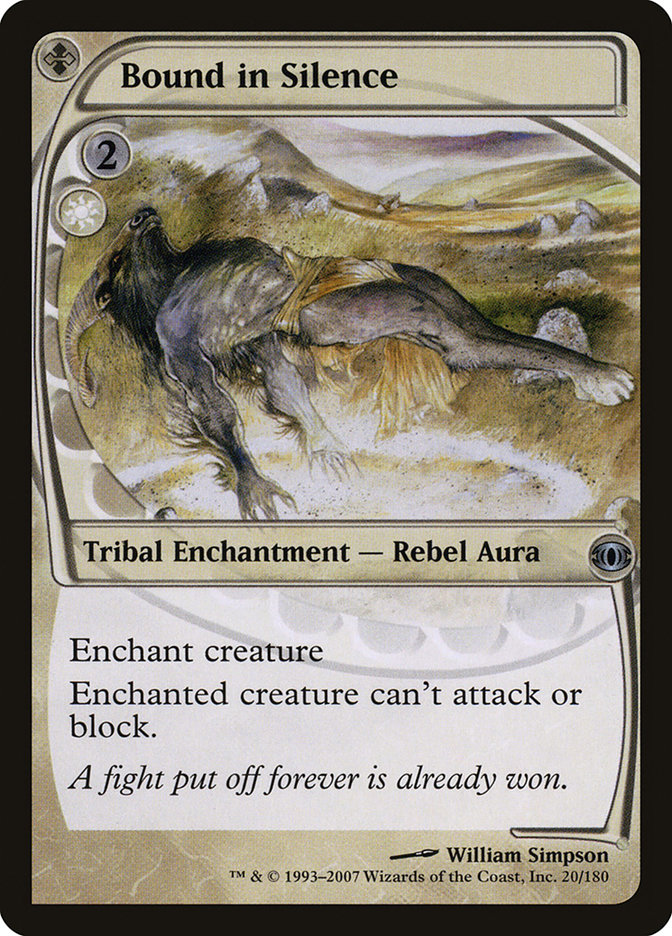
The original kindred card is really just an overcosted Pacisim. Bound in Silence isn’t even a particularly relevant creature type anymore, though it was cool that you could search this up with other rebels like Blightspeaker.
#38. Morcant’s Eyes
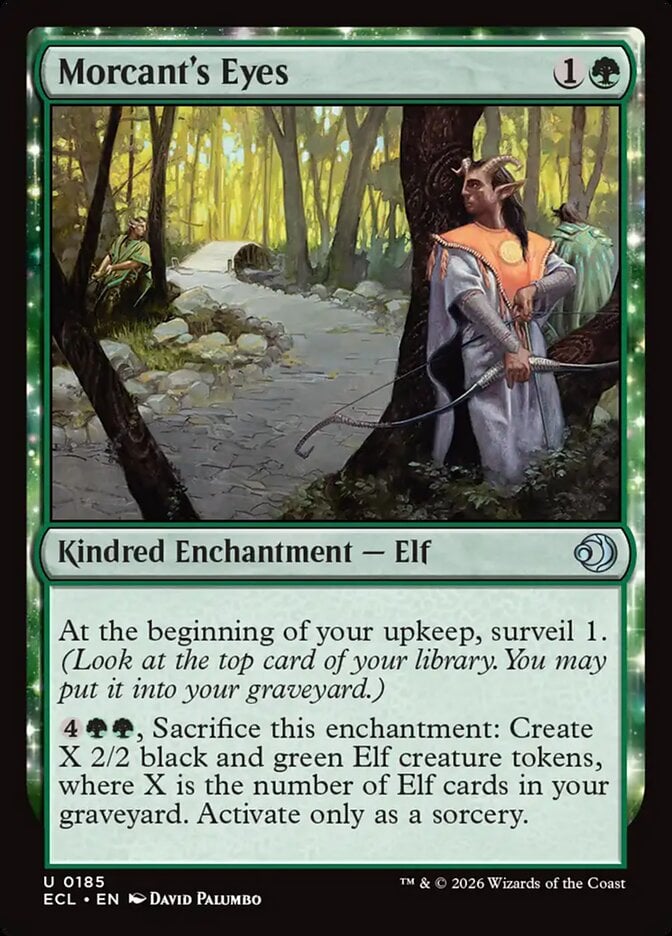
Morcant's Eyes is a perfect uncommon for those decks that intersect graveyard and elves. A surveil trigger during each of your upkeeps can fill your graveyard consistently, then you can trade in this enchantment for a flood of tokens. And if you can mass reanimate your elves afterwards? Yikes.
#37. Faerie Tauntings
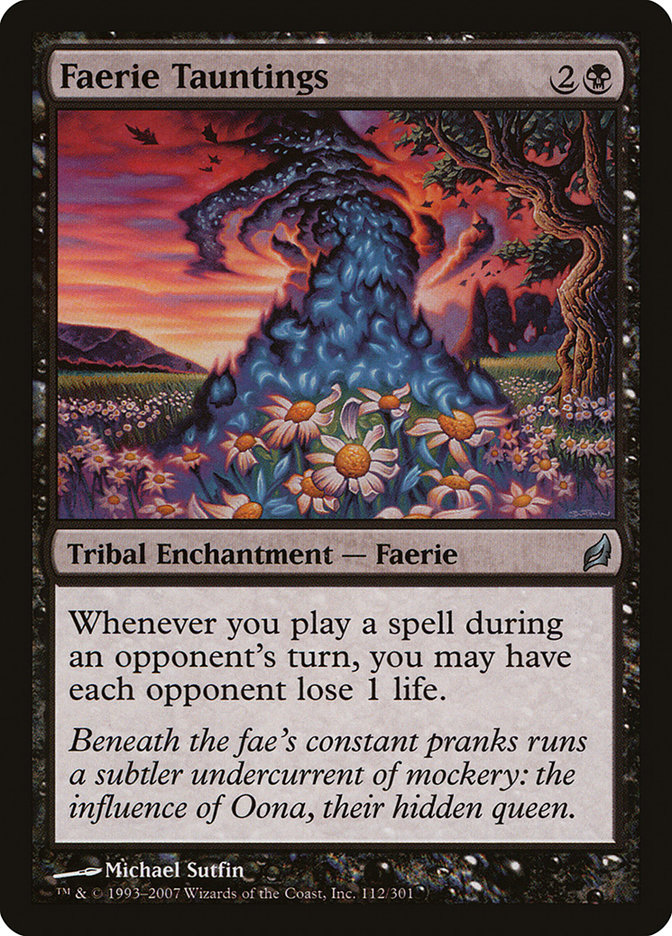
Faerie Tauntings is a payoff for the archetype that cares about casting spells on your opponents’ turns, which includes faeries like Alela, Cunning Conqueror and Nymris, Oona's Trickster.
#36. Faerie Trickery
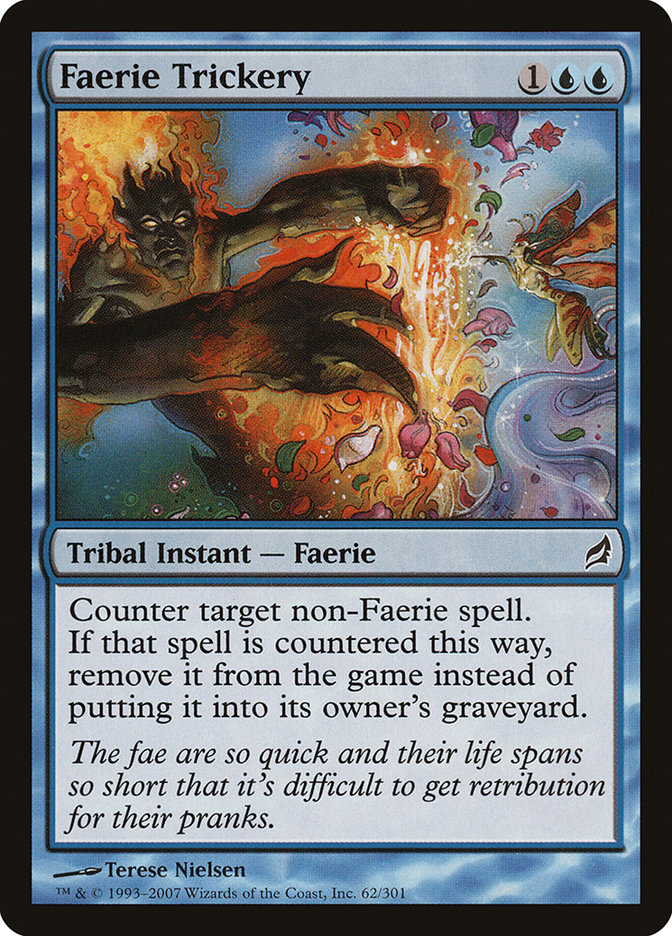
When Commander players tell you to go for flavor over raw power, Faerie Trickery is one of the easiest examples to incorporate. There are more powerful counterspells, but a 3-mana counterspell that matches your deck’s major creature type is more fun. It’s just completely outclassed by Spell Stutter.
#35. Knowledge Exploitation
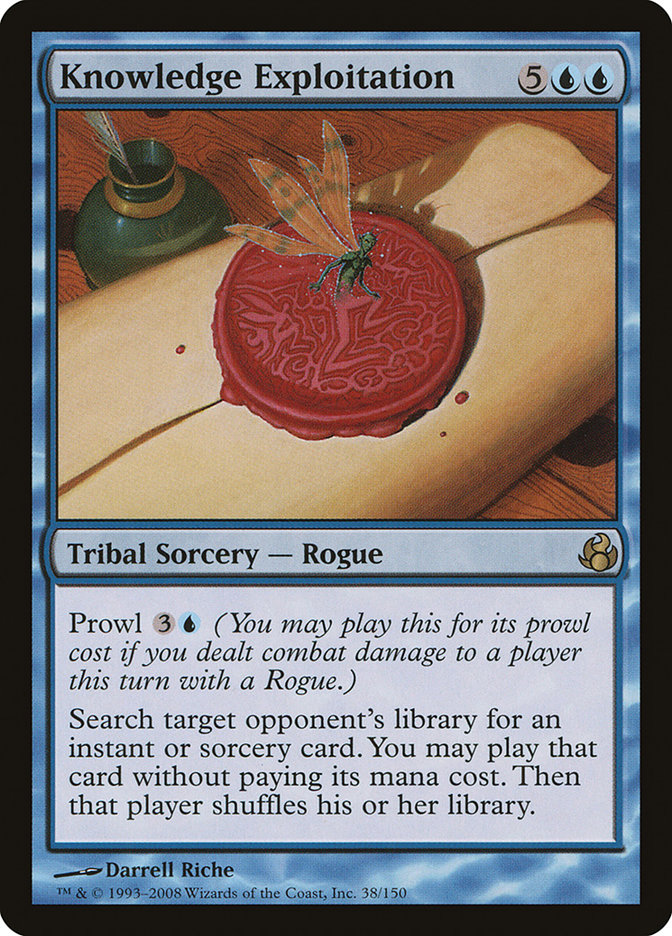
How many cards can you name that let you search your opponent’s library? I can name two, and it’s only because I was looking up where Knowledge Exploitation is played (Thada Adel, Acquisitor is just mean). It’s a little expensive to hard-cast it, but the prowl cost is downright respectable.
#34. Diviner’s Wand
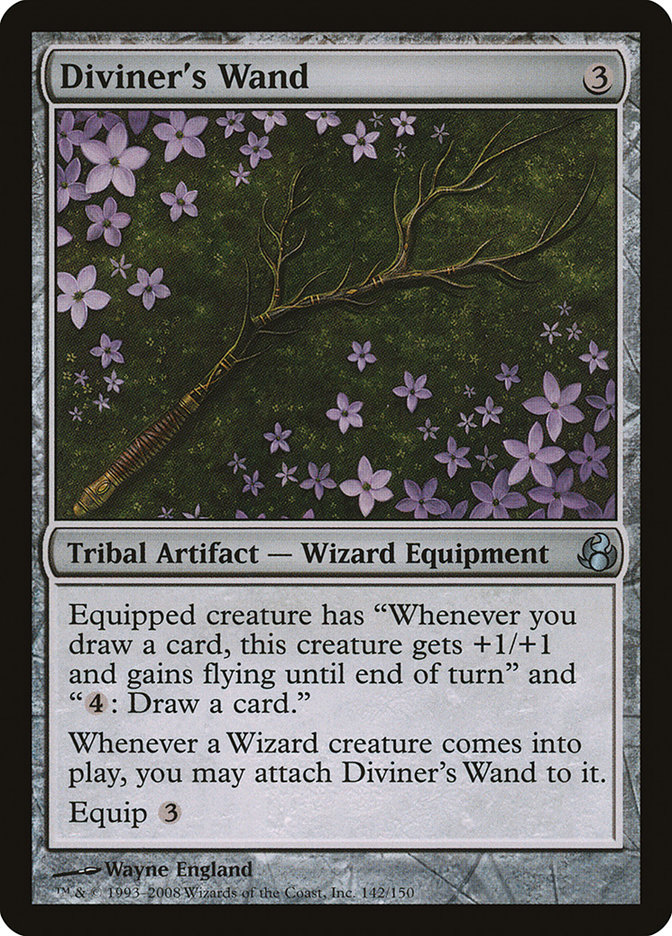
I’d expect to see Diviner's Wand with more decks that care about when you draw cards, but those probably have stronger options to consider. Instead, Diviner’s Wand finds itself in decks that care about cost reduction on activated abilities, since it’s easy to turn the ability into “: Draw a card” with the likes of Agatha of the Vile Cauldron.
#33. Hoofprints of the Stag
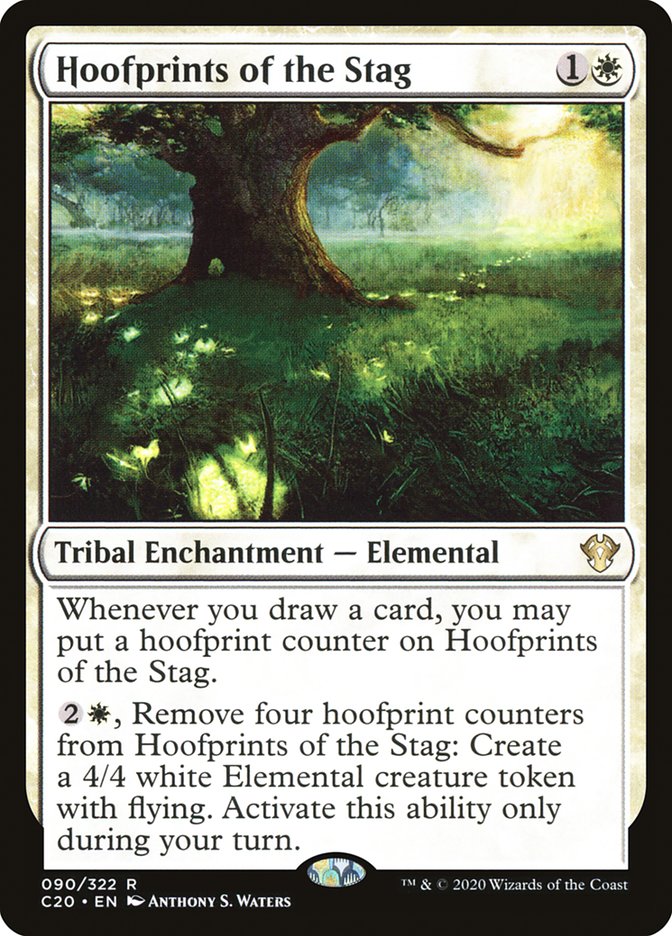
Hoofprints of the Stag has been reprinted in multiple Commander precons now as a payoff for card draw that can eventually lead to bodies on the battlefield. It’s not amazing, but it fills the curve and doesn’t break the budget.
#32. Shields of Velis Vel
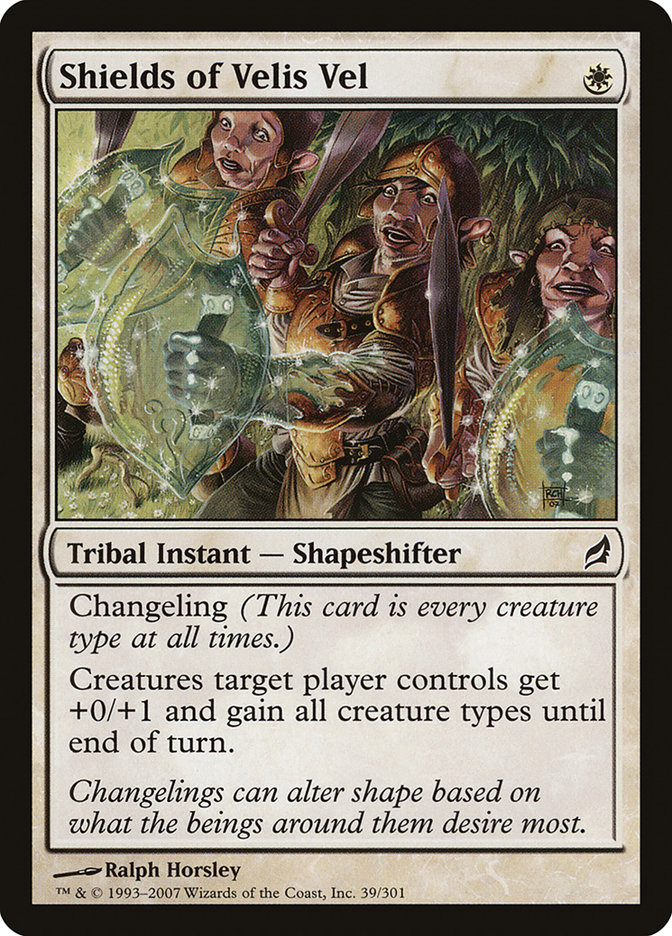
Despite a name like Shields of Velis Vel, this shapeshifter card is more often used to gain an advantage from a creature that cares about more than one specific creature type. Some classics include Voja, Jaws of the Conclave and Rin and Seri, Inseparable because of their abilities. Atla Palani, Nest Tender is another good fit since “egg” isn’t a terribly common creature type, and Shields of Velis Vel can help you to rebuild instantly after a board wipe in that deck.
#31. Eyeblight’s Ending
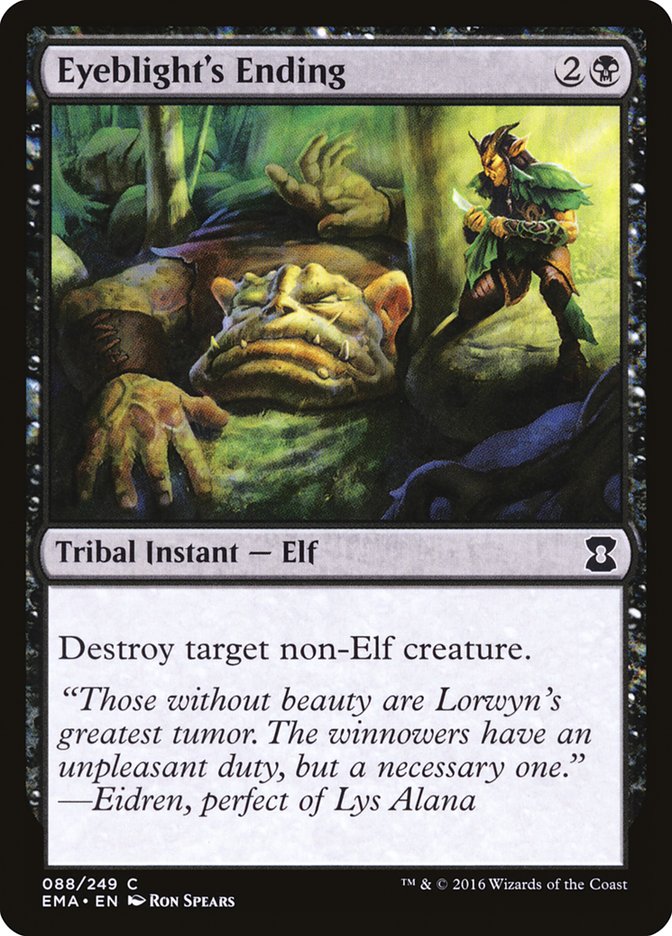
You can get cheaper black removal spells, but Eyeblight's Ending fits into elf decks both for flavor and for mechanics. Abomination of Llanowar counts all elf cards, including kindred cards. It’s also a common you can run in a Pauper Commander deck.
#30. Nameless Inversion
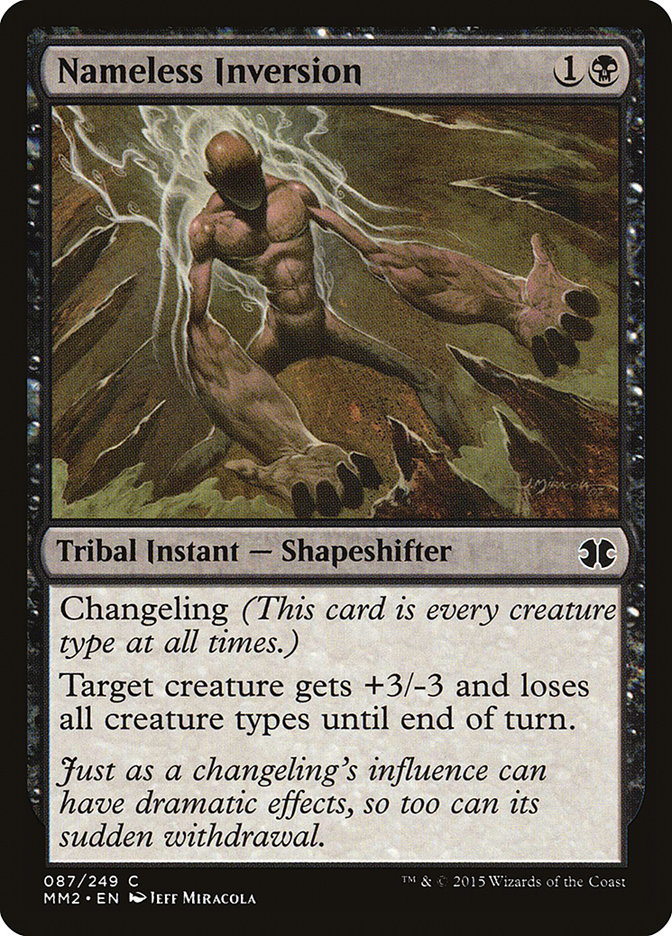
Nameless Inversion is a tricksy spell that’s somewhat flexible, despite simple text. You can buff something, shrink or kill something… or mess with its creature types so that your opponent catches their own creature in their one-sided sweeper. Maybe you target The Ur-Dragon after your opponent has cast Crux of Fate, for example. Or you hit Lathril, Blade of the Elves after your opponent has cast their Kindred Dominance.
This has also made me realize the sneaky advantage of cards like Haytham Kenway that have protection from a certain creature type: Kindred spells with changeling can’t target them.
#29. Cloak and Dagger
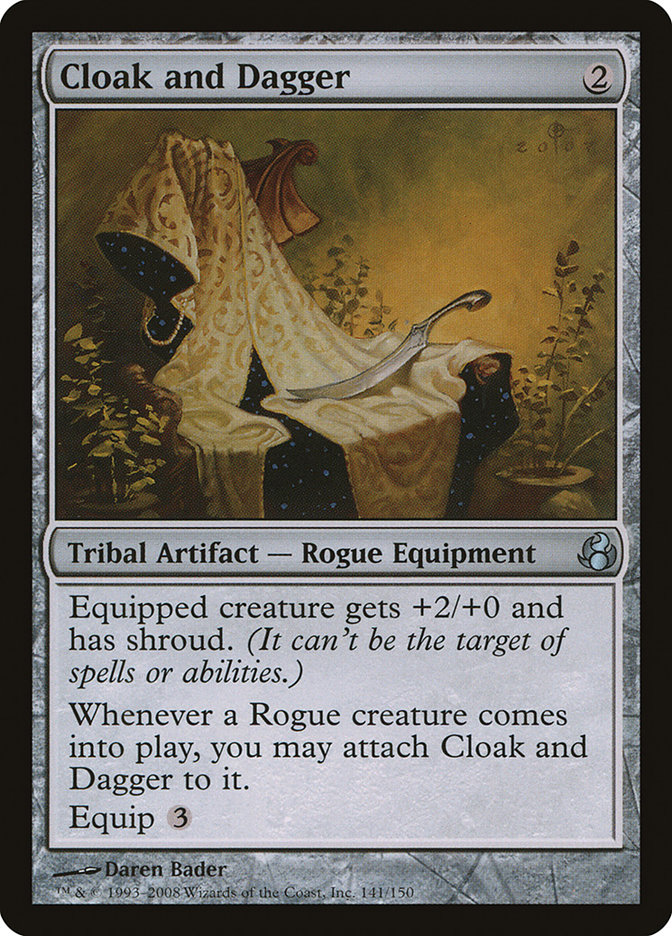
Kindred cards sometimes serve as budget protective equipment for a commander that happens to be the right type, and Cloak and Dagger is that for rogues. Shroud and a +2/+0 buff can really help your commander to go undisturbed while they get up to something sneaky.
#28. Altar of the Goyf
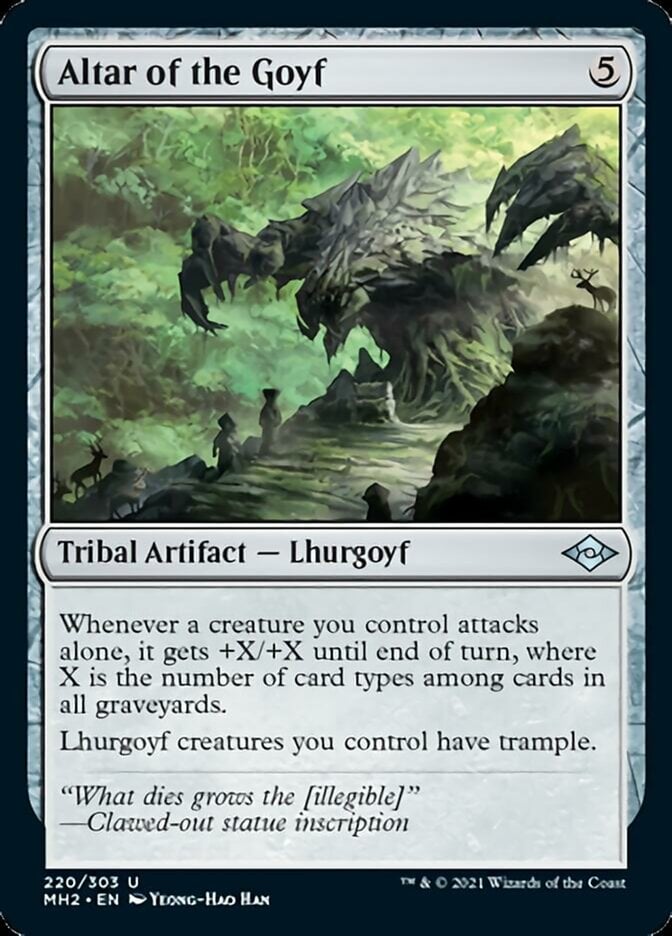
Altar of the Goyf is a weird one. It’s a lhurgoyf trample enabler, but it also wants you to treat them like samurai and have them attack alone. That’s more of a samurai thing, isn’t it?
#27. Demonic Covenant

High investment, manageable risk, high reward. That’s Demonic Covenant in a nutshell. You can play it in decks that want to fill their graveyard, especially if you have a lot of variety of card types among them. You can also play it with some demons, but not all demon typal decks want to add another 6-drop, especially if it might sacrifice itself after just one demon token.
#26. Boggart Shenanigans + Boggart Mischief
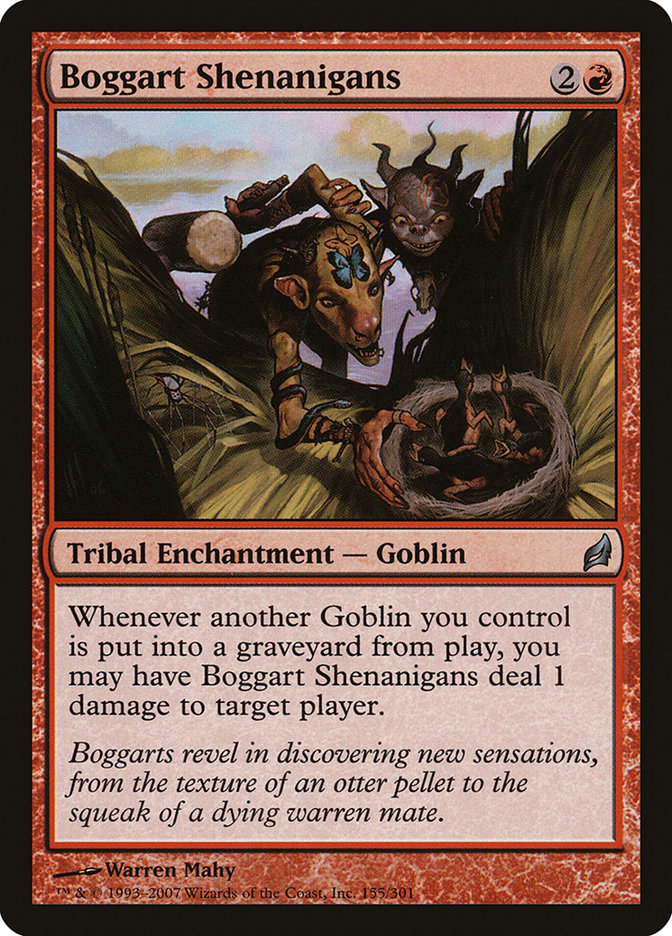
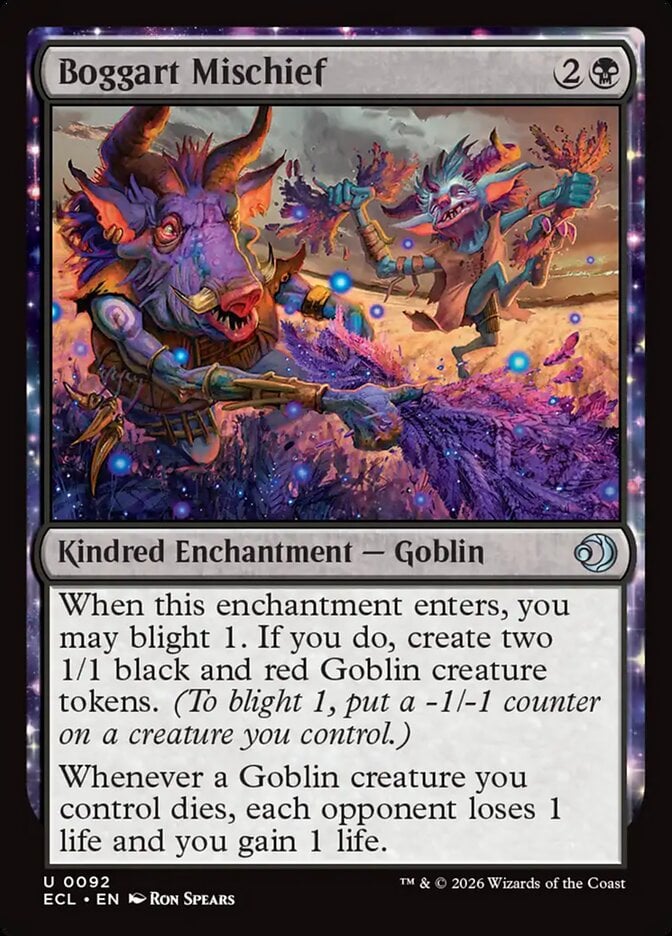
Both Boggart Shenanigans and Boggart Mischief are enchantments that can ping your opponents when your goblins die. And we all know a goblin player or two who’s prone to make a sacrifice. The primary difference is that the black enchantment also gives you lifegain and can give you tokens if you blight 1 when it enters. Which of course you’re going to do.
#25. Grub’s Command
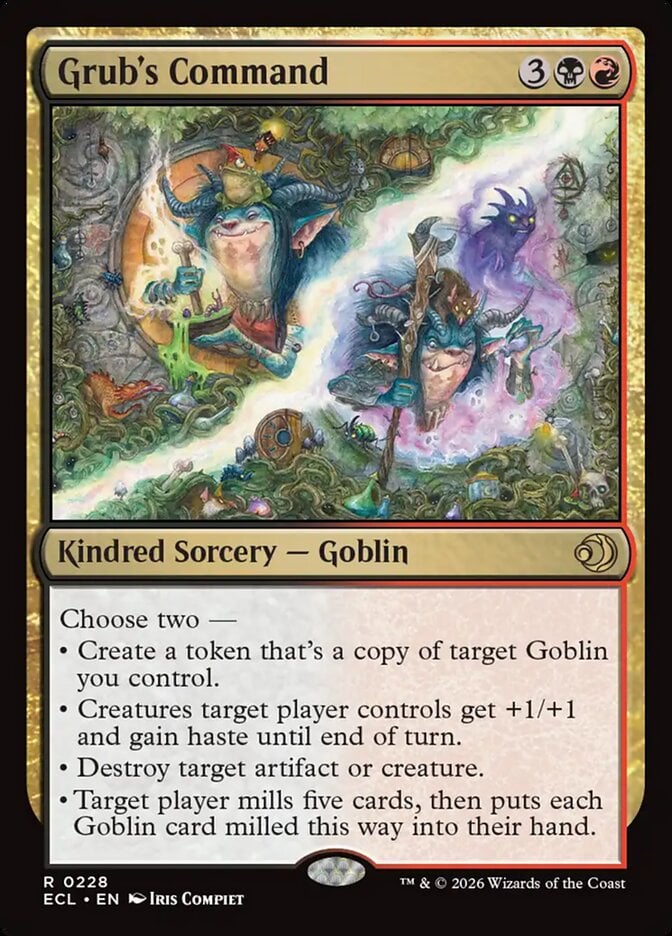
Grub's Command does a bunch of things that you’d want, although only at sorcery speed. Rakdos () goblin decks should at least consider it, though. There’s lots of good nonlegendary goblins to copy, and with the choice between removal, a temporary mass haste enabler, or an ability that hopefully adds some goblins to your hand, there’s lots of potential combinations.
#24. Aquitect’s Will
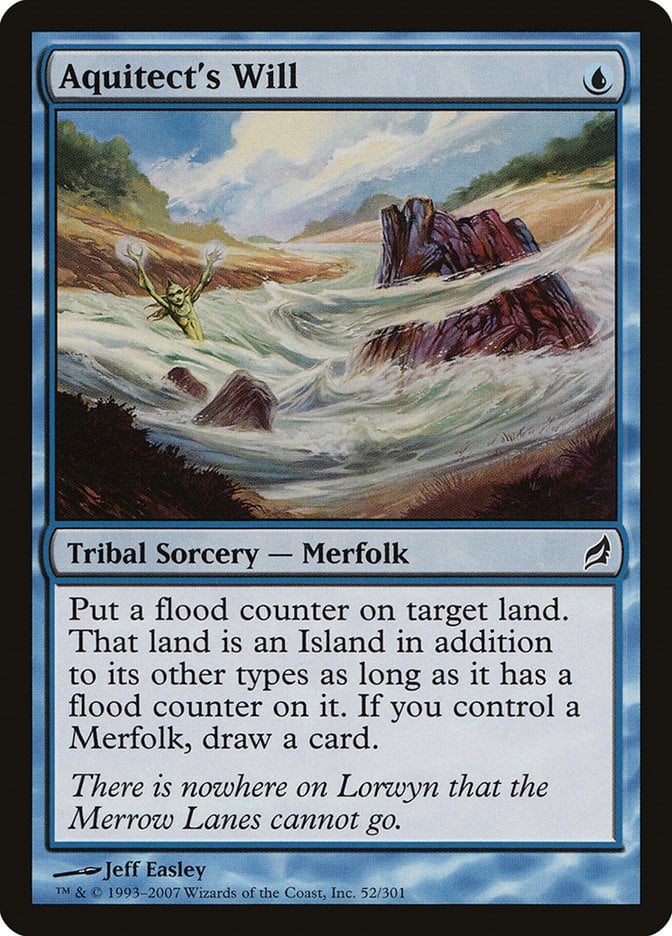
Aquitect's Will has dual uses, whether you target one of your own lands to give yourself more access to blue, or whether you set up an opponent so that they can’t block your islandwalkers. Eluge, the Shoreless Sea and Xolatoyac, the Smiling Flood are some commanders that actively use flood counters, though you aren’t always as likely to have a merfolk to get that card draw.
#23. Firdoch Core
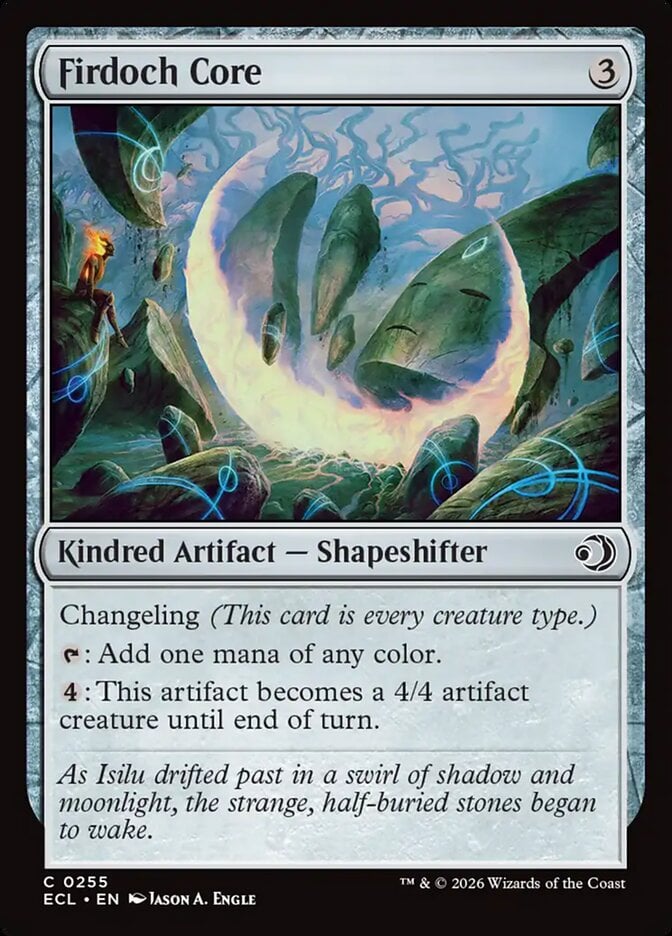
It’s not as impressive as Bender's Waterskin, but Firdoch Core at least offers an interesting spin on the 3-mana mana rock. It provides color fixing in typal decks, and it counts as the creature you care about, even when it isn’t animated. Definitely a budget card, but one that has its uses.
#22. Prowess of the Fair
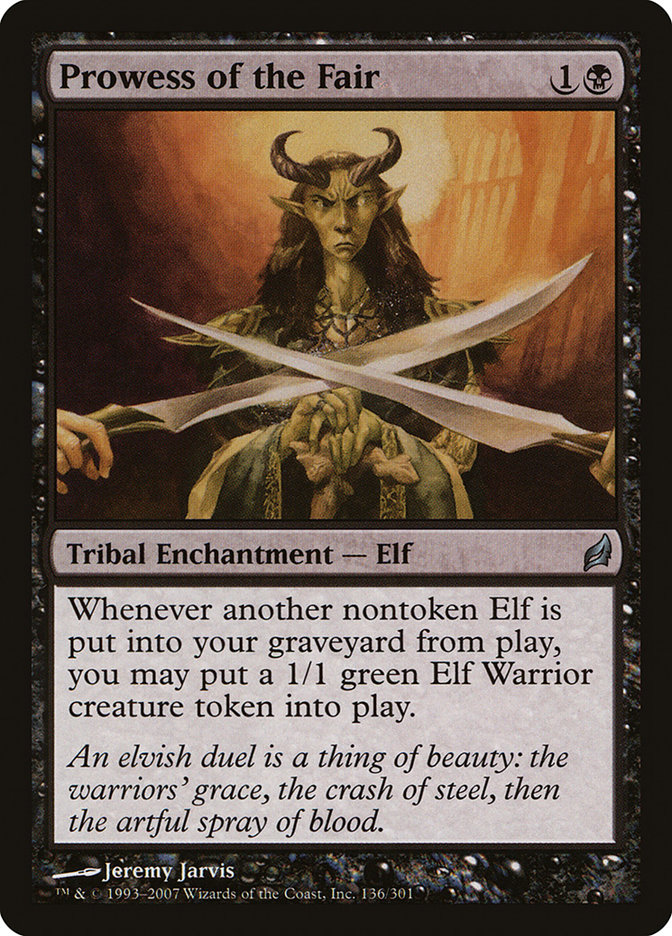
Elf decks can use Prowess of the Fair as a form of insurance against removal, plus it adds an elf permanent to the board for payoffs like Priest of Titania.
#21. Merrow Commerce
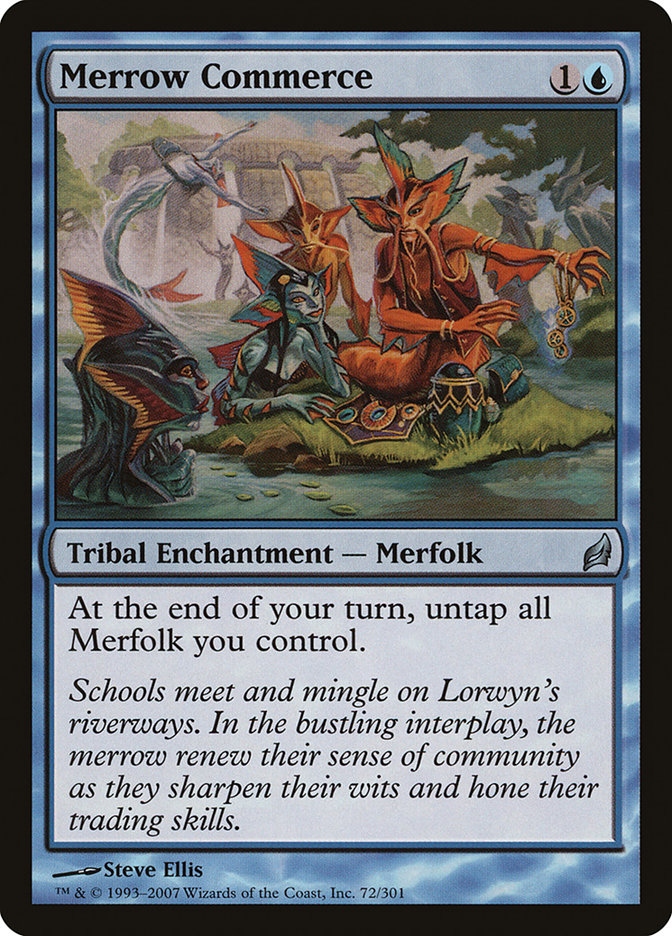
If you’re running a merfolk deck, then you probably want a mass untapper like Merrow Commerce. I had a vehicle deck phase a while back, but I wonder if there’s a deck that combines merfolk and vehicles so that you can animate your vehicles both on offense and on defense.
#20. Formless Genesis

Formless Genesis is a graveyard deck card that puts out a big, deathtouchy shapeshifter. That typing helps this kindred card fit into typal graveyard decks, like the self-milling elves in Lorwyn Eclipsed, lhurgoyf decks, and more.
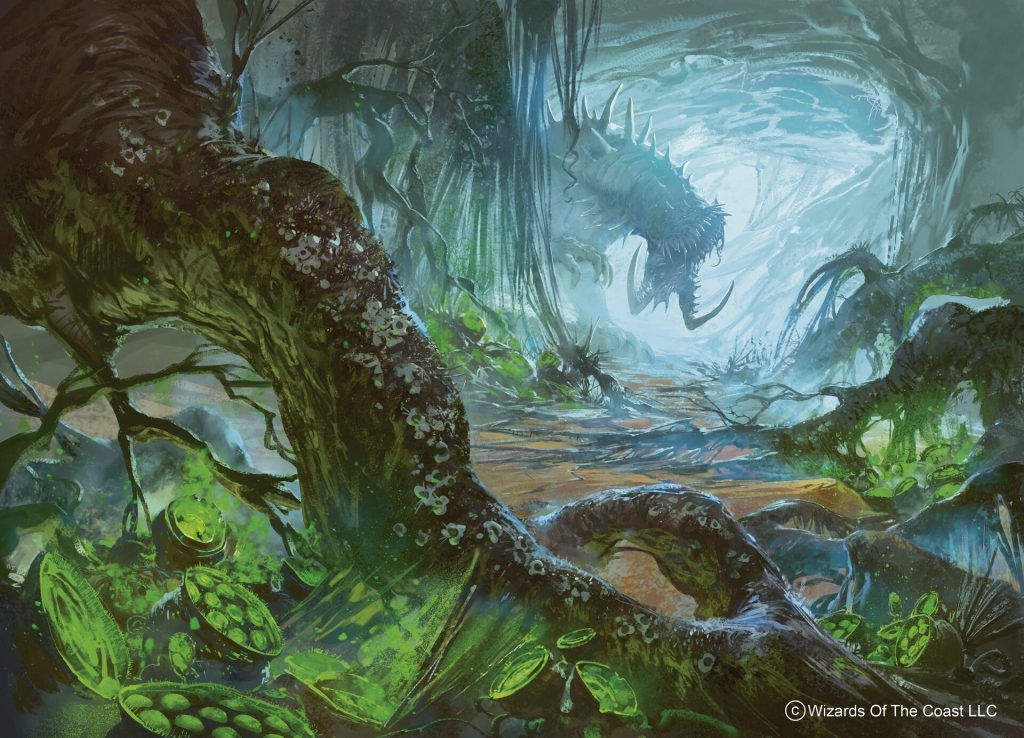
#19. Tarmogoyf Nest

It’s Squirrel Nest, but for Tarmogoyf tokens. And since those are often pretty beefy, Tarmogoyf Nest also needs a mana investment to pump out tokens. Once again, it’s another card that benefits delirium and similar decks, both because it has two card types and because it also cares about card types.
#18. Sygg’s Command
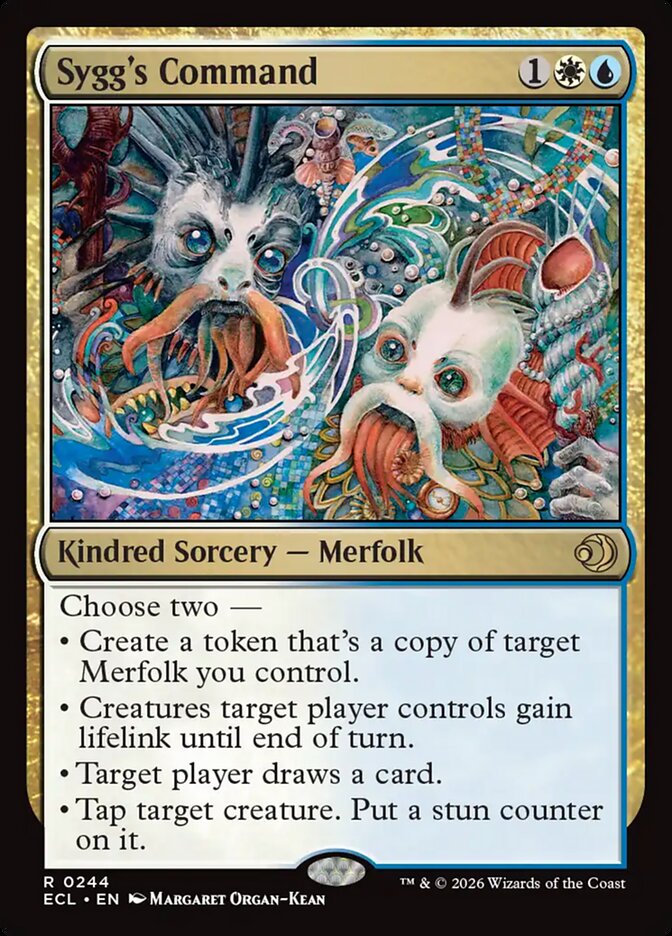
Sygg's Command offers the modality you want from a command, for cheap, but at sorcery speed. My only knock against it is that you can’t play it in a Hakbal of the Surging Soul deck.
#17. Brigid’s Command
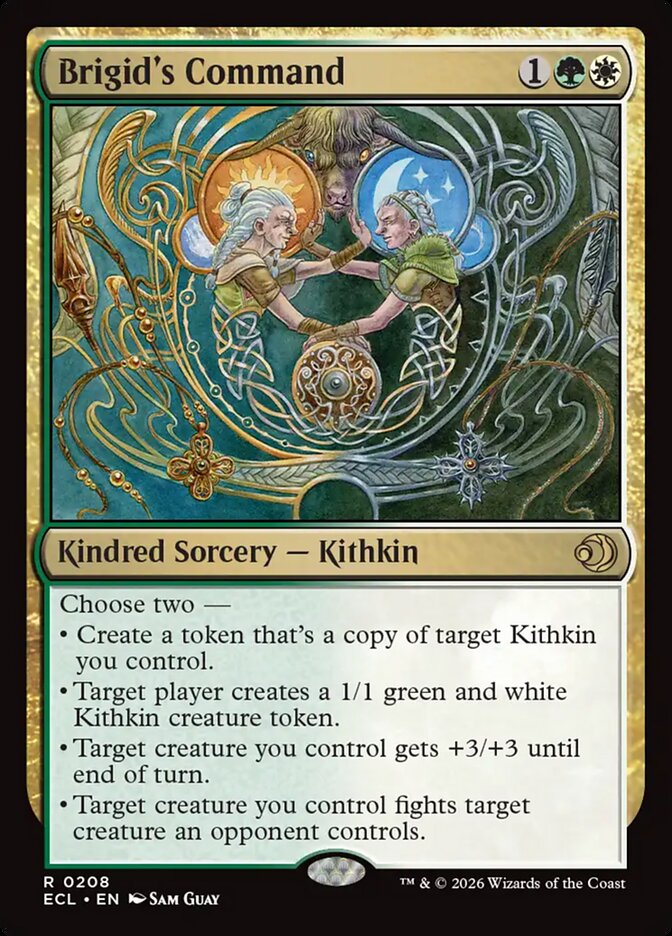
Aside from the obvious kithkin synergies, Brigid's Command loves decks that go wide or tall, but especially a little bit of both. Token generation is easy to double or more, while the +3/+3 stat buff and fight ability can help you use your favorite Scion of the Wild variant to take out an opposing creature.
#16. Idol of False Gods

Idol of the False Gods is a solid little uncommon. Its abilities fuel itself just enough that it’s a good place to put extra mana, even if you don’t run it in a typal deck. And over time, it can animate itself into a creature with annihilator, so your opponents are encouraged to burn removal on it somehow.
#15. Trystan’s Command
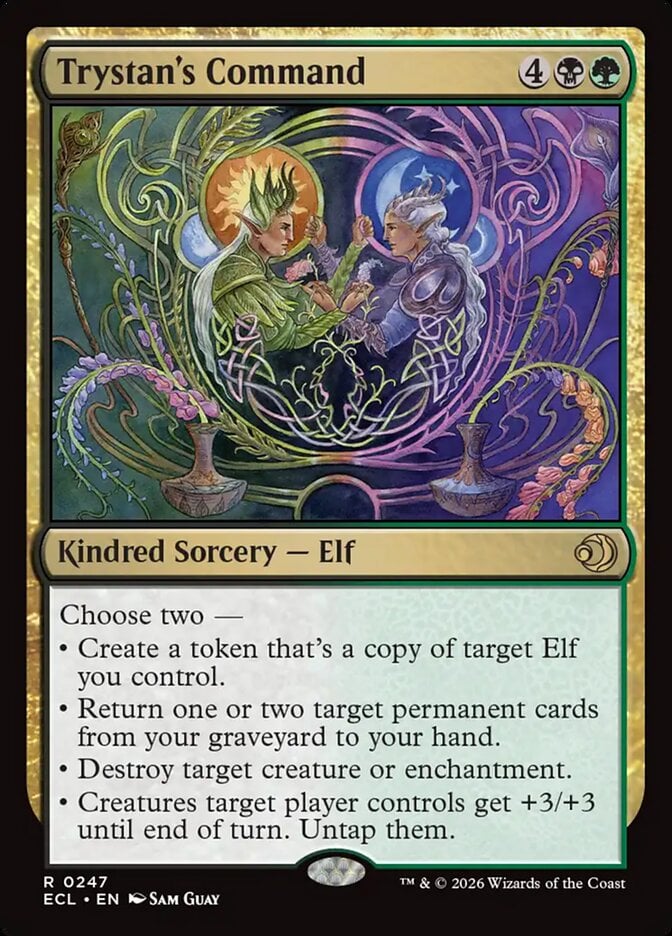
Trystan's Command is perfect in an elf deck, though it’s a lil expensive at 6 mana to become quite an instant staple. Elves don’t tend to have problems with mana generation, and the different modes just add that much more flexibility.
#14. Skittering Invasion
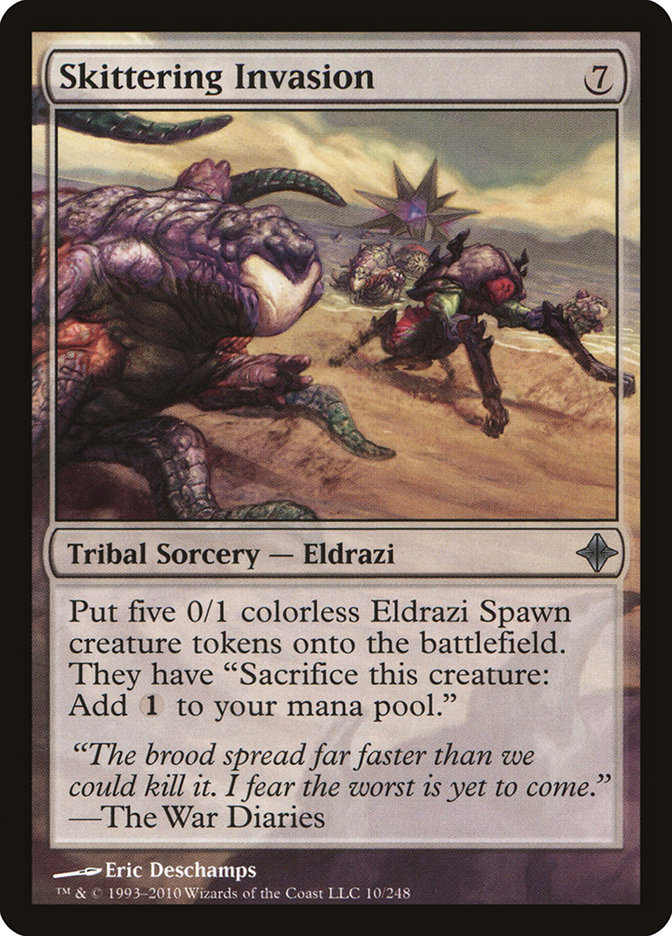
You’d think that five Eldrazi Scion tokens are most helpful in Eldrazi decks. And you wouldn’t be wrong. What I like is to bring this out with Graaz, Unstoppable Juggernaut to turn those 0/1 wimps into 5/3 hogs (kinda like the pig in that Road to the Multiverse episode of Family Guy).
#13. Notorious Throng
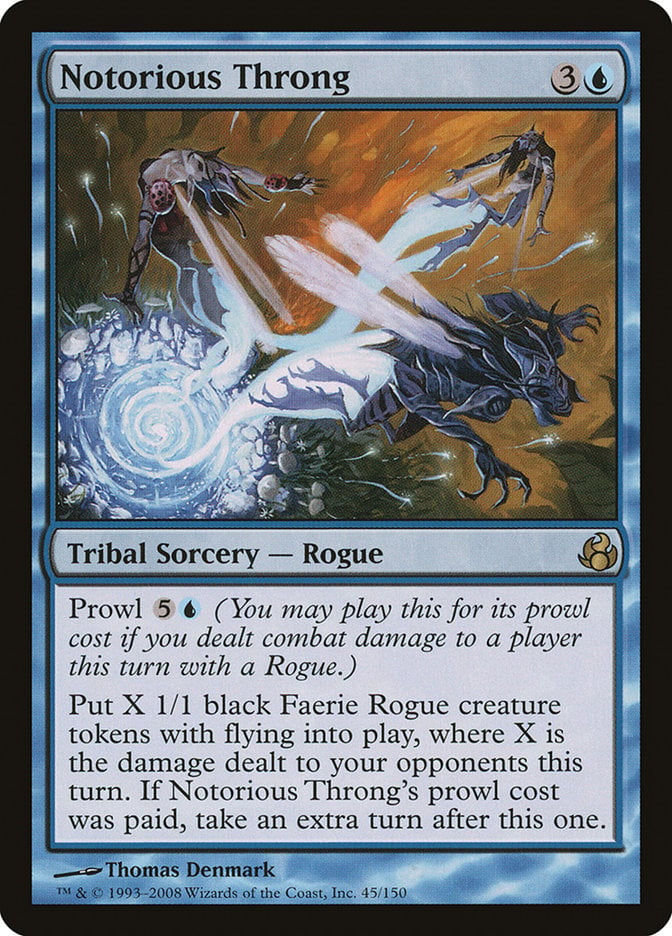
The fact that it’s linked to the prowl cost makes Notorious Throng one of the more “fair” extra turn spells in Magic. The mass Faerie Rogue generation helps a lot too, so it’s a staple of faerie decks and rogue decks that know their commander (or another rogue) will get some damage in.
#12. Elvish Promenade
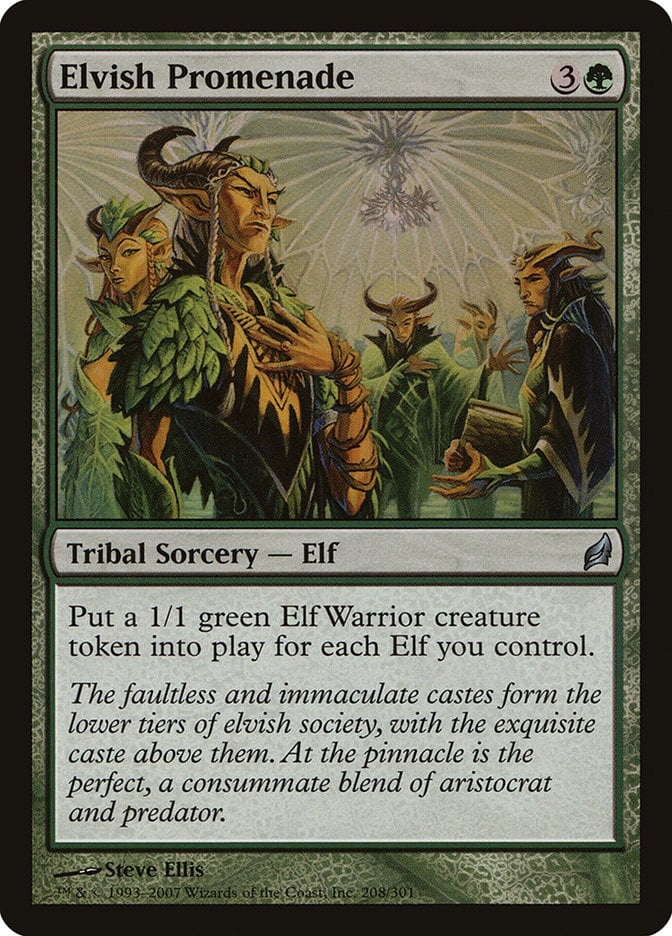
Elvish Promenade is a prime example of how elf decks can turn a massive board state into a monumental board state. Sorcery speed means that you can’t use it defensively in the same way you might use an Arachnogenesis, but it does the job just as well.
#11. Crib Swap
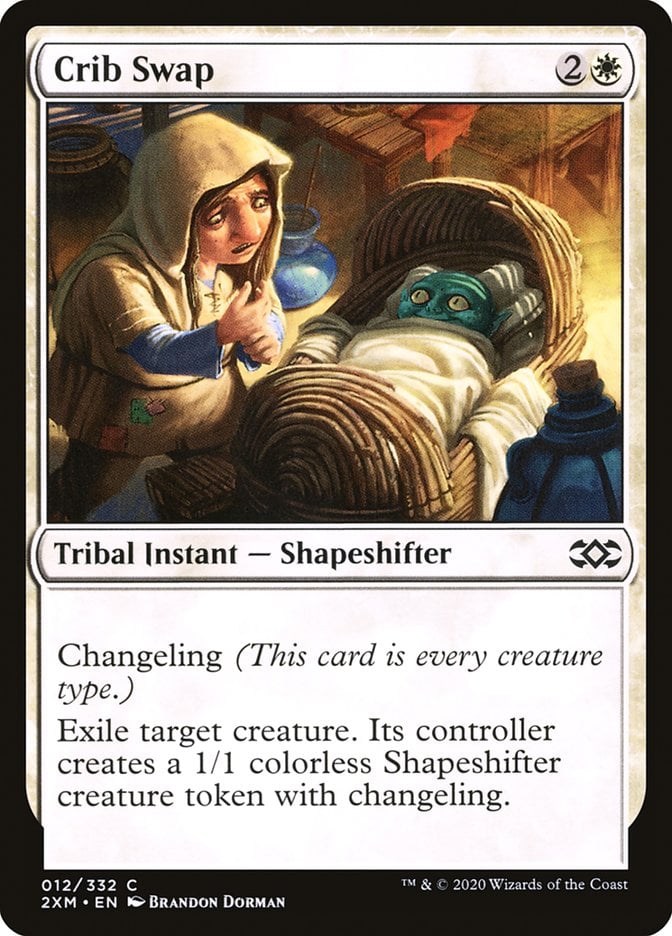
Crib Swap is a budget removal spell for commanders that have triggers when you cast spells of a certain creature type, and the best example of how kindred spells with changeling are worth a look.
#10. Thornbite Staff
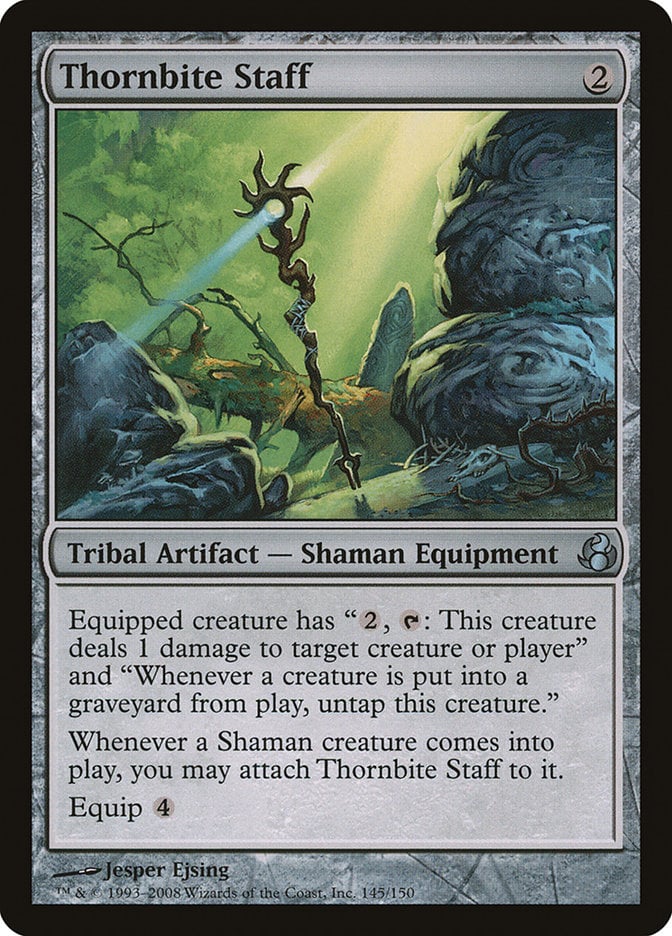
Thornbite Staff enables lots of combos with Krenko, Mob Boss and sacrifice outlets, plus it pairs well with deathtouch enablers and free pingers. You don’t even need to care about shamans to run this one.
#9. Ashling’s Command

Now here’s a modal spell in a perfect spellslinging color, with three abilities that are useful to any Izzet+ decks. Plus you can copy an elemental, so it’s perfect in elemental decks. Neat!
I could see myself playing Ashling's Command to fire a barrage of damage at an opponent’s board before or after combat in a pirate deck, then either draw cards or create Treasure, whichever makes most sense in the moment.
#8. Not of This World
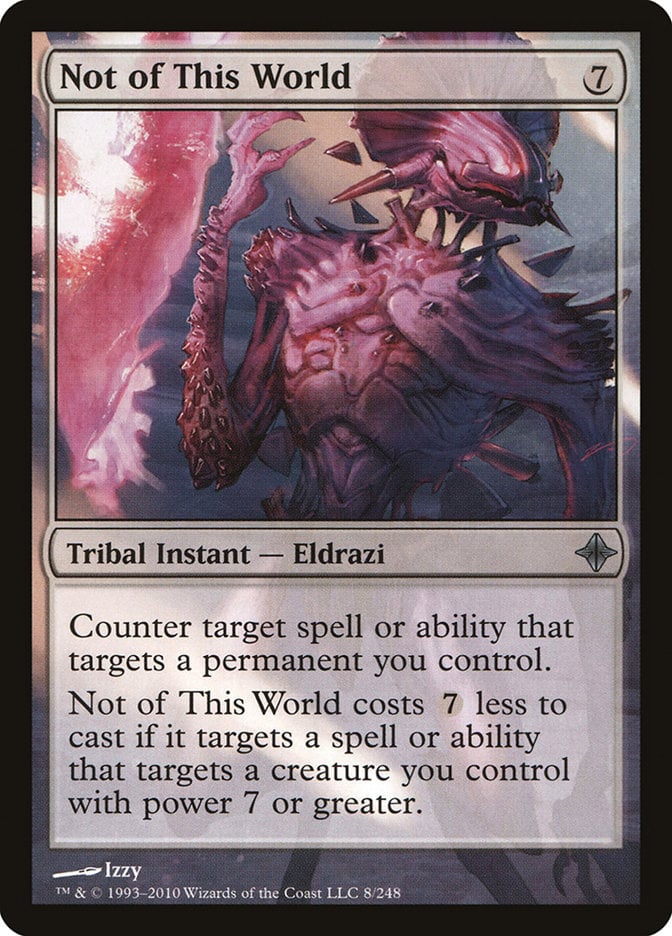
Not of This World is a colorless counterspell, and potentially a free one, in the right circumstances. Eldrazi decks use it to protect their heavy hitters, and even a commander like Yargle and Multani can use it.
#7. Kozilek’s Command

Kozilek's Command is among the best command spells. It gives you pretty much anything you need when you have the mana to pay for it, all at instant speed.
#6. Eldritch Immunity

Modern Horizons 3 and its Commander decks were very kind to colorless and Eldrazi decks. Eldritch Immunity has become a staple protection spell that can save you from a board wipe or set up an alpha strike.
#5. Lignify
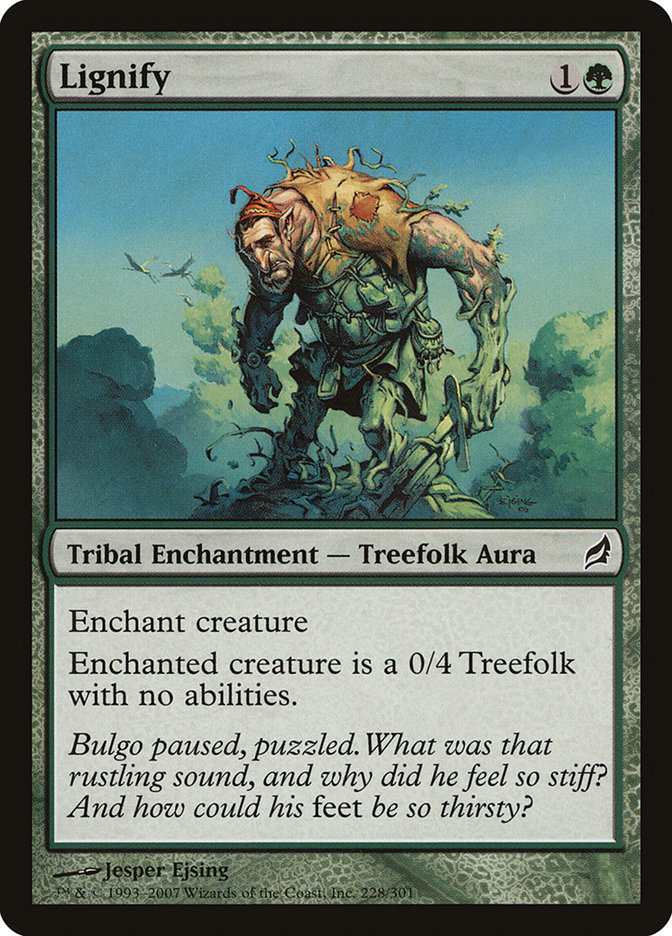
Lignify is a fun, often flavorful way to take care of an opposing creature, at least temporarily. If you’ve ever had an Oko, Thief of Crowns turn your commander into an elk in a deck that doesn’t have any way to sacrifice its creatures, you know how effective cards that strip abilities can be. It’s a cheap enchantment for enchantress decks, and it has two card types for delirium and other decks that care about that.
#4. Eldrazi Conscription
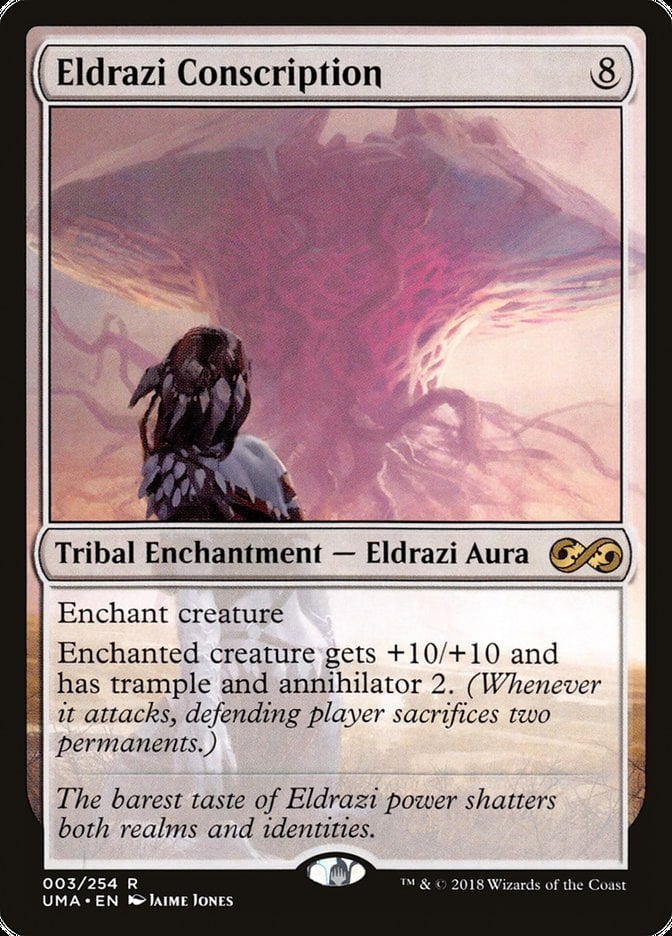
I like that aura players sometimes bring in Eldrazi Conscription, especially those that look to attack with one stacked creature or that want to copy the enchantment’s effect across a whole board, like Three Dog, Galaxy DJ.
#3. Echoes of Eternity

Colorless kindred cards tend to have good abilities for colorless decks as a whole, but the best has to be this souped up Panharmonicon. Echoes of Eternity can copy your mana rocks and nonlegendary creature spells, plus you turn removal spells like Null Elemental Blast into 2-for-1 bargains. Even a ramp spell finds two Wastes instead of just one.
#2. All Is Dust
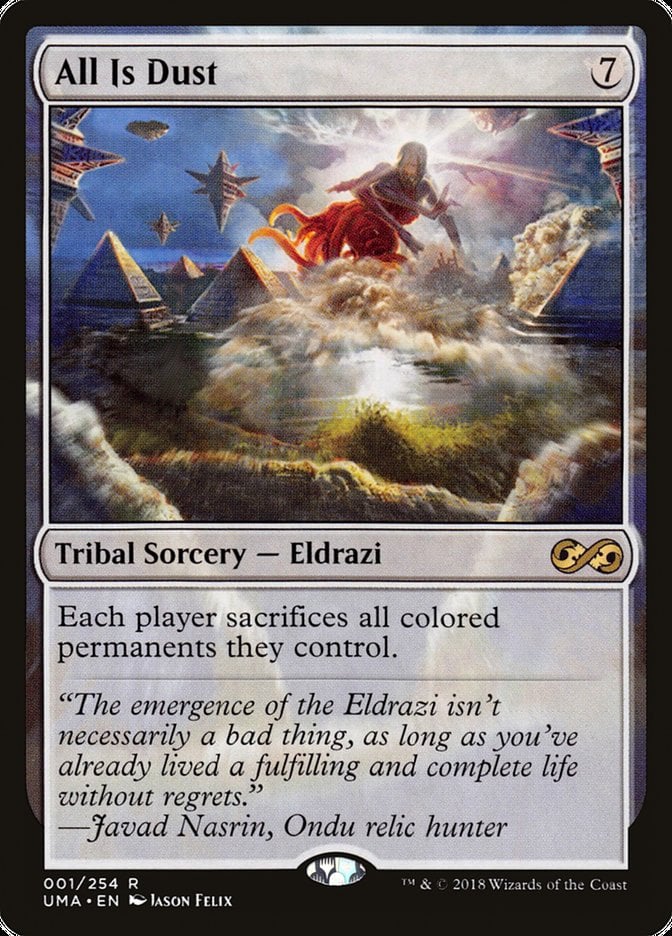
All Is Dust is one of the best sweepers colorless decks can play in EDH. The Eldrazi creature type helps it to trigger Ulalek, Fused Atrocity, and its mana value can be pertinent for other commanders, too.
#1. Bitterblossom
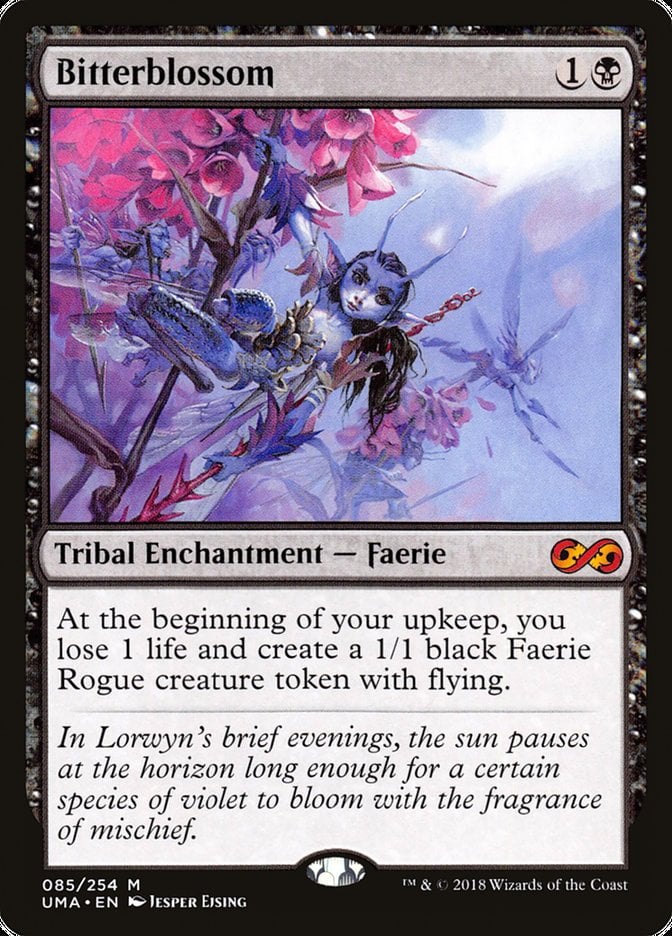
It should be no surprise that Bitterblossom is the absolute best kindred card, even when you don’t play it in faerie decks. It provides small fliers as chump blockers and sacrifice fodder, plus it triggers abilities like Marneus Calgar. It synergizes with nearly every Alela, Artful Provocateur deck you can possibly build, too.
Best Kindred Payoffs
Aside from cards that care about the specific creature type on each individual kindred card, kindred payoffs primarily come in the form of delirium and other abilities that care about numbers of card types. Kindred is a card type, not a supertype, so you can use it to enable delirium abilities.

Kindred cards also benefit abilities that care about the number of card types on individual cards, like how Rendmaw, Creaking Nest triggers when you play cards with multiple types. Rendmaw triggers from artifact creatures, enchantment lands, etc., but it also triggers from a kindred enchantment like Bitterblossom or a kindred artifact like Altar of the Goyf.
Is Kindred a Card Type?
Yes! Kindred is a card type, and it counts as a card type for mechanics like delirium.
Wrap Up

Firdoch Core | Illustration by Jason A. Engle
And that’s our tour of the best kindred cards in Magic! After looking at these cards so much, I think I understand why it’s problematic to design cards for it. When you start to argue to add kindred and a creature type to more and more spells, the more it feels like you need it on anything related to a creature type. Can you just imagine the silly things we’d get up to if we had kindred spells for pirates, vampires, or angels?
Which kindred spells do you run in your delirium decks? Which ones do you run elsewhere? Let me know in the comments below or over on the Draftsim Discord.
Thanks for reading, and stay safe!
Follow Draftsim for awesome articles and set updates:










Add Comment