

God-Pharaoh's Statue | Illustration by Igor Kieryluk
When it comes to Magic: The Gathering, few effects are as sneaky and frustrating as cost increasers. These cards don’t outright stop opponents from playing the game, but they make everything just a little more expensive—which often snowballs into a huge advantage. Today, we’ll explore some of the best cost increasers across formats and discuss how to make them shine.
Intrigued? Let’s dive into the list!
What Are Cost Increasers in MTG?

Thorn of Amethyst | Illustration by Chuck Lukacs
In Magic: The Gathering, cost increasers are cards that increase the mana cost of spells or abilities. Rather than directly countering a spell, these tax effects force opponents to spend extra mana, slowing down their curve and disrupting their strategy.
Honorable Mentions
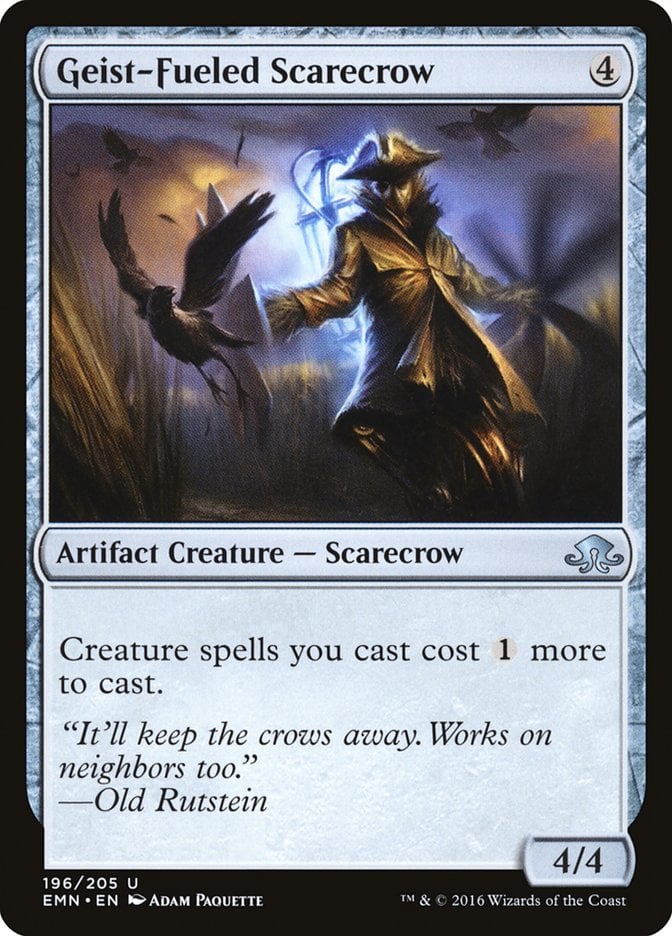
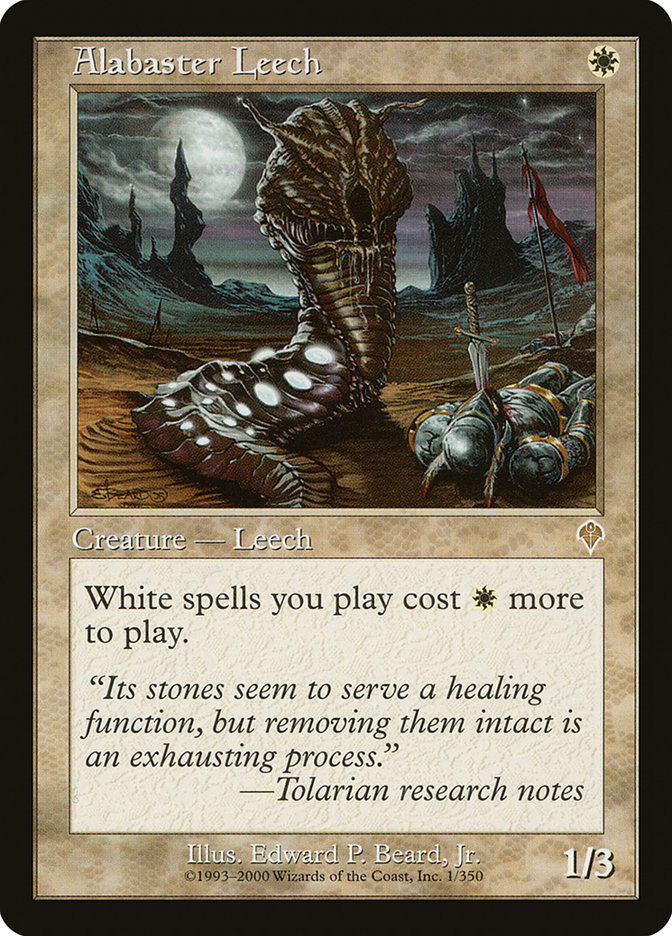
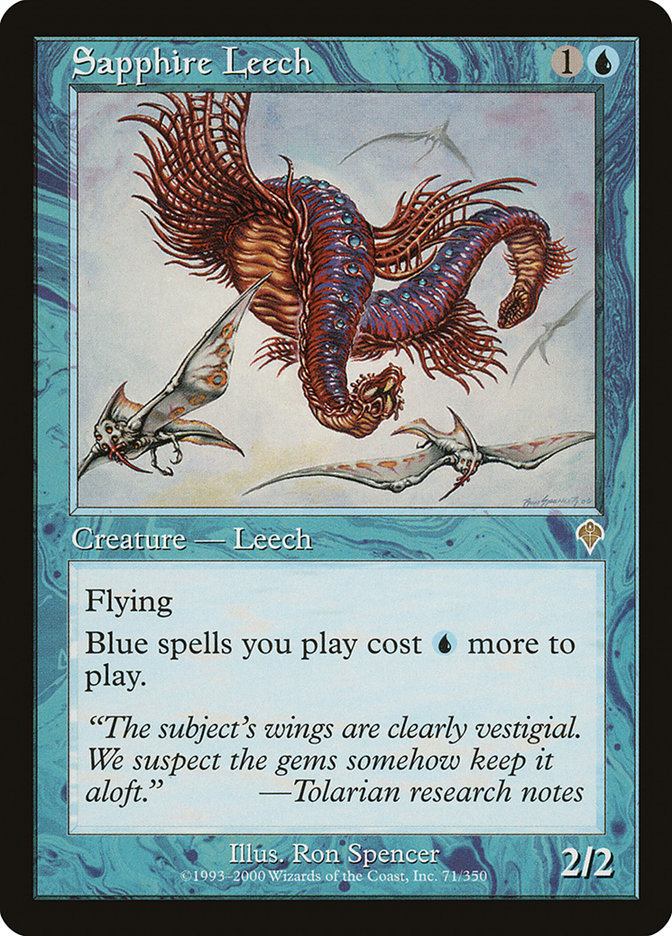
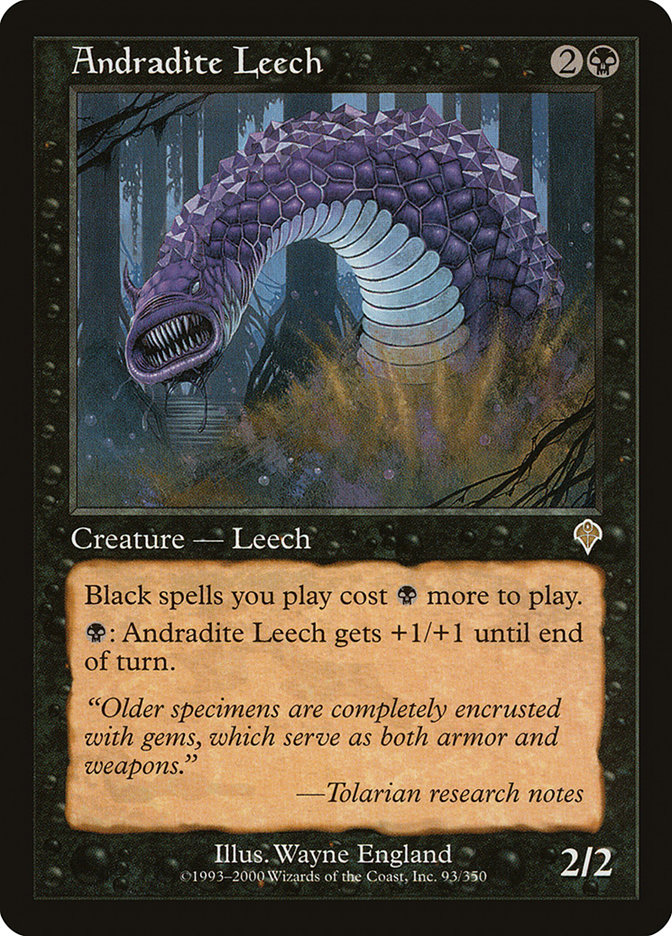
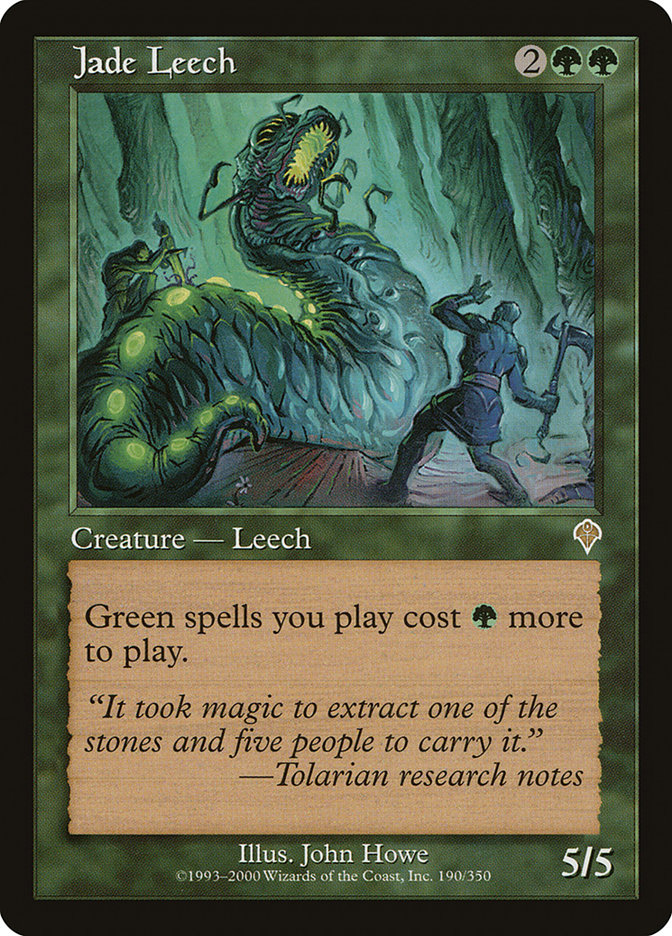
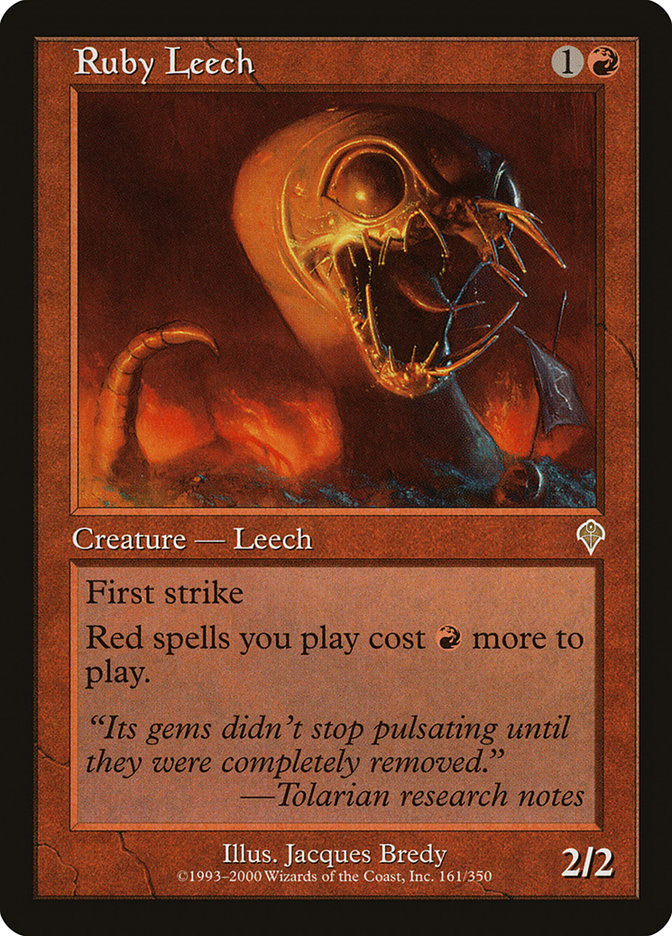
Not all cost increasers hurt your opponents—some tax you instead. Geist-Fueled Scarecrow is a solid 4/4 artifact creature for 4 mana, but it makes your creature spells cost more. Similarly, the leeches from Invasion—Alabaster Leech, Sapphire Leech, Andradite Leech, Jade Leech, and Ruby Leech—offer efficient stats while taxing your spells that share their color. The fun twist with both is turning the drawback into upside: cards like Harmless Offering, Donate, or Zedruu the Greathearted hand these over to opponents, leaving them with the tax.
#35. Esior, Wardwing Familiar
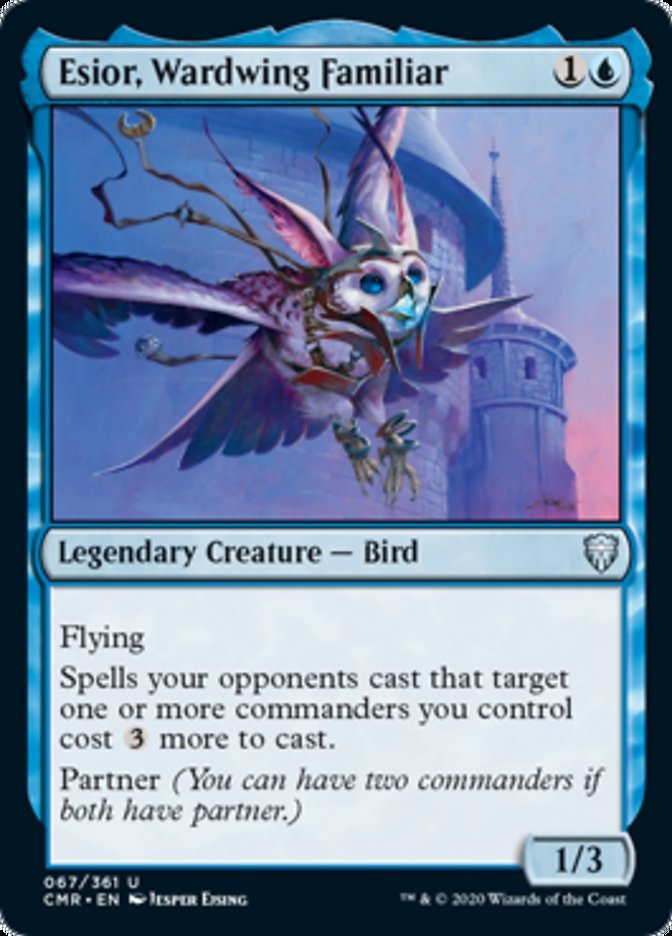
Esior, Wardwing Familiar is a cheap flying partner commander that taxes any spell targeting your commanders by 3 mana. That’s a huge buffer against removal in Commander, making it especially strong when paired with another partner like Thrasios, Triton Hero or Kydele, Chosen of Kruphix. Even outside of partner decks, Esior shines in strategies built around a single fragile commander, ensuring it sticks around long enough to get value.
#34. Academy Loremaster
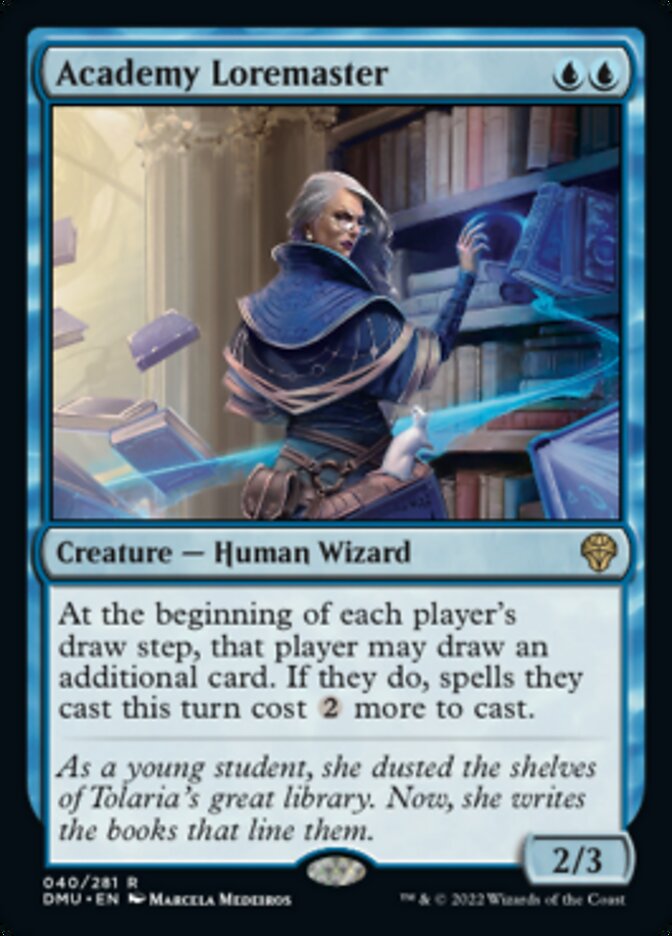
Drawing extra cards sounds great, but Academy Loremaster adds a clever catch: Those extra draws come with a tax on all your spells. This often hurts your opponents more than you, especially if you build your deck to take advantage of cheap interaction like Counterspell or draw spells like Brainstorm. It plays well in slower control decks, where you can afford the cost increase while your opponents stumble trying to cast multiple spells in a turn.
#33. Catalyst Stone
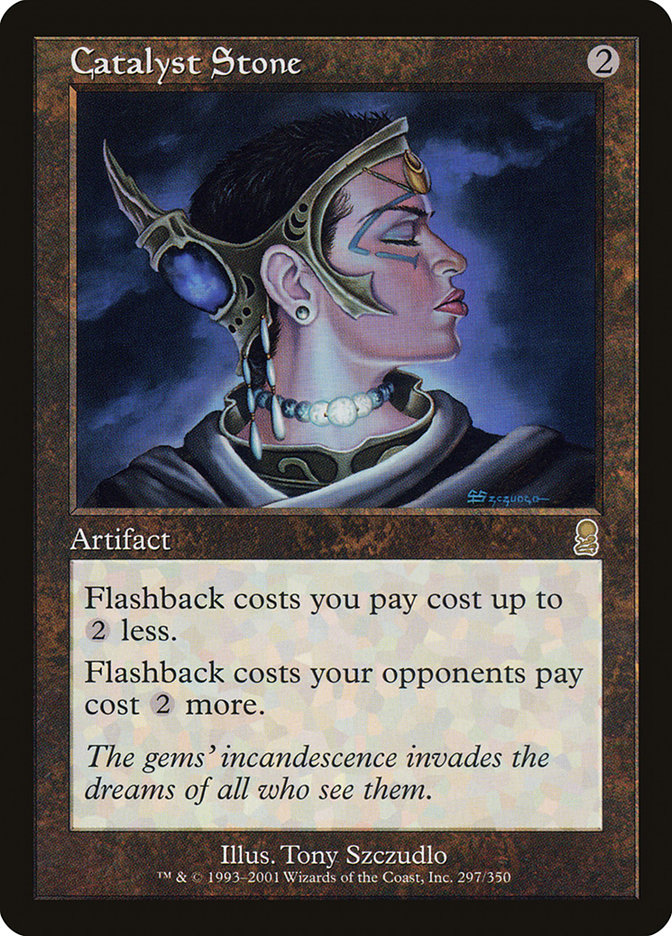
Flashback decks love Catalyst Stone. Not only does it reduce your own flashback costs, but it also taxes your opponents’ flashback spells, putting them at a disadvantage. That makes cards like Faithless Looting or Deep Analysis easier to recycle while being more taxing for others. It’s a solid piece for decks that want to grind value from the graveyard without giving the table the same benefit.
#32. Charitable Levy

Charitable Levy punishes players for casting non-creature spells, messes with storm decks, and causes players to think twice about playing control. Every time someone casts a non-creature spell, it ticks up toward rewarding you with a plains and card draw. It works well in decks that lean heavily on creatures, like White Weenie, since you don’t get slowed down nearly as much. The bonus land ramp makes it a rare white enchantment that smooths your mana.
#31. Chill
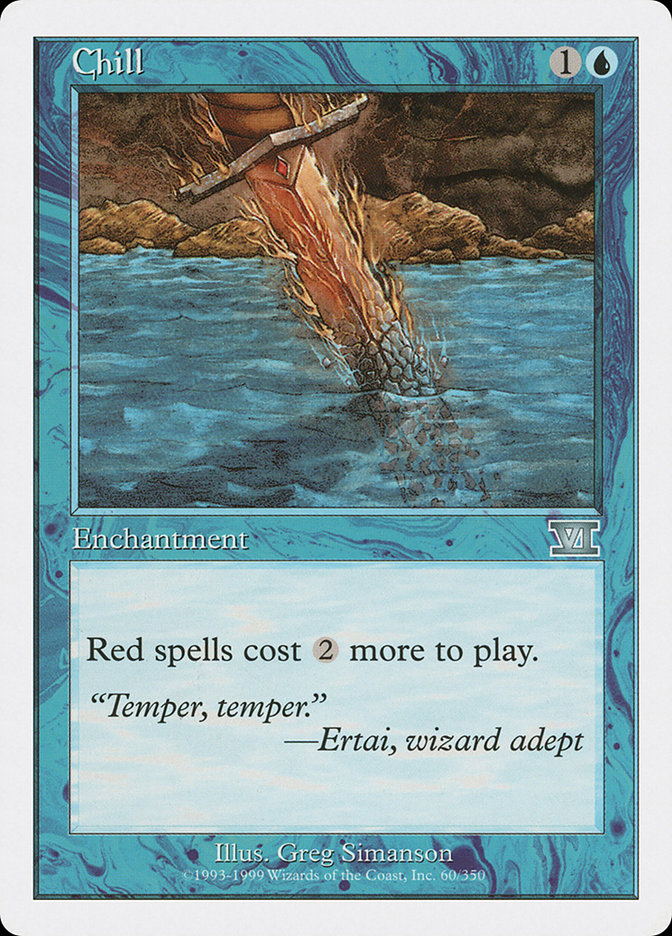
If your meta is full of red decks, Chill is a nightmare for them. Making all red spells cost extra completely stalls aggressive burn or mono-red strategies that rely on speed. Pair it with blue control staples like Counterspell and Propaganda to ensure red players barely get their game going while you sit comfortably behind a wall of protection.
#30. Exiled Doomsayer
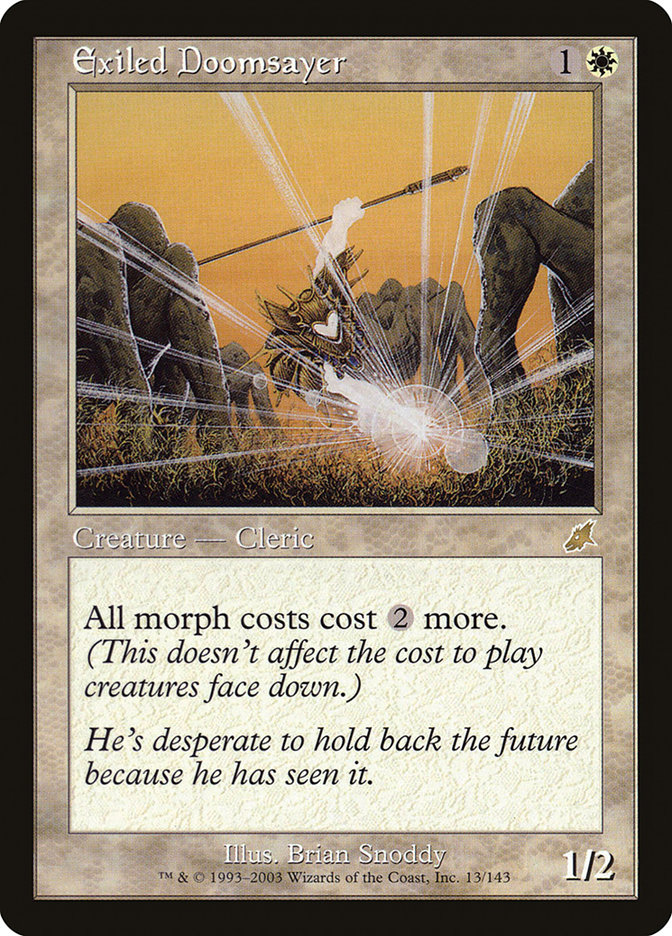
If morph strategies are popular in your playgroup, Exiled Doomsayer can be a quiet hero. By increasing morph costs by 2, it slows down the occasional Kadena, Slinking Sorcerer or Kaust, Eyes of the Glade deck. While quite niche, it shines in metas where morph is strong, especially since the tax doesn’t affect face-down creatures being cast—just the flipping part, which stalls their surprise plays.
#29. Kopala, Warden of Waves
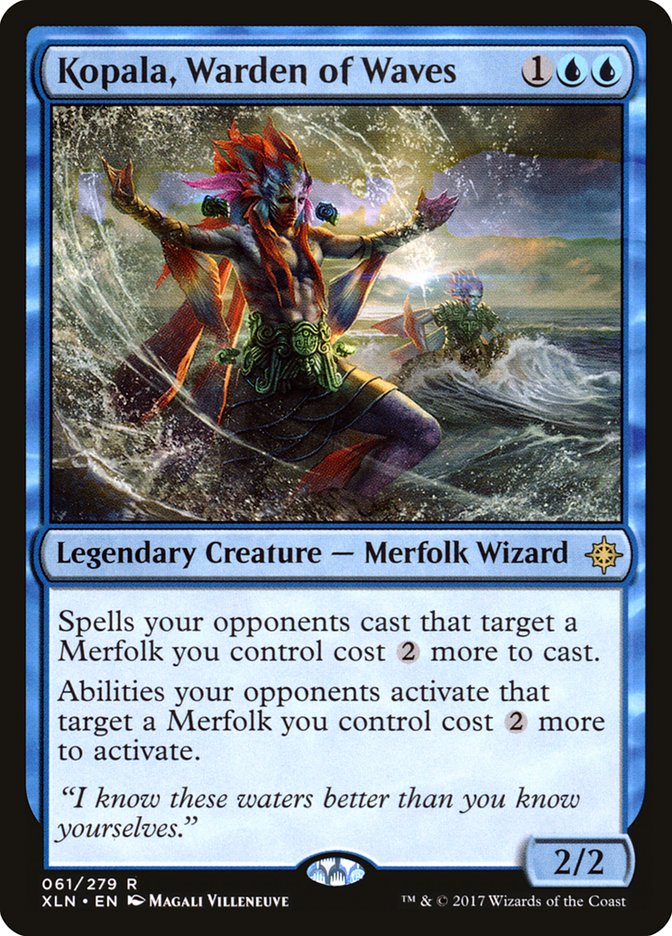
In a merfolk deck, Kopala, Warden of Waves is a nightmare for opponents. Every spell or ability targeting your merfolk costs more, which makes it costly to remove merfolk lords like Master of the Pearl Trident or Merrow Reejerey. Kopala turns your school into a headache, forcing opponents to either pay extra or find board wipes. Kopala is a must-have piece of protection in dedicated tribal builds.
#28. Kasmina, Enigmatic Mentor
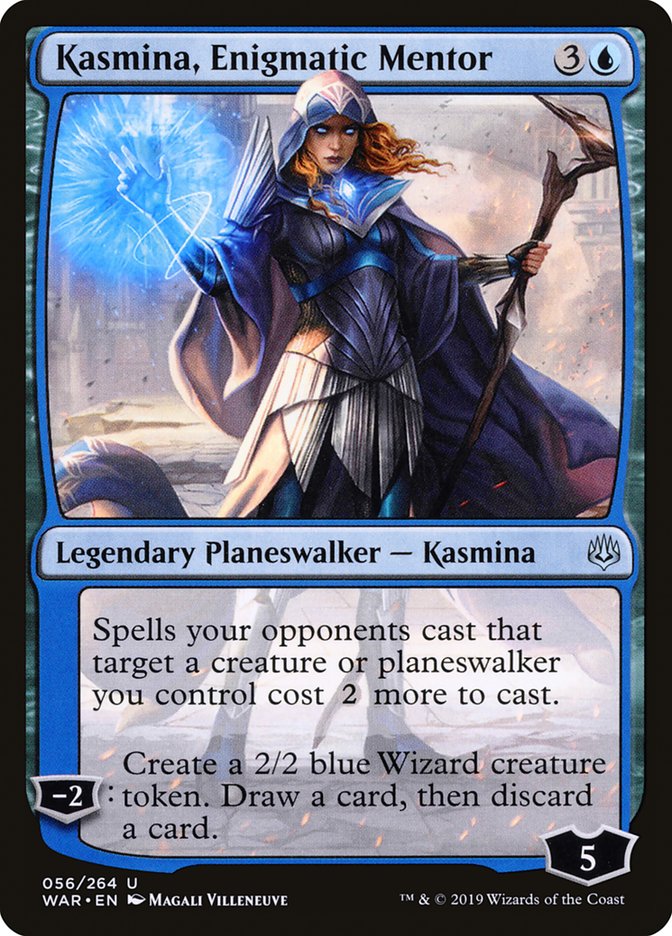
Kasmina, Enigmatic Mentor protects your board by forcing opponents to pay 2 extra whenever they want to target one of your creatures or planeswalkers. That tax effect buys time to build up your board while its loyalty ability churns out wizard tokens and loots to smooth your draws. Kasmina fits especially well in wizard tribal decks alongside Naban, Dean of Iteration or in control shells that want blockers while holding up countermagic.
#27. Sphere of Resistance
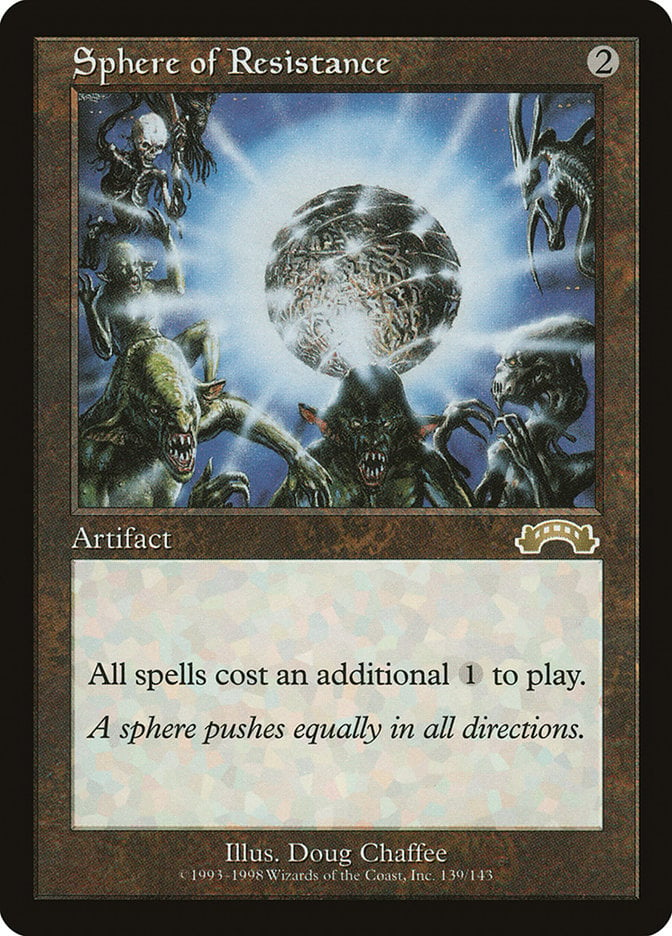
Sphere of Resistance makes every spell cost 1 more. That may sound small, but it really slows things down over the course of a game, especially for low-curve decks. Decks running it usually don’t mind the tax themselves because they operate with cheaper threats or mana rocks like Sol Ring. Combine it with other taxes such as Thorn of Amethyst for a brutal lock.
#26. Tax Collector

Tax Collector lets you choose between taxing opponents’ spells or detaining a problematic creature. The flexibility makes it shine—sometimes you need to slow down the table, and sometimes you need to keep a threat from attacking. It pairs well with flicker effects like Ephemerate to re-trigger the ability for value depending on the board state.
#25. Gloom
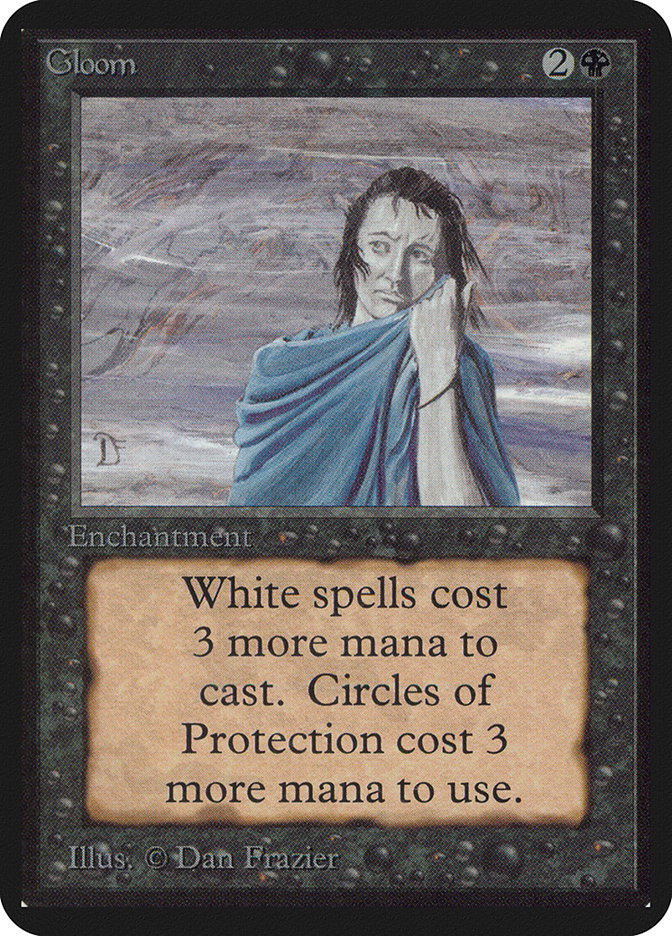
Gloom takes a very targeted approach by shutting down white spells. Making them cost 3 more is brutal for decks relying on white removal, enchantments, or small creatures. It even taxes activated abilities of white enchantments (check the Oracle text), which devastates cards like Meticulous Excavation. Gloom shines in black decks that want to hose white-heavy opponents, which feels like a very spiteful meta call.
#24. High Seas
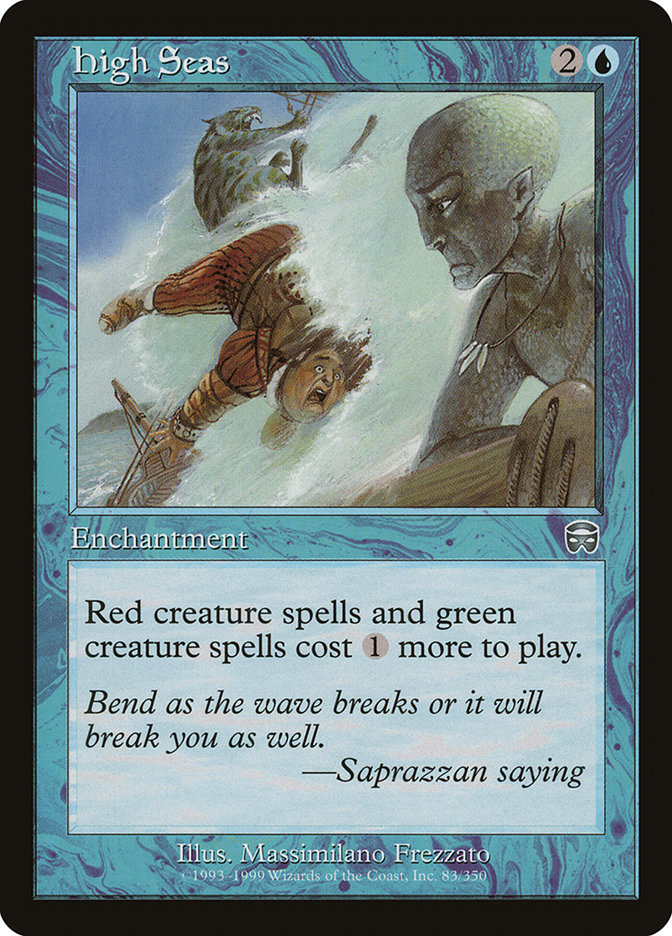
High Seas slows down red and green creature decks by adding an extra mana to their spells. Against aggressive Gruul () builds, this can be the difference between them curving out smoothly or stumbling hard. Control decks that don’t rely on red or green especially love it since you get to sit back with counterspells like Mana Leak while your opponents are stuck playing off-curve.
#23. Hum of the Radix

In artifact-heavy games, Hum of the Radix is a brutal equalizer. It makes each artifact spell cost more for every artifact its controller already has, which quickly stacks up against decks like Affinity. It’s a strong sideboard piece if you’re green and worried about opponents flooding the board with cheap artifacts. Combining this with artifact removal like Naturalize ensures that artifact-based strategies can barely function.
#22. Irini Sengir
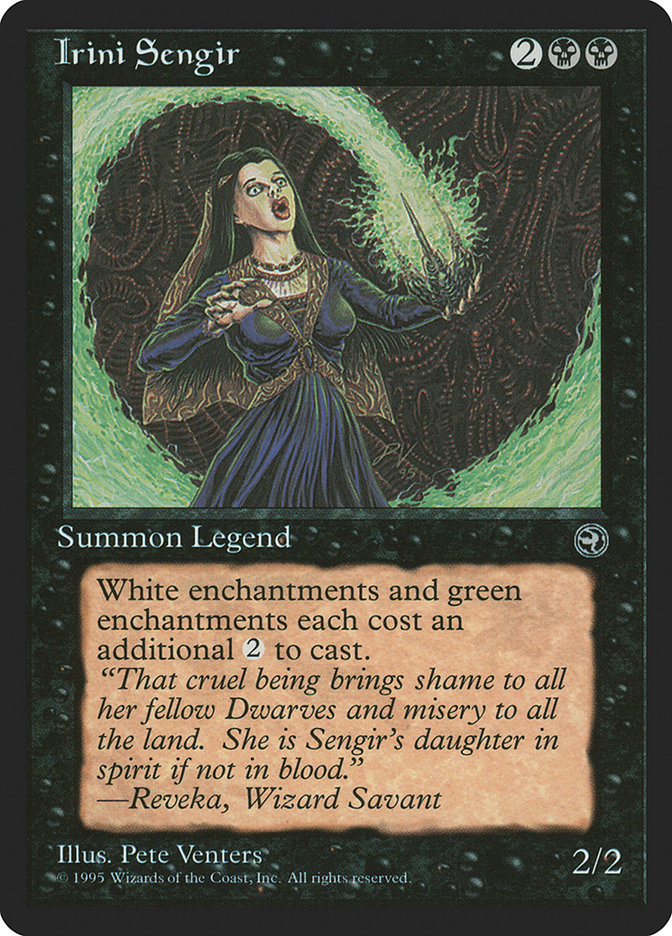
Irini Sengir is a flavorful, old-school tax card, making both green and white enchantments cost 2 more to cast. While niche, it can be very punishing against enchantress decks that rely on chaining enchantments like Ghostly Prison or Sylvan Library. In black decks, especially ones that don’t care about enchantments, Irini functions as a solid hate piece that shuts down an entire archetype.
#21. Squeeze
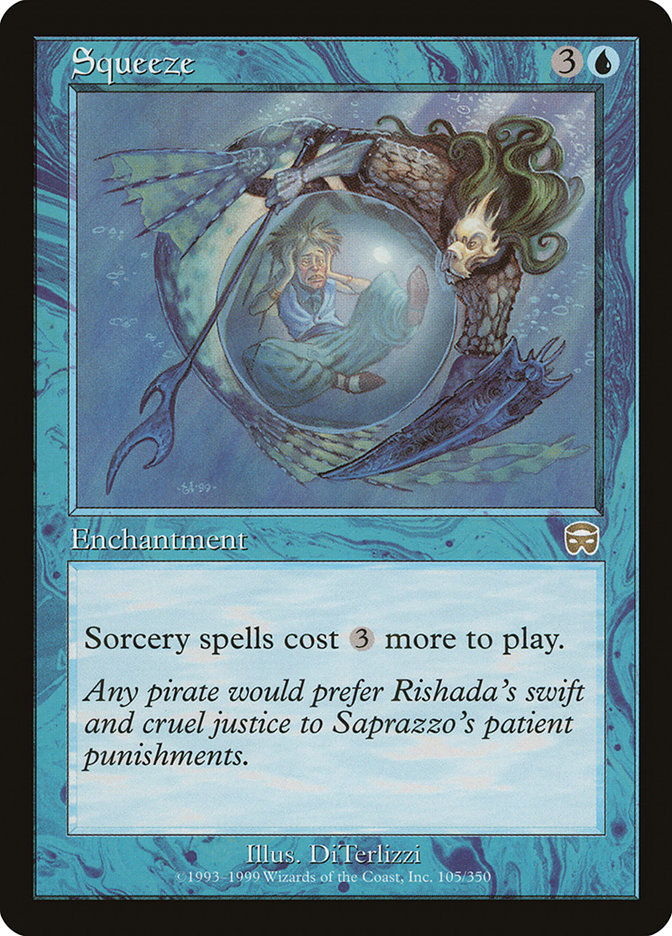
Sorcery-heavy strategies despise Squeeze. Adding 3 to the cost of every sorcery makes cards like Cultivate or Damnation painfully expensive to play. Control decks or instant-heavy builds thrive with Squeeze since it doesn’t affect their game plan much. It’s particularly effective in metas where ramp and sorcery sweepers are common, letting you dictate the game’s pace while staying safe behind your instants.
#20. Feroz’s Ban

Feroz's Ban is an oddball artifact from Magic’s early days that punishes creature-heavy decks by making creature spells cost 2 more. It’s slow to cast at 6 mana, but once it’s down, it crushes aggro strategies. Pair it with mass removal like Wrath of God or mana denial cards to make sure opponents never recover while you comfortably cast your bigger late-game spells.
#19. Aven Interrupter
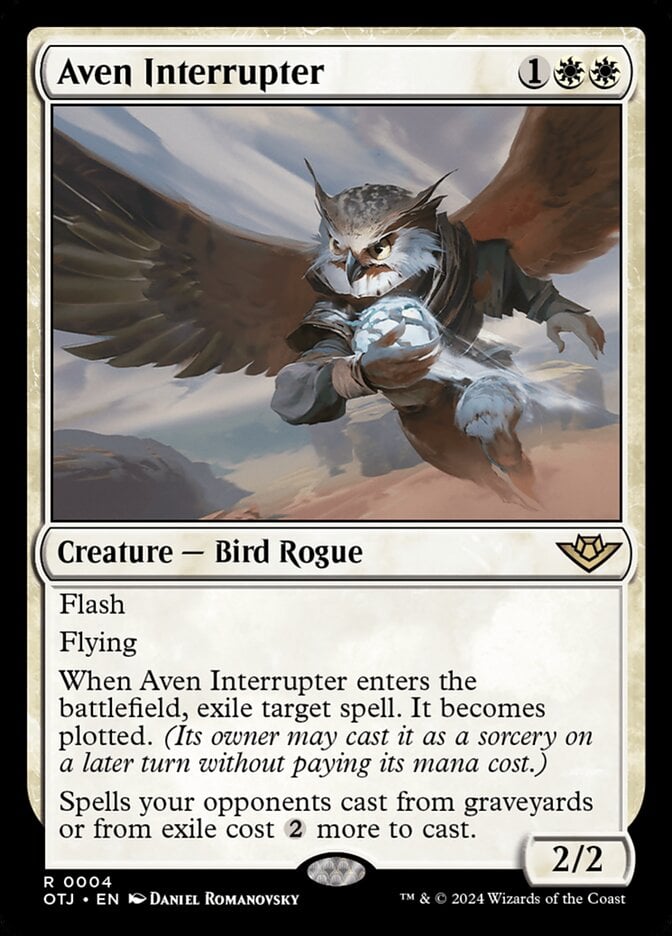
Aven Interrupter has both flash and flying, letting it swoop in to exile an opponent’s spell and delay it with plot, forcing them to cast it later as a sorcery. On top of that, it makes any spell cast from graveyards or exile cost 2 more, which punishes popular recursion and flashback strategies. It’s especially strong in control matchups since it disrupts spells and makes opponents stumble on mana efficiency.
#18. Elspeth Conquers Death
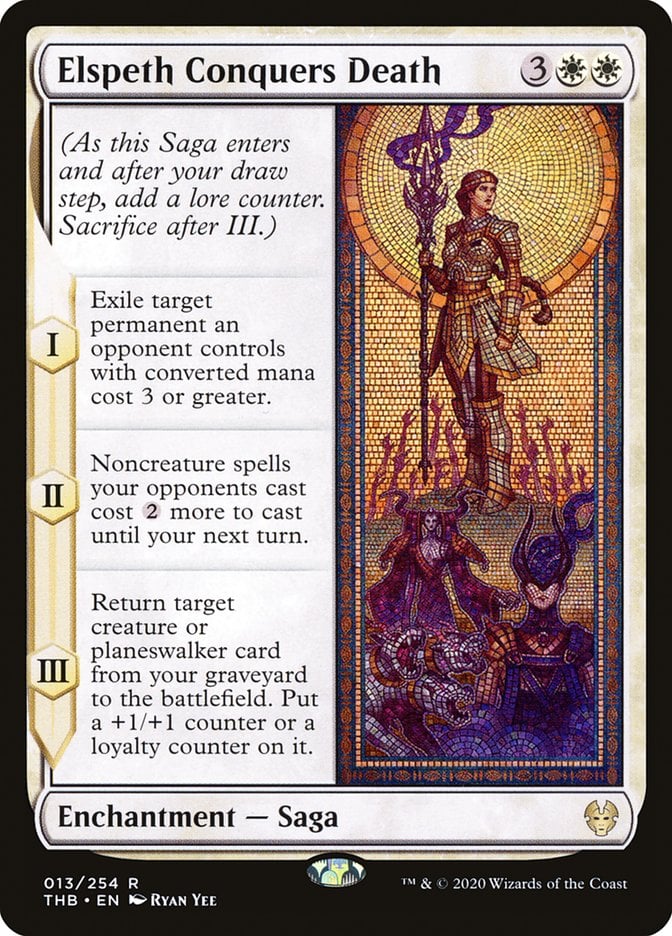
Elspeth Conquers Death combines removal, tax, and recursion in one package. Its second chapter is especially nasty, making all your opponents’ noncreature spells cost 2 more until your next turn. That buys you a whole turn cycle of breathing room. Once it hits the third chapter, it even brings back a creature or planeswalker, pairing perfectly with other recursive threats for long-term value.
#17. God-Pharaoh’s Statue
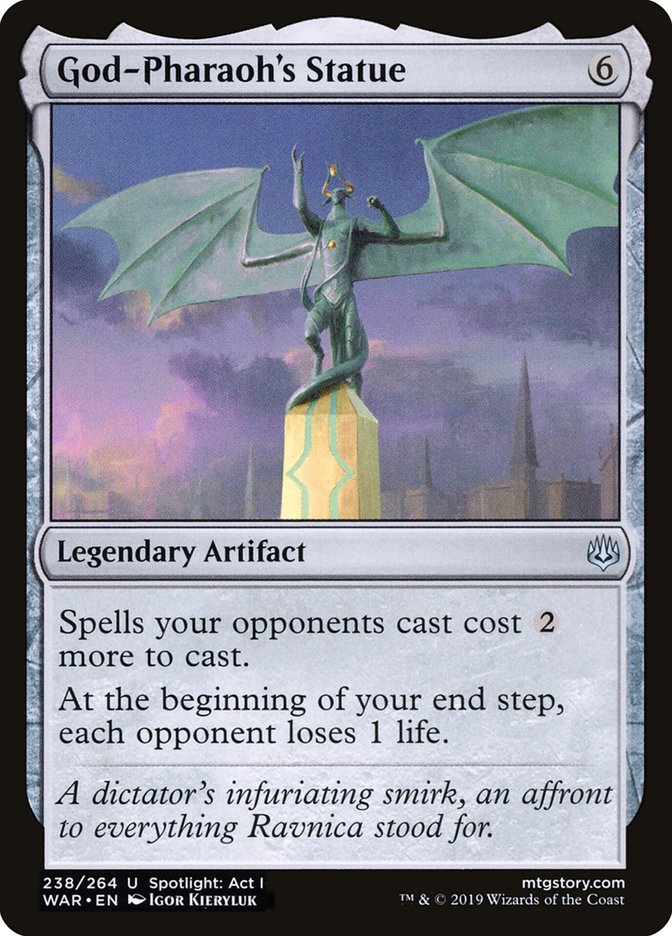
God-Pharaoh's Statue is both a taxing artifact and a clock. It makes your opponents’ spells cost 2 more while pinging them for 1 life each turn. In artifact ramp decks, especially with Karn, Legacy Reforged, it comes down earlier than expected and creates huge pressure. The life drain adds inevitability, forcing opponents to deal with it quickly or slowly lose the game.
#16. Damping Sphere
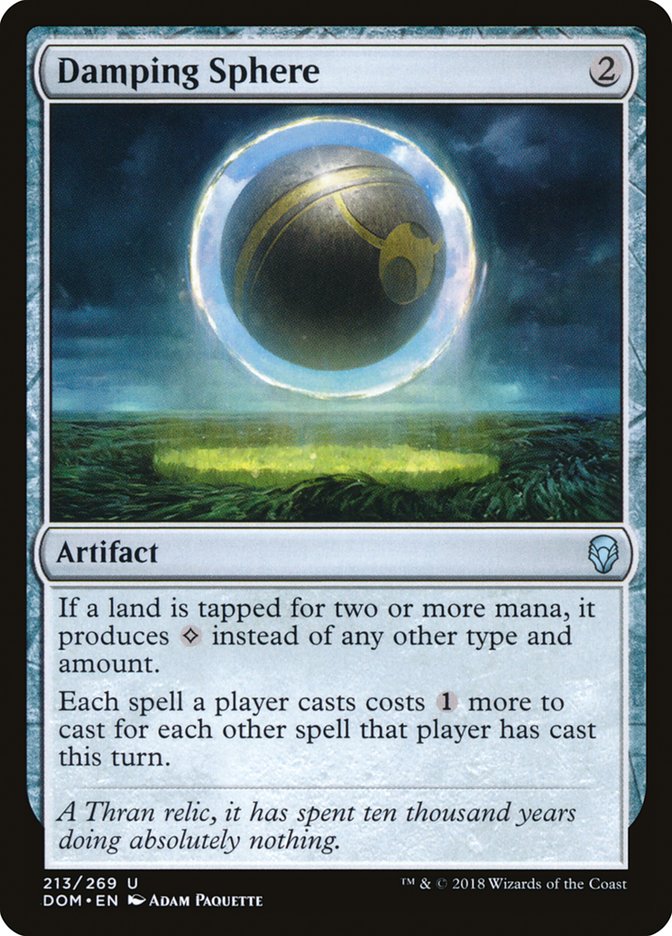
Damping Sphere punishes decks that use lands to generate multiple mana, like Tron, by reducing their mana production to just one colorless each time. It also makes storm strategies grind to a halt since each spell after the first gets more expensive. Decks that want to slow down unfair strategies absolutely love this, especially midrange and control shells that can take advantage of the breathing room it creates.
#15. Defense Grid
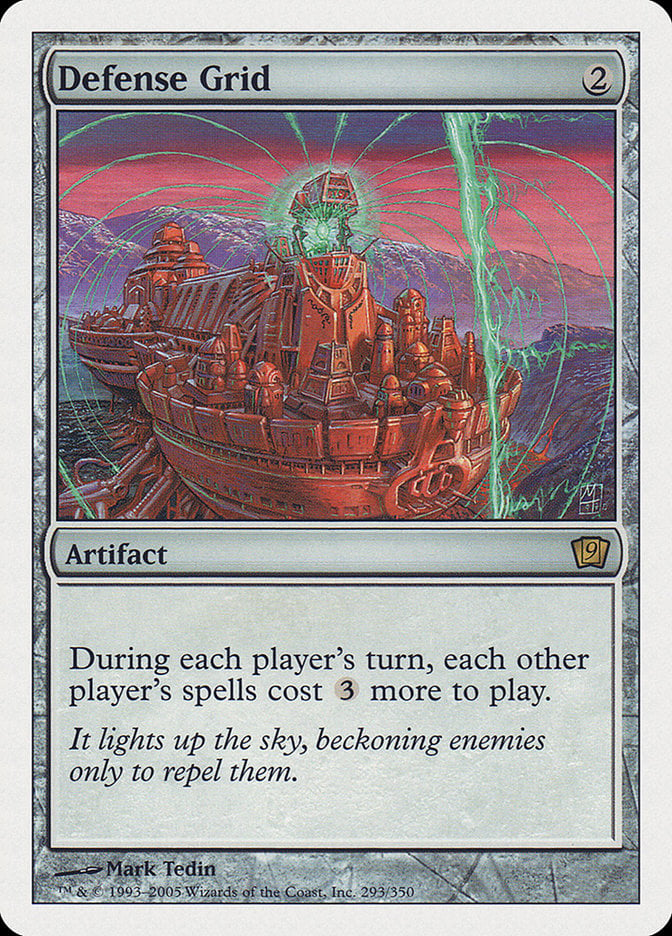
Defense Grid makes sure that if your opponents want to interact during your turn, it’s going to cost them dearly. By forcing spells to cost 3 more on anyone else’s turn, it clears the way for big plays like Tooth and Nail or dropping a planeswalker. It’s especially powerful in combo decks, since it ensures you can go off without your opponents being able to cheaply disrupt your plan.
#14. Reidane, God of the Worthy / Valkmira, Protector’s Shield
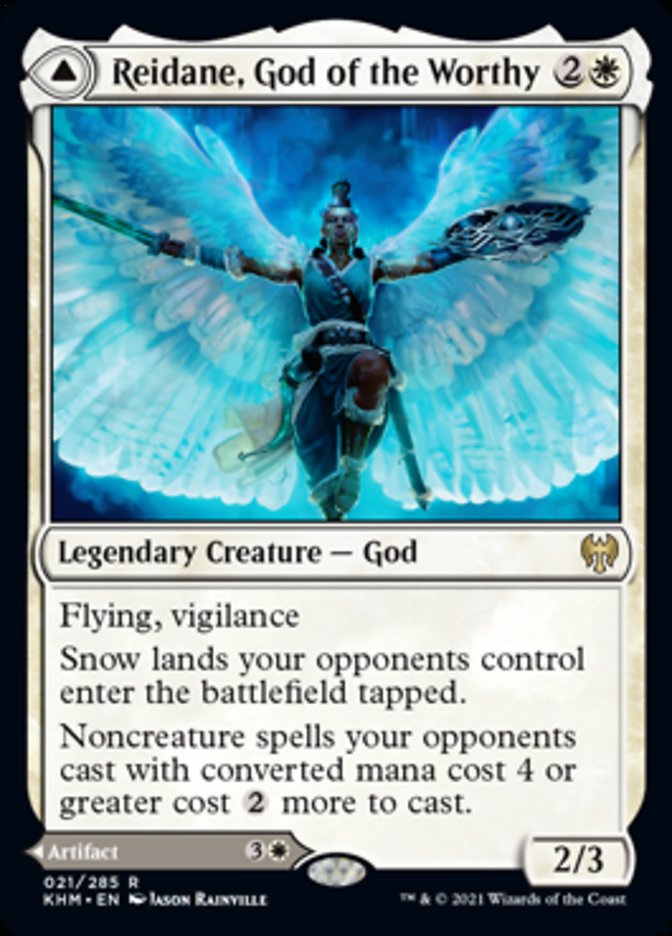
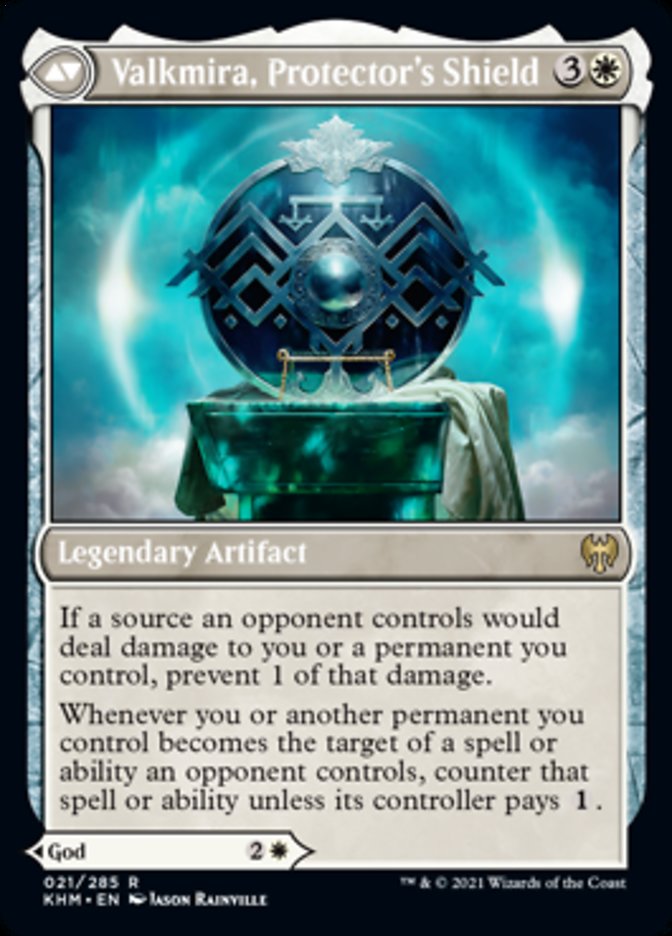
Reidane, God of the Worthy offers a tax on big noncreature spells while incidentally slowing down snow lands. On the flip side, Valkmira, Protector's Shield makes it harder for opponents to damage you or target your permanents. Reidane works great in decks that want to frustrate control players running expensive non-creature spells, while Valkmira can be a sideboard-style pivot that helps you against burn or targeted removal.
#13. Tithe Taker
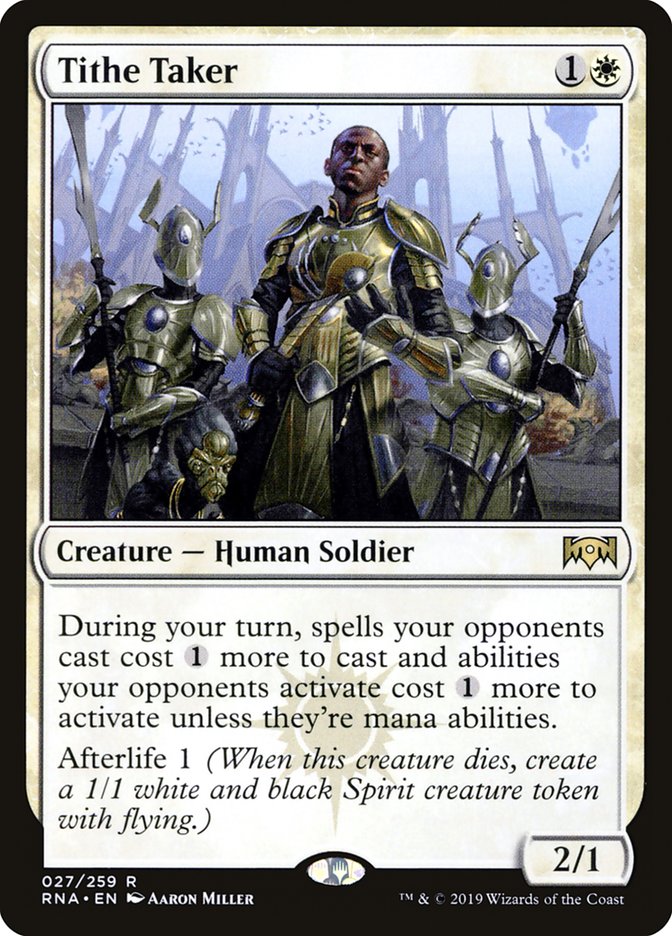
Tithe Taker adds friction to opponents’ plans by making their spells and activated abilities cost extra during your turn. That alone can save your creatures from instant-speed interaction. On top of that, its afterlife ability leaves behind a flying spirit token when it dies, ensuring you still have presence on the board. It works nicely with sacrifice outlets like Viscera Seer, letting you get both the valuable tax and the token.
#12. Arachne, Psionic Weaver

Arachne, Psionic Weaver lets you peek at an opponent’s hand and choose a non-creature card type to tax. That flexibility lets you hit your opponents where it hurts the most, taxing whatever spell they play the most of. Its web-slinging cost helps you deploy it early. Pairing this with other tax effects like Aura of Silence creates a layered defense against spell-heavy decks.
#11. Aura of Silence
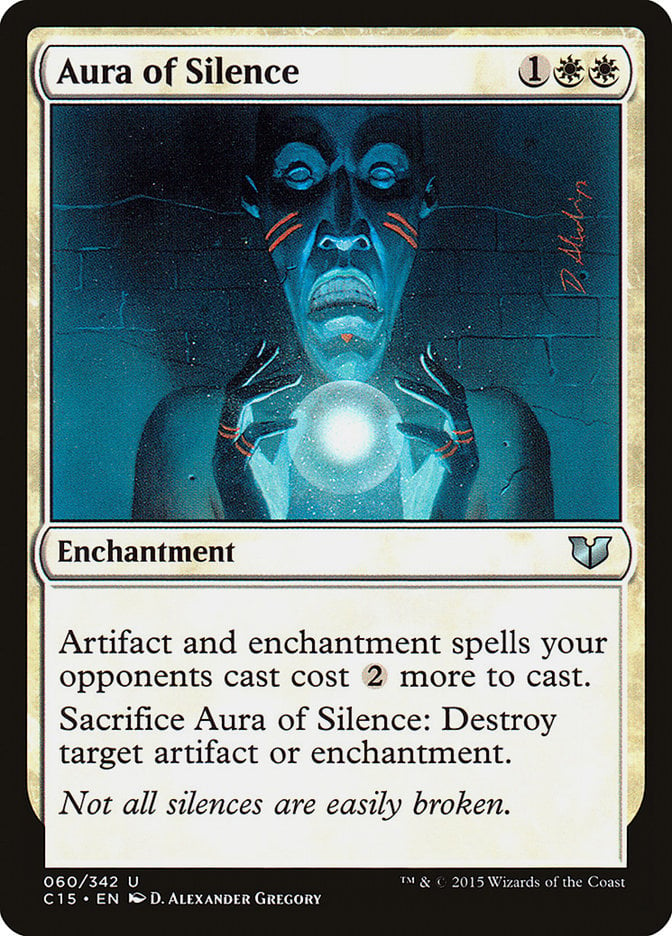
Aura of Silence does double duty—it taxes your opponents’ artifact and enchantment spells while also serving as a removal piece when you need it. That makes it a great fit for control decks, where you can slow opponents down until the right moment to blow up a critical piece. With recursion tools like Sun Titan, you can bring it back for repeated pressure and removal flexibility.
#10. Dovin, Hand of Control
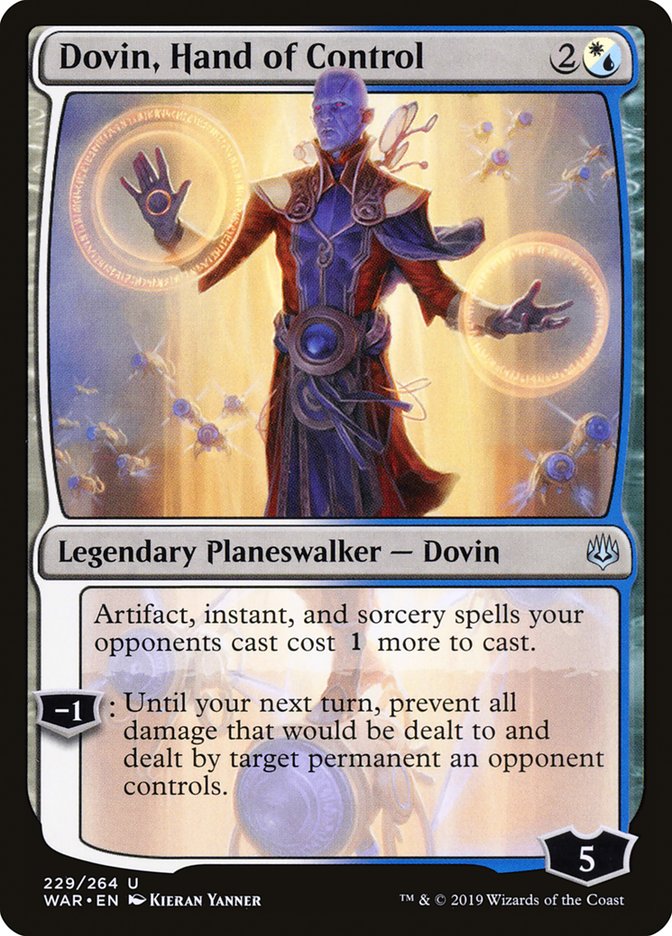
Planeswalkers aren’t often known for their tax effects, but Dovin, Hand of Control is a neat exception. It increases the cost of your opponents’ artifact, instant, and sorcery spells, which stalls fast combo or spell-based decks. Its -1 ability also neutralizes a permanent for a turn cycle, giving you both disruption and stalling power.
#9. Paladin Class
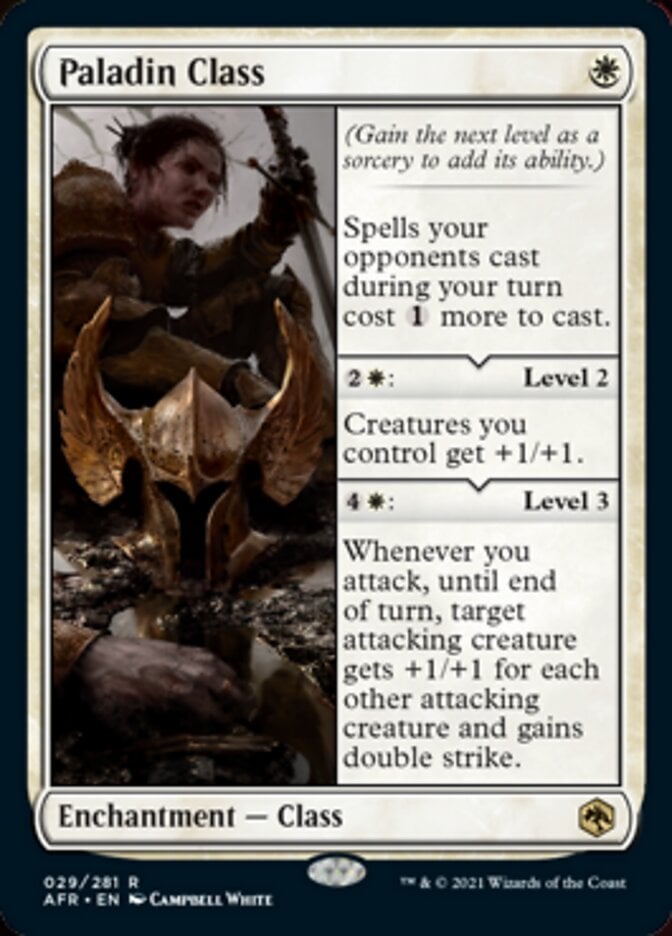
Paladin Class starts by making it harder for your opponents to interact on your turn, which helps resolve a big spell or push through an attack. As you level the class up, your board gets stronger and, at the final stage, one attacker becomes an unstoppable double-striking threat. Pair this with cards that go wide like Raise the Alarm to make the most out of that final ability.
#8. Disruptor Flute

Disruptor Flute puts a stop to specific cards by making their cost and activated abilities more expensive, which makes it a flexible piece against problematic commanders or key win conditions. If you pick something like Isochron Scepter, you can both tax the casting and stop its ability altogether. Flash also means you can wait until the right moment to surprise an opponent and make their plan suddenly fizzle.
#7. Thorn of Amethyst
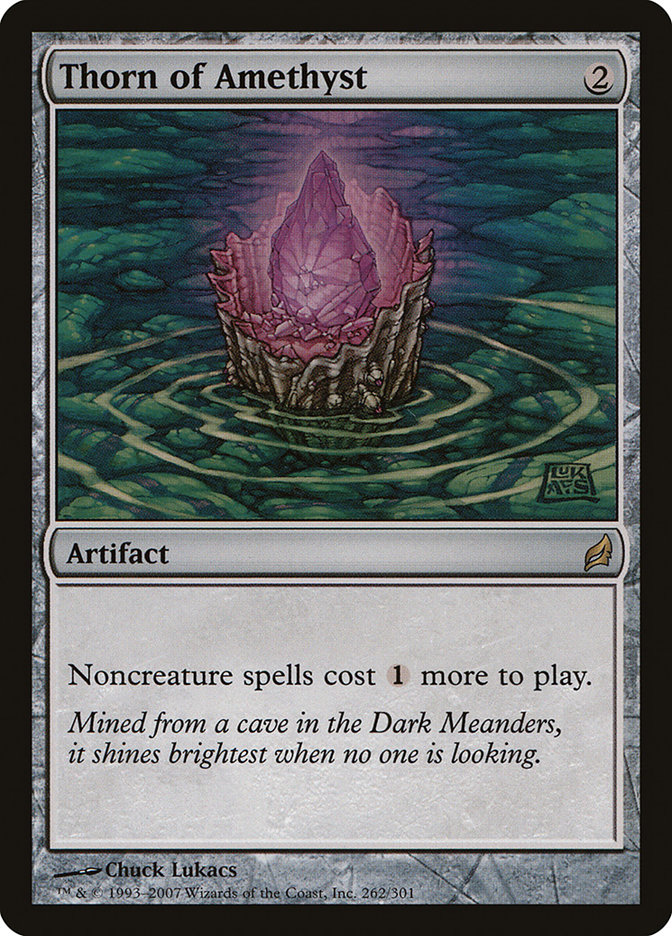
A close cousin to Thalia, Thorn of Amethyst applies the same tax to noncreature spells but as an artifact instead of a creature. That makes it harder to remove and available to all colors. Artifact-heavy decks, like those running Lodestone Golem, thrive with this card since their spells aren’t slowed down as much. It’s especially punishing for combo players who need to chain together multiple spells in one turn.
#6. Curse of Silence
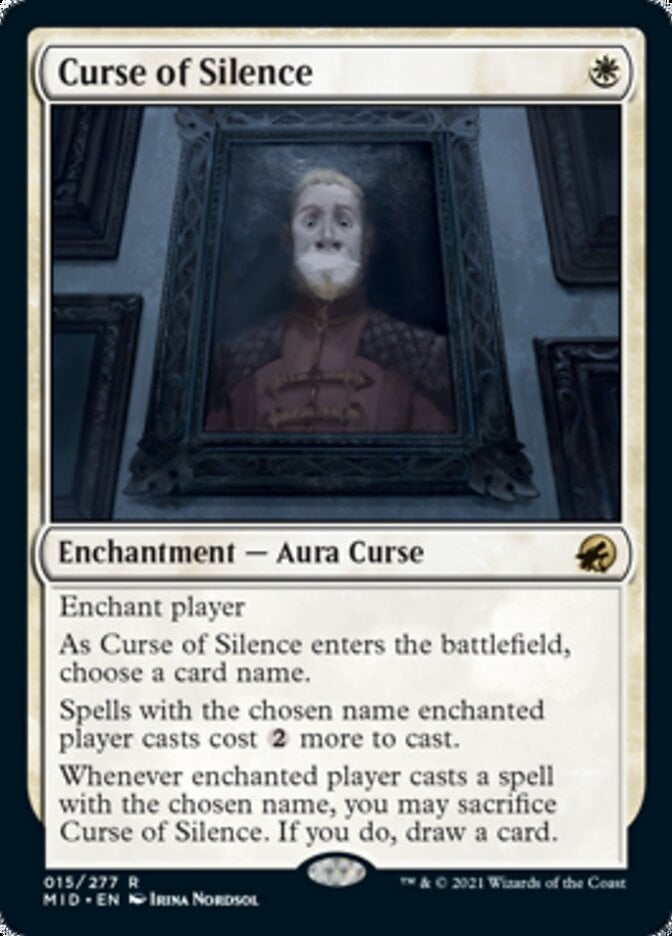
Curse of Silence can really throw off an opponent’s plan. By naming a key spell in their deck—like Cyclonic Rift or Primeval Titan—you force them to pay extra mana just to cast it. If they go ahead and cast it anyway, you can cash in the curse for a card. It excels in Commander and Brawl, where you can permanently tax a specific commander, making it much harder for that deck to function smoothly.
#5. Lodestone Golem
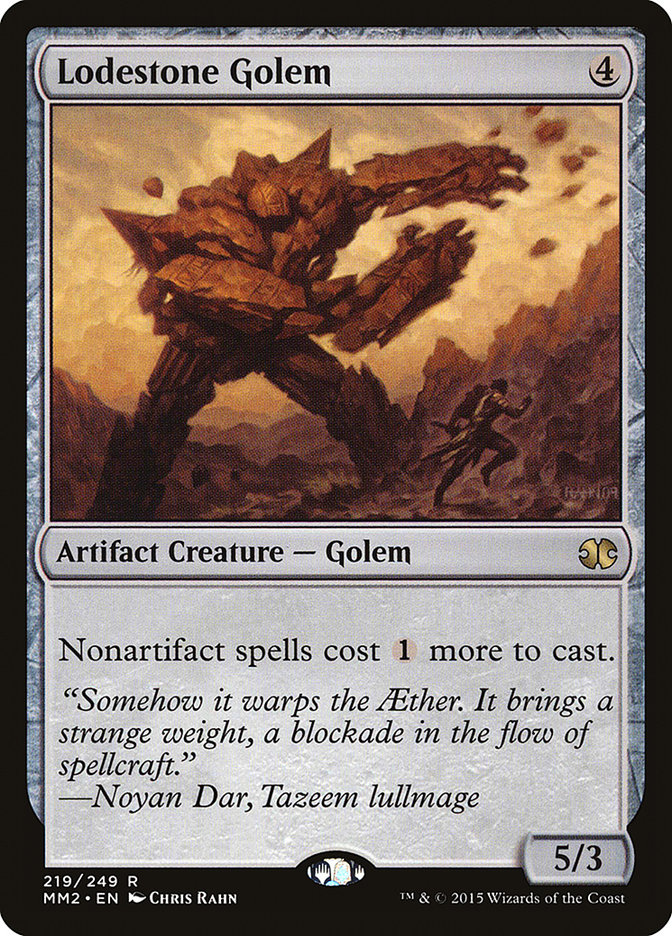
With Lodestone Golem, you get a hefty 5/3 body and a tax on all nonartifact spells. This makes it a staple in artifact decks, where your own spells slip by while hindering your opponents. It fits right in with strategies that use Mishra's Workshop or mana rocks to power out big threats early. The combination of pressure and disruption makes it a strong choice in prison-style decks.
#4. Non-Creature Taxers
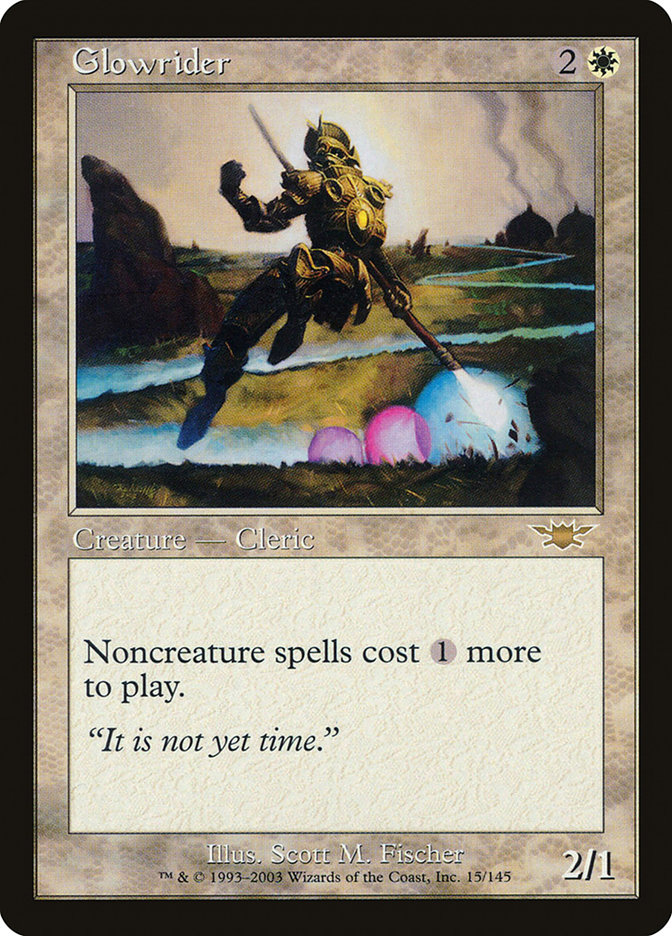

Glowrider and Vryn Wingmare are near-clones that tax non-creature spells, slowing down control, combo, and ramp decks. Glowrider keeps things grounded as a cleric that fits smoothly into human strategies, while Wingmare adds flying to the mix, turning it into an evasive threat that chips away at life totals. Together, they’re staples in white taxes builds, especially when paired with other hate pieces, forcing opponents to spend extra mana just to keep pace.
#3. Grand Arbiter Augustin IV
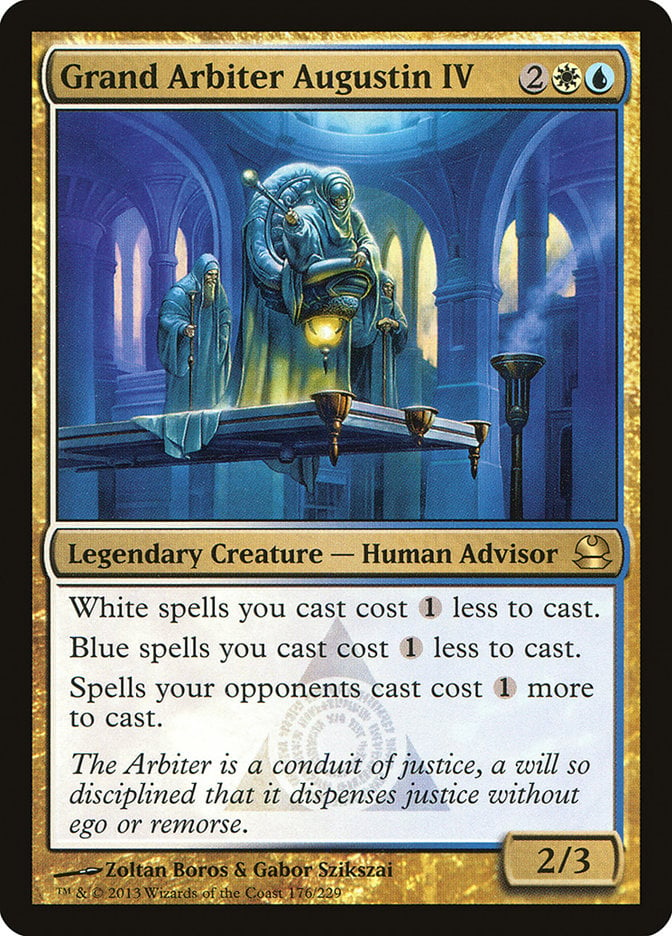
Grand Arbiter Augustin IV is infamous in Commander for good reason. It reduces the cost of your white and blue spells while taxing every opponent’s spell by 1. That swing in efficiency lest you cast cards like Sphinx's Revelation ahead of schedule while your opponents struggle to keep up. It’s tailor-made for control decks, and when combined with mana rocks, snowballs into an insurmountable advantage.
#2. Hinata, Dawn-Crowned
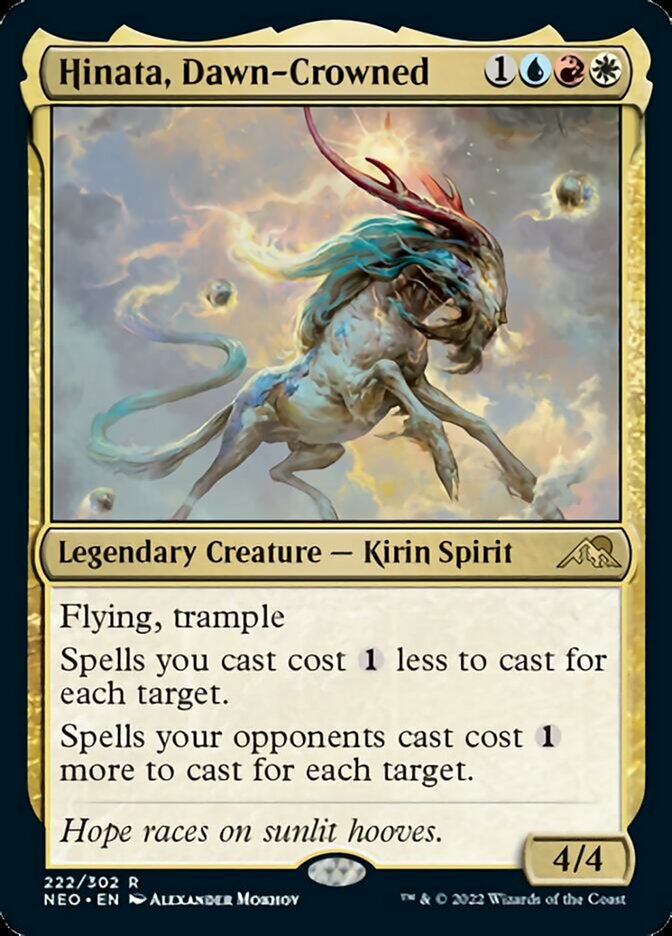
Few cards play with mana costs like Hinata, Dawn-Crowned. It makes your targeted spells cheaper for each target while making your opponents’ targeted spells cost more. This makes cards like Comet Storm or Crush Contraband become absurdly efficient in your hands. Hinata decks often revolve around taking maximum advantage of those discounts, while opponents are stuck overpaying to interact with your board.
#1. Thalia, Guardian of Thraben
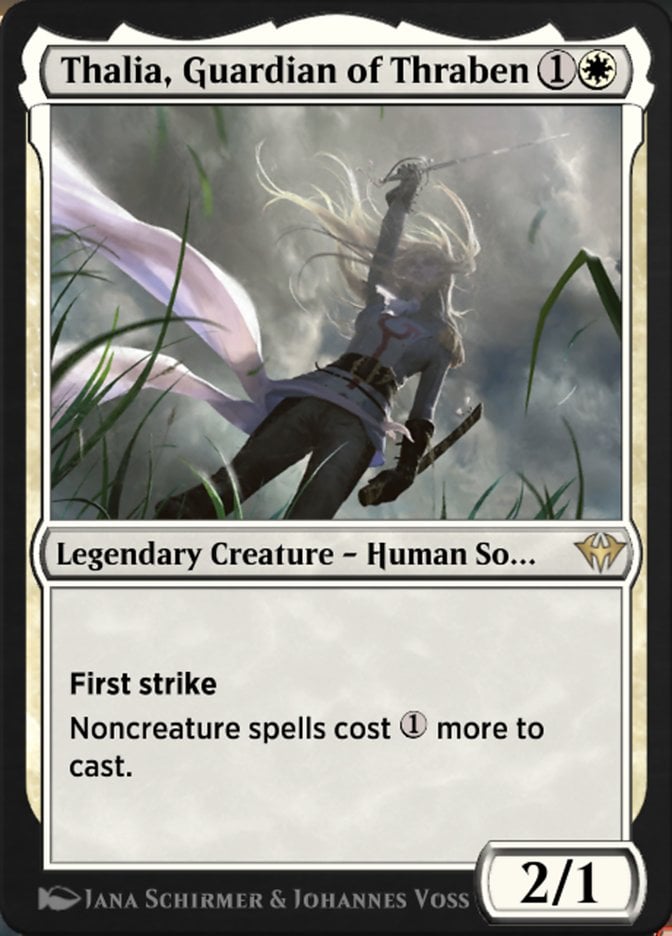
Even though this effect is already present on other cards in the list, Thalia, Guardian of Thraben is infamous in competitive formats for making non-creature spells cost more at just 2 mana. That efficiency has made it a format all-star in both Legacy and Modern, where it cripples spell-heavy strategies while leaving creature decks relatively untouched. Aggro decks love Thalia because it slows down sweepers and removal like Supreme Verdict or Fatal Push, forcing your opponents to fight uphill from the very start.
Best Cost Increaser Payoffs
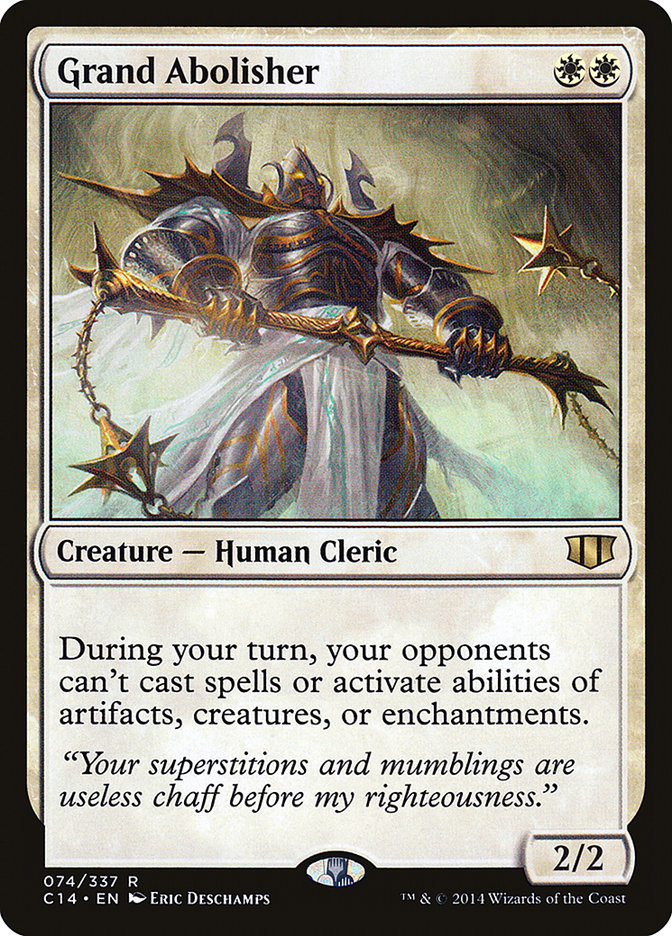
The best payoff from cost increasers comes when your deck avoids the tax while opponents get slowed down. Thalia, Guardian of Thraben is perfect in creature-heavy decks, where its tax hurts spell-based strategies more than you. Pairing Thalia with stax pieces like Grand Abolisher makes it even harder for your opponents to interact while you keep curving out.
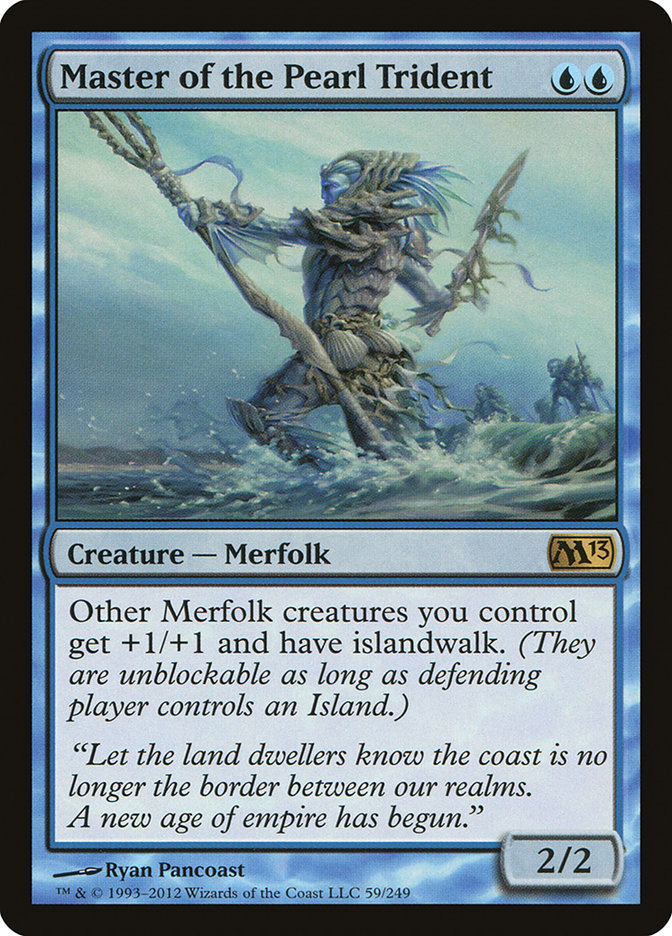
Similarly, Kopala, Warden of Waves protects merfolk by taxing spells and abilities that target them. This makes lords like Master of the Pearl Trident harder to remove, and in Commander the effect stacks across multiple players, draining extra mana every turn.
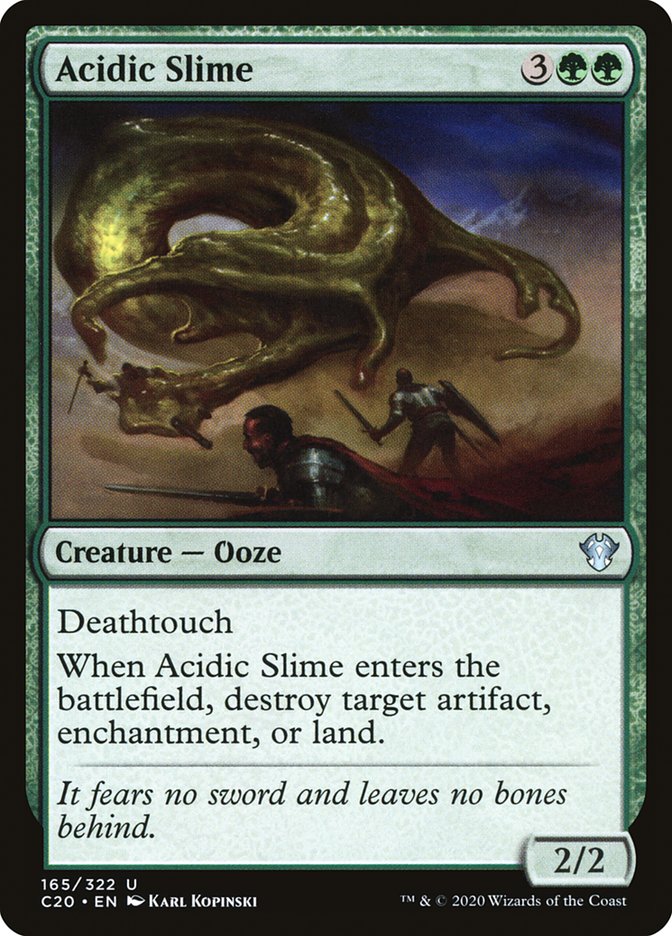
Finally, pairing cost increasers with land destruction pushes the lock even further. Cards like Acidic Slime cut opponents off mana while taxes raise their costs, leaving them far behind as you press your advantage.
Do Cost Increases Affect Commander Tax?
Yes, cost increases stack with commander tax. If your commander has been cast twice already, you normally pay an extra 4 mana. If Curse of Silence names it, that extra tax also applies. This means your commander can quickly become nearly impossible to cast if opponents layer on multiple taxes.
How Do Cost Increasers Interact with Cost Reduction?
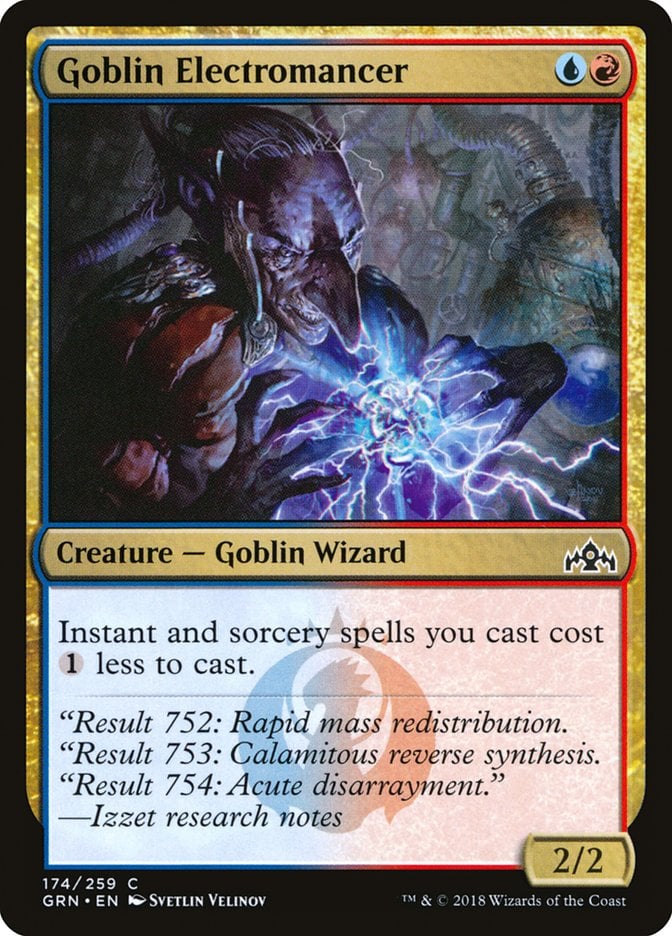
Cost increases and cost reductions apply together, but they don’t cancel each other out directly. When determining the total cost of a spell you’re casting, you add up all the increases first, then subtract all the reductions, and that’s what you pay. For example, if your spell costs 3 mana, a card like Sphere of Resistance makes it cost 4; if you control Goblin Electromancer it goes back down to 3. You always apply the total modifiers before paying the final cost.
Do Cost Increases Affect Delve?
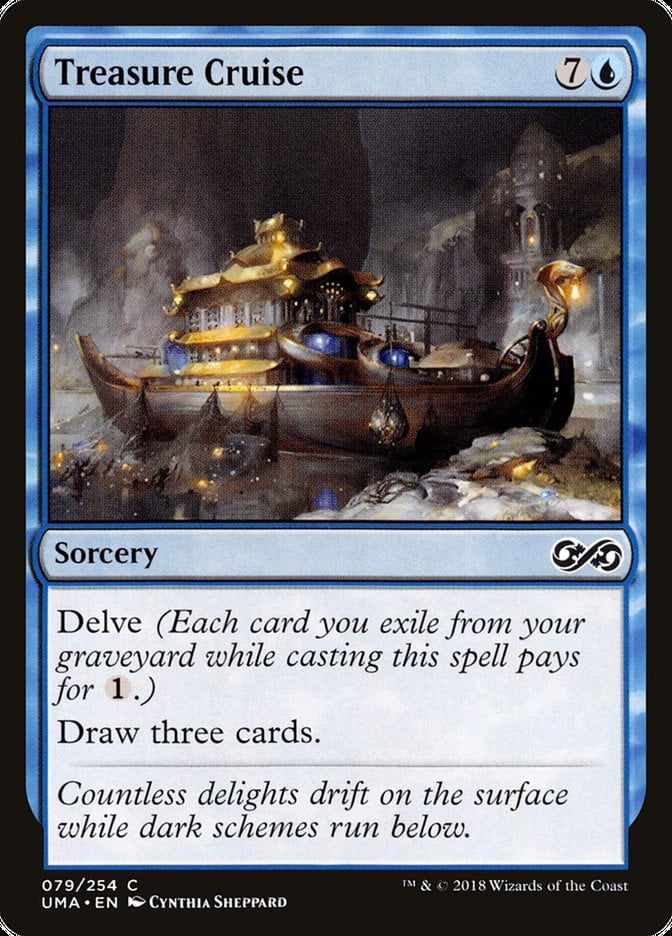
Yes, cost increases affect delve spells, but you can usually delve extra cards to help pay for the extra mana. For example, if your Treasure Cruise costs 2 more to cast, you’ll have to pay a total of . You can delve up to nine cards to pay for the generic portion of the cost.
Does Increasing a Card’s Cost Change its Mana Value?
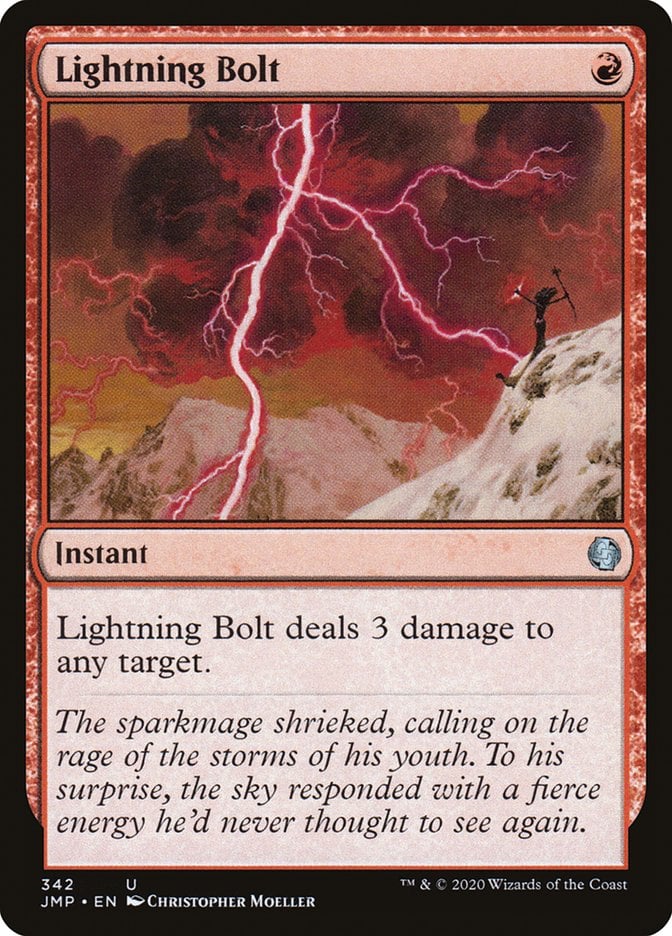
No, increasing a spell’s cost doesn’t change its mana value. A Lightning Bolt always has a mana value of 1, even when Sphere of Resistance makes you pay 2 mana to cast it. Mana value is fixed and based only on what’s printed in the top right corner of the card, not on how much you actually spend to cast it.
How Do Cost Increases Affect X Spells?
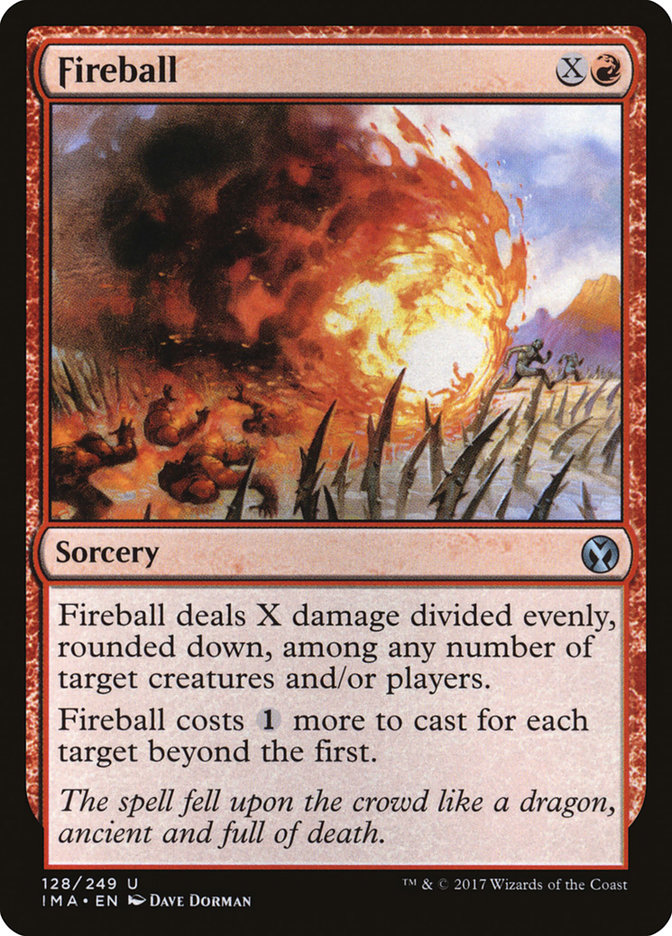
Cost increases make X-spells more expensive before you choose the value of X. For example, if you want to cast Fireball for 3 damage while a Thalia, Guardian of Thraben is on the board, you have to pay 1 extra mana in addition to the normal cost. You still get to decide what X is, but the total you pay will always include the tax from cards that raise costs.
Wrap Up

Sphere of Resistance | Illustration by Richard Wright
Cost increasers show up in all kinds of colors and put taxes on very specific cards or strategies. The real fun is finding ways to make them shine as a natural part of your deck or to exploit them in niche metas where they hit hardest. What do you think—do you like the list? Have you ever exploited these cost increasers?
Thanks for reading, and if you enjoyed this breakdown and want to see more, remember to follow us on social media so you never miss a thing.
Take care, and we’ll meet again in the next article.
Follow Draftsim for awesome articles and set updates:










Add Comment