
Cogworker's Puzzleknot | Illustration by Cliff Childs
Cubes are an excellent way to play Limited with friends without having to buy and open packs, and players often like that they can play with the cards they want, and play the role of game designer for once. That said, most Cubes we see online have very expensive cards, the so-called “best cards in the history of MTG”, so it’s hard to assemble one if you just started playing MTG and don’t have a big collection.
Let me introduce you Peasant Cube, a format in which you only play commons and uncommons. It’s way cheaper to assemble, gameplay is surprisingly deep and interesting, and some players enjoy it because you’re not losing to that bomb rare each game. Interested to know what makes Peasant Cube great? Let’s dive in!
What Is a Peasant Cube?

Archway Commons | Illustration by Piotr Dura
A Peasant Cube is an MTG Cube where all the cards are commons or uncommons. Cards that were originally rare but reprinted as commons or uncommons are fair game. You might see the term “Artisan” on MTG Arena; an Artisan Cube is basically a Peasant Cube but with only cards released on MTG Arena.
How Can You Tell if a Card Is Legal in Peasant Cube?
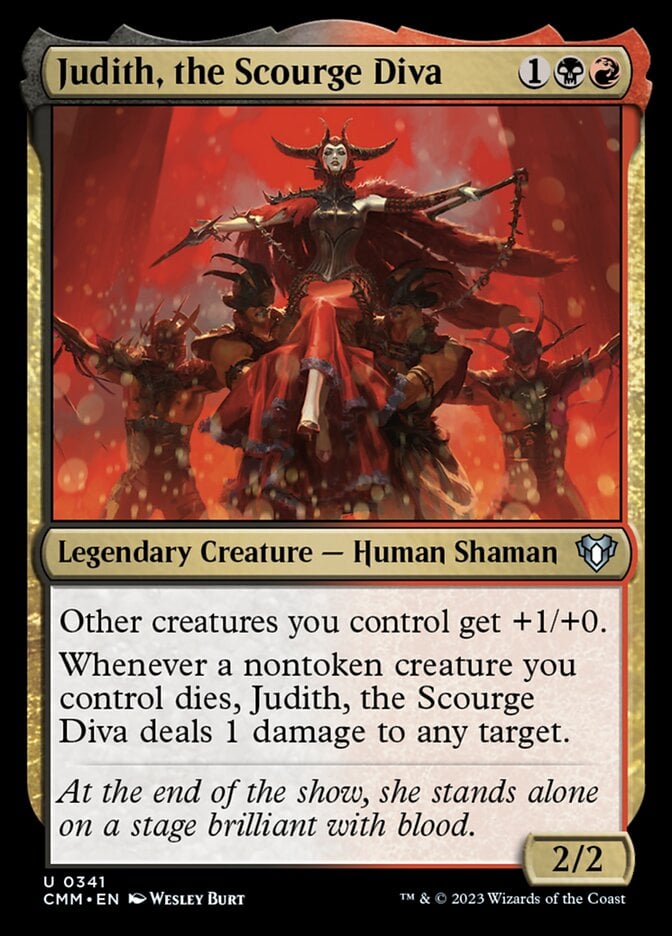
Cards are legal in Peasant Cube if they were printed at common or uncommon rarity at least once. Cards that were originally printed at common and uncommon, like Lightning Bolt or Swords to Plowshares, can be played, and cards that were originally rare, but were downgraded in future sets, like Judith, the Scourge Diva, are also legal.
Nowadays, it’s easy to know which cards are which rarity, but old sets weren’t that clear. Mana Drain was originally an uncommon card in Legends, and Force of Will was also an uncommon in Alliances. Sol Ring was printed at uncommon, and so on.
Why Play Peasant Cube Over a High-Rarity Cube?
There are two main reasons. People usually start with a low rarity Cube, or a rarity-restricted Cube, because it’s cheaper to acquire the cards. Commons and uncommons rarely cost more than $1, and you can easily get them by drafting or opening sealed product. Some uncommon cards fetch a higher price if they see consistent Constructed play, like Flow State or Stock Up, and some odd cases like Sprout Swarm spike thanks to interactions in Commander, but otherwise low-rarity cards tend to be cheap.
The other is the amazing gameplay. When you don’t have game-winning bombs, wraths, planeswalkers, and the like, games are typically closer to retail Limited. Suddenly, board states matter. Removal spells in Peasant will often get only one creature, so you’ll have to play to the board and use combat tricks to level the playing field.
How Many Cards Are in a Peasant Cube?
The most common card count in Peasant Cube is 360, to allow for an 8-player Draft. But there are also 450 and 720-card Peasant cubes, or smaller ones, like a 180-card Cube for 2-4 players.
The advantage of 360 cards is that in an 8-player pod with 15-card packs, every card gets opened. Cube designers who want more variation across drafts or expect to play with 10 players often will run 450 or larger-sized cubes.
Peasant Cube Staples
Peasant shares some ubiquitous staples with Vintage Cube.
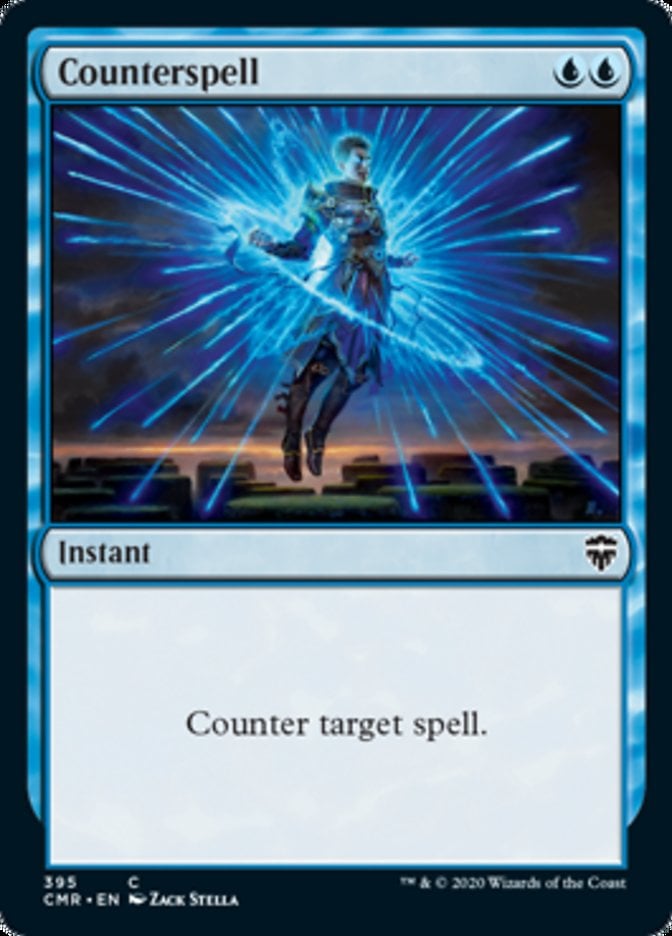
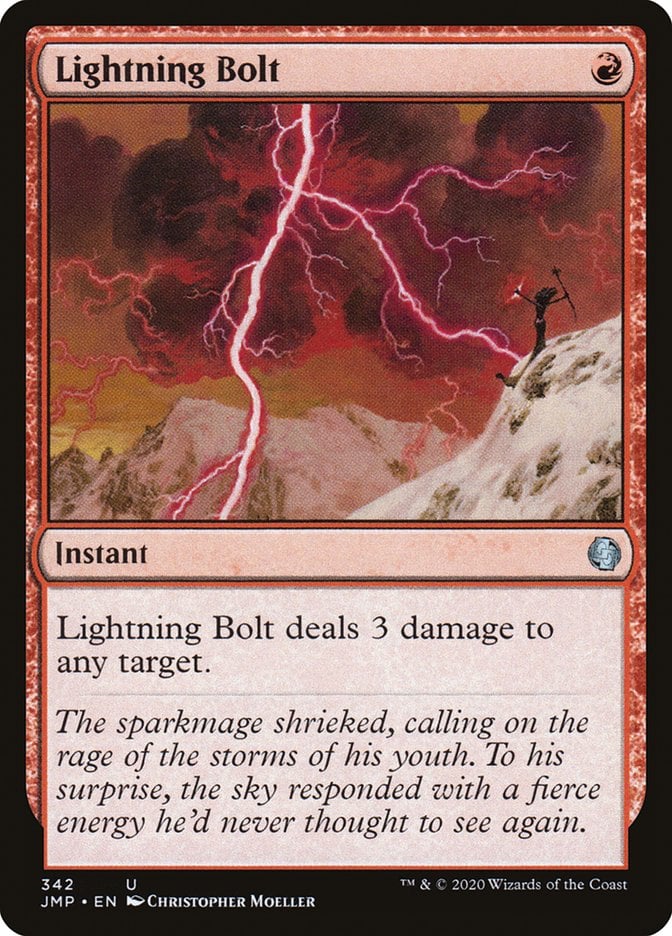
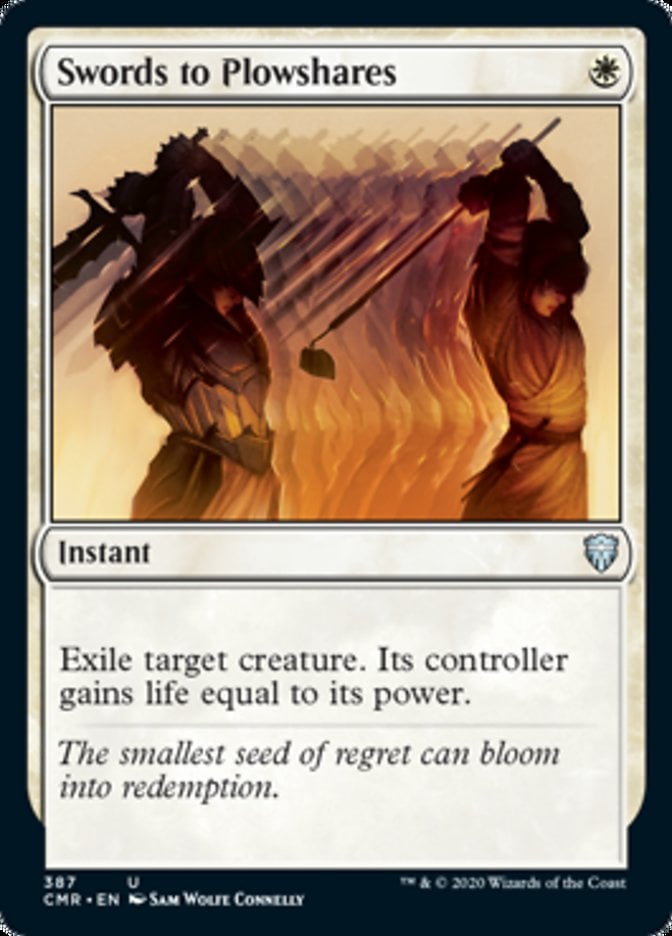
First, removal and counterspells are usually common and uncommon, so cards like Counterspell, Lightning Bolt, and Swords to Plowshares are staples in Peasant.
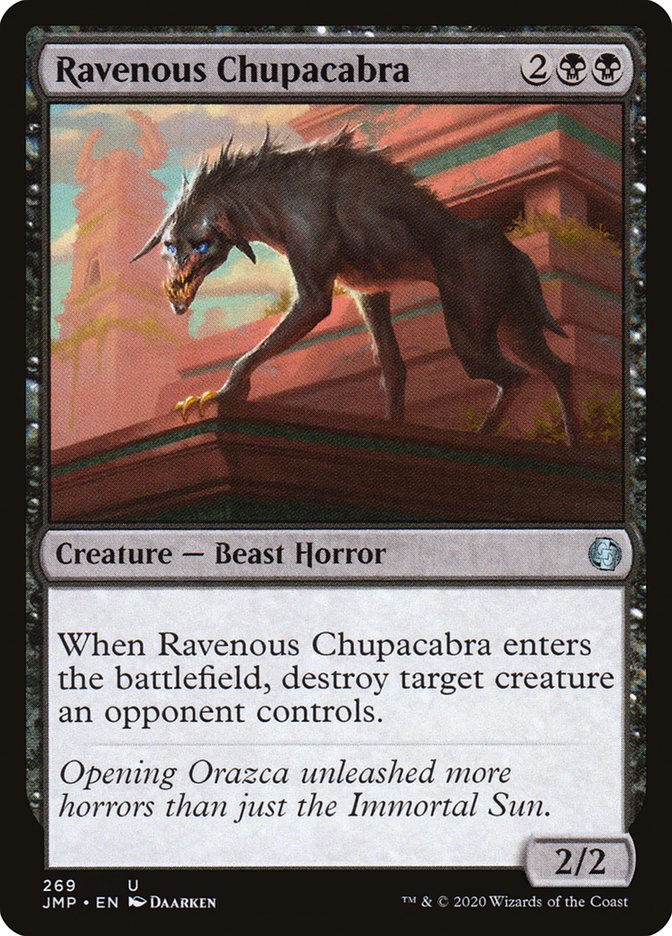
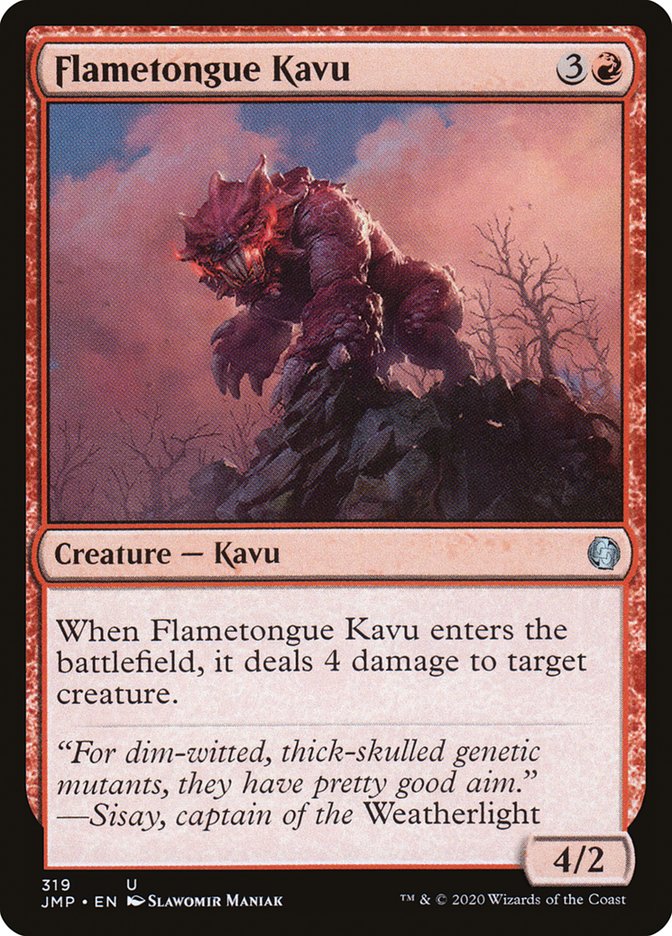
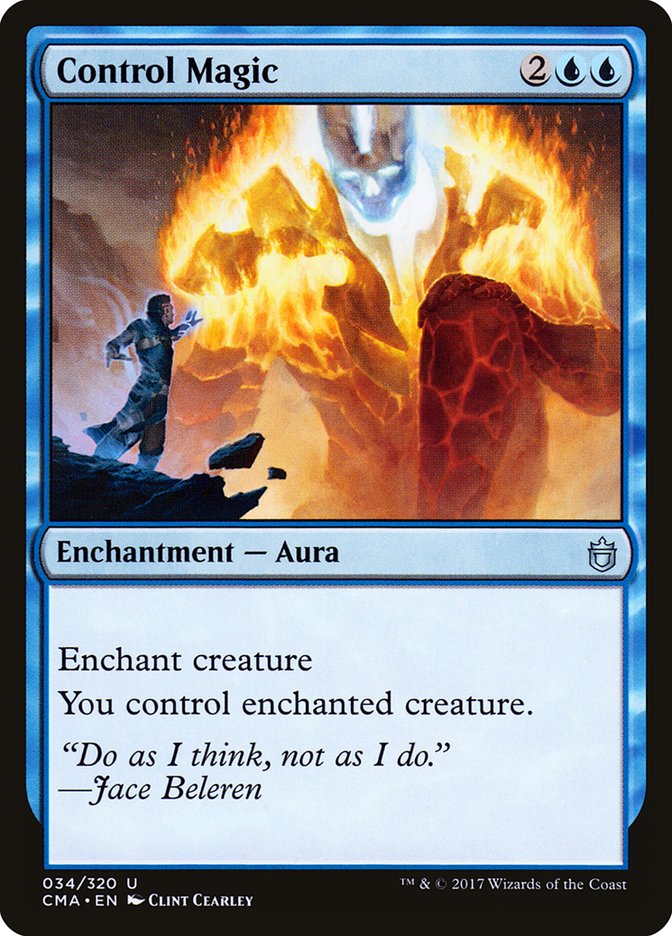
Ravenous Chupacabra, Flametongue Kavu, and Control Magic saw play in higher-rarity cubes for a long time as easy two-for-ones and are staples here as well.
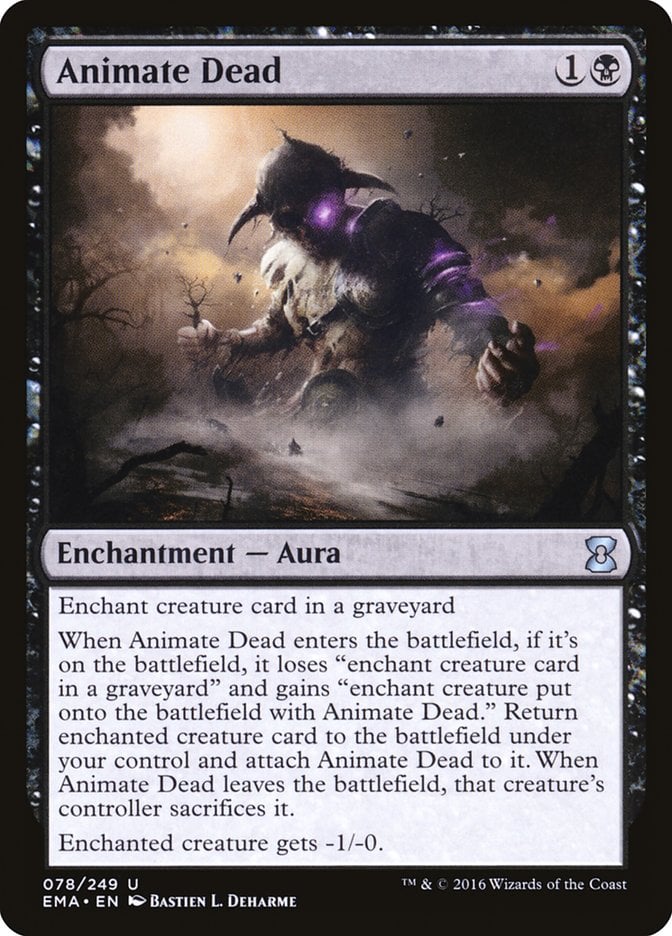
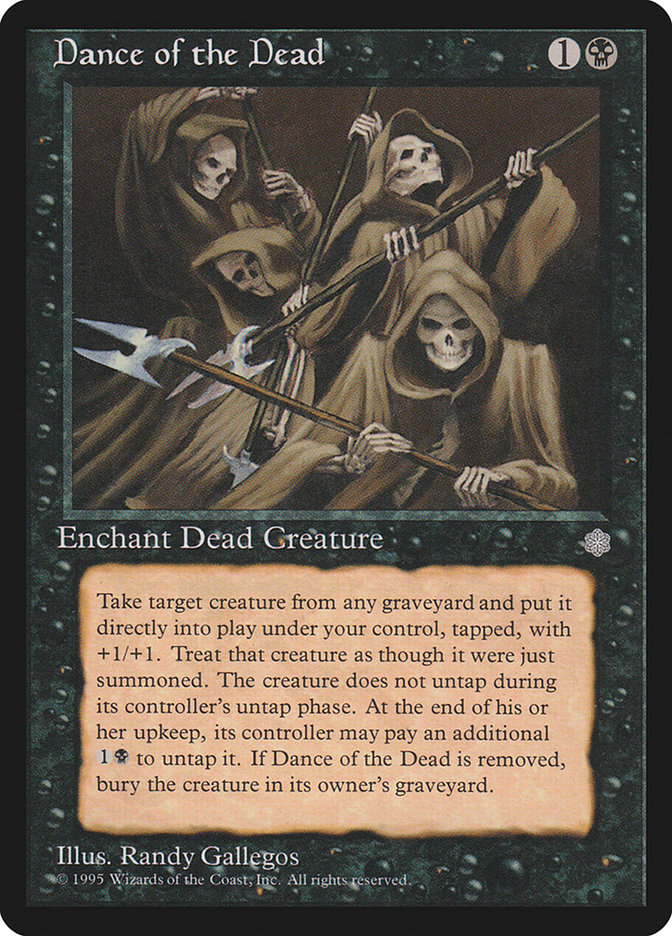
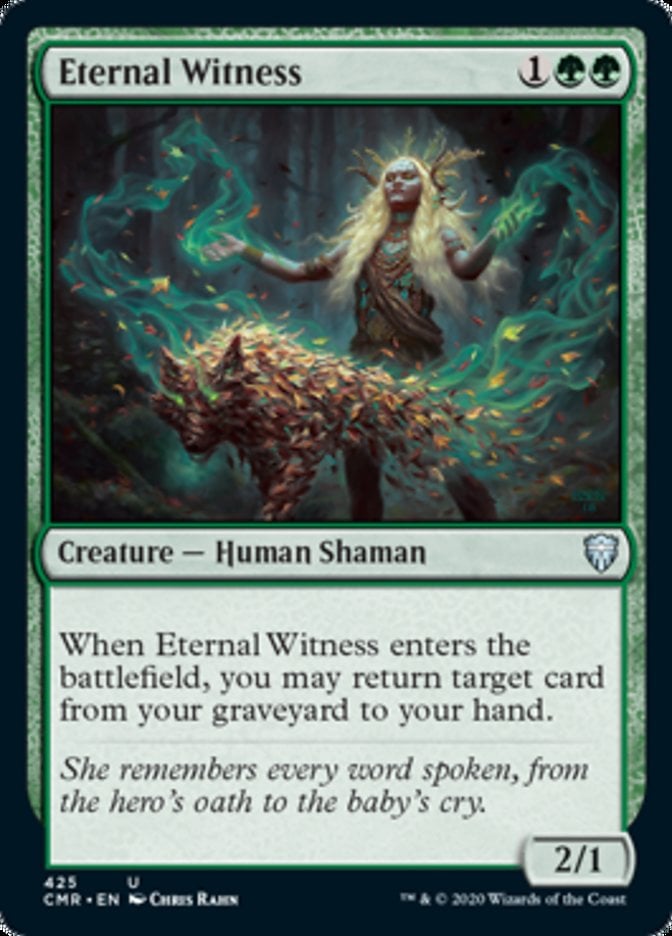
Black decks have access to powerful reanimation spells like Animate Dead and Dance of the Dead. Green has Eternal Witness loops.
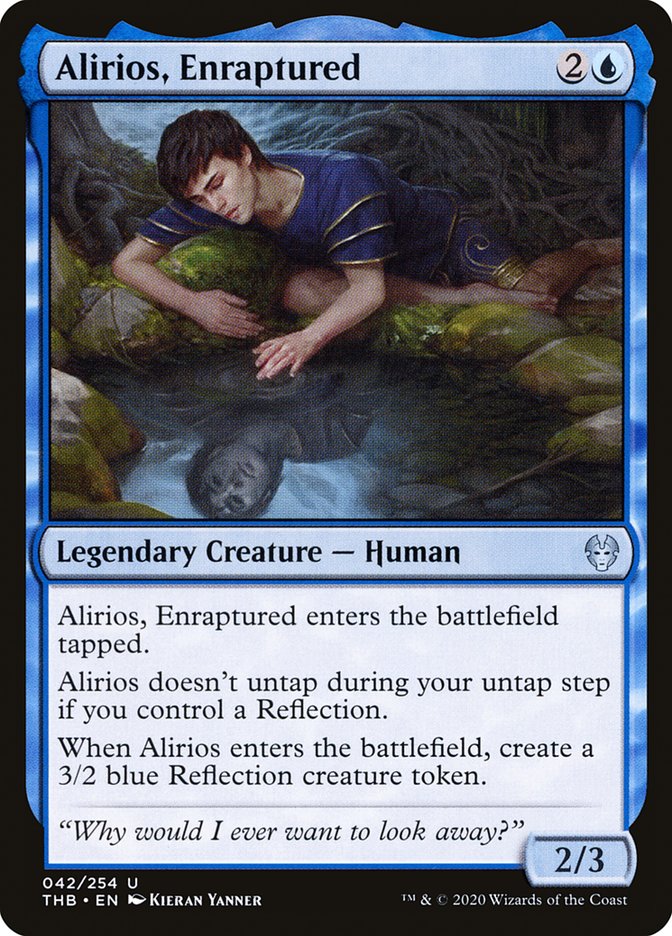
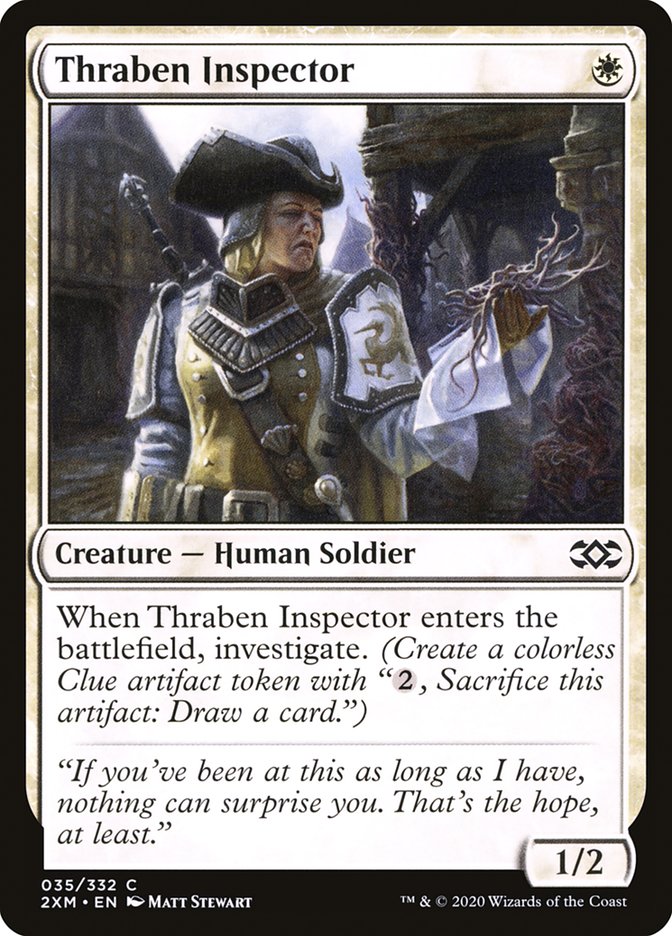
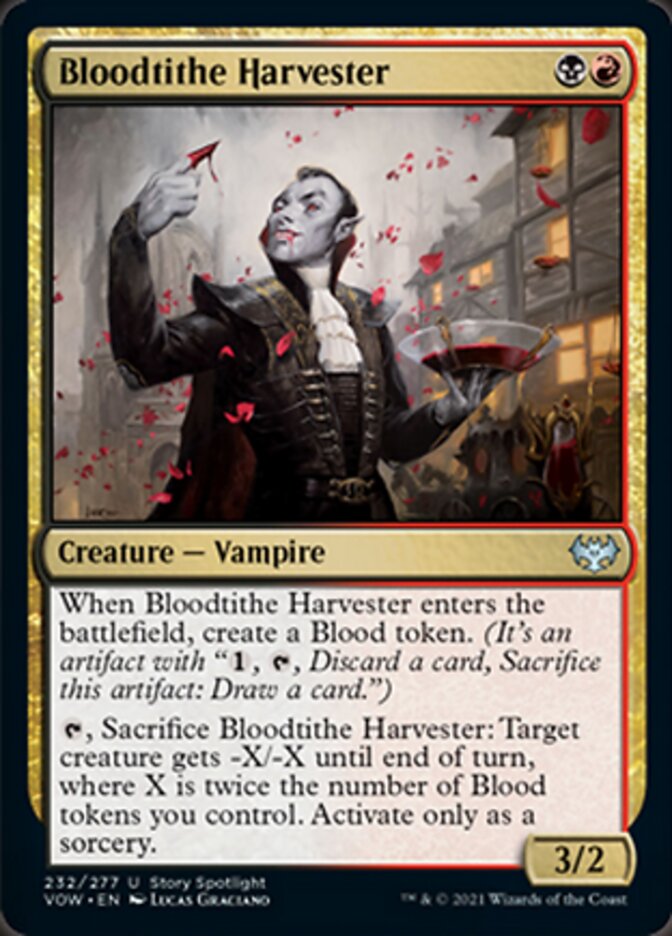

Cards that make other game pieces are really strong here. Alirios, Enraptured, Thraben Inspector, Bloodtithe Harvester, and Mighty Mutanimals are just a few examples.

MDFC (Modal Double Faced Cards) are very good in Peasant Cube because they count as spells and lands, and Peasant doesn’t have many utility lands to begin with. The MDFCs that can enter untapped if you pay life are very good. Cards like Witch Enchanter are actively fantastic as mainboardable pieces of interaction that ensure you hit necessary land drops.
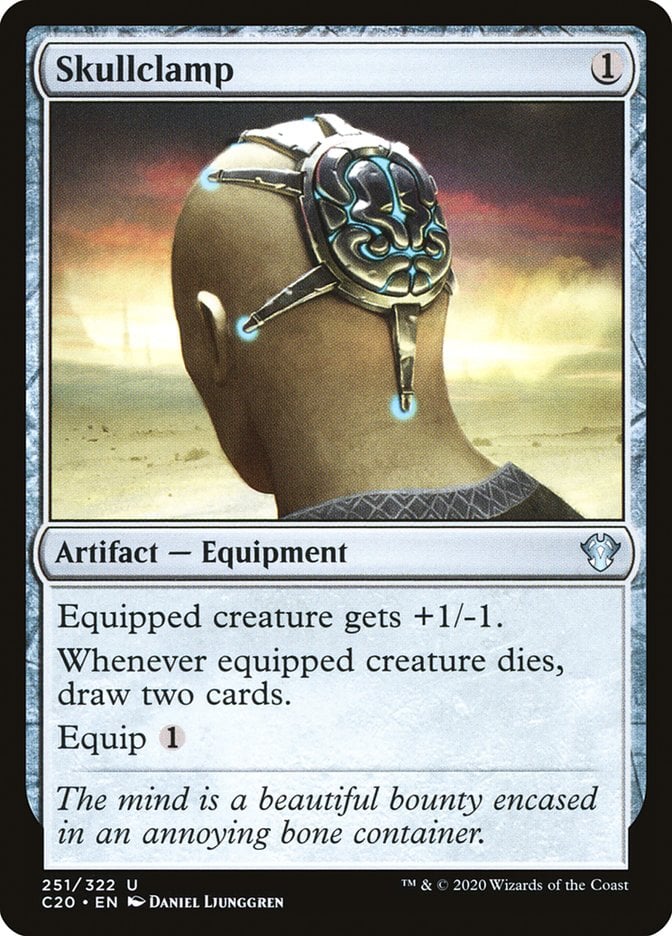
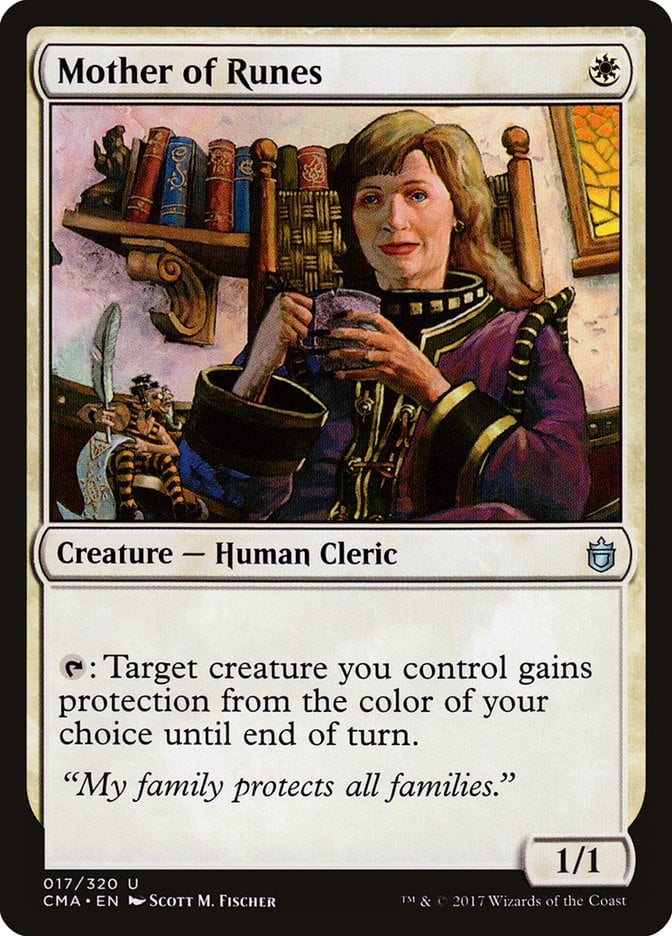
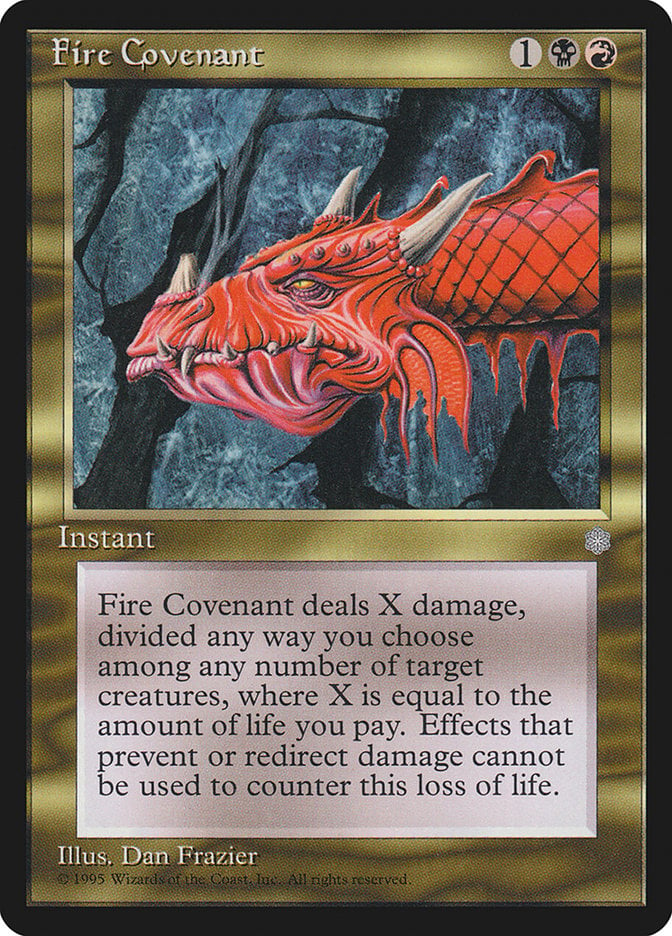
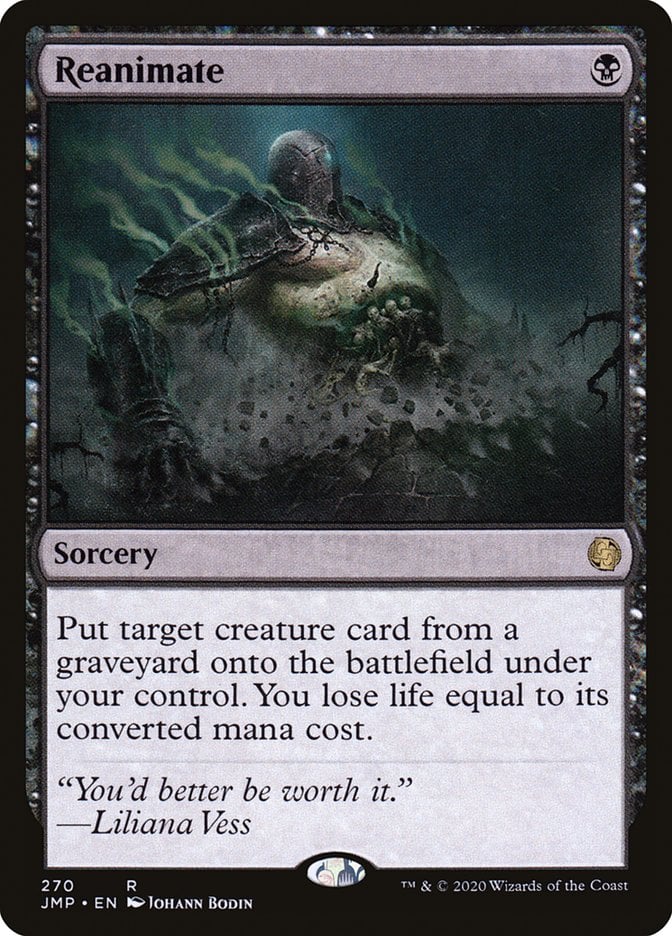
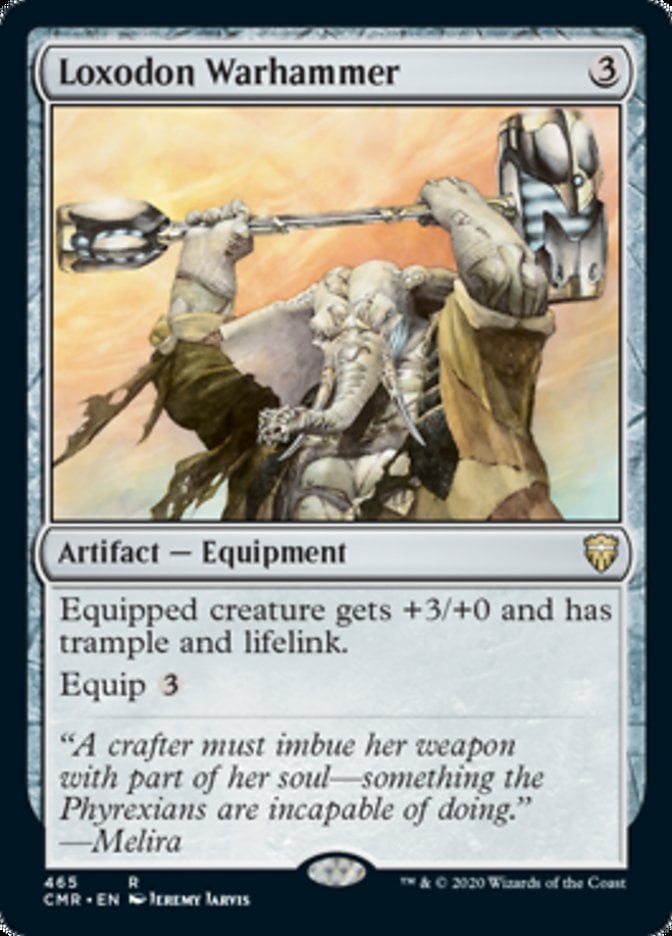
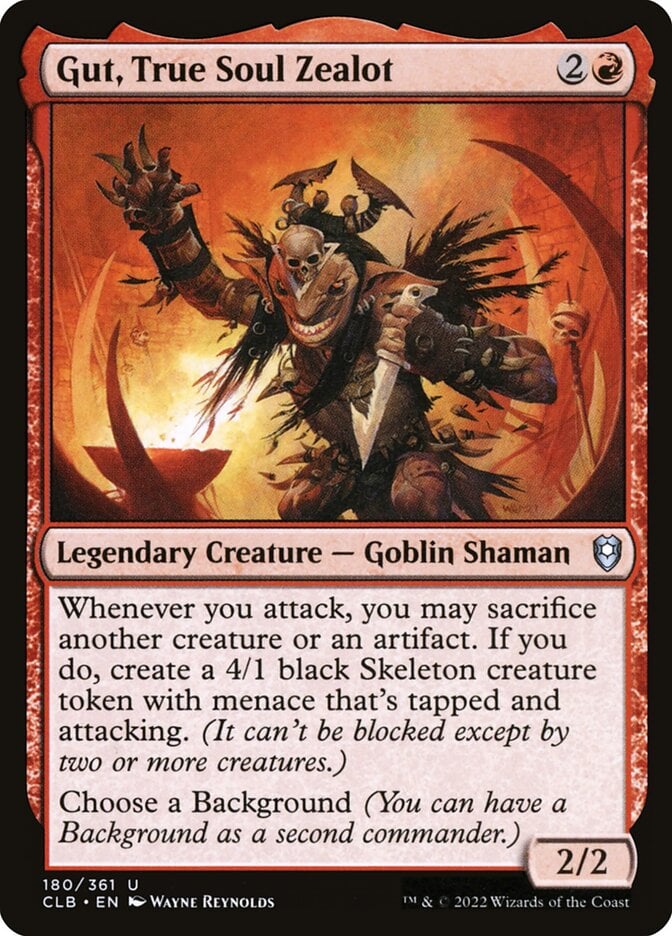
Power outliers include older MTG cards, and cards that are released in supplemental sets, like Conspiracy, Jumpstart, or Commander precons. If an uncommon card sees regular play in Vintage Cubes, it’s probably very strong in Peasant Cube.
- Skullclamp turns small tokens into a lot of card draw.
- Mother of Runes makes combat and removal untenable.
- Board wipes are already strong in these environments, but Fire Covenant is a touch too strong as a one-sided sweeper.
- Reanimate is too strong at 1 mana.
- Loxodon Warhammer makes racing hard, although MTG is a faster game these days, to the point where paying 3 mana to equip is a real cost.
- Gut, True Soul Zealot turns other creatures or artifacts into 4/1 skeletons with menace. It has pseudo-haste and works as an overpowered sacrifice outlet, too.
- Cards with the initiative or monarch mechanic are dangerous. Palace Jailer is a good example.
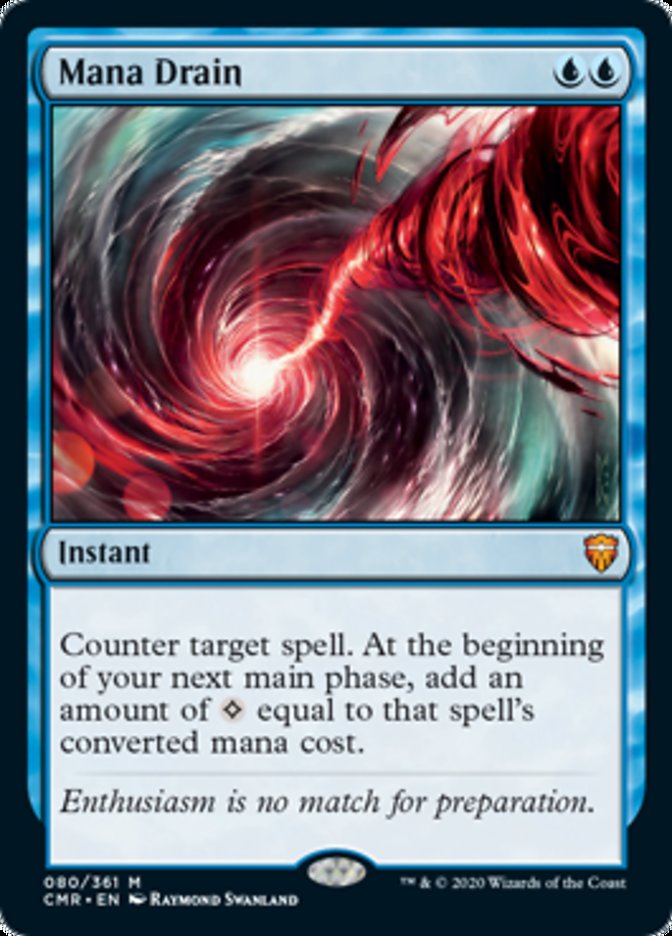
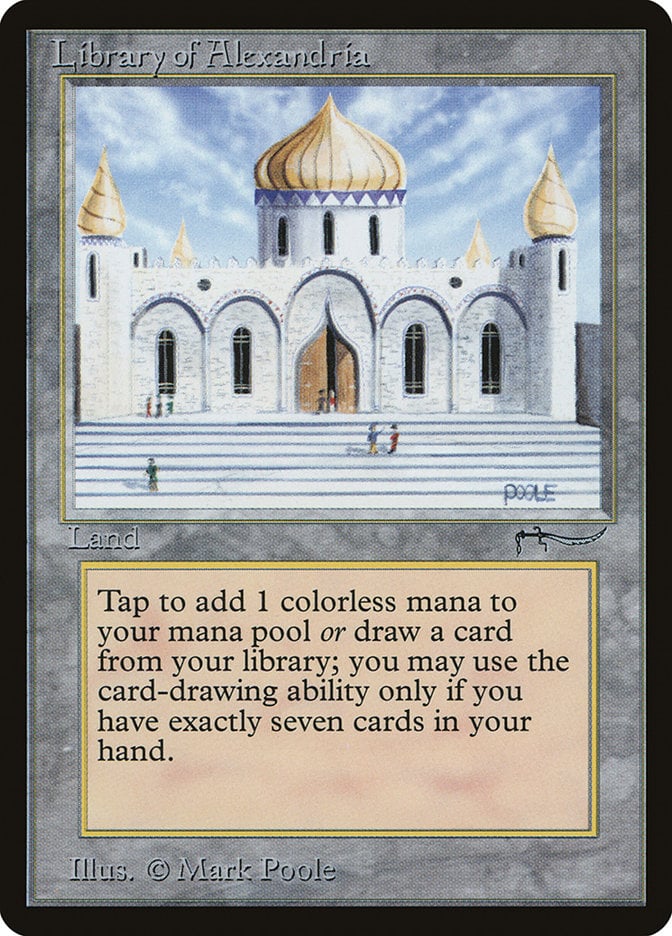
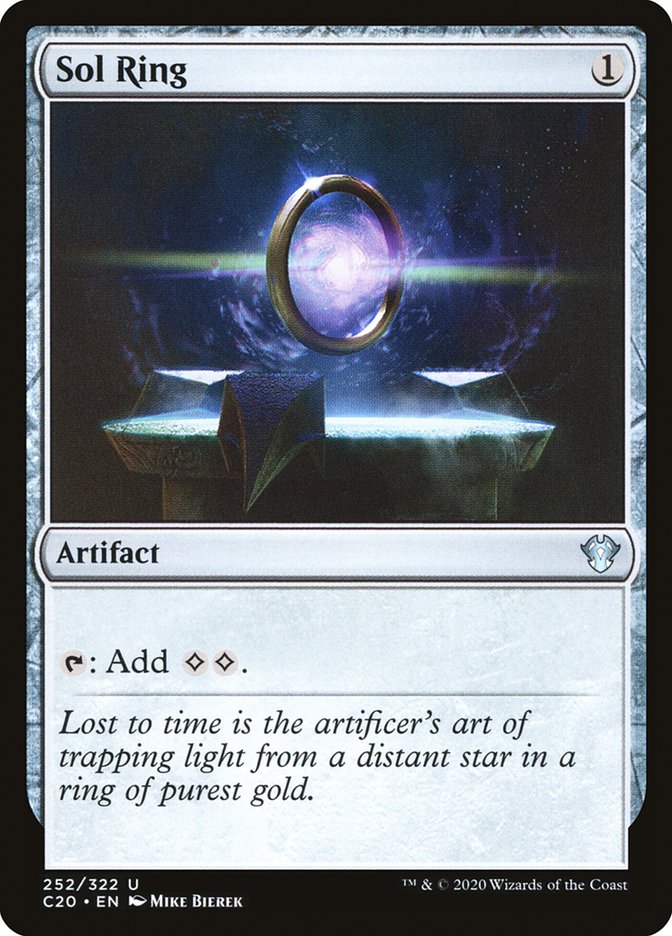
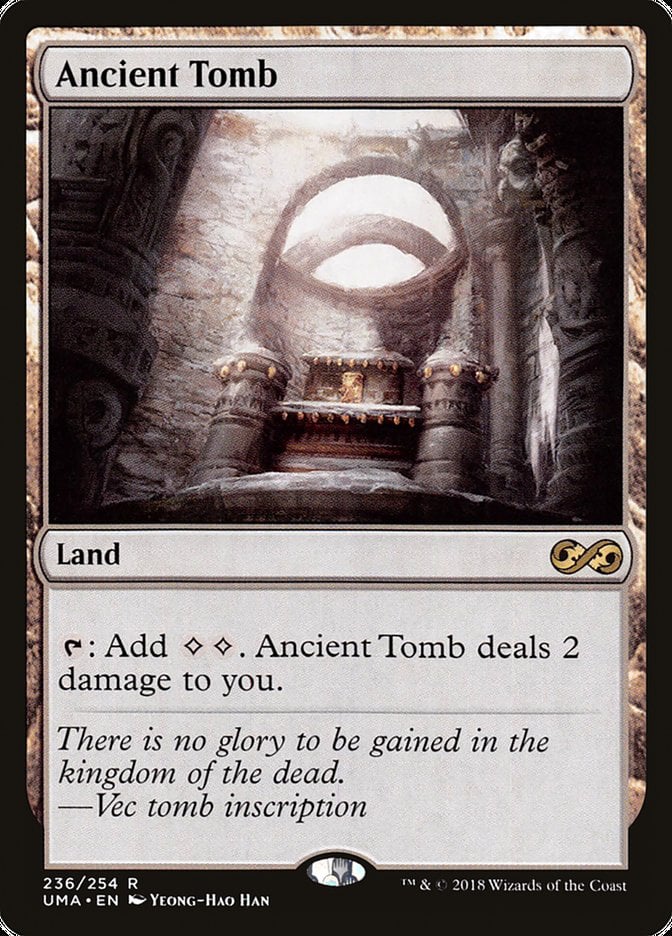
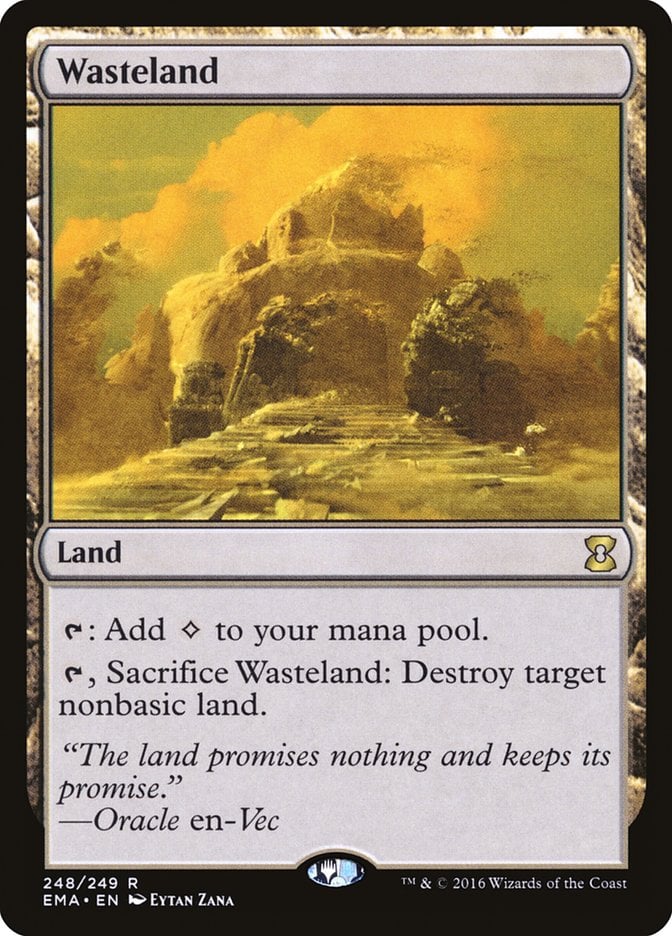
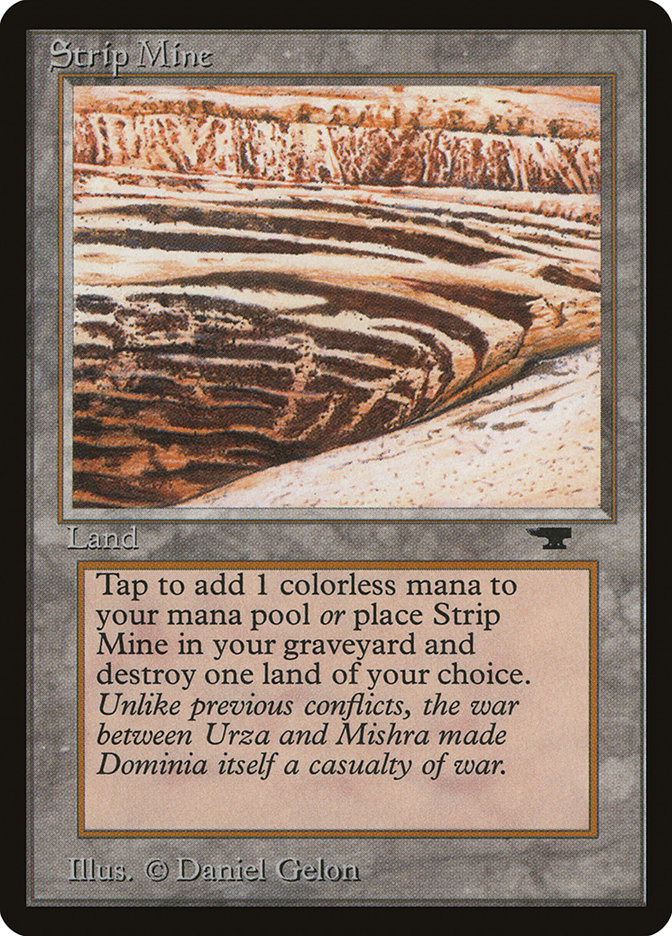
Then there are cards that were printed as an uncommon but most people agree don’t belong in a Peasant Cube due to power: We’re talking Mana Drain, Library of Alexandria, Sol Ring, Ancient Tomb, Wasteland, Strip Mine, and more. These are usually off people’s lists due to budget reasons as well.
Peasant Cube Archetypes
Let’s cover some typical Peasant Cube archetypes. I’ll focus on the most typical stuff we can find at the Peasant rarity. Note that these are heavily influenced by Draft and powerful signpost uncommons:
White/Blue Blink Flicker
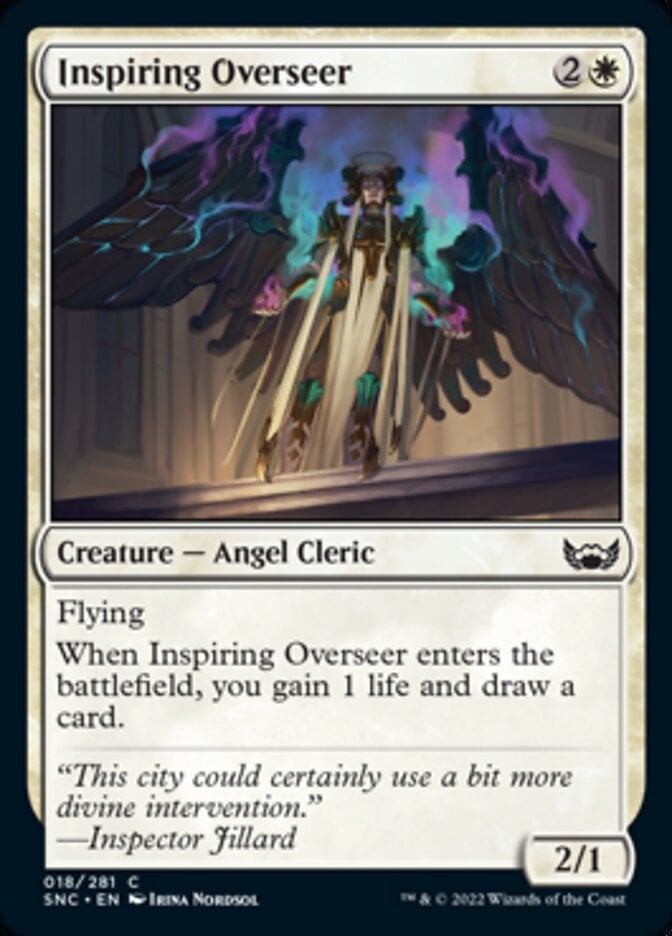

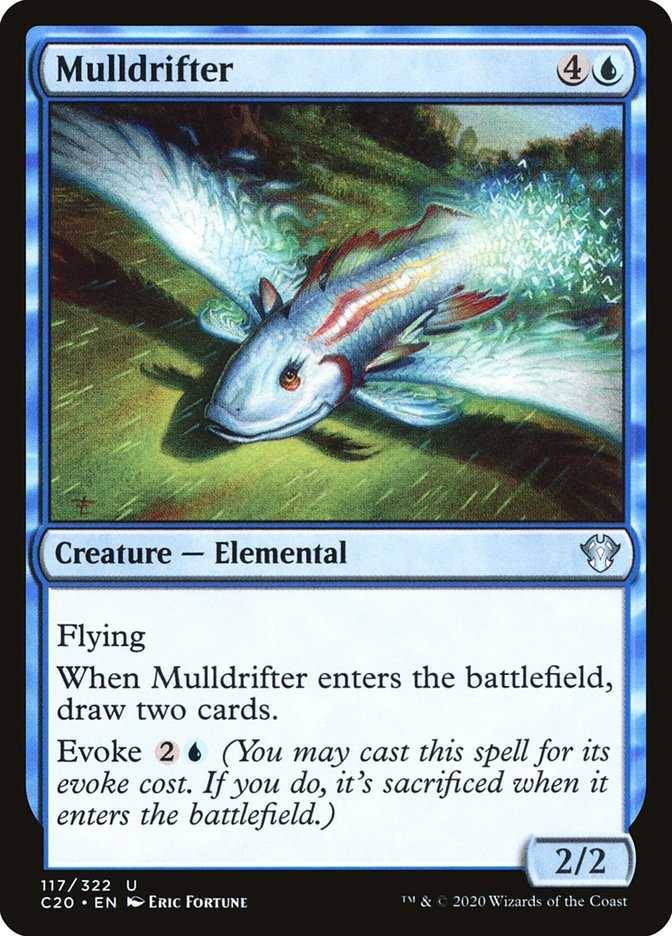

Many white and blue cards in Peasant have powerful enter effects, and WU has the tools to blink them over and over. White offers classics like Thraben Inspector, Inspiring Overseer, and Elite Interceptor. Blue has Mulldrifter, Cryogen Relic, and Alirios, Enraptured as good blink targets.
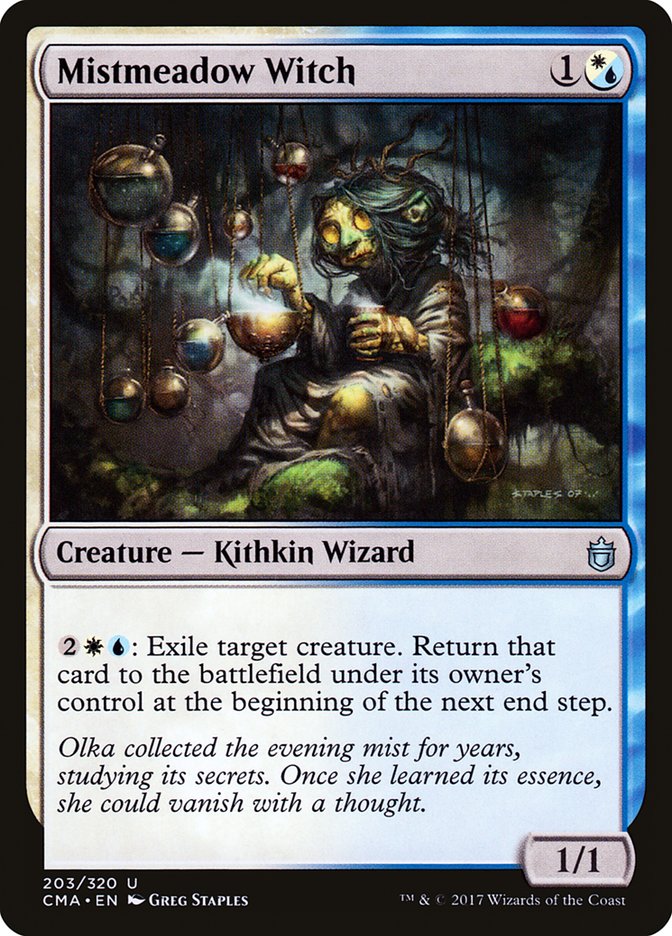
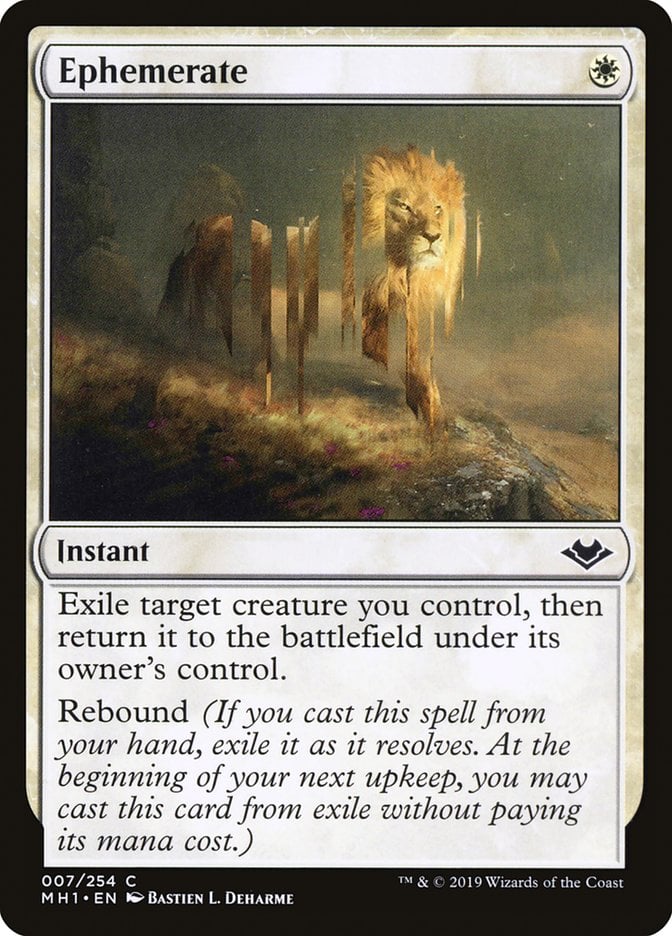
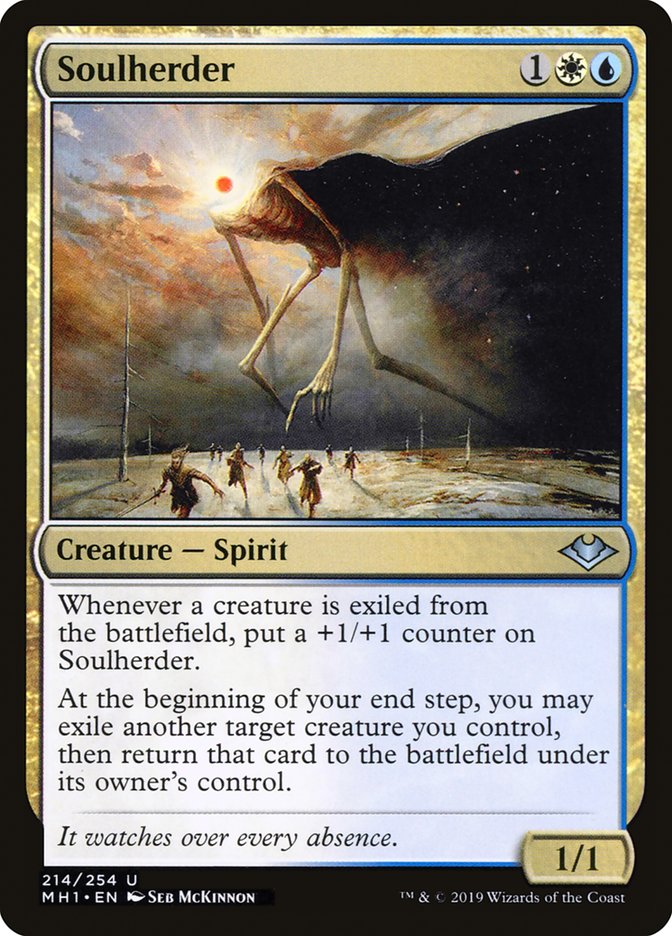
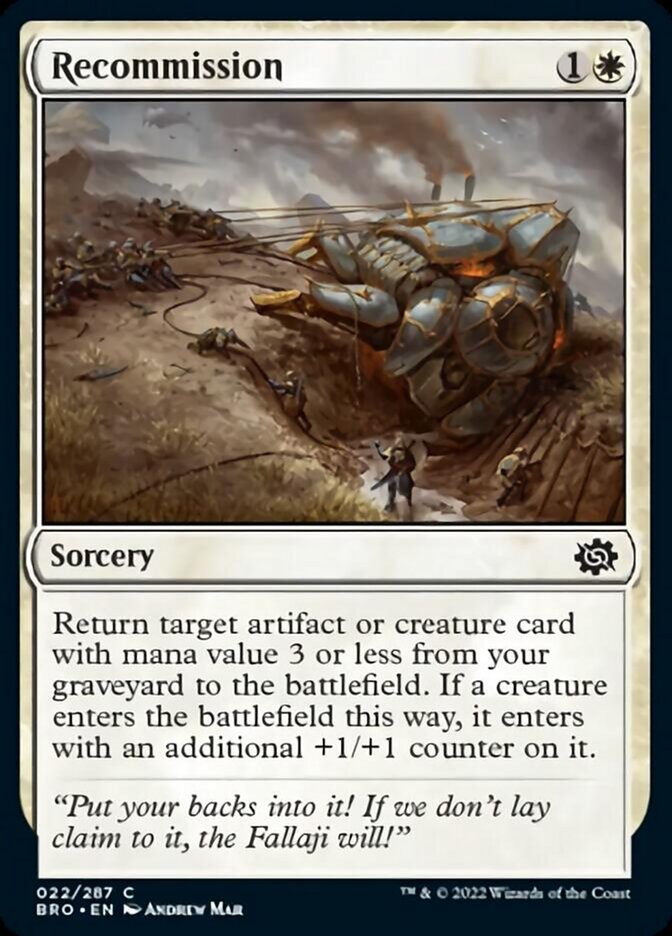
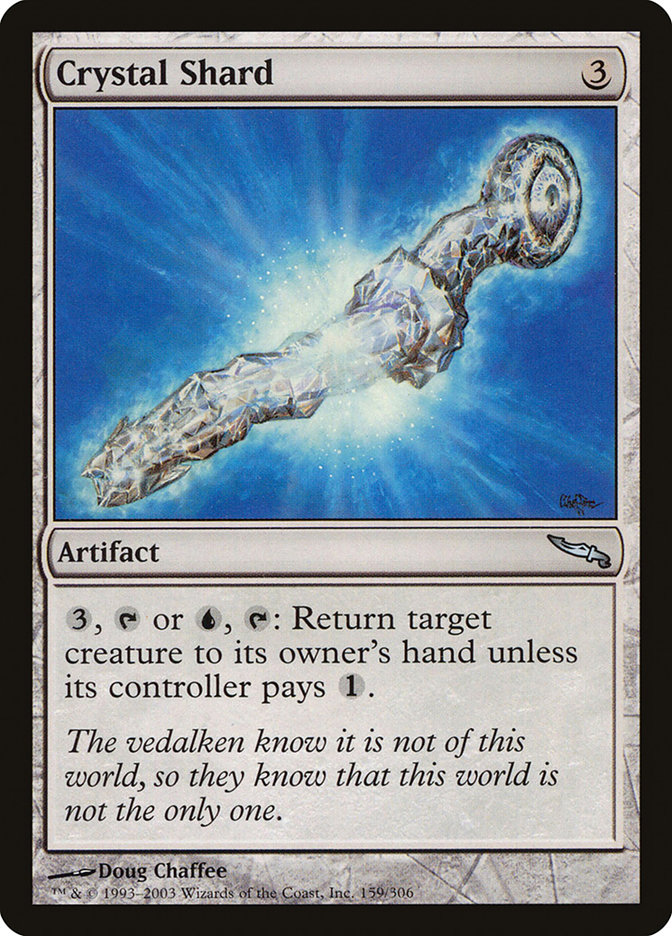

To blink these cards, we can use effects like Mistmeadow Witch, Ephemerate, Soulherder, or cards like Recommission to get more value from them if they go to the graveyard. Other ways to build WU in Peasant include going heavy on artifacts or fliers. Crystal Shard and Essence Reliquary are some long-game ways to establish “blink” loops with powerful ETBs.
Black/White Sacrifice
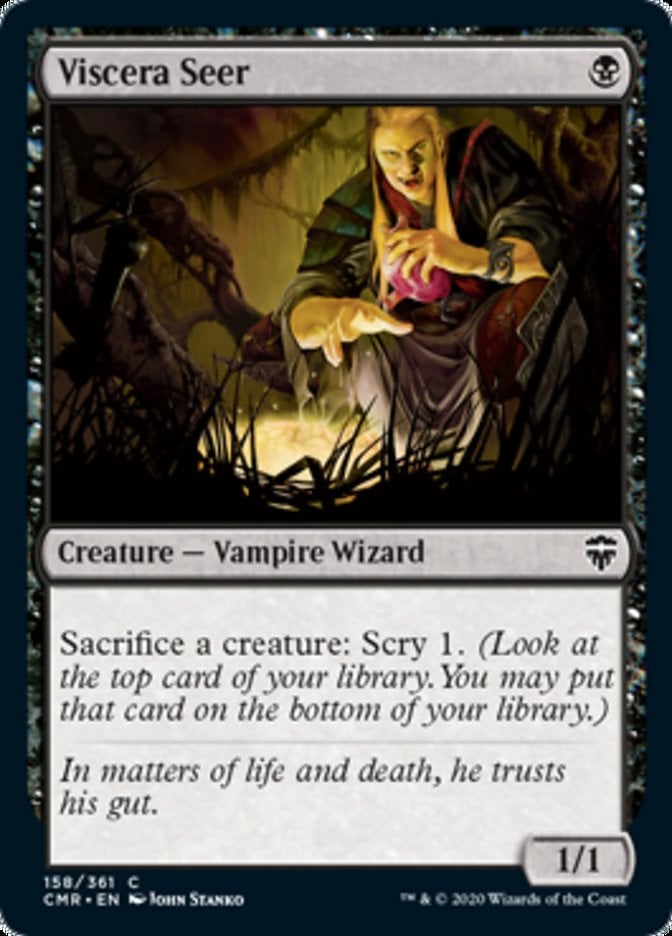

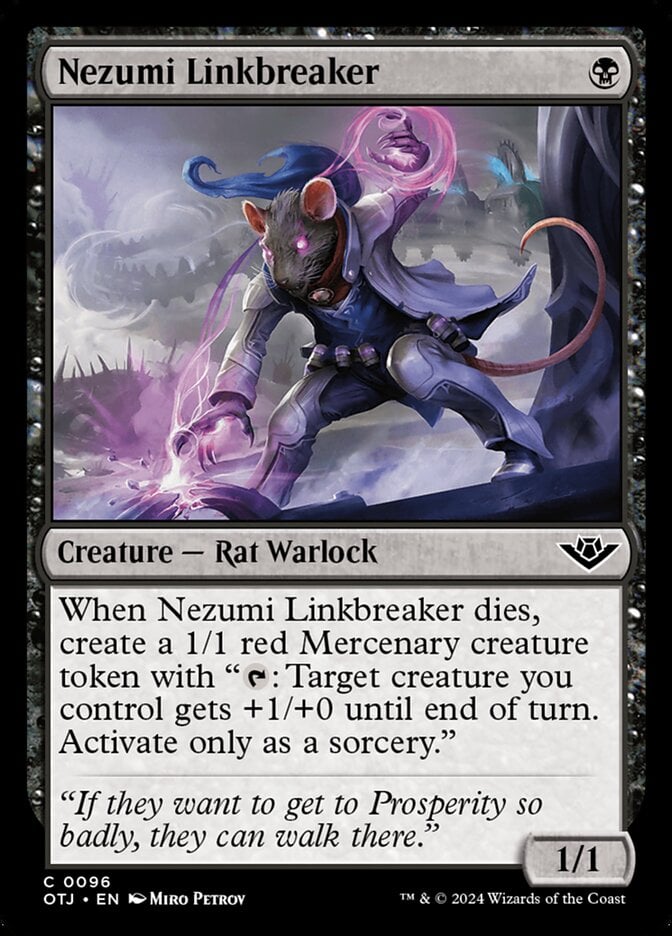

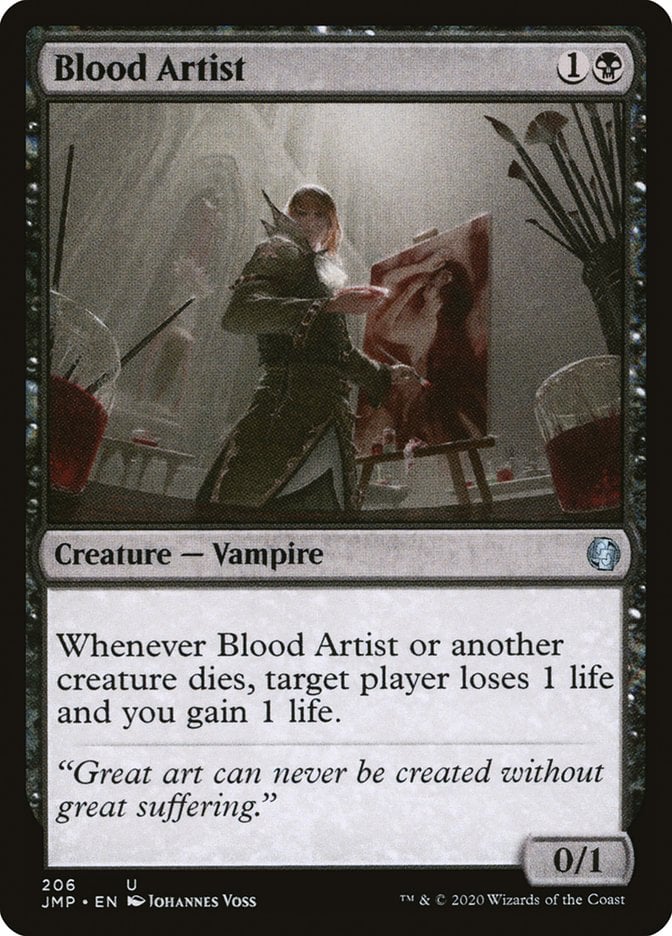
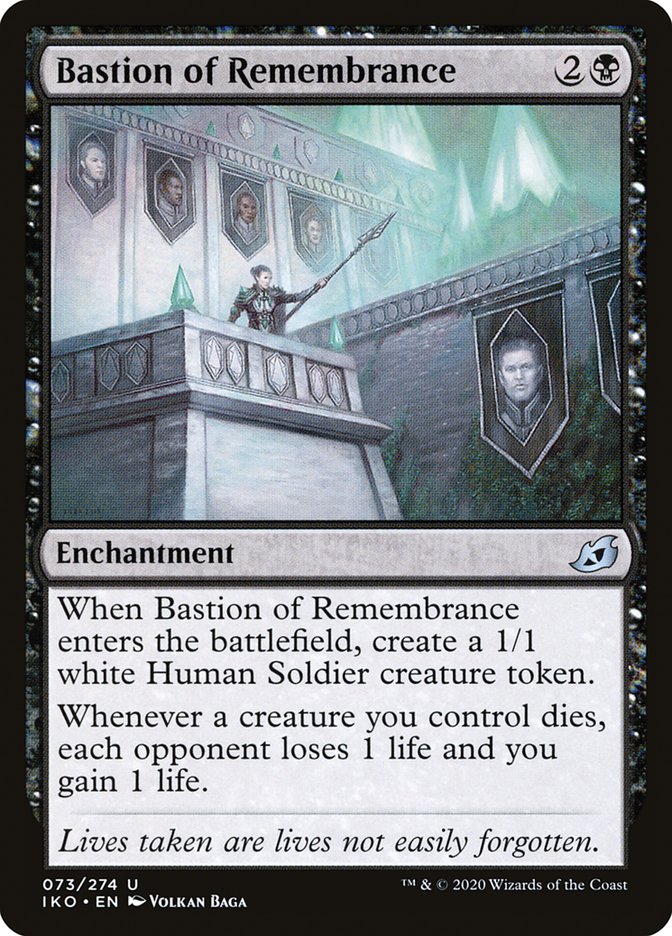
Black/White sacrifice, sometimes called aristocrats, has the cards to succeed in Peasant. Black is central in this archetype because it has everything: free sacrifice outlets like Viscera Seer and Umbral Collar Zealot, sacrifice fodder like Virus Beetle or Nezumi Linkbreaker, and death payoffs like Marionette Apprentice, Blood Artist, or Bastion of Remembrance.
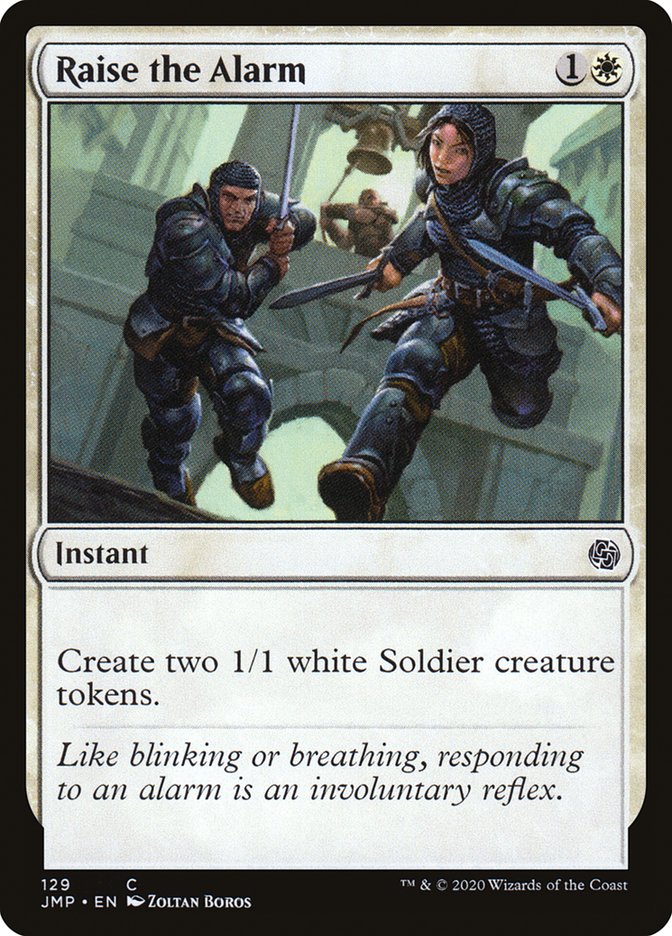


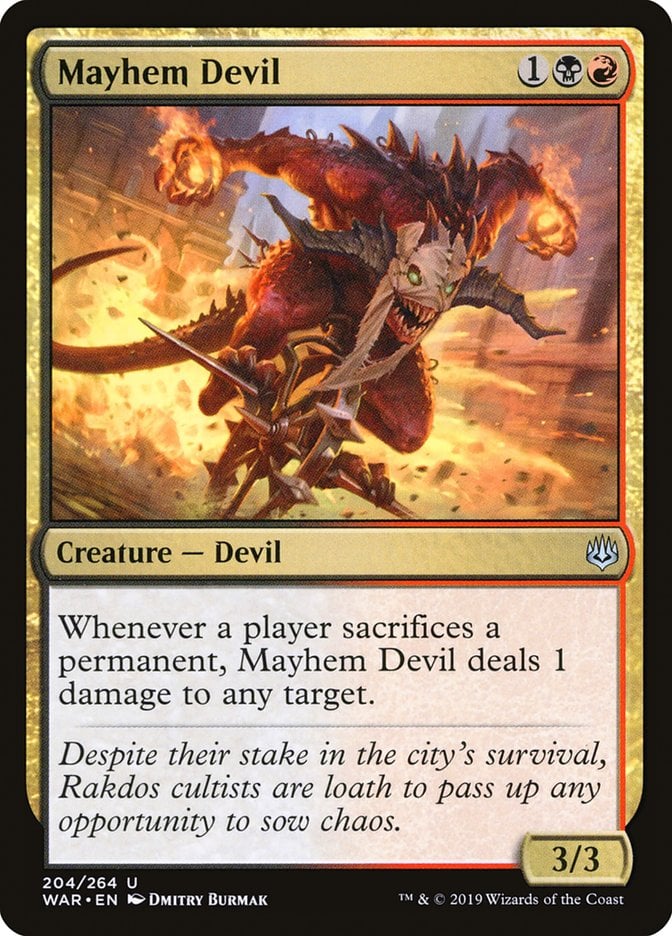
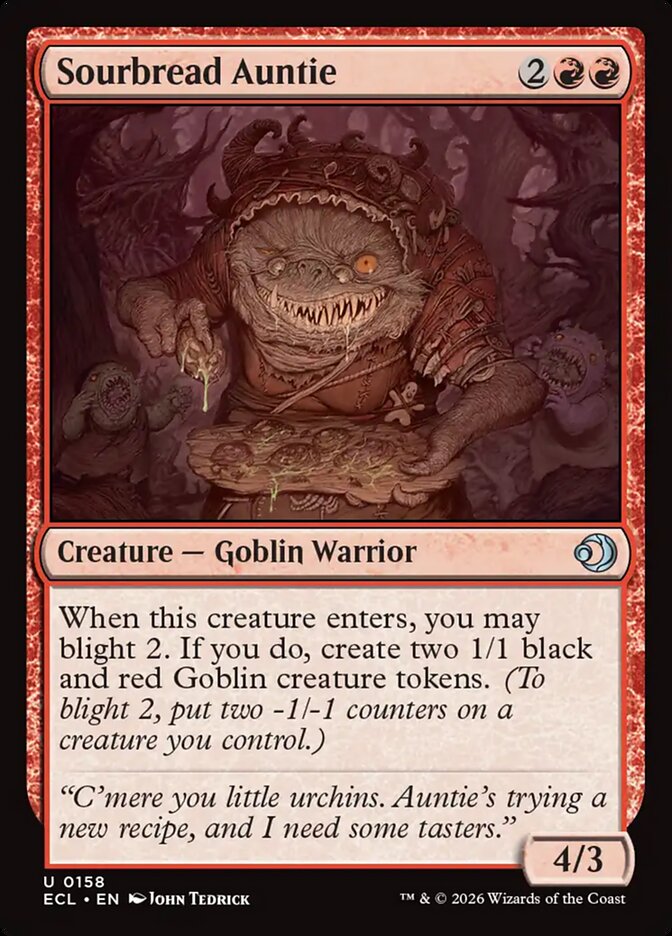
Combine all these together, and you have a deck. White is often a second color in this archetype because it creates a lot of tokens (Raise the Alarm, Hop to It, Carrot Cake), and it offers recursion. Another interesting possibility is to combine black with red for access to payoffs like Mayhem Devil and token production like Sourbread Auntie.
Blue/Red Spells
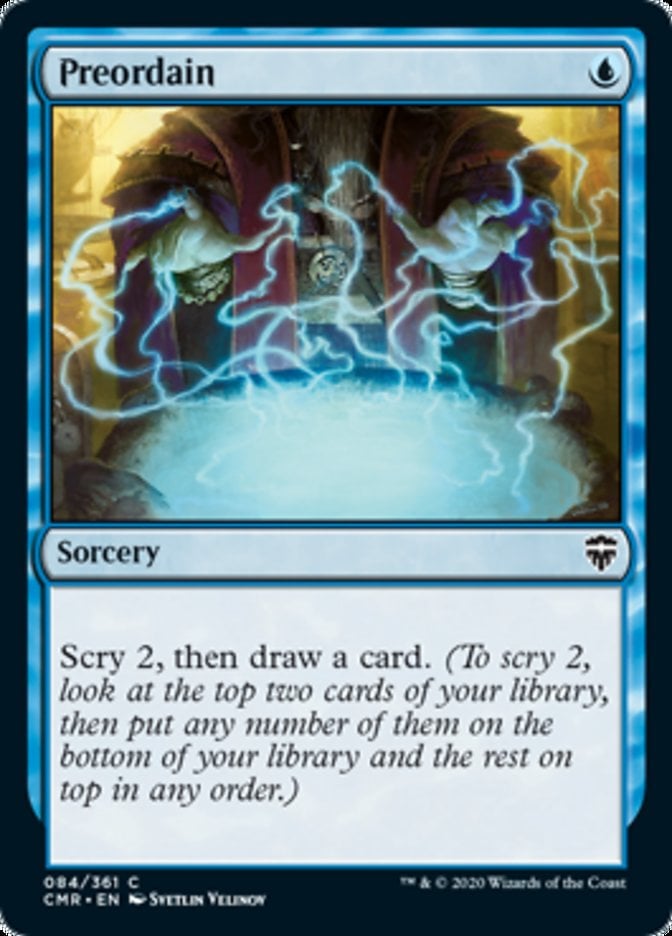
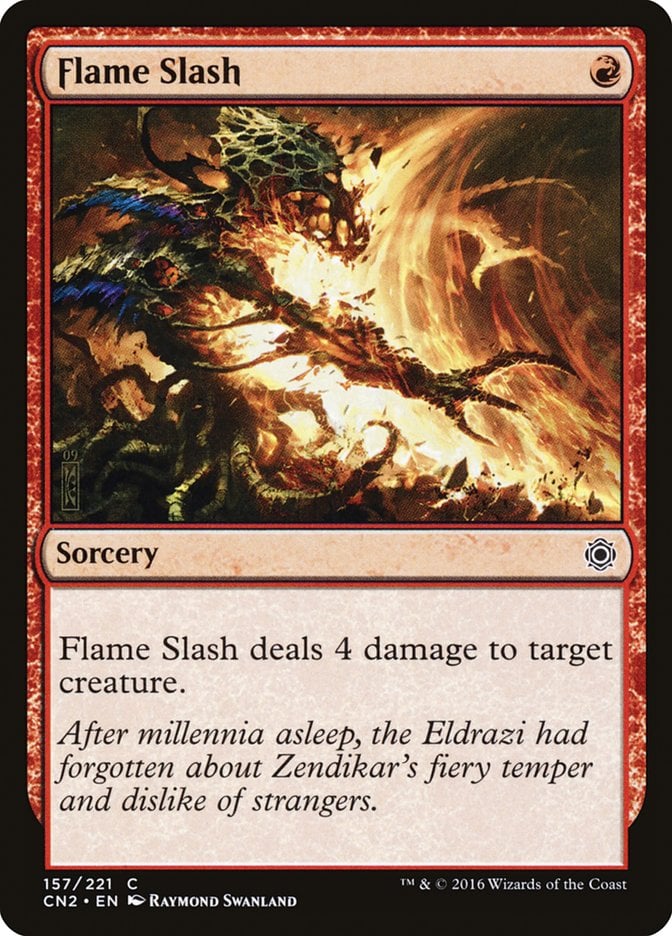
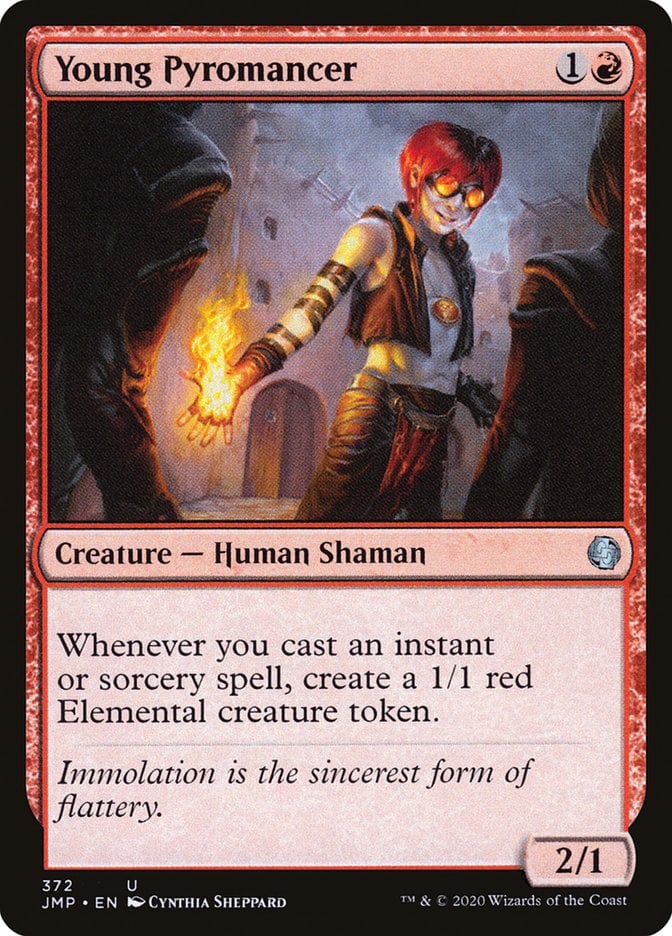

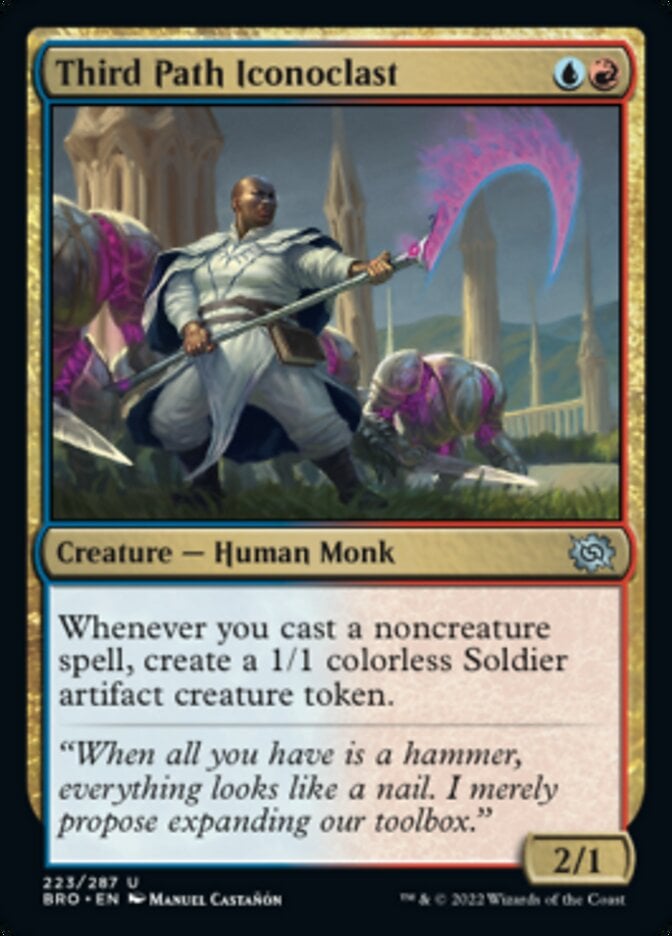
Most MTG sets these days have a noncreature spells theme in blue and red, often specifically instants and sorceries matter. What we usually call spellslinging in MTG. The best cards in blue and red are often instants and sorceries. Every blue deck wants cards like Preordain, Counterspell, or a bounce effect. Similarly, red decks love burn like Lightning Bolt, Flame Slash, or Torch the Witness. Then, you need payoffs for casting those instants and sorceries. The prime candidates are Young Pyromancer, Coruscation Mage, or Third Path Iconoclast.
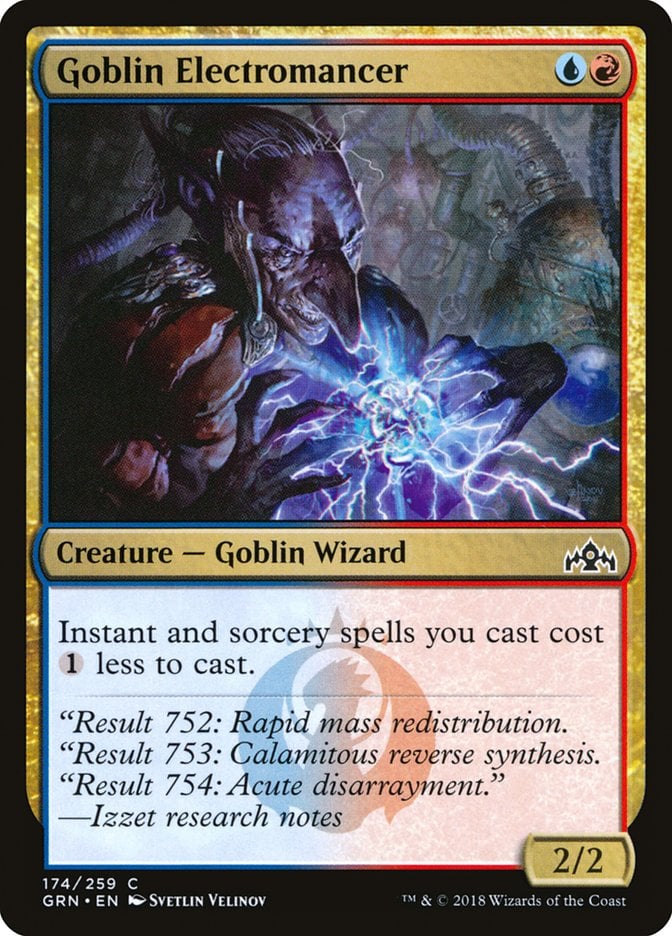
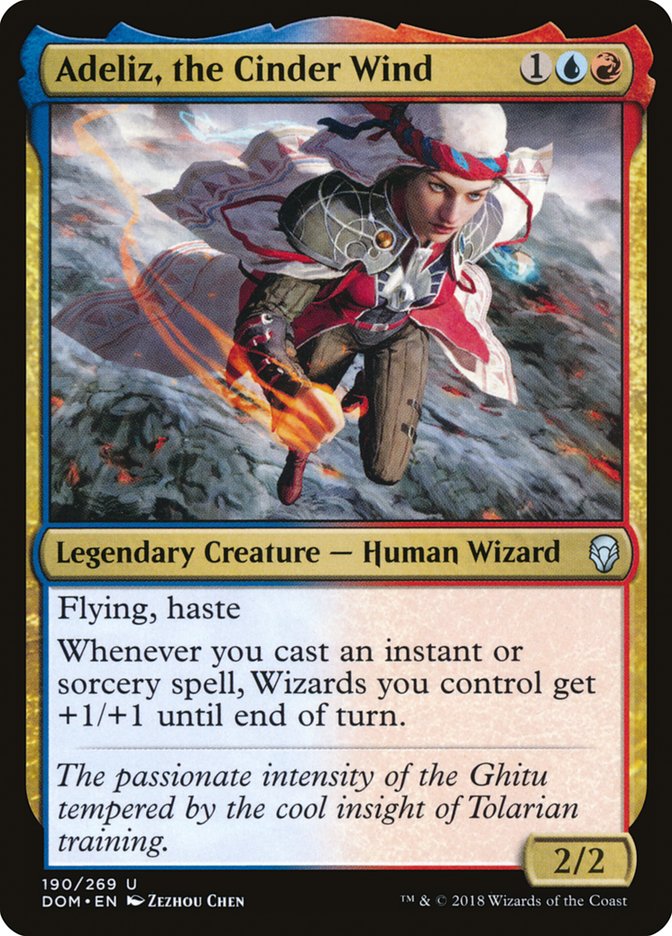
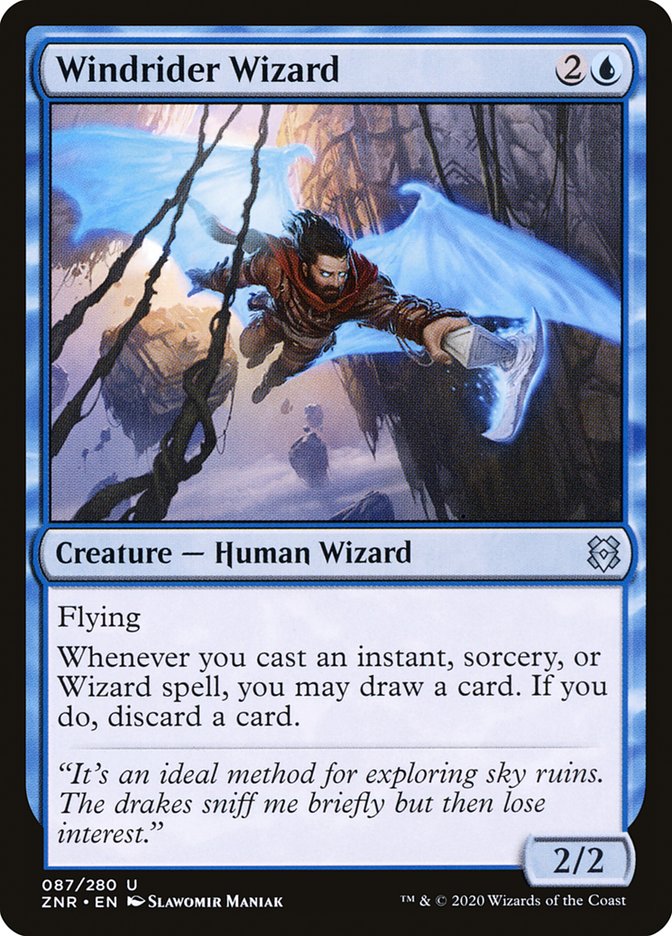
Creatures that care about noncreature spells are often wizards, so it’s fairly easy to play something like wizard typal, with cards like Goblin Electromancer, Adeliz, the Cinder Wind, or Windrider Wizard.
Green/White Auras
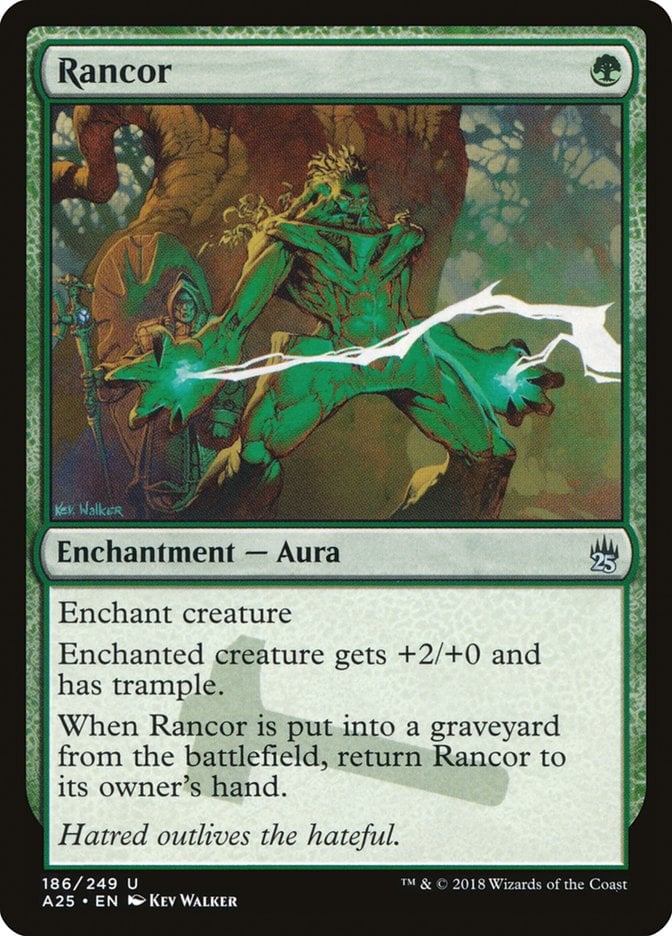
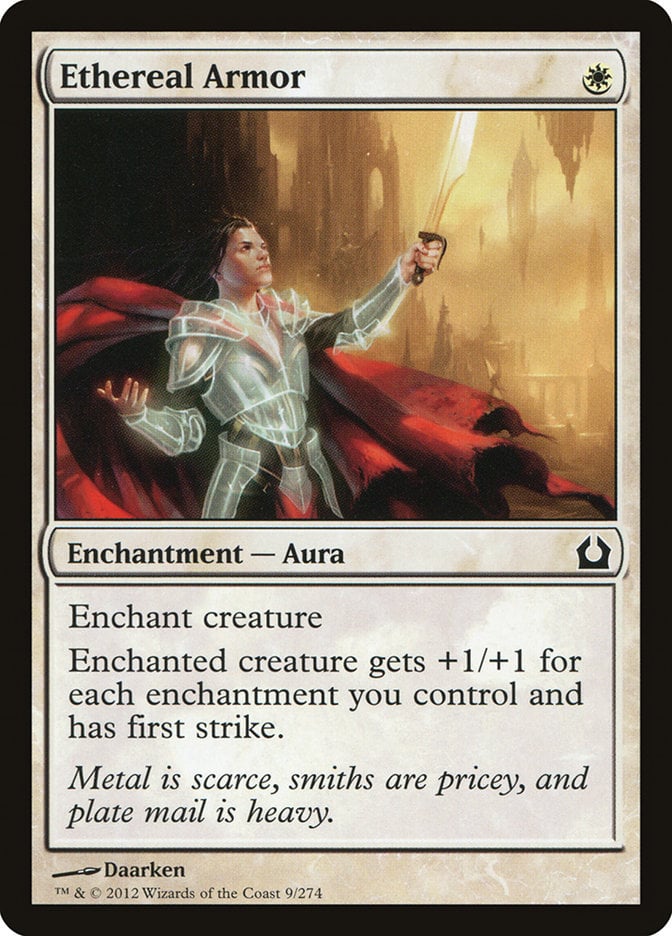
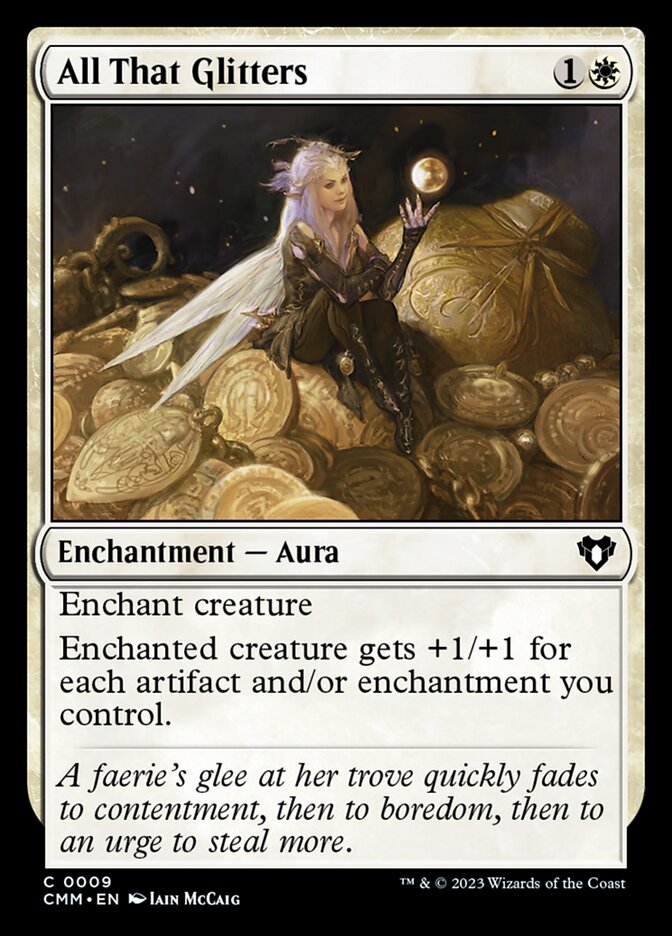
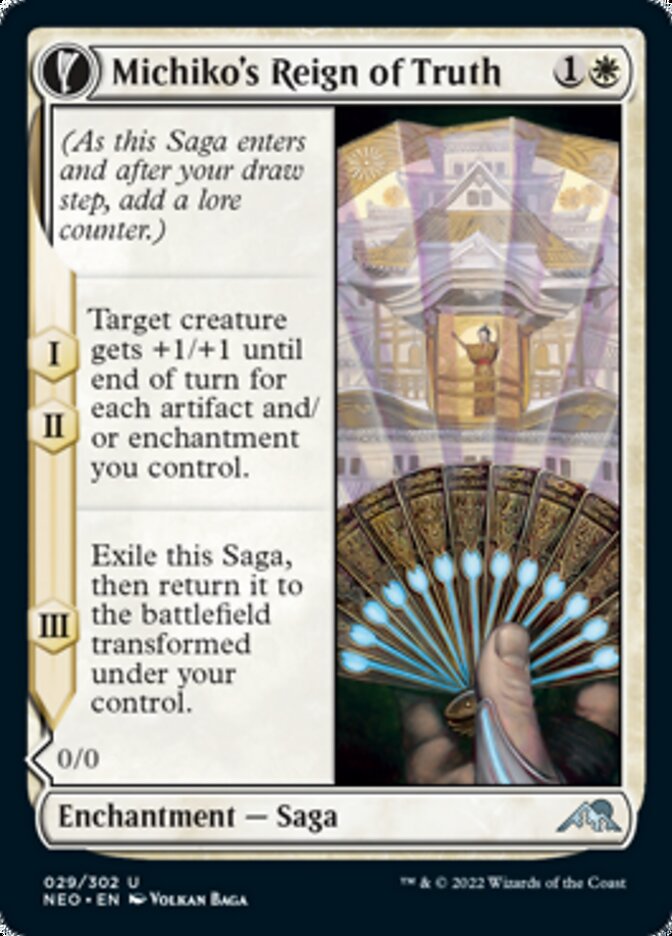


Green-white has the capability of being a +1/+1 counters deck, but that often leads to glass cannon gameplay. Auras is an alternative route for the color pair. These decks are prime candidates for auras, and the color combination has excellent ones. Also, green and white creatures have abilities like trample, lifelink, and double strike that work wonders when you buff them with auras. Hexproof and ward help your creatures survive longer.
Rancor, Ethereal Armor, and All Rhat Glitters are explosive, and you can also play sagas like Michiko's Reign of Truth. Modern Horizons 3 added excellent cards to this archetype, like Nyxborn Hydra with bestow, Golden-Tail Trainer, and the dual land Strength of the Harvest.
Green/Red Monsters
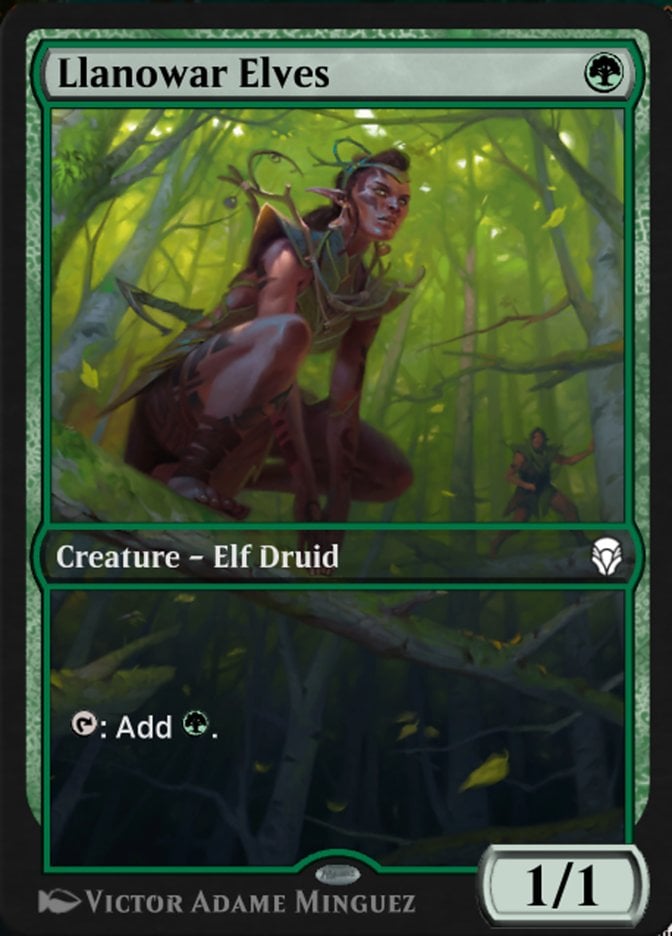
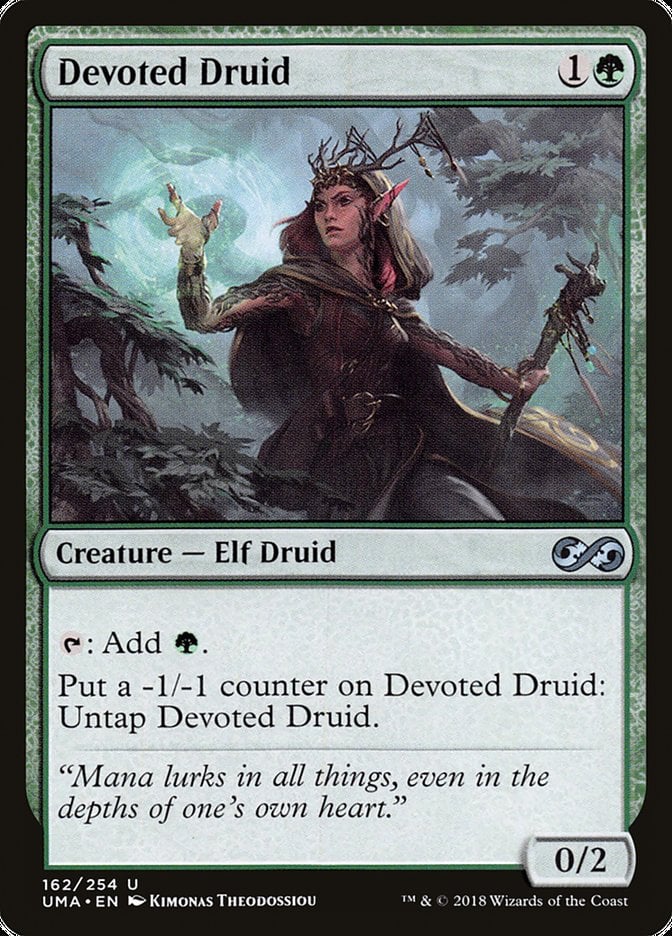
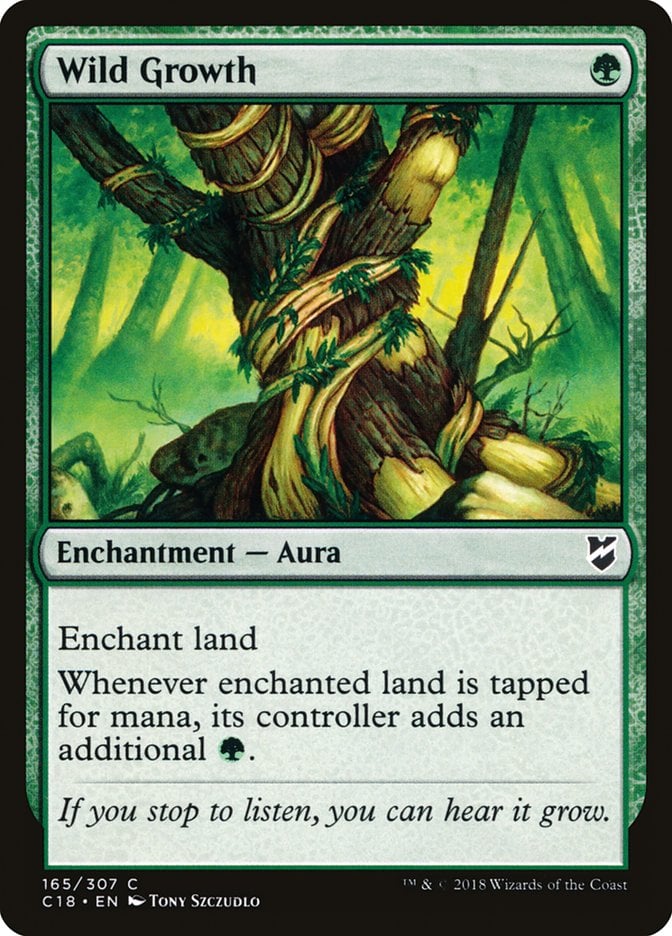
When green and red join forces, it’s often to smash face with powerful 5/5 and 7/7 creatures. You have the mana acceleration green provides with Llanowar Elves and Devoted Druid. You have fast starts with Forest, Arbor Elf and Wild Growth into a 5-cost creature.
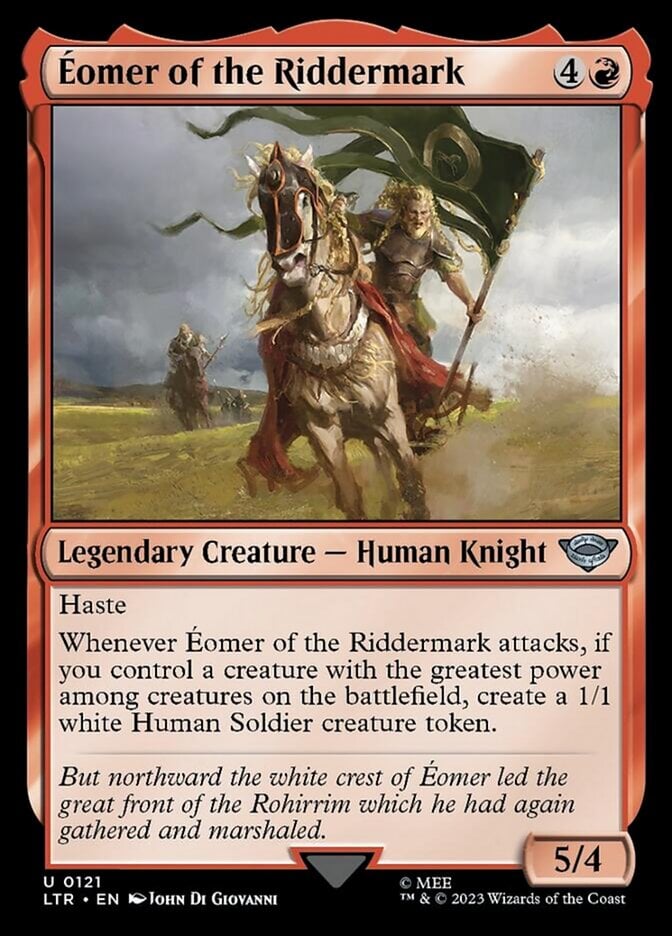

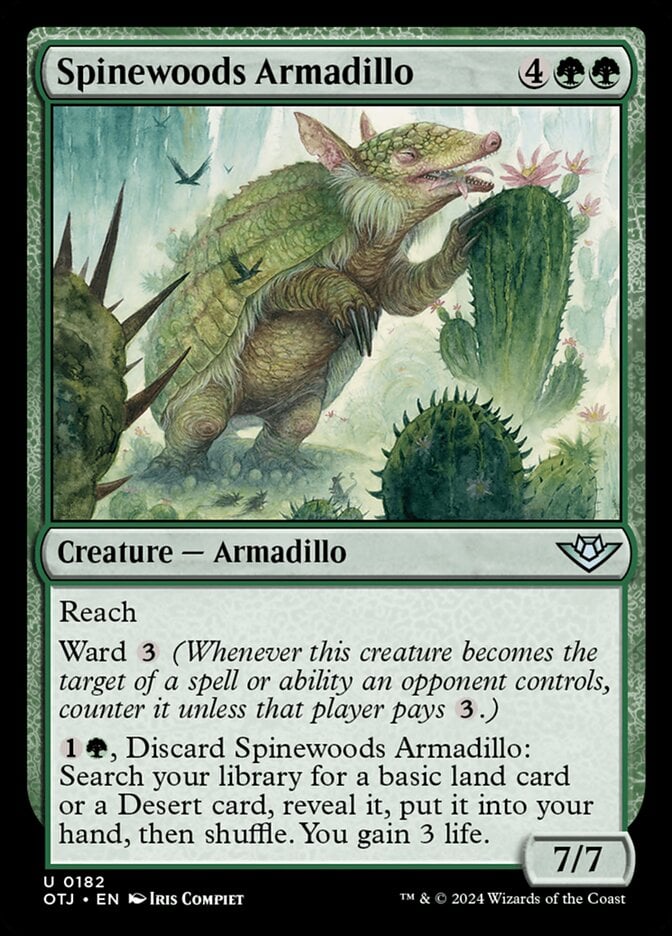
Good ramp targets are Éomer of the Riddermark, Gladiolus Amicitia, or Spinewoods Armadillo. Landfall plays a central role in red and green Peasant decks since many sets support it in these colors. This archetype commonly splashes black for removal, card draw, or reanimation, so you have the good old Jund deck available, too.
Black/Red Artifacts/Sacrifice
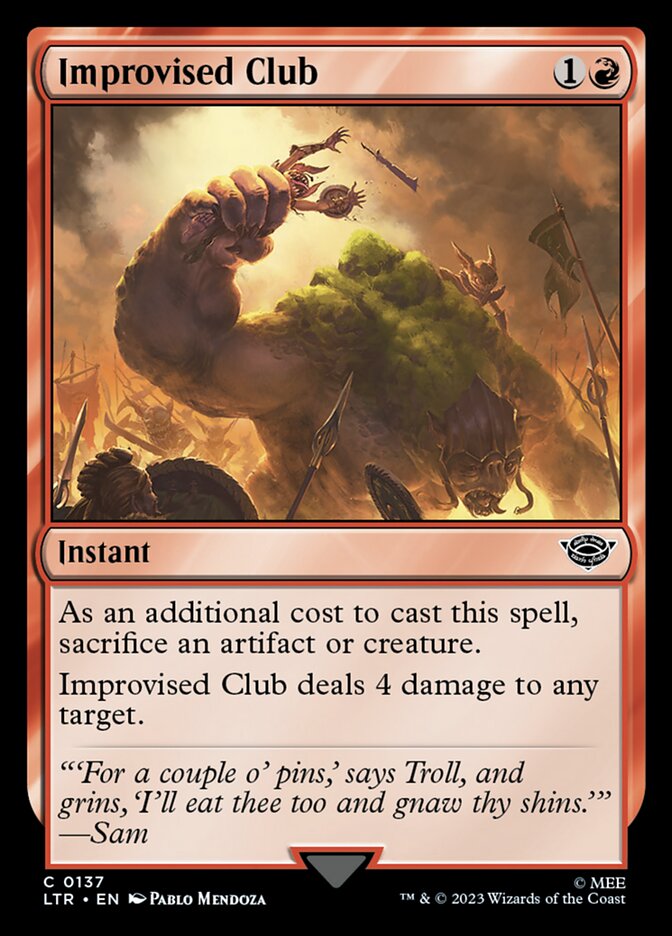

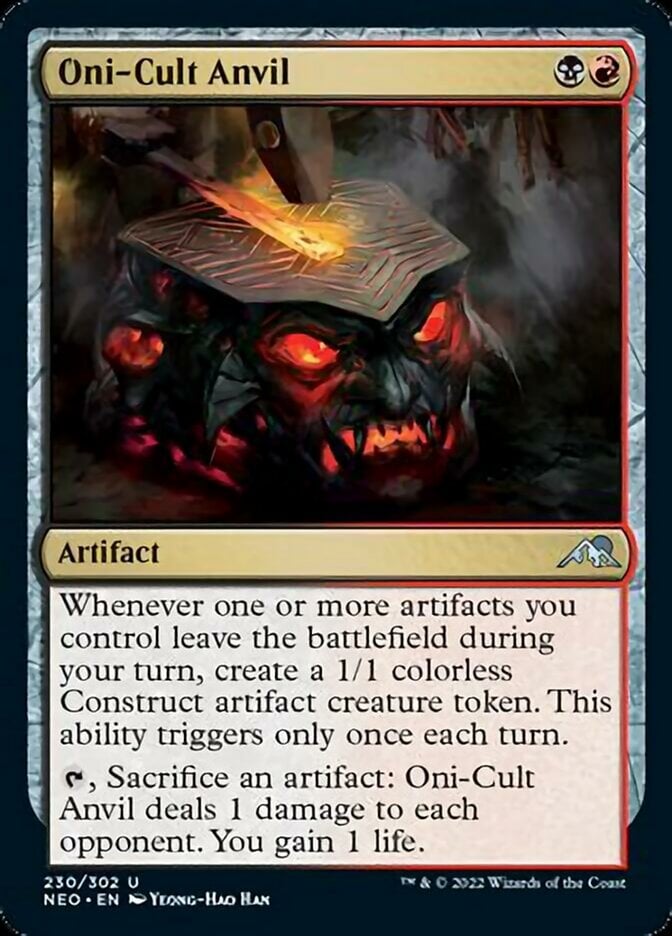

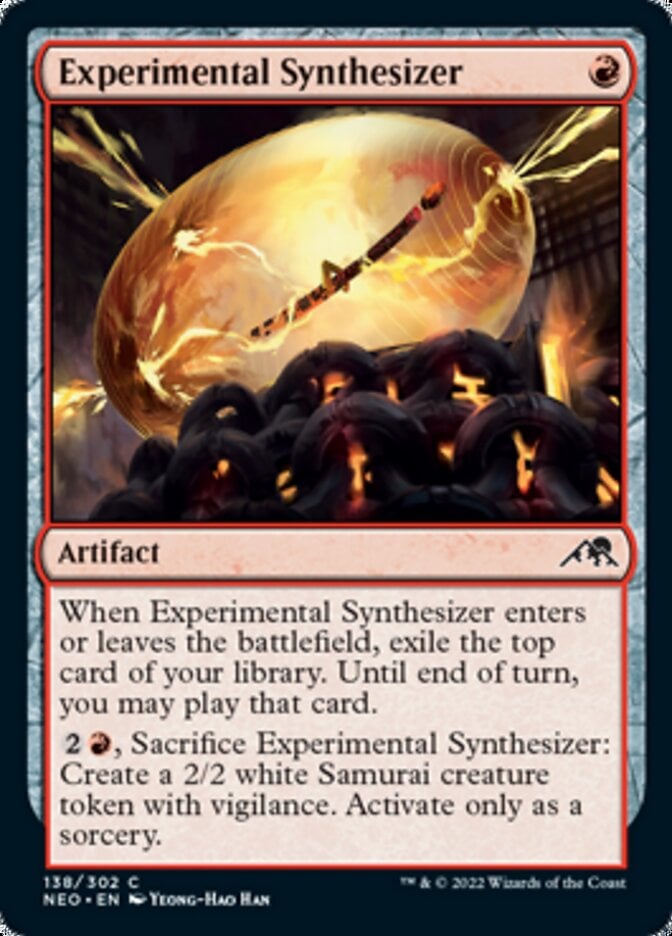
Black and red in Peasant is often a grindy deck, combining the great removal from these colors with aristocrat synergies. Newer MTG sets have had more artifact subthemes in black and red—Kamigawa: Neon Dynasty, Modern Horizons 3, and even Universes Beyond sets (Anchovy & Banana Pizza, anyone?).
BR has some payoffs for sacrificing artifacts, like Improvised Club, Disciple of the Vault, and Marionette Apprentice. Cards that create artifact tokens are very strong in Peasant, like the excellent Ivora, Insatiable Heir and Bloodtithe Harvester that make Blood tokens, many red and black cards create or synergize with Treasure, and more. From Oni-Cult Anvil to Cranial Ram, there’s artifact synergy everywhere. Experimental Synthesizer fits the artifact sacrifice theme very well.
Other Archetypes
Of course, we can still play white weenie, go-wide Boros aggro, green beatdown, mono-red aggro, lots of black removal and recursion, fliers, ramp, reanimator, different flavors of graveyard decks, and more. I just wanted to highlight prototypical archetypes Peasant Cubes are known to play.
What Kind of Effects Is Peasant Cube Missing?
Since rares and mythics are out of the question, Peasant Cube lacks the splashy cards often seen in higher rarities. Most good untapped duals are rares, so your mana base will often be a bunch of tap lands or tri-lands. As such, it’s not recommended to play 4+ color decks in the format, although it’s possible to craft an environment where they can be good. Some Peasant Cube designers break the rarity restrictions specifically for better manabases.
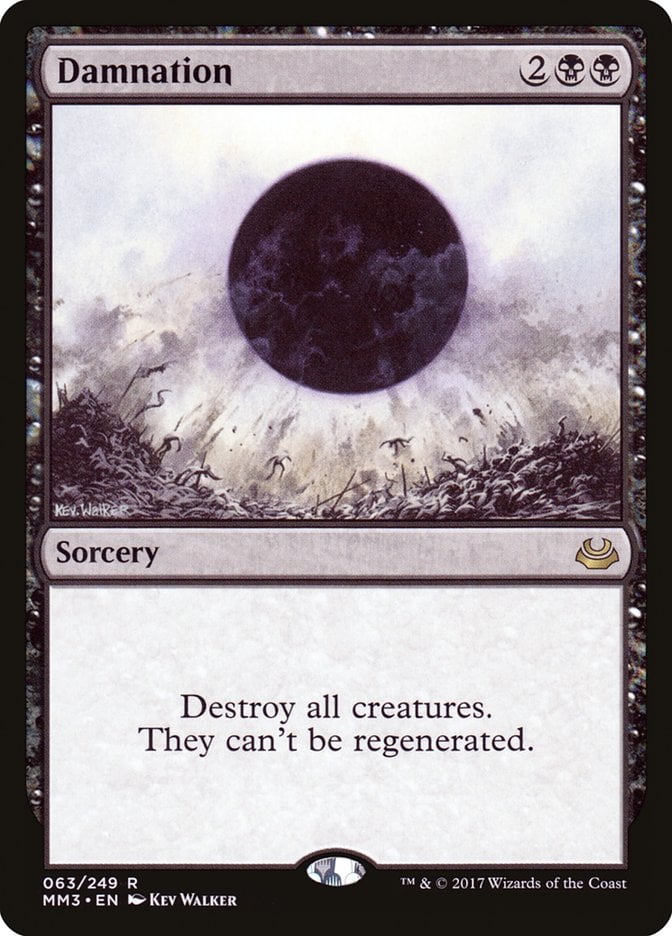
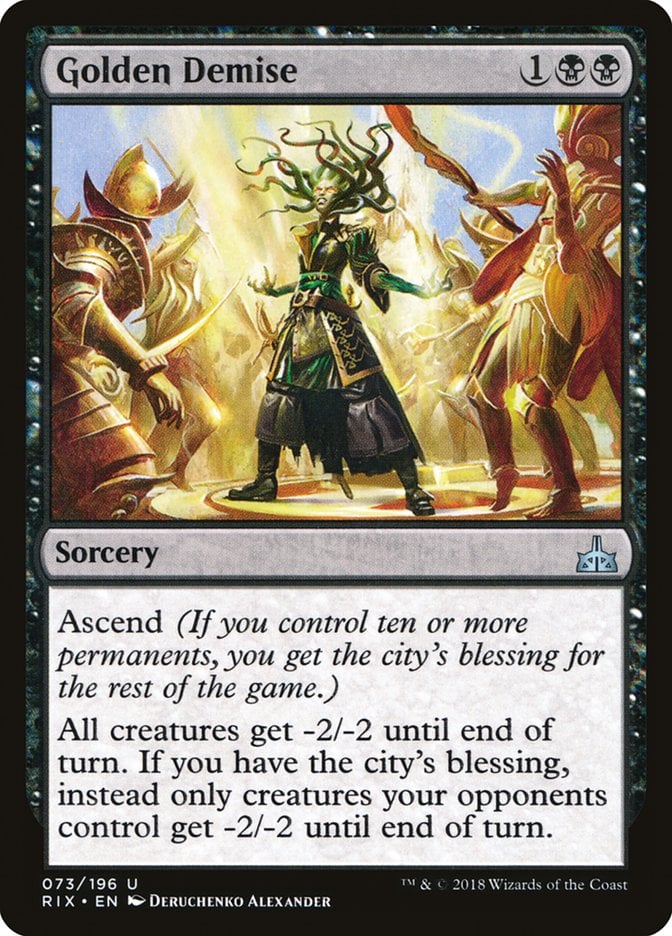
Cheap, unconditional creature sweepers, like Wrath of God and Damnation are usually rares. Peasant has better access to effects like Golden Demise in black or Pyroclasm in red, but if your opponent has a bunch of 4/4 creatures, you’re in trouble.

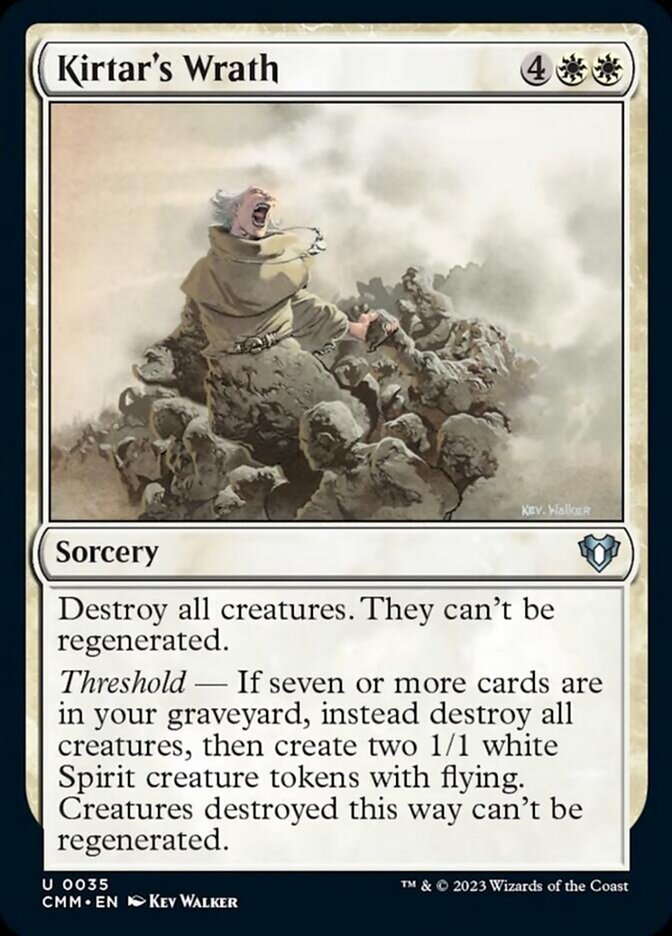
Commander Masters flirted with downshifted sweepers like Extinguish All Hope and Kirtar's Wrath, but they're far from efficient.

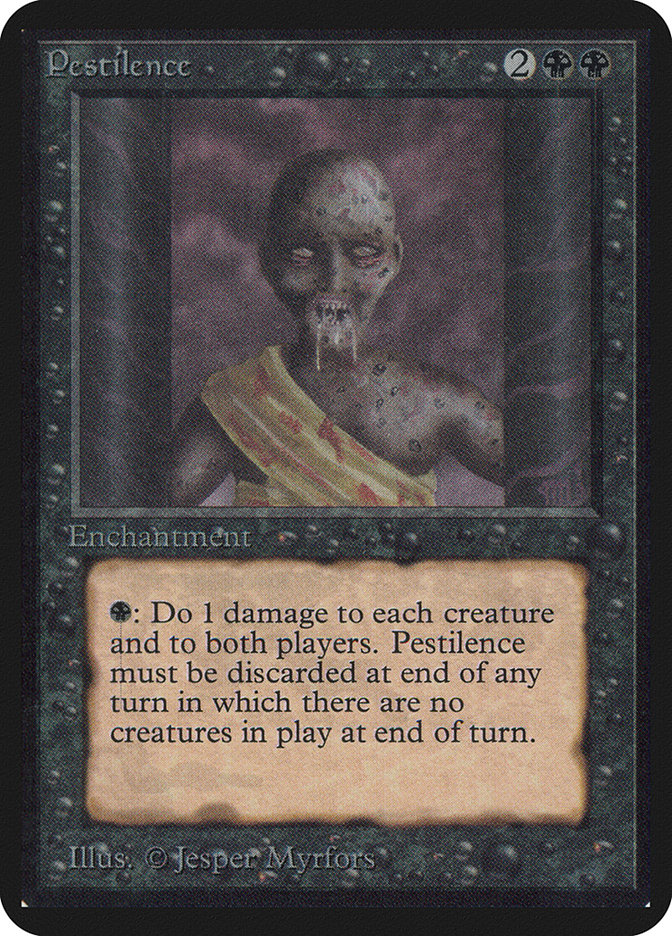
There are some powerful conditional wraths though, like Fear, Fire, Foes!, Fire Magic, and for power-maxed Cubes, Pestilence and Fire Covenant.
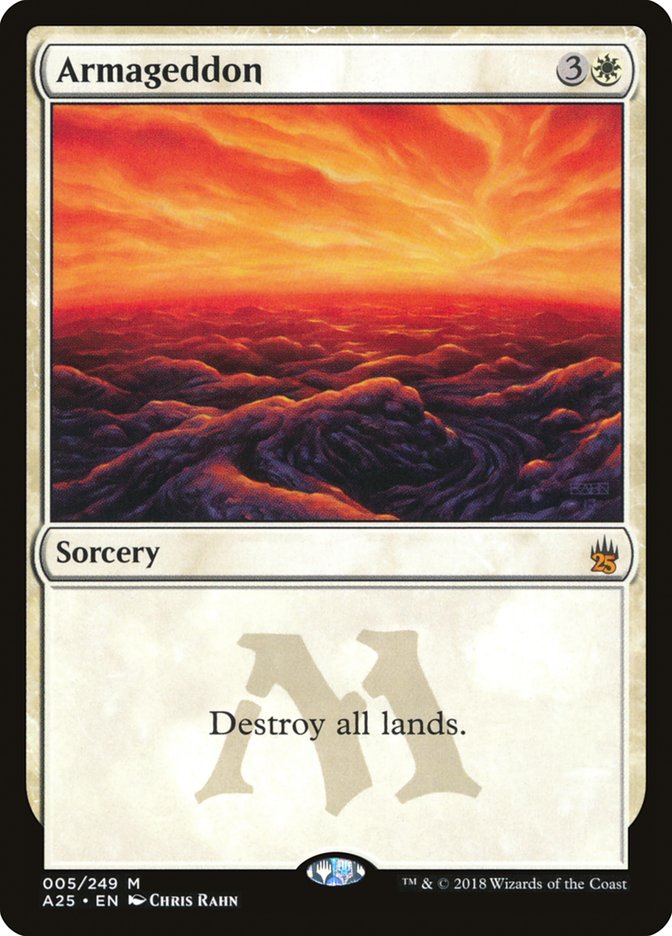
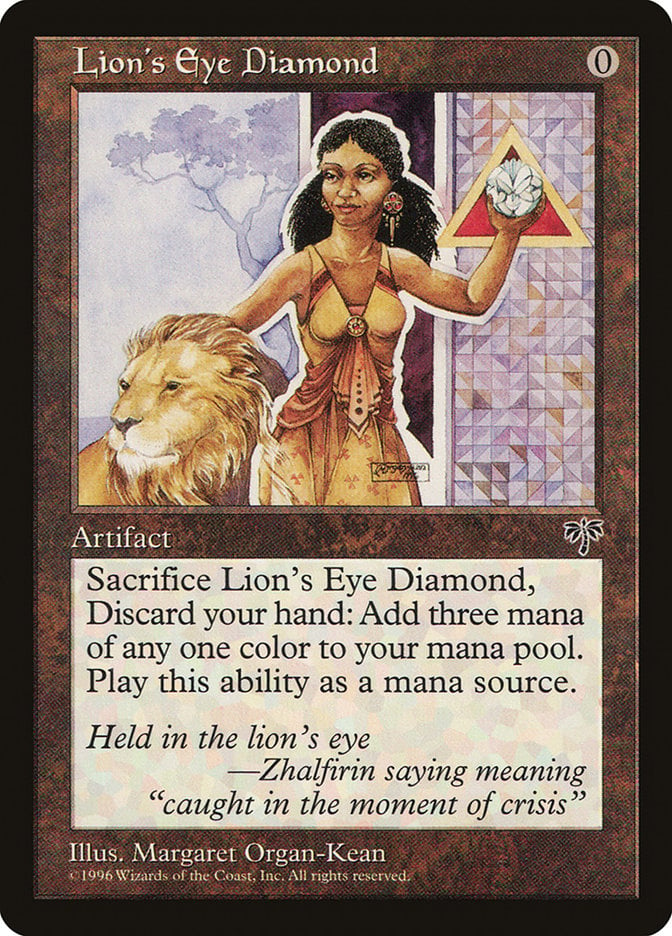
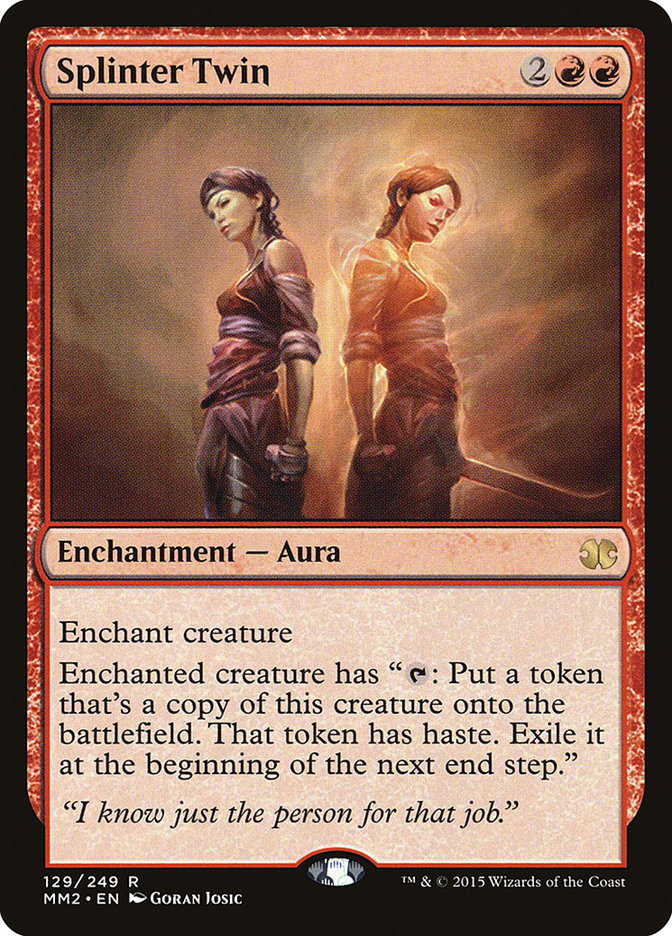
Planeswalkers are usually mythic rare cards outside rare sets like War of the Spark. Giant battlecruisers that turn the tide of the battle aren’t present either, so forget about Grave Titan, Wurmcoil Engine, or Loot, the Pathfinder. You won’t see any powerful crazy stuff like Armageddon, Lion's Eye Diamond, or 2-card combos (Splinter Twin + Pestermite).
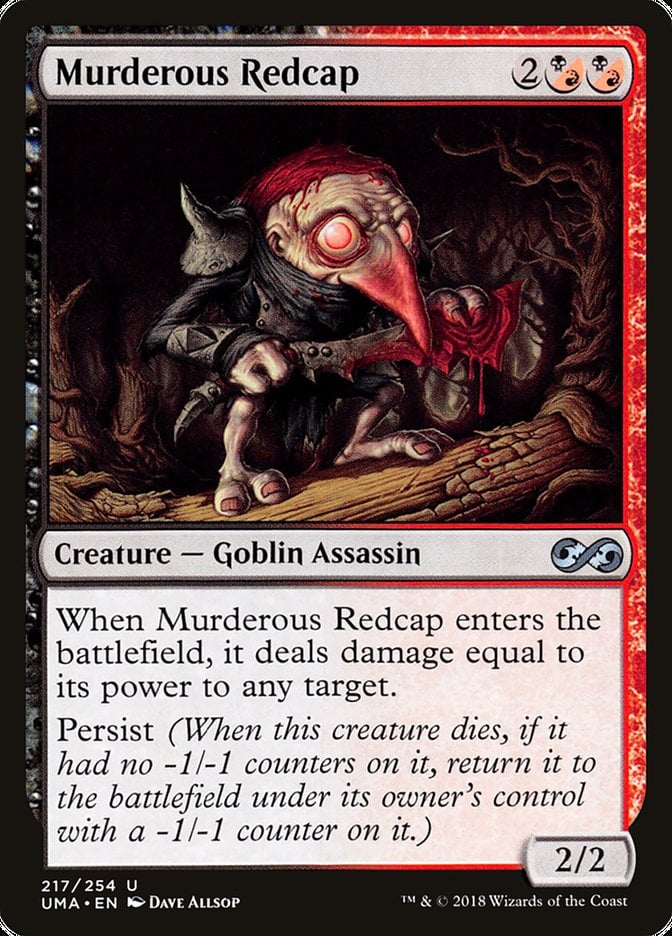
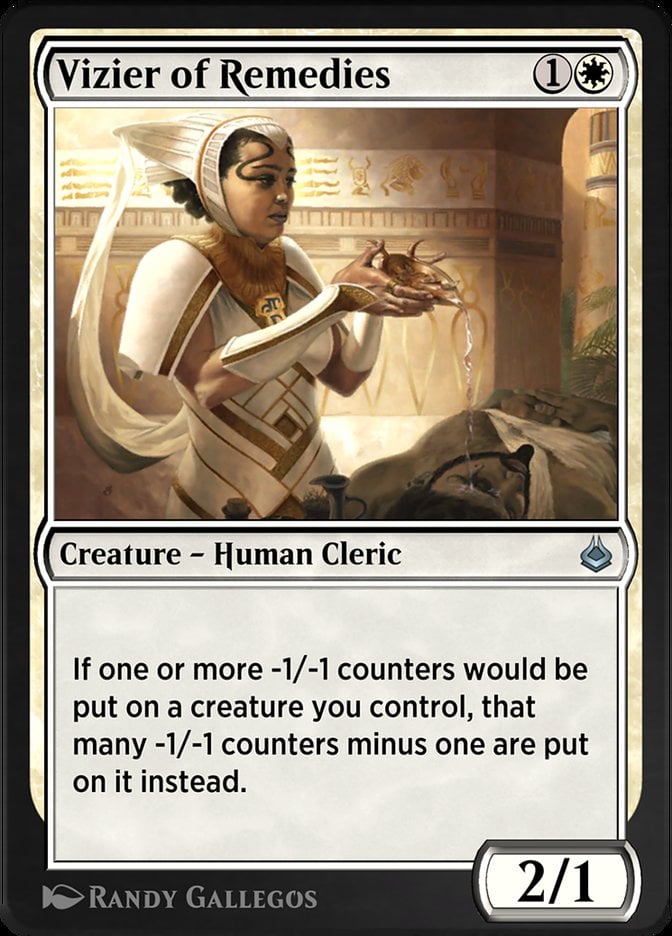
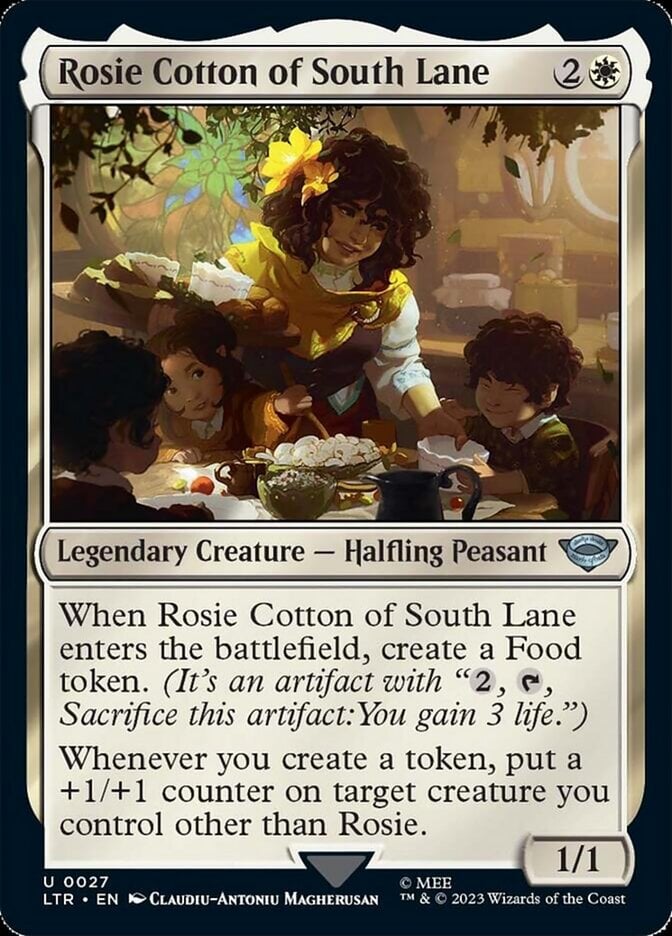
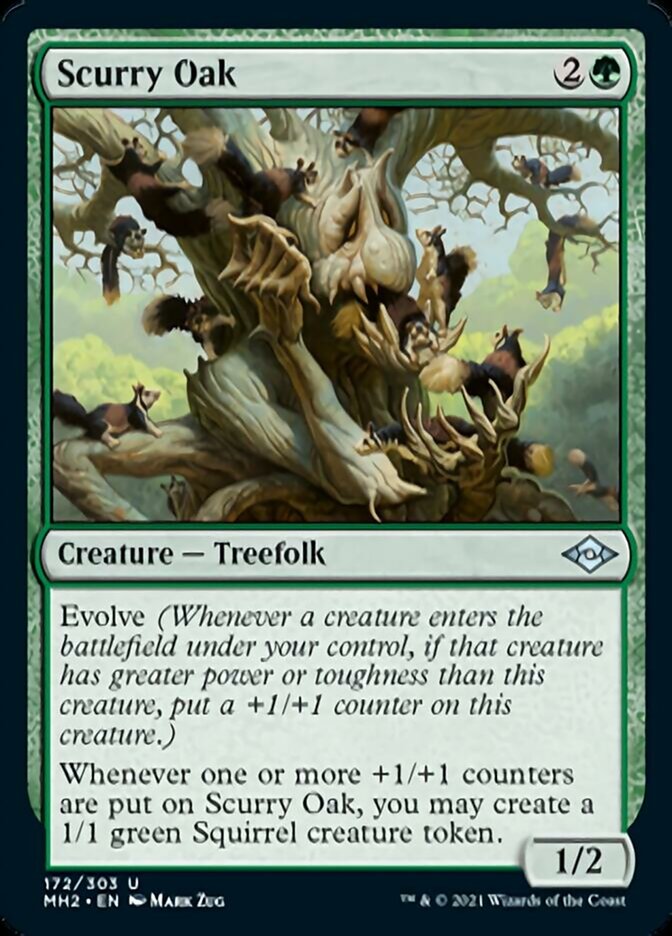
There are, however, combos in the format. They are just clunkier to execute and often require more than two cards combined. One typical example includes persist loops with cards like Murderous Redcap and Vizier of Remedies. Another common one is Rosie Cotton of South Lane + Scurry Oak.
How Much Does a Peasant Cube Cost?
Peasant Cubes are a lot cheaper than regular Cubes with rares and mythics, though versions that reach back for older Magic cards might have a premium due to the price of those cards.
These are some of the most popular Peasant Cubes on CubeCobra:
| Deck | Card Number | Total Cost |
| The Peasant Cube 2026 by MatEffect | 540 cards | $840 – around $1.5 per card |
| Jank Diver Peasant Cube by JankDiverGaming | 360 cards, Arena Only | $180 – around $0.50 per card |
| Peasant Cube (2026) by Emmmzyne | 450 cards | $839 – around $1.90 per card |
| The Spooty Peasant Cube by Spootieone | 420 cards | $2145 – around $5 per card. |
You can realistically build a Peasant Cube with a low budget, and the ones that have a higher cost usually play cards like Tinker, Demonic Tutor, or some rare fetches and duals. Just a quick comparison: LSV’s Vintage Cube cards on CubeCobra cost an average of $65 each.
Can You Proxy a Peasant Cube?

Of course you can. You’ll only have some logistical problems with cards that are digital-only, like say, Dragonfly Pilot. People usually already have 70-80% of the cards they need and proxy the missing ones. Since Cube isn’t a competitive format, the only barrier to proxying cards is whether your playgroup will scoff at printed cards or not.
Peasant Cube Draft Tips
These tips depend a lot on which Cube you're playing and which archetypes are available, but here are some generic tips:
- Play to the board. In this format, creatures generate board presence on the field, and playing pure draw-go with counters, removal, and sweepers is almost impossible. If your opponent gets a fast start on you, it’s hard to come back without a bomb or sweeper—and you have few here in Peasant.
- White, black, and red are objectively the best colors, while blue and green are lagging, even if just a little. Peasant environments are heavy on creature interaction, and the Mardu colors have the best removal, creatures, and the best proactive plays. Blue and green are usually slow, easily disrupted, and have bad or slow removal. The ramp targets in green are also severely lacking, boilding down to finishers like Glacier Godmaw.
- Rectangle Theory is king in Pauper and Peasant Cubes. This is a stategic way of thinking popularized by the Lords of Limited, and they defend cards that make game objects—creature tokens, Map tokens, Treasure, Blood, Clues, etc. Not only do they help you get on board, but so many of the synergies at lower rarities use them well.
- Dual lands are slow since they all come into play tapped, and it’s hard, but not impossible, to draft a consistent 4- or 5-color deck. The best decks are usually two colors with a light splash, or just two colors. This has changed slightly with the introduction of powerful multi-color payoffs like Everything Pizza and Snarl Song, but streamlined 2-color decks are quite powerful.
Peasant Cube Communities
These communities often draft online and play the games on Arena via Direct Challenge or through other MTG clients:
- Jank Diver Gaming is a Discord community dedicated to discussing Cube on MTG Arena, and they have a Peasant Cube that they often draft and update.
- Arena Pod Draft is another Discord community that often drafts on Arena.
- Cube subreddit r/mtgcube is a nice source of cube content, not only for Peasant. Many different MTG Cubes are discussed there, and you can ask for the community’s opinions and feedback if you're trying to build your own cube.
- CubeCobra is the best way to maintain and share a Cube online. You can get some ideas for other Peasant Cubes, clone a given Cube, and test it online by drafting with bots.
- Lucky Paper is an excellent source of Cube material and Cube design tips. They often discuss different Cube ideas in their podcast, Lucky Paper Radio.
Wrap Up
Cuboid Colony | Illustration by Alexandre Honoré
In a MTG era with Limited formats that are often defined by bombs, playing MTG without them is nice for a change, and you can put together and maintain a Peasant Cube for a fairly low cost.
What’s your opinion on Peasant Cube? Have you ever built or played one? Let me know in the comments section below, or in our Draftsim Discord. And for more on MTG-related stuff, please check our Draftsim YouTube Channel, The Daily Upkeep.
Thanks for reading, until the next time.
Follow Draftsim for awesome articles and set updates:










Add Comment