

Sylvan Library | Illustration by Harold McNeill
It’s hard to express how impactful of a set Legends was for Magic: The Gathering. It was only the seventh MTG set ever to come out, and it introduced many elements to Magic that newer players may assume have always been around.
Seeing as I was only three months old when Legends was released back in June of 1994, I never really knew just how different Magic had been before this point. I can only imagine how exciting of a set Legends must have been when players saw things like multicolored cards or legendary creatures for the first time.
Legends was also the first expansion set to have 15-card booster packs, after which Core Sets began to get more spaced out. That means Legends didn’t just help shape the direction of Magic in-game, but also played a pivotal role in the way the game was released. Maybe I’m just a huge nerd, but I think it’s cool that a set called Legends also holds such a significant place in Magic’s history. It’s the same as if they called Homelands “The Bad One” instead, it just kind of makes sense.
Let’s take a deeper look at this legendary Magic set and everything it helped introduce to the game.
Legends Basic Information
Set Details
| Set Symbol |  |
| Set Code | LEG |
| Number of Cards | 310 cards |
| Rarities | 75 commons, 114 uncommons, 121 rares |
| Mechanics | Legends, Legendary lands, Multicolored cards, Enchant World, Bands with other, Poison counters, Rampage |
Important Dates
| Available on Draftsim's Draft Simulator | No |
| Paper Release Date | June 10, 1994 |
About the Set: The Story

Pixie Queen | Illustration by Quinton Hoover
Upon its initial release, Legends’ story only really existed through flavor text on individual cards. The set actually predates the release of Magic’s first official story, Arena by William R. Fostchen, by a few months. At the time, players were mostly given short descriptions of some individual legendary creatures, but there was no overarching storyline. Ironically enough Nicol Bolas, who was introduced in this set and would go on to play a major role in Magic’s history, didn’t even get flavor text in his initial appearance.
Two years after the set’s release, some of the characters from Legends were featured in Armada comic books. Legend of Jedit Ojanen gave the titular Leonin a backstory and also included some other notable characters from the set like Hazezon Tamar. Elder Dragons told a story about Palladia-Mors and Chromium, two Elder Dragons who have since been wildly overshadowed by their siblings Ugin and Nicol Bolas. Dakkon Blackblade follows Carth, the progenitor of the Carthalion family, and Dakkon Blackblade as they clash with Geyadrone Dihada and Sol’Kanar. Of the comics, Fallen Angel is the biggest head-scratcher, as it doesn’t feature any of the set’s legendary creatures, instead following a fallen Serra Angel.
Although the comics didn’t delve too deep into the story of Legends, Magic fans would eventually get a much deeper look at the world they had introduced starting in 2001. Legends Cycle I was a series of novels following Johan, Jedit Ojanen, and Hazezon. This was followed up by Legends Cycle II which focused on Tetsuo Umezawa, Ramses Overdark, and finally gave Nicol Bolas a bigger role in Magic’s story starting in Emperor’s Fist.
This means that, despite Legends having a very barebones story upon its release, it is actually one of the most deeply explored sets storywise. Stories continued to come out about the set nine years after its release, which is pretty unthinkable now when it seems a set’s lifespan extends for only a few weeks before the next one is being hyped up.
Legends Mechanics
Multicolored Cards


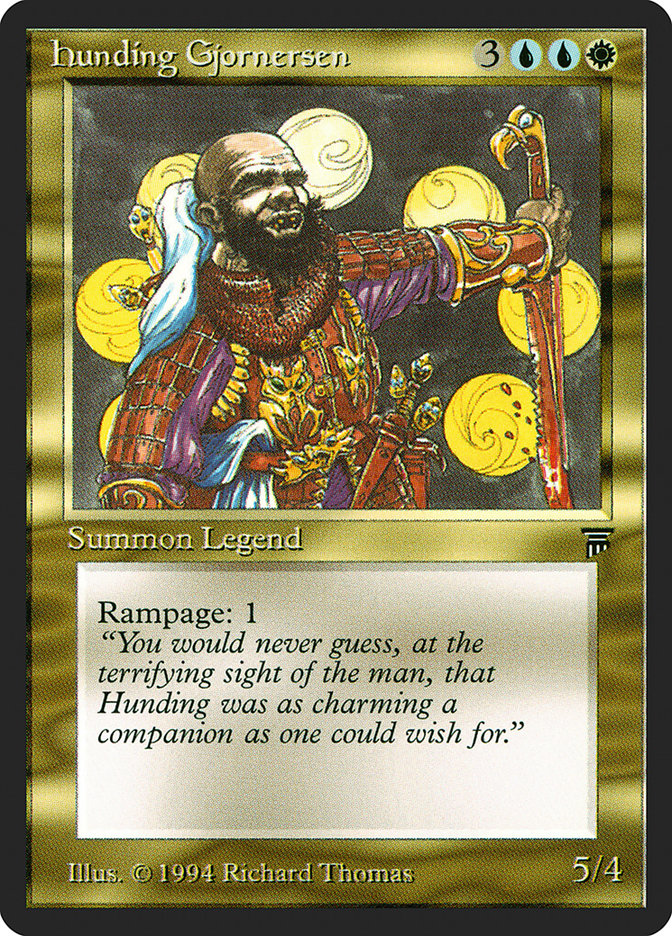
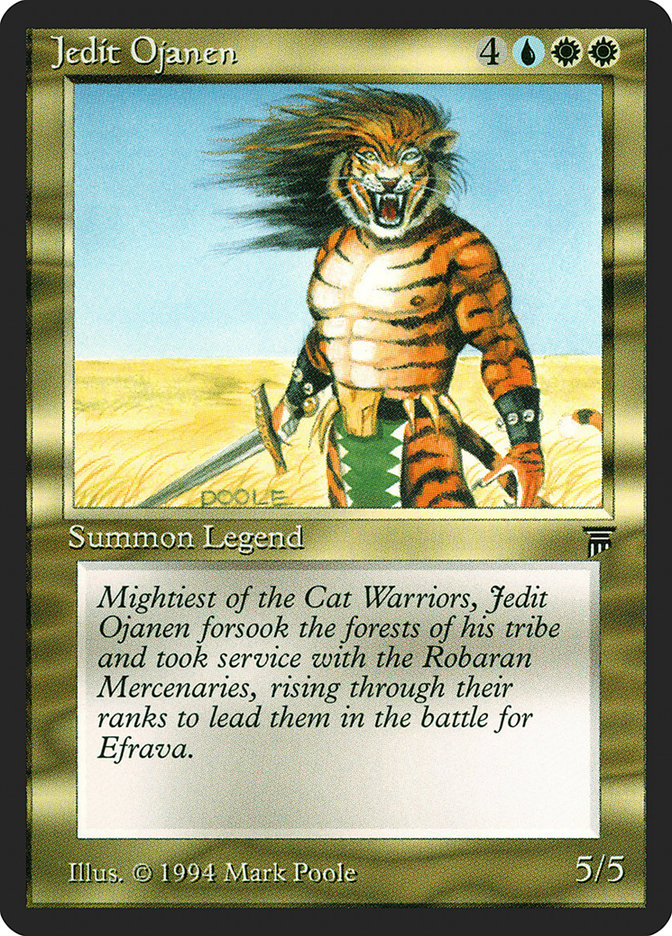
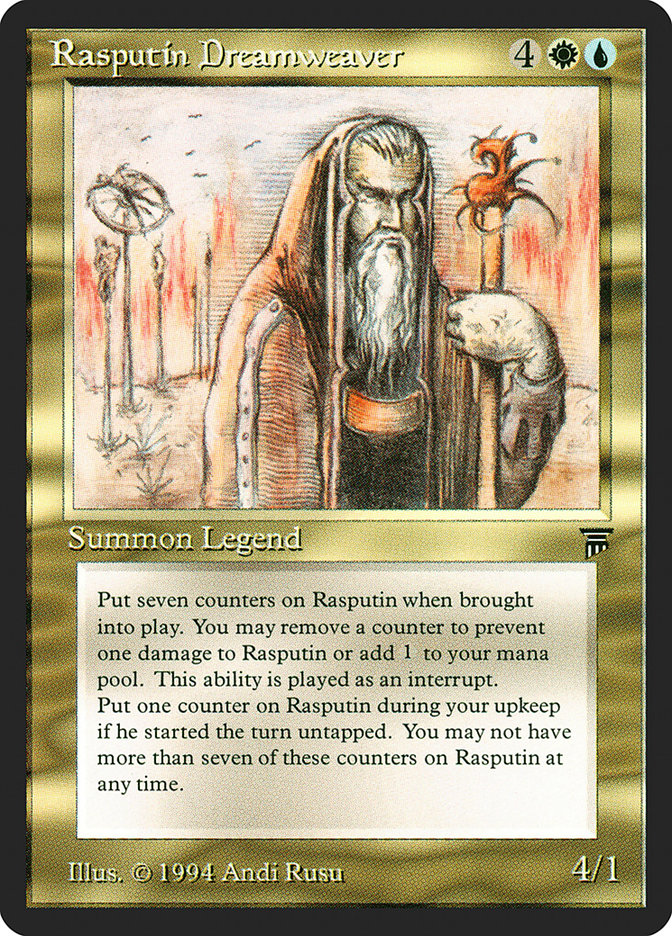
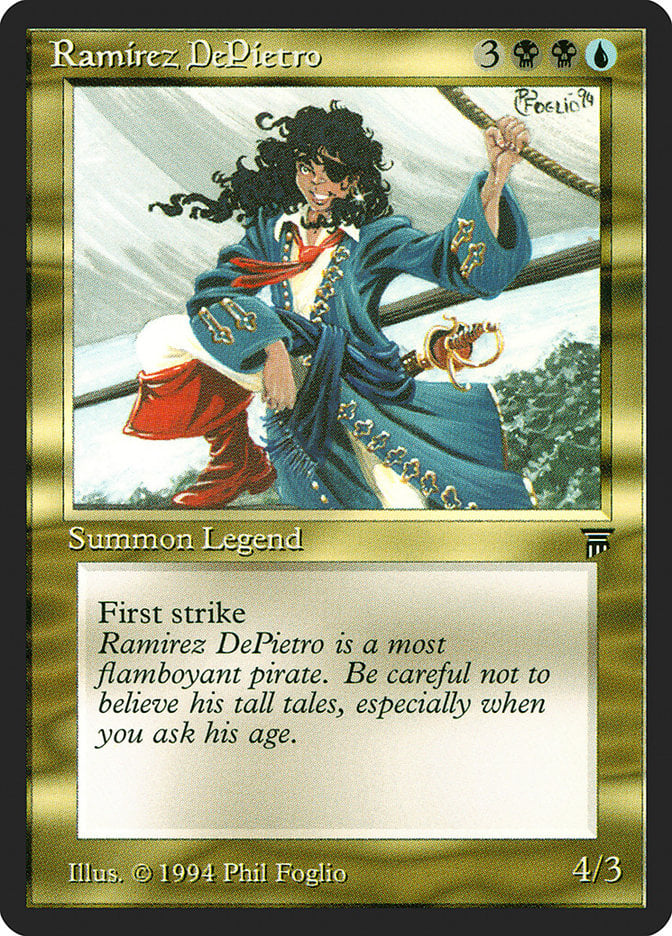
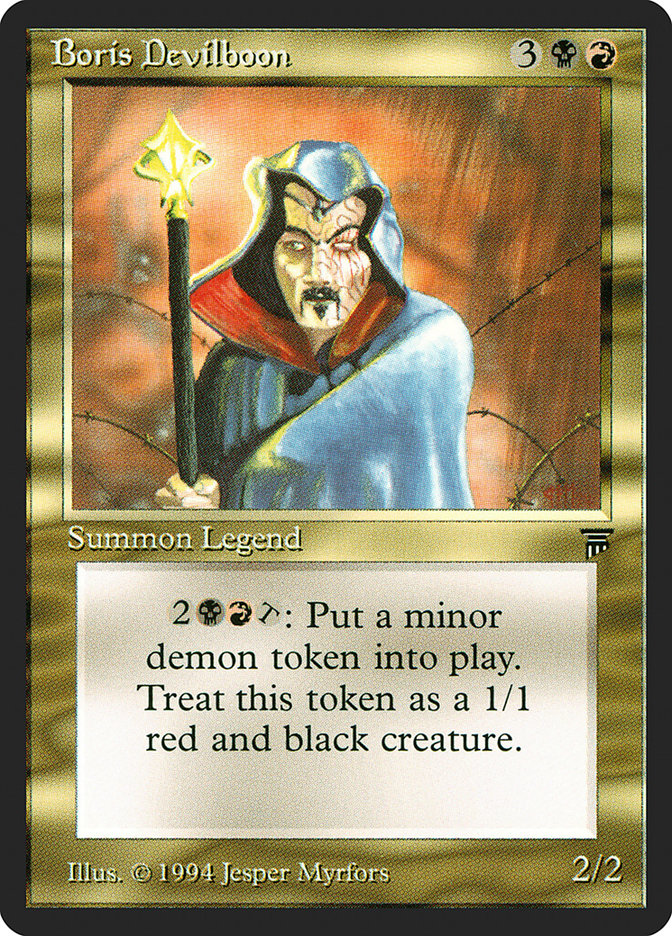
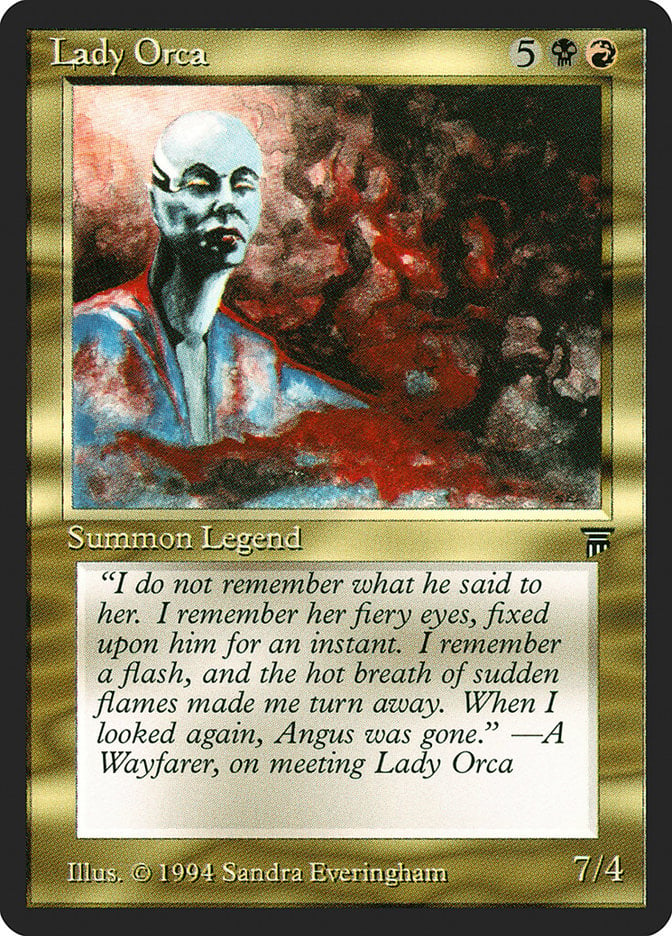
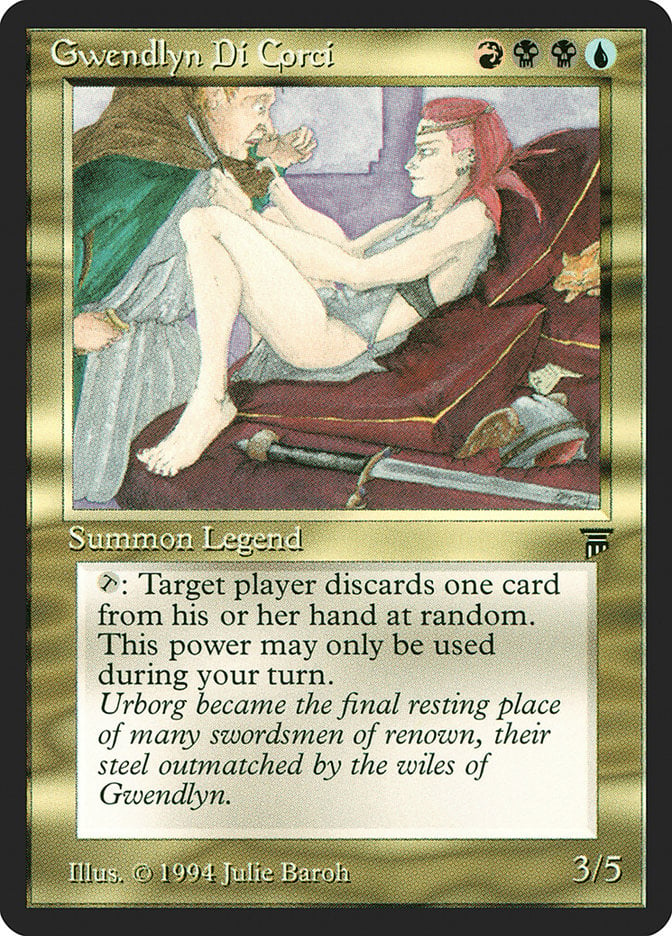
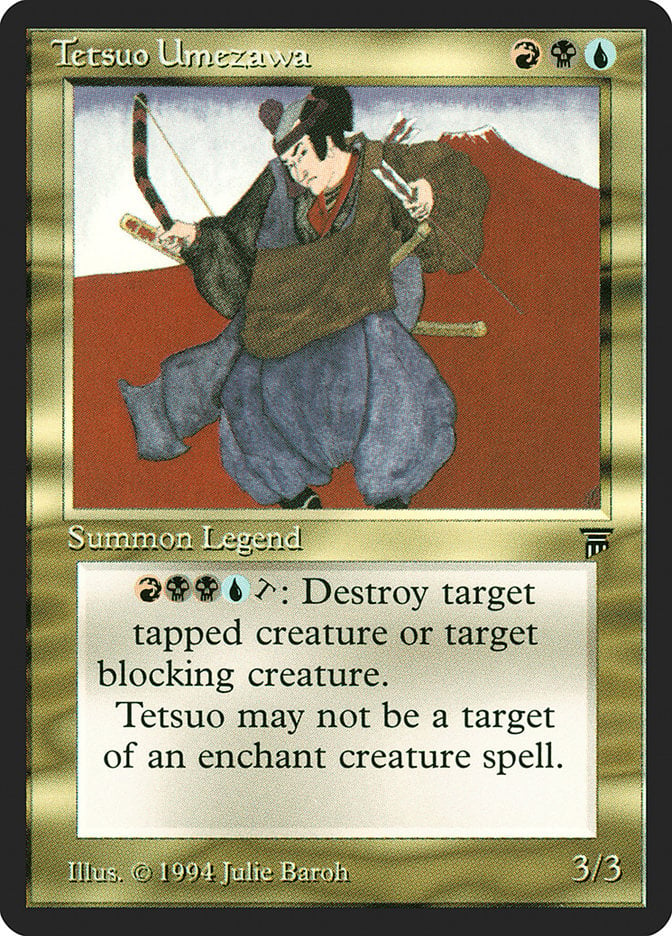
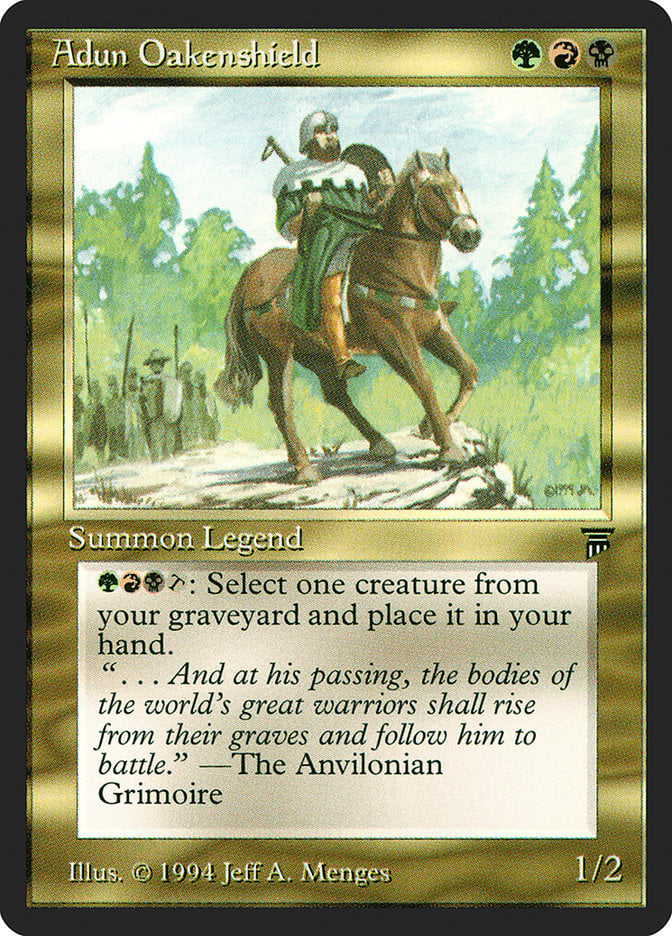
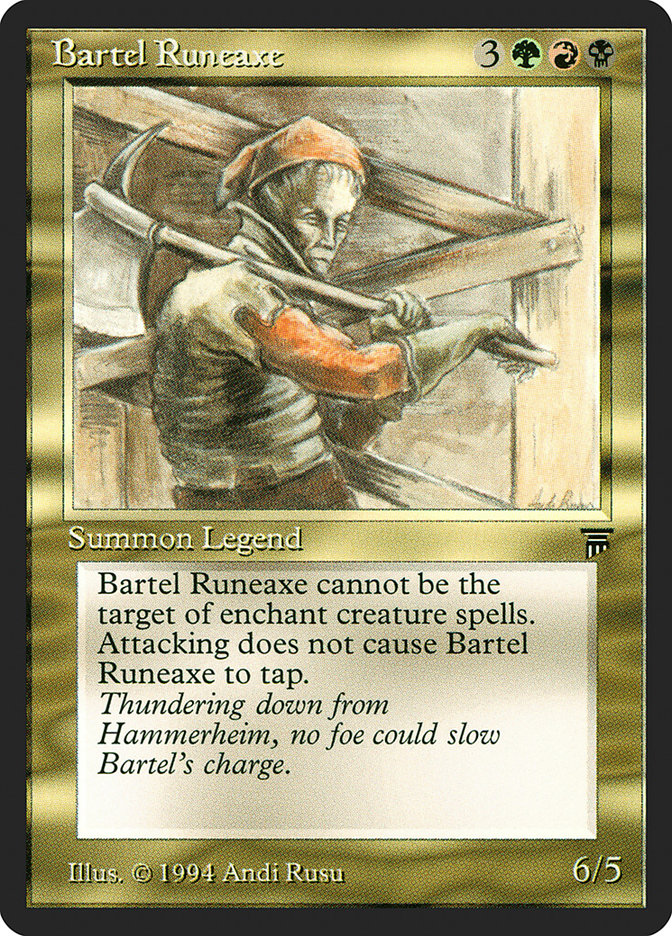
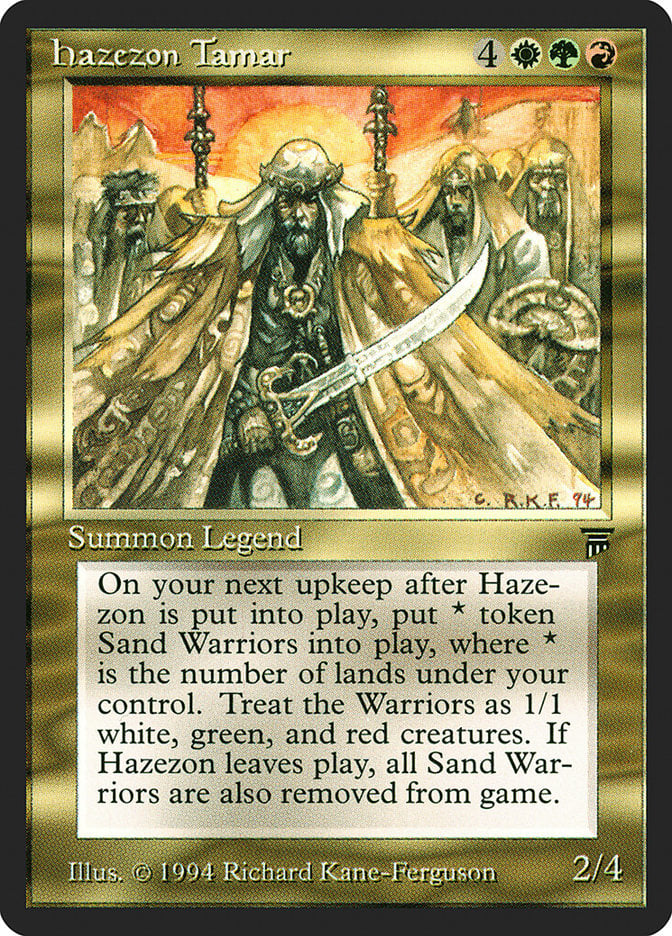
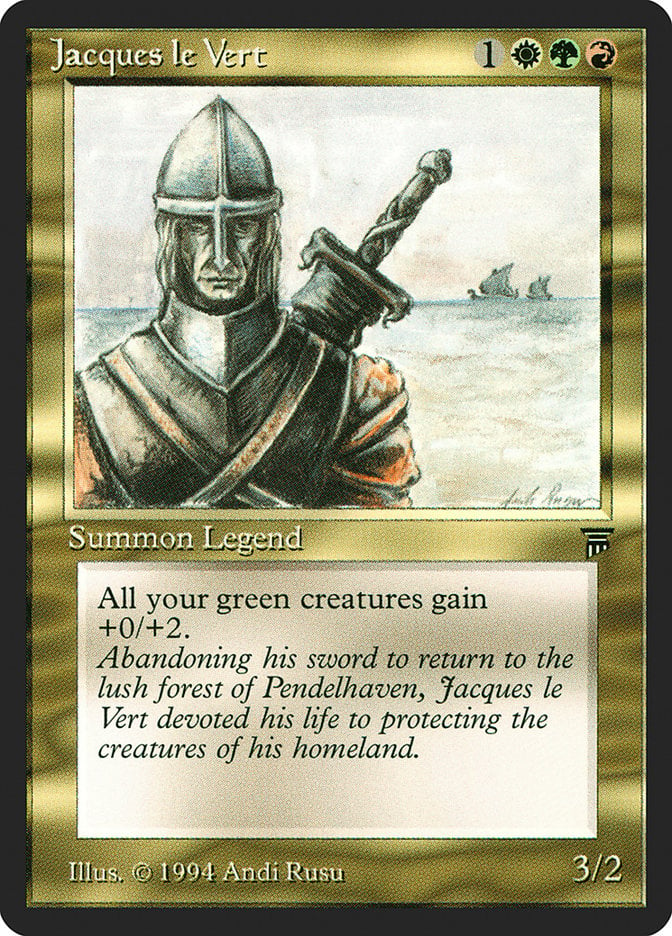
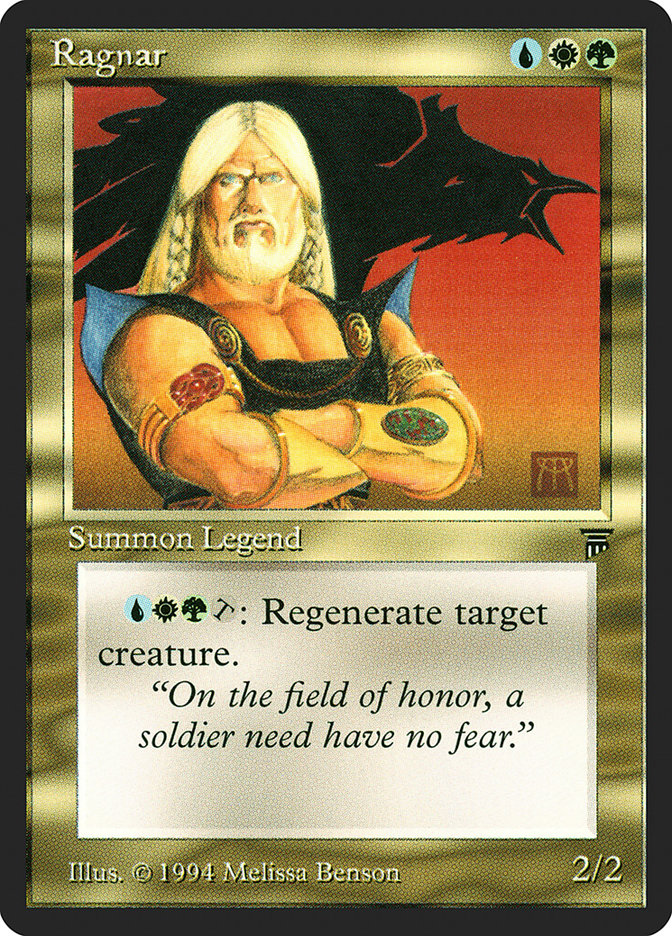
Typically, I wouldn’t include multicolored cards as a specific mechanic for a set, unless there was special emphasis put on them like in Ravnica sets. After all, pretty much every Magic set now includes at least some 2-color cards to serve as signposts for Draft archetypes. Legends is a special case, however, since this set is the first one to include multicolored cards.
Multicolored cards were a major shakeup for Magic in terms of design because they allow for an alternative way to make a card’s cost more restrictive. This allowed for more powerful cards to be put into more colors, instead of simply continuing to raise the overall mana value. They also allow for strategies from different sections of Magic’s color pie to interact and create interesting synergies.
The idea of multicolored cards was so new in Legends that these aspects of them weren’t fully utilized at first, but without their introduction here, multicolor cards could not have gone on to reshape the way Magic is designed.
Legendary Permanents
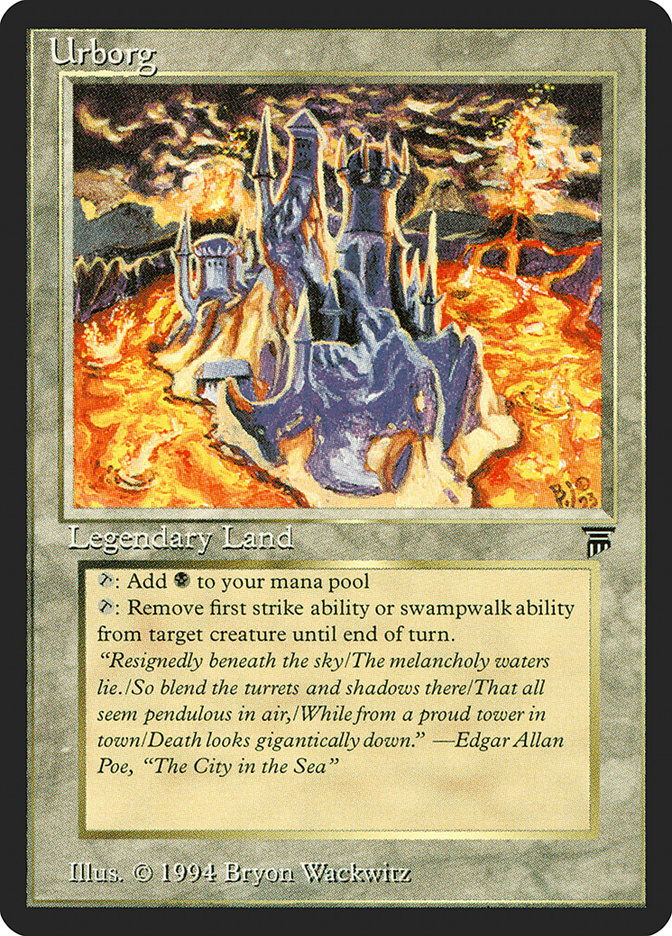

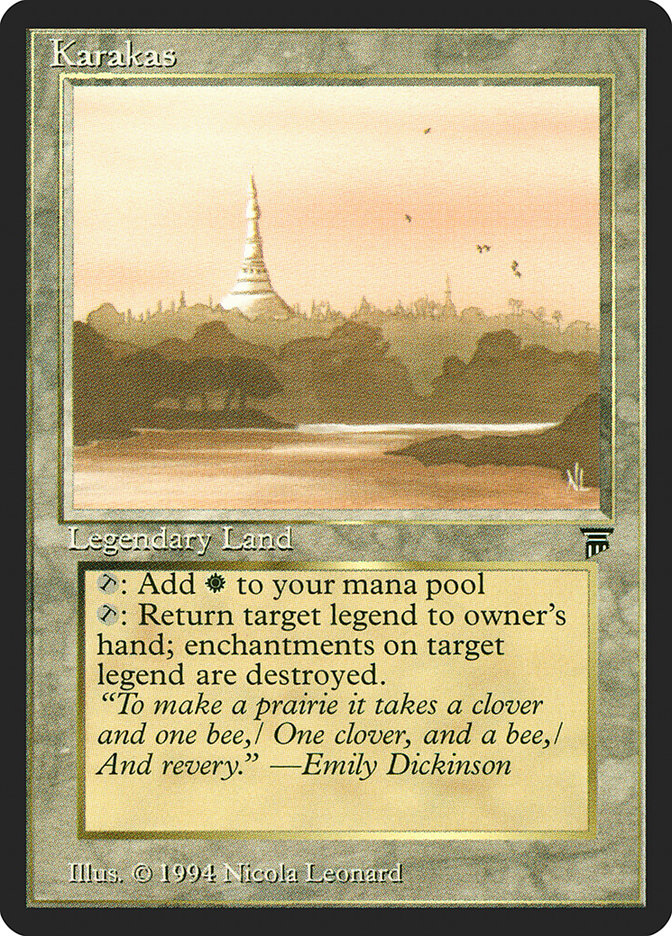
Legends also introduced legendary lands and legendary creatures, originally called “Summon Legends.”
Originally, the Legend rule was far more restrictive than it is now. At the time, if any player had a specific legendary creature or land in play, no other player could play the same card. This served to make all legends feel very unique and also made them an even bigger risk to include as the cornerstone of a deck.
Legendary permanents are another part of Magic that it’s hard to imagine the game not including, especially now when there are sets like Outlaws of Thunder Junction which include over 50 legendary cards. Legends also introduced the original set of Elder Dragons who would go on to form the basis for Elder Dragon Highlander, which would later evolve into Commander. This is yet another example of how this set has gone on to have a major impact on Magic as a whole.
Poison Counters
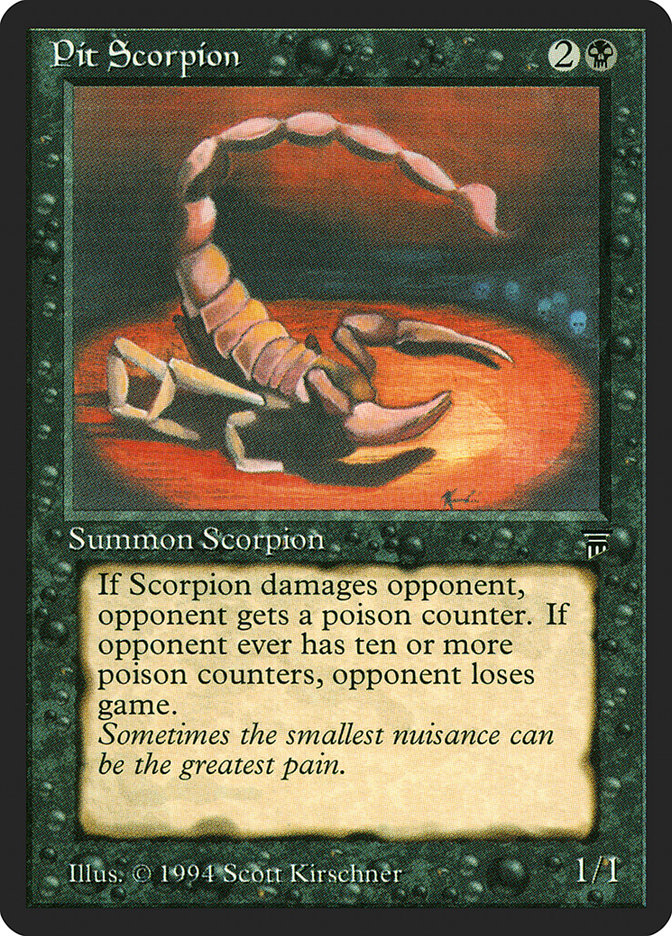

One addition from Legends that some players may wish was never invented was poison counters, though they weren’t nearly as powerful as they are now. Players still lost the game if they had 10 poison counters, but infect didn’t yet exist. The only cards that could deal poison were Pit Scorpion and Serpent Generator’s snake tokens. These worked essentially the way toxic 1 would work now.
The later introduction of mechanics like poisonous, toxic, infect, and proliferate would make poison counters a much more intimidating strategy than they initially were when they appeared in Legends. It’s interesting to see how a mechanic that starts as a niche alternate wincon like this could evolve into a much more powerful strategy. It isn’t unlike how Laboratory Maniac’s originally unique gimmick has become a mainstream strategy with the addition of Thassa's Oracle.
Enchant World
Enchant World cards, which would later be renamed world enchantments, were enchantment cards that affected all players. These differed from normal global enchantments because only one enchant world card could be in play at a time. If a new enchant world card enters, the previous enchant world card is automatically destroyed.

An example of an enchant world is Arboria which allows players to keep themselves safe from combat damage by forgoing most of their turn.
From a flavor standpoint, enchant world cards were designed to reflect how two players’ magical battles were taking place throughout multiple planes of existence. This ties into Magic’s meta-narrative of players being planeswalkers and is almost like a prototype version of Planechase.
Rampage
Rampage is a keyword ability printed as rampage N. When a creature with rampage is blocked, it gains +N/+N for each creature blocking it beyond the first creature.

For example, Craw Giant would get +2/+2 if two creatures blocked it, +4/+4 if three creatures blocked, and so on. Technically, rampage triggers whenever a creature with it is blocked, even if the requirements for it to gain any bonuses aren’t met. I can’t think of exactly how that might matter, but it’s worth noting in case there is some sort of exploit you can think of involving this.
Rampage is a pretty bad mechanic and has long since been abandoned, mainly because it was hard to appropriately weigh the mechanic in terms of mana value. The rampage bonus was admittedly strong when it mattered, but a lot of the time rampage creatures were simply overpriced because their ability relied on more niche circumstances.
Bands With Other
I’m going to do my best to describe “bands with other” in a way that makes sense, but part of the reason this and the general banding ability have a 10 on the Storm scale is because they are needlessly complicated.
Let’s start with general banding. In short, it would allow certain creatures to attack as a band, meaning they are blocked as a group instead of as individual creatures. The attacker then decided how to divide damage from the blocking creature instead of that creature’s controller. This is a pretty solid advantage for the attacker, as it allows them to benefit from attack triggers while being able to control which creatures in the band die to blocks.
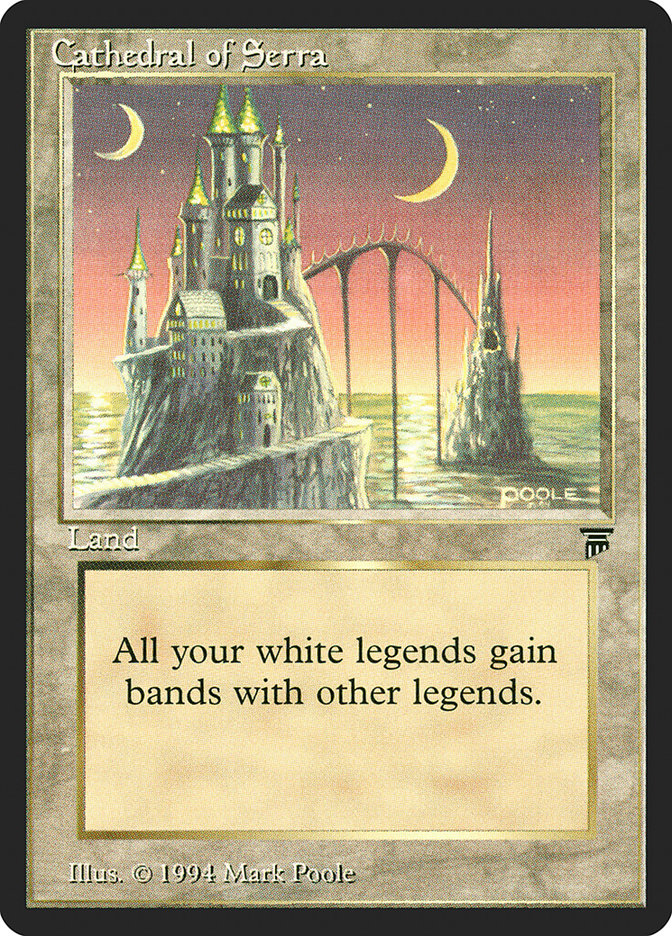
Bands with other allowed creatures who shared a specific quality to attack as a band. For example, Cathedral of Serra allowed all white legends to attack in a band together. While I think bands with others is slightly easier to understand than typical banding, it still was deemed too complicated to continue getting printed.
Legends Card Gallery
White


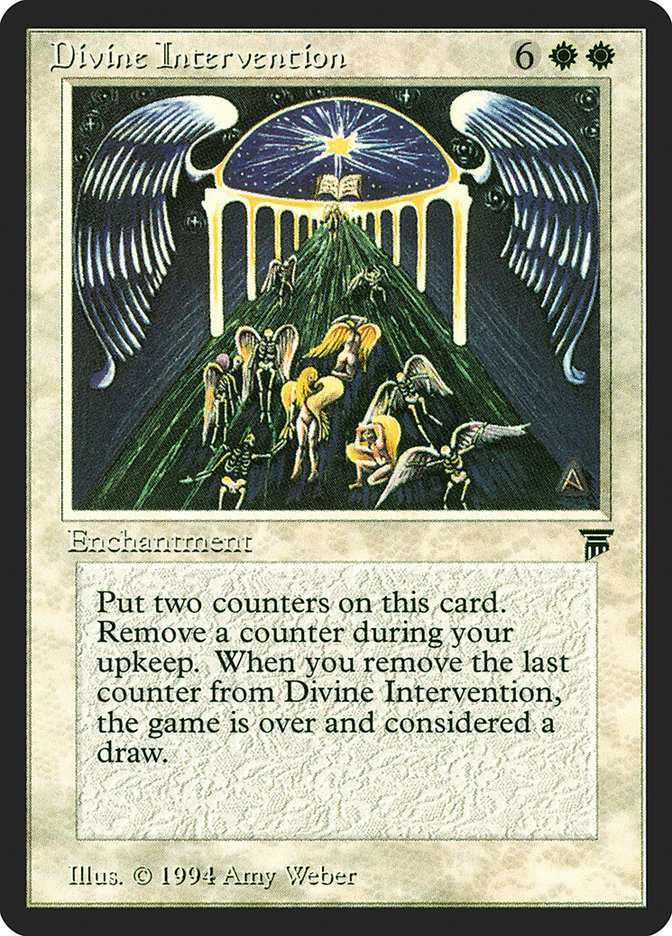


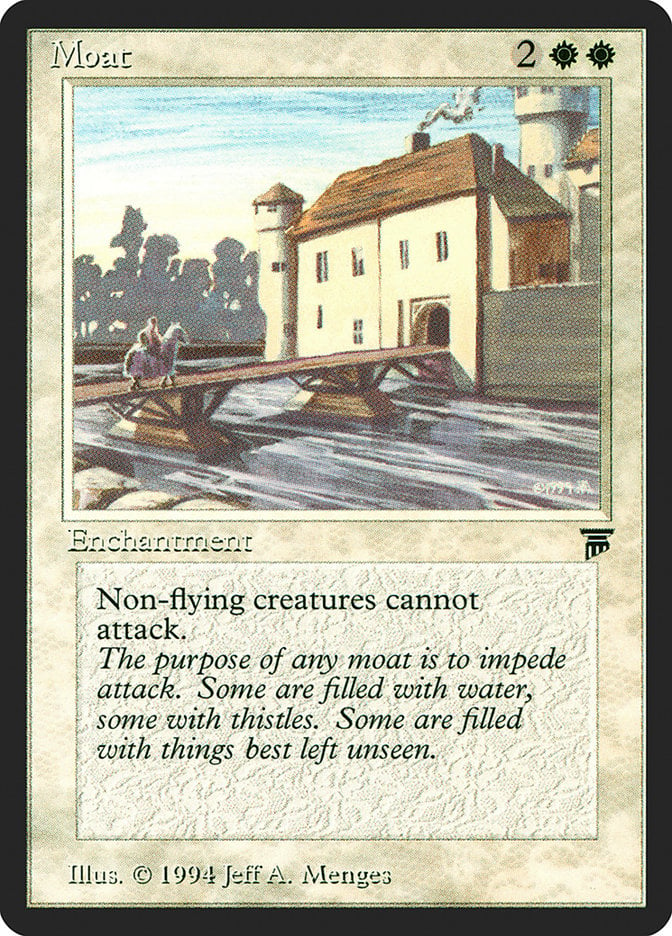


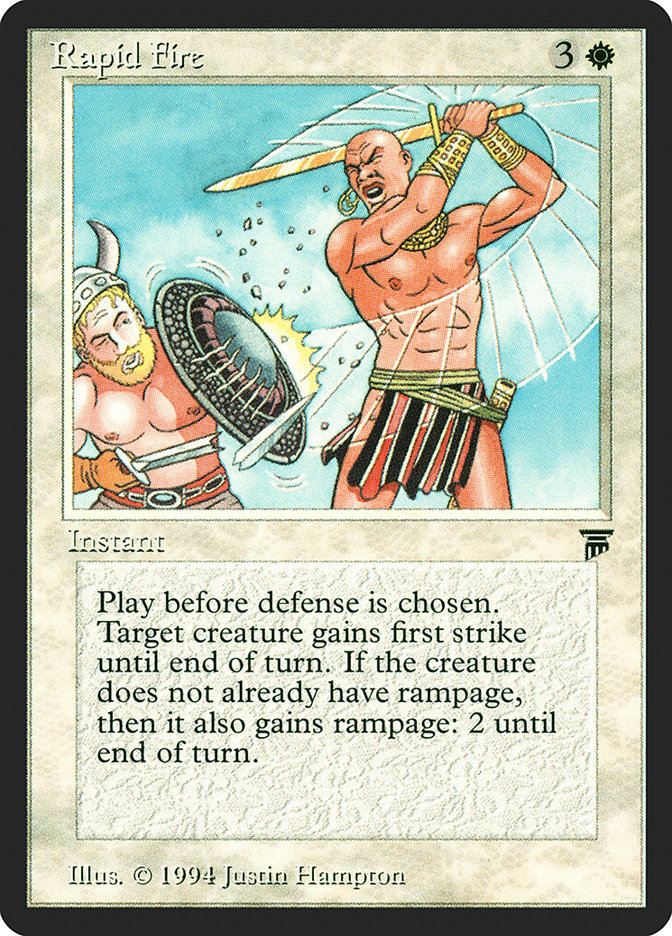

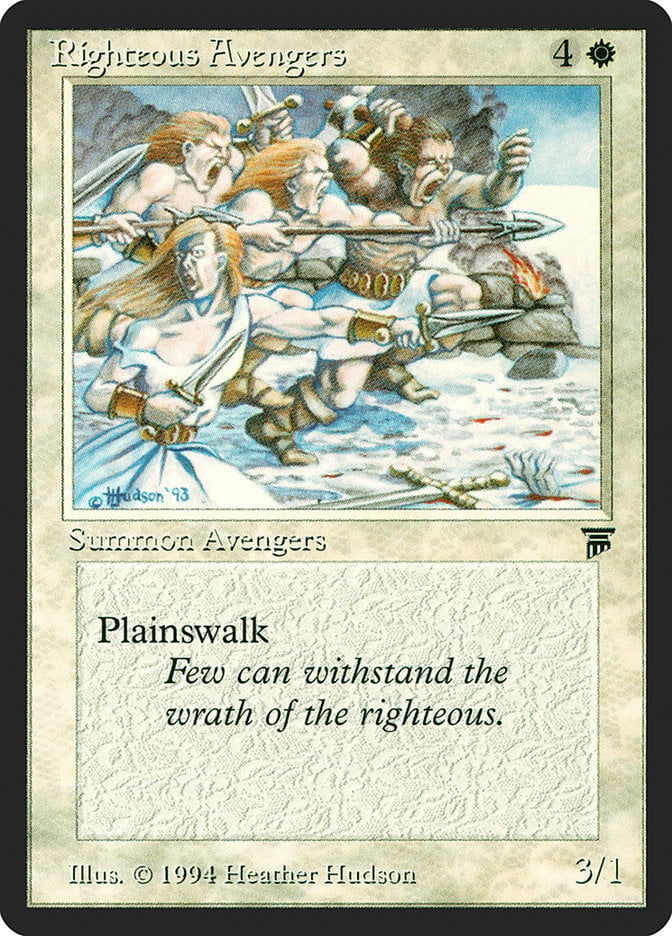


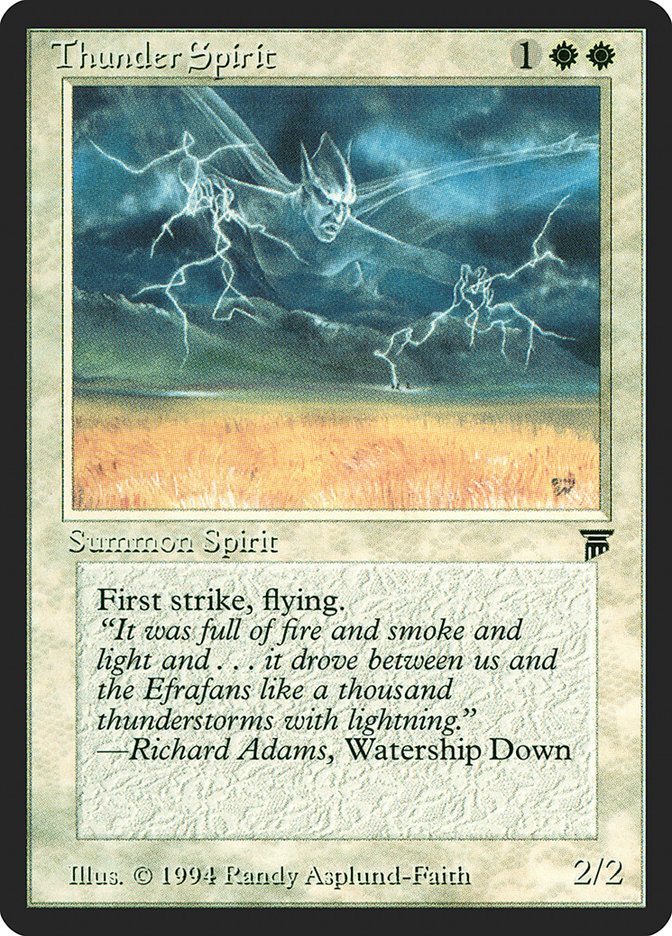


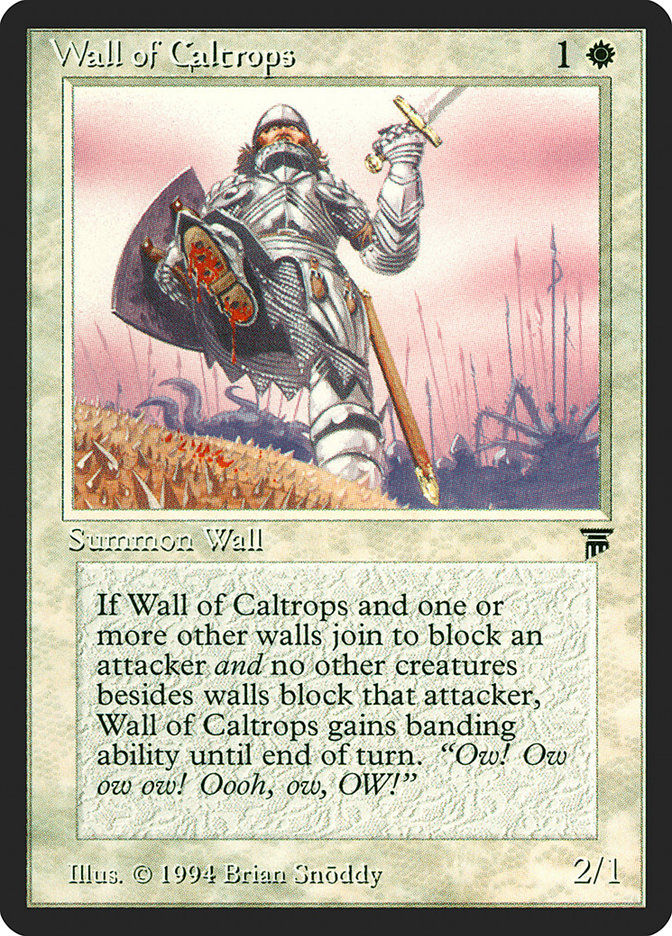

Blue
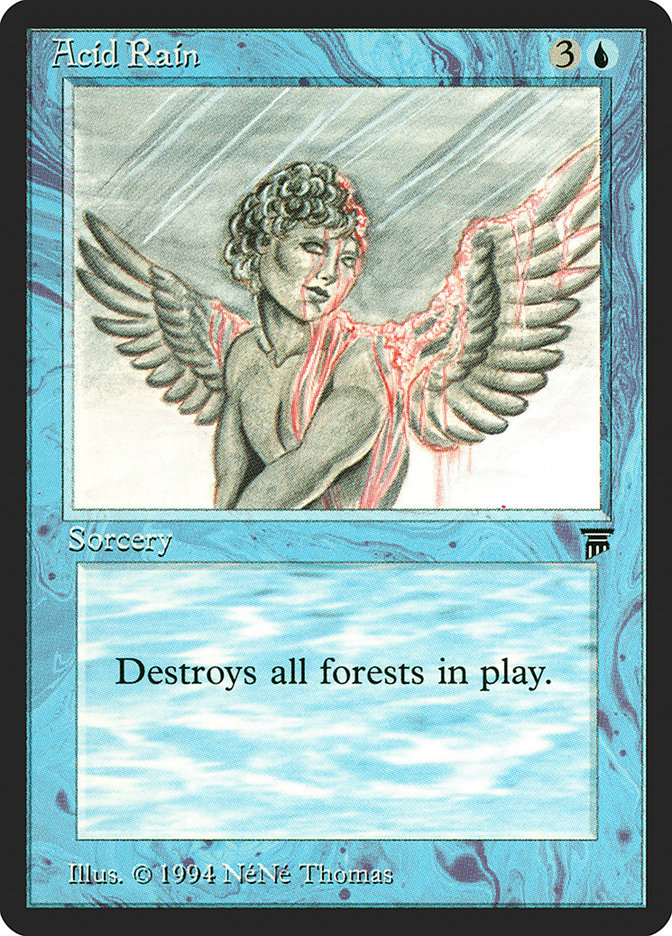


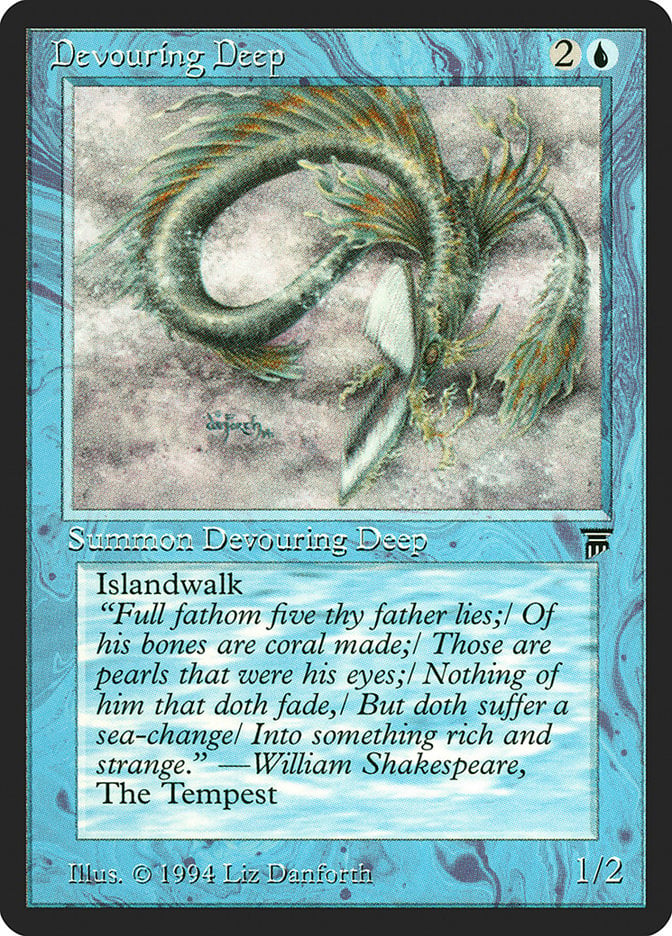

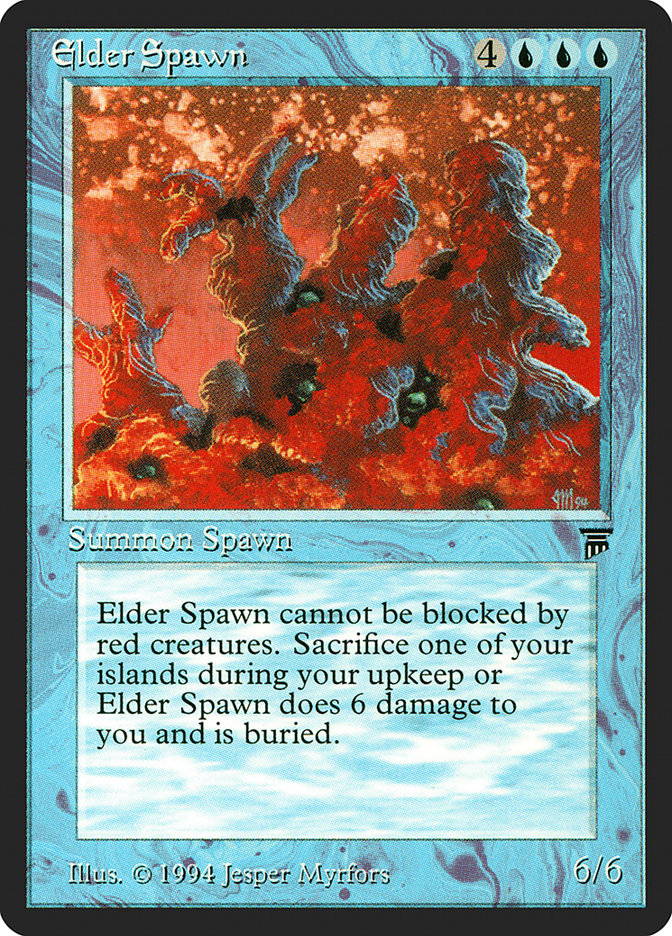

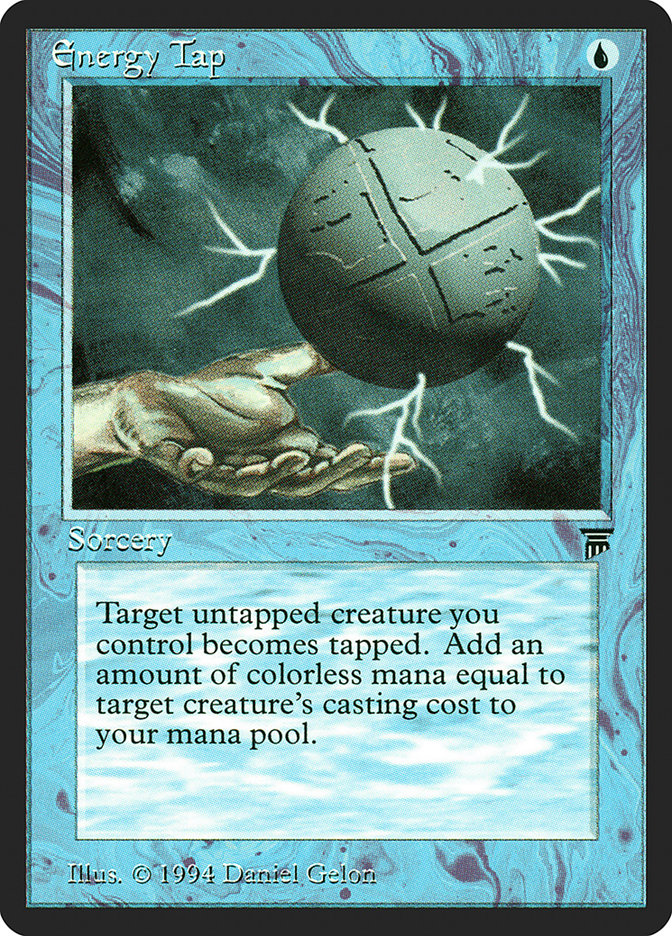
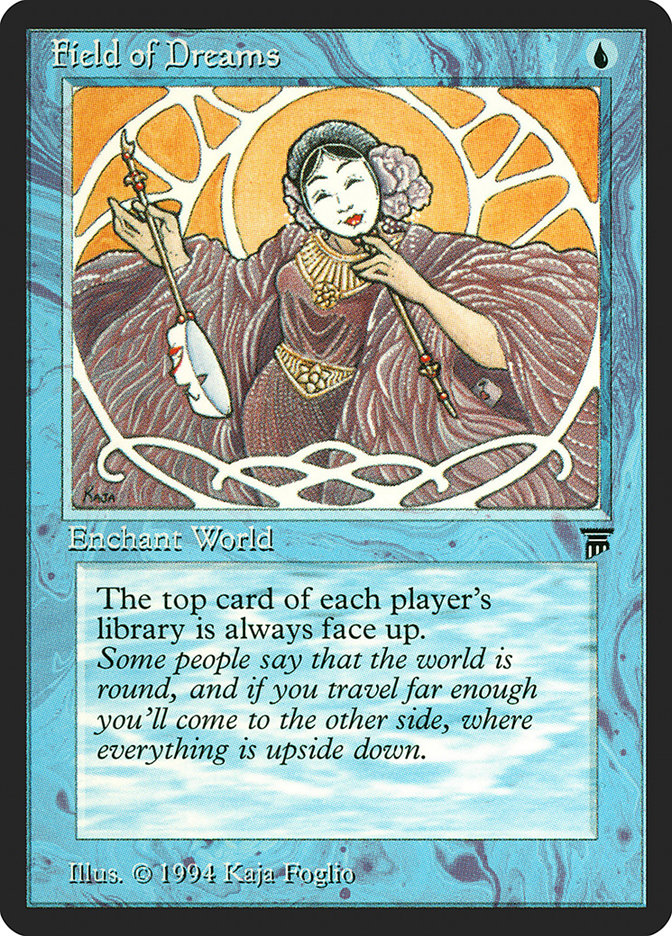


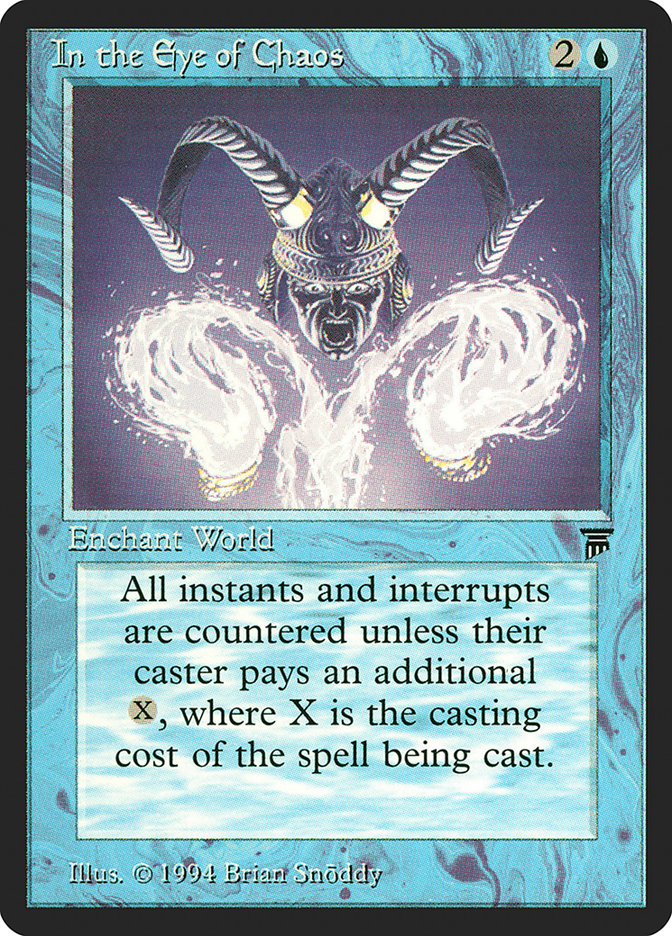


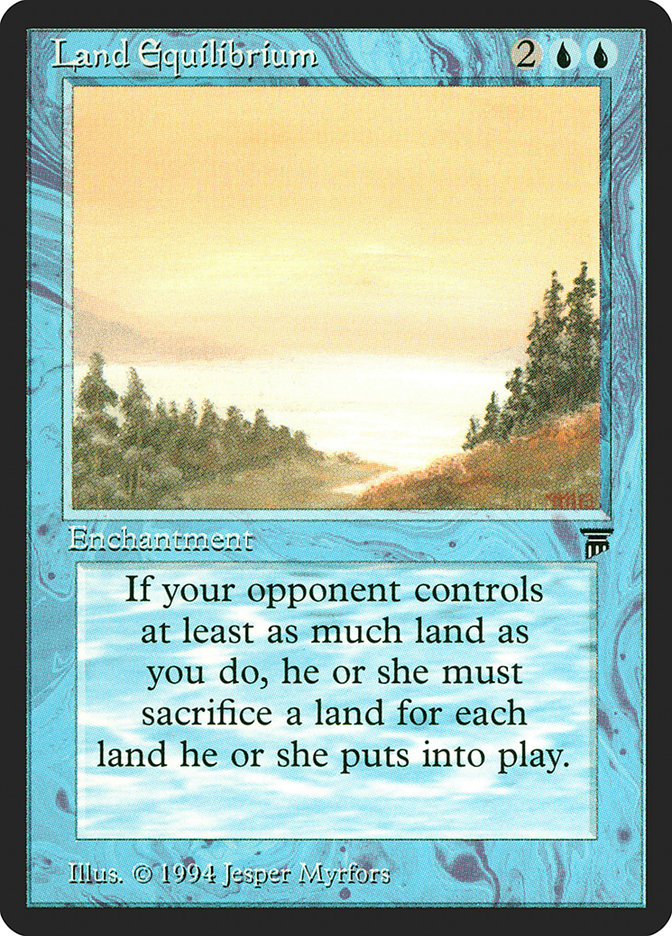

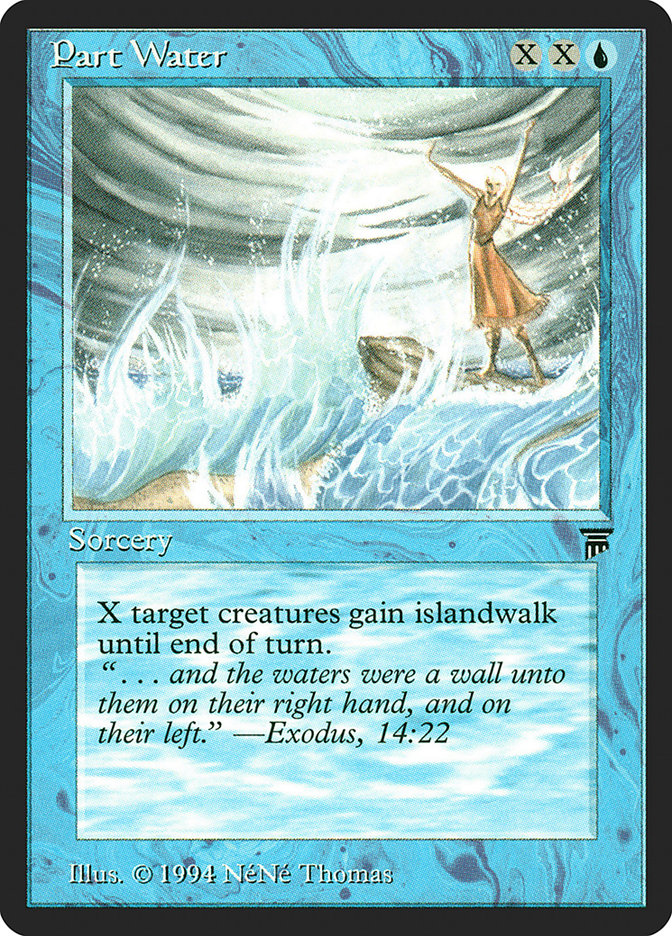


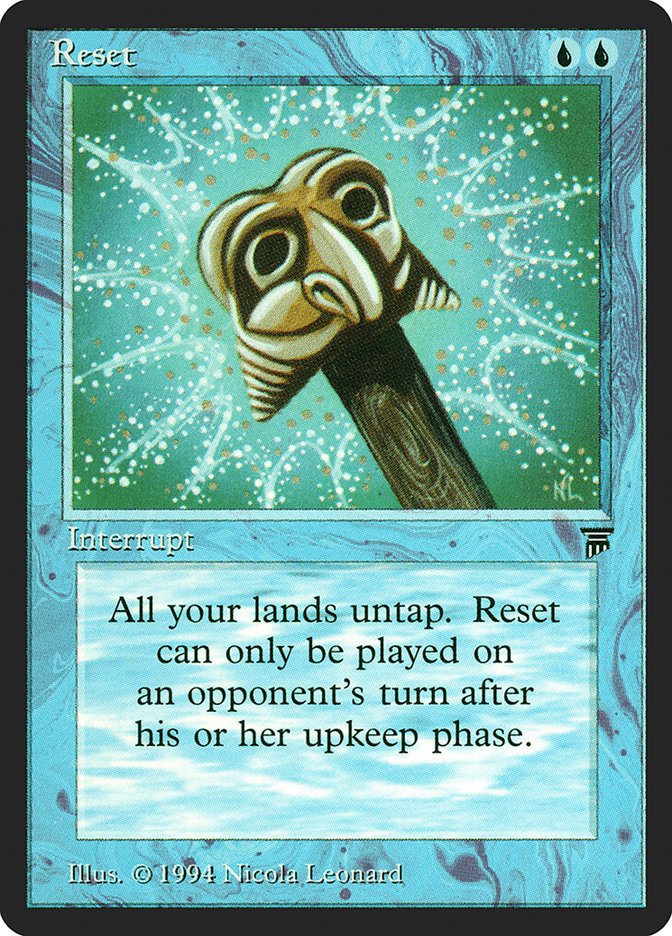


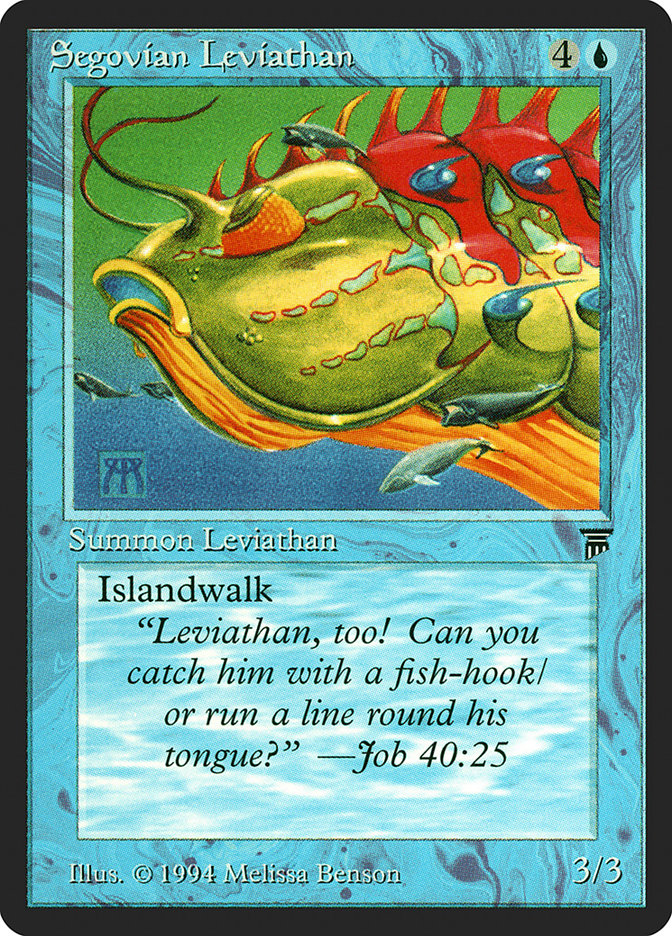





Black





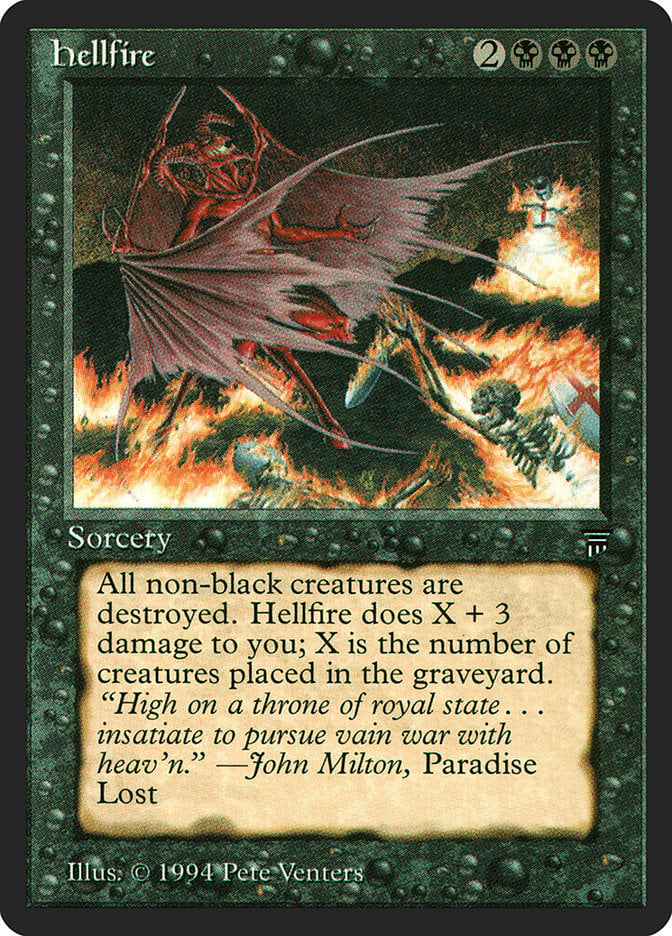


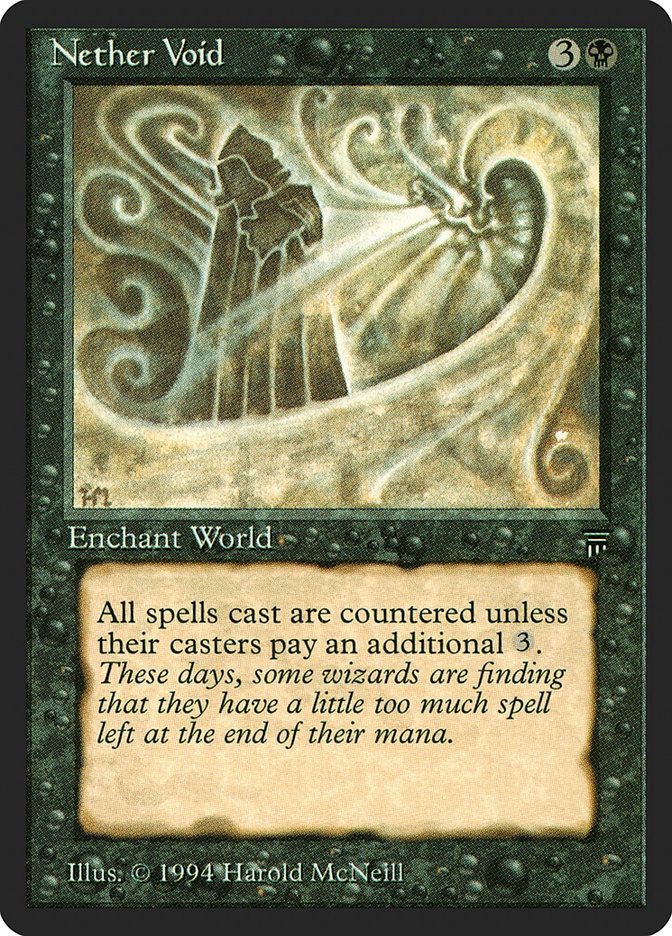


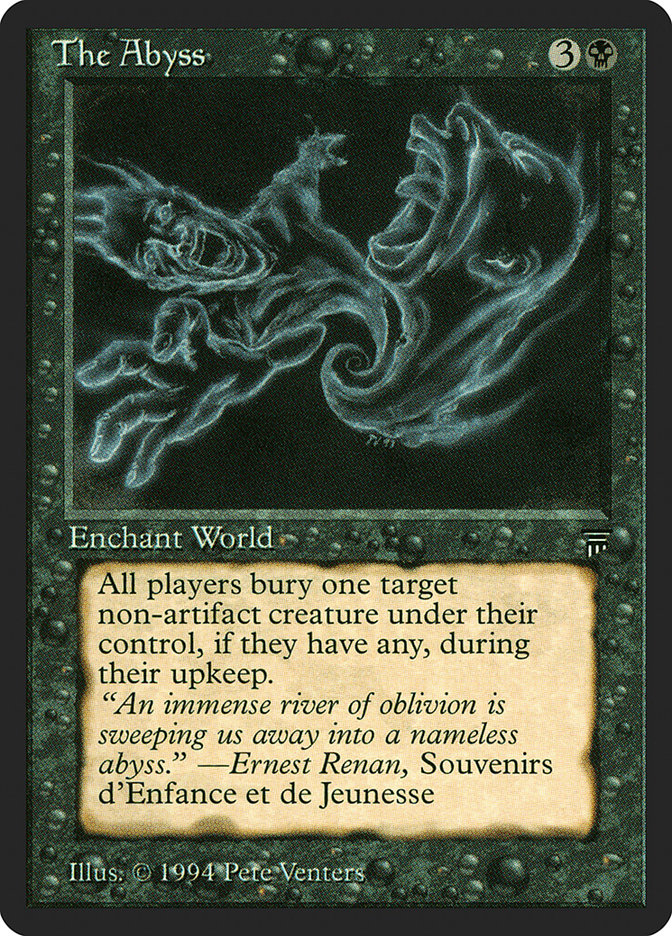


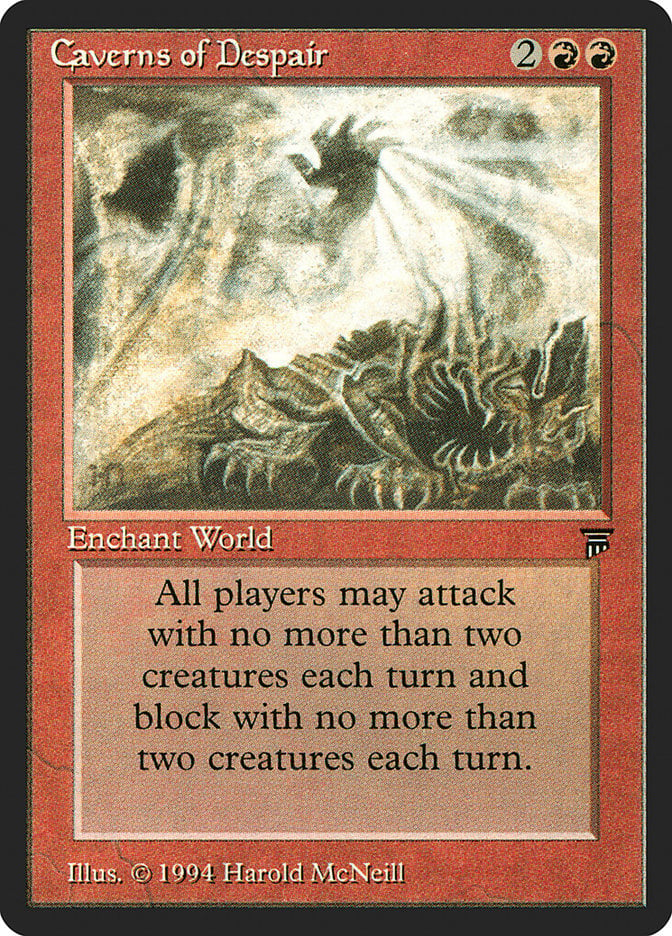
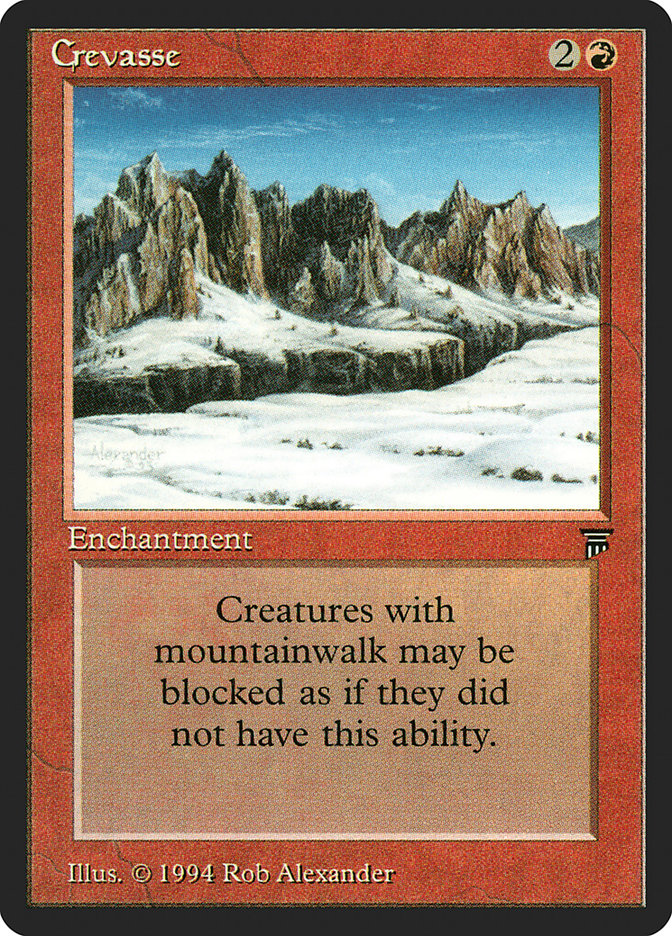
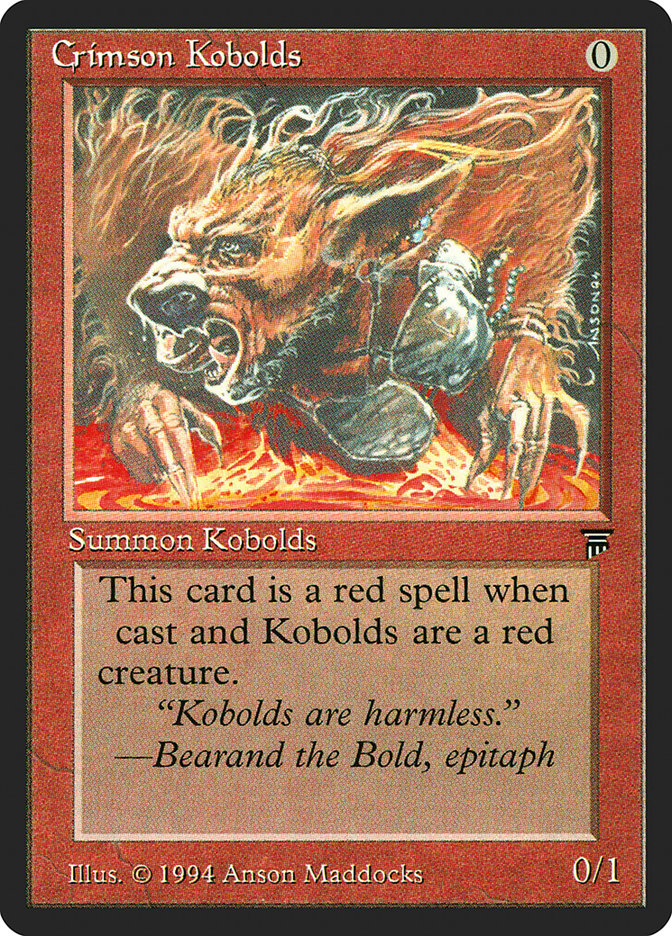
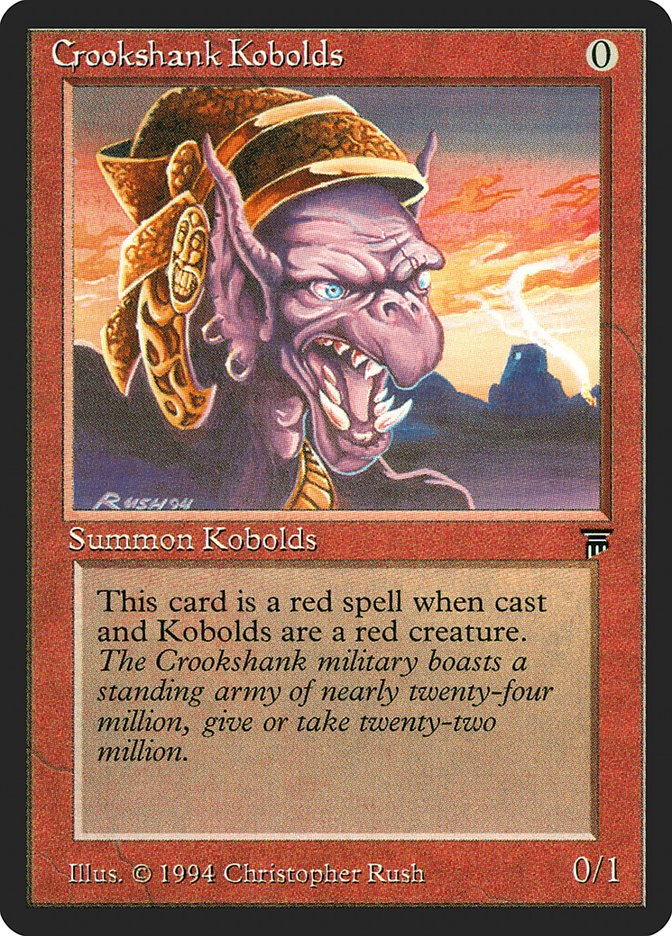
Red

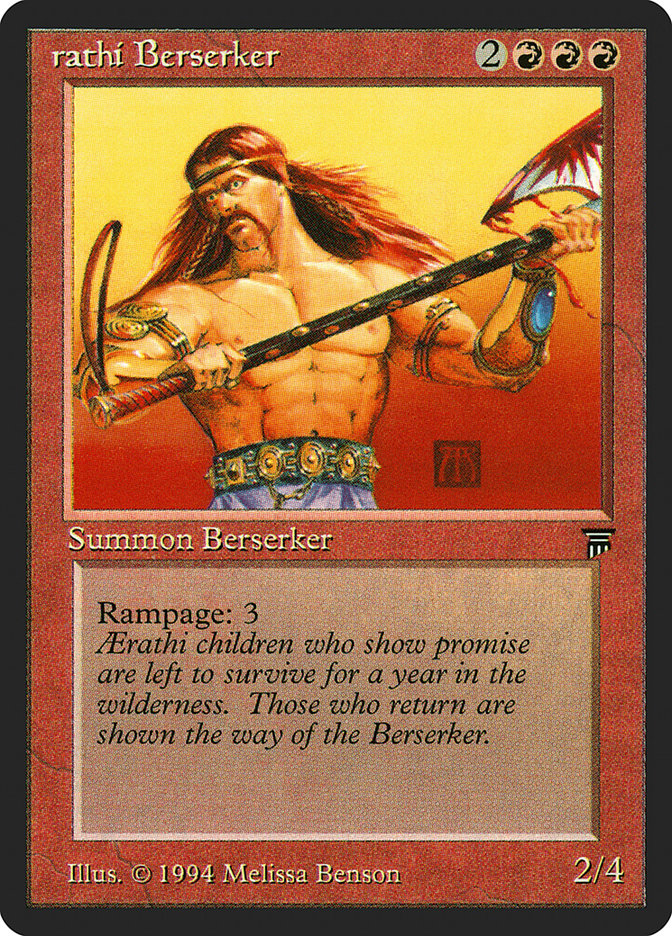






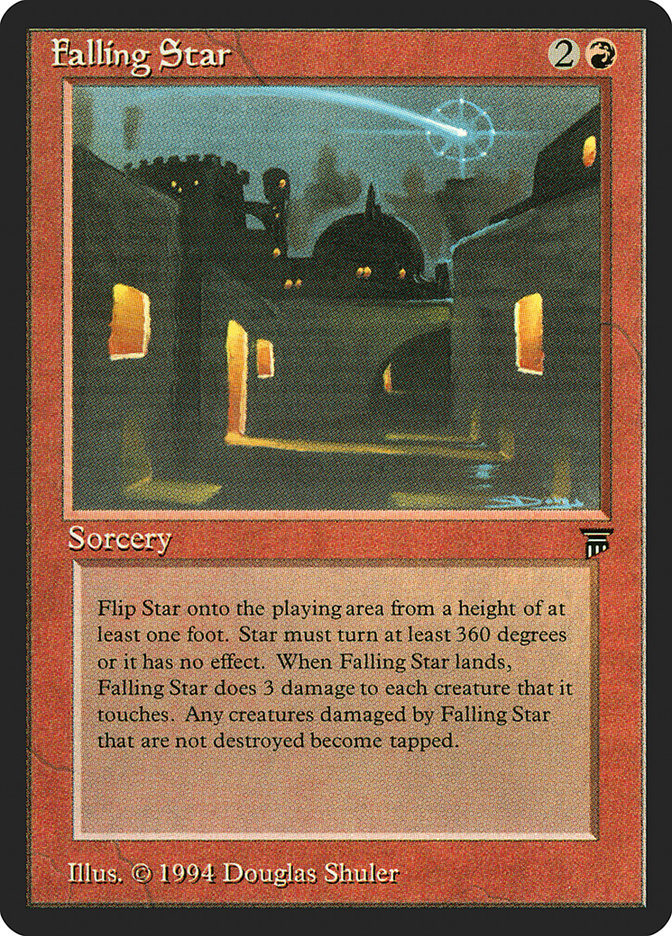

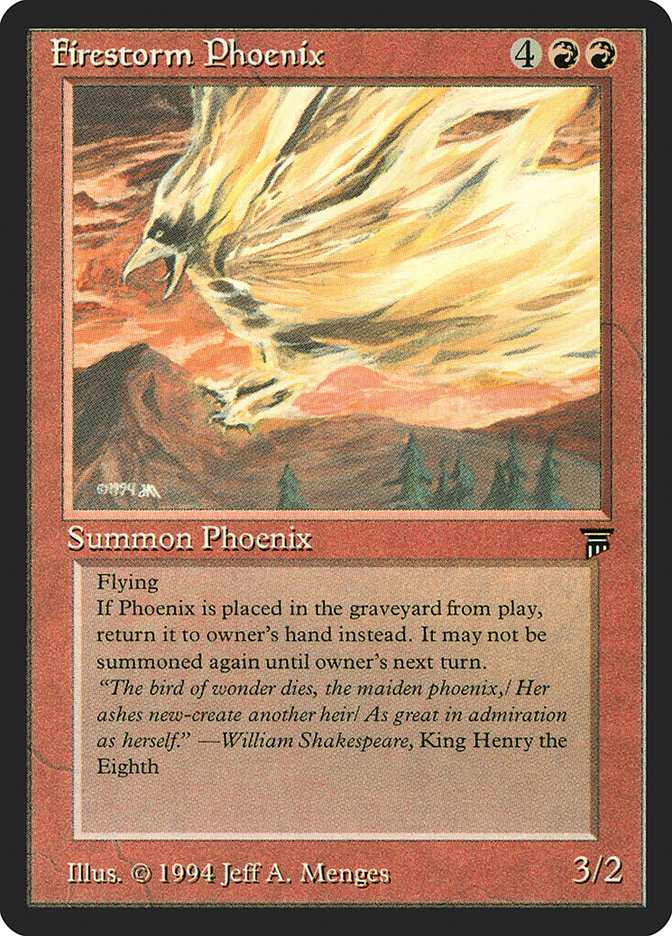
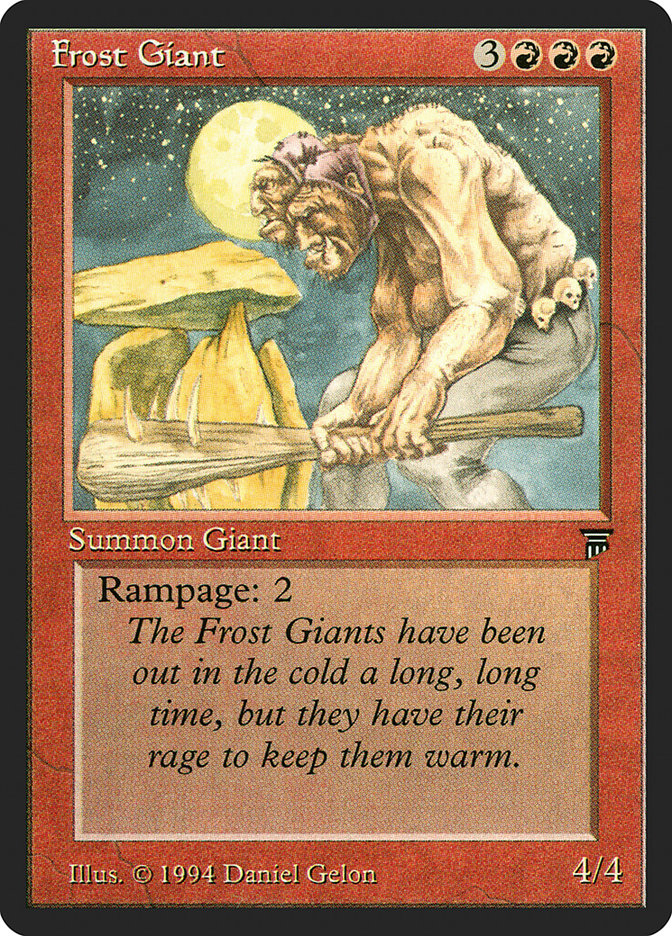


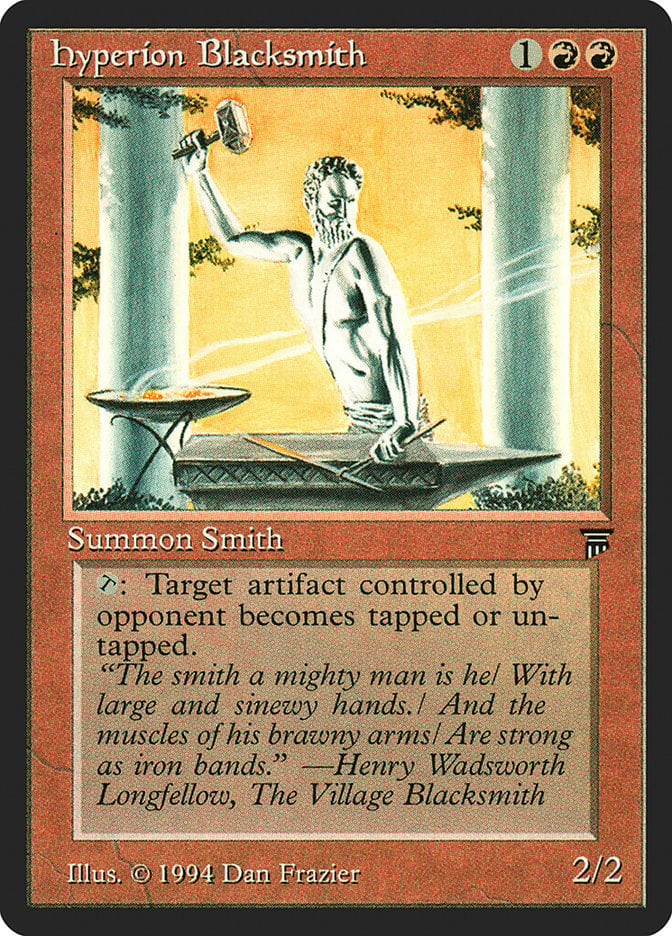


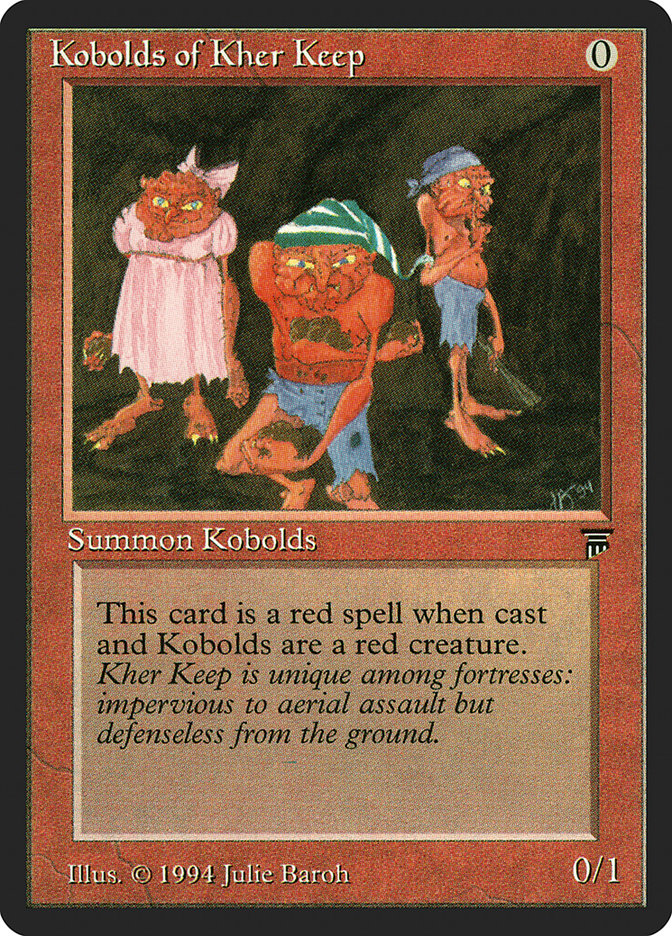


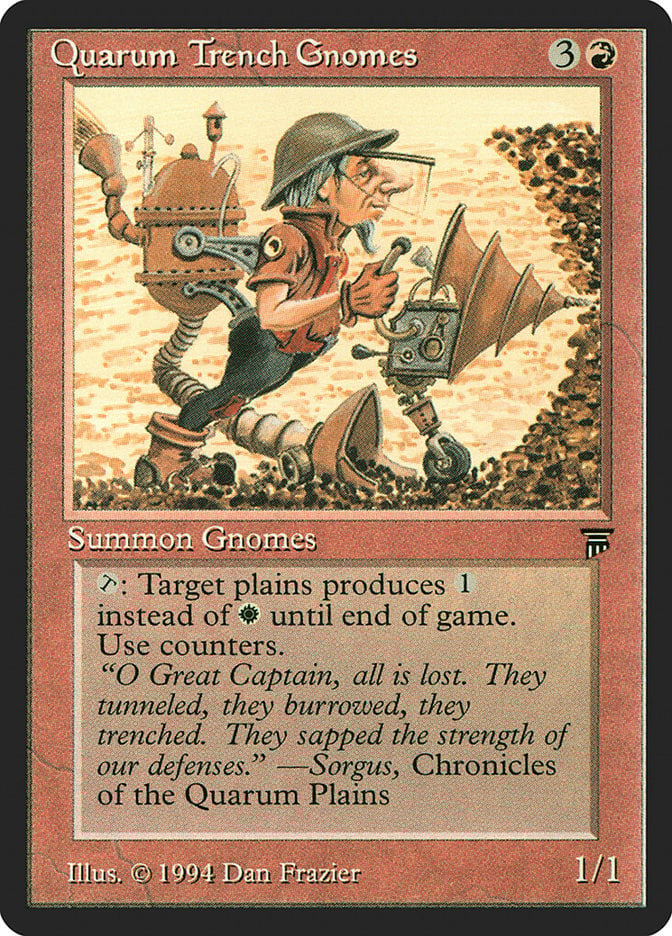


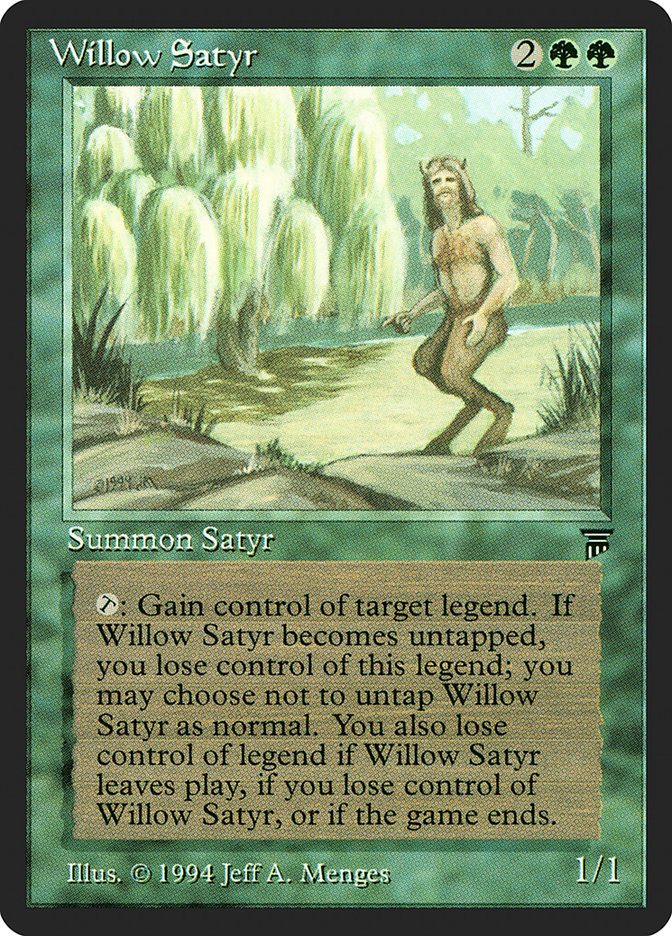
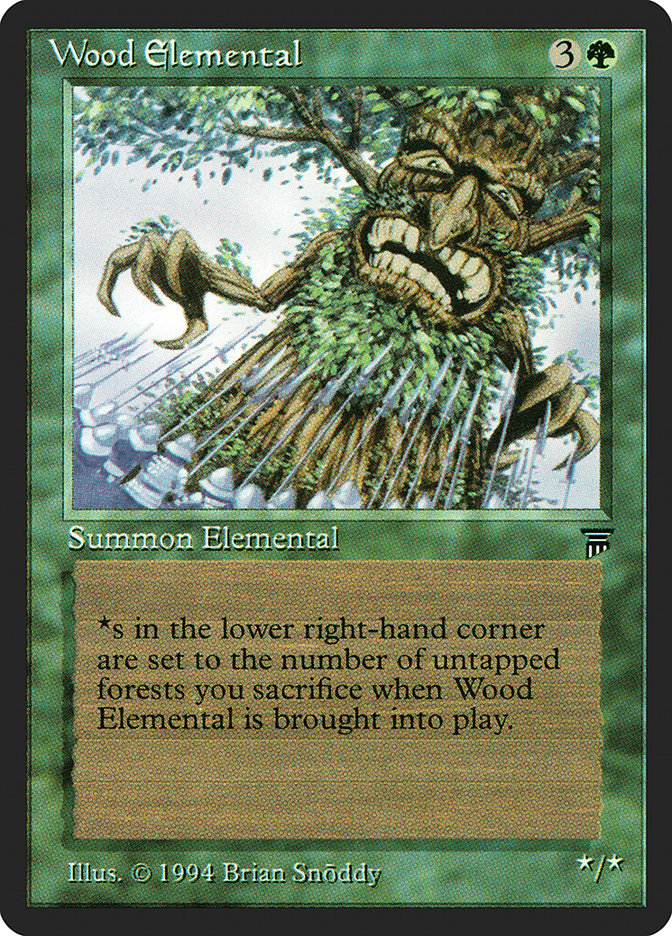
Green


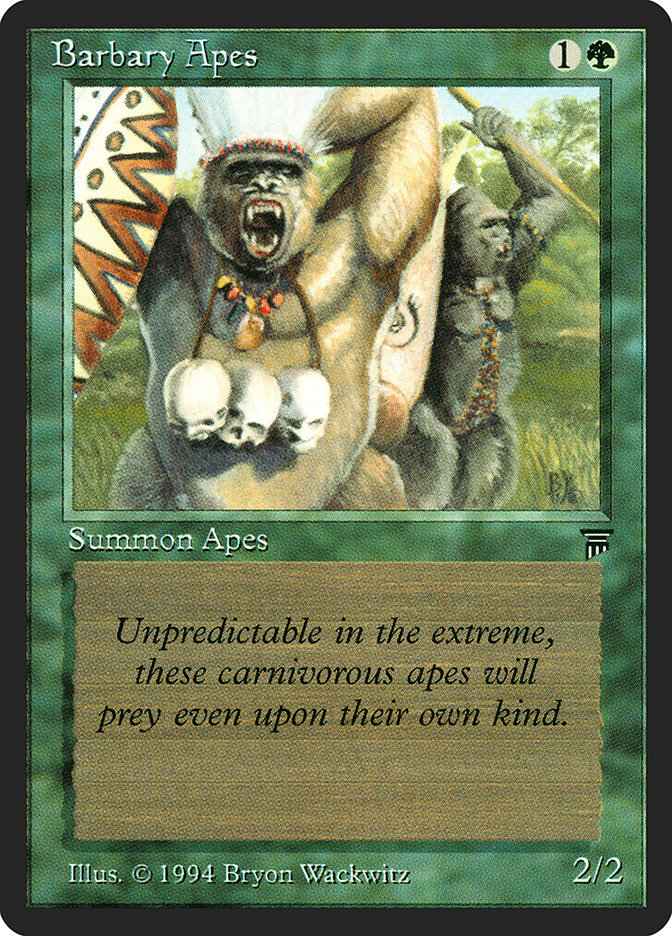


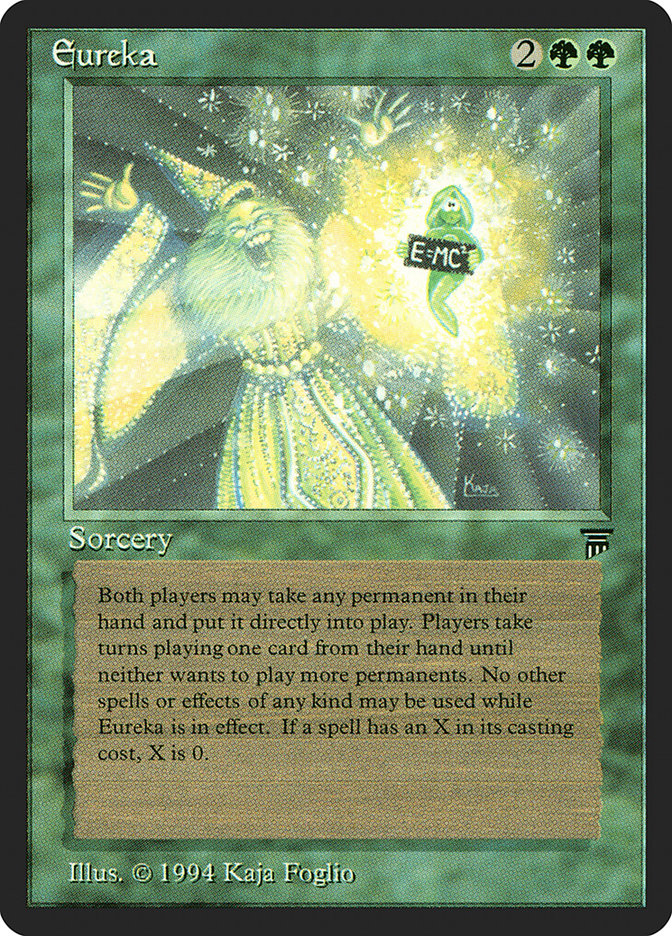


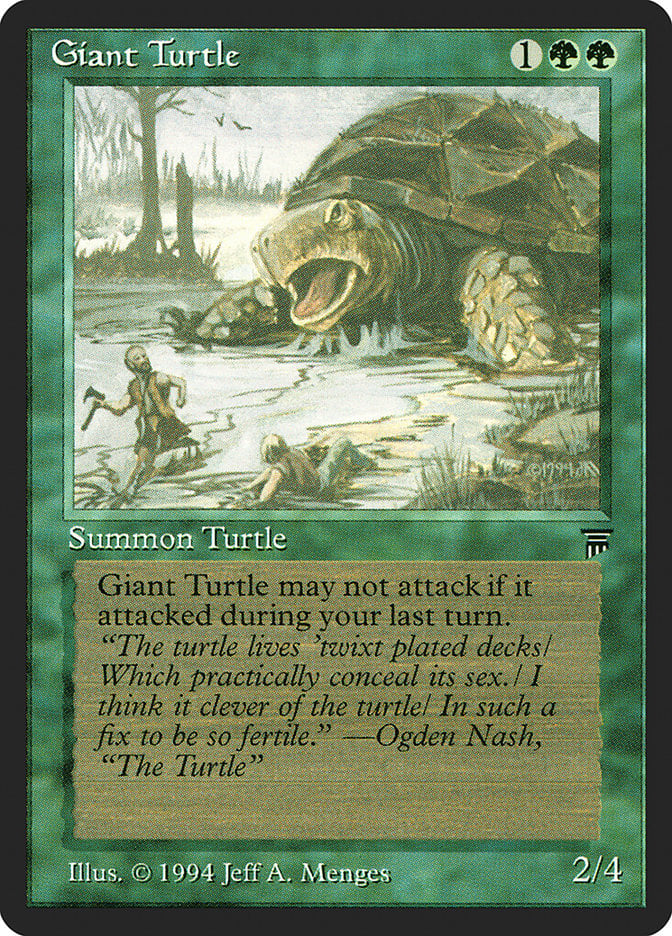


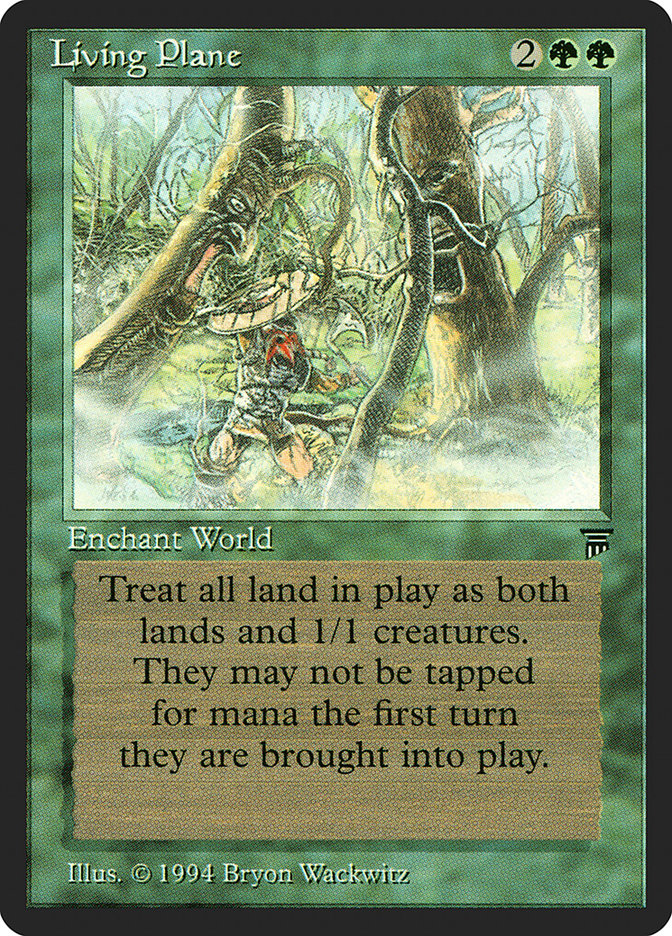
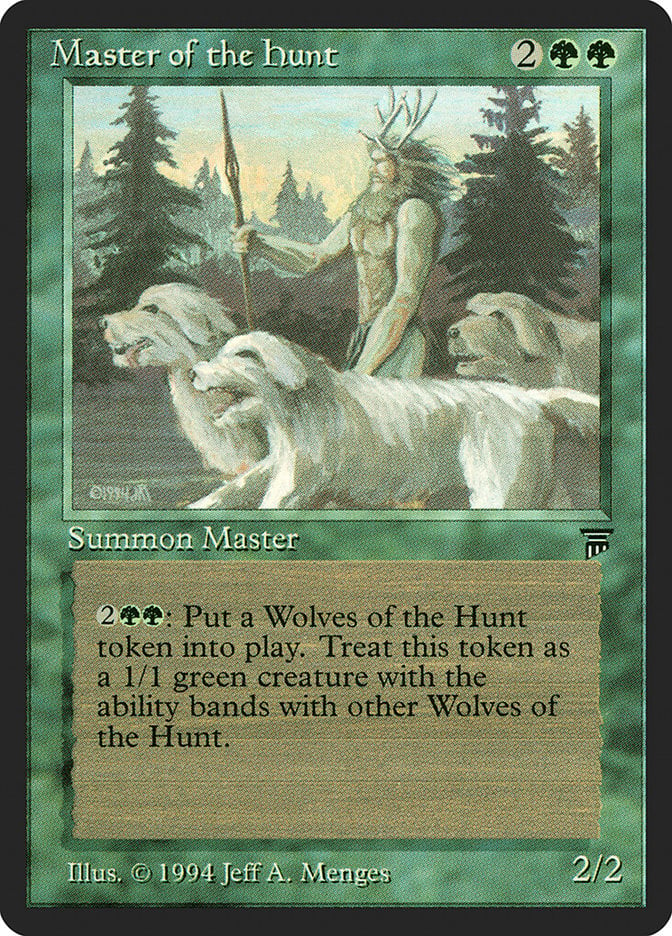


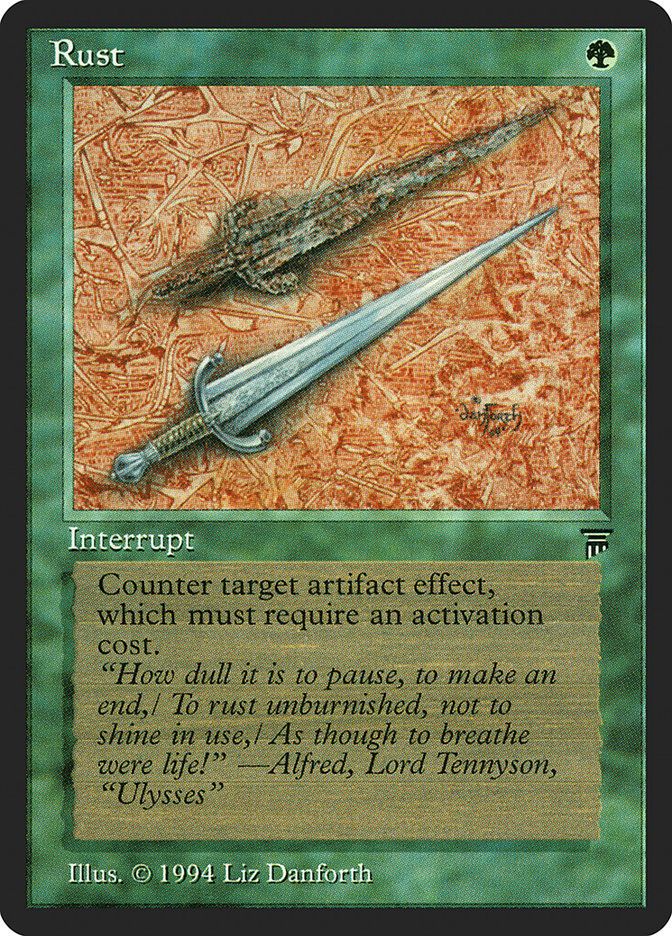




Multicolor









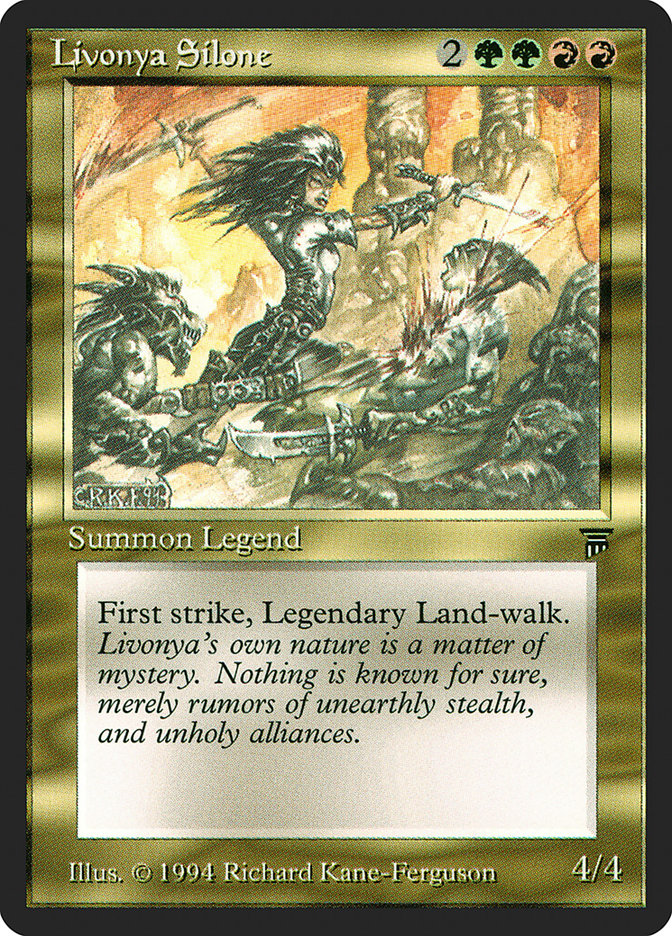


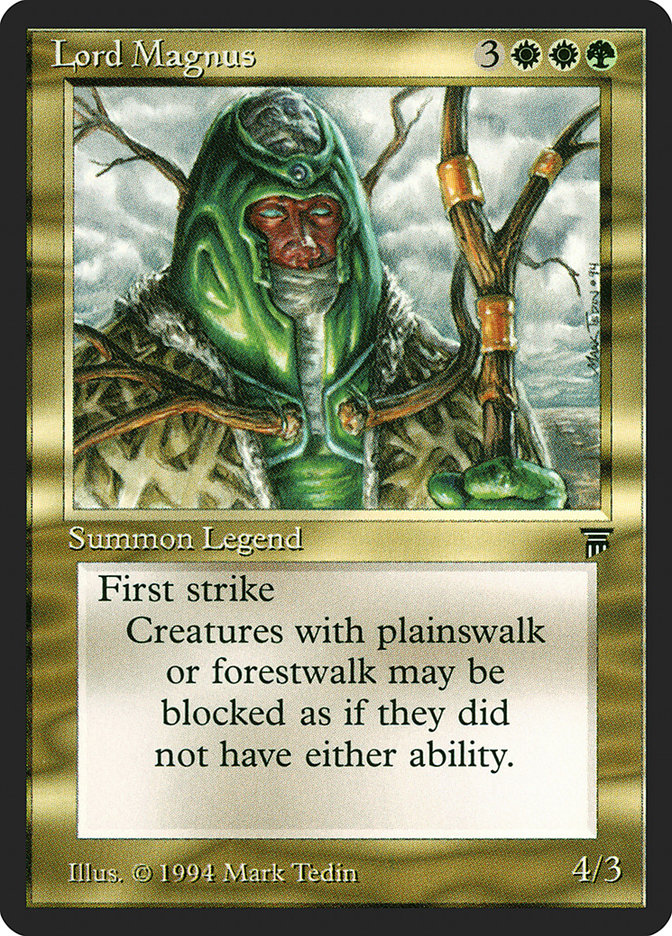


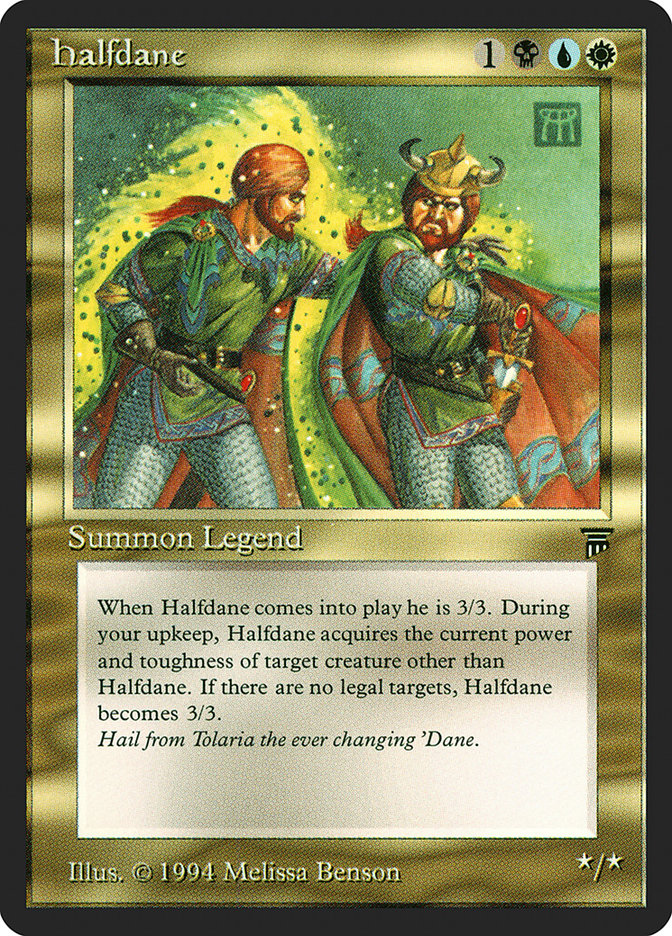
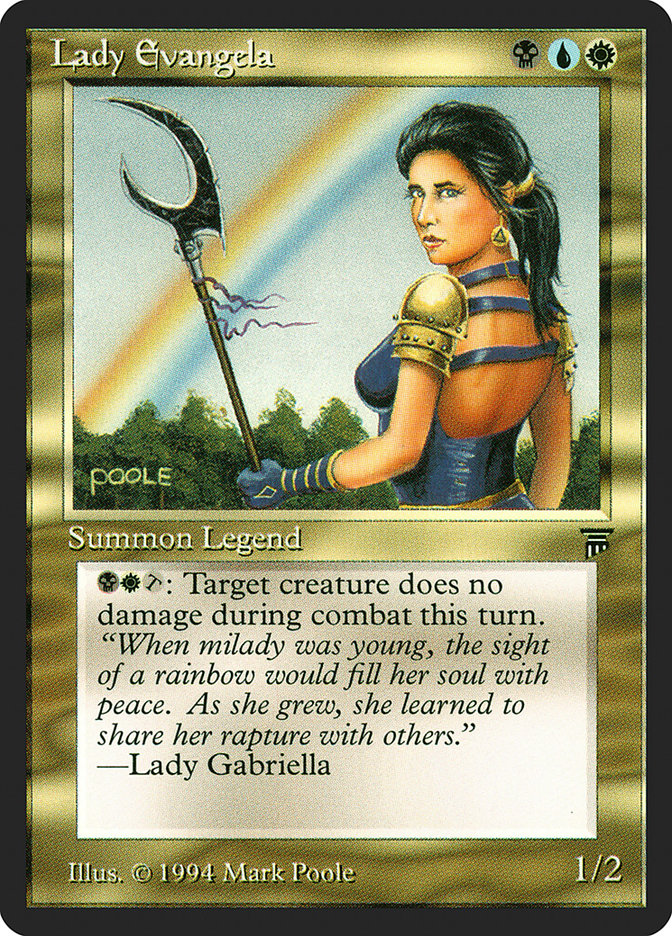







Colorless


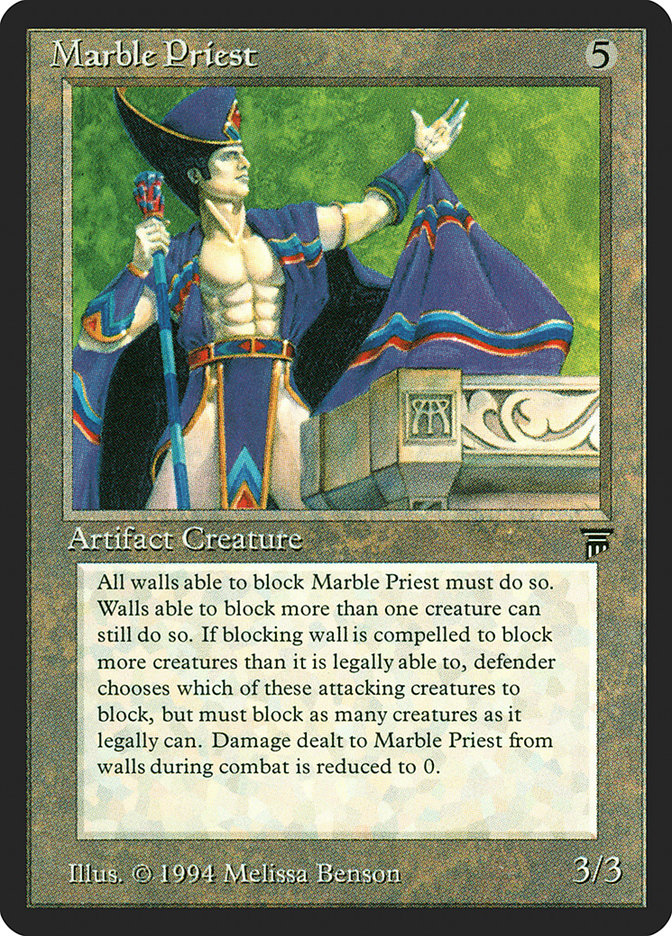
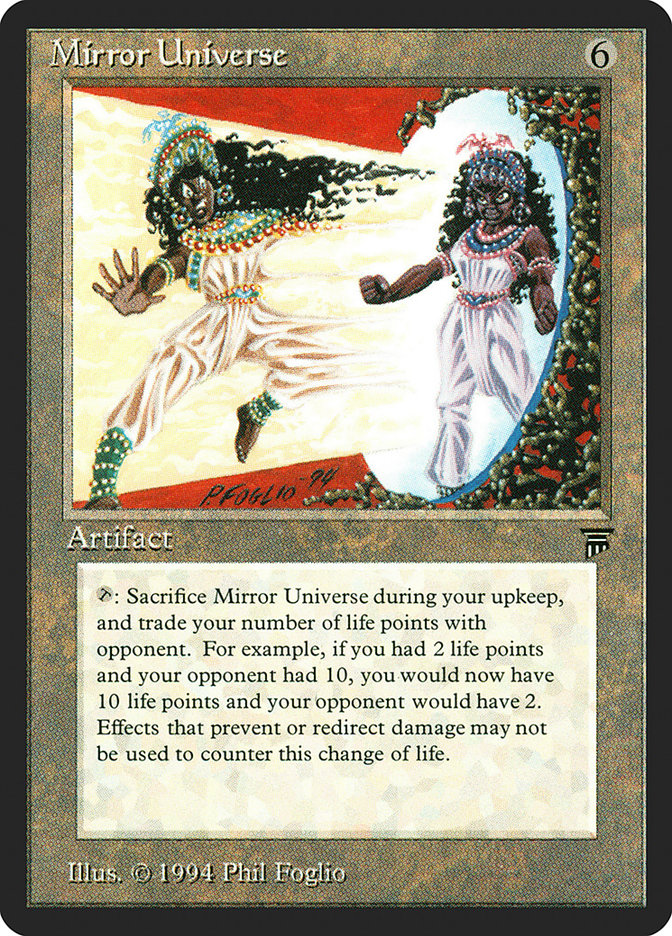


Lands

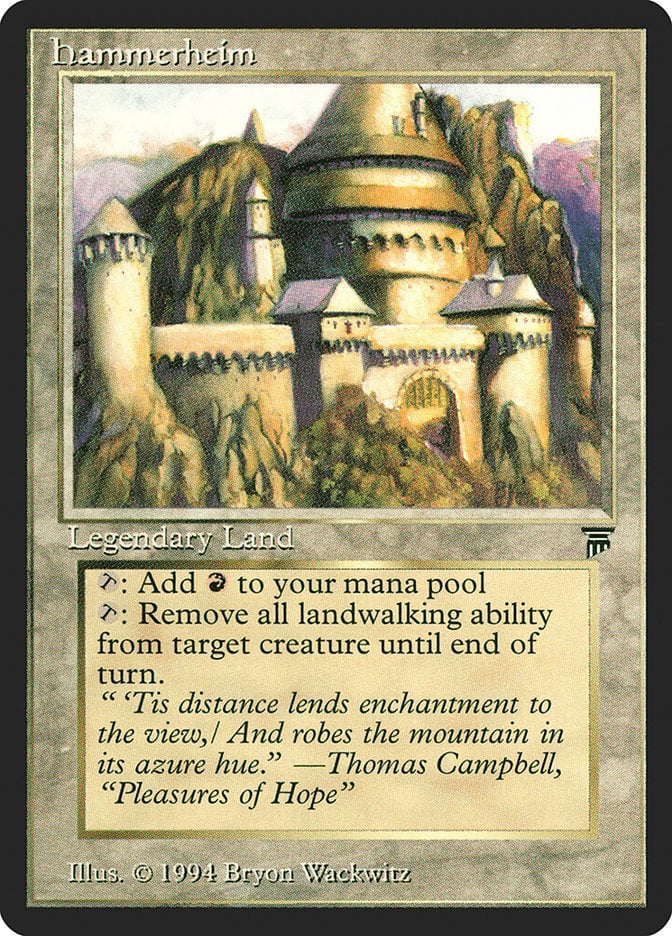


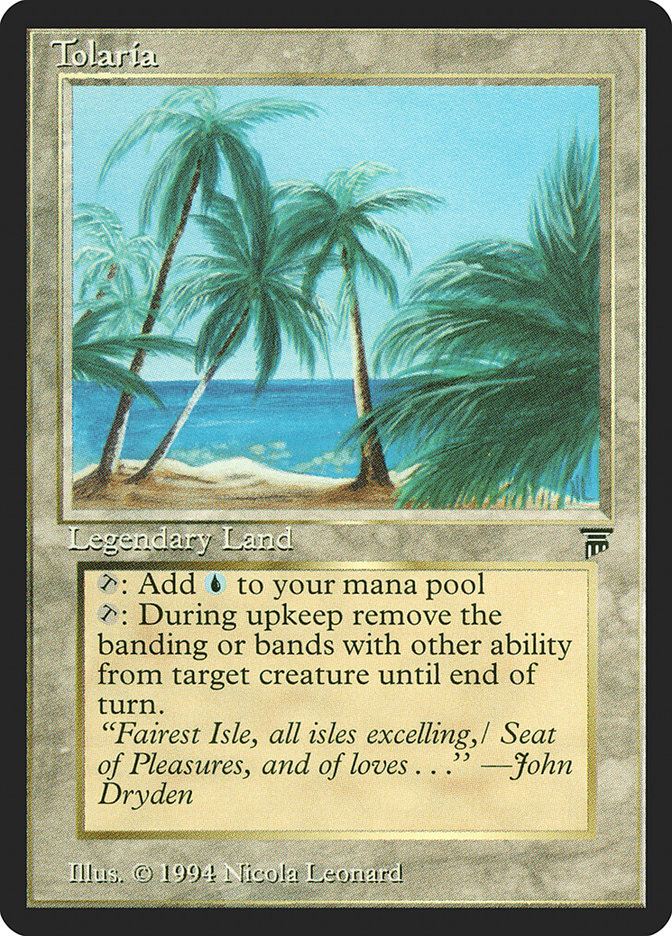

Notable Cards
Original Elder Dragons
Legends introduced the original five Elder Dragons: Arcades Sabboth, Chromium, Nicol Bolas, Vaevictis Asmadi, and Palladia-Mors. In the set, these dragons were used to organize the “family trees” of the legendary creatures. These were organized by each dragon’s three-color identity and the two allied colors included. Each family tree includes three rare legends that share the dragon’s color identity, as well as three rare legends and four uncommon legends of each allied color pair.
While the dragons themselves are a bit too expensive to still be used as commanders, they are notable for being the original creatures used in the creation of the format.
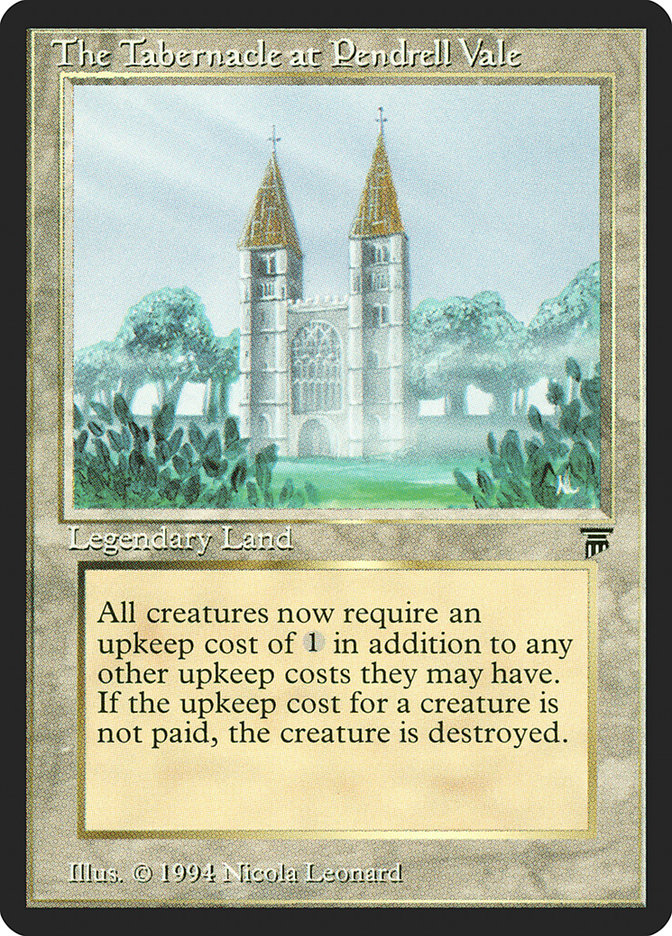
The Tabernacle at Pendrell Vale
The Tabernacle at Pendrell Vale is the most expensive Magic card from Legends by a wide margin, and for good reason. This legendary land is a super effective form of creature hate that can be played for no mana, and land-searched up by cards like Crop Rotation or Elvish Reclaimer. Lands are also typically a bit harder to remove than other types of permanents, though this is becoming less true thanks to the increased prevalence of nonbasic land hate and nonbasic land destruction like Boseiju, Who Endures.
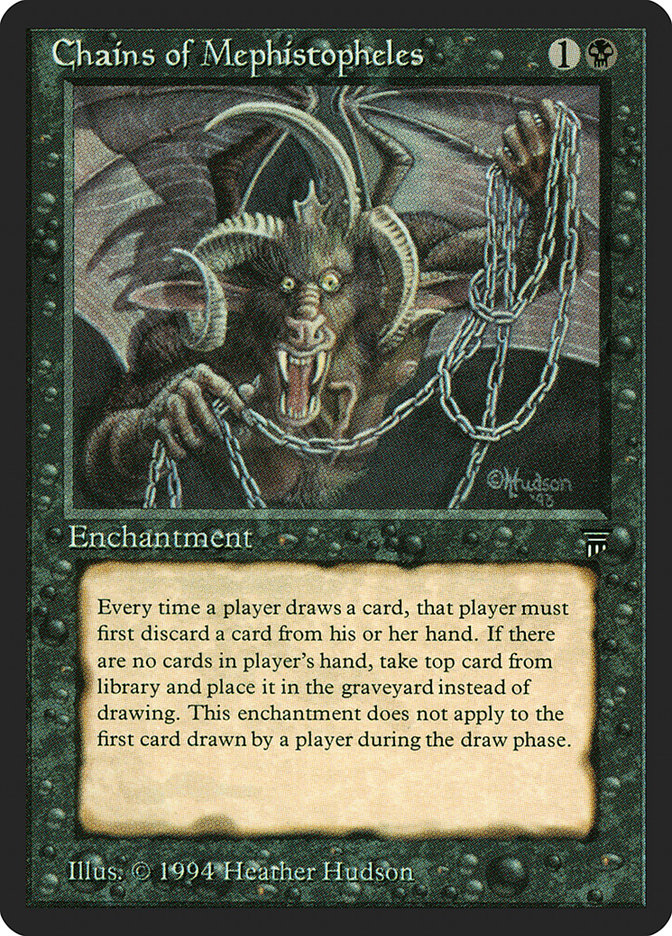
Chains of Mephistopheles
Chains of Mephistopheles is a low mana value enchantment that can shut down a lot of strategies. Plenty of decks, especially combo decks, rely on being able to draw multiple cards each turn. This card puts a serious hindrance on players who draw additional cards beyond the first one each turn, making it harder for players to draw out their deck and set up a combo.
Angus Mackenzie
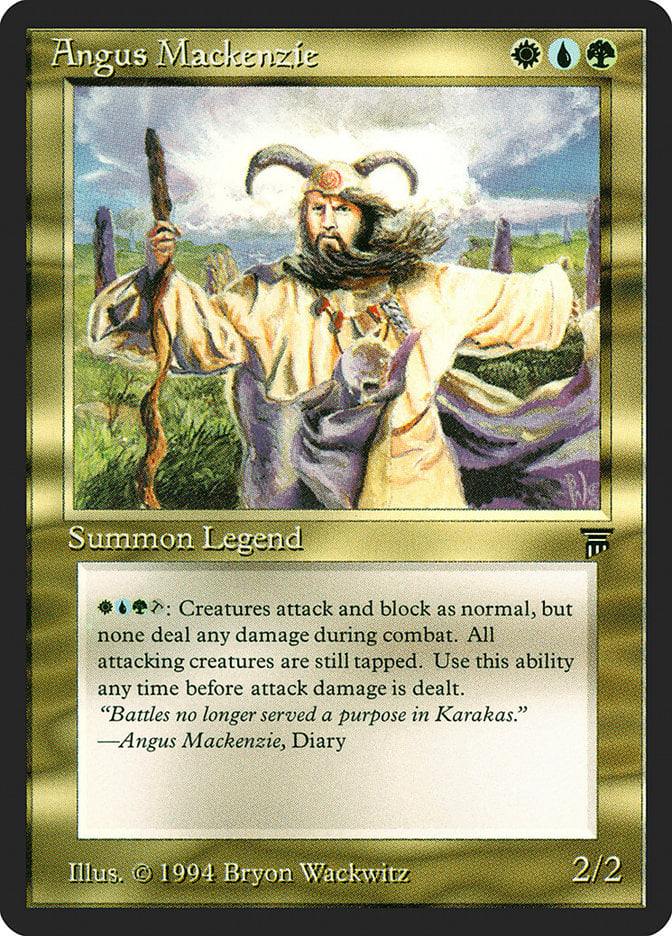
Angus Mackenzie is a relatively popular Bant commander. This can be run as a pillow fort commander or can make it easier for you to get attack triggers without risking your creatures, though that will open you up to taking combat damage on the swing back. There are plenty of other fog effects in Bant, and stall tactics like Maze of Ith or Propaganda which can help supplement this commander’s ability.
Sylvan Library
Sylvan Library is one of the more popular green card draw engines in Magic. It’s been reprinted several times since Legends which helps keep its price down, but it is tempting to pay extra for the original artwork on this green enchantment because it is beautiful. Sylvan Library is a Commander staple and one that I personally put in pretty much any green deck.
Land Tax
Land Tax is another staple from Legends. White doesn’t necessarily have the best ramp, so this is perfect for any mono-white deck, or decks that include white but no other color that typically helps find lands.
Cards Banned for Community Standards Violations
Not all Magic cards are notable for good reasons, as is the case with the four cards from Legends that Wizards of the Coast banned for their insensitive nature. The best way to describe the reasoning behind these bans is with Wizards’ statement that has replaced these cards in their database: “[Wizards has] removed this card image from [their] database due to its racist depiction, text, or combination thereof. Racism in any form is unacceptable and has no place in our games, nor anywhere else.”
This is part of the company’s efforts to ensure that Magic is a game that can be enjoyed by everyone and that players aren’t alienated due to the art or text on a given card. The cards banned from legends are Invoke Prejudice, Cleanse, Imprison, and Pradesh Gypsies. It’s pretty obvious why the last of these was banned, given that it includes a slur in the name of the card. Imprison depicted insensitive artwork, whereas Cleanse is banned due to the uncomfortable parallels to the phrase “ethnic cleansing.”
Invoke Prejudice is one of the easiest to understand why it was banned. Besides its name and artwork, which depicts figures similar to Klu Klux Klan members, the card’s artist has also made several other pieces of offensive art, including one that depicts Adolf Hitler as Jesus. The card was also given an equally offensive multiverse ID in the Gatherer, as the ID number 1488 has been used by white supremacist and neo-Nazi groups to covertly signal their hateful beliefs.
Available Products
Legends had no additional products besides simple booster packs and booster boxes. This is because the set was meant simply as an expansion, not something for players to use without any other MTG products – this set didn’t have any starter decks to go with it, and didn’t even include basic lands.
Legends Booster Pack

Legends was printed over 30 years ago at this point, so it’s not too surprising that booster packs are somewhat hard to find. There are some listed on TCGplayer, and they have a market price of $569.50 on the site. That said, packs are sparse, and there aren’t many actually available around the market price. The cost of Legends packs will likely continue to climb as the cheaper ones sell out.
Legends Booster Box

Full booster boxes of Legends are even harder to find than individual packs, assuming you don’t stumble across a warehouse full of them. At the time of writing, there is only a single booster box available on TCGplayer, and it costs nearly $35,000.
Dominaria United Collector Boosters
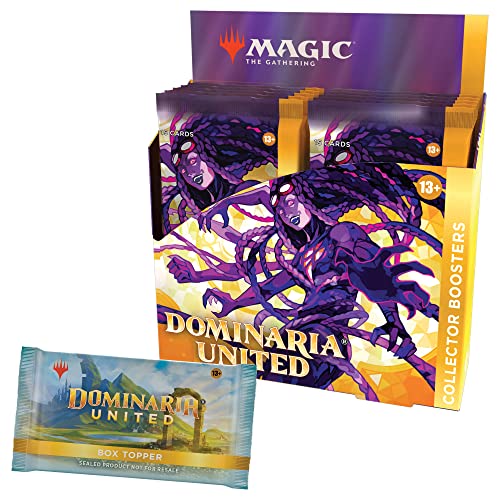
While chances are very slim, there is one other way you could try to get your hands on some Legends cards in sealed Magic products. Wizards of the Coast announced that they had “discovered” some palettes of Legends and were going to be randomly inserting some cards from them into Dominaria United Collector Boosters.
If you want to roll the dice and try to pull some Legends cards, you can get several Dominaria United Collector Booster boxes for less than the cost of a single Legends pack, but again it’s more than likely you won’t end up actually pulling any of the Legends cards.
- 12 Dominaria United Collector Boosters plus 1 foil Box Topper card
- 15 Magic cards plus 1 foil token in each booster
- Lost Legends—card from the 1994 set, Legends, in 3 percent of Collector Boosters
- 10–13 foil cards in every pack—including at least 2 foil Legendary Creatures
- 5–6 cards of rarity Rare or higher in every pack
Wrap Up

Divine Offering | Illustration by Jeff A. Menges
Legends holds a unique place in Magic’s history. Not often does a set introduce even a single mechanic to the game that sticks around for a few years, let alone two major elements that have reshaped it for over 30 years. While there are some notable cards from the set itself, Legends is a bit more remarkable for the general concepts it introduced to Magic, like multicolored cards and legendary permanents.
I’d love to know if you use any of the creatures from Legends as commanders; I think the set has a lot of interesting PreDH potential. I’d also be interested to hear any other sets that you think are equally as impactful on Magic from a mechanical standpoint. Let me know in the comments, on Draftsim’s Twitter, or on our Discord.
Thank you for reading and I look forward to seeing you on the next article!
Note: this post contains affiliate links. If you use these links to make a purchase, you’ll help Draftsim continue to provide awesome free articles and apps.
Follow Draftsim for awesome articles and set updates:










Add Comment