
Last updated on November 14, 2025

Grand Coliseum | Illustration by Carl Critchlow
Lands are the most essential part of any Magic deck; you literally couldn’t play without them (unless you’re on Manaless Dredge, which is almost not a Magic deck). This often leads to the best lands—those that enter untapped—being pretty pricey.
But lands don’t have to enter untapped to be useful. Yes, they’re great, but tapped lands can offer budget fixing to hold together cheap decks, or powerful abilities that go well beyond that of the average land. I’ve scouted out the best taplands for your next brew!
What Are Taplands in MTG?

Path of Ancestry | Illustration by Alayna Danner
These are simply lands that enter tapped. Notably, I’m only including lands that always enter tapped; plenty of lands like shock lands, fast lands, or Arena of Glory enter tapped conditionally, but those didn’t qualify.
Lands that enter tapped generally perform one of two functions. The first is low-rarity fixing; dual lands printed at common and uncommon typically enter tapped, with untapped mana fixing being reserved for rare and mythic rare cards. Some utility lands enter tapped to balance their powerful effects; you give up the tempo of an untapped land right now for some advantage later down the line, like an enters ability or a boon that comes from casting spells with the mana the land creates.
#41. Valgavoth’s Lair

Valgavoth's Lair provides mediocre fixing; this card’s appeal comes from its unique typing. A land that makes All That Glitters stronger or triggers constellation and eerie abilities is very niche, but it’s perfect in decks that want it.
#40. Khalni Garden
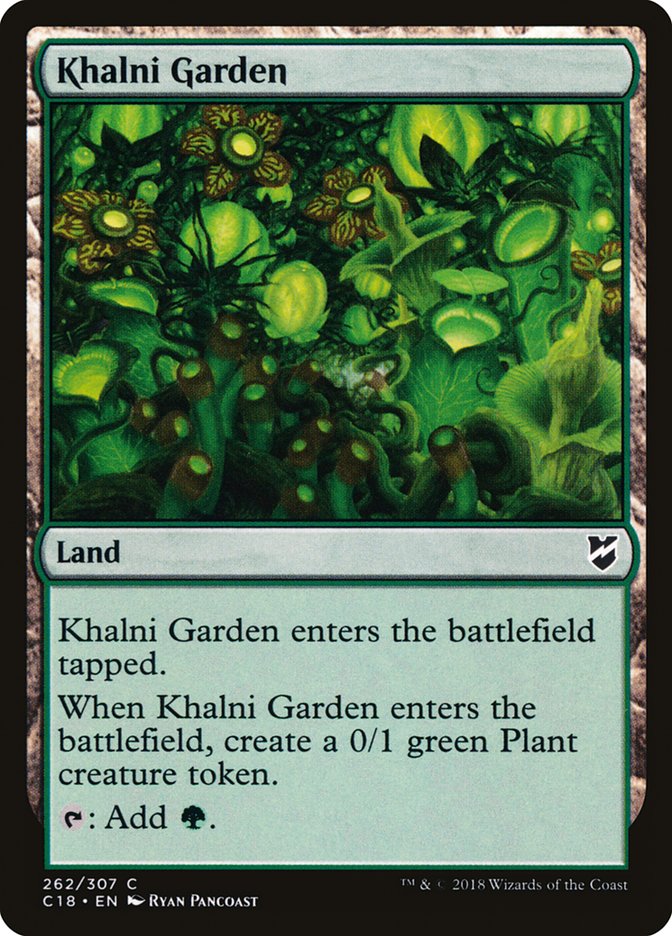
A 0/1 Plant token may seem too measly a reward to be worth a tapped Forest, but the right deck does a lot with it, such as Pauper’s old Golgari Gardens lists. A land that comes with sacrifice fodder is incredibly intriguing, even if that makes this more of a green-black card than a green one.
#39. Raging Ravine
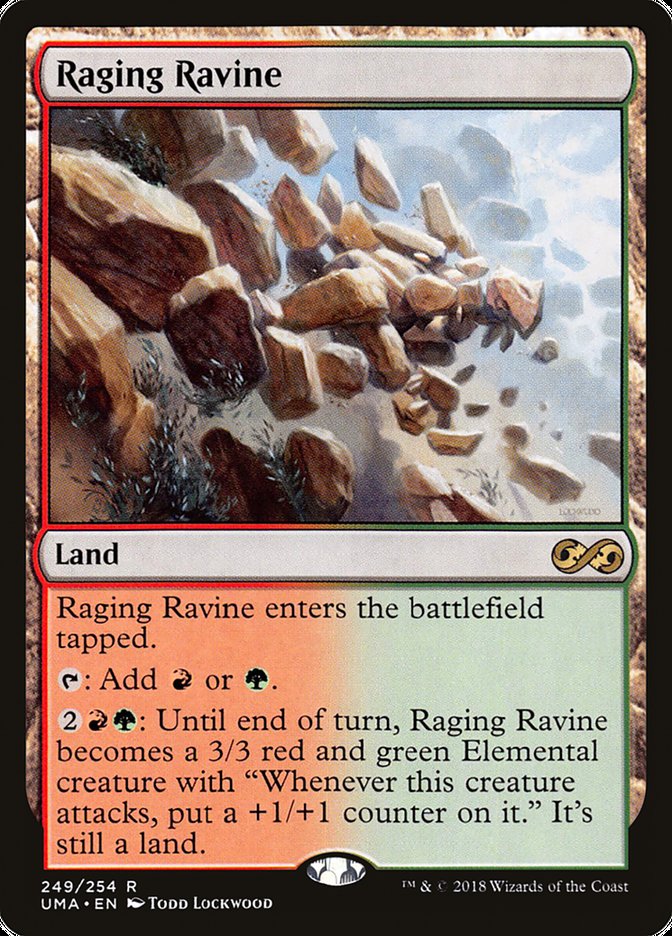
Raging Ravine is unfortunately slow in today’s Magic formats, but there’s still room for an aggressive land that exploits +1/+1 counter synergies to grow into a formidable threat. Cards like Shalai and Hallar and Conclave Mentor could teach this old elemental a trick or two.
#38. Minas Morgul, Dark Fortress
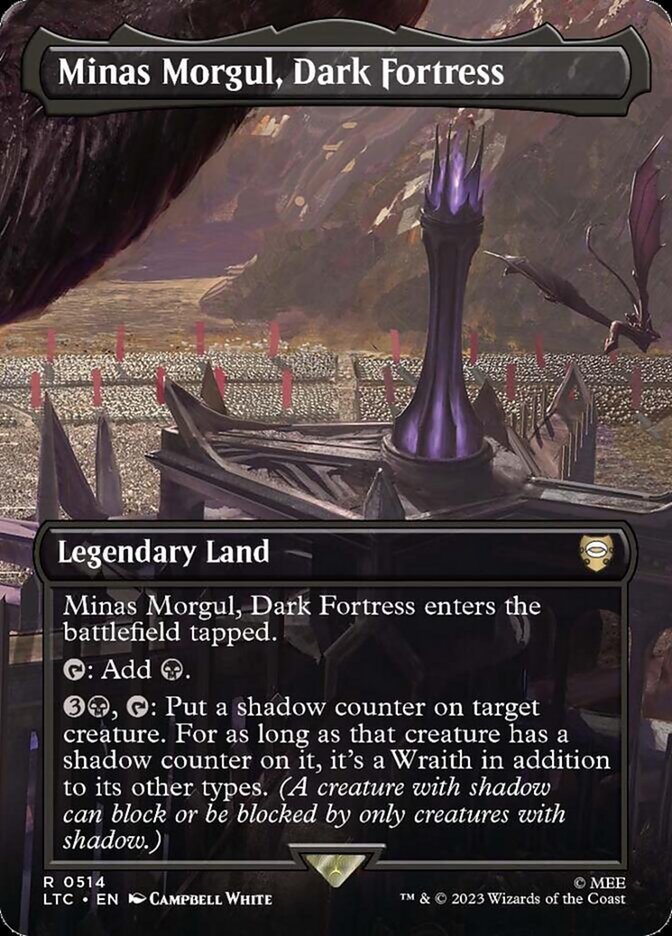
Minas Morgul, Dark Fortress fits snugly into decks that want to connect with their commander. Dauthi Voidwalker is practically the only creature with shadow that sees play, so it’s often unblockable (or makes an opposing creature unable to block). The high cost on the activated ability plus entering tapped traps this in the realm of the casual, but it has a home.
#37. Cycling Lands

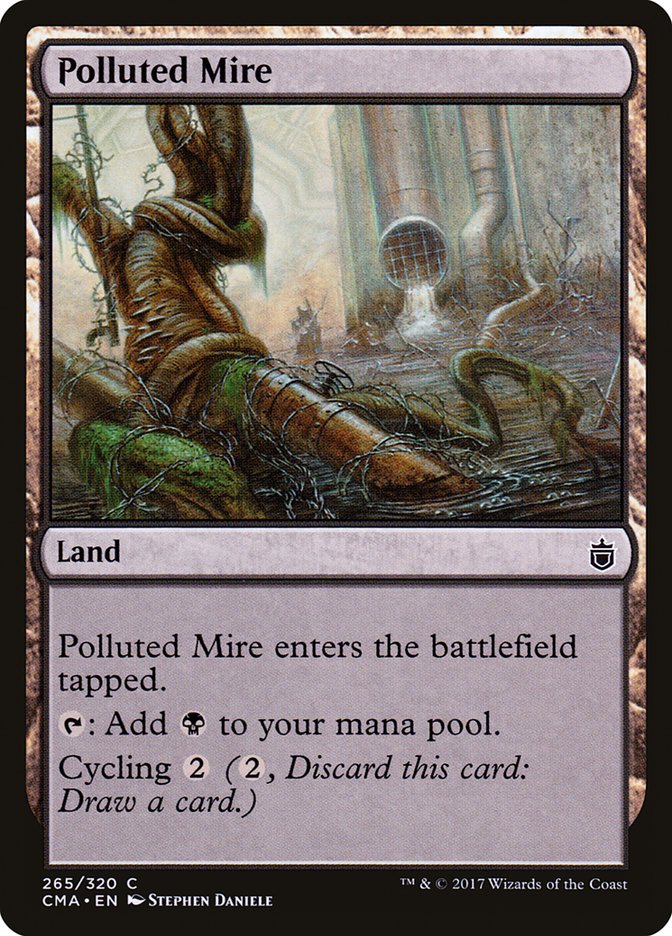
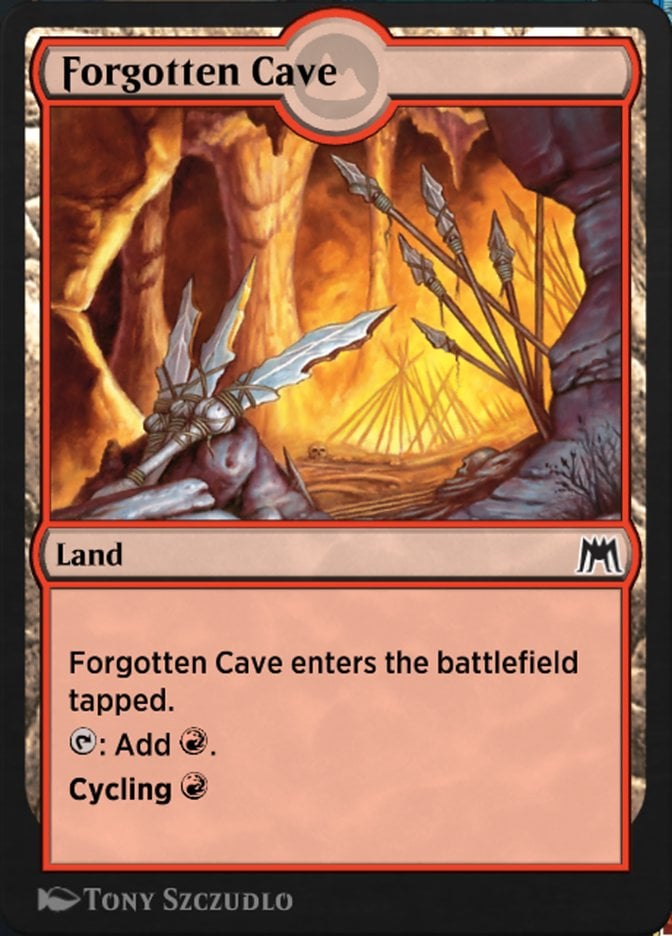
Lands with cycling are well-explored design spaces with multiple cycles spread throughout the years, and they’re generally useful to mitigate flooding. But power creep has gotten to them; cards like Sheltered Thicket or Polluted Mire or Forgotten Cave are simply outclassed by MDFCs and cards like the channel lands from Neon Dynasty. These are still useful though, especially for a budget land base that can’t splurge on those MDFCs.
#36. Guildgates
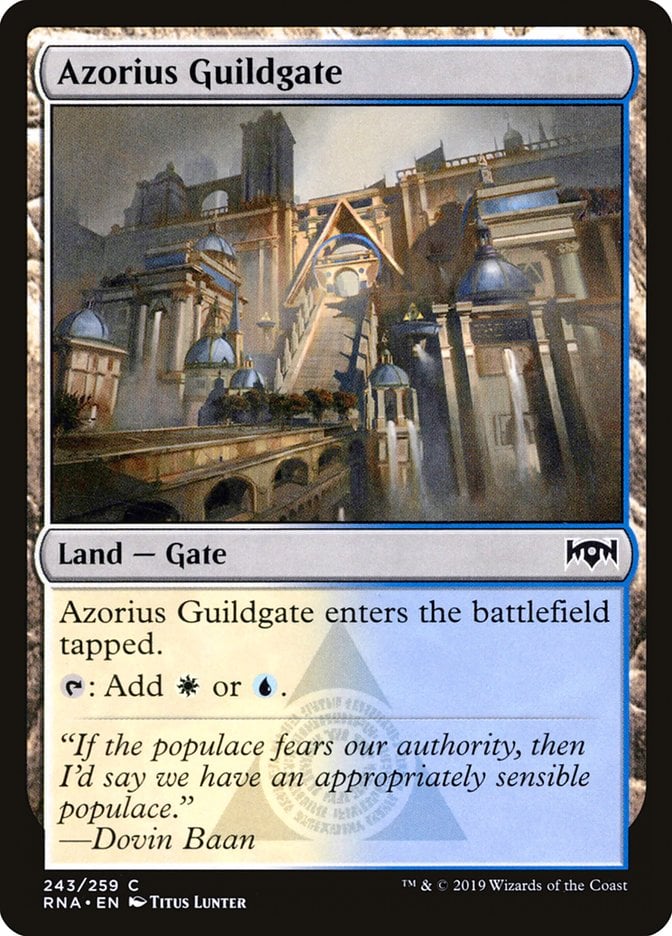
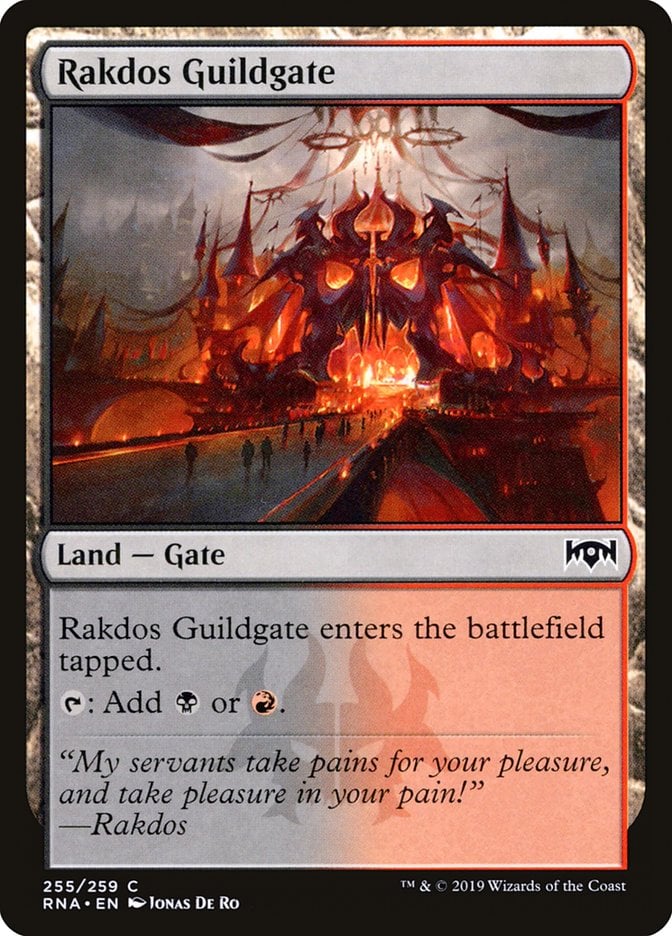
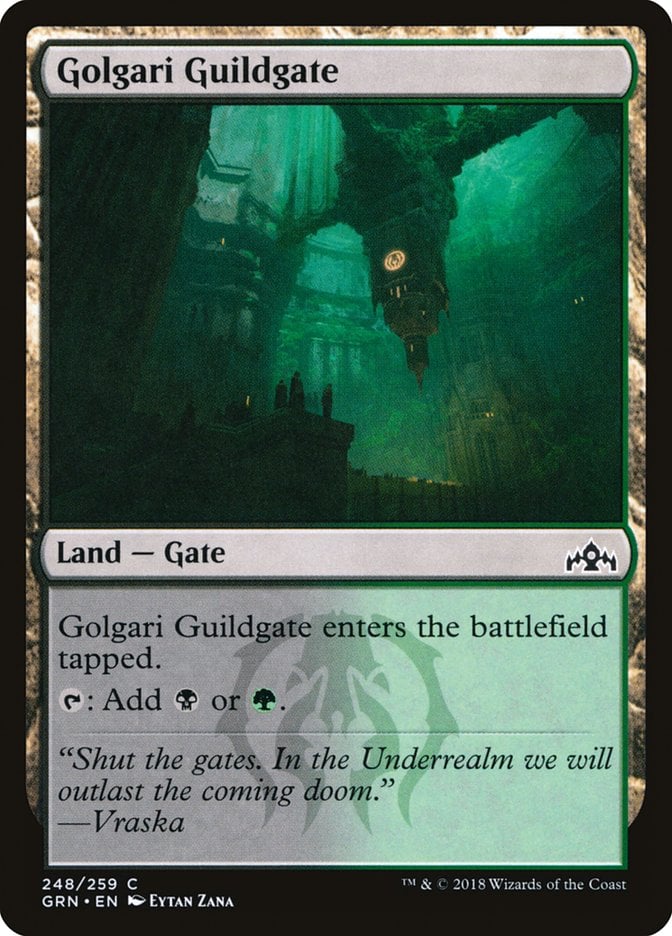
Guildgates like Azorius Guildgate, Golgari Guildgate, and Rakdos Guildgate are prominent budget fixing lands with plenty of synergies, including Maze's End and Basilisk Gate.
If you need to build a budget mana base in EDH, reaching for gates is quite handy thanks to ramp spells like Circuitous Route and Explore the Underdark that put multiple lands into play; resolving one of these is often enough to fix for all five colors.
#35. Thawing Glaciers
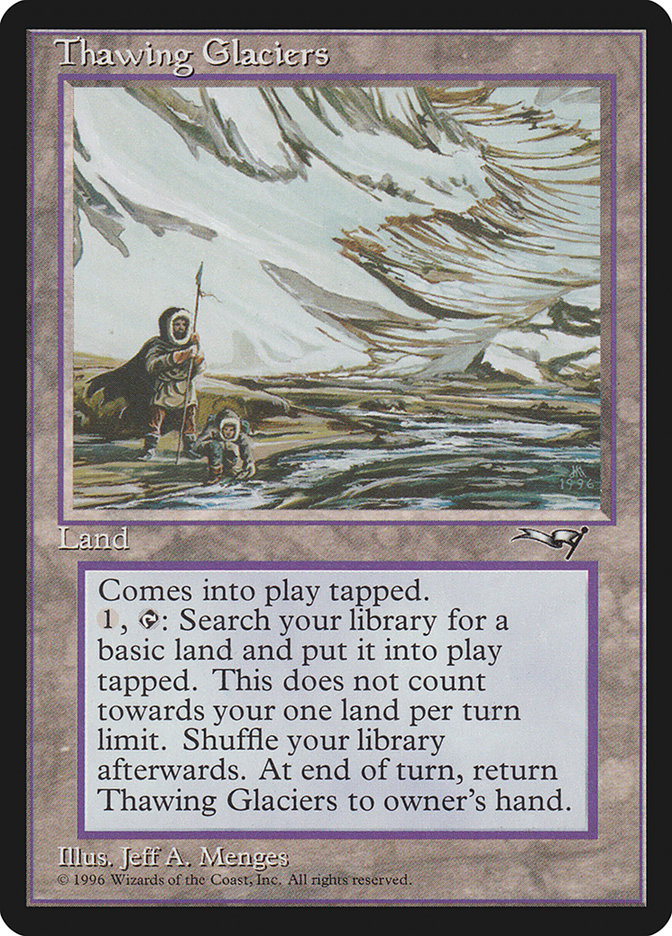
Thawing Glaciers doesn’t ramp you, as it puts a land into play, then returns itself to your hand, but it enables landfall pretty well since you’ll always have a land in your hand to play on your next turn that also puts a land into play.
#34. Sunken Palace

Sunken Palace asks a lot of you, eating seven cards in your graveyard and adding an effective 2-mana tax to whatever spell or ability you want to copy. But Magic has so many explosive, powerful plays that it seems like a cost worth playing to double up on stuff like Aminatou's Augury and Sphinx's Revelation.
#33. Tomb Fortress
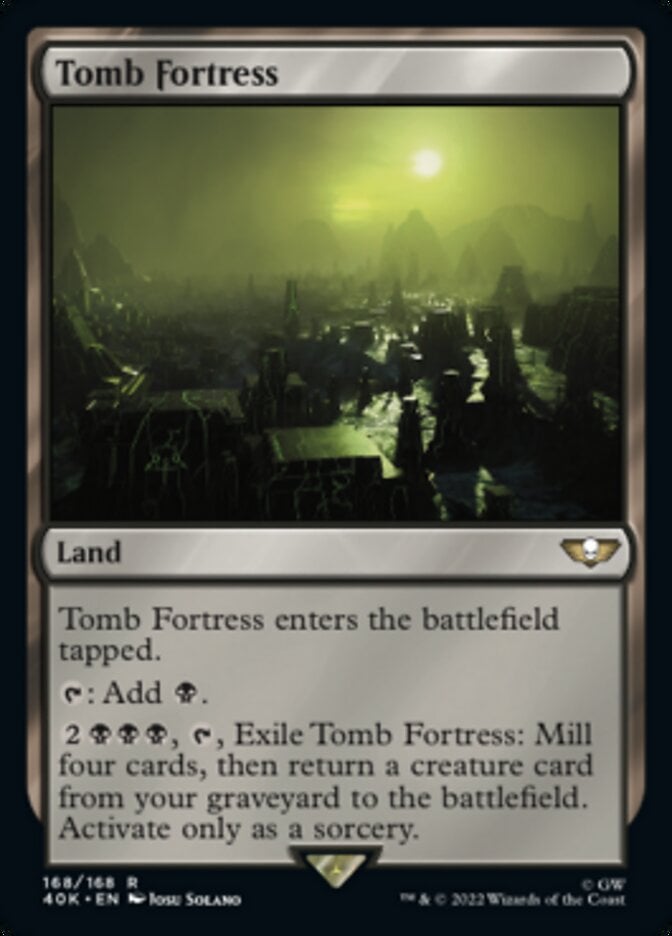
Reanimation abilities are incredibly powerful, often because they serve as a means of cheating mana; if you Entomb then Reanimate a Griselbrand, you’ve effectively paid 2 mana for 8 mana worth of power.
But some reanimation spells are better as grindy tools, which is where Tomb Fortress comes into play. Having a land that randomly gets your best creature back gives you lots of tools for a long game, especially if you naturally fill the graveyard.
#32. Cactus Preserve
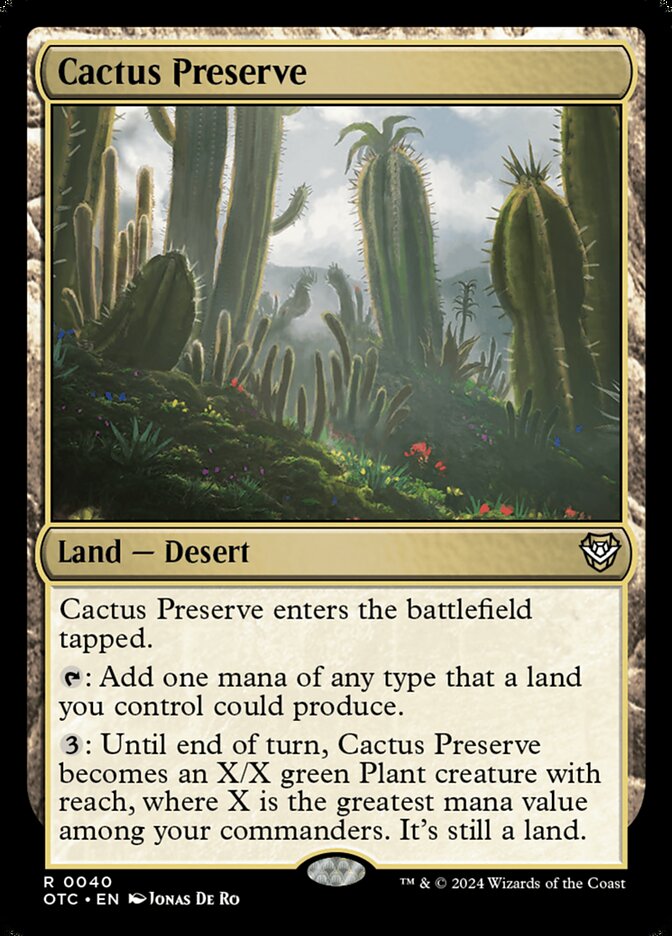
Cactus Preserve provides decks with expensive commanders a decent threat right from the land base. While Ghalta, Primal Hunger is the absolute dream, this desert works well with any commander that costs 6 or more mana.
#31. Emeria, the Sky Ruin
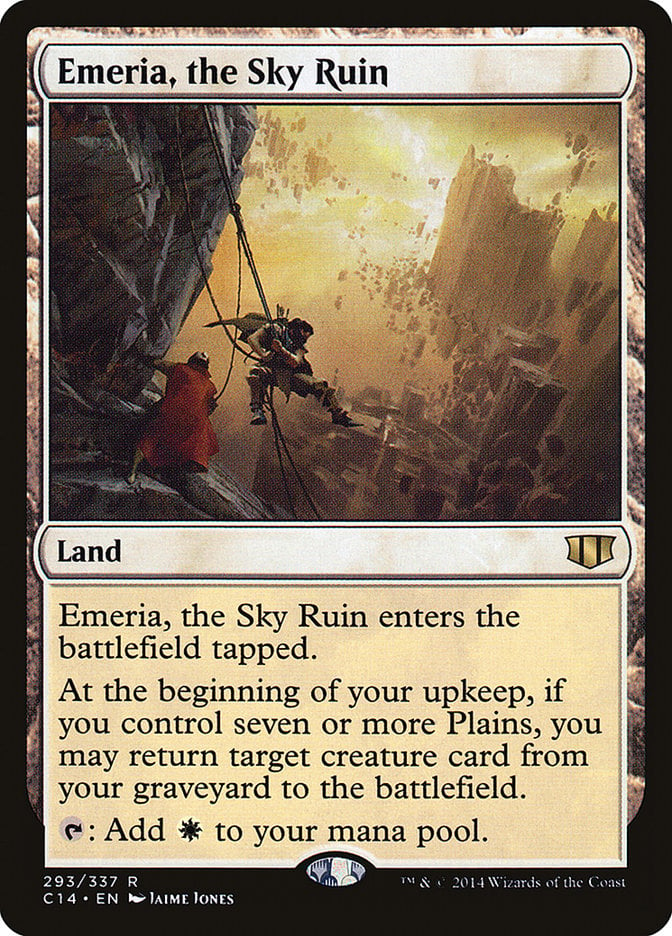
Emeria, the Sky Ruin has become more forgiving over the years as more and more land cycles with basic land types are printed, making it ever easier to reach the necessary seven plains for the reanimation ability. Even though it’s become easier, you should still be white-centered to make this work; if it does, you get a great value engine to eke out an advantage across a long game.
#30. Tarnation Vista
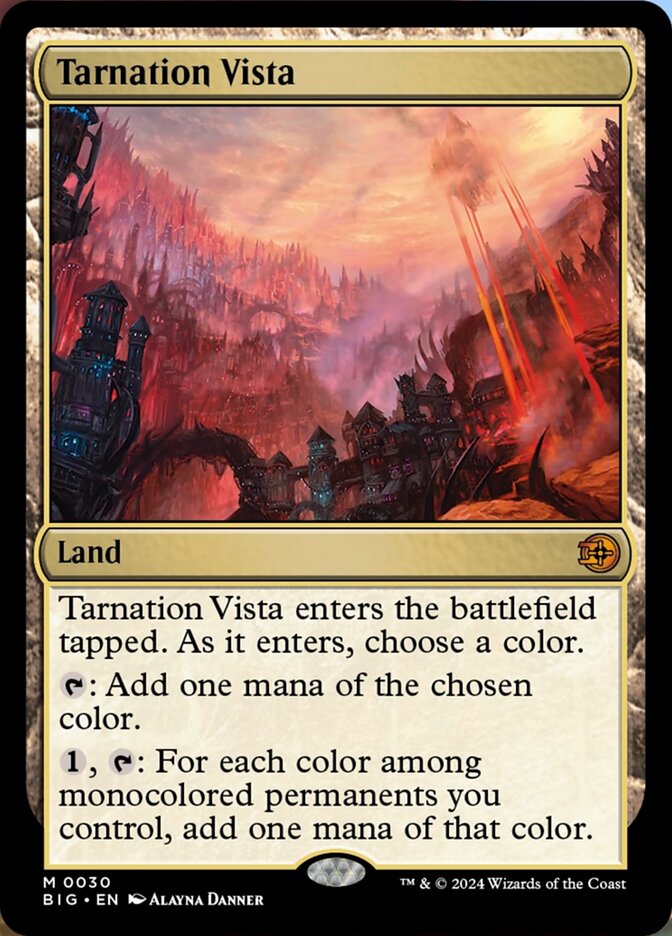
Tarnation Vista is a weird land that wants you to be in multiple colors and control a bunch of mono-color permanents; while plenty of cards care about those traits, they normally want one or the other. Leveraging it seems tricky, but any land that taps for an unfair amount of mana deserves some respect.
#29. Shelldock Isle
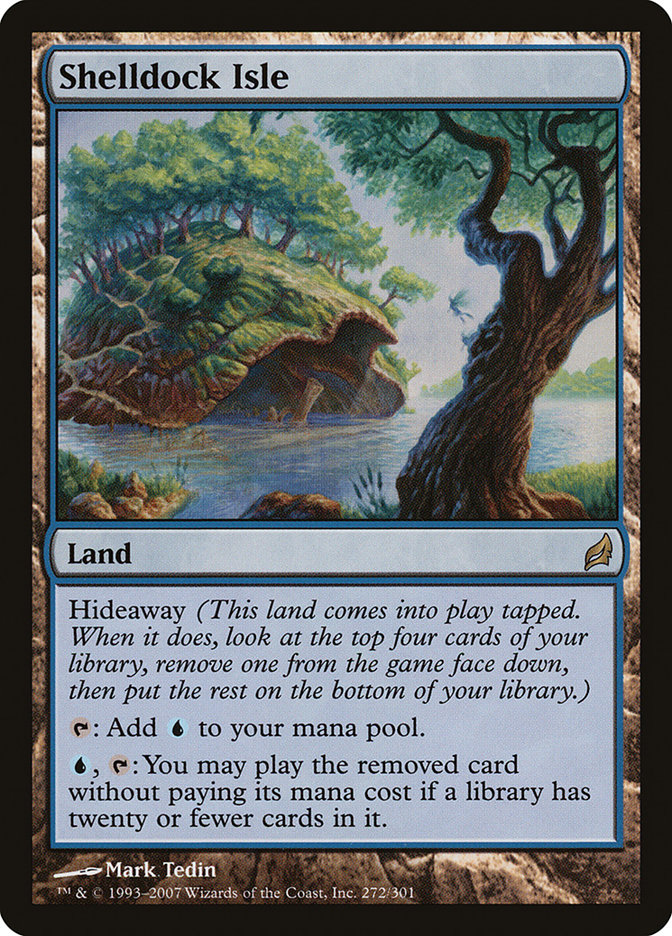
I’ll be forever sad that Shelldock Isle is basically useless in Commander, but at least we’ll always have Cube. Lorwyn’s hideaway lands are incredible utility lands that net free spells, and this is one of the strongest in Cube since blue decks naturally draw enough cards to enable it in most games.
#28. Windbrisk Heights
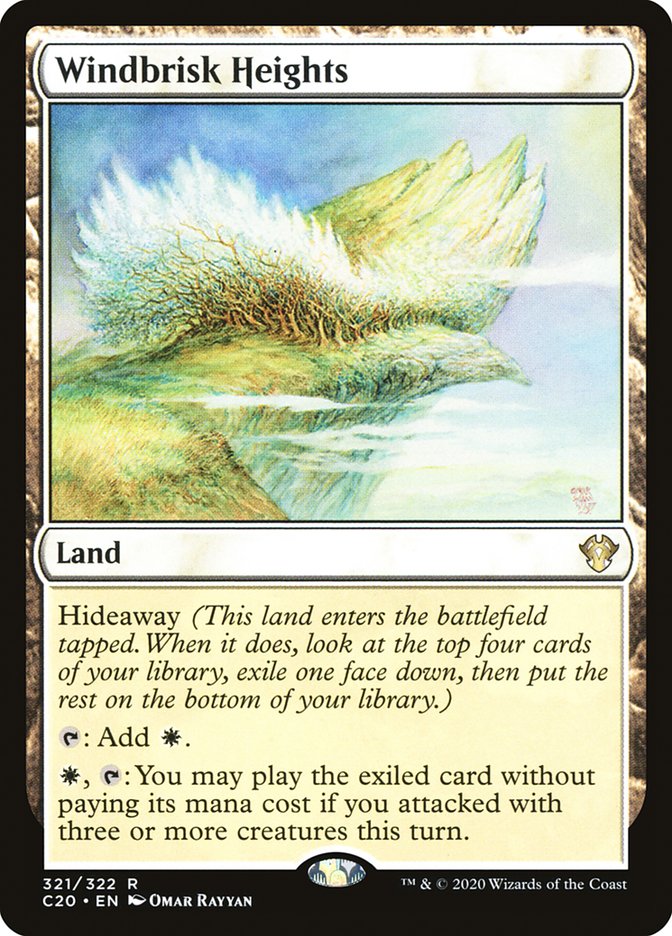
Windbrisk Heights works very well in Commander; I rarely have issues finding a turn when I can attack with three creatures, assuming I built my deck to attack. This design space has seen plenty of exploration in recent years, especially with cards like Glimmer Lens and Firemane Commando that draw cards when you attack with two or more creatures, so you can easily build a deck that extracts ungodly value from its combat step with cards like this one.
#27. Dakmor Salvage
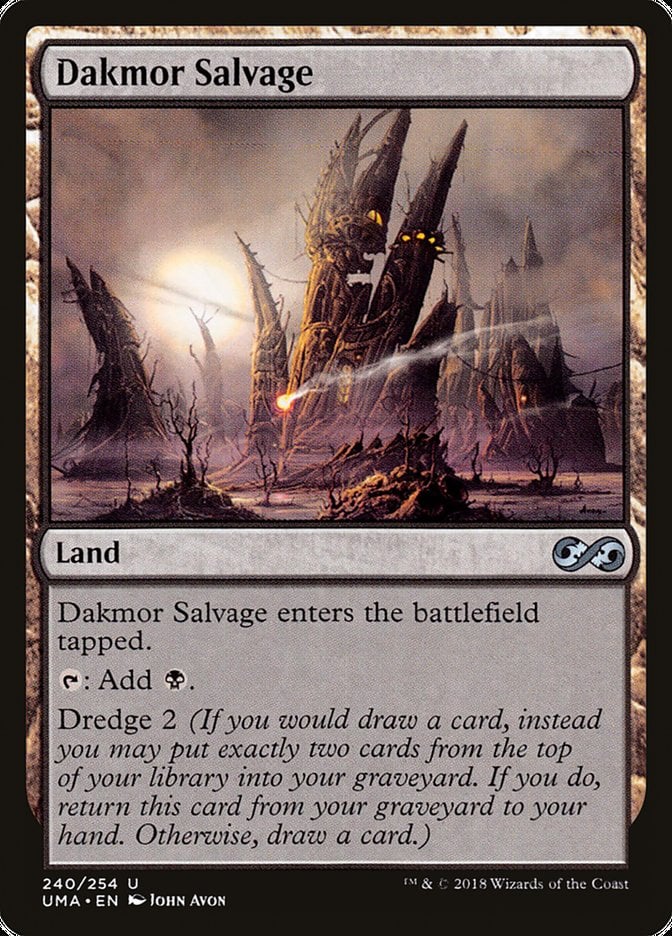
Dakmor Salvage is a rather interesting land because you never want to draw it; you want it in the graveyard so you can dredge it away. It comes awfully close to a land that mills you two cards when you play it, which certain decks thrive on.
#26. Tolaria West
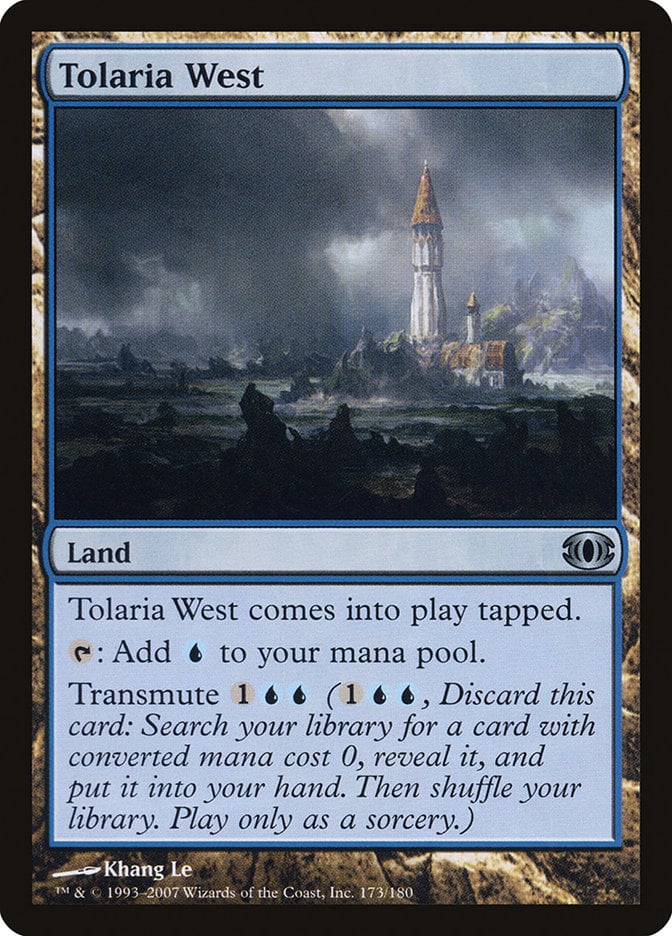
Tolaria West is an odd bird in that you never actually want to play this land, or even include it in your land count. This is a spell through and through, using its transmute ability to find powerful 0-mana cards like… other lands, usually. But additional copies of Dark Depths and The Tabernacle at Pendrell Vale are well worth finding. It even hits Lion's Eye Diamond, for the more competitively minded.
#25. Restless Anchorage
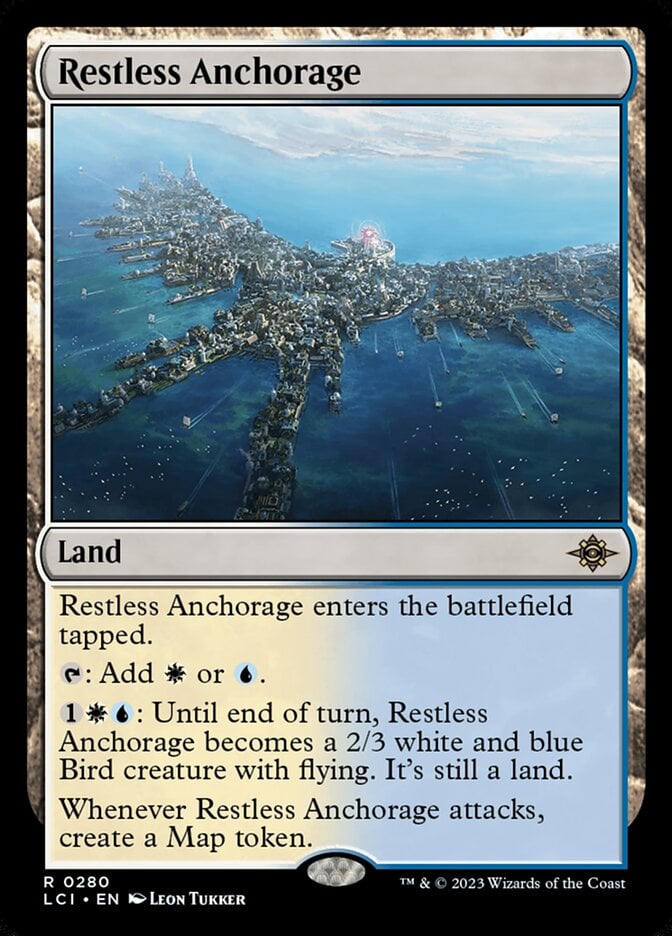
Restless Anchorage interests me because of its Map token creation. Azorius () and wedges/shards that include it exploit artifacts beautifully; a land that pressures your opponent while it makes Constructs and cards like Urza, Lord High Artificer stronger looks excellent.
#24. Pit of Offerings
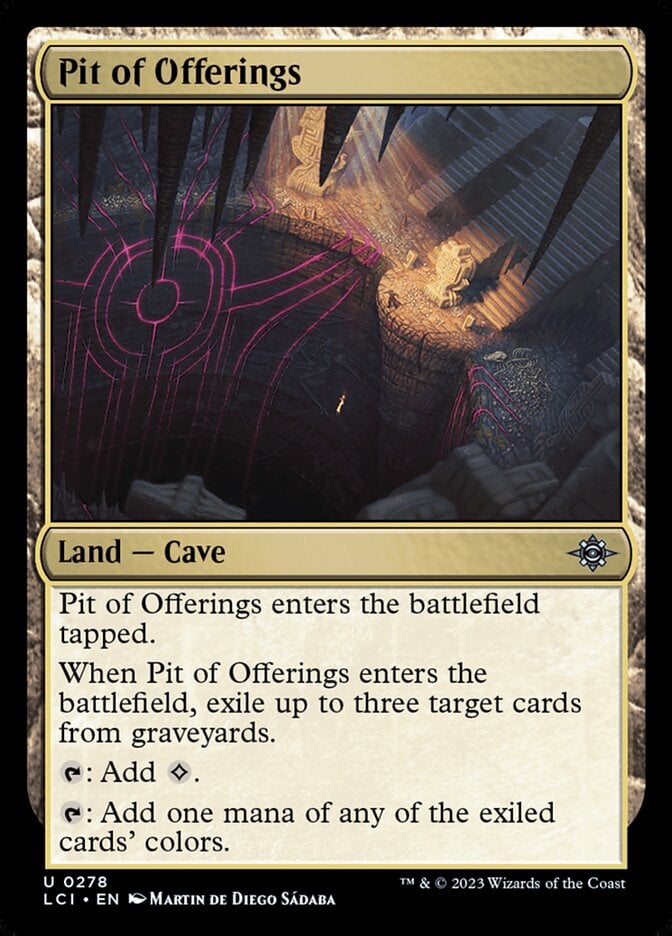
Pit of Offerings is worse than Bojuka Bog since it hits fewer targets, but it gives all colors access to unobtrusive graveyard hate, so I see its place in non-black mana bases.
#23. Bojuka Bog
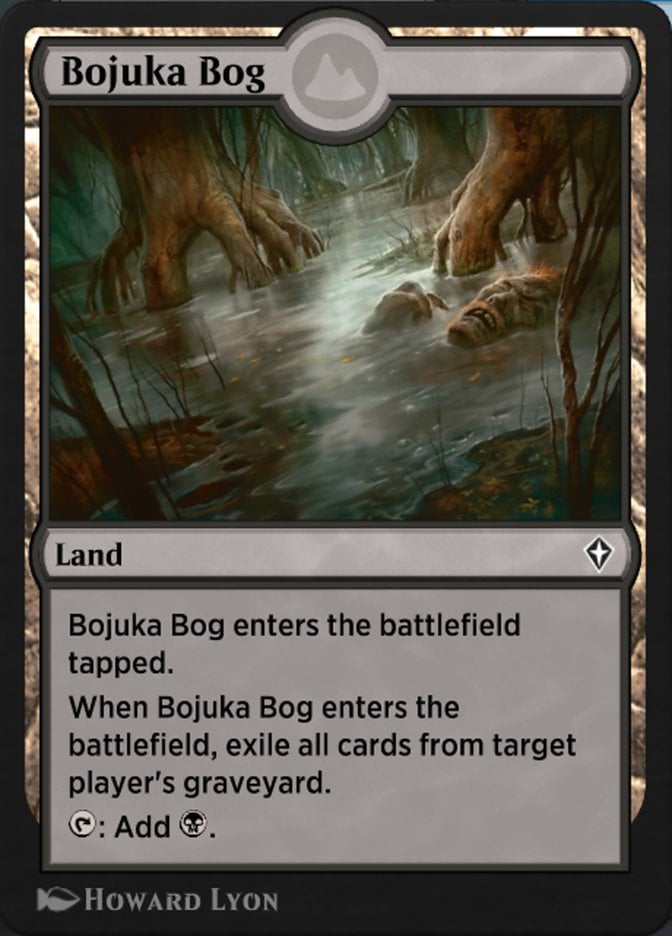
Practically every black EDH deck includes a Bojuka Bog to handle the opposing graveyard deck without using a real card slot on graveyard hate. Is it worth the pedigree? Its one-time use and sorcery speed are certainly knocks against this, but it comes at such a low opportunity cost that I can’t blame anybody for using it.
#22. Thriving Lands
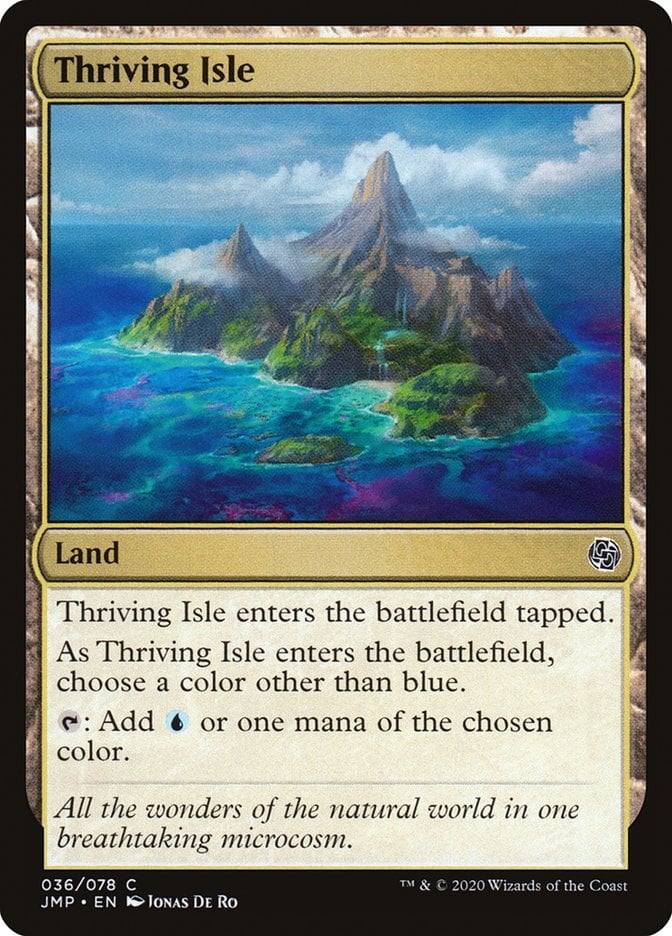
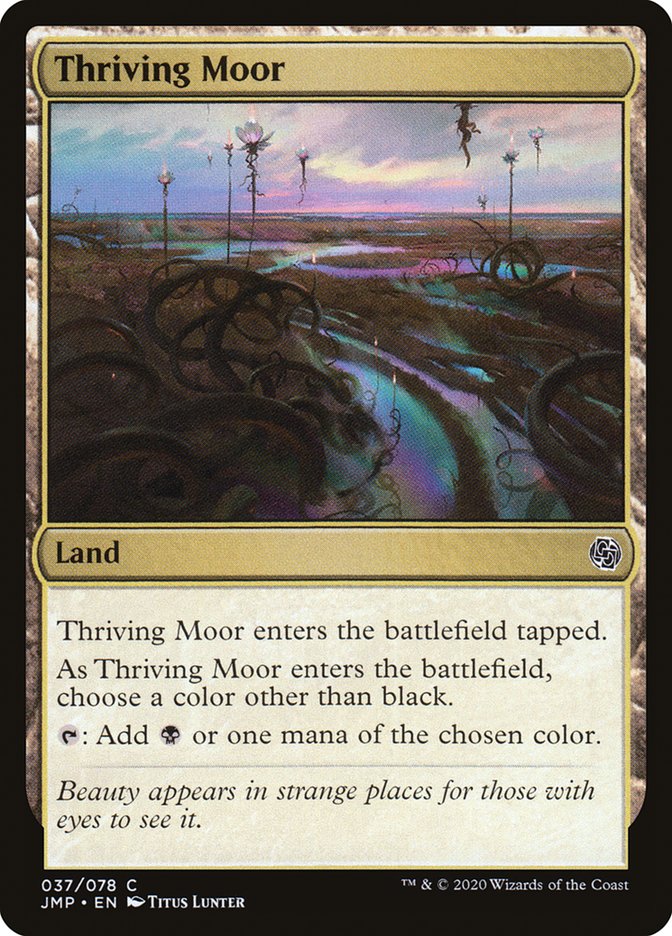
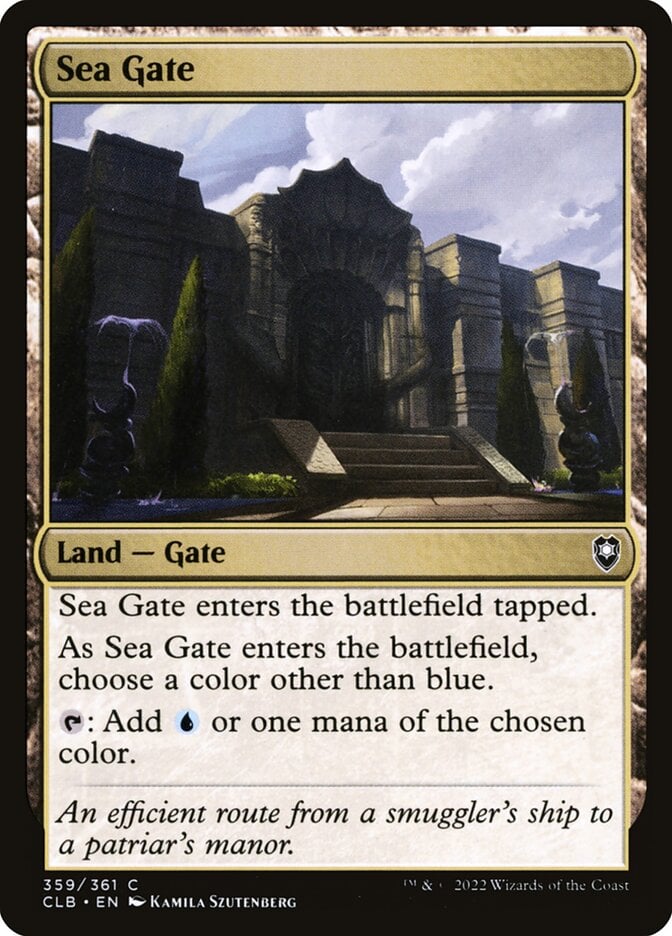
The Thriving cycle—Thriving Isle, Thriving Moor, and so on—are among my favorite fixing lands for Pauper and similarly restrictive Cubes. They provide so many avenues for fixing, and they’re equally useful to budget EDH decks thanks to their range of fixing. Battle for Baldur’s Gate introduced a similar cycle with the gate subtype, which are just as handy.
#21. Mosswort Bridge
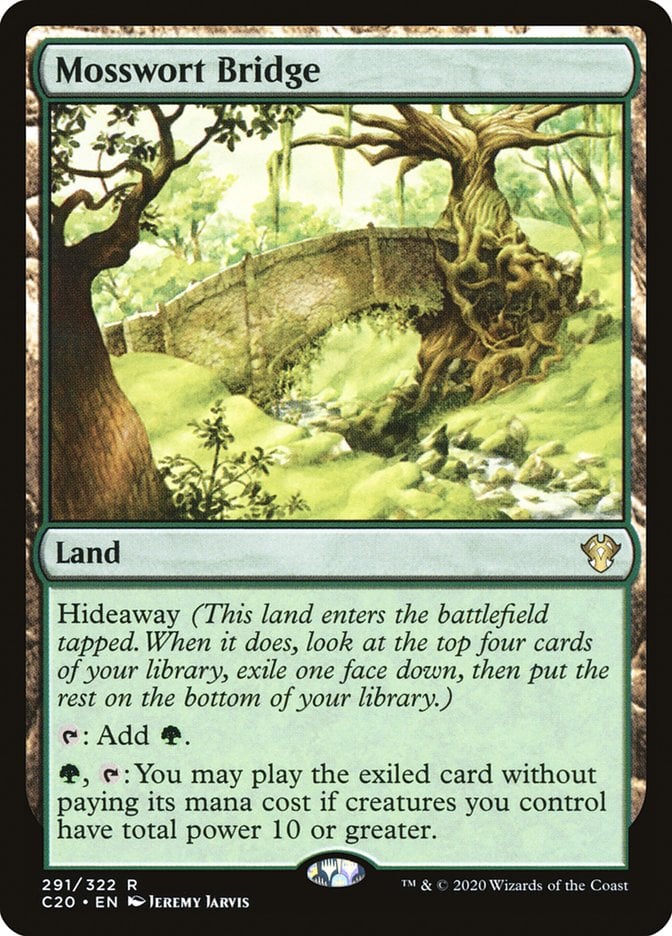
Mosswort Bridge is pretty easy to pull off in Commander thanks to the focus on big, splashy plays. I wouldn’t play this unless your deck trends towards Timmy, or you have a commander like Ghalta, Primal Hunger or Bonny Pall, Clearcutter that enables it alone, but it works wonders in the right shell.
#20. Path of Ancestry
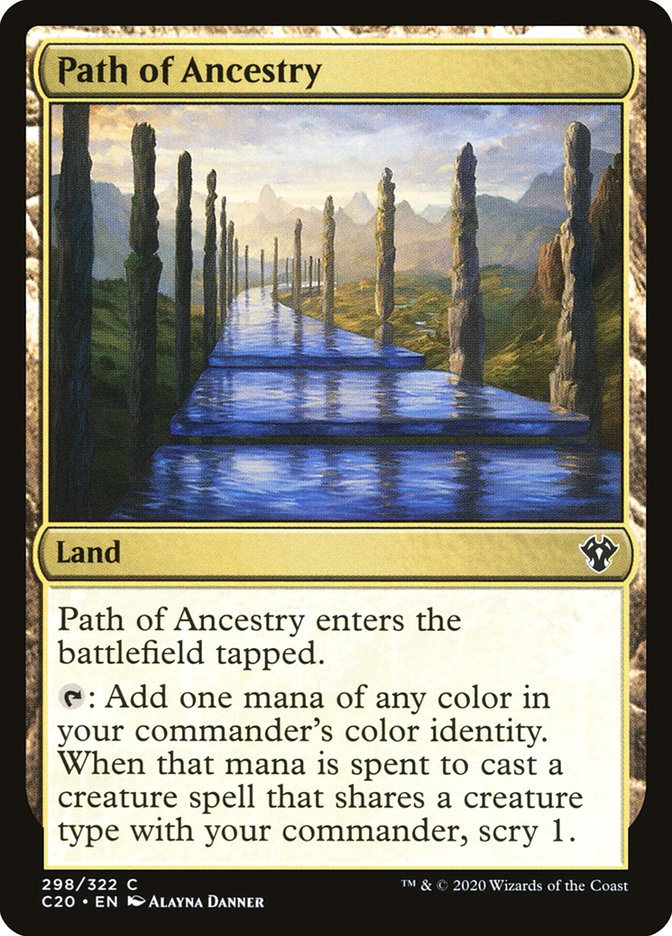
I don’t mind Path of Ancestry in typal EDH decks. Scry 1 adds up nicely over a long game. It also provides reasonable mana fixing for 3+ color decks; I could buy running this with no meaningful typal synergies in a budget deck that needs a reliable mana base.
#19. Hall of the Bandit Lord
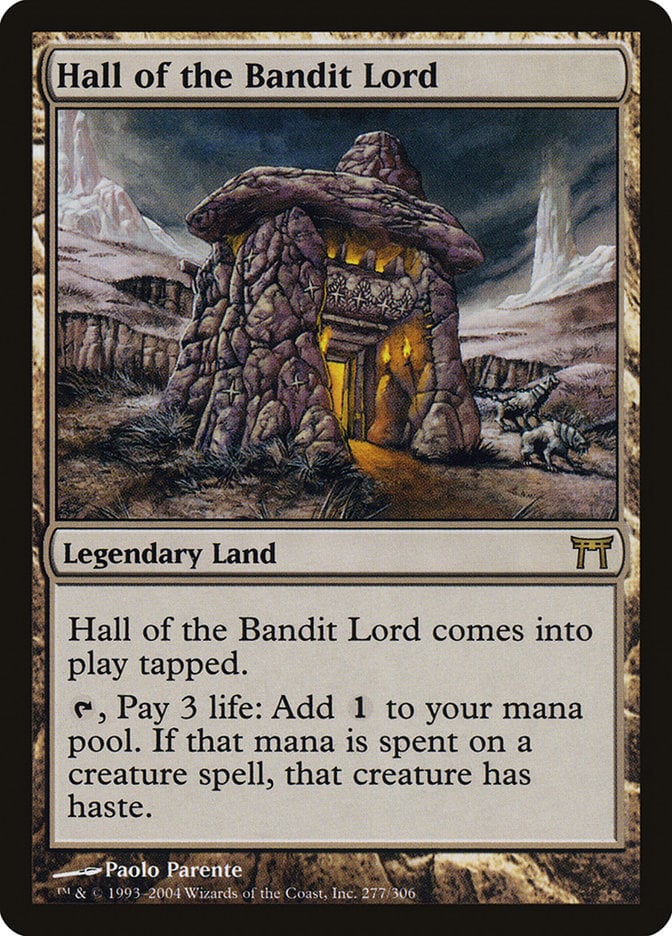
Hall of the Bandit Lord works best with commanders like The Infamous Cruelclaw or Anikthea, Hand of Erebos that want to attack early and often. Three life is a hell of a cost, so keep this confined to lists that exploit the haste ability.
#18. Boseiju, Who Shelters All
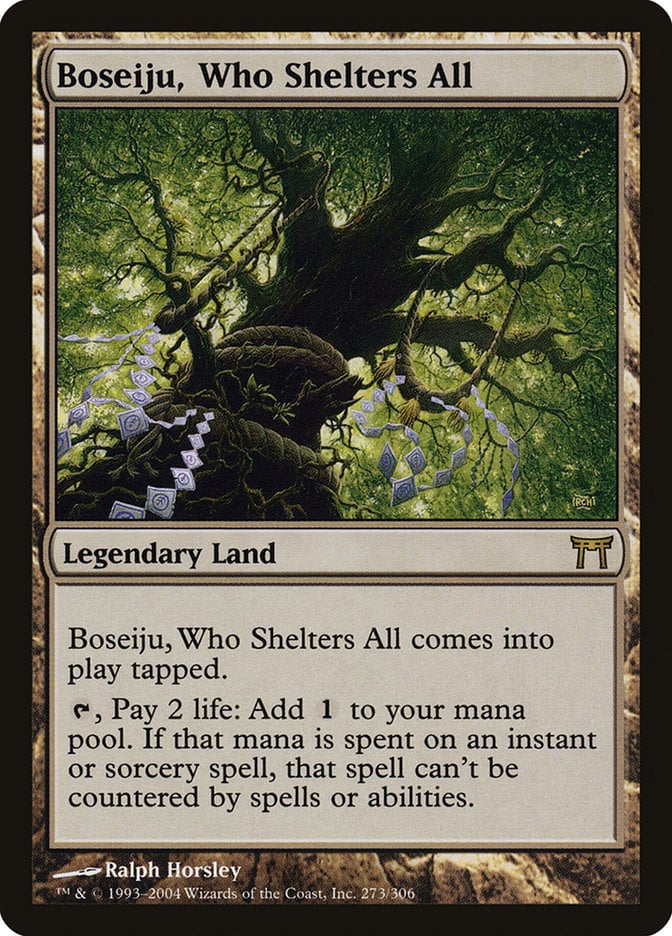
Boseiju, Who Shelters All sneaks excellent protection into your mana base. Paying 2 life is a very real cost, so I wouldn’t jam this into everything, but having a manaless way to force your Ad Nauseam or Crackle with Power through opposing countermagic does wonders for the right deck.
#17. Crypt of Agadeem
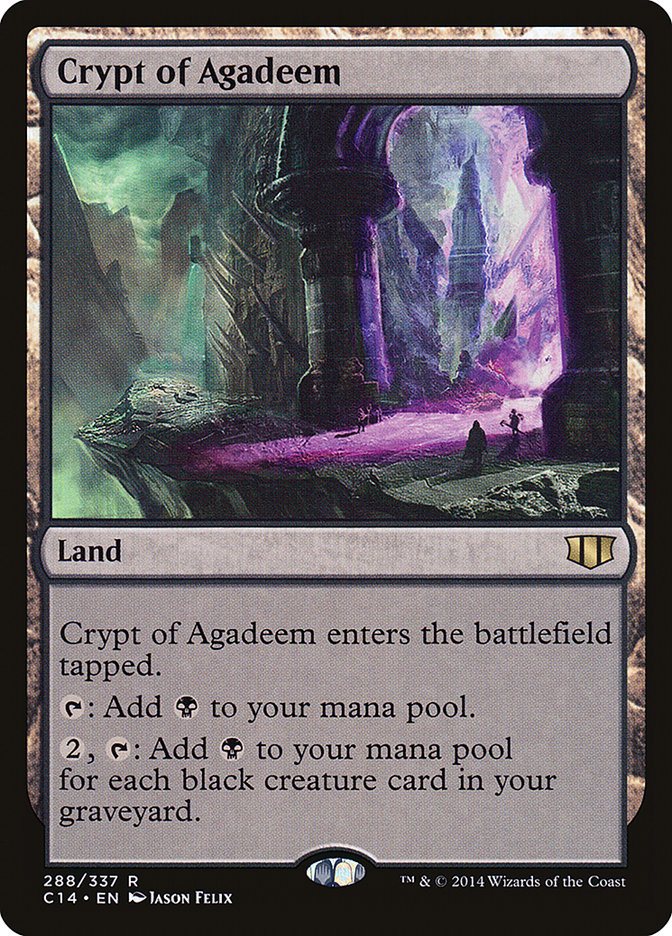
Crypt of Agadeem effectively restricts you to mono-black self-mill, but the allure of one land tapping for lots of mana is worth the hoops. It becomes mana-positive at four creatures in the yard, and it only grows from there. It’s definitely third behind Cabal Coffers and Nykthos, Shrine to Nyx in its class, but it shines in the right shell.
#16. Uncommon Tri-lands
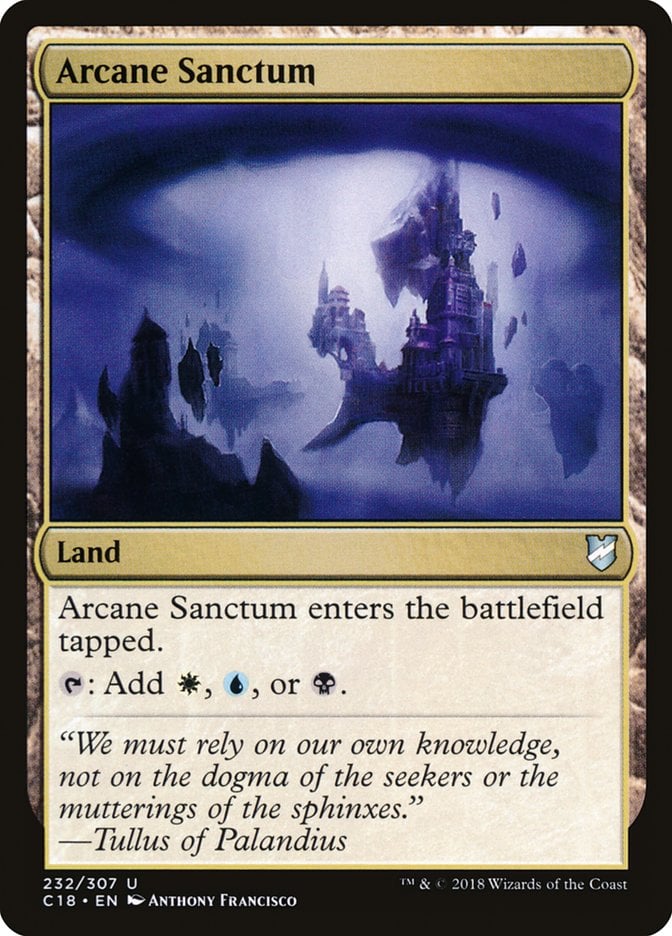


The tri-lands printed in the Alara and Tarkir sets aren’t nearly as powerful as the triomes since you can’t fetch them, but they hold together many a budget mana base and are still ludicrously powerful.
#15. Sac Lands


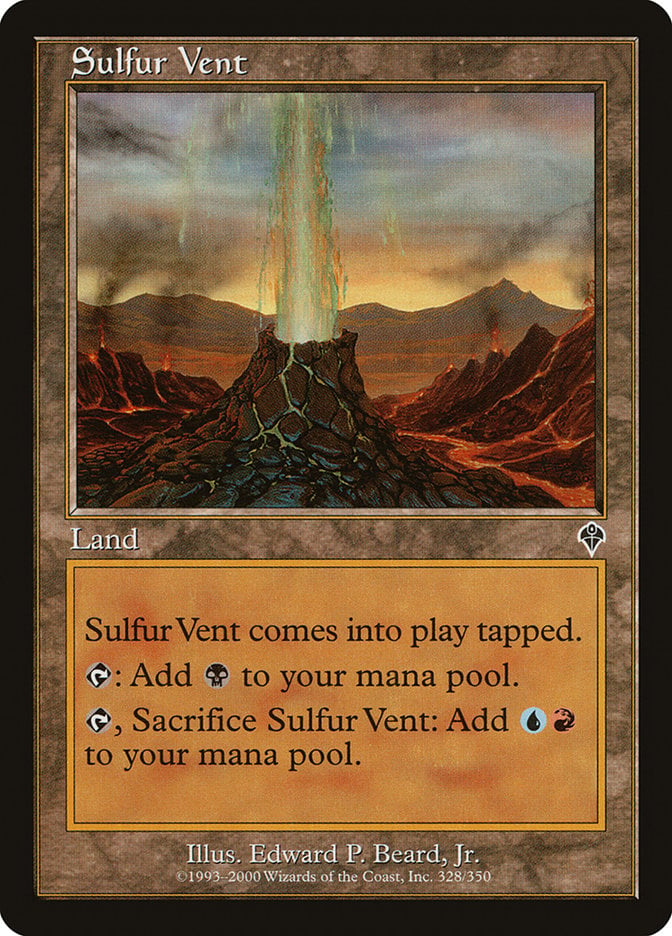
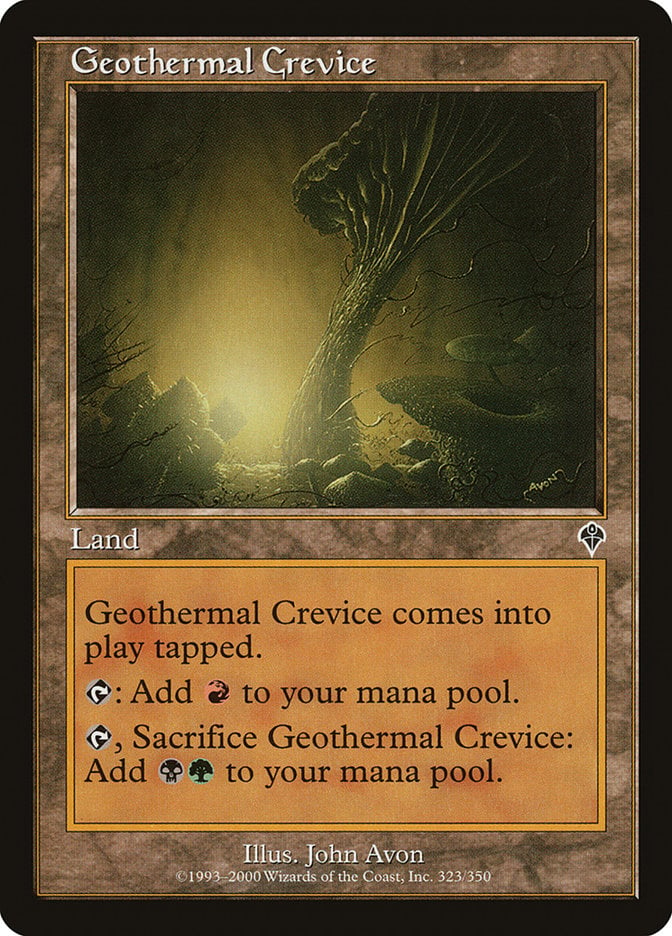
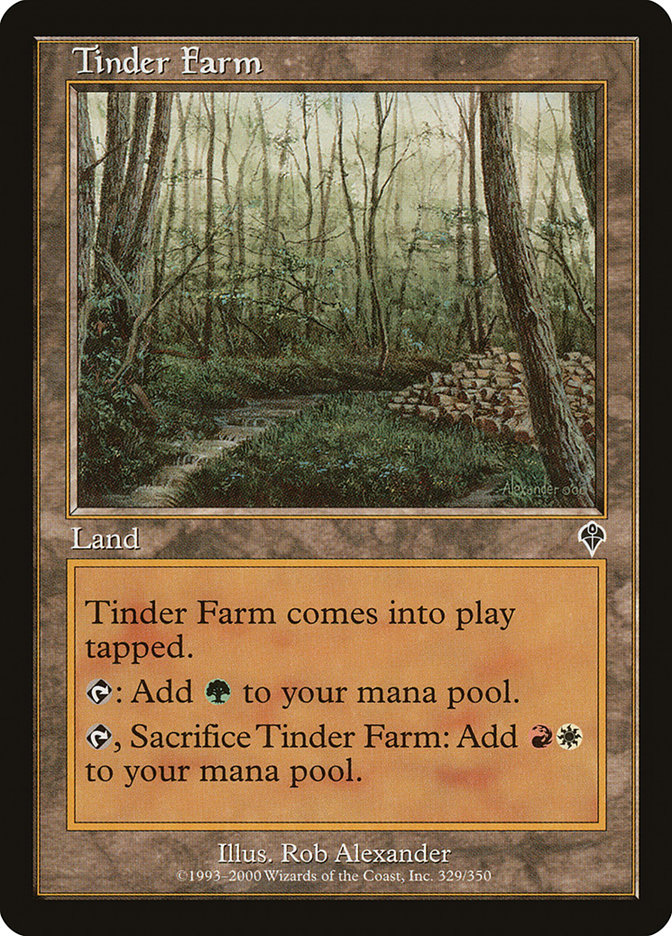
There are technically lots of lands that sacrifice themselves, but I’m looking at two specific cycles here: The first one is from Invasion and includes Ruins of Trokair, and the second is the cycle from Fallen Empires that includes Sulfur Vent.
These land cycles use very different colors of mana, but they come to the same result: You get a land you can sacrifice for a burst of mana, and any player who’s touched a Magic card knows how good extra mana is. These crop up from time to time in fringe Pauper combo decks, but I can see playing them alongside cards like Titania, Protector of Argoth that exploit the sacrifice part.
#14. Restless Cottage
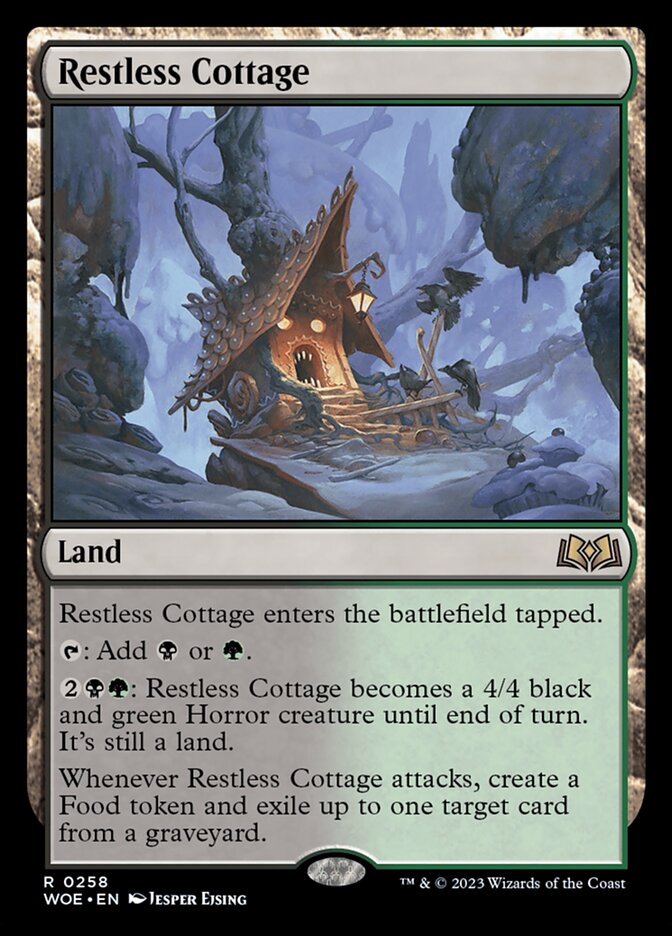
Restless Cottage does an astonishing amount of work for a creature land. These cards often have a good ability, but this one gets two: graveyard hate and Food production. The Food is notably better than the Map tokens Restless Anchorage creates because they have synergy beyond their artifact typing, in both decks that care about food specifically and lifegain decks. This is absolutely the best Restless land, and one of the better creature lands ever printed.
#13. Creeping Tar Pit
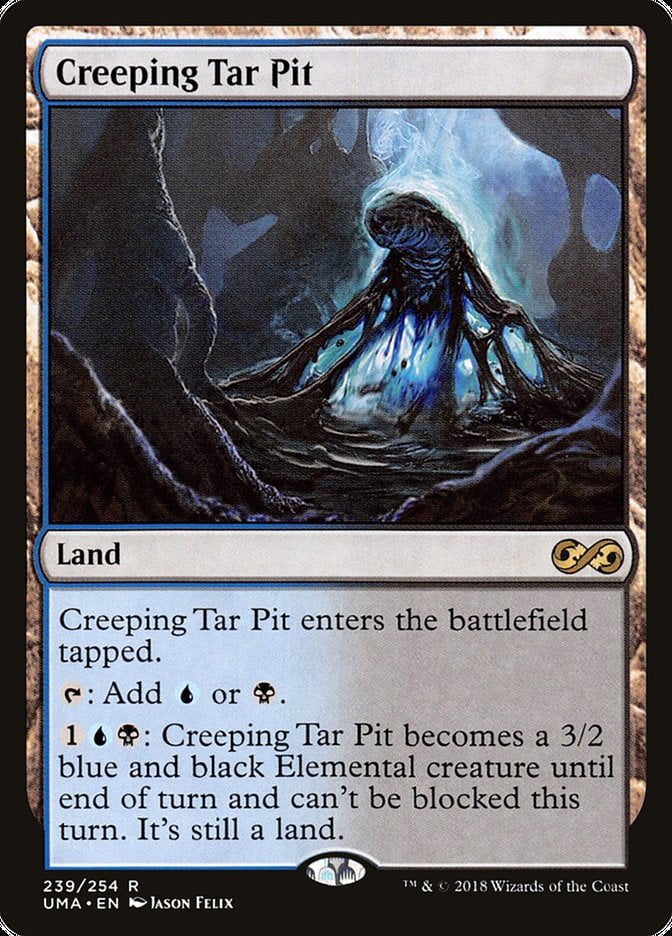
Magic has a deep pool of creature lands, and Creeping Tar Pit has stood up well to the tests of time. It takes very little mana to animate it, and the unblockable text gives controlling Cube decks an excellent means of pressuring planeswalkers and life totals alike. It even has synergy with ninjutsu threats like Kaito, Bane of Nightmares and Fallen Shinobi, though bouncing a land can be rough.
#12. Snow Duals
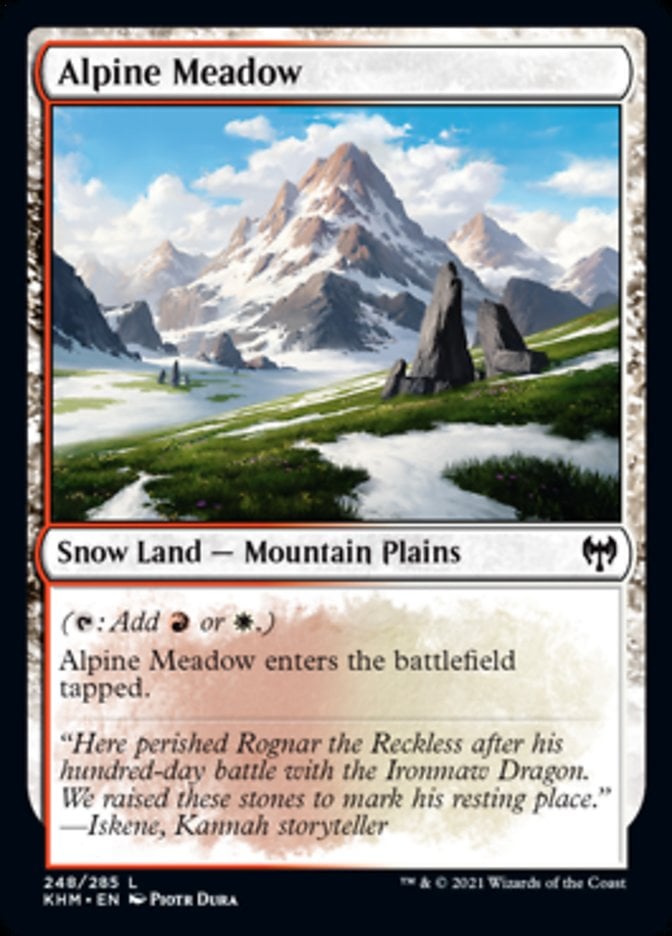
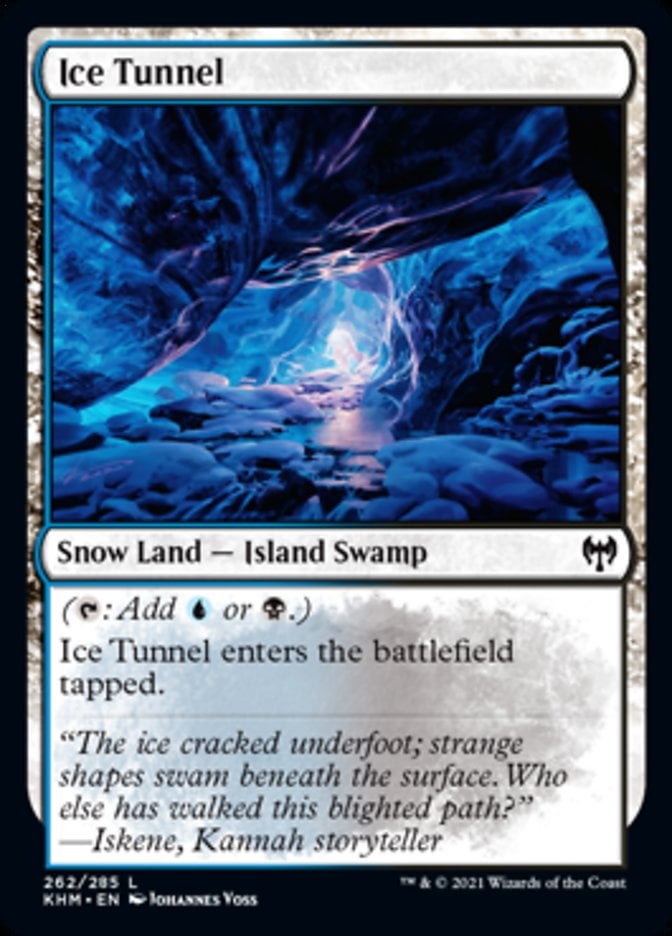
The cycle of common snow duals from Kaldheim—including Alpine Meadow and Ice Tunnel—are handy because they have lots of types. Ice Tunnel has seen Pauper play to enable Snuff Out, and it’s just really useful to have a dual land you can fetch off Into the North while fueling your domain cards. These are super useful if you need to add additional basic types to your Pauper Cube.
#11. Depletion Lands
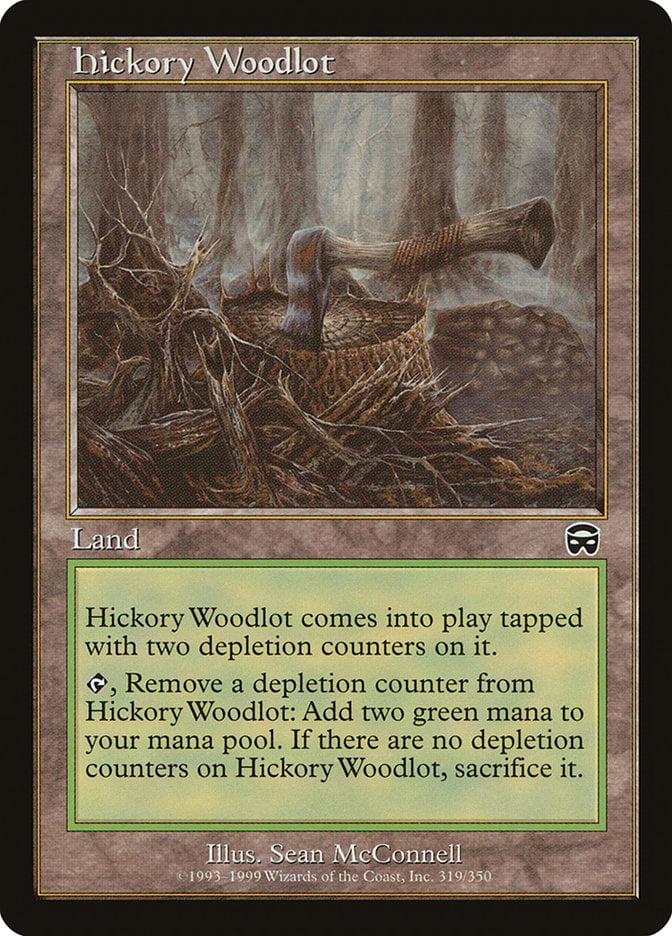
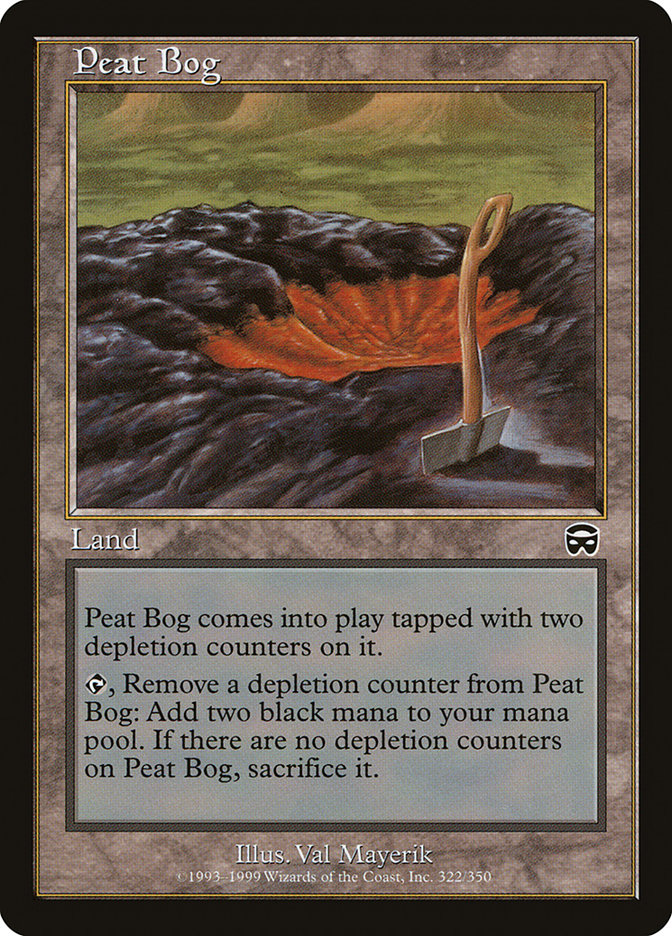
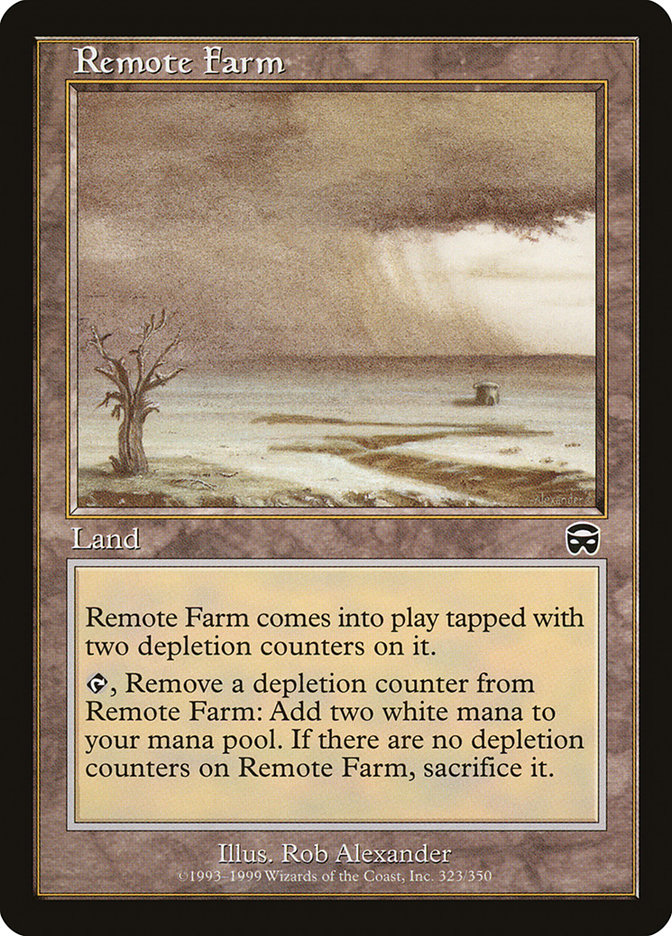
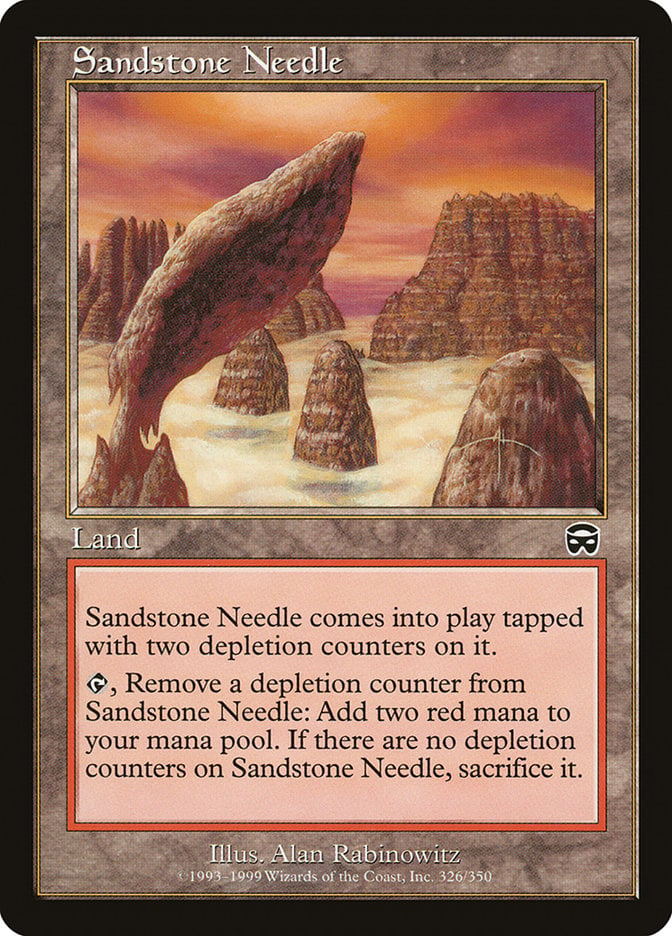
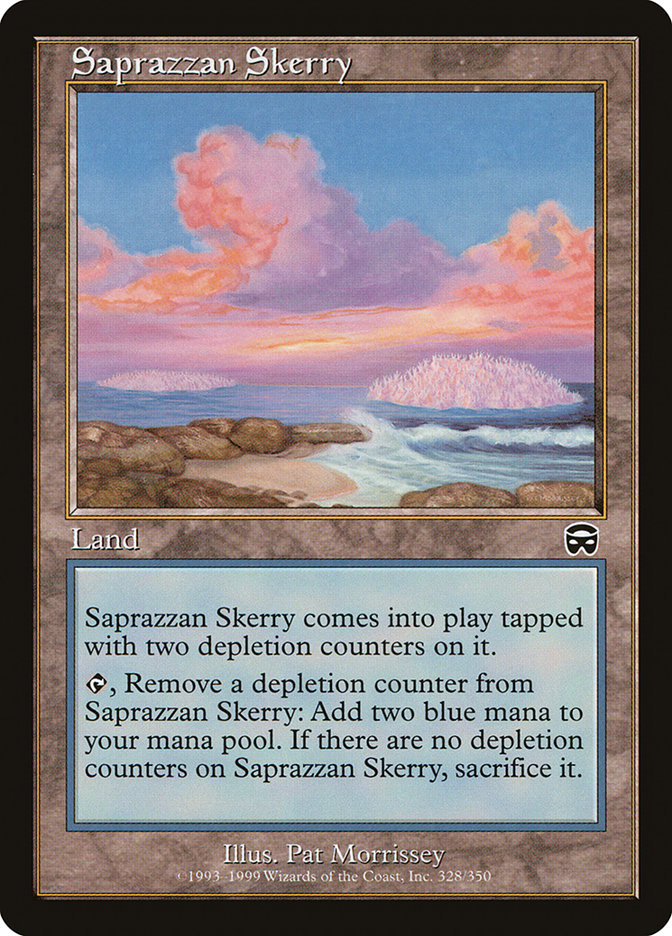
The depletion lands—a cycle that includes Hickory Woodlot and Peat Bog—are incredibly well designed. Getting 2 mana from a single land is incredible; lands like Ancient Tomb are some of the best ever printed. But these are balanced with a time limit, requiring careful sequencing to get the most from them. They can also be a potent reward for a proliferate-heavy strategy, or decks filled with land recursion. These are altogether incredible.
#10. Bounce Lands

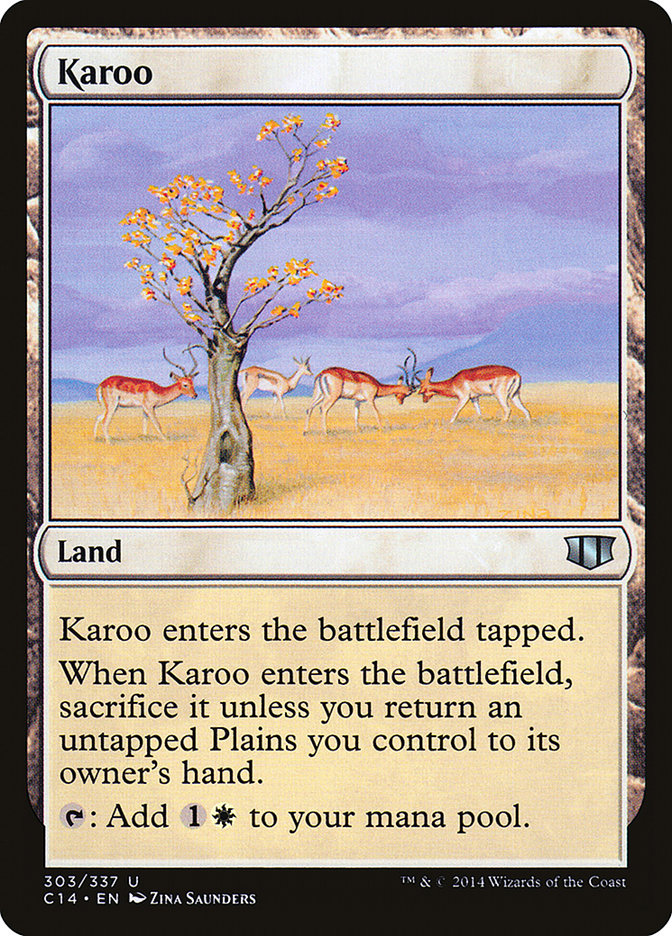
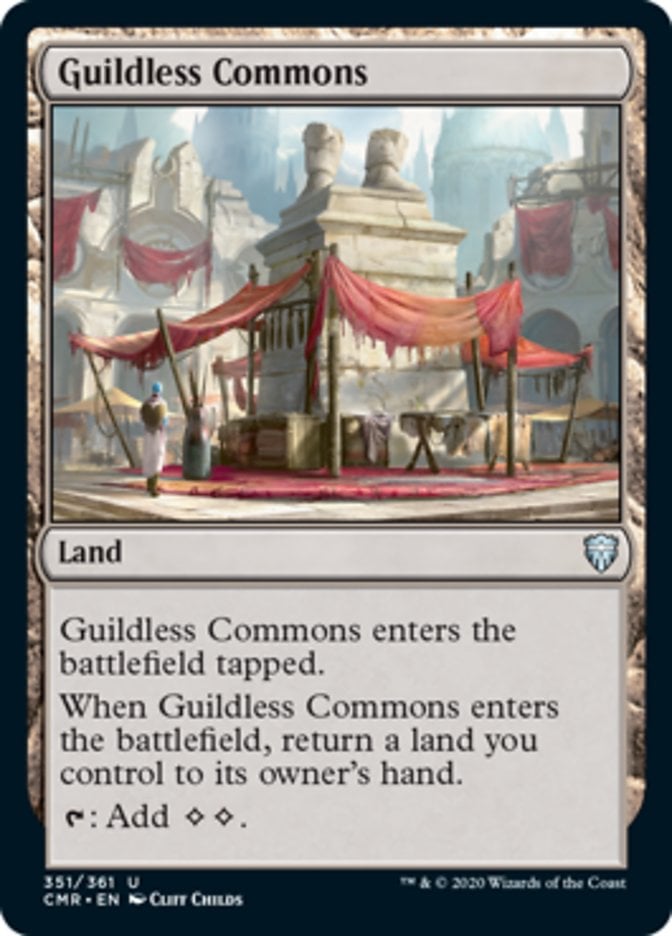
The marquee bounce lands are associated with the guilds of Ravnica, originally printed between Ravnica: City of Guilds and Dissension. There are a few similar lands, including Karoo, the original template, plus Guildless Commons and Arid Archway for colorless options.
These are all powerful in slower formats; having one land that functions as two is a form of card advantage and lets you play fewer lands. They’re also treasure troves of synergy, from enabling extra landfall triggers to resetting MDFCs to enabling powerful combo engines with cards like Amulet of Vigor and Kodama of the East Tree.
#9. Maze’s End
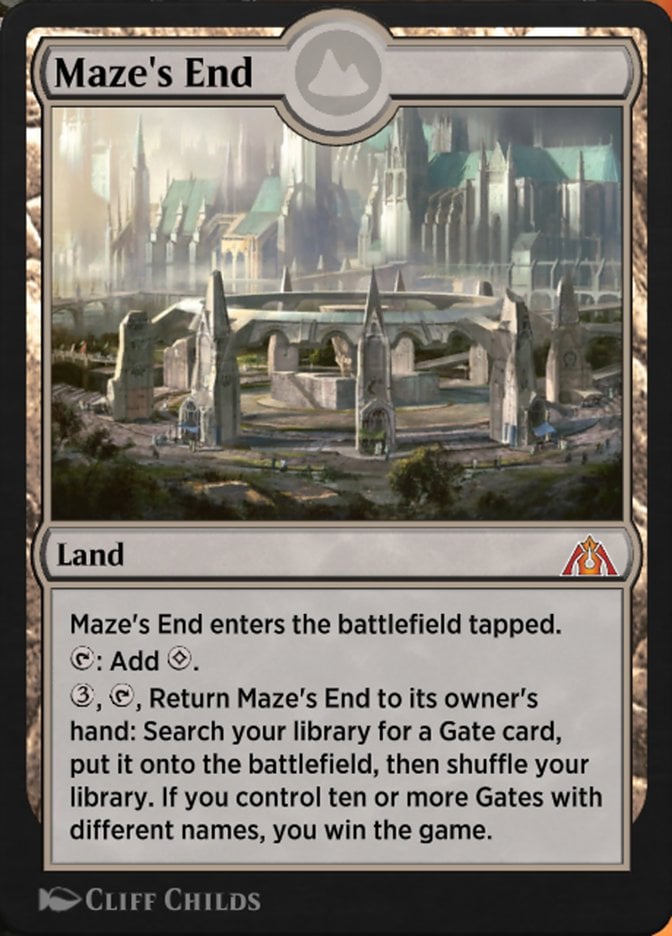
Maze's End might not be the most reliable or consistent alternate win condition, but it’s certainly one of the most stylish and among the least intrusive since you naturally want to put your gates into play anyway.
#8. Grand Coliseum
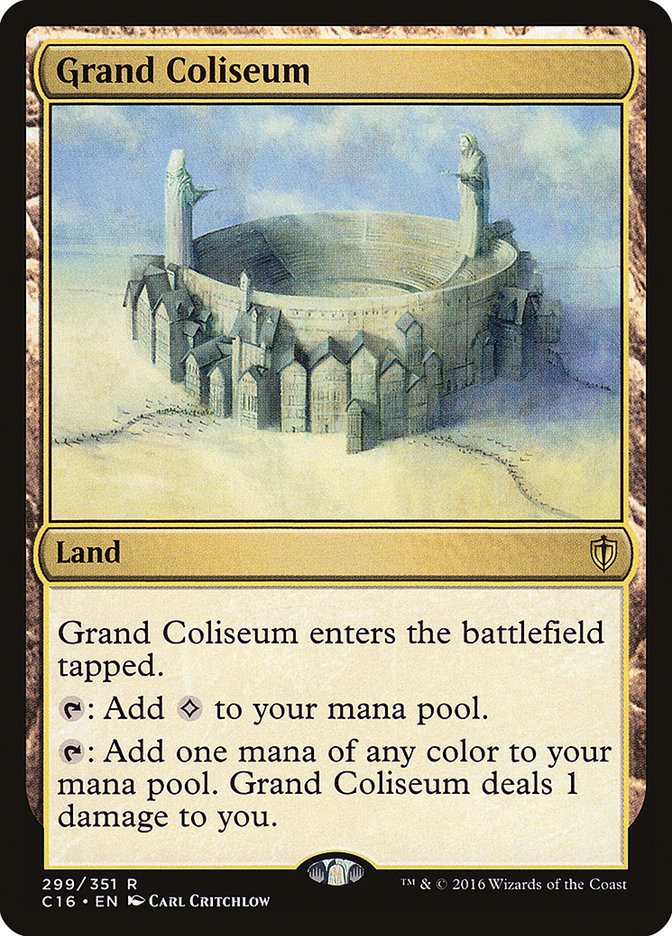
Even a bad City of Brass is pretty good; Grand Coliseum could be a centerpiece of a mid-budget multicolor land base. It costs about $6 at time of writing, which is considerably less than the untapped versions of this effect.
#7. Artifact Bridges
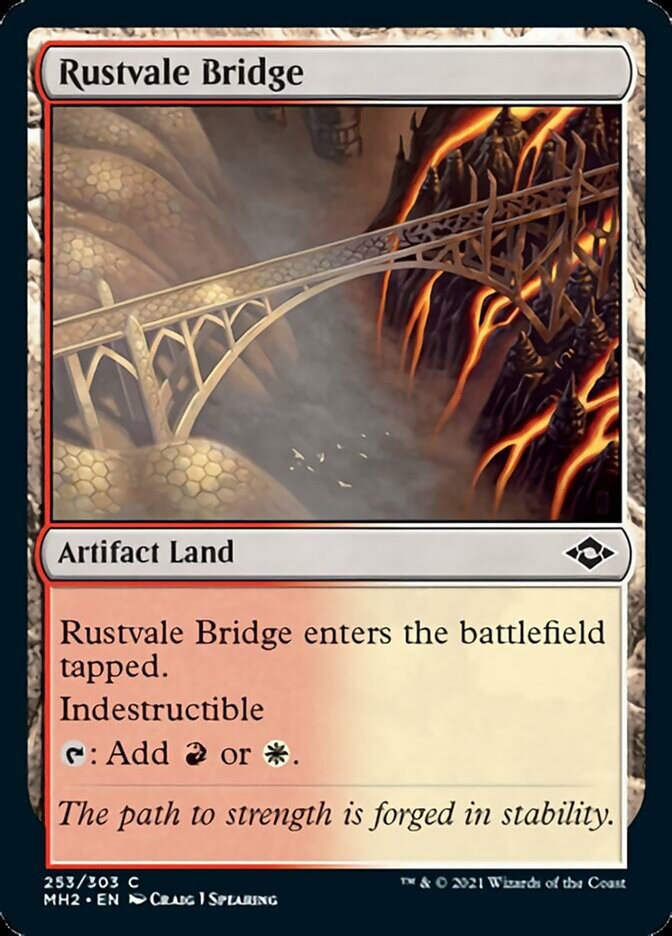
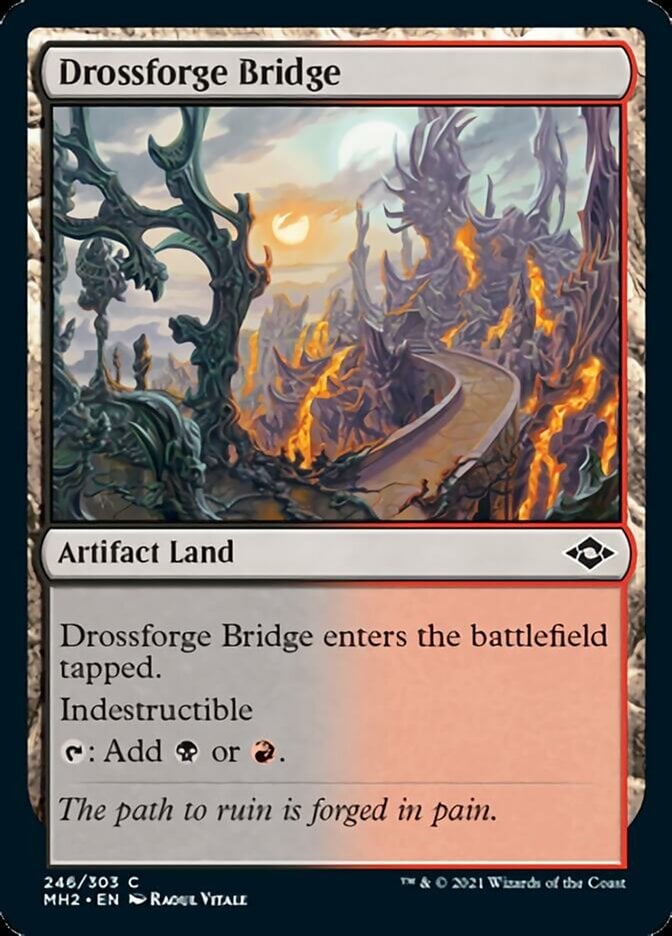
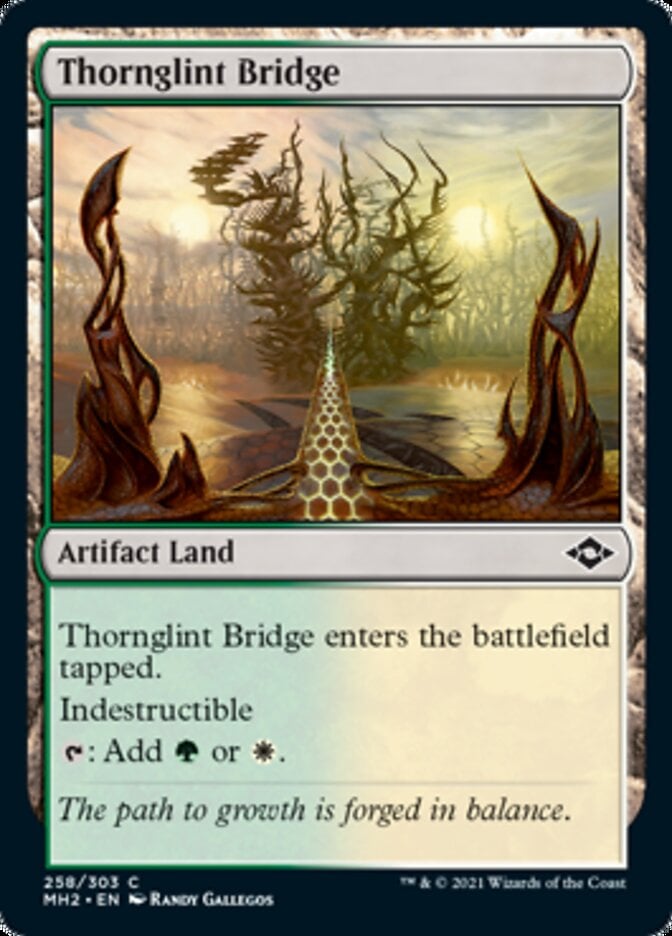
The indestructible artifact bridges from Modern Horizons 2 are some of the best artifact lands ever printed. Putting Magic’s best card type on a land opens the door to stellar synergies, though entering tapped prevents them from being quite so cracked as the OG artifact lands from Mirrodin.
Having indestructible opens the door to spicy synergies you can’t find on other artifact lands; in addition to fueling affinity and adjacent strategies, you can animate them with Ensoul Artifact for an unbeatable threat or turn Cleansing Wildfire into the greatest Rampant Growth ever printed.
#6. Valakut, the Molten Pinnacle
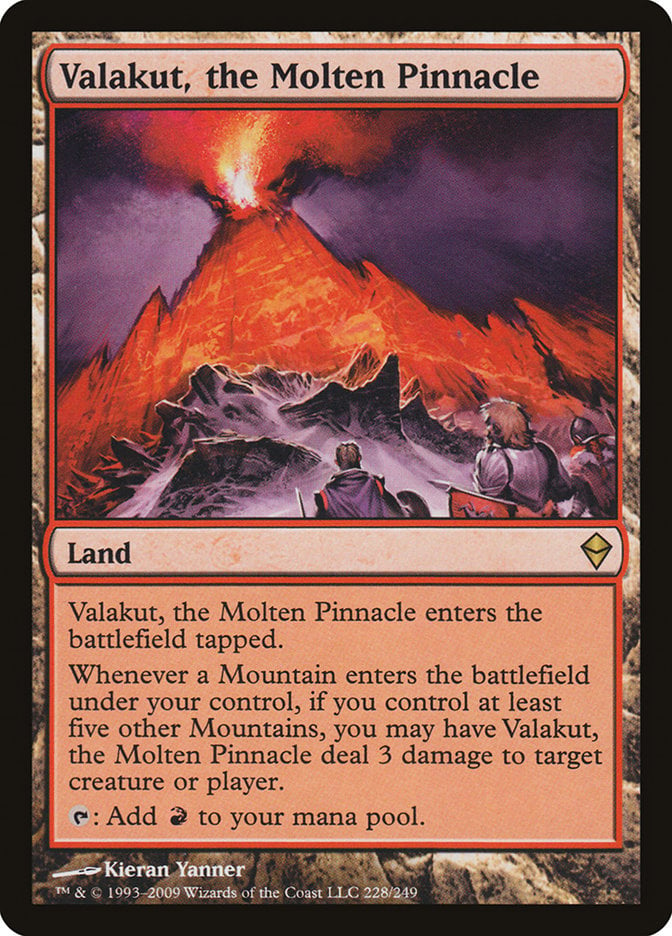
One of the best land-based win conditions of all time, Valakut, the Molten Pinnacle has enjoyed prominence in most formats it’s legal in. You commonly see it paired with Scapeshift and Primeval Titan, both to tutor it out and to drop tons of Mountains into play to blast your opponent to the Blind Eternities.
#5. Surveil Lands
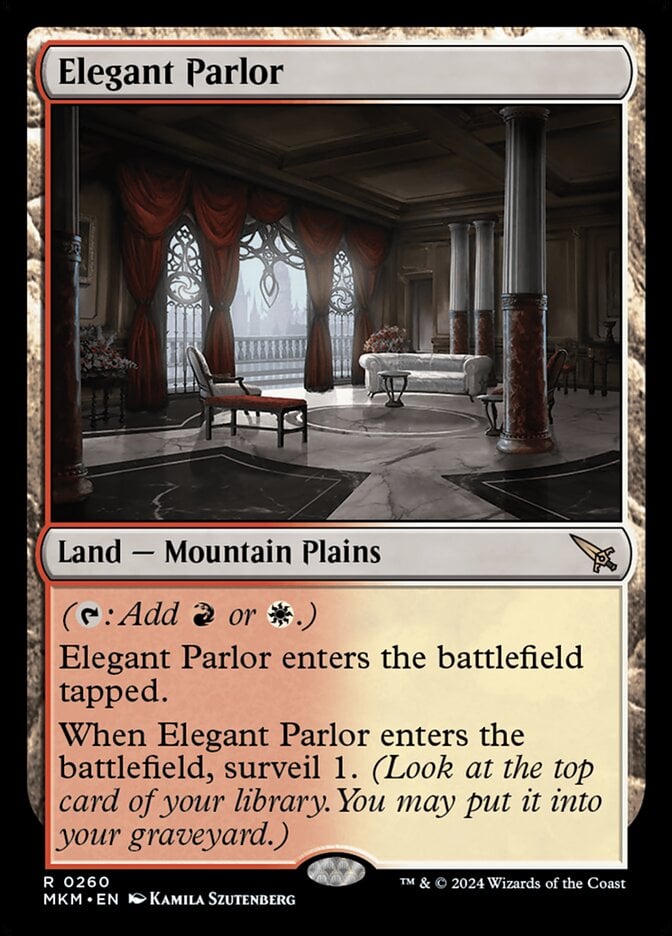
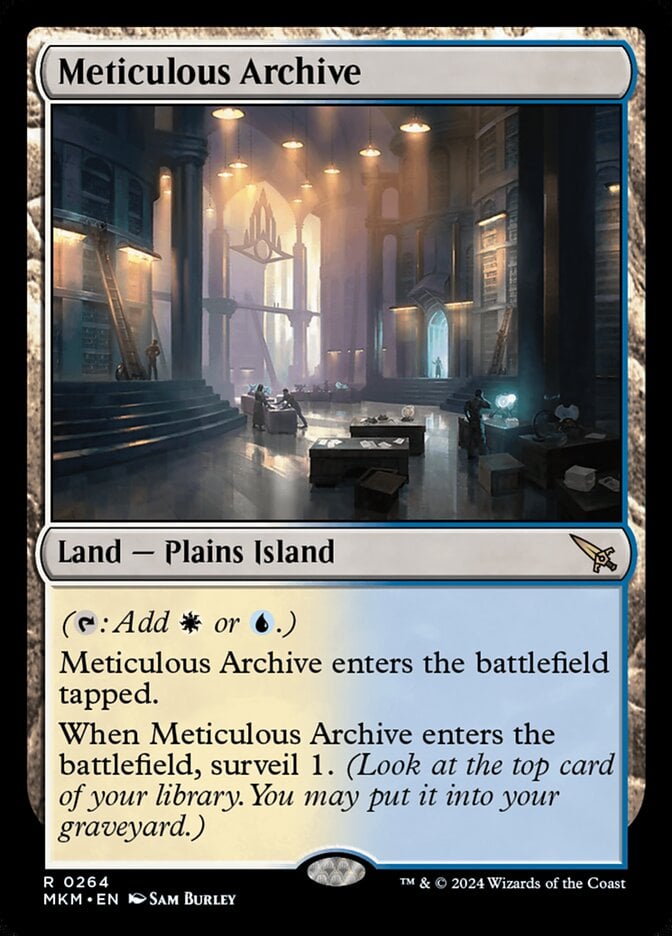
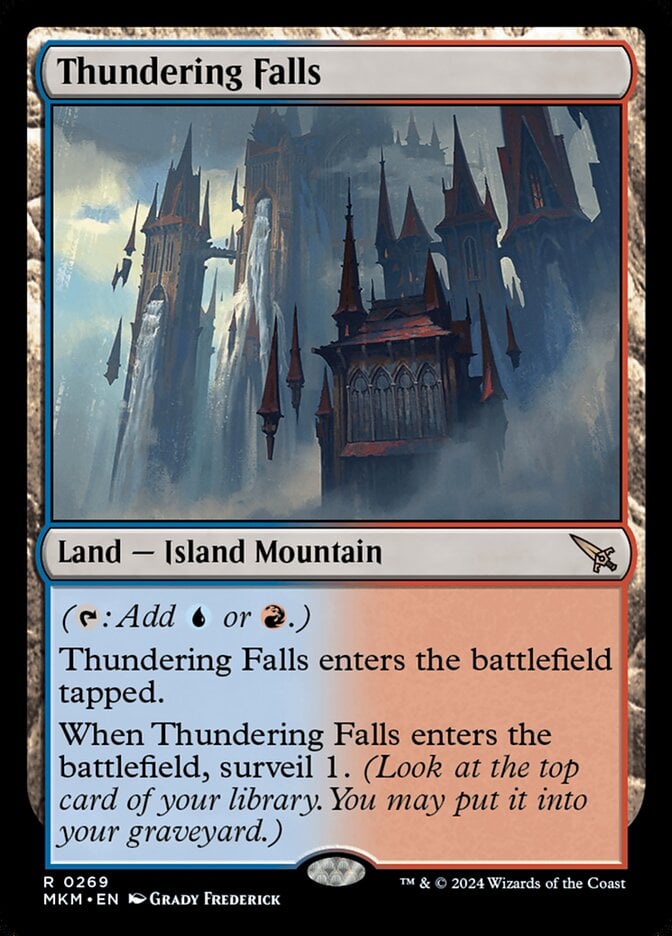
The surveil lands from Murder at Karlov Manor are some of the coolest lands printed in recent years. You get mana fixing for fetches, tempered by the tapped land, but the small boon more than makes up for the lost tempo. These are must-haves in their respective color pairs, just like shocks and fetches.
#4. Lotus Field
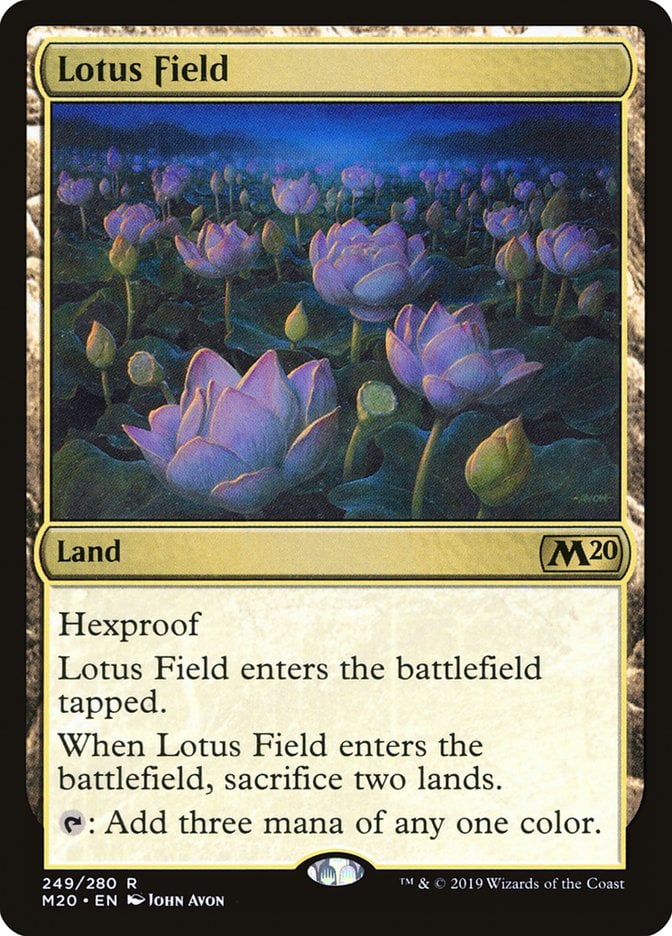
Lotus Field has an awesome design. Commonly seen in Pioneer with Hidden Strings and Vizier of Tumbling Sands to squeeze the most possible mana from it, it works well with anything that untaps additional lands, or cards that benefit from sacrificing or recurring lands. Breaking this takes a little effort, but it’s worthwhile.
#3. Cloudpost
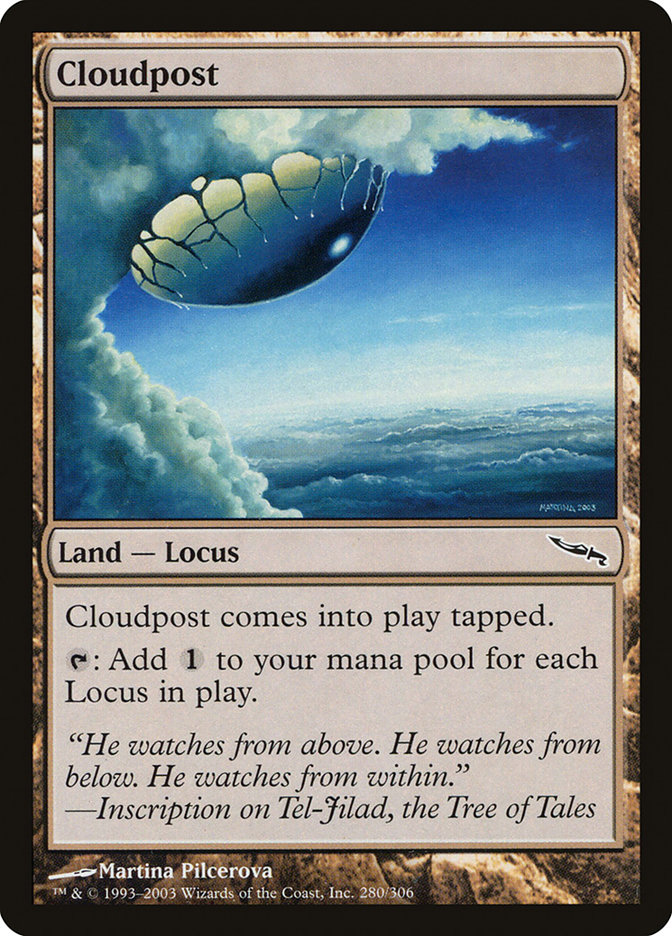
Cloudpost puts Tron decks to shame with the mana it spools out; this land has caught bans in many formats, and rightfully so. It only takes a few additional locuses (or copy-land effects like Vesuva) for this to spiral out of control and starting dropping Eldrazi like they’re Grizzly Bears. Even entering tapped can’t balance this card’s mana production.
#2. Triomes
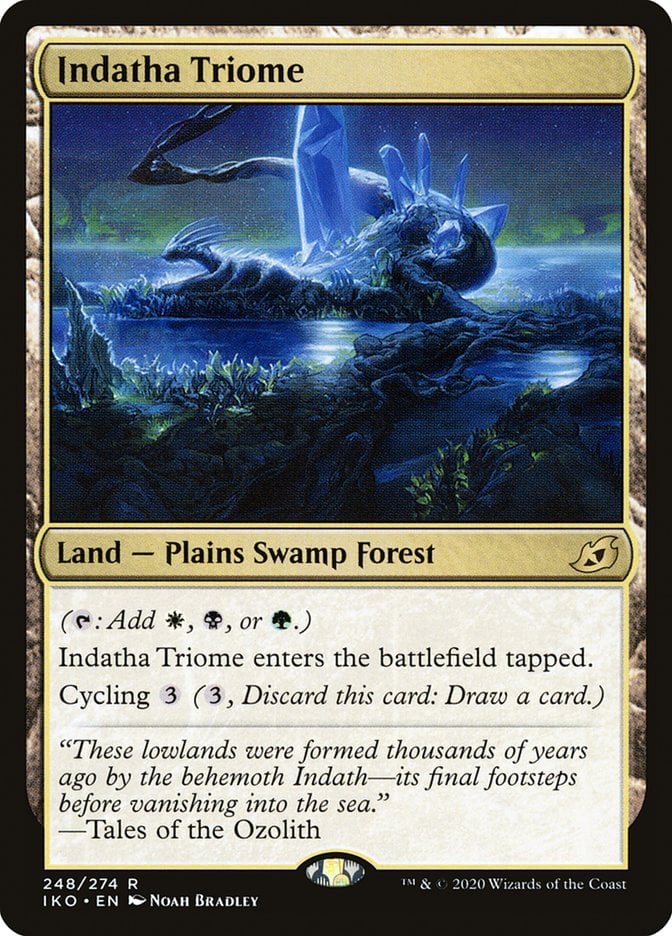
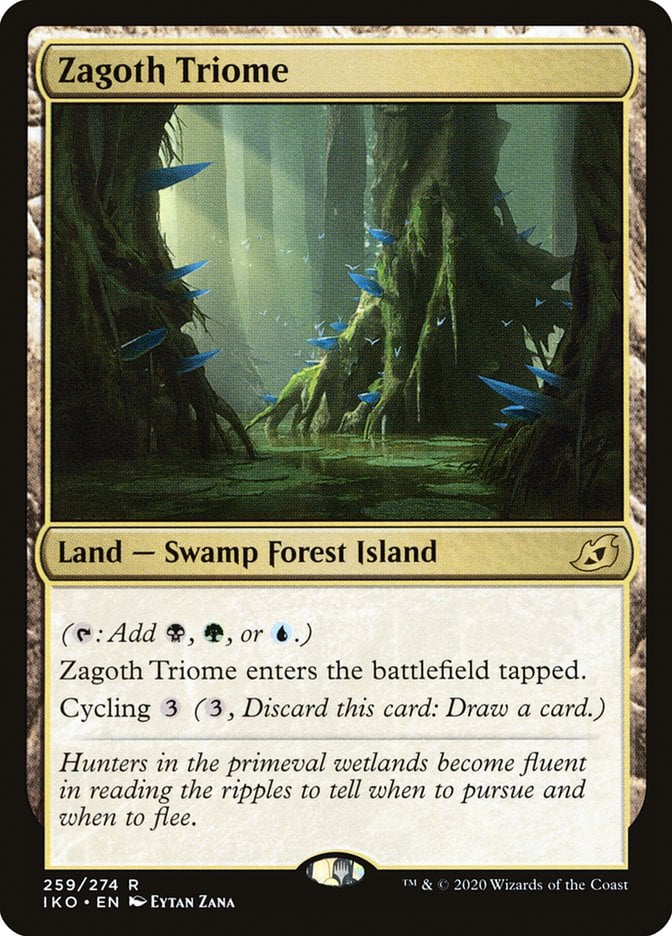
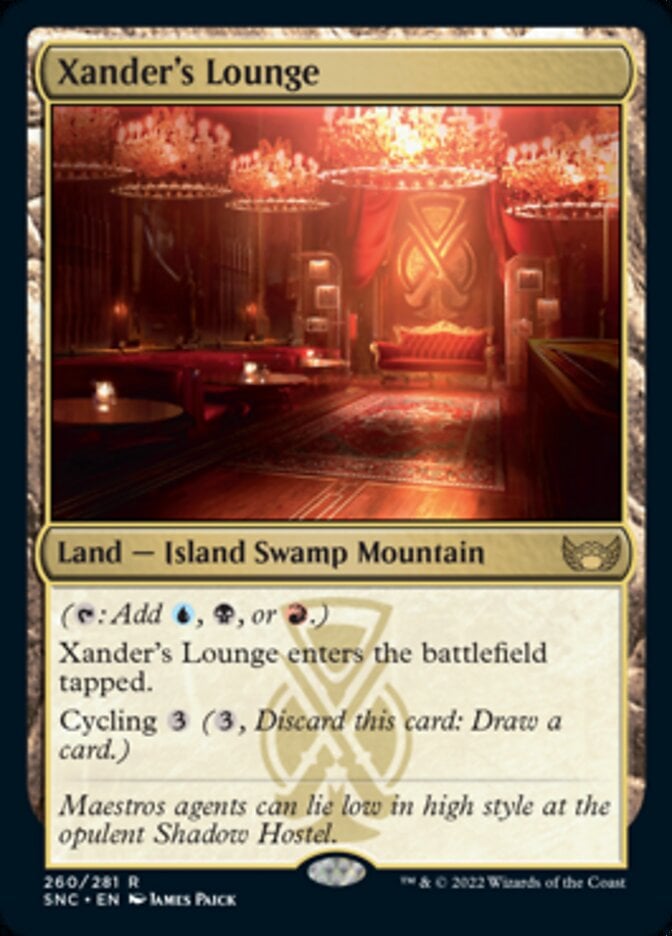
Triomes—including the actual triomes like Indatha Triome and the half of the cycle that abandoned the naming convention, like Xander's Lounge—are broken due to fetch lands. You can have a perfect mana base while enabling domain, as demonstrated by the presence of Leyline Binding throughout various formats, and the land itself isn’t even a terrible topdeck since it cycles! These are absurdly strong.
#1. Field of the Dead
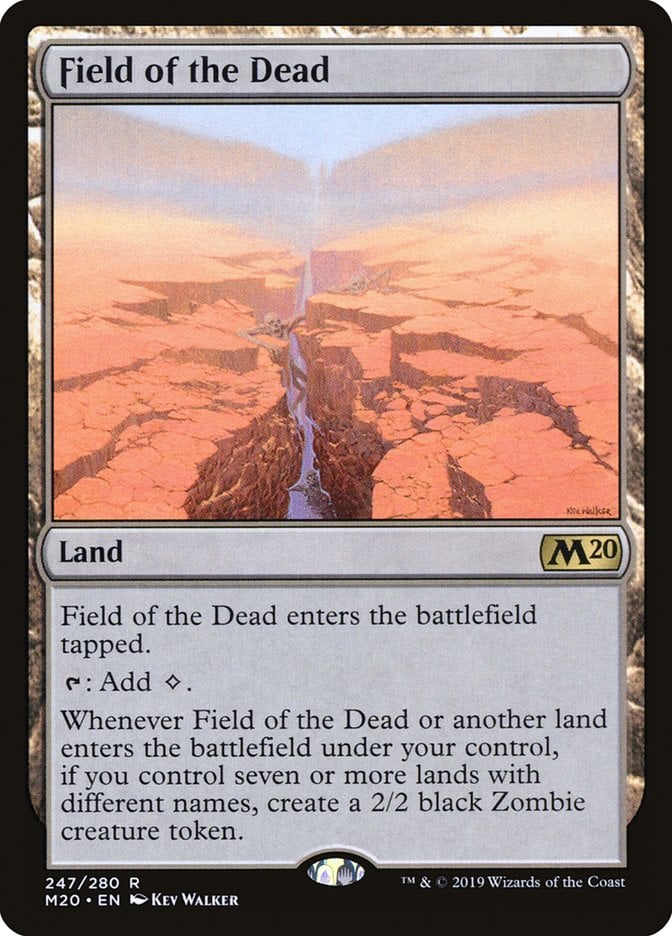
Field of the Dead is one of the strongest win conditions you can slip into your mana base. Enabling it takes very little effort with land-based ramp, and it takes over games with enough time—especially considering how few Commander players pack interaction for lands.
A tip for EDH players: Field of the Dead only cares about the card name, so you should split your basic lands with their Snow-Covered counterparts to minimize the number of overlapping land names in your deck. This is useful for 3+ color decks, and practically a requirement for mono- or 2-colored decks.
Do Taplands Still Enter Tapped in You Fetch Them?
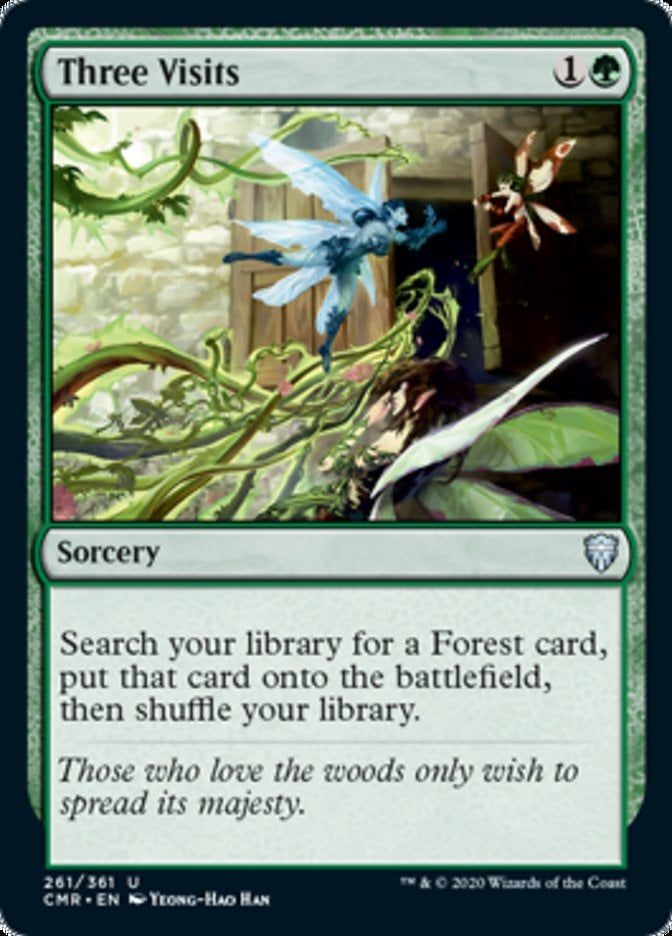
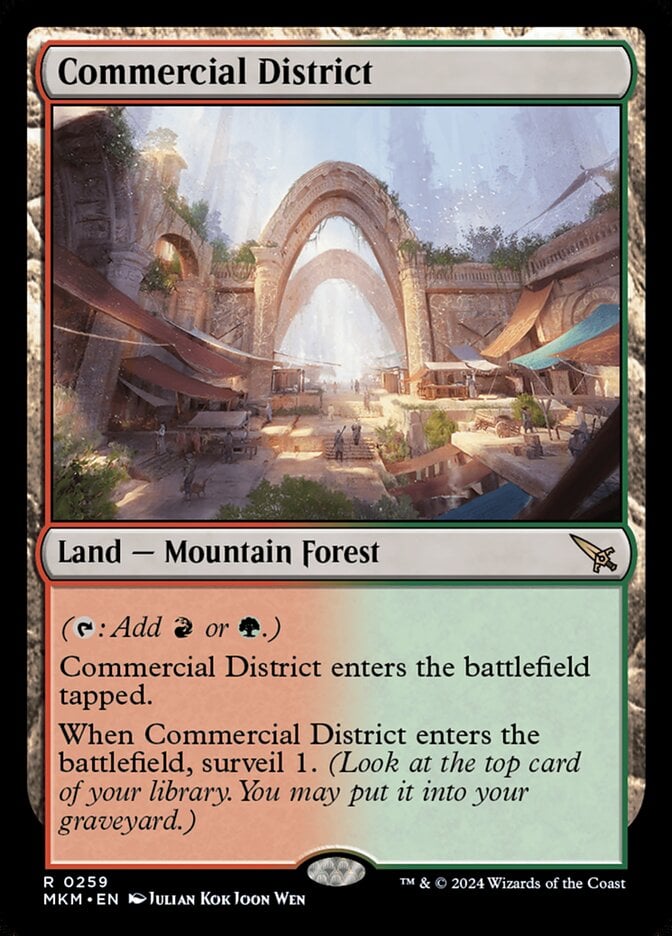
Yes. Let’s say you use Three Visits to find your Commercial District. The District still enters tapped, as Three Visits doesn’t modify the state the land enters in. Unless otherwise specified, the fetch doesn’t affect how the land enters; ones that do often tap the land they get, like Evolving Wilds.
What If an Effect Says Lands Enter Untapped?
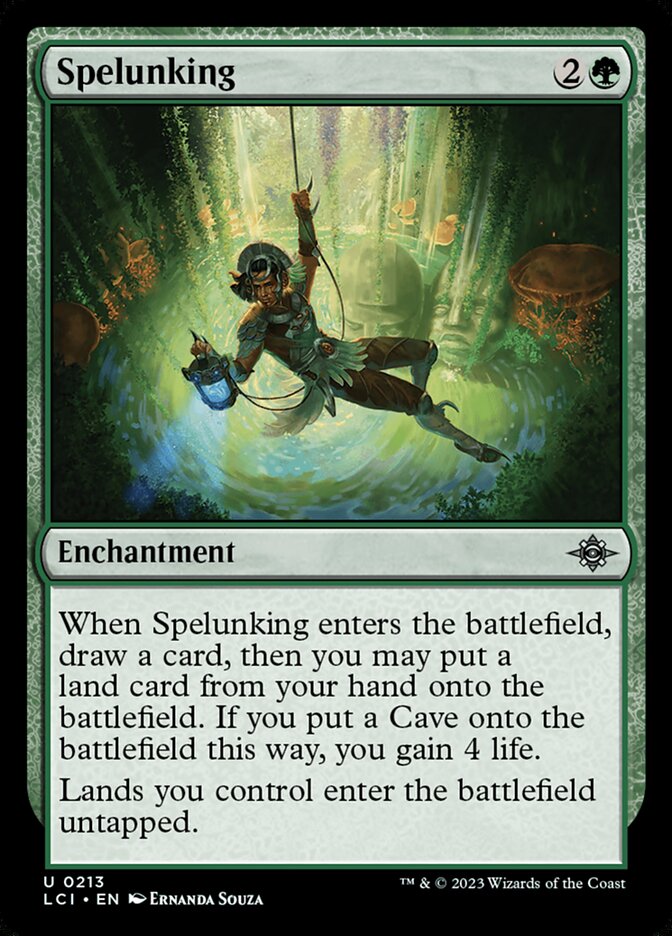
If you control a card like Spelunking that says lands you control enter untapped, you may have your tapped lands come into play untapped. Both Spelunking and your tap land have replacement effects modifying how the land enters; as that land’s controller, you get to choose how they’re applied and let it come into play untapped.
Are There Ways to Make Taplands Come in Untapped?
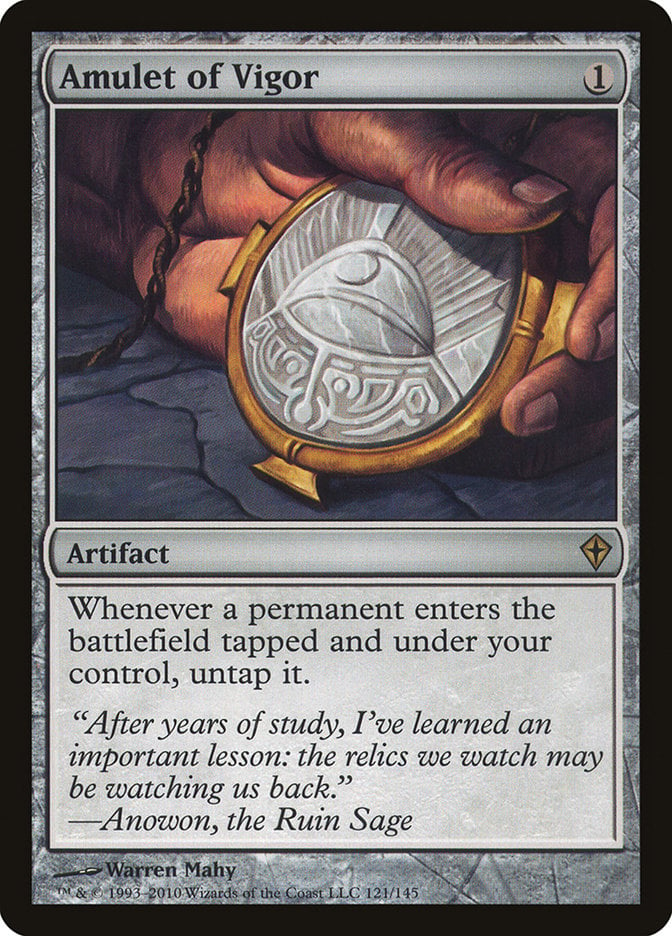
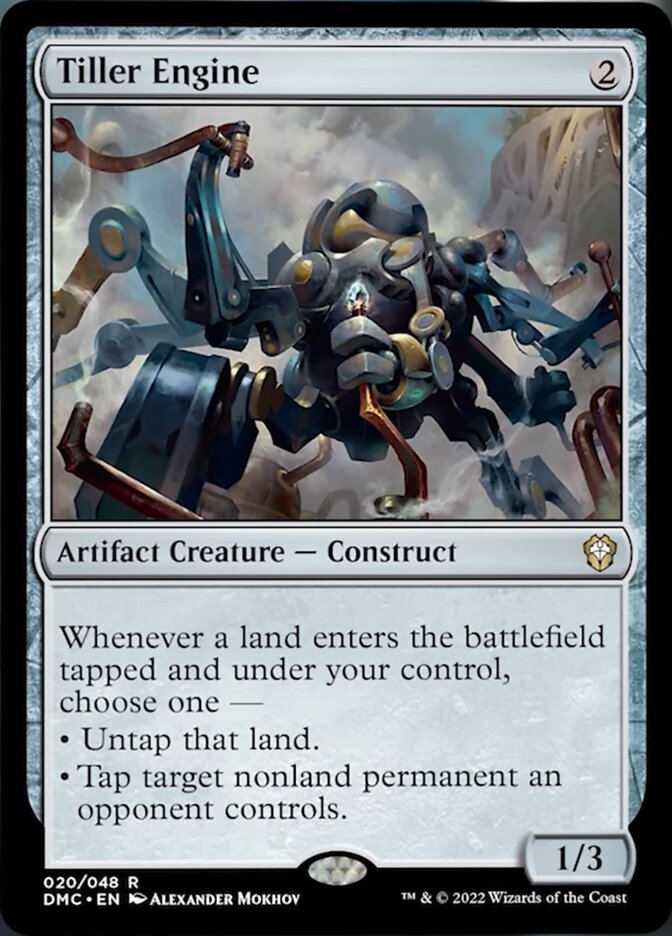
Yes! The best card is certainly Amulet of Vigor, which is the focal point of a potent Modern deck, but a few other options include Spelunking and Tiller Engine. Okay, the engine just untaps them when they enter, but that’s close enough for me.
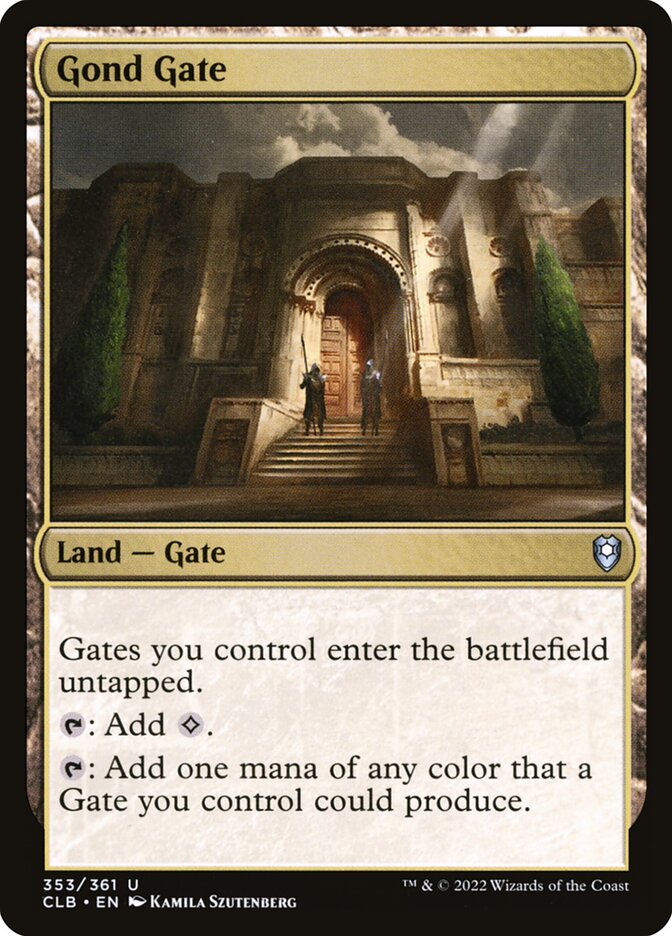
If you’re in gates specifically, Gond Gate is your friend.
How Many Tapped Lands Is Acceptable?
In general, the fewer tapped lands you have, the better your deck performs as you never lose tempo on a tapped land restricting the amount of mana you can spend in a turn.
Consider the lands available to you; Pauper decks run tapped lands because they don’t have access to untapped dual fixing, which is why cards like Ice Tunnel see play. Budget concerns can apply here, too; the less money you have for the deck, the more you need to lean on tapped lands. Commander can be more forgiving than other formats, simply because it’s slower.
The value you get from the tapped lands also matters here. A domain deck gets so much from Indatha Triome that it’s well worth taking the turn off to play it; the same can be said of a lands deck running Field of the Dead.
TL;DR: Consider the resources available in your format, and the speed; in general, slower formats punish tapped lands less. And if the lands provide valuable angles of attack, you can play them despite the tempo loss.
Wrap Up

Lotus Field | Illustration by John Avon
Tapped lands are definitely worse than their untapped cousins, but they have a host of uses, foremost among them fixing and strong utility effects. You shouldn’t run too many, but the right lands make your deck stronger.
Which taplands do you play? Did I miss anything cool? Let me know in the comments below or on the Draftsim Discord!
Stay safe, and thanks for reading!
Follow Draftsim for awesome articles and set updates:










Add Comment