
Last updated on July 30, 2026

Go-Shintai of Shared Purpose | Illustration by Johannes Voss
Enchantments are everywhere in modern MTG; even when they’re not the main point of the set, they appear in small numbers. And when they’re important, MTG designers often create a new enchantment subtype that serves the purposes of the set, such as the sagas in Dominaria or the rooms in Duskmourn: House of Horror. The game has a dozen—quite literally—different enchantment subtypes, so today we’re looking at all of these individually and see what makes them shine.
What Are Enchantment Subtypes in MTG?

Cartouche of Zeal | Illustration by Kieran Yanner
Enchantment subtypes in MTG are variations on an enchantment card. Each MTG card has its type and subtype right under the art and above the rules textbox. On a macro level, we have card types: creatures, instants, artifacts, enchantments, and so on. But when we consider all the enchantment cards printed in MTG, we’ll see subtypes. There include auras like Rancor, sagas like History of Benalia, and much more. In these cases, the terms aura and saga come after the “-”, and indicate the card’s subtype. Now, let’s see all the enchantment subtypes in greater detail:
Aura
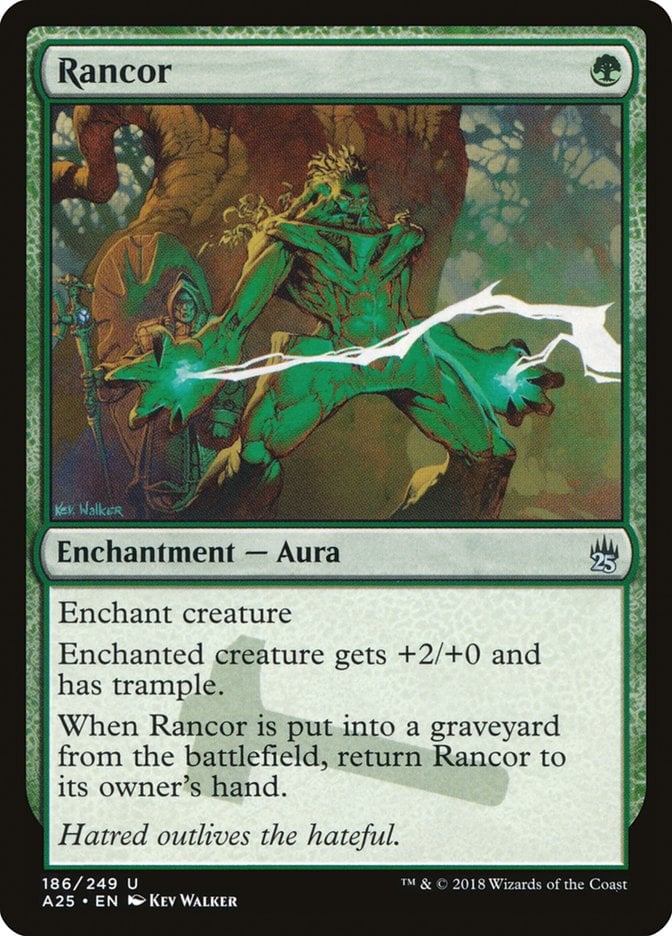
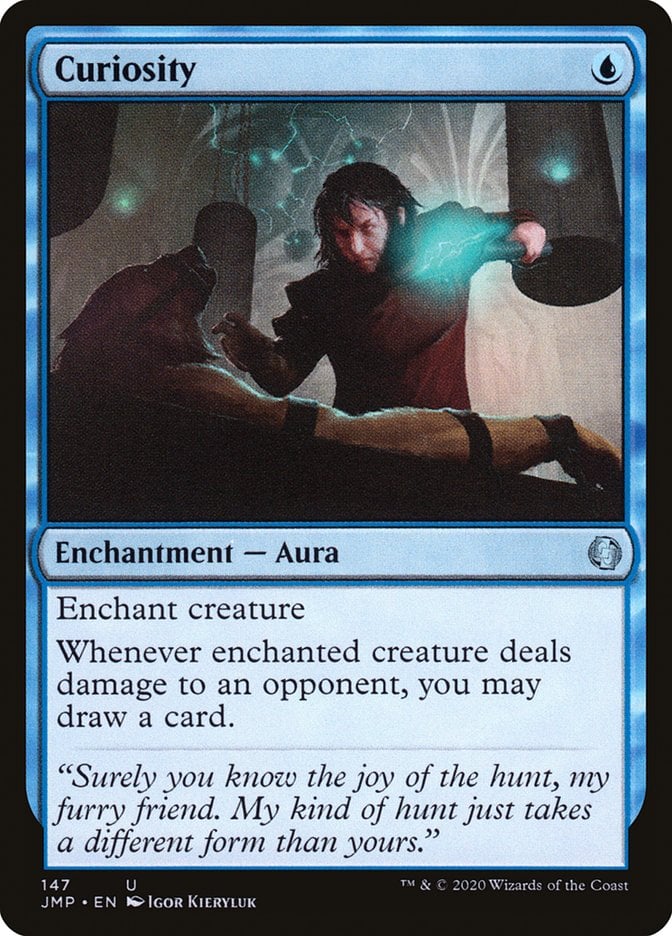
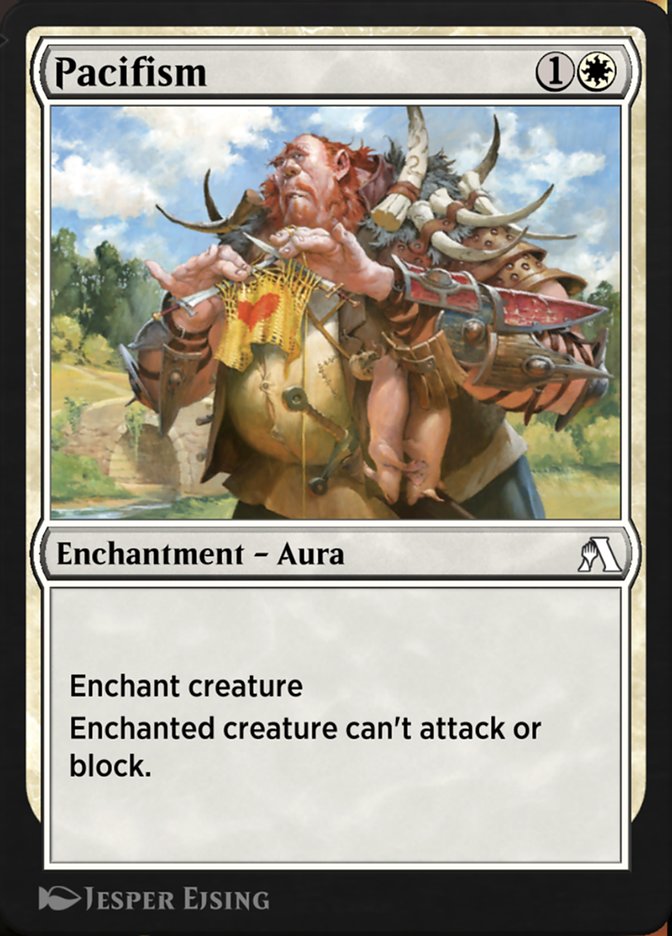
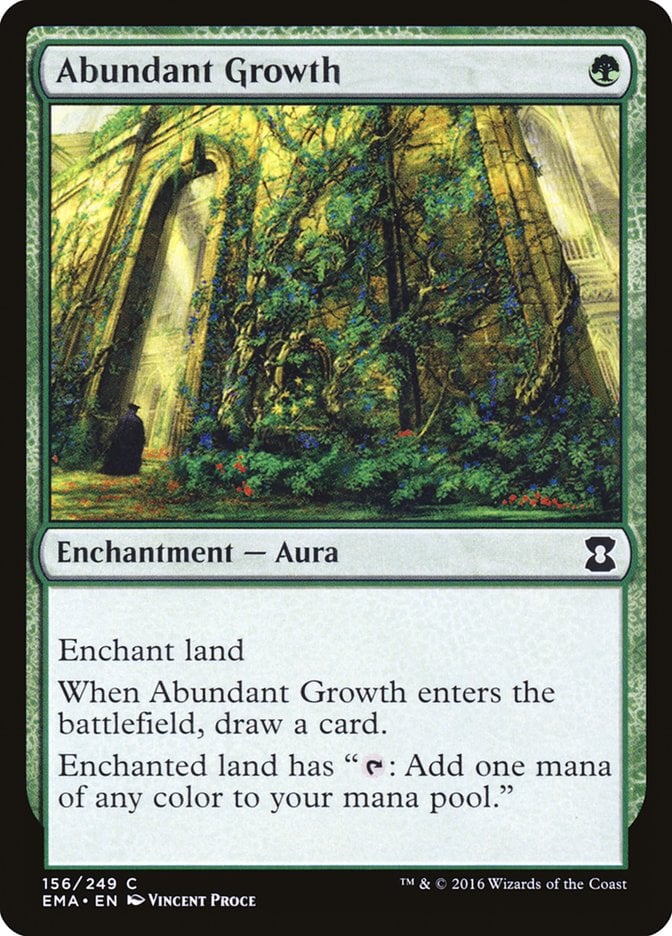
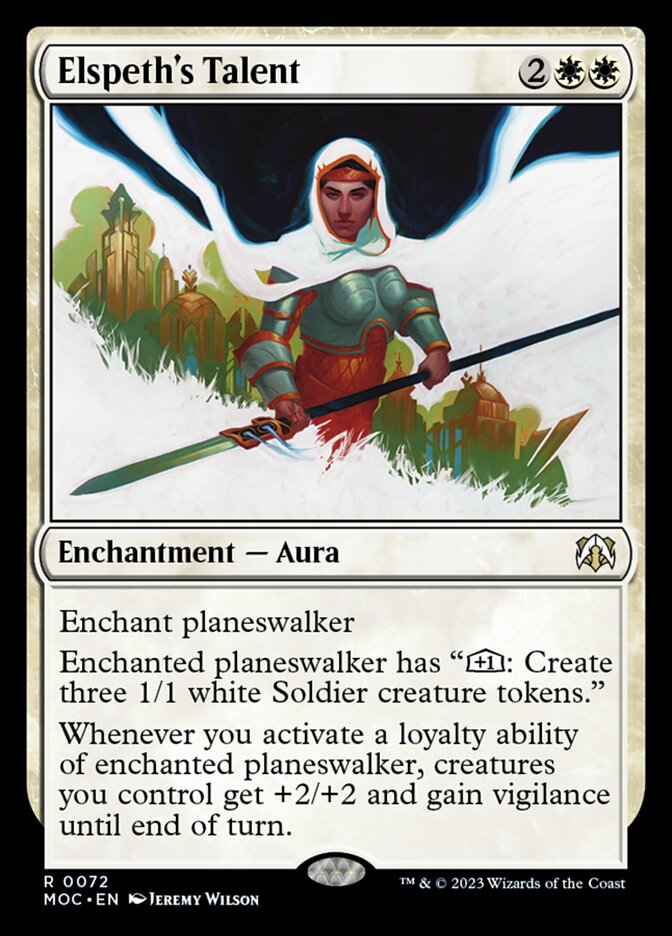
Aura is the most prevalent enchantment subtype, and each MTG set has a few of these. Auras always enchant something, be it a creature, a land, a planeswalker, or even a player. They need a valid target to resolve, and if the target they’re enchanting dies, so does the aura.
In the first MTG sets, cards simply had the “Enchant creature” or “Enchant land” text, and later all enchantments that stay attached to another card, permanent, or player were renamed auras. In fact, there are so many auras that we have aura subtypes, like the ones we’re seeing next.
Cartouche
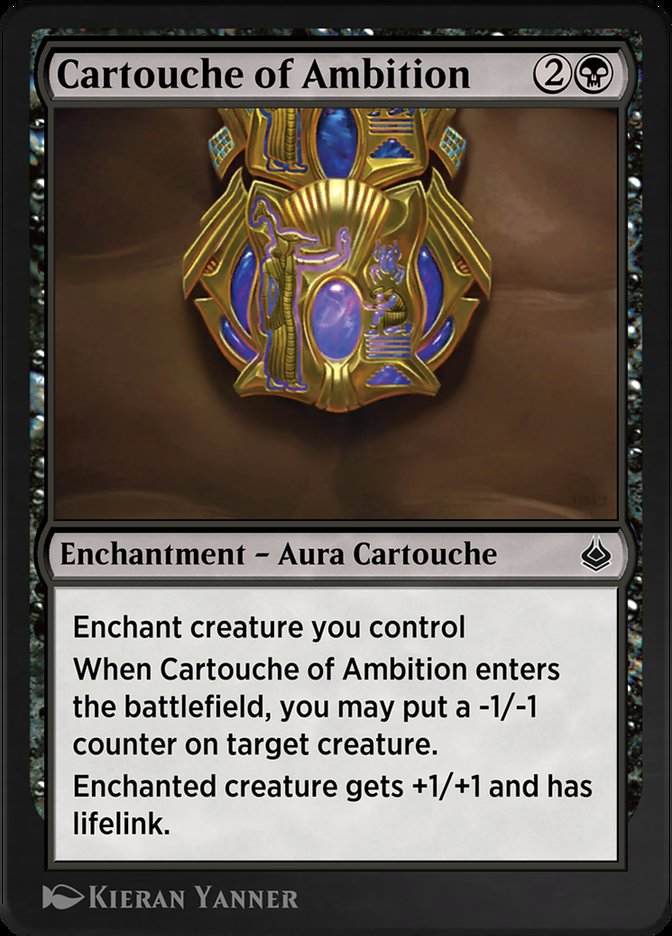

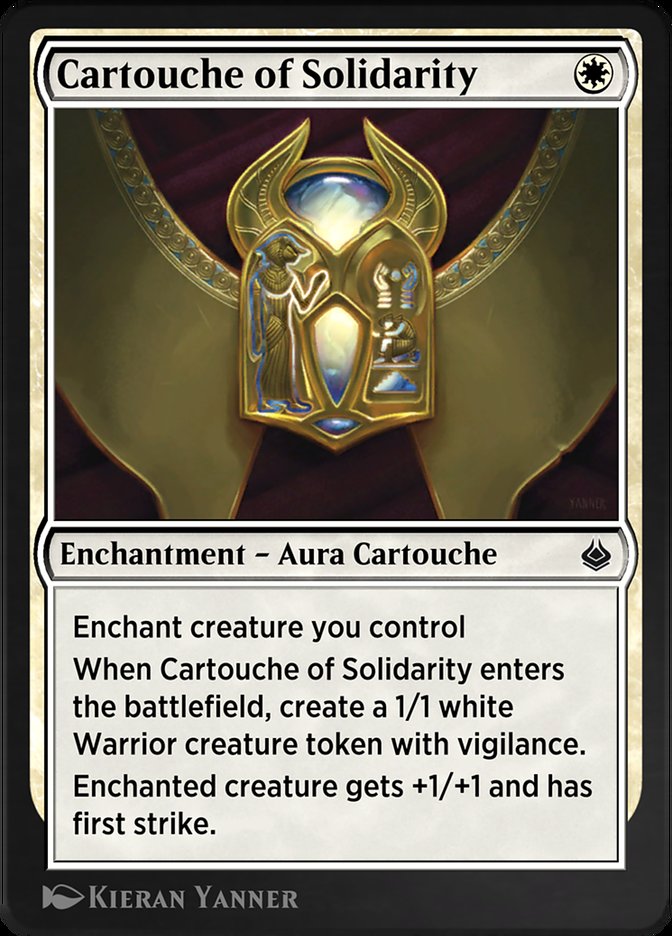


- Cartouche of Ambition
- Cartouche of Knowledge
- Cartouche of Solidarity
- Cartouche of Strength
- Cartouche of Zeal
Cartouches are special types of auras that enchant creatures, designed in Amonkhet with only these five cards. Each cartouche gives the enchanted creature +1/+1 and a color-appropriate keyword, and they all have a different enters effect. Cartouches synergize with Trial cards, like Trial of Ambition.
When a cartouche enters the battlefield, you can return all Trial cards you have on the battlefield to your hand, getting small benefits when you cast them again. Although this was planned for Amonkhet block Limited, some Standard decks managed to explore these synergies in various ways.
Curse
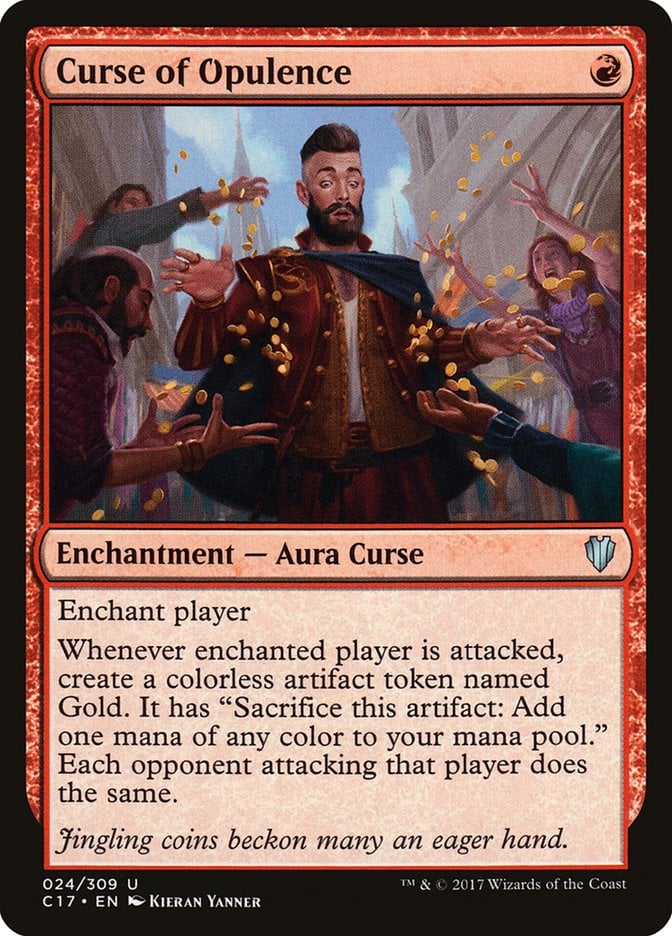
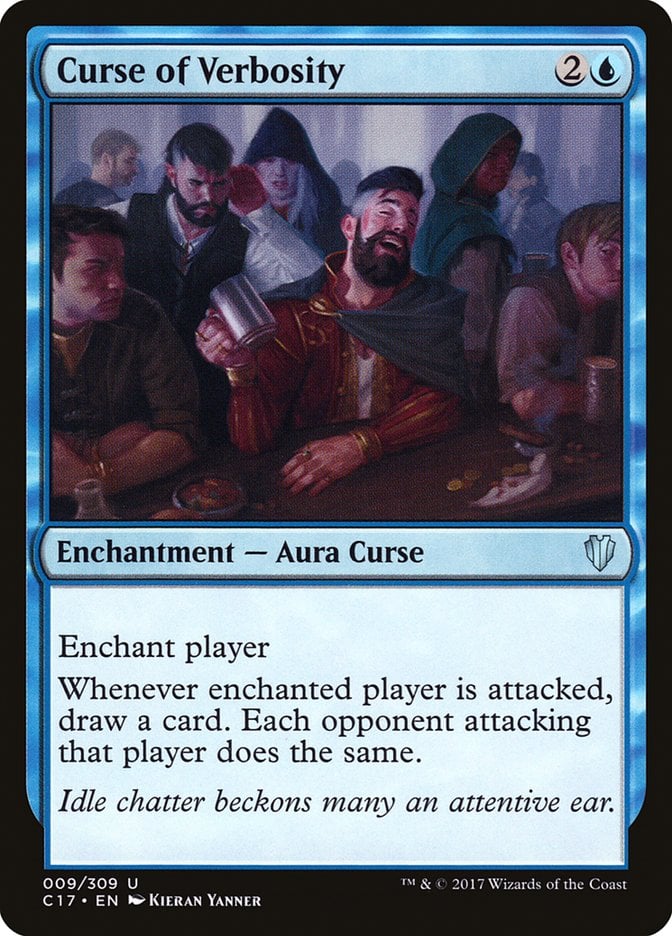
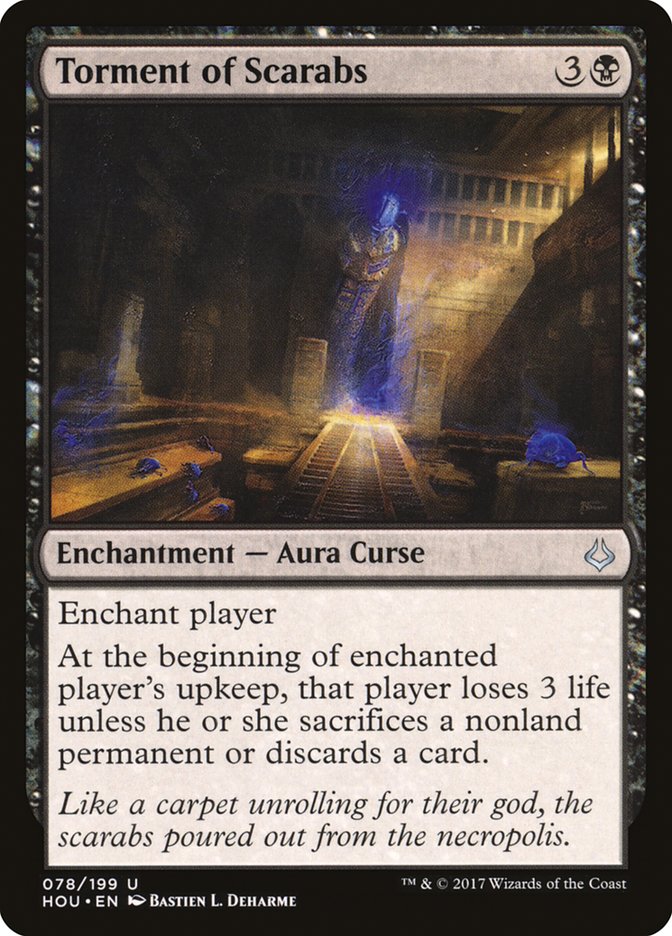
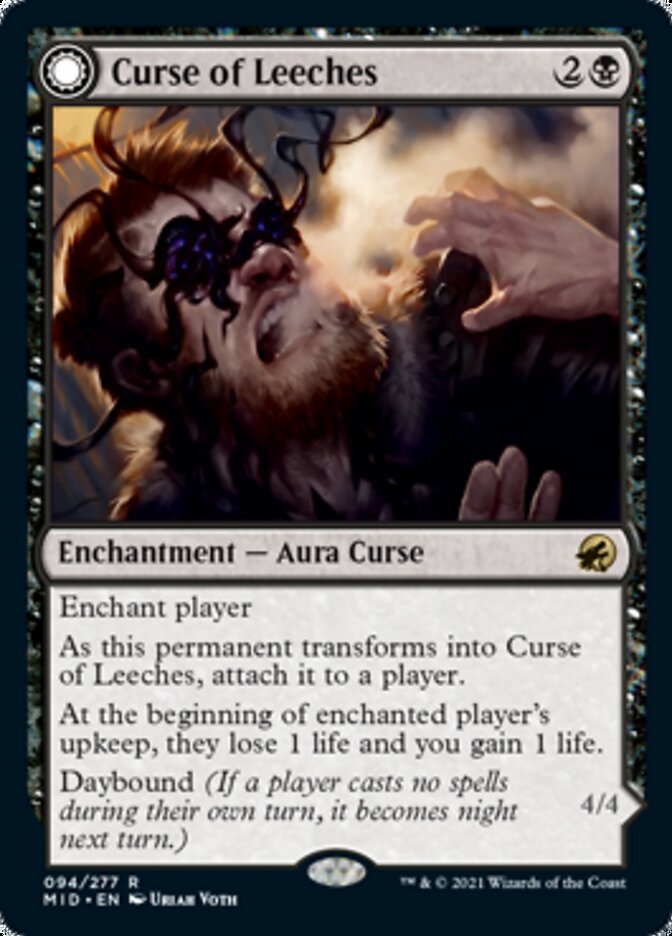
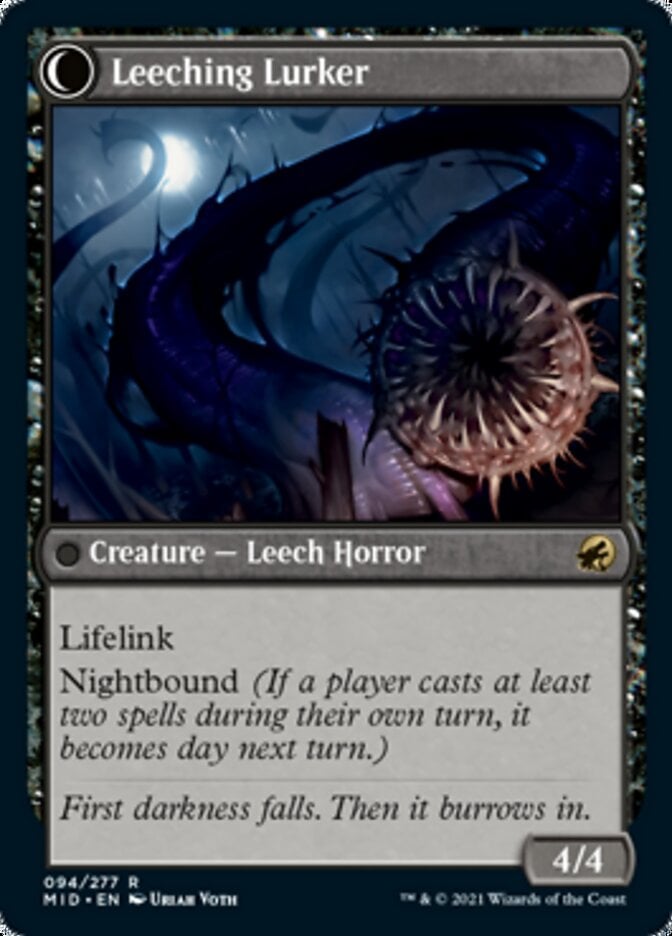
With more than 40 cards printed, curse is a special type of aura that enchants only players. All colors have access to curses, and the first ones date back to the original Innistrad set. Some curses, like Curse of Verbosity, let people who attacked the cursed player draw cards, while other curses, like Torment of Scarabs, penalize the cursed player each turn.
Very particular designs include Accursed Witch, a creature that transforms into an aura curse, Infectious Curse, and Curse of Leeches, which starts as a curse but flips into the powerful Leeching Lurker.
Role

Role tokens are special aura tokens created by certain Wilds of Eldraine cards. A role token can buff your creatures, adding +1/+1 and/or relevant abilities like trample, or you can have a Cursed role token, which permanently turns enchanted creature into a 1/1. Some of the different role tokens are:


- Cursed: enchanted creature is a 1/1
- Royal: enchanted creature gets +1/+1 and ward 1
- Sorcerer: enchanted creature gets +1/+1 and when it attacks, scry 1
Wilds of Eldraine had certain archetypes that benefited from role tokens. Bargain is a mechanic that lets you sacrifice a role token, while the celebration mechanic rewards you when a creature comes into play with a role token. Or you can have Syr Armont, the Redeemer buff every creature that has a role token on it.
Rune
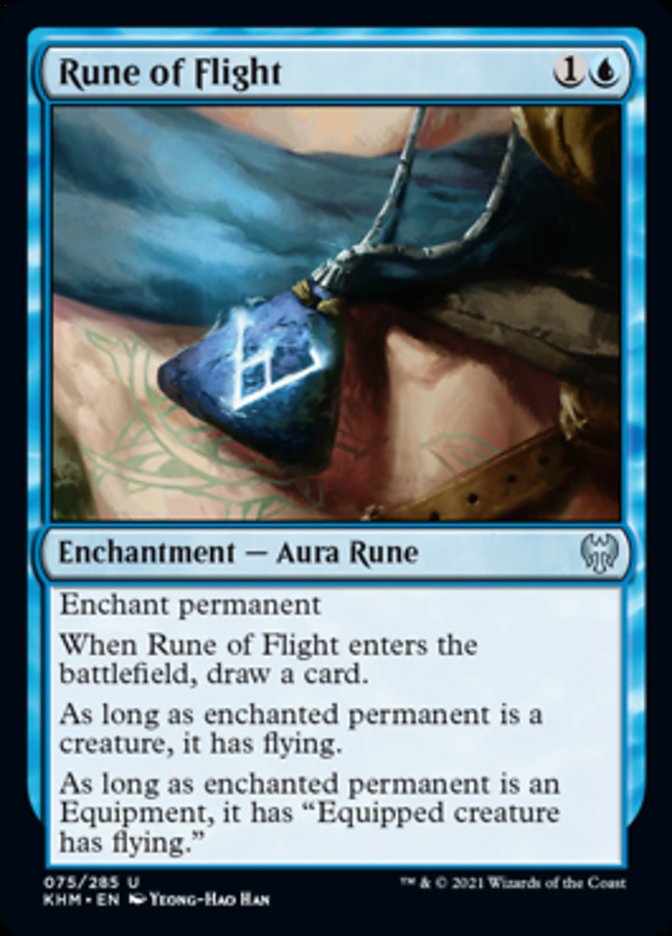
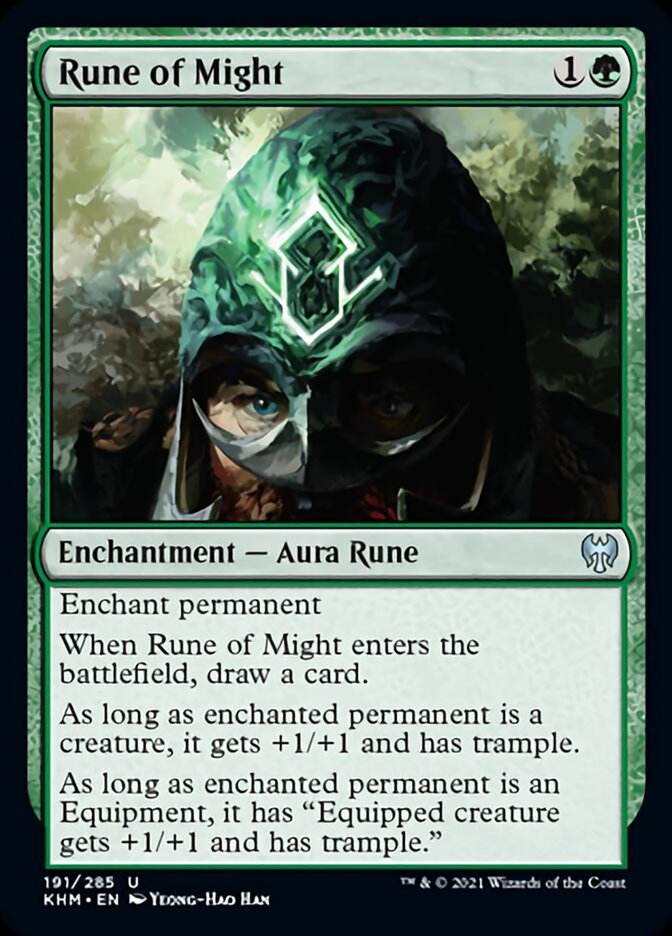
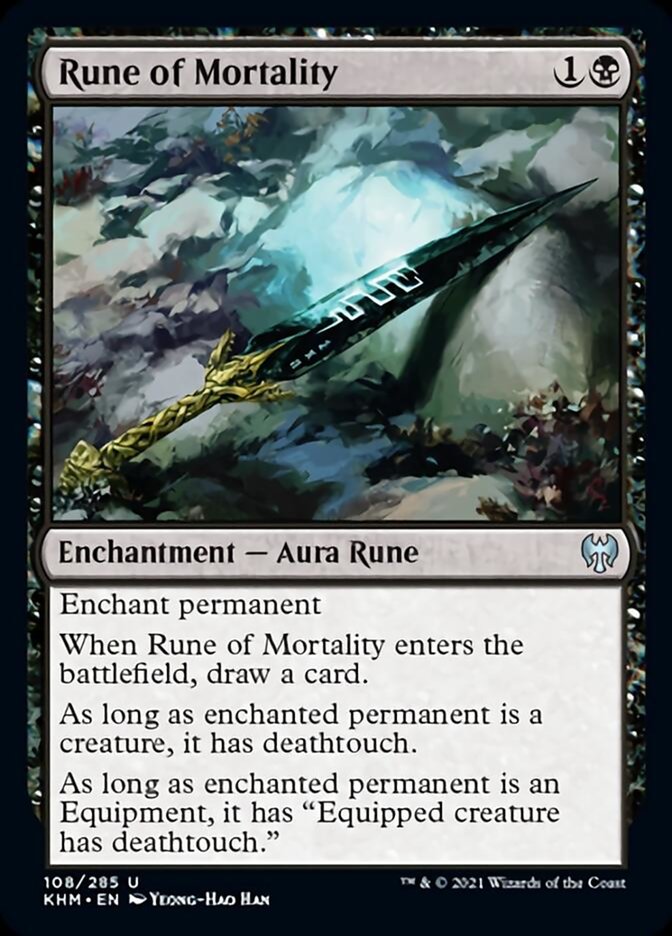
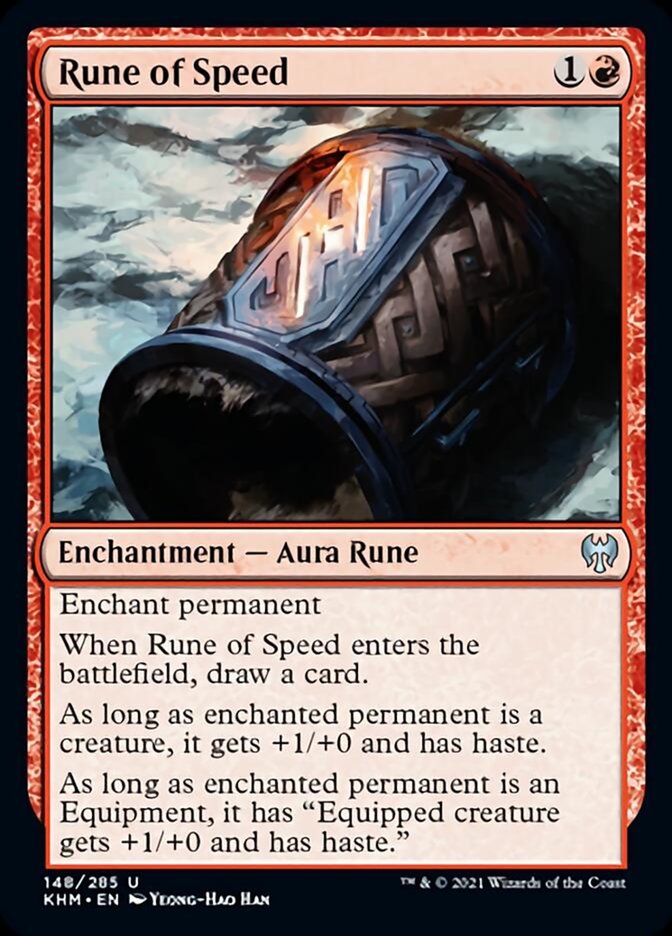
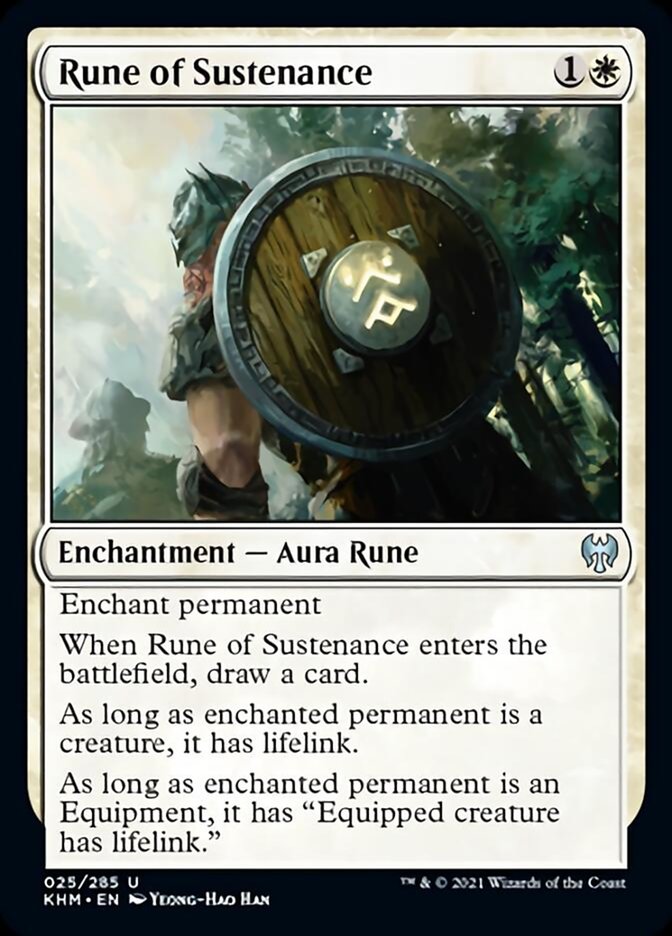
Runes are a special type of aura created in Kaldheim, on these five designs. All of these runes enter the battlefield and draw a card, and they grant a basic ability to the enchanted creature (green gives trample, blue gives flying, and so on). Certain Kaldheim cards make good use of runes as a side theme to explore in Limited and casual Constructed. Runeforge Champion is the main payoff, giving you a rune and cost reduction to cast runes on your creatures.
Case
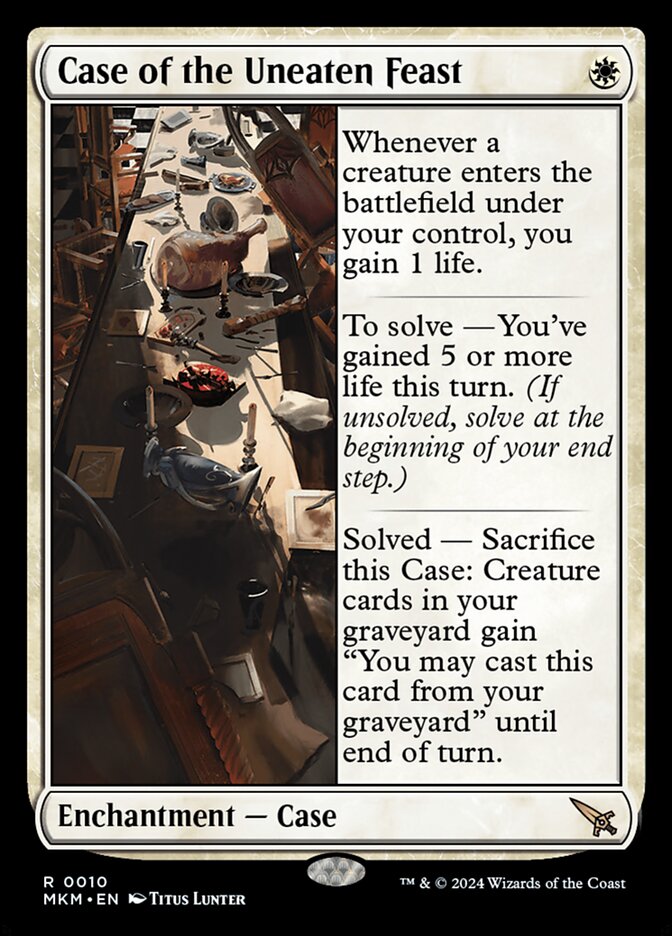
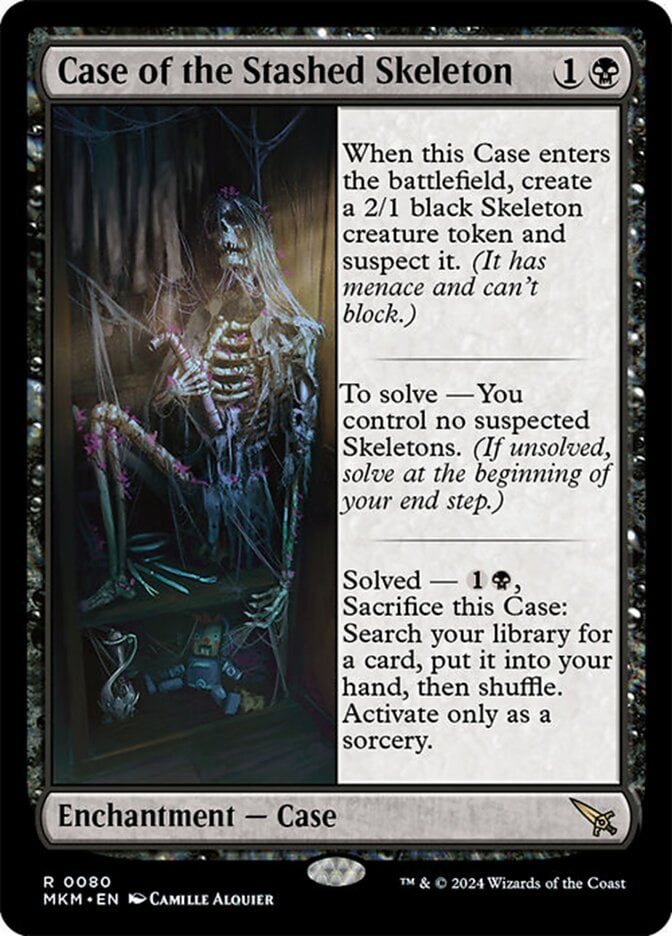
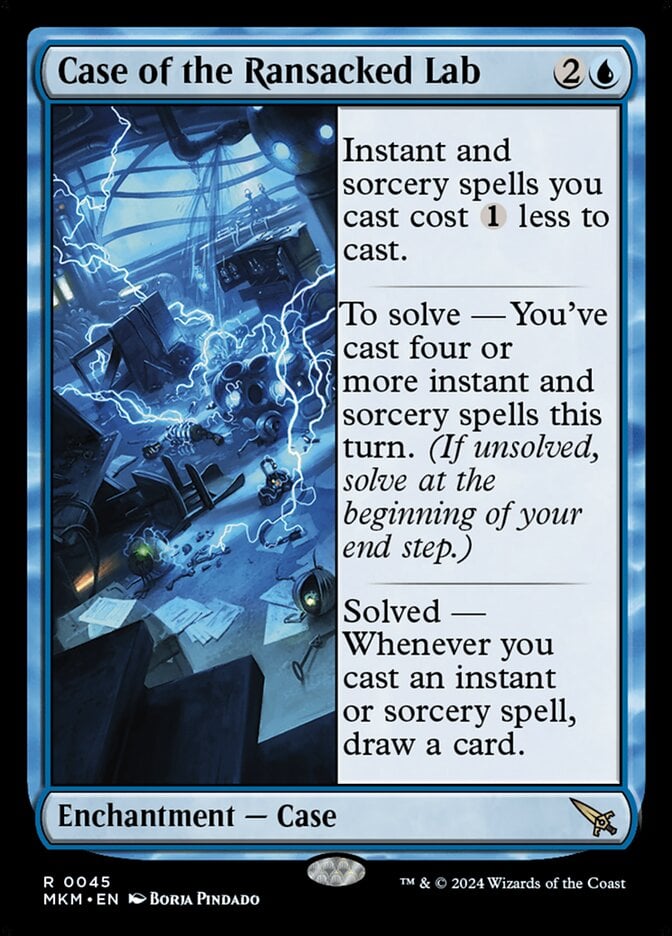
Cases are a specific type of enchantment designed for Murders at Karlov Manor. They have a similar aesthetic to classes but are very different cards. A case always gives you a passive effect or enter effect upfront. Then, it presents you with a condition (to solve). When this condition is met, you’ll gain a more powerful ability.
Let’s say you have a white lifegain deck and you play Case of the Uneaten Feast. Right away, you’re gaining 1 life each time a creature enters. To solve it, you need to gain 5 life on a given turn, and if you do, you gain the outstanding ability to cast creatures from your graveyard. This particular case and others, like Case of the Stashed Skeleton, require you to sacrifice the card to activate the last ability, but that’s not always the case, as we can see with Case of the Ransacked Lab or Case of the Trampled Garden.
Background
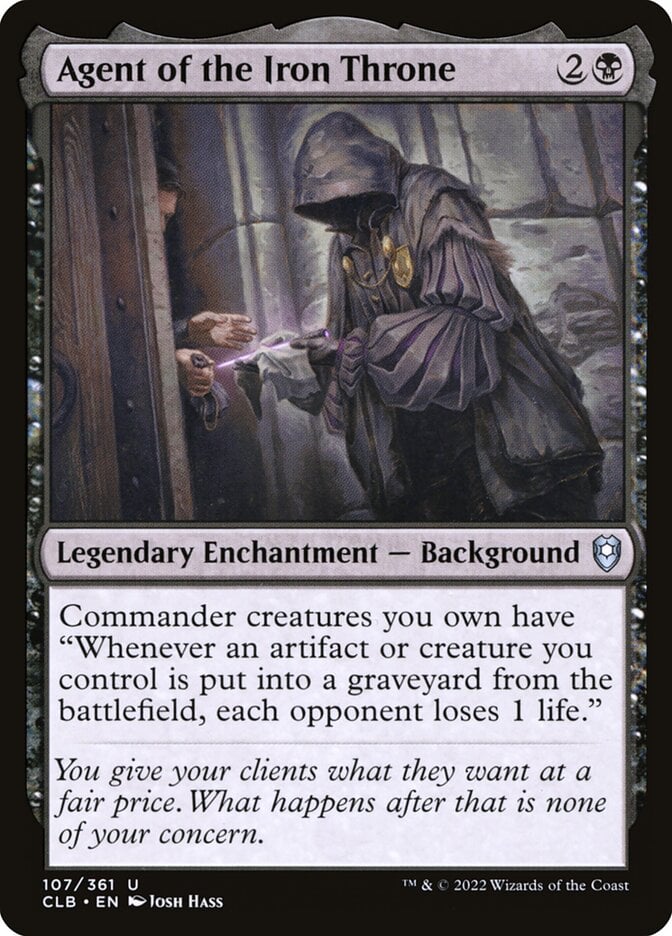
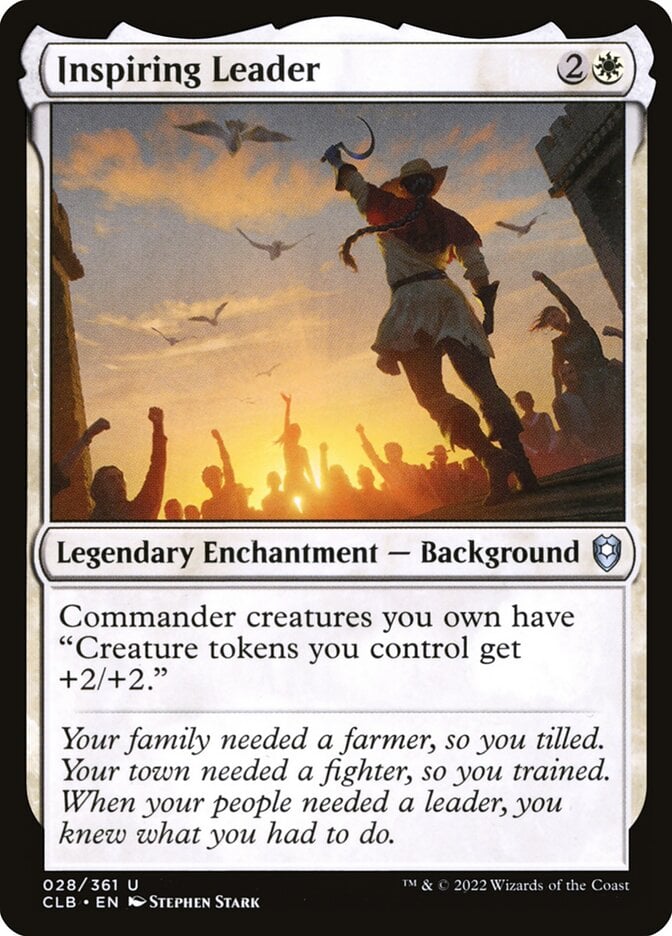

Backgrounds were all designed in Baldur’s Gate to make the Draft format work better and give Commander players more customization options. Backgrounds start in the command zone and you can mix them with legendary creatures that have the “choose a background ability”. I can combine Abdel Adrian, Gorion's Ward, a white commander, with Agent of the Iron Throne, a black background, to have an EDH deck with a white and black color identity.
Backgrounds are all legendary enchantments, and one of them is a legendary enchantment creature (Faceless One). Backgrounds span all rarities and colors, and there are 30 backgrounds printed. You can only play one background card in your command zone, and as many as you want in your deck as part of the other 98/99 cards.
Class
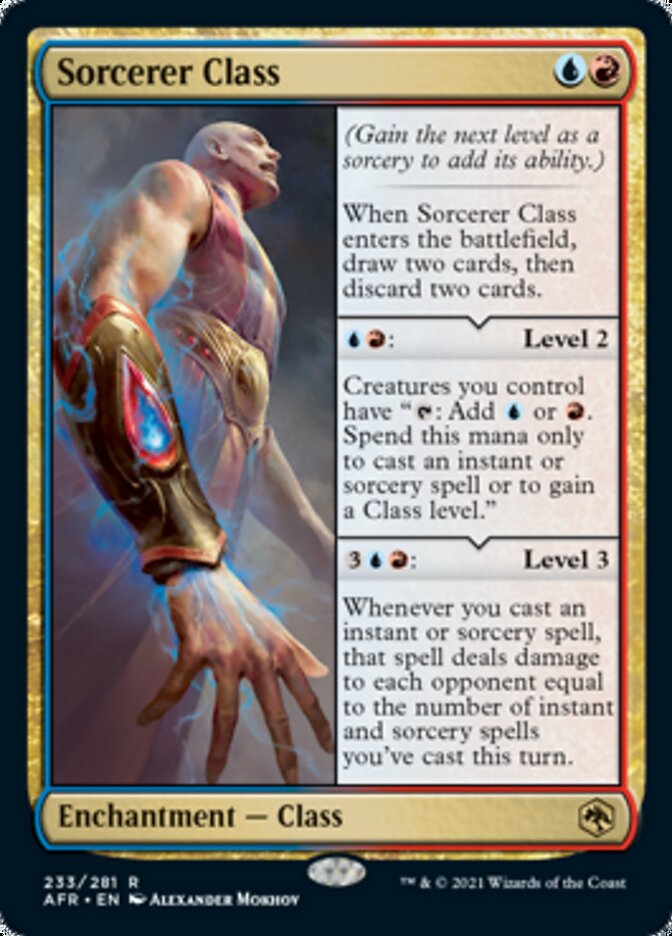
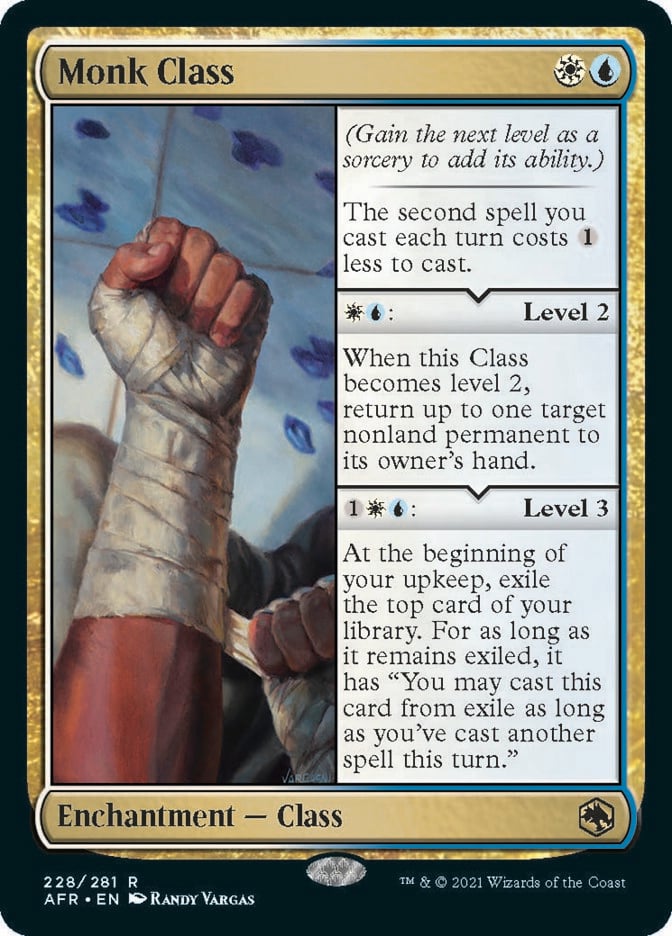

Originally designed in D&D: Adventures in the Forgotten Realms, class enchantments are a special type of enchantments that can be leveled up, mirroring D&D classes, like Sorcerer Class and Barbarian Class. Later in Bloomburrow, other class cards were designed with the talent name, like Caretaker's Talent or Innkeeper's Talent.
As of now, class cards go up to level 3 and can be single-colored or multicolored. To go from level 1 to 2, or from level 2 to 3, you need to pay the cost printed on the card at sorcery speed. Unlike sagas or level up cards, class cards do not receive counters, so you can’t proliferate them.
Plan
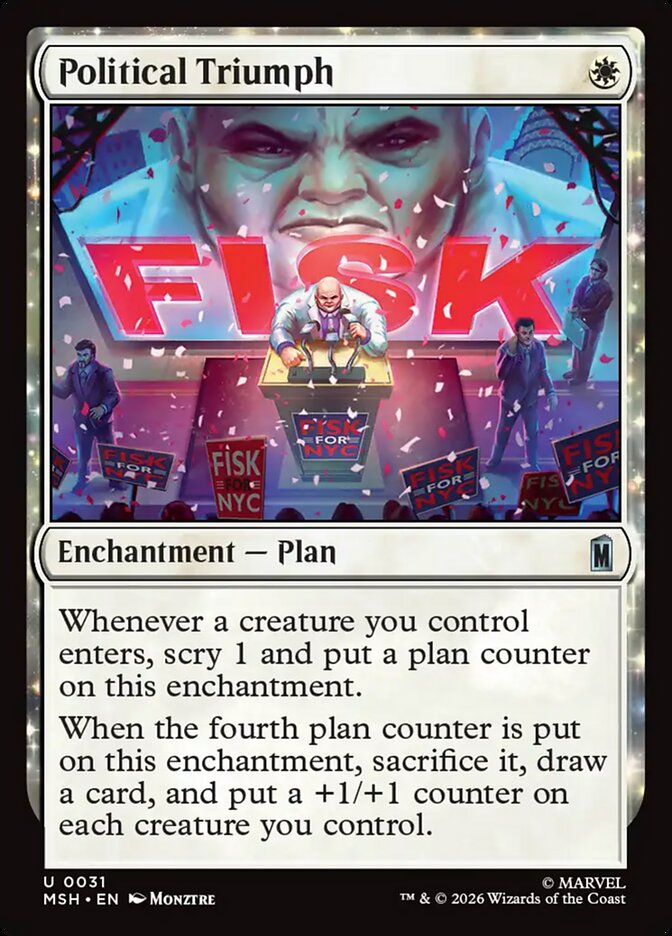
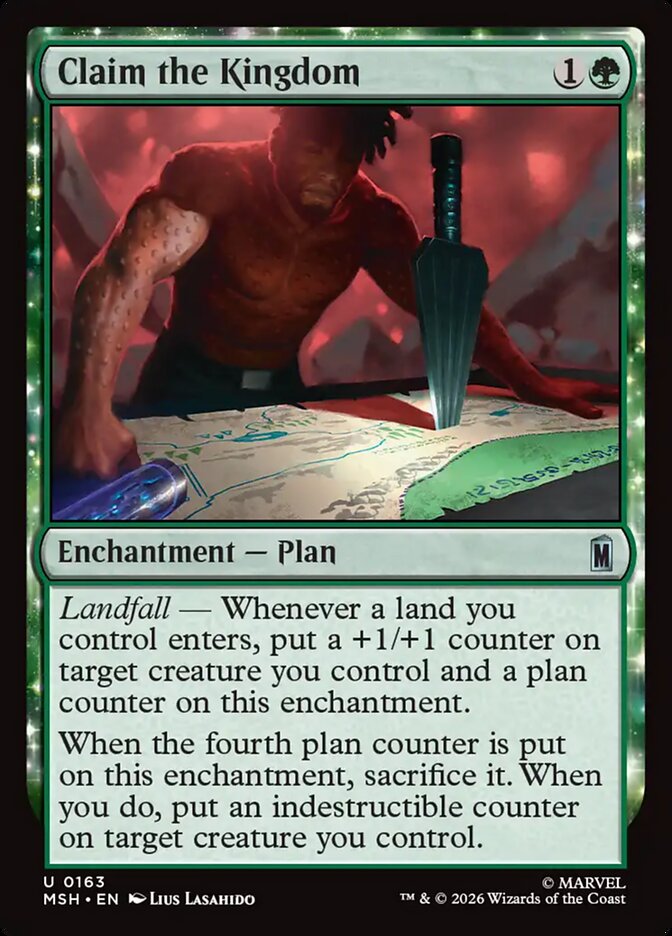
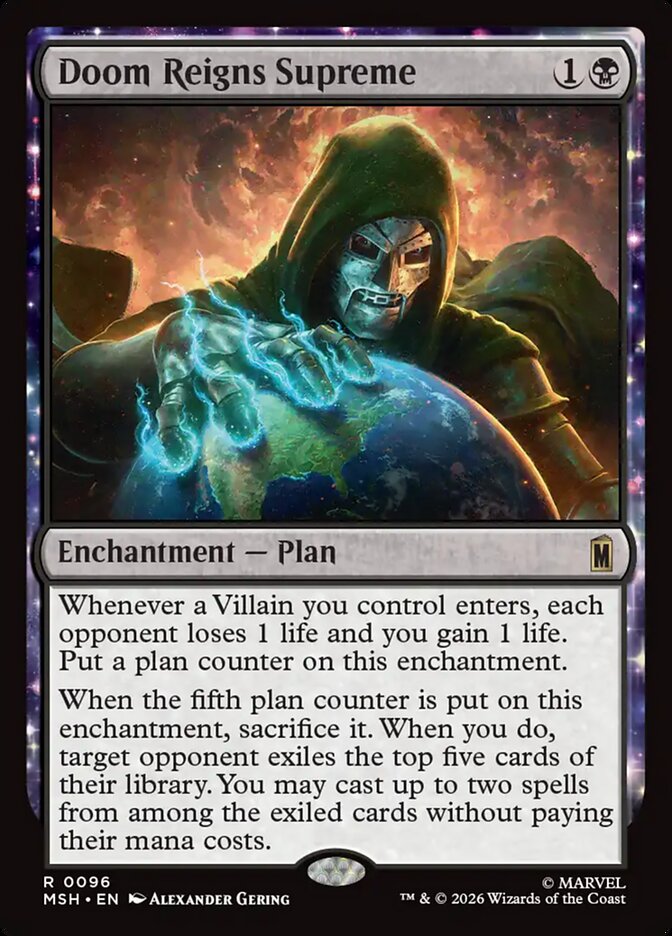
The steps to enact a plan are unique, but the functions are similar. Build up plans with certain game actions, then when the plan counters are in place, execute the plan and literally put it in the graveyard after enjoying the payoff.
Room


Room cards were created in Duskmourn: House of Horror on 30 cards across all colors and rarities. A room card has two rooms, and you can cast either side. When you cast a side, you unlock that side and its effects while the card is on the battlefield. Later, you can unlock the other room by paying the corresponding mana cost.
For example, when you have Glassworks // Shattered Yard in your hand, you can pay to unlock the Glassworks side, dealing 4 damage to a creature, and later, you can pay the to unlock Shattered Yard to get the persistent pinging effect. You can also unlock Shattered Yard first and Glassworks later. Rooms allow players to play more enchantments since these often act like typical removal spells or create creature tokens. And of course, it ties well to specific set mechanics, like delirium or eerie.
Saga
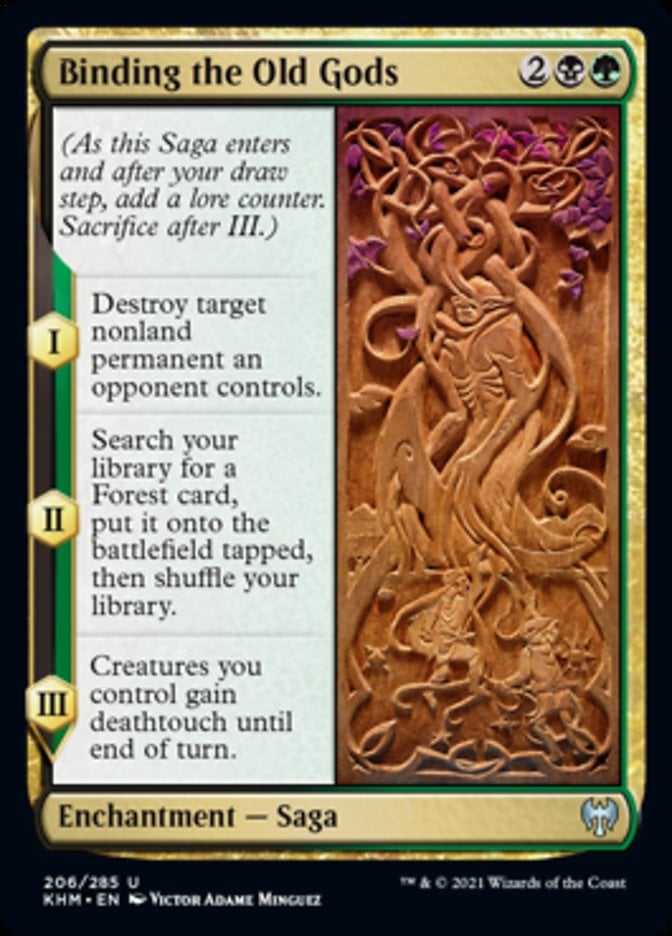
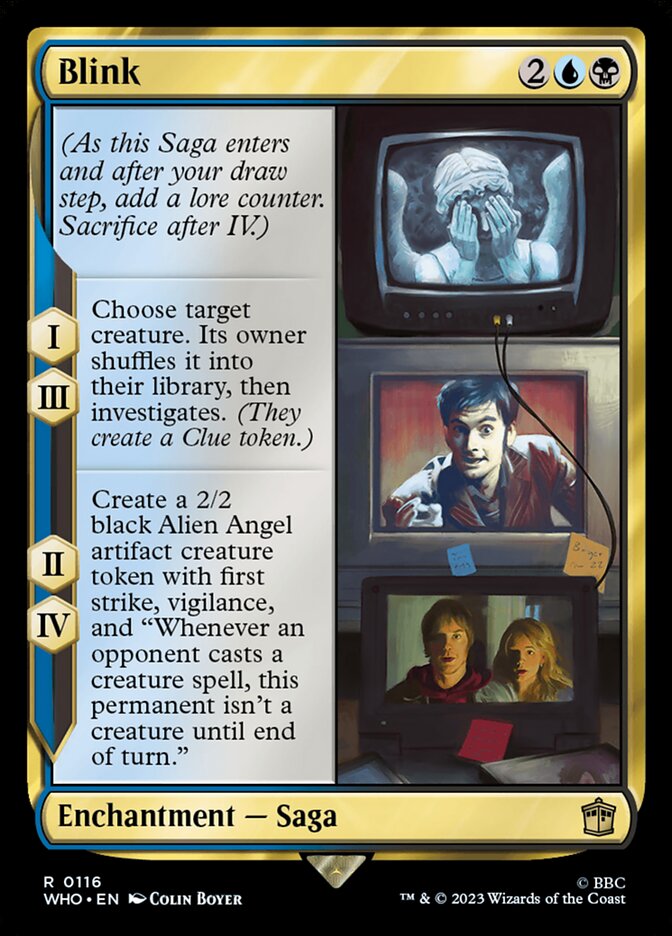
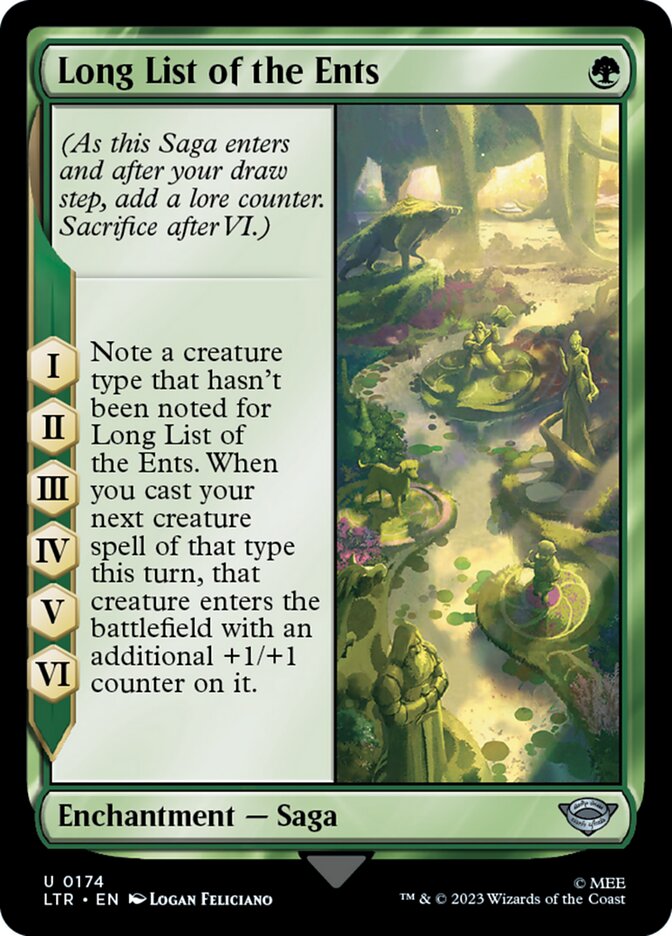
After auras, sagas are the most popular enchantment subtype, with around 200 designs across all rarities and colors. Sagas were first introduced in Dominaria, and we expect them to be printed frequently. These enter the battlefield with a lore counter on chapter one, and on each turn, you’ll add a lore counter, advancing to the next chapter. On the last chapter, you sacrifice the saga.
Most sagas have three chapters, but we have all kinds of sagas these days: sagas with 6+ chapters, sagas that flip into creatures, creature sagas, and more. We can build around sagas with specific legendary creatures like Tom Bombadil, Terra, Herald of Hope, or other cards that care about enchantments.
Shard

Shards are enchantment tokens associated with Niko Aris, or their desparked version, Niko, Light of Hope. A Shard is a token that says: “Pay 2 and sacrifice: Scry 1 and draw a card.” They’re similar to Clues, except they’re enchantment tokens, and scry when cracked.
Shrine
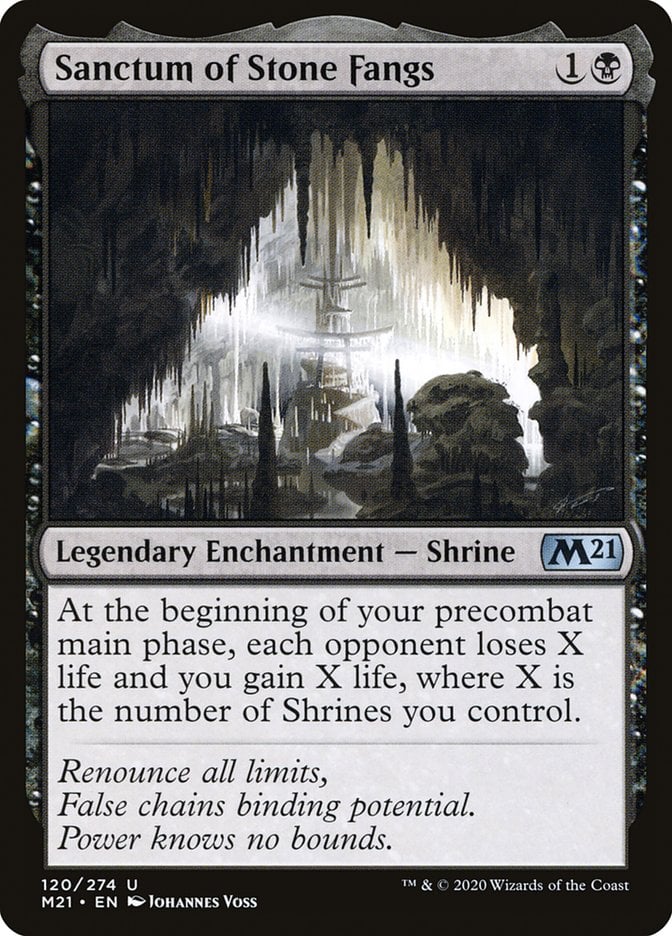
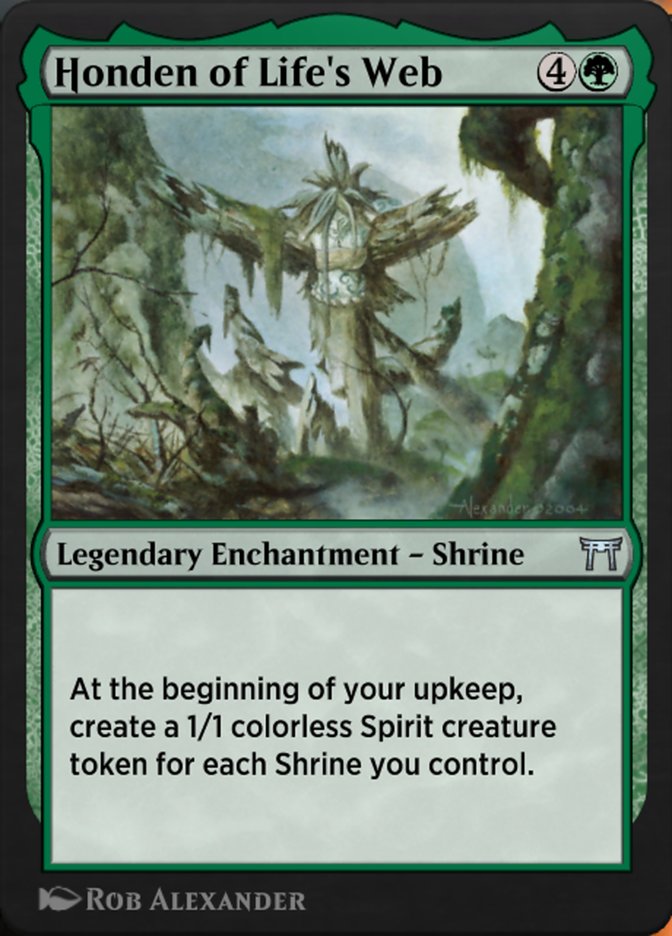
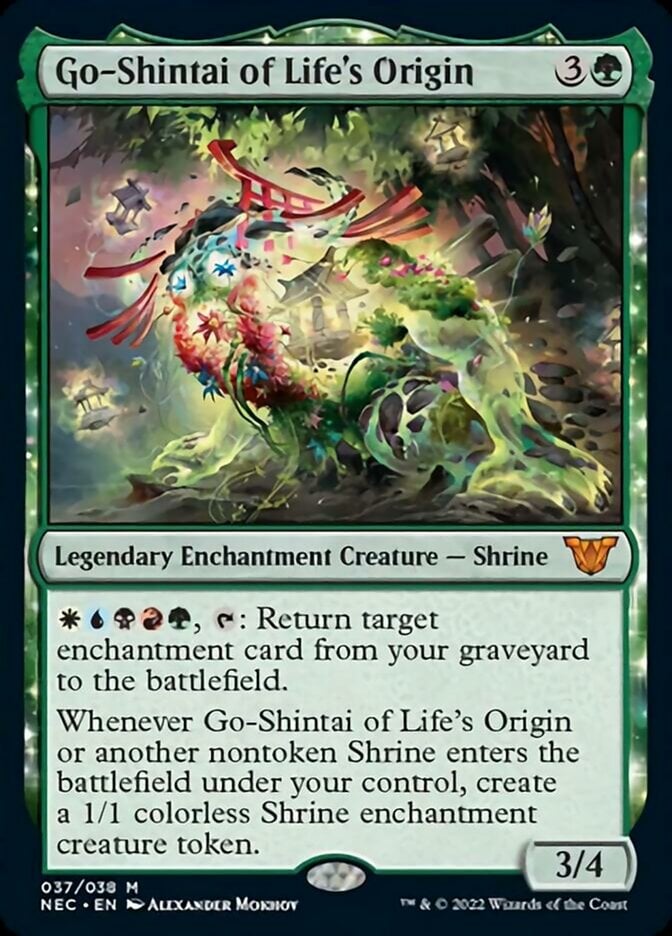
Shrines are legendary enchantment cards first designed in the original Kamigawa block. Shrines give you a benefit for each shrine you have, so the more, the merrier. The downside is that shrines usually don’t affect the board, and you’ll have to build up to get their benefits. If you control only Honden of Infinite Rage, you’ll deal 1 damage to a creature or player each turn, which isn’t worth 3 mana. But if you also have Honden of Life's Web and Go-Shintai of Life's Origin, you’ll deal 3 damage, while also making three 1/1 tokens. Shrines that are also creatures were designed for Kamigawa, Neon Dynasty, and shrines with powerful ETBs arrived in Avatar: The Last Airbender.
What Is a World Enchantment?
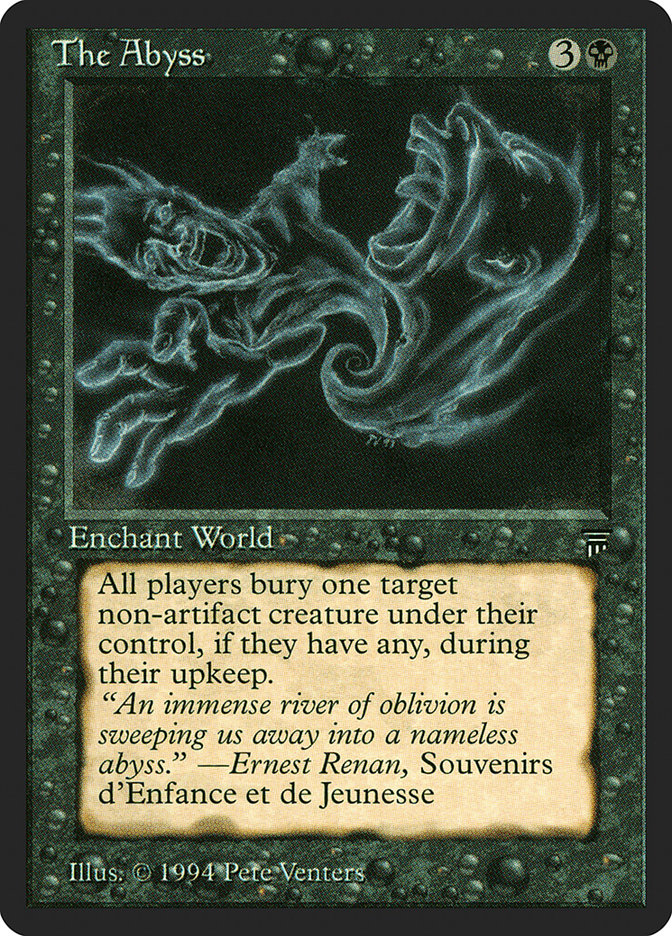
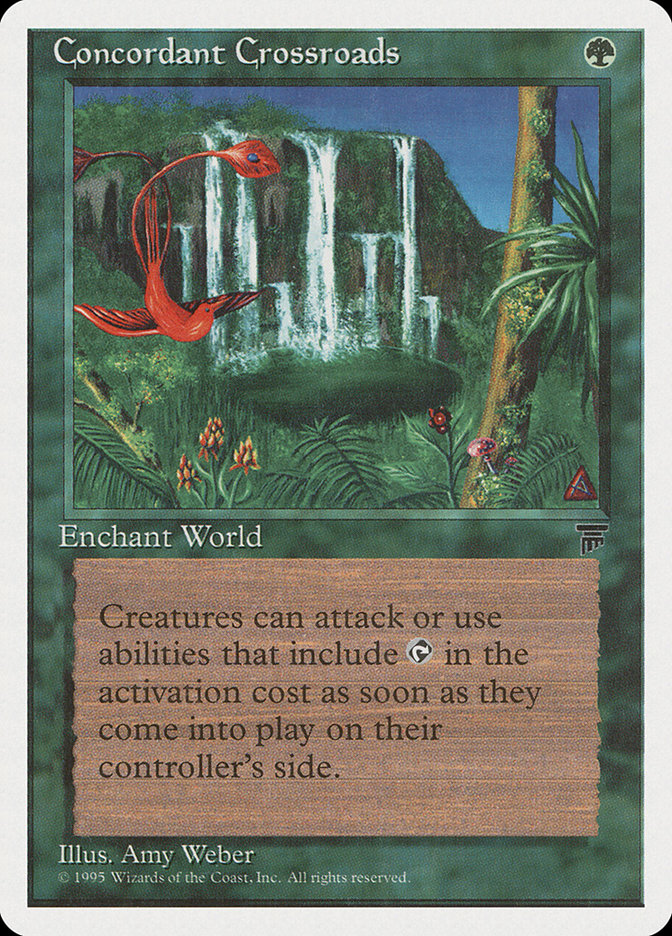
MTG’s first sets had a special kind of enchantement called Enchant World. These cards affected all the players in the game, not just the owner. These changed later to world enchantment, adding the “world supertype” to the card. Also, there can be only one world enchantment in the game at a given time, much like the Highlander trope. So if I have The Abyss in play, and another player casts Concordant Crossroads, then The Abyss is put into my graveyard.
Cards with this supertype aren’t designed anymore as WotC can get the same effect with regular enchantments like Rule of Law that apply to everyone without the added complexity. Even creatures have effects that apply symetrically to every player.
Have World Enchantments Been Changed?

New world enchantments don’t get added to MTG anymore, but you can play the old world enchantments that already existed. These can be reprinted, and we can point out recent MTG sets that reprinted them. Dominaria Remastered reprinted Arboria, while Double Masters 2022 reprinted Concordant Crossroads. If they’re not on the Reserved List, they can be reprinted.
Is Shrine a Creature Type?
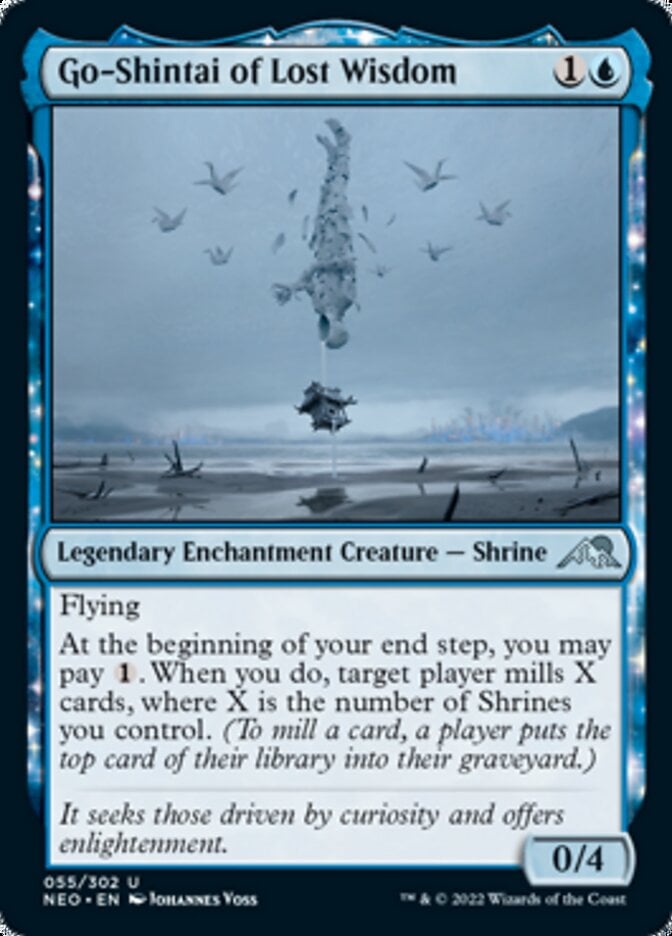
No, shrine is an enchantment type. A card like Go-Shintai of Lost Wisdom is a “legendary enchantment creature – shrine”, but the shrine type applies to the enchantment part, not the creature one. On the other hand, Agent of Erebos is an “enchantment creature – zombie“, and in this case, zombie is clearly the creature type, not the enchantment one.
Wrap Up

Dollmaker's Shop | Illustration by Chris Cold
That concludes our trip to enchantment land. Many of these enchantment subtypes were created in the last five years or so, as MTG gets increasingly more complex. But rest assured, as MTG ramps up its mechanics, we’ll be here to help you on your journey. As we can see, cards like curses and sagas have been extensively used, while others like rooms and role tokens have a much more niche application.
What are your favorite enchantment subtypes? Do you wish some of these weren’t created at all? Let me know in the comments section below, or let’s discuss it over on Draftsim’s Twitter/X.
Thanks for reading, and I’ll see you next time.
Follow Draftsim for awesome articles and set updates:










Add Comment