
Last updated on October 7, 2026

The Abyss | Illustration by Pete Venters
Have you ever heard of world enchantments? Honestly, I hadn’t either. Funny enough, I’ve played with a few over the years without even realizing they were something special.
If this is your first time hearing about them, don’t worry. Today we’re going to break down what world enchantments are, how the world rule works, how it compares to other rules like the legend rule, and most importantly, which world enchantments are actually worth your time.
Curious what these weird old cards can do? Let’s dive in.
What Are World Enchantments in MTG?
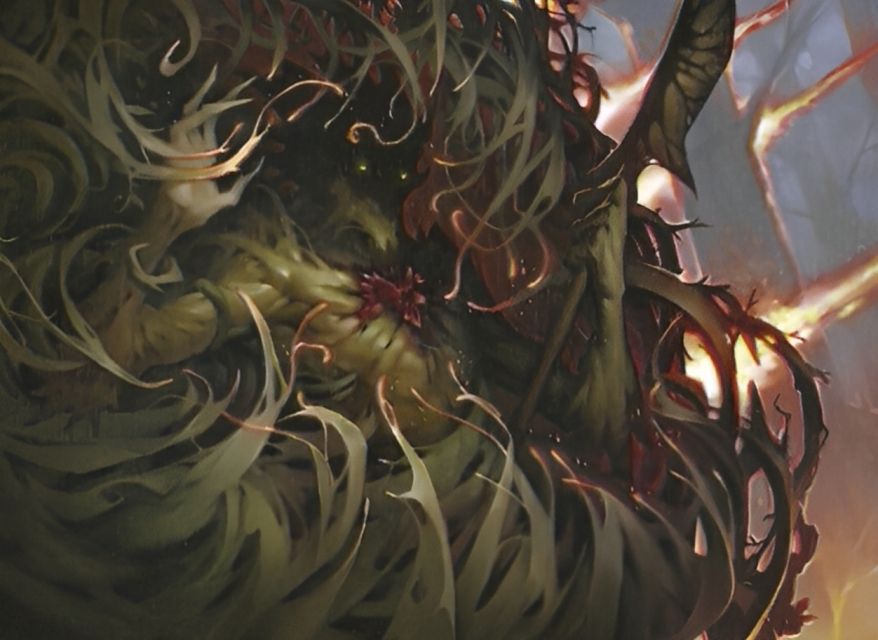
Arboria | Illustration by Uriah Voth
World enchantments have the world supertype, and only one world enchantment can exist on the battlefield at a time. If a second world permanent shows up, the world rule kicks in and the older one is put into the graveyard automatically.
#26. Field of Dreams
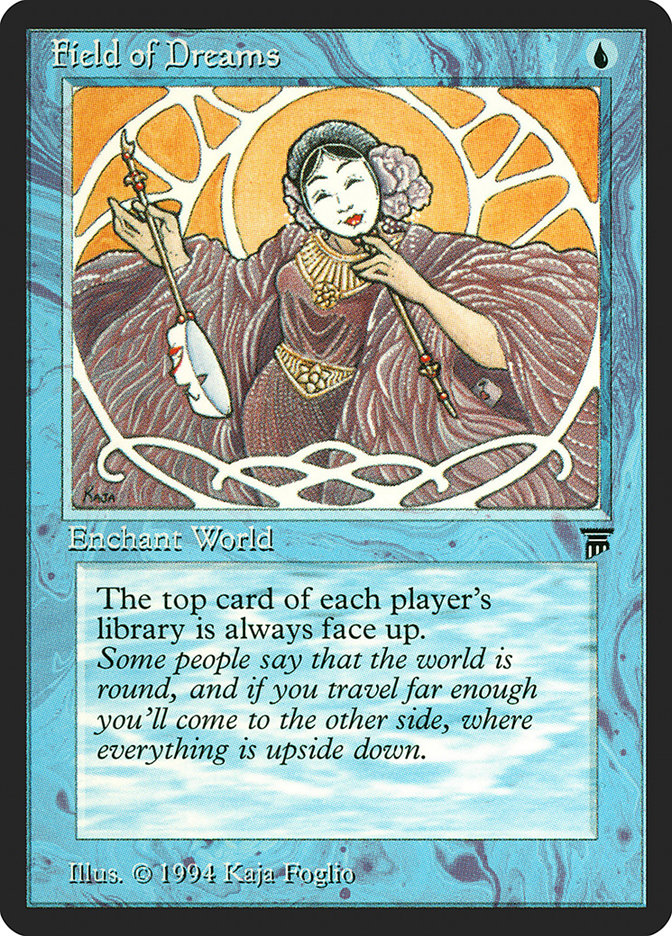
At first glance, Field of Dreams looks like harmless table info, but it changes how people play almost immediately. When the next draw is public, attacks get more precise, deals get cleaner, and players think twice before tapping out. If you enjoy the Lantern style approach with Lantern of Insight, this gives you the same kind of leverage, especially when your deck can shuffle often or mess with the top card.
#25. Revelation
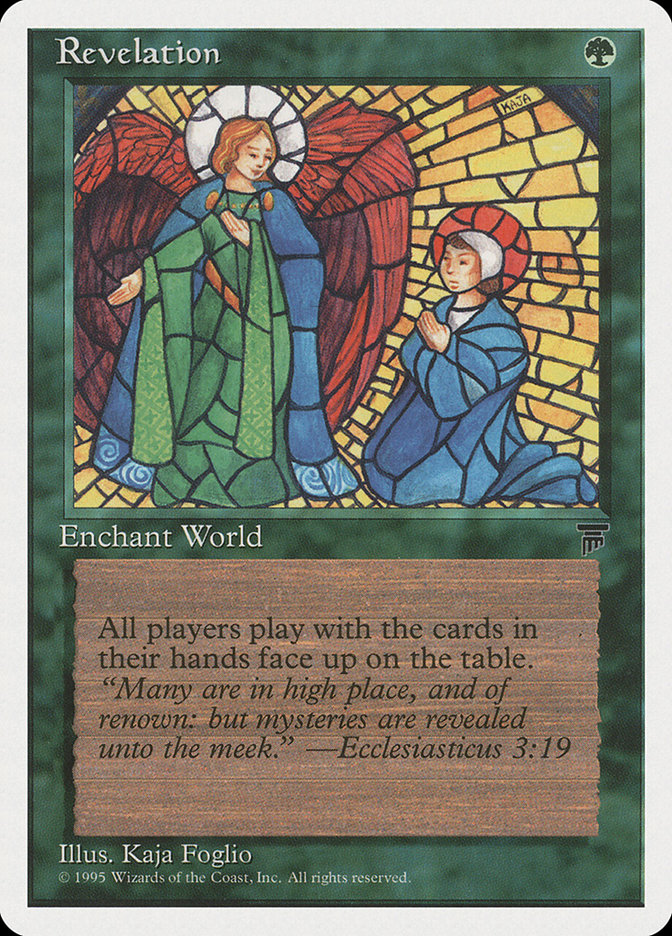
Revelation takes the mystery out of the game, which is exactly what control and prison decks want. It becomes easier to pick the right moment to commit a lock piece or go for a win because you can see who’s holding interaction and who’s just talking. It also makes politics feel sharper since bluffing gets a lot worse. The tradeoff is real, though, because everyone gets the same look at your hand.
#24. Storm World

If your plan is to squeeze hands down to nothing, Storm World turns that into real damage. It punishes the player with the fewest cards, so discard pressure stops being annoying and starts being a clock. Kroxa, Titan of Death's Hunger and Kefka, Court Mage are great at keeping opponents empty, and this makes that pressure matter every turn.
#23. Chaosphere
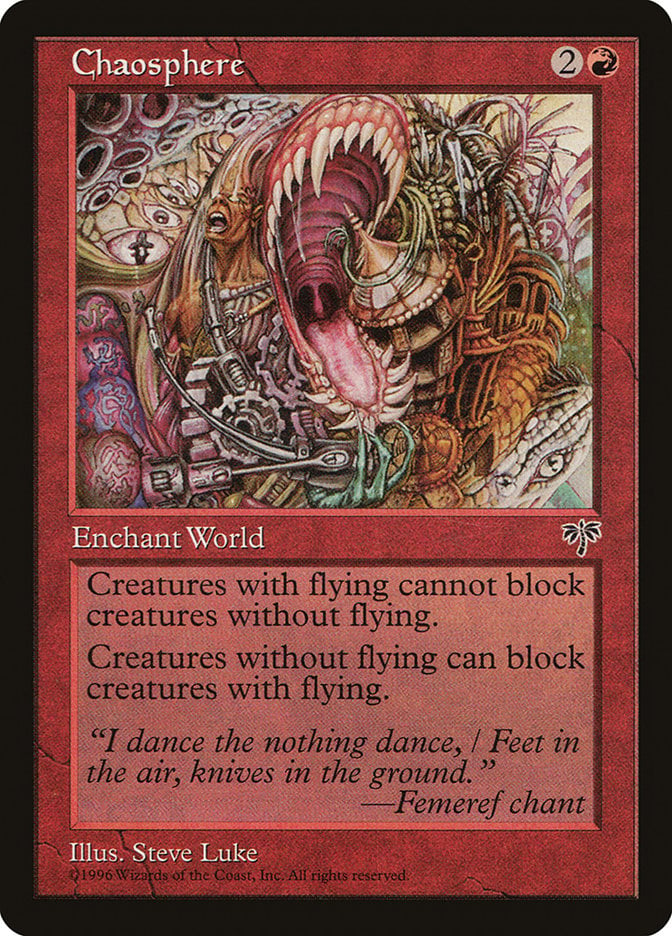
Chaosphere is a strange combat tool that does a lot of work without ever targeting a creature. It messes with evasion by making flying less reliable and by letting ground creatures feel like pseudo-spiders in combat. That’s huge when the board is full of airborne threats that usually ignore blockers. When flying is a constant problem, it can flip the whole combat step in your favor.
#22. Forsaken Wastes
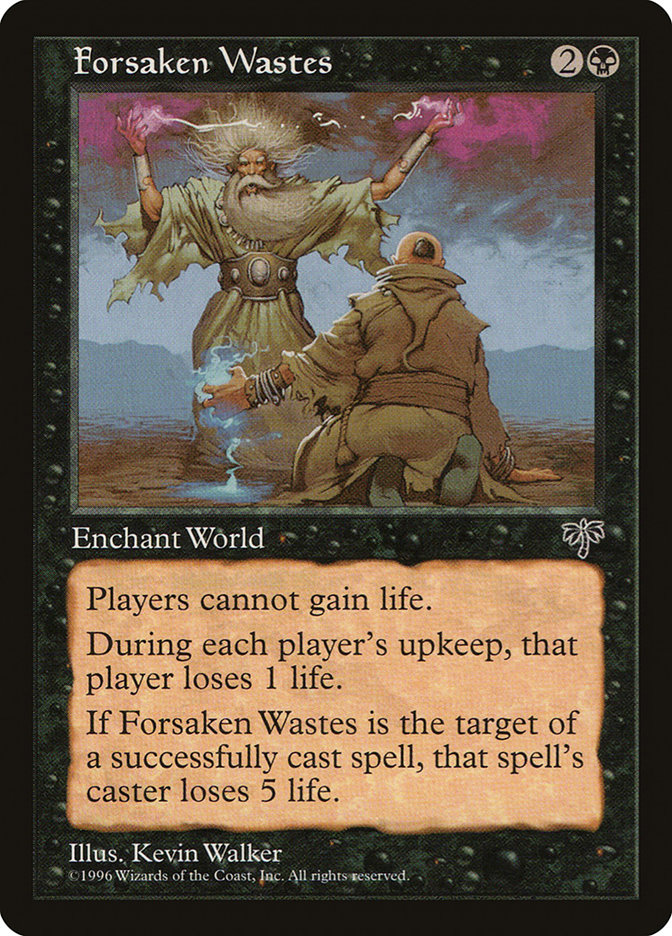
Lifegain strategies run into a wall with Forsaken Wastes, and it’s satisfying when that’s what your table needs. It keeps life totals moving down and shuts off the classic plan of climbing to a safe number and hiding there. On top of that, trying to remove it hurts, so players often hesitate instead of dealing with it right away.
#21. Gravity Sphere

Sometimes you just want flying creatures to stop stealing games, and Gravity Sphere is a blunt answer. It’s narrow, sure, but it hits hard when dragons and other evasive threats keep ignoring the ground.
#20. Mystic Decree

It feels like in the past, WotC had a rough time keeping flying creatures in check, and Mystic Decree is yet another card that hoses flying creatures by removing the keywork along with islandwalk. It drags threats back into normal combat, which makes blockers matter again.
#19. Serra Aviary

If you’re already all in on fliers, Serra Aviary is a simple 4-mana anthem that makes your air force hit harder right away. That extra point of power and toughness adds up fast when you chip people down turn after turn. The downside, like other world enchantments, is that it boosts opponents’ fliers, too.
#18. Hall of Gemstone
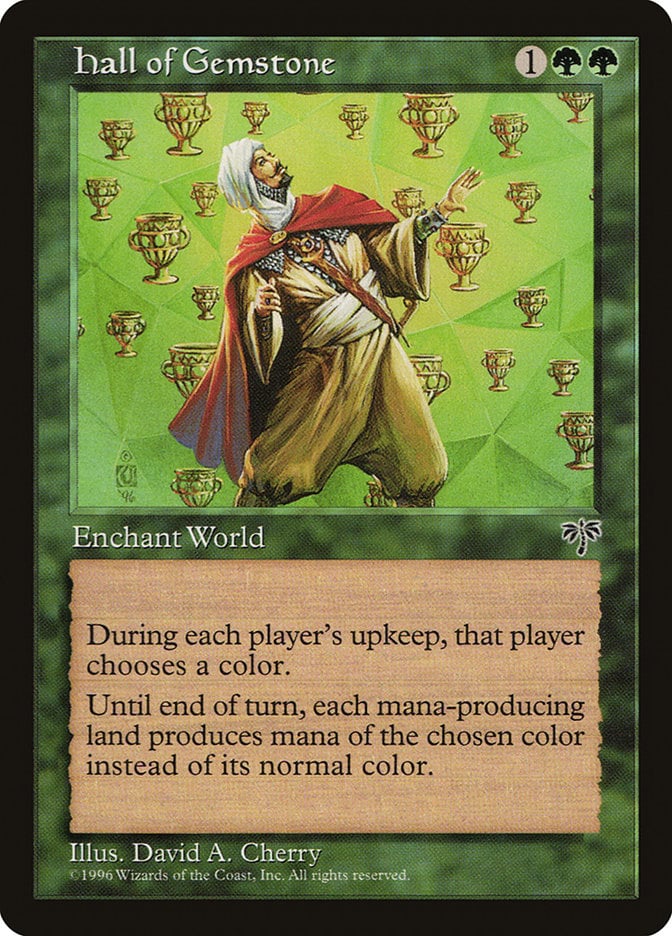
Hall of Gemstone is a quiet nightmare for multicolor decks that rely on perfect mana every turn. It forces awkward choices and messy sequencing, while mono-green commanders like Omnath, Locus of Mana keep playing like nothing happened. Over a few turns, those little stumbles add up into missed interaction and delayed plays. It’s not a hard lock, but it can feel like one if your table is full of greedy mana bases.
#17. In the Eye of Chaos
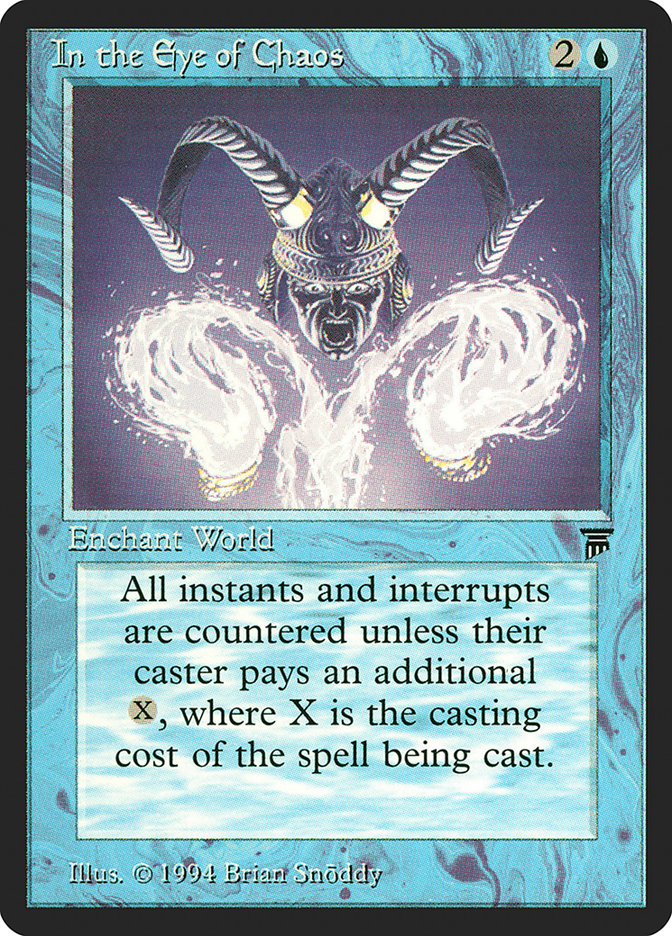
If your group loves playing at instant speed, In the Eye of Chaos makes that lifestyle expensive. Counterspells, removal, and combat tricks start to cost extra, which pushes reactive decks into tapping out more often than they want. That opens space for proactive decks to stick threats and actually move the game forward. The only warning is obvious: If your own list is packed with instants, it’ll tax you, too.
#16. Land’s Edge
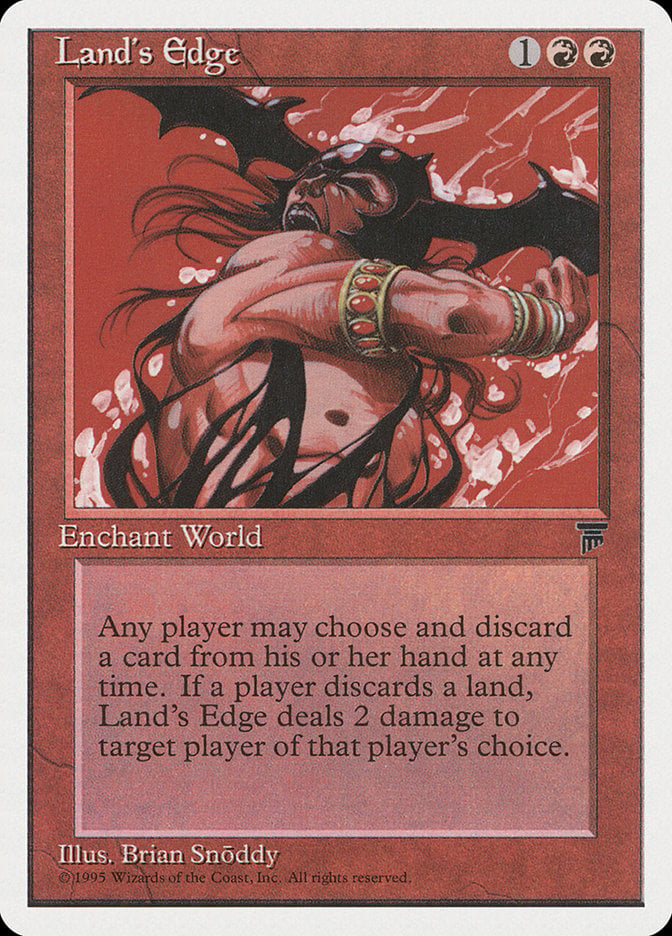
There’s a fun political edge to Land's Edge because any player can turn a land into damage. That makes it a great fit for land recursion shells, where pitching extra lands is basically free reach once cards like Crucible of Worlds or Life from the Loam are online.
#15. Teferi’s Realm
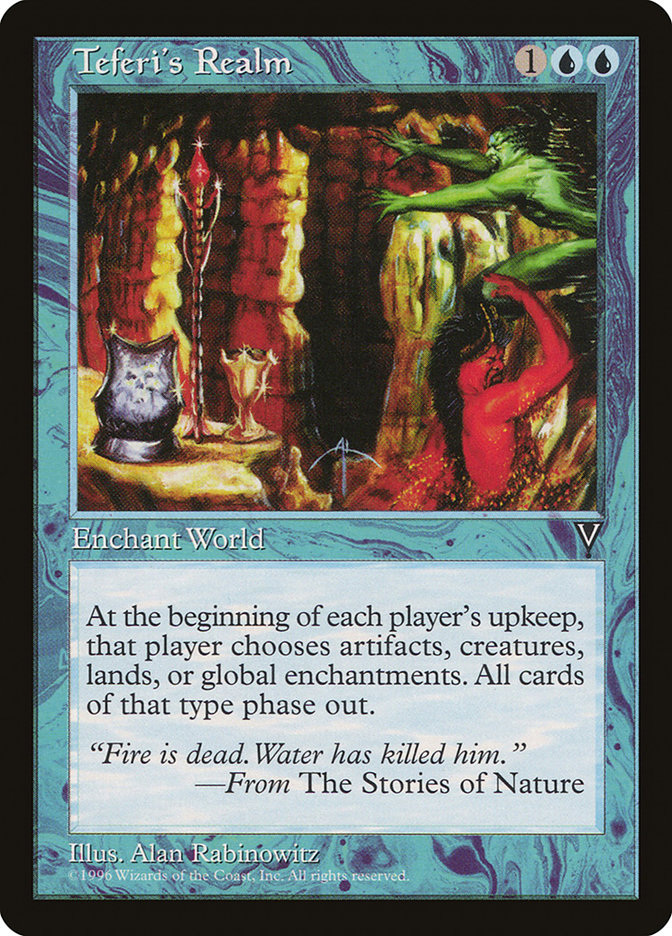
Teferi's Realm is for anyone who likes the game feeling a little unstable in a way you can plan around. Phasing out an entire permanent type each upkeep can blank threats, protect your key pieces, and keep opponents from ever settling into a normal board. It also has a super niche combo angle: With Mechanized Production on Ugin's Nexus, the upkeep triggers can loop into infinite turns by making a Nexus copy, using the legend rule to cash it in for an extra turn, then phasing the setup out and back in so it repeats.
#14. Winter’s Night
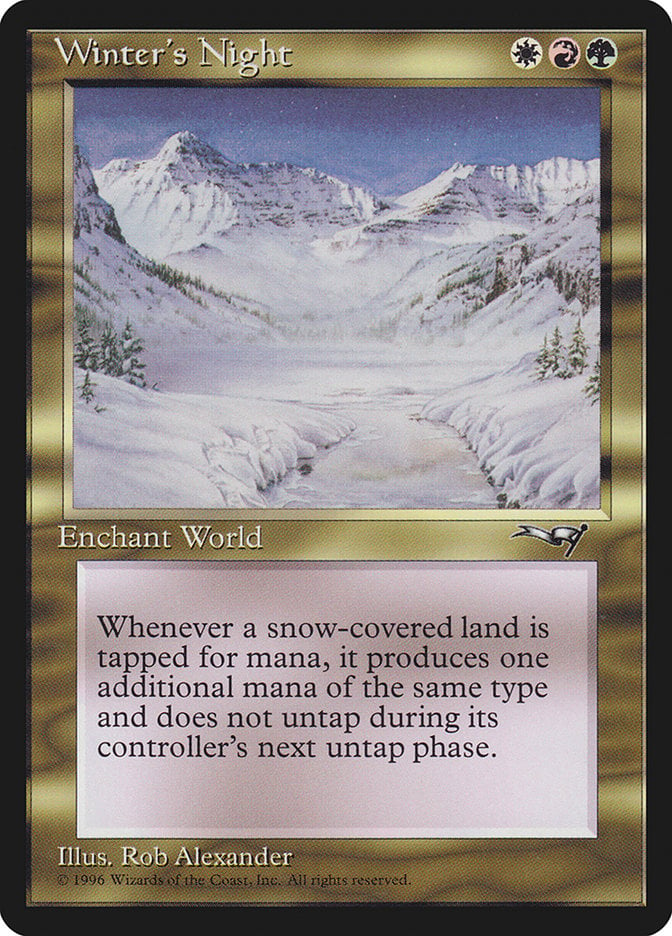
A big burst turn is the main reason to consider Winter's Night. Snow lands suddenly produce extra mana, so ramp lines get silly, but the delayed untap drawback makes it risky if the game drags.
#13. Arboria

Playing nothing on your own turn sounds silly, but Arboria makes it your whole gameplan. Decks that operate at instant speed or build a pillow fort without committing much can sit behind it and stay safe from random attacks.
#12. Caverns of Despair
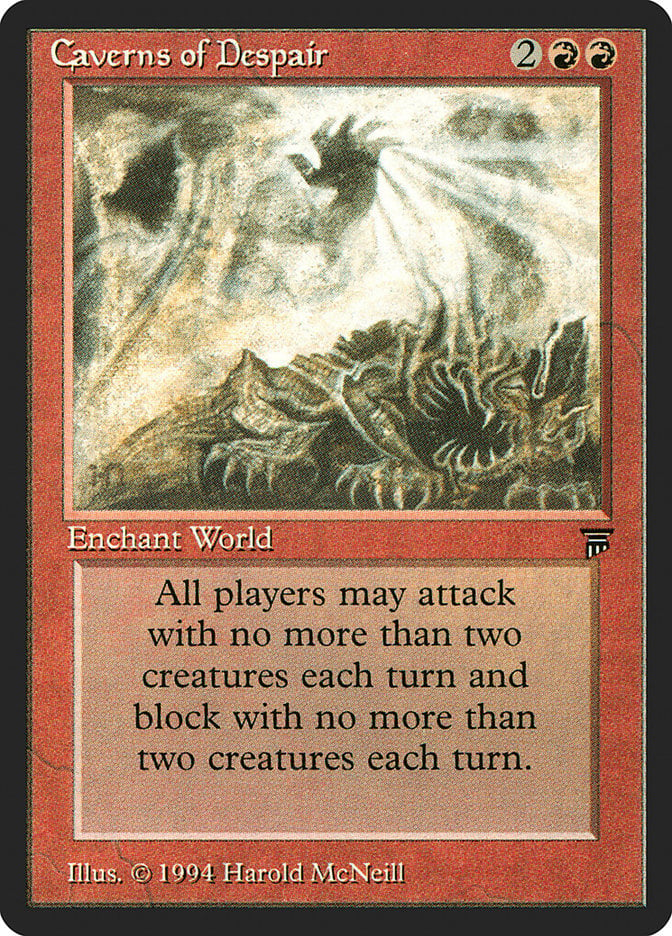
Caverns of Despair makes go-wide combat look embarrassing. Limiting attackers and blockers favors decks that win with one or two big bodies, especially Voltron and tall midrange commanders that already want clean combat math. It also makes crack back plans harder, because swarming is off the menu.
#11. Elkin Lair
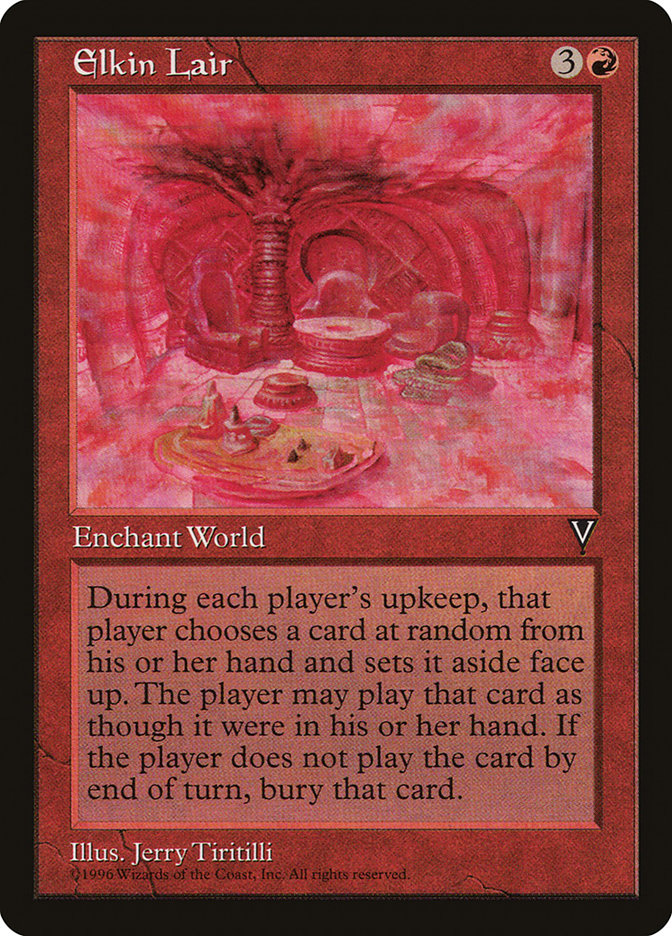
Elkin Lair is built for chaos decks. It basically forces you to cast the card you flip or risk losing it, which makes it really hard for anyone to sit back with a perfect hand and wait for the ideal moment.
#10. Eye of Singularity
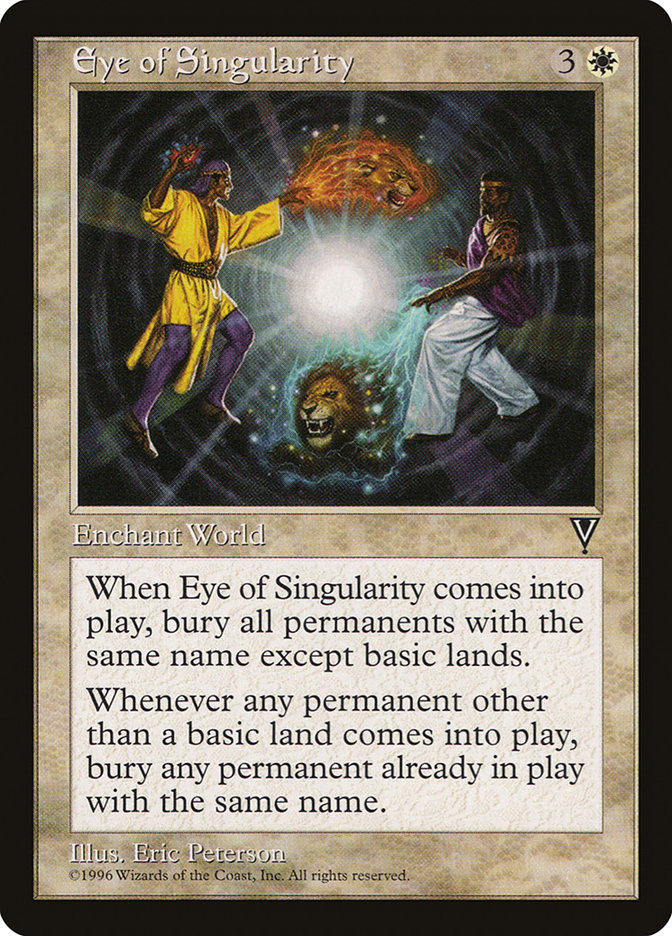
If your table is drowning in Treasures, Clues, Foods, and copy effects, Eye of Singularity can feel like a rude reset button. Repeated names are punished, so a lot of token-based value engines suddenly collapse into picking one and moving on. Stax decks like it because it slows the whole board down without pointing at a single player.
#9. Koskun Falls
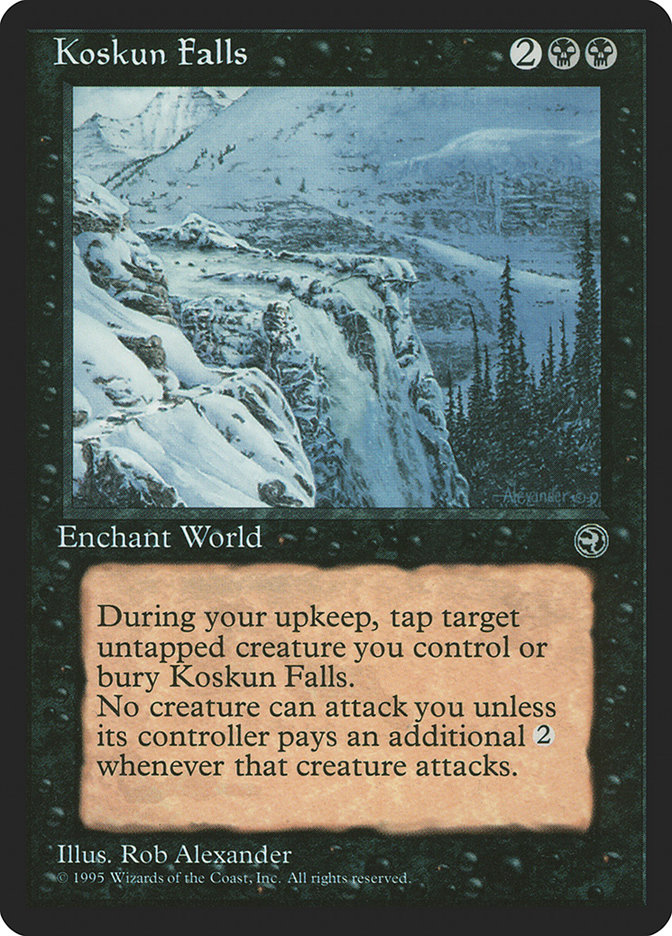
Koskun Falls is black’s version of Propaganda, and it plays better than it looks in decks with spare bodies. Token-makers like Bitterblossom or Bitterbloom Bearer make it easy to pay the upkeep cost.
#8. Living Plane
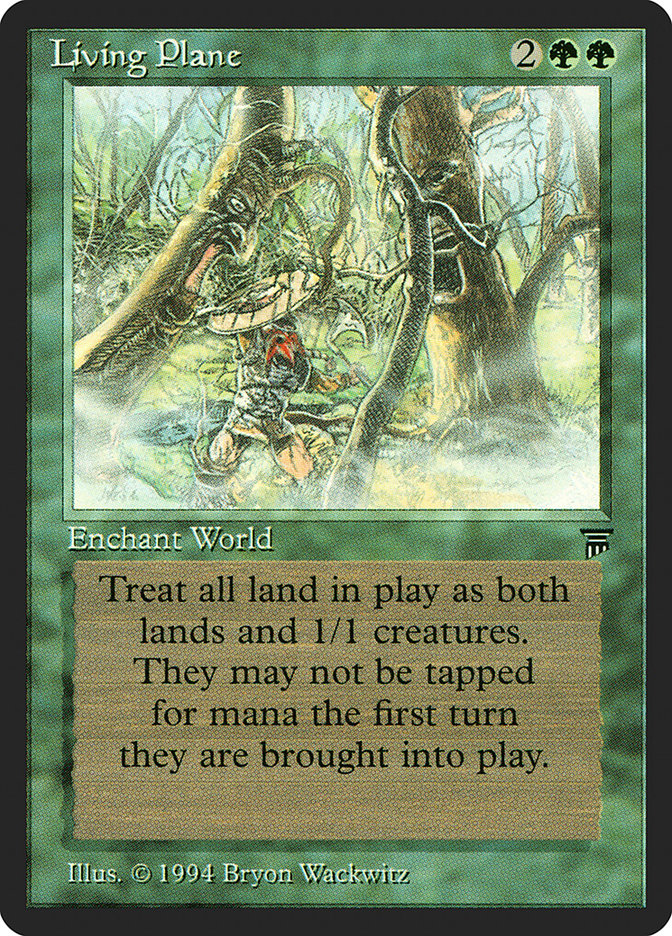
Nothing makes a table nervous quite like Living Plane, because mana bases become fragile the moment lands turn into 1/1 creatures. That opens brutal lines with sweepers and static debuffs like Elesh Norn, Grand Cenobite, since the negative anthem effect can wipe out opposing lands right away.
#7. Pillar Tombs of Aku
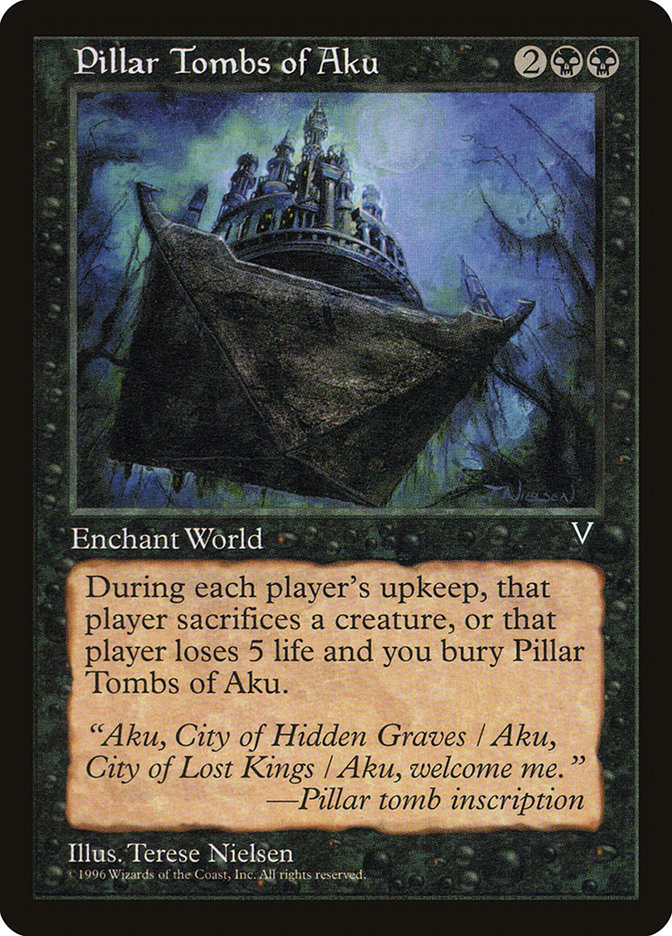
On paper, Pillar Tombs of Aku looks like a brutal tax, but it really comes down to whether your opponents have spare creatures to feed it. Token-heavy decks can often shrug and pay the sacrifice, so it shines more when boards are naturally thin, or when your deck can punish those sacrifices with extra value. If the table can’t keep bodies around, it turns into steady pressure that forces awkward turns and speeds the game up.
#6. Nether Void
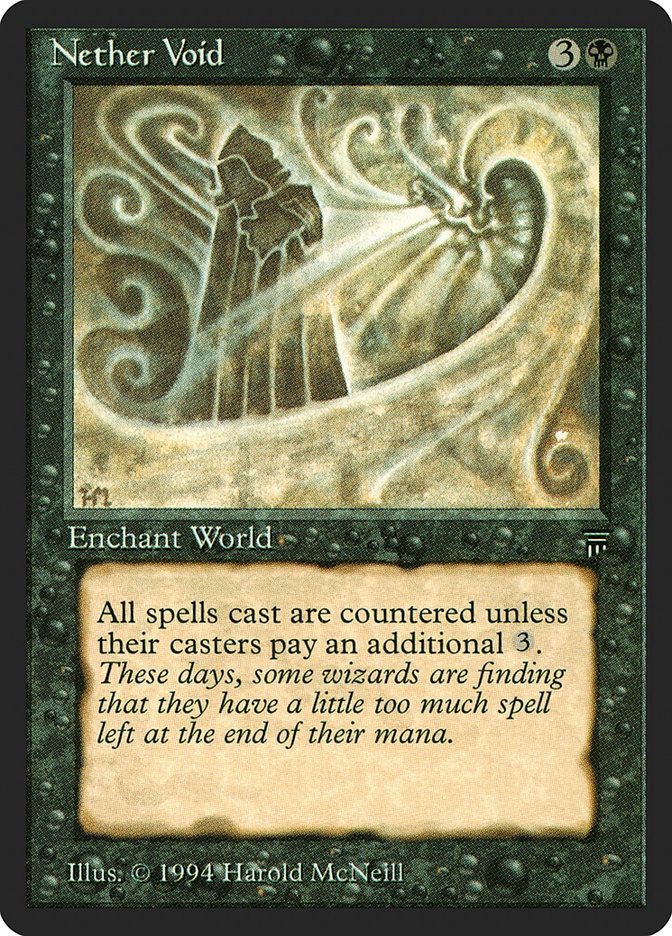
Stax commanders like Braids, Cabal Minion absolutely love Nether Void. The whole point is to make every spell feel overpriced, so if your deck is built with fast mana and cheap threats, you can keep moving while everyone else struggles to cast spells.
#5. Null Chamber
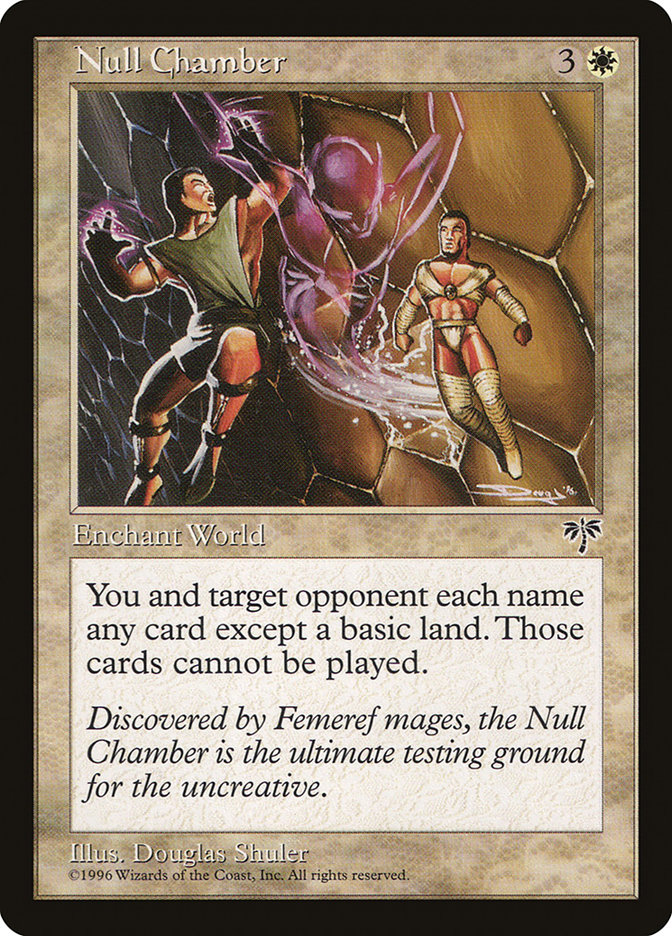
Leaning into politics, with Null Chamber you name a problem card, an opponent names a second, and suddenly two key tools are shut off until the Chamber is removed. It can stop combos, slow down value engines, or even name a commander in the right spot, but picking the right partner matters a lot. The best use is to make an agreement that hurts the biggest threat more than it hurts you.
#4. The Abyss
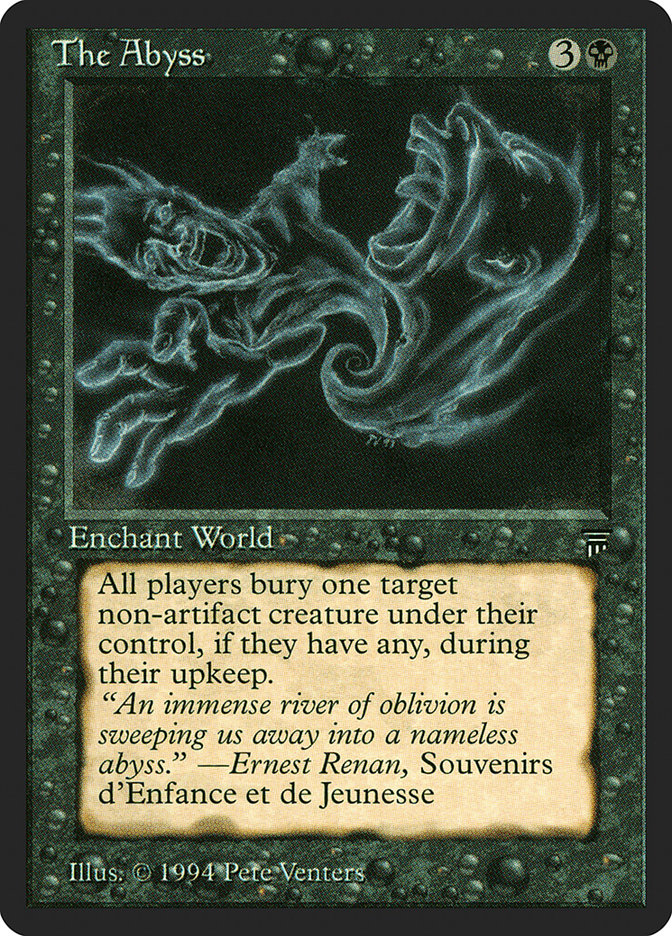
The Abyss is the kind of old-school control card that makes creature-heavy decks miserable over time. It keeps picking off nonartifact creatures every upkeep, so normal boards never get to stick around. This enchantment fits brilliantly with the likes of Tergrid, God of Fright or Mogis, God of Slaughter that double up on the same idea.
#3. Tombstone Stairwell
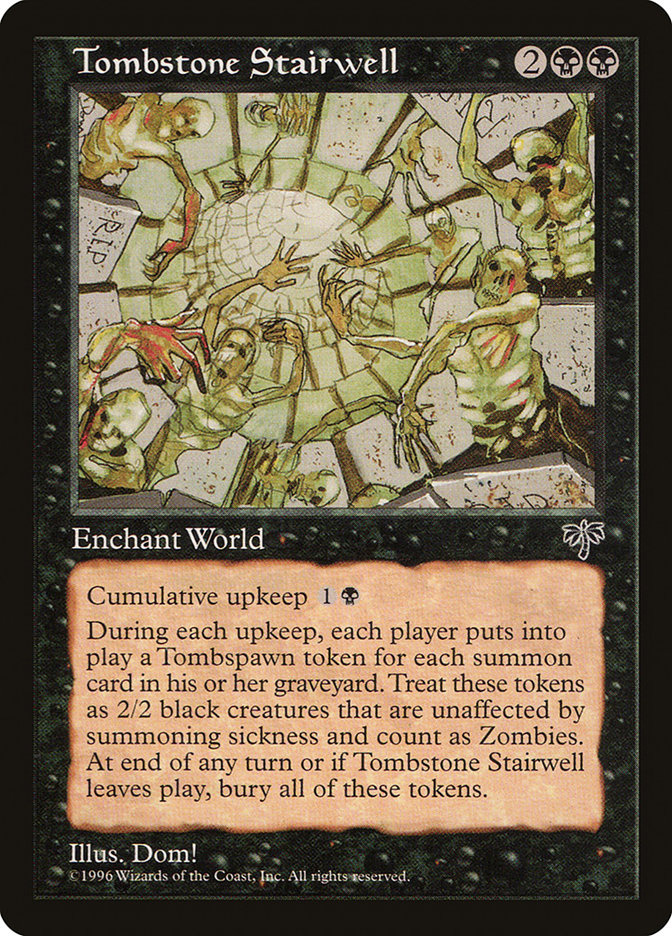
If death triggers are your love language, Tombstone Stairwell is a ridiculous finisher. It floods the board with hasty tokens based on the number of creature cards in your graveyard. Even though the tokens only last until end of turn, a stocked graveyard can set up lethal swings, and the real payoff is what happens after combat. When those tokens leave the battlefield, you get a huge wave of triggers for cards like Blood Artist or Sephiroth, Fabled SOLDIER, which can drain out the table and close the game fast.
#2. Bazaar of Wonders
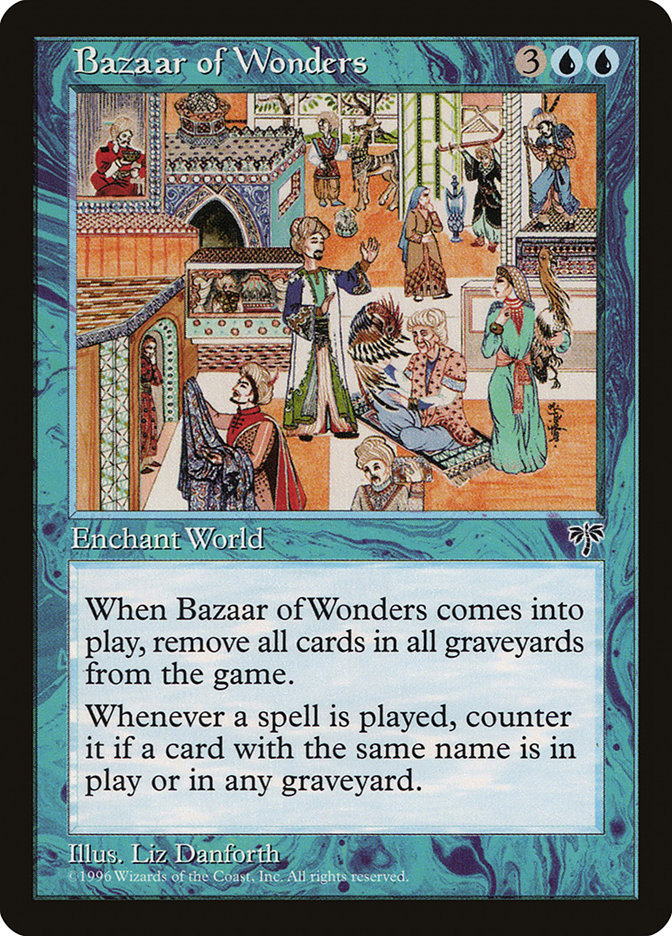
Bazaar of Wonders is basically graveyard hate mixed with a strange name check counter effect. When it enters, it clears out all graveyards. After that, whenever a player casts a spell, it checks whether a card with the same name is already sitting in any graveyard or on the battlefield. If there is, it counters that spell. It can randomly shut off common staples in groups where lots of decks overlap on card choices.
How strong it feels depends a lot on your meta. In theme-heavy pods where everyone plays different cards, it can be fairly quiet. In staple-heavy pods, it can feel brutal out of nowhere. And if you want the really niche lock angle, Spy Kit is the trick: With it attached to a creature you control, Bazaar can end up countering basically every nonlegendary creature spell because your creature shares names with everything.
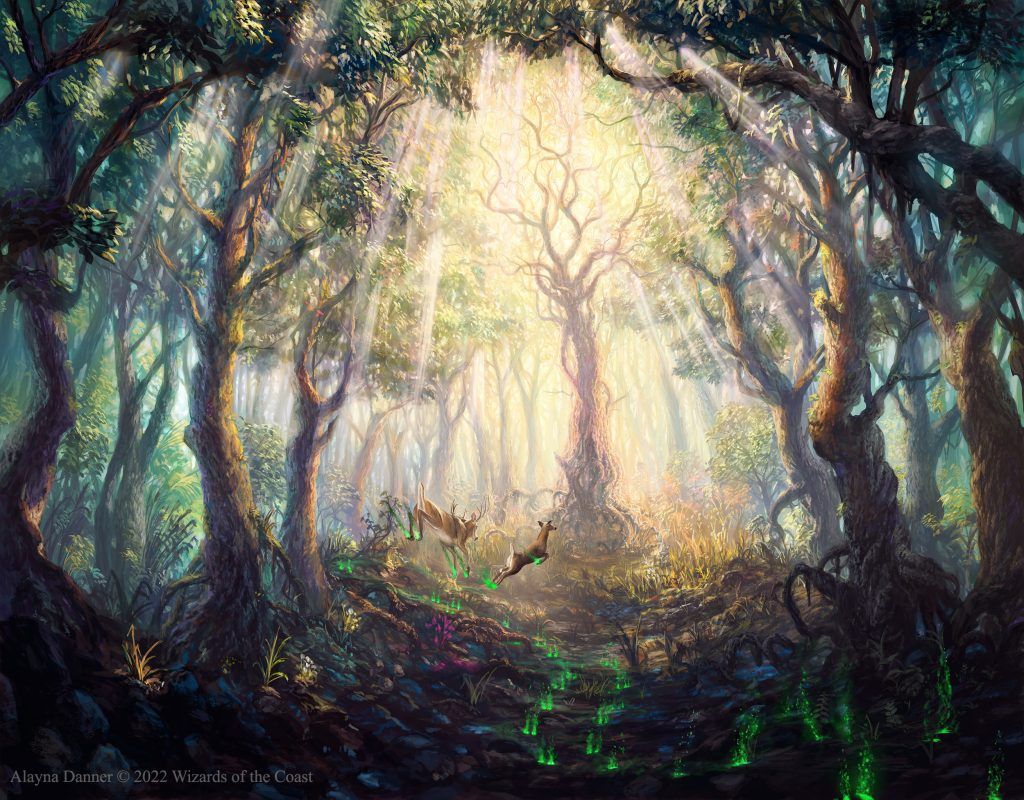
#1. Concordant Crossroads
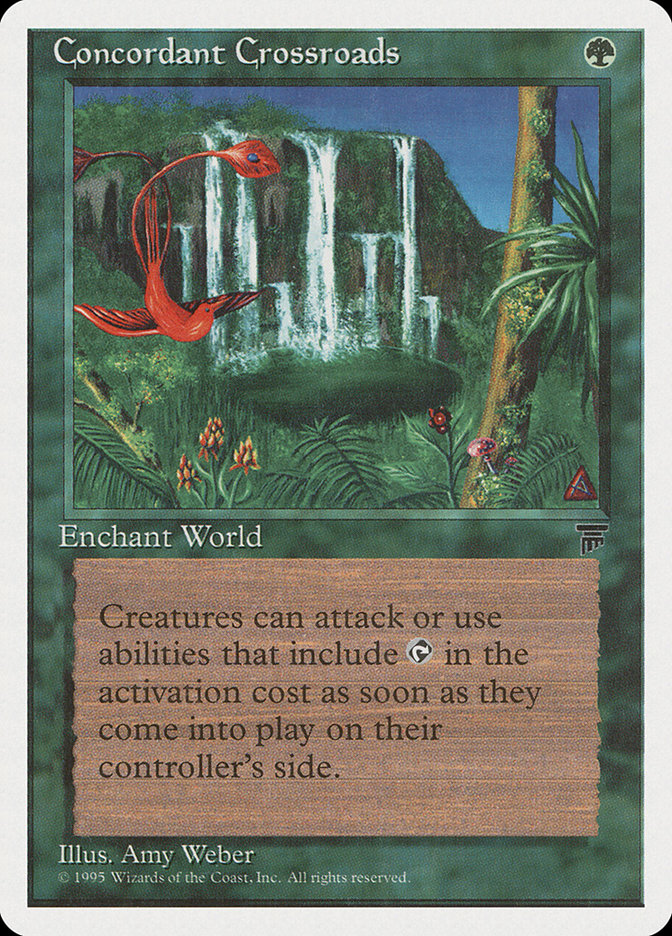
Giving everything haste with Concordant Crossroads is a huge deal for creature combo piles and green decks that chain mana dorks into a finisher, because your board starts doing work immediately. A great example is running it with Titania, Protector of Argoth, where it lets you make multiple 5/3 elementals in a turn and swing right away instead of passing and hoping nobody wipes you. It also shines in elfball, since cards like Priest of Titania can tap for a huge burst of mana the moment it hits the table. That said, the symmetry is a bit of a drawback, because opponents get the same haste boost, so it’s at its best when you plan to explode first and close the door fast.
What Is the “World Rule” in MTG?
The world rule is a state-based action: If two or more permanents with the world supertype are on the battlefield, only the newest one stays, and the rest are put into their owners’ graveyards (if there’s a tie, they all go). No one gets a “response window” before that cleanup happens. It’s similar to the legend rule in the sense that both are automatic cleanups the game enforces, but they work differently: The legend rule only checks legendary permanents with the same name that a single player controls, and that player chooses what stays, while the world rule is table-wide, ignores names completely, and simply lets the newest world permanent “overwrite” the older one.
What Sets Have World Enchantments?
The following sets include original printings of world enchantments. Some world enchantments have been reprinted, but those sets are excluded here:
Has the World Card Type Been Removed?
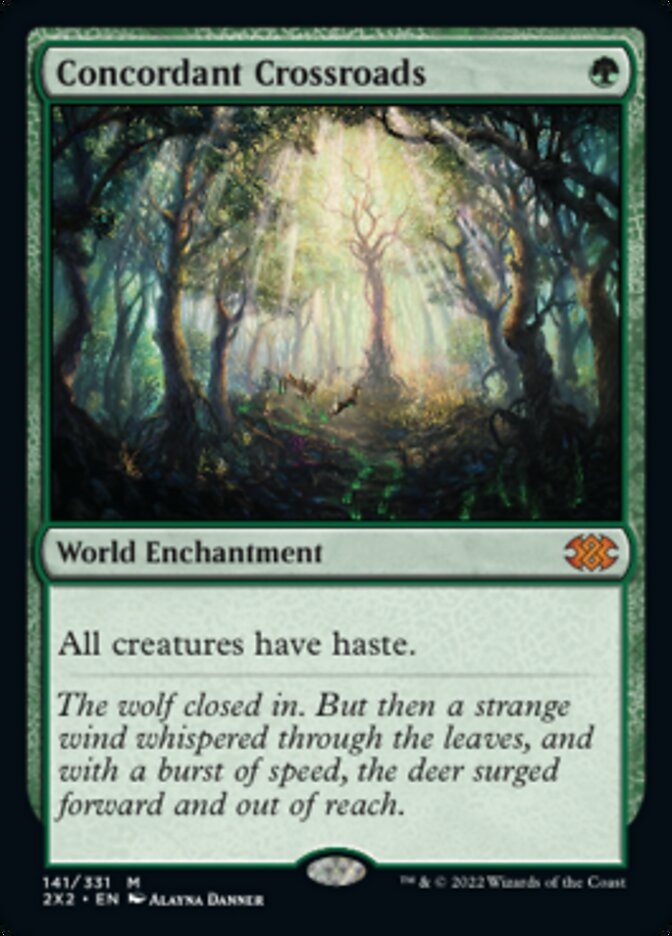
No. “World” was never a card type to begin with. It’s a supertype, and the rules still support it, including the world rule that tells the game what to do when more than one world permanent is on the battlefield. Wizards no longer use the world supertype on brand-new designs. You can tell it’s still around, though, because modern reprints still print “World Enchantment” in the type line, like Arboria in Dominaria Remastered and Concordant Crossroads in Double Masters 2022.
Why Doesn’t Magic Make World Enchantments Anymore?
Wizards dropped world enchantments mostly because the mechanic added rules complexity without adding enough fun gameplay. It also comes with a built-in bad feel: Your “global enchantment” has an automatic self-destruct clause if someone plays a newer one. Mark Rosewater has also said they’ve been retired for years and shouldn’t be expected back soon.
Is World a Card Type for Delirium?
Nope. Delirium cares about card types in your graveyard, and “world” is a supertype, not a card type. A world enchantment still only counts as an enchantment for delirium purposes, but not a bonus type.
Can Atraxa, Grand Unifier Pick Up a World Enchantment?
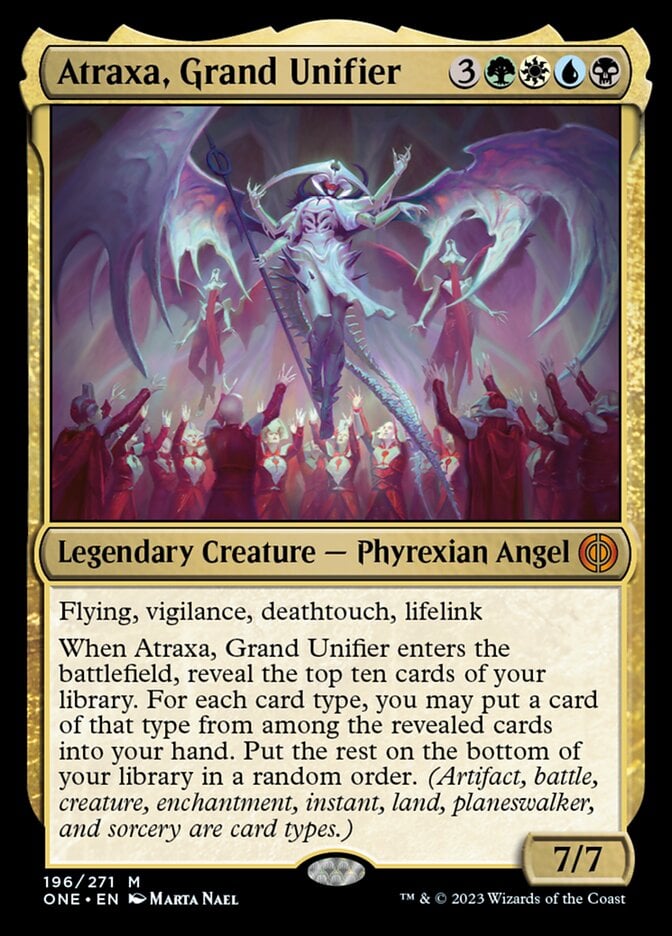
Yes. Atraxa, Grand Unifier cares about card types, and a world enchantment’s card type is still enchantment. “World” doesn’t count as an individual type, so Atraxa can take a world enchantment as the enchantment pick from the 10 revealed cards, but can’t then take another enchantment as well.
Wrap Up
Concordant Crossroads | Illustration by Alayna Danner
After digging into what these cards actually do, I think I get what Wizards was going for. World enchantments are basically a battlefield scenario, something that shifts the rules of the game and ends up buffing or nerfing certain strategies while adding extra layers to how a match plays out.
What do you think? Would you like to see world enchantments come back someday, or are you happy sticking with the global effects we already have? Let us know in the comments or on the Draftsim Discord.
Thanks for reading. If you enjoyed the article and want more lists like this, follow us on social media so you never miss a post.
Take care, and see you next time.
Follow Draftsim for awesome articles and set updates:










Add Comment