
Last updated on April 28, 2026

Elas il-Kor, Sadistic Pilgrim | Illustration by G-host Lee
Throughout history, the aristocracy and other ruling classes have kept their power and control by exploiting their subjects or those who are beneath them in the social scale. The aristocracy wasn’t (and to some degree still isn’t) a social class that you could buy your way into. It doesn’t matter how much money you had: If you weren’t born within the aristocracy or managed to marry your way into it, you’d remain beneath them.
If you’ve always wanted to hold the kind of power that allows you to benefit from the suffering of those you deemed inferior, Magic has a really fun archetype for you!
What Are Aristocrat Commanders in MTG?

Liesa, Forgotten Archangel | Illustration by Dmitry Burmak
Aristocrats is a Magic archetype that benefits from sacrificing your own creatures, or just their deaths in general. This strategy usually has to have three kinds of cards: sacrifice fodder like Doomed Traveler or Reassembling Skeleton are ideal thanks to their abilities; sacrifice outlets like Phyrexian Altar or Carrion Feeder allow you to sacrifice your creatures when you need to; and the aristocrats themselves, with cards like Pitiless Plunderer and Pawn of Ulamog with abilities that trigger whenever your creatures die, allowing you to benefit from your sacrifices.
There are plenty of cards in the archetype that serve more than one purpose, like being able to sacrifice themselves for a payoff or by being both sacrifice outlets and payoffs. Some cards within this archetype can also have reanimator-style effects to allow you to keep benefiting from your sacrifice fodder.
Aristocrat commanders usually enable this strategy by either being sacrifice outlets in some way or by having sacrifice-related payoffs. Or both.
The specific purpose of commanders in this archetype can vary. Some of them act exclusively as payoffs or ways to improve your other payoffs; some can be sacrifice outlets; and some are simply enablers for the rest of your deck.
#36. Lagomos, Hand of Hatred
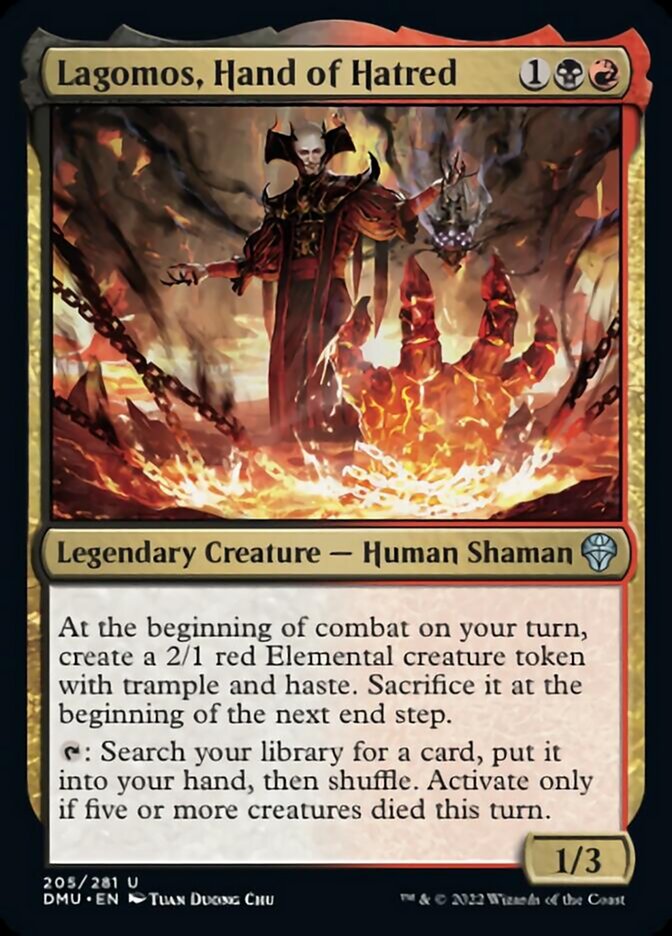
Lagomos, Hand of Hatred is an uncommon legendary creature and it shows. It’s abilities are just okay. Its passive ability is fine and can be useful in sacrifice-centric decks, but it’s the second ability that both gives this card points and takes them away.
Having a repeatable tutor on a stick can be great. The issue is it’s not very repeatable, and the requirement of five creatures having died that turn can be pretty high. An aristocrat strategy can obviously enable the ability, but it’s still an uphill struggle to truly optimize this commander.
I do have to give it some extra points for its name reminding me of the movie Manos, the Hands of Fate, and I wonder if it was on purpose. I choose to believe it was.
#35. Ellie, Vengeful Hunter + Joel, Resolute Survivor


Let’s throw an aristocrat partner combo in here for good measure. Ellie, Vengeful Hunter and Joel, Resolute Survivor create a Jund (BRG) aristocrat combo with outlet and payoffs. With Ellie, you can use your life and a sacrifice to deal direct damage and provide protection. Joel then benefits from the sacrifice with +1/+1 counters and card draw. It might not be the most cost-effective to pay for and set up two commanders on the battlefield, but it's definitely a cool aristocrat partnership with some fan-favorite characters.
#34. Super Shredder

Super Shredder is a cheap mono-black commander that grows to an extreme size through an aristocratic method. This commander doesn’t need to be in a sacrifice deck to be good, but it can fit the mold. Instead of focusing on dying triggers specifically, Super Shredder gets its pump through permanents leaving the battlefield. This can be through your own sacrifice or simple removal. This may be a better card in the 99, but nonetheless, it greatly benefits from all the aristocratic strategies present in Commander.
#33. Liesa, Forgotten Archangel
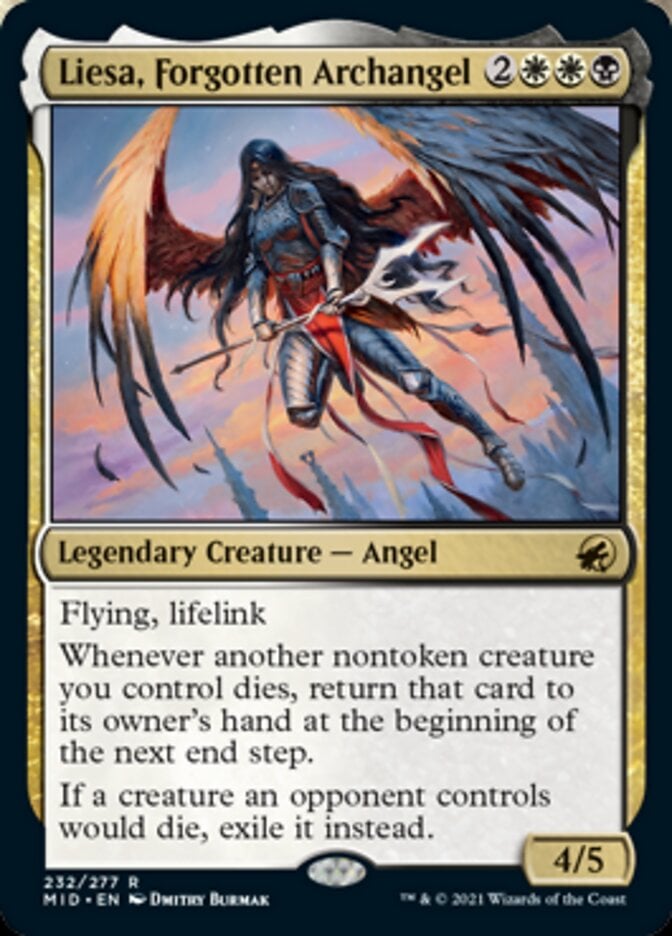
I’d rather have Liesa, Forgotten Archangel in the 99 instead of as my commander. This card lets you keep bringing back your sacrifice fodder to your hand while also exiling any of your opponents’ creatures that die.
Both abilities on this card are great, but I think there are better mana value-to-ability ratios for commanders in this archetype.
#32. Syr Vondam, Sunstar Exemplar

Syr Vondam, Sunstar Exemplar is often a piece of a larget puzzle, but why not make it the leader? With some consistent sacrificing, this ultra-cheap Orzhov commander () works as great nonland permanent removal. This doesn't have to be played exclusively as a sacrifice card either; the ability works just as well with blink effects.
#31. Savra, Queen of the Golgari
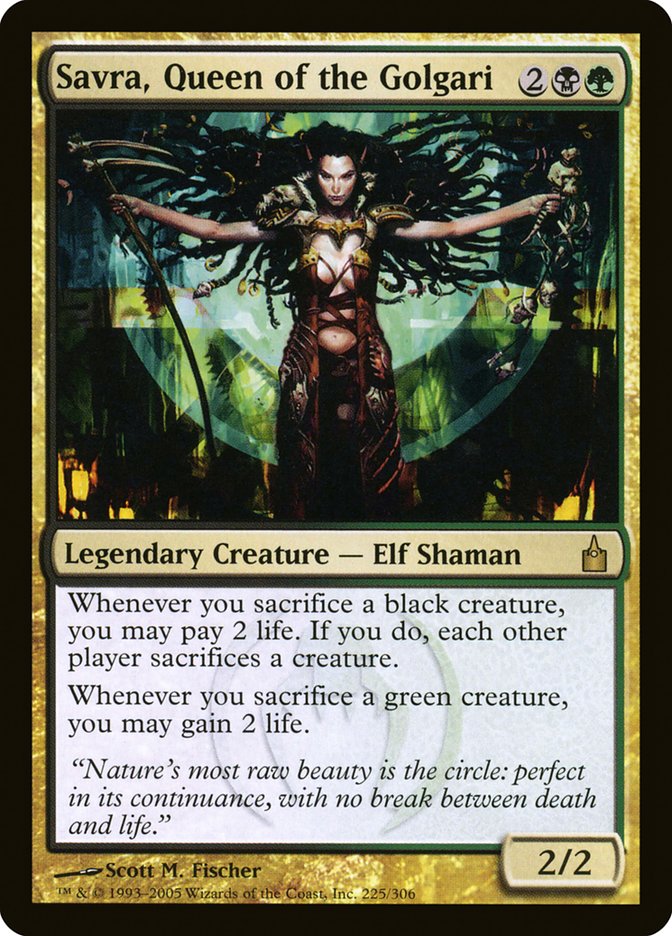
Savra, Queen of the Golgari is an absolute classic aristocrats card. Both of its abilities work through the sacrifice of your own creatures and can trigger to either benefit yourself or damage your opponents.
Beyond how iconic this card is, it’s somewhat fallen behind in terms of power level and usefulness. It’s far from a bad card, but you’re likely to find better commanders within this archetype.
#30. Braids, Arisen Nightmare
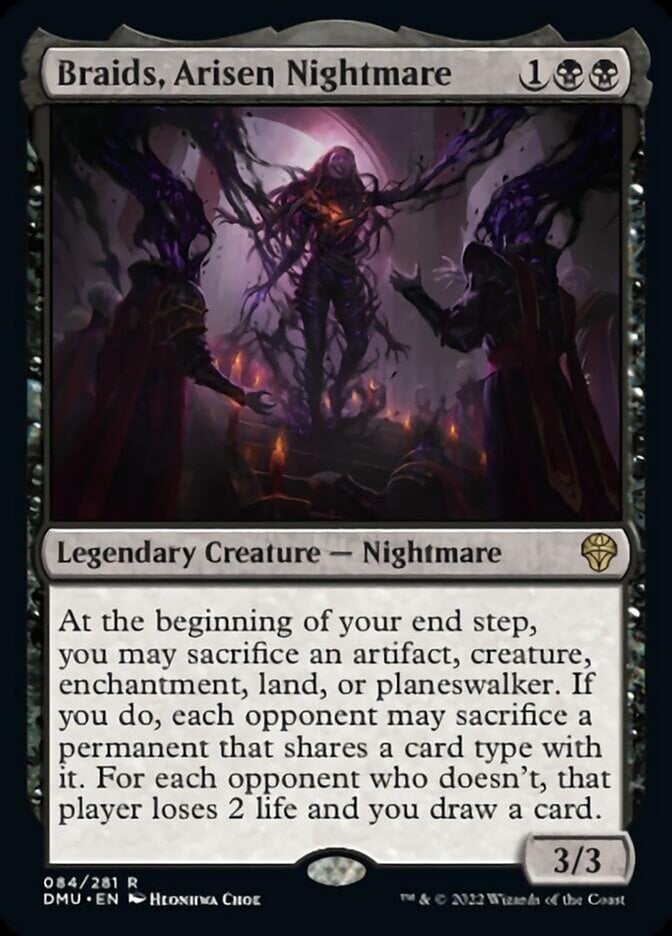
The ability on Braids, Arisen Nightmare is a fun throwback to the original Braids, Cabal Minion. That one's currently a Game Changer in Commander, but Braids, Arisen Nightmare isn’t and can prove to be a fun little card.
I’d advise using it as part of the 99 and not as your commander, though. While its effect is fun and powerful, its payoff isn’t as good as other possible commanders for this archetype. This is mostly because this card’s effect can only be used during your end step, so it’s not as flexible as it could be.
#29. Sméagol, Helpful Guide

Sméagol, Helpful Guide kinda has a similar issue as Braids, Arisen Nightmare: Its main aristocrats-related ability only works at the end of the turn.
That said, it’s still a fun ability, especially when paired with its second one. You can build Sméagol, Helpful Guide around a mix of aristocrats and The Ring tempts you, which can make for some silly (but fun) gameplay.
#28. Wilhelt, the Rotcleaver
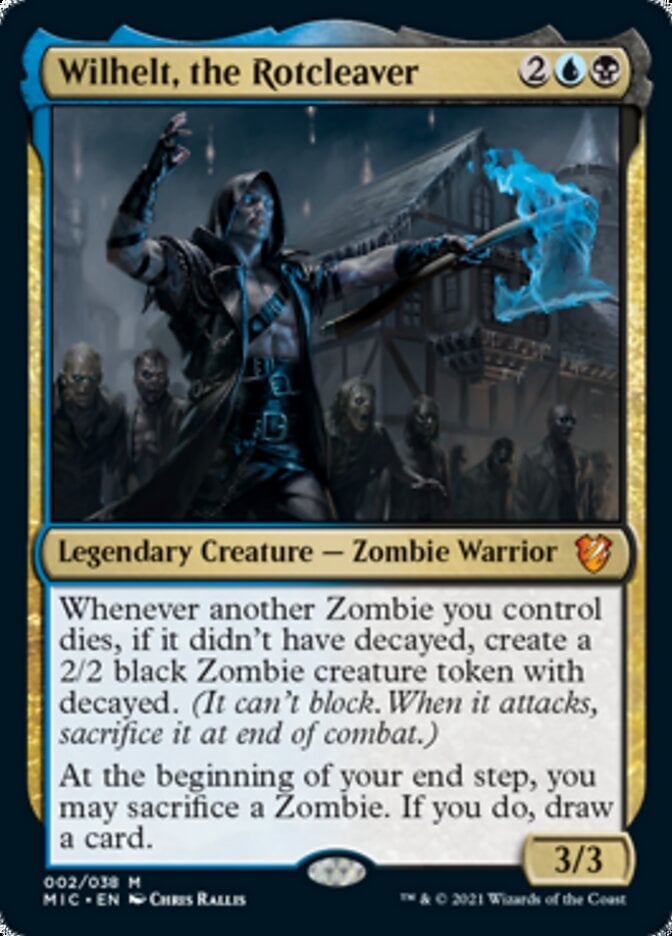
With a design that looks straight out of Tetsuya Nomura’s mind (seriously, why does Wilhelt need so many belts?), Wilhelt, the Rotcleaver is a really fun typal commander for zombies. And if there’s two thing zombies are good at, it’s dying and not staying dead.
This card can be used to build a pretty fun zombie-aristocrats deck that consistently keeps your battlefield filled with undead while also granting you some nice card advantage. It only works with zombies, which makes it pretty much useless in other aristocrat builds, but it’s still a fun card in its own little niche.
#27. Slimefoot and Squee
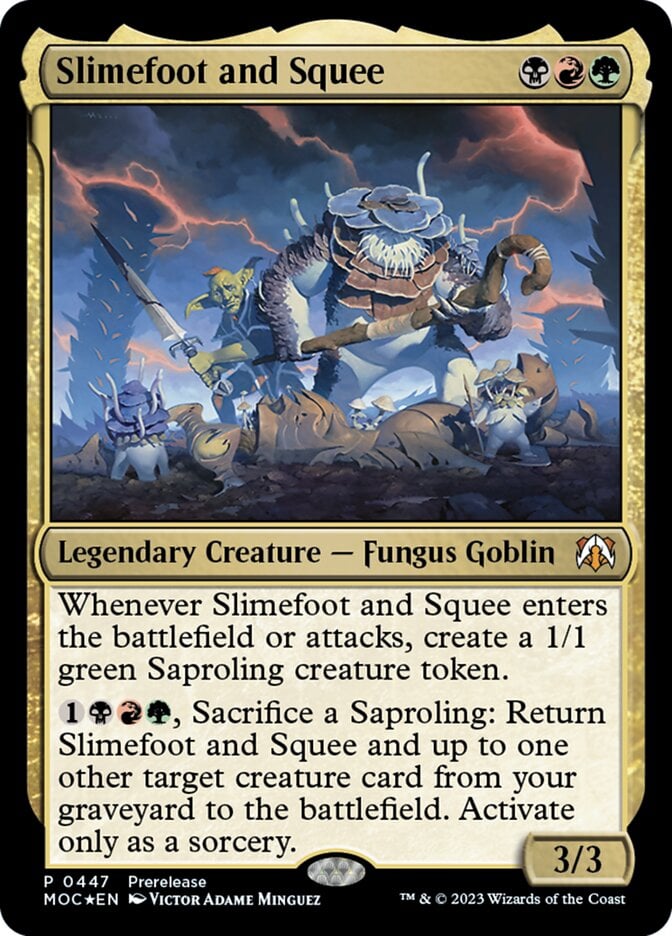
Slimefoot and Squee honestly makes it onto this list because of its combos. If you pair it with Pitiless Plunderer, any other nontoken creature, and either Ashnod's Altar or Phyrexian Altar, you can enter an infinite sacrifice and reanimation loop.
While these possible combos are obviously great, that’s essentially the best Slimefoot and Squee has to offer for an aristocrat strategy. This would be a better commander for a reanimator type of deck, but it can still work if you’re set on building aristocrats around it.
#26. Felothar, Dawn of the Abzan

There are only a few Abzan commanders on this list, but it’s a new dawn. Felothar, Dawn of the Abzan is a cheap sacrifice commander that turns your fodder into mass pump, and it's such an easy commander to build around. Get some fodder like the tokens Ophiomancer makes, some counter doublers or counter benefits like Hardened Scales or Abzan Falconer, and attack away.
#25. Bane, Lord of Darkness

I find Bane, Lord of Darkness fun to build around, albeit a bit weird. It has some very specific requirements for its abilities, which limits (or at least heavily informs) the way you build the deck around it.
Sadly, its abilities’ particularities make it a bit too complex to properly build a more functional deck, which leaves it here on the list. But it’s still a really fun card nonetheless.
#24. Garna, Bloodfist of Keld
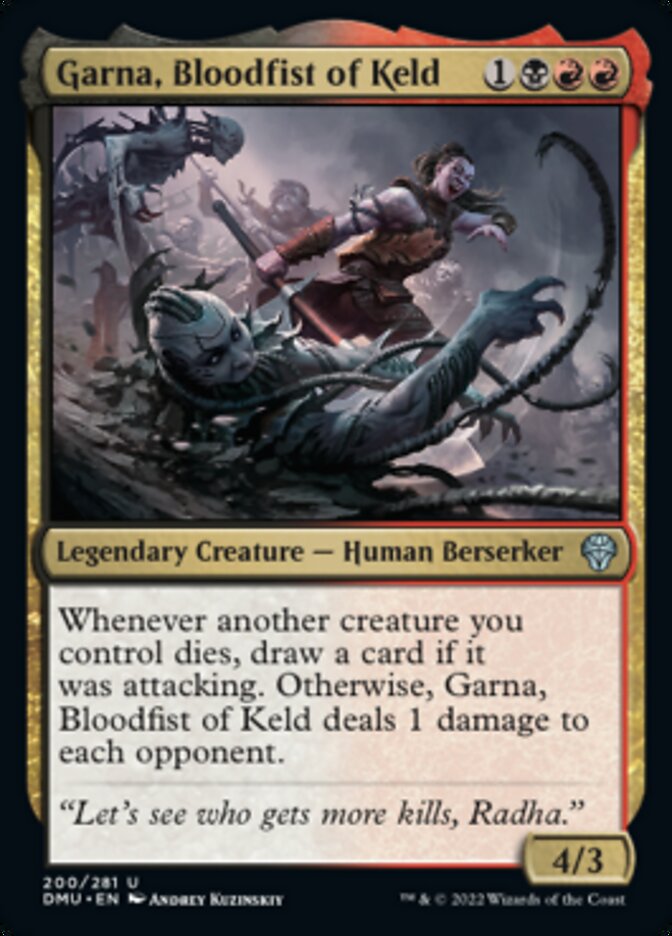
Garna, Bloodfist of Keld can work really well with token-heavy aristocrat decks. Its ability can net you a nice amount of card draw whenever you need it while also working as a great way to ping your opponents.
Since this ability triggers when your creatures die in any way, you can sacrifice your creatures to any sac outlet you may have, which in an aristocrats deck should be plenty. This card could probably work better as part of the 99 in a few decks, but it can make for a fun, more aggressive aristocrats deck.
#23. Szarel, Genesis Shepherd

Szarel, Genesis Shepherd mixes land-sac and creature-sac. The huge upside here is sacrificing lands like Fabled Passage, playing it from the graveyard, and pumping creatures on each of your turns. Mix this with great sacrifice outlets like Korvold, Fae-Cursed King, and you should trigger Szarel multiple times a turn.
#22. Athreos, God of Passage
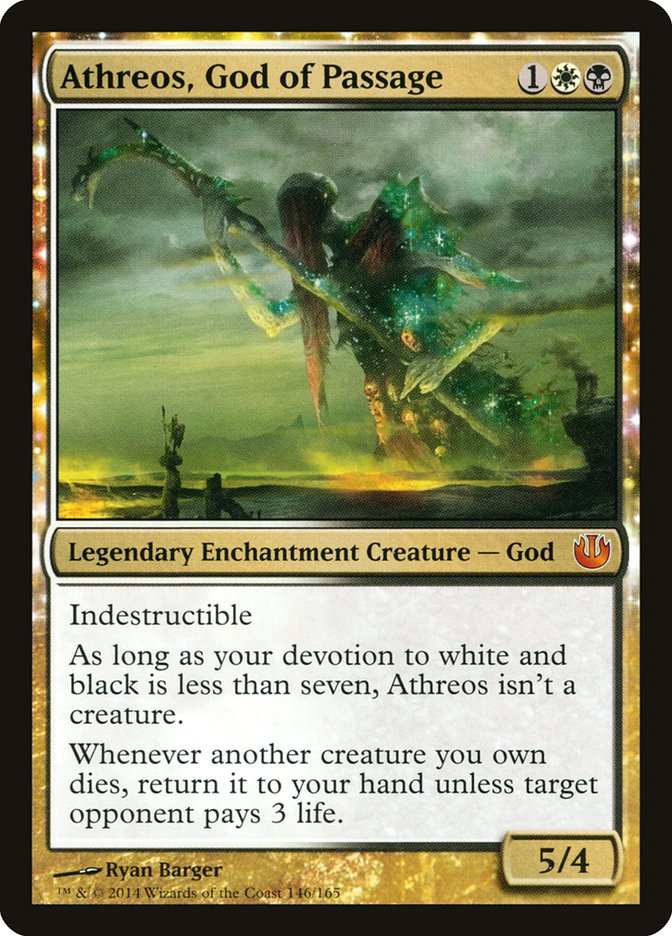
Athreos, God of Passage has a simple but extremely effective recursion effect. It ensures your non-token creatures keep coming back to your hand unless your opponents choose to lose a pretty significant amount of life. It’s also worth noting that this card’s ability doesn’t stop your creatures from entering the graveyard; it just causes them to leave it instantly.
#21. Raphael, Fiendish Savior

Anyone who’s already read anything by me (or knows me IRL) knows Rakdos is by far one of my favorite color combinations in MTG. I’m a fan of its mechanics but also its impossibly edgy aesthetics. Raphael, Fiendish Savior is a really nice mix of both of those things.
This card’s second ability makes it a fairly decent commander for an aristocrats strategy, and combining that with Rakdos’s penchant for sacrificing things, you’re gonna be building a devilishly big army in no time (pun intended).
#20. Eddie Brock / Venom, Lethal Protector


This Jund transforming commander is vulnerable to lots of timing interactions and may be a burden on your curve, but the payoffs can be huge. You can get Eddie Brock out early to recuperate one of your small sacrificed creatures. Once transformed, Venom, Lethal Protector is a sacrifice outlet that draws cards and cheats creatures onto the battlefield. The major downside is removal between casting Eddie Brock and transforming, but this is an MDFC that you can run out on the back half if you want to skip Eddie Brock entirely.
#19. Henzie “Toolbox” Torre
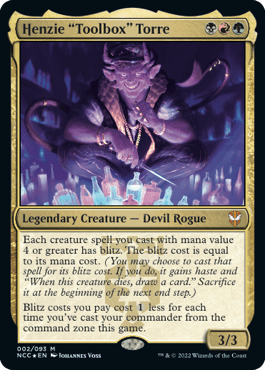
I find Henzie “Toolbox” Torre’s abilities to play into some fun ideas. The more you recast it from your command zone, the easier it becomes for you to cheat some really big threats into play.
This devil rogue commander's first ability, which gives blitz to all creatures with mana value 4 or greater, makes sacrificing those big creatures a profitable option. You can easily build a nice aristocrats deck around it, with a more aggro lean to it.
#18. Fire Lord Ozai
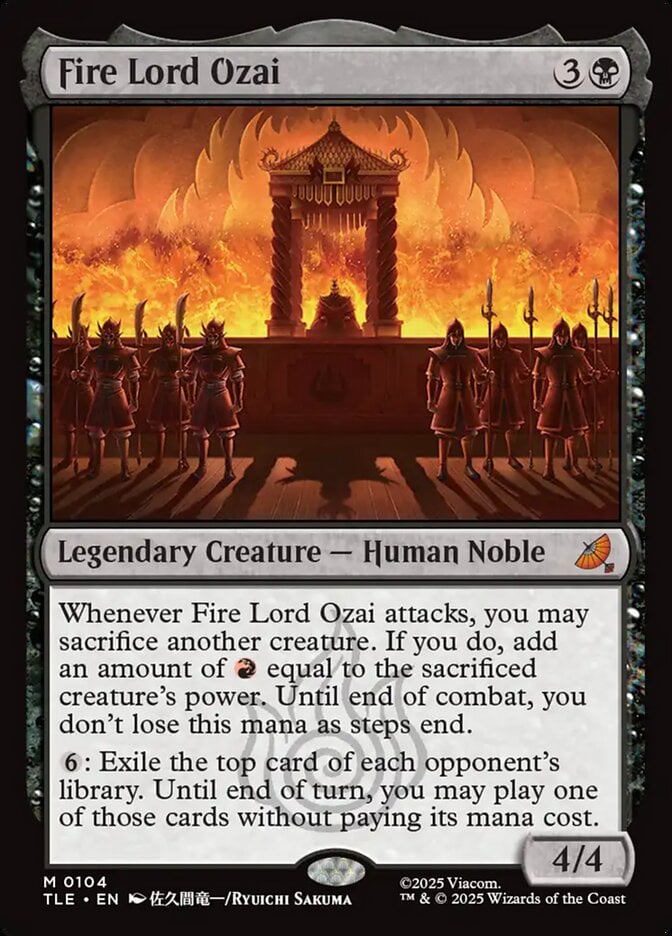
Fire Lord Ozai has an offshoot of the firebending mechanic from Avatar: The Last Airbender, except it also includes a sacrifice. This could potentially give more mana than most firebending triggers, aside from Firebending Student, and you keep this mana through combat. With this sacrifice outlet converting creatures into mana, you can support strategies like Electro, Assaulting Battery, Hellkite Charger, or this card’s activated ability, stealing a card from an opponent for free.
#17. Ayara, First of Locthwain

Mono-black likes reanimating dead creatures almost as much as it likes destroying (or sacrificing) them. Ayara, First of Locthwain embodies this cycle of death and undeath perfectly with its mechanics.
An aristocrats deck built around this black noble can work wonderfully, but it has to be mixed with reanimation strategies that can bring your creatures back often and consistently. This will have your first ability pinging your opponents again and again.
#16. Gisa, Glorious Resurrector
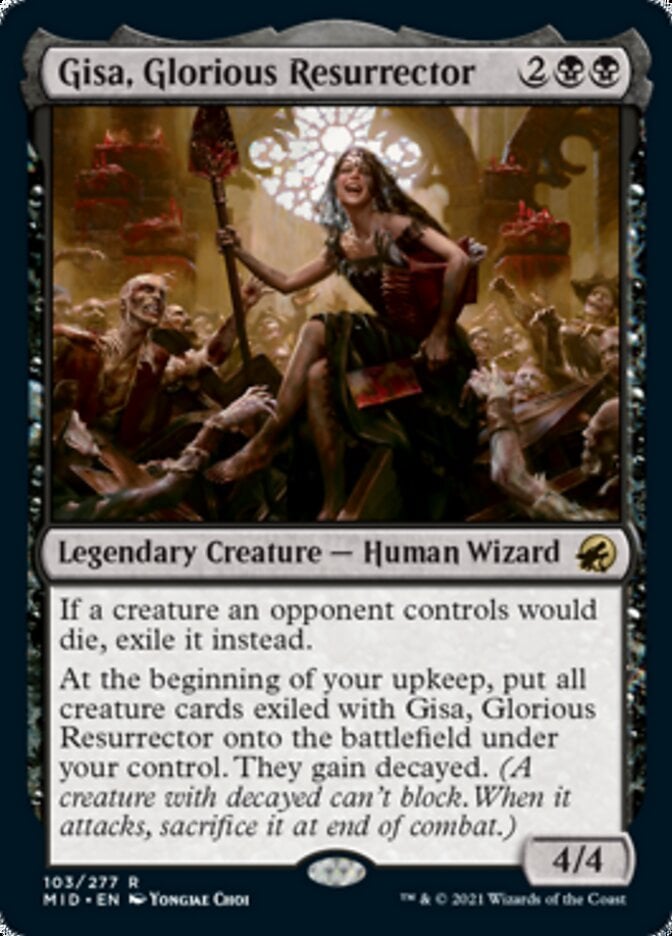
A lot of people who may not be avid mono-black players can be a bit put off by aristocrats strategies and having to sacrifice your own things. Gisa, Glorious Resurrector is here to present a simple counterargument to that: Just sacrifice your opponents’ things!
This deck has to be split between a traditionally sacrifice-centered strategy and a strong amount of removal. That way you can use your sac outlets on your opponents’ creatures rather than your own. A neat little detail is that this commander gives decayed to any creatures it steals, which essentially removes any intent of actually keeping your opponents’ things for long. Just use them as fodder for your aristocrats!
#15. Drivnod, Carnage Dominus
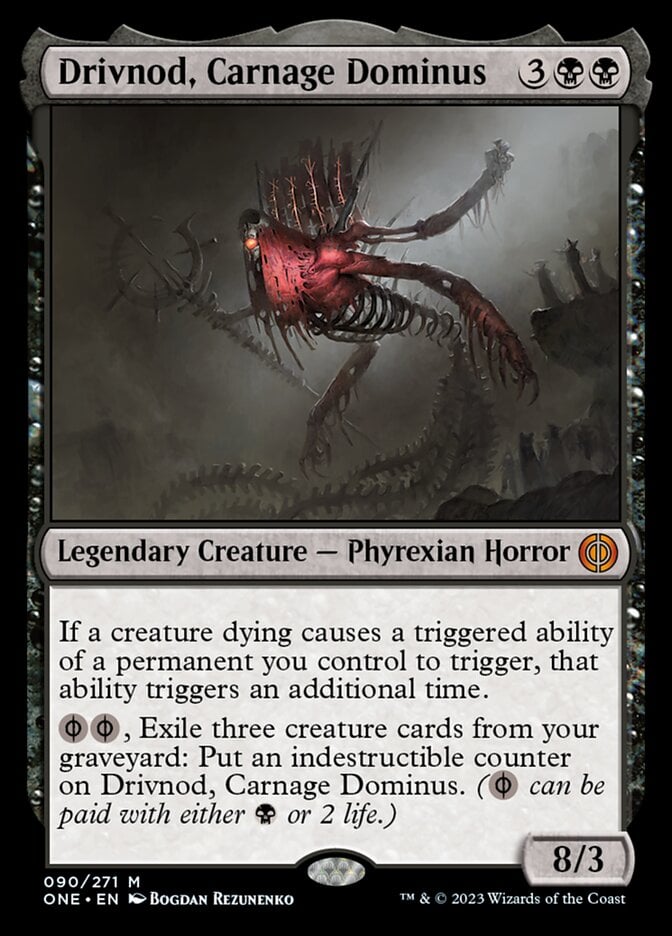
This list is starting to feel a little mono-black right now, but is anyone even surprised this is the best color for aristocrats? In any case, the black Phyrexian Dominus is (unsurprisingly) a great card for aristocrats.
Drivnod, Carnage Dominus’s first ability makes it an amazing commander for a mono-black deck built around sacrificing your own creatures, working as an engine for every other aristocrat card out there. Plus it has a built-in way to gain indestructible, which is always nice in a commander.
#14. Sephiroth, Fabled SOLDIER / Sephiroth, One-Winged Angel


Sephiroth, Fabled SOLDIER provides a sacrifice outlet as well as a siphon trigger, which often requires two different cards like Zulaport Cutthroat and Viscera Seer. You get it all in one cheap commander! If four creatures die in a single turn (through sacrifice or combat), you can transform this card. Sephiroth, One-Winged Angel is an amazing aristocrat that can give a huge card draw advantage, and gives the life siphon permanently.
#13. Ratadrabik of Urborg
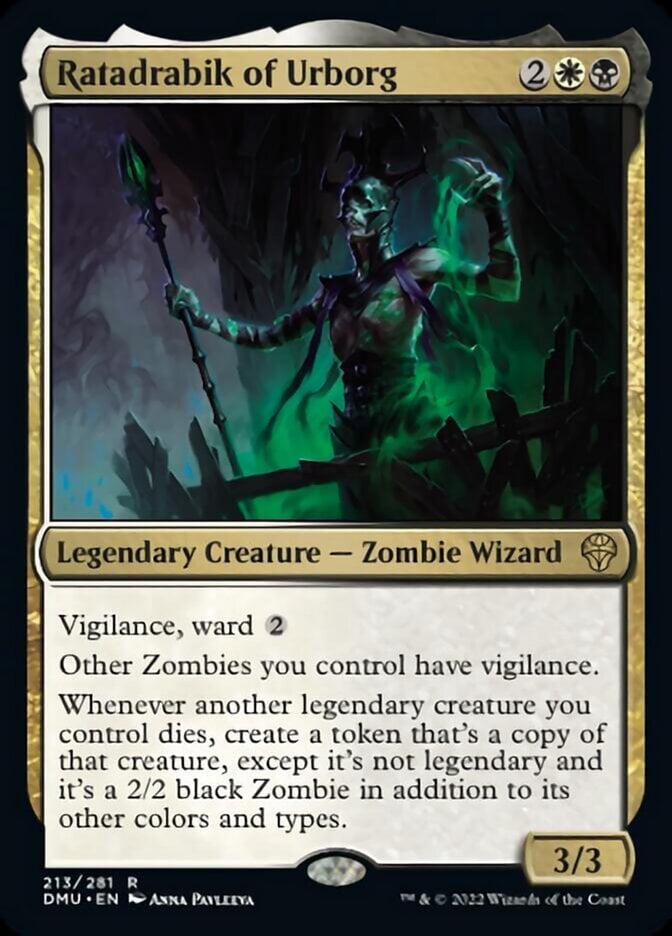
What’s better than a zombie typal deck? An aristocrats zombified-legends deck! Ratadrabik of Urborg has some really fun interactions built into its abilities, which makes it ideal for an aristocrats deck built around sacrificing other legendary creatures.
Thanks to Ratadrabik of Urborg’s ability turning your other legendary creatures into zombies, you can throw in some nice typal support to round this up into a really fun deck.
#12. Prossh, Skyraider of Kher

It’s always nice to see a classic EDH card remain relevant all these years later; Prossh, Skyraider of Kher entered the Commander scene years ago in Commander 2013. It became a staple of the format due to how strong it was and how well it could be built around: It's one of Jund's best combo pieces.
Prossh, Skyraider of Kher works as a sac outlet, using other creatures as the fodder for its firebreathing ability. It also works as a fodder generator, bringing tons of kobolds into play every time it hits the battlefield.
This commander is also pretty well known for its infinite combos. Prossh combines neatly with Food Chain to generate infinite mana, infinite ETB, LTB, and sacrifice triggers, etc. So much so that this commander remains popular in cEDH.
#11. Marchesa, the Black Rose
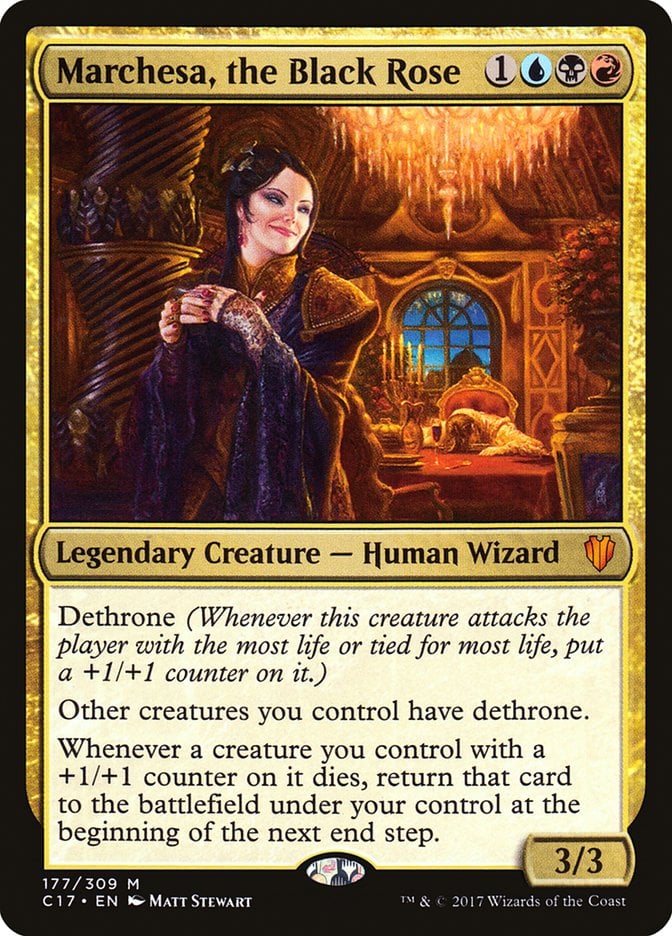
Marchesa, the Black Rose’s abilities create some pretty neat ways to consistently sacrifice and bring back your own creatures every turn. Anything and everything with undying is a perfect addition for this great Grixis commander.
But that’s not all. If you remember what I said about Gisa, Glorious Resurrector, sometimes it’s more fun to sacrifice your opponents’ creatures. With Marchesa, the Black Rose you can use cards like Act of Treason to steal an opponents’ powerful creature. Give it a +1/+1 counter either through dethrone or any other means, then sacrifice it. By the end of your turn, you’ll now have permanent control of any creatures that went through this process.
#10. Shirei, Shizo’s Caretaker
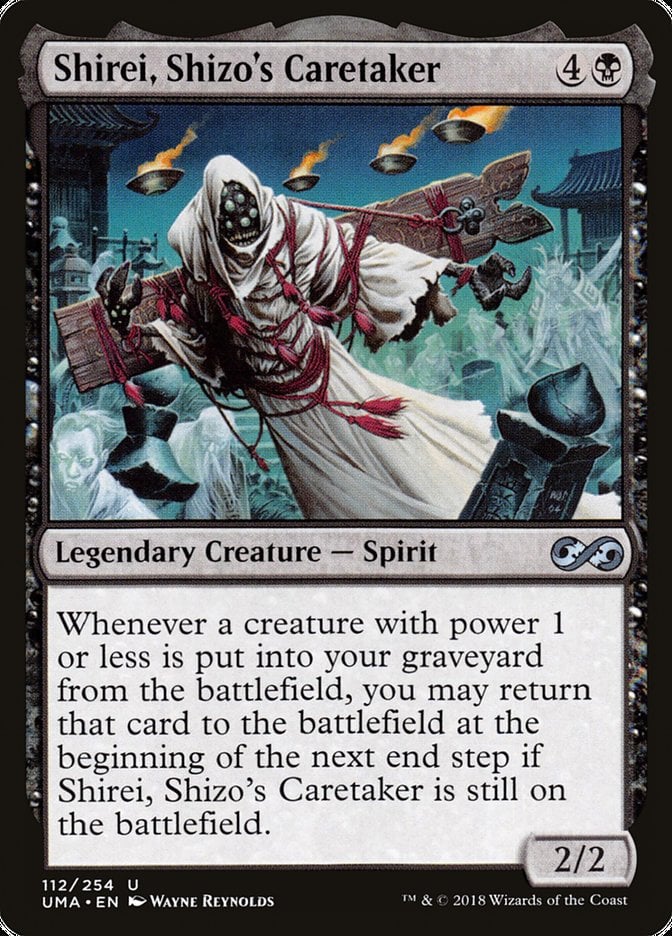
The cards that get used as fodder in aristocrat decks are usually either creatures that grant some bonus when they die or weak creatures that you won’t miss too much. Shirei, Shizo's Caretaker makes it so that your weakest fodder keeps coming back consistently.
Note that this card’s ability triggers during each end step, not just your own. Something like Bottle Gnomes can net you up to 12 life in a single round of a 4-player game since you can keep sacrificing it each turn and have it come back. Add some more aristocrats on the field, some more “power 1 or less” creatures, and you can become a massive annoyance on every player’s turn.
#9. Elenda, the Dusk Rose
Vampires have been the go-to monster to represent the blood-sucking aristocracies in literature for centuries. While things may have changed a bit with time, the children of the night are still strongly associated with the aristocracy, and Magic is no exception.
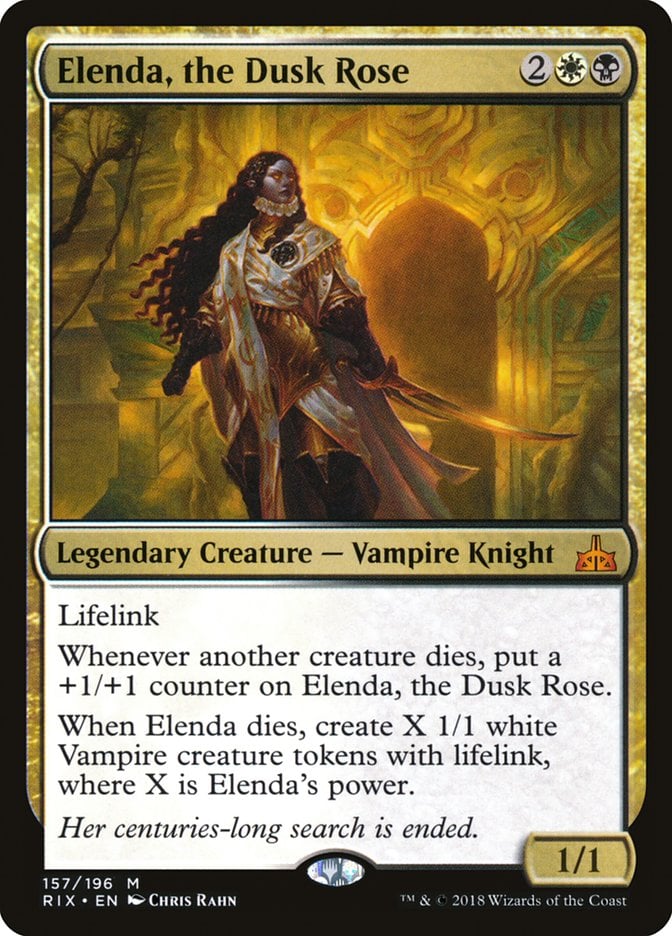
Elenda, the Dusk Rose is an archetypal MTG aristocrat and one of the best vampire commanders: Whenever another creature dies, it’ll get stronger and bigger. With proper sacrifice outlets and fodder, this can be done the very turn it comes in.
But even if that power surge makes Elenda, the Dusk Rose a target for removal, it won’t be a problem. When this card dies, it’ll fill your battlefield with lifelinking vampires that can both serve as an army to take out opponents or as fodder for your aristocrats.
#8. Elas il-Kor, Sadistic Pilgrim
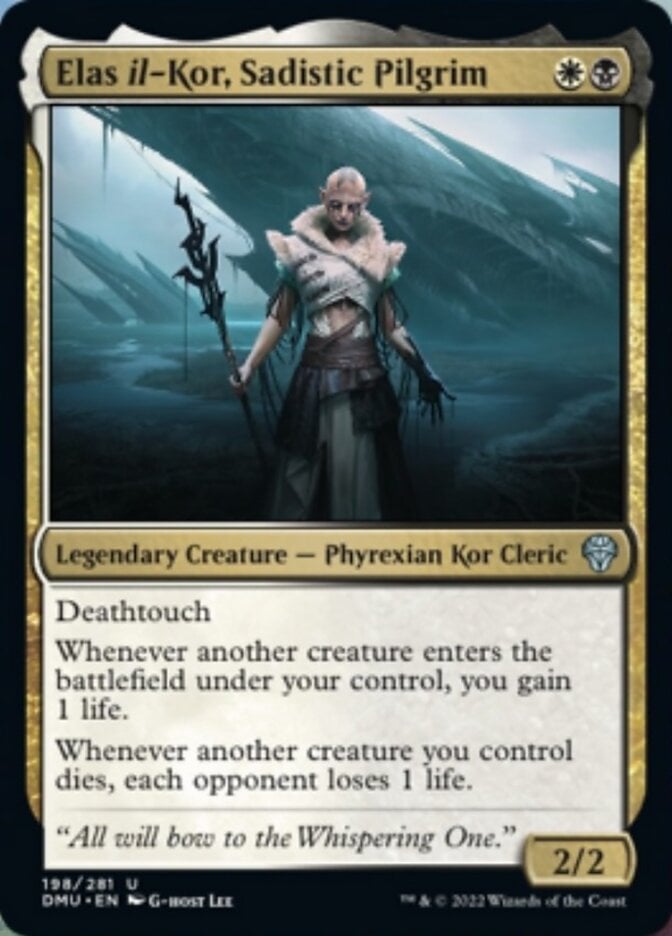
I’ll admit Elas il-Kor, Sadistic Pilgrim may not be as exploitable or broken as some of the other choices that have come before. But it’s a very archetypal aristocrats card and a very simple way to get started in the archetype.
This commander has the ideal color identity for this strategy, Orzhov , and has two very straightforward abilities that’ll let you profit off of a very generic aristocrats strategy. It may not be as broken as something like Prossh, Skyraider of Kher, but it’s fun, straightforward, and very far from bad.
#7. Chatterfang, Squirrel General

A very common thing in aristocrat decks is creating creature tokens, usually as a trigger of other creatures you control dying. Chatterfang, Squirrel General plays into this by mirroring the number of tokens that’d be created by creating that many Squirrel tokens. This obviously makes it absurdly easy to create a massive army that can also be used as fodder for your sac outlets.
In addition, Chatterfang also works as a sac outlet that can take out other creatures, including indestructible ones, by giving +X/-X to a target creature. I don’t even want to mention how easy it is to make it combo with Pitiless Plunderer.
#6. Yawgmoth, Thran Physician
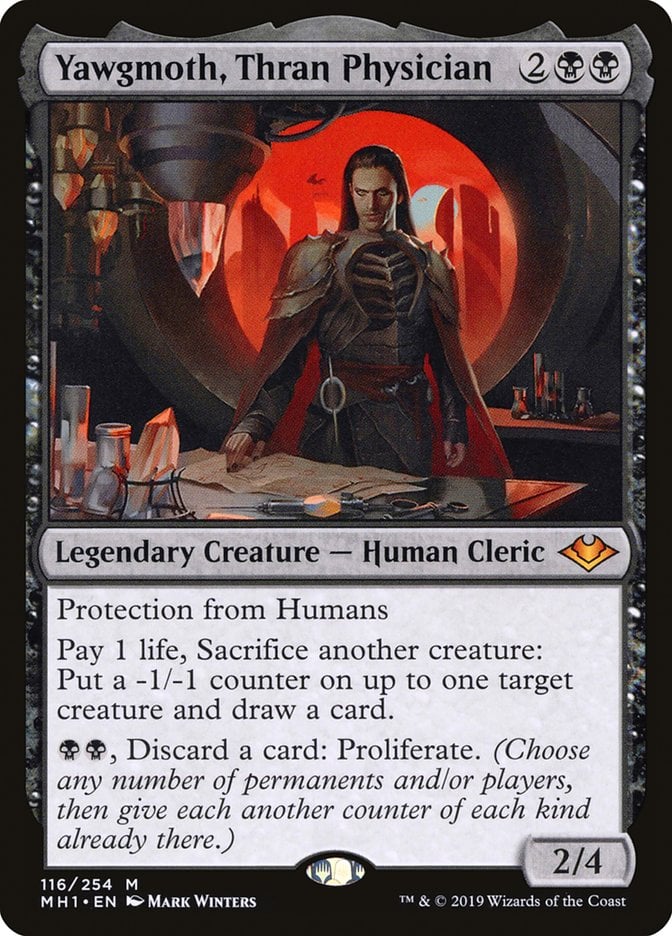
No matter how much the praetors of New Phyrexia tried to emulate the glory of the Father of Machines, it’s honestly impossible for any MTG villain to be a more iconic leader to Phyrexia than Yawgmoth himself. One thing that the original Phyrexia really exploited was death, both of their enemies and their own.
Yawgmoth, Thran Physician makes for an incredible aristocrats commander. This black cleric‘s first ability is simply ridiculous: For the meager cost of a single life point you get a sac outlet, a way to place -1/-1 counters on other creatures, and card draw.
This ability can be exploited in tons of ways, including several infinite combos, all of which make use of the aristocrats archetype’s main characteristics.
#5. Korvold, Fae-Cursed King
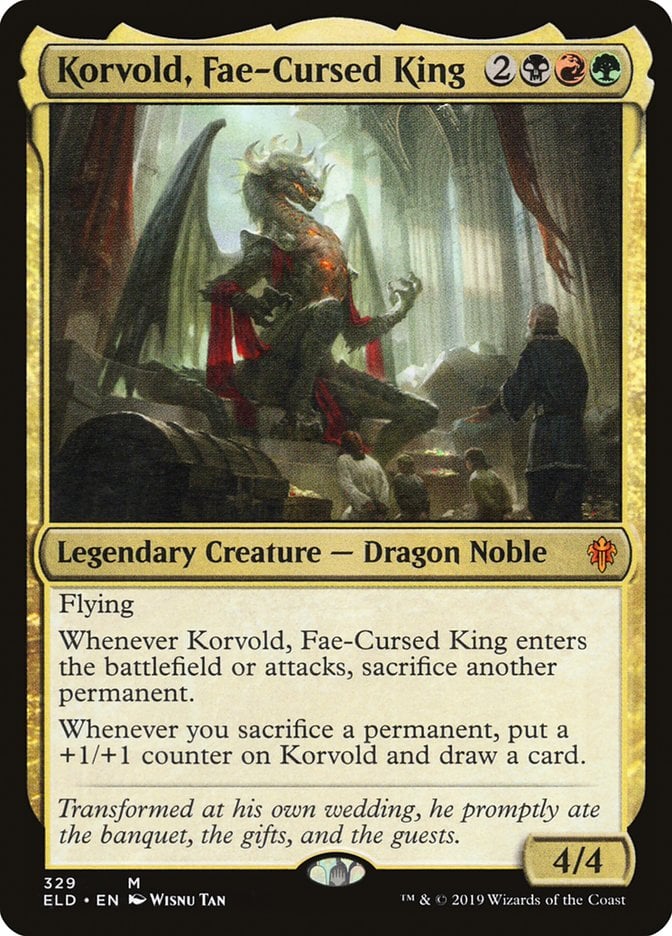
Korvold, Fae-Cursed King has two very simple things working in its favor: As one of the best Jund commanders, its color identity provides access to lots of great cards that pair amazingly with it, and its second ability triggers whenever you sacrifice any other permanent. Treasures, Foods, and any other token that you sacrifice to activate also makes Korvold, Fae-Cursed King stronger.
Korvold also works as an enabler, allowing you to fit many other powerful combos into your deck just because their pieces also naturally synergize well with Korvold.
#4. Ygra, Eater of All

Bloomburrow‘s Ygra, Eater of All is a deceptively powerful Golgari card. Yes, its abilities synergize well with one another, and this elemental cat gives you an additional way to sacrifice your creatures, but it goes deeper than that. All creatures becoming Food artifacts can make it easier to remove some of your opponents’ creatures. Because not everyone runs Food in their decks, you’ll also likely be forcing opponents to sacrifice their creatures if they want to get past Ygra's ward. An artifact wipe like Bane of Progress can also be very effective in an Ygra build, as it'll leave this Golgari commander on the field and give it a significant buff.
#3. Hazel of the Rootbloom

Unlike many of the best aristocrat commanders, Hazel of the Rootbloom doesn’t actually have any interaction with sacrificing creatures or death triggers. However, this Golgari commander’s ability to continuously fill your board with more bodies is very helpful for an aristocrats strategy. This squirrel druid can also help you go wide very quickly in a squirrel deck, giving you even more bodies to sacrifice or tap for mana with its mana ability.
#2. Meren of Clan Nel Toth
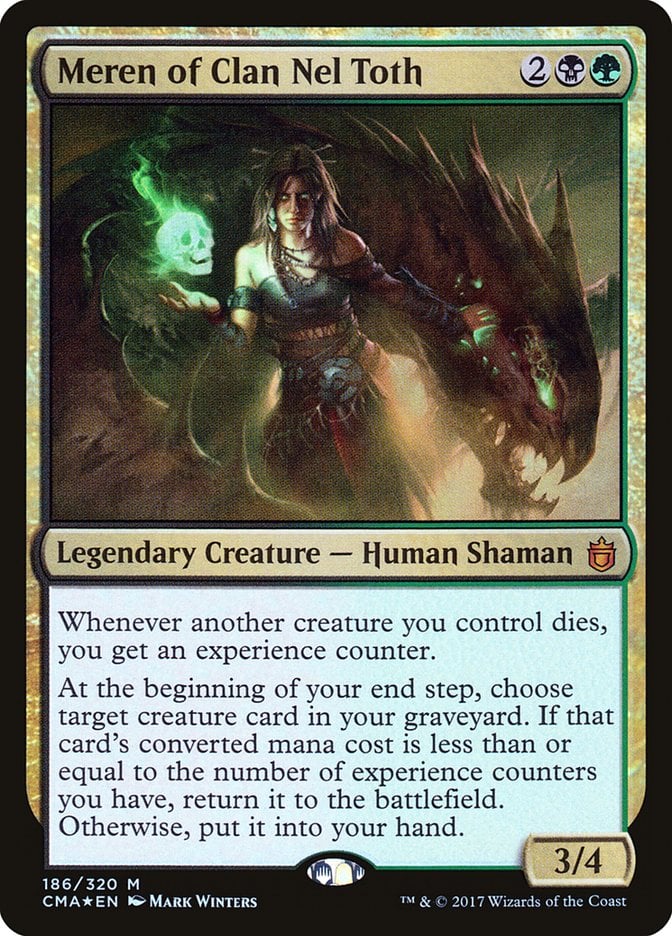
Commander 2015’s theme of experience counters was a neat design that fit right into the format. Meren of Clan Nel Toth is one of the most well-known cards from that set of decks and with good reason. It’s a staple in graveyard-centric strategies and a must-have in many decks.
Meren of Clan Nel Toth’s abilities make it a really fun Golgari commander for aristocrats, serving as a resurrection engine that triggers every turn. This makes it so that none of your important creatures stay dead for long, as well as returning any particularly good pieces of fodder you may want to keep sacrificing.
#1. Teysa Karlov
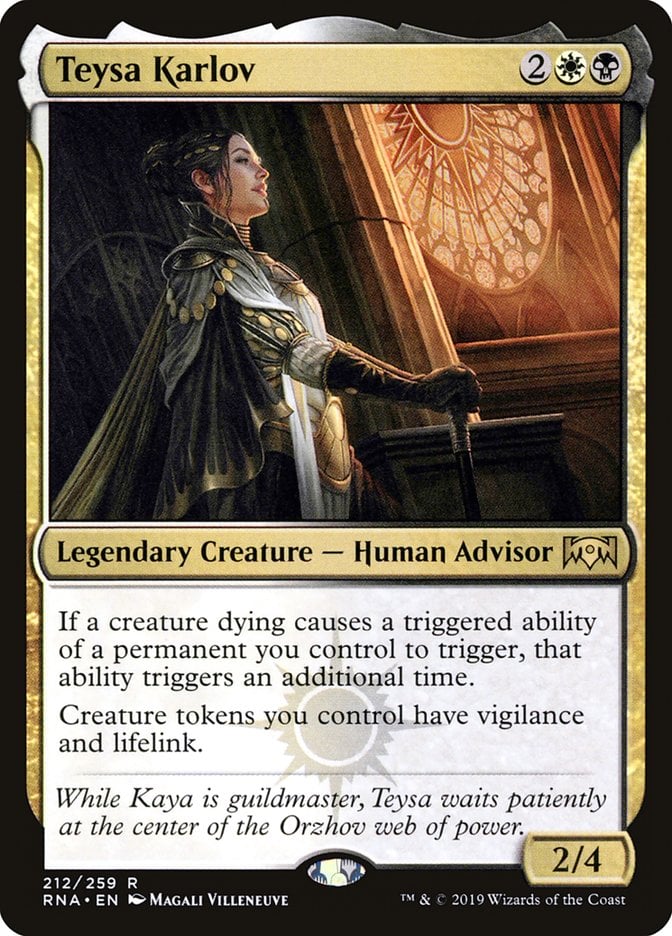
I’ve mentioned that creating creature tokens is extremely common in aristocrat strategies. You need to replace those sacrificed creatures with something, after all. Teysa Karlov neatly combines buffing your token creatures and doubling the benefits from aristocrat abilities.
This human advisor feels very polished. The abilities are strong without being so broken it makes it unfun, it fits perfectly into the archetype it’s meant to fit into without any unnecessary drawbacks, and it gives access to Orzhov colors, by far the most common colors for aristocrat strategies.
Best Aristocrat Payoffs
Aristocrats is an archetype that has amassed a ton of support over the years. Every time we go back to Ravnica, the Orzhov are sure to have tons of support for it, but even Rakdos and Golgari expand the archetype. Plenty of other sets have had different factions that focus on aristocrat-style strategies. The point is you have tons of cards for the archetype, which also enables some variety (even if some cards are simply better for it than others).
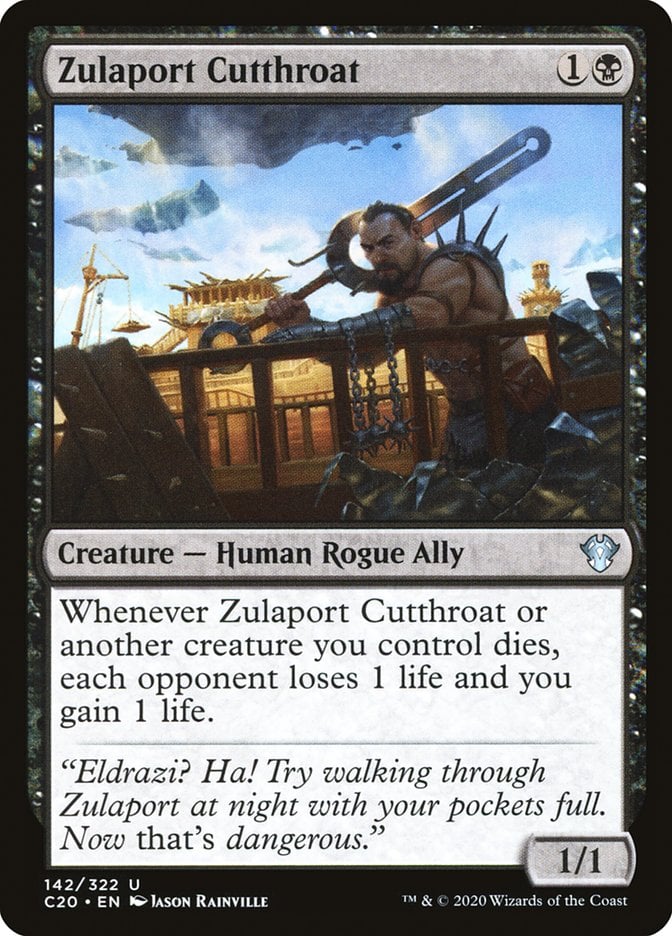
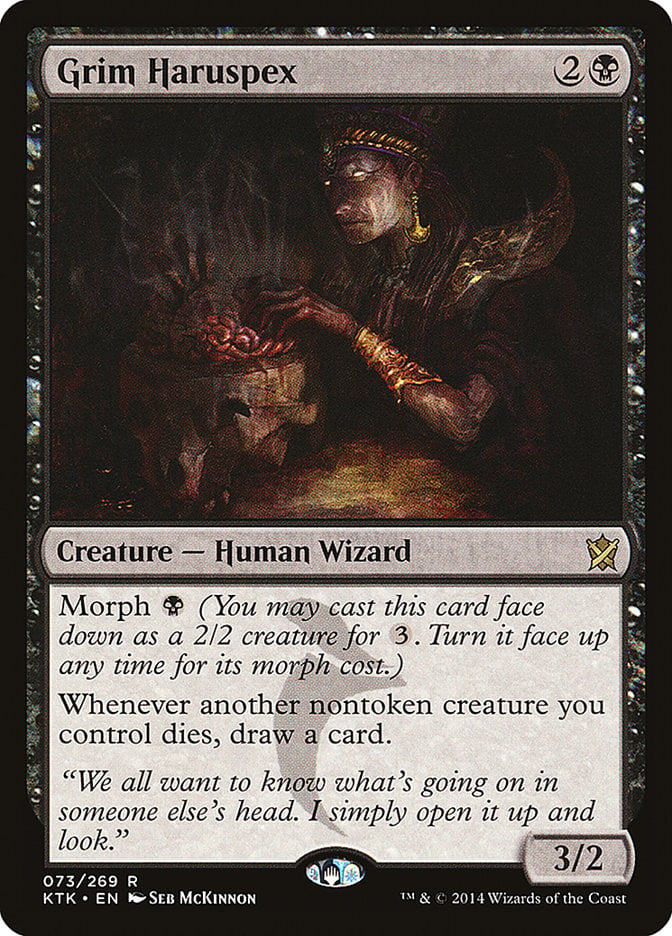
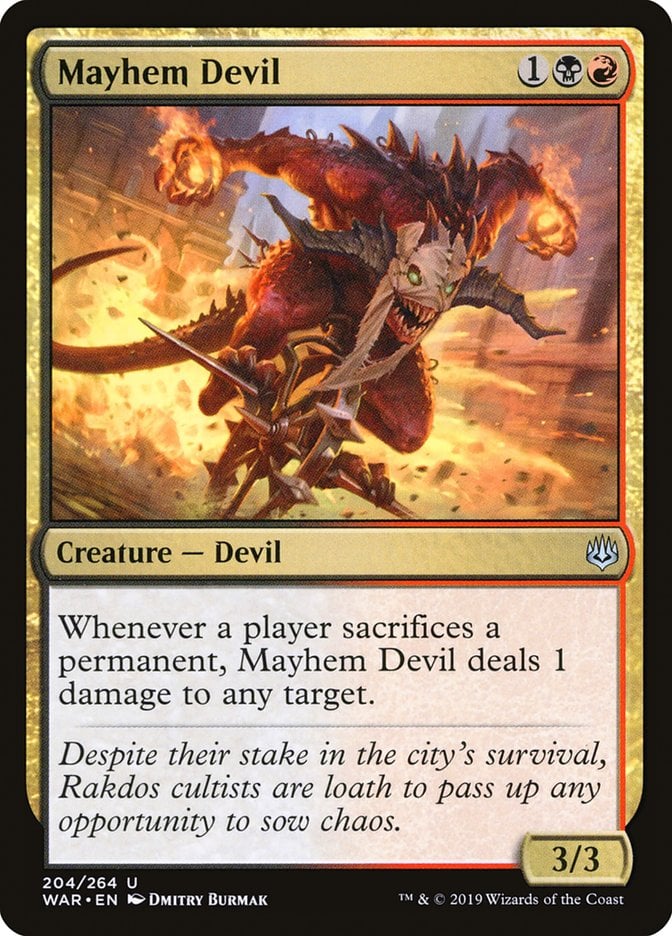
Some obvious or classic picks for aristocrat decks include Zulaport Cutthroat, Grim Haruspex, and Mayhem Devil to reward you for your creatures dying.
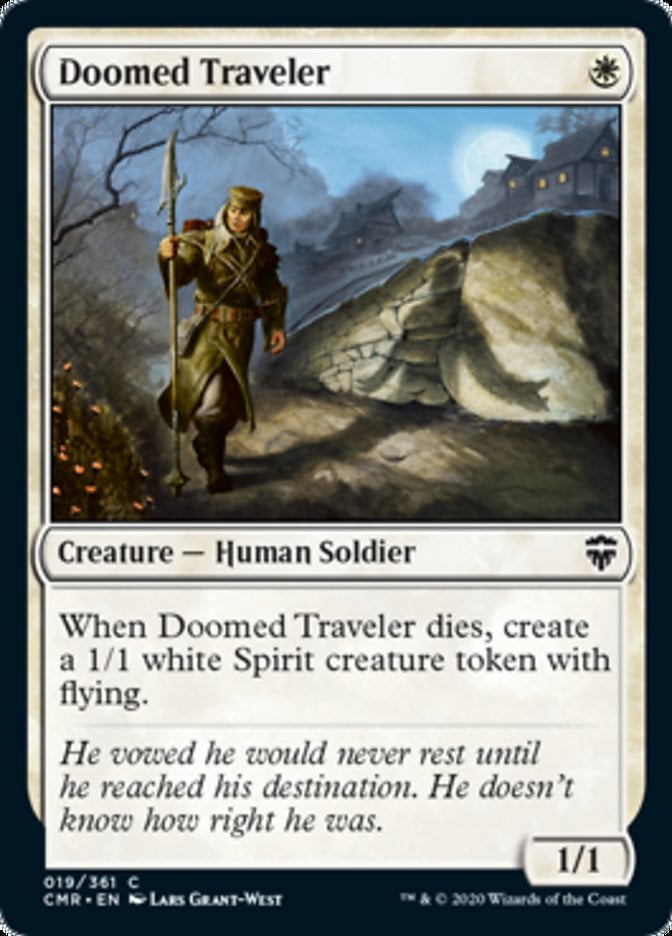
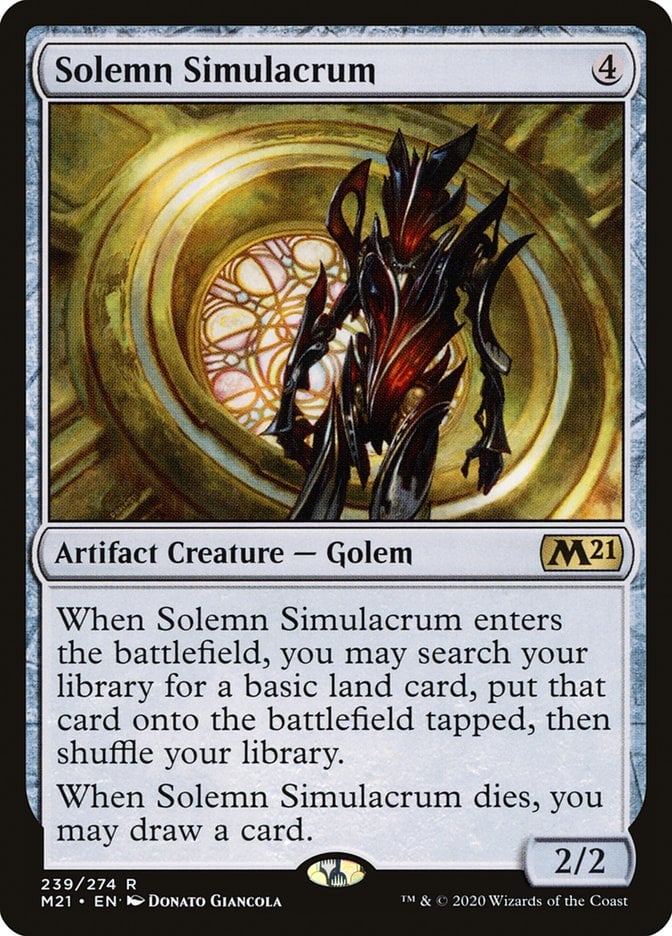
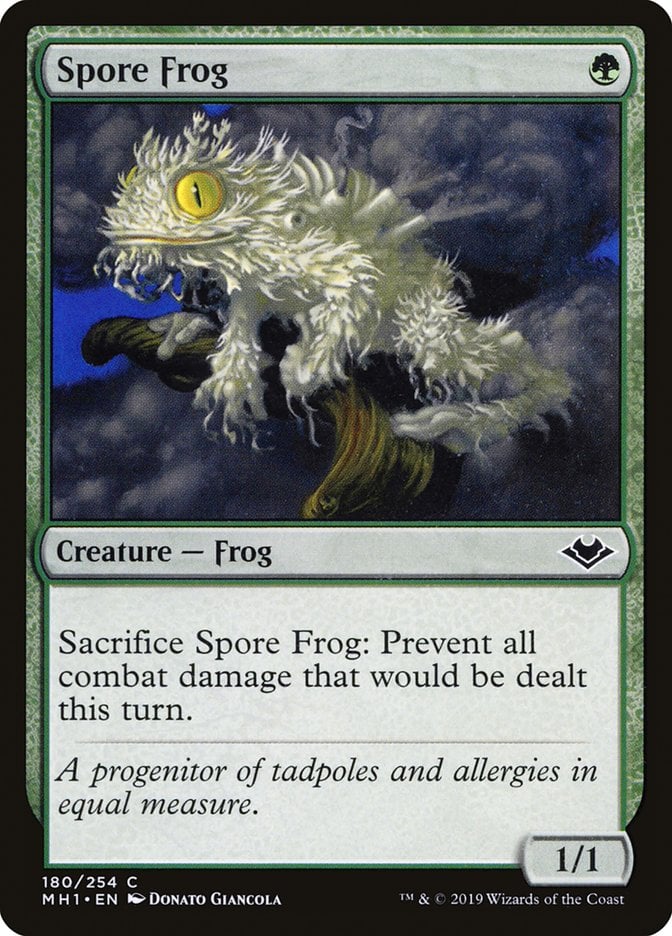
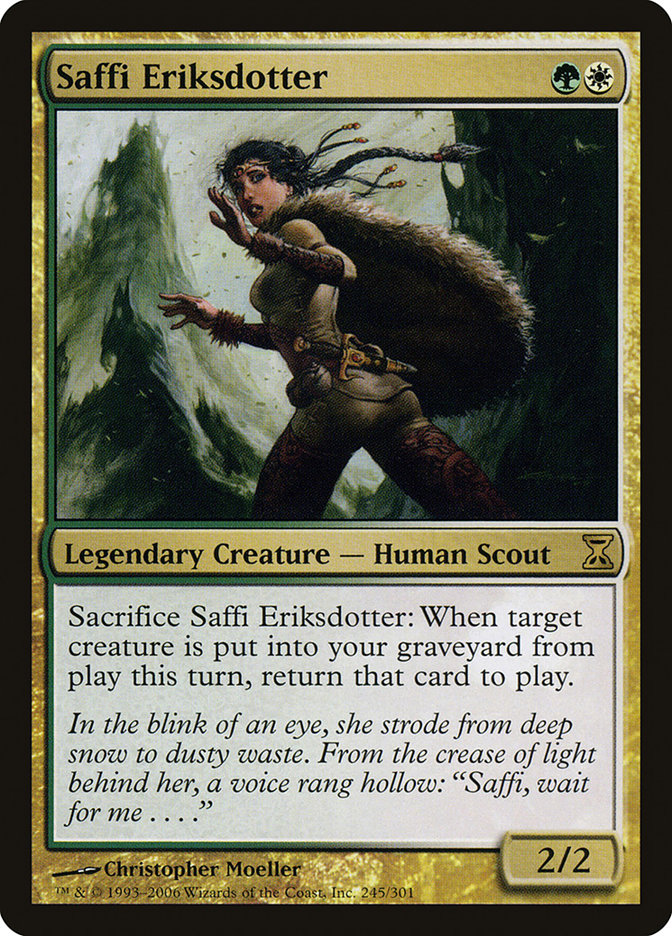
There’s also the cannon fodder for the decks. Doomed Traveler is a very concise example: a cheap and unremarkable creature with a death trigger that makes it a prime sacrifice target. Solemn Simulacrum is also a classic example. Then there’s those that can self-sacrifice for an effect like Spore Frog or Saffi Eriksdotter.
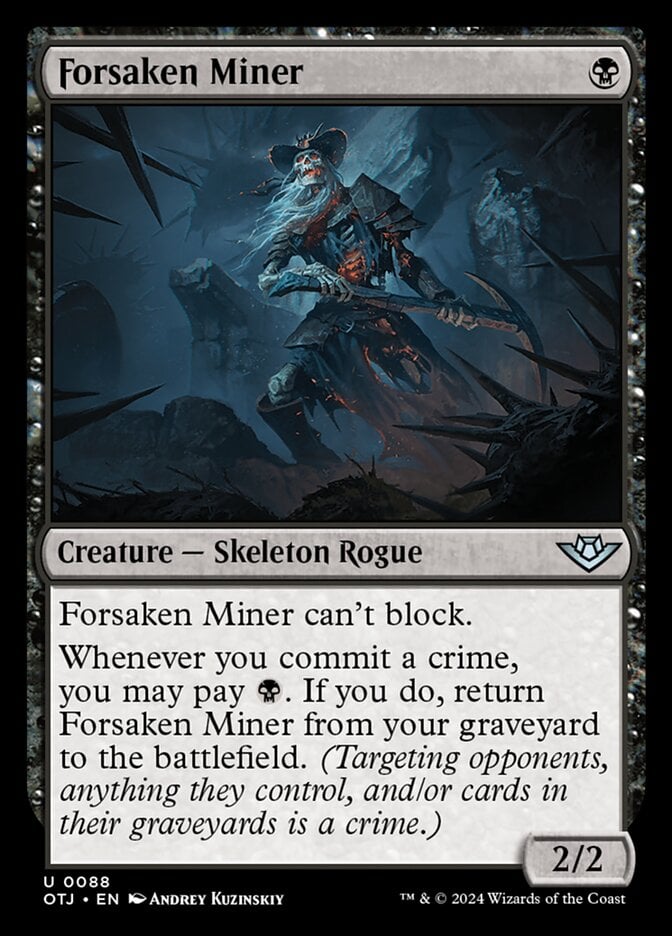
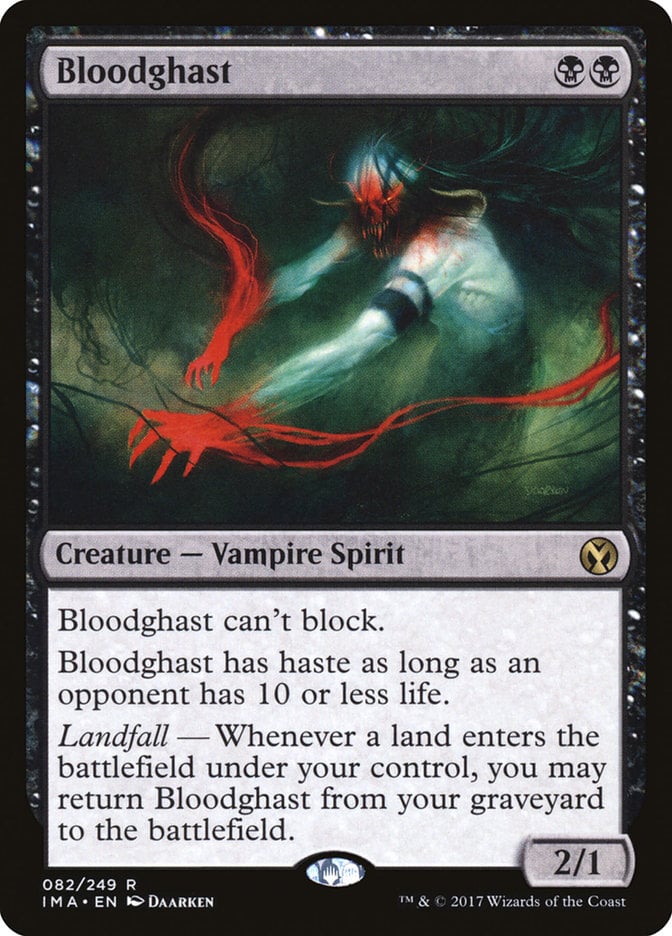
It also never hurts to have cannon fodder like Forsaken Miner or Bloodghast that can come right back from your graveyard to the battlefield.

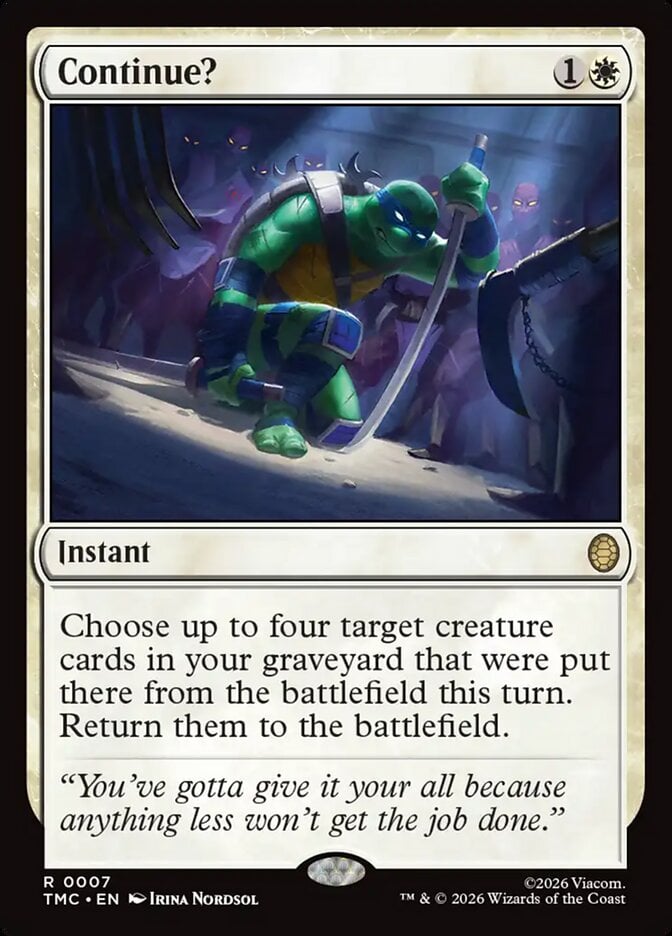
Once you sac a large number of creatures, it’s time to bring them back with cards like Raise the Past and Continue?.
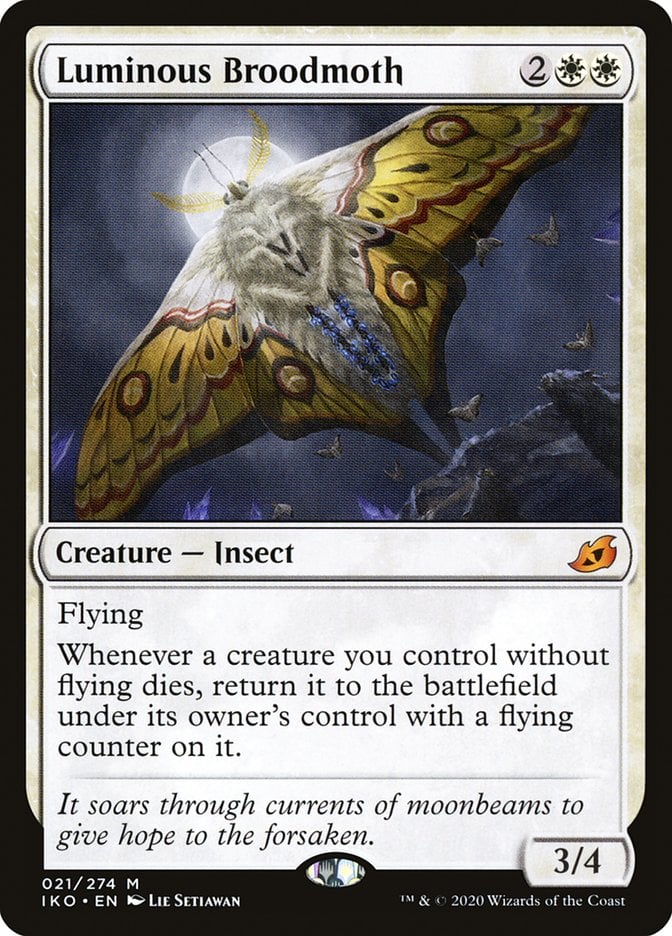
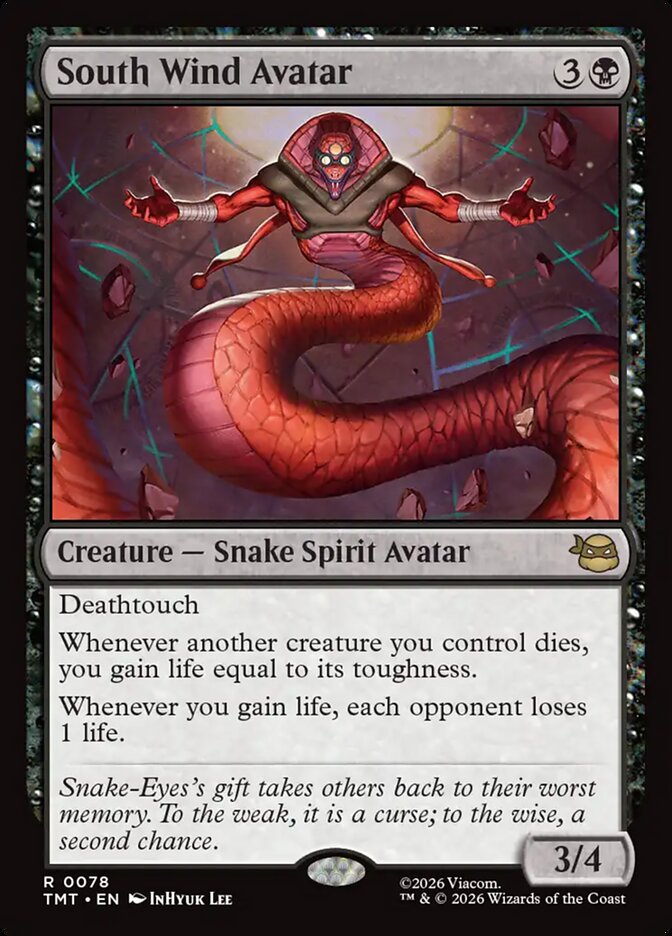
Some cards that can also greatly benefit this archetype are those like Luminous Broodmoth, which brings back the creatures you sacrifice, but with the added advantage of a flying counter. This will make it easier and even more enticing to sacrifice your own creatures. South Wind Avatar adds life drain to this strategy as well.
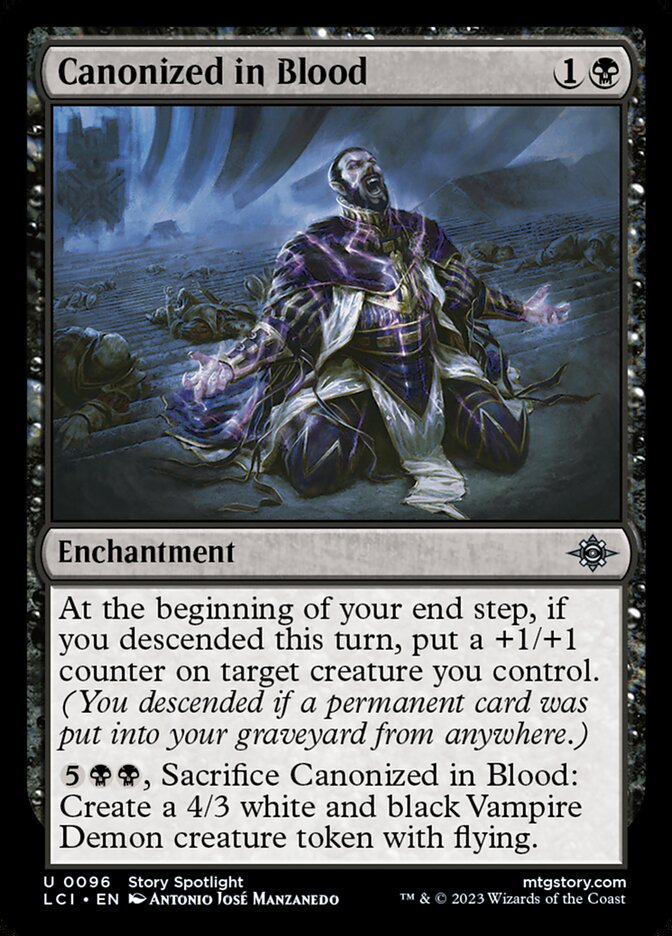
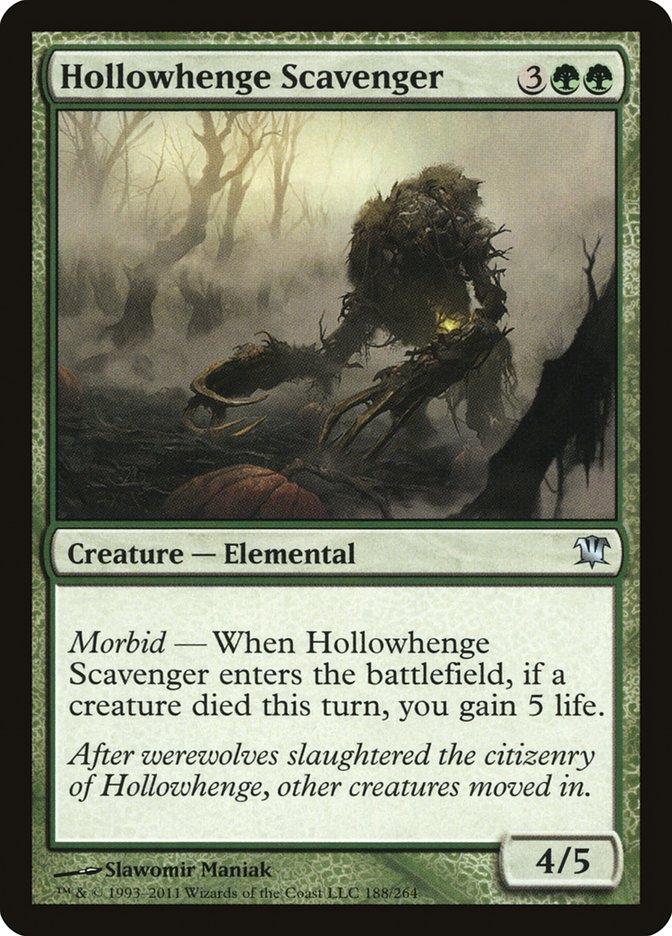
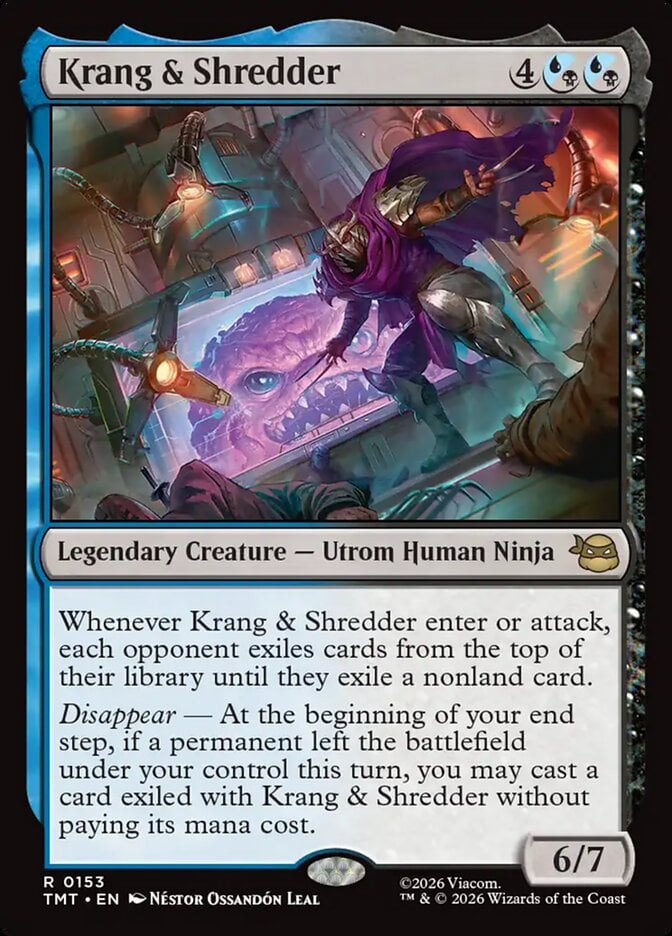
Mechanics that care about cards going to the graveyard or leaving the battlefield are optimal for aristocrats decks. Think descend from The Lost Caverns of Ixalan or morbid/disappear.
Aristocrats Enablers
For an aristocrats strategy to be successful, you'll also need ways to ensure you can sacrifice creatures. The best way to do this is to ensure you always have creatures on hand to sacrifice.
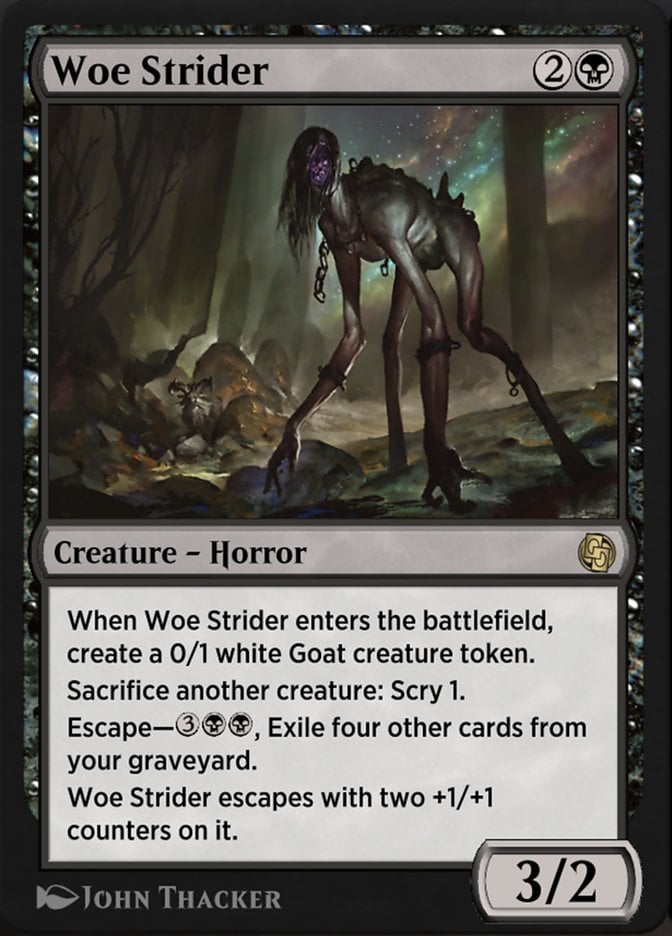

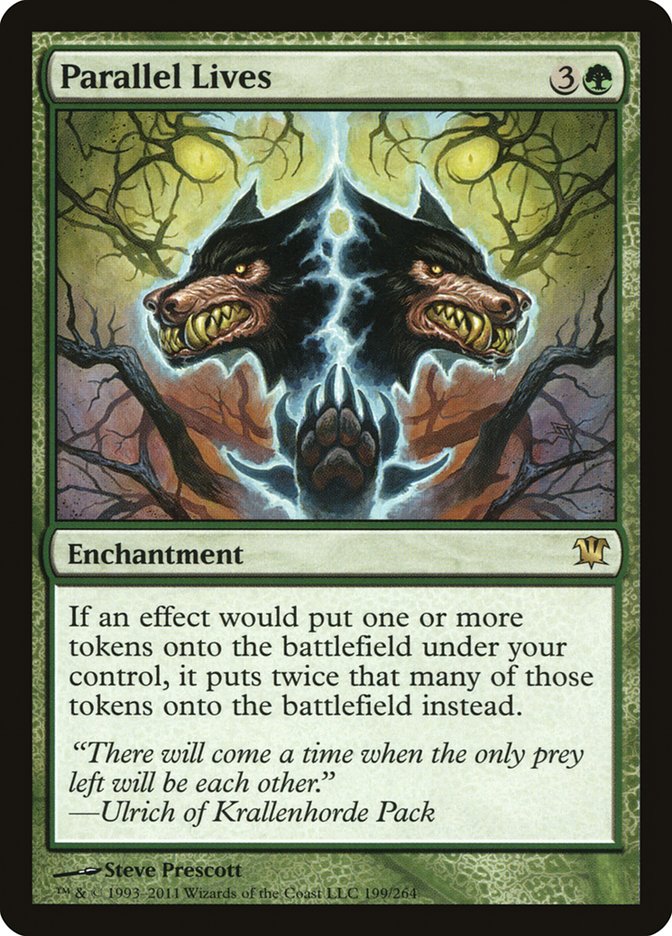
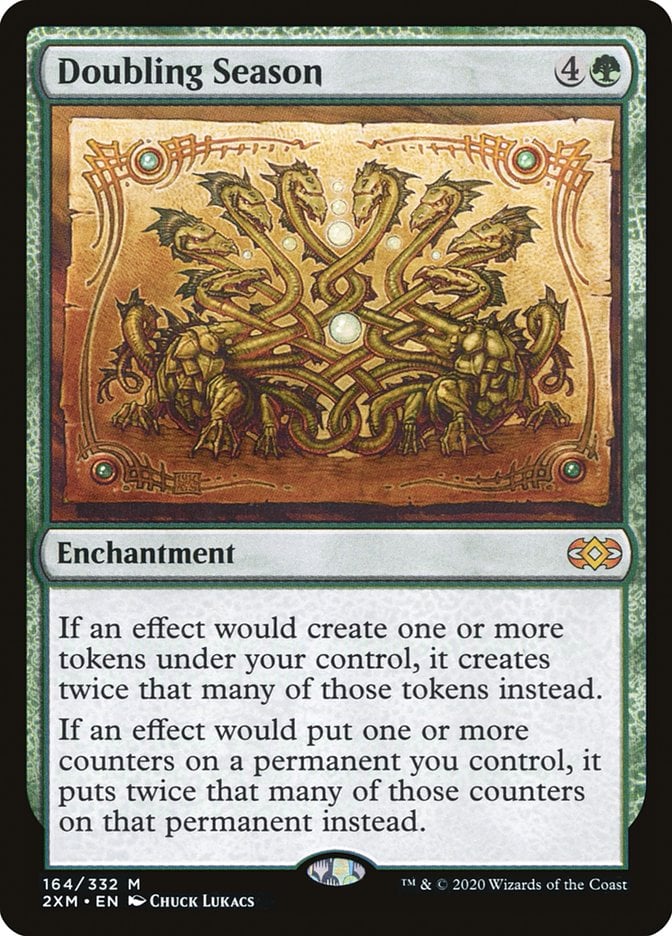
Cards that generate creature tokens can also be a helpful addition to any aristocrats deck, since they give you additional bodies to sacrifice. Woe Strider is a popular choice because it not only gives you an extra body when it enters, but also gives you a free sacrifice outlet. Umbral Collar Zealot can sac a ton of creatures in a single turn, and give you a surveil for each one sacrificed. Token doublers like Parallel Lives or Doubling Season can also be helpful in aristocrats decks that run green.
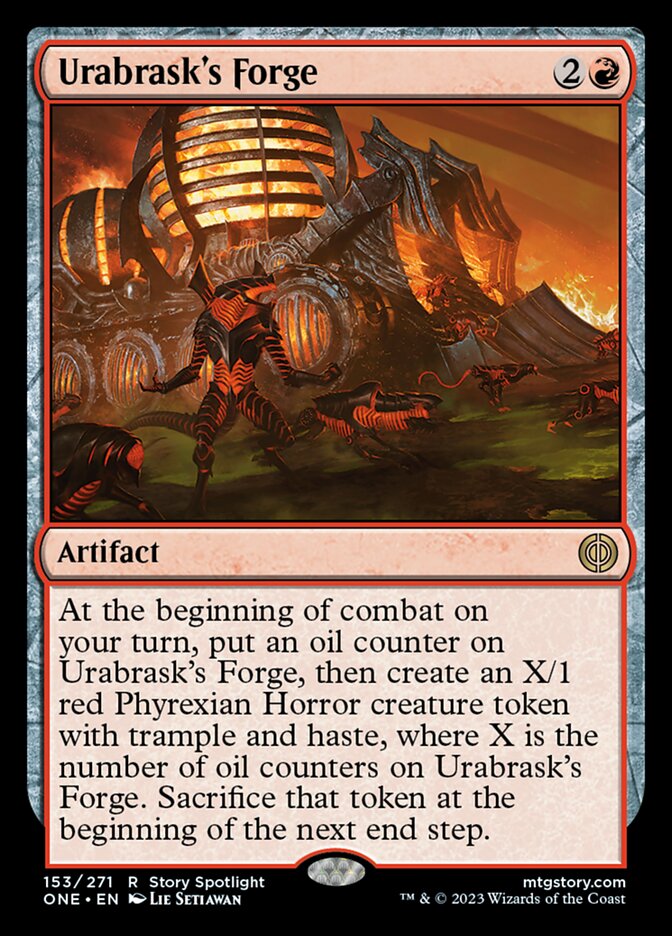

Temporary token generators like Urabrask's Forge and Voice of Victory get a boost when you’re running sacrifice abilities. Since you need to sacrifice the tokens generated by these cards anyway, you might as well sacrifice them to something else for a benefit.
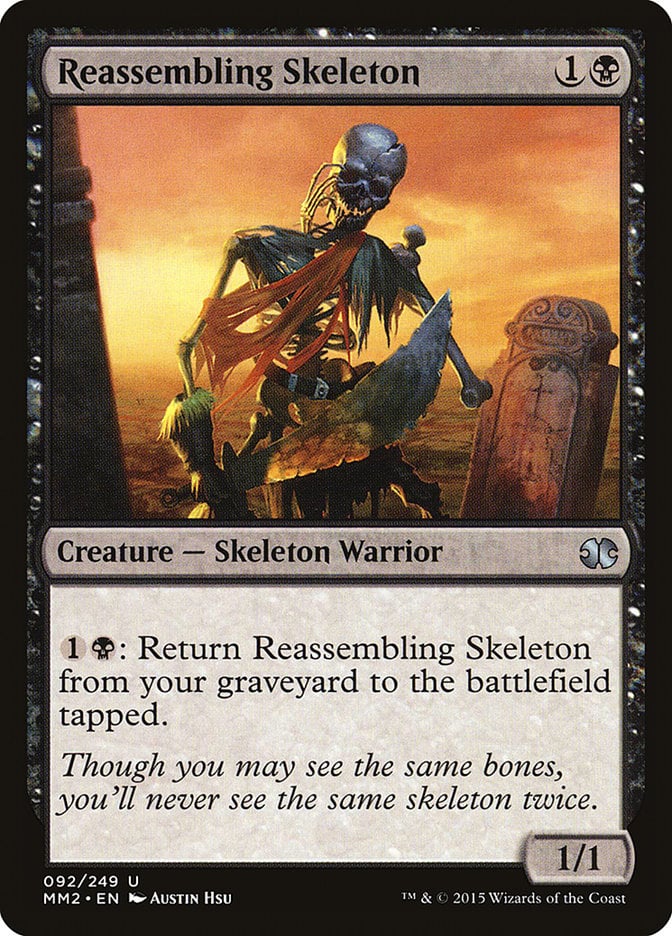
Another way to enable an aristocrats strategy is recursive creatures like Reassembling Skeleton that can return from the graveyard. This will give you a creature to play even if you aren’t drawing into anything, and give you an easy target for sacrifice abilities.
Commanding Conclusion

Teysa Karlov | Illustration by Magali Villeneuve
I’m a huge fan of the aristocrats archetype. I think it’s extremely fun to play, and it puts its focus on a relatively out-of-the-box style of play (even if by this point it’s one of the most popular archetypes). It's versatile and can be built in many different ways, emphasizing more aggro or defensive styles of play, or even producing a deck that doesn’t really need to attack at all if played right.
But enough about what I think. What’s your opinion on the aristocrats archetype? What’s your favorite commander for it? Do you think I missed any important ones? Let me know in the comments! And while you’re here make sure to pay our Discord server a visit; there you’ll find an amazing community of MTG fans to share your hobby with.
That’s all from me for now! Have a good one and I’ll see you next time.
Follow Draftsim for awesome articles and set updates:










4 Comments
I feel like Teysa, Orzhov Scion should be on this list. She goes infinite with Painter’s Servant and Darkest Hour. If infinites aren’t your thing then casting and flashing back an Army of the Damned with Phyrexian Altar for 52 points of damage does the job just as well.
I think OG Teysa would be a totally fine addition. It does end up playing more like a combo commander, but it’s got all the right tools for aristocrats.
The title says “best aristocrat commanders” so I believe the top 10 should be Chatterfang, Teysa, Prossh, Korvold, Yawgmoth, Wilhelt, Ygra, Elenda, Elas and maybe Ayara, more or less in this order. The ones with the most combo potential over all the ones who are not combo pieces and/or trigger only at a specific timing of the turn.
Also counters/proliferate commanders like Ghave, fling commanders like Brian Stoutarm and artifact sacrifice commanders like Teshar are missing and they represent the many variations of sacrifice strategies.
That is a strong top 10 and there is definitely some overlap with our Sacrifice Commanders article. You might like our list of Steal and Sac commanders as well. Good idea about the variations on sacrifice strategies, thank you!
Add Comment