
Last updated on September 18, 2026
Umbral Expanse | Illustration by Florian Herold
Urza’s Saga introduced cycling to MTG, and the designers wasted no time in putting cycling on lands. It’s a match made in heaven, considering how often we want to trade that extra land in our hand for another card, which cycling does very well.
There are more than 50 cycling lands now, and we’re covering all of them here. Lands are usually printed in cycles, so we’re also going to discuss the best cycles of lands with the cycling mechanic (yes, these terms are actually different). Let’s go!
What Are Cycling Lands in MTG?
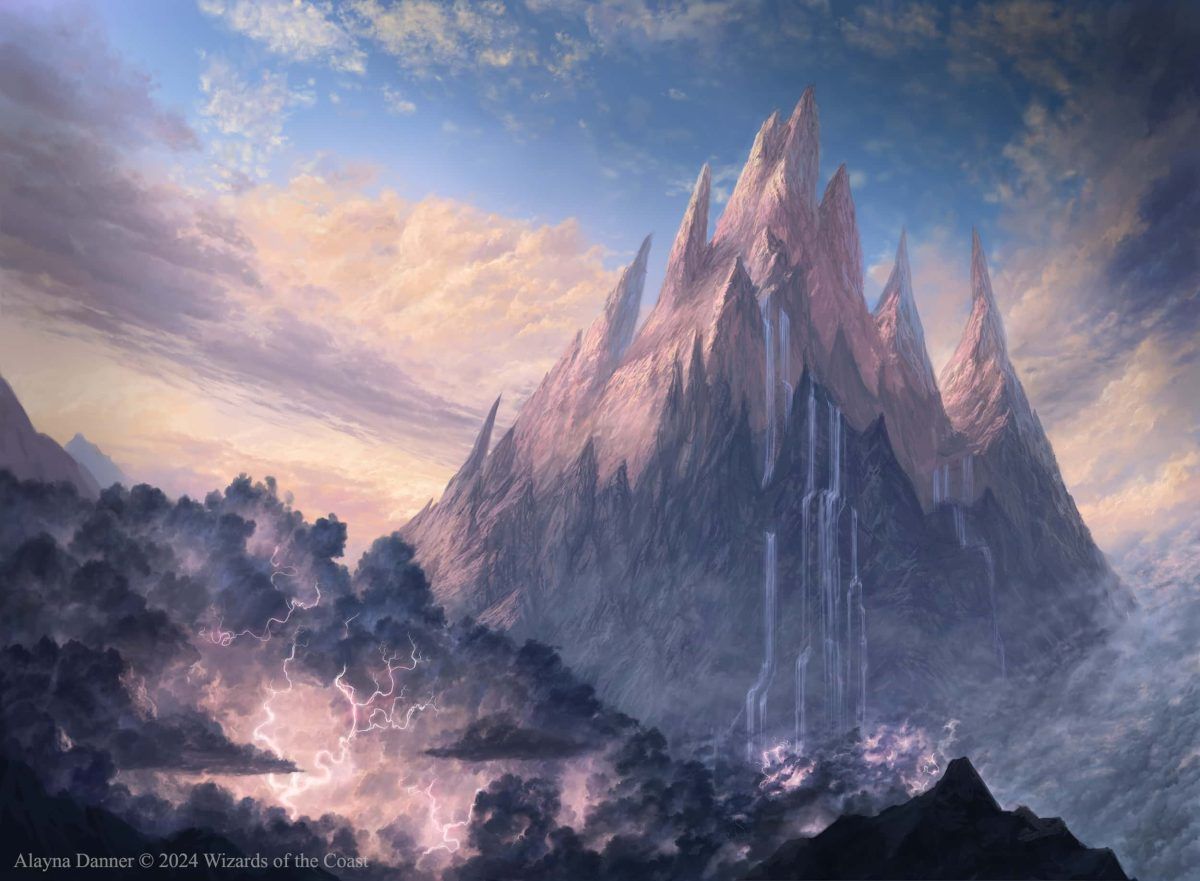
Perilous Landscape | Illustration by Alayna Danner
Cycling lands are simply lands with the cycling ability. Some of these are colored lands that need you to pay the same colored mana to cycle them, while others have generic mana costs.
It’s important to differentiate cycling lands from landcycling; in the case of landcycling, you’ll discard a card, search your deck for a land, and put it in your hand. Cards like Ash Barrens aren’t cycling lands. A land like Hobbit Hole that has halflingcycling isn’t either. Also, we’re not talking about cards like Horizon Canopy, which you can “cycle” when they’re in play.
Cycling Land Cycles
Urza’s Saga Cycling Lands


These were designed in Urza’s Saga as the first lands ever to have the cycling mechanic. They all enter tapped and add mono-colored mana. You can pay 1 mana of the land’s color to cycle it. It’s nice that you can cycle for just 1 mana, and usually when you don’t need lands, but they’re bad for splashing (you’ll need another source of their color to cycle them if they’re your splash color). These are best in mono-color decks, or 2-color decks at most.
Onslaught Cycling Lands
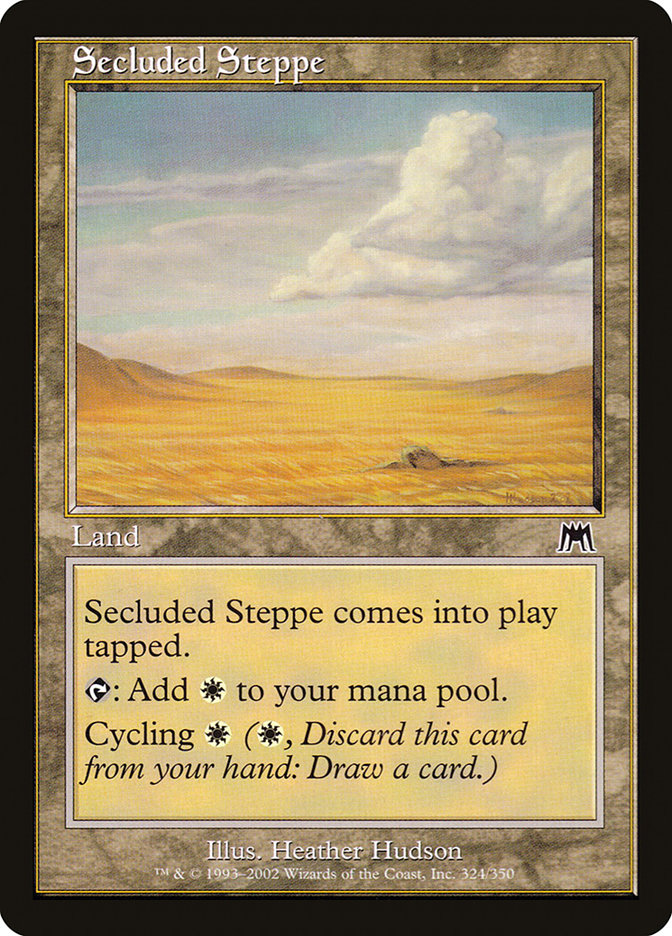
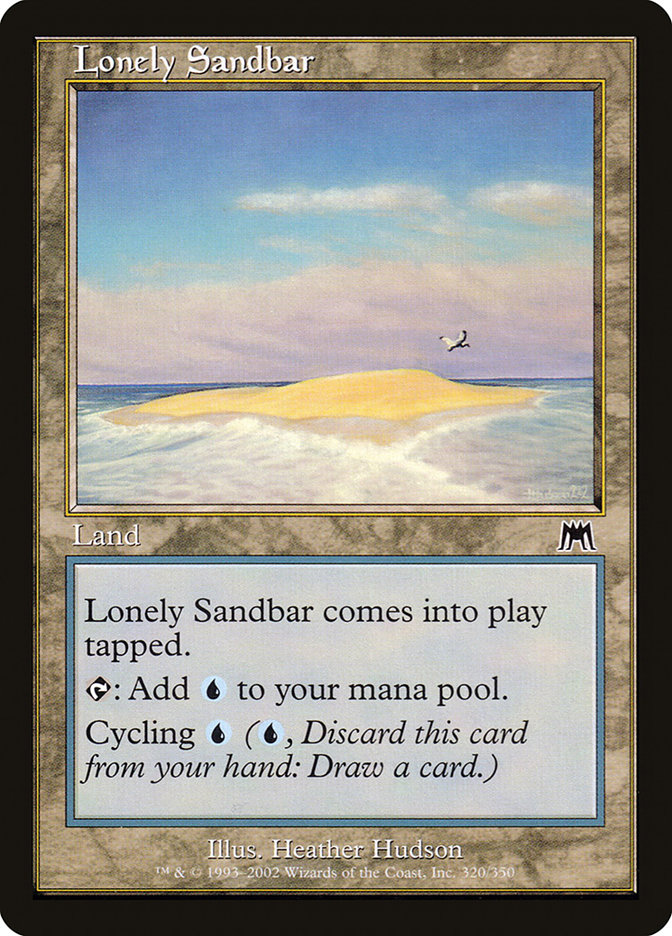
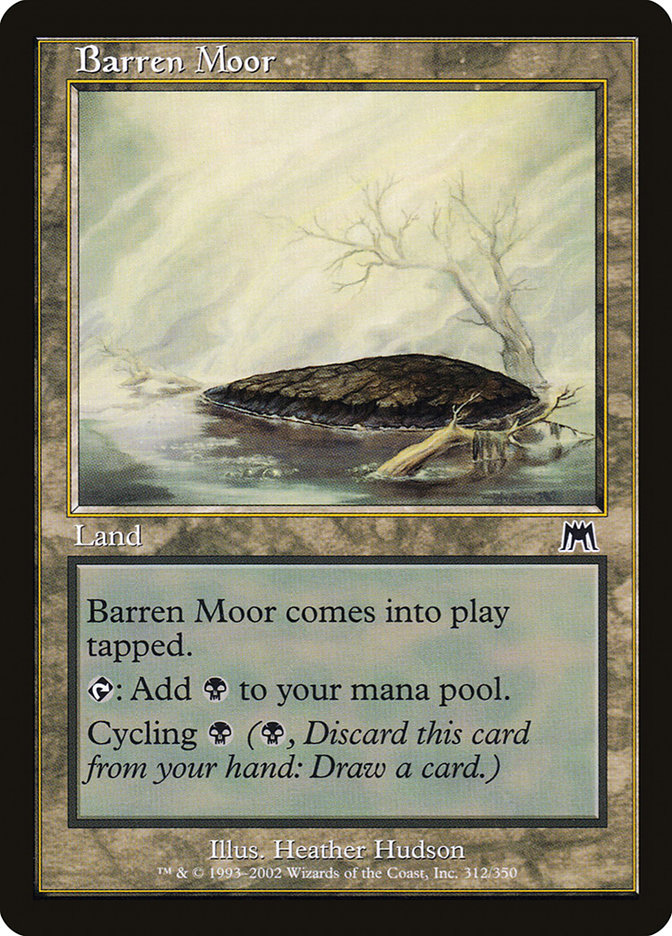
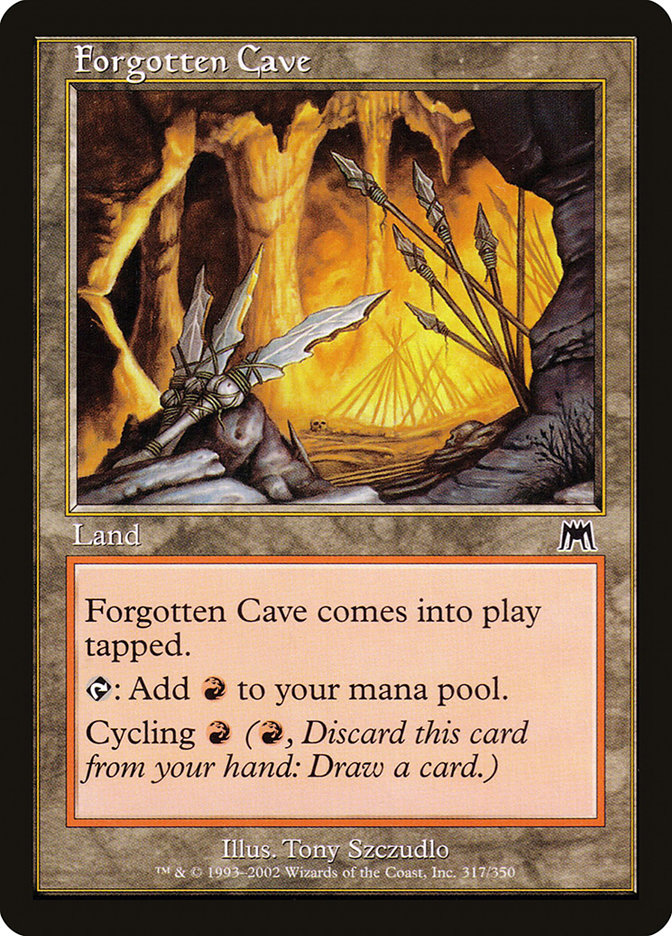
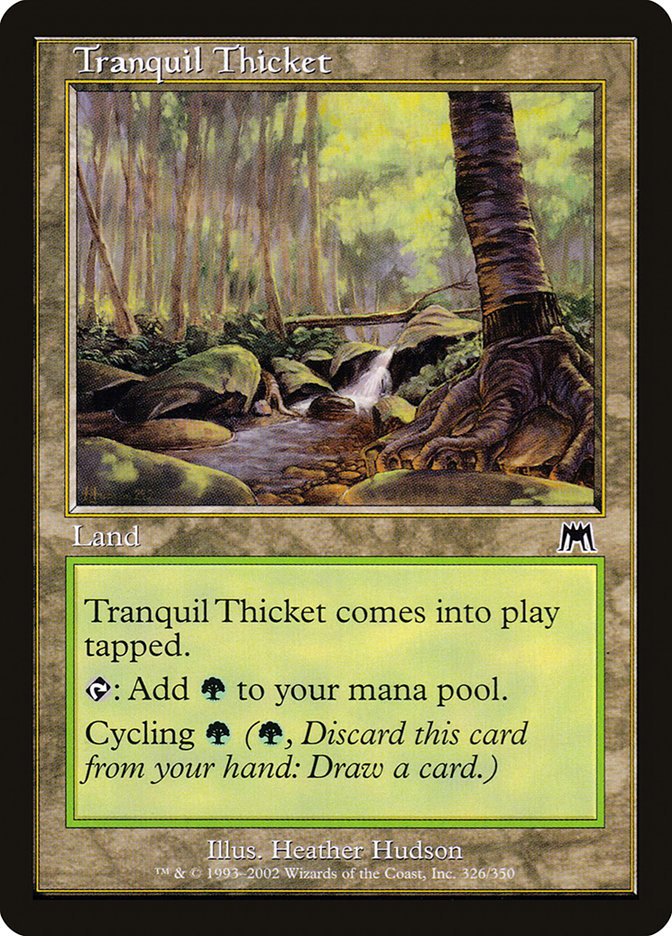
Onslaught cycling lands came next, and the main difference is that these all cycle for . They’re easier to cycle because you don’t need specific mana, but at the same time it costs 1 more to cycle.
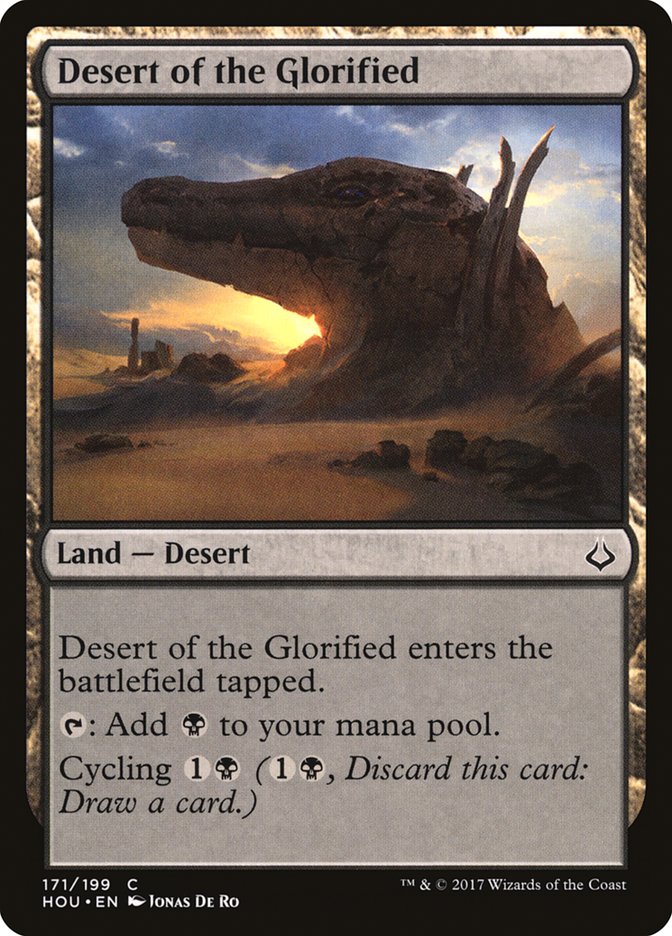
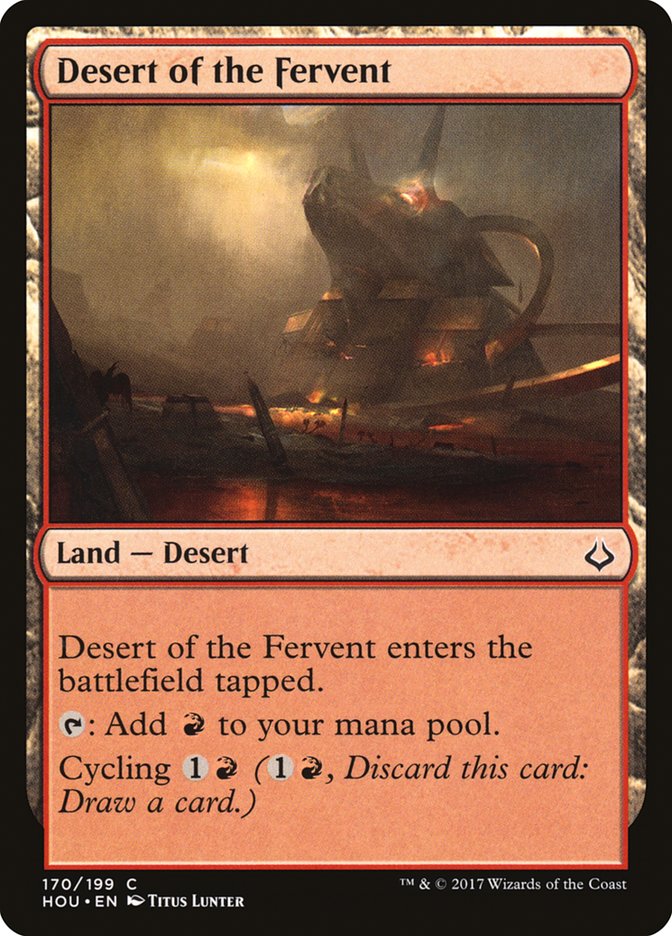
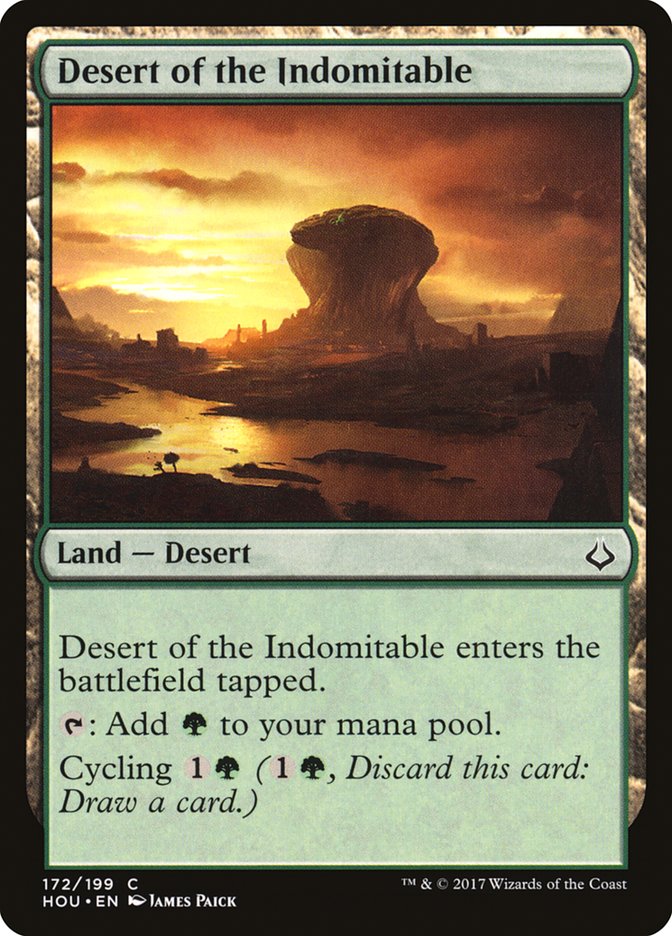
Hour of Devastation Desert Lands
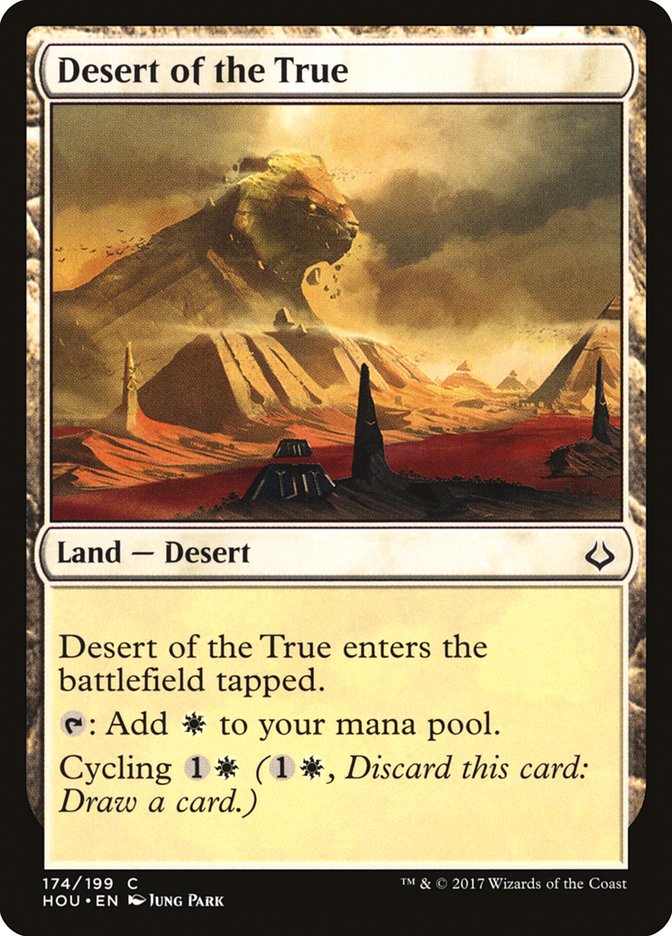
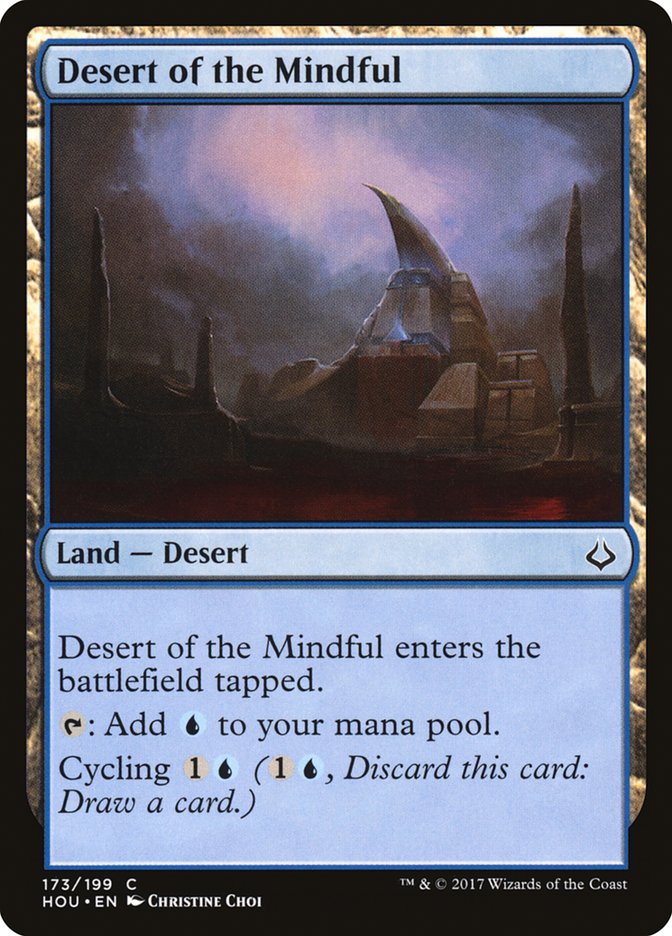
- Desert of the True
- Desert of the Mindful
- Desert of the Glorified
- Desert of the Fervent
- Desert of the Indomitable
Amonkhet had desert and cycling subthemes, and you’d want plenty of deserts in your decks to enable cards like Sand Strangler or Hour of Promise. These cards all cost 2 to cycle, plus one of their respective color, so they’re a mix of the Onslaught and Urza’s Saga cyclers. Some cards care about you having a desert in the graveyard, so there’s an additional bonus to cycling these in their native set.
Amonkhet Bicycle Lands
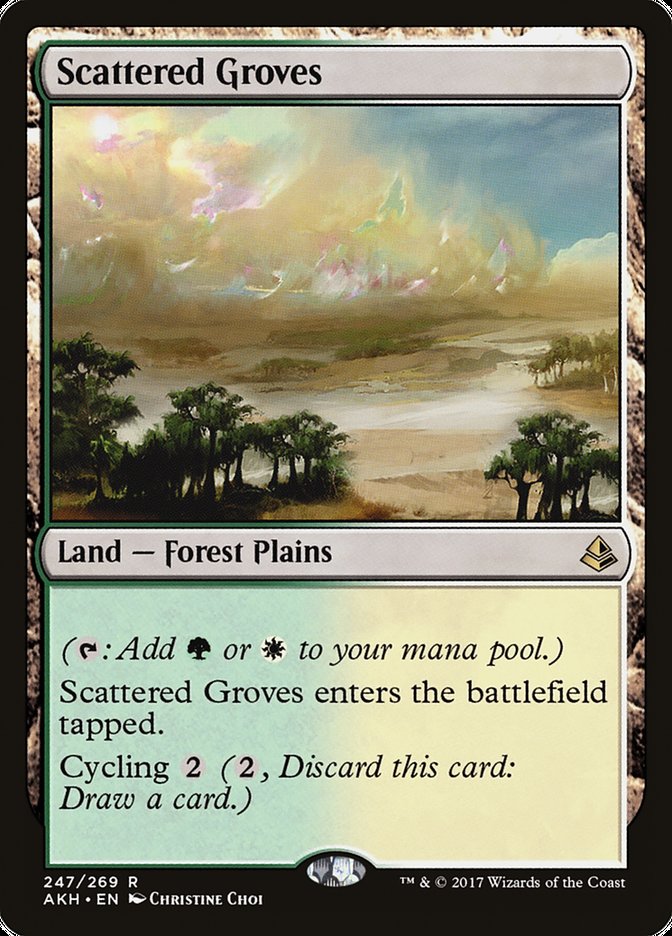
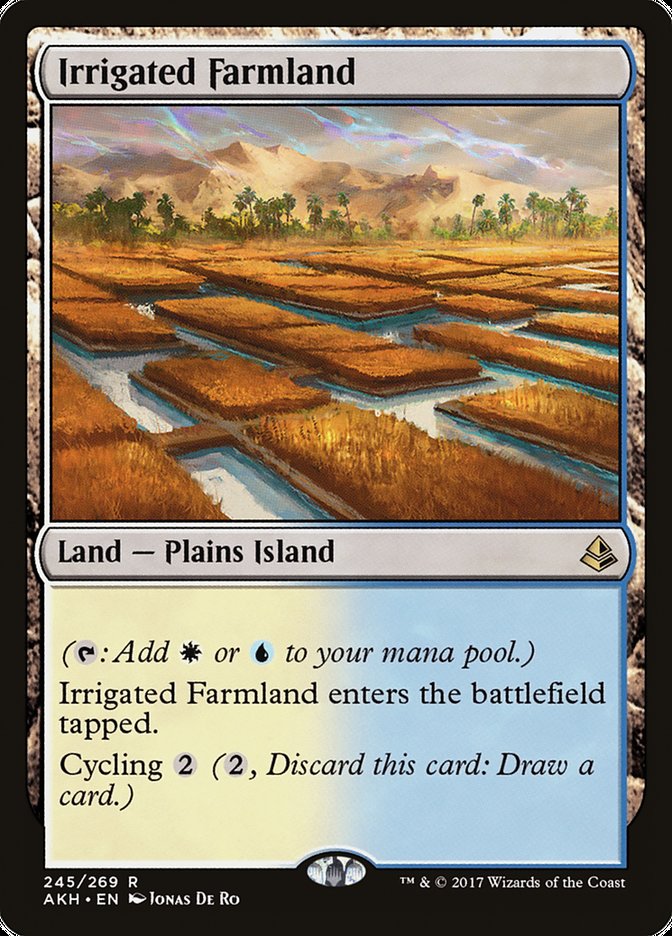
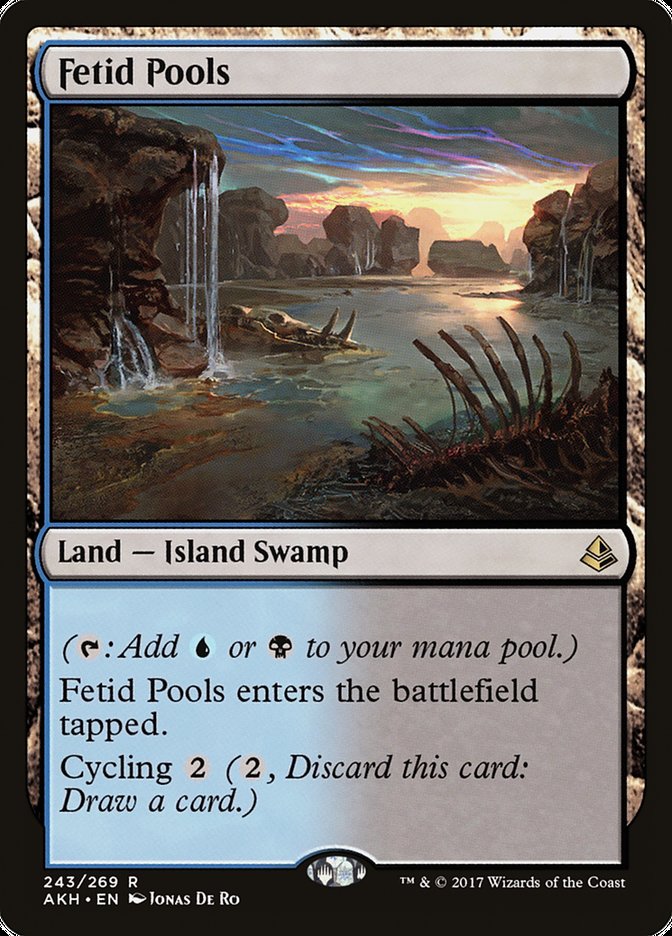
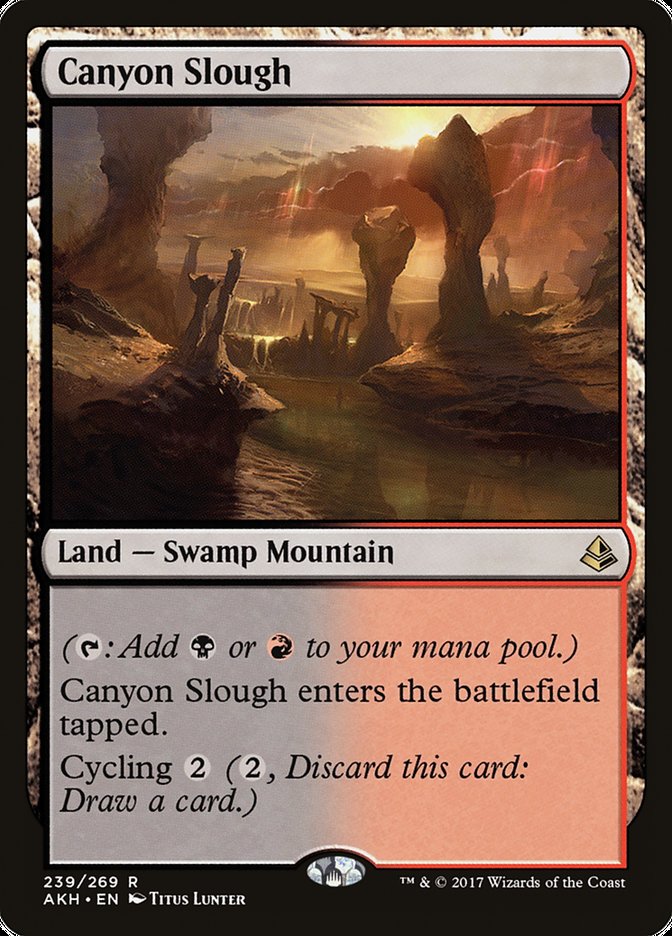
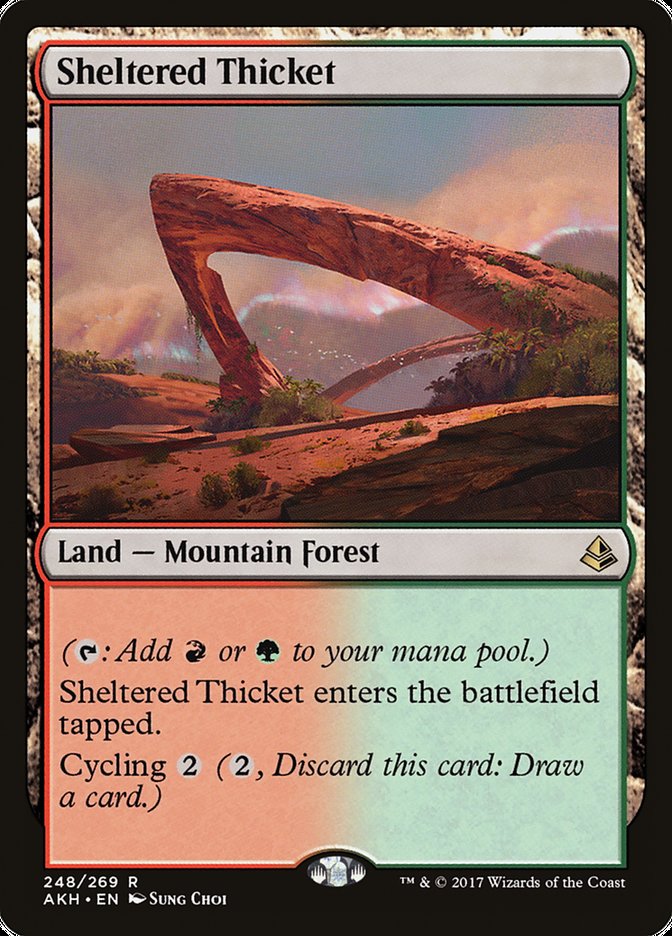
Also introduced in Amonkhet, these cycling lands cover all the allied color pairs. These are tap lands that have basic subtypes, so you can fetch them, and they all cycle for . If you don’t care about the cycling, options like the surveil lands are a better choice (but usually more on the expensive side).
Commander Bicycle Lands
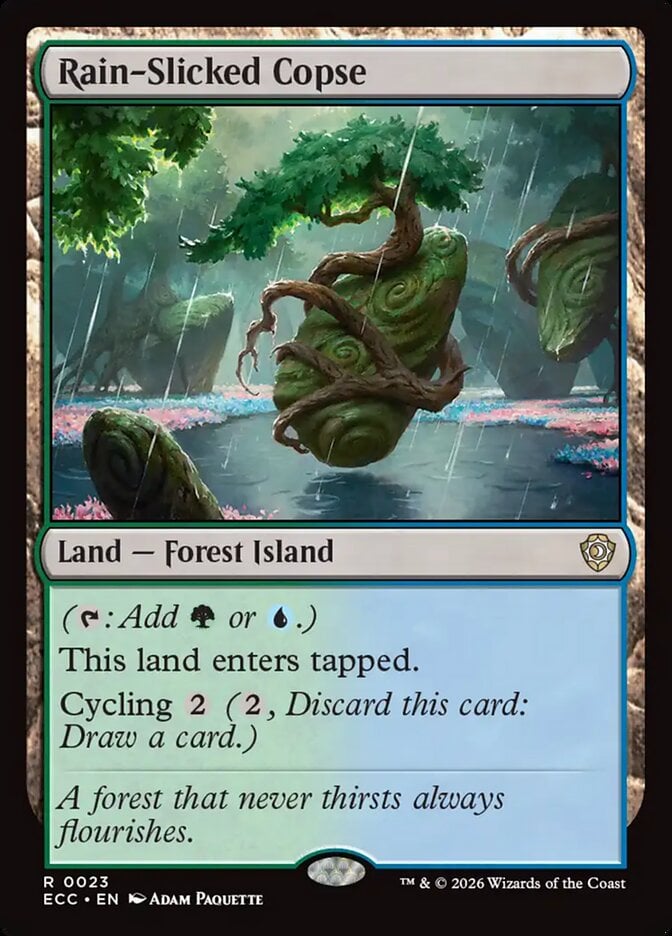

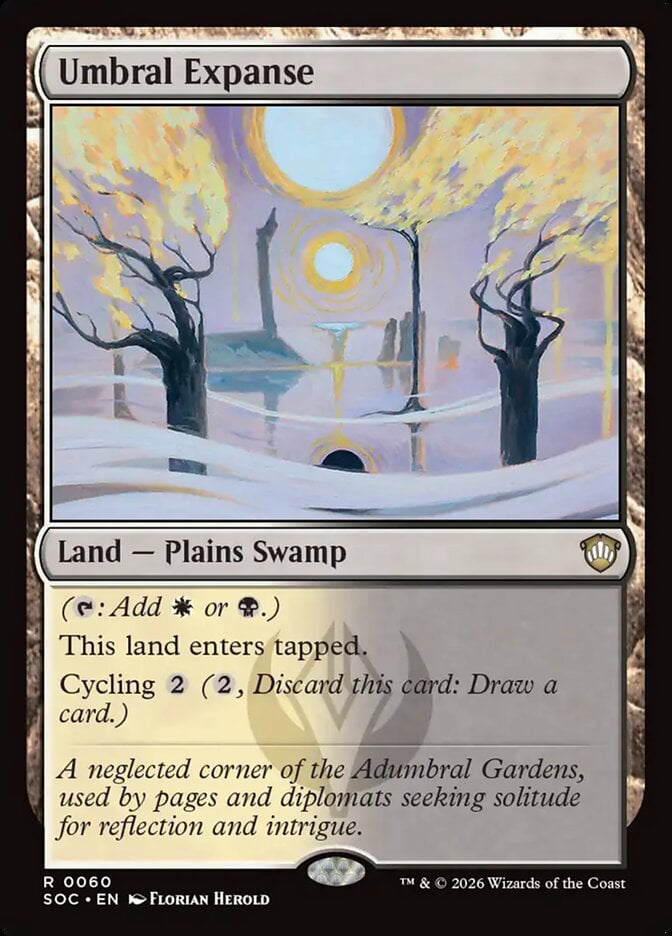

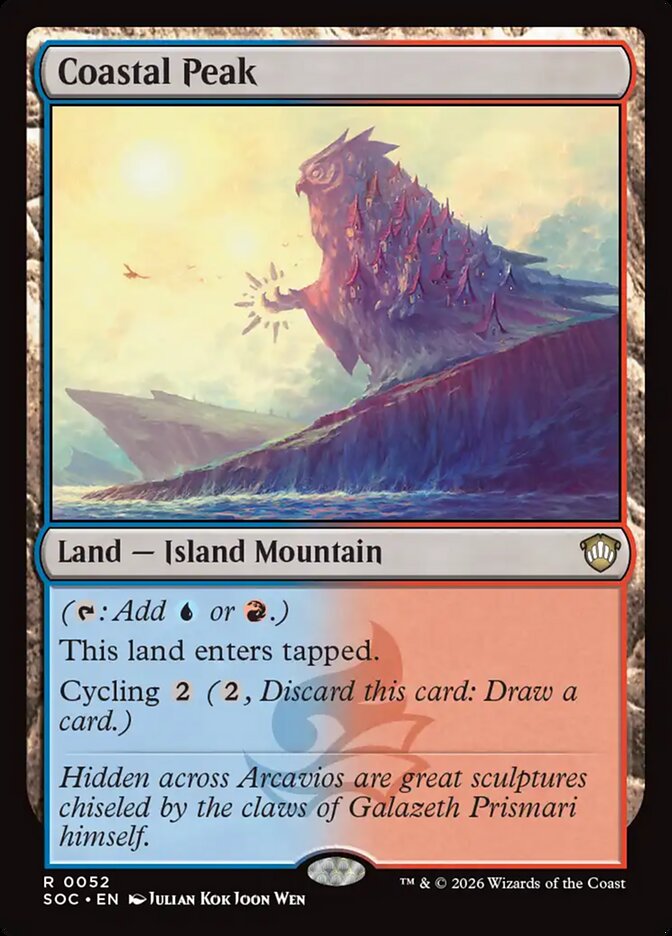
Some years later, WotC decided to complete the Amonkhet bicycle lands by adding the enemy-colored pairs. These were introduced in Commander precons almost 10 years after the original allied-color lands.
Tricycle Triome Lands
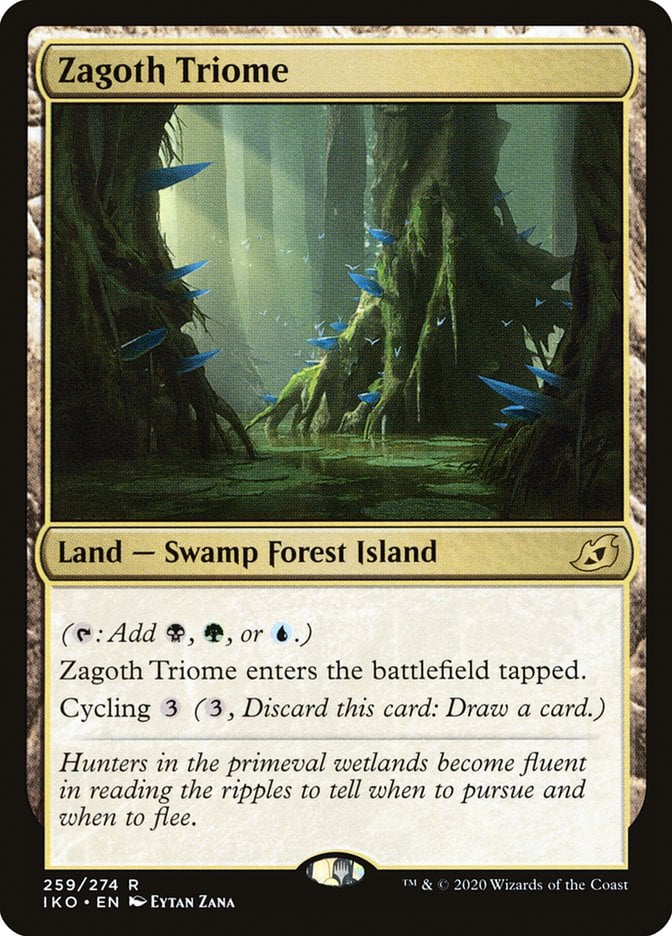
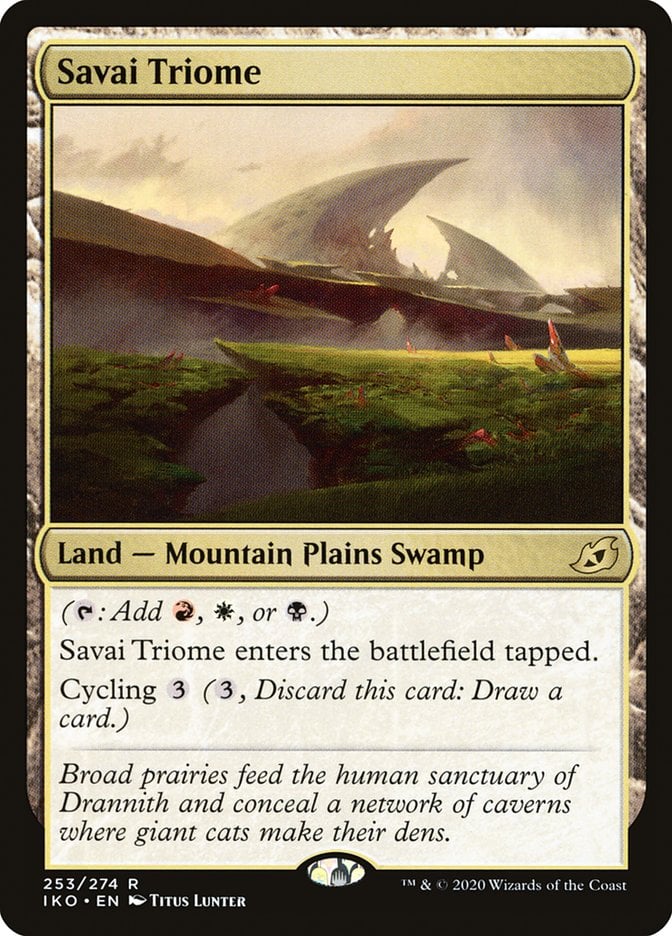
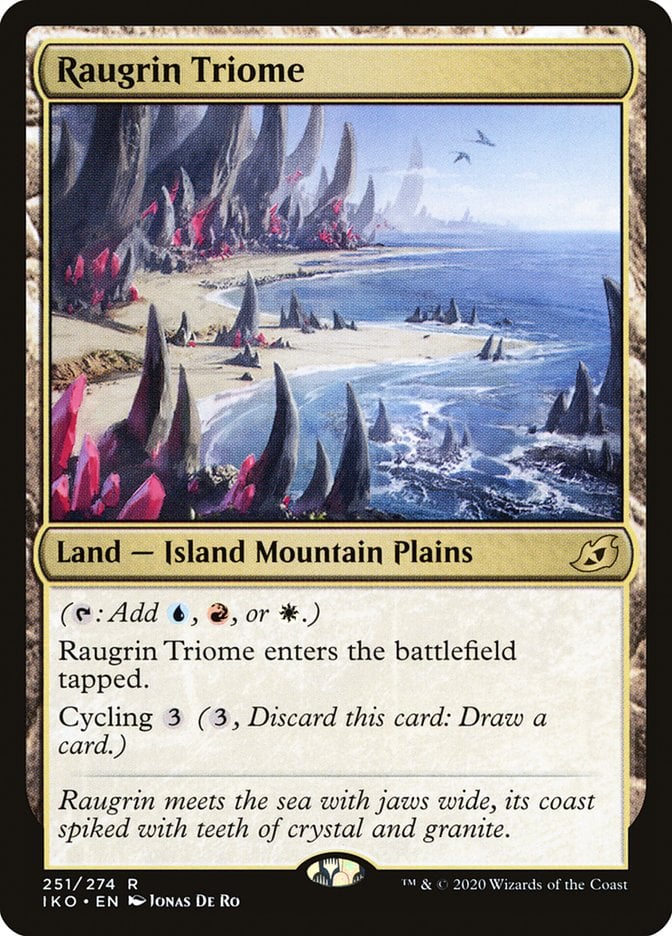
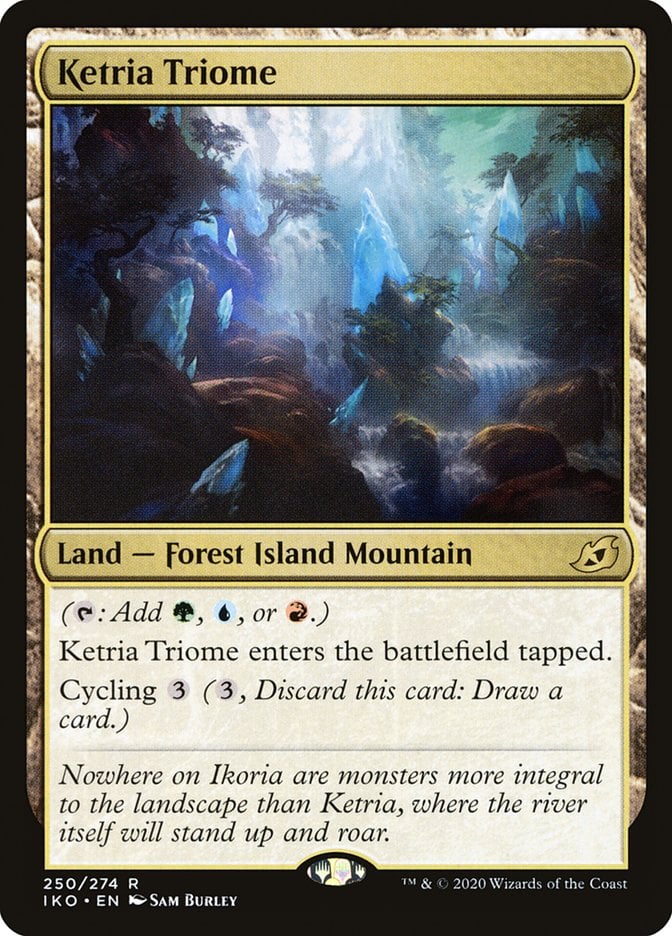
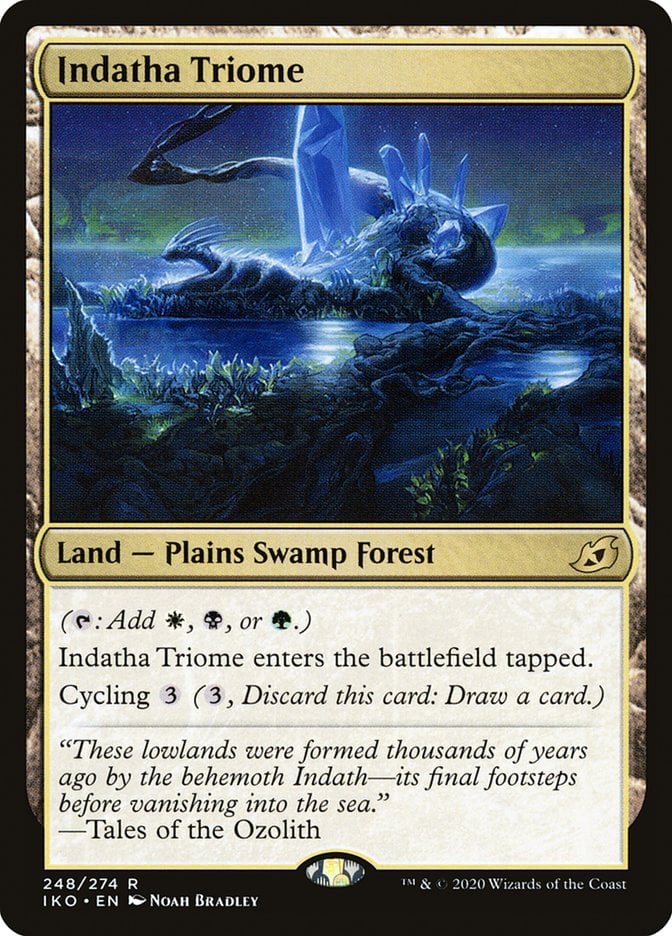
Ikoria: Lair of the Behemoths introduced the tri-color cycling lands, covering the wedge color combinations like Mardu () and Jeskai (). These triomes all have their respective basic land types, so they’re fetchable, and this has big implications in fetch land formats like Modern and Legacy. The cycling for welcome but expensive, and it ends up mattering more in formats like Commander or in the late game when you already have 7-8 lands in play.
Tricycle Allied Lands
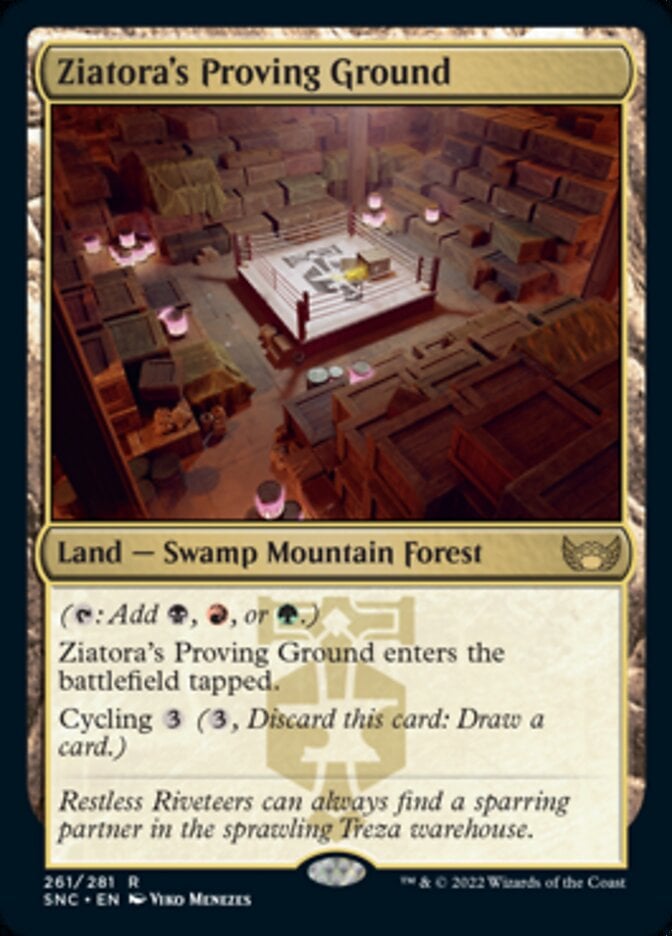
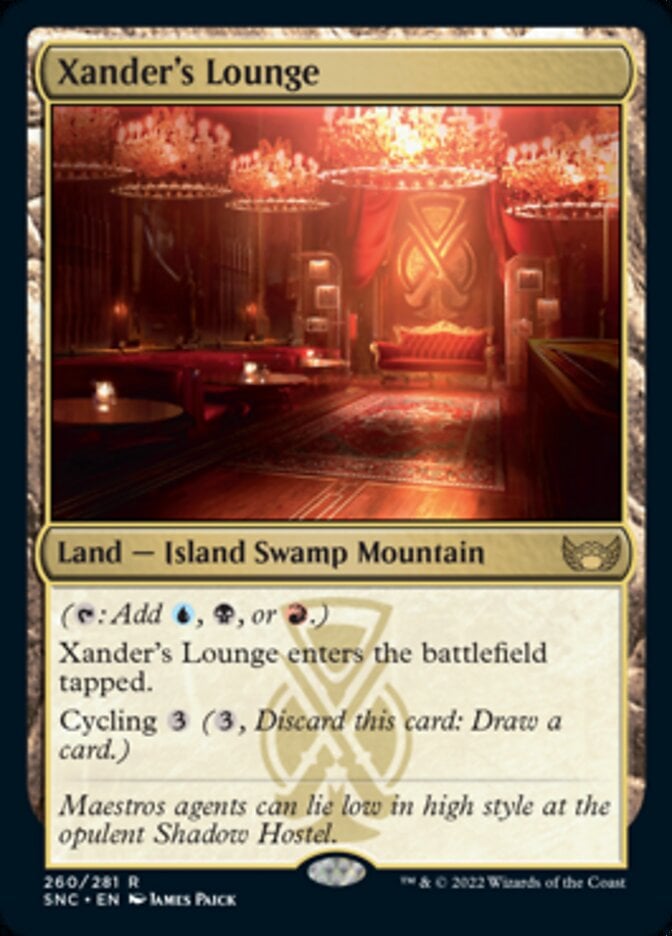
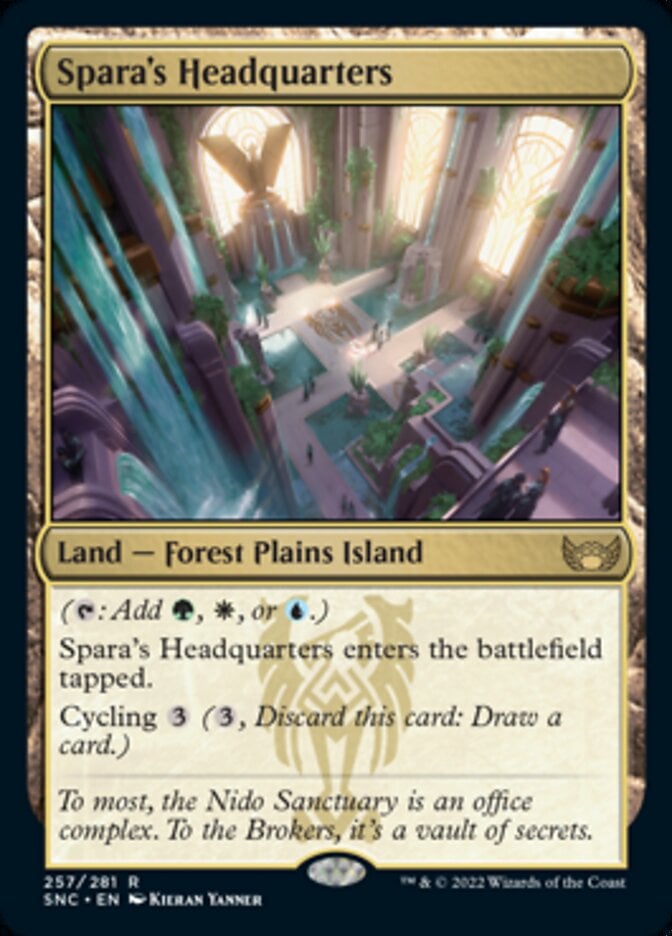
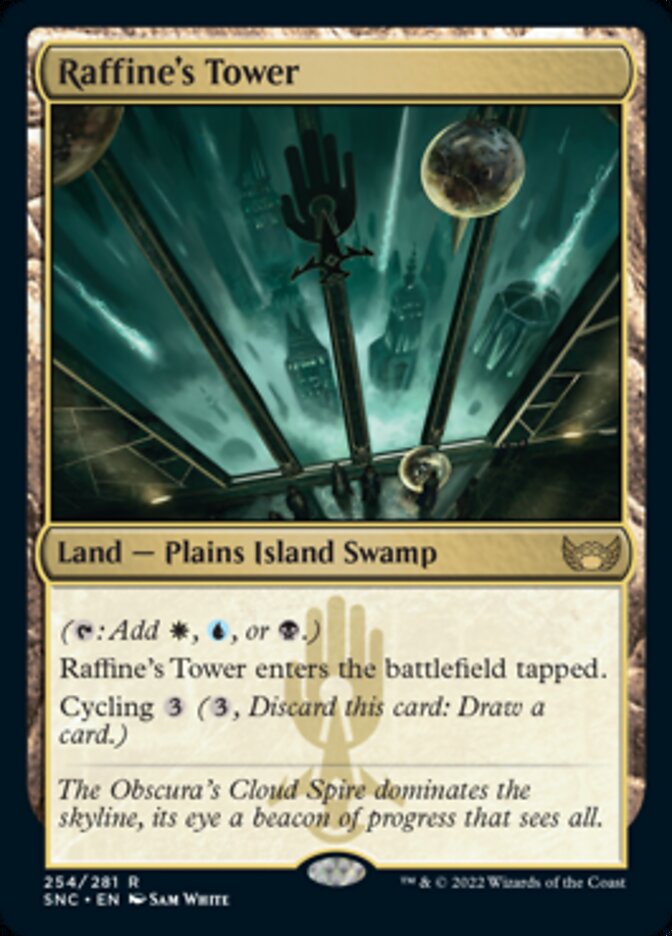
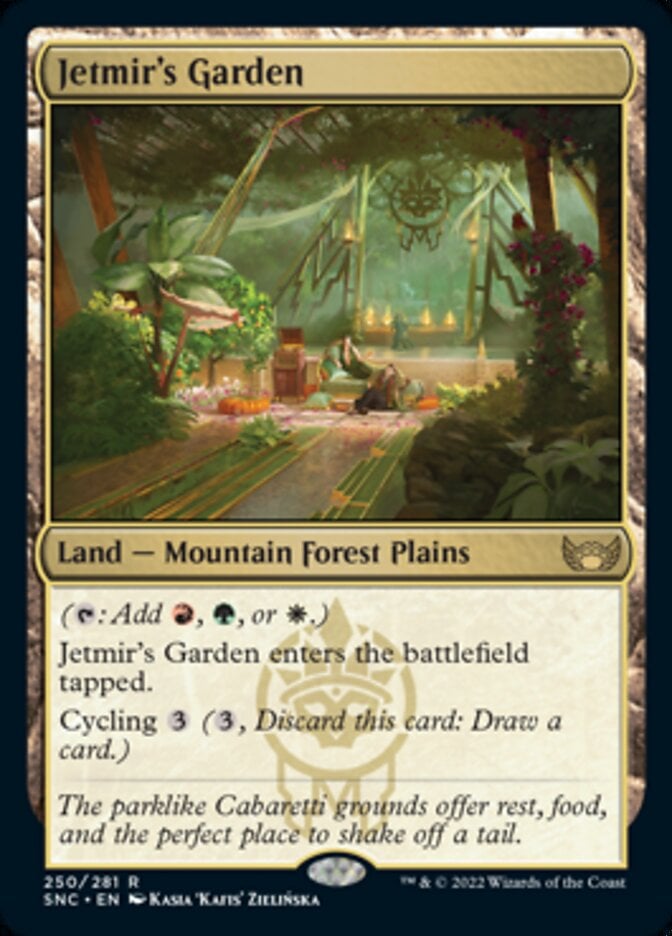
Streets of New Capenna finished the tri-color cycling lands, covering the shard combinations like Jund () and Bant (). Since the triome name was already popular, many people call these lands the allied triomes, or shard triomes.
MH3 Landscapes


- Bountiful Landscape
- Deceptive Landscape
- Foreboding Landscape
- Perilous Landscape
- Shattered Landscape
- Contaminated Landscape
- Seething Landscape
- Sheltering Landscape
- Tranquil Landscape
- Twisted Landscape
This cycle of 10 common landcyclers was introduced in Modern Horizons 3, and there’s one for each tri-color combination.
It’s interesting piece of design tech was the way the color identity is shown on the card. A landscape that fetches a Mountain, a Plains, and a Swamp can be cycled for , so you can easily see which types of land you can fetch.
Other Cycling Lands


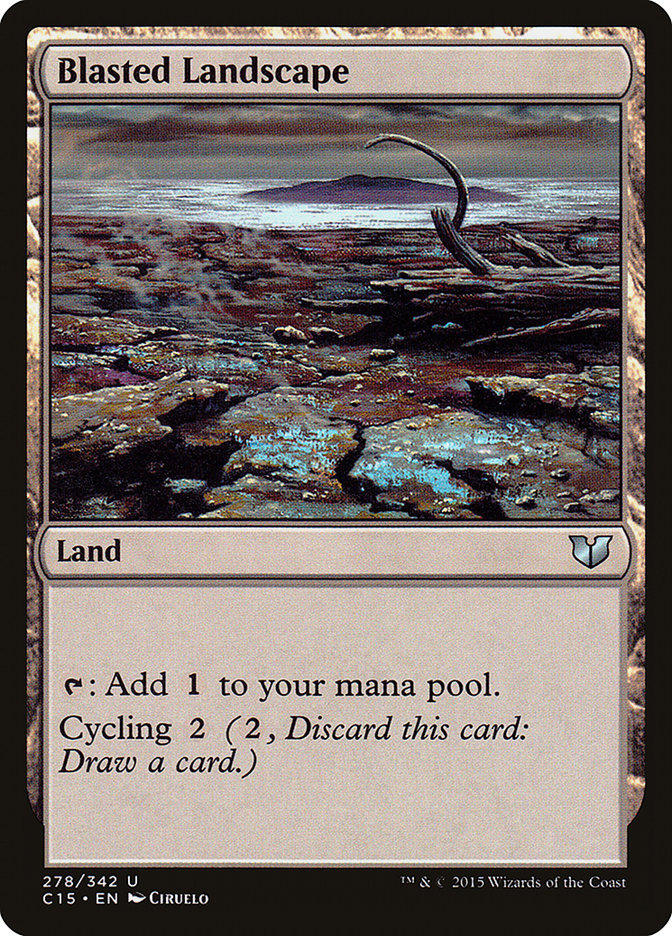
These were mostly designed for Limited and aren’t a part of a cycle. Capital City has a little advantage over these because of the town subtype, which might matter sometimes.
Best Cycling Lands
Bicycle Lands
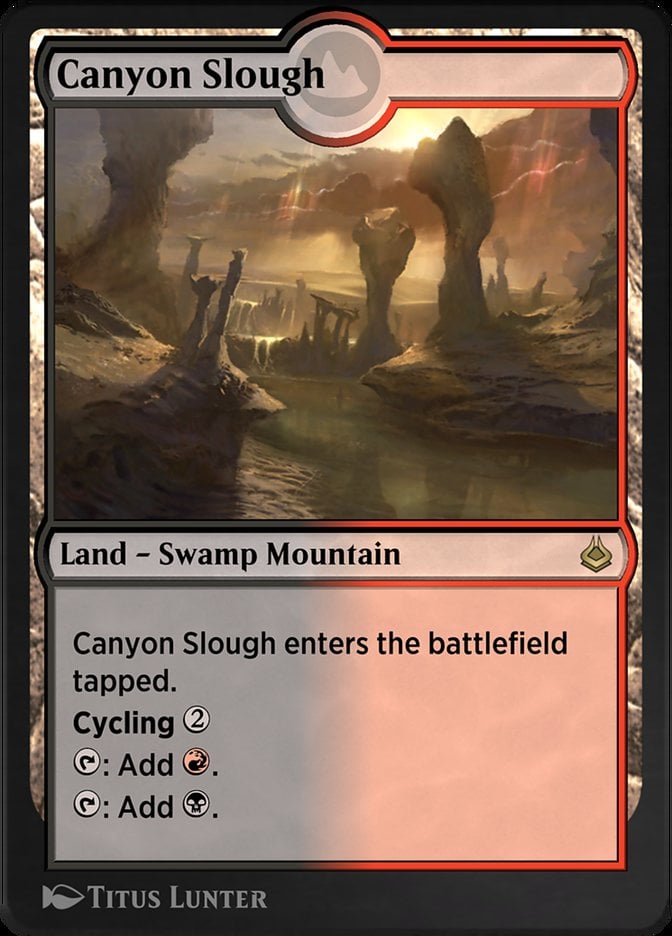
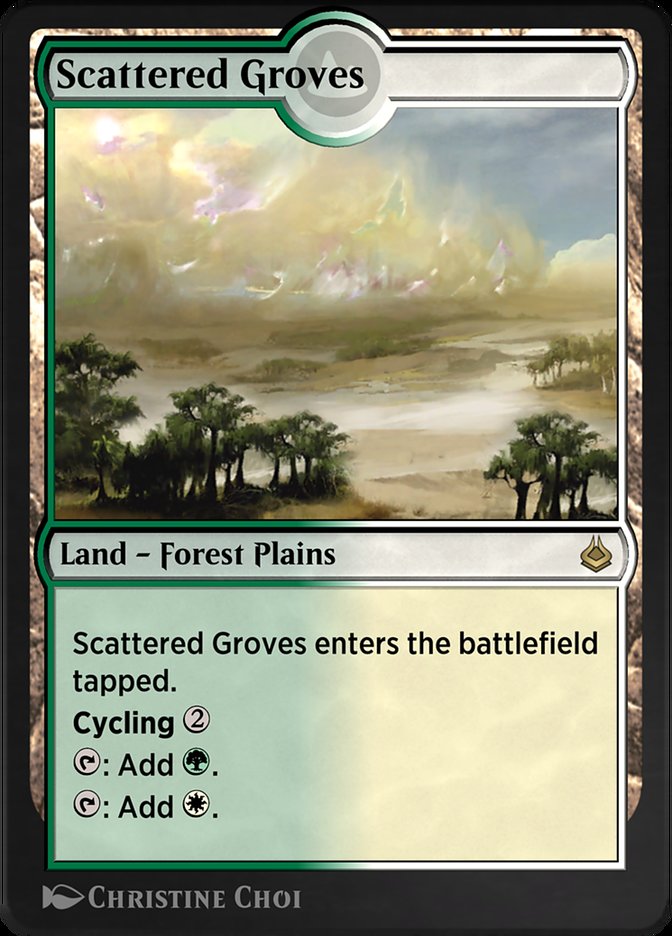
These lands are excellent budget dual lands. You can fetch and cycle them, so you can even use some land tutors as roundabout card draw and thin your deck very efficiently.
MH3 Landscapes
The MH3 Landscapes should be played in pretty much any non-optimized EDH deck where they fit. It’s a budget fetch land and a nice piece of mana fixing. We also have added benefits for landfall synergies. They’re strong because they enter untapped, so you can use the colorless mana right away if you need to, or sacrifice them to get the colored land you want.
Triomes
What makes these tri-color cycling lands so insanely good is that you can fetch them with 1-mana landcyclers, like Generous Ent and Lórien Revealed. You pay 1 mana, cycle your Lórien Revealed, and now you have access to blue, white, or red mana. And just popping a normal fetch at the end of your turn also does the trick.
Cycling Land Payoffs
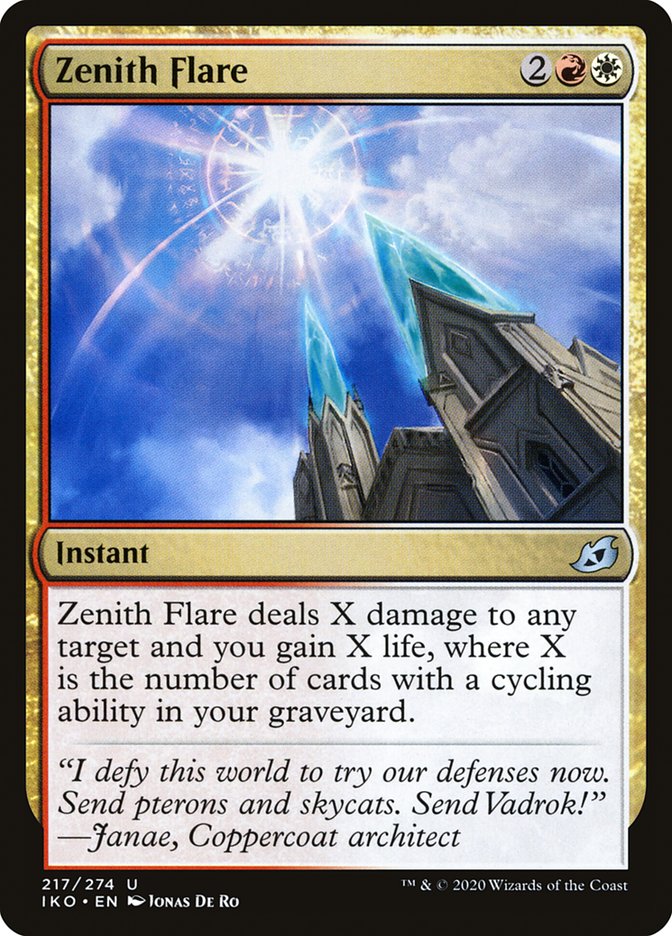
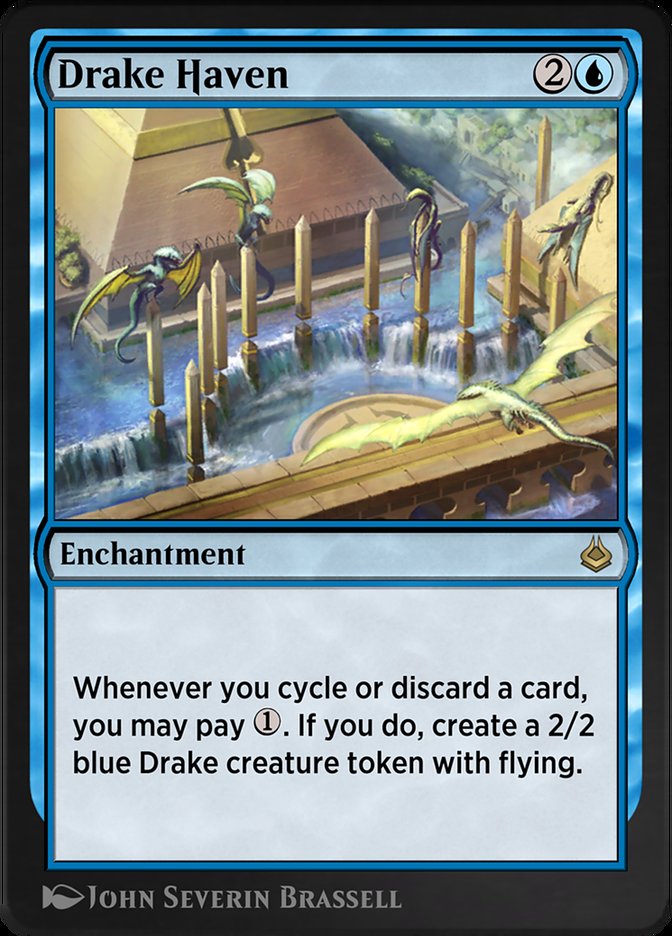
Cycling lands have a few payoffs for playing them:
- When we cycle, we draw an extra card each turn. MTG has a lot of ways to benefit from drawing two or more cards each turn.
- The same is true of discarding, and cyclers are easy discard enablers.
- Cycling-matter cards like Zenith Flare and Drake Haven exist.
- Putting lands in our graveyards matters a lot in many scenarios. Either because we want more cards in our graveyard for threshold, or because we specifically need a land there.
Are Cycling Lands Expensive?
Most cycling lands aren’t expensive. These are mostly commons and uncommons made for Limited, so there are lots of them on the market. Plus, Commander precons do a good job of reprinting them regularly, and they aren’t staples of Constructed formats.
The biggest exceptions to this rule are the triomes, be they shard or wedge ones. These see heavy play in competitive formats, including Pioneer, Modern, Legacy, and cEDH, so they usually sell for $15-20. Also, they mostly haven’t been reprinted since their original appearances, so 2020 for the Ikoria wedge triomes and 2022 for the New Capenna triomes. Maybe they get reprinted in a high-profile set like a new Modern Horizons, or in a future tri-color Commander precon. Titanbreach, perhaps?
How Do Cycling Lands Affect Deck Construction?
MTG’s mana system is built around the concept that you don’t want to play too many lands to reduce the risk of mana flooding, but you also don’t want to play too few lands to mitigate mana screw. Cycling lands help you because you can actually play more lands than usual. This way, you’re not getting mana screwed, and it’s all right if you need to play some tapped lands in the early turns.
Later in the game, you can cycle your excess lands. This strategy is very common in archetypes like WU draw-go control, playing around 26-28 lands in a 60-card deck. These decks want to play a land every turn, and if you don’t have anything better to do with your mana, just cycle a land. Cycling lands also help with mana fixing, in the sense that you can cycle the fourth white land in your hand to improve your chances of drawing the blue land you need, for example.
Aggressive decks aren’t so keen on playing cycling lands, because playing a tapped land is often a high cost. But at the same time formats like Pauper, where you have many mono-colored decks playing 16-17 lands total, often play a cycling land or two. A mono-red deck might play 1-2 copies of Forgotten Cave, for instance.
As for Limited, you’ll probably play any cycling land you have access to in your colors, instead of a corresponding basic land, especially in Sealed. For example, if you’re playing Selesnya in Sealed Deck, and you open both a white and green cycling land, you’re probably playing both in your 17-land deck. Depending on the speed of the format and the archetype you’re playing in Draft, you may play more or fewer cycling lands and spend the corresponding picks to draft them.
What Are Bicycle Lands in MTG?
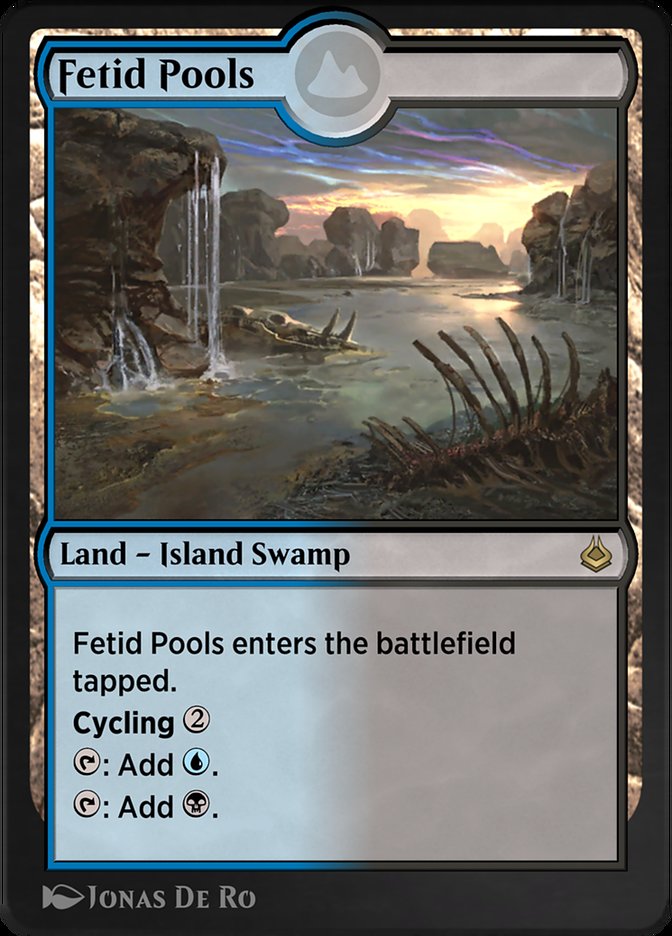
Bicycle lands are basically dual lands that also cycle, like Fetid Pools. It’s basically a blue and black dual land with the corresponding island and swamp types, and you can cycle it for . Each 2-color pair has its bicycle lands, and they got this name because MTG only had mono-colored or colorless cycling lands before these.
The Cycle Continues
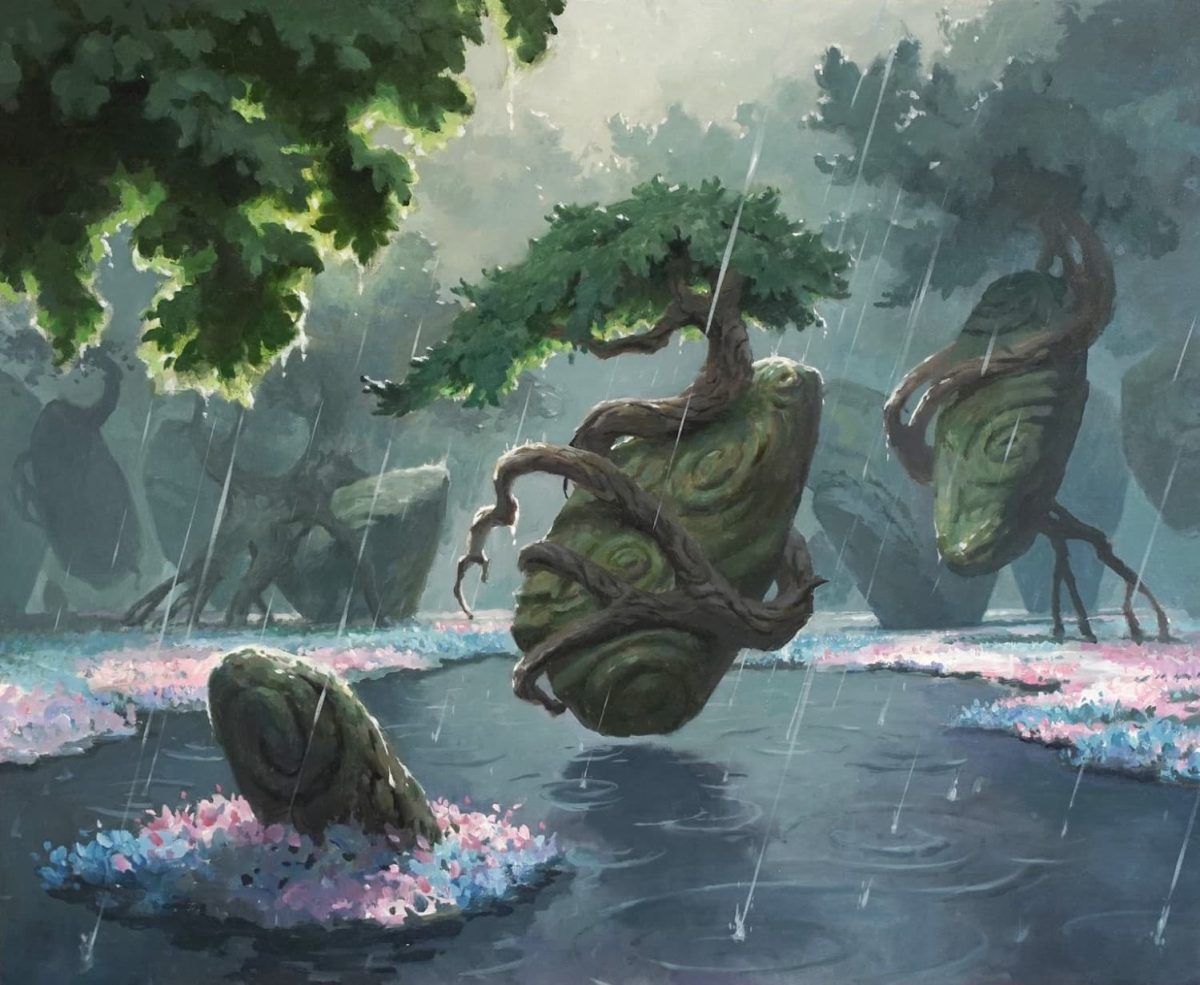
Rain-Slicked Copse | Illustration by Adam Paquette
Cycling is a beloved and deciduous mechanic in MTG, and we see cycling tacked onto many different card types. Cycling lands are excellent in Limited and a worthy inclusion in many Constructed decks. These are better in slower decks, because most cycling lands enter play tapped, and you’d rather not play these in decks where the first three land drops are critical.
Which are your favorite lands with cycling? Do you think there’s still design space for new cycling lands? Let me know what you think in the comments section below or on Discord. And for more on MTG in general, be sure to check our YouTube channel, The Daily Upkeep.
Until next time, stay safe!
Follow Draftsim for awesome articles and set updates:










Add Comment