
Last updated on March 21, 2026

Boseiju, Who Endures | Illustration by Chris Ostrowski
All Magic players love land destruction, right? Reanimating Sundering Titan, casting Armageddon, and powering out Balance with a bunch of fast mana are all great ways to make friends.
Commander players frown on much mass land destruction, but nonbasic land hate can get a pass because they offer a necessary way to handle threatening lands like Field of the Dead and Cabal Coffers that can win the game on their lonesome.
Let’s look at all the nonbasic land destruction to figure out the best!
What Is Nonbasic Land Destruction in MTG?

The Motherlode, Excavator | Illustration by Josu Solano
Nonbasic land destruction lets you interact with lands that aren’t basic lands. They’re often used to remove utility lands like Field of the Dead and Celestial Colonnade but can also disrupt 5-color mana bases by blowing up lands like Mana Confluence and Triomes.
Nonbasic land destruction is often tied to nonbasic lands or red/green spells. Many effects printed in recent years allow the player whose land blew up to replace their nonbasic with a basic land so nobody goes down on lands while removing the problem card, a solution I quite like.
This list is weighted for Commander. While many players decry land destruction as the epitome of unfun Magic, nonland destruction effects often get a pass during a rule 0 conversation because they serve the vital function of preventing a landfall commander from winning with Field of the Dead or the mono-colored deck running away with Nykthos, Shrine to Nyx rather than destroying a game’s pace via Armageddon.
Honorable Mention: Land Disruption
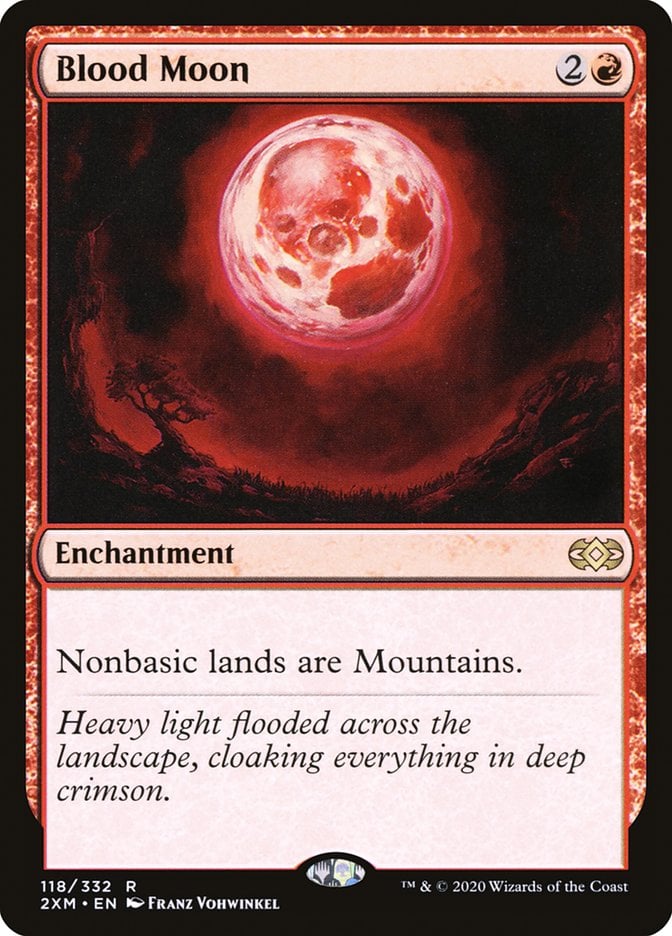
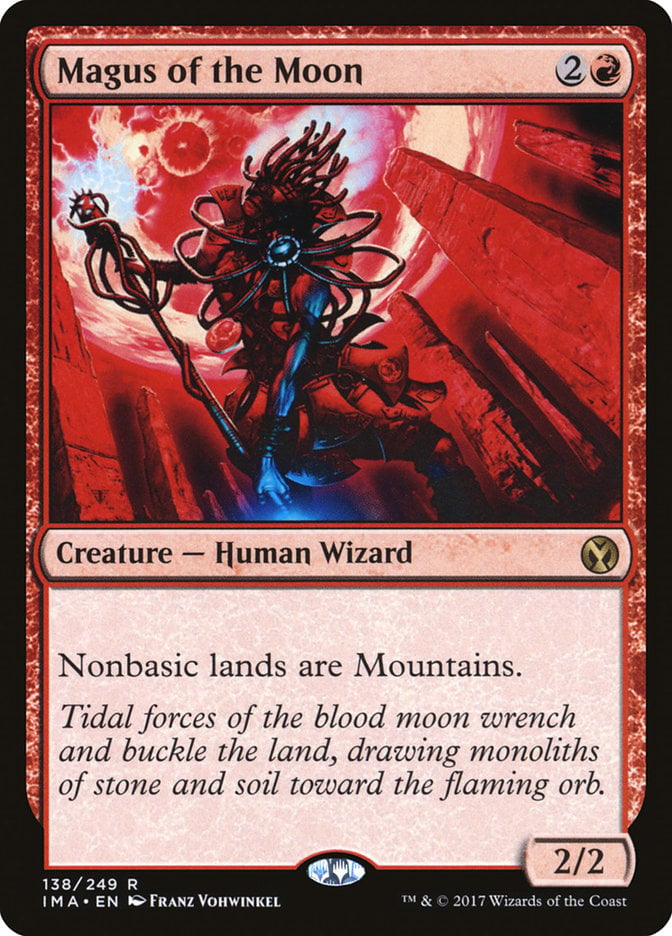

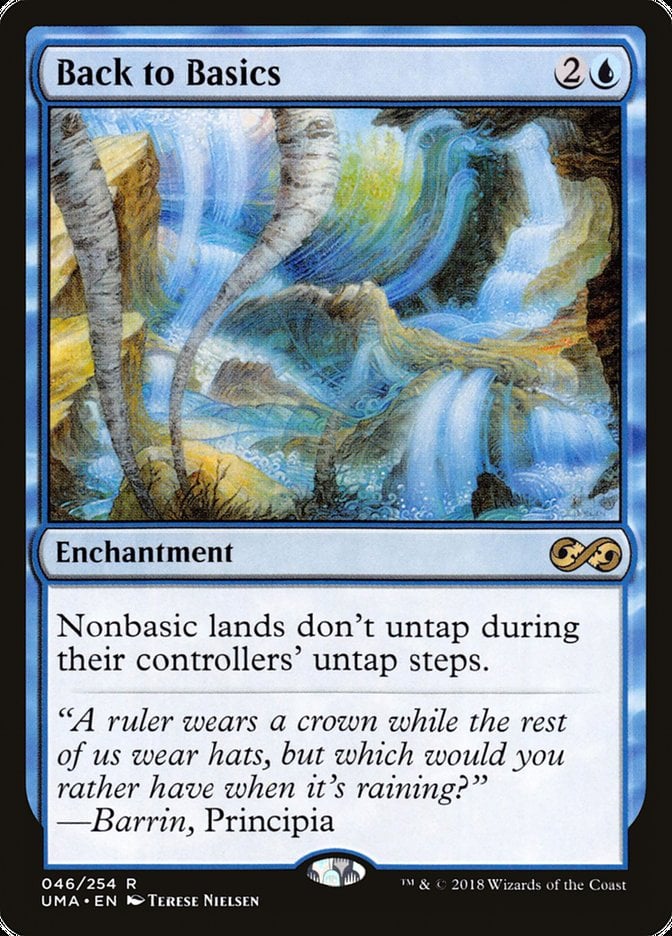

Before we get to the list proper, I want to throw out an honorable mention to a fleet of effects that don’t destroy nonbasic lands but do disrupt them, including Blood Moon, Magus of the Moon, Harbinger of the Seas, Back to Basics, and Winter Moon.
None of these cards destroy nonbasic lands, but they disrupt non-basic mana bases effectively. These cards are the reward for playing mono-colored decks with 40 basic lands, though you can get away with them in many 2-color lists.
#33. Crumble to Dust + Sowing Salt
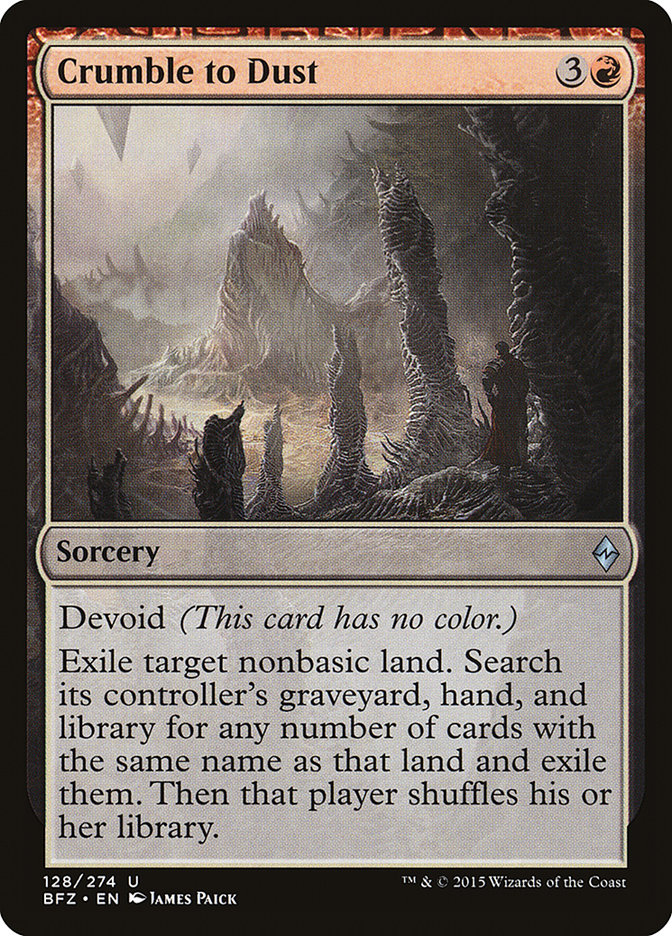

Crumble to Dust and Sowing Salt have slight differences but are overall the same poor card. Exiling additional copies does nothing in Commander, making these overcosted Stone Rains for little benefit.
#32. Goblin Ruinblaster

You might squeeze Goblin Ruinblaster into your goblin deck as a meta call because your playgroup loves nonbasics, but it’s otherwise far too underwhelming to bother with. If you really like this effect, Avalanche Riders hits more cards and works with flicker effects.
#31. Dwarven Miner
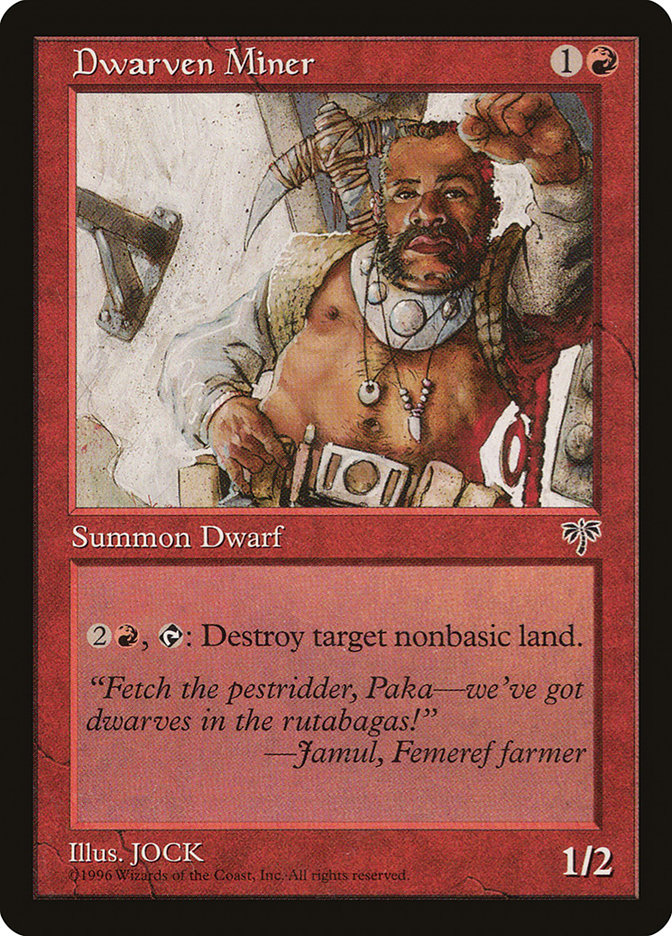
Pretty much the only thing going for Dwarven Miner is the art. The repeatable Stone Rain, though costed fairly, won’t be fast enough to be meaningful unless you can set up some loop with cost reduction and an untap effect.
#30. Dwarven Blastminer
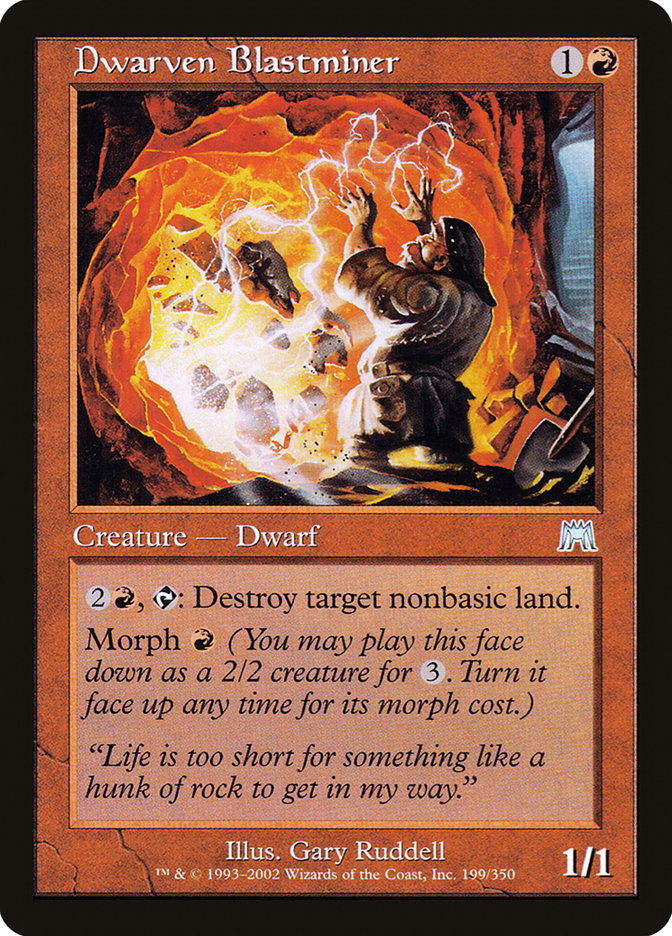
Dwarven Blastminer is just Dwarven Miner with morph. I appreciate morph on Dwarven Blastminer if only for the mind games you can play with it by bluffing it’s something scarier.
#29. Trench Wurm
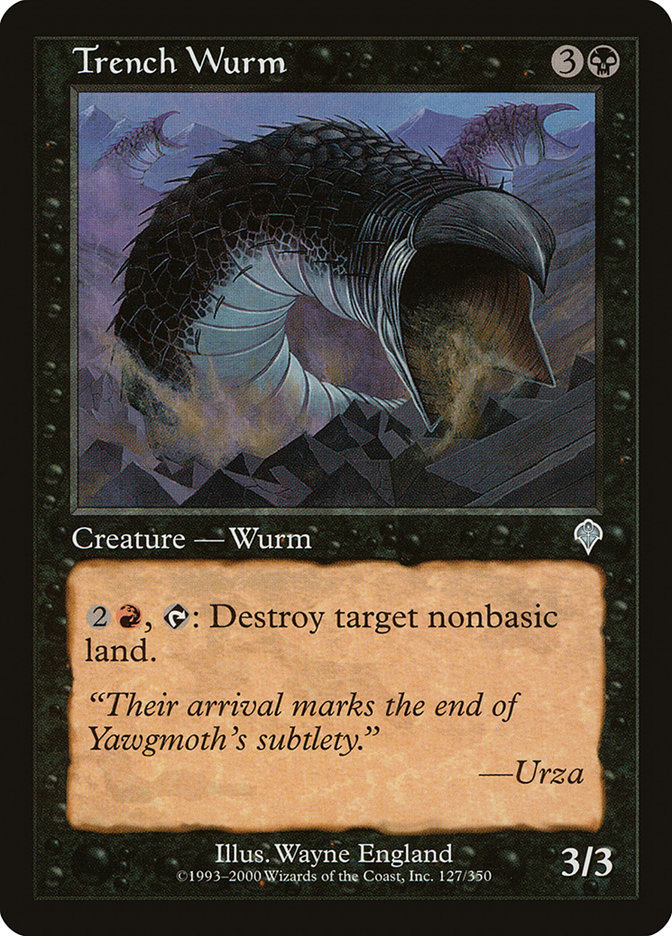
I’m still not impressed by Trench Wurm’s activated ability, but this black creature has the most impactful body of any of the Stone Rain creatures here. If you can call a 3/3 impactful.
#28. Bedeck // Bedazzle
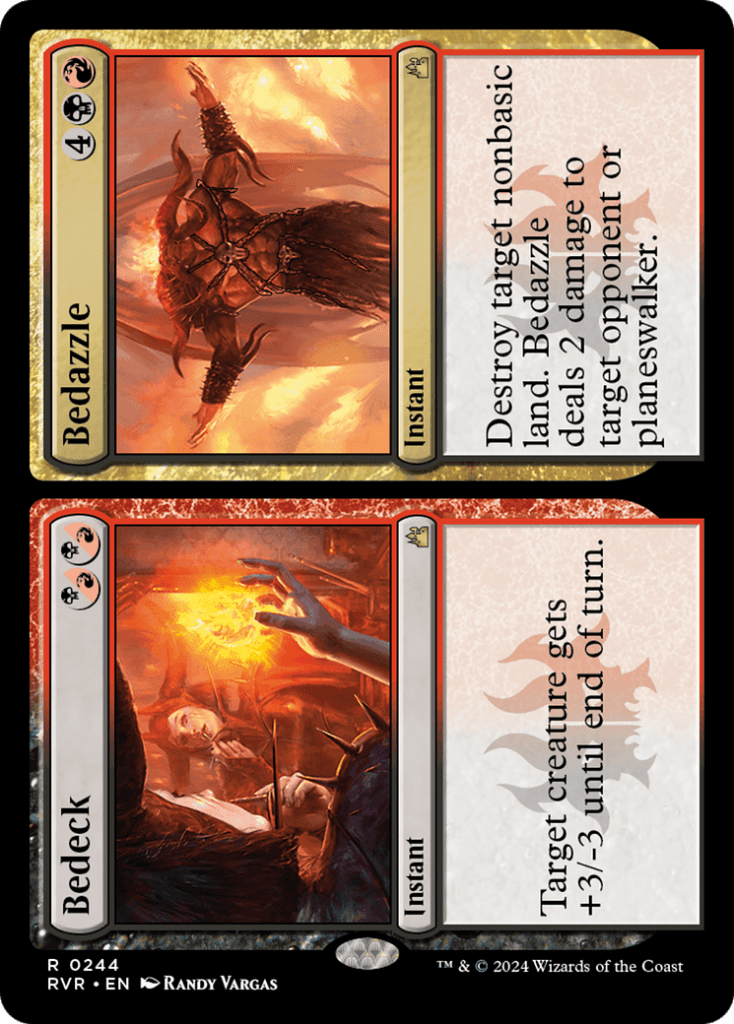
Bedeck does a lot to give Bedeck // Bedazzle any form of playability. There’s probably a power level where a mediocre removal spell that occasionally blows up a utility land is appropriate, but I haven’t found it.
#27. Field of Ruin
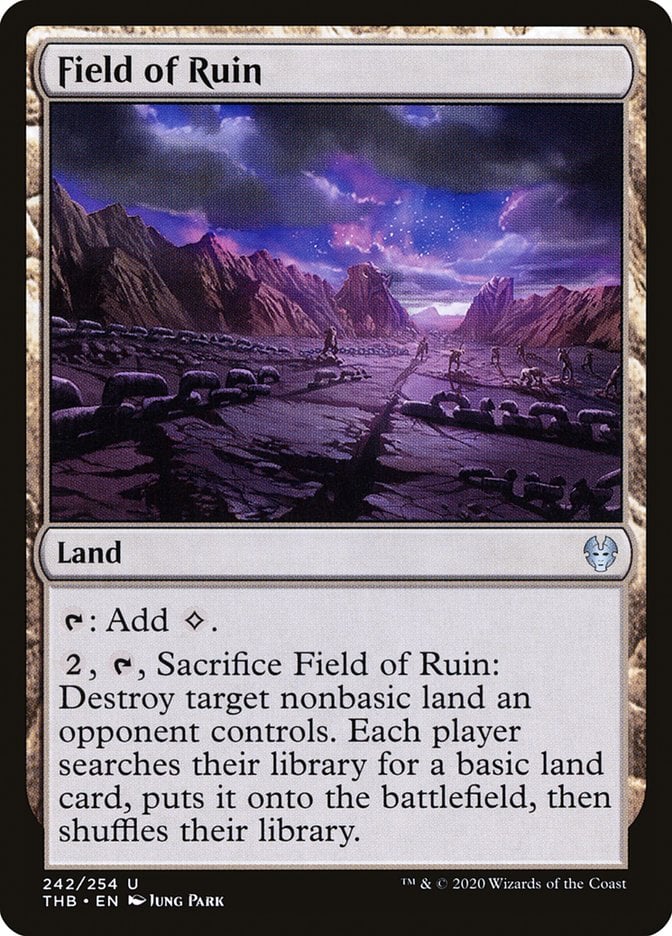
Field of Ruin works great in 1v1 while being neigh unplayable in multiplayer because of its templating: If you Field of Ruin one opponent, all four players get a basic. Ramping half the table to remove one utility land is a horrific rate. Don’t overlook this as an inclusion in Standard decks, though, to disrupt color-intensive mana bases, kill a creature land, or get rid of Mirrex.
#26. The Motherlode, Excavator
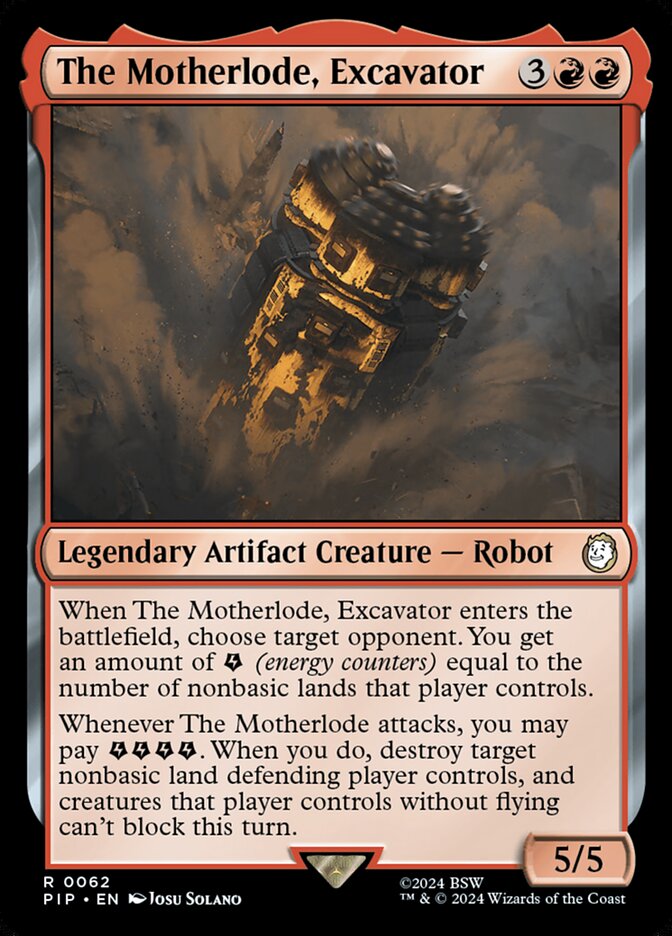
The Motherlode, Excavator can create huge bursts of energy counters on ETB. Its land destruction ability is rather slow and not what we’re here for; decks playing this robot are more interested in the second line of text that prevents your opponents from blocking. This red creature is a fine piece in an energy deck, though it’s so narrow I can’t put it higher.
#25. Encroaching Wastes
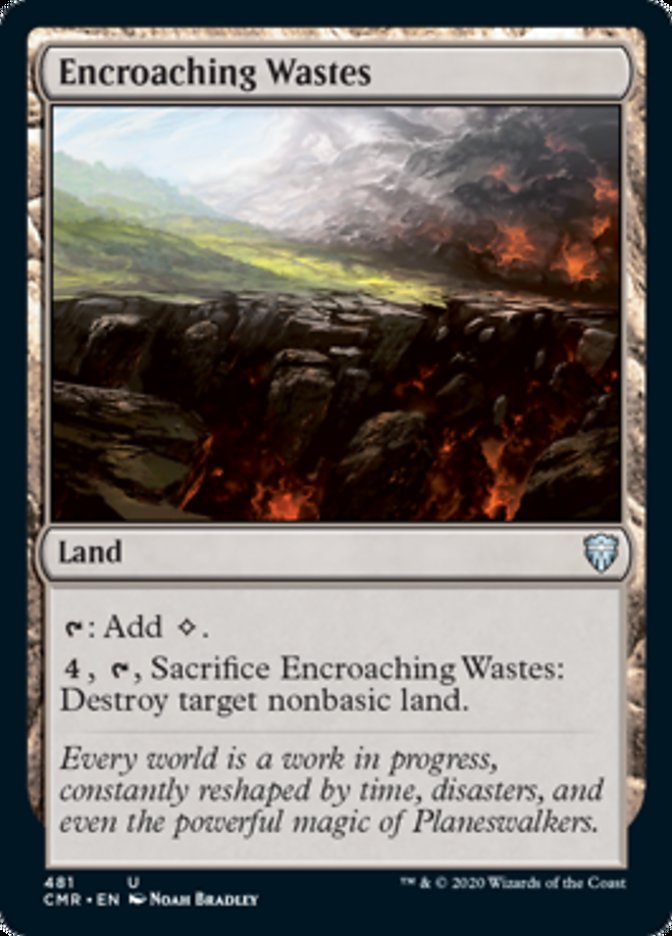
A common method of nonbasic land destruction is colorless lands that sacrifice themselves for a mana cost to destroy the opposing land. Encroaching Wastes exemplifies this perfectly, but its activated ability is among the highest-costed. You just have so many strictly better options.
#24. Ore Gorger

Ore Gorger can put serious pressure on your opponents’ mana base. It’s pretty narrow since you need a bunch of spirits to trigger it, and it has a relatively unassuming body, but you only need to get two or three lands for this red creature to be an impactful card.
#23. Fissure Vent

Fissure Vent will always be a two-for-one, which gives this red sorcery inherent value as an interactive spell. You can have some silly turns with cards like Ral, Storm Conduit and Galvanic Iteration to copy it.
#22. Incendiary Command
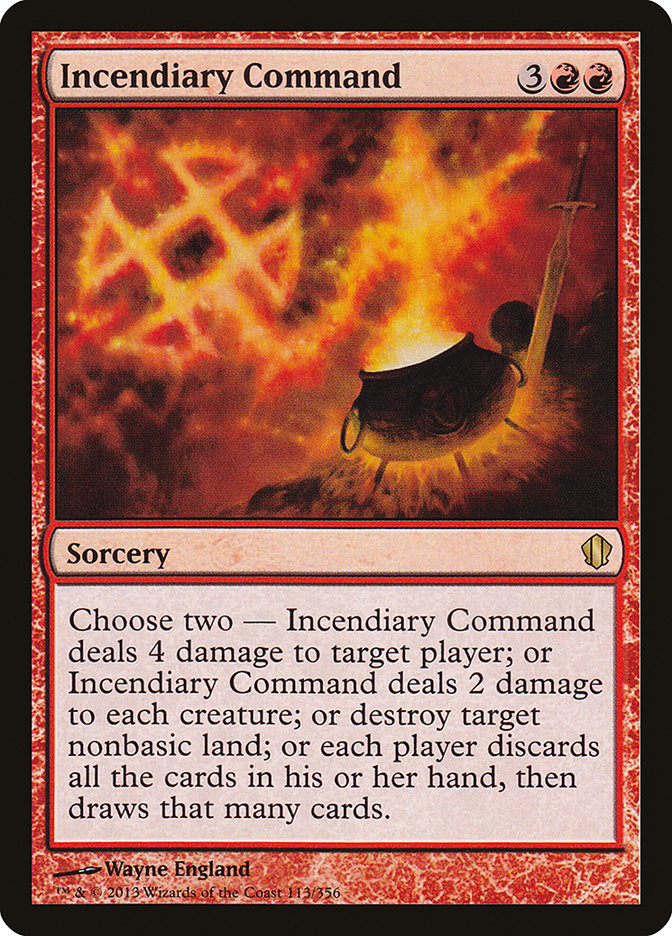
I can comfortably call Incendiary Command the weakest of the Lorwyn commands. Decks craving a budget wheel might play this, but the other modes are incredibly weak, especially since you can’t double down on any mode.
#21. Ray of Ruin
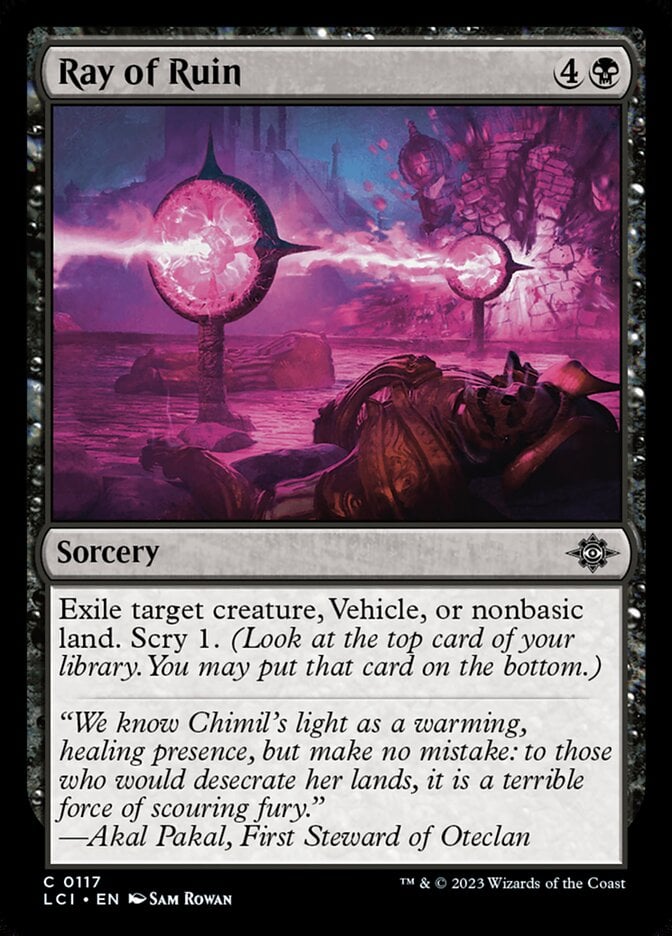
Ray of Ruin costs much more than Stone Rain for the flexibility of hitting creatures and vehicles. It’s pretty costly for spot removal, but the flexibility appeals to some players.
#20. Fulminator Mage
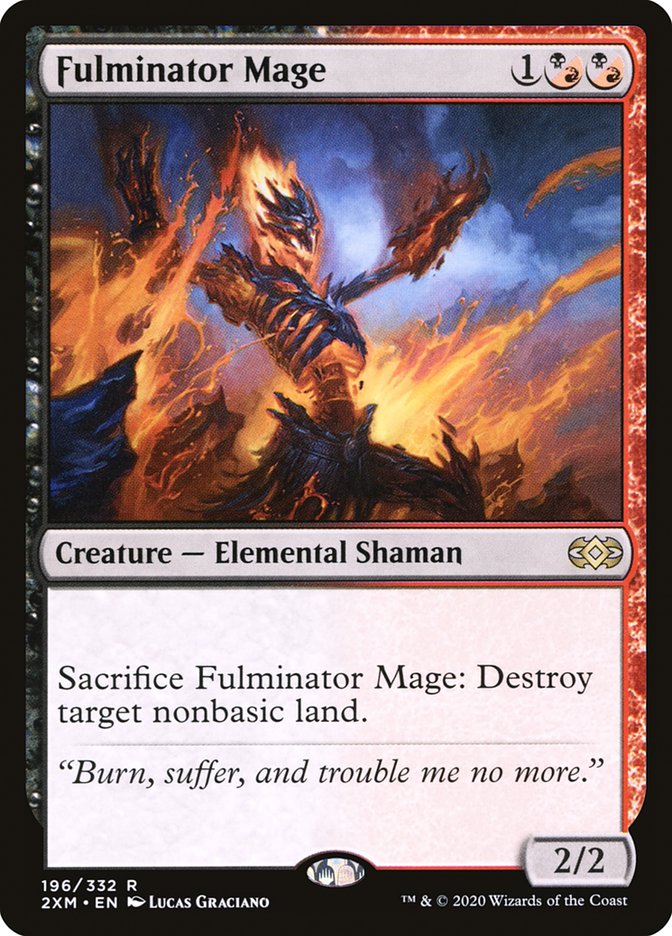
Fulminator Mage has long been part of sideboards in the Modern format, and I think it has a home in Commander. A creature that sacrifices itself to destroy something works with many sacrifice decks or decks that reanimate small creatures.
#19. Dust Bowl
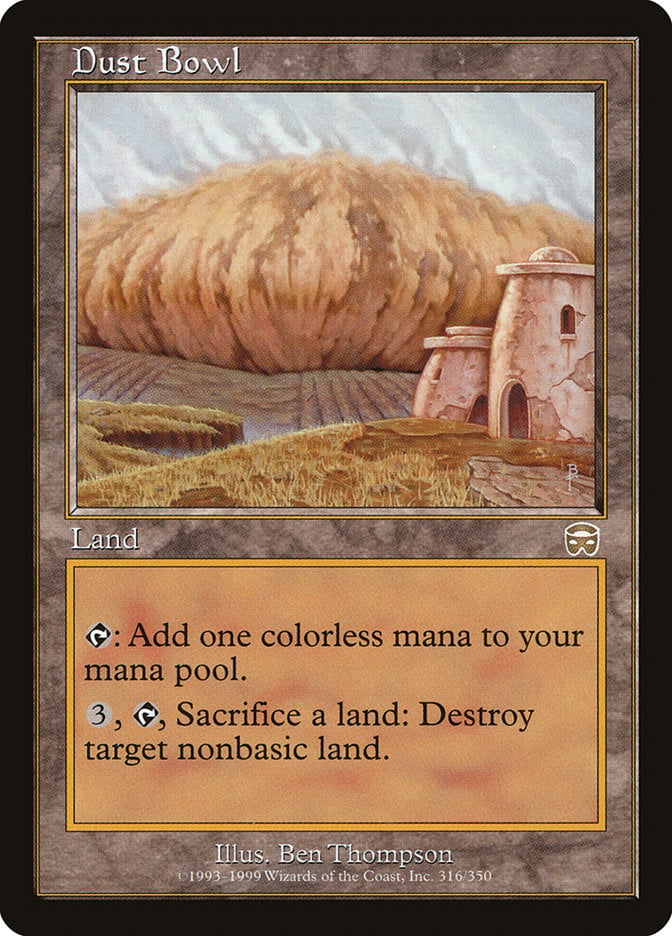
Dust Bowl distinguishes itself from the other lands of its kind by sacrificing any land rather than just itself. Getting multiple uses from your nonbasic land hate can be useful, but it’s still costly, both in mana and lands; at a certain point, sacrificing your lands puts you further behind than your opponent’s utility lands put them ahead.
#18. Rith’s Charm
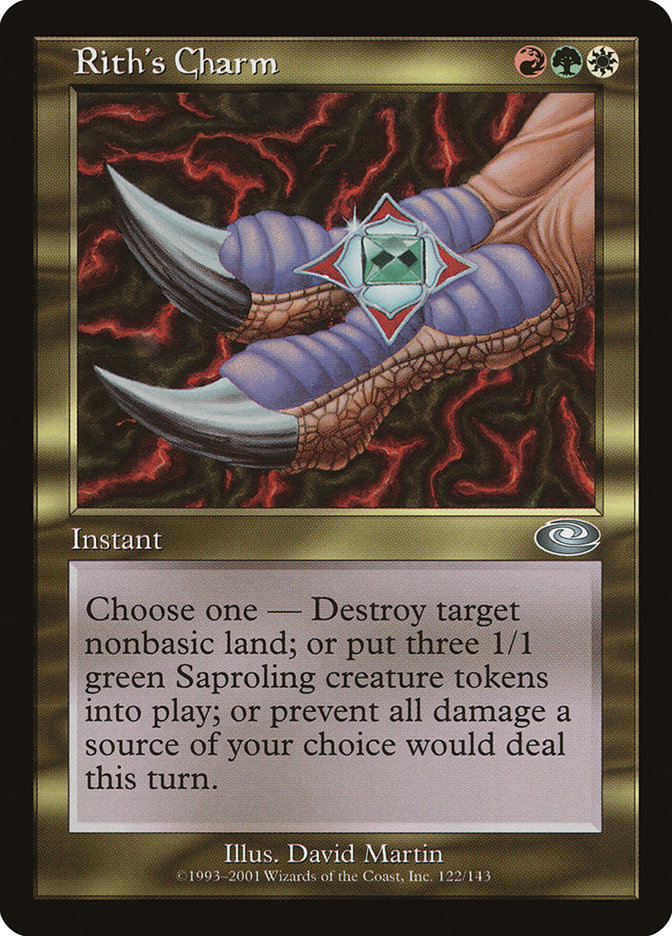
Rith's Charm works for decks willing to default to creating three Saproling tokens. Neither of the other modes is worth playing the card for, even though they add value.
#17. Volatile Fault
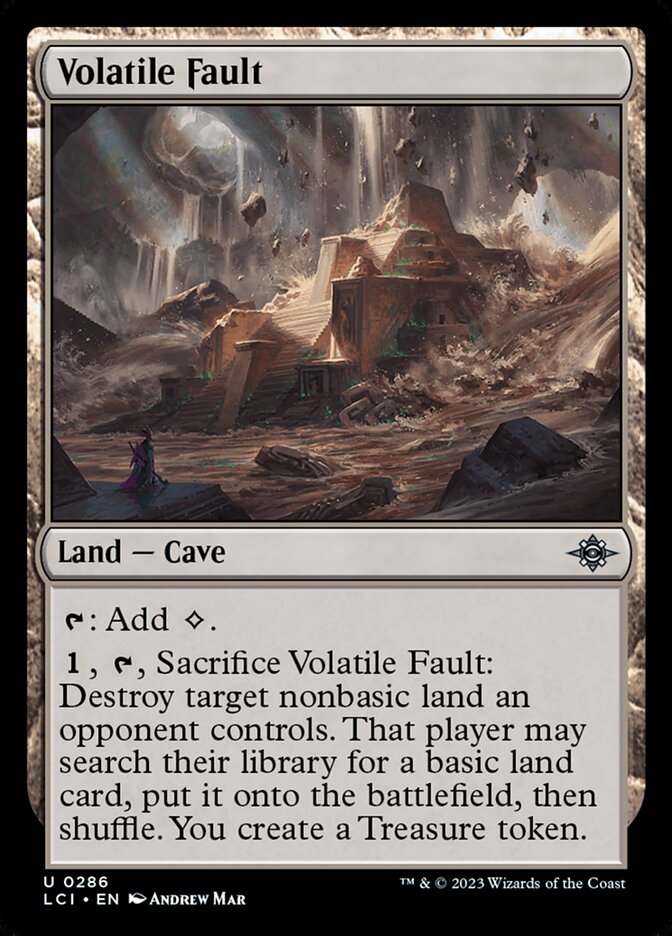
The cave land subtype on Volatile Fault basically never matters, but it deserves recognition as one of the cheapest options on this list. Your opponent going up a land while you get a mere Treasure makes this a bit of a tempo loss, but still acceptable.
#16. Destructive Flow
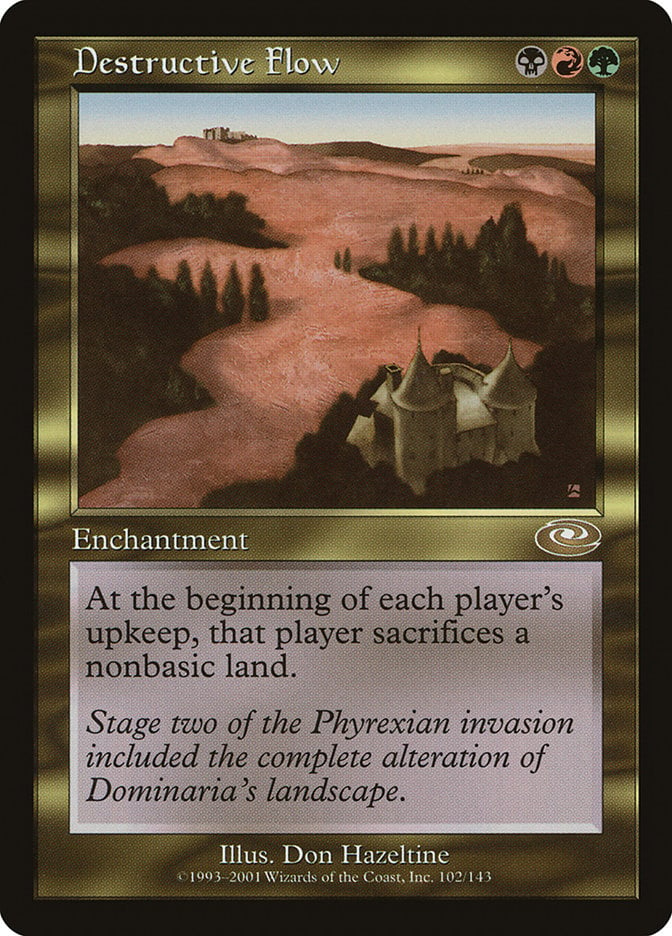
Destructive Flow needs to hit the battlefield early for maximum impact, but it can really mess up multicolor mana bases. If you put this Jund () enchantment in your deck, make sure you build with it in mind and maximize the number of basics you’re playing to minimize its impact on your lands.
#15. Uncontrolled Infestation

Uncontrolled Infestation is a super cheap Stone Rain that basically always works. Unless your opponent hits it with a Nature's Claim, they effectively get 1 more mana or activation from the land before it’s gone.
#14. White Orchid Phantom

White Orchid Phantom gives aggressive decks a powerful disruptive piece attached to a powerful, evasive body. I’m interested in playing this white creature in flicker decks to chew through opposing mana bases, though you can also target your lands for fixing or even potential ramp.
#13. Lava Blister
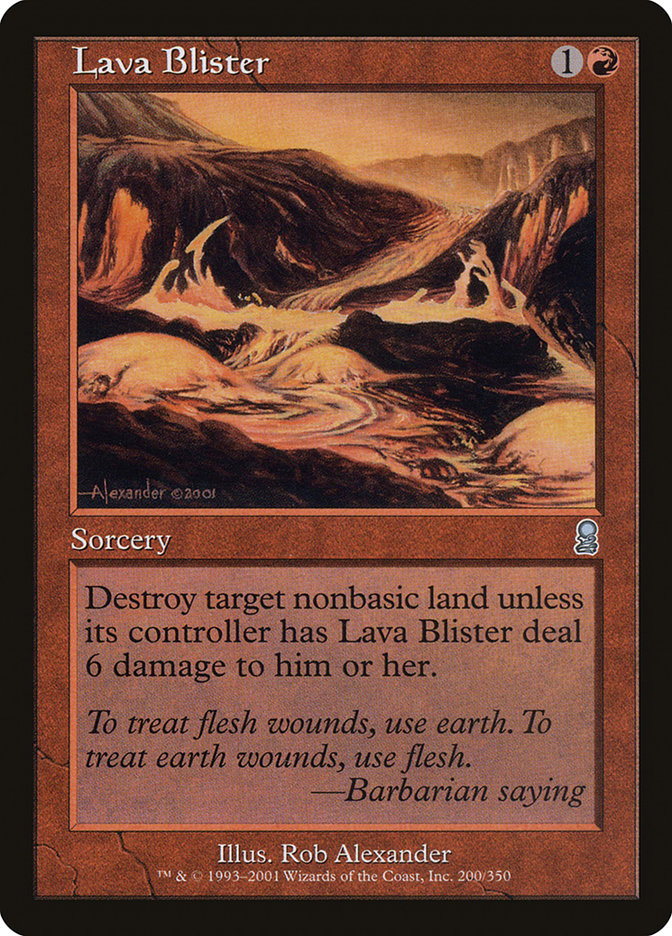
Lava Blister is an incredibly efficient burn spell that occasionally takes out a land. These cards are always dicey since your opponent picks the mode that affects them the least, but the six direct damage for that this red sorcery offers is pretty impressive.
#12. Wave of Vitriol
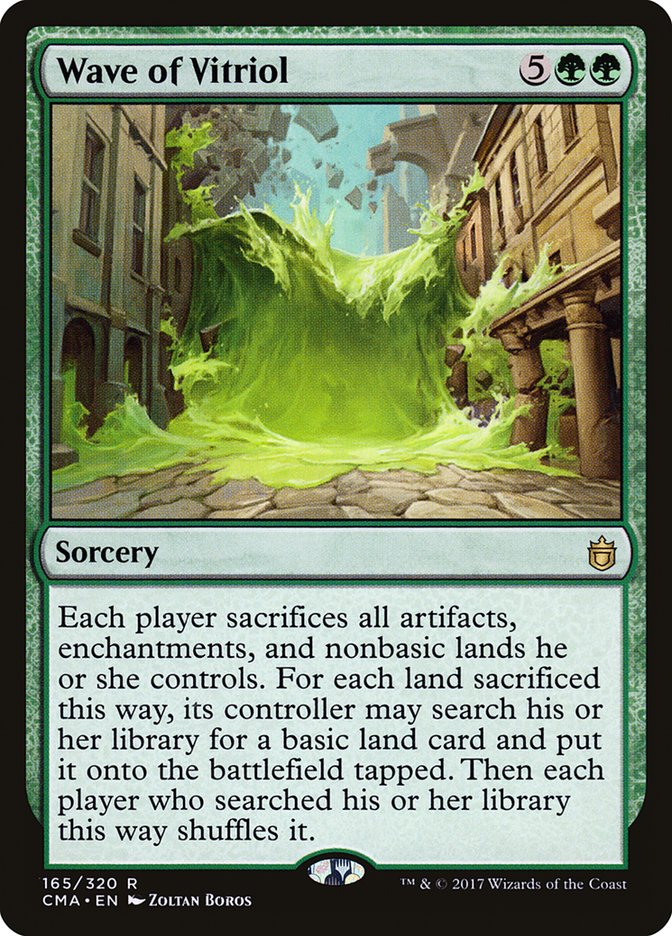
Wave of Vitriol doesn’t just punish nonbasic-heavy mana bases but also kills enchantments and removes artifacts. That makes it a versatile green sorcery; even mono-colored decks will take a hit from this. Pair it with Mycosynth Lattice for fun and profit.
#11. From the Ashes
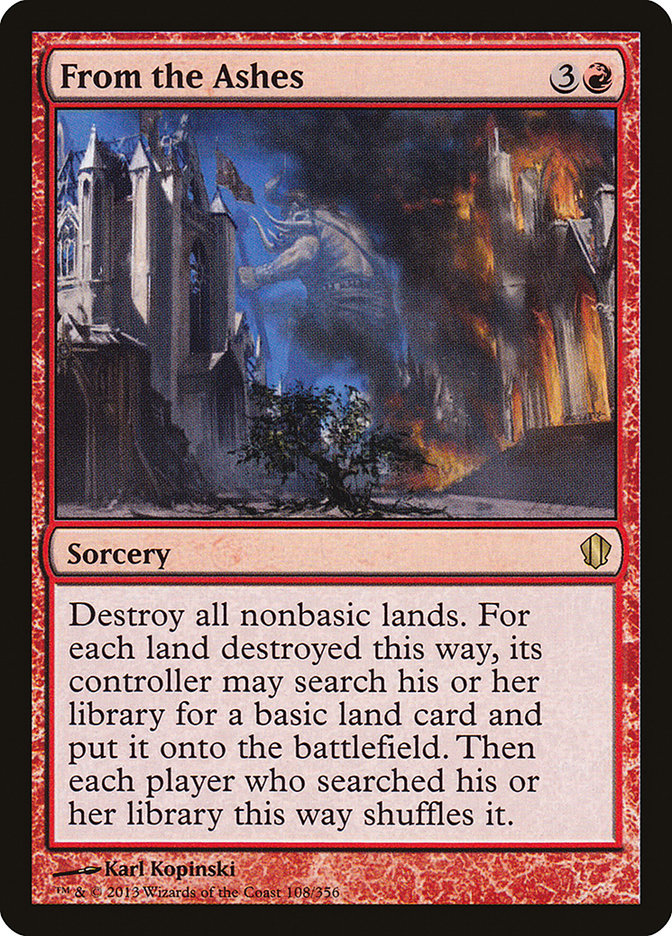
From the Ashes is the friendliest Ruination variant you can play. It effectively punishes the 3+ color soup decks while leaving 2- and mono-colored decks relatively untouched. It’s among the most effective ways of hating out multicolor mana bases while handling other utility lands. I wouldn’t play this in a deck with more than two colors.
#10. Tectonic Edge
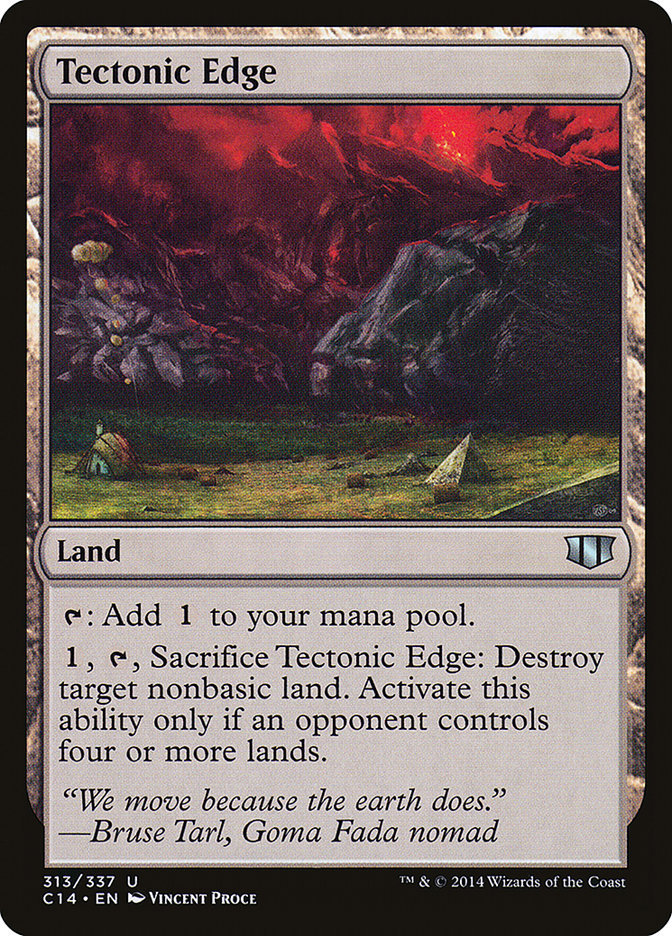
Don’t be frightened by the four or more lands restriction on Tectonic Edge; it rarely matters. Even if your opponents decide to play around it by keeping Nykthos, Shrine to Nyx, and two other lands, that means they’re missing land drops. This is hyper-efficient and, unlike Volatile Fault, it doesn’t leave your opponent up a land.
#9. Detritivore
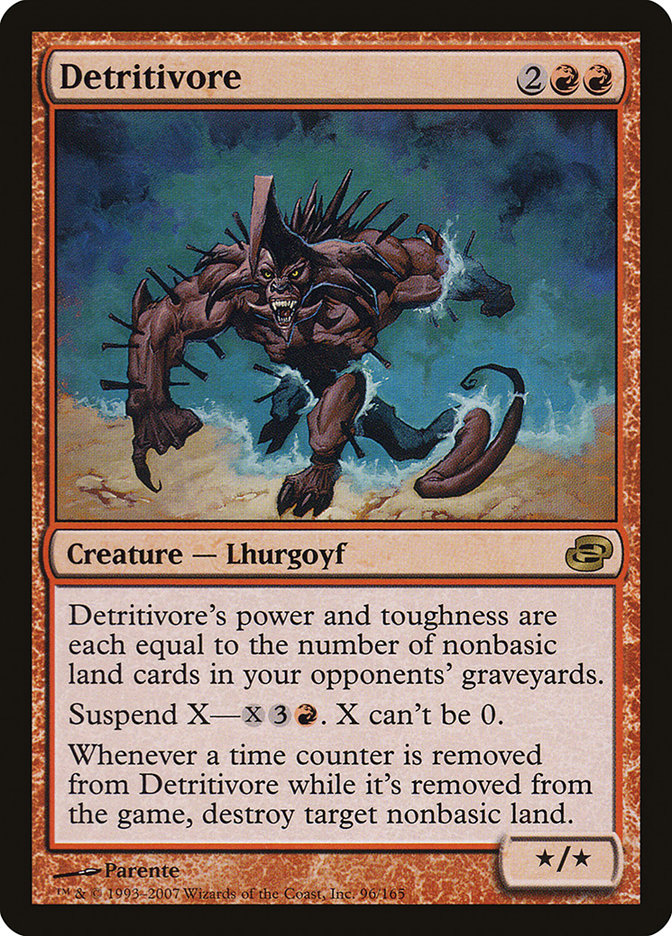
Detritivore takes a lot of mana, but it can hamper your opponents’ development while producing a massive threat later in the game. It pairs well with time travel cards from Doctor Who to blow up multiple lands in a single turn or add more time counters for additional land destruction.
#8. Krenko’s Buzzcrusher
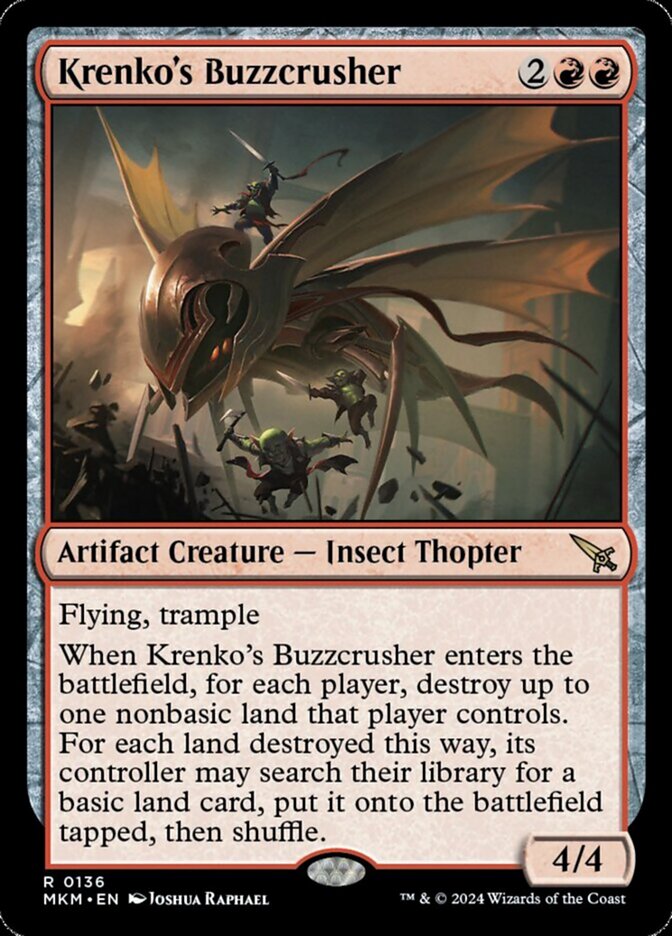
Krenko's Buzzcrusher pulls triple duty by blowing up a land for each opponent rather than making you choose. You rarely have three high-value targets for this; most often, you’ll hit one notable utility land and mildly irritate two other opponents by turning a dual into a basic. I dream of the day I drop this, and all three of my opponents control a bounce land….
#7. Demolition Field
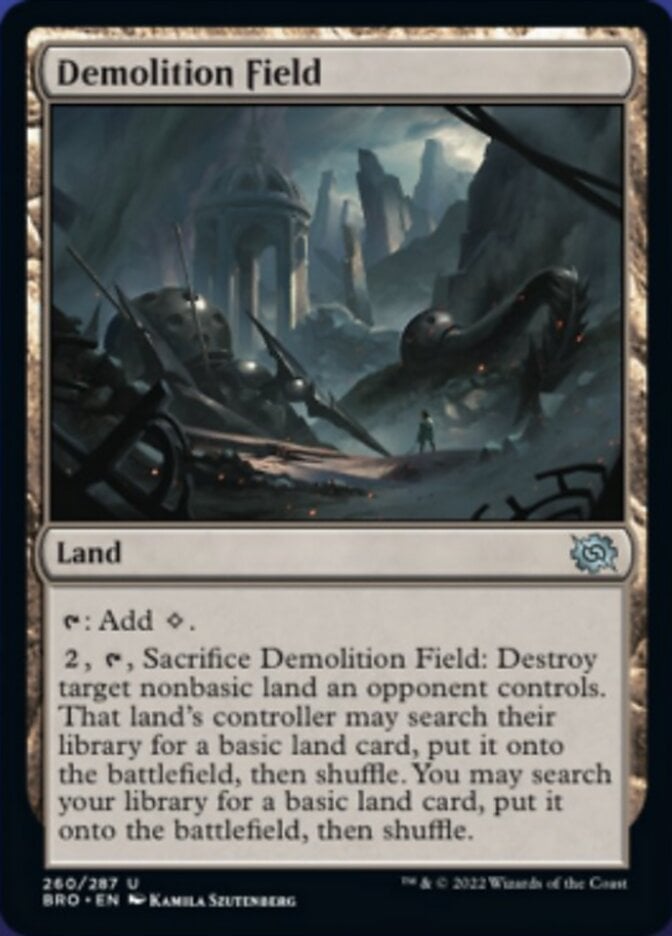
Demolition Field costs a little more than Tectonic Edge or Volatile Fault, but it critically doesn’t put you down a land, trading a higher mana cost for better tempo. It’s also a “fixed” Field of Ruin, as it doesn’t ramp all of your opponents.
#6. Obsidian Charmaw

Obsidian Charmaw can be a 2-mana 4/4 flying dragon that blows up lands. Even if you don’t get the full mana discount, I like this red card! It doesn’t trade nonbasics for basics, it just gets rid of them, which makes it work especially well with flicker or creature-copy effects. Being a relatively cheap dragon also matters for many decks, and 4 power is the sweet spot for lots of power-centric strategies à la Garruk's Uprising. Obsidian Charmaw will never be the best or flashiest card in a deck, but I think it fills a surprising number of niche roles.
#5. Shivan Harvest
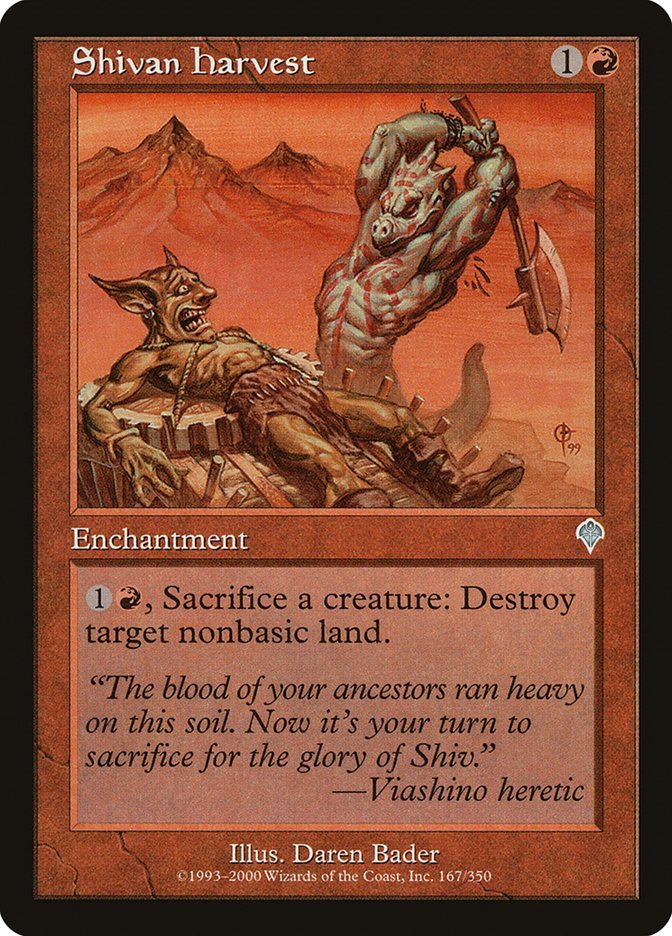
Shivan Harvest is one of the most underrated sacrifice outlets in Commander. Turning random tokens into Stone Rains not only triggers Blood Artist and similar aristocratic effects but also buys you tons of time as your opponents fall further behind.
#4. Volcanic Offering

I might be coming in hot on Volcanic Offering but it looks quite powerful. Dealing 7 damage to a creature is practically destroying it. This red instant can kill up to four permanents, but even getting two is fine.
#3. Wasteland
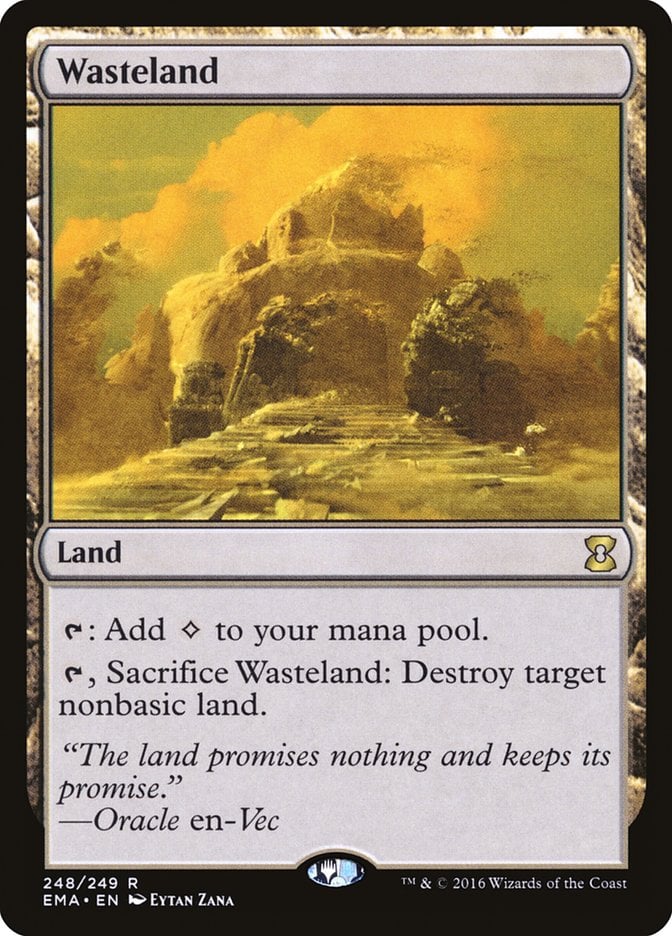
If I wasn’t weighing this list for Commander, Wasteland would take the number one spot without a thought. A Legacy staple, you need nothing but a land drop to destroy nonbasic lands. Because of its low mana cost, it works incredibly with land recursion cards like Wrenn and Six, Titania, Protector of Argoth, and Ramunap Excavator.
#2. Ruination

Ruination, like Blood Moon, is the reward for playing mono-red. It’s the most effective form of mass nonbasic land destruction that punishes anybody playing multicolor decks or an overabundance of utility lands. You can get away with this in 2-color decks, but trying to play it in 3-color decks is a bit greedy.
#1. Boseiju, Who Endures
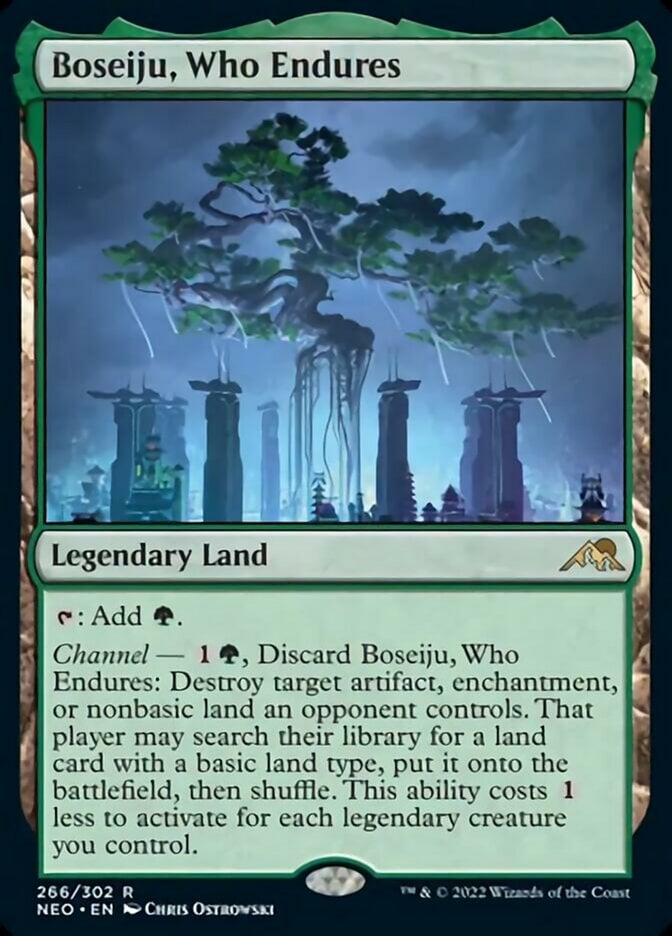
Boseiju, Who Endures is the best nonbasic land destruction card in Commander because it has such a negligible impact on your deck, and it’s one of the best green lands in the game. You just lay it over a Forest. It rarely costs more than , and even then, it only costs . You can also use it to kill enchantments and also happens to be among the best artifact removal in green, making Boseiju not just the best nonbasic land destruction but among the best Naturalize effects in the format as well.
Best Nonbasic Land Destruction Payoffs
The best way to extract additional value from nonbasic land destruction cards depends on what cards you’re using to blow up those lands.
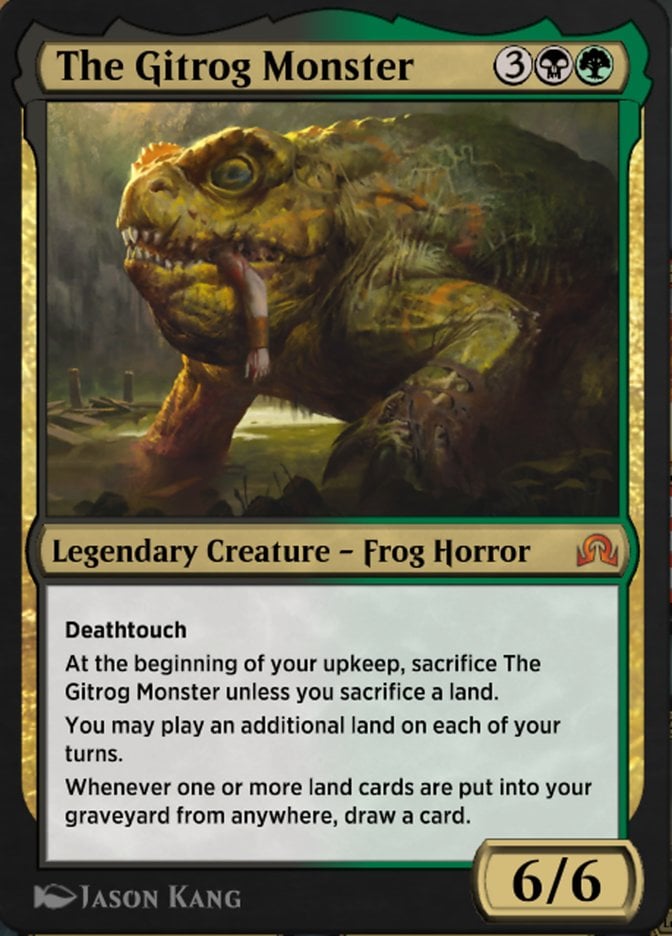
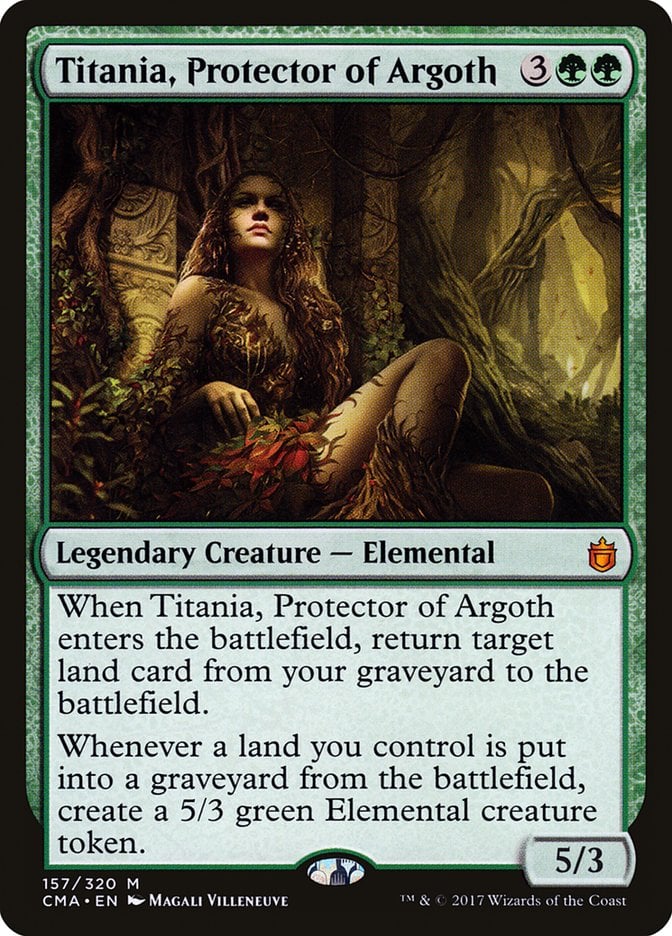
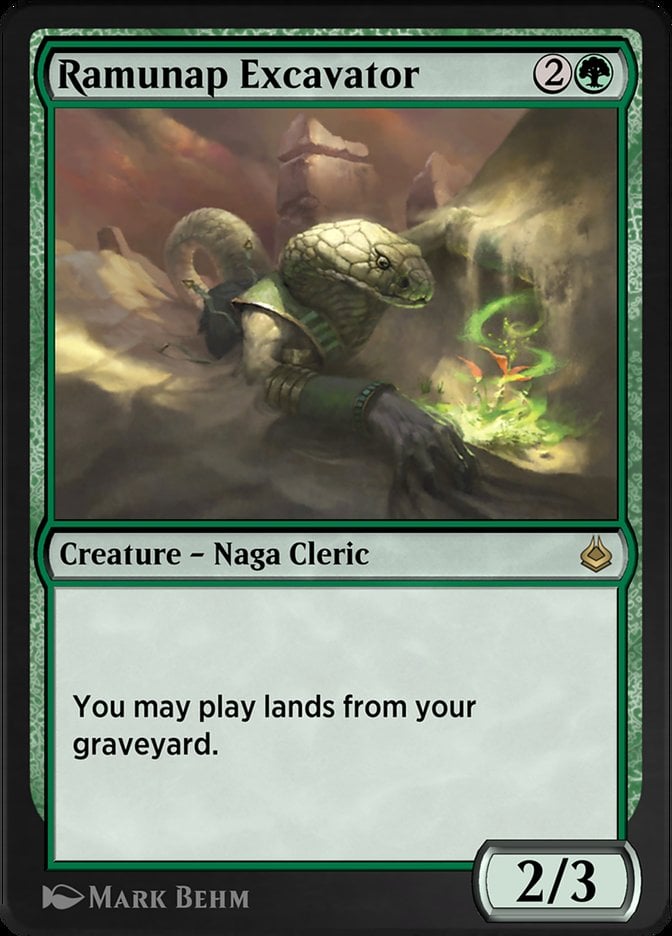
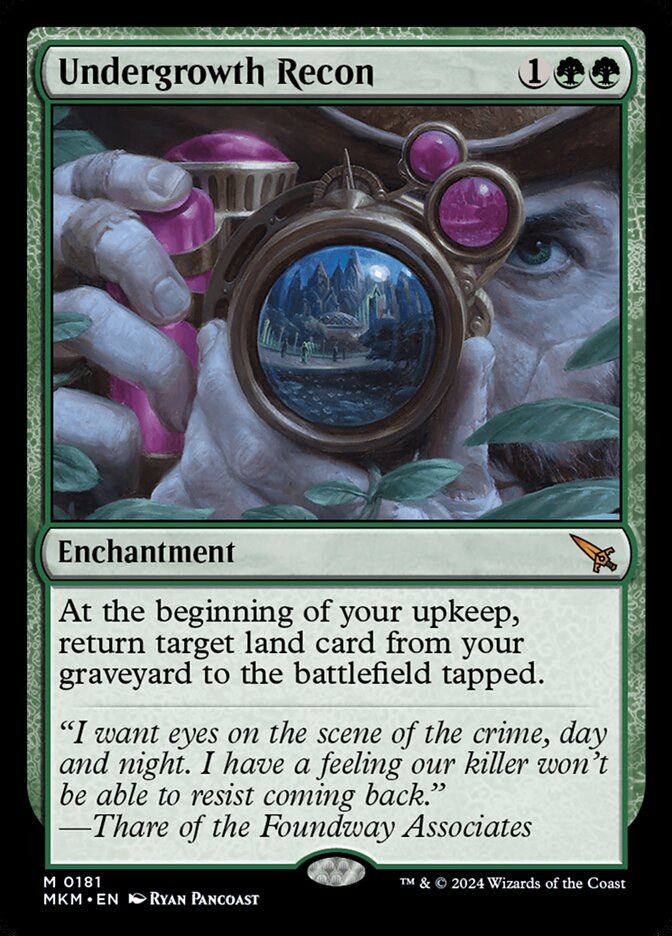
If you’re playing cards like Wasteland and Tectonic Edge, you can pair them with cards that reward you for sacrificing lands (The Gitrog Monster, Titania, Protector of Argoth) and that get lands back from your graveyard (Ramunap Excavator, Undergrowth Recon) to get the most value when sacrificing them and to get them back over and over.
If you’re going for something like Ruination or Wave of Vitriol that deals with nonbasic lands en masse, the best payoff is making sure that your deck’s mana base doesn’t care about them. They’re best in mono-colored decks, but a 2-color list that focuses on fetch lands and basics over duals and utility lands can often get away with playing these cards.
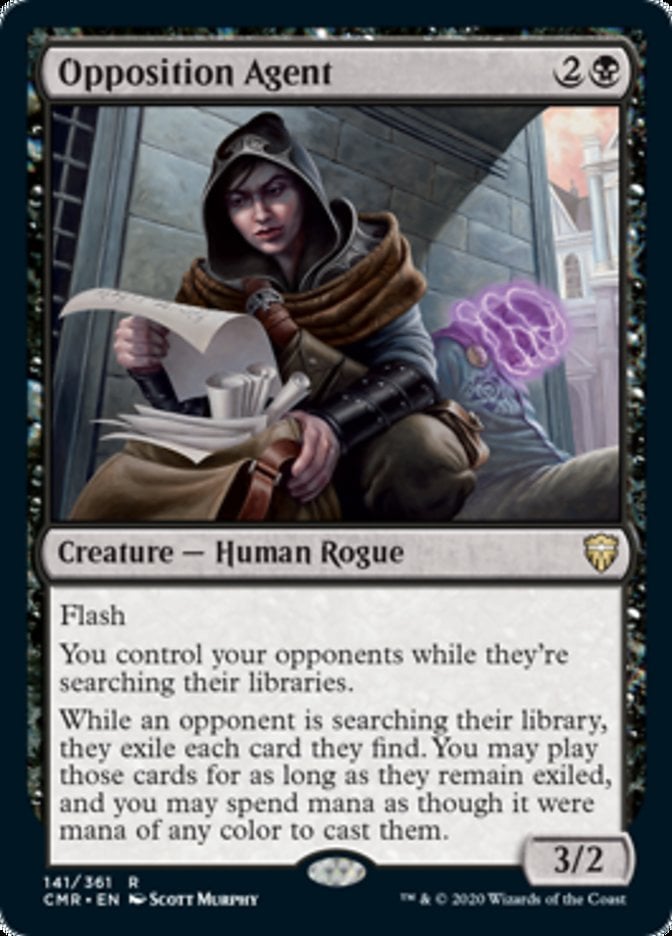
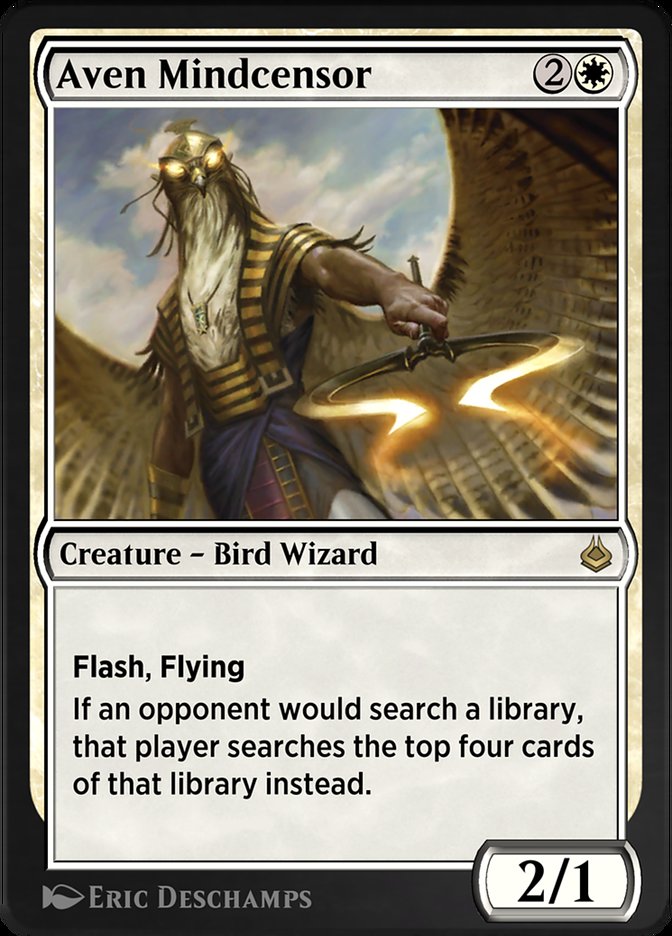
Lastly, if you’re running cards like From the Ashes and Demolition Field that allow your opponents to search for lands to replace what they’ve lost, you can mess those up with a variety of effects like Opposition Agent and Aven Mindcensor that prevent them from searching for cards to remove the “balancing” aspect of those effects. Ruination at home, if you will.
Wrap Up

Wasteland | Illustration by Mark Poole
While mass land destruction gets plenty of hate from Commander players and Magic players in general, nonbasic land destruction, especially the pinpoint variety, serves the vital purpose of ensuring utility lands like Field of the Dead and Nykthos, Shrine to Nyx don’t just run away with the game.
Lands like these require answers that might get a bit dirty but are essential to keeping things fair. How do you handle these problematic lands? How much nonbasic land destruction do you play? Let me know in the comments below or on the Draftsim Discord!
Stay safe and keep destroying lands!
Follow Draftsim for awesome articles and set updates:










Add Comment