
Last updated on September 11, 2026

Goblin Welder | Illustration by Victor Adame Minguez
We here at Draftsim like to keep a positive spin on our Magic content, but sometimes we have to break out of our comfort zone and embrace the dark side of our hobby. The poor decisions, broken cards, and in this case, the worst MTG mechanics ever made.
Look, Magic needed time to get its card design chops in place, and we forgive them for early blunders. However, some of the worst mechanics of all time aren’t even from the early eras (though most are). Let’s see if we can scrape the bottom of the barrel for the worst mechanics in Magic.
MTG, you’ve got some explaining to do!
What Makes an MTG Mechanic Annoying, Bad, or the Worst?

Worst Fears | Illustration by Eric Deschamps
There are quite a few reasons you might consider a mechanic bad, annoying, confusing, etc. This usually comes down to the play patterns: If it requires you to track something in-game for minimal benefit, or involves copious amounts of Magic rules knowledge for something simple—those are reasons to dislike a mechanic.
Some mechanics leave players with a visceral reaction because of the way it warps the game. Milling, for example, makes some players’ blood boil, though it’s far from being a bad mechanic.
And then there’s the mechanics that either simply don’t work the way you want them to. They leave you asking “why?” or lead to frustration when they play out in unexpected ways. Complexity’s okay if the end result is fun, but if it’s complicated and unfun, that’s a bust. Mutate, for example, is one of the most complex mechanics ever made, further complicated by the dumb non-human rider, but it’s fun and rewarding to mutate creatures. It gets a pass.
Of course, this is all my personal opinion! If you don’t see a mechanic here, that doesn’t mean you’re supposed to love it. But if you love a mechanic that you do see listed here, I’m gonna need some elaboration.
Honorable Mentions
I want to mention a few mechanics that people might expect here, and why I’m not including them. If you think these deserve a real spot, band together in the comments!
- Annihilator: This ability triggers some players to no end, but it’s usually reserved for incredibly expensive creatures and adds to the flavor identity of the Eldrazi, so I’m okay with it.
- Companion: Companions ravaged Constructed, but they’re extremely fun in Draft and Sealed formats and inspire interesting Commander decks. About half the companions introduced in Ikoria: Lair of Behemoth were problematic, but half weren’t, and I’d be interested to see how they approach this again in the future.
- Dredge: Dredge is one of the most powerful mechanics of all time, but a lot of that’s due to the high dredge numbers on cards like Stinkweed Imp and Golgari Grave-Troll. Maybe any dredge number’s too good, but I don’t personally find dredge 1-3 that game-warping, despite still being strong.
- For Mirrodin!: People just hate the name, but I kinda dig the silliness.
- Storm: Storm is undoubtedly a broken mechanic. The Storm Scale is called that for a reason. But it’s also an incredibly fun strategy to pilot. I know enough people who live for storm strategies that I’m not gonna tread on this one.
#21. Smartphone Mechanics

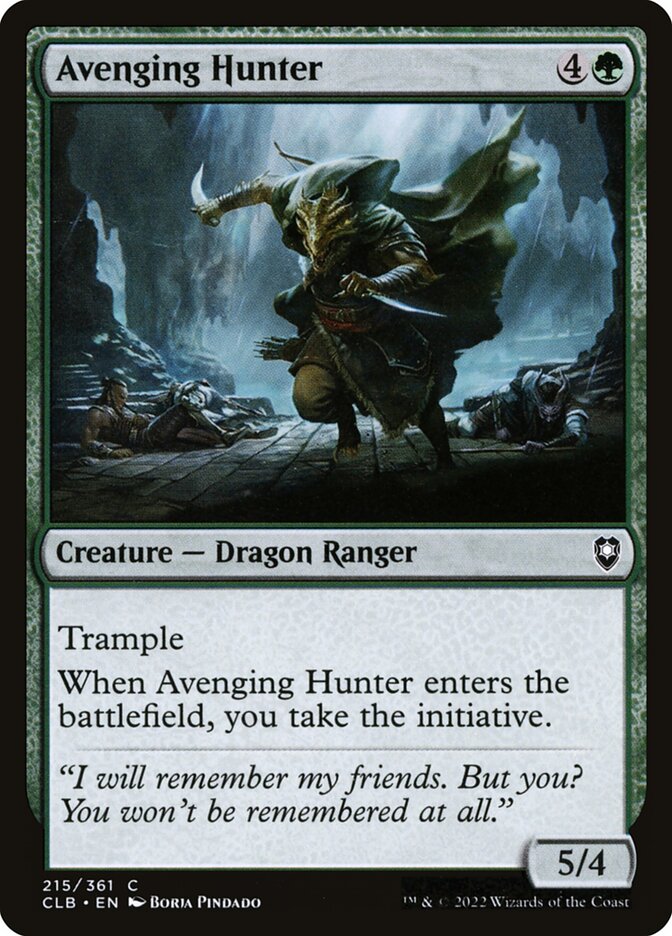
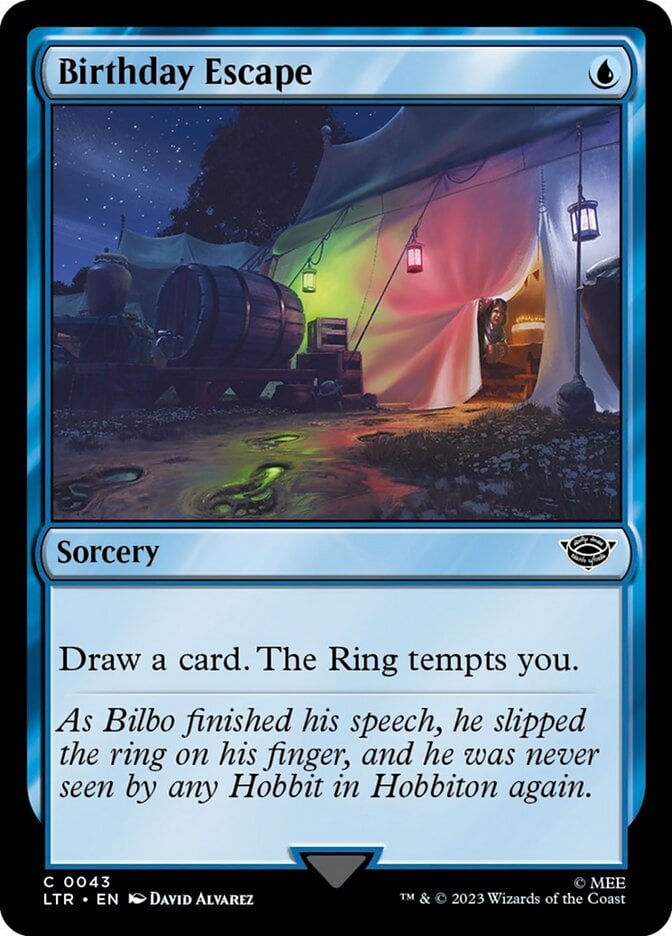

These mechanics aren’t necessarily bad, but all involve doing something I strongly dislike in modern Magic. Dungeons, Initiative, “the Ring tempts you” , and Start your engines! are all examples of complex mechanics that don’t tell you what they do on the card. Big card design no-no in my book.
You know that joke “Reading the card explains the card”? It hasn’t been true for a while. Show a new player a card like Precipitous Drop, Avenging Hunter, Birthday Escape, or Slick Imitator and ask them to explain what it does. They literally can’t unless they have prior knowledge of those mechanics, or if they look it up on their phone (hence the nickname “smartphone mechanics”). Sure, they can access that information through other means, and it’s not too bad once they know how it works, but Wizards has created more mechanics like this recently, which add up to an even steeper learning curve for new players.
#20. Treasure + Ward
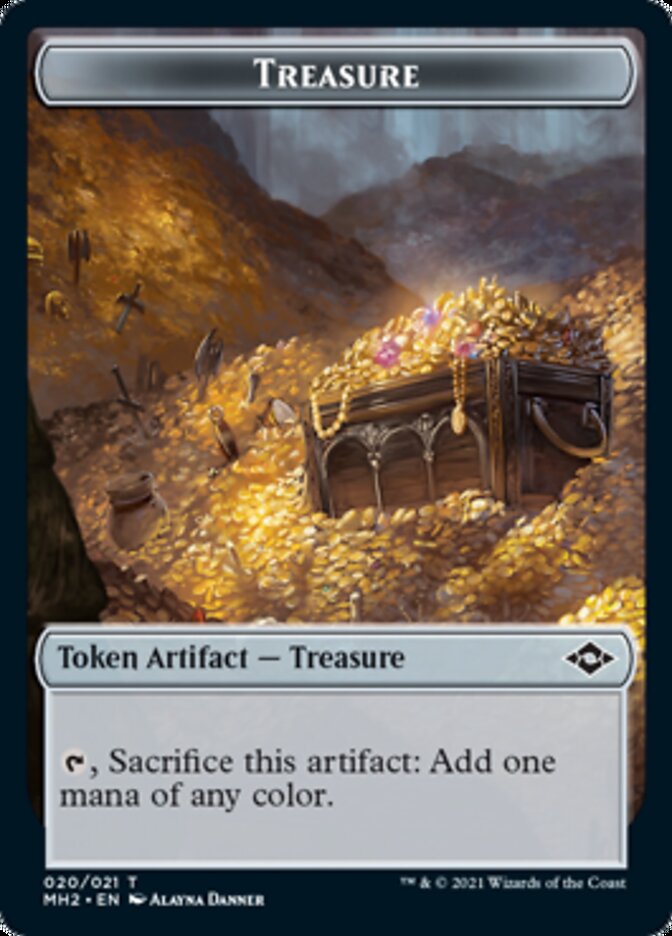
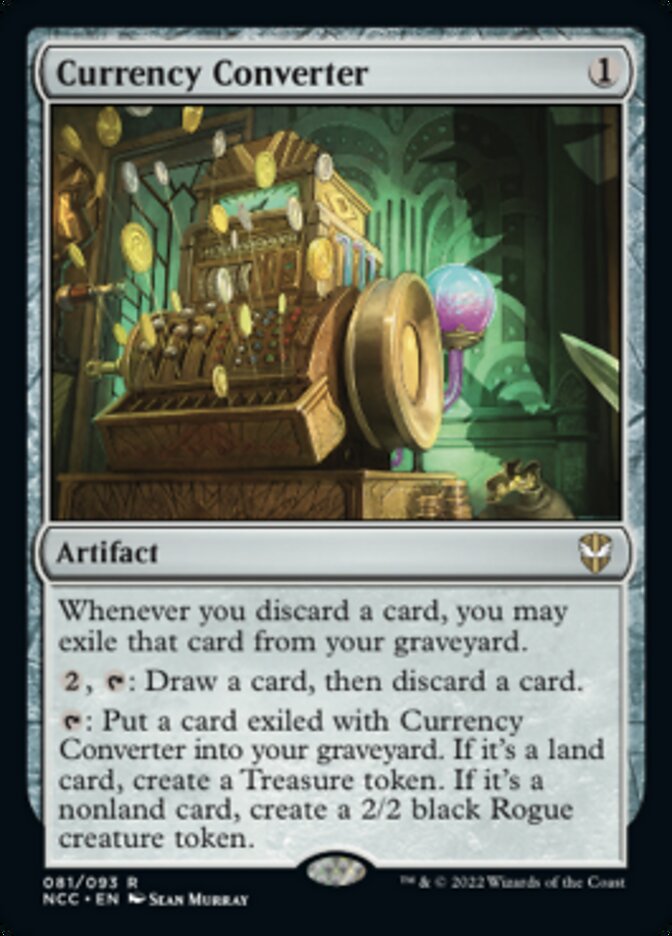

Weird to lump these two together, but it’s important to mention these somewhere. Treasure tokens and ward are fine mechanics, even good ones depending on who you ask. But they highlight a recurring problem with Magic card design: Some things are best in moderation.
Treasure felt like the perfect fit for Ixalan and makes a lot of sense on cards like Currency Converter. However, they’ve gone so overboard on Treasure-makers that they’ve artificially warped the speed of the Commander format – we even have treasure commanders now.
Similarly, ward was a nice alternative to hexproof and shroud and felt like an organic addition to Magic when it debuted in Strixhaven. However, new sets have nearly 10-15 cards with ward, with some ward costs that might as well just be hexproof anyway.
Treasure and ward are good mechanics that become problematic when used too much. A little moderation goes a long way.
#19. Devoid

Devoid isn’t offensive, it’s just kinda… meh? Devoid cards are colorless at all times, regardless of the mana symbols on the card’s casting cost. This results in cards like Catacomb Sifter, a colorless creature that costs green and black mana to cast.
Devoid’s annoying for two reasons, the first being that it doesn’t actually do anything. A devoid permanent is colorless, that’s it. This might let it play with colorless-matters cards or dodge an All Is Dust, but being devoid has no inherent upsides. Second, it’s messy with Commander’s color identity rules. Devoid cards are colorless in-game but still have a different specific color identity. Overall, inoffensive, but extremely forgettable.
Mark Rosewater reviewed the first two Zendikar blocks in his 2016 Storm Scale article, in which he said devoid’s basically not even a mechanic at all and leads to player expectations that can’t really be met (i.e.: payoffs that specifically care about devoid cards).
#18. Cumulative Upkeep
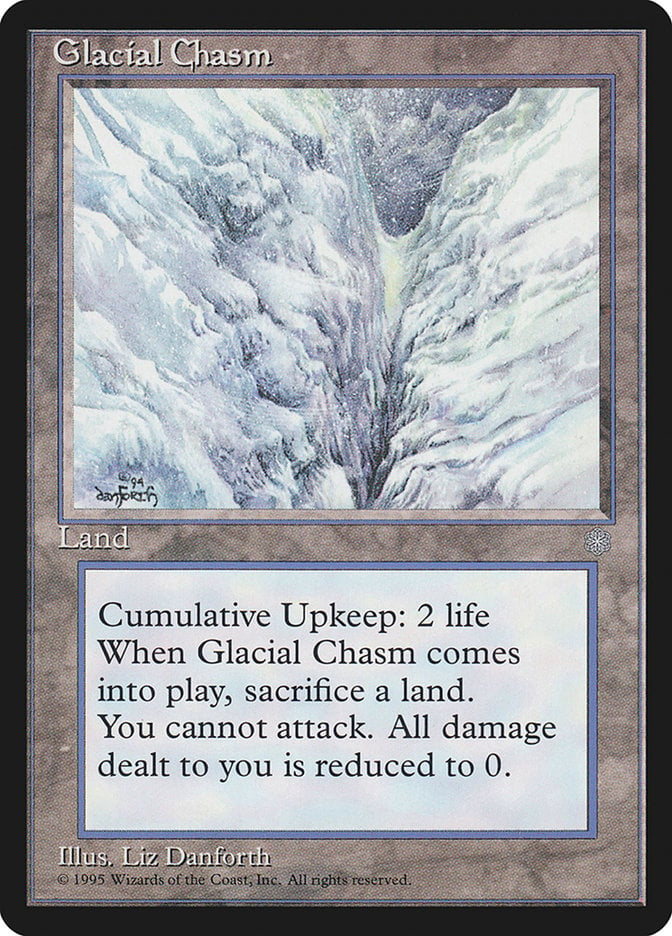
I give major points to cumulative upkeep for creative costs, and there are a few cool cards with this mechanic, but on the whole, increasing costs are not fun.
#17. Cleave
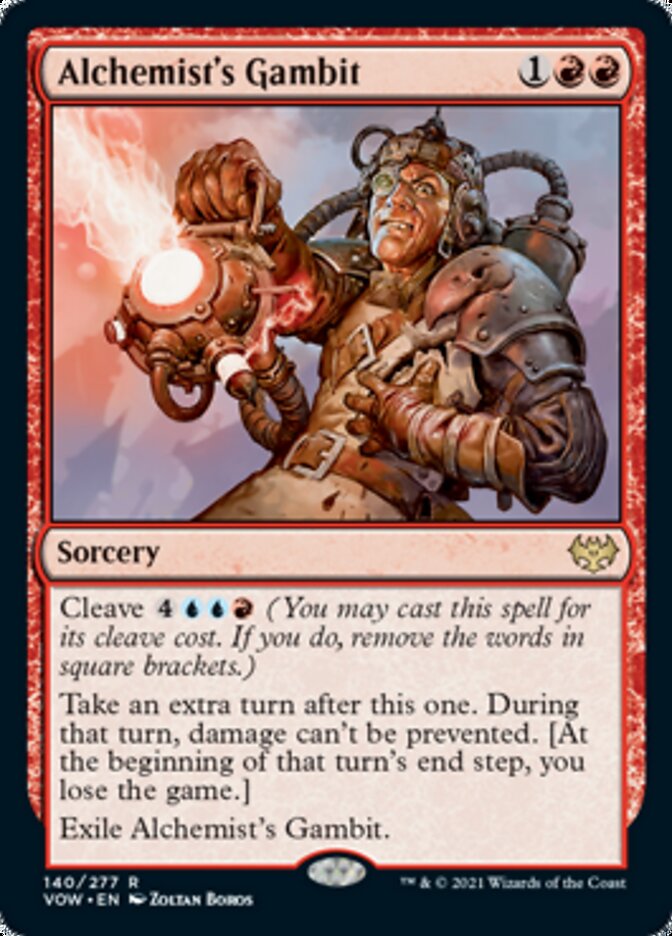
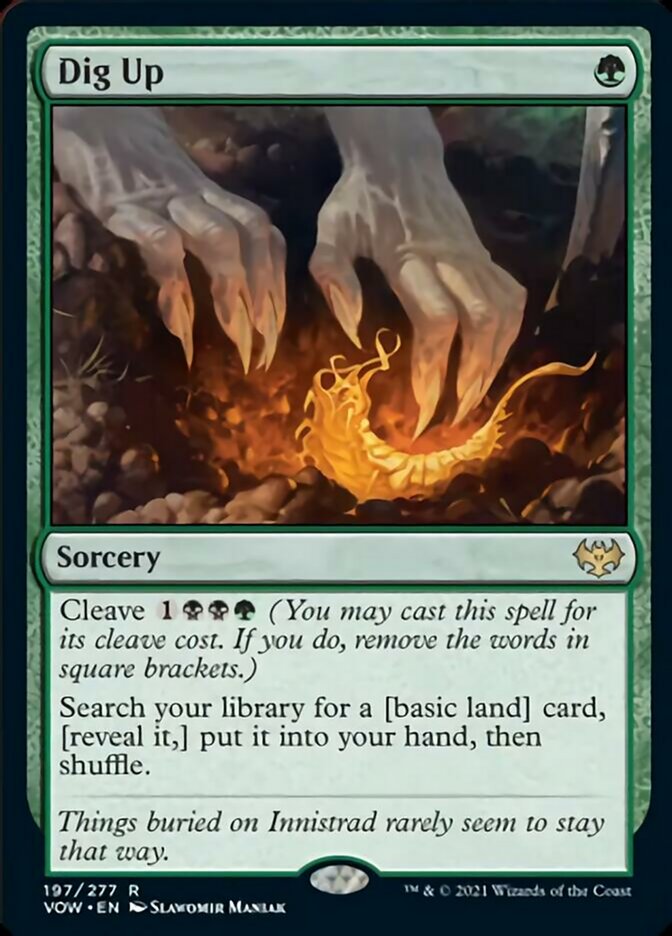
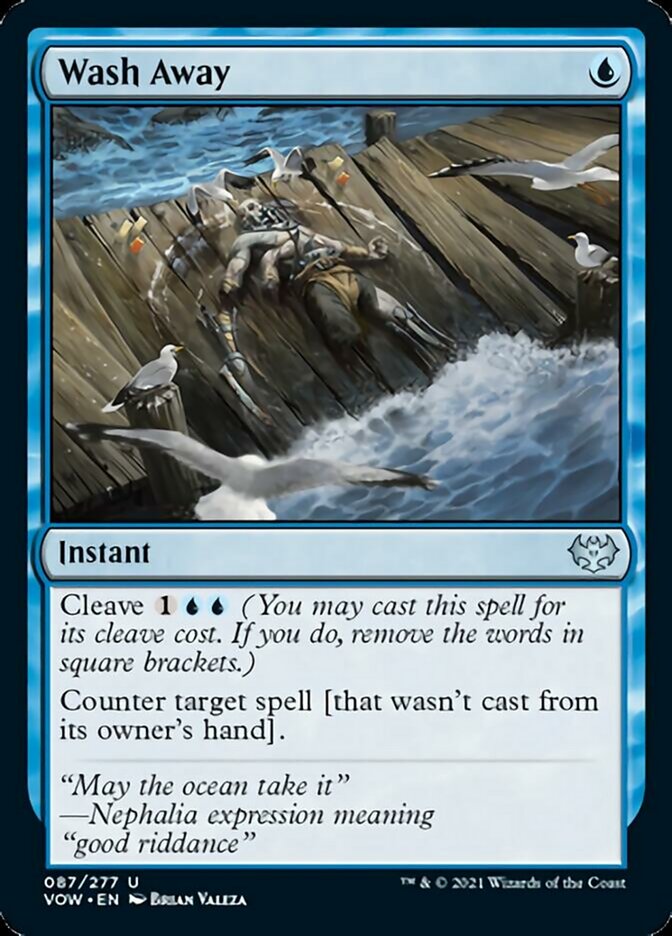
While I’ve enjoyed playing with cleave cards, that’s for a simple reason: I like playing with kicker, and this is just kicker but backwards. That’s the best way to think of it: Instead of paying extra mana to make a spell do more, cleave spells can basically be cast at a reduced cost to do less, and putting the extra mana in makes it a more complete spell.
If that sentence made you raise an eyebrow, that’s the exact issue with cleave. It’s kicker with extra steps but those extra steps are mostly just complicated phrasing. Wash Away would play the same if it had kicker and the appropriate phrase changes; arguably, it would read better because you wouldn’t need to deal with the brackets. Taking a fan favorite mechanic and complicating it for no good reason is just annoying.
#16. Fateful Hour
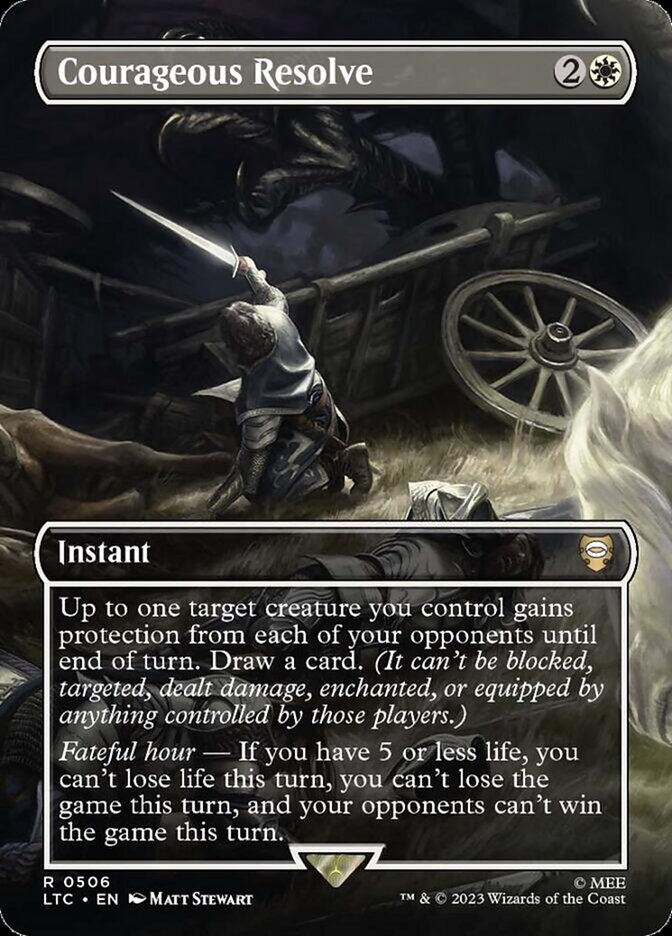
The flavor on fateful hour is epic and everyone loves a comeback story, never give up. However, when you build your deck and play towards a life total of 5 or less, it just ends badly, or at the very least encourages you to lose life. The cases in which you want to pay life so much life are few and far between, and to put yourself in range of a Lava Axe is just too dangerous a strategy to get to play with a mechanic that otherwise does nothing.
#15. Megamorph
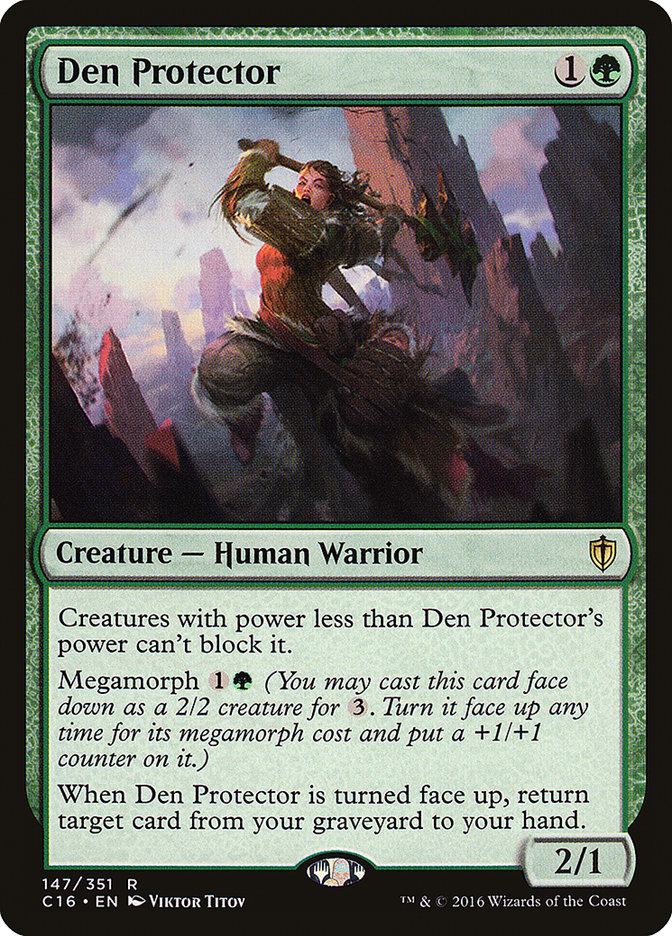
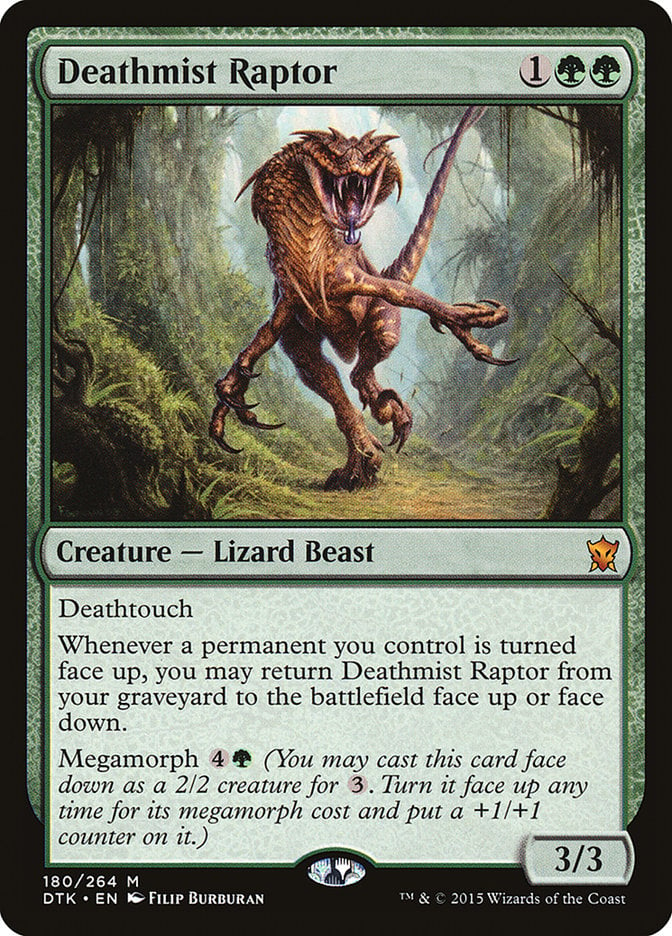
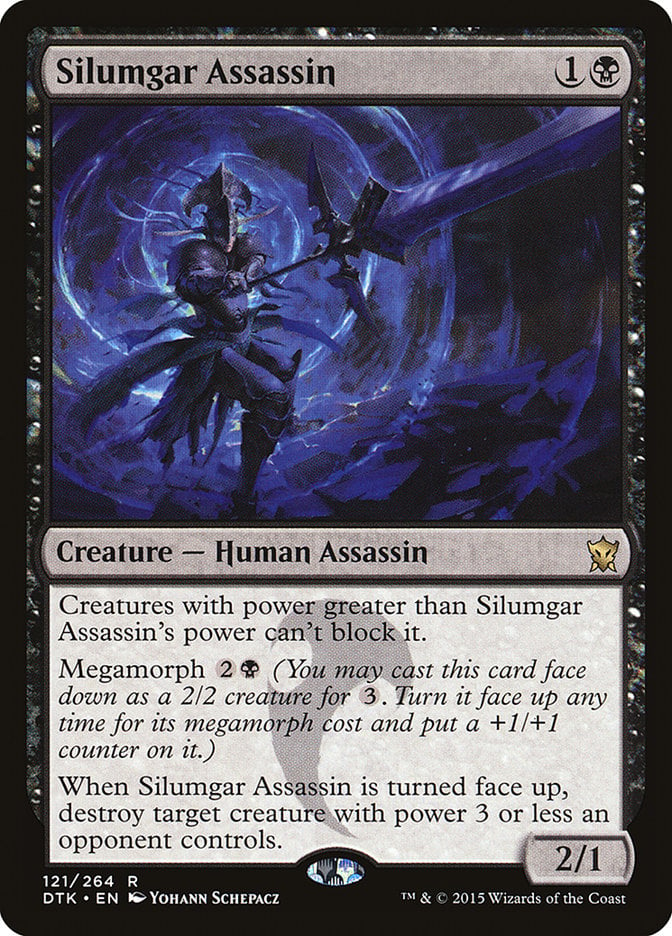
Kind of like cleave, megamorph suffers from a lack of identity. I’m maybe a little biased here since I don’t care for morph or other face-down mechanics like disguise, but megamorph is just bleh. It’s morph, except the morph cost becomes more expensive to justify the creature getting a +1/+1 counter.
It lacks interest. Nothing about this “new” mechanic makes it engaging or introduces new play patterns to the game. If you’ve played with morph, you’ve played with megamorph, and that’s not great for a new mechanic.
#14. Tribute

I love the original Theros set. And by Theros, I mean the first set of that block, not the two follow-ups. Tribute was introduced in the second set, Born of the Gods, and contributed to why that set made the Theros block worse as a whole. So yes, I hold a grudge against it.
Tribute’s main problem is that it just doesn’t give you the flexibility it advertises. It’s a punisher mechanic, giving your opponent a choice between giving you a large threat or a medium-sized threat with a bonus effect. The issue is that your opponent will always pick whatever’s best for them, so you never get what’s best for you. It doesn’t matter when both choices are bad for the opponent, but giving them this much agency over an effect just leads to repetitive play patterns. The mechanic’s more rigid than it reads and didn’t produce any memorable cards. Unless you consider Shrike Harpy iconic.
When reviewing the Theros sets on the Storm Scale, Mark Rosewater remarked that the developers had higher hopes for tribute since their research showed that players enjoyed punisher mechanics. Not sure who said that, but it’s interesting, that inspired, another mechanic from Born of the Gods, ranked even higher on the Storm Scale than tribute.
#13. Specialize


If you don’t play on Magic Arena, you never encounter Alchemy mechanics. But if you do, you’re probably familiar with seek, perpetual, and other digital-only mechanics. Players usually give them a hard time because of the Alchemy stamp, but specialize? That one deserves all the hate it gets.
For some reason, Wizards ported Battle for Baldur’s Gate over to Arena. This was a multiplayer Commander-focused set, so everything needed to be reworked to make sense in a 1v1 environment. Since this Alchemized version was only played via Draft, the “choose a background” mechanic no longer made sense, and all legendary background creatures were repurposed with a new digital-only specialize mechanic. To specialize, you pay some amount of mana and discard a card, and your creature would permanently change its color and effect based on the card you discarded. Discarded a green card or a Forest? Your Jaheira, Harper Emissary would become Jaheira, Merciful Harper.
Two main problems. First, these cards used the same art as their paper counterparts, but with completely different names and effects. Bad move. Second, each specialize creature had a front face, plus five additional transformations you had to be aware of. Double-faced cards are already complex enough, but these were essentially 6-sided cards handled through digital means. That’s just too much, and it produced some inelegant designs. For example, Rasaad, Monk of Selûne has four alternate versions that are almost all identical, but it also has a fifth specialization that does something else entirely. My favorite blunder is the ol’ unblockable plus trample combo on Wilson, Subtle Bear.
Needless to say, specialize was poorly received and did little to help the already-floundering reputation of Alchemy on Arena.
#12. Saddle/Mounts
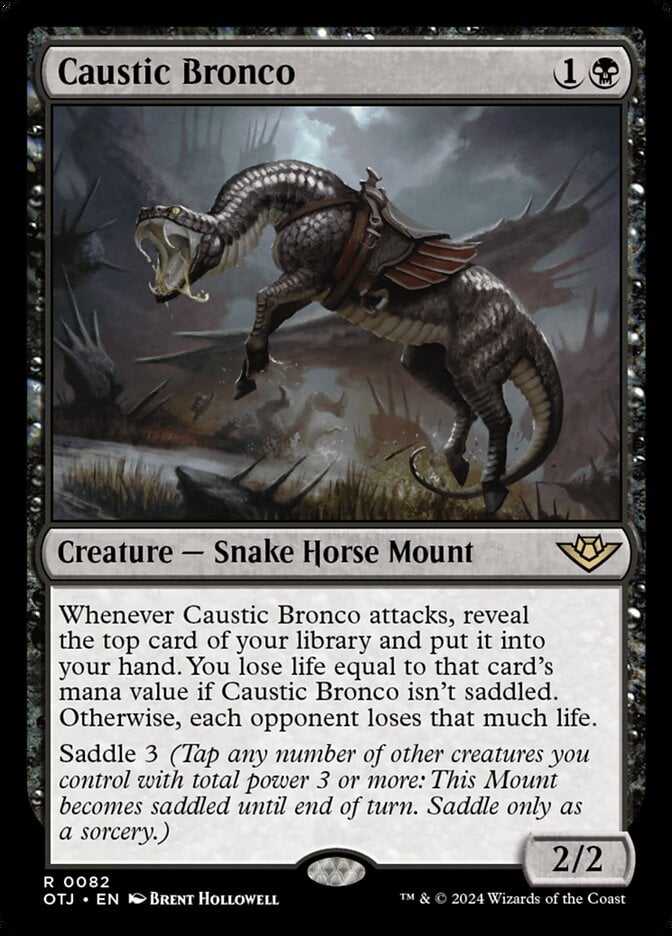


The past few years have seen two riffs on the crew/vehicle mechanic: Station and saddle, and saddle is easily the worse of the two because it misses the point of what makes the crew mechanic interesting. With crew, you tap a creature to animate an artifact. Vehicles introduce neat synergies when you animate them and have interesting game play patterns because you can make smaller creatures large and it gives you a threat that gets around board wipes, letting you alter your strategy to adapt to your opponents.
Mounts are far more linear. Because they’re already creatures and you can only saddle a creature at sorcery speed, every saddle ability is forced to be an attack trigger. The mechanic is so strict you can’t do anything else with it, while vehicles get cards like Reckoner Bankbuster that aren’t just bodies that must attack. And since they’re already creatures, you lose the cool synergies. It’s just a bad riff on a cool mechanic.
#11. Infect + Toxic
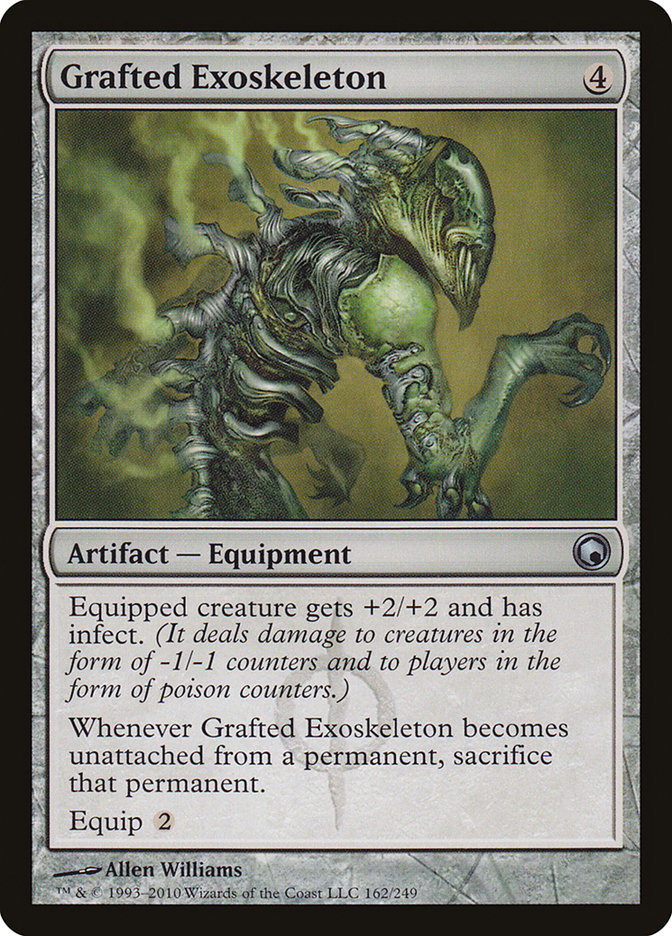
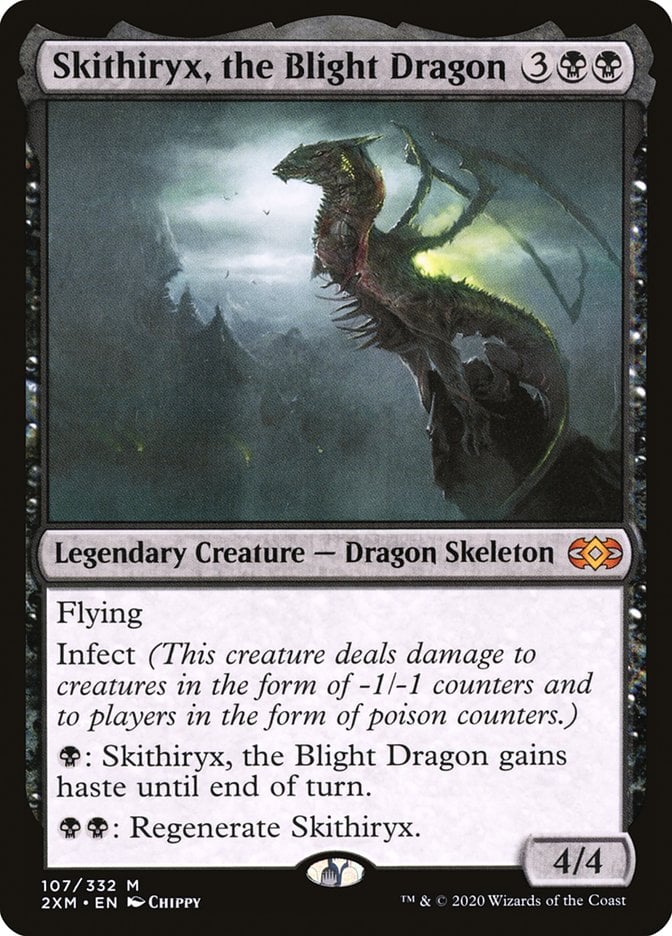
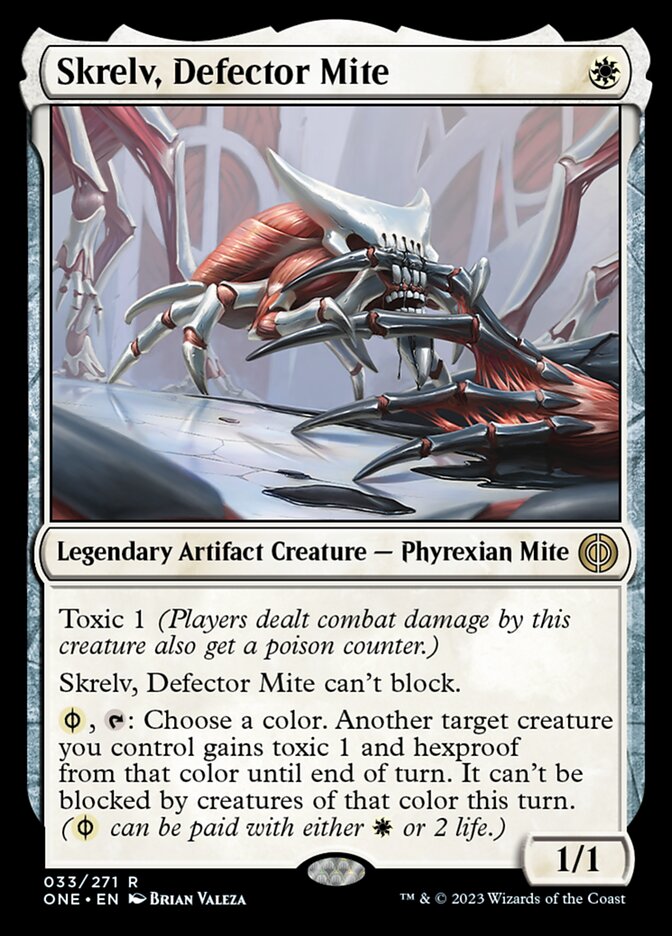
I’m going to be brave and say what needs to be said: Poison is not that big of a problem. Fight me in the comments.
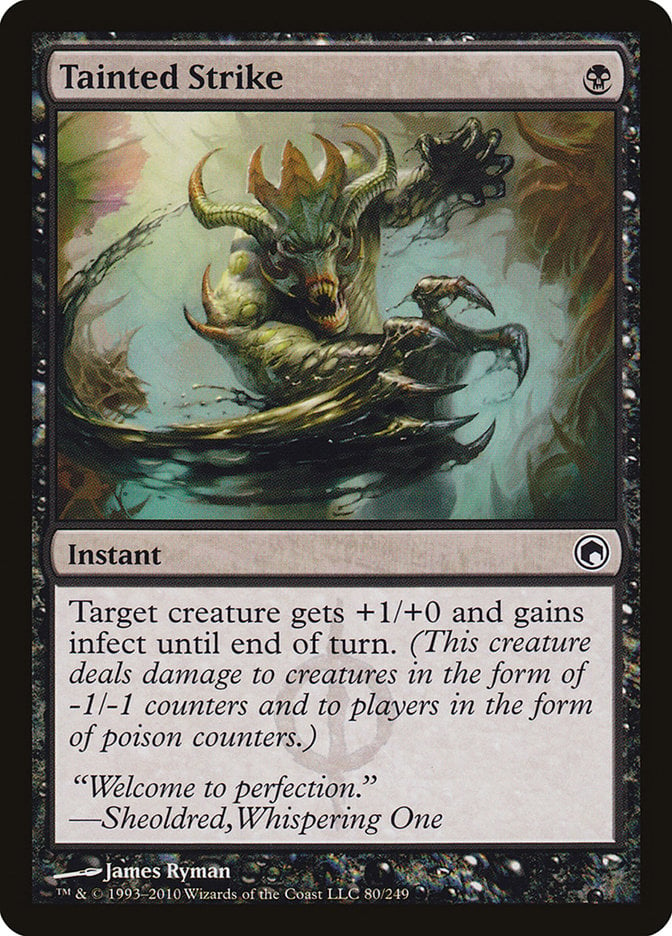
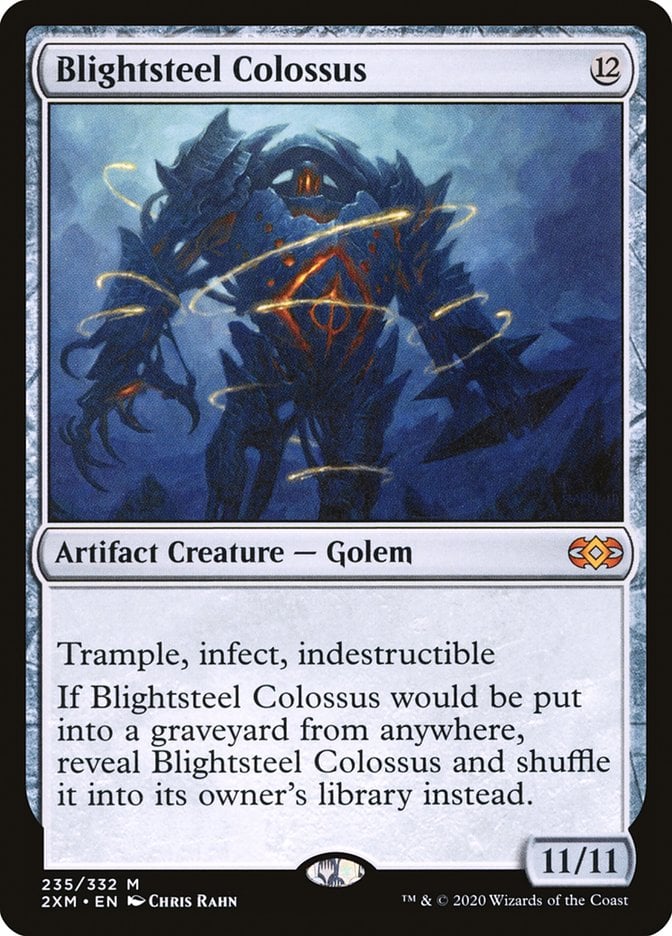
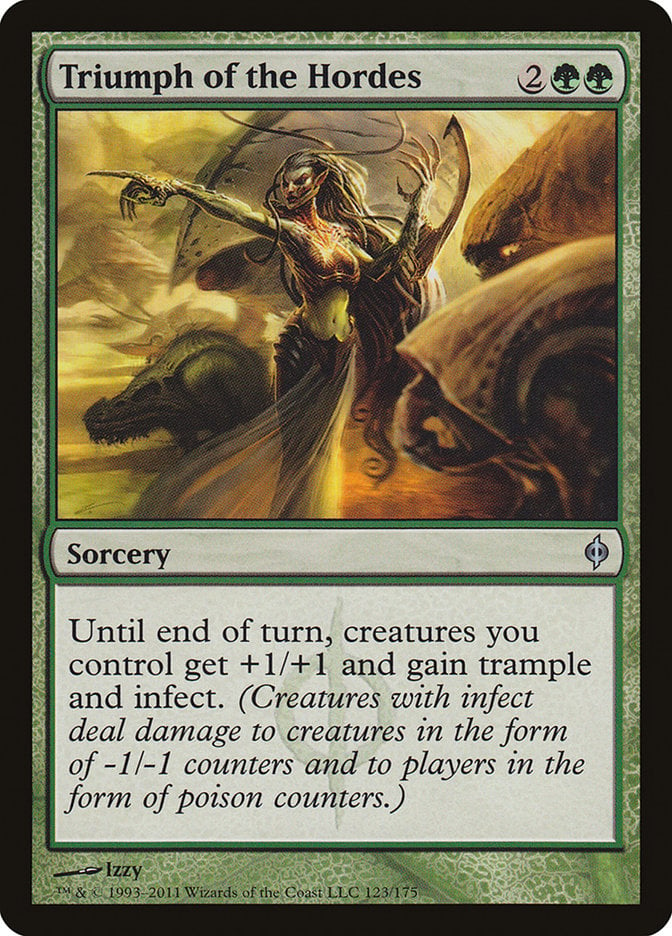
Poison is a perfectly viable alternate wincon that’s been sullied by the sins of a few cards that end games on the spot. People who despise poison are usually thinking of Tainted Strike, Blightsteel Colossus, Triumph of the Hordes, and Grafted Exoskeleton, maybe Skithiryx, the Blight Dragon. These cards tend to end the game immediately and make it look like poison’s just the worst thing in the world.
My argument, though, is that dying to Triumph of the Hordes in an “infect deck” isn’t meaningfully different than dying to Overwhelming Stampede in another deck. Someone using Sneak Attack to jam a Blightsteel Colossus isn’t doing anything more broken than just throwing an Valgavoth, Terror Eater into play instead. Infect just makes these cards feel unfair. You want to argue that a “fair” infect deck running Rot Wolf and Hand of the Praetors, is really all that bad. In fact, I’d argue an infect deck that’s not trying to win with a one-shot effect isn’t all that good.
So why does it still make the list?
One, people hate it, and when people hate something you made that much, it doesn’t really matter what your intentions were. Second, WotC leaned into it with toxic in Phyrexia: All Will Be One. If people already hated infect that much, making more “fixed” poison cards wasn’t very likely to sway their opinions. Poison garners a terrible reputation from a few cards, but players are allowed to respond as they wish, and boy do they respond to infect.
Mark Rosewater’s Mirrodin Block Storm Scale article highlights that infect was quite popular but immensely polarizing in terms of fans and haters. This was written in 2018, five years before toxic debuted.
#10. Hexproof + Shroud
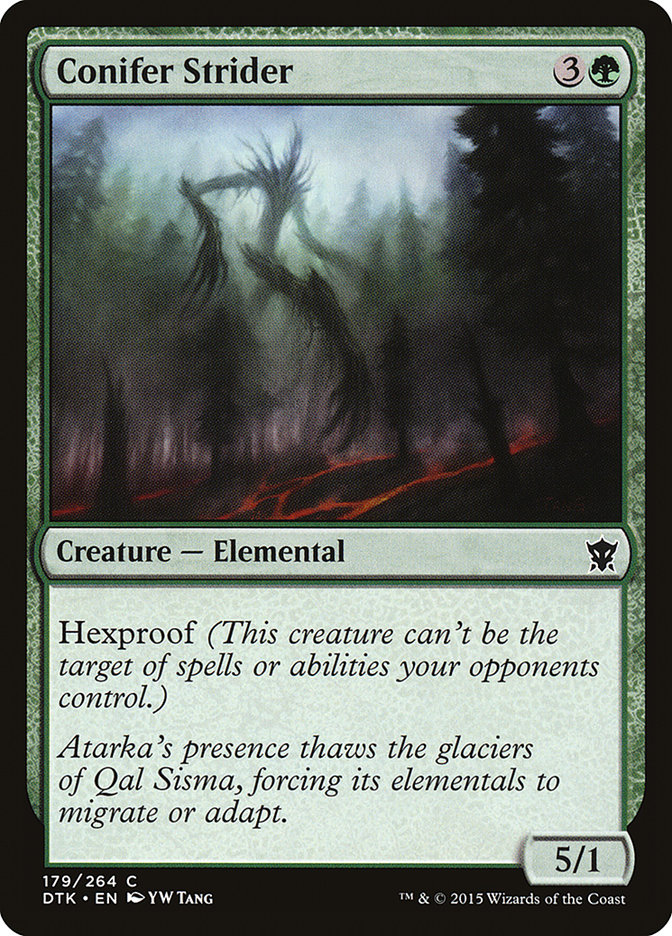

Hurts to see an evergreen mechanic here, but few games have been made better by hexproof, and by extension shroud. I get that hexproof can bolster Constructed strategies in different metagames, but it’s super obnoxious when they slap it on creatures like Dream Trawler, Stoic Sphinx, and Carnage Tyrant.
To be clear, I’m talking about hexproof as a static ability, not temporary hexproof or “hexproof from” found on cards like Heroic Intervention or Niv-Mizzet, Guildpact. Temporary/narrow hexproof is fine in moderation. You might argue that hexproof on small creatures like Slippery Bogle allows new archetypes to exist, but I’d rebut that an entire deck built on ensuring interaction can’t happen and less Magic takes place isn’t great or engaging gameplay. All personal opinion, of course; some people like the safety that hexproof provides.
Shroud’s fairer than hexproof since it doesn’t allow you to play an uninteractable Bogles plan. It still sucks, but it’s also hostile towards new players who don’t grasp why they can’t target their own cards. Shroud’s basically obsolete in modern Magic, and hexproof’s been demoted to temporary effects only, with ward taking a front seat as the protection mechanic of choice (besides, you know, protection).
#9. Radiance
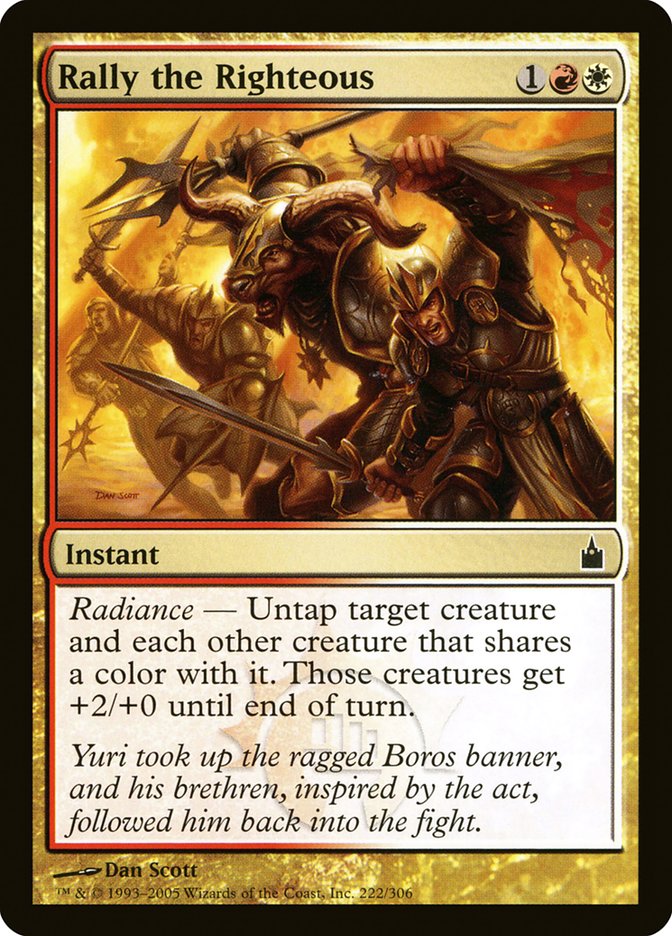
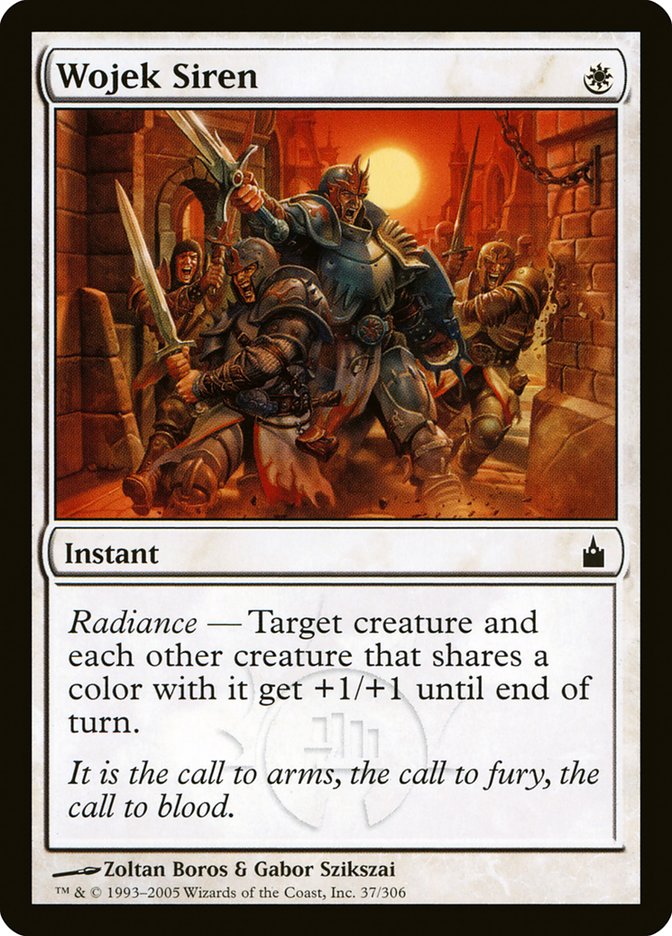
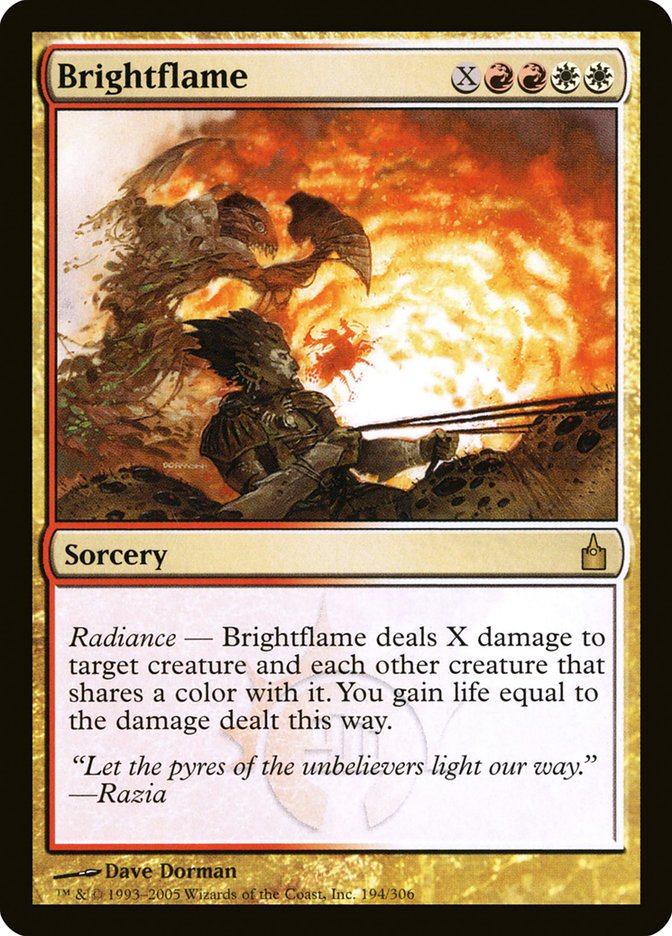
Given how much love people have for Ravnica, it sure missed with many of the original guild mechanics. Haunt and forecast aren’t exactly all-timers, but the one that gets me in a tizzy is the Boros Legion’s () radiance mechanic.
Radiance appeared on effects that target a creature. That ability would affect the target, but also any other creatures that shared a color with it. For example, if you targeted a mono-white creature with Rally the Righteous, all white or white+ creatures would get the bonus/debuff. The issue: This affected your opponent’s creatures, too.
It’s very hard to maneuver radiance spells so that they only work the way you want them to. Imagine relying on Wojek Siren to win a combat, but you’re playing against the exact same colors. Better yet, imagine holding Brightflame against an opponent who controls nothing but multi-color creatures that touch the colors you’re playing. Radiance could’ve easily affected only one side of the board or the other, and the effects would’ve still been pretty tame. But as it stands, the mechanic’s too match-up dependent to incentivize playing any radiance cards.
In Mark Rosewater’s Storm Scale article about the original Ravnica and Return to Ravnica blocks, he assumed that radiance was the least-liked guild mechanic across all 20 mechanics in those blocks.
#8. Eminence
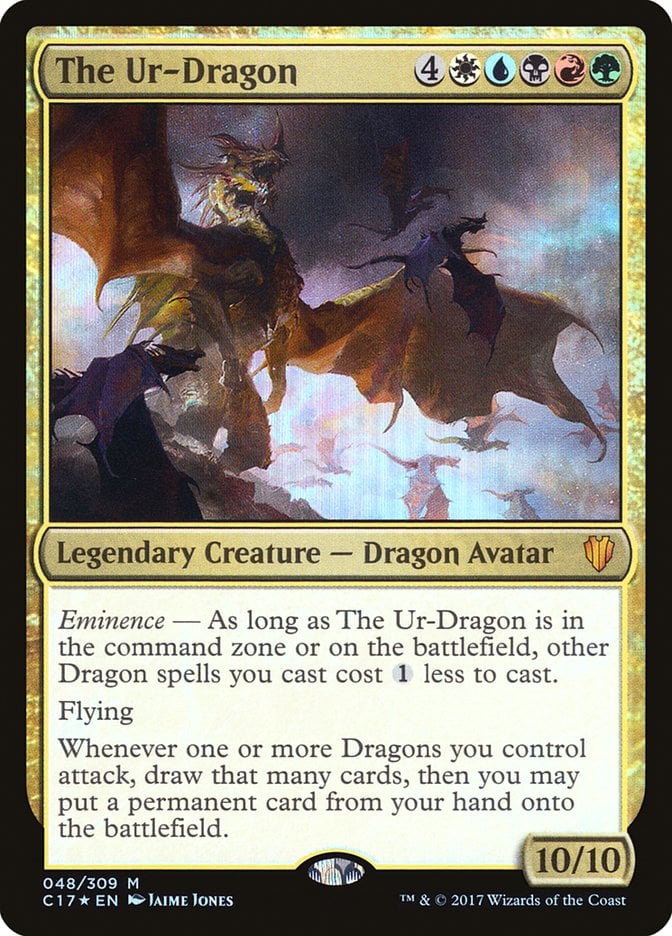
Wouldn’t it be really cool if you had a completely uninteractable ability from the start of the game, but only if you’re committed to a specific typal deck? Well, that’s eminence, which has only ever shown up on five creatures. It was the headliner mechanic for Commander 2017 and produced monstrosities like The Ur-Dragon and the infamous Edgar Markov.
In case it’s not clear already, I’m not a fan of mechanics that reduce interaction, and having abilities that work from the command zone is the least interactive you can possibly get. There’s a reason Oloro, Ageless Ascetic and Derevi, Empyrial Tactician are simultaneously very popular and very hated commanders.
Eminence made an eye-rolling return on Sidar Jabari of Zhalfir, but it was at least tied to a slightly less popular creature type than dragons, vampires, and wizards.
#7. Phyrexian Mana + Compleated
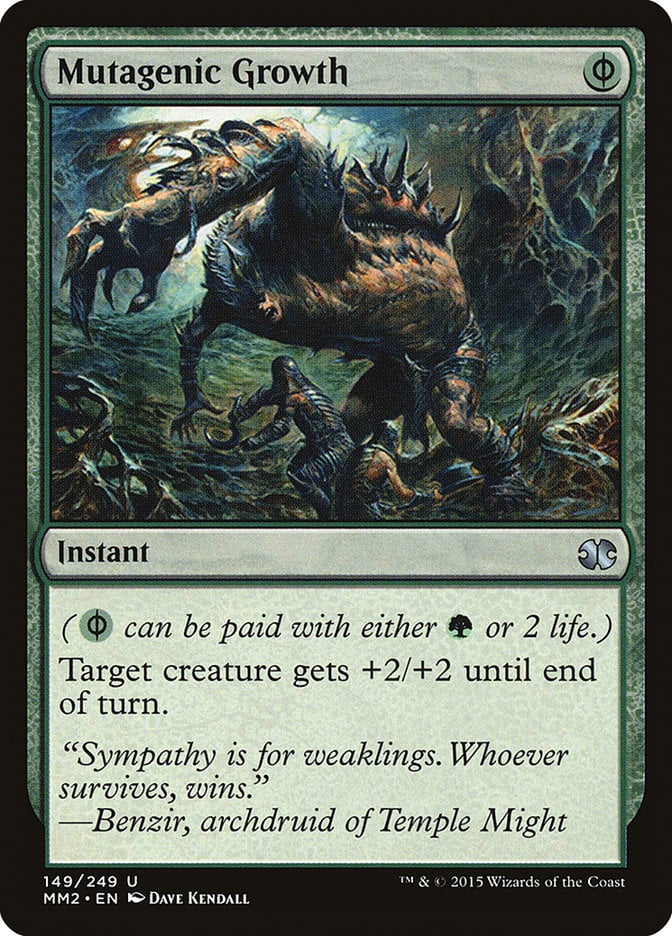
Phyrexian mana has been deemed a mistake by Wizards themselves, at least during its first outing. Swapping an expendable resource (life) for a more finite one (mana) is already powerful, but it also breaks the color pie. Certain colors should or shouldn’t have access to certain types of effects, and Phyrexian mana steps all over that. Now a mono-blue deck can have a pump spell or a cheap removal spell thanks to Mutagenic Growth and Dismember. This mechanic makes a mockery of the color pie while being problematic from a gameplay perspective.
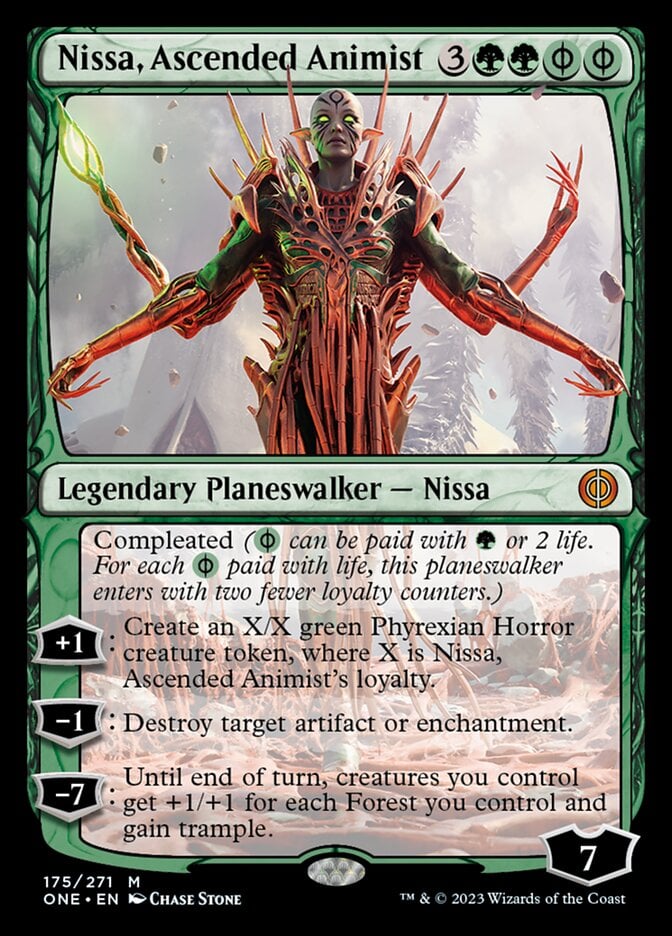
Then there’s compleated, which I bet you already forgot existed. This appeared on seven planeswalkers across the modern Phyrexian Invasion arc sets and just felt needlessly complex. The concept of modal planeswalkers is interesting, but creating an entire new mechanic that also incorporates a known broken mechanic from Magic’s past just seems sloppy. Definitely flavor over function here, which is okay if you’re not using it to produce blatantly overpowered cards like Nissa, Ascended Animist.
Interestingly, Phyrexian mana was the most popular mechanic from the entire Scars of Mirrodin block, the same sets that introduced infect. This might be due to the competitive viability of many Phyrexian mana spells, though you’ll note these cards are still restricted by color identity for the purposes of Commander.
#6. Spellbook


I’m a bit of an Alchemy apologist, but spellbooks really grind my gears. Some digital-only cards like Celestial Vault let you “draft cards from their spellbook.” When this happens, you pick one of three cards randomly chosen from a larger pool of cards, usually 15, and you “conjure” that card into your hand (that’s Alchemy speak for just creating a new card in your hand).
So many issues here, starting with the fact that these cards are horrendously balanced and add a wild amount of variance to the game. For example, Celestial Vault’s spellbook might offer you a meager Stalwart Valkyrie, or actual factual Angel of Invention. Filler common or mega-bomb mythic, no big deal. Bear in mind Vault’s an uncommon, and legal in Arena Artisan tournaments, despite randomly creating mythic rares.
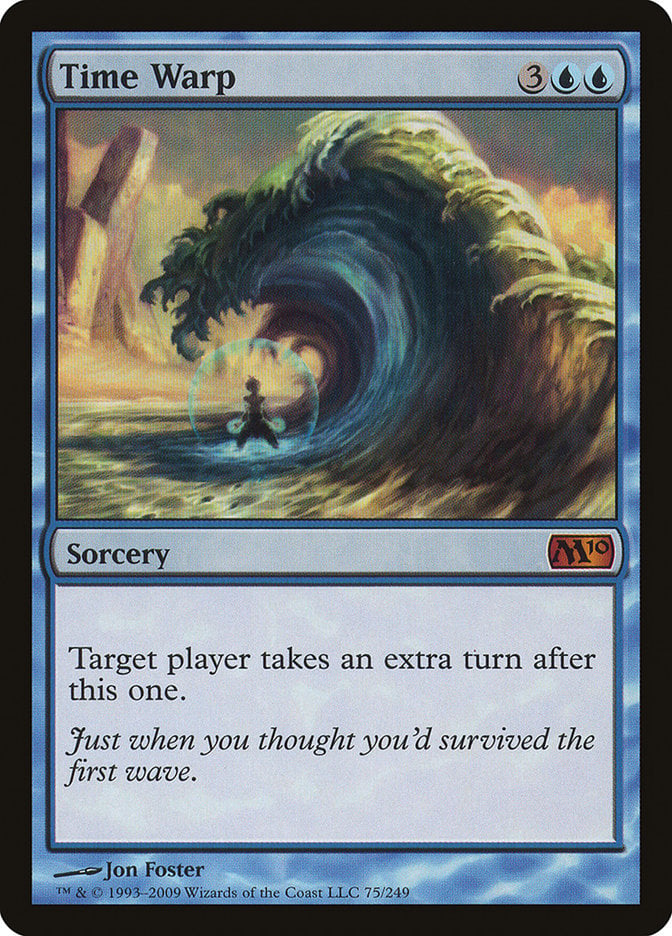
I take issue with the way spellbook sometimes skirts the color pie, similar to Phyrexian mana. See, some cards like Key to the Archive and Tome of the Infinite can give color-restricted decks access to effects they have no business having. A mono-green deck can snag Time Warp or Day of Judgment form Key to the Archive’s spellbook, while a mono-blue deck can randomly draft some of the best spot removal spells in Magic, like Lightning Bolt and Swords to Plowshares, from Tome of the Infinite.
Some spellbooks are kind of interesting, like Break Expectations’ collection of duddy artifacts, or how Follow the Tracks offers your choice of a tapped gate. These are outliers though, with most spellbooks being an egregious mix of Draft chaff and worldbreaker mythic rares, and you never know what to expect playing against these sorts of cards.
#5. Banding
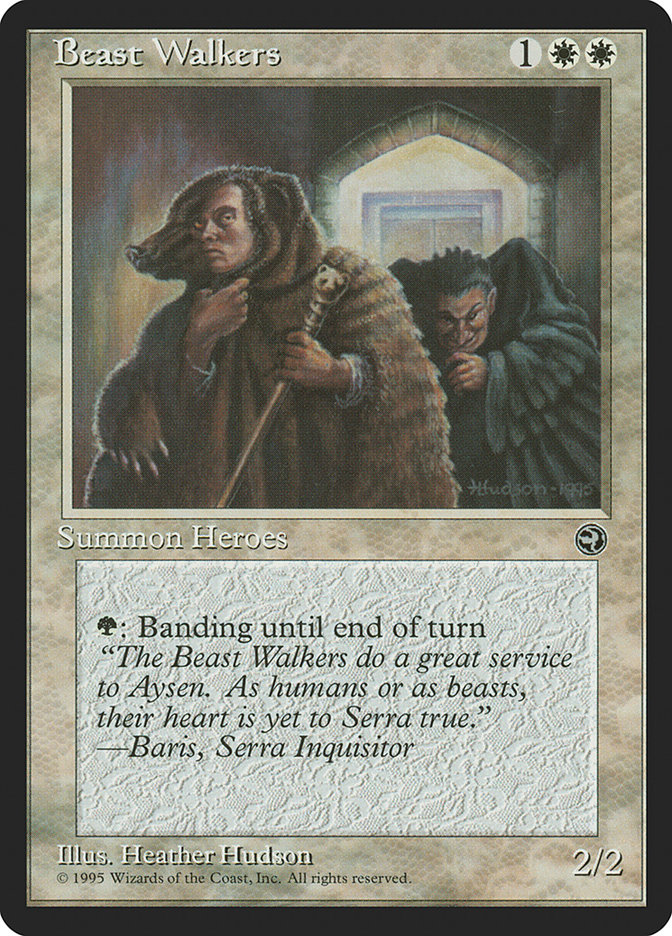
Banding has its defenders, but I’m not one of them. It seems the only people who like banding are those nostalgic for early ‘90’s Magic who played with the mechanic out of obligation. Nowadays it’s the poster child for icky rules complications. Basically, creatures with banding could attack and block with an additional non-banding creature as a single entity, but the controller of the band assigns combat damage. Very powerful, but very fiddly.
Banding debuted in Alpha and stuck around for a while, mostly appearing on nearly-identical white creatures. Enlist from Dominaria United was a modern-day homage to banding, though I’m not sure we need any more references to this messy early-Magic ability.
Hilariously, “bands with others”—an offshoot of general banding—is the only mechanic that currently sits at an 11 on the 10-point Storm Scale, indicating that it’s so atrocious that there are basically no circumstances under which it’ll be used again.
#4. Daybound/Nightbound


Daybound/Nightbound had good intentions but ended up being an actual garbage-tier mechanic. If you’ve ever played with it in paper, you’ll know that the main issue is tracking the damn thing. It never leaves once introduced into the game, forcing players to monitor how many spells are cast every turn for the rest of the game. And it’s easy to forget about. I can firmly claim that daybound/nightbound were the cause of most judge calls I received in my time judging tournament Magic.
The other problem is that despite being billed as a werewolf-centric mechanic, it didn’t work the same way as the old werewolves from Innistrad. Day/night only counted the spells that players cast during their own turn, whereas earlier werewolves tracked all spells cast by any players. This means there are times when your Midnight Hunt/Crimson Vow werewolves would transform while your Innistrad ones didn’t, which feels very tacky and asynchronous from a gameplay perspective.
#3. Stickers

Why is this a thing? Why am I talking about stickers in Magic right now?
Unfinity, that’s why. 2022’s bastion for bad ideas. Acorn stamps, attractions with different lighting patterns, tournament-legal Un-set cards, and stickers.
These are exactly what they sound like: stickers you peel off a supplementary card and stick to your Magic cards for effects that are either dumb or broken. And then—get this—you’re supposed to take the sticker off your card and reattach it to the sticker sheet for later use. Who? Why?
Stickers would’ve been perfectly fine on silver-bordered cards for casual play, but Wizards forced Unfinity cards into Eternal formats, supposedly to give people a reason to buy into the set? Here’s a thought: If you don’t think your set has something to offer players, maybe don’t make the set.
On May 13, 2024, stickers (and the less offensive attractions) received an across-the-board banning in Eternal formats, minus Commander. This is one of the only mechanics in Magic history that gets the axe for just being a flat-out bad idea. Probably worth mentioning that ________ Goblin actually saw competitive Legacy play too, so it wasn’t all memes and jokes. You couldn’t avoid these cards just because you didn’t want to play with them yourself.
#2. Ante
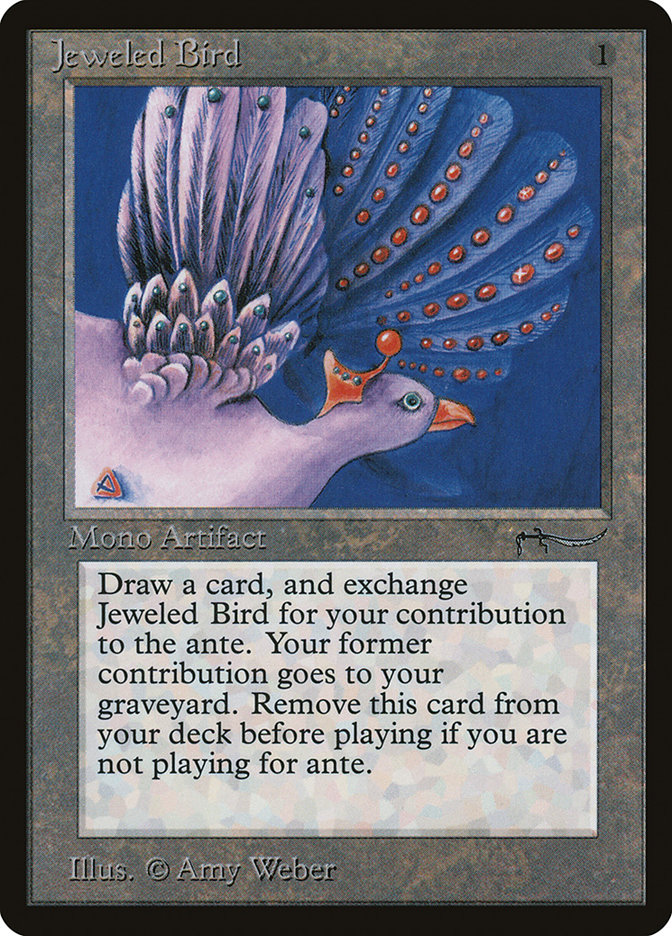
Ante cards are such a blemish on Magic history. I can’t help but wonder how many friendships were broken over this rule. For the lucky ones among us who never played for ante, this was something you’d announce at the start of a game. If players agreed, they’d wager the unknown top card of their library, and the winner of the game walked away as the owner of the ante’d cards. Literally playing for keepsies.
There are several cards that reference ante, all of which have stupidly long effects that make my eyes hurt, the exception being the laughably broken Contract from Below. Unlike banding, or infect, or something that impacts your enjoyment of a particular game, ante could actually result in literally losing your cards, like some Yu-Gi-Oh! Season 1 nonsense.
#1. Rampage
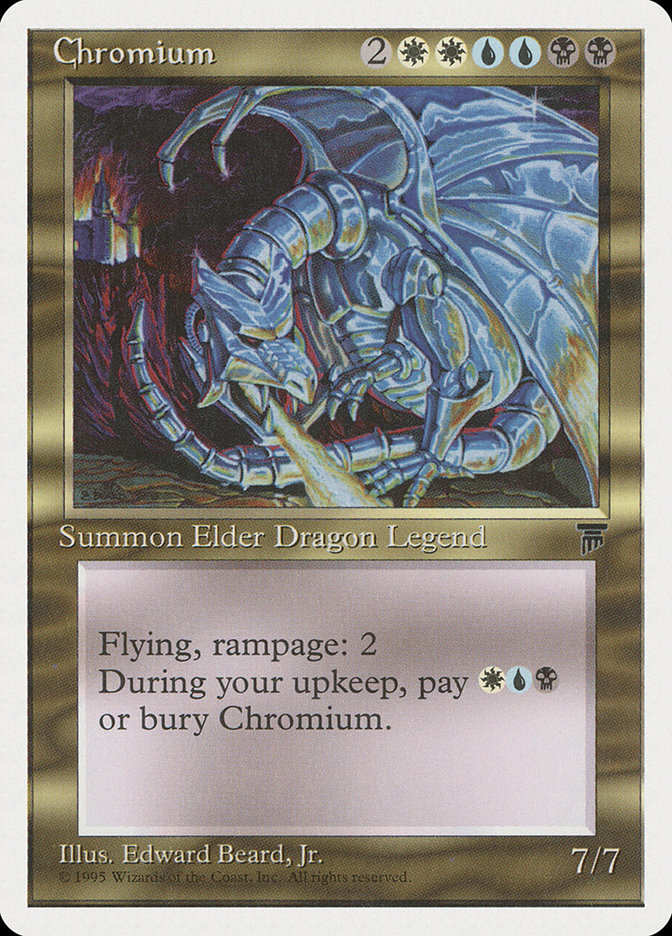
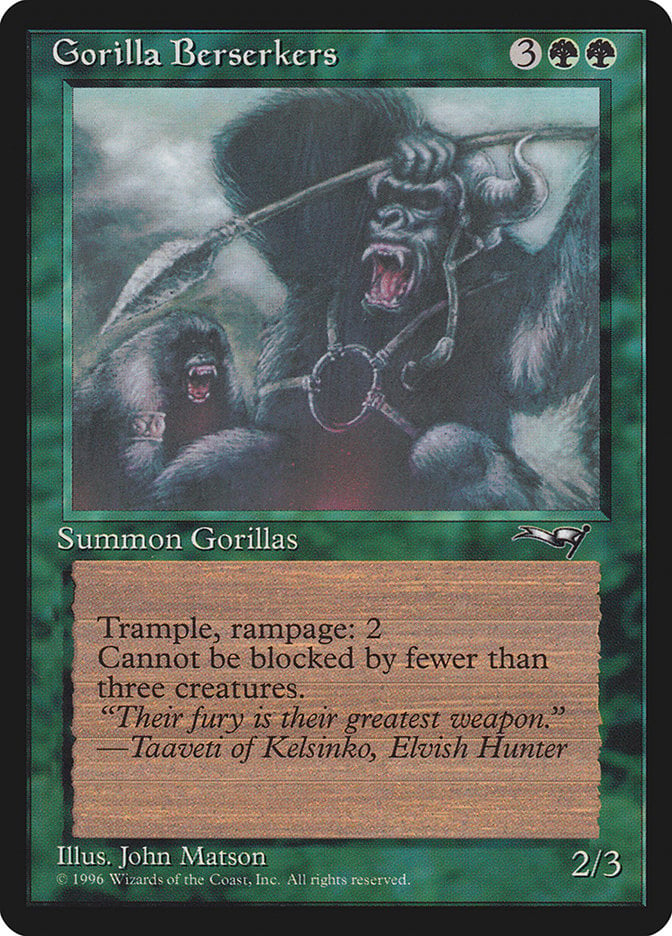
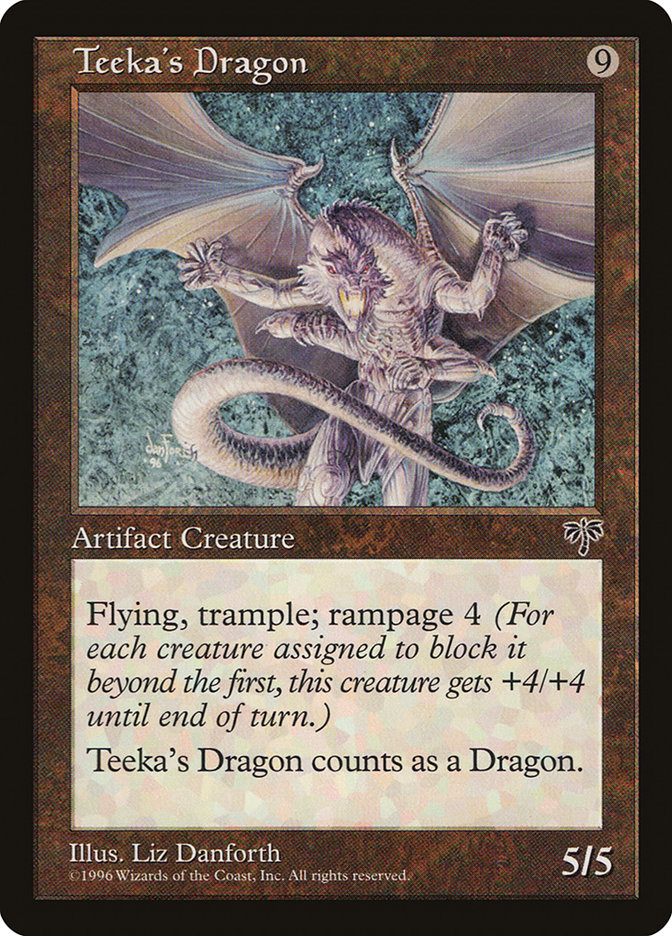
Ante’s atrociously bad, but rampage hurts my soul in a way no other Magic mechanic can. The problem being: It doesn’t do anything.
A creature with Rampage N gets +N/+N for each creature blocking it beyond the first. The only time it matters is if your attacking creature gets multi-blocked by an opponent who visibly saw that your creature had rampage and chose to throw extra creatures in front of it anyway. No blocks? No rampage. Single-blocks? No rampage. Opponent tosses extra creatures by the wayside into your face-up on-board ability? Now we’re talking!
The only way to make rampage work is to either force the issue with a Lure effect or put your opponent into a position where they must block, and somehow must do so with multiple creatures? That’s just not something that happens basically ever outside of Gorilla Berserkers which is a tough sell. The cards with rampage aren’t even cool or memorable. Okay, Chromium’s kinda cool, but flying makes it harder to trigger rampage. It’s extra words for basically no extra effect, which is such a huge throwaway that I’m crowning it the worst mechanic of all time.
Wrap Up

Contract from Below | Illustration by Douglas Shuler
Like an auto repair shop run by thumbless workers, Magic’s full of bad mechanics. If we give them credit for all their awesome mechanics, we can point out the ugly ones, too. I could expand this list to include mundane entries like ripple, soulshift, or sweep, but I went with ones I think crossed the line or were downright offensive.
Rant’s over though, folks. Time for some reader opinions: What do you think are the worst mechanics in Magic history? What don’t you like about them, and how would you fix them if you could? Let me know in the comments or over in the Draftsim Discord, Draftsim’s Facebook, or on Draftsim’s Twitter/X.
Thank you for making Draftsim your #1 stop for all things Magic!
Follow Draftsim for awesome articles and set updates:










4 Comments
bestow sure has been forgotten
Bestow’s not an all-timer by any stretch but there’s nothing inherently wrong with it.
Totally agree with your position and add that there is too much complexity, too many mechanics, and too much power creep in the game today. Constant profitability pressure results in rushed and sloppy, gimmick driven design.
There’s nothing “wrong” with rampage. It leads to some cool design space with trample, lure effects, and gifting your opponents creatures. It also turns off banding as an OP blocking option, so at the time it wasn’t completely pointless.
Also, Radiance is better for being symmetrical. I wish there were more symmetrical effects printed now-a-days. Makes games more interesting.
If you really want a bad mechanic that prevents interesting gameplay, you really need to include Epic. Though it would be cool to print more Epic spells that are a little more flexible, give you some choice, etc., any mechanic that literally says you can’t cast anything else for the rest of the game seems like it could easily land the number one spot here.
Add Comment