
There and Back Again | Illustration by Jarel Threat
Sagas are one of the best things to happen to Magic. They’re a creative subtype that gives enchantments something to do besides auras, and they make for engaging game pieces in both flavor and mechanics.
Red’s sagas are no exception to the rule, with a host of powerful abilities that provide long-term advantages. They range in power from Limited cards to format-warping bombs; let’s find the best one for your next brew.
What Are Red Sagas in MTG?
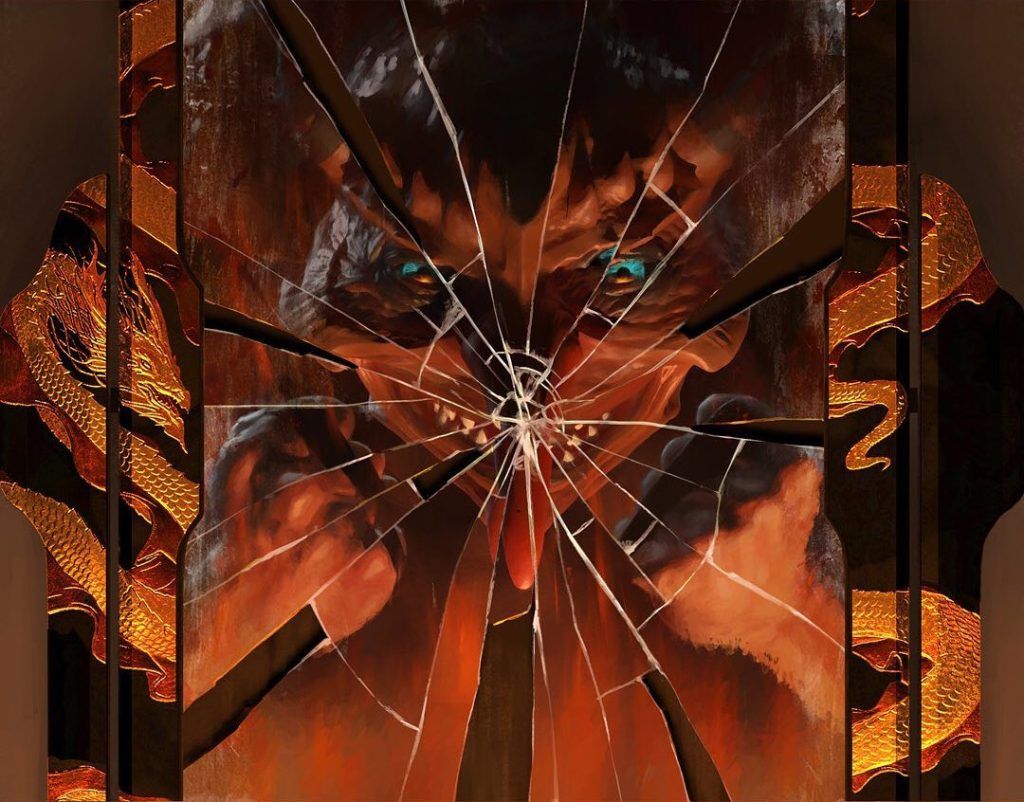
Reflection of Kiki-Jiki | Illustration by Joseph Meehan
Red sagas are enchantments with the saga subtype and a mono-red color identity. This list includes creatures that transform into sagas.
Red sagas are often aggressive, as befits red, and a decent chunk of them create some form of token. In addition to tokens and burn, they touch on other synergies red cares about like impulse draws, discarding, and Treasure.
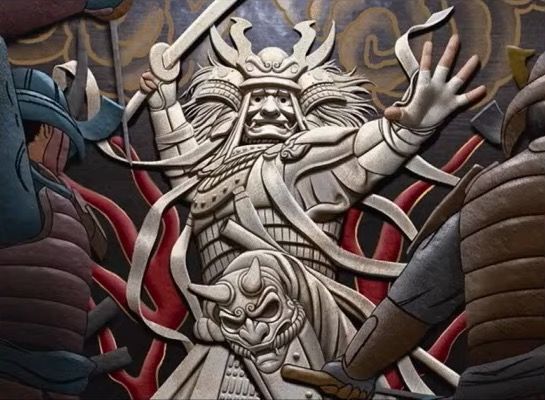
#32. The Shattered States Era / Nameless Conqueror

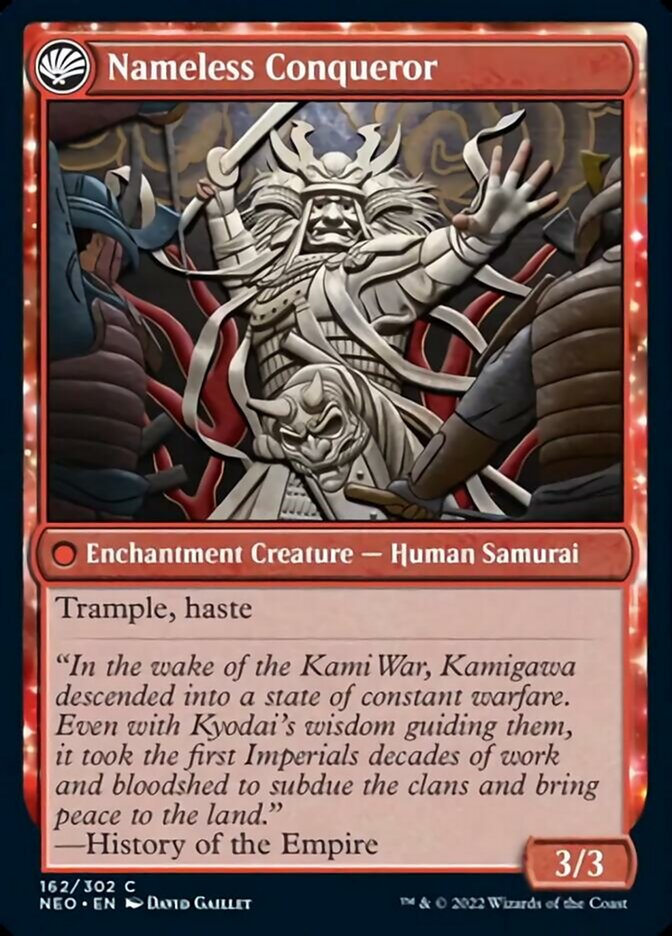
Some cards were designed for Limited and never exceed that, and that’s okay. The Shattered States Era might be the least remarkable Threaten you could run, and the backside is even less exciting.
#31. Book of Mazarbul
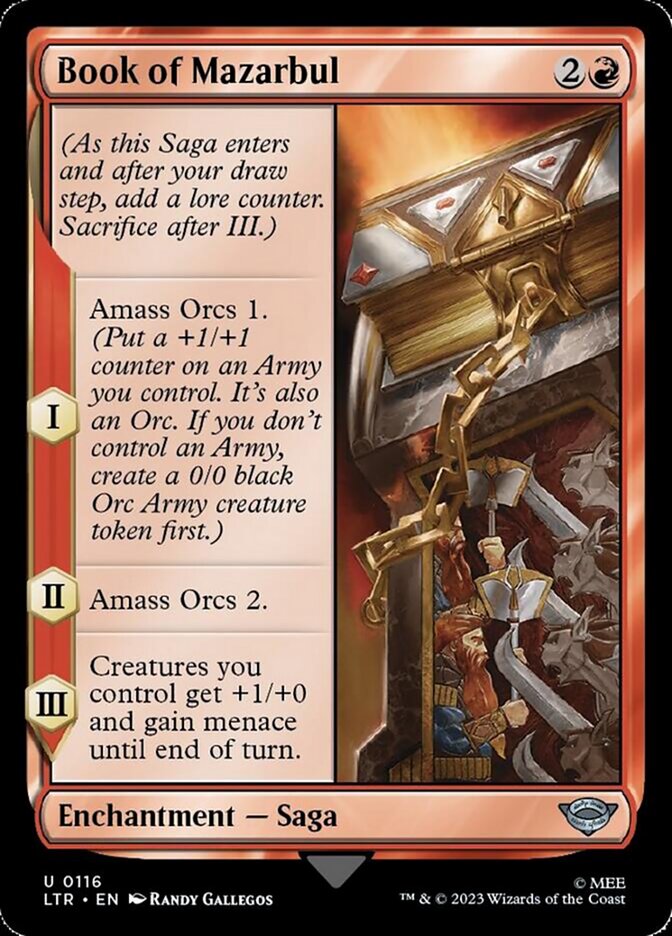
Book of Mazarbul could be cute in a deck that’s interested in creating two pieces of sacrifice fodder, but you could say the same for many better red sagas; this one can stick to being the 23rd card in my Lord of the Rings Sealed Deck.
#30. Ral and the Implicit Maze

Ral and the Implicit Maze suffers from being a Limited card. It’s a tidy little package; the board wipe buys time to play the cards it draws, which in turn improves the Spellgorger Weird token you create. But at 5 mana, it’s too slow for Constructed unless you’re specifically going all-in on Ral’s cards.
#29. Yotia Declares War
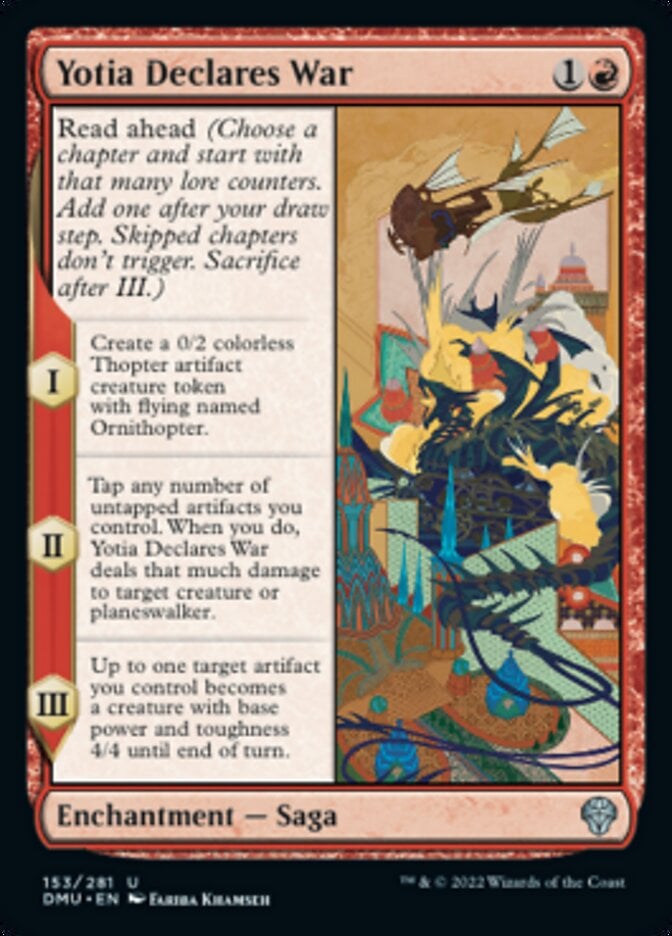
If any card in Magic was worth 2 mana, it would be Ornithopter!
Yotia Declares War is a fine payoff for artifacts in Limited but too small for other formats.
#28. The Triumph of Anax
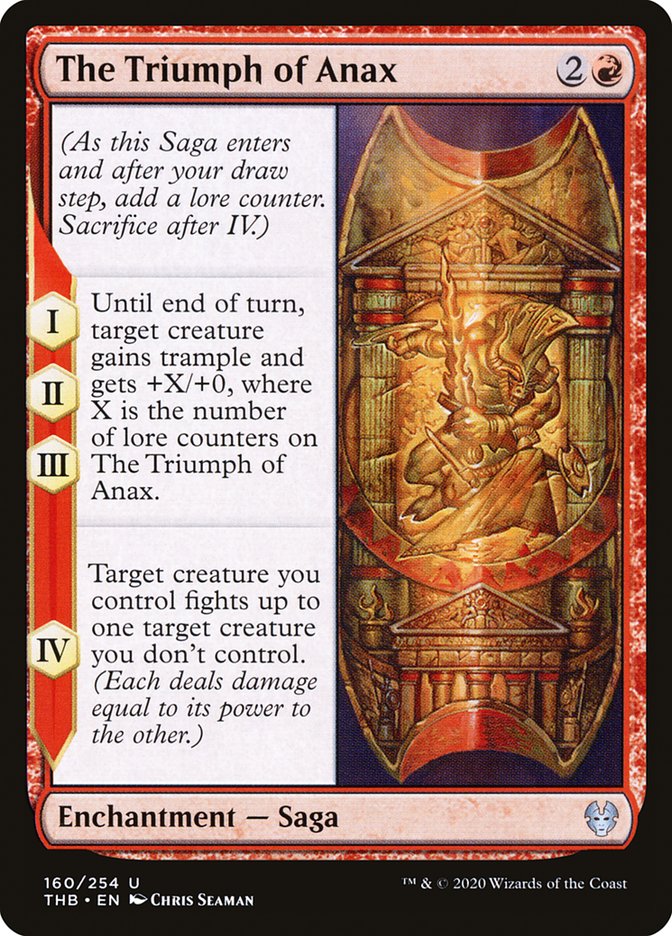
You could maybe work out an interesting line with The Triumph of Anax and a Fling or ways to double a creature’s power like Bulk Up, but it’s more likely to end up in the bulk bin.
#27. The First Eruption
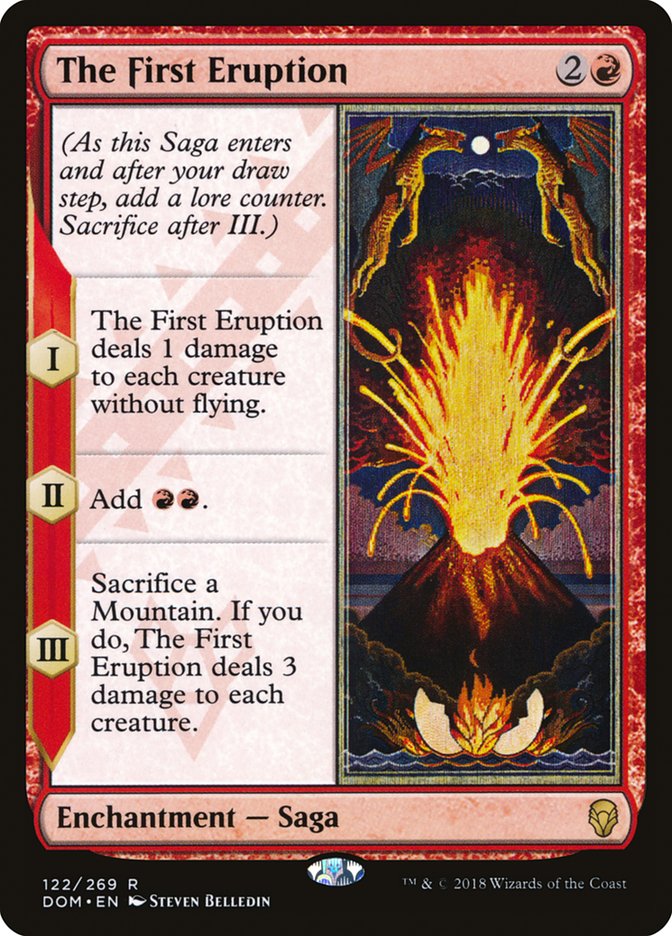
There’s a world where you pair The First Eruption with something like Ghyrson Starn, Kelermorph that amplifies the damage or proliferate cards to finagle a 3-mana, 4-damage wrath, which is cheap for the cost, but all that belongs in the realm of cute rather than good.
#26. The Flame of Keld
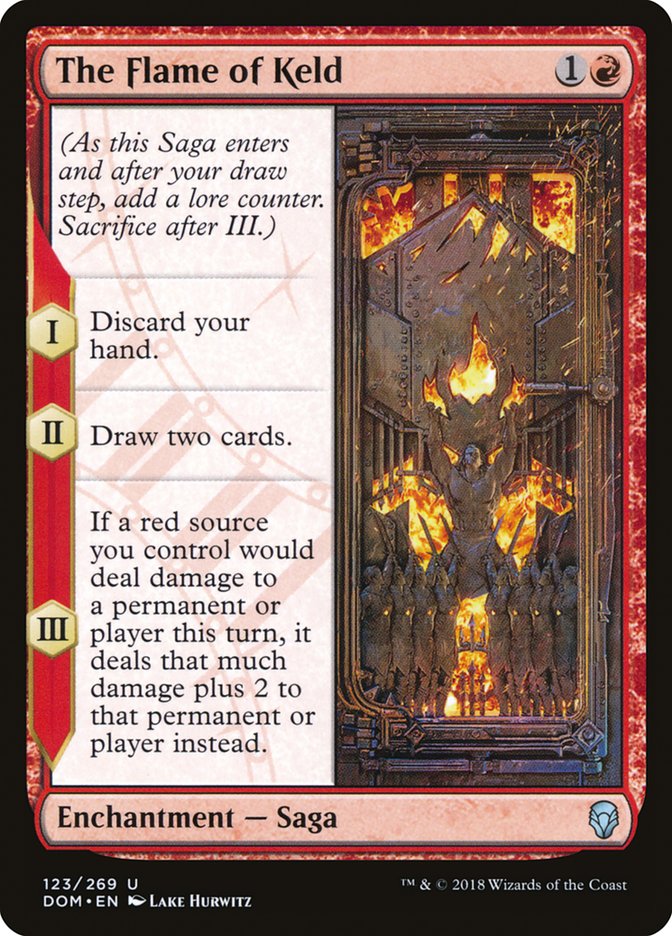
The big draw to The Flame of Keld is the replacement effect on the third chapter that effectively gives you Torbran, Thane of Red Fell for a turn, but it has glaring flaws. Getting the effect for a single turn makes it all or nothing; you really want to push that to a critical, hopefully game-winning advantage. But, because you discard your hand and draw random cards, setting that up can be tricky. It also gives your opponents a very obvious clock by which they need to answer the saga; since you discard your hand right away, you won’t have the tools to stop them.
#25. Summon: G.F. Ifrit

Summon: G.F. Ifrit is just such small beans. Rummage twice, make mana twice isn’t bad, but it’s such a slim advantage each turn that it’s unremarkable for the cost.
#24. Day of the Moon
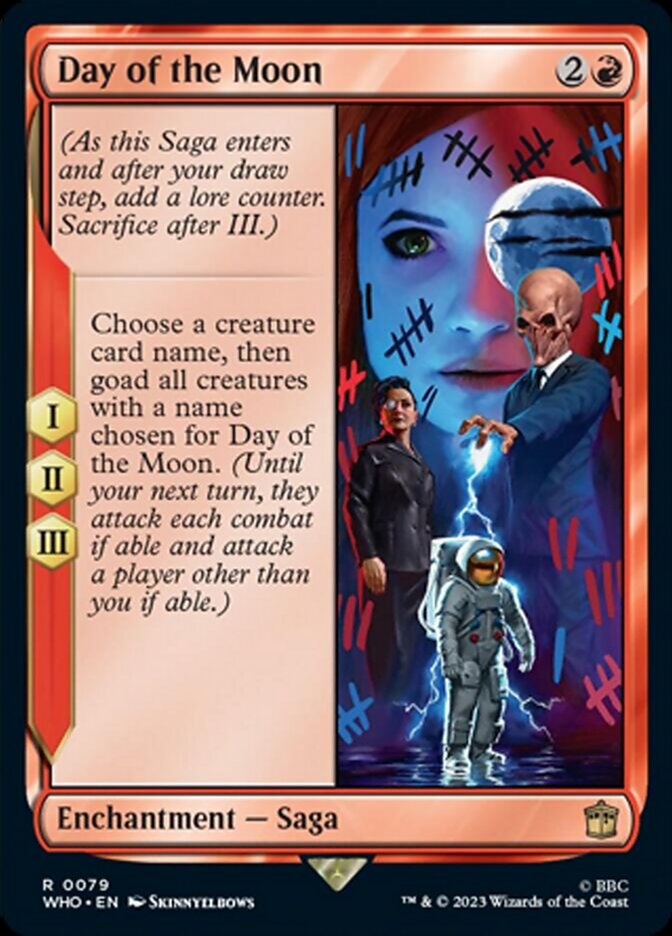
It’s pretty flavorful of Day of the Moon to focus on naming specific creatures, but it might also be underwhelming compared to a mass goad effect. It has political uses; you can bargain with your opponents to get the goaded creatures to trade in combat. Cool as that is, the lack of anything but goad on the card really hurts.
#23. Korvold and the Noble Thief
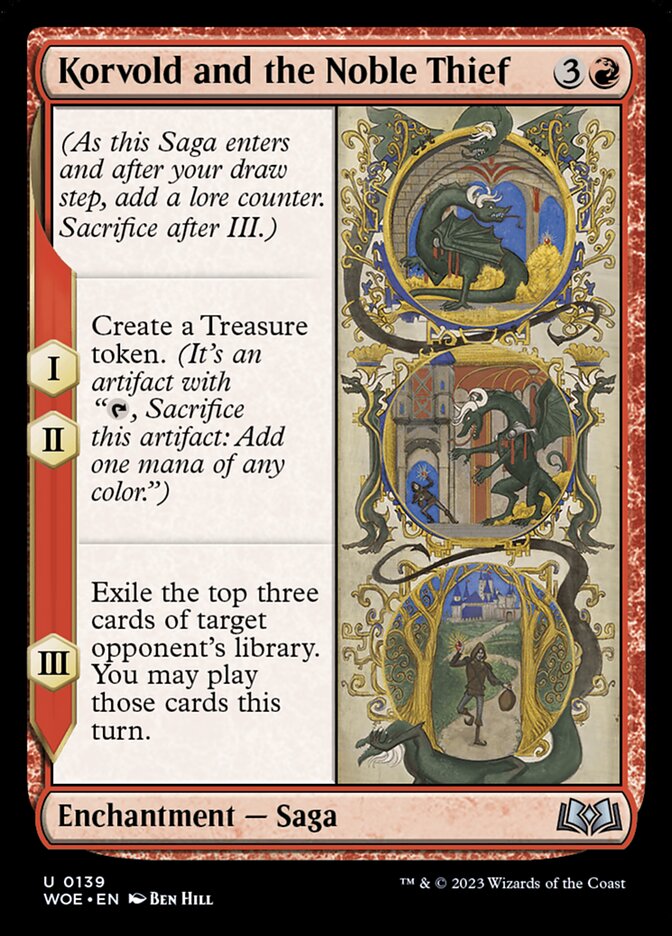
Korvold and the Noble Thief would be far better if its chapters were inverted. As is, 4 mana to make a Treasure and eventually draw cards is extremely, painfully steep. It’s important to make the Treasure since you can’t cheat the colored costs on the stolen cards, but it also means this is too slow for most situations.
#22. Summon: Esper Ramuh

Summon: Esper Ramuh comes so close to greatness with an exceptional first chapter that falls off before you decide what to remove with the first ability. Pumping wizards—an archetype that hardly cares about attacking—does practically nothing, which is a shame; if this had another good chapter or two, it could be an excellent flicker target.
#21. Founding of Omashu
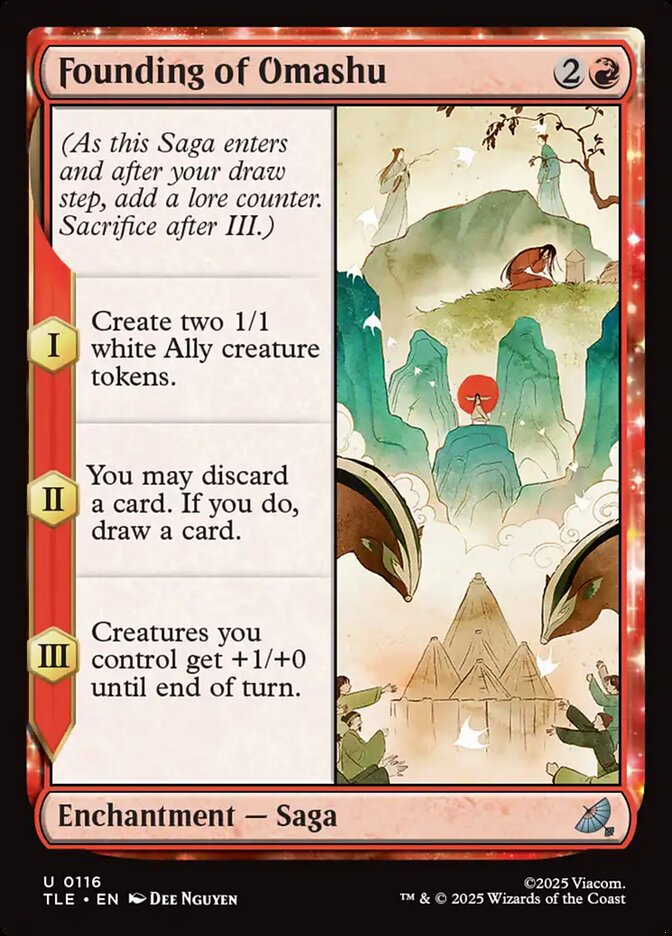
Founding of Omashu puts a lot of cardboard onto the battlefield. It has a strong first chapter but drops off hard with a rummage and mediocre power boost made worse because your opponents see it coming. It feels like an inferior version of the next card, which is odd considering they depict the same story beat from Avatar: The Last Airbender.
#20. The Cave of Two Lovers

The Cave of Two Lovers looks fantastic for sacrifice decks, albeit only casual ones. In addition to the saga sacrificing itself for the likes of Mayhem Devil, two tokens plus earthbending adds three pieces of sacrifice fodder. We’re not breaking Vintage with this, but I see its place in Peasant Cubes and low-powered Commander decks.
#19. Summon: G.F. Cerberus

Summon: G.F. Cerberus offers pretty impressive card copying. It’s a little fragile, but that’s nothing a counterspell or two can’t fix. I’d want to play this with a plan to protect it and decent spells to copy since the first chapter does very little, but it could be good with the right setup.
#18. Victory of the Pyrohammer

Victory of the Pyrohammer is an Alchemy-exclusive saga that came out with Wilds of Eldraine, and it’s a totally fine board wipe. It’s cute that it deals multiple instances of damage for Brash Taunter effects, and it even takes care of larger creatures provided they don’t beat your face in. It faces steep competition in Burn Down the House as a 5-mana red sweeper, but synergy could make this a frontrunner for your Brawl deck.
#17. The Akroan War
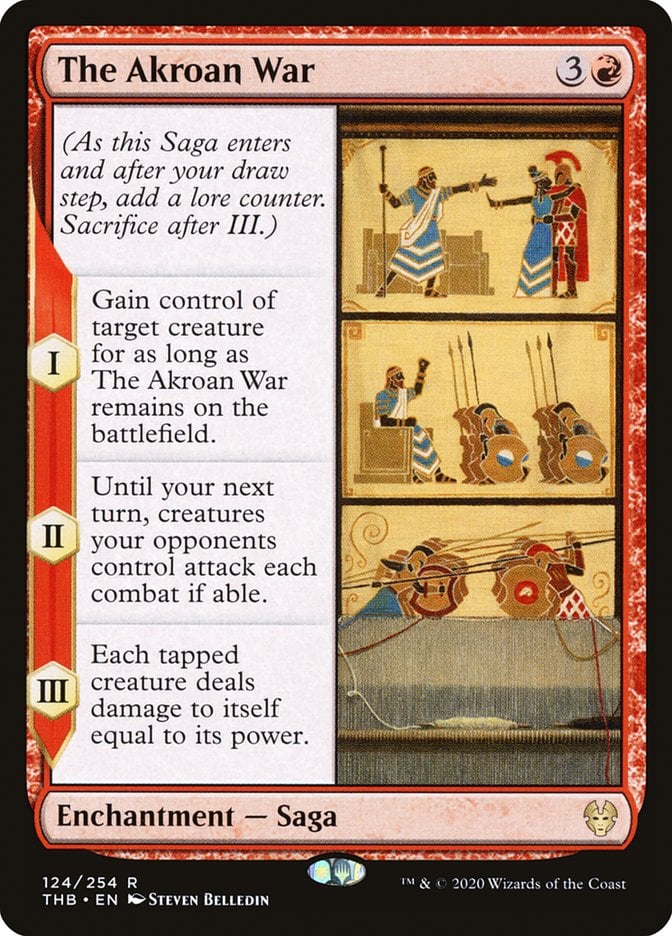
The Akroan War does neat stuff in Commander since you can make all your opponents attack each other, then finish off their armies when the dust settles and the third chapter triggers. Some politicking might be necessary; the second chapter doesn’t goad creatures, so they can attack you, and your opponents might decide that’s the best way to keep their board intact.
#16. Summon: Esper Valigarmanda

Summon: Esper Valigarmanda scales to Commander very well as a theft card. Only hitting instants and sorceries is a little sketchy; decks whose only options are board wipes and protection could hamper its effectiveness. But if you’re playing this, you should always have a good card to recast and you can probably scrape at least one up from another opponent, which provides a decent enough floor.
#15. The Parting of the Ways
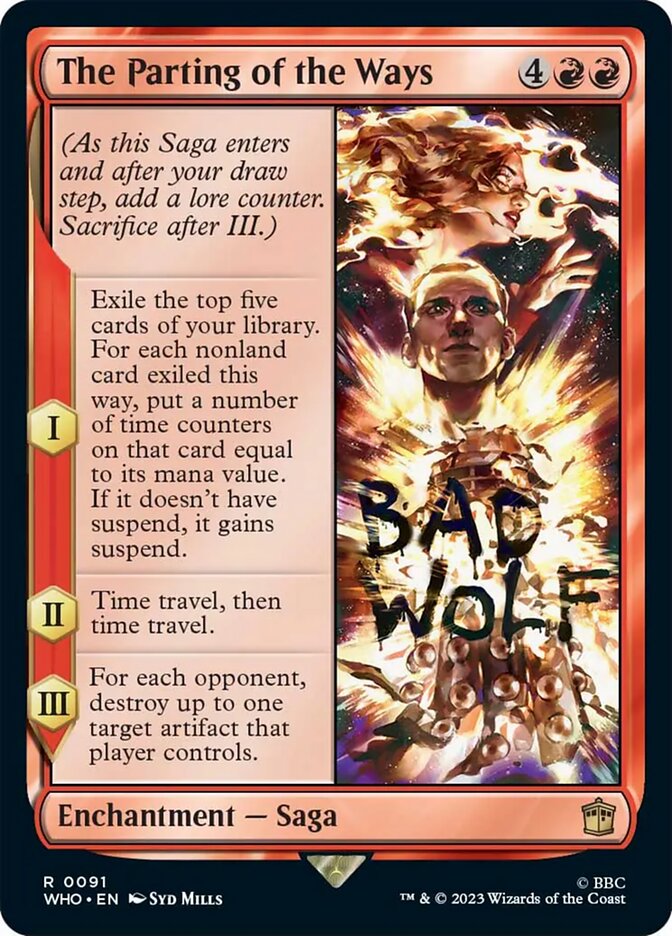
Because red cares about casting spells from exile and card draw is generally good, The Parting of the Ways has an extremely appealing first chapter. Except there’s the little hangup that it’s such a slow card. It doesn’t come down until turn 6, and then you need to wait a few more turns. If you run this, do your best to keep the rest of the curve low to maximize the odds that you cast your spells when you time travel twice.
#14. The Brothers’ War
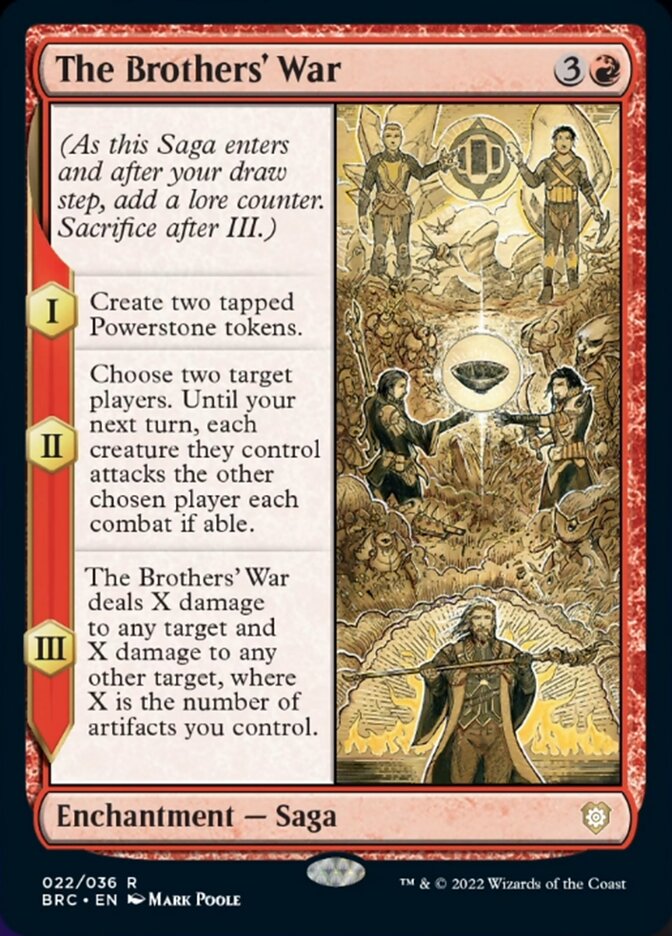
There’s an awkward tension in The Brothers' War not being an artifact; it supports the archetype, but does it do so better than a 4-mana artifact like Relic of Sauron?
This red saga takes a great stab at it. Two Powerstones are great ramp and two artifacts added to the board, and the final chapter flexes between removal or a finisher, depending on the state of the game. It’s a shame cards that tutor for or care about casting artifacts don’t interact with the saga (outside historic payoffs, I suppose), but it does decent work.
#13. Vault 21: House Gambit
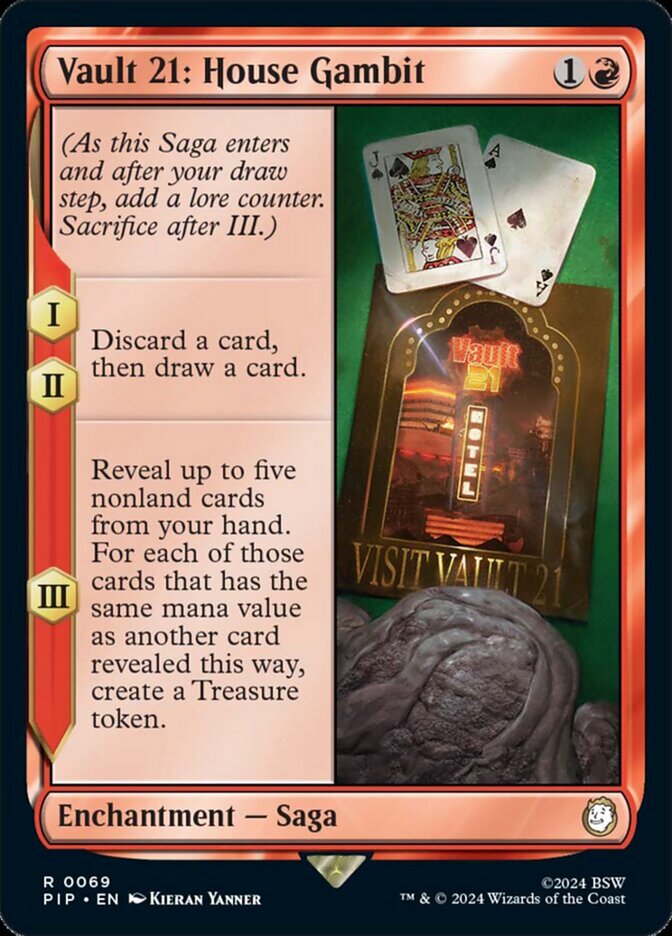
Vault 21: House Gambit is an awfully strange card, but I don’t want to call it awful. At the very least, it’s discards cards and creates Treasure, both of which red likes. It takes time to get the full value, something I’ve criticized other sagas for, but that’s much less of an issue when it costs 2 mana instead of 5 or 6.
#12. There and Back Again
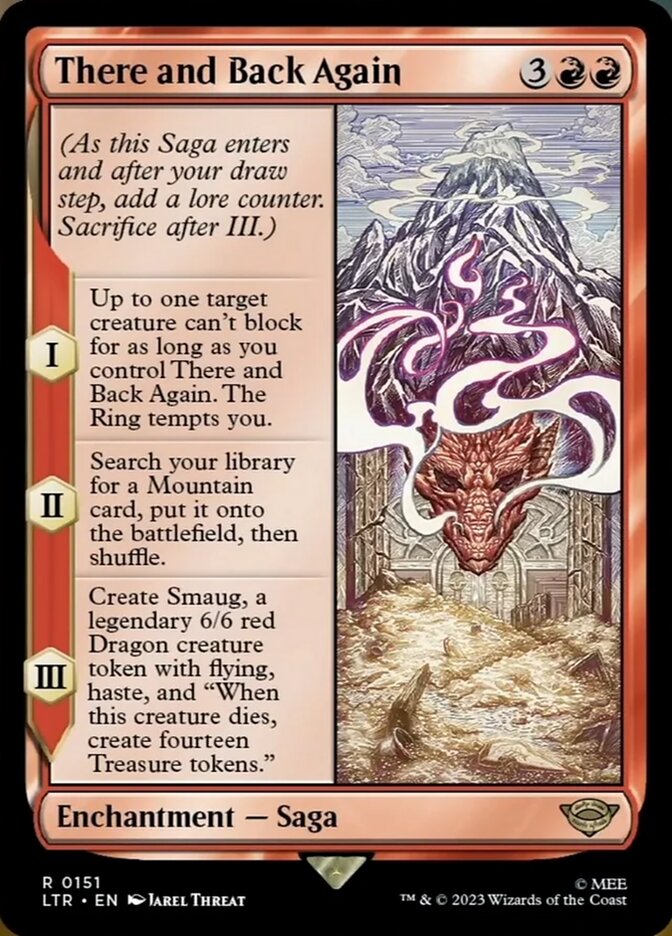
There and Back Again is extremely backloaded because Smaug boasts much of the card’s power, but it’s quite a bit of power; this saga enables more than a few infinite combos. That said, it’s still a 5-mana saga that doesn’t do much until you get the third counter on it, so it can’t go too high.
#11. The Elder Dragon War
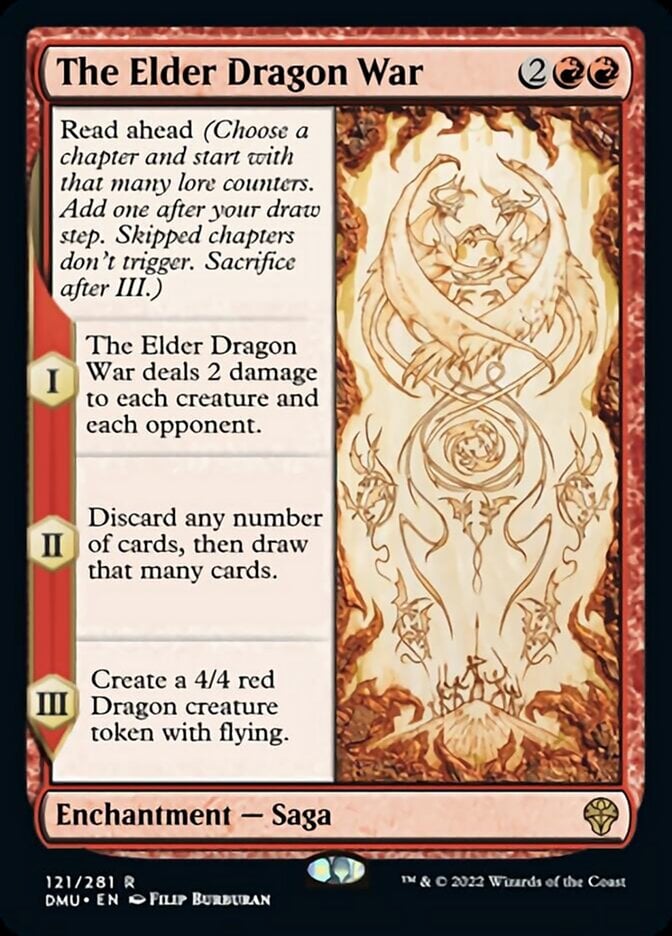
Read ahead makes The Elder Dragon War more flexible than most sagas. If you don’t have time to extract maximum value, you can default to a 4-mana 4/4 flying Dragon, which is rarely bad, or dig deep into your deck for a Hail-Mary removal spell.
#10. Maximum Carnage

With an effective “goad all creatures” first chapter (really, Wizards, just print goad on Standard cards; it won’t break anybody’s brain), Maximum Carnage does what I wanted from Day of the Moon. This is the epitome of an aggressive top-end card. Goading creatures pushes damage and removes blockers, there’s no way you can’t do something with the red mana, and the burn on the final chapter seals the game if it gets that far in the first place.
#9. Clive, Ifrit’s Dominant / Ifrit, Warden of Inferno


Most of this transforming card’s power lies in Clive, Ifrit's Dominant rather than the saga; a personal wheel that scales with your devotion to red and that you can retrigger if you flicker the creature in question runs away with games due to card advantage.
But that doesn’t mean Ifrit, Warden of Inferno has nothing going for it. Killing a threat when it flips provides the breathing room you need to make use of Clive’s card draw, and the mana generation on chapters II and III. Most notably, the third chapter produces mana, then flickers Ifrit, so you get the mana and the card draw from the front half.
#8. The Flux
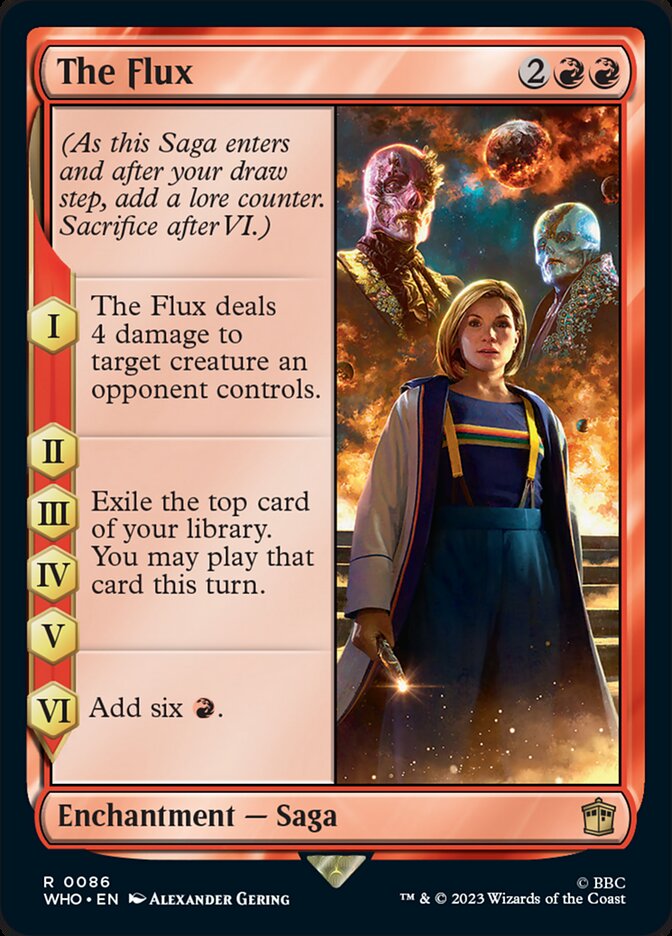
You’ll notice a consistent trend among the best red sagas: They draw lots of cards, typically through impulse draws.
The Flux draws more than most but it’s also slower than other examples. The removal on the first chapter smooths this over since it provides time to take advantage of four cards drawn over several turns.
#7. Origin of the Hidden Ones

Origin of the Hidden Ones is the best saga that creates tokens for aggressive or sacrifice decks. The tokens come at a delay, which is arguably a downside compared to Two Lovers or Omashu, but this card makes more of them and the first chapter is far more relevant than any chapter on red sagas that don’t make tokens, which makes this a more well-rounded card.
#6. Summon: Brynhildr

Summon: Brynhildr is just a great aggressive creature. Play it, draw a card, hopefully cast that card—and if it’s a creature, it comes down with haste, ensuring you get an aggressive turn 3. When you play it later in the game, the cantrip might dig towards the removal or burn spell necessary to push those last points of damage. The ceiling isn’t particularly high, but this card has an amazing floor.
#5. Summon: Kujata

Summon: Kujata is an excellent stompy card, especially in Cube. Get together mana acceleration with cards like _____ Goblin and Fanatic of Rhonas, jam this, and watch it obliterate your opponents in a turn or two. It’s great for cubes that want to support Gruul Stompy but are wary of Minsc & Boo, Timeless Heroes warping the meta.
#4. Urabrask / The Great Work
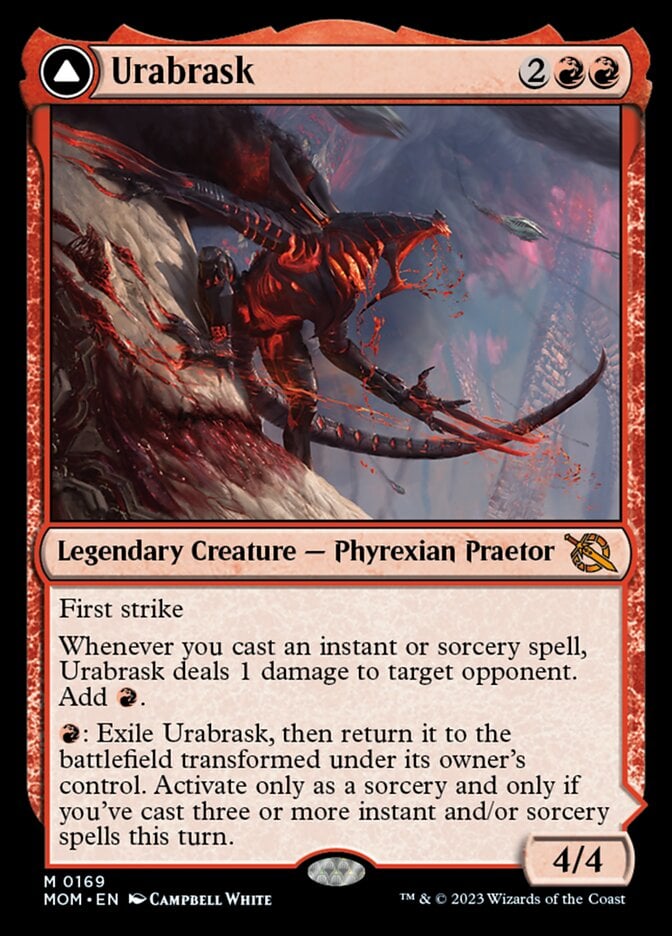
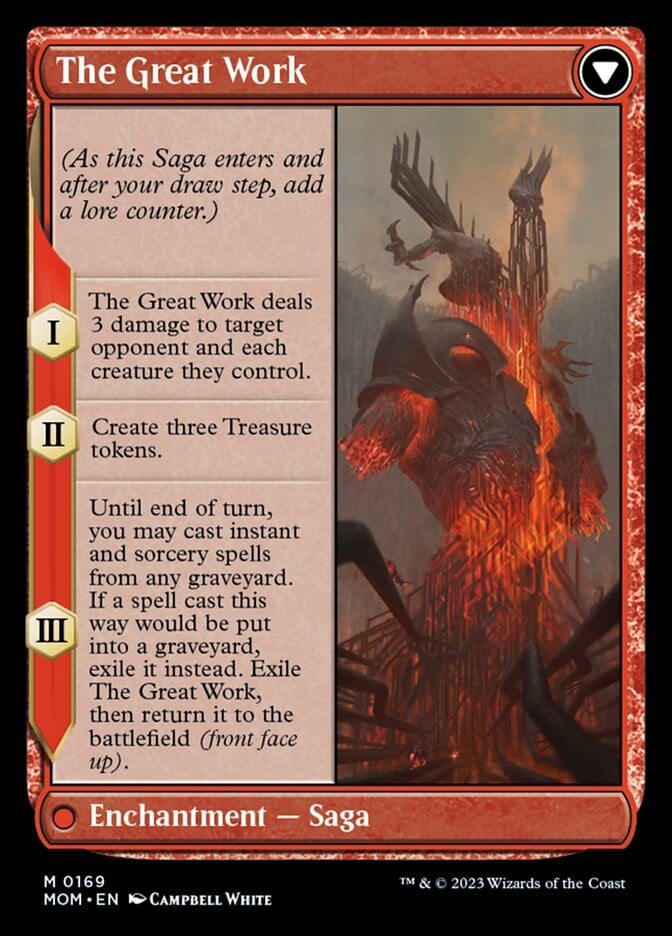
Urabrask, like Clive, holds much of the power despite not being the saga. It’s an incredible storm commander since it provides both mana generation and a win condition. And also like Clive, this doesn’t mean you should ignore The Great Work. It works its way up to a Past in Flames-style effect that works as a great backup plan if your initial win attempt fizzles.
#3. The Legend of Roku / Avatar Roku


I’d be sold on an impulse-draw based Harmonize, but The Legend of Roku keeps going for some reason. Red really cares about casting spells from exile and card advantage is generically good, so the first chapter is a slam-dunk, then you get mana to help cast the spells you draw.
Avatar Roku is an unasked for but extremely welcome finisher connected to all that goodness. If you trigger firebending, the first dragon effectively costs 4 mana, then firebending takes the cost from there. Attaching a clock to the card advantage is wonderful because it gives your opponents less time to catch back up to you.
#2. Kumano Faces Kakkazan / Etching of Kumano
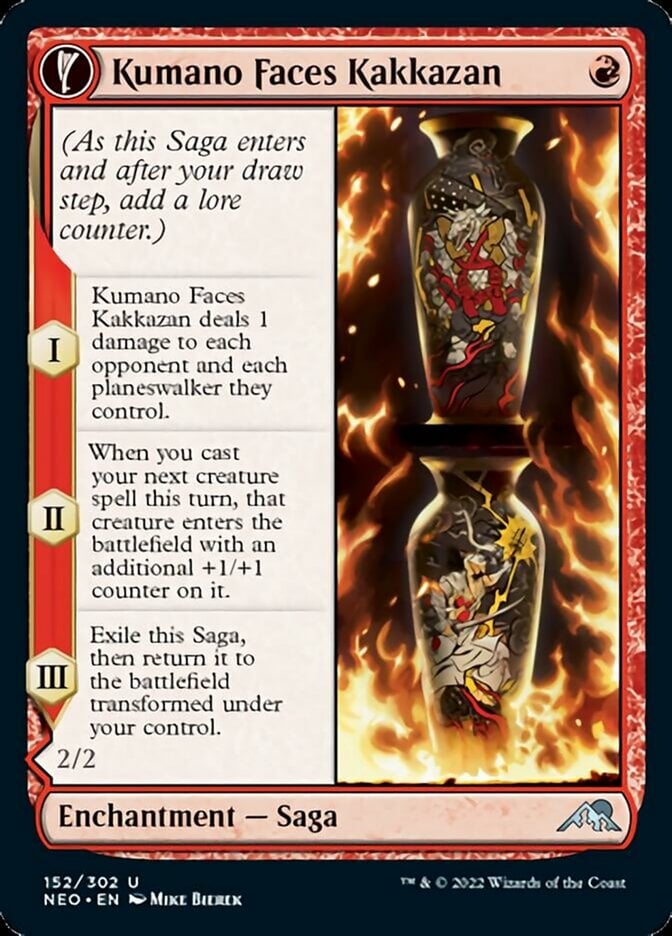
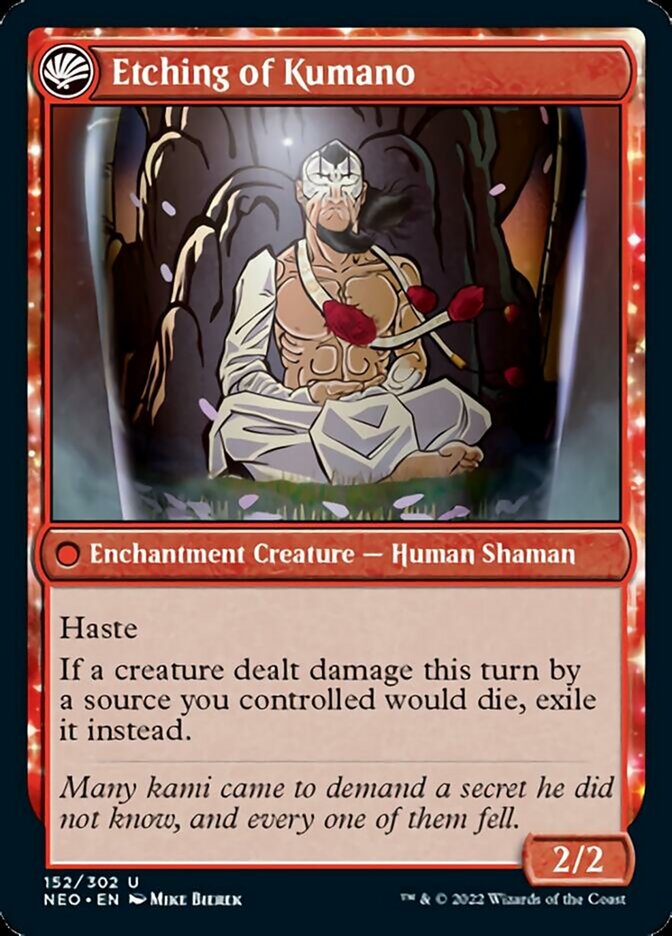
Cards don’t need to be rare or expensive to be effective, as various iterations of mono-red aggro, or Red Deck Wins, have taught Magic players over the decades. Kumano Faces Kakkazan gets you off to an aggressive start with a ping followed by a +1/+1 counter on your turn-2 play—which, as this is red aggro, often has haste. It effectively adds 2 damage over turns 1 and 2 then transforms and starts attacking as Etching of Kumano. Though simple, it represents an obnoxious amount of pressure.
#1. Fable of the Mirror-Breaker / Reflection of Kiki-Jiki
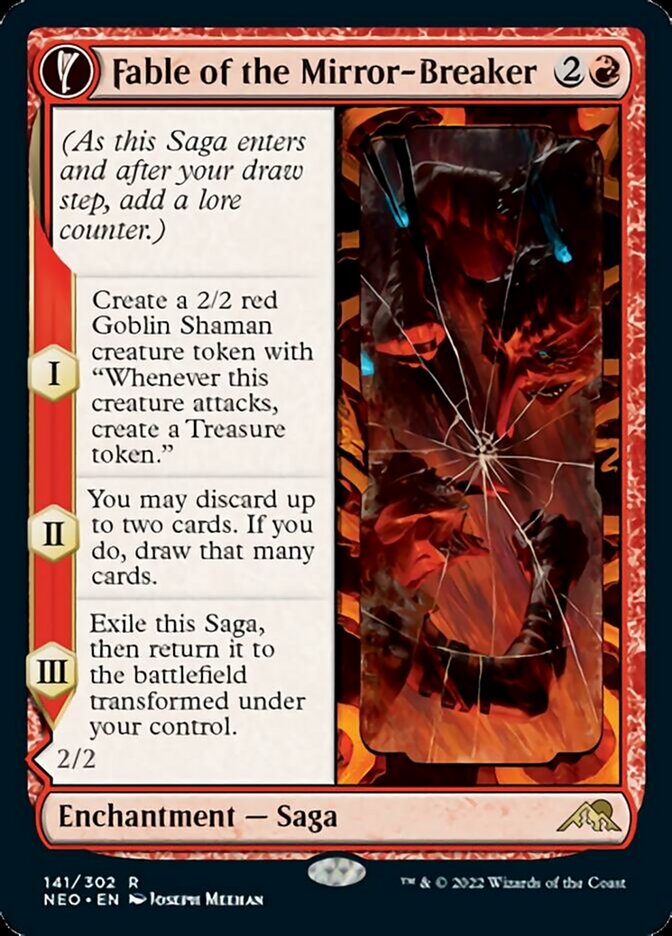
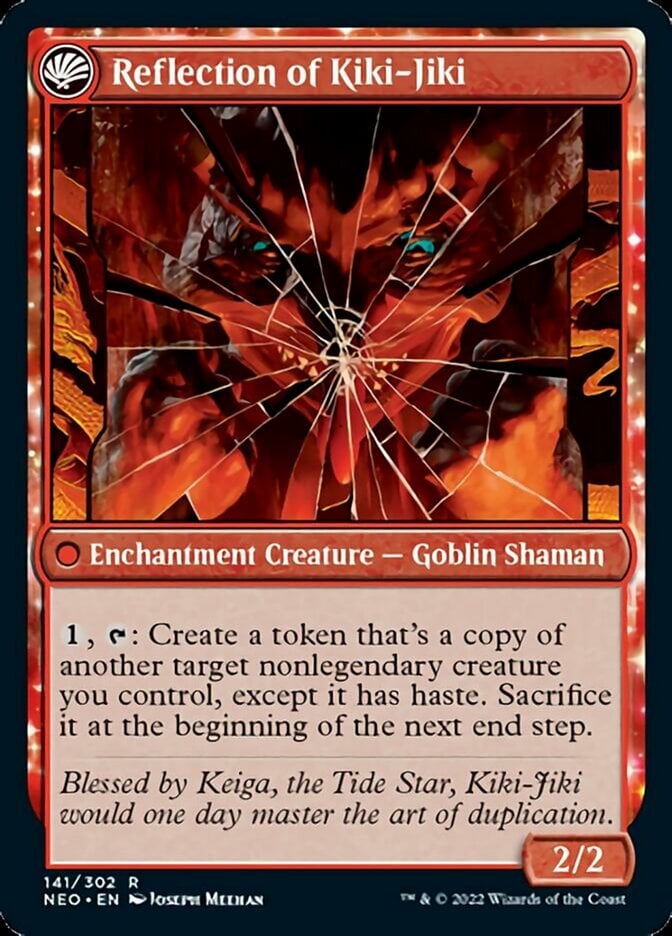
Fable of the Mirror-Breaker isn’t just the best red saga. It’s the best red enchantment and one of the best enchantments in the game because it packs so much value into three chapters.
The Goblin Shaman token represents an immediate threat. Your opponent must remove it otherwise the mana advantage could give you the game; yet they probably need to deal with what you played on turn 2, and they have to be mindful of the saga transforming into a second threat. That taxes removal incredibly hard.
Then the double rummage comes in to fix your hand. You ditch your worst cards and find better ones; nothing feels better than ditching two useless removal spells against the control deck. In addition to sculpting your hand, the rummage also sets up graveyard or discard synergies.
Then Reflection of Kiki-Jiki brings it all together. Producing two threats from a single card is the definition of a 2-for-1, and the Reflection is a significant threat because it ends the game quickly. It plays very well with the Goblin Shaman, which gives it something to copy, or cards like Bloodtithe Harvester that have strong enters abilities. You just can’t go wrong putting this card in your deck.
Best Red Saga Payoffs
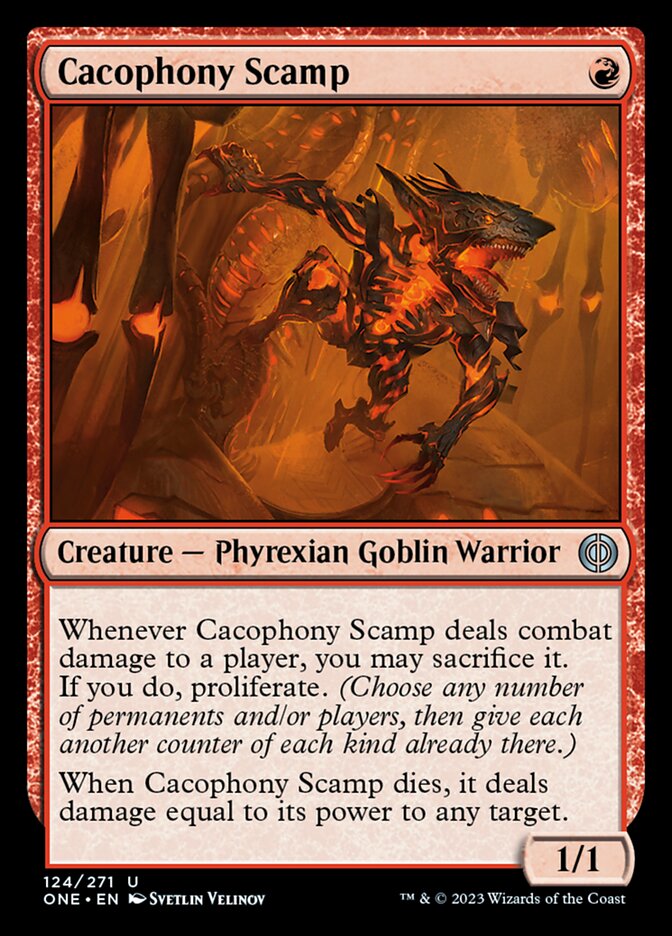
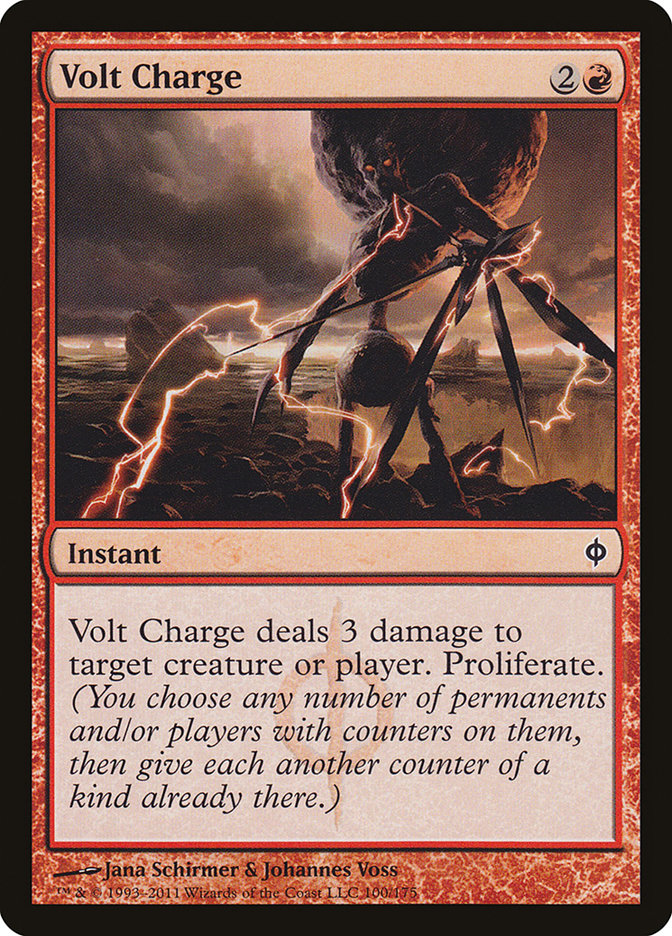
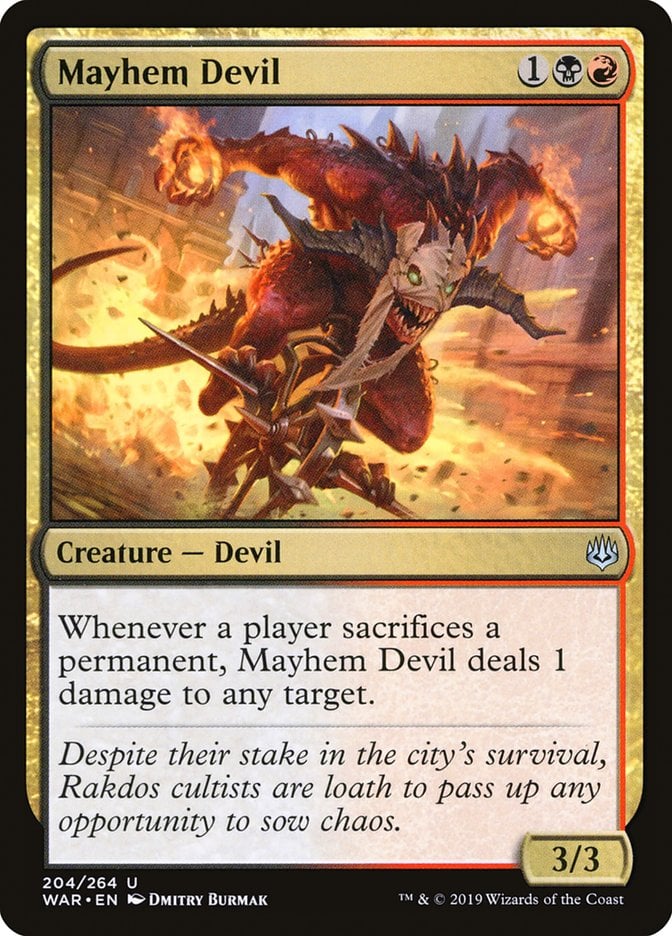

Red doesn’t really care about sagas specifically; it hardly interacts with enchantments. It has exactly two proliferate effects in Cacophony Scamp and Volt Charge, neither of which are actually good. Most of the positive interactions come from cards like Mayhem Devil and Evendo Brushrazer that care about sagas sacrificing themselves, though you can go a little deeper by looking past sagas, the archetype, and paying attention to what sagas, the cards, want.
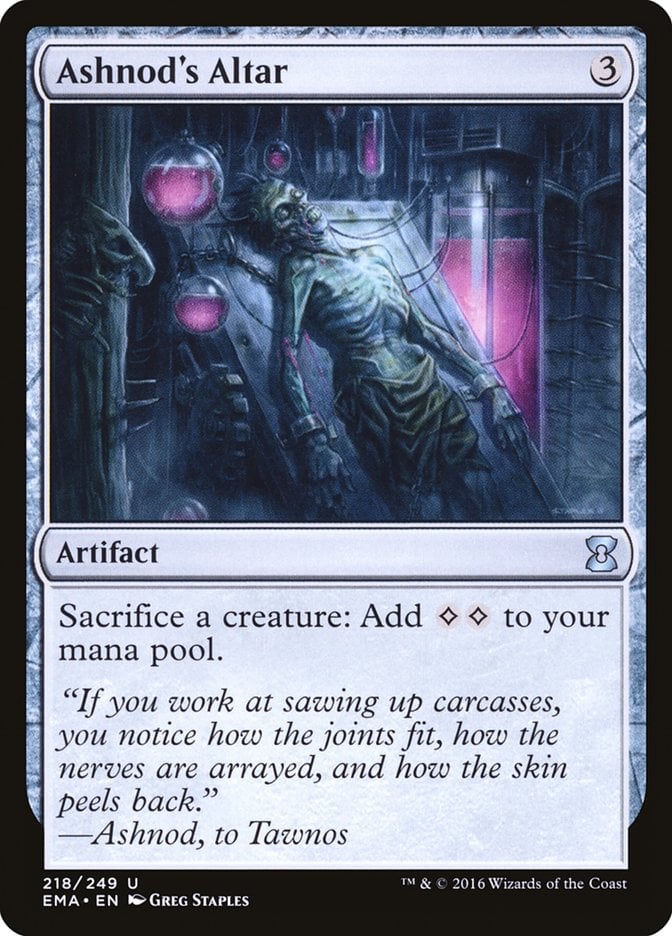
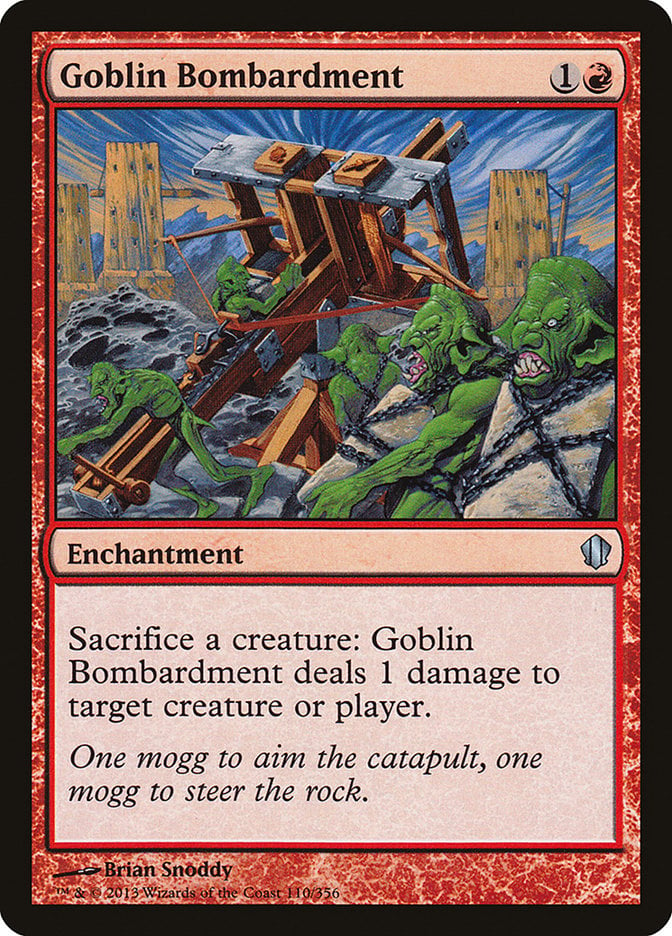
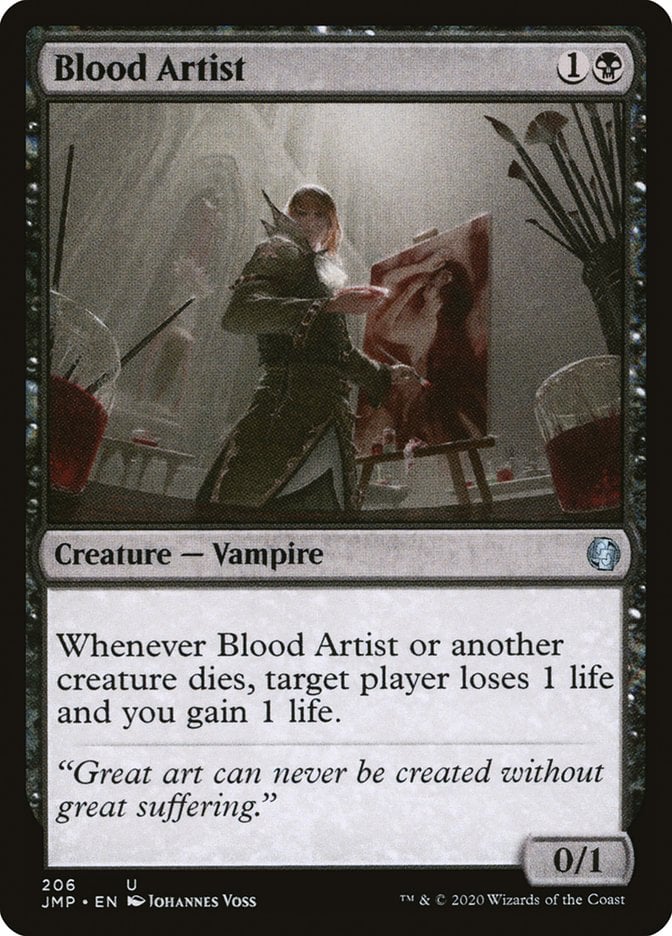
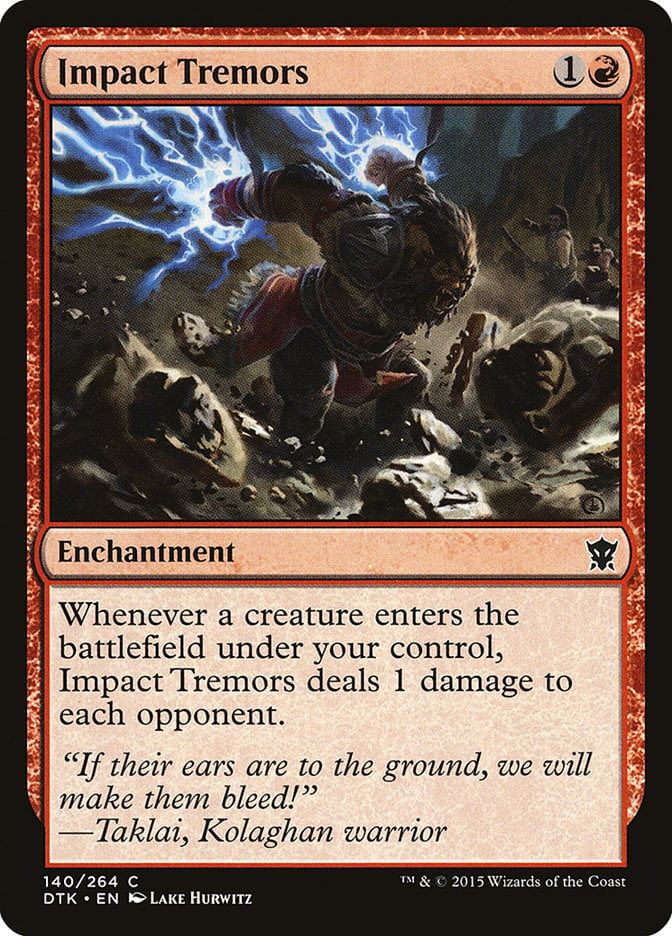
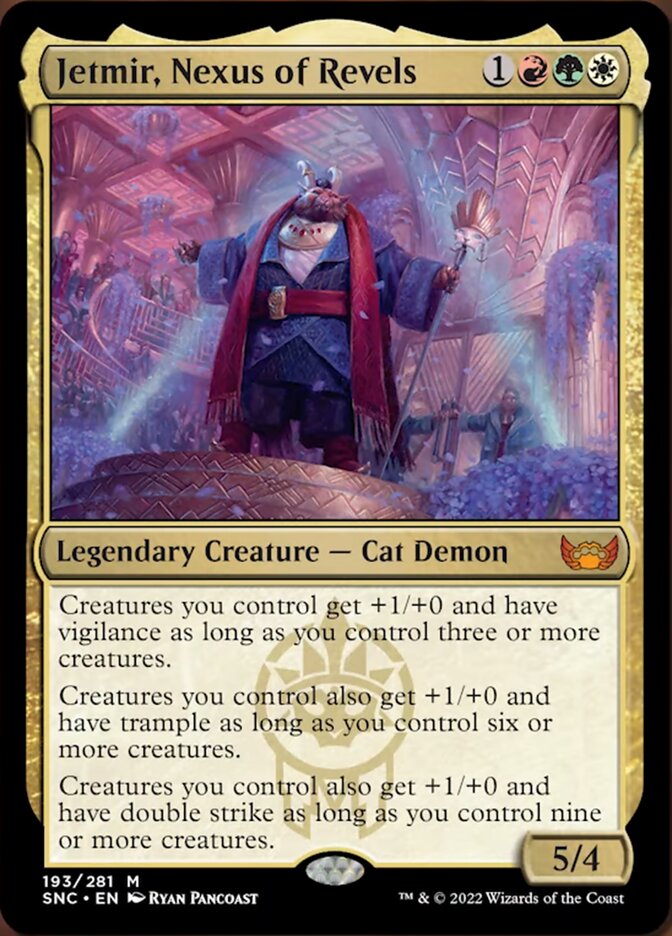
Sagas that create tokens are generally best served with sacrifice outlets like Ashnod's Altar and Goblin Bombardment that love one card making two or three bodies; toss in sacrifice payoffs like Blood Artist to seal the deal. These cards are also useful with general token payoffs, like overruns, Impact Tremors, and cards like Jetmir, Nexus of Revels.
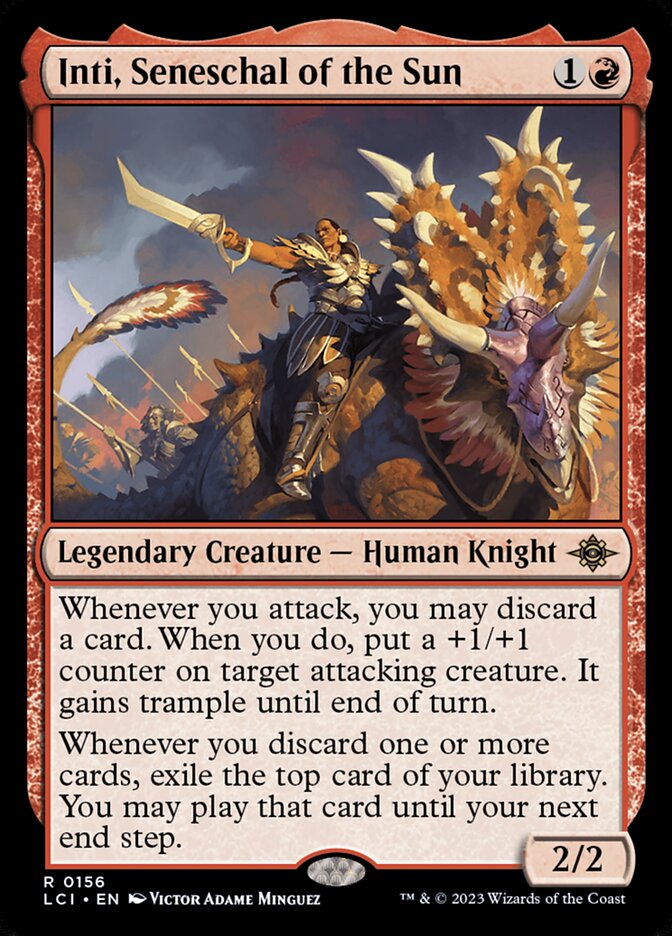


Sagas that rummage find synergy in cards that reward you for discarding; Inti, Seneschal of the Sun, Monument to Endurance, and Cool but Rude stand out as examples. They also set up graveyard synergies for reanimation, dredge, or cards like Fear of Missing Out and Tersa Lightshatter.
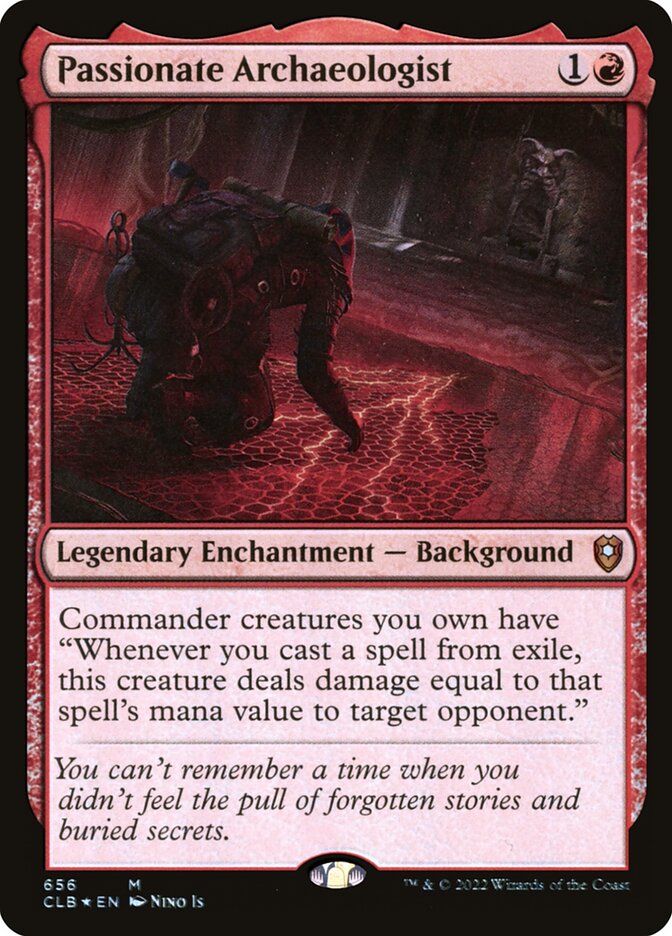

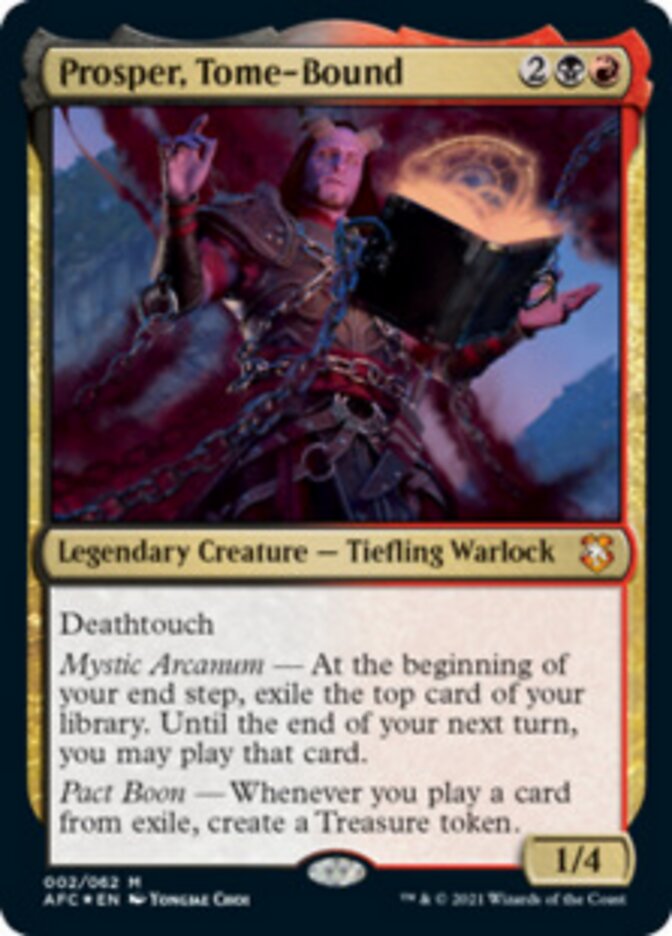
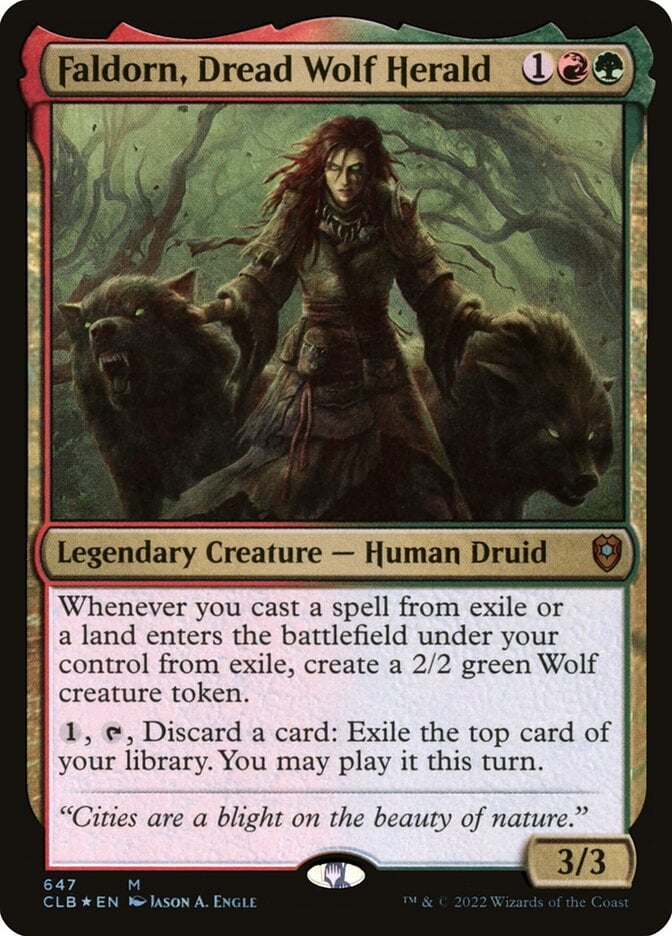
The last category of saga worth considering are ones that have impulse draws or exile cards for you to cast later. Red has a handful of synergies with these, like Passionate Archaeologist and Warped Space, plus you can branch into other colors for Prosper, Tome-Bound and Faldorn, Dread Wolf Herald.
Wrap Up
Nameless Conqueror | Illustration by David Gaillet
Red sagas aren’t as complex as sagas in other colors but they’re no less effective at extracting value over multiple turns; sagas are almost always card advantage, after all. While some of these are forgettable, many of them could be the best card in your deck provided you surround them with the appropriate synergies.
What’s your favorite red saga? Do you want to see more of them? Let me know in the comments below or on the Draftsim Discord!
Looking for more from Draftsim? Subscribe to The Daily Upkeep newsletter and YouTube channel for more Magic news, tips, and more!
Stay safe, and thanks for reading!
Follow Draftsim for awesome articles and set updates:










Add Comment