
Last updated on February 12, 2026

Atomize | Illustration by Josu Solano
Proliferate. To increase rapidly. Multiply. Expand. Consume. Proliferation by nature can both create and destroy. It can build up a defense just as easily as it can spread an infection. The very concept of proliferation means to grow, but not everything is better in larger numbers.
Today we’re counting down the best proliferate cards in Magic. You can use them to strengthen your creatures or wither your opponents’ boards into nothing. That part’s up to you, and I’ll be showing you the best ways to do it.
What Are Proliferate Cards in MTG?
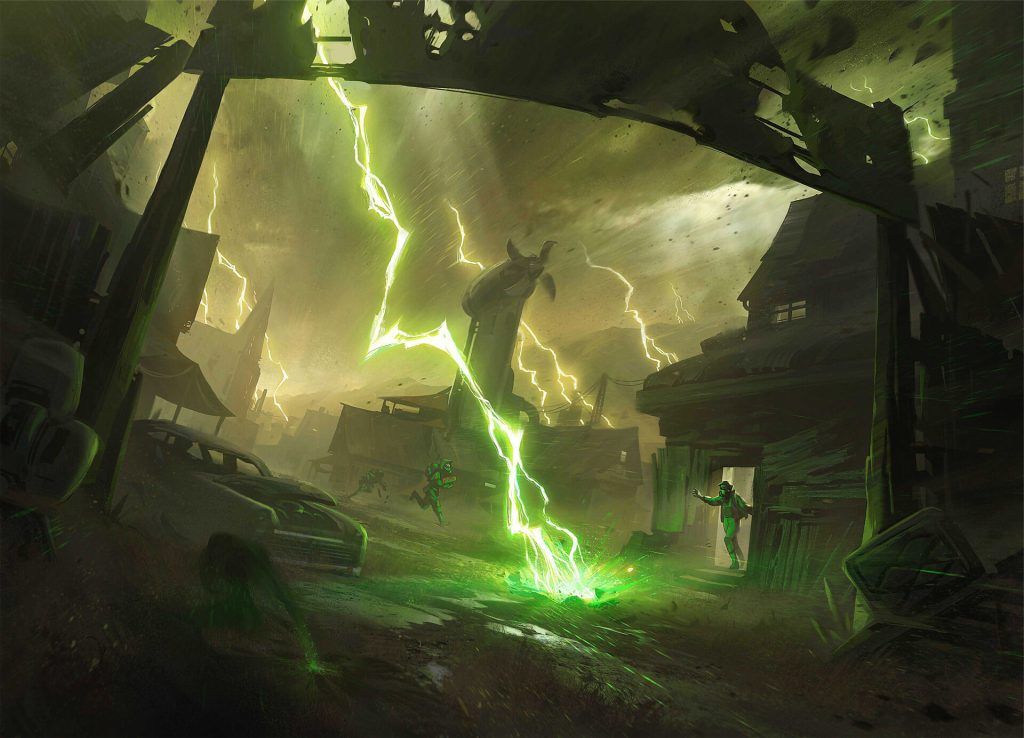
Radstorm | Illustration by Salvatorre Zee Yazzie
A proliferate card is any card with an ability that lets you proliferate. Proliferate is a keyword action that lets you choose any number of players or permanents and put an extra counter on them for each type of counter already there. This ranges from +1/+1 counters to poison counters and even planeswalker loyalty counters. Yes, even filibuster counters on Azor's Elocutors.
This list only covers cards that proliferate, which excludes payoffs that mention proliferate but don’t actually do it themselves. For example, Tekuthal, Inquiry Dominus mentions proliferate, but isn’t a “proliferate card” for the purposes of this list. I’m also leaving off Alchemy cards like Contagion Dispenser and the Unfinity sticker card Carnival Elephant Meteor because it’s just nonsense.
The best proliferation effects are cheap, repeatable, or a combination of both. The resulting effect of any given proliferate ability varies wildly depending on the gamestate, but they’re a critical part of any counter-heavy deck. Finally, I’ll be focusing my attention on Commander, with some exceptions.
#49. Cacophony Scamp
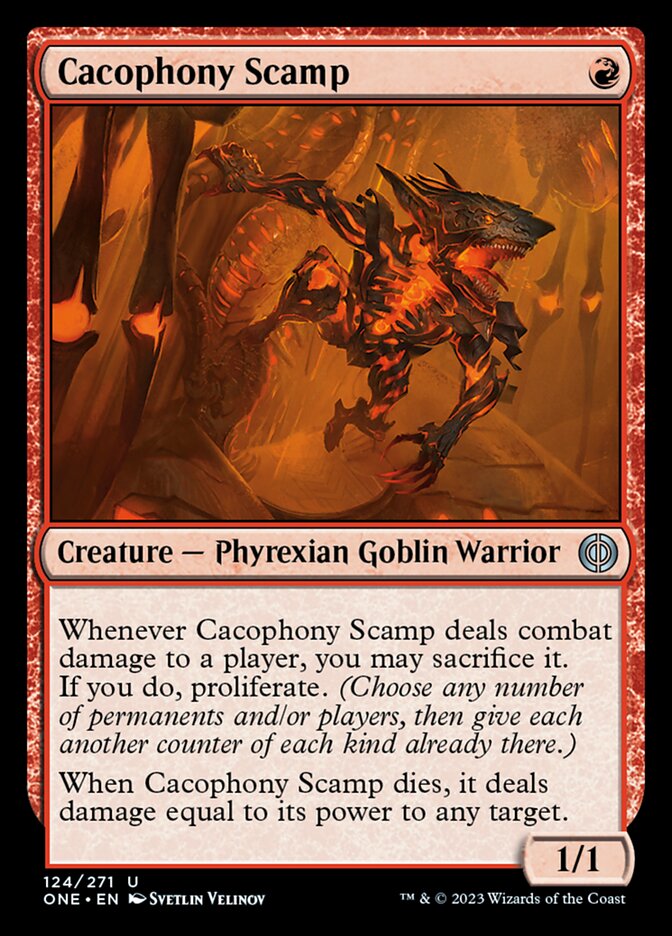
Proliferate on Cacophony Scamp is secondary to its damage-dealing effect upon death. People have combined it with pump spells and fling effects in the past, though proliferate is rarely part of the equation.
#48. Cankerbloom
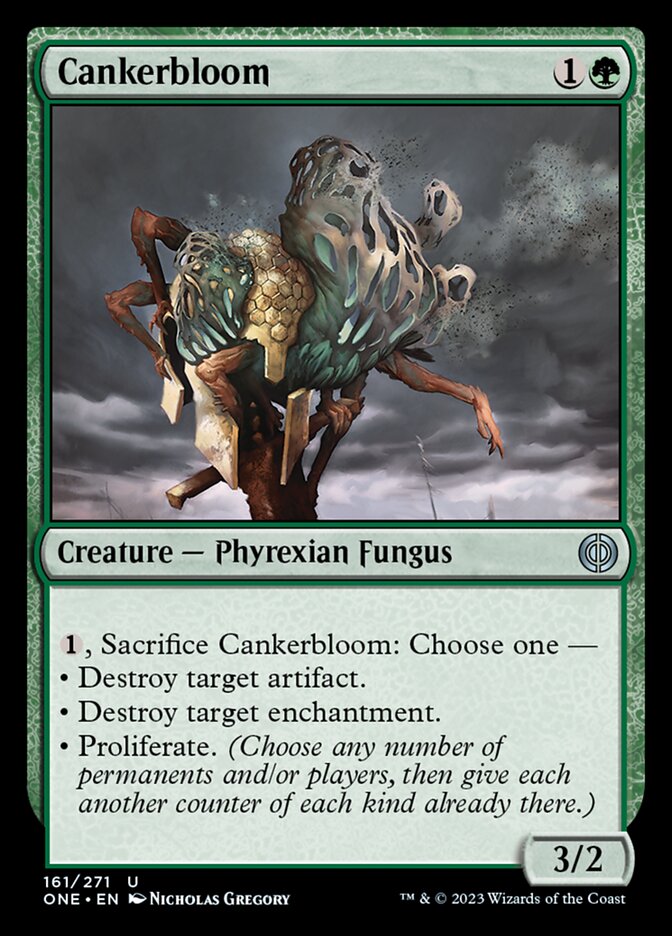
Cankerbloom is an altogether well-rounded card with good stats for its cost and a flexible set of abilities. It’ll hit an artifact or enchantment more often than not, but cashing it in for a one-time proliferation is a great alternative option.
#47. Drown in Ichor
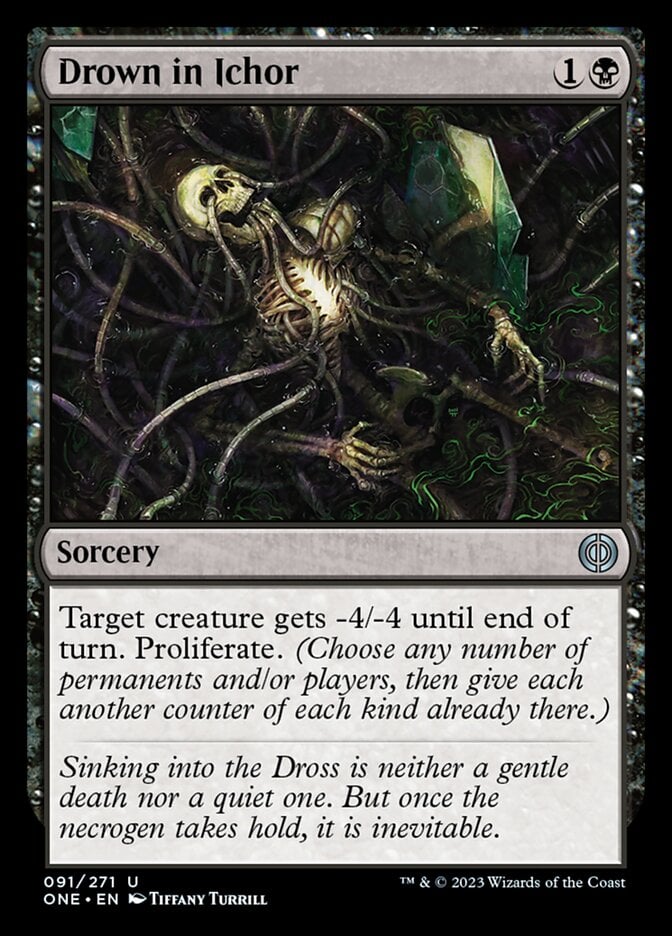
Every deck should be running some amount of single-target removal. Drown in Ichor isn’t quite Doom Blade, but it kills a large chunk of creatures you care about and spots you some extra proliferate action. Careful where you point this; if the target dies or gets sacrificed in response, you don’t get to proliferate!
#46. Vexing Radgull
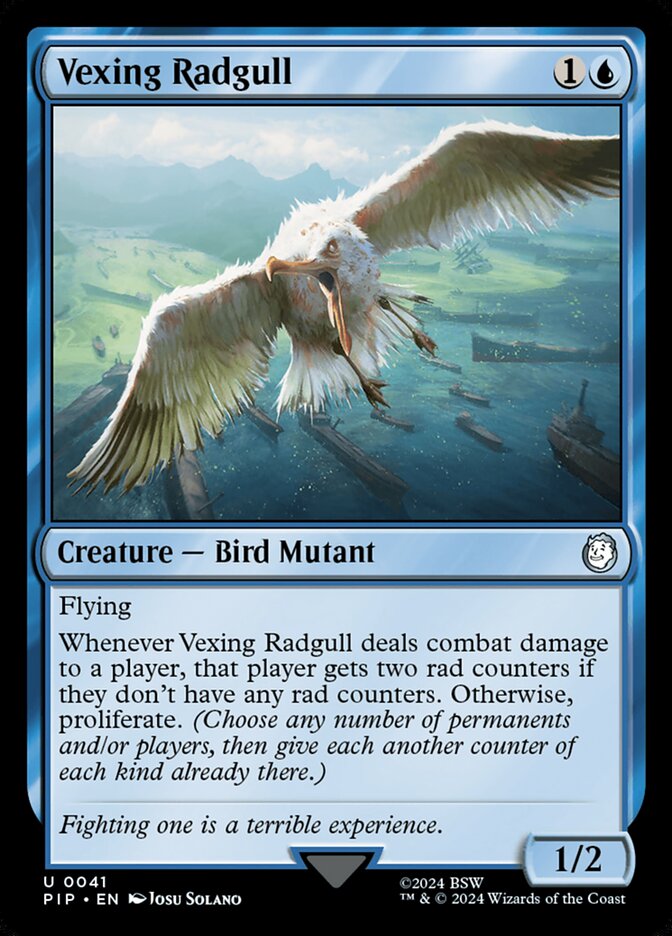
Unless you care about radiation counters specifically, Vexing Radgull is actually a less reliable source of proliferation than Thrummingbird. It only proliferates if you hit a player that already has rad counters; otherwise, they just get rad counters. Given that rad counters tend to go away quite quickly, it can actually be pretty hard to get more than a few proliferations off this thing.
#45. Inexorable Tide
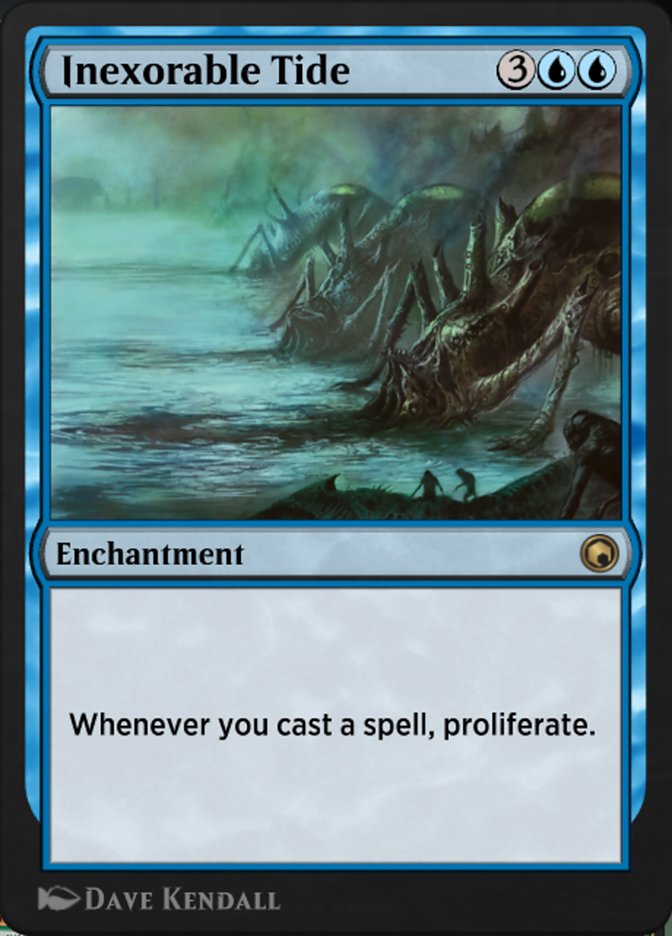
The year is 2015. Everyone’s commander costs 6 mana. It’s turn 14 and the lowest life total at the table is 37. You just untapped with Inexorable Tide. Life is good.
Fast-forward 10ish years and cards like this don’t quite get there anymore. Rarely can you tap out in modern Magic for a do-nothing enchantment in hopes that it survives until your next turn. Inexorable Tide still has a high enough ceiling to deserve mention, but it’s not a staple of counter-based strategies anymore.
#44. Park Heights Maverick
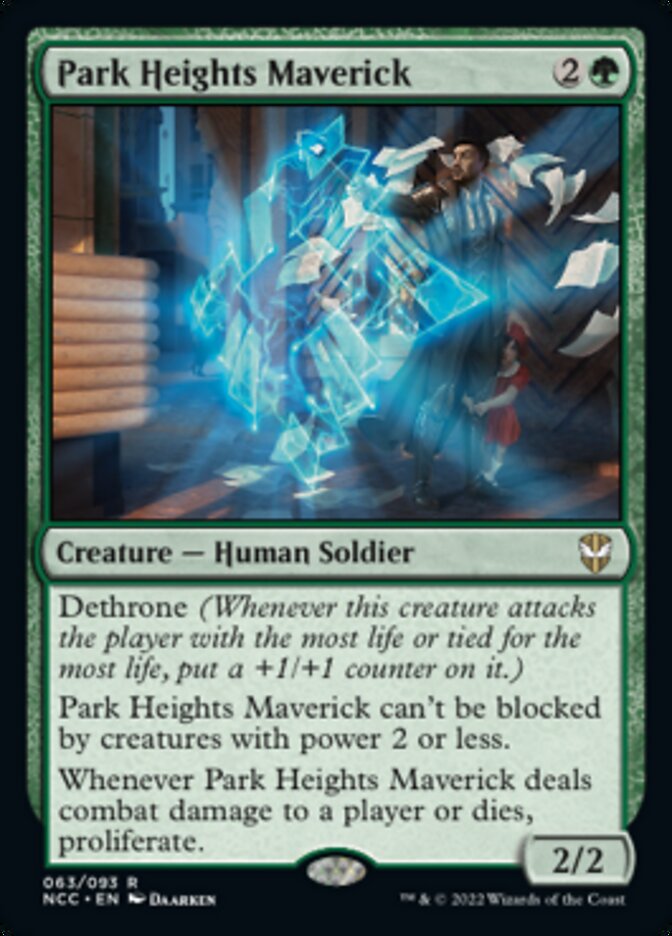
Park Heights Maverick has a mesh of different abilities to help it push through in combat and proliferate when it hits. It’s hard to tell what deck is looking for this combination of abilities, but it pays off if you can keep connecting with it.
#43. Filigree Vector
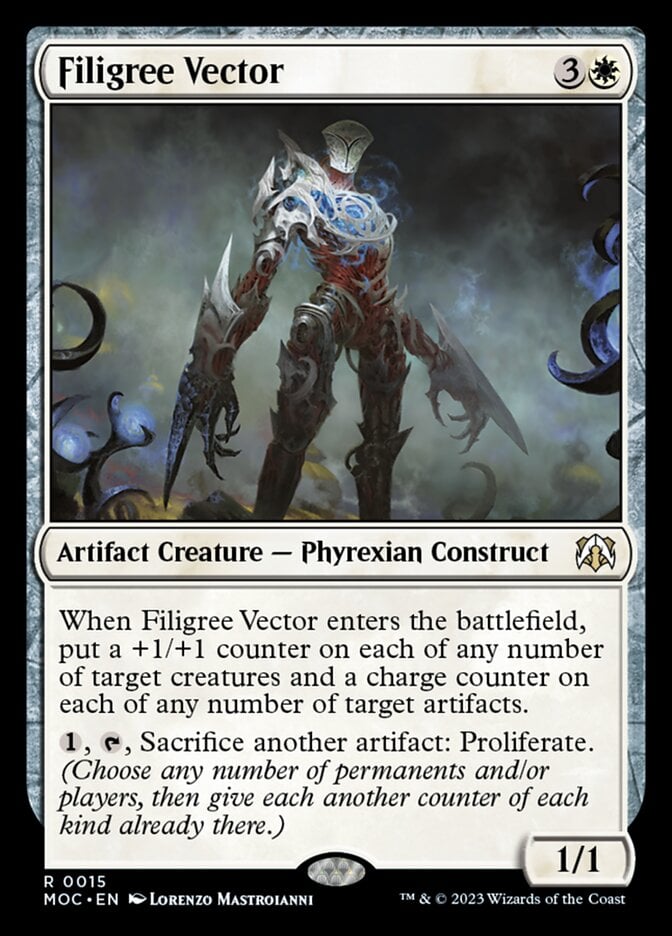
Filigree Vector asks that you build a very specific kind of deck, one with expendable artifacts that also cares about +1/+1 counters or charge counters. Pumping up your board on ETB is a nice starting point, but there aren’t many homes for this outside the Growing Threat precon it came in.
#42. Mutational Advantage
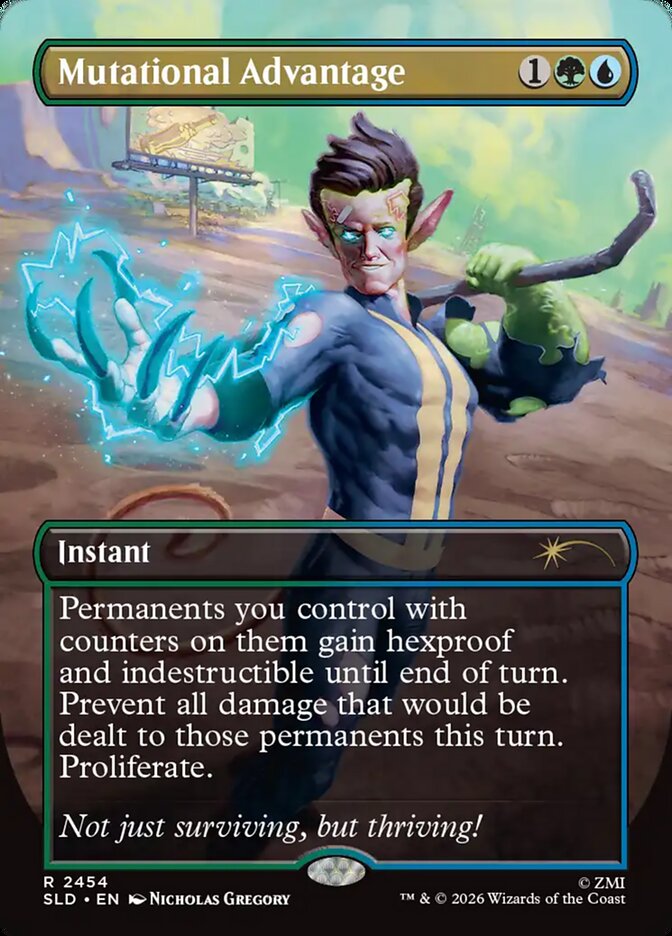
This Simic card is kind of like an Inspiring Call with a bit more coverage. You lose the card draw, but you protect all permanents you control with counters, including planeswalkers, and you tack on a free proliferate. I’m a fan of protection spells that leave your board stronger than they were before the effect you needed protection from, and that’s exactly the Mutational Advantage you’re getting.
#41. Unnatural Restoration
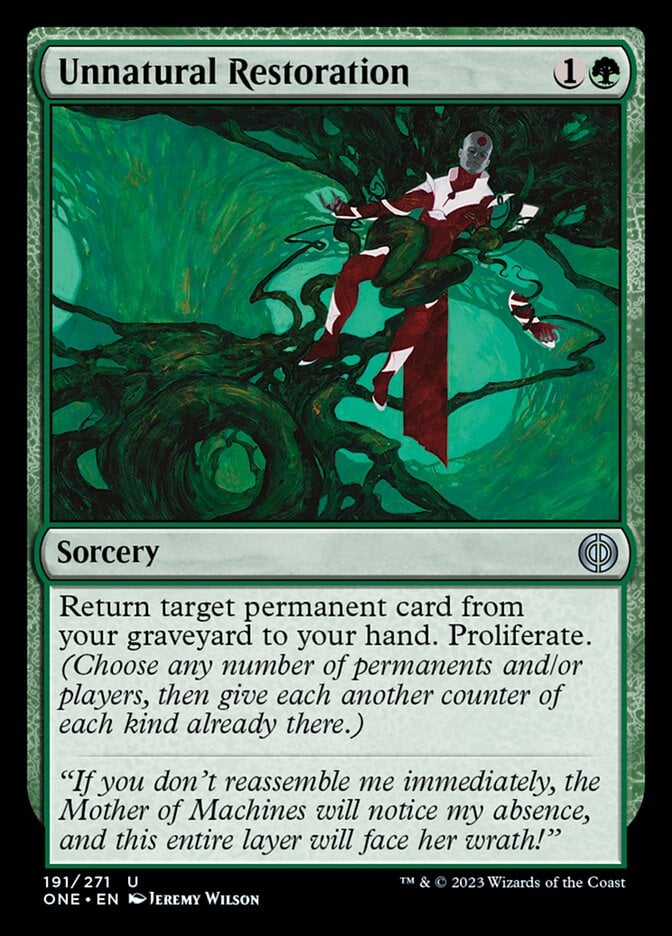
Unnatural Restoration is Regrowth-lite with our mechanic of the day tacked on. That’s enough to make it a playable recursion piece for decks that care about counters of any kind.
#40. Tezzeret’s Gambit
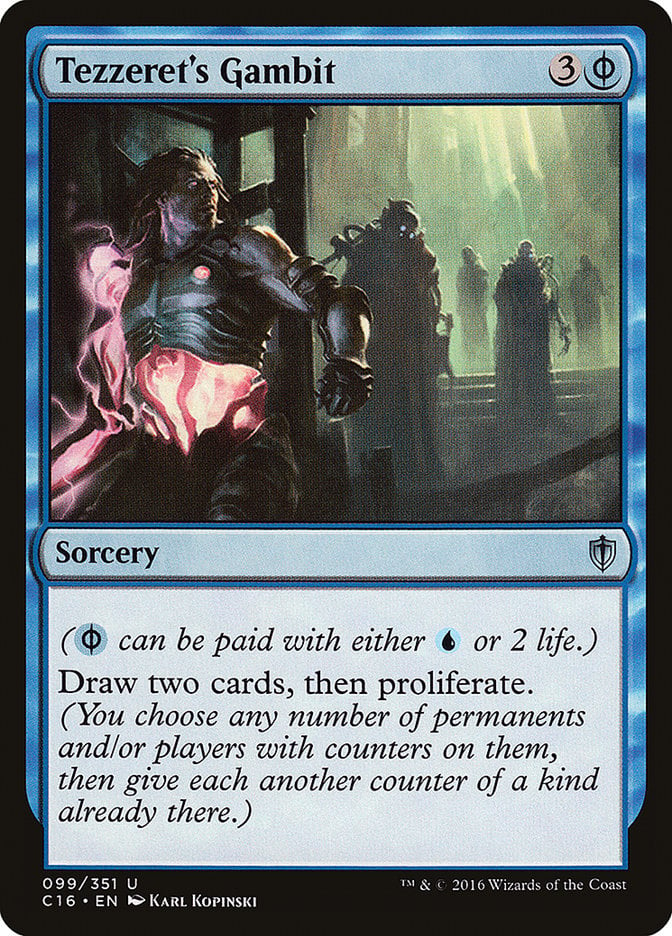
Tezzeret's Gambit? No, Remy LeBeau’s Gambit. Little X-Men joke for you there.
Divination with proliferation. That’s usually worth the extra mana or life payment, though a pure card draw spell isn’t that exciting these days. I’m a little peeved that the Phyrexian mana theoretically lets you play this in decks without blue mana, but the color identity rules for Commander exclude it from non-blue decks.
#39. Brokers Confluence
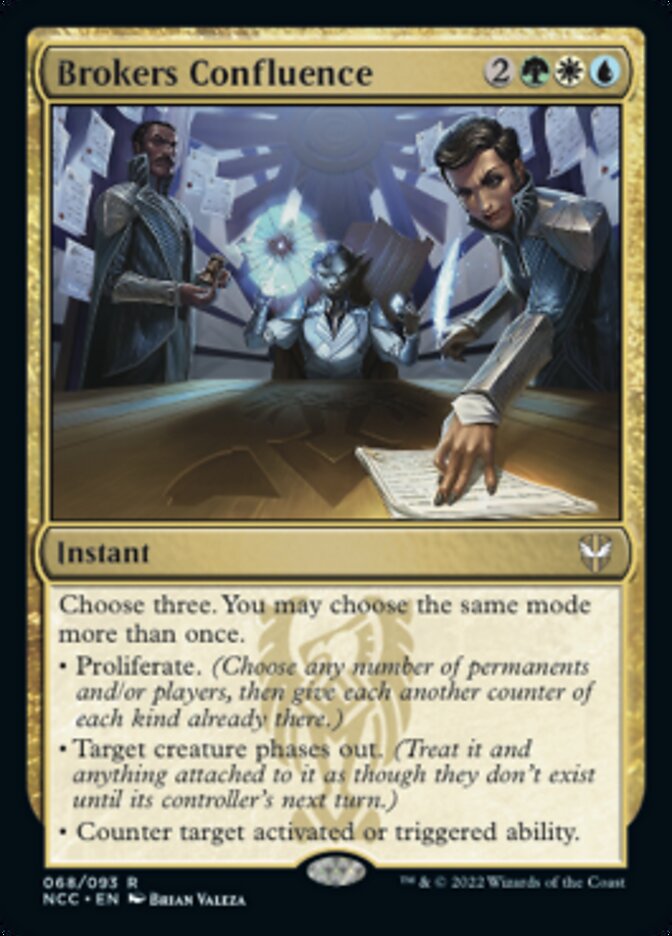
The Brokers from Streets of New Capenna were largely built with their shield counter mechanic in mind, so it makes sense to see proliferate on Brokers Confluence. The three modes are a bit disparate for my taste, but it’s probably worth it if you can snag the Stifle mode and make the other modes matter at the same time.
#38. Throne of Geth
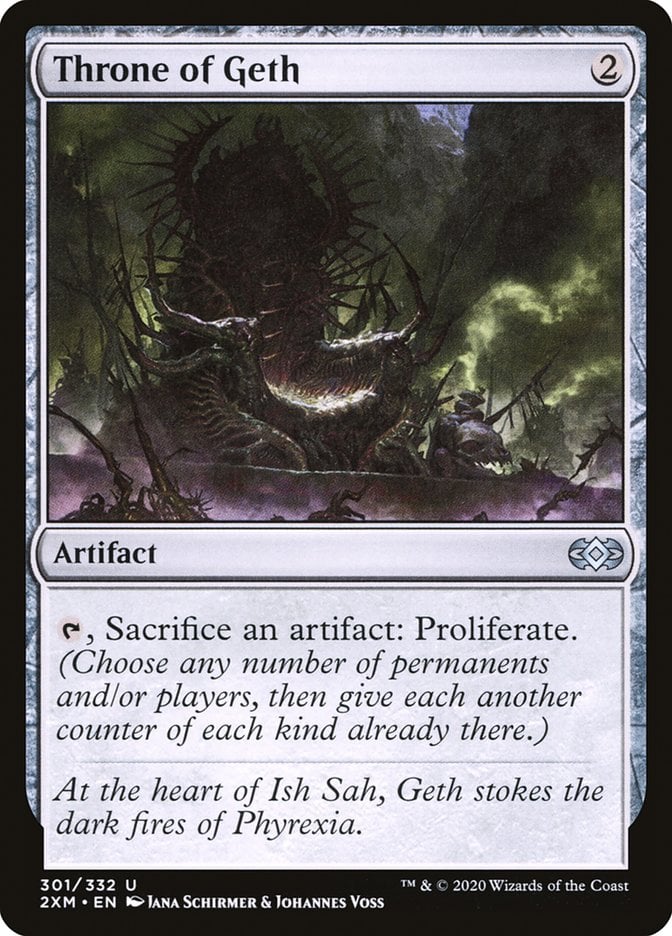
I’d say Throne of Geth is a proliferate effect specifically for artifact decks, but even decks without a central artifact focus can still generate Treasure, Food, and other trinkets to feed it. It can always sacrifice itself as a one-shot proliferate effect too.
#37. Contagion Clasp
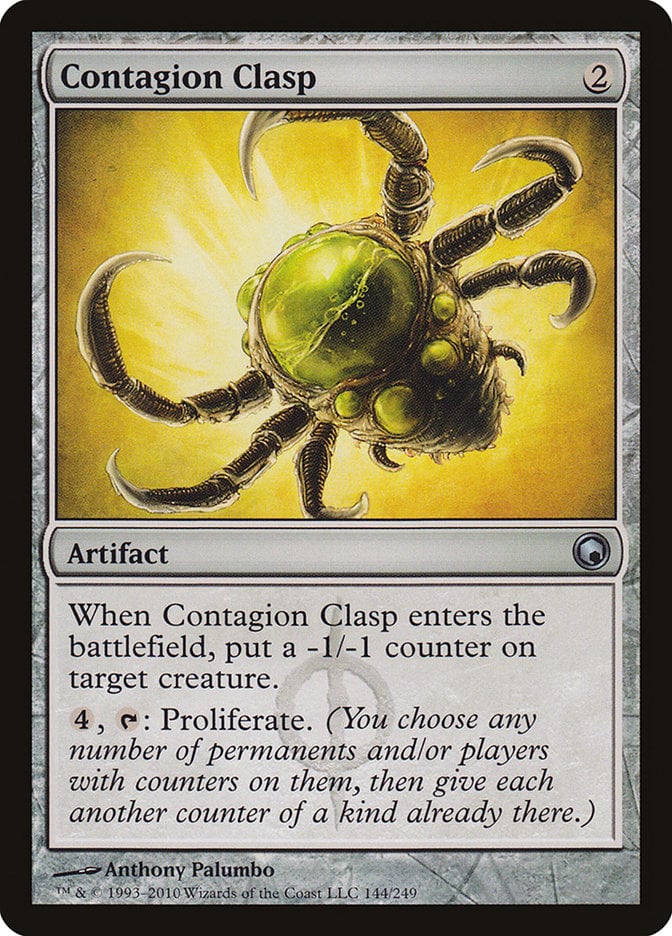
Contagion Clasp is the little brother of a card that makes it much higher on the list. As the lesser of the two, it still does a fine job. Repeatable proliferation is at a premium, even if Clasp isn’t the most efficient way to do so.
#36. Glistening Sphere
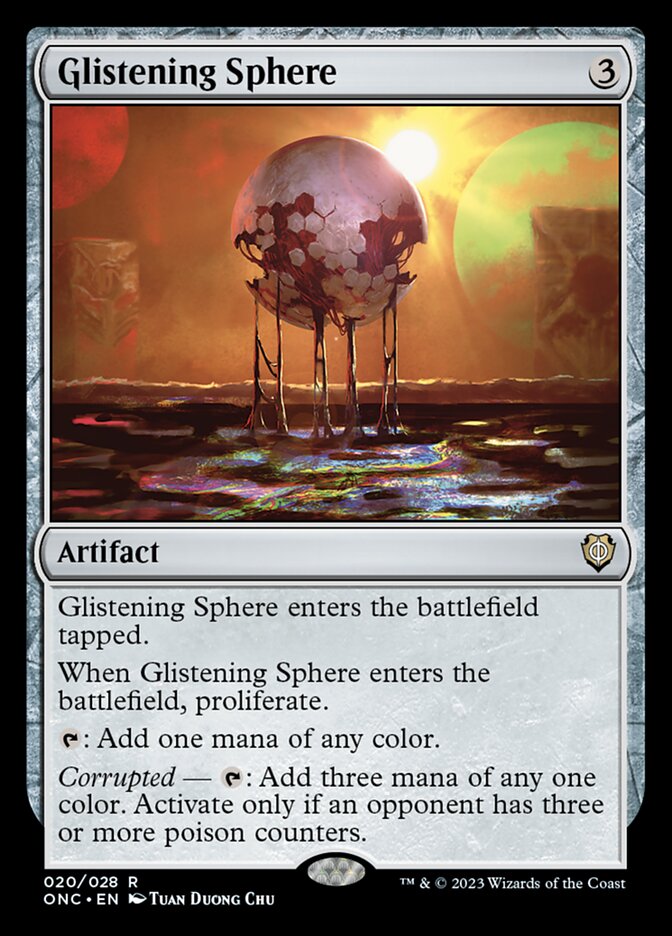
Infect decks love Glistening Sphere, but you don’t need poison to make good use of it. If proliferating is something your deck wants to do, consider it a slow mana rock that gives you a one-time burst of counters.
#35. Atomize
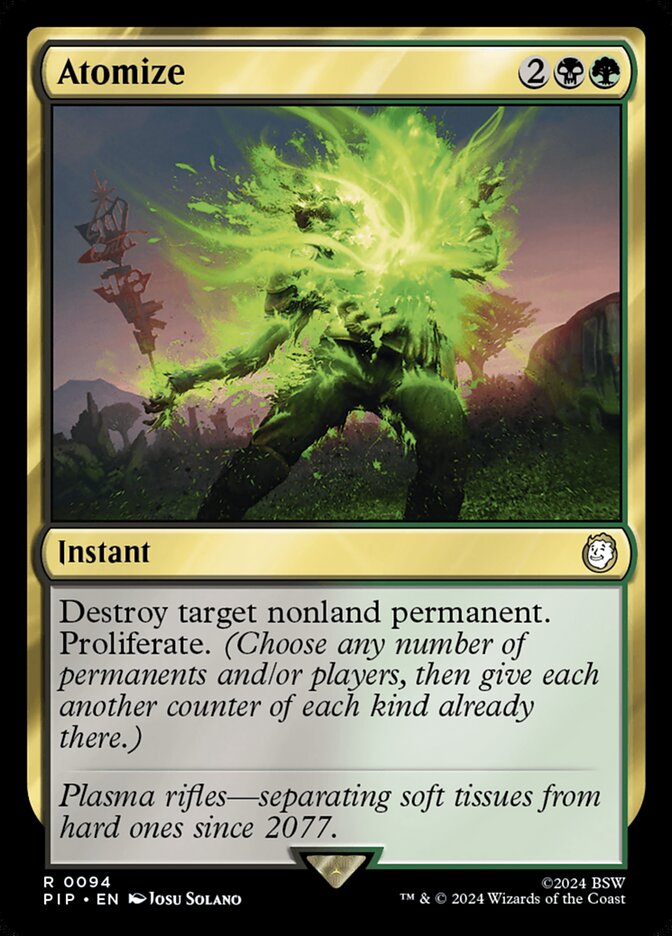
Gone are the days where you could just slot Utter End into every deck and call it quits on removal. Interaction needs to be leaner, or at least do more at that cost. Stapling proliferate onto Atomize is exactly what I’m talking about. If you can make that matter, suddenly a 4-mana single-target removal spell seems playable again.
#34. Contaminant Grafter
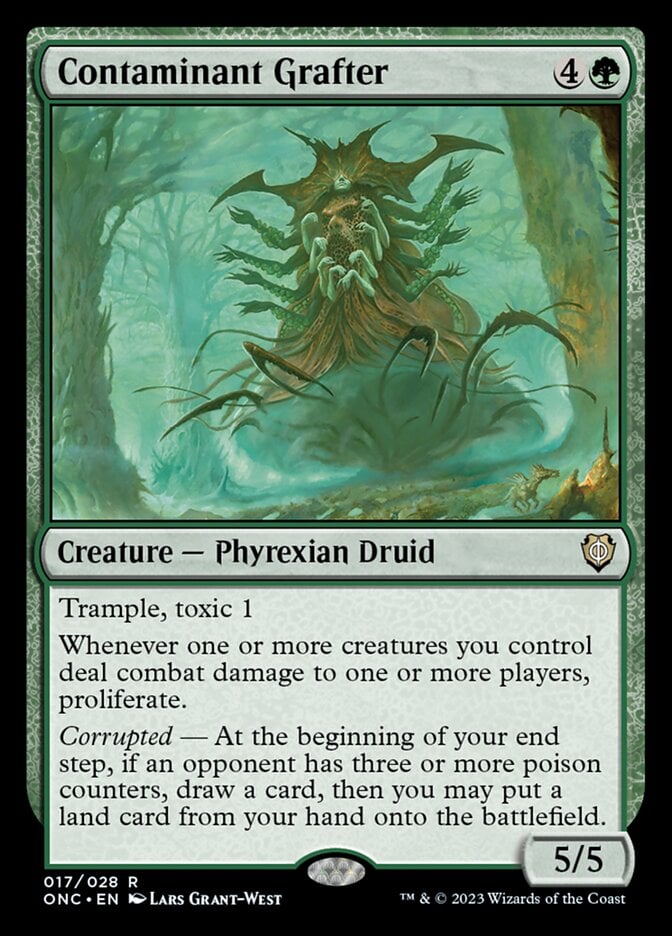
Contaminant Grafter is an excellent poison payoff. Bloated Contaminator trumps this card in terms of mana efficiency (spoilers), but Grafter provides card draw and ramp, something poison-based decks are severely lacking.
#33. Contentious Plan + Experimental Augury
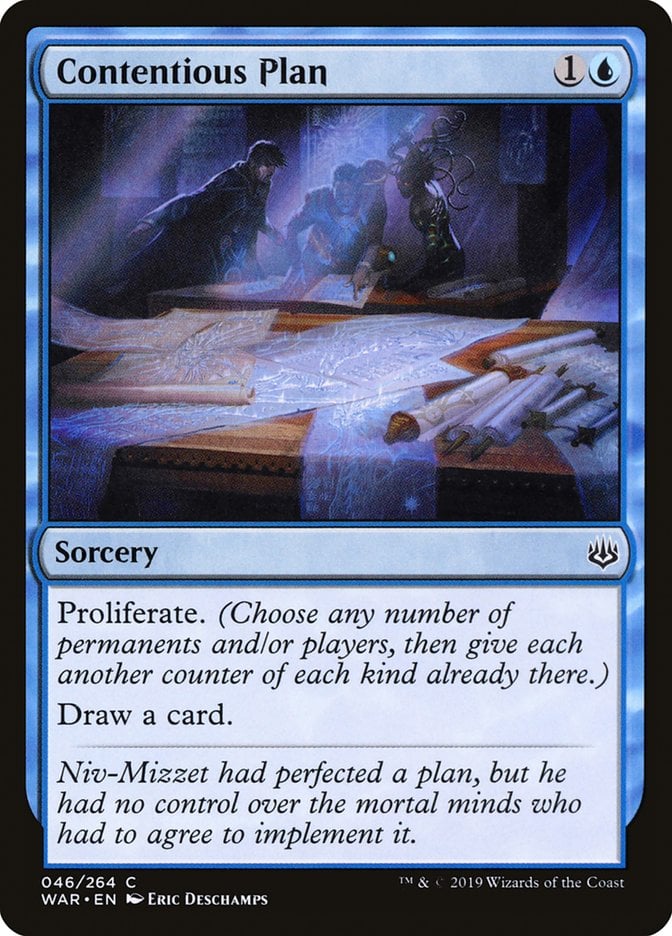
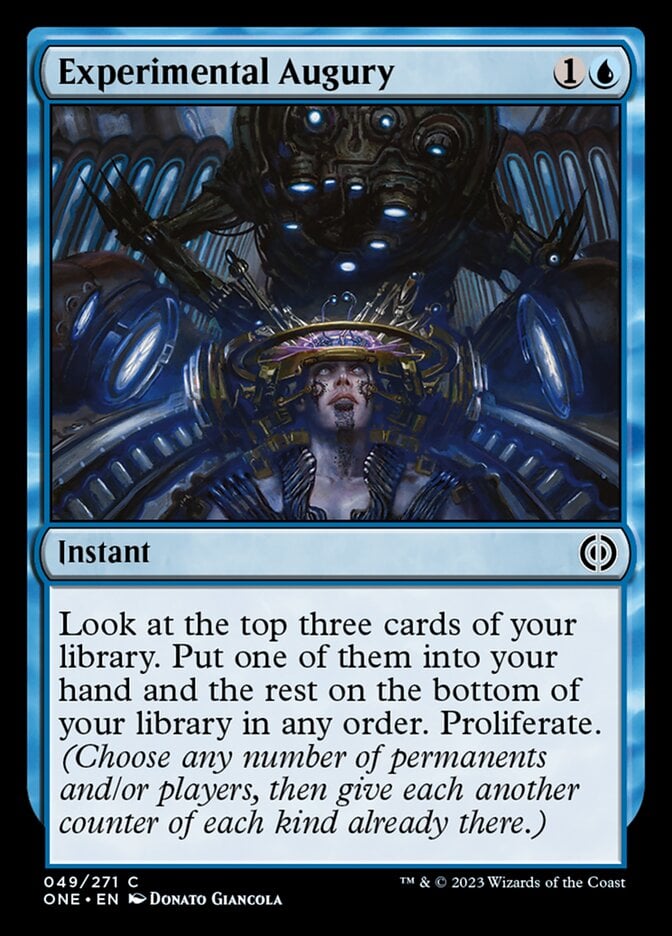
Contentious Plan and Experimental Augury are proliferating cantrips, both for 2 mana. Augury technically gets the nod as an instant, but decks that care about proliferation are happy to run both. You often get more than 2 mana’s worth of a card, and you’re net even on card advantage with either one.
#32. Ezuri, Stalker of Spheres
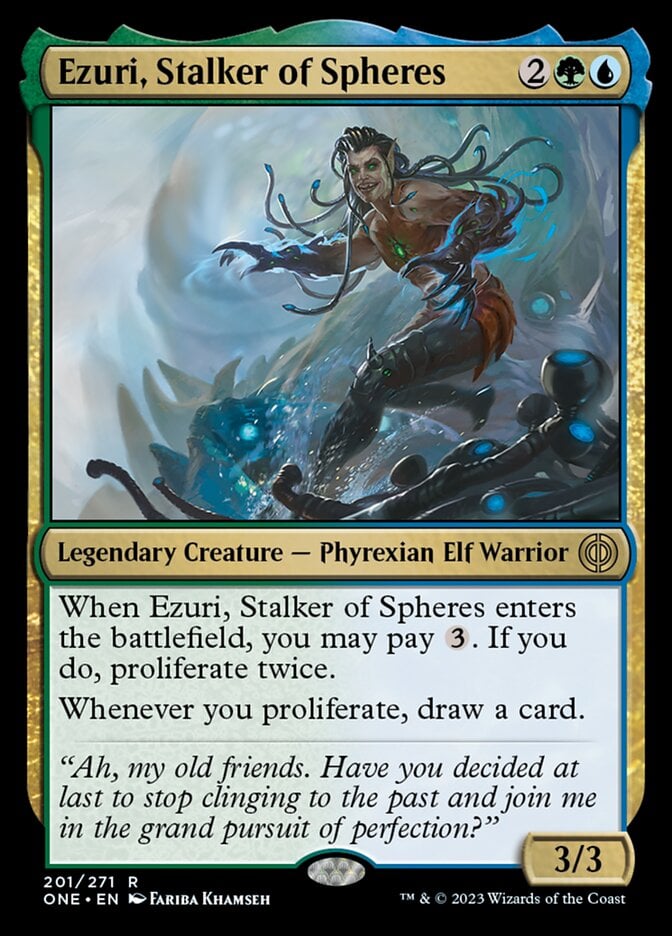
Ezuri, Stalker of Spheres showcases my favorite type of card design: payoff and enabler all in one. You can run this out as a 4-drop, follow up with a proliferate effect or two, and draw some cards. Or you can cast it for 7 mana and get two proliferates and two cards right away. Just don’t get Ezuri killed out from underneath its ETB so you don’t miss out on the card draw.
#31. Patrolling Peacemaker

Patrolling Peacemaker starts off as a mere 2/2 creature, but it won’t stay that way for too long. Opponents commit crimes constantly, and you’ll leech off these crimes by proliferating. It’s best when you have your own +1/+1 counter cards, planeswalkers, or spacecraft to take advantage of the free proliferate, even if the Peacemaker eats up a removal spell.
#30. Dreamtide Whale

That’s a massive 3-drop! The obvious joke with Dreamtide Whale is that it’ll vanish in two turns if you can’t double spell and keep its counters up. Where it gets interesting is when you use this blue creature as a vessel to proliferate other cards. Not only does the Whale stick around longer, but it boosts up anything else with counters and heavily discourages opponents from double-spelling as well.
#29. Roalesk, Apex Hybrid
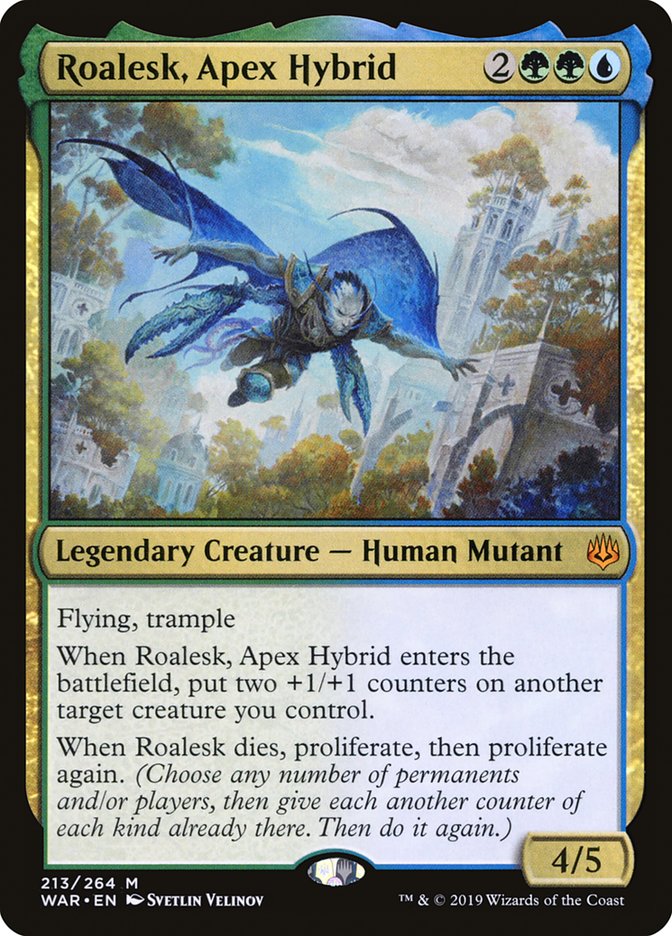
Roalesk, Apex Hybrid buries the lede, hiding its double-proliferate effect behind a death trigger. It sets itself up nicely though, adding some counters to another creature while being a big enough threat on its own that your opponents are incentivized to kill it.
#28. Ichormoon Gauntlet
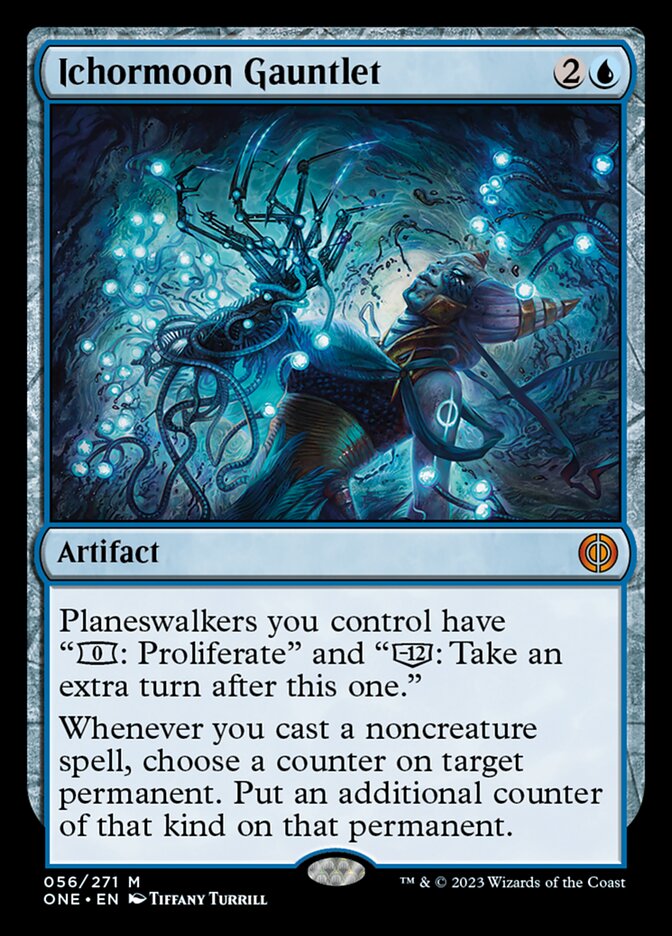
Ichormoon Gauntlet is a wild card. It adds extra loyalty abilities to your planeswalkers, one of which lets them proliferate once per turn. There’s some obvious self-synergy there, but you also get an extra counter on something when you cast a non-creature spell. That’s not quite a full proliferation effect, but that would be just absurd.
#27. Agent Frank Horrigan
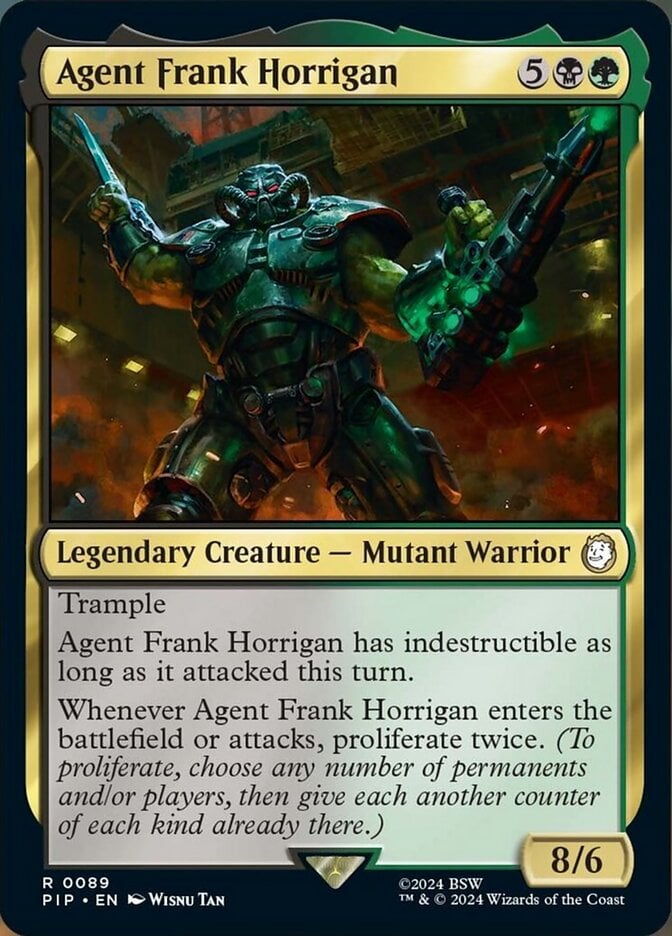
Franky here hits like a truck. This legendary mutant warrior double-proliferates on ETB and threatens to do it again on each attack. To make matters worse (or better, depending on your viewpoint), Agent Frank Horrigan is indestructible on attacks, making it well worth your 7-mana investment.
#26. Bloated Contaminator
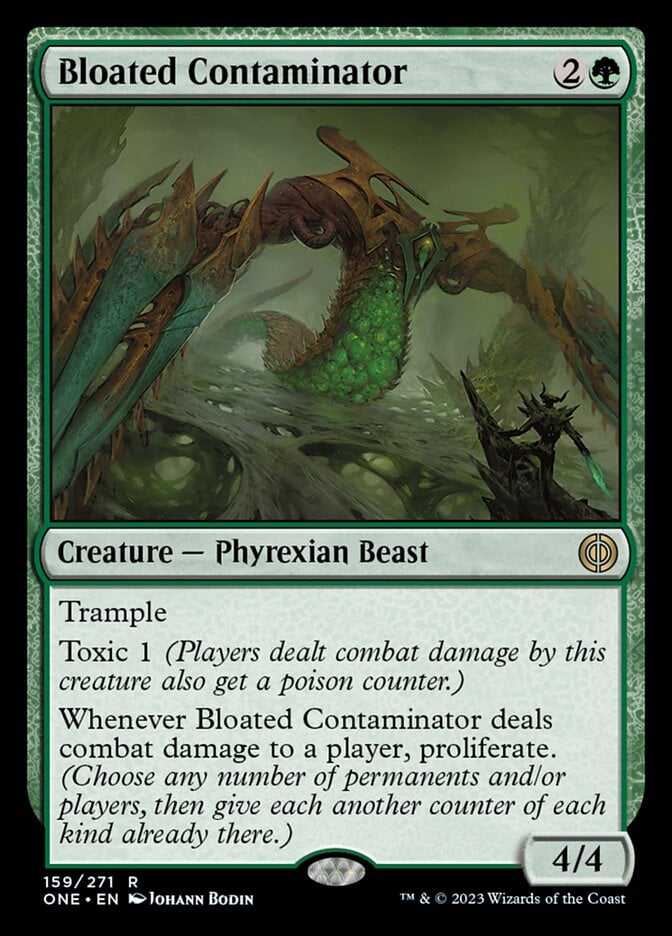
With bloated stats and all-upside text, Bloated Contaminator is a beating for infect/toxic decks. Each hit that connects is worth 2 poison on a single player plus proliferation on anything else that matters. It’s one of the best early-game plays for poison-themed decks.
#25. Tromell, Seymour’s Butler

Tromell, Seymour's Butler is an interesting +1/+1 counter card, being able to add counters and proliferate them. It doesn’t work with going wide and tokens, but blinking a lot of creatures does work, in Selesnya () or Bant () decks. The play pattern of playing two creatures and proliferating twice with just one extra mana is not bad at all. There’s the limitation of getting at least a creature on the battlefield so you can proliferate.
#24. Contagion Engine
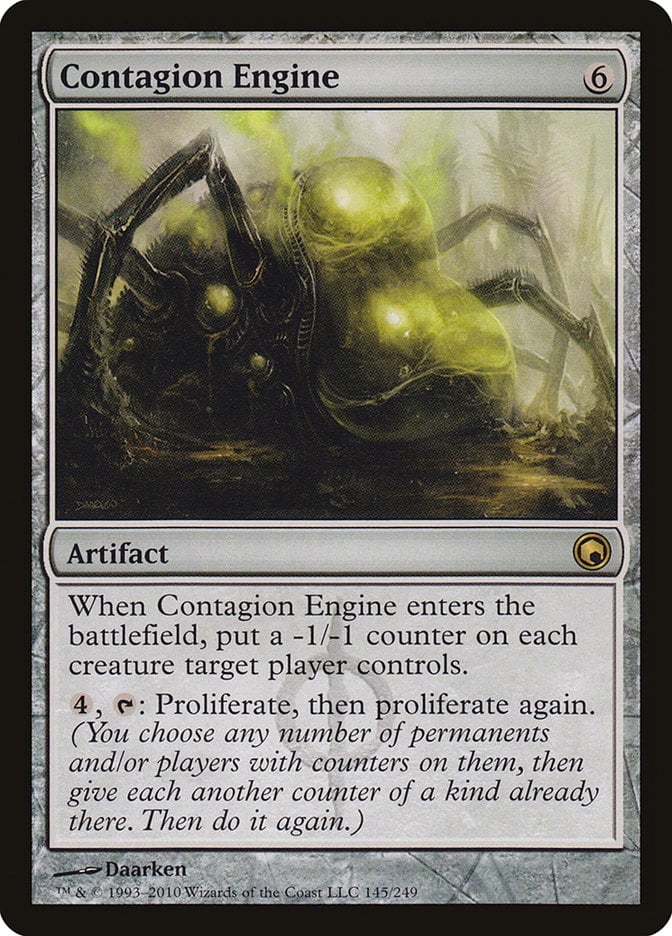
Here’s Contagion Clasp’s older, cooler, out-of-town brother. Contagion Engine bullies one opponent on ETB then sticks around to double-proliferate on activation. It’s usually enough to bury one player’s board while bumping up your counters, spreading poison, etc.
#23. Surge Conductor

Surge Conductor is a very solid proliferate entry given that many artifacts already have counters to proliferate, from Everflowing Chalice to the modular artifact creatures. It’s also exploitable with combos like Myr Retriever/Scrap Trawler loops.
#22. Norn’s Choirmaster
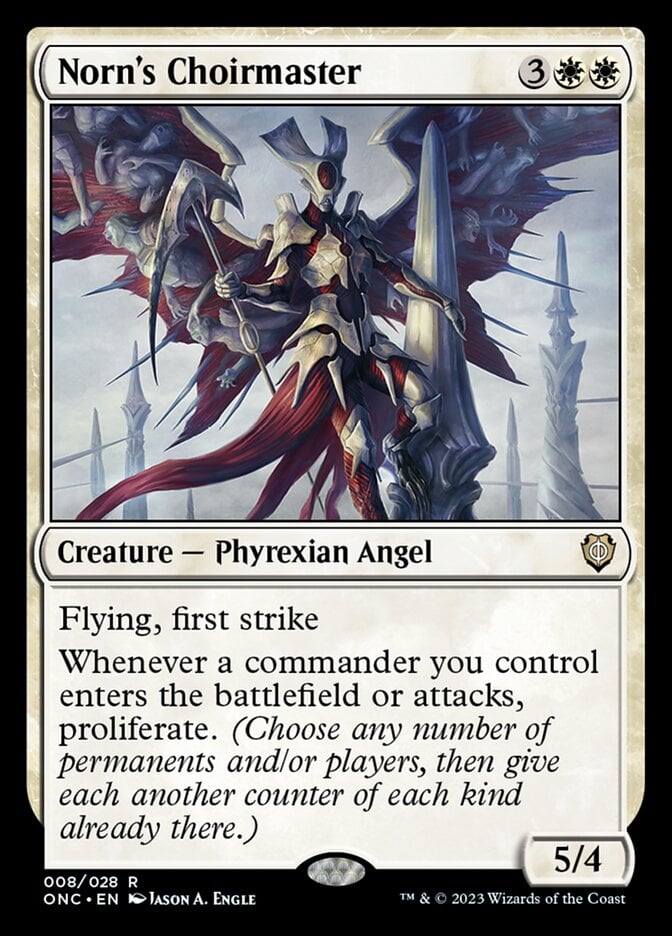
Hmm… I wonder what a choir full of tooth monsters sounds like. Perhaps Norn's Choirmaster can answer that for us. The card is a symphony of beautifully orchestrated abilities, stats, and combat keywords. It absolutely sings with partner commanders of any kind.
#21. Lulu, Stern Guardian

Lulu, Stern Guardian proliferates on demand. It offers you a bit of defense by stunning an opposing creature when you get attacked, and with proliferate, it’s not untapping any time soon. You can add this card to more controlly decks that hold mana on your opponent’s end step, spread stun counters around, or have a more proactive Simic () +1/+1 counters deck.
#20. Cayth, Famed Mechanist

Is this what keyword soup looks like these days? Instead of a bunch of combat keywords, it’s just a ton of keyword abilities. Fabricate never had much of an impact on Commander, but Cayth, Famed Mechanist puts it on full display, combining it with a repeatable way to populate Servos or proliferate +1/+1 counters. Neat synergies here, even if there are some immediately obvious infinite combos with Cayth.
#19. Xavier Sal, Infested Captain
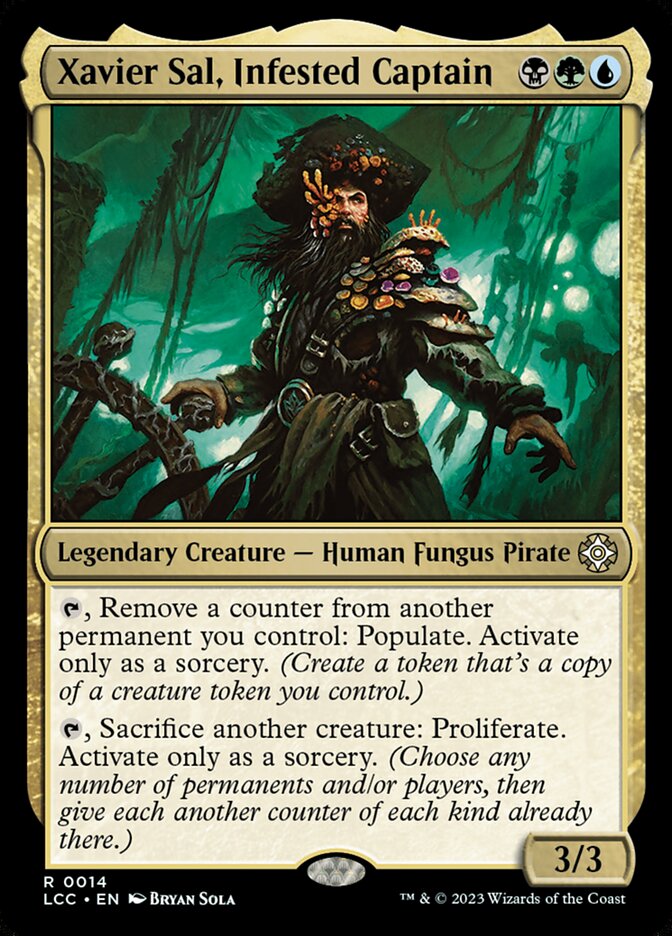
Just like Cayth, Famed Mechanist, we have Xavier Sal, Infested Captain, further proof that players love proliferate and populate, and Wizards knows it. This fungal pirate has a cool cyclical nature to its abilities, trading counters for creature tokens and creatures for counters. It doesn’t pull you in any particular direction, so the world is your own giant infested oyster.
#18. Thrummingbird
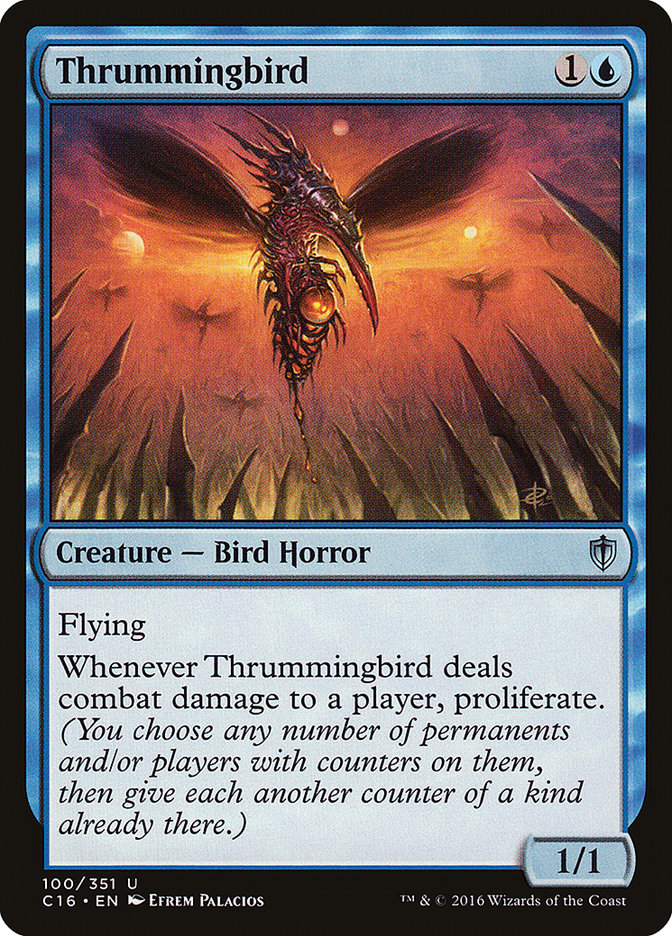
An uncontested Thrummingbird is a scary turn-2 play. It comes down early with evasion to start pecking in. The damage starts off as inconsequential, but Thrummingbird usually picks up a +1/+1 counter in these decks, scaling its own damage as it churns out counters for your other permanents.
#17. Grateful Apparition
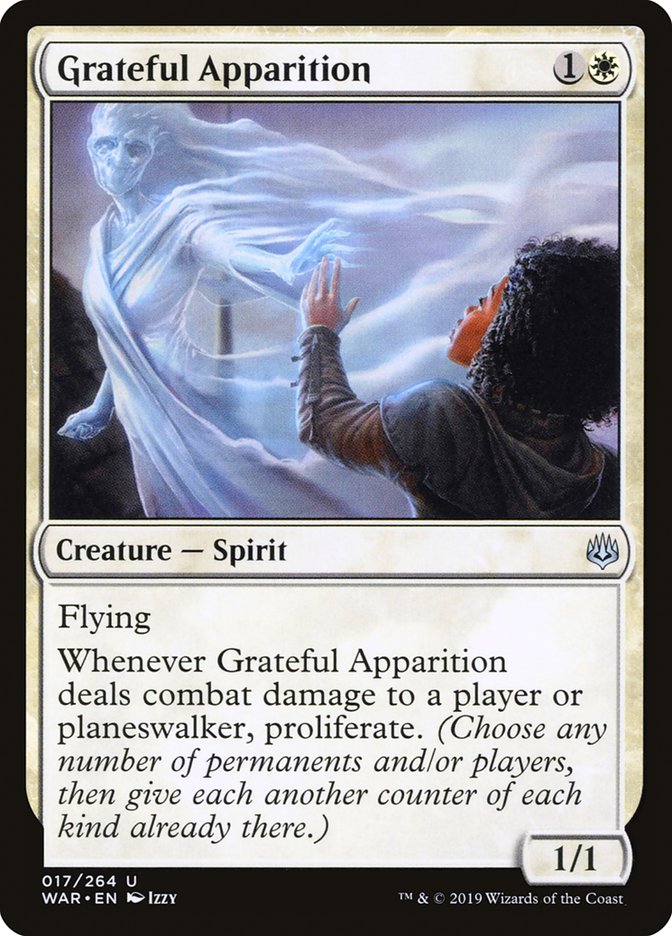
Grateful Apparition is a strictly better Thrummingbird save for color, giving you the same cascading advantage but also triggering on damage to a planeswalker. Otherwise, it’s functionally the same and spirals out of control the same way its Phyrexian bird counterpart does.
#16. Tidus, Yuna’s Guardian

Although you can proliferate only once a turn with Tidus, Yuna's Guardian, and only if you deal combat damage, the fun of the card is in transferring counters around. A cheap creature with an indestructible counter can protect a beefier one, while you can mix different level-up creatures with different costs. Moving lore counters between summons is a nice synergy as well, because you can keep powerful sagas around while accelerating another one’s chapter progression.
#15. Karn’s Bastion
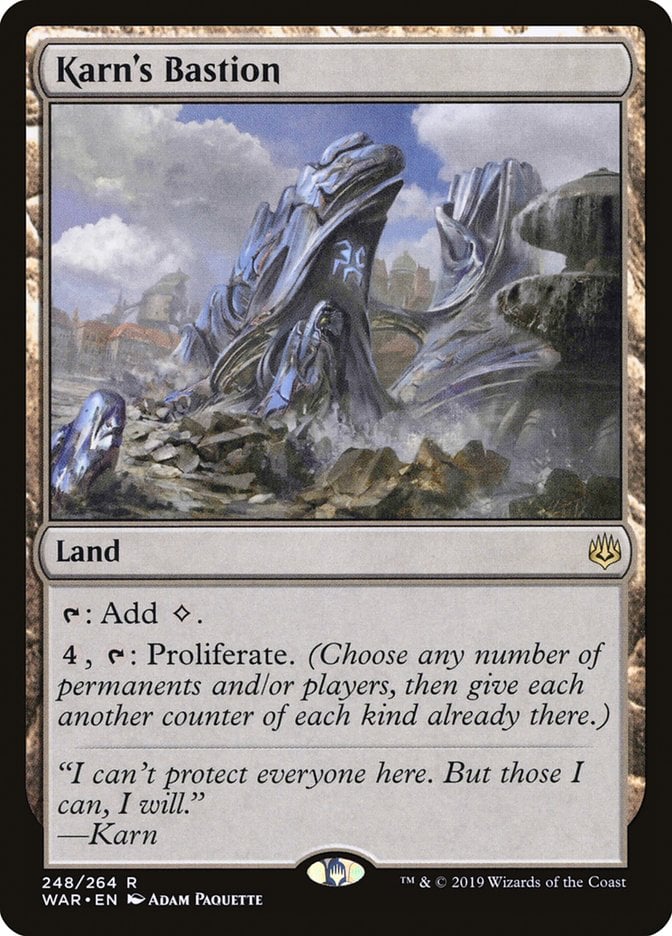
Karn's Bastion is usually easy to slot into the mana base of decks with counter themes, even though it doesn’t actually get activated often. Even so, it’s usually free to play and gives you mana base some added utility; just make sure it doesn’t interfere with your color commitments too much.
#14. Radstorm
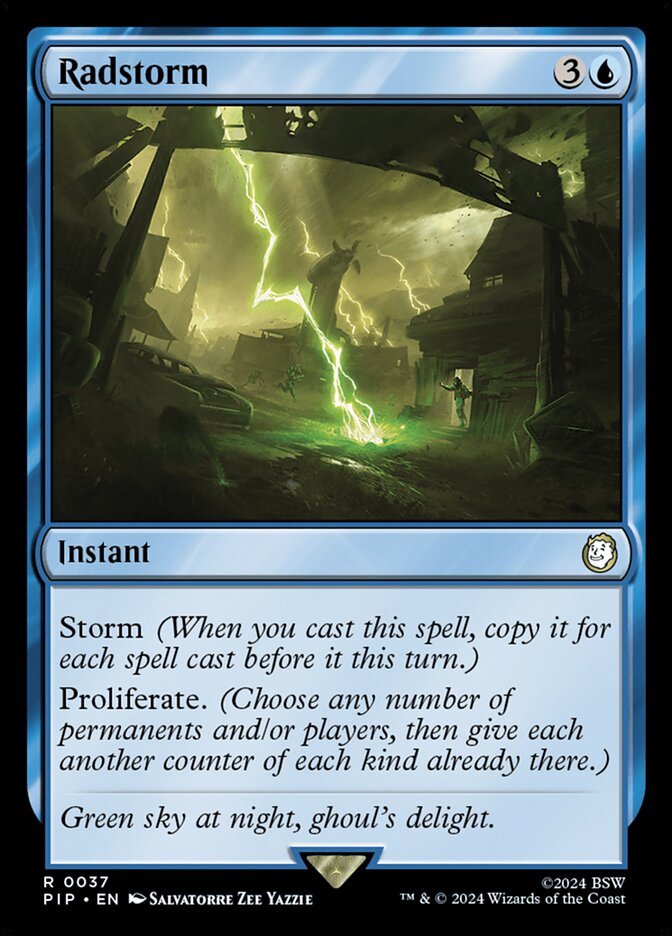
Rad, storm! Er, Radstorm, rather. You gotta love a clean design like this: You get to proliferate once for each spell cast that turn, and being an instant means you can fire it off on an opponent’s turn to piggyback off their spell count. Surely there’s something broken you can do here, as often is the case with storm spells.
#13. Brimaz, Blight of Oreskos
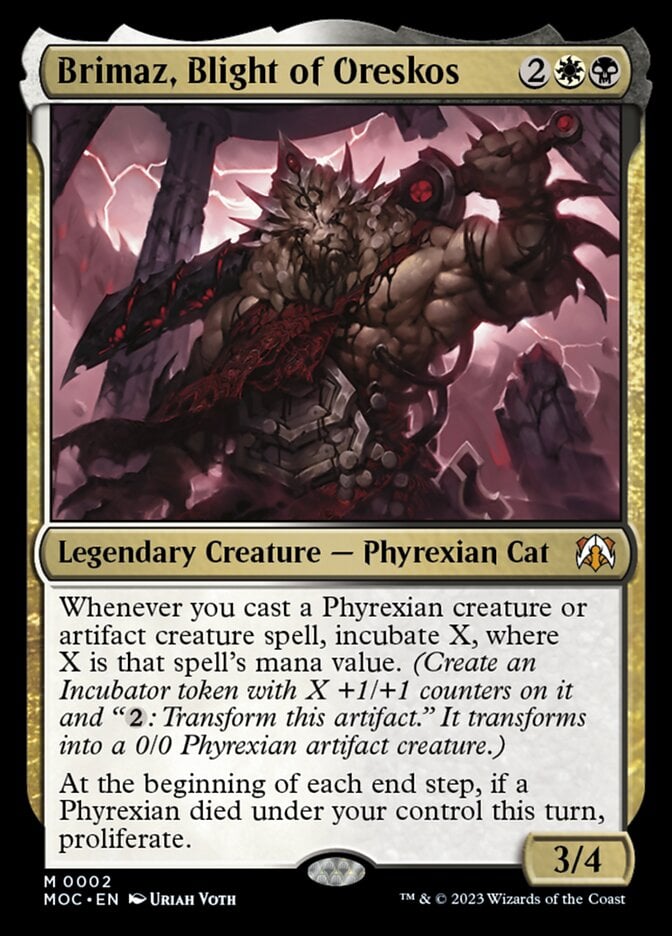
Proliferate isn’t the focal point of Brimaz, Blight of Oreskos, but you’re not turning it down either. This excellent Phyrexian commander has enough of a deck-building restriction to it that you can’t just jam it into any BW deck and hope to start proliferating, but it’s an absolute powerhouse in the artifact/Phyrexian deck it was intended for.
#12. Ripples of Potential
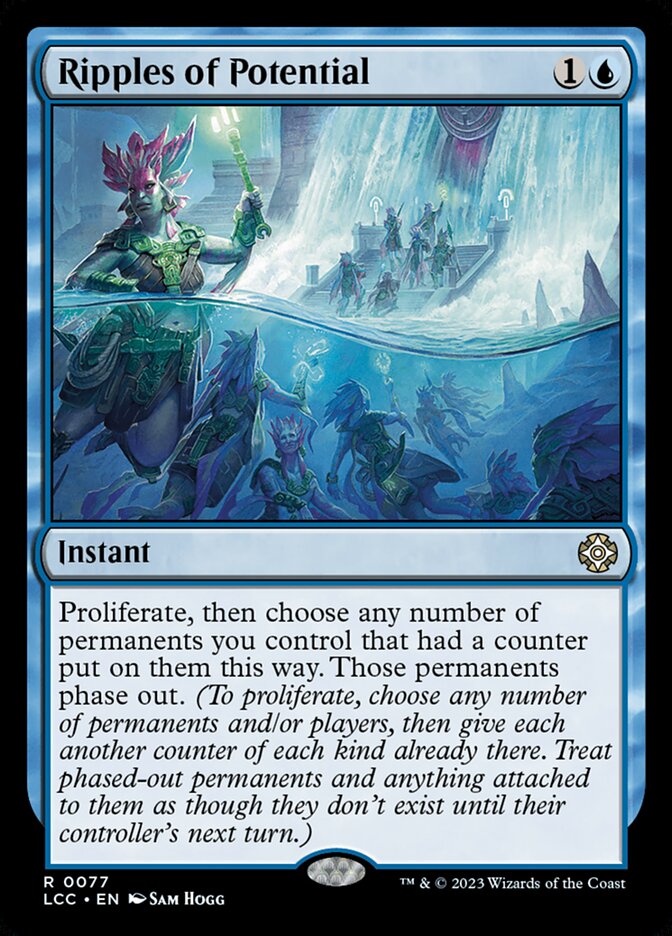
This is very similar in concept to Mutational Advantage, but it’s cheaper and in one color, and phasing is better protection in most cases. This blue instant has lots of potential in decks revolving around counters. Ripples of Potential, one might say.
#11. Vraska, Betrayal’s Sting
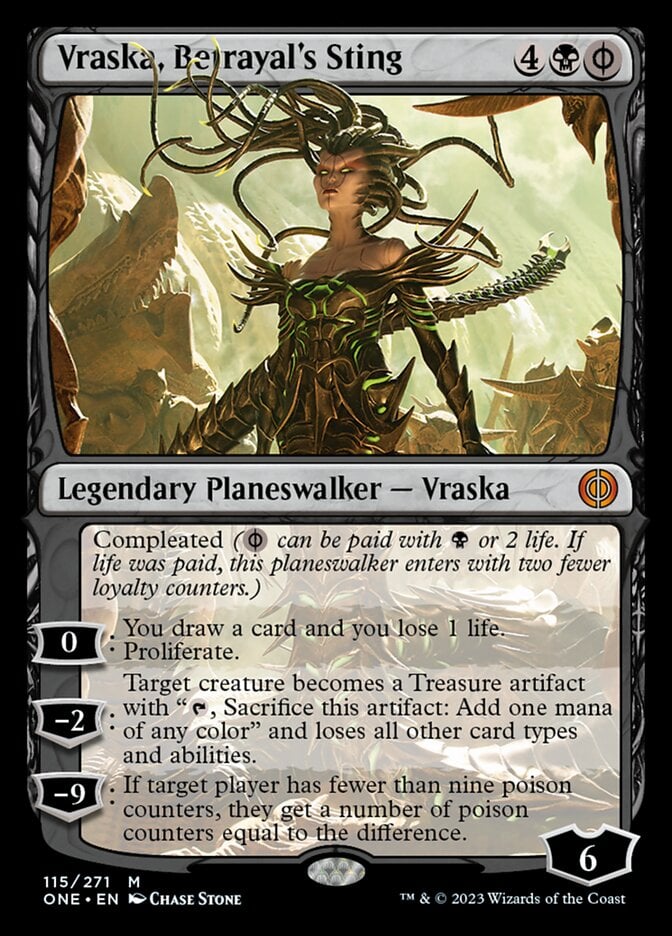
Proliferate as a loyalty ability is already an engine in and of itself, and Vraska, Betrayal's Sting offers much more than that. Vraska can petrify a creature with its -2 or tick up its own loyalty while drawing a card with the 0 ability. That helps work towards a potential game-winning -9. Even outside dedicated poison decks, that ultimate sets an opponent up for death with any proliferate follow-up.
#10. Planewide Celebration
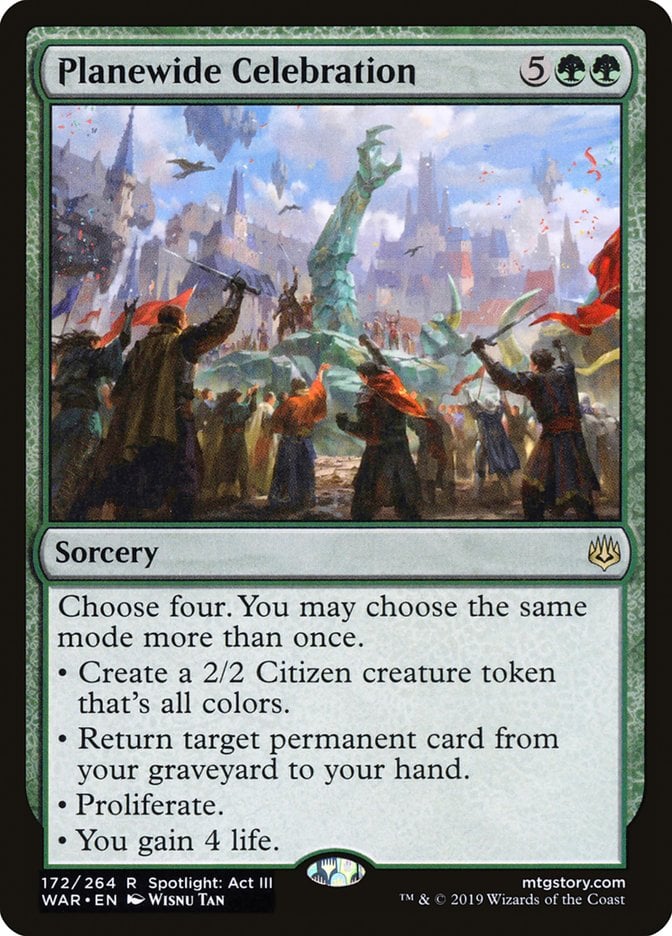
Versatility is king, although I’ve seen the proliferate mode on Planewide Celebration used more often than any other. In fact, it’s quite common for this card to be cast as a quadruple proliferate effect, setting up a planeswalker ultimate out of nowhere or becoming an Overrun in +1/+1 counter decks.
#9. High Perfect Morcant

High Perfect Morcant is an excellent Golgari elf commander with a strong payoff when playing elves. And it’s such a good proliferate card because it gives you something to proliferate by itself. Playing elves, giving their creatures -1/-1 counters, and using your own elves to proliferate is very solid. Of course, it scales to Commander games by affecting each opponent. And if you want to add this card to your Lathril, Blade of the Elves deck, it’s going to proliferate quite a lot of -1/-1 counters.
#8. Staff of Compleation
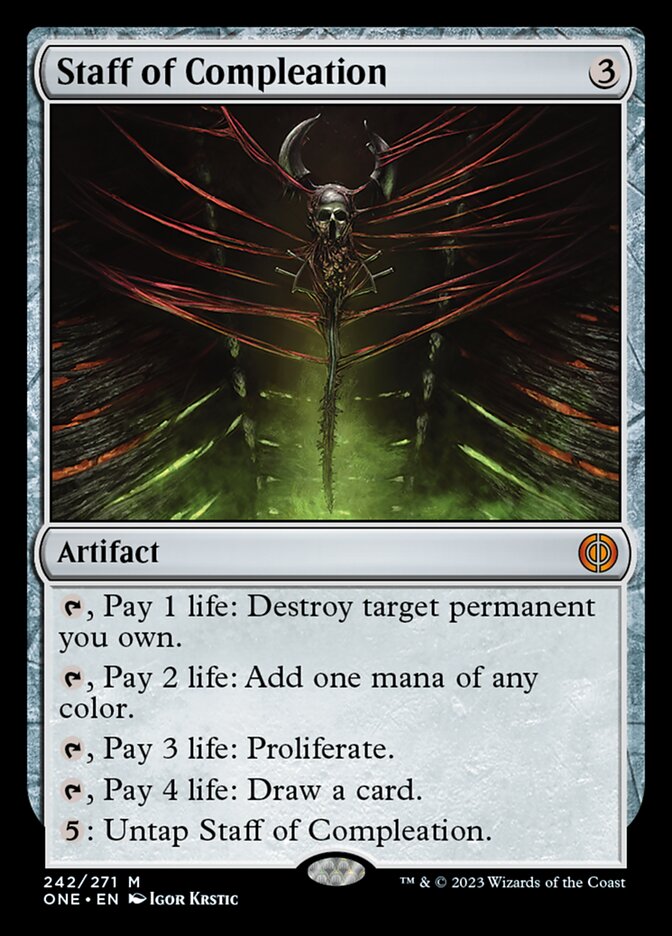
I repeat: Versatility is king. That said, Staff of Compleation has a real price associated with its modes. The primary mode of tapping for mana is significantly worse than your average mana rock, but it provides proliferation on a literal stick when you need it. This card doesn’t go in every deck; the key is to make good use of proliferate before the life payments catch up to you.
#7. Flux Channeler
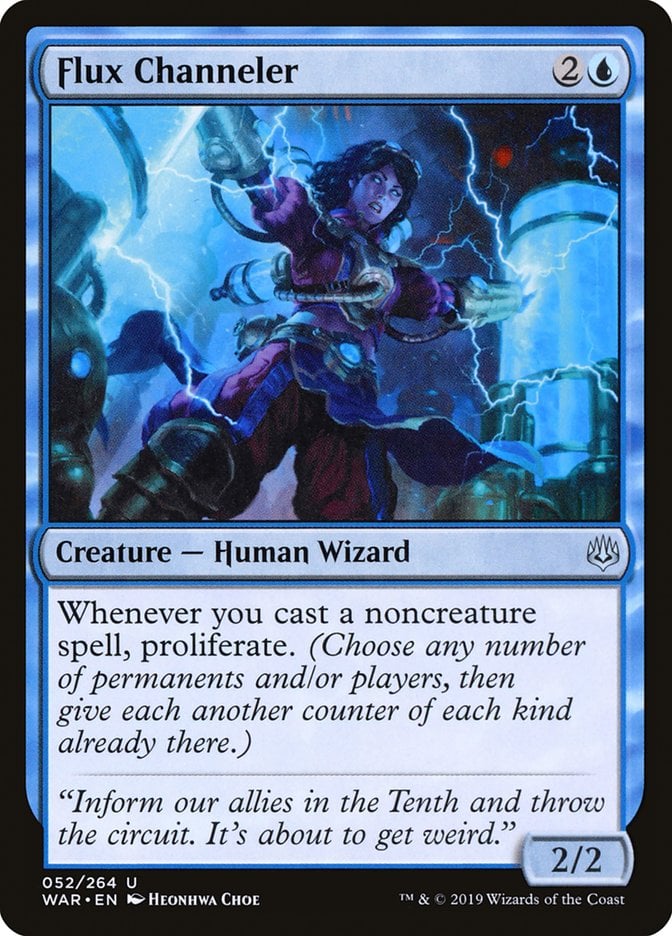
Flux Channeler is nuttier than a pecan pie in the right deck. What’s the right deck, you ask? Well, any blue deck with counters and non-creature spells. Counters and counters, if you will. Where are you stacking all your extra counters? Planeswalkers are a good start, among other options.
#6. Sword of Truth and Justice
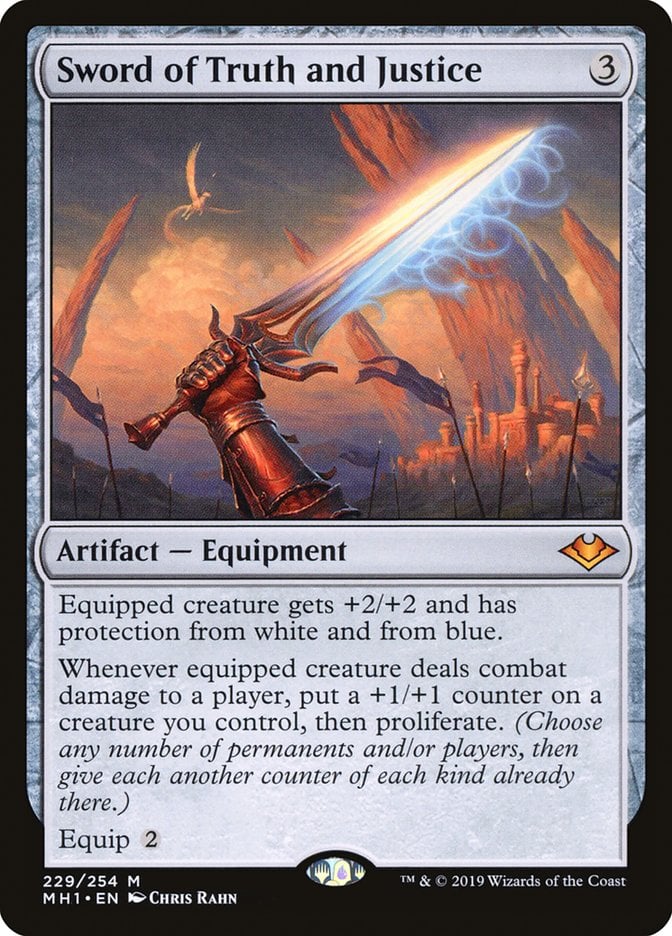
Every Sword of X&Y is playable by virtue of the protection it offers, even if the bonus effects aren’t amazing. Sword of Truth and Justice just so happens to have excellent bouses, including a +1/+1 counter and a proliferate on every hit. That means two +1/+1 counters at the minimum, and usually much more than that.
#5. Kilo, Apogee Mind

Kilo, Apogee Mind is one of the few creatures in MTG that can be tapped to proliferate. And there’s a million ways to tap and untap artifacts over and over. Something like Freed from the Real can help you proliferate for each that you spend. Attack with Kilo? Proliferate. Tap it to Springleaf Drum? Ditto. Plus, there are synergies with saddling mounts, crewing vehicles, and stationing spaceships.
#4. Yawgmoth, Thran Physician
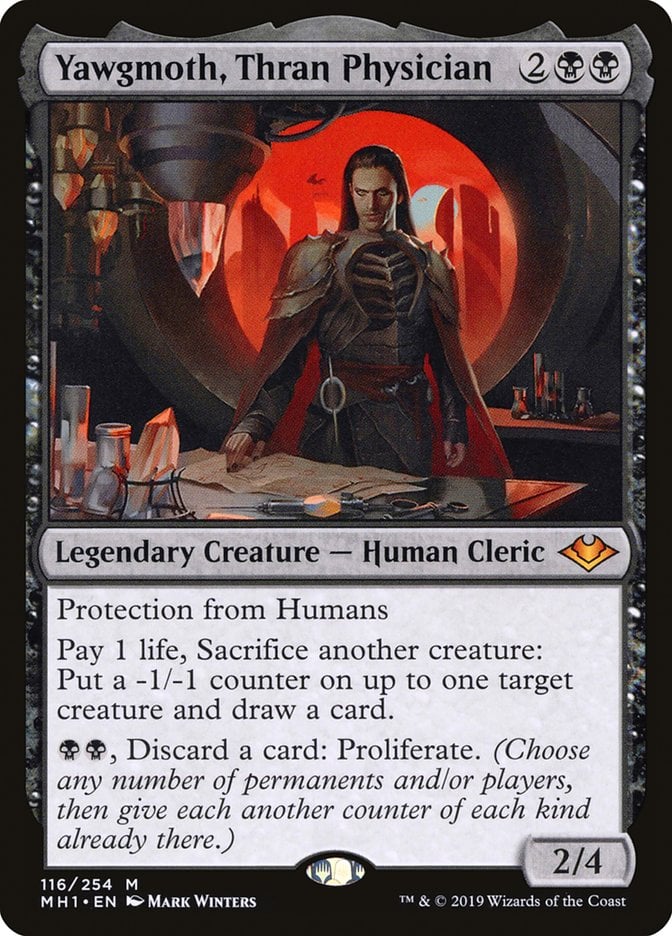
Yawgmoth, Thran Physician is a Jack of All Trades in Magic. Sac outlet, discard outlet, card draw, proliferator, what else could you need? Protection from one of the most prevalent creature types in the game? You got it! The Father of Machines feeds so many different types of decks, it’s no wonder this black cleric shows up on lists like this so often.
#3. Evolution Sage
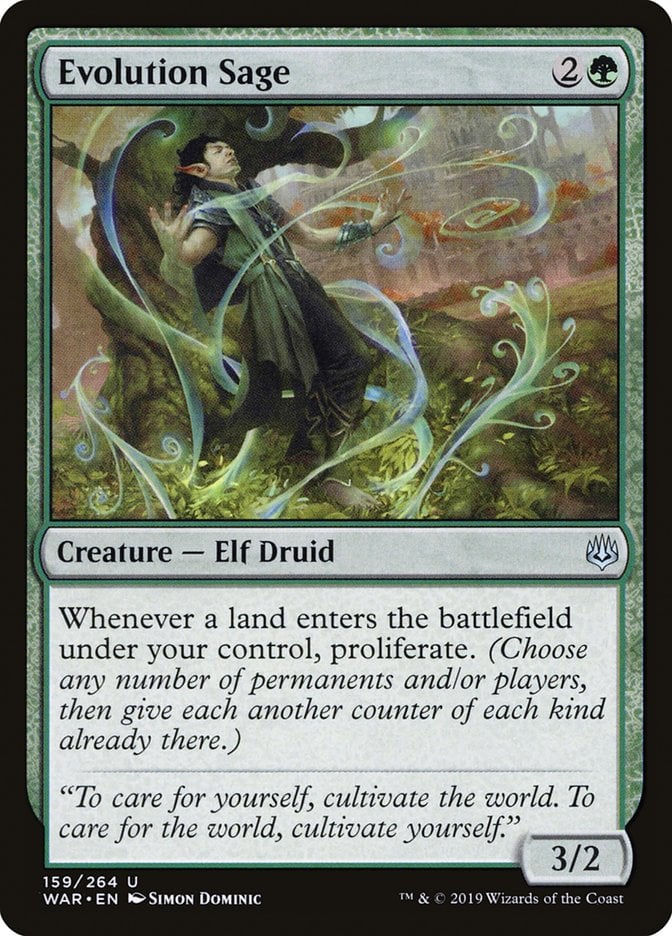
Yawgmoth, Thran Physician is certainly a more powerful card than Evolution Sage, but Sage is the better proliferator, specifically. Imagine all the games where you land-ramp out of control, then picture that in a counter-based deck where you get to proliferate on every landfall trigger. Evo Sage has the power to turn a basic land into a powerhouse play, which is saying a lot.
#2. Metastatic Evangel

Metastatic Evangel is the newest addition to the “card types = proliferate” formula, the difference being that this is a 2-drop, unlike Evolution Sage and Flux Channeler, and “creaturefall” is so incredibly easy to trigger. Granted, it’s non-tokens only, but at minimum creatures that already enter with counters come in with more, and any deck relying on counters (energy, experience, etc.) gets a steady flow of extra counters simply by playing creatures.
#1. Atraxa, Praetors’ Voice
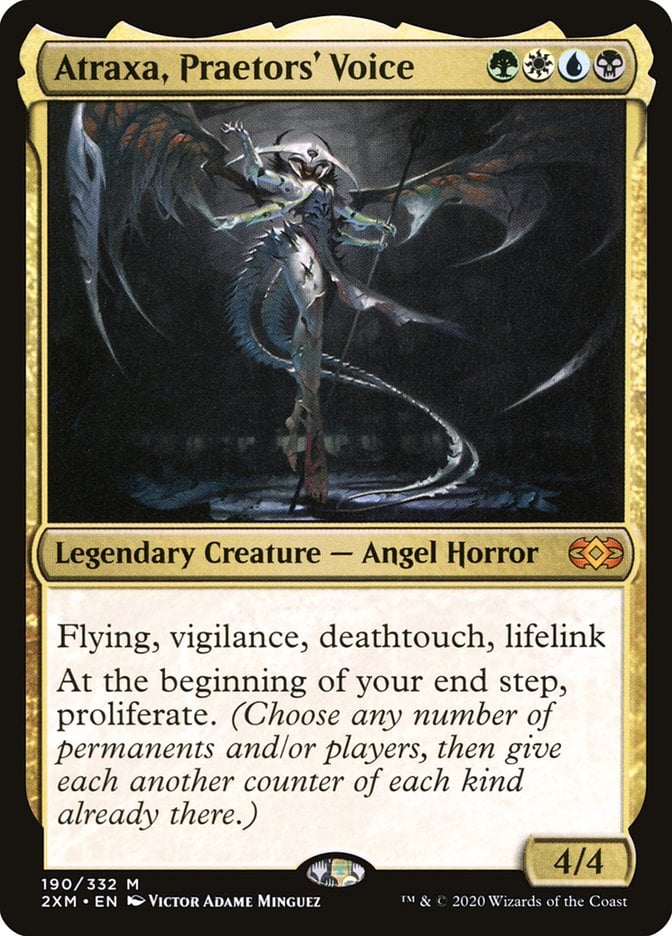
Atraxa, Praetors’ Voice has been a wildly popular commander since its first printing. This angel horror is an excellent infect commander, amazing with +1/+1 counters, -1/-1 counters, it’s among the best proliferate commanders… Atraxa has seen it all.
This 4-color commander is the poster child for using simple rules text to make a powerful card. They somehow managed to follow this up with the even more egregious Atraxa, Grand Unifier. Now when people refer to the “good Atraxa”, I have to ask: “Which one?”
Best Proliferate Payoffs
Proliferate is so entwined with poison counters that it’s hard to discuss one without the other. In fact, I’d argue that the only reason poison is even a viable strategy in Commander is because of the existence of proliferate as a mechanic. Infect/toxic decks rarely have the firepower to get over the finish line with just poison creatures, so they usually fall back on proliferate effects to deal the killing blow.
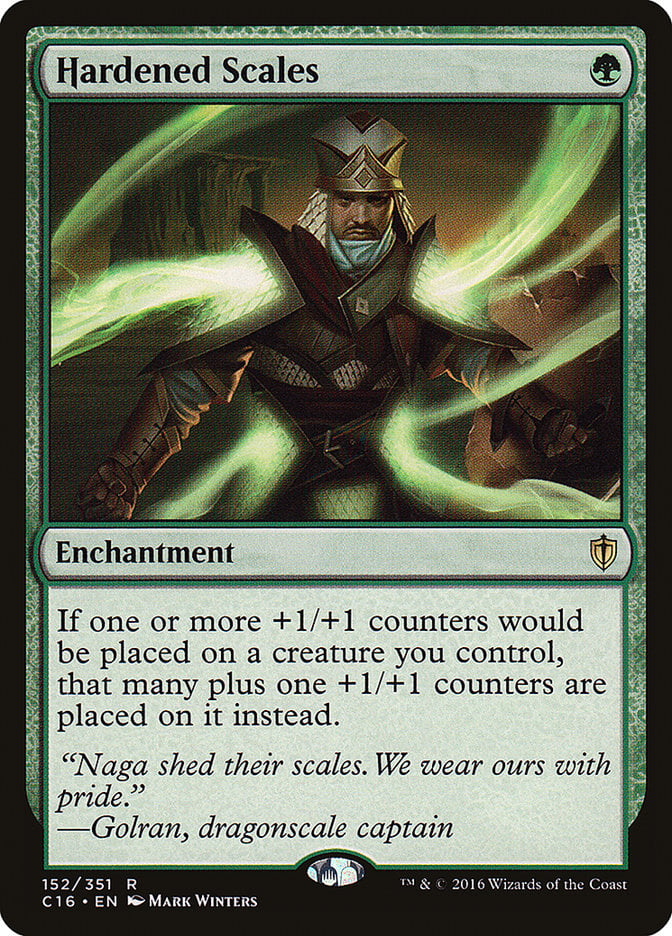
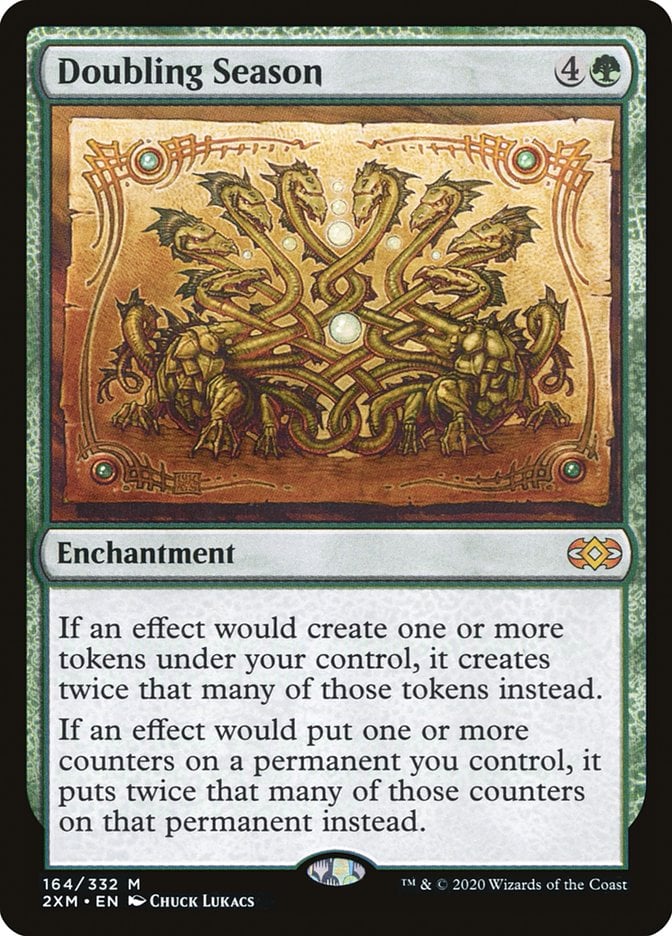
The most popular shell for proliferate is +1/+1 counter decks. In these builds, each proliferate effect is like an additional mini-anthem, which scales in power with counter doublers like Hardened Scales or Doubling Season.
The reverse -1/-1 counter decks also thrive off proliferation. They’re much less common and significantly less supported than their +1/+1 counter equivalents, but they allow you to weaponize proliferate against your opponents’ creatures. In other words, proliferate takes a more proactive role in +1/+1 counter decks, and a more controlling roll in -1/-1 counter decks.
No conversation about proliferate is complete without talking about planeswalkers. Superfriends decks are always on the lookout for ways to cheat extra counters on their ‘walkers in hopes of firing off a devastating ultimate. Proliferate lets you do just that, and multi-proliferate effects like Planewide Celebration can do it when your opponents weren’t expecting it.
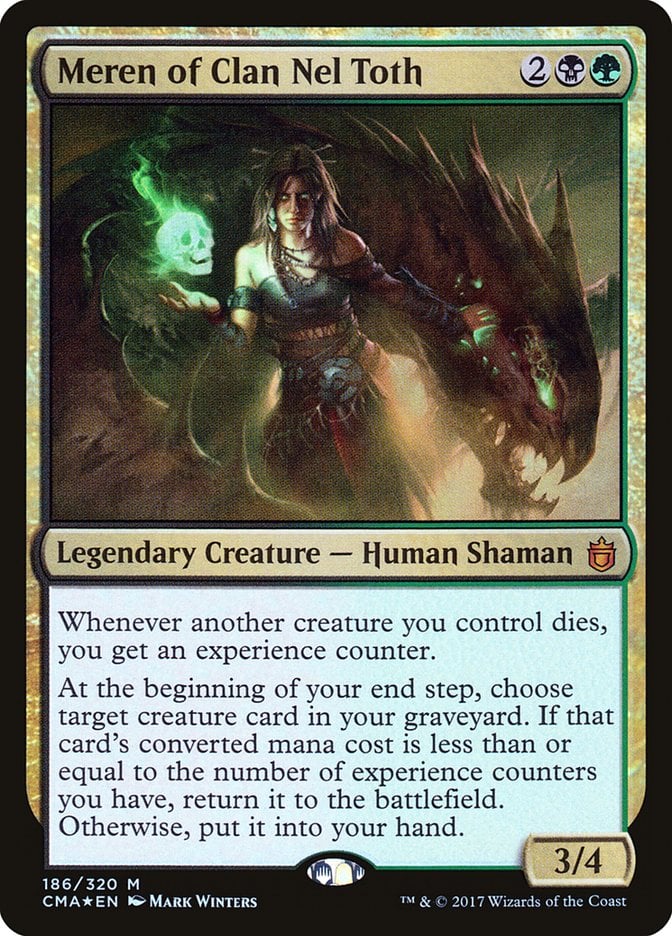
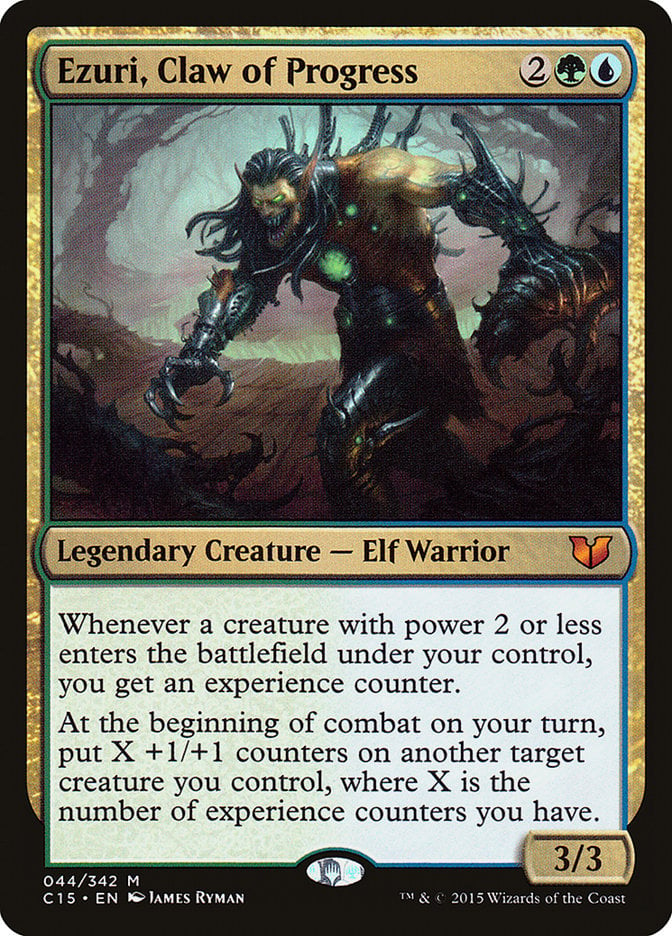
Experience counter commanders also benefit from proliferation. Cankerbloom is a perfect fit for Meren of Clan Nel Toth, while Thrummingbird is best friends with Ezuri, Claw of Progress.
Wizards continues to introduce new counter types as shorthand for certain effects in the game. Stun counters were introduced in Dominaria United as an alternative to the old “freeze” text, and rad counters (radiation) was a core mechanic of the Fallout Commander product. Both benefit from proliferation in obvious ways.

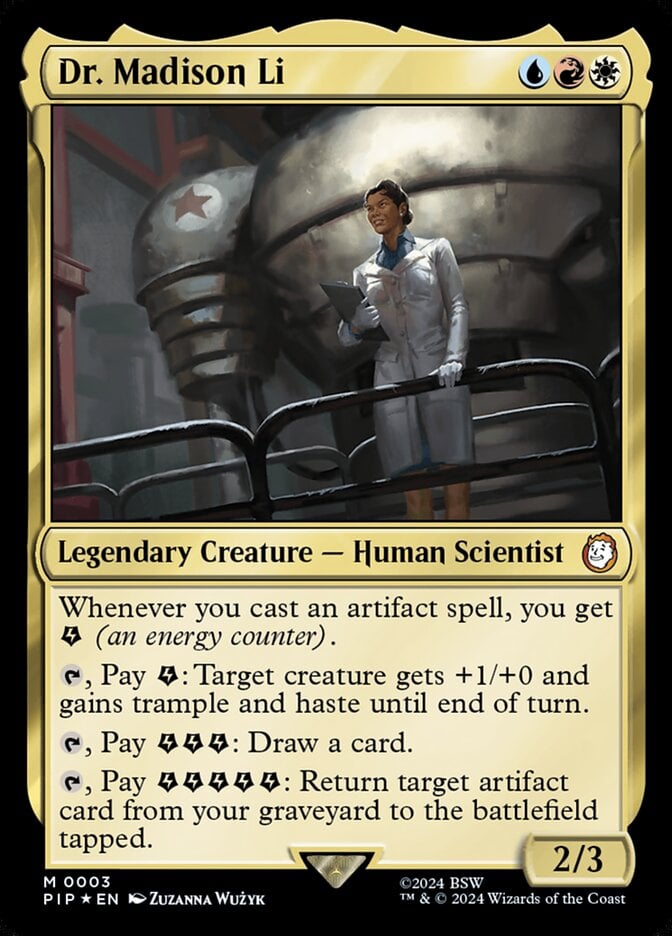
Energy decks are also hungry for playable proliferation effects. Satya, Aetherflux Genius and Dr. Madison Li create their own energy, but both welcome good proliferate effects in the Jeskai color identity.
All Countered Out

Evolution Sage | Illustration by Simon Dominic
Whether you choose growth or decay, proliferate is there to move things along. It’s a fan favorite mechanic with so many natural homes that it’s certain to show up again and again. We’re approaching almost 100 proliferate effects in the game, and I see no signs of this mechanic stopping. It can simply continue to grow. Proliferate, if you will.
How does proliferate serve your needs in Commander? What kinds of decks do you use it in? Are there any fun and interesting counters you like to mix with it? Let me know in the comments below or over in the Draftsim Discord.
Thank you for making Draftsim your #1 stop for all things Magic!
Follow Draftsim for awesome articles and set updates:










Add Comment